Top 100 American Red Wines

Last updated on July 15, 2026

Best American Red Wine Types
01

Zinfandel

3.6 ·

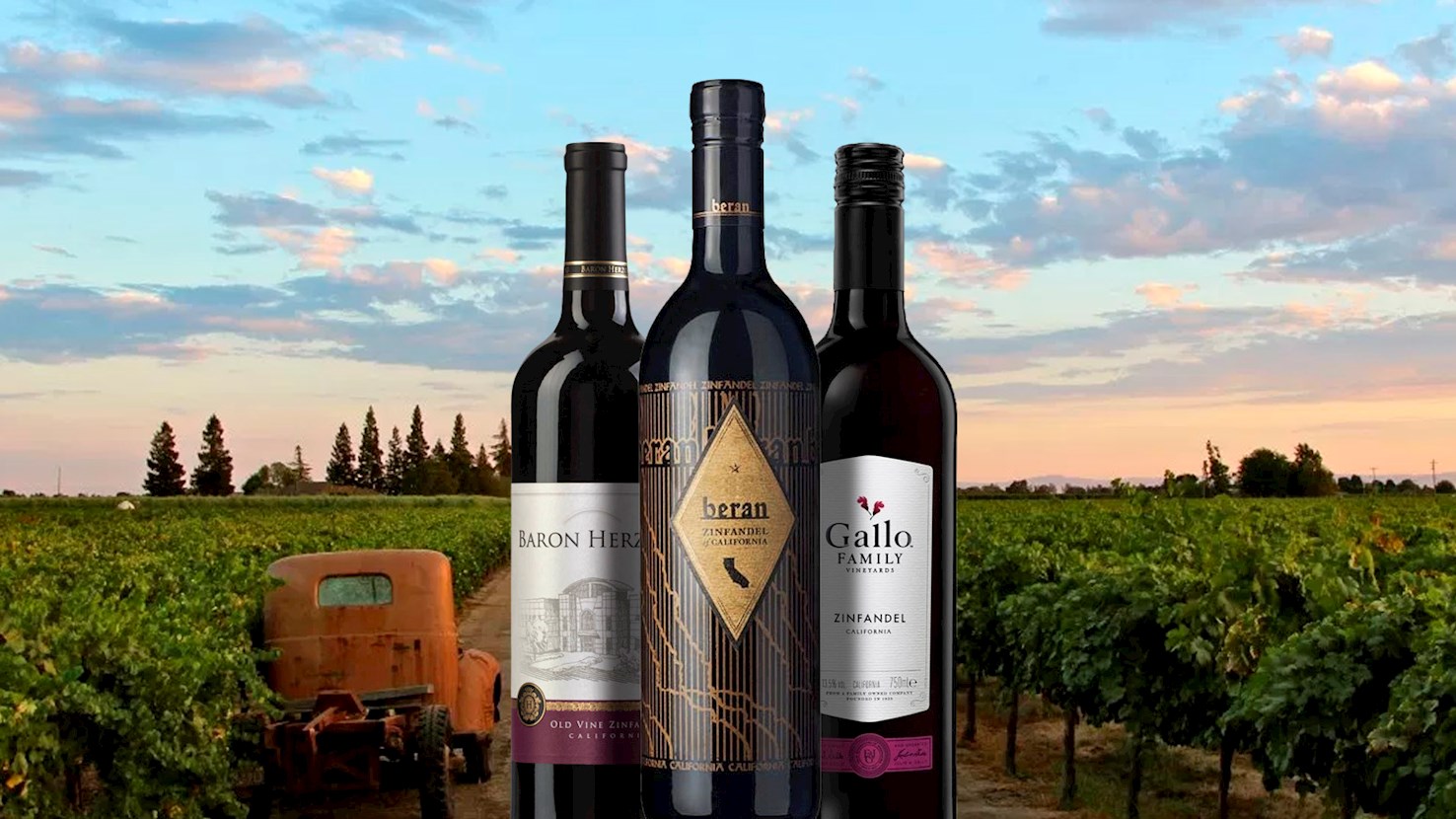
Zinfandel is a red grape variety that was introduced to California sometime in the 1850s. For a long time, its origins were unknown, but recent findings have shown that this flagship Californian grape, as well as the well-known Italian Primitivo, are genetically identical and descend from the somewhat obscure Croatian variety Crljenak Kaštelanski. Since it was introduced, Zinfandel thrived in the United States and became one of the most commonly planted grapes. Despite its origin, the character of American Zinfandel differs from Primitivo and Crljenak. It is heavily terroir-driven and can vary in style, but it is typically dense and fruit-forward with aromas reminiscent of black and red berries, pepper, and herbs. Some styles are oak-aged and may display hints of vanilla and spices. Californian Zinfandel pairs well with poultry, pork, red meat, sheep or cow cheeses, and roasted vegetables. The grape is also used in the production of White Zinfandel—the light, subtly sweet and easy-drinking rosé.

02

Petite Sirah

3.3 ·

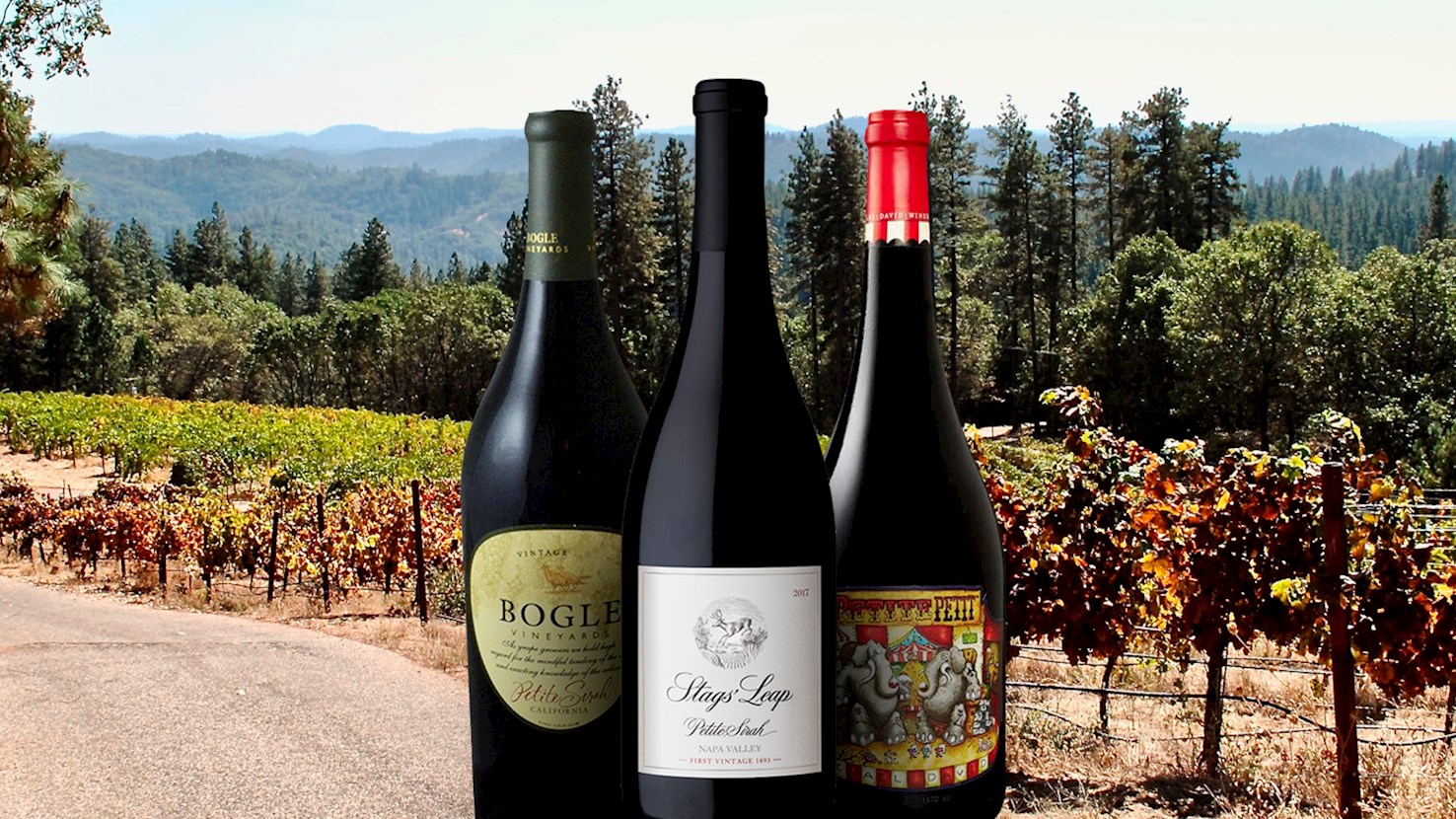
Petite Sirah is a common name for a red grape variety mainly cultivated in California. The grape produces dark, powerful, and full-bodied red wines with medium acidity and good aging potential. The aromas and the palate are dominated by plum, blueberry, cherry, licorice, and peppery notes. Despite its confusing name, the grape is not small (petite) in character and is only related to Syrah. For a very long time, the name was often wrongly used for several varieties grown in California, but DNA profiling has shown that most of the plantings were Durif—an old French cross between Syrah and little-known Peloursin that was discovered in Tullins by François Durif. The grape has virtually disappeared from its homeland, but it now thrives in the warmer Californian climate. It is cultivated in other American states, namely Washington, but also in Mexico, Brazil, Chile, and Israel. Petite Sirah is used in varietals and blends. It is often combined with Zinfandel to give wines more body and color. Petite Sirah wines would go well with red meat and spicy dishes. They can also pair well with pungent cheese varieties.

03

California Pinot Noir

n/a ·

California Pinot Noir is a red wine made from the Pinot Noir grape, a variety that originates from Burgundy in France but has found some of its most celebrated expressions in California’s diverse wine regions. Areas such as Sonoma Coast, Russian River Valley, Santa Barbara County, Monterey, and Carneros have become especially well known for producing high-quality Pinot Noir, with each region contributing its own character based on climate, soil, and elevation. The grape is notoriously delicate and difficult to grow, yet in California it benefits from cool coastal breezes, fog, and varied microclimates that allow it to thrive and produce wines of both elegance and intensity. Pinot Noir began to make its mark in California in the mid-20th century, when pioneering vintners planted the grape in cooler coastal areas despite its reputation as challenging to cultivate. Over time, these plantings revealed the potential of the state to produce wines that could compete with those from Burgundy while also showing a distinctly Californian identity. In the 1970s and 1980s, regions such as Russian River Valley and Carneros emerged as centers of Pinot Noir production, and as winemaking techniques advanced, so too did the consistency and quality of the wines. Today, California Pinot Noir is recognized internationally, not only for its fruit-forward style but also for its diversity, ranging from light and delicate to richer, more structured versions. The preparation of California Pinot Noir involves careful vineyard management, as the grape’s thin skins and susceptibility to disease demand close attention. Grapes are typically harvested at optimal ripeness and fermented with the goal of balancing fruit expression, acidity, and tannins. Some winemakers use whole-cluster fermentation to add complexity and spice, while others emphasize purity of fruit through de-stemming. Aging often takes place in French oak barrels, where subtle toasty and vanilla notes can complement the wine’s natural flavors. Depending on the region, the wines may highlight bright red fruit like cherry and cranberry, or deeper notes of plum and black raspberry, often accented by earthy, floral, or herbal undertones. A notable quality of California Pinot Noir is its ability to express terroir with great clarity. Wines from the Sonoma Coast often carry a cool-climate freshness and minerality, while Russian River Valley is known for lush fruit and silky textures. Santa Barbara County’s vineyards, influenced by ocean breezes and longer growing seasons, produce Pinot Noir with both ripeness and balance, while Carneros offers elegance with vibrant acidity. This range has made California Pinot Noir one of the most versatile categories in the state’s wine production, appealing to a wide spectrum of wine drinkers. Today, California Pinot Noir is enjoyed across the globe, featured in restaurants, wine bars, and private collections. It pairs especially well with poultry, salmon, mushrooms, and dishes that benefit from a wine with finesse rather than overpowering strength. Its adaptability to food and its spectrum of styles make it a favorite both for everyday meals and for fine dining occasions.

04

California Bordeaux

n/a ·

California Bordeaux refers to wines produced in California that are modeled after the blends of France’s Bordeaux region, using grape varieties such as Cabernet Sauvignon, Merlot, Cabernet Franc, Malbec, and Petit Verdot. These wines are particularly associated with Napa Valley and Sonoma, regions whose climates and soils have proven especially favorable for cultivating these grapes. While not an official appellation, the term reflects a style of winemaking that adapts Bordeaux’s blending principles to the conditions of California, where sunshine, diverse terroirs, and winemaker innovation create bottles with their own distinct identity. The story of these wines began in the mid-20th century, when vintners recognized that California could produce wines of similar quality and depth to those from Europe. Early plantings of Cabernet Sauvignon and Merlot revealed the potential for producing blends that balanced structure and fruit expression, leading to experiments in the style of Bordeaux châteaux. The 1976 Judgment of Paris tasting, where Californian wines famously outperformed French competitors, cemented the credibility of the region and encouraged greater investment in Bordeaux varietals. In the years that followed, the wines gained recognition not only as imitations of a European model but as benchmarks in their own right, with some achieving global prestige and commanding high prices on the international market. The preparation of California Bordeaux blends involves careful vineyard management, selective harvesting, and the blending of multiple grape varieties to create wines that are harmonious and complex. Aging in oak barrels, both French and American, is a key component, adding structure, spice, and depth. While the techniques echo those of Bordeaux, California’s climate often produces riper grapes, resulting in wines with more pronounced fruit character, higher alcohol, and softer tannins. Cooler regions of the state, such as areas of Sonoma or Santa Barbara, contribute more restrained versions that emphasize balance and acidity, showing the range possible within the California Bordeaux category. A notable feature of these wines is the Meritage designation, a term created in the United States to identify Bordeaux-style blends that do not fit into single-varietal labeling conventions. This provided a framework for winemakers to embrace blending as a central philosophy, allowing flexibility to adapt to each harvest and highlight the strengths of individual grape varieties. The category has since expanded, with many producers creating blends that vary in proportion, giving each wine a unique profile while still maintaining the hallmarks of the Bordeaux approach. Today, California Bordeaux wines are enjoyed both at home and abroad, served in fine dining restaurants, wine bars, and private tastings. They are often paired with dishes such as grilled meats, braised stews, and aged cheeses, foods that can stand up to their richness and structure. While rooted in European inspiration, they have established themselves as distinctly Californian expressions of Bordeaux varietals, celebrated for their depth, versatility, and global appeal.

05

Anderson Valley

n/a ·

nderson Valley is an American Viticultural Area situated in the coastal region of Mendocino County, California, extending approximately 15 miles along the Navarro River. The region was officially designated as an AVA in 1983, following the identification of its unique maritime-influenced climate, which is categorized as a Region I or II on the Winkler scale for viticultural heat summation. The development of the valley into a wine-producing zone began in the late 19th century with orchard farming, but shifted toward cool-climate viticulture in the 1960s and 1970s as growers recognized the cooling effect of the Pacific Ocean fog that enters through the Navarro River's northwestern opening. The geological profile of the valley consists of alluvial soils on the floor and fractured sandstone and shale on the surrounding ridges, which provide the drainage necessary for the cultivation of Vitis vinifera. Preparation of the wine focuses on varieties that require a long, slow ripening period, specifically Pinot Noir, Chardonnay, and Alsatian-style whites such as Gewürztraminer, Riesling, and Pinot Gris. The winemaking process for the region's prominent sparkling wines involves the méthode traditionnelle, though denoted here as the classic secondary fermentation in the bottle, relying on the high natural acidity retained by the grapes due to the significant diurnal temperature variation. A specific property of this AVA is the "Deep End," the northwesternmost section closest to the ocean, where the temperatures remain consistently lower, producing wines with lower alcohol levels and higher phenolic acidity. Anderson Valley wines are served at temperatures relative to their style, with sparkling wines and Alsatian whites served at 6°C to 9°C, and Pinot Noir served at 14°C to 16°C. The region has also maintained a linguistic isolate known as Boontling, which originated among the local residents and includes specific terms for viticultural and agricultural practices unique to the valley. These wines are distributed globally and are commonly featured in culinary contexts that prioritize balance over power. The high acidity and bright fruit profiles of Anderson Valley Pinot Noir make it a functional pairing for roasted poultry, wild mushrooms, or the Haitian boudin créole, while the aromatic Gewürztraminer is often paired with spicy Asian cuisines or the salted profile of Pallone di Gravina cheese to provide a counterpoint to the salt and fat content.

Best producers
06

Diamond Mountain District

n/a ·

Diamond Mountain District is an American Viticultural Area located in the Mayacamas Mountains at the northwestern corner of Napa Valley, established as a federally recognized sub-appellation in 2001. The development of this viticultural zone began in the late 19th century when homesteaders identified the potential of the high-elevation volcanic slopes, specifically at altitudes ranging from 400 to 2,200 feet above the valley floor. The geological foundation of the region is defined by fine-grained volcanic ash known as rhyolitic tuff and fractured basalt, which contain small, reflective volcanic crystals that influenced the naming of the district. Unlike the alluvial fans of the valley floor, these mountain soils are porous, nutrient-poor, and provide rapid drainage, forcing the vines to develop deep root systems and producing small, thick-skinned grapes with a high ratio of skin to juice. Preparation of the wine centers on the cultivation of Bordeaux varieties, with Cabernet Sauvignon occupying the majority of the planted acreage due to its ability to thrive in the heat-trapping, south-facing exposures that sit above the morning fog line. The winemaking process typically involves extended maceration and aging in French oak barrels to manage the high concentration of tannins and natural acidity resulting from the intense solar radiation at these altitudes. A specific property of Diamond Mountain District wine is its structural longevity, characterized by a firm tannic backbone and a distinct mineral profile often described as graphite or crushed rock. The wine is served at approximately 18°C and generally requires decanting for one to two hours to allow the dense tannins to soften and the aromatic profile to broaden. It is consumed primarily in high-end dining environments and by collectors who value wines capable of multi-decade maturation in temperature-controlled cellars. Because of the robust tannin structure and high alcohol content, these wines are paired with dense proteins and lipid-heavy foods that can chemically interact with the polyphenols to create a smoother palate sensation. Common pairings include dry-aged ribeye steak, braised short ribs, or hard, crystalline cheeses like aged Parmigiano-Reggiano or Pallone di Gravina, as the salt and fat in these items mitigate the astringency of the mountain tannins.

Best producers
07

Yorkville Highlands

n/a ·

Yorkville Highlands is an American Viticultural Area located in southern Mendocino County, situated along Highway 128 between the Anderson Valley and the Alexander Valley. The region was officially granted AVA status by the Alcohol and Tobacco Tax and Trade Bureau in 1998, following the recognition of its distinct geological and climatic boundaries that separate it from neighboring viticultural zones. The development of the area as a wine-producing region accelerated in the late 20th century as growers identified the specific utility of its high-elevation benches and ridge tops, which range from 800 to 2,500 feet above sea level. The soil composition is primarily composed of brittle Yorkville-series rocky loam and gravelly soils formed from disintegrated shale and sandstone, which provide high levels of drainage and stress the vines to limit yield and concentrate flavor. Preparation of the wine involves the cultivation of late-ripening varieties, specifically Syrah and Cabernet Sauvignon, though the region is also significant for its production of Sauvignon Blanc and Semillon. The climate is characterized by a significant diurnal temperature swing; while daytime temperatures are high, the elevation allows for cool air drainage and coastal breezes from the Pacific Ocean to lower temperatures at night, preserving the titulatable acidity within the grapes. A specific property of the red wines from this AVA is the presence of high tannin density and a distinct mineral edge attributed to the fractured rock content of the soil. The winemaking process often utilizes small-lot fermentation and aging in French oak barrels to manage these tannins and integrate the fruit profiles. The wines are served at 16°C to 18°C for reds and 8°C to 10°C for whites in appropriate stemware to facilitate aeration. These wines are consumed globally but are most prominently featured in regional California tasting rooms and specialized wine retail outlets. The robust structure of the Syrah and Cabernet Sauvignon from this region makes them compatible with high-protein pairings such as grilled venison, herb-crusted lamb, or aged hard cheeses like cheddar or the aforementioned Pallone di Gravina, while the Sauvignon Blanc is frequently paired with local goat cheese or seafood dishes featuring citrus-based reductions.

08

St. Helena

n/a ·

St. Helena is a federally recognized American Viticultural Area (AVA) situated in the narrowest central corridor of the Napa Valle, encompassing approximately 9,000 acres of vineyard land surrounding the municipality of St. Helena. The development of viticulture in this specific region began in the mid-nineteenth century, following the establishment of the first commercial winery by Charles Krug in 1861 and the subsequent founding of the Beringer estate in 1876. These early agricultural efforts utilized the specific geological positioning of the district, which sits on an hourglass-shaped narrowing of the valley floor where the Vaca and Mayacamas mountain ranges converge. This geographic configuration results in intensified heat retention and reduced maritime influence compared to the southern regions of the valley, creating a climate categorized by higher daytime temperatures. The soil composition is primarily a result of thousands of years of erosion from the surrounding peaks, forming a complex mosaic of Bale clay loam and gravelly volcanic fans that provide rapid drainage for deep-rooted vines. Preparation of the wine involves a harvest that typically occurs earlier than in cooler districts due to the rapid accumulation of sugars facilitated by the intense solar radiation of the central valley. The primary variety produced is Cabernet Sauvignon, which undergoes fermentation in stainless steel tanks followed by extended maceration to extract phenolic compounds before aging in French oak barrels for durations often exceeding eighteen months. A specific technical aspect of the St. Helena AVA is the "Bernice" or "St. Helena effect," where the narrowness of the valley traps warm air, leading to some of the highest recorded peak temperatures in the region, which results in red wines with significant physiological ripeness and high alcohol by volume. These red wines are served at a temperature of 18°C in wide-bowled glassware to facilitate the aeration of dense tannins. The wines are consumed globally in professional culinary settings and are most frequently paired with high-fat, protein-rich dishes that can withstand the structural intensity of the wine. Common pairings include dry-aged ribeye steak, braised short ribs, and hard, aged cheeses like gouda or pecorino, which utilize the wine’s tannin structure to cleanse the palate.

09

Oak Knoll District

n/a ·

The Oak Knoll District is a federally designated American Viticultural Area (AVA) situated at the southern tip of the Napa Valley floor in California, encompassing approximately 8,300 acres of land between the City of Napa and the town of Yountville. Viticultural activity in this specific geographic zone began in the mid-nineteenth century, following the 1850 land grant to Joseph Osborne, who established the Eshcol estate and planted some of the valley’s earliest premium wine grapes. The development of the district was shaped by its position on the southern alluvial fan of the Dry Creek watershed, which deposited a diverse mix of gravelly loam and silt soils over thousands of years. Unlike the warmer northern reaches of the valley, this area is defined by its proximity to the San Pablo Bay, which creates a maritime influence characterized by persistent morning fog and cool afternoon breezes that regulate the ripening process. The preparation of wines from this district involves the management of a long growing season that accommodates both cool-climate varieties like Chardonnay and Riesling, as well as Bordeaux varieties such as Cabernet Sauvignon and Merlot. Vineyard managers utilize specific trellis systems to maximize solar intercept while protecting fruit from occasional heat spikes, and fermentation typically occurs in small-lot stainless steel or French oak barrels to preserve the distinct acidity provided by the moderate temperatures. A unique characteristic of the Oak Knoll District is its status as the "sweet spot" of the valley, where the maritime cooling effect overlaps with enough heat summation to allow for the simultaneous successful cultivation of both white and red varietals within a single square mile. The resulting wines are characterized by structural elegance and higher natural acidity rather than the high alcohol and over-extracted fruit profiles found in hotter regions. These wines are served in high-end restaurants and tasting rooms across the United States and are frequently evaluated for their aging potential. The red wines from the district, particularly the Merlot and Cabernet Sauvignon, are served at 16°C to 18°C and are paired with lean proteins such as roasted duck, veal, or herb-crusted lamb. The white wines are served chilled at 10°C and function effectively as accompaniments to West Coast oysters, grilled poultry, or creamy vegetable risottos.

10

Wahluke Slope

n/a ·

Wahluke Slope is an American Viticultural Area (AVA) located in Grant County within the south-central region of Washington State. It is situated on a large, south-facing alluvial fan that encompasses approximately 81,000 acres, with nearly 9,000 acres currently planted to vineyards. The region is bordered by the Columbia River to the west and south, the Saddle Mountains to the north, and the Hanford Reach National Monument to the east. It is one of the warmest and driest viticultural regions in Washington, receiving fewer than six inches of annual rainfall. The geological formation of the slope was primarily shaped by the Missoula Floods, a series of cataclysmic events during the last ice age that deposited deep layers of gravel and sand over a basalt foundation. These flood deposits were subsequently covered by wind-blown silt known as loess. Viticulture in this area was initially explored in the 1970s, but large-scale commercial planting began in the 1980s as irrigation infrastructure became more accessible. The region achieved its own AVA status in 2006. Because the landscape is exceptionally level with a gentle southward grade of about 1%, it lacks the microclimate variations found in more rugged terrain, which leads to highly uniform ripening across large vineyard blocks. Preparation of the wine focuses on red Bordeaux and Rhône varieties, which account for roughly 75% of the total production. The high heat units and intensive solar radiation produce grapes with thick skins and high sugar concentrations. Cabernet Sauvignon, Merlot, and Syrah are the dominant types produced. Due to the arid conditions, viticulturists utilize drip irrigation to precisely manage vine stress and canopy growth. In the winery, these grapes often require techniques to manage high alcohol levels and soften the dense tannins that result from the intense heat. Red wines are typically served at 18°C, while the smaller percentage of white wines, such as Riesling or Chardonnay, are served at 10°C. The uniform geography and consistent heat result in wines that are reliably full-bodied and intense. The wines are consumed globally, often serving as a primary component in many of Washington’s high-volume, premium blends due to their consistency. Pairings for Wahluke Slope red wines include heavy, protein-rich dishes such as smoked brisket, grilled steaks, or lamb shank to balance the structural tannins. The white wines pair with spicy cuisine or roasted poultry. The beverage is often served with room-temperature water to accommodate the higher alcohol percentages common to this warm-climate region.

Best producers

Best American Red Wines

01

Domaine Serene

5.0 ·

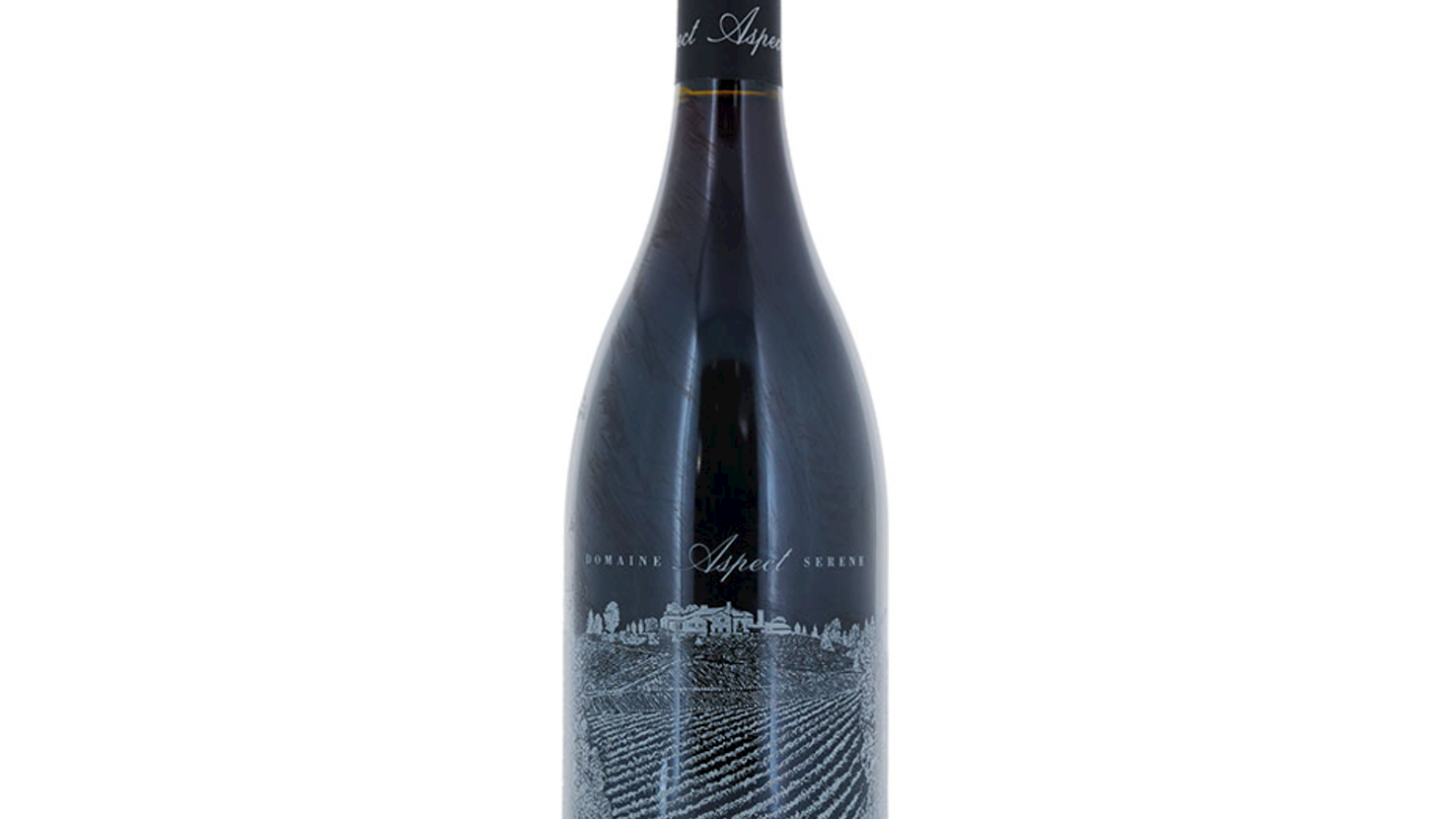
Domaine Serene is a prestigious family-owned winery located in Oregon’s Willamette Valley, founded in 1989 by Ken and Grace Evenstad with a clear vision of producing world-class, Burgundy-inspired wines. The winery has built a strong reputation as one of the leading producers in the United States, with a particular focus on Pinot Noir and Chardonnay - varieties that best express the region’s cool climate and diverse soils.

Domaine Serene manages its own estate vineyards across several highly regarded sites, vinifying each parcel separately in order to preserve its individual terroir identity. Their approach combines meticulous vineyard management, low yields, and carefully controlled winemaking, supported by extended aging and the use of French oak.

The wines are known for their depth, structure, and elegance, as well as their strong potential for long-term aging. In addition to still wines, the estate also produces sparkling wines and limited-production collector cuvées.

Today, Domaine Serene stands as one of the key symbols of quality and ambition in American Pinot Noir and Chardonnay, enjoying a strong international reputation.

Awards
Decanter World Wine Awards - Best in Show (2026, 2020, 2016)
Decanter World Wine Awards - Platinum (2017)
02

Sine Qua Non

5.0 ·

Sine Qua Non is one of the most iconic and influential boutique wineries in California, located in Ventura County and renowned for its extremely limited releases, unconventional style and the strong personal imprint of winemakers Manfred and Elaine Krankl. Founded in the early 1990s, the winery has become synonymous with intensely concentrated, artistically conceived wines based primarily on Rhône-style varieties such as Syrah, Grenache, Mourvèdre and Viognier.

Production is extremely small, often only a few hundred to a few thousand bottles per wine, which is why nearly all sales take place through an exclusive waiting list. In the vineyard, meticulous vine management and low yields are essential, while in the cellar the team uses long macerations, slow maturation and a combination of new and seasoned oak barrels to achieve maximum varietal expression.

Despite its powerful reputation and global demand, the winery remains committed to its individualistic approach - small lots, constant experimentation and a philosophy that each wine must be unique, irreproducible and stylistically free. Today, Sine Qua Non holds an almost mythical status in the wine world, representing a fusion of creativity, boldness and exceptional craftsmanship.

Awards
Falstaff - 100
Falstaff - 99
03

Schrader Cellars

5.0 ·

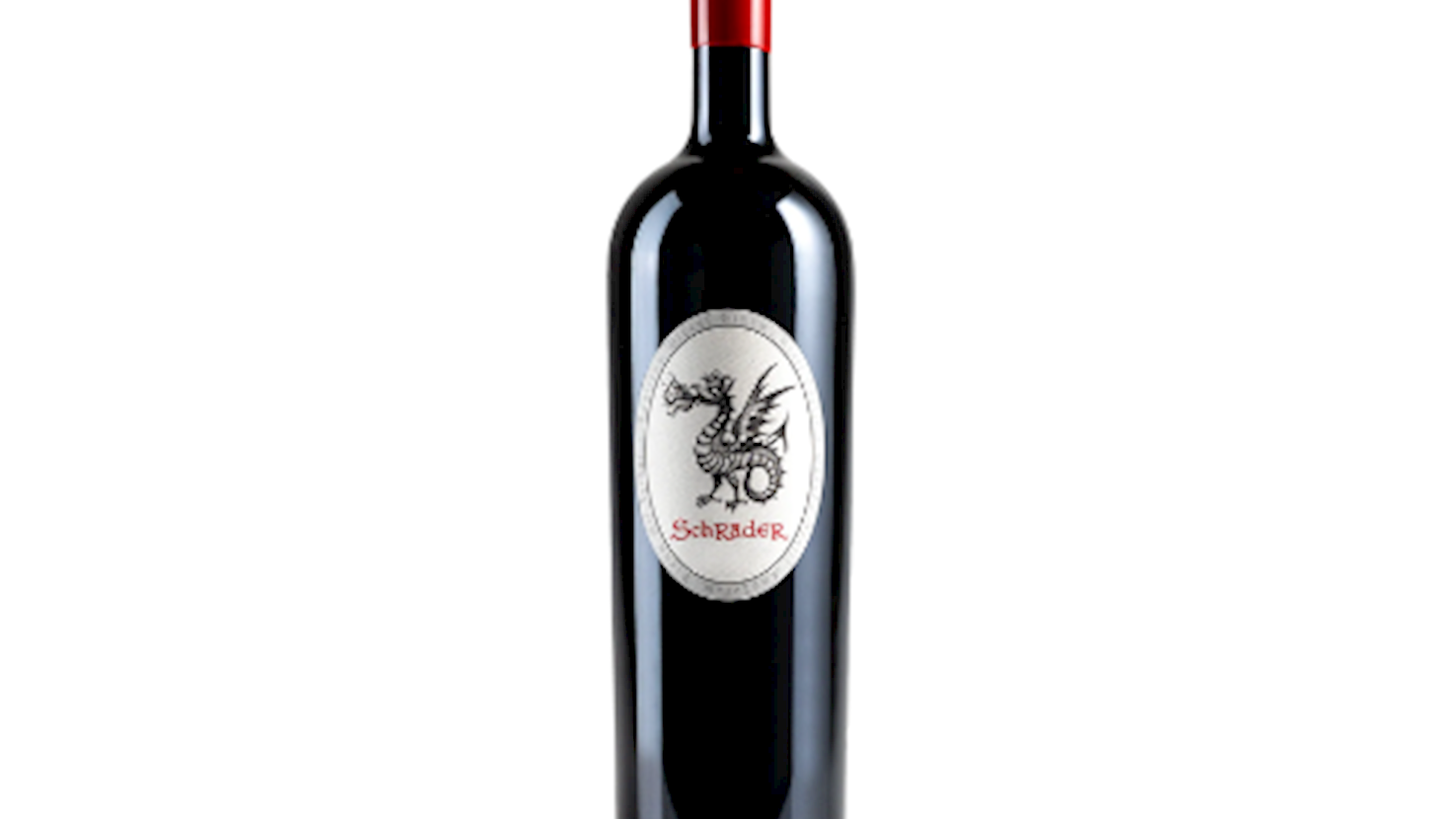
Schrader Cellars is a highly regarded Napa Valley winery founded in 1998 by Fred Schrader, with a clear focus on producing top-tier Cabernet Sauvignon from some of the region’s most sought-after vineyard sites. The estate is closely associated with the iconic Napa Valley, particularly the renowned Beckstoffer To Kalon Vineyard, which is considered one of the finest sources of Cabernet Sauvignon in California.

A defining element of the winery’s success is its long-standing collaboration with winemaker Thomas Rivers Brown, whose approach emphasizes clonal selection and precise expression of individual vineyard blocks. Schrader Cellars produces limited quantities of single-vineyard and single-block wines, highlighting the nuances of terroir with remarkable clarity.

The wines are known for their richness, structure, and depth, balanced by precision and aging potential. Minimal intervention in the cellar allows the fruit and vineyard character to remain at the forefront.

Over time, the winery has achieved “cult” status, driven by both critical acclaim and limited availability. Many of its wines have received perfect scores from leading critics, reinforcing its reputation in the premium wine segment.

Today, Schrader Cellars stands as a benchmark for modern Napa Valley Cabernet Sauvignon.

Awards
Falstaff - 100
Falstaff - 99
04

Shafer Vineyards

5.0 ·

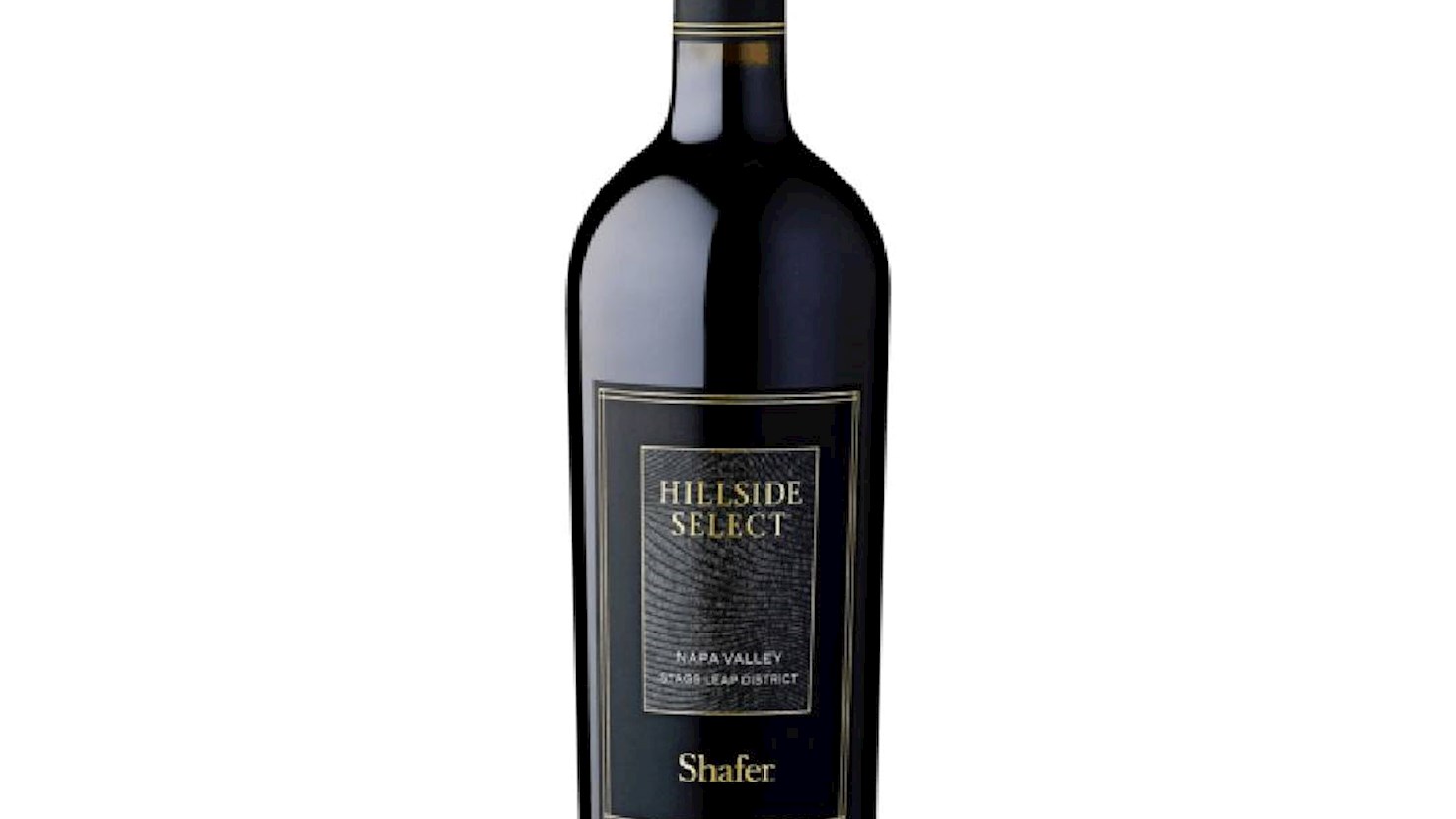
Shafer Vineyards is a family-founded winery located in the renowned Stags Leap District of Napa Valley. Established in 1972 by John Shafer, the estate quickly rose to prominence through a clear vision, dedication to the land, and an uncompromising pursuit of quality.

What began as a hillside vineyard soon became one of the most respected names in American winemaking. With over 200 acres of sustainably farmed vines, Shafer produces wines that reflect both the richness of Napa’s terroir and the precision of thoughtful craftsmanship. The winery is best known for its flagship Hillside Select, a benchmark Cabernet Sauvignon celebrated worldwide, along with other acclaimed labels such as One Point Five, Relentless, and Red Shoulder Ranch Chardonnay. Longtime winemaker Elias Fernandez has guided the style of Shafer wines for decades, focusing on depth, balance, and longevity.

Together with Doug Shafer, the estate has maintained a philosophy rooted in respect for tradition while embracing innovation.

Awards
Falstaff - 100
Vivino - 4.6
05

Bond Wine

5.0 ·

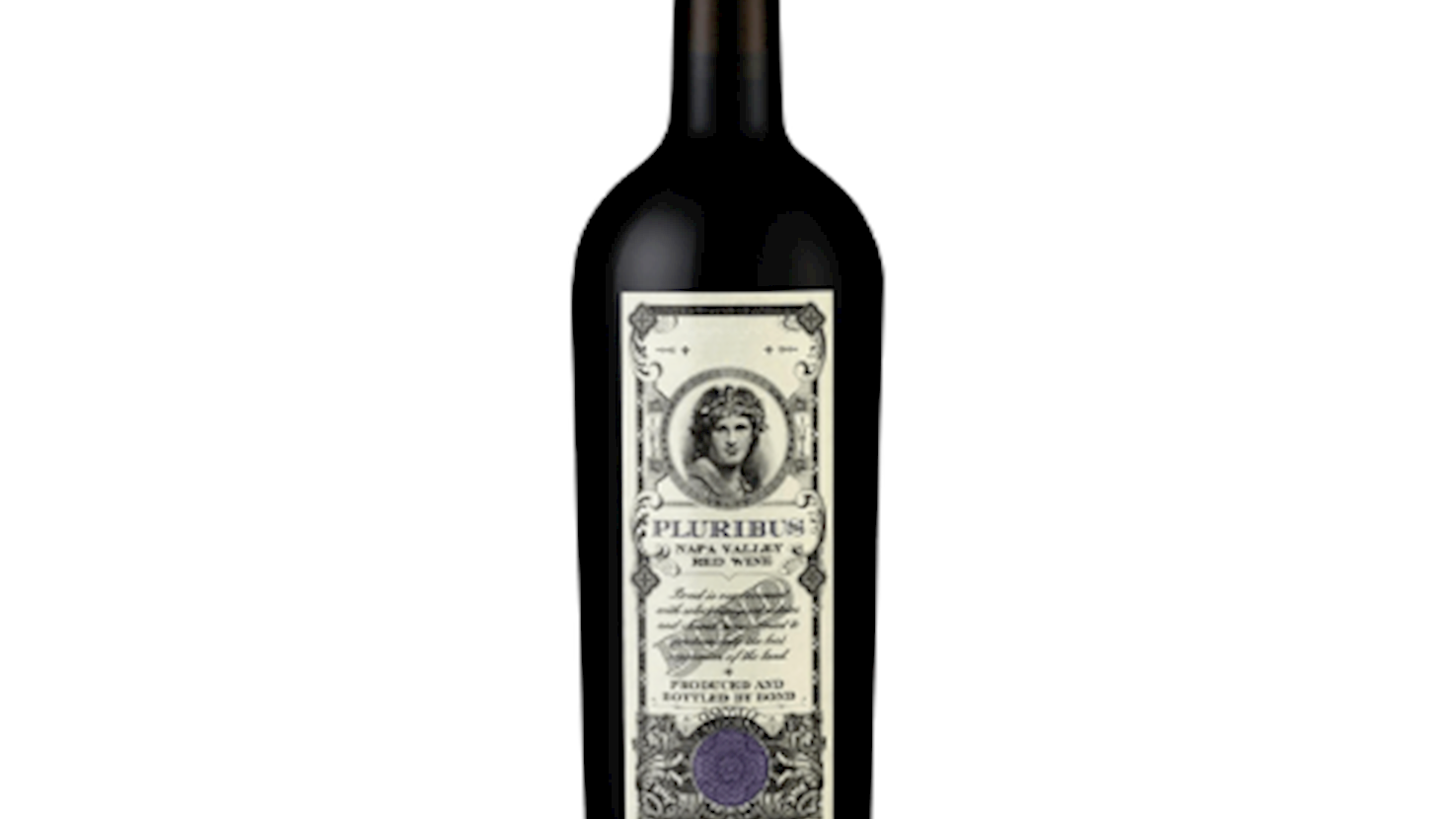
Bond Wine is an exclusive Napa Valley winery founded in 1996 by Bill Harlan, with the ambition of creating wines that reflect a “grand cru” level of quality in California. The concept behind BOND is built around a small collection of exceptional vineyard sites - Melbury, Vecina, St. Eden, Pluribus, and Quella - each selected for its unique terroir within the Napa Valley.

Rather than blending across vineyards, each wine is produced from a single site, emphasizing the distinct identity of its origin. The winery focuses exclusively on Cabernet Sauvignon, aiming to express the nuances of each location with precision and clarity.

Production is extremely limited, often just a few hundred cases per vineyard, reinforcing its status as a cult winery. The wines are known for their concentration, structure, and depth, combined with remarkable balance and aging potential.

Bond Wine’s philosophy is often compared to the Burgundian model, where site specificity takes precedence over house style. Through this approach, the winery offers a collection of wines that collectively define the finest terroirs of Napa Valley.

Today, Bond Wine is widely regarded as one of the leading producers of single-vineyard Cabernet Sauvignon in the world.

Awards
Falstaff - 100
Falstaff - 99
06

Stag's Leap Wine Cellars

5.0 ·

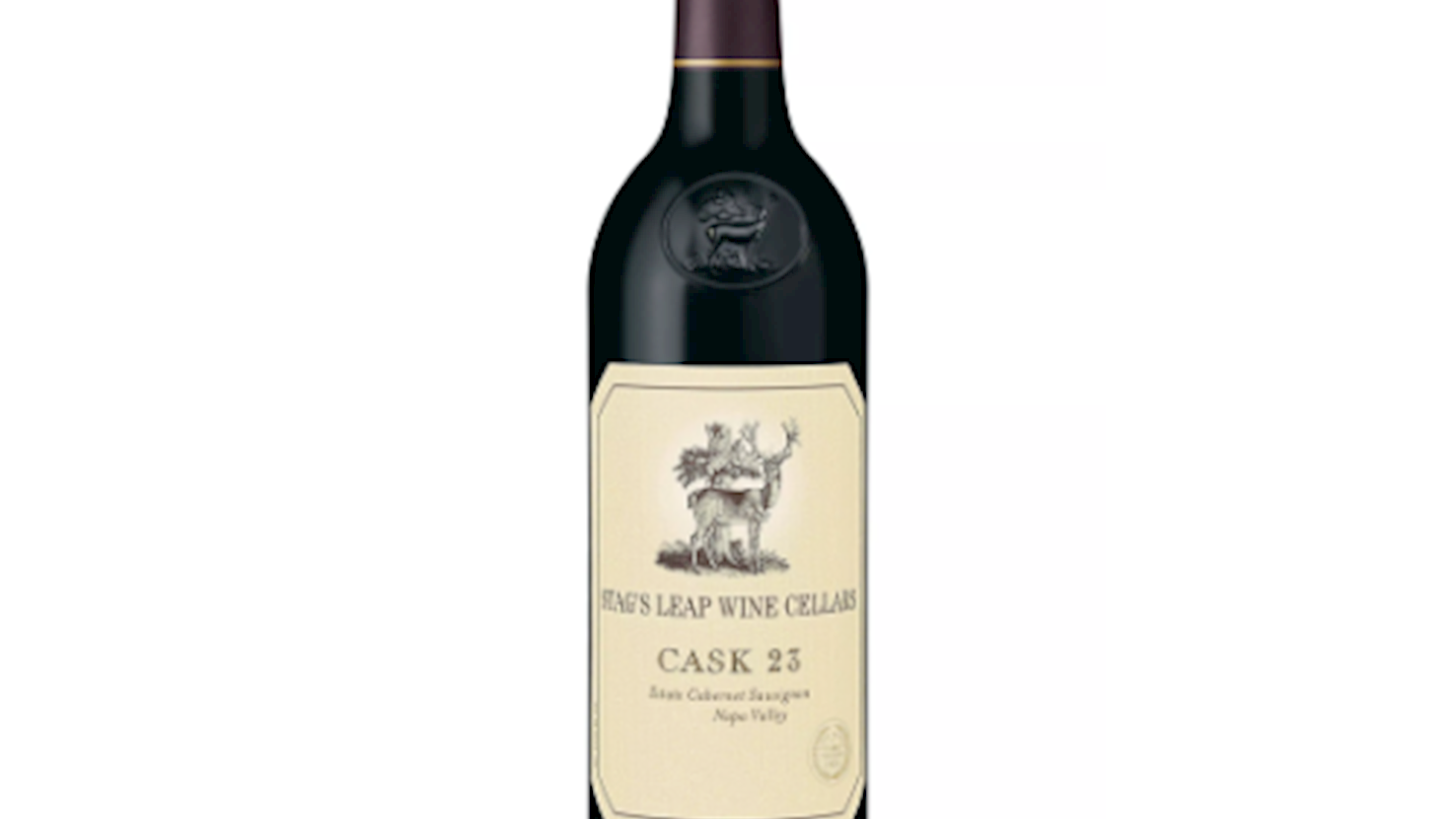
Stag’s Leap Wine Cellars is one of the most influential wineries in Napa Valley and a turning point in American winemaking, especially since the 1976 “Judgment of Paris”, when its 1973 Cabernet surpassed renowned Bordeaux labels. Located in the Stags Leap District, the winery benefits from distinctive volcanic and gravelly soils that allow for wines with remarkable structure and aromatic precision.

Its key vineyard sites, Stag’s Leap Vineyard and Fay Vineyard, lie at the base of the Stags Leap Palisades, where a unique microclimate creates a balance of ripeness, freshness, and clarity of aroma. The legendary 1973 Cabernet Sauvignon, which elevated SLWC to global prominence, originated from the Stag’s Leap Vineyard vineyard.

While Cabernet Sauvignon is the primary focus, Merlot, Sauvignon Blanc, and Chardonnay also receive meticulous attention through a winemaking approach centered on purity, elegance, and long aging potential. Fermentation is controlled with precision and complemented by careful use of French oak to preserve harmony between fruit expression and subtle notes of vanilla, cedar, and spice.

Vineyard management blends scientific insight with traditional practices, respecting natural cycles and the character of the terroir. Visitors can experience guided tastings, explore the library selection, and tour the cellars, further underscoring the winery’s reputation as a place that has shaped the history of Napa Valley.

Despite modernization, the estate has preserved a signature style that prioritizes elegance over sheer power, making its wines highly regarded among collectors. Today, Stag’s Leap Wine Cellars remains synonymous with consistent quality, authenticity, and one of the defining stories of contemporary American wine.

Awards
Vivino - 4.6
Vivino - 4.5
07

Peter Michael Winery

5.0 ·

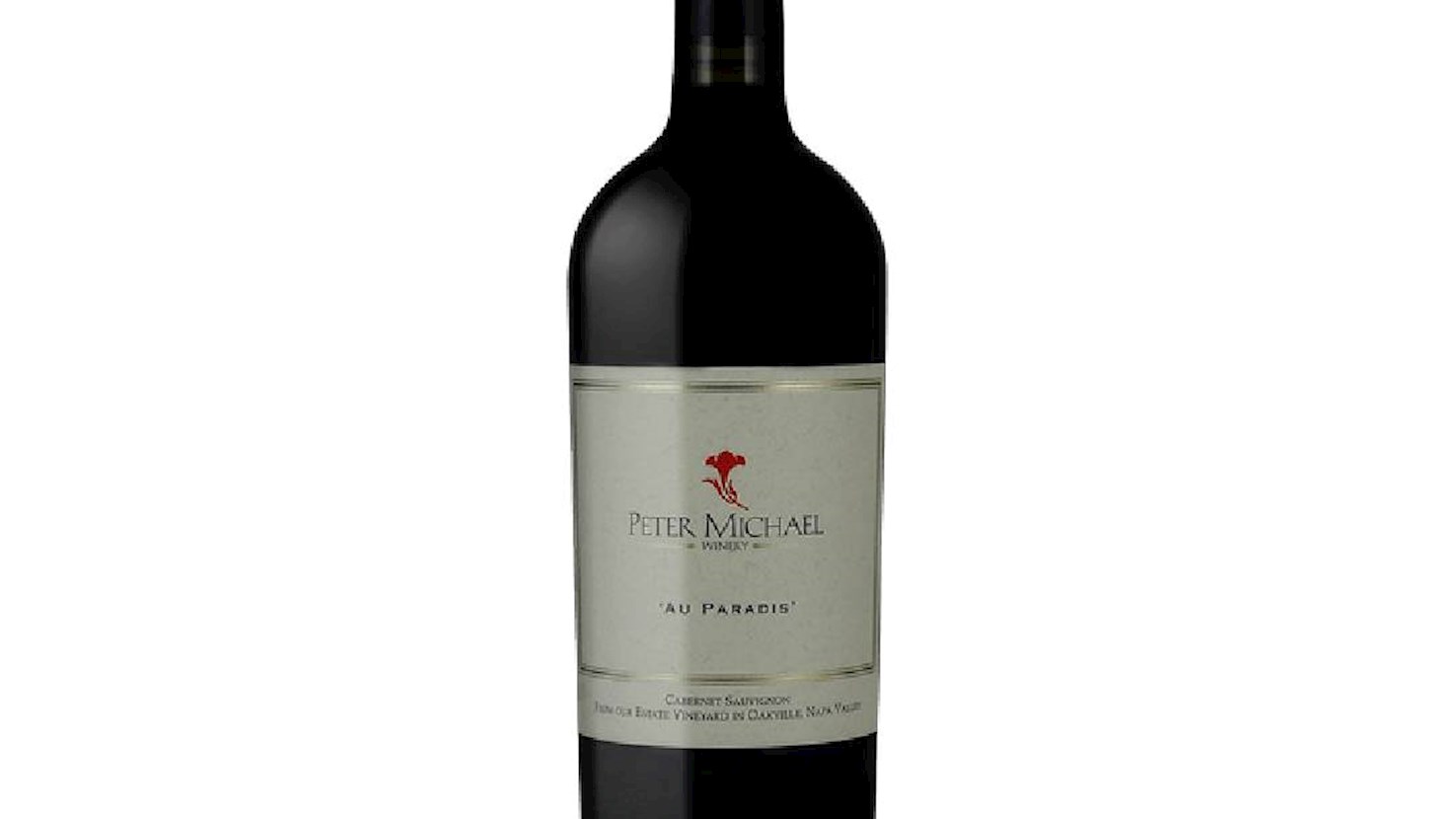
Peter Michael Winery is a family-owned winery established in 1982 by Sir Peter Michael. It is located in the northeastern part of Sonoma County, California, on the slopes of Mount St. Helena.

Peter Michael Winery produces wines from varieties such as Chardonnay, Pinot Noir, Cabernet Sauvignon, and Sauvignon Blanc, employing traditional winemaking methods including hand-sorting of grapes, fermentation with indigenous yeasts, and aging in French oak barrels. The Michael family has a long-term vision to keep the winery family-owned for at least 100 years, with a strong commitment to preserving the natural environment and wildlife surrounding the vineyards.

Awards
James Suckling - 99 points (2024)
Vivino - 4.6
08

Williams Selyem

5.0 ·

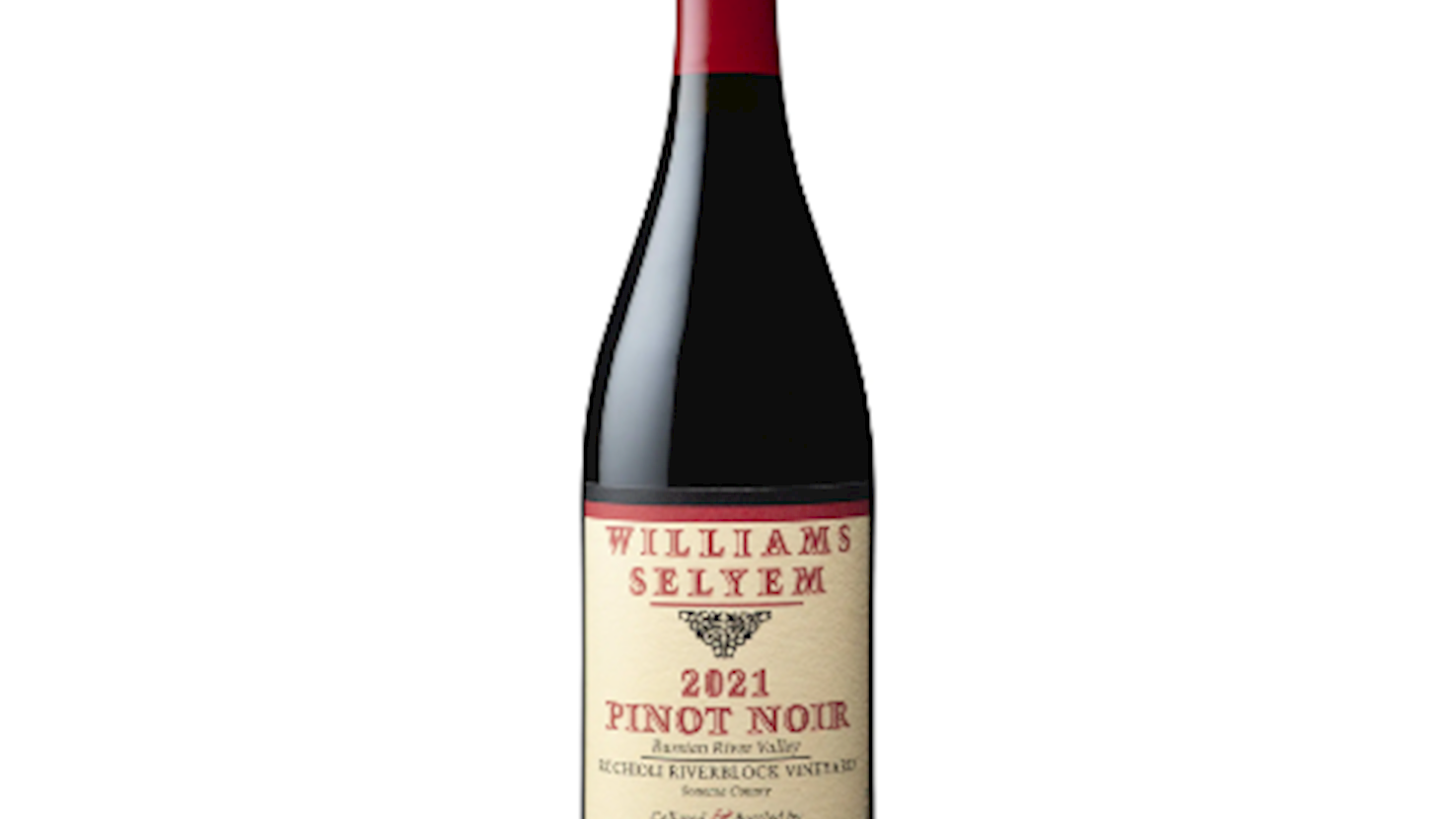
Williams Selyem is a cult California winery founded in 1979 as a small artisanal project by Burt Williams and Ed Selyem, who initially made wine in a garage with no intention of mass production. By the early 1980s, they shifted their focus to Pinot Noir, setting new standards for the variety in California through an emphasis on hand harvesting, small lots, and precise winemaking.

Their approach was unconventional at the time, prioritizing vineyard expression over technological intervention, which significantly reshaped perceptions of California Pinot Noir. Since 1998, the winery has been owned by the Dyson family, while maintaining the same philosophy, rooted in long-term relationships with carefully selected growers.

The grapes are sourced primarily from prestigious sites in the Russian River Valley, Sonoma Coast, and the broader Sonoma and Mendocino areas. The wines are characterized by clearly defined aromatic profiles, featuring red and dark fruit, spice, and earthy notes, supported by balanced structure and pronounced elegance.

Production is intentionally limited, with most wines available exclusively through a mailing list, further reinforcing the winery’s cult status. In addition to Pinot Noir, Williams Selyem produces small quantities of Chardonnay and Zinfandel, though Pinot Noir remains central to its identity.

Today, Williams Selyem is widely regarded as a reference point for terroir-driven California winemaking and one of the key names in the history of American Pinot Noir.

Awards
Vivino - 4.6
Vivino - 4.5
09

Screaming Eagle

5.0 ·

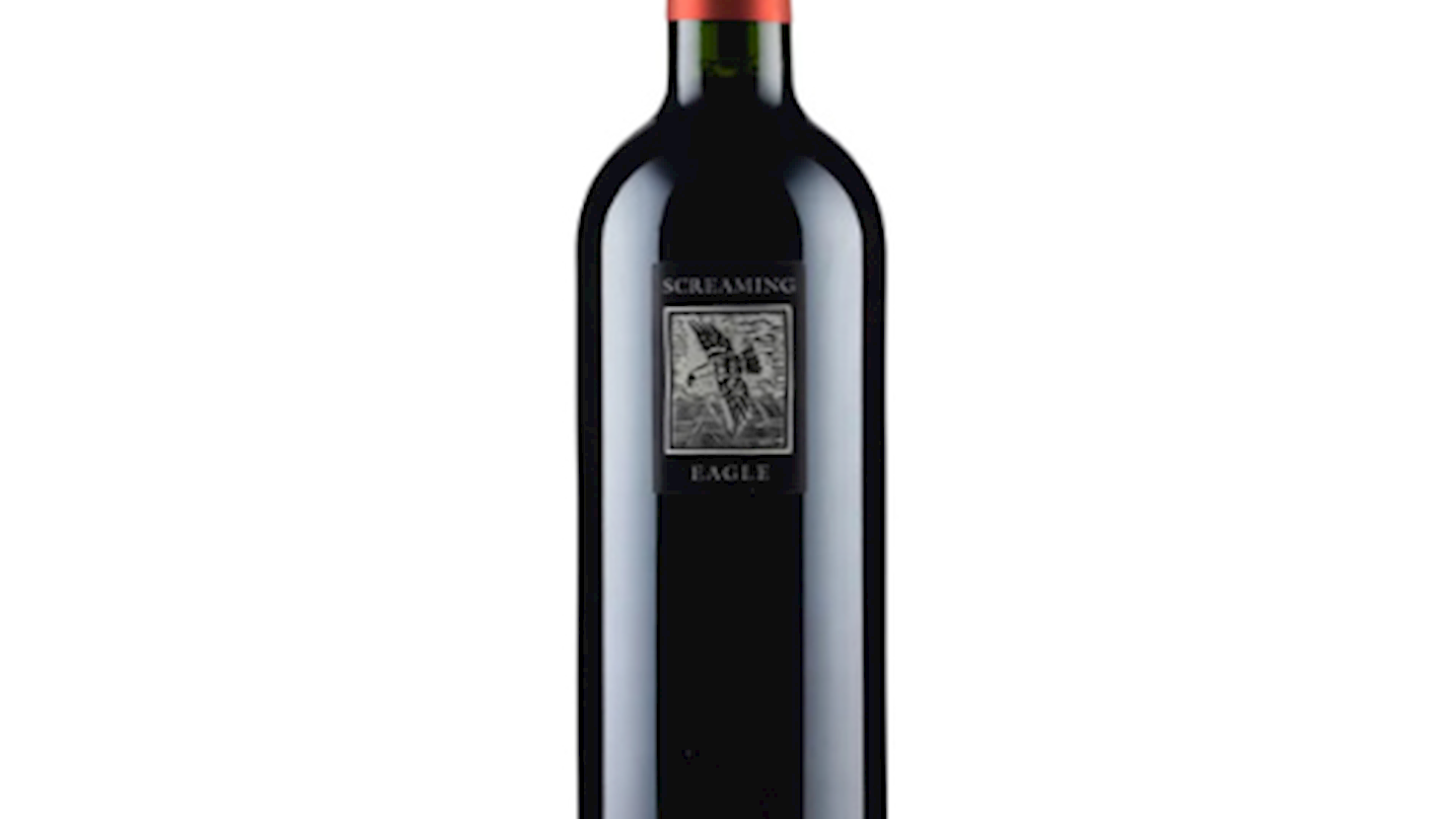
Screaming Eagle is one of the most exclusive and revered wine producers in the world, located in the heart of California’s Napa Valley. Founded in the late 1980s, this small, legendary winery quickly achieved cult status among collectors and wine enthusiasts for its uncompromising dedication to quality, extremely limited production, and consistently outstanding wines that receive top scores from critics year after year. Situated in the prestigious Oakville appellation, Screaming Eagle cultivates primarily Cabernet Sauvignon, along with smaller amounts of Merlot, Cabernet Franc, and Sauvignon Blanc.

The vineyards are meticulously managed, and winemaking is overseen by talented winemaker Nick Gislason, who brings a refined style to the wines - balancing richness and depth with elegance and finesse. The estate’s flagship wine, Screaming Eagle Cabernet Sauvignon, is produced in very small quantities, making each bottle exceptionally rare. Known for its concentration, complexity, and age-worthy structure, it has become a benchmark for Napa Valley Cabernet and a symbol of elite winemaking. More than just a winery, Screaming Eagle represents a pursuit of perfection.

Its wines are not only an expression of terroir and craftsmanship, but also of passion, precision, and a vision to create something truly extraordinary.

Awards
Falstaff - 100
Vivino - 4.6
10

Saxum Vineyards

5.0 ·

Saxum Vineyards is a highly regarded winery based in Paso Robles, founded in 2002 by winemaker Justin Smith. The estate is rooted in the historic James Berry Vineyard, planted by Smith’s father in the 1980s on limestone-rich hillsides that define the structure and mineral intensity of the wines.

The name “Saxum” derived from Latin for “rock”, reflects the stony soils that play a central role in shaping the vineyard expression. Saxum focuses primarily on Rhône-inspired blends built around Grenache, Syrah, and Mourvèdre, often complemented by varieties such as Zinfandel, Graciano, and occasionally Petite Sirah.

The wines are produced from low-yielding vines, harvested at full physiological ripeness to achieve depth, concentration, and layered complexity. Aromatically, they show ripe red and dark fruit, black cherry, plum, and blueberry, intertwined with notes of spice, smoked meat, crushed stone, and Mediterranean herbs.

On the palate, Saxum wines are full-bodied and textured, with powerful yet well-integrated tannins supported by balanced acidity. Despite their richness, they maintain precision and structural integrity, allowing for extended aging potential.

The portfolio includes single-vineyard and site-specific cuvées such as James Berry Vineyard, Broken Stones, Bone Rock, and Rocket Block, each reflecting subtle differences in exposure and soil composition. Production remains limited, with most allocations distributed through a mailing list system, contributing to the winery’s strong following among collectors and critics.

Saxum is widely recognized as one of the benchmark producers of Rhône-style wines in California.

Awards
Wine Spectator - 96 (2023)
Vivino - 4.6
Read more
View all
View map
About this ranking

TasteAtlas food rankings are based on the ratings of the TasteAtlas audience, with a series of mechanisms that recognize real users and that ignore bot, nationalist or local patriotic ratings, and give additional value to the ratings of users that the system recognizes as knowledgeable. For the “Top 100 American Red Wines” list until July 15, 2026, 118 ratings were recorded, of which 115 were recognized by the system as legitimate. TasteAtlas Rankings should not be seen as the final global conclusion about food. Their purpose is to promote excellent local foods, instill pride in traditional dishes, and arouse curiosity about dishes you haven’t tried.

The initial list of top producers was compiled based on available reviews, awards, local recommendations, media and blog coverage, and consumer reviews. The list will be updated with ratings from TasteAtlas local ambassadors and TasteAtlas users.

Similar lists