dreamstime

Top 75 Central European Cooked Sausages

Last updated on October 15, 2026

Best Central European Cooked Sausages
01

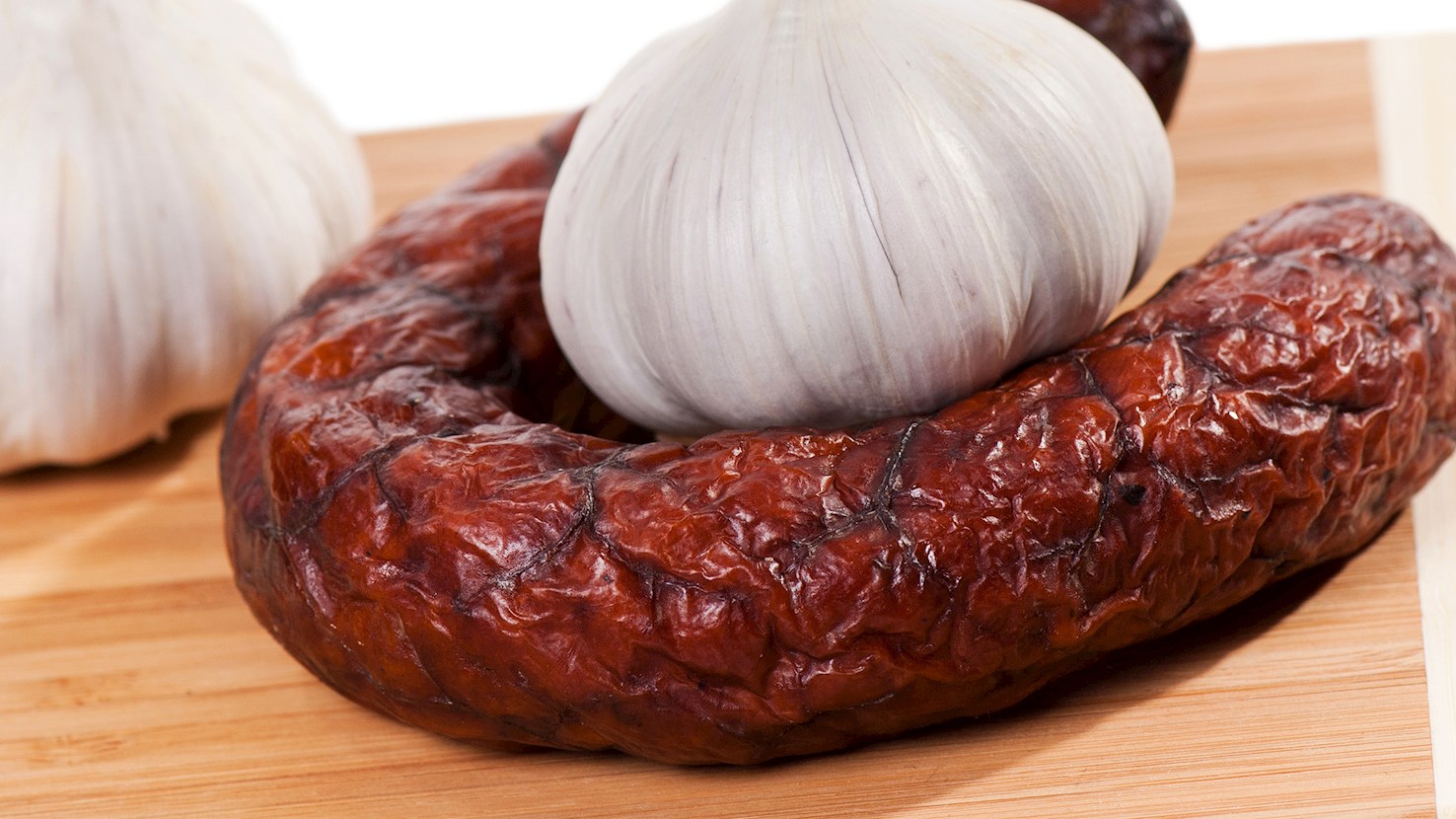
Kiełbasa wędzona

4.3 ·

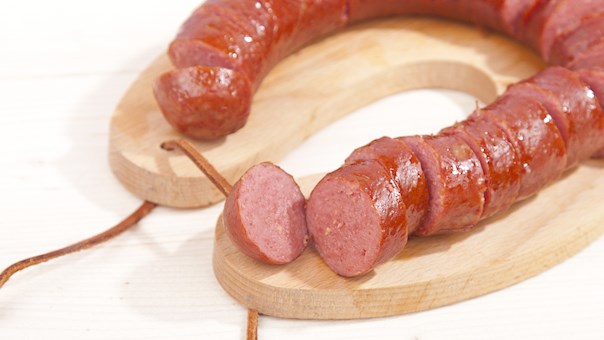
Kiełbasa wędzona is a type of traditional Polish smoked kiełbasa. It is prepared with ground pork meat which is cured before it is seasoned with salt, pepper, sugar, garlic, and (optionally) marjoram. The ground meat mixture is then placed into a large ring-shaped casing and cold-smoked for 1 to 1.5 days, even though these days it is usually hot-smoked as the hot smoking allows for easier and faster cooking of the sausage. Smoked Polish kiełbasa is originally prepared only with pork, but there’s another version of this authentic sausage that the Polish Government introduced in 1964, which consists of 80% pork and 20% beef. This classic kiełbasa is usually baked, grilled, or added to traditional Polish soups, including kapusniak cabbage soup.

02

Nürnberger Bratwürste

4.2 ·

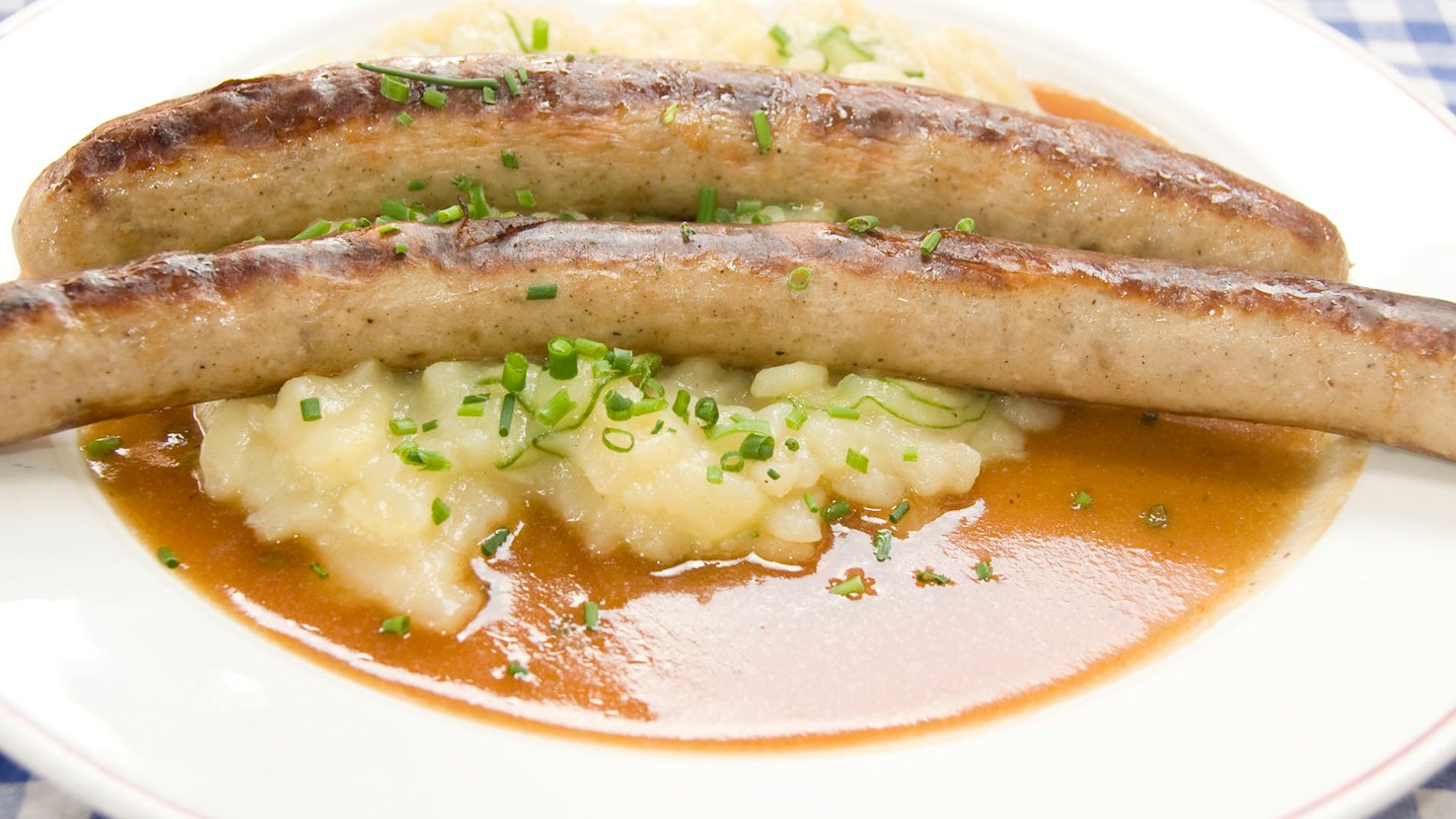
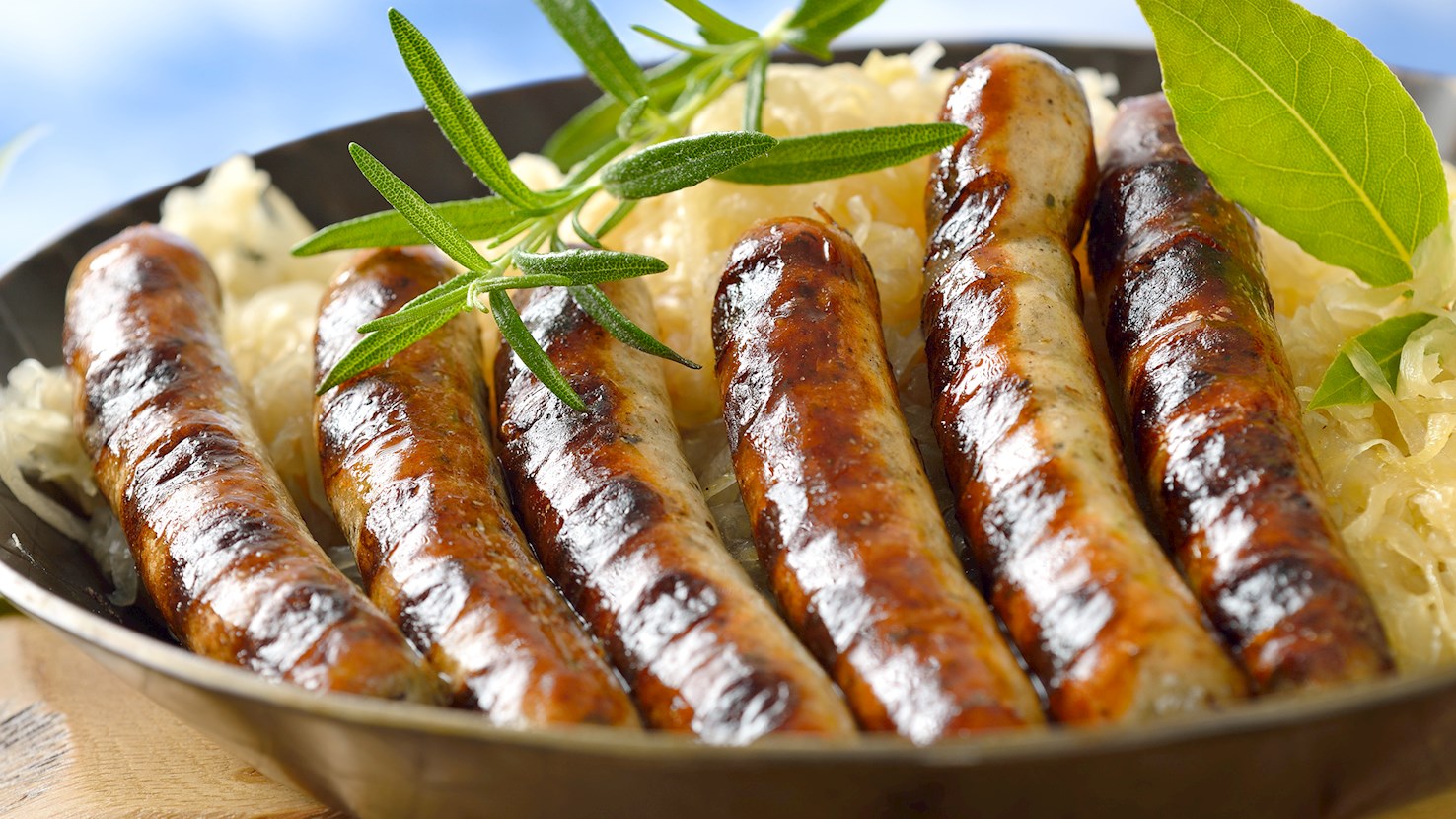
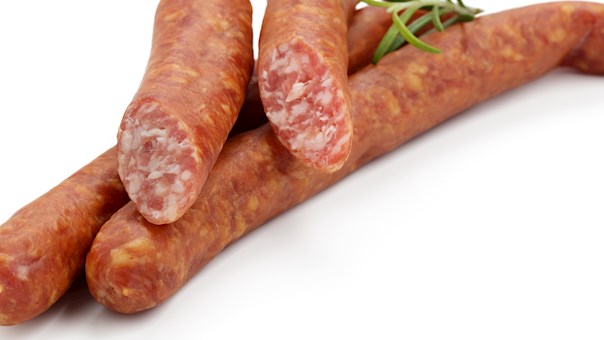
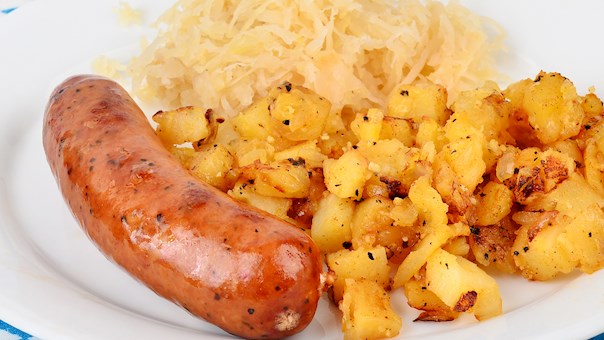
Nürnberger Bratwürste are small, thin sausages originating from the city of Nürnberg in the Franconia region of Bavaria, Germany. They are typically about 7 to 9 centimeters (2.75 to 3.5 inches) long and weigh around 20 to 25 grams each, making them much smaller and thinner compared to other types of German sausages. The sausages are made from finely ground pork, often mixed with a blend of spices that typically includes marjoram, salt, pepper, and sometimes a hint of ginger or nutmeg, with marjoram being a signature ingredient that gives them their distinctive flavor. Nürnberger Bratwürste are usually grilled over a beechwood fire, which imparts a unique, smoky flavor, but they can also be pan-fried or cooked in a skillet. Traditionally, they are served in sets of six, eight, or twelve, often accompanied by sauerkraut or potato salad, or in a bread roll with mustard, known as "Drei im Weckla" (three in a roll). These sausages are a traditional delicacy with a history that dates back centuries, and they are protected under European Union law with a Protected Geographical Indication (PGI), meaning they must be produced within the city of Nuremberg to be labeled as Nürnberger Bratwürste.

03

Thüringer Rostbratwurst

4.1 ·

Thüringer Rostbratwurst is a product with centuries of tradition. The oldest known recipe, held at the Weimar State Archives, dates back to 1613. Martin Luther and Goethe both appreciated it, and it was often praised in literature. Only finely minced pork (sometimes mixed with beef or veal) is used to make this sausage, and the spice mixtures that are added vary depending on the recipes and regional characteristics. These sausages are easily distinguished from other German sausages by their low fat content and a distinctive combination of spices and seasonings – salt, pepper, caraway, marjoram, and garlic. Due to its unique and delicious flavor, Thüringer Rostbratwurst is still very popular in Germany and beyond, and it can be found at most sausage stands in Thuringia.

04

Bratwurst

4.0 ·

What was once an item for survival during the cold winter months and a technique of not wasting meat scraps is nowadays a delicacy consumed throughout Germany and abroad. Bratwurst stems from two words, an Old High German word brat, meaning meat without waste, and wurst, which means sausage. Bratwurst has origins with the Celtics, but the Franconians developed it further. It dates back to the 1300s in a region that would eventually become Eastern Germany. Bratwurst is usually consumed for breakfast, due to the tradition of farmers who would make the sausages in the morning and eat them by noon, as they would otherwise spoil. Technically, a bratwurst must be made from either pork, veal, or beef, but there are more than 40 varieties of the sausage throughout Germany. The oldest recipe for bratwurst was discovered in 2000 by a historian named Heinrich Höllerlhas. The same recipe, for the Thuringian bratwurst (one of the most famous varieties), says that the makers had to use only the purest, unspoiled meat in the production process. Today, bratwursts are commonly served with sauerkraut, potato salad, horseradish, or mustard in Germany, but the sausages are also popular in the United States, especially in Wisconsin, where they are commonly found at summer cookouts and barbecues.

05

Kiełbasa polska

4.0 ·

Kiełbasa Polska is one of the most traditional Polish sausages that is made following an age-old method of sausage making. This variety of sausage consists of lean pork, semi-fat pork, sugar, garlic, and spices such as pepper, marjoram, ground mustard seeds, and thyme, which are combined and then chilled before they are stuffed into pork casings. These pork sausages are then often smoked lightly and allowed to dry and mature for a few days. This type of sausage is also commonly referred to as kiełbasa starowiejska or old countryside sausage, and it can be eaten raw or cooked, served with some pickled vegetables, onions, beetroot, horseradish, mustard, and bread on the side.

06

Debreceni kolbász

4.0 ·

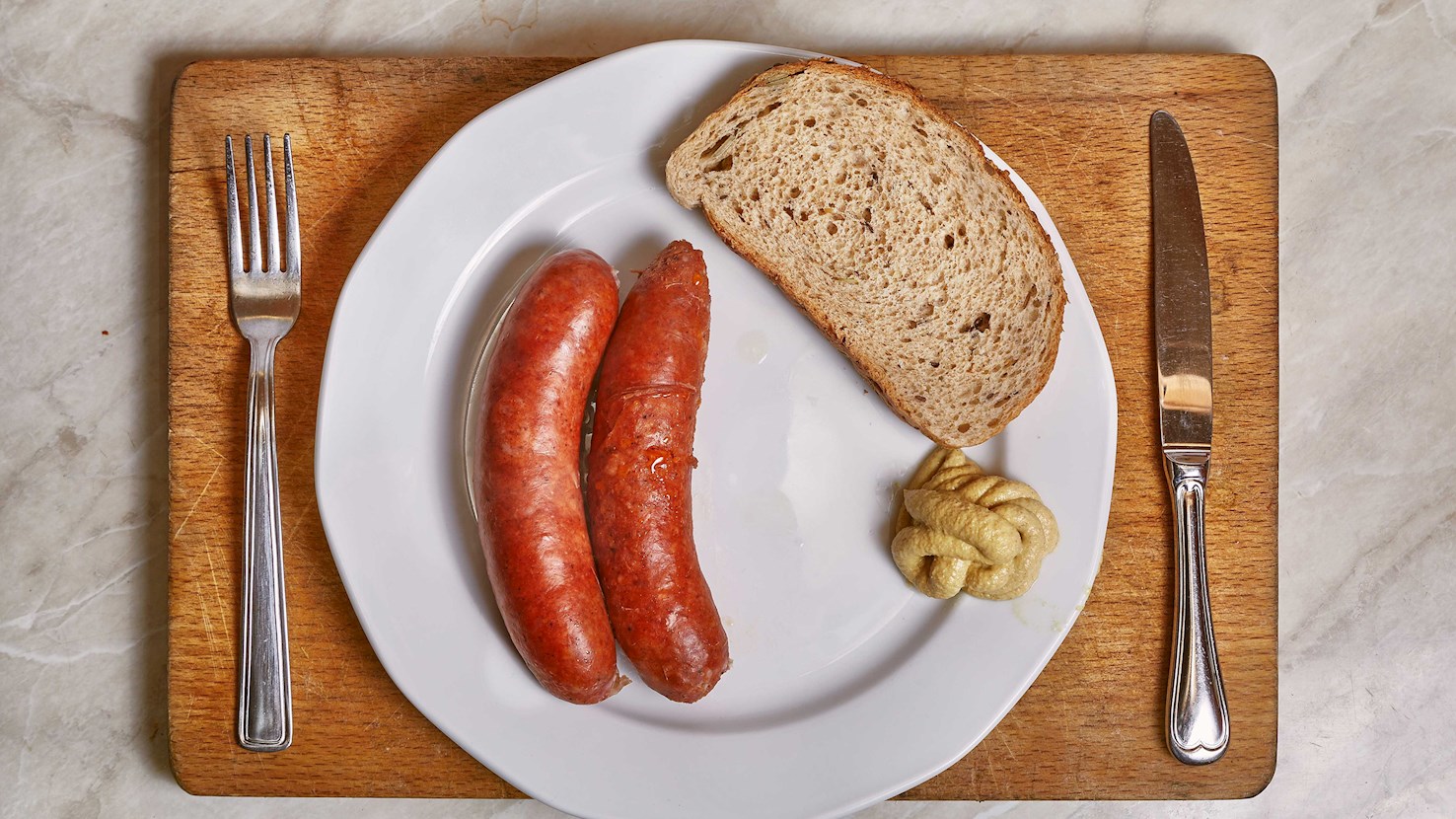
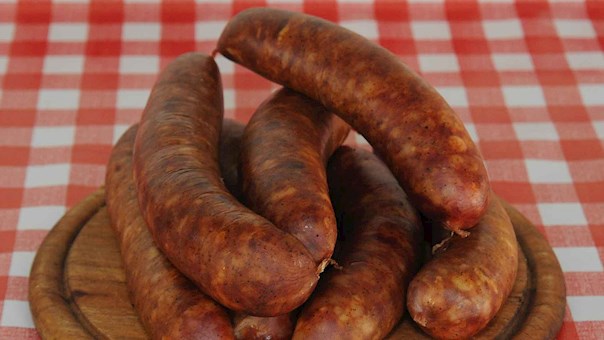
Debreceni kolbász is a Hungarian sausage made with pork and spices such as garlic, paprika, pepper, and marjoram, which account for the reddish-orange color of the sausage. It is named after the Hungarian town of Debrecen. These sausages are typically unsmoked or lightly smoked, and the flavor is strong and slightly pungent. They can be broiled, baked, or fried. Some use them as an ingredient in various aromatic stews or bake the sausages with beans. Nowadays, Debreceni kolbász is popular throughout the former Austro-Hungarian Empire.

Best restaurants
07

St. Galler Bratwurst

3.9 ·

St. Galler bratwurst is a traditional sausage that's eaten throughout the country, but it's especially popular in the city of St. Gallen. The sausage is made with a combination of veal, pork, milk, salt, white pepper, and mace. The combination can be enriched with celery, ginger, cardamom, lemon, onion, and coriander, but it's not mandatory. It is stuffed into pig intenstines, cooked (not smoked), then grilled or pan-fried. These sausages date back to the 15th century, and nowadays there are four distinctive types – the classic version, the one made with more than 50% veal, the OLMA (agricultural trade fair) version, and the largest one, called St. Galler Kinderfest-Bratwurst. Once grilled or fried, the sausage is often accompanied by St. Galler-Bürli, a crusty roll that's baked in pairs, or an onion sauce and rösti in the summertime. Just don't pair it with mustard, as locals insist that their bratwurst is good enough on its own.

08

Käsekrainer

3.9 ·

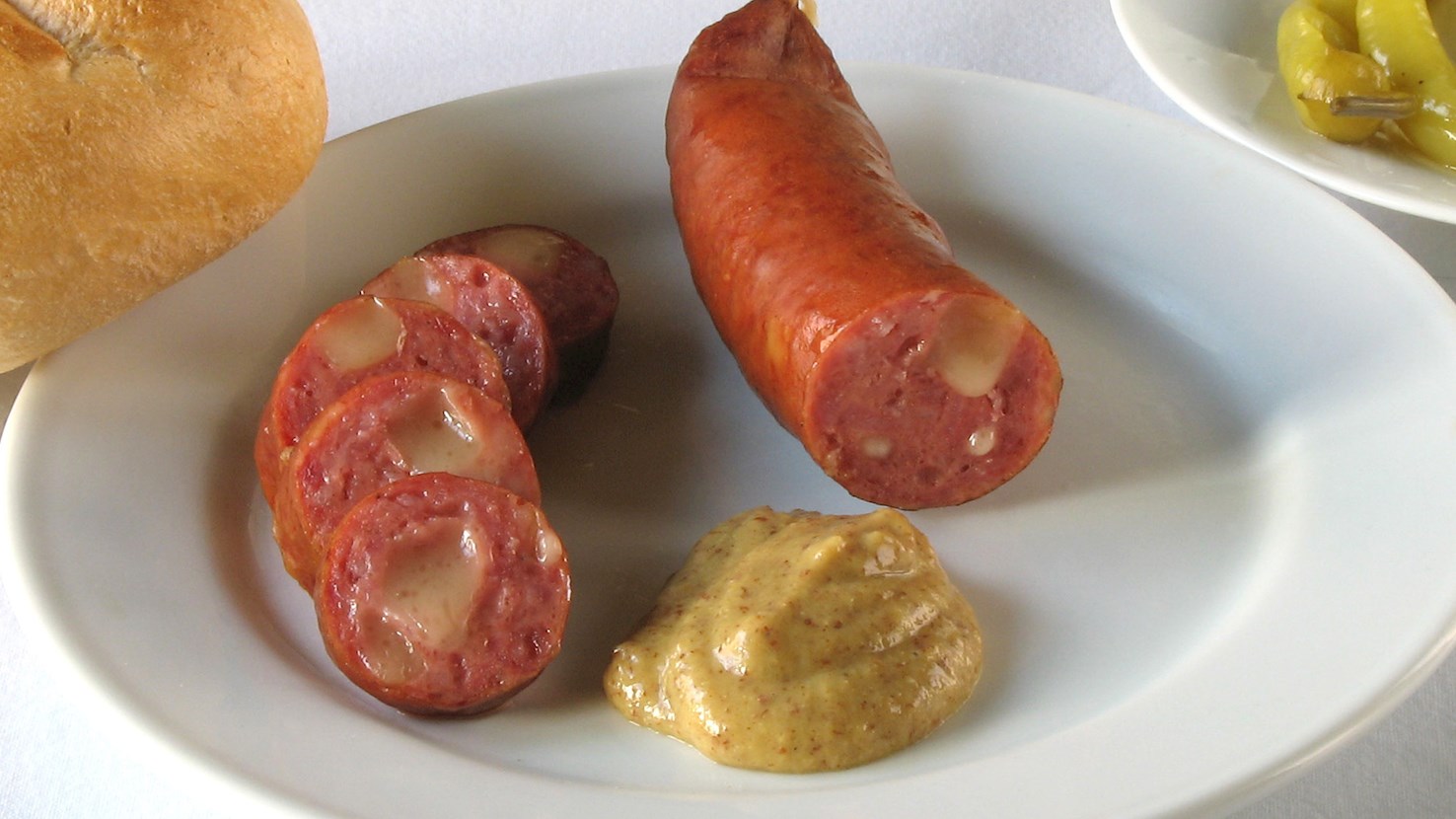
Käsekrainer is a quintessential Austrian gourmet delicacy, a type of sausage filled with small chunks of cheese. It is usually prepared with pork or a mixture of pork, beef, and a variety of spices, while the cheese used for the filling is typically Swiss Emmental. Once stuffed, the plump sausages are lightly smoked over applewood, giving this meat specialty a distinctive smoky aroma and flavor. The name of the sausage combines two words - käse and krainer - the first being the German word for cheese, while the latter refers to Krainer sausage. Käsekrainer is actually considered to be a variation of the traditional Krainer sausage, which has been designated as a PGI-certified meat product of Slovenia under the name Kranjska klobasa (also known as Carniolan sausage). These cheese-filled sausages are most commonly grilled to crispy perfection, although they can also be fried, baked, or boiled. The heating process allows for the cheese to melt entirely, creating that warm gooey sensation of oozing cheese that has made Käsekrainer so popular with locals and tourists alike. The locals have likened the way the cheese seeps out of the sausage to the rather unpleasant image of being filled with pus, which is how the sausage earned its other name, die Eitrige (lit. ulcerous or pus-filled). A beloved street food snack, käsekrainer can be bought at almost any street food stand in the country. In Austria, these traditional sausages are usually enjoyed with bread rolls, slices of dark bread, or small baguette-like rolls, and condiments such as mustard, curry sauce, horseradish, ketchup, pickles, and hot peppers.

09

Spišské párky

3.9 ·

Spišské párky is a smoked sausage that comes in sheep intestine casings which have been separated by twisting. It has been produced for more than a century in the Slovak Republic and was first made during the visit of the Hungarian nobility to the grand fair held by Spiš Castle, where a local butcher sold them and attracted significant attention with this specialty. According to a traditional recipe, it is made with a mixture of fresh beef, fresh pork, pork rind, and spices such as sweet and hot paprika that give the sausage its pinkish-red color. The finished product is hung in a smoke room to dry and smoke and, therefore, has a unique aroma and flavor. It is important to cook the sausage before consumption, keeping in mind that the water must not come to a boil, as the natural casing would burst. If the defined proportions of the ingredients are used in their production, Spišské párky should make a distinctive cracking noise when broken or bitten. These sausages have a pleasant freshly-smoked aroma. Their taste can be described as fairly salty and slightly piquant. Spišské párky is a very popular product in the whole of former Czechoslovakia and beyond. It is best when served with mustard or other sauces and some fresh vegetables and cheese.

10

Regensburger Wurst

3.9 ·

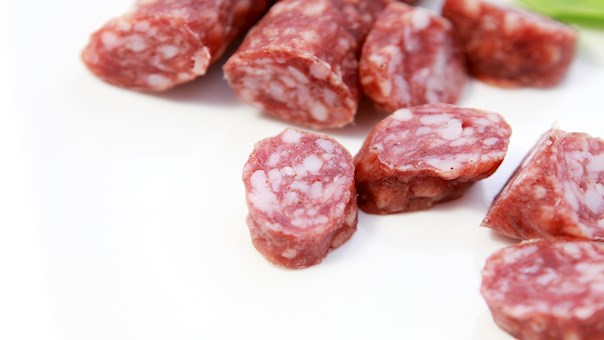
Regensburger wurst is a German sausage originating from Regensburg, where it was invented in the late 19th century. The sausages are made from fine or coarse pork and they're smoked and boiled before being sold or consumed. The pork is usually finely ground without fat, then mixed with spices, salt, and small chunks of pork. Once cooked, they can be served hot or cold, or used in dishes such as salads or sandwiches.

Best Central European Cooked Sausages

01

Metzgerei Reichenbach

4.6 ·

Metzgerei Reichenbach is a family-owned butcher shop located in the picturesque Glottertal, near Freiburg in Germany’s Black Forest region. Founded in 1958, the business has grown into a unique production chain that encompasses all stages of meat production: from livestock farming and slaughtering to meat processing and retail.

This approach ensures full control over the quality and freshness of its products. The livestock—around 1,000 cattle and 1,500 pigs - is raised on the company’s own pastures and in cooperation with local partners. The butcher shop is renowned for its traditional specialties and offers a wide range of products including beef and veal, game, sausages, cured meats, and barbecue items.

Metzgerei Reichenbach operates several retail locations. A special innovation is the “Reichenbach24 Smartstore” - a self-service shop open 24/7, allowing customers to shop at any time of day.

02

Boucherie Nyffeler

4.6 ·

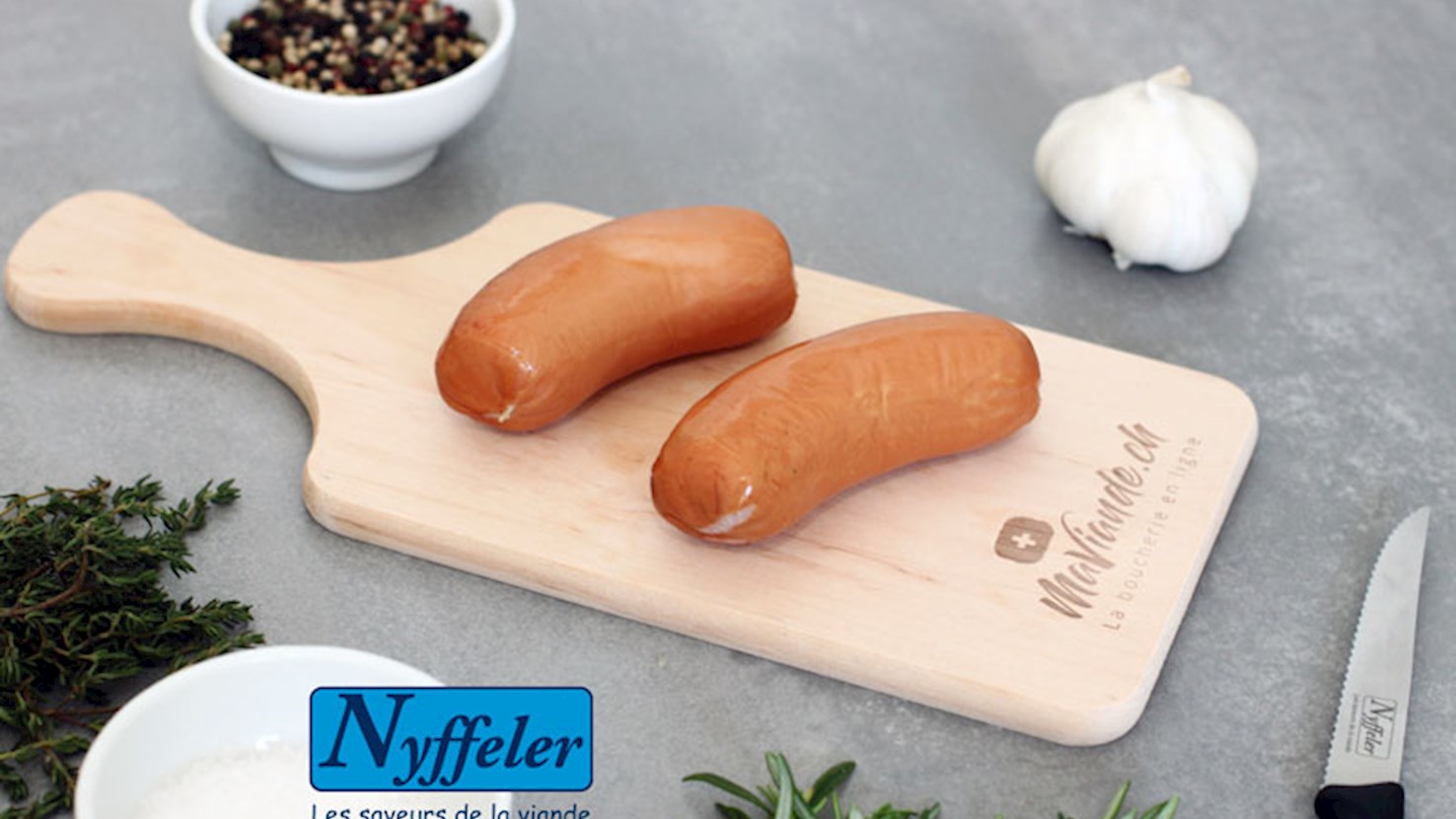
Boucherie Nyffeler is a renowned butcher shop and catering service located in Moutier, Switzerland. This butcher shop has a long tradition of providing top-quality meat products and specialties such as cervelas (a Swiss sausage).

It is recognized for its high-quality meat delicacies and services that cater to all the needs of its customers. Boucherie Nyffeler offers a wide range of products, including various types of meat products, sausages, pâtés, and ready-to-eat dishes. Their butcher shop is known for the freshness of its products, as well as the use of high-quality, local ingredients.

Boucherie Nyffeler takes pride in preserving the tradition of artisanal meat production, combining modern technology with old, traditional techniques.

03

Loške Mesnine

4.6 ·

Loške Mesnine is a Slovenian company specializing in the production of fresh meat and meat products, emphasizing high-quality, locally sourced ingredients. Their product range includes fresh meats, meat products, 100% beef items, halal-certified products, and gift packages.

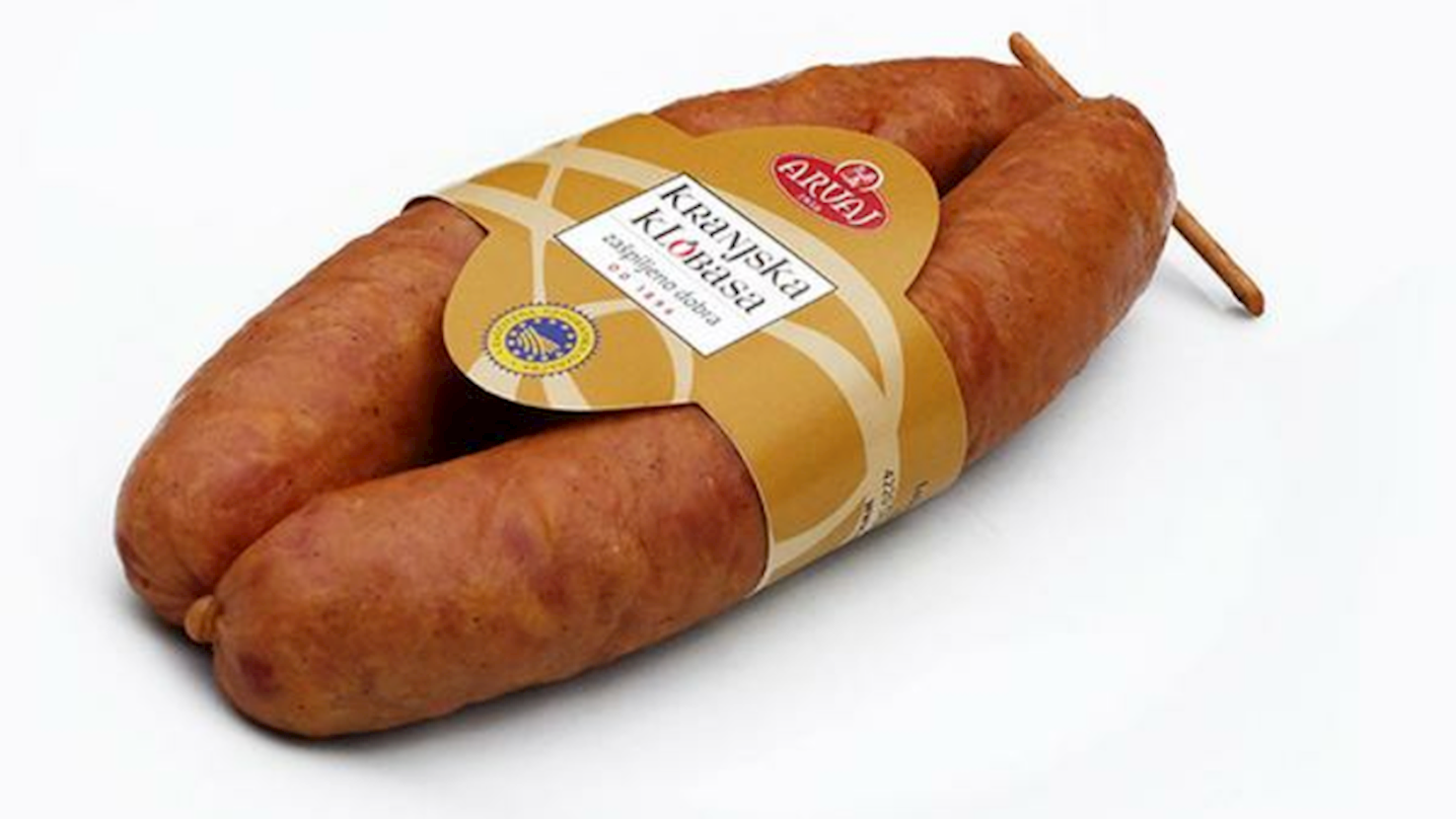
Notably, their Arvaj brand Kranjska klobasa, a traditional Slovenian sausage protected by geographical indication, has received multiple awards, including the title of Best Kranjska Klobasa. Additionally, their 100% beef products have obtained halal certification, ensuring quality through in-house processing.

Awards
Zaščitena geografska označba - ZGO
GIZ Kranjska klobasa - Kranjska klobasa - zašpiljeno dobra
04

Metzgerei Burkhardt

4.6 ·

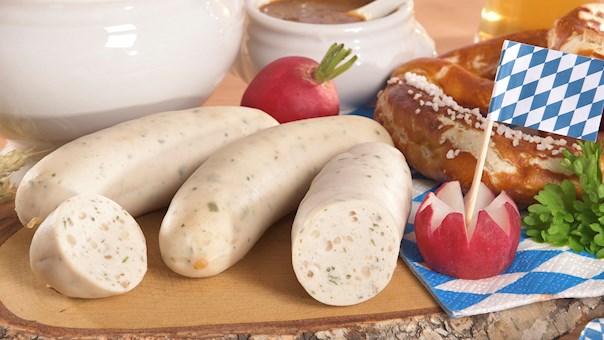
Metzgerei Burkhardt is a family-owned butchery with a long-standing tradition, founded in 1961 in Mannheim, where the third generation continues to passionately craft premium-quality meat products. Their dedication to the craft and commitment to excellence have earned them numerous prestigious awards, including the titles of German and European champion in white sausage making.

They are particularly renowned for their seamless blend of tradition and innovation, constantly refining their recipes to satisfy even the most discerning connoisseurs of fine meats. Their selection includes a wide range of fresh and cured meats, all prepared according to carefully guarded family recipes, with an unwavering focus on quality.

The love for their craft is evident in every piece of meat that leaves their workshop. In addition to classic delicacies, Metzgerei Burkhardt also stands out with creative innovations such as their unique sausage cake, proving that tradition and modern culinary trends can go hand in hand.

05

Metzgerei Meyer

4.6 ·

Metzgerei Meyer is much more than a butcher shop – it is a family tradition, artisanal craftsmanship, and a passion for premium meat products. Located in Nuremberg, this butcher shop is known as an "Erlebnis-Metzgerei" or "butchery experience", offering customers an authentic gastronomic journey that blends tradition and innovation. By combining expert craftsmanship, a deep passion for the butchery trade, and a commitment to quality, Metzgerei Meyer remains true to authentic production methods that have been passed down through generations.

Our goal is for every customer to experience the true value of handcrafted meat products, whether enjoying them in an everyday meal or a special occasion.

06

Metzgerei Nussbaum

4.6 ·

Metzgerei Nussbaum is a family-owned butcher shop in the heart of Münsingen, Switzerland, renowned for its premium quality and dedication to traditional meat processing. With a long-standing tradition, this butcher shop specializes in natural and regional products, preserving authentic flavors through carefully selected ingredients and artisanal craftsmanship. Their philosophy is based on using only natural ingredients, without unnecessary additives, ensuring genuine taste and exceptional freshness.

All products are sourced locally, supporting sustainable production and collaboration with regional farmers. Their selection includes a wide range of premium meat specialties, such as homemade sausages, cured meats, and delicacies prepared using traditional recipes. Each handcrafted product reflects their passion for artisanal craftsmanship and commitment to quality. By combining tradition, innovation, and the finest ingredients, Metzgerei Nussbaum remains a symbol of high-quality Swiss meat products, offering customers a natural and authentic culinary experience.

Awards
Swiss Cervelas Summit - Royal Trophy (2024)
07

Blutwurstmanufaktur

4.6 ·

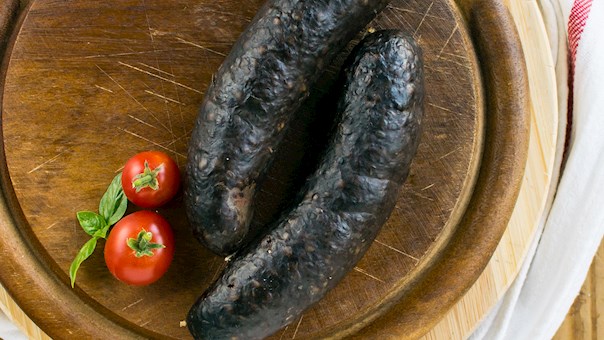
Blutwurstmanufaktur is a renowned artisanal butcher shop established in 1902. Since 1996, it has been run by master butcher Marcus Benser, who was honored in 2004 with the title of “Knight of the Blood Sausage” by the French brotherhood Confrérie des Chevaliers du Goûte-Boudin—an award also bestowed upon the famous chef Paul Bocuse. Blutwurstmanufaktur produces over 60 varieties of homemade sausages, with its signature product being the celebrated Berliner Blutwurst.

This blood sausage is freshly made daily from pork blood, lean meat, pork fat, and fresh onions, enhanced with a secret blend of spices including authentic Thuringian marjoram, hand-ground Brazilian pepper, and a hint of cinnamon. The sausage is encased in a natural beef casing. In addition to their blood sausage, the shop also offers other specialties, including dry-cured salamis with fennel seeds.

All products are made using meat from local farms with whom the butcher shop maintains long-standing partnerships.

08

Metzgerei Gaßner

4.5 ·

Metzgerei Gaßner is a renowned family-owned butcher shop in Munich, known for its premium sausages and meat specialties. Founded in 1937 by Engelbert Gaßner and his wife Katharine in Haimhauserstraße, the shop has grown over the years into a symbol of Bavarian butchery tradition.

Their products are highly regarded for the high quality of the meat and the careful selection of spices, which give them an authentic and rich flavor. In addition to the butcher shop, the Marktstüberl restaurant offers homemade specialties in a cozy atmosphere, where visitors can enjoy freshly prepared dishes. This butcher shop, with its 85-year tradition, is not only a place where high-quality meat is produced but also a cornerstone of Bavarian culinary heritage, bringing authentic flavors that generations of Munich residents have loved and continue to seek out.

09

Stara Wędzarnia

4.5 ·

Stara Wędzarnia is a Polish company based in Drobin, in the Mazovia region, specializing in the production of traditional meat delicacies and hospitality services. With over 35 years of experience, the company is renowned for its high-quality meat products, including the famous Kielbasa and Kabanosy Staropolskie.

Their products are crafted according to old Polish recipes, using carefully selected meat, natural spices, and traditional smoking methods, without any artificial preservatives or additives - preserving the authentic taste and nutritional value. The assortment includes a wide variety of sausages, hams, and cured meats, available in specialty stores as well as directly from the producer. Lovers of traditional food particularly appreciate the deep, smoky aroma and rustic character of these offerings. In addition to production, Stara Wędzarnia also operates a Grill Bar within its facility in Drobin.

This restaurant combines tradition with a modern culinary approach, serving guests authentic Polish dishes made from fresh, locally sourced ingredients. It is a place where craftsmanship, flavor, and hospitality come together to celebrate Poland’s rich gastronomic heritage.

10

Metzgerei Schäbitz

4.5 ·

Metzgerei Schäbitz is a traditional artisanal butcher with a long-standing presence at Munich’s renowned Viktualienmarkt, operating as an integral part of the city’s everyday food culture. It is best known for classic Bavarian specialties, with a strong focus on fresh meat, house-made sausages, Weißwurst, and Leberkäse, all prepared according to well-established recipes and sold directly at the market.

The butcher’s concept is built around close interaction with customers, quick preparation, and products intended for immediate consumption, which makes it popular with both local residents and visitors to Munich. Metzgerei Schäbitz is positioned as an authentic market butcher, clearly focused on freshness, practicality, and the recognizable flavors of everyday Bavarian cuisine.

Its location at Viktualienmarkt further underscores the role of this butcher as part of the city’s living culinary heritage.

About this Ranking

TasteAtlas food rankings are based on the ratings of the TasteAtlas audience, with a series of mechanisms that recognize real users and that ignore bot, nationalist or local patriotic ratings, and give additional value to the ratings of users that the system recognizes as knowledgeable. For the “Top 75 Central European Cooked Sausages” list until October 15, 2026, 5,423 ratings were recorded, of which 4,495 were recognized by the system as legitimate.

TasteAtlas Rankings should not be seen as the final global conclusion about food. Their purpose is to promote excellent local foods, instill pride in traditional dishes, and arouse curiosity about dishes you haven’t tried.

The initial list of top producers was compiled based on available reviews, awards, local recommendations, media and blog coverage, and consumer reviews. The list will be updated with ratings from TasteAtlas local ambassadors and TasteAtlas users.

What People Say

Similar Lists