Landfleischerei Neumeier is a traditional family butcher shop located in Walburg, a district of Hessisch Lichtenau, in the northern German region of Hessen. With over nine decades of experience and dedication, this butcher shop has become a symbol of quality and trust when it comes to producing meat and charcuterie products in this part of Germany.
The Neumeier family bases their work on craftsmanship, a deep respect for the raw materials, and a strong connection to local farmers.
At the heart of their operation is handmade production, where fresh meat from local animals is used, without unnecessary additives, and with the use of natural spices. Special attention is given to the processing method – the meat is processed while still warm, preserving its authentic aroma and tenderness.
All products are certified, with full traceability of the raw materials, which further underscores their commitment to quality and transparency.
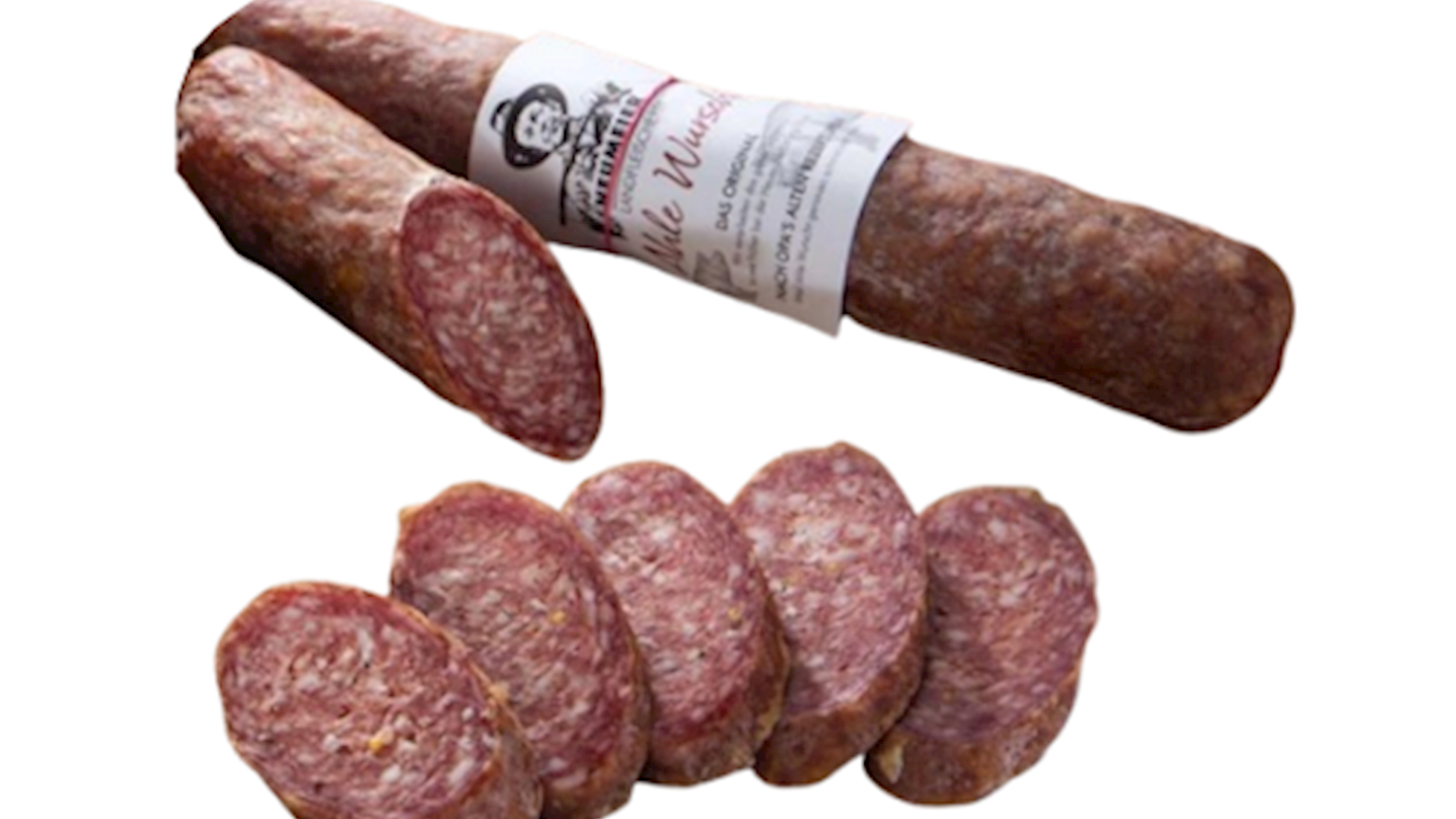
One of the most well-known and highly regarded products of this butcher shop is Ahle Wurscht – a classic dry sausage specific to the northern Hessen region. This sausage is made according to an old recipe, dried and aged for months, giving it a characteristic firm texture and rich, full flavor.
Ahle Wurscht is produced in various versions – from pure beef, mixed with pork, or with special seasoning blends – but always with the same care and respect for tradition.
Today, Landfleischerei Neumeier combines family values, craftsmanship, and modern logistics, offering their customers not only exceptional products but also a taste experience that has lasted for generations.
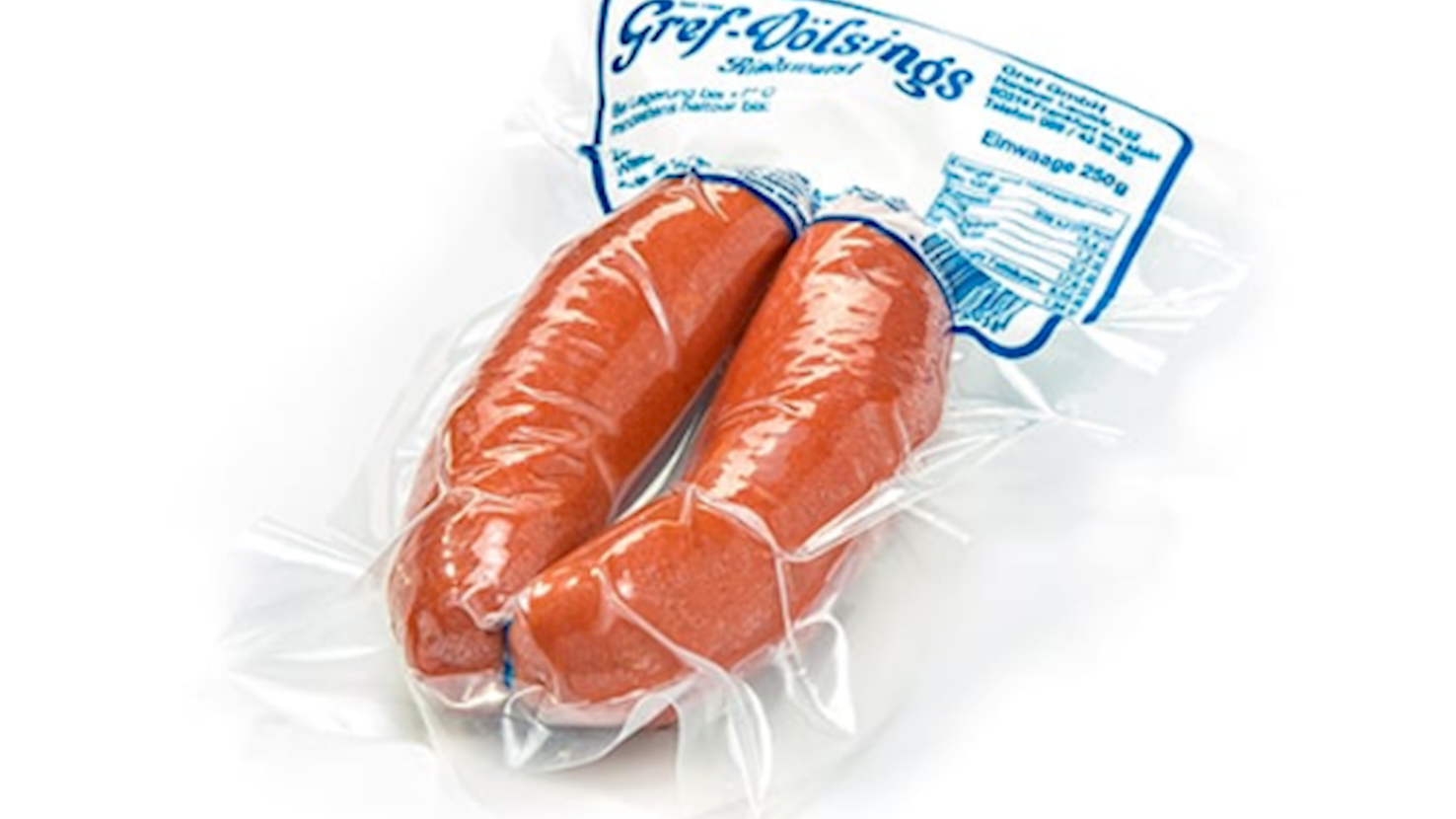
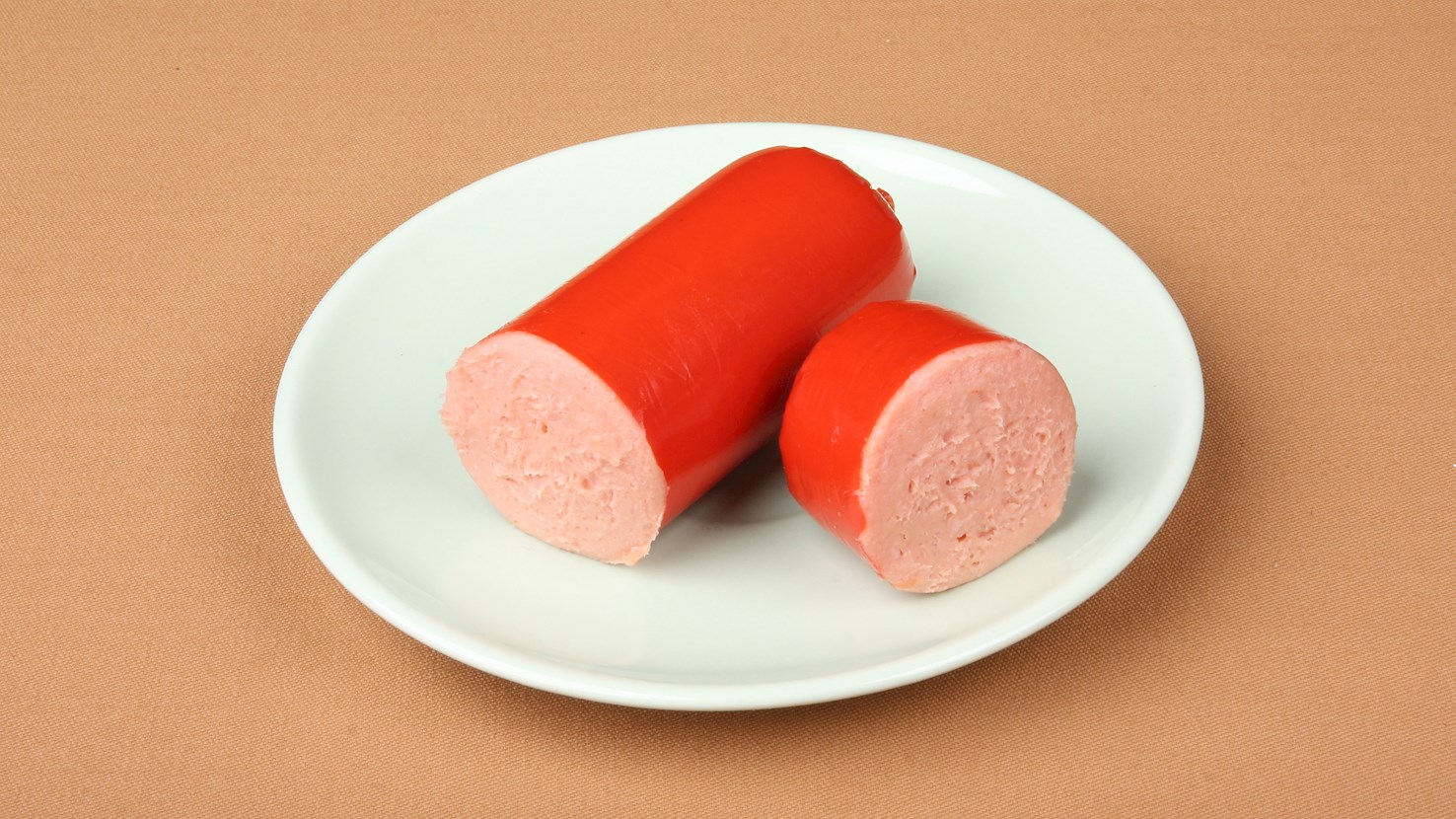
Gref-Völsings is a renowned butcher and producer of traditional German meat products based in Frankfurt, Germany. The company was founded in 1894 and has since become a symbol of high-quality meat products, with a focus on Rindswurst (beef sausage) as well as other types of sausages and cured meats.
Gref-Völsings is a company with a rich history, having dedicated over 125 years to preserving and enhancing traditional production methods.
Their products are made using only fresh meat and natural spices, and the company takes pride in the fact that their recipes have been passed down through generations.
Their products are deeply rooted in German culinary tradition, with an emphasis on quality and authenticity. They are sold at their shop as well as in specialized stores and restaurants.
Metzgerei Reichenbach is a family-owned butcher shop located in the picturesque Glottertal, near Freiburg in Germany’s Black Forest region. Founded in 1958, the business has grown into a unique production chain that encompasses all stages of meat production: from livestock farming and slaughtering to meat processing and retail.
This approach ensures full control over the quality and freshness of its products. The livestock—around 1,000 cattle and 1,500 pigs - is raised on the company’s own pastures and in cooperation with local partners.
The butcher shop is renowned for its traditional specialties and offers a wide range of products including beef and veal, game, sausages, cured meats, and barbecue items.
Metzgerei Reichenbach operates several retail locations. A special innovation is the “Reichenbach24 Smartstore” - a self-service shop open 24/7, allowing customers to shop at any time of day.
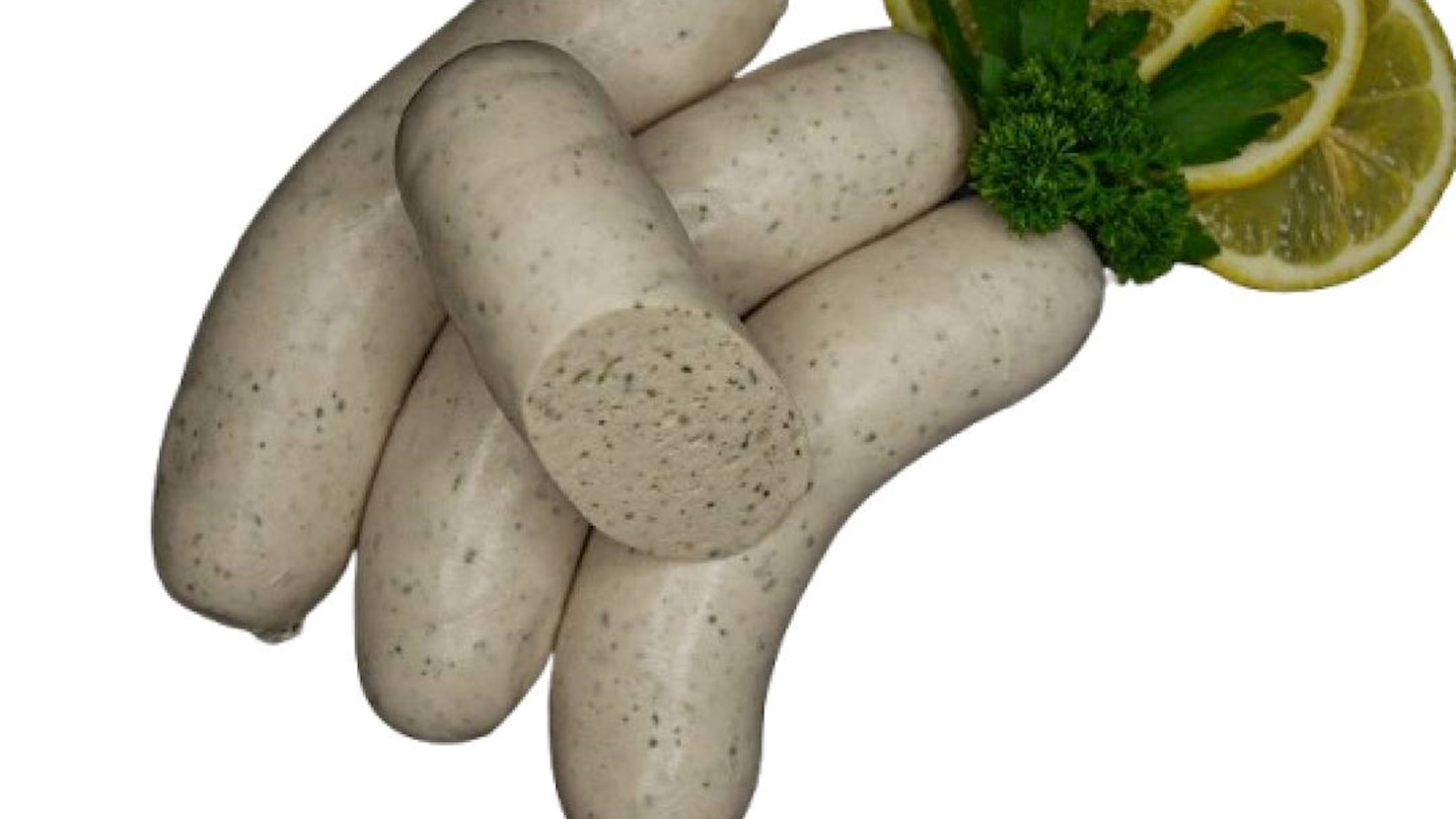
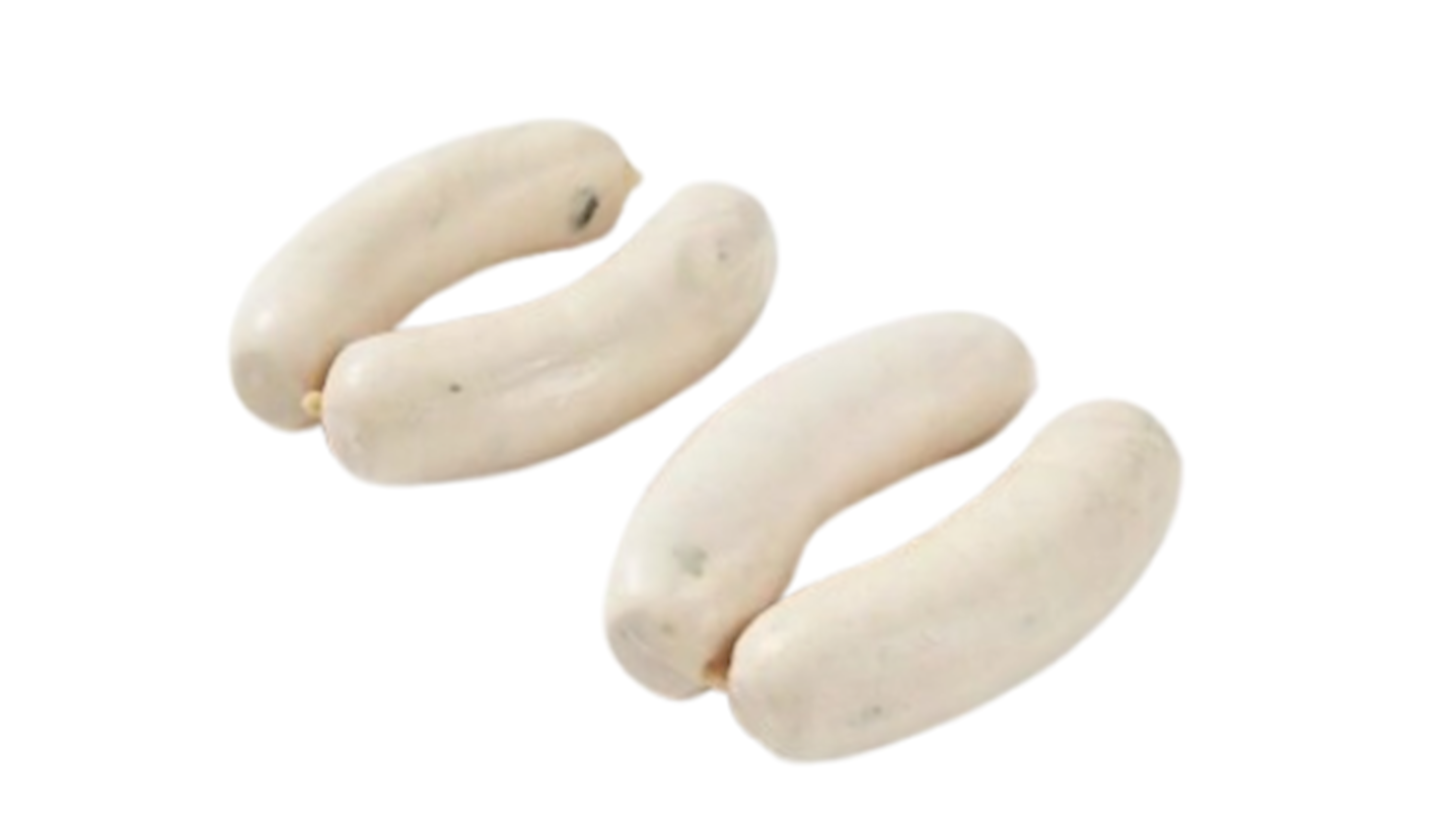
Metzgerei Burkhardt is a family-owned butchery with a long-standing tradition, founded in 1961 in Mannheim, where the third generation continues to passionately craft premium-quality meat products. Their dedication to the craft and commitment to excellence have earned them numerous prestigious awards, including the titles of German and European champion in white sausage making.
They are particularly renowned for their seamless blend of tradition and innovation, constantly refining their recipes to satisfy even the most discerning connoisseurs of fine meats. Their selection includes a wide range of fresh and cured meats, all prepared according to carefully guarded family recipes, with an unwavering focus on quality.
The love for their craft is evident in every piece of meat that leaves their workshop. In addition to classic delicacies, Metzgerei Burkhardt also stands out with creative innovations such as their unique sausage cake, proving that tradition and modern culinary trends can go hand in hand.
Metzgerei Meyer is much more than a butcher shop – it is a family tradition, artisanal craftsmanship, and a passion for premium meat products. Located in Nuremberg, this butcher shop is known as an "Erlebnis-Metzgerei" or "butchery experience", offering customers an authentic gastronomic journey that blends tradition and innovation.
By combining expert craftsmanship, a deep passion for the butchery trade, and a commitment to quality, Metzgerei Meyer remains true to authentic production methods that have been passed down through generations.
Our goal is for every customer to experience the true value of handcrafted meat products, whether enjoying them in an everyday meal or a special occasion.
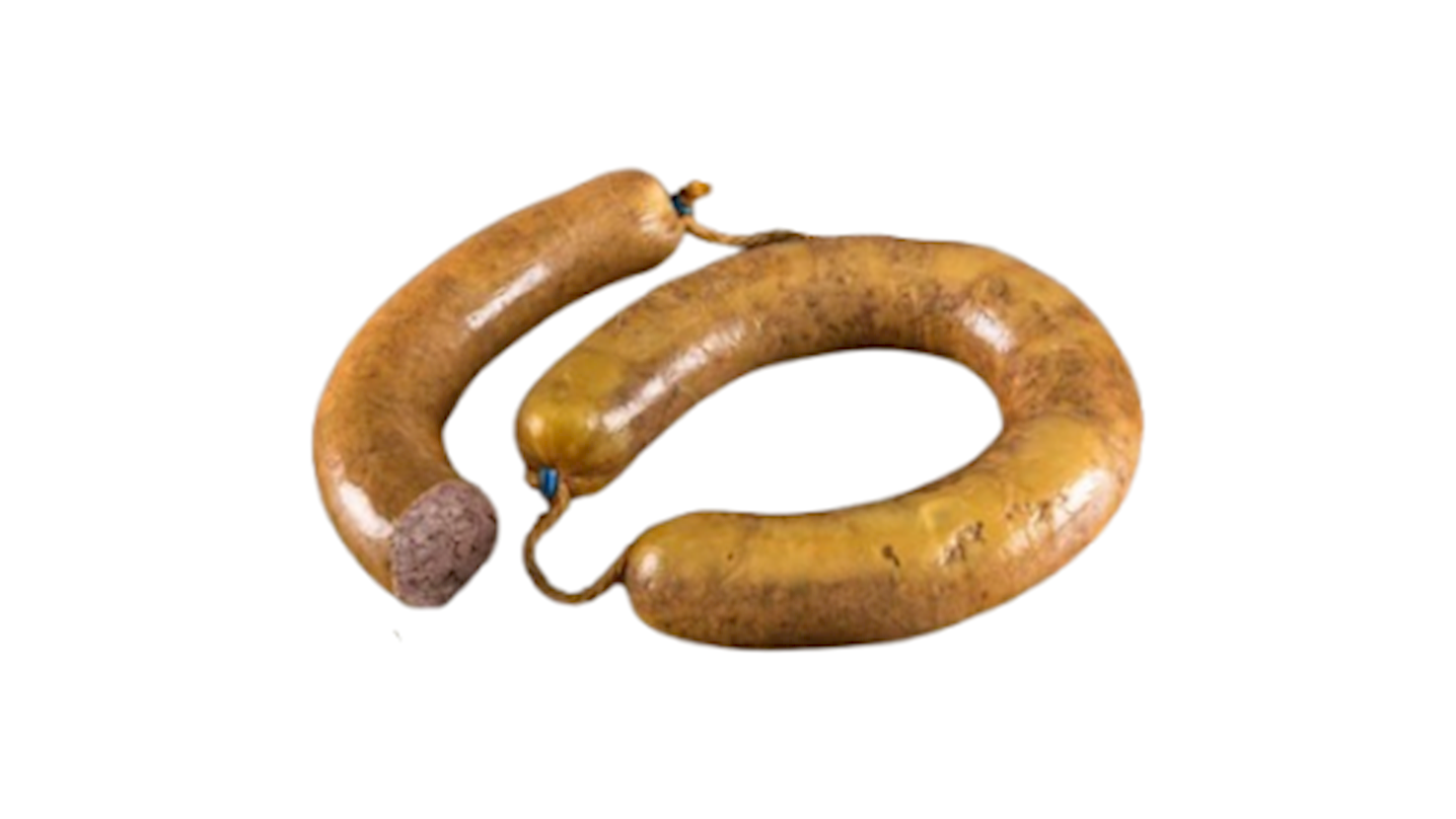
Blutwurstmanufaktur is a renowned artisanal butcher shop established in 1902. Since 1996, it has been run by master butcher Marcus Benser, who was honored in 2004 with the title of “Knight of the Blood Sausage” by the French brotherhood Confrérie des Chevaliers du Goûte-Boudin—an award also bestowed upon the famous chef Paul Bocuse.
Blutwurstmanufaktur produces over 60 varieties of homemade sausages, with its signature product being the celebrated Berliner Blutwurst.
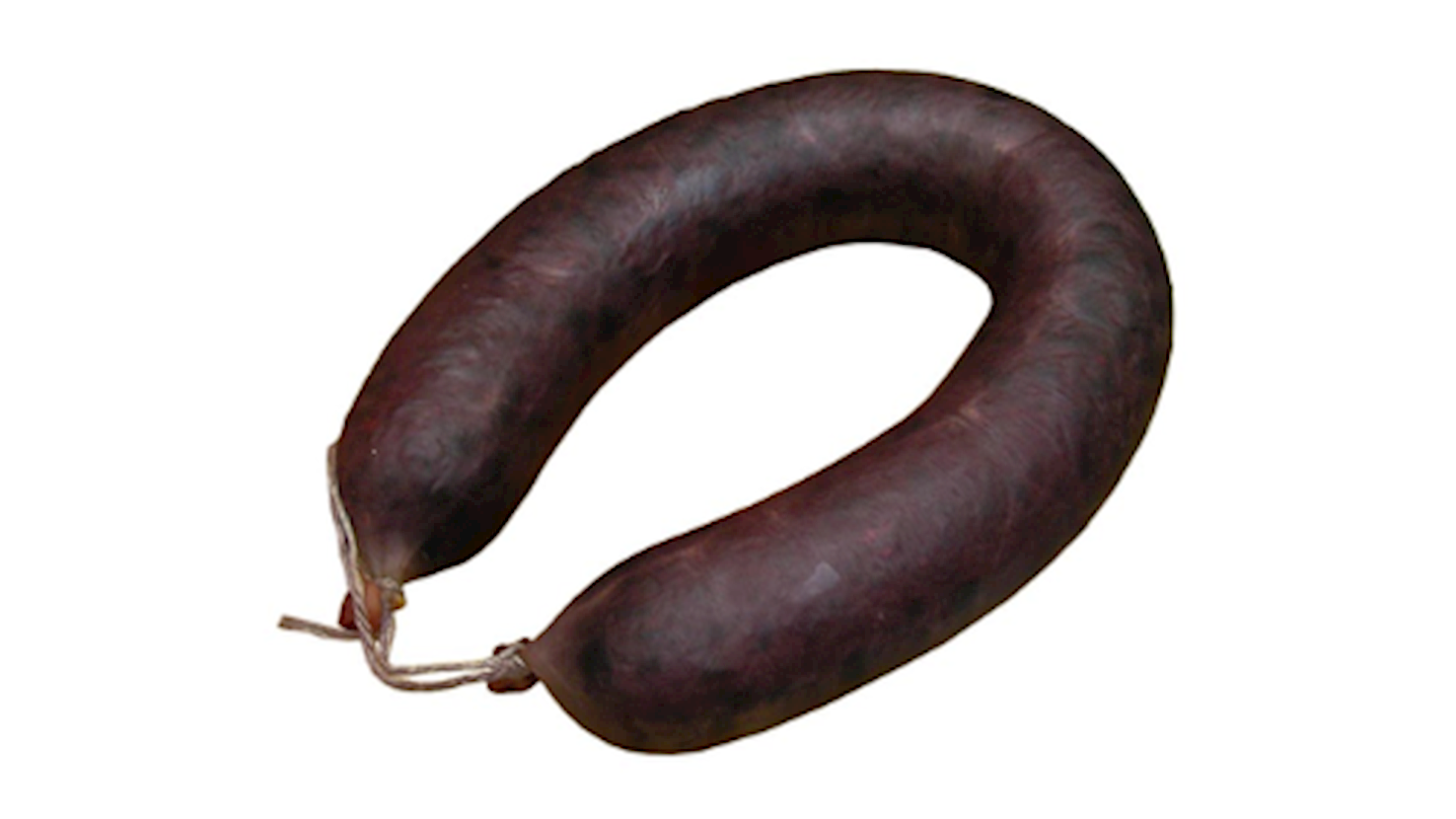
This blood sausage is freshly made daily from pork blood, lean meat, pork fat, and fresh onions, enhanced with a secret blend of spices including authentic Thuringian marjoram, hand-ground Brazilian pepper, and a hint of cinnamon. The sausage is encased in a natural beef casing.
In addition to their blood sausage, the shop also offers other specialties, including dry-cured salamis with fennel seeds.
All products are made using meat from local farms with whom the butcher shop maintains long-standing partnerships.
Metzgerei Gaßner is a renowned family-owned butcher shop in Munich, known for its premium sausages and meat specialties. Founded in 1937 by Engelbert Gaßner and his wife Katharine in Haimhauserstraße, the shop has grown over the years into a symbol of Bavarian butchery tradition.
Their products are highly regarded for the high quality of the meat and the careful selection of spices, which give them an authentic and rich flavor.
In addition to the butcher shop, the Marktstüberl restaurant offers homemade specialties in a cozy atmosphere, where visitors can enjoy freshly prepared dishes. This butcher shop, with its 85-year tradition, is not only a place where high-quality meat is produced but also a cornerstone of Bavarian culinary heritage, bringing authentic flavors that generations of Munich residents have loved and continue to seek out.
Metzgerei Hambel is a family-owned butcher shop with a rich tradition, located in Wachenheim, German. It was founded in 1985 when Klaus Hambel took over the family business from his father Walter, who had previously worked for 30 years as an "Adventsmetzger" — a traveling butcher who made homemade sausages for rural families during the winter.
Today, the entire family is involved in running the butcher shop, including Klaus's sister Katja and his wife Silvia, while their son Philipp is already engaged as the future successor. Metzgerei Hambel is renowned for its original "Pfälzer Hausmacher" specialties, prepared from fresh pork sourced from controlled German farms, using natural spices.
The butcher shop also includes Hambel’s Restaurant, offering specialties from the butcher’s selection in a cozy atmosphere.
Metzgerei Schwitzgebel is a butcher shop located in Homburg, in the German Saarland region. They specialize in high-quality meat products, including beef, pork, chicken, and veal.
They also offer game meat, all produced in-house. The meat they sell comes from the Bliesgau biosphere, in collaboration with local farmers, ensuring quality and sustainability.
Metzgerei Schwitzgebel prides itself on tradition and careful selection of ingredients for its products. They are known for the freshness of their products, which are replenished daily.
Many customers choose them due to their reputation and attention to detail. All products are prepared at their shop, maintaining full control over quality.
Metzgerei Schwitzgebel is a favorite spot for meat lovers in the region.
This long, thin cured sausage is similar to Göttinger Feldkieker, but the two differ in shape and weight. To produce Göttinger stracke, fresh pork (shoulder, leg, and belly) is minced and combined with salt, pepper, coriander, nutmeg, and garlic. A small amount of sugar, yeast, and rum is also added to the minced meat. The sugars ensure that the sausage matures long enough, and the pH lowers gradually with aging so the sausage does not taste sour. Göttinger stracke is packaged in thin, straight casings and it's left to mature for about four weeks before consumption. The sausage has an intense aroma and a peppery, spicy flavor. It is usually served as an appetizer.
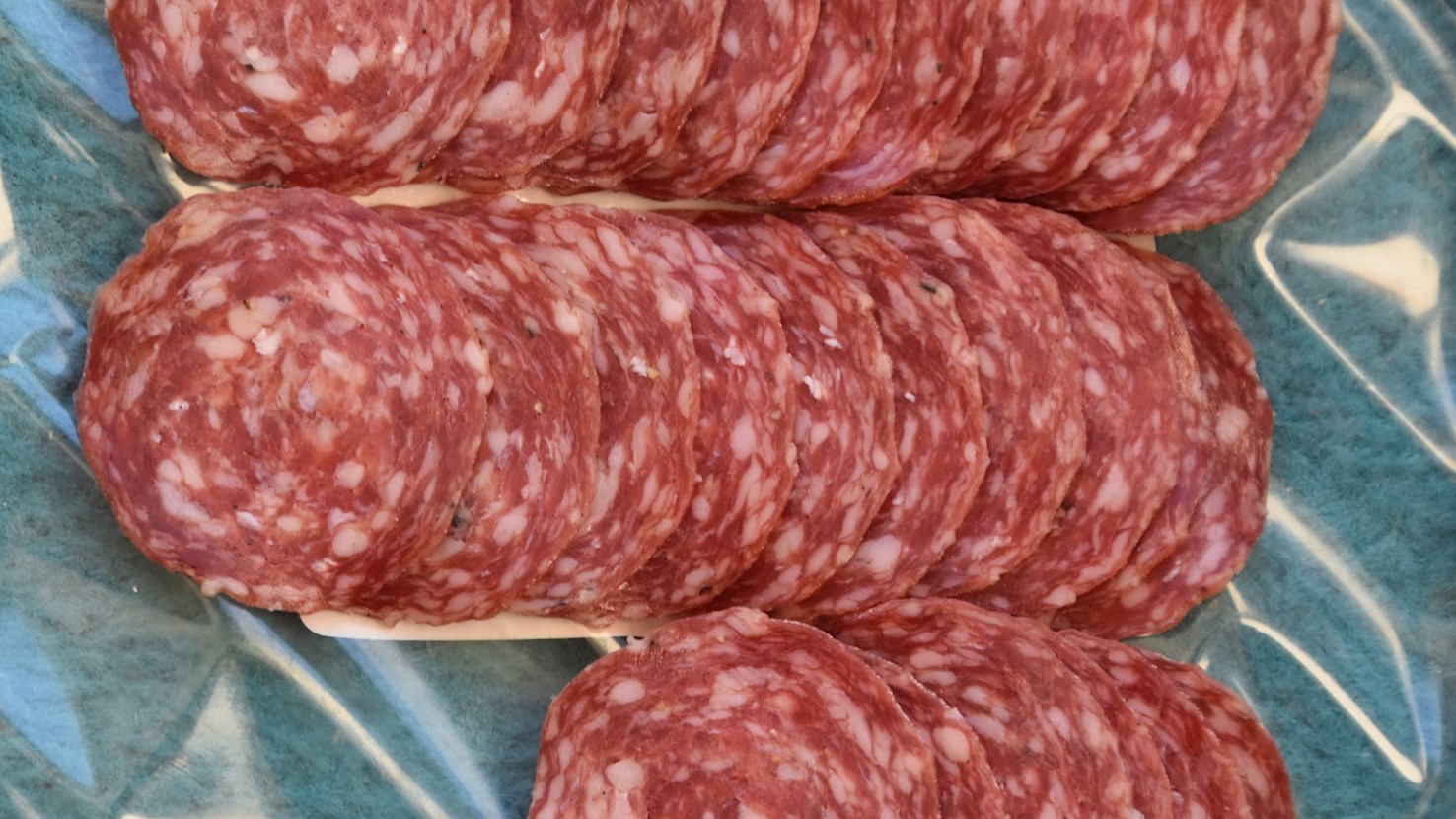
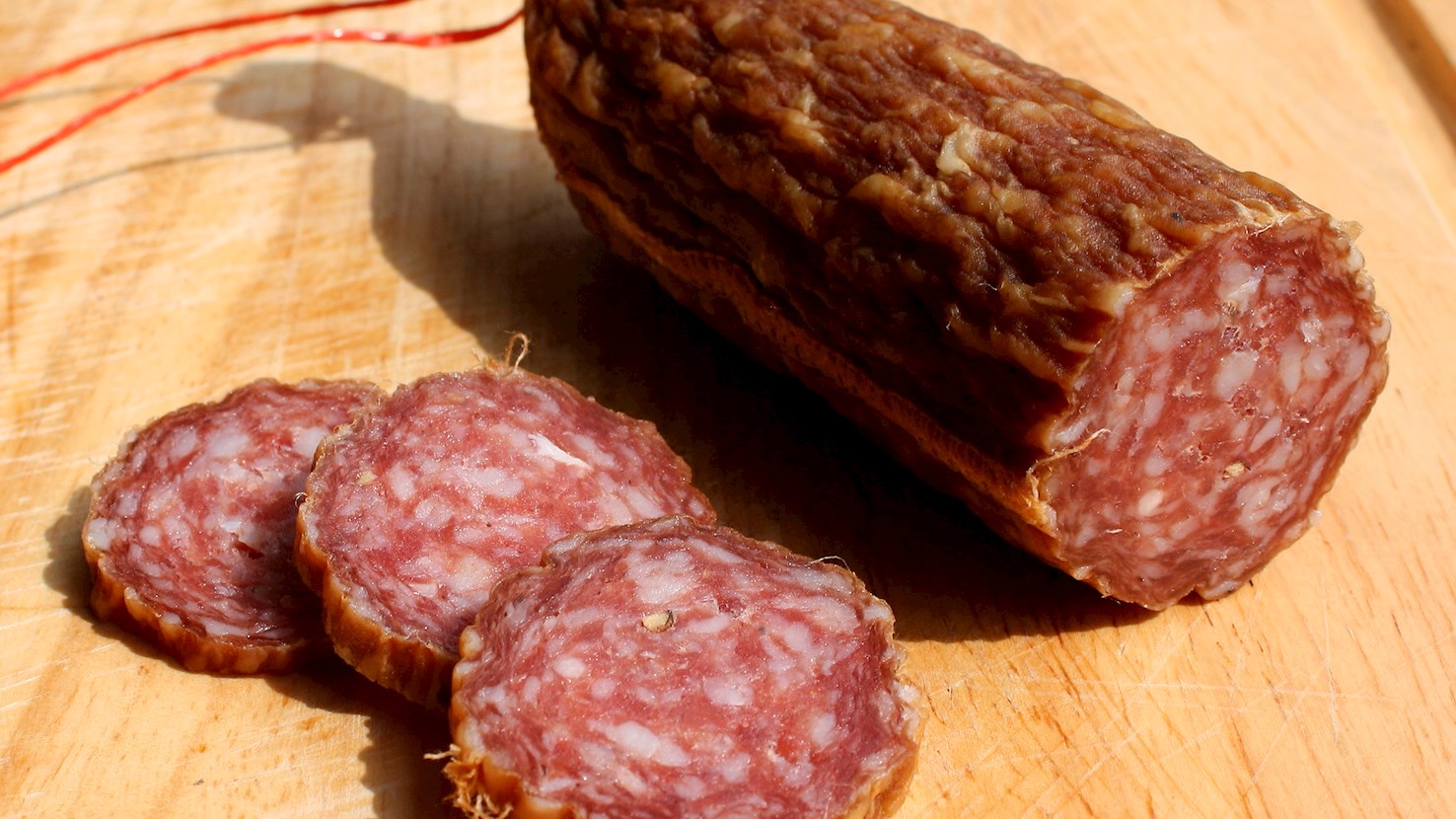
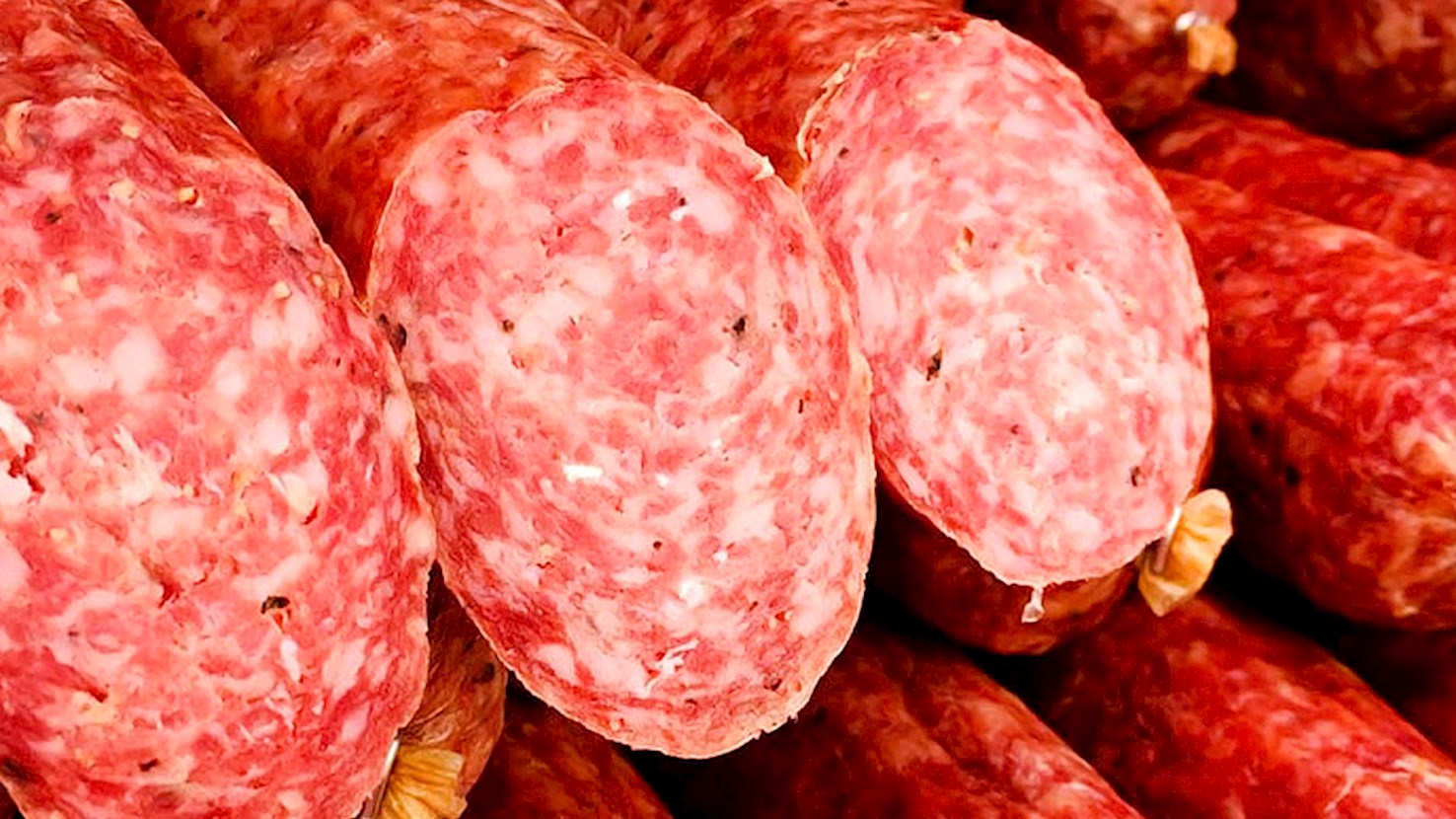
Nordhessische Ahle Wurscht is a slowly-matured raw pork sausage, made with minced pork, salt, saltpeter, and freshly ground spices. Almost every manufacturer has his own secret blend of spices, so no two Nordhessische Ahle Wurscht sausages will ever taste exactly the same - the meat, the combination of spices, the climate, and the stage of maturity all create the final flavor. Nordhessische Ahle Wurscht is a very important element of North Hessian gastronomic culture, and it is best enjoyed sliced and served with a slice of bread.
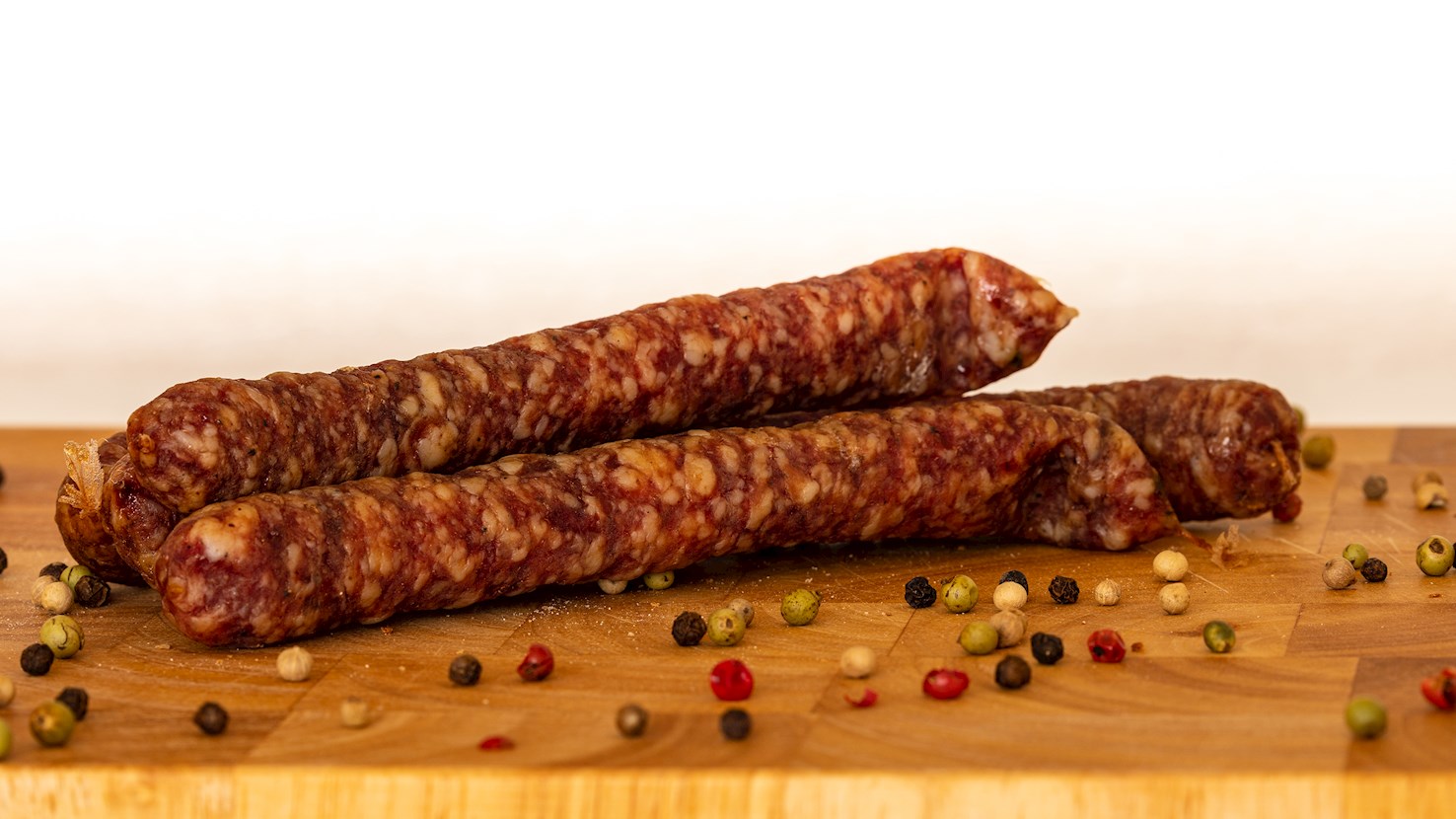
Pfefferbeißer is a traditional salami. It's usually made with a combination of pork (shoulder and back fat), salt, black pepper, white pepper, garlic powder, mace, and paprika powder. The meat is ground, mixed with the spices, and the mixture is then stuffed into natural casings. The sausages are shaped into moderately thin and elongated forms that are hung and left to ferment for 24 hours before they're cold-smoked until nicely colored. For firmer Pfefferbeißer salami, it's recommended to leave the salami to ripen and dry for a few days before consumption.
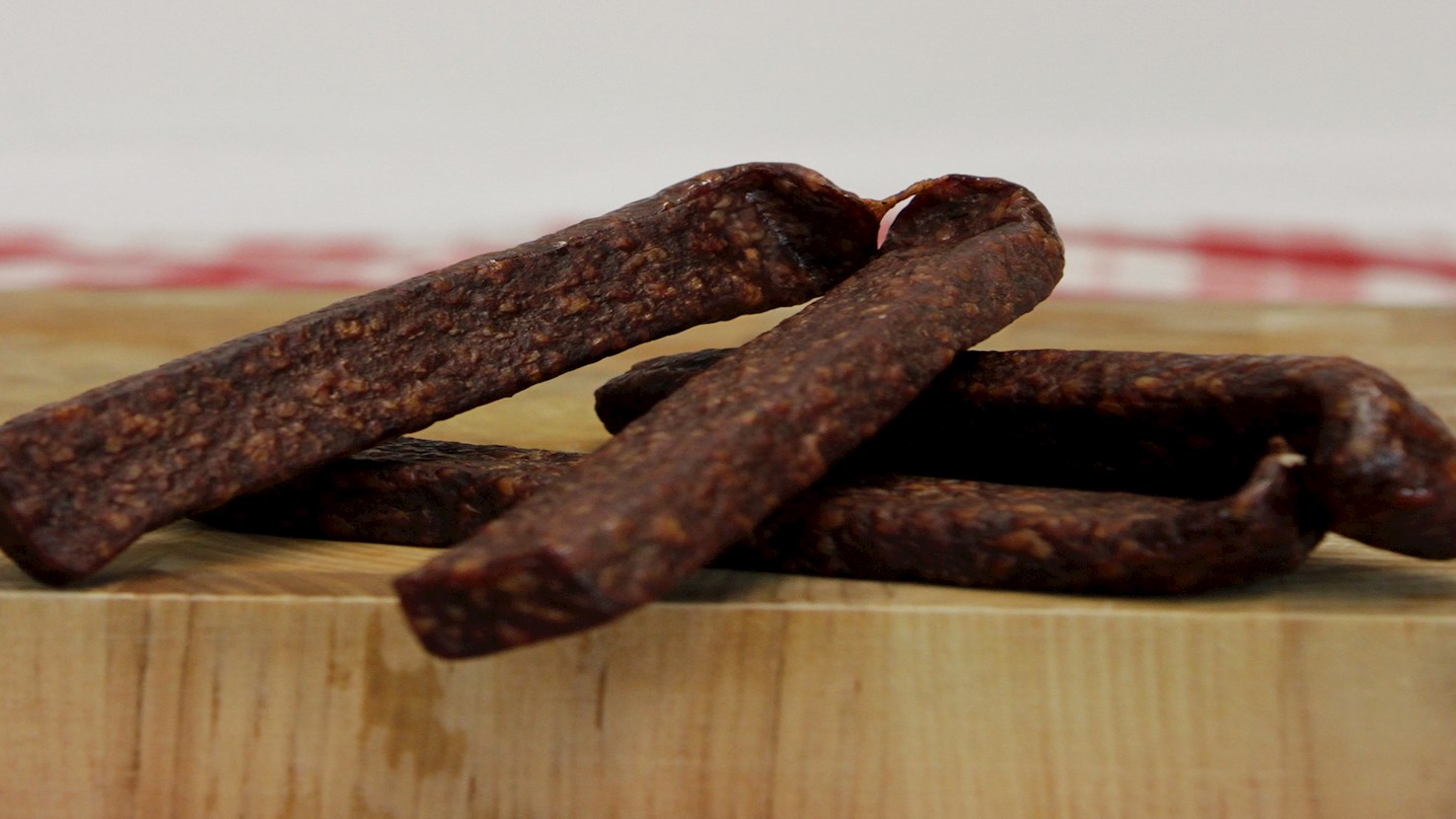
Landjäger is a semi-dried sausage popular throughout Switzerland, Germany, France, and Austria. It is typically prepared with a combination of pork, beef, lard, red wine, sugar, and selected spices. The sausage is first pressed in order to obtain its typical rectangular cross-section, and it is then smoked and dried. The name landjäger means land hunter, referring to the fact that these sausages are especially convenient and popular among back-packers and hunters, who carry them while traveling.
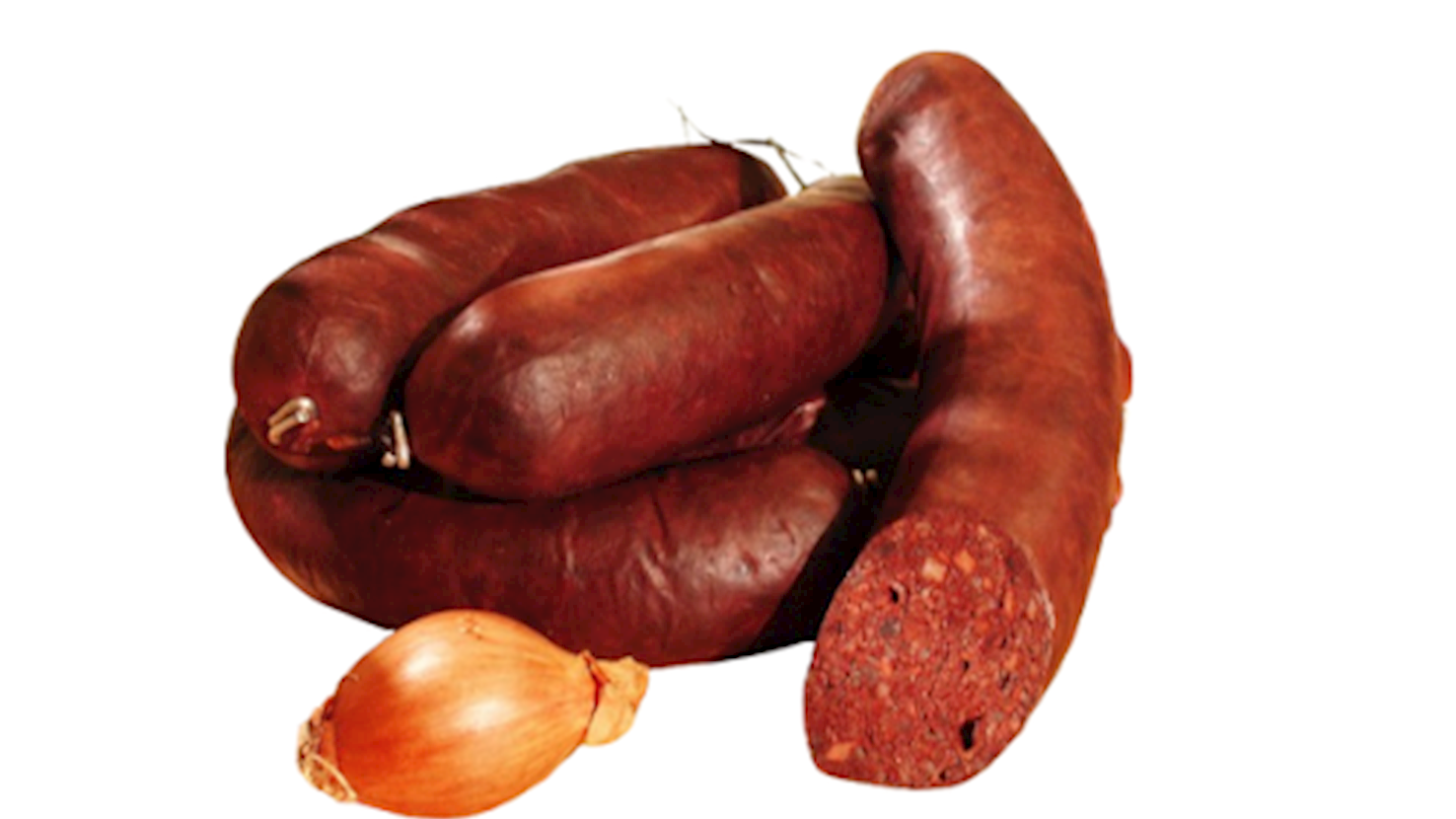
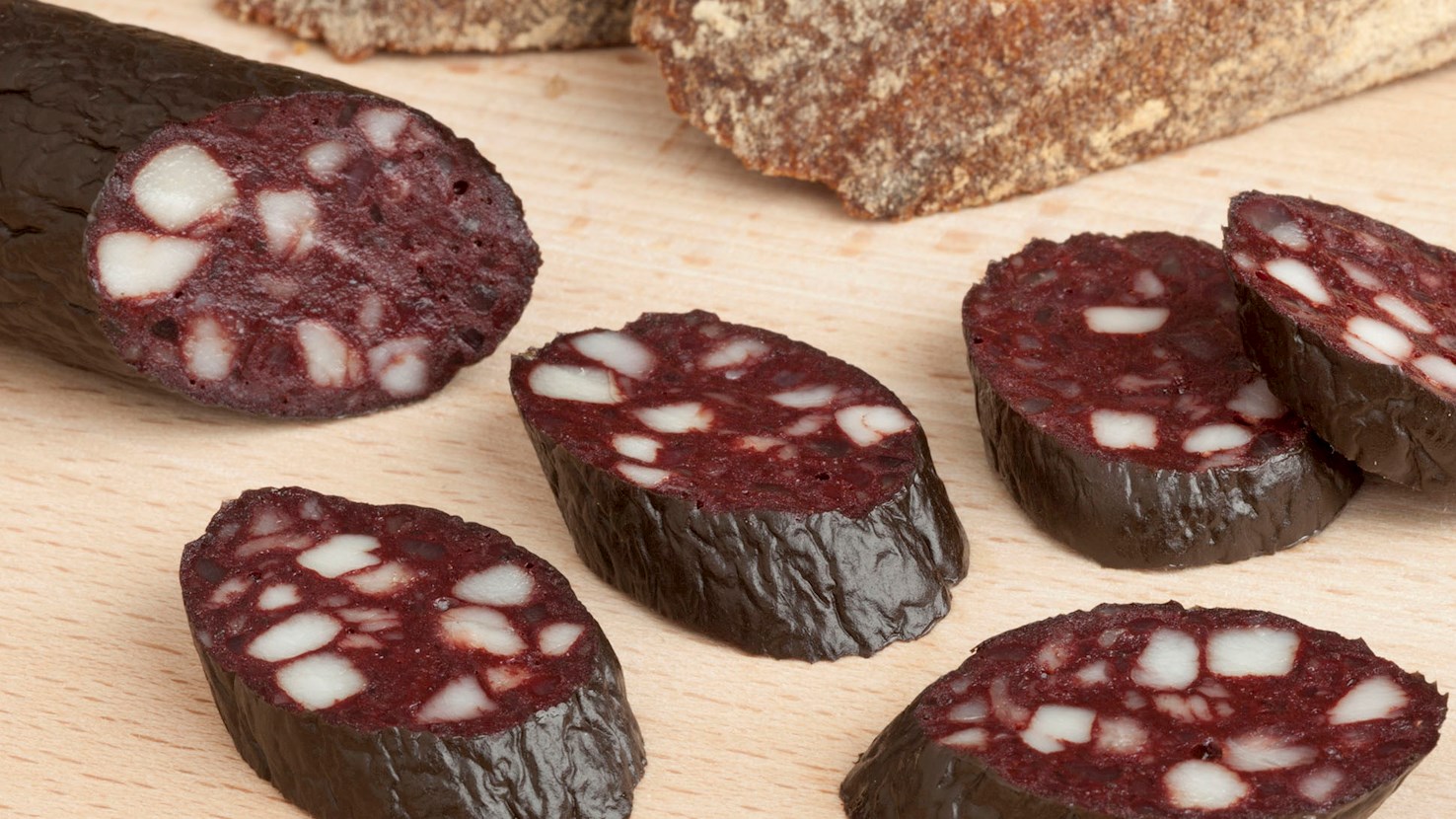
This delicate smoked blood sausage from the Rhineland region consists of lean meat and small pieces of fat. Flönz has been popular in Cologne for a hundred years, and it is the least expensive local sausage. It is a firm blood sausage made from various parts of the pig, including the rinds, head, and blood combined with salt and spices. The use of spice extracts and flavorings is prohibited. The visible fat consists of pieces measuring between 5 and 10 mm. Flönz is an ingredient in various kölsche specialties like Himmel und Eerde, while flönz served with buns and onion rings is affectionately known as Kölsche caviar.
Teewurst is an air-dried German sausage that consists of pork (or pork and beef) and bacon. The finely ground sausage mixture is typically seasoned, stuffed in casings, and cold-smoked over beechwood. Once smoked, the sausage is left to ferment, a process which allows it to be safe for consumption without cooking. Mild and slightly sour, the sausage has a soft and spreadable texture which is why it’s typically enjoyed atop of crackers or open-faced sandwiches. In Germany, this type of sausage was reserved for tea time, hence the tee in its name, meaning tea in German. The creation of this sausage has been attributed to Karoline Ulrike Rudolph, who is also credited for the sausage’s name.
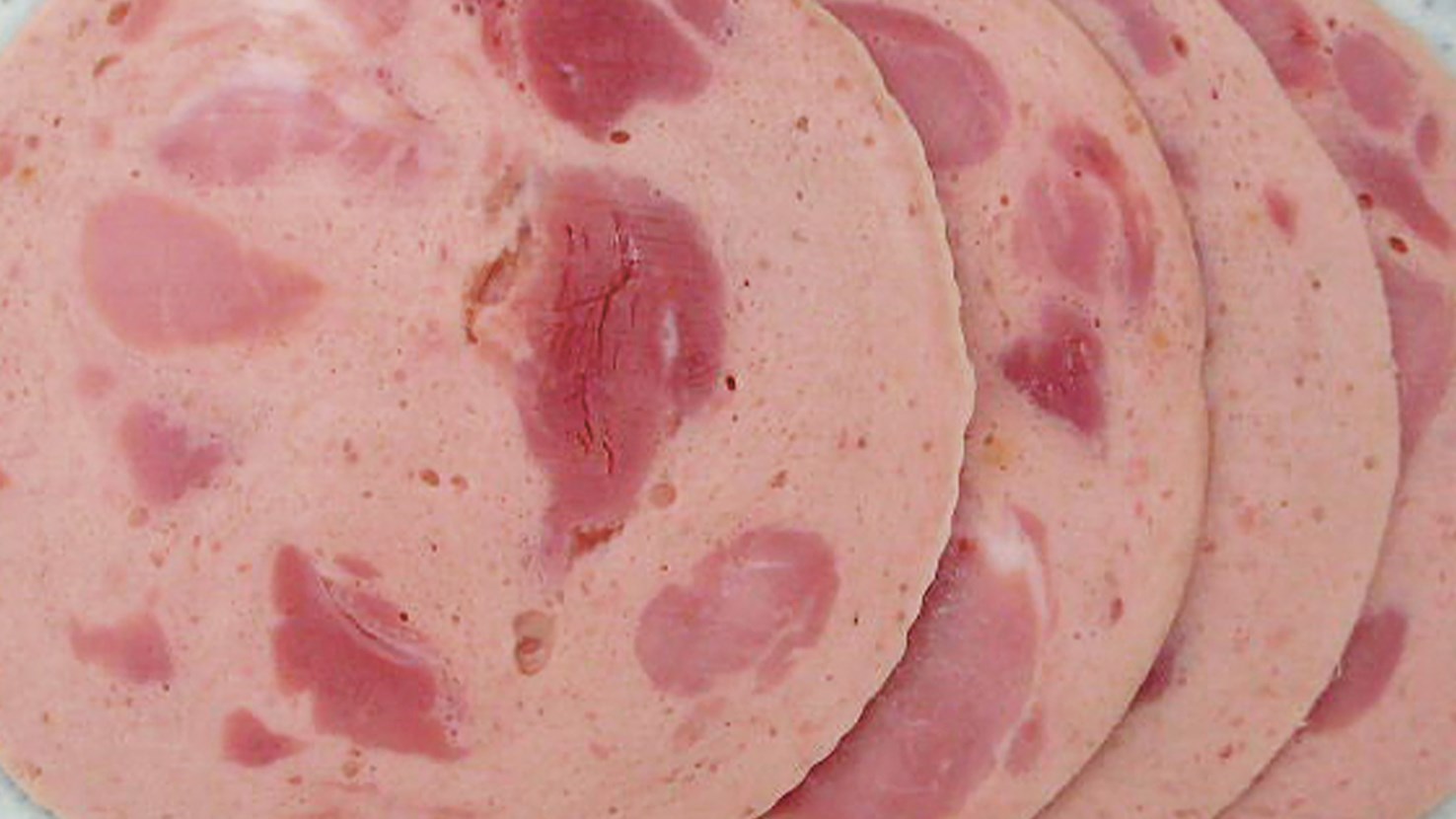
Bierschinken Wurst (lit. beer ham sausage) is a variety of parboiled German sausage with chunks of pickled pork meat or cooked ham. It typically consists of finely ground pork, bacon, water or ice, salt, and spices such as mace, ginger, cardamom, coriander, and white pepper. After it is combined with the meat pieces, the sausage mixture is typically filled into natural or artificial casings, and it sometimes gets smoked before cooking. Although it is mostly prepared with pork, the sausage can also be made with beef or poultry, or any combination of pork, beef, and poultry. The bier part (meaning beer in German) in the sausage’s name does not refer to its composition but rather to the tradition of enjoying slices of this sausage alongside a cold beer. Also known as Schinkenwurst, this sausage is usually eaten sliced as a cold cut atop fresh bread rolls or slices of wood-fired bread along with gherkins and eggs. It's also an excellent accompaniment to beer. Even though its exact origin is unknown, it is generally believed that this sausage variety originates from Bavaria.
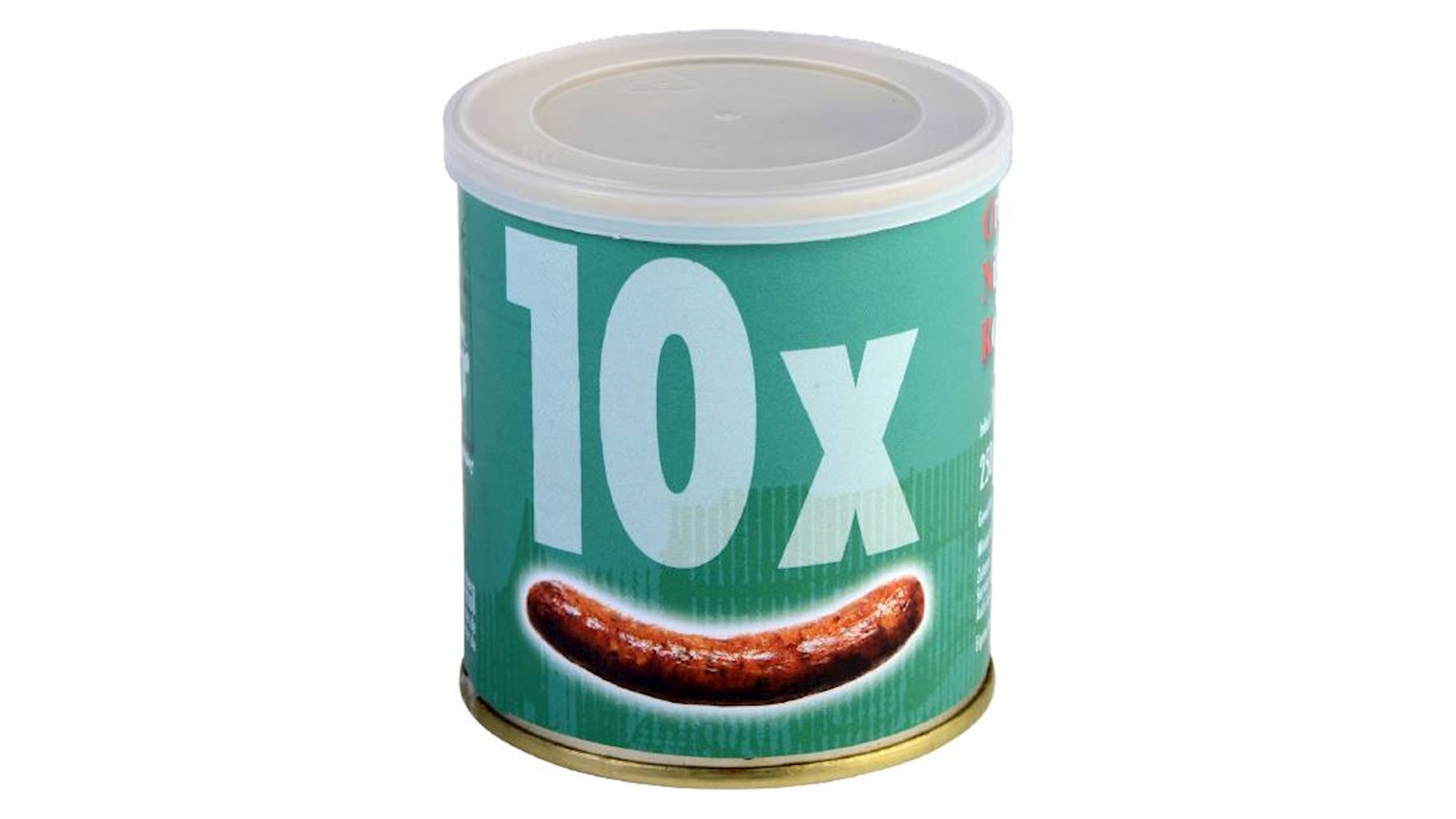
Entrepreneur Friedrich Heine made it big in 1896 when he introduced a national specialty known as HalberstädterWürstchen to the global market. His jarred, preserved sausages travelled well and were able to be distributed far and wide, and they quickly gained popularity far outside of Germany's borders. The company was expropriated by the East German government in 1948, and its name was changed to VEB Halberstadt Meats. The smoky flavor of these long and thin sausages in sheep's casings results from a patented, traditional method of smoking in a chimney over a beechwood fire, combined with long ripening times of 24 to 36 hours. Halberstadt's products have received many gold medal awards from the German Agricultural Society, the first of which was awarded in 1913. Chimney-smoked Halberstädter Würstchen are the only products from Halberstadt in Saxony-Anhalt that can bear the official local denomination Halberstädter.
This firm, air-dried raw sausage made from pork hails from the Lower Saxonian city of Göttingen, where it has been produced since the 18th century. Göttinger feldkieker is stuffed into a pig's bladder, and differs from Göttinger Stracke sausage in shape, diameter, and weight, which is a result of a different ripening process and flavor development. Depending on the ingredients used in its production, this aromatic sausage may have hints of rum, pepper, nutmeg, garlic, and coriander.
Bierwurst is a German sausage known for its robust, mildly spiced flavor and firm yet sliceable texture, often eaten cold. Despite its name, it does not usually contain beer; the term refers more to the idea that it pairs well with it. It originated in Bavaria and spread to other parts of Germany, where butchers adapted recipes to local preferences. Early versions were produced by mixing finely ground pork and beef with spices, then stuffing the mixture into casings and curing it. Over time, smoking was incorporated in many variations, adding depth to the flavor and helping preserve the sausage. The preparation begins with lean cuts of pork and beef, which are ground and mixed with curing salt, garlic, pepper, coriander, and occasionally mustard seeds. The seasoned meat is filled into natural casings and left to cure under controlled conditions, after which it may be gently smoked or left unsmoked, depending on the style. Once ready, Bierwurst is typically sliced thin and served as part of a cold platter with bread, pickles, and mustard, or added to sandwiches. Some versions are prepared in large diameters, allowing the slices to display a distinctive marbled pattern from the blending of meats and spices. In Germany it is widely available in butcher shops, supermarkets, and delicatessens, eaten at home, in beer gardens, and at casual gatherings, often accompanied by dark or pale beers that complement its savory taste.
TasteAtlas food rankings are based on the ratings of the TasteAtlas audience, with a series of mechanisms that recognize real users and that ignore bot,
nationalist or local patriotic ratings, and give additional value to the ratings of users that the system recognizes as knowledgeable.
TasteAtlas Rankings should not be seen as the final global conclusion about food. Their purpose is to promote excellent local foods,
instill pride in traditional dishes, and arouse curiosity about dishes you haven’t tried.
The initial list of top producers was compiled based on available reviews, awards, local recommendations, media and blog coverage, and consumer reviews.
The list will be updated with ratings from TasteAtlas local ambassadors and TasteAtlas users.









What People Say