Top 18 Canadian Syrups

Last updated on July 01, 2026

Best Canadian Syrups
01

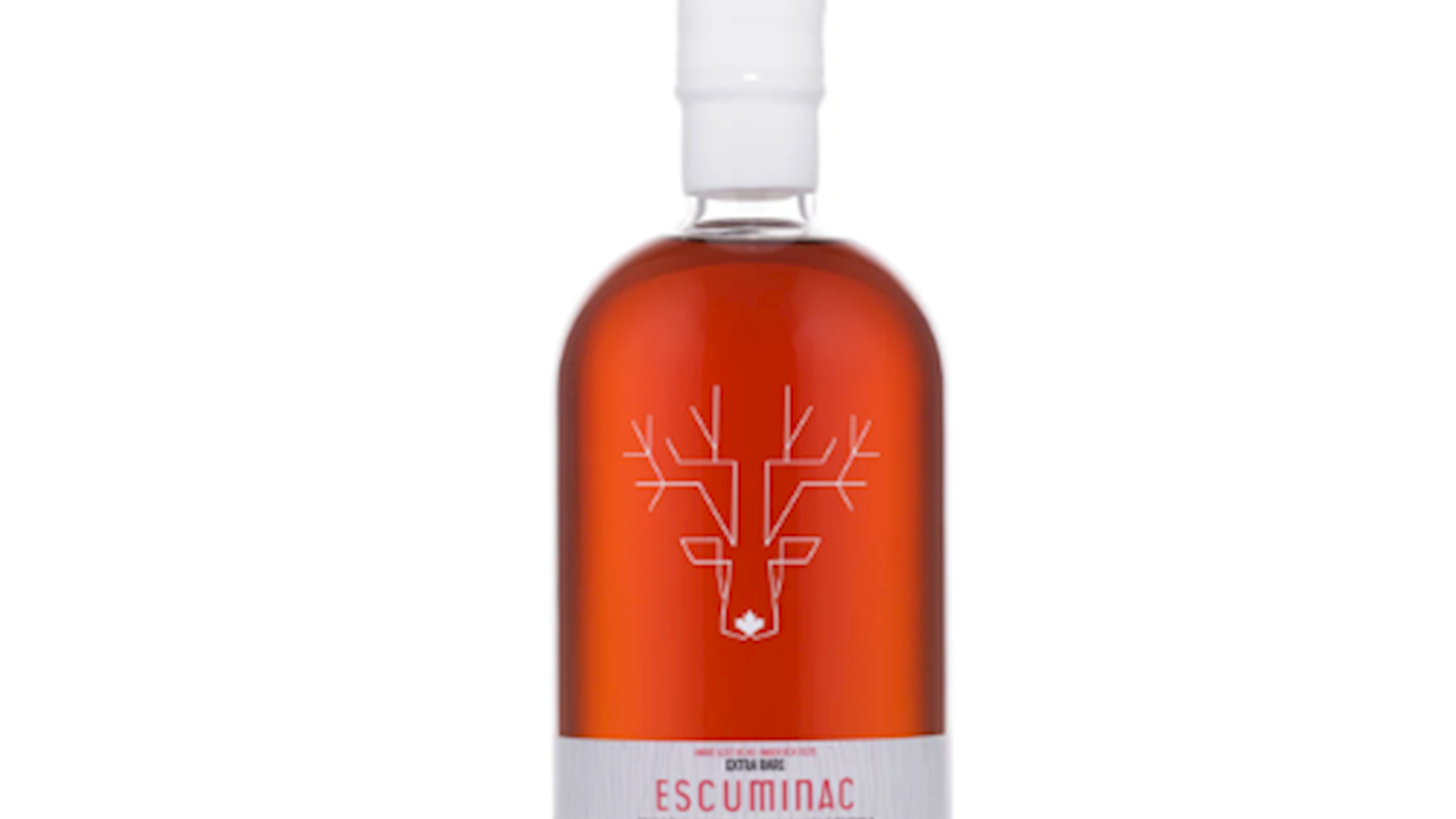
Érablière Escuminac

5.0 ·

Escuminac is a family-owned farm in Quebec specializing in the production of organic maple syrup, founded in 1998 by Martin Malenfant, a third-generation producer. The estate covers more than 500 hectares and includes around 65,000 maple trees, from which sap is collected each year using traditional yet technologically refined methods.

What makes Escuminac unique is its “single forest” approach, meaning that all sap is processed and bottled directly on the farm without blending from other sources. Since 2006, their products have been certified organic, and the entire farm operates according to sustainability principles.

Escuminac relies on the distinctive terroir of the Gaspésie region, where a combination of sea air and continental climate shapes the sap’s unique flavor. Their syrups contain significantly more polyphenols than honey, making them one of the nutritionally richer natural sweeteners.

Escuminac is a brand that bridges tradition and innovation, preserving heritage while offering products tailored to the modern gourmet market. Thanks to their consistency in quality and ecological commitment, their syrups are recognized worldwide as a premium Canadian specialty.

Awards
Great Taste Awards - 2 Stars (2019)
02

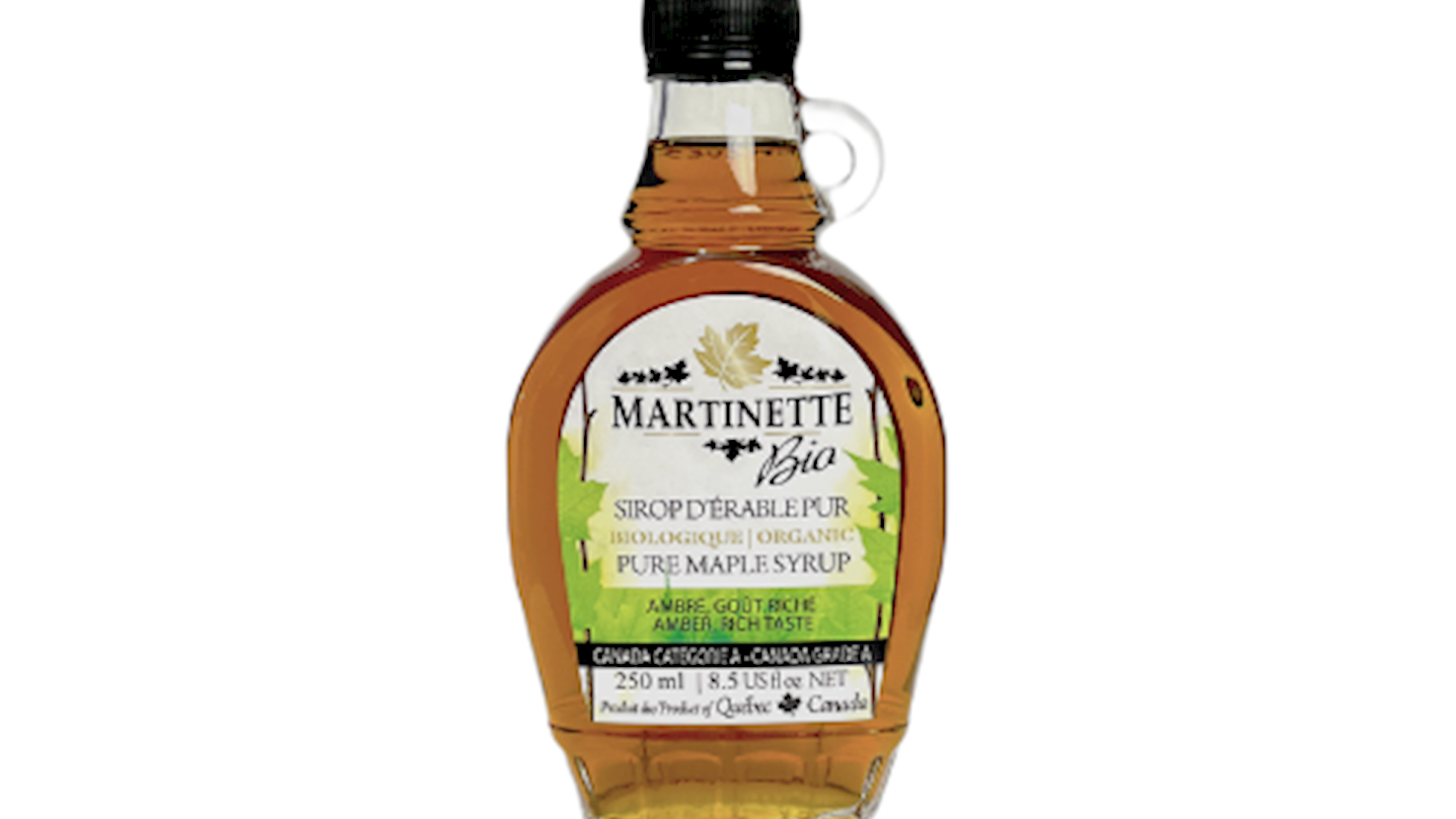
La Ferme Martinette

5.0 ·

La Ferme Martinette is a family-owned company from Quebec, located in the Coaticook region, specializing in the production of high-quality maple products since 1993. It was founded by Claude and Francine Martin, with a vision to combine traditional craftsmanship with modern standards of food quality and safety.

Today, La Ferme Martinette produces more than 180 different maple-based products, with a large part of the assortment certified as organic. The production process is carefully managed - from sap collection to packaging - ensuring the preservation of authentic flavor and nutritional value.

The company exports to more than 20 countries, including markets in Europe, Asia, and the Middle East, confirming its international reputation. La Ferme Martinette successfully blends tradition, innovation, and sustainability, offering products that embody the essence of Canadian heritage and premium gourmet excellence.

03

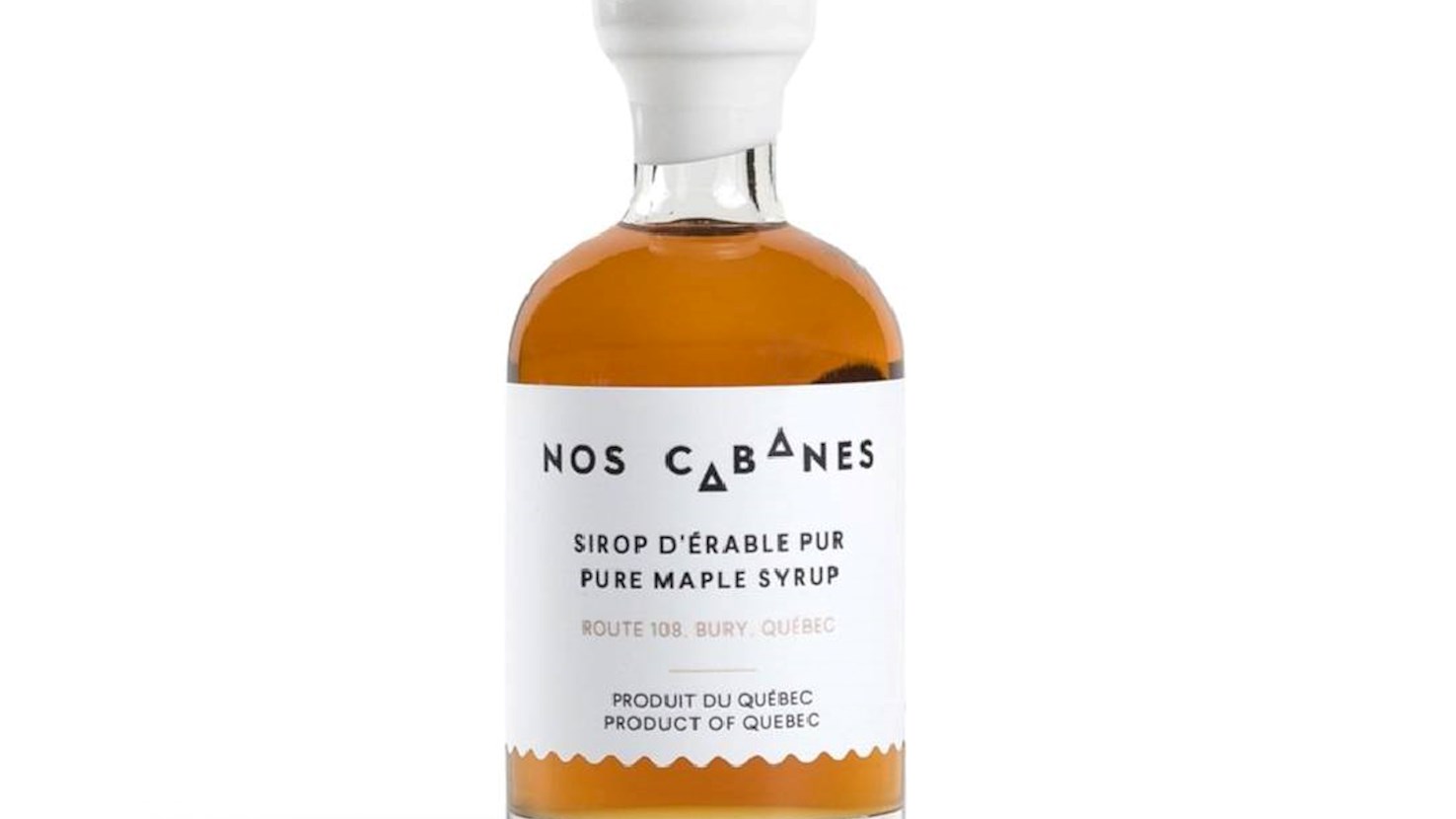
Nos Cabanes

5.0 ·

Nos Cabanes is a brand that lovingly celebrates the richness and diversity of maple syrup, transforming this traditional Canadian product into a true culinary experience. Their philosophy is rooted in the belief that every syrup carries a unique story, flavor, and character, much like fine wine or olive oil.

Through carefully selected sugar bushes and close collaboration with local producers, Nos Cabanes curates a collection of authentic maple syrups that reflect the land, the seasons, and the people behind them. The brand also offers delicacies such as creamy maple butter made from pure syrup, and scented candles inspired by the warmth and sweetness of maple sugar. Nos Cabanes is more than just a collection of products—it is a bridge between consumers and the artisans who craft each bottle with care. Every product tells a story, honors its origin, and embodies a deep commitment to authenticity, quality, and respect for nature.

04

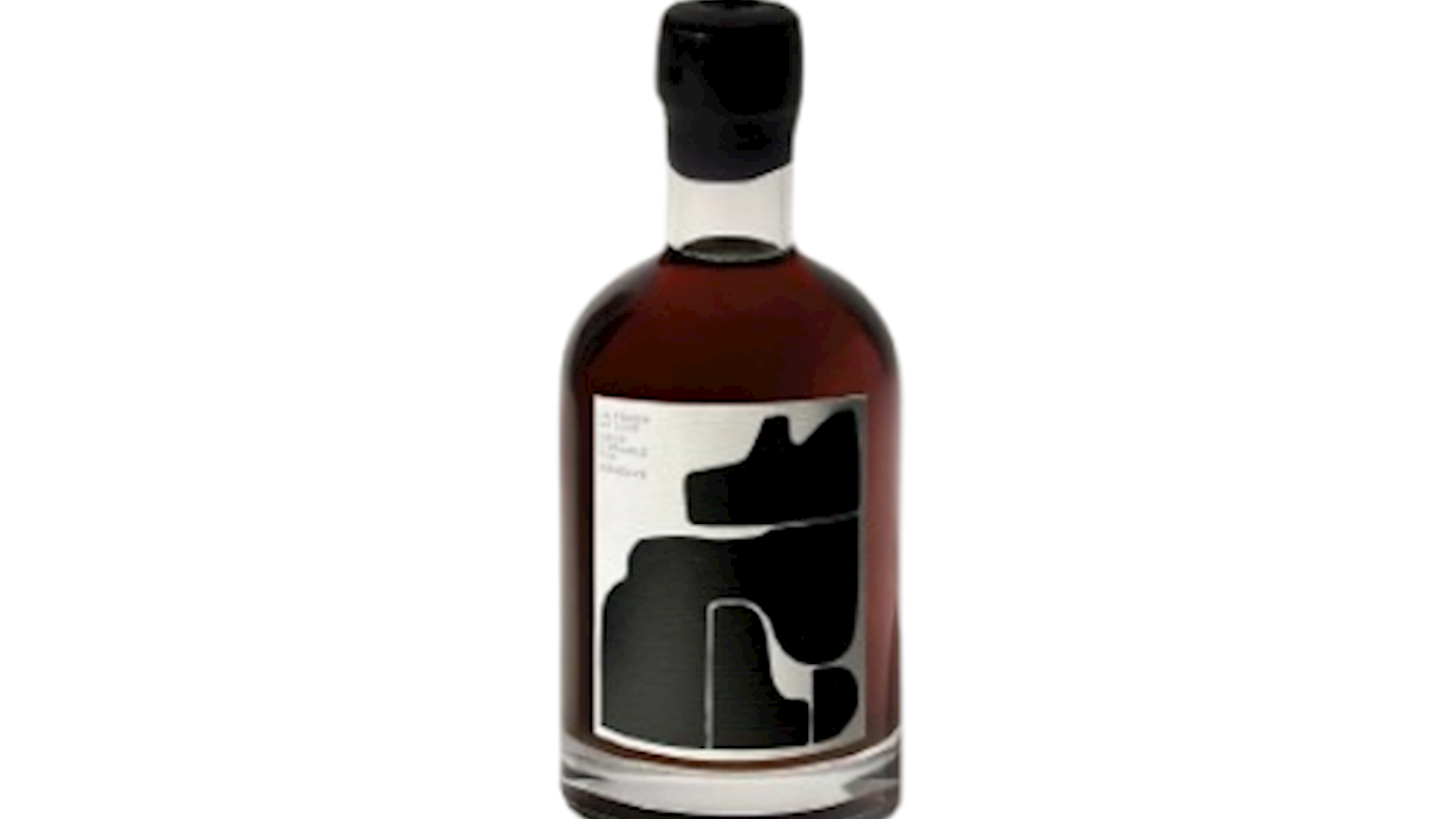
La Ferme du Loup

5.0 ·

La Ferme du Loup is a family-run farm located in Saint-Paulin, in the Mauricie region of Quebec, Canada, renowned for crafting exceptional maple-based products that unite tradition and innovation. Founded in 2005 on the site of a historic maple grove once owned by the Boucher family, the farm continues a century-old practice of maple syrup production while infusing it with a modern vision and distinctive identity.

Its philosophy is rooted in respect for nature, honesty toward the land, and minimal intervention throughout the process - values that are reflected in every product. The farm’s main creation is organic maple syrup, celebrated for its purity, balanced taste, and the strong expression of the Mauricie terroir.

Beyond syrup, La Ferme du Loup has gained recognition for pioneering the production of wines and sparkling wines made from maple sap, which are naturally fermented with minimal sulfites and no additives. The entire production takes place on the farm, with close attention paid to every step - from sap collection to fermentation and bottling.

Their products combine the natural aromas of maple with subtle notes of wild berries and blossoms, resulting in a complex and refined flavor profile. Today, La Ferme du Loup stands as a symbol of authenticity and innovation in the world of maple craftsmanship - proof that tradition can serve as a foundation for something entirely new and inspiring.

05

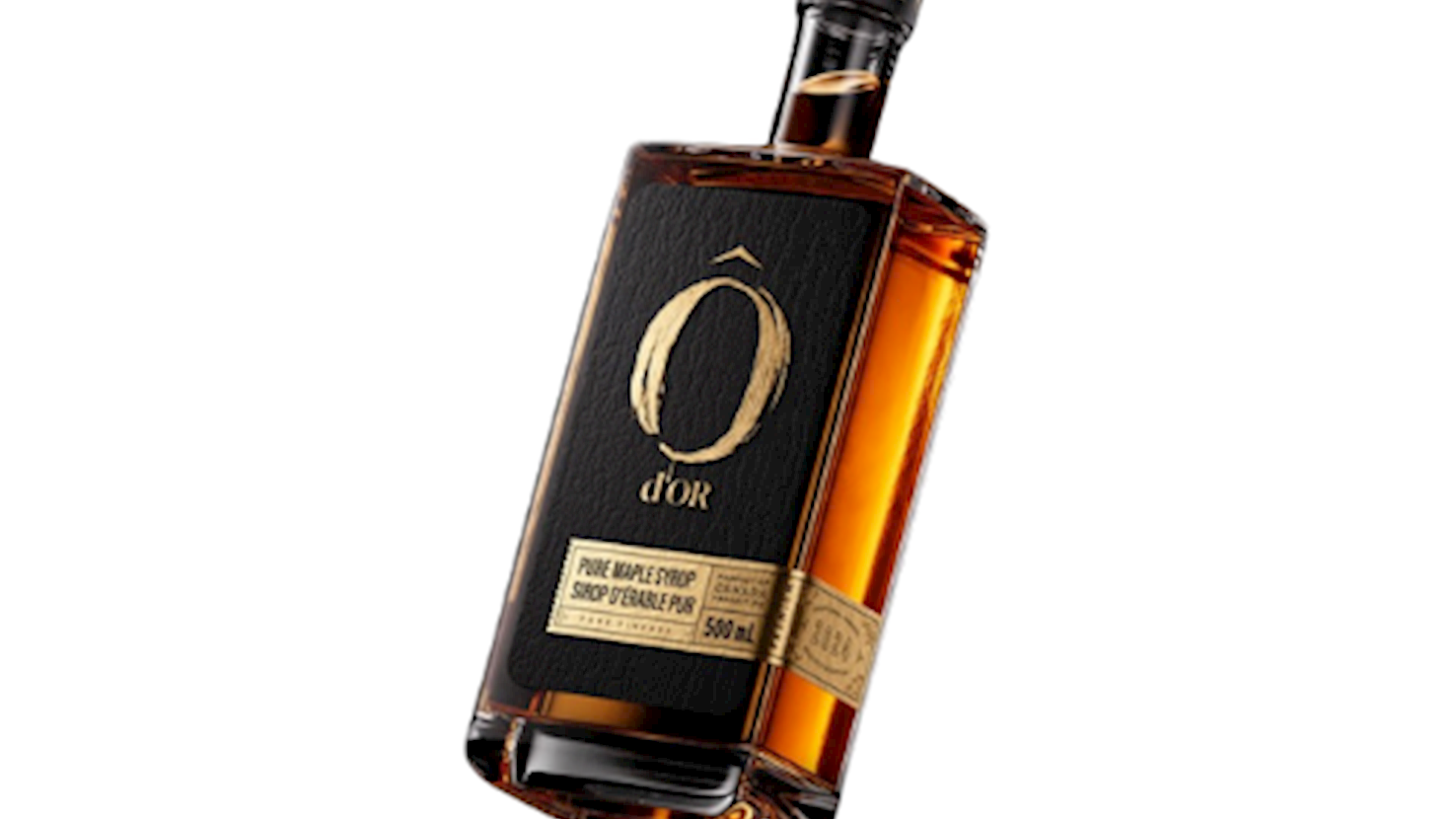
Ô d’Or Maple Syrup

5.0 ·

Ô d’Or Maple Syrup is a Canadian premium brand that sets the highest standard in maple syrup production, based on the “single forest” concept - collecting sap from a single, carefully selected forest without blending sources. This approach ensures complete control over the quality, aroma, and origin of every liter of syrup.

It is produced in limited batches and bottled by hand, guaranteeing consistency and authenticity. During the evaporation process, modern technology is combined with traditional methods to preserve the natural complexity of flavor and the richness of minerals. Ô d’Or offers two main varieties - Golden Label and Amber Label.

The Golden Label features a light golden color with delicate floral and vanilla notes and a velvety texture, while the Amber Label displays a deeper amber hue with pronounced caramel, buttery, and spicy tones. Ô d’Or syrup is used as a topping, an ingredient in desserts and cocktails, and pairs beautifully with cheeses and meats in refined cuisine. The brand merges artisanal craftsmanship, sustainable philosophy, and luxurious design, embodying the essence of Canadian terroir in its most sophisticated form.

06

Virgin Mady

5.0 ·

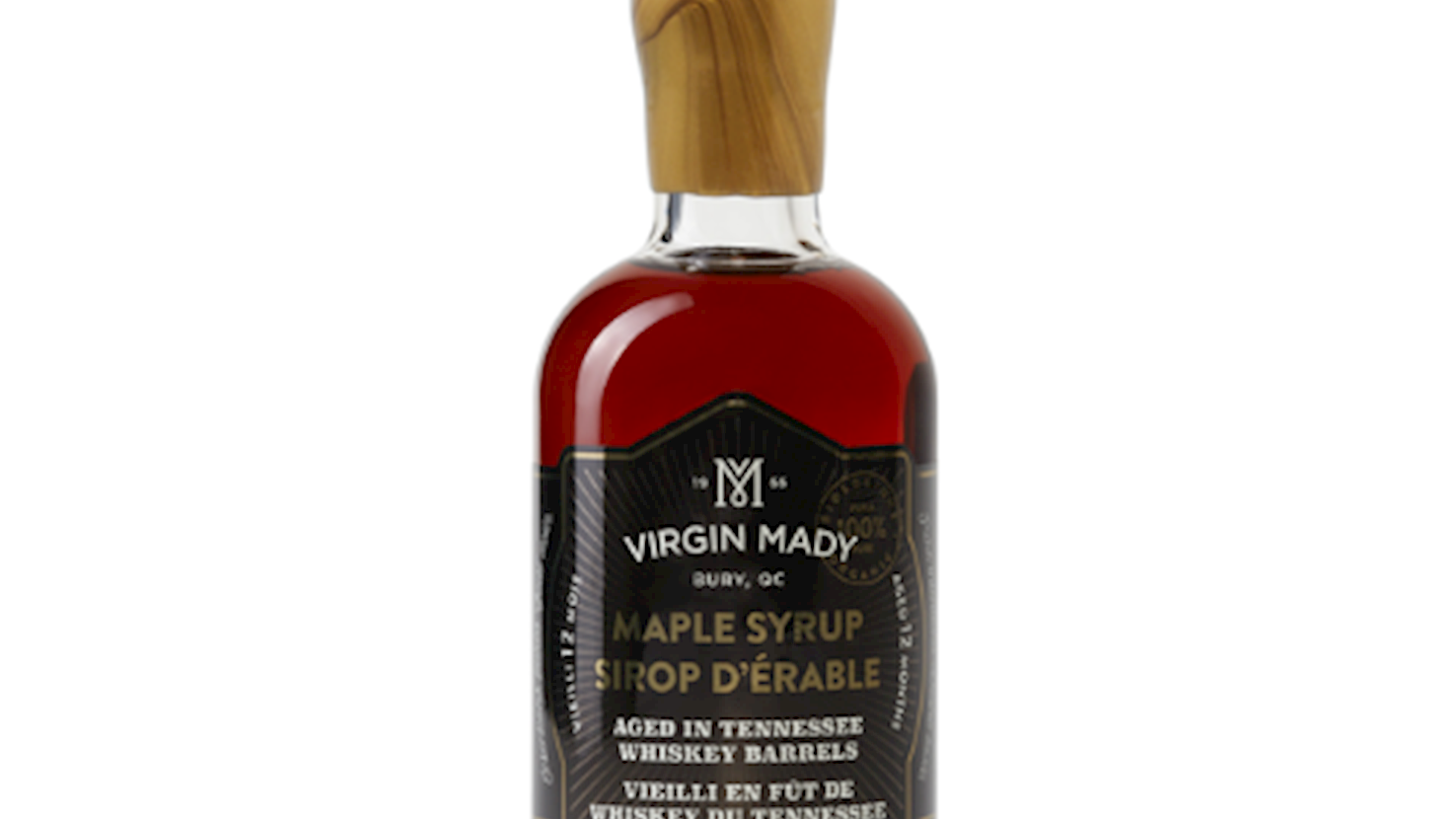
Virgin Mady is a family-owned company from Bury, Quebec, Canada, known for its premium organic products made from pure maple syrup. The brand was born out of family tradition and a deep respect for nature, aiming to present the authentic taste of Canadian maple in a modern, gourmet form.

Its core offering is pure maple syrup sourced from local forests, produced through a careful and sustainable process that preserves both its nutritional and aromatic qualities. Virgin Mady offers a wide range of variations - from classic maple syrup to innovative flavors infused with smoke, coffee, bourbon, or Madagascan vanilla.

The syrup’s texture is smooth and dense, with warm amber hues and rich caramel notes that capture the essence of Canada’s forests. Their products are used both in traditional desserts and in contemporary culinary pairings with meat, cheese, and vegetables.

The packaging reflects elegance and simplicity, designed to highlight the natural purity and refined character of the products.

07

Cosman & Webb

5.0 ·

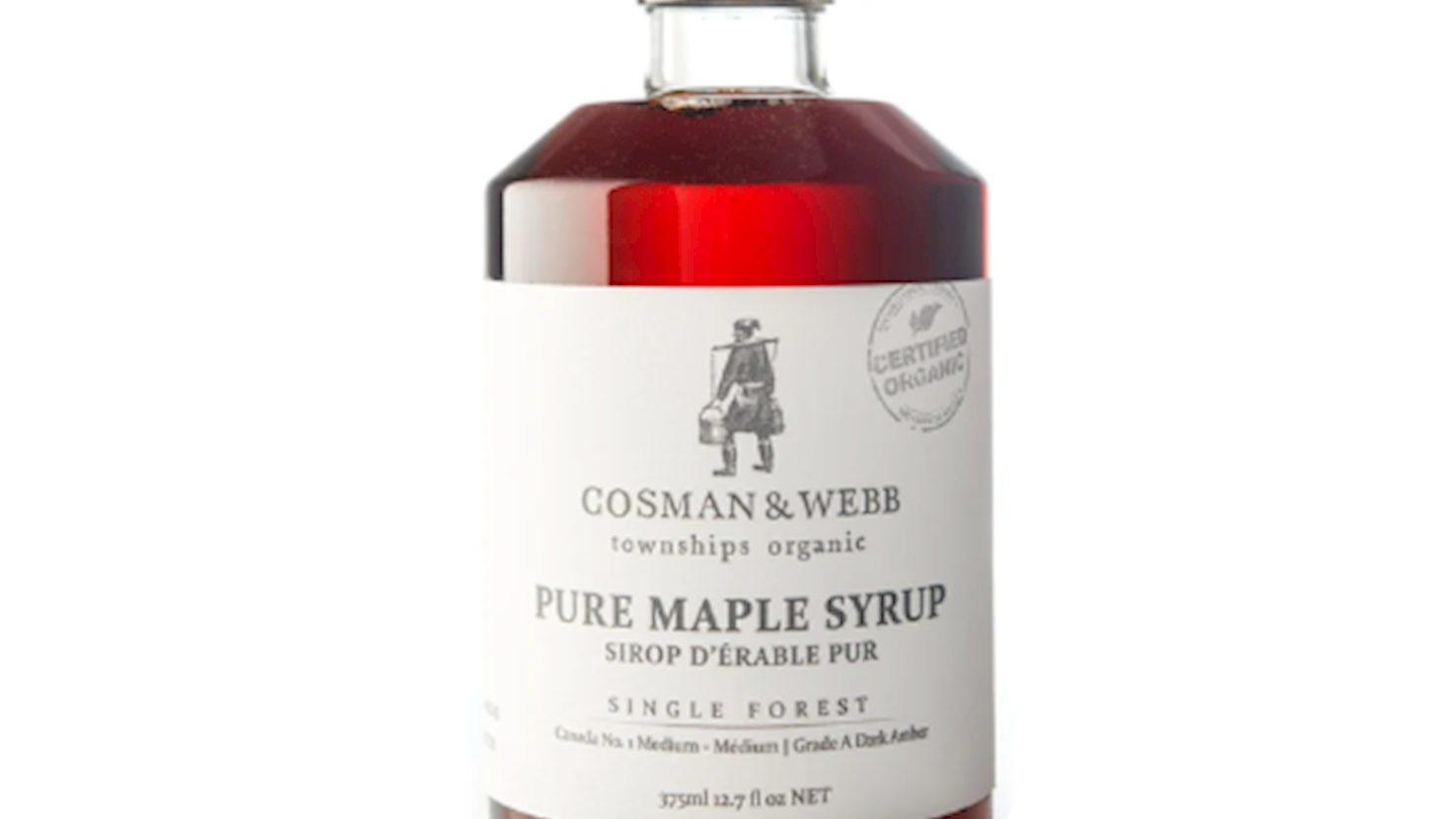
Cosman & Webb is a family-owned farm in the Eastern Townships of southern Quebec, founded in 1977 when David and Linda Cosman began producing maple syrup on an estate surrounded by century-old maples. Today, the farm is run by the third generation - Daniel and Sarah Cosman - who have preserved the spirit of tradition while introducing innovations in line with the demands of modern markets and the principles of sustainable agriculture.

From the very beginning, the brand’s philosophy has been clear: to produce 100% pure, organic maple syrup, free from any additives, with full respect for nature. The syrup is made exclusively from a single forest, meaning it is never blended with sap from other sources, and each batch carries the unique imprint of its terroir and the climatic conditions of the season.

Every bottle reflects artisanal craftsmanship, attention to detail, and a commitment to forest stewardship, placing Cosman & Webb among the most authentic and highly regarded maple syrups on the market, appreciated by both connoisseurs and professional chefs.

08

Sugar Moon Farm

4.9 ·

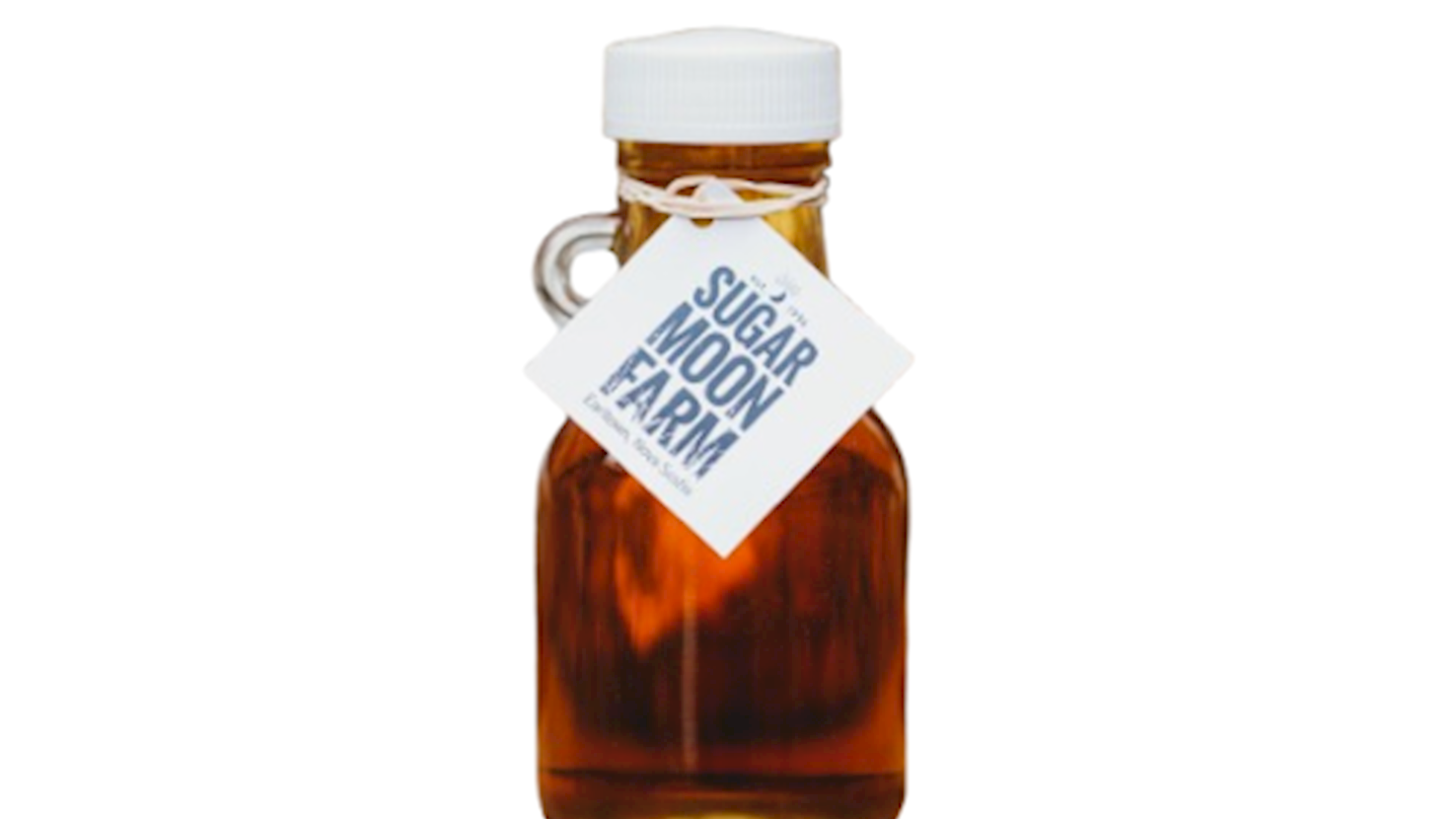
Sugar Moon Farm is a family-owned maple farm located in Nova Scotia, Canada, renowned for its authentic maple syrup production and unique blend of tradition, gastronomy, and tourism. Founded in 1996, the farm is now run by Scott Whitelaw and Quita Gray, who have continued the heritage of handcrafted syrup making using a wood-fired evaporator, a system that imparts a distinctive depth of flavor and rich aroma.

The farm manages around 2,500 maple trees, from which sap is carefully collected each season and slowly evaporated in a rustic, wooden “sugar camp”. Sugar Moon produces 100% pure maple syrup in various color and flavor grades, along with complementary products such as maple butter, soap, and maple-based balms.

Their syrup is characterized by a balanced, naturally sweet taste with notes of caramel, smoke, and honey, making it suitable for both gourmet cooking and tasting. Sugar Moon Farm perfectly combines Canada’s rural identity with a modern approach to sustainable tourism and food production, offering an authentic taste of Nova Scotian maple in its purest form.

09

Elliott Tree Farm

4.8 ·

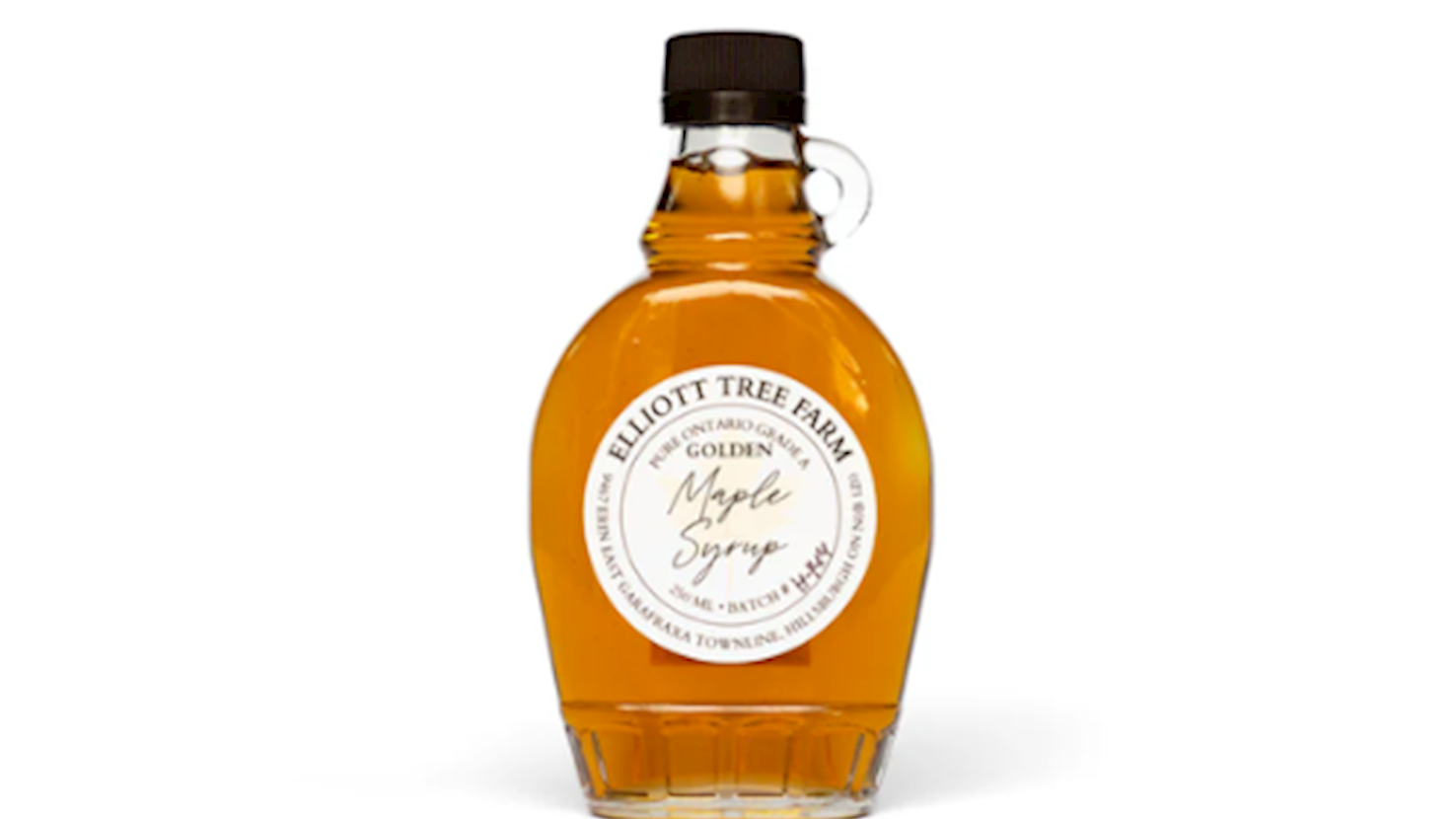
Elliott Tree Farm is a family-run farm located in Hillsburgh, Ontario, known for its authentic maple syrup production and dedication to preserving Canadian tradition. Established in the late 1800s, the Elliott family has developed a unique concept that blends artisanal production with an educational and tourist experience known as the “Maple Sugarbush Experience”.

The farm produces 100% pure maple syrup in small batches using sap collected from its own sugarbush, where the sap is boiled down in a traditional wood-fired sugar shack. Their syrup is divided by harvest stages - Early Harvest Golden, Mid Harvest Amber, and Late Harvest Dark - offering a full range of flavors from delicate to robust.

The evaporation process is slow and carefully controlled to preserve the maple’s natural aroma and rich texture. Every step, from sap collection to bottling, takes place on-site, ensuring complete traceability and authenticity.

Elliott Tree Farm is also home to the Maple Syrup Museum of Ontario, where visitors can explore the history and evolution of maple syrup production - from Indigenous techniques to modern practices. The farm’s mission is to combine tradition, sustainability, and local identity, offering a product that tells a story as much as it delights the palate.

Their maple syrup is regarded as one of the most authentic examples of small-batch craftsmanship in central Ontario and stands as a symbol of true Canadian hospitality.

10

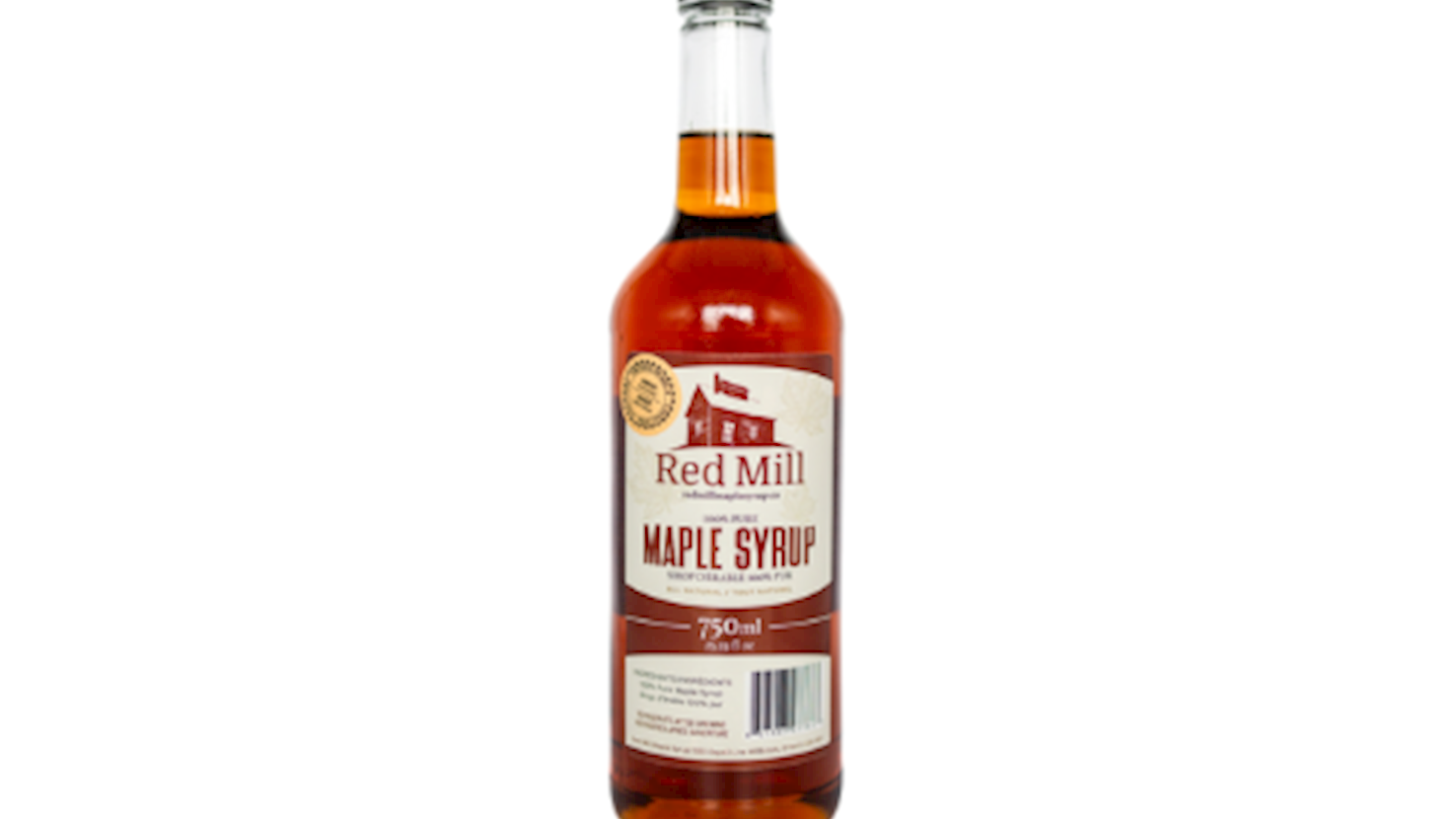
Red Mill Maple Syrup

4.8 ·

Red Mill Maple Syrup is a family-owned producer based in Millbrook, Ontario, renowned for its authentic, small-batch maple syrup crafted by hand. Owner Sebastien Poulin continues a family tradition that began in Quebec, where his grandfather started making maple syrup more than half a century ago using wood-fired heat and hand-collected sap.

Today, Red Mill combines that heritage with modern techniques while preserving the essence of true craftsmanship - every drop of syrup comes from carefully selected maple trees and is processed in limited batches. The production takes place in their own sugar shack, where the sap is gently boiled over a wood fire, giving the syrup its signature depth of flavor and subtle smoky undertone.

Each bottle is filled by hand in glass packaging that preserves the syrup’s quality and enhances the brand’s distinctive presentation. Red Mill has become synonymous with the perfect balance between tradition and innovation, seamlessly blending family heritage with a contemporary interpretation of maple culture.

Their syrup is sold across Canada and is highly regarded by chefs who use it in fine dining and pastry creation. Red Mill Maple Syrup embodies everything that makes Canadian maple syrup exceptional - purity, authenticity, and a flavor that captures the spirit of the northern forest.

Best Canadian Syrup Types
01

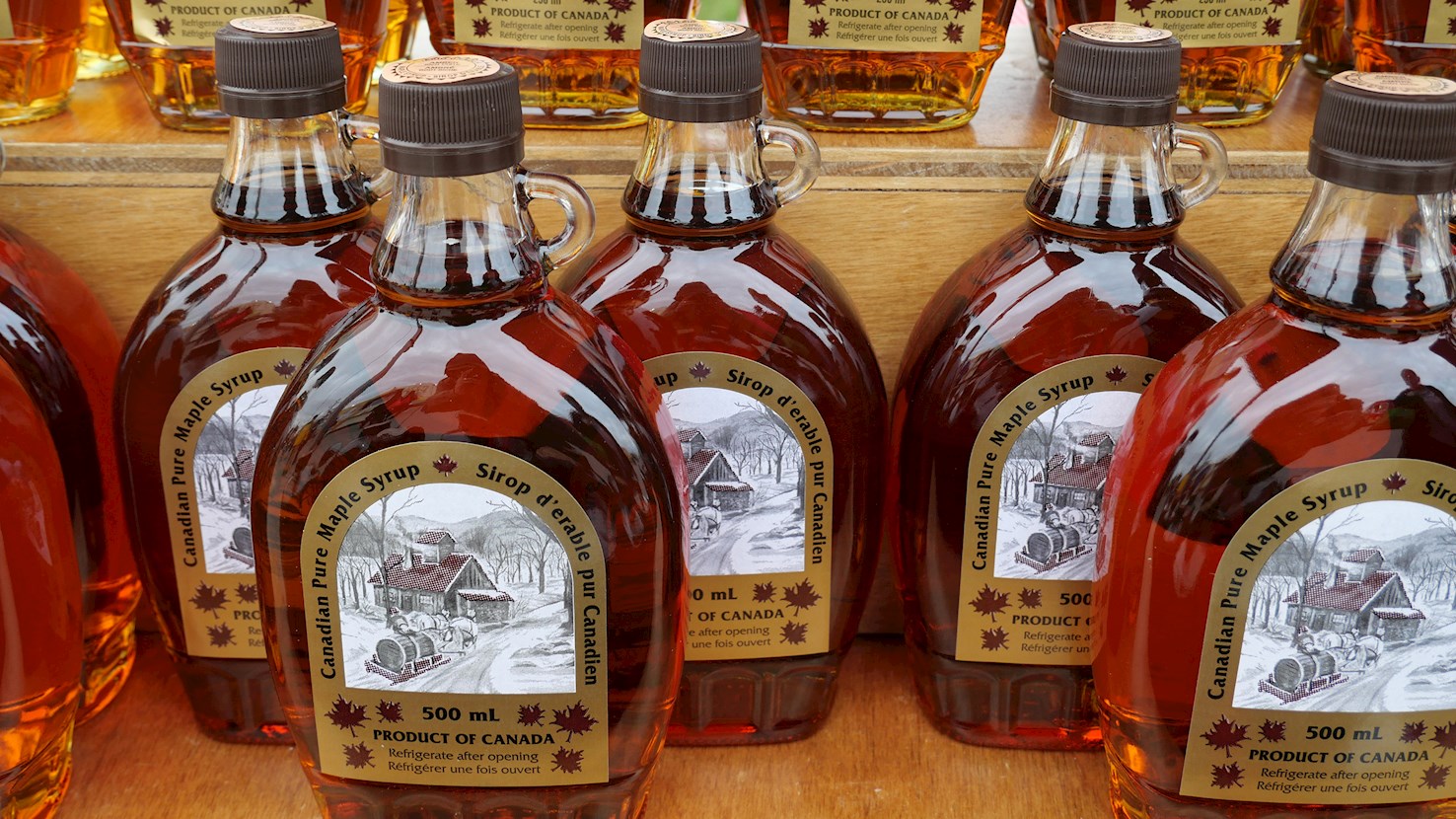
Maple syrup

4.2 ·

The history of maple syrup is a long one: it is said that the early settlers in Canada learned about sugar maples from Native Americans. There are numerous claims explaining the original discovery. Some say that a chief threw his tomahawk at a tree, sap started to run out of it, and the chief's wife prepared venison in the flavorful liquid. Others say that the Native Americans accidentally stumbled upon sap that was running from a broken branch of the maple tree. From the 17th century, farmers started to drill tiny holes in the trees (which they called sugar bushes) between winter and spring. Every few days, they would collect the sap and boil off the water, so that they were left with a sweet, golden-brown liquid known as maple syrup. Today, maple syrup is widely consumed throughout Canada and the United States, mostly used with pancakes, waffles, and oatmeal. It is also used in baking as a natural sweetener, and it is often praised for its delicate, unique flavor. In the United States, the state of Vermont is a fairly large producer of maple syrup.

02

Amber maple syrup

n/a ·

Amber maple syrup is one of the most recognised grades of maple syrup, originating from the forests of Canada and the northeastern United States, particularly Quebec, Ontario and Vermont, where sugar maples thrive in cold climates with marked seasonal changes. Its colour is deeper than golden syrup, reflecting a longer collection period in the sugaring season when the sap contains slightly more complex sugars, resulting in a richer, fuller flavour that is still versatile enough for both table use and cooking. The making of amber maple syrup follows the same method used for centuries, beginning with the tapping of maple trees in early spring when freezing nights and warmer days encourage the sap to flow. The clear sap is collected and then boiled down until the sugars concentrate and caramelise, producing the distinct amber hue. As settlers in North America refined the process, amber syrup became the standard household grade, valued for its balance between sweetness and flavour strength. It stands midway between the lighter golden syrup and the darker robust types, appealing to a wide range of palates. In preparation and serving, amber maple syrup finds a place in both sweet and savoury applications. It is poured over pancakes, waffles or porridge, drizzled on roasted vegetables, incorporated into marinades for poultry or pork, or used to sweeten sauces and salad dressings. Bakers often favour amber syrup for biscuits, muffins and cakes, as it provides a distinct but not overpowering maple character. Its moderate flavour intensity also makes it a common choice for confectionery, where it can enhance fudge, toffee or ice cream. Amber syrup’s role is not limited to the kitchen; it has become a marker of terroir, with producers carefully controlling harvesting times to achieve consistency in colour and taste. Regulations in both Canada and the United States now ensure that syrup labelled as amber meets specific transparency and flavour standards, giving consumers confidence in what they purchase. Today, amber maple syrup is eaten worldwide, exported as a staple of North American food culture. In its countries of origin, it remains a fixture of family breakfasts and holiday meals, while abroad it is served in restaurants, cafés and home kitchens that want to bring a touch of authentic maple flavour to their dishes.

03

Birch syrup

n/a ·

Birch syrup is a viscous, mineral-rich sweetener derived from the sap of several species of birch trees, including the Paper Birch and Alaska Birch, with primary production centered in the subarctic and temperate forests of Alaska and Canada. This culinary item developed as a regional alternative to cane sugar and maple syrup in high-latitude environments where deciduous forests are dominated by the Betula genus. The production cycle is constrained to a narrow window in early spring, specifically the period between the initial thaw and the emergence of first leaves, when the osmotic pressure within the tree is at its peak. The raw sap consists of roughly ninety-nine percent water and one percent dissolved solids, requiring a reduction ratio that typically ranges from one hundred to one to one hundred and sixty to one. This concentration process is more energy-intensive than that of other tree syrups and involves the use of reverse osmosis to pre-concentrate the liquid before it undergoes final evaporation in open pans or vacuum concentrators. Because birch sap contains a high proportion of fructose, which caramelizes at 110°C, the boiling process must be carefully monitored to prevent the syrup from burning and developing a harsh, acrid taste. This sensitivity to heat results in a finished product that has a distinctively dark color and a savory, balsamic-like flavor profile that distinguishes it from the more common wood-sugar sweeteners. The syrup contains significant concentrations of potassium, calcium, and magnesium, alongside natural xylitol. It is used predominantly as a gourmet ingredient in savory cooking rather than a standard table sweetener. Chefs utilize its complex acidity and earthy undertones in glazes for roasted meats, particularly venison and pork, and as a component in reductions for oily fish like salmon. In beverage production, it is incorporated into the brewing process of dark ales and the carbonation of botanical sodas. It is also served as a topping for yogurt and fresh berries, where its tart, molasses-like notes provide a contrast to dairy and fruit acids, and it is frequently paired with smoked sea salt or dark chocolate to highlight its mineral characteristics.

04

Very dark maple syrup

n/a ·

Very dark maple syrup is a grade of syrup produced in Canada and the northeastern United States, particularly in Quebec and Vermont, known for its intense colour and pronounced flavour. It is made in the later part of the sugaring season when the sap naturally changes, resulting in a stronger concentration of minerals and a deeper, more robust taste. For much of its history, this grade was largely consumed locally or used by food producers as an ingredient in baking, confectionery, or brewing, rather than being marketed for direct table use. Only in recent years has it gained broader recognition among chefs and consumers who seek its bold qualities. The process of producing very dark maple syrup follows the same method as other grades: collecting sap from sugar maple trees and boiling it to concentrate the sugars. The difference comes from the timing of harvest, as sap collected towards the end of the season produces syrup with richer notes reminiscent of molasses, coffee, or bitter caramel. This makes it particularly suited to cooking applications where its strength can stand up to other powerful flavours. It is often incorporated into marinades for meats, glazes for roasted vegetables, or dense baked goods like gingerbread and spice cakes. Some distillers also use it in brewing dark beers or crafting spirits where its complexity shines. Beyond its culinary uses, very dark maple syrup carries a higher concentration of minerals compared to lighter grades, making it nutritionally distinct. Its unique flavour profile has also made it increasingly popular among pastry chefs who use it as a substitute for other sweeteners in ice creams, sauces, or fillings. While lighter syrups are often poured over pancakes and waffles, very dark maple syrup is typically treated more as a cooking ingredient, though it can still be enjoyed on the table by those who prefer a more pronounced flavour. Today, very dark maple syrup is sold in both local markets and international export channels, appreciated as a premium product for its depth and versatility. In North America, it is used both at home and in professional kitchens, while in Europe and Asia it is increasingly embraced by chefs looking for natural ingredients with strong character.

05

Dark maple syrup

n/a ·

Dark maple syrup is a variety of pure maple syrup from North America, most prominently Canada and the northeastern United States, that is recognised for its deep colour and strong flavour. It is produced later in the sugaring season when the sap from the sugar maple tree has a higher concentration of minerals and a slightly different chemical composition, resulting in syrup that is markedly bolder compared to lighter grades. Maple syrup production has long been tied to both Indigenous practices and later European settlers, with techniques passed down and refined through centuries. Dark maple syrup, in particular, was once valued in rural households for its intensity, which made it well-suited for cooking and baking, as smaller amounts imparted strong sweetness and a distinctive maple profile. The grading systems that once separated “fancy” light syrups from “Grade B” darker ones have now been unified, yet dark maple syrup continues to occupy a unique position as the variety with the richest flavour. The preparation begins with sap collection, usually from sugar maples during late winter and early spring. The sap is then boiled in large evaporators, and as the season progresses, the syrup darkens as the sap contains more compounds that caramelise during cooking. This results not only in a darker colour but also a flavour with hints of caramel, toffee, and molasses. It is often described as robust and less delicate, making it popular with those who prefer pronounced tastes. In the kitchen, dark maple syrup is highly versatile. It is used as a topping for pancakes, waffles, and porridge but also works particularly well in marinades, glazes for roasted meats, and desserts such as gingerbread or pecan pie, where its strength complements other bold flavours. Brewers and distillers have also incorporated it into craft beers and spirits, taking advantage of its depth to create new flavour profiles. One aspect that distinguishes dark maple syrup is its nutritional concentration. Because it is harvested later in the season, it tends to contain slightly higher levels of minerals such as calcium and potassium, adding a dimension beyond taste. This, along with its unmistakable character, has made it increasingly appreciated by chefs outside of North America. Today, dark maple syrup is consumed worldwide. In Canada and the United States, it remains a staple in both homes and restaurants, while abroad it is often sought by cooks looking for authenticity and a way to add intensity to sweet or savoury recipes.

06

Golden maple syrup

n/a ·

Golden maple syrup is the lightest grade of maple syrup, produced primarily in Canada and the northern United States, particularly in regions like Quebec, Vermont, and Ontario where maple trees thrive in cold climates. It is harvested early in the sugaring season, when the sap collected from sugar maples has a higher sugar content and a lighter colour, resulting in a syrup that is pale gold with a delicate, mild taste. Its story is closely tied to the seasonal rhythms of maple sugaring, which begins in late winter as the temperatures shift between freezing nights and warmer days. Early in this period, the sap is at its clearest and sweetest, and boiling it down produces the refined flavour profile that characterises golden syrup. While later harvests yield darker, more robust syrups, the first draws of the season are prized for their subtlety and clarity. This quality has long made golden maple syrup the preferred choice for those who enjoy a gentle sweetness rather than an overpowering flavour. Preparation follows the same essential process as with all maple syrups: sap is collected from tapped trees, then boiled to concentrate its sugars and achieve the right consistency. However, because golden syrup is produced from sap gathered early in the season, it requires careful handling to preserve its light colour and nuanced character. It is often packaged directly for use as a table syrup, though some producers bottle only limited quantities due to its relatively short production window. When it comes to serving, golden maple syrup is most often poured over pancakes, waffles, and French toast, where its mild sweetness enhances rather than dominates. It also works well as a sweetener in yoghurt, porridge, or light desserts such as custards and fruit salads, where darker syrups might overpower subtler flavours. In cooking, it is less commonly used in robust recipes, since its delicate notes can be lost, but it shines in applications where finesse is preferred. Golden maple syrup is enjoyed both locally, often purchased directly from farms during the sugaring season, and internationally, where it is exported as part of the wider maple syrup industry. In North America it is a breakfast staple, while abroad it is increasingly valued as a premium natural sweetener in both home kitchens and professional cooking. Its lightness and rarity give it a special place within the spectrum of maple syrups, ensuring it remains a sought-after product wherever maple is appreciated.

Read more
View all
View map
About this ranking

TasteAtlas food rankings are based on the ratings of the TasteAtlas audience, with a series of mechanisms that recognize real users and that ignore bot, nationalist or local patriotic ratings, and give additional value to the ratings of users that the system recognizes as knowledgeable. For the “Top 18 Canadian Syrups” list until July 01, 2026, 335 ratings were recorded, of which 309 were recognized by the system as legitimate. TasteAtlas Rankings should not be seen as the final global conclusion about food. Their purpose is to promote excellent local foods, instill pride in traditional dishes, and arouse curiosity about dishes you haven’t tried.

The initial list of top producers was compiled based on available reviews, awards, local recommendations, media and blog coverage, and consumer reviews. The list will be updated with ratings from TasteAtlas local ambassadors and TasteAtlas users.

Similar lists