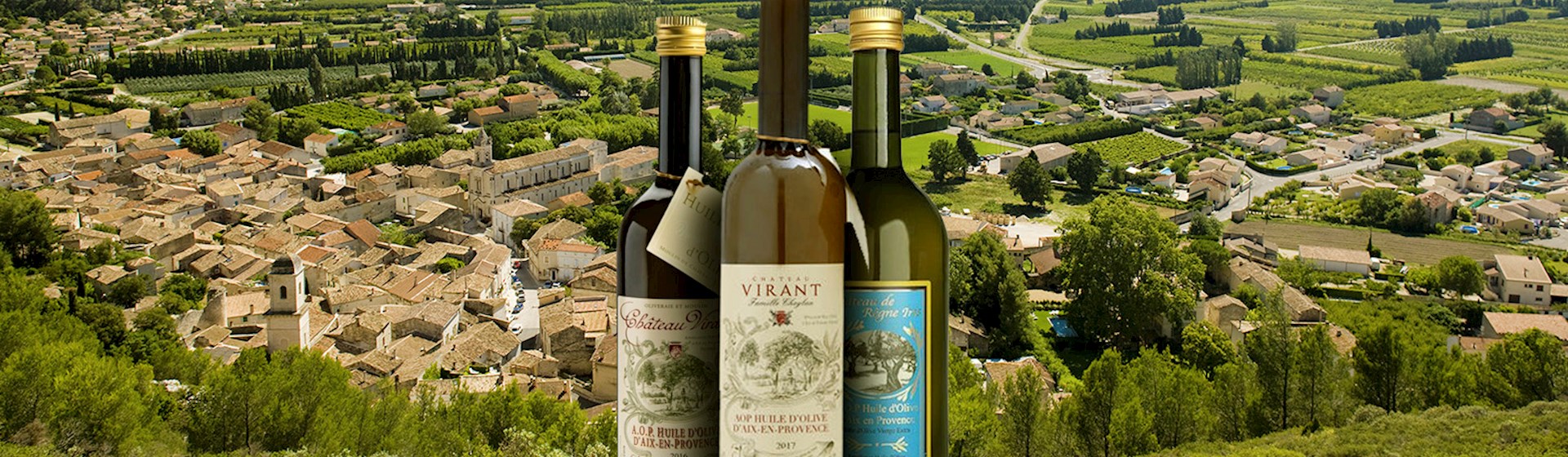
Top 27 French Vegetable Oils

Last updated on June 06, 2026

Best French Vegetable Oils
01

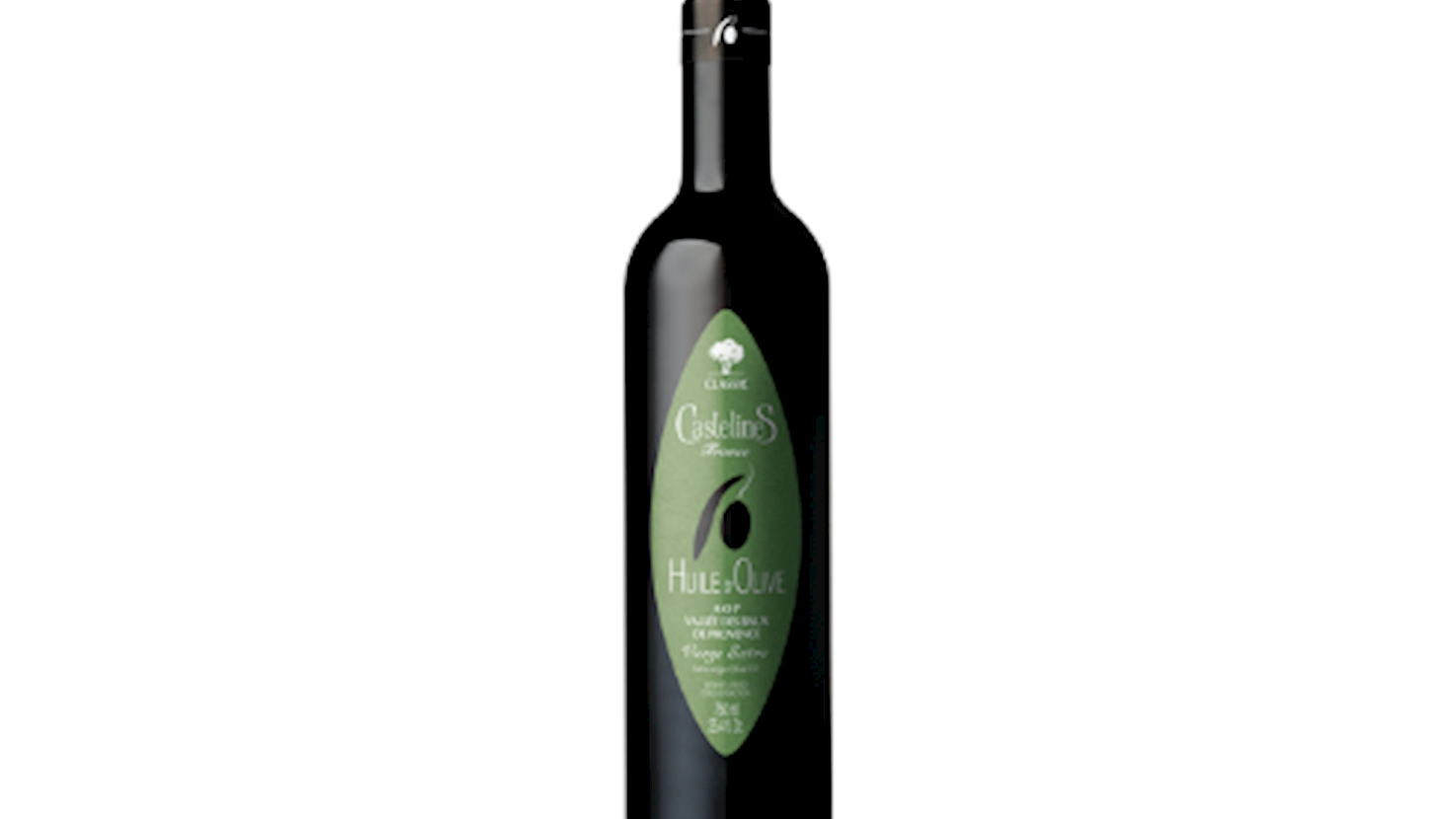
Moulin Castelas

5 ·
Moulin Castelas is a traditional olive oil producer from southern France, specifically from the Provence region, known for its exceptional conditions for olive cultivation. The family behind this brand has been nurturing the art of producing extra virgin olive oil for generations, combining traditional methods with modern processing techniques to preserve the richness of flavor and aroma of their olives. This producer is known for careful selection and handpicking of olives, which enables the production of high-quality oil with pronounced fruity and mildly spicy notes. Moulin Castelas often emphasizes the importance of sustainability and respect for nature, reflected in their ecological approach to olive growing and oil production. The oil from Moulin Castelas has a wide range of uses in gastronomy; it is ideal for seasoning salads, roasted dishes, and fine spreads, and is also appreciated as an ingredient to be enjoyed in its pure form, carrying the spirit and tradition of the Mediterranean region.
Awards
Concours Général Agricole de Paris - Médaille d'Or (2019, 2016)
NYIOOC - Gold (2019, 2018)
02

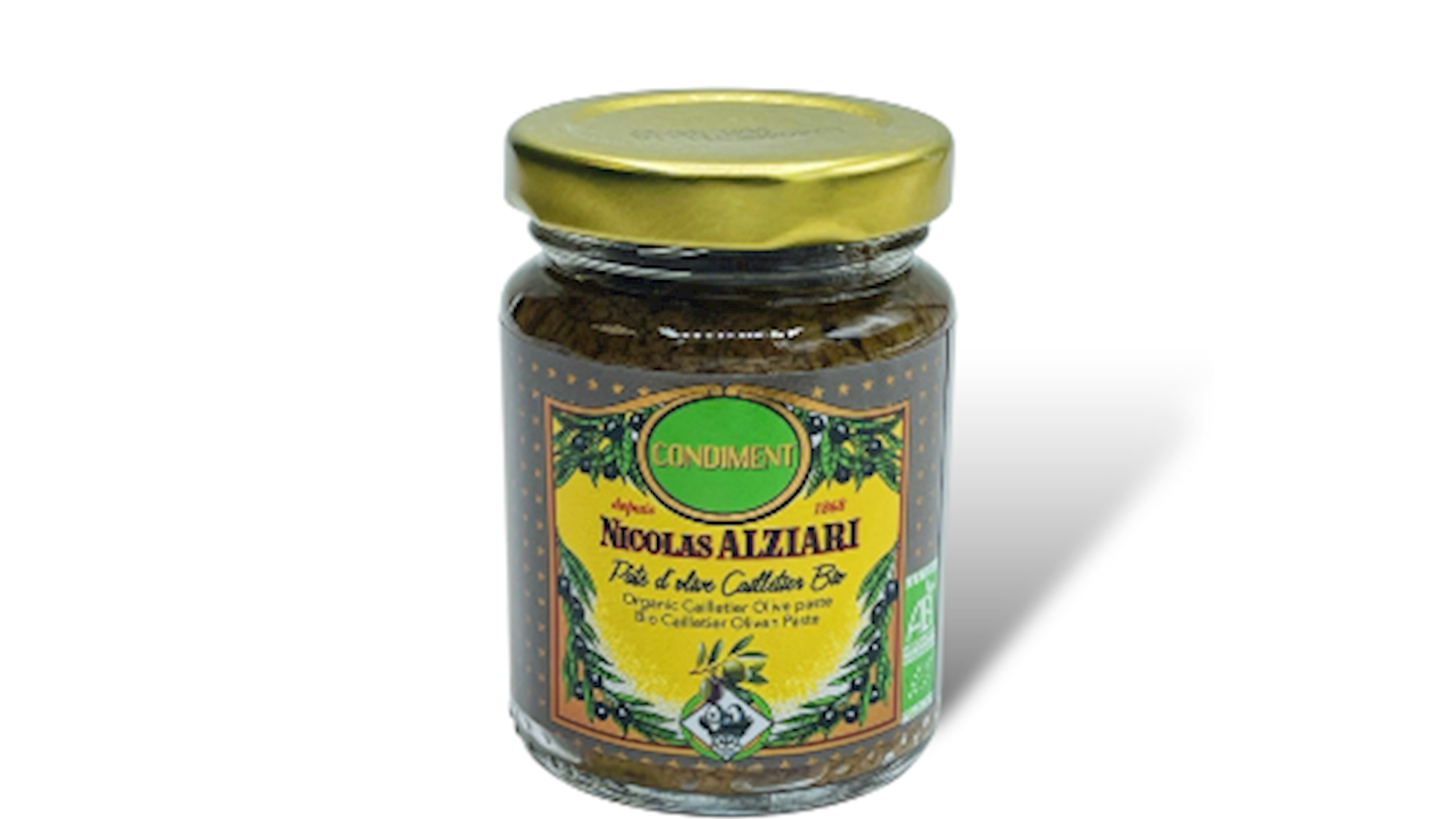
Maison Nicolas Alziari

4.9 ·
Maison Nicolas Alziari is one of France’s oldest and most recognizable olive-oil houses, founded in 1868 in Nice. Their work is rooted in traditional milling methods combined with a refined selection system that blends the local Cailletier variety with carefully chosen olives from across the Mediterranean. They own extensive groves along the Côte d’Azur and control the entire production process - from harvest to bottling - which ensures consistent quality and a distinctive aromatic style. The Alziari range spans from delicate, mild oils to more fruity and intense expressions, while their signature blue tin has become an emblem of heritage and craftsmanship. Today, their oils are regarded as a benchmark of French olive-oil production and are sold in specialty shops around the world.
03

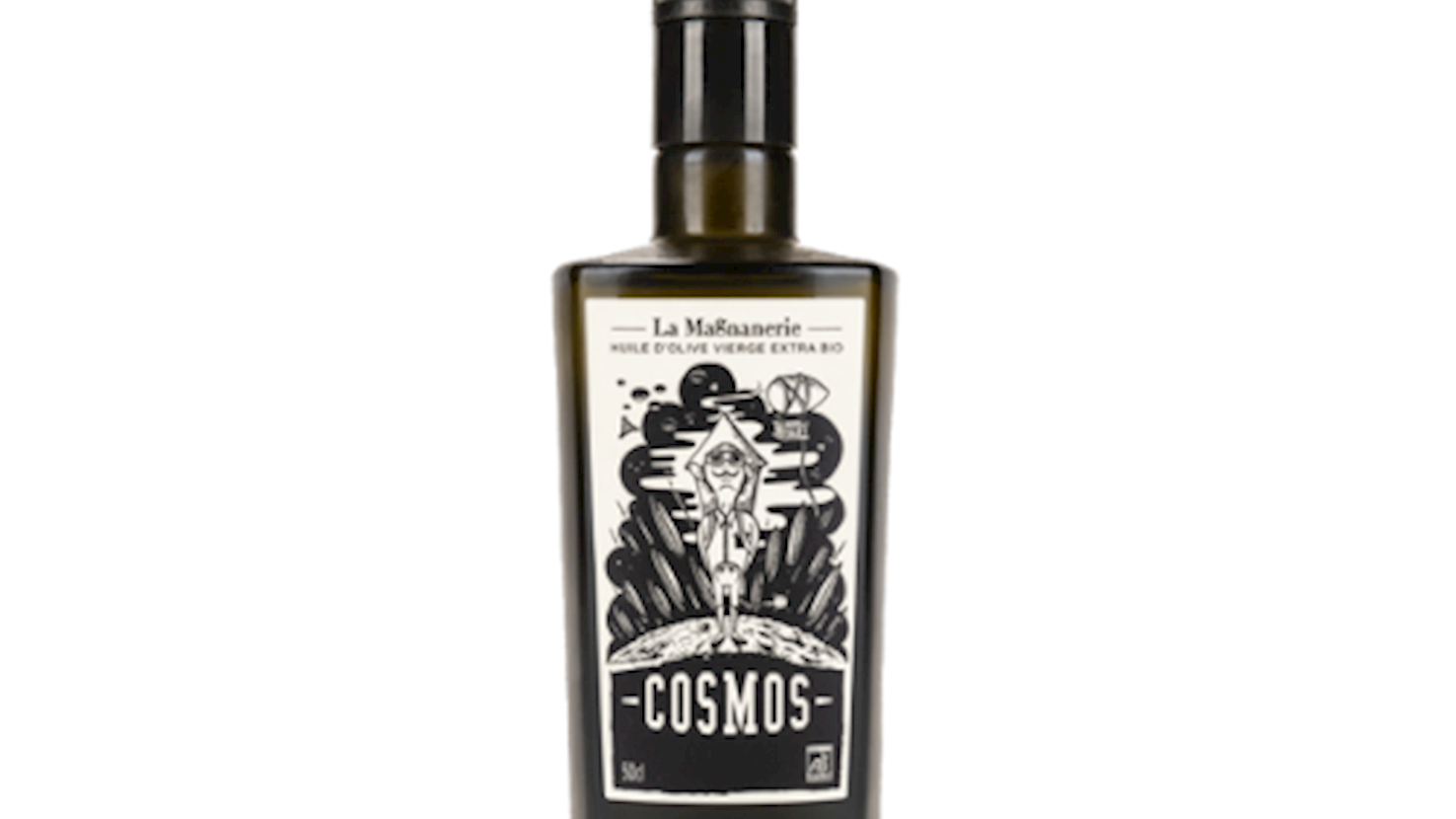
La Magnanerie

4.9 ·
La Magnanerie is a family estate in the Ardèche region of France, renowned for producing high-quality organic extra virgin olive oils. Under the guidance of Eric Martin, the fourth generation of the family, the 27-hectare estate with approximately 9,000 olive trees transitioned to full organic production in 2008. The grove combines local French varieties such as Aglandau and Bouteillan with Mediterranean cultivars like Frantoio and Moraiolo, allowing for diverse flavor expressions and styles. Since 2017, the estate has also operated its own mill, enabling complete control of the process from olive to oil. Their oils are distinguished by pronounced “green fruitiness” with fresh, herbaceous, and aromatic notes, while the Ardèche terroir - nestled between the Mediterranean and the Cévennes - adds unique minerality and complexity. Domaine La Magnanerie thus represents a harmonious blend of tradition, innovation, and a deep commitment to sustainable, high-quality production.
Awards
Flos Olei - The Best (2023, 2022)
04

Moulin à Huile du Partégal

4.9 ·
Moulin à Huile du Partégal is a historic olive mill located in La Farlède, Provence, where traditional olive-oil production methods have been preserved and passed down through four generations. The mill combines centuries-old stone-milling and cold-press techniques with a modernized section of the facility that allows for greater precision and consistent quality. Their extra virgin olive oils are known for their clean, expressive aromatic profile and strong connection to the local terroir, making them highly regarded by chefs and olive-oil enthusiasts alike. The mill is also recognized for its educational tours, during which visitors can observe the full production process and taste a variety of oils and related artisanal products. The blend of historical equipment, living family tradition, and contemporary standards makes Moulin du Partégal one of the most authentic representatives of Provençal olive craftsmanship.
Awards
Terraolivo IOOC - Grand Prestige Gold (2022)
Terraolivo IOOC - Gold Medal (2019, 2015)
05

Moulin Oltremonti

4.9 ·
Moulin Oltremonti is an olive oil producer located in Corsica, France. The company produces high-quality extra virgin olive oil from olives grown on the island. The estate focuses on traditional and environmentally friendly farming practices. Oltremonti's olive oils have received multiple awards for their quality and taste.
Awards
ATHENA IOOC - Double Gold (2017)
ATHENA IOOC - Gold (2024, 2022, 2021, 2018, 2017, 2016)
06

Domaine Salvator

4.9 ·
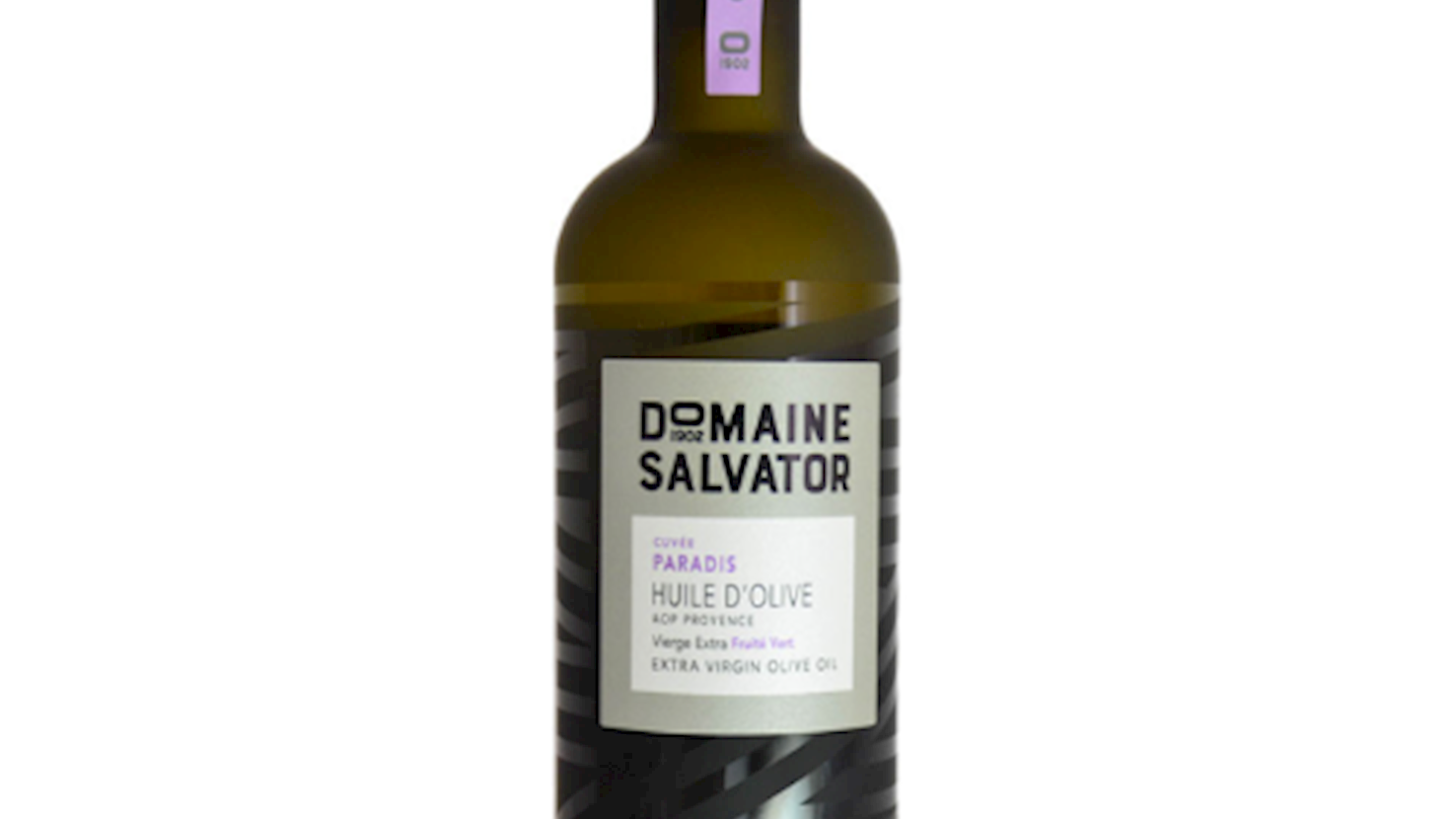
Domaine Salvator is a family estate located in Les Mées, in the heart of Provence, dedicated for more than a century to olive growing and the production of high-quality olive oil. Founded in 1902, the estate is run by the Pinatel family, who have passed down the tradition of olive cultivation and preserved authentic processing methods through generations. The climate and unique soil of the Alpes-de-Haute-Provence region give the oils a distinctive character and a rich aromatic profile. A strong emphasis is placed on organic farming and practices that respect nature, ensuring a pure and natural product. Their oils cover a variety of styles, from fruité vert, with its fresh and grassy notes, to oils made from fully ripe olives, which offer a softer and more rounded taste. In addition to pure extra virgin oils, they also produce flavored variations that combine olive oil with local herbs and spices. All oils are made 100% from their own olive groves, which means the Pinatel family has complete control over quality - from cultivation and harvest to processing and bottling. Thanks to this dedication, the brand has earned recognition and prestige both in France and on the international market. Their philosophy is based on sustainability and on creating products that authentically convey the terroir and sunny spirit of Provence. Domaine Salvator thus unites tradition, quality, and modern accessibility, remaining true to its roots while looking to the future of olive growing.
Awards
Concours Général Agricole de Paris - Médaille d'Or (2025)
Olive Japan - Gold (2023, 2021, 2019, 2018, 2017, 2016, 2015, 2014)
07

Makaros Edos

4.9 ·
Awards
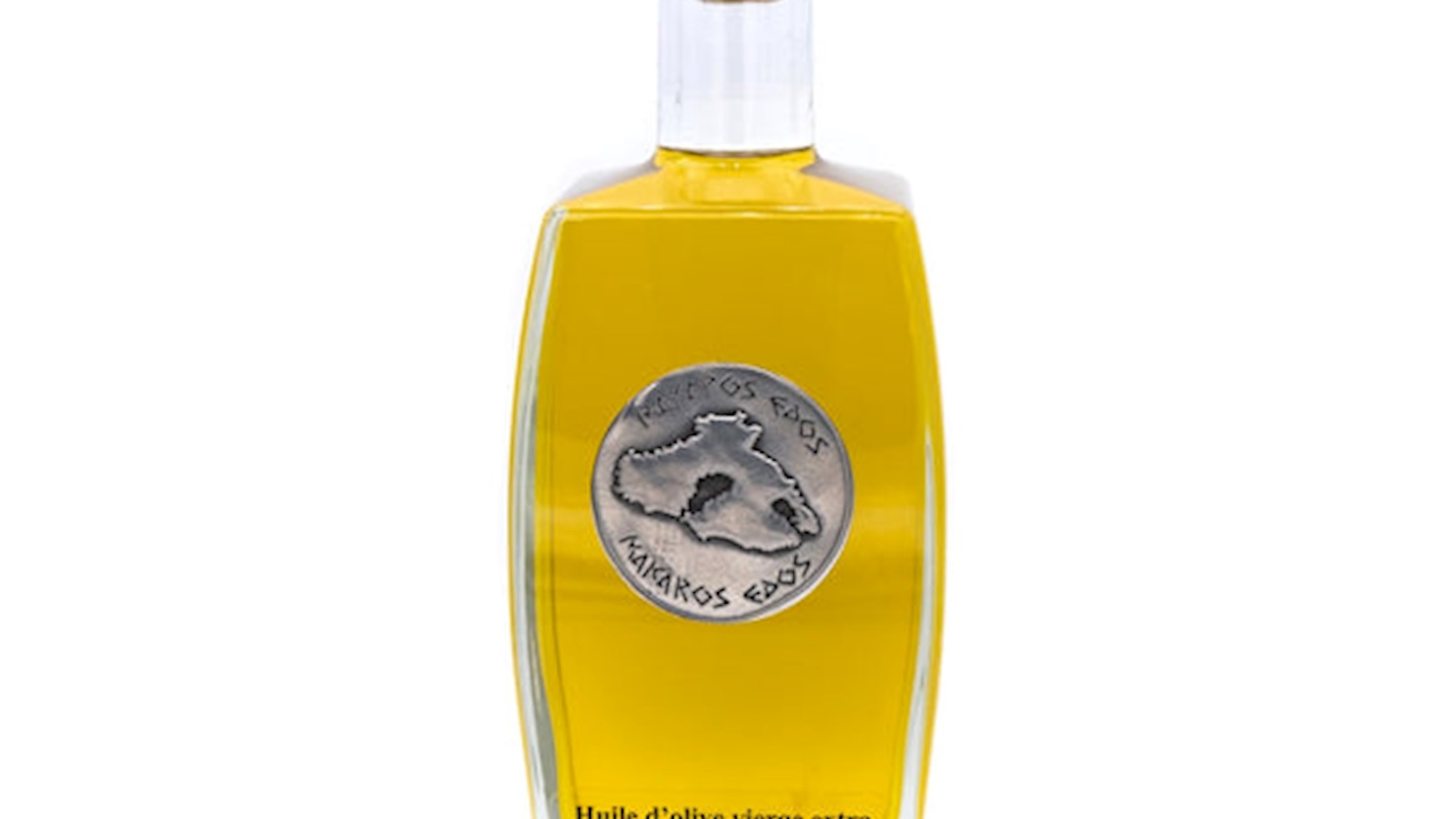
Terraolivo IOOC - Prestige Gold (2016)
08

Estoublon

4.7 ·
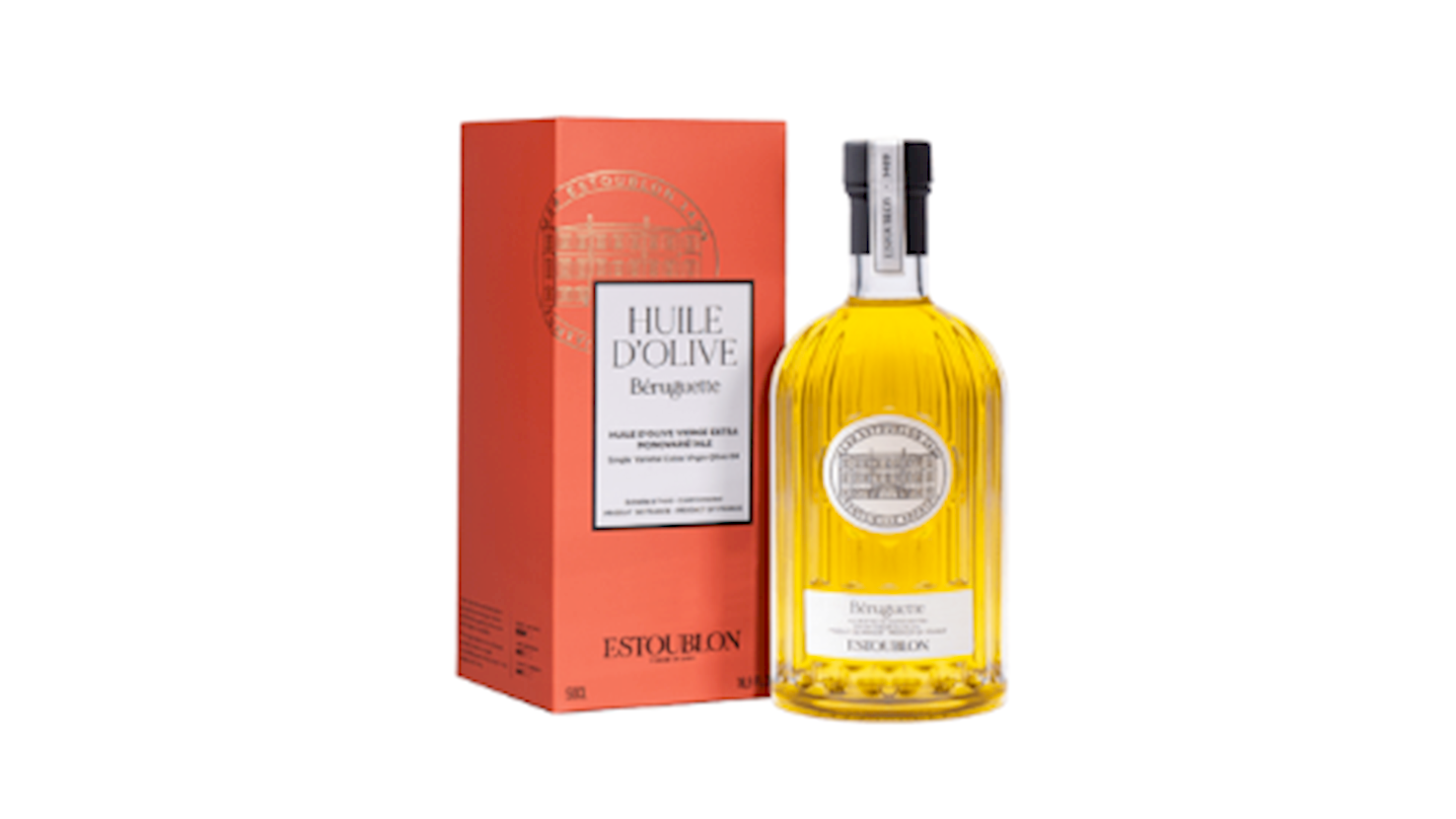
Estoublon is a premium extra virgin olive oil brand produced by the renowned Château d'Estoublon, located in the Provence region of France. Château d'Estoublon is a historic estate with over 500 years of tradition, known for its careful olive cultivation and production of the highest quality oils. Under the Estoublon brand, Château d'Estoublon offers a wide range of olive oils, including single-varietal oils and carefully crafted blends, produced with strict quality control and sustainable agricultural practices. This oil carries the mark of authenticity and tradition of southern France and regularly wins international awards for its exceptional quality. The producer is known for exceptional attention to quality and a sustainable approach to olive growing. Olives are hand-harvested from November to mid-December, and cold pressing is carried out within 24 hours of harvest to preserve freshness and the richness of flavor.
Awards
ATHENA IOOC - Gold (2024, 2022, 2021)
London IOOC - Gold (2023, 2022, 2021)
09

Domaine de Leos

4.7 ·
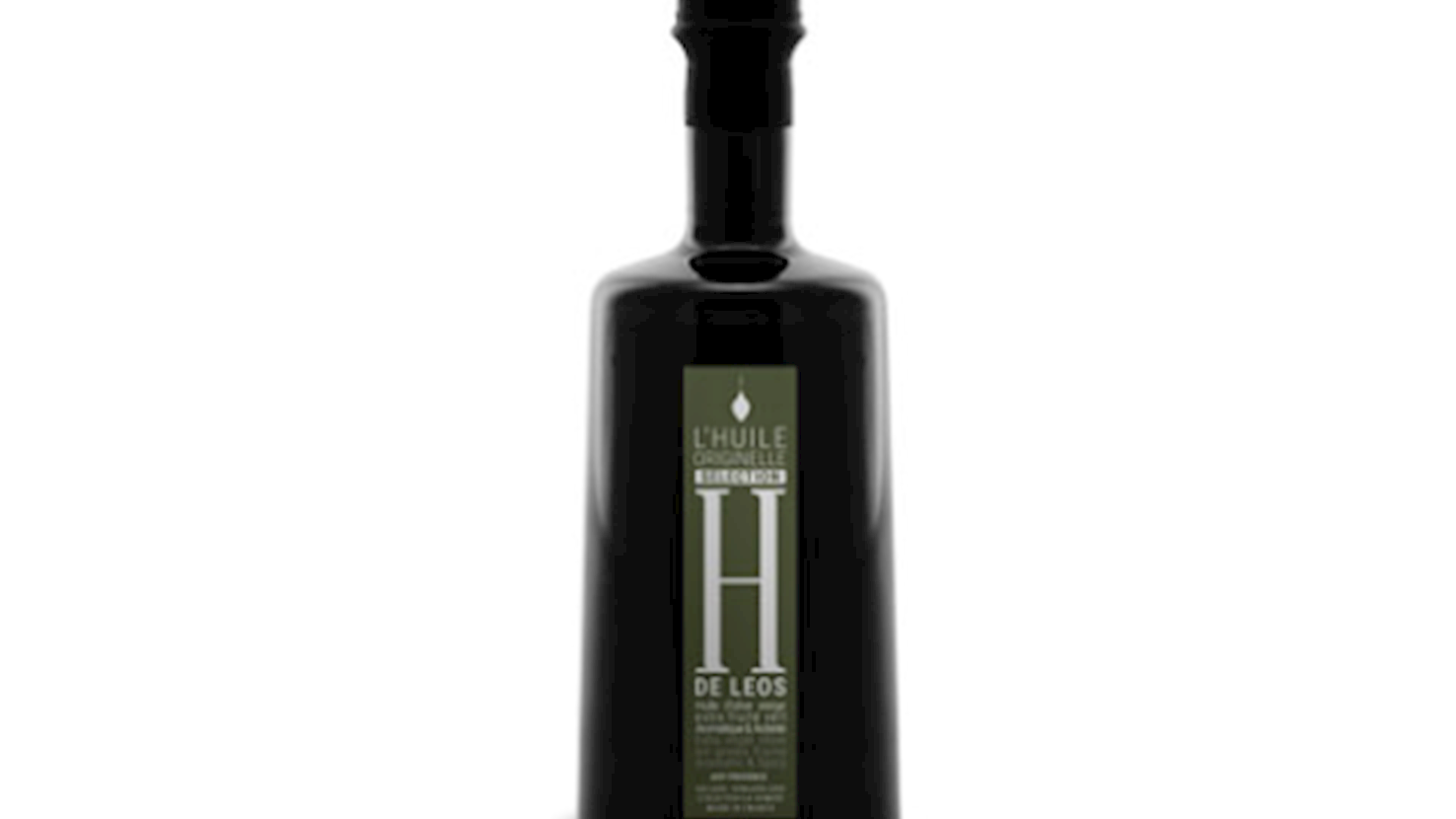
Domaine de Leos, a 41-hectare estate in L’Isle-sur-la-Sorgue, was founded by French artist Patrick Bruel with the vision of creating high-quality products in the heart of Provence. The name Leos was inspired by his children, Léon and Oscar, giving the project a strong personal and family imprint. The estate’s terroir lies on a limestone plateau in the Luberon, overlooking Mont Ventoux and the Alpilles, and is cultivated in full harmony with nature, without the use of chemical treatments. The wine portfolio is led by the Cuvée Augusta line, available in rosé and white versions, created in collaboration with oenologist Nicolas Jaboulet and distinguished by elegance, freshness, and minerality. Domaine de Leos olive oil quickly gained recognition in gastronomic circles thanks to its complex aromatic profile and high sensory value. Alongside wine and oil, the estate also produces honey, jams, lavender, and a line of natural cosmetics, further reinforcing the concept of a sustainable and authentic Provence. All products are organic and vegan, reflecting the philosophy of a responsible approach to both land and consumers. In this way, Domaine de Leos successfully combines the traditions of Provence with innovation and sustainability, building a brand that stands out for its quality, authenticity, and distinctive aesthetic.
Awards
Vivino - 4.0
London IOOC - Gold (2022, 2021, 2020)
10

Domaine de Cugis

4.6 ·
Domaine de Cugis is a family estate located in Cuges-les-Pins, in the heart of Provence, dedicated for generations to olive growing and the preservation of the local terroir. The estate covers several hectares of olive groves, where traditional Provençal varieties such as Aglandau, Salonenque, and Grossane are cultivated. The entire production is based on organic principles - without the use of pesticides or chemicals, with full respect for the natural cycle. Harvesting is carried out by hand at the optimal stage of ripeness, and the olives are cold-pressed the very same day. Domaine de Cugis stands out not only for the quality of its products but also for its commitment to sustainability and the preservation of tradition. Their olive oil symbolizes the union of Provence’s natural heritage with modern standards of quality.
Awards
London IOOC - Gold (2022)
Terraolivo IOOC - Grand Prestige Gold (2022)

Best French Vegetable Oil Types
01

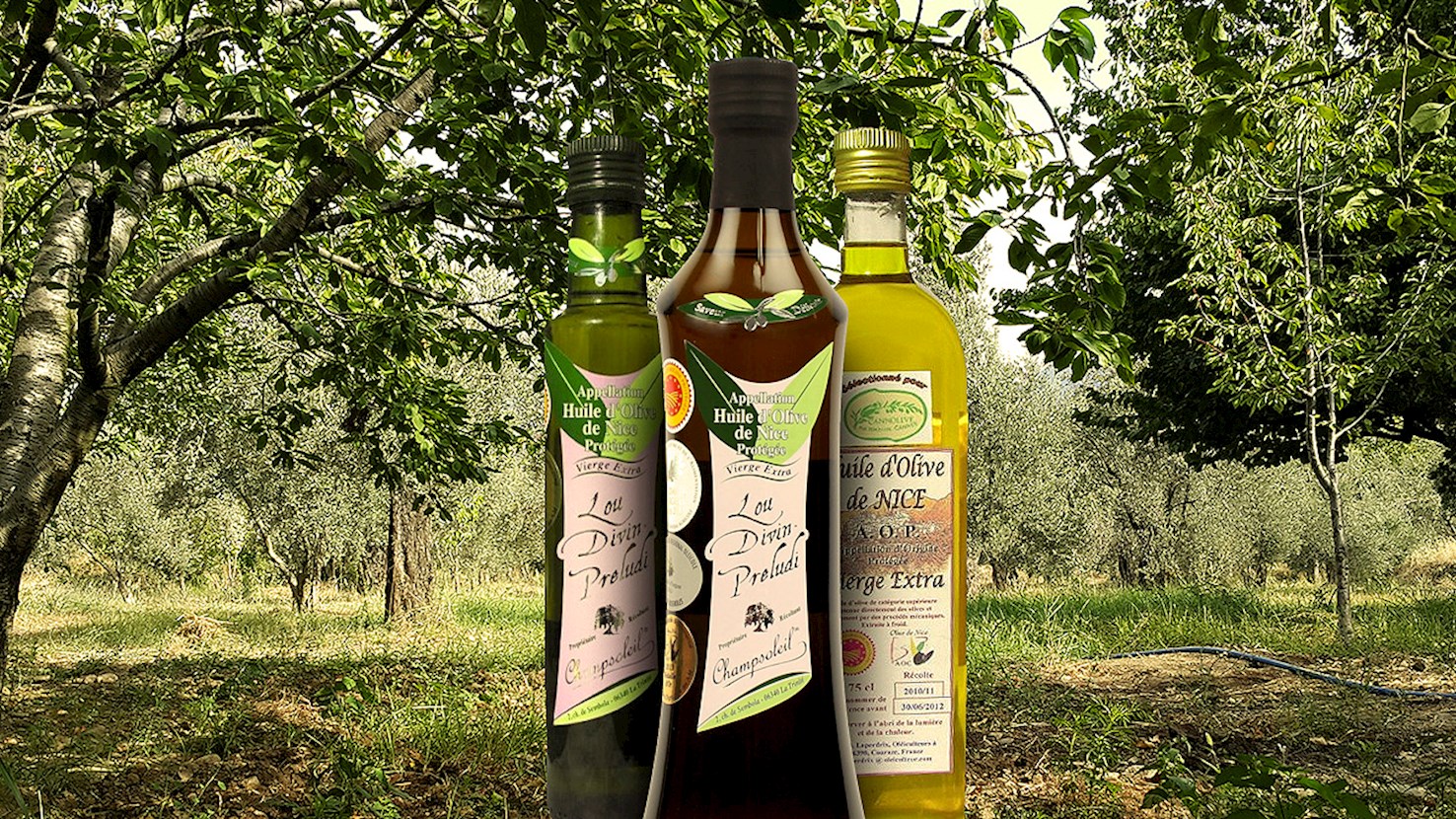
Huile d'olive de Nice

4.1 ·

Huile d'olive de Nice is a unique, virgin olive oil made in the French region of Alpes-Maritimes, mainly from the Cailletier variety of olives (at least 95%). The region is suitable to the olives due to lots of sunshine, the Mediterranean climate and moderate winds. Olives are expertly harvested by beating and shaking the trees and they are collected in nets. The oil is characterized by its discreet, pleasant aromas of ripe apples, hazelnuts and almonds and its sweet taste. The best way to consume it is on toasted slices of crusty baguettes rubbed with a clove of garlic. The oil should be at room temperature so that its undertones of grass, aniseed and dried fruits could be tasted completely. Alternatively, drizzle it over creamed potatoes or swirl it into soups or beef stews.

02

Huile d'olive d'Aix-en-Provence

3.3 ·

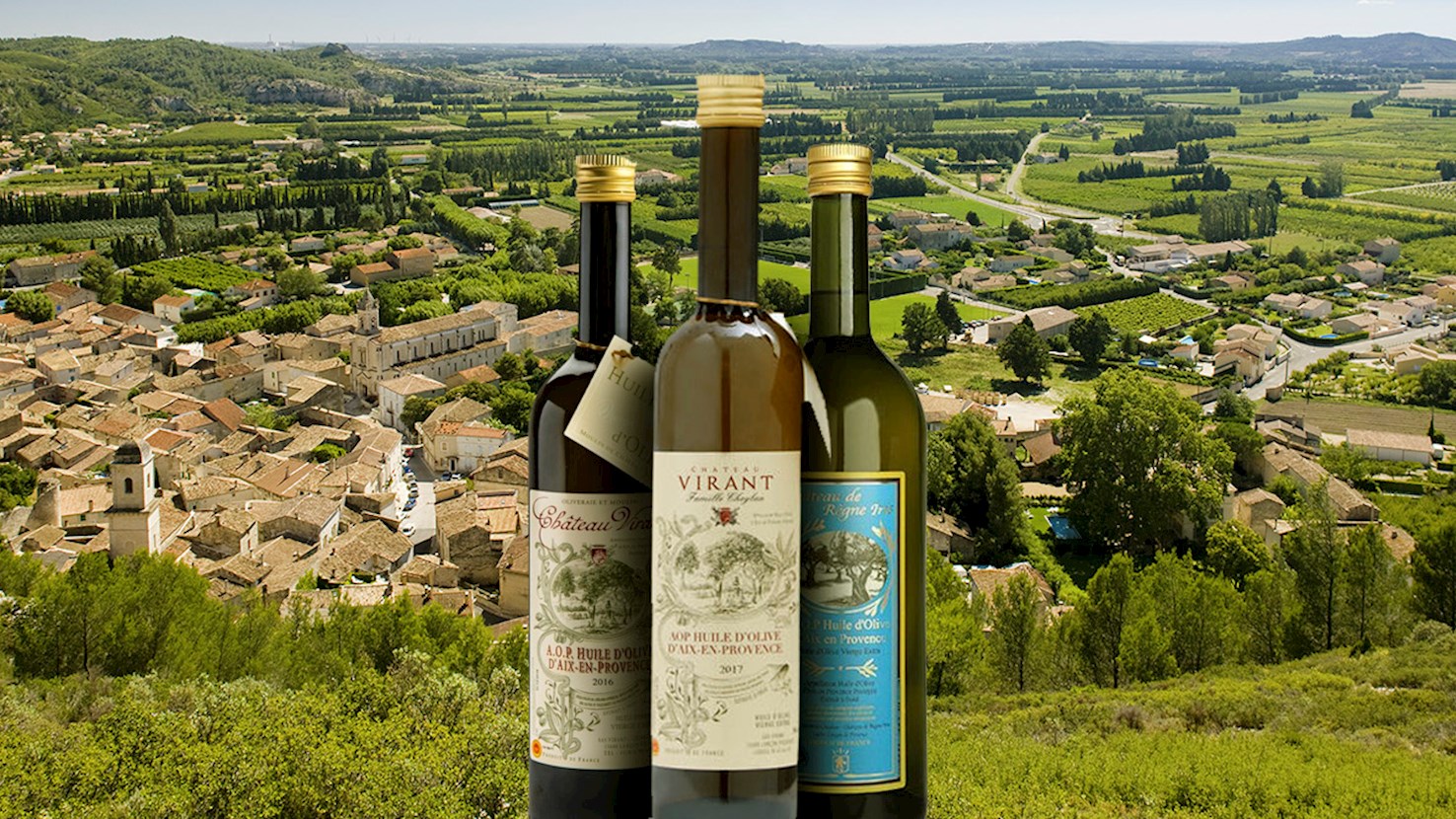
Huile d'olive d'Aix-en-Provence is a strongly aromatic olive oil produced in the French regions of Bouches-du-Rhône and Var. Its aroma is influenced by notes of greenery while the olives must be of the Aglandau, Cayanne and Salonenque varieties (at least 80% of the trees that are five-year-old). The olive oil is a blend of at least two of the main varieties of olives. Every December, there is an olive oil festival, where the producers offer a taste of the flavors of this olive oil and related products such as table olives, tapenades and biscuits. The taste of Aix-en-Provence oil is best described as reminiscent of apples, almonds, artichokes and fresh herbs. Use it as a simple dip with fresh bread, or in salad dressings and for frying vegetables and fish.

03

Huile de noix du Périgord

n/a ·

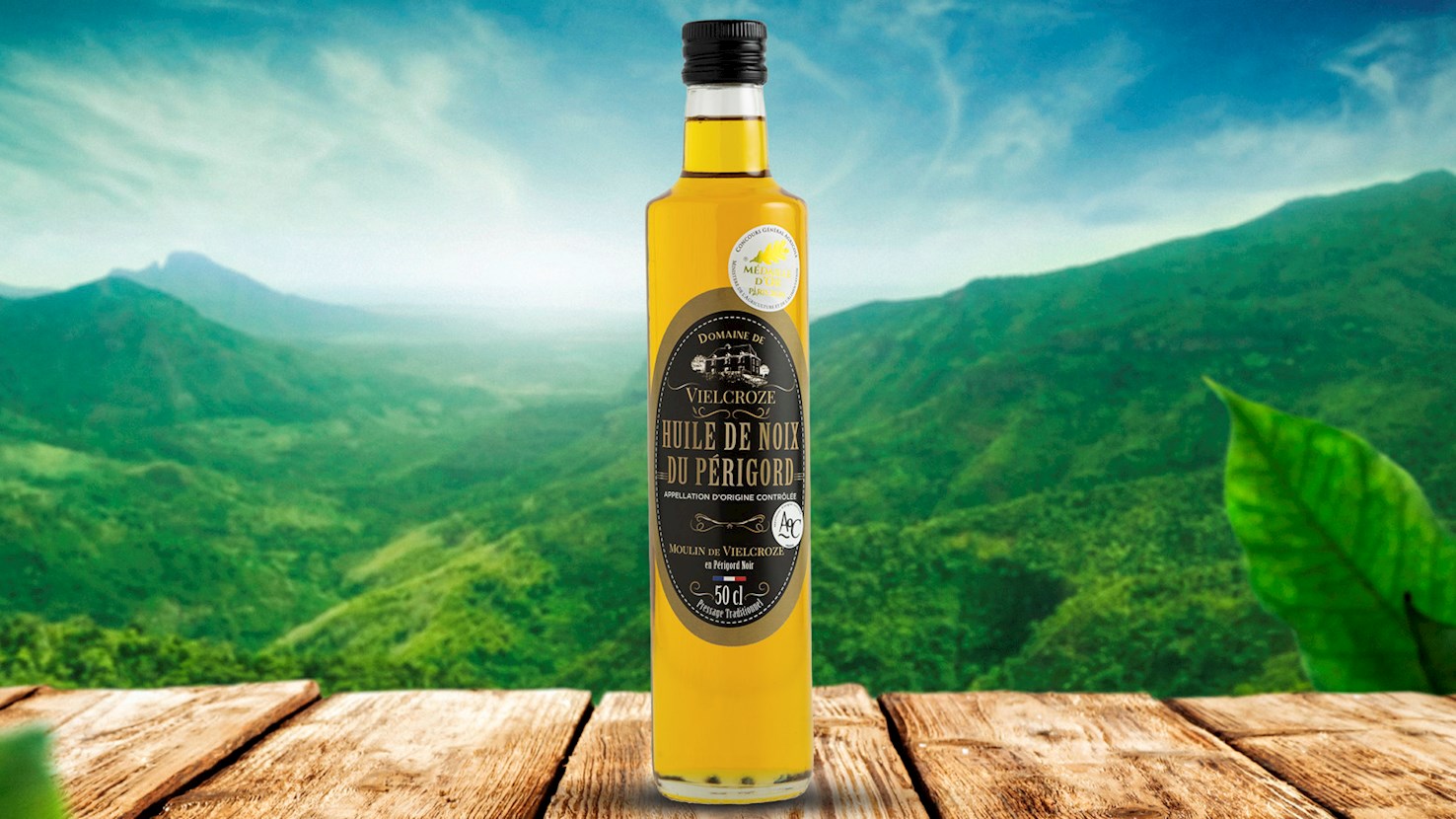
Huile de noix du Périgord is a French virgin walnut oil that's mechanically extracted. It originates from Aveyron, Charente, Corrèze, Dordogne, Lot, and Lot-et-Garonne departments. This oil is produced from the walnut varieties called Franquette, Marbot, Corne, and Grandjean. The visual appearance of the cold-pressed oil is clear, and the texture is fluid. The aromas are delicate and sustained, reminiscent of nuts and baked breadcrumbs. The hot-pressed oil has a fruity and intense aroma with toasty notes, reminiscent of biscuits and baked bread. The walnut kernels are first dried in hot dry air, then cracked and shelled, and at least half of the kernels must be of the Franquette variety.

04

Huile d'olive de Haute-Provence

n/a ·

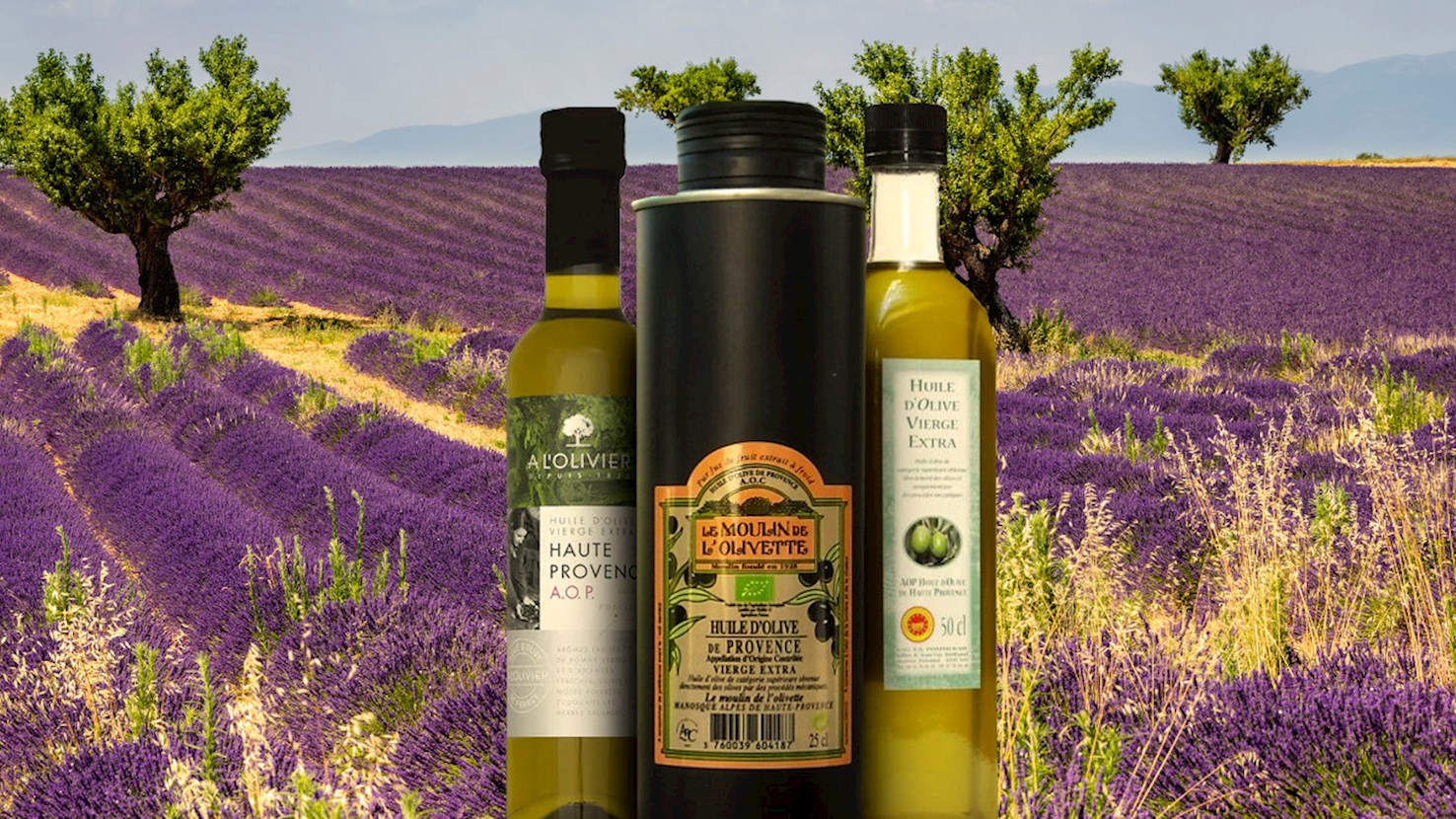
Huile d'olive de Haute-Provence is a unique olive oil from the French region of Alpes de Haute-Provence and nearby municipalities, characterized by its inimitable mild, bitter flavor and its strong aroma reminiscent of apples, pears, freshly cut grass, tomato and raw artichokes. The flavors are all equally present on the palate and provide a slightly peppery aftertaste. It has been produced in the region since the Middle Ages, with the dominant olive variety being the Aglandau olive tree, which must be at least five years old in order to make this prestigious olive oil. For the best impression, drizzle it on salads, baked fish or vegetables, or, alternatively, with a selection of cheeses and crusty bread.

05

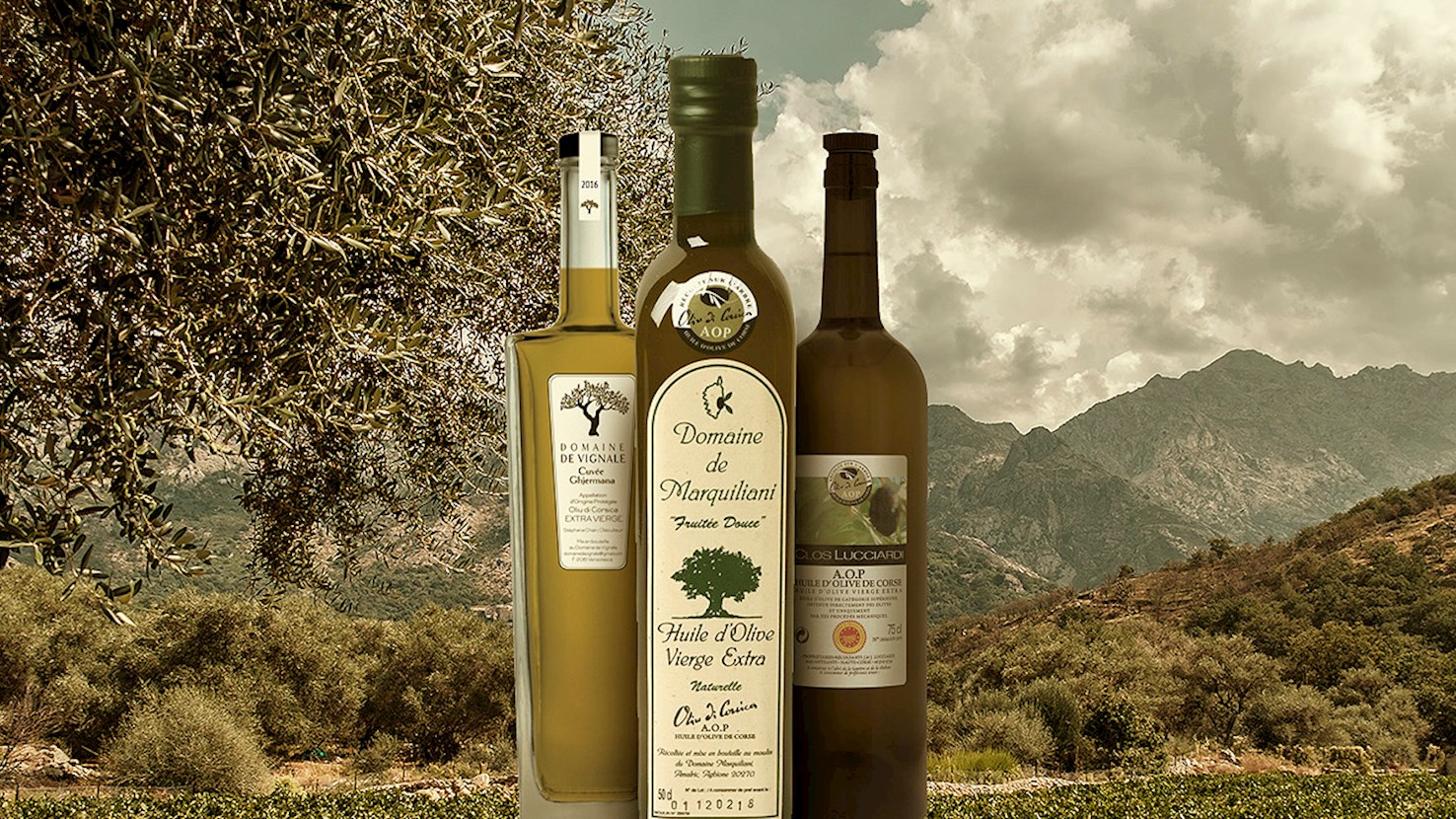
Huile d'olive de Corse

n/a ·

Huile d'olive de Corse is a smooth olive oil made in the south of the Corsica region of France, devoid of bitterness and fieriness and with a mild, pleasant taste. It has an aroma that is delicate and reminiscent of sweets, dried fruit and Corsican scrub, while it is pale to clear yellow, with occasional flashes of green. Only olives from trees that are at least five years old can be used in the production of olive oil, and the olives must be from the Sabine, Ghjermana, Capannace, Raspulada, Zinzala, Aliva Néra or Curtinese variety. Corsican olive oil is appreciated as one of the softest and most taste-varied ones due to Corsica's shrublands which rub off on the fruit. Use the oil in pasta, drizzle it on potatoes or pair it with a nice goat cheese.

06

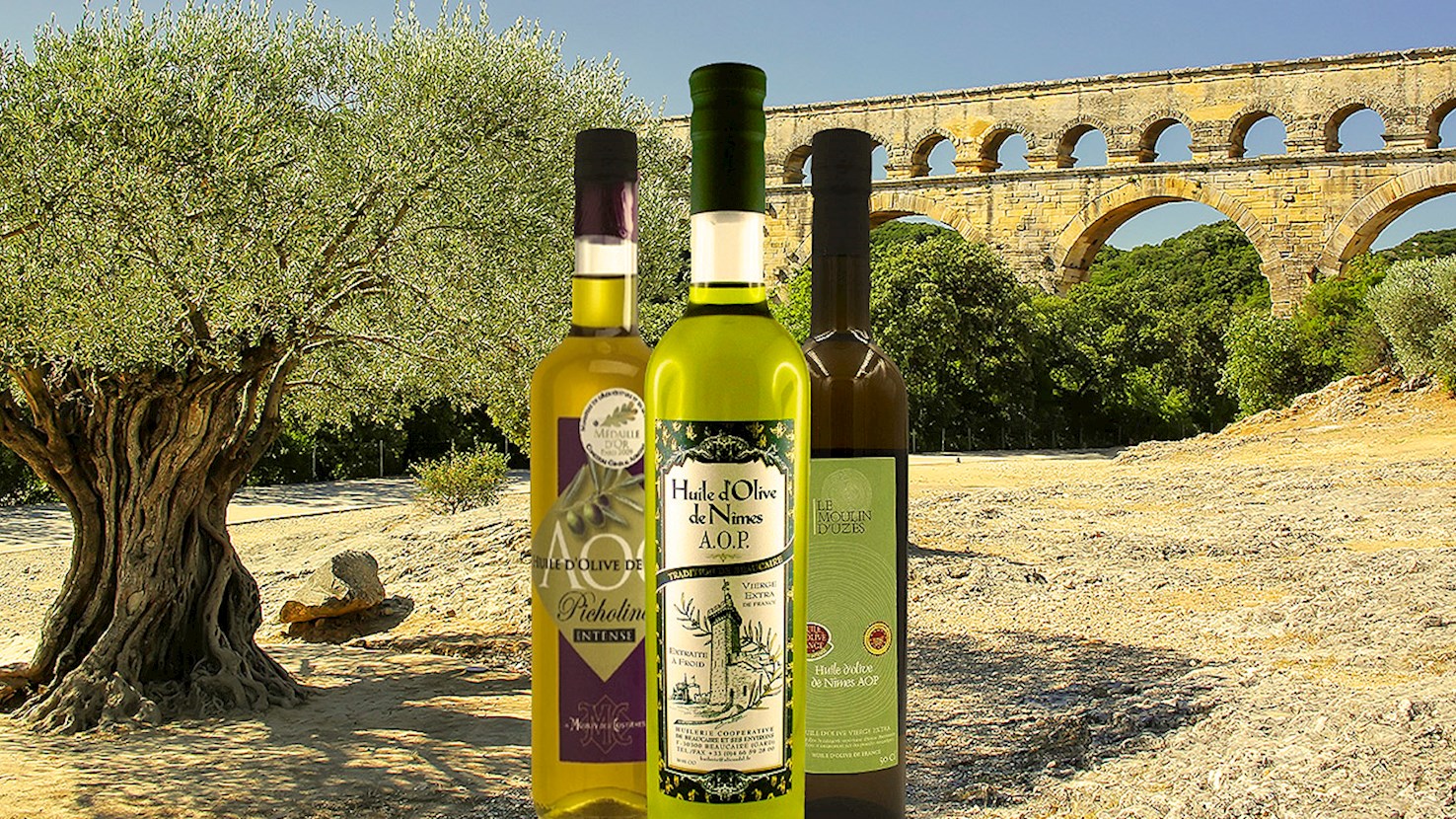
Huile d'olive de Nîmes

n/a ·

Huile d'olive de Nîmes is a unique-tasting, fruity olive oil mainly made from the Picholine variety of olives in the Gard region in France, where the Mediterranean climate and limestone and clay soil favorably influence the olive trees. The other main varieties of olive trees include Négrette and Noirette, and all the trees must be at least five years old if the olives are to be used in the production of making Huile d'olive de Nîmes. Nîmes oil is known for its intense, strong flavors, sometimes accompanied with hints of bitterness. It has scents of green vegetables and artichokes, which develop into notes of red fruit on the palate, and some even say that they taste hints of plum and pineapple. The oil is green with slight hints of yellow throughout. The flavors and aromas pair nicely with a wide variety of food from the Mediterranean, such as cheese, tomato, basil and mint.

07

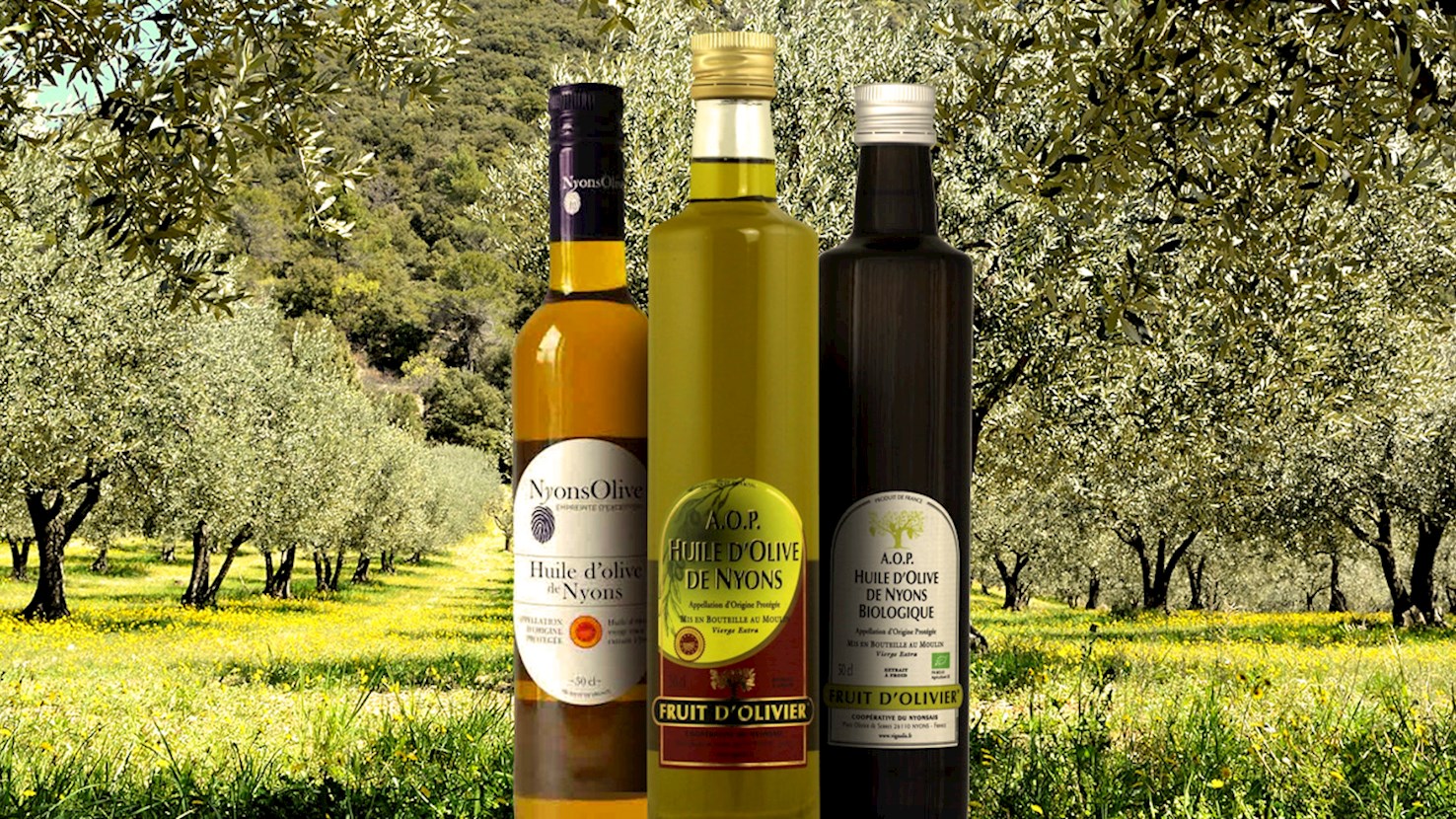
Huile d'olive de Nyons

n/a ·

The smooth, fatty olive oil from Nyons has a unique smell of green apples and buttery taste, it often comes with undertones of freshly cut grass or nutty products. It is yellow/green to golden yellow and has a bitter flavor. The olives used in the process of making this oil must be from the Tanche variety in the Nyons area in the region of Drôme. Tanche olives ripen until they are wrinkled and black, ready to be harvested by hand in December and January, and then pressed to make this top-quality olive oil. Interestingly, it takes 5 kg of olives to make only one litre of olive oil.

08

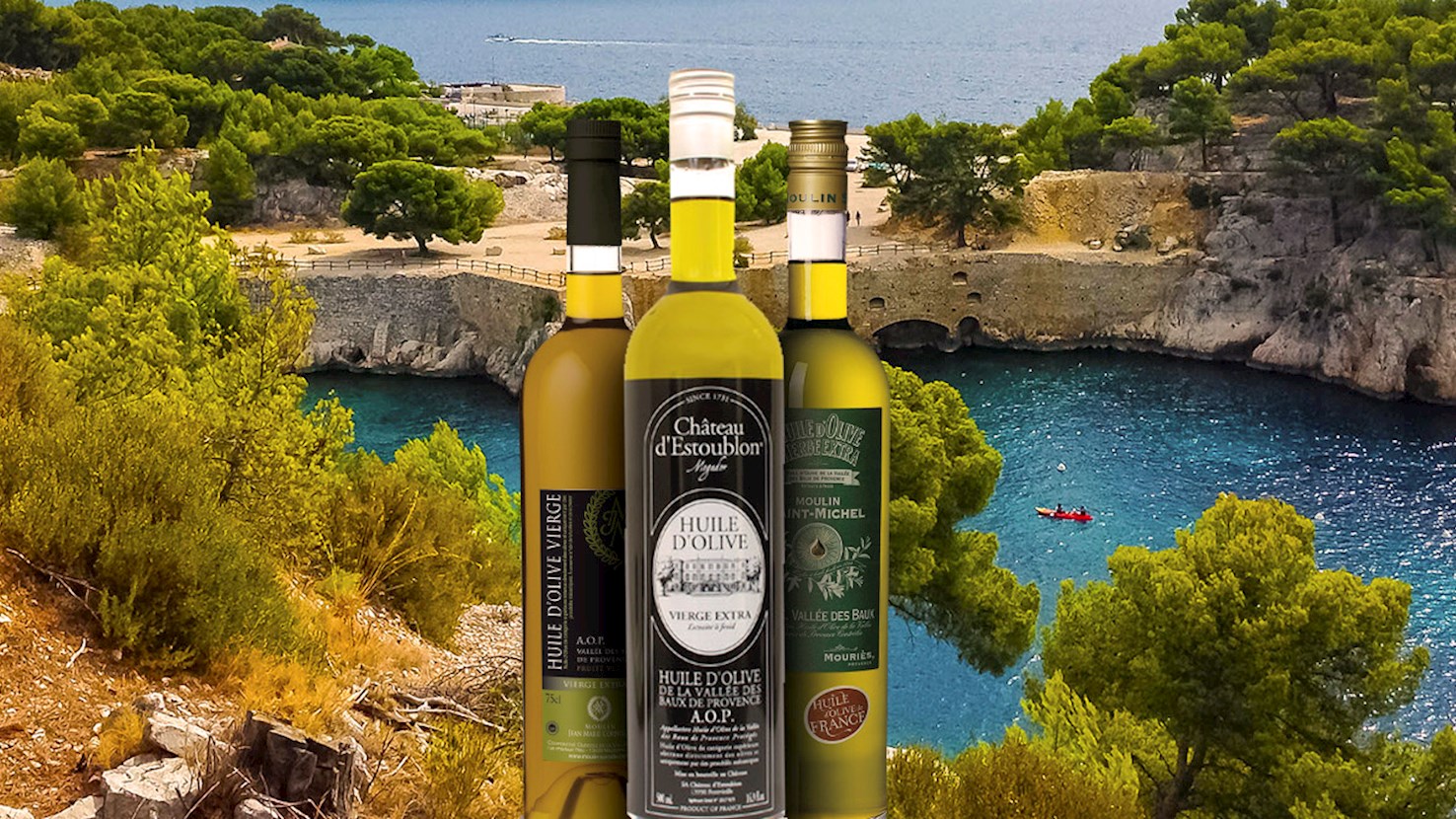
Huile d'olive de la Vallée des Baux-de-Provence

n/a ·

Huile d'olive de la Vallée des Baux-de-Provence is a virgin olive oil from the French region of Bouches-du-Rhône, famous for its olive production. The olive oil is green and has a smooth texture, as well as a mild lingering taste reminiscent of fresh grapefruit, artichokes, and tomatoes. Olives that get pressed into olive oil must come from more than one variety of the varieties beruguette, salonenque, grossane and verdale. No processing of the oil is allowed - only washing, decantation, centrifuge, and filtration, and it is ready to dress salads, prepare meat with it or eat it with a crumbly baguette on its own.

09

Huile d'olive Fruité Noir

n/a ·

Huile d’olive Fruité Noir is an olive oil produced from olives that have been deliberately left to ripen until nearly black and undergo a controlled fermentation. The relying of olives on maturation followed by a carbonic maceration step became established in Provence and some neighboring regions during the 18th century when pressing systems demanded less-liquid pastes, and modern centrifugal decanters introduced in the 1970s changed the extraction timing and mechanics. In production fully-ripe olives are harvested, often stored in opaque bins or ventilated lofts for a set period to allow a controlled fermentation, then milled by cold extraction to yield an oil whose aroma includes cocoa, truffle, yeast bread, black-olive paste, candied fruit, artichoke cooked, mushrooms and forest-floor notes. Variations are found in the grape-variety of olives (local Provençal cultivars), in the length and conditions of the maturation-fermentation step (some producers allow longer pile-ups for deeper complexity, others shorten it to preserve freshness) and in the extraction parameters (milling within hours of crushing vs delayed milling); what sets this oil apart is that the fermentation step deliberately introduced for flavor development is considered by mainstream olive-oil standards a "defect" because it reduces “fruitiness” yet for this oil it is essential and a marker of style. The oil is used as a finishing oil, drizzled raw over steamed vegetables, legumes or warm potatoes, used to elevate grilled fish or meats, or served simply with good bread and a pinch of sea salt. It pairs best with robust red wines or a full-bodied rosé, aged cheeses, mushrooms or truffle dishes that can stand the oil’s depth without being overwhelmed.

10

Huile d’olive de Provence

n/a ·

Huile d’olive de Provence is an extra virgin olive oil produced in the Provence region of southern France and protected under the Appellation d’Origine Protégée designation, which guarantees that the oil comes from specific areas and is made according to recognized methods. The zone of production includes much of the Provence-Alpes-Côte d’Azur region, spanning the départements of Alpes-de-Haute-Provence, Bouches-du-Rhône, Var, and parts of Vaucluse. Known for its aromatic complexity and versatility, it reflects the Mediterranean climate, limestone soils, and long-standing olive culture of Provence. Olive cultivation in Provence dates back to antiquity, when Phoenicians and later Romans established groves in the area. Over centuries, the oil became an integral part of local food culture and economy, serving both daily consumption and trade. By the twentieth century, a need to protect and highlight the distinct qualities of Provençal oils led to organized recognition and, eventually, the award of AOP status in 2007. This certification not only defined the production zone but also specified approved olive varieties and practices, giving the oil a clear identity within France’s broader family of regional olive oils. The oil is made primarily from varieties such as Aglandau, Bouteillan, Cayon, Salonenque, and Grossane. Harvest takes place between November and January, with olives collected either by hand or with light mechanical tools to avoid damage. They are pressed quickly after harvest, using cold-extraction methods that preserve flavor and nutritional value. The resulting oils vary depending on the blend of varieties and the exact harvest time, but they generally feature aromas of fresh grass, artichoke, almond, and apple, with a balance of fruity, peppery, and slightly bitter notes. Today, Huile d’olive de Provence is consumed widely across France and abroad, valued both in everyday cooking and in refined gastronomy. In Provence itself, it is used liberally in dishes such as ratatouille, pistou soup, and vegetable tian, as well as drizzled raw over fresh bread, salads, and grilled fish.

Read more
View all
View map
About this ranking

TasteAtlas food rankings are based on the ratings of the TasteAtlas audience, with a series of mechanisms that recognize real users and that ignore bot, nationalist or local patriotic ratings, and give additional value to the ratings of users that the system recognizes as knowledgeable. For the “Top 27 French Vegetable Oils” list until June 06, 2026, 41 ratings were recorded, of which 28 were recognized by the system as legitimate. TasteAtlas Rankings should not be seen as the final global conclusion about food. Their purpose is to promote excellent local foods, instill pride in traditional dishes, and arouse curiosity about dishes you haven’t tried.

The initial list of top producers was compiled based on available reviews, awards, local recommendations, media and blog coverage, and consumer reviews. The list will be updated with ratings from TasteAtlas local ambassadors and TasteAtlas users.

Similar lists