shutterstock

Top 100 Spanish Cheeses

Last updated on June 24, 2026

Best Spanish Cheese Types
01

Idiazabal

4.3 ·

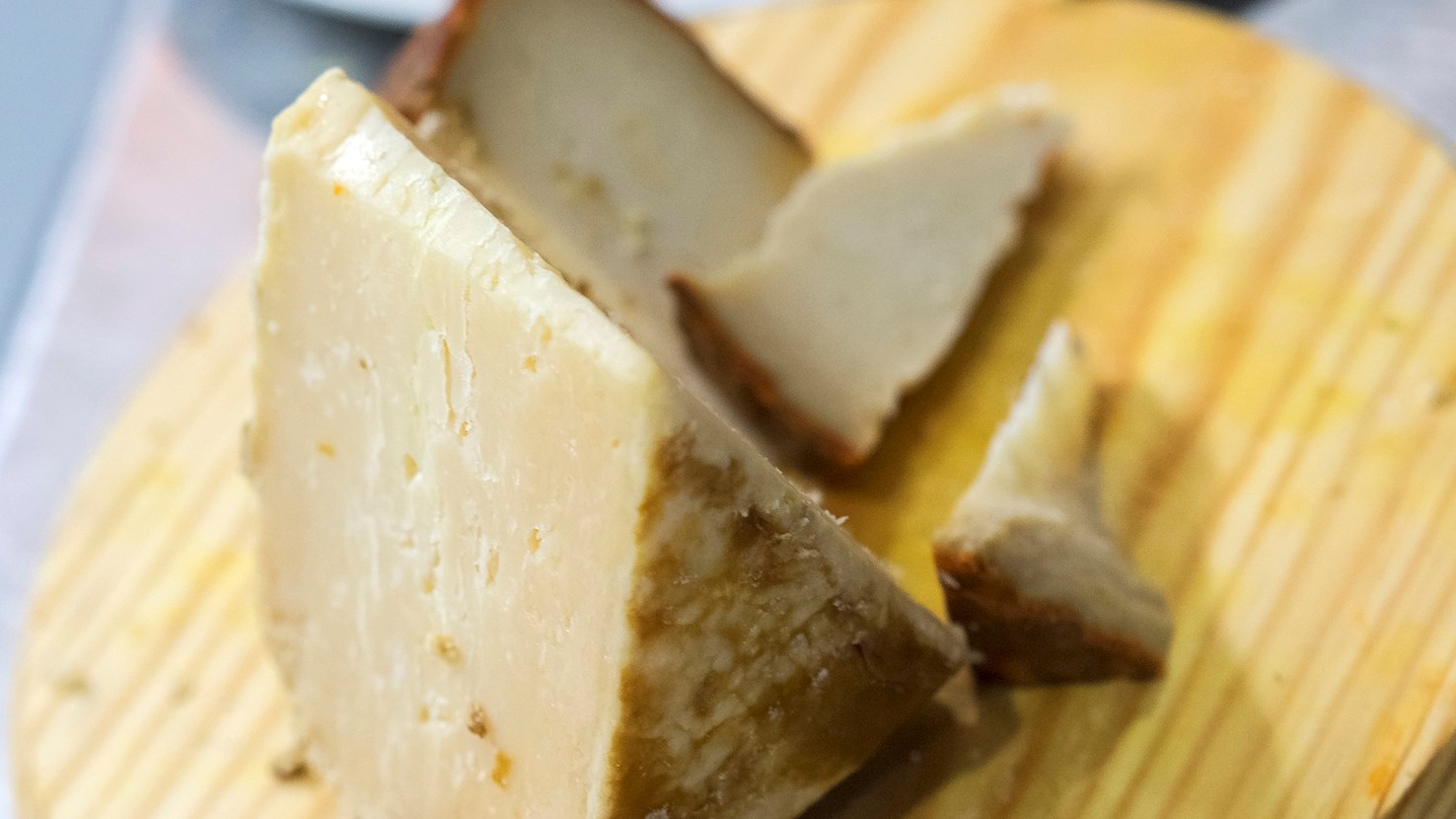
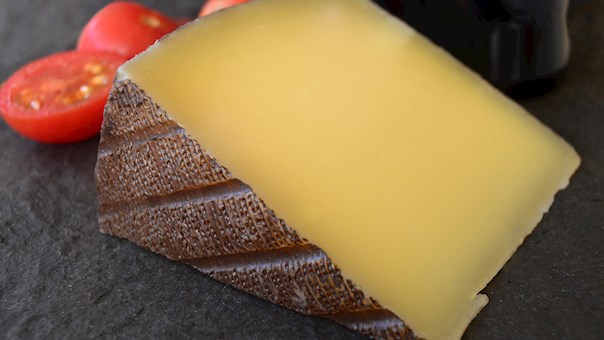
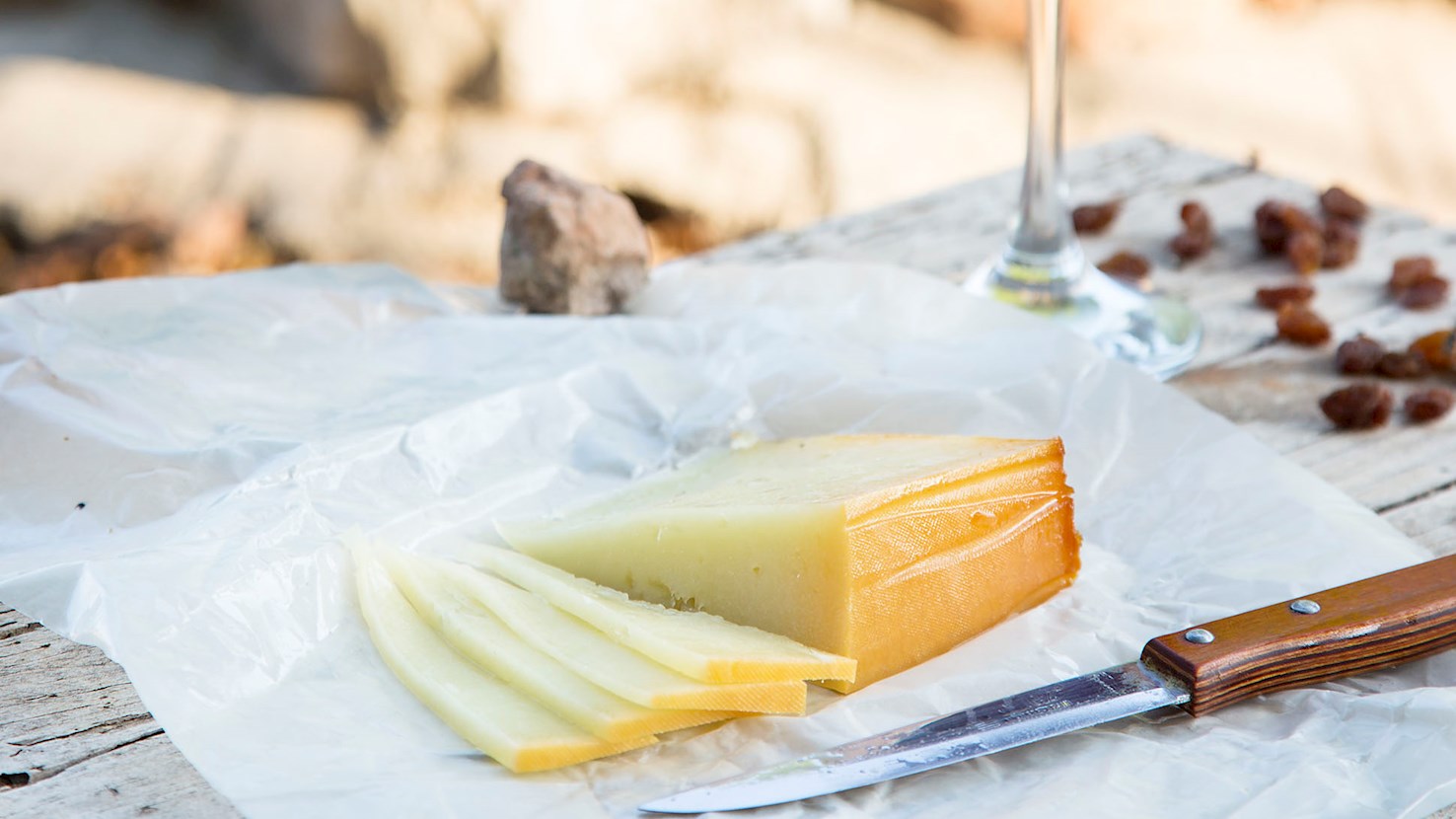
Idiazabal is a traditional cheese made solely from raw sheep’s milk from the Latxa and Carranzana breeds, manufactured in the Basque Country and Navarre, Spain. It is a semi-hard cheese with a light brown rind and smooth texture. While aging for a minimum of two months, Idiazabal develops a complex flavor with buttery and nutty aromas. This cheese had been traditionally stored near the fireplace, which produced a subtle smokey and sweet aroma without the cheese being directly smoked. Nowadays, this cheese is sometimes lightly smoked to develop a flavor emulating that of cheese made the old-fashioned way. Idiazabal is usually eaten alongside quince jam and is best paired with red wine and cider.

02

Queso Manchego

4.3 ·

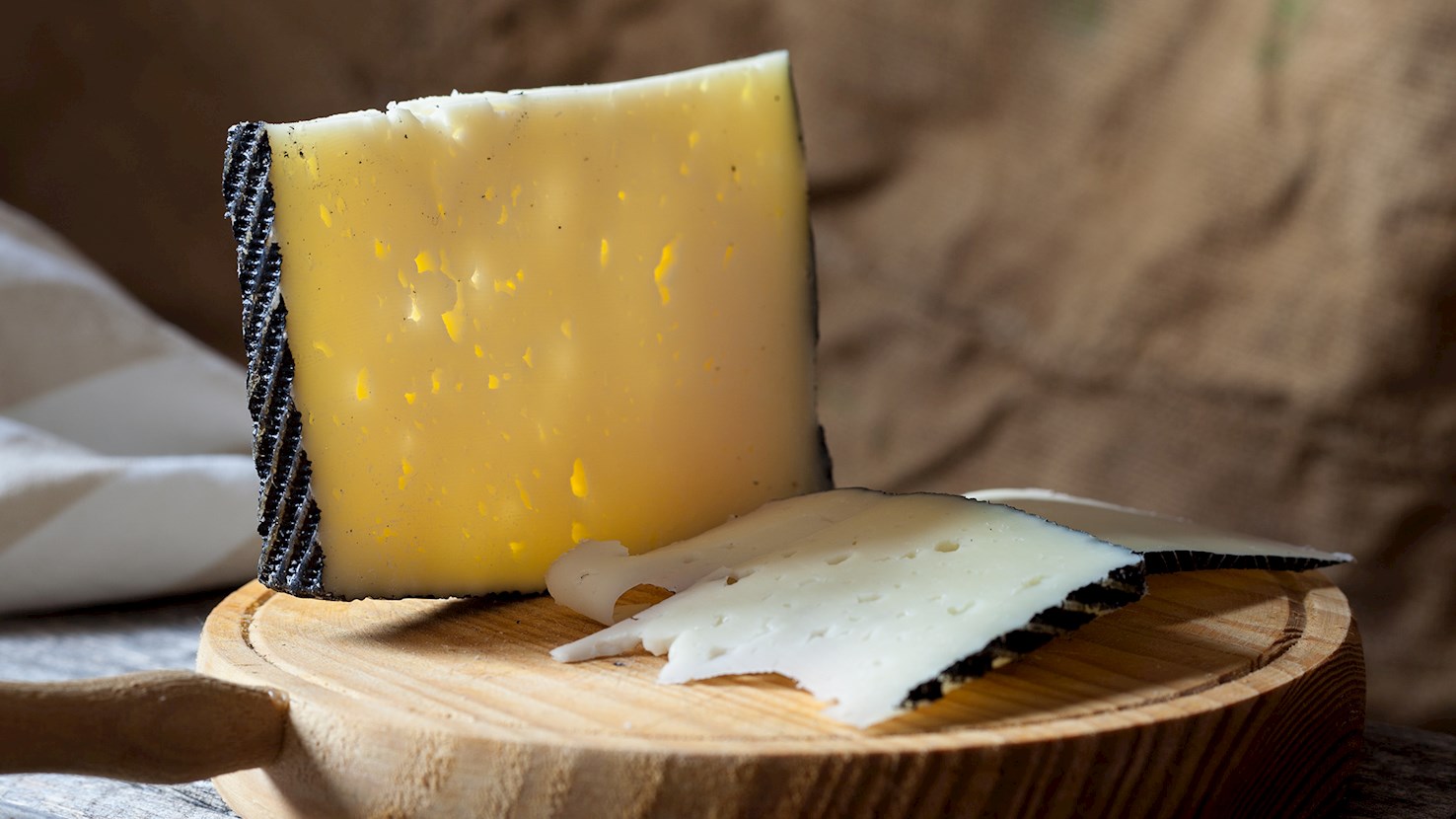
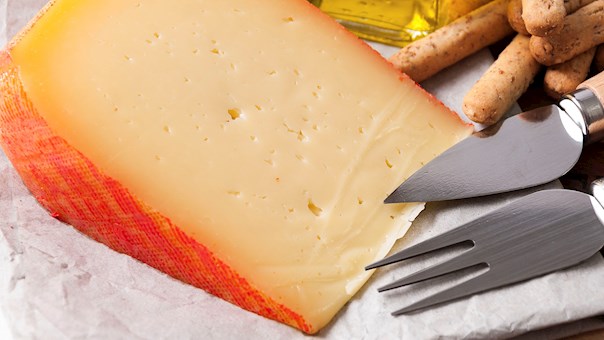
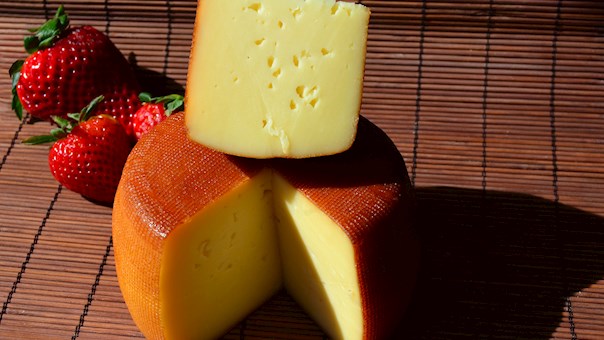
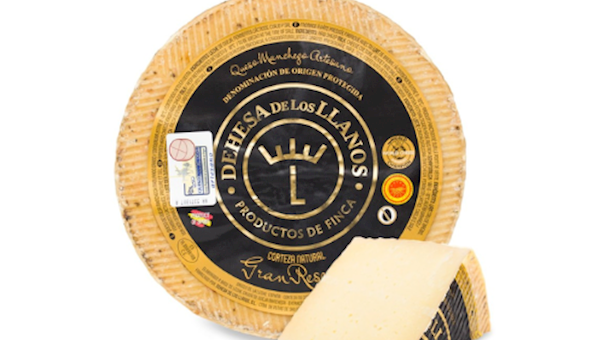
Queso Manchego is a pressed cheese made from raw or pasteurized ewe's milk of the Manchega breed that grazes freely on the pastures in the provinces of Albacete, Ciudad Real, Cuenca, and Toledo. When produced from raw milk, Manchego cheese is labeled as Artesano. Its color ranges from pale yellow to greenish-black, and the flavor is slightly acidic, but depending on the aging period, it can also be spicy and peppery. The texture is firm and compact and it may contain tiny, irregular, unevenly distributed eyes. The rind is usually washed and coated in paraffin or immersed in olive to preserve its natural appearance and protect the chese from the mold. This full-fat cheese is rich in calcium and packed with essential vitamins such as A, D and E. The wheels weighing up to 1,5 kg are aged for at least 30 days, and larger cheeses are aged from 2 months to a maximum of 2 years. Manchego can be sold at different age gradations - Fresco (two weeks), Semi-Curado (from three weeks to four months), Curado (three to six months) and Anejo or Viejo (aged from one to two years).

03

Queso Payoyo

4.2 ·

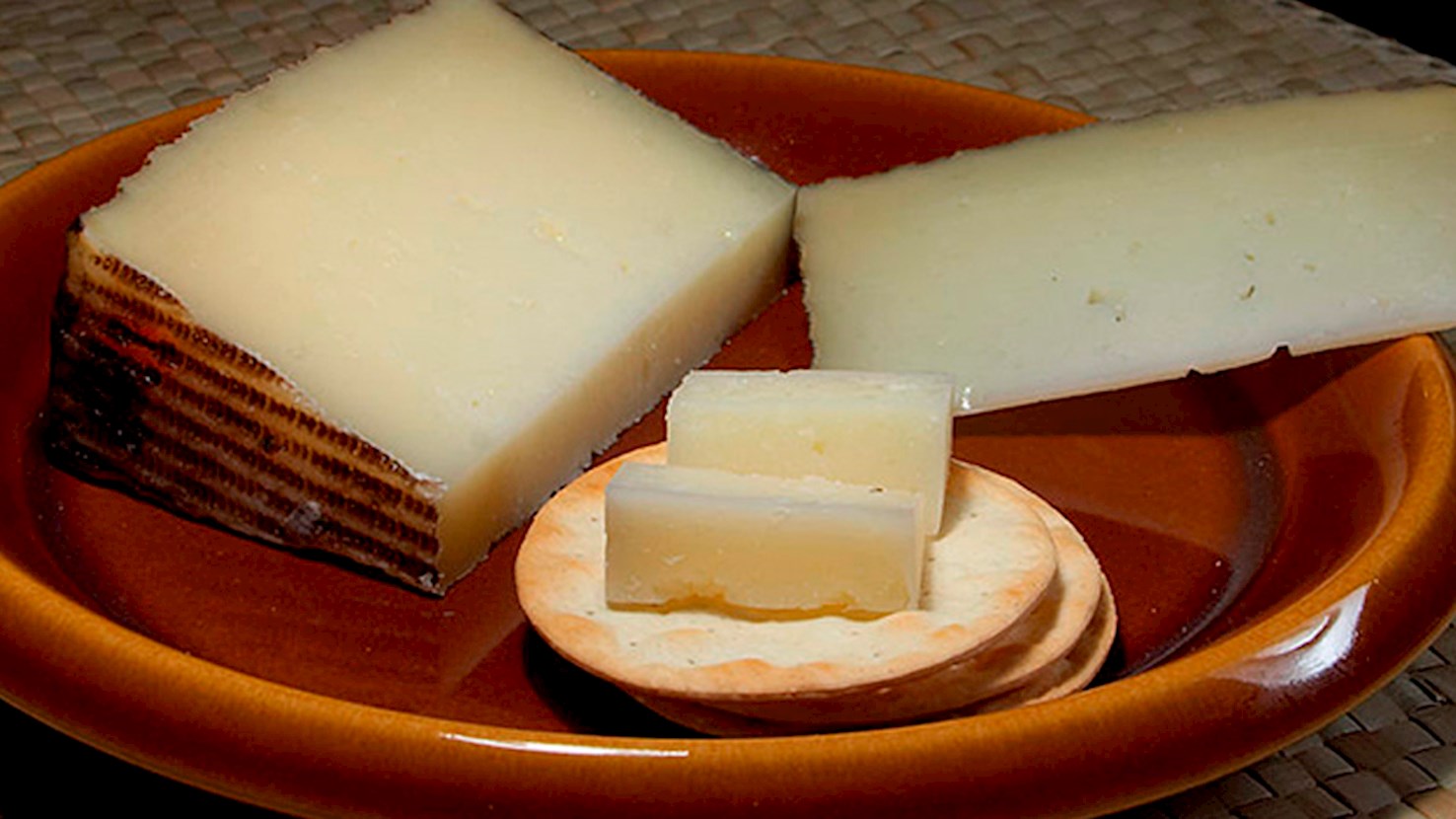
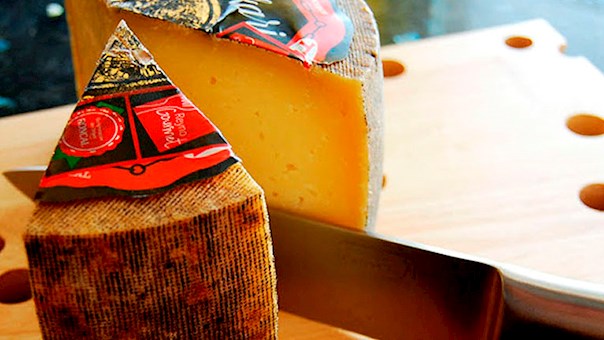
Queso Payoyo is a Spanish cheese made with a mixture of goat's and sheep's milk from local Payoyo goats and Grazalema sheep. Its flavor is rich and tangy, the rind is cross-hatched, while the texture is creamier and softer than Manchego, which it somewhat resembles. Payoyo's aroma has hints of butter and herbs. It is recommended to serve it with crusty bread and a glass of dry sherry or red wine. The Spanish Ministry of Agriculture awarded it with the title of Spain's Best Cheese in 2013, and in 2014, it won a bronze medal at the World's Best Cheese awards.

04

Queso Zamorano

4.2 ·

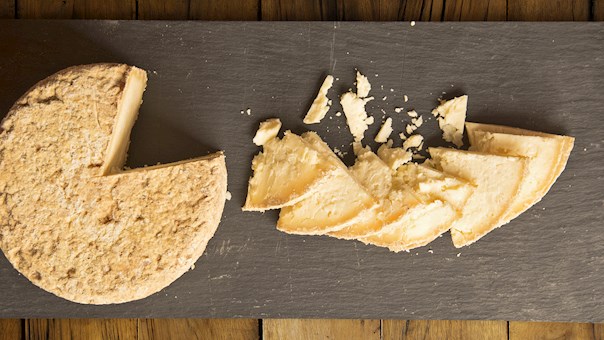
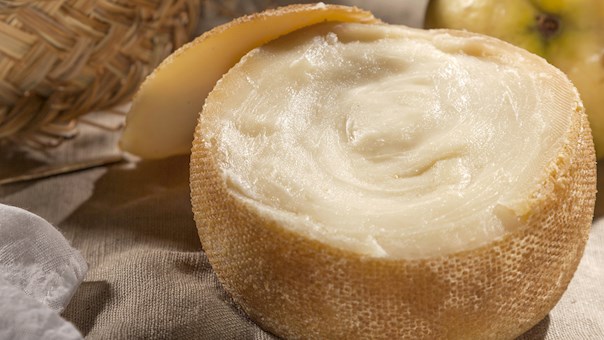
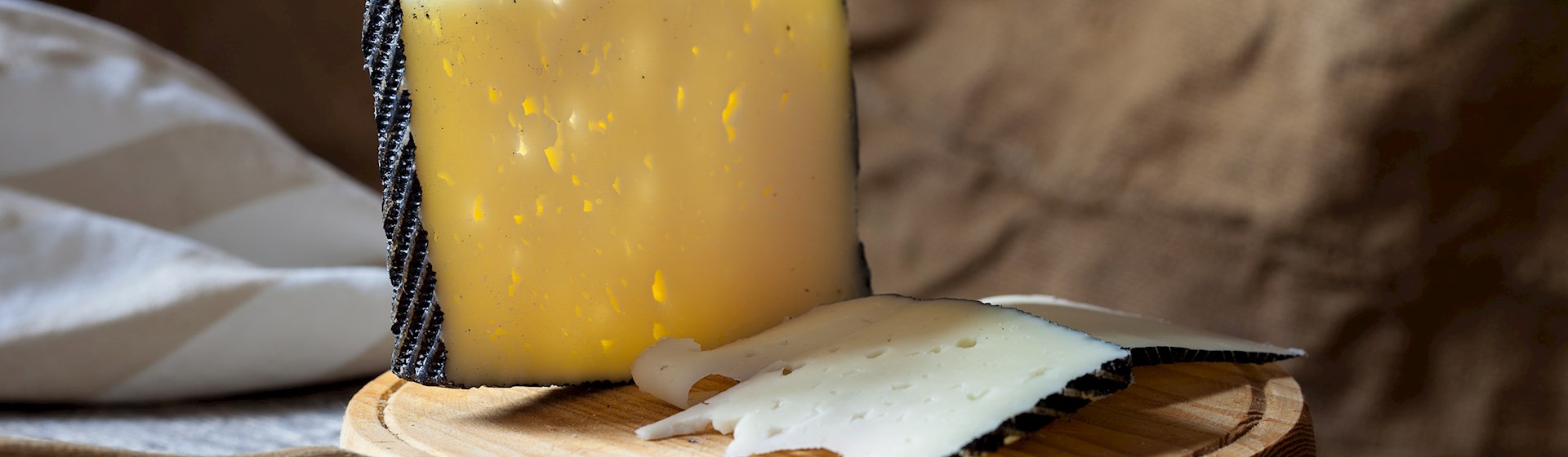
Queso Zamorano is a cheese made from the milk of Churra and Castellana sheep breeds in the province of Zamora, in Castilla y León. It has a characteristic herringbone pattern imprinted on the top and bottom and a woven esparto grass (zigzag) pattern on the sides. Depending on the weight of this cheese, its maturation period can range from 60 to 100 days. During this period, it is regularly turned and rubbed with olive oil, which causes the rind to become brown in color. Queso Zamorano has a full, piquant flavor with a delicate, tart aftertaste, and it's mostly consumed as a table cheese.

05

Caña de Cabra

4.1 ·

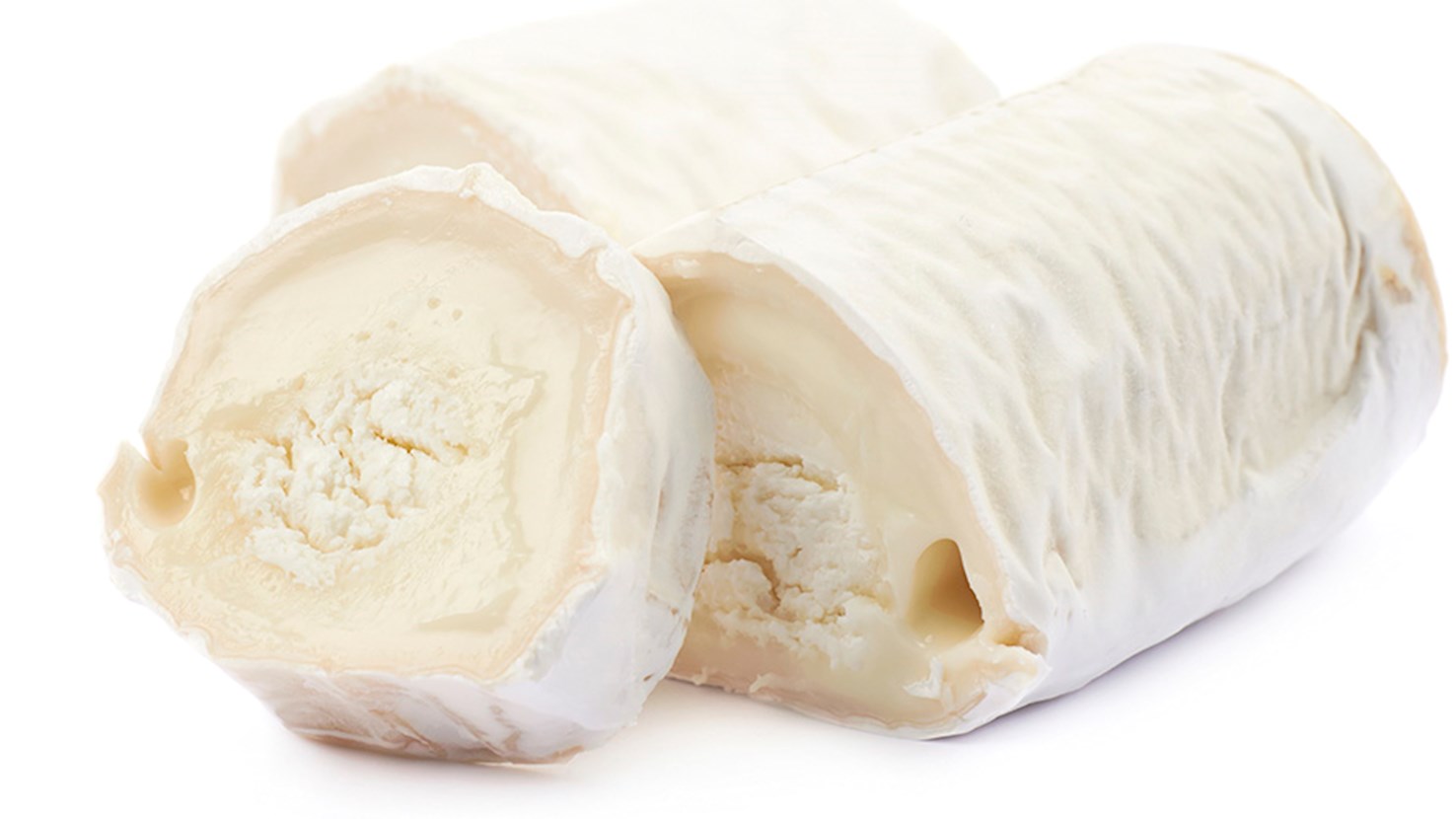
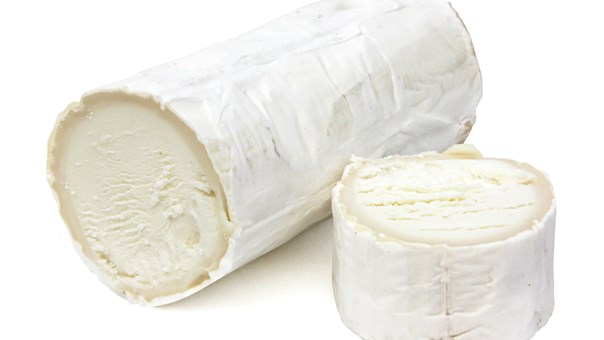
Murcia is a mountainous region known for high-quality goat milk products such as this soft-ripened goat milk cheese log. Young caña is mild and creamy with refreshing lemony notes. As it ages, the cheese gets a sharp and intense flavor with a note of earthiness. Caña de Cabra is typically enjoyed with local honey, figs, and almonds or pine nuts. It is recommended to pair it with crisp white wines.

06

Cabrales

4.1 ·

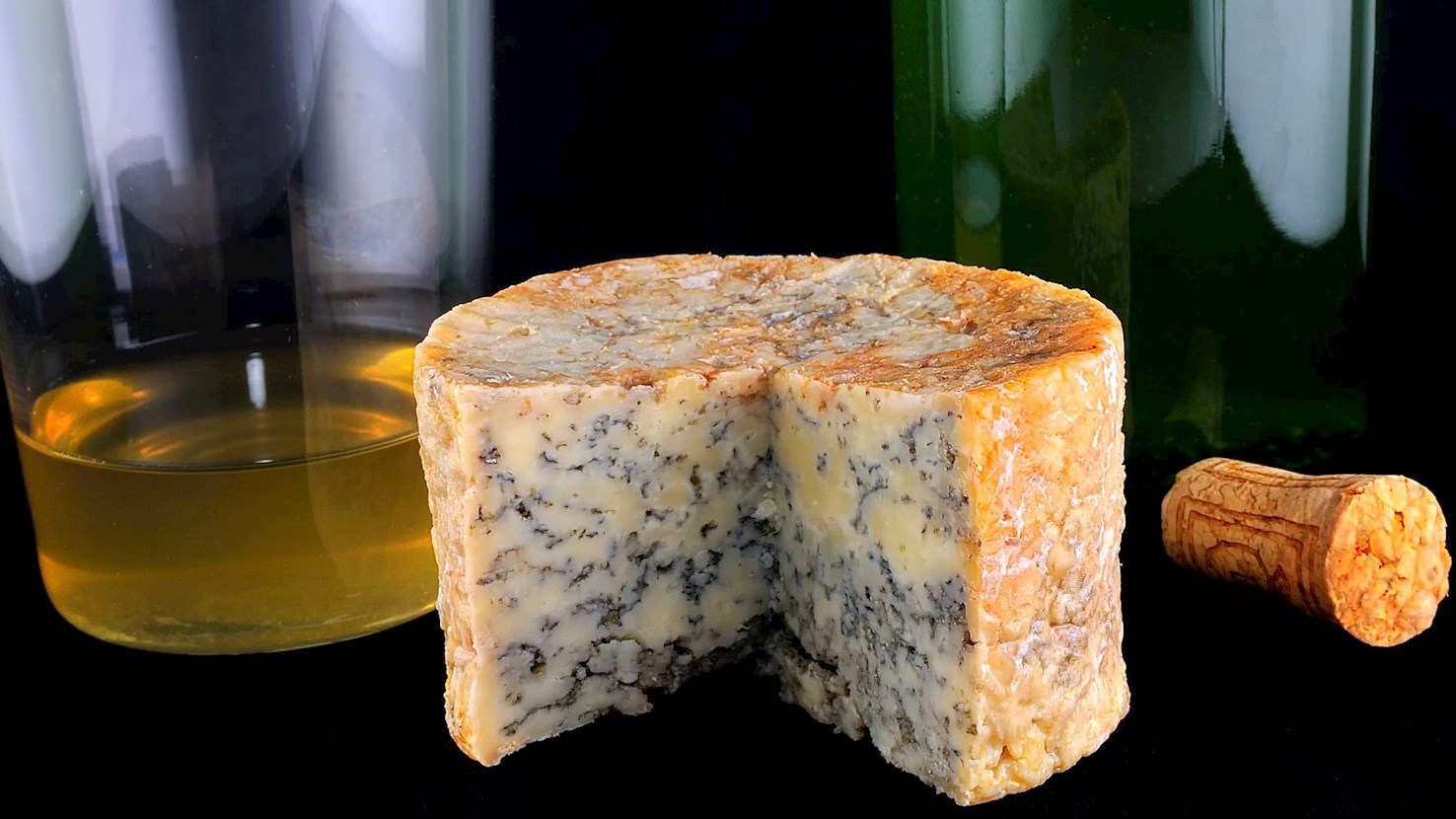
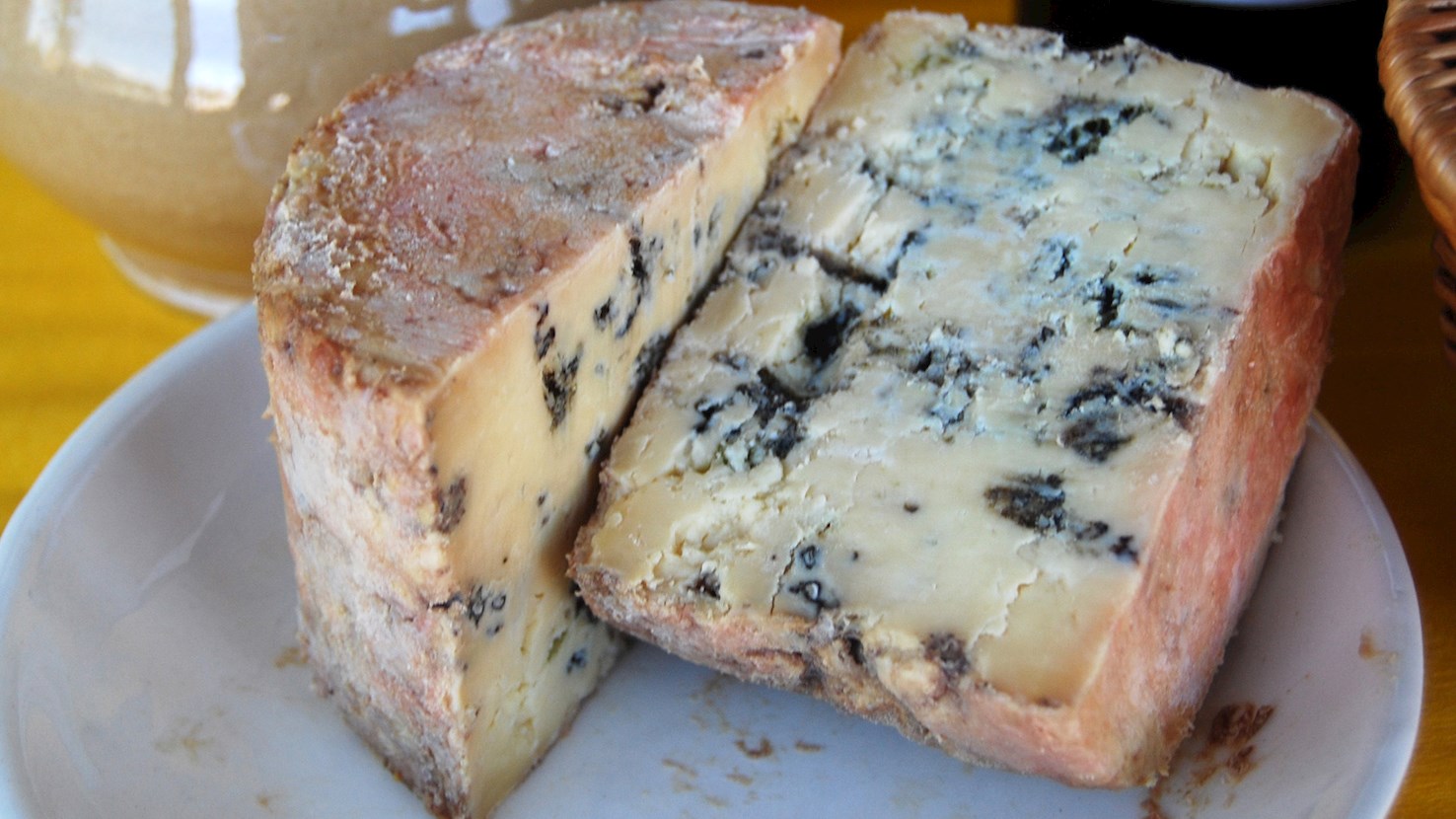
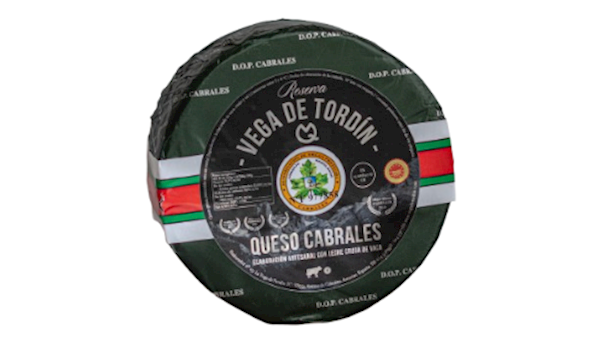
Cabrales is a blue cheese made from raw, unpasteurized cow's, goat's, and sheep's milk. The cheese is aged for 3 to 4 months in limestone caves in the region of Asturias in Spain. This artisan cheese is not injected with bacteria, but instead it matures from the outside inward. Cabrales has a strong, sharp aroma and a slightly acidic taste. Since it must contain at least 45% fat, it has a creamy and firm texture. The cheese is produced in limited amounts because it's manufactured on small, family-run farms using only traditional methods. This cheese is best paired with red wine, figs, and cured meat products.

07

Arzùa-Ulloa

4.1 ·

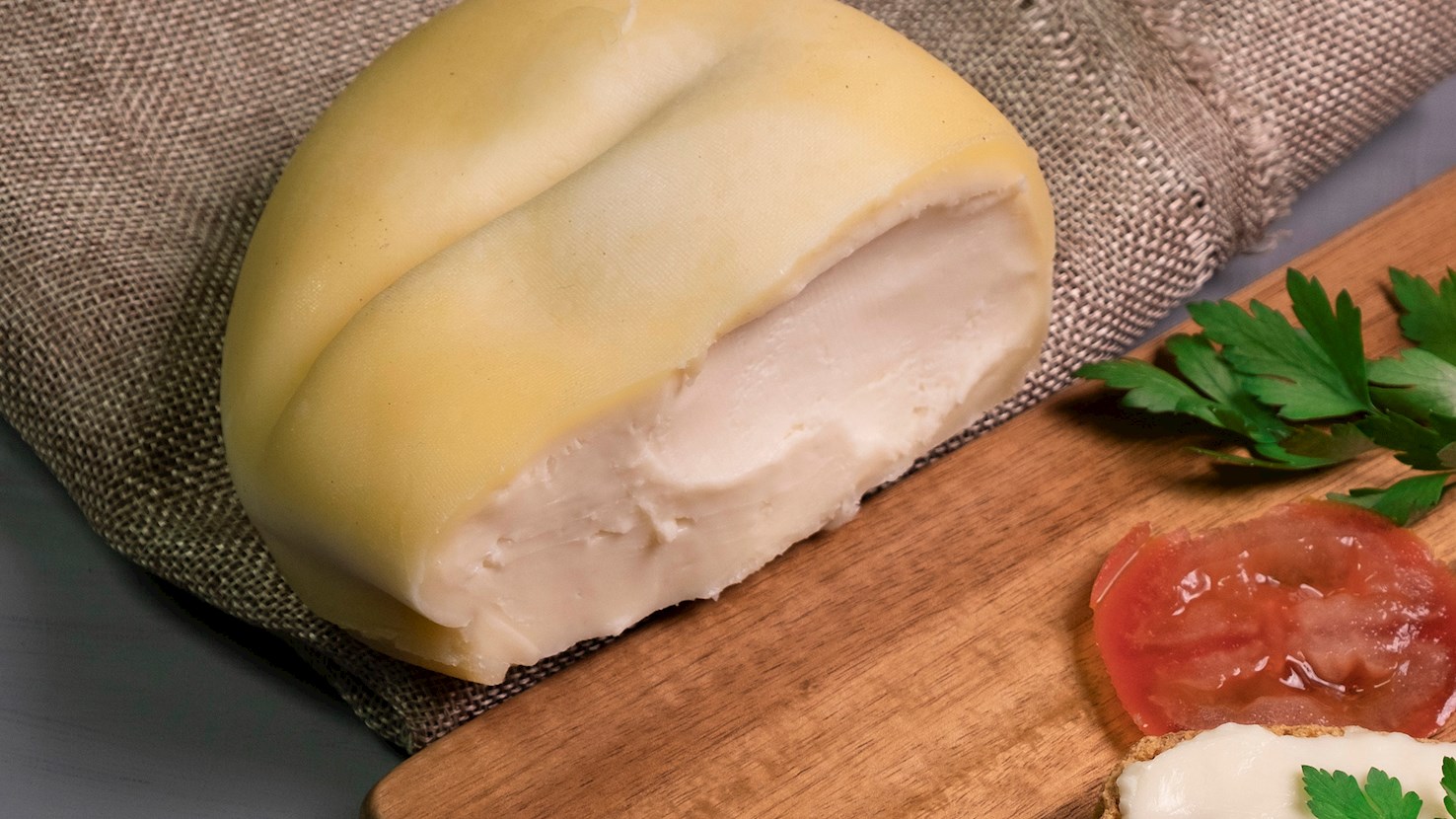
Arzùa-Ulloa is a cheese made from raw or pasteurized cow’s milk. This cheese is produced in Galicia, in Northwestern Spain, where it matures for at least 6 days. It is a mild cheese whose flavor is reminiscent to that of butter and yogurt. The cheese has a smooth and somewhat waxy rind dotted with blue or white mold spots. The interior hides a smooth, velvety texture and is white to pale yellow in color. Arzùa-Ulloa is often served as a component of a dessert, but it can also be melted over toasted bread.

08

Cuajada

4.1 ·

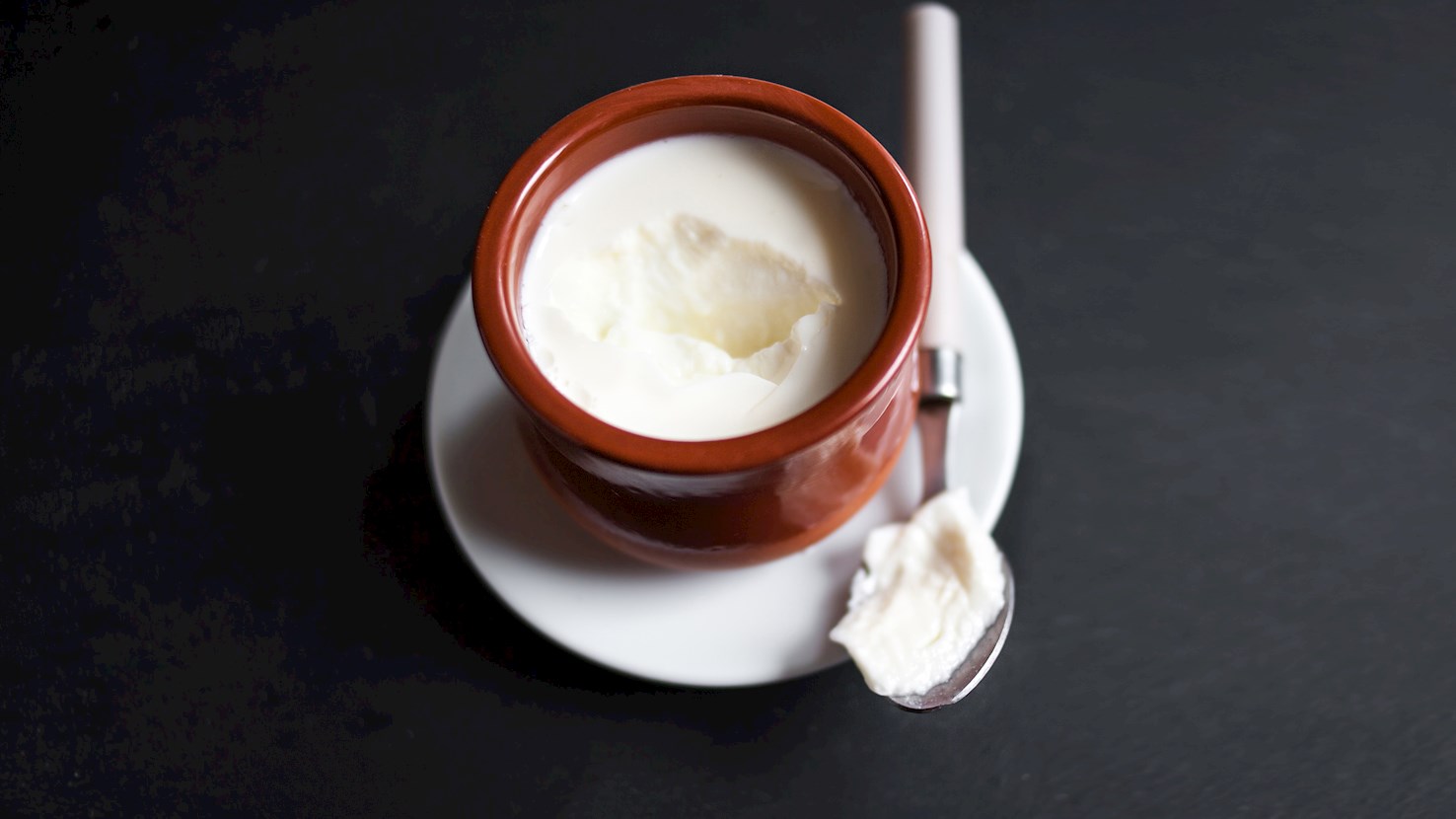
This Spanish dairy product is a type of fresh cheese that is typical of the northern regions of Spain and is traditionally made with sheep’s milk. Its name, cuajada, means curdled in Spanish, and it refers to the method of preparation, which involves mixing heated fresh milk with rennet or vinegar before allowing the mixture to curdle and the solids to separate from the whey. Although the cheese is typically prepared with sheep’s milk, cow’s milk, or other types of milk or even a mixture of different types of milk may also be used for its preparation. The final product is usually stored in terracotta or wooden containers, and it is distinguished by a smooth and creamy texture and a pleasant, tangy flavor. Known as mamia in Basque, the cheese preparation may sometimes involve thrusting a red-hot poker directly into the milk, thus lending a characteristic burnt flavor to the cheese. In Spain, cuajada is commonly enjoyed as a creamy dessert, usually sweetened with honey or sugar and flavored with the addition of nuts (usually walnuts or pine nuts) or fresh fruit. It may also be served drizzled with sugar syrup or topped with a galleta maria (a type of biscuit), and it is often eaten with cereals or toast for breakfast.

09

Picón Bejes-Tresviso

4.1 ·

Picón Bejes-Tresviso is a blue cheese made with cow's, sheep's and goat's milk, produced in Cantabria, in the north of Spain. It is made by loosely placing hazelnut-sized curds in the mould, allowing sufficient air to circulate and start the growth of Penicillium mould. The cheese is then salted and dried for 12 and 18 days, at a temperature between 15 and 18 °C (59 and 64 °F). Picón Bejes-Tresviso has a thin, grey to yellow-green rind and is white, smooth and compact on the inside. It has teal-colored veins and a powerful, slightly spicy and tart flavor.

10

Queso Tetilla

4.1 ·

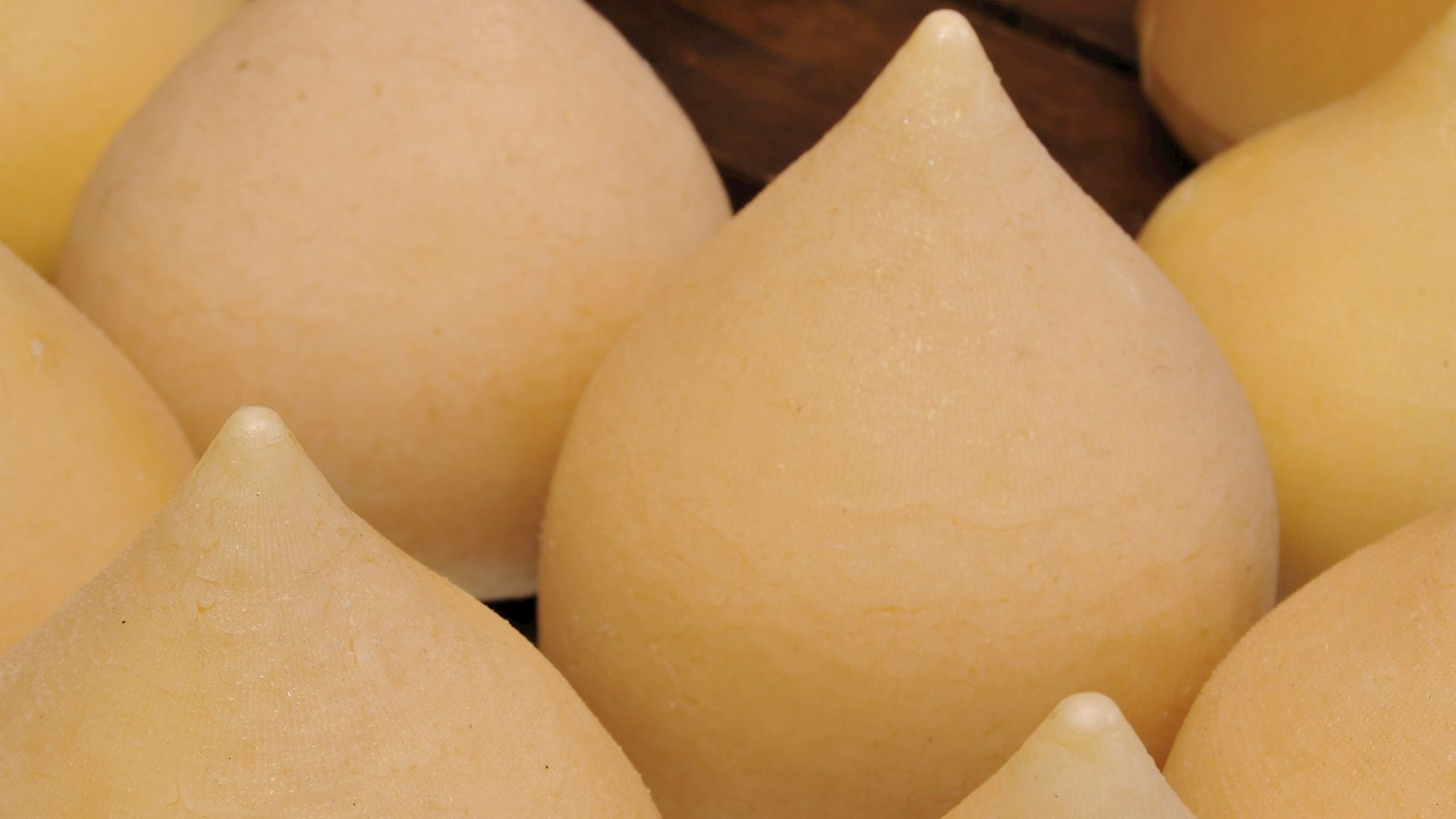
Queso Tetilla is an aged semi-soft cheese made with the milk of Friesian, Swiss Brown and Rubia Galega cows in the region of Galicia. This cheese, ripened for a minimum of 7 days, has a typical pear-like shape with a pointed top, which is the reason why it's called tetilla, meaning nipple in Spanish. Its flavor is distinctively mild and buttery, with aromas similar to those of vanilla and walnuts. Queso Tetilla is usually paired with jamón Serrano, chorizo, membrillo, and a glass of wine.

Best Spanish Cheeses
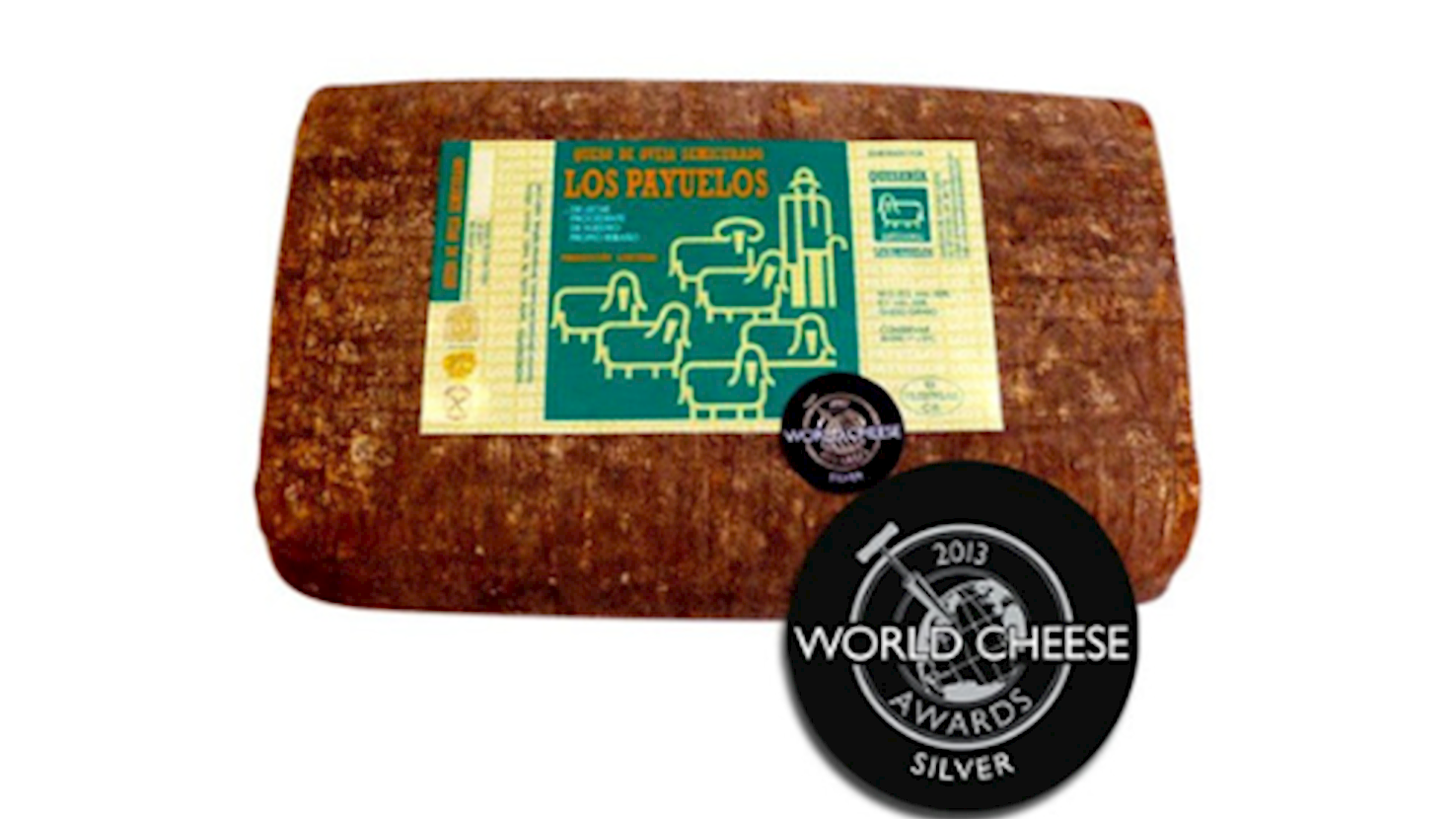
01

Quesería Artesanal Los Payuelos

5 ·
Quesería Artesanal Los Payuelos is a cheese producer located in Leon, Spain, specializing in artisanal cheeses that leverage local milk and traditional methods. They are known for producing cheese using milk from sheep breeds indigenous to the region. Their products often feature in Spanish gourmet markets and are highlighted for their unique regional flavors.
Awards
World Cheese Awards - Super Gold (2024, 2023, 2022)
Culture Cheese Magazine Best Cheeses issue - Best (2023)
02

Queseria Temia

5 ·
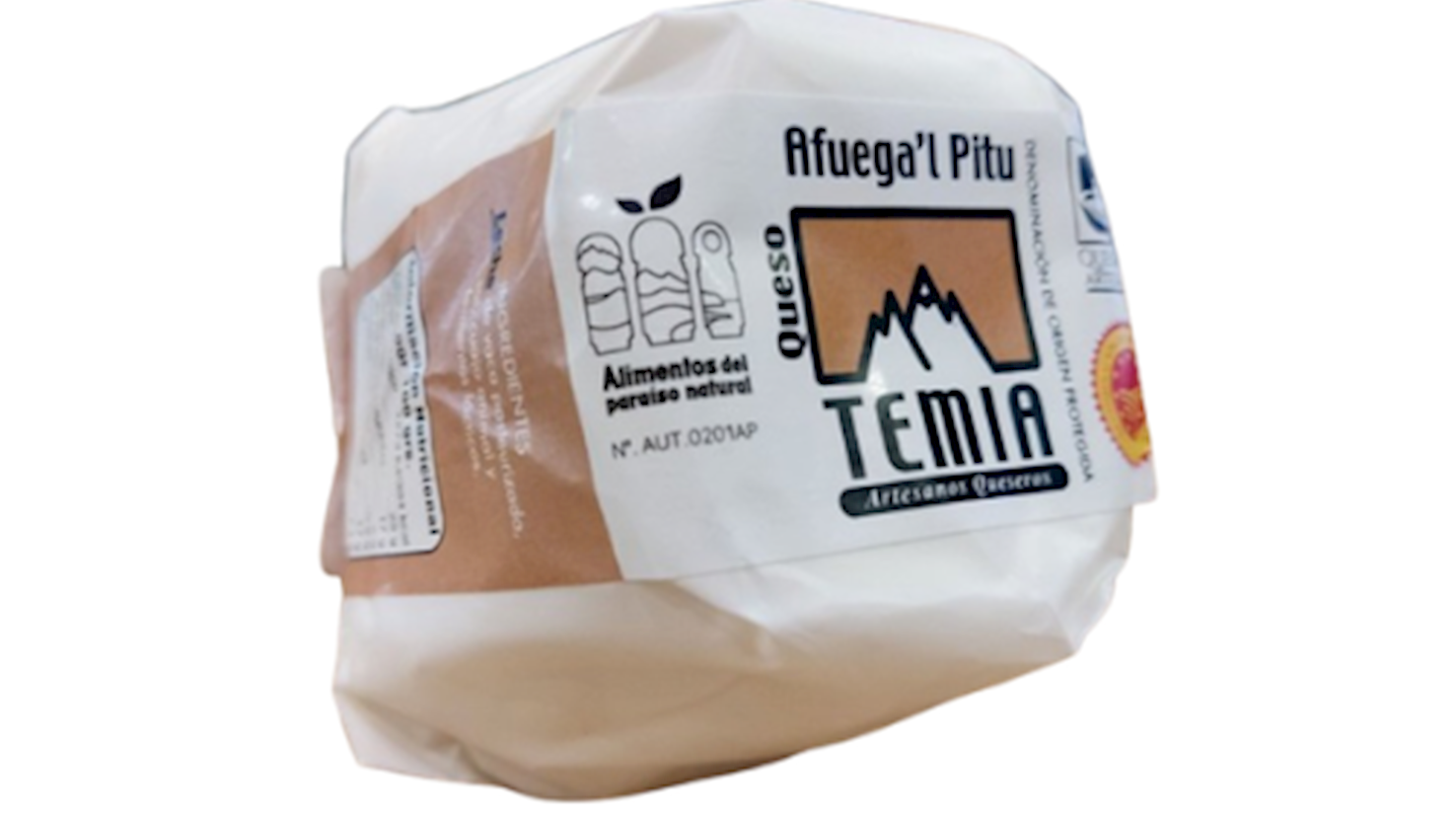
Quesería Temia is an artisan cheesemaker located in the small village of Temia, in the municipality of Grado in central Asturias, best known for producing Afuega'l Pitu cheese with Protected Designation of Origin status. Its origins date back to 1978, when Oliva Fernández Tamargo and Francisco Sánchez began making cheese using milk from their own cows, following traditional local methods. The dairy later became one of the first registered producers of Afuega'l Pitu in the area, contributing to the preservation and wider recognition of this historic Asturian cheese. Today, Quesería Temia continues as a family-run operation, combining manual production with locally sourced raw materials and knowledge passed down through generations. Its range focuses on different styles of Afuega'l Pitu, including variations in texture and format, as well as versions with added paprika. The cheese is made from cow’s milk and is known for its compact structure, which can be slightly dry, with flavours that range from mild and milky to more intense and piquant depending on maturation. Quesería Temia has played a role in bringing greater visibility to this cheese through presence in specialty markets, gastronomy and international distribution. Its products are regularly found in gourmet shops and at food events, where they represent an authentic expression of Asturian cheesemaking. Despite this broader reach, the dairy remains focused on small-scale production and a close connection to its rural environment. Quesería Temia can therefore be seen as a producer that preserves the identity of one of Asturias’ oldest cheeses through a balance of tradition, family work and regional character.
Awards
World Cheese Awards - Super Gold (2021)
World Cheese Awards - Gold (2025)
03

Vega de San Martín

5 ·
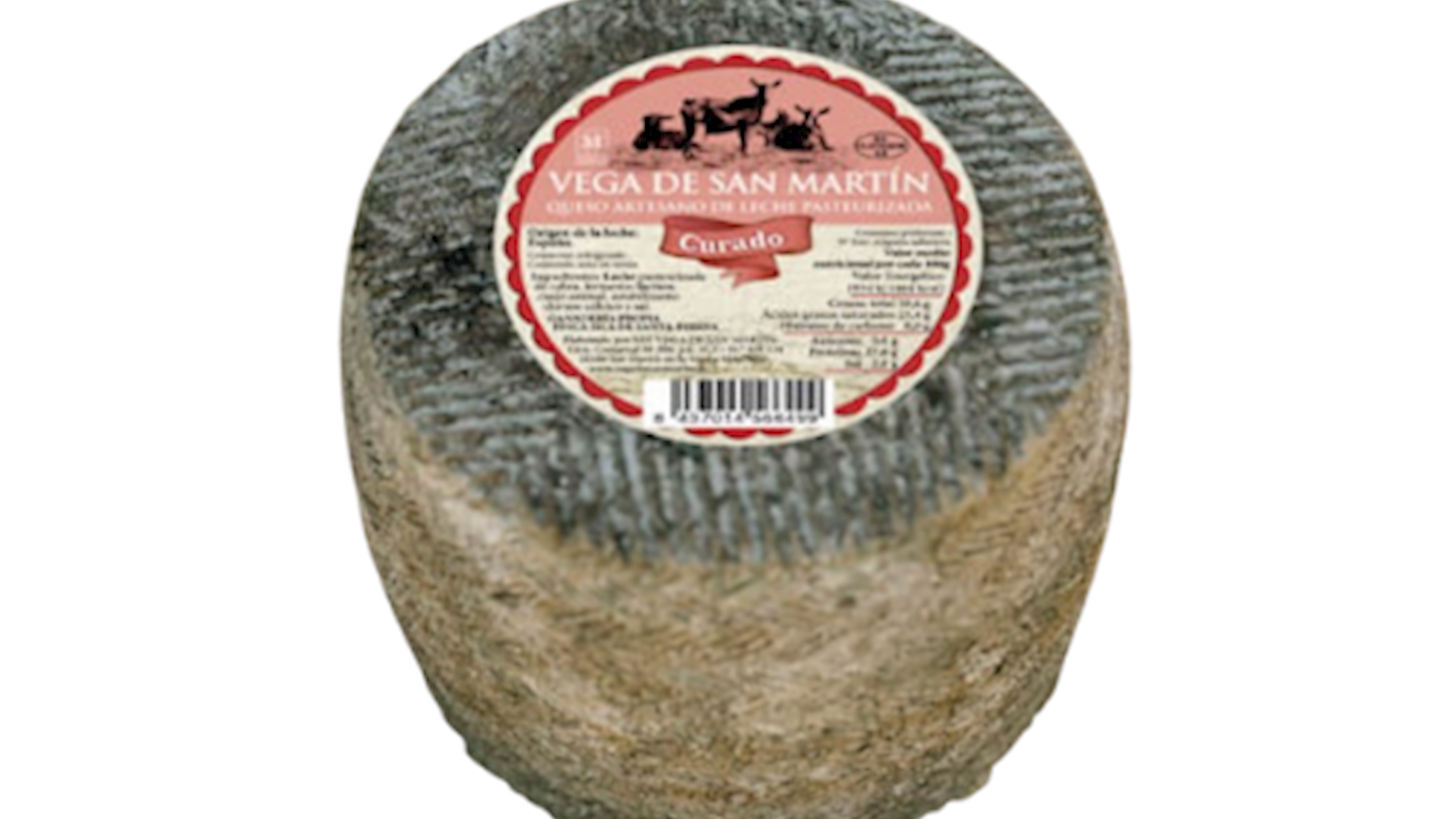
Vega de San Martín is an artisanal cheesemaker based in San Martín de la Vega, in the Madrid region of Spain, located near the Jarama River approximately 30 kilometers from Madrid. The producer specializes in goat’s milk cheeses made exclusively from milk sourced from its own Murciano-Granadina goat herd. In addition to livestock farming, the company manages its own agricultural production across farms in the Madrid and Cuenca areas, where it cultivates cereals, legumes, alfalfa, and pasture crops that form the basis of the animals’ diet. Its production philosophy combines modern cheesemaking technology with traditional craftsmanship. The range includes fresh, semi-cured, and aged cheeses, as well as pressed-paste varieties made from either pasteurized or raw goat’s milk. Vega de San Martín cheeses are recognized for their clean dairy character and nuanced flavor profile, with notes of grains, nuts, and ripe olives becoming more pronounced in the more mature expressions.
Awards
World Cheese Awards - Super Gold (2022)
International Cheese Awards - Gold (2022)
04

Quesería Demués

5 ·
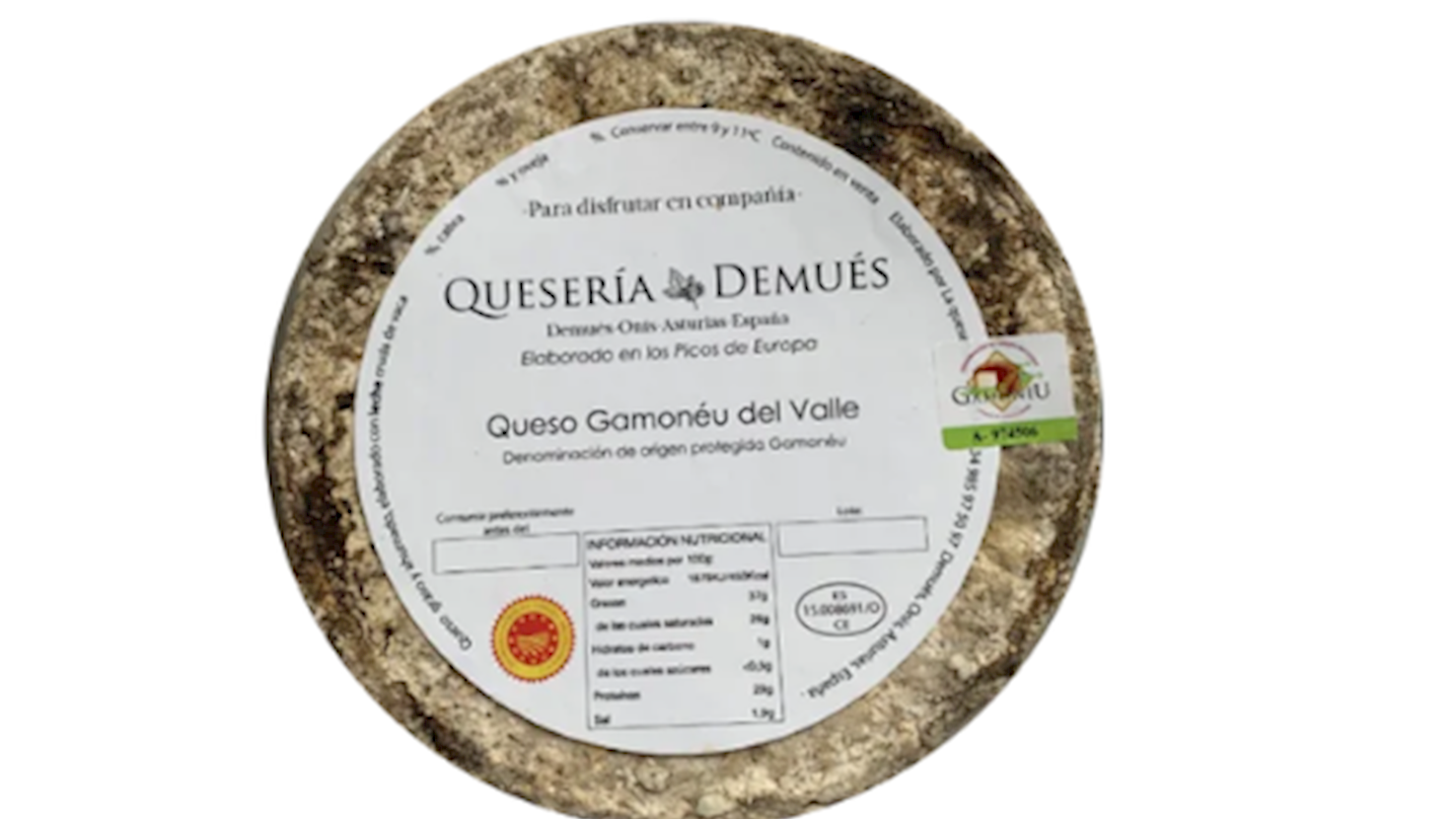
Quesería Demués is a contemporary artisan cheesemaker located in the village of Demués, in the municipality of Onís in eastern Asturias, specializing in the production of Gamonéu cheese with Protected Designation of Origin status. It was established in 2019 with the aim of supporting the local economy and promoting traditional products from this mountain region. The dairy works with milk from cows, sheep and goats, sourced from its own livestock raised in a natural high-value environment under semi-free grazing conditions. This approach allows close control over raw material quality and a direct link to the terroir of the Picos de Europa. The cheesemaker focuses exclusively on Gamonéu, a traditional Asturian cheese made from raw milk and defined by a combination of smoking and cave ageing. The cheeses are lightly smoked using oak and chestnut wood, then matured in natural caves where native moulds contribute to the development of the rind and flavour complexity. The minimum ageing period is around two months, although attention is given to each stage of the process to achieve a balanced and distinctive result. Quesería Demués is considered one of the newer but notable producers within the Gamonéu DOP, with a focus on quality and positioning in the premium segment. In addition to production, the dairy offers guided visits that include the farm, cheesemaking process and tastings, strengthening the connection between the product and its origin. Quesería Demués can be seen as a modern producer that combines traditional techniques with a contemporary approach to sustainability and rural development.
Awards
World Cheese Awards - Super Gold (2023)
05

Quesería El Teyedu

5 ·
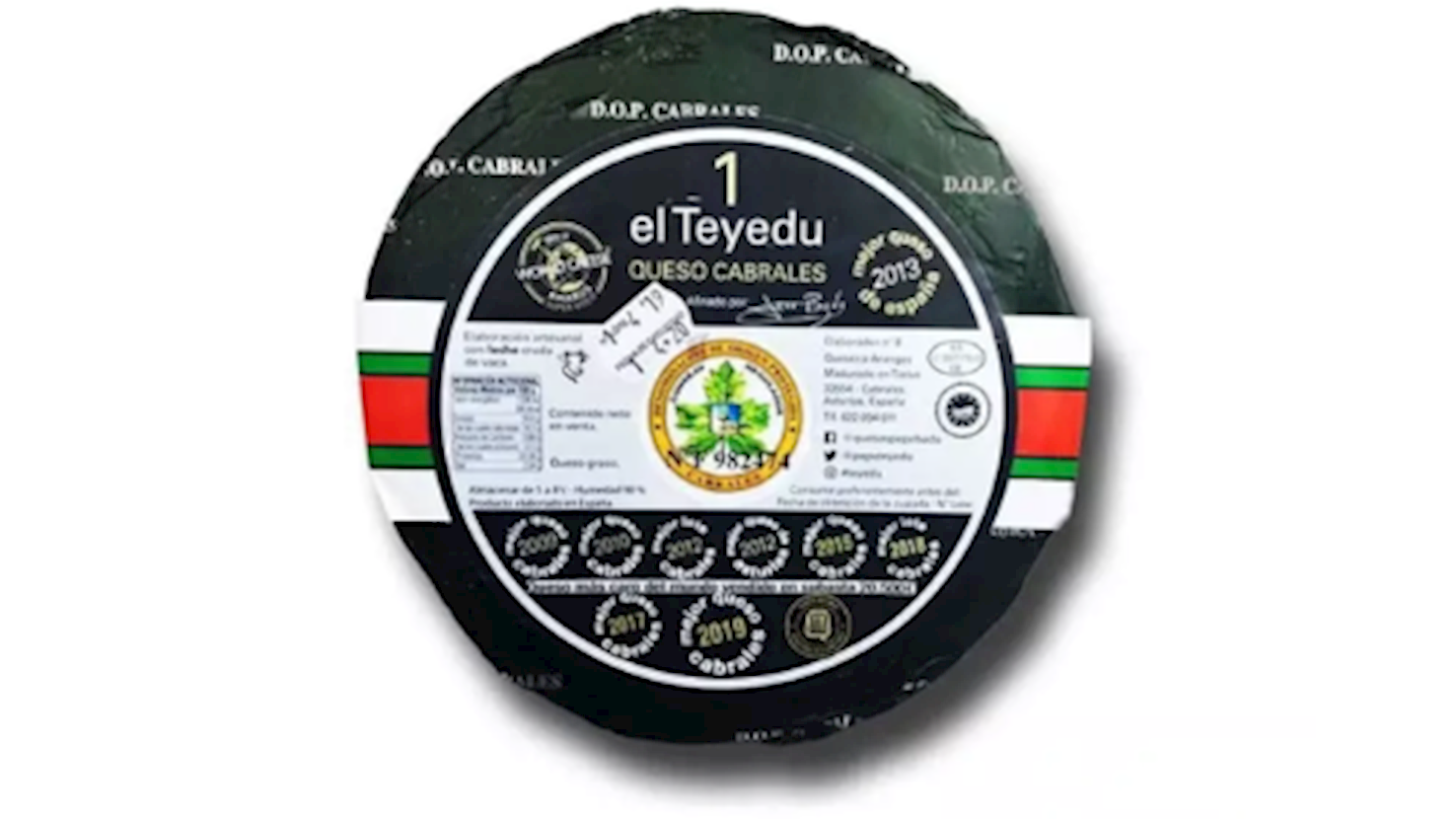
Quesería El Teyedu is a small artisan cheesemaker based in Tielve, in the municipality of Cabrales in Asturias, dedicated to producing Cabrales cheese with Protected Designation of Origin status. It was established as a family project with a clear focus on preserving traditional cheesemaking in the mountain environment of the Picos de Europa. The dairy uses raw milk, most commonly cow’s milk or a blend with goat’s and sheep’s milk, in line with Cabrales DOP regulations. After production, the cheeses are transferred to natural caves where they mature under high humidity and stable temperatures, allowing the characteristic blue moulds to develop. El Teyedu is particularly associated with the cave of the same name, where the microclimate directly shapes the texture and flavour of the cheese. Its Cabrales typically has a compact yet creamy paste, pronounced blue veining and an intense aromatic profile. On the palate, it is strong, piquant and long-lasting, with noticeable mineral and mountain notes. Production is carried out in small batches, meaning each cheese can vary slightly depending on the milk and ageing conditions. The cheesemaker relies on local resources and manual work, without industrial standardisation. Over time, El Teyedu has built a reputation among Cabrales producers who emphasize authenticity and terroir. Its cheeses regularly appear in local competitions and specialty markets, where they are valued for their expressive character. Quesería El Teyedu can be seen as a contemporary yet tradition-rooted producer within the Cabrales category.
06

Queseria La Leze

5 ·
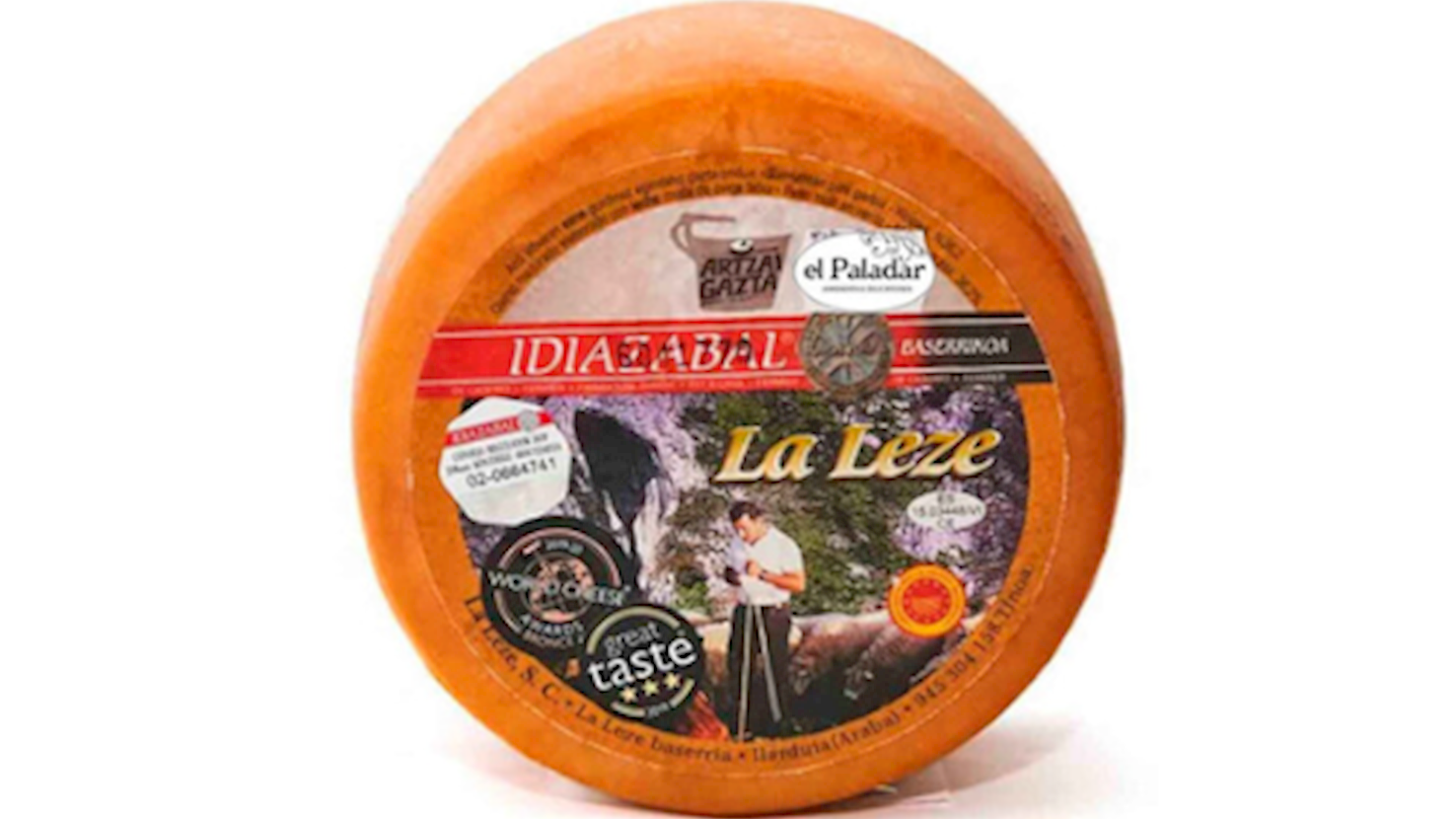
Queseria La Leze is a cheese producer located in Ilarduia, Álava, in the Basque Country of Spain. The company specializes in producing artisanal cheeses, focusing on local sheep's milk varieties. Their cheeses are crafted using traditional methods and the milk of Latxa and Carranzana sheep, which are native to the Basque region. One of their notable products is the Idiazabal cheese, which has a Protected Designation of Origin status, certifying its regional authenticity and traditional production methods.
Awards
World Cheese Awards - Super Gold (2021)
World Cheese Awards - Gold (2024, 2023, 2021)
07

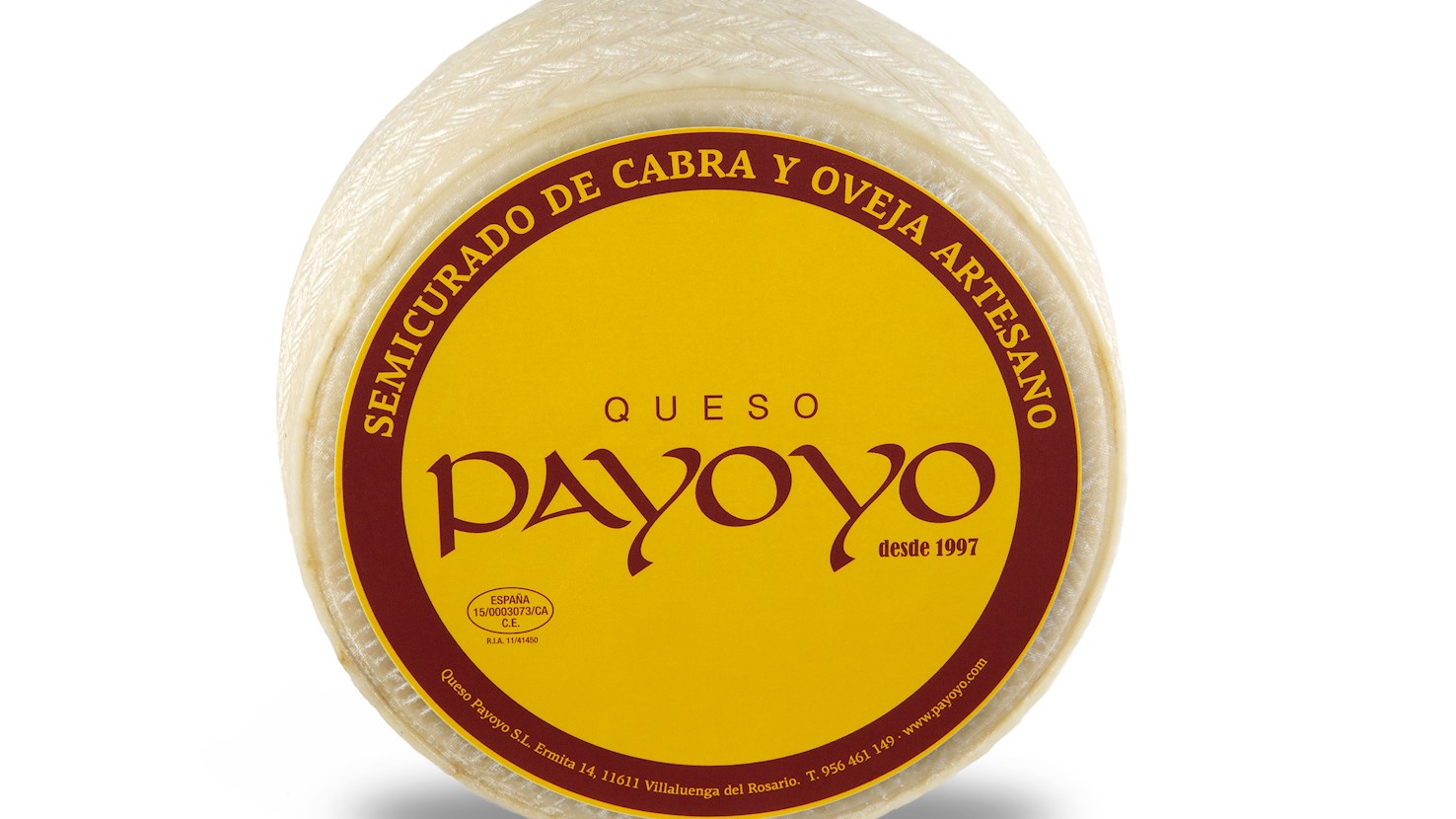
Queso Payoyo

5 ·
Queso Payoyo is a producer of premium, handcrafted cheeses made in the heart of the Sierra de Grazalema Natural Park, in the small Spanish village of Villaluenga del Rosario. The company was founded in 1997 and has since won numerous awards for the quality of its cheeses. Payoyo produces cheeses made from goat, sheep, and mixed milk, all of which are characterized by rich flavors and authentic production techniques. The Payoyo brand was registered in 1995 and has since become a recognizable name in the cheese market. Their product range includes various types of cheeses, including curado, fresco, and semicurado varieties, as well as creamy products and small roll cheeses. The production process follows sustainable practices, and visitors can enjoy guided tastings and tours of their farms to experience the cheese-making process and enjoy the natural surroundings.
Awards
World Cheese Awards - Super Gold (2024)
Concours International de Lyon - Gold (2025)
08

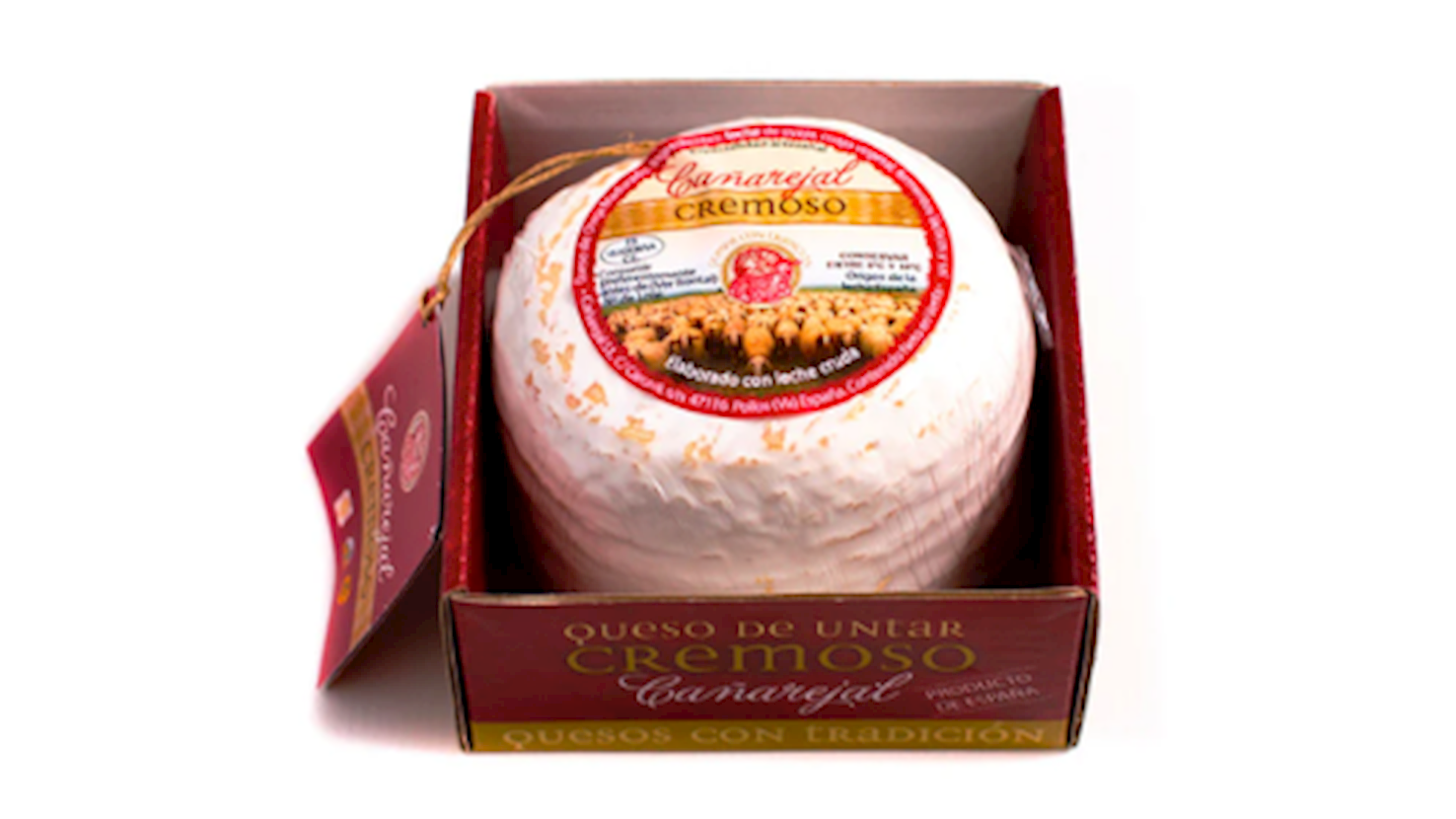
Quesos Cañarejal

5 ·
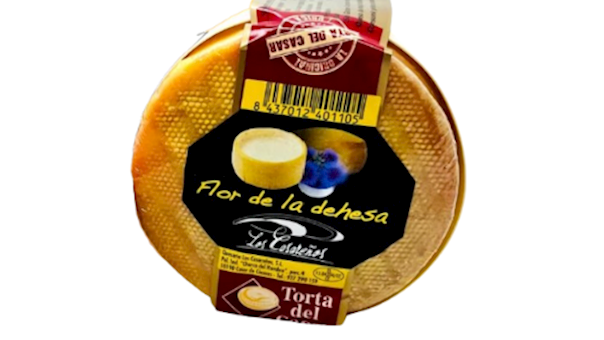
Quesos Cañarejal is a family-run cheesemaker based in Pollos, in the Valladolid province of Castilla y León, founded in 1996 with a strong focus on producing artisanal sheep’s milk cheeses. The dairy operates with full control over the production chain, from managing its own flock of sheep to milking and cheesemaking, ensuring consistency and a clear expression of local terroir. It is best known for its soft, creamy cheeses in the “torta” style, made from raw sheep’s milk and often using vegetable rennet derived from thistle, which contributes to their distinctive texture and flavor. These cheeses develop a thin, edible rind with white mold and a nearly liquid interior when fully ripened. On the palate, they are intensely creamy and spreadable, with buttery notes, gentle acidity, and subtle herbal nuances reflecting the pasture. As they mature, the flavor becomes more complex, gaining slightly fermented, savory tones while retaining balance. In addition to its signature creamy cheeses, Quesos Cañarejal also produces semi-cured and cured varieties that offer firmer textures and more pronounced nutty and slightly spicy profiles. The producer stands out for combining traditional techniques with a refined approach to texture and maturation, making its cheeses highly valued both for direct consumption and in contemporary gastronomy.
Awards
World Cheese Awards - Super Gold (2021)
World Cheese Awards - Gold (2025, 2018)
09

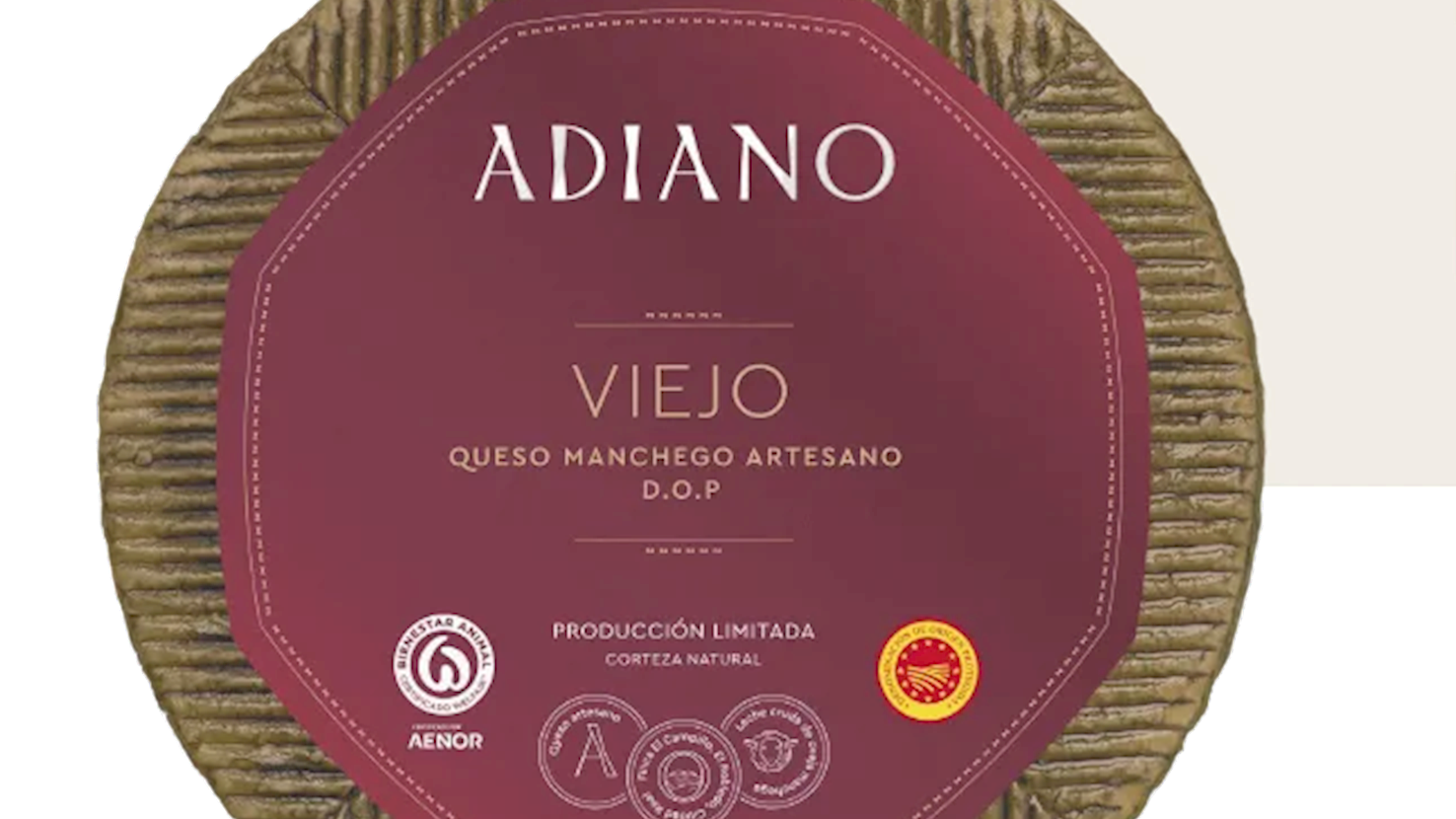
Adiano

5 ·
Adiano, located in El Robledo, Ciudad Real, Spain, is a notable cheese factory specializing in artisanal Manchego cheese. It distinguishes itself with a commitment to environmental sustainability and animal welfare, being the first and only in Spain to receive an Animal Welfare Certification by AENOR. The cheese is made from the milk of purebred Manchego sheep, which are raised on the farm’s natural pastures. This ensures high-quality, flavorful cheese celebrated for its exclusivity and sophistication.
Awards
World Cheese Awards - Super Gold (2024, 2023, 2022)
Concours International de Lyon - Gold (2025)
10

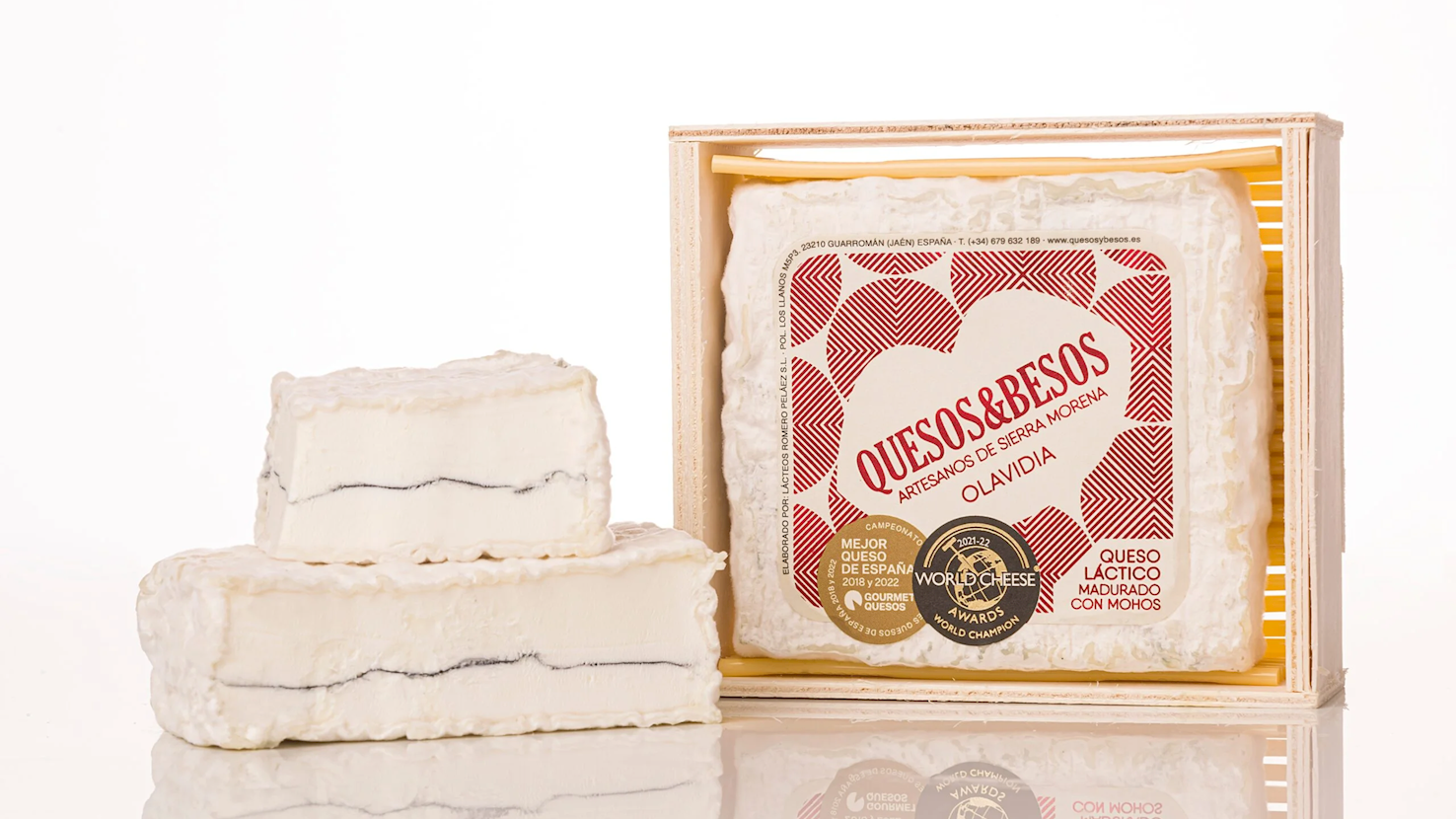
Quesos & Besos

5 ·
Quesos & Besos is a charming artisanal cheese company known for its commitment to quality and tradition. Based in Spain, this company specializes in handcrafted cheeses that celebrate the rich flavors and diverse textures of Spanish cheese-making heritage. Their product range includes a variety of cheeses made from both cow's and goat's milk, often featuring unique flavor profiles that highlight local ingredients and traditional techniques. Each cheese is crafted with care, ensuring high quality and exceptional taste.
Awards
World Cheese Awards - Super Gold (2024, 2021)
World Cheese Awards - Gold (2024, 2023, 2021)
Read more
View all
View map
About this ranking

TasteAtlas food rankings are based on the ratings of the TasteAtlas audience, with a series of mechanisms that recognize real users and that ignore bot, nationalist or local patriotic ratings, and give additional value to the ratings of users that the system recognizes as knowledgeable. For the “Top 100 Spanish Cheeses” list until June 24, 2026, 2,307 ratings were recorded, of which 1,696 were recognized by the system as legitimate. TasteAtlas Rankings should not be seen as the final global conclusion about food. Their purpose is to promote excellent local foods, instill pride in traditional dishes, and arouse curiosity about dishes you haven’t tried.

The initial list of top producers was compiled based on available reviews, awards, local recommendations, media and blog coverage, and consumer reviews. The list will be updated with ratings from TasteAtlas local ambassadors and TasteAtlas users.

Similar lists