Top 49 Aegean Turkish Foods

Last updated on June 02, 2026

Best Aegean Turkish food products
01
Olive Oil

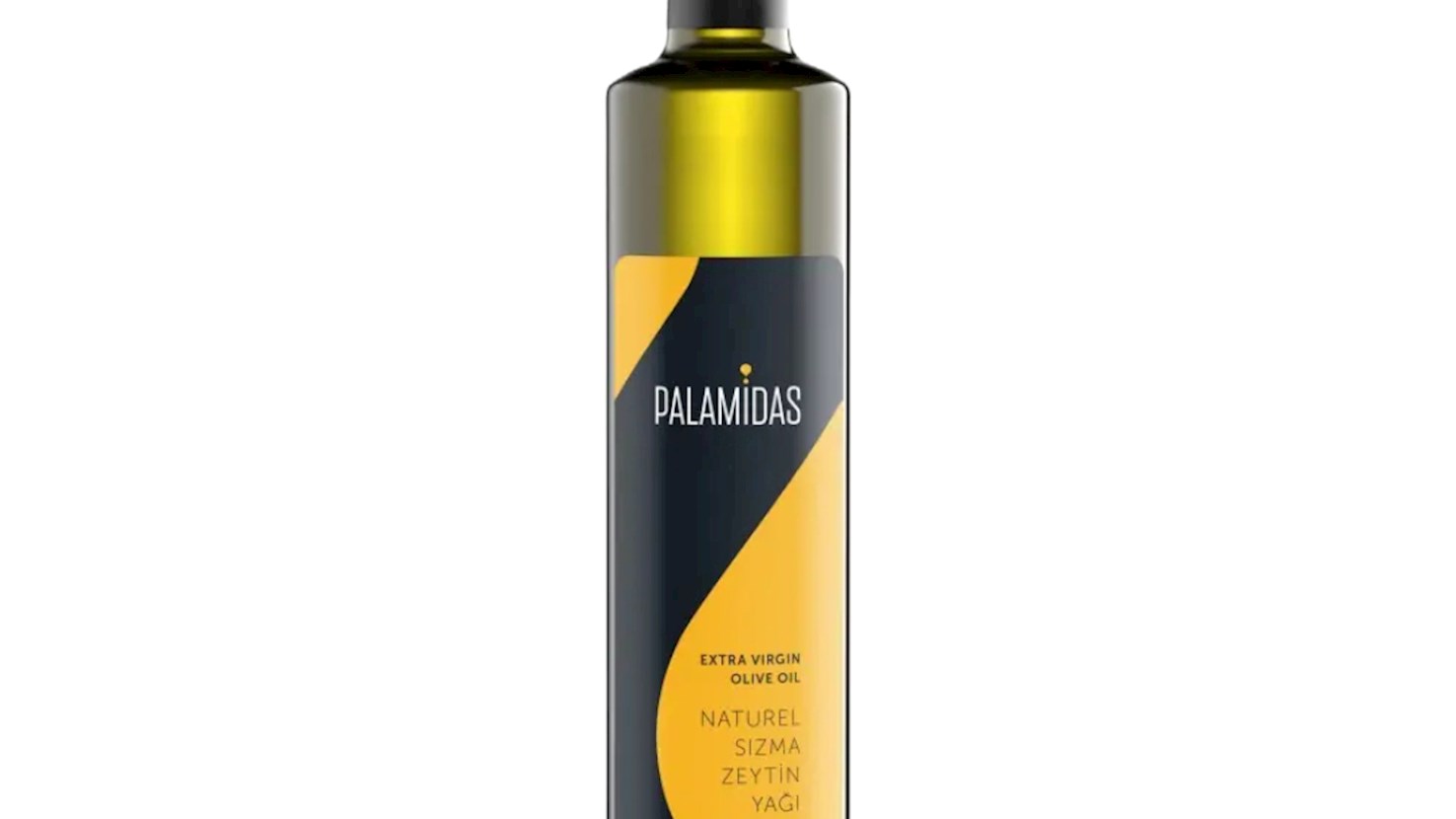
Palamidas

5 ·
Palamidas is an olive oil producer located in Manisa, Turkey. They focus on producing high-quality extra virgin olive oil. The company uses olives cultivated in the Aegean region, known for its favorable climate for olive farming. Palamidas emphasizes traditional methods combined with modern technology in their production process.
Awards
EVO IOOC - Gold Medal (2023, 2022, 2021)
London IOOC - Gold (2023, 2021)
02
Olive Oil

Hermus

5 ·
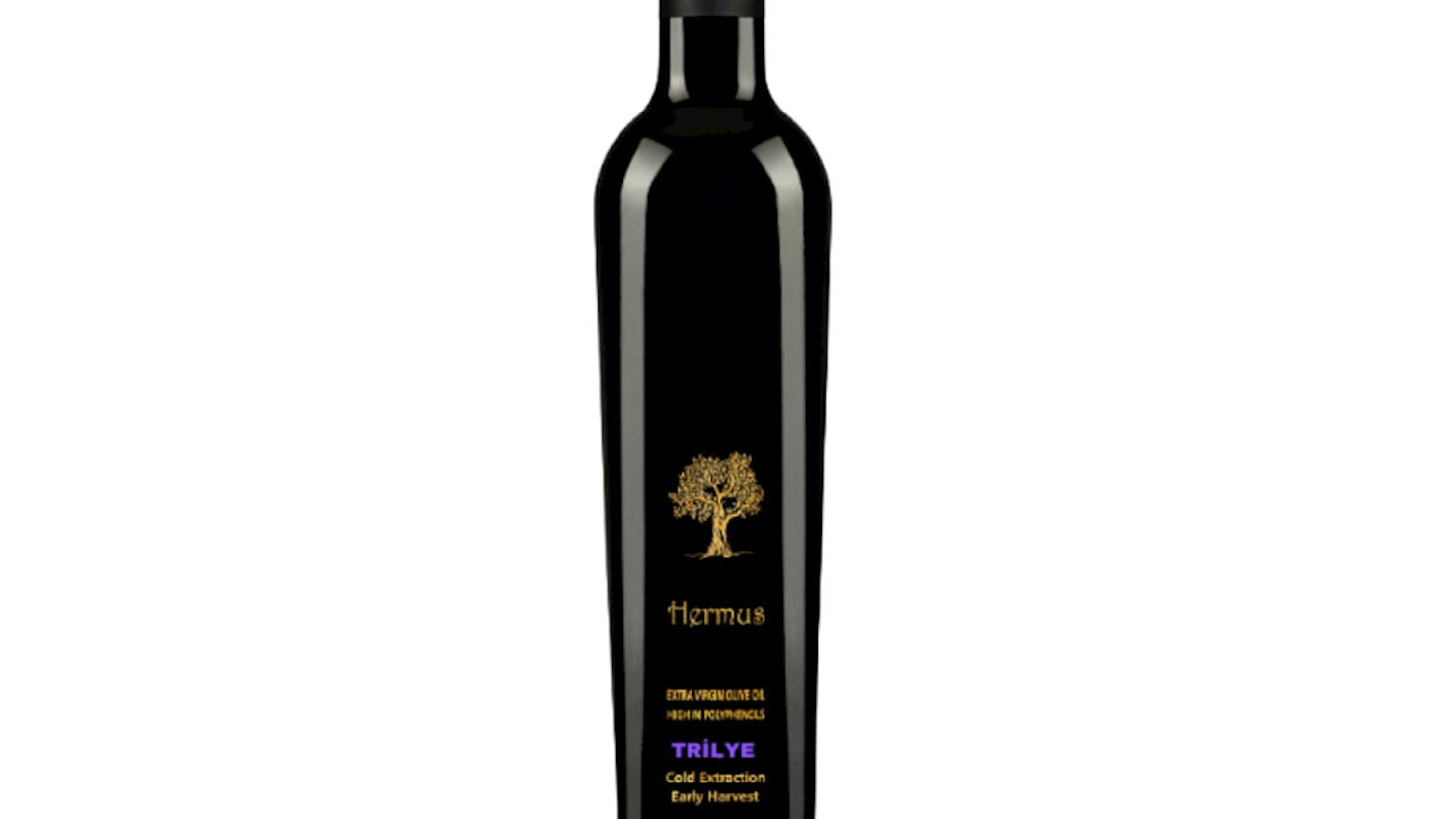
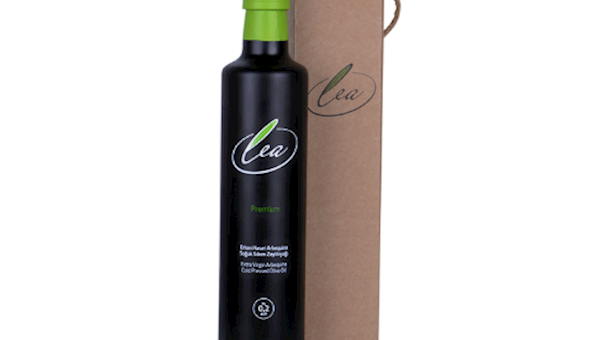
Hermus is a Turkish olive oil producer located in the Gediz Plain, Manisa, Turkey. The company focuses on cultivating high-quality Arbequina olives, which thrive in the region's fertile soil and Mediterranean climate. Their production combines traditional methods with modern agricultural techniques to create premium extra virgin olive oil known for its rich taste and balance​.
Awards
Olive Japan - Gold (2023, 2022, 2021, 2020)
EVO IOOC - Gold Medal (2023, 2022, 2021, 2020, 2019, 2018)
03
Olive Oil

Bozelli

5 ·
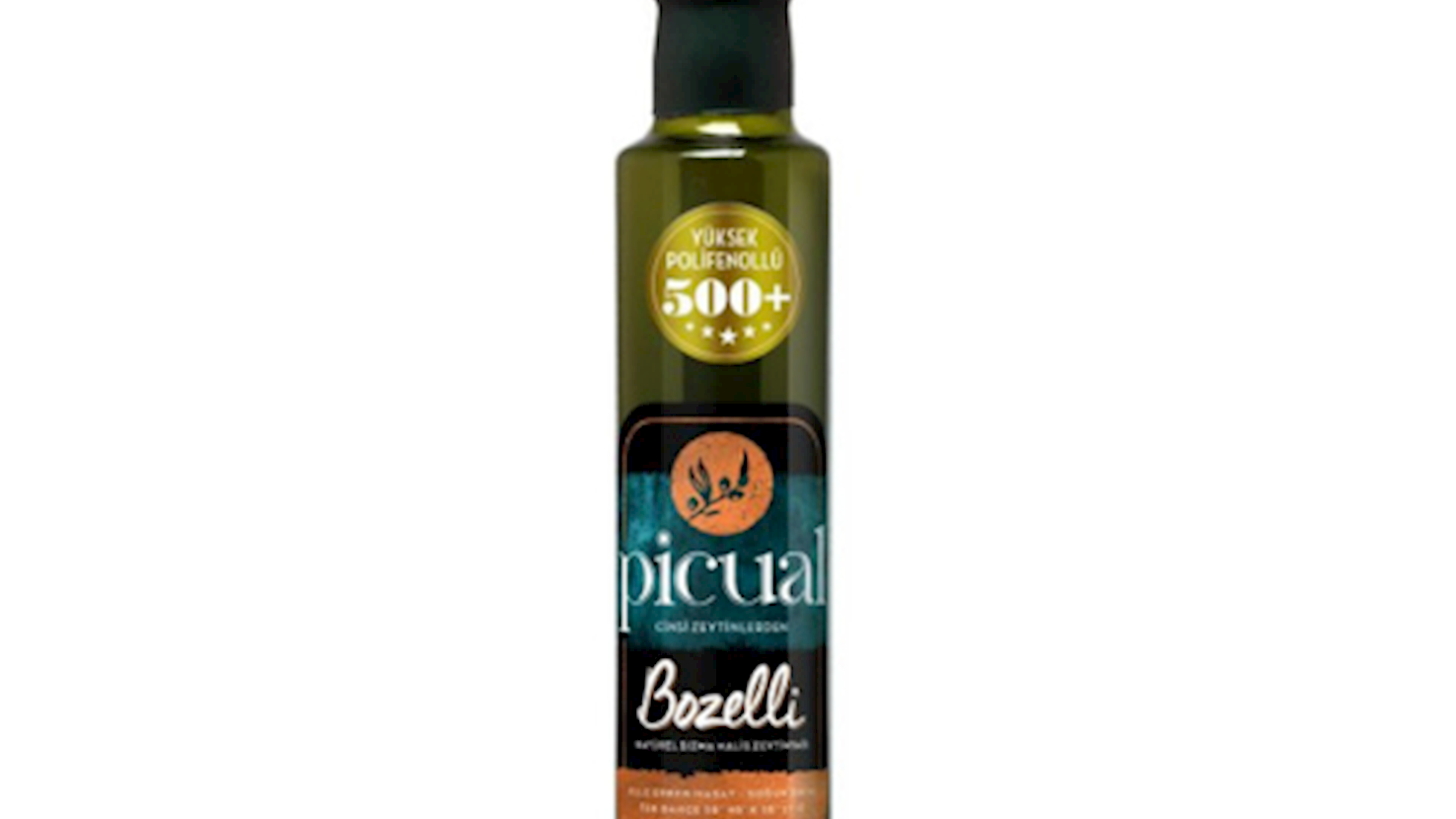
Bozelli is a family-owned olive oil producer based in the Manisa region of western Turkey, where olive trees are cultivated at altitudes between 500 and 600 meters, in conditions that blend the richness of Aegean heritage with a modern approach to agriculture. Founded in 2010, the company now spans over 40 hectares and includes more than 21,000 olive trees. The vision of founder Mustafa Birhan Hazer, a former professional in the whisky industry, is rooted in precision, passion, and the artistry of varietal blending to achieve unique depth and balance in every oil. Bozelli combines artisanal production with sustainable practices — using solar energy, irrigation from their own natural sources, a commitment to small-batch production, and no use of pesticides. All of this positions Bozelli as one of the most recognized and highest-quality Turkish olive oil brands, offering a product that unites science, terroir, and family dedication in every bottle.
Awards
EVO IOOC - Gold Medal (2023, 2021, 2020)
London IOOC - Gold (2023, 2022)
04
Olive Oil

Hilmi Yildirim

4.9 ·
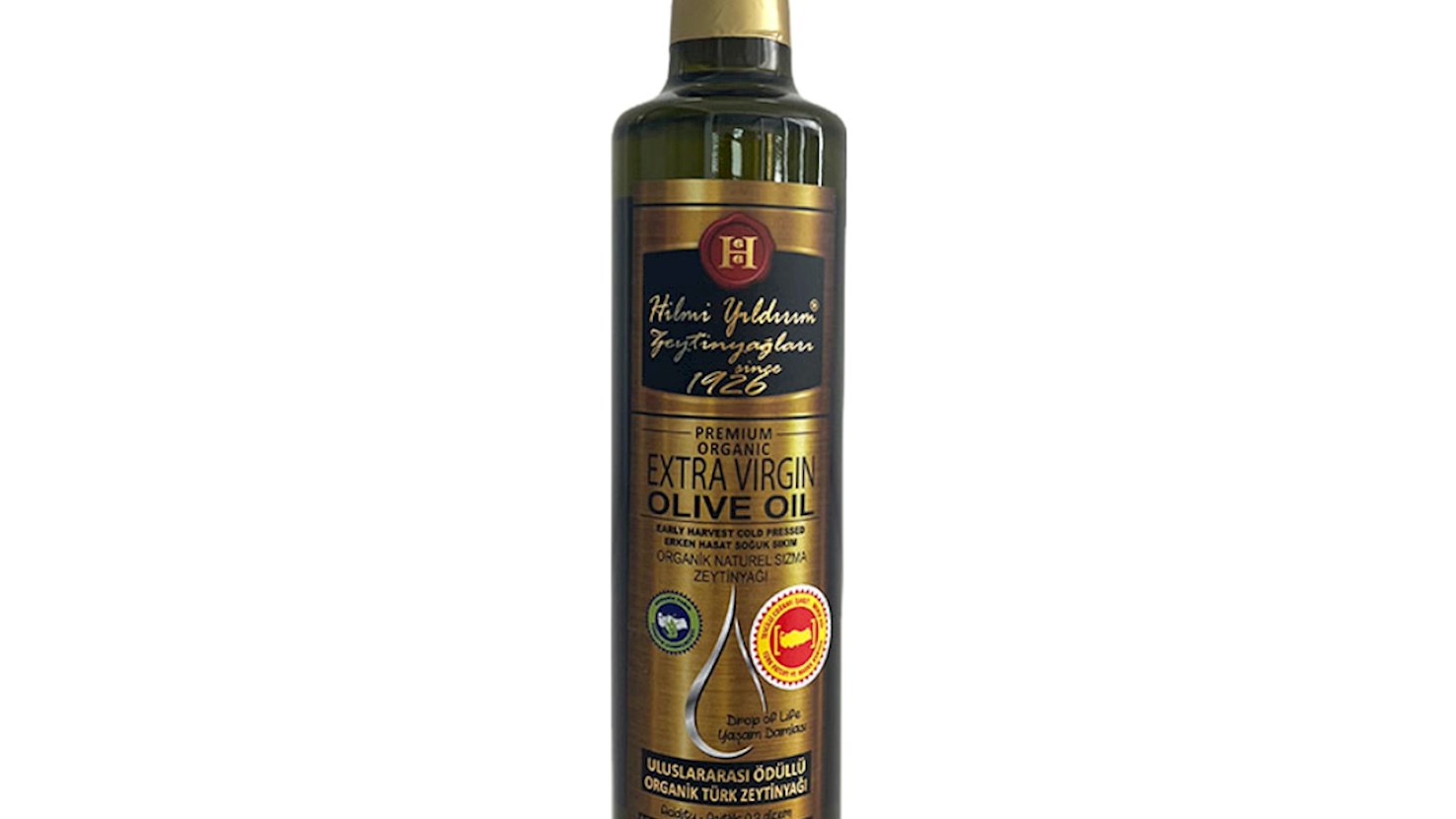
Hilmi Yildirim is an olive oil producer based in Aydın, Turkey. The company specializes in the production of high-quality extra virgin olive oil. Utilizing traditional and modern agricultural techniques, they ensure the preservation of the natural flavor and health benefits of their olive oil. The company is involved in both local and international markets.
Awards
Terraolivo IOOC - Grand Prestige Gold (2018)
Terraolivo IOOC - Gold Medal (2022)
05
Olive Oil

Tayga İyi Gıda

4.9 ·
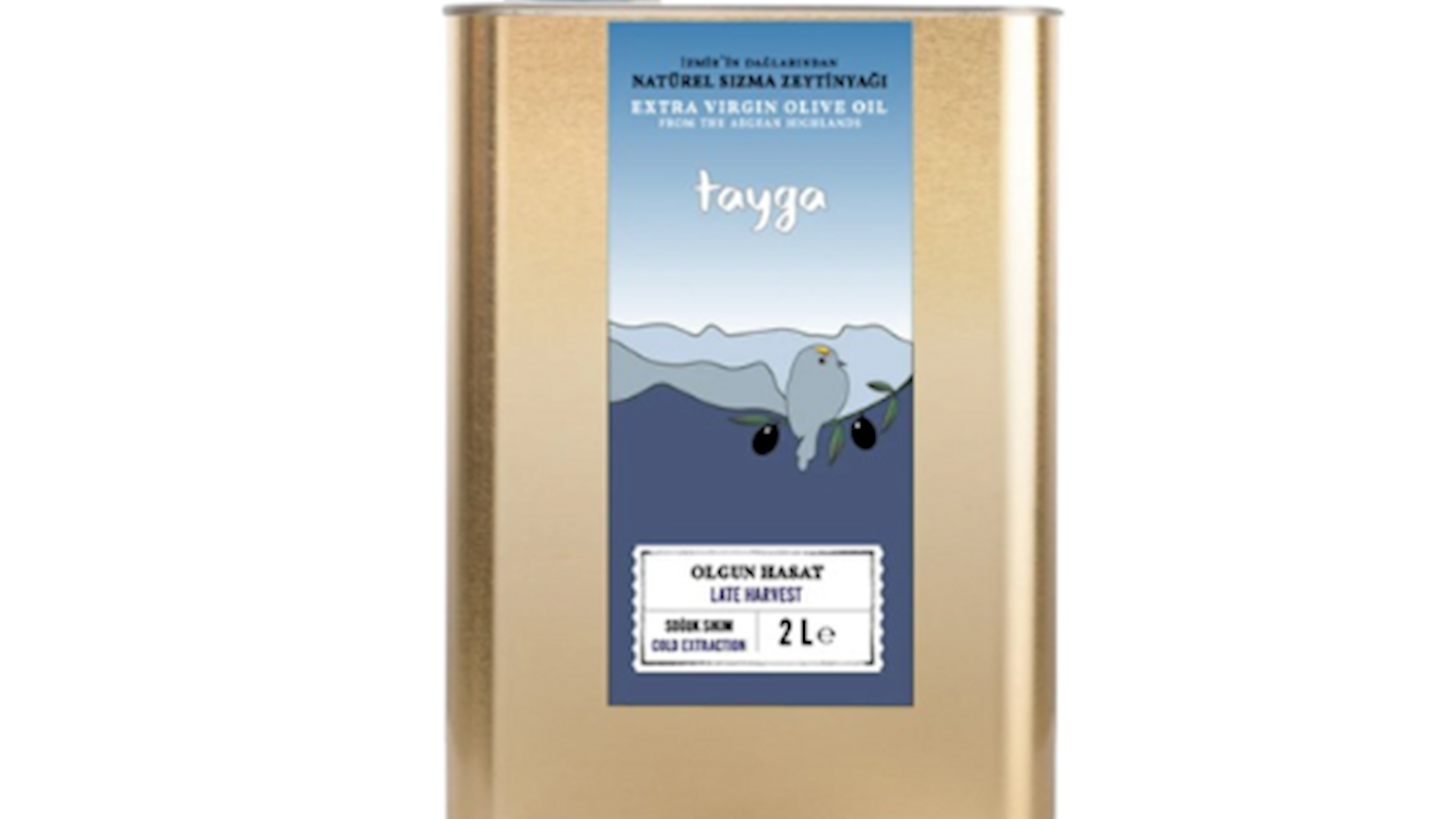
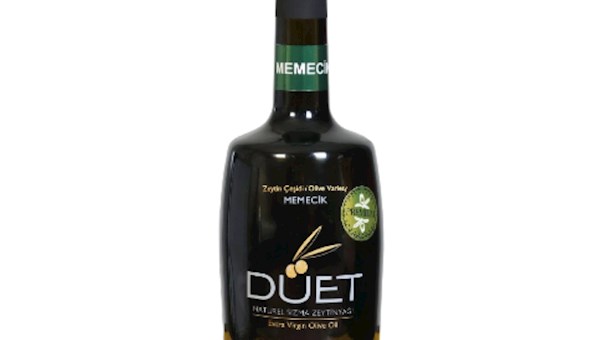
Tayga İyi Gıda is a Turkish brand whose olive oils come from the Aegean region, primarily from the indigenous Memecik variety, known for its herbal and aromatic notes, with a smaller contribution from wild olives. The olive groves are located on the slopes of the Bozdağlar mountain range, in an area untouched by industrial pollution, which contributes to the purity and authenticity of the products. The olives are harvested by hand and processed within a few hours through cold pressing in a two-phase system without chemicals or additives, after which the oil is filtered and stored in stainless steel tanks under inert gas. The harvest period lasts from late October to early December, when the fruit provides an optimal balance of freshness, aromas, and polyphenols. Special attention is also given to packaging, using dark bottles with secure caps that prevent leakage and preserve quality. Tayga has won multiple international awards not only for the quality of its oils but also for design, making it one of the most recognizable brands in the world of olive oil.
Awards
EVO IOOC - Gold Medal (2020, 2019)
Terraolivo IOOC - Gold Medal (2019)
06
Olive Oil

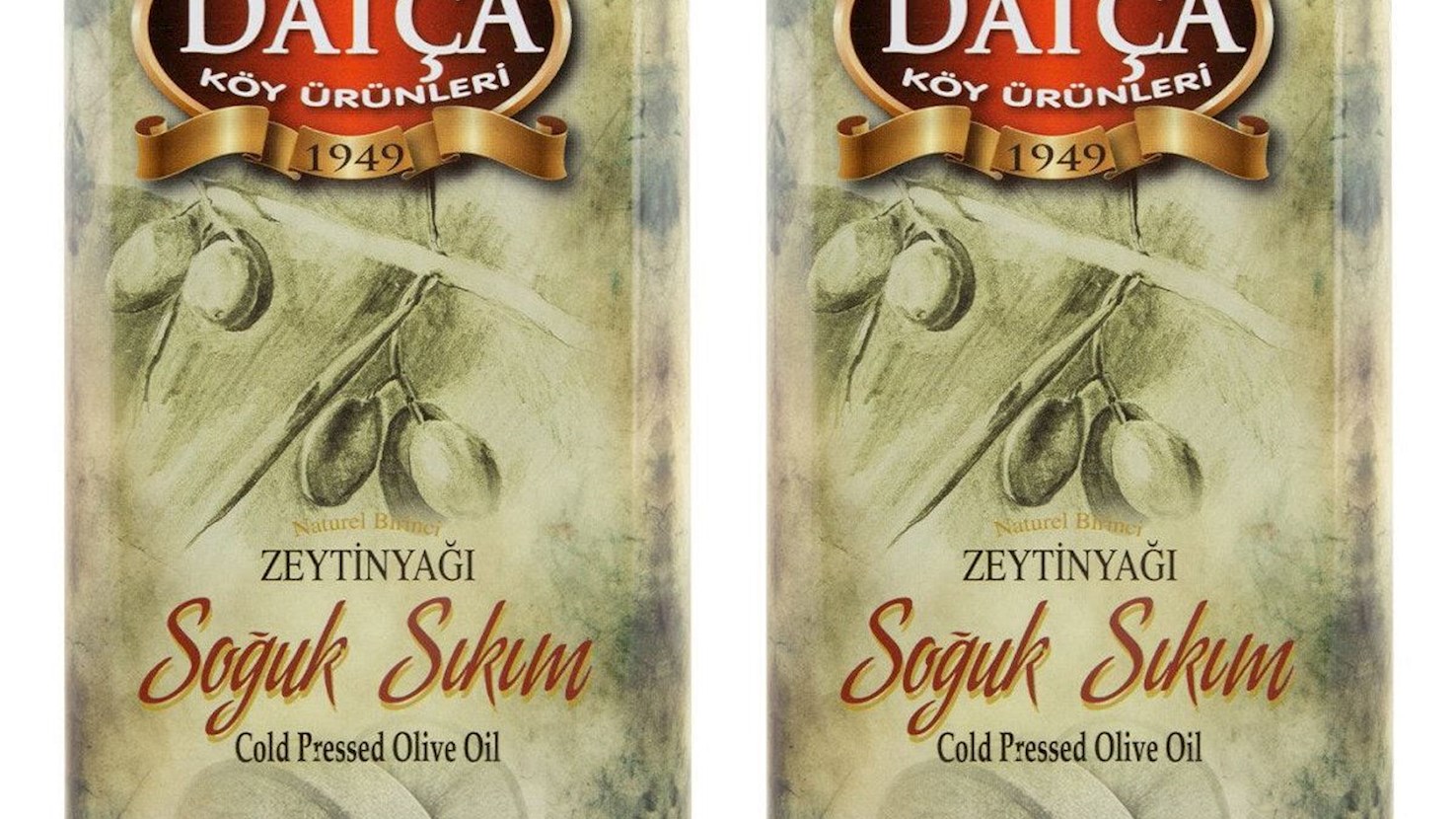
Datça Köy Ürünleri

4.9 ·
Datça Köy Ürünleri is an olive oil producer based in Datça, Turkey. The company specializes in producing high-quality olive oil using traditional methods. They emphasize sustainability and the use of locally sourced olives. The olive oils are often characterized by their distinct, robust flavor profiles. The company also produces a range of other local products, including olives and olive-based goods.
Awards
ATHENA IOOC - Gold (2021)
OLIVINUS - Medalla de Oro (2020)
07
Wine

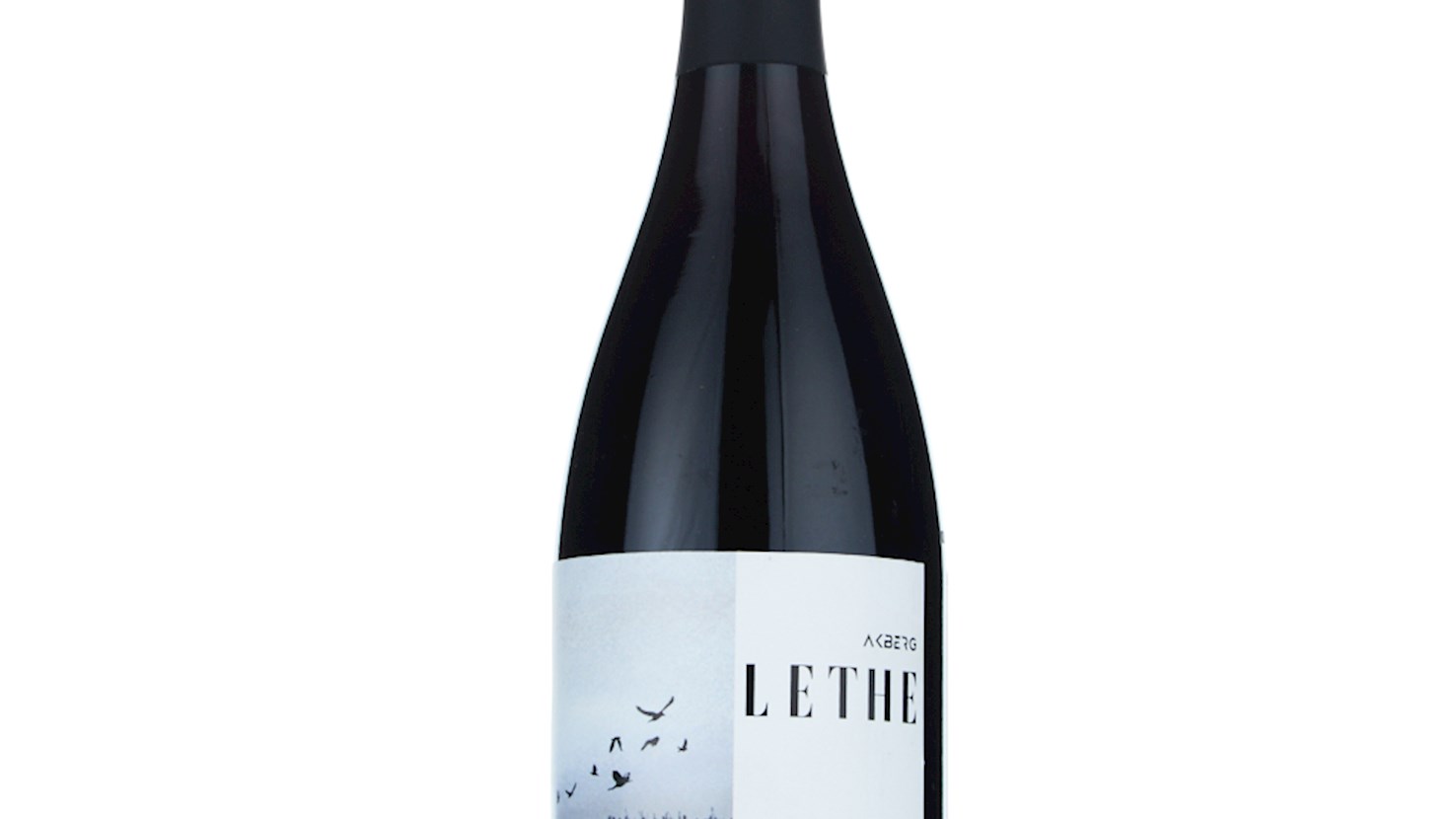
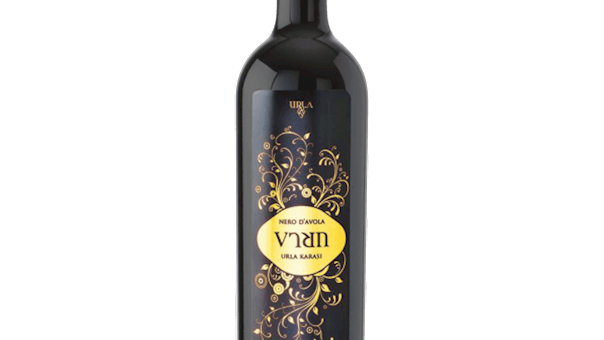
Akberg Wines

4.9 ·
Awards
IWSC- International wine & spirit competition - Gold (2023)
08
Wine

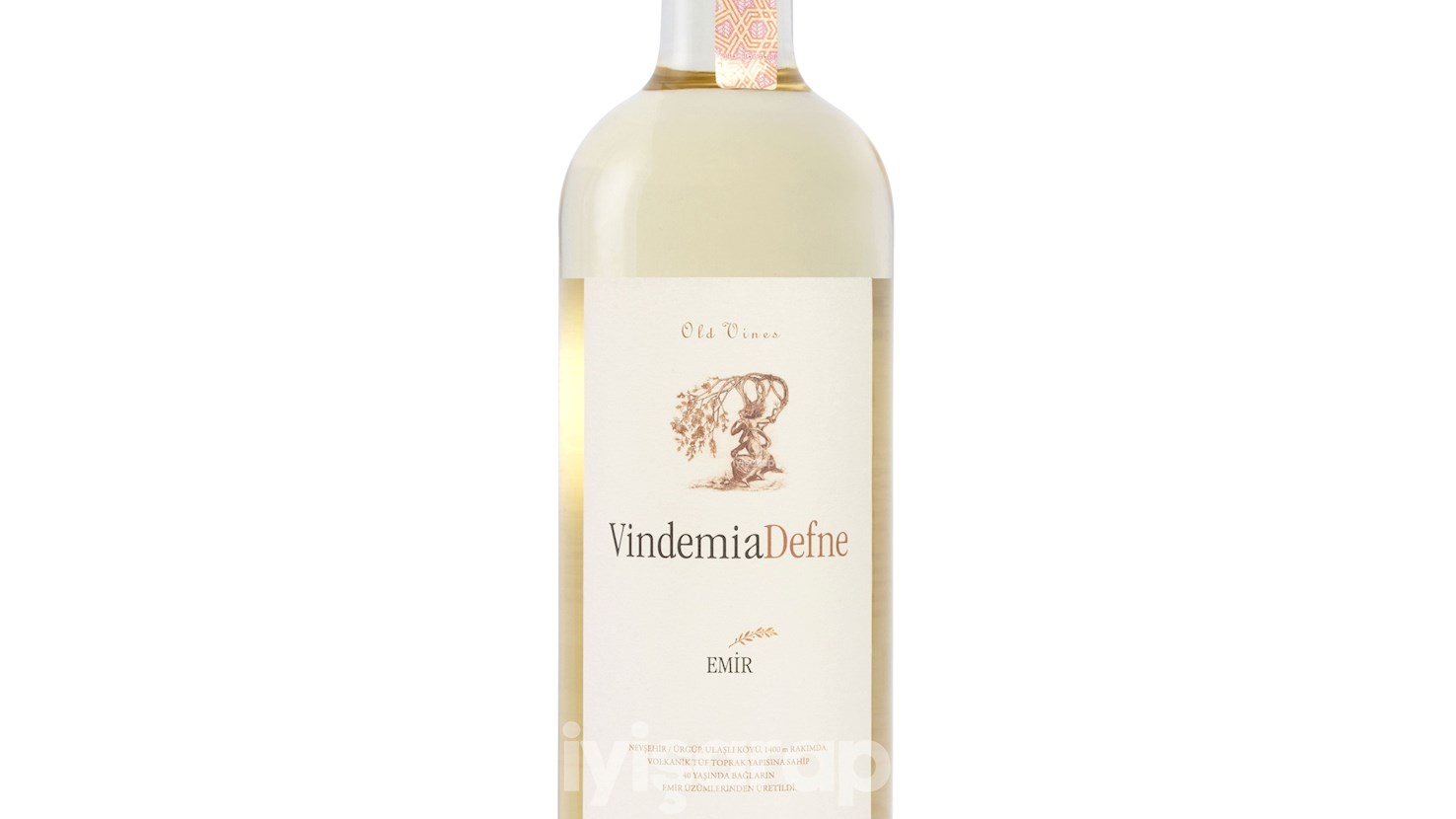
Yedi Bilgeler Sarapcilik

4.9 ·
Awards
IWSC- International wine & spirit competition - Gold (2023)
09
Olive Oil

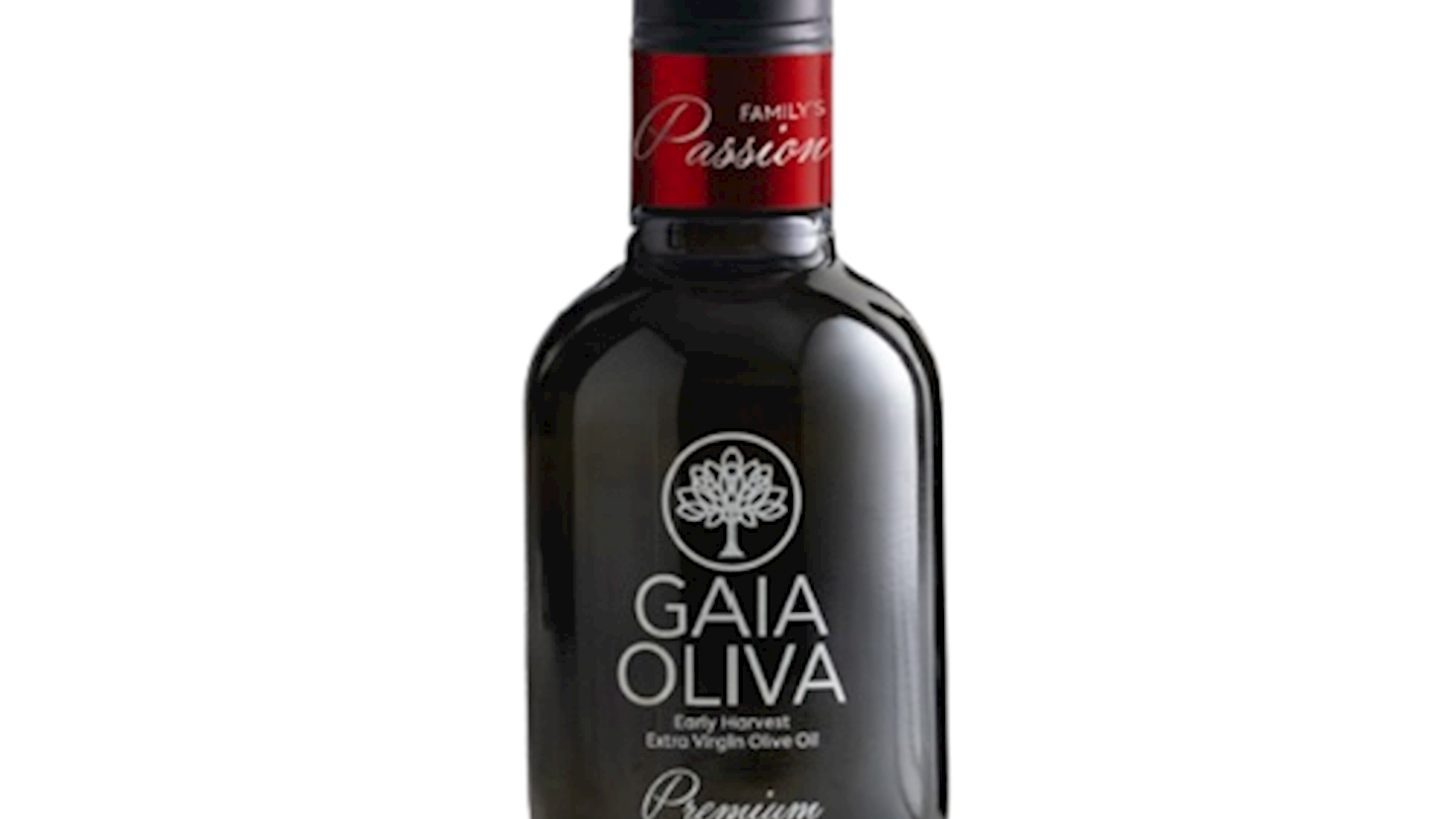
Gaia Oliva

4.9 ·
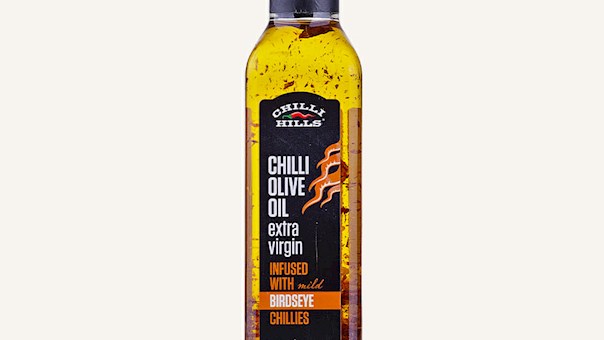
Gaia Oliva is located in Salihli, on the western coast of Turkey. This is one of the country’s most important regions for olive oil production, known for varieties such as Memecik and Ayvalık, which Gaia Oliva incorporates into its products. As a port city with a Mediterranean climate, Izmir offers ideal soil and weather conditions for growing premium-quality olives. Harvesting is done either by hand or with mechanical shakers, and pressing begins very shortly after picking — all with a focus on preserving freshness and the oil's chemical integrity. The oils are bottled in dark glass to protect them from light, and their products are known for elegant flavor profiles — ranging from mild and fruity to bold and peppery, perfect for salads, pastas, and refined dishes. Their range includes the Everyday line as well as flavored oils such as lemon, bergamot, and chili, designed for those seeking authentic flavor without compromising on quality.
Awards
London IOOC - Platinum (2022)
Olive Japan - Gold (2023, 2022, 2021)
10
Olive Oil

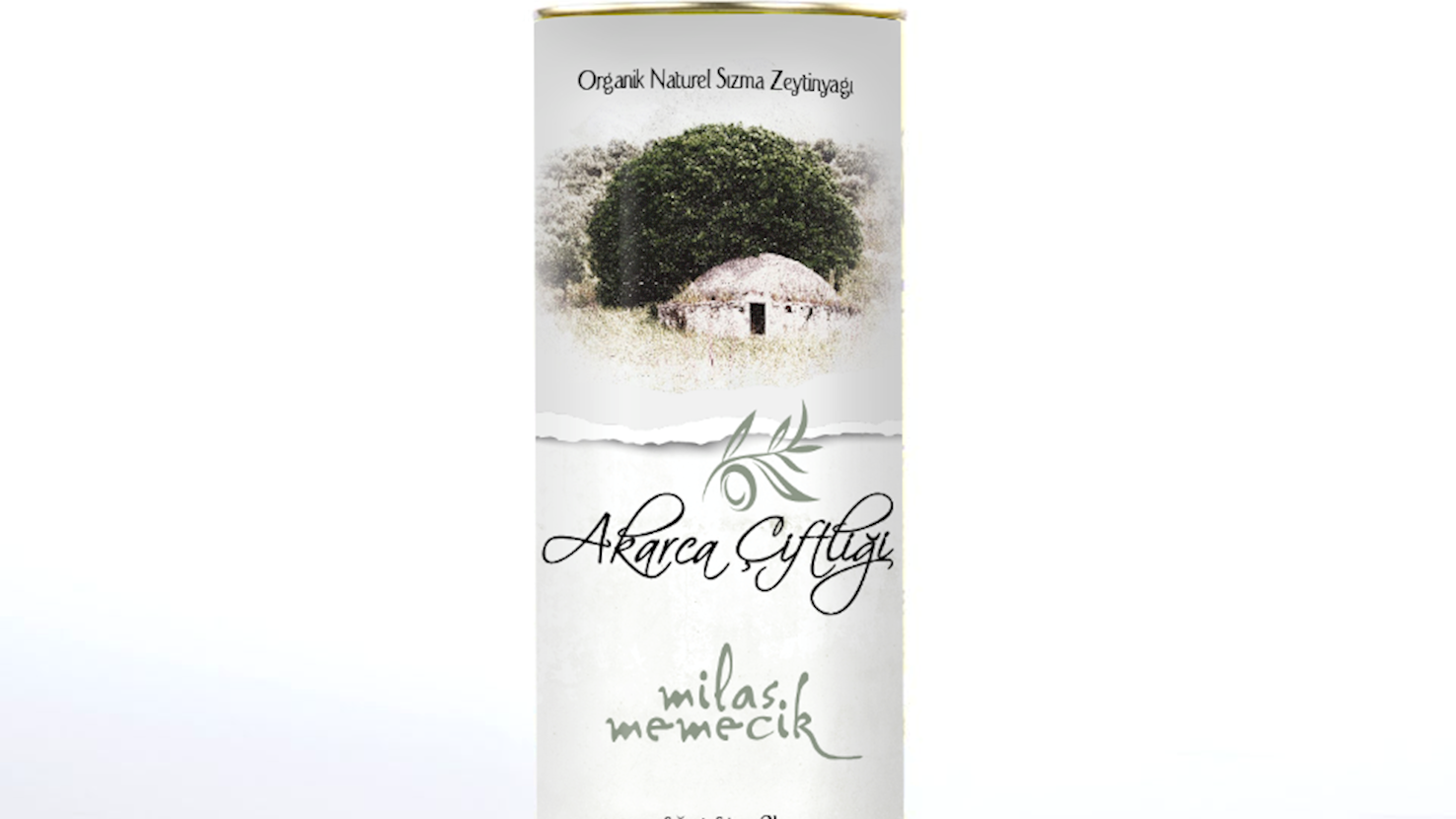
Akarca Ciftligi Gida

4.9 ·
Akarca Ciftligi Gida ve Tar. Ur. San. Tic. Ltd. Sti. is an olive oil producer based in Muğla, Turkey. The company engages in the production and distribution of olive oil. It operates within the agricultural sector, focusing on high-quality olive products.
Awards
Olive Japan - Gold (2023)
EVO IOOC - Gold Medal (2023, 2022, 2021)

Best Aegean Turkish foods
01
Cooked Sausage

Afyon Sucuġu

4.4 ·

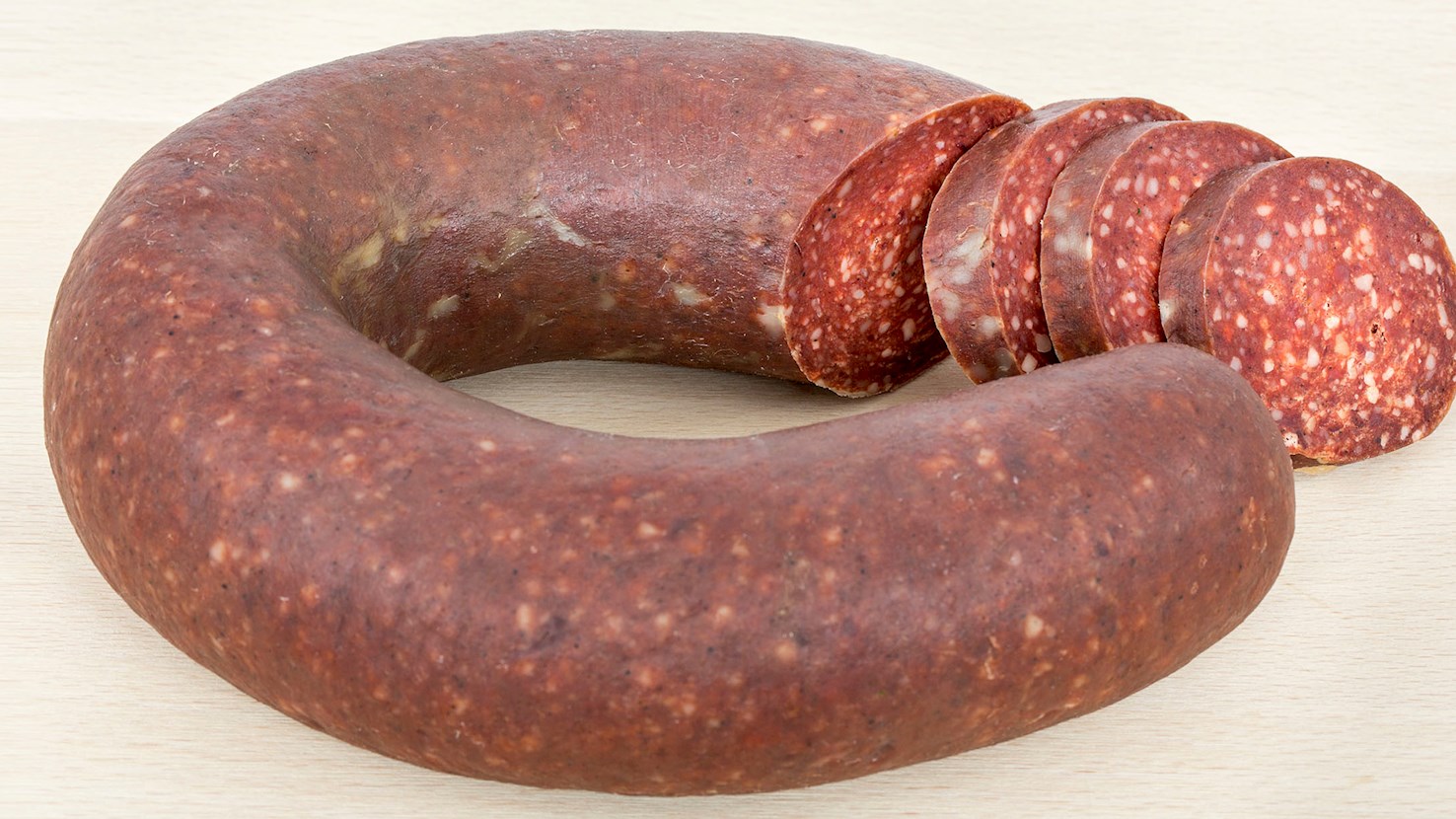
Afyon Sucuğu is a dry, fermented, and spiced sausage originating from the Afyonkarahisar province in Türkiye. The production of this cured meat stems from the nomadic Turkic tribes of Central Asia who developed methods to preserve surplus meat by salting, drying, and spicing it, which later adapted to the local climate and livestock of the Anatolian region as these populations settled. The preparation involves aging beef and buffalo meat in large pieces, separating the meat from tendons and fat, and then grinding the meat before mixing it with a blend of salt, red pepper, cumin, black pepper, garlic, and ginger. The mixture is stuffed into beef casings and hung on racks to undergo natural fermentation and drying at specific temperatures and humidity levels. A unique characteristic of Afyon Sucuğu is the mandatory inclusion of at least 15 percent water buffalo meat, which provides a distinct flavor profile and a fat content that allows the sausage to release its own rich oils when heated without the need for additional cooking fat. It is widely eaten across Türkiye, commonly sliced and pan-fried without extra oil to make breakfast dishes like sucuklu yumurta, or grilled and placed into flatbread to create a sandwich known as sucuklu ekmek. When served, it is typically accompanied by fresh tomatoes, cucumbers, white cheese, and olives, and it pairs well with a hot glass of black tea or a salty yogurt drink called ayran to balance the high sodium and spice levels.

Best restaurants
02
Veal Dish

Çökertme kebabı

4.4 ·

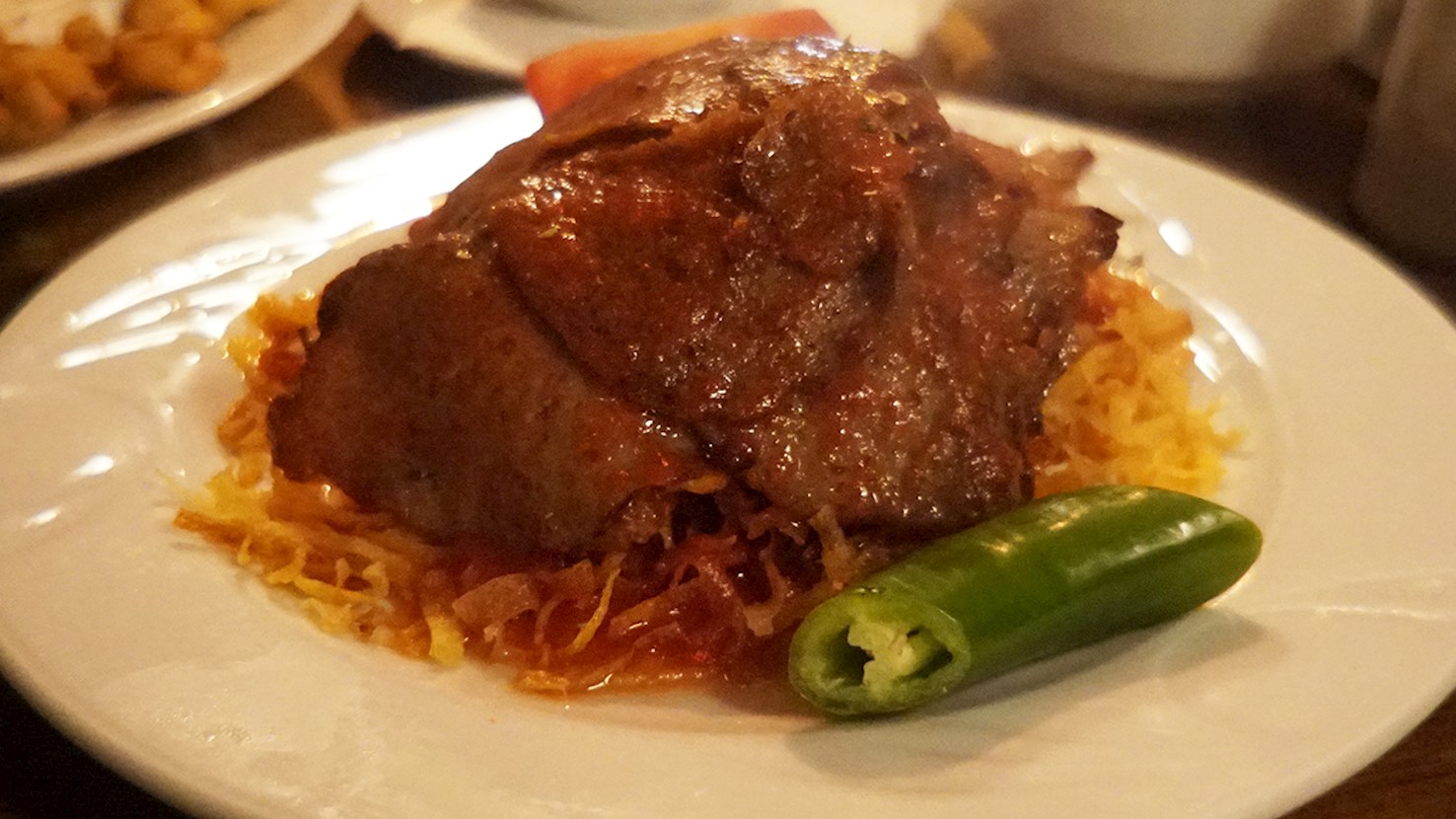
Çökertme kebabı is a traditional kebab variety originating from the Bodrum area. The dish consists of marinated strips of veal that are served with tiny fried potatoes, tomato sauce, and yogurt. The marinade is usually made with milk, olive oil, cumin, salt, and paprika, while the yogurt sauce that's served with the dish is enriched with garlic and salt. The meat is fried, then placed over the fried potatoes and the yogurt sauce. The tomato sauce is placed on the meat, and some people might garnish the dish with thyme sprigs or a few sautéed peppers and tomatoes.

03
Spread

Menemen

4.1 ·

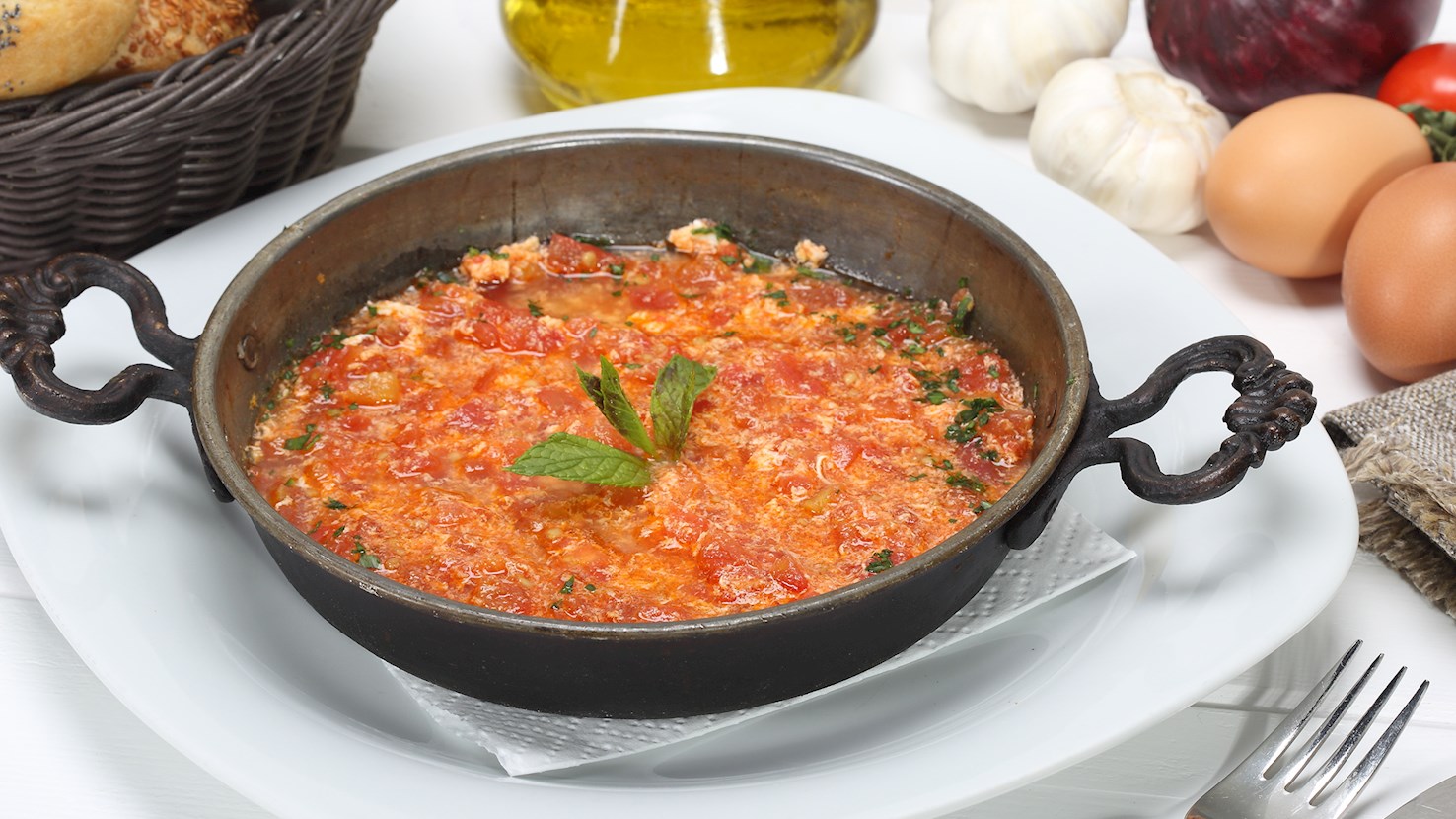
Menemen is a traditional spread consisting of tomatoes, eggs, peppers, and various spices. There are many version of menemen, so it can also contain garlic, cheese, spinach, sausage pieces, or onions (when menemen is served as a main dish). It is usually sold at breakfast or brunch places in Turkey, and most restaurants serve it in metal pans, with a big basket filled with bread as an accompaniment. Most people don’t use forks, as they opt for bread as the utensil of choice, scooping up this flavorful spread in the process.

04
Cured Beef

Afyon Pastırması

4 ·

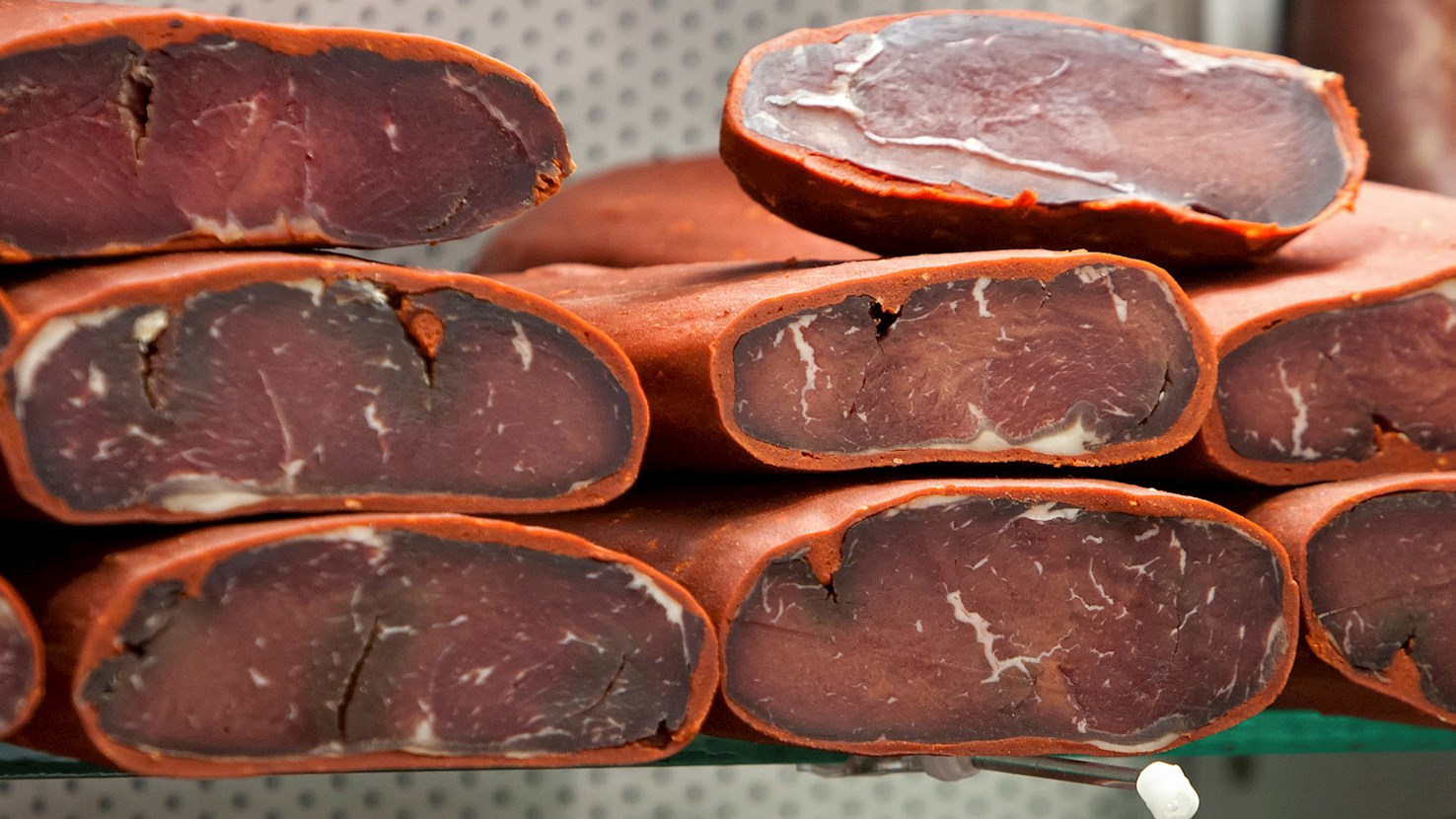
Traditionally produced in the Aegean province of Afyonkarahisar, Pastırması is a Halāl certified cured meat product of Anatolian origin. Also known as pastirma, pastourma, bastirma, basterma or basturma (Turkish for 'pressed meat'), the heavily seasoned, spice-coated beef is one of the essential ingredients of Ottoman cuisine. In fact, in Türkiye alone there are more than twenty different varieties of pastırma. Afyon Pastırması is prepared by salting the beef, then washing it with water and letting it dry. After about two weeks, the blood and excess salt are pressed out of the meat which is, prior to thorough air-drying, thickly coated with çemen, a red spice paste made with garlic, fenugreek, cumin and hot paprika. Afyon Pastırması is usually served with eggs for breakfast or enjoyed as mezze, thinly sliced and washed down with rakı, an unsweetened, anise-flavored Turkish liqueur.

05
Meatballs

İzmir köfte

4 ·

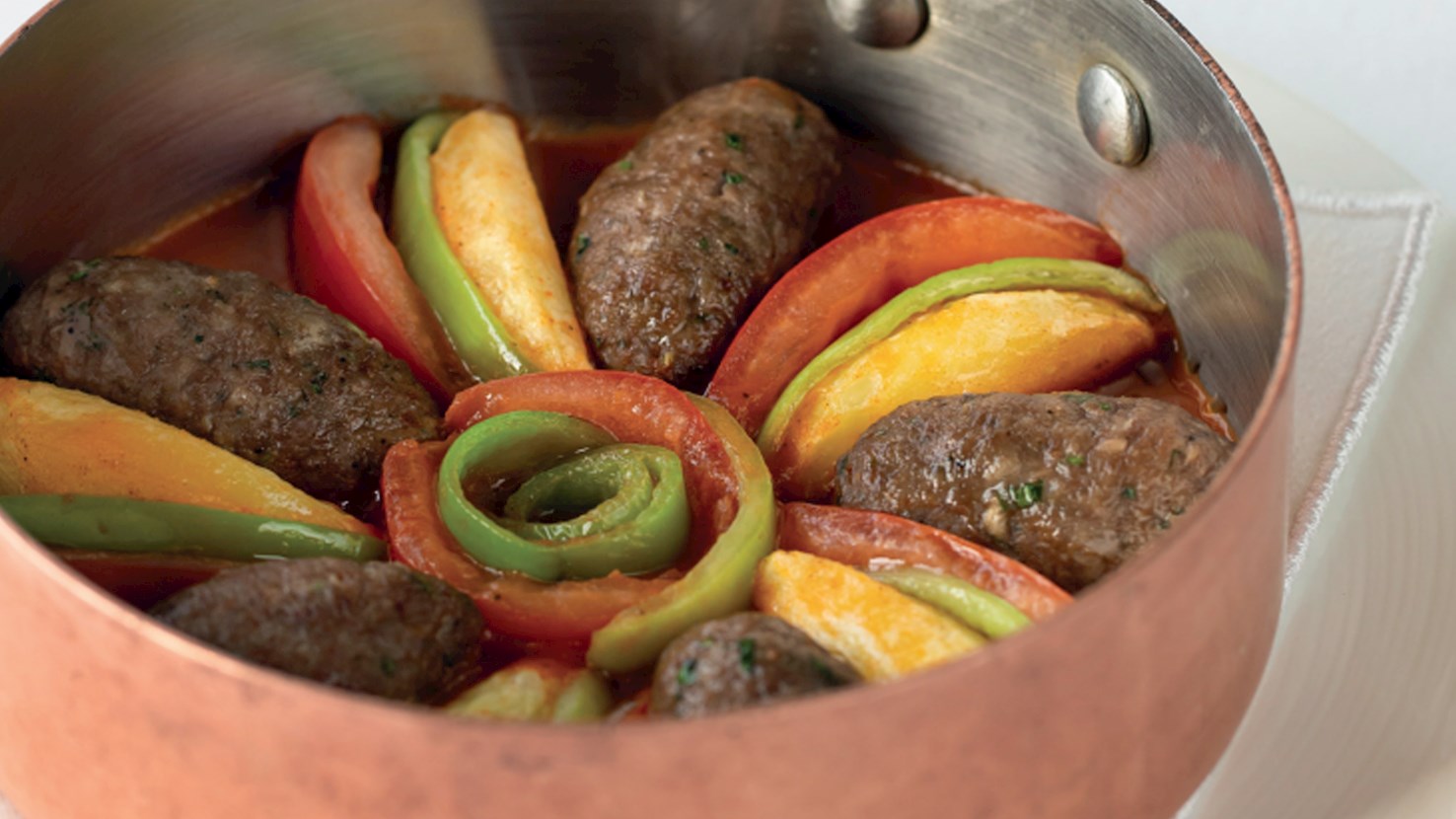
İzmir köfte is a Turkish comfort food dish consisting of köfte (meatballs), peppers, and potatoes in a simple tomato sauce. The dish can either be prepared on a stove or baked in the oven. Köfte are typically made with ground beef or lamb, onions, flour, stale bread, and eggs, flavored with a variety of spices such as red pepper flakes, cumin, black pepper, and mint. Before serving, İzmir köfte are traditionally garnished with chopped parsley on top. It is recommended to use plain rice or a slice of crusty bread as accompaniments. The dish originated and was named after Smyrni, or modern-day Izmir, where it was initially prepared by Greek citizens and was called soutzoukakia smyrneika. It is believed that the dish was brought to other areas in Greece in the 1920s, following the great migration after the Greco-Turkish War.

06
Sandwich

Kumru

4 ·

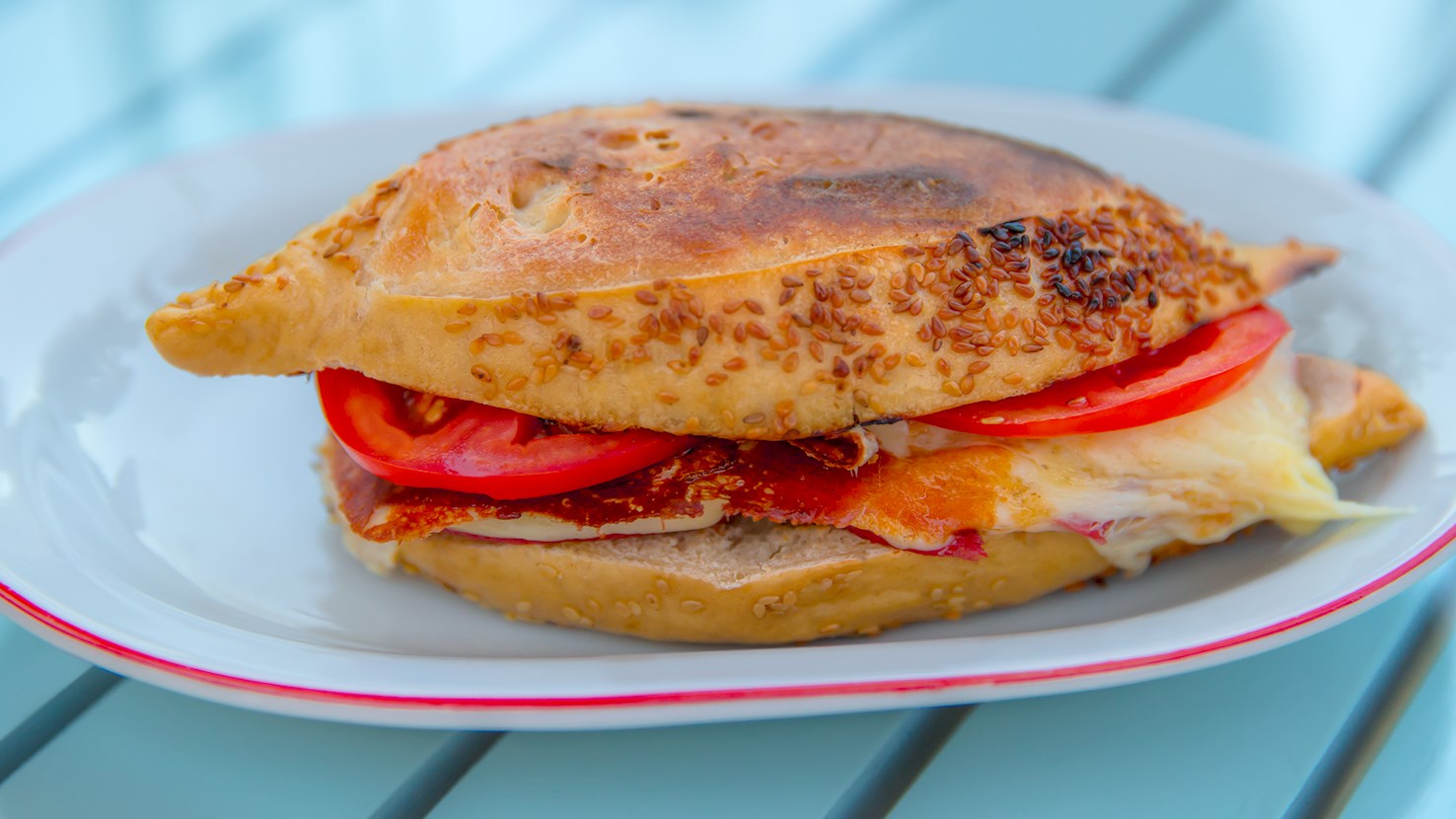
Typically associated with Çeşme, kumru is a toasted sandwich prepared with an artisanal bread that is typically enriched with chickpea flour. It was originally prepared with sinik, a circular bread that was sold by street vendors, but it achieved its current form in the 1950s when sandwiches became a popular option in Türkiye. Nowadays, it is typically filled with kaşar cheese (which is typically griddled before it’s placed on the bread), spicy sausage known as sujuk, and tomatoes, while modern variations may also include pickles, red pepper flakes, other types of cured meat, or even mayonnaise or ketchup, though the latter two are often frowned upon. This filling and affordable street food option is usually found at specialized kumru restaurants.

07
Cookie

İzmir bombası (Praline stuffed cookies)

3.9 ·

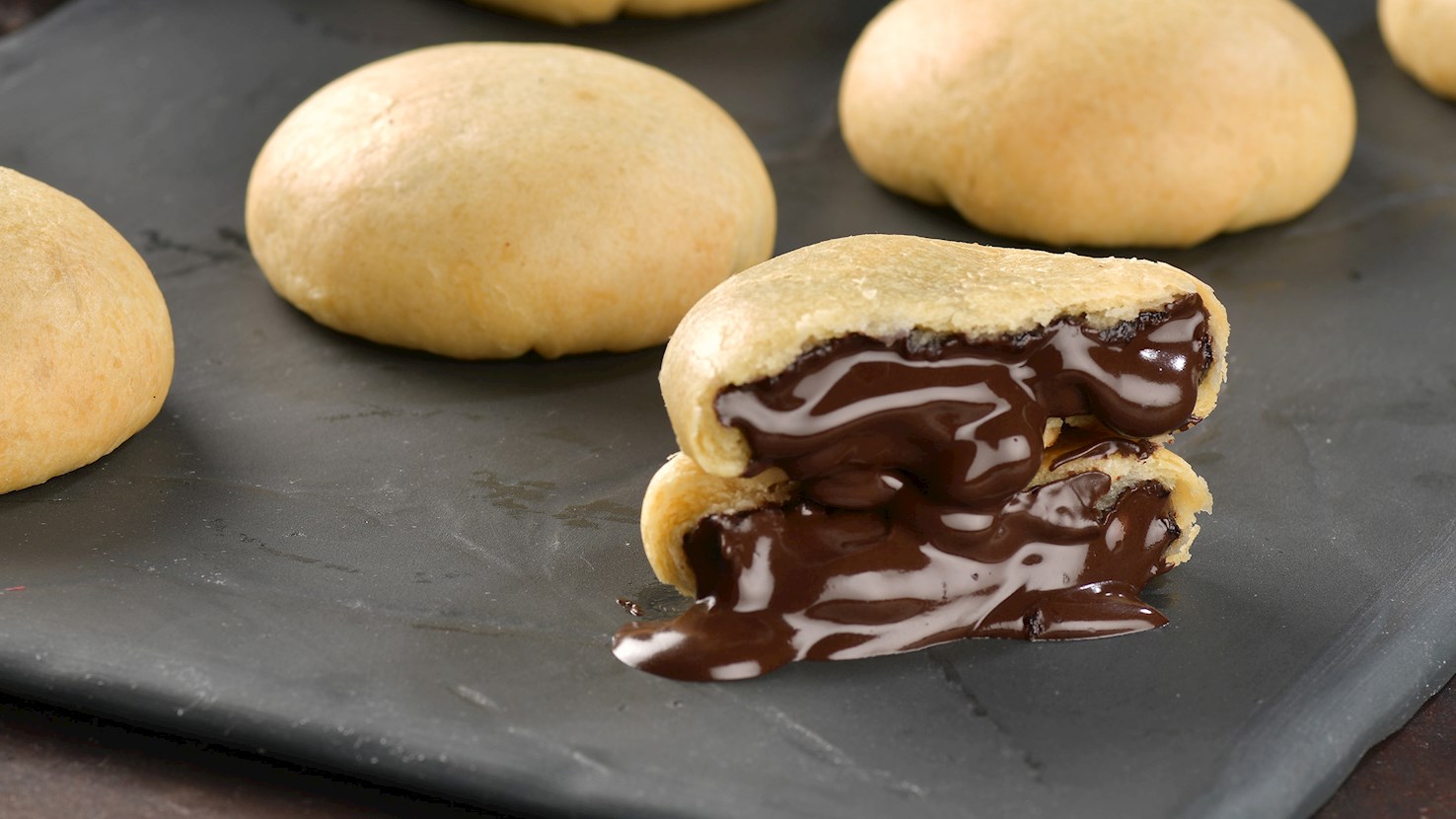
İzmir bombası, also known as praline stuffed cookies, is a distinct type of qurabiya (a type of Arab and Ottoman shortbread cookie) from Turkish cuisine that boasts a chocolate spread filling. Originating from İzmir, this dessert features a crispy outer layer of dough, which encases its fluid cream interior. It is popularly believed that İzmir bombası evolved from the Murabbalı mecidiye, an Ottoman-era qurabiya filled with apricot murabba. The most prevalent versions of this cookie consist of white dough stuffed with chocolate spread or brown dough filled with white chocolate spread.

08
Ground Meat Dish

Tire köftesi

3.8 ·

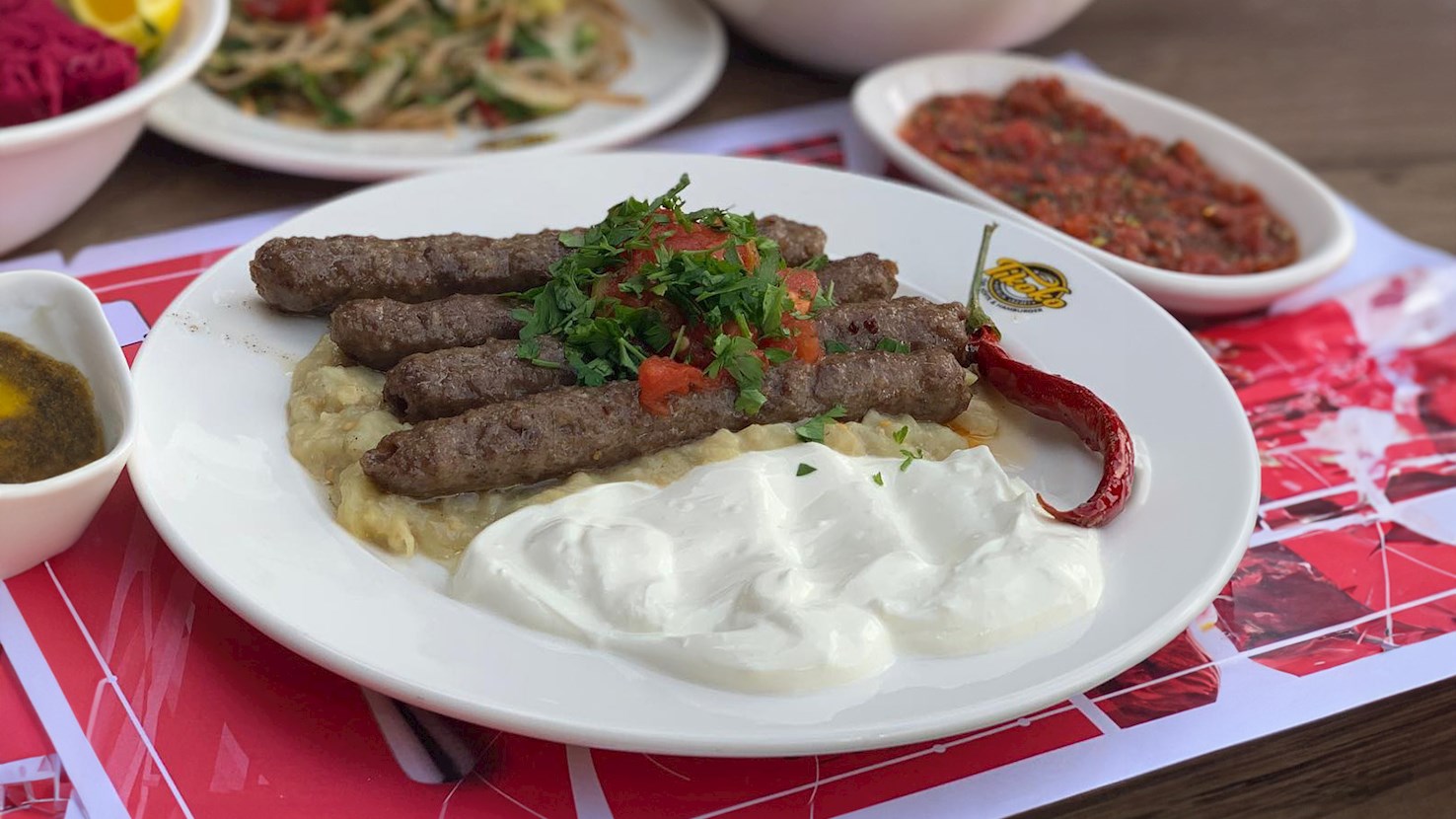
Tire köftesi refers to a special type of ground meat dish that originates from the Tire district of İzmir, Türkiye. Tire köftesi consists of minced meat (often lamb or a mix of beef and lamb), breadcrumbs or stale bread soaked in milk or water, onions, garlic, and various spices. One distinguishing feature is its soft and juicy texture, which is achieved through its specific mixture of ingredients and cooking method: they are often shallow-fried until they have a crispy exterior, then they might be simmered in a sauce or served directly. Tire köftesi is often served with sides like rice pilaf, grilled vegetables, or fresh salads.

Best restaurants
09
Bread Pudding

Ekmek kadayıfı

3.8 ·

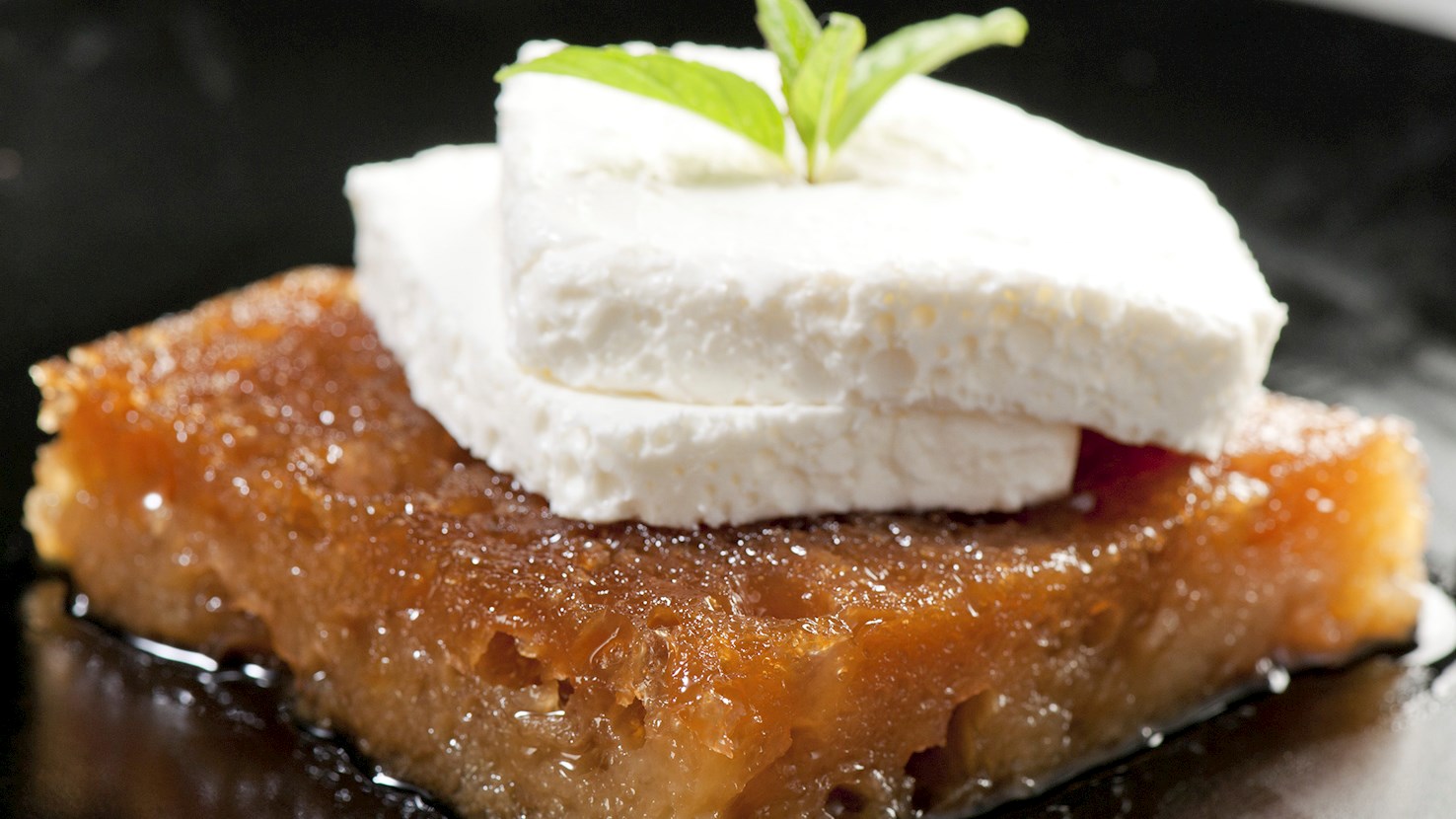
Made with a special kind of dehydrated bread soaked in sugar syrup, the delicious ekmek kadayıfı is traditionally prepared during Turkish religious celebrations such as Şeker Bayramı (lit. festival of sweets), which marks the end of Ramadan, the Islamic holy month of fasting. This simple, yet bountiful dessert is topped with a dollop of thick Turkish clotted cream called kaymak, and it is served sprinkled with either roughly crushed pistachios or walnuts. For those who like their desserts to be a little lower on the sweet scale, the sugar syrup can be flavored with lemon juice, which adds a nice hint of fresh tartness to this heavily sweetened bread pudding. It is believed that ekmek kadayıfı originated in Afyonkarahisar, but today this popular Turkish dessert can be enjoyed in restaurants and patisseries across the country.

10
Dessert

Şambali

3.5 ·

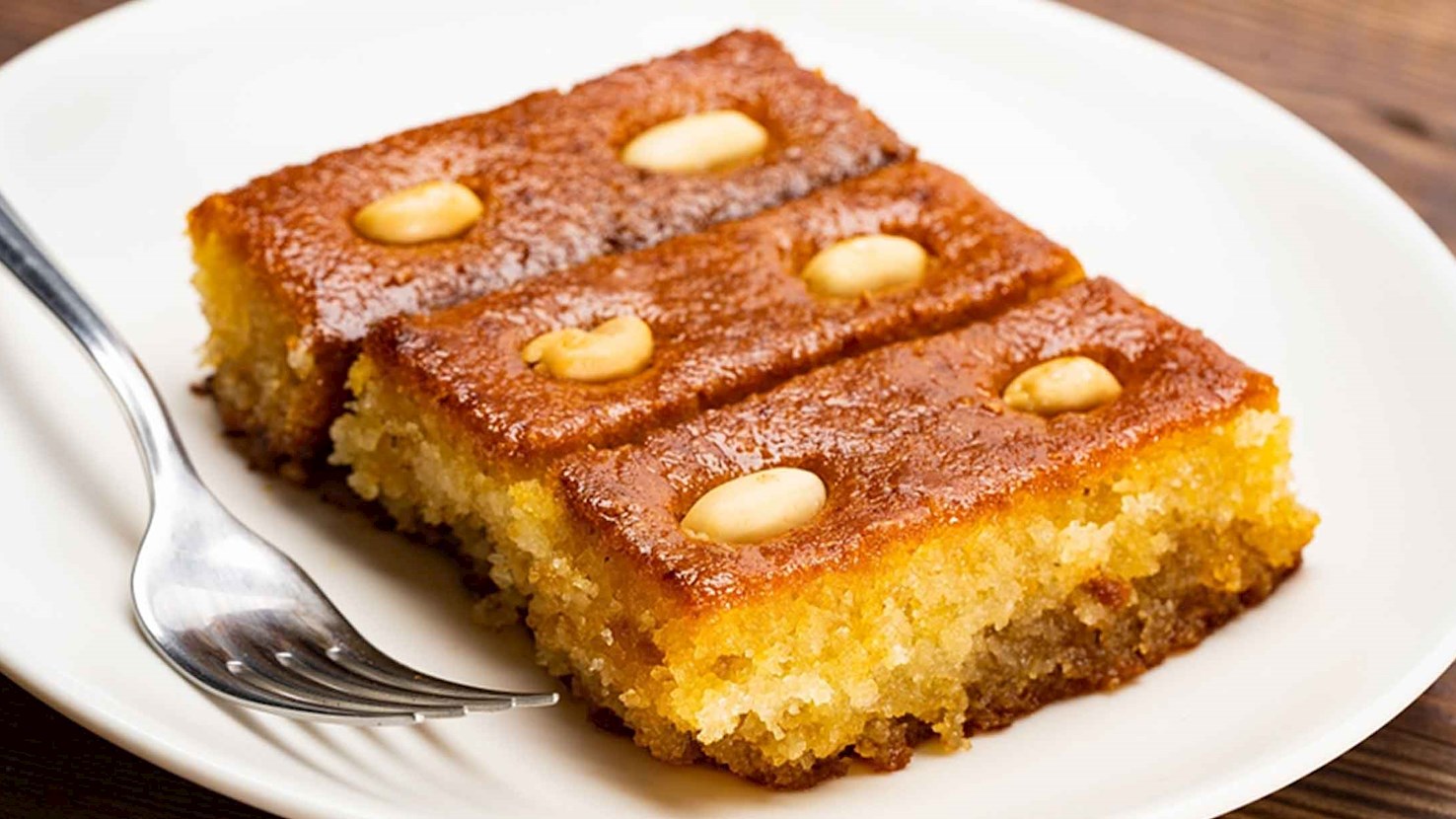
Şambali, also sometimes spelled as şambali tatlısı is a traditional dessert originating from İzmir. It is mainly made with semolina, sugar, and yogurt. Additionally, it may contain other ingredients like coconut, depending on the recipe or regional variations. The dessert is baked and then soaked in sugar syrup to make it sweet and moist. It has a dense and moist texture, somewhat similar to a sponge cake but denser due to the semolina. Şambali is often cut into squares or diamonds and usually topped with a piece of almond, peanut, or pistachio.

Read more
View all
View map
About this ranking

TasteAtlas food rankings are based on the ratings of the TasteAtlas audience, with a series of mechanisms that recognize real users and that ignore bot, nationalist or local patriotic ratings, and give additional value to the ratings of users that the system recognizes as knowledgeable. For the “Top 49 Aegean Turkish Foods” list until June 02, 2026, 2,409 ratings were recorded, of which 1,195 were recognized by the system as legitimate. TasteAtlas Rankings should not be seen as the final global conclusion about food. Their purpose is to promote excellent local foods, instill pride in traditional dishes, and arouse curiosity about dishes you haven’t tried.

The initial list of top producers was compiled based on available reviews, awards, local recommendations, media and blog coverage, and consumer reviews. The list will be updated with ratings from TasteAtlas local ambassadors and TasteAtlas users.

Similar lists