shutterstock

Top 84 Traditional Foods
in the Province of Siena

Last updated on June 07, 2026

Best Province of Siena food products

01
Wine

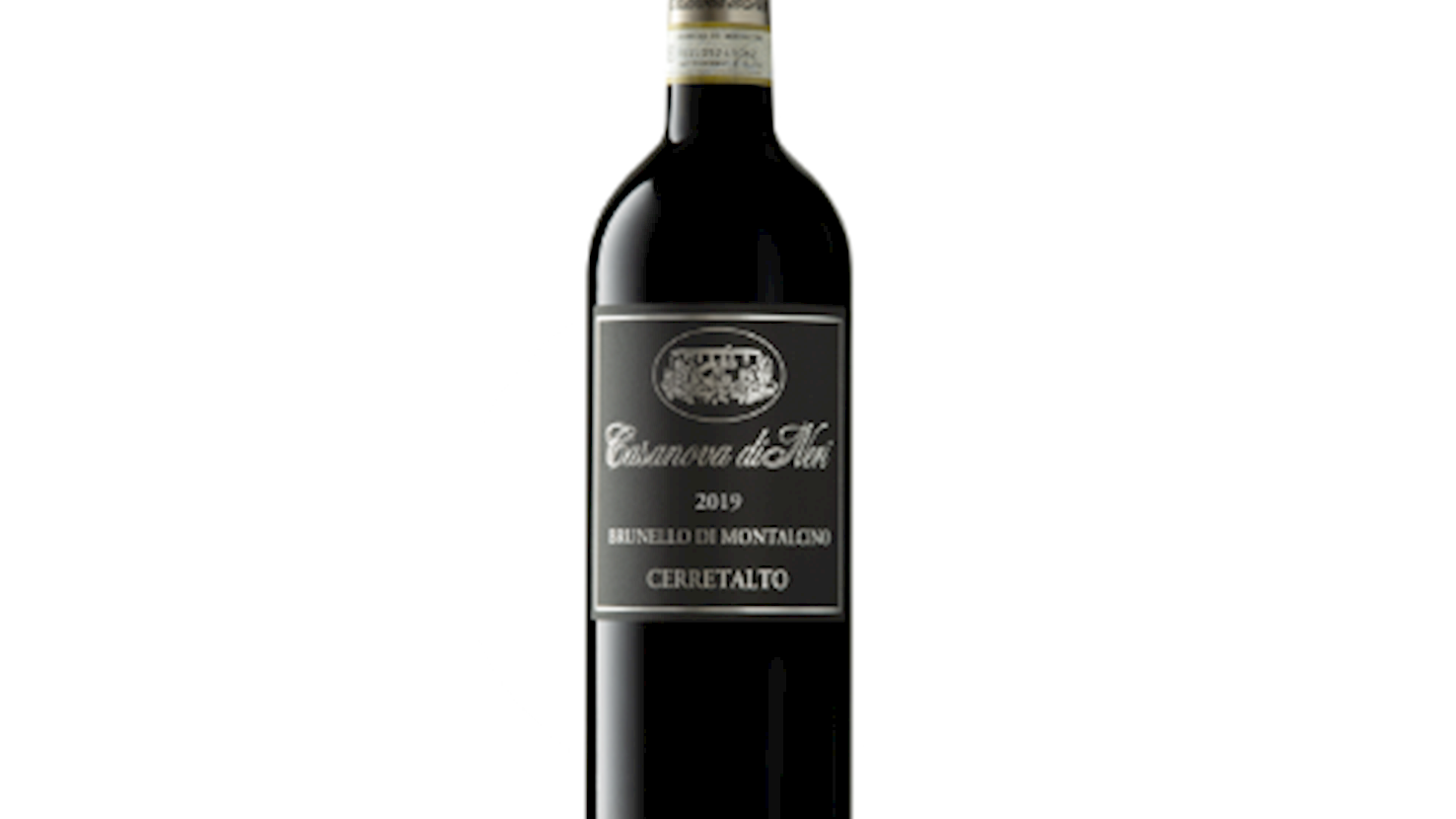
Casanova di Neri

5 ·
Casanova di Neri is a prestigious winery located in the Montalcino region of Tuscany, Italy, and is renowned for its outstanding Brunello di Montalcino wines. Founded in 1971 by Giovanni Neri, the estate has grown over the decades into one of the most acclaimed producers in the area, celebrated for its dedication to quality and terroir expression. Now under the guidance of Giacomo Neri, the winery combines traditional practices with innovative techniques to craft wines that reflect both the richness of the land and the unique character of each vintage.
Awards
Falstaff - 100
Falstaff - 99
02
Wine

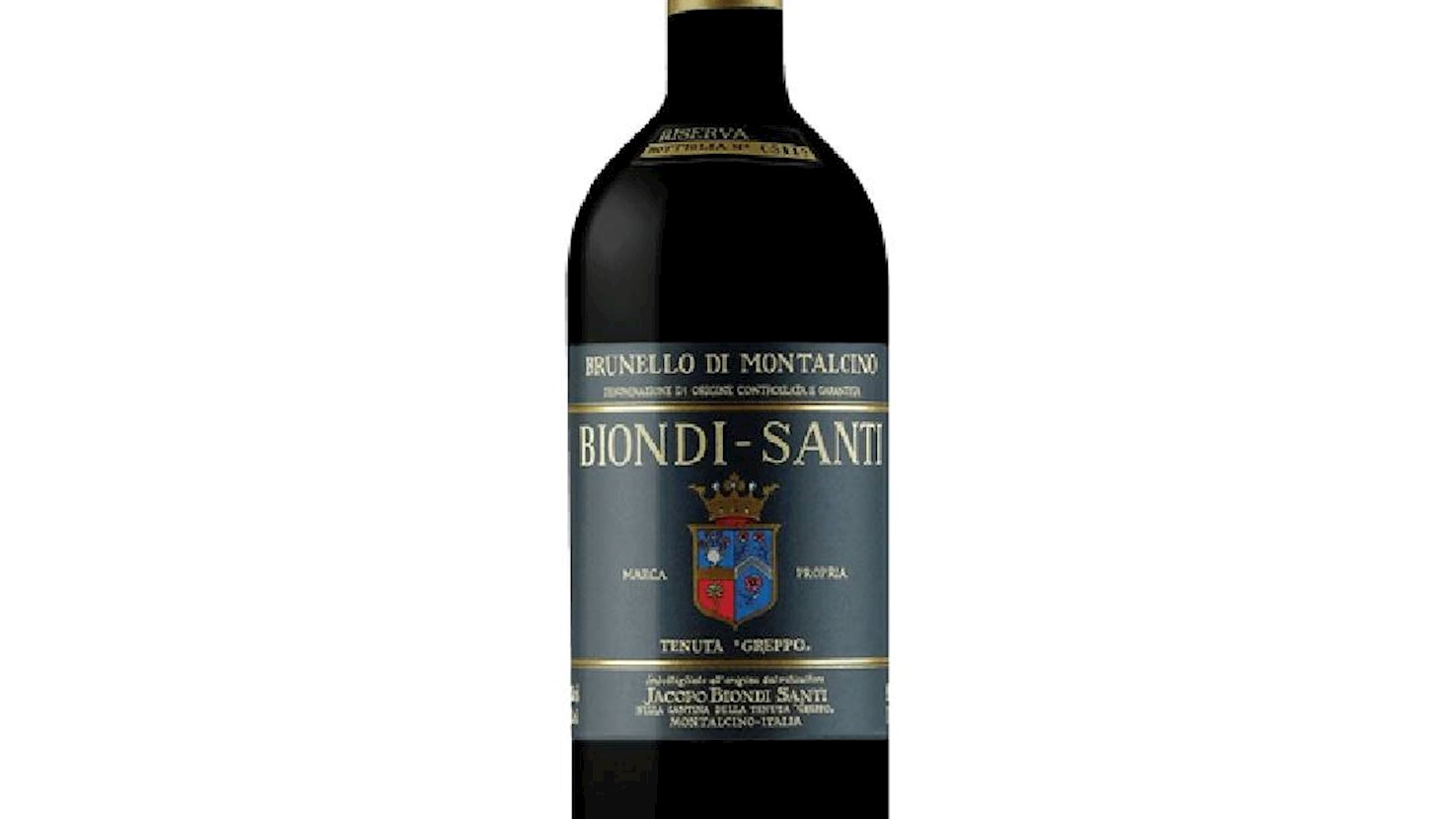
Biondi Santi Tenuta Greppo

5 ·
Biondi-Santi Winery, nestled in the heart of Tuscany, is rightfully known as the “creator of Brunello di Montalcino”. The family’s legendary journey began in the mid-19th century, when Clemente Santi isolated the local Sangiovese grape and pioneered extended aging. His grandson, Ferruccio Biondi-Santi, elevated the winery’s prestige and defined its style - powerful yet elegant, built for remarkable longevity. The estate is rooted in tradition, cultivating its own grape clone (BBS11) and favoring old Slavonian casks for a gentle, authentic fermentation. Their iconic Brunello Riserva, first produced in 1888, is regarded as one of the earliest modern Brunellos, with each new vintage regarded as a rare and celebrated event. Biondi-Santi remains a symbol of excellence and consistency, with each bottle embodying cultural heritage, minimalist craft, and the refined winemaking legacy of Tuscany.
Awards
Falstaff - 100
Falstaff - 99
03
Wine

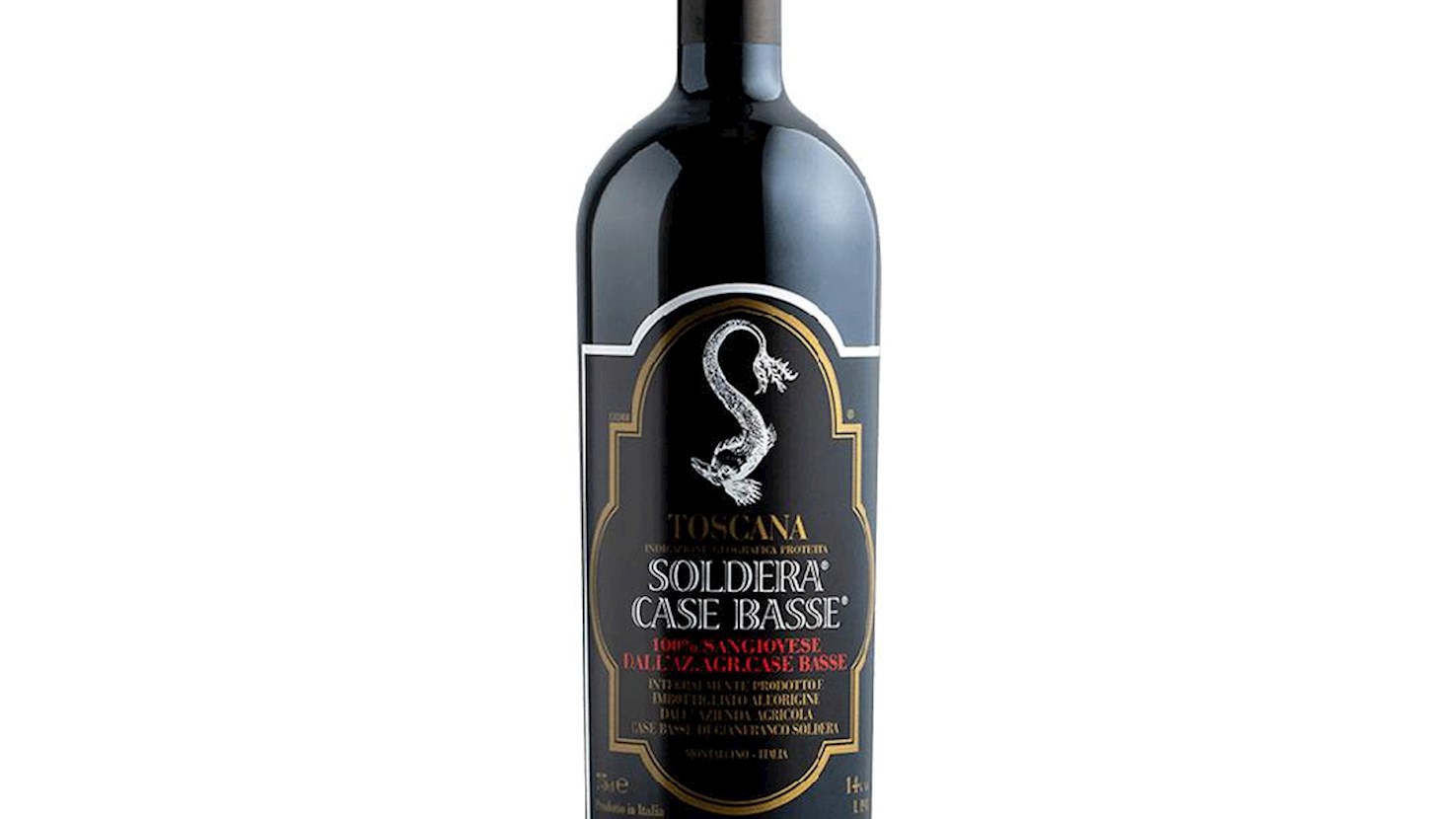
Soldera

5 ·
Case Basse di Gianfranco Soldera is one of Italy’s most esteemed wine estates, founded in 1972 in the heart of Montalcino by Gianfranco and Graziella Soldera. What began as an abandoned plot of land was transformed into a family-run estate dedicated to producing authentic, natural wines of exceptional quality. From the very beginning, Soldera embraced a philosophy of minimal intervention and deep respect for nature. No chemicals, selected yeasts, or artificial additives are used—only traditional methods that allow the Sangiovese grape and the terroir to fully express themselves. Fermentation takes place spontaneously in large oak vats, followed by long aging periods that bring depth, purity, and character to the wines.
Awards
Vivino - 4.7
Vivino - 4.8
04
Wine

Poggio di Sotto

5 ·
Poggio di Sotto is a highly regarded estate in the southern part of Montalcino, founded in 1989 by Piero Palmucci, who focused on restoring abandoned vineyards and establishing a philosophy rooted in traditional, low-intervention winemaking. The estate is located near Castelnuovo dell’Abate, an area known for its warmer microclimate and well-exposed slopes, which contribute to the ripening of Sangiovese. Vineyards are farmed with careful attention to biodiversity and low yields, emphasizing the natural balance of the vines and the expression of terroir. In the cellar, the approach is strictly traditional, with long fermentations using indigenous yeasts and aging in large Slavonian oak casks rather than small barriques, allowing the purity of Sangiovese to remain central. The wines are known for their elegance and precision rather than sheer power, often showing red cherry, floral notes, herbs, and subtle earthy complexity. Despite their finesse, they possess a firm structure and notable aging potential, evolving gracefully over decades. Poggio di Sotto has built a reputation as one of the benchmark producers of Brunello di Montalcino, respected for its consistency and authenticity. The estate avoids excessive intervention or stylistic manipulation, focusing instead on clarity, balance, and a transparent expression of its southern Montalcino terroir.
Awards
Falstaff - 100
Falstaff - 99
05
Cheese

Caseificio Cugusi Silvana
5 ·
Caseificio Cugusi Silvana S.R.L. is located near Montepulciano, Italy, and specializes in producing traditional Tuscan cheeses. They offer a variety of cheeses including pecorino toscano, which is made from sheep's milk. The dairy also provides a range of additional local products and has options for cheese tasting experiences for visitors.
Awards
World Cheese Awards - Gold (2023, 2022)
Italian Cheese Awards - ICA (2019)
06
Cheese

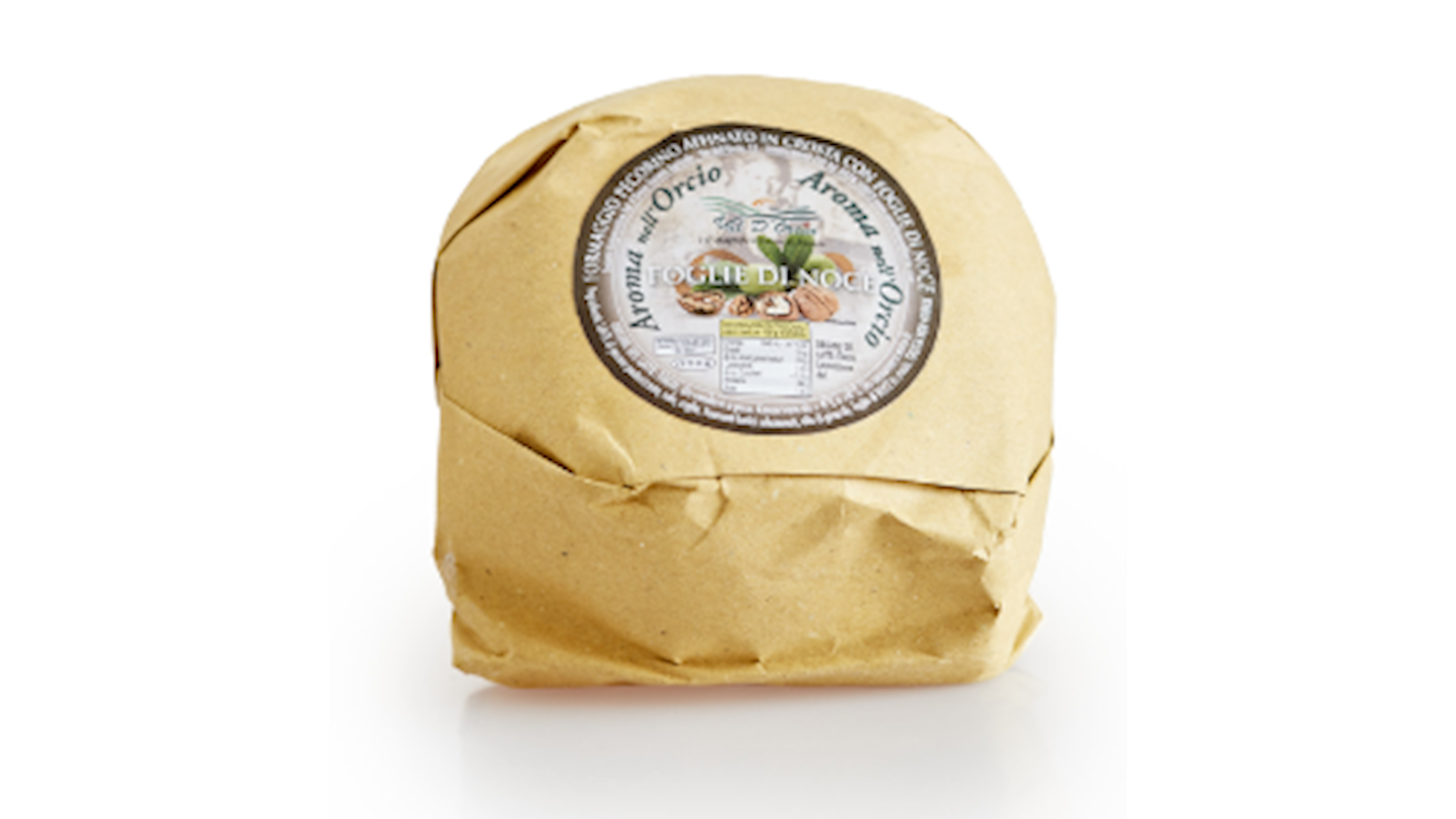
Caseificio Val d'Orcia

4.9 ·
Awards
World Cheese Awards - Super Gold (2024)
07
Cheese

Salcis

4.9 ·
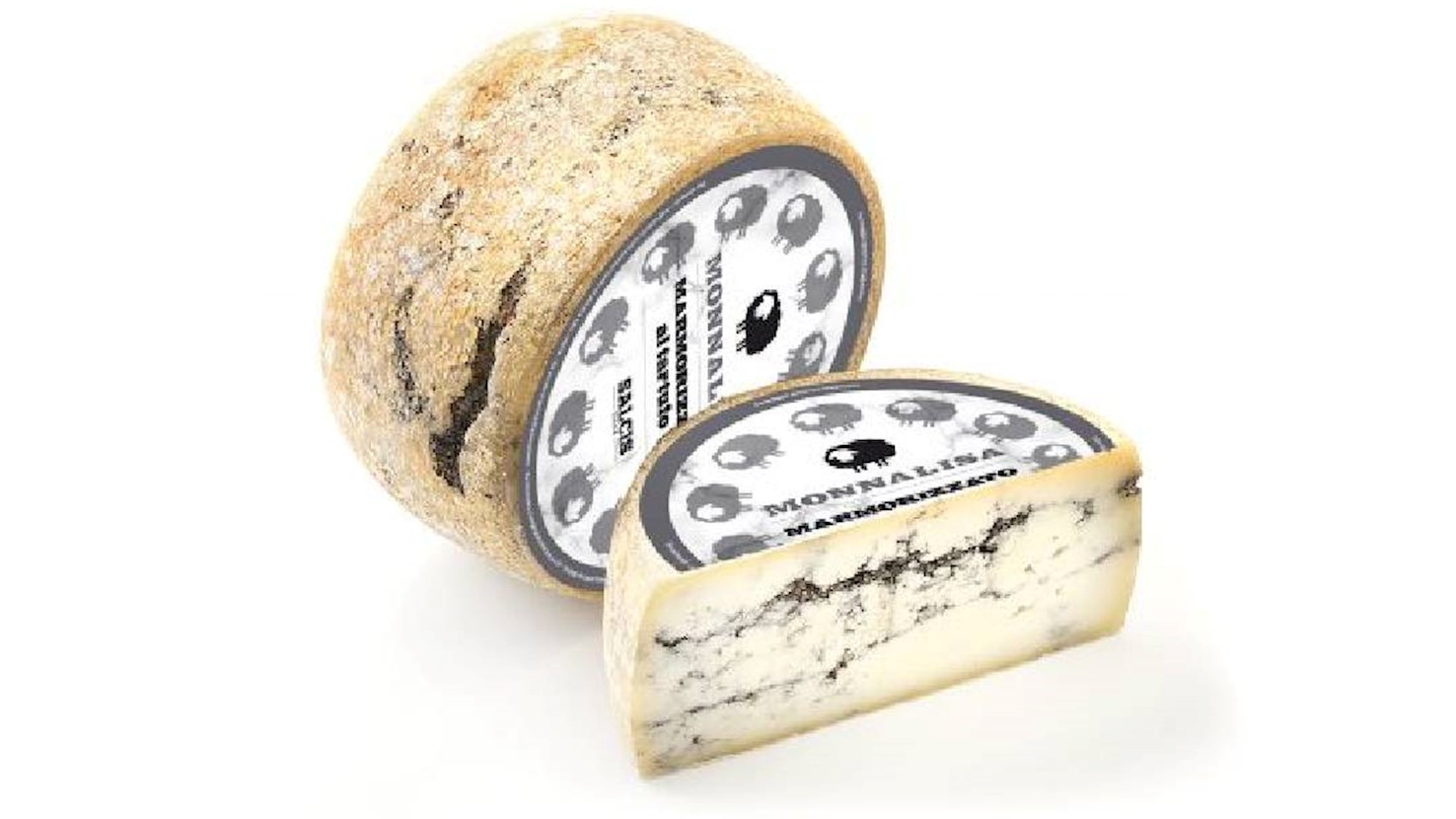
Salcis is a renowned Tuscan producer that blends tradition with exceptional quality in crafting cured meats and cheeses. Founded in 1941 in Siena, the company was born from the collaboration of local artisans dedicated to preserving authentic recipes and artisanal methods. Over the decades, SALCIS expanded into producing premium sheep’s milk cheeses, sourced from the pastures of the Crete Senesi, with processing beginning within a day of milking to maintain freshness and flavor. Their range, including pecorino and traditional salami made from the finest meat of local breeds such as Cinta Senese, stands out for its character and deep connection to the Tuscan land. At the heart of their production is a model farm that ensures animal welfare and full quality control. Today, SALCIS remains faithful to its heritage, creating delicacies that truly embody the spirit and taste of Tuscany.
Awards
World Cheese Awards - Gold (2023)
08
Wine

Pinino

4.9 ·
Awards
Decanter World Wine Awards - Platinum (2021)
09
Wine

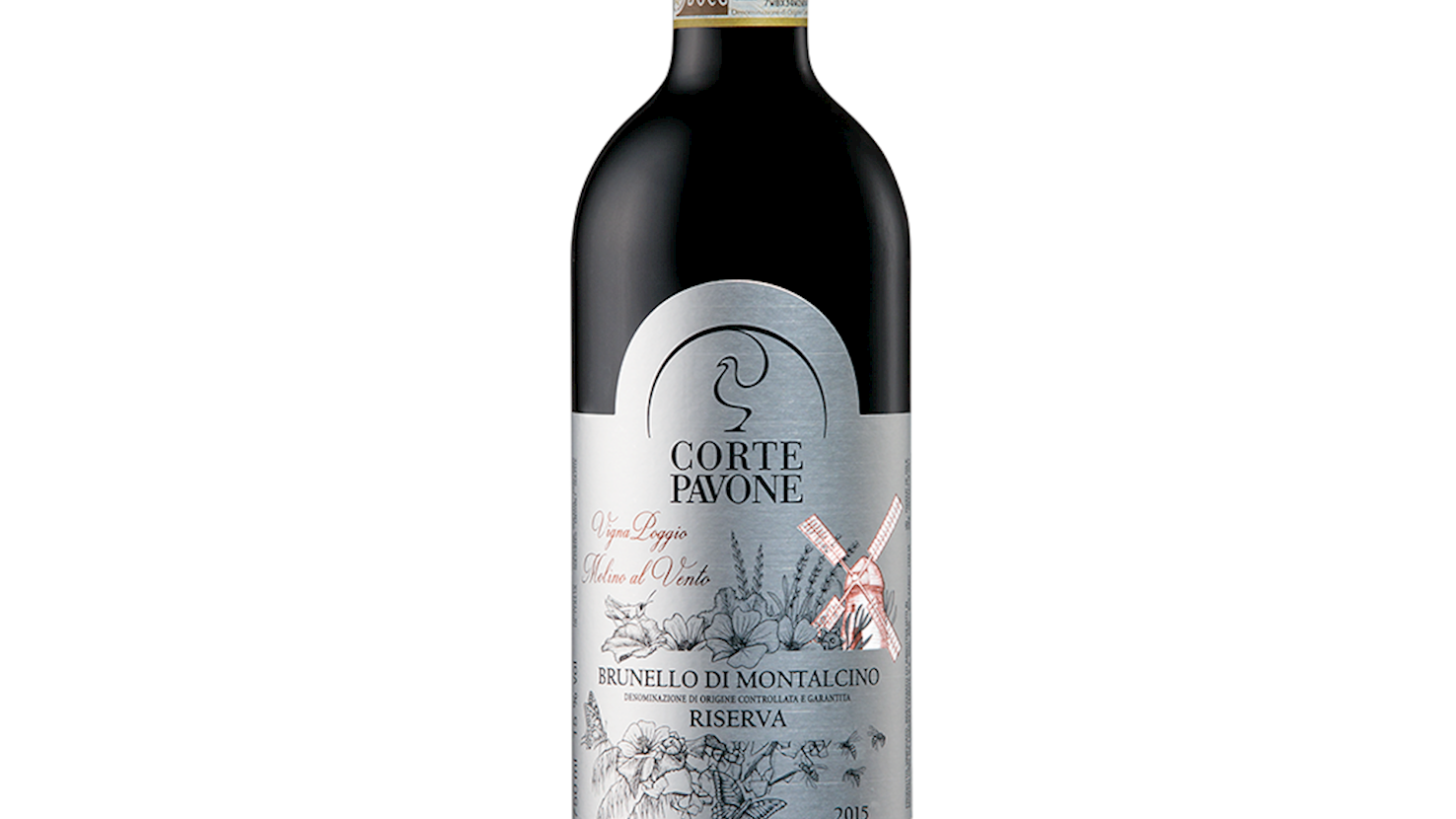
Corte Pavone

4.9 ·
Awards
Decanter World Wine Awards - Platinum (2022)
10
Wine

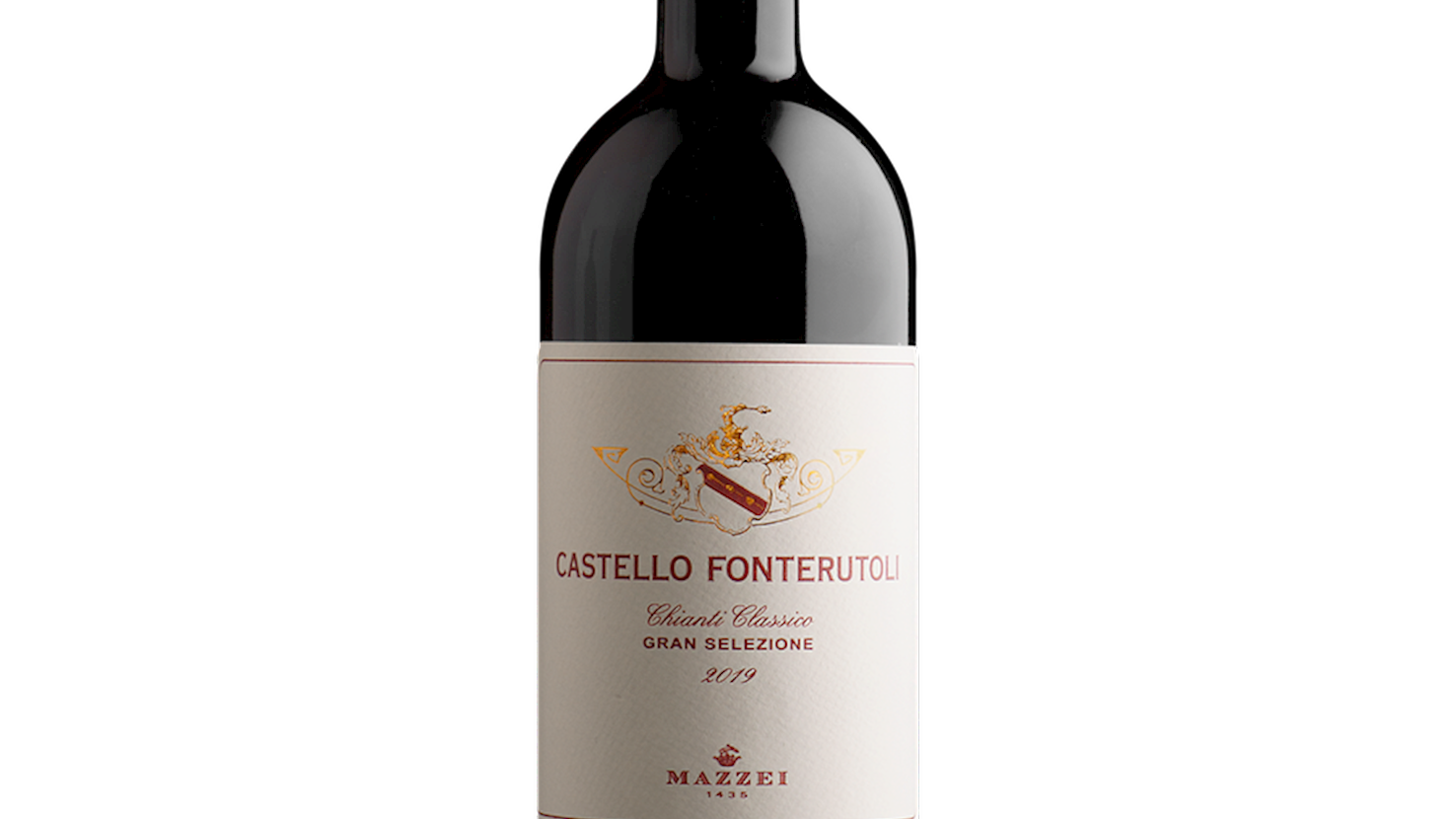
Marchesi Mazzei

4.9 ·
Awards
Decanter World Wine Awards - Platinum (2019)

Best Province of Siena foods

01
Cheese

Pecorino di Pienza

4.1 ·

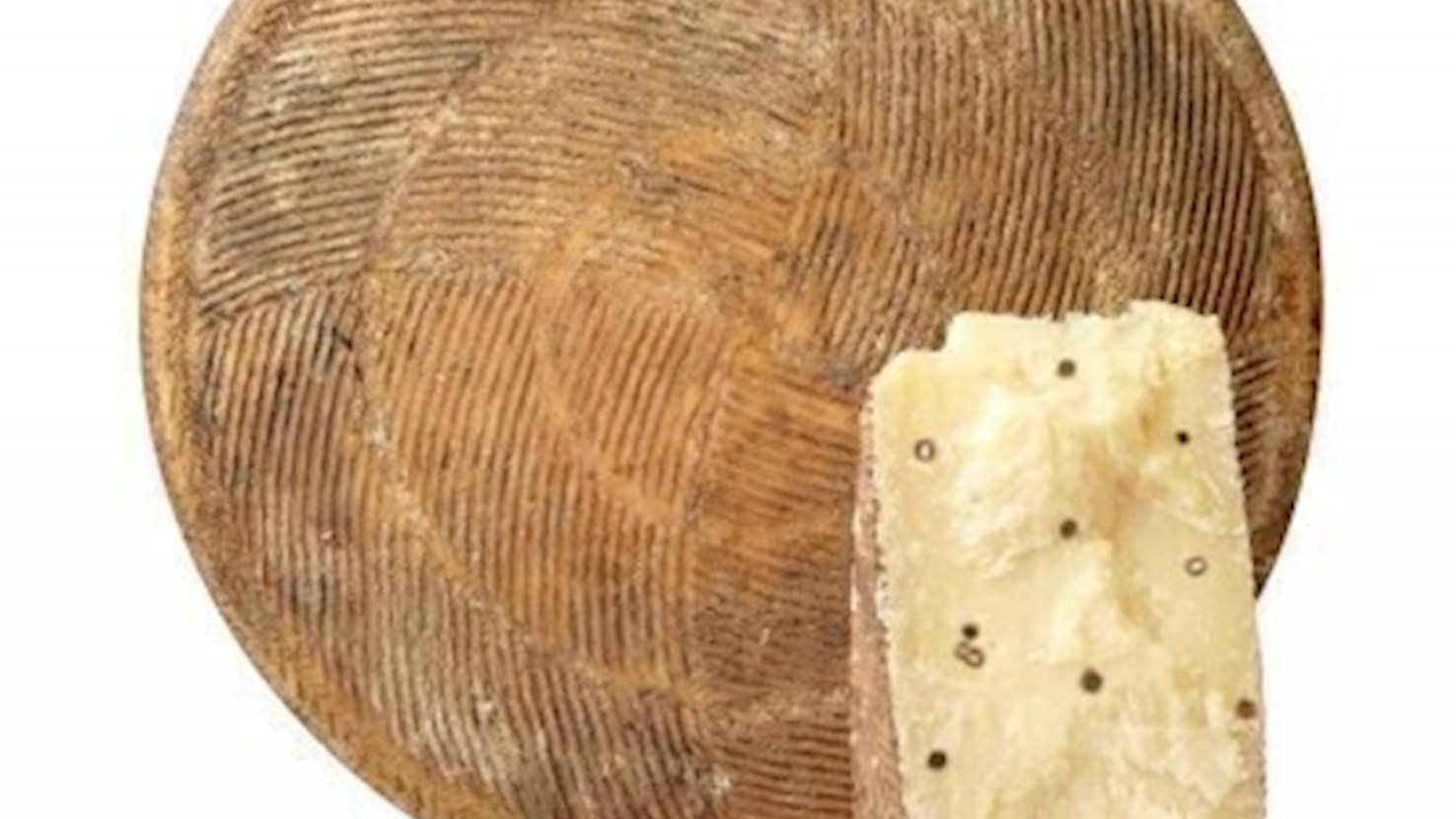
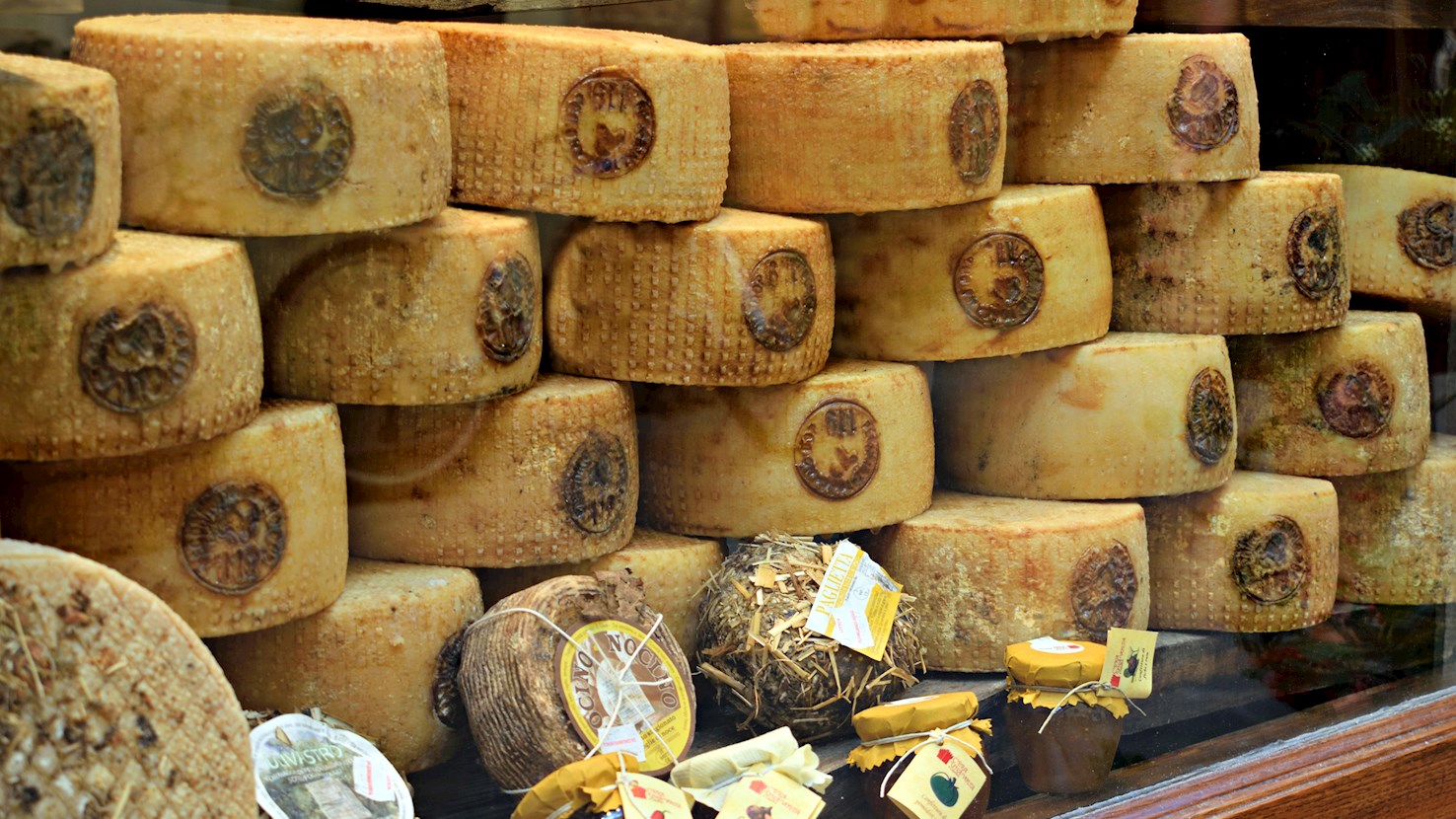
Pecorino di Pienza is a traditional variety of Pecorino produced in Pienza in the province of Siena. The cheese is made from sheep's milk and comes in a few versions – some are young, some covered in straw, some rubbed with ash, and some are pressed with tomatoes. The young version is semi-ripened and colored with tomato juice on the rind, while the aged version has a black rind. The cheese is not spicy as other Pecorino types because veal rennet is used instead of kid goat rennet. Pecorino di Pienta is aged for 30 days, when it's still fresh and soft, ideal for melting of grilling, while the other versions are aged from 2 to 5 months. The flavors are best described as sweet and complex.

02
Pasta

Paglia e fieno

4.1 ·

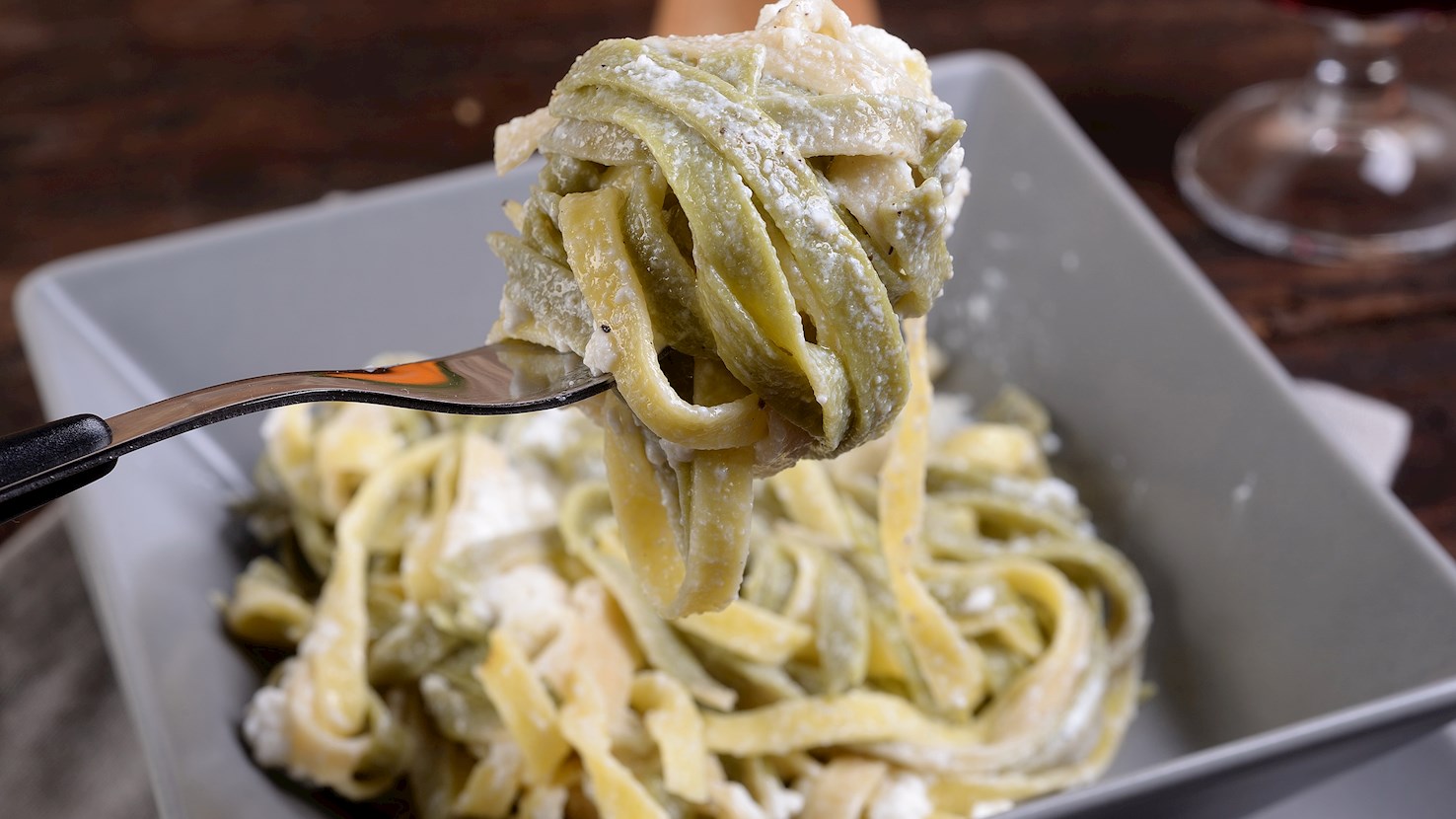
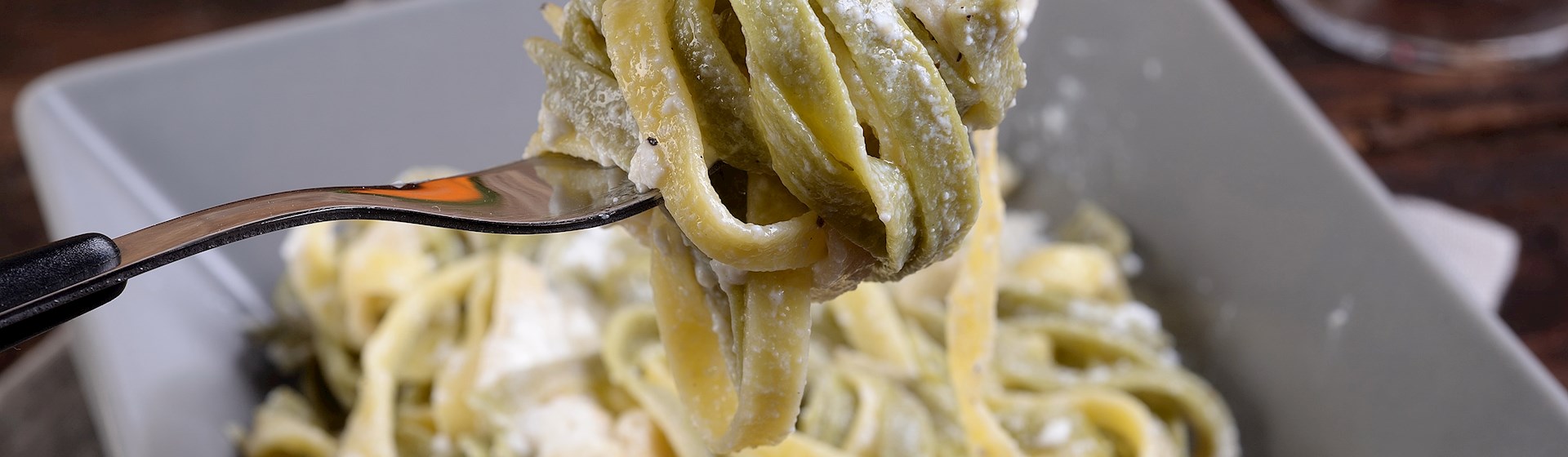
Paglia e fieno is a traditional dish originating from Siena. The name of the dish means straw and hay, referring to the green (spinach) pasta noodles as hay and the yellow (egg) pasta noodles as straw. It's best if the spinach and egg pasta is of the tagliatelle or taglierini (tajarin) varieties, combined with onions, prosciutto, peas, olive oil, and heavy cream. The pasta is tossed with the other ingredients, and the dish is usually finished with grated Parmigiano-Reggiano, ground pepper, and chopped parsley.

03
Cookie

Ricciarelli di Siena

3.7 ·

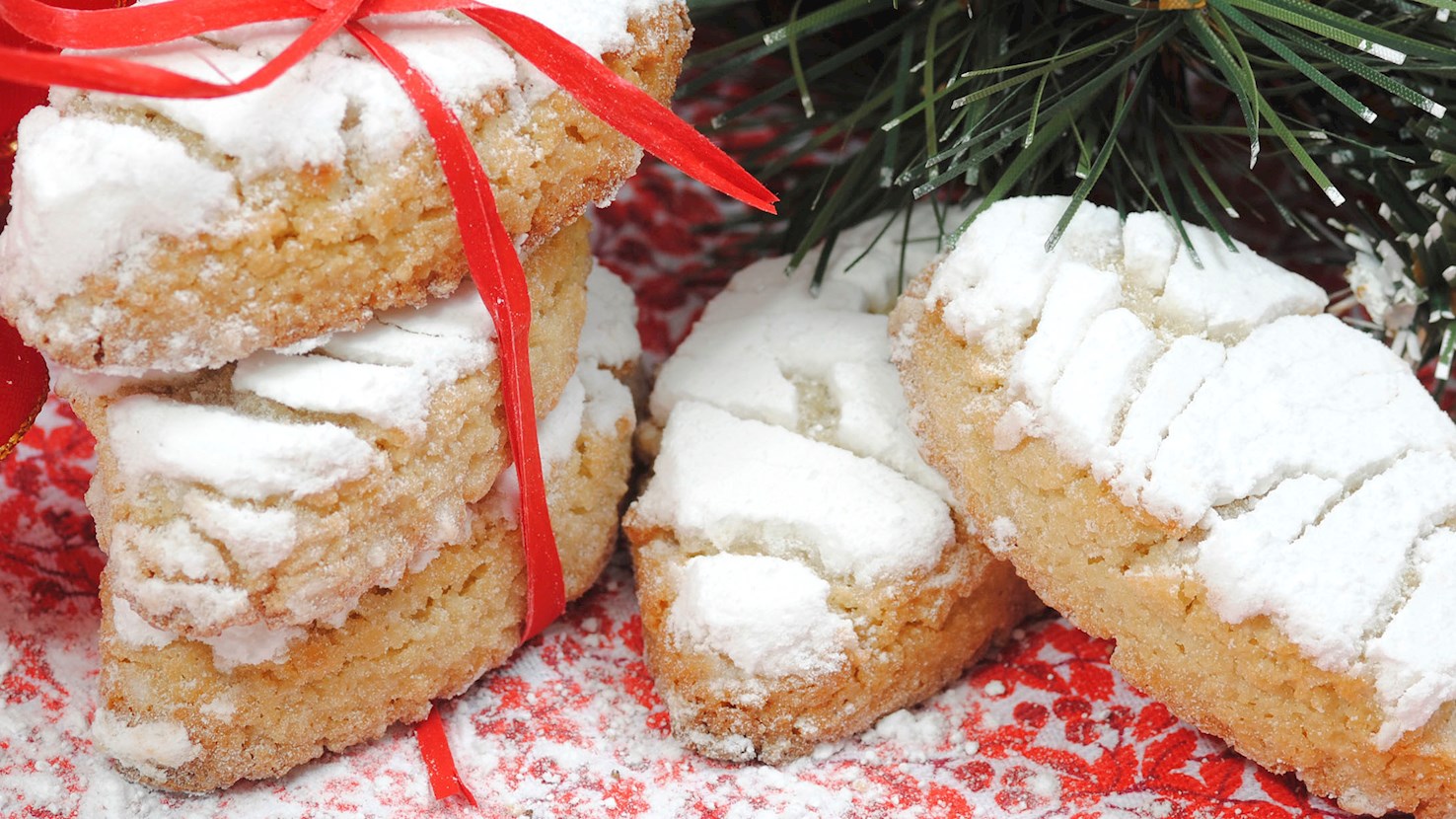
A typical dessert of Sienese cuisine, ricciarelli di Siena are soft almond biscuits whose origins date back to the 14th century. According to a popular legend, they were named after a Sienese nobleman Ricciardetto Della Gherardesca, who brought similar lozenge-shaped Arab sweets to Siena upon his return from the Crusades. Back then, these cookies were also known as marzapanetti alla Senese or morzelletti, and they were reserved for the lavish banquets and feasts of Tuscan royalty, since almond paste or marzipan was a precious and expensive ingredient sold only in Renaissance apothecaries along with the most exotic spices of the time. Today, the aromatic ricciarelli are made with both sweet and bitter almonds, sugar, and egg whites; they are often flavored with candied orange peel and dusted with icing sugar. In Tuscany, they are a traditional Christmas treat, typically enjoyed with dessert wines such as Moscadello di Montalcino or Vin Santo.

04
Dumplings

Malfatti

3.7 ·

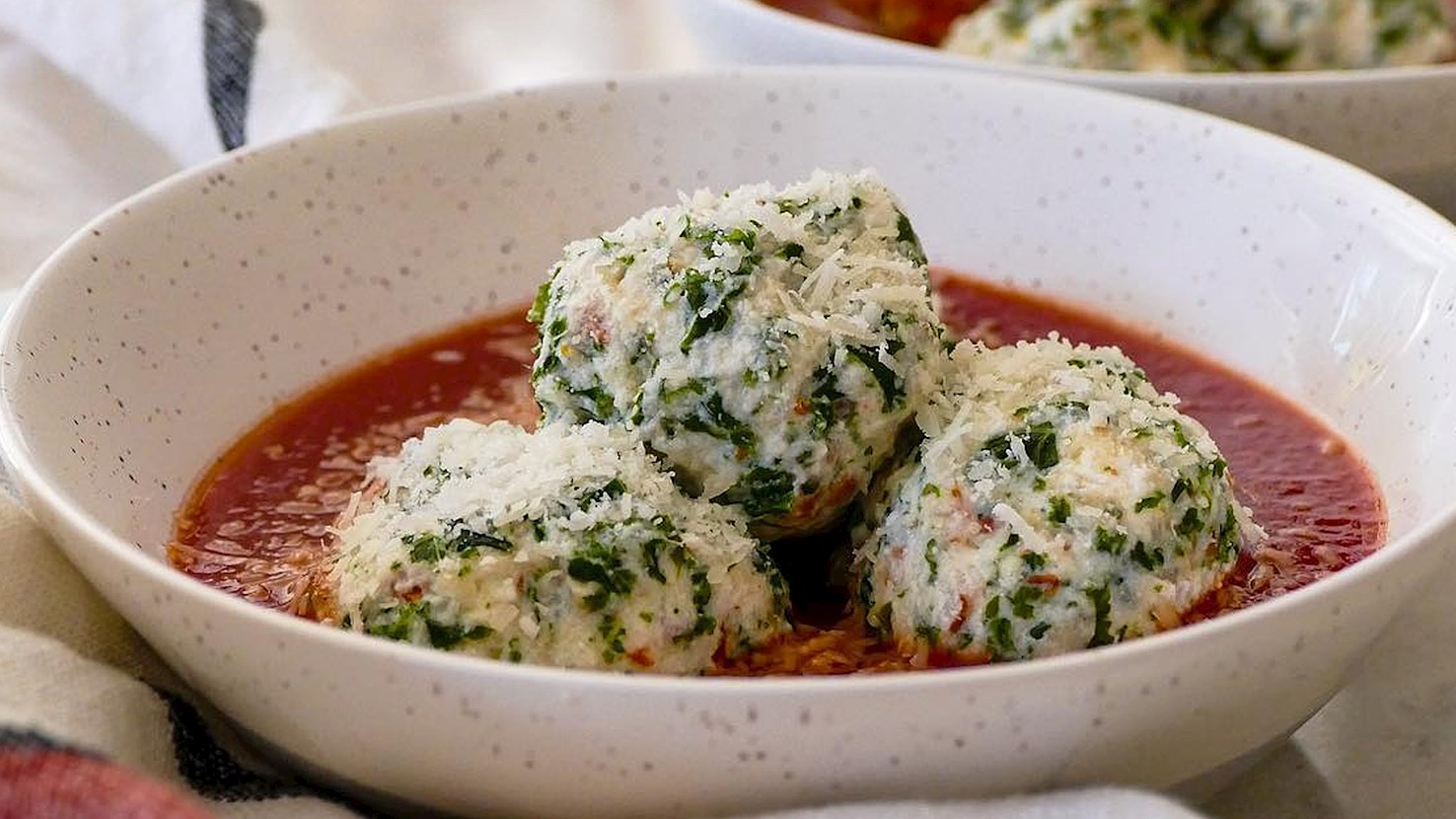
Malfatti (Siena) or gnudi (lit. naked, Florence) are typical of Sienese cuisine, but it's believed that they probably originated in Northern Italy. These spinach gnocchi are made by hand, and due to the fact that they are not uniform in shape or size, they're called malfatti, meaning badly made. They are made with a combination of cooked spinach, a pinch of salt, butter, ricotta, eggs, nutmeg, parmesan cheese, and a binding agent such as flour, semolina, or breadcrumbs. Once the mixture becomes smooth, it's shaped into small balls that are rolled in flour before being boiled. Malfatti are cooked when they float to the surface, at which point they're usually drained and served with a sauce (usually a simple tomato sauce or butter and sage).

05
Cake

Panforte di Siena

3.4 ·

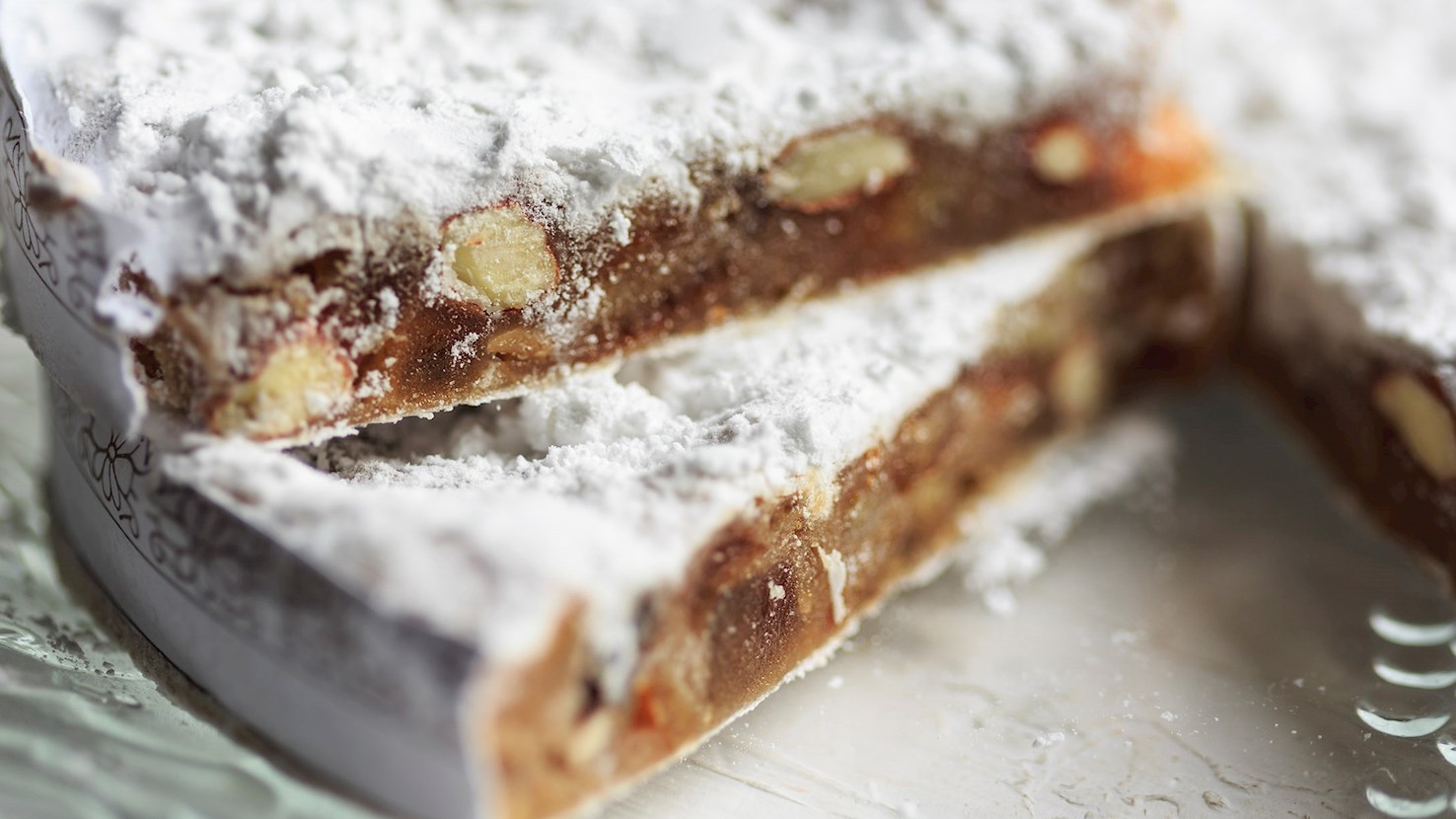
Panforte di Siena is a traditional dessert also known as Siena cake. The modern panforte variety is made with nuts, dried fruit, and a generous amount of spices such as cardamom, cinnamon, nutmeg, and cloves. All of the ingredients are combined with a sugary syrup, usually made with butter, sugar, and honey, and the cake is generously dusted with powdered sugar. This mixture of ingredients forms an unusual and dense cake with a firm structure and an interesting flavor combination. Believed to have originated in the 13th century in Siena, a city in central Tuscany, it has become an indispensable part of traditional Italian confectionery production. The dessert is famous for its historical role during the battle of Montaperti when it was a common staple among Sienese soldiers. However, the original panforte, which was initially only made by nuns, was dusted with a coating of white pepper, which gave the cake a more unusual flavor. This tradition had been changed in the 19th century when the British Queen came to visit Siena, and the recipe was slightly altered to soften the flavors. Today, panforte can be found in numerous bakeries throughout Siena. It is also a common staple during the Christmas festivities, and it is recommended to pair it with a cup of strong coffee or a glass of flavorful dessert wine.

06
Cookie

Cavallucci

3.2 ·

These traditional Italian Christmas cookies were originally invented in Siena. They have a soft texture and consist of flour, nuts, candied fruit, and various spices. Originally, cavallucci were prepared without nuts or candied fruit – only flour, sugar, honey, and anise seeds were used. The name is believed to be a derivation of the word cavallo, meaning horse – this is either a reference to their shape, which is reminiscent to a horse hoof, or because they were imprinted with a tiny horse on top in the past.

07
Pasta

Pici alle briciole (Pici with Breadcrumbs)

n/a ·

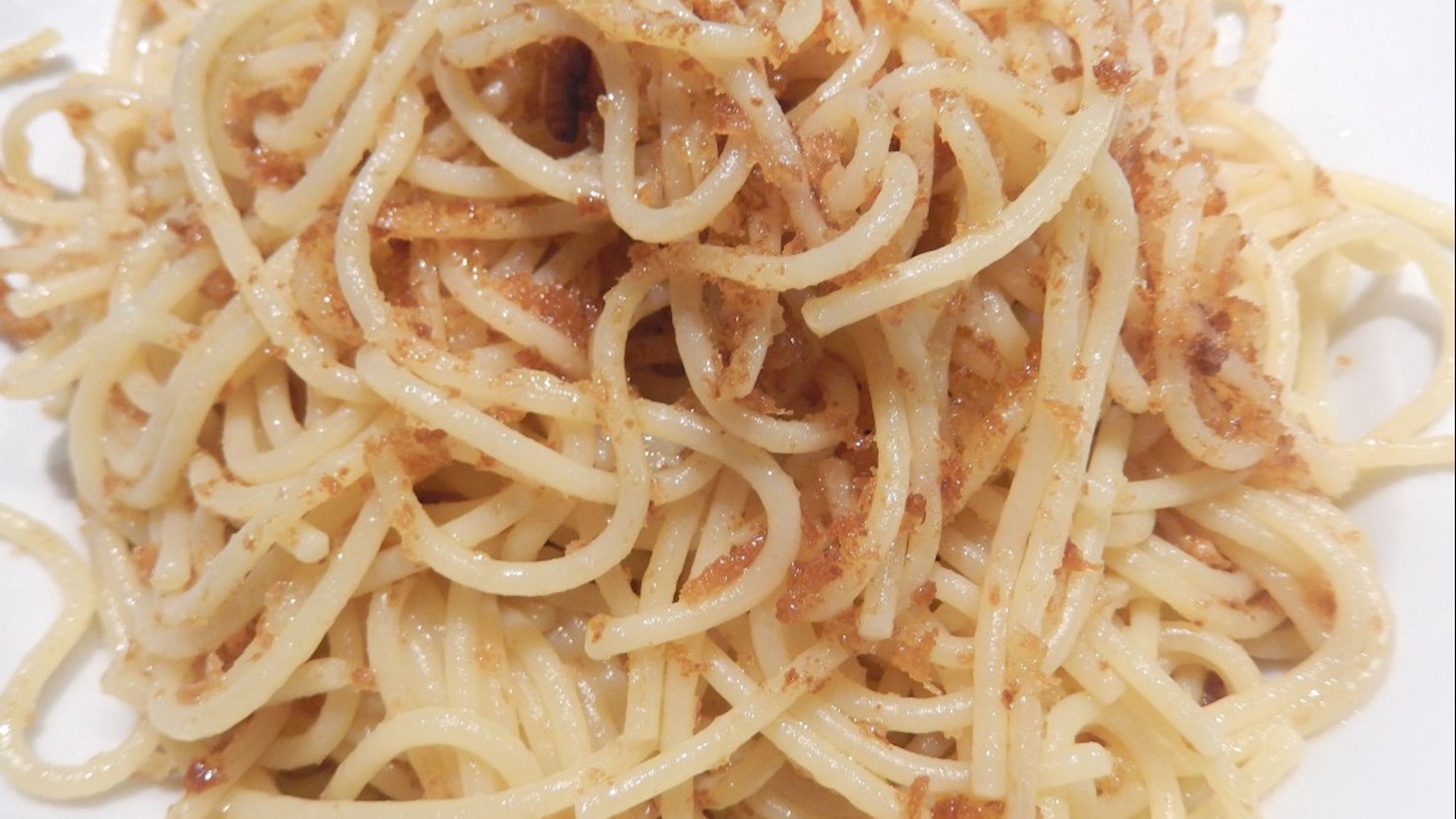
Pici alle briciole is a simple Tuscan dish originating from the area around Siena. It's a typical example of la cucina povera, made with common ingredients such as garlic, olive oil, hot red peppers, day-old Tuscan bread, and handmade pici pasta. The pici pasta is made with flour and water, and each noodle is rolled by hand, with the final result looking similar to spaghetti, but wider and more robust. The absence of eggs in the pasta is a sign of its poor origin. The pici pasta is combined with the sauce consisting of breadcrumbs, garlic, olive oil, and dried hot pepper. Once done, the dish is seasoned with ground pepper and salt, and if desired, it can be served with a sprinkle of grated pecorino on top.

08
Pasta

Penne alla fiesolana

n/a ·

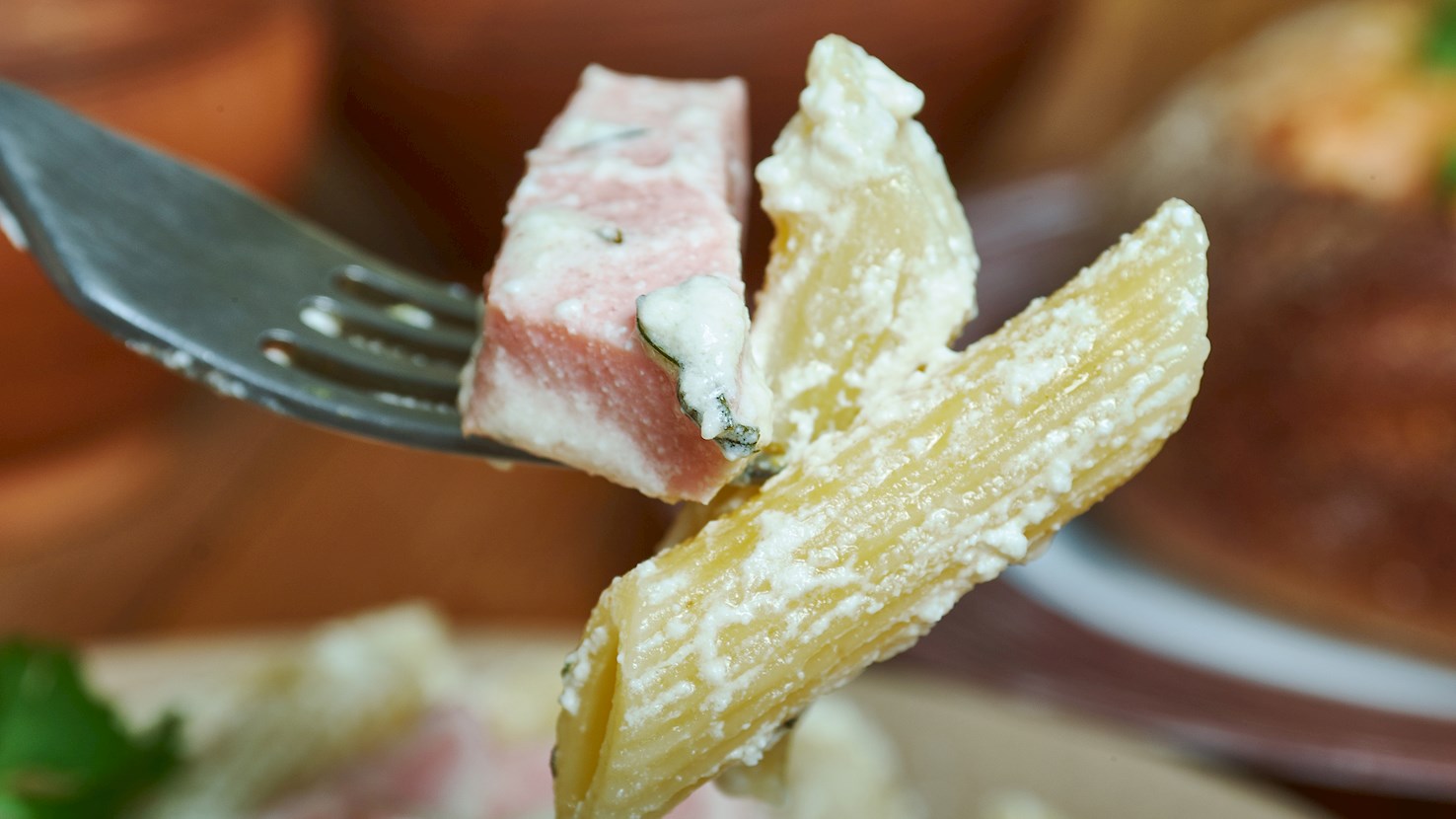
Penne alla fiesolana is a traditional dish hailing from Fiesole in Tuscany. The dish is made with a combination of penne pasta, olive oil, prosciutto crudo, onions, milk, flour, peas, and butter. The ingredients are cooked together and enriched with a simple béchamel sauce. The pasta water should be added to the pot because the starches from the water allow the sauce to thicken up. Once done, the dish is usually garnished with chopped parsley, dusted with ground black pepper, or topped with grated Parmigiano-Reggiano. Interestingly, penne alla fiesolana was a popular dish among the late 19th-century peasants, and it was typically prepared during the holidays.

09
Snack

Acciughe sotto pesto

n/a ·

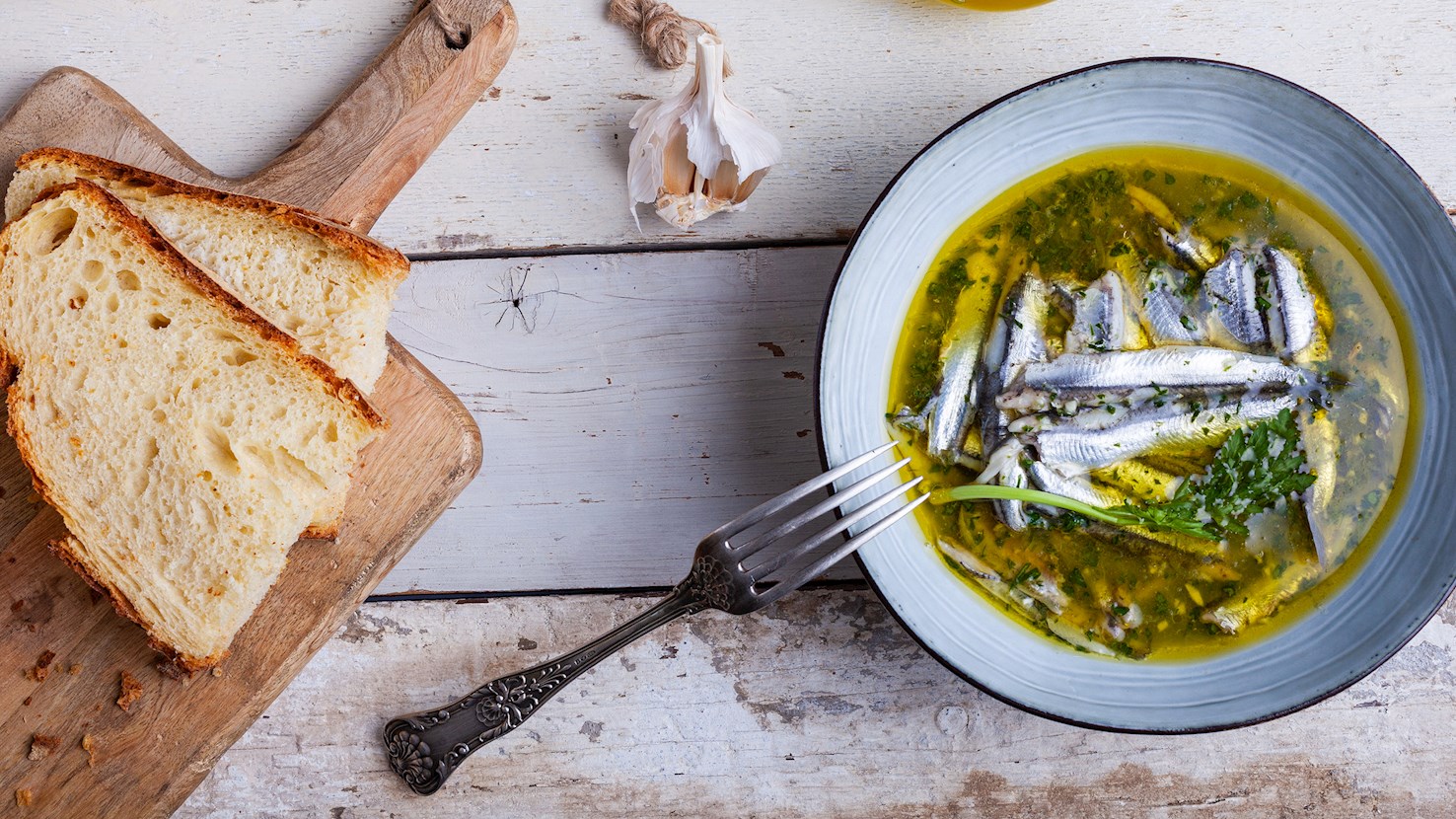
Acciughe sotto pesto is a traditional dish hailing from Siena. It's made with salted anchovies, parsley, garlic, chili peppers, and extra-virgin olive oil. The anchovies are rinsed in vinegar, then laid next to one another in a deep dish. They're topped with a mixture of garlic, parsley, and chili, with an additional generous drizzle of olive oil. When completely covered in olive oil, the dish is left to rest for about 12 hours. Later on, the anchovies can be served on their own as a simple snack or on toasted bread. In Siena, it can be found everywhere, not only in restaurants, but also in bars and grocery shops.

10
Cookie

Berriquocoli

n/a ·

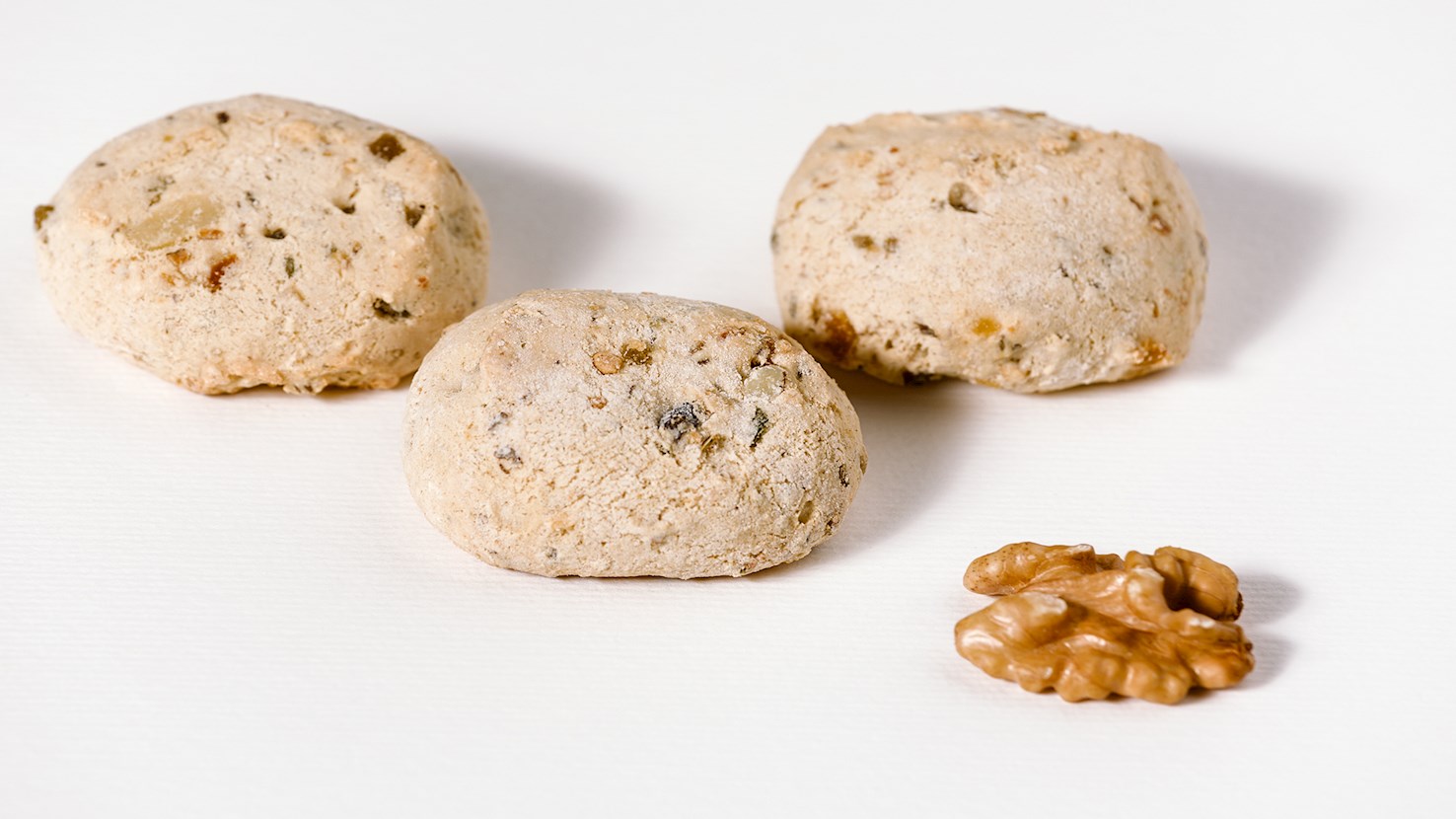
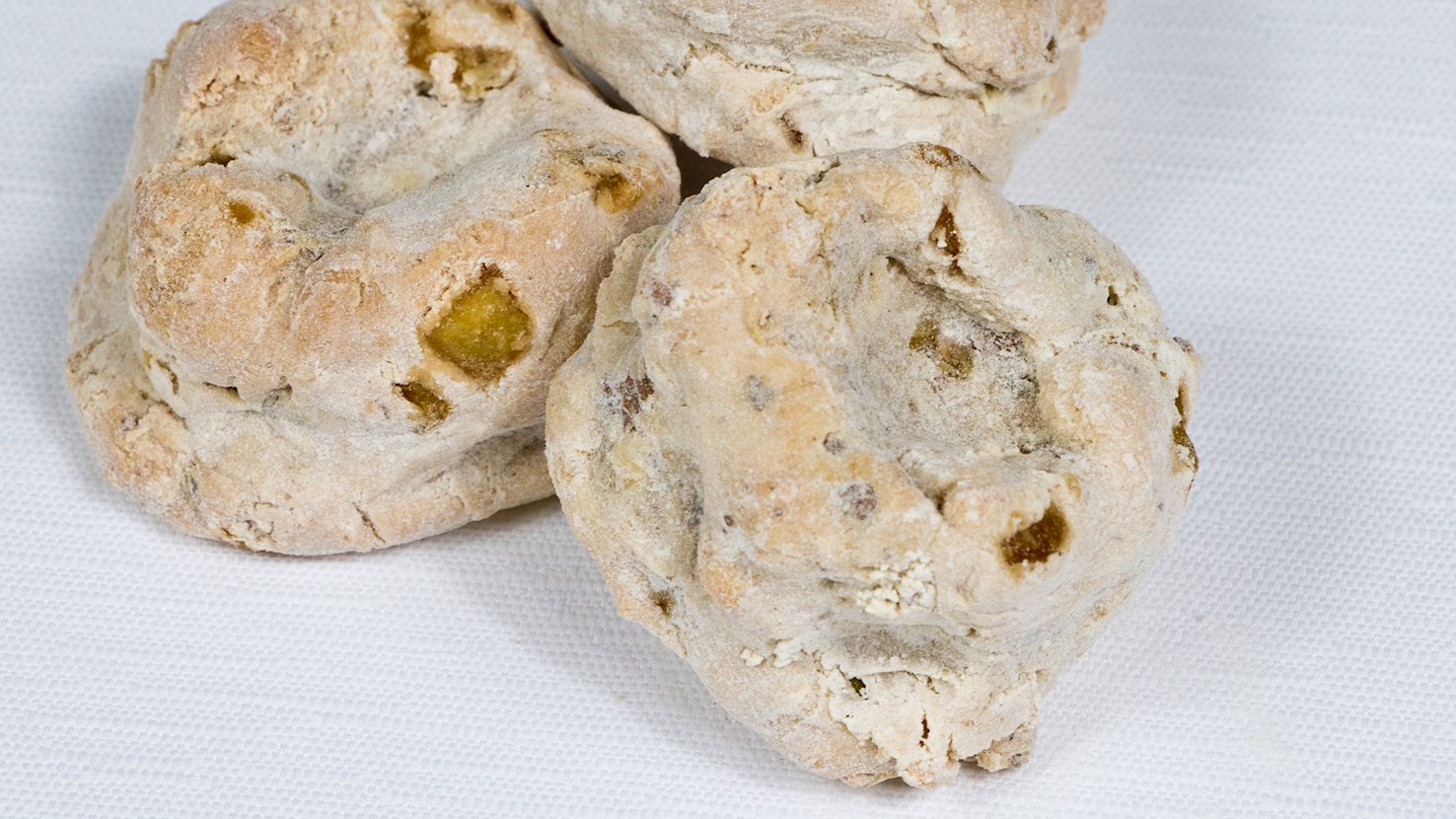
Berriquocoli are traditional rustic cookies from Siena, made with sugar, flour, honey, leavening agents, candied fruits, walnuts, and spices. They are similar to the more famous cavallucci, but are bigger in size and richer in taste, thanks to the addition of walnuts and candied cedar - that is why they are sometimes called cavallucci dei signori (lit. cavallucci of the lords). It is believed that the name of these cookies is derived from the word bericoccola, denoting a type of apricot, referring to similarities between the two regarding their size.

About this ranking

TasteAtlas food rankings are based on the ratings of the TasteAtlas audience, with a series of mechanisms that recognize real users and that ignore bot, nationalist or local patriotic ratings, and give additional value to the ratings of users that the system recognizes as knowledgeable. For the “Top 84 Traditional Foods in the Province of Siena” list until June 07, 2026, 199 ratings were recorded, of which 149 were recognized by the system as legitimate. TasteAtlas Rankings should not be seen as the final global conclusion about food. Their purpose is to promote excellent local foods, instill pride in traditional dishes, and arouse curiosity about dishes you haven’t tried.

The initial list of top producers was compiled based on available reviews, awards, local recommendations, media and blog coverage, and consumer reviews. The list will be updated with ratings from TasteAtlas local ambassadors and TasteAtlas users.

Similar lists