shutterstock

Top 13 Tuscan Pasta

Last updated on June 15, 2026

Best Tuscan Pasta

01

Pastificio Famiglia Martelli

4.9 ·
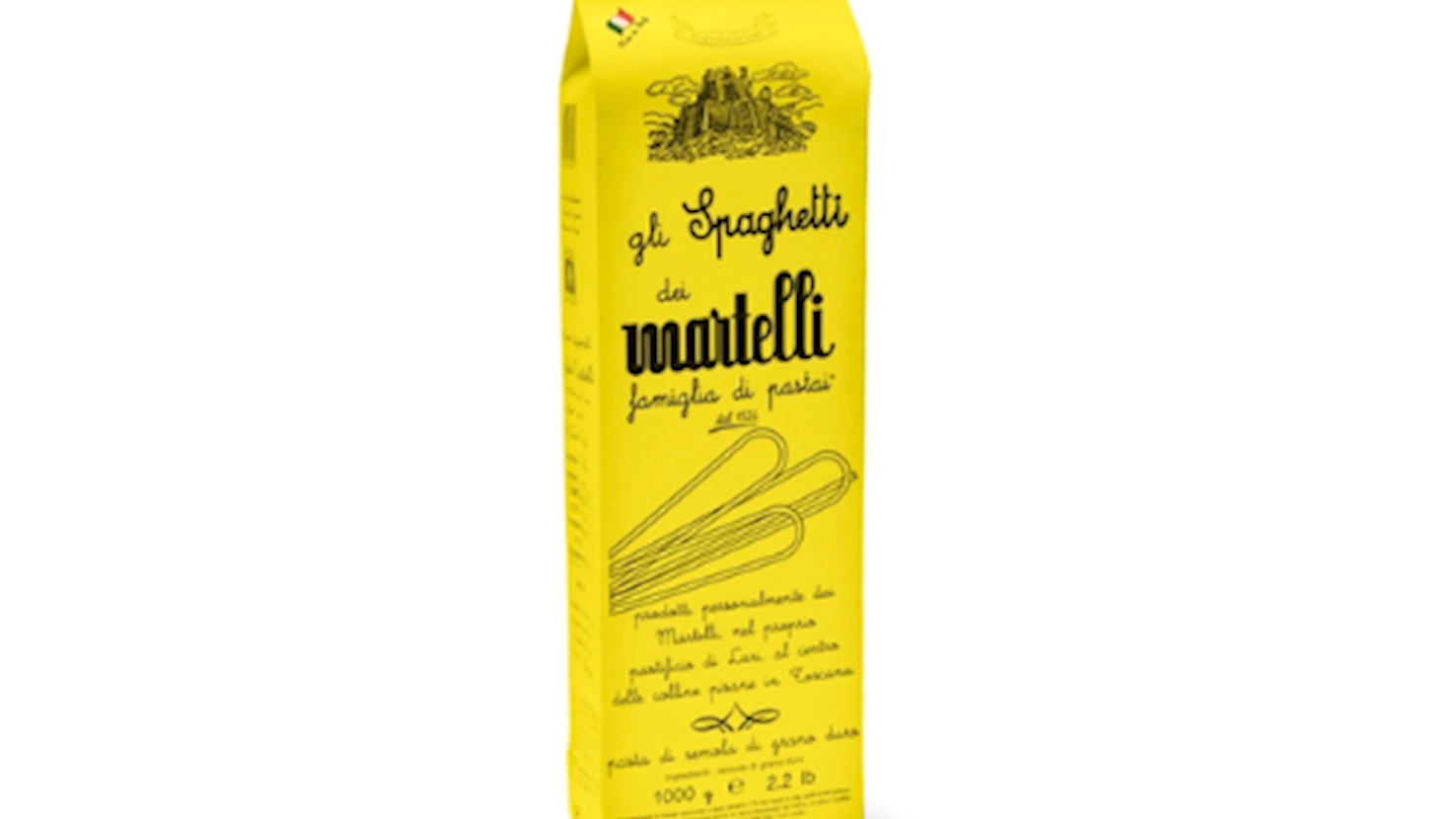
Pastificio Famiglia Martelli is a traditional artisan pasta factory located in the medieval village of Lari, near Pisa, Tuscany. Established in 1926, it remains a family-run business where only eight members of the Martelli family manage the entire production process. The pasta is crafted using 100% Italian durum wheat semolina, mixed with cold water. The dough is extruded through bronze dies, giving the pasta a rough texture that helps sauces adhere better. It is then air-dried at low temperatures for about 50 hours, preserving its nutritional value and ensuring a firm, flavorful product. Martelli produces classic pasta shapes, including Spaghetti, Spaghettini, Penne Classiche, Maccheroni di Toscana, and Fusilli di Pisa. Their commitment to traditional methods and high-quality ingredients has earned them recognition among pasta enthusiasts worldwide.
02

Fattoria La Vialla

4.6 ·
Fattoria La Vialla is a family-owned organic farm and olive oil producer located in Arezzo, Italy. The farm practices biodynamic agriculture, focusing on sustainability and environmental preservation. Their olive groves are cultivated without synthetic chemicals, adhering to organic farming principles. Fattoria La Vialla produces various other organic products, including wines, pasta, and sauces, reflecting traditional Tuscan methods. They also offer farm tours and direct sales to customers.
Awards
Decanter World Wine Awards - Platinum (2020, 2017, 2016)
Frankfurt International Trophy - Grand Gold (2024, 2023, 2022, 2021, 2017)
03

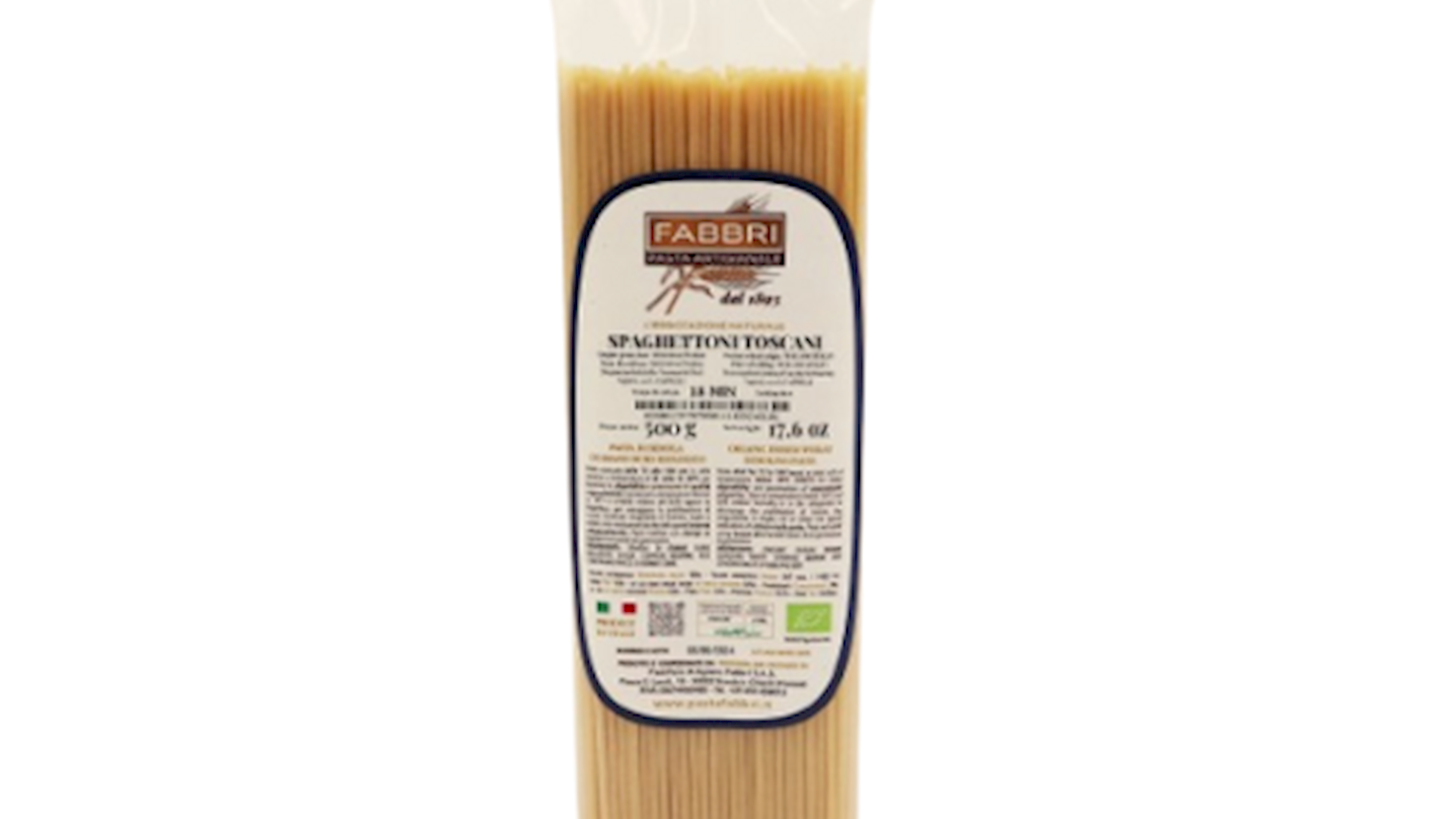
Pastificio Artigiano Fabbri

4.6 ·
Pastificio Artigiano Fabbri is an Italian artisan pasta producer founded in 1893, known for creating high-quality pasta from 100% Italian organic grains. The company is based in Strada In Chianti, Tuscany, and has been passed down through five generations. The pasta is made using traditional methods, including bronze dies and natural drying processes that take 3 to 6 days, preserving the grains' flavors and nutrients. Pastificio Artigiano Fabbri is committed to sustainability and quality, sourcing the best grains for their highly digestible pasta. Their offerings include various organic pasta lines made from grains like Timilia, Farro, and Senatore Cappelli.
04

Antico Pastificio Morelli

4.5 ·
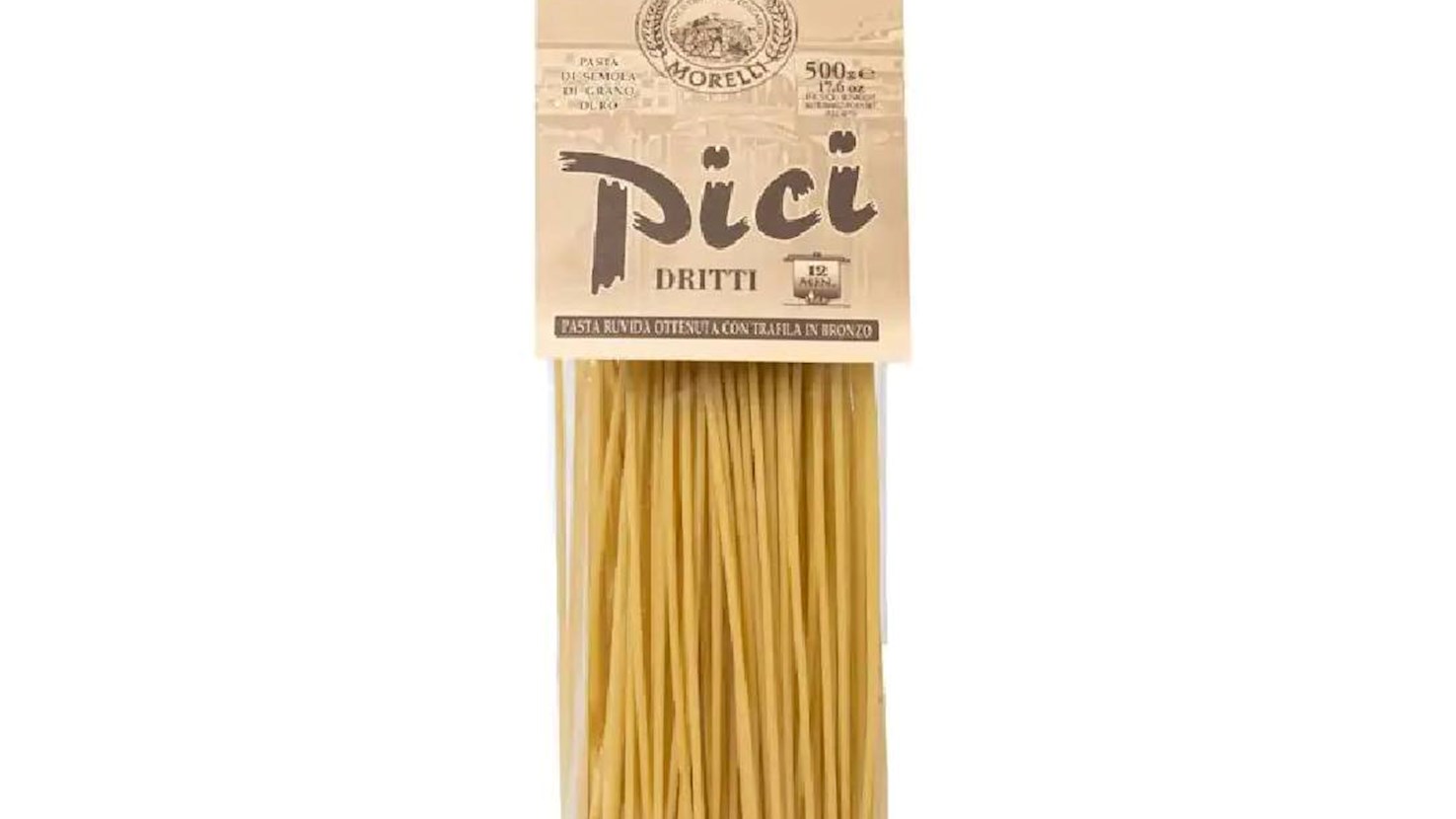
Antico Pastificio Morelli 1860 is a historic pasta producer located in San Romano, Tuscany, Italy. Established in 1860, the company has been family-run for five generations, maintaining traditional pasta-making techniques that emphasize quality and authenticity. ​ A distinctive feature of Morelli's pasta is the inclusion of fresh wheat germ, the heart of the wheat kernel, which is rich in vitamins and proteins. Typically removed during standard milling processes to prolong shelf life, the wheat germ in Morelli's pasta imparts a unique flavor and aroma, setting their products apart from conventional offerings. ​ The production process involves slow kneading of carefully selected durum wheat semolina, shaping the pasta through bronze dies to achieve a rough texture that holds sauces well, and drying at low temperatures to preserve nutritional properties and flavor. ​
05

Pasta Tirrena

4.5 ·
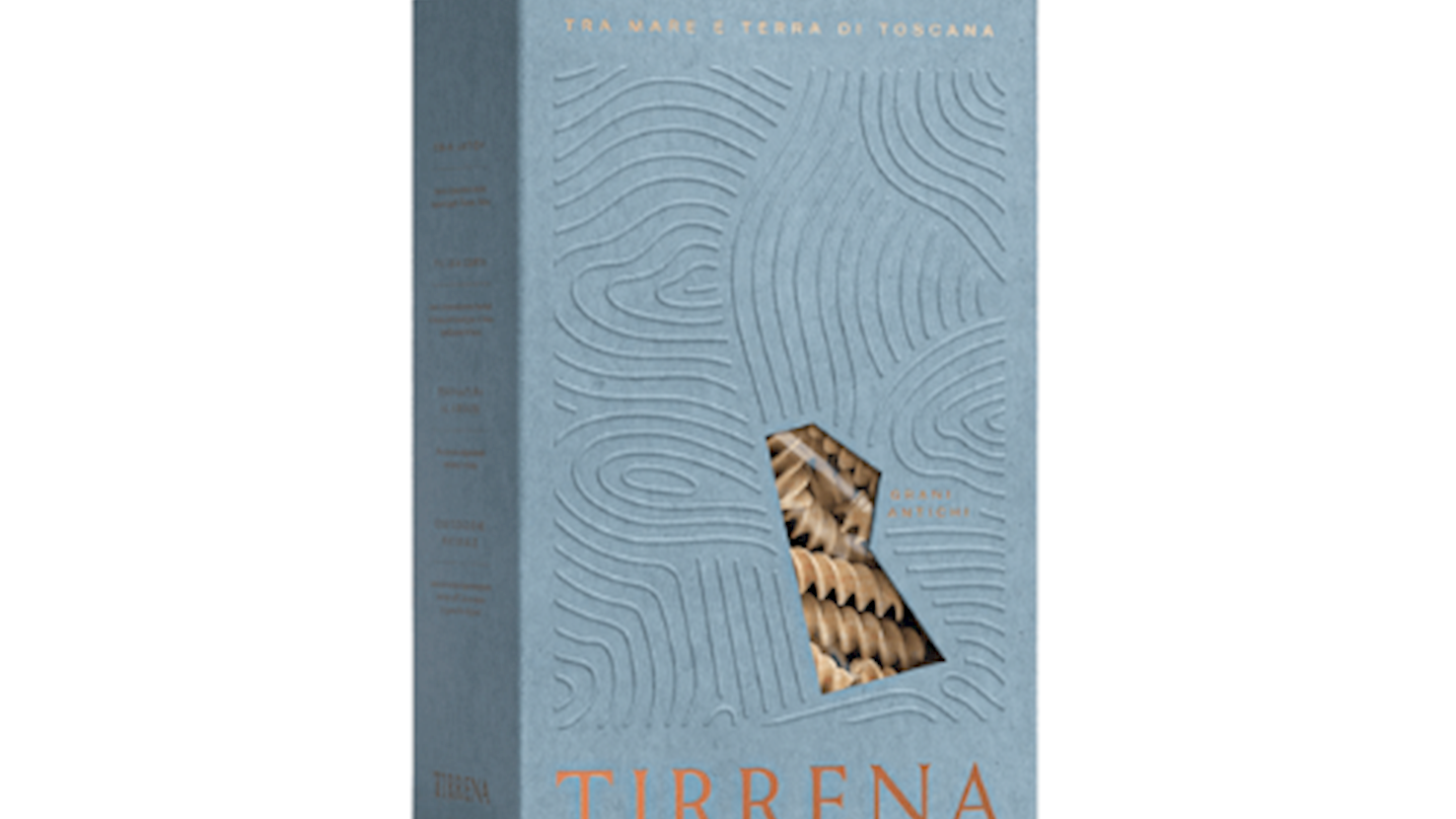
Pasta Tirrena is a premium Italian pasta brand known for its commitment to quality, traditional craftsmanship, and the use of ancient grains. Located in the heart of Tuscany, the company produces pasta using 100% Italian durum wheat, sourced from the fertile lands surrounding the Tyrrhenian Sea. This ensures that their products capture the essence of the region's rich culinary heritage. The pasta is crafted using traditional methods, including bronze-drawing to create a rough texture that allows the pasta to perfectly absorb sauces. The slow-drying process at low temperatures helps preserve the nutrients and flavors, resulting in a pasta that is both flavorful and easy to digest. Pasta Tirrena offers a variety of pasta shapes, including spaghetti, fusilli, and linguine, each of which is designed to complement different types of sauces. Their products are crafted from high-quality grains like Senatore Cappelli, Khorasan, and Evoldur, ancient wheat varieties known for their exceptional taste and nutritional value. With each bite, Pasta Tirrena delivers a genuine, authentic taste of Tuscany.
06

Probios

4.4 ·
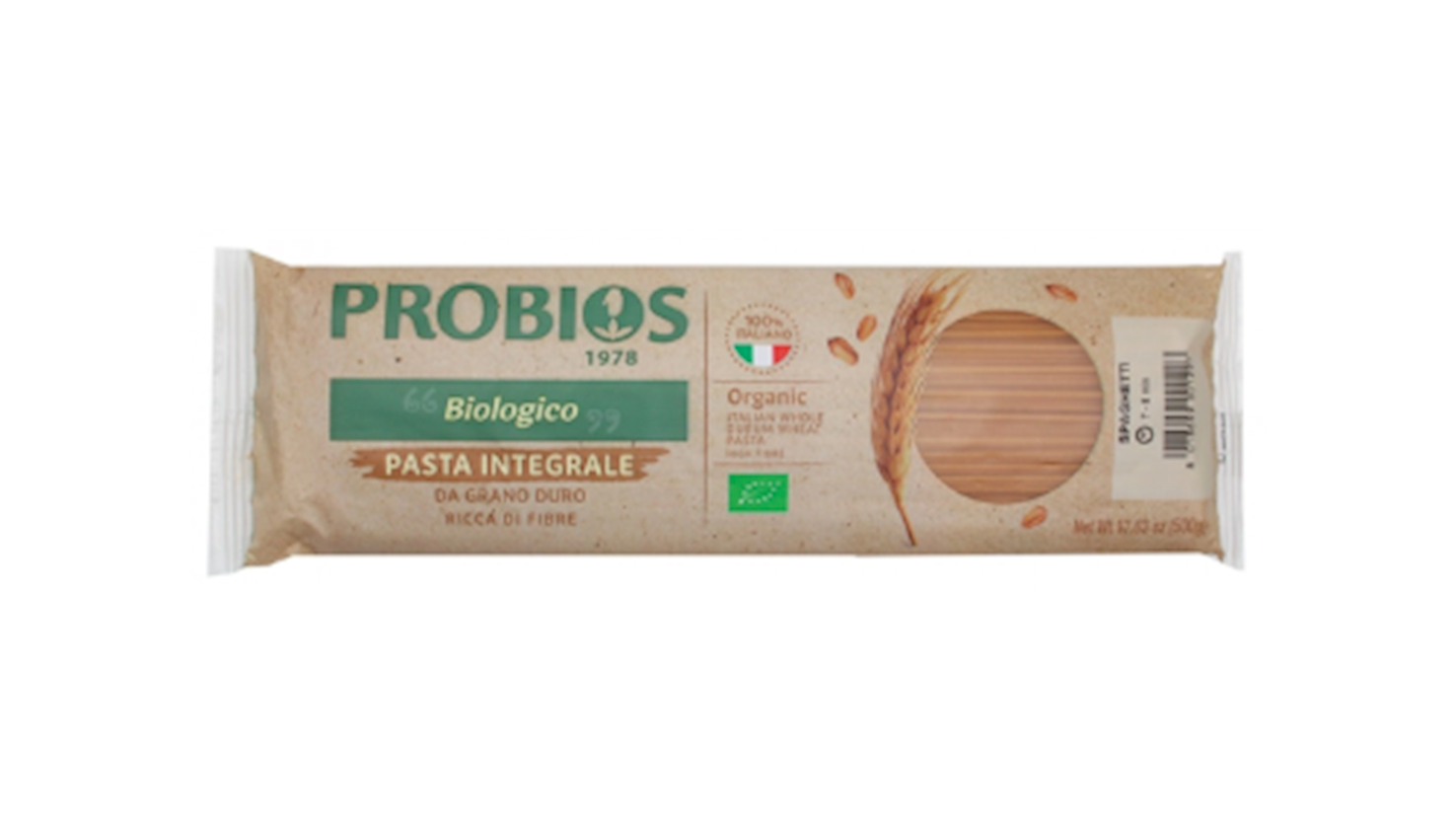
Probios is a leading Italian brand specialized in organic and vegetarian products, headquartered in Calenzano, in the Tuscany region. For over 35 years, the brand has been committed to promoting the principles of organic farming, with deep respect for people, the land, and natural resources. Their philosophy centers on the distribution of certified organic products sourced directly from farms, with a focus on transparency, traceability, and minimal processing of raw materials. The Probios product range includes more than 300 items, catering to a variety of dietary needs. Particular emphasis is placed on pasta and flours made from Italian durum wheat, produced using traditional methods in a historic Tuscan factory.
07

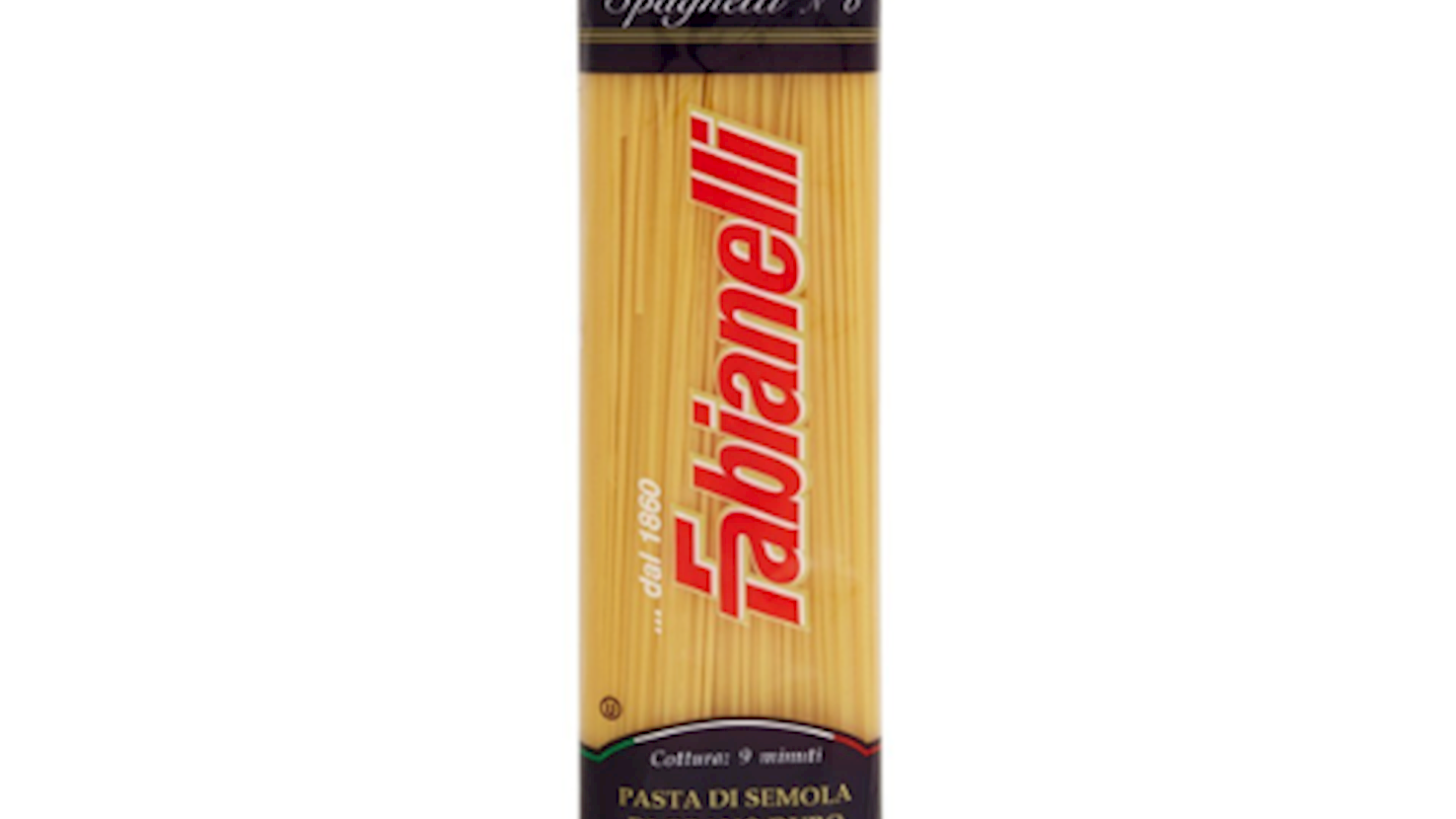
Pastificio Fabianelli

4.3 ·
Pastificio Fabianelli is a family-owned Italian company with a rich tradition dating back to 1860, originally founded as a small pasta workshop in Castiglion Fiorentino. Today, it stands as one of the oldest pasta producers in Italy, with a production capacity of approximately 150 tons of pasta per day. The company uses 100% durum wheat semolina from Italian-grown wheat with strong gluten content, giving the pasta its distinctive texture and resistance to overcooking. All pasta shapes are bronze-extruded and slowly dried at low temperatures to preserve the natural aroma, flavor, and nutritional qualities of the grain. Pastificio Fabianelli represents a perfect blend of traditional craftsmanship and modern industry - over 160 years of experience combined with a strong commitment to quality, innovation, and international presence, all while maintaining deep respect for both regional and national Italian heritage.
08

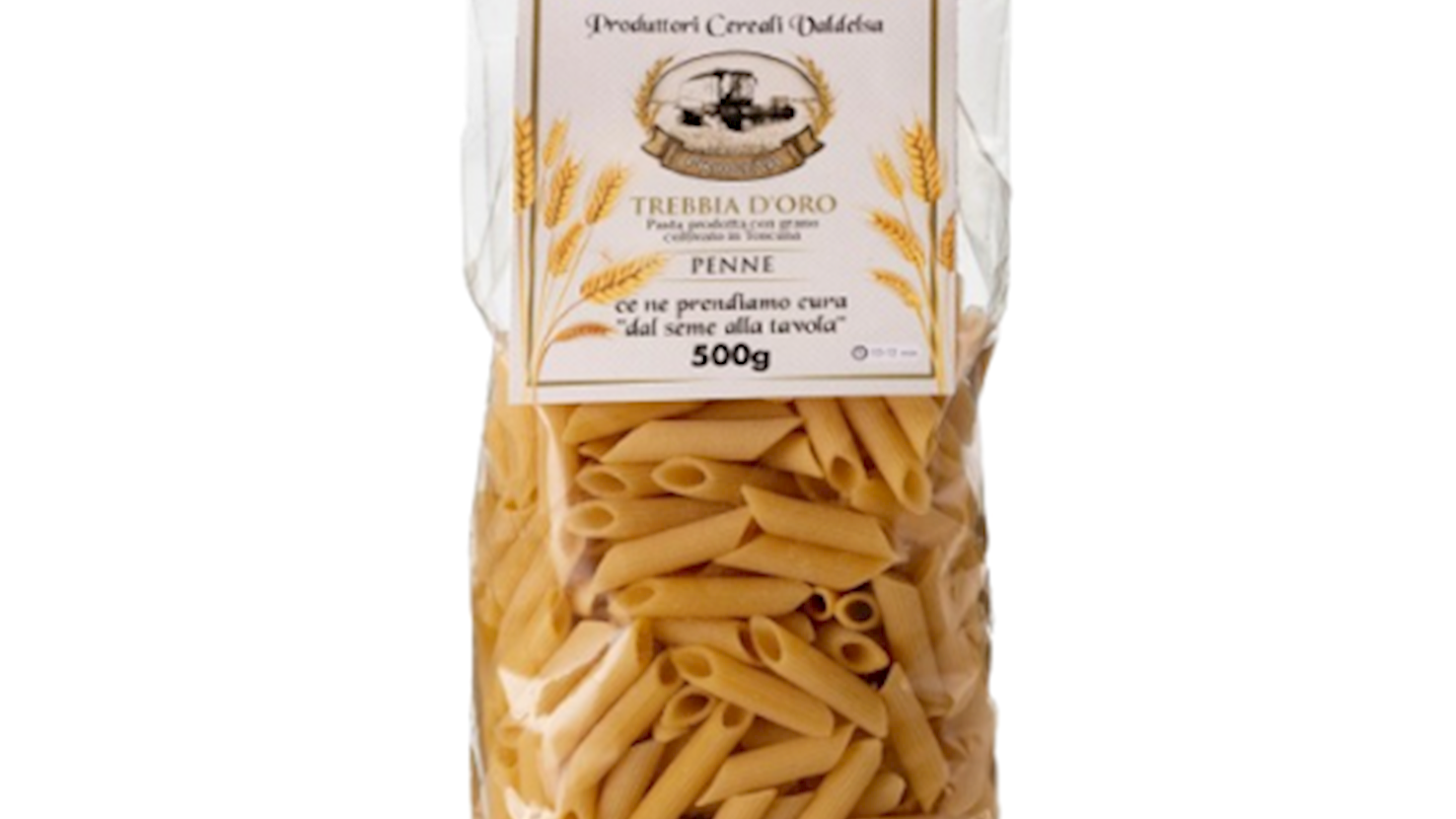
Proceva Trebbia d’Oro

4 ·
Proceva Trebbia d’Oro is an artisanal pasta factory based in central Italy, renowned for producing high-quality dry pasta under the Trebbia d’Oro brand. This brand was born from the desire of local grain growers in the Val d'Elsa area to create an authentic product by combining agricultural expertise with traditional pasta-making techniques. Proceva uses only Italian durum wheat, known for its high nutritional value, which is carefully milled into semolina and then extruded through bronze dies to achieve a rough texture that perfectly holds sauces. The pasta is slowly dried at low temperatures to preserve the grain’s natural color, aroma, and texture. The range includes various classic Italian formats such as fusilli, casarecce, sedani, puntine, and more. The packaging features a rustic design with imagery of Tuscan landscapes and tractors, further emphasizing the connection between the land and the product. Pastificio Proceva promotes local production, transparency, and sustainability, offering pasta that truly reflects the character of the region it comes from.
09

Sapore di Sole

n/a ·
Sapore di Sole is an Italian brand from Tuscany focused on organic and biodynamic food production, headquartered in Alberoro, in the municipality of Monte San Savino. The company has been active since the late 1990s, with the goal of restoring authenticity and purity to food through short, local Italian supply chains. Their focus is on organically grown grains, ancient wheat varieties, and minimally processed whole-grain products. The brand uses stone-milling techniques to preserve natural fibers, minerals, and the aromatic character of the grain. Sapore di Sole works exclusively with small producers who share the same philosophy of sustainable agriculture. The product design is simple and informative, with a clear focus on the ingredients and nutritional value. At every stage of production, the emphasis is on simplicity, slow processes, and respect for raw materials. Sapore di Sole represents a blend of Tuscan tradition and modern care for food quality, where value is not created through industrial volume but through understanding the land from which each ingredient comes.
10

Podere Pereto

n/a ·
Podere Pereto is a family-run organic farm known for cultivating ancient varieties of grains and legumes. Founded in 1991, the farm was established with the clear intention of returning to traditional agriculture, without pesticides or synthetic fertilizers. All production takes place on the farm’s own land, with crop rotation used to maintain soil fertility and biodiversity. The grains are stone-milled, a process that preserves minerals, fibers, and the natural oils of the flour. Their range includes whole-grain flours, grains, legumes, and artisan pasta made from local wheat varieties. The estate dates back to the 16th century and is surrounded by the distinctive Tuscan landscape of gentle rolling hills and pale, clay-rich soil typical of the Crete Senesi area. The farm’s approach is based on preserving the land and minimizing intervention in production, giving each product an authentic character. Podere Pereto does not aim for mass production, but rather for quality that comes from understanding the land and its seasonality. The philosophy is simple - food should retain the identity of the grain and the territory from which it originates. This is an example of a farm that does not imitate tradition; it lives it and expresses it through its products.

Best Tuscan Pasta

01

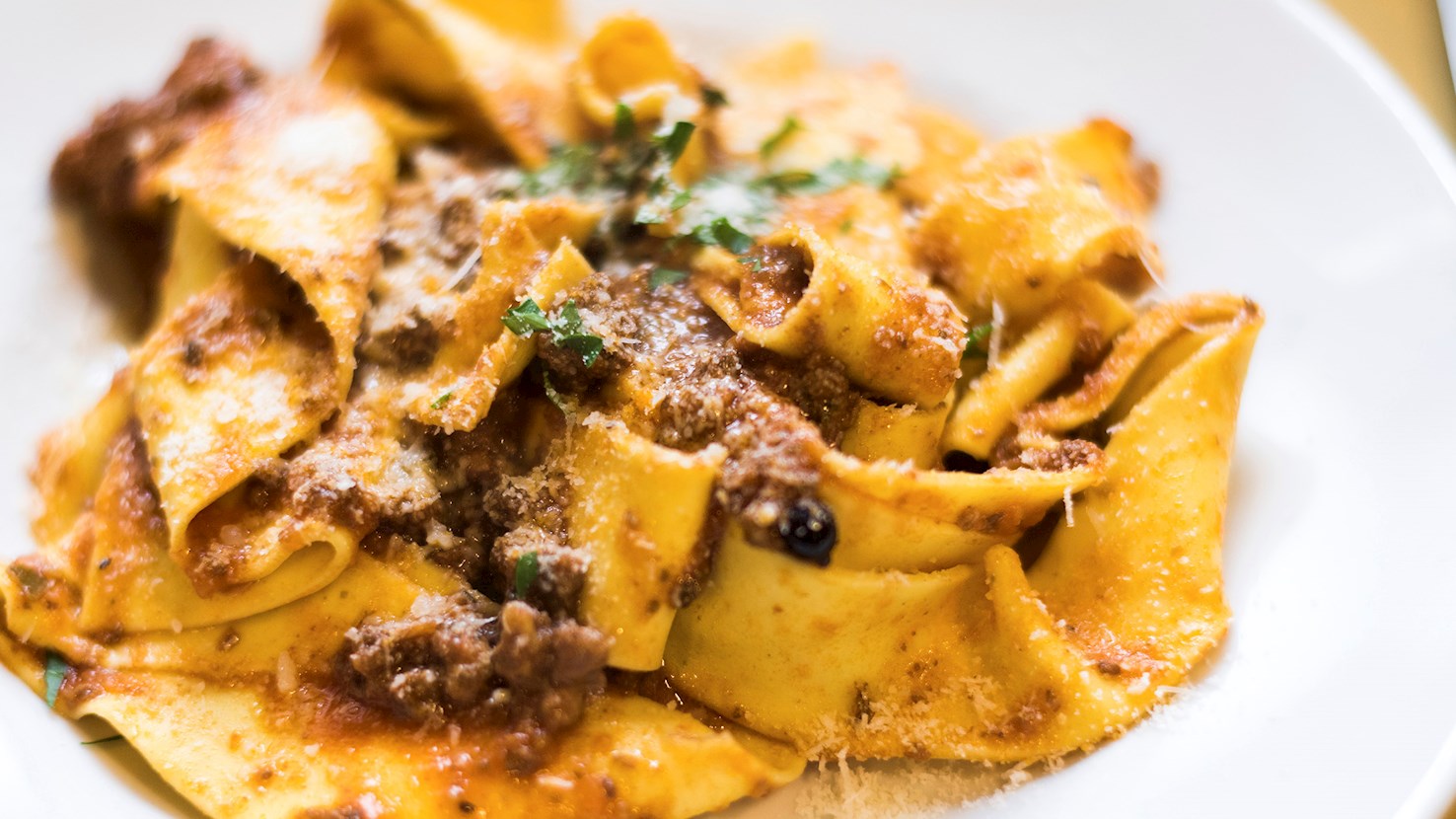
Pappardelle al cinghiale

4.5 ·

Pappardelle is a famous Tuscan pasta variety. When paired with ragù di cinghiale (made with wild boar), they become one of the region's best gastronomic experiences. Unlike classic ragù, the one prepared with wild boar has an intense, much stronger flavor achieved by long, slow simmering in a rich sauce of tomatoes and red wine. The tender meat paired with fresh egg pasta is a combination full of flavors and tradition in every single bite - rich and delicious, topped with a generous amount of chopped fresh parsley and a sprinkle of Parmigiano, pappardelle al ragù di cinghiale make a perfect, comforting winter dish, especially when paired with a glass of Tuscan red wine.

02

Pappardelle alla lepre

4.2 ·

Pappardelle alla lepre is an ancient Tuscan dish – allegedly, Boccaccio himself was impressed with these pasta ribbons which are cooked in broth and flavored with hare meat. The preparation of this rich dish is time-consuming – the hare must be marinated in wine, vinegar, and aromatic herbs in order to develop the flavor and eliminate the strong gamey smell, and it is then slowly simmered with chopped onions, carrots, celery, wine, tomatoes, bay leaves, salt, pepper, and stock. Interestingly, the original name of this dish was pappardelle sulla lepre, meaning pappardelle on top of the hare, allegedly due to the fact that it was once much easier to find the hare than eggs or flour – so the typical plate used to contain lots of meat and only a few ribbons of pasta. Even though the times have changed, that just may be the reason why (in Tuscany) papardelle are traditionally placed on top of the sauce and not the other way around. Due to their complex flavor, pappardelle alla lepre pair especially well with full-bodied red wines.

03

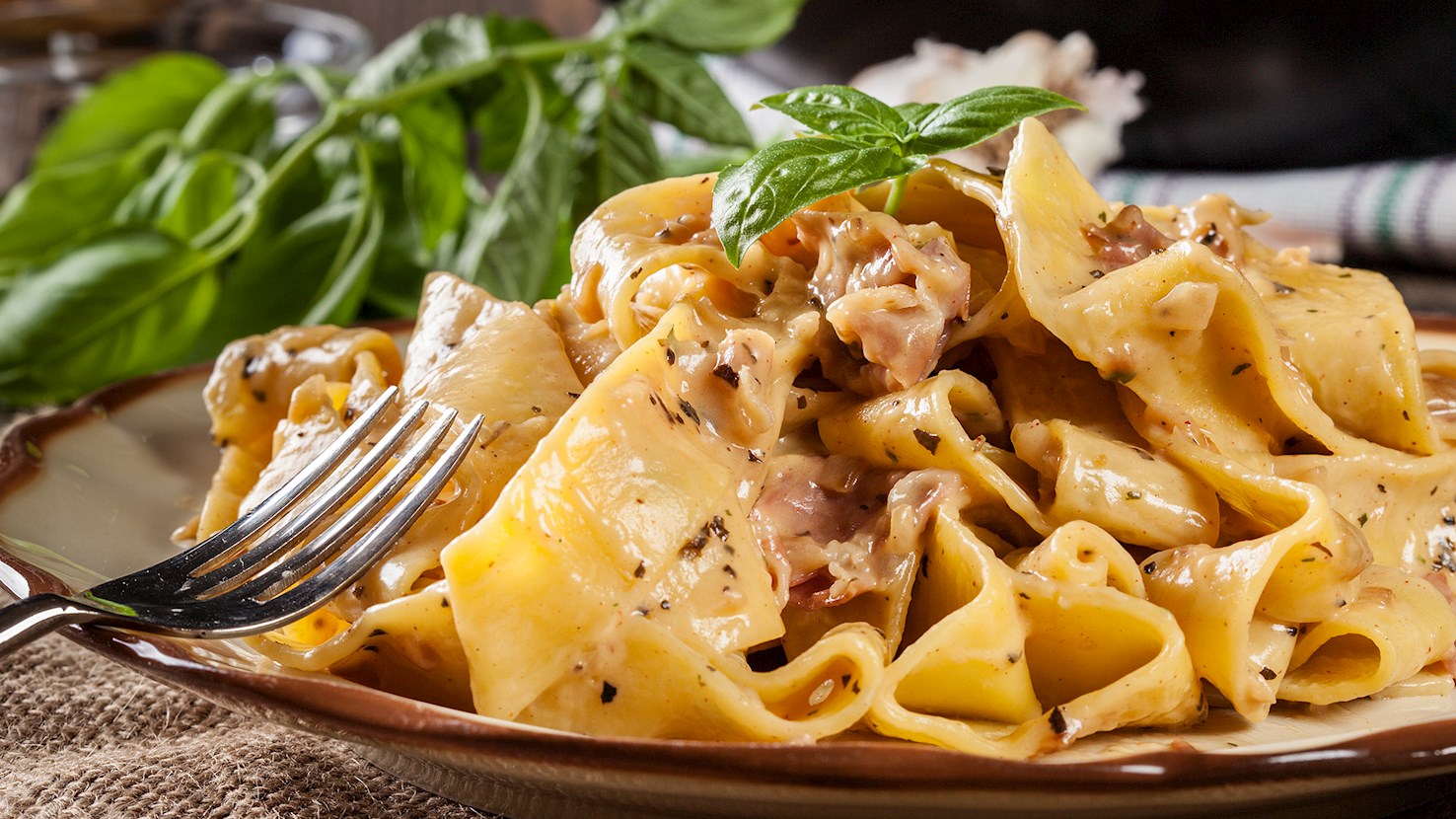
Paglia e fieno

4.1 ·

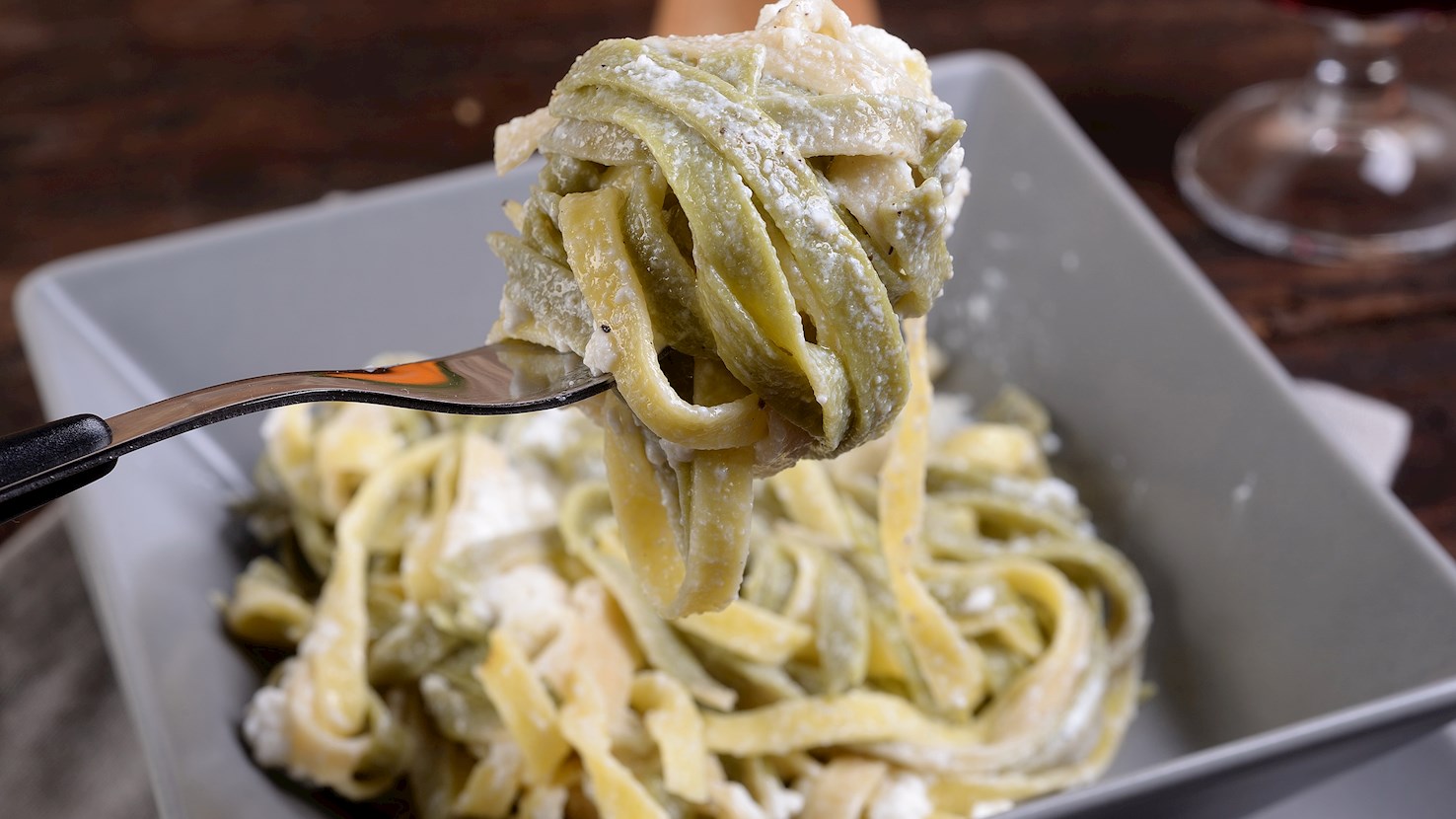
Paglia e fieno is a traditional dish originating from Siena. The name of the dish means straw and hay, referring to the green (spinach) pasta noodles as hay and the yellow (egg) pasta noodles as straw. It's best if the spinach and egg pasta is of the tagliatelle or taglierini (tajarin) varieties, combined with onions, prosciutto, peas, olive oil, and heavy cream. The pasta is tossed with the other ingredients, and the dish is usually finished with grated Parmigiano-Reggiano, ground pepper, and chopped parsley.

04

Pappardelle all'anatra

4 ·

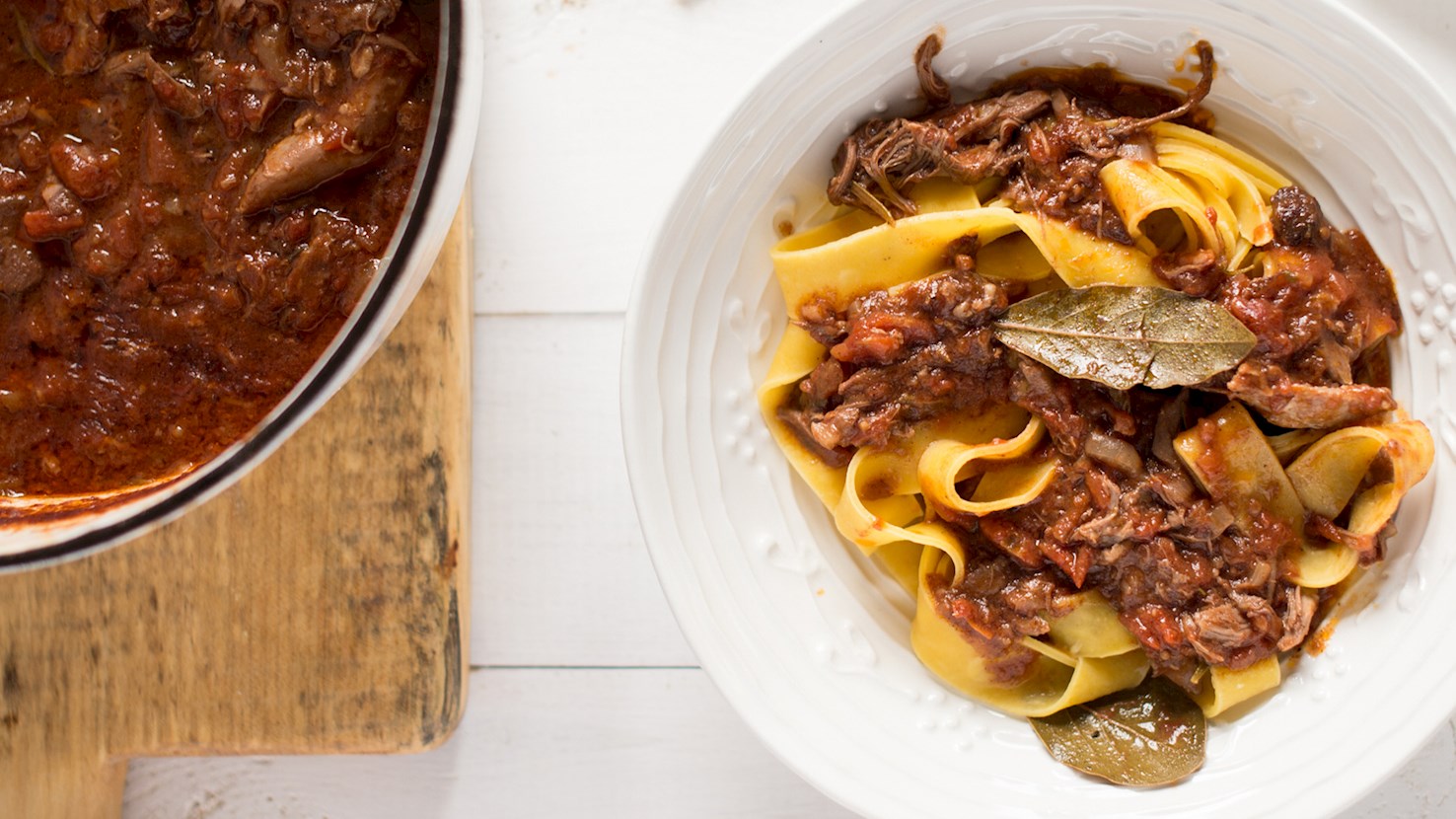
Pappardelle all'anatra is a traditional dish that's especially popular in Tuscany. The dish is prepared with a combination of duck meat, garlic, tomatoes, red wine, stock, onions, carrots, celery, olive oil, sage, rosemary, bay leaves, and pappardelle pasta. The hearty meat sauce is simmered until reduced, and it is then combined with the pappardelle pasta. When served, the dish is traditionally garnished with lashings of grated parmesan.

05

Spaghettini verdi

3.5 ·

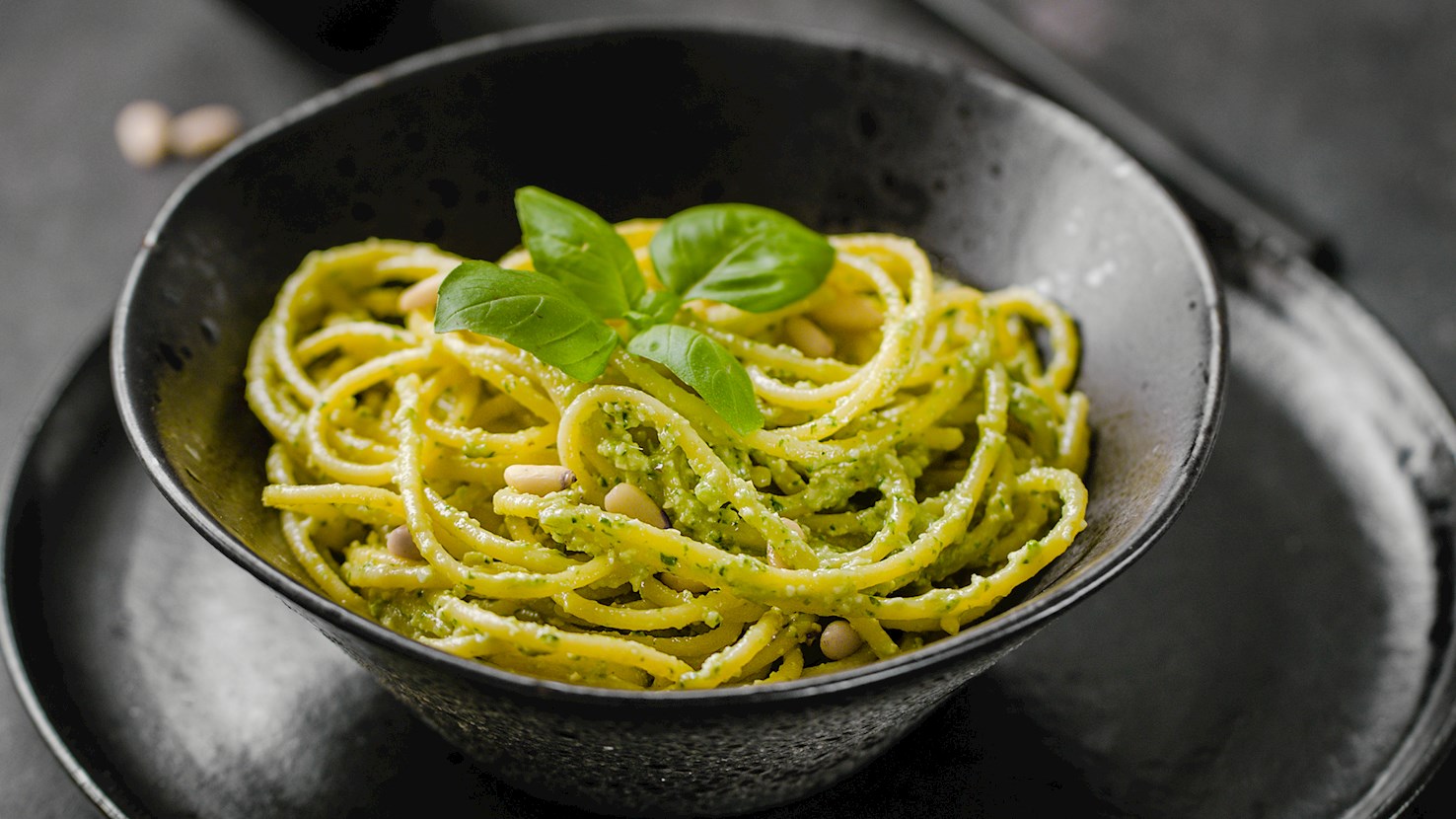
Spaghettini verdi is a traditional pasta dish originating from Tuscany. It's made with a combination of extra-thin spaghettini pasta, butter, garlic, parsley, salt, pepper, and grated Parmigiano-Reggiano cheese. The spaghettini are cooked in salted water, drained, then returned to the pot with the butter, garlic, grated cheese, and parsley. The dish is seasoned with salt and pepper, tossed, and immediately served on heated plates. If prepared properly, the pasta should be coated in a creamy green sauce.

06

Penne strascicate

3.5 ·

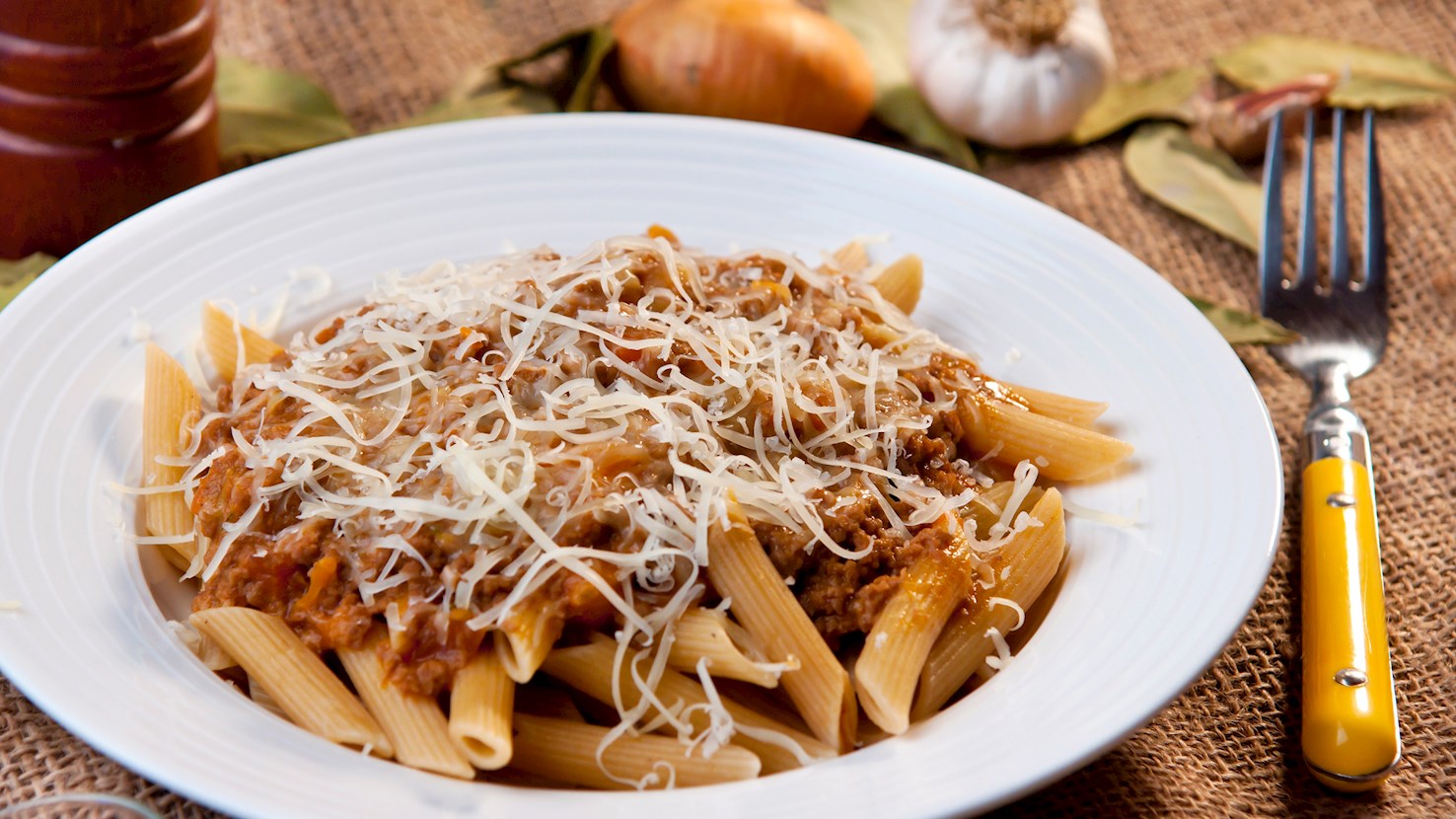
Penne strascicate is a traditional pasta dish originating from Florence. This ancient peasant dish is made with a combination of penne pasta, ragù Toscano, and grated Parmigiano-Reggiano. Penne are semi-cooked in salted boiling water and drained, while some of the cooking water is reserved for later. The pasta is added to the Tuscan meat sauce (usually consisting of beef, sausage bits, tomatoes, wine, olive oil, onions, carrots, and celery) in a big pan. The pasta is finished in the pan with the meat sauce while being continuously stirred and tossed in order to avoid sticking to the bottom. The reserved cooking water is used to loosen the sauce. Near the end of cooking, grated cheese is added to the dish and it's served immediately. The word strascicate in the name of the dish means to drag and refers to the action of dragging a wooden spoon across the bottom of the pan.

07

Tortelli alla lastra

n/a ·

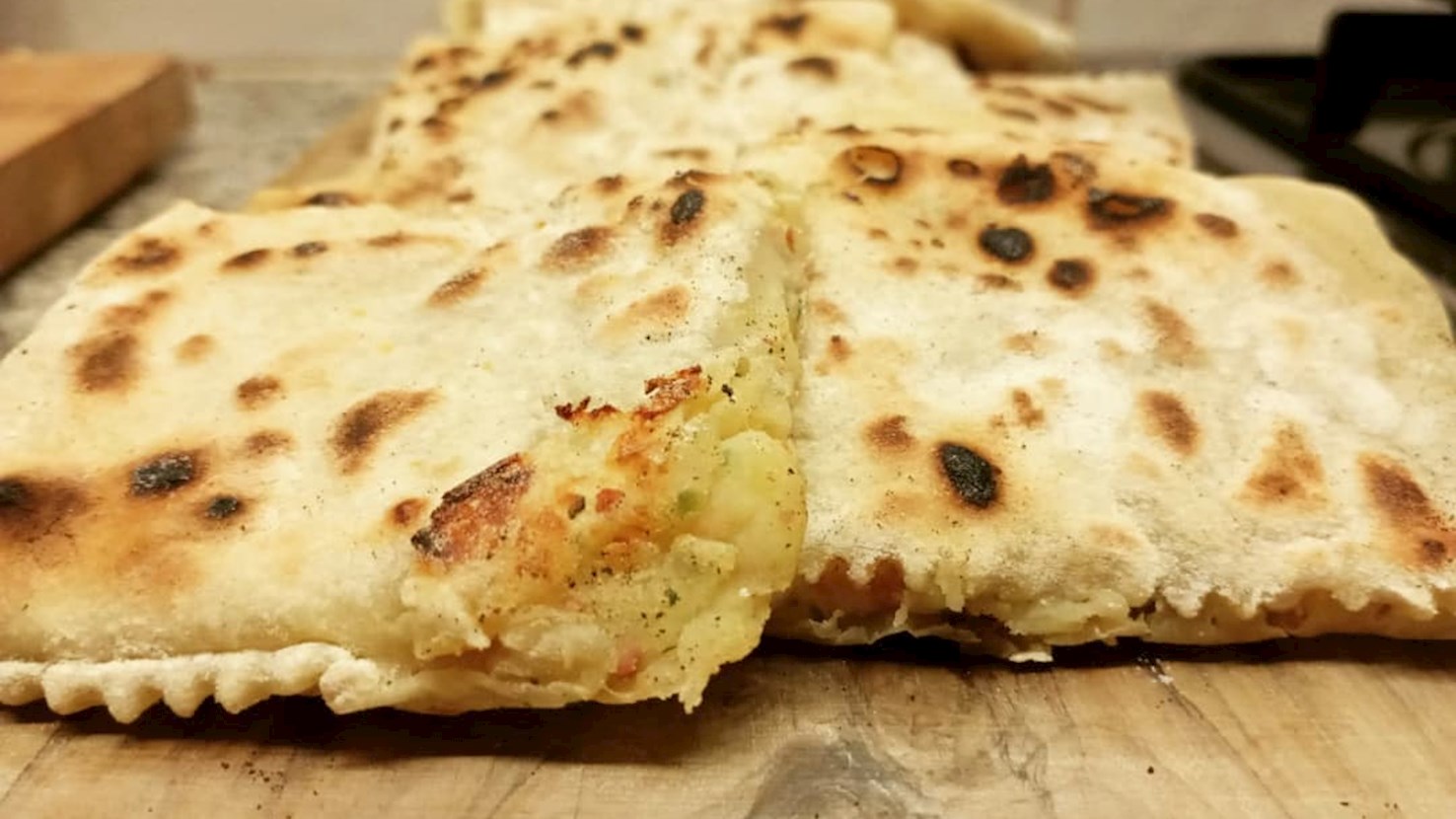
Tortelli alla lastra is a traditional dish hailing from Tuscany. These tortelli are similar to ravioli, and the dough is made with flour, water, and salt. Once prepared, it's rolled and cut into thin and large rectangles or squares. The tortelli are then stuffed, usually with a combination of pancetta, mashed potatoes, eggs, wild greens, ricotta, pumpkin, and seasonings, with every ingredient used depending on its availability. Each stuffed tortello is cooked on a slab or a tile which was originally made of clay, but nowadays it's made of cast iron. The slab was placed over the embers in the fireplace, but today cooks often use the top of the stove. They're often served with a sauce consisting of tomatoes, garlic, sage, celery, carrots, and onions, although all of the ingredients for the sauce can also be used in the filling. The dish can be eaten hot or cold, and it's recommended to follow it up with a glass of wine.

08

Tortelli Mugellani

n/a ·

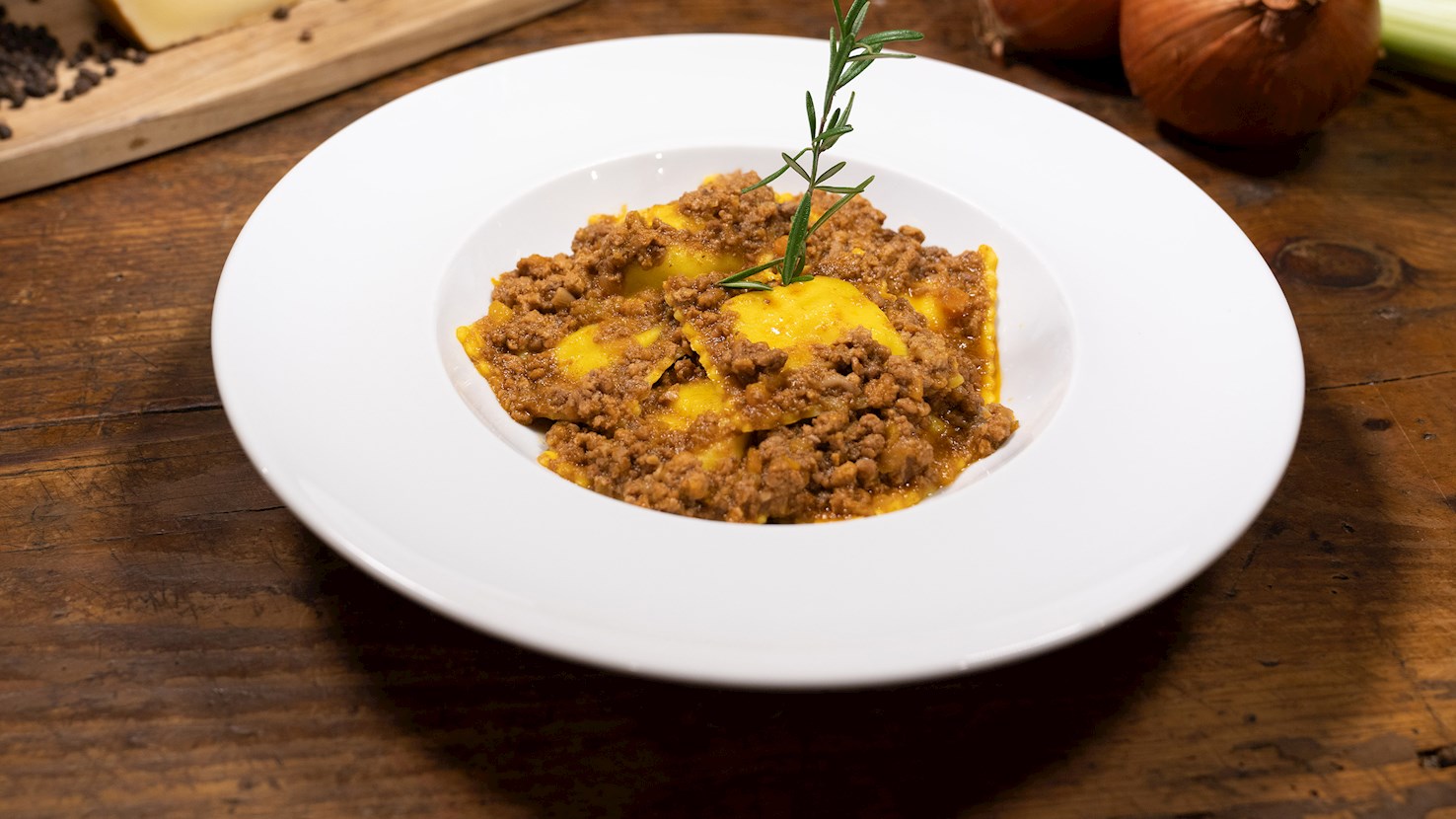
Tortelli Mugellani is a traditional dish from Tuscany. The tortelli are square in shape and somewhat bigger than the classic ravioli. Initially, this was a peasant meal and the tortelli were filled with local Mugello chestnuts, but around 1800 they were filled with potatoes, a practice that continues up to this day. The filling consists of potatoes, garlic, butter, cream, Parmigiano Reggiano, parsley, nutmeg, salt, and pepper, while the dough is made from flour and eggs. Tortelli Mugellani are traditionally served with meat sauce or butter and sage sauce. Pair it with a glass of Tuscan red wine.

09

Tordelli Lucchese

n/a ·

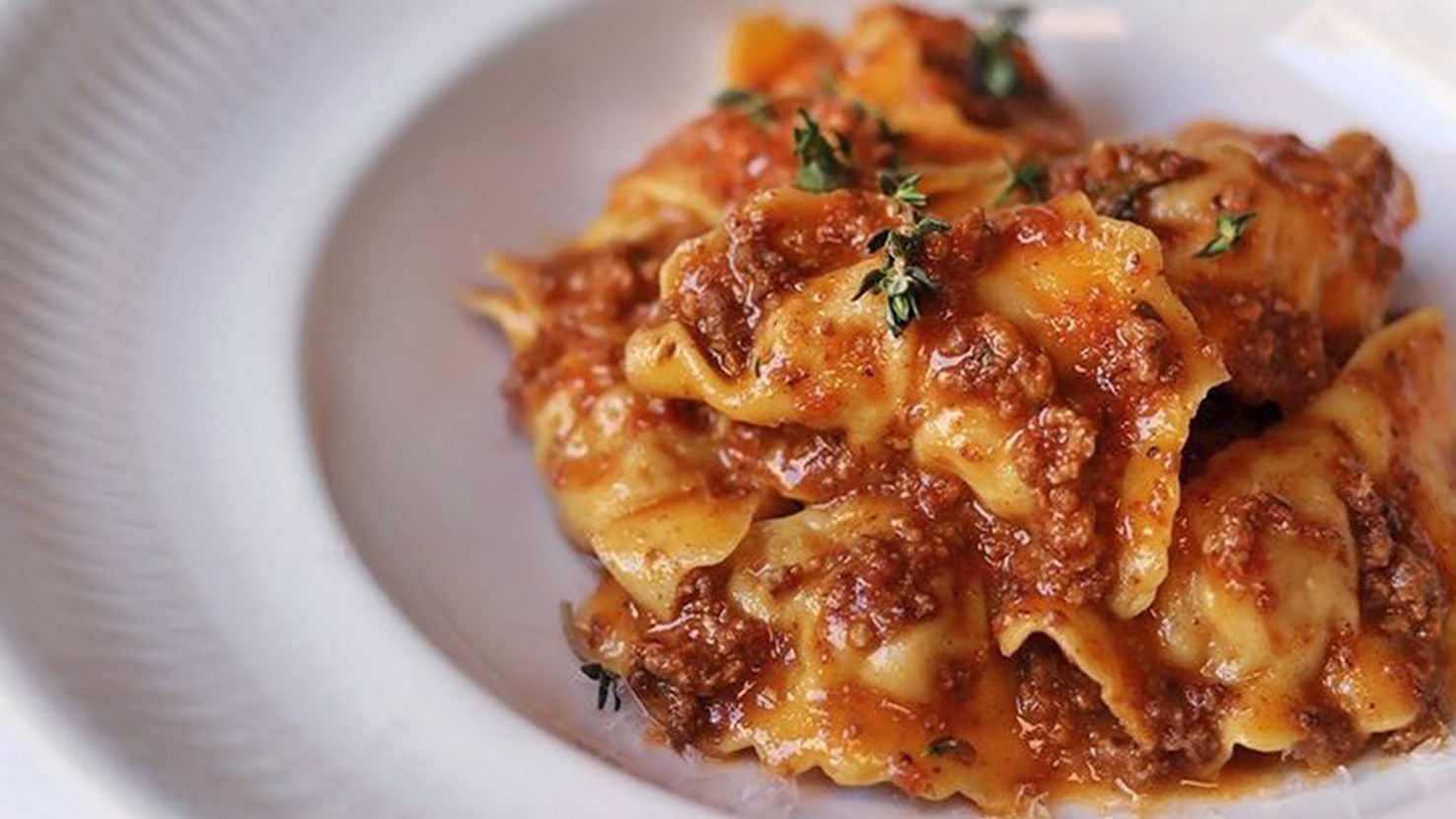
Tordelli Lucchese is a traditional pasta dish hailing from Lucca, Tuscany. The pasta is made from flour and eggs and it's similar to ravioli. It's filled with beef or pork, Swiss chard, pine nuts, raisins, bread, spices, and grated cheese. In Lucca, the tordelli are semi-circular in shape, and once prepared, they are combined with a rich and hearty meat sauce made with onions, carrots, celery, beef, pork, garlic, pancetta, sage, cinnamon, nutmeg, red wine, tomatoes, and olive oil. When served, tordelli Lucchese are traditionally sprinkled with grated parmesan cheese on top. The dish should always be served hot, and it can be found in most local restaurants.

10

Pici alle briciole (Pici with Breadcrumbs)

n/a ·

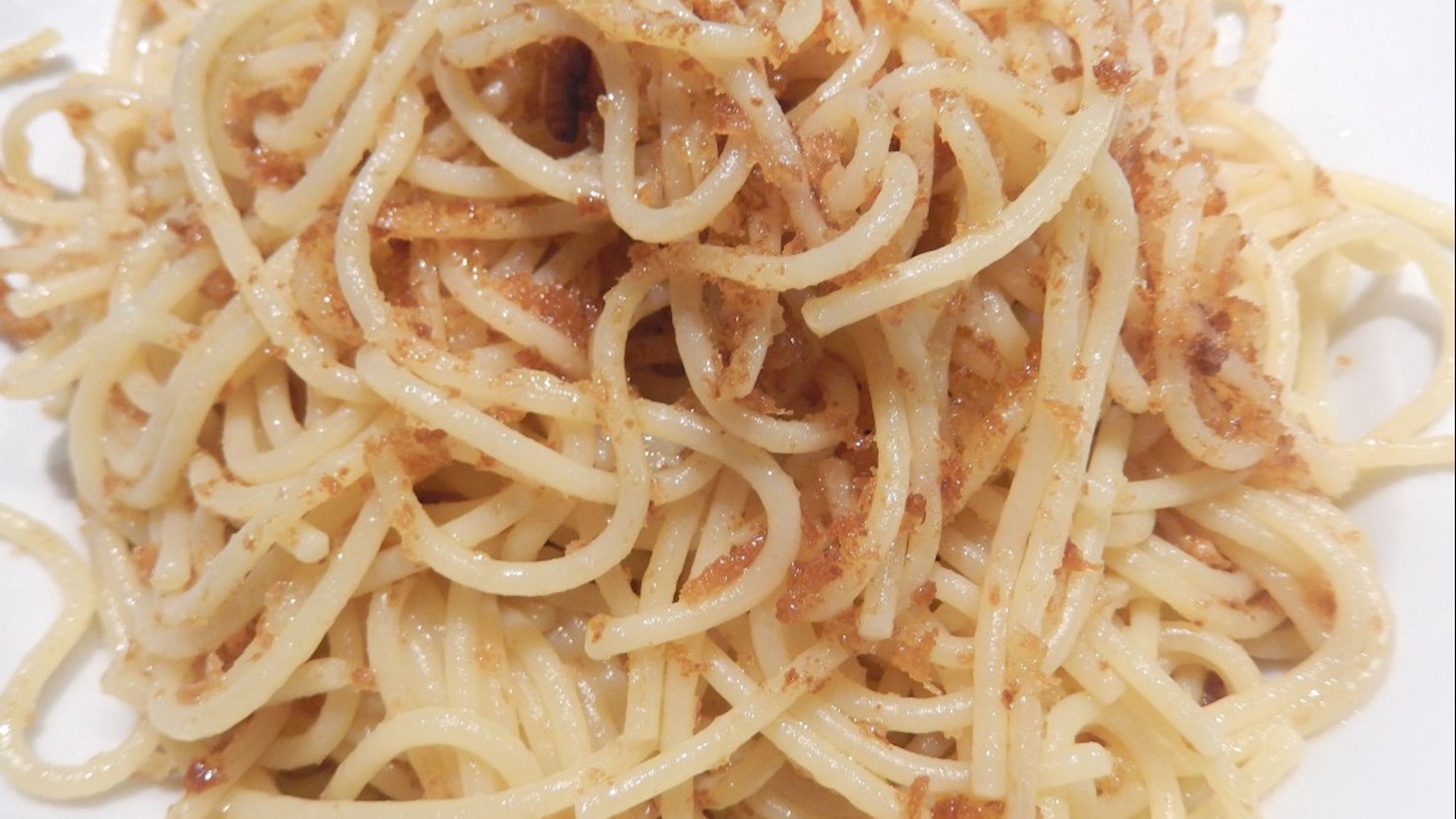
Pici alle briciole is a simple Tuscan dish originating from the area around Siena. It's a typical example of la cucina povera, made with common ingredients such as garlic, olive oil, hot red peppers, day-old Tuscan bread, and handmade pici pasta. The pici pasta is made with flour and water, and each noodle is rolled by hand, with the final result looking similar to spaghetti, but wider and more robust. The absence of eggs in the pasta is a sign of its poor origin. The pici pasta is combined with the sauce consisting of breadcrumbs, garlic, olive oil, and dried hot pepper. Once done, the dish is seasoned with ground pepper and salt, and if desired, it can be served with a sprinkle of grated pecorino on top.

Read more
View all
View map
About this ranking

TasteAtlas food rankings are based on the ratings of the TasteAtlas audience, with a series of mechanisms that recognize real users and that ignore bot, nationalist or local patriotic ratings, and give additional value to the ratings of users that the system recognizes as knowledgeable. For the “Top 13 Tuscan Pasta” list until June 15, 2026, 493 ratings were recorded, of which 384 were recognized by the system as legitimate. TasteAtlas Rankings should not be seen as the final global conclusion about food. Their purpose is to promote excellent local foods, instill pride in traditional dishes, and arouse curiosity about dishes you haven’t tried.

The initial list of top producers was compiled based on available reviews, awards, local recommendations, media and blog coverage, and consumer reviews. The list will be updated with ratings from TasteAtlas local ambassadors and TasteAtlas users.

Similar lists