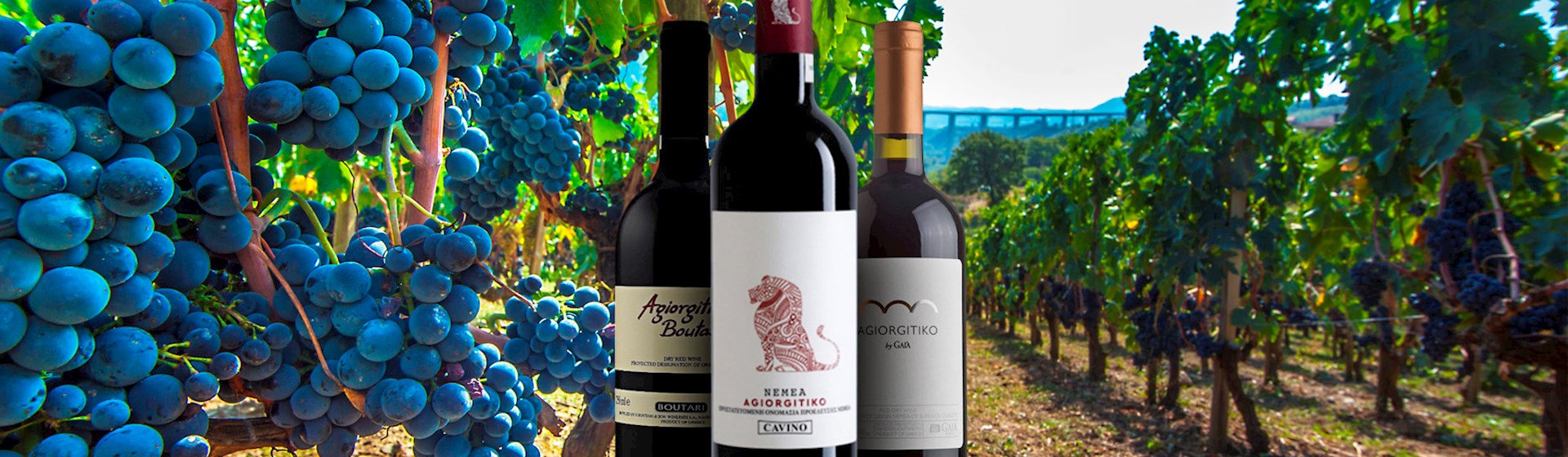
Top 29 Greek Red Wines

Last updated on June 15, 2026

Best Greek Red Wines

01

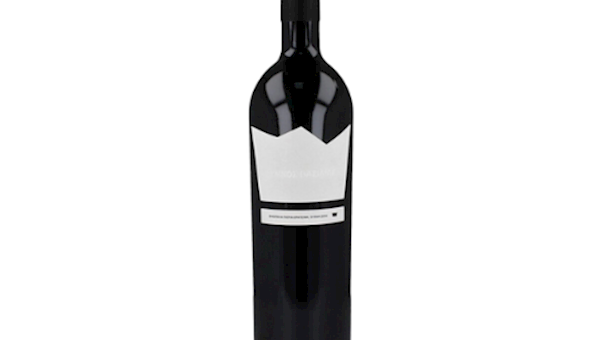
La Tour Melas

4.9 ·
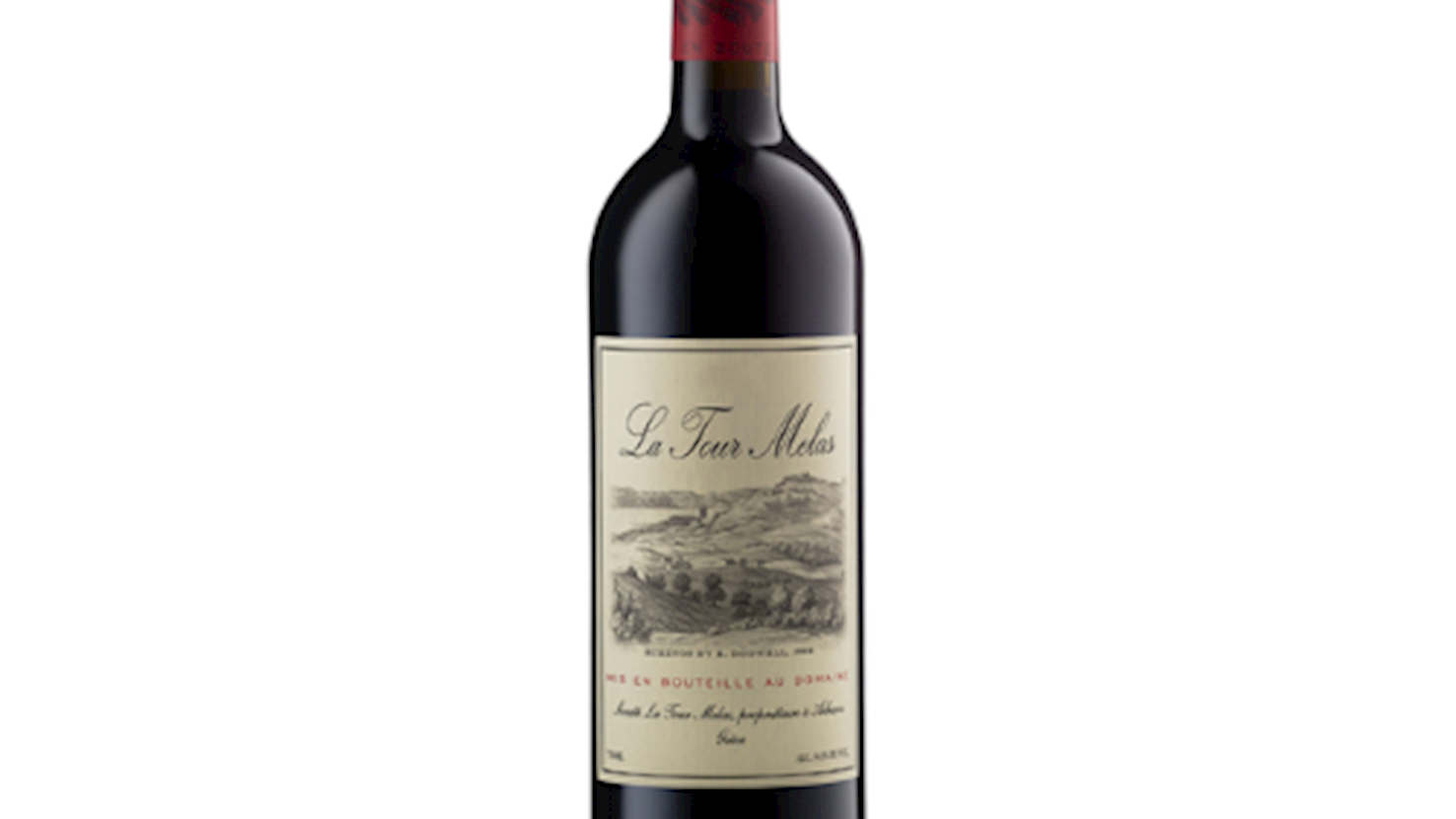
La Tour Melas is a boutique winery located in the village of Achinos in Central Greece (Fthiotida), overlooking the Aegean Sea and benefiting from cooling maritime influences. Founded in the early 2000s by Kyros Melas, the estate was created with a clear vision: to craft world-class wines in Greece inspired by the elegance of Bordeaux, yet firmly rooted in local terroir. The vineyards span around 10-11 hectares at elevations between 150 and 300 meters, planted on clay and limestone soils that contribute to the structure and mineral character of the wines. Production focuses primarily on Cabernet Franc and Merlot, alongside increasing use of indigenous Greek varieties such as Agiorgitiko, particularly from old, pre-phylloxera vines. The winemaking style combines international finesse with Mediterranean intensity, resulting in wines marked by ripe dark fruit, spice, and a distinct mineral backbone. Sustainable and biodynamic practices are applied in the vineyard, while the gravity-flow winery design allows for gentle handling of the grapes with minimal intervention. Over time, La Tour Melas has established itself as one of the most ambitious and respected modern Greek wine projects, known for limited production and consistently high-quality releases that reflect both precision and a strong sense of place.
Awards
Vivino - 4.5
Vivino - 4.4
02

Thymiopoulos

4.9 ·
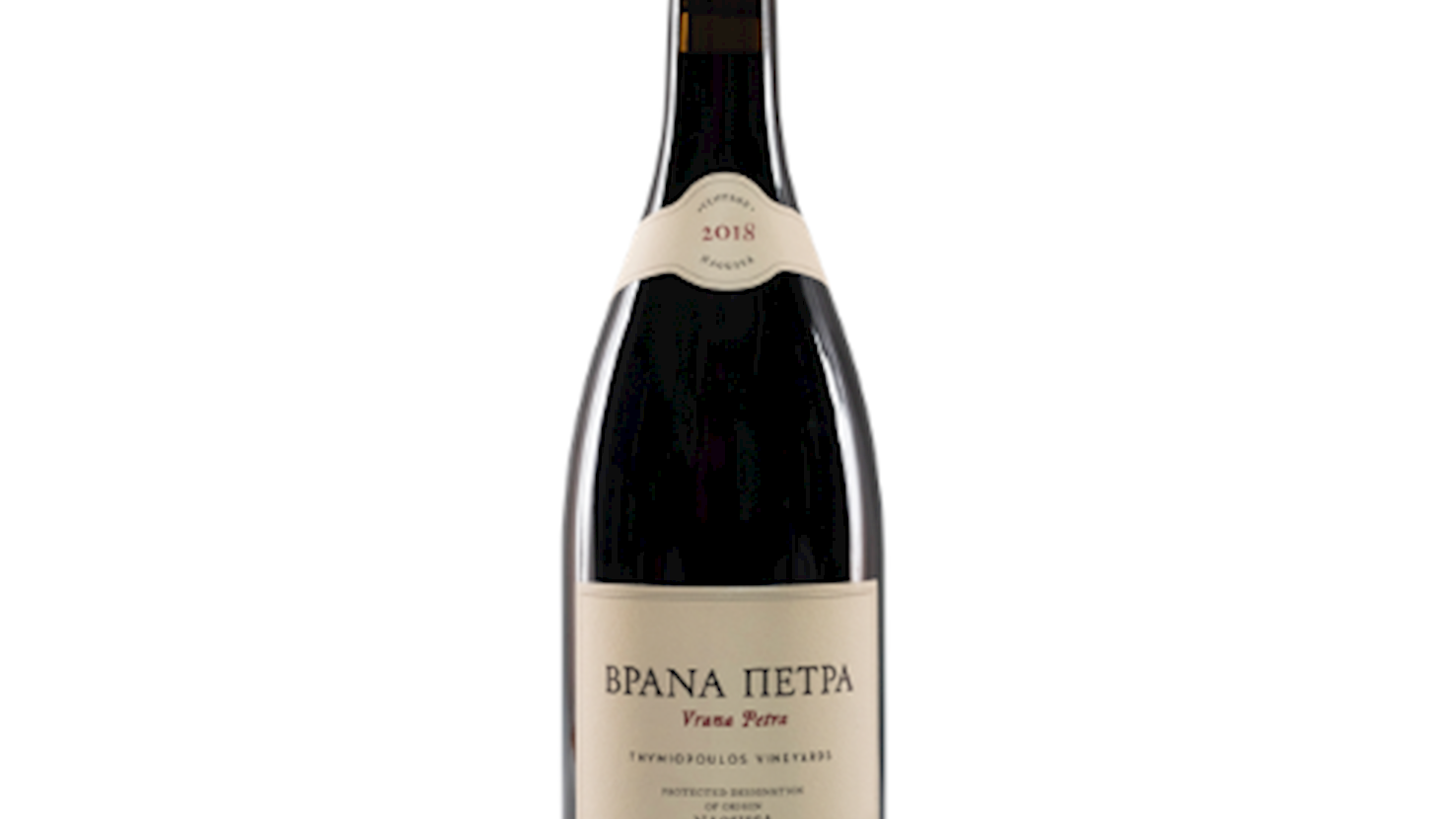
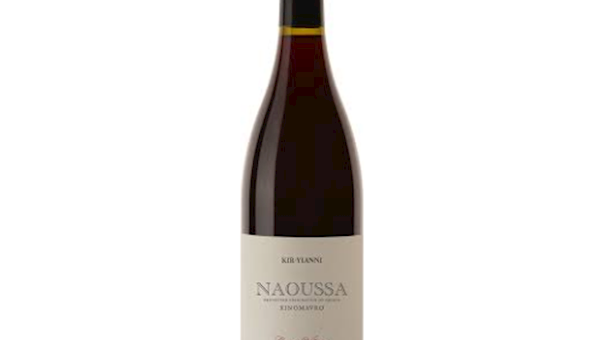
Thymiopoulos Vineyards is one of the most distinctive and influential contemporary wineries in northern Greece, located in the village of Trilofos within the renowned Naoussa wine region in Imathia. Led by winemaker Apostolos Thymiopoulos, the estate builds on a long family tradition of grape growing, with independent winemaking beginning in 2005 and a clear focus on expressing the full potential of the indigenous Xinomavro variety. The winery works primarily with this demanding grape, known for its high acidity, firm tannins, and remarkable aging capacity, while emphasizing its ability to reflect specific vineyard sites. Vineyards are spread across different parcels around Trilofos and Fytia, at varying altitudes and on diverse soils including limestone, schist, and granite, contributing to the complexity and structure of the wines. The continental climate, moderated by breezes from Mount Vermio and the Aegean Sea, allows for slow ripening and the preservation of freshness. Thymiopoulos follows organic and biodynamic practices with minimal intervention in the cellar, aiming to capture the authenticity of each terroir. The portfolio includes multiple interpretations of Xinomavro, from fresher, early-drinking styles to more structured and age-worthy wines such as “Naoussa Alta” and “Earth and Sky”. The wines are typically defined by elegance, vibrant red fruit, herbal nuances, and a balanced interplay of acidity and tannin, avoiding excessive extraction. This precise and terroir-driven approach has positioned Thymiopoulos among the leading figures of the new generation of Greek winemakers, with growing international recognition.
Awards
Vivino - 4.5
Vivino - 4.4
03

Domaine Porto Carras

4.9 ·
Awards
IWSC- International wine & spirit competition - Gold (2019)
04

Skouras

4.7 ·
Skouras is one of the leading forces in modern Greek winemaking, located in the Nemea region of the Peloponnese, an area closely associated with the Agiorgitiko grape. Founded in 1986 by winemaker George Skouras, who trained in Dijon, the winery combines international expertise with a strong focus on Greek terroir. Its vineyards are spread across multiple zones, including Nemea, Mantinia, and Argolida, at varying altitudes that allow for both ripeness and freshness in the grapes. Domaine Skouras works extensively with indigenous varieties such as Agiorgitiko and Moschofilero, while also incorporating international grapes like Cabernet Sauvignon, Merlot, and Viognier. The winemaking approach emphasizes precision, with controlled fermentation and careful oak aging used to enhance structure and complexity. The wines are known for their balance between fruit expression, acidity, and refined tannins, often showing both immediate appeal and aging potential. Over time, the winery has played a significant role in elevating the reputation of Greek wines internationally, particularly through its consistent and terroir-driven interpretation of Agiorgitiko.
Awards
Vivino - 4.5
Vivino - 4.3
05

Avantis Estate

4.7 ·
Avantis Estate is a family-owned winery on the island of Evia, located in the village of Mytikas in the Lilantio area, where vineyards stretch across sunny, windswept slopes with gravelly-clay soils ideal for cultivating high-quality grapes. The estate is led by oenologist Apostolos Mountrichas and his wife Lenga Gregoriadou, continuing a winemaking tradition that spans nearly two centuries. Their philosophy combines the local identity of Evia with modern winemaking techniques, working carefully with both indigenous varieties such as Assyrtiko, Malagousia and Mavrokoudoura, and international grapes like Syrah. Production focuses on expressing the island’s microclimate and distinctive terroir, resulting in wines known for freshness, minerality and aromatic precision. The portfolio includes white, red, rosé and dessert wines, and the estate is recognized as one of the leading wineries of Central Greece thanks to its consistent quality, technical refinement and successful blend of tradition and innovation.
Awards
Decanter World Wine Awards - Platinum (2016)
Vivino - 4.3
06

Wine Art Estate

4.6 ·
Awards
Decanter World Wine Awards - Platinum (2021)
07

Mitravelas Estate

4.6 ·
Awards
Decanter World Wine Awards - Platinum (2017)
08

T-Oinos

4.5 ·
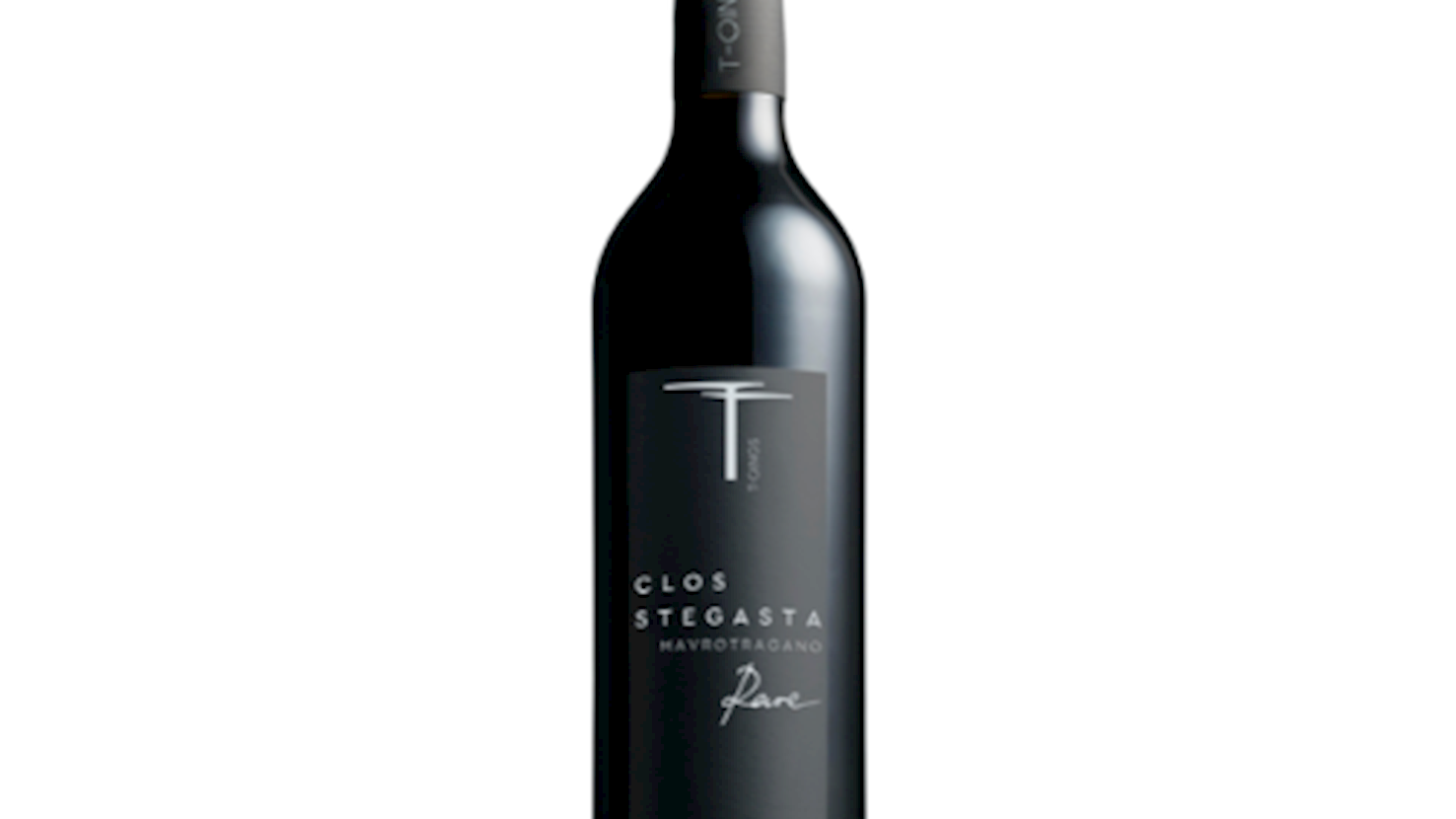
T-Oinos is a boutique winery located on the island of Tinos, recognized as one of the most ambitious modern projects in Greek winemaking. Founded in 1999, with vineyards planted in the early 2000s and first wines released in 2008, the estate aims to revive the island’s historic viticultural identity. The vineyards are situated at high altitudes, around 400-470 meters, in a harsh environment defined by strong winds, drought conditions, and granite-rich soils. These factors create low yields but contribute to wines of high concentration, pronounced minerality, and natural freshness. The estate follows organic and biodynamic practices, focusing on indigenous varieties such as Assyrtiko and Mavrotragano, with particular emphasis on its flagship Clos Stegasta wines. In the cellar, a precise and low-intervention approach is used to highlight terroir expression. The wines are typically structured, with vibrant acidity, saline and stony notes in whites, and depth and aging potential in reds. Overall, T-Oinos plays a key role in positioning Tinos as an emerging high-quality wine region, combining extreme terroir conditions with a refined, contemporary winemaking philosophy.
Awards
Vivino - 4.4
Vivino - 4.3
09

Manousakis

4.5 ·
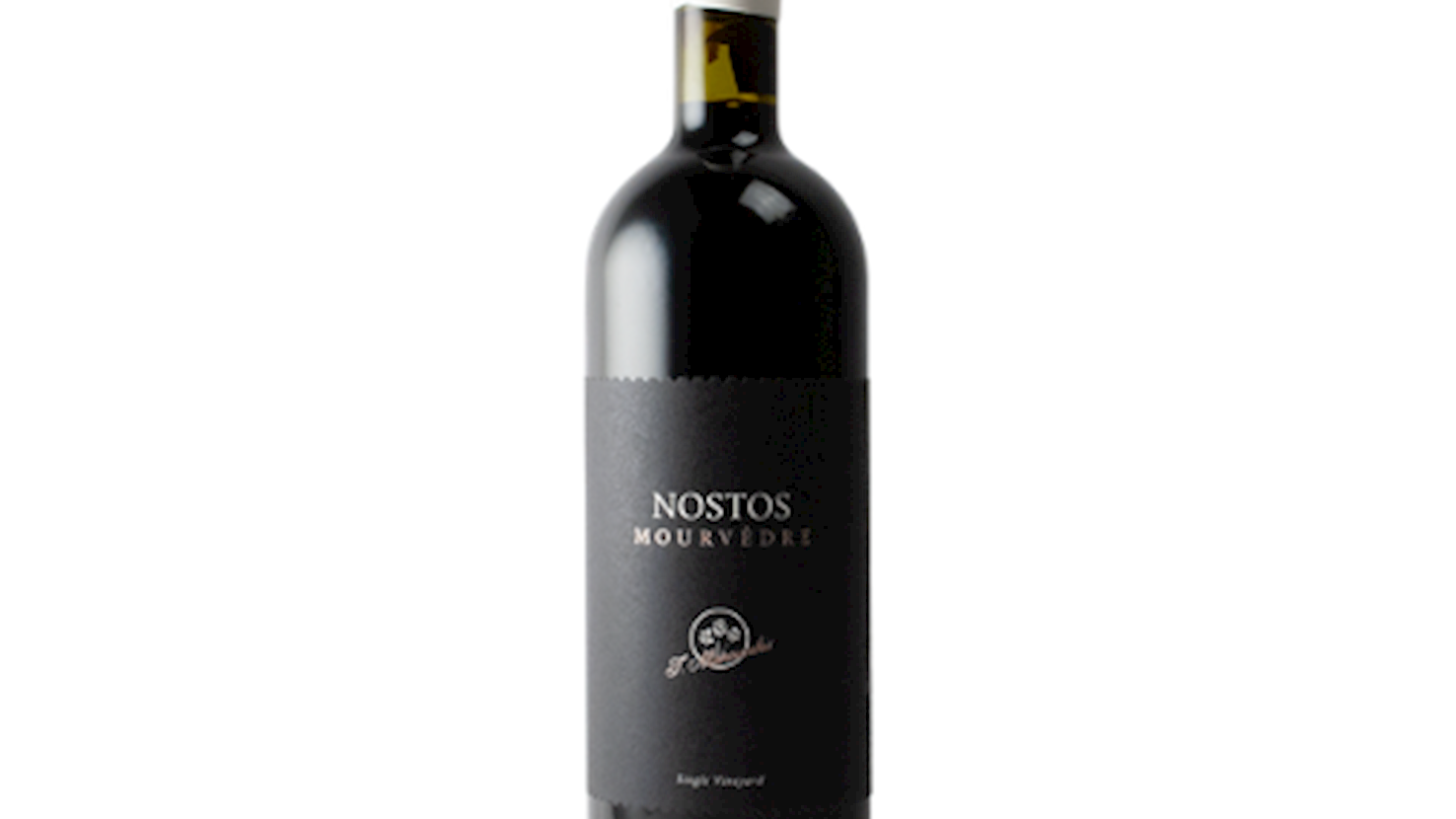
Manousakis is a boutique family estate located in the village of Vatolakkos near Chania on the island of Crete, known for its small-scale, organic wine production and a clearly defined stylistic direction. Founded in 1993 by Ted Manousakis, the winery was built on the idea of producing wines that combine the character of the Cretan landscape with a Rhône-inspired approach. From the outset, the focus has been on international grape varieties such as Syrah, Grenache, Mourvèdre, and Roussanne, which have proven well adapted to the island’s climate. The vineyards are located at elevations between 350 and 600 meters, where calcareous soils and dry conditions contribute to structure and concentration in the wines. All production follows organic practices, with an emphasis on sustainability and minimal intervention in both vineyard and cellar. The wines are released under the label “Nostos” a term that refers to the concept of return or homecoming, reflecting the founder’s personal connection to Crete. Vinification combines controlled use of stainless steel and oak, aiming for balance between fruit expression and complexity. The winery operates with a limited output, positioning itself as a quality-focused producer rather than a volume-driven one. In addition to production, it has developed a strong presence as a wine tourism destination, integrating tastings and local gastronomy. Today, Manousakis Winery represents a distinct interpretation of Cretan wine that merges local conditions with an international varietal framework.
Awards
Vivino - 4.4
Vivino - 4.1
10

Ktima Tselepos

4.5 ·
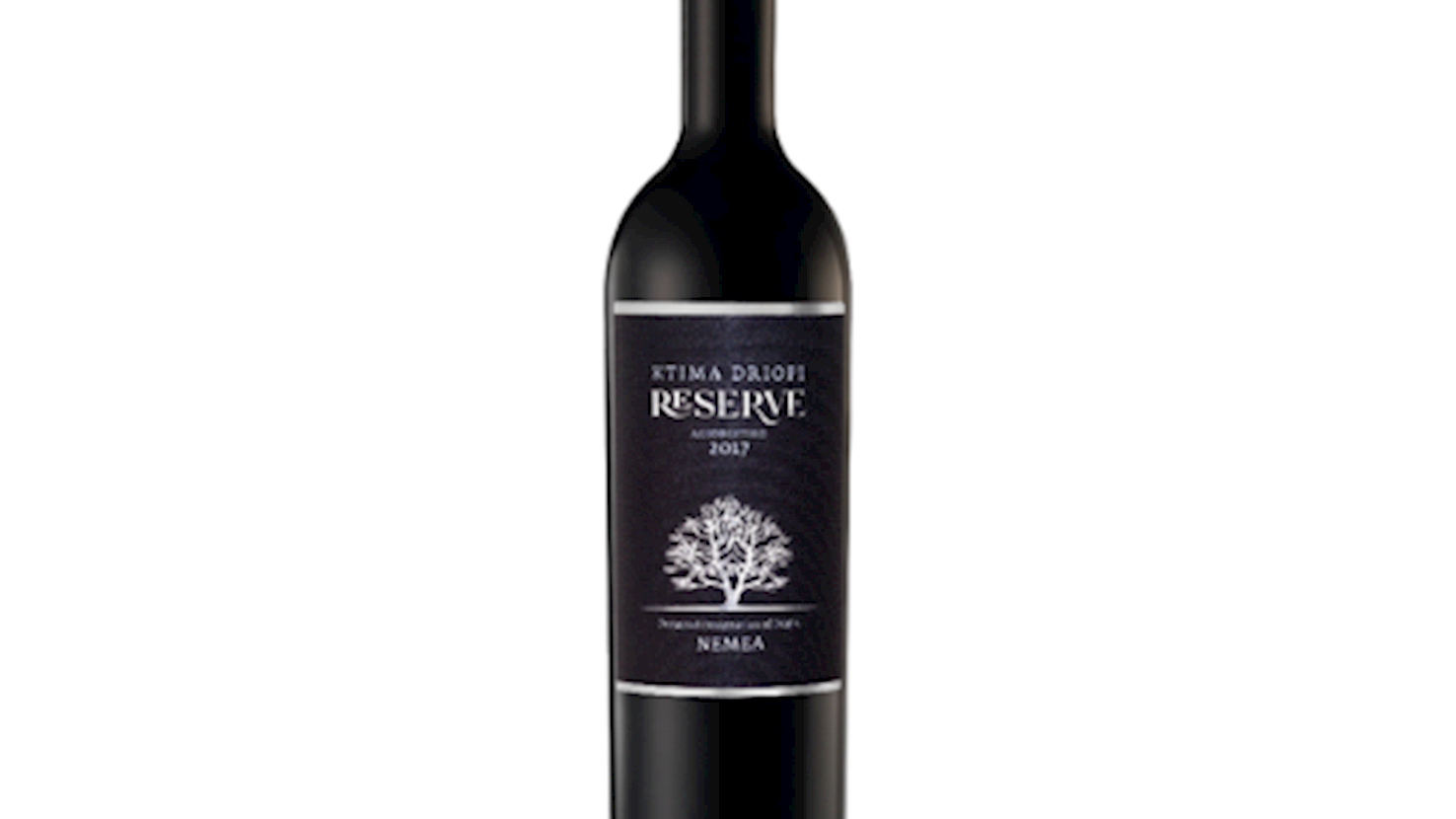
Ktima Tselepos is a family-owned winery located in the Peloponnese region of Greece, established with the aim of elevating indigenous Greek grape varieties through quality-focused viticulture and modern winemaking. Situated near Tripoli at higher altitudes, the estate benefits from cool nights and well-drained soils that support slow ripening and aromatic precision. The winery is particularly known for its work with Xinomavro and Agiorgitiko, producing wines that balance structure, freshness, and varietal clarity. Xinomavro bottlings often display red berry fruit, floral tones, firm tannins, and notable aging potential, while Agiorgitiko expressions tend to show darker fruit, rounder texture, and approachable balance. Vineyard management emphasizes site selection and careful yield control to preserve terroir expression. In the cellar, traditional practices are combined with controlled fermentation and thoughtful oak aging to enhance complexity without masking varietal identity. The portfolio includes both single-varietal wines and blends that reflect regional character. Overall, Ktima Tselepos represents a modern yet terroir-driven interpretation of Greek winemaking rooted in indigenous varieties.
Awards
Decanter World Wine Awards - Platinum (2024, 2021)
Decanter World Wine Awards - Best in Show (2021)

Best Greek Red Wine Types
01

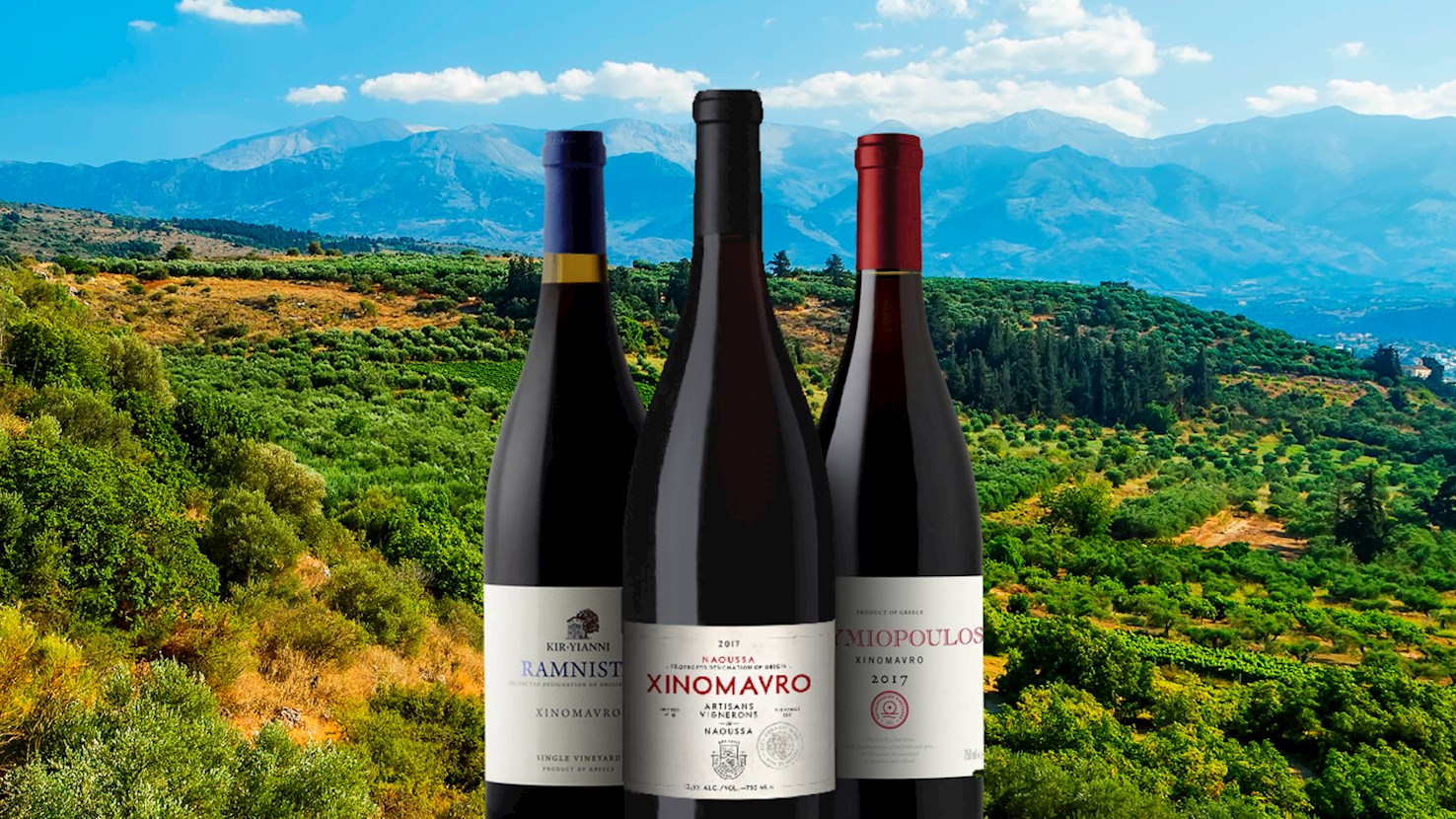
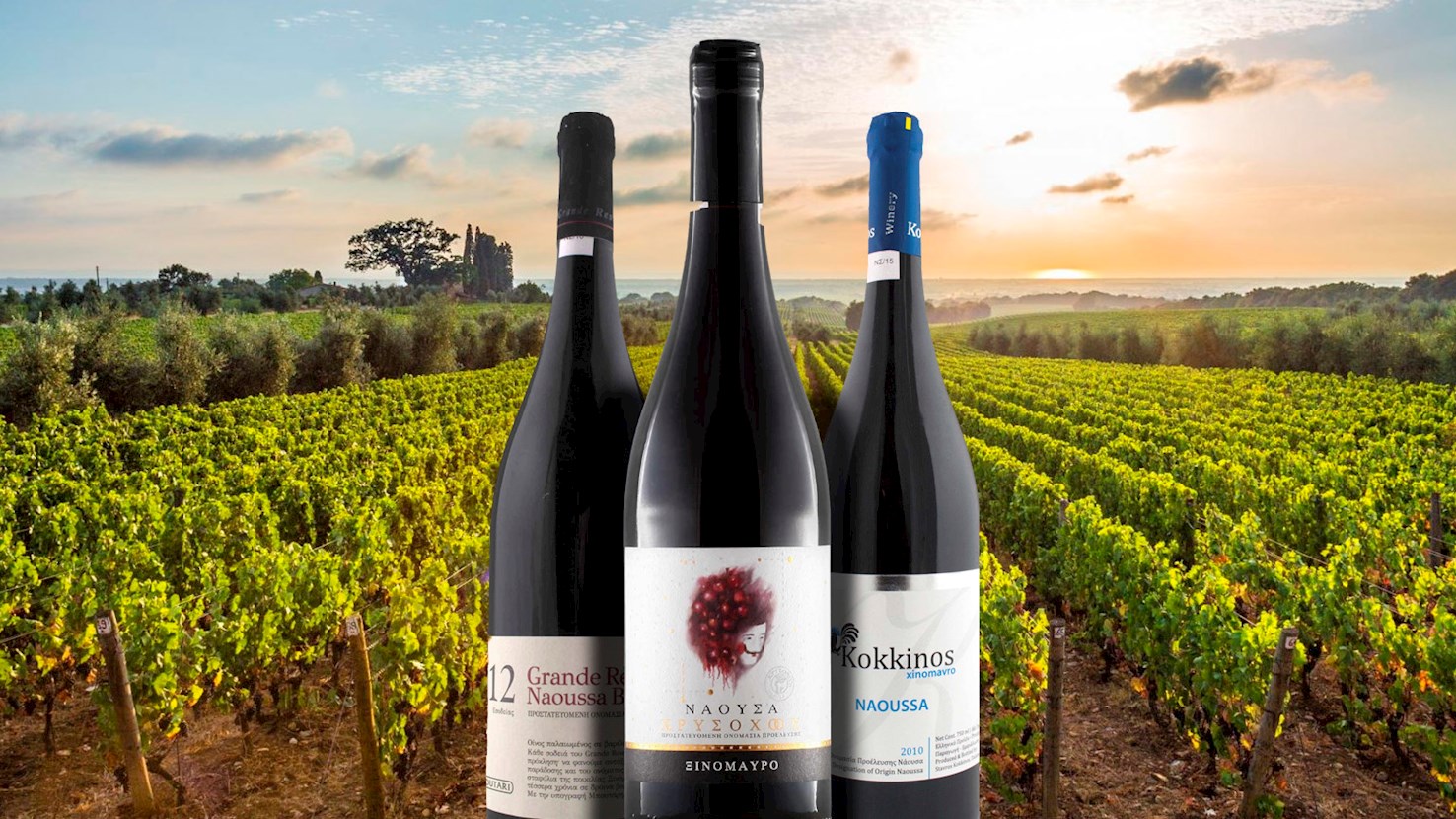
Naousa

4.4 ·

Naousa is a Greek appellation located in the region of Macedonia. The wines produced under the designation are made exclusively from Xynomavro—an indigenous Greek grape that is often compared to Pinot Noir and Nebbiolo. Naousa wines display the perfect balance of tannins, sugar, and acidity, while the typical aromas and flavors include a complex combination of savory notes that are often reminiscent of dark and red fruit, tomatoes, plums, earth, tobacco, herbs, and spices. Naousa ages exceptionally well and is rarely enjoyed young. Because of its complexity and finesse, it is often cited as one of the finest Greek wines. An ideal pairing for this tannic wine is game, lamb, tomato-based sauces, rich stews, sausages, mushrooms, and aged cheese.

02

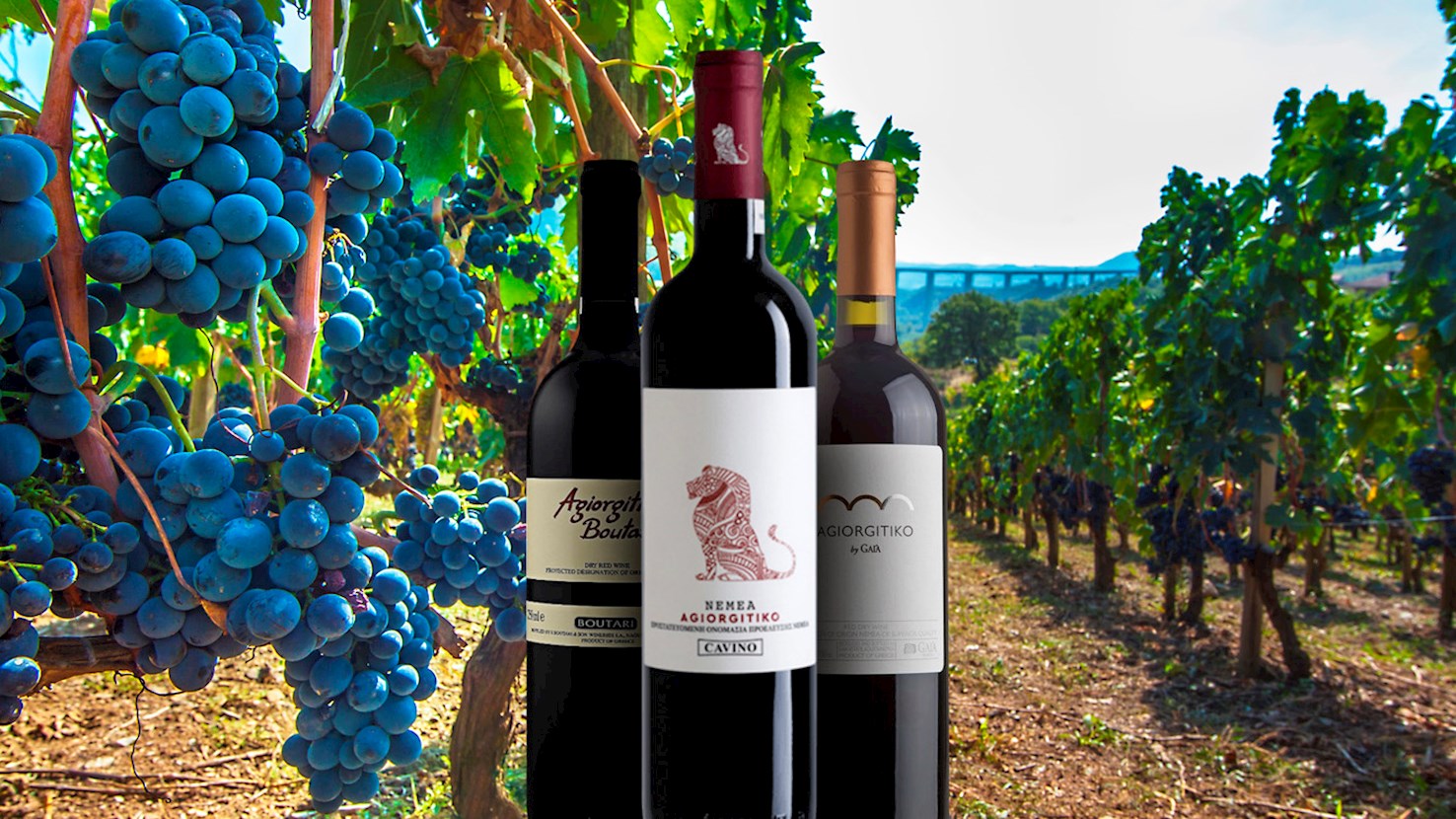
Agiorgitiko

4 ·

Agiorgitiko is the most widely planted red grape variety in Greece. It is cultivated in several wine regions, but Nemea, where the grape originated, is its most important region. Agiorgitiko is a versatile grape that can be vinified into several styles, and it is often used as a backbone in many Greek blends. It is best known as a full-bodied red, usually coming from Nemea, but it can also be made into young, light red wines, fresh rosés, or dessert styles. Agiorgitiko wines are typically characterized by fruity aromas, which are sometimes accompanied by notes of sweet spices. The wines are soft, and the tannins are present but never aggressive. The acidity is usually low to moderate. Aged and oak-aged styles are more tannic, with more concentrated, complex flavors. Agiorgitiko wines are usually food-friendly and can pair with a variety of dishes. They are a good match with red meat, sausages, stews, lamb, and pasta dishes.

03

Xinomavro

4 ·

Xinomavro is a noble Greek red grape mostly cultivated in northern Greece. It is the second most planted dark-skinned grape in the country that is often compared to the legendary Italian Nebbiolo. The grape is usually made into dry red wines with a strong savory character, great personality, and good acidity. The best examples come from Naousa PDO. In their youth, wines made from Xinomavro are tannic and high in acidity, but they will typically gain complexity and elegance as they age. The typical aroma found in these wines is reminiscent of sour cherries and pomegranate, along with hints of tomatoes, mushrooms, spice, and black olives. Best examples can be aged for several years, even decades, creating wines with complex floral, herbal, spice, and leather-like notes. The wines are pale and can gradually lose pigment, gaining brick-like color as they age. Xinomavro has several known clones, and the type will also influence the final character of the wine. Traditional Xinomavro will be savory, earthy, and less fruity, but modern winemakers now often turn to different techniques, creating fruit-forward wines with more color, a softer palate, and less acidity. Apart from classic dry style, Xinomavro can also produce wonderful rosés and sparkling wines. Xinovamro pairs with lamb, richly-flavored stews, braised beef, and tomato-based sauces. The name Xinomavro is a portmanteau of xino (sour or acidic) and mavro (black).

04

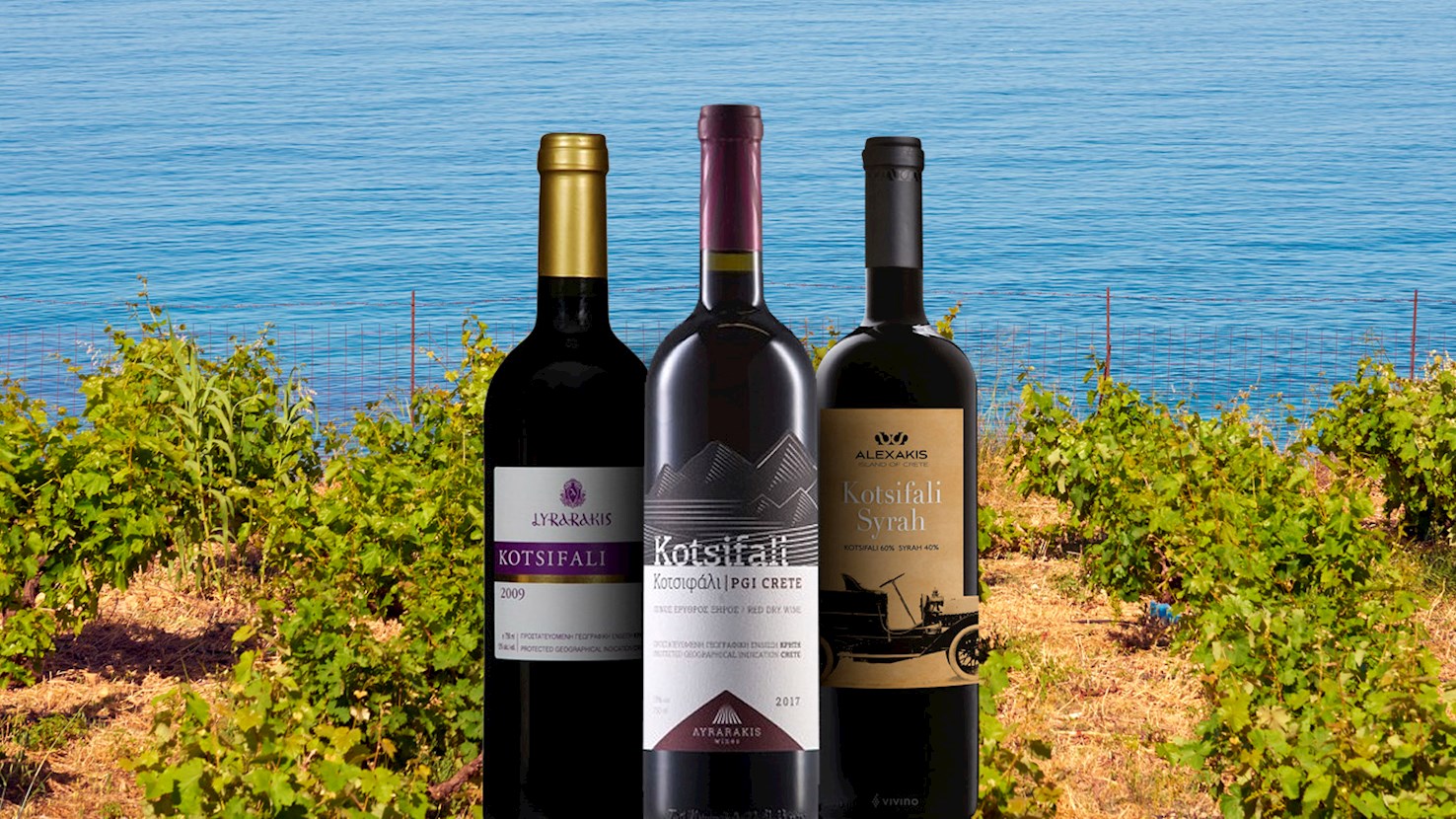
Kostifali

3.9 ·

Often dubbed as a true Mediterranean grape, this red-skinned variety from Greece typically produces aromatic wines that are high in alcohol but usually lack acidity and color. This is why Kostifali is mainly used in blends—most commonly with local Mandilaria. The grape is traditionally cultivated on Crete. Kostifali is a high-yield grape, and despite its downsides, it can produce light, approachable, and balanced wines with a fruity character and hints of spices, herbs, and flowers. These wines are soft and mostly enjoyed young. Both varietals and blends made with Kostifali can easily pair with various dishes. They go well with Mediterranean cuisine, including roasts, sausages, casseroles, pasta dishes, and cheese.

05

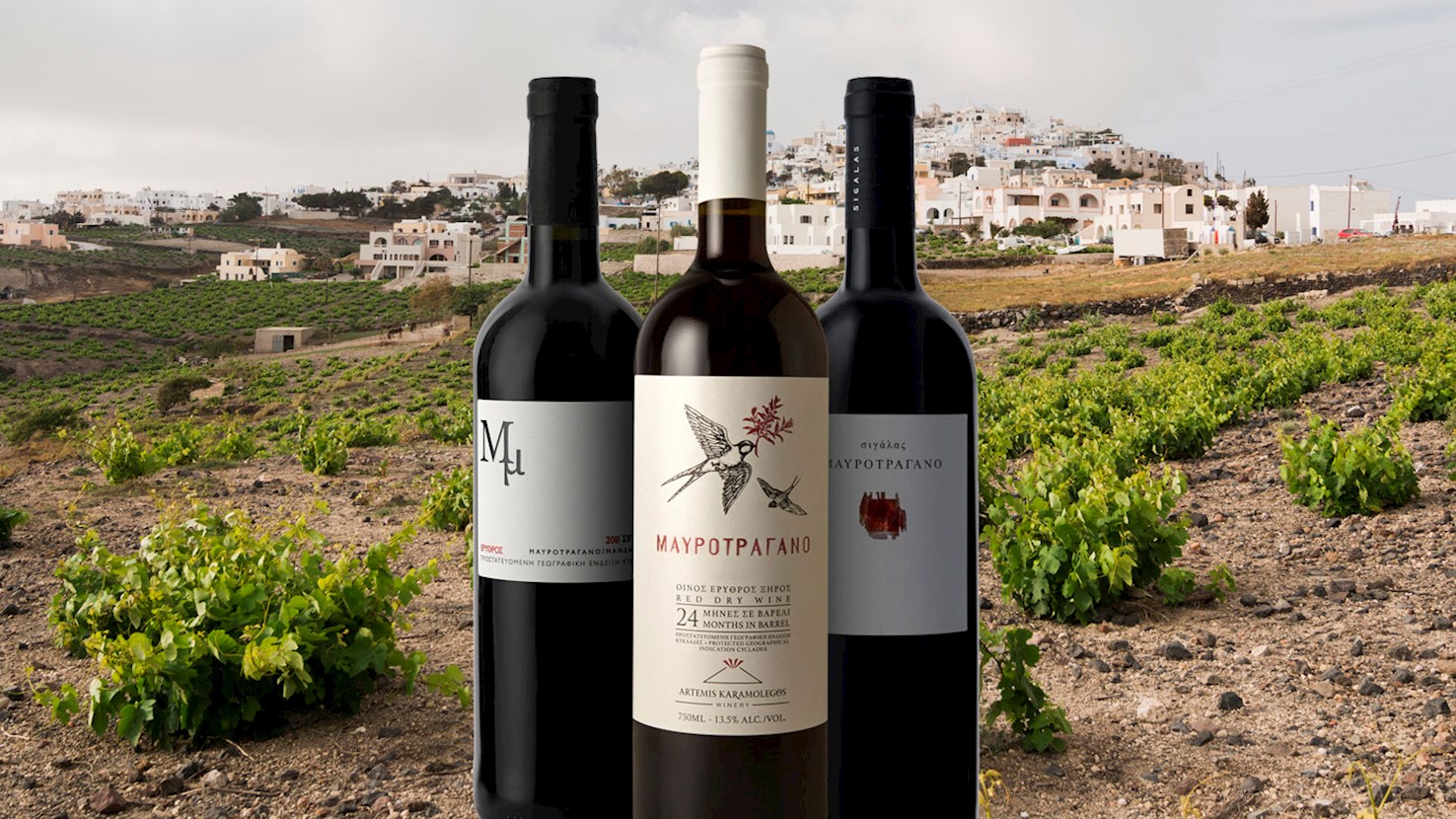
Mavrotragano

3.7 ·

Mavrotragano is an old Greek variety that is currently experiencing a revival. The grape originates from Santorini, and it was mostly used in bland dessert wines and blends. It was nearly extinct until the winemakers Haridimos Hatzidakis and Paris Sigalas used a novel approach to create concentrated dry wines that showed fantastic potential. The wines made from Mavrotragano are densely colored with fruity and spicy notes reminiscent of dark berries, cinnamon, tobacco, and white pepper. They often have herbal and earthy nuances, and most examples will have bright acidity and firm, velvety tannins. They usually have excellent aging potential. These wines pair well with red meat, game, charcuterie, and aged cheese.

06

Nemea

3.6 ·

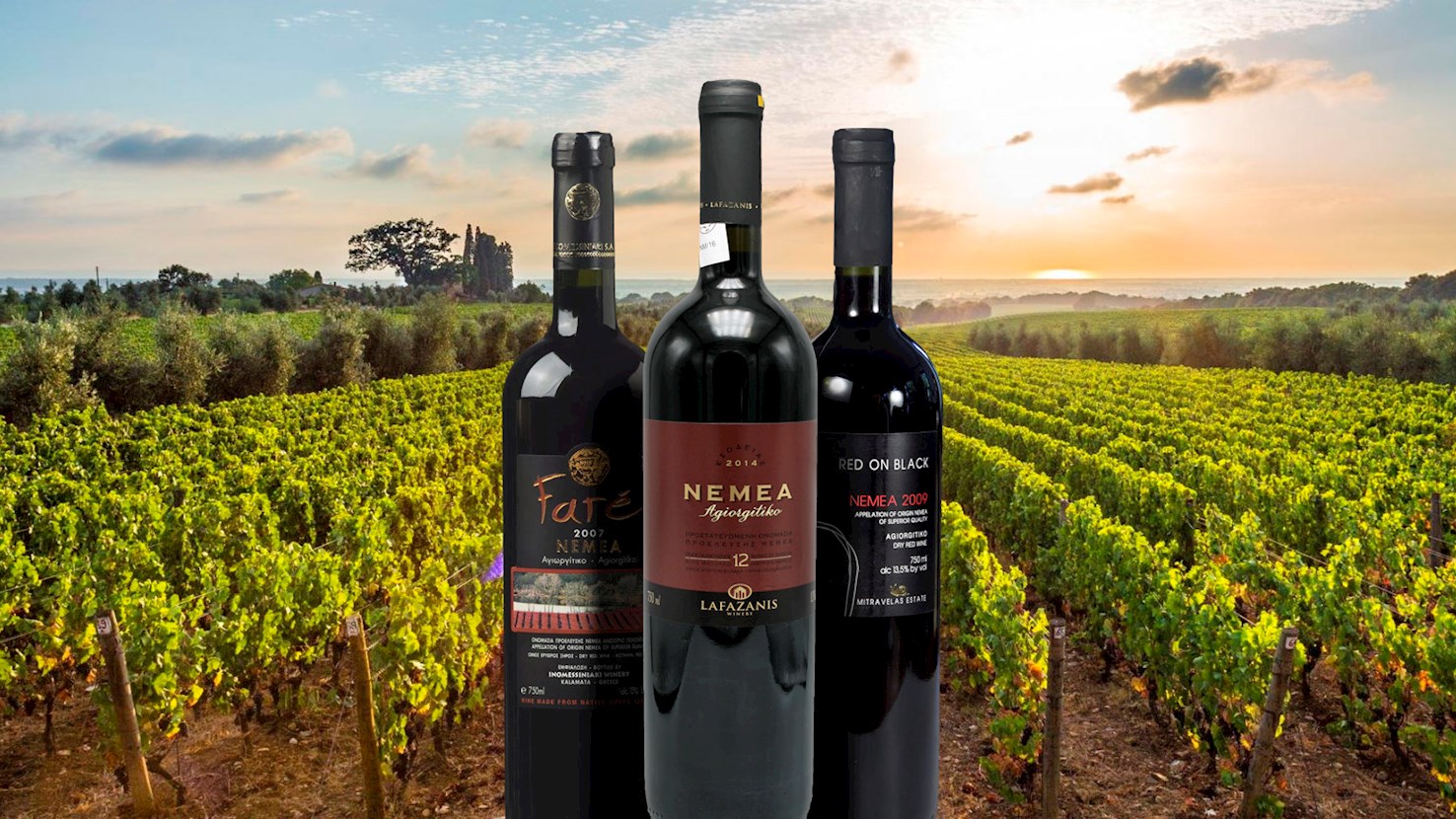
Located in the northeastern part of the Peloponnese, Nemea is a Greek appellation that produces varietal red wines from the native Agiorgitiko grapes. Although the wines may vary in style, from easy-drinking to rich and full-bodied, they typically display flavors and aromas reminiscent of red and black berries, plums, and prunes, while oak-aging tends to highlight spicy nuances of nutmeg and black pepper. Because of their versatile character, Nemea wines can match a wide array of dishes. Aged varieties pair well with sausages and grilled or roasted meat, including pork, lamb or poultry, while lighter styles may match stews and cheese.

Best producers
07

Limniona

n/a ·

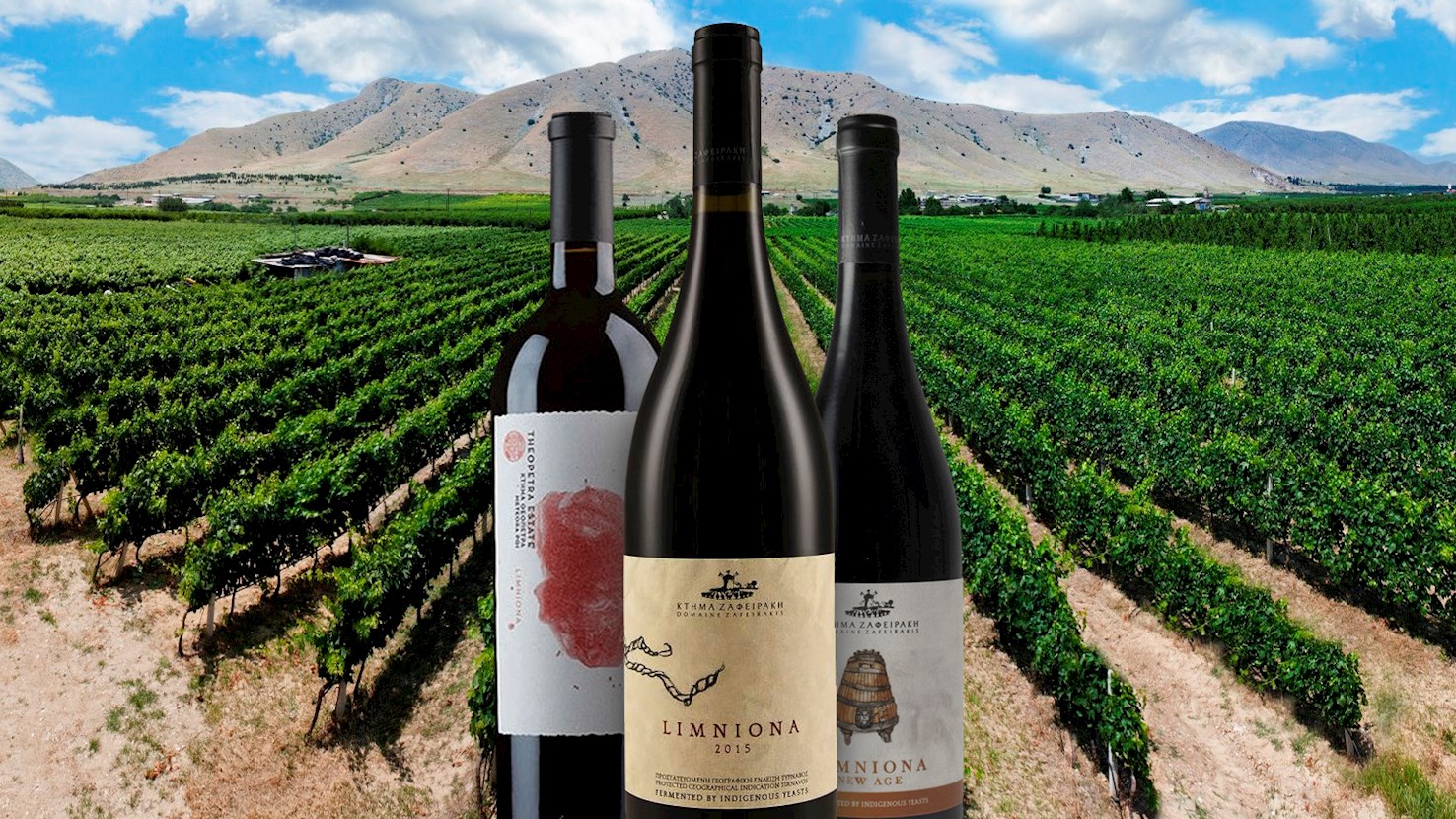
Limniona is a red Greek grape native to Thessaly. Although it is still rare, it is slowly becoming one of the trendiest Greek wines. The grape is used in the production of dry red wines. It was mainly used as a blending grape throughout history, and its monovarietal potential has only recently been promoted. Limniona-based wines are easy-drinking, smooth, and elegant. The aroma is reminiscent of dark berries, pomegranate, and maraschino cherries, often accompanied by herbal notes. These wines will typically have high acidity and mineral backbone, while the tannins are firm but without being aggressive. This wine would pair well with charcuterie, red meat, lamb, pork, and tomato-based dishes. Limniona was saved from extinction by Christos Zafeirakis, a local winemaker who brought the variety back to the spotlight and continues to work on its promotion. He bottled his first varietal Limniona in 2007.

08

Fokiano Ikaria

n/a ·

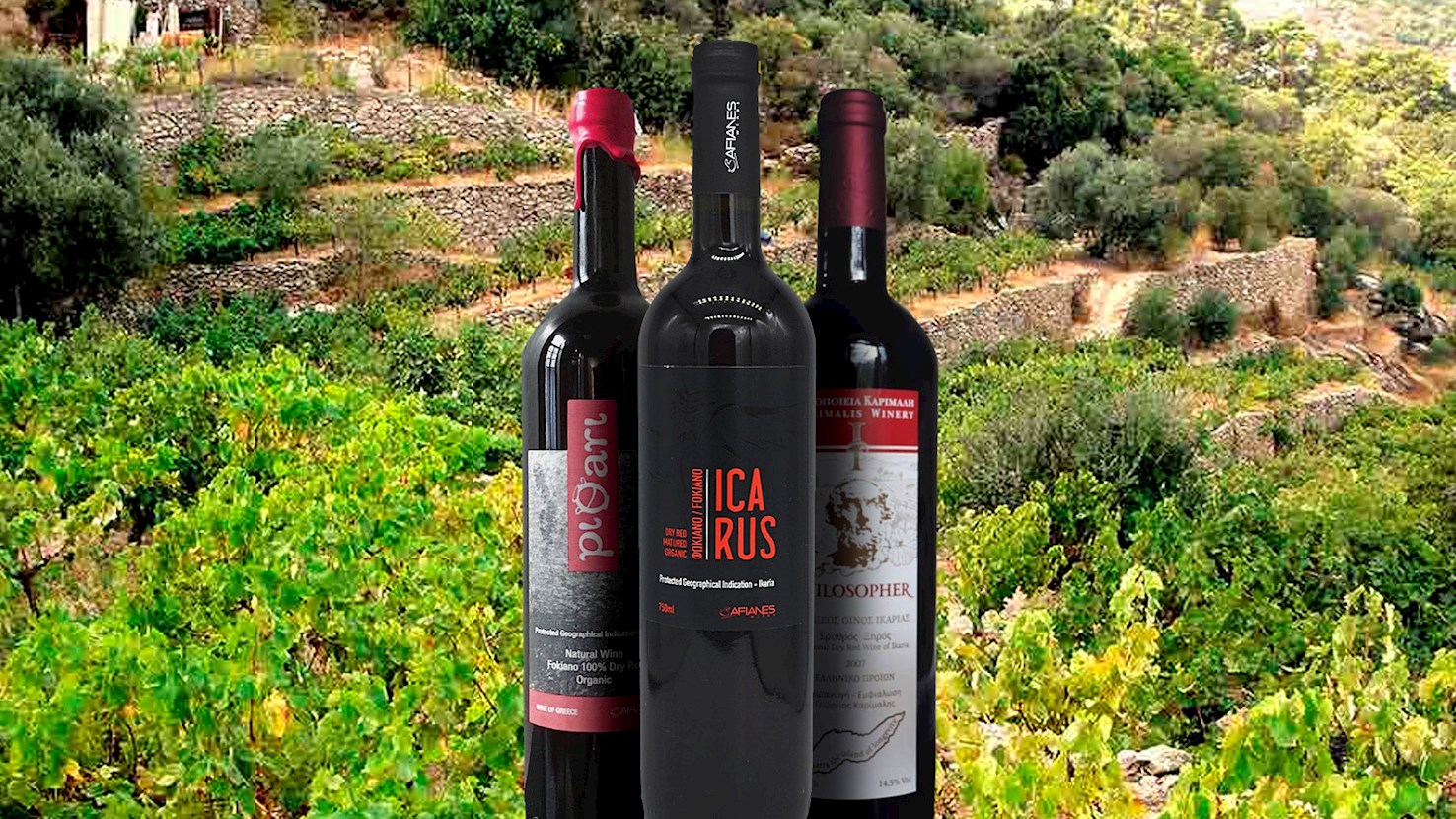
Ikaria has been known for its wine production since the ancient times when the wine carried the name Pramnios Oinos—given after the mountain peak Pramnos. The wine was produced from sun-dried Fokiano grapes, and it was quite potent, with 18% ABV. In modern winemaking, the grape is still used in the production of dry and naturally sweet wines. Dry wines made from Fokiano are traditionally produced by pouring must into clay pots (pitharia) which are buried and covered with stones while the wine ferments. Modern techniques also include fermentation in steel vats. Red Ikarian wines produced from Fokiano typically have a fruity character, well-balanced acidity, and medium body. Young wines pair well with fish, poultry, and stuffed vegetables, while aged version may be a good accompaniment to meat dishes, especially local goat meat, and aged cheese. Sweet Fokiano would go well with honey, fruit, fruit salads, and nuts. These naturally sweet wines are produced from sun-dried grapes, and they can have an unusually high alcohol content that reaches 18% ABV. This is attributed to a specific type of fungi, which allows the wine to reach this concentration while it matures. On Ikaria, the locals often mix the wine with water.

09

Messenikola

n/a ·

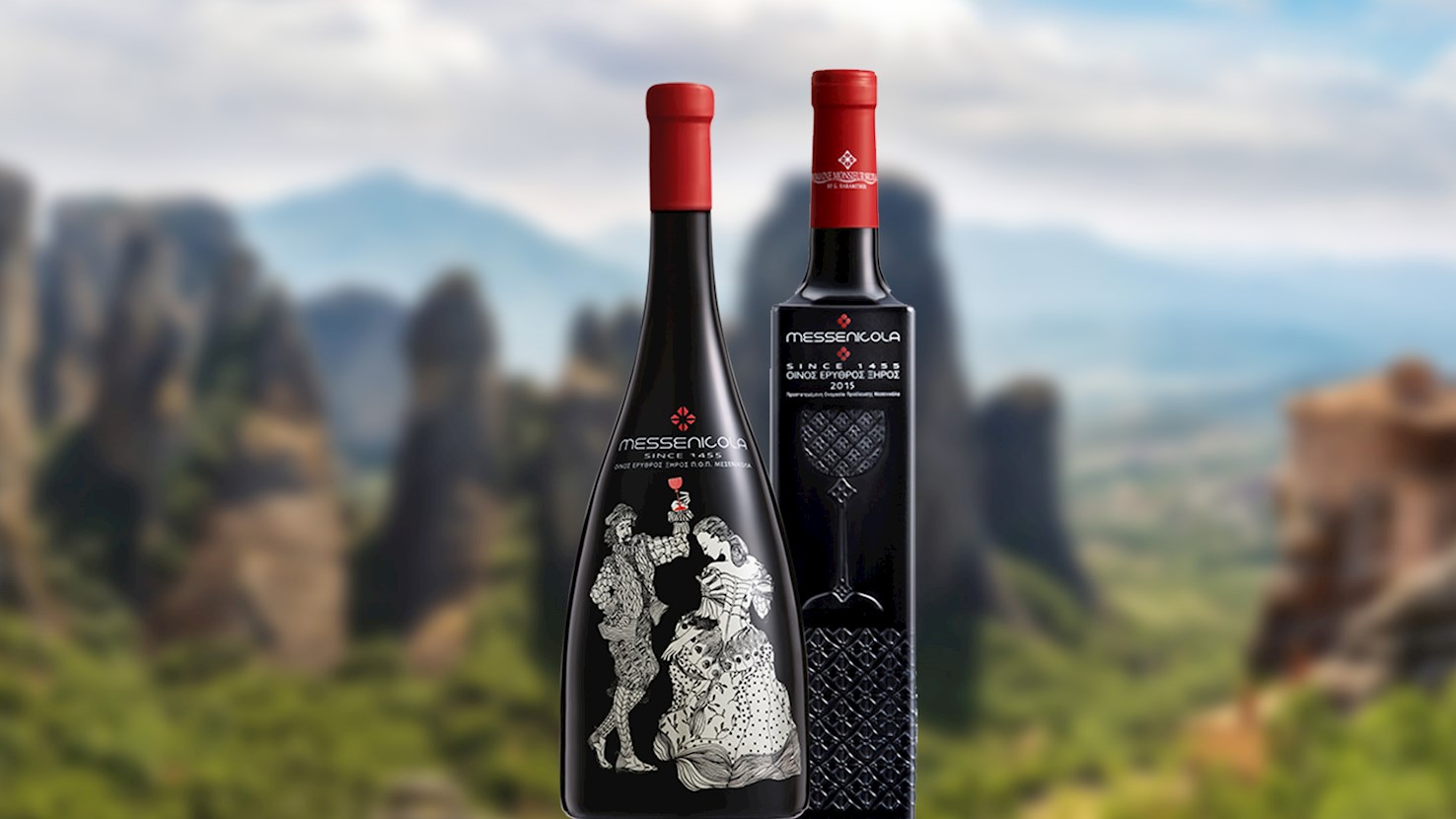
Mavro Messenikola is a red wine grape variety from Greece, named after the region of Messenikolas in Thessaly. This grape is used primarily to produce dry red wines. The Mavro Messenikola designation of origin was established in 1989. The wines produced under this designation must be made from at least 85% Mavro Messenikola grapes, with the remainder typically being made up of other local or international red grape varieties. The wines from Mavro Messenikola are known for their rich color, fruity aroma, and their potential to age well.

Read more
View all
View map
About this ranking

TasteAtlas food rankings are based on the ratings of the TasteAtlas audience, with a series of mechanisms that recognize real users and that ignore bot, nationalist or local patriotic ratings, and give additional value to the ratings of users that the system recognizes as knowledgeable. For the “Top 29 Greek Red Wines” list until June 15, 2026, 334 ratings were recorded, of which 129 were recognized by the system as legitimate. TasteAtlas Rankings should not be seen as the final global conclusion about food. Their purpose is to promote excellent local foods, instill pride in traditional dishes, and arouse curiosity about dishes you haven’t tried.

The initial list of top producers was compiled based on available reviews, awards, local recommendations, media and blog coverage, and consumer reviews. The list will be updated with ratings from TasteAtlas local ambassadors and TasteAtlas users.

Similar lists