


shutterstock

17 Worst Rated Czech Desserts

Last updated on June 16, 2026
01

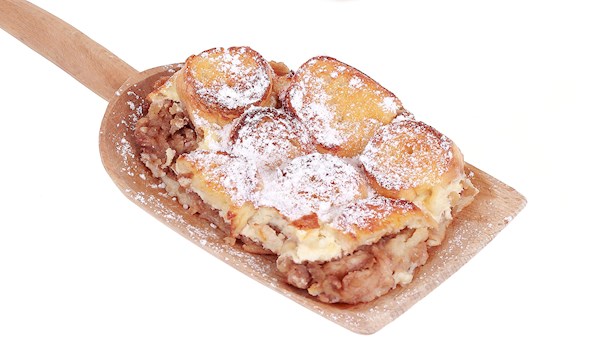
Rýžový nákyp

3.0 ·

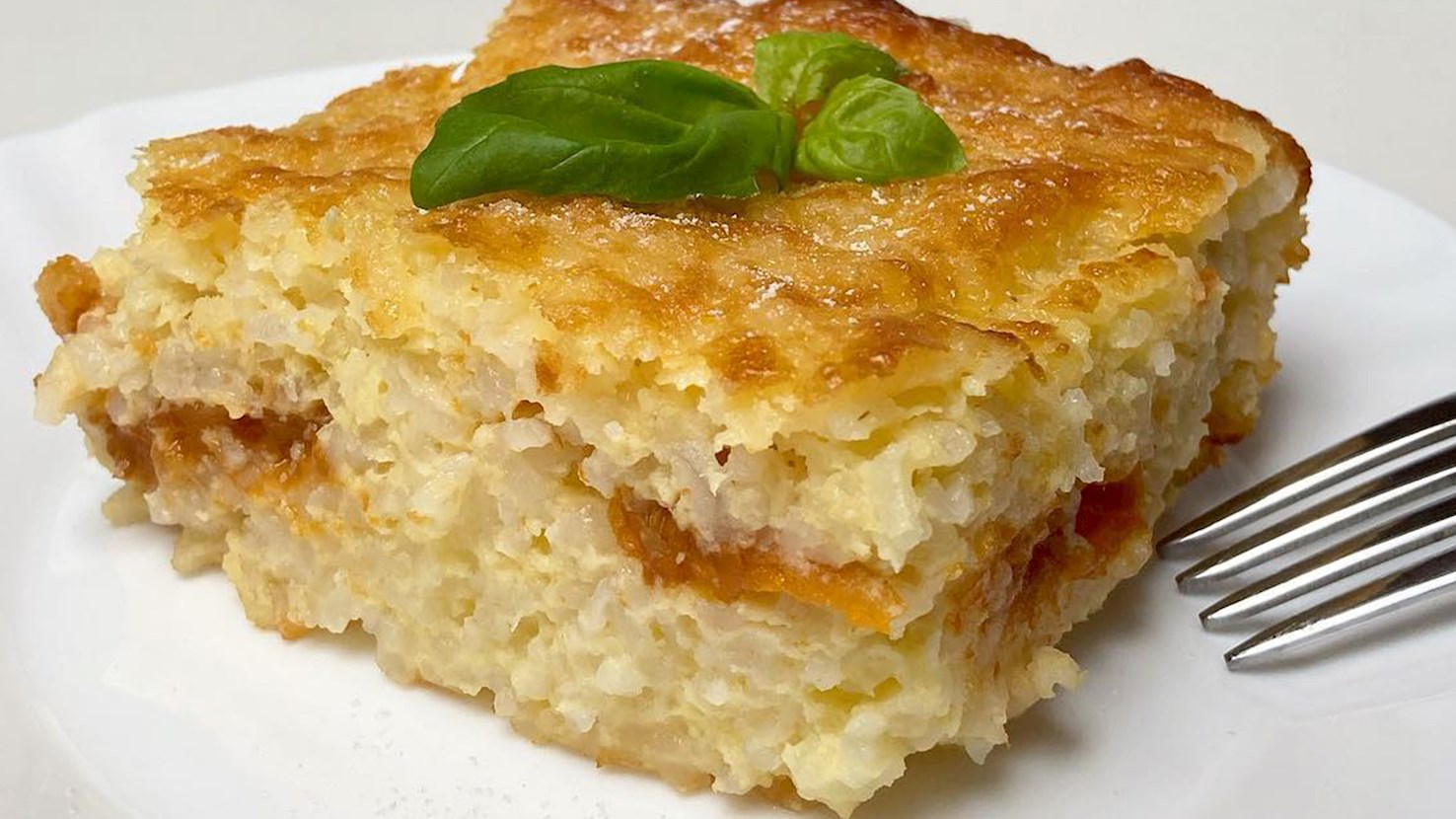
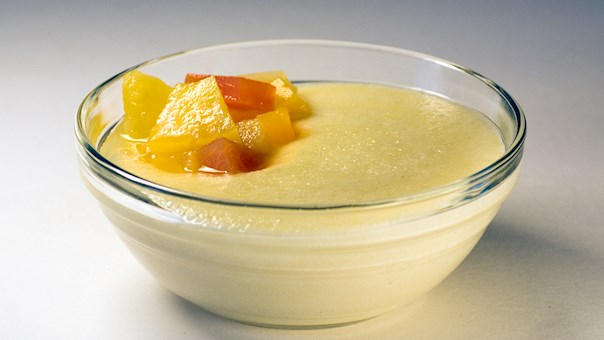
Rýžový nákyp is a traditional and Slovak rice pudding that is often served as the main course. It consists or rice cooked in milk that is chilled and combined with egg yolks, sugar, butter, vanilla, and beaten egg whites. The mixture is later mixed with fruit, topped with a thick layer of beaten egg whites, and baked until completely set. It is usually made with cherries or peaches, and the fruit is occasionally dispersed between the layers of rice. Although it is a sweet dish, it is mostly eaten as a second course or as the main dish. Rýžový nákyp is usually preceded by a hearty bowl of soup.

02

Nudle s mákem (Pasta with poppy seeds)

3.1 ·

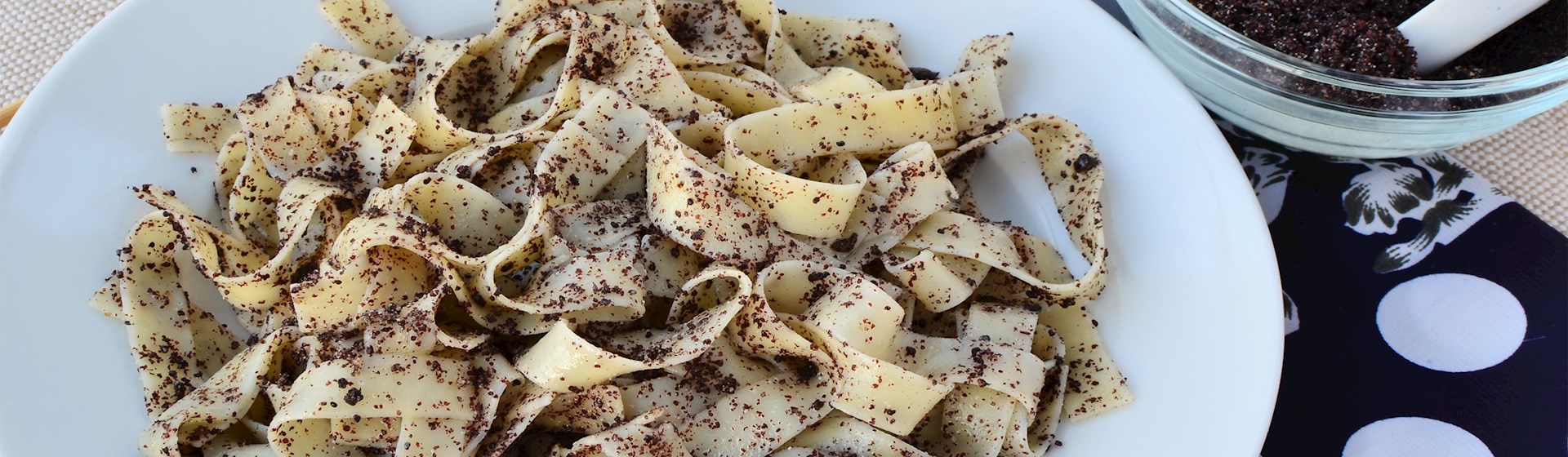
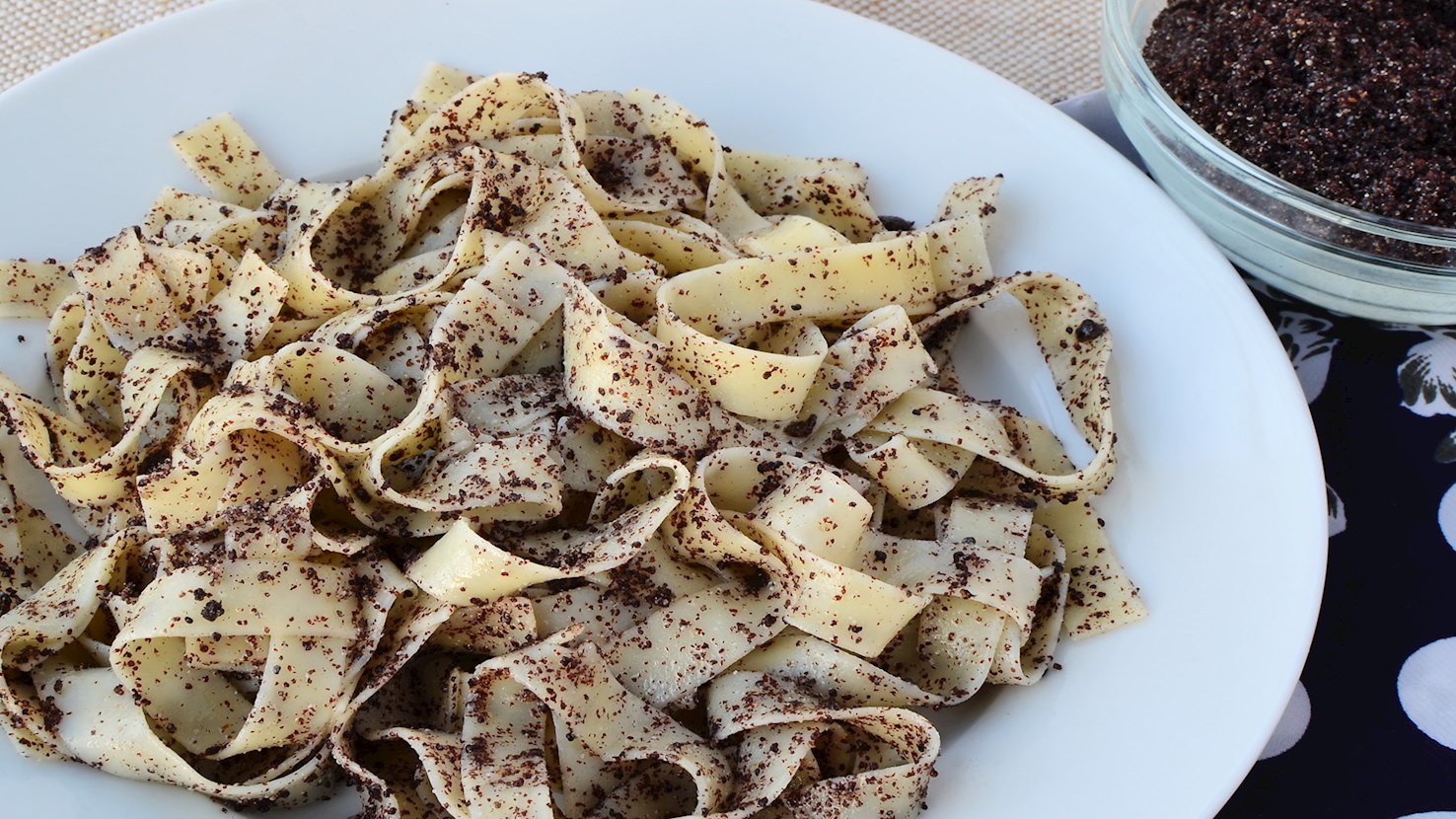
The simple and nutritious nudle s mákem is a dish consisting of wide, thin wheat pasta that is doused in copious amounts of melted butter, and then dusted with poppy seeds and sugar. Once considered a rich and luscious meal, today it represents a frugal, but a beloved dish that is enjoyed as a sweet main course or a filling dessert. Even though it is usually associated with the Czech Republic, the exact origin of the dish is still unknown, while similar varieties are found in many Central and Eastern European countries under various names. In Austria, a similar dish is known as mohnnudeln, prepared with thick and short potato noodles, while the Serbian version from Vojvodina is called rezanci s makom.

03

Velikonoční beránek

3.4 ·

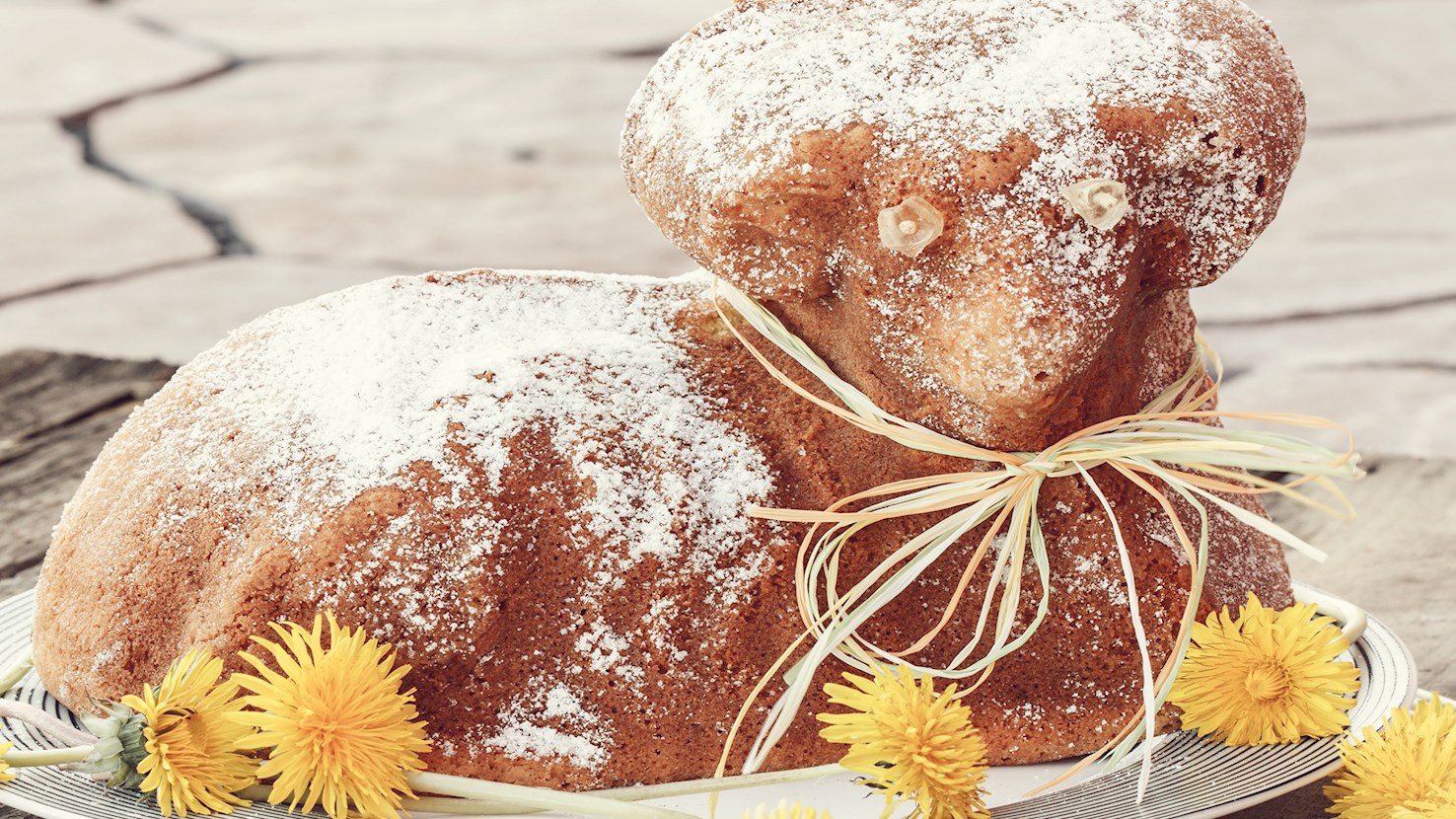
Exclusively associated with Easter, this traditional Czech cake is prepared with a simple egg-based batter that is baked in a lamb-shaped mold. The buttery, light sponge is occasionally enriched with dried fruit or colorful jelly bits, and the whole cake is either lightly dusted with powdered sugar or covered in chocolate. Since it symbolizes rebirth and the victory of life over death, the sweet beránek is served as the main dessert on Easter Sunday.

04

Makový závin

3.7 ·

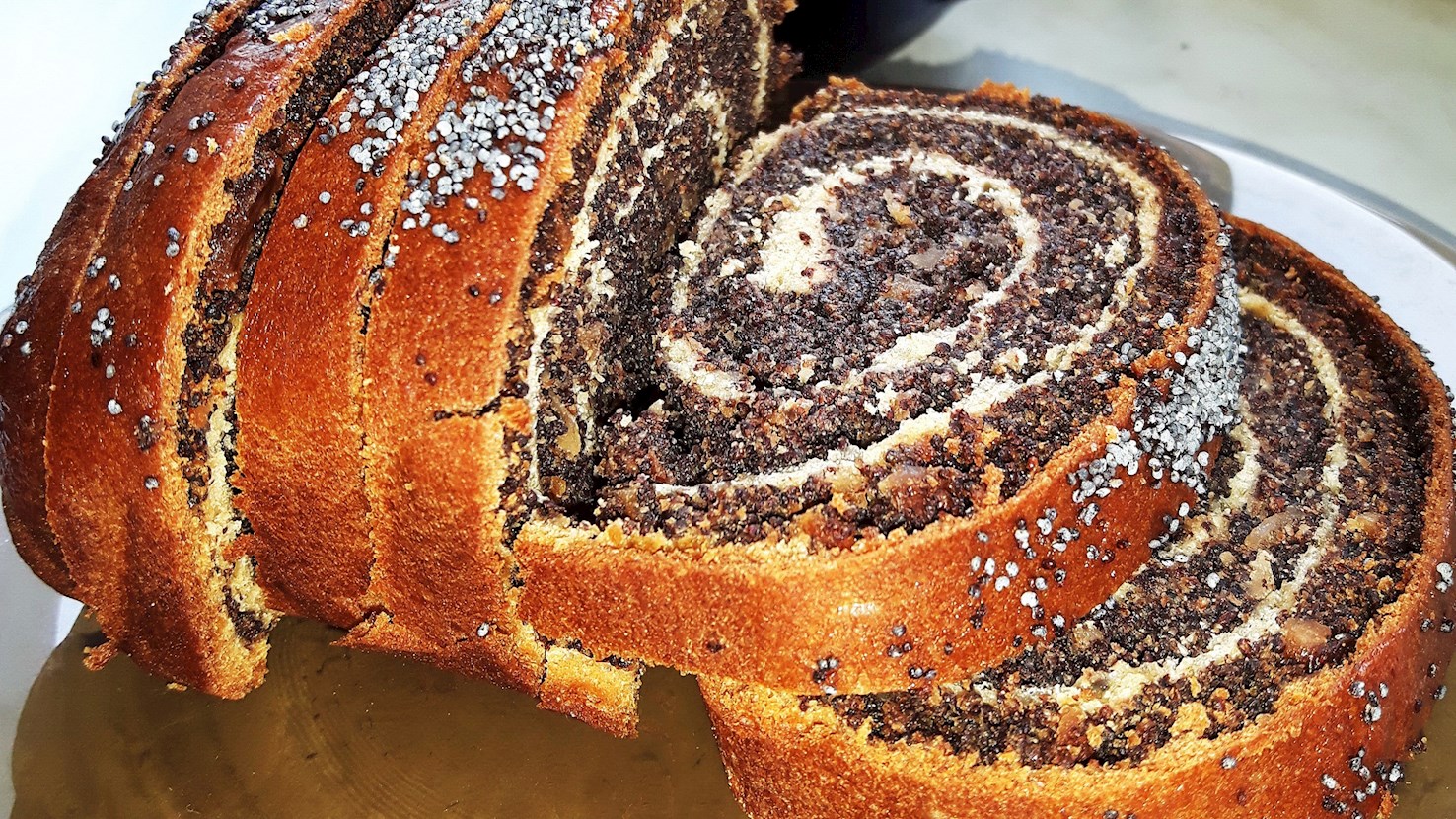
Makowiec is the Polish name for poppy seed roll, a traditional cake where poppy seed paste is placed between layers of dough. Raisins, almonds, honey, and orange peel can be added to the cake in order to enhance its flavors. Ideally, makowiec should not be too sweet. It is characterized by its unique appearance when cut, with the dough and the poppy seed filling winding around each other in a spiral. When served, makowiec is usually dusted with powdered sugar. The cake is often consumed alongside tea or coffee, and it is typically prepared for festivities such as Christmas or other winter holidays. Although it can be found in stores throughout the year, making makowiec is a holiday family tradition. Makowiec can also be found throughout Central Europe, in countries such as Austria, Croatia, the Czech Republic, Germany, Hungary, Slovakia, Slovenia, Romania, and Serbia.

05

Knedlíky (Czech dumplings)

3.7 ·

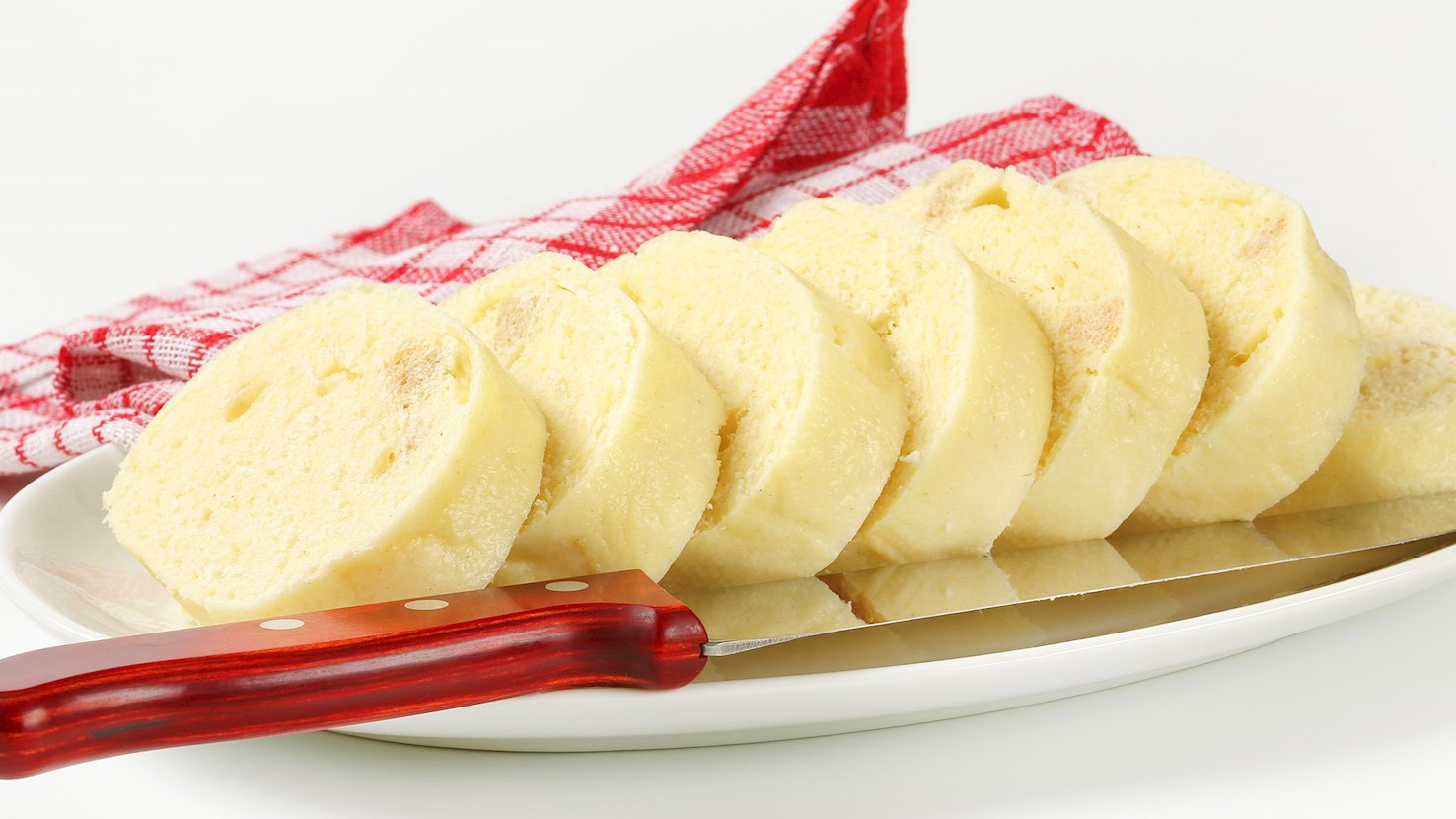
Czech knedlíky are traditional savory and sweet dumplings created with various ingredients. The main savory varieties include houskový, made with soaked bread, bramborové, made with mashed potatoes, syrove, made with cheese, and the plain yeast dumplings. While the sweet variations are filled with fruit and served as a dessert, the savory dumplings are usually formed in a roll, boiled or steamed, and served sliced. They can also be enriched with smoked meat, different herbs, or diced onions. Regardless of the type, knedlíky should always be fragrant and succulent. They are the most common side dish in the country, traditionally served alongside roasted meat and hearty stews. Similar varieties of boiled and steamed dumplings are commonly consumed across the Central and Eastern Europe, and they are especially favored in the neighboring Slovakia, Germany, and Austria.

06

Mazanec (Czech Easter bread)

3.7 ·

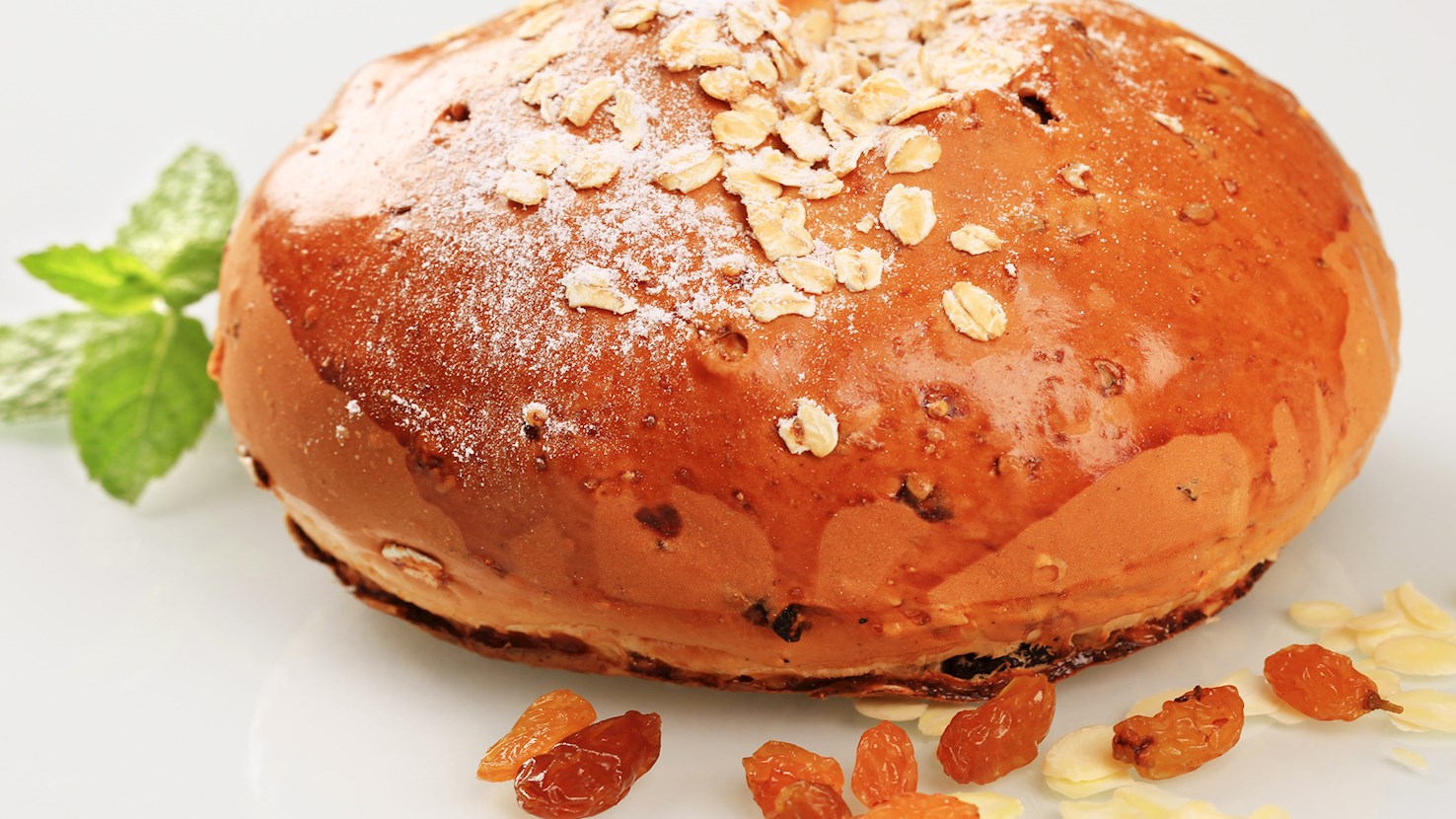
Mazanec is a traditional sweet Easter bread prepared with a brioche-like dough that is enriched with raisins, lemon zest, and rum. Shaped into large, round loaves, before baking it is sprinkled with sliced almonds, and the top is usually incised with a cross symbol. Dating back to the 15th century, this dense and rich bread is traditionally prepared on Holy Saturday and is enjoyed as a satisfying dessert or a sweet snack.

07

Hořické Trubičky

3.7 ·

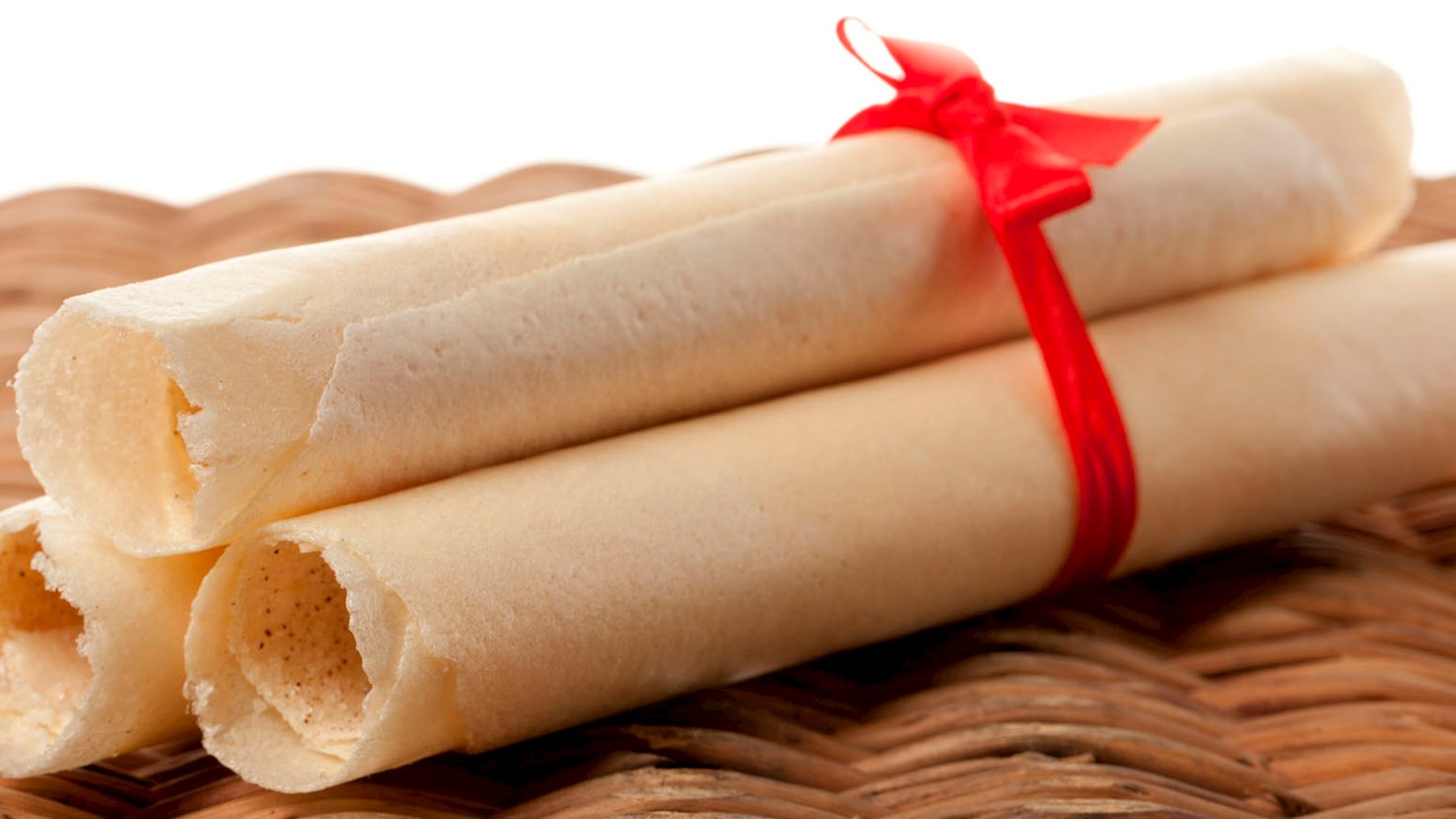
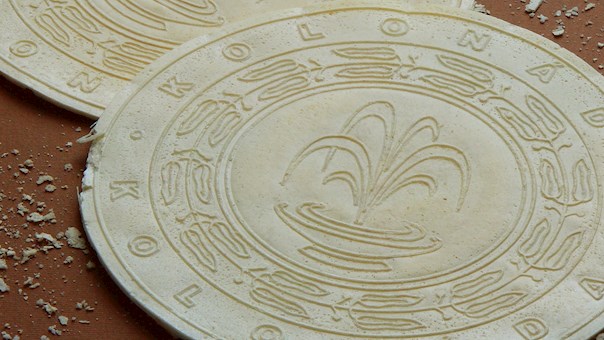
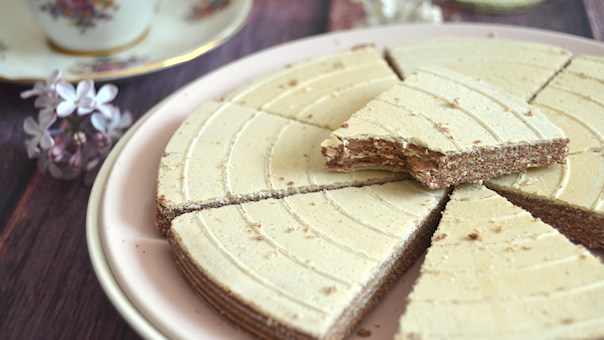
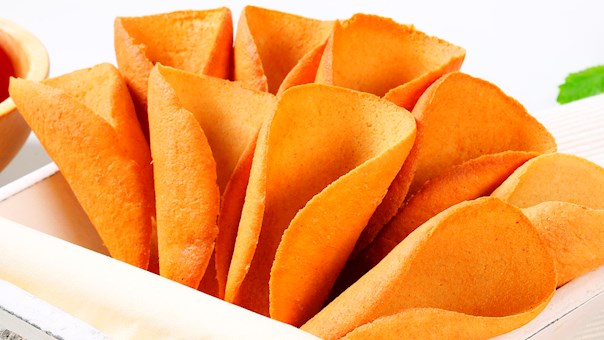
Hořické trubičky are rolled wafers produced in the town of Hořice and neighbouring municipalities in the Czech Republic. The rolls are from 5 to 19 centimetres long and light beige in colour. They have the scent and taste of a wafer, with a crunchy, smooth and porous texture. The wafers are made from only six ingredients - wheat flour, powdered milk, sugar, water, egg yolks and vegetable oil. They come in different varieties, so the rolls can be filled, half-coated, coated and sprinkled. When filled, the filling consists of whipped butter cream with cocoa powder and vanilla. When sprinkled, they are coated with melted butter mixed with honey and sprinkled with sugar or hazelnuts, almonds, cinnamon, raisins, cocoa powder and vanilla. The recipe for this delicacy exists since 1812 when Napoleon's wounded general and chef gave it to a local woman as a reward for healing his wounds. To eat them as the locals do, dip them in a cup of warm, melted chocolate.

08

Bramborové šišky s mákem

3.7 ·

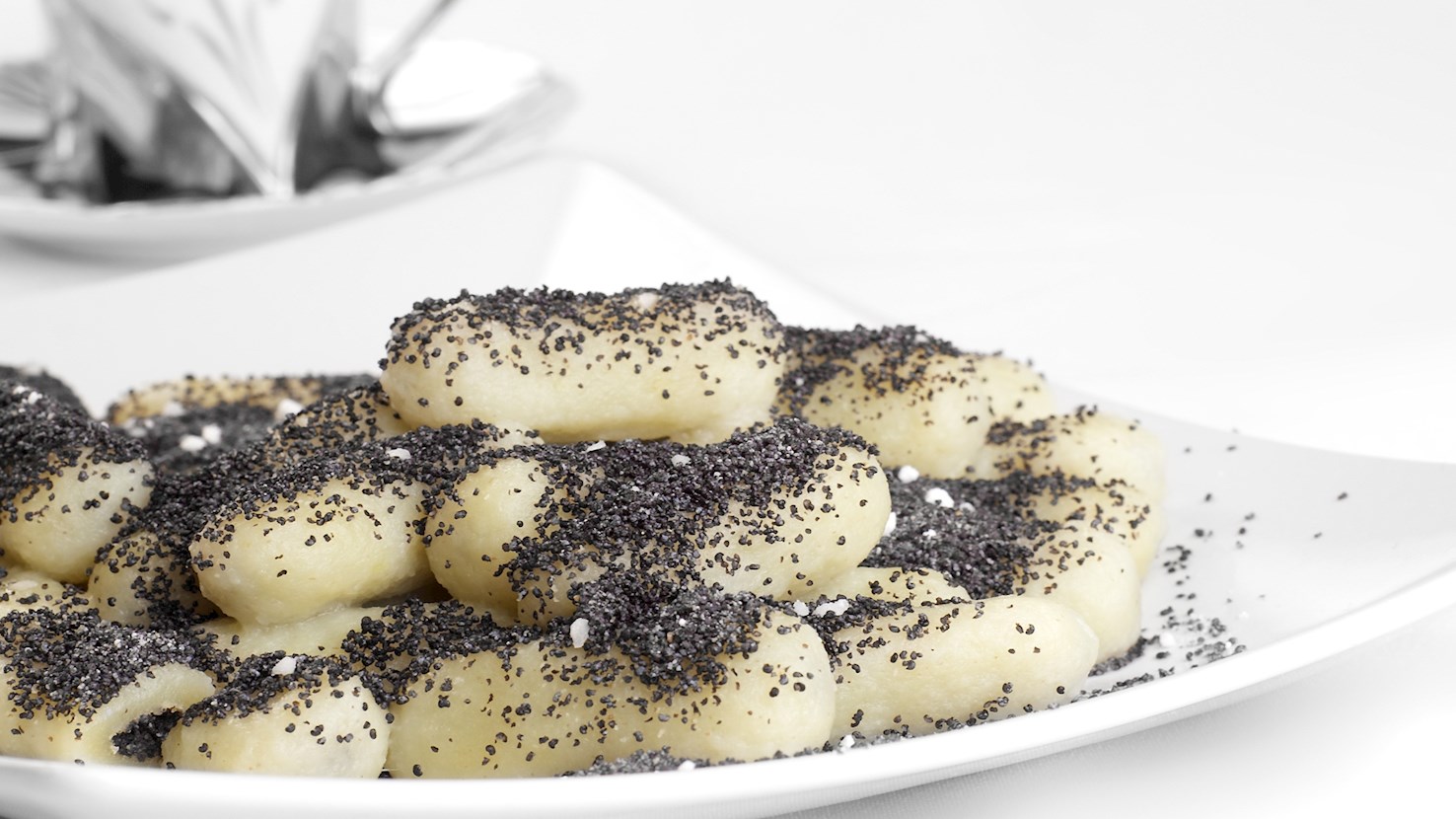
This flavorful Czech dish consists of potato dumplings that are traditionally dusted with sweetened, vanilla-flavored poppy seeds. Characterized by their cylindrical shape and delicate texture, the dumplings are shortly boiled, then served while still warm. The whole dish is occasionally doused in melted butter, complemented with jams, and enjoyed as the main course or a nutritious dessert.

09

Litá bublanina

3.7 ·

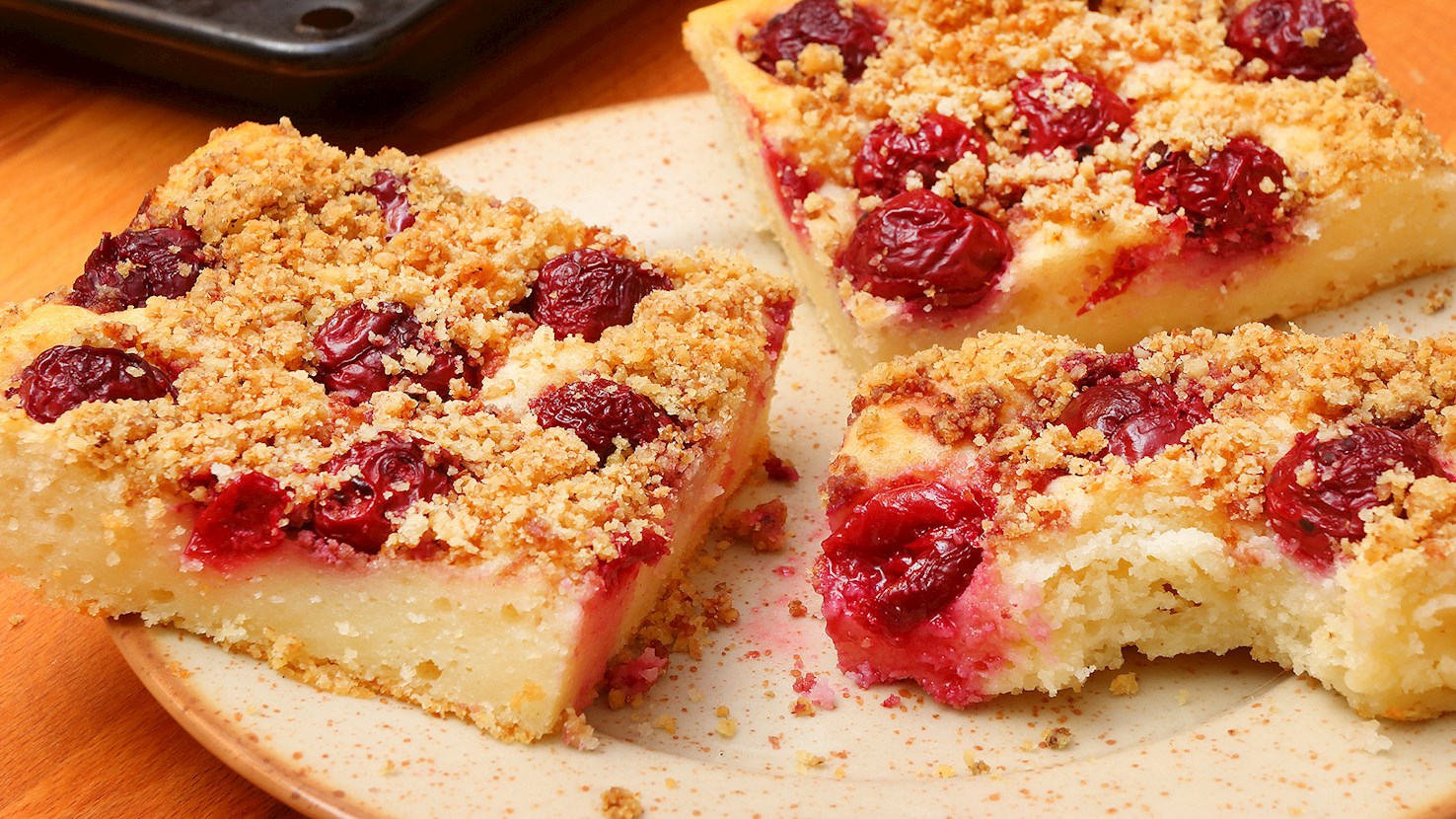
This traditional Czech dessert consists of a thick, pancake-like batter that is topped with various fruits and baked until golden. The choice of fruits is heavily dependent on the season, but typically includes various berries, plums, and apricots. Whether it is enjoyed warm or chilled, it is usually served dusted with powdered sugar.

10

Perníčky

3.8 ·

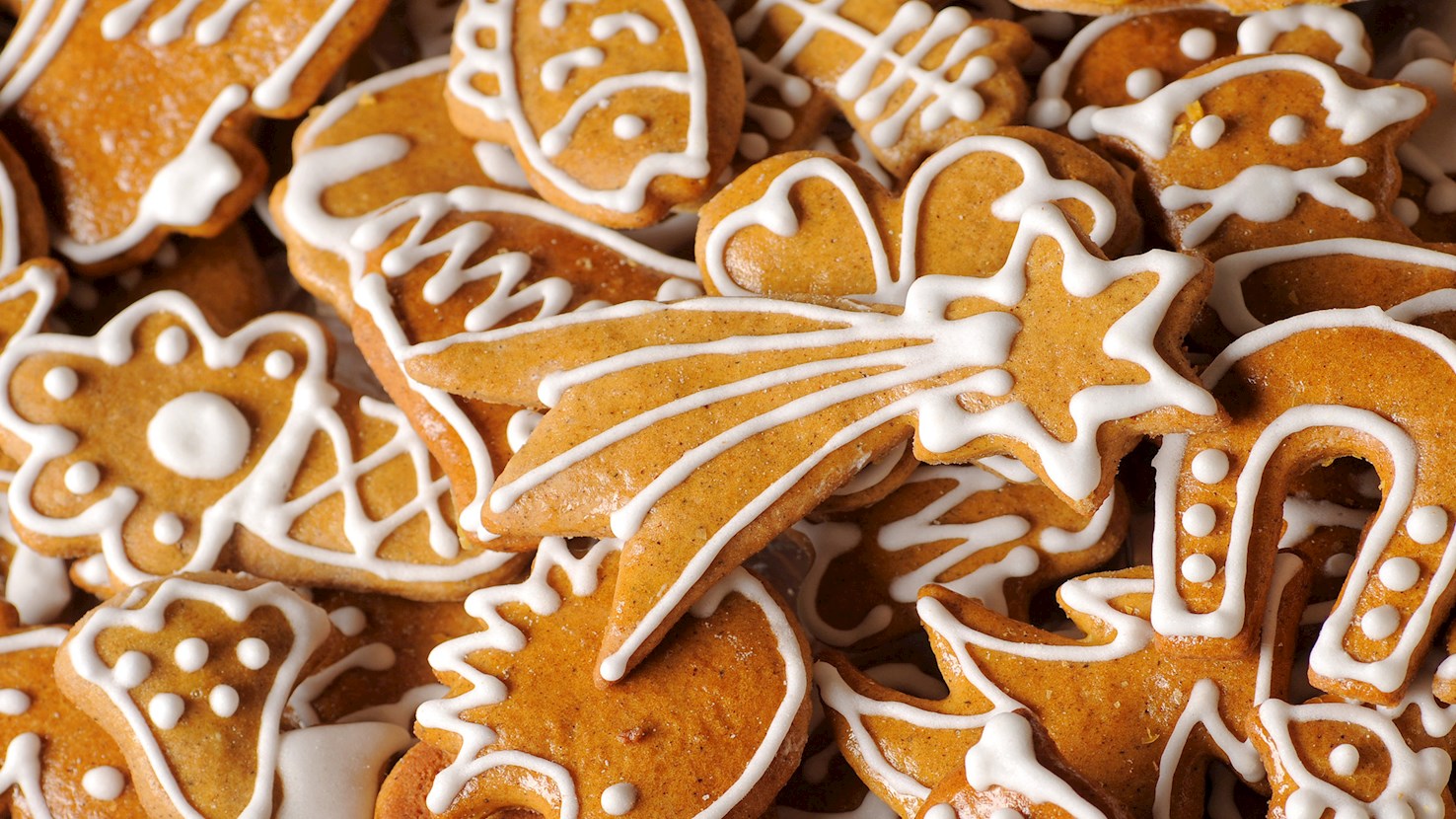
Perníčky is a term used to describe traditional Czech cookies spiced with cinnamon, cloves, nutmeg, allspice, and ginger. They are usually cut out into different shapes and decorated with chocolate, yogurt, sliced almonds, candy, and sugar glaze, or simply dusted with powdered sugar. In the Czech Republic, the cookies initially appeared in 1335, when they were mainly enjoyed as a dessert or as a thickening agent in savory sauces. Today, these crispy and fragrant cookies are appreciated for their artistic value, and the lavish decorations make them a unique, edible artwork. They are also a staple of numerous Christmas markets and one of the authentic Czech souvenirs.

Read more
View all
View map
About this ranking

TasteAtlas food rankings are based on the ratings of the TasteAtlas audience, with a series of mechanisms that recognize real users and that ignore bot, nationalist or local patriotic ratings, and give additional value to the ratings of users that the system recognizes as knowledgeable. For the “17 Worst Rated Czech Desserts” list until June 16, 2026, 4,498 ratings were recorded, of which 3,603 were recognized by the system as legitimate. TasteAtlas Rankings should not be seen as the final global conclusion about food. Their purpose is to promote excellent local foods, instill pride in traditional dishes, and arouse curiosity about dishes you haven’t tried.

Similar lists