Top 100 Polish Foods

Last updated on June 06, 2026

Best Polish foods

01
Cheese

Redykołka

4.4 ·

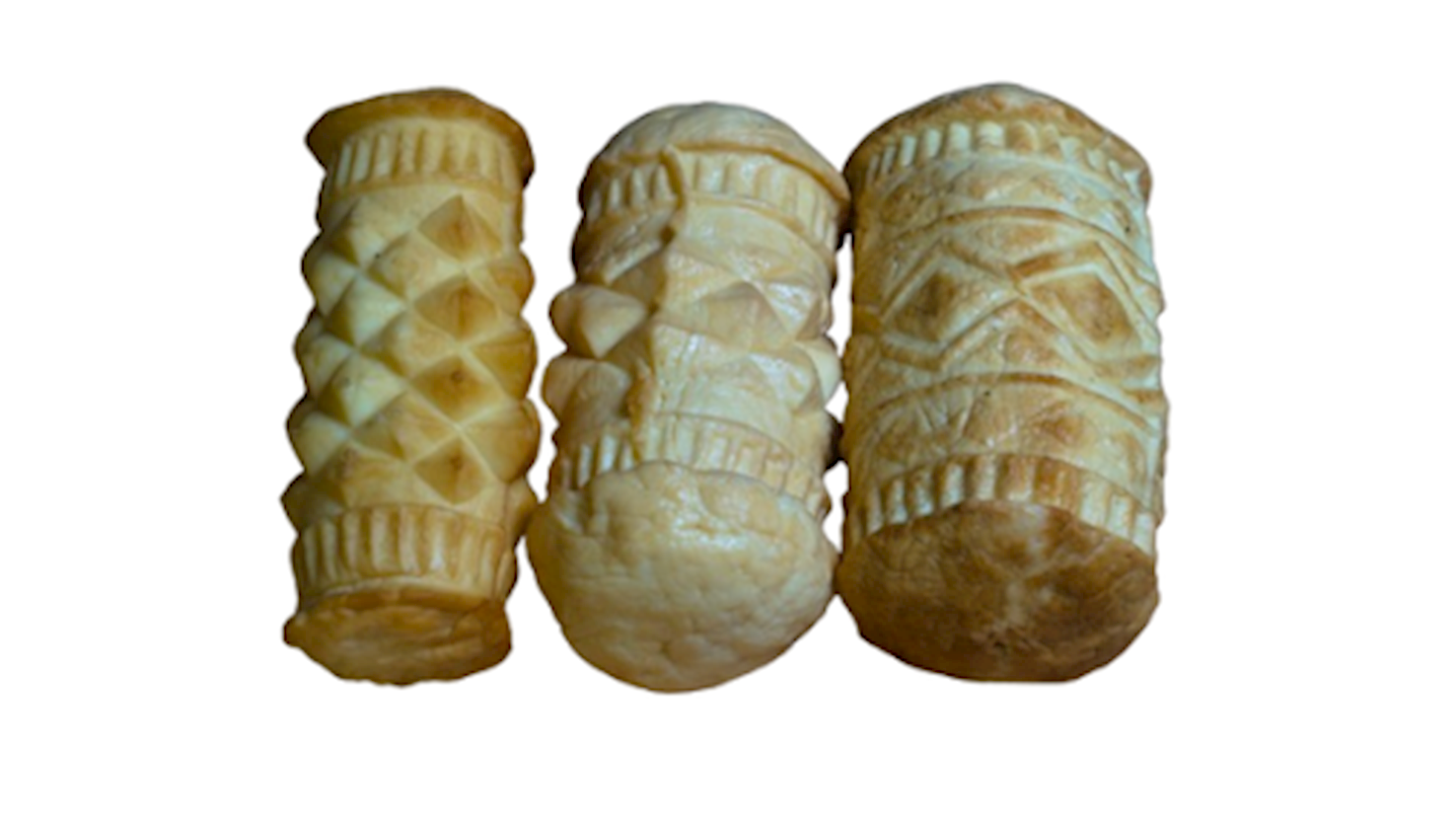
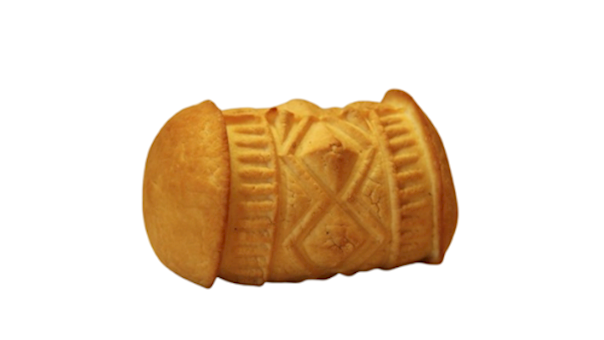
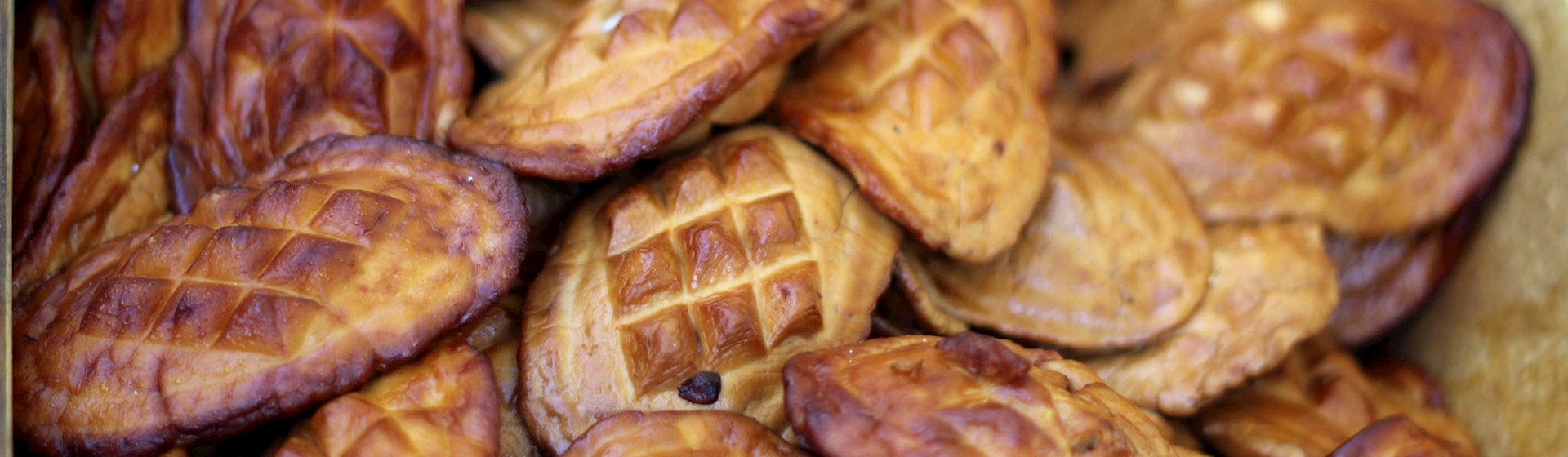
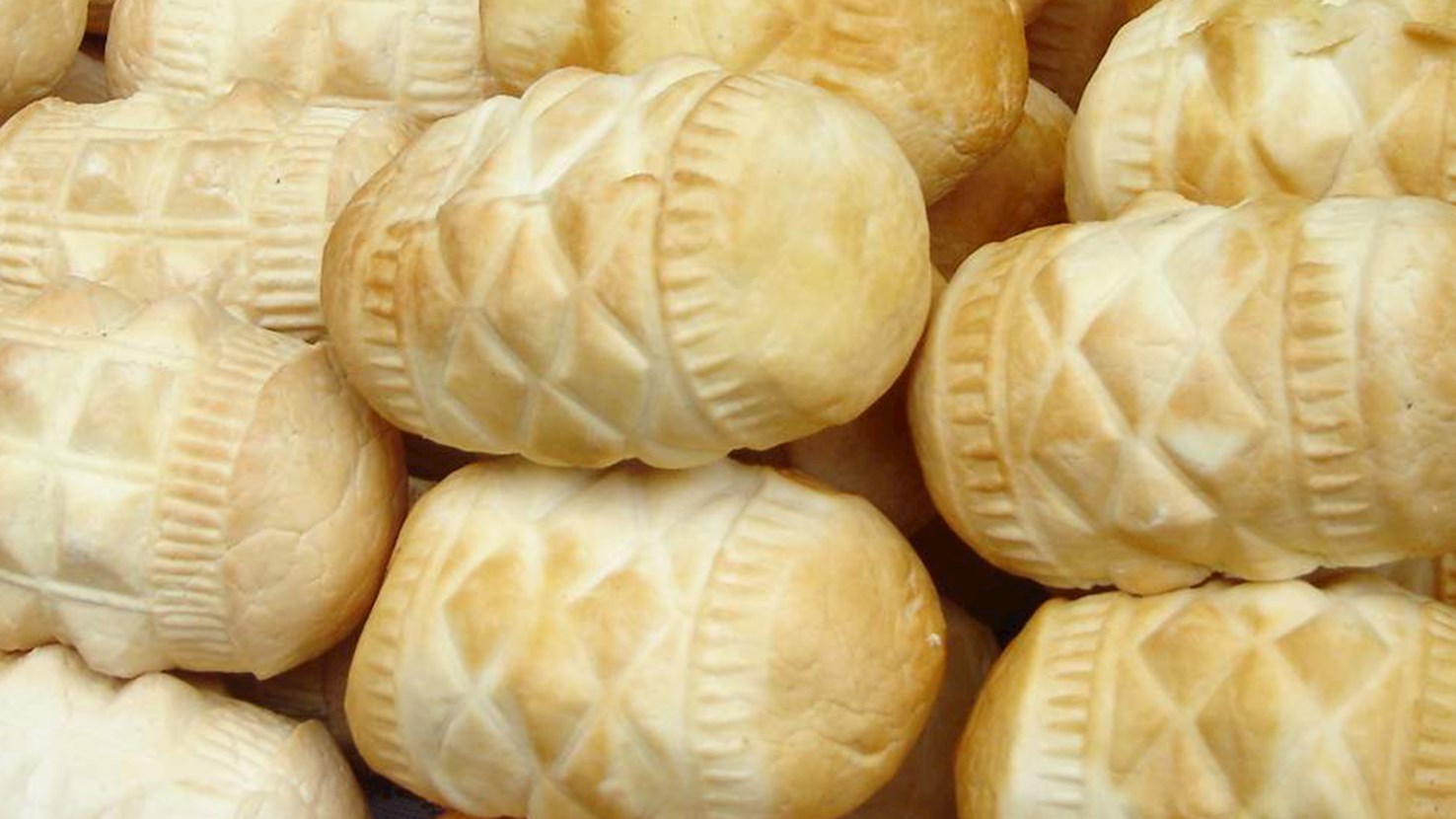
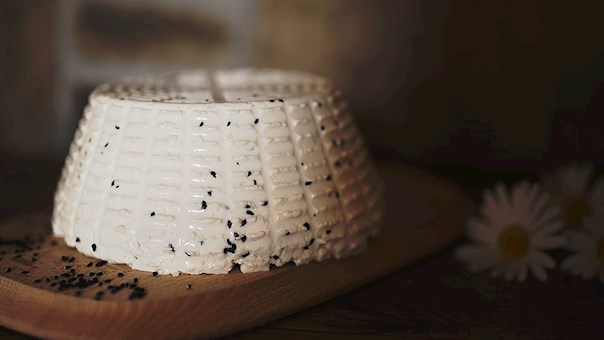
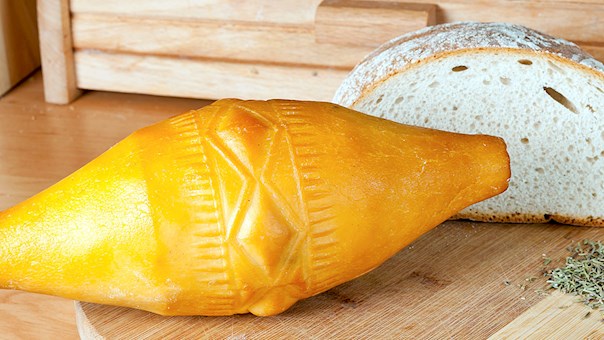
Redykołka is a small, semi-hard cheese made from half-fat sheep's milk in the Podhale region in Poland. The name derives from the Polish word redyk, meaning a ceremony where sheep are taken to mountain pastures, kept there grazing and brought back down from the mountains. The cheese is made in unusual shapes of small animals, birds, hearts or spindles. It must not exceed the maximum weight of 300 grams, the smallest one being redykolka in the shape of a spindle and weighing from 30 to 60 grams. It is made from the leftovers in the process of making the famous Polish Oscypek cheese and is regularly confused with it. In the past, Redykolka was often used as a gift from shepherds to children or guests and it was always given in even numbers. The cheese is smooth and white on the interior while it is straw-colored on the exterior due to having been smoked. Its taste is slightly salty, smoky and spicy.

02
Cheese

Gołka

4.4 ·

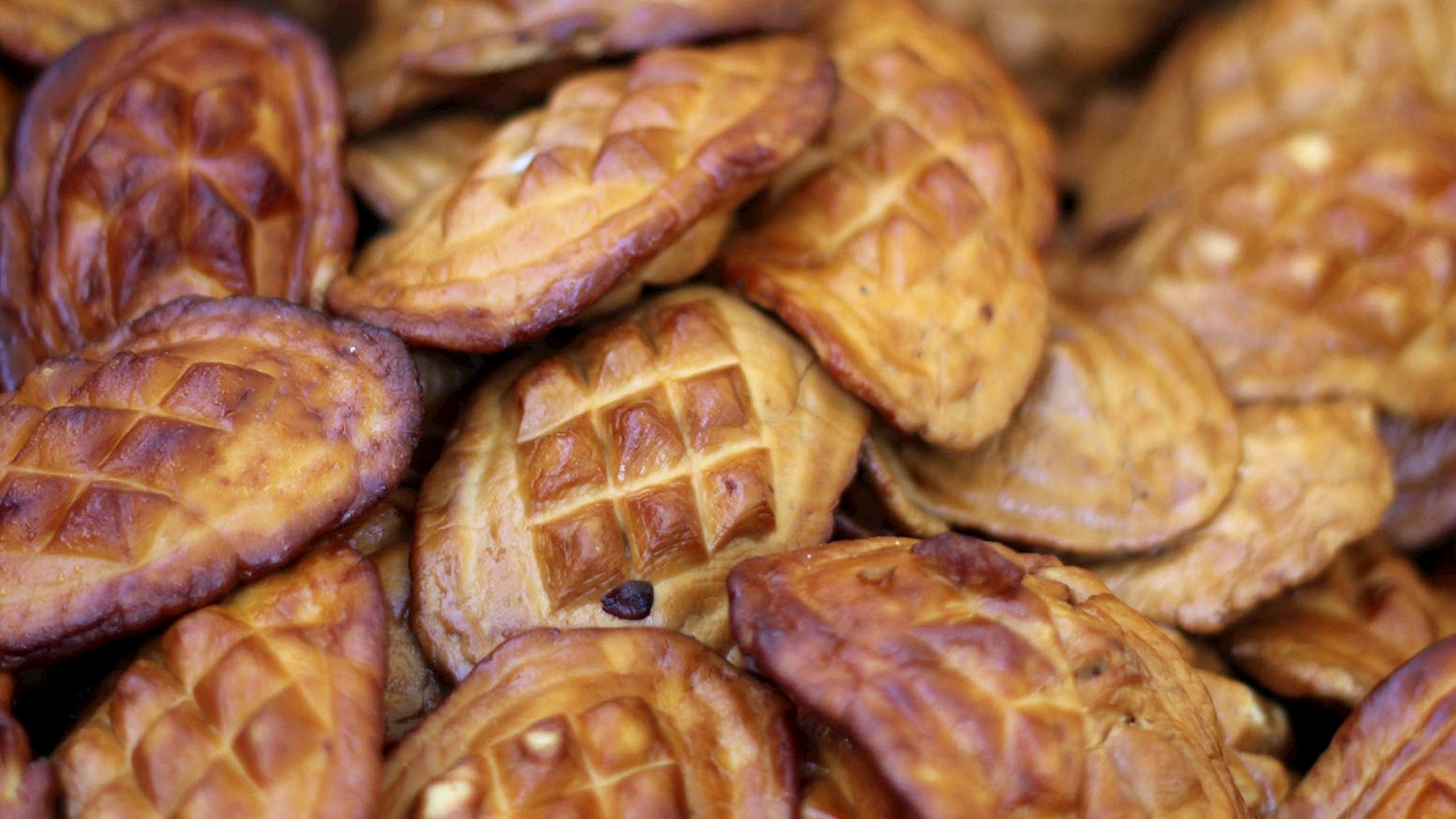
Traditionally associated with the region of Silesia, gołka is a smoked Polish cheese that is exclusively made with cow’s milk. It is characterized by its light yellow color, and before it is smoked, it is placed in carved wooden molds that form its typical cylindrical shape and provide a decorative pattern on the rind. With its delicate taste, smoky flavor, and soft texture, gołka is best paired with fruit preserves and bread.

03
Dumplings

Pierogi Ruskie

4.4 ·

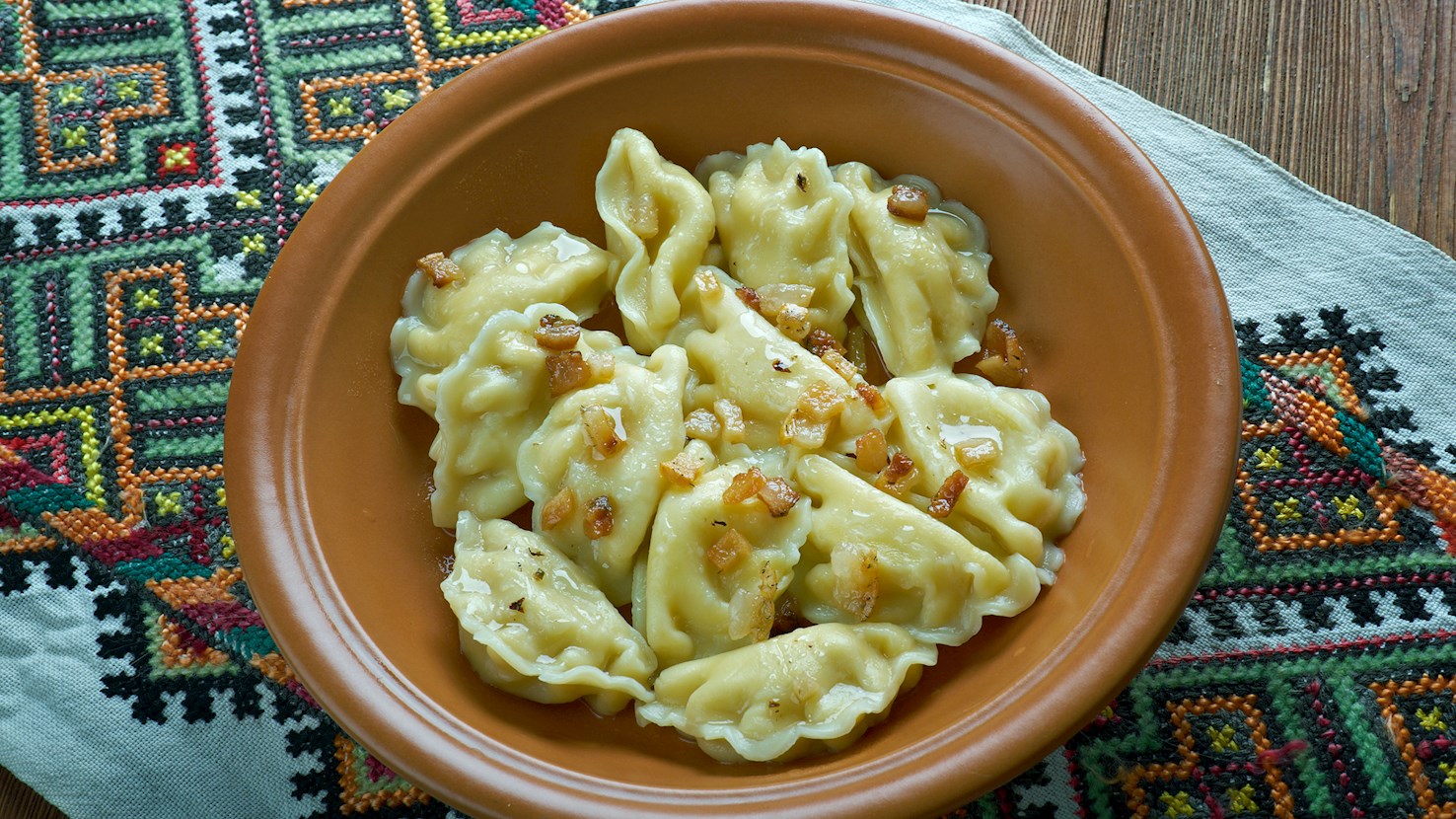
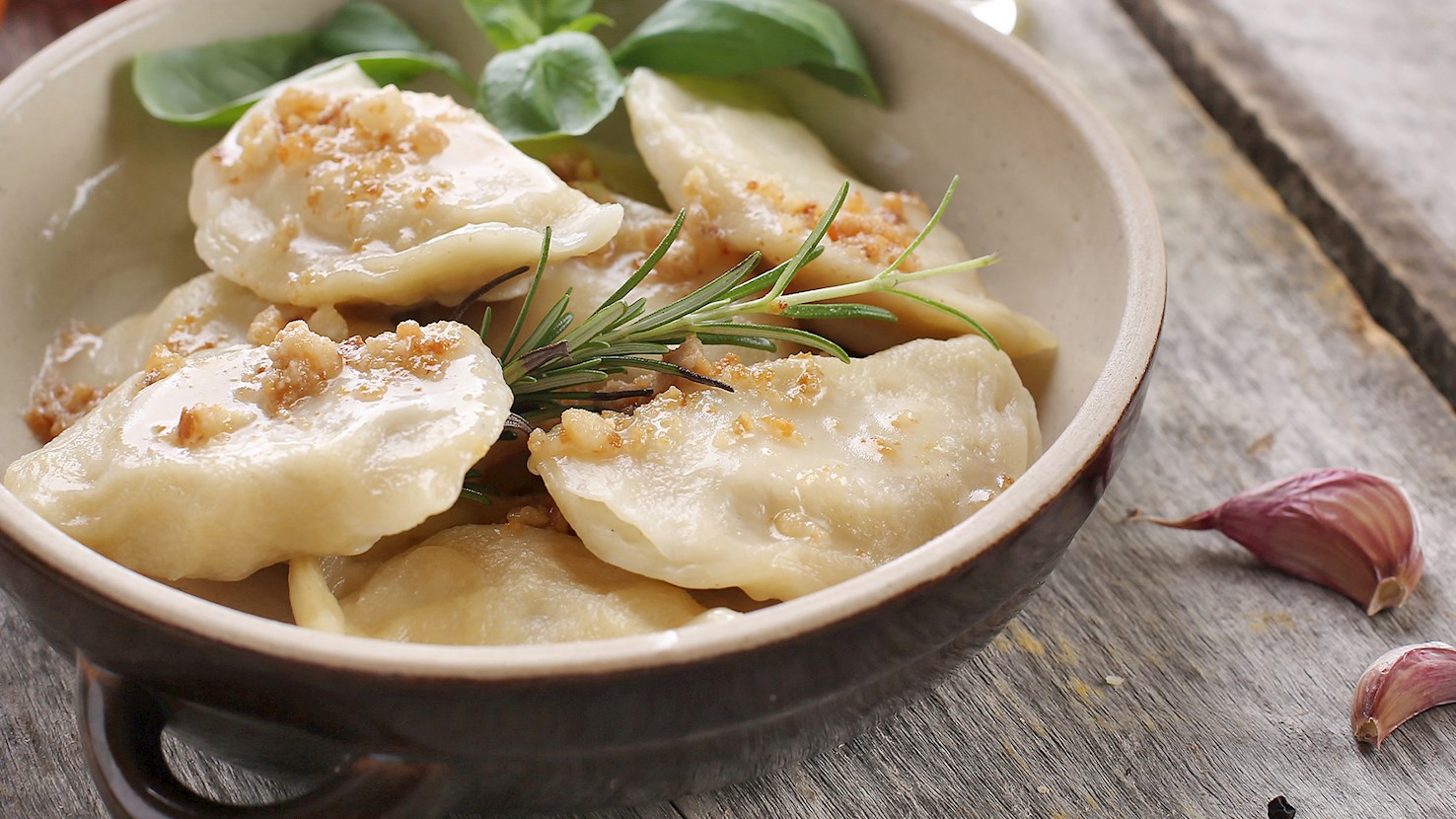
Originating from the historical region of Red Ruthenia, these soft, crescent-shaped dumplings are filled with a combination of potatoes and cheese, which is occasionally modified with various seasonings or fried onions. Pierogi ruskie are usually boiled and shortly fried until they develop a crispy texture. The dumplings are often served sprinkled with cracklings, crispy fried onions, or bacon, and can be enjoyed as a hearty appetizer or as a main course. In Ukraine, the pierogis are called varenyky, and they are so popular that there is even a monument celebrating varenyky in the city of Cherkasy. The sweet, fruit-filled version of varenyky is typically served with sugar and sour cream.

04
Sausage

Kiełbasa myśliwska Staropolska

4.4 ·

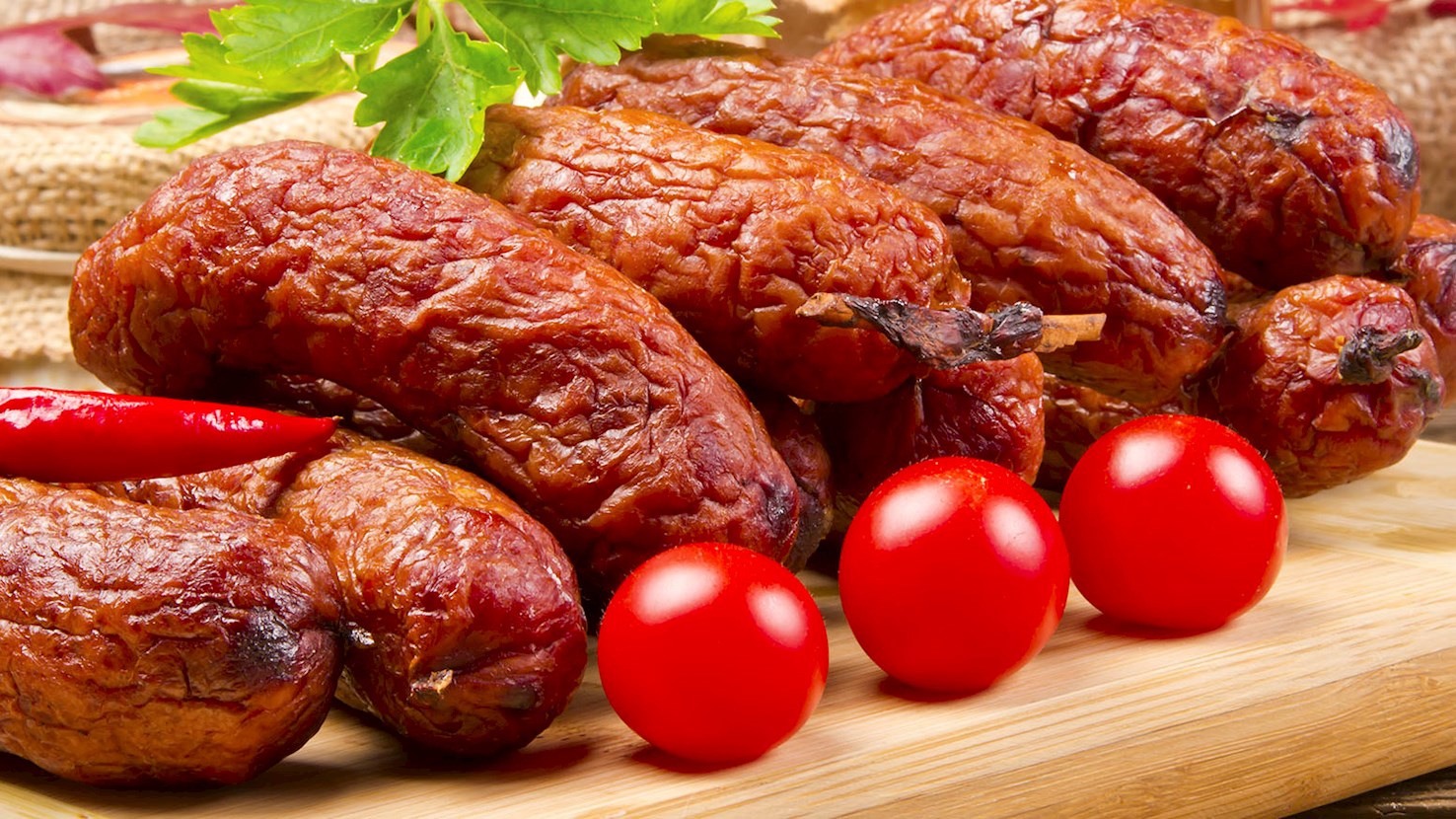
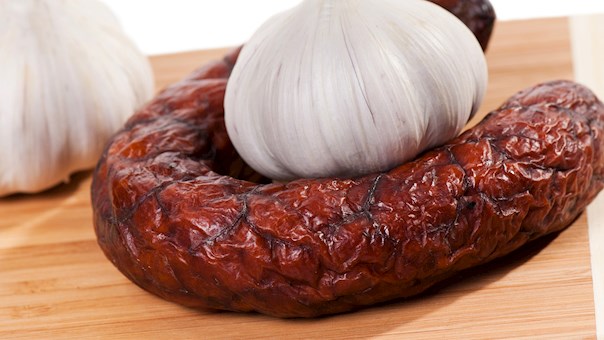
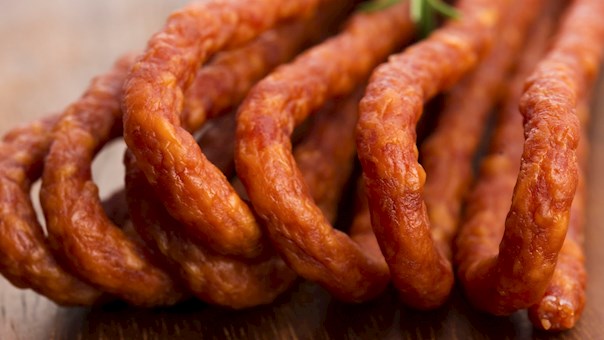
Kiełbasa myśliwska is a traditional smoked and dried sausage made from pork. It got its name from the Polish word for hunter (myśliwy), so it is also known as hunter's sausage. Due to the fact that it is a semi-dry, short sausage with low moisture content (making it resistant to spoilage), it made an ideal snack for hunters on their trips. It has a dark brown exterior and wrinkly skin, with the appearance and shape of a curved sickle. The sausage has a unique flavor of tender, cured, baked and smoked pork meat, flavored with a blend of selected spices including juniper, pepper, sugar, and garlic. The meat is so tender and succulent due to the tenderisation process that's achieved with a mix of vinegar, water, and oil. Because of the long drying process, the sausages have an exceptionally long shelf-life and are mostly enjoyed on travels, outings, and picnics.

05
Vegetable Soup

Barszcz czysty czerwony

4.3 ·

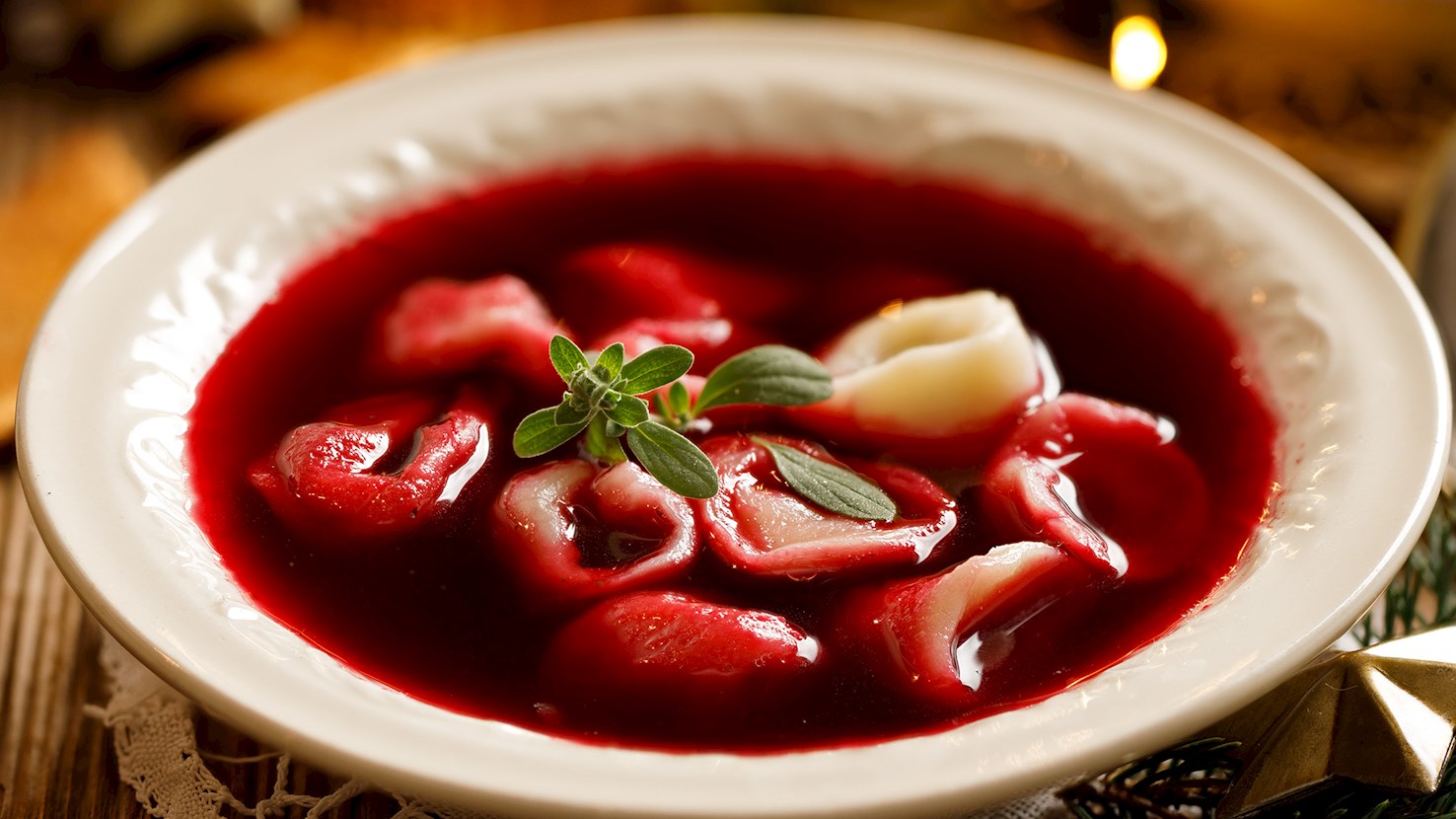
Borscht is a popular beet soup found in many Central and Eastern European countries. Although the most common Polish version is a thick borscht prepared with beetroot and various root vegetables, the unique Polish version comes in the form of a clear strained broth. This dish is known as barszcz czysty czerwony and its base is usually fermented beet juice, also known as kvass, or stock that includes beetroot juice together with lemon juice or vinegar. The broth is strained and it can be served cold or warm, as well as in bowls or mugs. A typical combination is to serve the soup together with small filled dumplings called uszka. This combination stems from Jewish tradition since the dish was traditionally served on Sukkot, a Jewish holiday celebrated on the 15th day of the seventh month, Tishrei.

06
Dumplings

Kołduny

4.3 ·

Known as koldūnai in Lithuania, kalduny in Belarus and kołduny in Poland, these stuffed dumplings boiled in salted water are a staple of regional cuisine. Traditionally filled with minced pork, beef, chicken, curd cheese, or mushrooms, they make for an excellent lunch choice and can be enjoyed with a variety of garnishes, from butter and black pepper to mayonnaise, sour cream, crispy bacon, or spirgučiais (a type of pork rind).

07
Mushroom Soup

Zupa borowikowa

4.3 ·

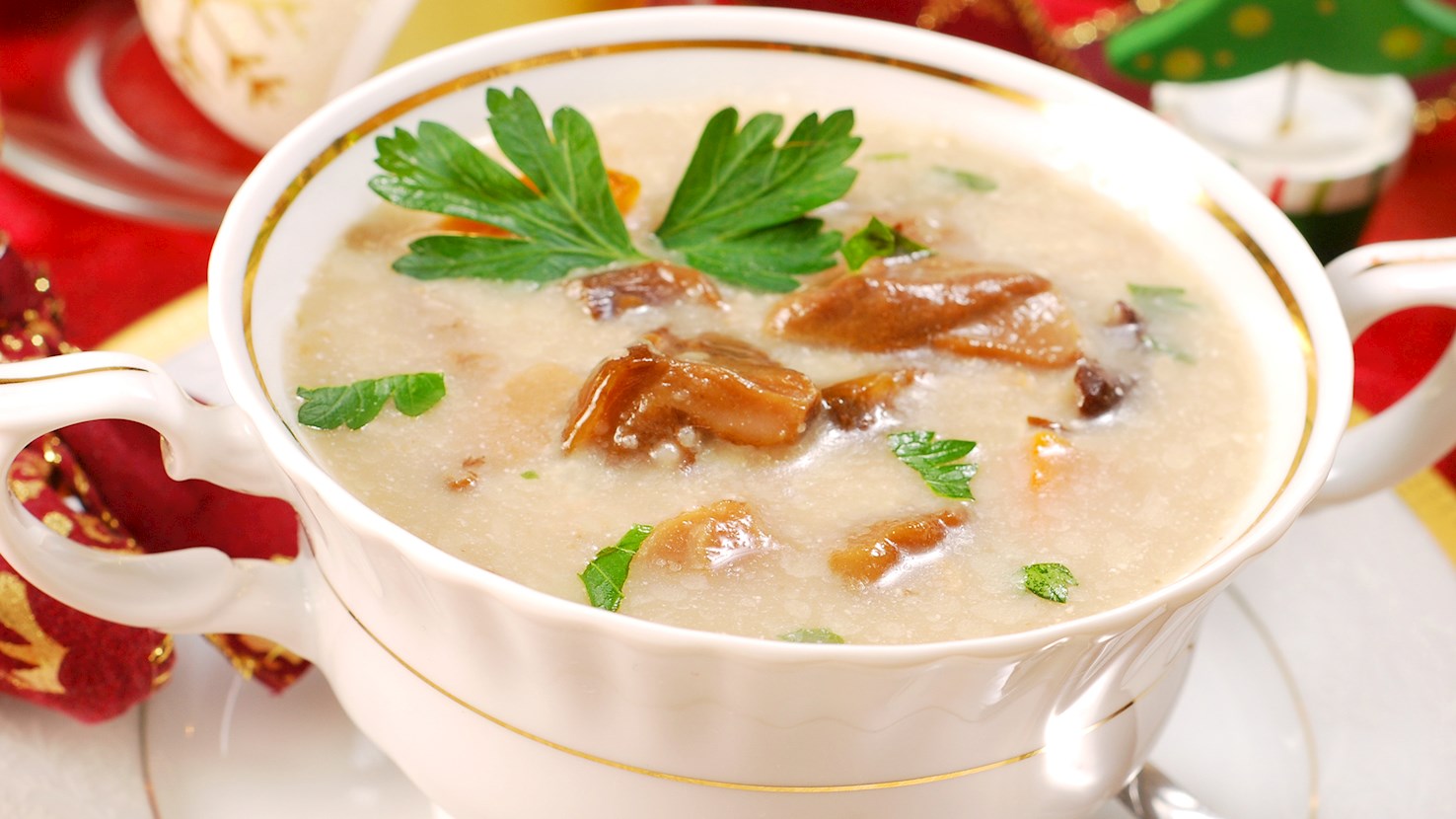
Zupa borowikowa is a flavorful Polish soup with borowik mushrooms, also known as the king of forest mushrooms. The soup is beloved throughout Poland and is often served on Christmas Eve. Apart from the fresh version, the soup is so popular that it can also be bought in commercially made packages with noodles.

Best restaurants
08
Sweet Pastry

Pączki (Polish doughnuts)

4.3 ·

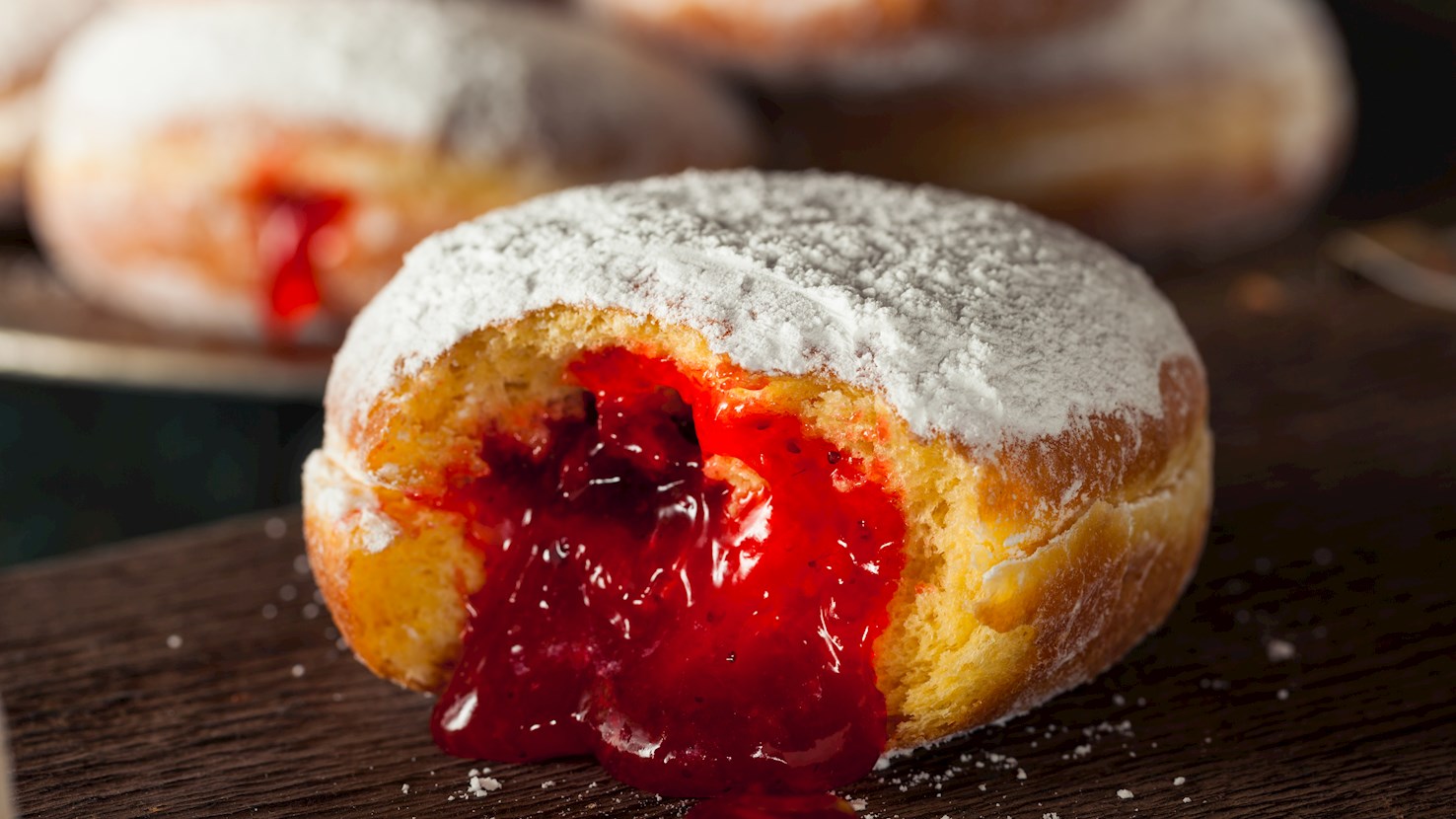
Pączki are traditional Polish doughnuts are made from yeast-leavened dough that's rich in eggs, sugar, milk, and fats. A touch of spirit, such as rum, is often added to the dough for pączki to prevent the absorption of oil during frying. They are darker and larger than their Austrian cousin krapfen and often ball-like in shape rather than round. Traditional fillings are plum preserve and rose jam. They are placed at the center of the dough and then wrapped around it to make a ball-like shape. Pączki are much more than just a tasty treat; they hold cultural significance in Poland and among Polish communities worldwide. Consuming pączki on the last Thursday before Lent begins is a centuries-old tradition, marking a time to indulge in rich foods before the fasting period of Lent. The popularity of pączki has spread beyond Poland, with many bakeries in the United States, especially those in areas with large Polish populations, offering them in the lead-up to Lent.

09
Cheese

Bryndza Podhalańska

4.3 ·

Bryndza Podhalańska is a unique soft cheese made from the milk of the Polska Owca Górska (Polish Mountain Sheep) breed of sheep, produced in the Nowotarski, Tatrzański and some parts of the Žywiecki districts in Poland. The cheese can also be made with a mixture of sheep's and cow's milk, where cows must be of the Polska Krowa Czerwona (Polish Red) breed, and the maximum amount of cow's milk used in the process must not exceed 40%. The cheese gets its name from the traditional name for the region - Podhale, where many skillful cheesemakers produce this white, creamy-white or greenish delicacy with an intense, salty and slightly sour flavor. Since Bryndza Podhalańska is a seasonal product, it is only made from May until September. The unique flora of one of Europe's cleanest regions has a great impact on the quality of this fresh and creamy product, often paired with dry white wines.

10
Cheese

Bundz

4.3 ·

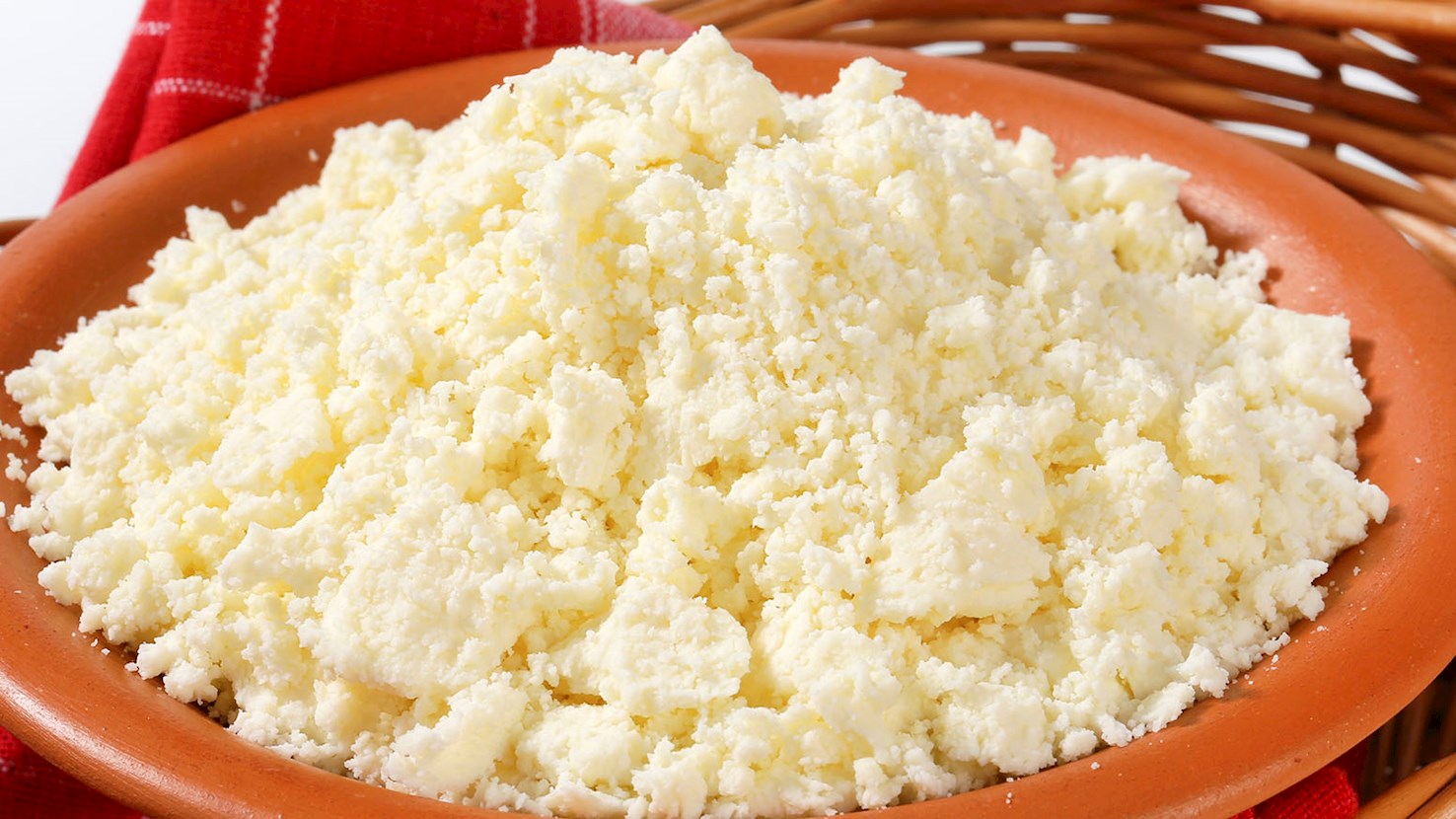
Bundz is a Polish cheese made from sheep's milk. The cheese is produced in the mountainous regions of the country. It is reminiscent of cottage cheese in flavor and texture, and has a mild, fresh flavor. The remaining whey created in the production of bundz is used for the preparation of a traditional Polish sour beverage called żętyca.

Best Polish food products

01
Spirit

Wyborowa

5 ·
Wyborowa is a renowned Polish vodka brand with a rich heritage dating back to 1823. Crafted exclusively from pure Polish rye and water, its production process honors nearly 600 years of Polish distilling tradition, resulting in a vodka celebrated for its velvety texture and natural, subtle sweetness. Over the years, Wyborowa has garnered significant international acclaim, securing over 40 awards at various global fairs and competitions. Notably, according to the Drinks International 2020 ranking, it ranked among the top ten best-selling vodkas in the world's most popular bars. In 1999, Wyborowa became part of the Pernod Ricard portfolio, further expanding its global reach. The brand's commitment to quality and authenticity is underscored by the "Made in Poland" inscription on its bottles, emphasizing its origin and the artistry of Polish craftsmanship.
Awards
ISC-International Spirits Challenge - Double Gold (2023)
IWSC- International wine & spirit competition - Spirit Gold (2024, 2019)
02
Spirit

Belvedere

5 ·
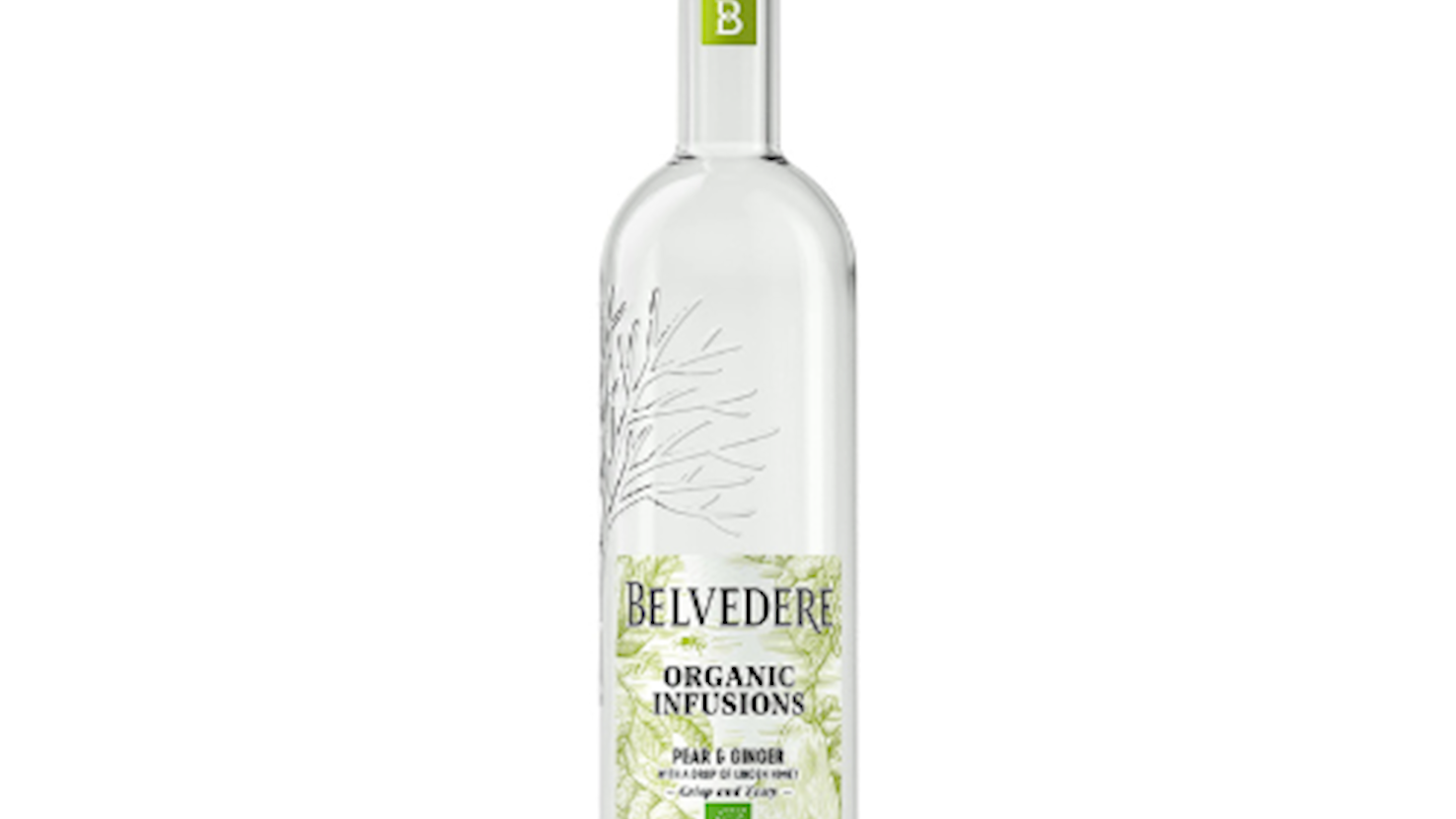
Belvedere is a premium vodka brand crafted in Żyrardów, Poland, by Polmos Żyrardów, with over a century of distilling tradition. It is made from Dankowskie Gold Rye, a heritage grain, and undergoes a meticulous quadruple distillation process for a smooth, velvety taste. Belvedere adheres to the strict standards of Polish Vodka certification, using only natural ingredients with no additives or sugar. The flagship Belvedere Pure is celebrated for its purity, while the brand also offers Single Estate Rye and Organic Infusions. Sustainability is a core focus, with renewable energy and eco-friendly practices in production. The vodka has won numerous international awards for its quality and craftsmanship. Belvedere is globally recognized as a symbol of luxury and Polish heritage, often featured at high-profile events and occasions.
Awards
The Vodka Masters - Gold (2022)
The Vodka Masters - Master & Taste Master (2022)
03
Mead

Furious Meads

5 ·
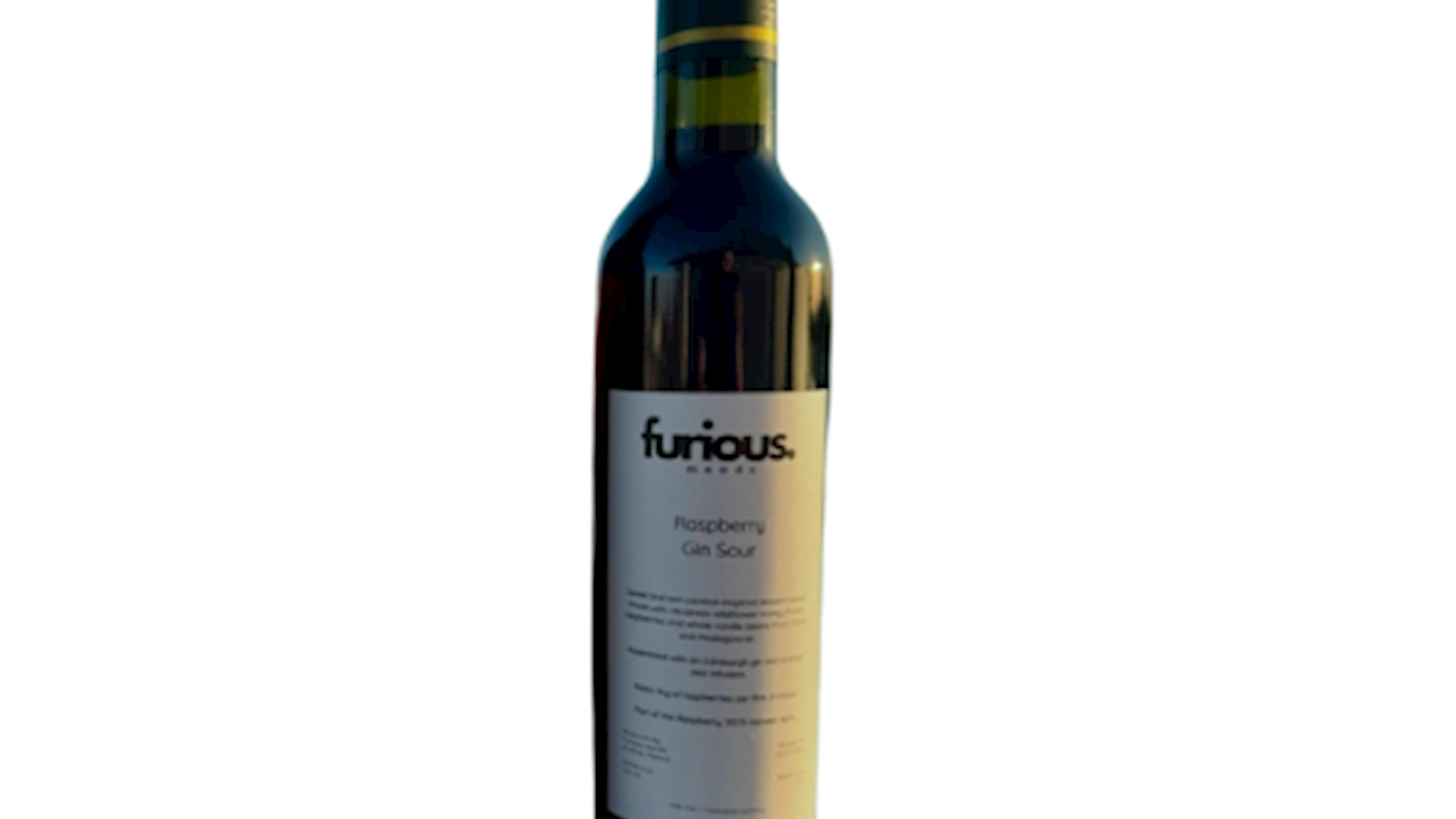
Furious Meads is a small craft meadery from Krakow, Poland, positioned as a producer of modern dessert-style meads with pronounced aromatic and layered profiles. Their philosophy is based on the use of high-quality honey and fruit, often combined with barrels that previously held fine wines or spirits to add extra complexity. Their products frequently incorporate black currant, cranberry, strawberry, or chokeberry, along with spices and oak aging, resulting in a dessert-like, almost liqueur character. The texture of their meads is typically full, creamy, and intense, with a long finish where fruit, honey, and woody notes intertwine. This brand represents a new generation of Polish producers who see mead as a space for creativity and innovation, but without compromising on quality.
Awards
Untappd - 4.5
Untappd - 4.4
04
Spirit

Pravda Spirits International

5 ·
Awards
ISC-International Spirits Challenge - Double Gold (2023)
The Vodka Masters - Gold (2023)
05
Cheese

Bacówka na Polanie Biały Potok

5 ·
Bacówka na Polanie Biały Potok is a traditional mountain shepherd’s hut located near Witów, between the Chochołowska and Kościeliska valleys in the Tatra region of southern Poland, known for authentic highland cheese production. The bacówka operates according to centuries-old Góral traditions, with cheeses made by hand from fresh sheep’s and cow’s milk sourced from local herds grazing in the surrounding mountain pastures. Production follows seasonal rhythms, with particular emphasis on classic smoked cheeses such as oscypek, alongside regional varieties including bundz, bryndza, gołka and korboce. Smoking is typically done using natural wood, giving the cheeses their characteristic aroma, firm texture and pronounced regional profile. In addition to production, the bacówka functions as a place of direct contact with tradition, where visitors can observe cheesemaking, taste products on site and purchase them directly from the producer. Bacówka na Polanie Biały Potok represents a living example of Podhale’s pastoral heritage, combining raw materials, landscape and craftsmanship into products with a clear sense of place.
06
Spirit

Kavka Vodka

5 ·

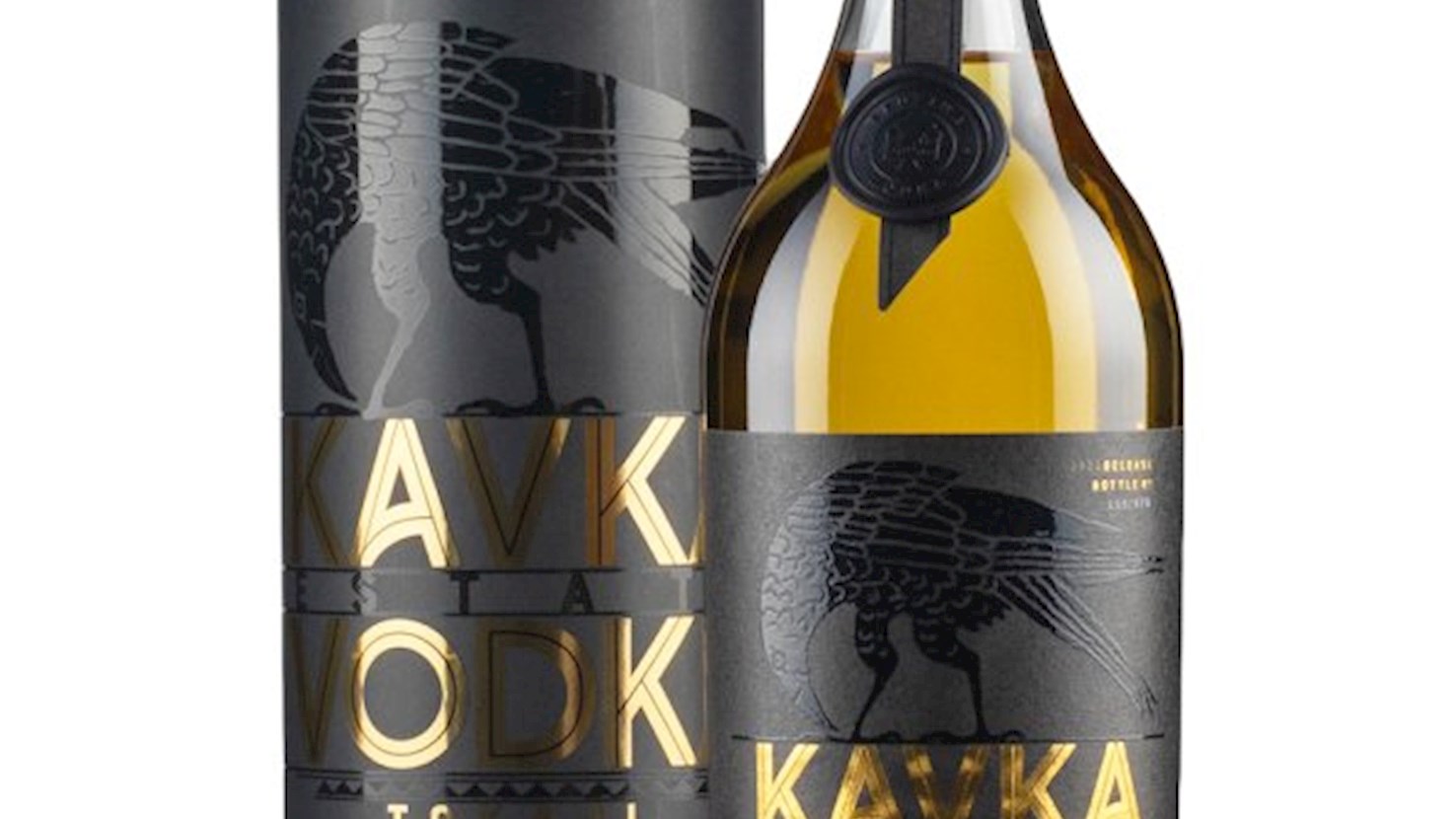
Kavka Vodka is a Polish spirits brand inspired by traditional vodka-making methods that were common in Poland before modern filtration techniques became widespread. Founded by Jan Woroniecki, the brand was created to revive historical approaches that emphasized character, regional identity and distinctive flavor profiles rather than complete neutrality. Kavka draws on the distilling heritage of Sandomierz, one of Poland’s oldest towns and a region long associated with fruit cultivation and spirit production. The company works with Polish distillers and sources local ingredients that reflect this agricultural tradition. According to the brand, its products are made using a blend of rye and wheat spirits together with small quantities of aged fruit distillates, a technique rooted in historic Polish vodka production. The name “Kavka” refers to the jackdaw bird and also carries cultural associations within Polish folklore. Since its launch, the brand has positioned itself as a modern interpretation of classic Polish vodka traditions while remaining closely connected to regional heritage. Kavka has gained recognition in international markets for highlighting the diversity and historical depth of Polish distilling culture. Its portfolio includes several expressions inspired by local ingredients and traditional maturation methods. Today, the brand represents a combination of Polish craftsmanship, historical inspiration and contemporary design.

Awards
SFWSC - San Francisco World Spirits Competition - Double Gold (2023)
07
Spirit

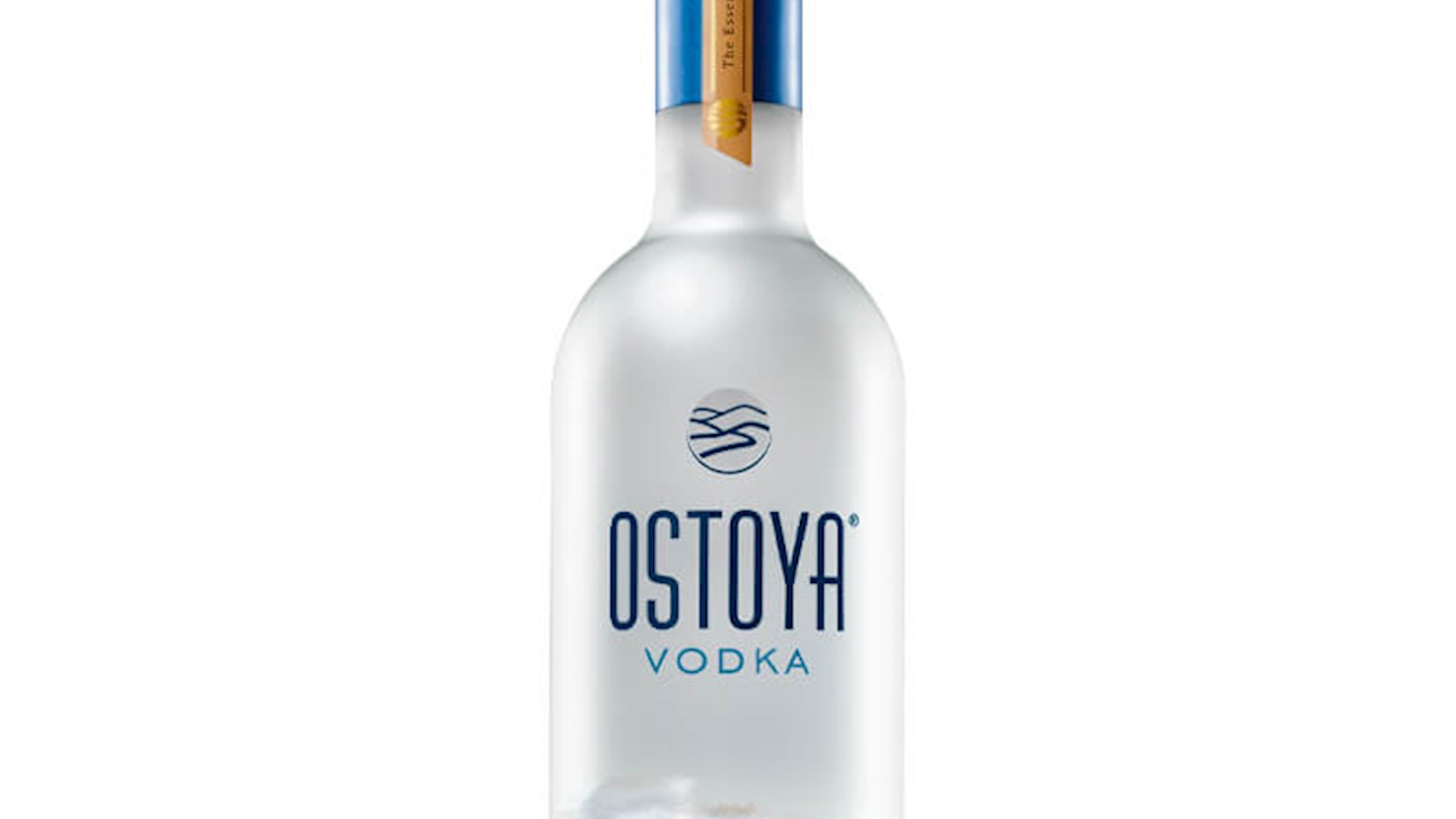
PUH Chemirol Sp. z o.o. - Torunskie Wodki Gatunkowe
5 ·
Awards
ISC-International Spirits Challenge - Double Gold (2023)
ISC-International Spirits Challenge - Gold trophy (2023)
08
Cheese

Groser Grodziskie Sery

4.9 ·
Awards
World Cheese Awards - Gold (2024)
09
Cheese

Wańczykówka

4.9 ·
Awards
World Cheese Awards - Gold (2024)
Read more
View all
View map
About this ranking

TasteAtlas food rankings are based on the ratings of the TasteAtlas audience, with a series of mechanisms that recognize real users and that ignore bot, nationalist or local patriotic ratings, and give additional value to the ratings of users that the system recognizes as knowledgeable. For the “Top 100 Polish Foods” list until June 06, 2026, 22,524 ratings were recorded, of which 17,509 were recognized by the system as legitimate. TasteAtlas Rankings should not be seen as the final global conclusion about food. Their purpose is to promote excellent local foods, instill pride in traditional dishes, and arouse curiosity about dishes you haven’t tried.

The initial list of top producers was compiled based on available reviews, awards, local recommendations, media and blog coverage, and consumer reviews. The list will be updated with ratings from TasteAtlas local ambassadors and TasteAtlas users.

Similar lists