shutterstock

Top 100 Vietnamese Foods

Last updated on June 02, 2026

Best Vietnamese foods
01
Sandwich

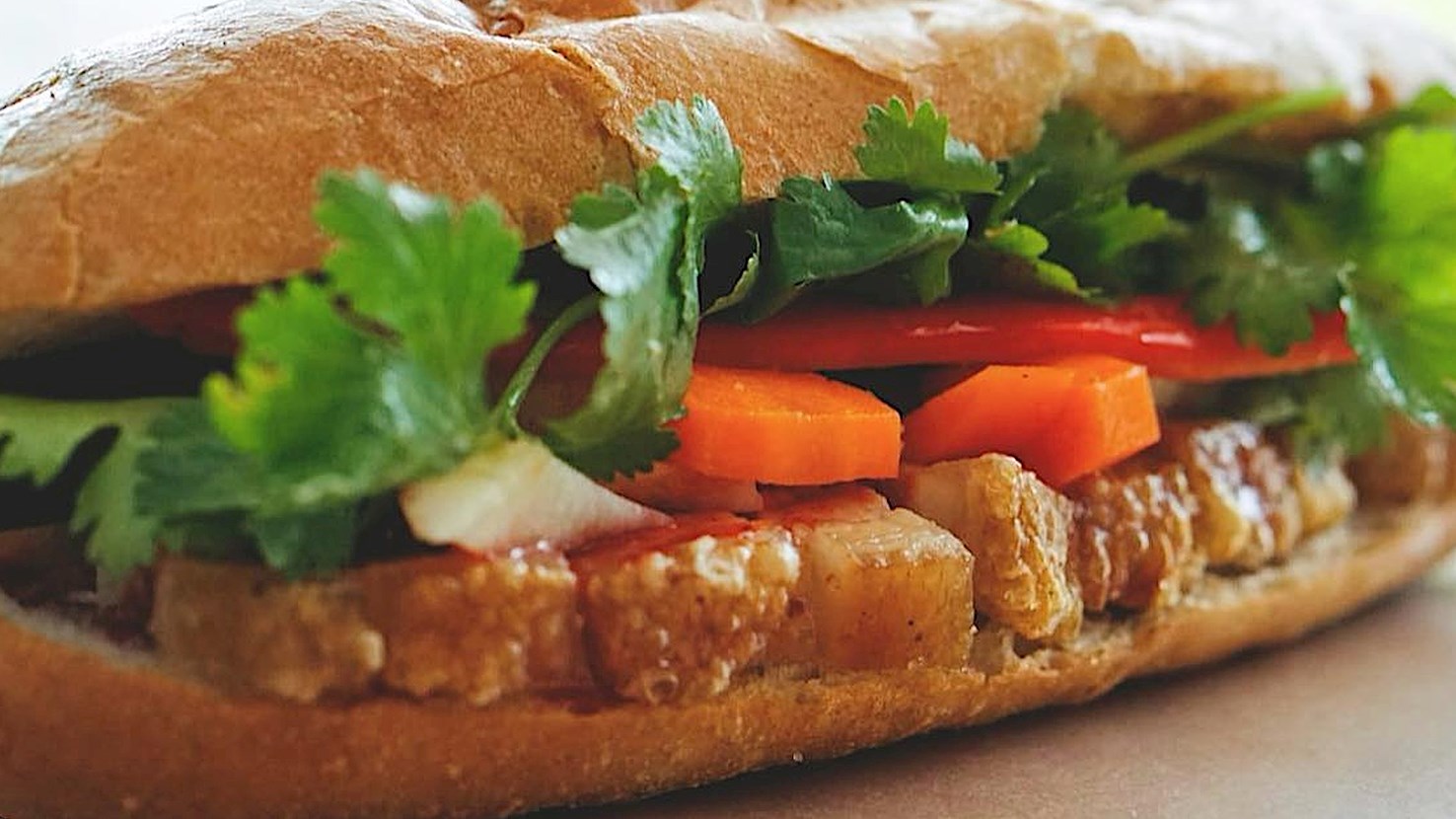
Bánh mì heo quay (Roasted Pork Belly Bánh Mì)

4.5 ·

Bánh mì heo quay is a traditional bánh mì sandwich variation made with roasted pork belly as the main ingredient. The pork is roasted with a thick layer of salt and spices. It is sliced and served on a freshly baked bánh mì roll. The sandwich is then dressed with a combination of mayonnaise, pickled carrots and daikon, cucumbers, cilantro, and chives. If desired, sliced chili peppers can be added to the sandwich as a topping, making it very spicy. One side of bánh mì heo quay can also be spread with chicken liver pate before the sliced pork belly is added to the sandwich. This type of bánh mì can be bought at street food stalls and it’s one of the most popular types of bánh mì in the country.

02
Noodle Soup

Phở bò (Beef pho)

4.4 ·

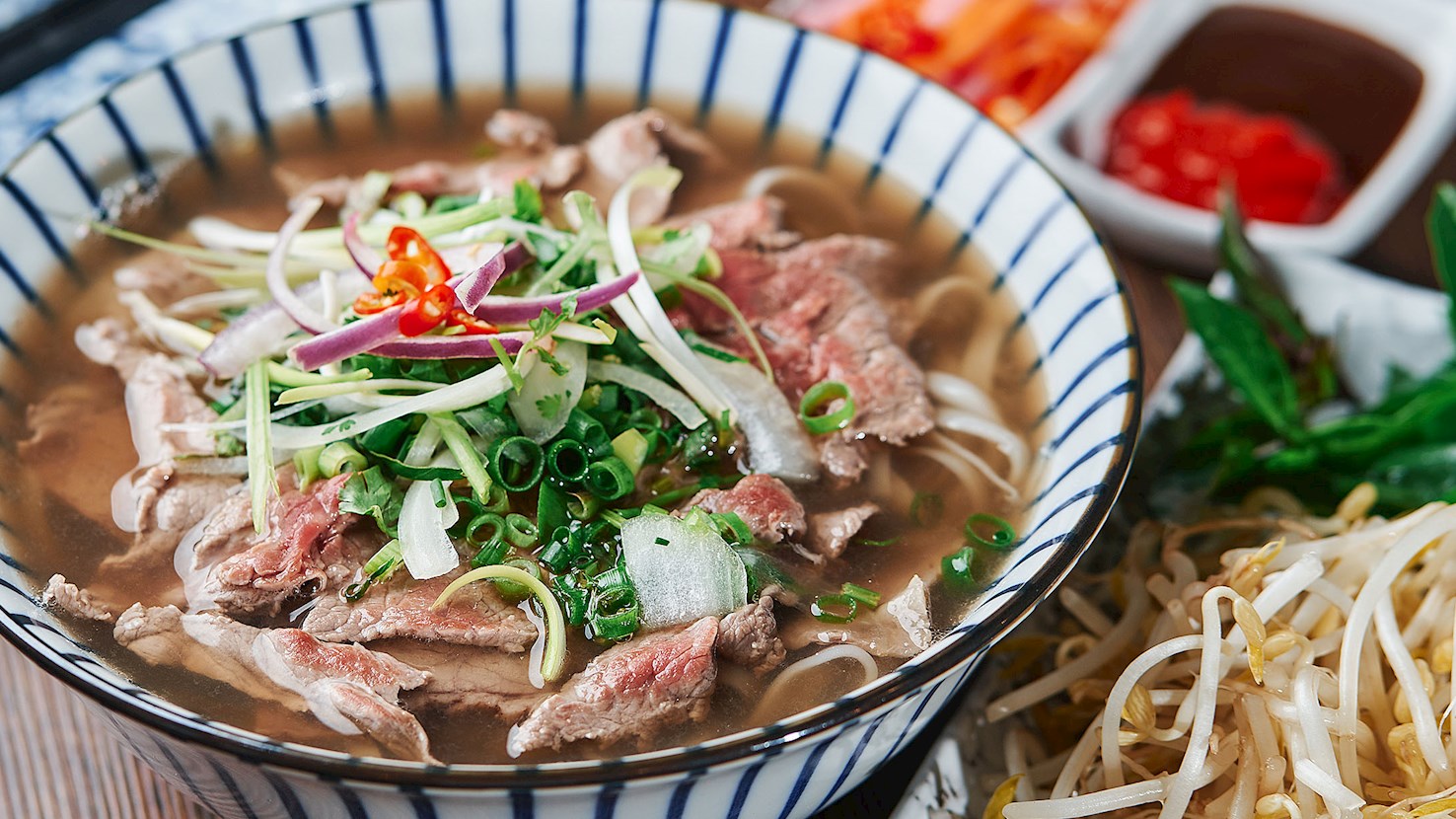
This beef-based version of pho is prepared with assorted cuts and parts of beef – the stock is made from beef bones, shank, ox tail, and neck, while the toppings include thinly sliced fatty brisket (gầu), flank, eye-round steak, tripe, cooked and raw beef (tái nạm), tendon (gân), or beef balls (phở bò viên), but the latter version is not that popular in Vietnam. Beef pho is usually flavored with dried spices such as cinnamon, star anise, cloves, cardamom, and coriander. The dish is served piping hot in a bowl along with rice noodles, and it's typically topped with cilantro, sliced onions, and chopped green onions. On the side, you can often find a platter with bean sprouts, lime wedges, and sliced hot peppers so each person can add the garnishes to his or her liking. Hoisin and Sriracha sauces are also often-seen staples on the side.

03
Noodle Dish

Bún bò nam bộ (Southern Vietnamese Beef Noodle Salad)

4.4 ·

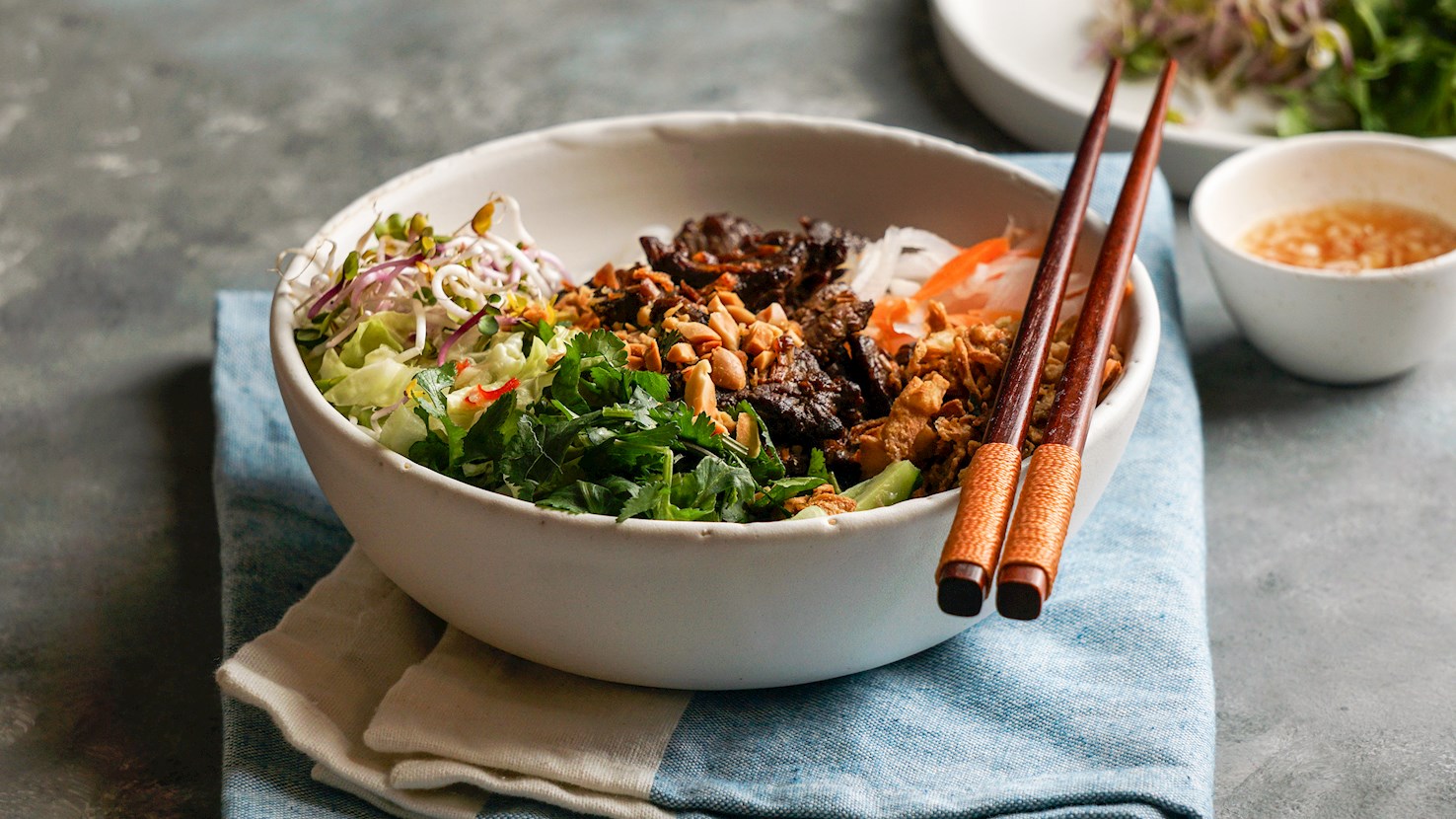
Bun bo nam bo is a traditional dish. The name holds a key to its basic ingredients and the location – bun means noodle, bo is for beef, and nam bo refers to the South of the country. The main ingredients include beef, rice vermicelli noodles, garlic, fresh herbs (cilantro, mint), and vegetables (carrots, cucumbers, lettuce, bean sprouts), while roasted peanuts and fried shallots are entirely optional. The noodles, vegetables, and herbs are arranged in bowls, while the beef is stir-fried and added on top. The whole bowl is garnished with peanuts and shallots before the dish is served.

04
Noodle Dish

Mì Quảng (Quang-Style Noodles)

4.3 ·

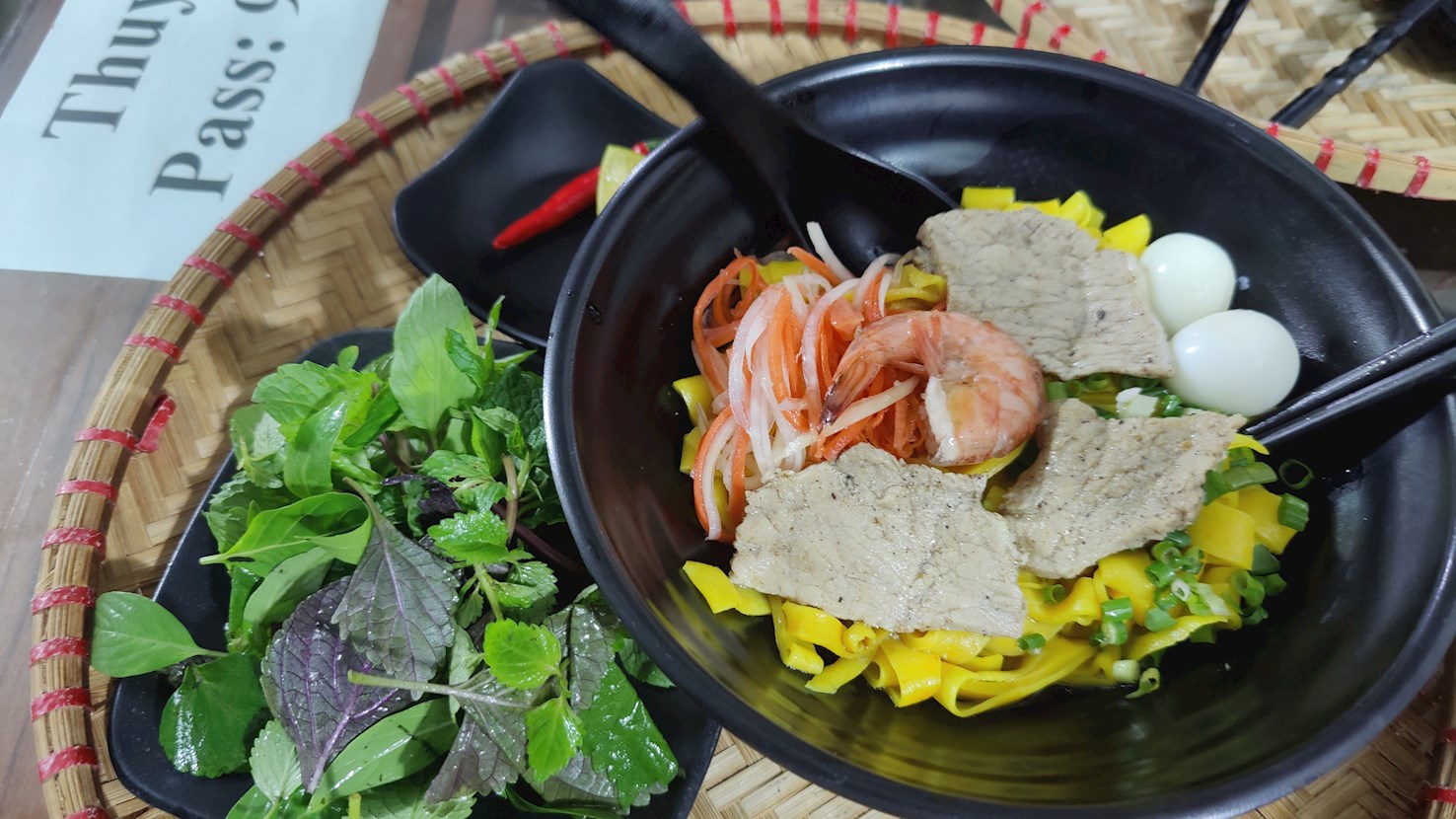
This Vietnamese classic consists of a combination of flat rice noodles and yellow egg noodles that are served with a small amount of flavorful meat broth and crispy fresh vegetables and herbs such as banana blossoms, lettuce, cilantro, scallions, and Vietnamese coriander. The dish is incredibly versatile and usually comes topped with pork belly, chicken, shrimps, fish, boiled eggs, roasted peanuts, and fish crackers. Though it originated in Central Vietnam, more precisely the Quảng Nam Province, mì quảng is nowadays enjoyed throughout the country.

05
Sauce

Nước chấm (Vietnamese Fish Sauce)

4.3 ·

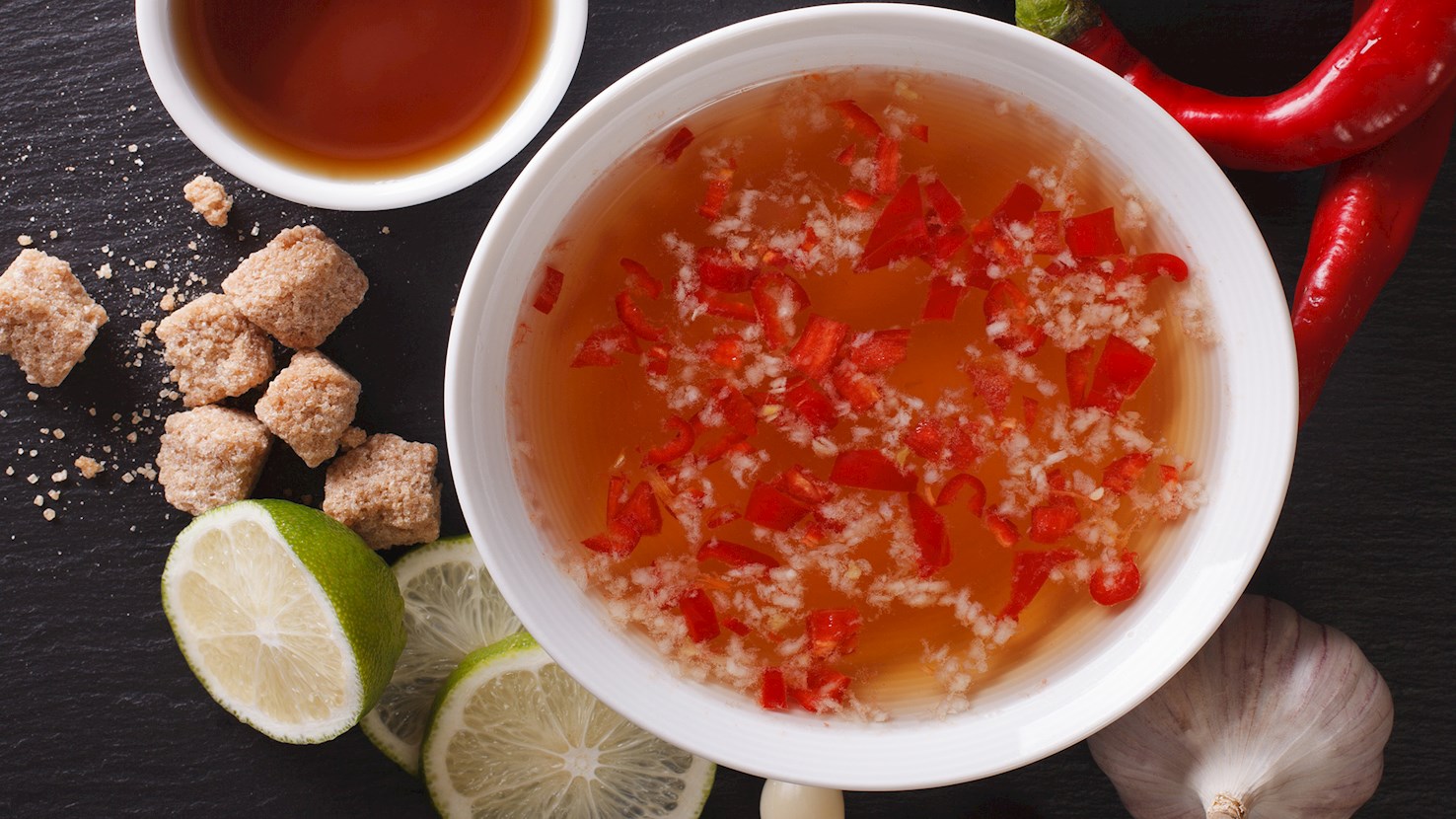
In its basic form, this ubiquitous Vietnamese sauce is prepared with a sour base of lime juice, or optionally vinegar, sugar, water, and fish sauce. Common additions include finely sliced chili peppers, garlic, shallots, spring onions, ginger, or fresh herbs. The sauce comes in many regional varieties, and the final composition may also depend on the type of meal which it accompanies. Nước chấm is usually served as a dipping sauce alongside chả giò (spring rolls), bánh xèo (crispy pancakes), and various meat or seafood dishes, as well as noodles and soups.

06
Pork Dish

Bún chả (Grilled Pork Meatballs with Vermicelli Noodles)

4.3 ·

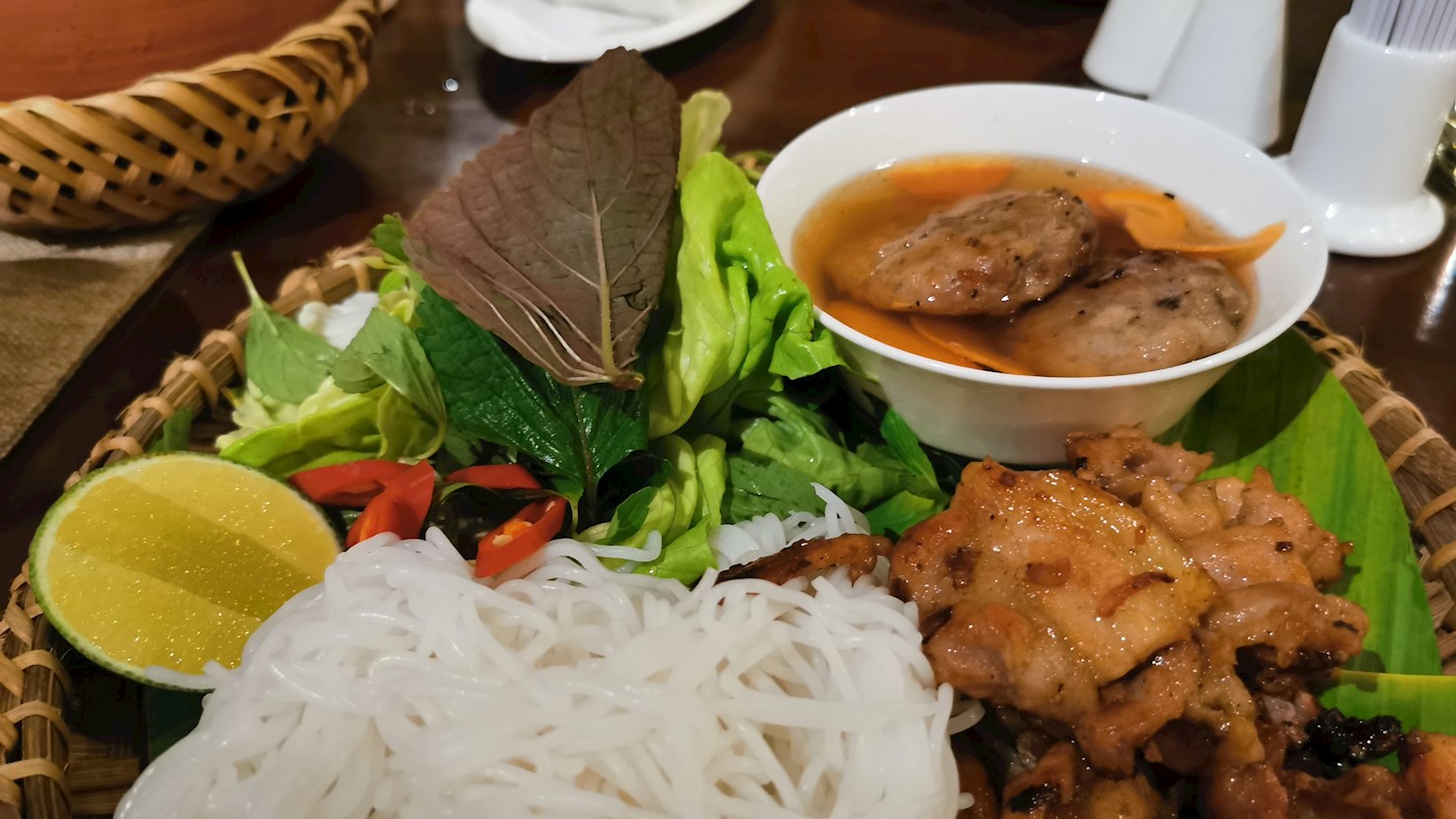
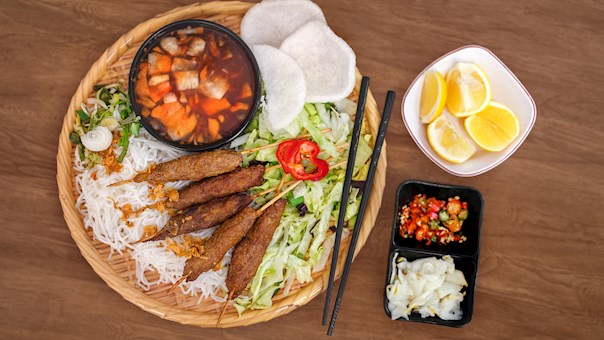
Bún chả is a pork and noodle dish that is intricately connected to Hanoi, where it is believed to have originated. The dish combines three elements: a bowl of grilled pork meatballs served in a cold broth, a plate of rice noodles, and a combination of various fresh greens such as perilla leaves, lettuce, coriander, and morning glory. Although bún chả or similar varieties can be found in other parts of Vietnam, the local Hanoi version is held in high regard. Not much is known about its history or origin, but the dish became internationally recognized in 2016 when it was featured on the show Parts Unknown – in which the host Anthony Bourdain enjoyed bún chả together with the former president Barack Obama.

07
Stew

Bò kho (Vietnamese Beef Stew)

4.2 ·

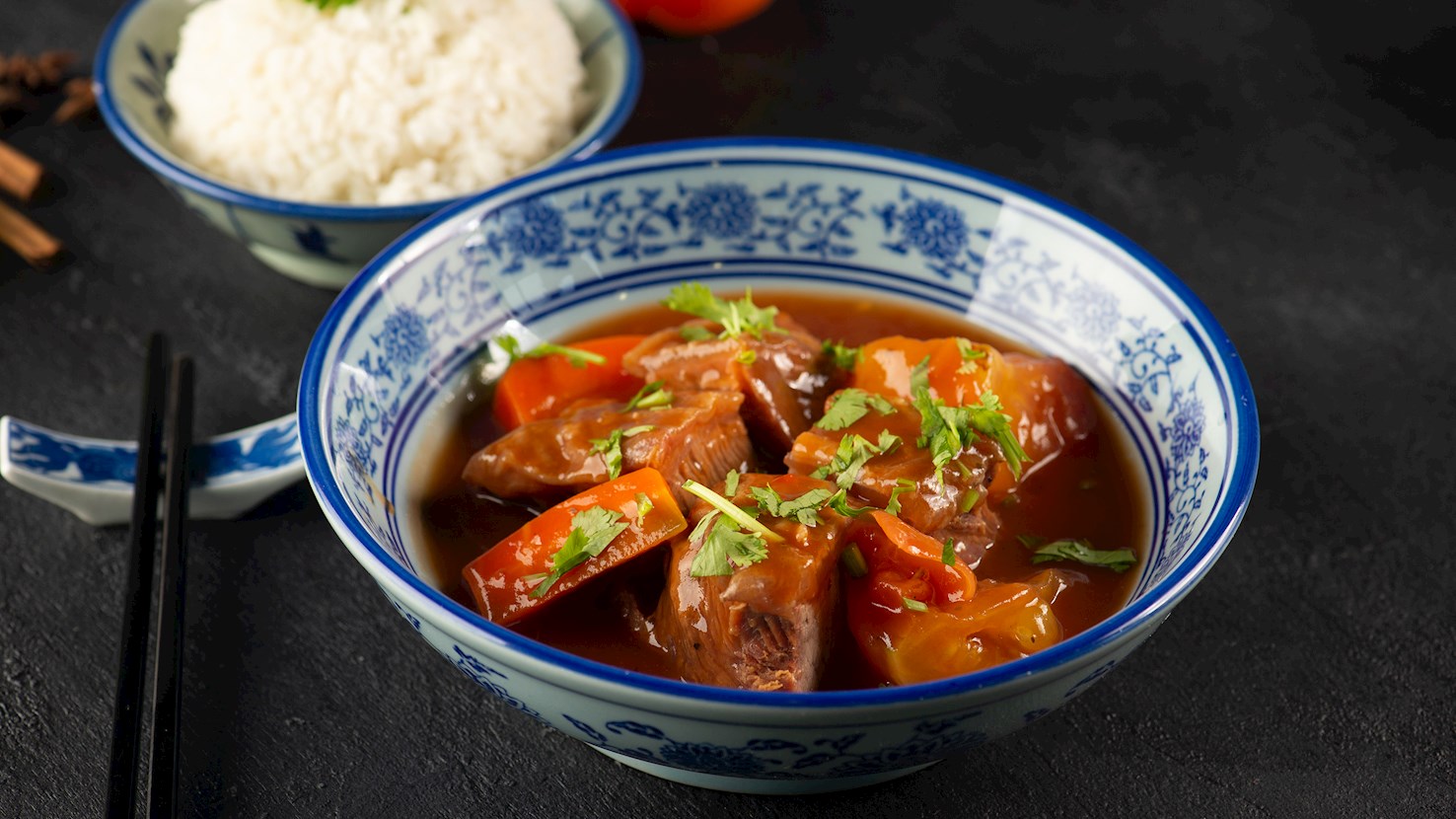
Bò kho is a popular Vietnamese beef stew that can be consumed on its own or accompanied by a baguette on the side. It can also be served over noodles, and it is customary to serve a variety fresh herbs on the side. The dish includes ingredients such as diced beef, carrots, lemongrass, cinnamon, chili, pepper, garlic, and shallots, all of them simmered in a spicy and aromatic broth. The origins of bò kho are still a mystery, although it is believed that the dish has many influences, from both the East and the West. In rural areas of Vietnam, the stew is usually much spicier than in urban areas. It is traditionally consumed for breakfast, garnished with chopped green onions, coriander, and onions.

08
Noodle Soup

Bún bò Huế (Hue Breakfast Noodle Soup)

4.2 ·

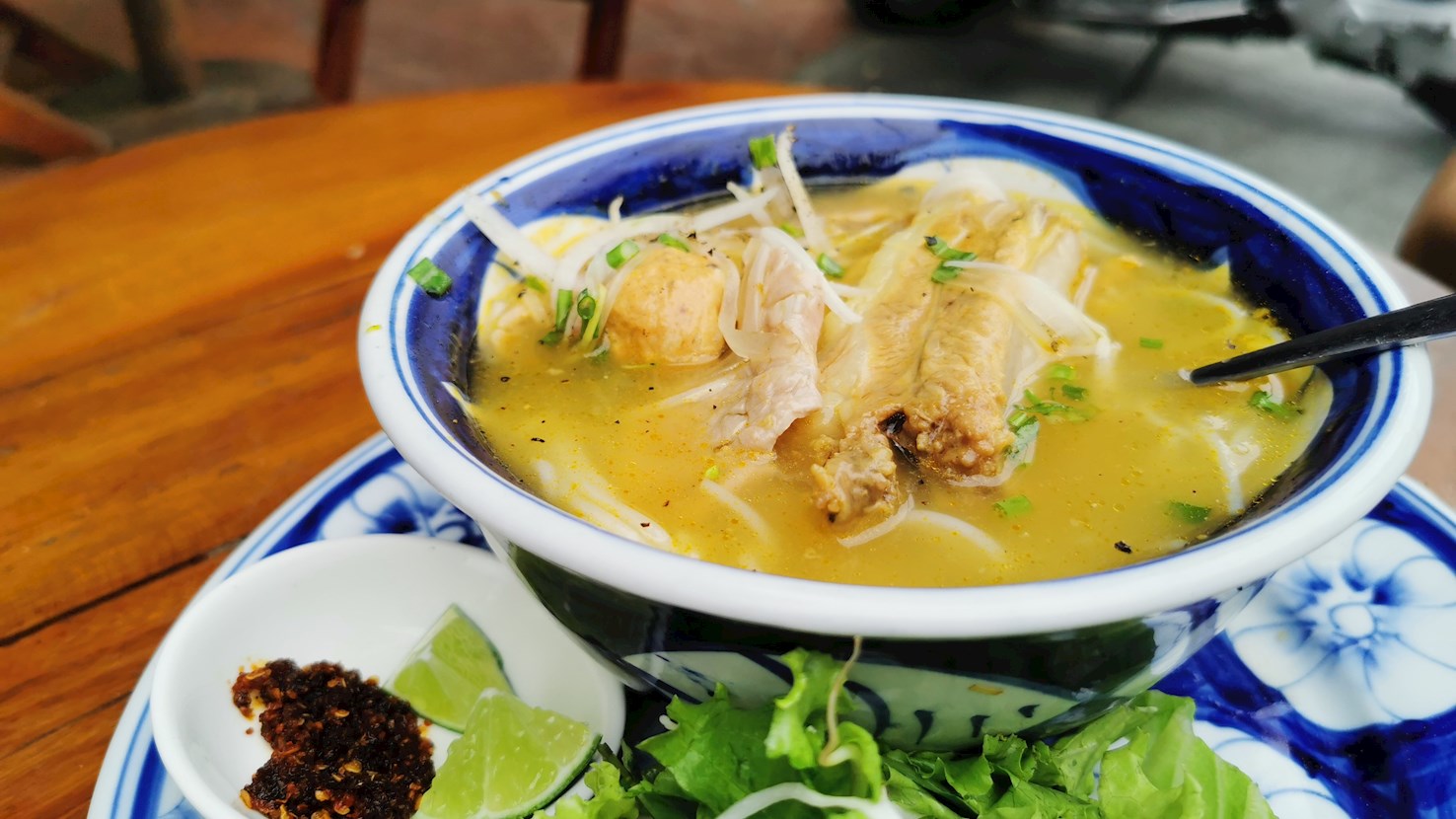
Bún bò Huế is a staple Vietnamese soup that is traditionally consumed for breakfast, consisting of pork and beef bones broth, bun noodles, lemongrass, shrimp paste, lime juice, and a variety of herbs. The soup is much spicier than most Vietnamese soups, and its flavor is often described as rich and complex. It originated in the city of Hue, but not much is known about its exact origins or inventor. Usual additions include sliced brisket or crab balls, but every cook makes the dish with slight variations. Many believe that bún bò Huế found its way into mainstream society by way of royal order, and it was influenced by the imperial court's cuisine. Regardless of the origin, the soup remains a delicious and inexpensive breakfast staple.

09
Stir-fry

Rau muống xào tỏi (Morning Glory Stir-Fry)

4.2 ·

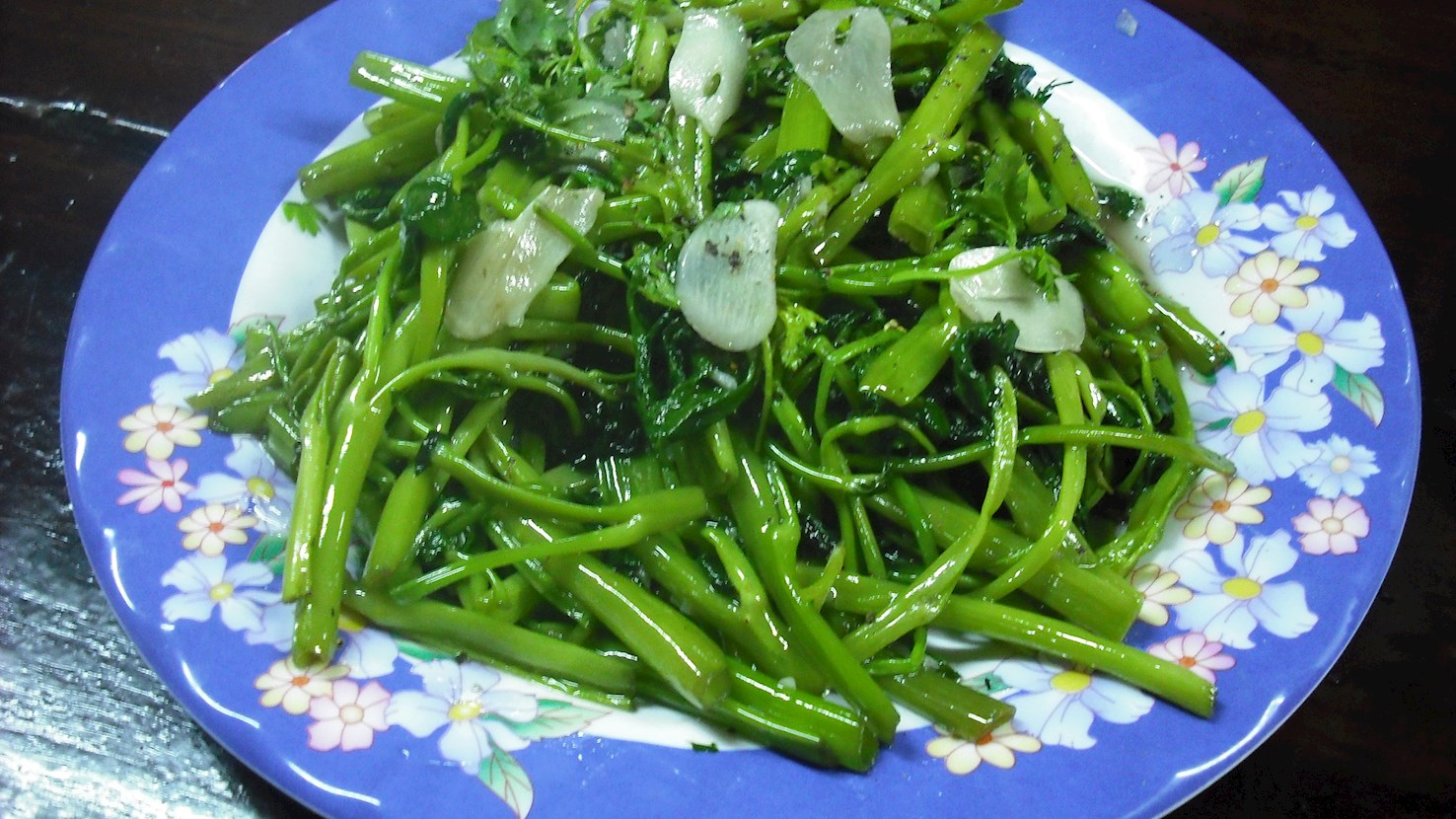
Rau muống xào tỏi is a traditional dish that's suitable for vegetarians. It's made with a combination of morning glory (water spinach), garlic, fish sauce, salt, sugar, and oyster sauce. The water spinach is blanched, then stir-fried with garlic, salt, and sugar, while the fish sauce is added near the end of cooking. This vegetable dish is served hot, usually as a part of a three-course meal, the first is a stir-fry, the second course is a boiled or steamed dish, and the third course is a soup. Rau muống xào tỏi also makes for a great accompaniment to white rice.

10
Beef Dish

Bò lúc lắc (Vietnamese Shaking Beef)

4.2 ·

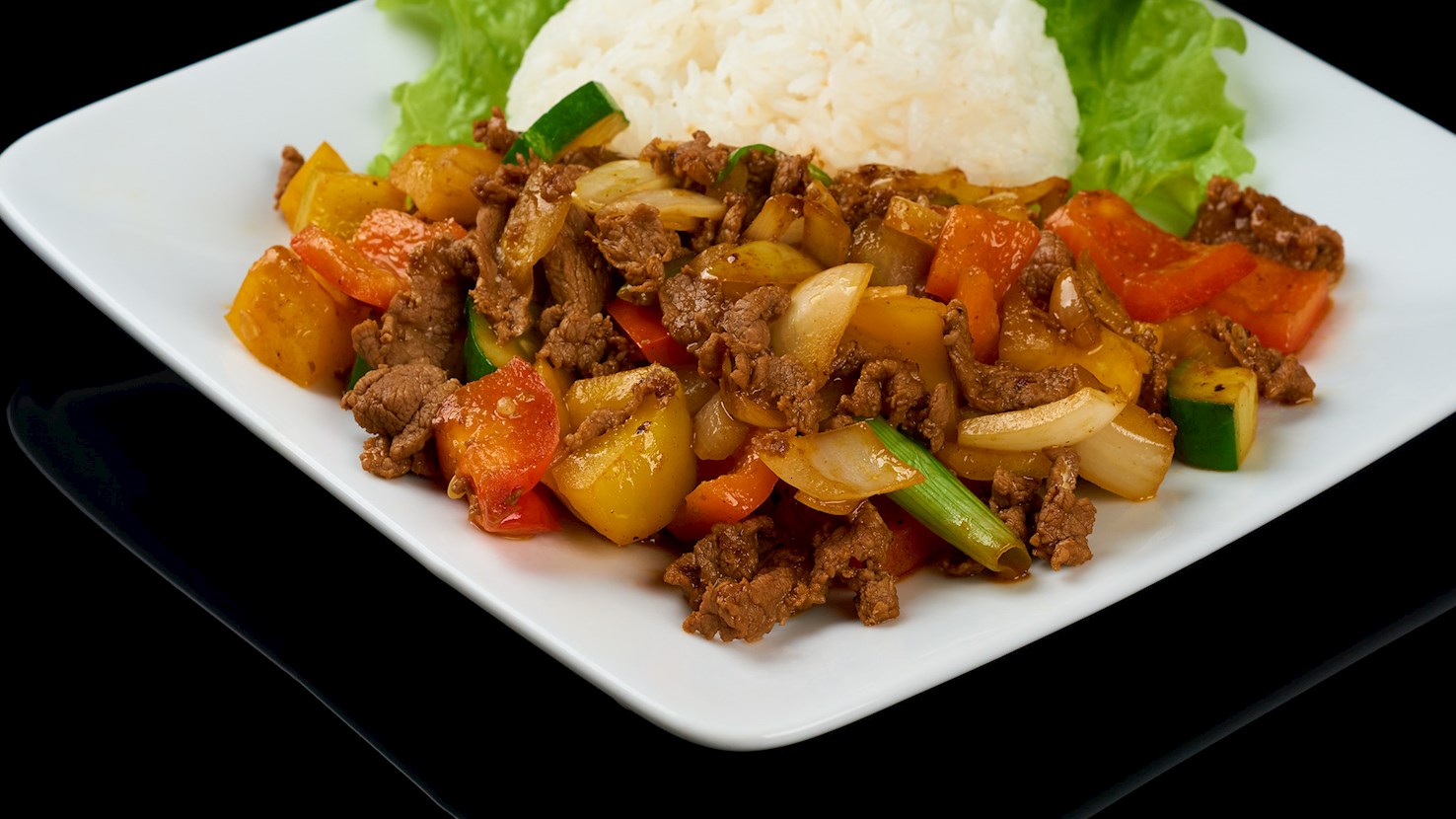
The main star of bò lúc lắc is diced marinated beef. The meat is shortly seared before it is served on a bed of watercress and sliced tomatoes. Additional toppings may include pickled onions, and a dipping sauce resembling lime-based vinaigrette can be drizzled over the meat or served on the side. The dish was once a rare treat that was mainly prepared and served on special events. Nowadays, it is more common, but bò lúc lắc is still considered a restaurant specialty and a dish that is traditionally reserved for special occasions. It is also popular abroad and typically goes under the name Vietnamese shaking beef—which was inspired by its original name lúc lắc that describes the act of tossing or shaking the beef while it's being seared. A similar dish exists in Cambodia where it is better known as lok lak. It is believed that bò lúc lắc was inspired by the French culinary tradition that was present in Vietnam.

Best Vietnamese food products
01
Chocolate

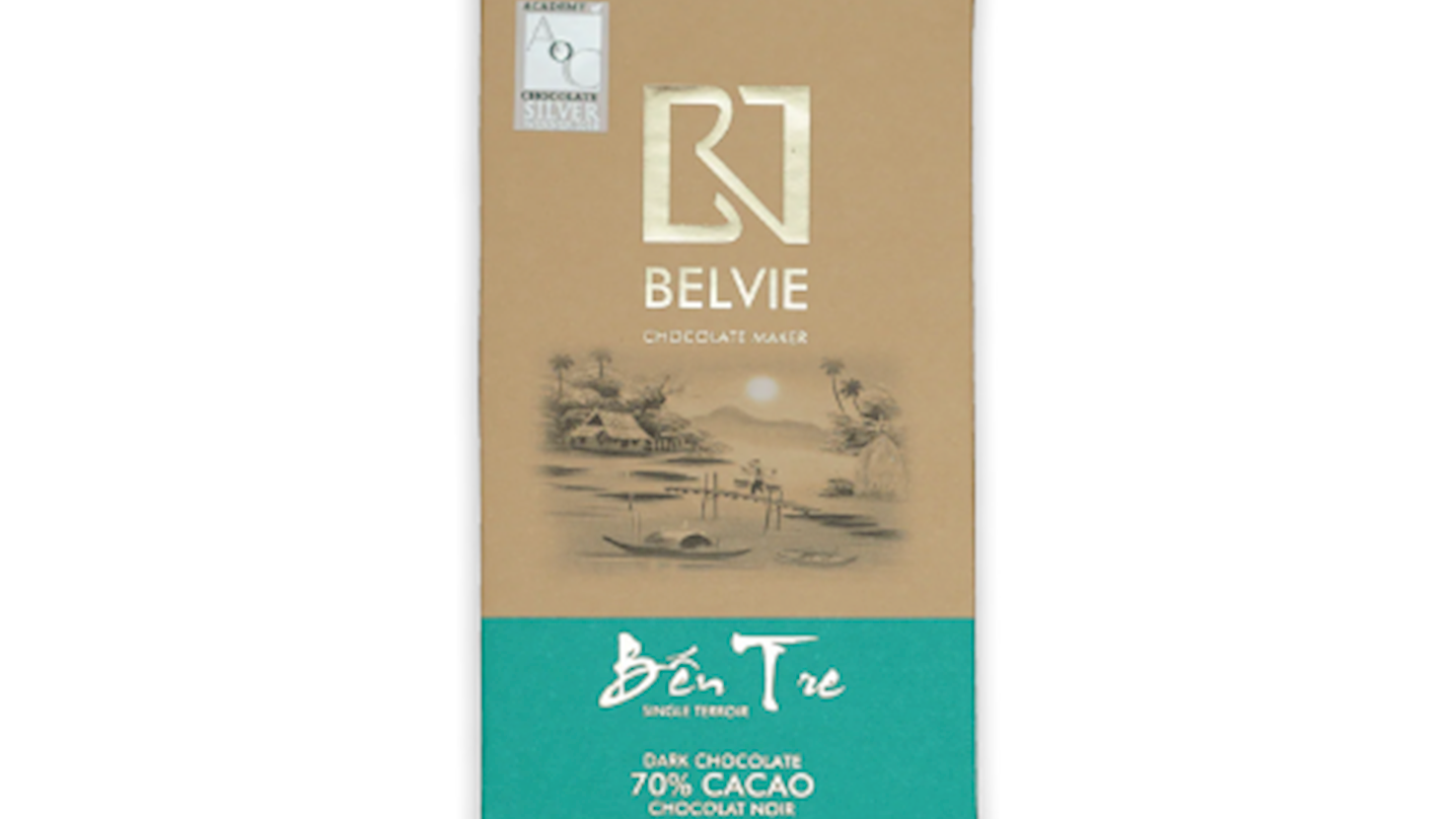
Belvie Chocolate

5 ·
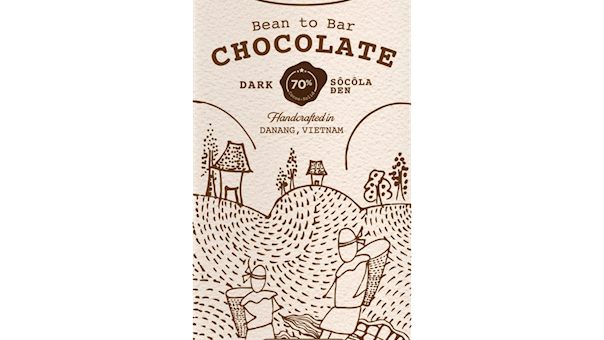
Belvie Chocolate is a Vietnamese bean-to-bar chocolate maker that blends local terroir with Belgian chocolate craftsmanship. Founded in 2015 by Jannie Ha Tran and Marc Vanborren, the brand was created with the goal of promoting sustainable cocoa cultivation and supporting small farmers across Vietnam. Belvie sources Trinitario cocoa exclusively from small plantations in the provinces of Lam Dong, Ben Tre, Tien Giang, and Dong Nai, where the beans are hand-fermented and sun-dried to preserve their aromatic character. The production process is entirely natural - no lecithin or artificial additives are used - and every stage, from roasting and grinding to conching and tempering, takes place in their workshop in Ho Chi Minh City. Their dark chocolates, typically containing between 70% and 80% cocoa, are distinguished by clearly defined regional profiles, featuring notes of tropical fruit, flowers, caramel, or roasted almonds, depending on the origin of the beans. Through a combination of ethical sourcing, authentic local varieties, and European precision, Belvie has become one of the most recognized chocolate producers in Southeast Asia.
Awards
Academy of Chocolate - Silver (2019, 2018)
Academy of Chocolate - Bronze (2020, 2017)
02
Rice

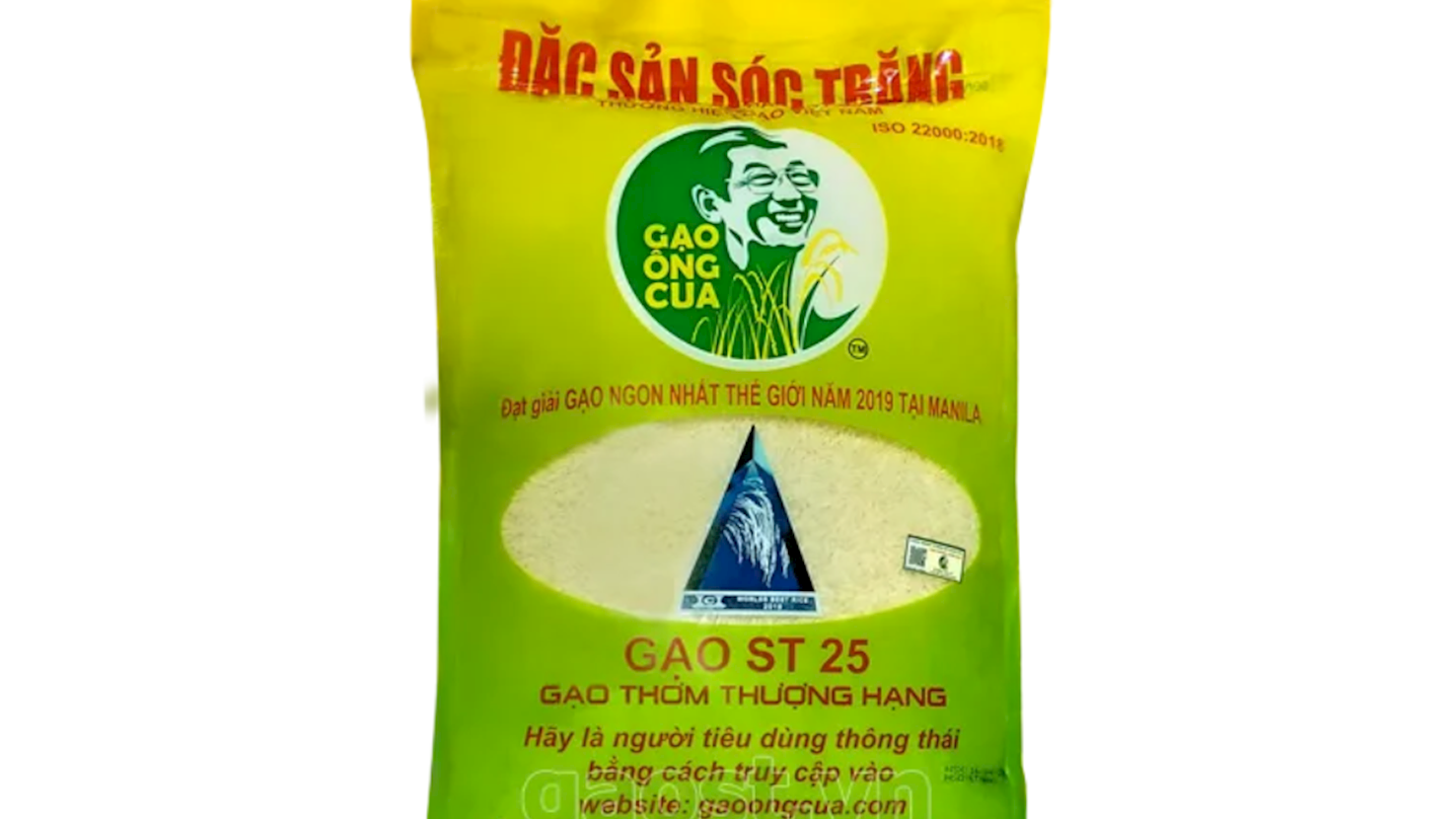
Gạo Ông Cua

5 ·
Gạo Ông Cua is a prestigious Vietnamese rice brand originating from the Mekong Delta, renowned for its superior quality and authenticity. The brand is named after engineer Hồ Quang Cua, the principal developer of the famous ST24 and ST25 rice varieties, which have won multiple awards at international rice competitions, including the title of “World’s Best Rice” in 2019 and 2023. These varieties are the result of years of scientific research and carefully selected agricultural practices, aimed at producing rice with exceptional taste, aroma, and nutritional value. Gạo Ông Cua is especially distinguished by its ST25 variety – a long, glossy grain that remains fluffy and fragrant after cooking. The brand represents a modern Vietnamese approach to agriculture, combining tradition, science, and sustainability, and is increasingly recognized both domestically and on the international market.
Awards
International World Rice Conference - World’s Best Rice (2023, 2019)
03
Spirit

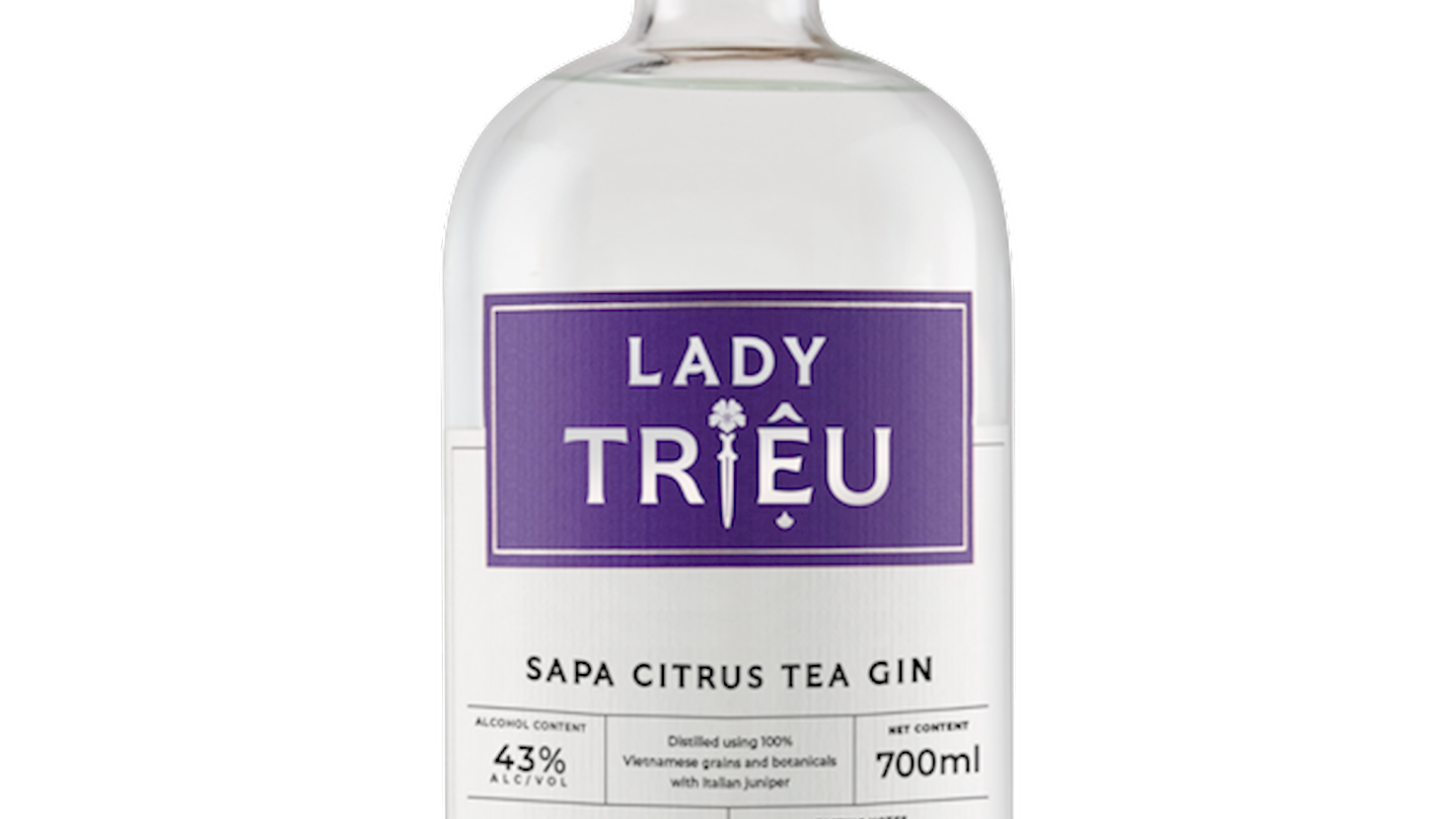
Lady Trieu

5 ·
Awards
SFWSC - San Francisco World Spirits Competition - Double Gold (2024)
04
Chocolate

Marou

5 ·
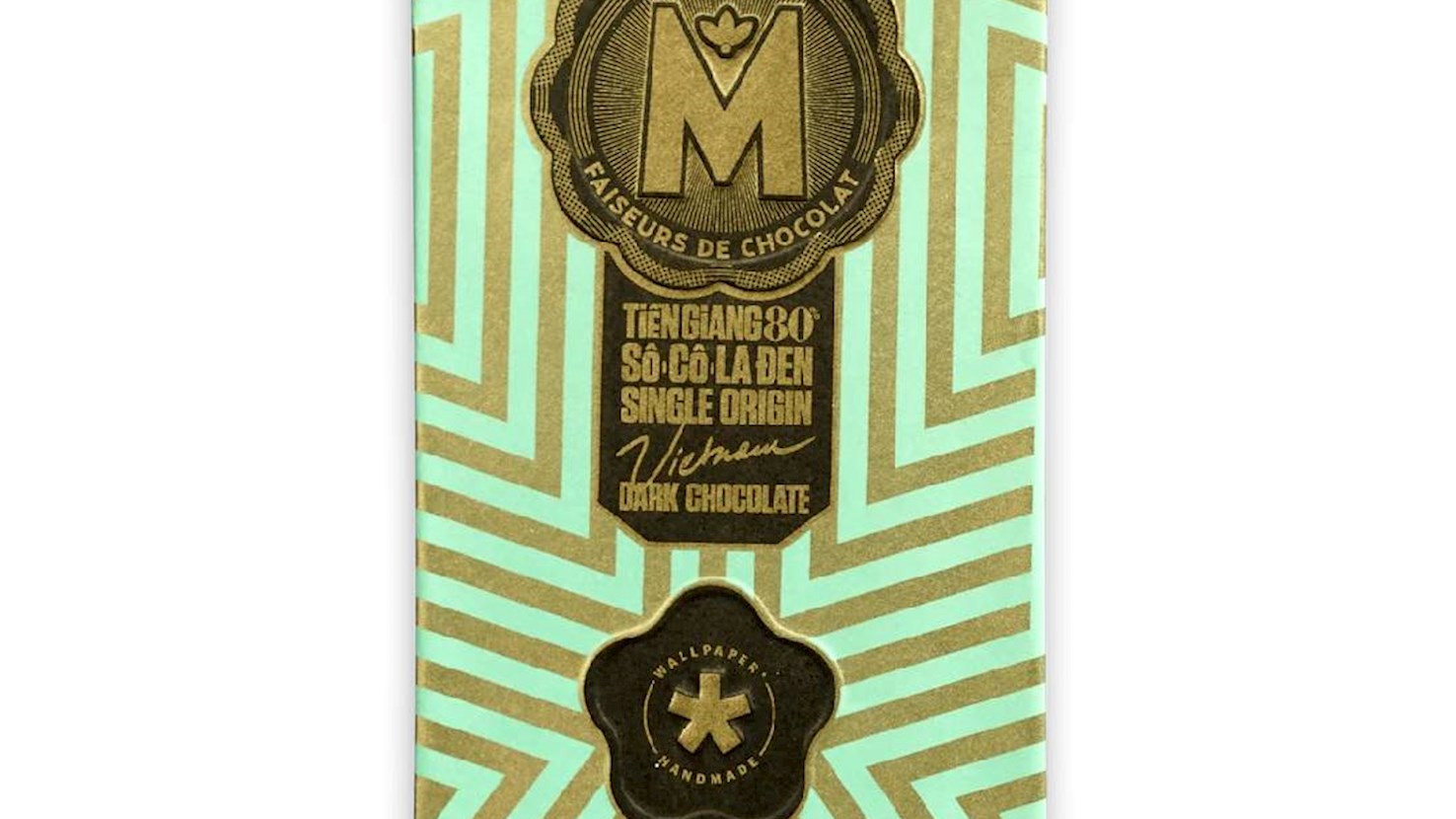
Maison Marou is a prestigious Vietnamese bean-to-bar chocolate maker, founded in 2011 by Samuel Maruta and Vincent Mourou. Each of their chocolates is crafted to reflect the unique terroir of its origin—capturing the diverse climate and soil conditions of Vietnam and translating them into rich, layered flavor profiles. Committed to sustainable practices and transparency, Maison Marou sources cacao directly from local farmers at fair prices, supports agroforestry methods, and regularly publishes detailed sourcing reports. Their chocolates have received numerous accolades at renowned international competitions such as the International Chocolate Awards and Salon du Chocolat. In addition to their award-winning bars, Maison Marou operates elegant cafés in Ho Chi Minh City and Hanoi, where guests can enjoy pastries, drinks, and desserts made with their signature cacao, all within a space dedicated to the art of fine chocolate.
Awards
International Chocolate Awards - Gold (2014)
Academy of Chocolate - Gold (2013)
05
Confectionery

Mè Xửng Thiên Hương

4.9 ·
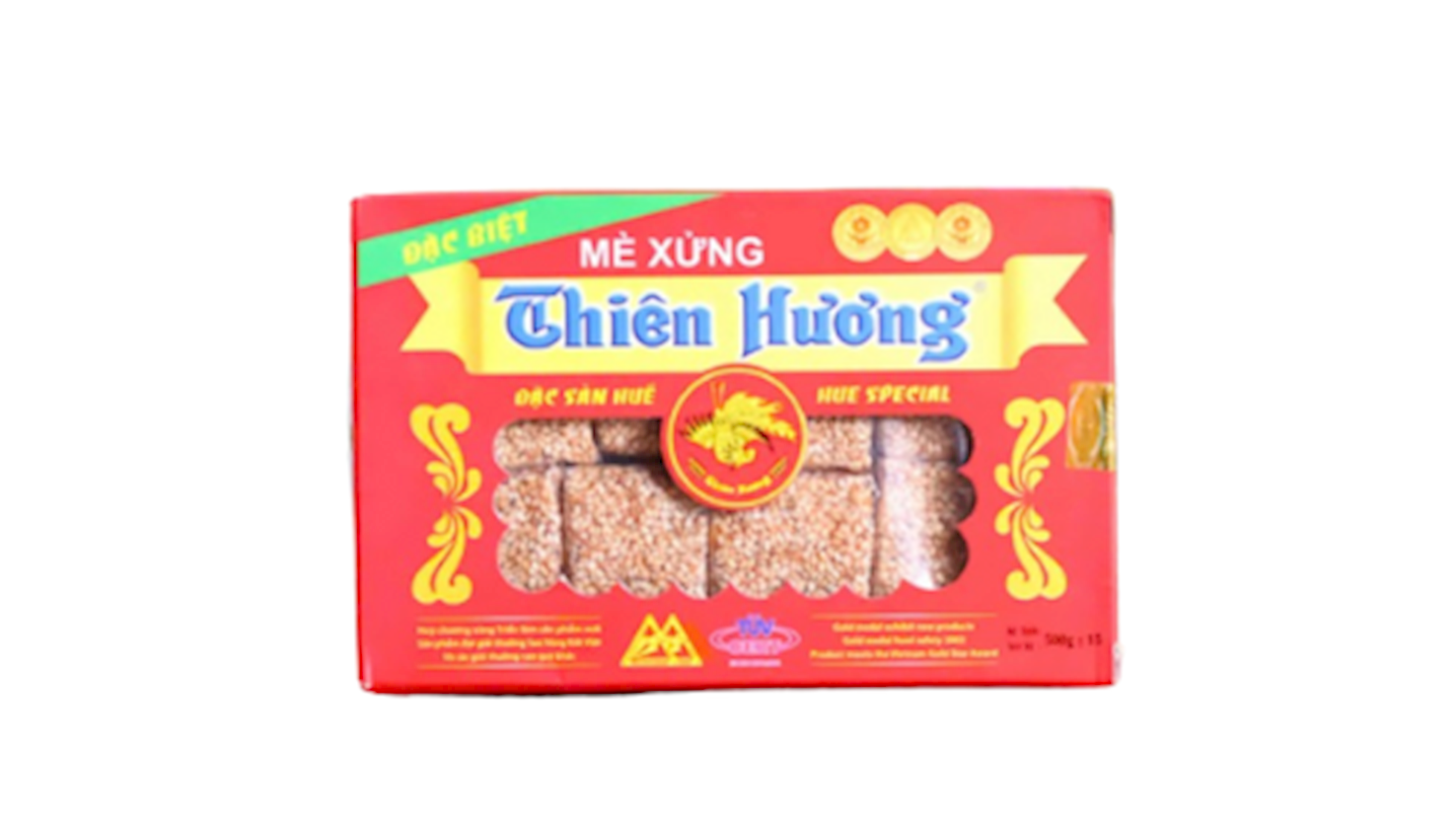
Mè Xửng Thiên Hương is a traditional confectionery house from Huế, known for producing authentic mè xửng, a classic Vietnamese sweet made from malt syrup, sugar, and generous amounts of roasted sesame seeds. The brand follows long-established methods typical of central Vietnam, where careful temperature control and slow cooking determine the final texture - either the soft, chewy dẻo style or the crisp giòn variant. Their range includes multiple formats, from small convenient packs to larger gift boxes intended as souvenirs. Mè xửng is closely tied to the tea-drinking culture of Huế, as its balanced sweetness and roasted sesame aroma pair naturally with light, fragrant teas. Despite its simple ingredient list, the sweet has a layered flavor combining toasted sesame, mild caramel notes, and a characteristic elasticity or crunch. Through consistent quality, traditional craftsmanship, and recognizable taste, Mè Xửng Thiên Hương has become one of the most respected producers of this regional specialty, widely chosen by visitors as an authentic Huế souvenir.
06
Confectionery

Bánh cốm Nguyên Ninh

4.8 ·
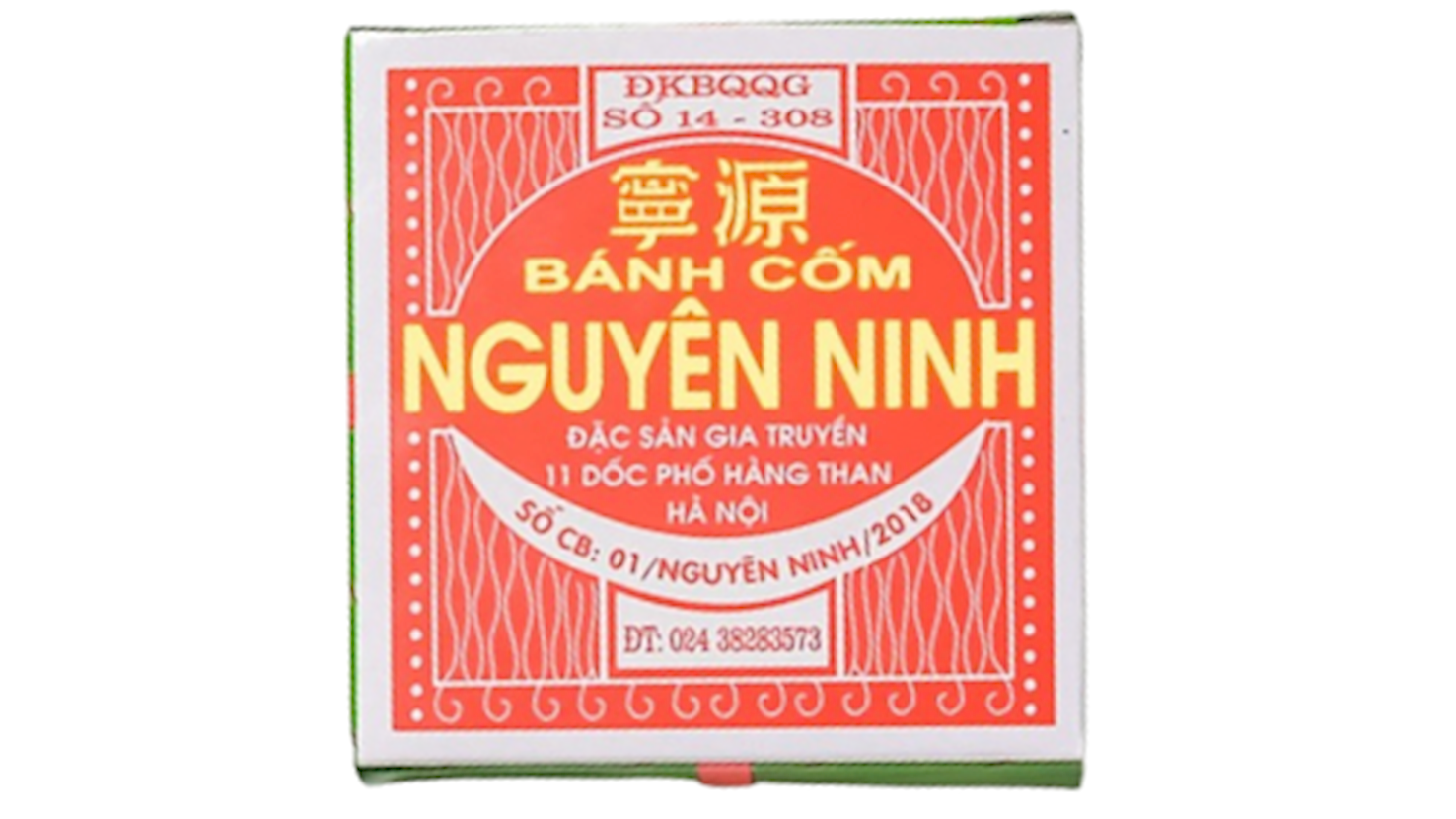
Bánh cốm Nguyên Ninh is one of Hanoi’s oldest and most iconic traditional sweets, originating in the 19th century in the former village of Yên Ninh, where today’s Hàng Than Street is located. The cake is made from young green sticky rice (“cốm”), which is carefully processed by hand to preserve its natural color and fresh rice aroma, while the filling consists of a smooth, sweet mung bean paste often enriched with coconut and a light floral citrus note from bitter orange blossom. The preparation remains largely manual, requiring precise mixing, cooking, and shaping - a technique the Nguyên family has preserved and passed down for more than 150 years. The result is a soft, slightly sticky confection with a delicate balance of fresh rice fragrance and gentle sweetness, long regarded as a culinary symbol of Hanoi and a traditional gift offered to guests and on special occasions to convey a sense of heritage and local identity.
07
Condiment

Cơ Sở Tương Ớt Triều Phát

4.8 ·
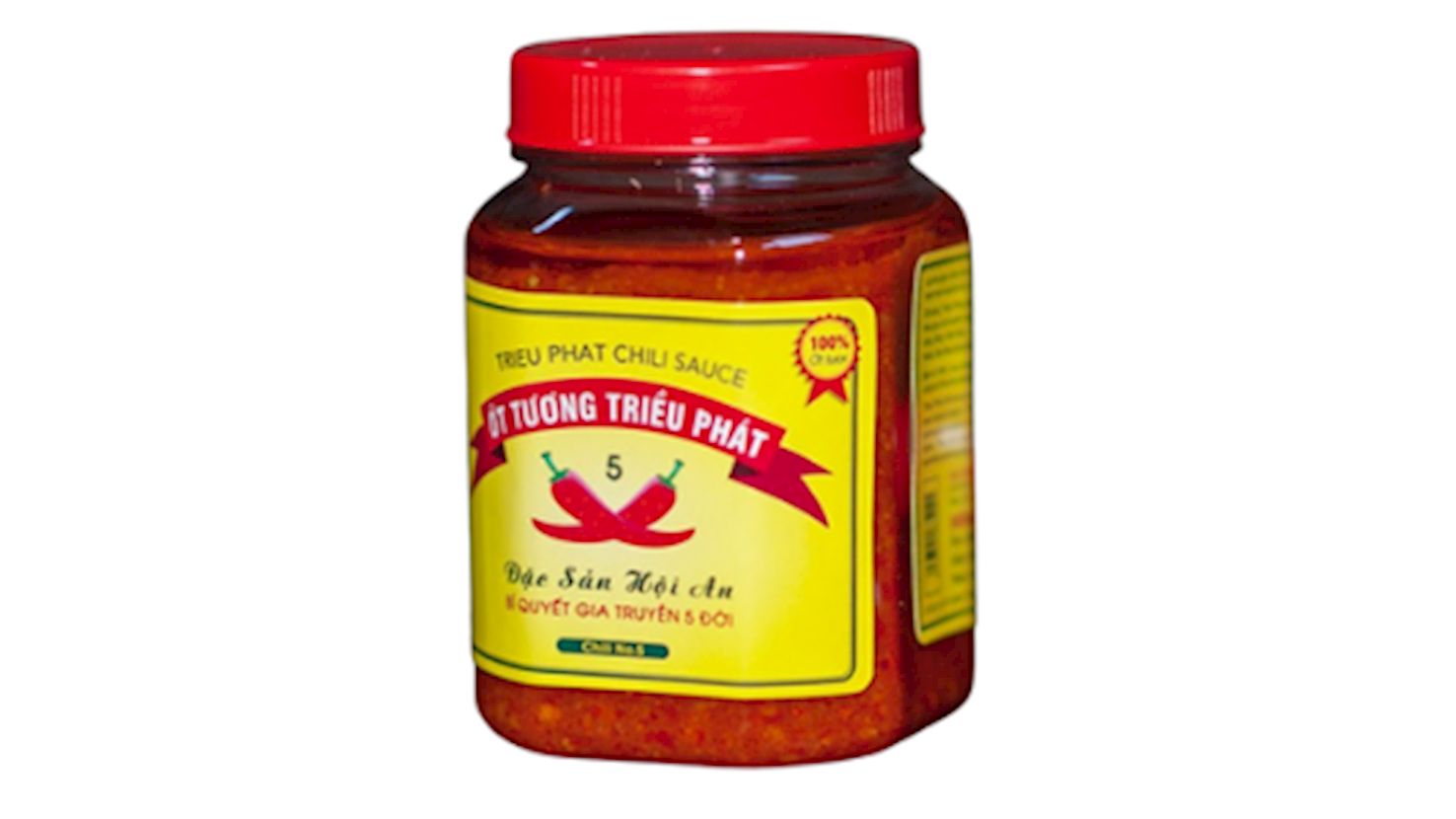
Cơ Sở Tương Ớt Triều Phát is a family-run artisanal workshop from Hội An, known for producing a traditional chili sauce that has been made for over five generations. Their sauce is crafted entirely by hand, using ripe local chili peppers that are cleaned, crushed, and slowly cooked with garlic, oil, sesame seeds, spices, and a small amount of sugar, following a recipe characteristic of central Vietnamese cuisine. The result is a thick, aromatic chili paste with a deep red color, balanced heat, a light smoky touch, and a pronounced umami profile, making it an ideal accompaniment to dishes such as cao lầu, bánh mì, noodle dishes, seafood, and various fried specialties. Thanks to its authenticity, distinctive flavor, and cultural significance, the Triều Phát chili sauce has become one of Hội An’s signature culinary products and an essential part of the region’s gastronomic identity.
08
Condiment

Saigon Charlie's

4.8 ·
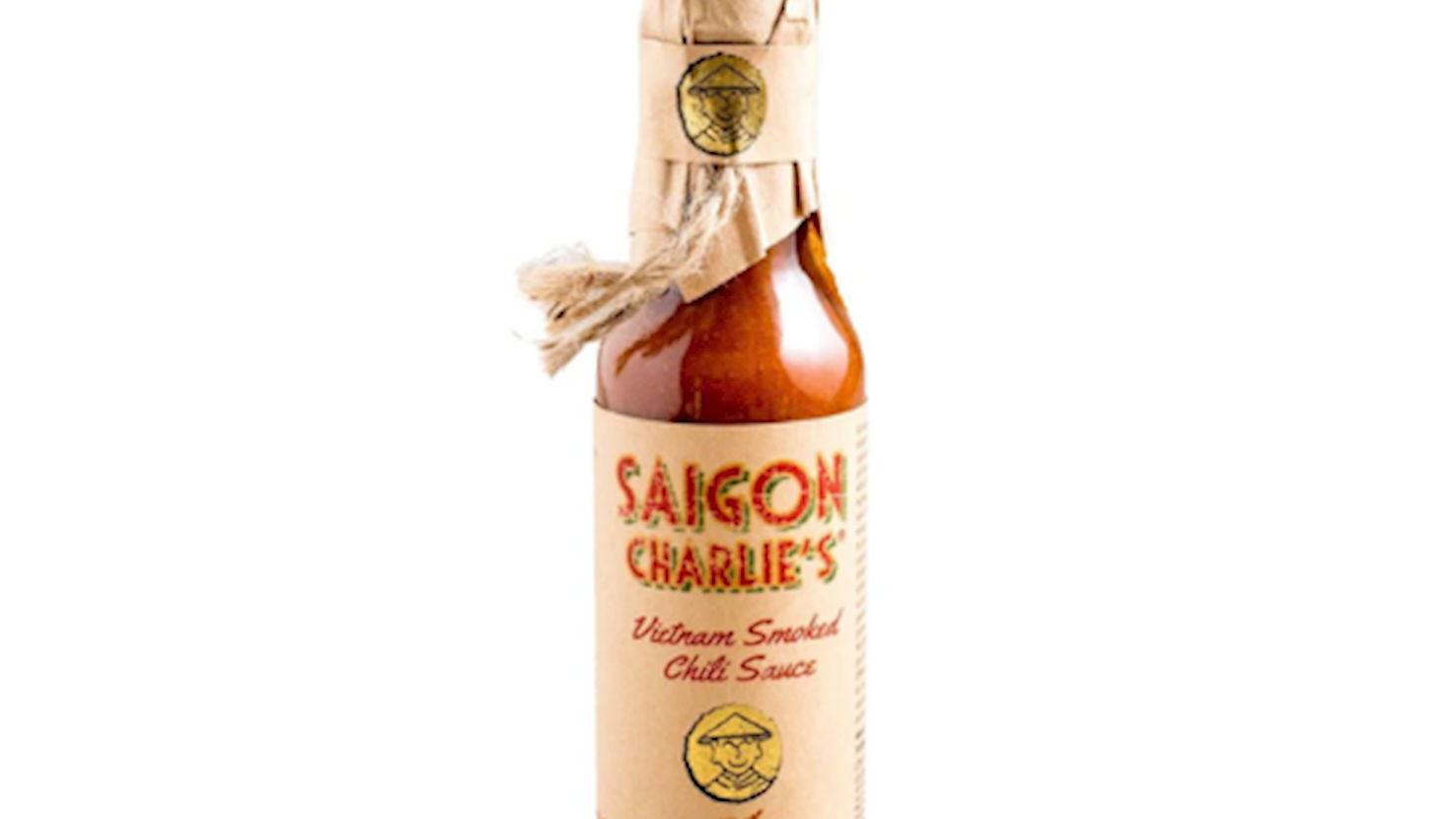
Saigon Charlie's is a Vietnamese brand specializing in smoked chili sauces crafted from a centuries-old recipe and made exclusively with fresh, locally sourced ingredients, free from artificial colors, flavors, or preservatives. Their lineup reflects the culinary diversity of Vietnam: Hanoi Tangy Heat offers a mild acidity with notes of onion and black pepper, Hue Way Hot delivers a stronger, sharper heat from bird’s-eye chilies, Saigon Sweet’n’Spicy balances heat with subtle sweetness and citrusy acidity typical of the southern style, while SEA Supreme Seafood Sauce is formulated to enhance the natural flavors of fish and seafood. Slow cooking and smoke infusion give these sauces their distinctive depth, preserving authenticity while offering a modern, versatile product. The brand positions itself between tradition and contemporary gastronomy, providing sauces suitable for everything from noodle dishes and soups to grilled meats and fusion cuisine.
09
Beer

Pasteur Street Craft Beer

4.8 ·
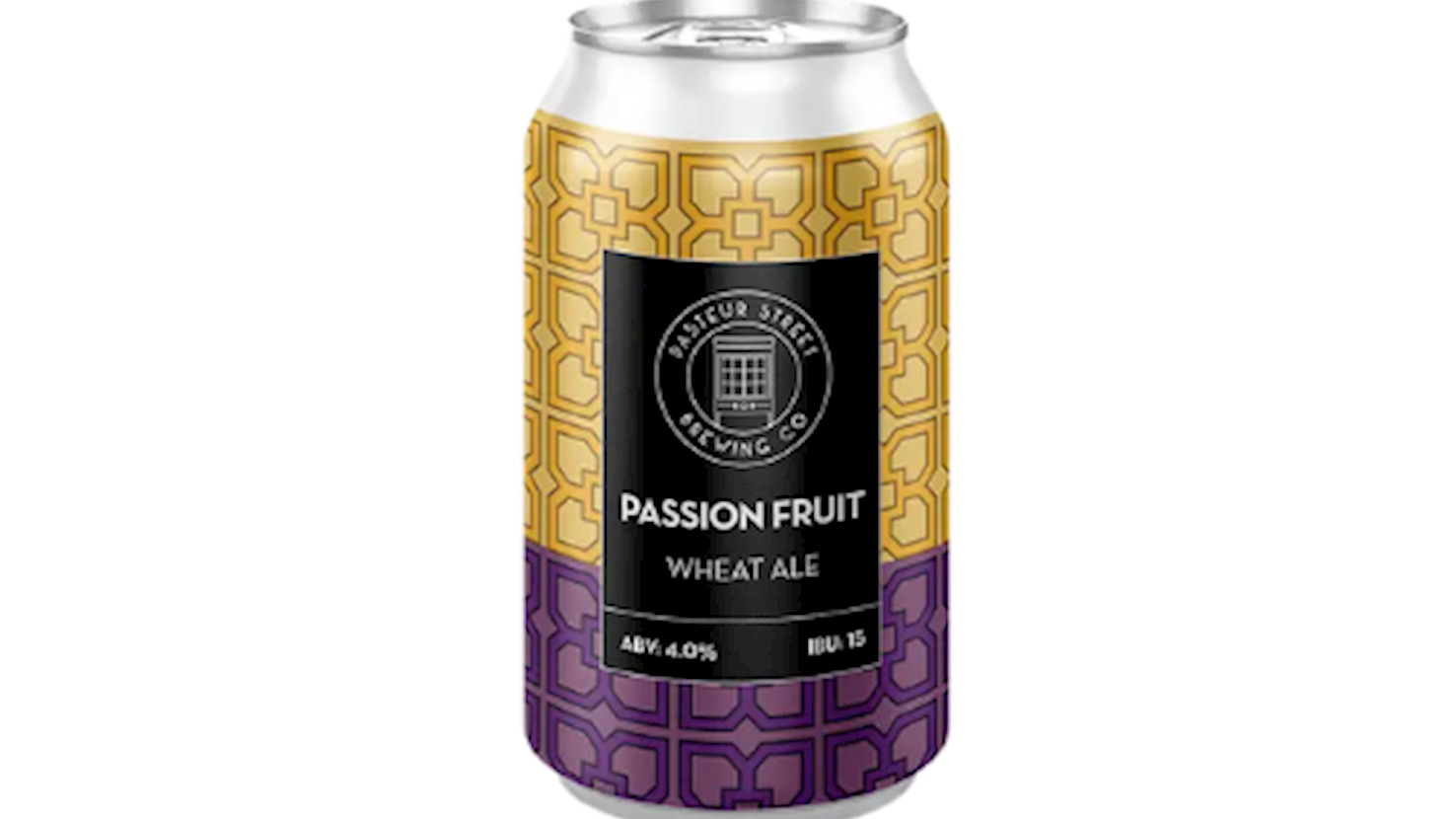
Pasteur Street Craft Beer is a modern craft brewery from Ho Chi Minh City that introduced a completely new approach to beer in Vietnam in 2015. The brewery was founded by combining American brewing know-how with local Vietnamese ingredients, which became their core identity. The founders aimed to create beers that were not copies of Western styles, but expressions of local terroir through ingredients such as jasmine, passion fruit, lemongrass, or Vietnamese cocoa. Pasteur Street now operates multiple taprooms across the country, including locations in Ho Chi Minh City and Hanoi, and supplies more than 600 bars and restaurants. Technologically, the beers are brewed according to Western craft standards, while the aromatic profile is shaped through local fruits and spices. The portfolio includes IPAs, stouts, sour ales, and experimental small-batch releases. The brewery’s philosophy focuses on exploring seasonal ingredients and collaborating with local farmers. This approach made Pasteur Street the first brand to present a Vietnamese craft identity on a global level. The taprooms offer tasting flights, rotating taps, and limited editions available only on site. The ambiance is urban and modern, yet retains a strong local character through visual identity and food pairing. Pasteur Street shows how craft brewing can flourish in a country without a long brewing tradition by using authenticity as a competitive advantage. Their beers are exported beyond Vietnam, making them one of the few Southeast Asian craft breweries present on international markets. Their success demonstrates that the combination of local ingredients and global brewing expertise can create a completely new style and identity.
Awards
World Beer Cup - Gold (2016)
Untappd - 3.7
10
Tea / Infusion

Trà Sen Hiền Xiêm

4.7 ·
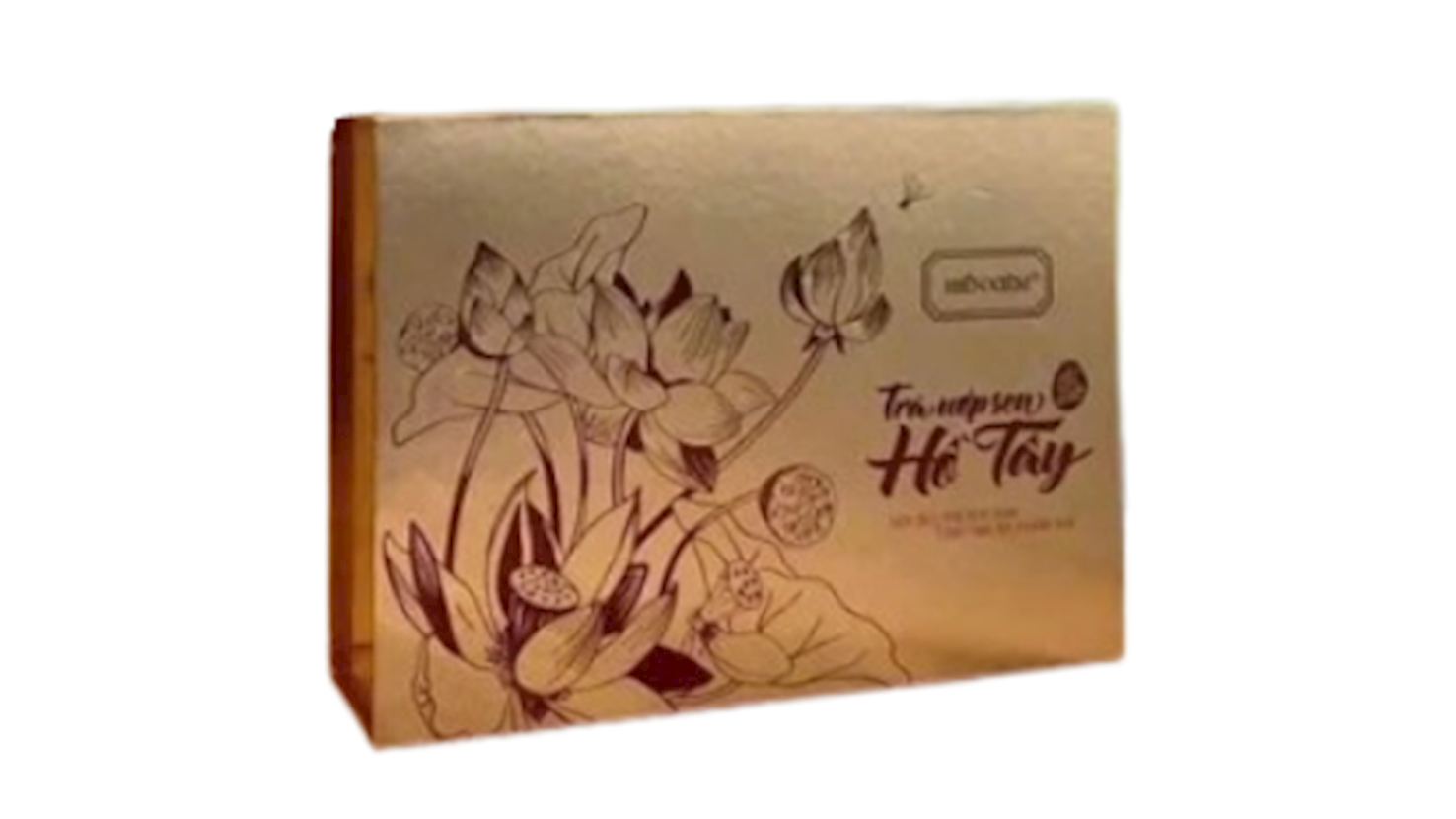
Trà Sen Hiền Xiêm is a family-run artisanal brand from Hanoi’s Tây Hồ district, recognized as one of the most respected guardians of the traditional technique of infusing green tea with fresh lotus petals. Their production relies entirely on manual craftsmanship - from harvesting lotus flowers at dawn, to carefully separating the petals, and repeatedly layering fine tea leaves with the fragrant “gạo sen” pollen over several days. This demanding method, which requires more than a thousand lotus flowers to produce a single kilogram of tea, results in a delicate brew with soft floral notes, gentle bitterness, and an elegant, naturally sweet finish. The brand holds a prestigious four-star OCOP certification and is often chosen for ceremonial occasions and high-quality gifts. Despite modern challenges such as urbanization and declining lotus cultivation, Hiền Xiêm remains a symbol of authenticity, cultural continuity, and the highest level of traditional Vietnamese lotus-tea craftsmanship.
Read more
View all
View map
About this ranking

TasteAtlas food rankings are based on the ratings of the TasteAtlas audience, with a series of mechanisms that recognize real users and that ignore bot, nationalist or local patriotic ratings, and give additional value to the ratings of users that the system recognizes as knowledgeable. For the “Top 100 Vietnamese Foods” list until June 02, 2026, 9,128 ratings were recorded, of which 6,088 were recognized by the system as legitimate. TasteAtlas Rankings should not be seen as the final global conclusion about food. Their purpose is to promote excellent local foods, instill pride in traditional dishes, and arouse curiosity about dishes you haven’t tried.

The initial list of top producers was compiled based on available reviews, awards, local recommendations, media and blog coverage, and consumer reviews. The list will be updated with ratings from TasteAtlas local ambassadors and TasteAtlas users.

Similar lists