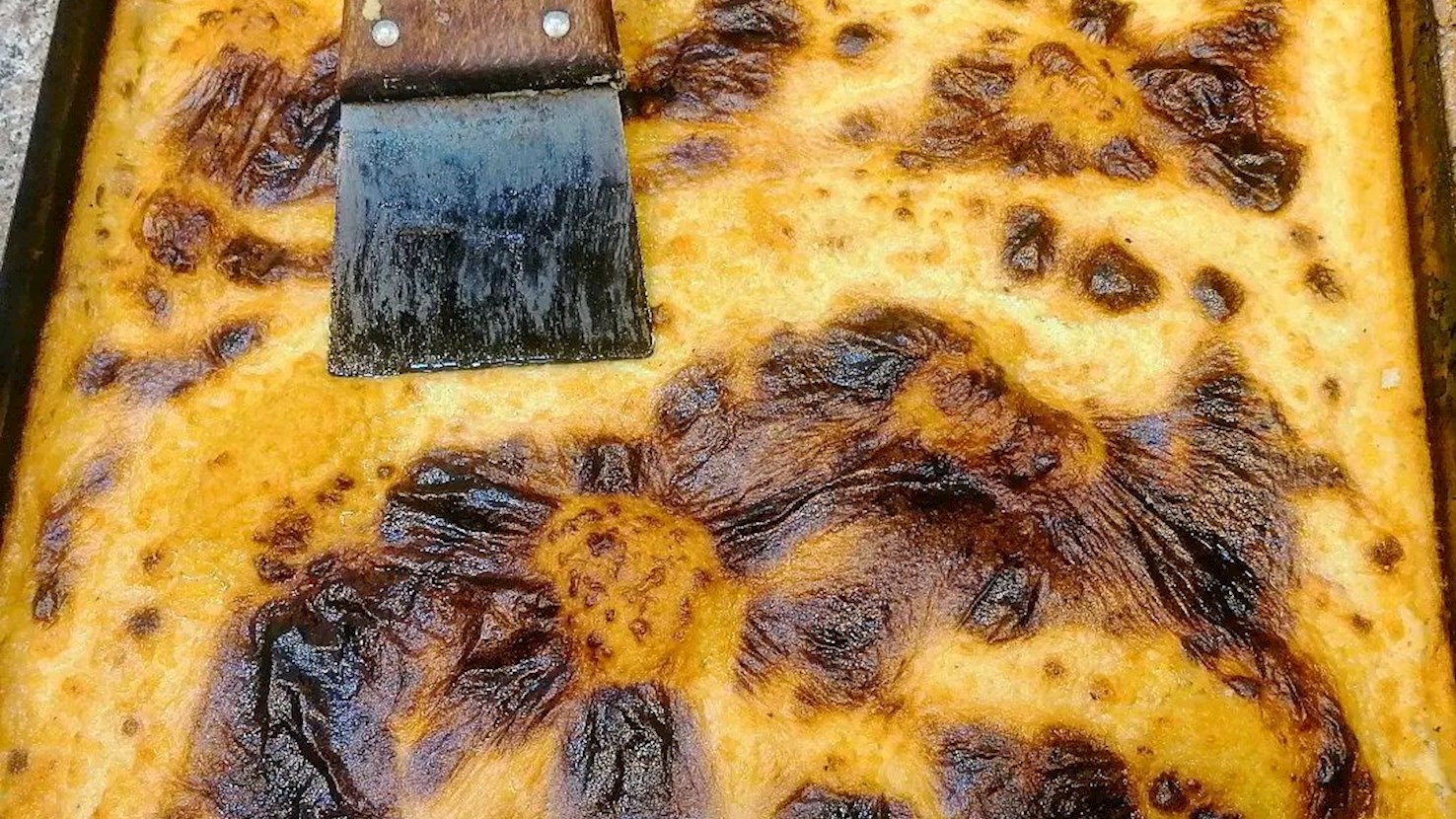
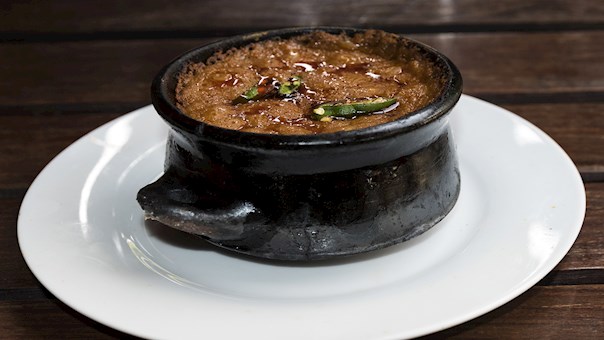
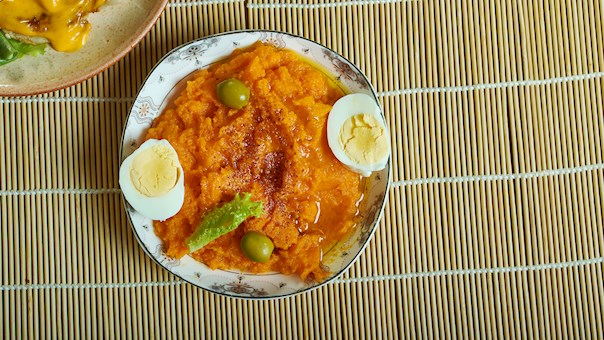
Known as karantika in Algiers and calienté in Morocco, this beloved traditional dish traces its origins back to Spanish influence during the colonial period, as its name is derived from the Spanish word calentita, which means "warm." Over time, what began as a humble, filling meal for the working class evolved into one of Algeria’s and Morocco's most cherished street foods, often enjoyed by people of all ages and backgrounds. The essence of the dish lies in its simplicity and rich, comforting flavor. It is made from a smooth batter of chickpea flour, water, oil, salt, pepper, and eggs, which is then baked until it develops a golden, slightly crisp crust on top while remaining creamy and custard-like inside. Some variations of the recipe include a pinch of cumin or a hint of chili to enhance its depth and warmth. When it comes out of the oven, the dish is traditionally cut into generous squares or wedges and often served tucked into a piece of crusty bread, making it perfect for eating on the go. It is common to find street vendors offering it with a dollop of harissa or a smear of mustard to add a spicy or tangy kick that beautifully complements its mild, nutty flavor. Part of what makes karantika or calienté so beloved is its versatility: it can be enjoyed as a snack, a light lunch, or even a comforting dinner.
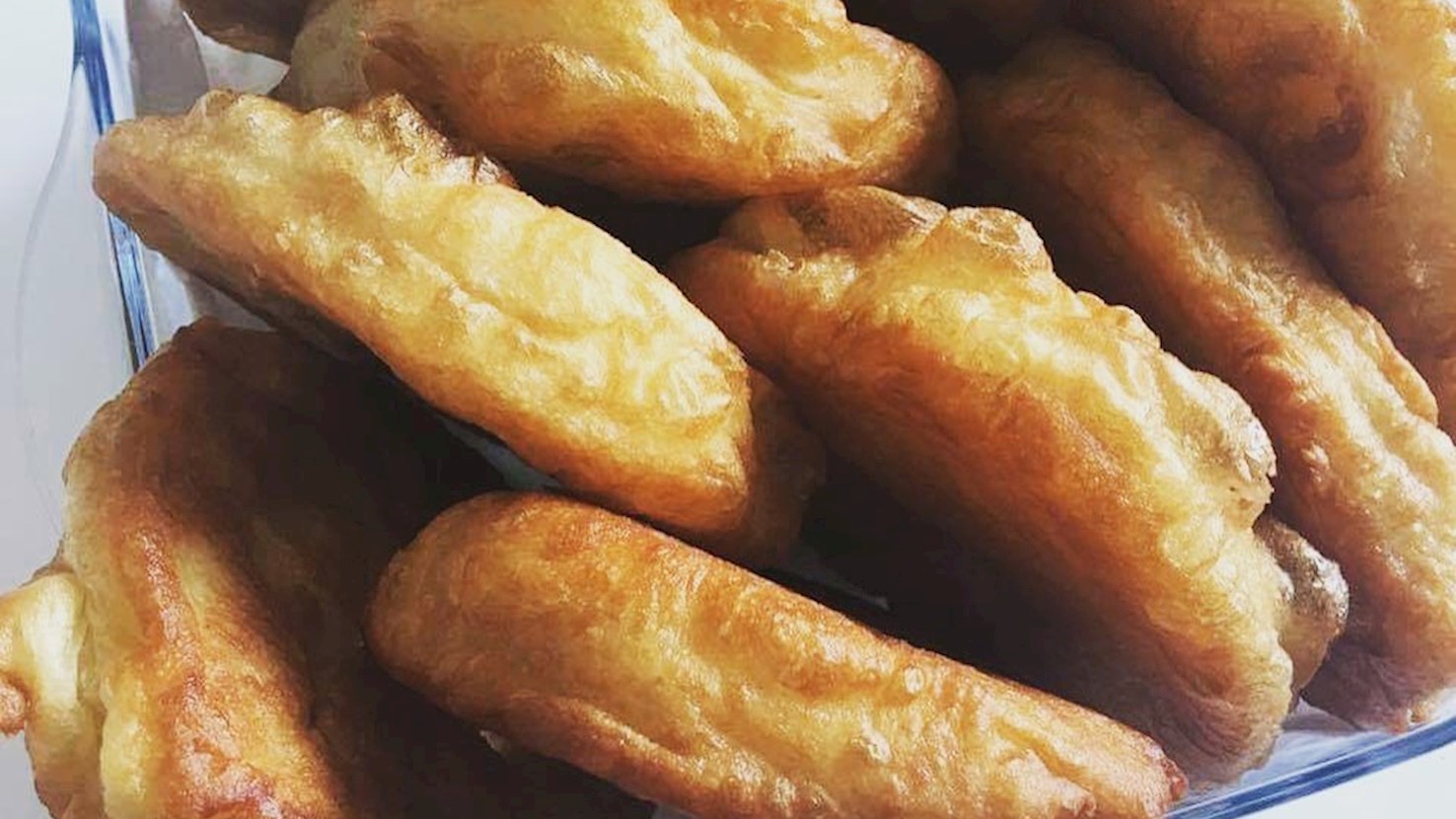
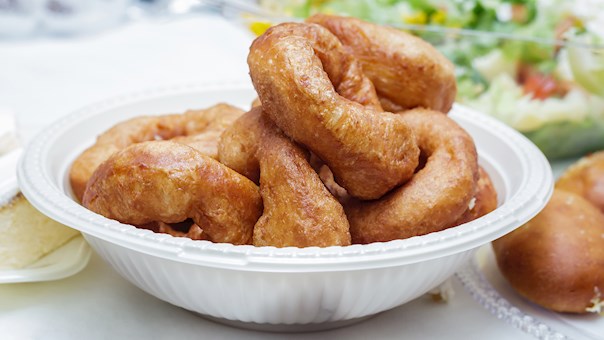
Sfinz is a traditional fried pastry made with a dough consisting of flour, sugar, yeast, salt, and water. The dough is shaped into small balls which are then flattened to form a thin layer of pastry. After it has been fried, sfinz is typically enjoyed with honey, although it can also be fried with an egg on top. Also known as Libyan doughnut, this fried pastry is especially popular for breaking the fast during Ramadan, but it can also be served for breakfast. If there is any leftover dough, Libyans usually transform it into herb bread.
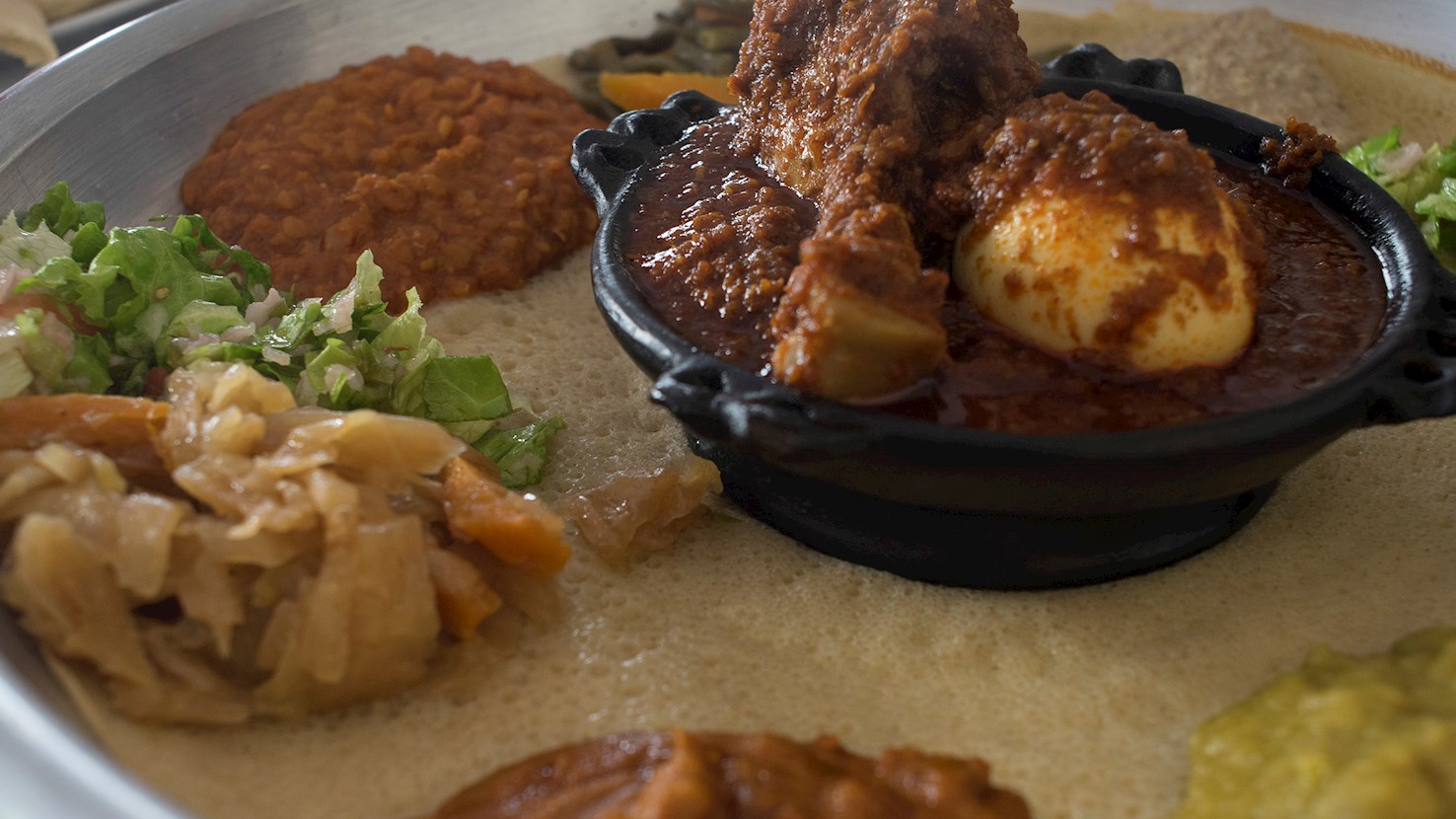
Beyaynetu is an assortment meal served on a large round of injera and made up of several separately prepared stews, legumes, vegetables, salads, and, depending on the version, meat or fresh cheese. Its Amharic name conveys the idea of “of each kind” or “assorted,” which fits the dish well because beyaynetu does not have one fixed recipe. The most familiar form is yetsom beyaynetu, the meatless version eaten during Ethiopian Orthodox Christian fasting periods, when meat, dairy, and eggs are avoided. These fasting practices helped shape a large repertoire of plant-based Ethiopian dishes and made mixed vegetable and legume platters especially common on Wednesdays, Fridays, and during longer fasting seasons. A typical plate may include misir wat, a spicy red lentil stew; kik alicha, mild yellow split peas; shiro, a smooth chickpea or broad-bean flour stew; gomen, cooked leafy greens; cabbage, carrots, potatoes, green beans, or beetroot; and a fresh tomato-and-onion salad. The precise combination changes according to restaurant, household, season, and availability, so the variety itself is more important than any particular set of components. Each element is cooked separately, allowing the platter to combine contrasting flavors and textures: one stew may be rich with berbere and chili, another mild and turmeric-scented, while greens contribute bitterness, vegetables sweetness, and salad freshness and acidity. In fasting versions, vegetable oil replaces the clarified butter used in many non-fasting dishes. Once the components are ready, small portions are arranged across the injera, usually with extra rolled or folded injera served alongside. Diners tear off pieces with the right hand and use them to pick up individual portions or combine several foods in the same bite. The injera underneath gradually absorbs the sauces and is eaten along with the toppings rather than functioning merely as a serving base. Non-fasting beyaynetu follows the same assortment principle but may include tibs, meat stews, chicken, or ayib, a mild fresh curd cheese. These versions are often richer and more varied in fat and protein, while the fasting form depends mainly on pulses, vegetables, spices, and grains. Beyaynetu is eaten throughout Ethiopia, particularly at lunch and dinner, and is widely available in restaurants in Addis Ababa and other cities. Larger platters are well suited to communal meals, while smaller versions are commonly ordered by one person. The best accompaniments depend on what is included on the plate, but injera is essential, while water, tea, tella, or tej can accompany the meal. Ethiopian coffee is commonly served afterward.
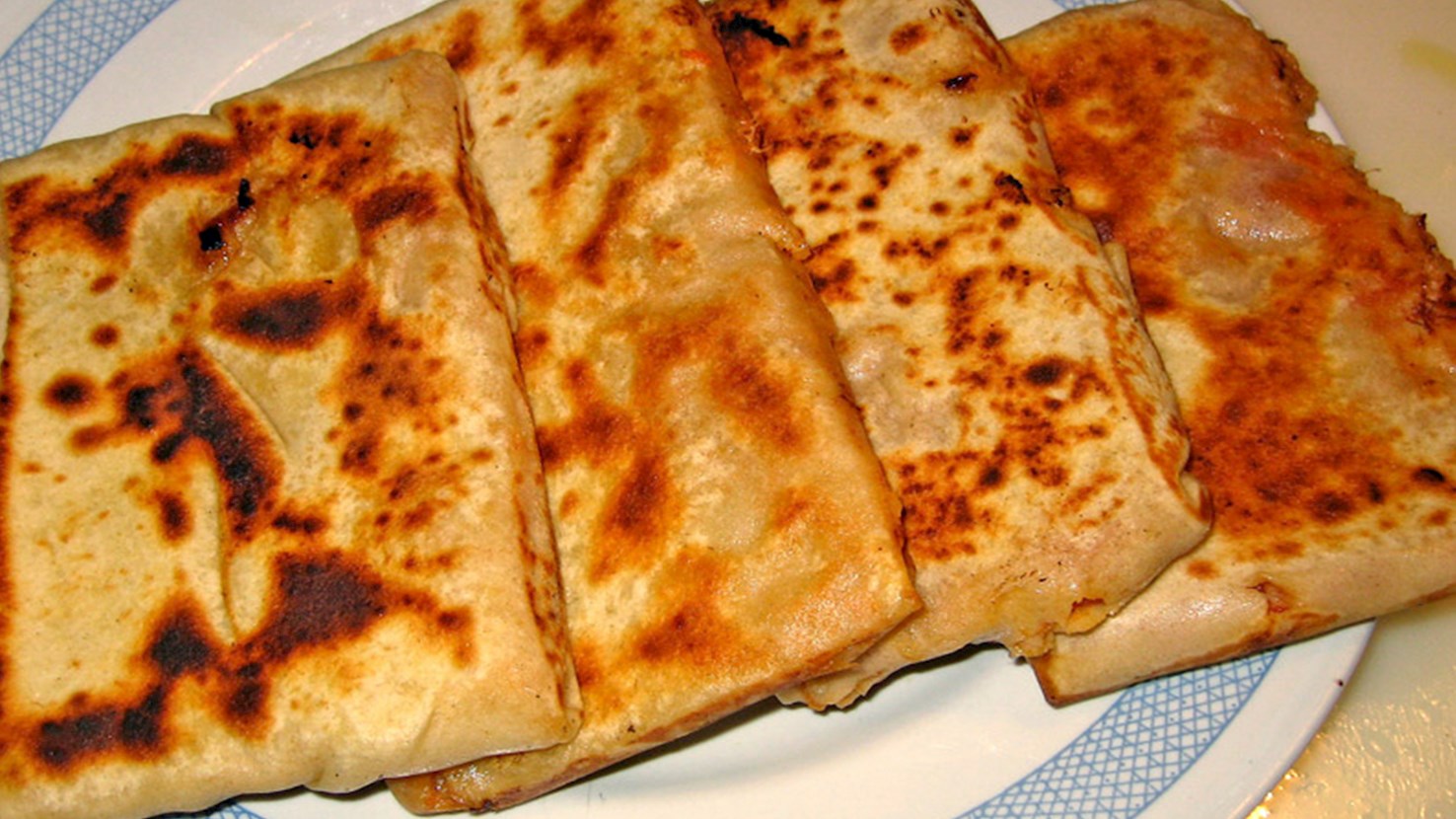
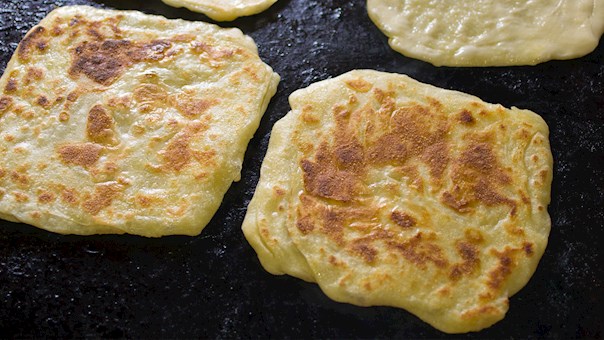
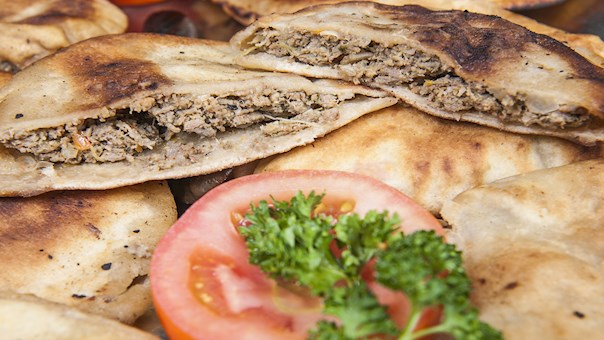
Mahjouba is a traditional flatbread that is one of the most popular street food items in the country. These thick and flaky crepe-like flatbreads are made with semolina, then filled with a combination of tomatoes and caramelized onions. Mahjouba is often paired with harissa sauce on the side, but the condiment is completely optional.
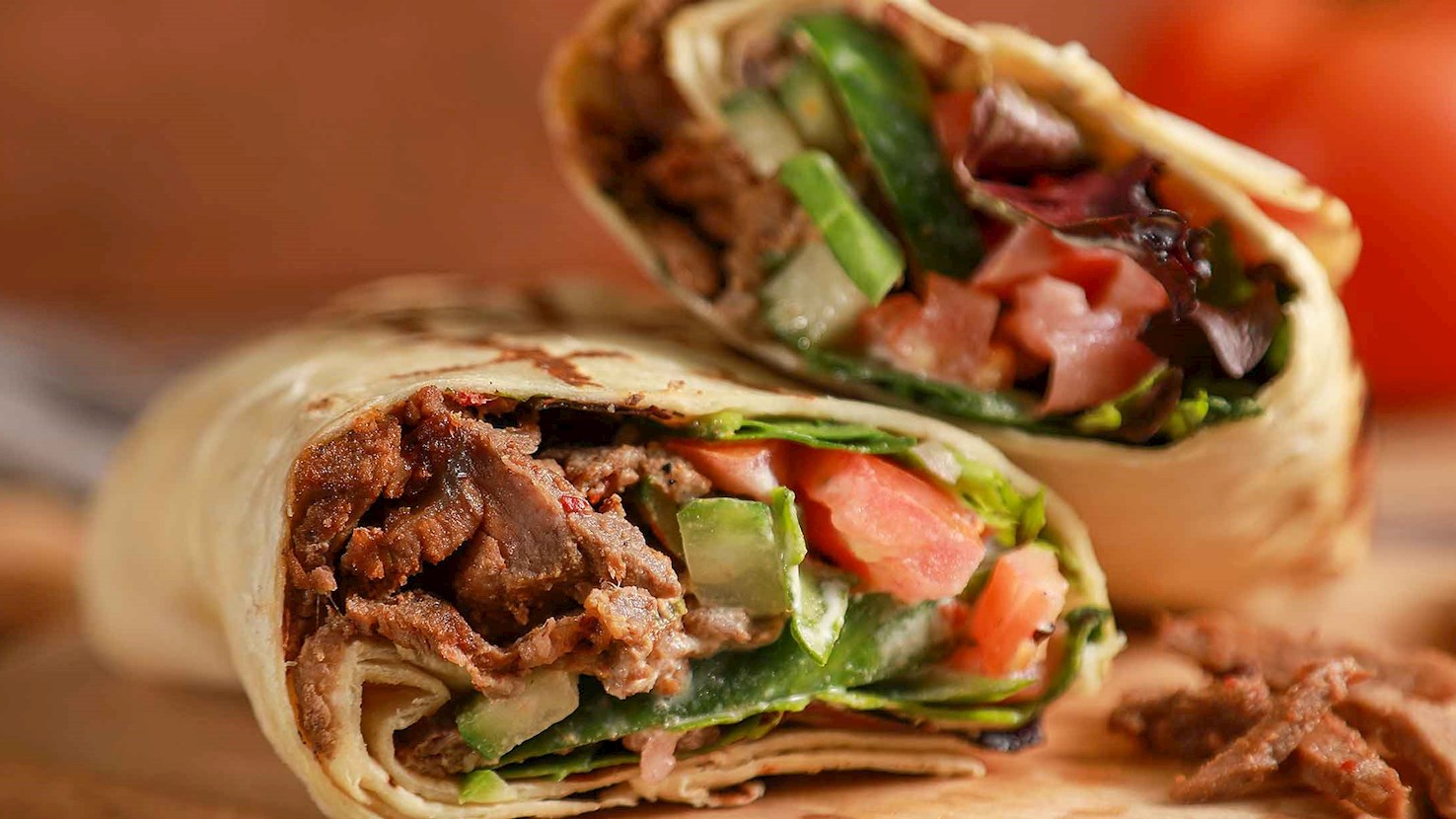
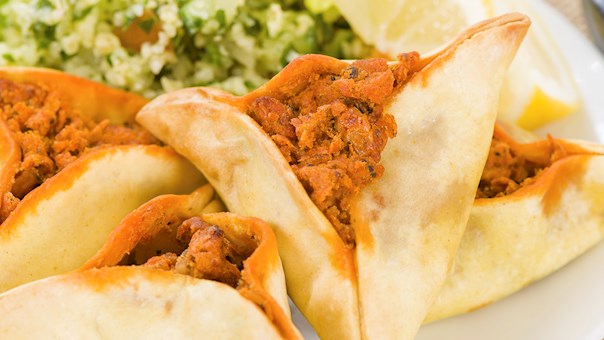
Marinated and spit-roasted, shawarma is a delicious Middle Eastern meat treat whose origins can be traced back to the Ottoman Empire era, while its name stems from the Arabic pronunciation of the Turkish word çevirme (lit. to turn; turning), and refers to the rotating skewer on which the meat is cooked. Shawarmas are made with either lamb, turkey, chicken, beef, or a mix of different meats which are slow-cooked for hours and basted in their own juices and fat, gaining an incomparable succulence, but the real secret to a perfect shawarma is in the marinade. Depending on the variety, the meat must be marinated for at least a day, preferably two, especially when using beef. These marinades are either yogurt or vinegar-based and typically include spices and flavorings such as cinnamon, cloves, cardamom, nutmeg, black pepper, allspice, dried lime, spicy paprika, garlic, ginger, lemon, bay leaf, and sometimes even orange slices. Shawarma is traditionally served either on its own or enjoyed tucked inside a warm flatbread such as pita or lavash. However, what really sets it apart from the Turkish döner kebab, Greek gyros, or other similar foods is the extent of garnishes and condiments offered with it. For example, Israeli shawarmas are typically topped with tahini and come with generous servings of hummus and pickled mango slices, while in other countries, shawarma is often complemented with garlic mayo or a zesty toumaia garlic sauce, both fresh and pickled vegetables, salads like tabbouleh or fattoush, and amba sauce–a tangy chili and mango pickle dip. Once a common staple of the Middle Eastern working man, shawarma has today become the ultimate Arabic street food, found not only in Arabia and Levant but in virtually any nook and corner of the globe.
Maakouda are traditional potato fritters that are popular throughout the Maghreb, especially in Morocco, Algeria, and Tunisia. The fritters are usually prepared plain, but they can also be stuffed with meat, tuna, or cheese, although not that often. They're made with potatoes, parsley, garlic, flour, salt, and pepper. The potatoes are boiled, mashed, and mixed with other ingredients into small disks which are then deep-fried in hot oil until golden brown. Maakouda is traditionally served as an appetizer, a side dish, or an ingredient in a long sandwich roll that's usually sold as street food and served with harissa, coriander, and lemon juice. The fritters are especially popular during the month of Ramadan.
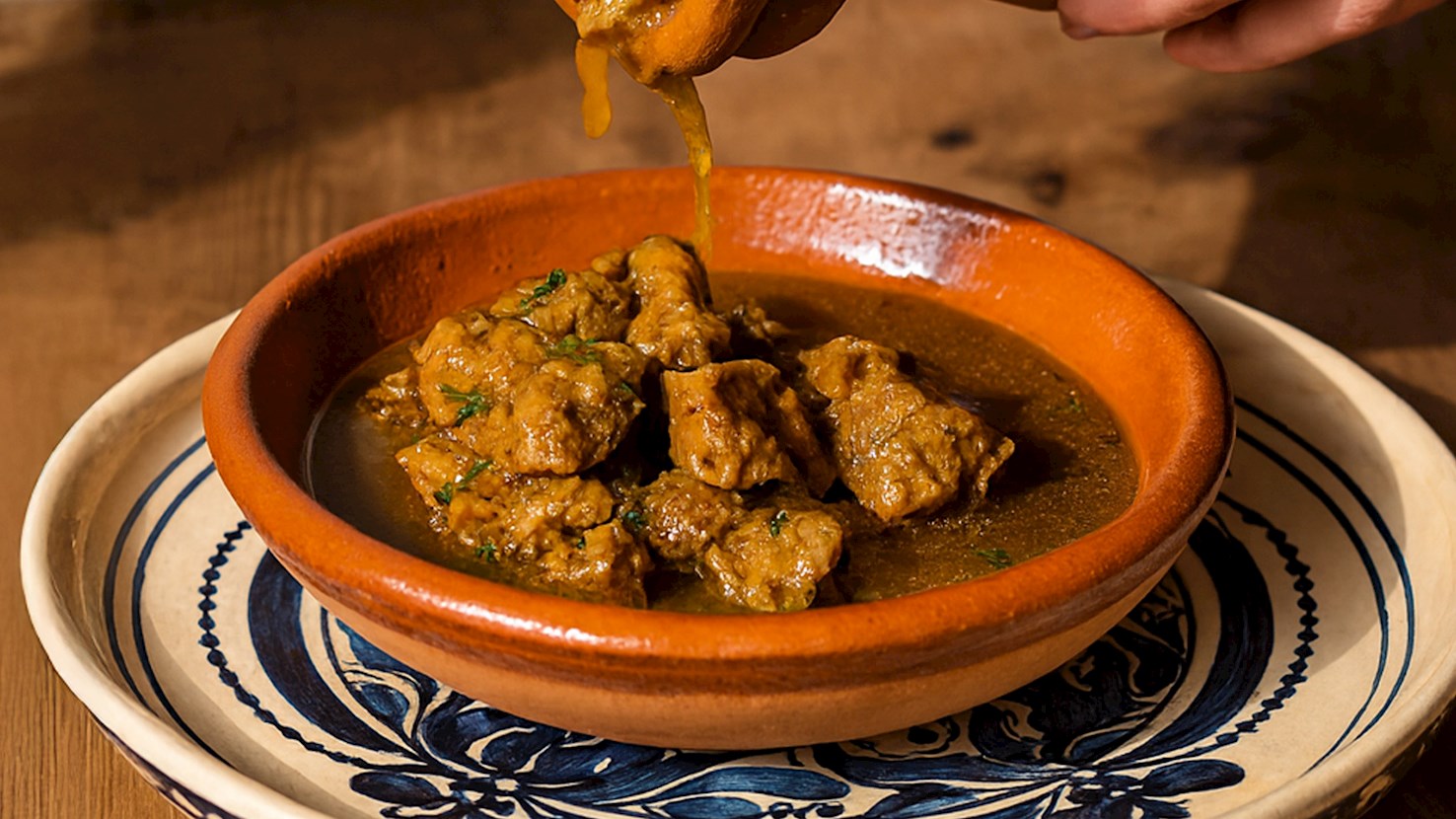
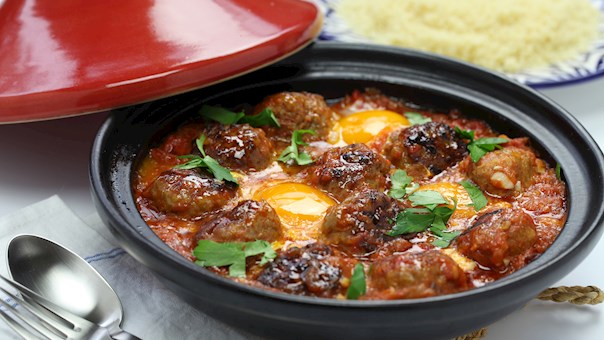
Tanjia is a unique Moroccan specialty made by cooking lamb meat in a clay urn along with flavorings such as saffron, cumin, garlic, lemons, and olive oil. The dish is especially popular in Marrakech, where the urns are filled with all of the ingredients, then placed in the coals of a public bath (hammam) to slowly cook overnight until the meat is so tender that it falls off the bone. Originally, tanjia was created and cooked by men who would go on outdoor picnics.
Bambalouni are traditional Tunisian doughnuts that are especially popular in the village of Sidi Bou Said. They are made with flour, hot water, yeast, and salt. After the dough has been prepared, it is fried in hot oil until golden brown, and the doughnuts are then sprinkled with sugar on top. It is recommended to serve bambalouni with coffee, either for breakfast or as a snack eaten at the end of the day.
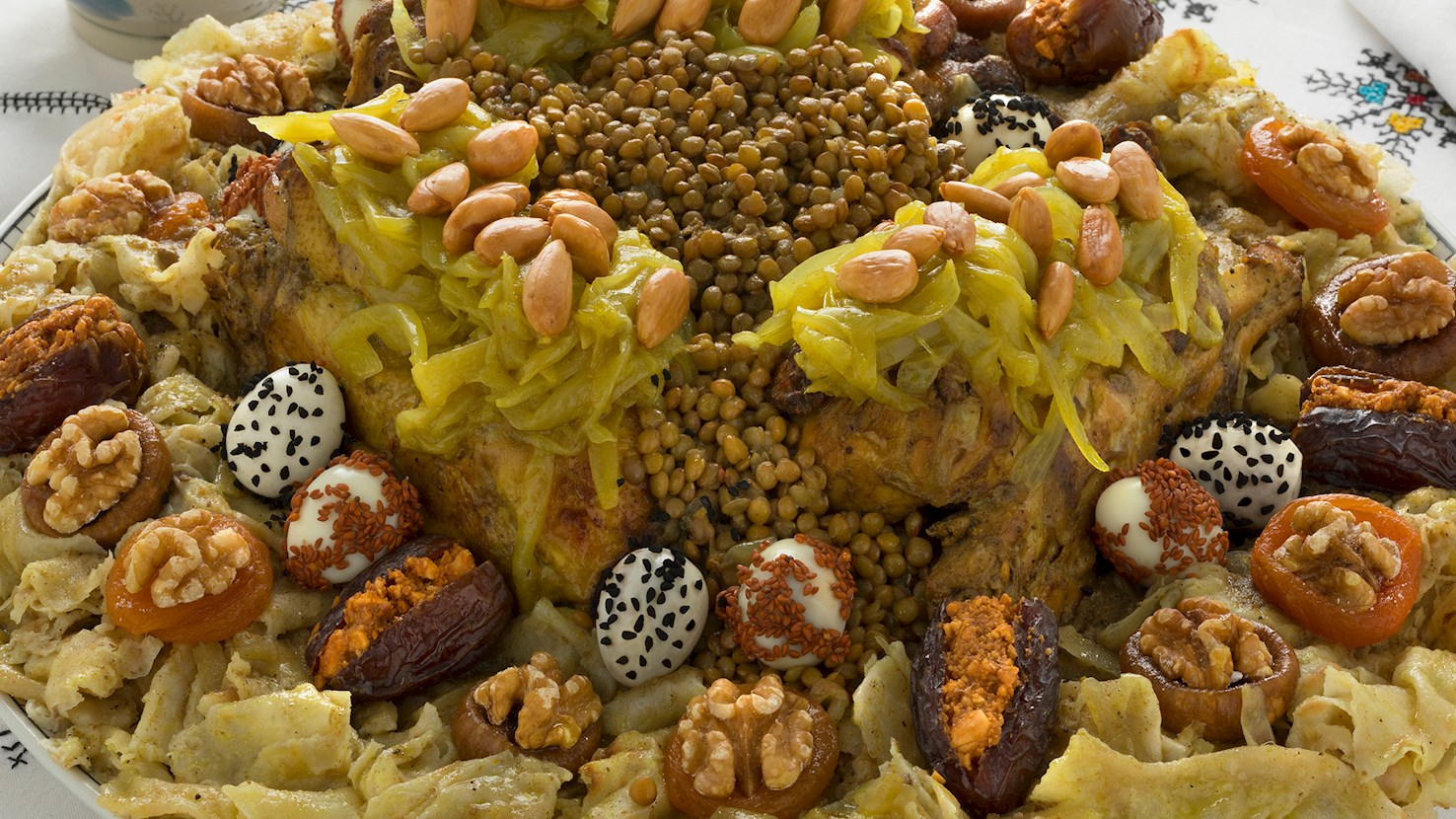
Rfissa is a traditional dish of stewed chicken pieces, onions, and lentils served over shredded msemmen, old bread, or trid pastry. The full list of ingredients is as follows: chicken, onions, saffron, ginger, lentils, msemmen, fenugreek seeds, and ras el hanout. The dish is traditionally served on the third day after the birth of a child or for similar festive occasions. It's typically consumed by a group of people gathering around the large dish, and each person then eats from his side of the platter.
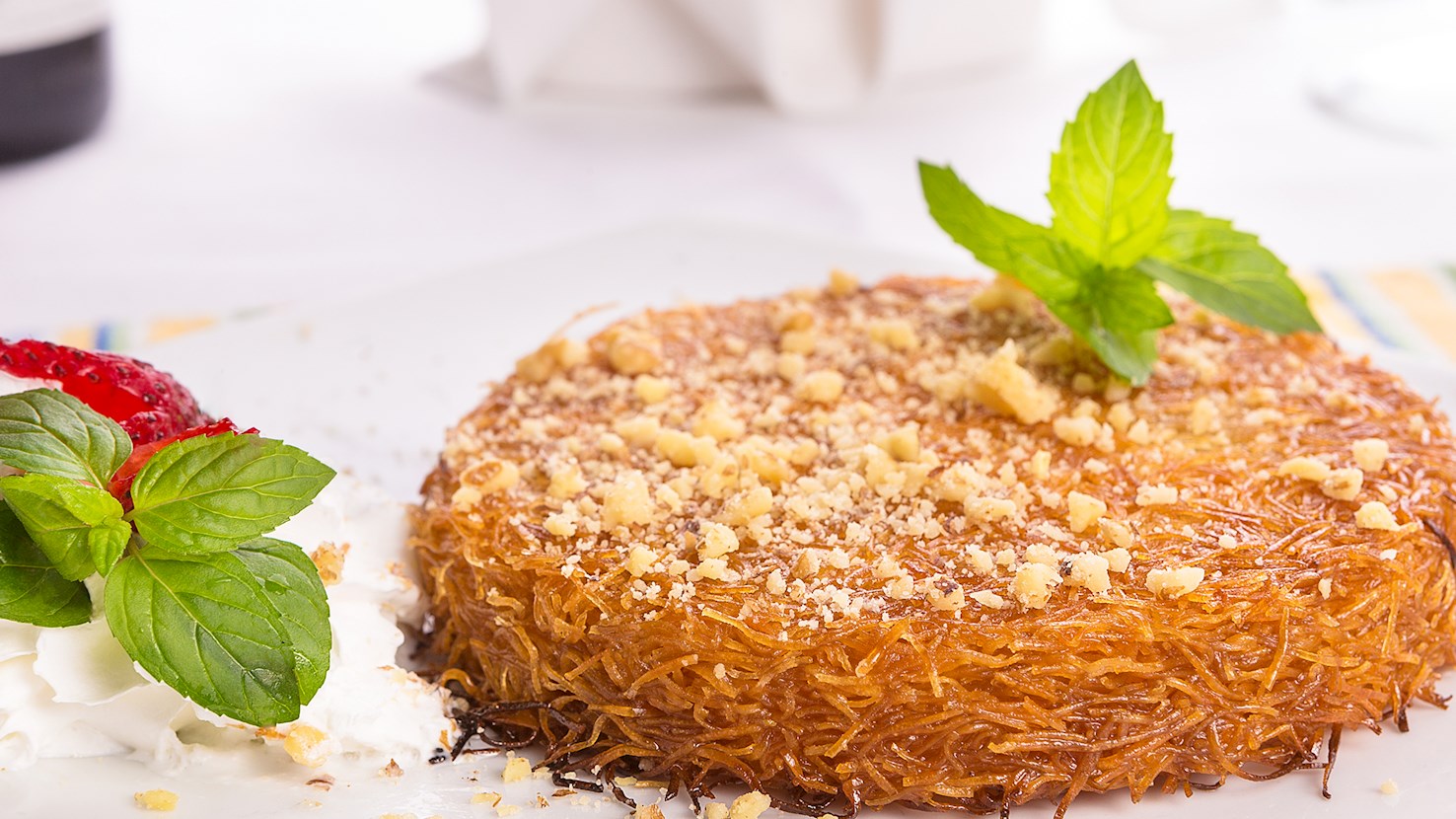
Kunāfah consists of two crunchy layers of shredded and buttered kataifi or knefe dough, filled with a luscious cheese cream that's often flavored with orange zest and cardamom, then drenched in a sugar syrup infused with lemon juice and orange blossom water. Turkish künefe is traditionally made with Hatay, Urfa, or Antep cheese. It is usually topped with pistachios and is best served warm. Elegant and amazingly simple to make, this dessert is nothing short of what cheese-filled pastry dreams are made of. Some authors speculate that it originated from the Fatimid Egypt or pre-Islamic Syria, while others claim that the Palestinian city of Nablus is its birthplace - hence the name kanafeh nabulsieh. Nevertheless, this decadent dessert has been a part of a long culinary tradition in Türkiye and Egypt, and it is listed as one of Egypt's national dishes.
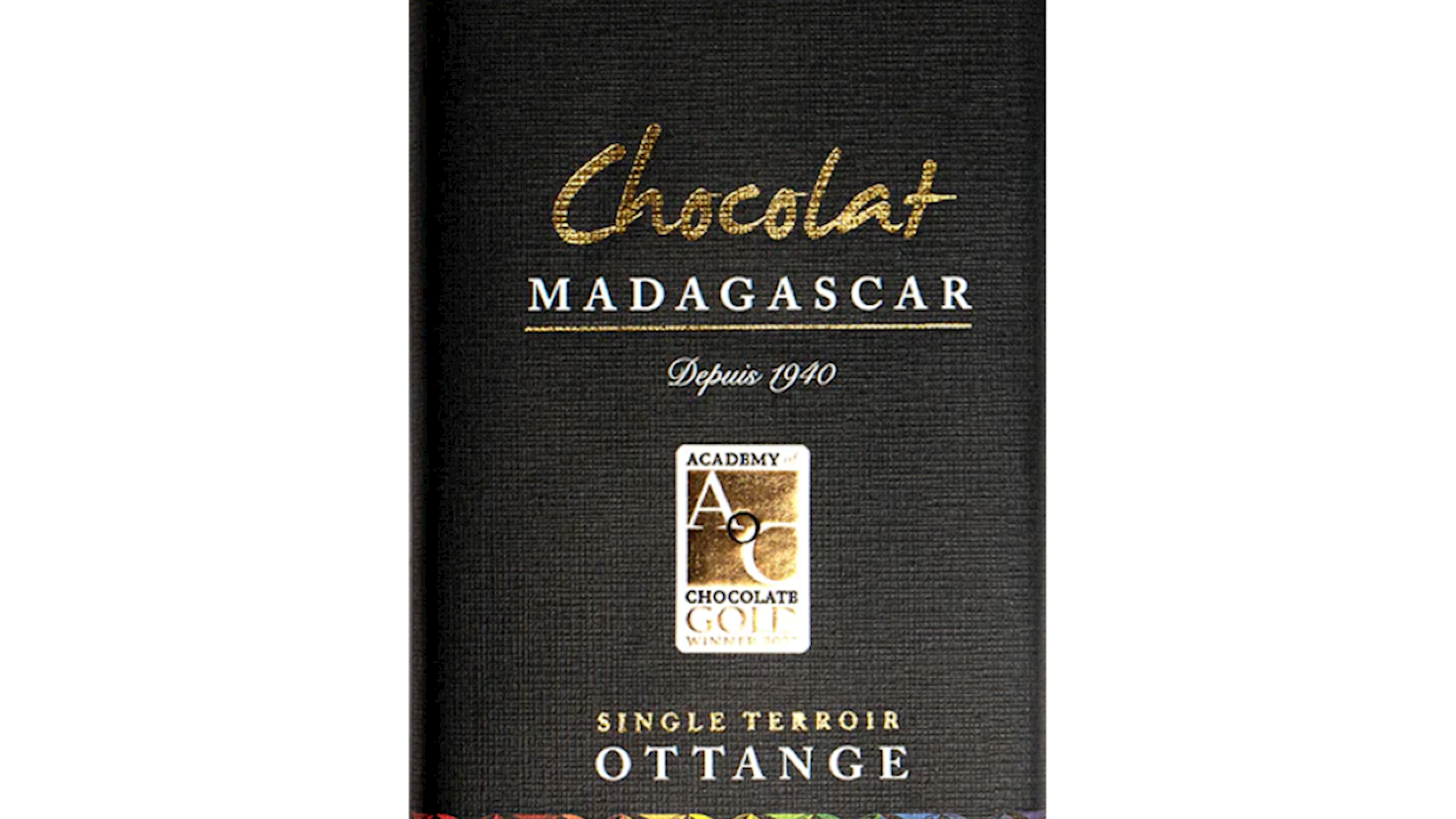
Chocolat Madagascar is a renowned chocolate maker based in Antananarivo, Madagascar, operating under the Chocolaterie Robert factory.
Their production model is unique because they oversee the entire process from seed to chocolate on the island, which not only ensures freshness but also enhances the economic benefits for local communities. Chocolat Madagascar is especially noted for its environmentally sustainable practices, as cocoa cultivation under the rainforest canopy helps promote reforestation and protects native fauna.
The chocolates are produced using fine cocoa beans grown in the Sambirano Valley, a region known for its rich terroir that imparts distinctive fruity flavors to the cocoa.
The company has received multiple international accolades, including the prestigious Golden Bean Award, highlighting its commitment to quality and excellence in craft chocolate making.
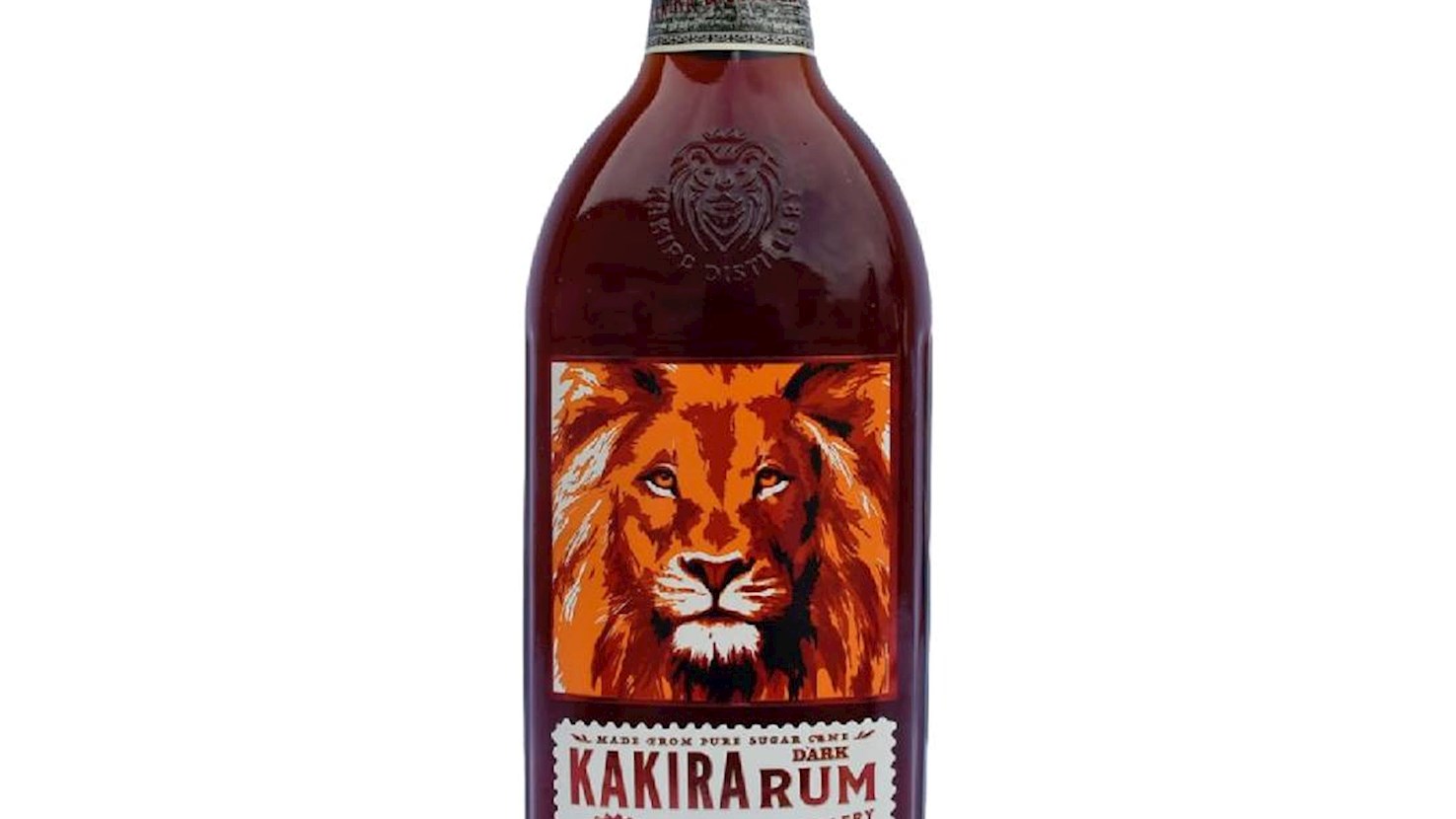
Kakira Spirits is a producer of premium alcoholic beverages located in Jinja, Uganda, on the shores of Lake Victoria at the source of the Nile River. Established in 1930 by the Madhvani family, Kakira Spirits is part of the Kakira Sugar Estate, where sugarcane has been cultivated and processed for over 70 years.
The company produces award-winning spirits such as gin, vodka, and rum, using molasses derived as a by-product of sugar production. This approach reduces waste and carbon footprint while simultaneously increasing revenues.
Awards
IWSC- International wine & spirit competition - Spirit Gold
(2024)
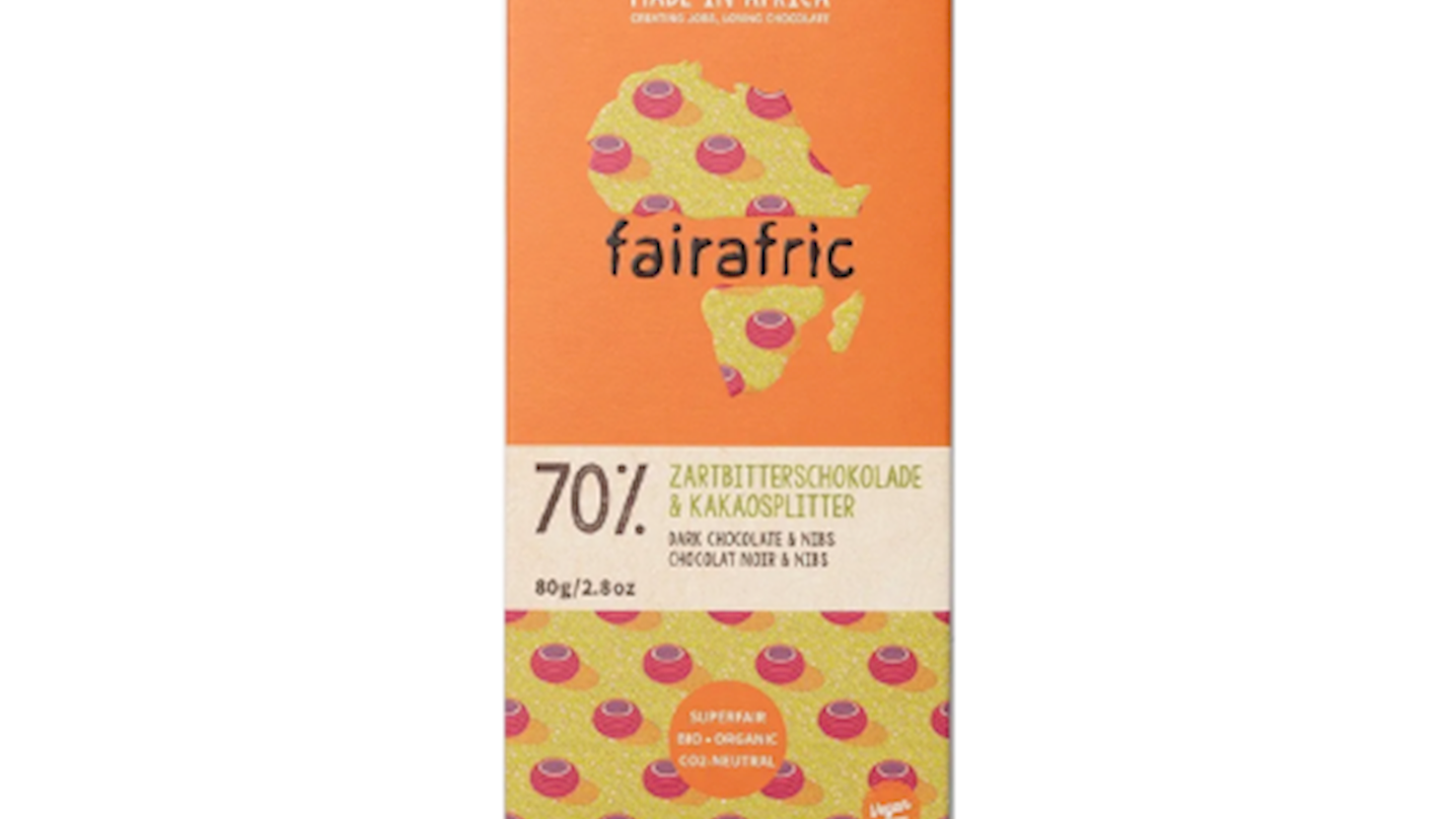
Fairafric Ghana is a bean-to-bar chocolate brand based in Amanase, near the town of Suhum in Ghana, and represents one of the most significant examples of sustainable and locally rooted chocolate production in Africa. Founded with the goal of keeping the value of cocoa within its country of origin, Fairafric produces its chocolate entirely in Ghana - from bean harvest to final packaging.
The company offers a wide range of organic chocolates - dark, milk, and fruit varieties - featuring combinations with local ingredients. The cocoa is sourced directly from Ghanaian farmers, ensuring traceability and high quality of every bean.
Fairafric also organizes “Farm to Factory” tours, allowing visitors to witness the entire chocolate-making process - from the cocoa tree to the finished bar. The brand’s philosophy is based on transparency, equality, and respect for natural resources.
Fairafric has successfully positioned itself as a producer of premium, certified chocolate for the global market.
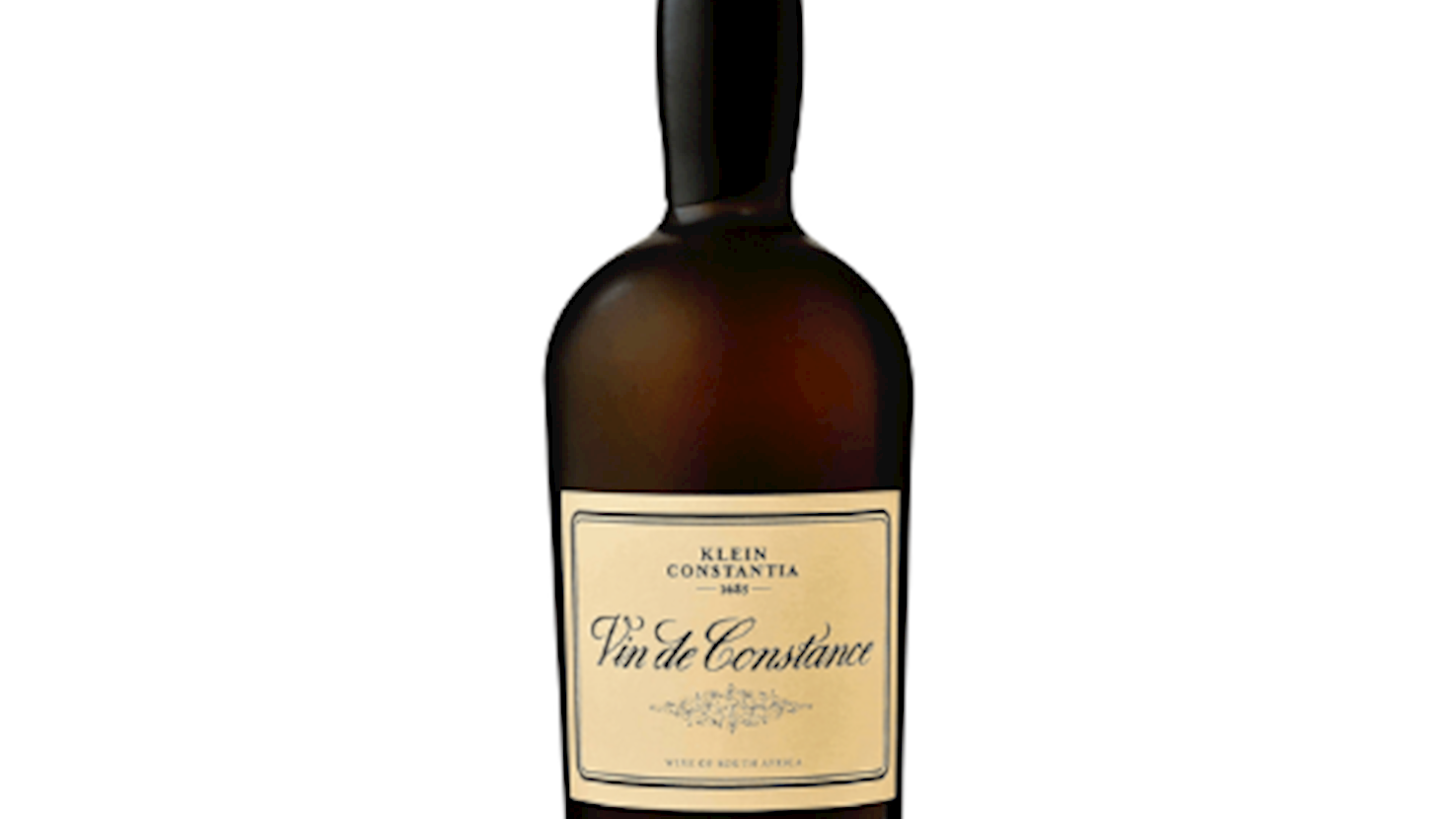
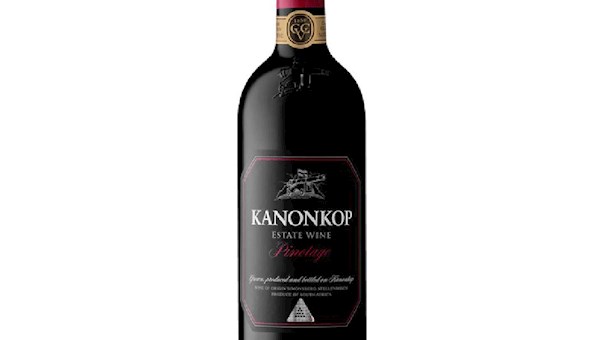
Klein Constantia Estate is one of South Africa’s most historic and influential wineries, with origins dating back to 1685 when it was established by Simon van der Stel in the Constantia Valley near Cape Town. Located on the slopes of the Constantiaberg mountain range, the estate benefits from decomposed granite soils and a cool maritime climate influenced by False Bay, conditions that contribute to wines of freshness, precision, and longevity.
During the 18th and 19th centuries, wines from Constantia - particularly the renowned sweet wine Vin de Constance - were among the most sought-after in the world, enjoyed by European royalty and referenced in classical literature. After a period of decline, Klein Constantia played a key role in reviving this historic wine in the late 20th century, restoring its global reputation.
Today, the estate combines heritage with a modern, sustainability-driven approach to viticulture and winemaking, focusing on expressing site-specific characteristics. In addition to Vin de Constance, the portfolio includes high-quality Sauvignon Blanc, Riesling, and single-vineyard wines that highlight the diversity of the terroir.
The wines are defined by aromatic clarity, vibrant acidity, and a refined mineral structure, positioning Klein Constantia as one of the leading producers in South Africa, where tradition and innovation are closely intertwined.
Awards
Decanter World Wine Awards - Platinum
(2020)
Decanter World Wine Awards - Best in Show
(2018, 2017)
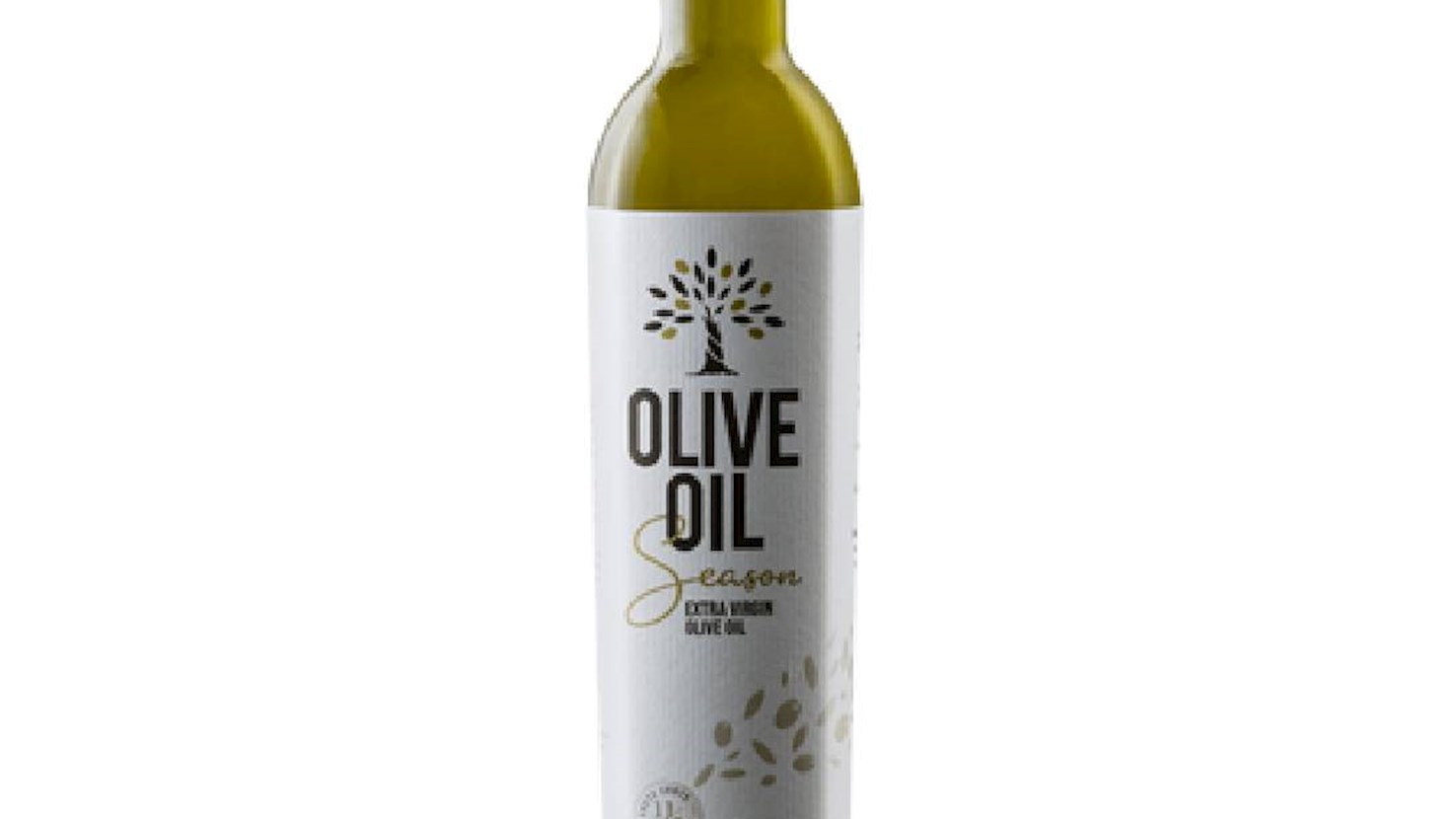
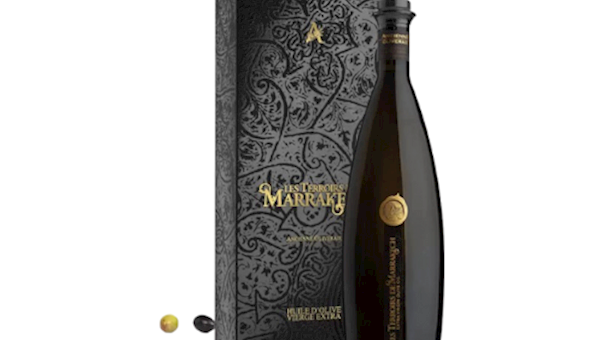
Olive Oil Season is a producer of high-quality extra virgin olive oil from plantations in the Meknes region of Morocco. Their oil is made from the Picholine Marocaine olive variety, renowned for its fruity and slightly bitter aromatic profile.
Special attention is given to the handpicking of predominantly green olives at the earliest stage of ripeness, ensuring a high polyphenol content, which contributes to the health benefits and stability of the oil.
After harvesting, the olives are swiftly processed using cold extraction at the Oléastre mill near Meknes, preserving their beneficial compounds and aromas.
Their team includes experts such as Markus Siebeneicher, an olive oil sommelier and creative director; Reda Tahiri, the master miller responsible for olive cultivation and the extraction process; and Dalal Najem, a chemist and quality manager who ensures that only the finest olive oil reaches consumers.
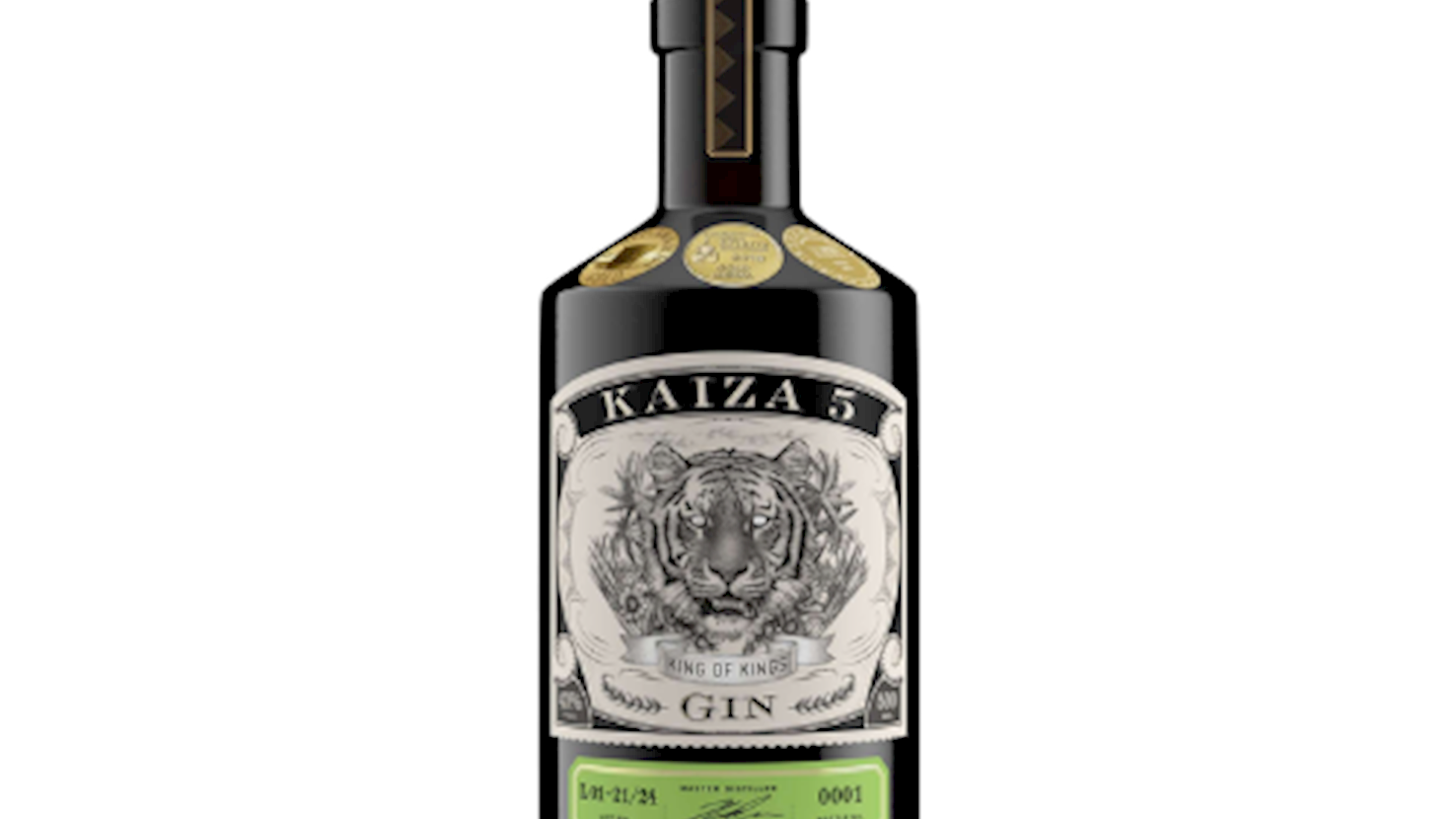
Kaiza 5 is a premium gin brand originating from South Africa, created with the intention of blending African identity with a contemporary, globally oriented craft spirits approach. Founded in Cape Town, the brand is positioned as a small-batch project with a strong emphasis on controlled distillation, carefully selected botanicals, and a clearly defined flavor profile.
The name Kaiza has roots in African cultural context and conveys ideas of strength, authority, and creative energy, which are reflected in both the brand’s visual identity and its storytelling. Rather than following classic London Dry conventions, Kaiza 5 develops its own character through a balance of traditional juniper structure and vibrant citrus and aromatic notes.
The brand targets consumers seeking authenticity and versatility, offering a gin that performs equally well in cocktails and simple serves with tonic. Through its origin, philosophy, and modern positioning, Kaiza 5 presents itself as a globally relevant gin brand with strong local roots.
Awards
World Gin Awards - Country Winner
(2024, 2022, 2021)
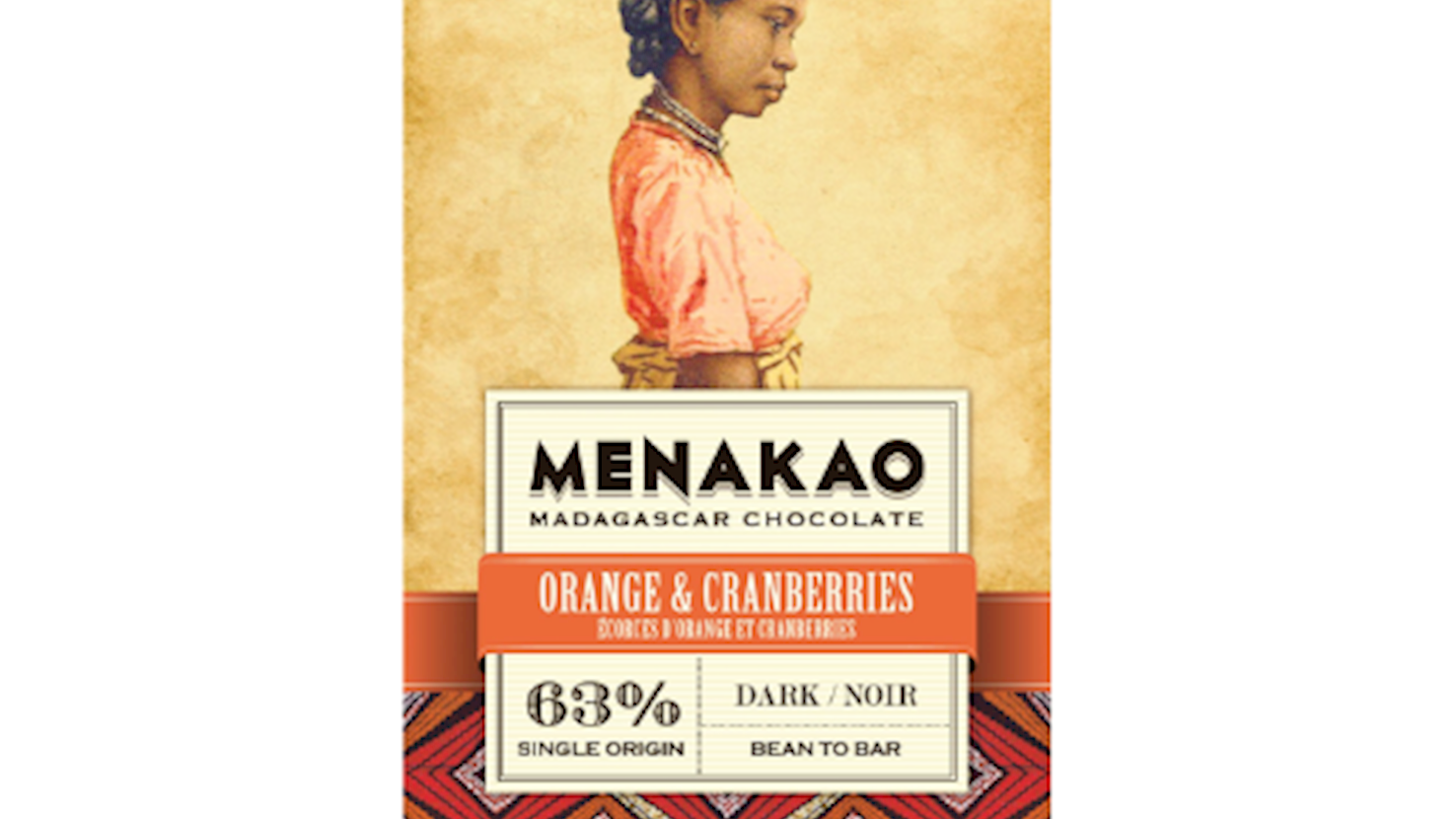
Menakao is a Madagascan craft chocolate brand that has been produced directly on the island since 2006. It is owned by Shahin Cassam Chenai, a fourth-generation member of a family of Indian origin that has been present in Madagascar for over a century.
The name "Menakao" comes from the Malagasy words mena (“red”) and kao (“cocoa”), symbolizing the land and the chocolate’s main ingredient. Through a tree-to-bar model, Menakao processes cocoa from the Sambirano region in its own factory in Ambohidratrimo, creating chocolate made from 100% Madagascan ingredients.
This method of production generates up to four times more economic value for small producers compared to exporting raw cocoa. The product range includes various dark chocolate bars as well as milk chocolate varieties infused with vanilla, coconut milk, rosemary, chili, and citrus.
The flavors range from rich cocoa profiles with a fruity finish to exotic, intense combinations like Madagascan vanilla or bird’s eye chili.
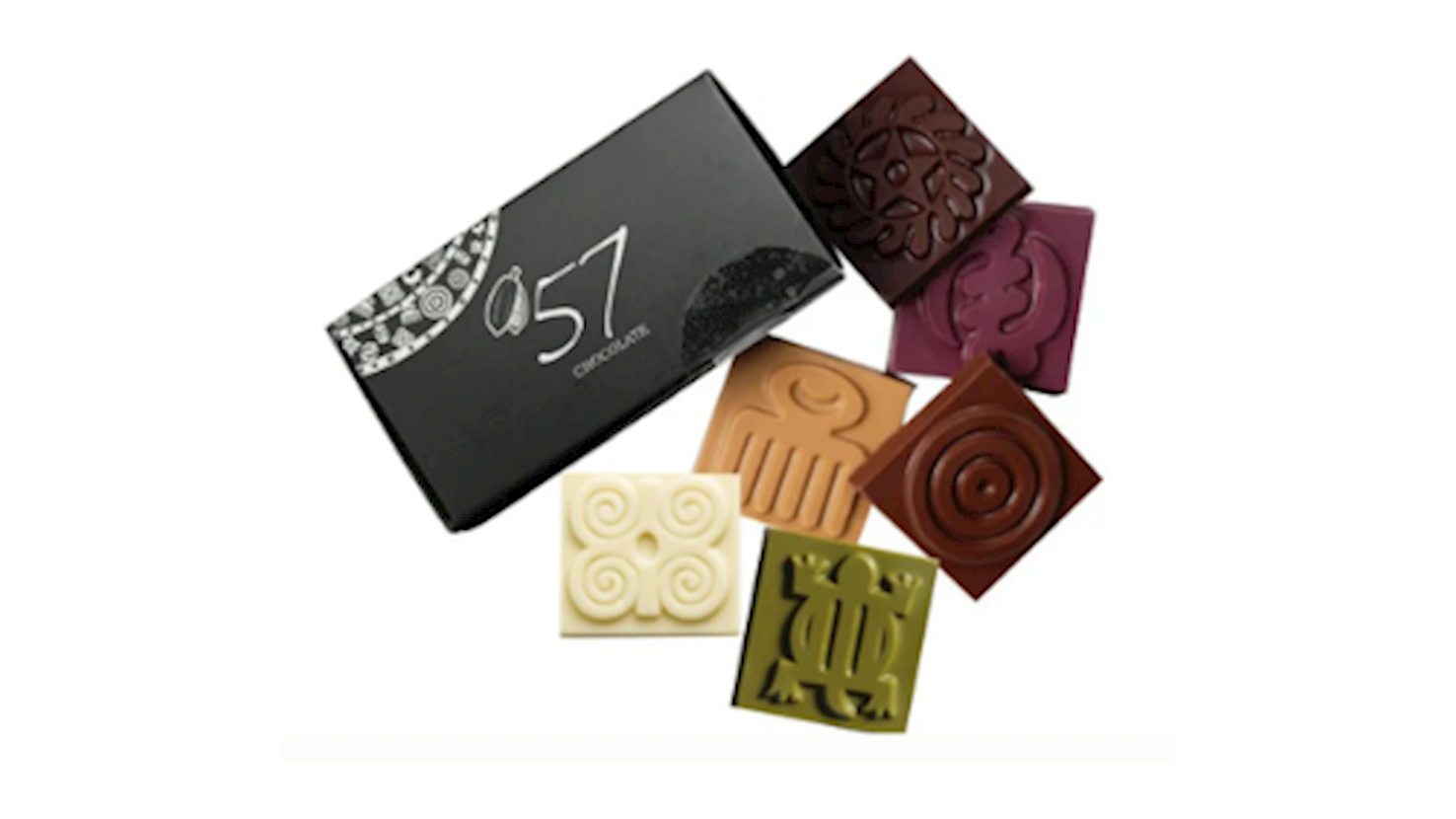
57 Chocolate is a pioneering bean-to-bar brand from Accra, Ghana, founded in 2016 by sisters Kimberly and Priscilla Addison with the goal of changing the narrative around African cocoa. The name “57” symbolically refers to 1957 - the year Ghana gained independence - reflecting the brand’s vision of economic and cultural empowerment through local production.
The company was created to demonstrate that high-quality chocolate can be produced in the very country where cocoa originates, rather than being merely exported as a raw material to Europe. All cocoa is sourced from Ghanaian farms, and the entire production process is carefully controlled - from bean to bar.
Their range includes dark, milk, and white chocolates, as well as varieties enriched with local ingredients. Particularly distinctive are the “Adinkra” bars - small chocolate tablets embossed with symbols from the Ashanti culture, each carrying its own meaning and message.
Through a blend of contemporary aesthetics and deep respect for origin, Kimberly and Priscilla Addison have positioned 57 Chocolate as a defining voice of the new generation of African chocolatiers.
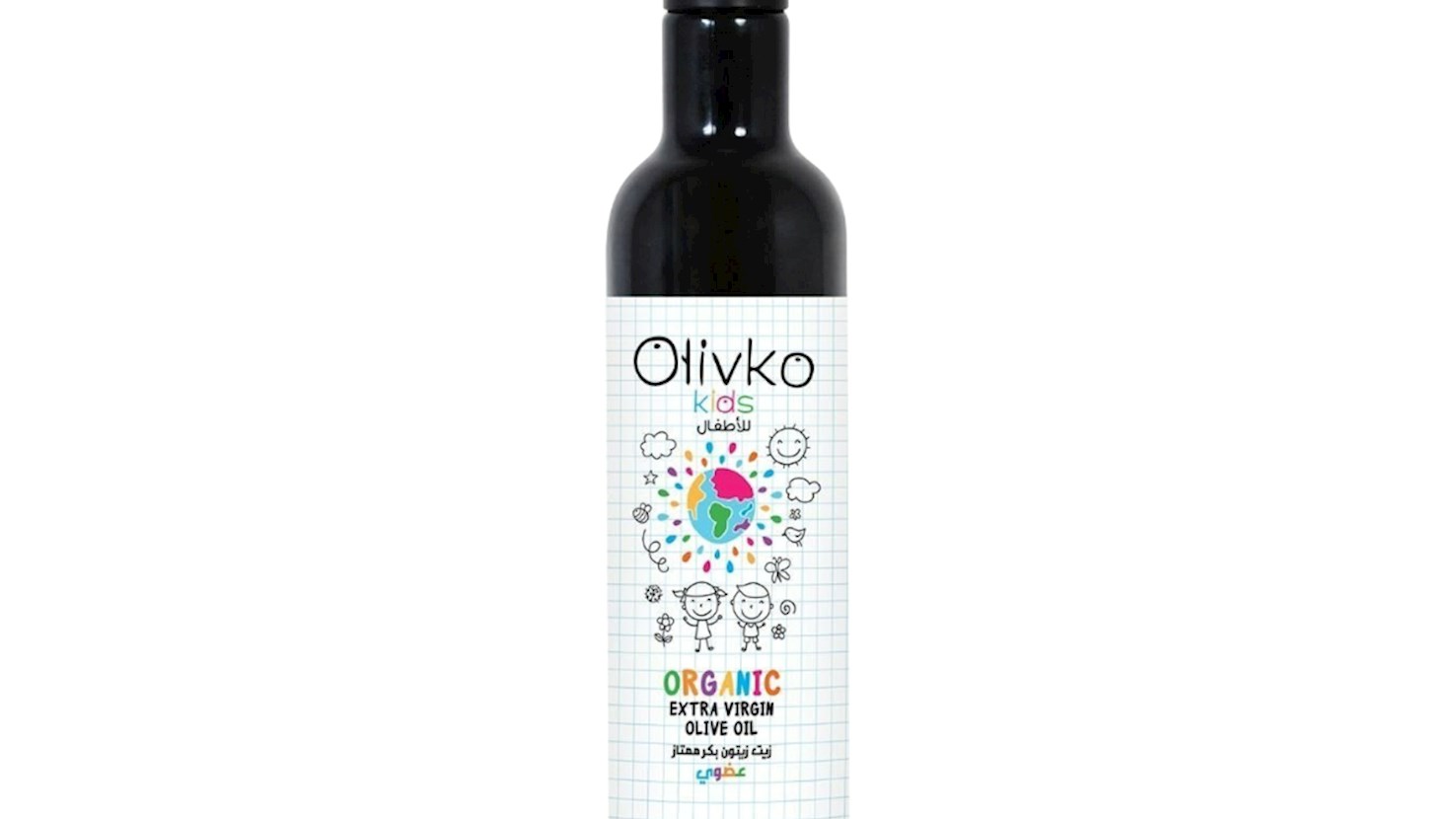
Olivko is a renowned Tunisian producer of organic extra virgin olive oil, known for its exceptional quality, traditional production methods, and numerous international awards. The company uses only hand-picked olives that are cold-pressed within hours of harvest, preserving the oil’s full nutritional and aromatic properties.
Their range includes monovarietal types such as Chemlali and Chetoui, both of which have won multiple gold medals at world competitions, including prestigious events in New York and London.
Behind the brand stands Karim Fitouri, a British-Tunisian entrepreneur who returned to his homeland in 2017 with the goal of building a world-class Tunisian brand. The very first Olivko oil, pressed at the end of 2016, earned Tunisia its first gold medal in the organic olive oil category.
Since then, Olivko has won over 100 international awards and become a global ambassador for Tunisian excellence, exporting its oils across Europe, North America, India, and the Middle East. Fitouri is also well-known for his efforts to improve the quality and reputation of the entire Tunisian olive oil sector.
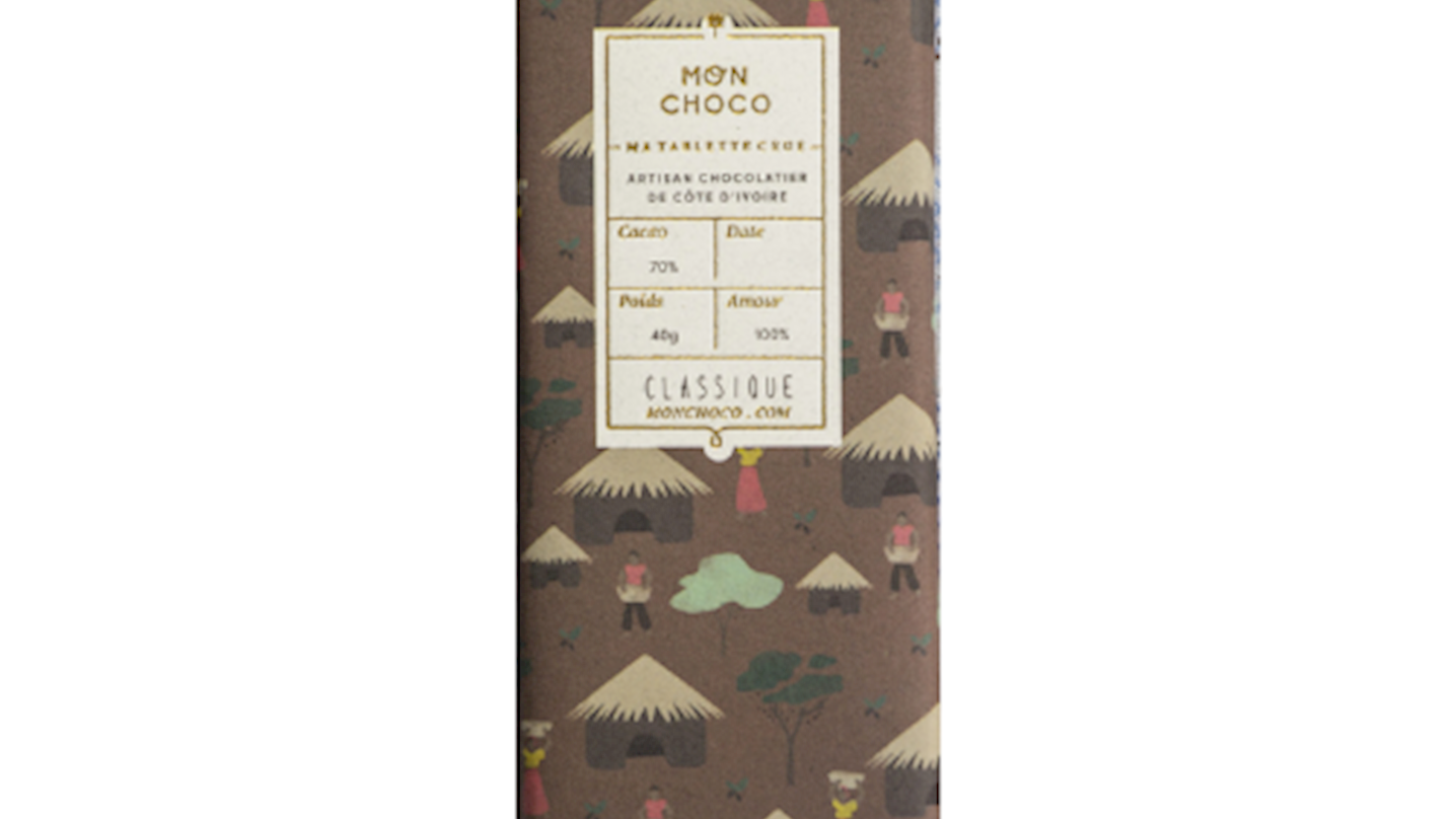
MonChoco Artisan Chocolatier is a handcrafted chocolate brand from Abidjan, Ivory Coast, representing an authentic example of sustainable and locally driven chocolate production in West Africa. Founded with the idea of highlighting the richness of Ivorian cocoa, MonChoco creates chocolate following the “bean-to-bar” philosophy, using only local, organic ingredients.
Their approach is based on minimal processing - the cocoa beans are not roasted but kept in their raw form to preserve natural aromas, minerals, and antioxidants. The factory operates using sustainable methods such as sun-drying, manually cracking beans with bicycles, and using recycled packaging materials.
MonChoco combines art, tradition, and responsibility, promoting a production model that respects both people and nature. The team is composed mostly of women, who hand-sort the beans, craft the bars, and wrap them in biodegradable paper.
The product range includes dark chocolates of various cocoa percentages, ganache collections, pralines, and raw cocoa beans. The brand’s visual identity is simple yet distinctive, inspired by the earthy tones of cocoa, reflecting its philosophy of pure and natural luxury.
MonChoco offers not just chocolate, but an experience that unites flavor, culture, and a responsible approach to craftsmanship.
TasteAtlas food rankings are based on the ratings of the TasteAtlas audience, with a series of mechanisms that recognize real users and that ignore bot,
nationalist or local patriotic ratings, and give additional value to the ratings of users that the system recognizes as knowledgeable.
For the “Top 100 African Foods” list until October 16, 2026, 37,298 ratings were recorded, of which 12,678 were recognized by the system as legitimate.
TasteAtlas Rankings should not be seen as the final global conclusion about food. Their purpose is to promote excellent local foods,
instill pride in traditional dishes, and arouse curiosity about dishes you haven’t tried.
The initial list of top producers was compiled based on available reviews, awards, local recommendations, media and blog coverage, and consumer reviews.
The list will be updated with ratings from TasteAtlas local ambassadors and TasteAtlas users.















What People Say