shutterstock

Top 60 Italian Hard Cheeses

Last updated on May 30, 2026

Best Italian Hard Cheese Types
01

Parmigiano Reggiano

4.6 ·

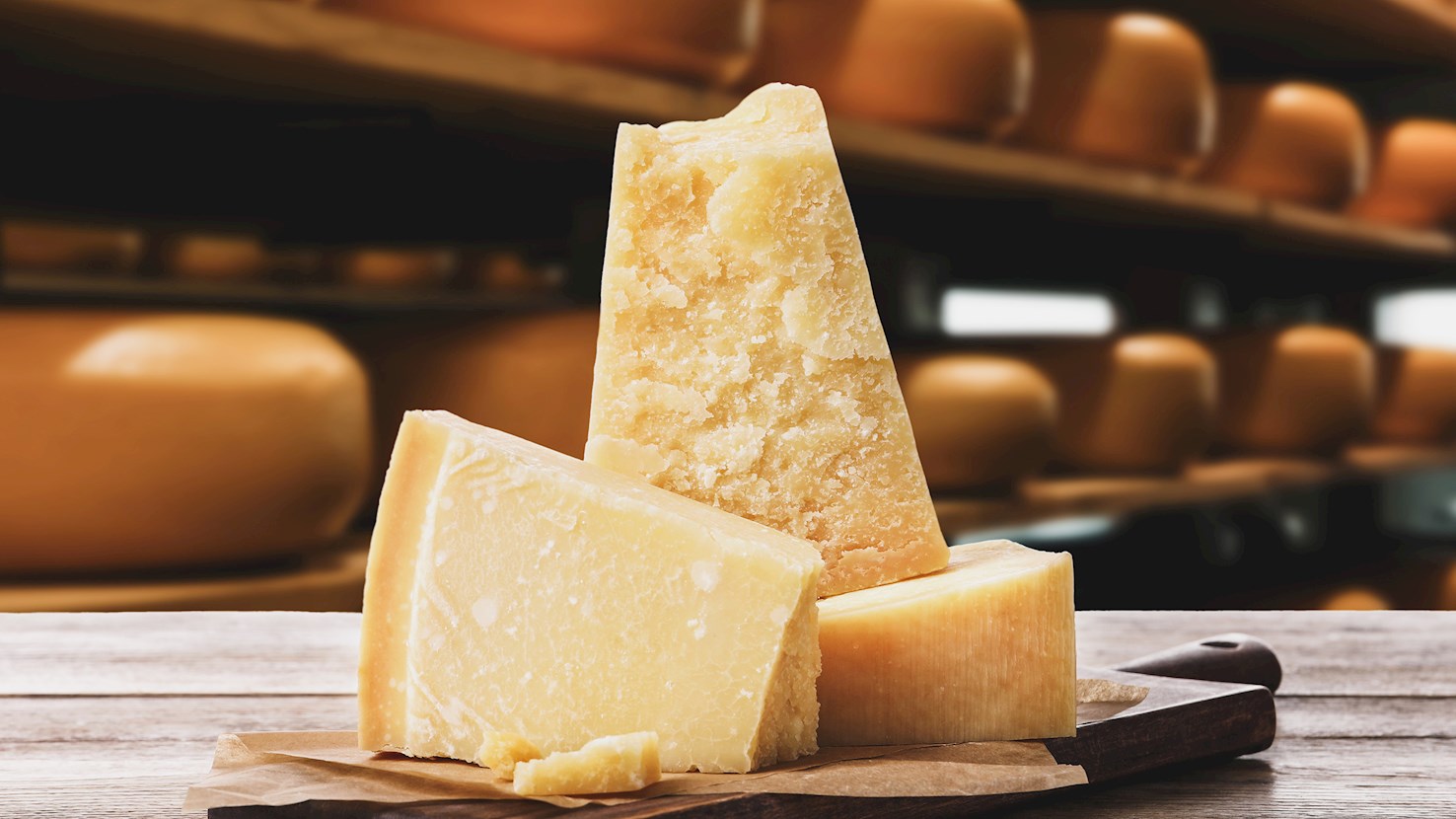
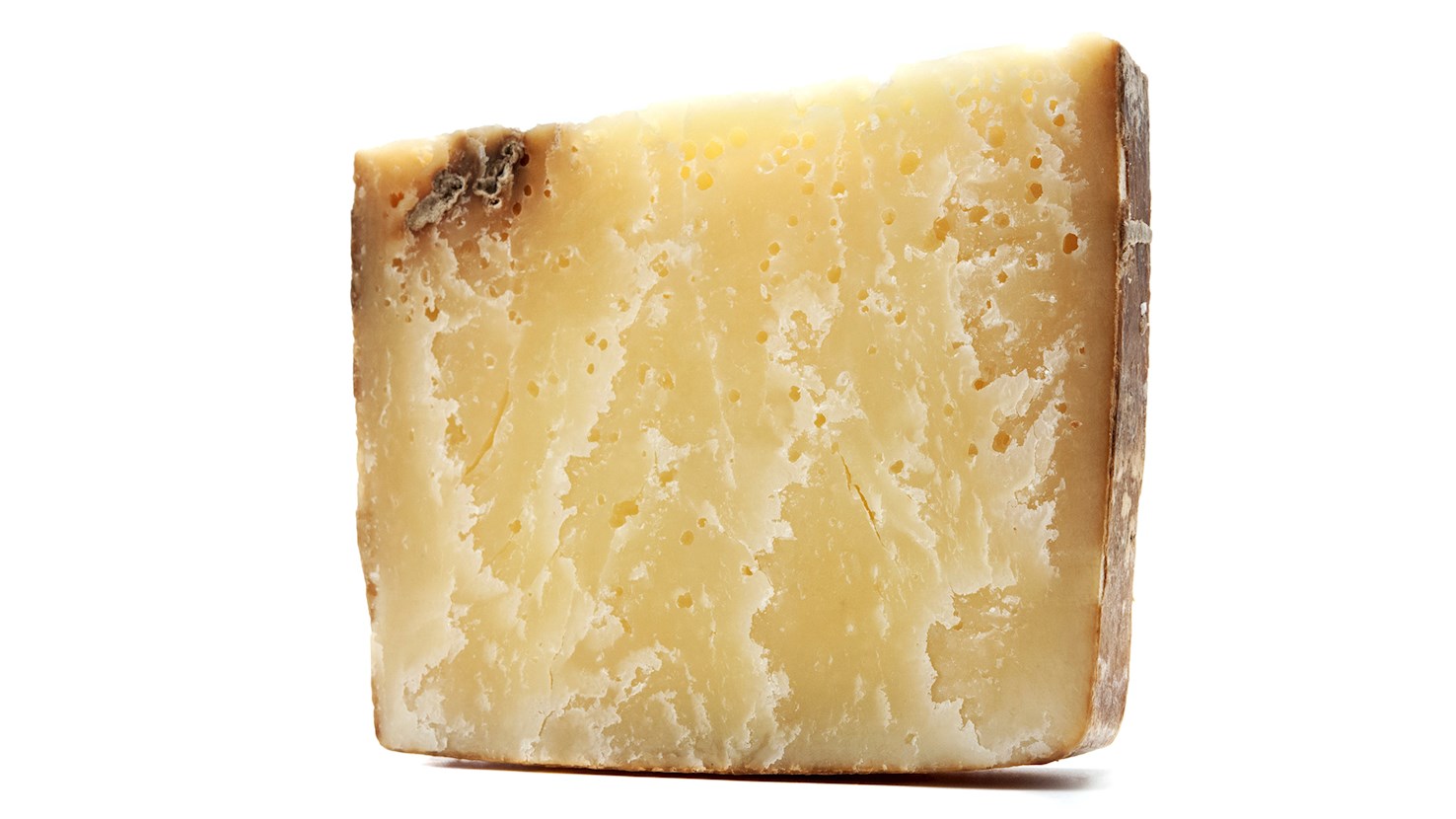
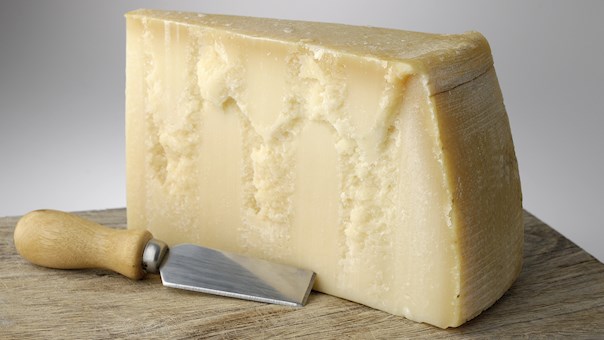
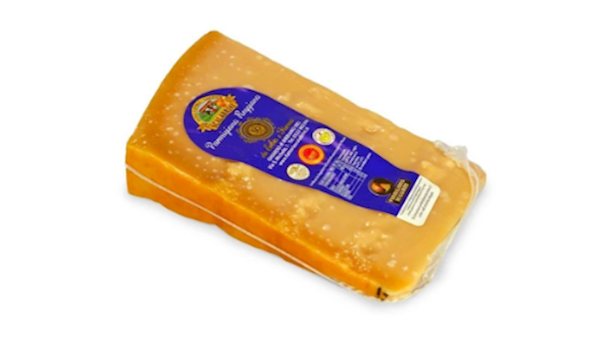
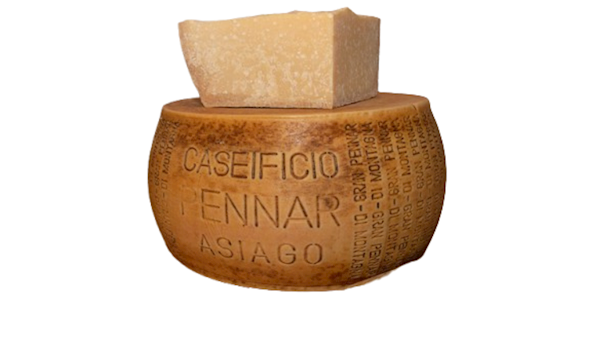
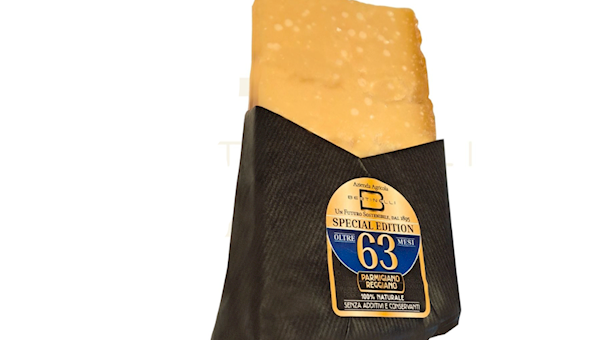
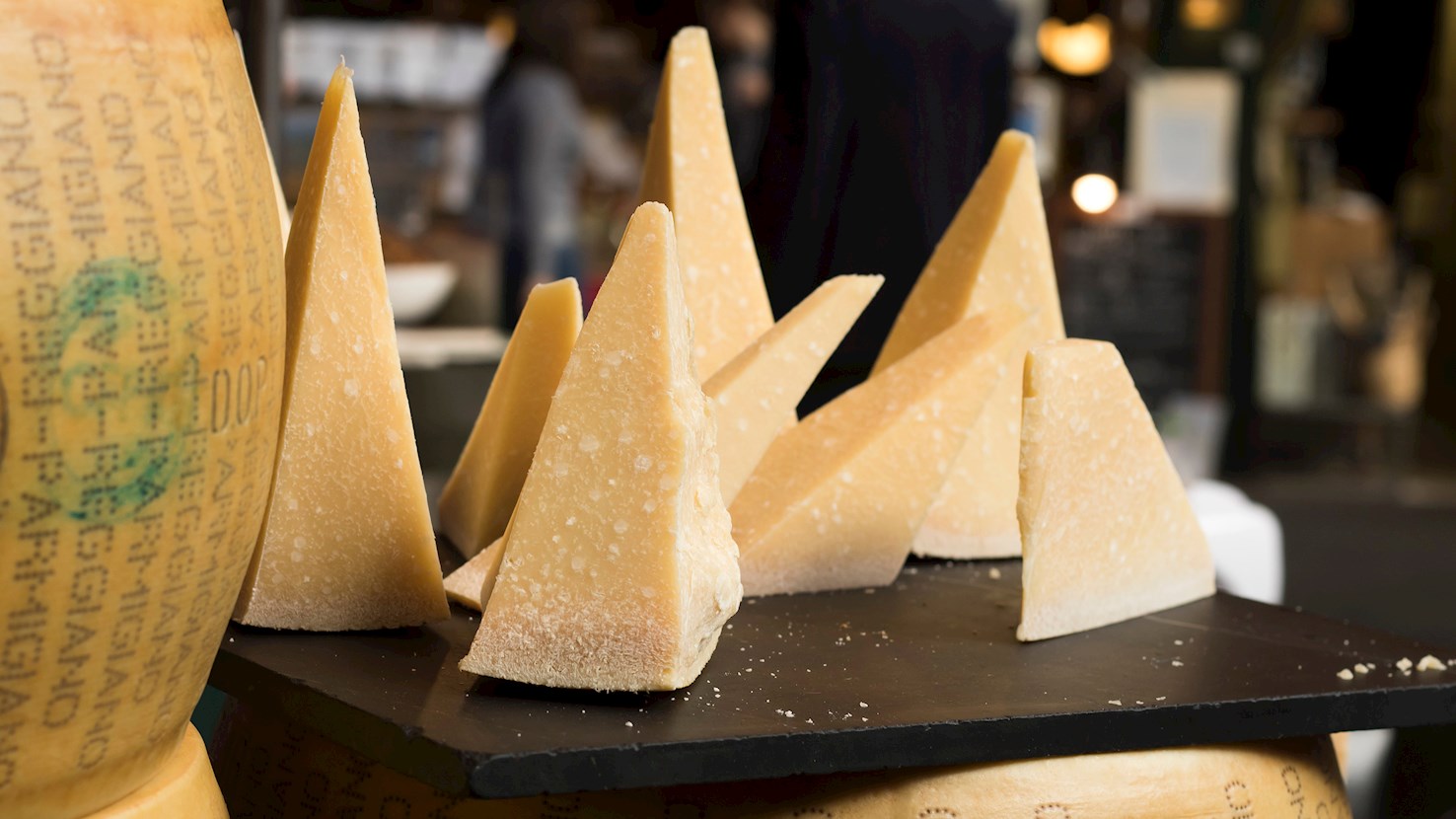
Considered to be among the world's top quality cheeses, Parmigiano Reggiano is made with raw, semi-skimmed milk from cows grazing on fresh grass and hay. It has a hard, gritty texture and its flavors range from nutty to robust and slightly piquant, depending on how long the cheese had matured. The origins of Parmigiano Reggiano date back to the Middle Ages, when the Benedictine and Cistercian monks reclaimed the Po Valley wetlands and started producing this much-prized cheese. Since it originated and was mainly produced in the two city-states Parma and Reggio Emilia, the cheese was named Parmigiano Reggiano, meaning "a cheese from Parma and Reggio Emilia." The cheese got its name in the 19th century, and the word order is speculated to be purely due to alphabetical order. Today, the cheese goes by the unofficial Parmigiano, which is because Parma started promoting this cheese as coming from Parma when it became the capital of the Duchy of Parma and Piacenza in the 16th century. Today, it is produced in the provinces of Parma, Reggio Emilia, Modena and Bologna in Emilia-Romagna, as well as in the Lombardian province of Mantua. Parmigiano is available in following varieties: Mezzano (2nd selection, aged for 12-15 months), Parmigiano Reggiano (aged for 12-24 months or longer) and Parmigiano Reggiano Extra, which needs to pass an additional quality assessment test after 18 months of aging. This particularly versatile cheese is one of the essential ingredients used in a number of classic Italian dishes; it is ideal for grating over pasta, minestrone and consommé, but it can also be enjoyed as a table cheese, typically served with crudités, salads and fresh fruit or nuts.

02

Pecorino Sardo

4.5 ·

Produced exclusively on the island of Sardinia, Pecorino Sardo is a semi-cooked, hard cheese made with whole milk from the pasture-grazing Sarda sheep. This breed is indigenous to Sardinia, raised throughout Italy and considered to be among the best domestic breeds for milk production. Highly adaptable to different terrains, Sarda sheep feed on fragrant Mediterranean shrubs, which gives Pecorino its distinctive aromatic flavor. It is available in two varieties: Pecorino Sardo Dolce (mild), a sweet and more delicate version, and Pecorino Sardo Maturo (mature), a much stronger flavored cheese that's matured for at least 2 months and pleasantly piquant. While Dolce is consumed as table cheese, often paired with fresh vegetables or grapes and pears, Maturo is typically grated over pasta dishes or enjoyed at the end of a meal and pairs wonderfully with bread, olive oil, and pine nuts.

03

Pecorino Siciliano

4.4 ·

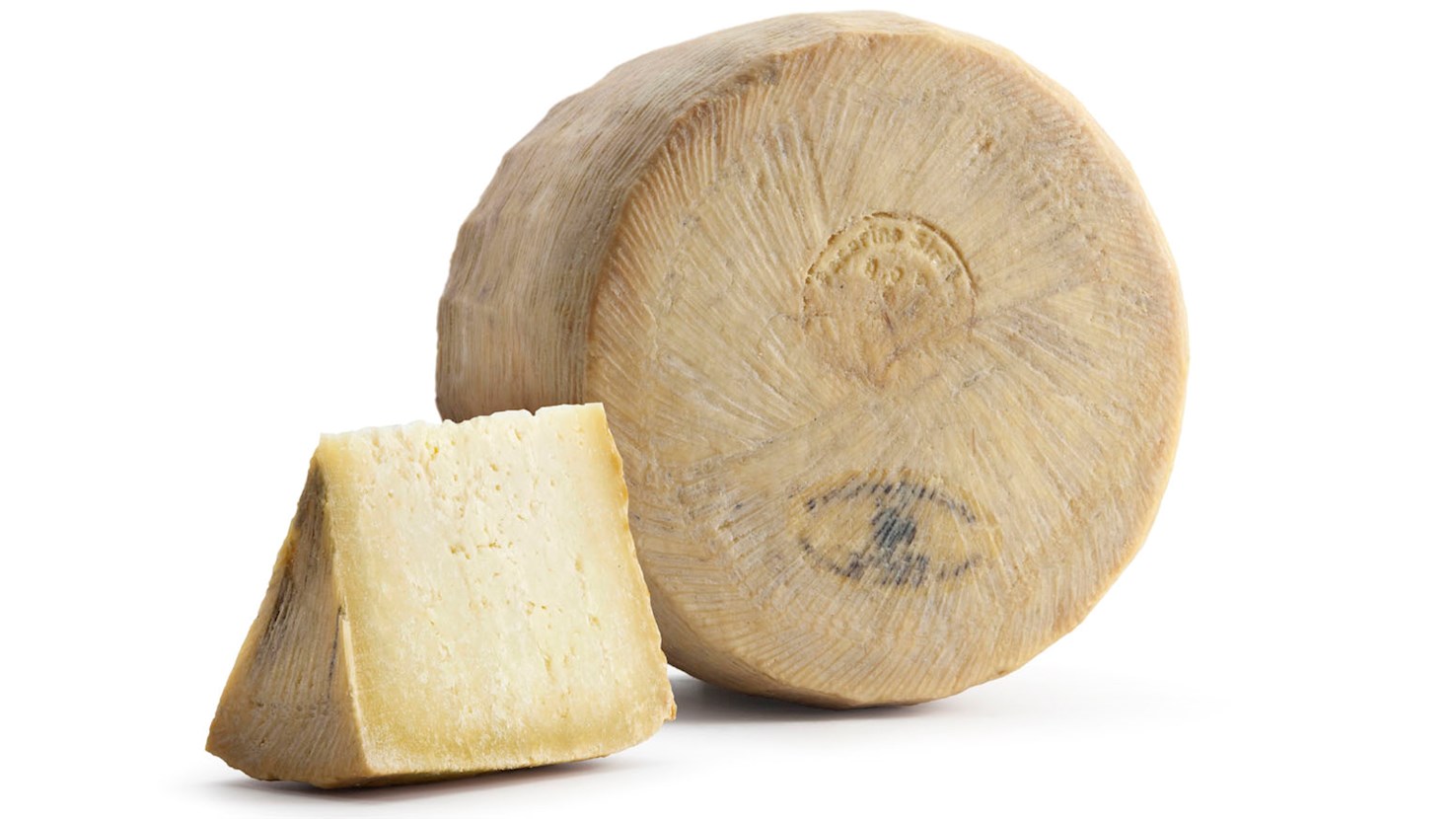
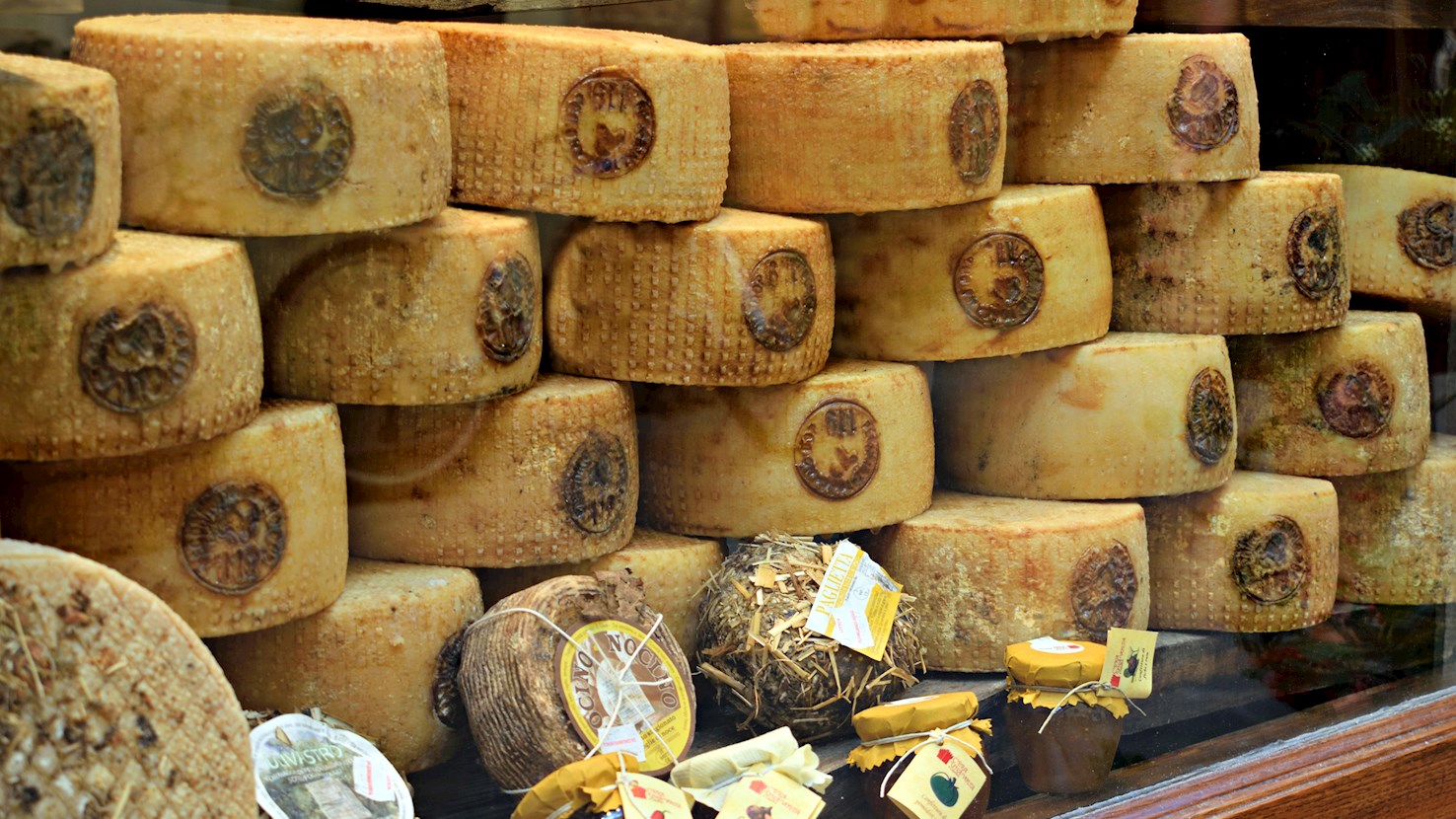
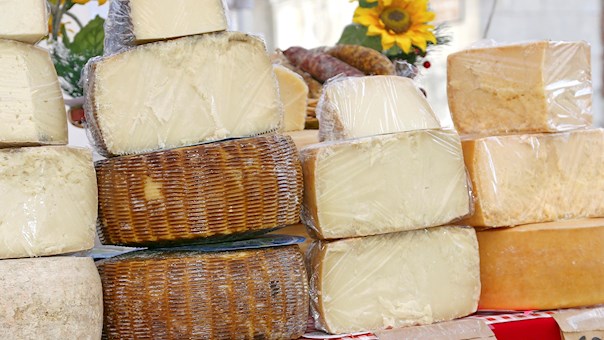
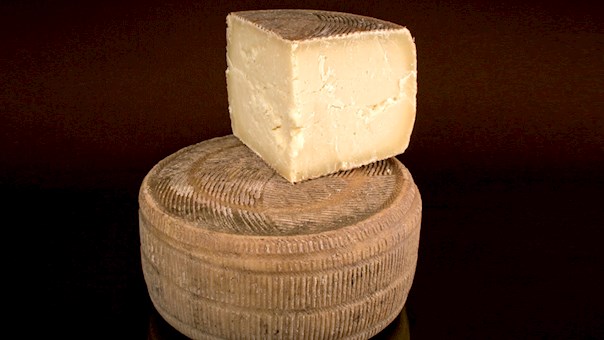
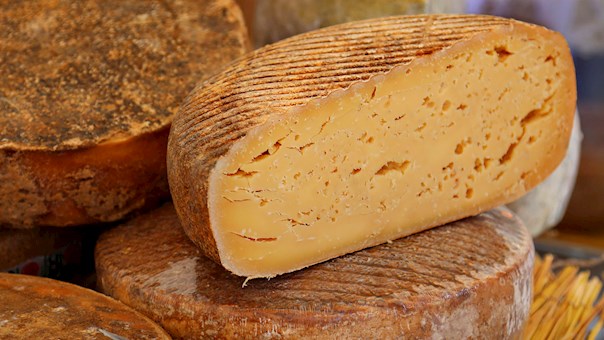
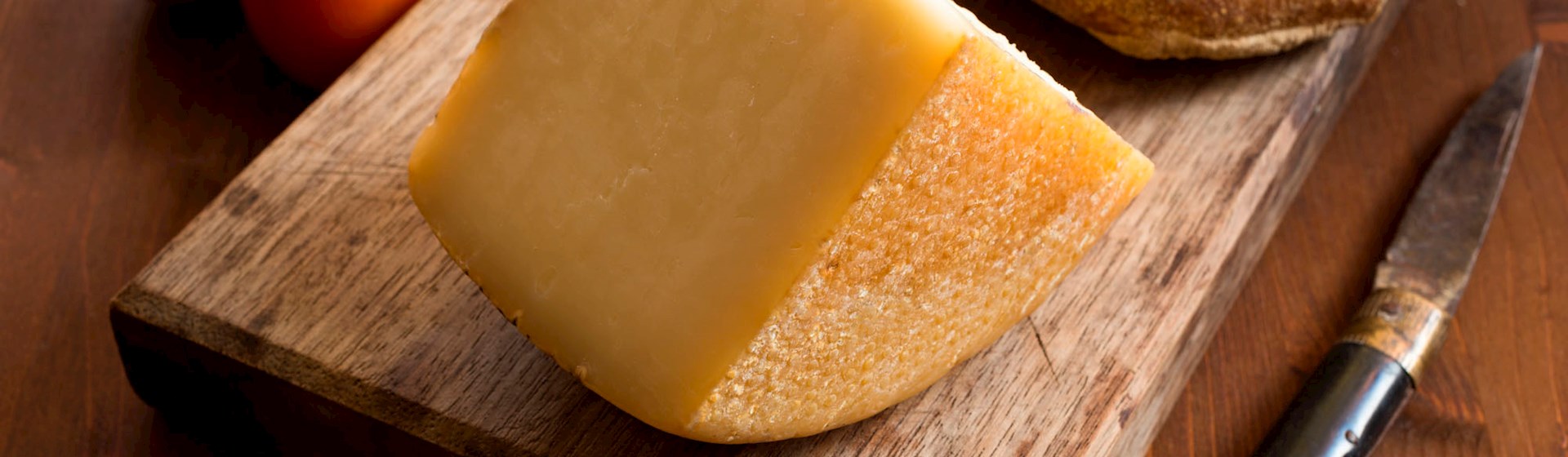
One of the oldest cheeses produced in Europe, Pecorino Siciliano is a semi-cooked, hard cheese, made with raw, whole milk from various sheep breeds reared all across the island of Sicily. Easily distinguished by the reed woven basket pattern on its rind, this type of Pecorino has a pronounced herbal aroma, and a well-balanced piquant flavor, which tends to become stronger as the cheese ripens. It is available in following varieties: Tuma, Primo Sale, Secondo Sale and Stagionato. Both fresh and semi-matured Pecorino Siciliano are great as table cheeses, typically served with bread and olives, while the more matured versions are especially good for grating and adding flavor to various pasta dishes.

04

Grana Padano

4.4 ·

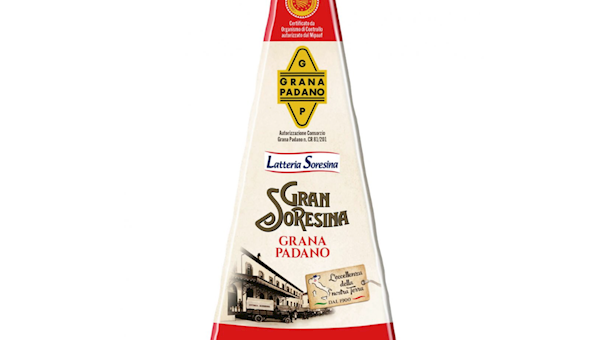
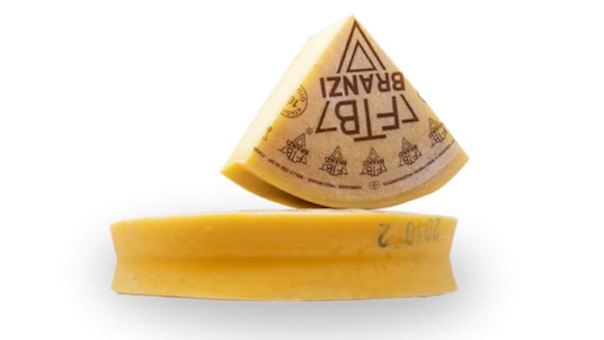
First produced in the 11th century by the Cistercian monks of the Santa Maria di Rovegnano Abbey in Chiaravalle Milanese, Grana Padano is known as one of the very few parmesan cheeses that can possibly compete with the far more famous Parmigiano-Reggiano. This hard cheese is made from unpasteurized, semi-skimmed cow’s milk and it is available in these varieties: Grana Padano, Trentin Grana, and Grana Grattugiato. It is sold at different ripening stages: Grana Padano (9-16 months), Grana Padano Oltre 16 mesi (over 16 months) and Grana Padano Riserva (over 20 months). Today, Grana Padano can be found throughout the Po Valley, namely in the regions of Lombardy, Trentino-Alto Adige, Veneto, and Emilia Romagna. As the cheese ages, the flavors become more pronounced, savory, and complex, while the texture becomes even more grainy and crumbly. It can be enjoyed either as a table cheese or it can be grated over a wide array of dishes, and while the younger versions are typically paired with white wines, Grana Padano Riserva goes hand in hand with full-bodied red wines. Regarding food pairings, Grana Padano 9-16 months should be paired with apricots and black tea, Grana Padano Oltre goes well with strawberries and pepper, while the Riserva variety tastes exceptionally well when served with pears and Madagascar vanilla. The final grading and branding of the cheeses that have passed the tests for aroma, appearance, and texture is done by the Consorzio di Tutela del Formaggio Grana Padano DOP, established in 1954. The Consorzio also protects the cheese from imitations and promotes it around the world.

05

Pecorino Romano

4.4 ·

This hard cooked cheese is made with whole milk from pasture-grazed sheep, and has a particularly salty and slightly piquant flavor. Aged for at least 5 months, Pecorino Romano makes an excellent table cheese, particularly when combined with fresh vegetables and fruit, but after eight months of aging, it is mainly used for grating over classic Roman dishes such as Bucatini all’Amatriciana, Rigatoni alla Carbonara, Spaghetti Cacio e Pepe, and Tripe alla Romana. The origins of Pecorino Romano can be traced back to the Roman Empire, when cheese processing methods were first described by some of ancient Rome's most important writers on agriculture: Varrone, Columella, Virgilio and Pliny the Elder. In 227 BCE, the production of this renowned cheese spread to the neighboring island of Sardinia, where even today almost 90% of Pecorino Romano is produced, while the remaining 10% comes from Lazio and the Tuscan province of Grosseto.

06

Canestrato di Moliterno

4.3 ·

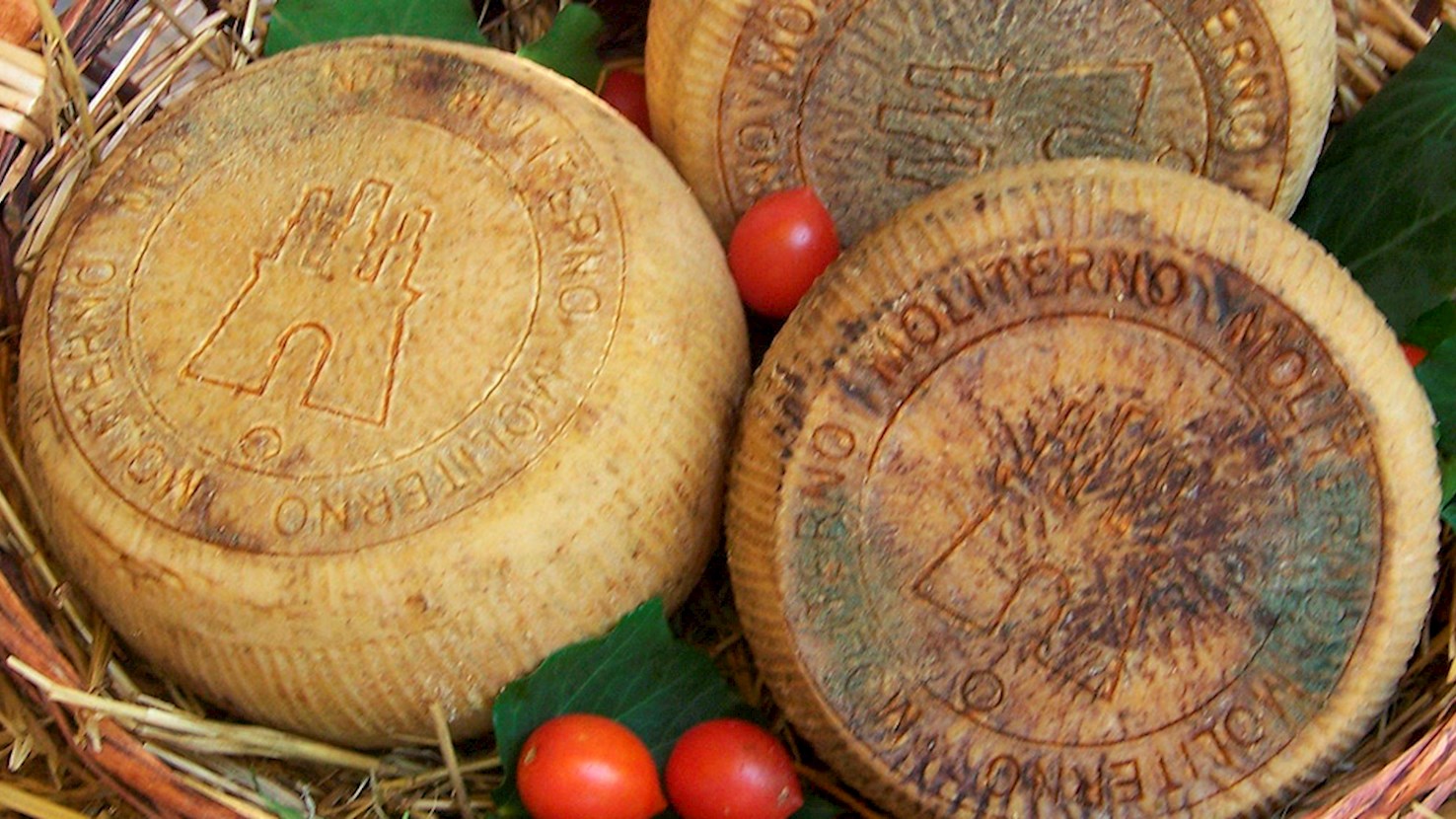
Produced in the region of Basilicata, Canestrato di Moliterno is made from whole goat's and sheep's milk. It is matured in the so-called fondaci, a type of dry, cold, but well-ventilated semi-underground warehouse typical for the Moliterno area. Depending on the length of maturation, this hard Italian cheese can be either quite sweet or piquant in flavor, and it can be found marketed in three different varieties: Primitivo, ripened for up to 6 months; Stagionato, ripened for up to 12 months, and Stravecchio, ripened for over a year.

07

Bitto

4.2 ·

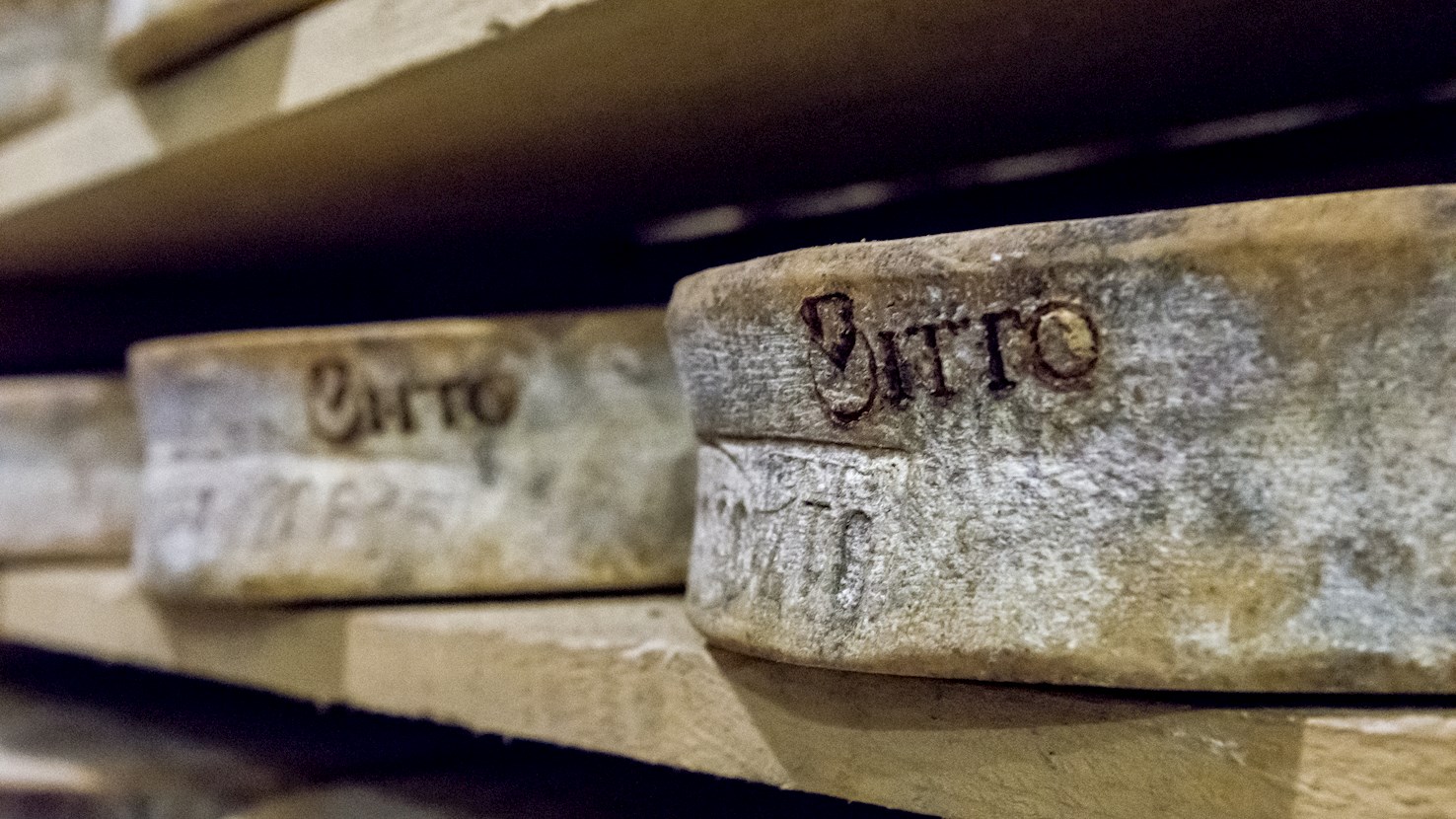
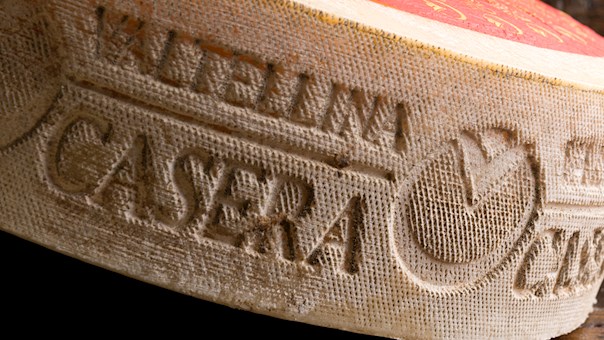
Certainly the finest and most well-known cheese of Valtellina valley, Bitto is a semi-hard or hard cheese, sold after it has been aged anywhere from 40 days to 3 years. The ancient production technique of this iconic Lombardian cheese dates back to the Celts, who were expert shepherds and dairymen. Having been forced off the plains by the Romans, they found refuge in the mountainous region of Valtellina. Bitto is made from cow's milk with the addition of 10-20% of goat's milk. Young bitto is called giovane and it is soft in texture, white in color, and has a sweet flavor, similar to Gruyère. As it ages, it gets crumbly and small white dots appear on the rind. After a year of aging, it turns yellowish, has quite a sharper taste, and is typically used for grating. Thanks to its unique feature of long-term preservation, if conserved and matured well, the best Bitto cheeses can be kept for over 10 years!

08

Ragusano

4.1 ·

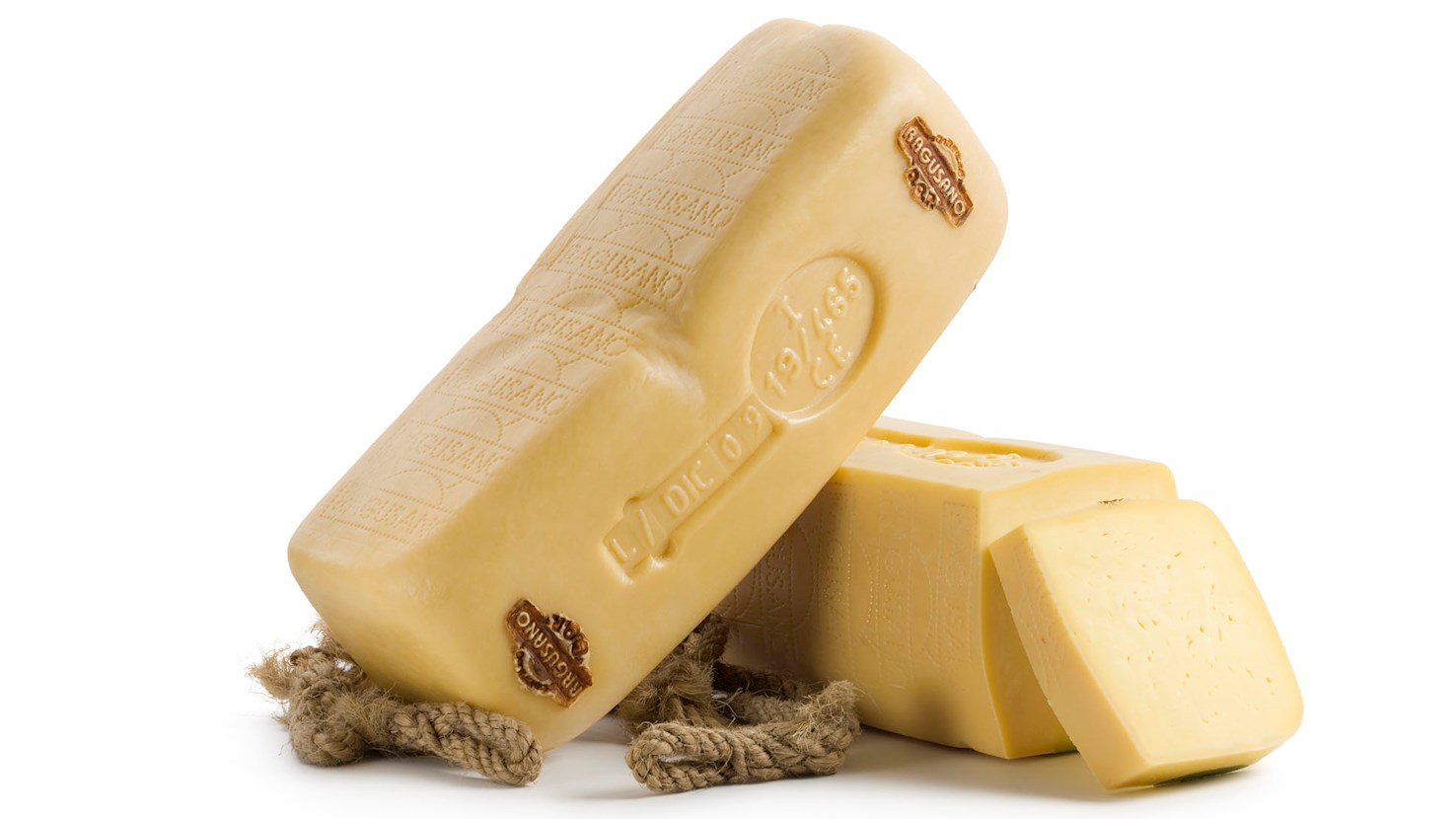
Just as the name might indicate, Ragusano originates from the provinces of Ragusa as well as the neighboring Siracusa, and it is one of the oldest cheeses produced in Sicily, first mentioned in the early 1500s. This semi-hard cheese is made from whole milk from the free-range grazing Modicana cows, and produced with the so-called pasta filata technique (stretched curd). Originally known by the name of Caciocavallo, in times where milk from other breeds is used due to the scarcity of Modicana milk, the cheese is also called Cosacavaddu Ibleo or Cosacavaddu Rausanu. Ragusano is sold in rectangular blocks, at different stages of aging. The young, fresh Ragusano tastes sweet, pleasant and delicate; and it is traditionally eaten as a table cheese, while the ones ripened for more than 6 months tend to become spicier with age, a bit harder and more suitable for grating. There's also a smoked version called Ragusano Affumicato. All of them pair particularly well with full-bodied red wines and aged dark beers.

09

Pecorino di Pienza

4.1 ·

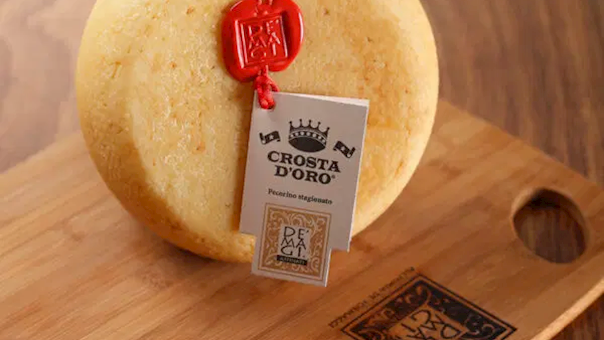
Pecorino di Pienza is a traditional variety of Pecorino produced in Pienza in the province of Siena. The cheese is made from sheep's milk and comes in a few versions – some are young, some covered in straw, some rubbed with ash, and some are pressed with tomatoes. The young version is semi-ripened and colored with tomato juice on the rind, while the aged version has a black rind. The cheese is not spicy as other Pecorino types because veal rennet is used instead of kid goat rennet. Pecorino di Pienta is aged for 30 days, when it's still fresh and soft, ideal for melting of grilling, while the other versions are aged from 2 to 5 months. The flavors are best described as sweet and complex.

10

Bagoss

4.1 ·

Bagoss is a unique Italian cheese produced in a small village called Bagolino. It is made from the Bruna Alpina cow's milk, and during the curd breaking, saffron is added to the cheese, resulting in typical straw yellow color of the body. The cheese is aged for at least 12 months, but it can be left to mature for up to 3 years. Its rind is smooth, while the aromas are reminiscent of freshly cut grass. The flavor is savory, slightly spicy, and piquant. Bagoss should always be consumed at room temperature so that the hints of chestnuts and walnuts can be fully experienced and appreciated. It's recommended to pair the cheese with full-bodied aged red wines and young sparkling wines. Bagoss is often used as a filling for savory dishes, but it can also be grated over pasta, soups, or risottos. For the best experience, let it slowly melt over a slice of piping hot polenta.

Best Italian Hard Cheeses
01

Grana d'Oro

5 ·
Grana d’Oro is a family-run dairy from Cavriago, in the heart of Emilia-Romagna, dedicated for generations to producing Parmigiano Reggiano from the milk of the rare and native Rossa Reggiana cows. At a time when many abandoned this breed for higher-yielding alternatives, the Catellani family remained committed to its preservation, recognizing its unique value and the exceptional quality of its milk. Their Parmigiano Reggiano carries the soul of the land – a rich, layered flavor and aroma born from cows grazing on the polyculture meadows typical of the Val d’Enza valley. Each wheel of cheese is a blend of nature, tradition, and devoted craftsmanship, proving that true quality comes from patience and respect for both the land and the animals. Grana d’Oro is not just a cheese producer, but a guardian of Emilia-Romagna’s cultural and gastronomic heritage.
Awards
World Cheese Awards - Super Gold (2021)
World Cheese Awards - Gold (2021)
02

Caseificio Il Fiorino

4.9 ·
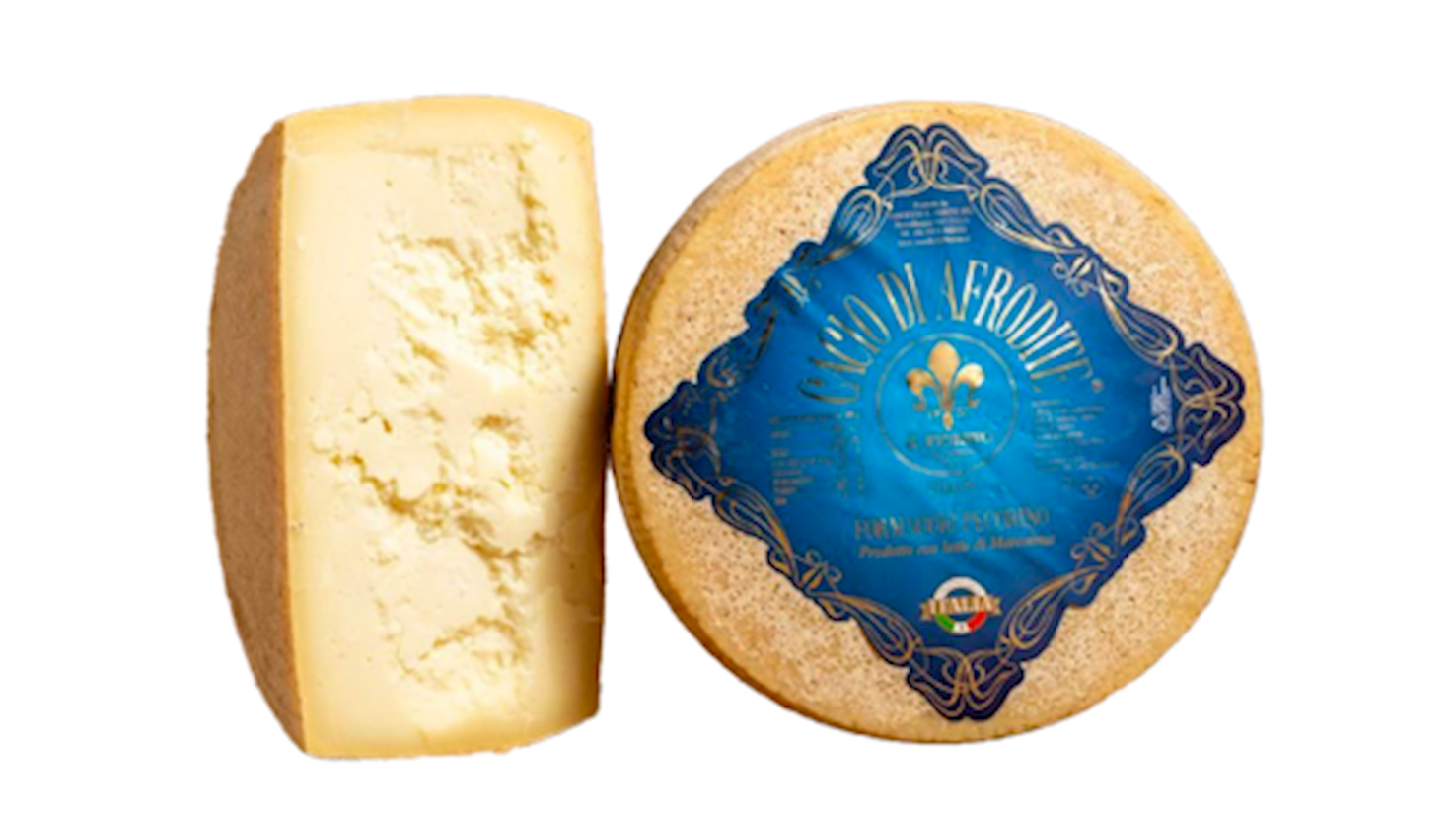
Caseificio Il Fiorino is a prestigious Italian dairy company located in the heart of Tuscany, specifically in the Maremma region. Established in 1957, Il Fiorino has grown into one of the most celebrated producers of pecorino cheese, earning recognition both in Italy and abroad for its exceptional quality and craftsmanship. The company is deeply committed to preserving traditional methods of cheesemaking while embracing modern practices to ensure a sustainable and high-quality production process. At Caseificio Il Fiorino, the production of cheese is an artisanal process that values authenticity and craftsmanship. The company produces a wide range of cheeses, with a strong focus on pecorino, which is made from sheep’s milk sourced from local farms. The milk is carefully selected to ensure it is of the highest quality, and the cheesemaking process takes place in small batches to maintain the integrity and flavor of each product. The cheeses are made by hand, with skilled cheesemakers monitoring every stage of production.
Awards
Culture Cheese Magazine Best Cheeses issue - Best (2023)
World Cheese Awards - Super Gold (2022)
03

Caseificio Garau

4.9 ·
Awards
World Cheese Awards - Super Gold (2024)
World Cheese Awards - Gold (2024)
04

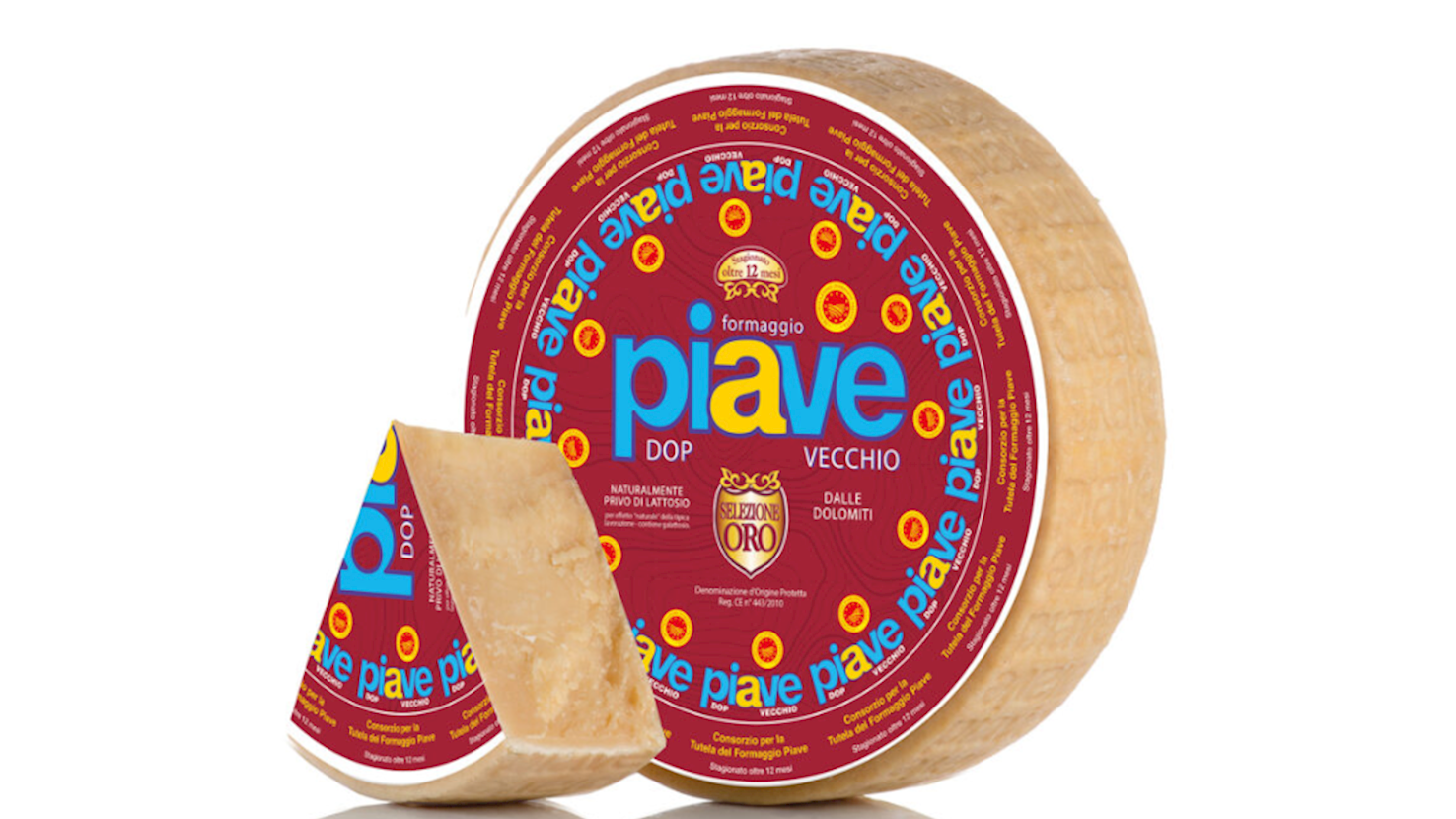
Lattebusche

4.9 ·
Lattebusche is a well-known Italian dairy cooperative based in the town of Busche (municipality of Cesiomaggiore) in the province of Belluno. Founded in 1954 as a local milk processing cooperative, it is now considered one of the leading dairy producers in northern Italy. The cooperative operates several production facilities, including dairies in Busche, Sandrigo, Resana, and Chiusa di Pesio, where a wide variety of cheeses, butter, milk, and other dairy products are made, mostly from milk supplied by local farmers. Lattebusche places strong emphasis on the quality of raw materials, product traceability, and sustainable practices in agriculture and milk processing. Its products often carry DOP (Denominazione di Origine Protetta) certifications, which guarantee the authenticity of origin and traditional production methods.
Awards
Global Cheese Awards - Best (2021)
World Cheese Awards - Gold (2022)
05

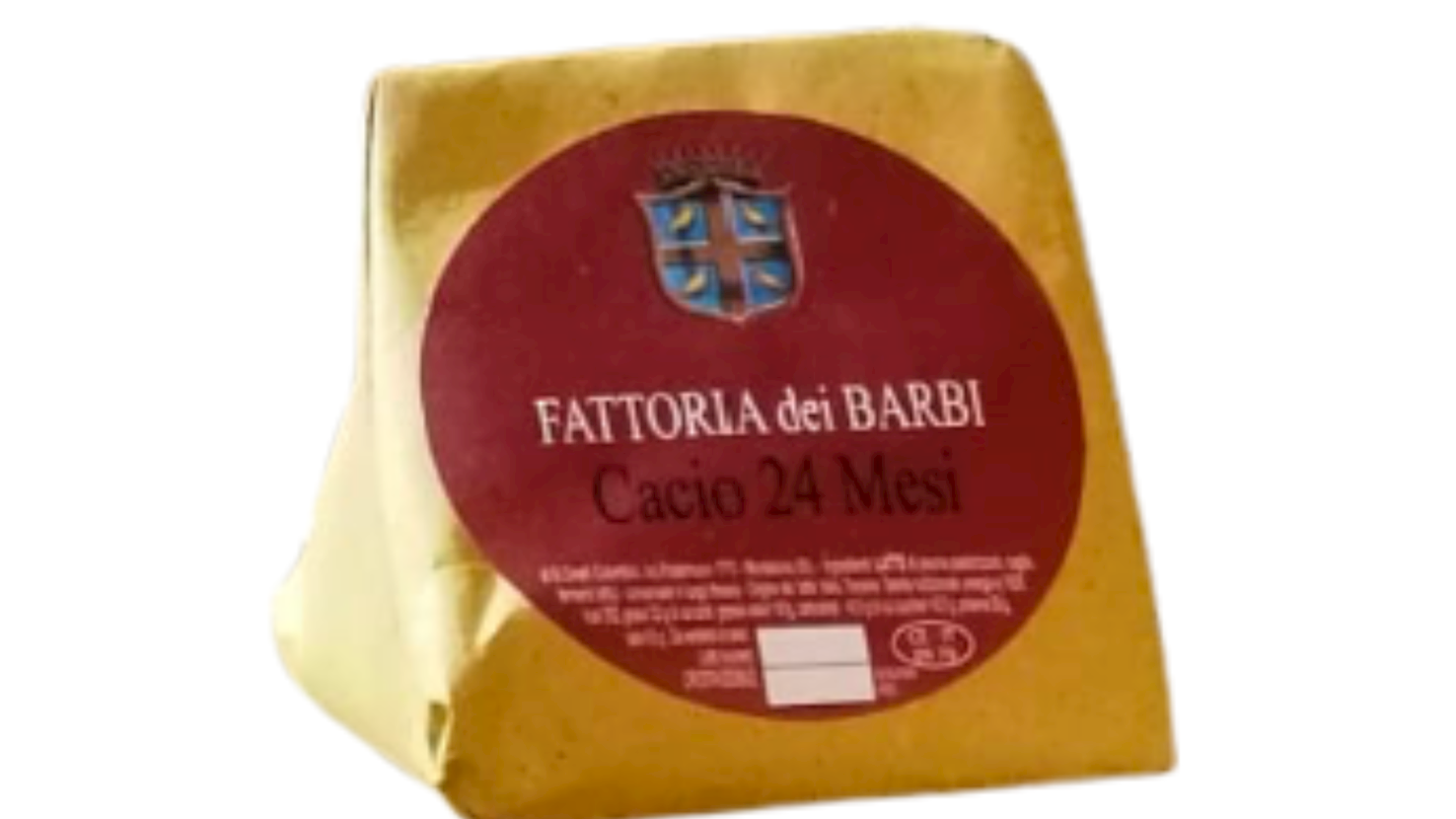
Caseificio dei Barbi

4.9 ·
Awards
Concours International de Lyon - Gold (2025)
World Cheese Awards - Gold (2024)
06

Latteria Sociale Moderna

4.9 ·
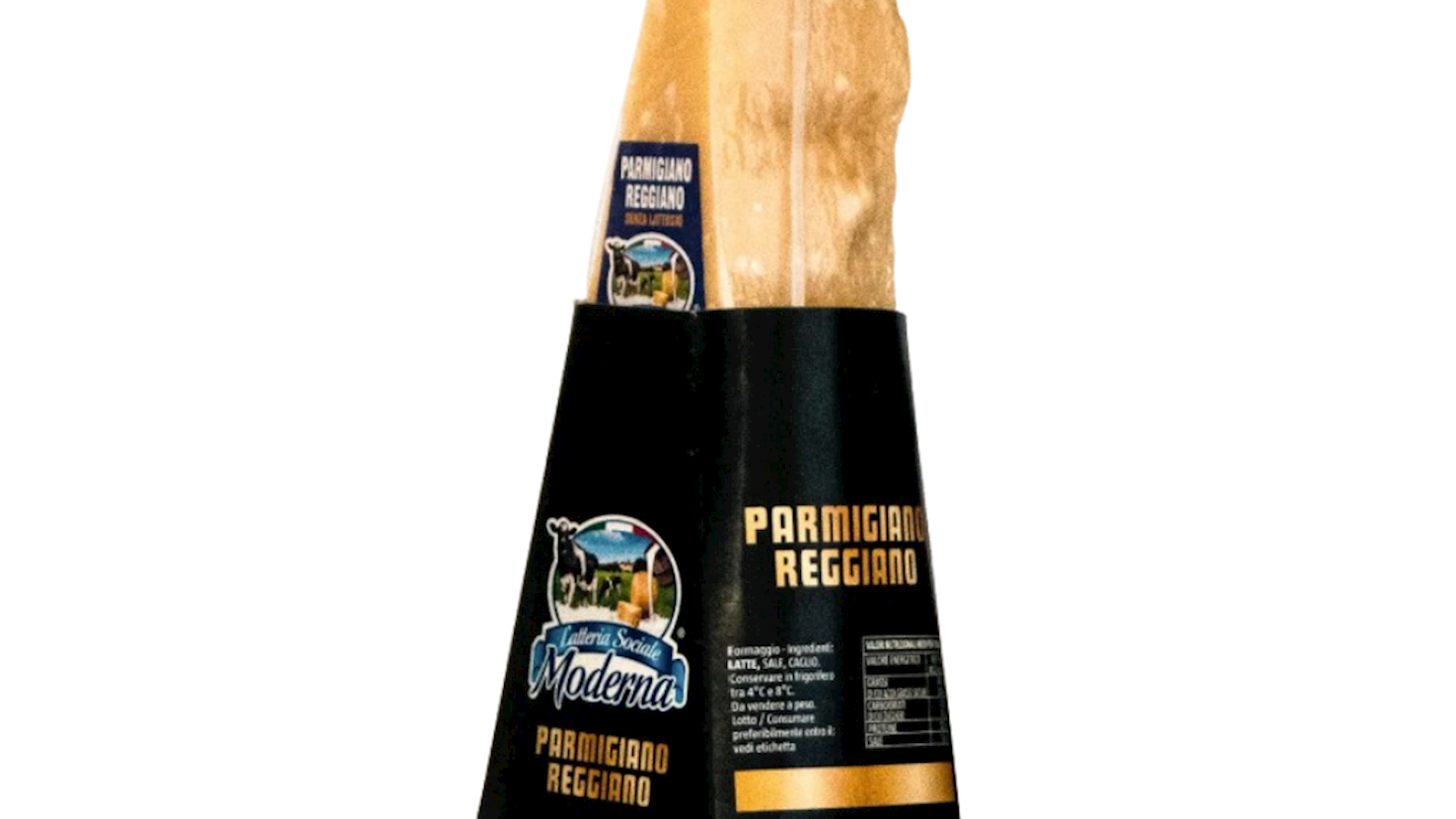
Latteria Sociale Moderna is an agricultural cooperative based in Bibbiano, in the Reggio Emilia region of Italy, renowned for its production of authentic Parmigiano Reggiano cheese. Founded in 1967, the cooperative brings together local milk producers who work collectively to preserve the traditional methods of cheesemaking, passing down knowledge and skills through generations. The cooperative strictly adheres to the production guidelines for Parmigiano Reggiano, using only three essential ingredients: raw cow’s milk, rennet, and salt. The aging process lasts a minimum of 12 months but is often extended to 24, 30, or even 40 months, resulting in a rich and complex flavor. In addition to Parmigiano Reggiano, the cooperative also produces other dairy products such as ricotta and yogurt, as well as cured meats typical of the Emilia-Romagna region.
Awards
World Cheese Awards - Super Gold (2024)
World Cheese Awards - Gold (2023)
07

Caseificio Rosola

4.9 ·
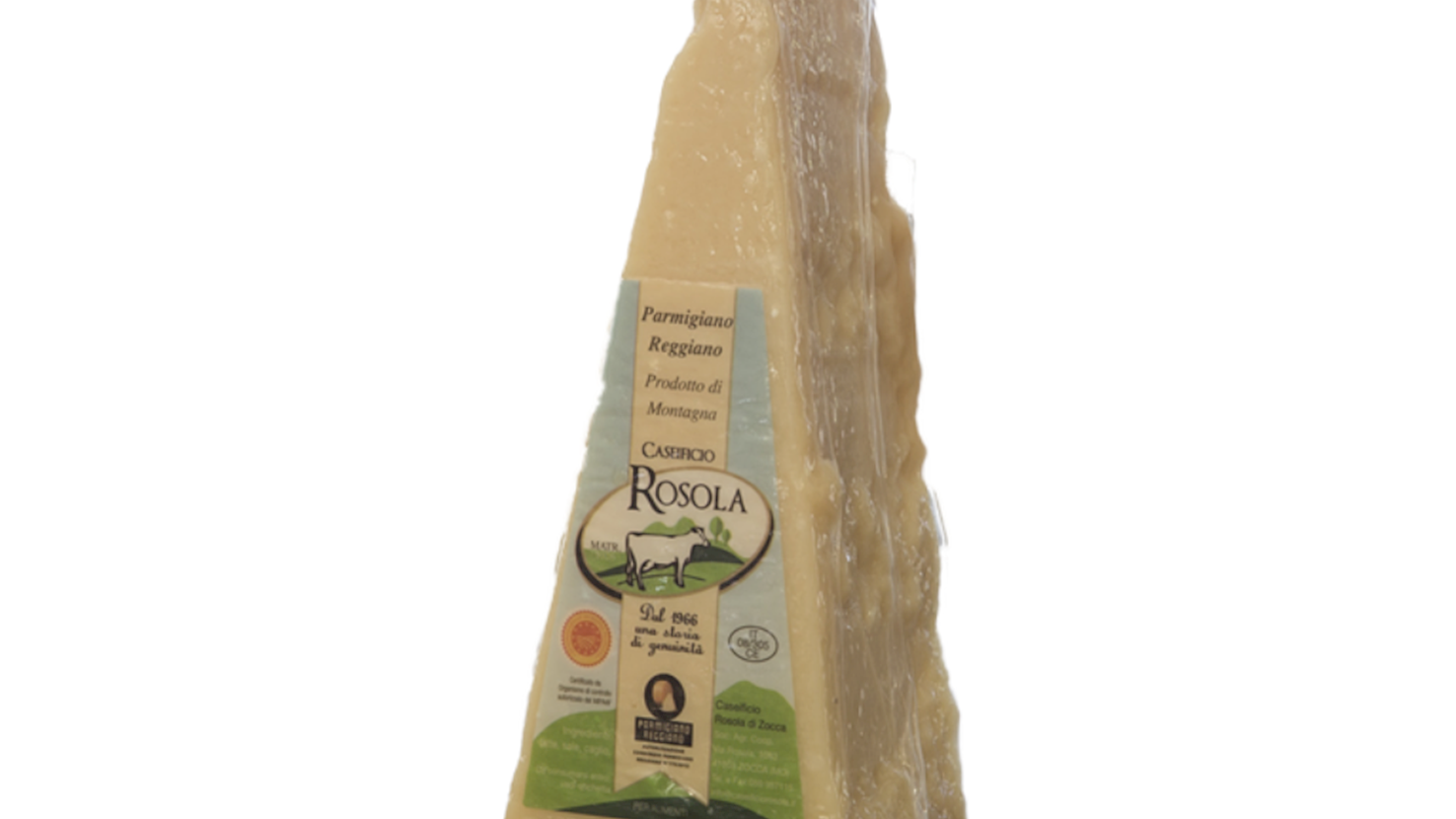
Caseificio Rosola is a cooperative founded in 1966 in the homonymous village located in the municipality of Zocca, in the province of Modena, Italy. It was established by local farmers with the aim of processing their milk directly on-site, preserving the authenticity and quality of their products. Today, the cooperative consists of eight members who continue the legacy of their ancestors, combining artisanal methods with modern practices to produce cheeses of distinctive taste and exceptional quality. One of Caseificio Rosola’s most important initiatives is the preservation and promotion of the indigenous cattle breed Bianca Modenese, which was once on the verge of extinction. Since 2005, the cooperative has been using the milk from this breed to produce Parmigiano Reggiano DOP, contributing to the conservation of biodiversity and local tradition. The milk from Bianca Modenese cows is rich in proteins, making it ideal for producing cheeses with intense aromas and complex textures. Their product range includes various types of Parmigiano Reggiano aged from 22 to 60 months, as well as other traditional cheeses. Caseificio Rosola has received numerous accolades, including the Super Gold medal at the World Cheese Awards for their Parmigiano Reggiano PDO 30 months aged, highlighting their commitment to excellence and tradition.
Awards
World Cheese Awards - Super Gold (2021)
08

Nuova Castelli

4.8 ·
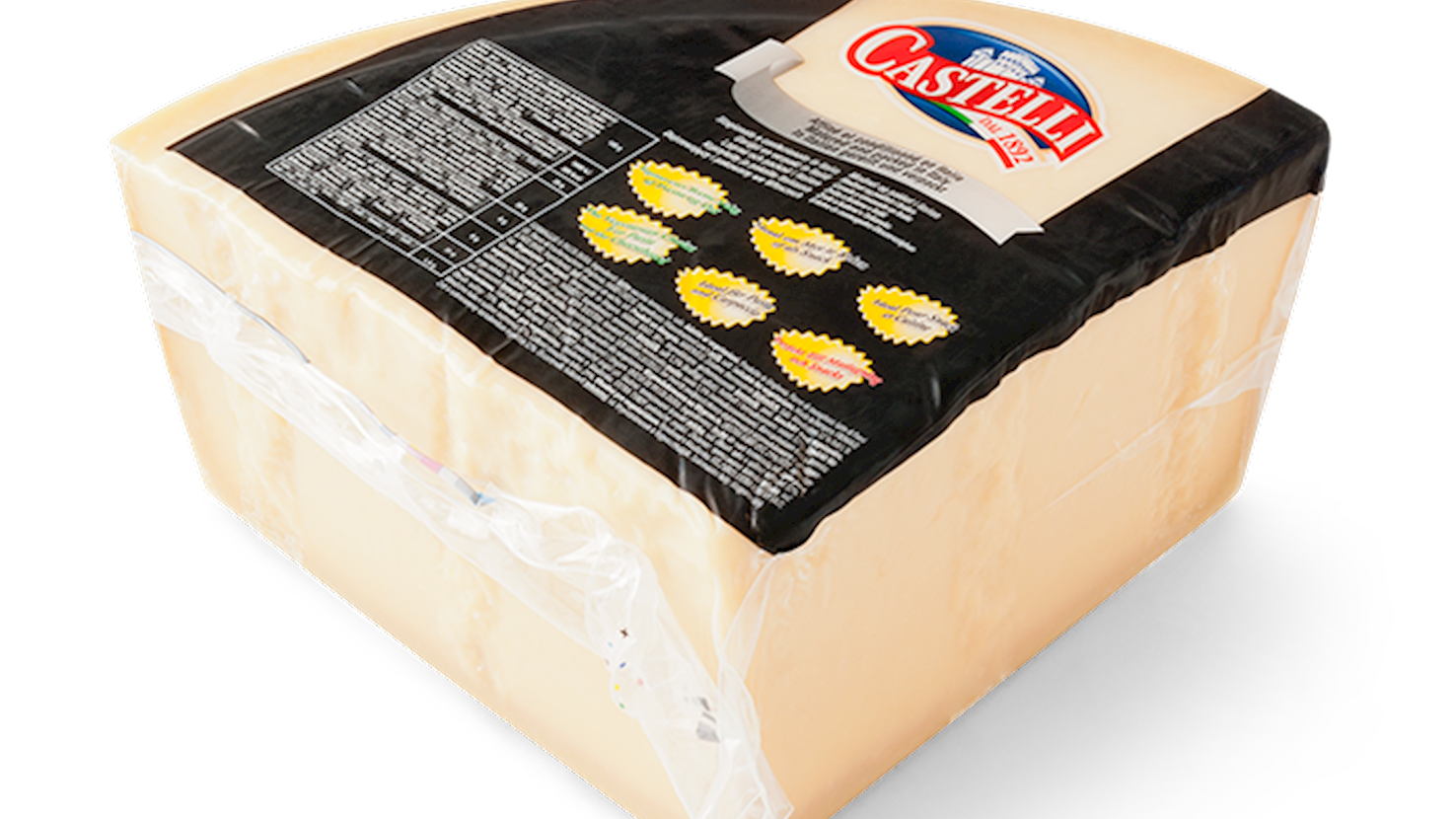
Nuova Castelli, based in Reggio Emilia, Italy, specializes in the production and distribution of Italian cheeses, including PDO (Protected Designation of Origin) products such as Parmigiano Reggiano and Gorgonzola. The company was established in 1892 and has expanded its operations internationally, exporting Italian cheeses to various markets around the world. Nuova Castelli supports traditional cheese-making techniques while also implementing modern technologies to ensure quality and sustainability.
Awards
Global Cheese Awards - Best (2024, 2018)
World Cheese Awards - Super Gold (2023)
09

Latterie Vicentine

4.8 ·
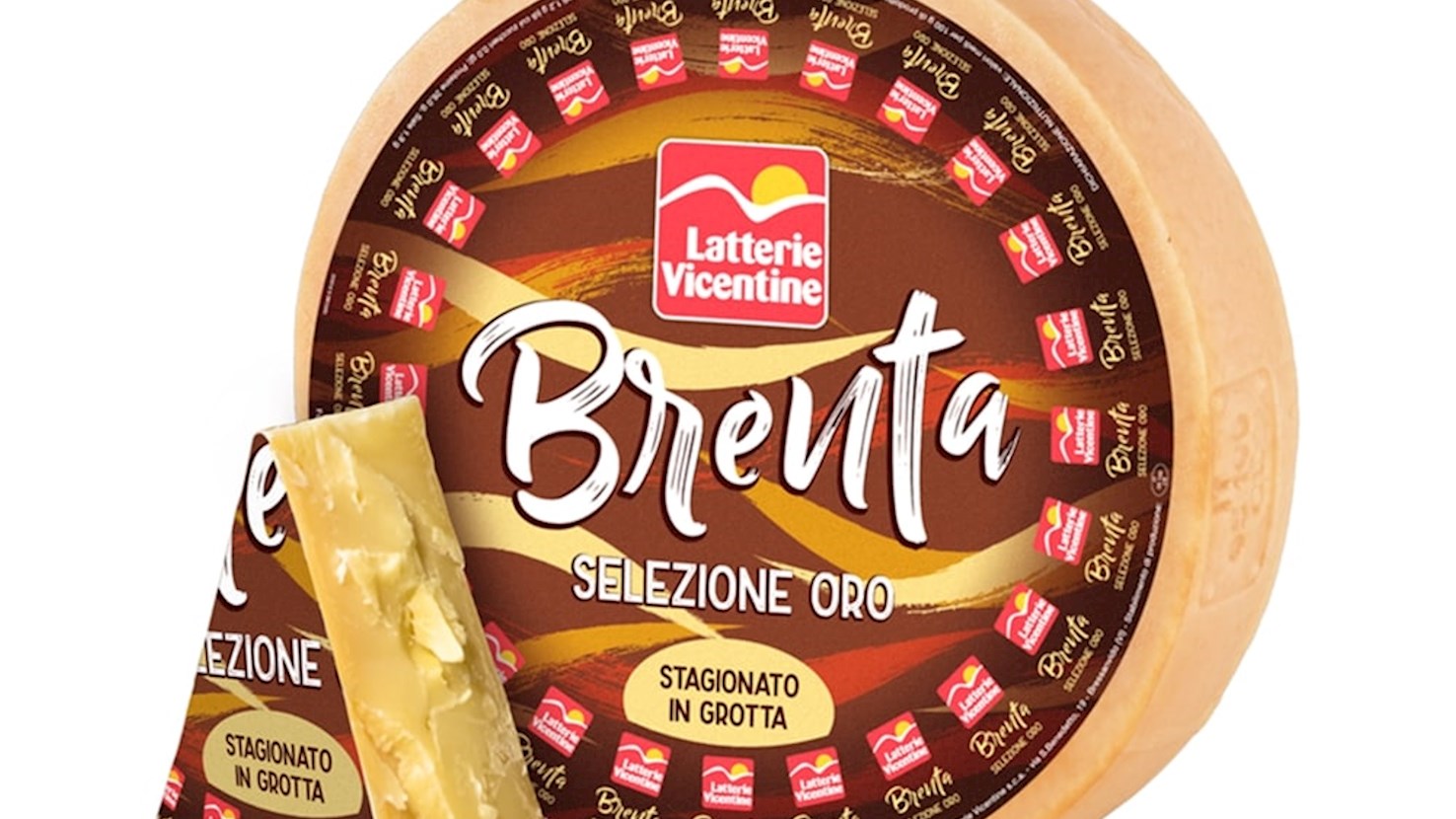
Latterie Vicentine is a cheese producer based in Vicenza, Italy. It specializes in producing a variety of cheeses, leveraging local milk sources to create products that emphasize the region’s traditional flavors and techniques. This cooperative structure supports local dairy farmers by providing a stable market for their milk, fostering community economic stability and sustainability.
Awards
World Cheese Awards - Gold (2024, 2023, 2021)
Italian Cheese Awards - ICA (2022)
10

Caseificio Lacesa

4.8 ·
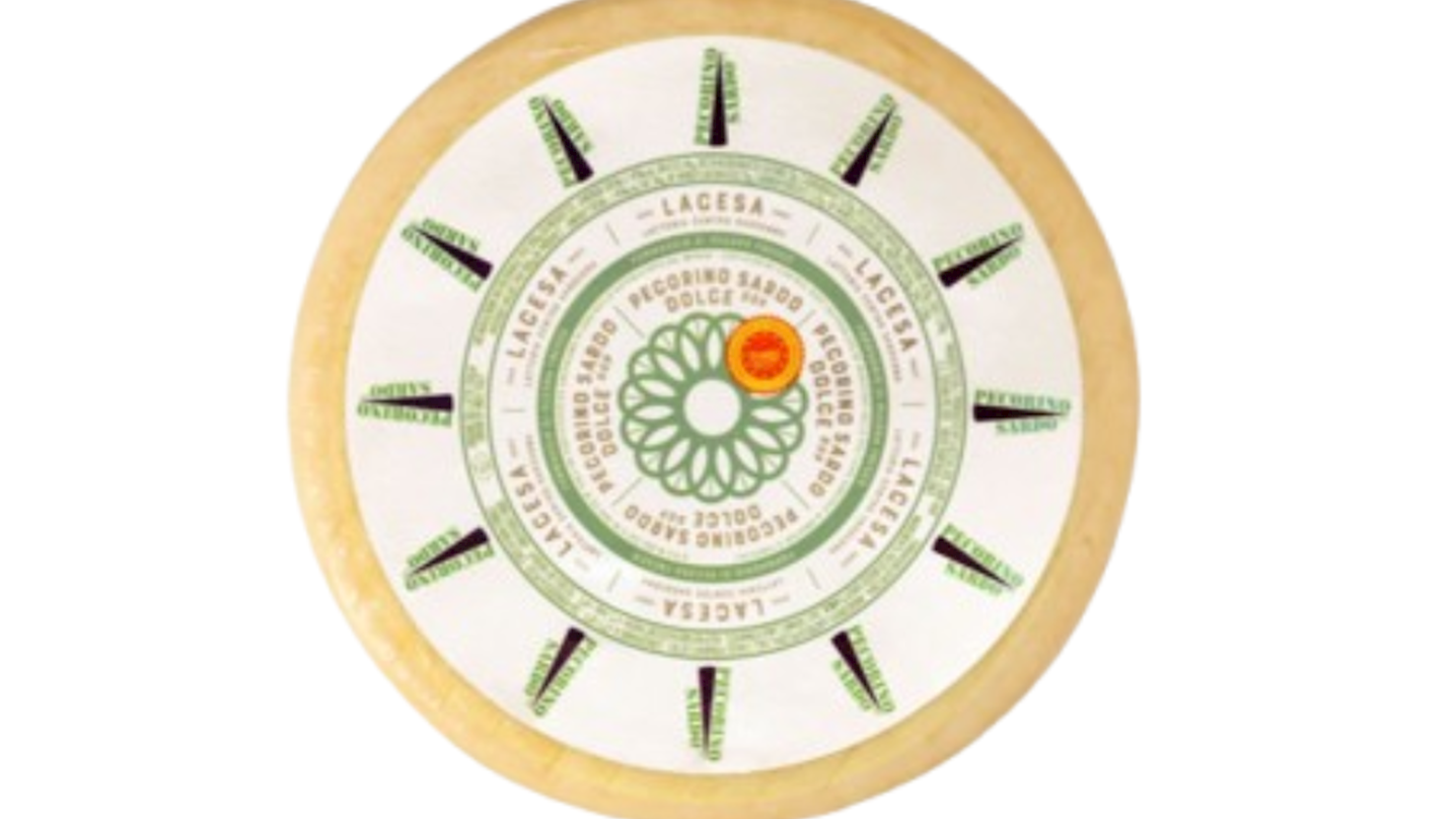
Caseificio Lacesa is a renowned dairy cooperative founded in Bortigali, in the heart of Sardinia. It was established through the union of local livestock farmers with the aim of preserving and promoting the traditional Sardinian art of cheesemaking. Over the years, Lacesa has become one of the island’s leading cheese producers, known for the high quality of its products and its commitment to safeguarding local gastronomic heritage. Lacesa uses milk from sheep, cows, and goats that graze naturally on the region’s aromatic pastures. This practice contributes to the unique flavor and quality of their cheeses. The cooperative specializes in the production of traditional Sardinian cheeses such as Fiore Sardo DOP, Pecorino Romano DOP, Pecorino Sardo, as well as a variety of mixed-milk and cow’s milk cheeses. Combining traditional production methods with modern technology, Lacesa ensures high standards of quality and safety. Their products are recognized and appreciated both nationally and internationally, contributing to the promotion of Sardinia’s rich cheesemaking tradition.
Read more
View all
View map
About this ranking

TasteAtlas food rankings are based on the ratings of the TasteAtlas audience, with a series of mechanisms that recognize real users and that ignore bot, nationalist or local patriotic ratings, and give additional value to the ratings of users that the system recognizes as knowledgeable. For the “Top 60 Italian Hard Cheeses” list until May 30, 2026, 4,276 ratings were recorded, of which 3,166 were recognized by the system as legitimate. TasteAtlas Rankings should not be seen as the final global conclusion about food. Their purpose is to promote excellent local foods, instill pride in traditional dishes, and arouse curiosity about dishes you haven’t tried.

The initial list of top producers was compiled based on available reviews, awards, local recommendations, media and blog coverage, and consumer reviews. The list will be updated with ratings from TasteAtlas local ambassadors and TasteAtlas users.

Similar lists