Top 29 Danish Alcoholic Beverages

Last updated on June 02, 2026

Best Danish Alcoholic Beverages
01

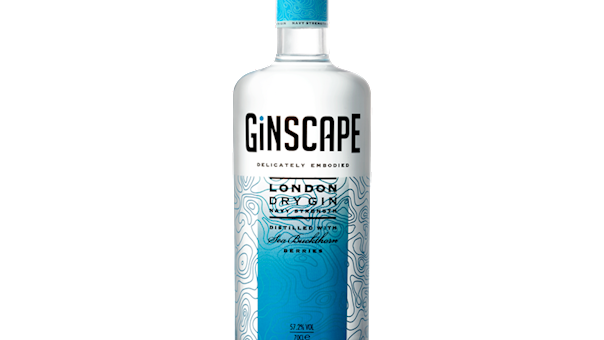
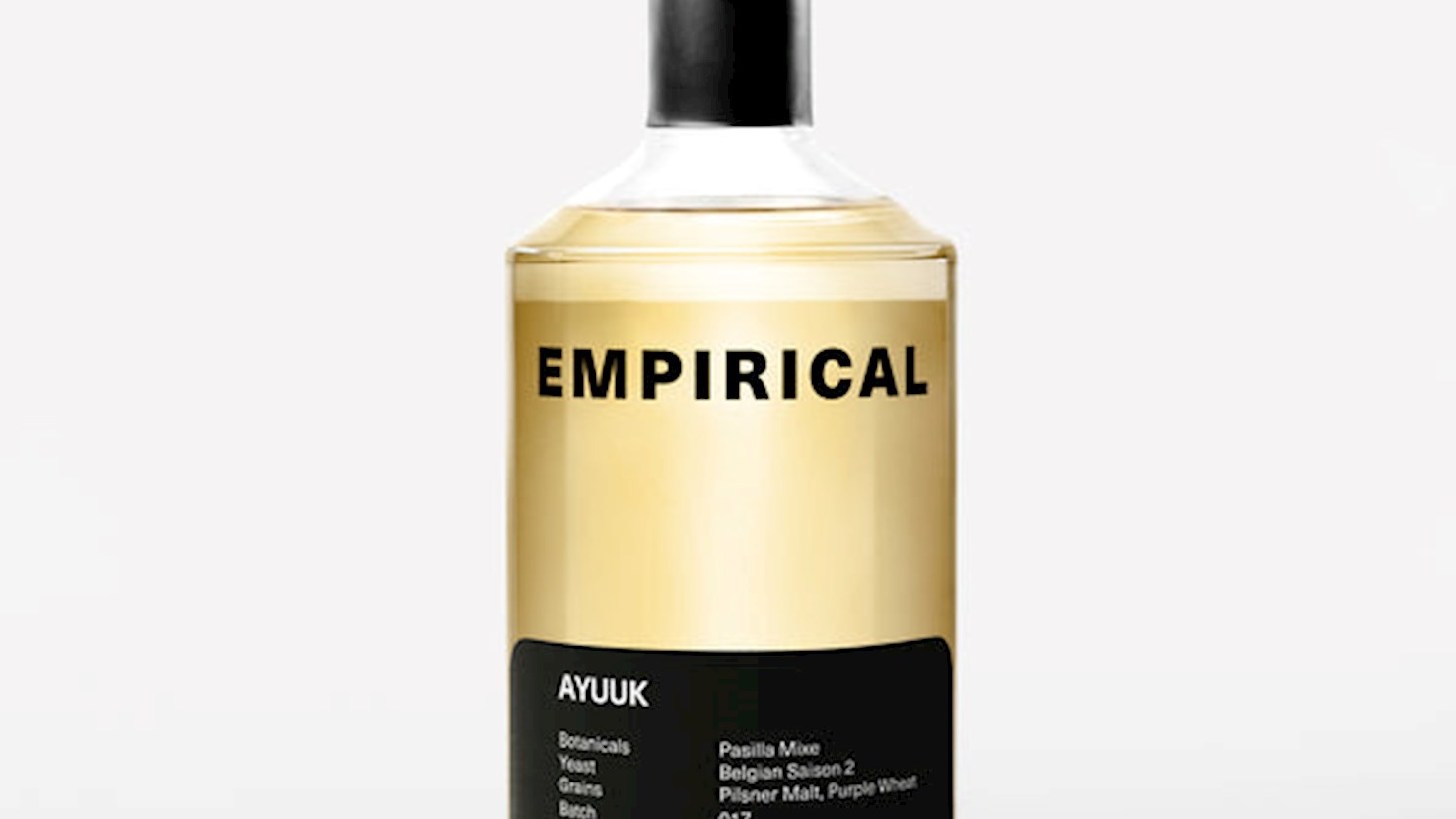
EMPIRICAL

5 ·
Awards
SFWSC - San Francisco World Spirits Competition - Double Gold (2023)
02

Aalborg Akvavit

5 ·
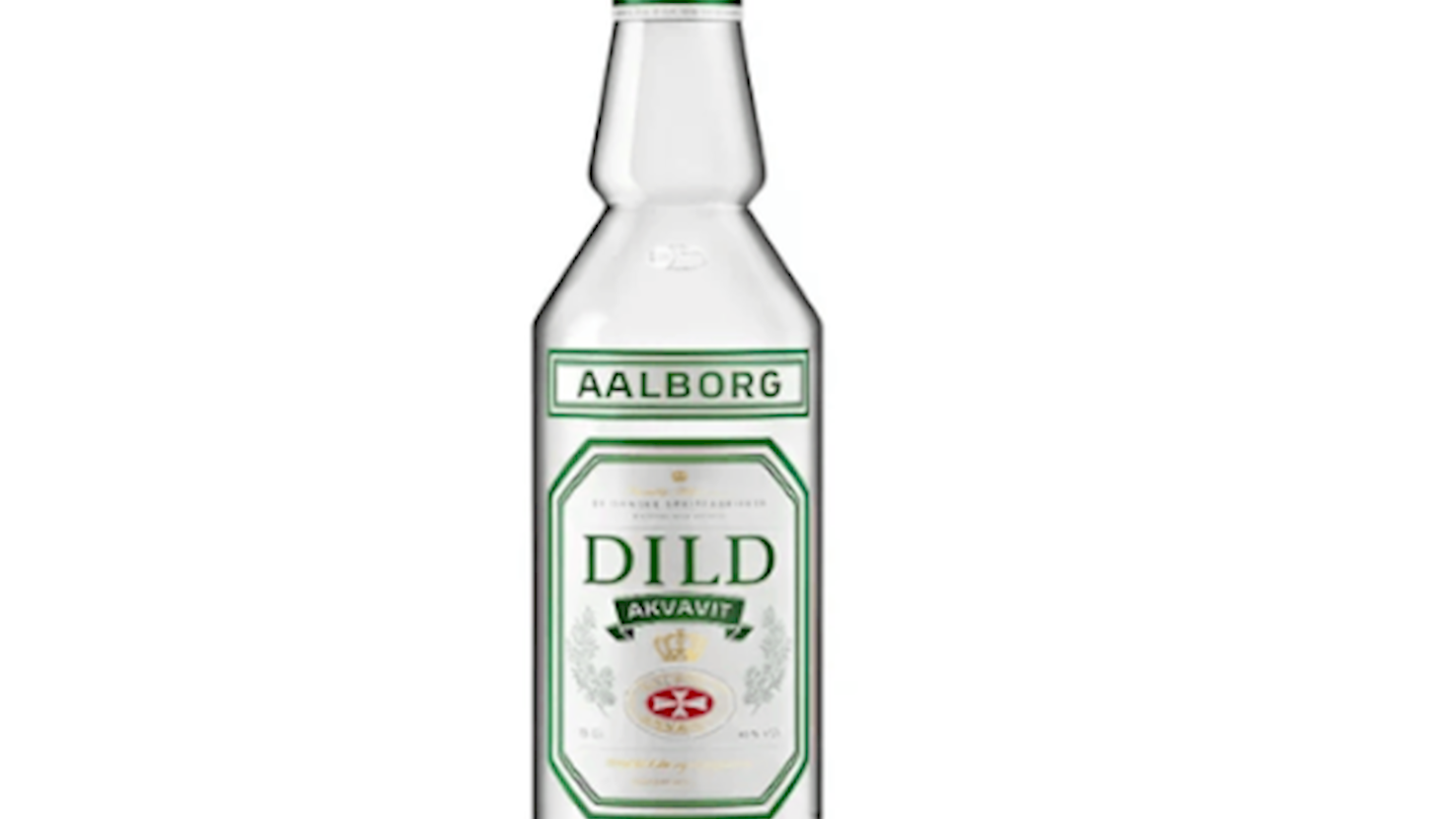
Aalborg Akvavit is a well-known Danish brand that produces a variety of aquavit, a traditional Scandinavian spirit. Aalborg is a part of Anora Group. The company’s history dates back to 1846, and it is recognized for its commitment to crafting high-quality aquavit, with a particular focus on flavors derived from herbs, spices, and botanicals, with caraway being the signature ingredient.
Awards
ISC-International Spirits Challenge - Double Gold (2022, 2021, 2019)
IWSC- International wine & spirit competition - Spirit Gold (2023, 2021, 2020)
03

Nordic Ethanol

5 ·
Awards
The Gin Masters - Gold (2022)
The Speciality Masters - Gold (2022)
04

Stone Grange

5 ·
Awards
IWSC- International wine & spirit competition - Spirit Gold (2024, 2022, 2020)
IWSC- International wine & spirit competition - Spirit Gold Outstanding (2023)
05

Nykur Spirits

4.9 ·
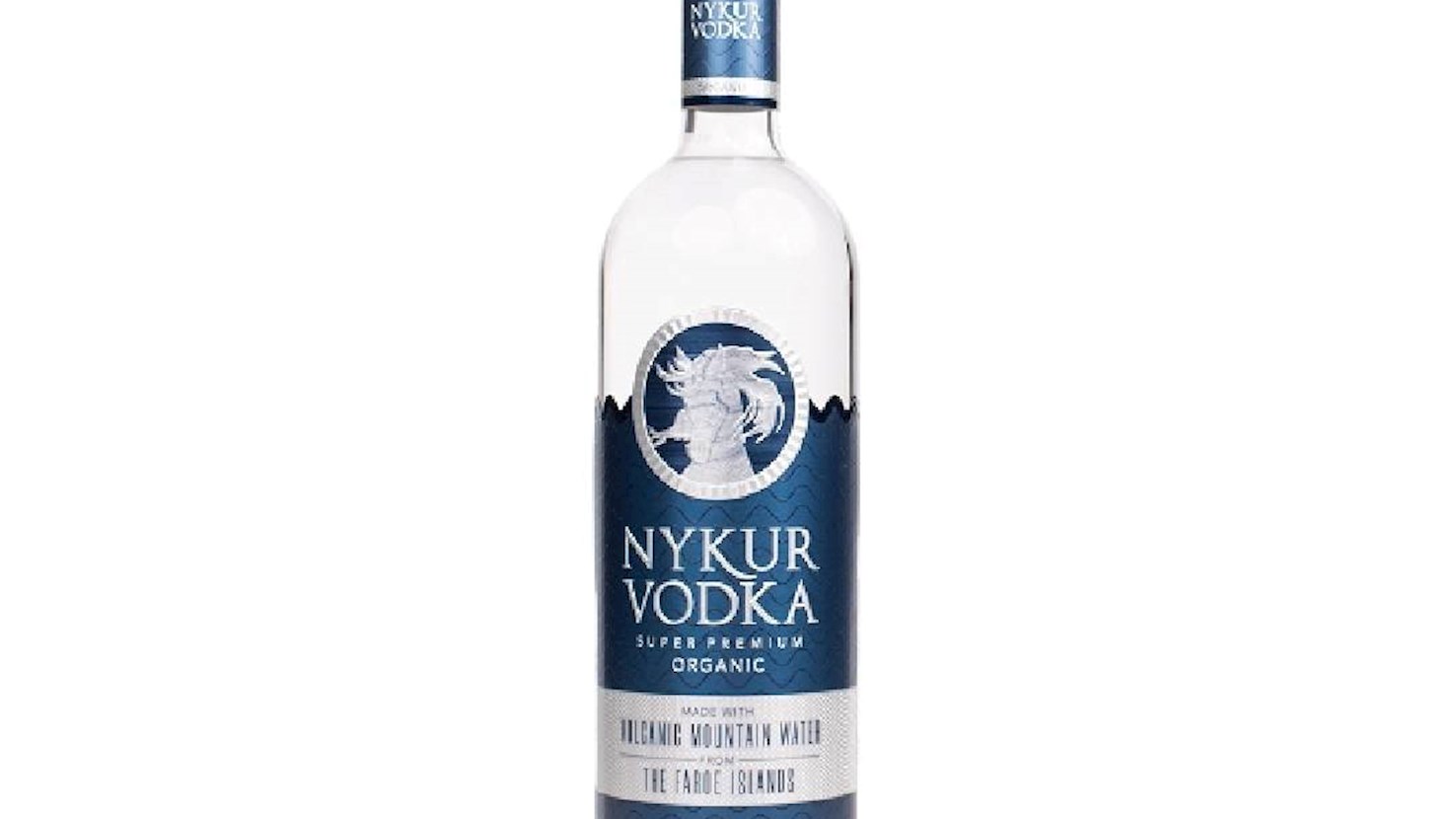
Nykur Vodka is a premium organic vodka that harmoniously blends superior organic grains from Northern Italy with pristine volcanic mountain water sourced from the depths of the Kirvi range in the Faroe Islands. The brand draws inspiration from the Nykur, a mythical creature from Faroese folklore, often depicted as a shimmering grey horse emerging from lakes, symbolizing allure and mystery. This cultural reference underscores Nykur Vodka's commitment to honoring heritage while delivering a product of exceptional purity and quality. The vodka is crafted using EU-organic certified ingredients, emphasizing sustainability and environmental responsibility. Its unique character is further enhanced by the naturally alkaline water, filtered through 12 layers of basalt rock, imparting a distinct softness to the spirit.
Awards
SWSC - Singapore World Spirits Competition - Double Gold (2023)
Bartender Spirits Awards - Double Gold (2021)
06

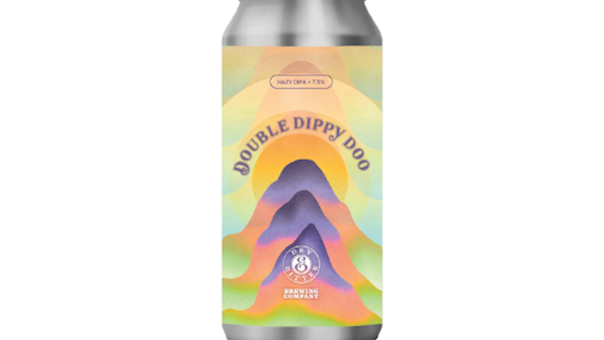
To Øl

4.9 ·
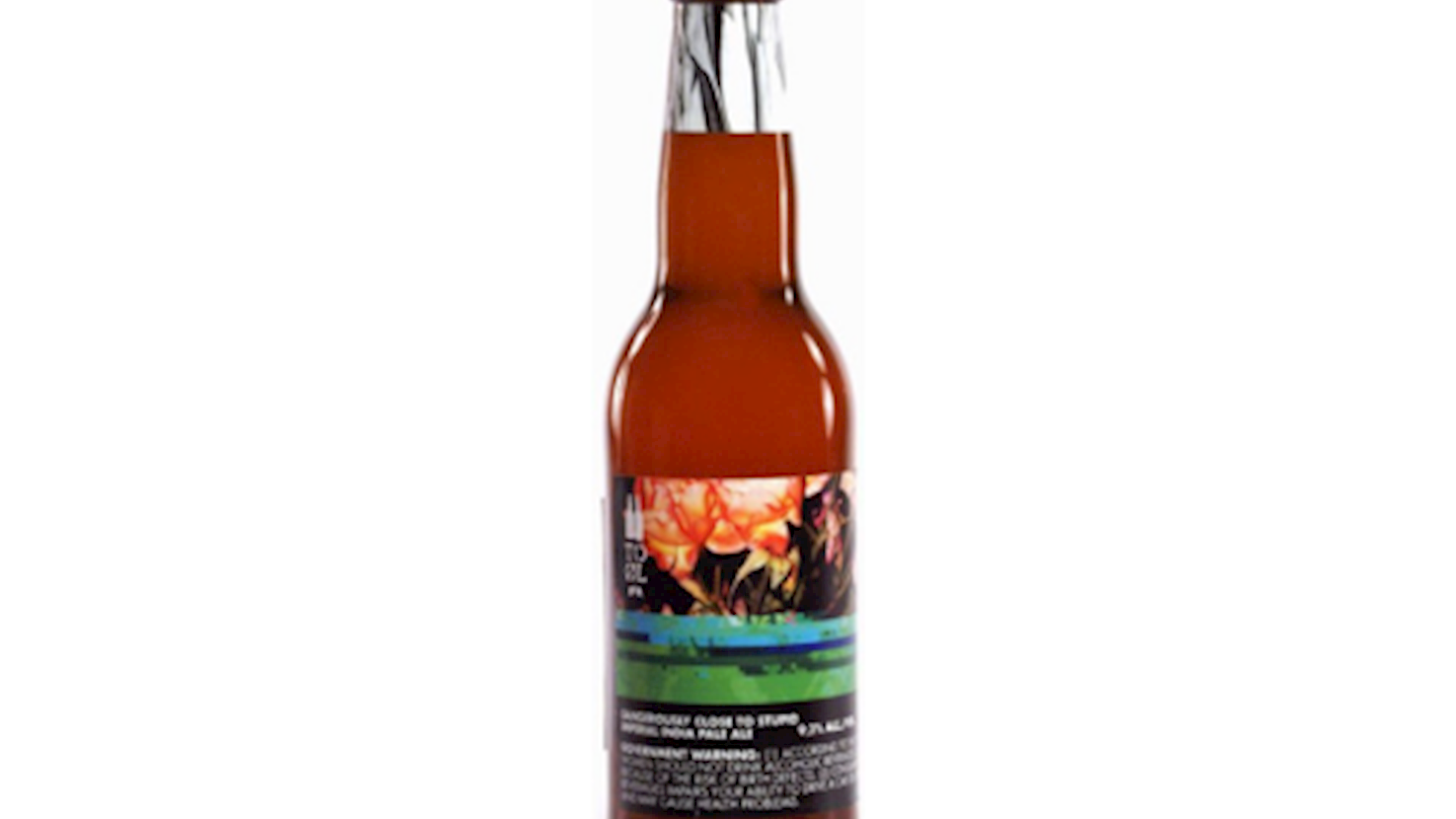
To Øl is an independent Danish craft brand known for its experimental approach and constant pushing of stylistic boundaries in brewing. It was founded in 2010 in Copenhagen by Tore Gynther and Tobias Emil Jensen, originally functioning as a “gypsy brewery”, without its own production facility. For years, they brewed in other breweries’ facilities, focusing on creativity and quality rather than owning equipment. The growth of the brand led to the creation of the To Øl City complex in Svinninge, where a former ketchup factory was transformed into a modern hub for beer and fermented beverage production. Today, To Øl City includes a brewery, barrel-aging spaces, a laboratory, a distillery, and collaboration areas for other craft producers. Their range covers a wide spectrum of styles - from clean, modern IPAs and light pilsners to sour beers, barrel-aged releases, and experimental fermentations. The brand is present in more than 50 countries, yet it still operates with a philosophy of small batches and continuous innovation. Their beers are characterized by a balance of creativity and technical precision, avoiding unnecessary extremes. The success of To Øl demonstrates that a craft brewery can grow globally without losing its authenticity. The result is a brand that merges aesthetics, innovation, and quality, creating the impression of modern beer with a strong and distinctive identity.
Awards
Untappd - 3.9
Beer Advocate - 92 Outstanding
07

Mikkeller

4.9 ·
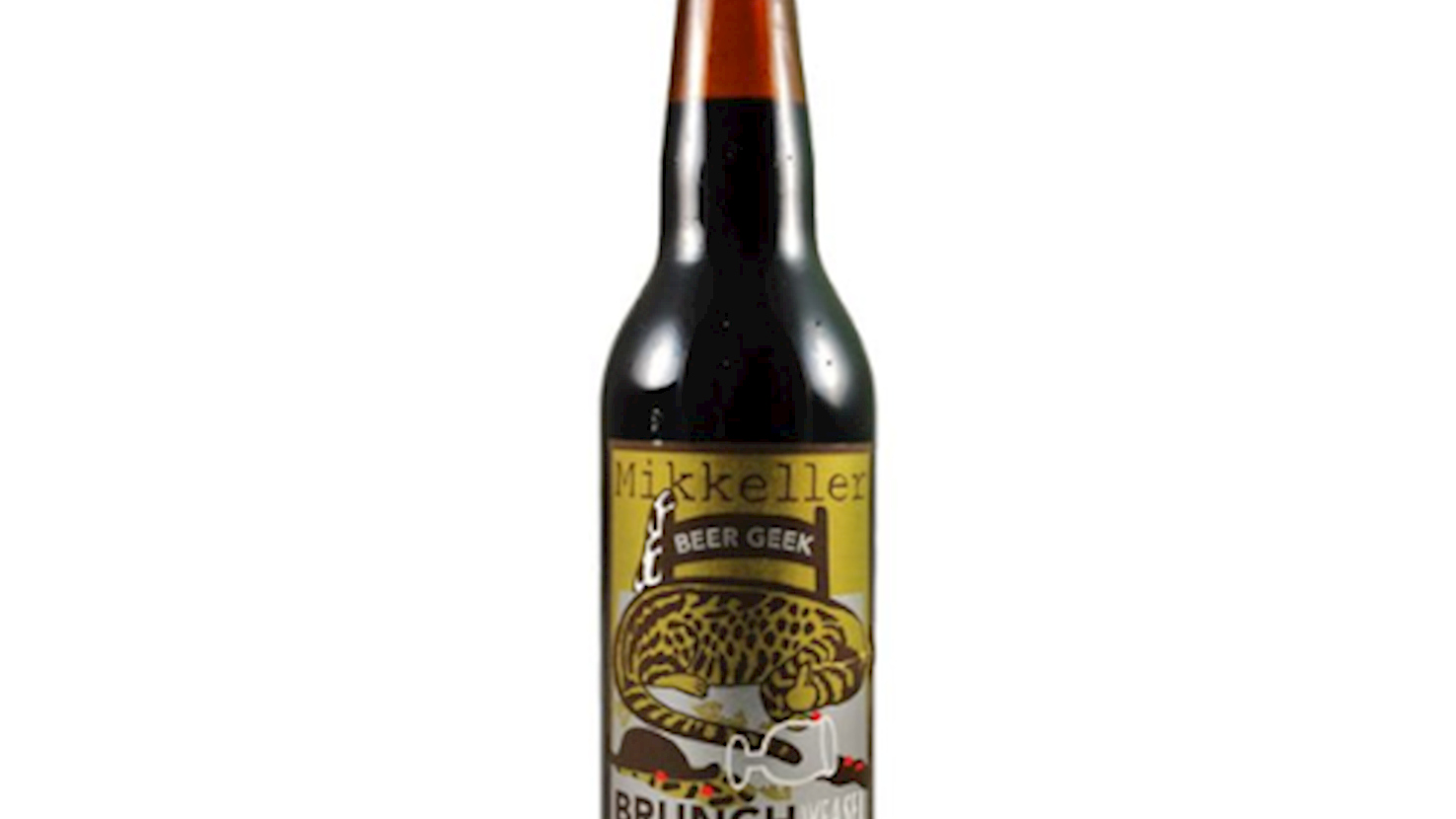
Mikkeller is a Danish craft brewery and one of the most influential players on the contemporary beer scene. It was founded in 2006 in Copenhagen by former physics teacher Mikkel Borg Bjergsø and journalist Kristian Keller. What began as a homebrewing experiment quickly evolved into a global brand known for its creativity, bold experimentation, and collaborations with brewers, artists, and chefs around the world. Today, Mikkeller operates as an international network of pubs, bars, and specialty venues across major cities around the world. Each location has its own unique character, yet they all share a common philosophy - promoting beer culture and delivering authentic, high-quality experiences. In addition to its hospitality venues, Mikkeller is also the organizer of one of the most significant events in the craft beer world - the Mikkeller Beer Celebration Copenhagen. This annual festival brings together the world’s top breweries and sets the standard for innovation, quality, and collaboration in the industry.
Awards
Beer Advocate - 96 World-Class
Untappd - 4.2
08

Stauning

4.8 ·
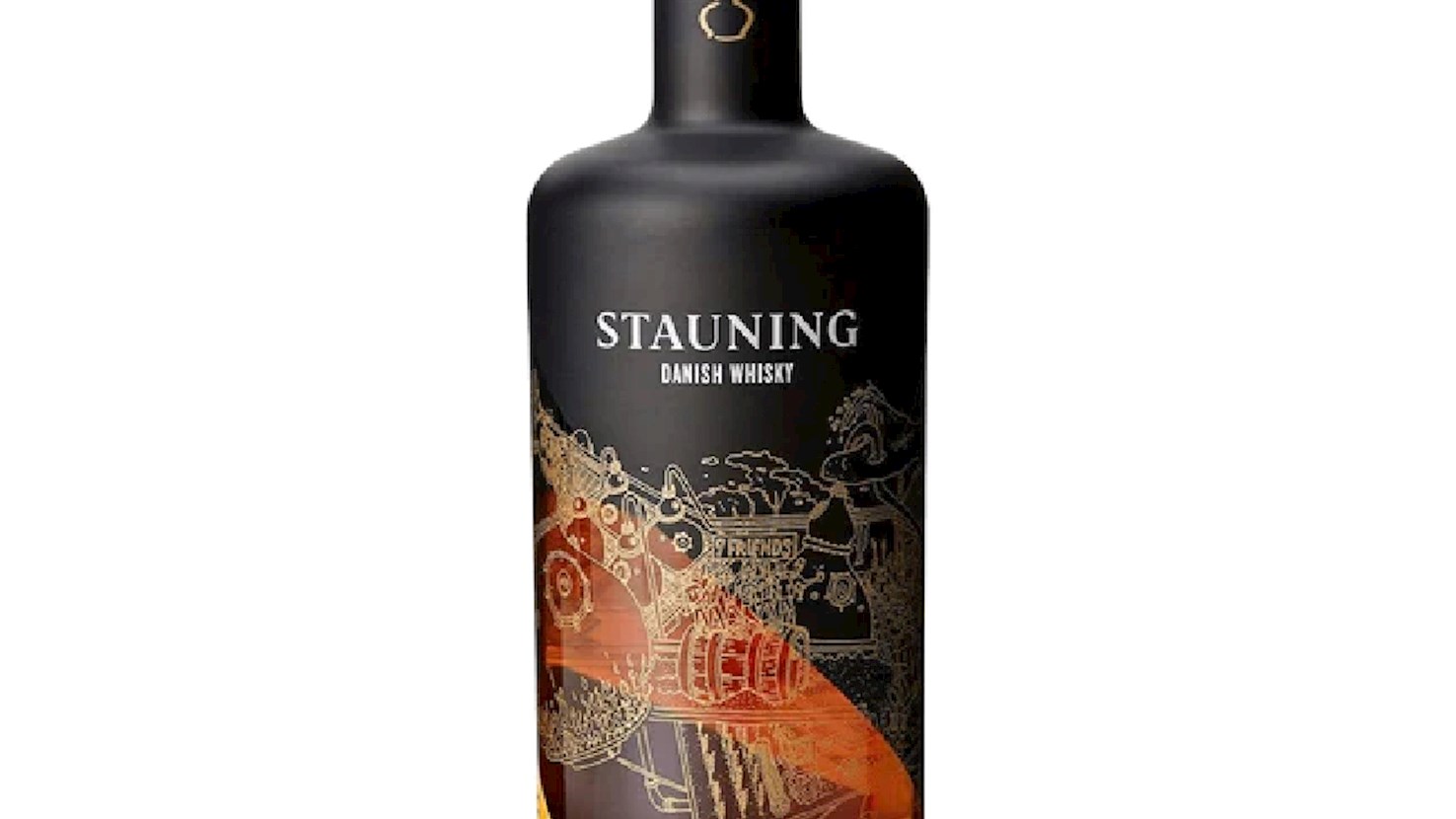
Stauning Whisky is a Danish distillery located in West Jutland, founded in 2005 by nine friends with diverse backgrounds, including a doctor, a butcher, and several engineers. The distillery emphasizes traditional production methods, such as floor malting of locally grown barley and rye and direct heating of small copper stills, resulting in whisky with a unique Danish character. Stauning has received international acclaim for its innovative approach and high quality, and in 2015, Diageo invested in the distillery to support its growth and development.
Awards
IWSC- International wine & spirit competition - Spirit Gold (2024, 2021, 2020)
NYWSC - New York World Spirits Competition - Gold (2024, 2023)
09

Hammer & Son

4.8 ·
Awards
The American Whiskey Masters - Gold (2023)
10

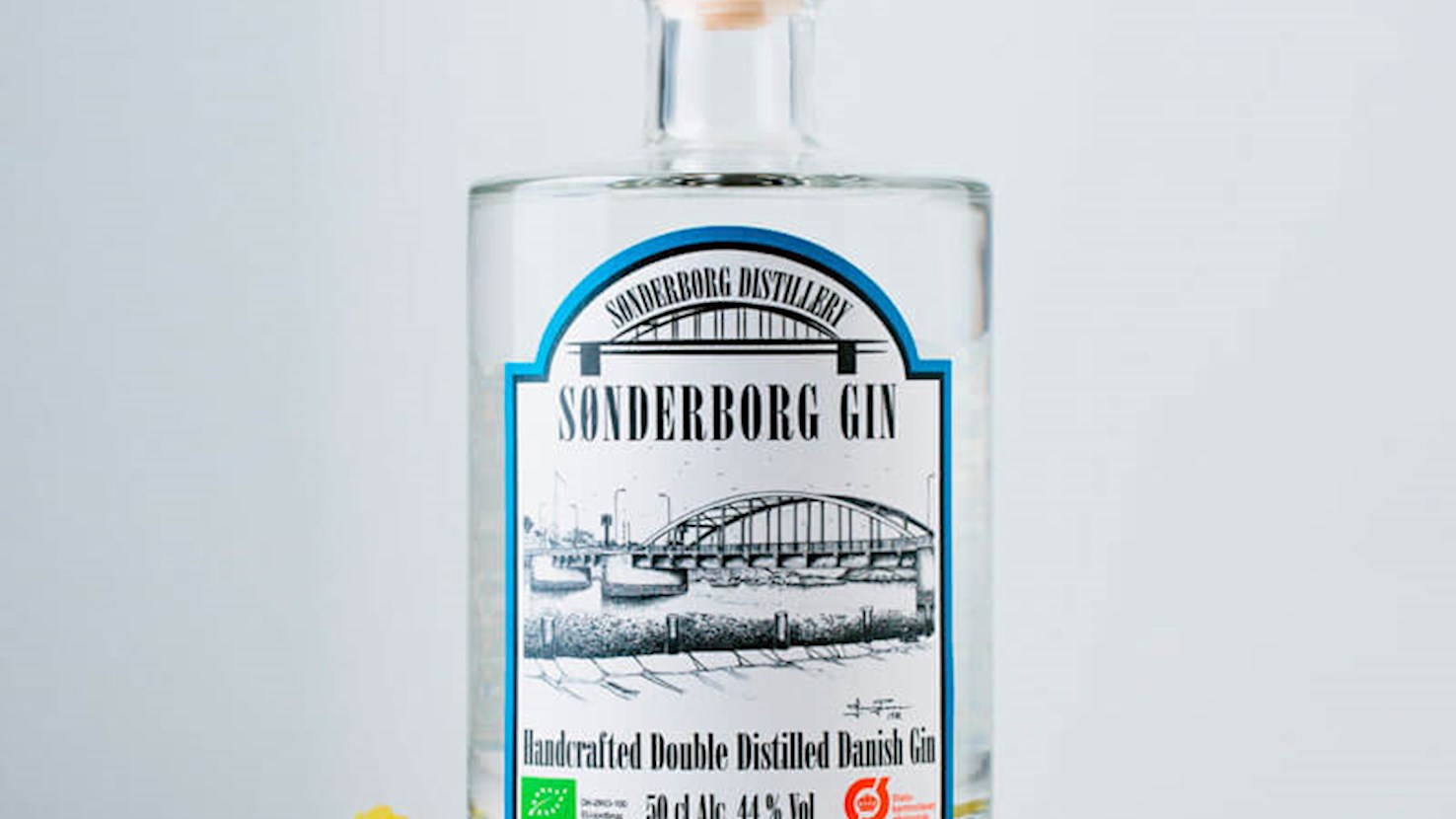
Sønderborg Distillery
4.8 ·
Awards
World Gin Awards - Country Winner (2021)
IWSC- International wine & spirit competition - Spirit Gold (2021)

Best Danish Alcoholic Beverage Types

01

Baltic porter

4.1 ·

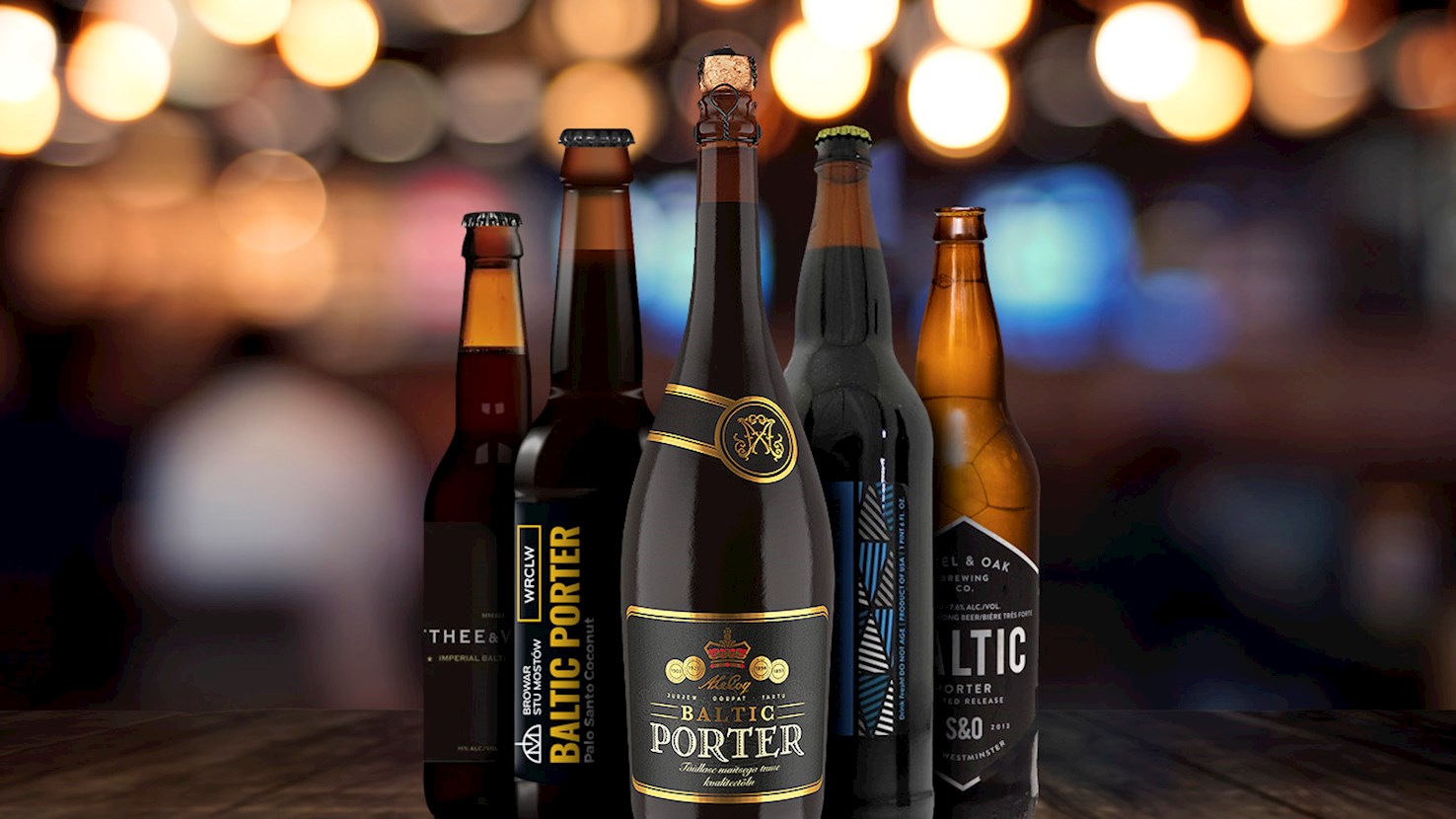
This beer style evolved from the British porter, and it was partially influenced by imperial stouts. The beers that fall under this category will typically have high alcohol content, usually between 5.5 and 9.5% ABV, while their color ranges from mahogany red to dark brown. They are full-bodied and smooth brews with typical malt flavors that are usually complemented by aromas of toast, caramel, licorice, dried fruit, chocolate, and coffee. Baltic porter first appeared when stronger and hoppier versions of British porter were sent to Russia. The shipments first reached Baltic, Scandinavian, and Northern European ports, including those in Finland, Poland, Sweden, Denmark, Lithuania, Estonia, and Latvia. Home breweries soon started to produce their versions using lager yeasts and regional ingredients, eventually creating a style that comes in many local expressions. Baltic porters are an excellent match to hearty dishes, especially roasted or grilled meat, and stews. They can also go well with chocolate or nut desserts and cheese.

02

Akvavit

2.8 ·

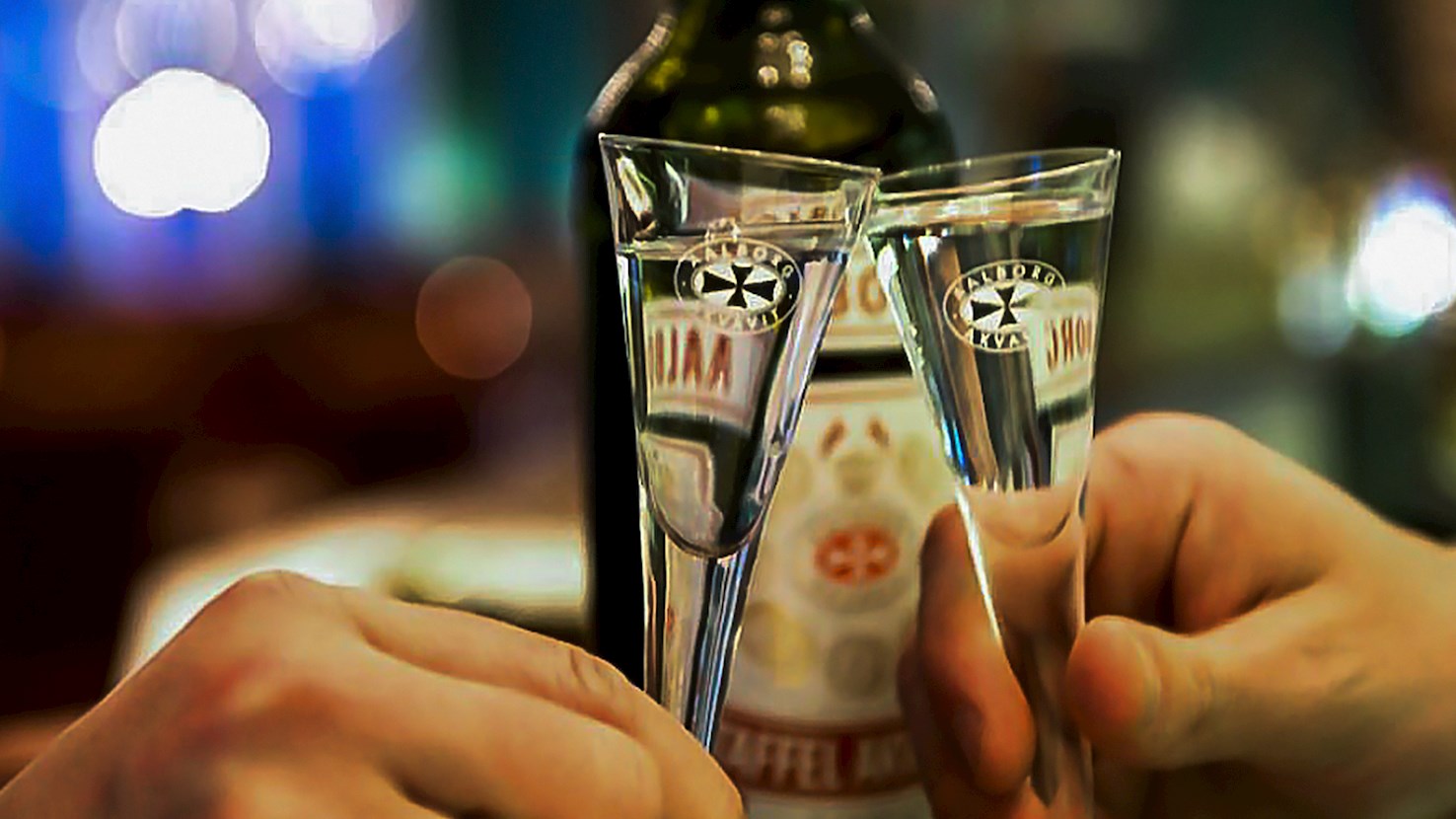
Akvavit is a Scandinavian spirit that is usually distilled from grains or potatoes. After distillation, it is infused with various botanicals, though the most common are caraway and dill. Other options may include fennel, coriander, cloves, or cumin. The drink can vary in color, and its flavor profile can greatly differ depending on the age and the base ingredients. Danish and Swedish akvavit is typically clear and colorless, while the Norwegian version is sometimes aged in sherry casks, allowing it to attain golden-like color and slightly stronger flavor. All varieties must have a minimum of 37,5 % ABV. Akvavit, whose name derives from aqua vitae (the water of life), has been produced since the 15th century. The first mention appears in a letter dated April 13th, 1531, that was sent from the Danish Lord Eske Bille to Norwegian Archbishop Olav Engelbrektsson. April 13th is celebrated as the akvavit day in Norway. The biggest producers come from Norway, Sweden, and Denmark. Although this strong spirit is usually enjoyed well-chilled, some prefer to serve it at room temperature. In Scandinavia, akvavit is mainly enjoyed as an aperitif, and it is one of the mandatory drinks during festive lunch and dinners. It perfectly pairs with local specialties.

03

Copenhagen Cocktail

n/a ·

Copenhagen cocktail combines Dutch genever (jenever) and Cherry Heering, the legendary cherry liqueur from Copenhagen. It also includes lime juice, simple syrup, and a dash of Angostura bitters. The ingredients are poured into a shaker filled with ice. They are shaken until chilled, and the mix is then strained into a chilled glass. The story behind the cocktail claims that it was invented at 1105, a bar owned by Gromit Eduardsen. It was a winning cocktail listed for a contest sponsored by Cherry Heering. The competition was meant to celebrate Copenhagen and its history in distillation and spirits. This cocktail is traditionally served in a coupe glass and comes garnished with orange zest.

04

Lumumba

n/a ·

Lumumba is a cocktail made with a combination of cocoa or chocolate milk and a shot of brandy or rum, sometimes with the addition of cream. In order to prepare it, all ingredients should simply be combined, preferably in a glass mug. The drink can be served hot or cold, depending on personal preferences. It is named after the Congolese politician named Patrice Lumumba. Although Lumumba is most often associated with Denmark, it is also very popular in Germany, Netherlands, and the Congo.

05

Cherry Heering

n/a ·

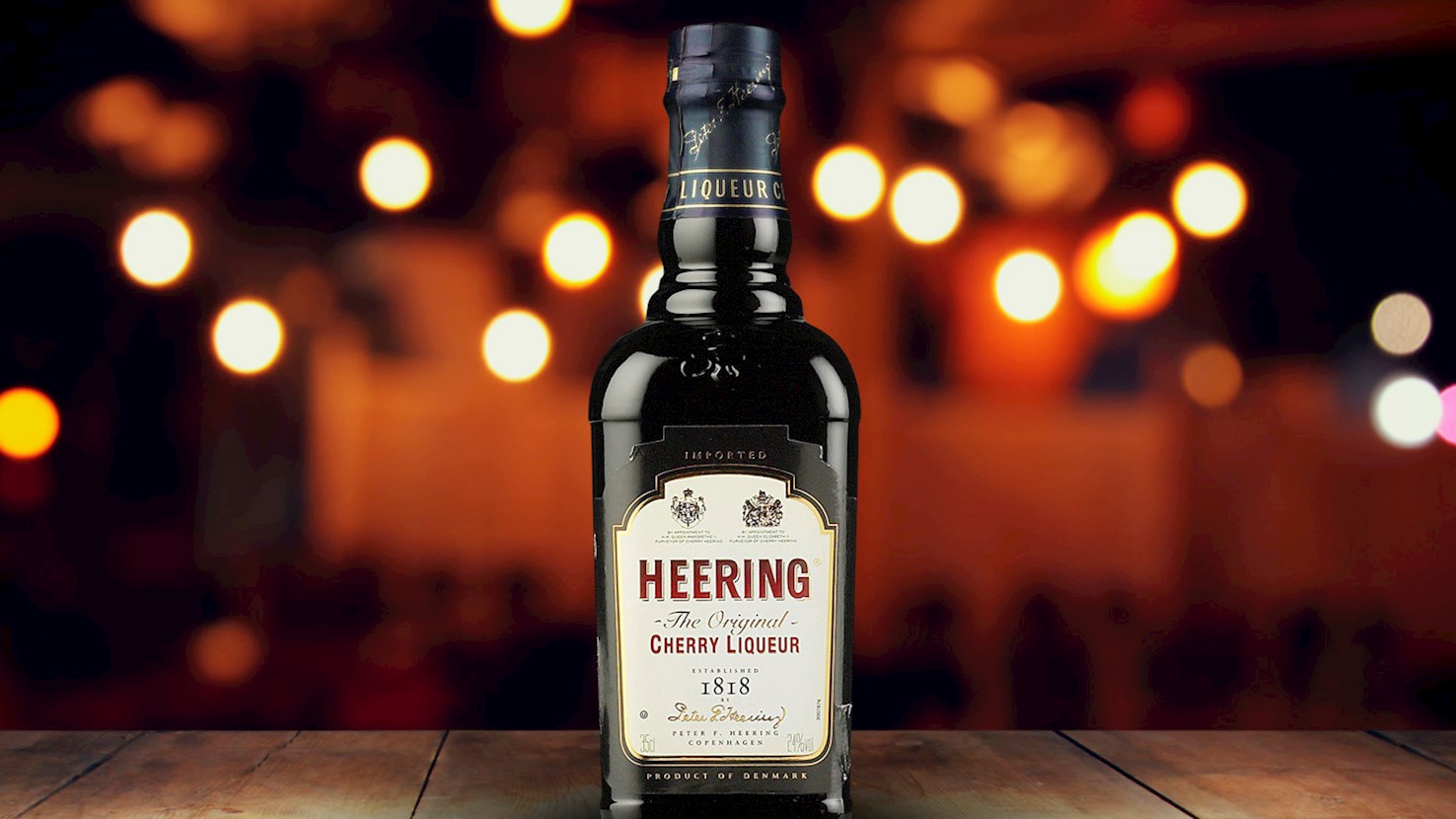
Cherry Heering is one of the most popular cherry liqueurs in the world. Created in 1818 by Peter F. Heering, it is also one of the first cherry liqueurs to appear on the market. The liqueur is made with Stevens cherries that are lightly crushed and then macerated in a neutral grain spirit, which is additionally flavored with botanicals. The liqueur has an appealing garnet color, while the palate is dominated by cherry jam flavors, along with hints of spices and subtle tartness. The cherries are macerated with the stones, which imparts an almond-like note. This prized liqueur is still made with an old family recipe and is still produced in Copenhagen. It is best known for its use in cocktails, but it can also be enjoyed on its own, preferably served on the rocks.

06

Kijafa

n/a ·

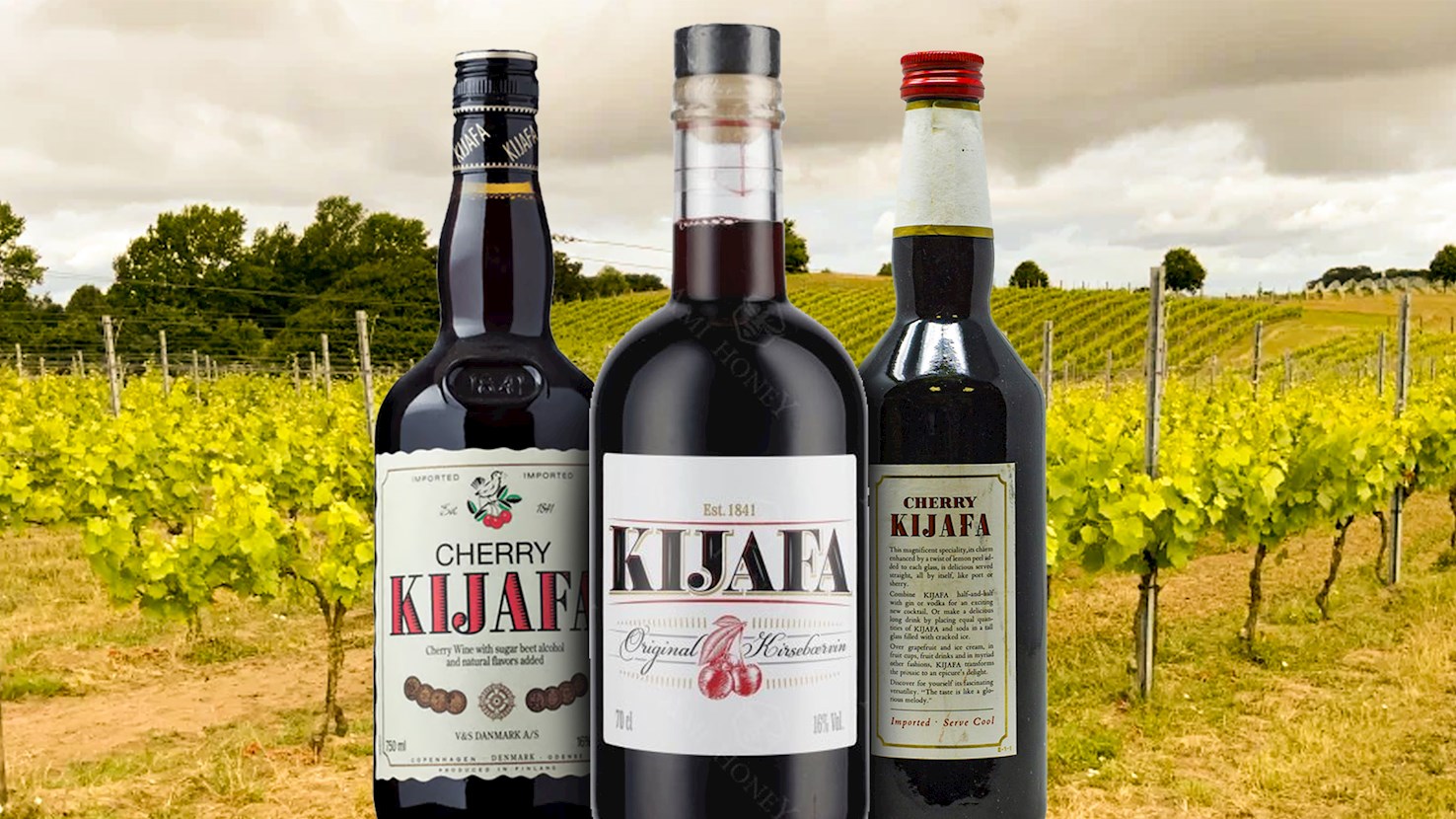
Kijafa is a Danish fortified fruit wine made from cherries, known for its sweet and rich flavor. It has a deep red color and is often enjoyed as a dessert wine or used in cocktails. Kijafa can be consumed on its own, chilled, or mixed with sparkling water or spirits to create refreshing drinks. Additionally, it is sometimes used in cooking, particularly in sauces and desserts, where its sweet, fruity notes enhance the overall flavor. The wine's unique taste makes it a versatile ingredient in both beverages and culinary dishes. The production originates from the island of Funen, specifically Faaborg. The name "Kijafa" is an abbreviation for Kirsebær Jacobsen Faaborg, the company that invented it, indicating its roots.

Read more
View all
View map
About this ranking

TasteAtlas food rankings are based on the ratings of the TasteAtlas audience, with a series of mechanisms that recognize real users and that ignore bot, nationalist or local patriotic ratings, and give additional value to the ratings of users that the system recognizes as knowledgeable. For the “Top 29 Danish Alcoholic Beverages” list until June 02, 2026, 174 ratings were recorded, of which 158 were recognized by the system as legitimate. TasteAtlas Rankings should not be seen as the final global conclusion about food. Their purpose is to promote excellent local foods, instill pride in traditional dishes, and arouse curiosity about dishes you haven’t tried.

The initial list of top producers was compiled based on available reviews, awards, local recommendations, media and blog coverage, and consumer reviews. The list will be updated with ratings from TasteAtlas local ambassadors and TasteAtlas users.

Similar lists