Top 13 Scandinavian Ales

Last updated on May 30, 2026

Best Scandinavian Ales
01

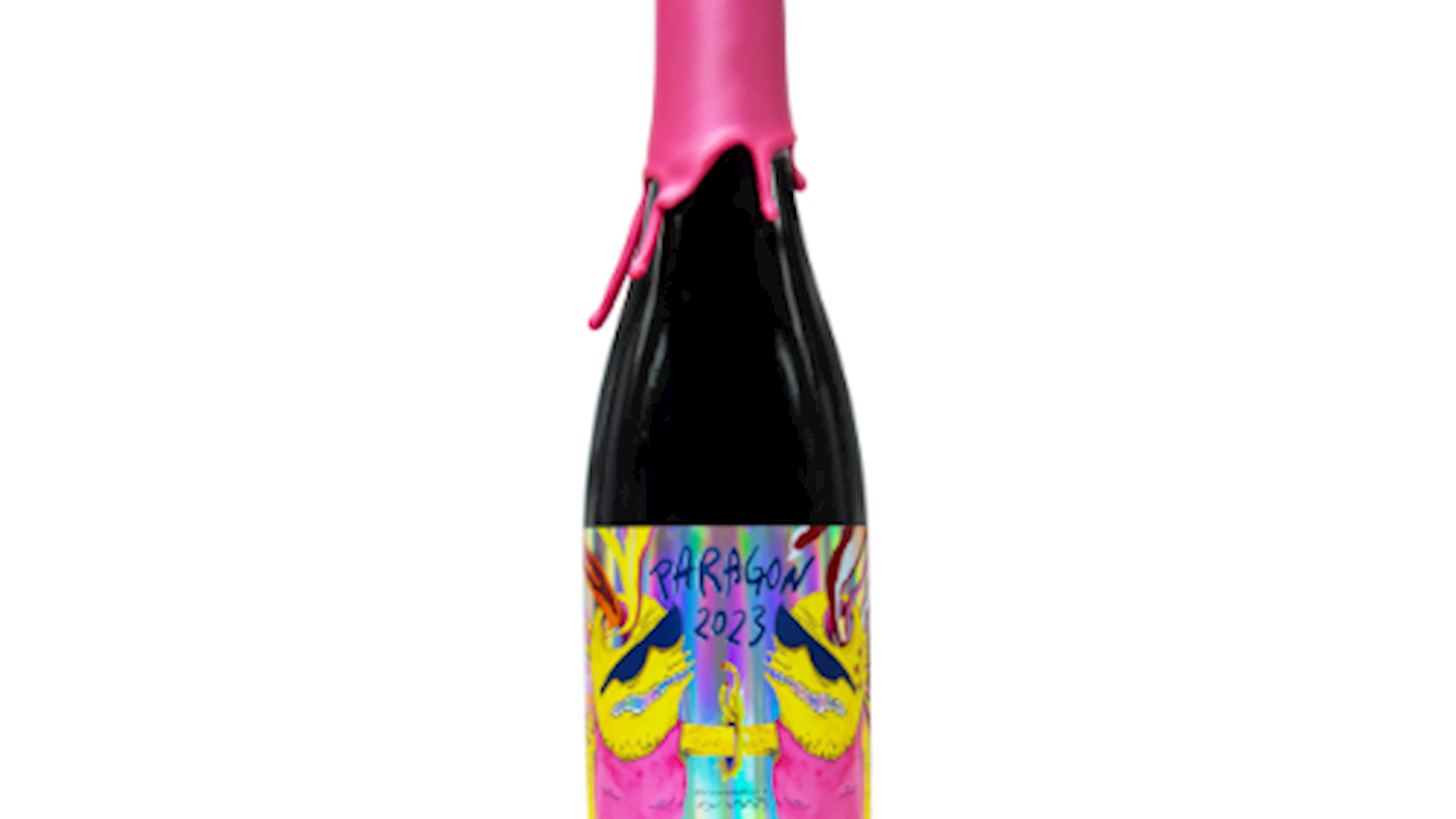
To Øl

4.9 ·
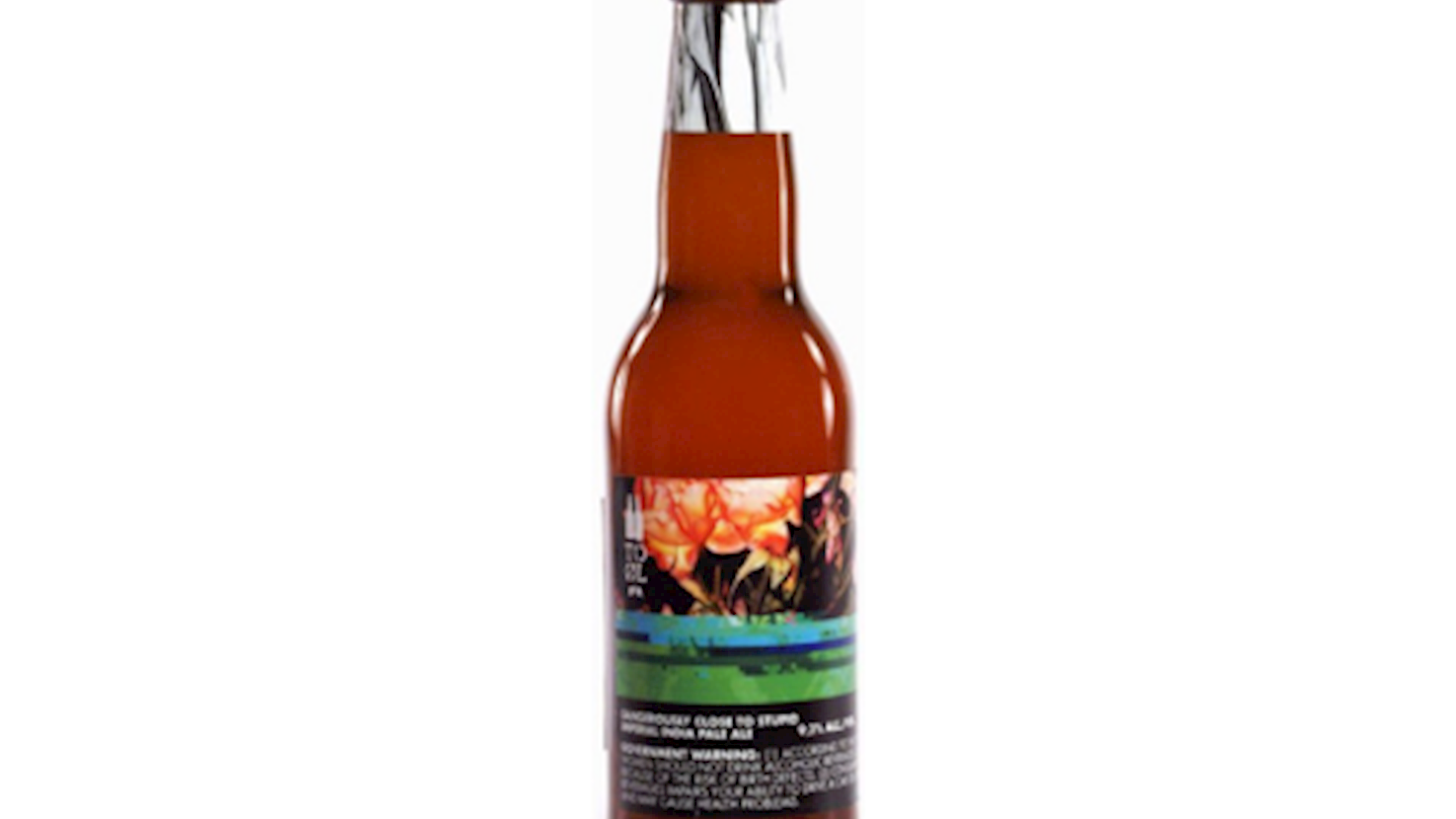
To Øl is an independent Danish craft brand known for its experimental approach and constant pushing of stylistic boundaries in brewing. It was founded in 2010 in Copenhagen by Tore Gynther and Tobias Emil Jensen, originally functioning as a “gypsy brewery”, without its own production facility. For years, they brewed in other breweries’ facilities, focusing on creativity and quality rather than owning equipment. The growth of the brand led to the creation of the To Øl City complex in Svinninge, where a former ketchup factory was transformed into a modern hub for beer and fermented beverage production. Today, To Øl City includes a brewery, barrel-aging spaces, a laboratory, a distillery, and collaboration areas for other craft producers. Their range covers a wide spectrum of styles - from clean, modern IPAs and light pilsners to sour beers, barrel-aged releases, and experimental fermentations. The brand is present in more than 50 countries, yet it still operates with a philosophy of small batches and continuous innovation. Their beers are characterized by a balance of creativity and technical precision, avoiding unnecessary extremes. The success of To Øl demonstrates that a craft brewery can grow globally without losing its authenticity. The result is a brand that merges aesthetics, innovation, and quality, creating the impression of modern beer with a strong and distinctive identity.
Awards
Untappd - 3.9
Beer Advocate - 92 Outstanding
02

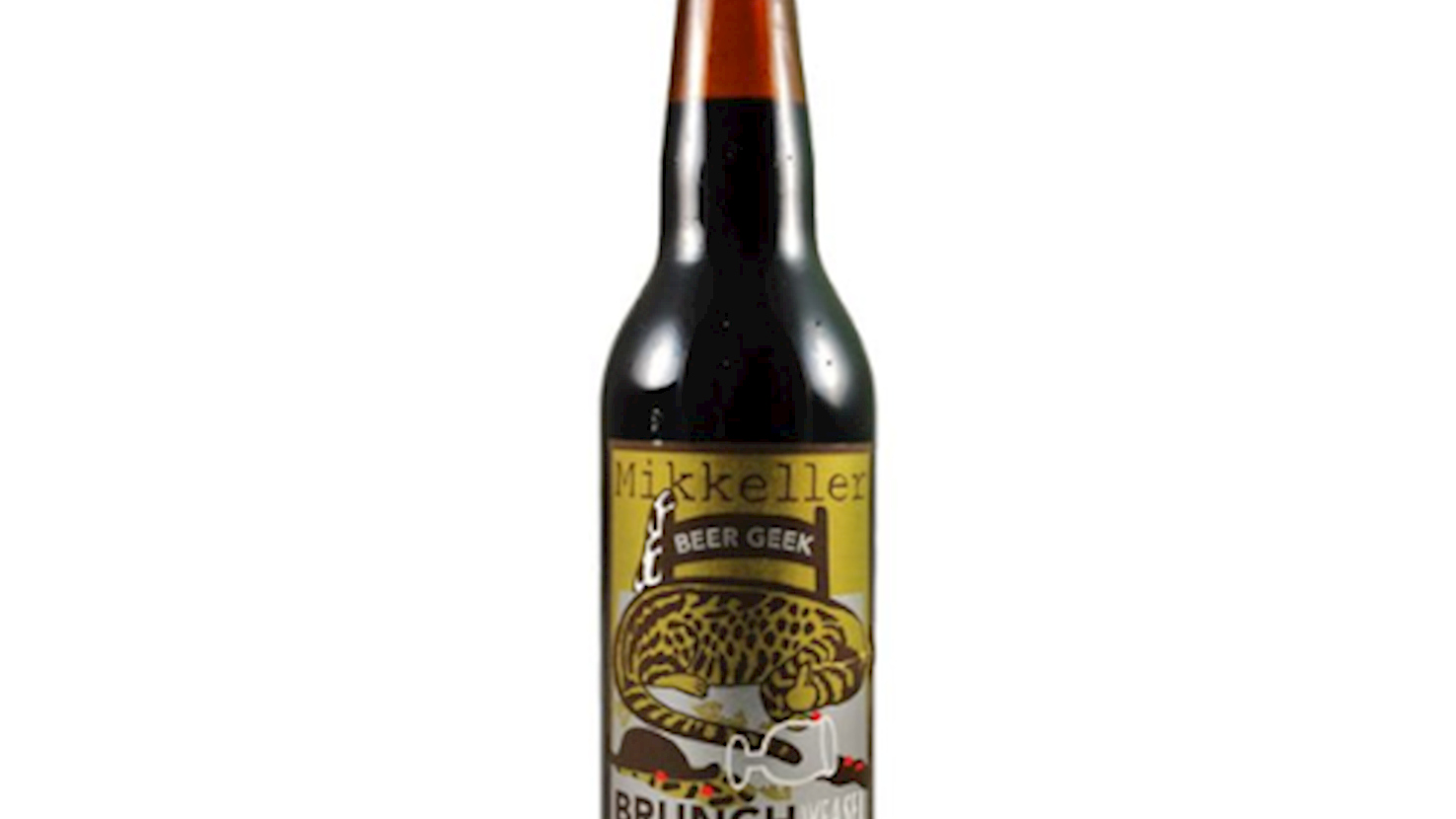
Mikkeller

4.9 ·
Mikkeller is a Danish craft brewery and one of the most influential players on the contemporary beer scene. It was founded in 2006 in Copenhagen by former physics teacher Mikkel Borg Bjergsø and journalist Kristian Keller. What began as a homebrewing experiment quickly evolved into a global brand known for its creativity, bold experimentation, and collaborations with brewers, artists, and chefs around the world. Today, Mikkeller operates as an international network of pubs, bars, and specialty venues across major cities around the world. Each location has its own unique character, yet they all share a common philosophy - promoting beer culture and delivering authentic, high-quality experiences. In addition to its hospitality venues, Mikkeller is also the organizer of one of the most significant events in the craft beer world - the Mikkeller Beer Celebration Copenhagen. This annual festival brings together the world’s top breweries and sets the standard for innovation, quality, and collaboration in the industry.
Awards
Beer Advocate - 96 World-Class
Untappd - 4.2
03

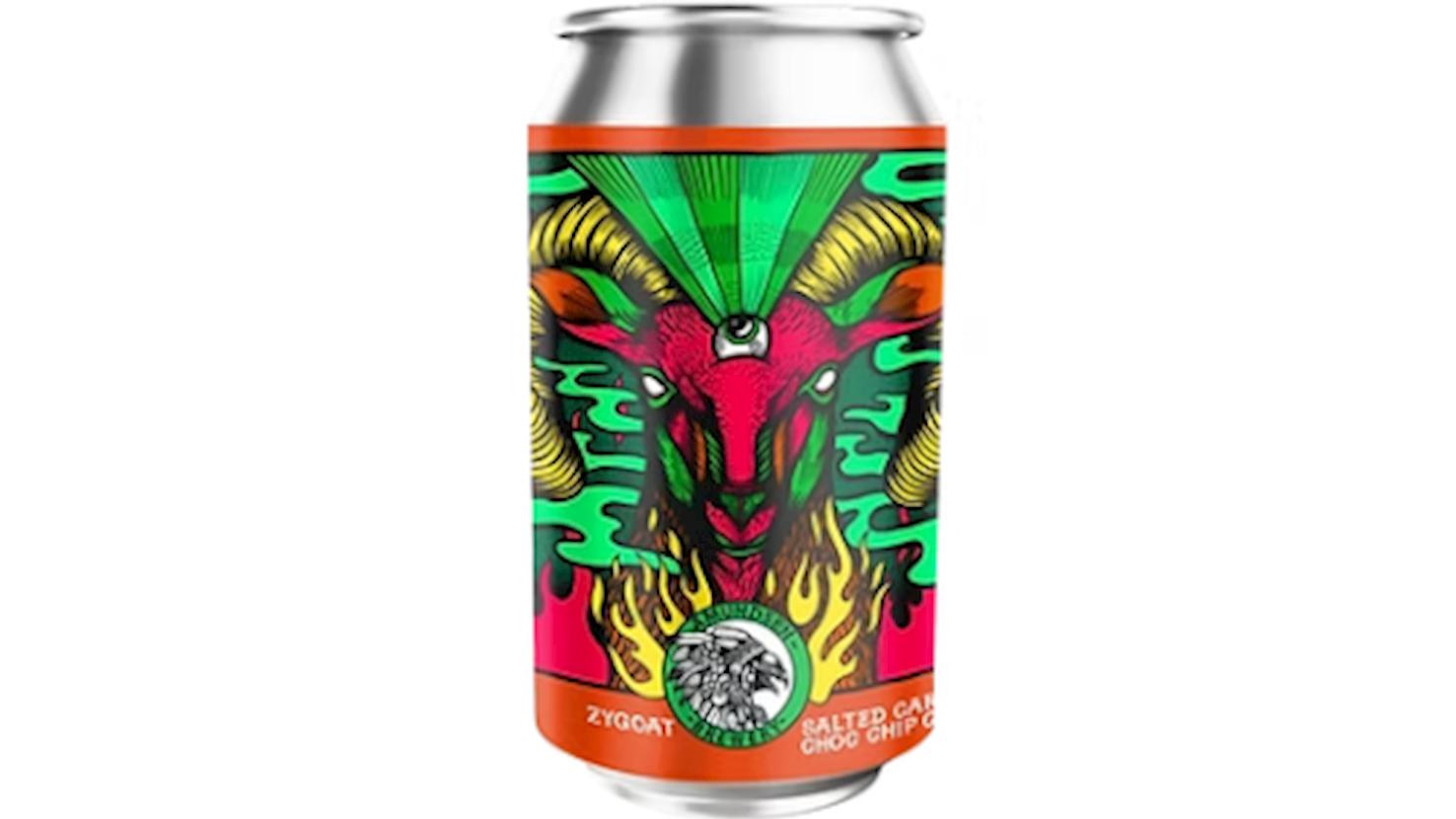
Omnipollo

4.9 ·
Omnipollo is a Swedish microbrewery known for its artistic identity, experimental approach, and award-winning beer styles. Founded by brewer Henok Fentie and artist Karl Grandin, the brewery was created with the vision of redefining how beer is perceived - by merging bold graphic design with fearless brewing innovation. After years of operating as a “gypsy” brewery in collaboration with partners, Omnipollo opened its own facility in 2020 inside a repurposed church in Sundbyberg, a suburb of Stockholm. The space blends industrial functionality with artistic flair, featuring murals and neon installations designed by Grandin himself. Omnipollo seamlessly fuses the worlds of art and gastronomy: their bottles and cans are adorned with abstract, eye-catching labels, while the recipes showcase a masterful balance of flavor, creativity, and experimental spirit.
Awards
Beer Advocate - 96 World-Class
Untappd - 4.3
04

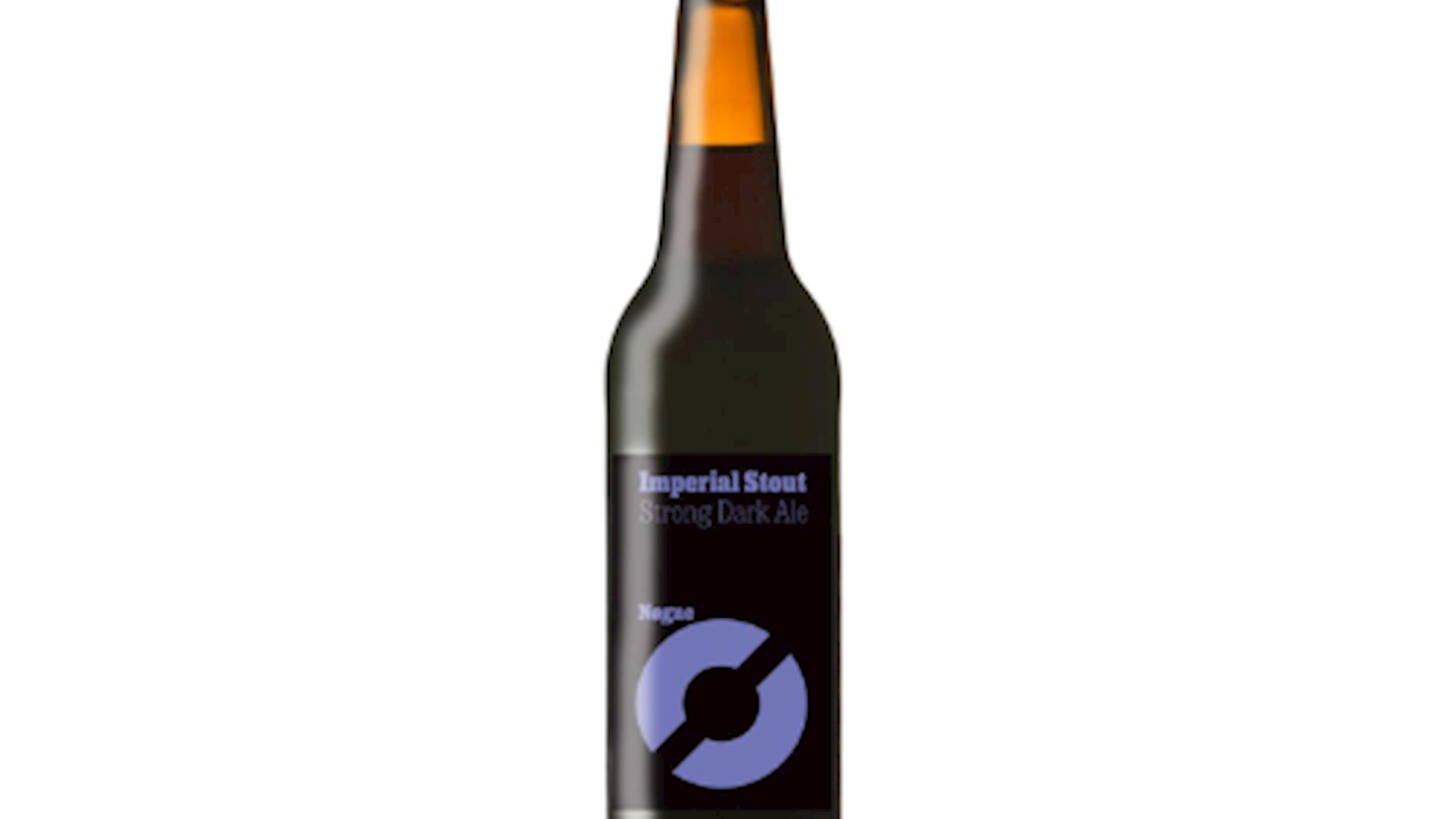
Nøgne Ø

4.9 ·
Nøgne Ø is an independent craft brewery from Grimstad in southern Norway, founded in 2002 with a clear vision of producing beer without compromise in quality or character. From the beginning, the focus has been on unfiltered and unpasteurized beer, using high-quality malt, hops, and carefully selected yeast strains. Nøgne Ø is considered a pioneer of the Norwegian craft beer scene and was among the first to introduce styles such as imperial stouts, barley wines, and experimental sour ales to the Norwegian market. The brewery is especially known for its willingness to explore new techniques and for using specific types of barrels for aging. Its visual identity is minimalist, consistent with Scandinavian design, contributing to strong brand recognition. The production process is slow, deliberate, and focused on preserving the aroma and structure of each beer. Tastings and brewery tours in Grimstad are part of the experience, emphasizing direct connection with the production process. Their philosophy is that beer should not be adjusted to mass taste, but should express terroir, technique, and the brewer’s passion. Because of this approach, they have become one of the most influential European craft brands, opening the path for many Scandinavian breweries. Nøgne Ø combines Nordic simplicity with technical precision and a bold experimental attitude. Today, they are regarded as a reference point for serious, complex, and authentic craft beer.
Awards
Untappd - 3.9
05

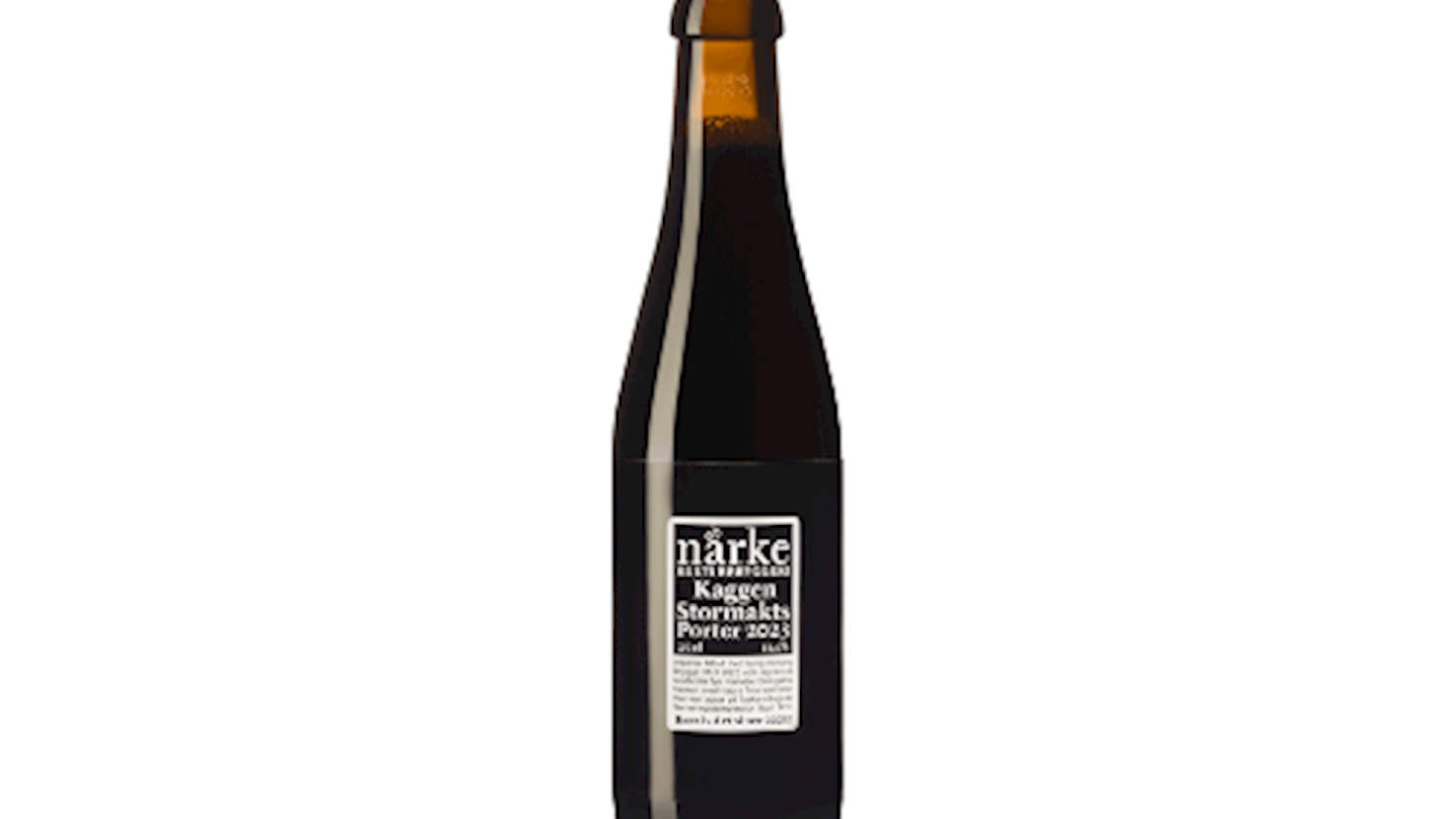
Närke Kulturbryggeri

4.9 ·
Närke Kulturbryggeri is an independent craft brewery from the city of Örebro, Sweden, founded in 2003 by Berith and Håge Karlsson. It is recognized as one of the first breweries to ignite the Swedish craft beer revolution. Located in an industrial district of Örebro, the brewery is known for its handcrafted production, small-batch philosophy, and thoughtful, human-centered approach. It also offers tours and tastings at its in-house pub, Halva Glaset, which has become a popular gathering spot for the local community. Närke's portfolio is remarkably diverse, ranging from rustic lagers and matured ales to bold stouts, porters, sour ales, and barrel-aged specialties. Their beers are available in numerous European craft pubs and specialty shops, with over 50 different labels reportedly on the market. The brewery’s styles are defined by authenticity and a strong foundation in traditional brewing methods and local ingredients, while also embracing modern and experimental techniques. Many of their beers feature pronounced notes of dried fruit, roasted malt, spices, and oaky depth in aged variants. Närke Kulturbryggeri strikes a balance between historical brewing traditions and daring innovation. Their work is distinguished by small-scale production, meticulous attention to detail, and a commitment to creating beers with real character - from fruity ales to robust, barrel-aged porters. This makes them one of the most significant and authentic names on the Swedish craft beer scene.
Awards
Beer Advocate - 100 World-Class
Untappd - 4.2
06

Lervig

4.9 ·
Lervig is an independent craft brewery from Stavanger, Norway, founded in 2003 after the closure of the local brewery Tou, with the goal of keeping beer production in the city. From the beginning, they combined traditional styles with experimental batches, and in 2010, with the arrival of head brewer Mike Murphy, they developed a distinctive style focused on modern IPAs and complex barrel-aged stouts. The brewery’s identity is defined by the use of high-quality ingredients and continuous experimentation with fermentation techniques. Their beers are exported to more than 30 countries, positioning Lervig among internationally recognized European craft breweries. Despite global presence, they remain rooted in the local community through open taproom events and production tours available to visitors. Their approach emphasizes authenticity and a direct connection with beer enthusiasts, which is reflected in their limited and experimental releases. Within the Norwegian craft beer scene, they are considered pioneers in developing modern IPA styles and high-gravity stouts. Lervig demonstrates how a small, independent brewery can build a strong identity and successfully balance its local role with international visibility.
Awards
Untappd - 4.3
07

Amager Bryghus

4.8 ·
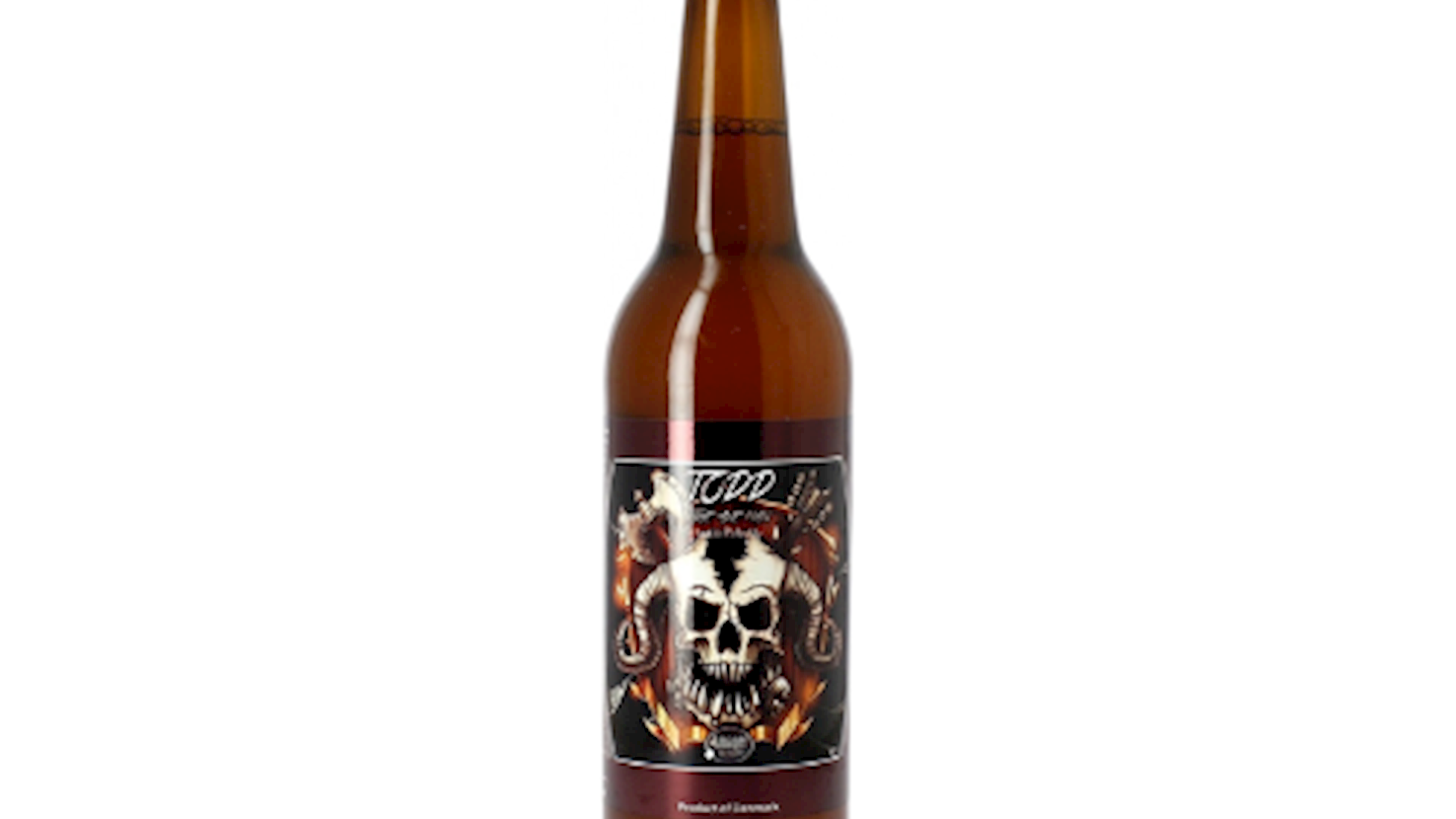
Amager Bryghus is an independent Danish craft brewery located on the island of Amager, just outside Copenhagen. It was founded in 2007 by two friends and homebrewing enthusiasts who started production in a rented warehouse with a minimal budget. Amager Bryghus is known for its exceptionally wide range of styles - from clean, modern IPAs and sour ales to powerful barrel-aged stouts. A distinctive part of their portfolio includes beers aged in barrels that previously held whisky, bourbon, wine, sherry or port, adding depth and layers of complexity. Each year they release a large number of new labels, combining experimentation with technical precision. Their visual identity is recognizable - the labels often feature humorous illustrations and storytelling. Despite growth and export to many countries, the brewery remains fully owned by its founders, allowing them to maintain authenticity. Their work is defined by craftsmanship, bold recipes and a constant search for new ideas. Today, Amager Bryghus is regarded as one of the most respected Danish craft breweries and a frequent collaborator in international brewing projects. Although they keep several core beers in continual production, their focus remains on seasonal and limited editions. Their philosophy is straightforward: beer should be exciting, yet technically flawless.
Awards
Untappd - 3.9
Beer Advocate - 94 Outstanding
08

Stigbergets Bryggeri

4.8 ·
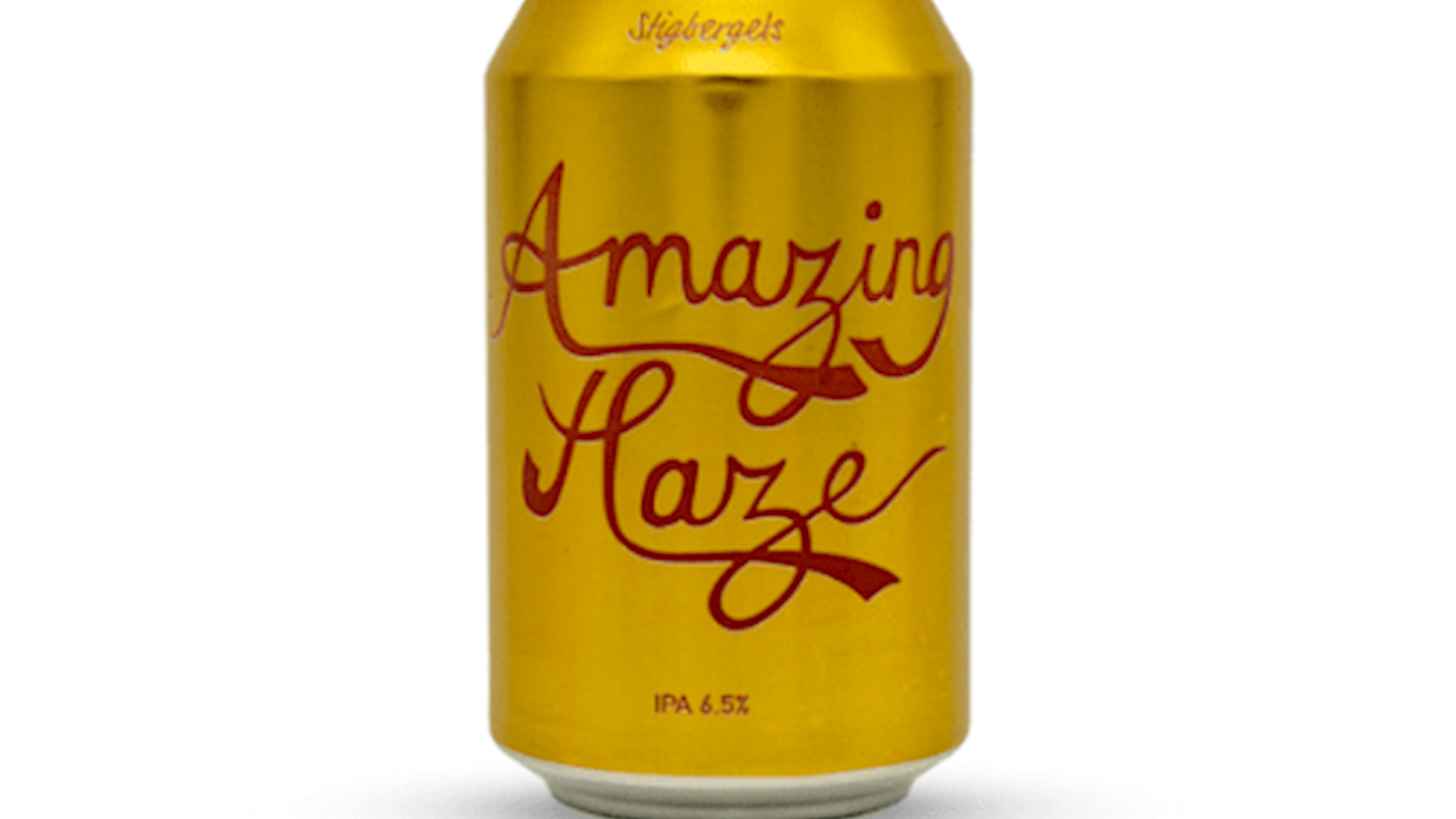
Stigbergets Bryggeri is a modern Swedish craft brewery from Gothenburg, founded in 2012 and now regarded as one of the most influential producers on the Scandinavian beer scene. It began as a small project created to supply the founders’ restaurant, but thanks to consistent quality and a distinctive style, it quickly grew into a notable brewery with its own taprooms and bars. The brewery built its reputation on modern IPA and NEIPA styles, recognized for their expressive fruity aromas, soft mouthfeel, and precise technical execution. Stigbergets also stands out through its strong visual identity, combining Scandinavian aesthetics with contemporary label design. Their approach is defined by the use of high-quality ingredients, a clear stylistic focus, and a constant drive for improvement - making each of their beers recognizable, consistent, and relevant within the European craft beer landscape.
Awards
Untappd - 3.8
Beer Advocate - 91 Outstanding
09

Gamma Brewing

4.8 ·
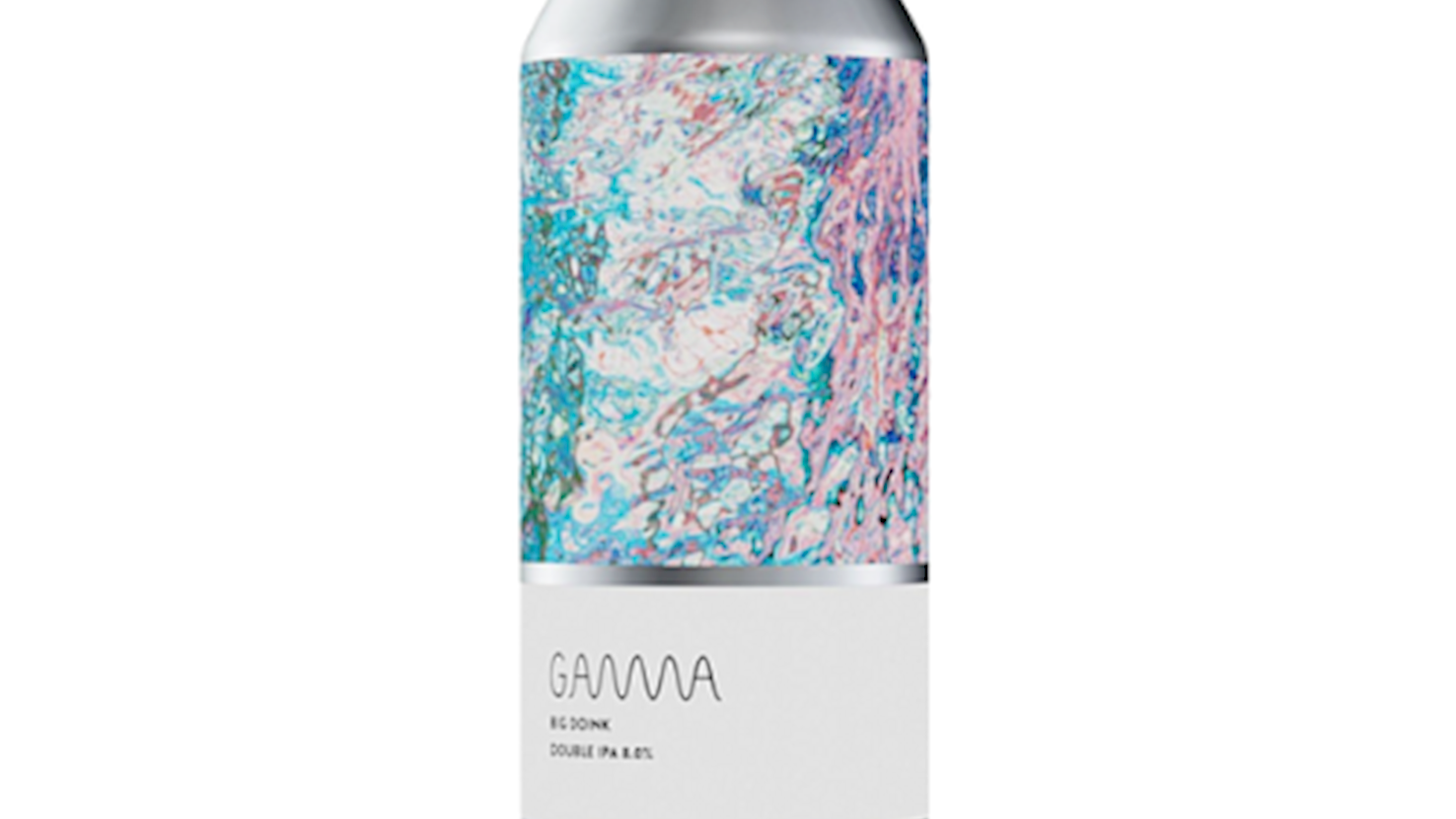
Gamma Brewing is an independent craft brewery from Herlev, near Copenhagen, founded by five friends who previously worked in the bar industry and decided to channel their passion for craft beer into their own production. The brewery focuses on modern, hop-forward styles, especially hazy New England IPAs and Double IPAs, using aromatic hop varieties from the U.S. and New Zealand. Their beers are known for juicy, fruit-driven aromas, a soft mouthfeel and a restrained bitterness, making them approachable even for those who are new to IPA styles. Although hops are central to their identity, Gamma also produces occasional sour and darker ale releases, showing a willingness to explore and experiment. The brewery includes a taproom located next to the production facility in Herlev, where visitors can taste freshly brewed releases. Their beers are distributed across Europe, and their webshop allows customers to purchase seasonal and limited releases directly. Gamma Brewing combines innovation, creativity and technical discipline, making it one of the most compelling names in the modern Scandinavian craft beer scene.
Awards
Untappd - 4.0
10

Amundsen Brewery

4.7 ·
Amundsen Brewery is an independent craft brewery from Oslo, Norway, known for its creative approach and visually striking label design. Founded in 2011 as a brewpub in the center of Oslo, the brewery expanded in 2016 into a large production facility due to increasing demand. Their focus is on innovative IPA styles, dessert stouts and fruit-forward sour series. The motto “Created by Craftsmen” reflects their philosophy: ingredient quality and hands-on control of the process are more important than volume. The brewery releases a large number of new labels each year, often as limited editions. They are known for experimenting with additions such as lactose, coconut, cocoa or tropical fruit. Their IPAs are generally aromatic and juicy, while their stouts show pronounced chocolate and dessert-like notes. The visual identity is distinctive, defined by bold and detailed illustrations. Amundsen collaborates with numerous European and American breweries, which further expands their creative range. Their beers are exported to many countries, making Amundsen an internationally recognized brand. Despite increased production capacity, the brewery maintains focus on craftsmanship and quality. The taproom in Oslo remains a gathering place for local beer enthusiasts and a venue for presenting new releases. Amundsen combines Nordic design, modern craft trends and technical precision. Their portfolio demonstrates that craft beer can be both innovative and consistent in quality.
Awards
Untappd - 4.1

Best Scandinavian Ale Types

01

Baltic porter

4.1 ·

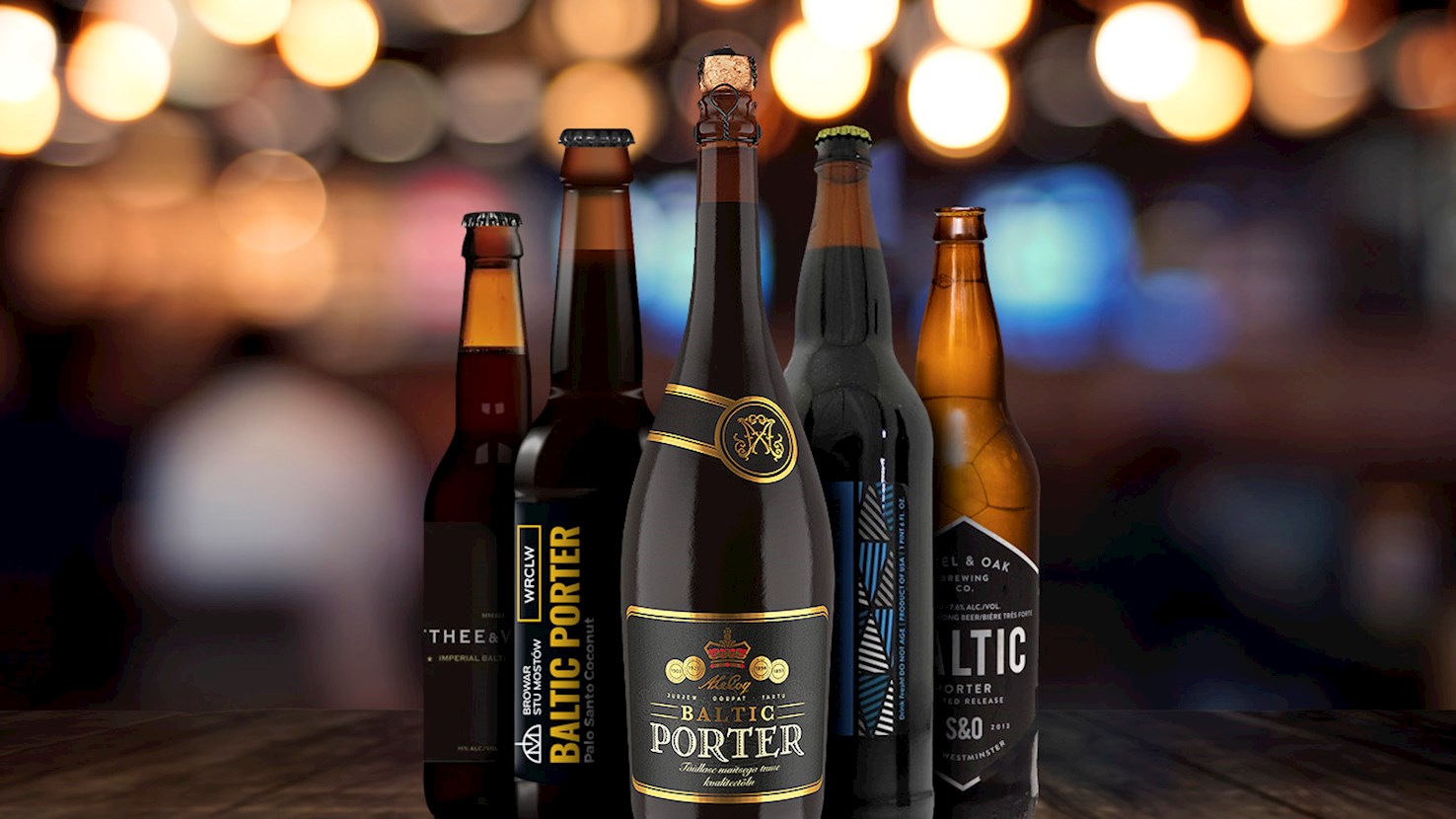
This beer style evolved from the British porter, and it was partially influenced by imperial stouts. The beers that fall under this category will typically have high alcohol content, usually between 5.5 and 9.5% ABV, while their color ranges from mahogany red to dark brown. They are full-bodied and smooth brews with typical malt flavors that are usually complemented by aromas of toast, caramel, licorice, dried fruit, chocolate, and coffee. Baltic porter first appeared when stronger and hoppier versions of British porter were sent to Russia. The shipments first reached Baltic, Scandinavian, and Northern European ports, including those in Finland, Poland, Sweden, Denmark, Lithuania, Estonia, and Latvia. Home breweries soon started to produce their versions using lager yeasts and regional ingredients, eventually creating a style that comes in many local expressions. Baltic porters are an excellent match to hearty dishes, especially roasted or grilled meat, and stews. They can also go well with chocolate or nut desserts and cheese.

02

Farmhouse ale

3.7 ·

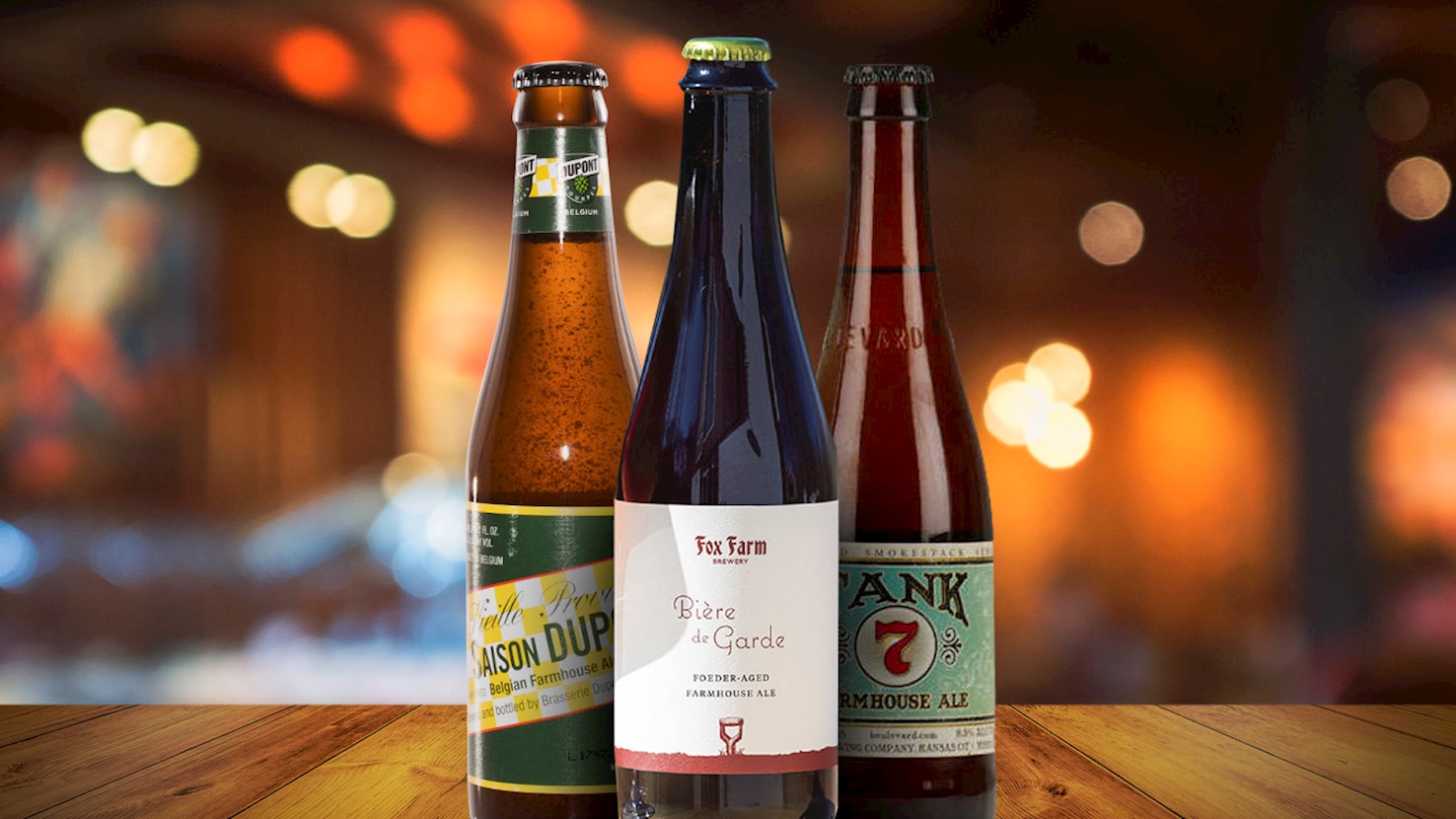
Farmhouse ale is best described as an ancient beer style that was brewed by European farmers who used their grains and hops. These brews were made with techniques that are not used in modern brewing, and because they were brewed in various European regions, the examples are incredibly versatile and include a variety of different sub-styles that are usually very region-specific. Farmhouse ales were made in places where people cultivated grains, and in the early 20th century, it was a prevalent style throughout northern Europe. These beers were a part of everyday life. In some places, they were prepared and enjoyed on special occasions, and in the regions where grains were plentiful, they were enjoyed on a daily basis. The choice of grains depended on availability, barley was the most common, but rye or oats were also used. The techniques were also different, and other ingredients such as herbs and spices were often added to the brew. This is why the examples significantly vary, but most were crisp and dry, with a funky and somewhat earthy character. Examples of the style include Bière de garde (France), Saison (Belgium), and Sahti. (Finland). Some farmhouse ales are still brewed, but the practice mostly disappeared in the 20th century, along with the decline in farming. However, some craft breweries try to imitate the style and include farmhouse ale labels. It should be noted that these brews often do not have much in common with the traditional farmhouse ales.

03

Maltøl (Norwegian Farmhouse Ale)

3.1 ·

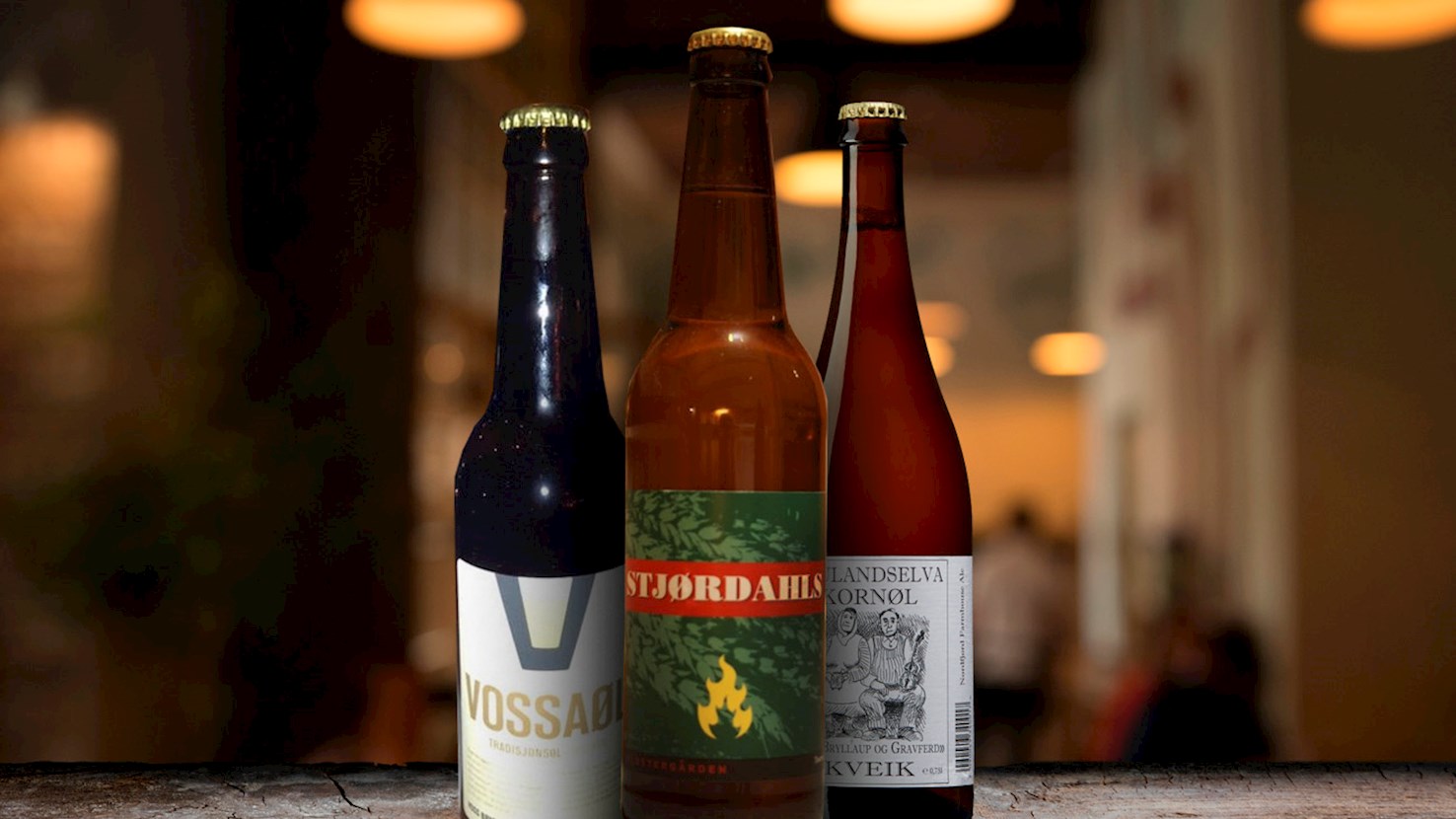
Norwegian farmhouse ale is an example of a traditional farmhouse ale—a versatile style brewed by European farmers. These beers were designed for local consumption. In Norway, they are known as maltøl, which would literally translate as malt beer. Norwegian brewing tradition is ancient, and though it has changed over time, it retained some of its unique characteristics. The entire category of farmhouse ales is incredibly versatile. The character depends on the region, brewer’s preferences, and style. Although the tradition has mainly disappeared, farmhouse ales are still brewed in several Norwegian regions, and are available in several different styles. The most popular is Stjørdalsøl, which comes from Stjørdal, the area with the highest number of traditional breweries. The beer is dark and has a smoky character. Vossaøl is clear and fruity, often flavored with juniper, while Kornøl is pale and hazy and commonly juniper-flavored.

04

Stjørdalsøl

n/a ·

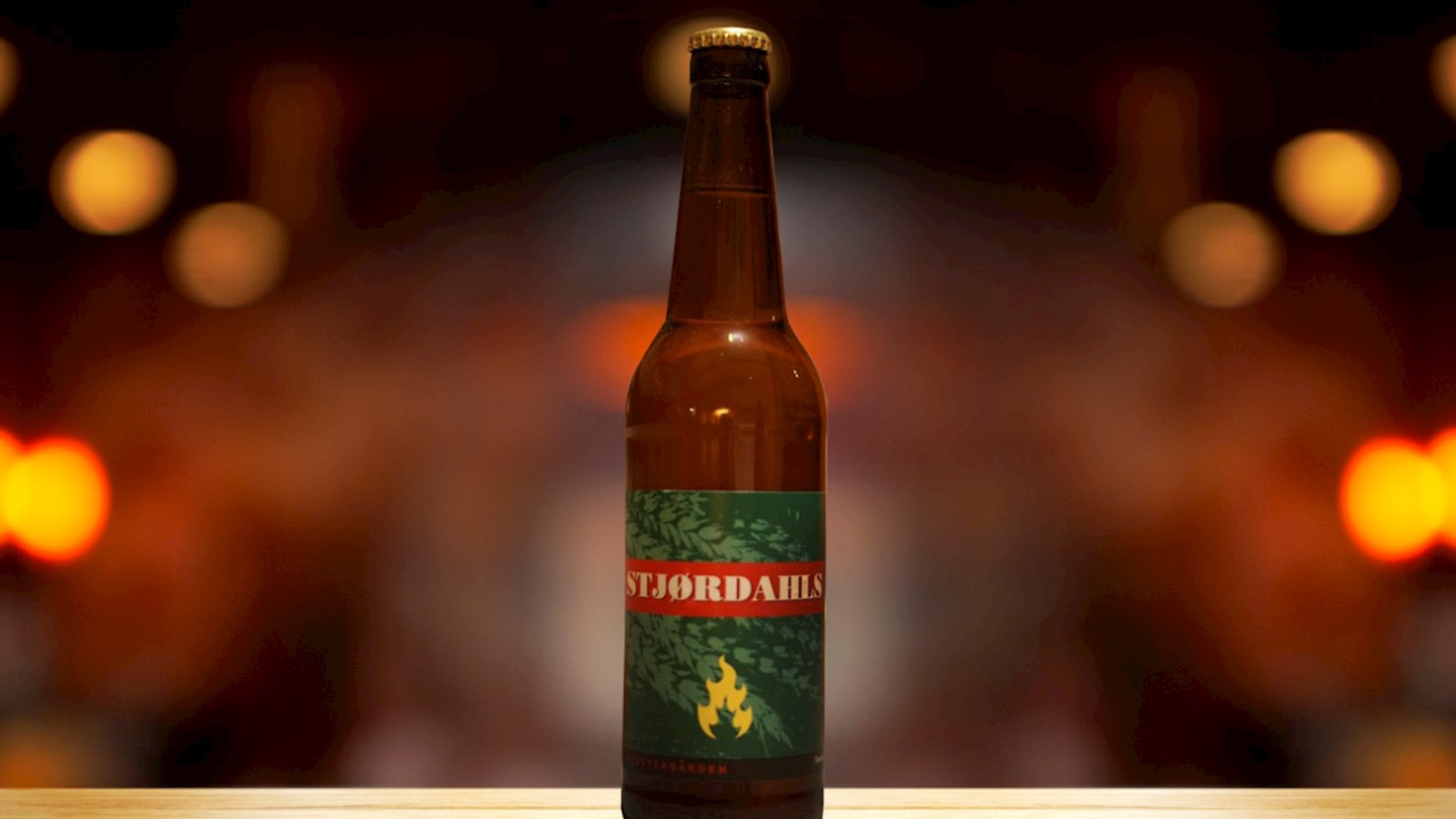
Stjørdalsøl is a traditional beer style that falls in the broad category of Norwegian farmhouse ales. It hails from Stjørdal, Trøndelag, one of Norwegian regions that has preserved the tradition of brewing these old farmhouse brews. Stjørdal now has the largest number of traditional breweries and even features several commercially produced examples. This regional style is very versatile. The final brew varies among breweries and brewers, but most are amber-colored and have a distinctive malty character and smoky notes, ranging from delicate to heavily smoked. Most brewers make their own malts for this beer, and most examples range from 5 to 7% ABV.

05

Kornøl

n/a ·

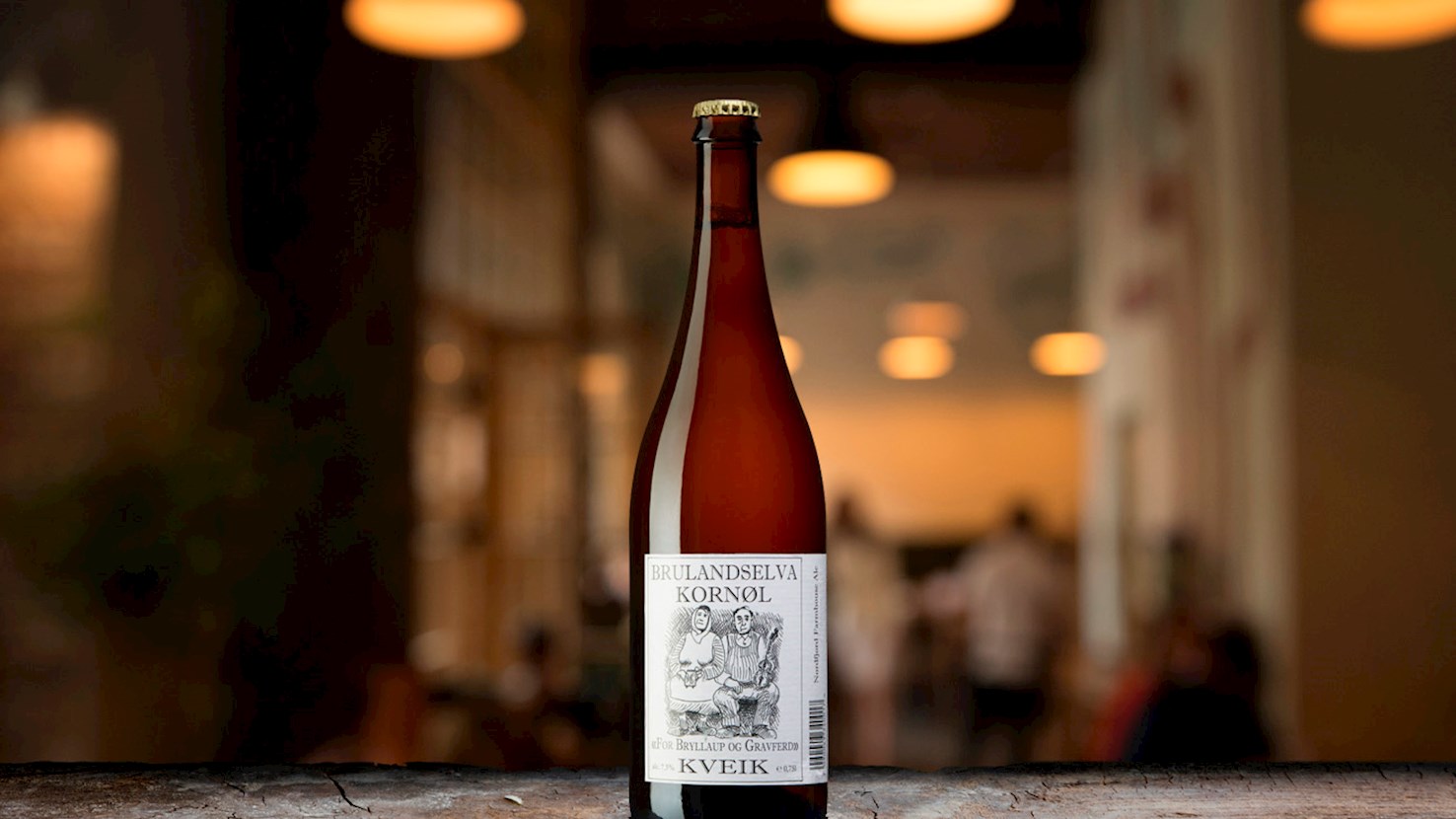
Kornøl is a farmhouse ale from Norway that is classified as raw ale. The beer is mainly associated with Western Norway and the regions Sunnfjord, Nordfjord, and Sunnmøre. The style is not as common as it used to be, but several breweries and enthusiasts preserve this ancient brewing tradition. Unlike other types of traditional Norwegian beers, Kornøl is not boiled. It is a type of raw ale that is usually brewed with traditional local yeast (kveik) and juniper. The resulting beer is pale and usually cloudy. It is fruity, grainy, and subtly sweet, with a discreet juniper flavor. Because it is not boiled, this style usually has a shorter shelf life. The city of Grodås hosts the annual Kornøl festival, which takes place in October.

06

Vossaøl

n/a ·

Vossaøl is a type of Norwegian farmhouse ale—a traditional beer style that has been brewed for centuries, primarily by farmers who used their grains and hops, along with local yeast. Although this traditional brewing is not as common as it used to be, it is starting to regain popularity. Unlike other types of local farmhouse ales, Vossaøl is made with unsmoked malt, so it does not have a smoky character. It is often brewed with kveik (traditional yeast), and it is mainly flavored with juniper. The resulting brew is usually clear and dark amber or copper. It has a fruity and caramel-like aroma, and it is usually quite strong. Some of these beers are brewed with commercial yeasts, and several craft breweries try to imitate the style.

07

Gotlandsdricka

n/a ·

Gotlandsdricka is a beer style that originated on the Swedish island of Gotland. The brew was made with local ingredients and traditional techniques, and it is often classified as a type of farmhouse ale—an ancient European style initially made by farmers. Although these farmhouse beers were once brewed throughout the country, the tradition now mainly continues on Gotland. The ingredients depended on availability, and malt could be made with barley, wheat, rye, or oats. Brewers still usually make their malts and predominantly use juniper sprigs in the production. The resulting contemporary brews are versatile and can range in style. They are typically amber-colored and have a smoky character (due to smoked malts), with a sweet and subtly bitter flavor and juniper notes. Most examples are strong. It is often said that Gotlandsdricka was the drink of the Vikings, who might have enjoyed it as an everyday drink, unlike mead that was reserved for special occasions.

Read more
View all
View map
About this ranking

TasteAtlas food rankings are based on the ratings of the TasteAtlas audience, with a series of mechanisms that recognize real users and that ignore bot, nationalist or local patriotic ratings, and give additional value to the ratings of users that the system recognizes as knowledgeable. For the “Top 13 Scandinavian Ales” list until May 30, 2026, 148 ratings were recorded, of which 134 were recognized by the system as legitimate. TasteAtlas Rankings should not be seen as the final global conclusion about food. Their purpose is to promote excellent local foods, instill pride in traditional dishes, and arouse curiosity about dishes you haven’t tried.

The initial list of top producers was compiled based on available reviews, awards, local recommendations, media and blog coverage, and consumer reviews. The list will be updated with ratings from TasteAtlas local ambassadors and TasteAtlas users.

Similar lists