


cyclonebill by CC

Top 92 Scandinavian Beverages

Last updated on June 15, 2026

Best Scandinavian Beverage Types

01

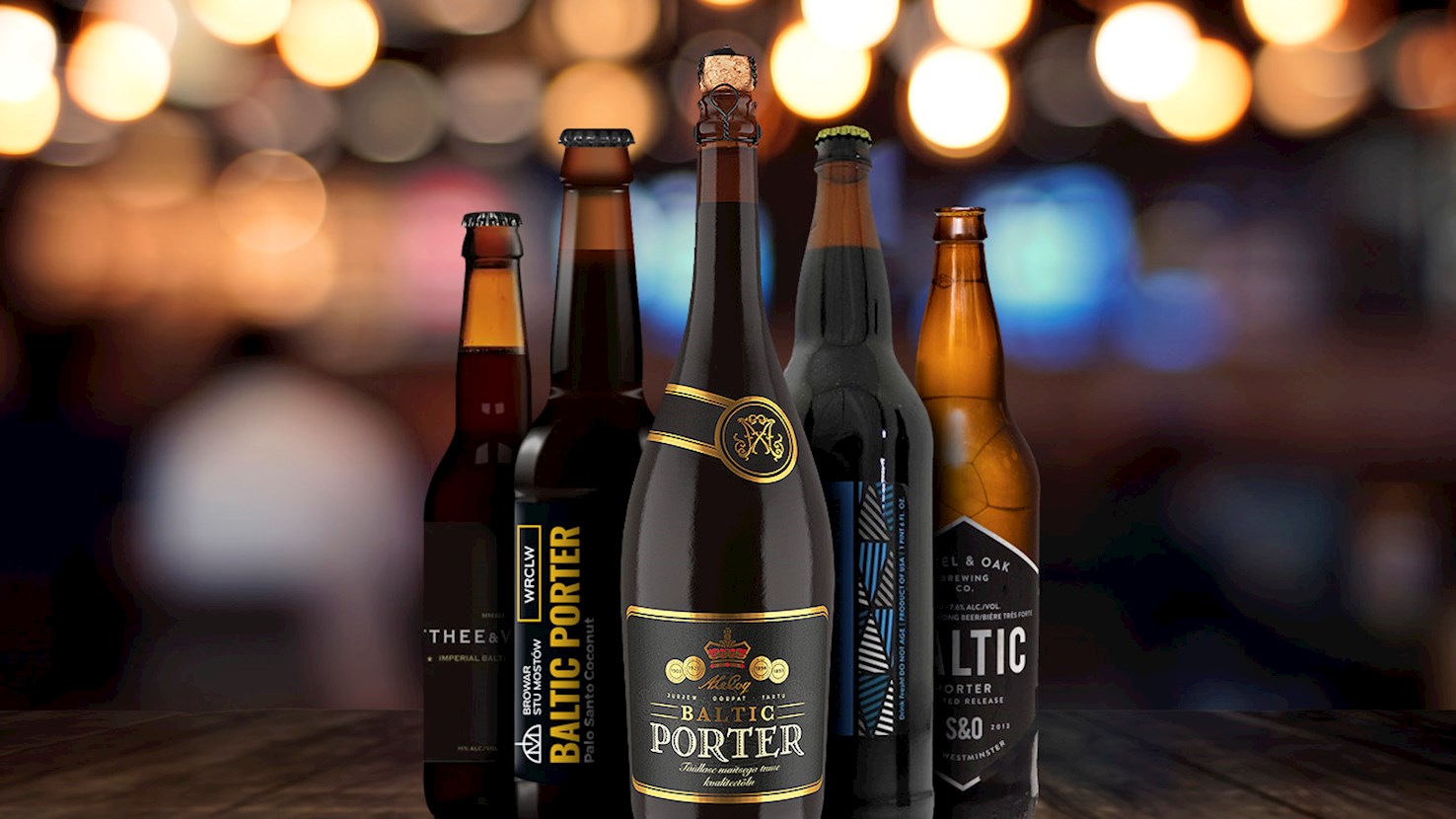
Baltic porter

4.1 ·

This beer style evolved from the British porter, and it was partially influenced by imperial stouts. The beers that fall under this category will typically have high alcohol content, usually between 5.5 and 9.5% ABV, while their color ranges from mahogany red to dark brown. They are full-bodied and smooth brews with typical malt flavors that are usually complemented by aromas of toast, caramel, licorice, dried fruit, chocolate, and coffee. Baltic porter first appeared when stronger and hoppier versions of British porter were sent to Russia. The shipments first reached Baltic, Scandinavian, and Northern European ports, including those in Finland, Poland, Sweden, Denmark, Lithuania, Estonia, and Latvia. Home breweries soon started to produce their versions using lager yeasts and regional ingredients, eventually creating a style that comes in many local expressions. Baltic porters are an excellent match to hearty dishes, especially roasted or grilled meat, and stews. They can also go well with chocolate or nut desserts and cheese.

02

Cocio

3.9 ·

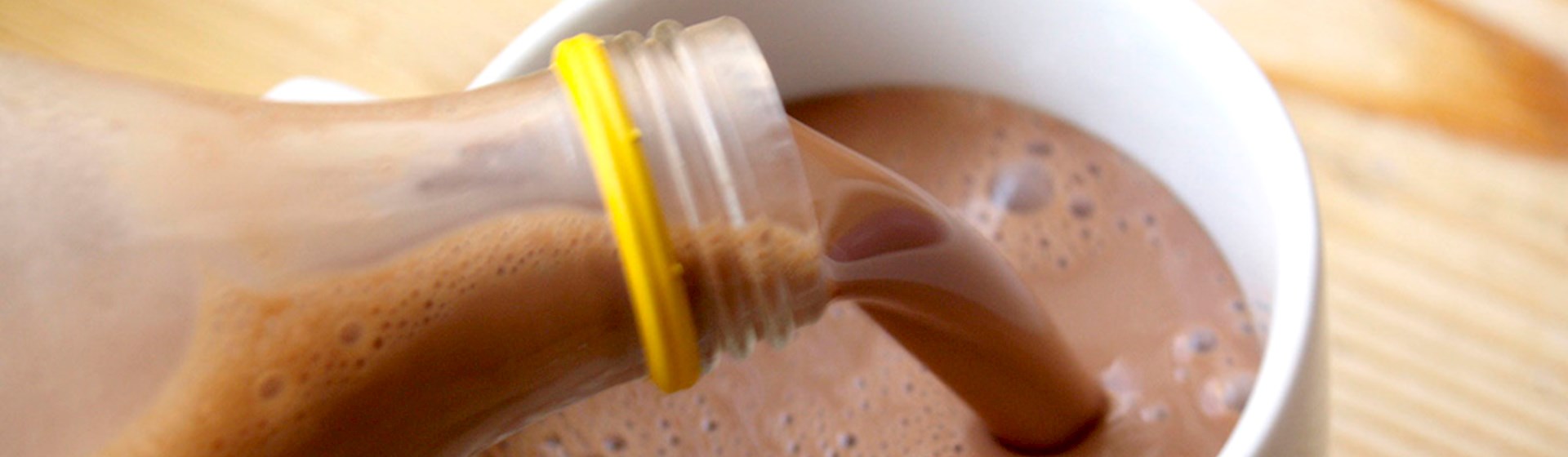
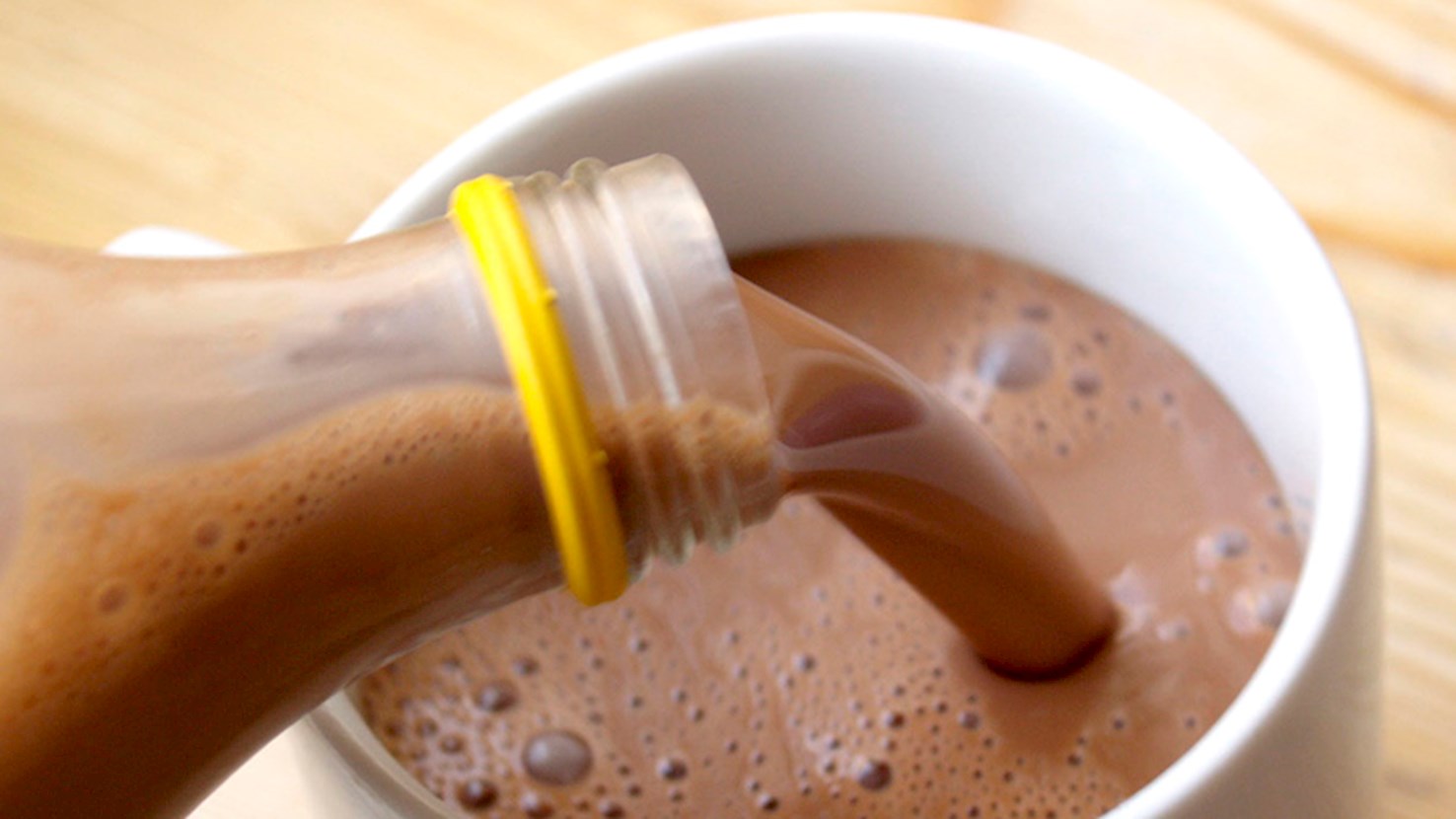
Cocio is a classic Danish chocolate milk that has been produced since 1951 and was originally invented by Anker Pallesen in Esbjerg. The drink combines fresh milk from Danish farmers, sugar, and only the best African cocoa, while the producers claim that the unique heating process gives the milk the typical, lightly caramelized flavor. The drink is available in classic and dark version, as well as the lighter Cocio One and Cocio Energy. Though it is available in cans, the trademark glass bottle is still a firm favorite, while the preferred pairing option is the traditional pølser hot dog.

03

Pucko

3.8 ·

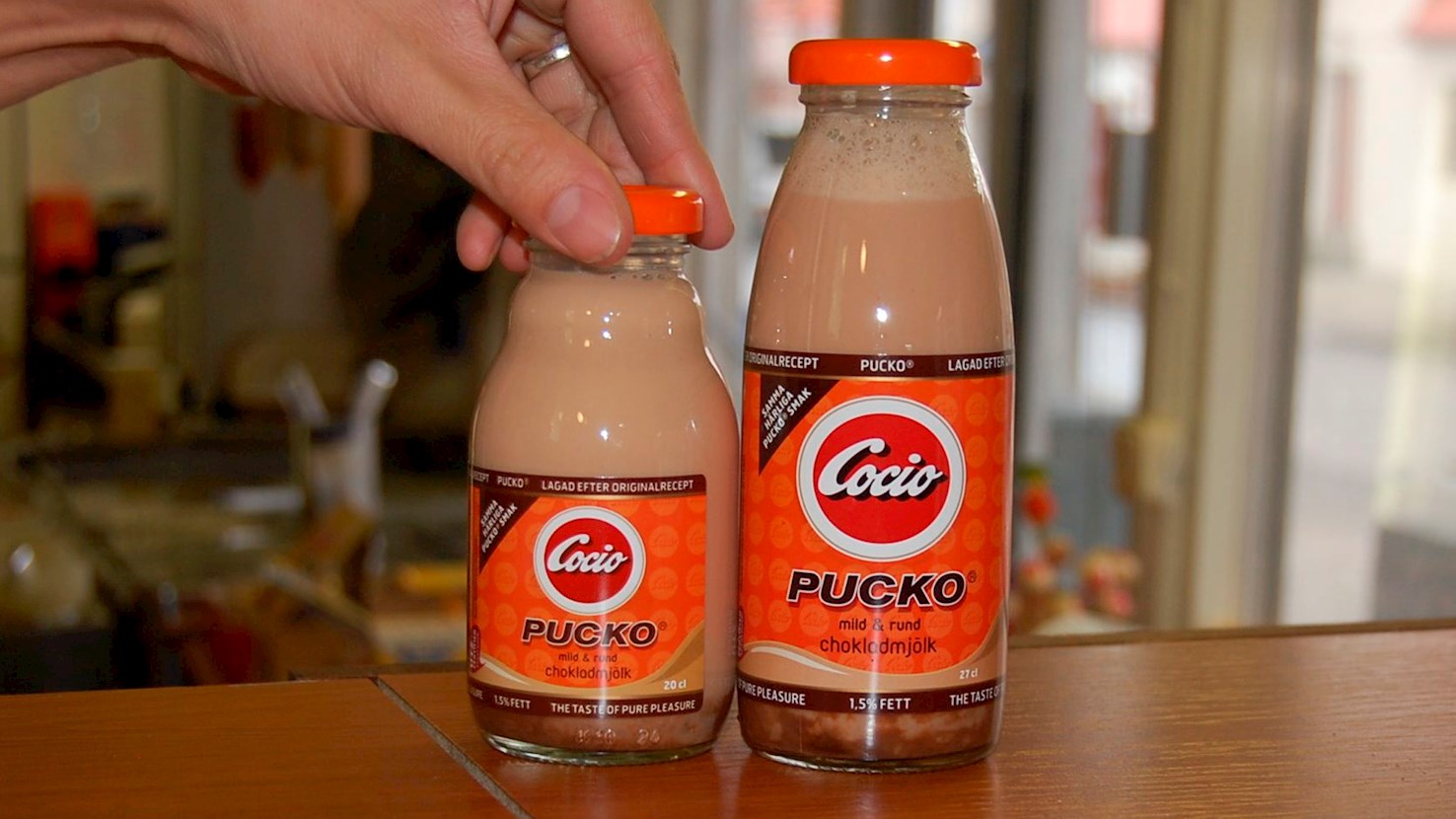
Pucko is a Swedish drink made with three basic ingredients: milk, chocolate, and sugar. It comes in an iconic glass bottle that was created by Arla Foods, a company which released it in 1954. Today, it is produced by a Danish company named Cocio. Besides the glass bottle, Pucko is also sold in cartons. In Sweden, the drink is most often associated with hot dog vendors, who typically sell it as an accompaniment to hot dogs.

04

Julmust

3.8 ·

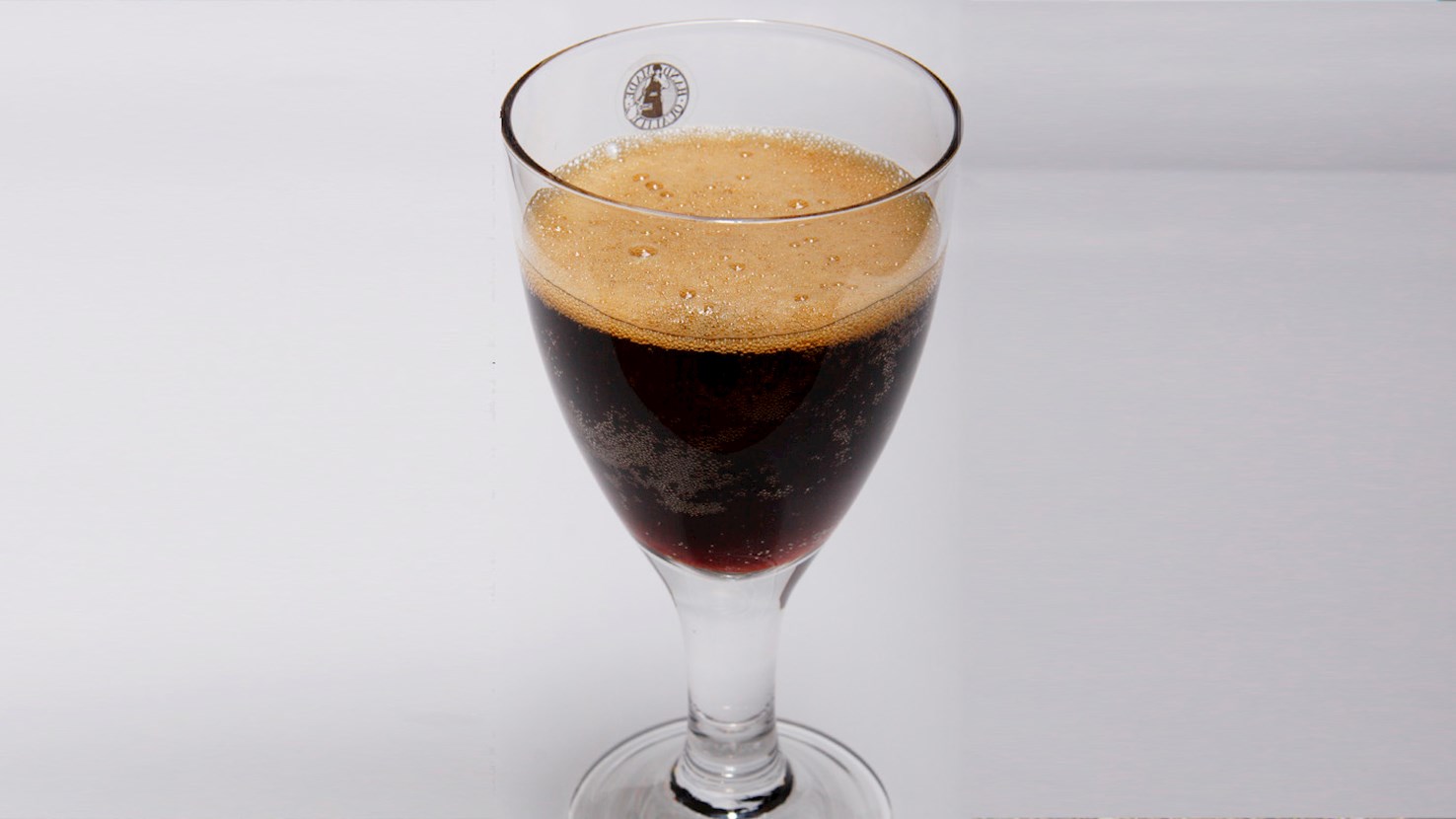
Julmust is a very popular Swedish soft drink that is consumed at Christmas time. This dark drink is often described as a mixture of cola and root beer, while its flavor is typically sweeter than most sodas. The name julmust translates to Christmas juice or Christmas must (not yet fermented fruit juice). However, there is no actual must in julmust. It was first created by Harry Roberts as a non-alcoholic alternative to beer and porter, which were traditionally consumed during winter holidays in Sweden. Påskmust is the Easter version of the drink. Though some argue that they are not the same, it is more likely that it is the same drink that is only labeled and named differently (påsk translates as Easter).

05

Farmhouse ale

3.7 ·

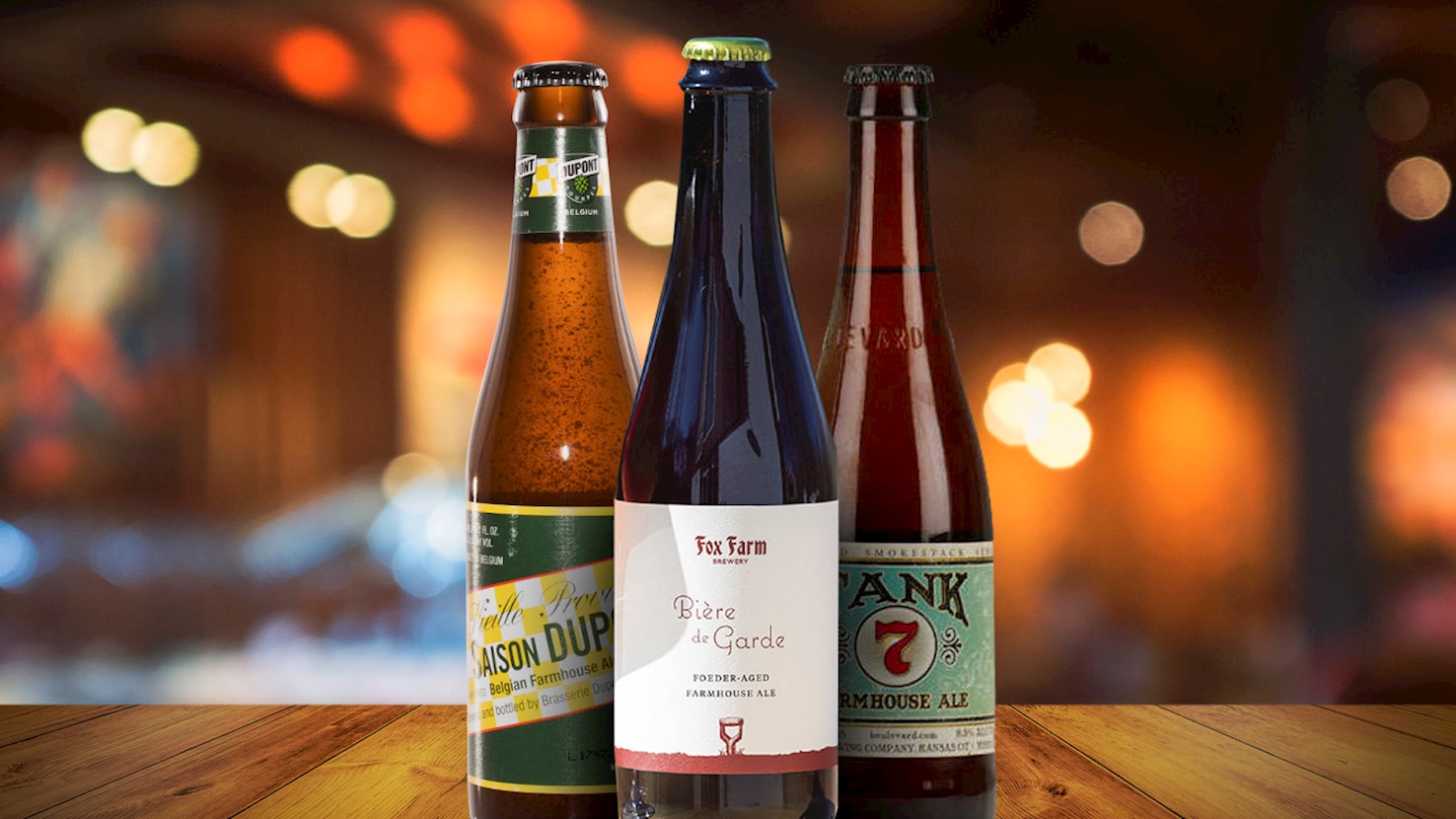
Farmhouse ale is best described as an ancient beer style that was brewed by European farmers who used their grains and hops. These brews were made with techniques that are not used in modern brewing, and because they were brewed in various European regions, the examples are incredibly versatile and include a variety of different sub-styles that are usually very region-specific. Farmhouse ales were made in places where people cultivated grains, and in the early 20th century, it was a prevalent style throughout northern Europe. These beers were a part of everyday life. In some places, they were prepared and enjoyed on special occasions, and in the regions where grains were plentiful, they were enjoyed on a daily basis. The choice of grains depended on availability, barley was the most common, but rye or oats were also used. The techniques were also different, and other ingredients such as herbs and spices were often added to the brew. This is why the examples significantly vary, but most were crisp and dry, with a funky and somewhat earthy character. Examples of the style include Bière de garde (France), Saison (Belgium), and Sahti. (Finland). Some farmhouse ales are still brewed, but the practice mostly disappeared in the 20th century, along with the decline in farming. However, some craft breweries try to imitate the style and include farmhouse ale labels. It should be noted that these brews often do not have much in common with the traditional farmhouse ales.

06

Glögg

3.6 ·

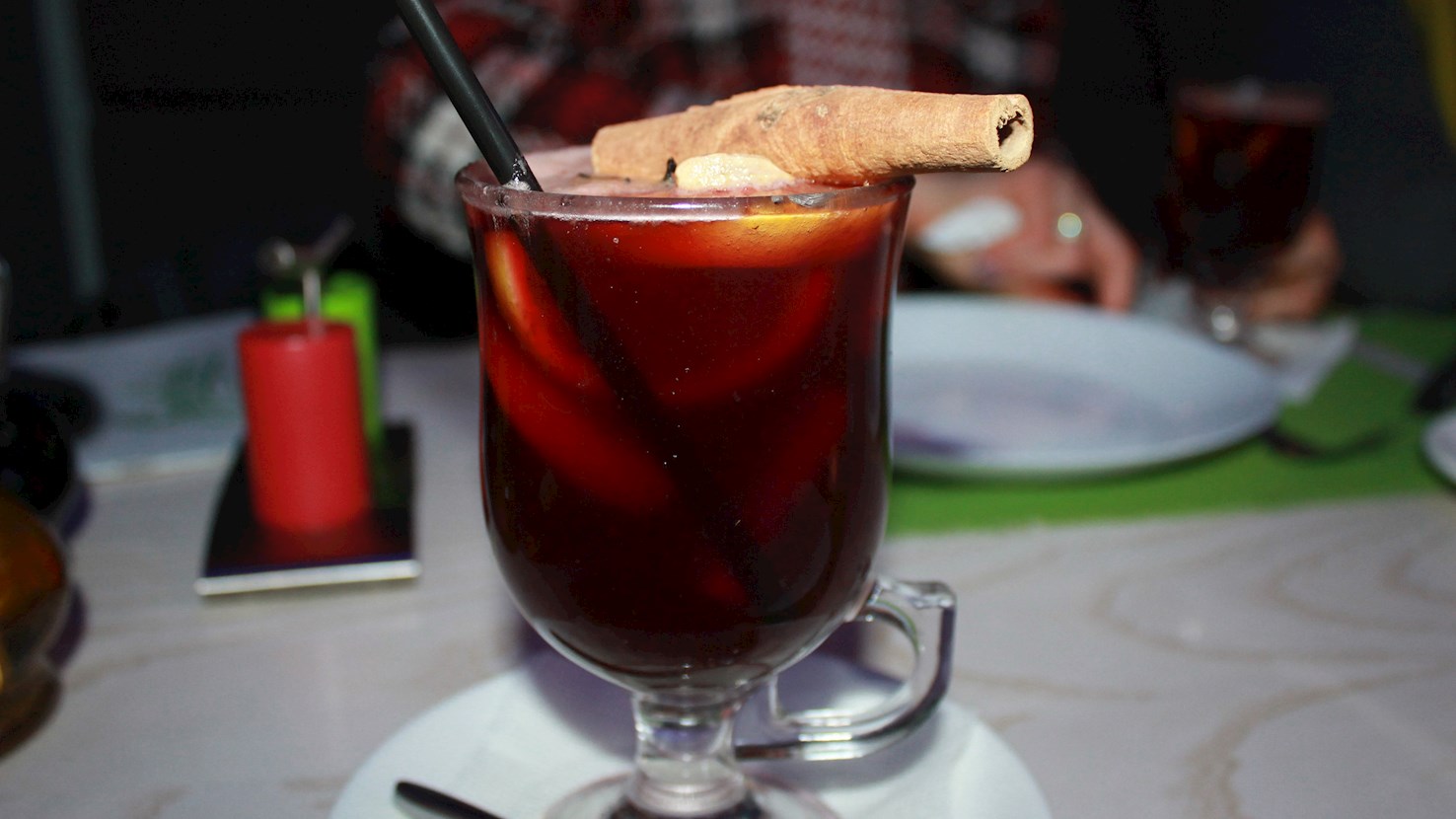
Glögg is a favorite winter drink in Scandinavia. In its basic form, this version of mulled wine combines red wine, sugar, and various spices such as cardamom, cinnamon, cloves, allspice, ginger, and orange zest. Typically served warm, glögg also often includes a splash of distilled spirit such as vodka, brandy, sherry, port, or akvavit. Alcohol-free variations also exist, while the red wine base is sometimes replaced with white wine, fruit juices, or cider. Although it was initially associated with higher social classes and nobility, in the 1900s, it became a more common drink. In Sweden and Finland (glögi), it also includes raisins and almonds, which are sometimes strained and served on the side. Danish version, known as gløgg, is usually paired with æbleskiver pancakes. The drink is mainly enjoyed in the weeks leading up to Christmas.

07

Svensk Punsch

3.4 ·

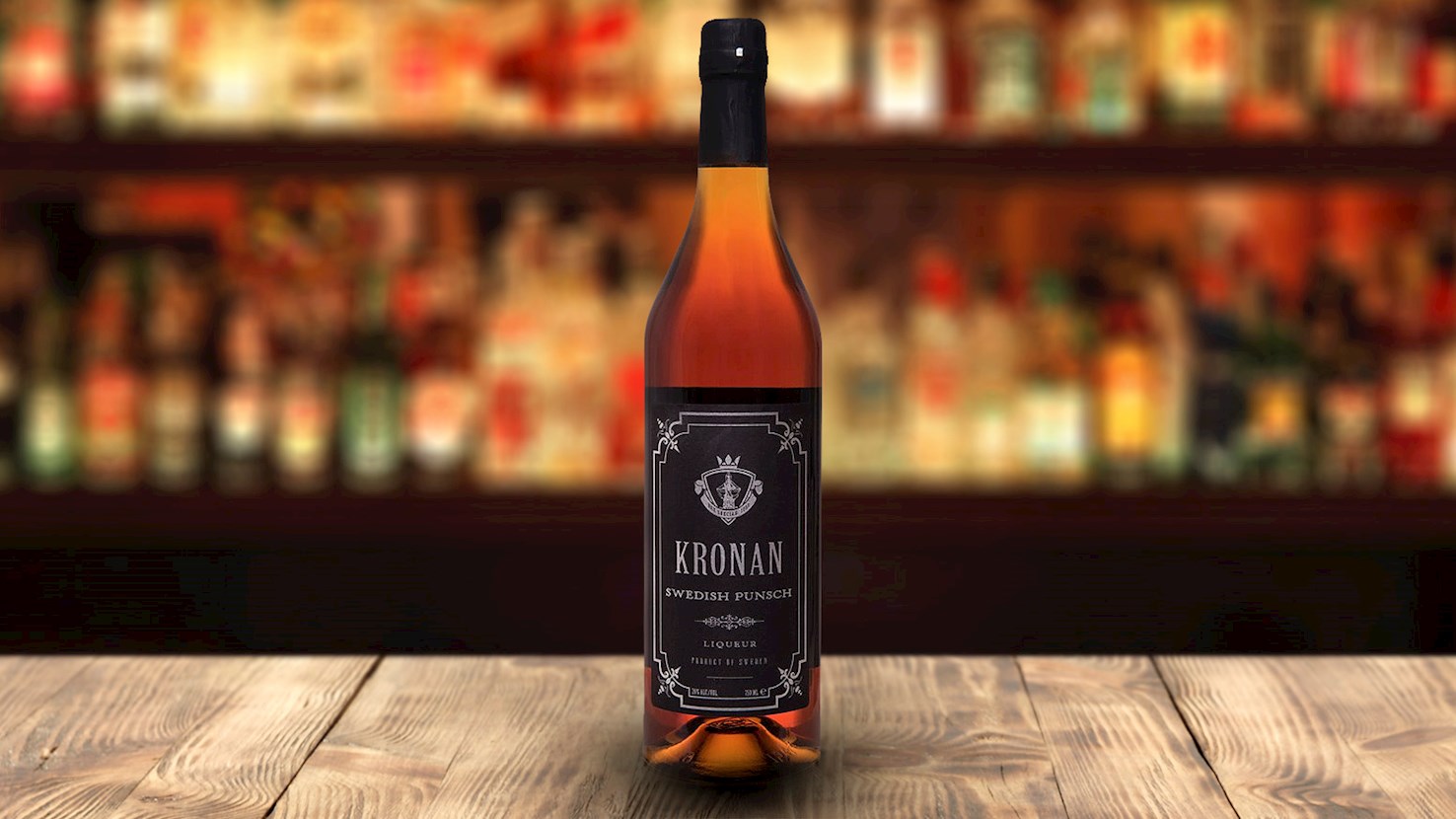
Swedish punsch is an arrack-based liqueur that was first introduced in the 18th century when the Swedish East India Company started importing Batavian arrack from Java. In its early days, punsch was enjoyed warm and prepared just before serving, by heating it and then adding spices and wine. The first bottled version appeared in 1845 and was manufactured by J. Cederlunds Söner, and was soon followed by other producers. Most punsch brands are now created with a combination of arrack, alcohol, water, and spices, and are best served neat and chilled, in traditional punsch glasses, though Swedish tradition suggests that it can be enjoyed warm when paired with traditional pea soup. The drink also incorporates well into cocktails and desserts.

08

Söderblandning

3.1 ·

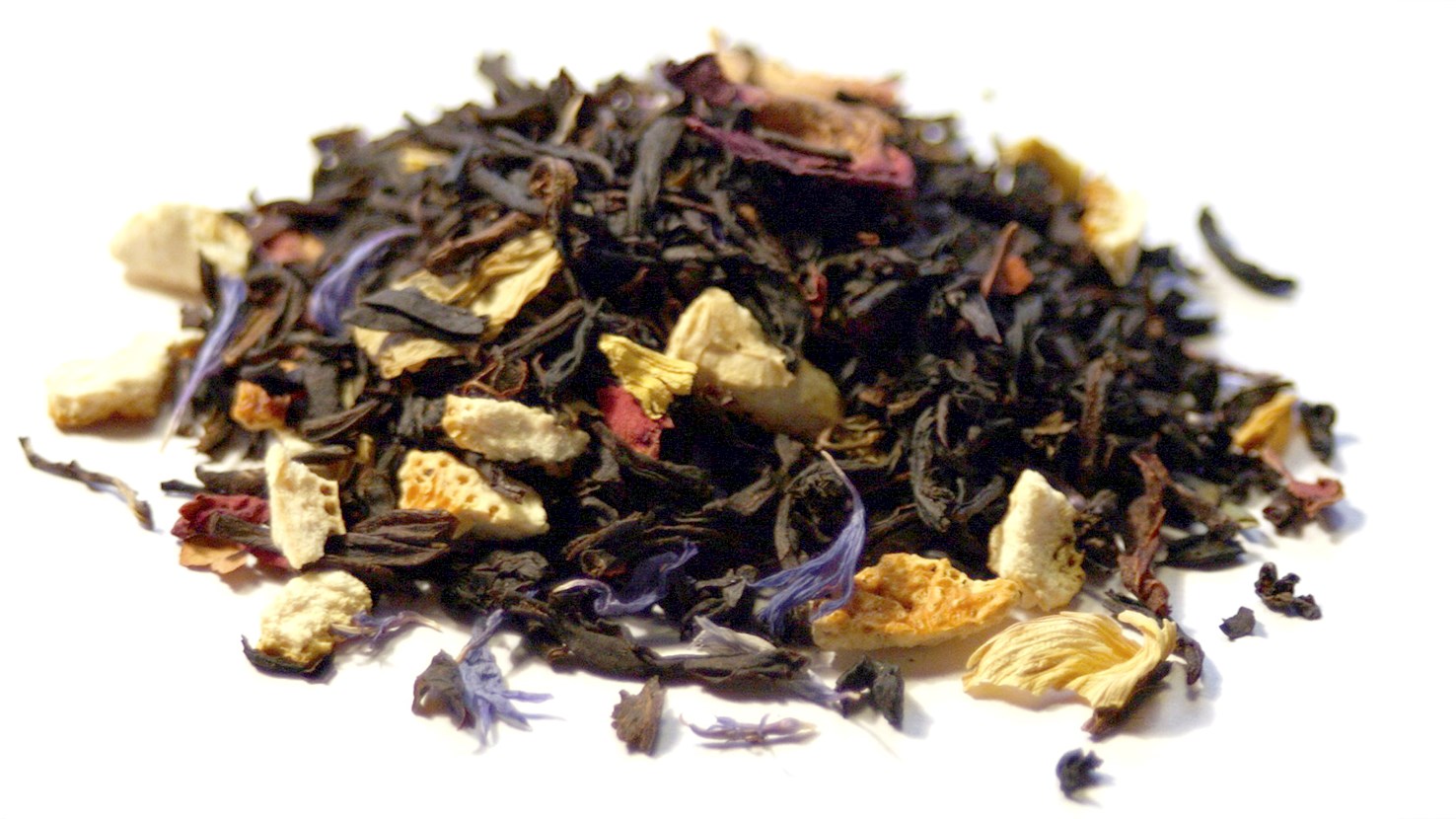
Söderblandning is a tea blend invented in Sweden. It is based on black tea blended with tropical fruit and flowers. The blend was invented in Södermalm, Stockholm—hence the name. It remains one of the most popular teas in Sweden. The exact ingredients are unfamiliar, and there are some differences among brands, but the base is made with Ceylon and Chinese black tea, while the additions may include citrus fruit and various flowers. Söderblandning was allegedly a lucky invention at the Tea Center in Stockholm. The story says that the owner Vernon Mauris accidentally dropped a batch he was working on. His workers refused to throw it away and used it to brew tea. The blend tasted so good that Vernon immediately tried to recreate the combination. It was originally called Misstagsblandningen (The Mistake Blend), later changing its name to Söderblandning to commemorate the district where the tea shop was located.

09

Maltøl (Norwegian Farmhouse Ale)

3.1 ·

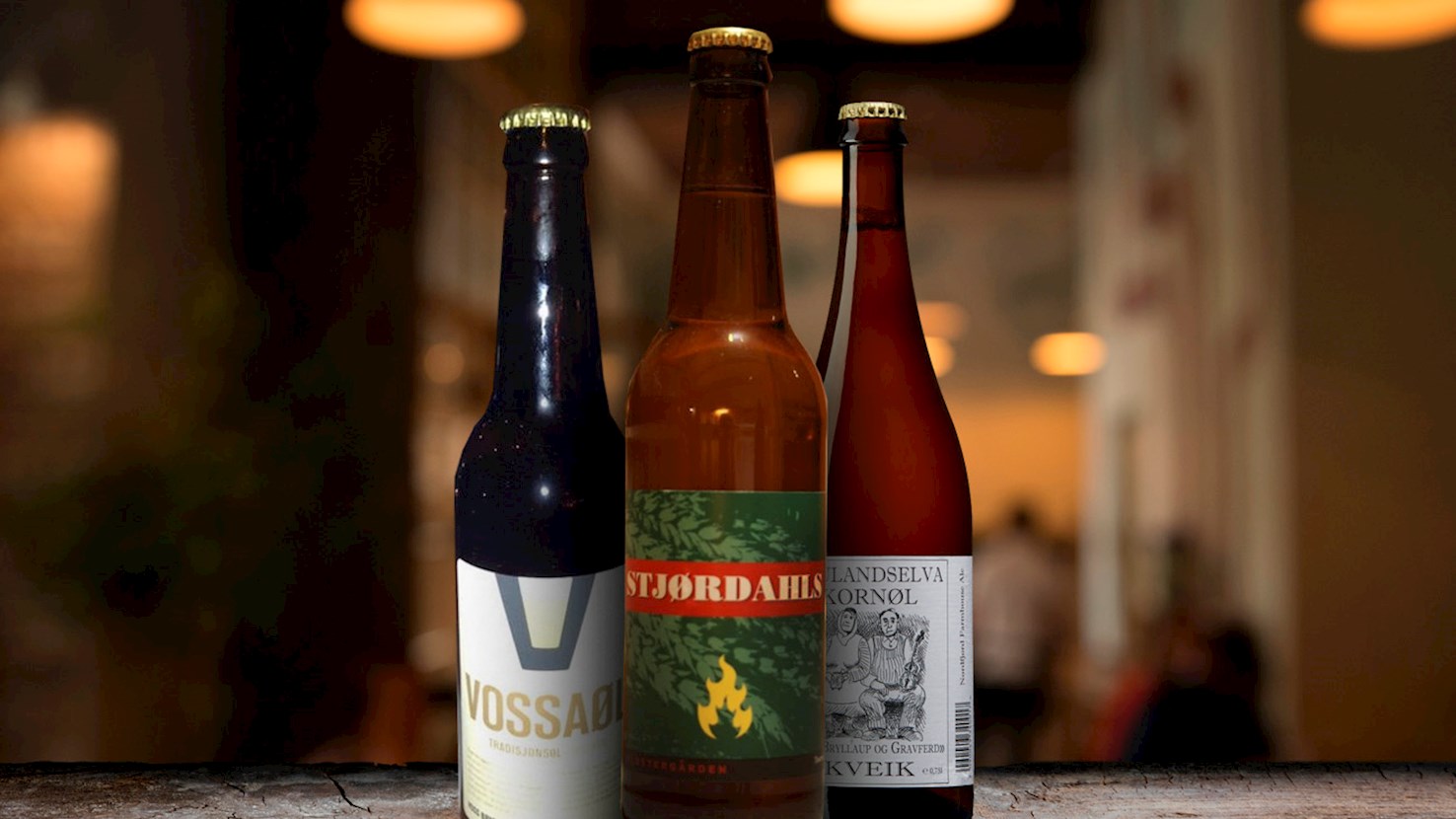
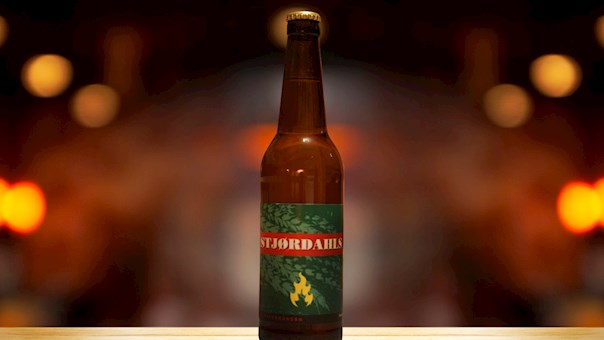
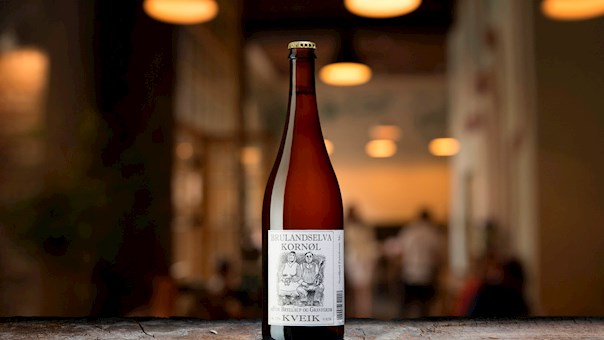
Norwegian farmhouse ale is an example of a traditional farmhouse ale—a versatile style brewed by European farmers. These beers were designed for local consumption. In Norway, they are known as maltøl, which would literally translate as malt beer. Norwegian brewing tradition is ancient, and though it has changed over time, it retained some of its unique characteristics. The entire category of farmhouse ales is incredibly versatile. The character depends on the region, brewer’s preferences, and style. Although the tradition has mainly disappeared, farmhouse ales are still brewed in several Norwegian regions, and are available in several different styles. The most popular is Stjørdalsøl, which comes from Stjørdal, the area with the highest number of traditional breweries. The beer is dark and has a smoky character. Vossaøl is clear and fruity, often flavored with juniper, while Kornøl is pale and hazy and commonly juniper-flavored.

10

Akvavit

2.8 ·

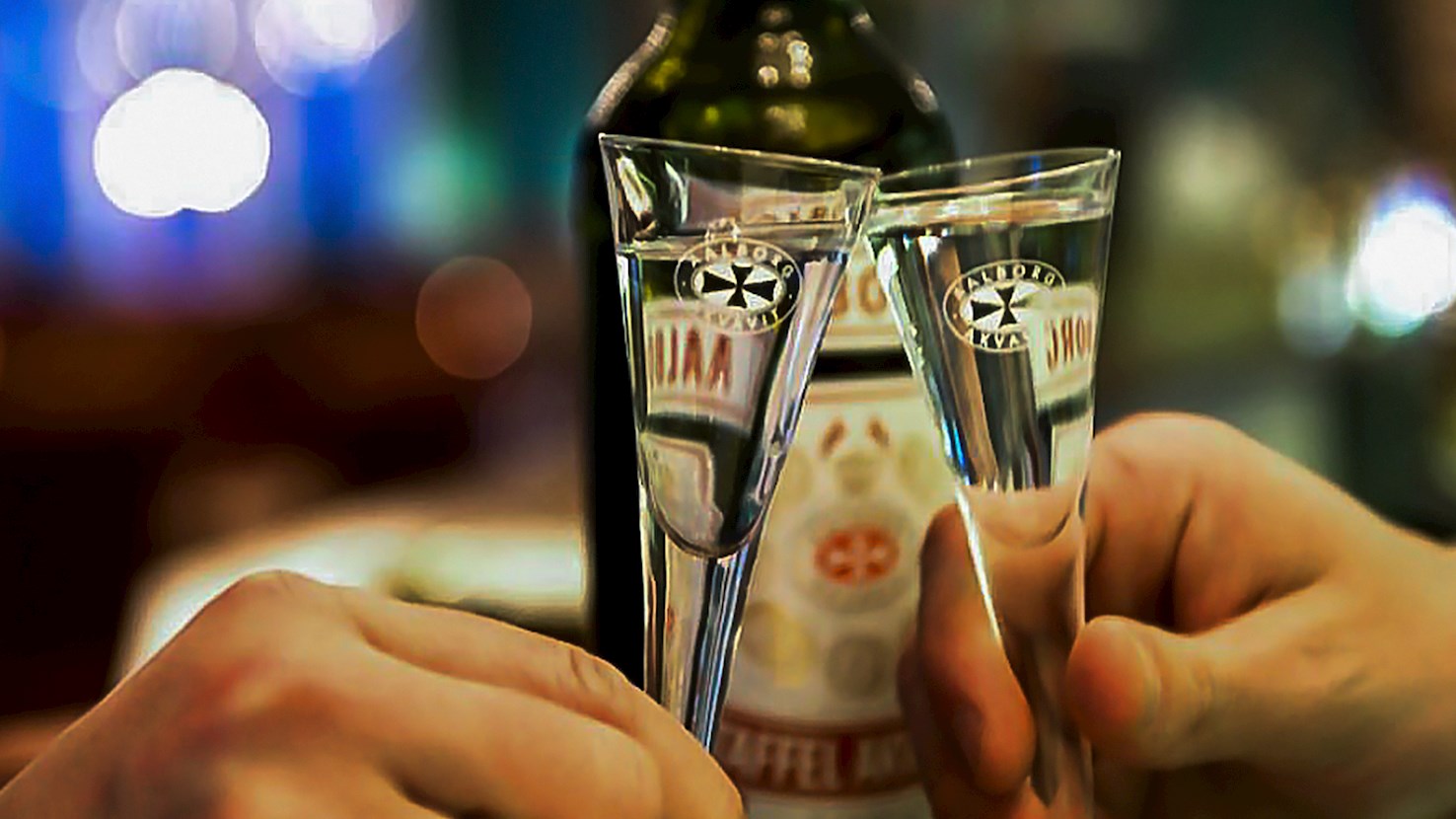
Akvavit is a Scandinavian spirit that is usually distilled from grains or potatoes. After distillation, it is infused with various botanicals, though the most common are caraway and dill. Other options may include fennel, coriander, cloves, or cumin. The drink can vary in color, and its flavor profile can greatly differ depending on the age and the base ingredients. Danish and Swedish akvavit is typically clear and colorless, while the Norwegian version is sometimes aged in sherry casks, allowing it to attain golden-like color and slightly stronger flavor. All varieties must have a minimum of 37,5 % ABV. Akvavit, whose name derives from aqua vitae (the water of life), has been produced since the 15th century. The first mention appears in a letter dated April 13th, 1531, that was sent from the Danish Lord Eske Bille to Norwegian Archbishop Olav Engelbrektsson. April 13th is celebrated as the akvavit day in Norway. The biggest producers come from Norway, Sweden, and Denmark. Although this strong spirit is usually enjoyed well-chilled, some prefer to serve it at room temperature. In Scandinavia, akvavit is mainly enjoyed as an aperitif, and it is one of the mandatory drinks during festive lunch and dinners. It perfectly pairs with local specialties.

Best Scandinavian Beverages
01

Marlobobo

5 ·
Marlobobo is a Norwegian craft meadery from Sande in the Vestfold region, founded in 2020, specializing in meads made from local fruit and honey. Their philosophy is based on minimal intervention in natural ingredients - water is often completely omitted, using only fruit and honey to achieve maximum concentration of flavors and aromas. They place particular focus on berries and Stevnsbær cherries, also known as the “Nordic grape” which lend their meads a strong and distinctive character. The portfolio includes more than a hundred different releases, ranging from classic melomels with raspberry, currant, or cherry, to experimental series with cryo-concentrated fruit and barrel-aged variants. Visually and aromatically, their drinks are rich and layered, while the palate combines fruit acidity, honeyed fullness, and the complexity of aging. Marlobobo has gained recognition beyond Norway - their products are available in specialty shops and bars across Europe. In addition to mead, they also run a brewing program under the name Megabear, where barrels are often shared and exchanged between different projects to add further depth of flavor. Marlobobo represents a modern Nordic interpretation of mead - a fusion of tradition, local identity, and innovative fermentation techniques.
Awards
Untappd - 4.7
Untappd - 4.5
02

Linie Aquavit

5 ·
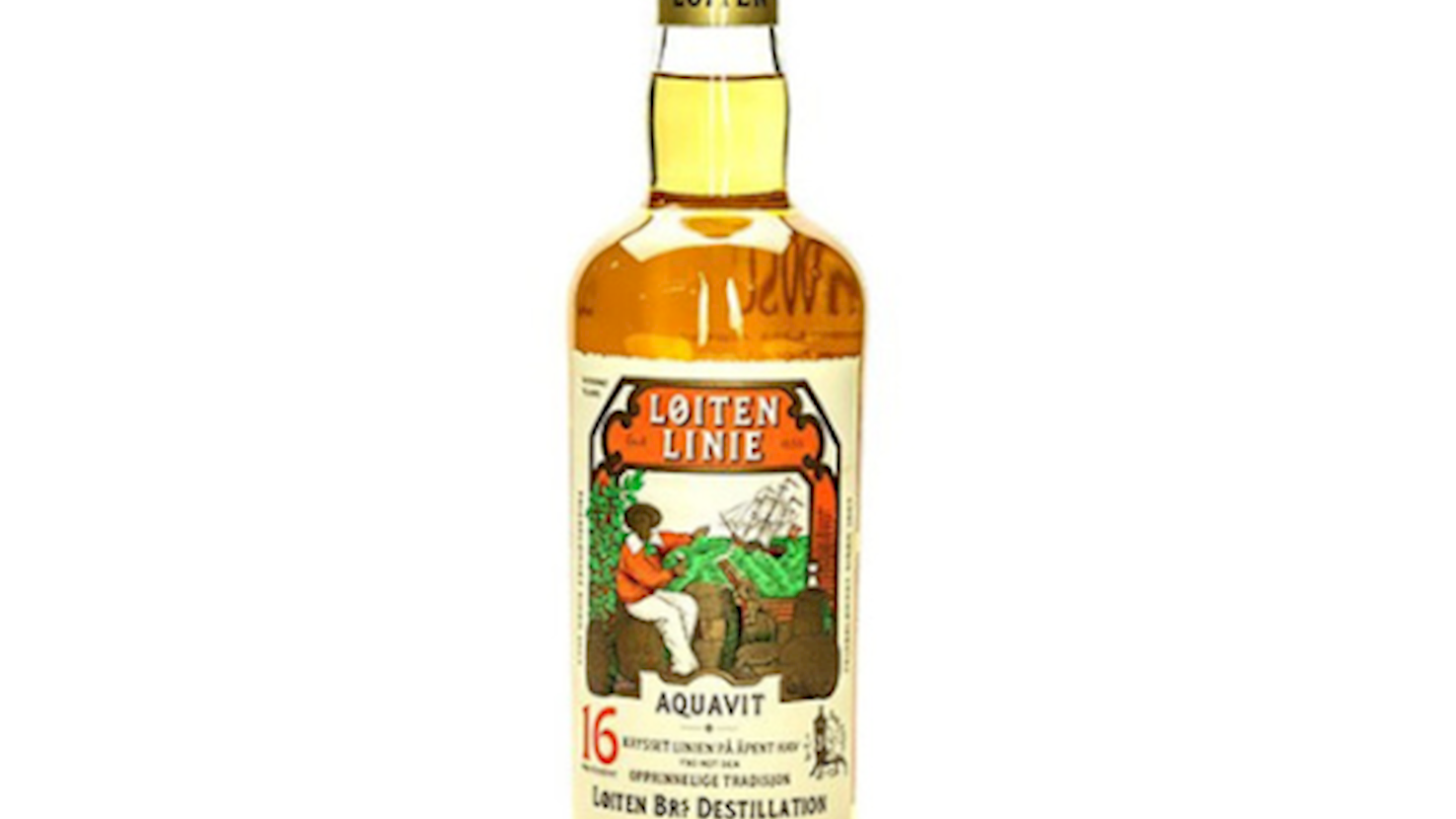
Linie Aquavit is a renowned Norwegian brand that specializes in aquavit, a traditional distilled spirit flavored with spices and herbs, such as caraway or dill. Linie Aquavit stands out for its unique maturing process, which involves shipping the spirit in oak barrels across the equator twice—a journey that enhances its flavor through temperature fluctuations and constant movement. This tradition dates back to the early 19th century and is a hallmark of the brand's commitment to quality and heritage. Linie continues to innovate while preserving its rich history, offering aquavit enthusiasts a taste of Norway's cultural essence.
Awards
ISC-International Spirits Challenge - Double Gold (2023, 2022, 2021, 2020, 2019)
ISC-International Spirits Challenge - Gold (2022)
03

Hernö Gin Distillery

5 ·
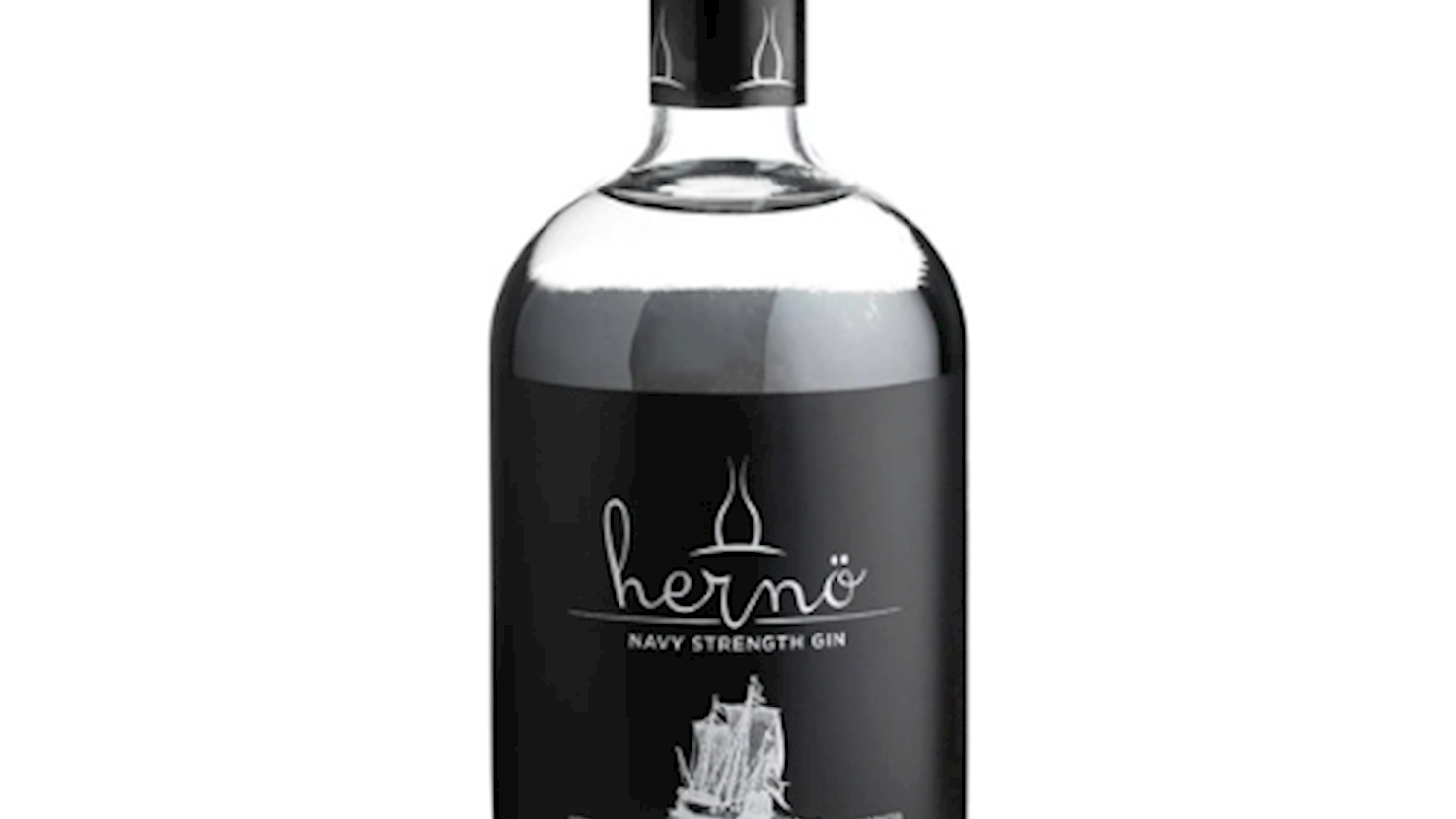
Hernö Gin Distillery is Sweden's first dedicated gin distillery, located in Dala, near Härnösand. Founded in 2011 by Jon Hillgren, it is renowned for its organic and sustainably crafted gins. Using traditional copper pot stills, Hernö combines high-quality botanicals like juniper, coriander, lemon peel, lingonberry, and birch leaves. Their range includes award-winning expressions such as Hernö Dry Gin, Old Tom Gin, Navy Strength Gin, and Juniper Cask Gin. The distillery has earned numerous global accolades, including titles for the world's best gin. Visitors can enjoy guided tours, tastings, and workshops on cocktail-making and gin crafting. Hernö is celebrated for its commitment to quality, innovation, and Scandinavian nature.
Awards
SFWSC - San Francisco World Spirits Competition - Double Gold (2024)
ISC-International Spirits Challenge - Double Gold (2020)
04

Absolut

5 ·
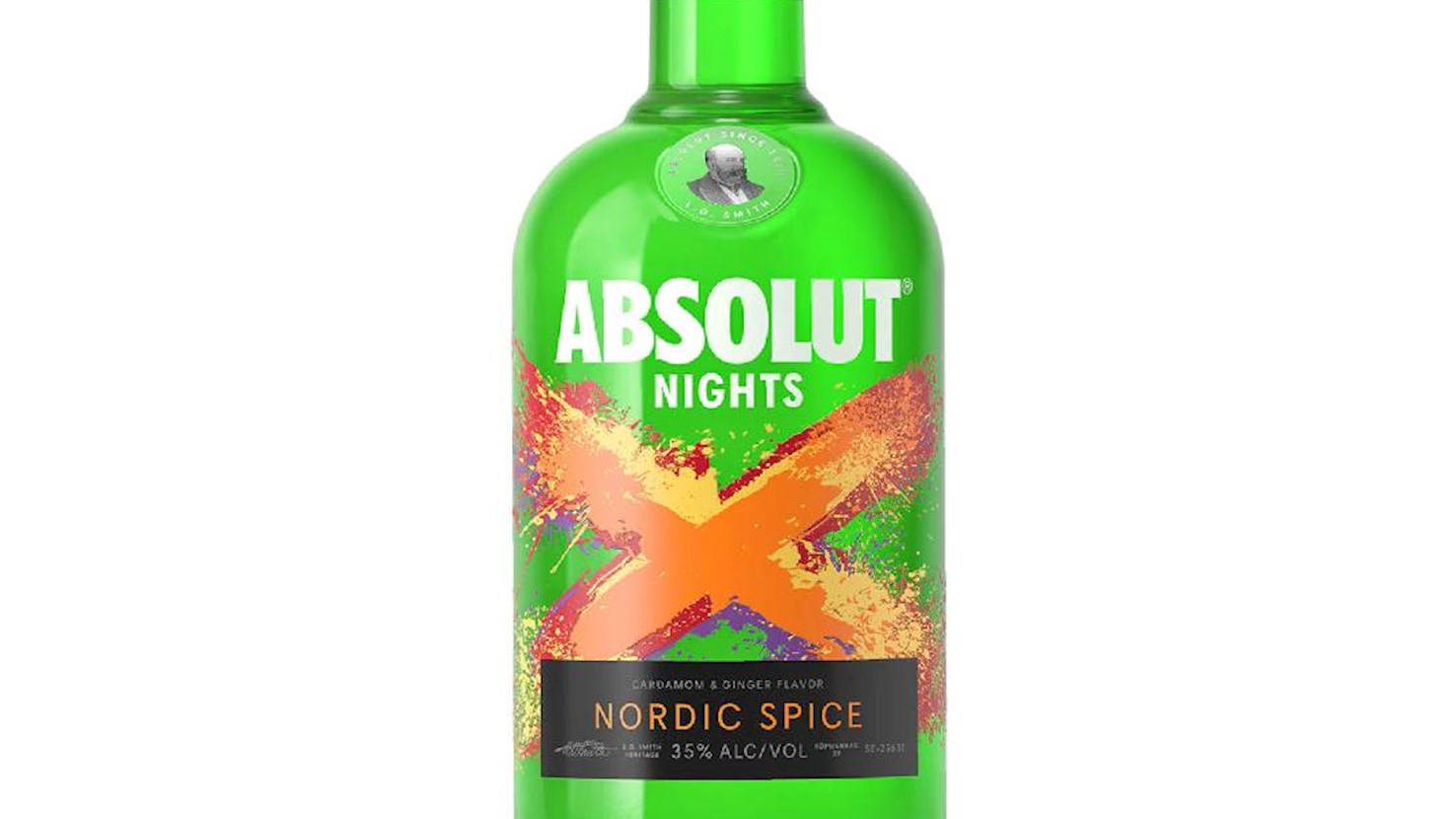
Absolut Vodka is one of the world’s top ten international spirits brands, with every drop of Absolut Vodka coming from one source, in and around Åhus in southern Sweden. With more than 200 years of distilling heritage, Beefeater Gin was born in the heart of London, where its only distillery remains today, while Plymouth Gin is made from England's oldest distillery using the original 1793 recipe. Unique and unrivalled, Monkey 47 name derives from the 47 handpicked ingredients sourced from the soft and mild water of Germany’s Black Forest, while KI NO BI is a recognisably dry gin from the Kyoto Distillery in Japan. Malfy Gins are made in Italy using Italian lemons, Sicilian pink grapefruits and blood oranges that express the sun-soaked spirit of the Almafi coast.
Awards
SFWSC - San Francisco World Spirits Competition - Double Gold (2024)
IWSC- International wine & spirit competition - Spirit Gold (2024, 2019)
05

Oss Craft Distillery

5 ·
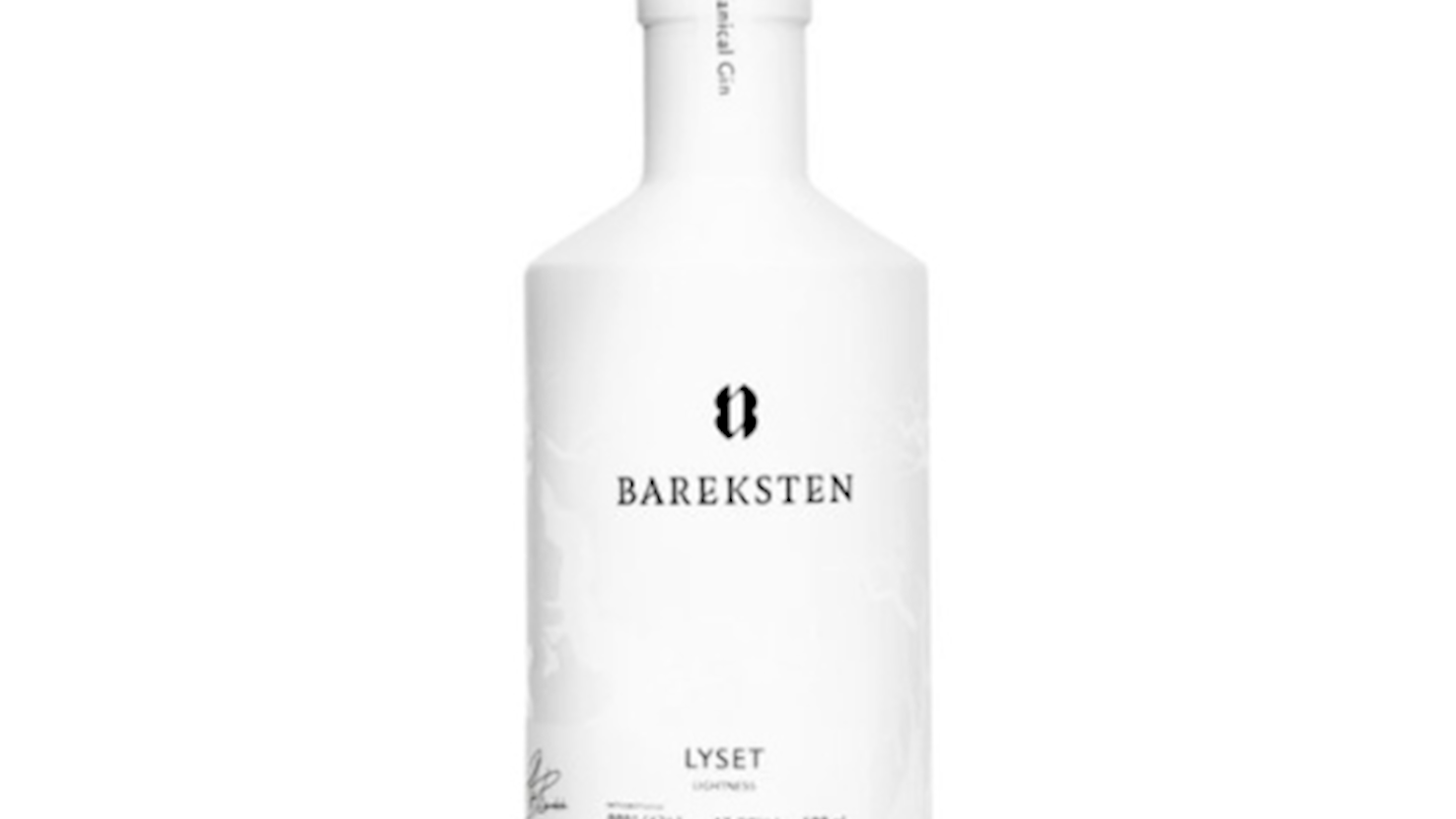
Oss Craft Distillery is a Norwegian distillery renowned for its high-quality craft spirits, blending traditional methods with modern innovation. Located in Blomsterdalen, near Bergen, it draws inspiration from Norway’s natural landscapes and folklore. Its flagship product, Bareksten Botanical Gin, features over 20 botanicals, capturing the essence of Nordic forests with flavors like juniper, elderflower, and blueberries. Founded by Stig Bareksten, the distillery emphasizes authenticity and craftsmanship in every bottle. Oss Craft Distillery has gained international recognition for its unique approach and premium-quality products.
Awards
SFWSC - San Francisco World Spirits Competition - Double Gold (2023)
ISC-International Spirits Challenge - Double Gold (2019)
06

Det Norske Brenneri

5 ·
Det Norske Brenneri, established in 2011, is one of Norway's leading producers of alcoholic beverages, based in Grimstad, in the Agder region. As the first private distillery to receive a license to produce spirits following the abolition of the state monopoly in 2005, the distillery is dedicated to preserving Norwegian artisanal traditions, producing in small batches to ensure the highest quality of its products. Their range includes a variety of beverages, such as aquavit, gin, and whisky. Among their most renowned products is "Arvesølvet Aquavit," which features hand-picked berries and herbs from the Norwegian wilderness. Det Norske Brenneri has won numerous international awards for its products, underscoring their commitment to quality and authenticity. The distillery utilizes the finest raw materials from Norway's natural landscapes and combines them with traditional production methods, creating beverages that reflect the rich cultural heritage of Norway.
Awards
Bartender Spirits Awards - Double Gold (2022)
European Spirits Challenge - Gold (2023)
07

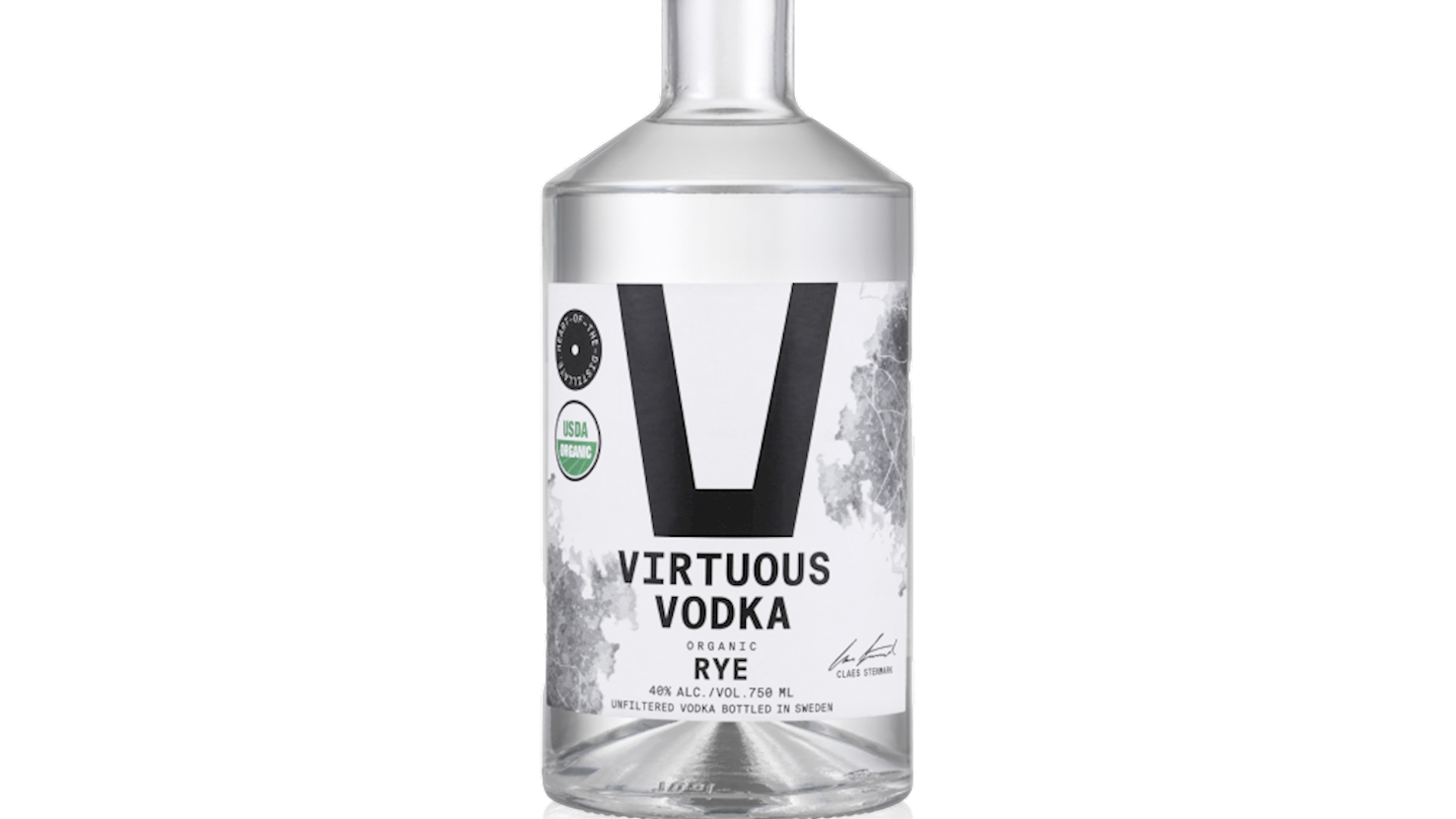
Virtuous

5 ·
Awards
IWSC- International wine & spirit competition - Spirit Gold (2024)
IWSC- International wine & spirit competition - Spirit Gold Outstanding (2024, 2023)
08

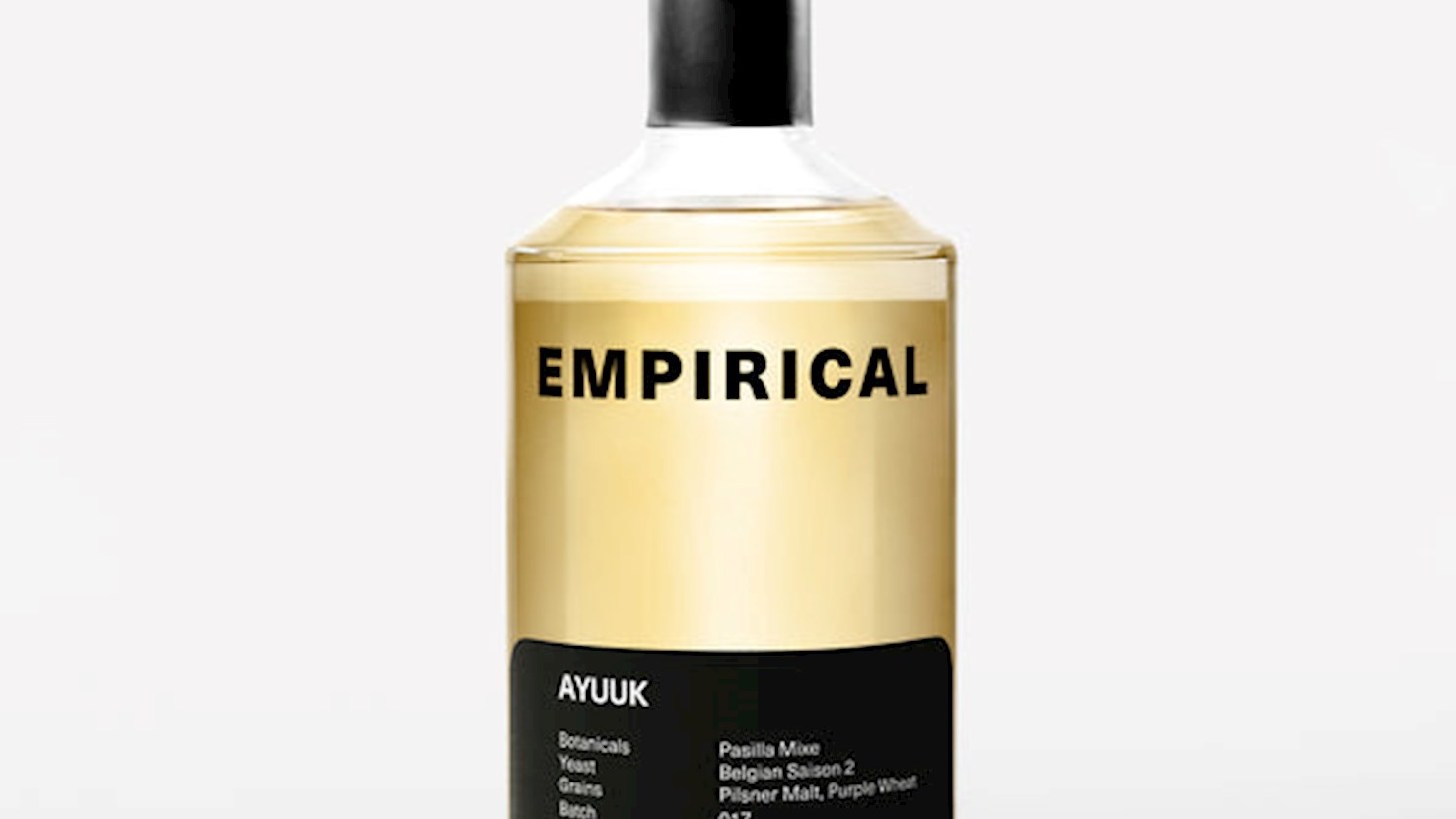
EMPIRICAL

5 ·
Awards
SFWSC - San Francisco World Spirits Competition - Double Gold (2023)
09

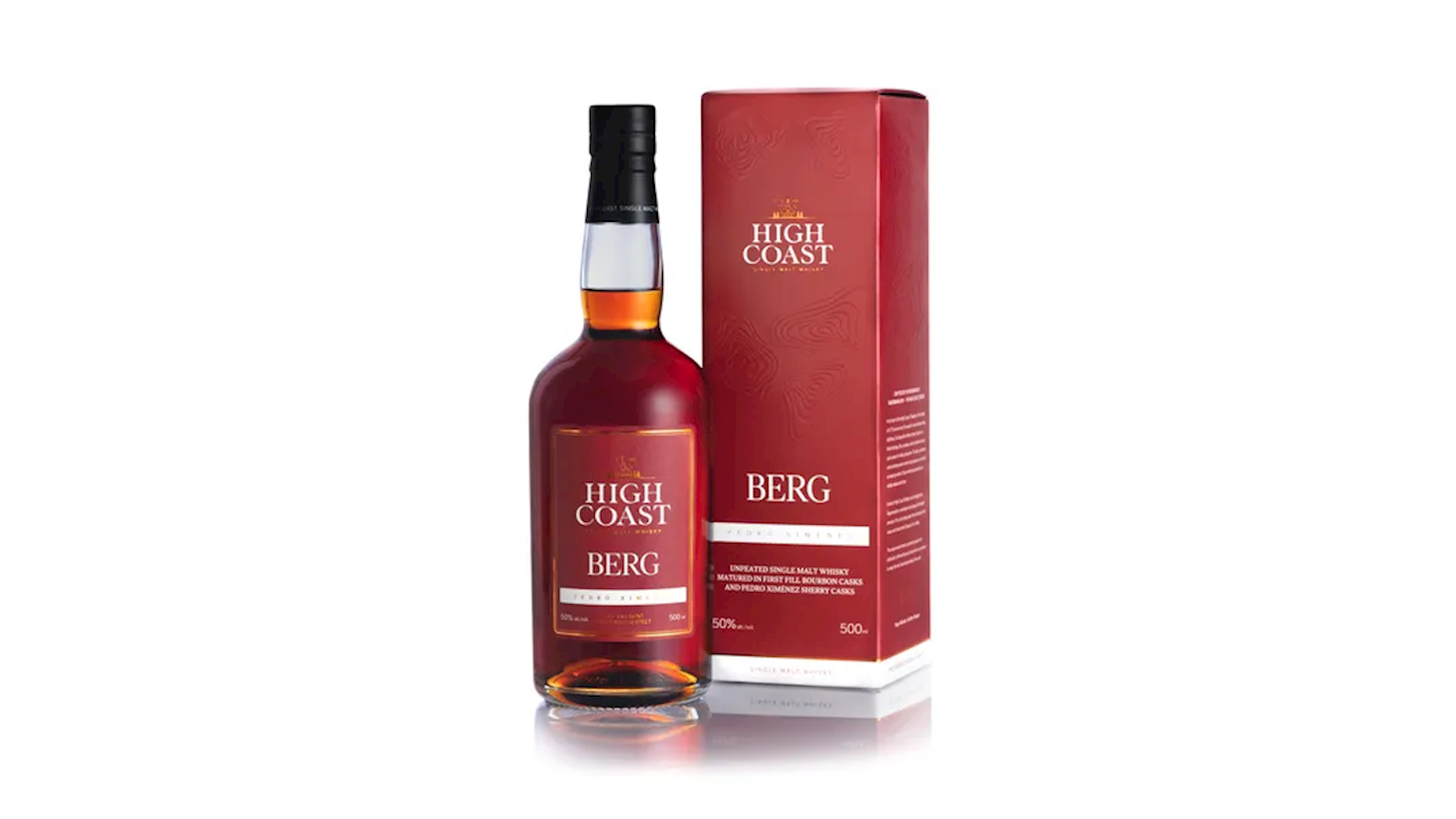
High Coast Distillery

5 ·
Awards
ISC-International Spirits Challenge - Gold (2024)
10

Feddie Ocean Distillery

5 ·
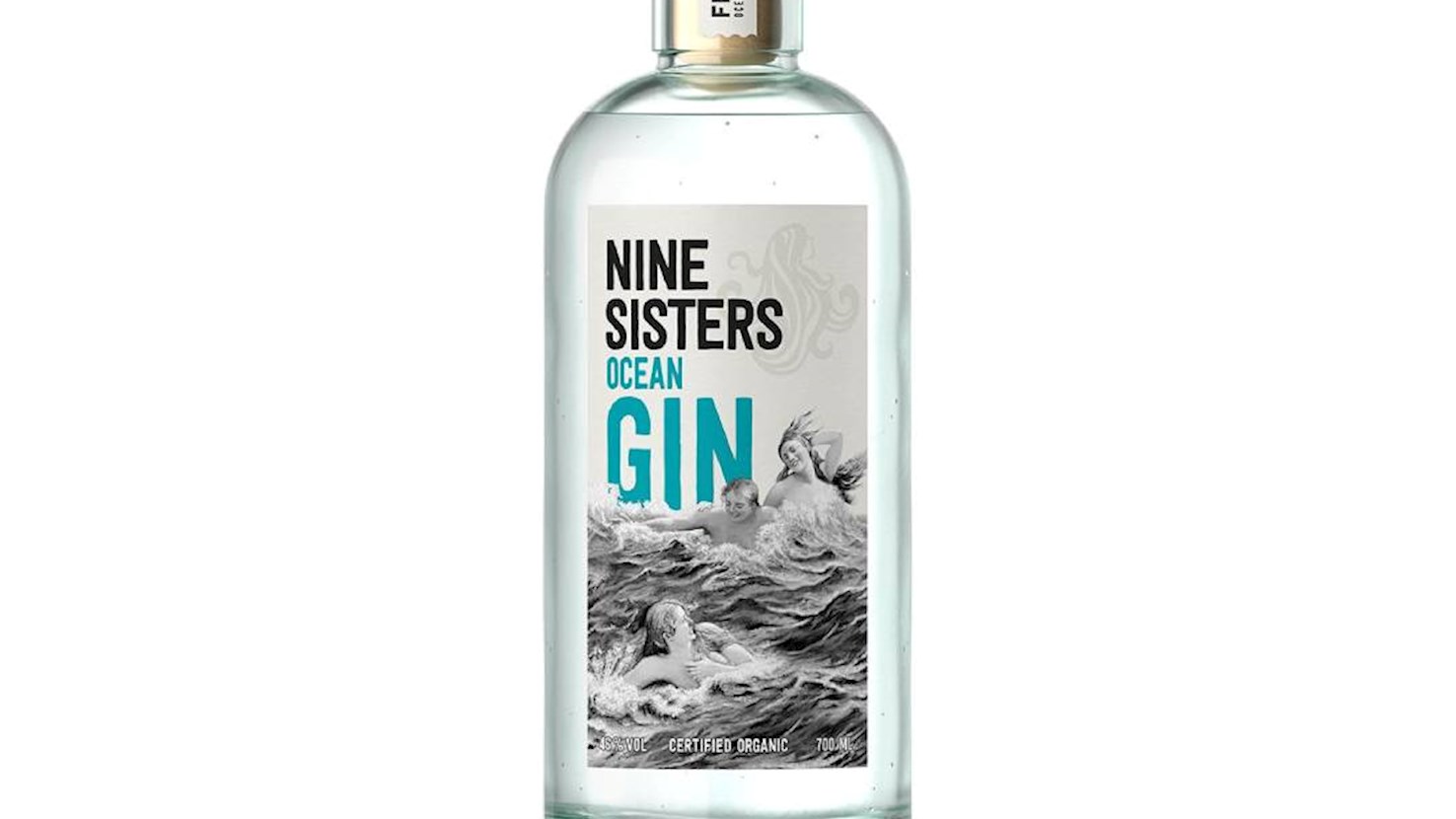
Feddie Ocean Distillery is an artisanal producer of whisky, gin, and aquavit, located on the island of Fedje, off Norway's west coast. Established in 2018, it stands out as Norway's only certified organic distillery, emphasizing sustainability and environmental responsibility. The distillery was founded with a vision of creating world-class spirits and is notable for its unique ownership structure, being entirely owned by women. This initiative aims to challenge the traditionally male-dominated spirits industry and promote gender equality. Feddie Ocean Distillery draws inspiration from the island's rich history and natural beauty, incorporating local botanicals and resources into their products. Their portfolio includes meticulously crafted whiskies, artisanal gins, and aquavits, each reflecting the distillery's dedication to quality and flavor.
Awards
European Spirits Challenge - Gold (2024)
Read more
View all
View map
About this ranking

TasteAtlas food rankings are based on the ratings of the TasteAtlas audience, with a series of mechanisms that recognize real users and that ignore bot, nationalist or local patriotic ratings, and give additional value to the ratings of users that the system recognizes as knowledgeable. For the “Top 92 Scandinavian Beverages” list until June 15, 2026, 530 ratings were recorded, of which 461 were recognized by the system as legitimate. TasteAtlas Rankings should not be seen as the final global conclusion about food. Their purpose is to promote excellent local foods, instill pride in traditional dishes, and arouse curiosity about dishes you haven’t tried.

The initial list of top producers was compiled based on available reviews, awards, local recommendations, media and blog coverage, and consumer reviews. The list will be updated with ratings from TasteAtlas local ambassadors and TasteAtlas users.

Similar lists