Top 48 European Ciders

Last updated on July 22, 2026

Best European Ciders
01

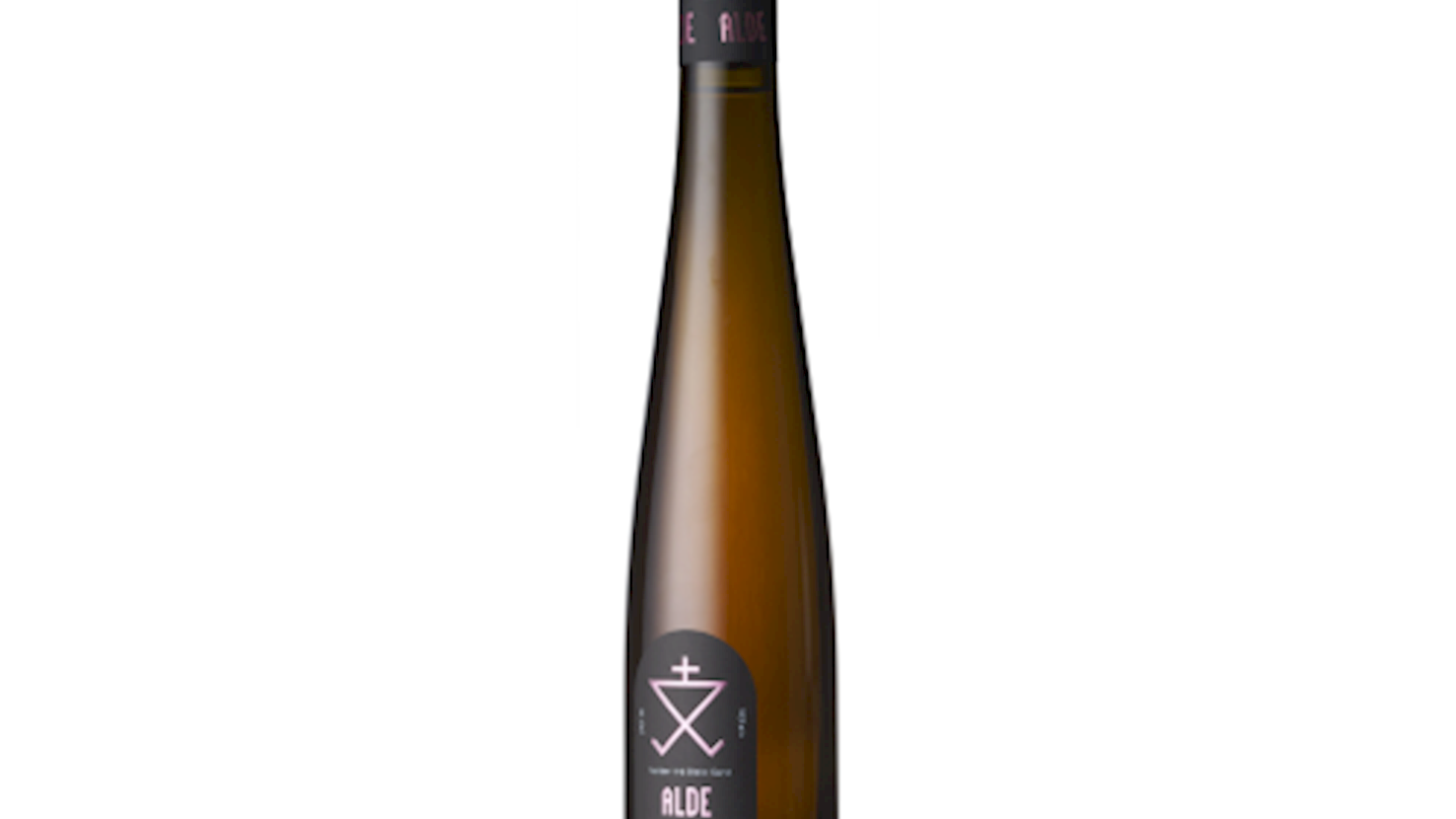
Alde Sider

5.0 ·

Alde Sider is a family-run cidery from Norway, located at Bleie Gård in the Sørfjorden valley, where fruit growing has been cultivated for generations. The name “Alde” comes from the old Hardanger word for apple and symbolizes a deep connection to local identity and tradition.

Owner Olav Bleie, an engineer by profession, decided in 2014 to take the family’s fruit farming to a new level by starting professional cider production. Thanks to his knowledge and dedication, Alde quickly became one of the most renowned producers in the region.

Production is based on apple varieties such as Gravenstein, Discovery, Summerred, and Aroma, which give the cider a distinctive balance of sweetness, acidity, and aromatic richness. Each year, they produce around 100,000 liters of cider, 50,000 liters of juice, and up to 15,000 liters of specialty products, including ice cider.

Their products are characterized by a pure fruity profile, elegance, and pronounced terroir notes. Distribution takes place through selected restaurants and directly at the farm.

Visitors are also offered tastings, where they can learn about the production process and enjoy the fjord landscape. Alde Sider has become an important part of the region’s tourism and gastronomy, recognized as an ambassador of local culture.

Their philosophy is rooted in respect for nature, the use of local raw materials, and the pursuit of the highest quality.

Awards
Untappd - 4.5
02

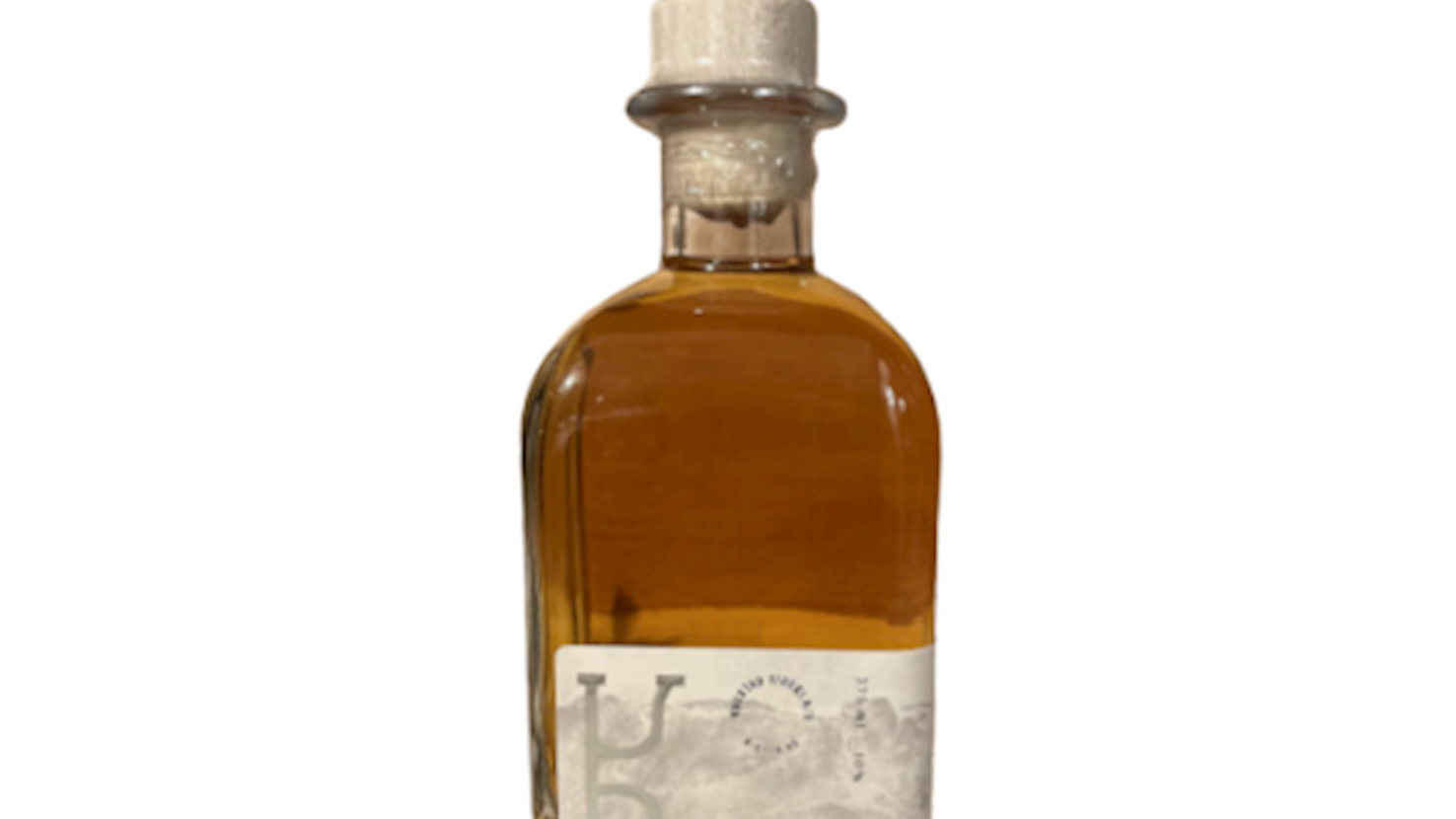
Kvestad Sideri

5.0 ·

Kvestad Sideri is a family-owned cider farm from Hardanger, located in the village of Nå at about 220 meters above sea level, beneath the Folgefonna glacier. The farm has been cultivated by the same family for generations as part of a traditional cluster of homesteads known as a klyngjetun, reflecting a deep connection between local tradition and modern fruit growing.

Their cider production relies on apple varieties grown in the region, such as Gravenstein, Aroma, Summerred, and Discovery, whose combinations create diverse aromas and styles. Their most renowned cider, “1808”, takes its name from the landslide that struck the farm in that year, leaving a lasting mark on local history.

In addition to classic semi-dry ciders, Kvestad also produces Issider - an ice cider made by freezing and concentrating apple juice, rich in natural sugars and offering a full, intense flavor. All products are crafted in small batches with a strong focus on quality, giving the ciders authenticity and a clear expression of Hardanger’s terroir.

Visually, they stand out with pure golden hues, while the taste combines apple freshness with the layered complexity of fermentation and a distinctly local character. Their mission is to preserve and further develop Hardanger’s fruit-growing tradition while promoting cider culture both in Norway and internationally.

By combining sustainable practices, family values, and innovative approaches, Kvestad Sideri has become a notable player on the Norwegian cider scene.

Awards
Untappd - 4.5
Untappd - 3.7
03

Maxim Brecht's Cider

4.9 ·

Maxim Brecht's Cider is a Russian craft cider producer founded by Maxim Brecht, who has been making cider since 2011 and officially established his cidery in 2016 in the Istra district. His philosophy is based on complete naturalness - using only freshly pressed apple juice without concentrates, added sugar, water, colors, flavors, or pasteurization.

The apples come from orchards where no pesticides are used, preserving the authenticity and purity of the raw material. After specializing at the Cider Academy in England, Maxim planted a collection orchard with 57 European tannic apple varieties in the Tula region, which began producing its first fruits in 2022.

Until then, most of the production relied on Russian dessert varieties, from which different cider styles were created. Their ciders are characterized by pronounced apple aromas, complexity, and a balance between acidity and natural sweetness.

Minimal intervention in the fermentation process allows each bottle to retain its terroir and the individuality of the harvest year. The brand’s vision is to position cider as a worthy alternative to wine and sparkling drinks, with broad gastronomic potential.

Thanks to this approach, Maxim Brecht's Cider has become recognized as one of the pioneers of authentic Russian cider. Today, their products stand out at festivals and in restaurants, attracting audiences who value natural and craft beverages.

Through careful orchard management and ongoing innovation, Maxim Brecht continues to build a reputation as a producer who unites tradition, terroir, and contemporary craft spirit.

Awards
Untappd - 4.1
Untappd - 4.4
04

Andreev Ciderworks

4.9 ·

Andreev Ciderworks is a craft cider producer from Saint Petersburg, founded in 2016 by Oleg Andreev, with its base in the village of Mistolovo in the Leningrad region. The production philosophy is rooted in the use of natural and locally sourced ingredients, primarily apples and pears from northwestern Russia, without concentrates, flavorings, or unnecessary additives.

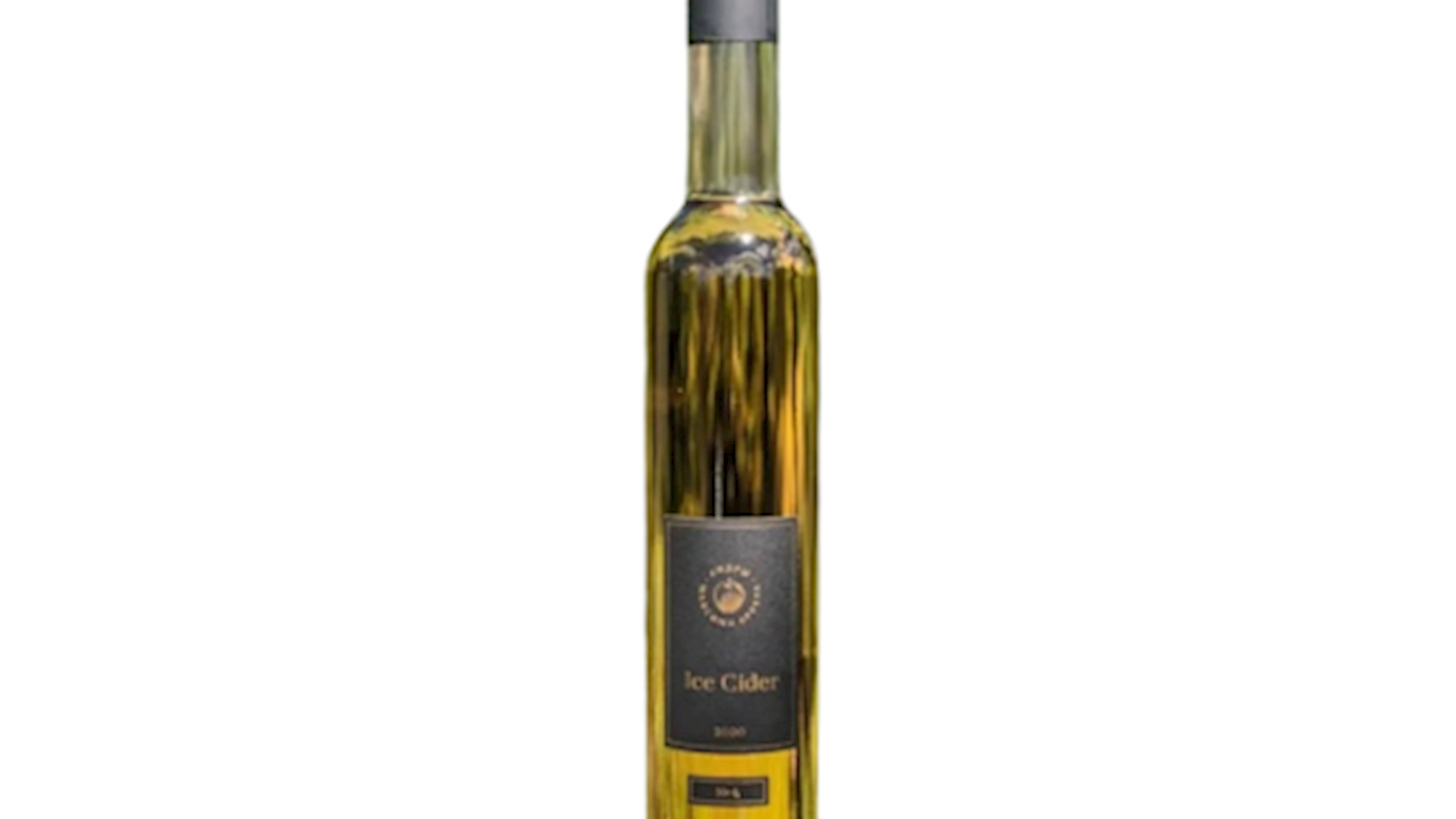
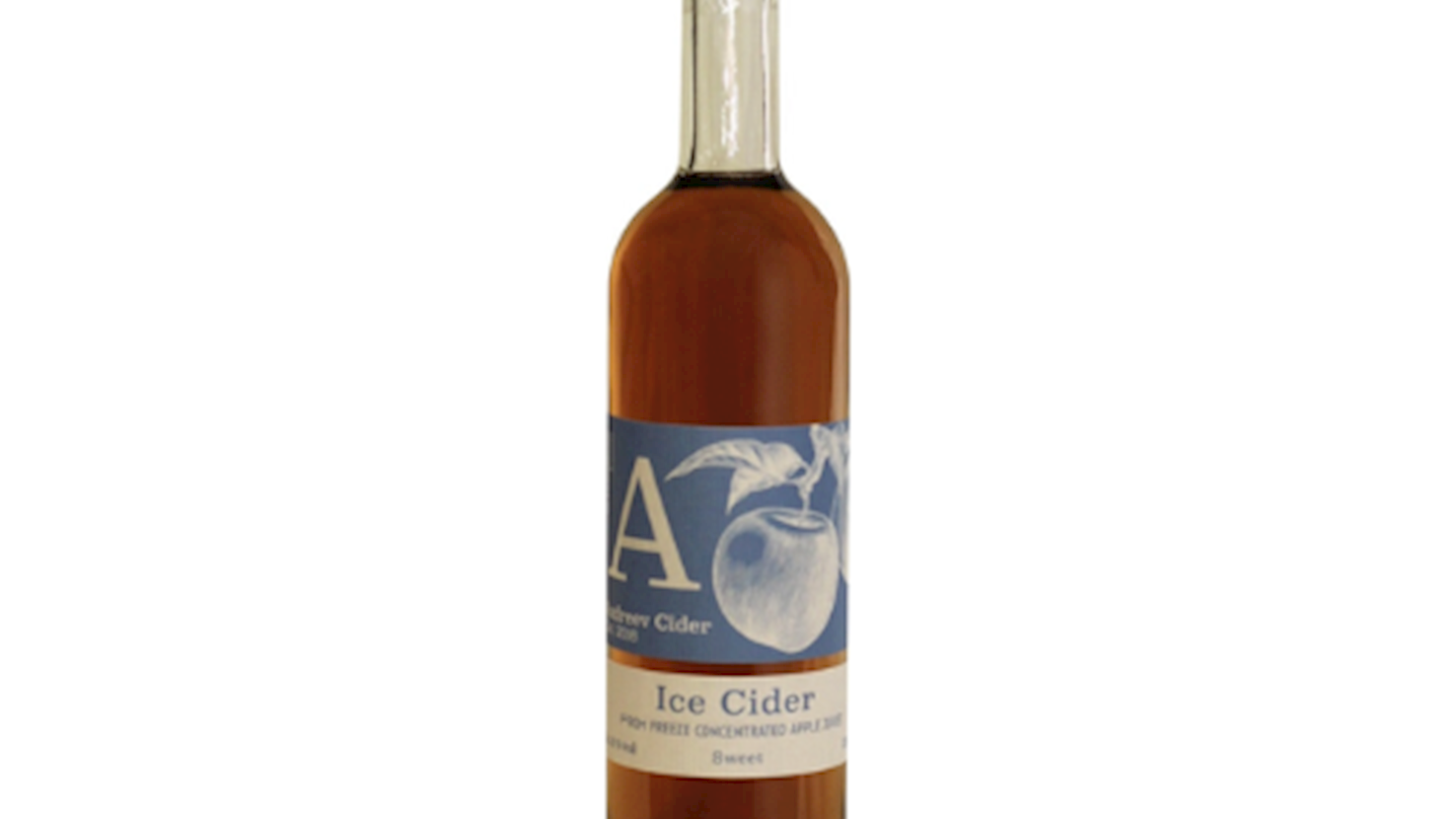
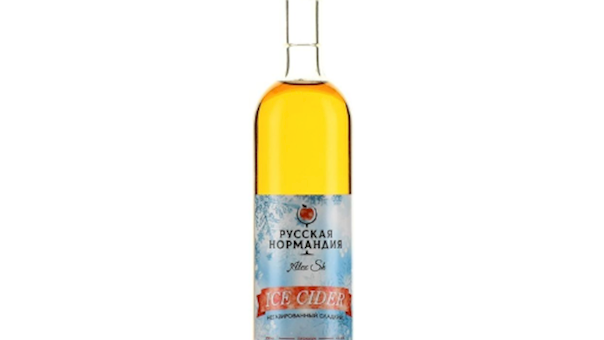
The ciders are made from freshly pressed juice and fermented with minimal intervention, ensuring an authentic taste that reflects the terroir of the region. Their portfolio includes a wide range of styles - from dry and sparkling varieties such as Rose Extra Brut with added red currant, to semi-dry options like Mirage of St Michel, and dessert ice ciders produced through juice cryo-concentration.

In addition to apple ciders, they also produce perry made from pears, distinguished by refreshing acidity and balanced sweetness. Andreev Ciderworks has built a reputation as a producer that combines tradition with modern approaches, offering consumers a diverse selection of beverages suited both for gastronomic pairings and for pure enjoyment on their own.

Awards
Untappd - 4.1
Untappd - 4.4
05

Åkre Gård

4.9 ·

Åkre Gård is a family farm and cider producer from Norway, with a fruit-growing tradition spanning eight generations. Located on the western shore of Sørfjorden in the municipality of Ullensvang, the farm benefits from ideal conditions for cultivating apples that form the basis of their authentic products.

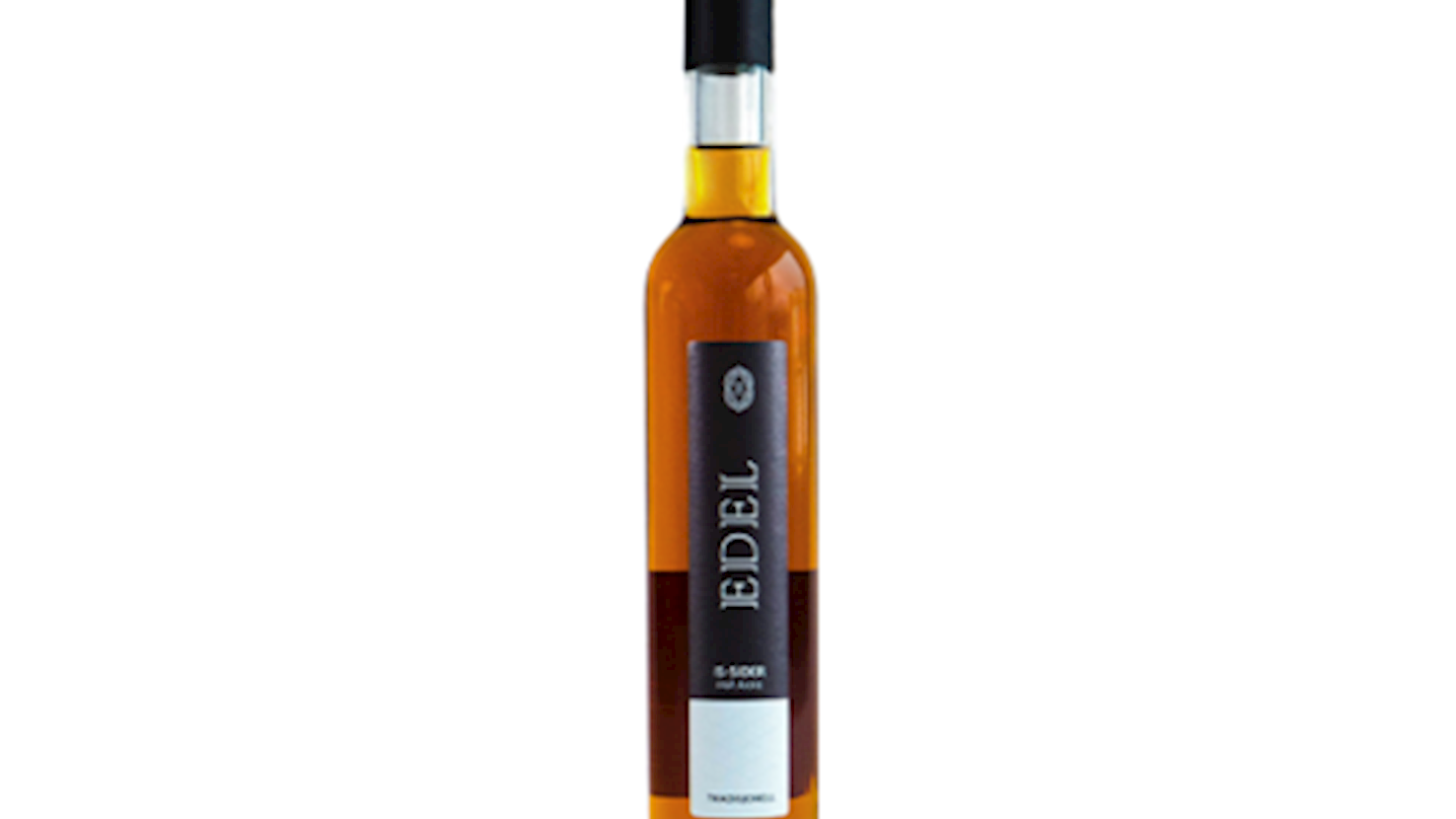
Today, the estate is run by Arita and Gjermund Åkre, supported by the older generation, preserving a balance between tradition and innovation. Their most renowned brand, Edel Sider, has become a synonym for quality and elegance in Norwegian cider.

Production is based on carefully selected local apples and techniques such as the traditional Champagne method, the Charmat method, and barrel aging. The farm is also part of the region’s tourism offer, providing tastings and “cider safari” tours that combine nature and gastronomy.

Visitors can purchase their products directly at the farm, in selected shops, or in restaurants. The core values of their work are authenticity, naturalness, and elegance, making Åkre Gård one of the most recognizable cider producers in Norway.

Awards
Cider World Award - Gold (2020)
Untappd - 4.3
06

Valverán

4.8 ·

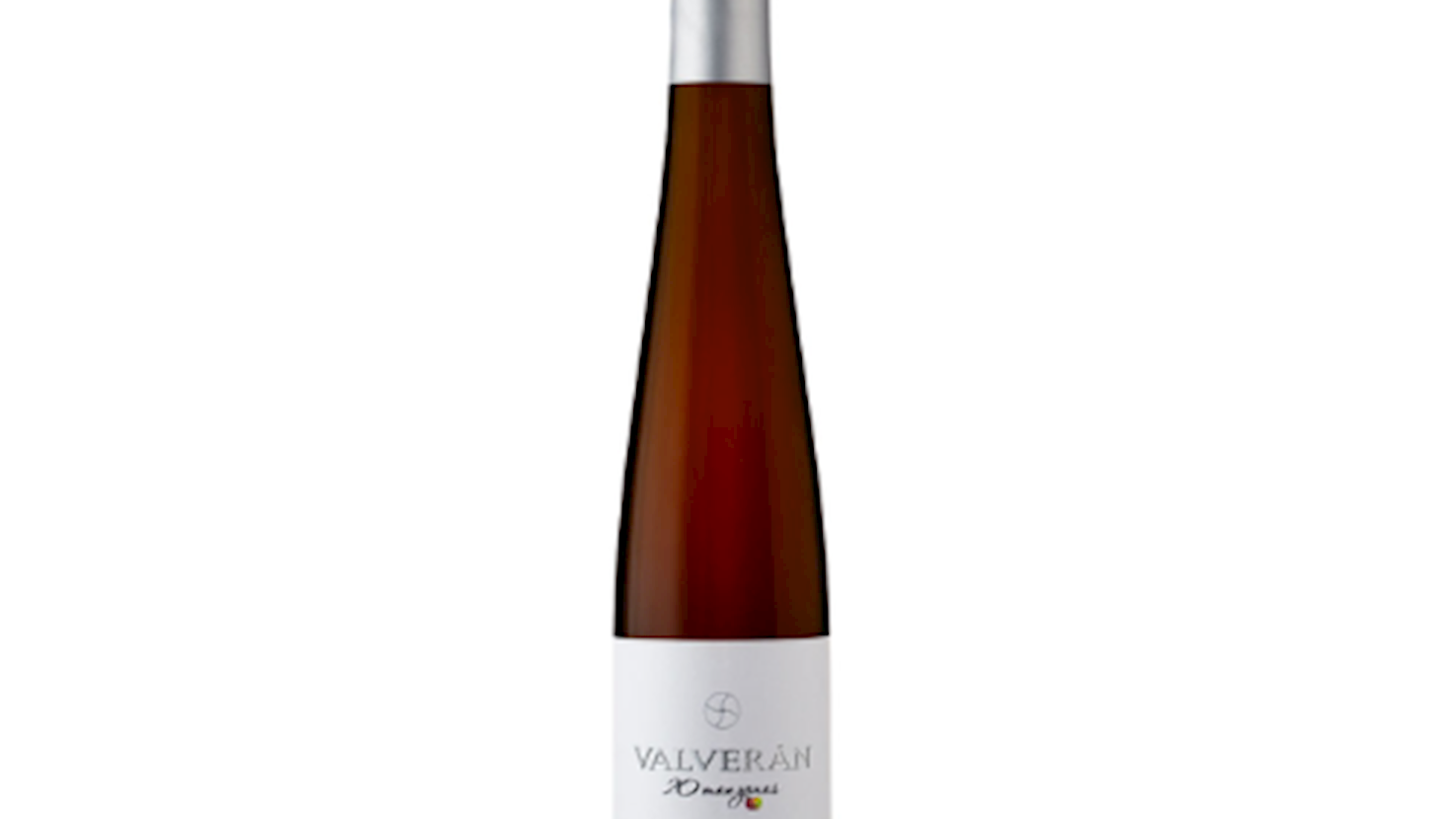
Valverán is a specialized producer of ice cider based in Sariego, in the Asturian region of northern Spain, an area deeply rooted in cider-making tradition known as the “Comarca de la Sidra”. Established in 1998 by the Masaveu family, the project was conceived with the aim of creating a high-quality product that reinterprets traditional cider through a more refined and innovative approach.

Valverán is recognized as a pioneer of ice cider production in Spain, having introduced this style in 2007, inspired by techniques more commonly associated with Canada. The production relies on estate-grown apples, with over ten native Asturian varieties cultivated to achieve a balanced blend of acidity, sweetness, and bitterness.

The process is meticulous and time-intensive, involving careful hand selection of fruit, freezing or simulation of frost conditions, slow fermentation, and extended aging that can last up to two years. It takes at least twenty apples to produce a single bottle, resulting in a concentrated and complex profile.

Their flagship product, Valverán 20 Manzanas, has received international recognition, including being named the world’s best specialty cider at the World Cider Awards. The cider is characterized by pronounced apple aromas, citrus nuances, and subtle quince notes, with a well-balanced interplay between sweetness and acidity.

This balance makes it suitable for pairing with cheeses, foie gras, or lightly sweet desserts. Valverán stands out as a producer fully dedicated to ice cider, combining regional identity with technical precision and a focus on limited, high-quality production.

Awards
Untappd - 4.1
07

Apal Sideri

4.8 ·

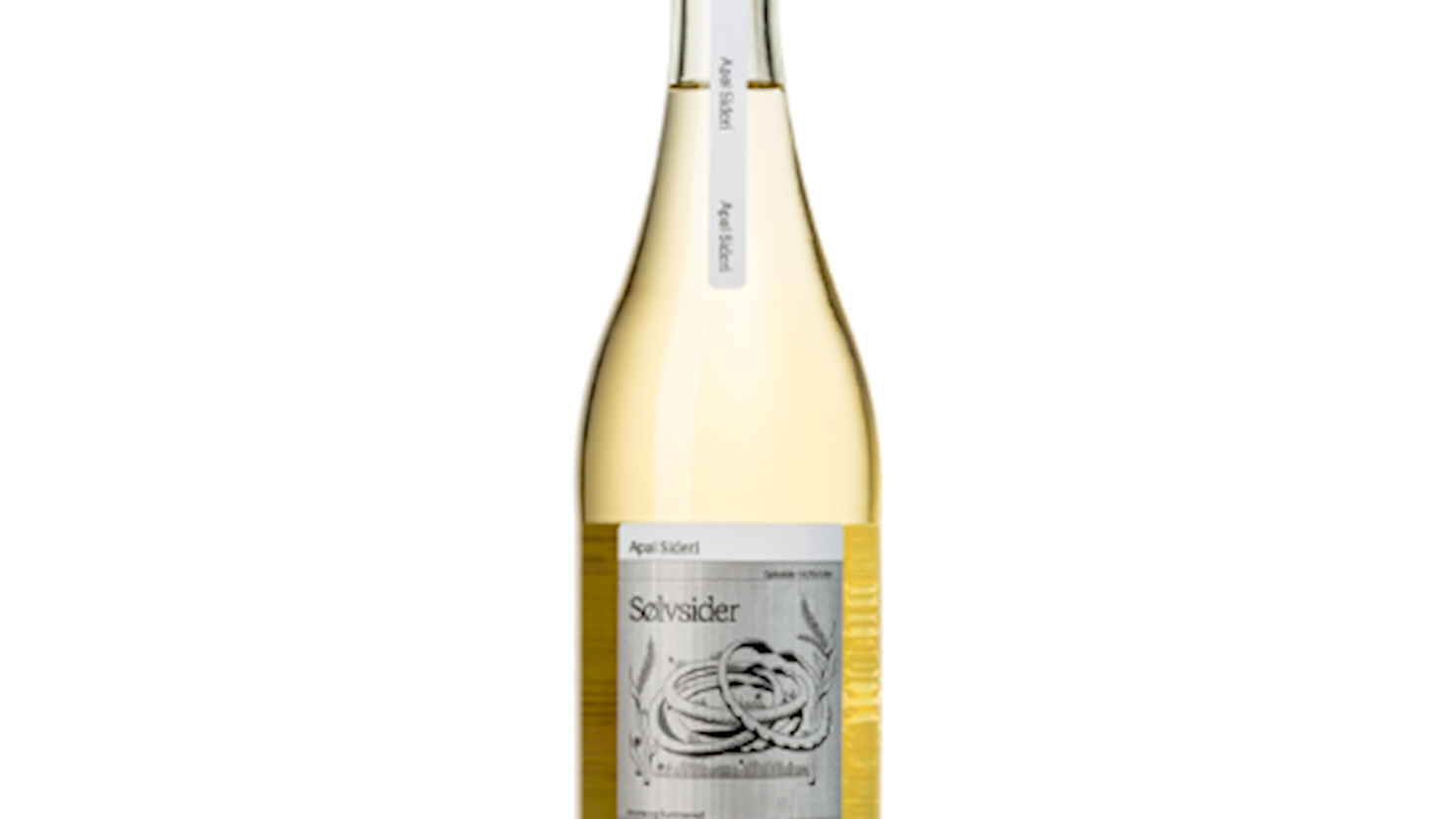
Apal Sideri is a family-run cidery from Sæbø in the municipality of Hjelmeland, in Norway’s Rogaland region, led by Dan Olav Sæbø, the 13th generation of the family to cultivate the same orchards. Cider production began in 2020, though the tradition of growing apples and making juices on the farm goes back much further.

The orchards feature varieties such as Gravenstein, Rød Aroma, Rubinstep, Discovery, and Rød Elstar, which are used to craft refreshing ciders and juices. Apal Sideri’s philosophy is rooted in minimal intervention, relying on local fruit and expressing terroir in every release.

Tastings and orchard visits are part of the tourism experience, while the farm also offers direct sales through its own shop. Thanks to the combination of tradition, innovation, and authentic apple varieties, Apal Sideri has quickly established itself as a recognized producer in the Norwegian cider scene.

Awards
Cider World Award - Gold (2020)
Untappd - 4.0
08

Try Wild

4.8 ·

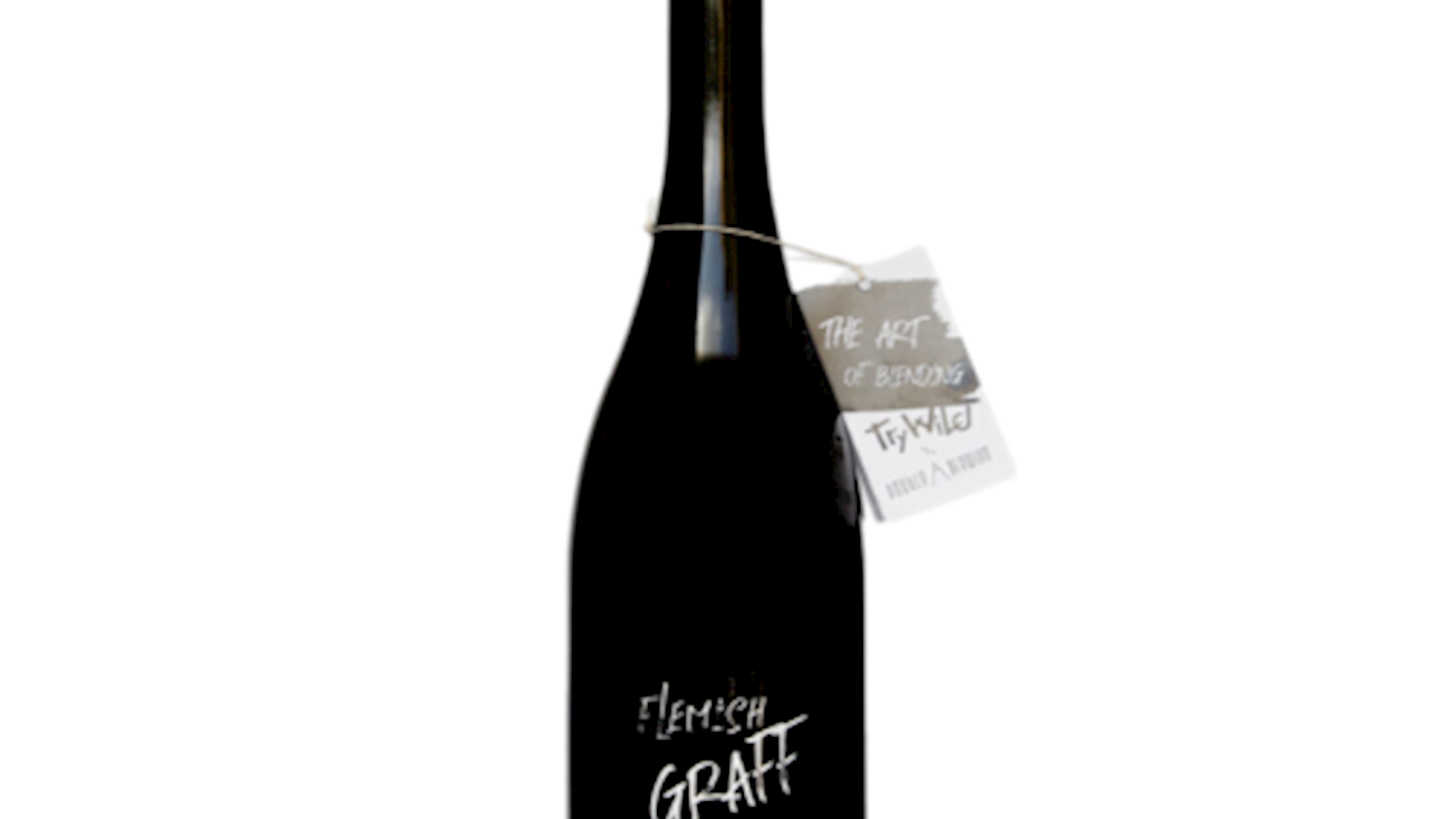
Try Wild is a craft cidery from Izhevsk in the Udmurt Republic, founded in 2021, which has quickly established itself as an innovative player on the Russian cider scene. Their philosophy is based on using local Udmurt apples and fermenting with wild yeasts, without filtration, pasteurization, or preservatives, preserving the natural character of the drink.

They place special emphasis on long fermentation and aging on the lees, which adds extra complexity and depth to their ciders. Try Wild combines rustic authenticity with modern experimental techniques, offering a range of styles from dry, sparkling varieties to special releases that highlight the distinct terroir character.

The production facility is located on Votkinskoye Highway in Izhevsk, and the cidery is also known for its close engagement with its consumer community. The brand positions itself as a fresh and bold voice in the Russian craft cider movement, dedicated to preserving natural quality while showcasing the potential of local fruit.

Awards
Untappd - 4.2
Untappd - 4.1
09

Brännland Iscider

4.8 ·

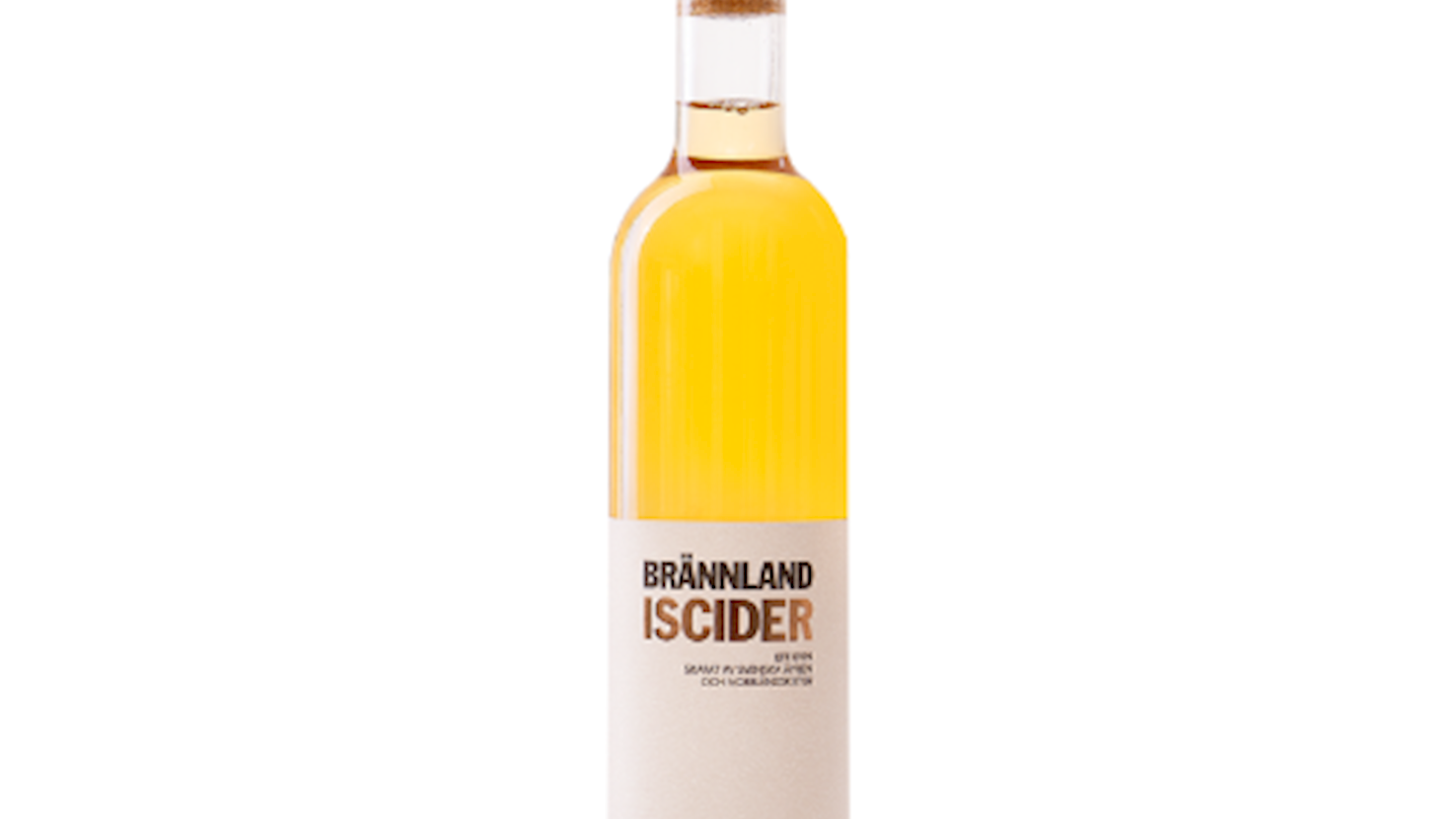
Brännland Iscider is a Swedish cider producer founded in 2010 in the Västerbotten region, with a focus on creating premium ice ciders made from local apples and the natural cold of the north. Their philosophy is rooted in tradition and terroir, using the natural freezing process during long winters to concentrate sugars, without additives or added alcohol.

The result is dessert ciders of remarkable complexity, balancing intense sweetness with the bright acidity of apples. Their range also includes barrel-aged variations that add further depth and layers of flavor.

Brännland Iscider has quickly established itself as a world-class producer, with products served in Michelin-starred restaurants. Their tasting room in Vännäsby offers visitors the chance to experience the unique blend of nature, craft, and technique.

Thanks to innovation and respect for the local environment, Brännland Iscider has become one of the most recognized ice cider producers in Europe and beyond.

Awards
Untappd - 4.2
Untappd - 4.0
10

Cube Ciders

4.8 ·

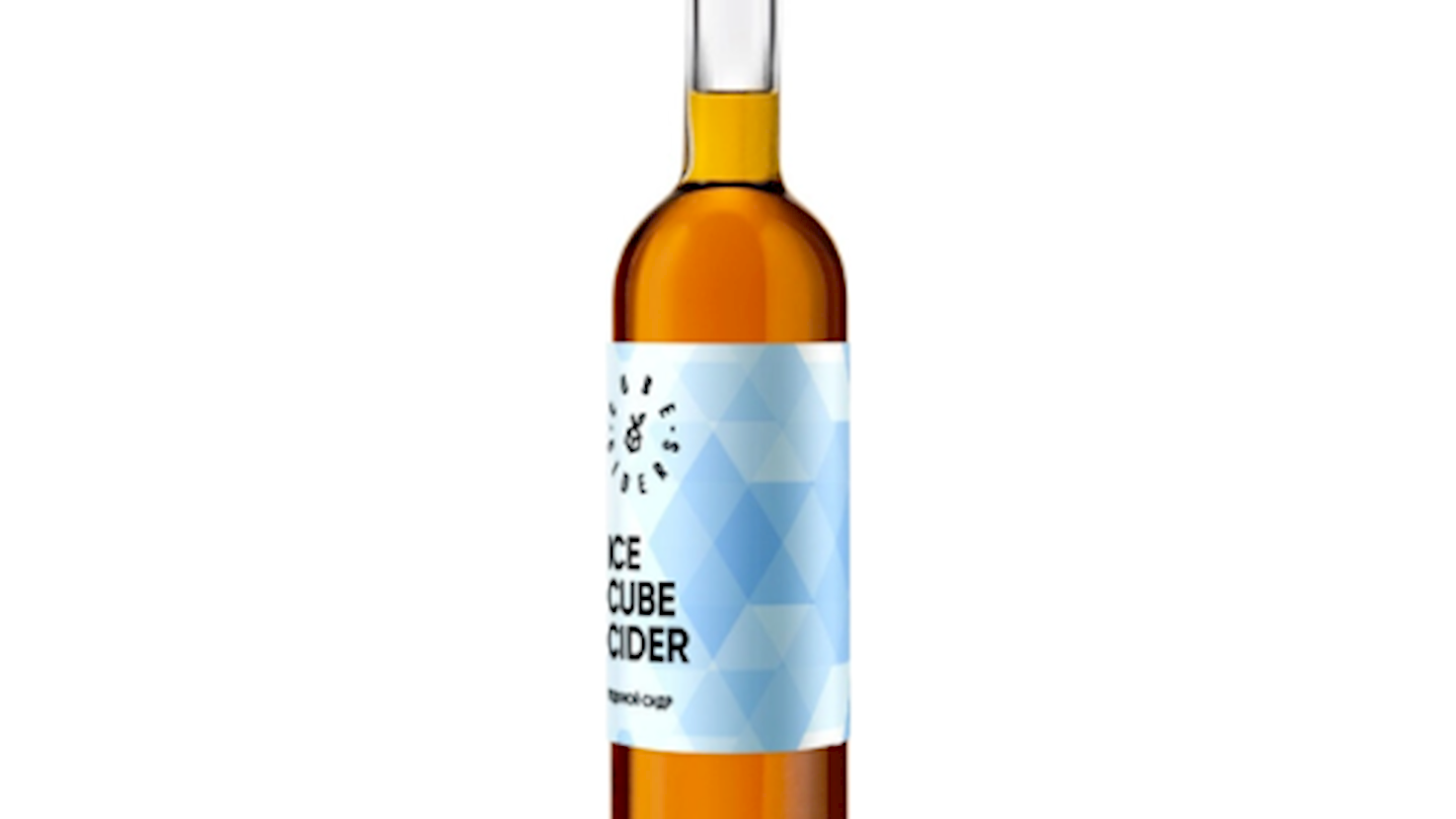
Cube Ciders is a craft cidery from Berezovsky in the Sverdlovsk region, distinguished by its complete reliance on local fruit and natural fermentation processes. Their approach is straightforward - they use only freshly pressed juice, never concentrates or additives, with apples and pears sourced directly from nearby gardens and orchards rather than large commercial suppliers.

Their lineup covers a wide range of styles, from dry and semi-sweet to experimental single-varietal and spiced editions, as well as oak-aged fermentations. Community involvement plays a central role: locals are invited to bring their own apples or pears for processing, often exchanged for cider, while the cidery also organizes festivals and tastings.

Their “living cider” philosophy emphasizes that the drinks continue to evolve over time, with each sip revealing new layers of character. In this way, Cube Ciders captures an authentic expression of the Ural region, blending creativity, transparency, and a deep respect for local fruit.

Awards
Untappd - 4.2
Untappd - 4.0

Best European Cider Types
01

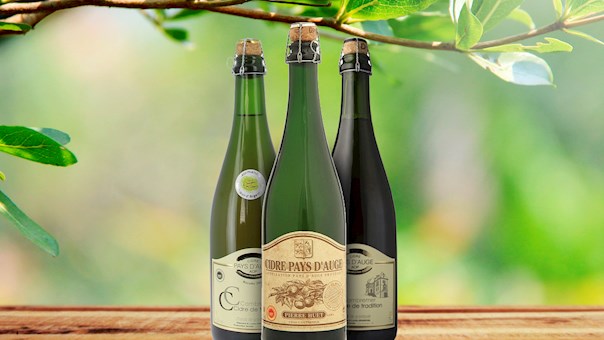
Cidre de Bretagne

4.3 ·

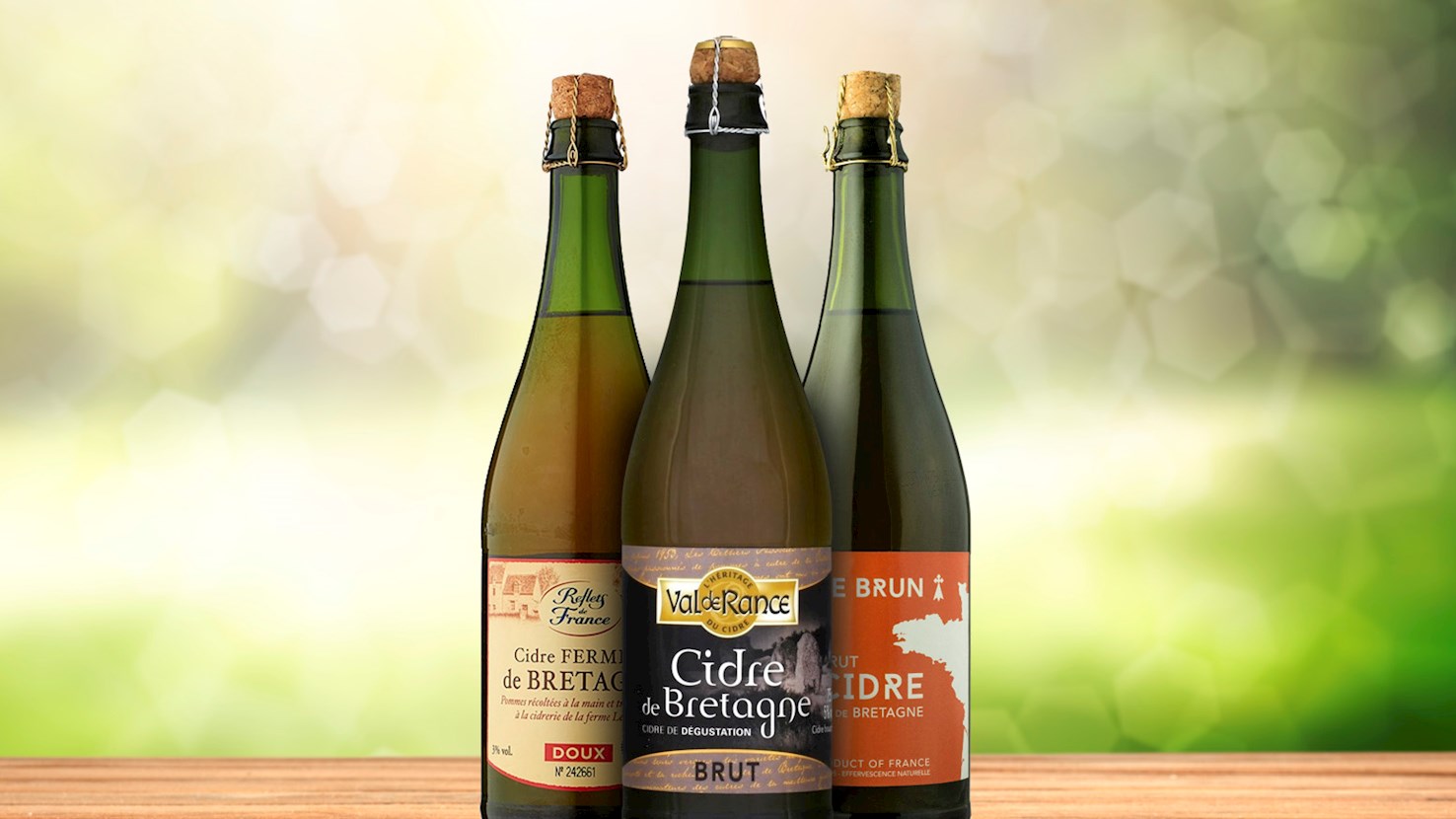
Cidre de Bretagne are ciders produced in the Brittany region in France, clear or muddy alcoholic beverages made by the fermentation process, with a foamy head and fine bubbles throughout the body. The ciders vary in color from yellow to brown, according to their geographical positions, so ciders from Ille-et-Vilaine, which are more acidic, have a lighter color, and ciders from Finistére have a darker color because of the bitter apples from the area. Britanny ciders have a rich, rustic, fruity, flowery and bold flavor, and develop spicier flavors as they mature. When in Brittany, do not be alarmed when you order a cider and get it served in a cup instead of a glass, it is a traditional oddly-shaped tea cup, with or without handles, used to drink the local ciders.

02

Cidre de Normandie

4.2 ·

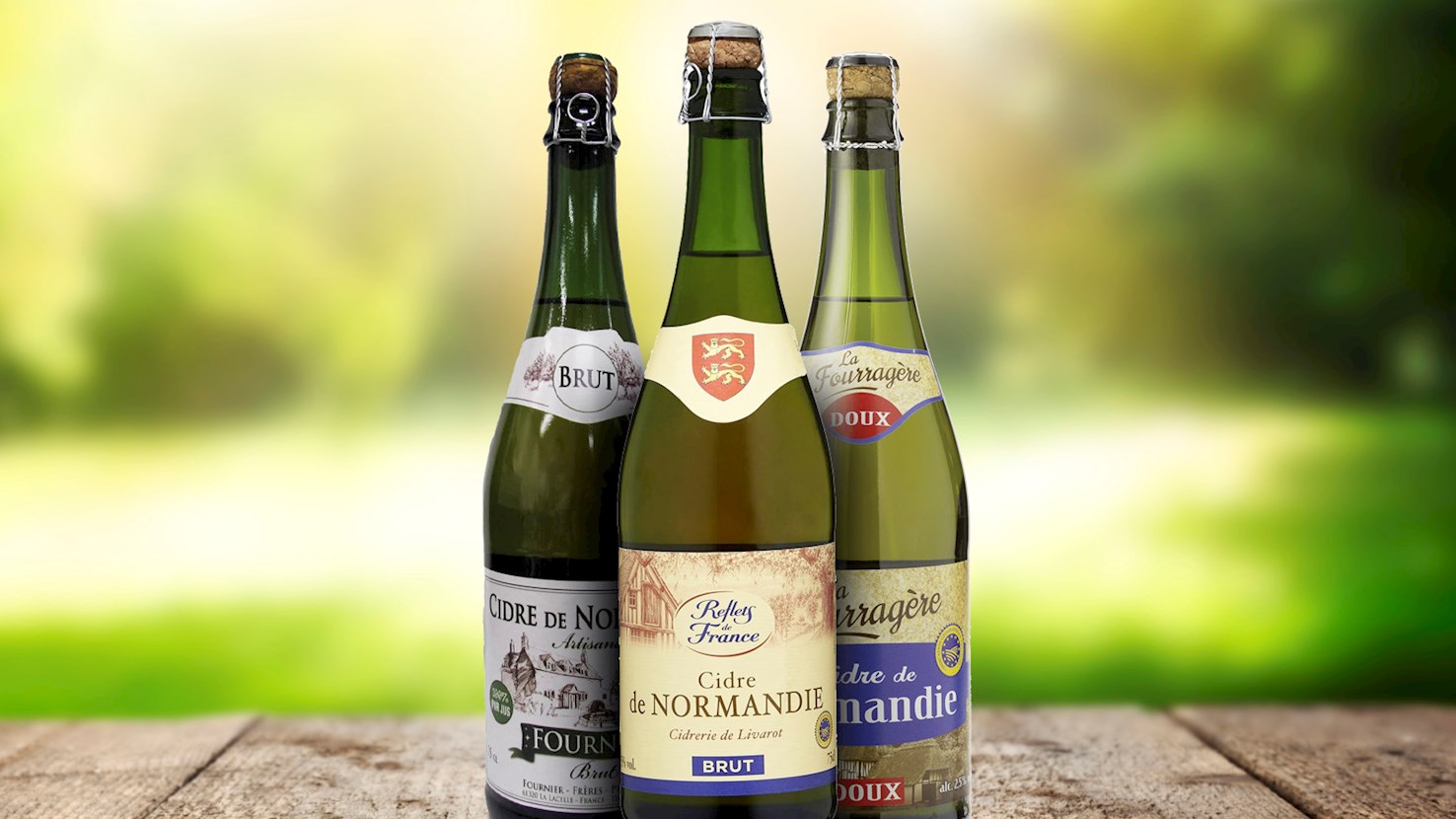
Cidre de Normandie is a cider, clear or muddled alcoholic beverage made through the process of fermentation in the French region of Normandy. Ciders from Normandy are light yellow to dark orange, with a foamy head and fine bubbles throughout their liquid body. The flavors are intense and rich - fruit, flowery and sweet, with a plethora of undertones reminiscent of apple, citrus fruit, peach, apricots, aniseed, lime, rose, cocoa, caramel and honey. The apples used in the process are sweet or bittersweet varieties, with the addition of perry pears to make the Normandy cider characteristically more acidic. Due to the slow and long fermentation, a deeper, sweeter flavor is produced, making the cider a great drink at the end of a big meal.

03

Sidra de Asturias

3.9 ·

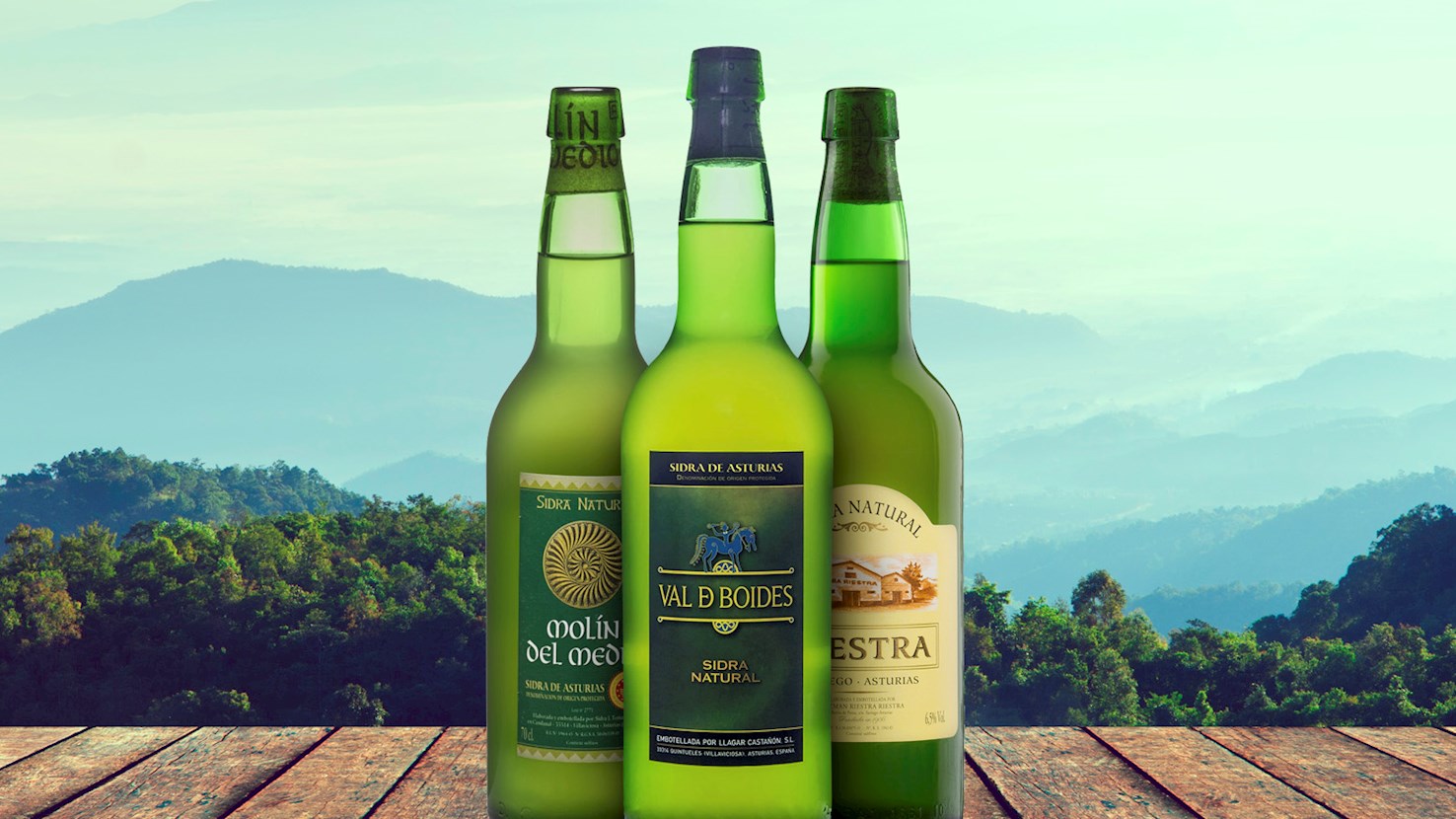
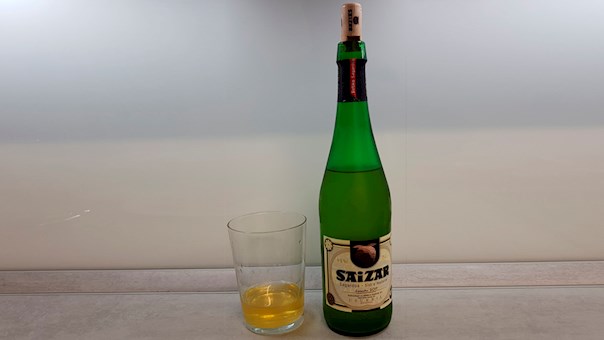
Sidra de Asturias or Sidra d'Asturies is an apple cider made with fresh, locally-grown apples or apple must in Asturia, a mountainous region in Spain. There are three products protected under this designation: Sparkling cider, Natural Traditional cider, and Natural New expression cider, all of which have a minimum alcohol content of 5 %. Sidra de Asturias is traditionally sold in sidrerias, where the bartender serves the cider in rustic glasses. A traditional way of pouring, known as escanciado, sets it apart from any other cider type - the glass is held at hip height, while the bottle is held as high as possible in order to carbonate the drink as it "breaks" against the glass. Asturian cider is also often used as an ingredient in local gastronomy, especially in a variety of different marinades and sauces.

04

Apfelwein

3.8 ·

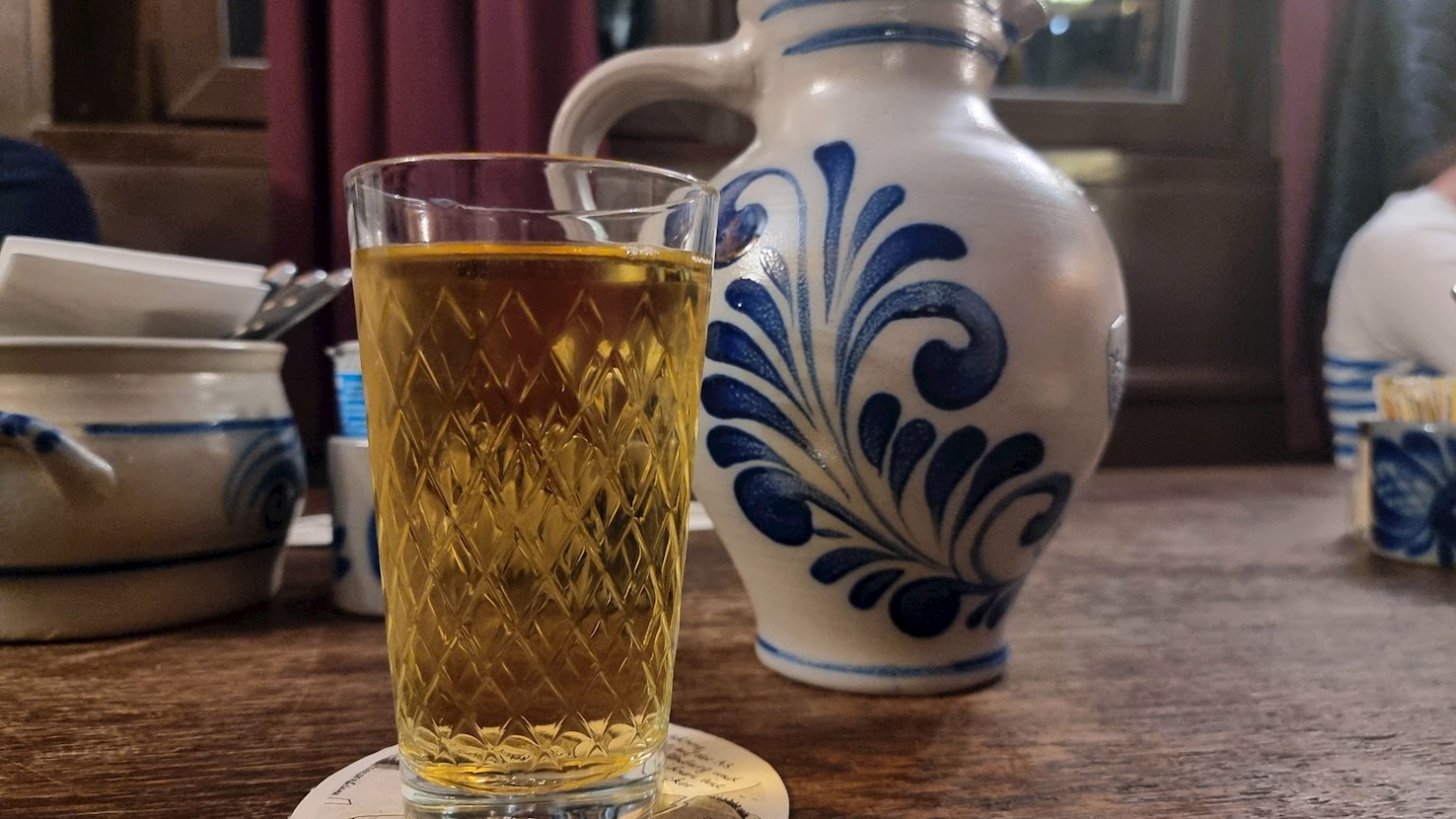
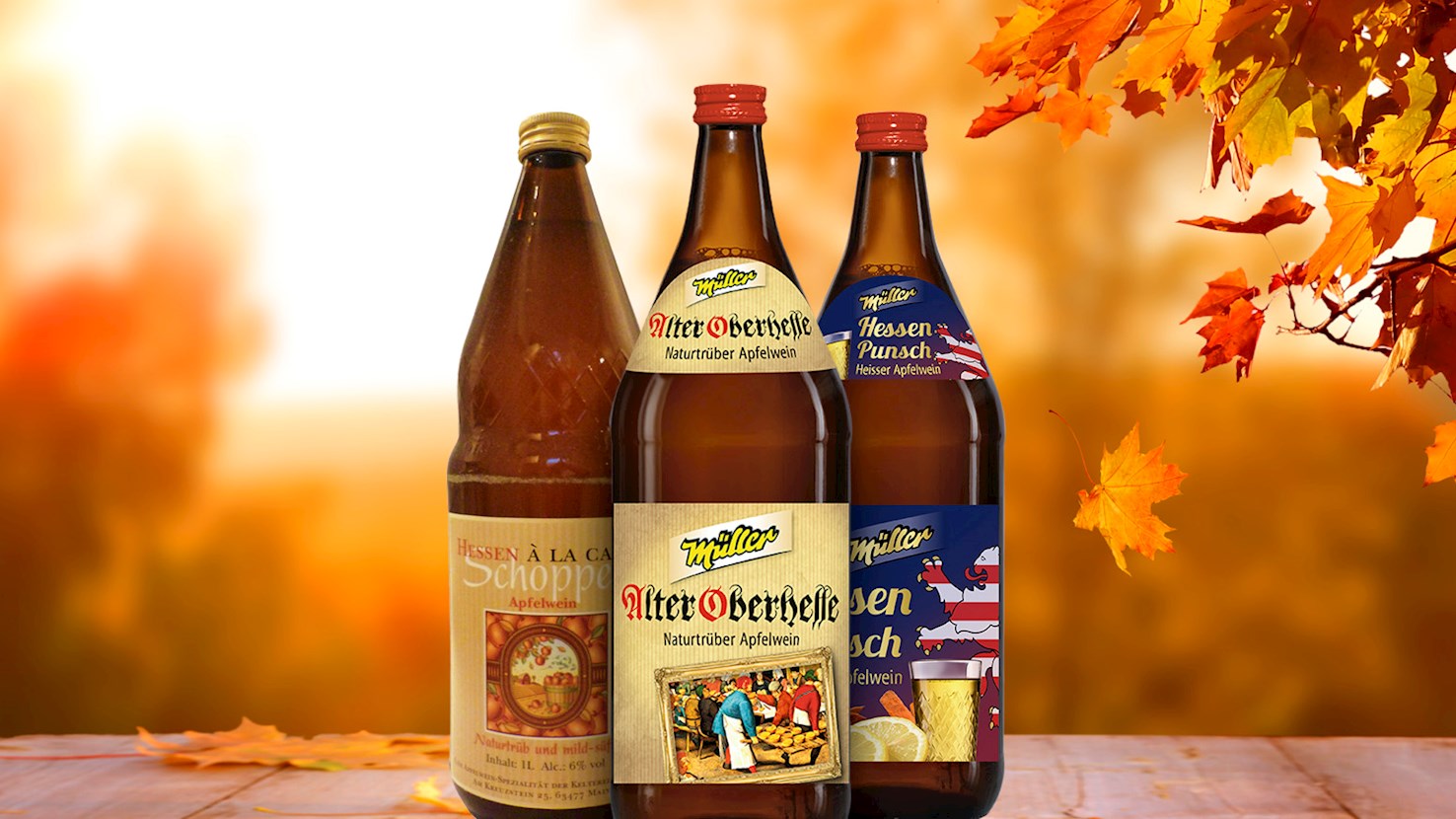
Apfelwein is a traditional cider that is generally associated with Frankfurt and the state of Hesse. It is mainly made from cooking or dessert apples, and it comes in several styles, though dry (trocken) is the most common. German cider is usually light and tart with an alcohol content that generally falls between 5 to 7% ABV. Apfelwein has a long tradition in Hesse, but it became a household name in the 19th century, and it is now considered a signature regional drink. It is traditionally served in diamond-patterned glasses known as gerippte. Allegedly, this pattern was invented because people often used their hands while eating, and the ribbed design allowed them to have a better hold of the glass. When served communal style, it will come served in a bembel—a decorated clay pitcher that comes in several sizes. The standard serving size is 0.30-liter (10-oz). Although it is usually enjoyed neat, apfelwein can be mixed with soda (sauergespritzer), and in the wintertime, it is sometimes heated and flavored with cinnamon and cloves. Apart from Hesse, apfelwein is also produced in Baden-Württemberg, Rhineland-Palatinate, Saarland, and Bavaria. The only protected variety is Hessischer Apfelwein.

05

Hessischer Apfelwein

3.8 ·

This German apple cider is made by heating and fermenting the juice of locally-grown apples from the Granny Smith or Bramley cultivars. The cider has an alcohol content of 4.8%–7% and a very tart flavor. To produce this refreshing, sour beverage, apple juice is fermented with yeast. Apfelwein is produced in the German region of Hesse, mainly in Frankfurt and Odenwald. Some of the regions even host cider competitions and fairs for local cider producers. In Germany, cider is traditionally served in a so-called 'geripptes' glass that refracts light and improves grip. Mulled Apfelwein is also used as a folk cold remedy, or can be simply enjoyed as a warming beverage during winter, cooked and served with a cinnamon stick, some cloves, and a slice of lemon.

06

Cornouaille

3.7 ·

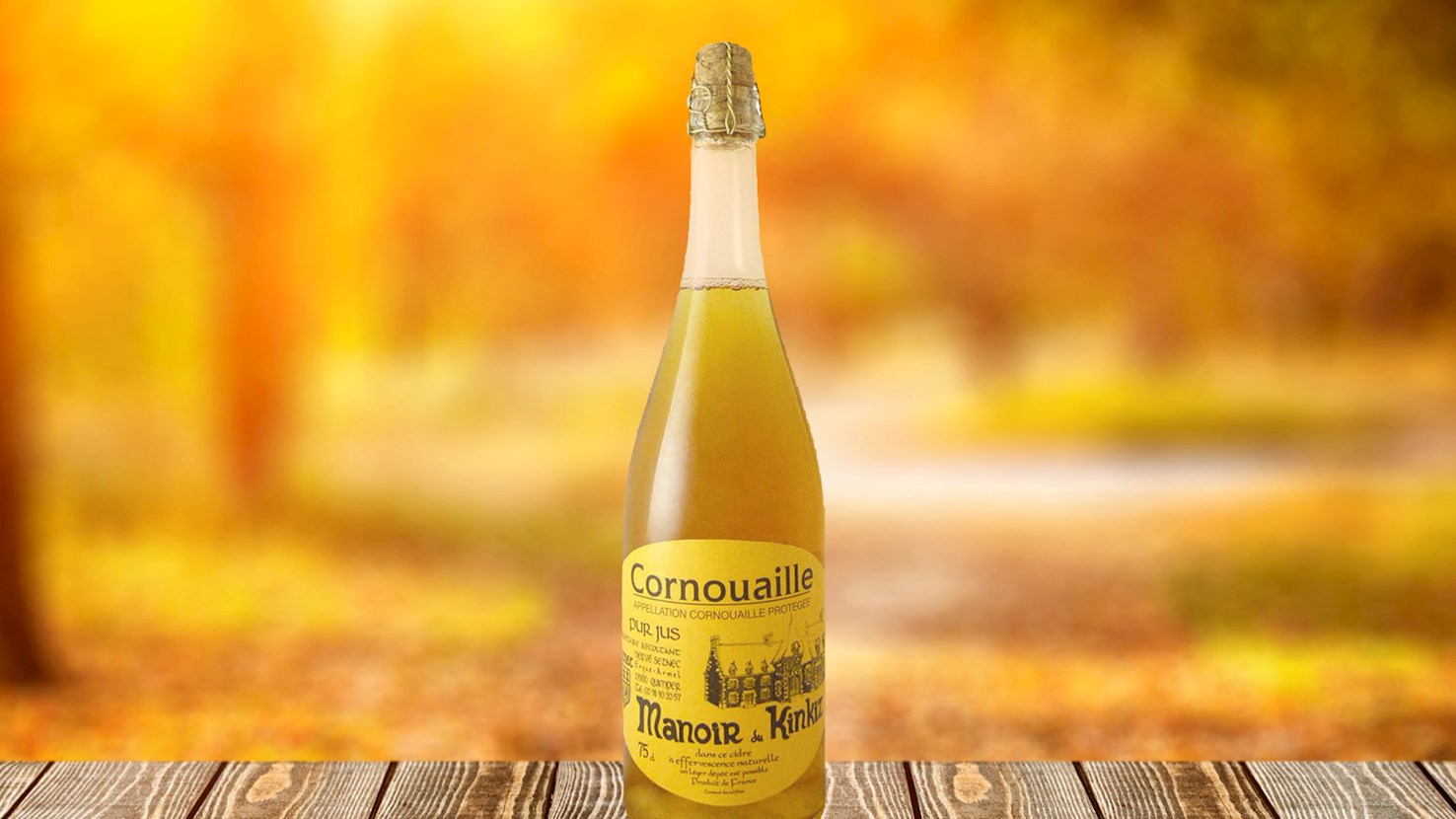
Cornouaille is a traditionally made cider produced since the 14th century from cider apples that have been grown in the region of Bretagne in France since the 6th century. During the production process, the apples are crushed or grated and the juice is fermented, and no water, sweeteners or carbonation can be added to the final product. Since the apples have a high content of natural sugar and tannin, the cider is unique for its reddish-brown orange color and a bittersweet aroma of orange peel and fresh apples with a mild acidity, leaving a nice, dry feeling on the palate.

07

Irish cider

3.6 ·

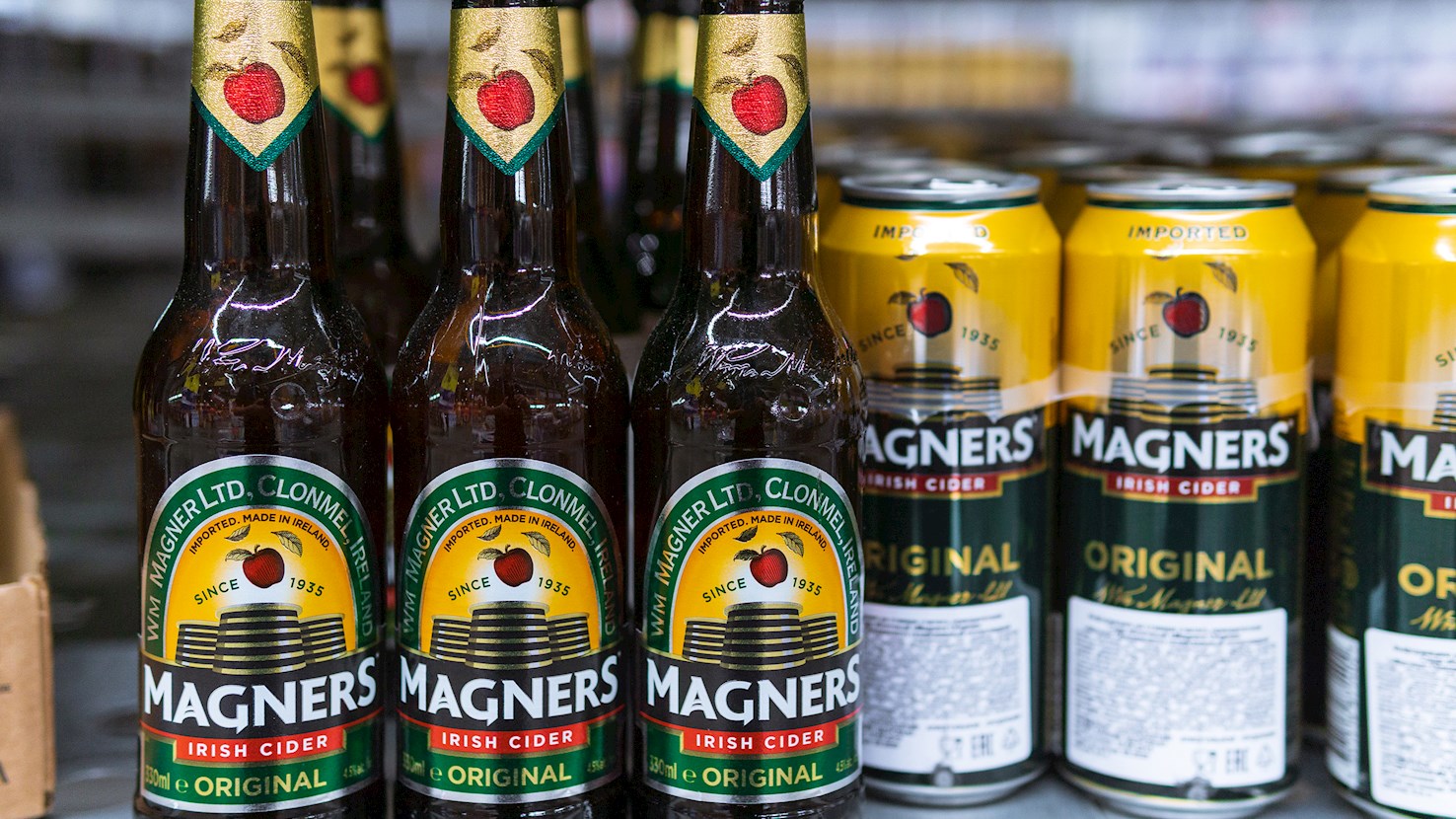
Irish cider is a fermented apple drink that comes from the orchards of Ireland, where apple growing has been part of rural life for centuries. The craft of turning apples into cider has long roots on the island, with records suggesting that it was enjoyed as far back as the early medieval period, when orchards were planted by monks who valued both the fruit and the drink that could be made from it. Over time, cider became tied to farming communities in counties such as Armagh, Kilkenny, and Tipperary, where the climate and soil were especially favorable for apple cultivation. In more recent decades, it has grown beyond a farm beverage into a recognized symbol of Irish brewing and agricultural heritage. Making cider begins with pressing freshly harvested apples into juice, which is then left to ferment with natural or added yeasts. Different apple varieties are blended to achieve balance, with bittersweet and sharp apples providing depth and acidity while sweeter apples round out the flavor. The cider is then matured, filtered, and sometimes carbonated, depending on the style being made. The range of Irish ciders extends from crisp and dry versions that highlight the sharpness of the fruit to sweeter, more mellow bottles that appeal to a broader audience. Small-scale producers often embrace traditional orchard practices and minimal intervention in fermentation, while larger producers create consistent and widely distributed brands. Irish cider has some particular characteristics that set it apart from similar drinks elsewhere. The apple varieties cultivated in Ireland’s cool, damp climate give the cider a distinctive profile, with high acidity and freshness that stand out even in sweeter versions. In regions such as Armagh, which holds a protected geographical indication for its apples, the link between land and flavor is especially celebrated, reinforcing cider’s role as both an agricultural product and a cultural expression. Today, cider is enjoyed in pubs, at festivals, and at home across Ireland. It is usually served chilled, either on its own or alongside food. Its crispness makes it a refreshing companion to hearty Irish dishes such as stews, roast pork, or cheese platters, where it cuts through richness. It also pairs well with seafood, especially shellfish, reflecting its versatility at the table. In recent years, cider has seen a revival as craft producers experiment with small batches, heritage apple varieties, and barrel aging, ensuring that while rooted in farming traditions, Irish cider continues to evolve in contemporary settings.

08

Somerset cider

3.5 ·

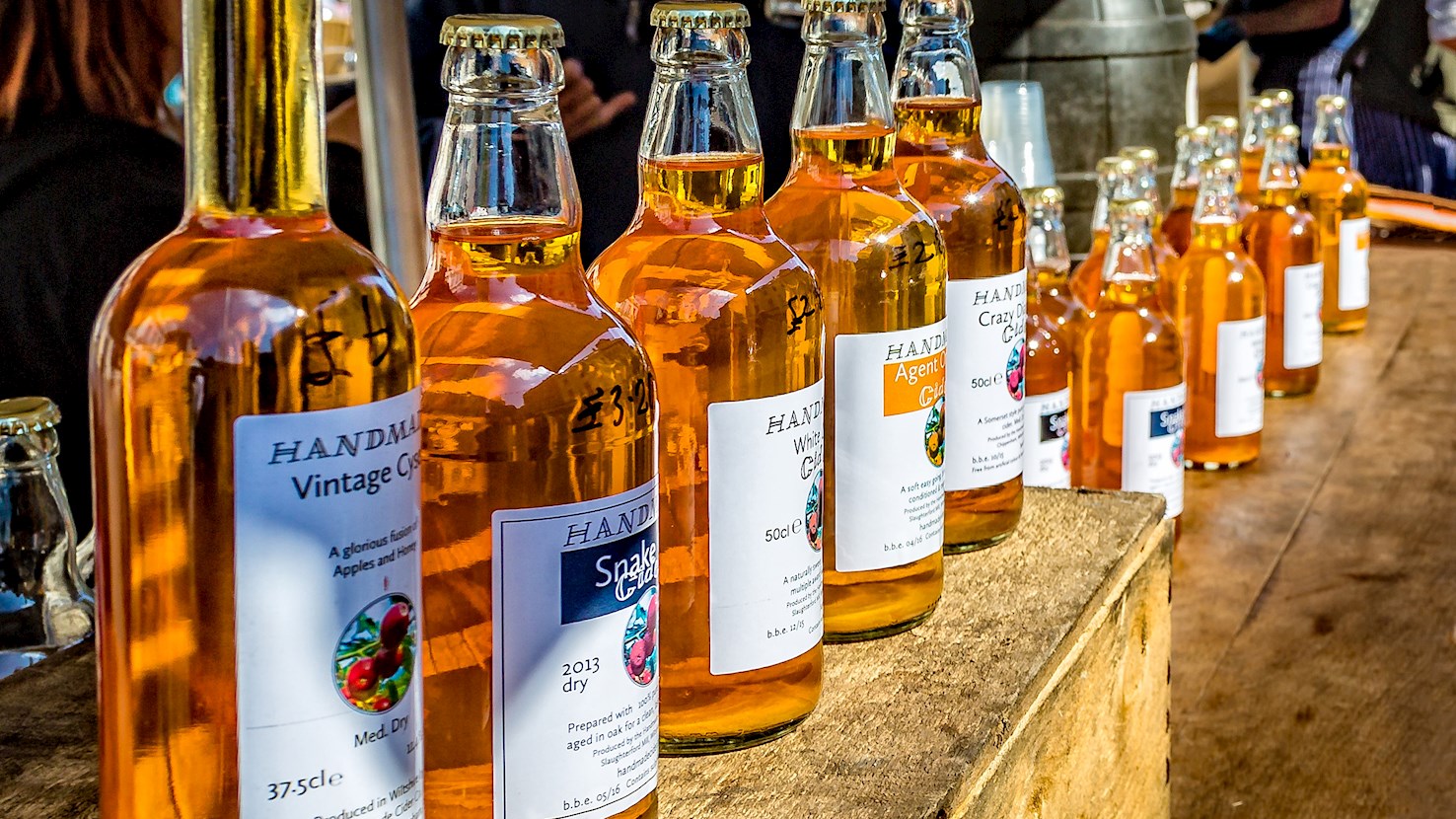
Somerset is one of the centers of cider production in England. The ciders from Somerset are typically dry and full-bodied. Their color can range from yellow to light amber, and they can be clear or cloudy. Most are intensely flavored, fruity, complex, and bittersweet, but they can vary in style and character. Somerset ciders are made by traditional methods and usually with sharper, bittersweet apple varieties such as Jerseys, Kingston Black, or Dabinett. Most ciders are a blend of apple varieties, but there are some single varietals. Somerset has a centuries-old cider tradition that most likely started in monasteries. It remains one of the most prolific regions for traditional English ciders.

09

Gloucestershire / Worcestershire / Herefordshire Cider / Perry

3.5 ·

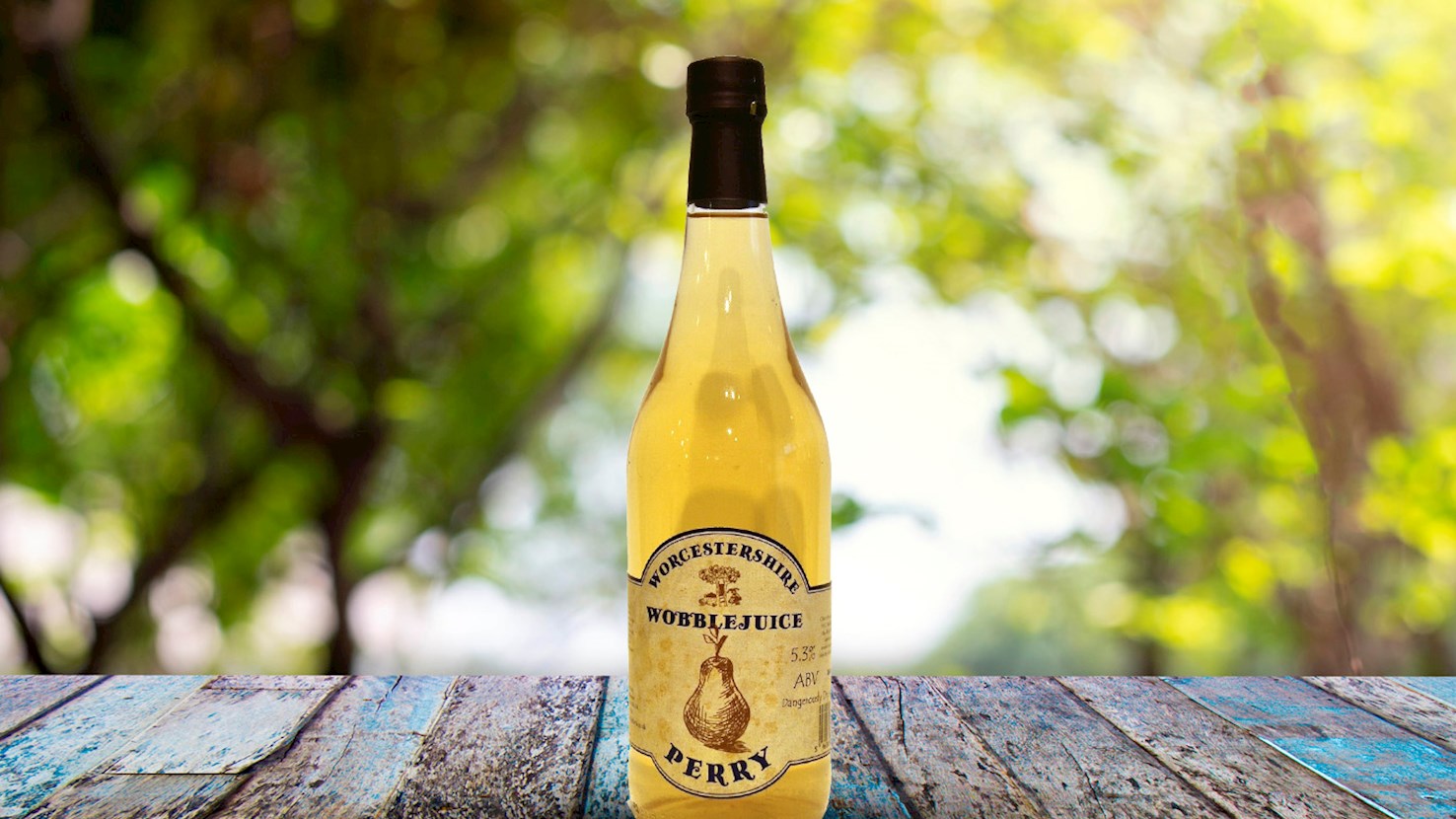
Perry is made by fermenting the juice of pressed, local perry pears where up to 25% cider apple juice can be added, and cider is made opposite the perry, where local apples are pressed and up to 25% perry pear juice can be added. Ciders have a uniquely rich appley taste with a balance between sweet and bitter and can be medium sweet or dry. Perrys have a soft, floral, fruity taste with a typical bitterness and their color is pale. Ciders and perrys are produced only from locally grown fruit in the areas of Gloucestershire, Worcestershire and Herefordshire.

10

Traditional Welsh Cider

3.4 ·

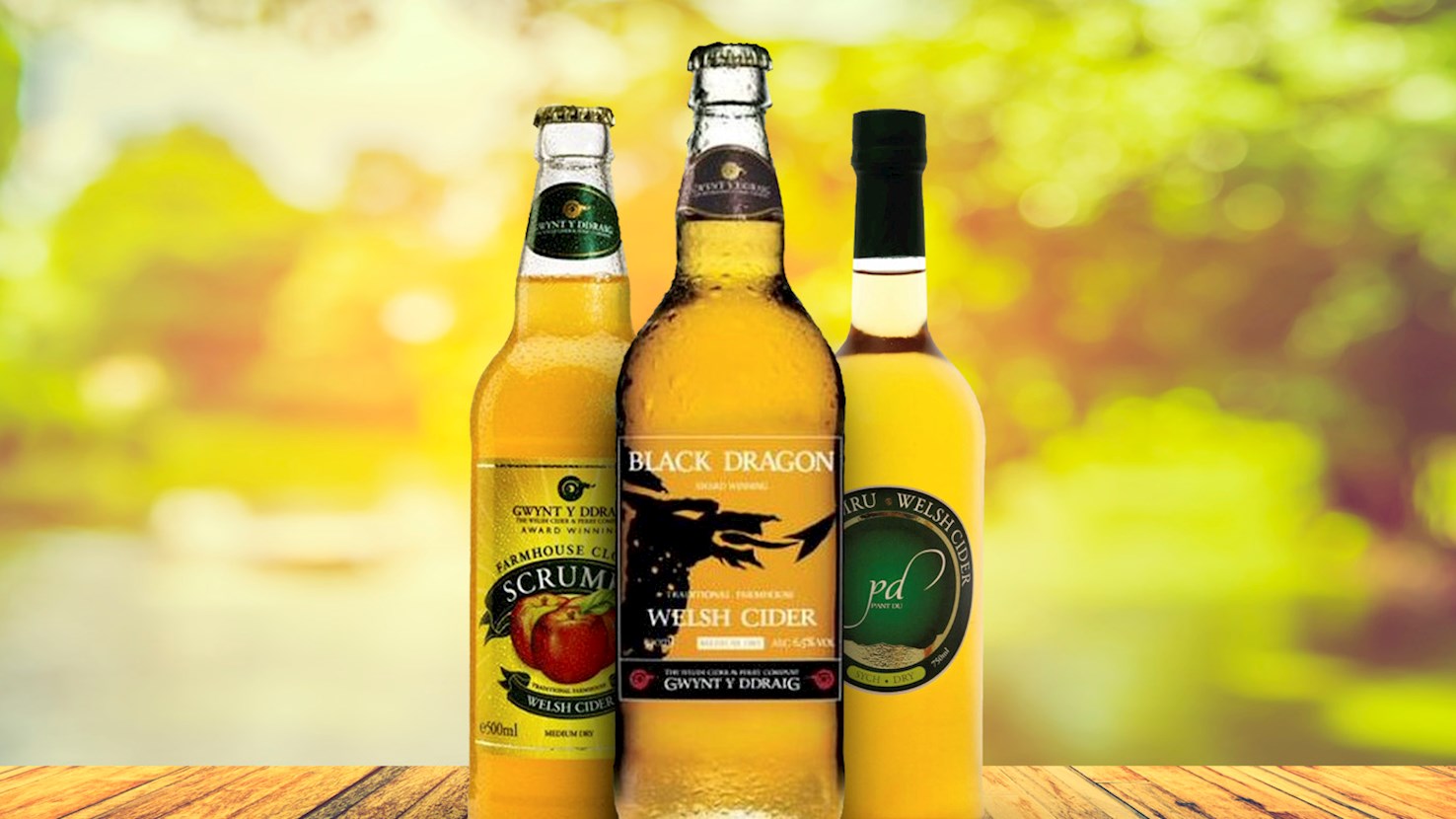
Traditional Welsh cider is made from the first-pressed juice of cider apples grown in Wales. The apples used in the process can be of one or a mixture of different indigenous and non-indigenous varieties. The cider is light to dark gold, and it can be clear or cloudy. The flavor is fruity, acidic, and citrus-like. The finish can be either very dry or sweet, and its alcohol content ranges from 3% to 8.49%. It's made under strict rules, so the only additives used while making this cider are cultured yeasts, sulphite, and calcium chloride salt. The cider can be sold in bottles or draught kegs, and the bottled ones may be sparkling or still.

Read more
View all
View map
About this ranking

TasteAtlas food rankings are based on the ratings of the TasteAtlas audience, with a series of mechanisms that recognize real users and that ignore bot, nationalist or local patriotic ratings, and give additional value to the ratings of users that the system recognizes as knowledgeable. For the “Top 48 European Ciders” list until July 22, 2026, 399 ratings were recorded, of which 356 were recognized by the system as legitimate. TasteAtlas Rankings should not be seen as the final global conclusion about food. Their purpose is to promote excellent local foods, instill pride in traditional dishes, and arouse curiosity about dishes you haven’t tried.

The initial list of top producers was compiled based on available reviews, awards, local recommendations, media and blog coverage, and consumer reviews. The list will be updated with ratings from TasteAtlas local ambassadors and TasteAtlas users.

Similar lists