shutterstock

Top 100 Manchego Foods

Last updated on June 04, 2026

Best Manchego food products

01
Olive Oil

Casas de Hualdo

5 ·
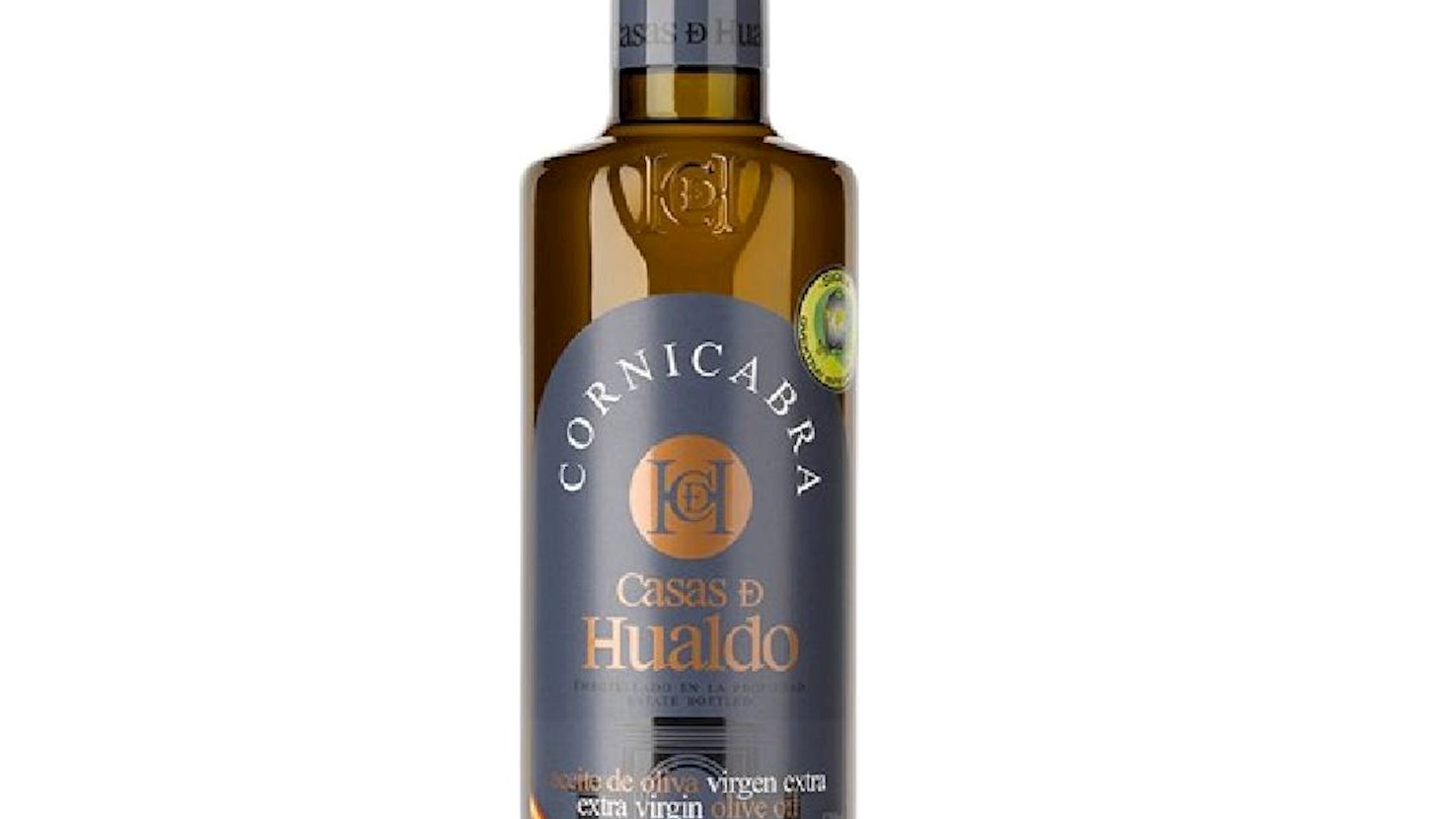
Casas de Hualdo is a prestigious Spanish producer of extra virgin olive oil, located in the heart of the Toledo region, on the banks of the Tajo River. Their estate covers nearly 4,000 hectares and is home to more than 300,000 olive trees. It was founded by Francisco Riberas in 1986 and is now recognized as one of the leaders in olive oil production in Spain. They offer four single-variety oils: Picual, Cornicabra, Manzanilla, and Arbequina, as well as blends like Reserva de Familia. Their Picual oil is especially valued for its intense fruity aroma and complex flavor. Casas de Hualdo is also distinguished by its commitment to sustainability. They have installed one of the largest photovoltaic irrigation systems in Spain, covering about 370 hectares of olive groves and other crops. Additionally, they use modern irrigation systems and implement ecological practices to protect plant and animal life.
Awards
Flos Olei - Hall of Fame (2024, 2023, 2022)
Olive Japan - Gold (2021, 2020, 2019, 2018, 2017, 2016, 2015, 2014)
02
Olive Oil

Colival

5 ·
Colival is a cooperative founded in the 1970s in the town of Valdepeñas, in the La Mancha region, bringing together around 800 olive-growing families who cultivate approximately 7,500 hectares of groves. Its mission is to unite the knowledge and resources of local producers to create extra virgin olive oils of the highest quality, with a particular focus on early harvest and cold extraction. In recent decades, the cooperative has won numerous international awards, including recognitions at the most prestigious global competitions, confirming its commitment to excellence. As a key economic force in Valdepeñas, Colival not only contributes to agricultural development but also strengthens the local community through member education and innovations in processing technology. Special attention is given to process standardization and the preservation of varietal authenticity, striking a balance between large-scale production and premium offerings. In addition, the cooperative develops oleotourism, direct sales, and branded special editions, enhancing its visibility in both domestic and international markets. Colival thus stands as an example of how collective effort and quality control can elevate traditional production and transform it into a modern model of a successful cooperative.
Awards
Mario Solinas Quality Awards - 1st Place (2025)
ATHENA IOOC - Double Gold (2022, 2020, 2018)
03
Cheese

Adiano

5 ·
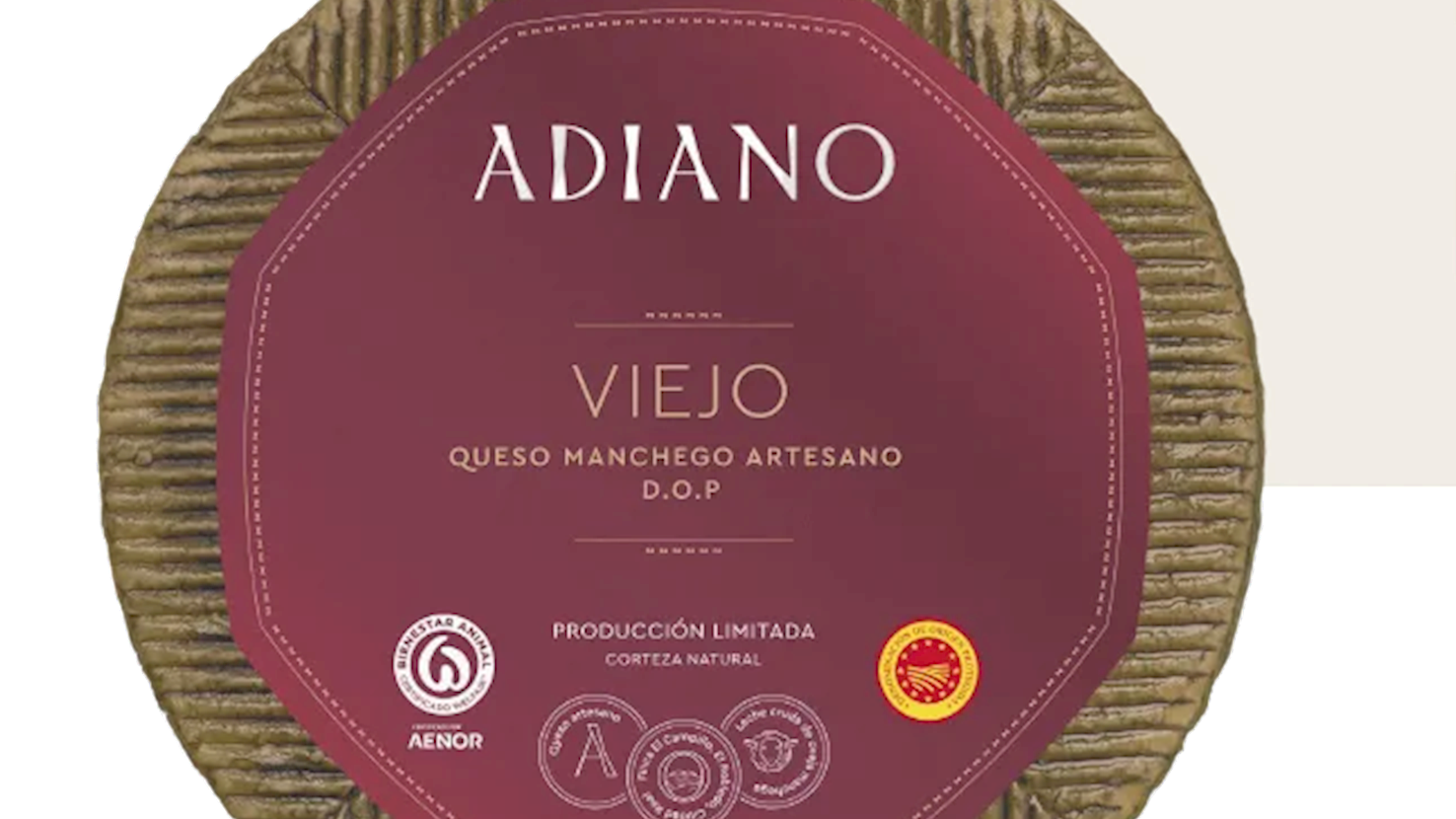
Adiano, located in El Robledo, Ciudad Real, Spain, is a notable cheese factory specializing in artisanal Manchego cheese. It distinguishes itself with a commitment to environmental sustainability and animal welfare, being the first and only in Spain to receive an Animal Welfare Certification by AENOR. The cheese is made from the milk of purebred Manchego sheep, which are raised on the farm’s natural pastures. This ensures high-quality, flavorful cheese celebrated for its exclusivity and sophistication.
Awards
World Cheese Awards - Super Gold (2024, 2023, 2022)
Concours International de Lyon - Gold (2025)
04
Cheese

Dehesa De Los Llanos

5 ·
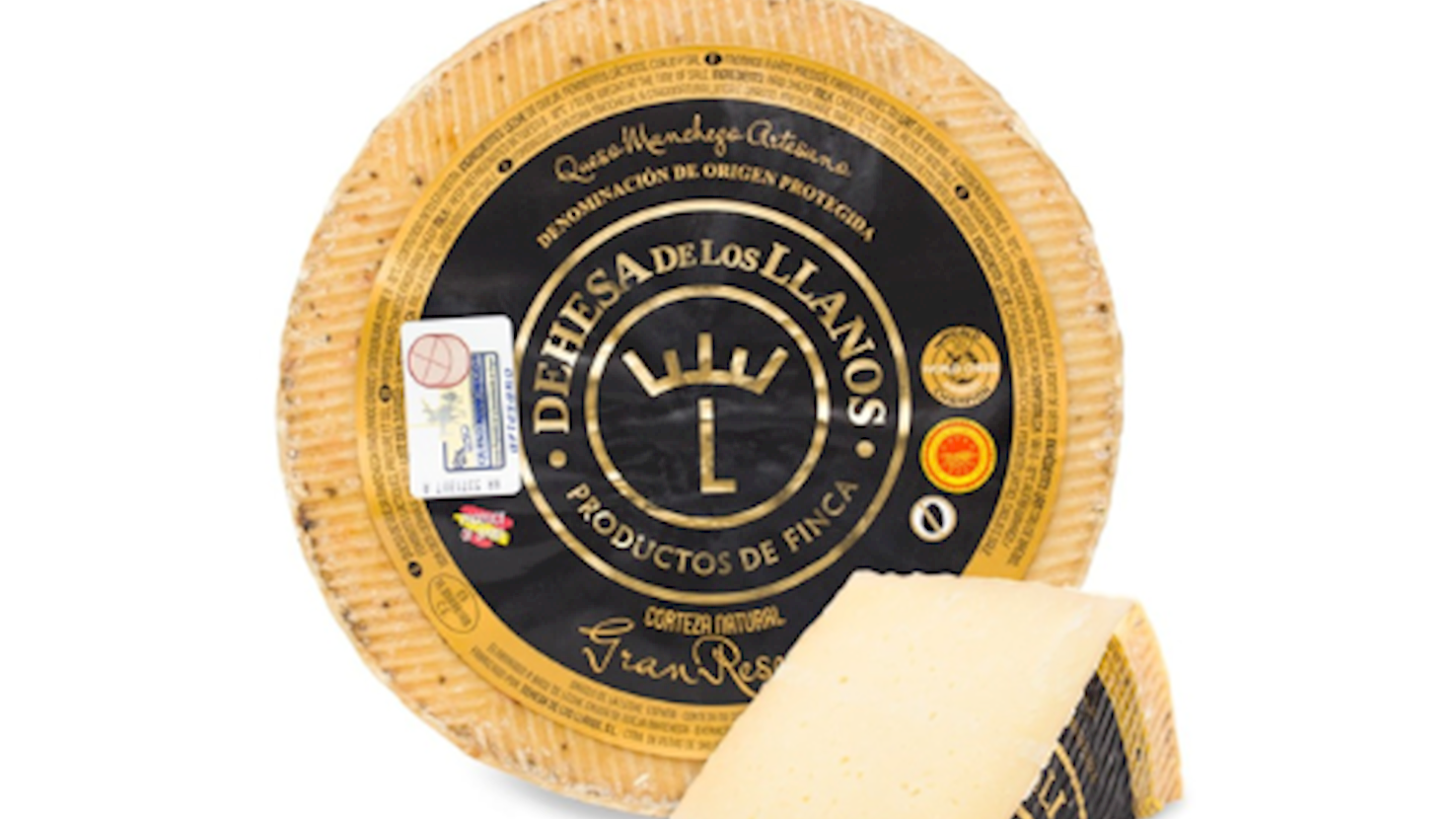
Dehesa de Los Llanos is a cheese producer located in Albacete, Spain. This company produces artisanal Manchego cheese, which is made from the milk of Manchega sheep. One of their products, Gran Reserva Manchego cheese, was awarded the title of the World's Best Cheese in 2012 at the World Cheese Awards.
Awards
World Cheese Awards - Super Gold (2023)
World Cheese Awards - Gold (2024, 2022)
05
Olive Oil

Palacio de los Olivos

5 ·
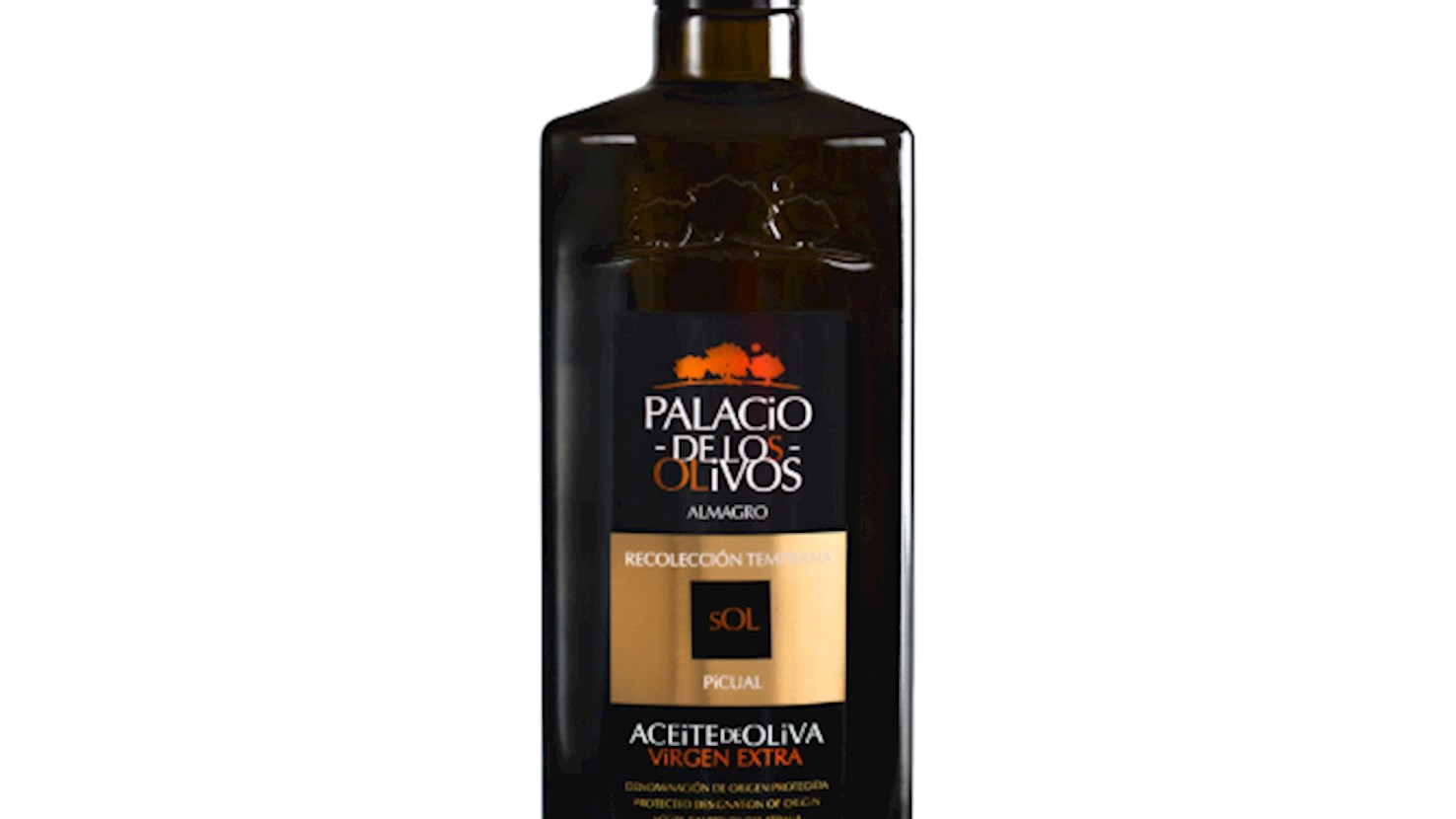
Palacio de los Olivos is a renowned producer of extra virgin olive oil from the Spanish region of Castilla-La Mancha, specifically from the area of Campo de Calatrava. This family-owned company stands out for the exceptional quality of its oil, which is made exclusively from the Picual olive variety—known for its rich aromatic profile and high antioxidant content. Their olive-growing tradition combines modern technologies with respect for the natural rhythm and ecosystem, resulting in oil of remarkable purity, freshness, and stability. What truly sets Palacio de los Olivos apart is the carefully controlled production process—from cultivating olives on their own estates to cold-pressing within just a few hours after harvest. The oil features a pronounced green fruity profile, with notes of freshly cut grass, tomato, and almond, balanced with pleasant bitterness and spiciness. Palacio de los Olivos has thus become a symbol of authenticity, innovation, and dedication to premium-quality olive oil.
Awards
Flos Olei - The Best (2021)
ATHENA IOOC - Double Gold (2024, 2023, 2022, 2021, 2020, 2019, 2018)
06
Olive Oil

Finca la Pontezuela

5 ·
Finca la Pontezuela is a reputable family estate located in the province of Toledo, Spain. Founded in 1974, the estate spans over 400 hectares of olive groves and agricultural land, specializing in the production of high-quality olive oil. It is known for its sustainable practices and traditional cultivation methods that preserve the authenticity and quality of the olives, making their oils recognizable on the international market. Besides olive oil production, Finca la Pontezuela is also a destination that offers visitors interactive tours of the olive mill, with opportunities for tastings and education about the olive oil production process. This blend of tradition, innovation, and commitment to quality makes Finca la Pontezuela one of the most esteemed estates in the Spanish olive oil industry.
Awards
Olive Japan - Gold (2021, 2015)
EVO IOOC - Gold Medal (2021)
07
Olive Oil

Dehesa el Molinillo

5 ·
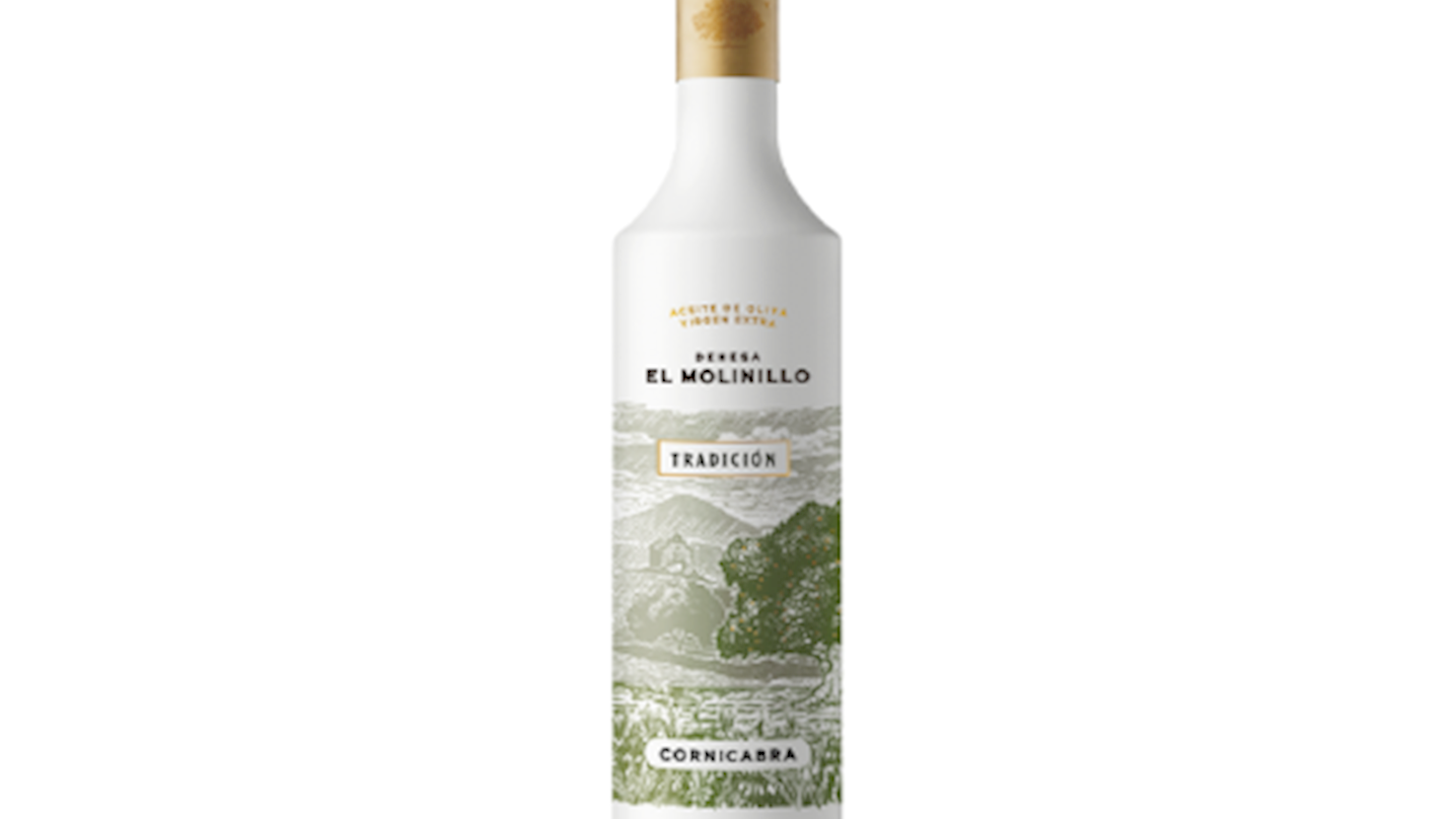
Dehesa El Molinillo is a prestigious producer of extra virgin olive oil from the heart of Spain, specifically from Retuerta del Bullaque in the province of Ciudad Real. Located on an estate spanning approximately 4,200 hectares in the Montes de Toledo area, near the Cabañeros National Park, it combines olive groves, pastures, vineyards, and woodlands, creating a unique ecosystem while preserving biodiversity. Their Coratina extra virgin olive oils—harvested early and cold-extracted in a state-of-the-art mill located directly on the estate—have become their most awarded product. The olives are handpicked and processed immediately after harvesting in their own olive mill, ensuring top quality and the preservation of nutritional properties. Dehesa el Molinillo is dedicated to sustainable agriculture and the protection of the natural environment and biodiversity—the estate is home to a variety of wildlife, including deer, wild boar, and the endangered Iberian lynx. Thanks to a blend of tradition, innovation, and respect for nature, Dehesa el Molinillo has become a symbol of premium Spanish olive oil, successfully competing with the most renowned Andalusian brands.
Awards
EVOOLEUM - EVOOLEUM 2024 ABSOLUTE BEST (2024)
London IOOC - Gold (2022)
08
Cheese

Quesos Villadharo

4.9 ·
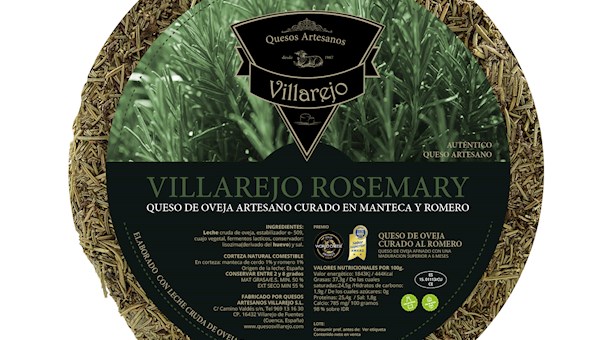
Awards
World Cheese Awards - Super Gold (2024)
Concours International de Lyon - Gold (2025)
09
Cheese

Pago Valle de los Molinos

4.9 ·
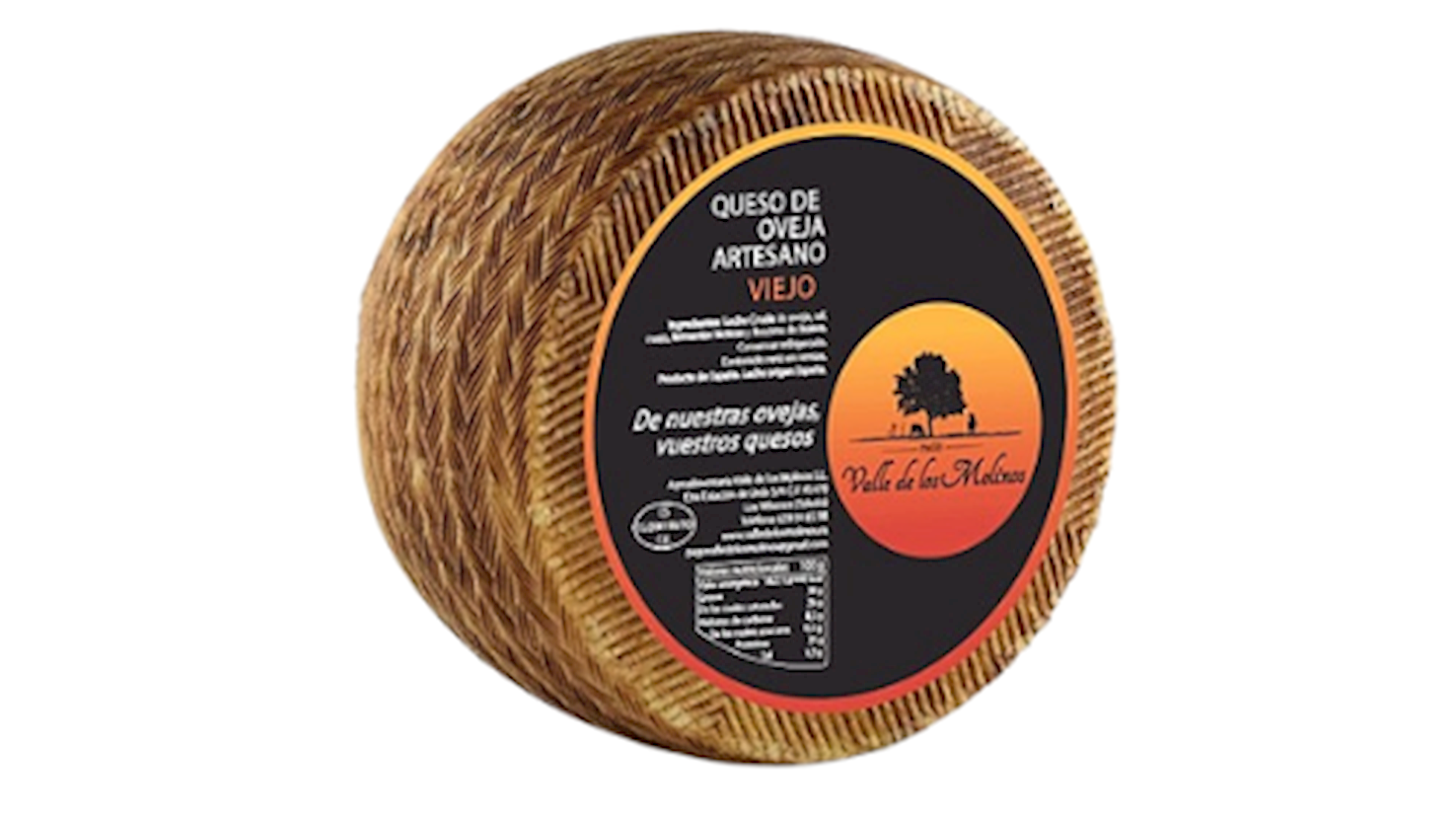
Pago Valle de los Molinos is a Spanish company specializing in the production of various types of cheese. Based in the region of Castilla-La Mancha, the company utilizes traditional methods to create high-quality dairy products. Their product line includes a variety of artisanal cheeses made from cow, sheep, and goat milk. The company places a strong emphasis on quality control and sustainability throughout their production process.
Awards
World Cheese Awards - Super Gold (2021)
World Cheese Awards - Gold (2024, 2022, 2021)
10
Cheese

Quesera Campo Rus

4.9 ·
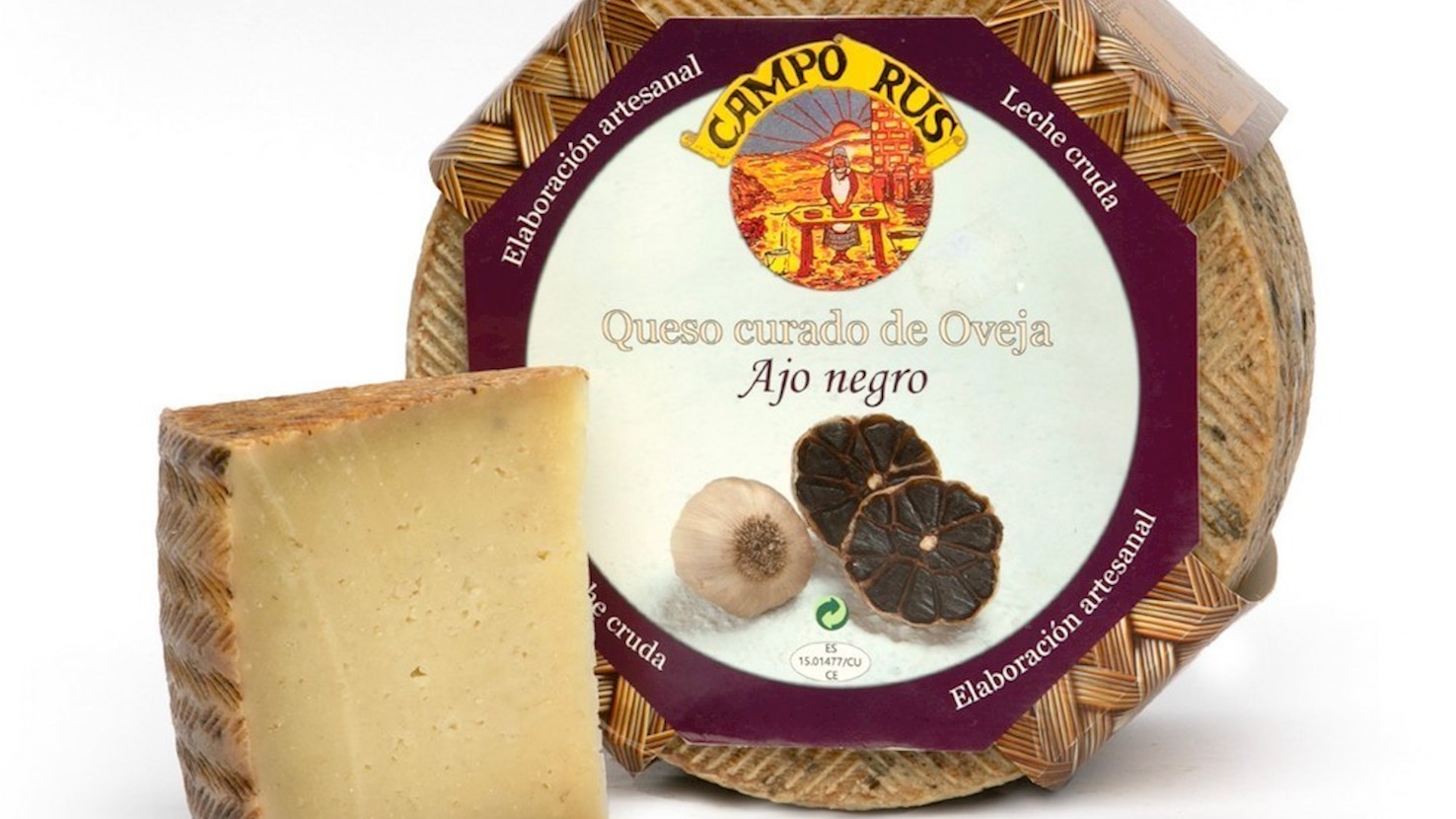
Quesera Campo Rus is a cheese producer located in Spain, specifically in the Castilla-La Mancha region. The company specializes in the production of Manchego cheese, which is made from the milk of the Manchega sheep breed. Quesera Campo Rus S.L. implements traditional cheese-making methods to maintain the authentic flavor and quality of their products.
Awards
World Cheese Awards - Super Gold (2024, 2021)
World Cheese Awards - Gold (2023, 2022, 2021)

Best Manchego foods

01
Cheese

Queso Manchego

4.3 ·

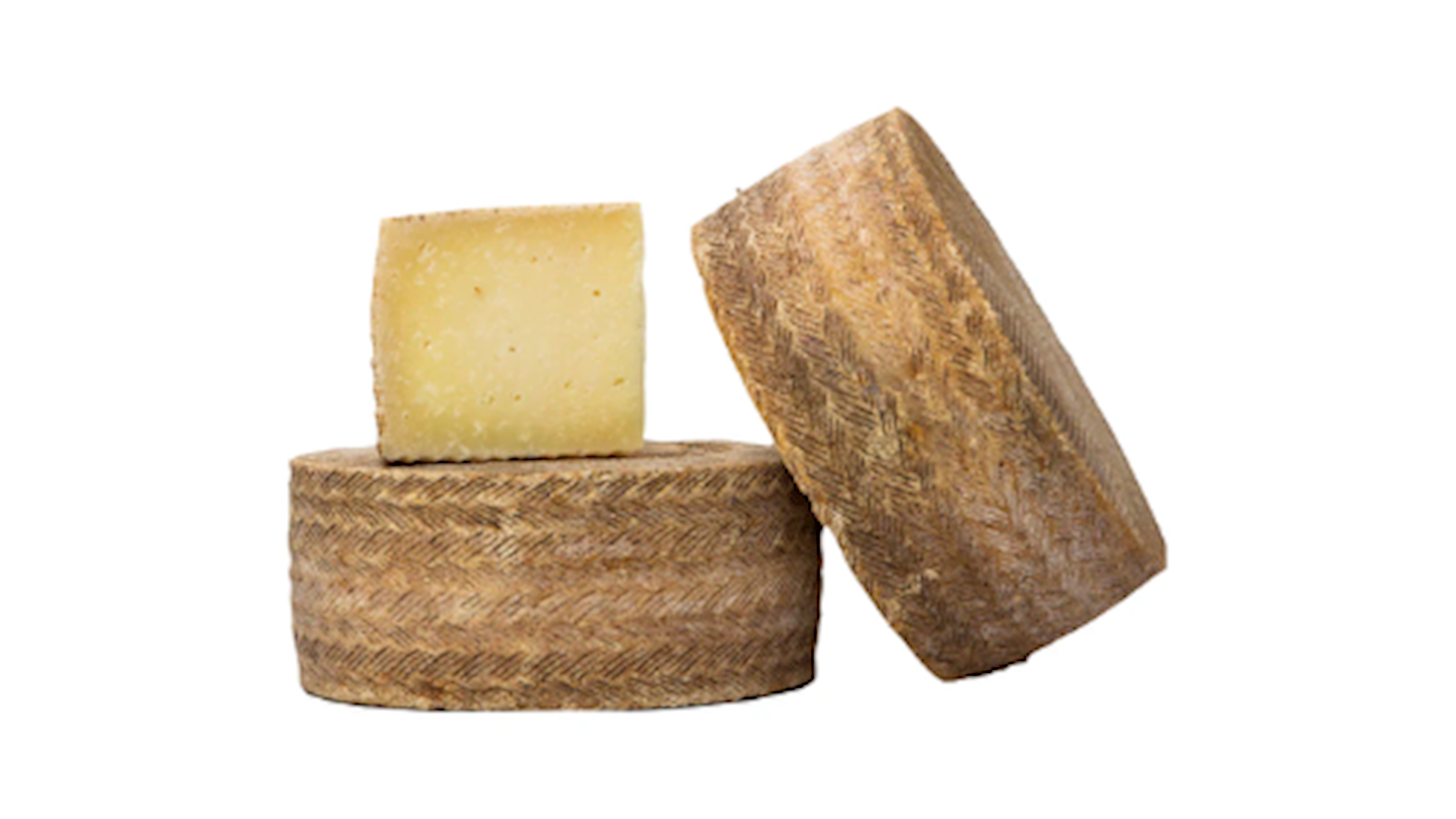
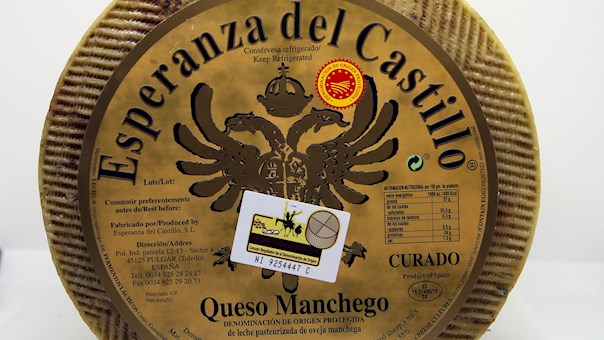
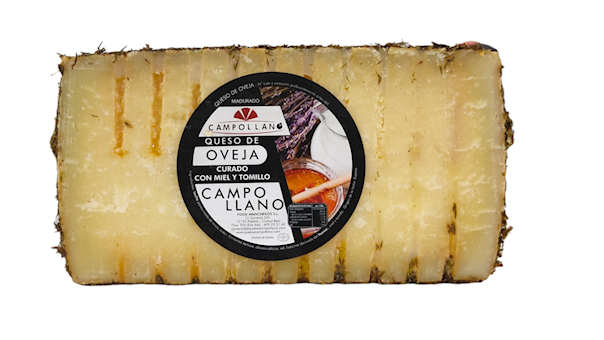
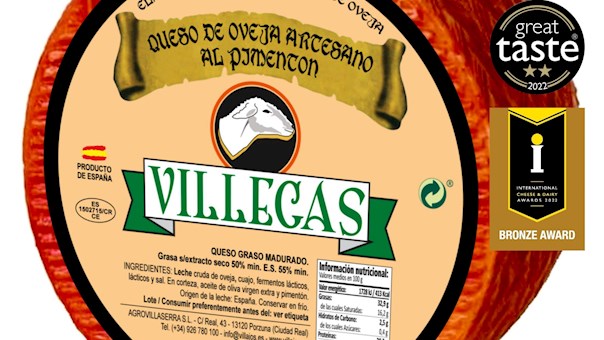
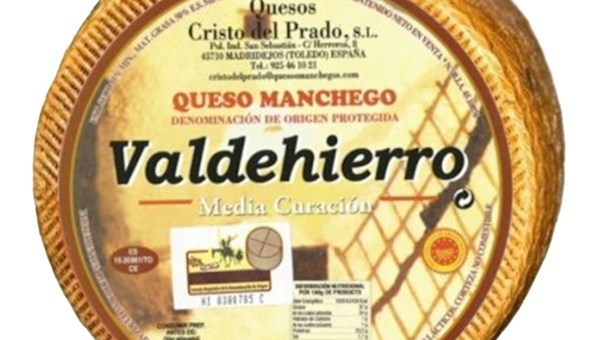
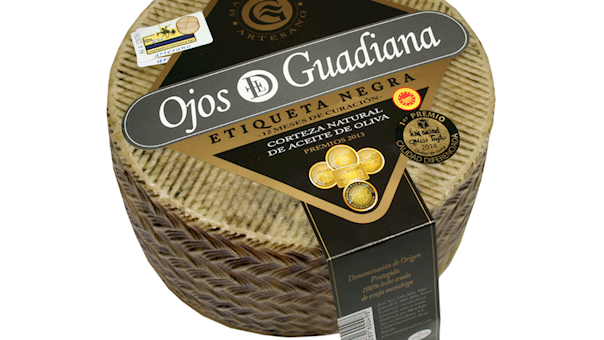
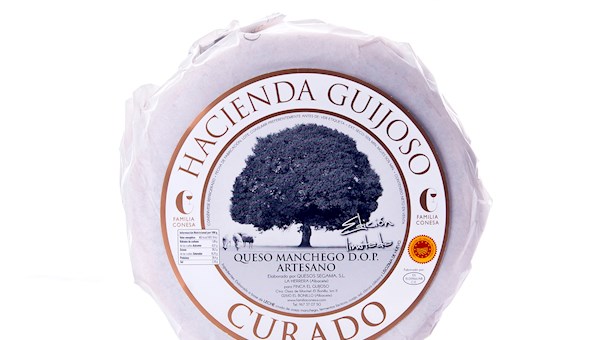
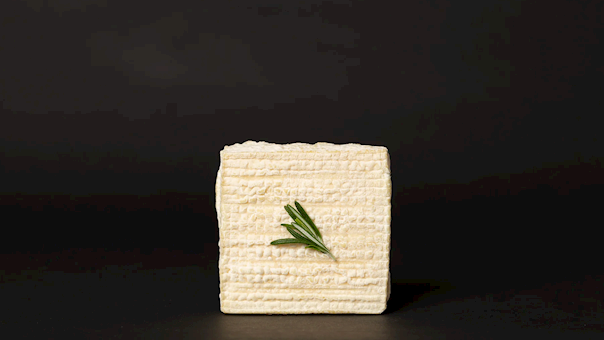
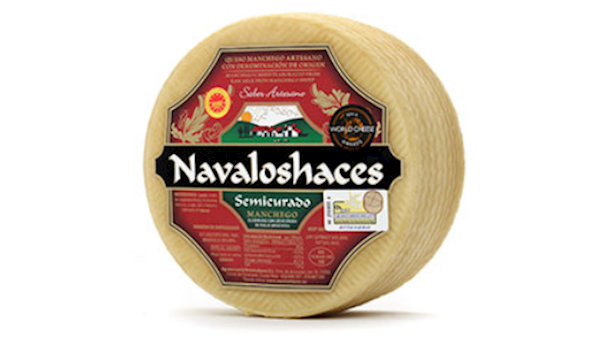
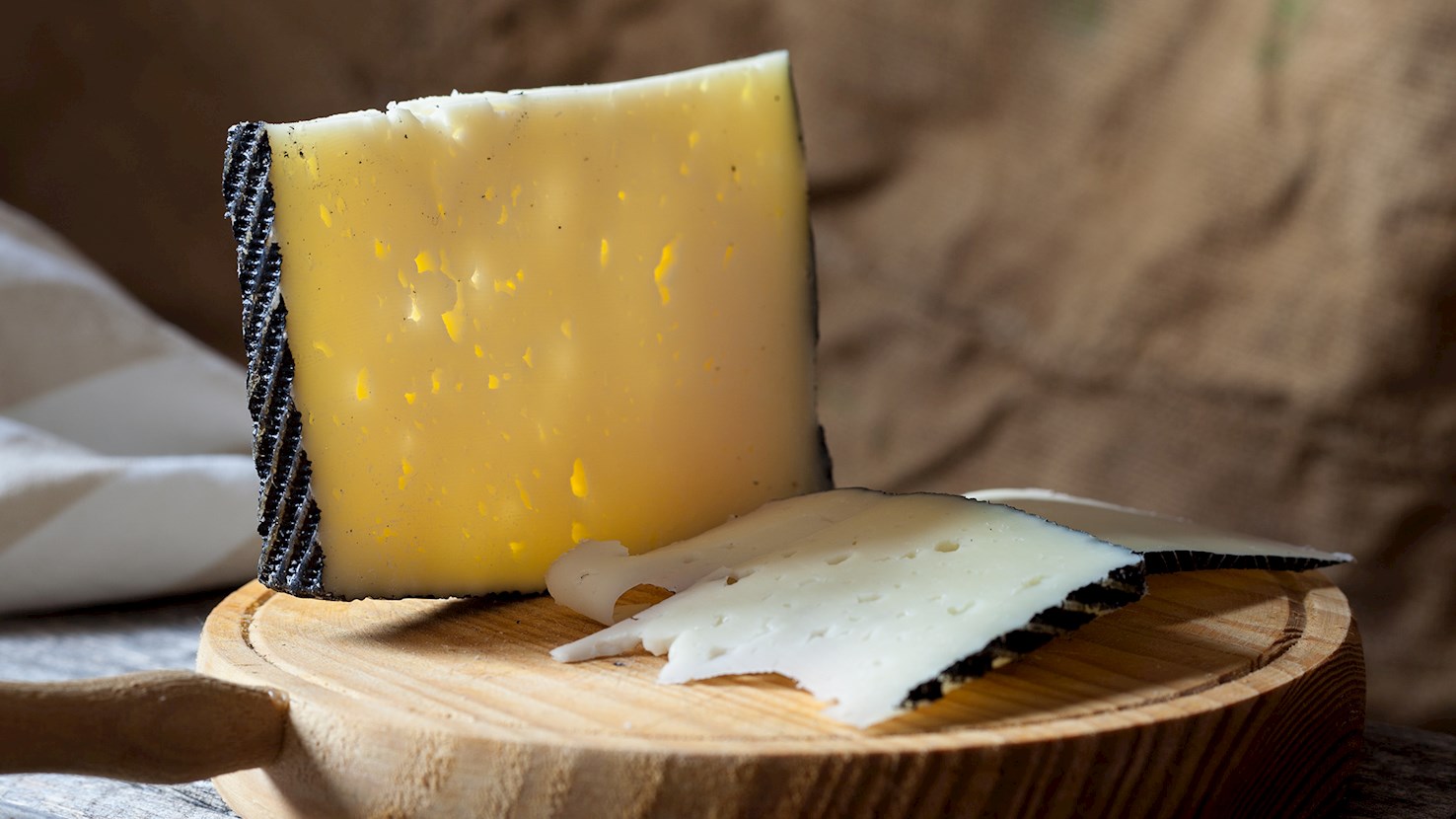
Queso Manchego is a pressed cheese made from raw or pasteurized ewe's milk of the Manchega breed that grazes freely on the pastures in the provinces of Albacete, Ciudad Real, Cuenca, and Toledo. When produced from raw milk, Manchego cheese is labeled as Artesano. Its color ranges from pale yellow to greenish-black, and the flavor is slightly acidic, but depending on the aging period, it can also be spicy and peppery. The texture is firm and compact and it may contain tiny, irregular, unevenly distributed eyes. The rind is usually washed and coated in paraffin or immersed in olive to preserve its natural appearance and protect the chese from the mold. This full-fat cheese is rich in calcium and packed with essential vitamins such as A, D and E. The wheels weighing up to 1,5 kg are aged for at least 30 days, and larger cheeses are aged from 2 months to a maximum of 2 years. Manchego can be sold at different age gradations - Fresco (two weeks), Semi-Curado (from three weeks to four months), Curado (three to six months) and Anejo or Viejo (aged from one to two years).

02
Vegetable Dish

Pisto

3.9 ·

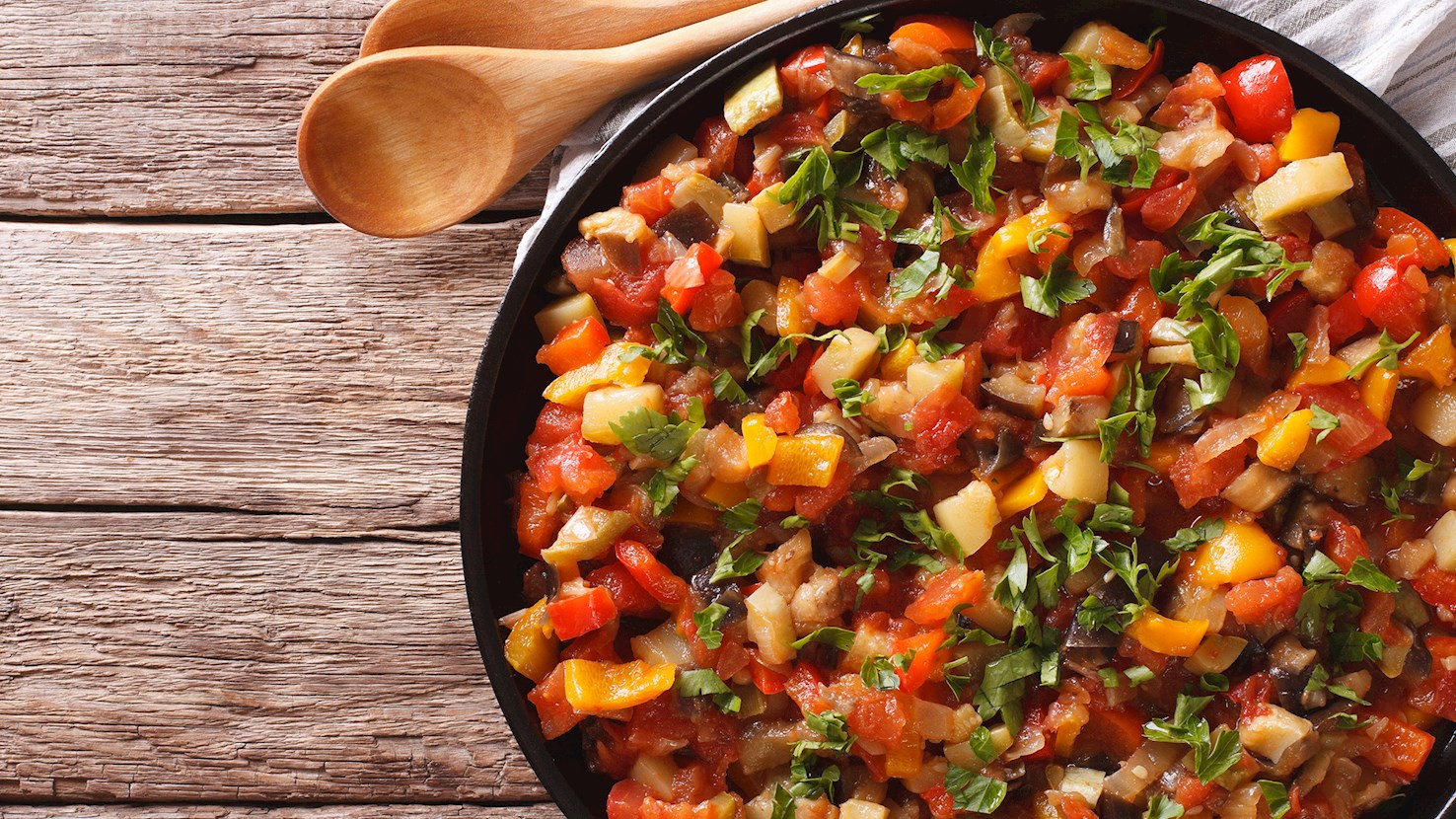
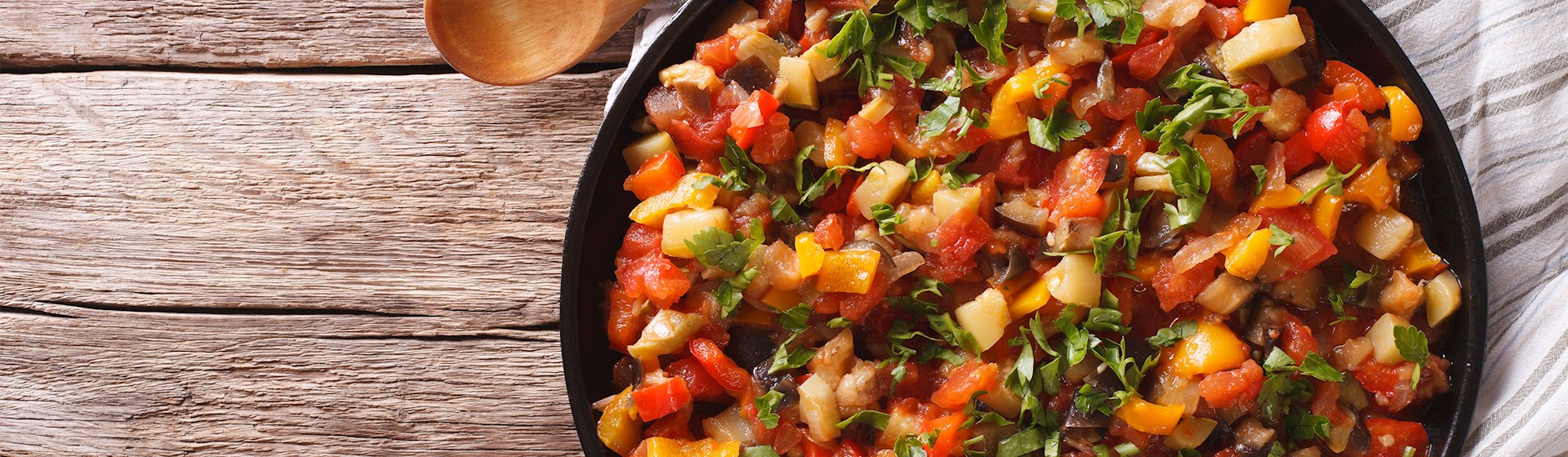
Pisto is a traditional dish from La Mancha, consisting of a variety of cooked and fried vegetables such as tomatoes, onions, bell peppers, and courgettes. It is very similar to the famous ratatouille. The dish can be served cold as a starter, or warm as a side dish. It is believed that pisto was introduced to Spain by the Moors, who used to call it alboronia. There are also numerous variations of pisto, with added ingredients such as potatoes, pumpkin, or ham.

03
Vegetable Soup

Sopa de ajo

3.6 ·

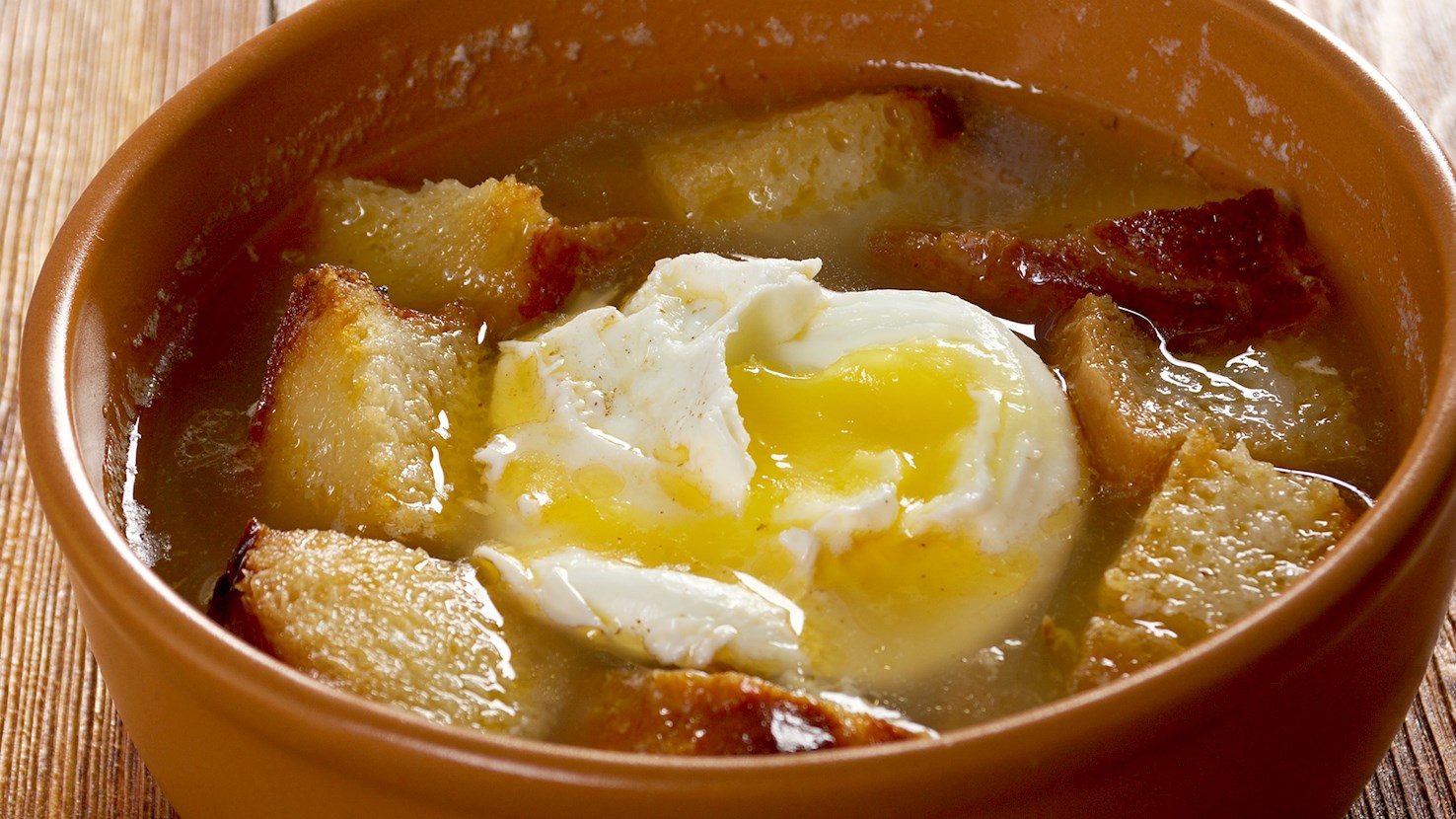
Sopa de ajo is a traditional garlic soup. It's prepared by sautéeing garlic in olive oil and Spanish smoked paprika. Stale bread and whisked or poached eggs are then added to the soup for the final touch. As for the liquids, chicken broth, vegetable broth, or even plain water will work. The soup is served piping hot, garnished with a few croutons or fresh parsley. Traditionally, sopa de ajo is consumed in the morning on Good Friday, and it's recommended to serve it with a few slices of grilled bread on the side.

04
Pâté

Morteruelo

3.5 ·

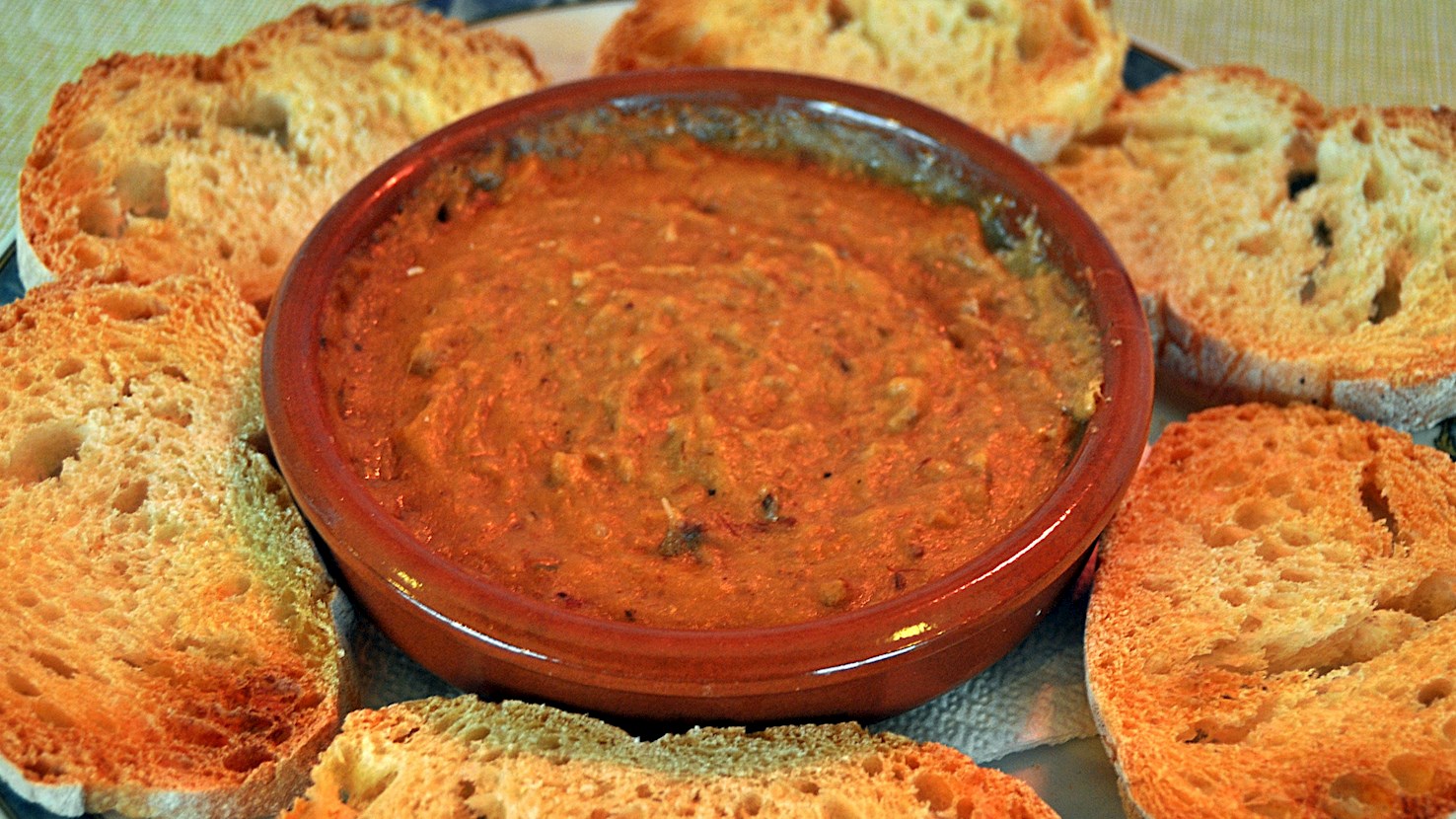
Morteruelo is a dense, savory pâté-like dish from the province of Cuenca, located in the Castilla-La Mancha region of central Spain. It is commonly served warm as a starter or tapa and is recognized for its rich combination of liver and meats finely ground and bound together in a thick, spiced paste. The dish has long been associated with rural Spanish cuisine, where it emerged as a practical and flavorful way to make use of preserved and accessible meats during colder months. Historically, morteruelo is believed to date back to the Middle Ages, when game and organ meats were more commonly used in everyday cooking, particularly in interior regions far from the coast. The name itself is linked to the Spanish word mortero, meaning mortar, referencing the original method of pounding the meat by hand to achieve a smooth consistency. The preparation begins with slow-cooking a mixture of meats, which often includes pork liver, lean pork, partridge, chicken, or hare, depending on local availability and family preference. Once tender, the meats and offal are shredded or finely minced, then combined with a base of reduced cooking broth, lard or rendered fat, and breadcrumbs to achieve its thick consistency. The mixture is seasoned with warm spices such as cumin, black pepper, and paprika, lending the dish a deeply savory and mildly earthy profile. It is then cooked again to bind all components into a cohesive, spoonable paste. Morteruelo’s distinct character lies in its texture and intensity. It is smoother and more spreadable than a meat stew but coarser than a mousse or pâté. In Cuenca and surrounding towns, it is widely considered a symbol of regional gastronomy and can be found in local taverns and family gatherings, especially in cooler seasons. While it remains lesser-known outside Castilla-La Mancha, morteruelo holds a strong culinary identity within the region, reflecting the historical reliance on preserved game, offal, and slow cooking as essential aspects of rural Spanish foodways.

Best restaurants
05
Stew

Gazpachos Manchegos

3.5 ·

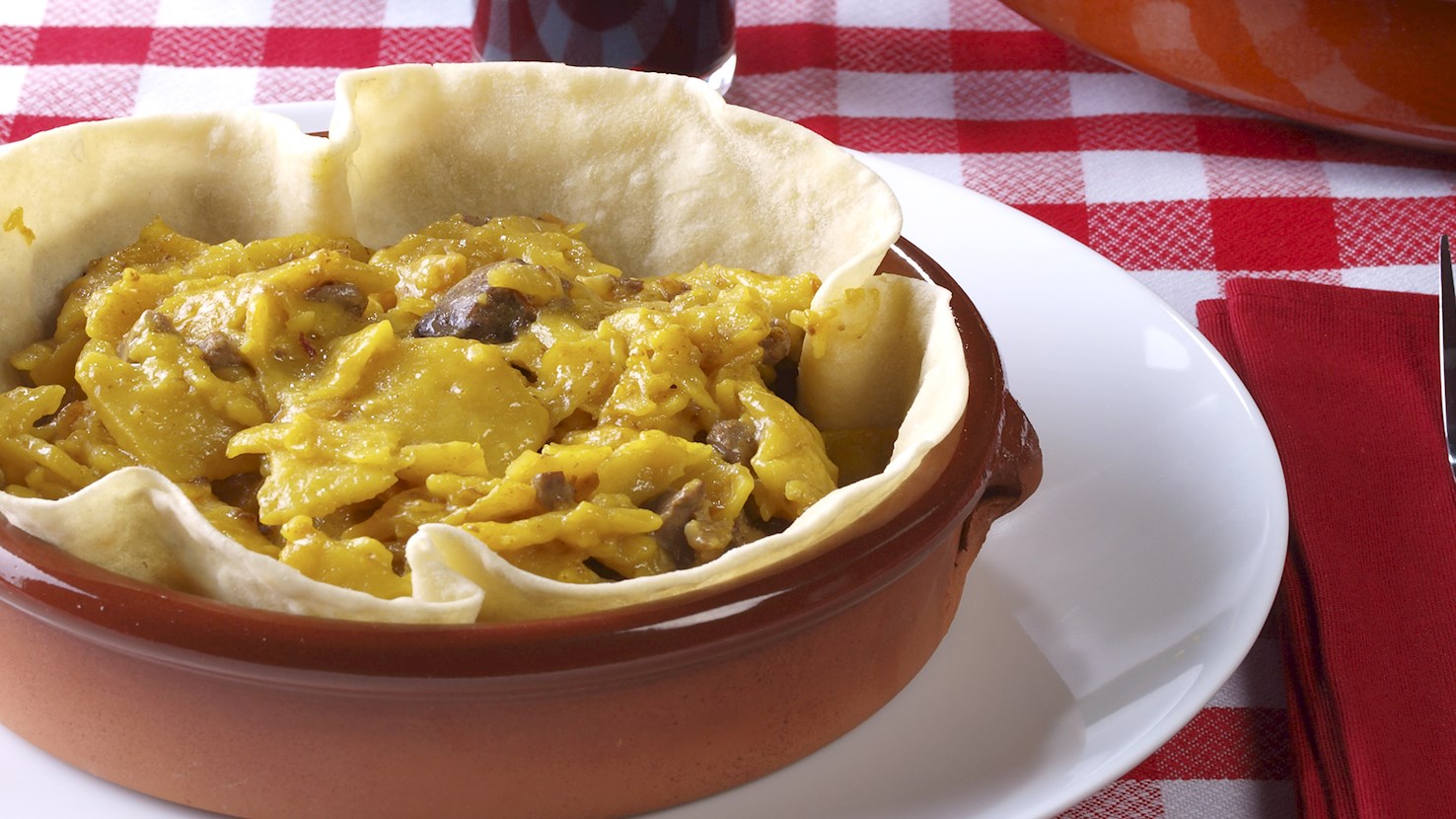
Gazpachos manchegos is a Spanish stew based on game meat stock, mushrooms, rabbit, chicken, onions, garlic, red peppers, and unleavened bread known as torta de gazpacho. Despite the name, it has nothing to do with the famous tomato-based cold soup. Once done, the stew can be served on its own, but it is also sometimes served on a loaf of bread.

06
Bread

Pan de Cruz de Ciudad Real

n/a ·

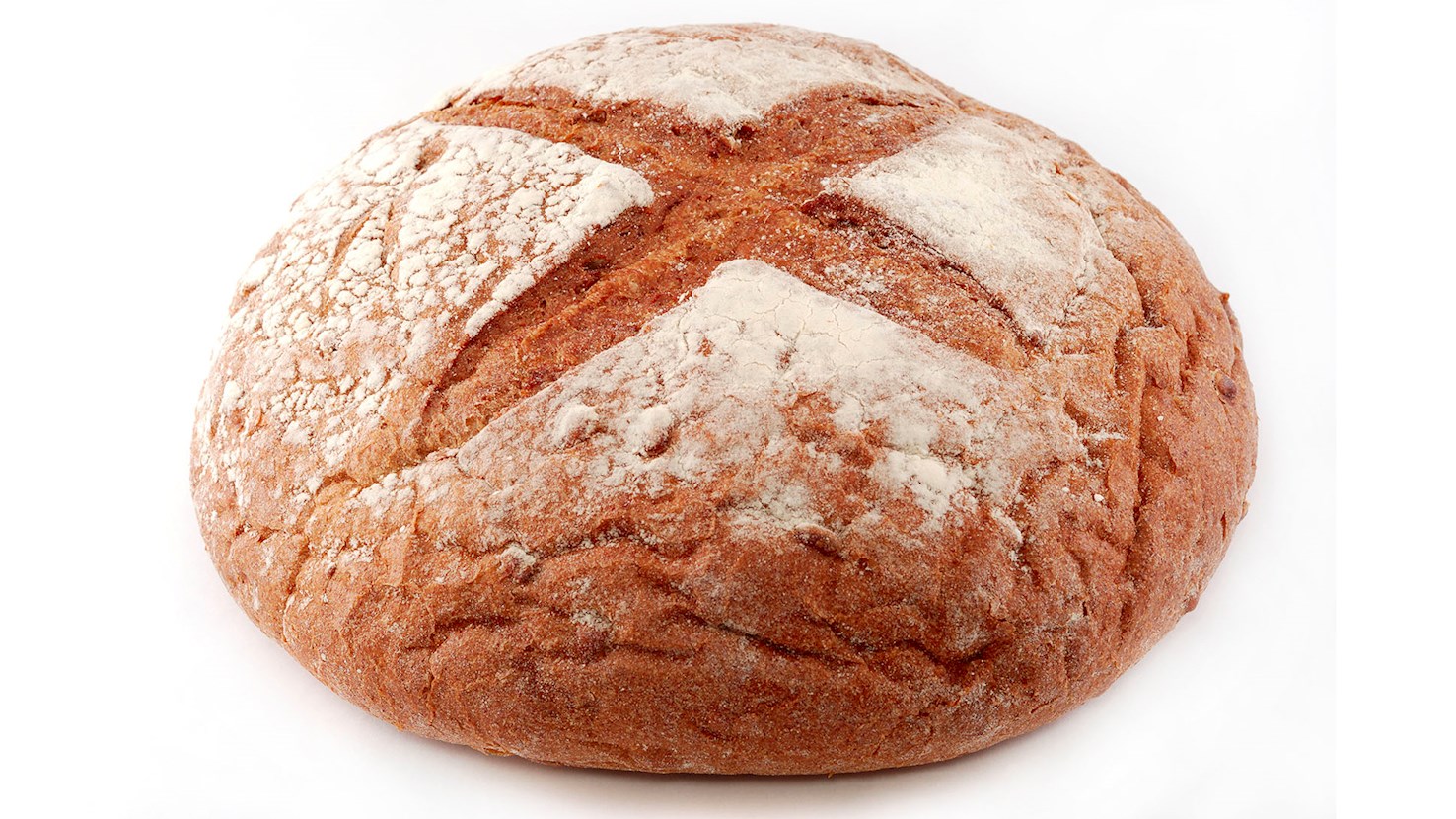
Pan de Cruz de Ciudad Real is a traditional type of bread made in the province of Ciudad Real. It is made by kneading wheat flour, water, and salt and baking it in wood-burning ovens. Pan de Cruz de Ciudad Real is a round, very dense and compact bread with a smooth, golden crust. The most characteristic feature, however, is the cross-shaped cut on the top of the bread. Inside, this bread is white, smooth and spongy in consistency with almost no air bubbles. This bread does not dry easily and remains fresh for six to seven days. One can readily recognize this bread by the PGI logo sticker that can be found on the bottom of the loaf.

07
Salad

Asadillo manchego

3.3 ·

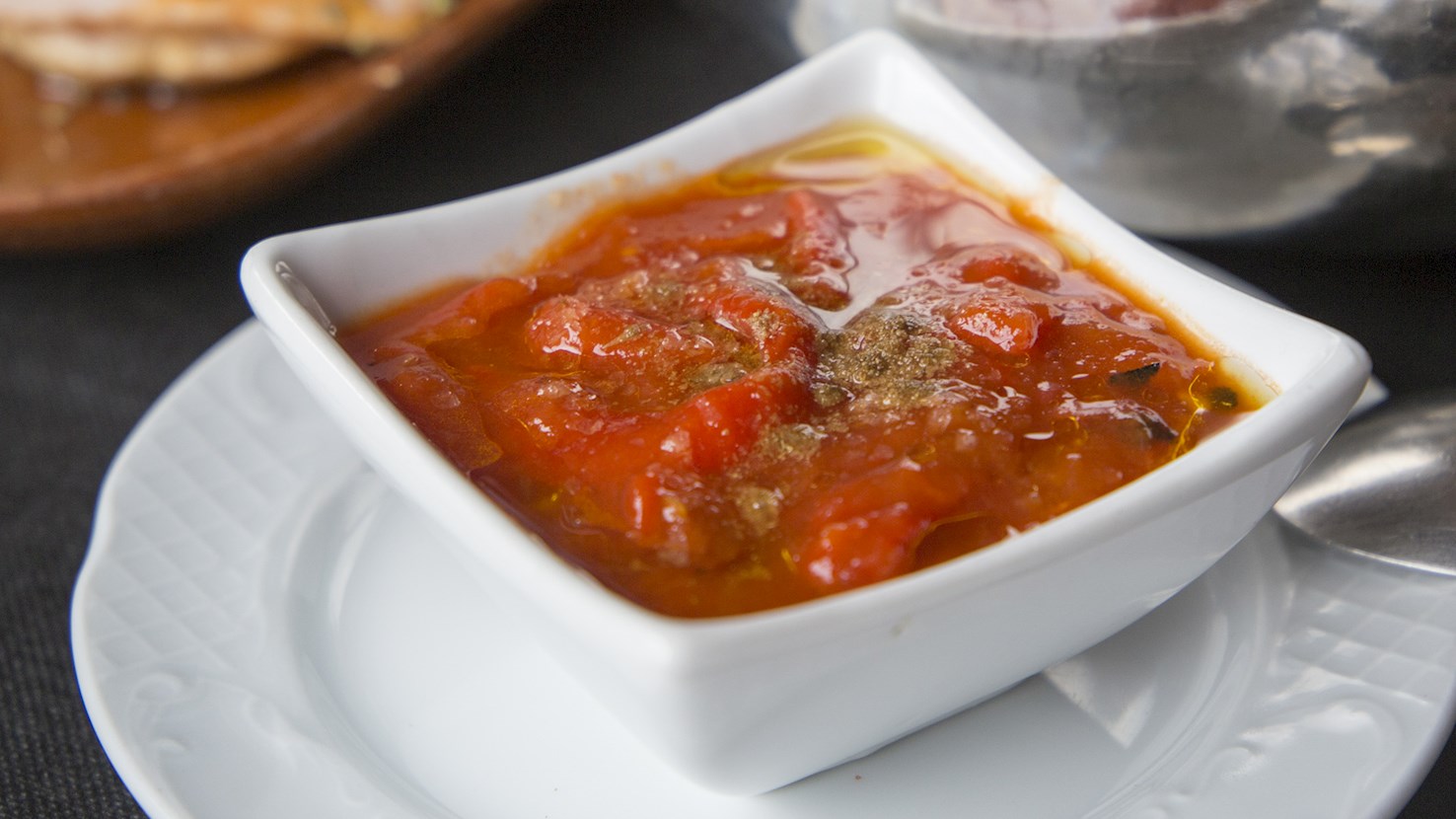
Asadillo manchego is a super-simple Spanish dish originating from La Mancha. The salad is made with a combination of roasted peppers and tomatoes, garlic, cumin, and olive oil. The roasted peppers are peeled and left to cool completely, while the roasted tomatoes are drained, peeled, and crushed in order to make a simple sauce. The peppers are mixed with the sauce, then seasoned with salt and combined with mashed garlic, cumin, and olive oil. It's recommended to serve asadillo manchego with a few slices of rustic bread.

08
Potato Dish

Atascaburras

3.2 ·

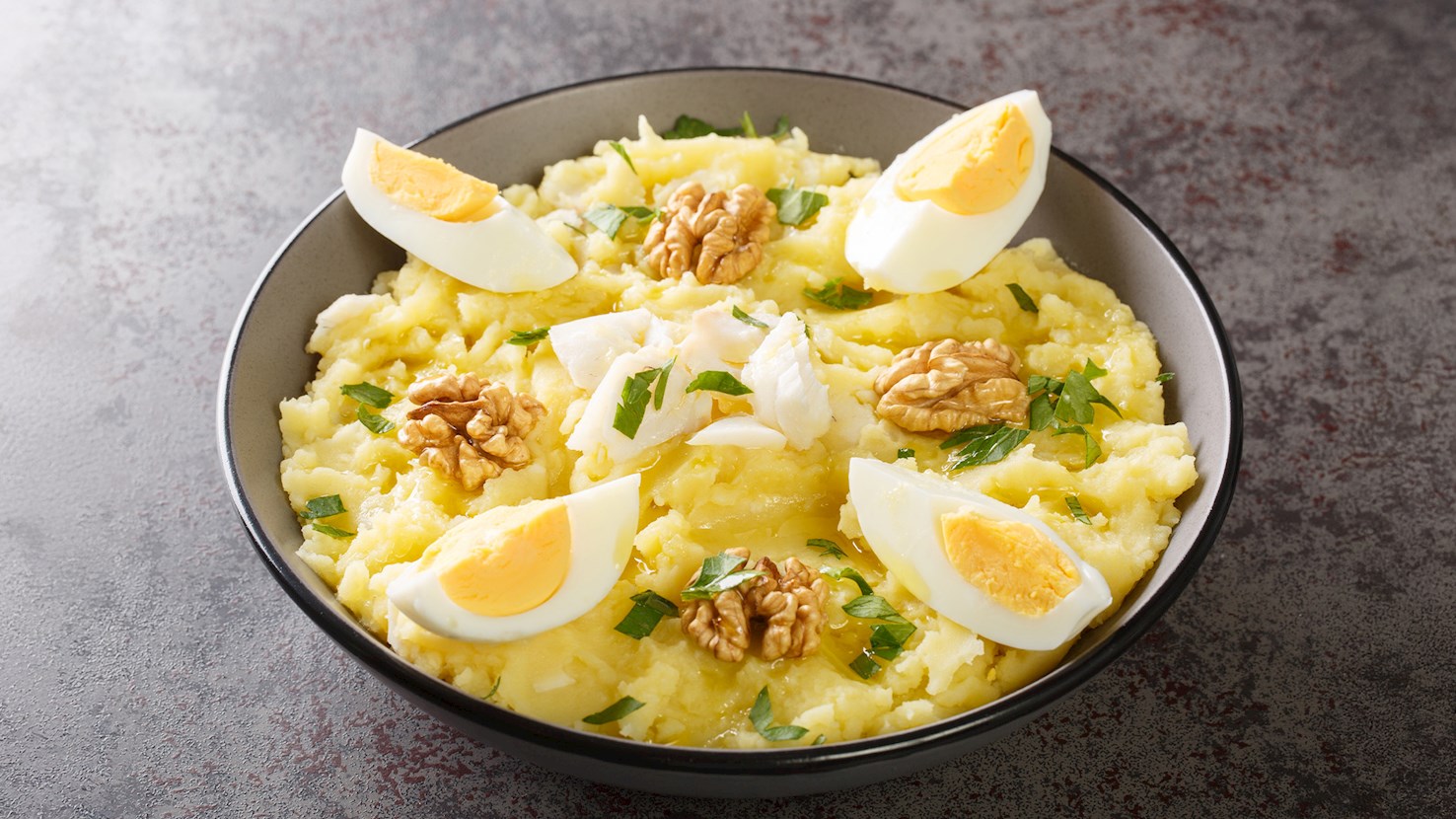
Atascaburras (lit. something that blocks a donkey's way) is a traditional dish originating from Albacete in the community of Castilla-La Mancha. The dish is made with a mixture of mashed potatoes, garlic, cod, olive oil, boiled eggs, walnuts, parsley, salt, and pepper. Once prepared, atascaburras should look similar to a mousse and have the texture of potato purée, but with more intense and rich flavors. This is a popular meal with the Manchego shepherds, who traditionally eat it to warm up and counter the bitter cold during winter. The name of the dish refers to the noise that the fork or mortar makes when the potatoes are mashed, which is similar to the hooves of a donkey when they get stuck in the mud.

09
Game Dish

Perdiz con chocolate a la toledana (Partridge with Chocolate)

n/a ·

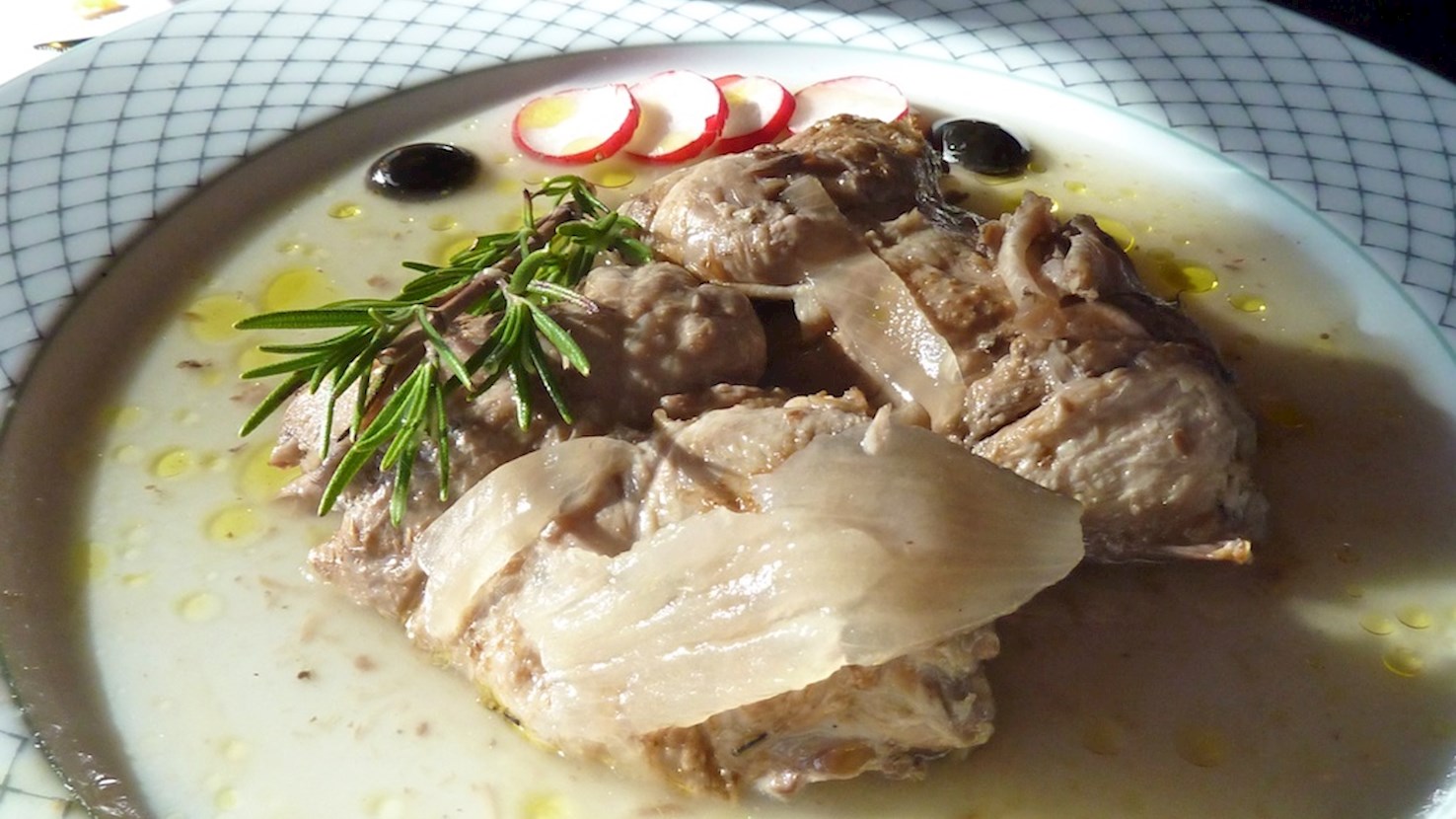
Perdiz con chocolate is a traditional dish with many regional variations, but the most common version comes from Toledo. The dish is usually made with a combination of partridges, onions, garlic, flour, chicken stock, white wine, dark chocolate, cloves, bay leaves, wine vinegar, olive oil, salt, and pepper. The partridges are seasoned with salt and pepper and browned in olive oil on all sides. The onions and garlic are sautéed until soft. Flour is stirred in to make a roux, and everything is simmered after adding the stock, vinegar, wine, cloves, and bay leaves to the pot. Once the partridges are tender, grated dark chocolate is stirred into the dish and simmered for a few more minutes. The partridges are removed from the pot and served on a plate, and the sauce is strained and spooned over the birds. It's recommended to serve the dish with boiled potatoes and a fresh green salad on the side.

10
Game Dish

Perdiz escabechada

2.9 ·

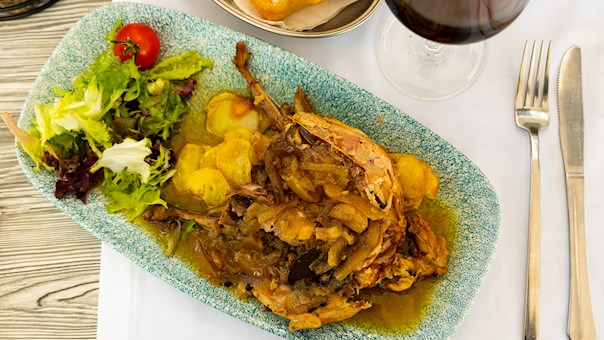
Perdiz escabechada is a traditional dish originating from Castilla-La Mancha. The dish is usually prepared with a combination of partridges, onions, carrots, garlic, white wine vinegar, dry white wine, olive oil, pimentón or paprika, bay leaves, thyme, salt, and black peppercorns. The partridges are seasoned with salt, trussed (the legs are tied with strings), and then browned in olive oil in a large cazuela pot. The onions, garlic, and carrots are added to the pot and fried until softened. The combination is brought to a boil with added vinegar, wine, water, bay leaves, thyme, pimentón, and peppercorns. It’s simmered until the partridges become tender. Once done, the dish is left to cool to room temperature and served. Alternatively, it can be left in the fridge, then served cold, if desired.

Best restaurants
Read more
View all
View map
About this ranking

TasteAtlas food rankings are based on the ratings of the TasteAtlas audience, with a series of mechanisms that recognize real users and that ignore bot, nationalist or local patriotic ratings, and give additional value to the ratings of users that the system recognizes as knowledgeable. For the “Top 100 Manchego Foods” list until June 04, 2026, 220 ratings were recorded, of which 159 were recognized by the system as legitimate. TasteAtlas Rankings should not be seen as the final global conclusion about food. Their purpose is to promote excellent local foods, instill pride in traditional dishes, and arouse curiosity about dishes you haven’t tried.

The initial list of top producers was compiled based on available reviews, awards, local recommendations, media and blog coverage, and consumer reviews. The list will be updated with ratings from TasteAtlas local ambassadors and TasteAtlas users.

Similar lists