shutterstock

Top 77 Javanese Foods

Last updated on July 08, 2026

Best Javanese foods

01
Meat Soup

Soto Betawi

4.4 ·

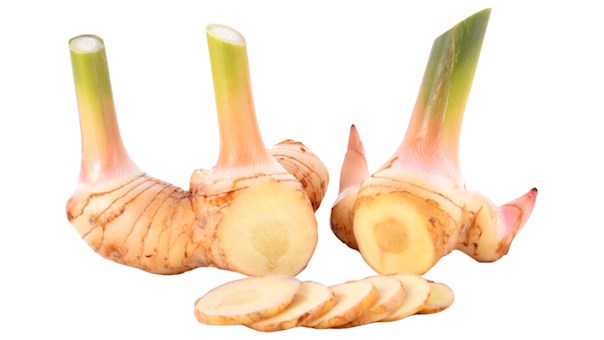
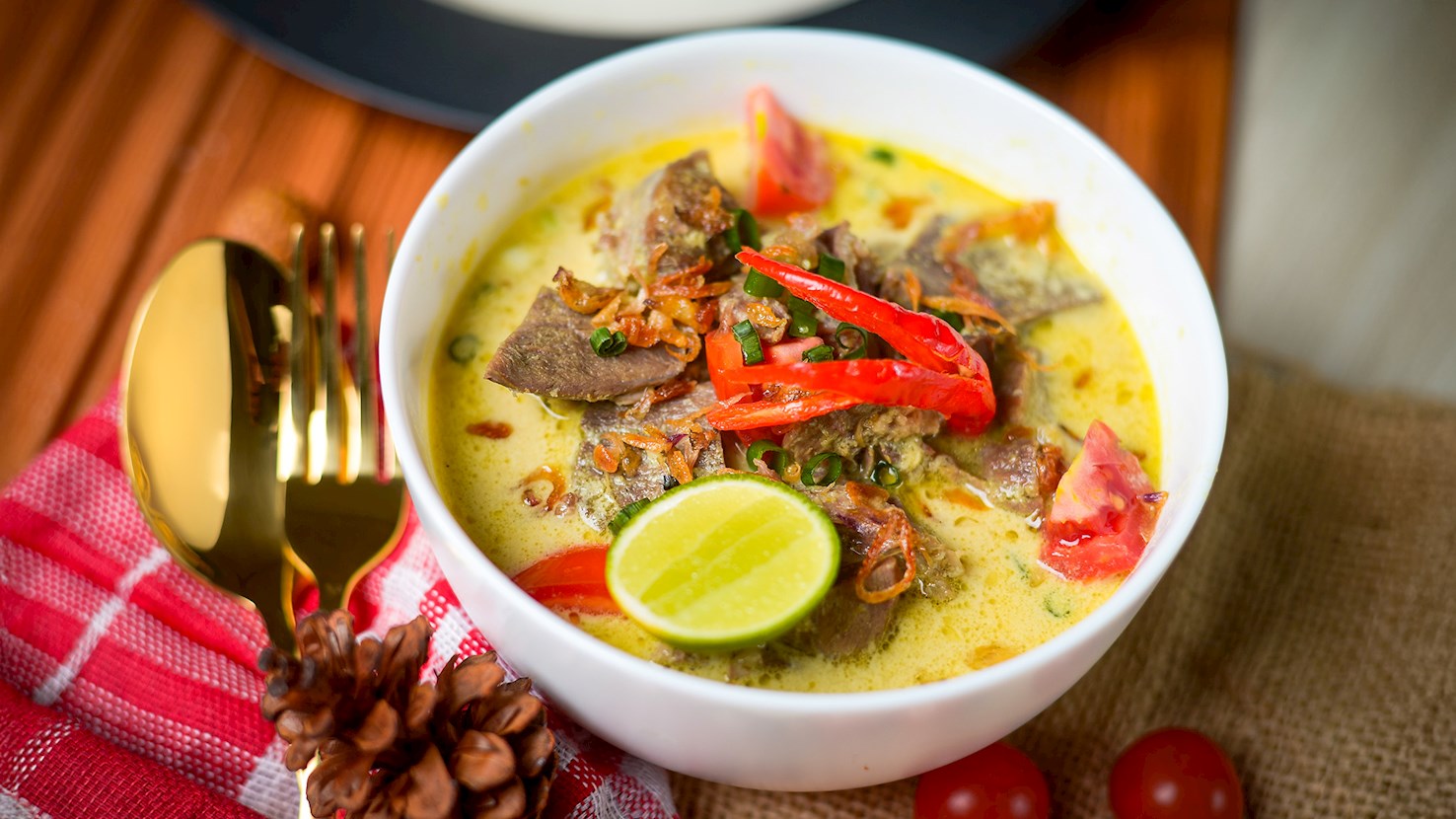
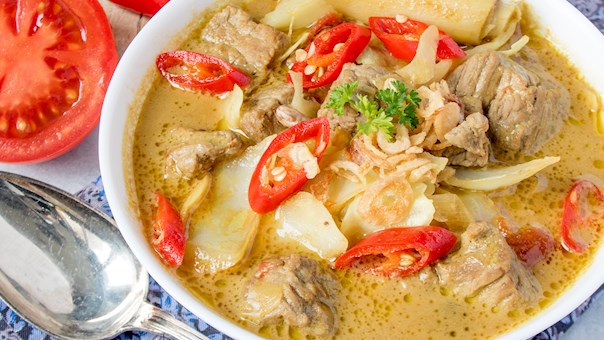
Soto Betawi is a hearty beef soup consisting of chunks of meat and offal that are slowly simmered in a coconut milk broth, which is usually enriched with various spices such as lemongrass, turmeric, galangal, kefir lime leaves, and coriander. When served, the soup is accompanied by different condiments that typically include tomatoes, scallions, sweet soy sauce, and emping crackers. Because of its name, it is believed that the dish originated in Jakarta among the Betawi people, and today it is one of the most popular dishes in the city, usually sold at various street stalls, restaurants, or hawker-style establishments. Soto Betawi is traditionally enjoyed with steamed rice and pickled acar on the side.

02
Street Food

Batagor

4.4 ·

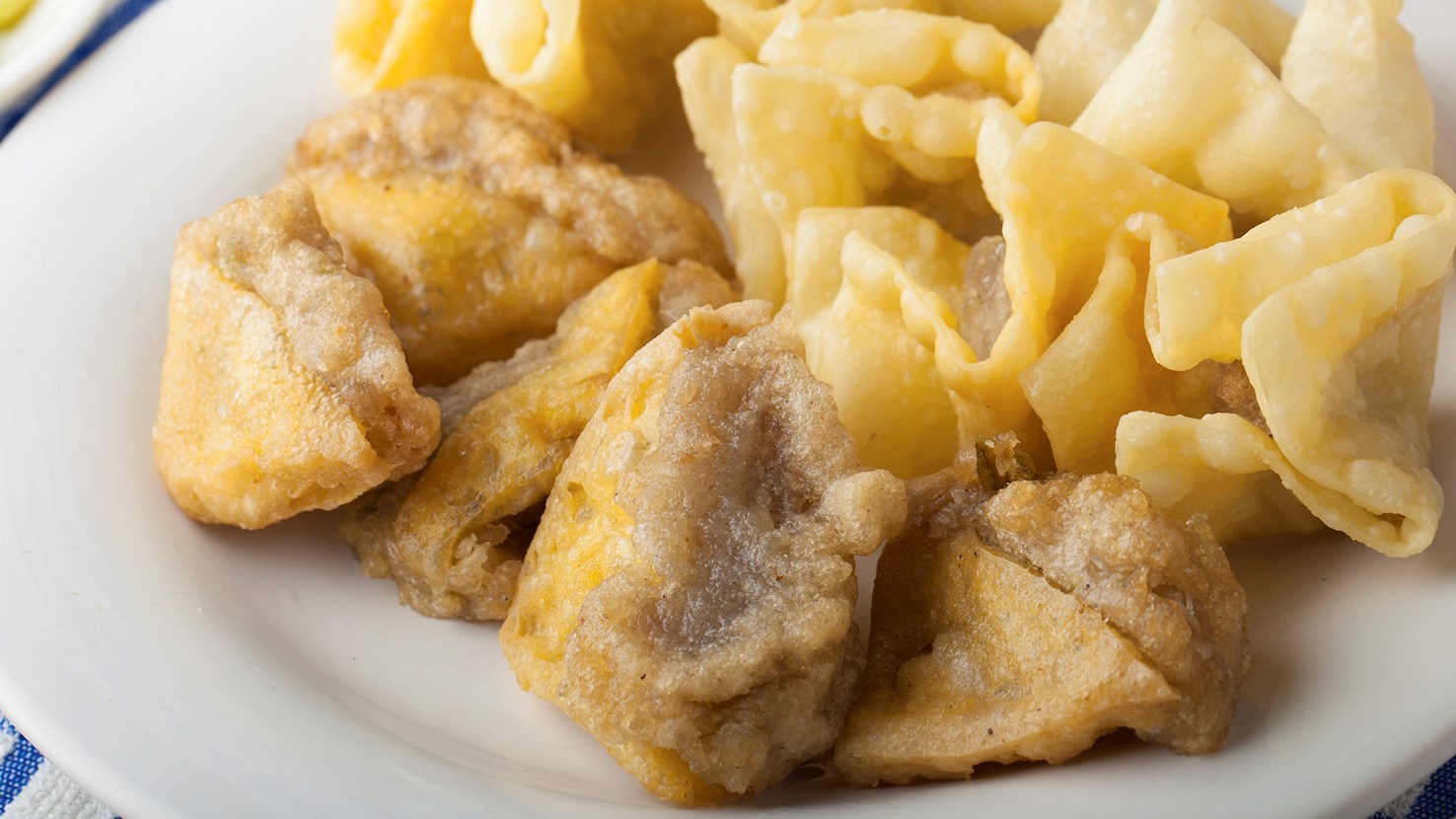
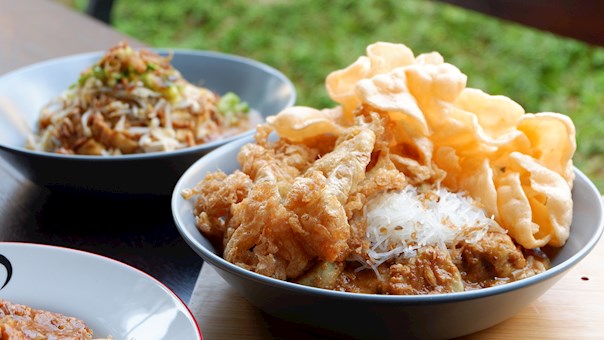
One of the most famous snacks in Indonesia is batagor, a fried fish dumpling served in a traditional spicy sauce. It has roots in the Chinese culinary tradition, which has left a trace on many Indonesian dishes. Although this famous snack is reminiscent of the more famous Chinese dumpling, its distinguishable characteristic is that it is fried, not steamed. The most common fish used to make the dish is wahoo, but tuna, mackerel, and even prawns can also be used. Potatoes, tofu, or cabbage are also occasionally added to the dish. Batagor is the perfect snack because of the way it is served. When fried, the dumplings are cut into small bite-sized pieces and covered in peanut, soy, and chili sauce with a splash of lime juice. It was invented in the 1980s in Bandung, but today it can be found throughout Indonesia. Since it is quickly prepared, it is commonly sold by street vendors, but it can also be found in many Indonesian restaurants.

03
Rice Dish

Bubur ayam

4.3 ·

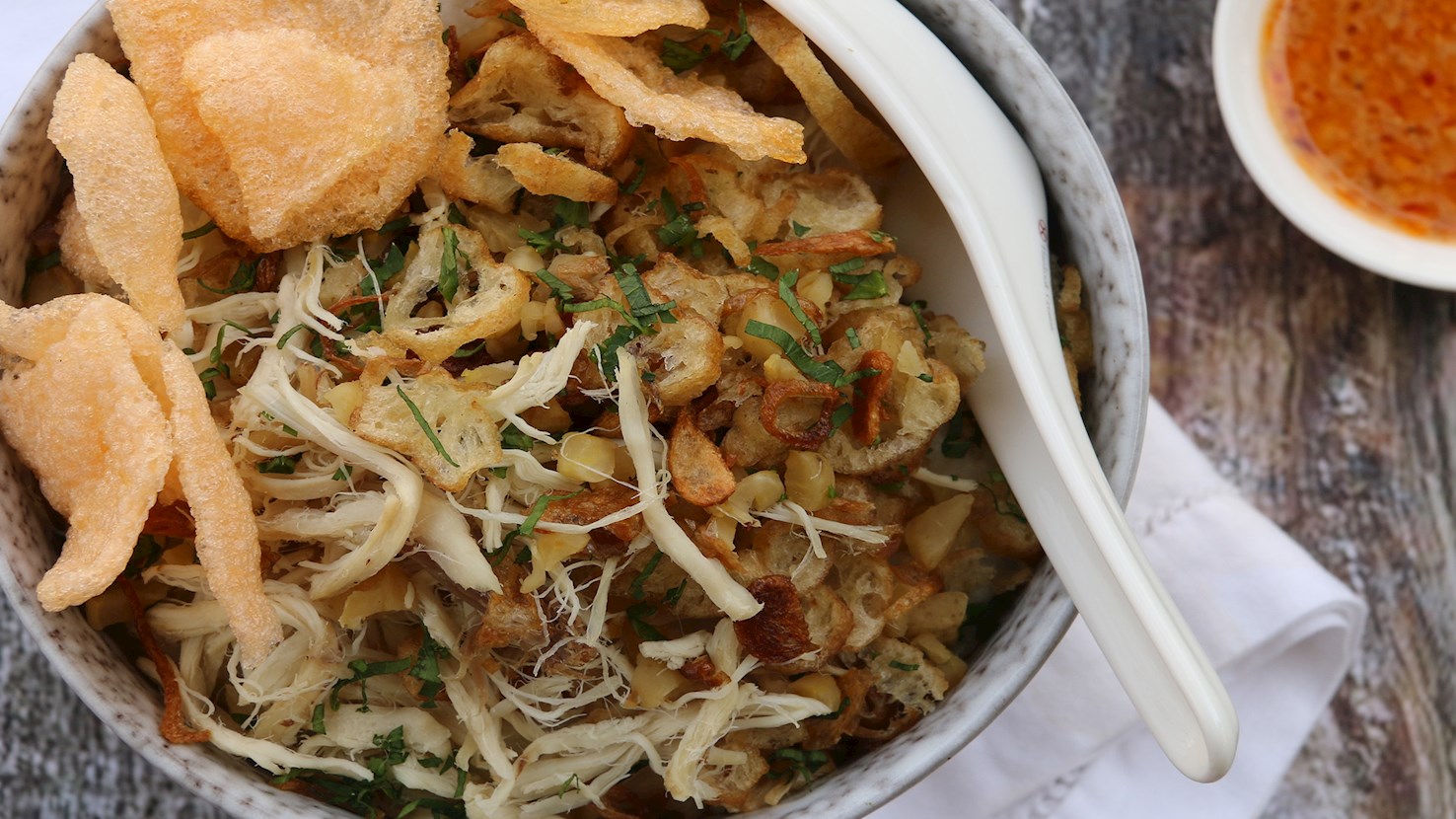
Bubur ayam is the Indonesian version of chicken congee, a thick rice porridge topped with shredded chicken and various savory condiments. This breakfast staple probably originates from the Chinese rice porridge, but it employs regionally available ingredients and toppings to create an authentic Indonesian dish. The process starts with boiling chicken (usually darker, on the bone pieces), and the same broth is typically used to cook the rice until it becomes dense in consistency. Besides rice porridge and shredded chicken, bubur ayam can employ a myriad of other ingredients. It is commonly topped with sliced scallions, crispy fried shallots, chopped cilantro, crushed peanuts, fried crullers, and sliced boiled eggs. Before it is served, bubur ayam is usually generously doused with soy sauce, sesame oil, or fish sauce. Unlike other traditional Indonesian dishes, this chicken porridge is not overly spicy, but the fiery sambal sauce can be served on the side, if desired. Bubur ayam is one of the most common street food varieties in Indonesia - each morning, numerous street vendors can be seen selling this comforting porridge as a nutritious breakfast dish.

04
Street Food

Sate Madura

4.3 ·

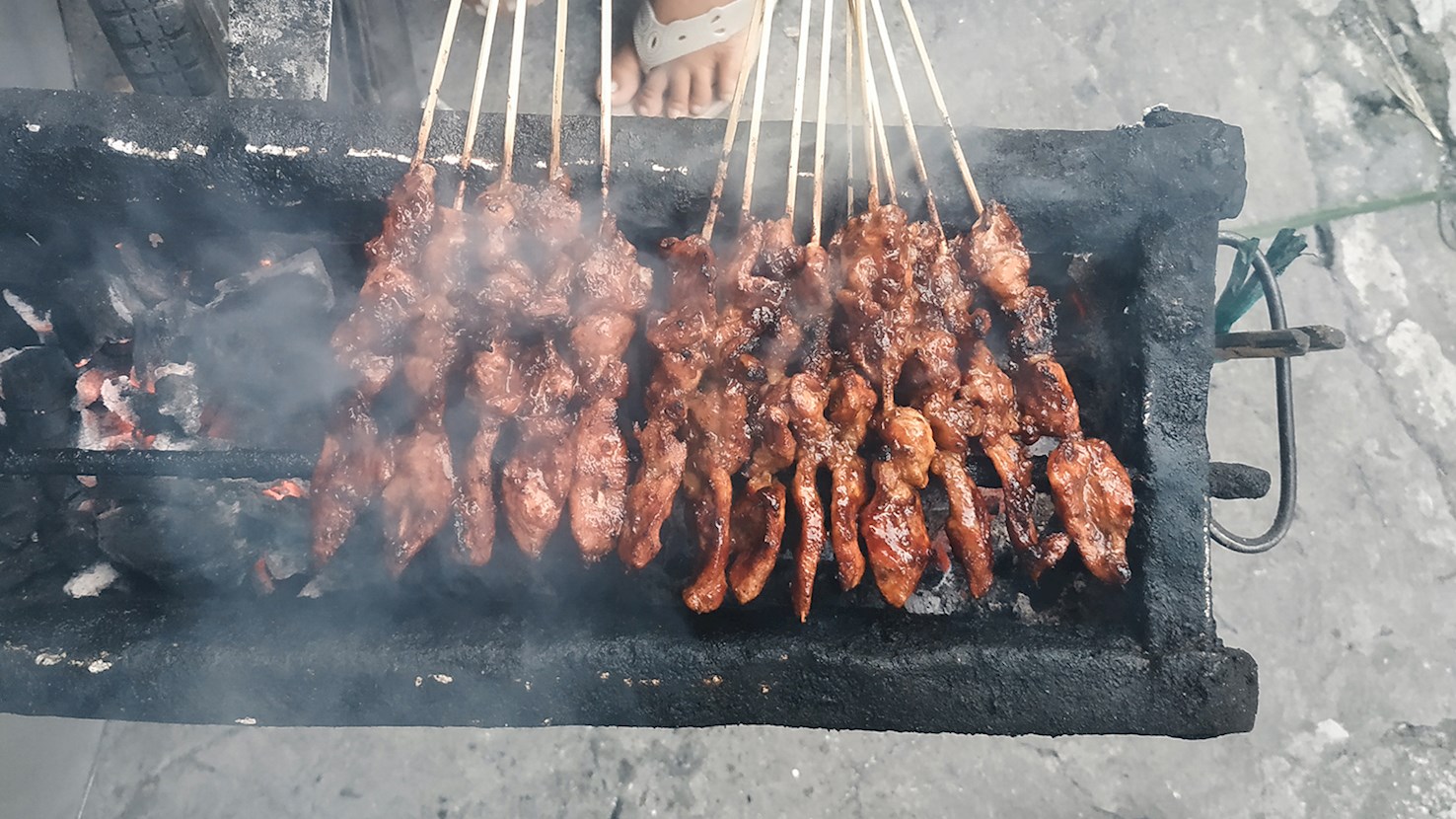
Sate Madura is a popular Indonesian skewered meat dish that originates from the island of Madura, located just northeast of Java. It is one of the most widely recognized regional variations of sate in Indonesia, known for its distinctively rich, sweet-savory peanut sauce and smoky, charcoal-grilled aroma. Typically made with small cuts of chicken or beef, the meat is marinated, skewered onto bamboo sticks, and grilled over hot coals while being brushed with a glaze that often includes sweet soy sauce, garlic, and shallots. What sets sate Madura apart from other styles is the generous use of thick, dark kecap manis and the robust, slightly caramelized peanut sauce that is poured over the cooked skewers just before serving, often accompanied by fried shallots and rice cakes called lontong. The roots of sate Madura lie in the island’s long-standing culinary influence on Javanese street food culture. Sellers from Madura have historically migrated to urban centers such as Jakarta and Surabaya, bringing their version of sate to roadside stalls, markets, and night-time food courts. Their presence has made sate Madura almost synonymous with street-side grilling throughout Indonesia, where the sight of glowing charcoal pits and the aroma of seared meat have become an essential part of the evening food scene. Often served on brown wax paper or banana leaves, sate Madura is eaten with the hands or simple wooden forks, emphasizing its role as a deeply rooted, everyday comfort food.

05
Dessert

Klepon

4.3 ·

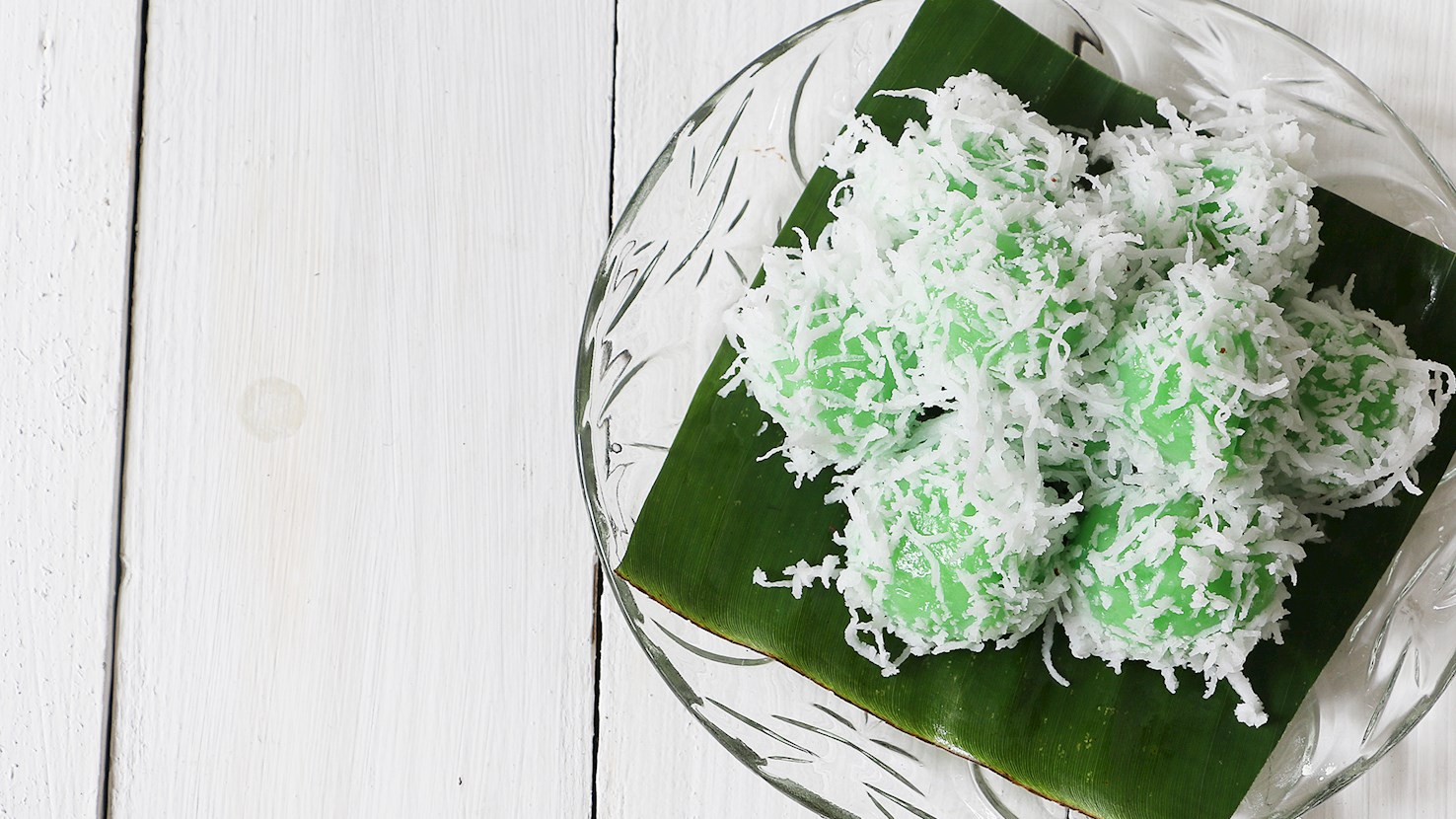
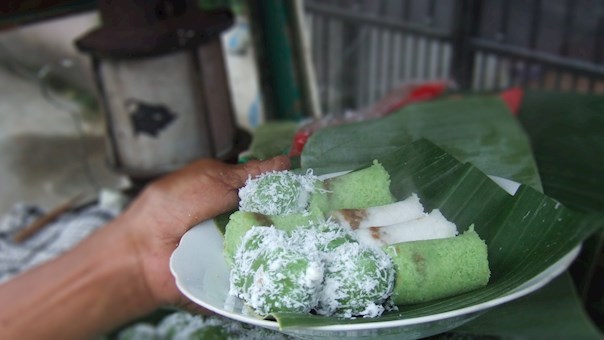
These Indonesian rice balls are prepared with glutinous rice flour shell that is wrapped around a palm sugar filling. The outer shell is usually colored green, traditionally with the help of pandan or dracaena leaves, while the whole cake is coated with desiccated coconut. The origin of klepon is typically associated with Java, while the same treat is better known as onde-onde or buah melaka in some parts of Sulawesi, Sumatra, and Malaysia. It should be noted than on Java, the term onde-onde typically refers to Chinese jin deui rice balls. Klepon balls are traditionally served in banana leaves, and when freshly prepared, the filling is liquid and should be consumed with care.

06
Meat Soup

Rawon

4.3 ·

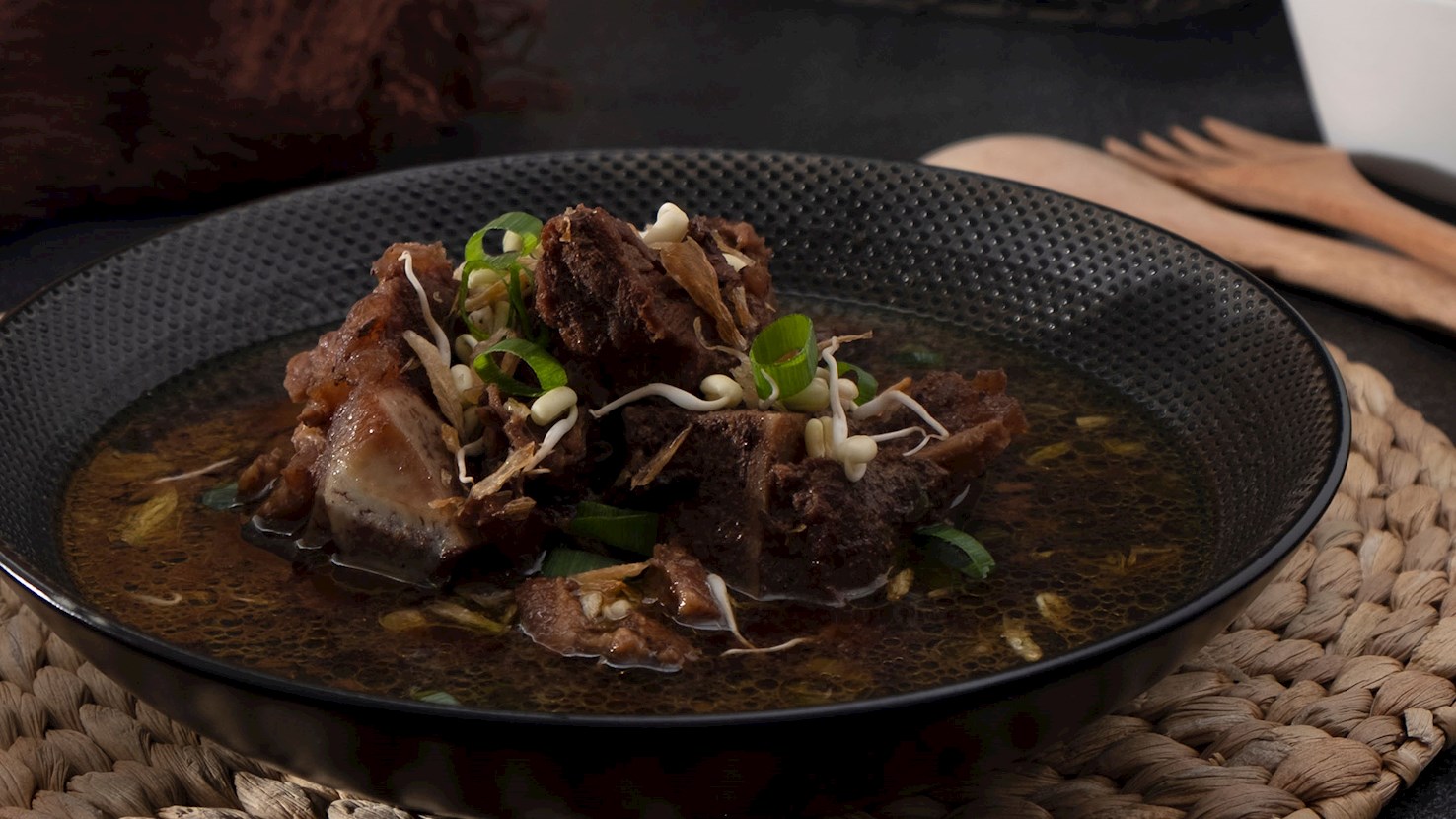
Rawon is a unique Indonesian dish with origins in East Java. This flavorful soup is usually made with slow-braised beef and other traditional Indonesian ingredients such as lime leaves, lemongrass, ginger, and chili. However, the key element is buah kluwek, the Indonesian black nut. This unusual Indonesian spice is highly toxic when raw, and always needs to be fermented before consumption. It is ground with other ingredients and spices, giving the dish its earthy and sour taste and the unique dark black color. The origin of the dish is believed to be the city of Surabaya, the capital of East Java. Primarily prepared as a plebeian dish, it soon became a favorite among royalty and quickly grew in popularity. Today it can easily be found on the menus of numerous traditional Indonesian restaurants. It is usually served alongside plain rice, salted eggs, bean sprouts, and sambal - a spicy Indonesian chili paste.

07
Rice Dish

Nasi uduk

4.2 ·

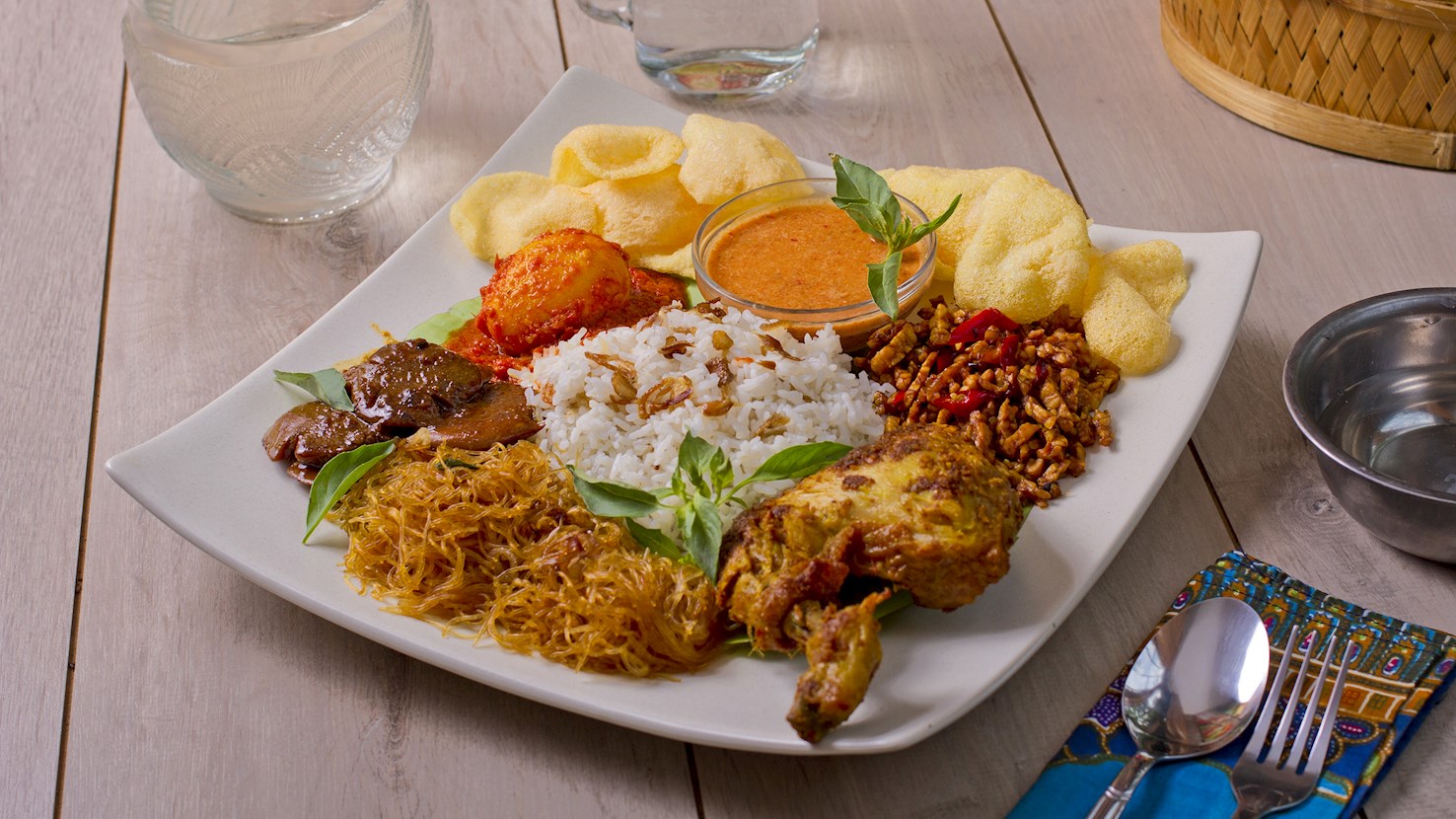
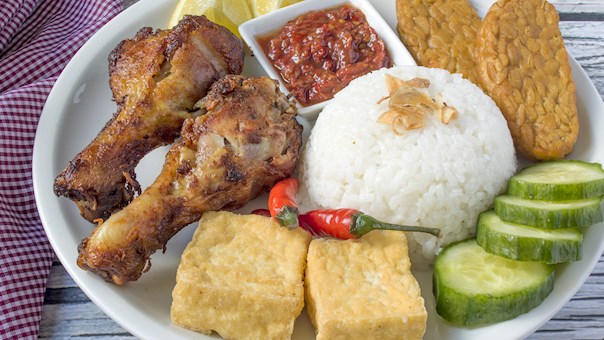
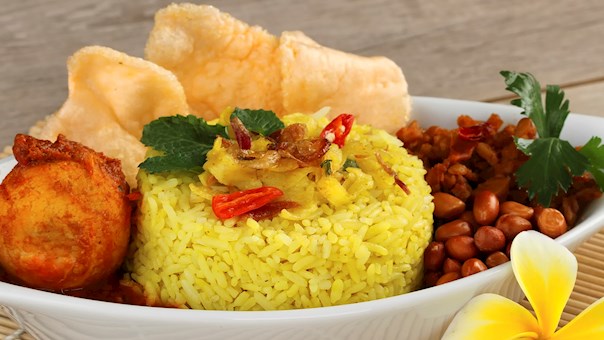
Nasi uduk is one of numerous Indonesian rice-based dishes. The rice in nasi uduk is cooked in coconut milk together with lemongrass, cloves, pandan leaves, and cinnamon. The process results in wonderfully fluffy, fragrant rice, and right before it is served, each portion is usually topped with fried shallots. It is a dish rarely eaten on its own, but rather served with a variety of side dishes and condiments. Most commonly a variety of stewed and fried meat, rice noodles, eggs, tempeh, tofu, fried anchovies, and rice crackers are served alongside rice. Regular sambal, the spicy Indonesian hot sauce, or peanut sambal are the most common condiments served with nasi uduk. However, it is usually the customer who can choose the additional ingredients and create their version of the meal. The dish is usually served in warungs, traditional Indonesian eateries, or at Indonesian food stalls. It can also be bought already prepared and wrapped in fresh banana leaves. Nasi uduk is believed to have originated in Jakarta, but it can be found in other parts of Indonesia as well.

08
Street Food

Tempeh mendoan

4.2 ·

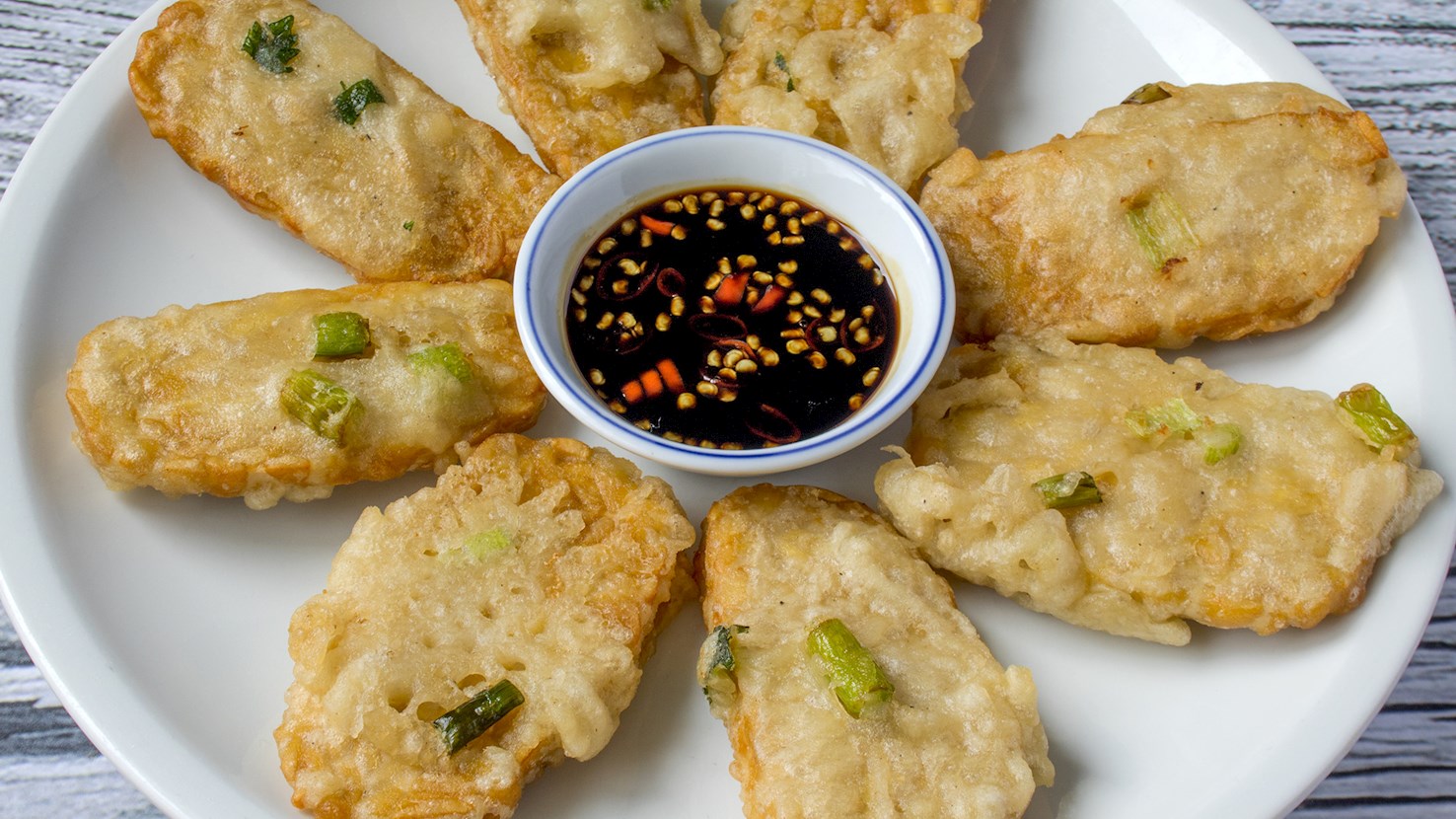
Tempeh mendoan is a variety of fried tempeh that hails from Purwokerto. Thin slices of tempeh—fermented soybean product—are dipped in batter that is enriched with ground coriander, sliced scallions, and garlic before they are deep-fried. This tempeh variety is only shortly fried, creating a crispy outer layer, while the tempeh remains soft and juicy. The name of the dish stems from Banyumasan language in which mendo roughly translates as half-cooked. This tempeh is best served with sambal, other types of chili-based dips, or kecap manis—Indonesian sweet soy sauce. It is usually enjoyed as a snack or a side dish, and it is mostly prepared and sold by street vendors.

09
Sauce

Pecel

4.2 ·

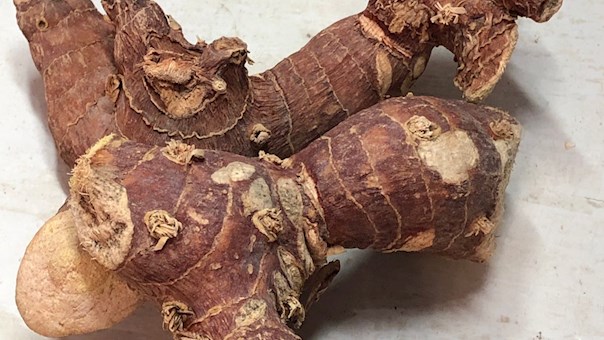
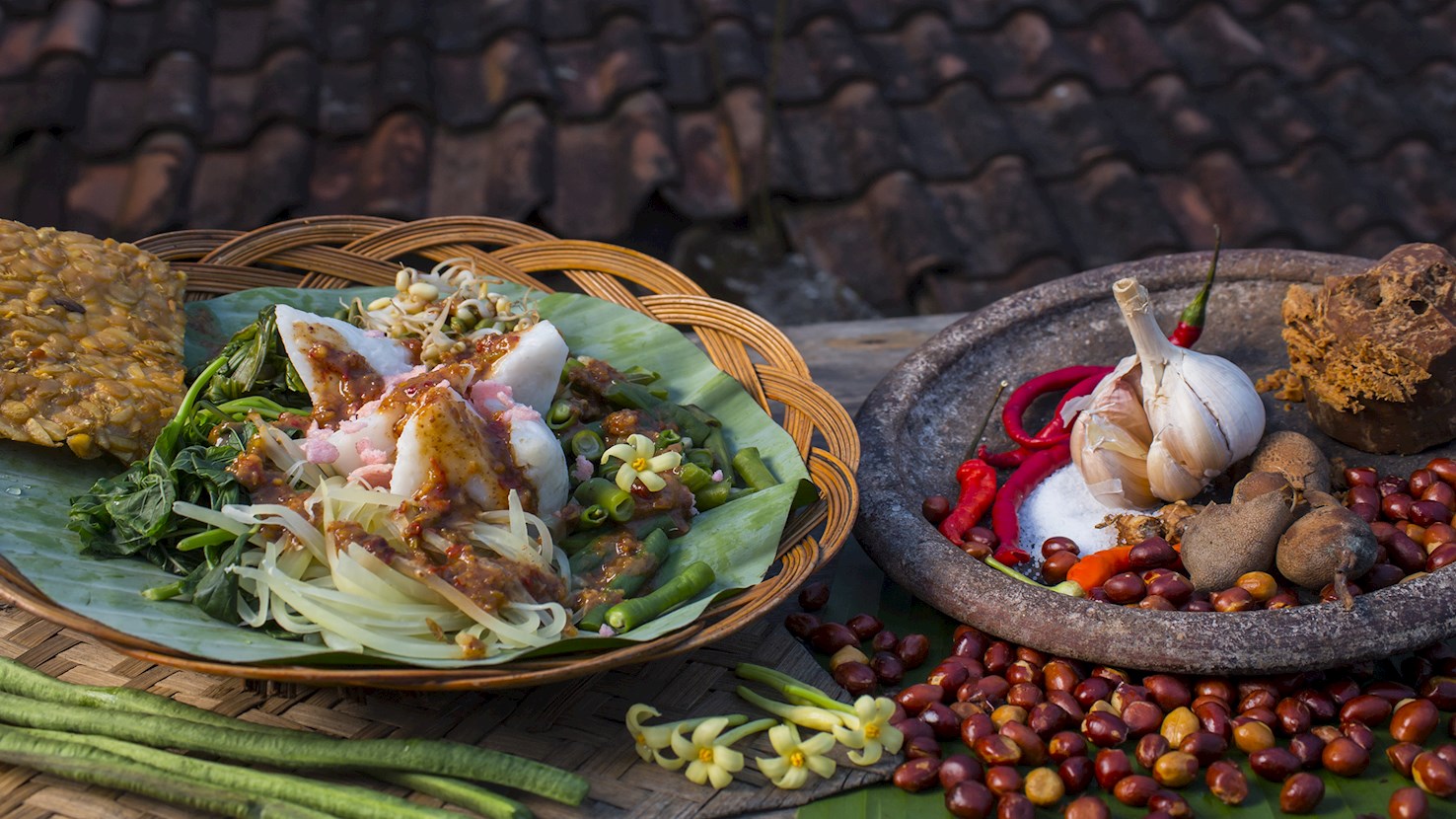
Indonesian pecel may refer to a fragrant peanut sauce or a combination of the sauce and various vegetables, when it is commonly referred to as a salad. The base of the sauce is prepared with roasted peanuts and spices that typically include chili peppers, palm sugar, garlic, tamarind juice, shrimp paste, kaffir lime leaves, salt, and kencur, an aromatic ginger variety. Usually associated with Java, the sauce is characterized by its distinctive combination of sweet and spicy flavors. When served with rice, the dish goes under the name nasi pecel.

10
Sauce

Sambal terasi

4.2 ·

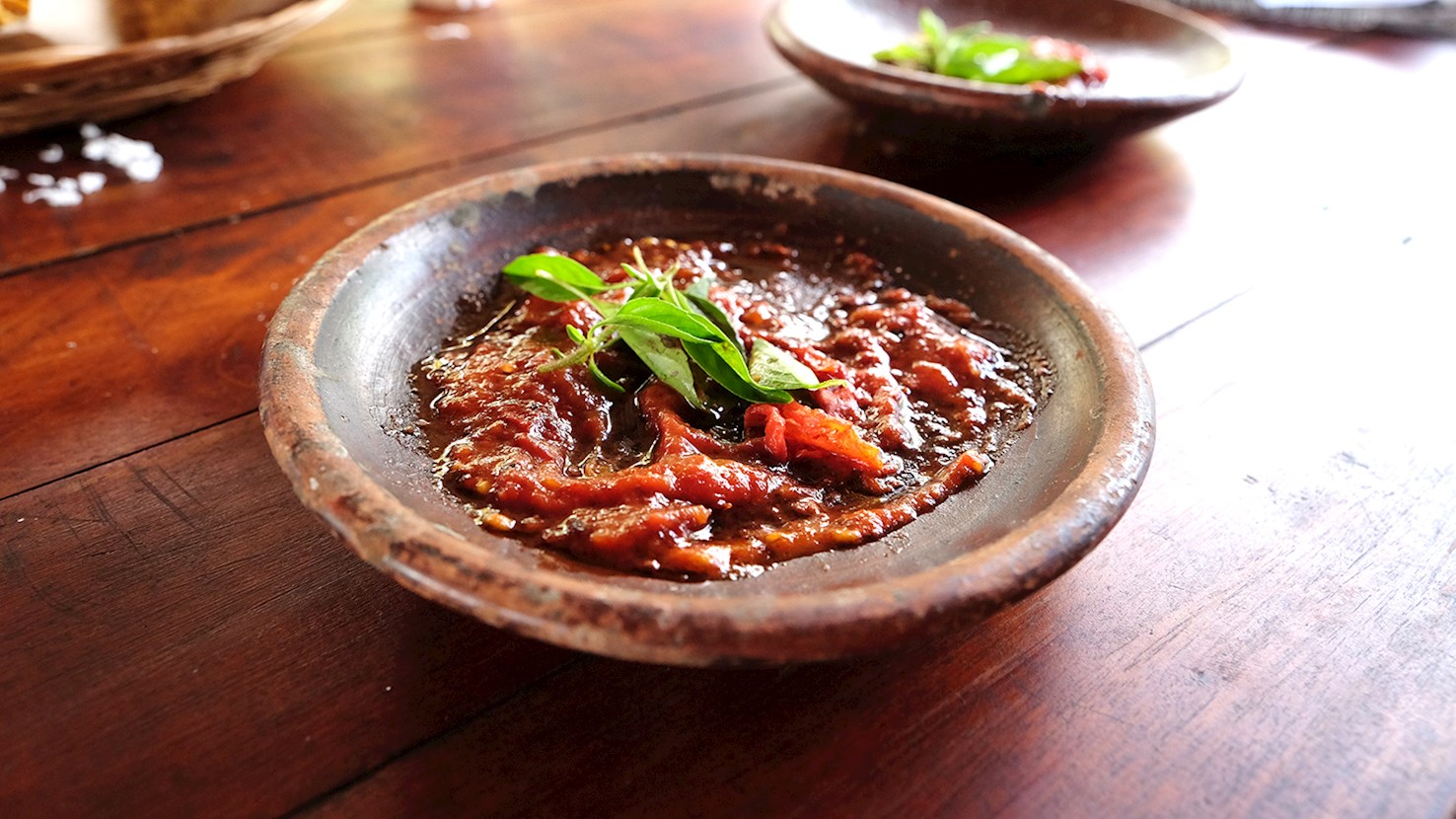
Sambal terasi is an Indonesian chili paste made primarily from fresh red chilies and fermented shrimp paste known as terasi. It is one of the most common and widely used sambals across Indonesia and serves as a versatile condiment that accompanies a variety of dishes, from fried fish and vegetables to rice and tofu. The key ingredient, terasi, is made from ground, salted, and fermented small shrimp that is sun-dried and either formed into blocks or sold loose. Before being used in sambal, terasi is typically toasted or fried to reduce its strong odor and enhance its umami flavor. The sambal is prepared by grinding red chilies, garlic, shallots, and sometimes tomatoes together with the toasted shrimp paste using a mortar and pestle, though modern versions may use a blender. Palm sugar is added to introduce sweetness, and tamarind juice or lime juice provides a sour note to balance the flavors. Salt is used for seasoning, and a small amount of oil is often added to blend everything smoothly or to fry the sambal further if a cooked version is desired. There are two main types of sambal terasi: sambal terasi mentah (raw), which uses raw chilies and ingredients and is served fresh, and sambal terasi matang (cooked), where the ingredients are sautéed to develop a deeper, more mellow flavor. Sambal terasi is an essential part of Indonesian cuisine and is found in households and restaurants throughout the country. It is known for its bold, savory taste and ability to enhance even the simplest dishes. While it can be very spicy depending on the amount and type of chilies used, it is always characterized by its complex combination of spicy, salty, sweet, and tangy notes. Because of its strong flavor and the presence of shrimp paste, sambal terasi is often made in small batches and consumed fresh, although it can be stored for several days in a sealed container in the refrigerator. In Malaysia, sambal terasi is known as sambal belacan.

Best Javanese food products

01
Condiment

Javara

4.9 ·

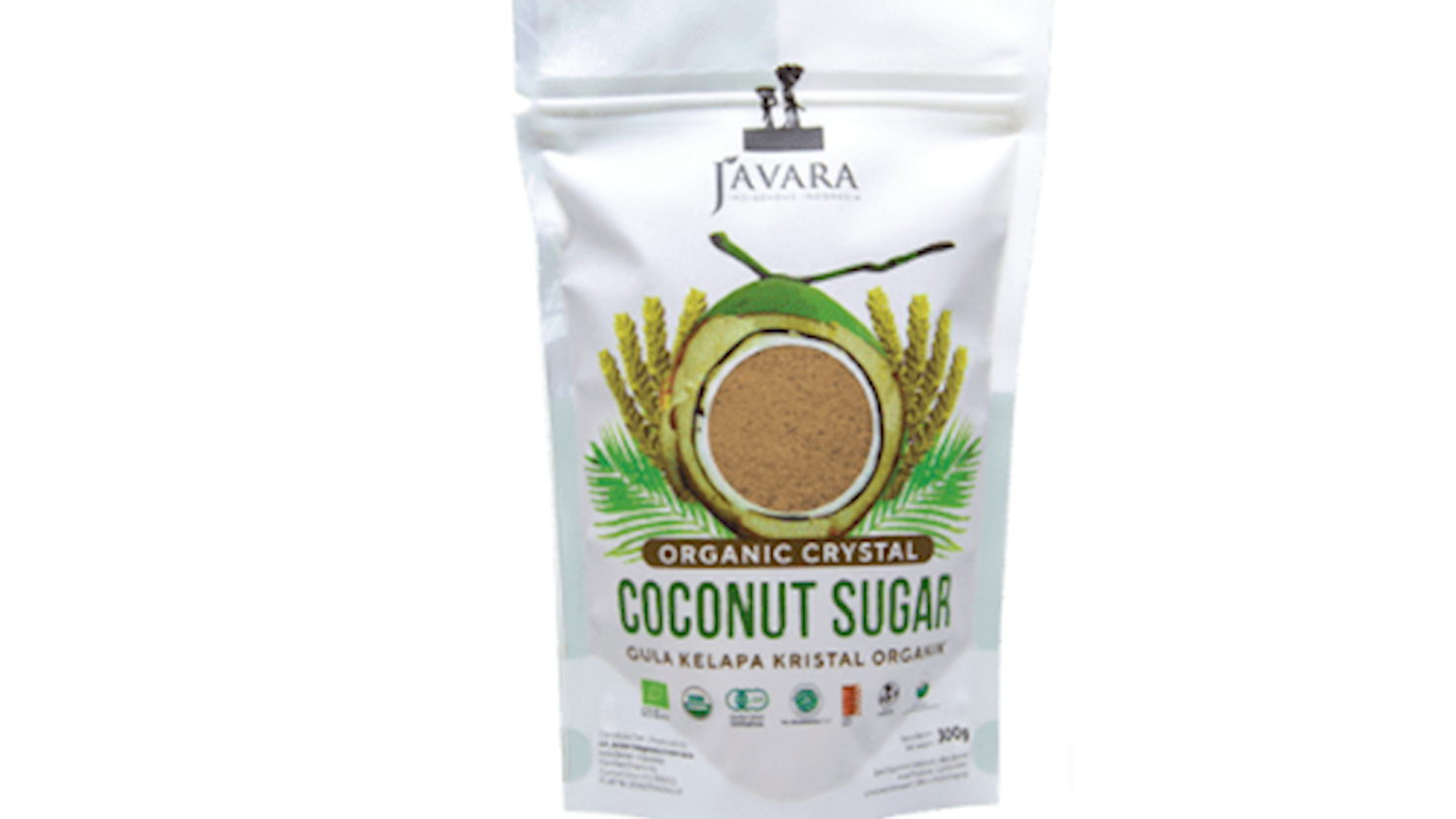
Javara is an Indonesian brand and social enterprise dedicated to preserving the country’s vast culinary biodiversity by bringing traditional, locally sourced foods to contemporary markets. The company works directly with thousands of small farmers, foragers, and artisans across the archipelago, offering products such as heirloom rice varieties, native grains, spices, coconut-based ingredients, natural sweeteners, herbal powders, and artisanal salts.

Their approach emphasizes the protection of rare and indigenous food traditions while ensuring full traceability and sustainable production practices. Founded in 2008 by Helianti Hilman, Javara was created to empower rural communities and improve market access for small-scale producers.

Today, the brand integrates training programs, entrepreneurship support, and ethical supply chains, positioning itself as a leading advocate of Indonesia’s food heritage and a bridge between traditional wisdom and modern culinary culture.

02
Condiment

East Java

4.8 ·

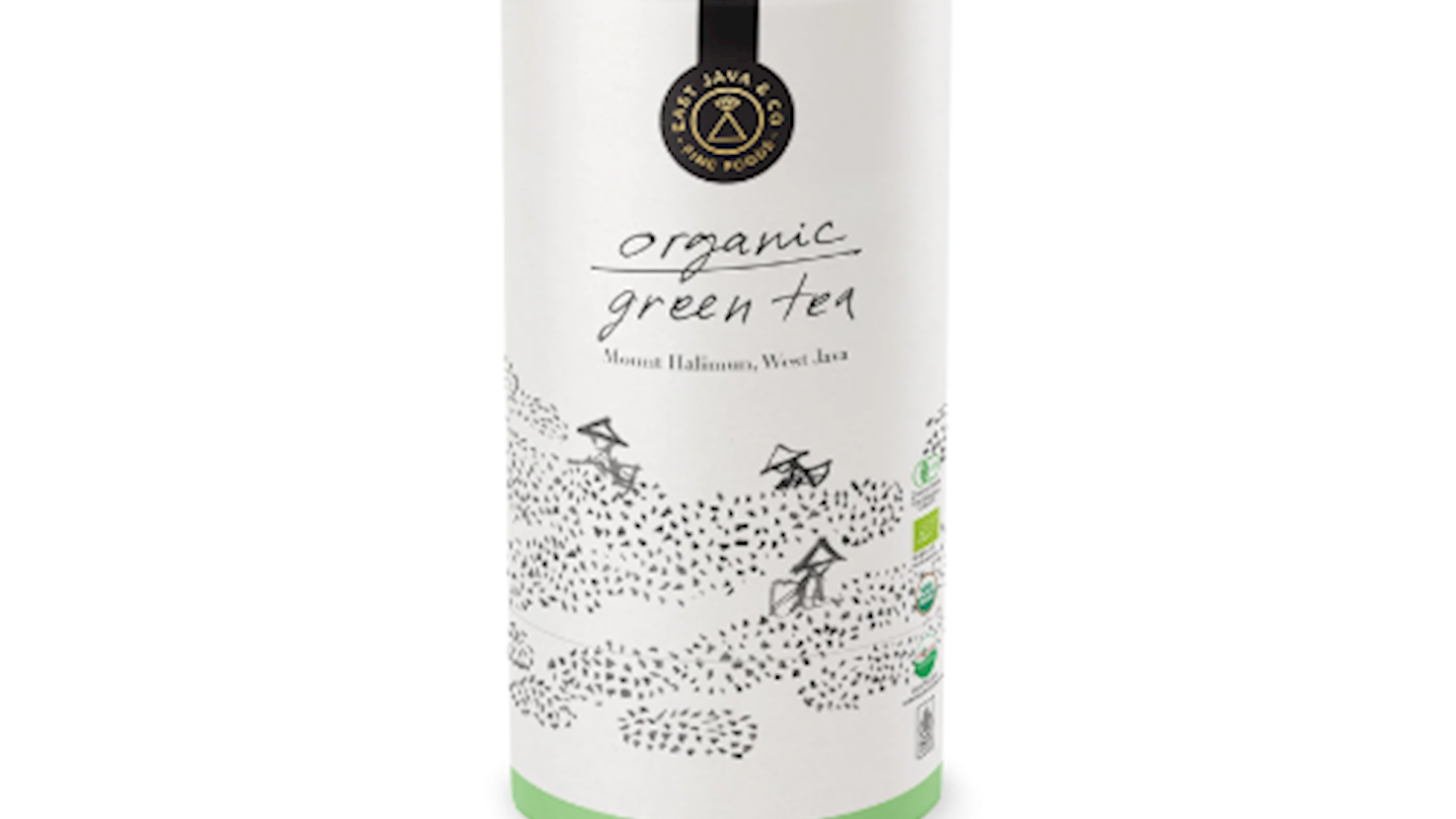
East Java is an Indonesian brand dedicated to producing natural, organically grown foods with a clear focus on origin, ingredient purity, and artisanal processing methods. Their range includes spices, honey, teas, grains, salts, jams, and other products sourced from specific regions across the archipelago, following a strict “single origin” philosophy.

The brand works closely with small producers who rely on sustainable agricultural practices and manual techniques, preserving authentic flavors while avoiding unnecessary industrial processing. East Java aims for every product to reflect its terroir - whether it’s aromatic spices from East Java, honey from tropical plantations, or fine sea salt from Indonesia’s coastal areas.

Their commitment to quality, transparency, and ethical collaboration with local farmers makes these products a representative example of modern Indonesian gastronomy that seamlessly blends tradition, sustainability, and traceable provenance.

Awards
Great Taste Awards - 1 Star (2017)
03
Tea / Infusion

Bukit Sari

4.8 ·

Bukit Sari is one of the oldest and largest organic tea plantations in Indonesia, located in West Java and spanning more than 1,400 hectares of certified ecological cultivation. Their assortment includes green, black, white and premium “imperial” teas, each reflecting the distinctive climate and volcanic soil of West Java.

The plantation relies on its own natural mountain spring and implements sustainable energy solutions, including a small hydroelectric system, which helps reduce its overall environmental footprint. Full control over the entire process - from hand-picking to final packaging - ensures that their teas retain authenticity, a clearly expressed terroir and the high quality expected from a specialized grower.

04
Condiment

Bango

4.8 ·

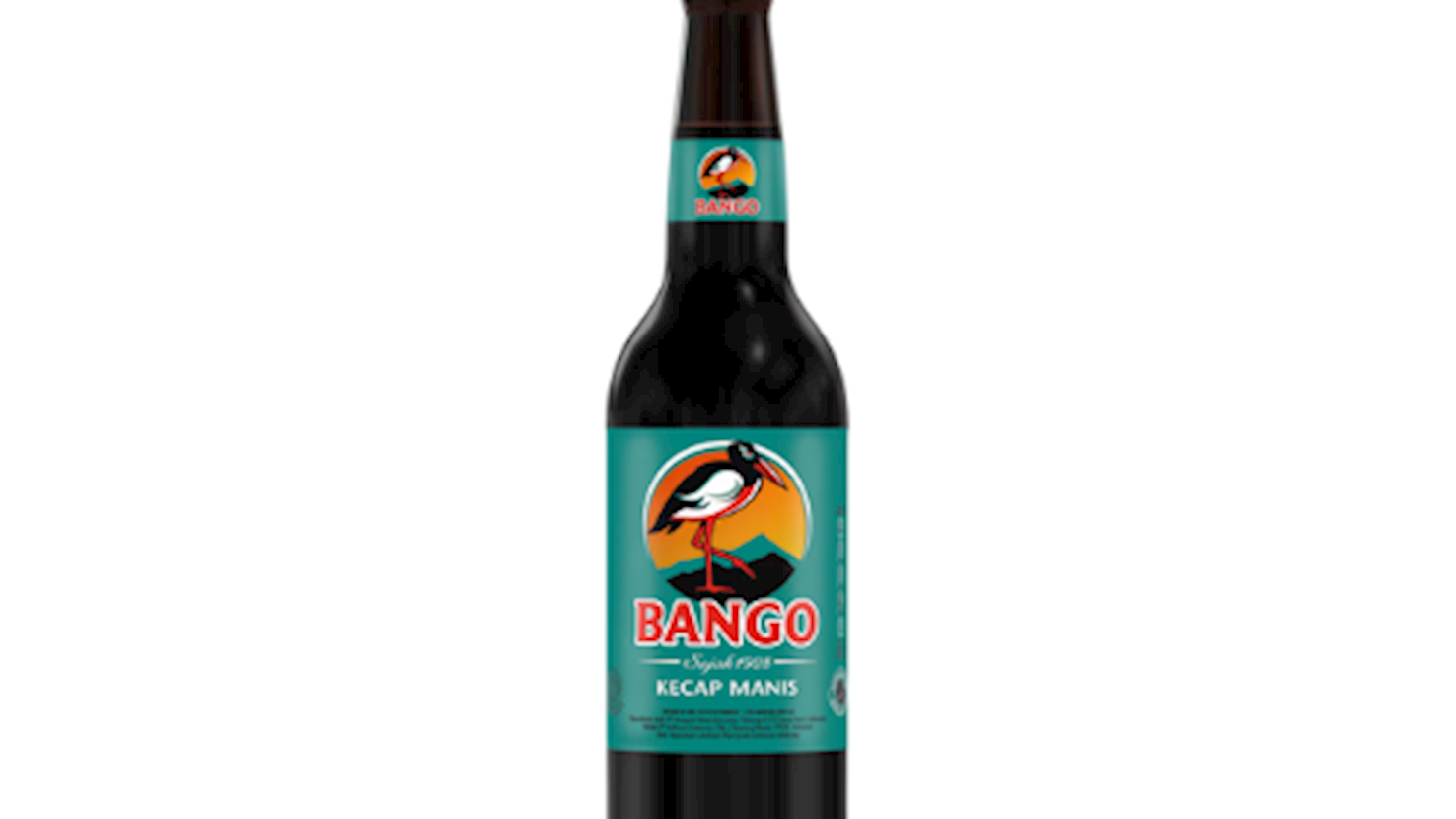
Bango is one of Indonesia’s most iconic brands of kecap manis, the thick, sweet soy sauce that has been a staple of the country’s cuisine since 1928. It is made from just a few natural ingredients - mallika black soybeans, water, salt, and palm sugar - without artificial colors, flavor enhancers, or additives, which contributes to its clean, balanced flavor.

The sauce is known for its syrupy texture, rich caramel notes, and pronounced umami profile, making it essential in marinades, stir-fries, grilled dishes, and a wide range of traditional Indonesian recipes. Now owned by Unilever Indonesia, Bango benefits from modern production standards and nationwide distribution while maintaining its original simplicity and character.

For many, it represents the true taste of Indonesian cooking and remains a foundational ingredient in countless dishes.

05
Non-alcoholic Beverage

Sido Muncul

4.8 ·

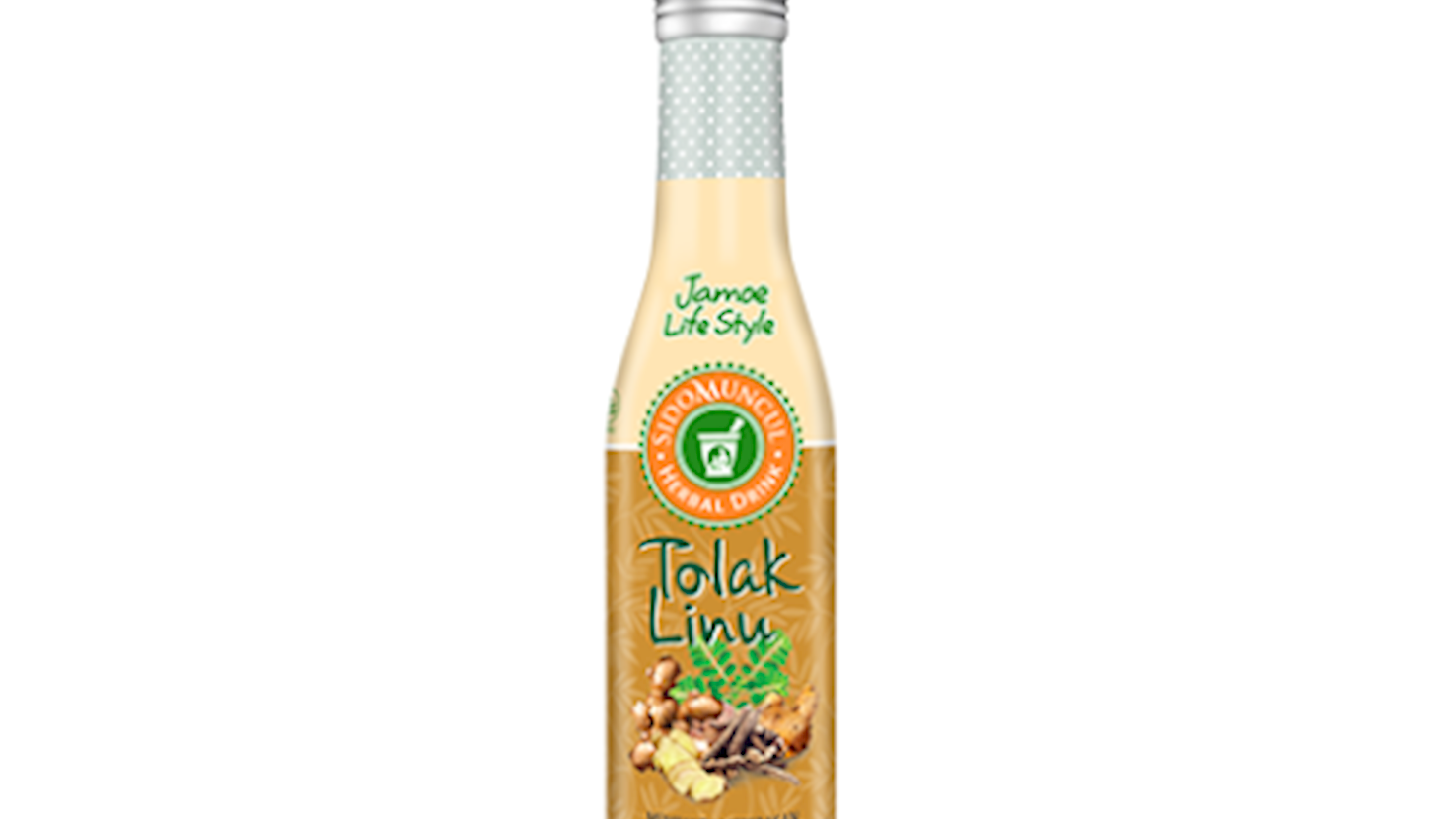
Sido Muncul is a leading Indonesian producer of traditional herbal remedies, supplements, and functional beverages, founded in 1951 in Semarang and developed into one of the most recognized brands in the jamu industry. The company combines Indonesia’s botanical heritage with modern pharmaceutical standards, using strictly controlled raw materials to ensure consistent quality and safety.

Sido Muncul operates a modern manufacturing facility employing several thousand people, maintains extensive nationwide distribution, and exports its products globally, positioning itself as a brand that successfully merges tradition, science, and contemporary consumer needs.

06
Coffee

Seven Bika Coffee

4.7 ·

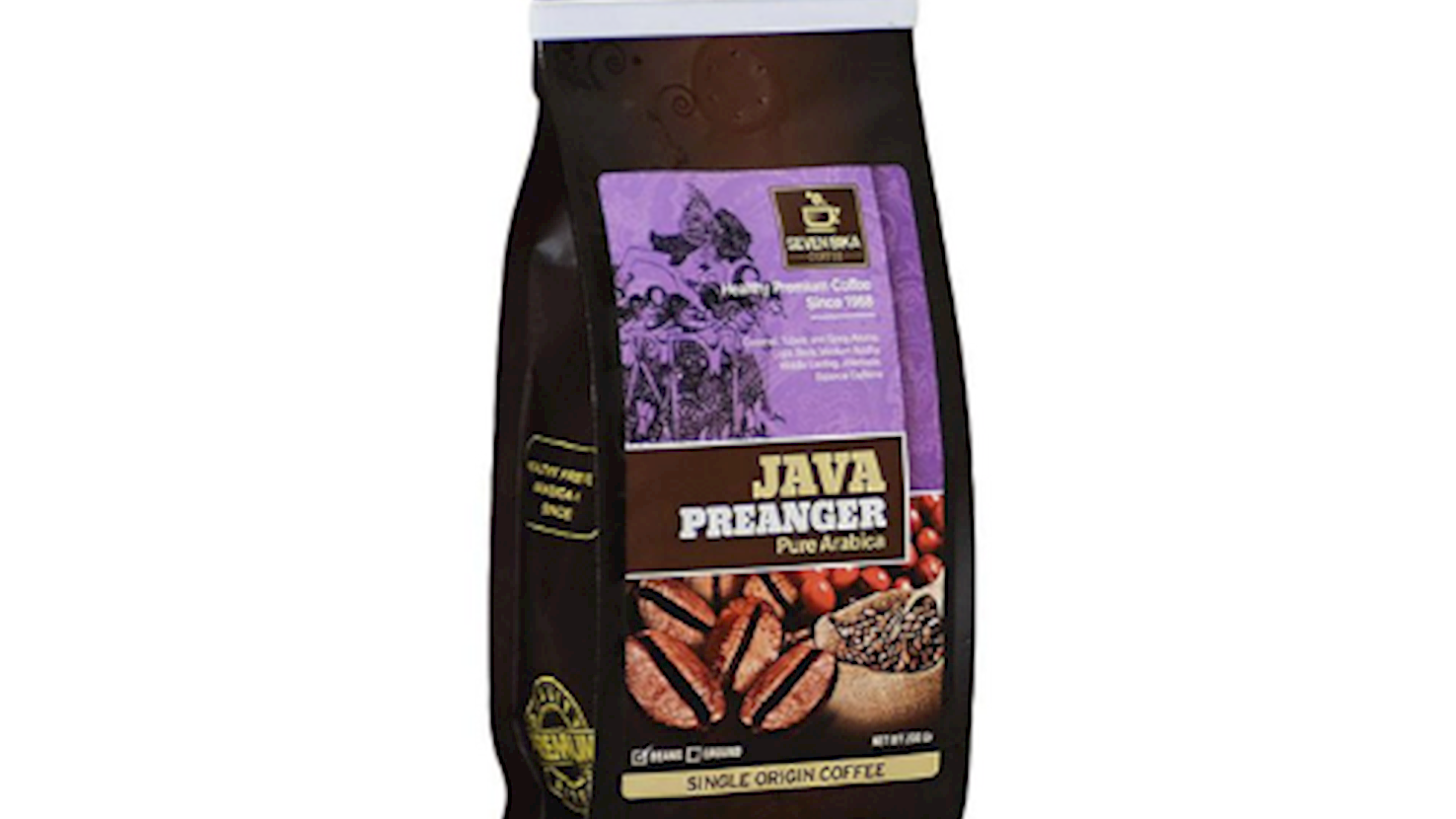
Seven Bika Coffee is an Indonesian specialty coffee brand that uniquely blends rich tradition with modern quality standards. Founded in 2014, it is the natural continuation of the family-run factory “Tjap Gadjah”, established back in 1968 in the heart of Sidikalang.

The brand draws its inspiration and raw materials from seven legendary regions renowned for producing exceptional coffee: Sidikalang, Gayo, Toraja, Java, Bali, Papua, and Flores. At the core of their philosophy is a focus on single-origin Arabica, alongside carefully crafted blends that reflect the richness of Indonesia’s diverse terroirs. The coffee is processed by hand and in small batches, allowing the authentic aromas and unique character of each origin to shine through.

Great care is also given to health-conscious aspects - their coffees are known for low caffeine content and proudly carry the label “Healthy Premium Coffee”, a symbol of both quality and responsibility toward consumers.

07
Tea / Infusion

Harendong Organic Tea Estate

4.7 ·

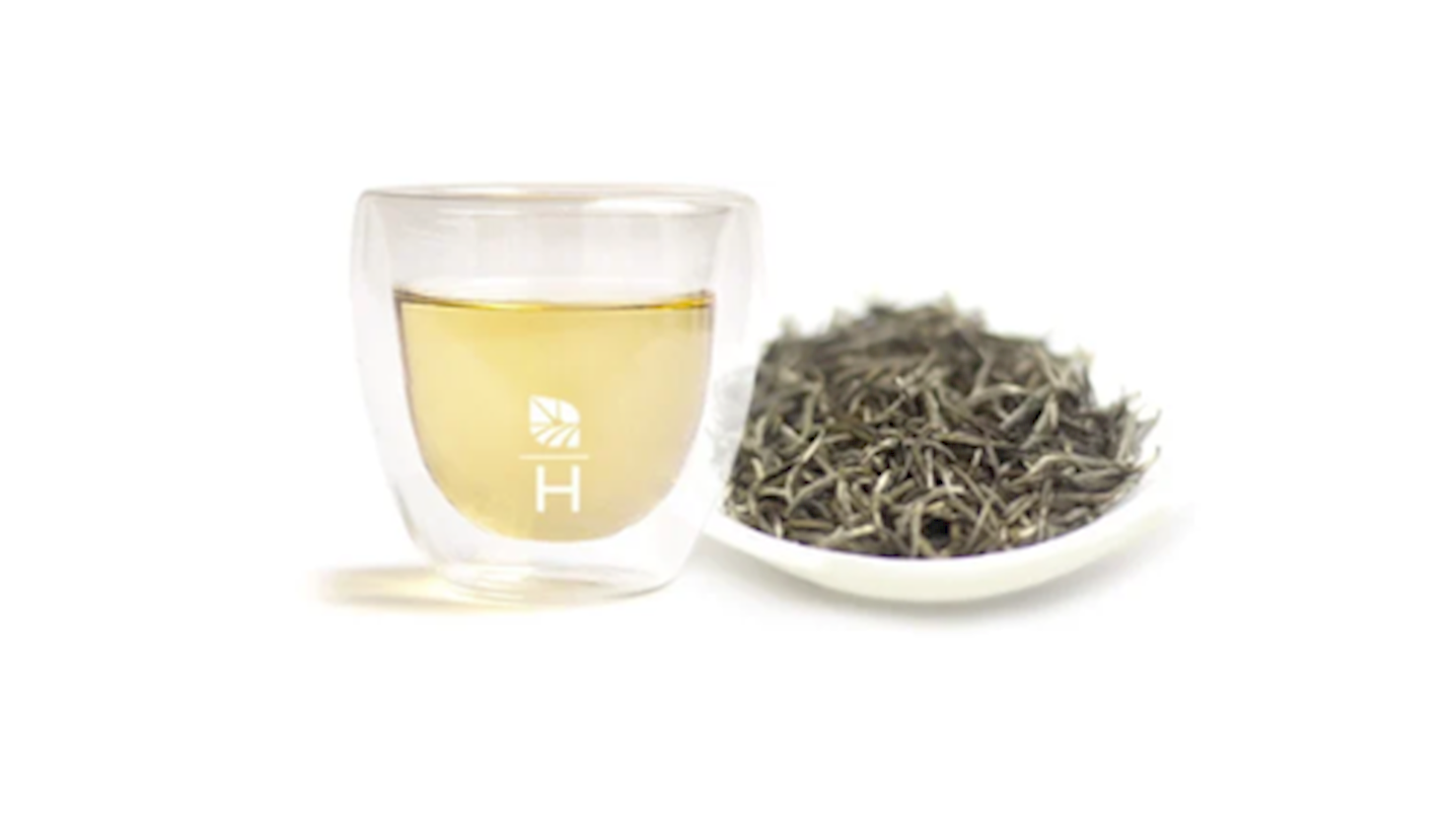
Harendong Organic Tea Estate is an organically certified tea plantation located in the mountainous region near Mount Halimun Salak National Park in Banten Province, at an elevation of roughly 800 to 1000 meters. The leaves are hand-picked and processed in small batches with minimal intervention, preserving the natural aroma, mineral character of the volcanic soil and the distinct terroir of this highland environment.

High humidity, frequent mists and abundant rainfall contribute to the development of clean, elegant flavor profiles in the black, green, oolong and white teas produced here. Their “clean taste” character - marked by the absence of bitterness and subtle floral, grassy or mineral nuances - reflects fully natural cultivation and careful resource management.

Harendong Tea Estate combines sustainable agriculture, deep respect for the local ecosystem and precise processing techniques to offer teas with an authentic expression of West Java’s mountainous landscape.

08
Coffee Beans

Tanamera Coffee

4.7 ·

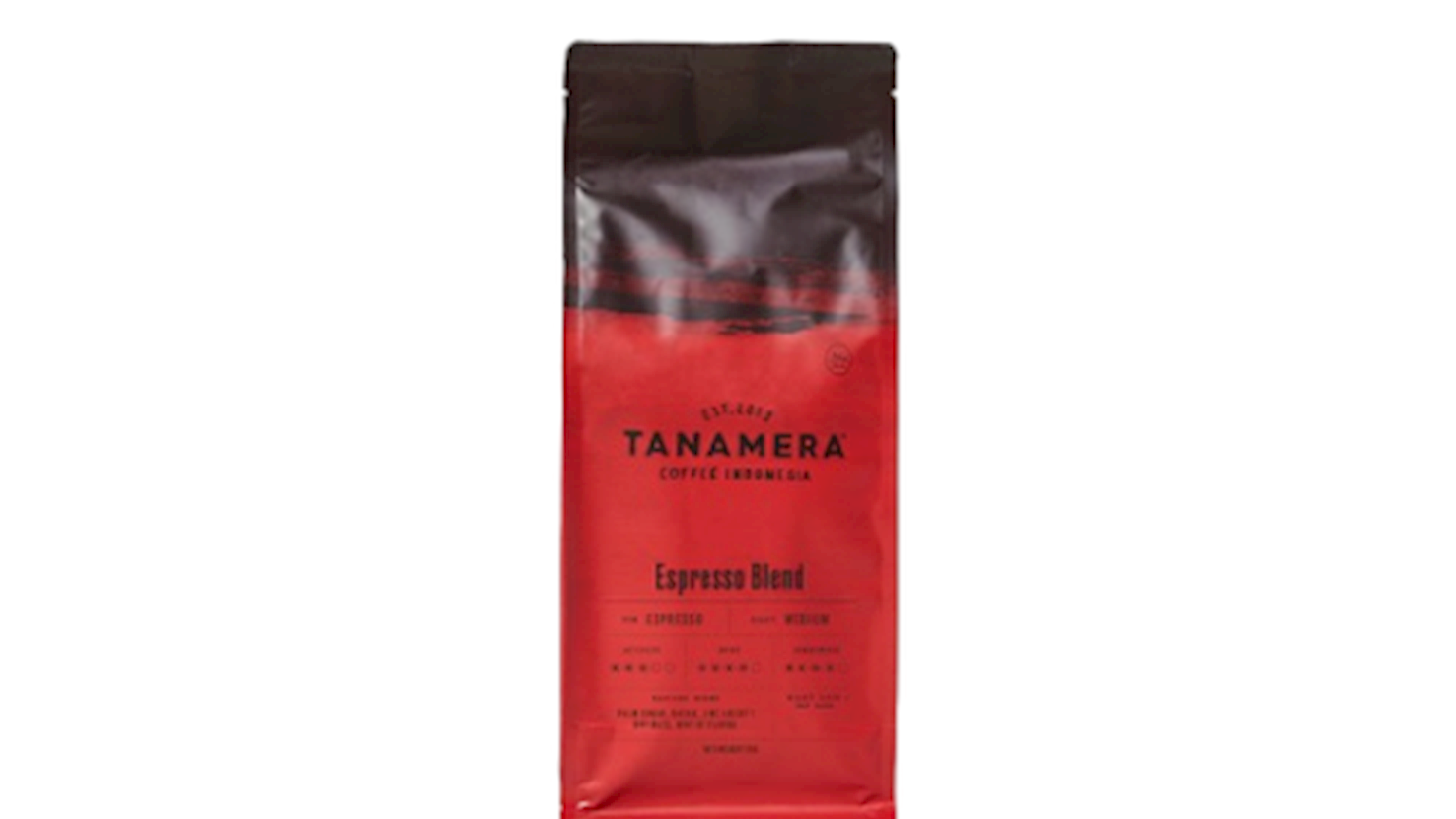
Tanamera Coffee is an Indonesian specialty brand that has been promoting the diversity and high quality of Indonesian coffees since 2013 through direct collaboration with local farmers and full control of the process from bean to cup. Founded as a small roastery in Jakarta, Tanamera is now recognized for its consistent approach that combines hand-selection of beans from various regions of the archipelago, precise roasting and clearly defined terroir profiles.

Their beans come from plantations in Sumatra, Java, Bali, Sulawesi and other regions, resulting in cups that showcase a wide aromatic spectrum - from earthy, chocolatey and nutty notes to citrusy, floral and fruity nuances. Farmer education, sustainable partnerships and continuous improvement of processing methods are central to their philosophy.

Today, Tanamera operates as both a roastery and a café chain, representing a modern, professional approach to Indonesian specialty coffee.

09
Non-alcoholic Beverage

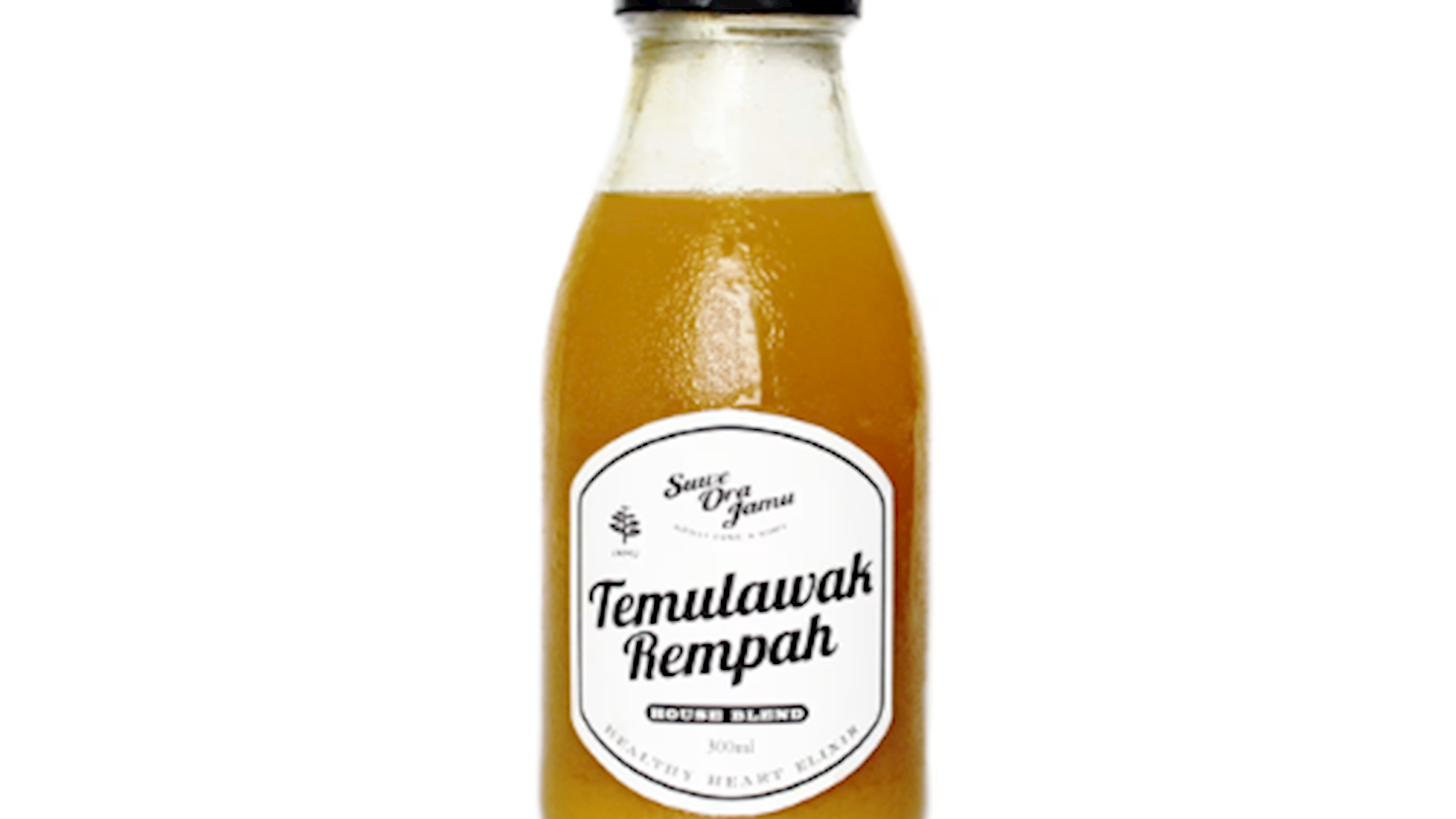
Suwe Ora Jamu

4.7 ·

Suwe Ora Jamu is a contemporary Indonesian brand that reintroduces the traditional herbal drink jamu in a modern, urban format tailored to younger consumers and those seeking a natural yet practical alternative to industrial beverages. Their products are based on classic Indonesian herbal recipes and use ingredients such as ginger, turmeric, kencur, lemongrass, and various spices, combining them into handcrafted herbal drinks and teas.

The assortment includes traditional blends, wellness-focused variants, and seasonal formulas, while the brand also offers innovative modern interpretations such as lightly carbonated jamu drinks. Through its blend of tradition, natural ingredients, and modern design, Suwe Ora Jamu has become one of the most recognizable forces driving the contemporary revival of jamu culture in Indonesia.

10
Chocolate

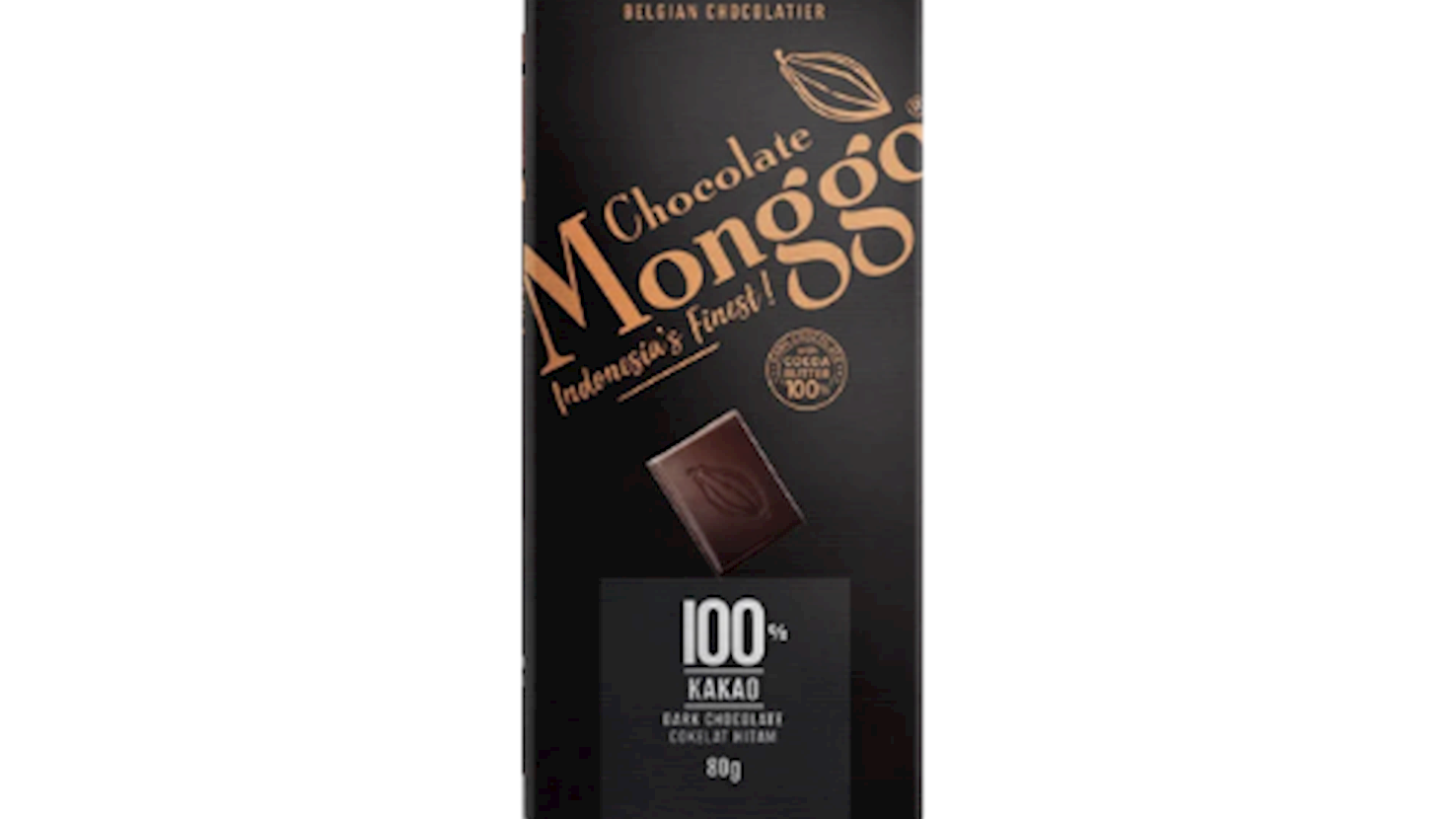
Chocolate Monggo

4.7 ·

Chocolate Monggo is an Indonesian bean-to-bar chocolate maker based in Yogyakarta, founded in 2005 by a Belgian chocolatier who aimed to combine European craftsmanship with Indonesia’s rich cacao heritage. The brand uses only fermented cacao beans from Java and Sumatra, processed entirely in-house without added vegetable fats or artificial flavorings.

Their product range spans dark and milk chocolates of various cacao percentages, editions with spices, nuts, and dried fruit, as well as pralines and limited releases that highlight the terroir of specific regions. Each bar is handcrafted with minimal processing to preserve the natural aromas and texture of the cacao.

Beyond production, Chocolate Monggo operates a museum–factory space where visitors can observe the chocolate-making process, taste freshly made products, and learn about Indonesia’s cacao history and culture. The brand stands as one of the pioneers of Indonesia’s premium chocolate scene, with a clear focus on quality, authenticity, and local collaboration.

Read more
View all
View map
About this ranking

TasteAtlas food rankings are based on the ratings of the TasteAtlas audience, with a series of mechanisms that recognize real users and that ignore bot, nationalist or local patriotic ratings, and give additional value to the ratings of users that the system recognizes as knowledgeable. For the “Top 77 Javanese Foods” list until July 08, 2026, 3,913 ratings were recorded, of which 2,694 were recognized by the system as legitimate. TasteAtlas Rankings should not be seen as the final global conclusion about food. Their purpose is to promote excellent local foods, instill pride in traditional dishes, and arouse curiosity about dishes you haven’t tried.

The initial list of top producers was compiled based on available reviews, awards, local recommendations, media and blog coverage, and consumer reviews. The list will be updated with ratings from TasteAtlas local ambassadors and TasteAtlas users.

Similar lists