shutterstock

Top 36 Traditional Foods
in the Province of Parma

Last updated on June 24, 2026

Best Province of Parma food products

01
Meat Product

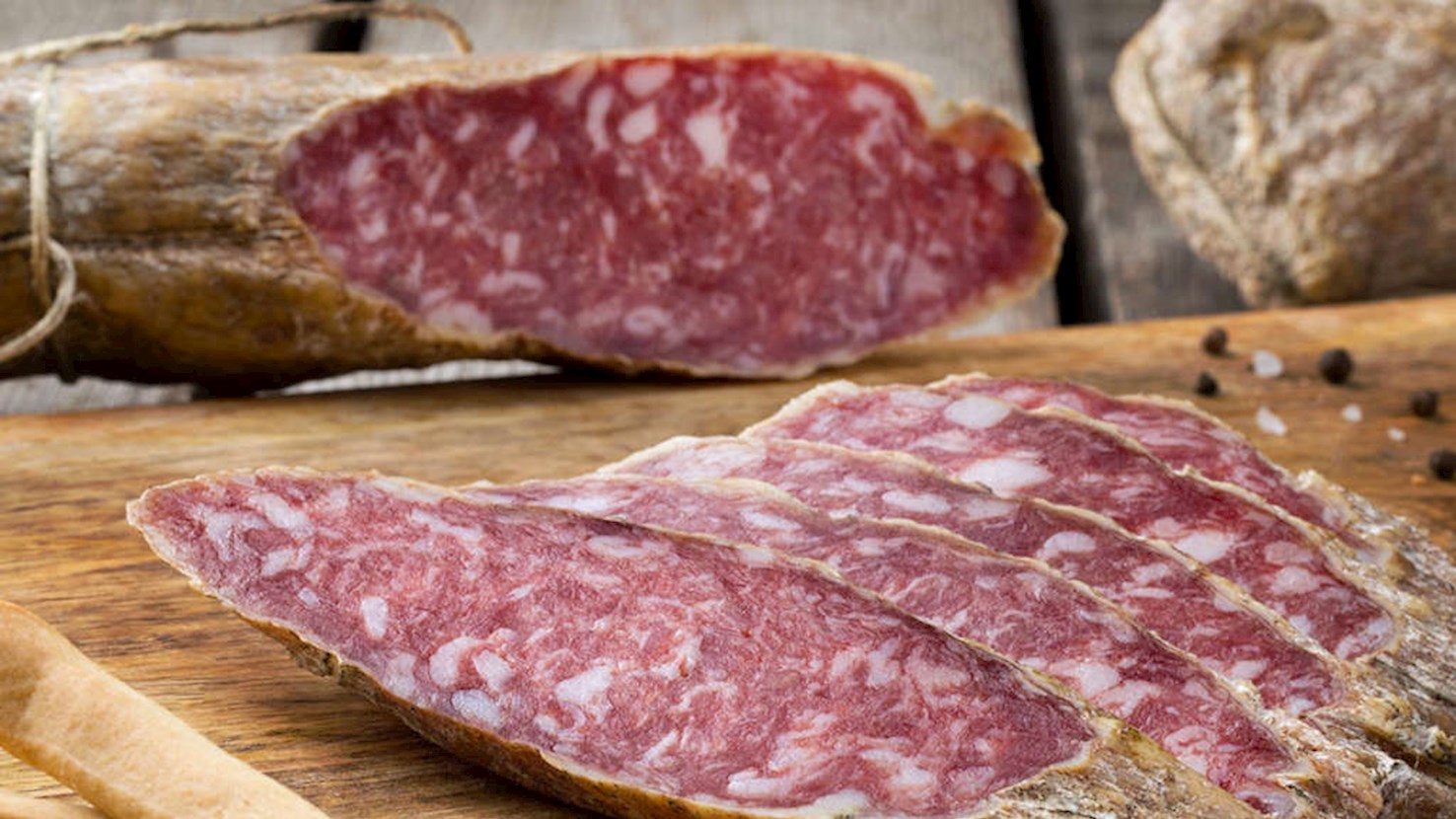
Salumi Antica Corte Pallavicina

5.0 ·
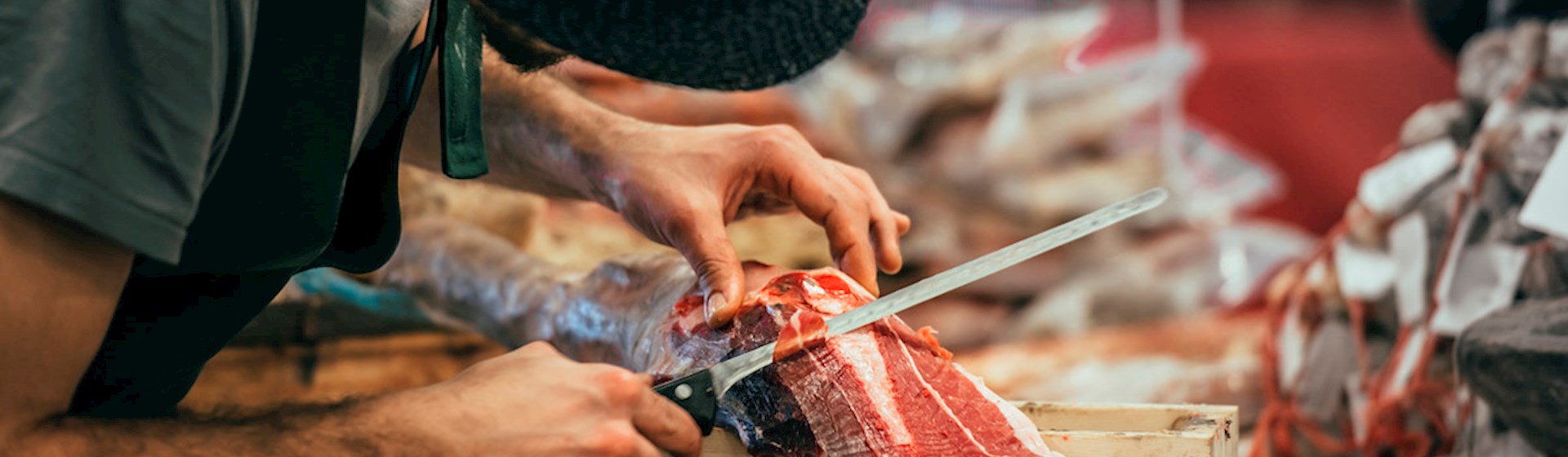
Salumi Antica Corte Pallavicina is a renowned Italian producer of salami, with a deep tradition that dates back over 150 years. The production of salami is based on the use of traditional methods from the Bassa Parmense region – an area known for its rich culinary heritage. The production of salami began with the Spigaroli family in the 19th century, who started making meat products in the Parma region. Antica Corte Pallavicina is part of this rich tradition, and its name comes from an old estate that has been in the Spigaroli family since 1937. The Spigaroli family has dedicated itself to preserving traditional methods used to produce Culatello, one of the most prestigious salamis in Italy, along with other products like Fiocchi and Coppe. These salamis are recognized for their distinctive flavor, achieved through the use of special pigs such as Cinta Senese and Nero di Parma.
02
Cheese

Granarolo

4.9 ·
Granarolo is an Italian dairy company that produces a variety of cheeses along with other dairy and food products. It is based in Bologna, not Parma. The company was established in 1957 and has grown to become one of the largest dairy groups in Italy, operating multiple production facilities across the country. Granarolo is also known for its commitment to sustainability and reducing its environmental impact.
Awards
World Championship Cheese Contest - Best of Class (2024, 2018)
International Cheese & Dairy Awards - Gold (2024)
03
Cheese

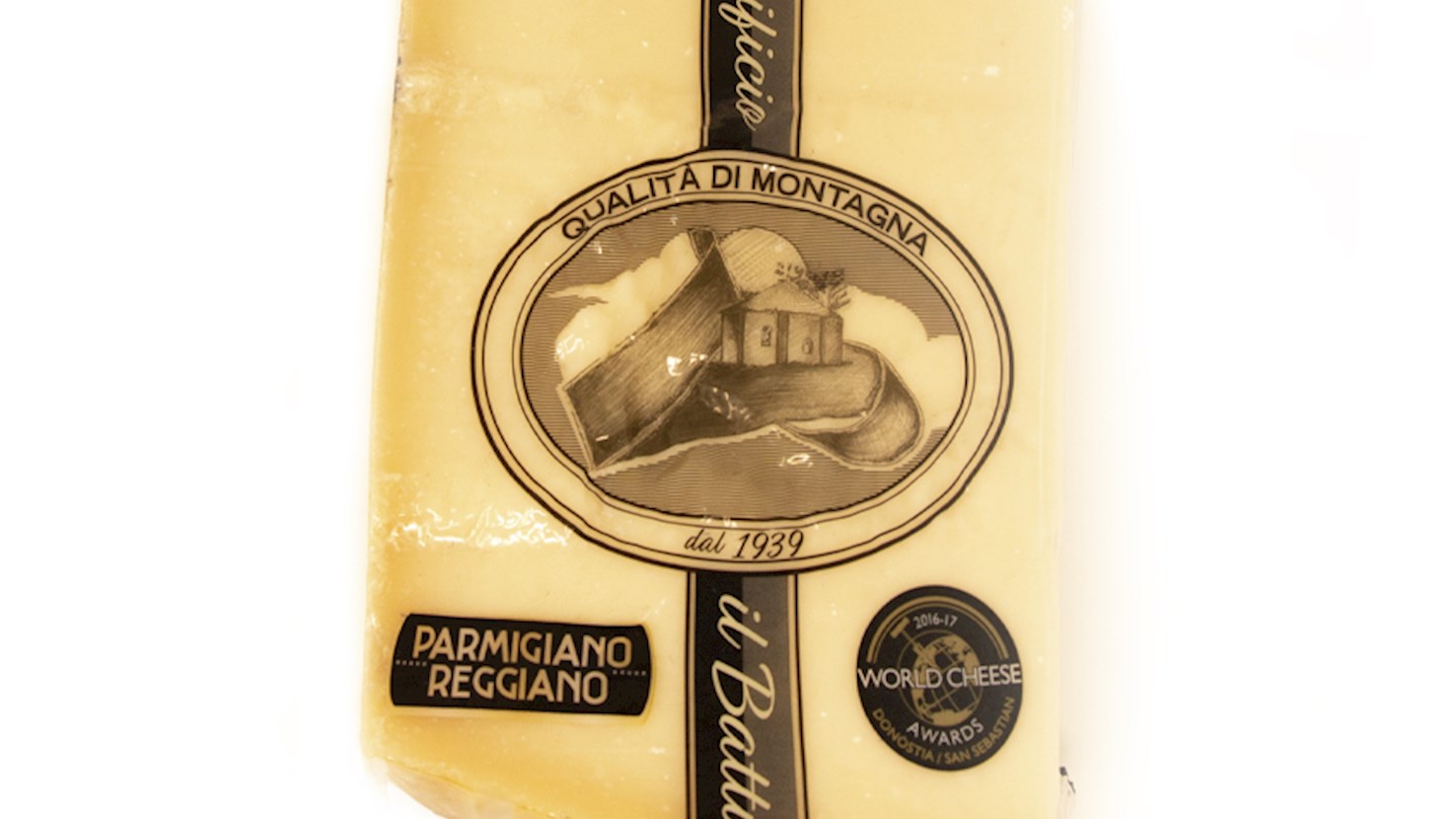
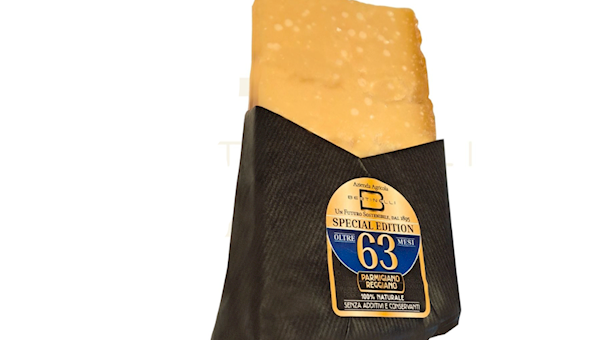
Caseificio Il Battistero

4.9 ·
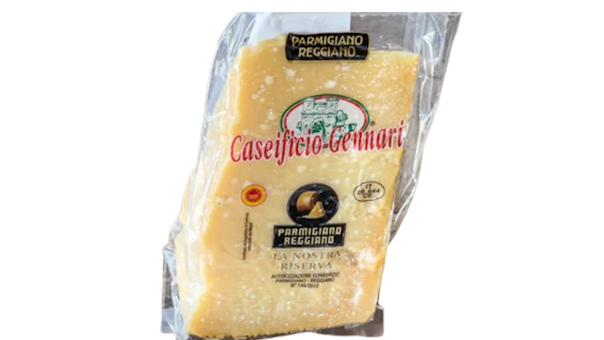
Nazionale Parmigiano Reggiano Il Battistero, located in Varano de' Melegari, produces Parmigiano Reggiano cheese. This cheese producer adheres to traditional methods to maintain authenticity and quality in their Parmigiano Reggiano varieties. They are part of a consortium that ensures the cheese is produced according to strict guidelines related to origin, production process, and aging.
Awards
World Cheese Awards - Gold (2024, 2021)
04
Cheese

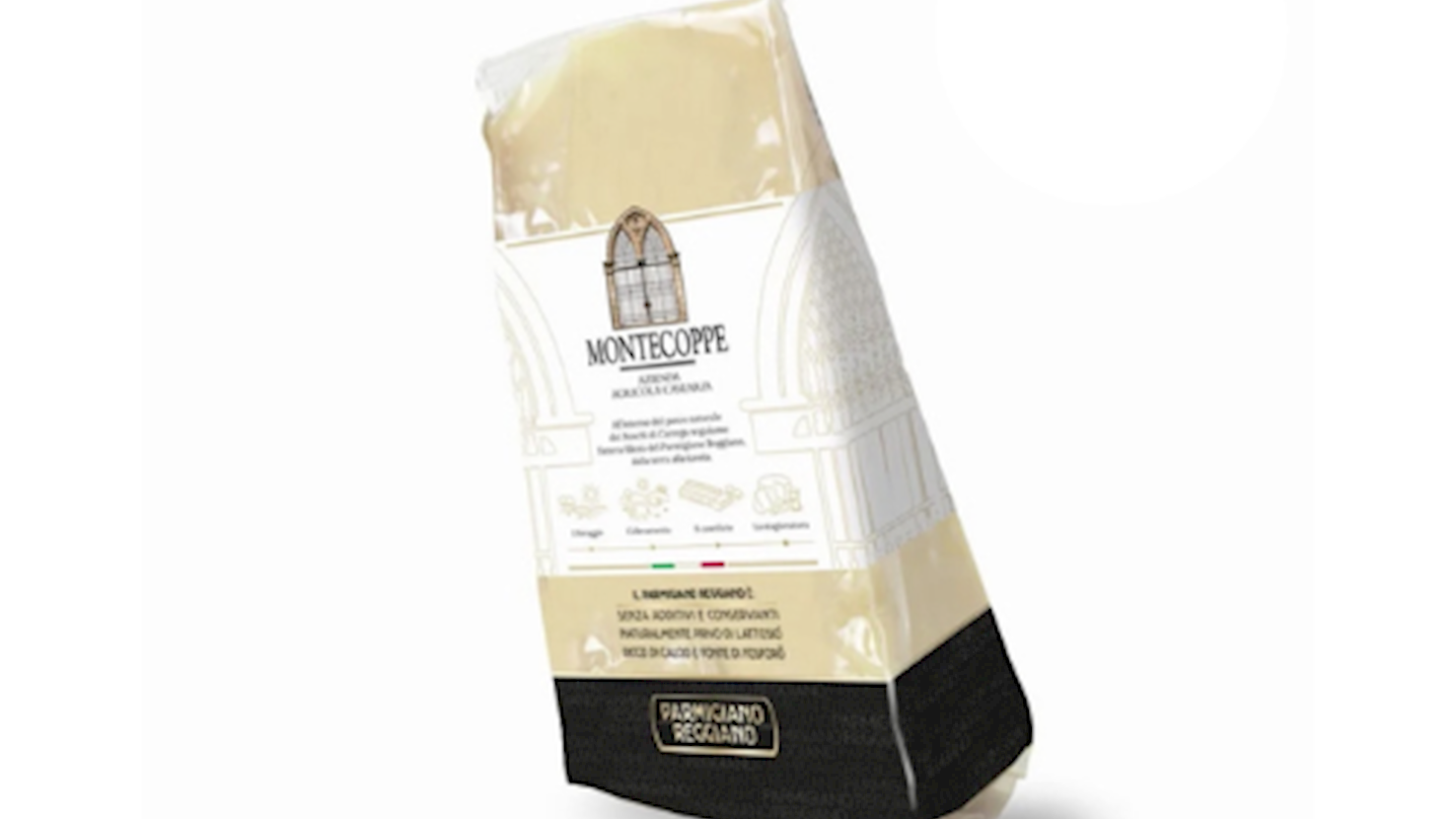
Caseificio Montecoppe

4.9 ·
Caseificio Montecoppe is a traditional Parmigiano Reggiano PDO producer located within the Boschi di Carrega Natural Park, near Parma in Emilia-Romagna. The dairy operates as a fully integrated farm, controlling the entire production chain from forage cultivation and animal feeding to milk processing and cheese aging. Milk comes from their own herds, primarily Italian Friesian and Brown Alpine cows, ensuring consistency, traceability, and a strong link to the local environment. Parmigiano Reggiano from Montecoppe is produced in limited quantities and aged in various stages, from younger expressions to long-aged versions exceeding 40 and even 80 months. The cheeses are known for their balanced yet expressive profiles, combining clean dairy notes with aromas of dried fruit, nuts, and evolving umami depth as aging progresses. Caseificio Montecoppe represents a model of sustainable, terroir-driven cheesemaking, where landscape, animal welfare, and traditional know-how directly shape the character of the final product.
Awards
World Cheese Awards - Gold (2023)
05
Cheese

Caseificio Ugolotti

4.9 ·
Caseificio Ugolotti is a family-run dairy located in Parma, in the Emilia-Romagna region, with a long-standing tradition of producing Parmigiano Reggiano DOP dating back to 1930. Situated in the heart of the protected production area, the dairy relies on classic artisanal methods that have remained largely unchanged for decades. Parmigiano Reggiano at Caseificio Ugolotti is made exclusively from fresh milk sourced from local farms, without additives, and in full compliance with the rules of the Parmigiano Reggiano Consortium. Particular attention is given to slow, extended aging, resulting in a range that spans from younger expressions to very long-aged wheels matured for 48 or even 60 months. The house style is defined by clean aromatics, pronounced crystallization in older cheeses, and a precise balance between sweet, nutty, and umami-driven flavours. In addition to production, Caseificio Ugolotti welcomes visitors, offering guided tours of the dairy and aging rooms, as well as tastings of different maturations. The dairy is highly regarded by connoisseurs for its transparency, consistency, and authentic approach to one of Italy’s most iconic cheeses.
Awards
World Cheese Awards - Gold (2021)
06
Cheese

Nazionale Parmigiano Reggiano Cooperativa Casearia Agrinascente
4.9 ·
Nazionale Parmigiano Reggiano Cooperativa Casearia Agrinascente, located in Fidenza, Italy, specializes in producing Parmigiano Reggiano cheese. The cooperative adheres to strict production standards to ensure the authenticity and quality of their Parmigiano Reggiano cheese. This cheese is often aged for a minimum of 12 months, adhering to traditional methods that enhance its unique flavor profile.
Awards
World Cheese Awards - Gold (2021)
07
Chocolate

Banchini

4.9 ·
Banchini is a chocolate producer based in Parma, Italy. The company specializes in artisanal chocolate making and has a long tradition of crafting high-quality chocolate products. Banchini uses carefully selected ingredients to ensure premium taste and quality. The company offers a variety of chocolate products including bars, pralines, and seasonal specialties.
Awards
Tavoletta D'Oro - (2023, 2016, 2015)
09
Cheese

Bontà di Latte

4.8 ·
Bontà di Latte is a cheese producer specializing in Parmigiano Reggiano. The company operates within the regulatory framework for producing this iconic Italian cheese, which includes adhering to specific aging processes and using milk from designated geographical areas. They engage in both the production and aging of their cheese to ensure quality and authenticity.
Awards
World Cheese Awards - Gold (2024, 2023)
10
Cheese

Ferrarini & Bonetti

4.8 ·
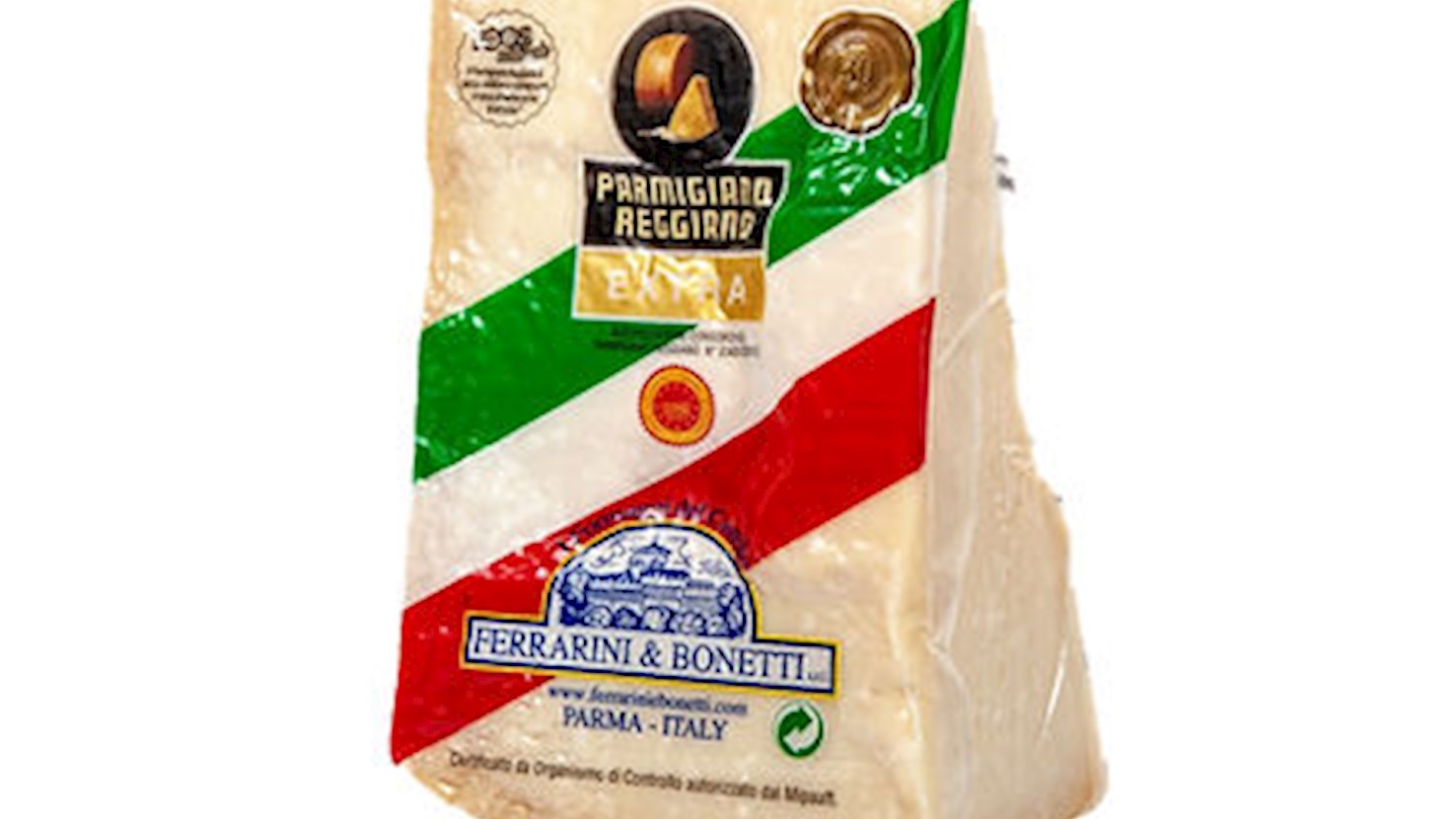
Ferrarini & Bonetti is an Italian cheese producer specializing in the creation of Parmigiano Reggiano. Their production facility is located in the Emilia-Romagna region, known for its traditional cheese-making techniques. They adhere to the strict regulations governing the production of Parmigiano Reggiano, ensuring high-quality cheese. The company is also involved in other dairy-related activities, contributing to the regional agricultural economy.
Awards
World Cheese Awards - Gold (2024, 2022)

Best Province of Parma foods

01
Dry-cured Ham

Prosciutto di Parma

4.4 ·

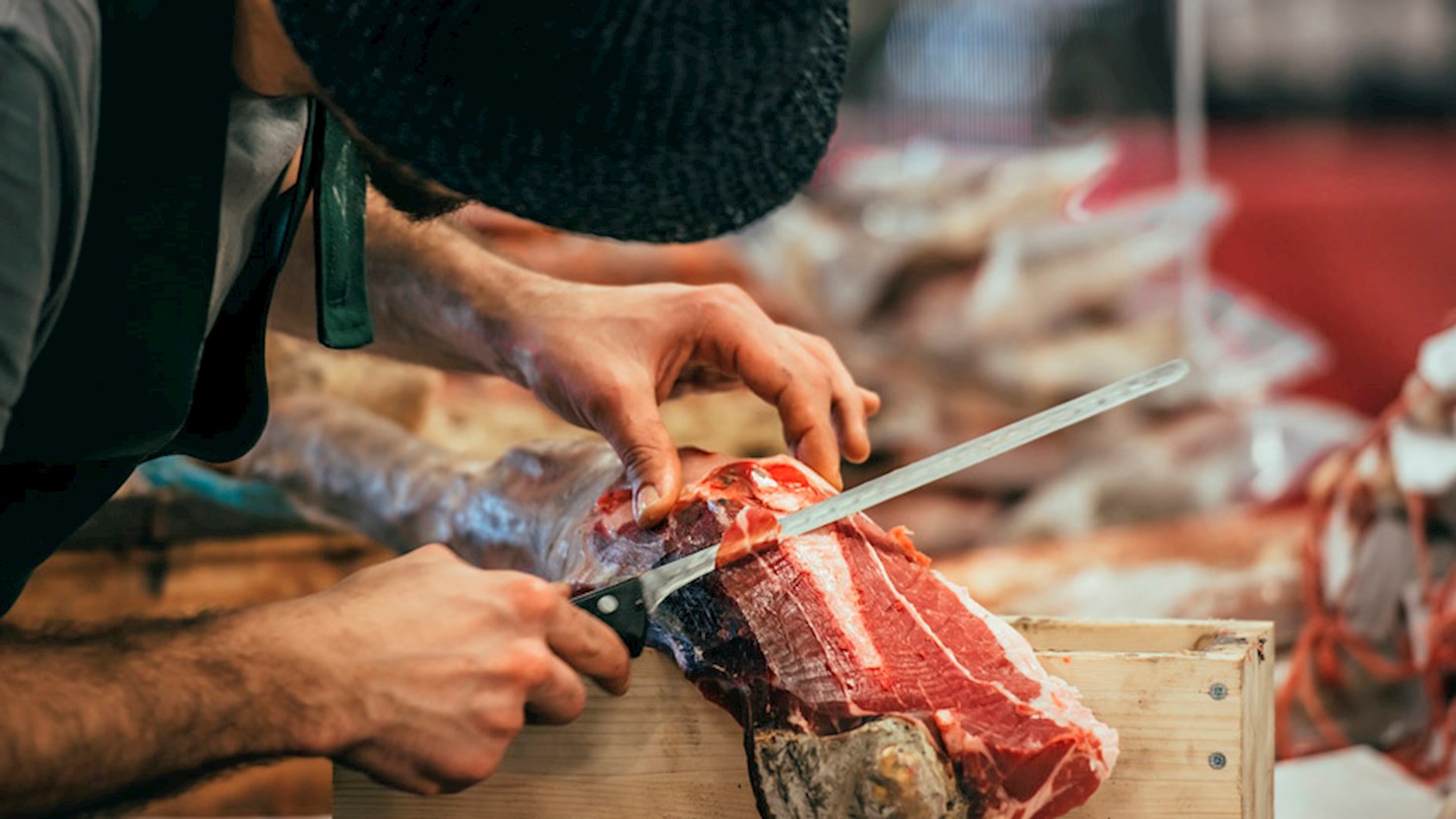
Carefully crafted with the same diligent care since the Roman times, Prosciutto di Parma is a true masterwork of time and tradition, and a gold standard of Italian prosciutto. The pigs of the Large White, Landrace and Duroc breed used in the production of this ham must also meet high quality standards, be bred in one of 10 northern and central Italian regions and fed a diet of grains, cereals and whey of Parmigiano Reggiano cheese, which contributes to the complex taste of the meat. Apart from the characteristic microclimate of the Parma region, which is ideal for the drying of prosciutto, a vital part of the curing process is salting. The expert Maestro Salatore (salt master) measures the minimum amount of sea salt required to preserve the meat. This respects the tradition of 'Cultura del Dolce' (the Culture of the Sweet), with the signature taste of Prosciutto perfectly balancing between salty and sweet. Parma ham spends three months hanging during the riposo or resting phase. To stop it from drying too quickly, around 7 months after the salting process the ham is smeared with sugna, a mixture of rice flour, salt, and pork fat. By strict regulations, Prosciutto di Parma must be matured for at least one year before it is given the Ducal Crown firebrand, and some are even cured for up to 3 years. The meat gradually becomes darker and harder, attaining its unique full-bodied flavor. For maximum enjoyment, Parma ham is sliced thin and served as an appetizer with focaccia or a warm piadina, some cheese and porcini mushrooms preserved in oil or wrapped around grissini and paired with a local sparkling wine like Lambrusco or Malvasia.

02
Pasta

Lasagne alla parmigiana

4.4 ·

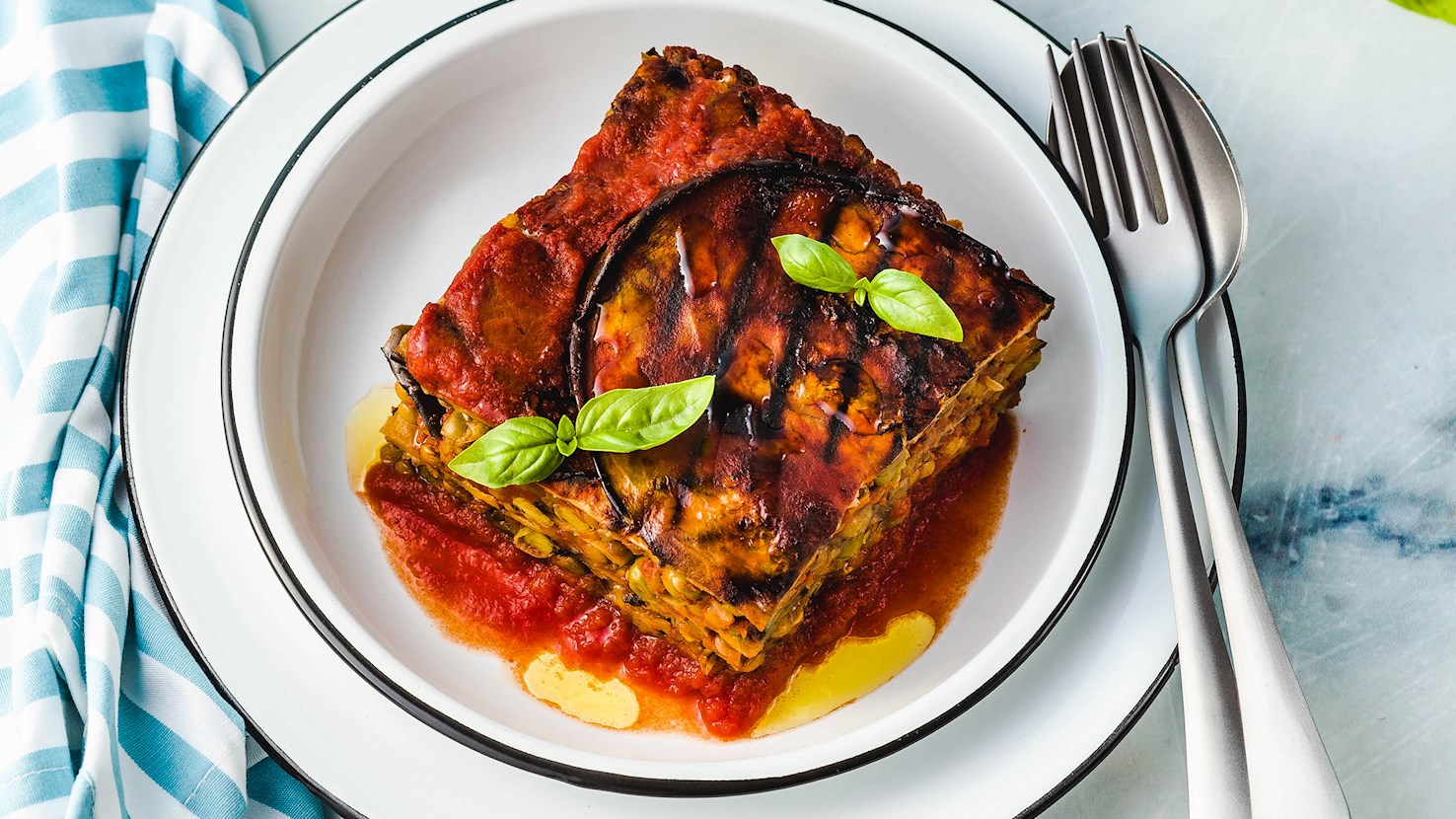
Lasagne alla parmigiana is a traditional lasagna dish originating from Emilia-Romagna. The dish is essentially a blend of two Italian classics – lasagne pasta and eggplant parmigiana. Although there are many recipes, it's usually made with a combination of lasagne sheets, eggplants, tomatoes, garlic, mozzarella, olive oil, basil, grated cheese, salt, and black pepper. The eggplants are sliced, salted, drained, and fried in oil until golden. The tomato sauce is made with tomatoes, olive oil, and garlic. It's spread on the bottom of an ovenproof dish and topped with cooked lasagna sheets, tomato sauce, eggplant slices, mozzarella, grated cheese, and basil. The process of layering is repeated, and the last layer should consist of tomato sauce and grated cheese. The dish is baked in the oven until golden and bubbling, and lasagne alla parmigiana are then ready to be enjoyed. It's recommended to pair the dish with crisp and fruity white wines such as Greco di Tufo.

03
Dry-cured Ham

Culatello di Zibello

4.3 ·

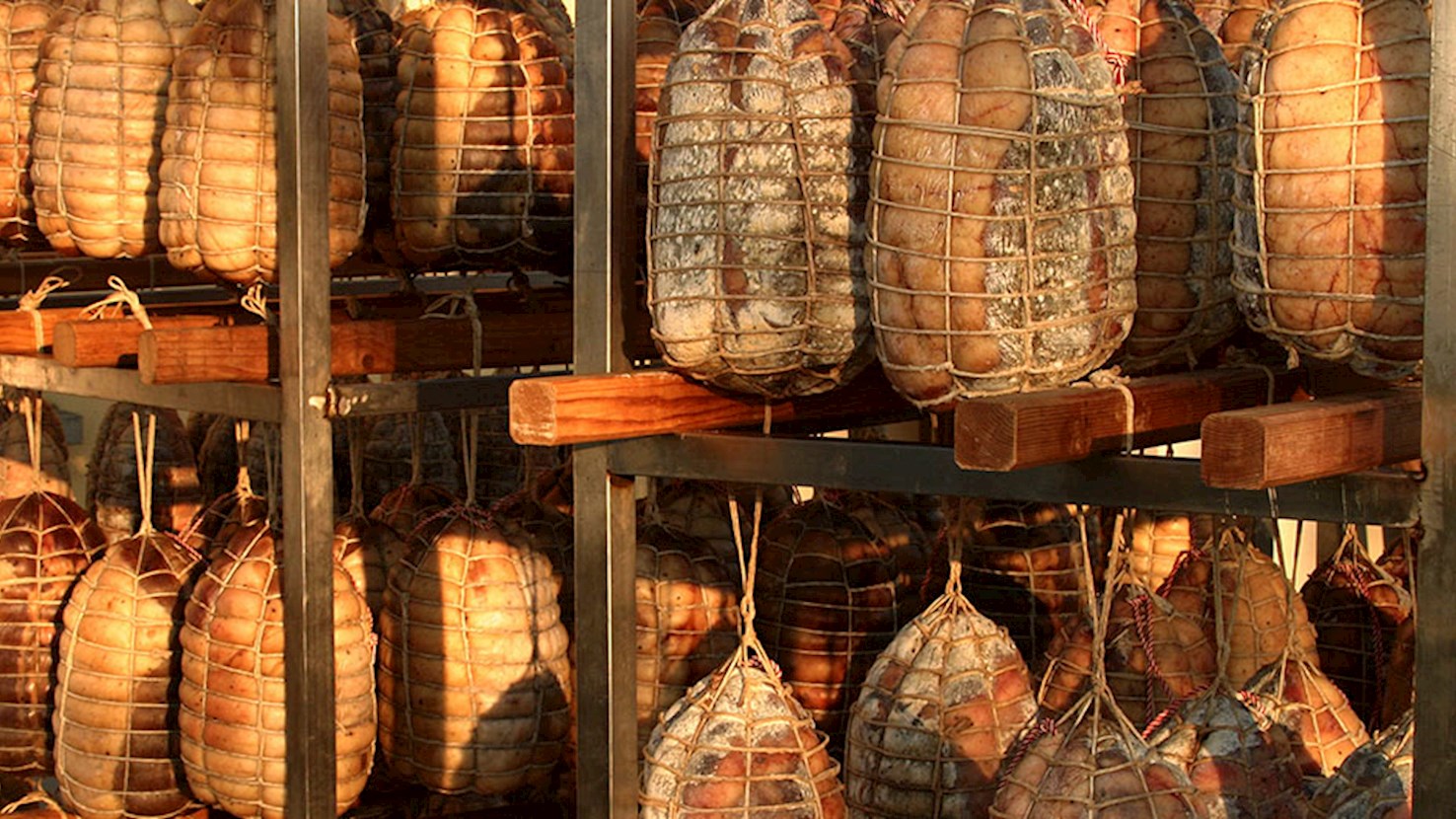
Known as crème de la crème of Italian hams, with a tradition dating back to the 14th century, Culatello di Zibello is one of the most prized products of Parma nowadays made only with pigs raised in the regions of Emilia-Romagna and Lombardia. Culatello is tender, rich in flavor and has a refined, winey taste. It is one of the leaner forms of cured pork, cut from the best part of the whole fresh ham, and cured with a mixture of salt, pepper, garlic and dry white wine. Since it is stuffed in a natural casing, most often a pig's bladder, and tied with twine, Culatello is sometimes classified as a type of salami. However, this doesn't do it justice because as outstanding as most prosciutto hams can be, real Culatello di Zibello tastes even better and can cost up to three times as much! These delicious hams must age for at least 11 months, but they are best enjoyed between 14 and 18 months. To bring out the best of its flavor, Culatello needs to be soaked in dry white wine for a couple of days, after which the skin is removed and fat trimmed off. Once it has been sliced, the best way to conserve it is to coat it with olive oil or butter, wrap it in a linen towel and store it in a cold place.

04
Salami

Salame Felino

4.2 ·

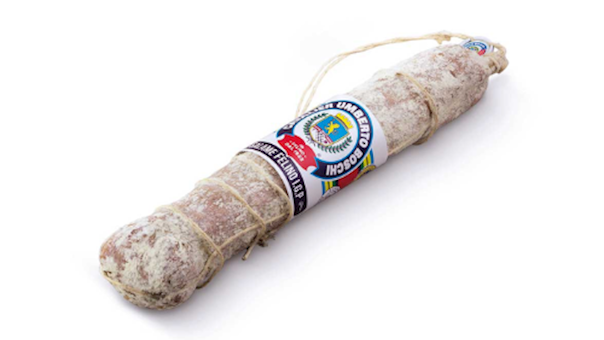
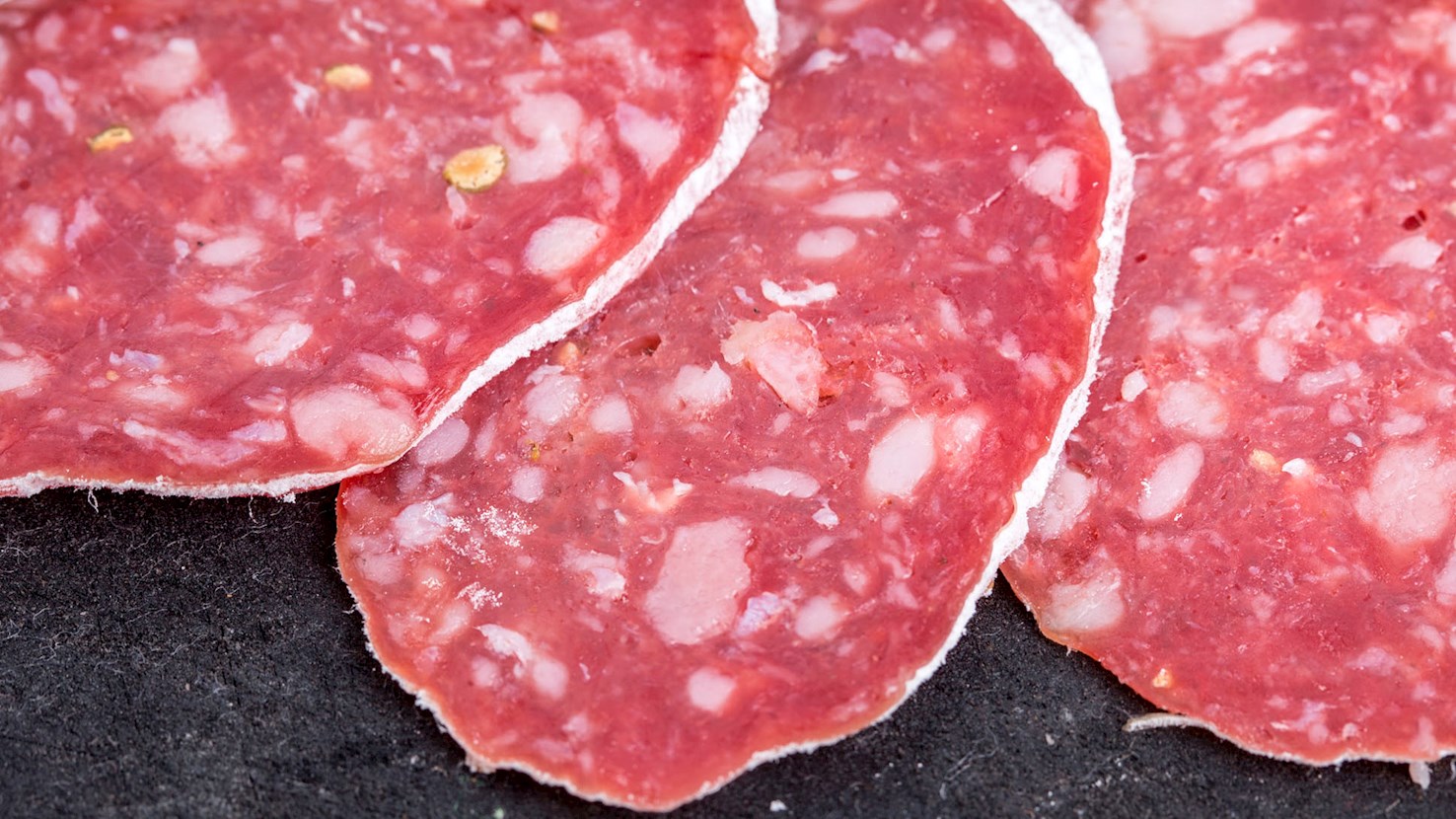
This cured pork sausage originates from Felino, a small town located in the province of Parma, where herds of pigs are raised and pastured in the wild, verdant ranges of the densely forested Baganza valley. Salame Felino has been produced for centuries, using only the best pork meat: carefully selected cuts from pig's shoulder, belly, and ham. The meat is coarsely ground and seasoned with salt and pepper, after which white wine and whole peppercorns are added to the mixture. Finally, the meat is stuffed into natural casings and Felino sausages are left to slowly mature in the favorable microclimate of the Parma area, acquiring their sweet flavor and a distinctively delicate aroma. As an essential part of just about any Italian cheese and cold cuts platter, salame Felino is sliced at an angle and typically served with torta fritta, a type of fried sourdough.

05
Sausage

Strolghino

3.7 ·

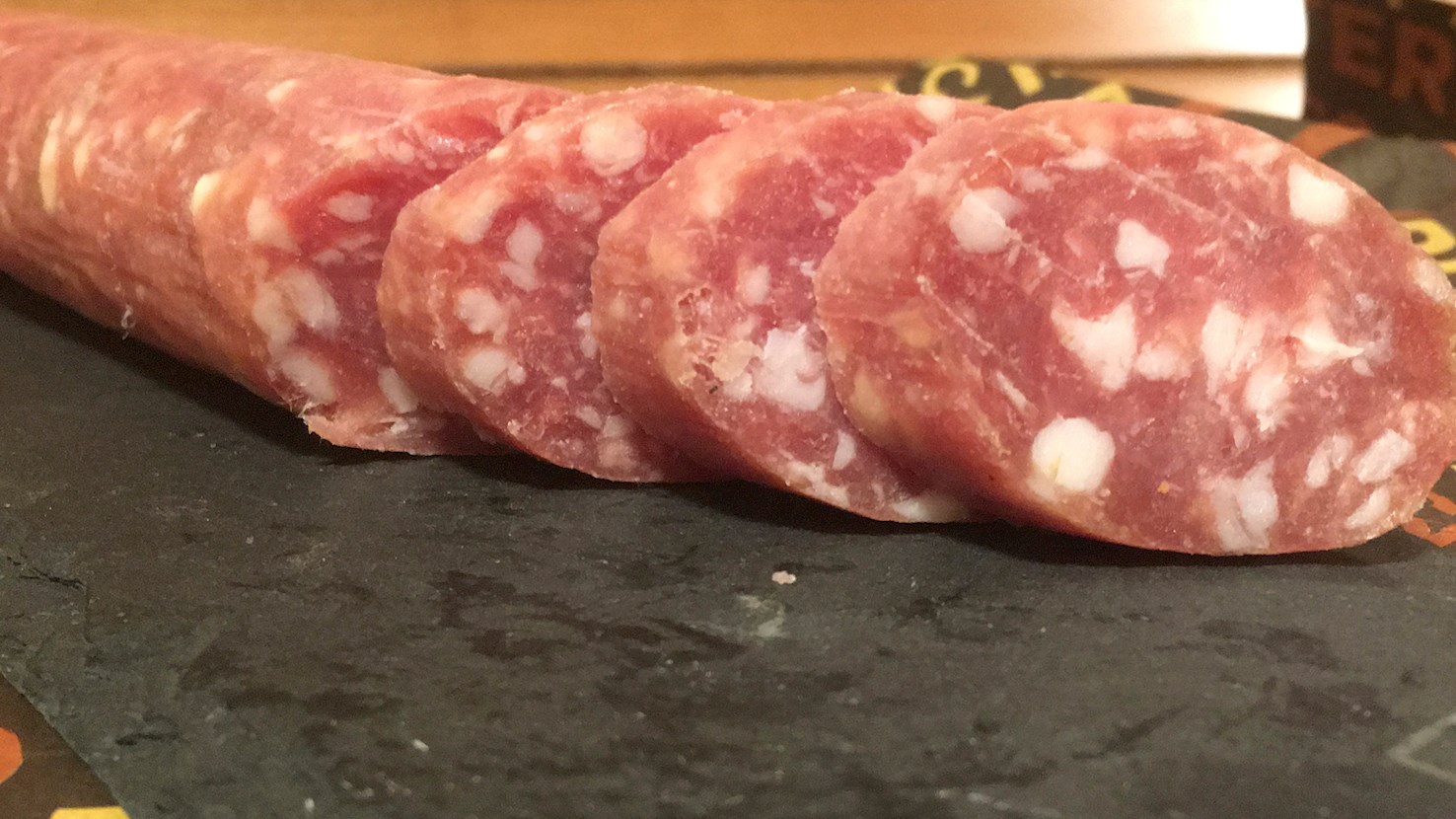
Strolghino is a short-matured Italian salami hailing from the lower Parma region. The salami is typically made by combining finely ground lean pork with salt, pepper, and spices, and then stuffing the meat mixture into thin natural casings. This Italian delicacy has been traditionally prepared with the lean trimmings of the finest pork meat coming from pork legs used in the preparation of culatello and fiocchetto, both of which are highly prized cured meats originating in the Bassa Parmense area. The preparation traditionally takes place from October to February, and the salami is typically matured for only about 15 to 20 days, yielding a delicately-flavored and tender meat. Strolghino’s name derives from the Italian word strolga, meaning guess in the Parma dialect, referring to the fact that its flavor was believed to be predictive of the flavor of other, longer-matured cured meats.

06
Cheese

Parmigiano Reggiano di Frisona Italiana

n/a ·

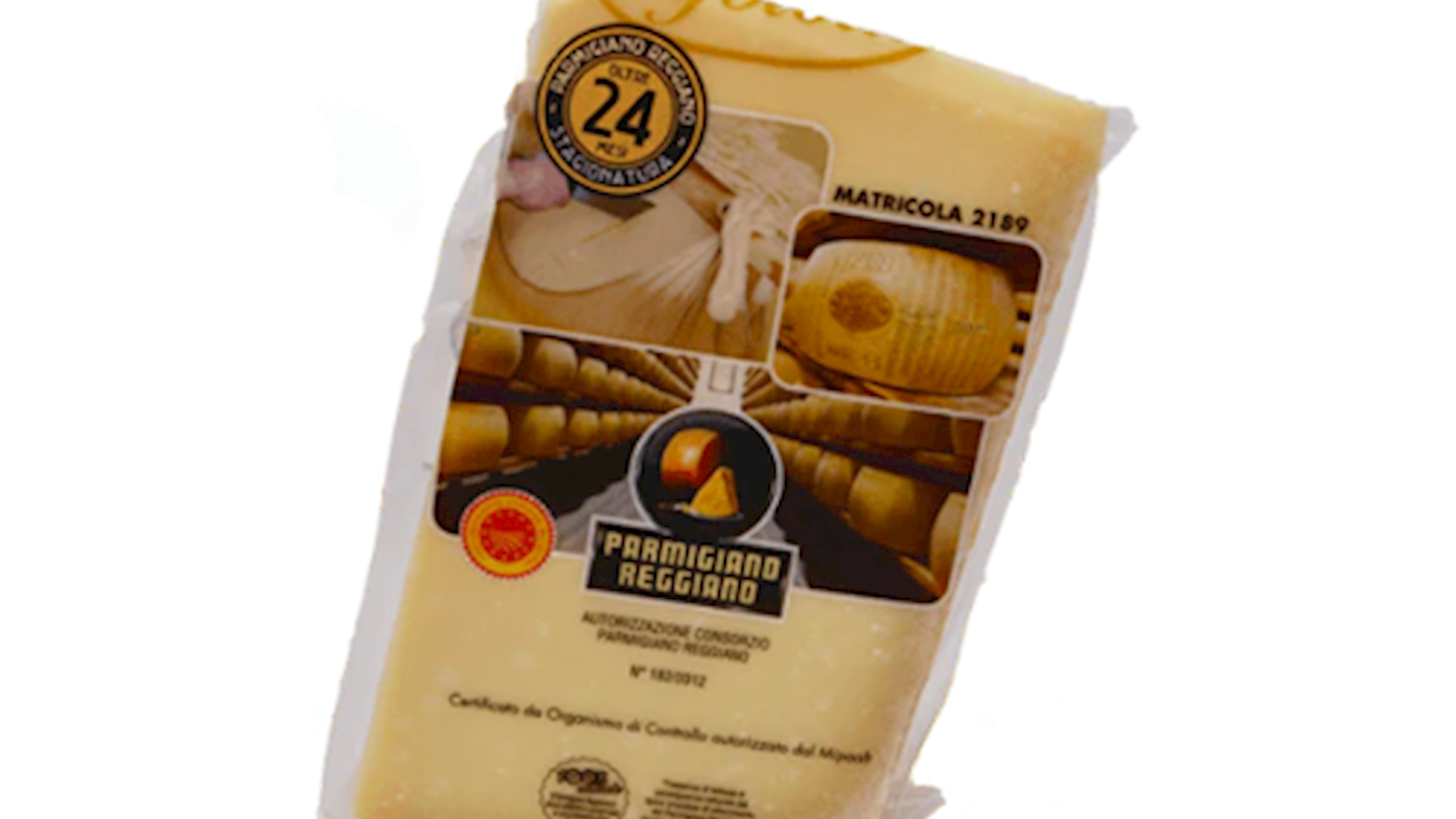
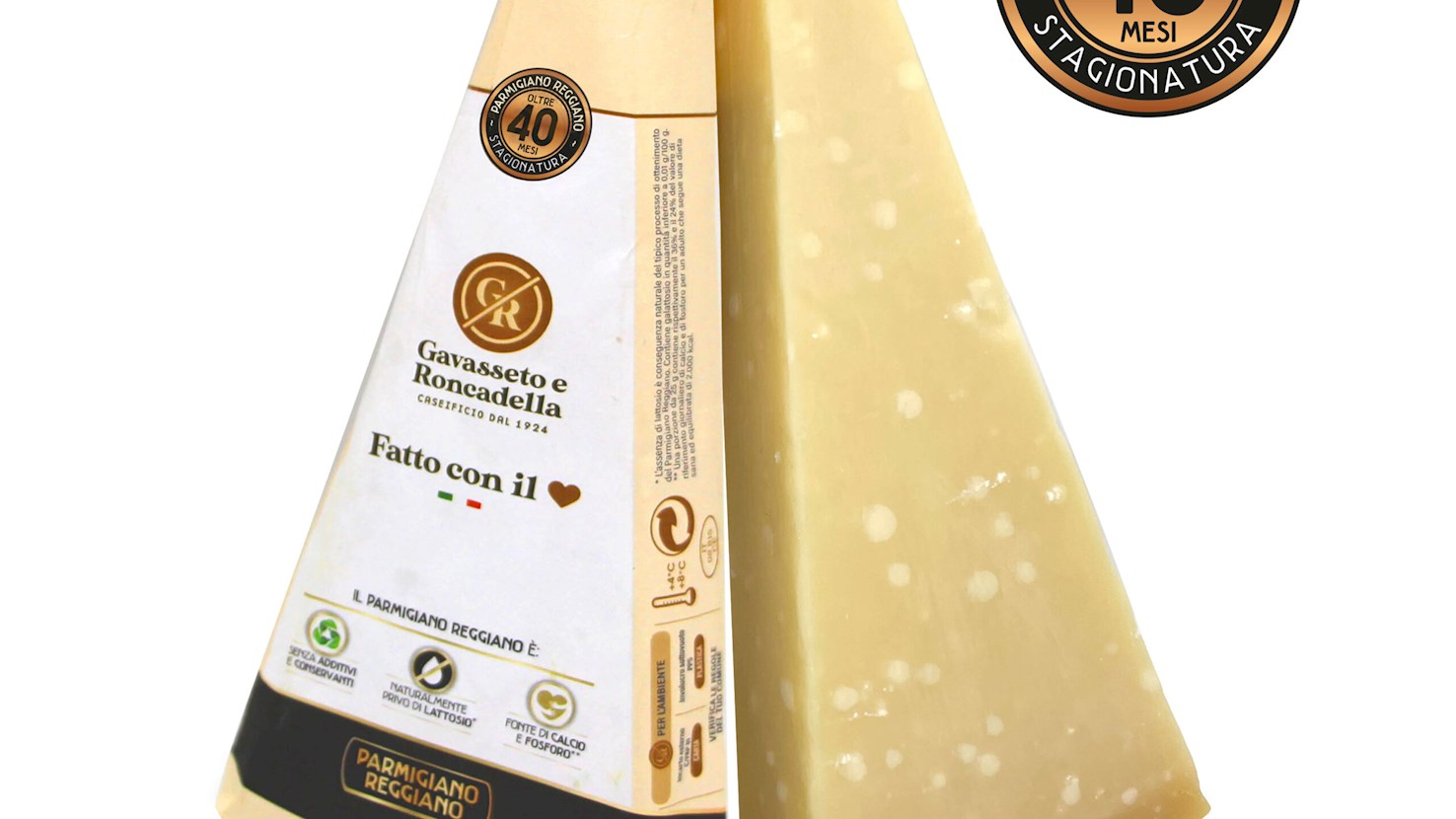
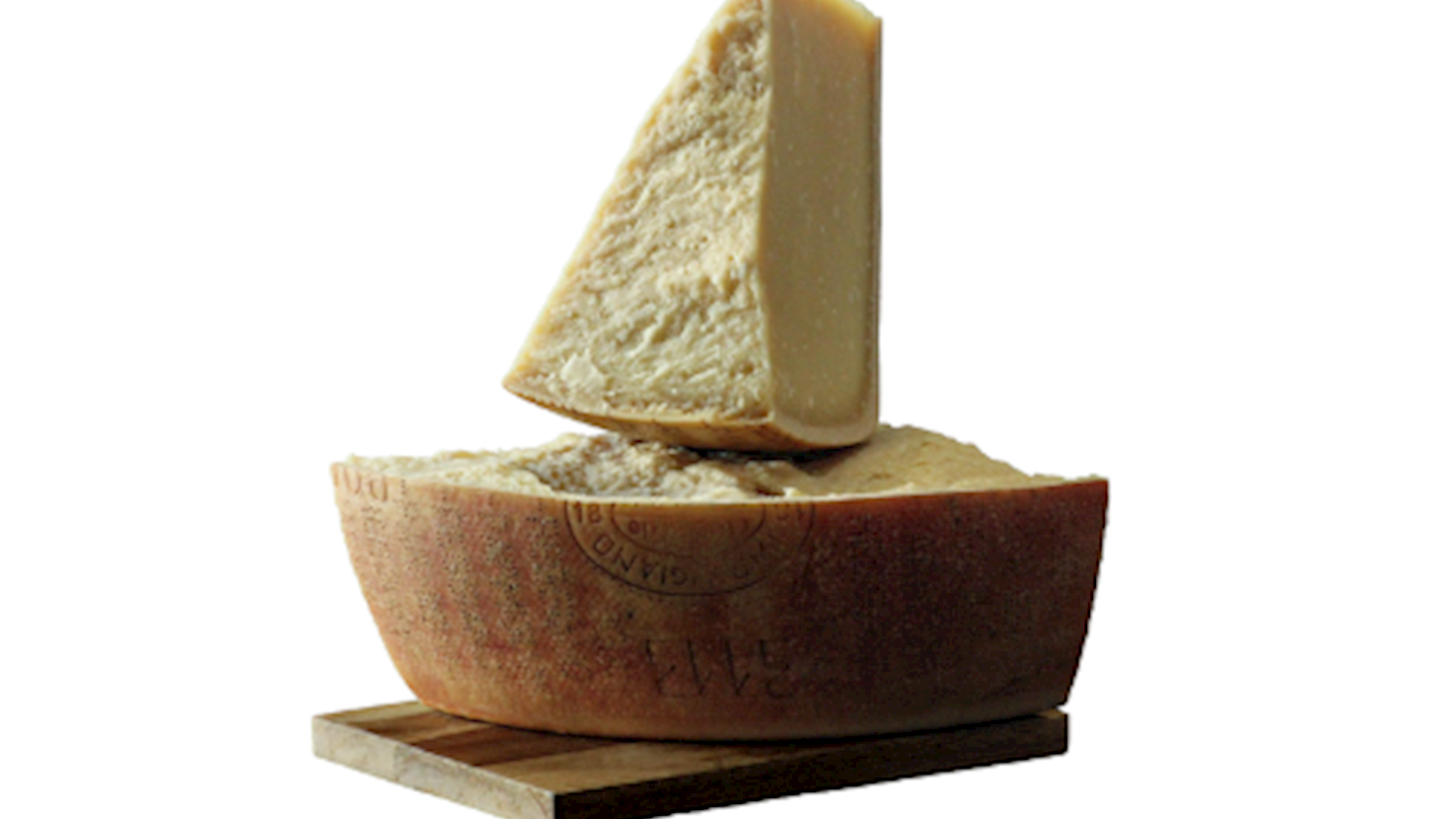
Parmigiano Reggiano di Frisona Italiana is a variety of Parmigiano Reggiano cheese made from the milk of Italian Frisona (Friesian) cows, which is one of the most widely recognized and easily available types due to its widespread use; hence it's known as the "standard" Parmigiano Reggiano. The Italian Friesian, also known as "pezzata," is highly fertile, lives long, and produces high amounts of milk, over 30 kg each day. The milk of the Italian Frisona is rich in essential nutrients, making this variety of Parmigiano Reggiano a highly nutritious and substantial cheese. The characteristics of the cheese vary significantly with its maturation, which can range from a minimum of 12 months up to 80, 90, or even 100 months. Different maturation periods result in a wide variety of organoleptic nuances, with flavors becoming more intense and distinctive from 24 months onwards. Parmigiano Reggiano di Frisona Italiana is known for its crumbliness, fragrance, and natural and complete aromas. This cheese is naturally lactose-free, highly digestible, and provides a significant amount of calcium, benefiting infants, children, and active adolescents.

07
Pasta

Tortelli d'erbetta

3.4 ·

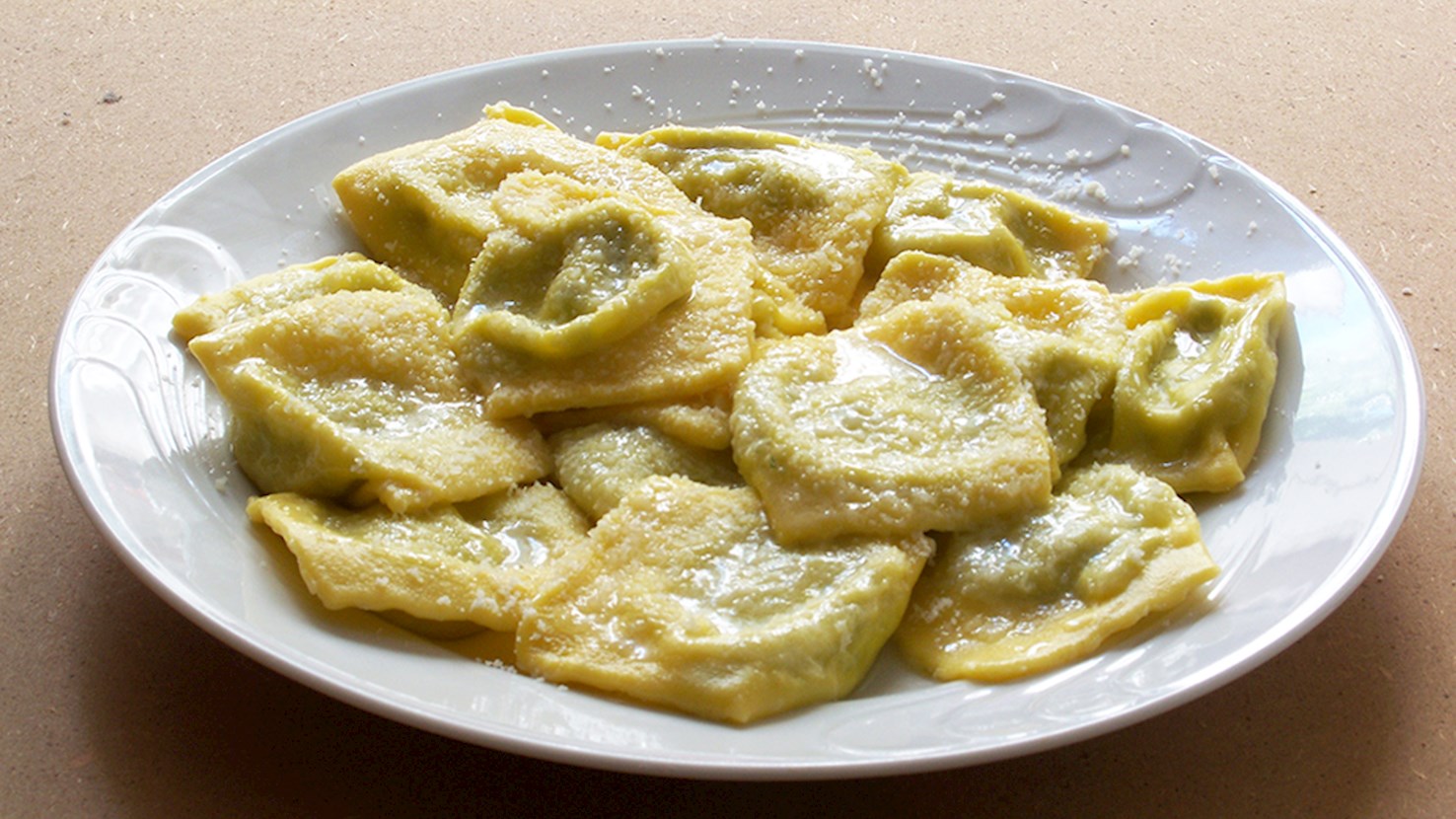
Tortelli d'erbetta is a traditional pasta dish originating from Parma. It consists of tortelli pasta filled with a combination of ricotta, eggs, nutmeg, grated Parmigiano-Reggiano, and beet spinach (or ordinary spinach). The pasta is made from eggs, flour, and salt. Once assembled, tortelli d'erbetta are cooked in boiling water until done. Before serving, the dish is traditionally mixed with melted butter and grated Parmigiano-Reggiano. Many people in the Emilia Romagna region eat this dish each year on 23 June (the Feast of Saint Giovanni), either at home or at city festivals and restaurants.

08
Offal Dish

Trippa alla Parmigiana

n/a ·

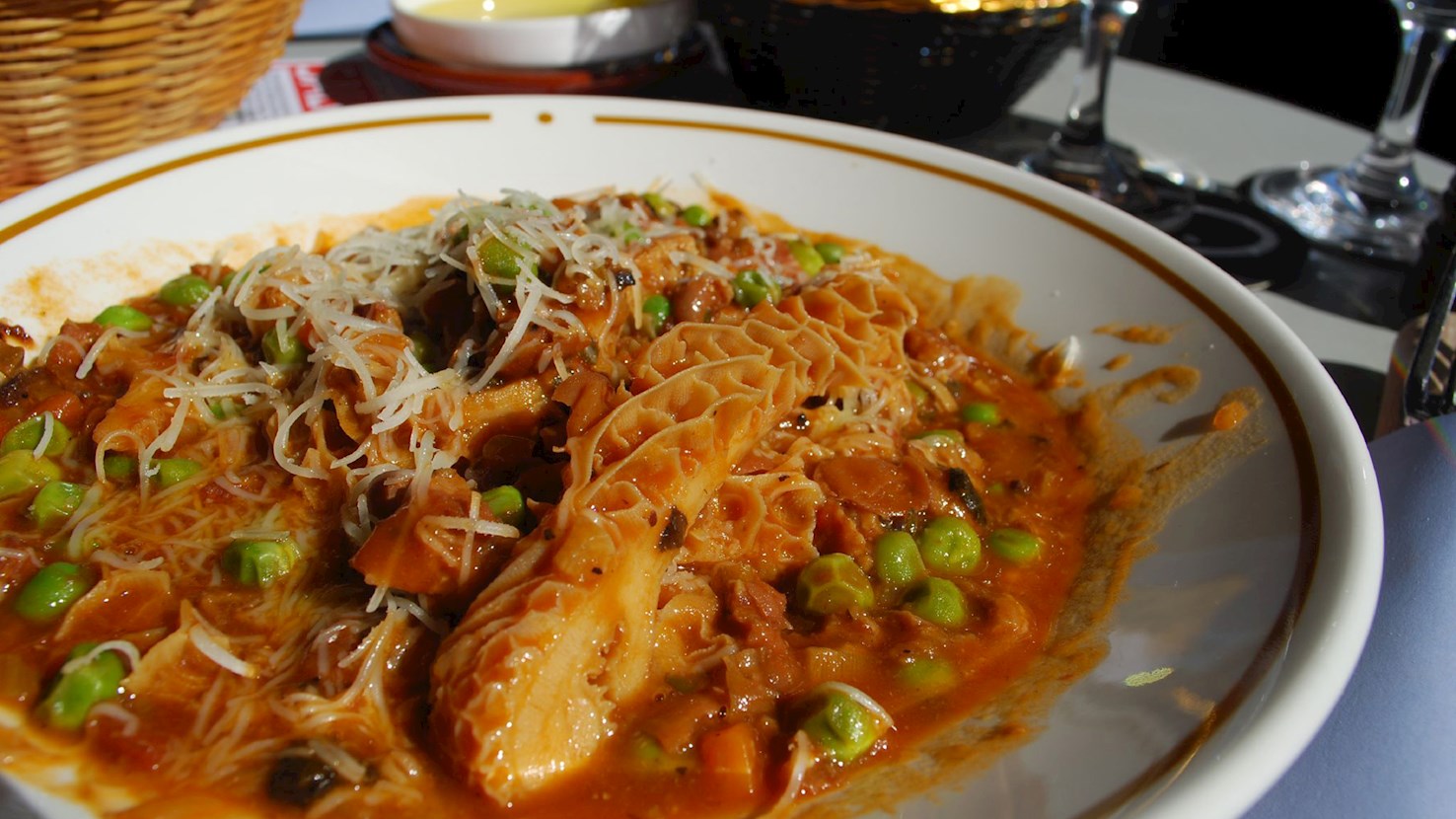
Trippa alla Parmigiana is a traditional tripe dish originating from the region of Emilia-Romagna. This ancient peasant dish is usually made with a combination of veal tripe, butter, and Parmigiano-Reggiano cheese. The tripe is soaked, boiled, drained, cut into thin strips, and heated in butter. A large handful of grated Parmigiano-Reggiano cheese is then added to the pan and left to melt a bit before the dish is served. If desired, this offal dish can be enriched with the addition of tomatoes, onions, basil, parsley, rosemary, or hot peppers. It should be noted that the tripe should remain slightly resistant and al dente because overcooked tripe will develop a repellent and slithery texture.

09
Veal Dish

Punta di petto alla parmigiana

n/a ·

Punta di petto alla parmigiana is a traditional dish originating from Parma. The dish consists of a stuffed veal breast and it's usually made with a combination of veal breast, onions, celery, eggs, milk, butter, parsley, breadcrumbs, nutmeg, grated Parmigiano-Reggiano, salt, and black pepper. The parsley and breadcrumbs are sautéed in butter and mixed with the eggs, milk, grated cheese, nutmeg, salt, and pepper. The mixture is stuffed into a pocket in the veal breast. The meat is sewn shut and pierced with a fork a few times before it's boiled in water with the onions and celery. The dish is simmered over low heat for more than an hour, and it's then cooled, sliced, and served.

10
Cured Pork

Spalla Cotta

n/a ·

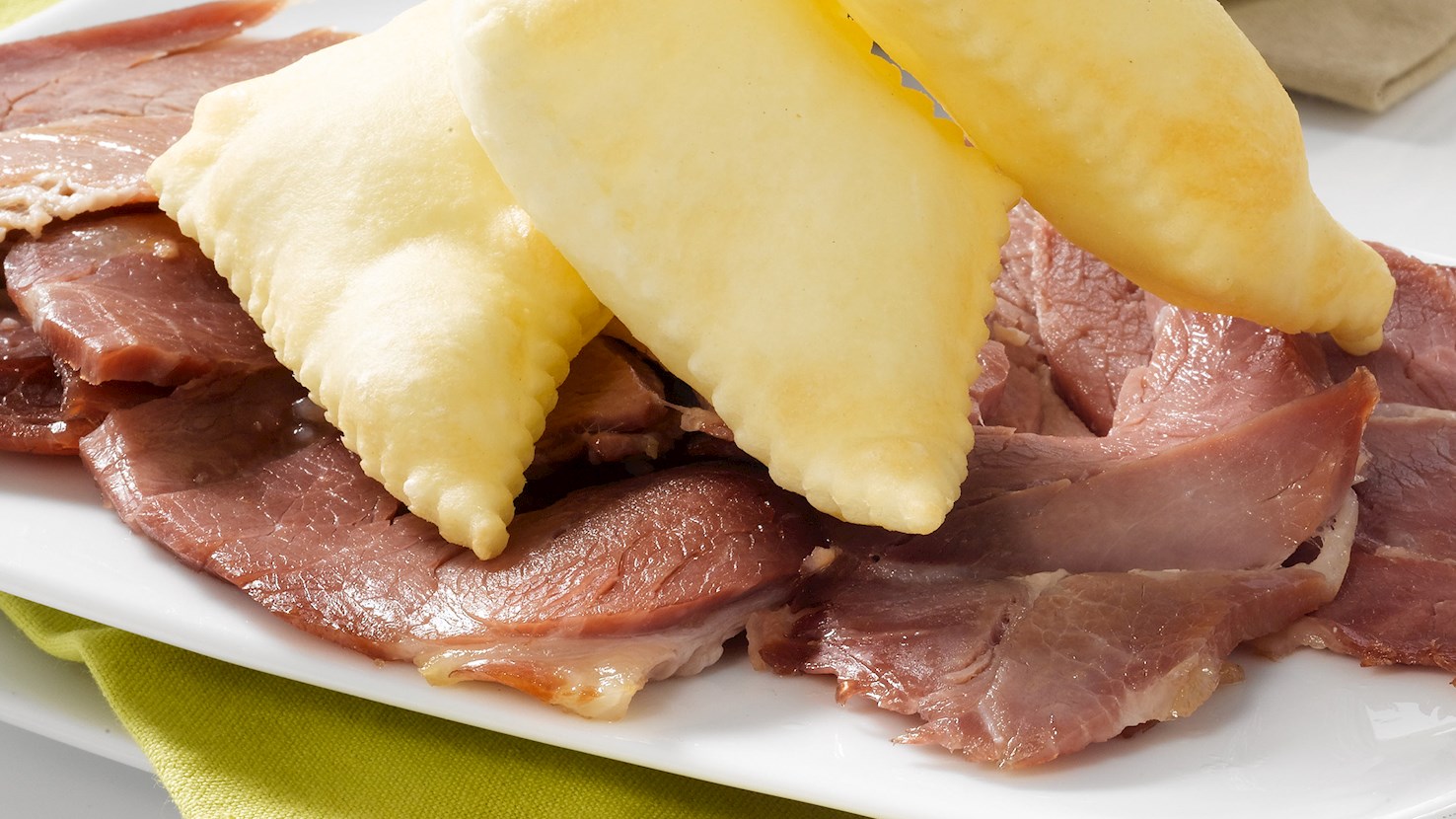
Spalla cotta is a type of salumi traditionally prepared in the low Parma region, including its place of origin, San Secondo, as well as Roccabianca, Pievottovielle, Fontanellato, and the province of Cremona. To prepare this specialty, a cut of pork shoulder with the coppa or cup attached to it is seasoned with salt and pepper, flavored with cinnamon, nutmeg, and garlic, encased within a pork or beef bladder, manually tied with rope mesh, and then allowed to age in a cold place, typically for one or two months. The cured meat is traditionally simmered with water, wine, and bay leaves, then consumed hot or chilled. Solid, tender, and fragrant, the cold cut usually weighs up to 8 kilograms and it is characterized by a reddish brown outer surface and pink meat on the inside, with defined red muscle mass and white marbling throughout. Slices of spalla cotta are usually consumed as an appetizer, accompanied by a glass of red wine such as Fortana or Fortanina, and fresh bread or torta fritta. Considered to be one of the most ancient products of Parma and a favorite of renowned composer Giuseppe Verdi, the meat specialty is praised every year during a celebration held in San Secondo.

About this ranking

TasteAtlas food rankings are based on the ratings of the TasteAtlas audience, with a series of mechanisms that recognize real users and that ignore bot, nationalist or local patriotic ratings, and give additional value to the ratings of users that the system recognizes as knowledgeable. For the “Top 36 Traditional Foods in the Province of Parma” list until June 24, 2026, 99 ratings were recorded, of which 68 were recognized by the system as legitimate. TasteAtlas Rankings should not be seen as the final global conclusion about food. Their purpose is to promote excellent local foods, instill pride in traditional dishes, and arouse curiosity about dishes you haven’t tried.

The initial list of top producers was compiled based on available reviews, awards, local recommendations, media and blog coverage, and consumer reviews. The list will be updated with ratings from TasteAtlas local ambassadors and TasteAtlas users.

Similar lists