Top 26 Portuguese Fortified Wines

Last updated on August 12, 2026

Best Portuguese Fortified Wines
01

Justino's Madeira Wines

5.0 ·

Justino’s Madeira Wines is one of the oldest and most influential wine producers on the island of Madeira, with a heritage dating back to 1870 and modern production facilities located in the Cancela area of Santa Cruz. The company is known for its wide range of Madeira styles - from young reserva bottlings to long-aged frasqueira vintage wines - made from traditional varieties such as Sercial, Verdelho, Boal, Malvasia and the rare Terrantez.

Their winemaking combines controlled modern fermentation with the traditional “canteiro” aging method, in which the wine matures slowly for years in warm attic spaces without artificial heating. This process develops Madeira’s signature profile of caramel, nuts, dried fruit and oxidative complexity, balanced by vibrant natural acidity.

Justino’s is internationally respected for its consistent quality and for producing wines that reflect both the deep historical tradition of Madeira and the precision of contemporary winemaking, securing its place as one of the region’s most distinguished producers.

Awards
Decanter World Wine Awards - Platinum (2024, 2023, 2018)
Decanter World Wine Awards - Best in Show (2020, 2018)
02

Graham’s Port

5.0 ·

Graham’s Port is one of Portugal’s most renowned and respected port houses, with a heritage dating back to 1820 and deep roots in the Douro Valley. The estate relies on premium vineyards such as Quinta dos Malvedos, Quinta do Tua and Quinta da Vila Velha, all known for their steep schist terraces and highly favorable microclimates for ripening native varieties like Touriga Nacional, Touriga Franca, Tinta Roriz and Tinta Barroca.

Graham’s is especially valued for its aged tawny ports, which undergo long maturation in wooden casks in Vila Nova de Gaia, developing notes of walnut, caramel, dried fruit and refined oxidative aromas. In addition, the house produces top-tier Vintage Ports, recognized for their depth, concentration and exceptional longevity.

Awards
Falstaff - 100
Vivino - 4.6
03

Blandy's

5.0 ·

Blandy’s is one of the oldest and most renowned Madeira wine producers, founded in 1811 and the only remaining house on the island still managed by the original founding family. Over more than two centuries, Blandy’s has built a reputation for combining tradition with modern techniques, relying on classic varieties such as Sercial, Verdelho, Boal and Malvasia, and maintaining authentic aging practices.

Their production still uses the traditional canteiro method, in which the wines mature for years in warm attic conditions, developing oxidative aromas of caramel, nuts, dried fruit and spice, all supported by Madeira’s signature vibrant acidity. The estate produces a full range of styles - from dry to rich sweet Madeiras - and is known for exceptional stability, longevity and historical consistency in quality.

Today, Blandy’s stands as one of the key guardians of Madeira’s winemaking heritage, recognized worldwide for its craftsmanship and commitment to the island’s traditions.

Awards
Decanter World Wine Awards - Best in Show (2023, 2018, 2016)
Decanter World Wine Awards - Platinum (2020, 2018)
04

Kopke

5.0 ·

Kopke is the oldest port wine house in the world, founded in 1638 in Portugal’s Douro Valley, with a long-standing tradition rooted in export and the production of high-quality fortified wines. Today it operates under the Sogevinus group, while maintaining a strong identity shaped by its heritage, extensive ageing stocks, and focus on craftsmanship.

Production is closely linked to the Quinta de São Luiz estate, where old vineyards contribute to the concentration and complexity of the wines. Kopke is particularly recognized for its tawny and colheita ports, wines from a single harvest that undergo extended ageing in oak casks, developing pronounced oxidative characteristics.

Aromatically, these wines are defined by notes of dried fruit, caramel, nuts, and spice, combined with a refined and layered structure. The portfolio spans a wide range of styles, from ruby and white ports to aged tawnies with age indications and rare vintage releases.

Thanks to its continuity and significant reserves of long-aged wines, Kopke holds a key position among port producers and is often regarded as a benchmark for the traditional Douro style.

Awards
Decanter World Wine Awards - Best in Show (2026)
Decanter World Wine Awards - Platinum (2016)
05

Taylor’s

4.9 ·

Taylor’s is one of the oldest and most prestigious Port wine houses in the world, with a legacy dating back to 1692. For over three centuries, it has remained family-owned, preserving authenticity and consistency in every aspect of production.

Specializing exclusively in Port wines, Taylor’s is synonymous with exceptional quality - from its renowned Vintage Ports and elegant, long-aged Tawny styles to innovative creations like Chip Dry White Port and the pioneering Late Bottled Vintage (LBV) style. Their prestigious estates, including Quinta de Vargellas, Terra Feita, and Junco, lie in the heart of the Douro Valley, producing wines of remarkable character and distinctive elegance.

In the historic cellars of Vila Nova de Gaia rest some of the world’s most treasured reserves of aged Port, and today visitors can enjoy guided tours, tastings, and the rich story of a heritage Taylor’s has nurtured for more than 300 years.

Awards
Falstaff - 100
Falstaff - 99
06

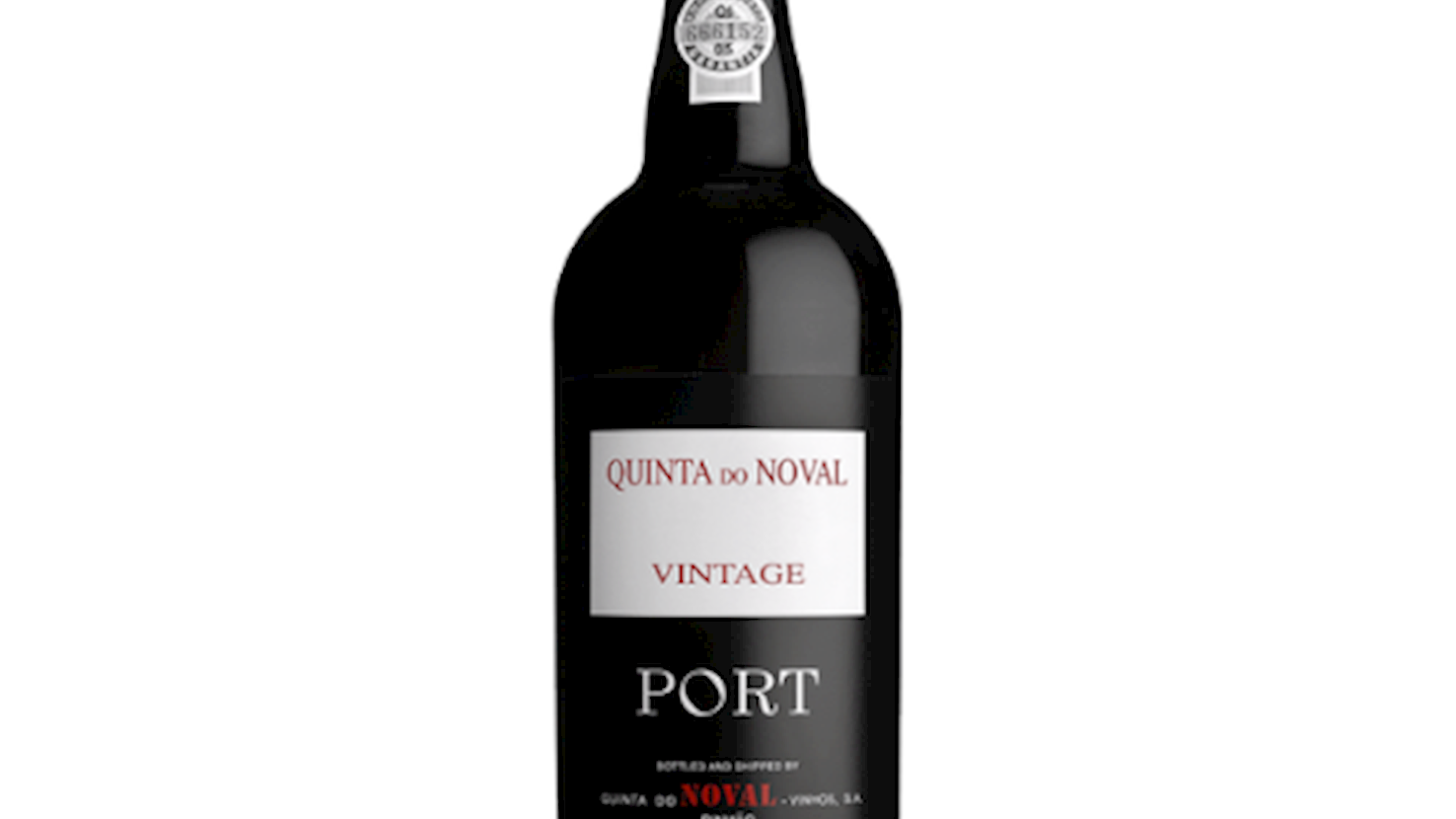
Quinta do Noval

4.9 ·

Quinta do Noval is one of the most renowned wine estates in Portugal’s Douro Valley, internationally recognized for its Port wines and high-quality Douro red wines. The estate is located in the heart of the Douro region near the town of Pinhão, where vineyards are planted on steep schist terraces that are typical of the valley’s historic wine landscape.

The origins of Quinta do Noval date back to 1715, and over the centuries the estate has built a reputation for producing wines that reflect the distinctive character of the Douro terroir. A defining feature of the estate is its historic vineyard Nacional, where ungrafted vines grow directly in the schist soils, producing one of the rarest and most sought-after Vintage Ports in the world.

Quinta do Noval works primarily with traditional Portuguese grape varieties such as Touriga Nacional, Touriga Franca, Tinta Roriz and Tinto Cão. The winery combines traditional Douro winemaking techniques, including fermentation in stone lagares, with modern cellar practices to ensure precision and consistency.

Today Quinta do Noval produces a wide range of wines, including Vintage Ports, Tawny Ports and Douro DOC wines, many of which regularly receive high scores from international critics and awards at prestigious wine competitions.

Awards
Wine Spectator - 97 (2021)
Falstaff - 100
07

Ferreira

4.9 ·
Awards
Decanter World Wine Awards - Best in Show (2018)
Decanter World Wine Awards - Platinum (2016)
08

Burmester

4.9 ·
Awards
Falstaff - 100
Vivino - 4.4
09

Granvinhos

4.9 ·
Awards
Decanter World Wine Awards - Platinum (2024)
Portugal Wine Trophy - Grand Gold (2023)
10

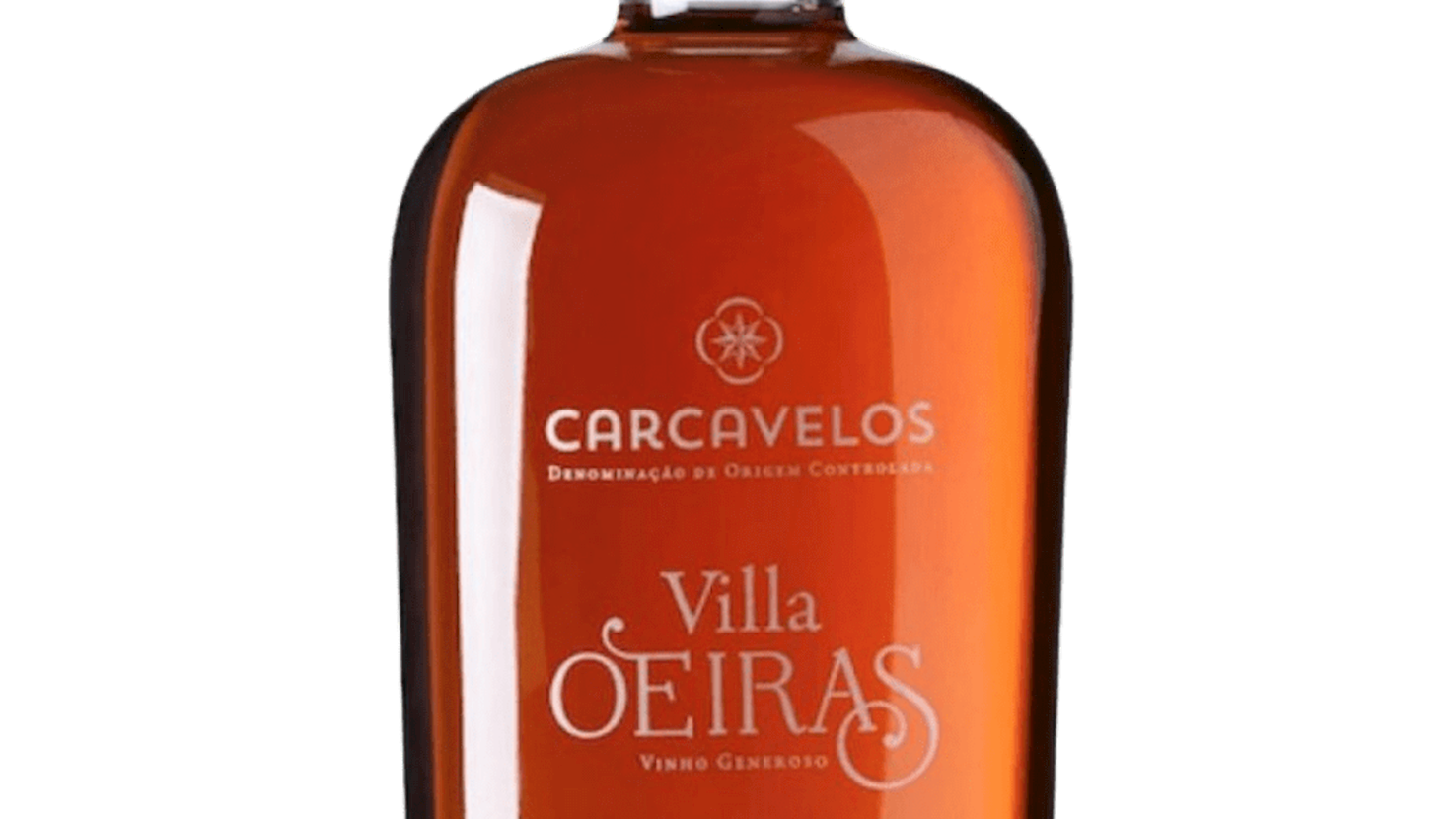
Villa Oeiras

4.9 ·
Awards
Decanter World Wine Awards - Platinum (2021)

Best Portuguese Fortified Wine Types

01

Vintage Port

4.3 ·

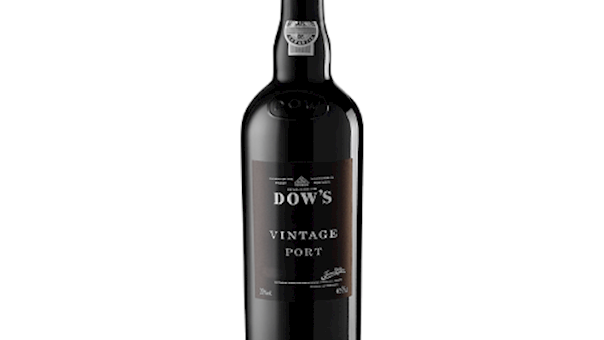
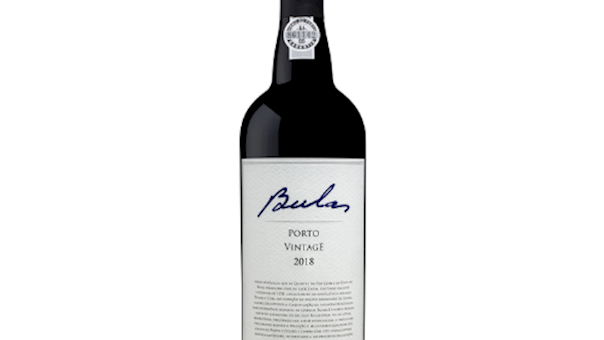
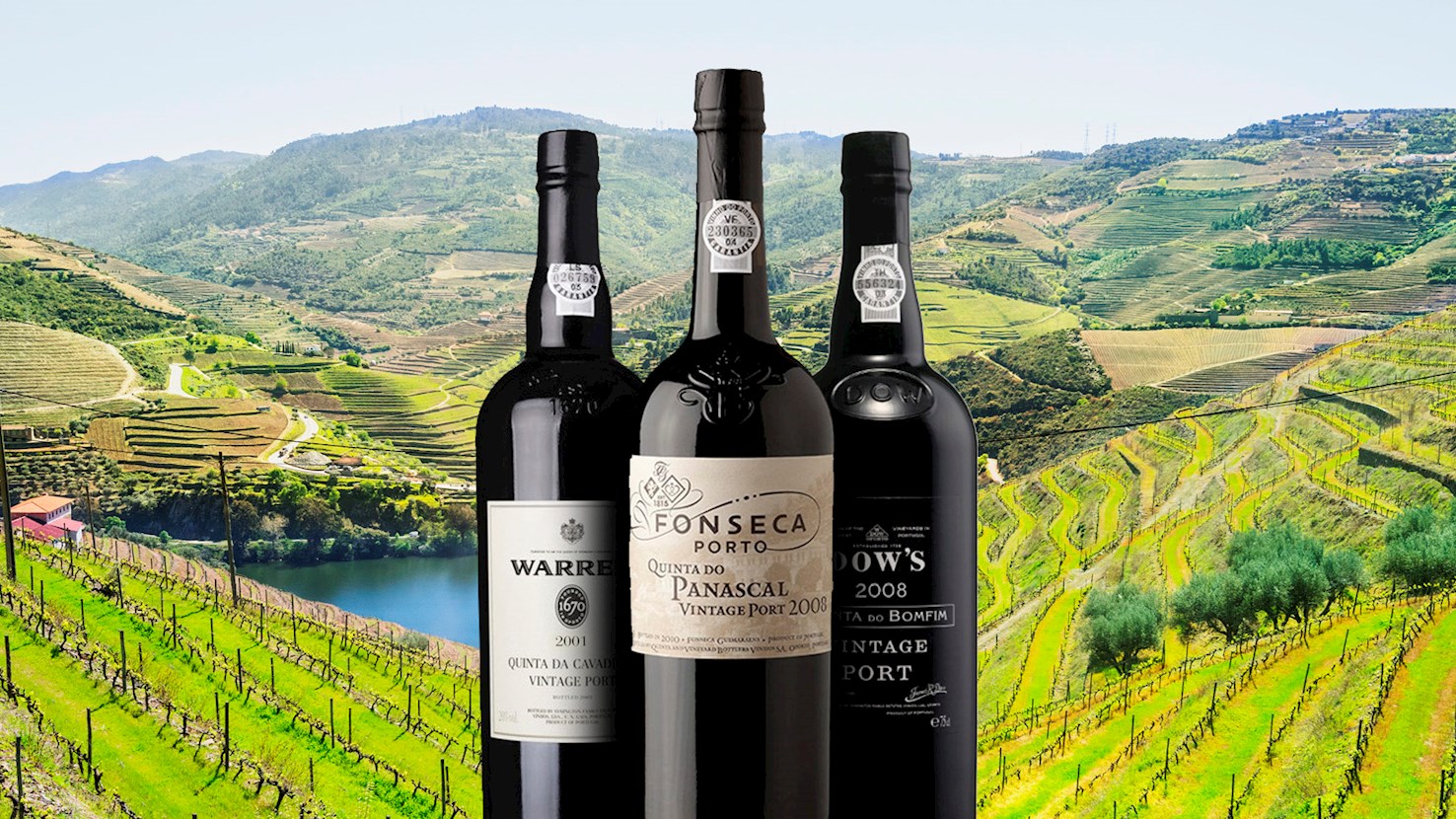
Vintage Port is a style made from the best grapes of a single year harvest. It is considered the most prestigious and the highest quality port style. Vintage is not produced every year, but only when port houses decide that the wine is of sufficient quality. Vintages make only about 2% of all port production, and in the best years, all port houses will declare a Vintage. The decision to declare a Vintage can be made after Portugal’s Port Wine Institute had approved it. Vintages are barrel-aged for two to three years and are not filtered before they are bottled. The lees in the wine allow the wine to age in the bottle, and during this time, the wine will mellow and develop complexity. The best examples are usually matured for years, and in the best harvests, even for decades. Vintages are full-bodied and rich, with complex flavors and aromas that can vary depending on the age and the harvest year, but they typically display powerful expressions of spices, licorice, plums, and dark berries. Younger styles can make an excellent accompaniment to small plates and charcuterie, while a classic pairing with older styles includes chocolate, nuts, figs, and aromatic cheese varieties. Some of the recent vintages include 2016, 2011, 2009, 2007, 2003, 2000, 1997, and 1994.

02

Tawny Port

4.3 ·

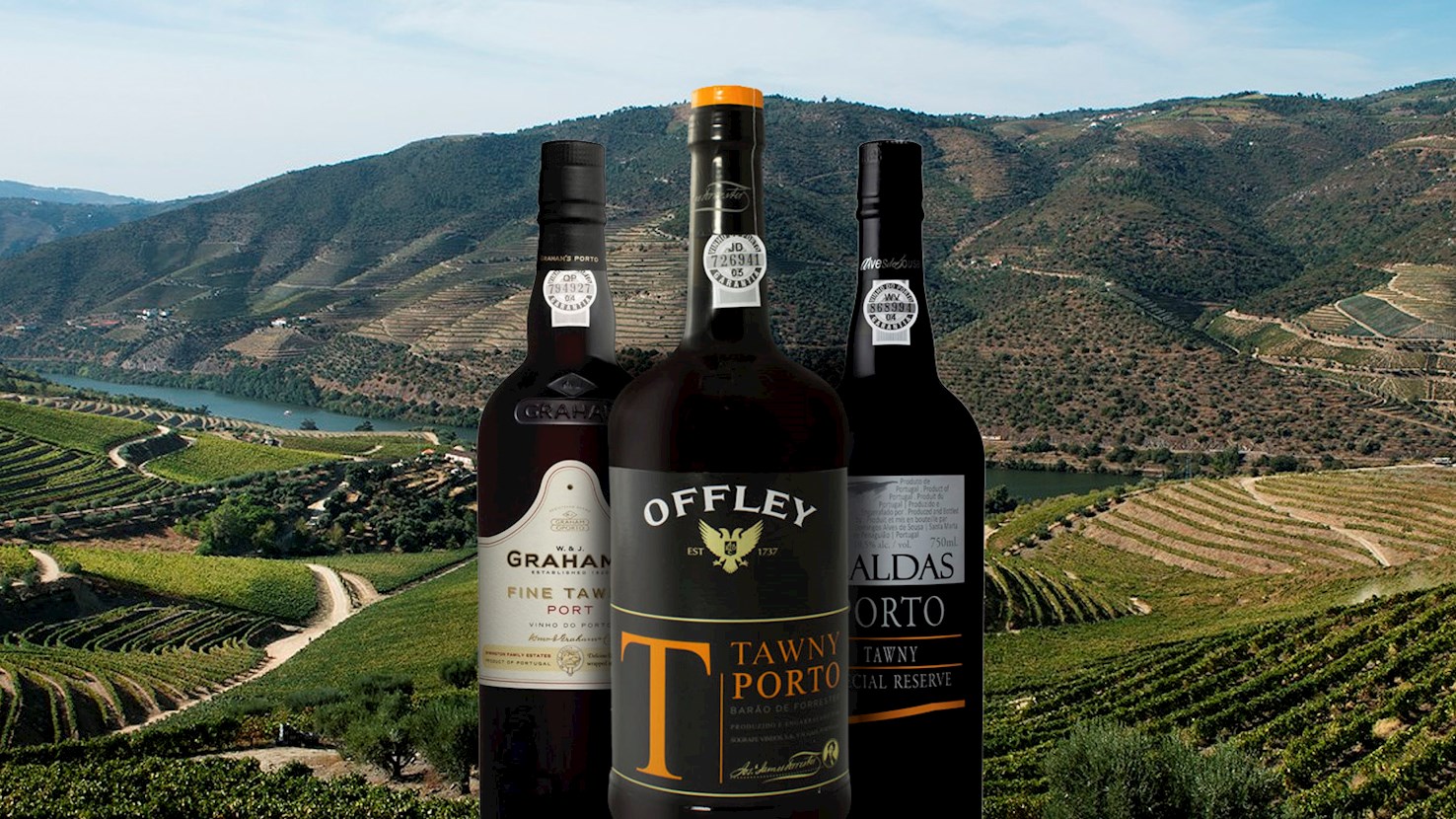
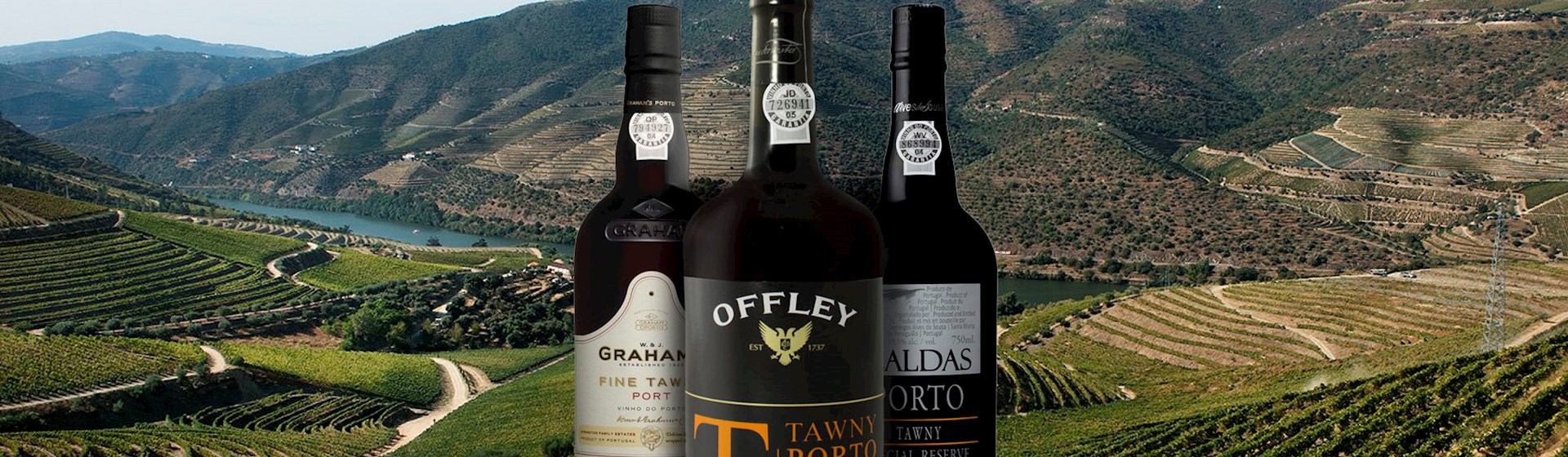
Tawny is a variety of fortified port that is usually oak-aged for around seven years (Reserva), but vintages may extend to ten, twenty, and even over forty years of age. These fortified red wines are praised for their complex aromatic profile as well as their rich and smooth texture. Usually amber and often sweet, Tawny ports display an array of different aromas that typically include a nutty combination of toffee and caramel, coffee, vanilla, dates, ripe red and dark fruit, figs, or prunes. Due to its different character that depends on the age, Tawny is a perfect accompaniment to various desserts, especially those made with nuts, fruit, chocolate, or eggs. They can also match soft-centered cheese or aged cheese varieties.

03

Ruby Port

4.2 ·

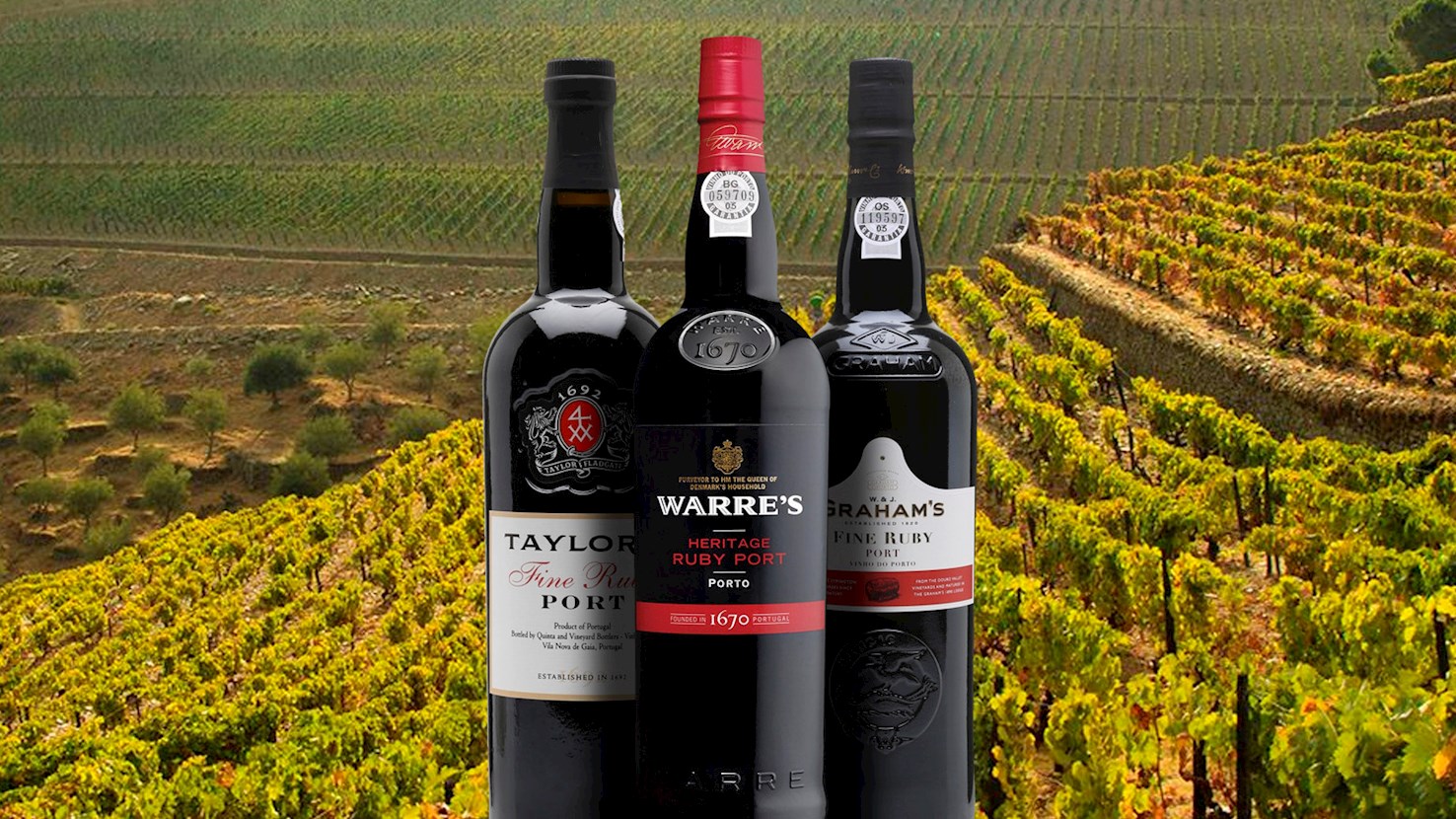
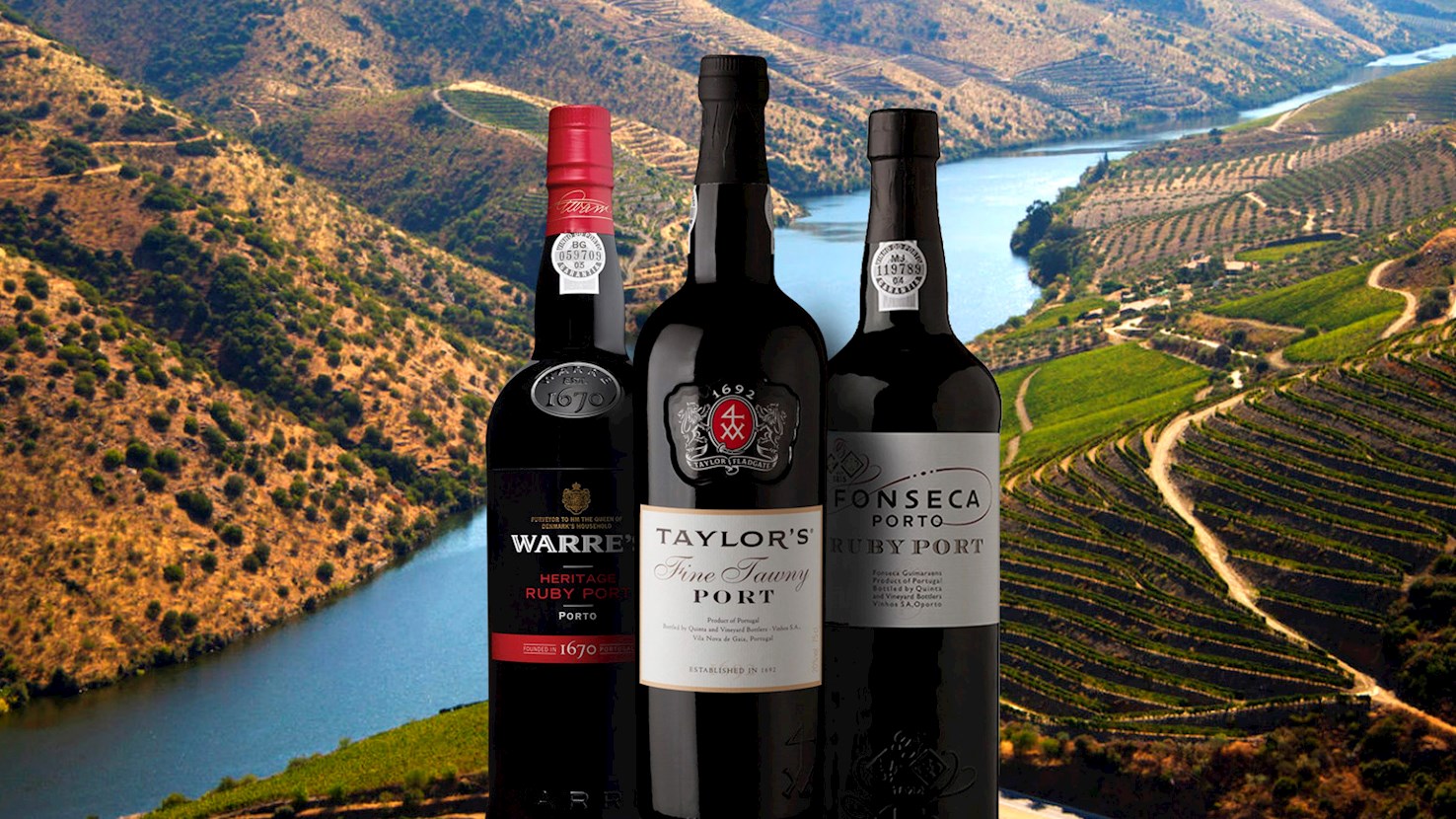
Ruby is the most common and the freshest style of fortified port wines. Made from various red grapes, Ruby ports are usually aged for three years, typically in steel or concrete tanks, and are considered to be an approachable introduction to more complex port wines. As the name suggests, these fresh wines usually have rich ruby color, while the flavors and aromas are light and fruity, all accompanied by subtle tannins. Ruby port can be served at room temperature, slightly chilled, or in some cases over ice. They usually pair well with cherry or chocolate-based desserts and blue cheese. Apart from the classic Ruby style, those aged for more than three years are classified as Reserve Ruby, while those fermented as rosé wine are known as Rosé Port.

04

Madeira

4.1 ·

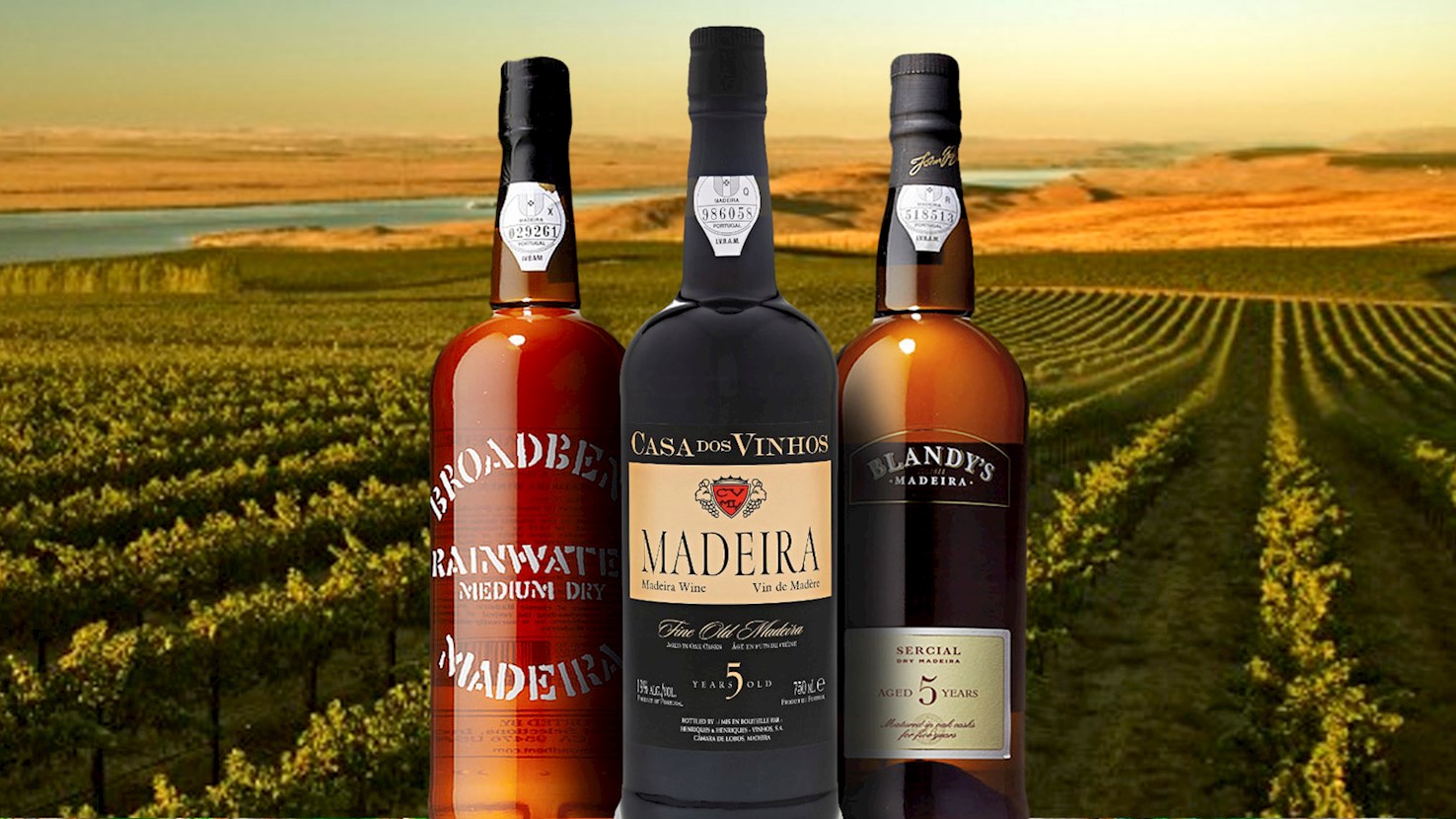
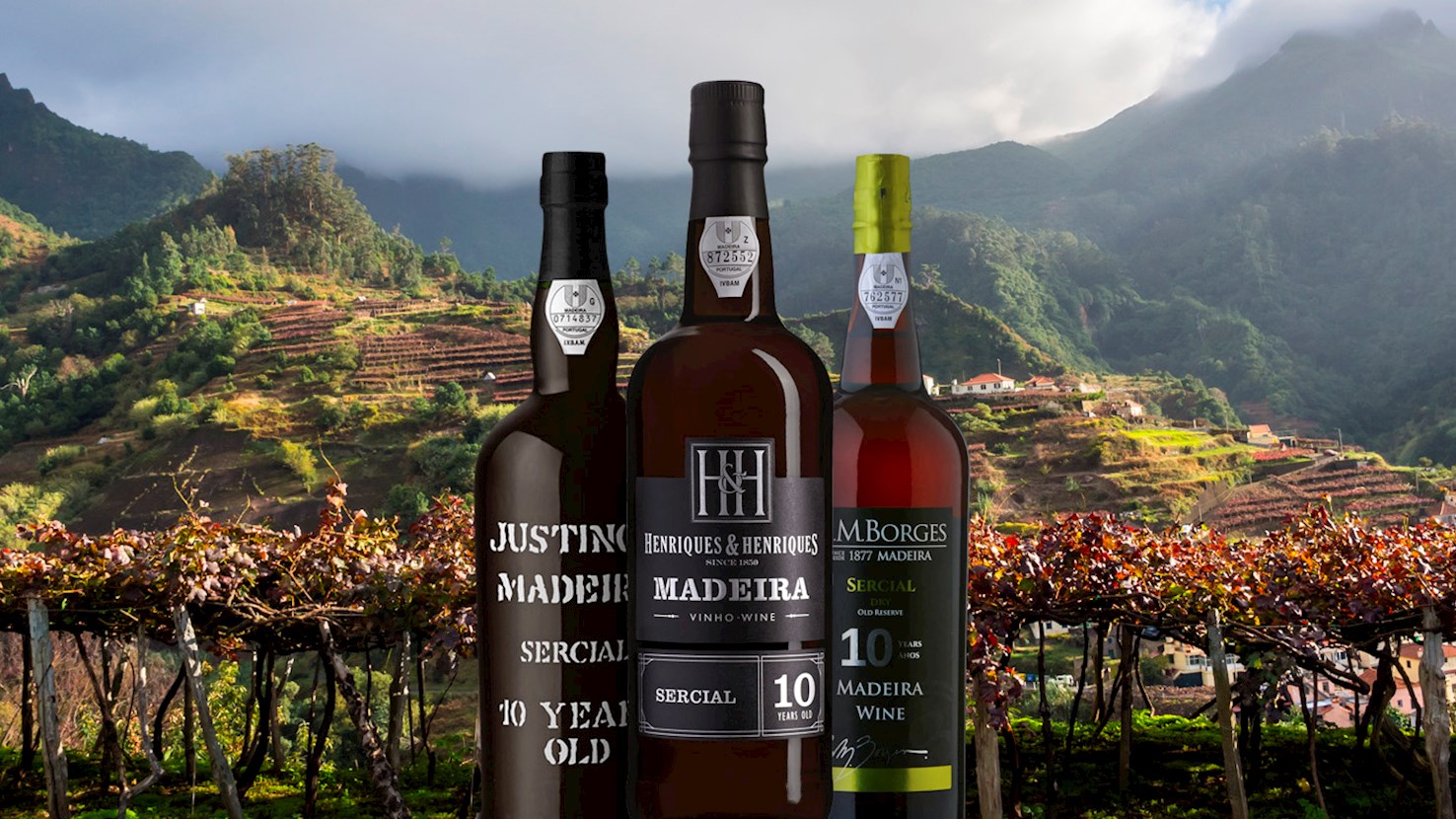
This fortified wine produced in the volcanic Madeira Islands ranges from dry wines that are typically served as an aperitif to the ones high on the sweet scale that are usually enjoyed with desserts. Approximately 85% of Madeira is produced with the Tinta Negra Mole red grape, from which all of the different styles can be produced, from dry through sweet. Other four major styles are each named after the predominant white grape variety that is used in the mix. From driest to sweetest those are, respectively: Sercial, Verdelho, Bual, and Malvasia. Madeira is famous for its unique winemaking process of wine heating, which produces a wine of exceptional durability. Depending on the style, the wines may have simple or complex aromas and develop a fascinating range of flavors that include fruit, roasted nuts, toffee, or caramel.

05

Colheita

4.1 ·

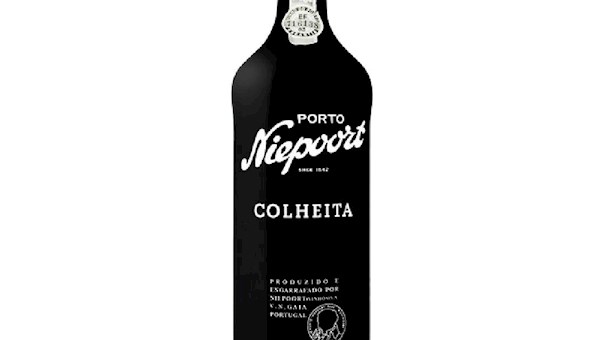
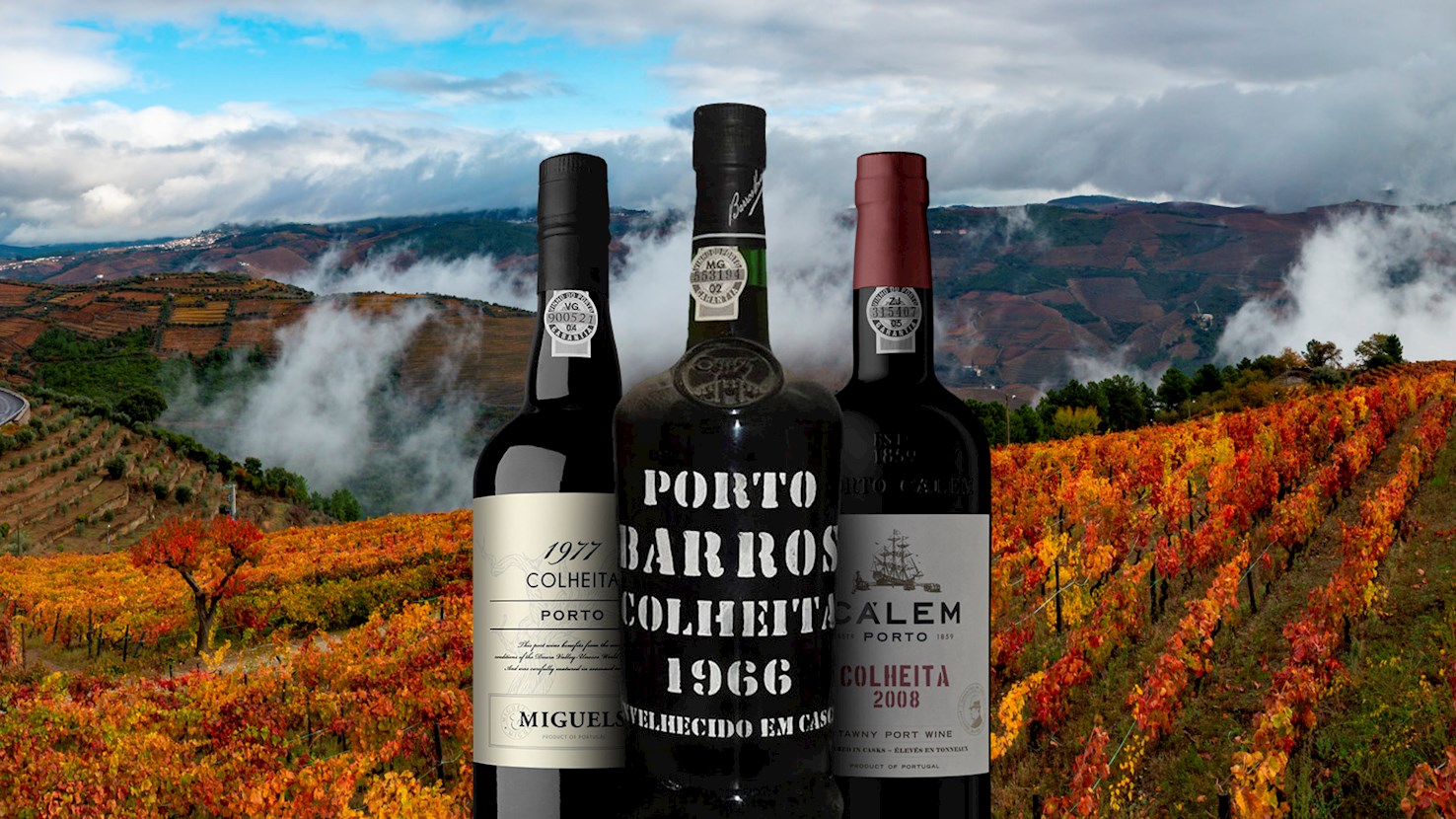
Colheita is a type of Tawny port made with single-harvest grapes. They have to be aged for at least seven years, though most producers opt for longer barrel maturation and decide to bottle it when the wine is ready and considered of sufficient quality. During wood maturation, the wine will become smooth and develop complex aromas and flavors reminiscent of dried fruits, spices, nuts, and citrus fruits. Colheita is a style of exceptional quality that is usually reasonably priced. It is quite rare, and only around 1% of port production is designated to become Colheita. It is sometimes labeled as Single Harvest Reserve or Port of the Vintage, and each bottle will carry both the vintage and the bottling date. Colheita should be served at room temperature or slightly chilled. It pairs well with pastries, custards, and cakes.

06

Port

4.0 ·

Port is a fortified wine that has its origins in the Duoro Valley. It is produced from various grape varieties, though Touriga Nacional, Tinta Barroca, Tinta Roriz, Touriga Francesca, and Tinta Cão are considered the best for the red port, while Viozinho, Rabigato, Arinto, Cedega, Gouveio are largely used for the production of white port. After fermentation, the wine is fortified with brandy and is usually matured in oak casks. Depending on the style, after blending, the wine can further age in the bottle or the barrel. The most common port styles include the young and fresh Ruby, the earthy Late-Bottled Vintage, and the rich and smooth Tawnies, while the Vintage ports enjoy the highest prestige. Most styles perfectly pair with chocolate and caramel desserts, while aged varieties go exceptionally well with nuts and richly flavored blue and washed-rind cheeses. Although similar styles are produced elsewhere, only those made in Portugal can carry be labeled as port.

07

White Port

3.9 ·

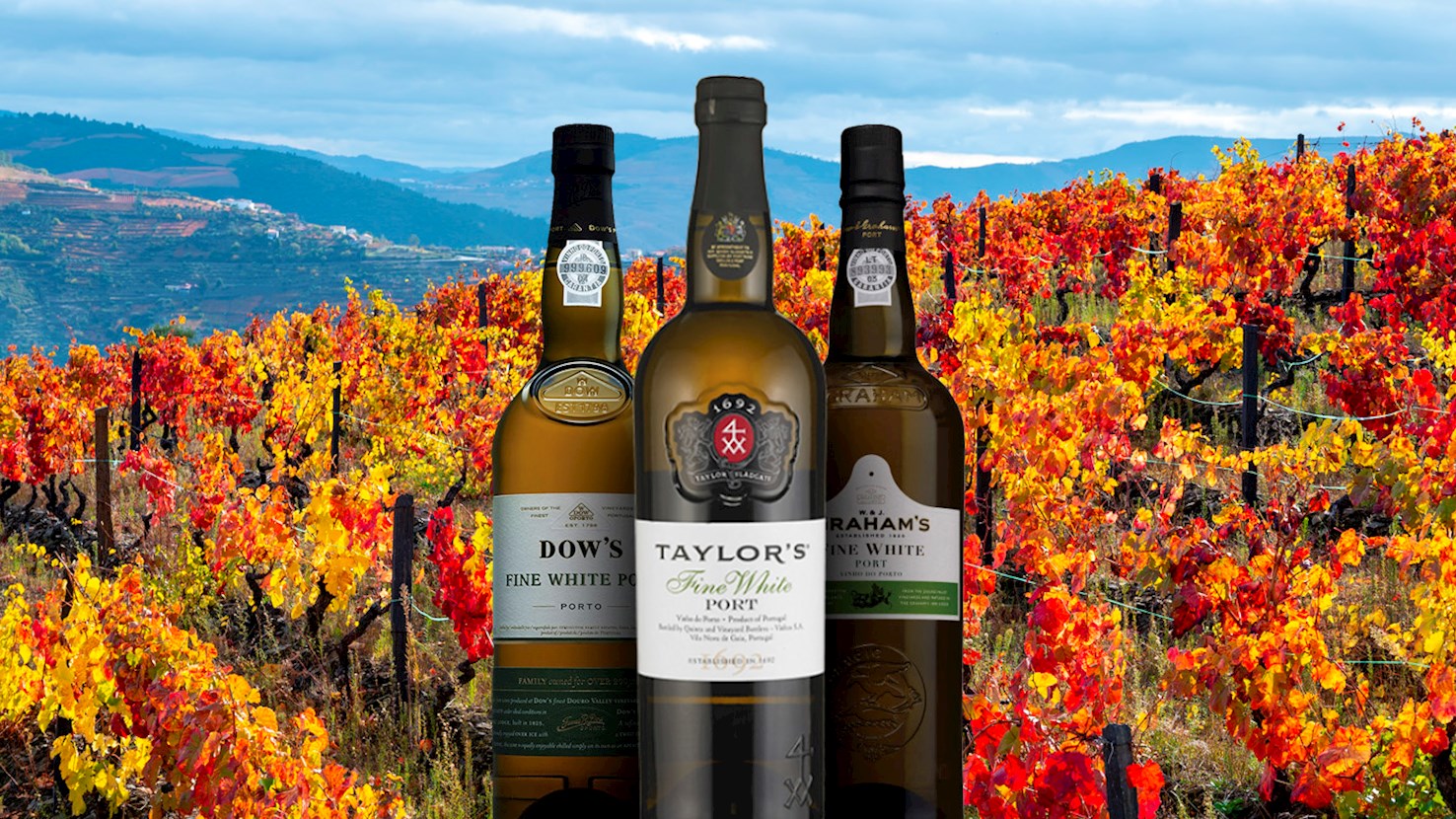
White port is a fortified wine made just like red port—by adding brandy during fermentation—but using white grapes instead of red. The blend most commonly includes native varieties such as Viosinho, Malvasia Fina, Códega, and Rabigato, and it comes as a dry and sweet wine. White port is mainly intended for early consumption, but oak-aged styles are also common. Most examples will have some amount of residual sugar. Their final character will depend on vinification, but they are generally lighter than red varieties. The aroma is reminiscent of citrus and stone fruit, along with nutty nuances that are usually found in golden, oak-aged styles. Because of its character, dry white port is mainly enjoyed as an aperitif. It should always be served slightly chilled. Another common option is to mix it with tonic water to create a popular bubbly spritz known as portônica. Dry wines will pair with appetizers, snacks, and regional specialties such as Douro almonds. Sweet styles are best paired with desserts.

08

Late Bottled Vintage Port

3.4 ·

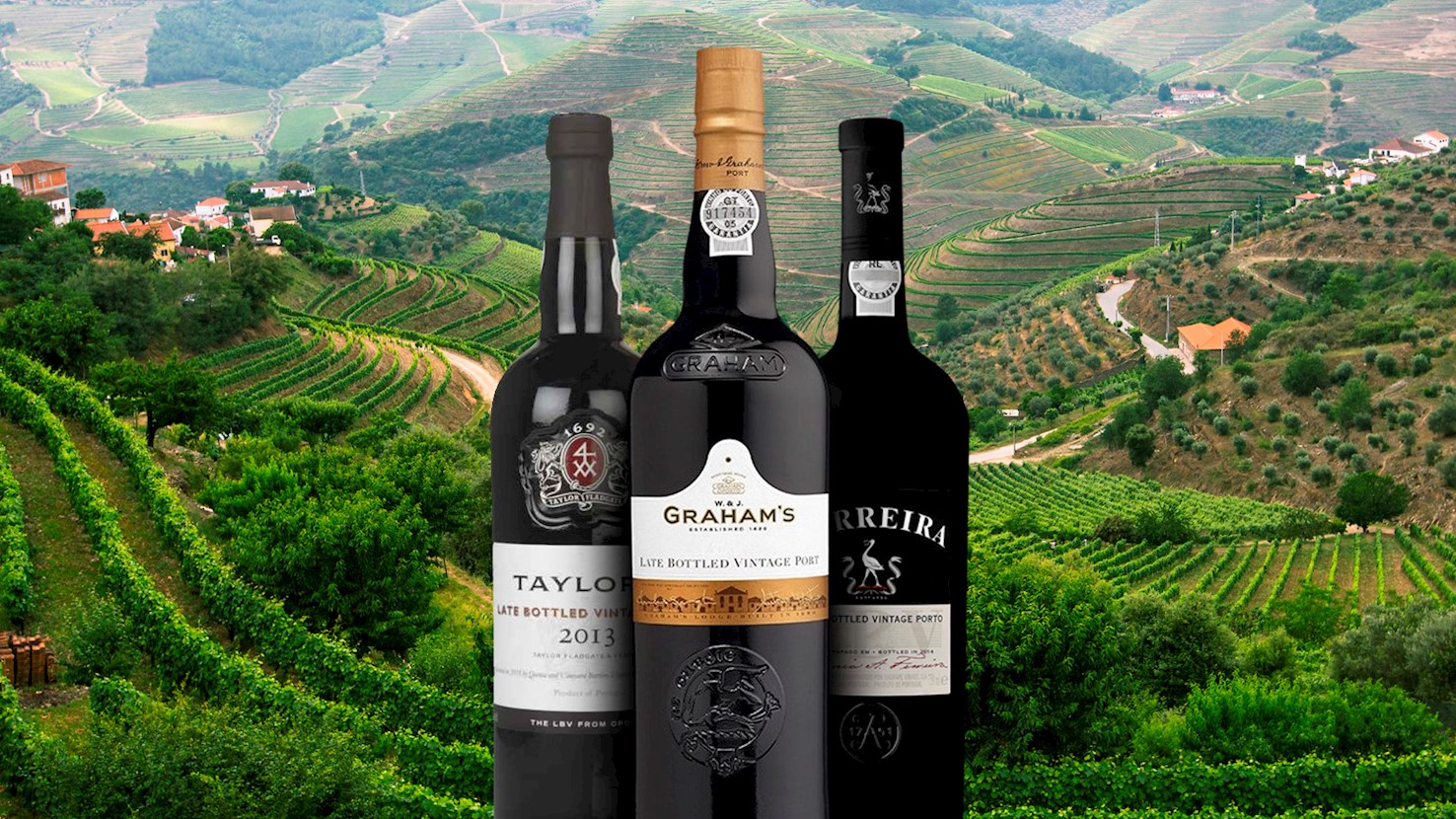
Late Bottled Vintage port is produced from a single year, and it is bottled after four to six years of age. Due to the slightly longer aging period, this style is more affordable than Vintage port, and it can be enjoyed immediately after it is released, though it can also be suitable for bottle aging. Traditional styles are not filtered and tend to have more structure than brighter contemporary versions that are filtered before bottling. Although some purists argue that filtration strips away some of the essential features, this filtered LBV is the most common example. Because of different approaches and techniques, this port category is incredibly versatile. It includes young, fruit-forward styles and more complex varieties, which are somewhat similar to the prestigious Vintage port, but still tend to be more mellow and approachable.

09

Single Quinta Vintage Port

n/a ·

Often dubbed as Vintage port’s little brother, Single Quinta Vintage is a type of port made from the grapes of a single harvest that come from a single estate (quinta). They are produced in the same way as Vintage port—not filtered and aged for up to three years —typically in those years when the wine is not considered of sufficient quality to be declared Vintage. Single Quinta wines are of exceptional quality, although they typically mature earlier and have slightly less complexity than classic Vintage ports. They are usually well-balanced, intense, and smooth, with juicy flavors of ripe fruit. Single Quinta wines have excellent aging potential, and though they are typically ready to drink after ten years, some examples can benefit from longer aging.

10

Sercial

n/a ·

Sercial is a white Portuguese grape variety best known for its use in dry Madeira wines. The term Sercial is also used for this particular style of Madeira wine. The origin of the variety remains unclear, but it is most likely a native Portuguese grape. Sercial is finicky to grow and its plantings on Madeira are limited. The main characteristic of Sercial is its high acidity. The wines can be slightly harsh when young, but they have excellent aging potential. They are aromatic, crisp, and citrusy. As they age, they attain a distinctive nutty aroma and remain lively and bright. Sercial wines make a great aperitif. They can be paired with appetizers, snacks, charcuterie, seafood, and cheese. Small plantings of Sercial are found around Bucelas.

About this Ranking

TasteAtlas food rankings are based on the ratings of the TasteAtlas audience, with a series of mechanisms that recognize real users and that ignore bot, nationalist or local patriotic ratings, and give additional value to the ratings of users that the system recognizes as knowledgeable.

TasteAtlas Rankings should not be seen as the final global conclusion about food. Their purpose is to promote excellent local foods, instill pride in traditional dishes, and arouse curiosity about dishes you haven’t tried.

The initial list of top producers was compiled based on available reviews, awards, local recommendations, media and blog coverage, and consumer reviews. The list will be updated with ratings from TasteAtlas local ambassadors and TasteAtlas users.

What People Say

Similar Lists