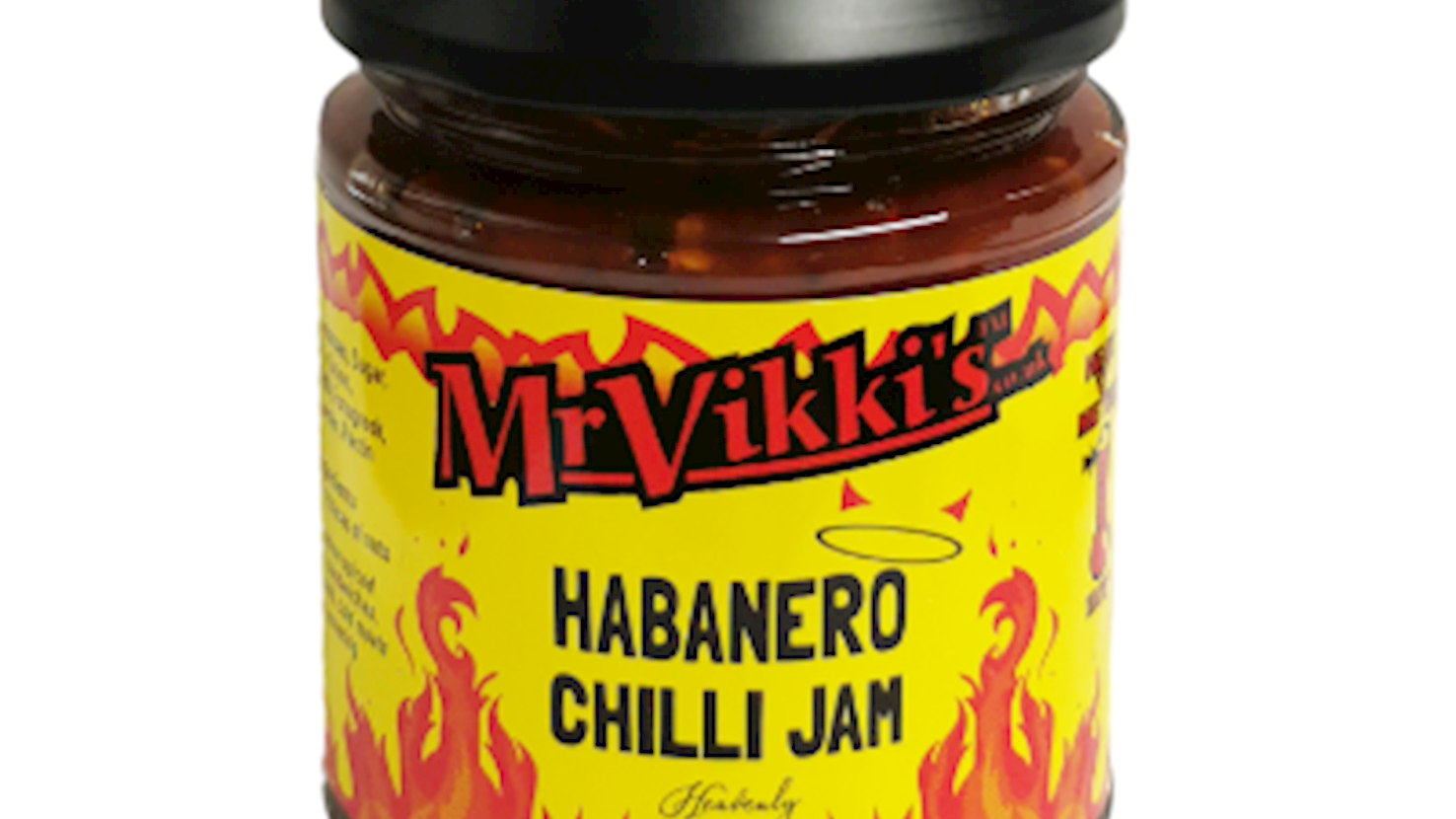
Mr Vikki's is an award-winning producer of artisan hot sauces. The company specializes in creating small-batch, hand-crafted condiments using fresh, natural ingredients.
Their product line includes a variety of chutneys, pickles, and sauces. Mr Vikki's is known for its unique flavor combinations that blend heat with a range of spices.
They have garnered multiple awards for their products at various food competitions.
Awards
Great Taste Awards - 3 Stars
(2024, 2023, 2022, 2021)
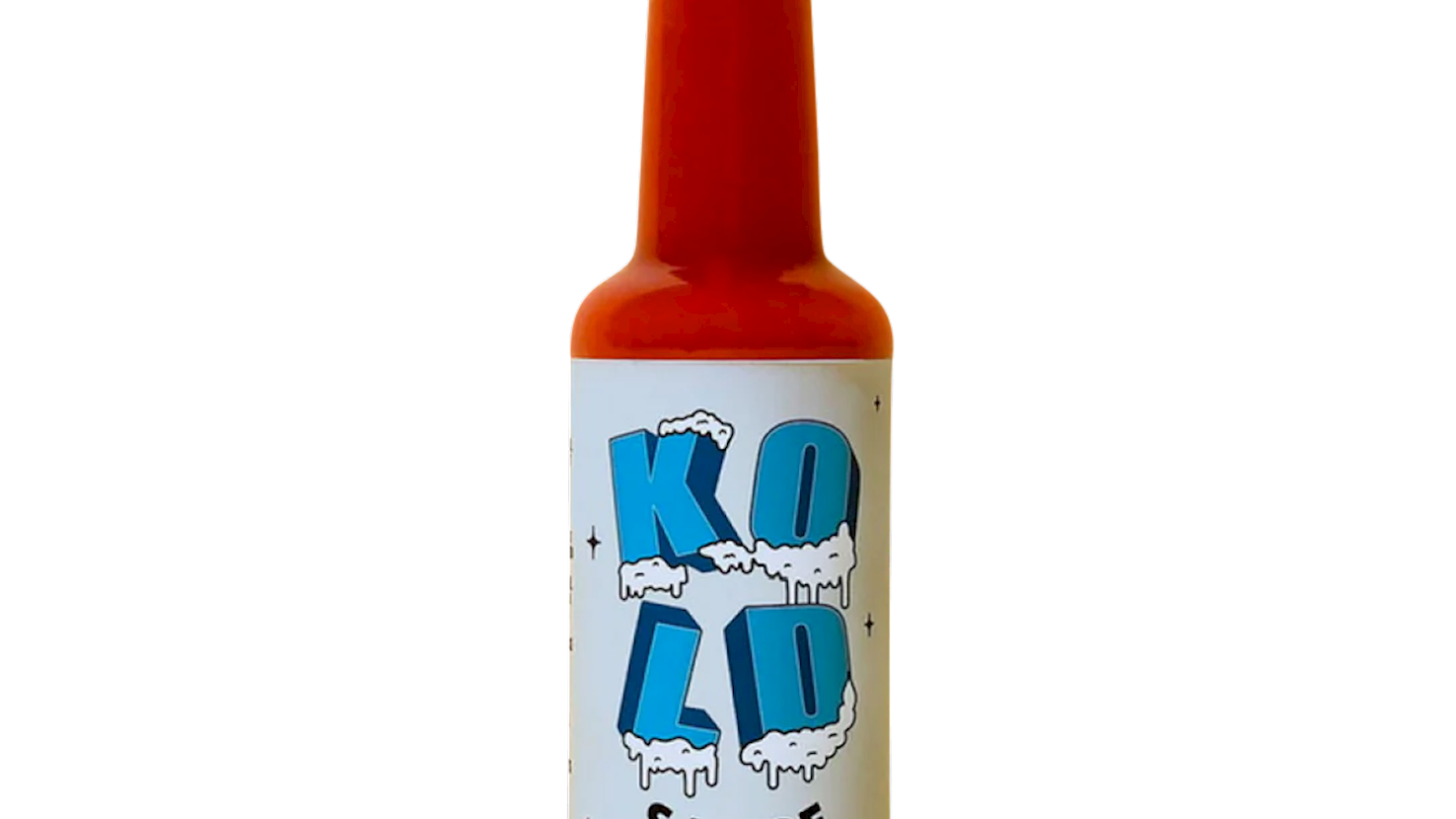
Sauce Shop is an innovative British brand founded in 2014 in Nottingham, with a clear mission – to transform everyday meals into unforgettable culinary experiences. Their products are crafted with special attention to quality and flavor, using only natural ingredients and chili fermentation techniques, without any artificial additives, preservatives, or industrial shortcuts.
Today, Sauce Shop offers more than 30 different products that span a wide range of flavors: from bold hot sauces and creamy mayonnaises to smoky BBQ ketchups and convenient cooking seasonings and sauces.
Everything is produced in their own factory in Nottingham, relying on British-sourced ingredients to support local production and sustainability.
Their products can be found in major retail chains across the United Kingdom, as well as through their official online store, where customers can also create custom bundles of their favorite flavors.
Awards
Great Taste Awards - 3 Stars
(2023)
Great Taste Awards - 2 Stars
(2023, 2021, 2020, 2018)
Piri piri or peri peri is a spicy sauce originating from either Angola or Mozambique. Variations of the sauce have been around for a long time, since the 15th century when the Portuguese settlers in Angola and Mozambique used bird's eye chili peppers and combined them with red wine vinegar, paprika, garlic, and other imports from Europe. Nowadays, the sauce is equally popular in countries such as South Africa, Canada, and Australia. The most commonly found ingredients in piri-piri sauce are lemon, chili peppers, vinegar, garlic, paprika, and oil, but it's not uncommon to also see tarragon, citrus peel, oregano, and other ingredients. The heat may vary, ranging from relatively mild to an intensely hot sauce. In Portugal, one of the most popular dishes utilizing the sauce is called frango assado com piri piri, consisting of chicken covered with the sauce.
Erős Pista or Strong Steve is the second most popular paprika product in Hungary, right after Red Gold. This hot, paste-like sauce is made with nothing else than coarsely ground hot paprika and a bit of salt, used for canning purposes. The sauce is quite versatile and can be added to many dishes, such as paprikás csirke, the famous gulyás, and a vegetable ragout known as lecsó.
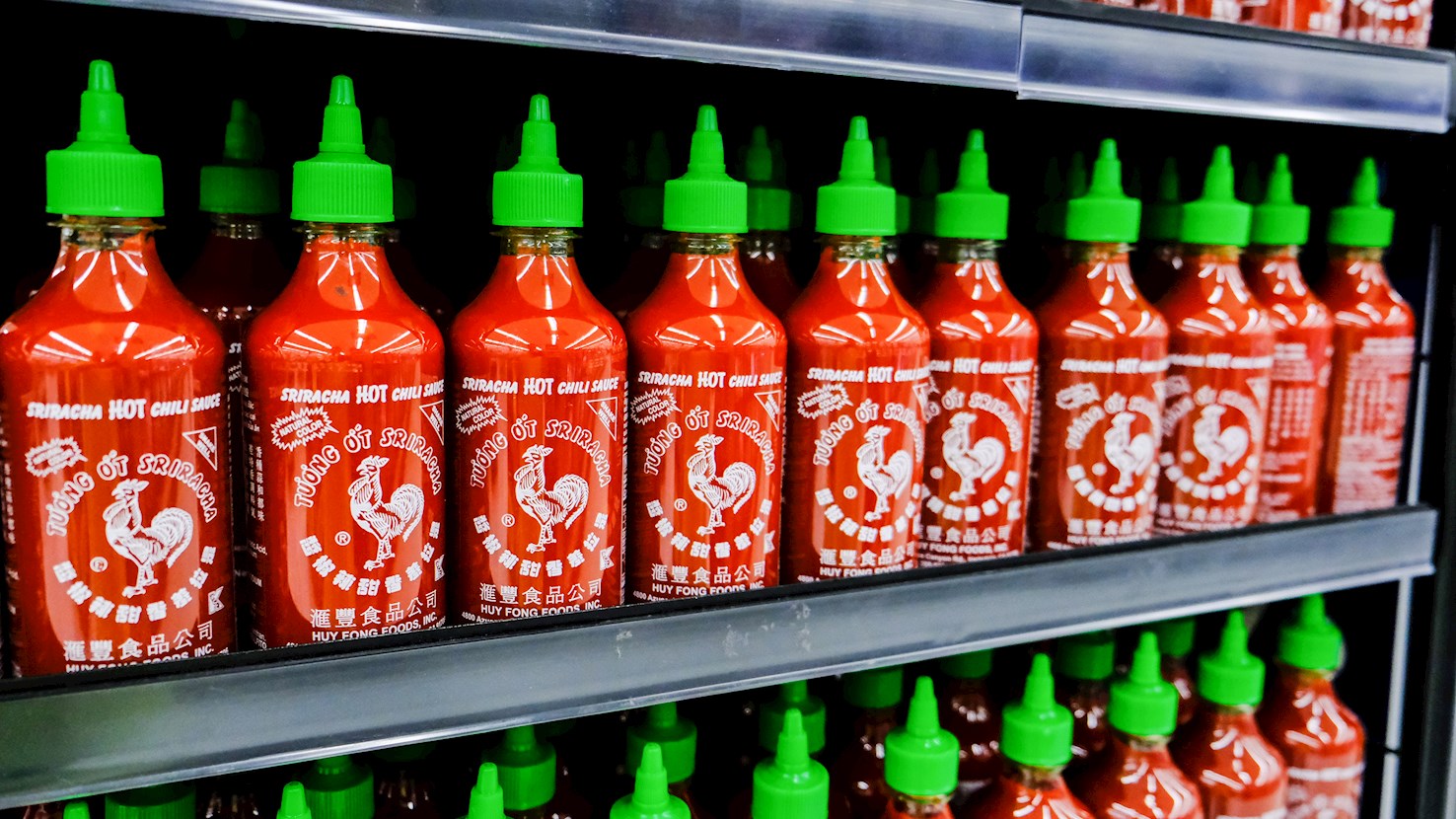
Sriracha is a condiment and a hot sauce that combines red chili peppers, garlic, vinegar, salt, and sugar. It was first created by a local woman Thanom Chakkapa in Si Racha, Thailand. Originally known as sriraja, the sauce was first prepared with fermented prik chee fah chili peppers and it was typically served as a dipping sauce or a condiment with noodles, seafood, fried rice, spring rolls, or pho. Outside of Asia, the name is almost exclusively associated with the brand Huy Fong Foods, founded by a Vietnamese immigrant David Tan in Los Angeles. His version is based on jalapeño chili peppers, and in the recent years, it has become a global sensation, earning its place in many restaurants across the United States and Europe. Sriracha is praised for its perfect balance of sweetness and tanginess, which makes it work well with a wide array of dishes.
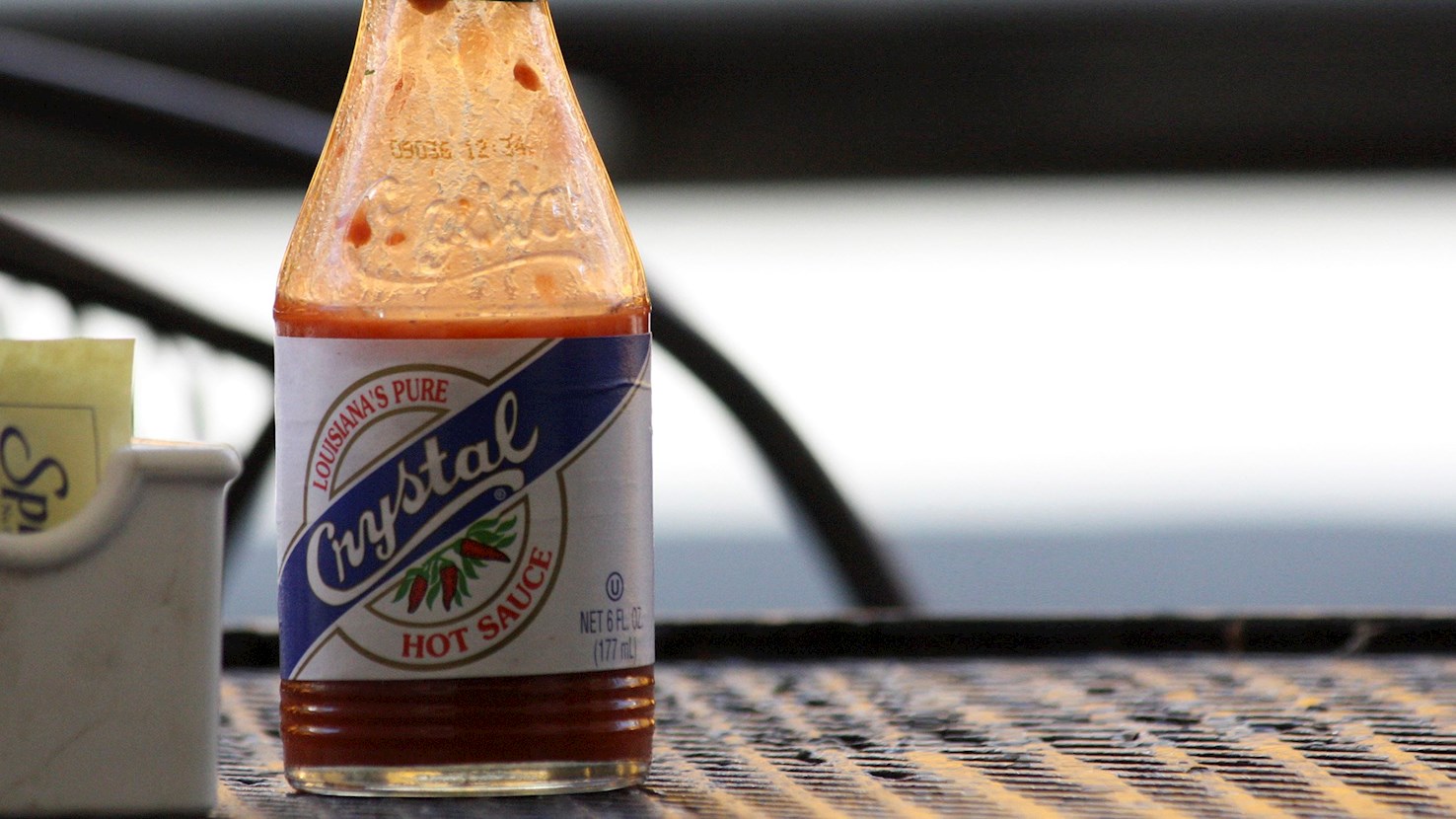
Crystal hot sauce is an American invention consisting of only three ingredients – salt, distilled white vinegar, and aged red cayenne peppers. It is the best-selling sauce in Louisiana, characterized by a reddish orange color, medium heat, and a milder flavor than the famous Tabasco sauce. This hot sauce adds a nice touch to a variety of beef, pork, fish, shellfish, and vegetable dishes, but it can also be used to marinade meat or intensify the flavors of salads, soups, and gravies.
Texas Pete is a popular American hot sauce, and is currently the third best-selling hot sauce in the USA. The first bottle of Texas Pete was sold in 1929 by Sam Garner, a barbecue stand vendor from North Carolina. The customers were not completely satisfied, and they wanted the sauce to be spicier, so the Garner family made a version with cayenne peppers, and the legendary sauce was born. A marketing advisor suggested that they name the sauce Mexican Joe, but the Garners refused and demanded that the sauce should have an American name. Sam named the dish after his son Harold, whose nickname was Pete, and chose Texas due to its reputation for spicy cuisine. Today, the sauce is used in a wide variety of vegetable and meat dishes, and even in the preparation of some cocktails.
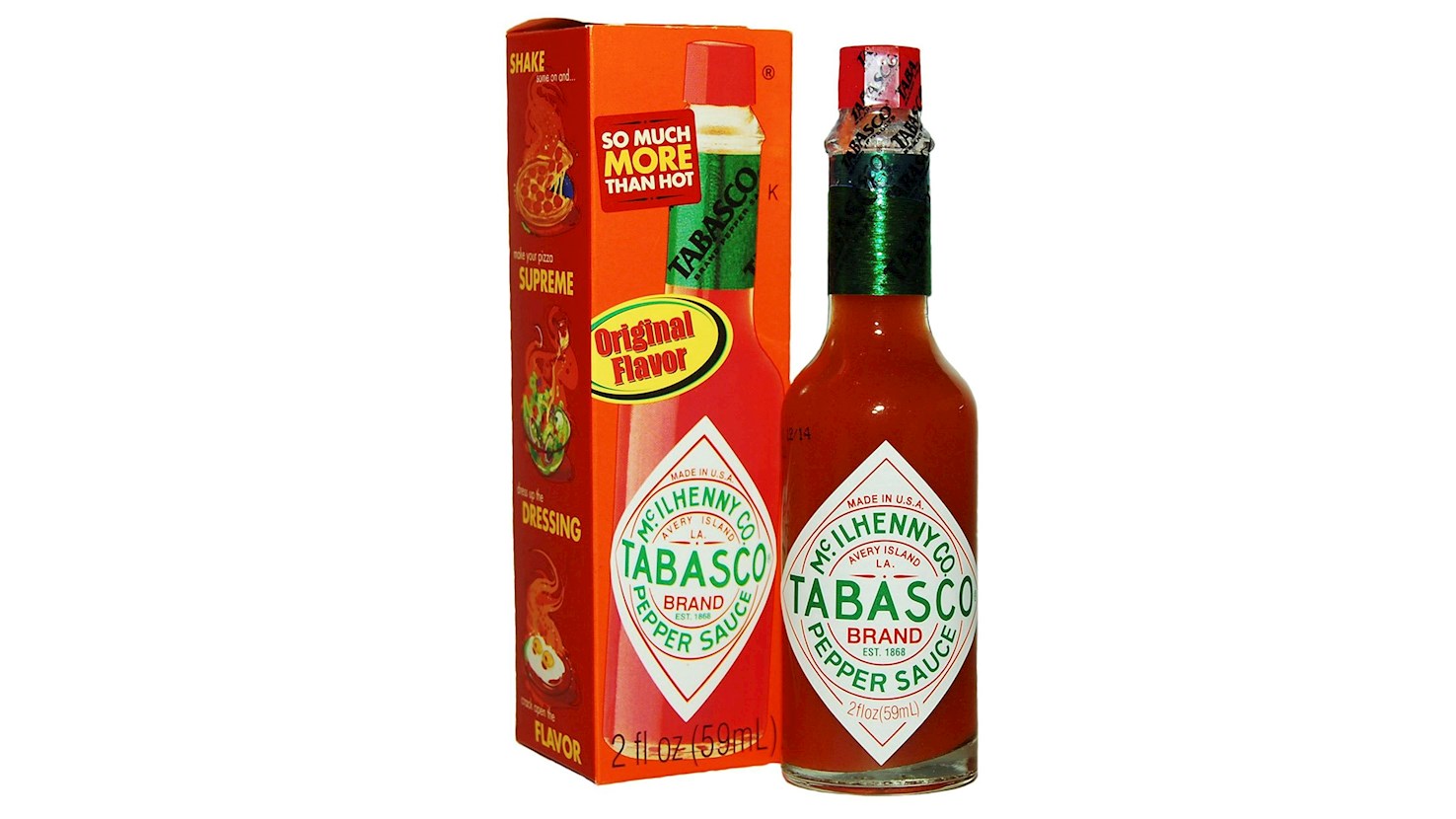
Tabasco is a hot sauce that is, at its basic, made from tabasco peppers, salt, and vinegar. The original sauce was invented in the 1860s by Edmund McIlhenny. He acquired the seeds of Capsicum frutescens peppers from Mexico or Central America and planted them on Avery Island in Louisiana. He crushed the reddest peppers, mixed them with salt, and aged the concoction for 30 days in barrels and jars. Later on, he combined the ingredients with white vinegar and aged the whole thing for another 30 days. McIlhenny named the sauce after a Mexican Indian word tabasco, meaning a place where the soil is humid, marketed it, and patented it in 1870. The sales skyrocketed and Tabasco sauce was sold throughout the USA and England. Today, it is still made on Avery Island and it remains the most famous pepper sauce in the world. There are many versions of the sauce such as Green Tabasco, Chipotle, Buffalo, Habanero, Garlic Pepper, and Sweet & Spicy. It has numerous uses, so it can be sprinkled over pizza or pasta, drizzled on nachos, hot dogs, and hamburgers, or stirred into different dips and salsas.
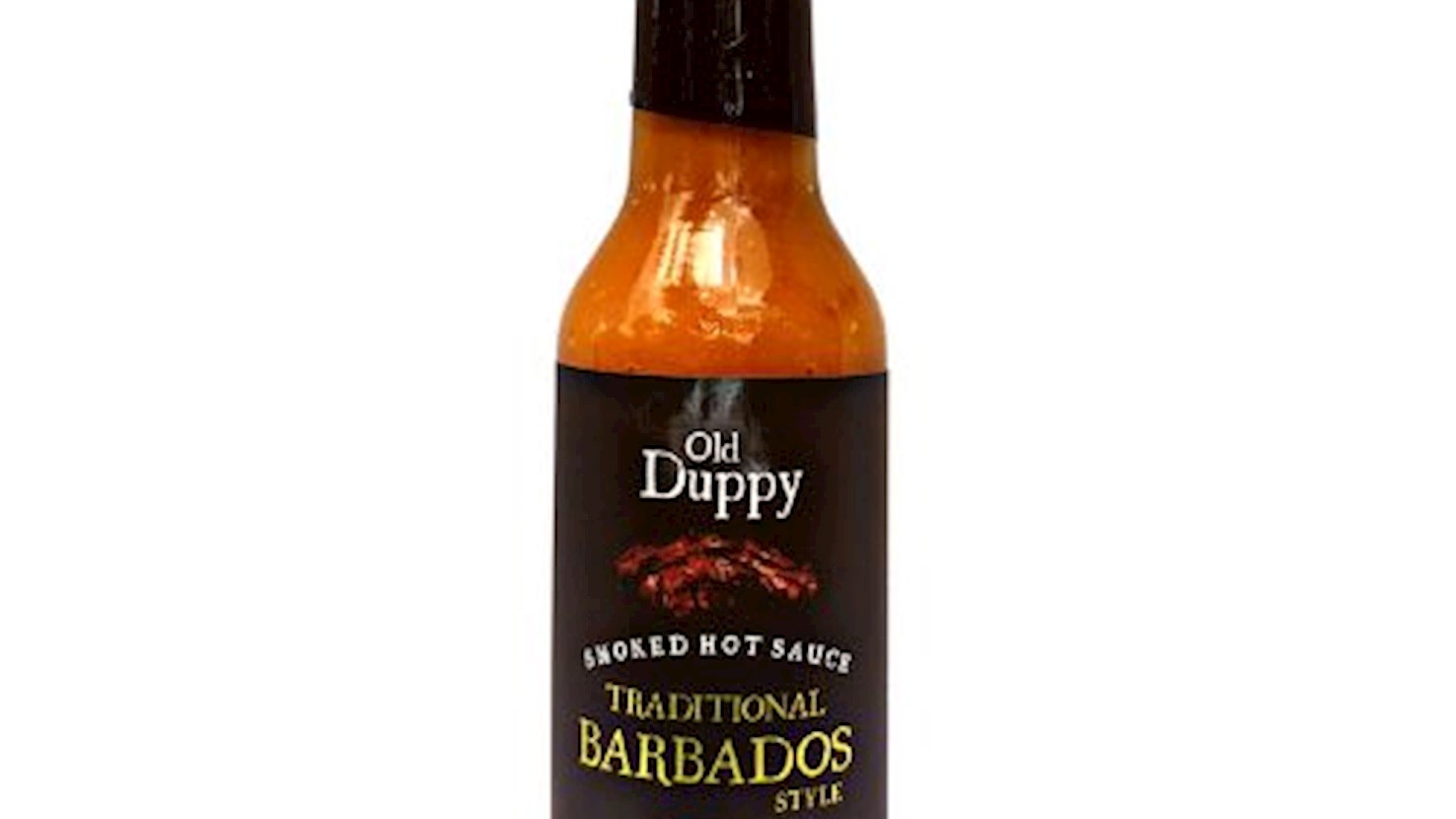
Bajan pepper sauce is a popular Barbadian hot sauce made from scotch bonnet peppers, onions, turmeric, mustard, vinegar, and brown sugar. There are milder and hotter varieties, but the sauce is generally very spicy. It is traditionally used in most local poultry and fish dishes for an added kick of heat.
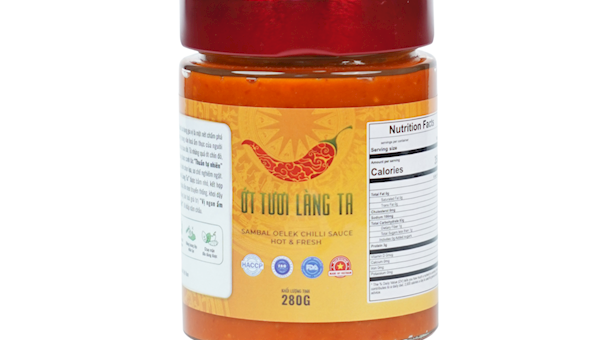
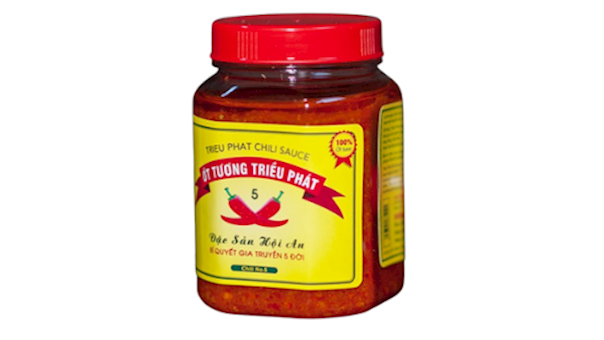
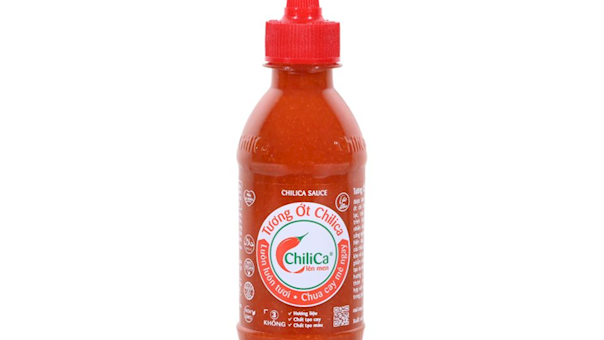
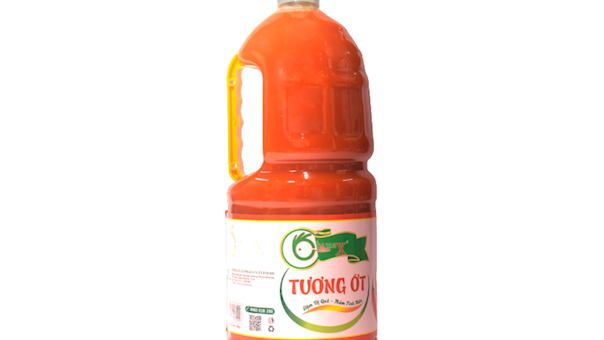
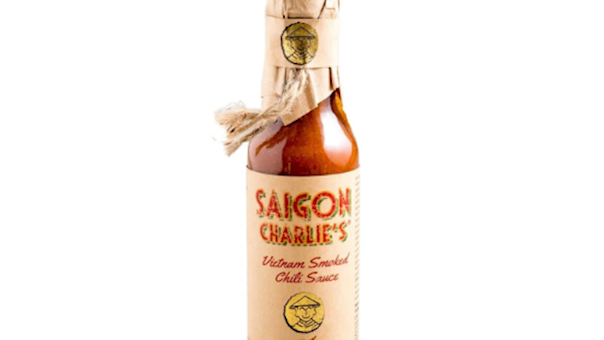
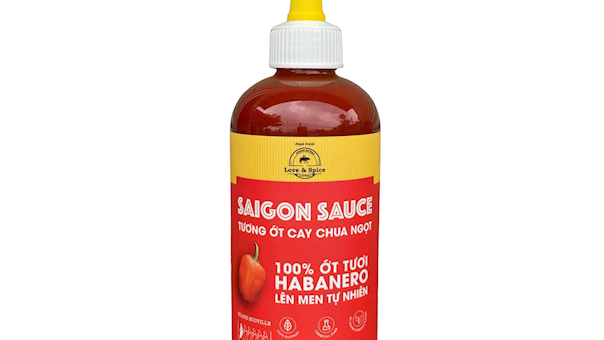
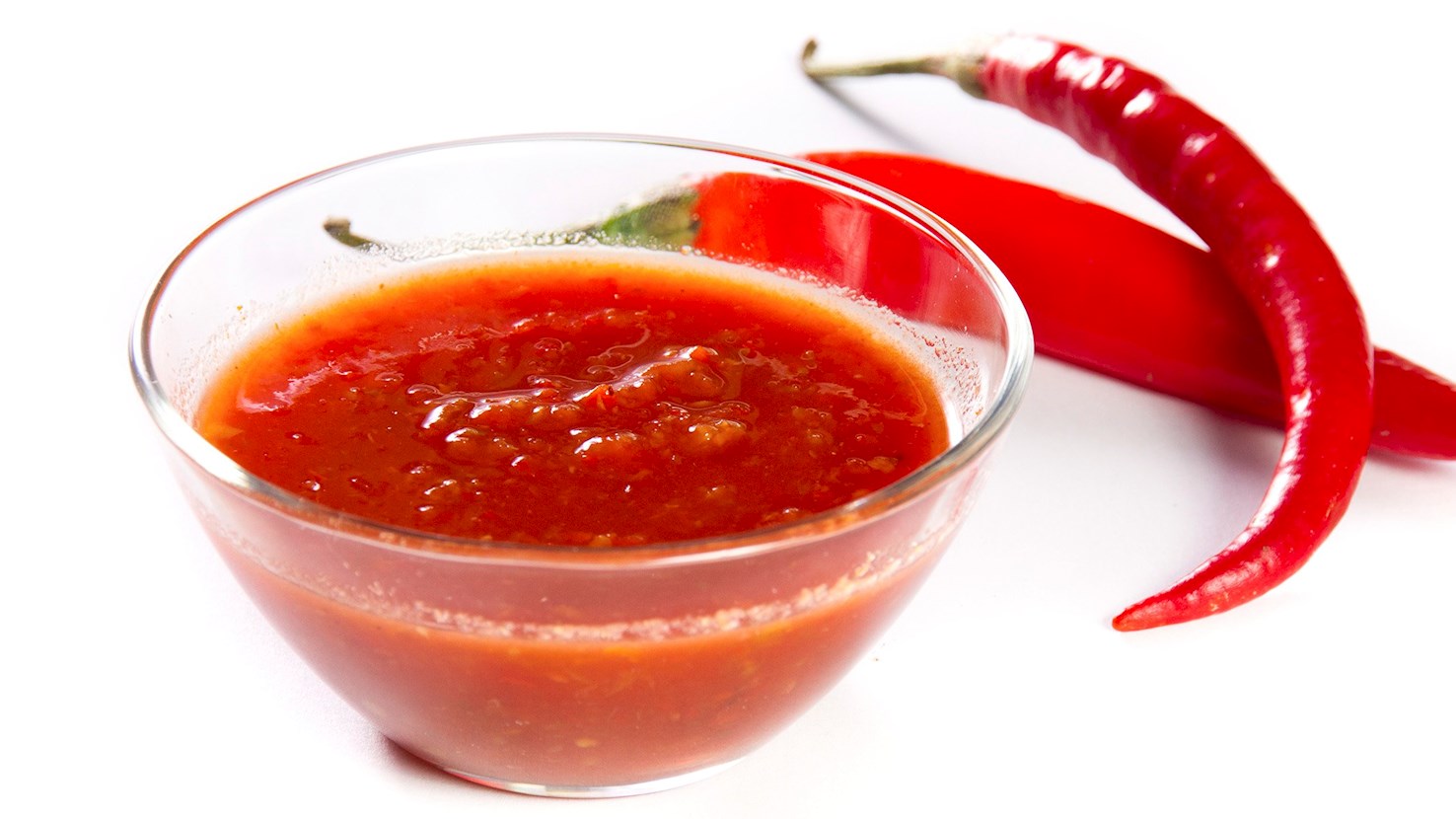
Tương ớt is a thick chili sauce or chili paste used as a condiment throughout Vietnam, usually made from red chilies combined with ingredients such as garlic, salt, sugar, vinegar, and, depending on the style, tomato, oil, fish sauce, or other seasonings. It ranges from smooth, sweet bottled sauces to coarse, intensely hot regional versions, so tương ớt is better understood as a family of condiments than as one fixed recipe. Vietnamese sources generally define it by its base of crushed or puréed chili and its thick, sauce-like consistency, with fresh ripe chilies most commonly used, although dried chilies and chili powder also appear. Chili peppers themselves are not native to Vietnam or elsewhere in Asia; Capsicum originated in the Americas and spread rapidly through Asian maritime trade after the Columbian Exchange, becoming established in Southeast Asia from the 16th century onward. The precise point at which Vietnamese cooks first began turning chilies into sauces now called tương ớt is not documented, and there is no reliable basis for assigning the condiment to a single city or date. What developed instead were numerous local approaches shaped by regional tastes and available ingredients. Hải Phòng, for example, has a distinctive chili condiment called chí chương or chíu chương, associated with the city’s Chinese community and made from chili, garlic, salt, and often tomato, with some versions undergoing fermentation; it is particularly closely linked with bánh đa cua, spicy fish noodle soups, bánh mì cay, and seafood. Hội An and the surrounding Quảng Nam area developed another recognizable style. Hội An tương ớt is typically coarser than smooth industrial chili sauce and may combine different fresh chilies with garlic, shallots, sugar, fish sauce, oil, and sometimes tomato and toasted sesame seeds. The mixture is cooked down until concentrated, producing a condiment that is both hot and savory with noticeable sweetness and garlic. It is commonly served with foods such as cơm gà, mì Quảng, tré, beef sausage, and noodle dishes. Across Vietnam, simpler household versions are made by briefly boiling or steaming ripe red chilies, grinding them into a paste, then cooking them with garlic, salt, sugar, and an acidic ingredient such as vinegar. Cooking softens the raw flavor of the chilies, concentrates the mixture, and gives the sauce a more stable texture. Seeds may be removed for a smoother and less aggressive heat or retained when a stronger chili character is wanted. Some versions contain little more than chili and salt, while sweeter sauces use substantially more sugar and may include tomato to soften both the color and heat. Garlic is common but not obligatory, and the amount of vinegar varies enough that one tương ớt can be bright and tangy while another is primarily hot, salty, and slightly sweet. This flexibility separates the Vietnamese category from internationally standardized products that happen to be Vietnamese in origin, most notably sriracha. Sriracha is a specific style of chili sauce associated with Si Racha in Thailand and later popularized globally by Vietnamese-founded brands, while tương ớt is the ordinary Vietnamese term covering a much broader range of chili sauces. In everyday use, tương ớt is normally placed on the table so each person can control the amount rather than being incorporated heavily into every serving during cooking. A spoonful may be stirred into phở, bún, or other noodle soups, spread inside bánh mì, added to fried rice, or used as a dip for fried and grilled foods. Thicker, hotter versions work particularly well with seafood, grilled meat, dried squid, fermented pork preparations, and crisp fried snacks, while sweeter bottled sauces are common with bánh mì, sausages, fried chicken, and other street foods. In central Vietnam, especially around Hội An and Quảng Nam, locally made tương ớt remains closely connected with regional dishes and is also sold as a local specialty, while in the rest of the country both household sauces and mass-produced bottled versions are everyday table condiments. It is generally used in small quantities alongside the food rather than eaten independently, adding heat, sweetness, acidity, and garlic according to the particular recipe.
TasteAtlas food rankings are based on the ratings of the TasteAtlas audience, with a series of mechanisms that recognize real users and that ignore bot,
nationalist or local patriotic ratings, and give additional value to the ratings of users that the system recognizes as knowledgeable.
For the “Top 100 Hot Sauces in the World” list until October 15, 2026, 771 ratings were recorded, of which 704 were recognized by the system as legitimate.
TasteAtlas Rankings should not be seen as the final global conclusion about food. Their purpose is to promote excellent local foods,
instill pride in traditional dishes, and arouse curiosity about dishes you haven’t tried.
The initial list of top producers was compiled based on available reviews, awards, local recommendations, media and blog coverage, and consumer reviews.
The list will be updated with ratings from TasteAtlas local ambassadors and TasteAtlas users.













What People Say