Top 60 Lagers
in the World

Last updated on July 22, 2026

Best Lager Types in the World
01

Märzen

4.1 ·

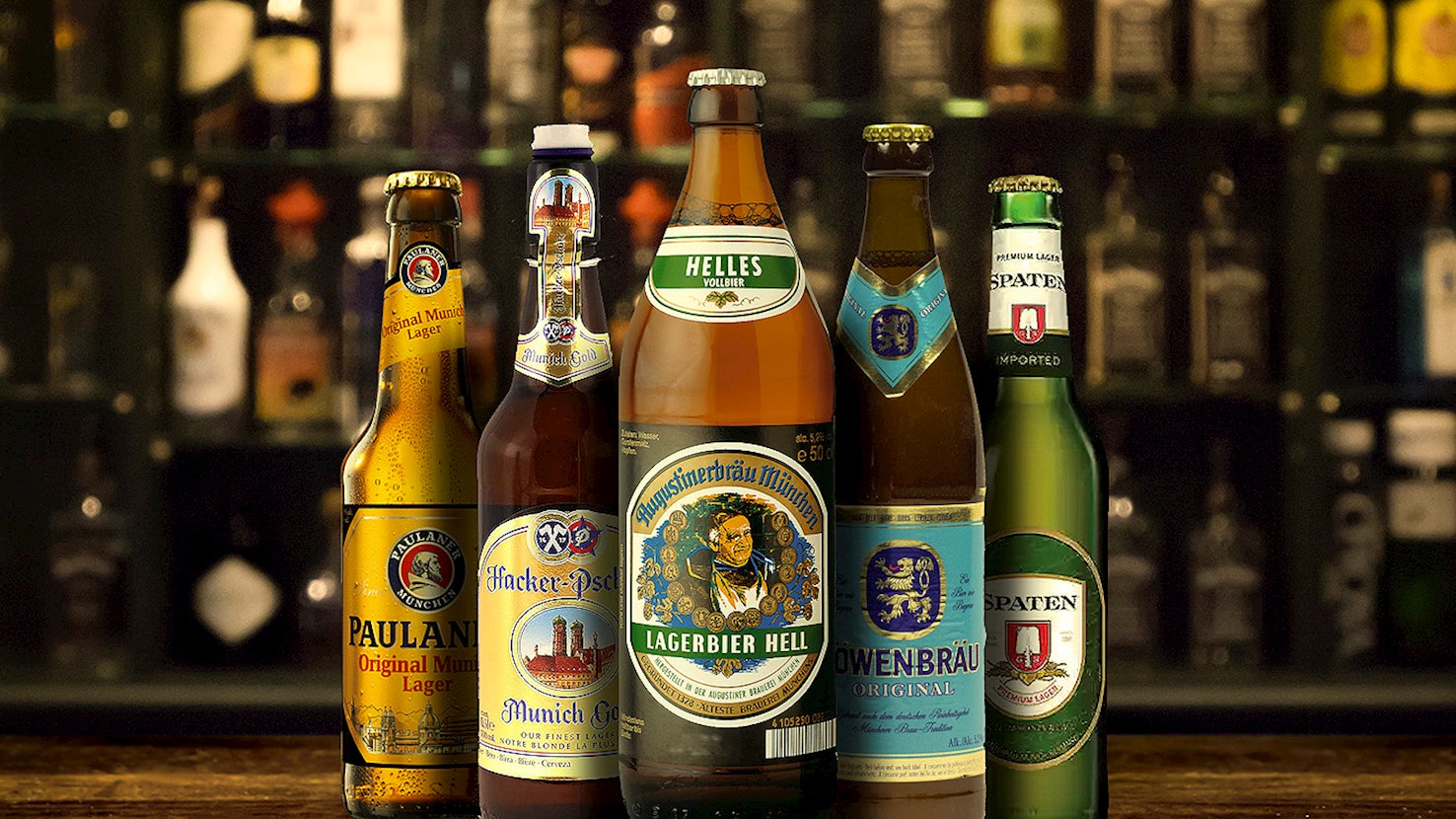
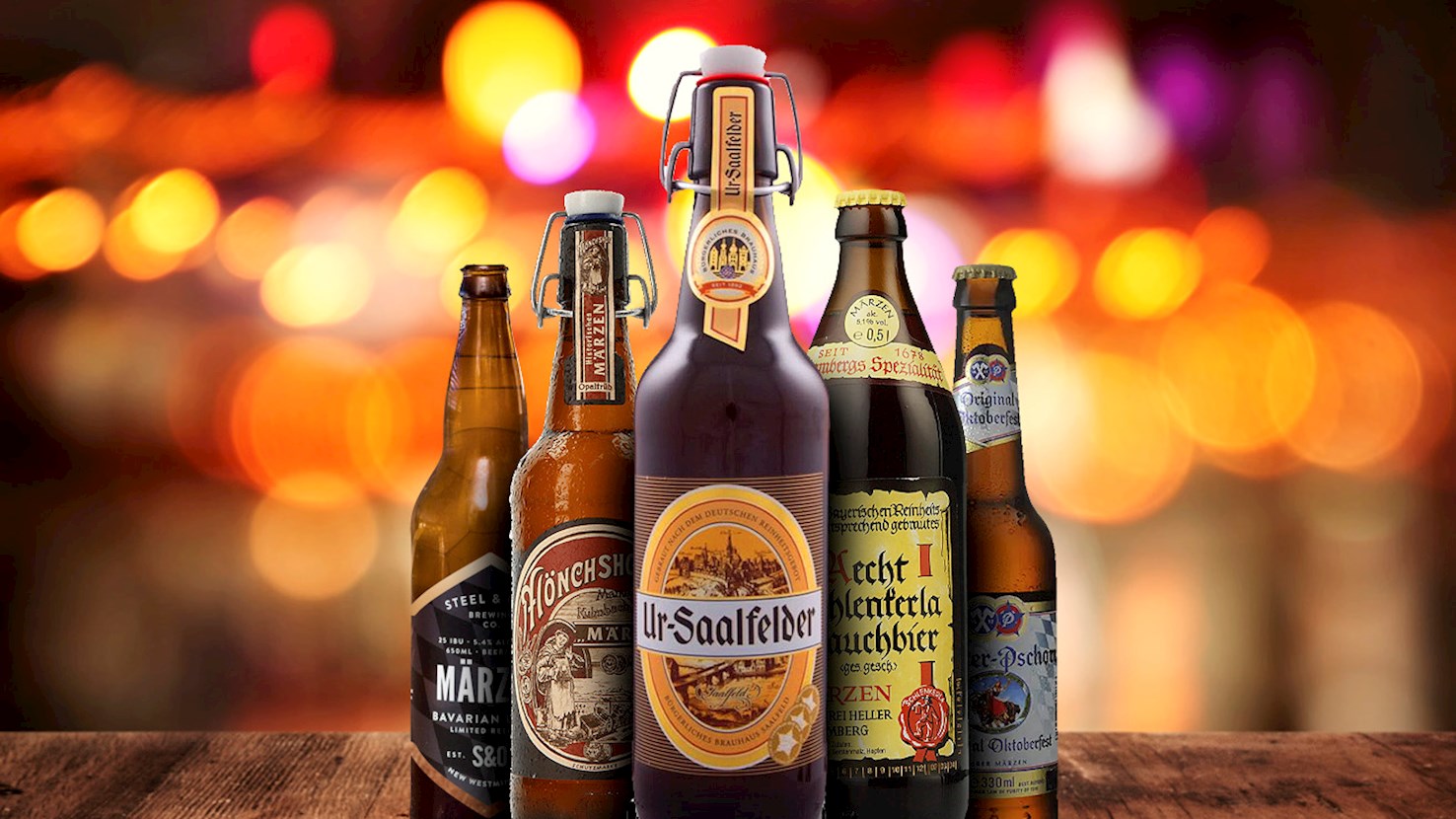
Märzen is a German beer style from Bavaria that is closely connected with Oktoberfestbier and shares some similarities with Vienna lager. This style officially appeared in 1841 when it was brewed by Spaten brewery, but a similar style existed well before that. Märzen is an amber-colored lager that has toasty malt aromas and flavors, dry finish, crisp hop bitterness, and a medium body. Original versions of these beers were somewhat darker, and as the name suggests—Märzen translates as March—they were brewed in March and then left to lager until early fall. These versions were stronger and had more body than modern styles. Since it was available in autumn, it was first served during Oktoberfest. Although Märzen and Oktoberfestbier share many similarities, nowadays only six breweries in Germany—Augustiner, Hacker-Pschorr, Hofbräuhaus, Löwenbräu, Paulaner, and Spaten—are allowed to use the designation Oktoberfestbier and serve their brews at Oktoberfest. Märzen is a food-friendly beer that works especially well with grilled, roasted, or smoked meat.

02

Helles

4.0 ·

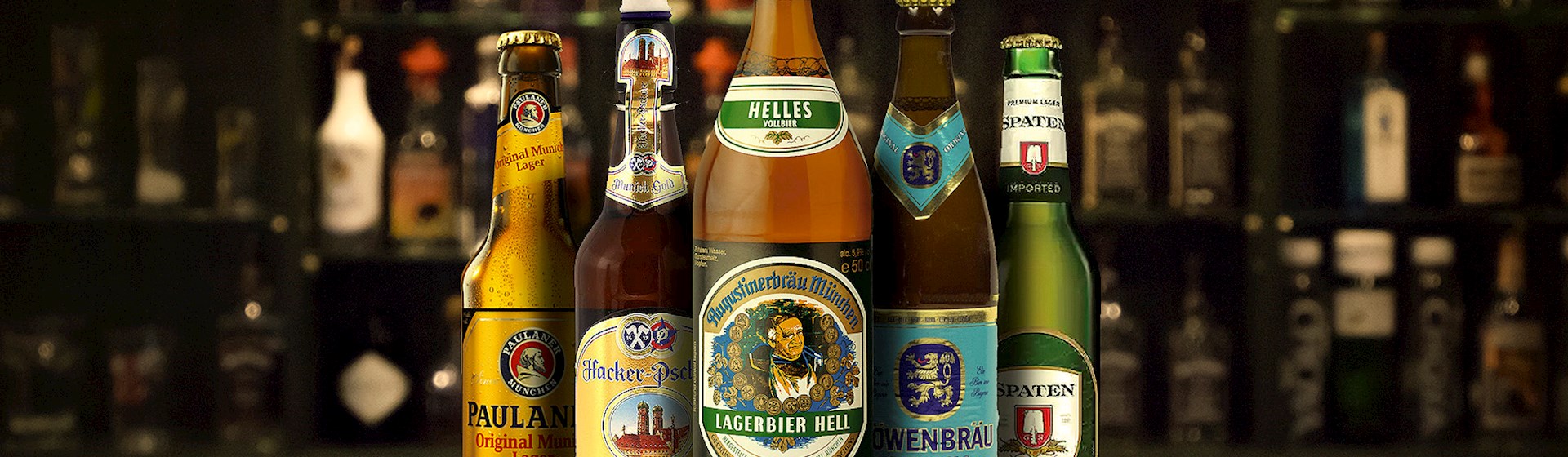
Helles is a German-style lager that first appeared in Munich in 1894. It was a Bavarian answer to light Czech pilsner. Although Bavaria heavily relied on strong and dark lagers, the popularity of crisp and golden pilsner beers influenced Bavarian brewers to start producing a similar style. Traditional Helles is typically more malt-forward and has a firmer body than pilsner and other lager styles, but still remains soft and medium-bodied. It is clean, easy-drinking, refined, fresh, and dry, with light hop bitterness and subtle malt sweetness. Helles-style beers are typically quite refreshing and usually range from 4.8 to 5.2% ABV, but those above 5% are often classified as Bavarian Export. Helles lagers would pair well with light dishes, including salads and seafood, but they can also match spicy and flavor-packed dishes, as well as traditional German fare and mild cheese varieties.

03

Chodské pivo

3.9 ·

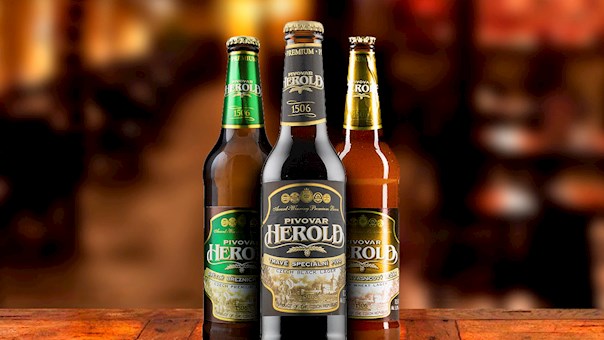
Chodské pivo has been produced in the historic Chodsko region (Plzeň) since the 12th century. It is made from locally sourced water with low mineral content, hops, malt, and yeast. Only Žatecký poloraný červeňák, Sládek, and Premiant hop varieties can be used in its production. Due to the two-stage fermentation process, lengthy maturation, and the choice of specific raw materials, Chodské pivo is golden, rich, and malty, while its flavor is slightly bitter and strong. This beer is held in high regard, and it was even supplied to the royal courts of Prague and Bavaria. The beer is bottled and casked with no artificial carbonation, and the entire production must be performed in the designated region. Chodské pivo has won many awards, and apart as an alcoholic beverage, it is also used in wellness tourism.

04

Pilsner

3.9 ·

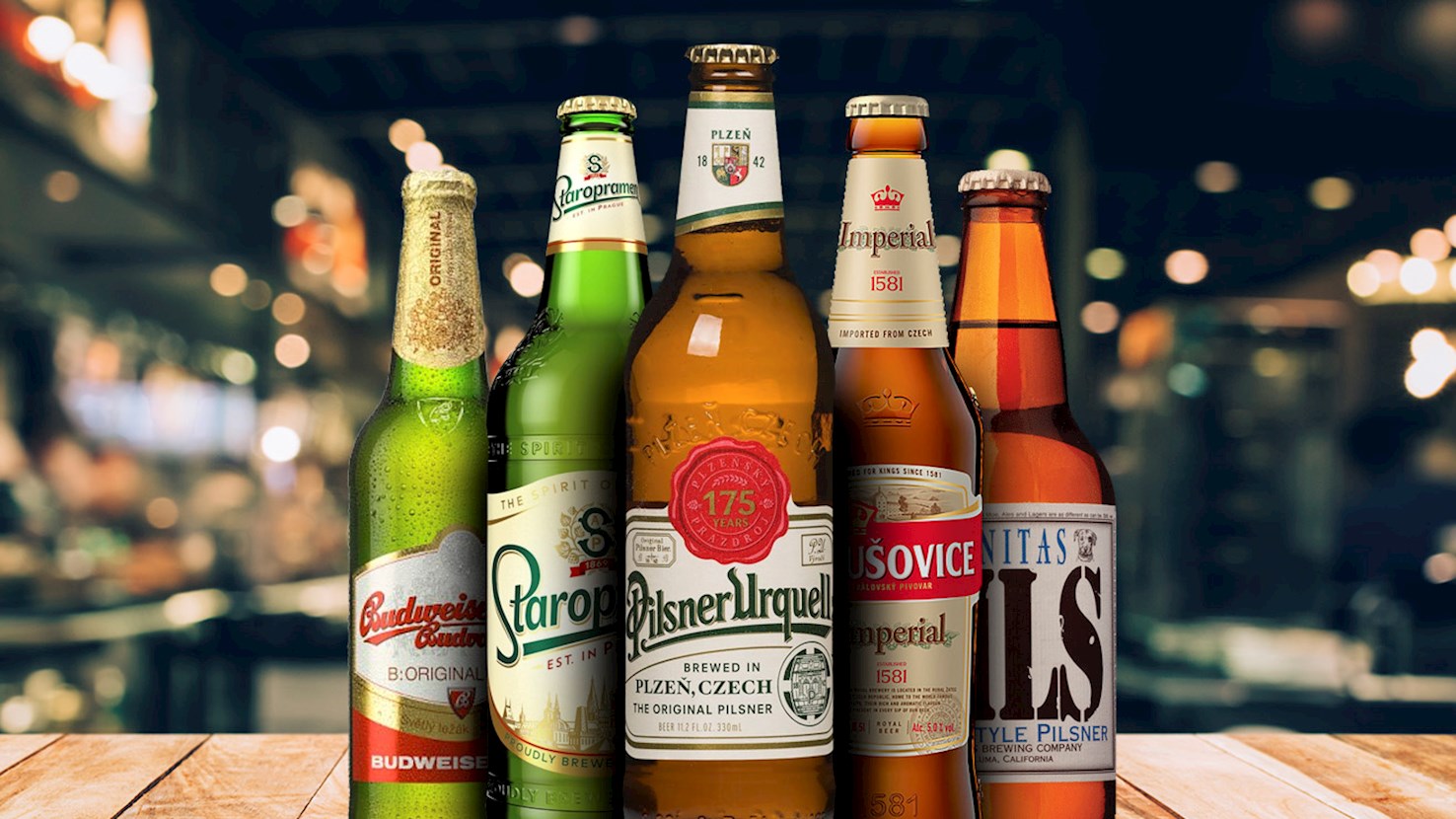
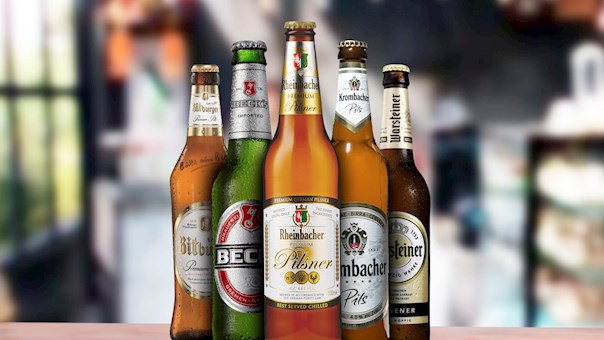
Pilsner is a beer style that originated in Pilsen (Plzeň), a city in western Bohemia. It was first brewed in 1842, making it one of the youngest beer styles to appear in modern brewing. The style originated when the citizens of Pilsen, who grew unhappy with the quality of the beer, decided to build Bürger Brauerei (Citizens’ Brewery), which would later become Pilsner Urquell. They eventually brought a Bavarian brewmaster Josef Groll—who went to create the first pilsner brew. Although the initial idea was to create a Bavarian-style lager, the use of Czech ingredients influenced the emergence of a new style. The original pilsner, which was one of the first versions of a clear, light-colored beer, was made with light malted barley from Moravia and Saaz hops. The style was soon imitated across the world, with varying results. Nowadays, the official classifications divide the style into two main regional categories: Bohemian and German pilsner. Despite slight differences in style and numerous imitations around the world, the best pilsner examples will be crisp and refreshing, with a dominant hop character. In the Czech Republic, only beer from Pilsen is referred to as pilsner, while in Germany, the name that is most commonly used for pilsner brews is pils.

05

Českobudějovické pivo

3.9 ·

Českobudějovické pivo is a moderately bitter beer produced in the Czech Republic. The water used in the preparation process must come from the underground lake of the České Budějovice Basin, the hops come from the Žatec area, and the malting barley is grown in the Moravia region. It comes as a lightly malty pale beer and as an intense dark version that has dominant roasted aromas. Due to the use of Žatec hops, the beer has a unique and pleasant taste, making it a very popular alcoholic drink in the country. The beer comes in five varieties: pale lager, Kräusened pale lager, pale draught, special beer, non-alcoholic beer, and dark lager. It has been brewed in the city of Ceské Budejovice since the 13th century and is best when paired with local Czech dishes such as sausages, sauerkrauts, and soups.

06

Doppelbock

3.9 ·

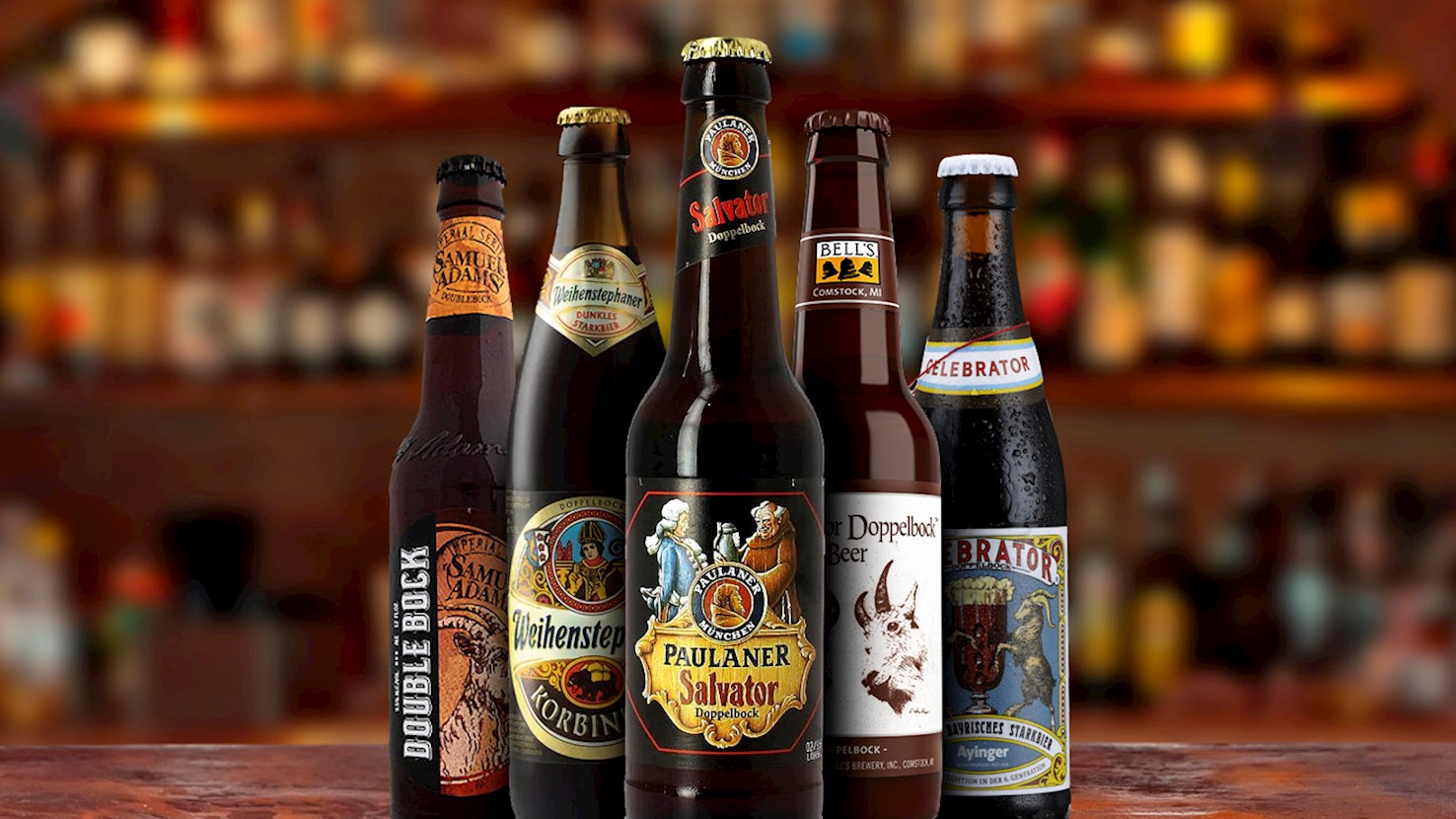
Doppelbock is a German beer style that was first brewed in Munich by Paulaner monks. As the name might suggest—doppel translates as double—this style developed as a slightly stronger version of traditional German bock style. Doppelbock beers are usually medium-bodied with a color that ranges from golden to dark brown. They are rich and smooth with a distinctive malt sweetness that is balanced with subtle hop bitterness. Typical aromas include bread and toasty notes that can be accompanied by subtle hints of caramel. These beers usually have a slightly higher alcohol content that ranges from 7 to 8% ABV, but the finish should not be harsh or overpowering. It is recommended to pair them with pork, game, aged cheese, or chocolate desserts.

07

Dunkel

3.8 ·

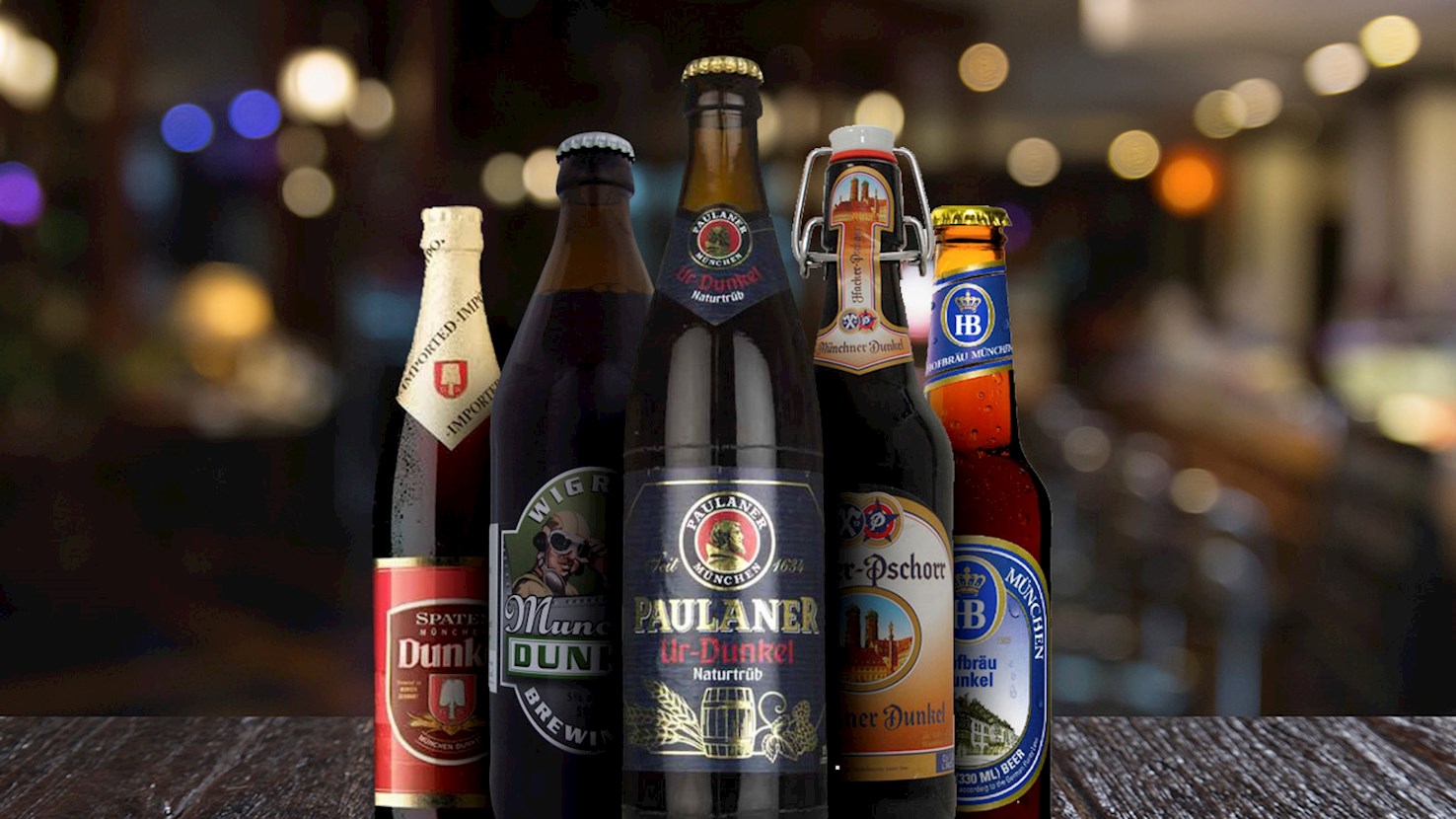
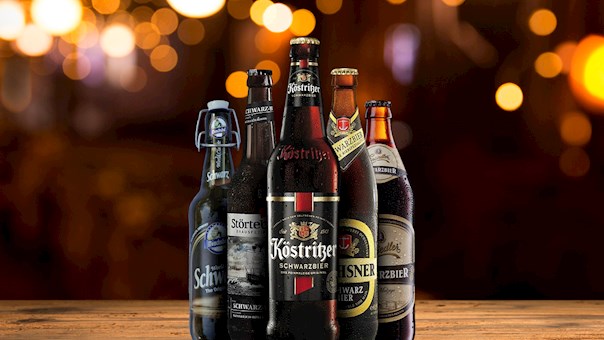
Dunkel is a German dark lager that is mostly associated with Bavaria and Munich. This dark beer, which can range from copper to dark brown, is mainly brewed from Munich malt which gives the beer its typical caramel-like and toasty character. The beers that fall under this category will typically be smooth, medium-bodied, easy-drinking, subtly sweet, and not too heavy. Typical toasty notes may be accompanied by caramel, toffee, and nut aromas, while hop character can be present but should remain subtle. Dunkel beers pair exceptionally well with classic Bavarian dishes such as sausages, fruit-based sauces, and roasted or barbecued meat.

08

Weizenbock

3.8 ·

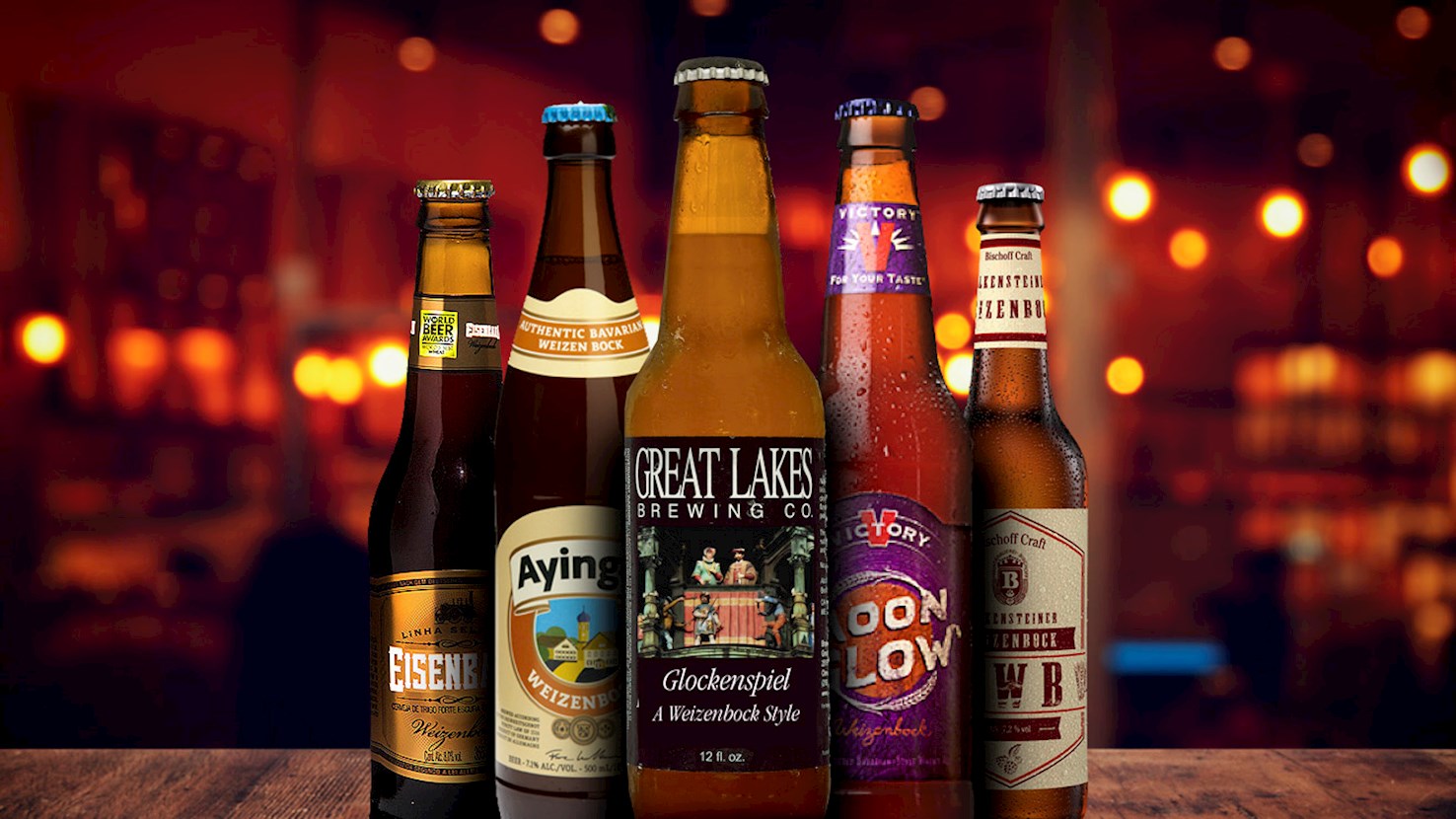
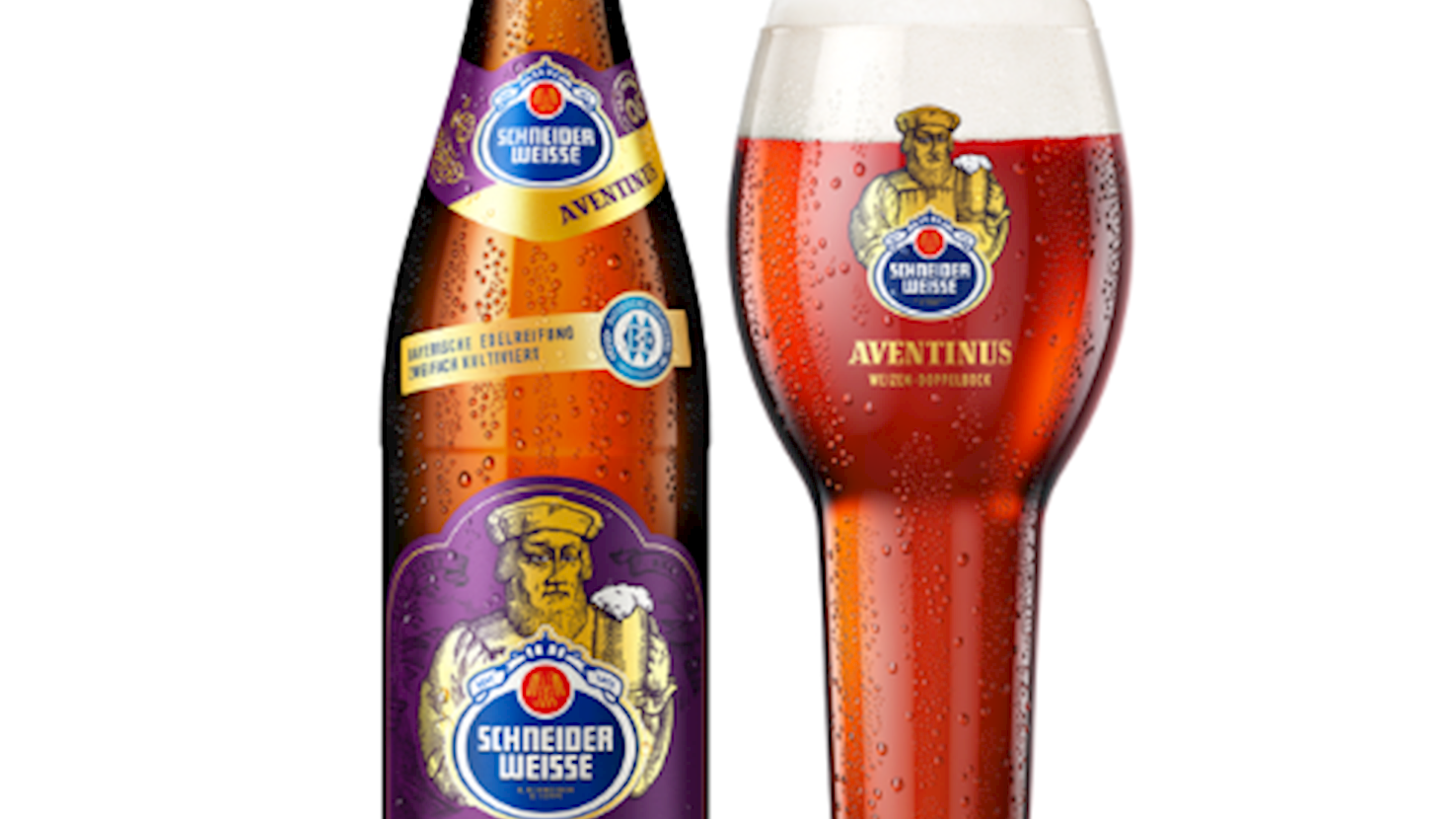
Weizenbock is a German beer style that was introduced in 1907 by the Schneider Weisse Brauhaus brewery located in Munich. Weizenbock was supposed to be a middle-ground between the rich and malty doppelbock and wheat beer (weissbier) that was popular at the time. The style comes in a pale and slightly darker version. Although both styles have a distinctive malt backbone, darker versions may have a richer malt profile and heavier toasty expressions with possible hints of caramel flavors and aromas of raisins and plums. Lighter varieties will usually have light toastiness and sweeter malt character. The style will also often display nuances of cloves and banana-like esters. Darker weizenbock beers are a better match with red meat, game, lamb, and stews, while lighter versions will better work will poultry, pork, and sausages. Both styles pair well with aged cheese and a variety of desserts.

09

Bock

3.7 ·

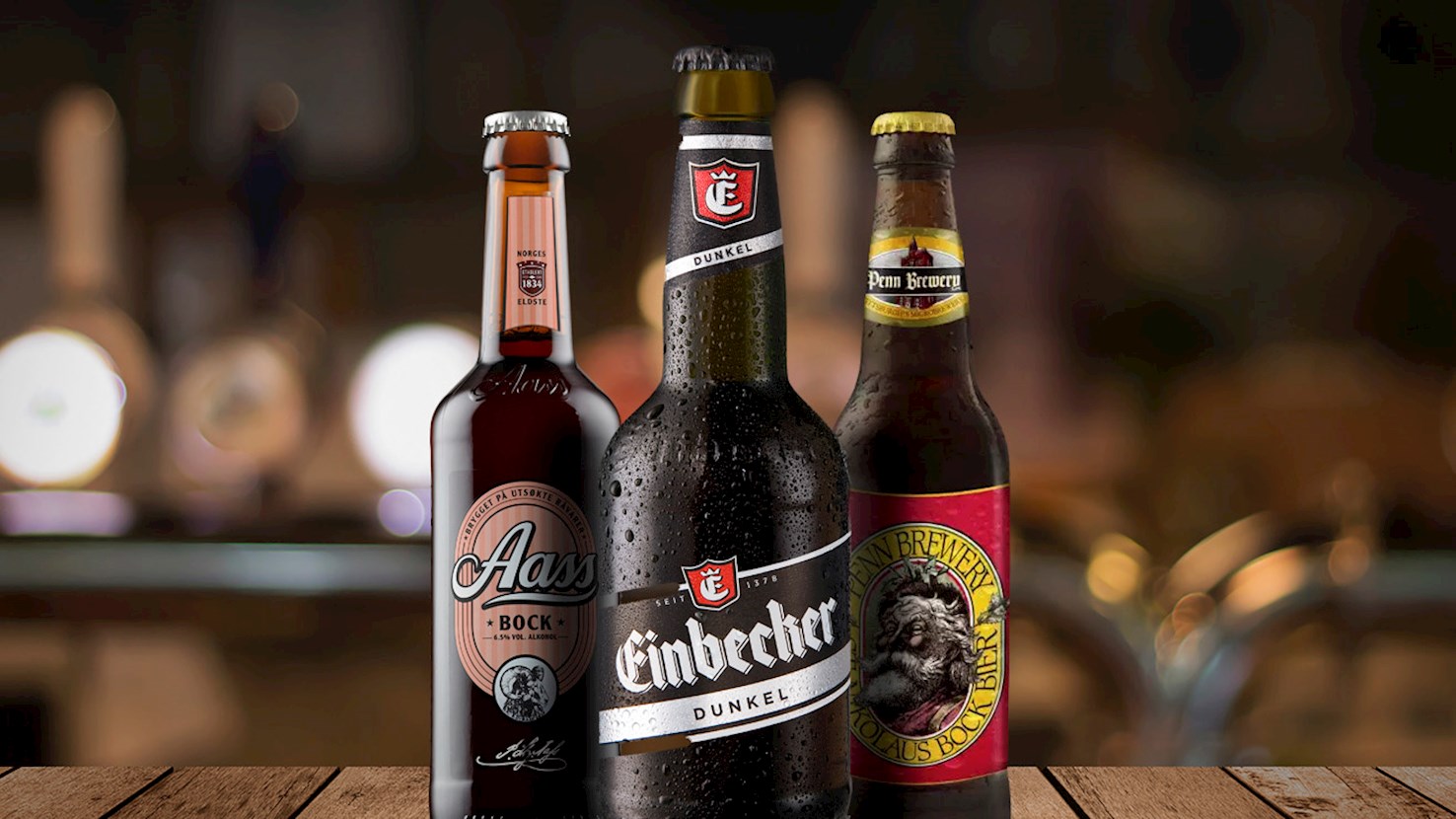
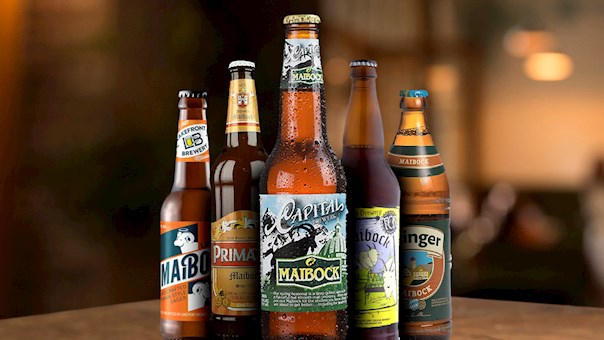
Bock beer is a German bottom fermenting lager that nowadays comes in a wide range of sub-styles. Traditional versions may range from golden to amber, and sometimes even dark brown. They are typically lightly hopped, rich, creamy, smooth, and malty, with toasty and occasionally caramel notes. Alcohol content falls within the ABV range of 6.3 to 7.6%, and the beer is traditionally served in a tulip glass. Its origin dates back to the fourteenth century and the city of Einbeck where the beer was brewed by certified master brewers who followed a unique set of quality standards which were established by the city council. By the seventeenth century, the beer gained in popularity and was especially favored in Munich, where it was originally named Ainpöckische Bier—which later led to the corruption of the name, initially as Oanpock and then as Bockbier (bock beer). Translated from German, bock stands for Billy goat, which was subsequently often used in advertisements and as a common logo for bock beer. The most common sub-styles of bock bier include Maibock, Doppelbock, Eisbock, and Weizenbock. Bock beer pairs well with hearty German dishes, soft and matured cheeses, spicy dishes, roasted or fried meat, and sausages.

10

Znojemské pivo

3.7 ·

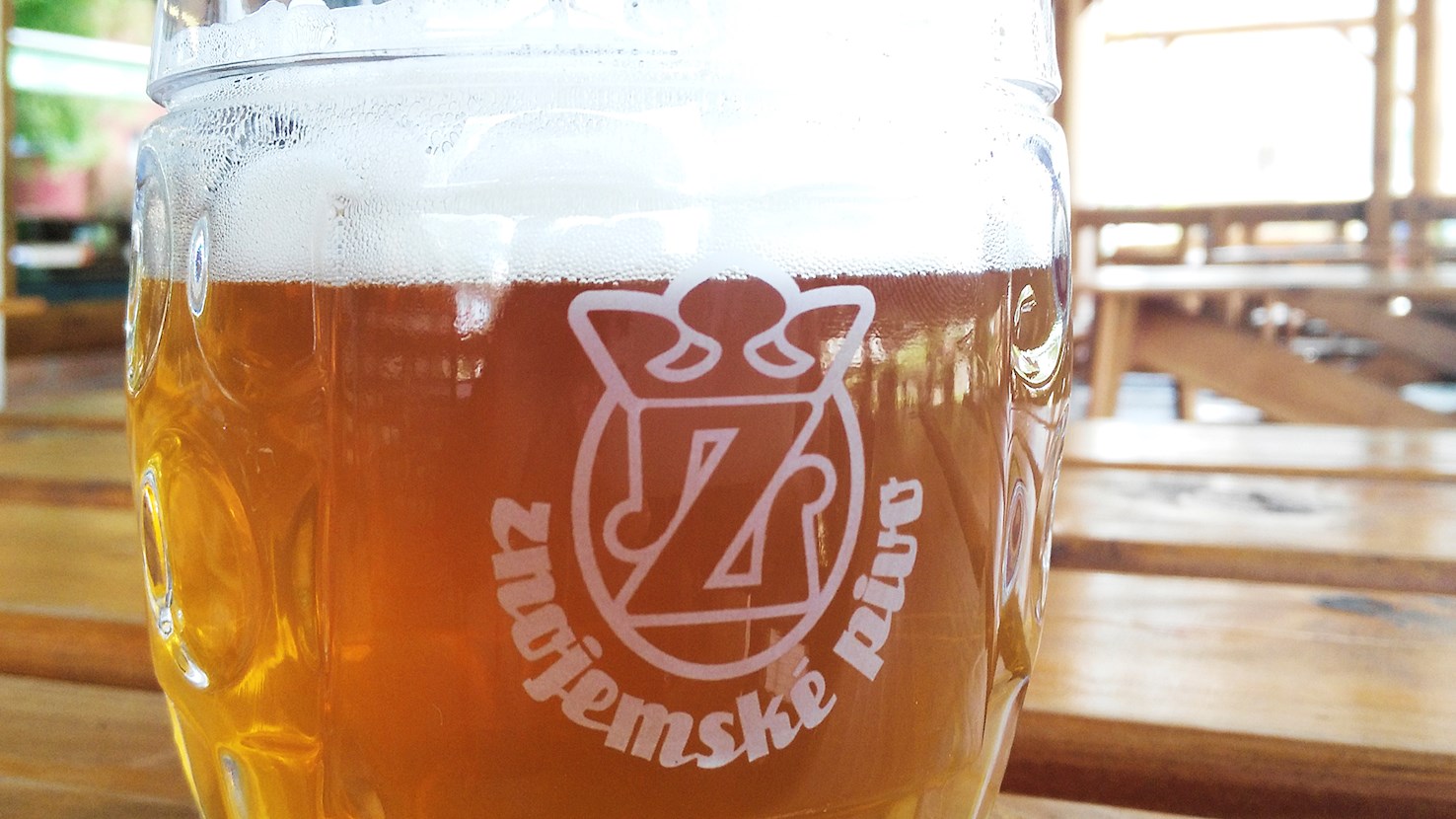
Znojemské pivo is a beer produced in several varieties in the Znojmo area in the Czech Republic. It can be produced as a light or dark draught beer and a lager. Only three ingredients are used in the production process – barley malt, water, and hops. The water is provided by the city's supply system, while the hops are of the Žatecký poloraný červeňák and Magnum Hallertau varieties. The alcohol content varies depending on the style; light draughts range from 3,2 to 4,0%, dark draughts from 3,8 to 4,0%, and lagers from 4,5 to 5,0% ABV. Light draught beers are balanced and hoppy with medium to strong bitterness, while dark draughts are less bitter and have a malty, caramel-like flavor and aromas. The lagers are full-flavored, clean, sharp, and well-balanced. The first written reference of brewing in Znojmo dates from 1278, and the beer is still produced following the centuries-old local brewing tradition.

Best Lagers in the World
01

Schlenkerla

5.0 ·

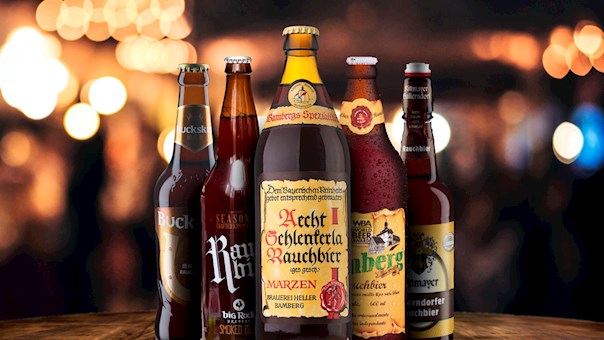
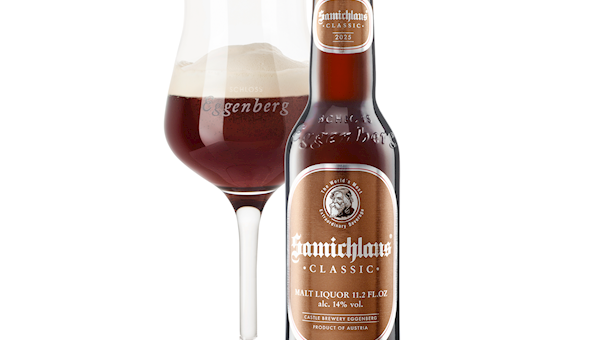
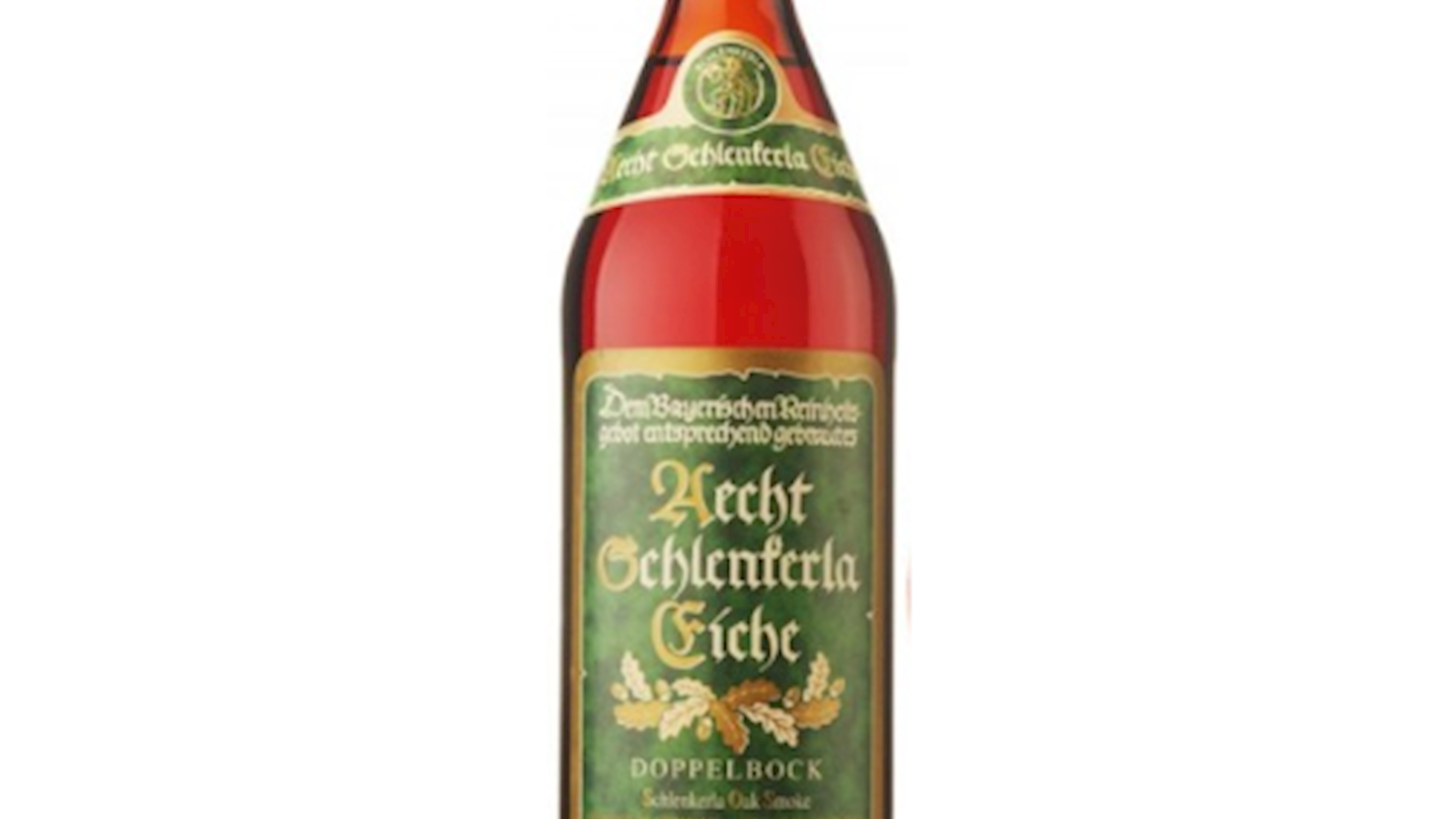
Schlenkerla is a legendary Bavarian tavern and an iconic symbol of beer culture, located in the heart of Bamberg’s old town, with a documented brewing tradition dating back to the year 1405. Today, under the guidance of the sixth generation of the Trum family, Schlenkerla continues to preserve the spirit of centuries past - its authentic Gothic ambiance, beer poured from wooden barrels, and unwavering dedication to traditional recipes make it a truly unique place in the world of beer.

Its most famous brew, Aecht Schlenkerla Rauchbier Märzen, is a bottom-fermented dark lager with 13.5° Plato and about 5.1% alcohol, renowned for its pronounced smoky character, achieved by drying the malt over beechwood fires. In addition to the classic version, the brewery also offers a variety of other smoked beers: Rauchweizen, Urbock, Eiche and a lighter lager with subtle smoky notes.

Schlenkerla is an essential destination for all lovers of authentic beer styles and brewing heritage - many say that the true character of Rauchbier only reveals itself with the third sip.

Awards
European Beer Star - Gold (2023)
Untappd - 3.7
02

Schneider Weisse

4.9 ·

Schneider Weisse is a renowned Bavarian brewery dedicated exclusively to brewing wheat beers - Weissbier, with its headquarters in the historic town of Kelheim. It was founded in 1872, when Georg Schneider I became the first commoner granted royal permission by King Ludwig II to brew wheat beer - a privilege previously reserved only for nobility.

In 1927, the brewery relocated from Munich to the former royal “Weisses Bräuhaus” in Kelheim, where it still operates today, upholding the highest standards of Bavarian brewing tradition. Their beers are known for their rich and complex aromatic profiles, often featuring notes of banana, clove, caramel, and dark fruit.

Schneider Weisse produces between 250,000 and 300,000 hectoliters of beer annually, with about a quarter of its production exported to more than 25 countries worldwide. The brewery successfully blends generations of family tradition with a modern, innovative approach - especially through experimental styles.

Thanks to this commitment to authenticity and quality, Schneider Weisse enjoys a strong reputation among craft beer enthusiasts and stands as one of the pillars of German brewing culture.

Awards
Beer Advocate - 96 World-Class
European Beer Star - Gold (2023, 2022, 2021, 2020)
03

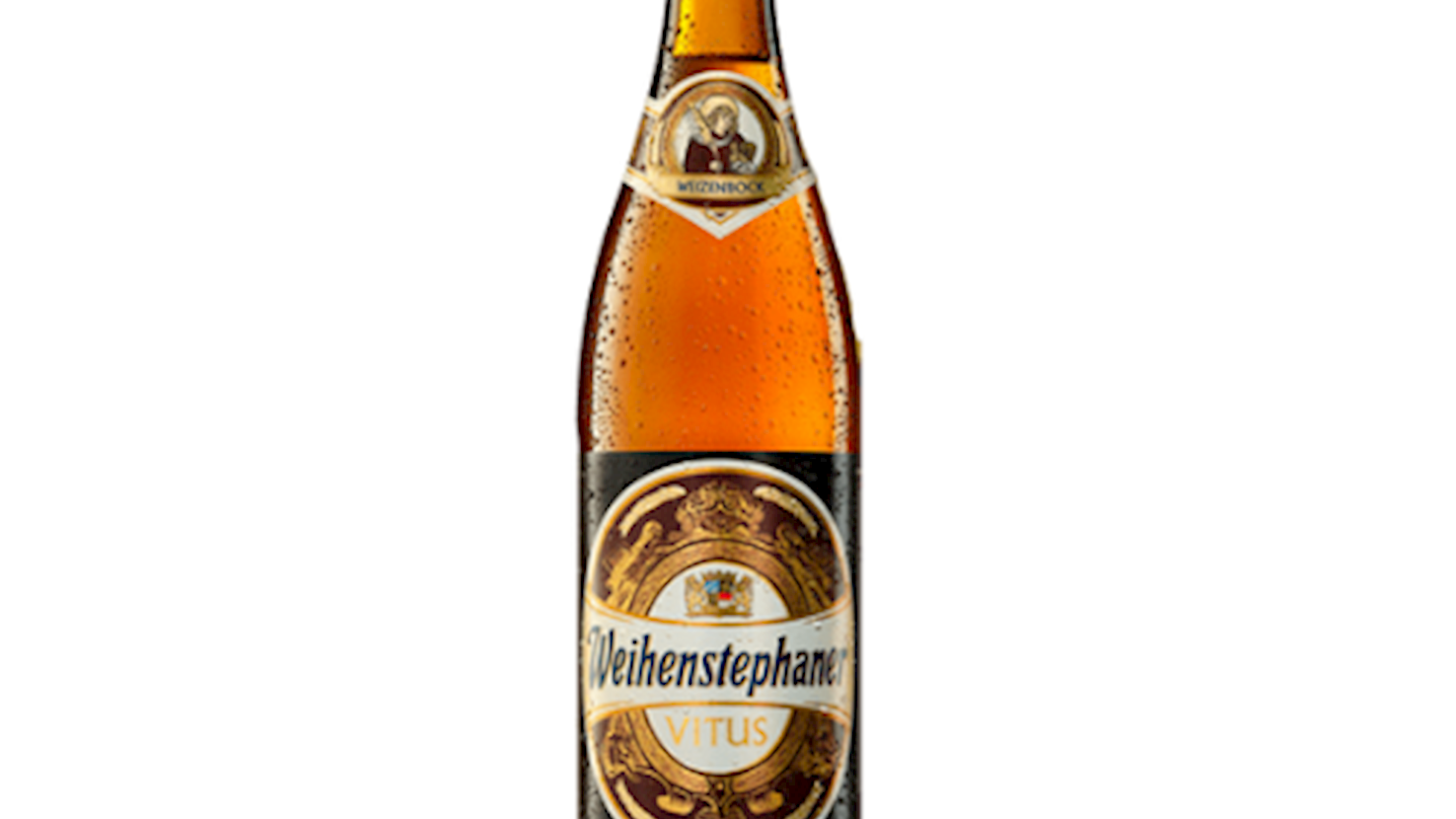
Bayerische Staatsbrauerei Weihenstephan
4.9 ·

Bayerische Staatsbrauerei Weihenstephan is the oldest still-operating brewery in the world, located in the town of Freising, in the German federal state of Bavaria. Its origins date back to the year 1040, when the Benedictine monastery of Weihenstephan received official permission to brew and sell beer, although records suggest brewing activity on the site existed several centuries earlier.
Today, Weihenstephan operates as a state-owned brewery under the authority of Bavaria and is closely affiliated with the Technical University of Munich, which houses the renowned Faculty of Brewing and Fermentation Science. The brewery combines a thousand-year-old tradition with the latest brewing technology, producing high-quality beers in accordance with the German Beer Purity Law (Reinheitsgebot). Its most famous product is Weihenstephaner Hefeweissbier, an unfiltered wheat beer known for its rich aromas of banana, clove, and bread.

The brewery is situated on Weihenstephan Hill above Freising and is open to visitors, offering guided tours and tastings that showcase the intersection of science, craftsmanship, and history. As a symbol of German brewing heritage, Weihenstephan not only preserves its legacy but also sets global standards for beer quality and excellence.

Awards
Beer Advocate - 98 World-Class
Beer Advocate - 95 World-Class
04

Trzech Kumpli

4.8 ·

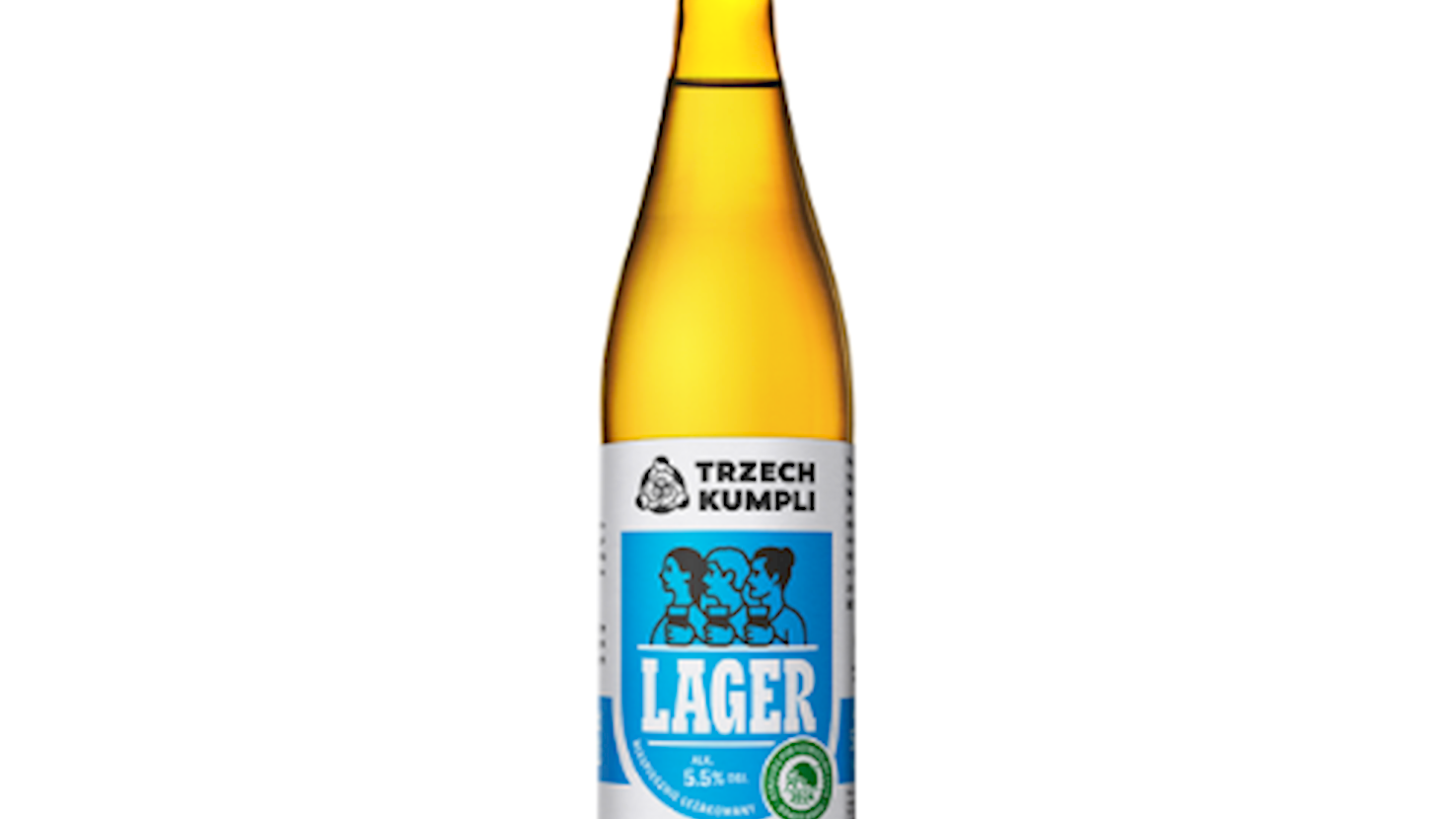
Trzech Kumpli is a well-regarded craft brewery from Poland, known for its high-quality beers and commitment to producing innovative, flavorful brews. The name "Trzech Kumpli" translates to "Three Friends" in English, reflecting the collaborative spirit behind the brewery, which was founded by three passionate beer enthusiasts: Piotr Sosin, Michał Chmiel, and Andrzej Sienkiewicz. Trzech Kumpli is known for producing a wide range of beer styles, with a special focus on pale ales, IPAs, lagers, and stouts, but they are also known for their creative seasonal and limited-edition beers.

They often experiment with unique ingredients and brewing techniques, creating brews that appeal to both beer connoisseurs and newcomers alike.

Awards
Frankfurt International Trophy - Grand Gold (2023, 2022, 2021)
Untappd - 3.8
05

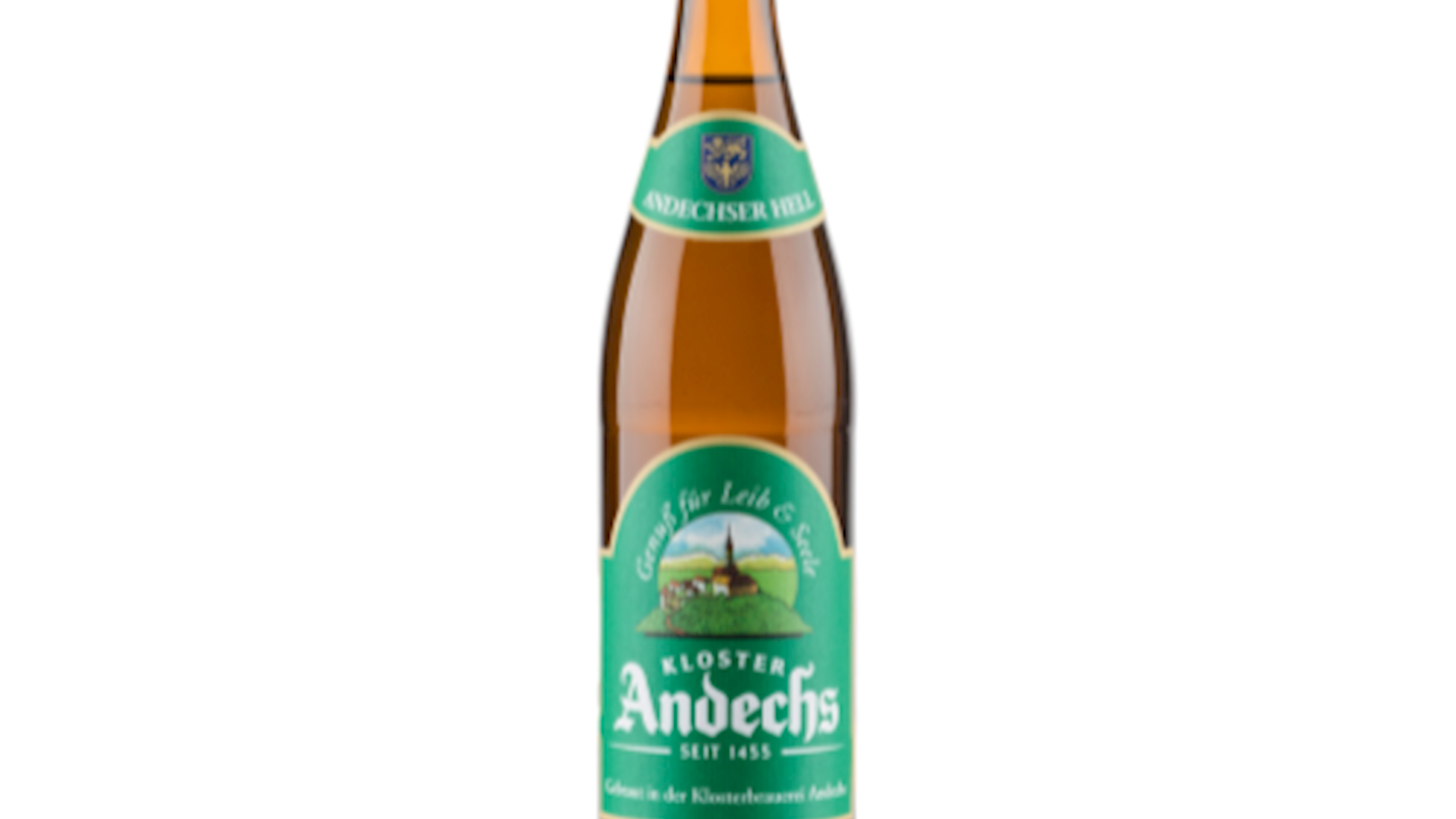
Klosterbrauerei Andechs

4.8 ·

Klosterbrauerei Andechs, the monastic brewery located on the famed Holy Mountain in Bavaria, is one of the few truly authentic monastic breweries in Germany still operated by Benedictine monks, entirely independent from any corporate ownership. Its brewing tradition officially dates back to 1455, while its spiritual and hospitable roots reach as far as 1128, when the monks began serving pilgrims visiting this sacred site.

What sets this brewery apart is the unique fusion of centuries-old Benedictine craftsmanship with state-of-the-art brewing technology. The production process includes traditional triple decoction mashing, the exclusive use of aroma hops, carefully controlled fermentation, and modern, technically advanced brewing facilities.

The result is a range of beers of exceptional quality, rich in flavor and remarkable in consistency - testament to the enduring connection between faith, labor, and devotion.

Awards
Beer Advocate - 95 World-Class
Untappd - 3.6
06

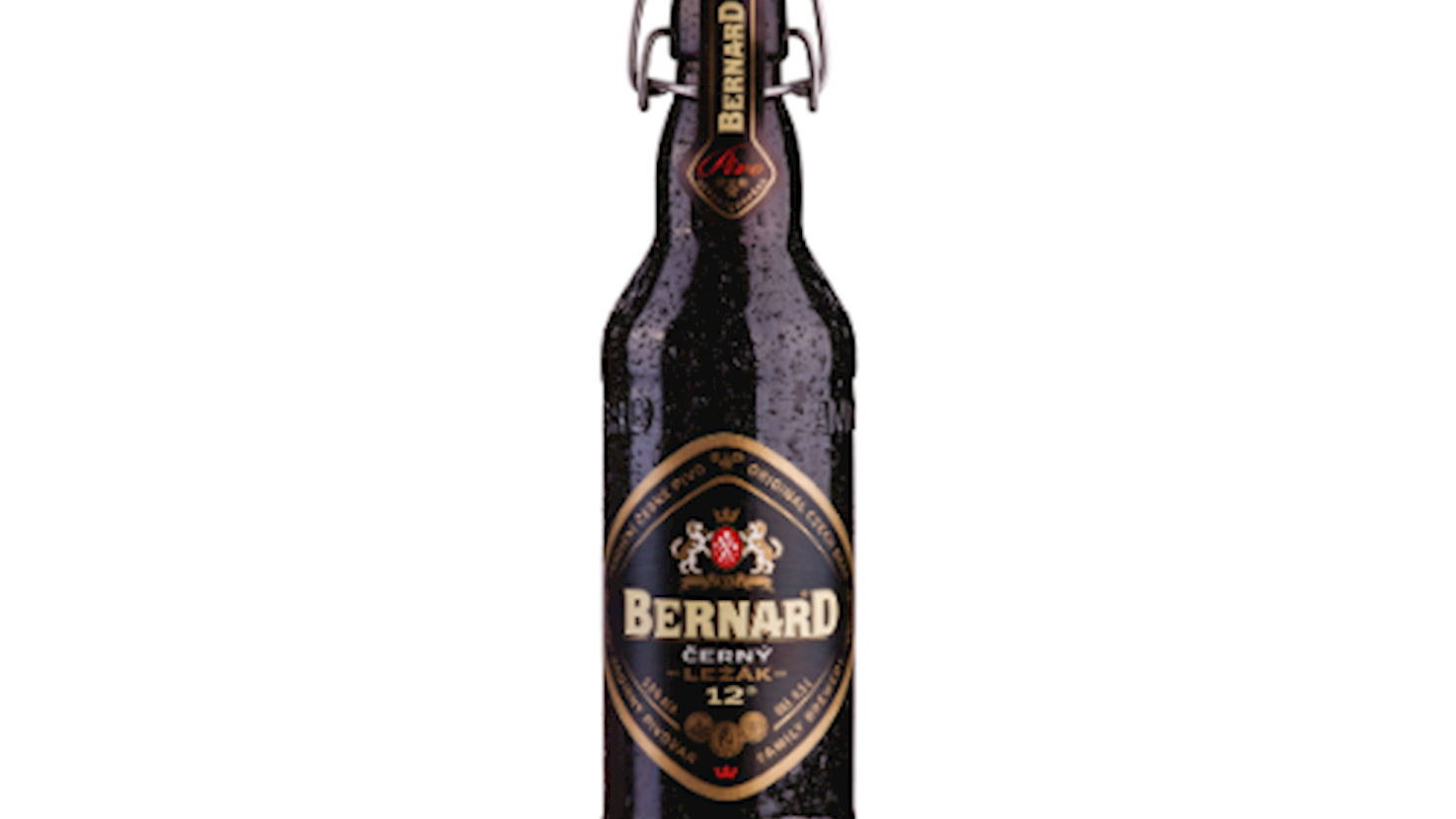
Bernard

4.8 ·

Bernard from Humpolec is one of the most recognizable independent Czech breweries, with a local brewing tradition that dates back to the 16th century. The modern chapter of the brewery began in 1991, when Stanislav Bernard and his partners took over a failing state-owned facility and transformed it into a family brand built on quality and authenticity.

The brewery uses its own water source, traditional cellar lagering, and its own malt house in Rajhrad, allowing full control over raw materials. Its production style follows classic Czech brewing principles, with certain lines left unpasteurized to preserve a fuller aromatic profile.

Visitors can explore a modern visitor center, taste the beers, and learn about the brewing process. Despite its growth, the brewery maintains that volume is not its priority - preserving standards and identity is.

This approach has allowed Bernard to become one of the leading private breweries in the Czech Republic, valued both domestically and internationally.

Awards
Barcelona Beer Challenge - Gold (2024, 2021)
Frankfurt International Trophy - Grand Gold (2021)
07

Highland Park Brewery

4.7 ·

Highland Park Brewery (HPB) is a craft brewery from Los Angeles, founded in 2014, which started as a small project inside the bar “The Hermosillo” in the Highland Park neighborhood. The brewery is recognized for experimenting with styles and ingredients, while keeping a strong focus on freshness - most batches are produced in small quantities to ensure the beer is consumed as close to the production date as possible.

HPB also stands out for using local ingredients, and in certain releases they incorporate herbs and fruit sourced directly from the surrounding neighborhood, giving the beer a sense of terroir that is unusual in brewing. Their production approach follows a “slow beer” philosophy - careful aging, natural carbonation, and balance, without aggressive additives.

The portfolio includes lagers, various IPA expressions, as well as seasonal and specialty beers fermented in oak barrels. The brand’s philosophy, “drink fresh, drink local”, reflects their commitment to quality rather than mass distribution.

For that reason, their beers are mostly available on-site or in limited releases. Highland Park Brewery represents an example of how authenticity and local identity can be translated into a distinctive and sustainable brewing concept.

Awards
World Beer Cup - Gold (2024, 2022)
Great American Beer Festival - Gold (2023, 2022)
08

Dude Brewing

4.7 ·

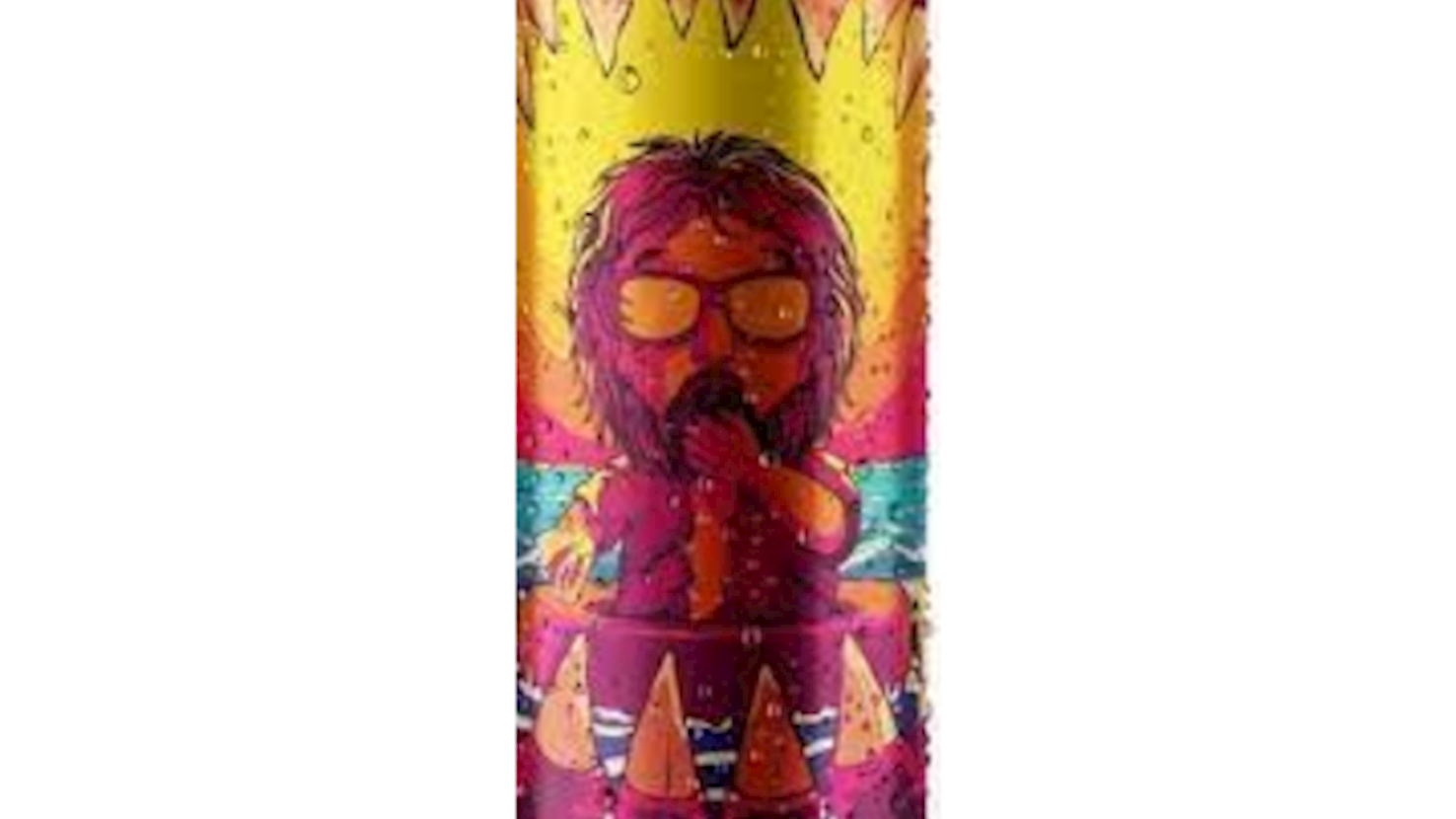
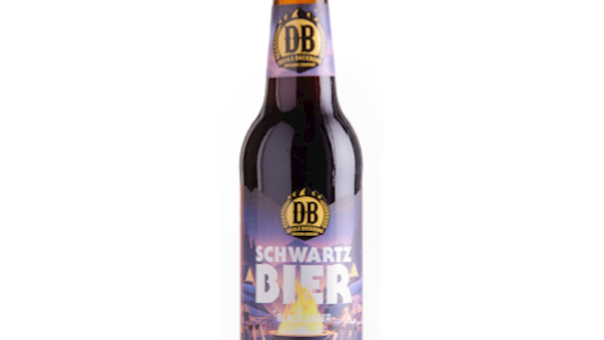
Dude Brewing from Caxias do Sul represents a unique concept that merges craft brewing, specialty coffee, and contemporary art in a creative space known as Beco do Dude. The brewery has distinguished itself on the Brazilian scene with its innovative approach, where each beer release carries a strong imprint of urban pop culture, and ingredients are sourced primarily from small, local producers.

Their philosophy is rooted in a blend of quality, creativity, and community - Dude Brewing doesn't just make beer; it builds identity through thoughtful visual design, collaborations with artists, and a carefully curated menu inspired by Asian cuisine. The Beco do Dude venue spans over 700 m² and functions as a multifunctional social hub: brewery, coffee bar, restaurant, and gallery space all in one, creating a one-of-a-kind gathering place in the heart of Caxias do Sul.

Awards
Untappd - 4.1
09

FrohenFeld Craft Brewery

4.7 ·

FrohenFeld Craft Brewery, located in Curitiba in the Brazilian state of Paraná, is an independent craft brewery and brewpub that combines the technical precision of German-Austrian brewing traditions with a warm, welcoming atmosphere. Founded with the vision of preserving authentic European styles, the brewery produces small-batch beers with a monthly capacity of around 3,500 liters, allowing for high control over quality and freshness.

Their portfolio features classic styles, each brewed according to strict technical methodology and using carefully selected ingredients. The brewery’s philosophy emphasizes a balance between preserving tradition and embracing modern technological advancements in brewing.

FrohenFeld does not aim for mass distribution, instead focusing on direct contact with consumers and delivering a complete experience within their own space. A relaxed, family-friendly atmosphere and a high level of service contribute to strong customer loyalty.

Today, FrohenFeld Craft Brewery is considered one of the leading destinations for lovers of authentic lager styles in Brazil.

Awards
Untappd - 4.2
Untappd - 3.9
10

Geisthaus Brewing

4.7 ·

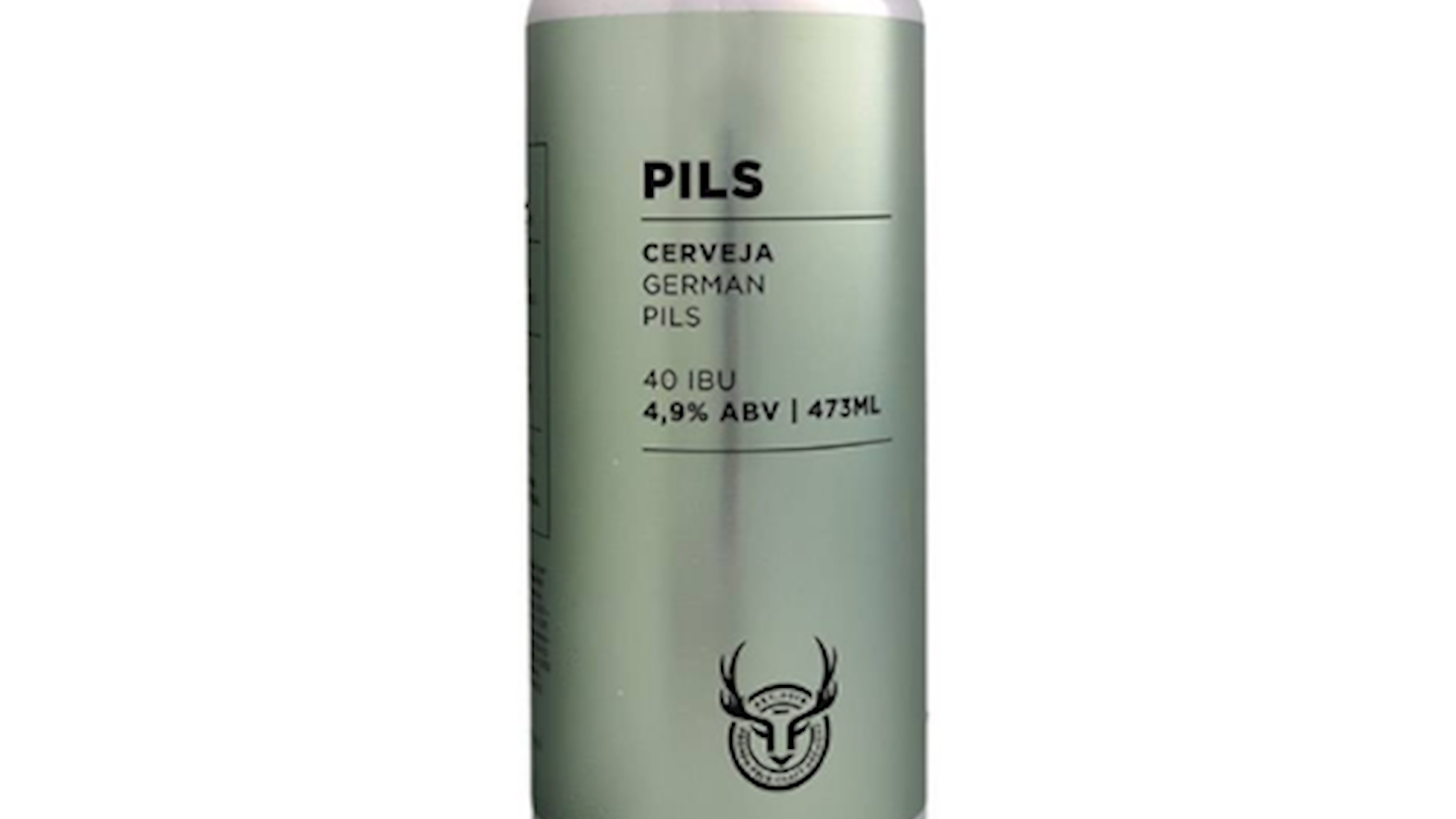
Geisthaus Brewing is a new craft brewery from Sacramento County, California, opened in early 2025 and specializing exclusively in lager styles. The founders set out to revive the German lager tradition by using locally sourced Californian ingredients and classic fermentation methods.

The brewery’s space combines an industrial design with open garage doors leading to a spacious outdoor area, creating a relaxed atmosphere for tastings. Every beer undergoes a meticulous production process, with natural carbonation and horizontal tank conditioning to achieve a clean profile and balance.

Geisthaus gives equal attention to both classic and modern lager interpretations, attracting traditionalists as well as fans of experimentation. Their approach emphasizes quality and technical precision over mass production.

The result is beers that offer a clean aroma, balanced flavor, and distinctive character. This brewery is an example of how tradition can be successfully integrated into the modern American craft beer context while remaining true to its roots.

Awards
Untappd - 4.0
Untappd - 4.1
About this ranking

TasteAtlas food rankings are based on the ratings of the TasteAtlas audience, with a series of mechanisms that recognize real users and that ignore bot, nationalist or local patriotic ratings, and give additional value to the ratings of users that the system recognizes as knowledgeable. For the “Top 60 Lagers in the World” list until July 22, 2026, 1,839 ratings were recorded, of which 1,629 were recognized by the system as legitimate. TasteAtlas Rankings should not be seen as the final global conclusion about food. Their purpose is to promote excellent local foods, instill pride in traditional dishes, and arouse curiosity about dishes you haven’t tried.

The initial list of top producers was compiled based on available reviews, awards, local recommendations, media and blog coverage, and consumer reviews. The list will be updated with ratings from TasteAtlas local ambassadors and TasteAtlas users.

Similar lists