shutterstock

Top 100 European Natural Rind Cheeses

Last updated on May 30, 2026

Best European Natural Rind Cheese Types
01

Graviera Naxou

4.6 ·

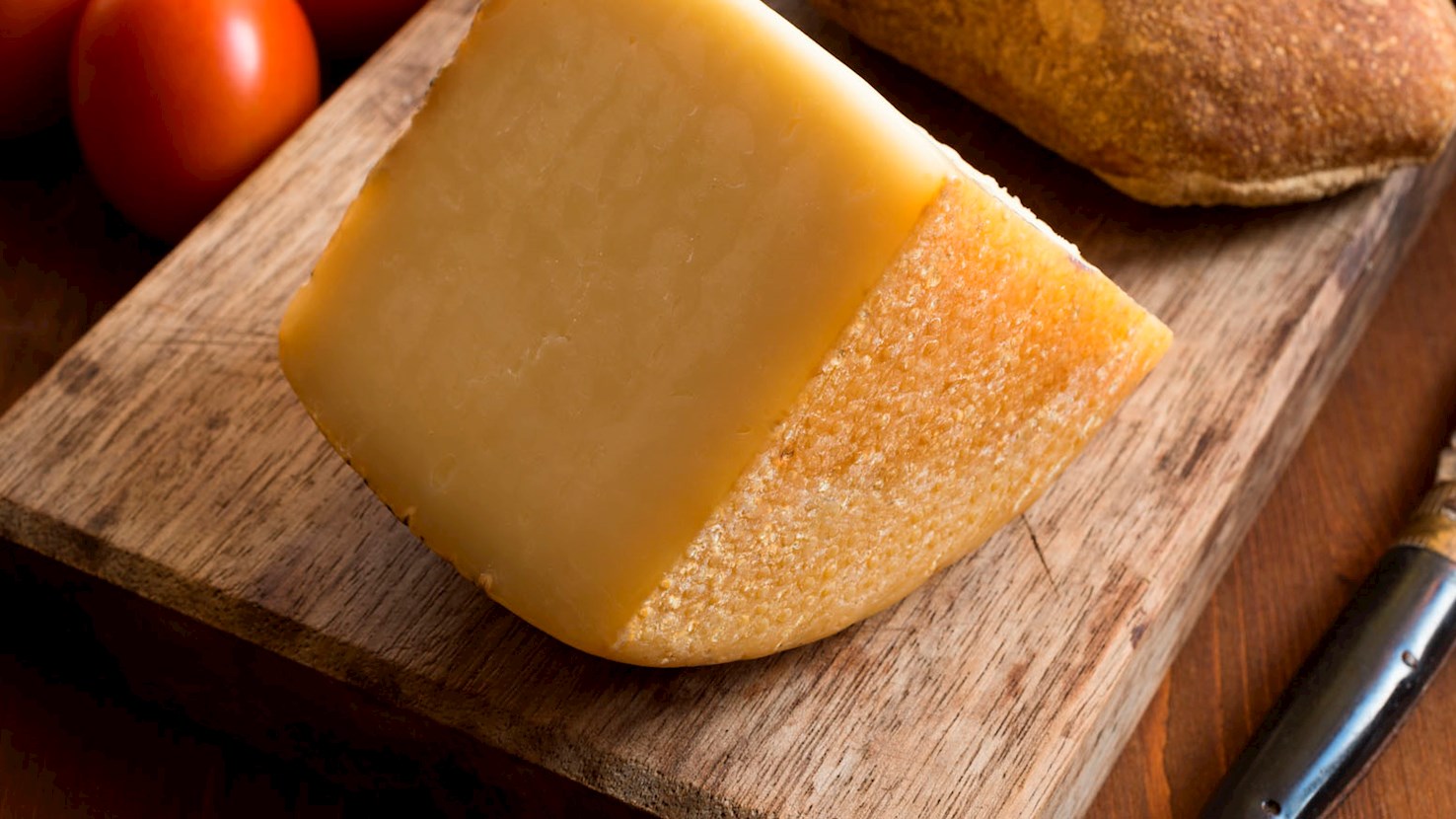
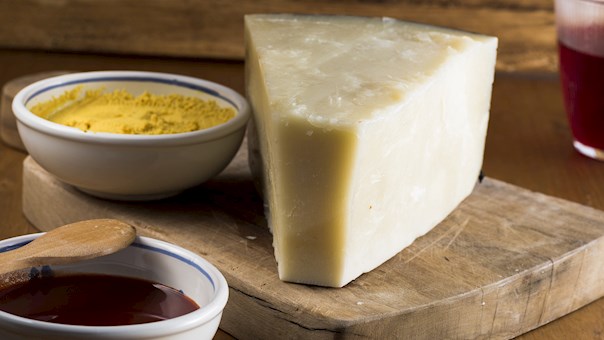
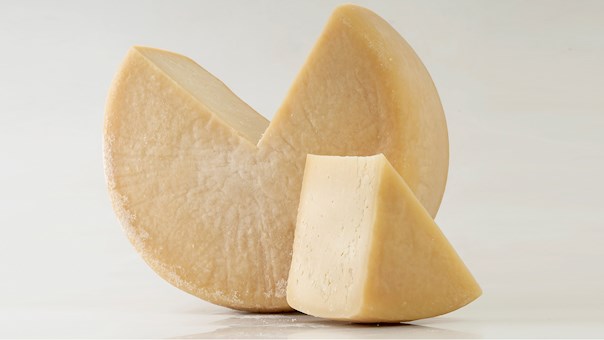
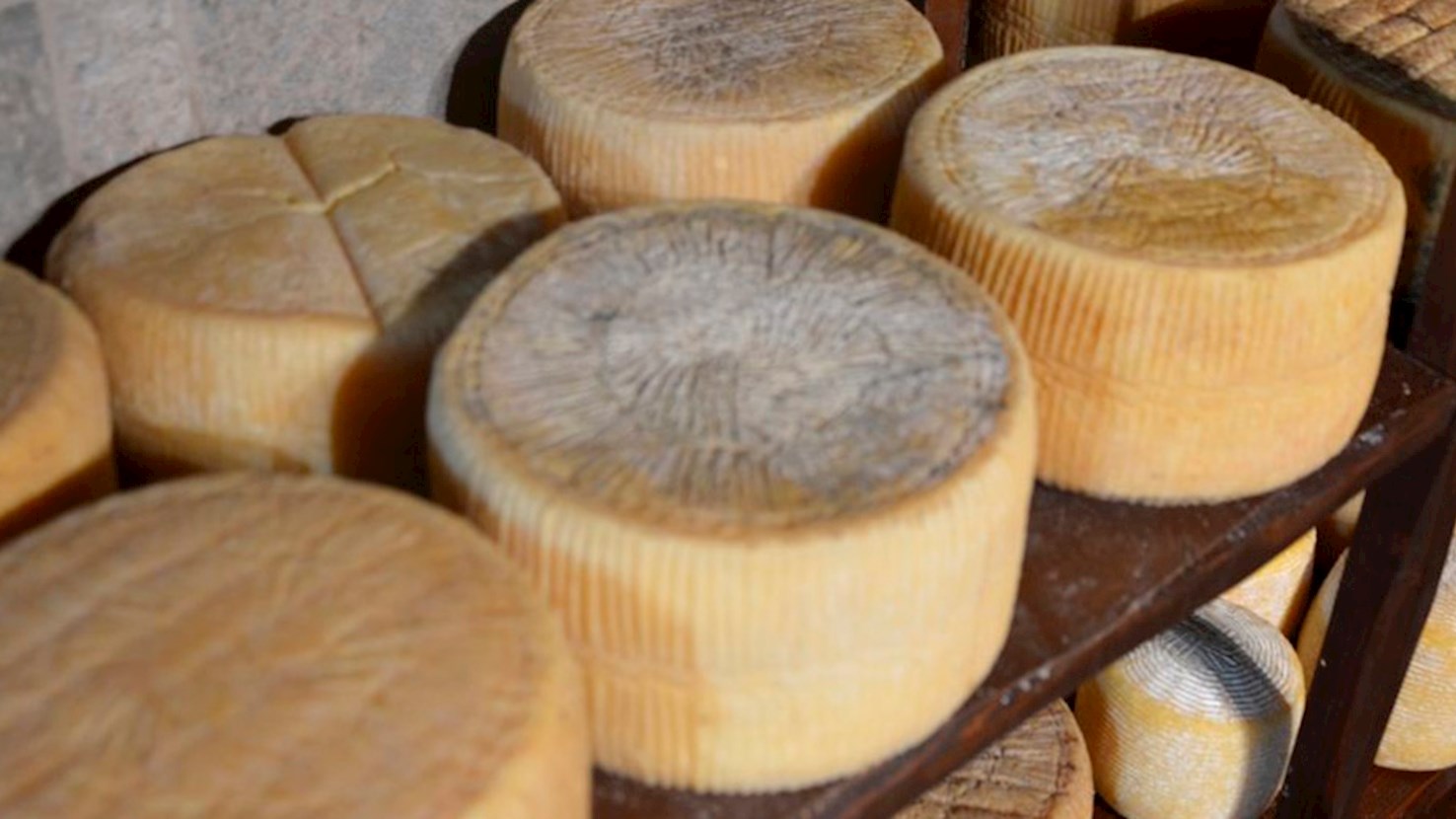
This cheese has been produced on the island of Naxos in the Cyclades for at least a century. Graviera Naxou is made from pasteurised cow milk or a mixture of sheep milk and a maximum of 20% goat milk. It has a thin rind and a light yellow, compact interior filled with small holes. Graviera Naxou is a hard table cheese with a refreshing taste and light aroma. It has a maximum moisture content of 38% and at least 40% fat content. The milk used for its production comes from breeds that are traditionally raised on the island, which feed on a diet of local plants and herbs that give their milk a unique flavor. It can be sliced and served as an appetizer, fried and eaten as a snack, or grated over pasta.

02

Parmigiano Reggiano

4.6 ·

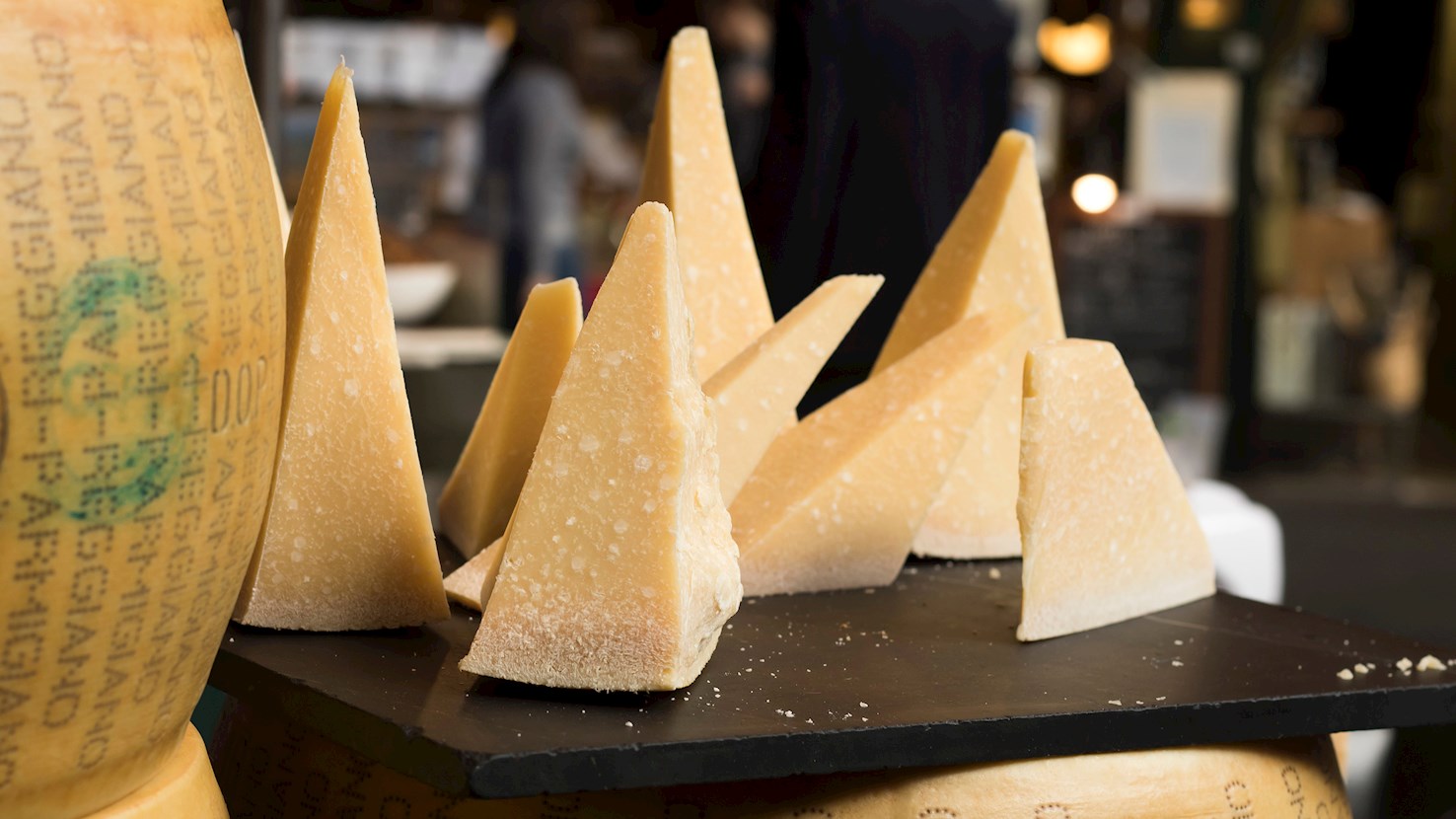
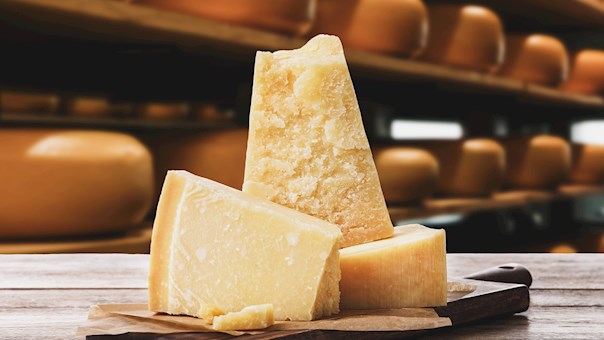
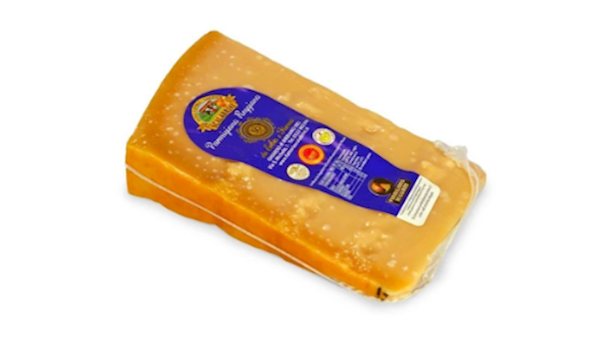
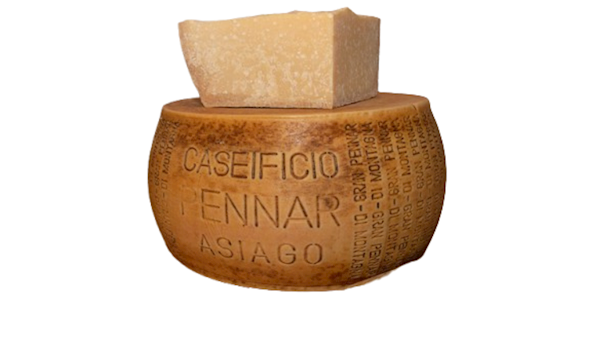
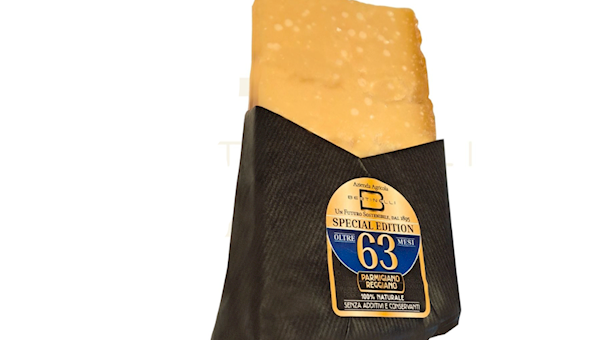
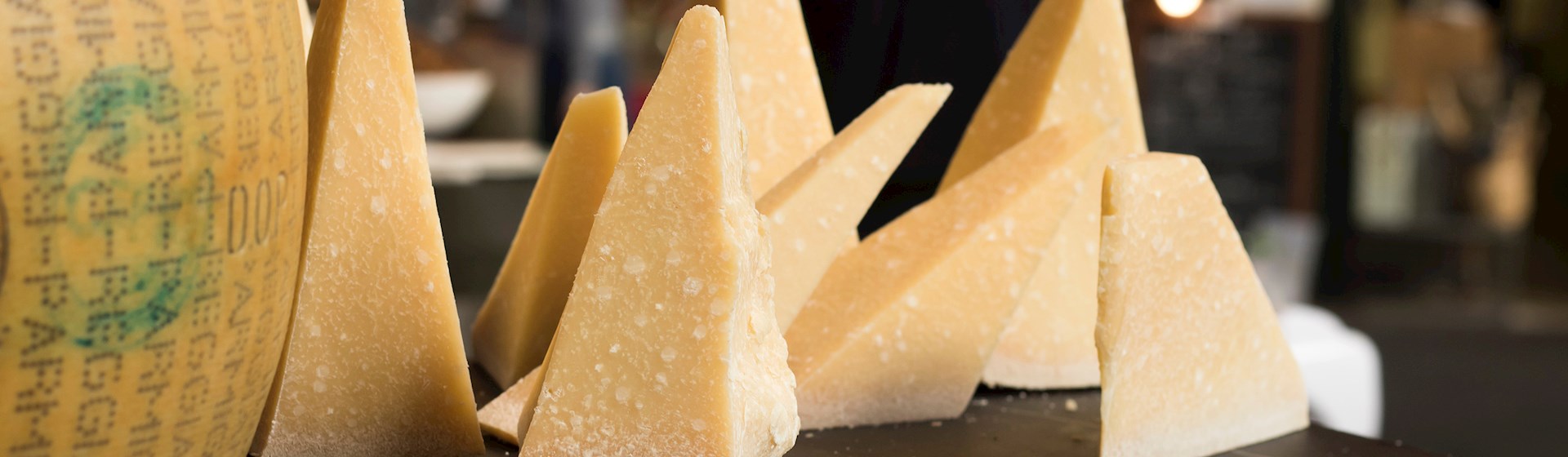
Considered to be among the world's top quality cheeses, Parmigiano Reggiano is made with raw, semi-skimmed milk from cows grazing on fresh grass and hay. It has a hard, gritty texture and its flavors range from nutty to robust and slightly piquant, depending on how long the cheese had matured. The origins of Parmigiano Reggiano date back to the Middle Ages, when the Benedictine and Cistercian monks reclaimed the Po Valley wetlands and started producing this much-prized cheese. Since it originated and was mainly produced in the two city-states Parma and Reggio Emilia, the cheese was named Parmigiano Reggiano, meaning "a cheese from Parma and Reggio Emilia." The cheese got its name in the 19th century, and the word order is speculated to be purely due to alphabetical order. Today, the cheese goes by the unofficial Parmigiano, which is because Parma started promoting this cheese as coming from Parma when it became the capital of the Duchy of Parma and Piacenza in the 16th century. Today, it is produced in the provinces of Parma, Reggio Emilia, Modena and Bologna in Emilia-Romagna, as well as in the Lombardian province of Mantua. Parmigiano is available in following varieties: Mezzano (2nd selection, aged for 12-15 months), Parmigiano Reggiano (aged for 12-24 months or longer) and Parmigiano Reggiano Extra, which needs to pass an additional quality assessment test after 18 months of aging. This particularly versatile cheese is one of the essential ingredients used in a number of classic Italian dishes; it is ideal for grating over pasta, minestrone and consommé, but it can also be enjoyed as a table cheese, typically served with crudités, salads and fresh fruit or nuts.

03

Queijo de Azeitão

4.6 ·

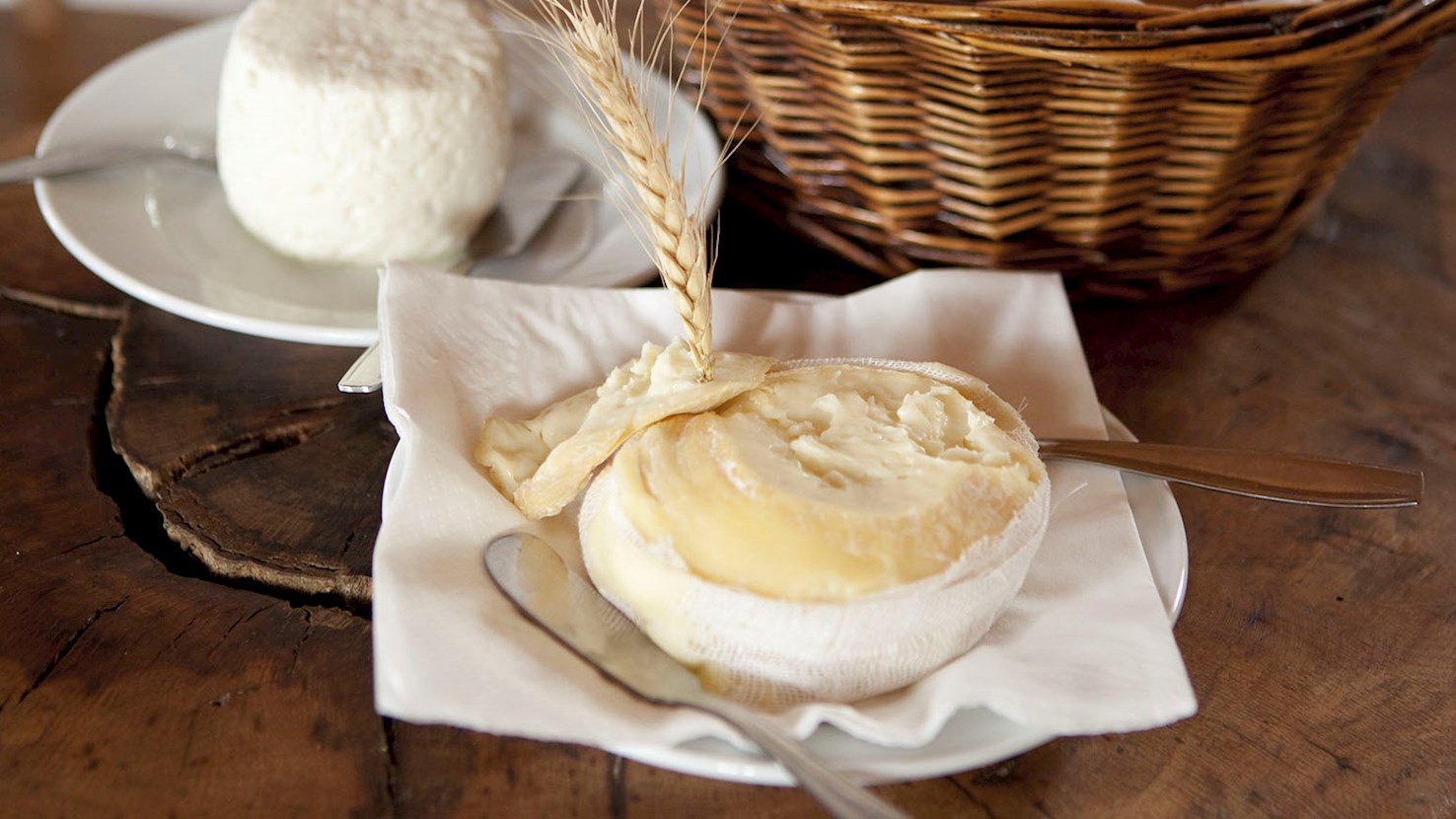
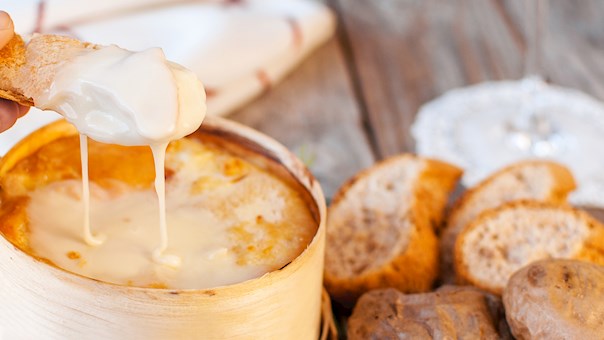
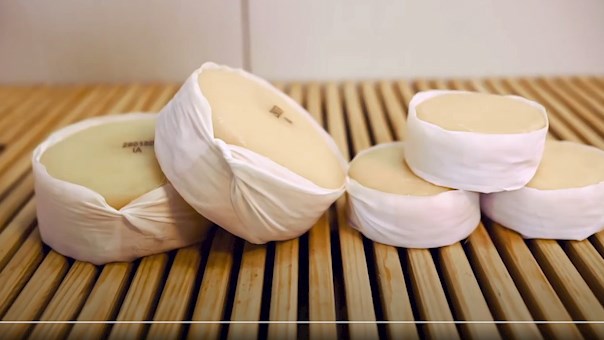
Azeitão is a semi-soft cheese made from unpasteurized sheep milk. The origins of this cheese date back to the 19th century, when Gaspar Henriques de Paiva emigrated to the town of Azeitão. Out of nostalgia for his place of birth, he imported black dairy sheep from his home town to Azeitão and brought cheesemakers from Beira Baixa to make cheeses. De Paiva's Azeitão cheeses quickly became famous throughout Portugal, winning several awards at agricultural fairs. The milk for this cheese is taken from sheep that graze on natural vegetation in the pastures of Azeitão. The sheep are milked manually, and the milk is mixed with the extract of a local variety of thistle to start the curdling process instead of animal rennet, meaning the cheese is 100% vegetarian. Salt is added to the curd, which is then manually worked and wrapped into muslin cloth bundles, called cinchos. The finished cheese is round and flat with a yellowish crust concealing a light-colored interior with a semi-solid consistency. The flavor is both sour and salty with herby undertones. This runny cheese is best served scooped onto a slice of fresh bread, and also makes a delicious dessert when paired with fruit and a semi-dry white wine.

04

Queijo Serra da Estrela

4.5 ·

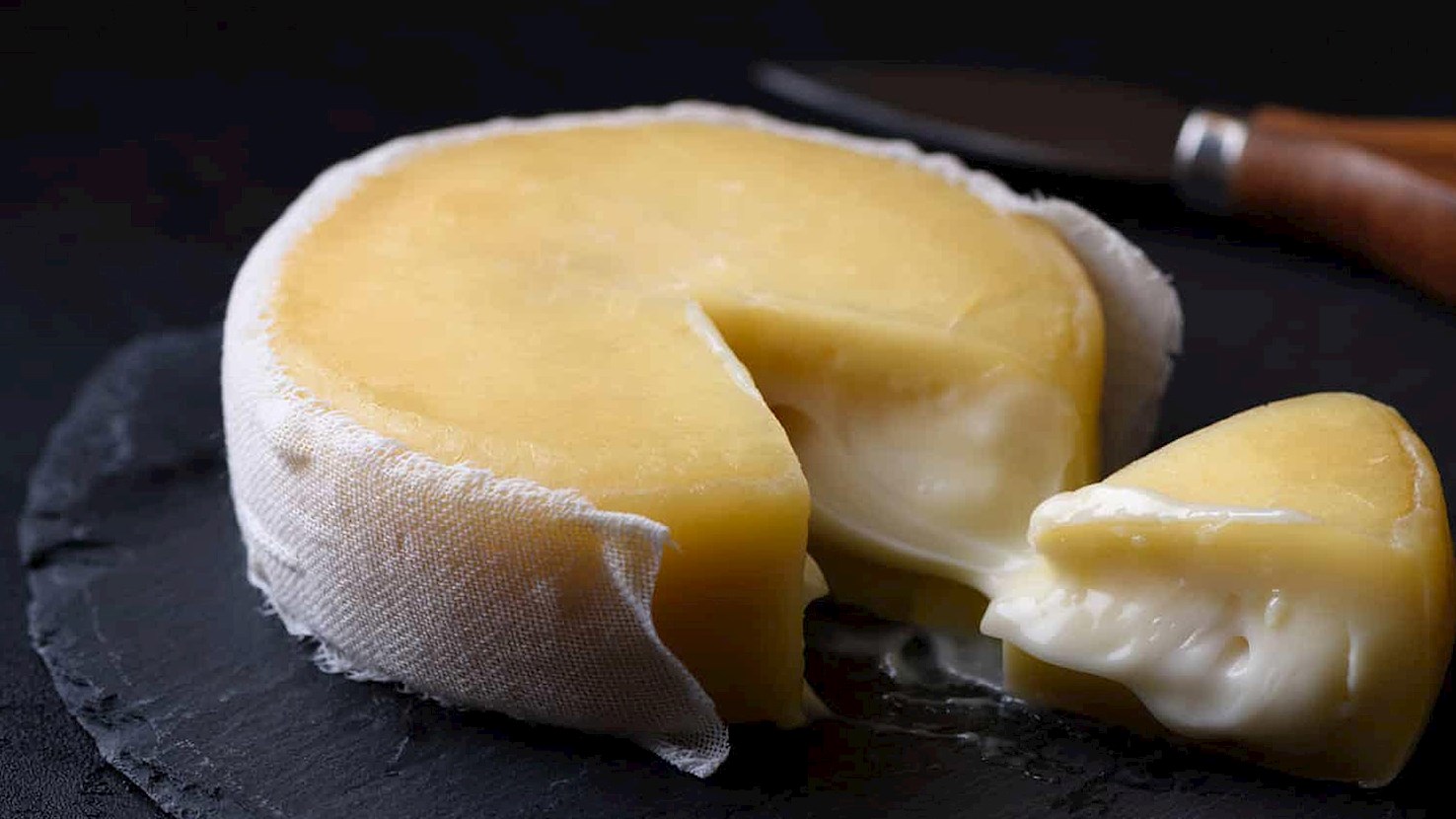
Serra da Estrela is a semi-soft cheese made from the milk of Bordaleira Serra da Estrela and Churra Mondegueira breeds of sheep. Milking is done by hand, after which the milk is heated, salted, and curdled using thistle extract. The curd is formed into cheeses, which are left to ripen in humid and cold conditions. The cheese has a creamy, semi-soft interior that is yellowish-white in color, while its flavor is clean, sweet, and slightly sour. This cheese is Portugal's oldest, most traditional food product with international acclaim. In the 13th century, the king of Portugal opened the first cheese market in Celorico da Beira, in the Serra da Estrela mountain range, where the cheese is still produced today. This cheese was even present on some of the first ships to sail to the New World. Serra da Estrela is traditionally consumed as an appetizer or dessert, and it pairs well with regional wines from the Dão region and broa—local cornbread. A product rich in tradition and culture, Serra da Estrela cheese is the pride of the region, and it is considered the father of all sheep cheeses in Portugal.

05

Graviera Kritis

4.5 ·

This cheese has a long history, and it is the best-known Greek graviera cheese. It is produced using traditional methods and ripened in facilities in Hania, Rethymnos, Iraklion, and Lasithio prefectures on the island of Crete. It is traditionally produced from sheep milk or from a mixture of sheep milk and a maximum of 20% goat milk. These goats and sheep wander freely on the green pastures of the island, and their diet is based on local plants, which give their milk a special quality that is expressed in this exceptional cheese. It is a hard table cheese with a light yellow color and firm texture. Its taste is slightly sweet and nutty. This cheese matures for 3 to 5 months before being put on the market. It is the most popular Greek cheese next to feta, and it can be found almost anywhere outside of Greece's borders. It can be served as an appetizer or grated and used in salads or soups.

06

Pecorino Sardo

4.5 ·

Produced exclusively on the island of Sardinia, Pecorino Sardo is a semi-cooked, hard cheese made with whole milk from the pasture-grazing Sarda sheep. This breed is indigenous to Sardinia, raised throughout Italy and considered to be among the best domestic breeds for milk production. Highly adaptable to different terrains, Sarda sheep feed on fragrant Mediterranean shrubs, which gives Pecorino its distinctive aromatic flavor. It is available in two varieties: Pecorino Sardo Dolce (mild), a sweet and more delicate version, and Pecorino Sardo Maturo (mature), a much stronger flavored cheese that's matured for at least 2 months and pleasantly piquant. While Dolce is consumed as table cheese, often paired with fresh vegetables or grapes and pears, Maturo is typically grated over pasta dishes or enjoyed at the end of a meal and pairs wonderfully with bread, olive oil, and pine nuts.

07

Kefalograviera

4.4 ·

This is one of the most famous Greek cheeses. It has been made in Western Macedonia, Epirus, Aitoloakarnanina, Evrytania, and in western mainland Greece since the 1960s, which makes it one of the newest cheeses on the Greek market. It is a hard table cheese usually made from sheep's milk or a mixture of sheep's and goat's milk. Kefalograviera got its name after two cheeses because it's a cross between Kefalotyri, a salty, intensely flavored cheese, and the mellow Graviera cheese. It is sold in wheels or wedges, and is easily identified by its firm texture and light brown rind. Statistics show that it is becoming one of the most widespread cheeses in Greece, with annual production of around 3,000 tons. Kefalograviera is a hard table cheese that is often used to prepare a popular Greek fried cheese dish called saganaki.

08

Metsovone

4.4 ·

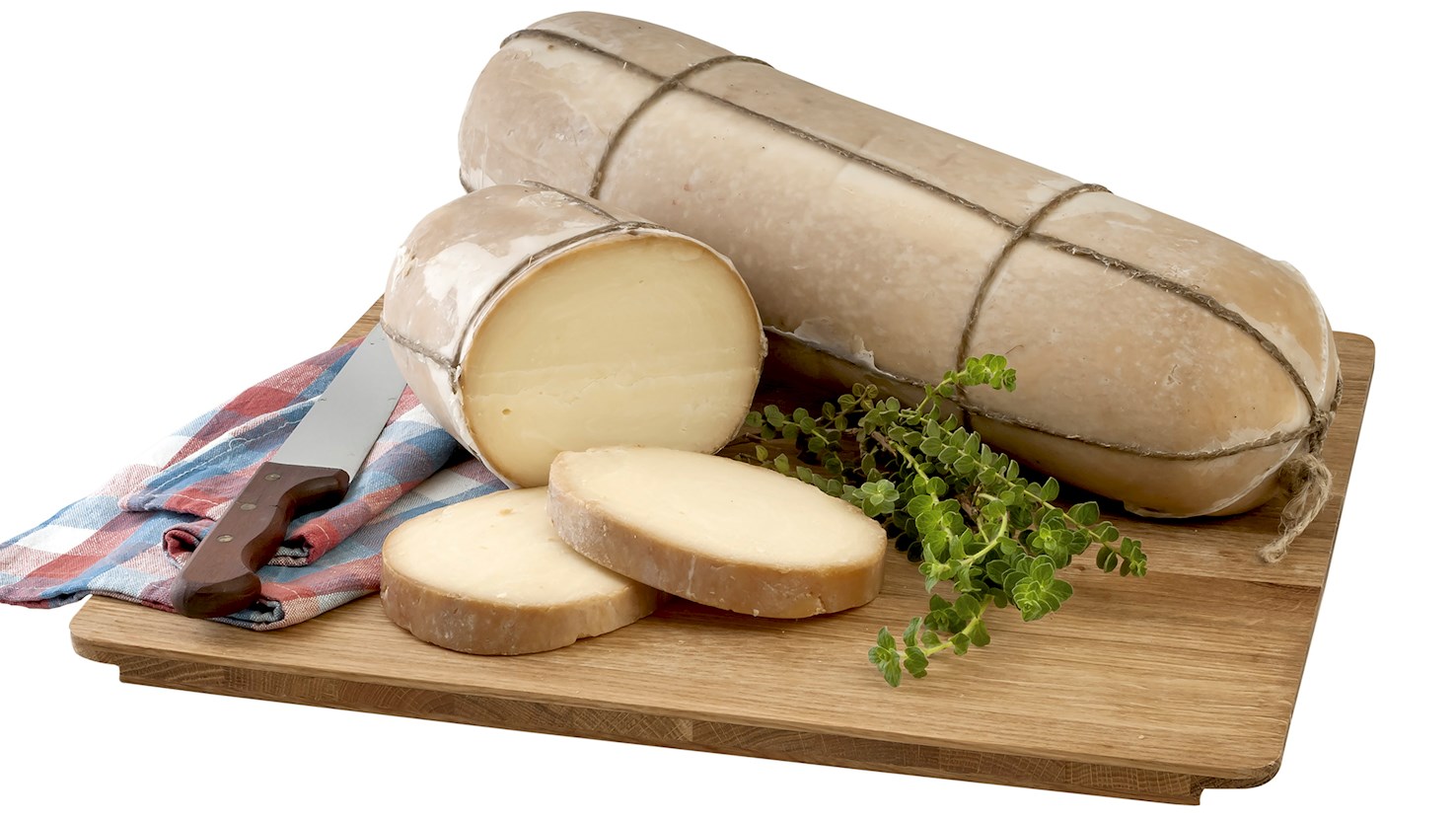
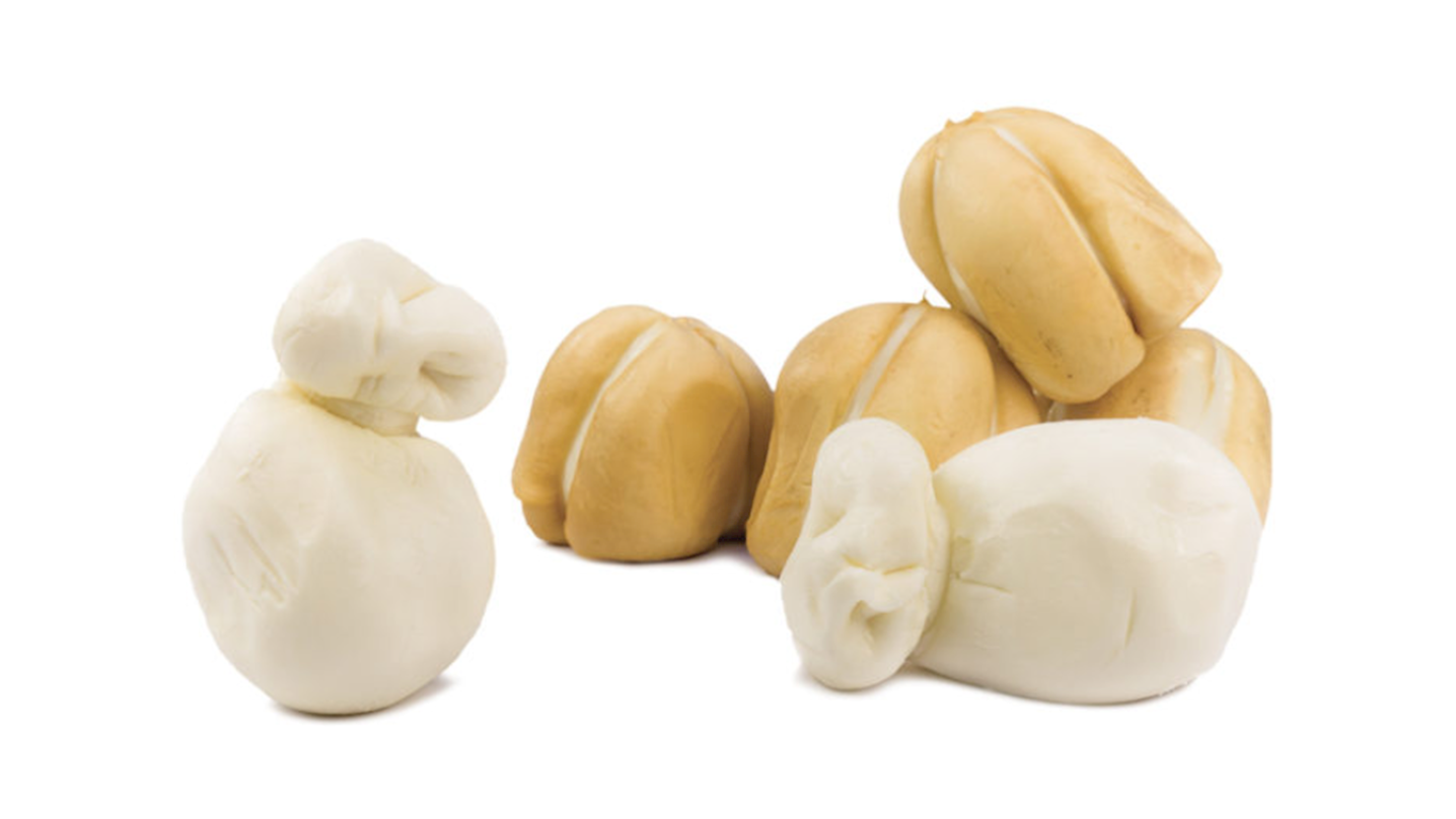
Metsovone is a hard or semi-hard smoked table cheese, produced from cow's milk or alternatively with a mixture of cow's milk with up to 20% sheep’s or goat’s milk. It has been made in the Metsovo mountain region for more than 50 years from locally reared animals' milk. During the manufacturing, it is put in cylindrical molds that are placed in cold water to make the cheese more compact and afterwards placed in pickle. After the drying, the maturation lasts, at least, three months. Finally, it is smoked for a couple of days. It has a textured paste and a slightly yellow rind. The taste is rich, slightly salty and spicy, with a dried fruit aftertaste. It can be enjoyed both raw and cooked and is a regular ingredient in quiches or pizzas. It is an excellent appetizer to serve with a glass of ouzo or wine.

09

Pecorino Toscano

4.4 ·

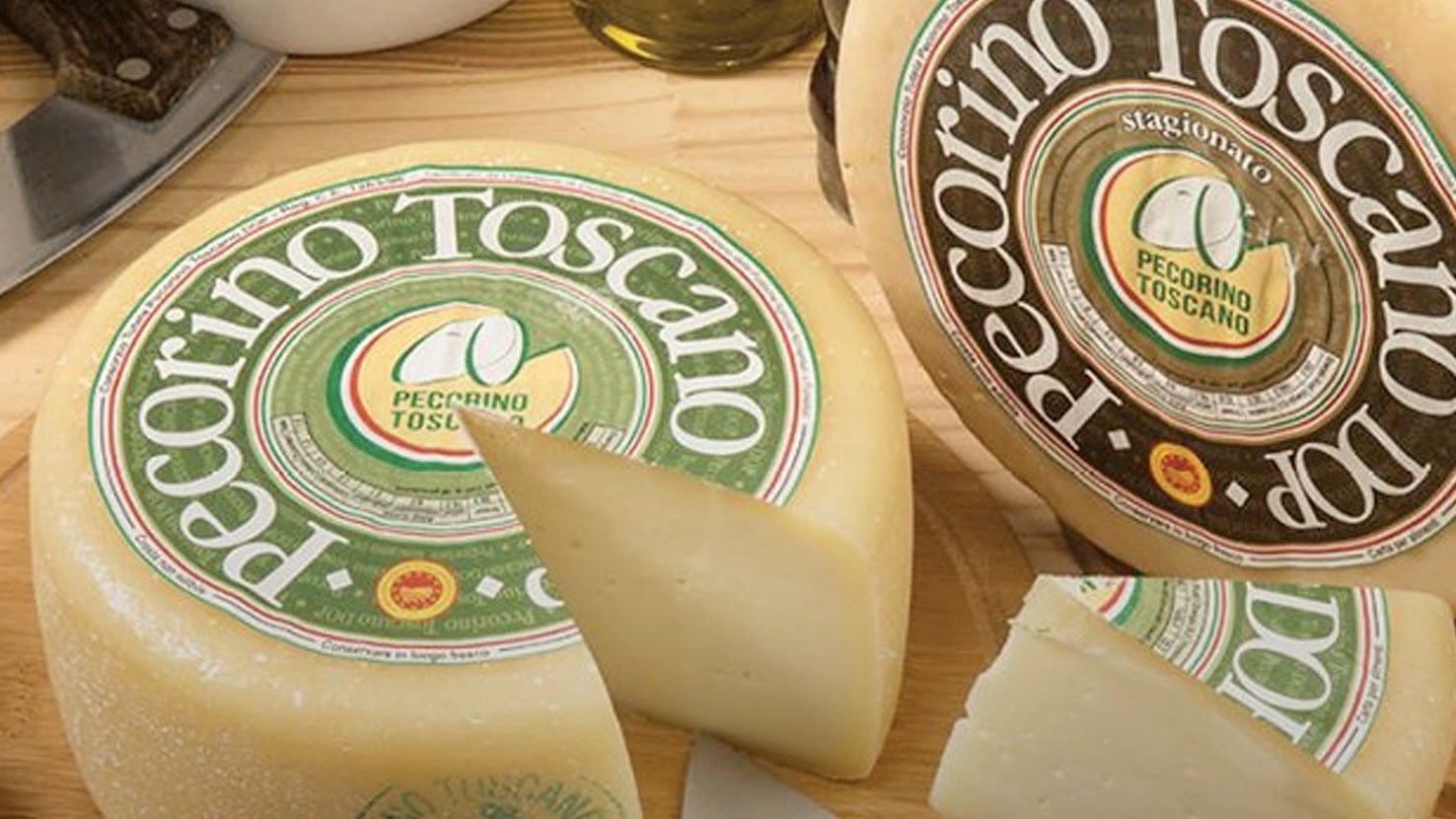
Back in the 15th century, when Pecorino production used to begin in spring, this Tuscan delicacy was called Cacio Marzolino, meaning March cheese. Nowadays, Pecorino Toscano is also produced in Lazio and Umbria, Tuscany's neighboring regions, and available year-round as either Fresco (fresh) or Stagionato (matured for at least 4 months). This soft to semi-hard cheese is made with whole milk from sheep feasting on pastures nestled between the Apennines and the Tyrrhenian Sea. Compared to other varieties of Pecorino cheese, Toscano is only briefly salted and thus retains its delicate, sweet flavor. Depending on how mature it is, Pecorino Toscano can be enjoyed as a table cheese or used for grating over various pasta dishes or hearty Tuscan potage soups such as Ribollita. Fresco or Stagionato, it also pairs well with fresh vegetables, fruits, jam, and honey.

10

Pecorino Siciliano

4.4 ·

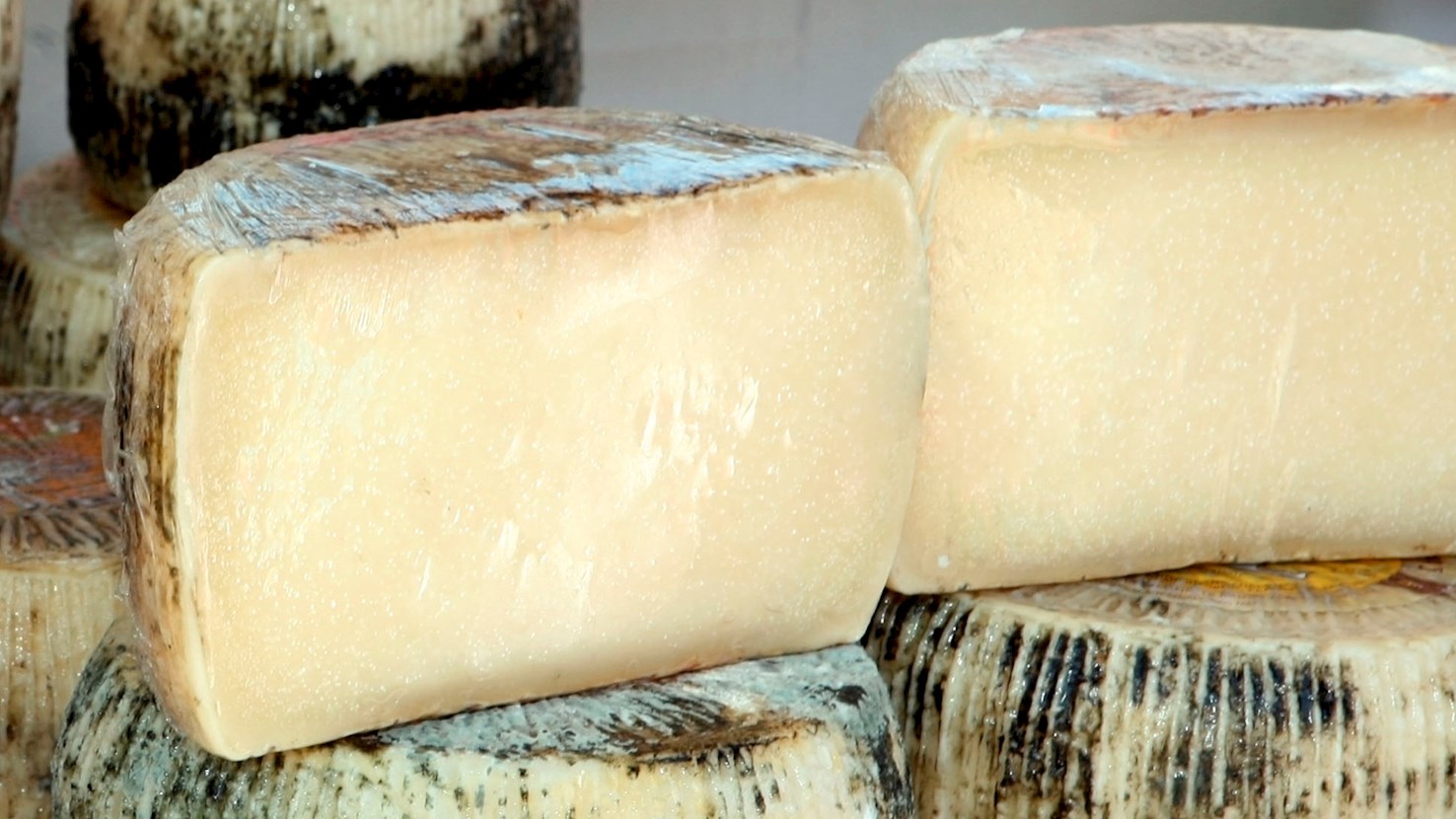
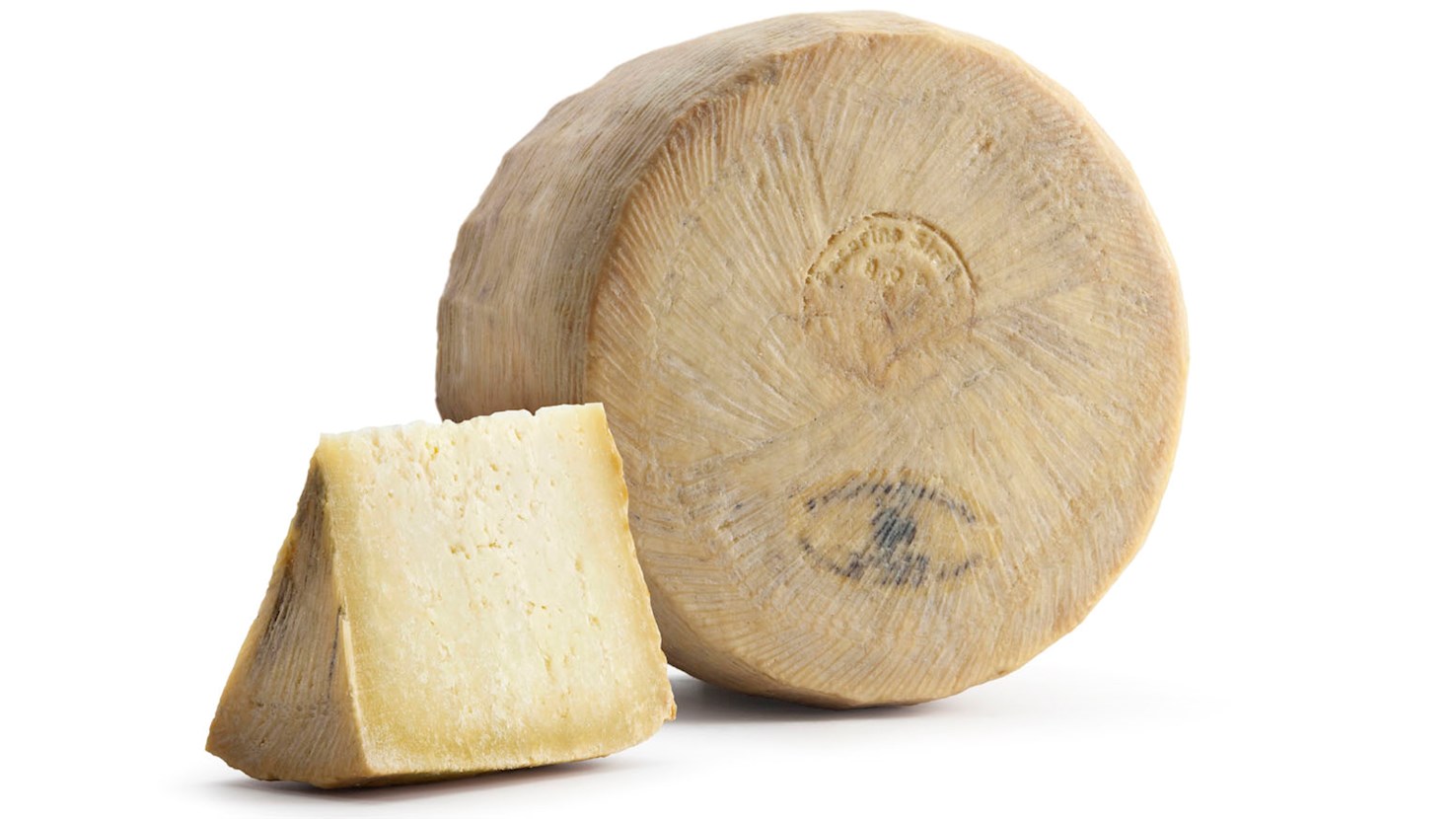
One of the oldest cheeses produced in Europe, Pecorino Siciliano is a semi-cooked, hard cheese, made with raw, whole milk from various sheep breeds reared all across the island of Sicily. Easily distinguished by the reed woven basket pattern on its rind, this type of Pecorino has a pronounced herbal aroma, and a well-balanced piquant flavor, which tends to become stronger as the cheese ripens. It is available in following varieties: Tuma, Primo Sale, Secondo Sale and Stagionato. Both fresh and semi-matured Pecorino Siciliano are great as table cheeses, typically served with bread and olives, while the more matured versions are especially good for grating and adding flavor to various pasta dishes.

Best European Natural Rind Cheeses
01

Fromagerie André

5 ·
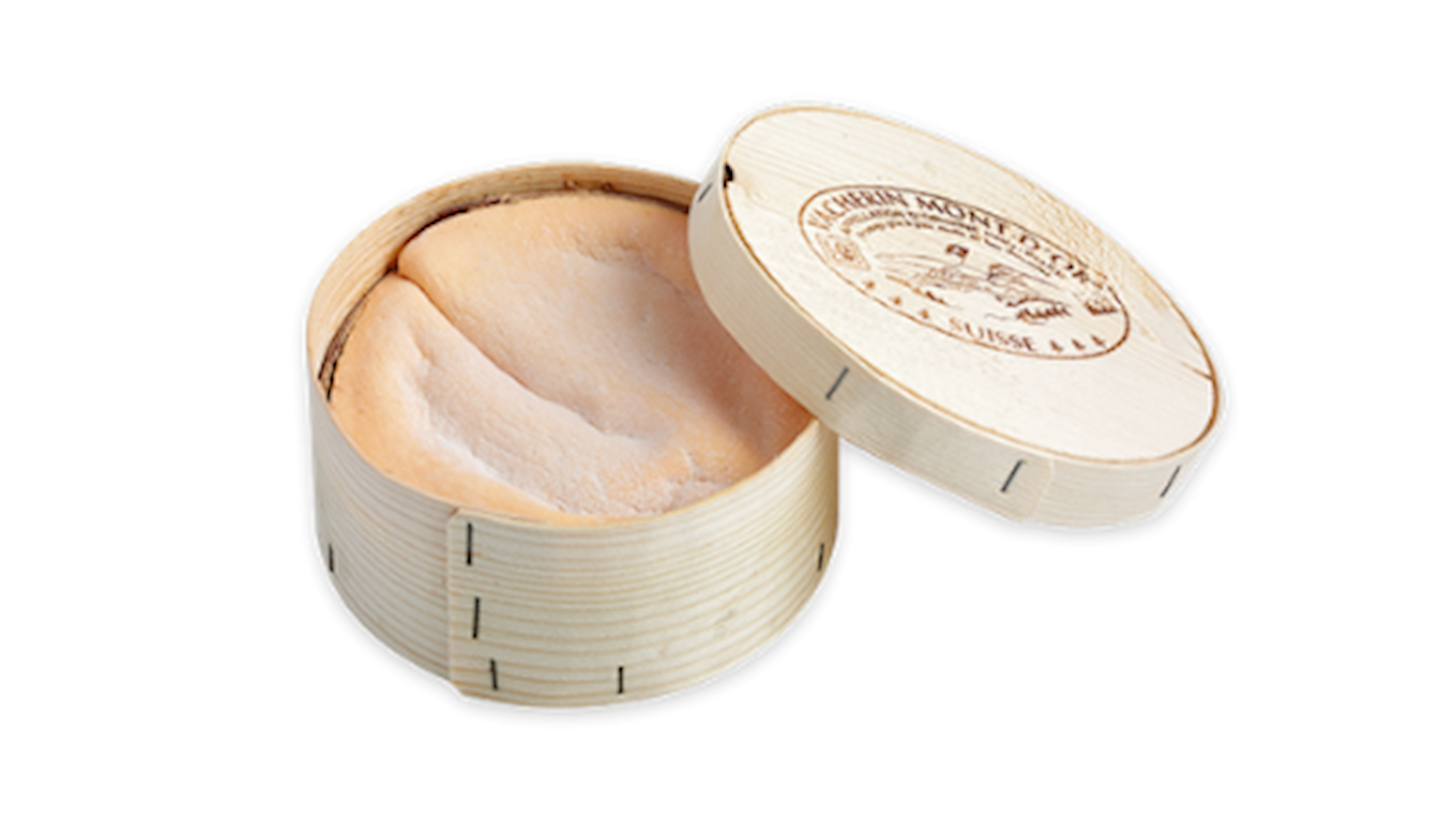
Fromagerie André is a family-owned Swiss cheese dairy with a long tradition dating back to 1919, based in Romanel-sur-Morges in the canton of Vaud. Across several generations, the André family has developed a distinctive artisanal approach to cheesemaking, relying on locally sourced milk and a strong connection to the region’s terroir. The dairy is particularly known for producing protected-designation cheeses such as Vacherin Mont-d’Or AOP, as well as various tomme-style cheeses and specialty varieties with added flavors. Production combines traditional methods with modern quality standards, with careful attention to natural ingredients and controlled aging. Today, it is regarded as a respected representative of Swiss artisanal cheesemaking, valued for its consistency, family heritage, and commitment to regional quality.
Awards
Swiss Cheese Awards - Swiss Champion (2024)
02

Luigi Guffanti 1876

4.9 ·
Luigi Guffanti 1876 is a renowned Italian cheese company based in Arona, in the Piedmont region, known for its multi-generational expertise in aging and refining cheeses. Founded in 1876 by Luigi Guffanti, the company began its journey by aging Gorgonzola in an abandoned silver mine in Valganna, taking advantage of its consistent temperature and humidity conditions for optimal cheese maturation. Over time, the expertise gained in aging Gorgonzola expanded to include a wide variety of other cheeses. Luigi Guffanti 1876 offers an extensive selection of cheeses, including those made from cow’s, sheep’s, goat’s, and buffalo’s milk, as well as blended varieties. The company also welcomes visitors to its aging cellars in Arona, where guests can experience the cheese aging process firsthand and enjoy guided tastings of their artisanal products.
Awards
Italian Cheese Awards - ICA (2018, 2016, 2015)
Italian Cheese Awards - Nominee (2017)
03

Synnøve Finden

4.9 ·
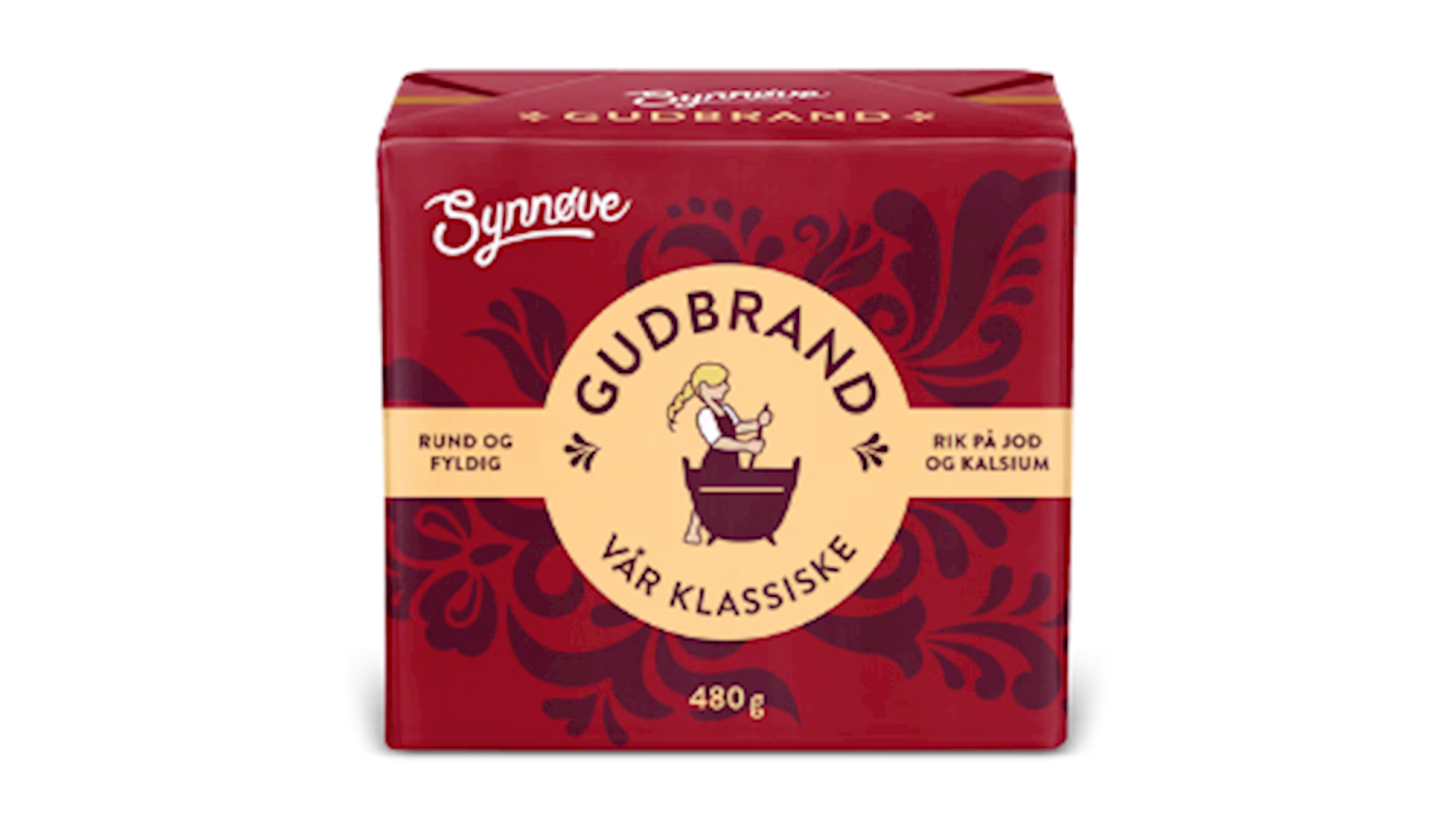
Synnøve Finden is a Norwegian food company with a tradition dating back to 1928, renowned for its expertise in producing cheeses, dairy products, and plant-based dairy alternatives. Over the decades, it has developed a diverse product range - from traditional Norwegian specialties such as brunost, the distinctive caramelized whey cheese, and gulost, to various hard and semi-hard cheeses, processed cheeses, yogurts, and innovative plant-based spreads. All products are made in modern production facilities, where state-of-the-art technology is combined with a strong commitment to preserving authentic flavors and traditional methods. The company uses only milk sourced from Norwegian farms, ensuring freshness and full traceability while supporting local agriculture. This dedication to quality and provenance is reflected in the consistently high standards of its products. By merging Norway’s rich dairy tradition with modern product development, Synnøve Finden has positioned itself as a reliable and innovative brand. It is present in both domestic and international markets, attracting consumers who value authentic taste, premium ingredients, and a contemporary approach to nutrition that respects the environment and evolving dietary habits.
Awards
World Cheese Awards - Gold (2024)
04

Lattebusche

4.9 ·
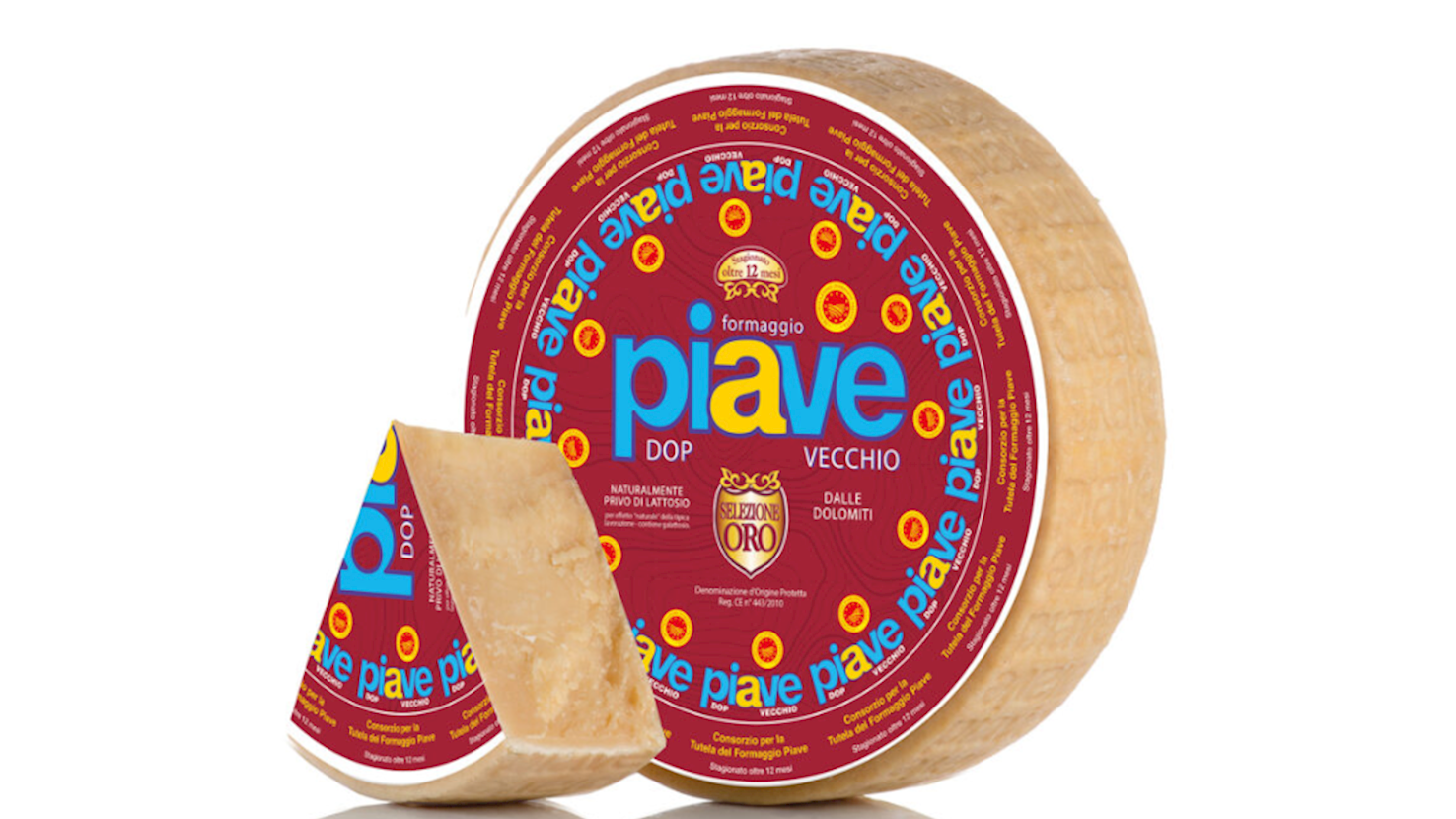
Lattebusche is a well-known Italian dairy cooperative based in the town of Busche (municipality of Cesiomaggiore) in the province of Belluno. Founded in 1954 as a local milk processing cooperative, it is now considered one of the leading dairy producers in northern Italy. The cooperative operates several production facilities, including dairies in Busche, Sandrigo, Resana, and Chiusa di Pesio, where a wide variety of cheeses, butter, milk, and other dairy products are made, mostly from milk supplied by local farmers. Lattebusche places strong emphasis on the quality of raw materials, product traceability, and sustainable practices in agriculture and milk processing. Its products often carry DOP (Denominazione di Origine Protetta) certifications, which guarantee the authenticity of origin and traditional production methods.
Awards
Global Cheese Awards - Best (2021)
World Cheese Awards - Gold (2022)
05

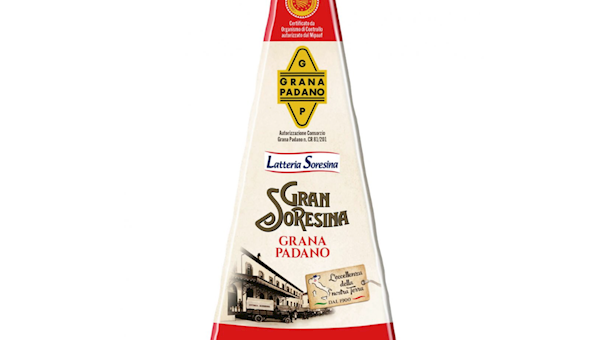
Latteria Sociale Moderna

4.9 ·
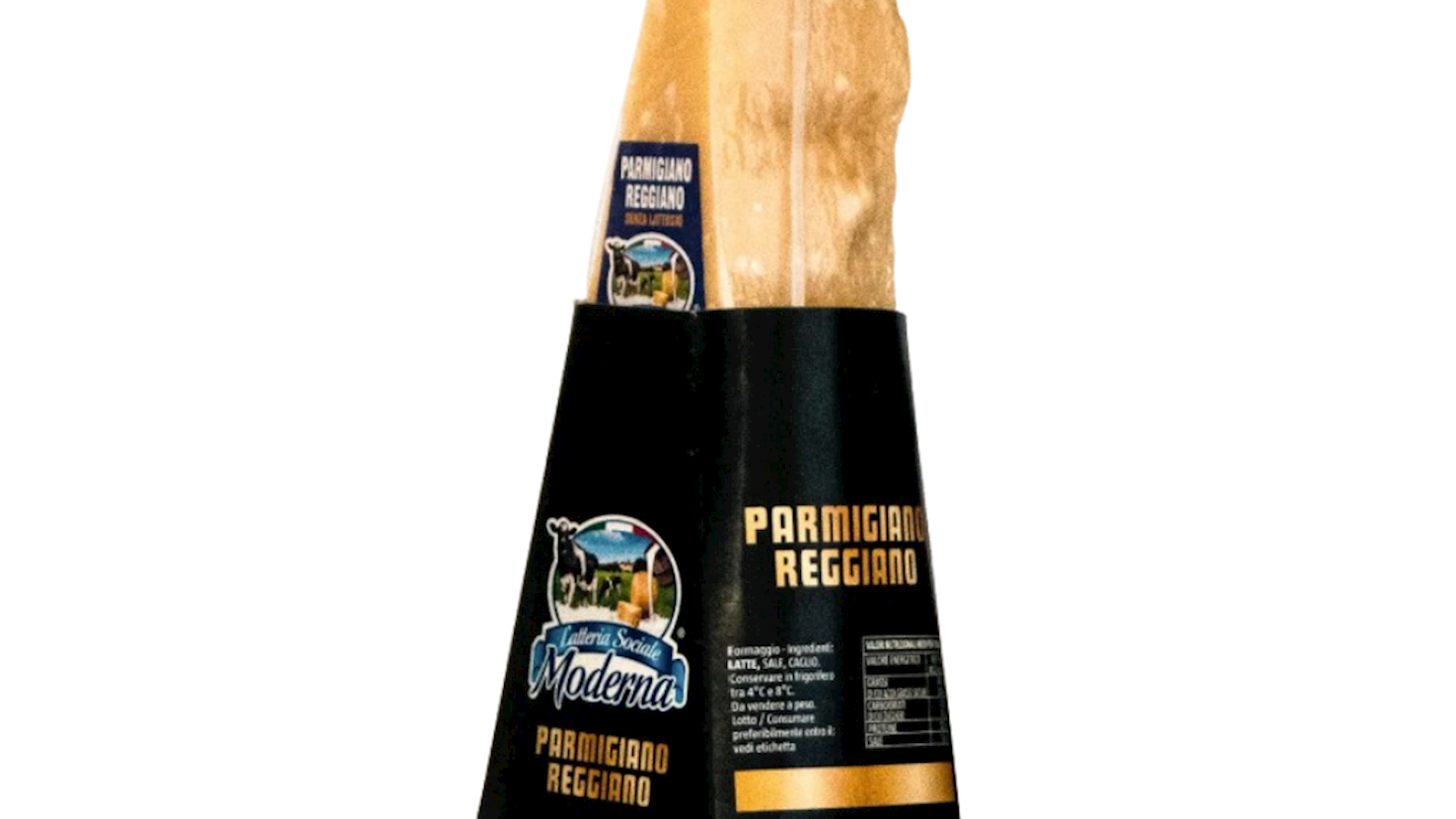
Latteria Sociale Moderna is an agricultural cooperative based in Bibbiano, in the Reggio Emilia region of Italy, renowned for its production of authentic Parmigiano Reggiano cheese. Founded in 1967, the cooperative brings together local milk producers who work collectively to preserve the traditional methods of cheesemaking, passing down knowledge and skills through generations. The cooperative strictly adheres to the production guidelines for Parmigiano Reggiano, using only three essential ingredients: raw cow’s milk, rennet, and salt. The aging process lasts a minimum of 12 months but is often extended to 24, 30, or even 40 months, resulting in a rich and complex flavor. In addition to Parmigiano Reggiano, the cooperative also produces other dairy products such as ricotta and yogurt, as well as cured meats typical of the Emilia-Romagna region.
Awards
World Cheese Awards - Super Gold (2024)
World Cheese Awards - Gold (2023)
06

Caseificio Il Fiorino

4.8 ·
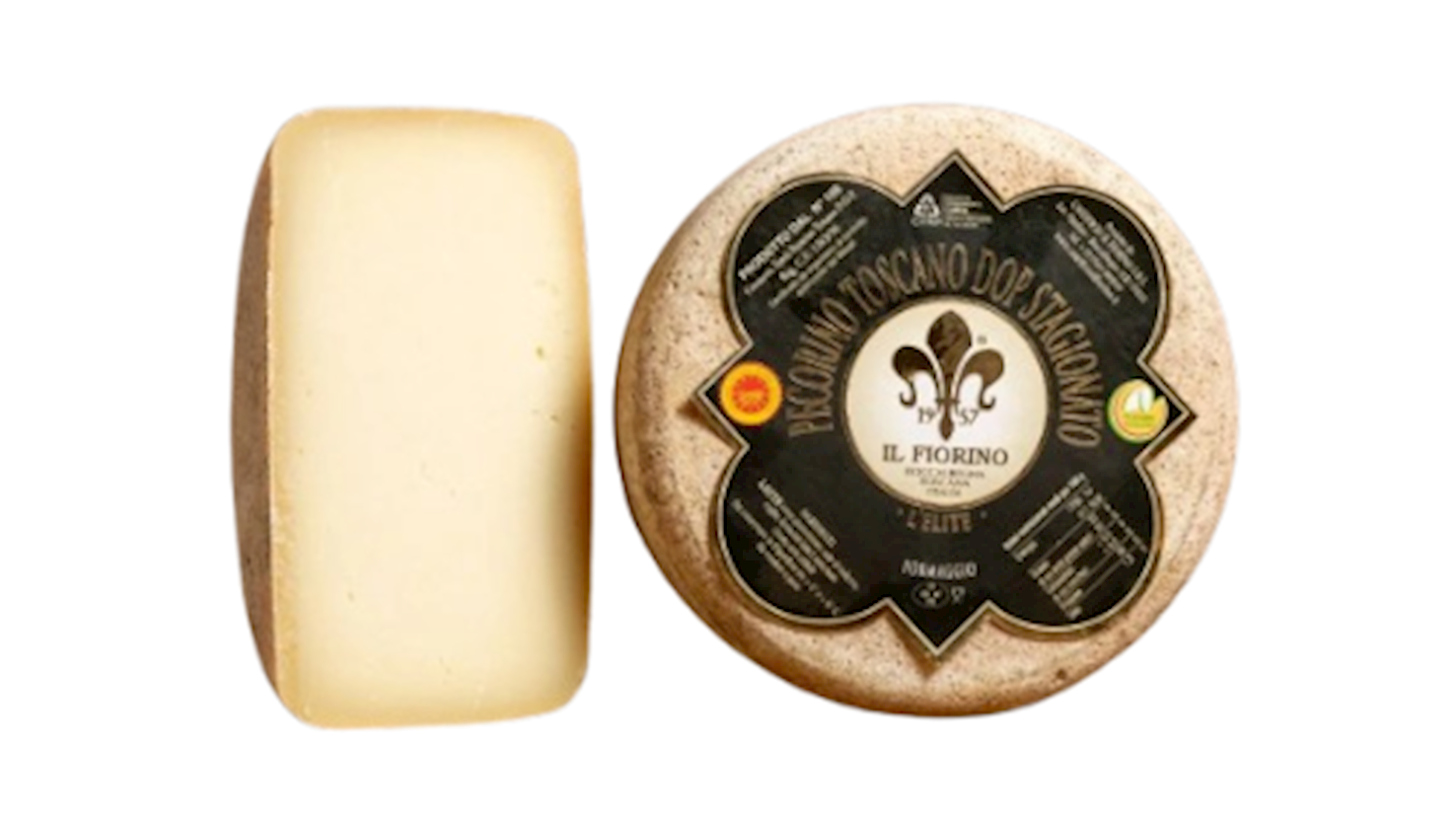
Caseificio Il Fiorino is a prestigious Italian dairy company located in the heart of Tuscany, specifically in the Maremma region. Established in 1957, Il Fiorino has grown into one of the most celebrated producers of pecorino cheese, earning recognition both in Italy and abroad for its exceptional quality and craftsmanship. The company is deeply committed to preserving traditional methods of cheesemaking while embracing modern practices to ensure a sustainable and high-quality production process. At Caseificio Il Fiorino, the production of cheese is an artisanal process that values authenticity and craftsmanship. The company produces a wide range of cheeses, with a strong focus on pecorino, which is made from sheep’s milk sourced from local farms. The milk is carefully selected to ensure it is of the highest quality, and the cheesemaking process takes place in small batches to maintain the integrity and flavor of each product. The cheeses are made by hand, with skilled cheesemakers monitoring every stage of production.
Awards
Culture Cheese Magazine Best Cheeses issue - Best (2023)
World Cheese Awards - Super Gold (2022)
07

Caseificio di Nucci

4.8 ·
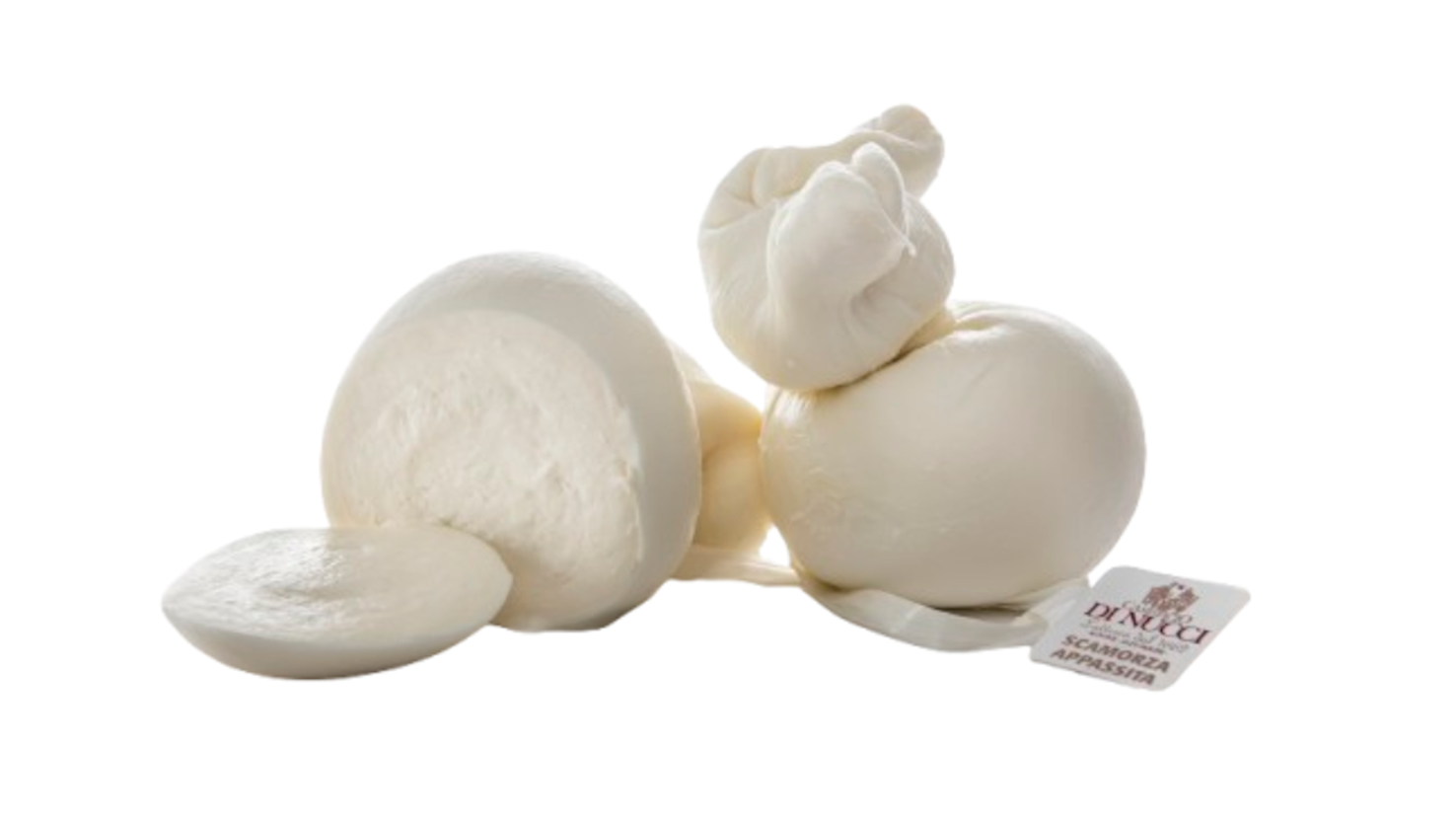
Caseificio Di Nucci is a family-run dairy based in Agnone, in the Molise region of Italy, dedicated to the production of traditional cheeses for over ten generations. Their cheesemaking process is rooted in the use of raw cow's milk and traditional artisanal methods, without the use of additives or preservatives, ensuring the authenticity and quality of their products. Di Nucci cheeses have earned recognition not only among consumers but also at international competitions. They have received numerous awards at prestigious events such as the World Cheese Awards, where their products have repeatedly won medals for excellence. The dairy also offers guided tours of its production facilities, educational experiences focused on traditional cheesemaking, and tastings that allow visitors to fully appreciate the rich flavors and history behind each cheese.
Awards
Italian Cheese Awards - ICA (2022, 2019, 2017, 2016)
Italian Cheese Awards - Nominee (2018, 2017)
08

Brülisauer Käse

4.8 ·
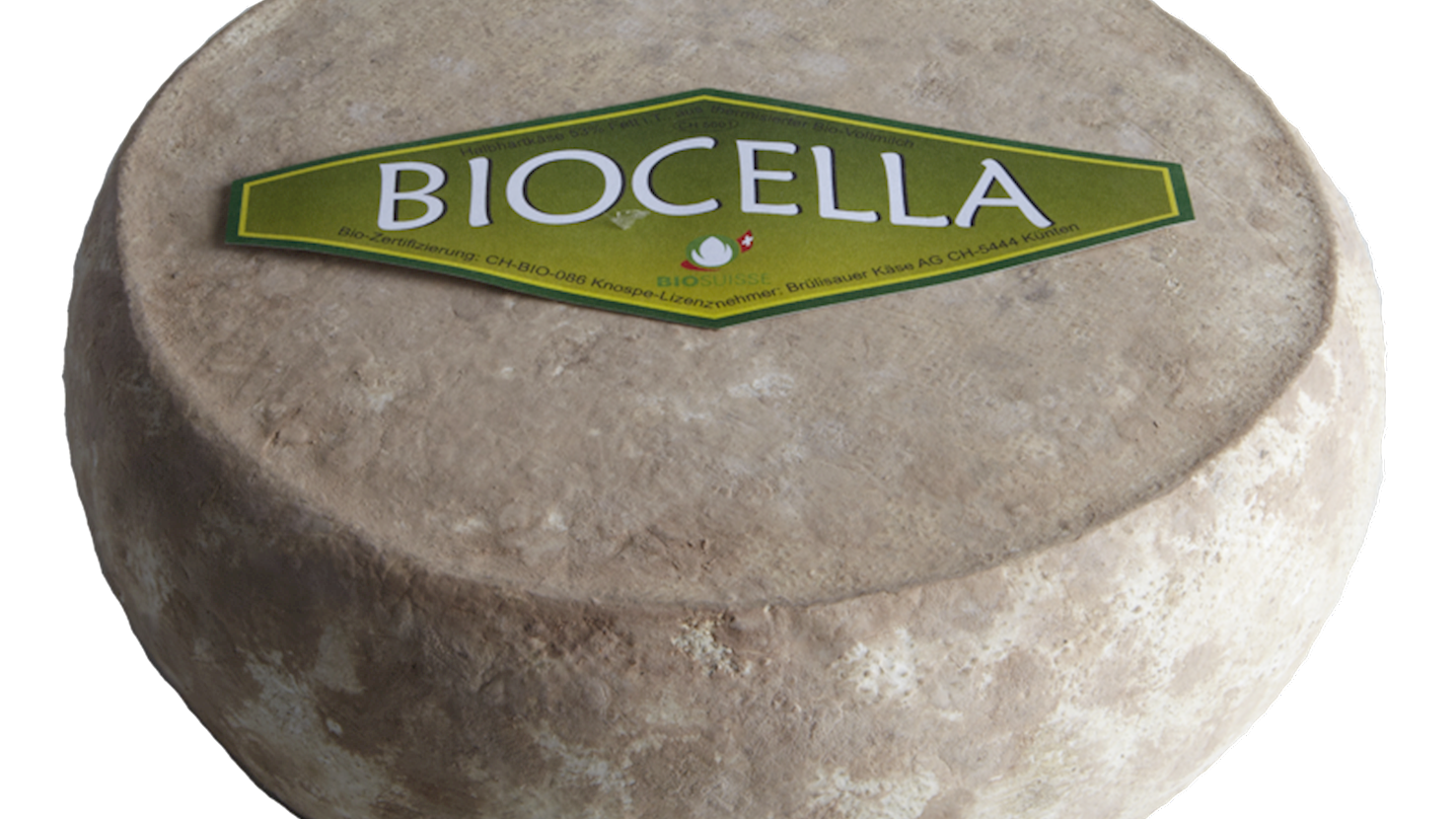
Brülisauer Käse is a cheese production company based in Brülisau, Switzerland. The company specializes in making traditional Swiss cheeses, including Appenzeller cheese, known for its distinct flavor derived from herbal brine treatments. Brülisauer Käse AG produces its cheeses using milk from local farms, emphasizing quality and regional sourcing.
Awards
World Championship Cheese Contest - Best of Class (2024, 2022)
09

Caseificio Lacesa

4.8 ·
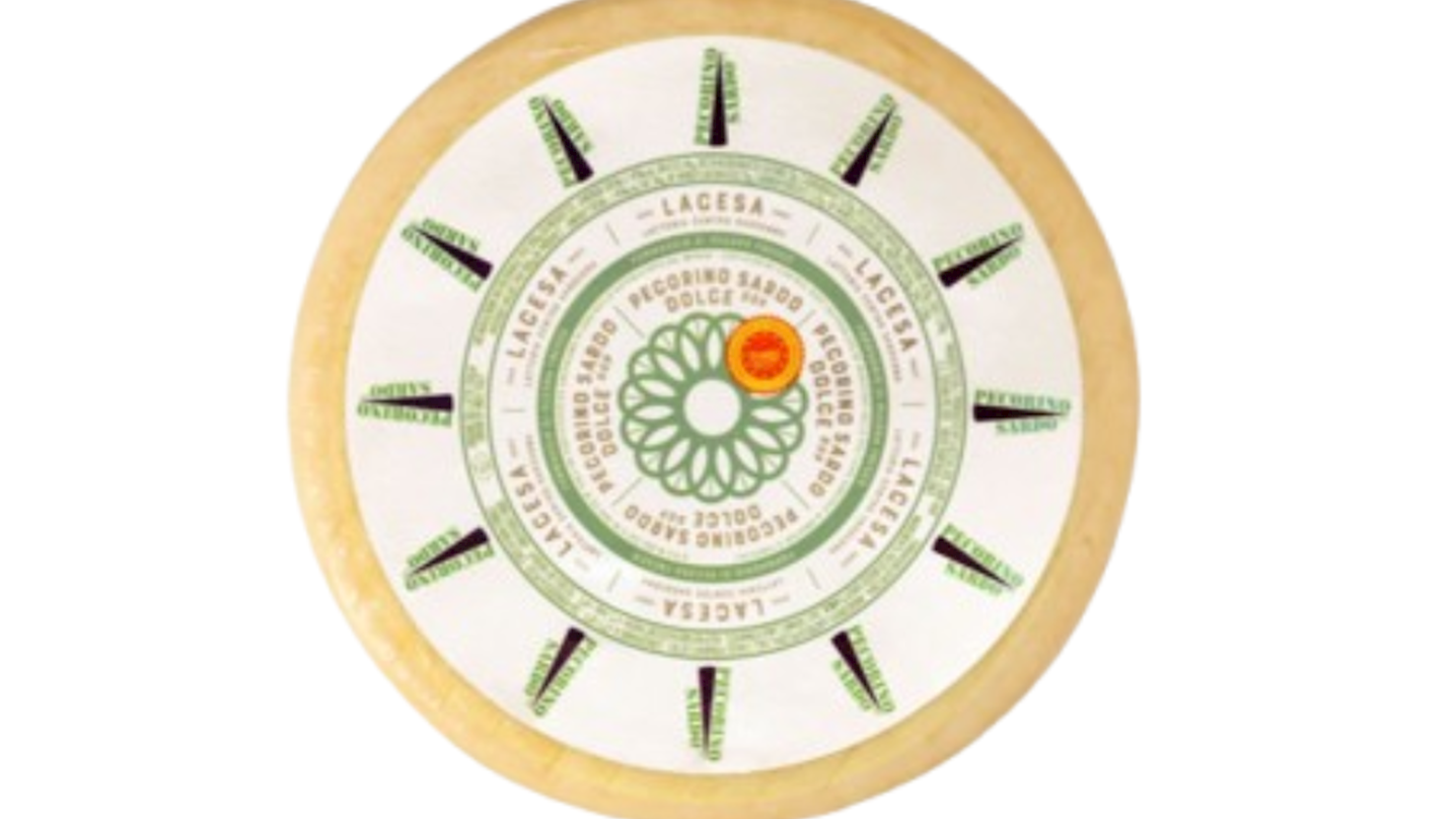
Caseificio Lacesa is a renowned dairy cooperative founded in Bortigali, in the heart of Sardinia. It was established through the union of local livestock farmers with the aim of preserving and promoting the traditional Sardinian art of cheesemaking. Over the years, Lacesa has become one of the island’s leading cheese producers, known for the high quality of its products and its commitment to safeguarding local gastronomic heritage. Lacesa uses milk from sheep, cows, and goats that graze naturally on the region’s aromatic pastures. This practice contributes to the unique flavor and quality of their cheeses. The cooperative specializes in the production of traditional Sardinian cheeses such as Fiore Sardo DOP, Pecorino Romano DOP, Pecorino Sardo, as well as a variety of mixed-milk and cow’s milk cheeses. Combining traditional production methods with modern technology, Lacesa ensures high standards of quality and safety. Their products are recognized and appreciated both nationally and internationally, contributing to the promotion of Sardinia’s rich cheesemaking tradition.
10

Neal's Yard Dairy

4.8 ·
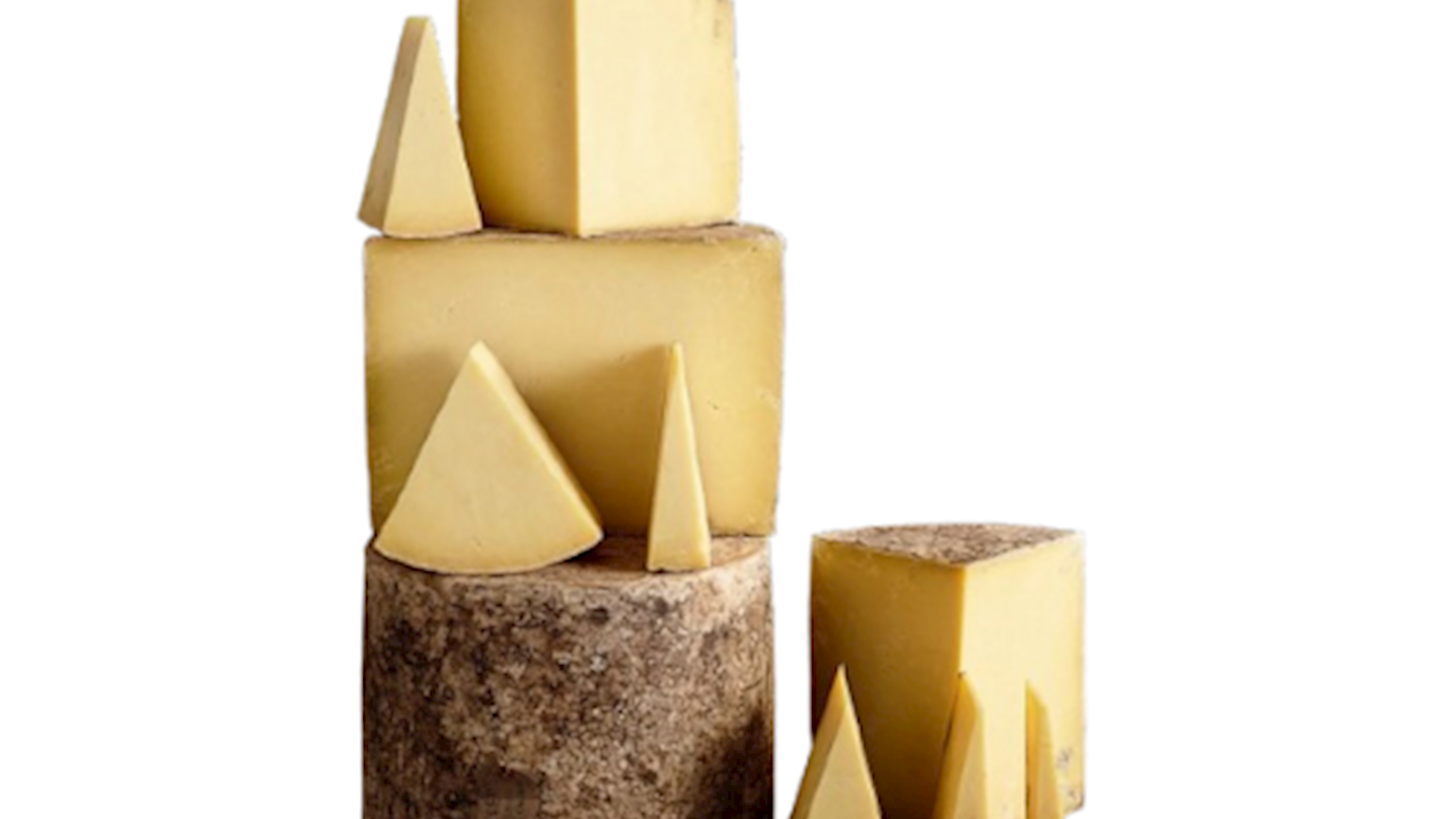
Neal's Yard Dairy is a renowned British cheese shop and maturing facility dedicated to showcasing and nurturing the best of British and Irish cheeses. Established in 1979, the company is celebrated for its commitment to quality, working closely with small-scale producers to select, mature, and sell exceptional cheeses. Their focus is on traditional, raw milk cheeses, which are aged in their own maturing rooms to ensure the best flavor development. Neal's Yard Dairy is not only passionate about curating a diverse range of artisanal cheeses but also about preserving and promoting the craftsmanship of British cheesemakers. Neal's Yard Dairy is deeply involved in education and advocacy for raw milk cheese, often engaging with the technical and scientific communities to ensure the future of this delicious and historically significant food.
Read more
View all
View map
About this ranking

TasteAtlas food rankings are based on the ratings of the TasteAtlas audience, with a series of mechanisms that recognize real users and that ignore bot, nationalist or local patriotic ratings, and give additional value to the ratings of users that the system recognizes as knowledgeable. For the “Top 100 European Natural Rind Cheeses” list until May 30, 2026, 23,050 ratings were recorded, of which 15,360 were recognized by the system as legitimate. TasteAtlas Rankings should not be seen as the final global conclusion about food. Their purpose is to promote excellent local foods, instill pride in traditional dishes, and arouse curiosity about dishes you haven’t tried.

The initial list of top producers was compiled based on available reviews, awards, local recommendations, media and blog coverage, and consumer reviews. The list will be updated with ratings from TasteAtlas local ambassadors and TasteAtlas users.

Similar lists