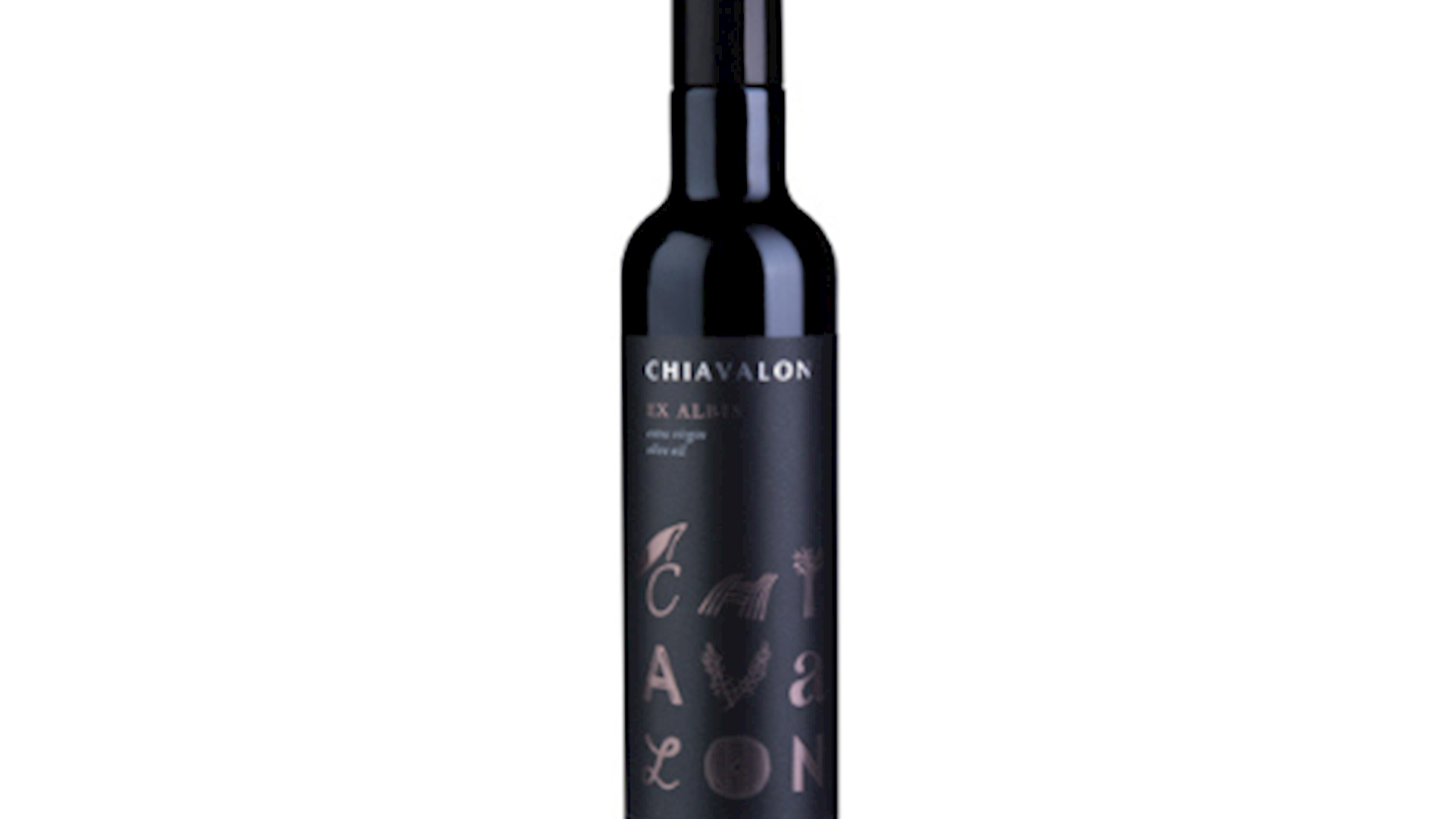
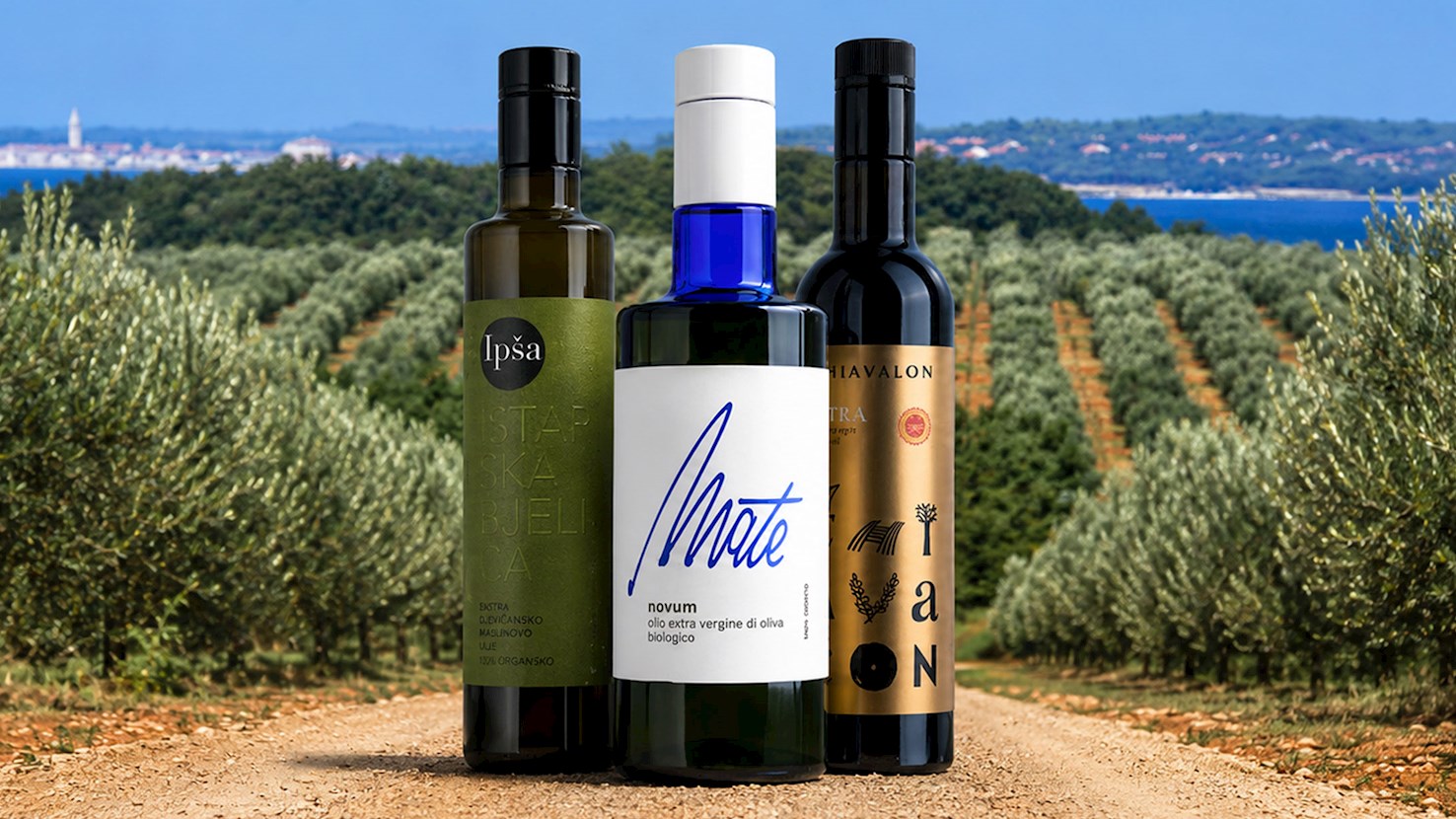
Chiavalon is a renowned Croatian producer of premium extra virgin olive oil based in Istria, a region famous for its long tradition of olive growing and high-quality olive oils. The Chiavalon family has been nurturing olive groves around the town of Vodnjan for generations, combining traditional methods with the latest processing technologies.
Their dedication to quality and preserving the natural characteristics of the fruit results in products recognized on the international stage.
Chiavalon’s extra virgin olive oils are distinguished by intense fruity aromas, balanced bitterness, and spiciness, giving them a complex and elegant flavor. The most commonly used varieties include Istarska bjelica, Leccino, and Pendolino, and each bottle is carefully controlled to meet strict quality and authenticity standards.
With numerous prestigious awards and recognitions at global competitions, Chiavalon has become synonymous with top-quality Croatian olive oil, valued by both experts and olive oil enthusiasts worldwide.
Their commitment to tradition, innovation, and sustainable development makes Chiavalon one of the most prominent brands in the olive oil industry.
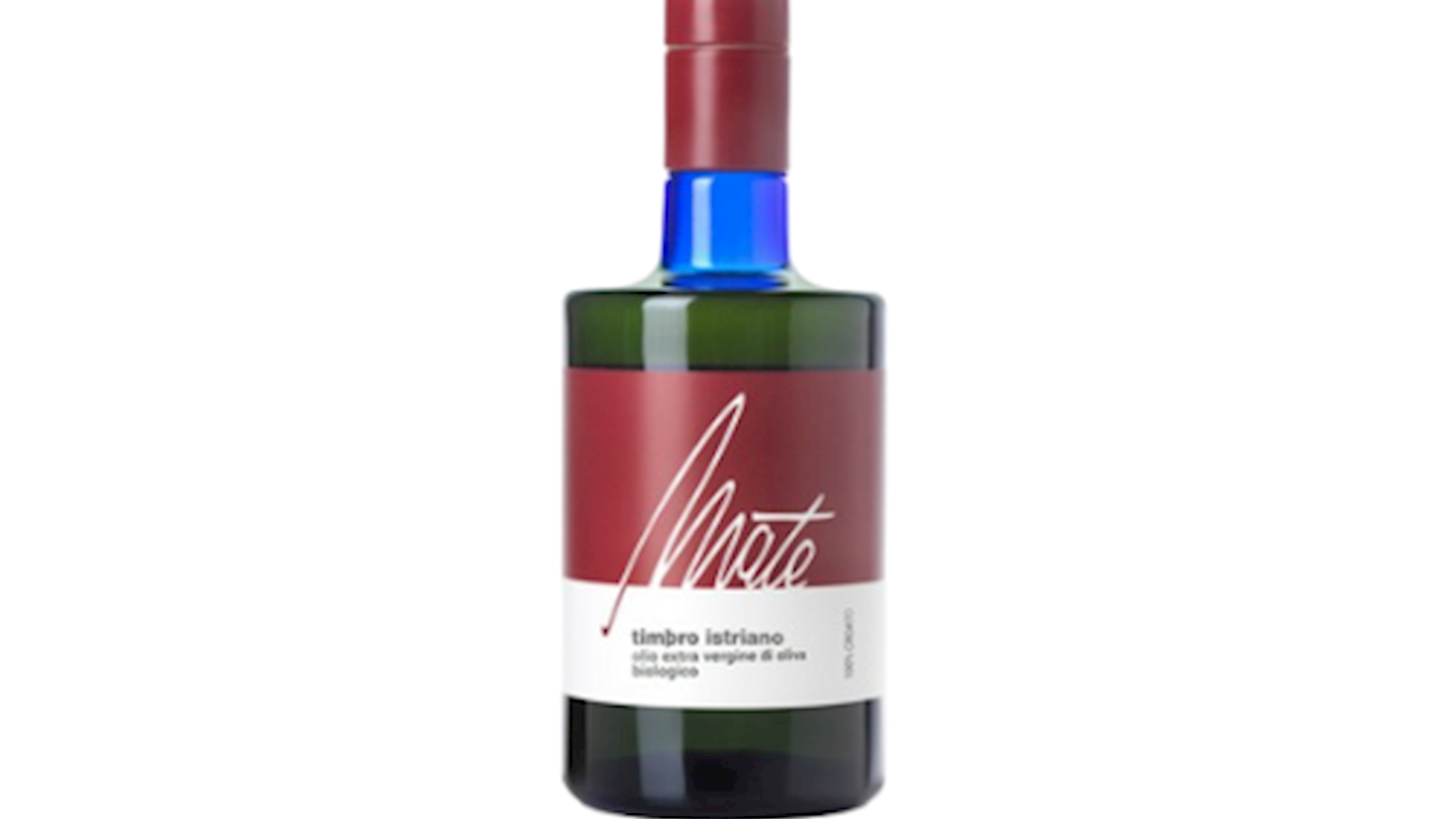
Mate Olive Oil is a family-run olive mill founded in 1994 in Zambratija, near Umag. The founder, Mate Vekić, planted his first olive trees and started the mill at the age of 75.
Today, his daughter Aleksandra has taken over the management, integrating modern processing and bottling techniques while preserving the traditional approach to production.
They own about 27,500 olive trees spread over 69 hectares and produce several single-varietal and blended oils, including Bianca Bellezza, Timbro Istriano, Viola Tonda, and the Trasparenza Marina blend, all from organic production. Alongside a strong commitment to tradition, Mate stands out for its ecological approach — olives are handpicked and processed quickly after harvesting in a modern mill, and the oils are certified as organic extra virgin.
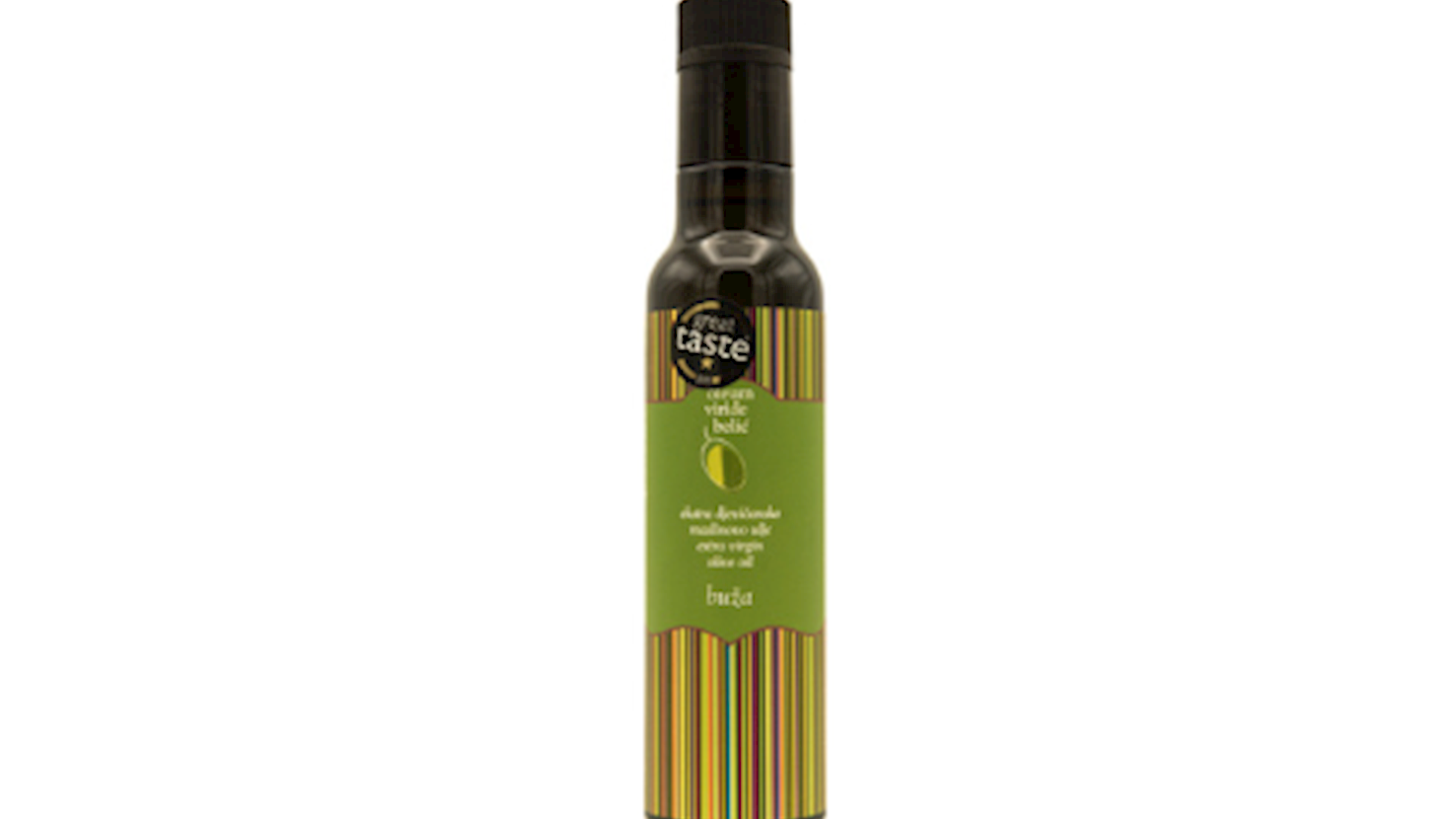
Oleum Viride Belić is a renowned Croatian producer of premium extra virgin olive oil, with production located in the heart of Istria, in the town of Rabac. The brand is run by the Belić brothers, who have transformed their family business into a synonym for quality and passionate dedication to olive growing.
Their oils regularly win awards at international competitions, and their production philosophy is based on hand-picking, rapid cold-pressing, and full control of the process – from tree to bottle.
The brand Oleum Viride, which in Latin means “green oil,” is named after the early harvest of still-green olives, resulting in a higher concentration of antioxidants, more intense aromas, and a distinctly pungent flavor. Their oils are known for pronounced fruity notes, freshness, and complexity, and are made from both indigenous Istrian varieties such as Istarska Bjelica, and international ones like Leccino and Frantoio.
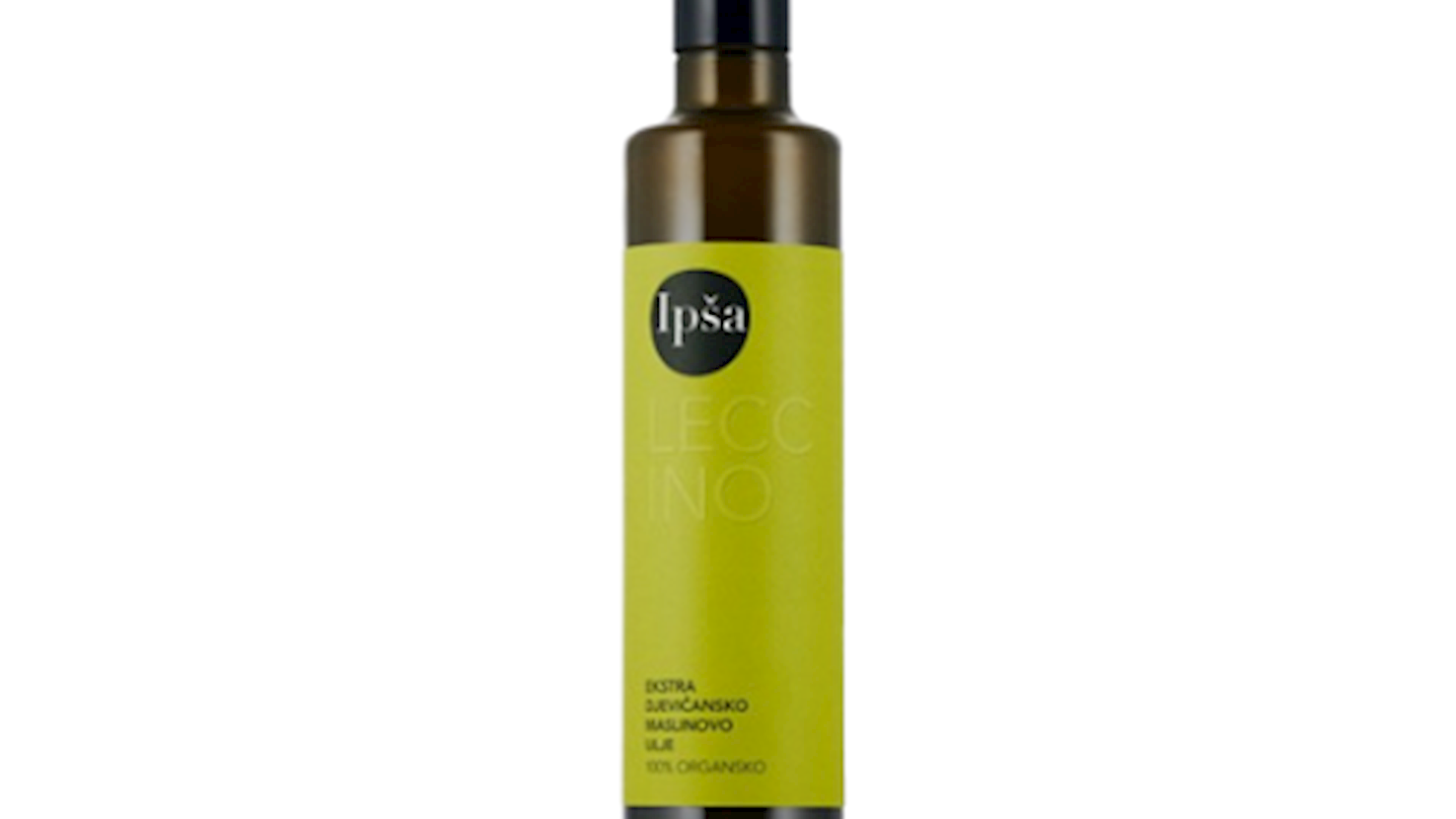
The Ipša family from Istria, located in the village of Ipši near Livade, is recognized as one of the most prominent Croatian producers of extra virgin olive oil. Their olive oils, made from varieties such as Istarska bjelica, Leccino, Frantoio, Crnica, and Bugla, regularly win prestigious awards at international competitions and are featured in global guides.
In 2020, the Ipša family opened a modern olive mill that uses the latest technology for cold pressing olives, ensuring the preservation of all nutritional values and flavors of the olive oil.
Their commitment to organic production is confirmed by certifications, and the olives are hand-harvested to maintain the quality of the fruit.
In addition to olive oil, the Ipša family also produces wine, creating a synergy between olive growing and viticulture. Their estate has become well-known on the Croatian and international gastronomic map, and visitors can enjoy tastings of olive oil and wine while experiencing the flavors of Istria.
E Pluribus Unum is a renowned producer of premium olive oils, celebrated for its dedication to quality and innovation. With a focus on blending tradition and modern techniques, they create extra virgin olive oils with rich, complex flavors and exceptional nutritional value.
Their commitment to excellence makes them a trusted name for both culinary enthusiasts and gourmet chefs.
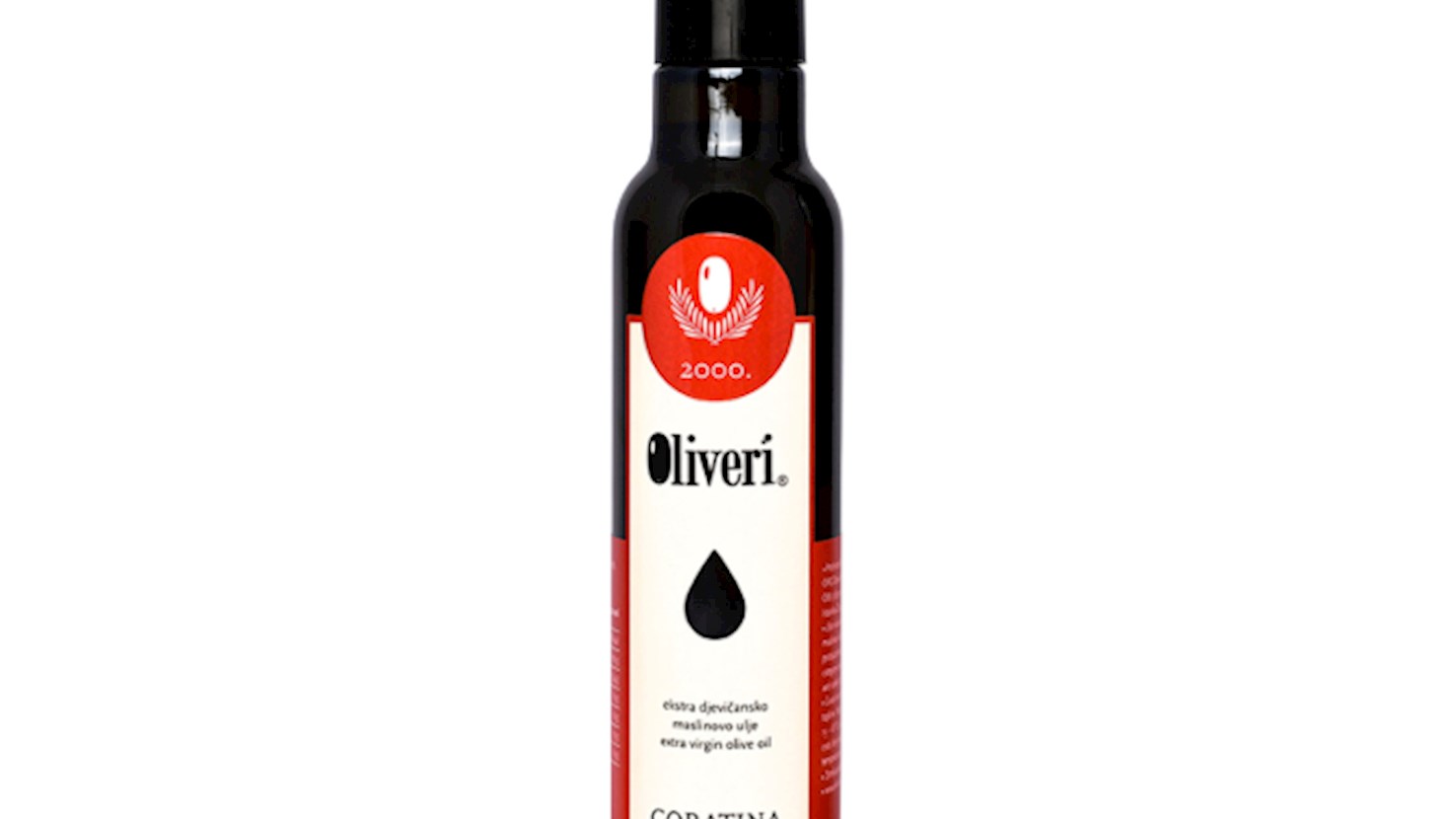
Opg Oliveri is an olive oil producer located in the Istrian region of Croatia. They focus on producing high-quality extra virgin olive oil.
Their olives are typically harvested by hand to ensure the best quality. The company often emphasizes traditional farming methods combined with modern processing techniques.
Awards
ATHENA IOOC - Double Gold
(2024, 2021, 2020)
EVO IOOC - Gold Medal
(2023, 2022, 2021, 2020, 2019)
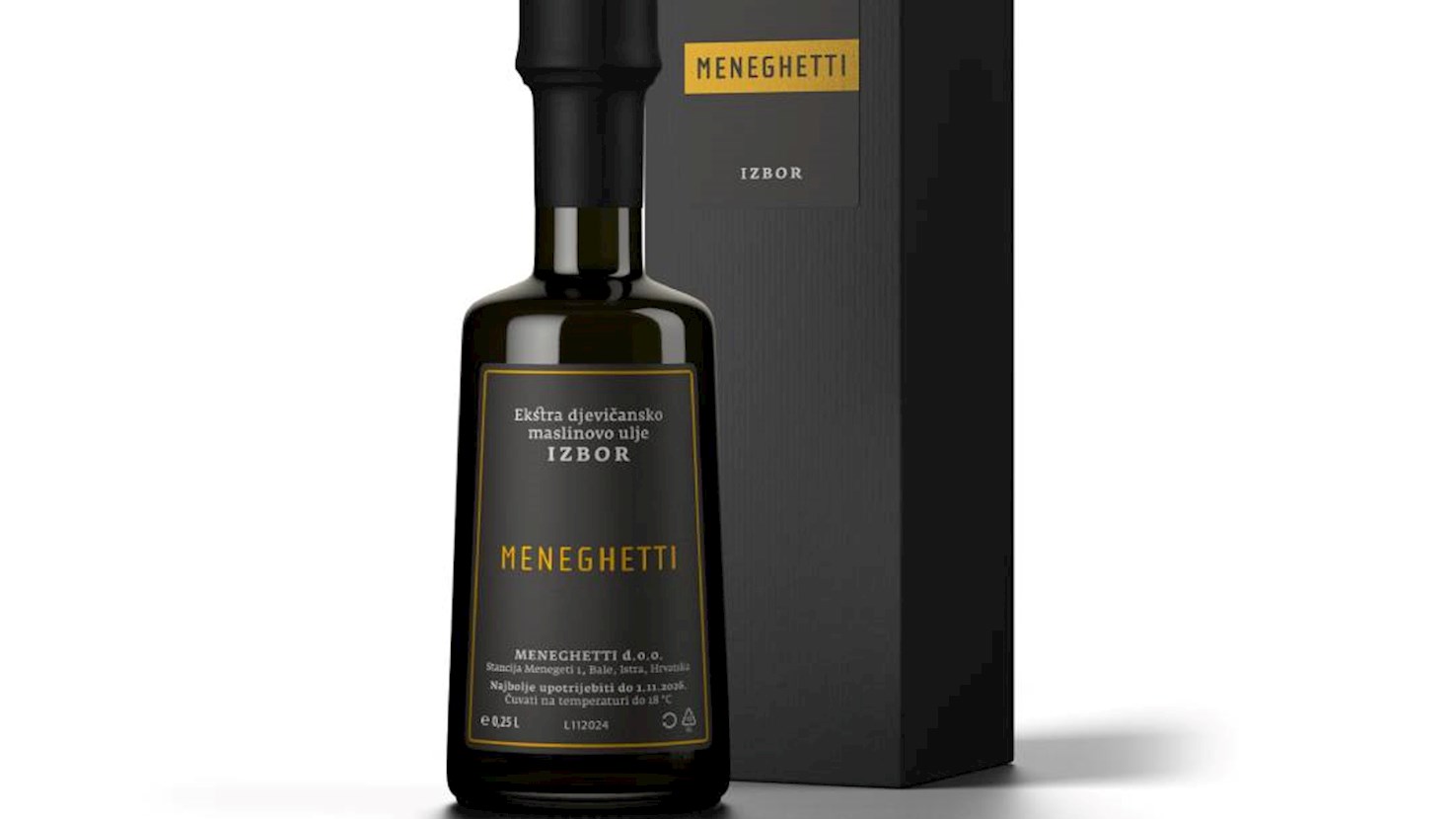
Meneghetti is a unique estate in the heart of Istria, where tradition and contemporary luxury come together in perfect harmony. Surrounded by vineyards and olive groves, Meneghetti produces award-winning wines and olive oils, while also offering an unforgettable experience through its renowned Wine Hotel & Winery.
From the authentic Istrian Malvasia to elegant blends, every bottle reflects the character of the terroir and a deep passion for excellence.
Today, Meneghetti is not just a producer, but a symbol of Istrian hospitality and the art of refined living – a true fusion of nature, craftsmanship, and taste.
Awards
Vivino - 4.6
Concours Mondial de Bruxelles - Grande Médaille d'or
(2023)
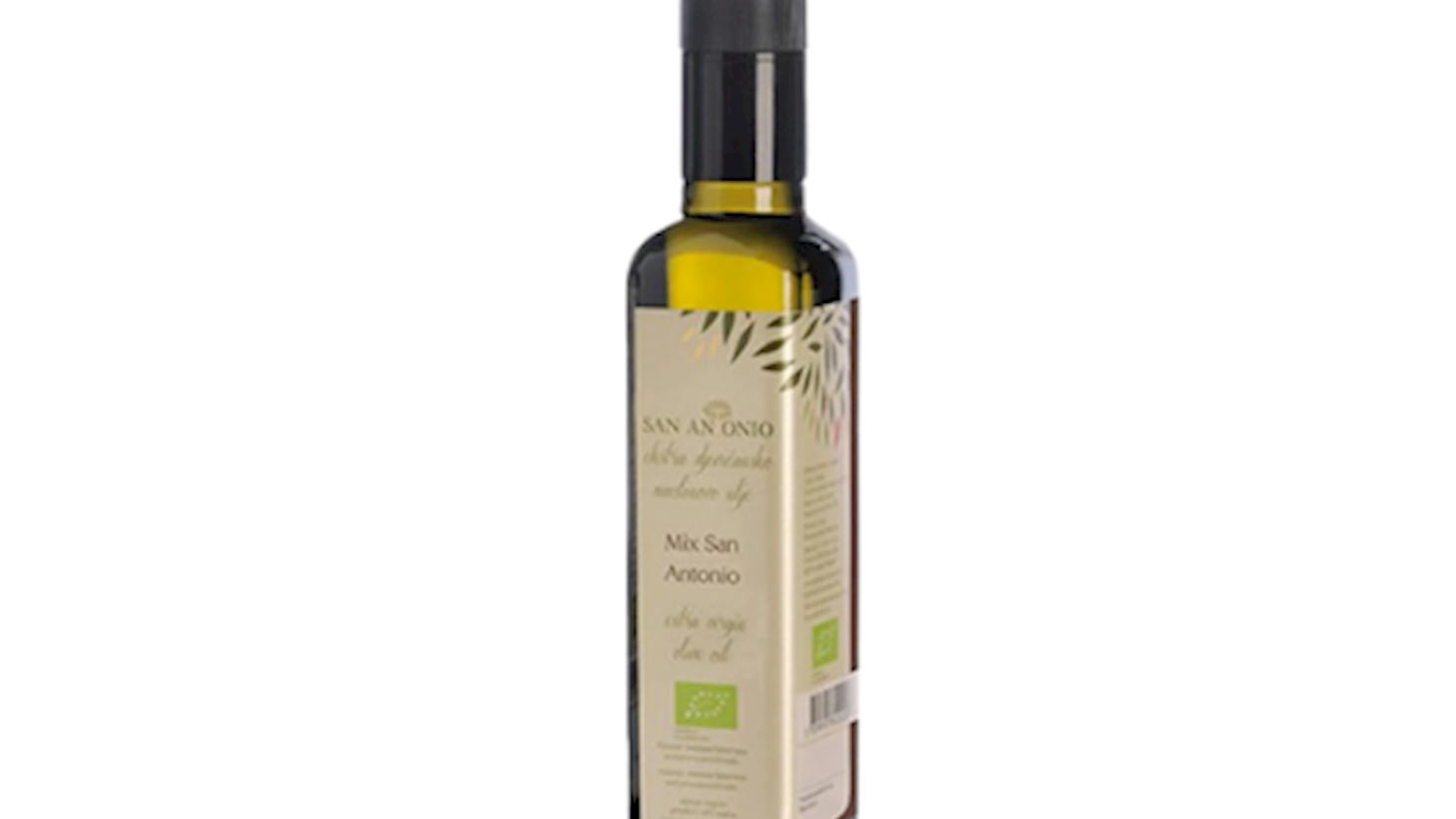
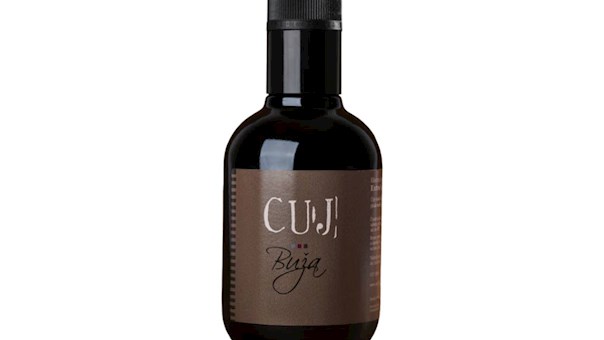
San Antonio from Vodnjan in Istria is one of the most esteemed Croatian producers of extra virgin olive oil. Founded in 2008, they quickly stood out for combining tradition with the most modern olive processing technology.
On about 7,000 trees, planted on hills just 800 meters from the sea, they cultivate autochthonous Istrian varieties such as Buža, Karbonaca, and Istarska bjelica, as well as Leccino. The olives are harvested by hand, and processing begins within one hour of picking, in a modern mill that ensures maximum preservation of aroma and nutrients.
Their approach is based on ecological sustainability and the complete utilization of the olive fruit.
The by-products after processing are used as fertilizer or pellets for heating, thus closing the production cycle without creating waste. The filtered oil is stored in oxygen-free containers, ensuring long-term consistency in quality and freshness.
Their oils are characterized by pronounced freshness, a richness of aroma, and a balanced flavor, making them recognized in the world of premium olive oils. Today, San Antonio is among the leading ambassadors of Istrian olive growing and Croatian eno-gastronomy.
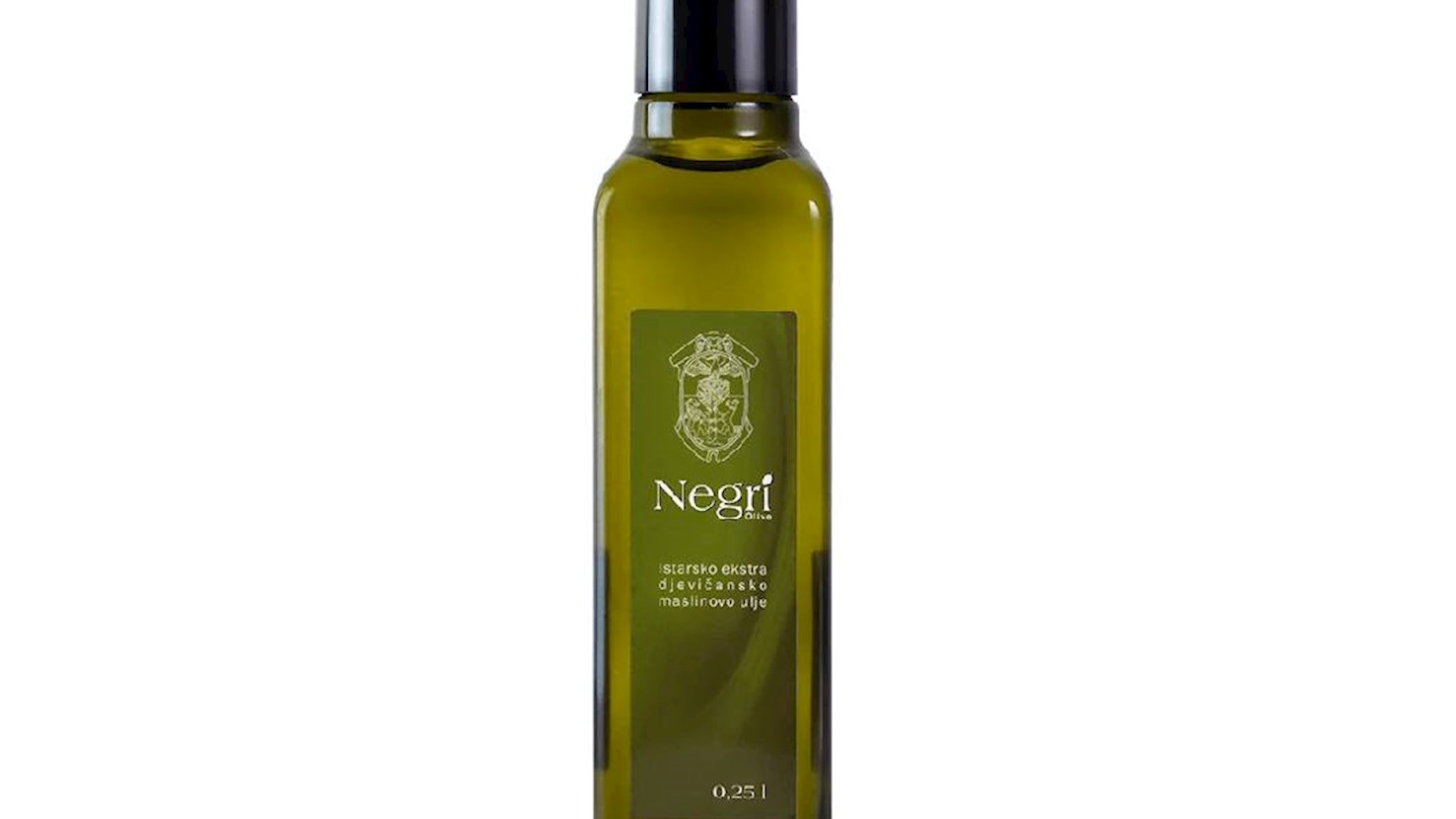
On the hills above Raša Bay, in the village of Brgod near Labin, the Negri family produces olive oils that combine tradition, love for the land, and modern expertise. Their groves include indigenous Istrian varieties such as Buža and Bianchera, along with Leccino and Pendolino, blended with care to create an oil of rich and harmonious character.
Negri olive oil is distinguished by its vivid green color, fresh grassy and fruity notes, and subtle hints of almond and Mediterranean herbs.
This authentic expression of Istria has earned them numerous international accolades, including gold medals at prestigious competitions such as NYIOOC and Olive Japan.
Every bottle of Negri oil tells the story of Istria—of land, family, and unwavering dedication to crafting premium extra virgin olive oil that elevates every table.
Monte Rosso Estate is a unique jewel of the Istrian peninsula, where fertile red soil, the Adriatic breeze, and centuries of tradition come together in perfect harmony. Established in 2006 on 65 hectares of land, the estate has grown into a vibrant mosaic of olive groves, vineyards, almond trees, figs, and cherries – all cultivated with respect for nature and sustainability.
With more than 14,000 olive trees and 50,000 vines, Monte Rosso has become a symbol of authenticity and quality.
Its extra virgin olive oils and wines have earned prestigious international awards, recognized in renowned guides and competitions for their excellence, elegance, and character.
More than a producer, Monte Rosso Estate is an experience: a place where visitors can enjoy tastings, stroll through sunlit groves and vineyards, and discover the true essence of Istria in every drop of oil and every glass of wine.
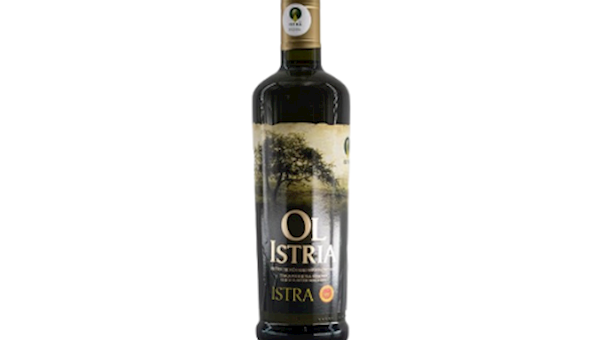
Istra extra virgin olive oil is a premium fat fluid cold-pressed from fresh olives within the Istrian peninsula, a geographic region shared primarily by Croatia and Slovenia at the northernmost edge of the Mediterranean basin. The structural development of this geographical indication materialized formally through a joint application by Croatian and Slovenian olive growers to the European Commission, resulting in the registration of "Istra" as a Protected Designation of Origin (PDO) under European Union law on February 27, 2019, which legally established a unified cross-border protective zone that strictly mandates that every phase of cultivation, harvesting, milling, and bottling occur exclusively within the defined territorial boundaries of the Istrian peninsula to combat imitation and preserve chemical authenticity. The introduction of olive trees to this specific northern latitude occurred during the expansion of Phoenician maritime trade networks and was later highly systematized by the Roman Empire from the first century BCE onward, as evidenced by archaeological excavations of large-scale Roman oil mills and clay amphora manufacturing centers in towns like Brijuni, Fažana, and Loron near Poreč, where physical remnants demonstrate that Istrian oil was specifically designated for imperial consumption throughout central Europe due to its unique chemical durability. The preparation of Istra olive oil depends on an intentionally early harvest schedule beginning in early October when the fruits transition from green to spotted purple, utilizing manual hand-picking or gentle mechanical tree shakers to prevent bruising. The collected olives must be transported to a certified modern mill and processed within twelve hours of detached harvesting via a strictly mechanical, continuous two-phase or three-phase centrifugal extraction system where the temperature of the malaxation paste is strictly regulated below twenty-seven degrees Celsius to prevent the thermal oxidation of volatile aroma compounds and preserve the high concentrations of natural antioxidants. Istra olive oil has an exceptionally high accumulation of polyphenols (often exceeding six hundred milligrams per kilogram) and a low free fatty acid content that regularly registers below zero point two percent, driven entirely by the microclimatic stress of the 45th parallel north where cooler nights and diverse soil compositions of red clay (crvenica) and flysch limestone force varieties like Istarska Bjelica, Buža, Carbonaca, and Rožinjola to synthesize elevated levels of oleocanthal, giving the oil an intensely bitter, pungent, and Peppery throat-catch accompanied by aromatic tasting notes of freshly cut green grass, green tomatoes, and artichoke hearts. The oil is served at an ideal ambient temperature of 18 to 22 degrees Celsius, dispensed through dark glass bottles with integrated non-refillable pourers or specialized professional tasting glasses to prevent light degradation, and is universally used as a raw finishing component poured directly over cold or warm dishes rather than as a heating medium for deep-frying. It is eaten throughout coastal and continental European restaurants, tasting rooms, and domestic households, applied directly onto grilled sea bass, beef carpaccio, wild asparagus salads, Kvarner scampi, and Istrian truffles. For food and beverage pairings, the assertive bitterness and intense peppery finish of monovarietal oils like Istarska Bjelica efficiently cut through heavy proteins and earthy fats, meaning it is eaten alongside roasted venison, grilled ribeye steaks, matured sheep cheese, dark chocolate desserts, and paired with structured, high-acid regional wines such as aged Istrian Malvazija or robust, high-tannin Teran.
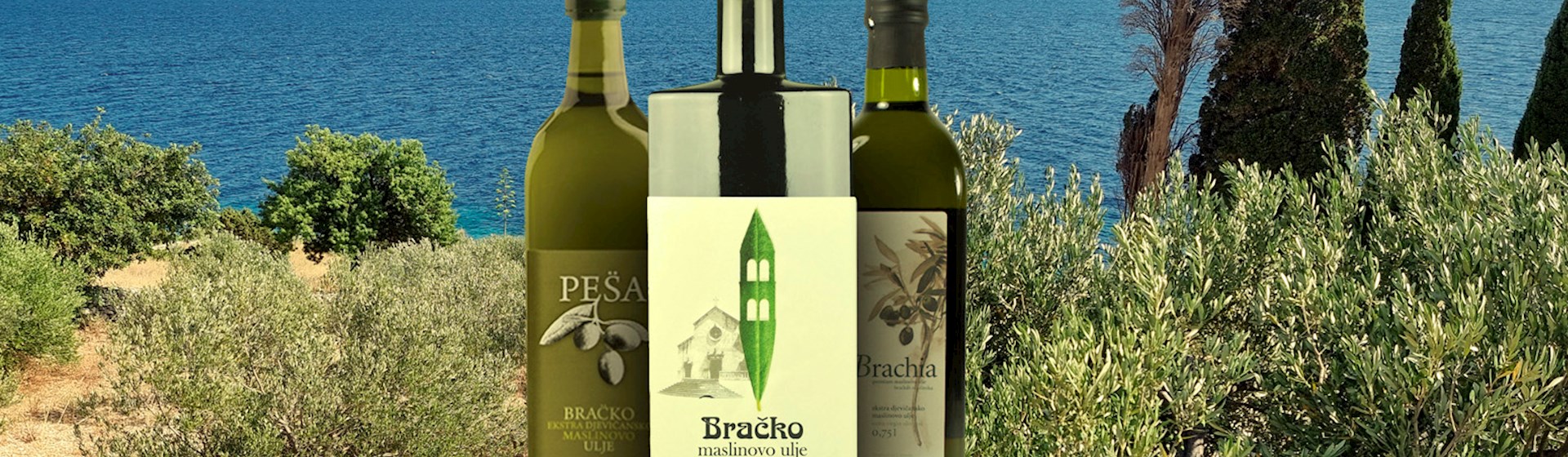
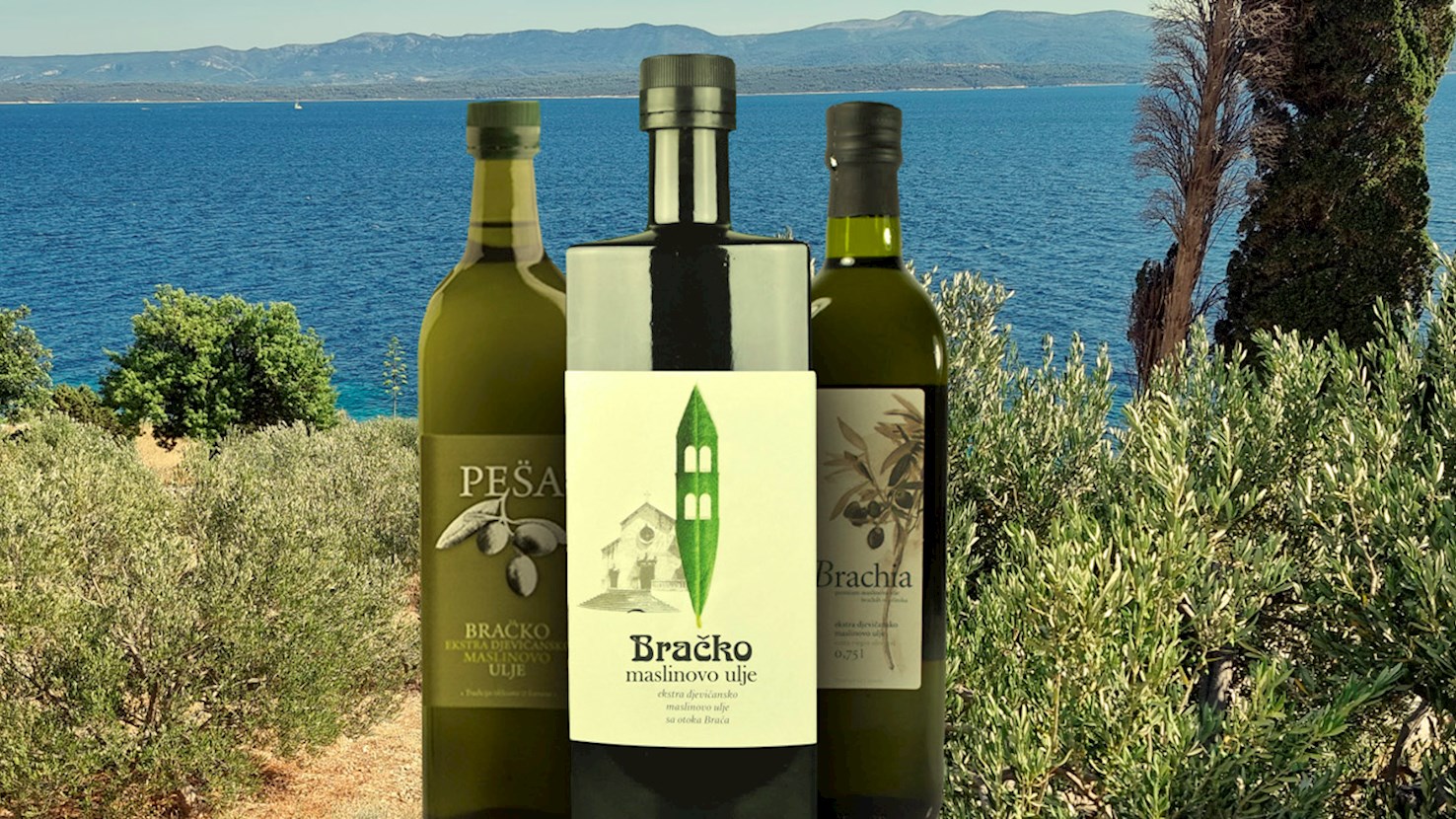
Bračko maslinovo ulje is a traditional extra-virgin olive oil variety originating from the Dalmatian island of Brač. The oil is made from the native Oblica olives which must account for at least 80% of the content, while other olives (not more than 20%) must also come from the island's registered olive groves. The aromas are that of fresh olives, grass, and leaves, while the flavor is balanced - bitter, sharp, fruity, and it tastes of fresh and healthy olives. The olive oil is sold in containers made of dark glass, dark plastic, metal, or ceramics. The harvest begins in late September or early October, when the olives are still firm, which results in the high quality of Bračko maslinovo ulje.
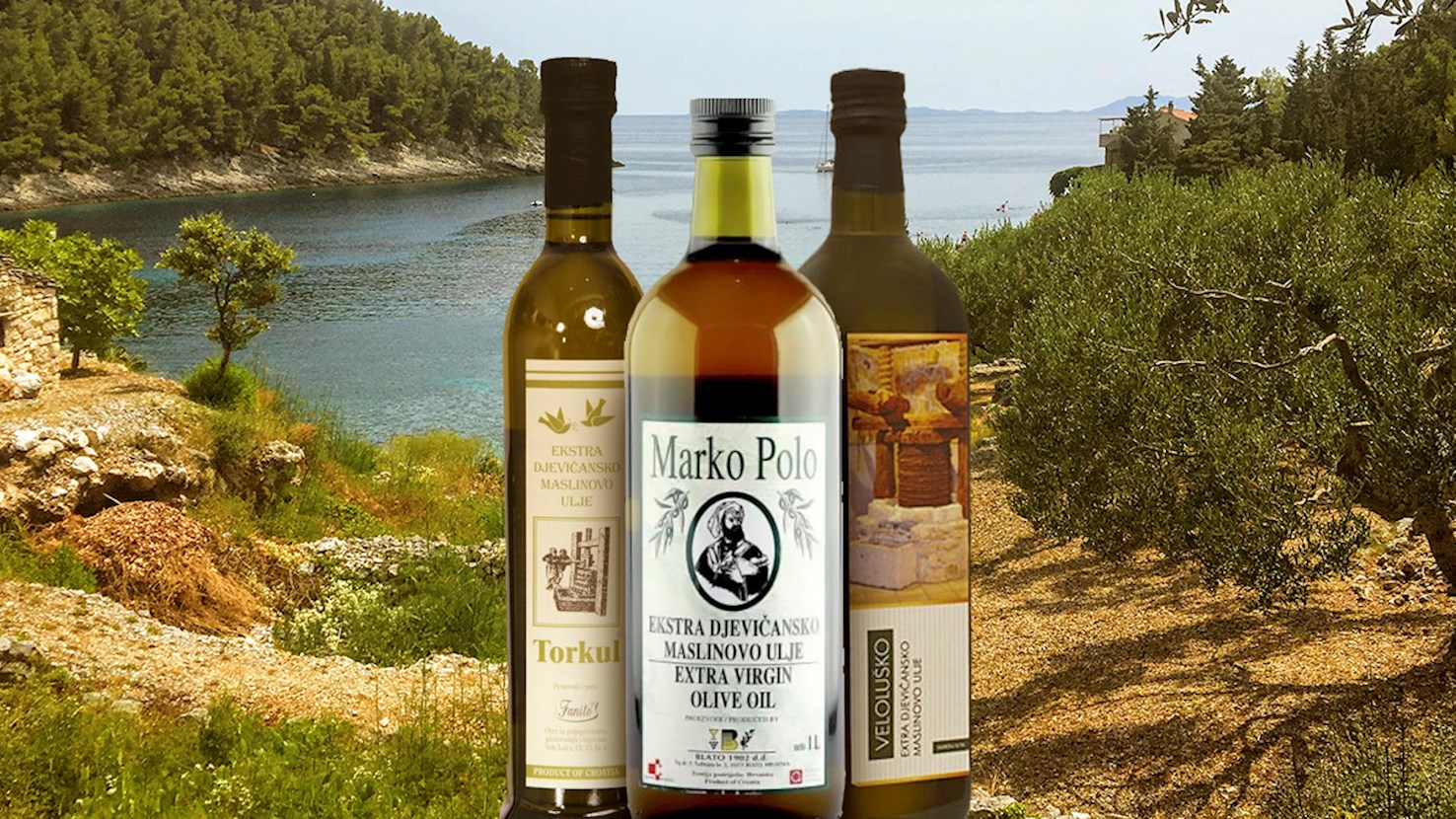
The olive oil made on the island of Korčula is well known and recognized for its high quality and unique characteristics, which are the result of a broad range of factors, including weather and long historical heritage. This olive oil is produced using two autochthonous olive varieties; Lastovka and Drobnica. This oil is obtained by mechanically crushing the olives, and extracting the juice, taking care that the temperature does not exceed 27 degrees Celsius during any stage of the production. Following the extraction, the oil is stored, filtered and bottled, after which it can be marketed and sold. Olive oil from the Island of Korčula is bright green, piquant and pleasantly bitter with notes of green olive leaves, green fruits and aromatic herbs.
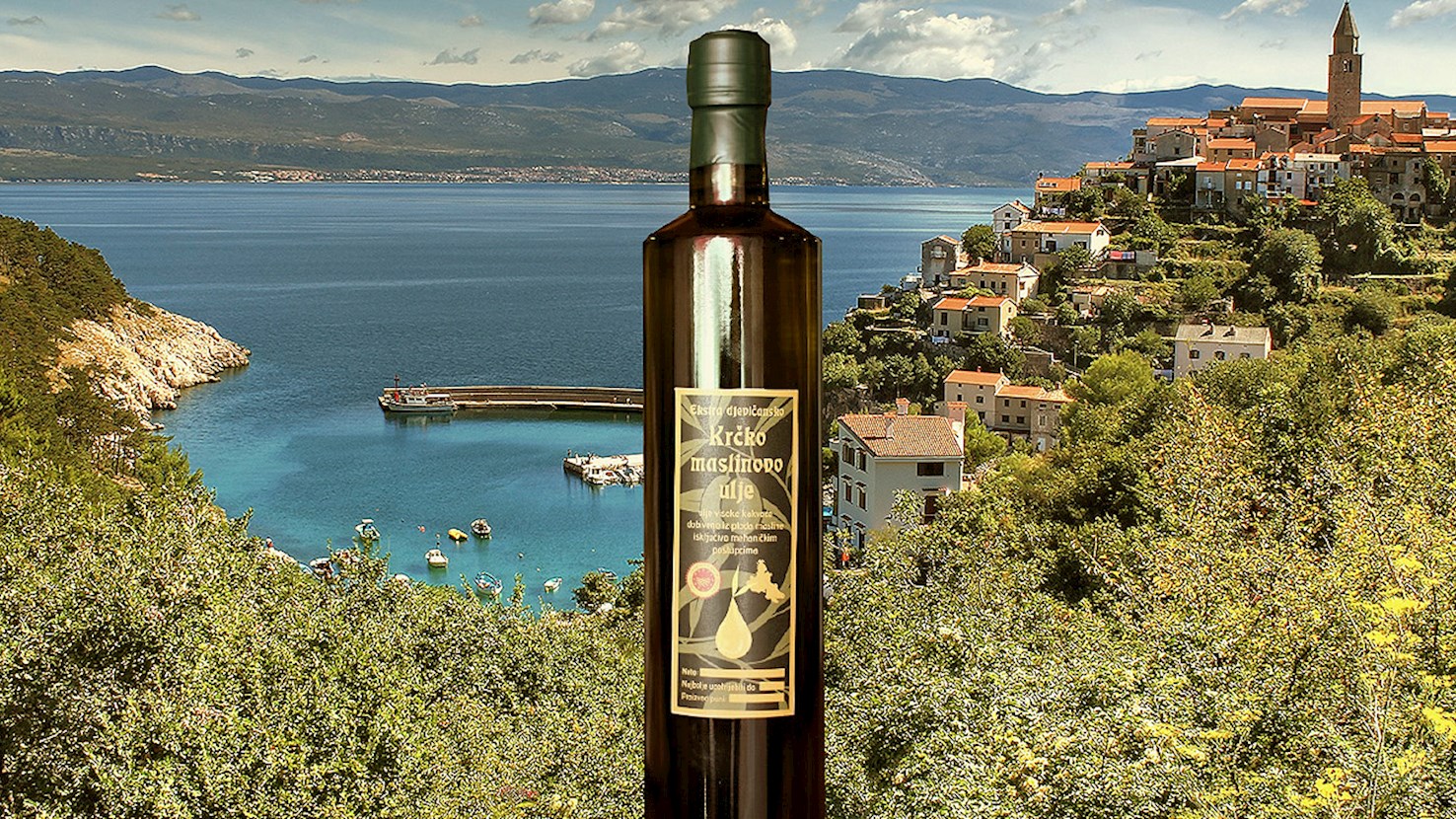
Krčko maslinovo ulje is an olive oil produced on the island of Krk from the local native olive varieties that include Debela (a.k.a. Lošinjka), Naška, Rošulja and Slatka (a.k.a. Plominka). Specific natural conditions and century-long history of growing olives on the Island of Krk give this unique oil its distinctive characteristics. This oil is obtained by mechanically crushing the olives and extracting the juice, taking care that the temperature does not exceed 27 degrees Celsius during any stage of the production. The production process of Krk olive oil ensures that the extracted oil has the same characteristics as the oils naturally found in olives. Krčko maslinovo ulje is bright green, very aromatic and has a complex aroma that resembles that of green fruit and aromatic herbs.
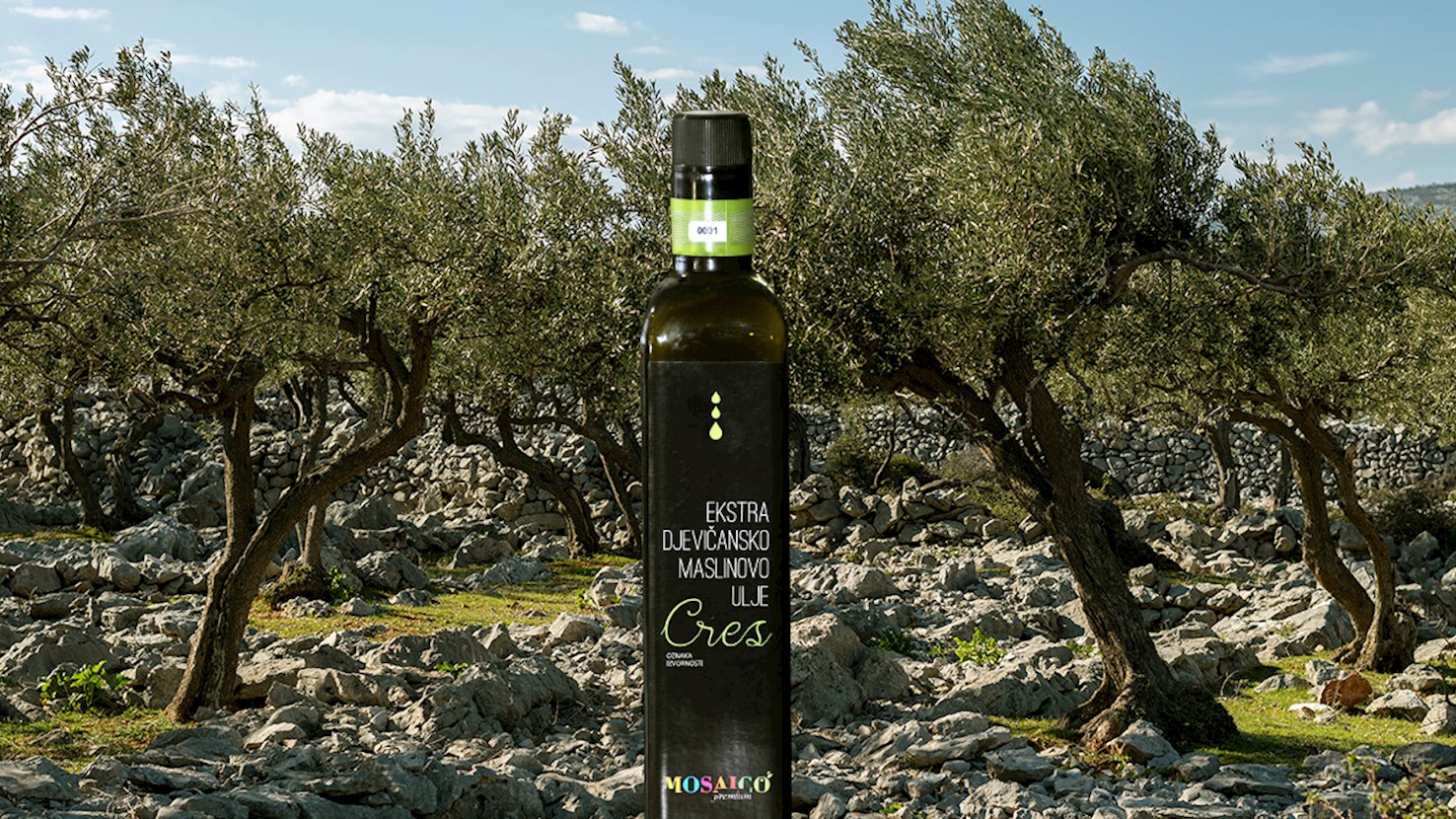
This extra virgin olive oil is traditionally produced on the Croatian island of Cres and obtained directly from the olives using exclusively mechanical processes in the single oil refinery found on the island. It is the first Croatian olive oil to receive PDO certificate. The olives of autochtonous Slivnjača and Plominka varieties used in the production of this oil must be grown, collected, stored and processed on the island. The oil is bright green and extremely fragrant with a pleasant aftertaste and the aromas of green fruit and herbs.
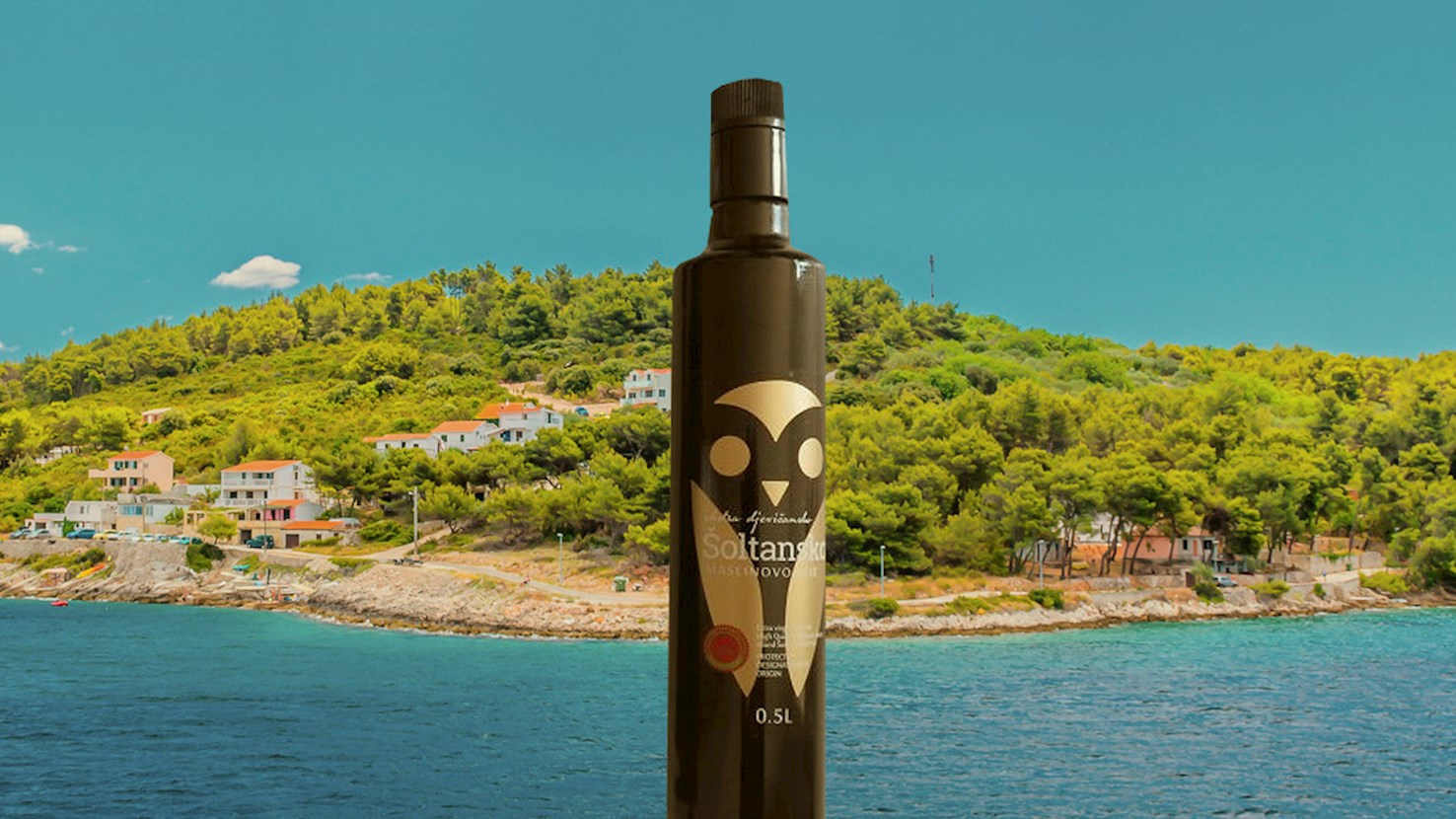
Šoltansko maslinovo ulje is an olive oil produced on the Island of Šolta from the local Levantinka and Oblica olive varieties. This extra virgin olive oil is obtained by mechanically extracting the oil, taking care that the temperature does not exceed the 27 degrees Celsius during any stage of production. The manufacturing process of olive oil from Šolta is such that it ensures that the extracted oil has a unique profile of fatty acids found only in fresh olives. Olives must be processed in the first 48 hours after they have been picked. Olive oil from Šolta is bright green, very aromatic and has a complex aroma that resembles that of green fruit and aromatic herbs.
TasteAtlas food rankings are based on the ratings of the TasteAtlas audience, with a series of mechanisms that recognize real users and that ignore bot,
nationalist or local patriotic ratings, and give additional value to the ratings of users that the system recognizes as knowledgeable.
TasteAtlas Rankings should not be seen as the final global conclusion about food. Their purpose is to promote excellent local foods,
instill pride in traditional dishes, and arouse curiosity about dishes you haven’t tried.
The initial list of top producers was compiled based on available reviews, awards, local recommendations, media and blog coverage, and consumer reviews.
The list will be updated with ratings from TasteAtlas local ambassadors and TasteAtlas users.





What People Say