Top 100 Semi-soft Cheeses
in the World

Last updated on June 10, 2026

Best Semi-soft Cheese Types in the World
01

Queijo de Azeitão

4.6 ·

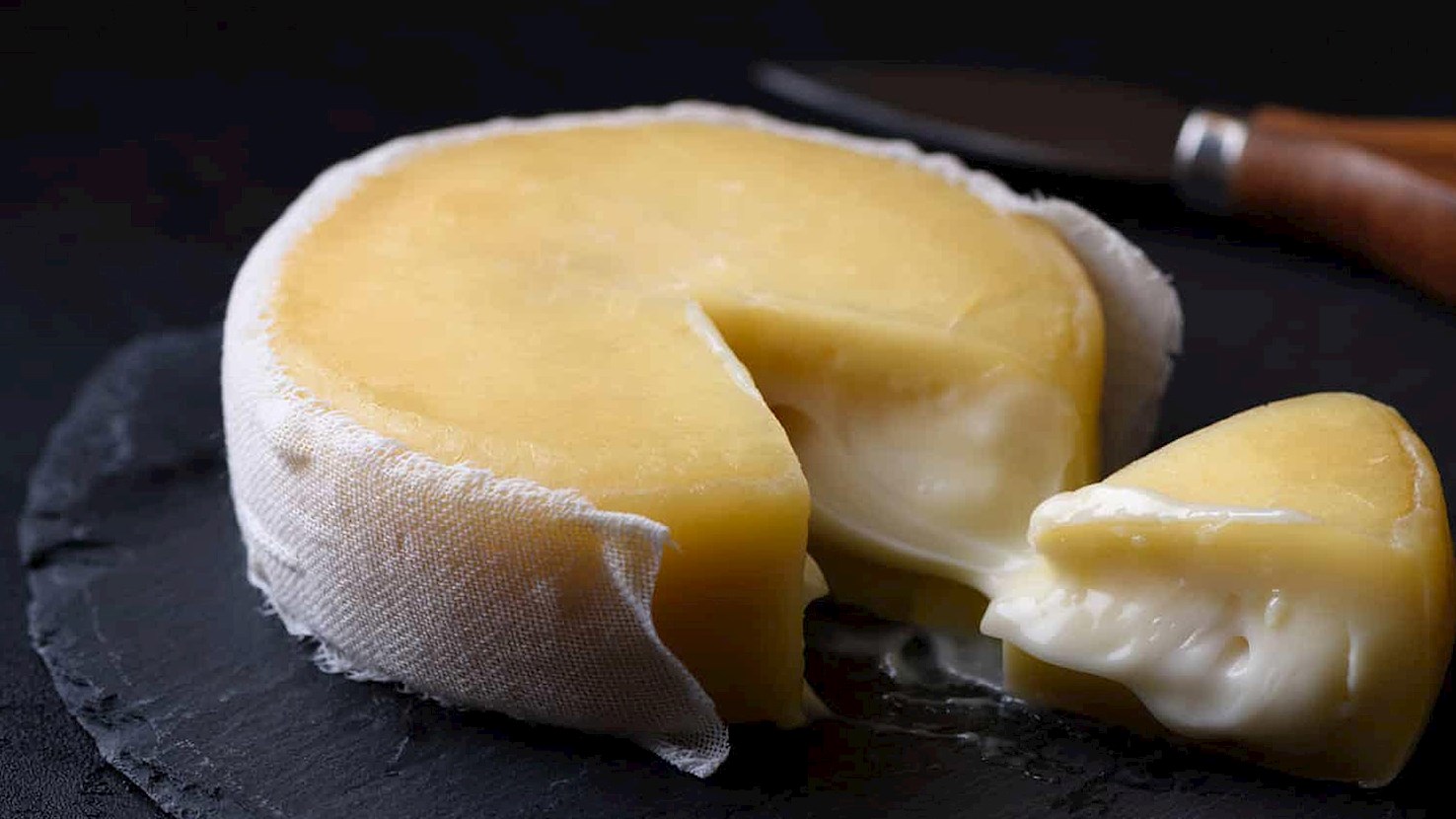
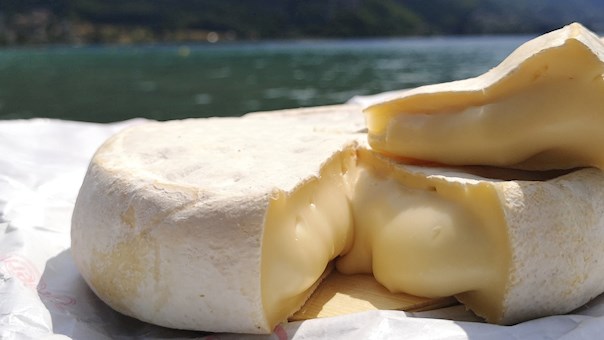
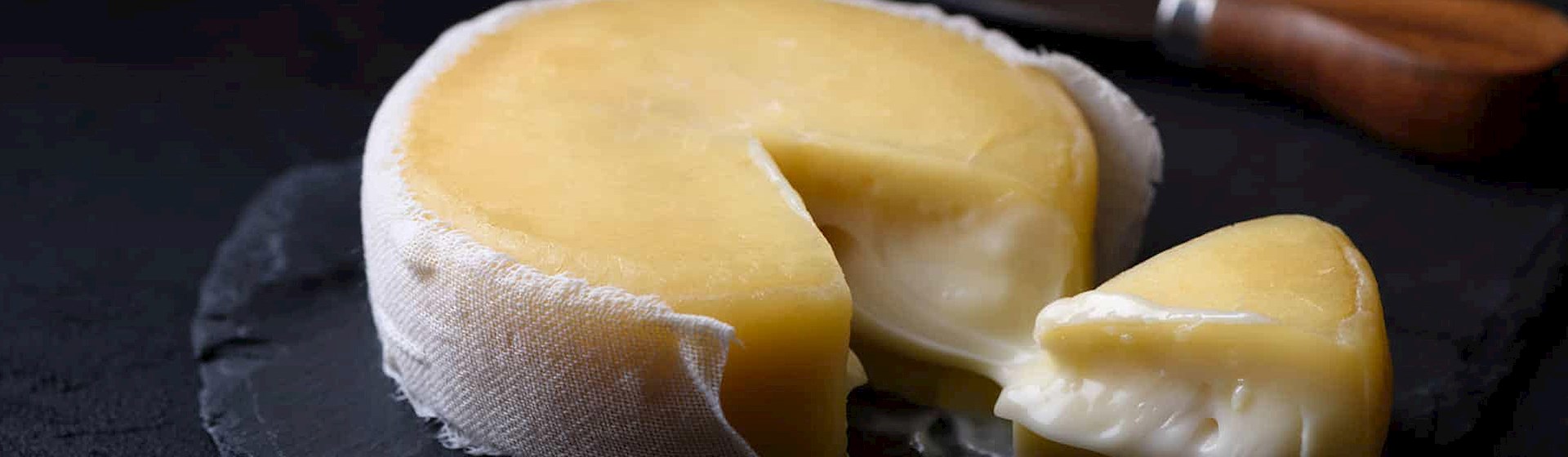
Azeitão is a semi-soft cheese made from unpasteurized sheep milk. The origins of this cheese date back to the 19th century, when Gaspar Henriques de Paiva emigrated to the town of Azeitão. Out of nostalgia for his place of birth, he imported black dairy sheep from his home town to Azeitão and brought cheesemakers from Beira Baixa to make cheeses. De Paiva's Azeitão cheeses quickly became famous throughout Portugal, winning several awards at agricultural fairs. The milk for this cheese is taken from sheep that graze on natural vegetation in the pastures of Azeitão. The sheep are milked manually, and the milk is mixed with the extract of a local variety of thistle to start the curdling process instead of animal rennet, meaning the cheese is 100% vegetarian. Salt is added to the curd, which is then manually worked and wrapped into muslin cloth bundles, called cinchos. The finished cheese is round and flat with a yellowish crust concealing a light-colored interior with a semi-solid consistency. The flavor is both sour and salty with herby undertones. This runny cheese is best served scooped onto a slice of fresh bread, and also makes a delicious dessert when paired with fruit and a semi-dry white wine.

02

Queijo Serra da Estrela

4.5 ·

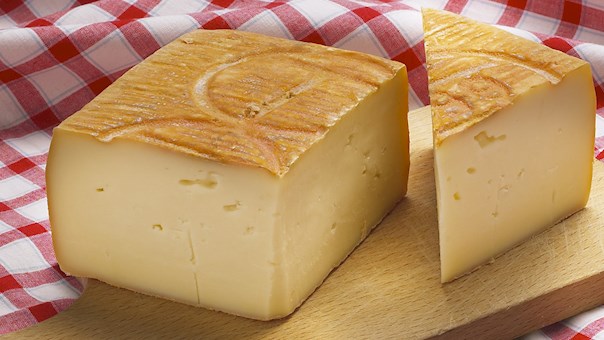
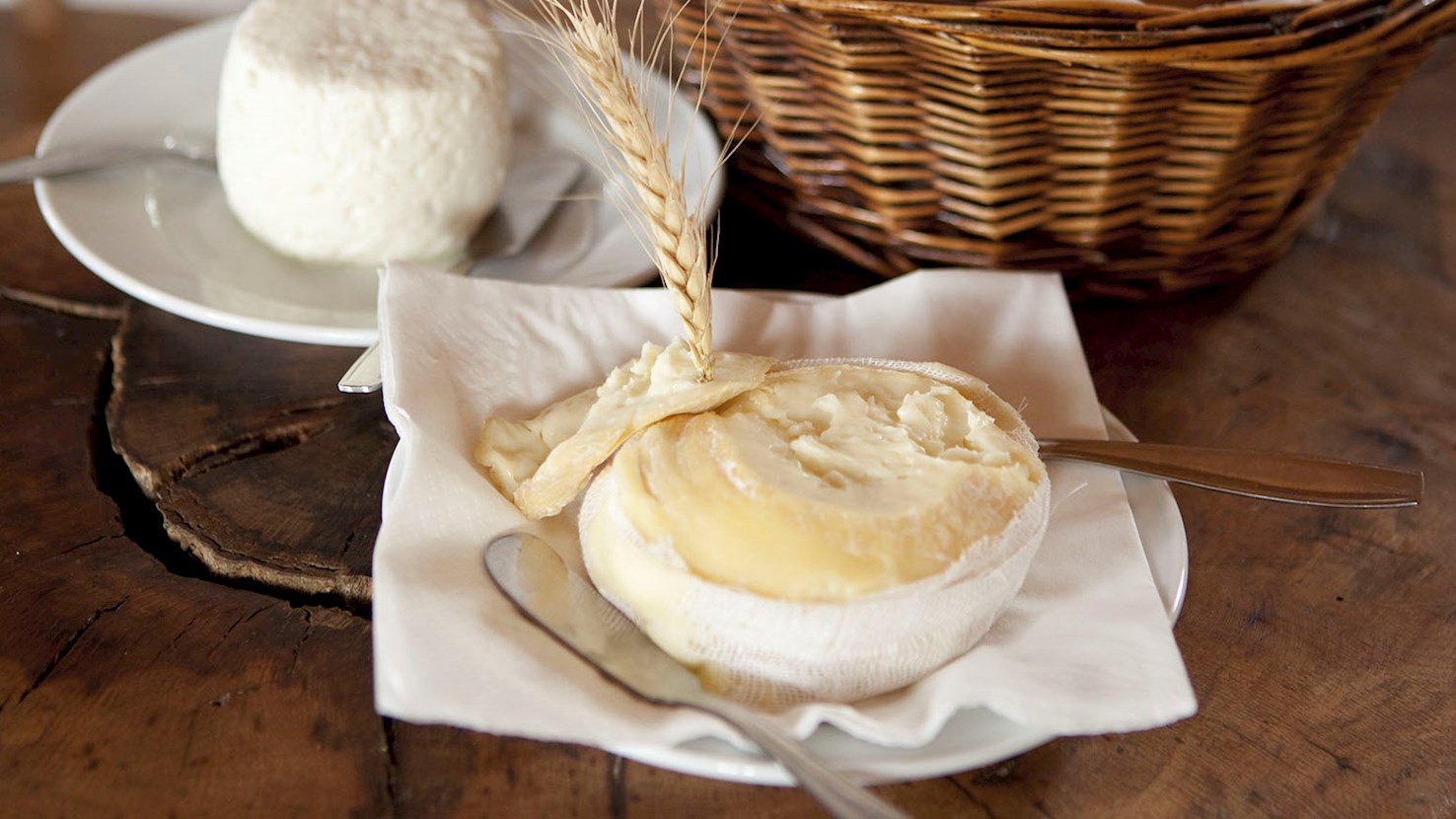
Serra da Estrela is a semi-soft cheese made from the milk of Bordaleira Serra da Estrela and Churra Mondegueira breeds of sheep. Milking is done by hand, after which the milk is heated, salted, and curdled using thistle extract. The curd is formed into cheeses, which are left to ripen in humid and cold conditions. The cheese has a creamy, semi-soft interior that is yellowish-white in color, while its flavor is clean, sweet, and slightly sour. This cheese is Portugal's oldest, most traditional food product with international acclaim. In the 13th century, the king of Portugal opened the first cheese market in Celorico da Beira, in the Serra da Estrela mountain range, where the cheese is still produced today. This cheese was even present on some of the first ships to sail to the New World. Serra da Estrela is traditionally consumed as an appetizer or dessert, and it pairs well with regional wines from the Dão region and broa—local cornbread. A product rich in tradition and culture, Serra da Estrela cheese is the pride of the region, and it is considered the father of all sheep cheeses in Portugal.

03

Pecorino Toscano

4.4 ·

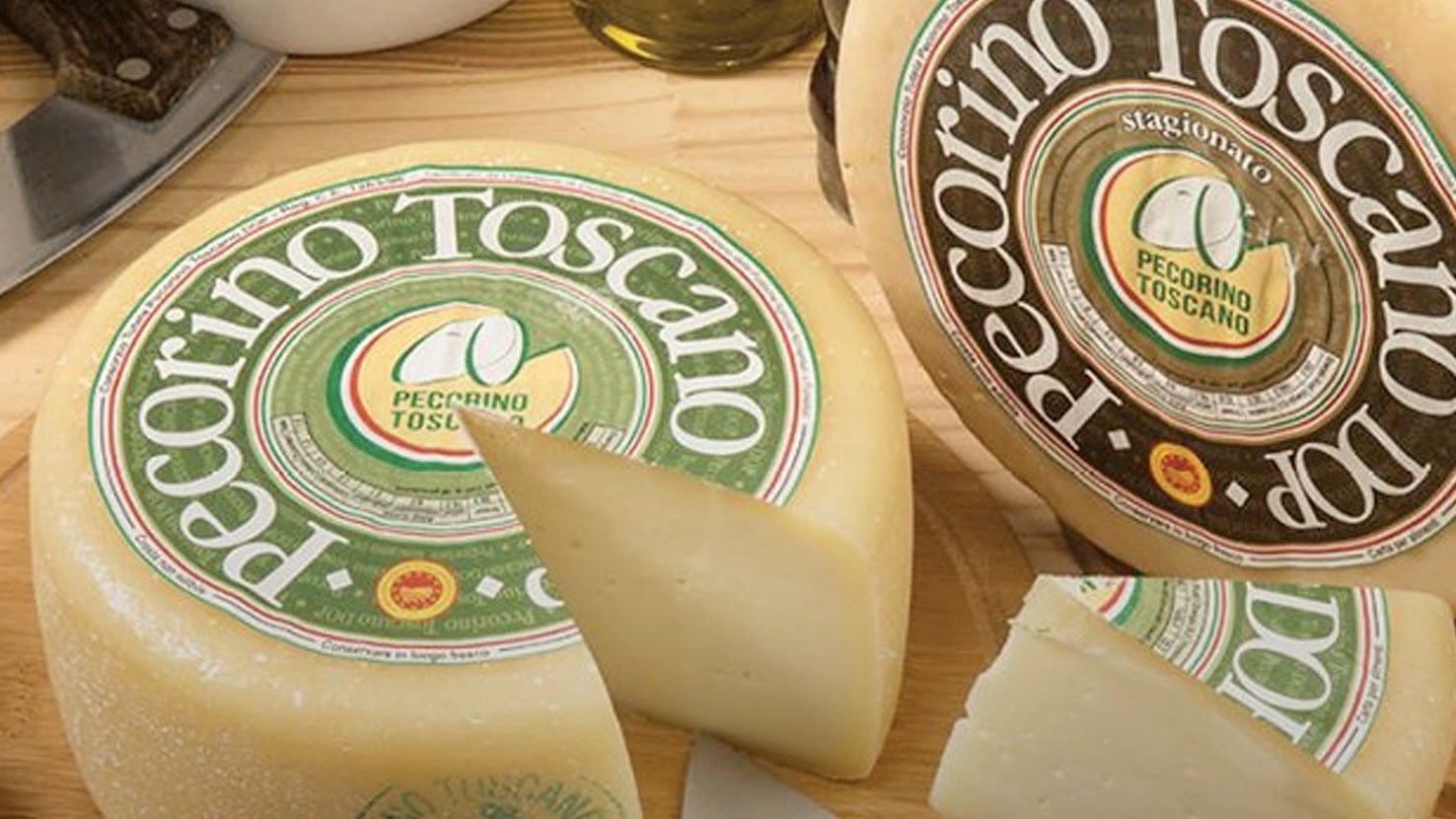
Back in the 15th century, when Pecorino production used to begin in spring, this Tuscan delicacy was called Cacio Marzolino, meaning March cheese. Nowadays, Pecorino Toscano is also produced in Lazio and Umbria, Tuscany's neighboring regions, and available year-round as either Fresco (fresh) or Stagionato (matured for at least 4 months). This soft to semi-hard cheese is made with whole milk from sheep feasting on pastures nestled between the Apennines and the Tyrrhenian Sea. Compared to other varieties of Pecorino cheese, Toscano is only briefly salted and thus retains its delicate, sweet flavor. Depending on how mature it is, Pecorino Toscano can be enjoyed as a table cheese or used for grating over various pasta dishes or hearty Tuscan potage soups such as Ribollita. Fresco or Stagionato, it also pairs well with fresh vegetables, fruits, jam, and honey.

04

Queijo Serpa

4.4 ·

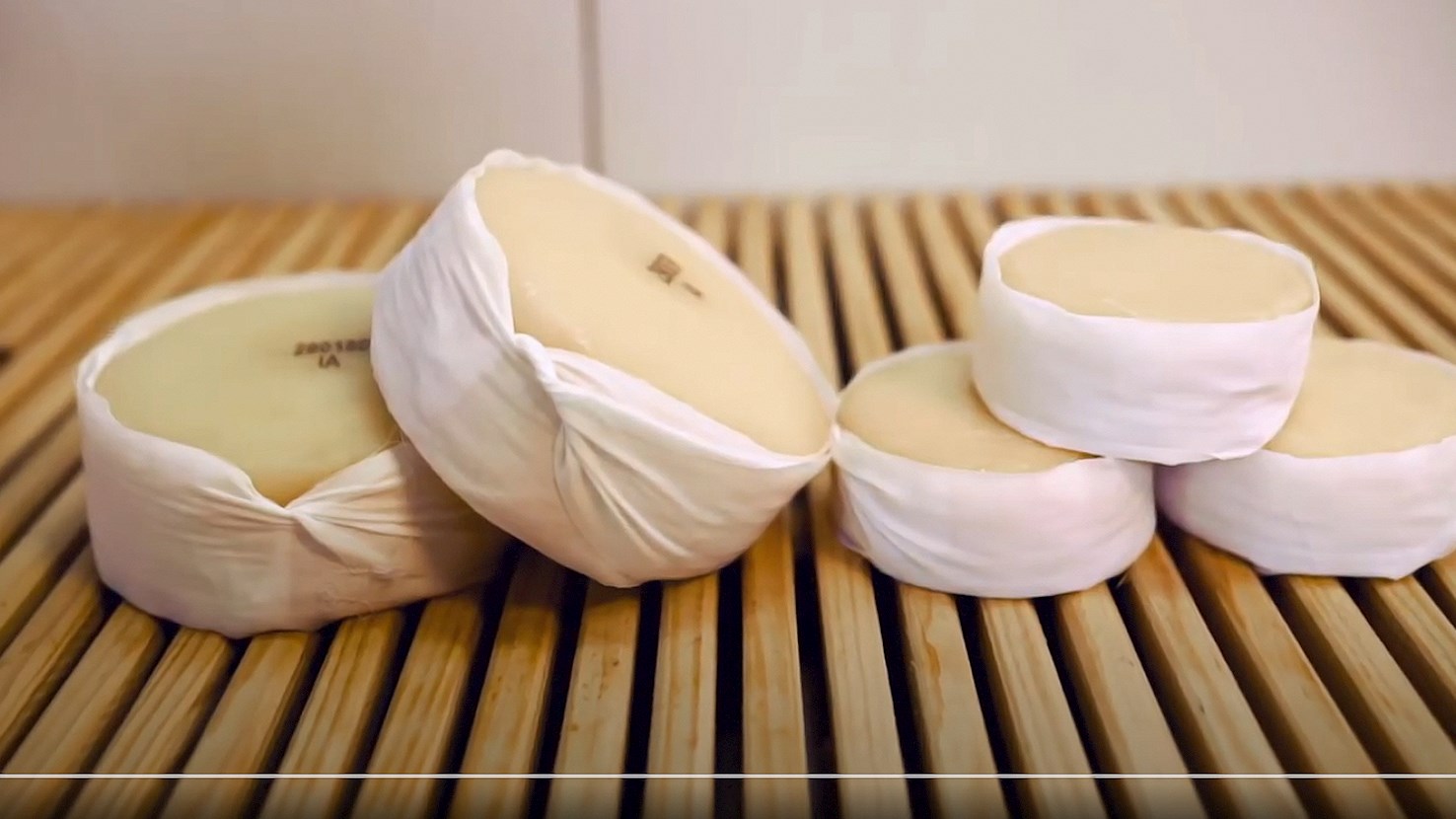
Produced in the district of Beja in eastern Portugal, Serpa is a semi-soft sheep's milk cheese that's similar to Pecorino. Instead of animal rennet, Serpa is curdled using an extract made from a species of thistle that grows in the countryside of Alentejo. The leaves of the plant are dried and soaked in water, and this liquid is added to the heated milk to begin the curdling process. The curd is placed into molds, and the molded cheeses are then gently wrapped in muslin cloth for further ripening. The rind of Serpa is thin and malleable, while the cheese's interior is semi-soft and yellowish-white in color. Serpa is the most famous traditional Alentejano cheese, and its strong flavor is a fundamental part of the region's cultural heritage. It is perfect for any occasion and makes a great appetizer or snack when served with fresh bread and a glass of wine. It's also used in numerous local baked dishes, such as pork ribs with baked ham and Serpa cheese.

05

Mastelo

4.3 ·

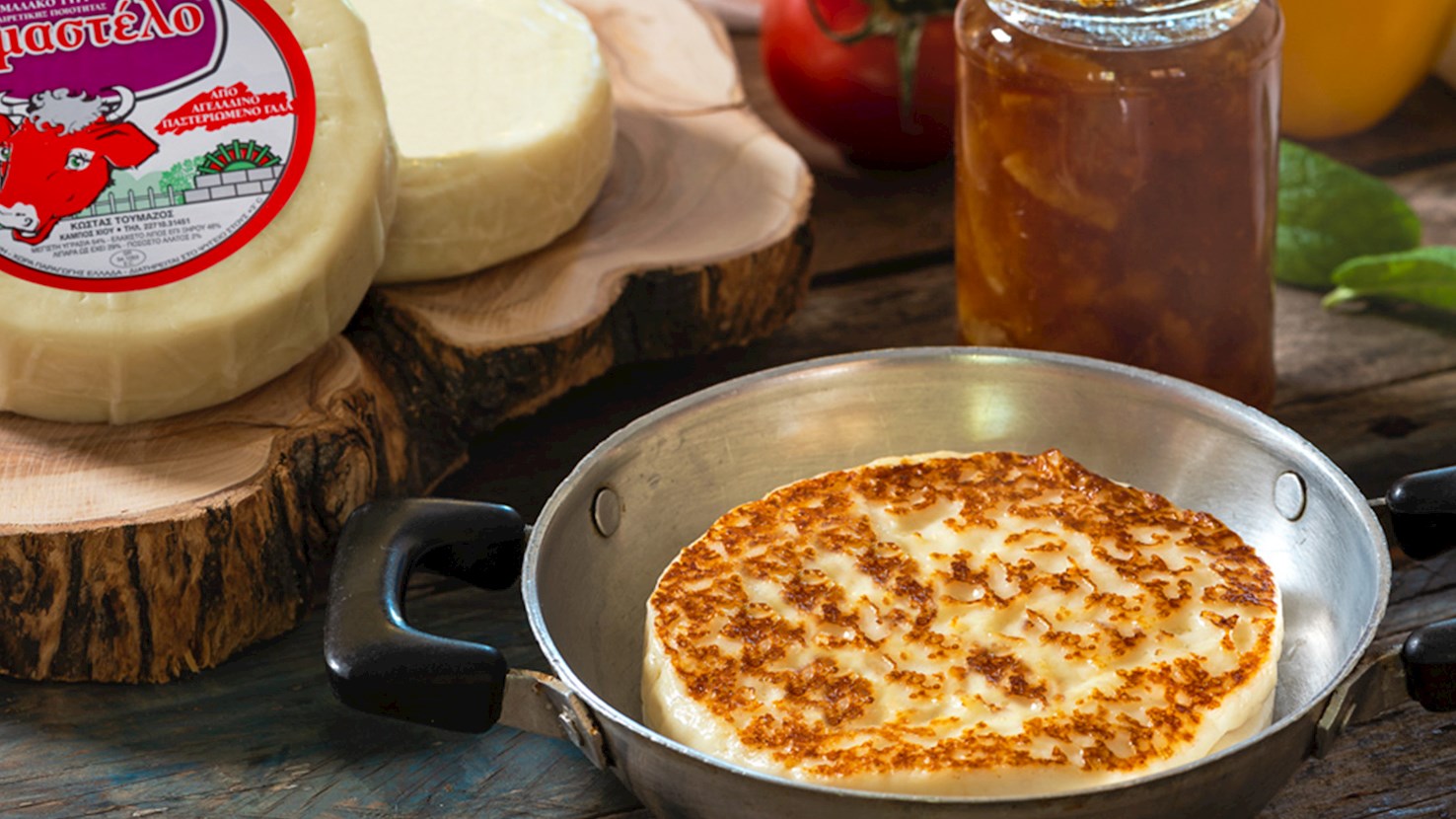
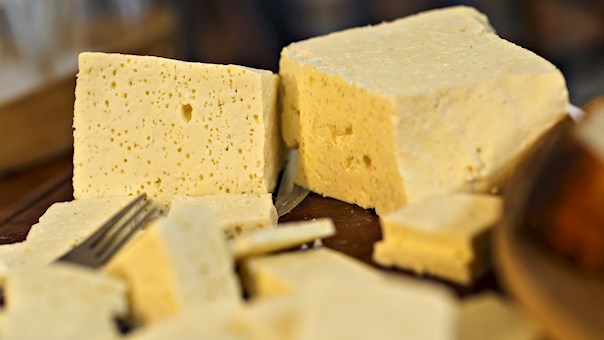
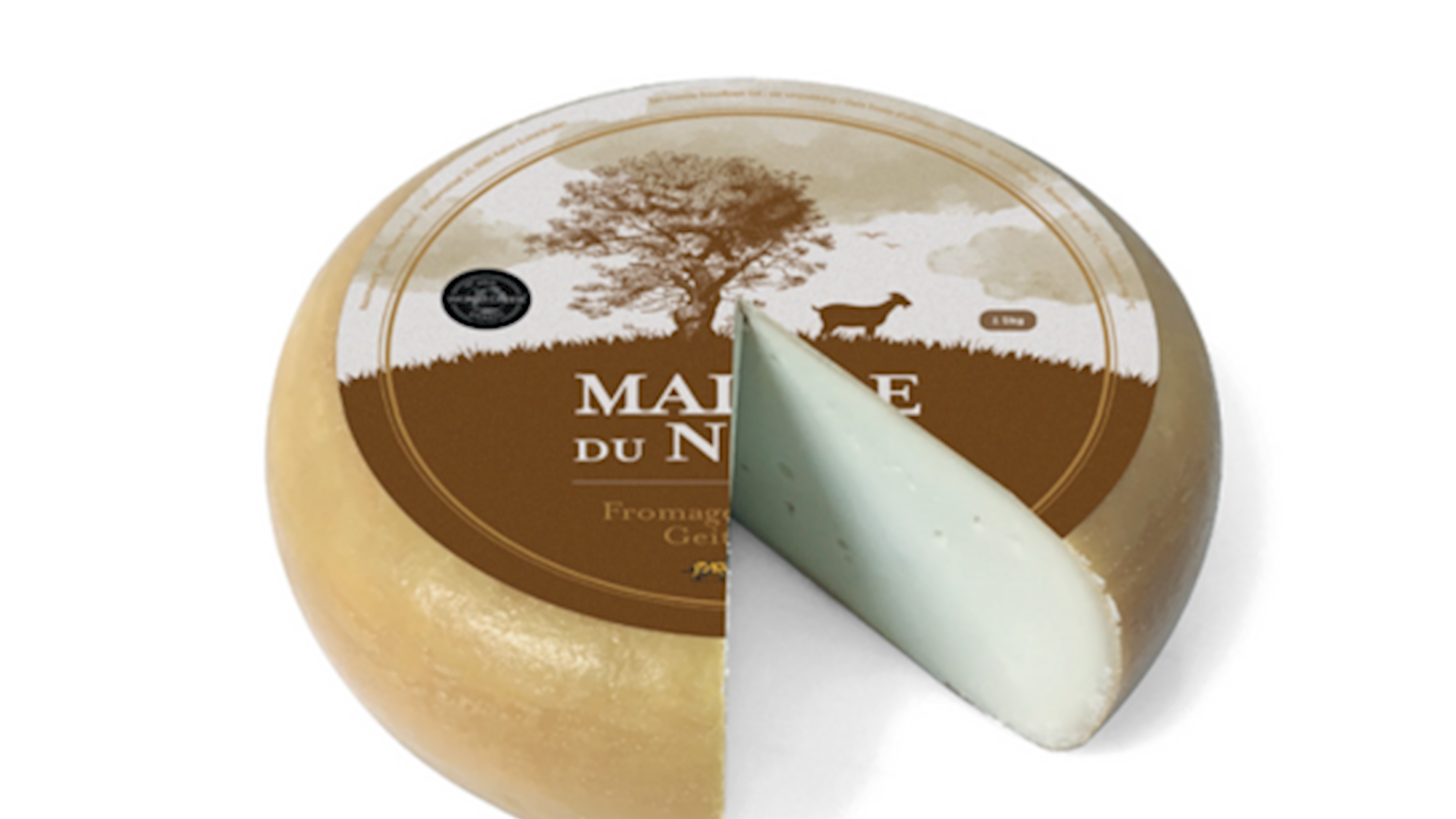
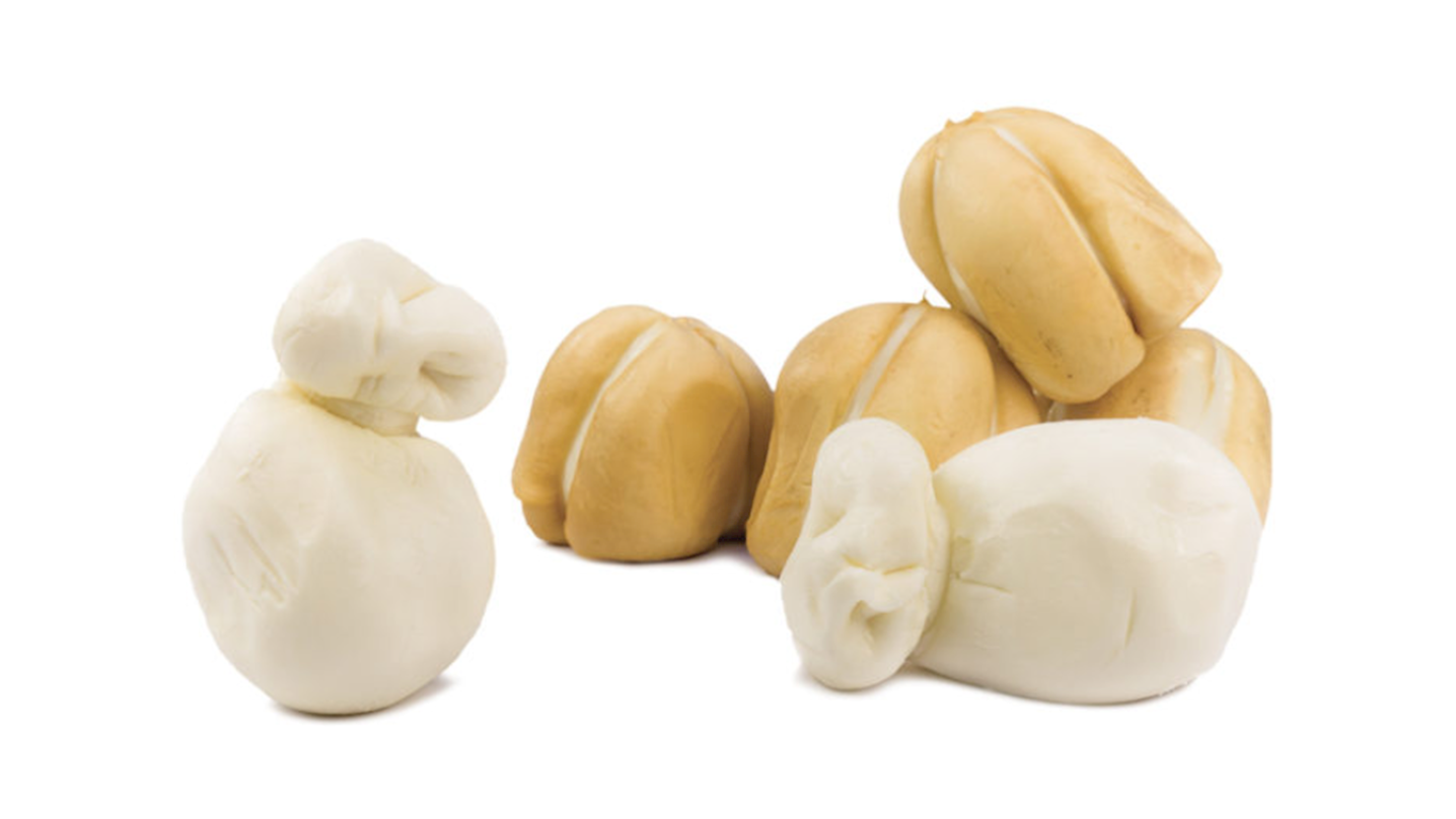
Mastelo refers to trademarked Greek cheeses produced exclusively in Chios. There are two types of Mastelo – one is made from Chian cow's milk, and the other one from goat's milk. The cow's milk version is white in color, with a milky aroma and a smooth texture. The flavors are slightly salty and milky. It has a high melting point, making it great for grilling. It's also especially suitable for saganaki fried cheese meze. The goat's milk variety is also white in color, with a soft and elastic texture and a salty flavor. It's often used instead of mozzarella in pizzas and pies, but it can also be used in sandwiches or as a stuffing in a variety of meat and vegetable dishes. It's recommended to pair it with Greek ouzo. The word mastelo denotes a wooden bucket that's used for the collection of milk.

06

Noord-Hollandse Gouda

4.3 ·

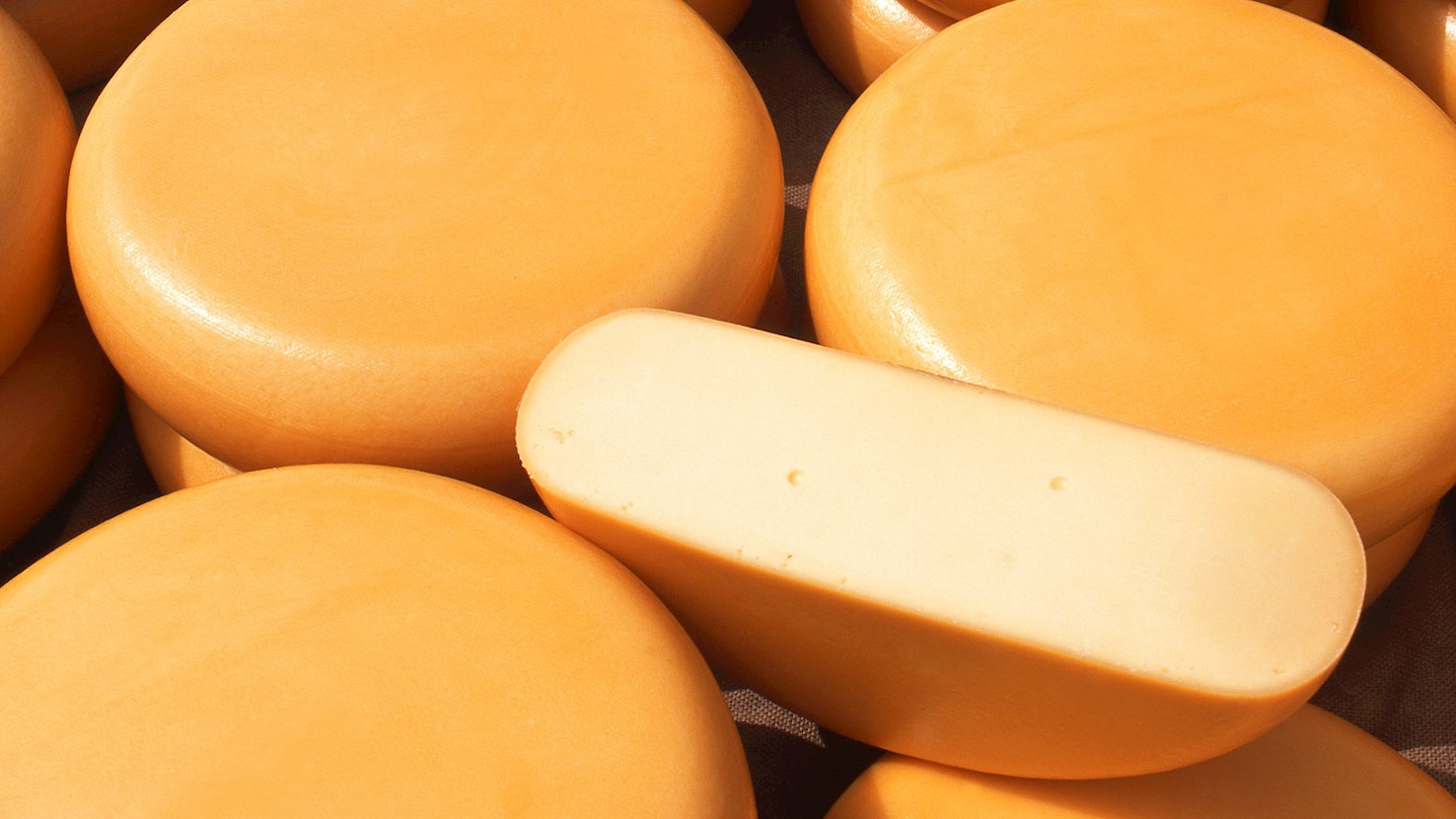
Noord-Hollandse Gouda is an aromatic and pleasant cheese that can be mild or intense, depending on its age. Its varieties include Graskaas, Jong, Jong belegen, Belegen, Extra belegen, Oud and Extra oud. The older the cheese variety, the stronger and saltier it gets. This type of Gouda cheese has a PDO status and is made from 100% North-Holland milk. It was originally made in the town of Gouda in South Holland, so its registered name 'North-Holland Gouda' may seem wrong. However, North Holland is the recognized pasture land in the Netherlands, and since the milk from those pastures is used in the process of making the cheese, the product is aptly named. Noord-Hollandse Gouda is made under factory conditions since 1900. It is characterized by its pleasant taste, specific consistency, and dry, smooth rind. It is notable for its sweetness and it is less salty than other Gouda cheeses because some of the milk sugars are removed early in the process to prevent excessive acid being produced by the bacteria. Young Gouda is soft, has a creamy quality and is easy to cut with a slicer, while the older Gouda varieties are harder and usually cut with a strong knife. There is also a special edition of the Noord-Hollandse Gouda, called 'baby Gouda', which is oval and smaller (weighing just a pound). It is usually coated with a layer of red wax and can be wrapped in cellophane.

07

Queijo de Coalho

4.3 ·

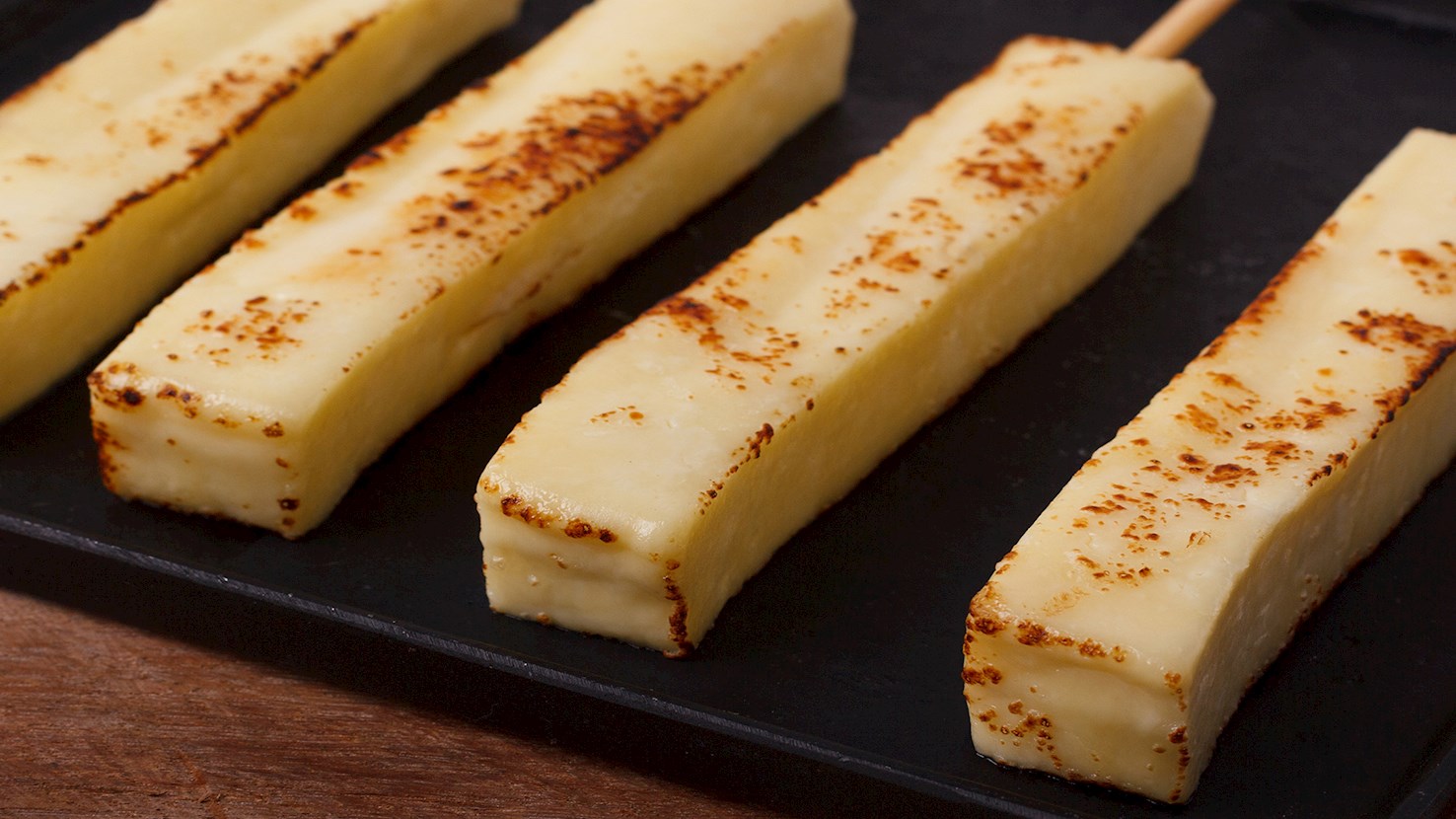
Queijo de coalho is a traditional cow's milk cheese from the northeastern regions of Brazil. The cheese is characterized by its firm, yet elastic texture and a slightly yellow color. Coalho is often sold on sticks for roasting, because it can withstand high temperatures and does not melt easily. Its flavor is salty and acidic, making it an ideal snack on numerous Brazilian beaches, where it is usually grilled and sprinkled with oregano.

08

Gorgonzola piccante

4.3 ·

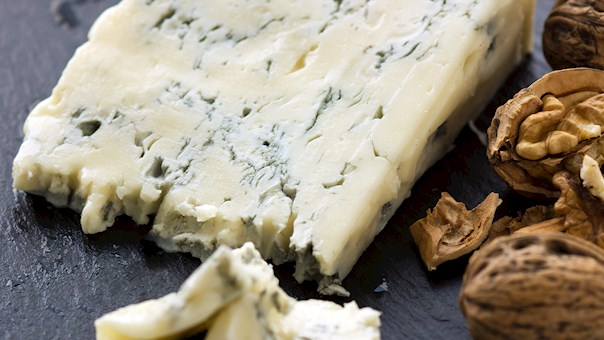
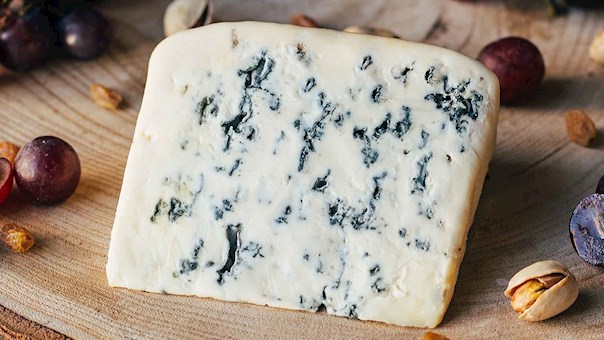
Gorgonzola piccante is a traditional variety of Gorgonzola blue cheese made from pasteurized cow's milk. Underneath its natural moldy rind, the texture is crumbly and compact, with blue veins running throughout the paste. The aromas are spicy and pungent, while the flavors are sharp, strong, intense, and creamy, unlike the Gorgonzola dolce version. This piquant cheese is usually left to age for a minimum of 80 days. It's recommended to pair gorgonzola piccante with rum, port, or mead.

09

Oaxaca cheese

4.3 ·

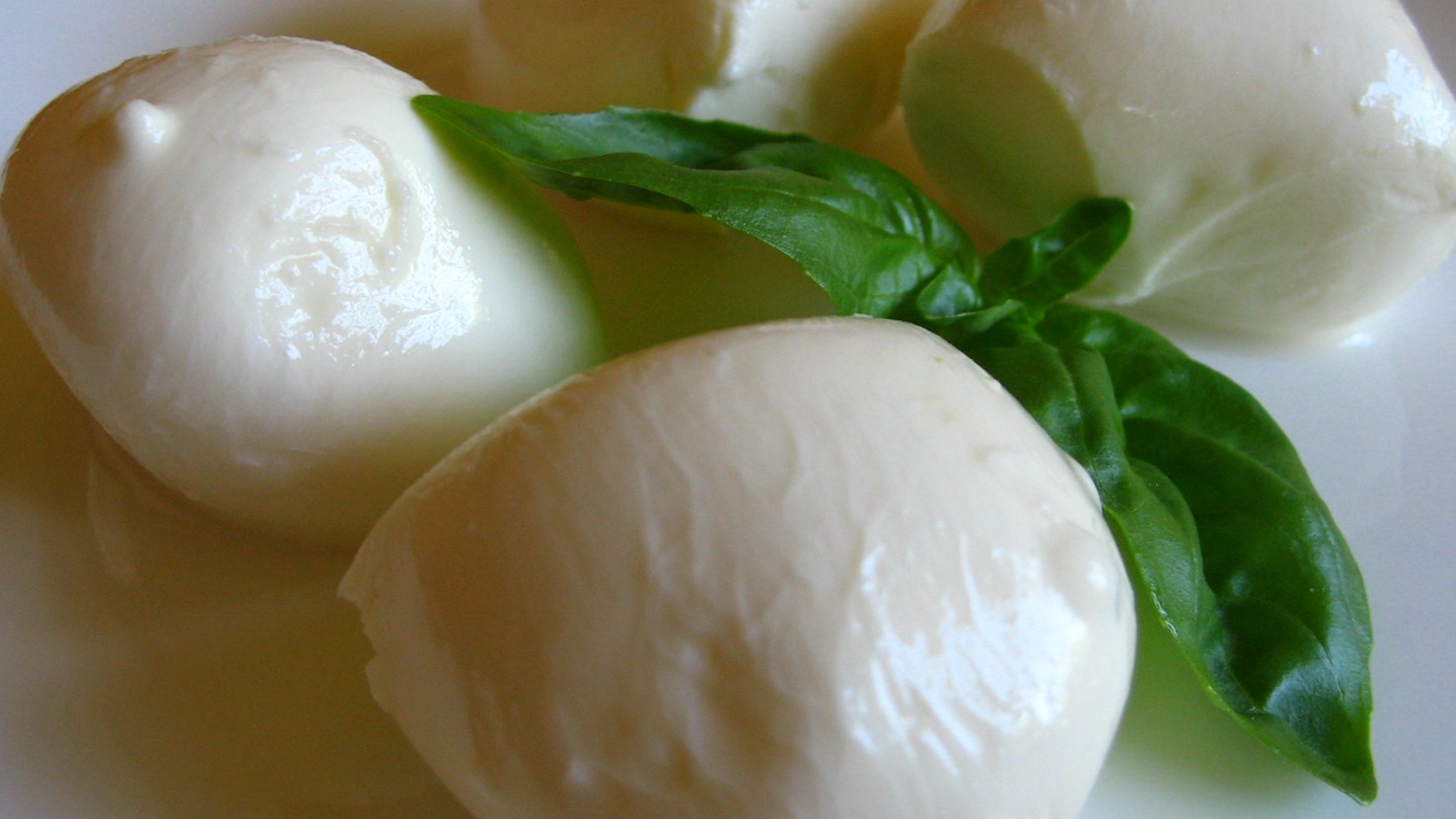
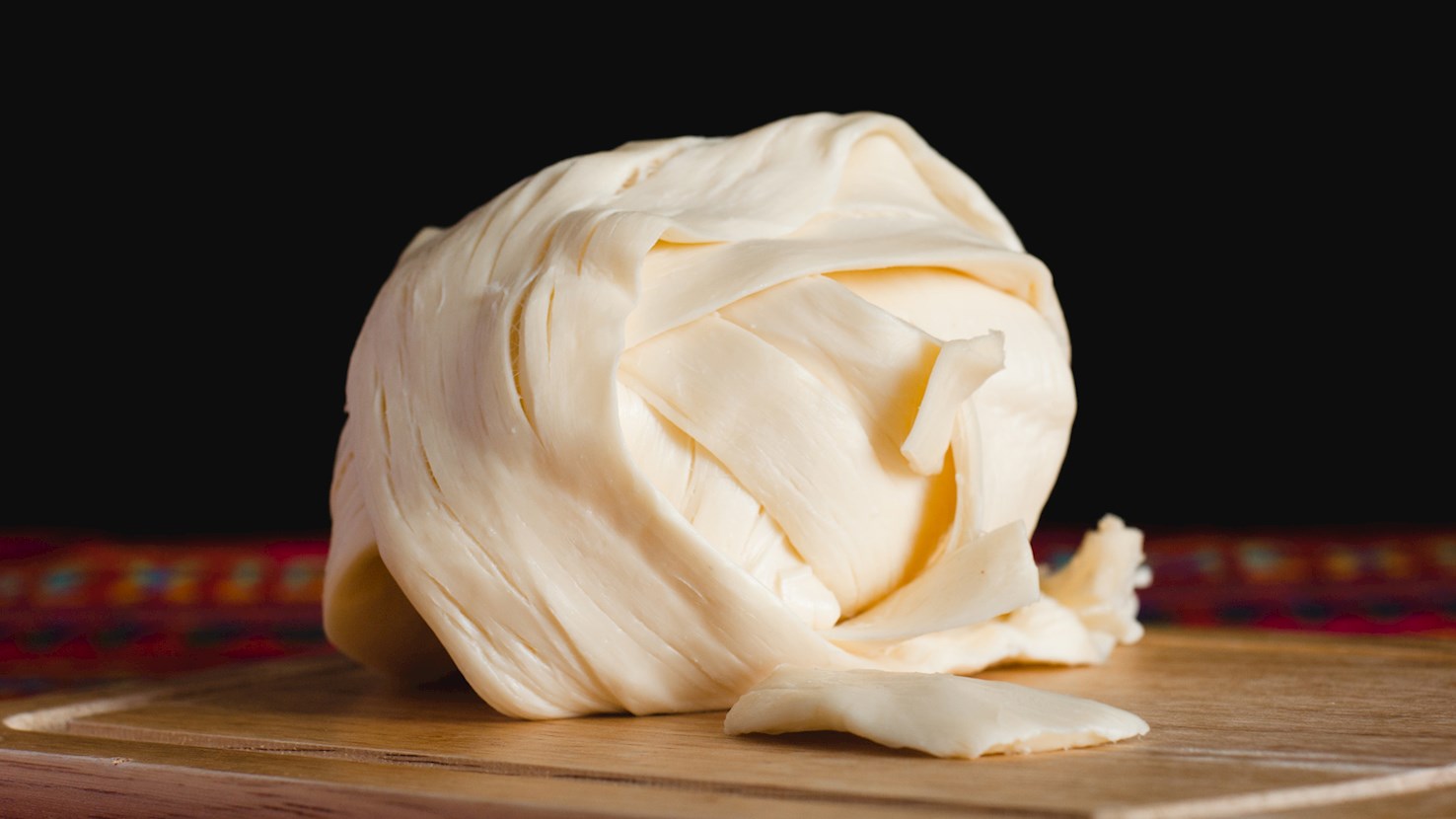
Oaxacan cheese is a semi-soft white cheese made from cow's milk. The cheese is characterized by its stringy texture. It has a savory, creamy, mild and buttery flavor, making it ideal for quesadillas, empanadas, and tlayudas. The cheese has great melting properties, which is the reason why it is often used in numerous baked dishes. It is named after the Oaxaca state in southern Mexico, where it was first produced. The pasta filata cheesemaking process, originally from Italy, was brought to Mexico by Dominican friars that settled in the state of Oaxaca.

10

Raclette de Savoie

4.3 ·

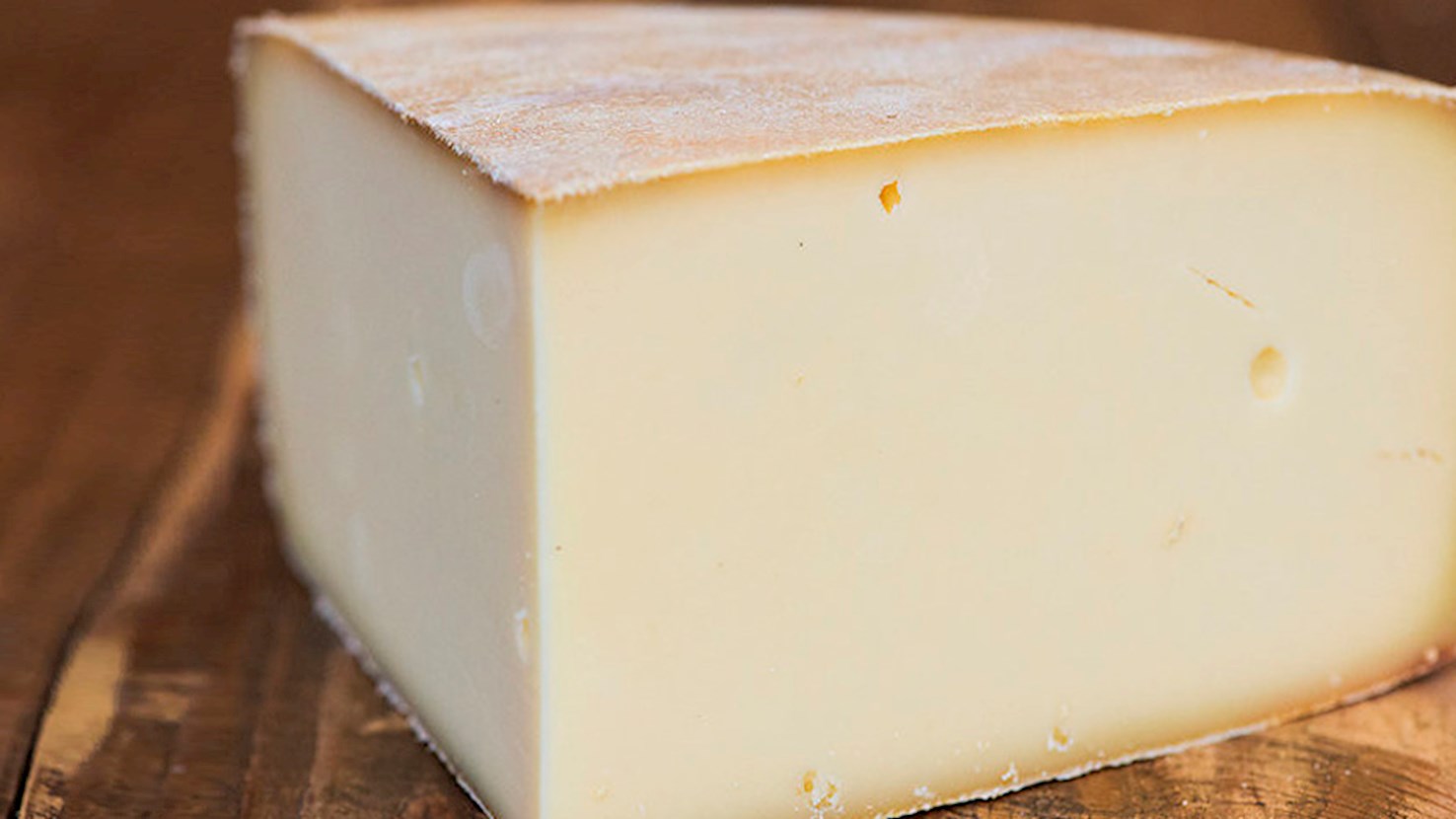
Raclette de Savoie is an ancient mountain cheese common to the Savoie region in France and the canton of Valais in Switzerland. It derives its name from racler, meaning to scrape, which describes the way the local people cut this cheese. Raclette is a semi-soft cow's milk cheese, unpasteurized, with a dark-beige slightly sticky rind and a light yellow paste. It has a pleasant flavor but it gets particularly tasty when heated in front of a fire or under a hot grill and only then the full aroma intensifies. Traditionally, a large cheese was cut in half and leant against a stone facing the open fire. The outer layer of the elastic interior was allowed to heat up gradually, and when it started to crinkle and change color, people would smother baked potatoes in the hot melting cheese. The rich and nutty aroma of the cheese is the perfect partner for the potatoes but it also pairs well with cooked and cured meat. Today, the traditional dish can be created by heating slices of cheese under the grill and served with tea like in Valais or with white wine such as the traditional Vin de Savoie.

Best Semi-soft Cheeses in the World
01

Lynher Dairies Cheese

5 ·
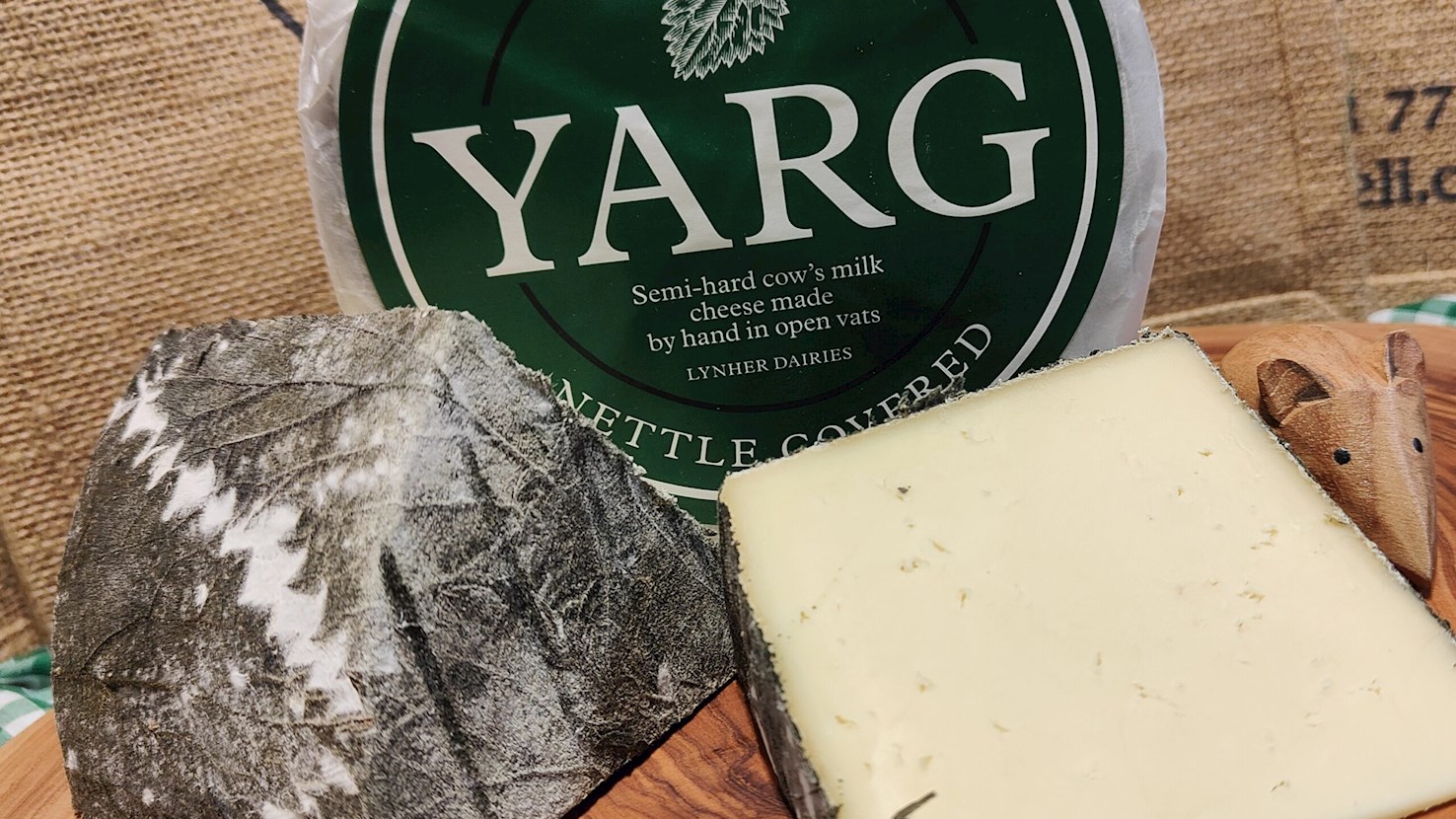
Lynher Dairies Cheese is a cheese producer known for manufacturing Cornish Yarg, a semi-hard cow's milk cheese wrapped in nettle leaves. The company also produces Kern, a hard cheese aged for 16 months and covered in a black wax coating. These cheeses are crafted using traditional methods and locally sourced ingredients.
Awards
World Cheese Awards - Super Gold (2023)
Great Taste Awards - 3 Stars (2024, 2023, 2021)
02

Jasper Hill Farm

5 ·
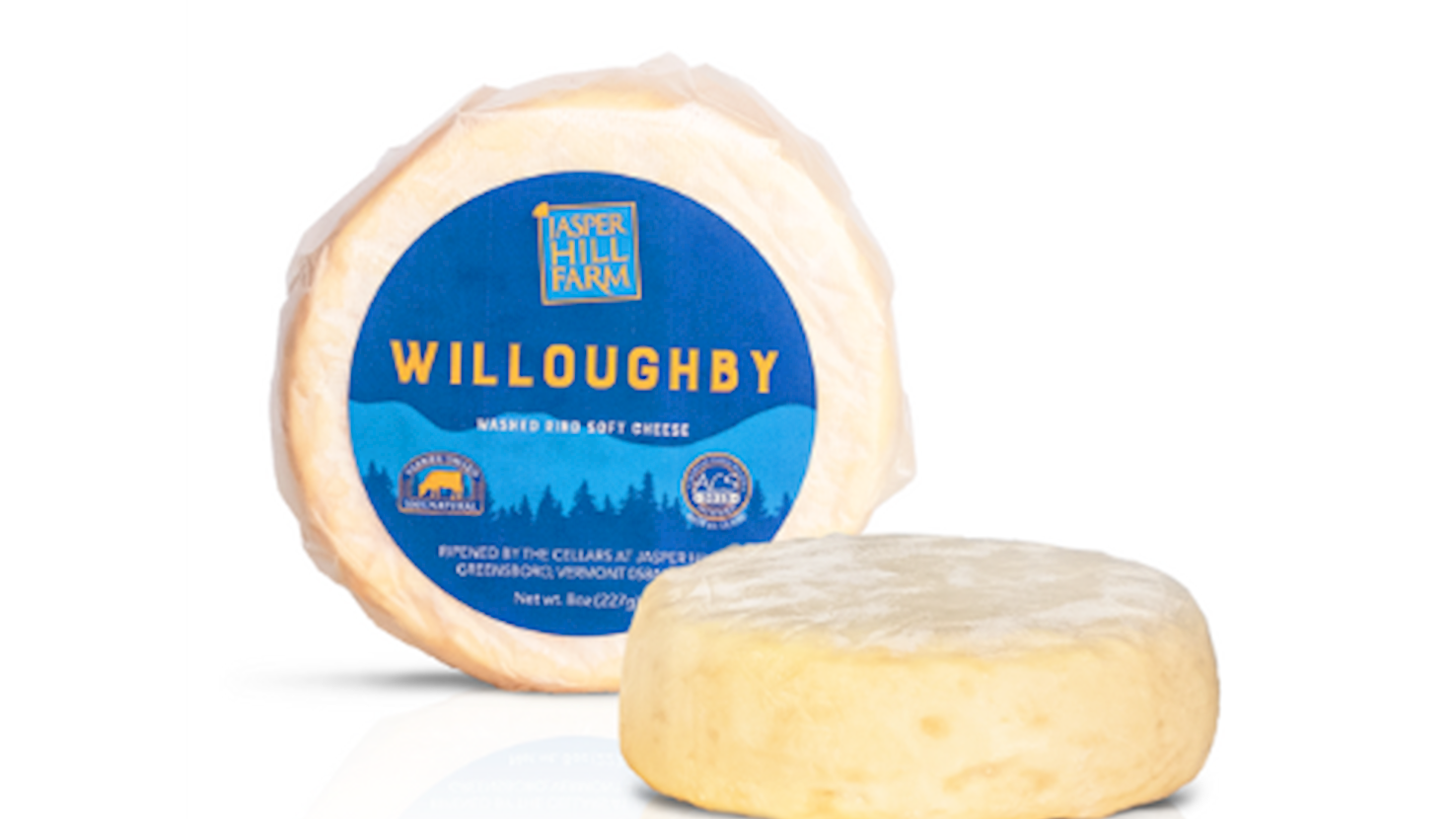
Jasper Hill Farm is a farmstead cheese producer based in Greensboro, founded in 2003 with a clear mission to strengthen the rural economy of Vermont’s Northeast Kingdom through high-quality cheesemaking. The operation is built around milk from its own farm, with a strong emphasis on consistency, milk quality and expressing a sense of place through different cheese styles. A central pillar of the business is The Cellars at Jasper Hill, a purpose-built underground aging facility designed to provide precise control over humidity, temperature and microbial development during affinage. These cellars are used not only for Jasper Hill’s own cheeses but also to support other small regional producers by offering professional aging, storage and distribution services. This collaborative model has positioned Jasper Hill as both a producer and an infrastructure backbone for the local artisan cheese community. Their portfolio spans multiple styles, from blue and soft-ripened cheeses to alpine-inspired varieties, many of which have received international recognition. Jasper Hill Farm is widely regarded as one of the most influential producers in American artisanal cheesemaking, known for combining technical rigor with a strong commitment to regional sustainability.
Awards
World Cheese Awards - Super Gold (2024, 2023)
Culture Cheese Magazine Best Cheeses issue - Best (2023)
03

Village Maid Cheese

5 ·
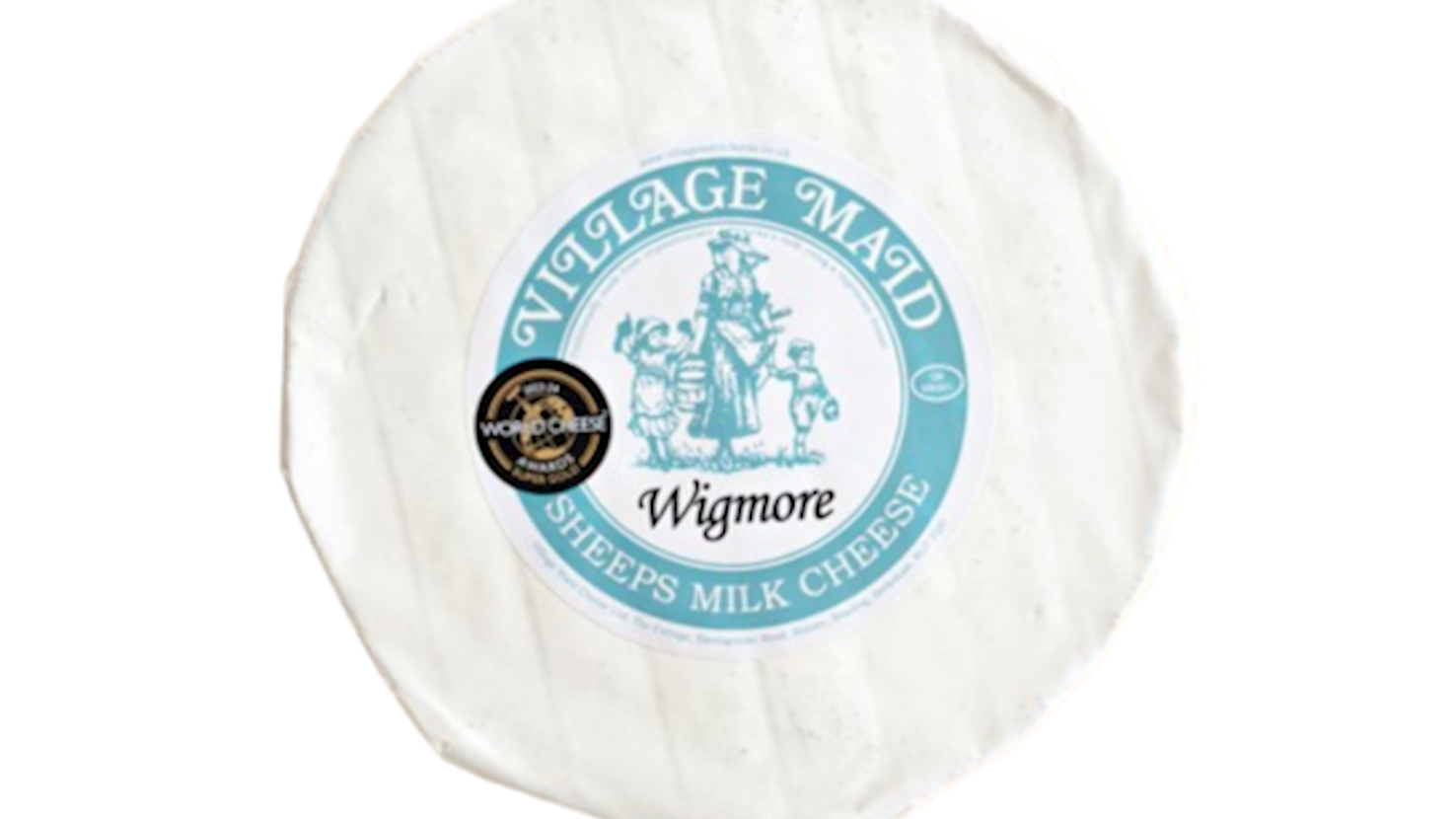
Village Maid Cheese, based in Riseley, England, was established by Anne Wigmore in 1986 after a decade of experience at the National Institute for Research in Dairying. The company is renowned for its artisanal cheeses, including the award-winning Wigmore, Waterloo, and Spenwood, which are all produced using traditional methods and milk from local farms committed to sustainability and animal welfare. The cheese production at Village Maid emphasizes minimal changes to traditional methods over the years, focusing on handmade processes and environmental sustainability. For instance, they innovated by replacing disposable cheese cloths with a more sustainable alternative to reduce waste. Their range of cheeses has received numerous accolades, reflecting their commitment to quality and craft. The company has grown significantly since its inception, moving to a larger facility in Riseley to accommodate increased production and introducing new products like Maida Vale. This growth continues, all while maintaining a strong connection to local suppliers and sustainable practices.
Awards
Culture Cheese Magazine Best Cheeses issue - Best (2023)
World Cheese Awards - Super Gold (2023, 2022, 2021)
04

Etyeki Kecskesajt Manufaktúra

5 ·
Etyeki Kecskesajt Manufaktúra is a small artisanal cheesemaker located in the village of Etyek, Hungary, a region well known for its vineyards and strong gastronomic culture near Budapest. The dairy specializes in goat’s milk cheeses, produced in small batches with a strong focus on freshness, craftsmanship, and natural ingredients. Milk comes from carefully managed goats, and production combines traditional cheesemaking methods with modern standards of hygiene and quality control. The range includes both fresh and aged goat cheeses, often enhanced with herbs, spices, or natural additions that highlight their aromatic character. Textures vary from soft and creamy to firmer, lightly matured styles, while the flavour profile remains clean, balanced, and typically goaty without excessive sharpness. Their cheeses are commonly found at local farmers’ markets, food festivals, and selected specialty shops, where they are appreciated for their authenticity and consistent quality. Etyeki Kecskesajt Manufaktúra represents a contemporary example of Hungarian artisanal cheesemaking rooted in local terroir, small-scale production, and direct connection with consumers.
Awards
World Cheese Awards - Super Gold (2022)
International Cheese Awards - Gold (2022)
05

De Colțești

5 ·
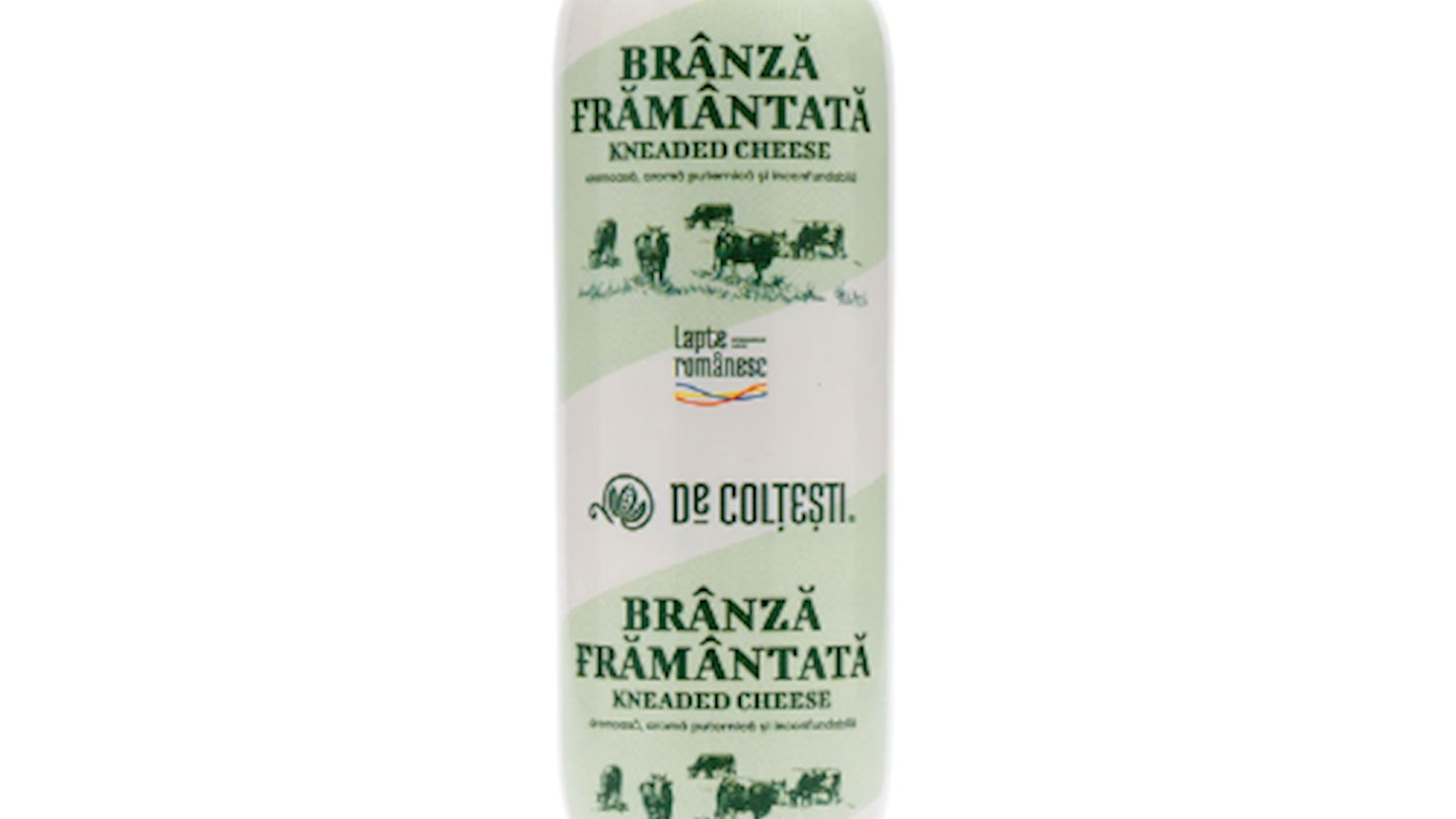
De Colțești is a Romanian cheese producer based in the village of Colțești, in the Rimetea area of Alba County, in the heart of Transylvania, founded in 1994. The company has developed as a modern dairy that combines local milk-making traditions with contemporary technological standards, relying on milk sourced from the mountainous Trascău region. It is best known for its mature and long-aged cheeses, particularly hard cheeses with a pronounced, full-bodied flavor, often marketed under the Torockoi brand. Its portfolio includes both traditional Romanian cheese styles and products inspired by broader European cheesemaking traditions, adapted to modern consumer preferences. The production philosophy emphasizes quality control, consistency of flavor, and carefully managed aging processes, while preserving a strong regional identity. De Colțești is regarded as one of the notable representatives of the modern Romanian cheese scene, successfully bridging Transylvanian tradition with industrial precision and market-oriented production.
06

Prairie Farms Dairy

4.9 ·
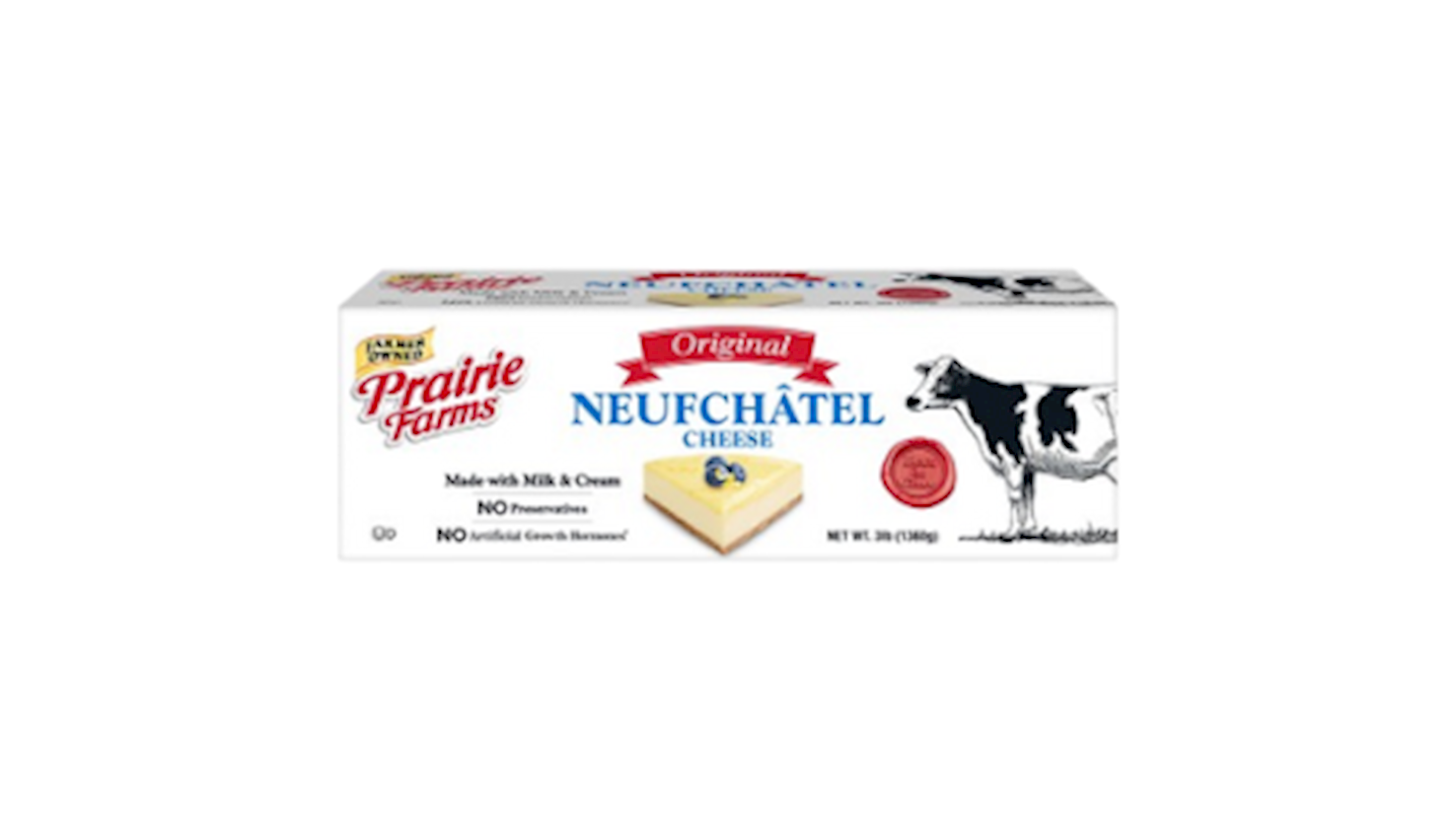
Prairie Farms Dairy is one of the largest dairy cooperatives in the United States. Founded in 1938, it operates as a cooperative, meaning it is owned by dairy farmers who supply the milk and other dairy products. Prairie Farms Dairy produces a wide range of dairy products, including milk, cheese, butter, ice cream, and yogurt, and distributes them across a large portion of the United States. The cooperative's business model is centered around supporting local dairy farmers while offering high-quality, fresh dairy products to consumers. Prairie Farms Dairy is known for its commitment to sustainability and animal welfare, as well as for using advanced technologies in dairy farming to ensure the quality of their products.
Awards
World Championship Cheese Contest - Best of Class (2024, 2022, 2020, 2018, 2012)
International Cheese & Dairy Awards - Gold (2024)
07

Little Cheese Farm

4.9 ·
Little Cheese Farm is a Belgian family-run artisanal cheese producer based in Lotenhulle, in the East Flanders region between Ghent and Brussels, known for its fully integrated “from pasture to cheese” approach. On their own fields, cows - especially the Jersey breed - are fed grass and hay produced on the farm, resulting in milk naturally rich in fat and protein, which forms the foundation of their high-quality cheeses. Close control over animal welfare and feeding allows for a short production chain and exceptional freshness, with more than 99% of the milk used coming directly from their own herd. The entire cheesemaking process takes place on site, from milk coagulation and curd handling to pressing, salting, and maturation, under carefully managed temperature, humidity, and airflow conditions in the aging rooms. Little Cheese Farm produces a diverse range of cheeses, from traditional Belgian Gouda-style varieties such as Gentenaer to more distinctive and experimental creations like Orange Emperor, made with added carrot juice, as well as cheeses flavored with spices or beer and naturally ripened rind cheeses with varied flavor profiles. Their work has gained recognition for craftsmanship and consistency, reflecting a strong balance between tradition and innovation. The farm also welcomes visitors for tastings and guided visits, and all of their artisanal cheeses are available directly through the on-site farm shop.
Awards
World Cheese Awards - Super Gold (2024, 2022, 2021)
World Cheese Awards - Gold (2021)
08

Luigi Guffanti 1876

4.9 ·
Luigi Guffanti 1876 is a renowned Italian cheese company based in Arona, in the Piedmont region, known for its multi-generational expertise in aging and refining cheeses. Founded in 1876 by Luigi Guffanti, the company began its journey by aging Gorgonzola in an abandoned silver mine in Valganna, taking advantage of its consistent temperature and humidity conditions for optimal cheese maturation. Over time, the expertise gained in aging Gorgonzola expanded to include a wide variety of other cheeses. Luigi Guffanti 1876 offers an extensive selection of cheeses, including those made from cow’s, sheep’s, goat’s, and buffalo’s milk, as well as blended varieties. The company also welcomes visitors to its aging cellars in Arona, where guests can experience the cheese aging process firsthand and enjoy guided tastings of their artisanal products.
Awards
Italian Cheese Awards - ICA (2018, 2016, 2015)
Italian Cheese Awards - Nominee (2017)
09

Synnøve Finden

4.9 ·
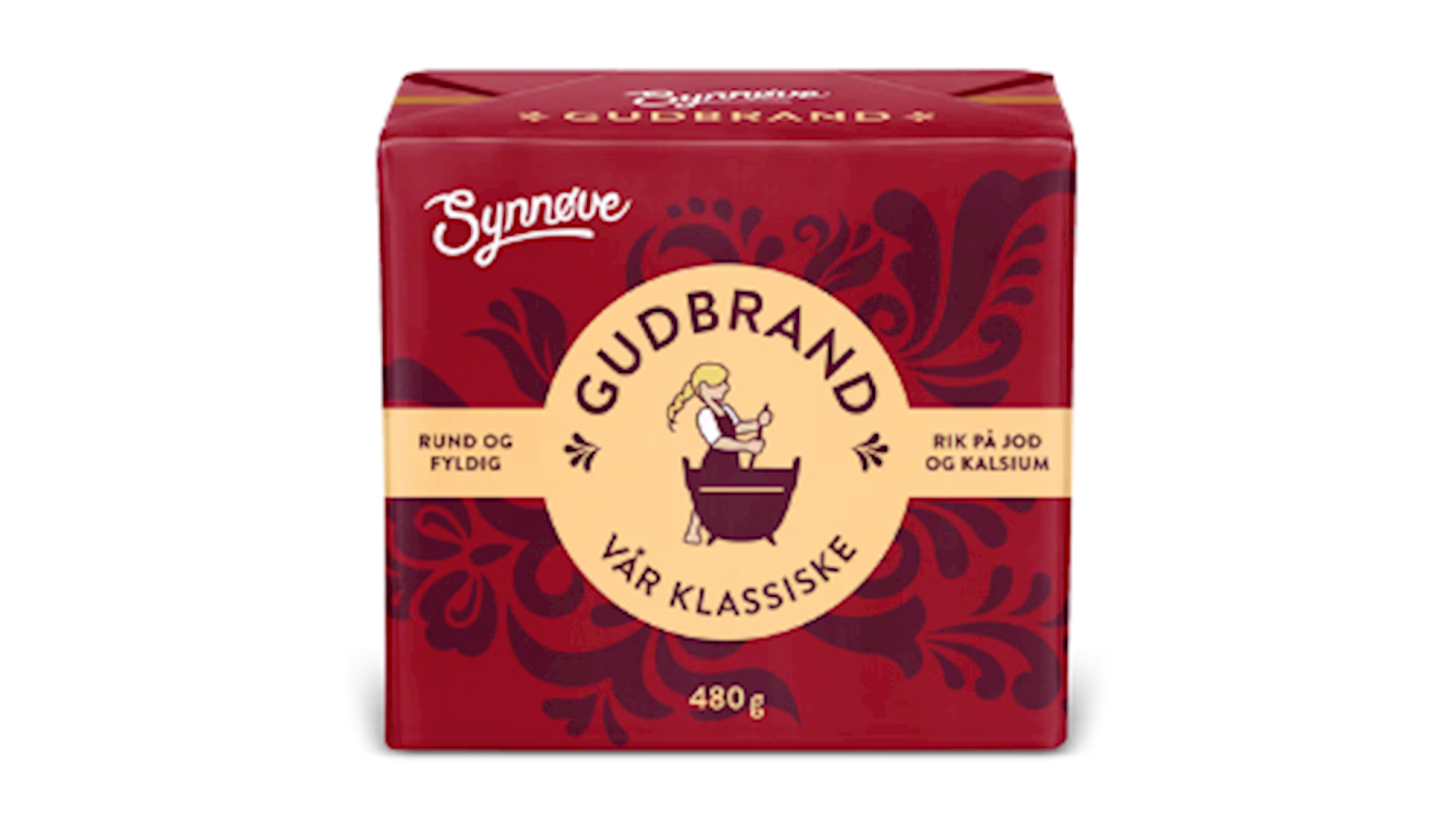
Synnøve Finden is a Norwegian food company with a tradition dating back to 1928, renowned for its expertise in producing cheeses, dairy products, and plant-based dairy alternatives. Over the decades, it has developed a diverse product range - from traditional Norwegian specialties such as brunost, the distinctive caramelized whey cheese, and gulost, to various hard and semi-hard cheeses, processed cheeses, yogurts, and innovative plant-based spreads. All products are made in modern production facilities, where state-of-the-art technology is combined with a strong commitment to preserving authentic flavors and traditional methods. The company uses only milk sourced from Norwegian farms, ensuring freshness and full traceability while supporting local agriculture. This dedication to quality and provenance is reflected in the consistently high standards of its products. By merging Norway’s rich dairy tradition with modern product development, Synnøve Finden has positioned itself as a reliable and innovative brand. It is present in both domestic and international markets, attracting consumers who value authentic taste, premium ingredients, and a contemporary approach to nutrition that respects the environment and evolving dietary habits.
Awards
World Cheese Awards - Gold (2024)
10

Kingston Creamery

4.9 ·
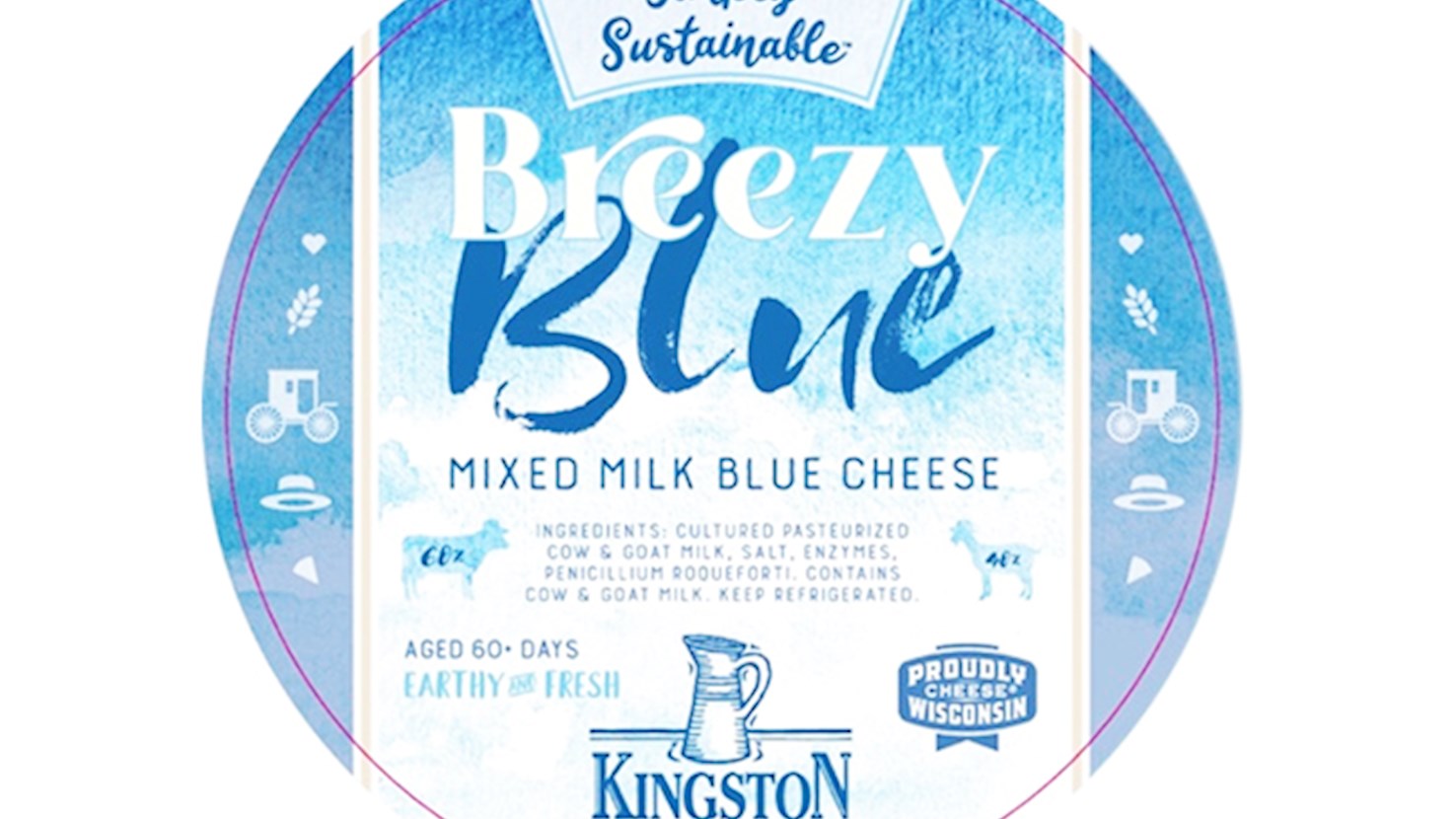
Kingston Creamery is cooperative from Cambria (Wisconsin), established as a community response when local dairies closed. Renamed during the pandemic, the cooperative is still bravely run by families who preserve traditional methods—hand-milking cattle, small farms, old-fashioned milk cans—all with the goal of producing exceptional cheese. Their award-winning blue cheeses, such as Heritage Blue, combine piquant, earthy notes with a sweet, fruity undertone, the result of long-standing dedication to quality and artisanal craftsmanship. Founded as a step toward preserving the community and way of life, the cooperative now brings together over 60 members who jointly produce and market milk, thereby ensuring a sustainable future for their farmers and the preservation of their cultural heritage.
Awards
World Championship Cheese Contest - Best of Class (2024)
American Cheese Society Judging & Competition Awards - 1st Place (2025, 2023)
About this ranking

TasteAtlas food rankings are based on the ratings of the TasteAtlas audience, with a series of mechanisms that recognize real users and that ignore bot, nationalist or local patriotic ratings, and give additional value to the ratings of users that the system recognizes as knowledgeable. For the “Top 100 Semi-soft Cheeses in the World” list until June 10, 2026, 11,928 ratings were recorded, of which 7,838 were recognized by the system as legitimate. TasteAtlas Rankings should not be seen as the final global conclusion about food. Their purpose is to promote excellent local foods, instill pride in traditional dishes, and arouse curiosity about dishes you haven’t tried.

The initial list of top producers was compiled based on available reviews, awards, local recommendations, media and blog coverage, and consumer reviews. The list will be updated with ratings from TasteAtlas local ambassadors and TasteAtlas users.

Similar lists