shutterstock

Top 40 Spanish Sheep's Milk Cheeses

Last updated on September 02, 2026

Best Spanish Sheep's Milk Cheeses
01

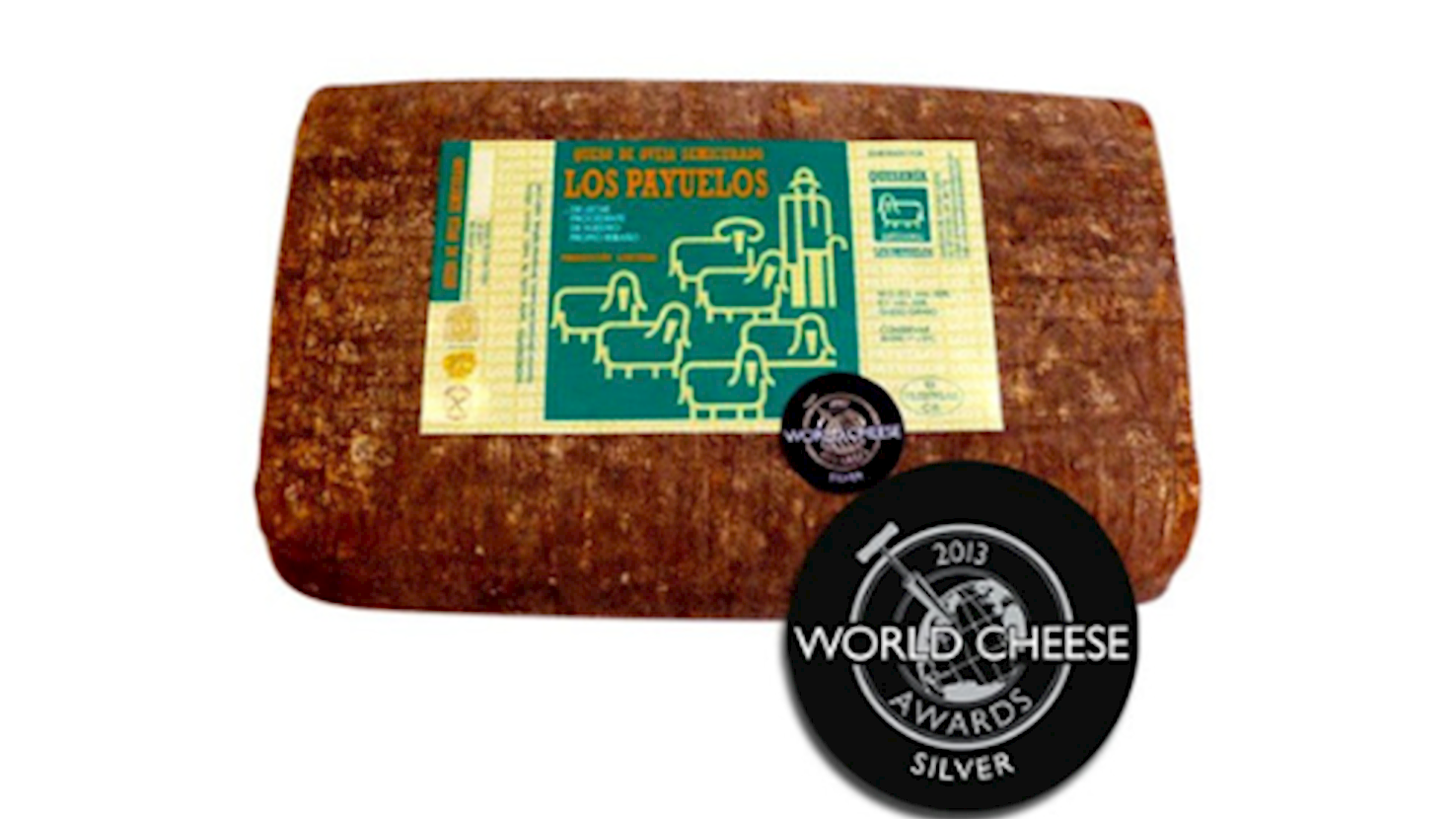
Quesería Artesanal Los Payuelos

5.0 ·

Quesería Artesanal Los Payuelos is a cheese producer located in Leon, Spain, specializing in artisanal cheeses that leverage local milk and traditional methods. They are known for producing cheese using milk from sheep breeds indigenous to the region.

Their products often feature in Spanish gourmet markets and are highlighted for their unique regional flavors.

Awards
World Cheese Awards - Super Gold (2024, 2023, 2022)
Culture Cheese Magazine Best Cheeses issue - Best (2023)
02

Queso Payoyo

5.0 ·

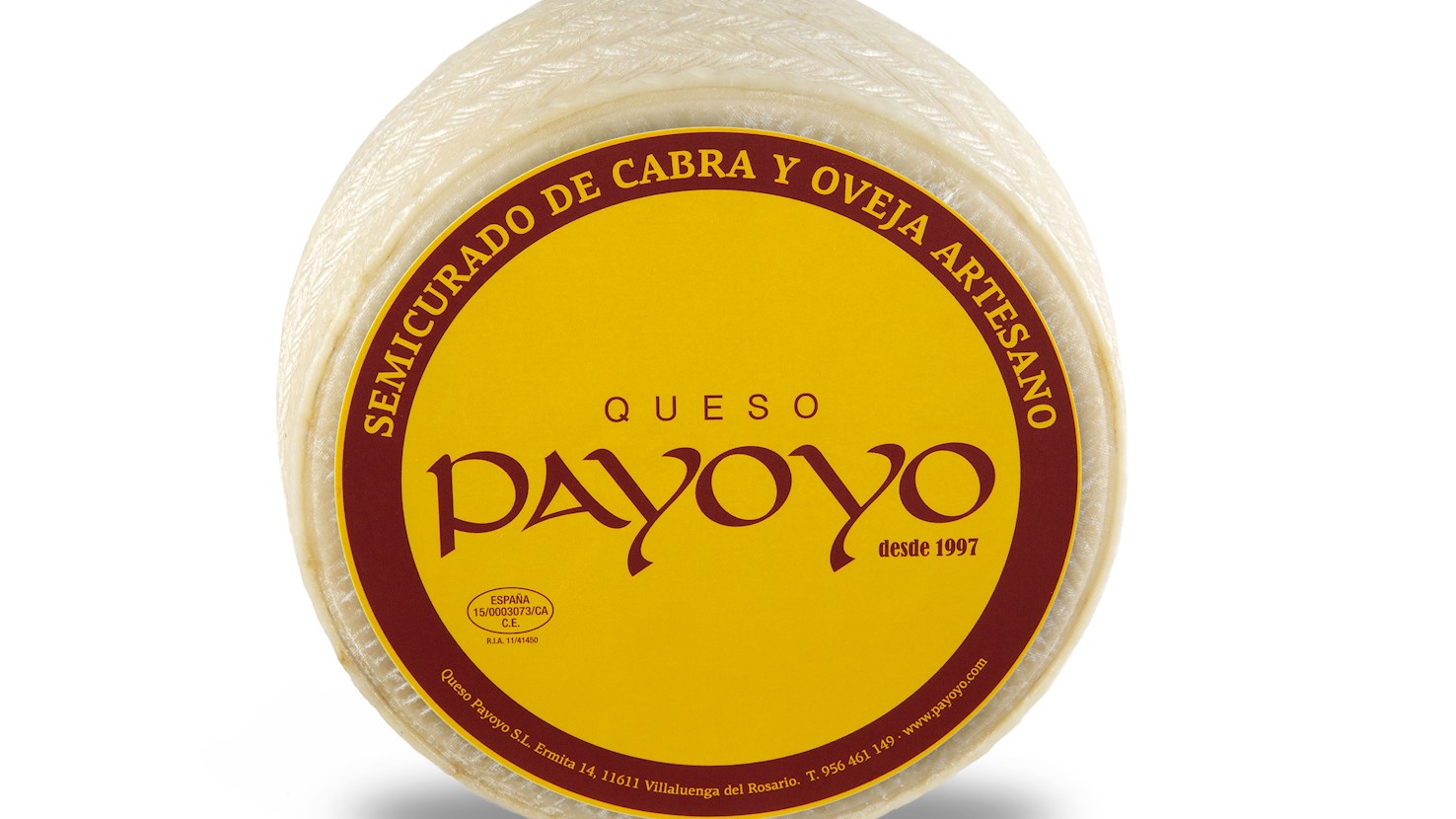
Queso Payoyo is a producer of premium, handcrafted cheeses made in the heart of the Sierra de Grazalema Natural Park, in the small Spanish village of Villaluenga del Rosario. The company was founded in 1997 and has since won numerous awards for the quality of its cheeses.

Payoyo produces cheeses made from goat, sheep, and mixed milk, all of which are characterized by rich flavors and authentic production techniques. The Payoyo brand was registered in 1995 and has since become a recognizable name in the cheese market.

Their product range includes various types of cheeses, including curado, fresco, and semicurado varieties, as well as creamy products and small roll cheeses. The production process follows sustainable practices, and visitors can enjoy guided tastings and tours of their farms to experience the cheese-making process and enjoy the natural surroundings.

Awards
World Cheese Awards - Super Gold (2024)
Concours International de Lyon - Gold (2025)
03

Quesos El Pastor

4.9 ·

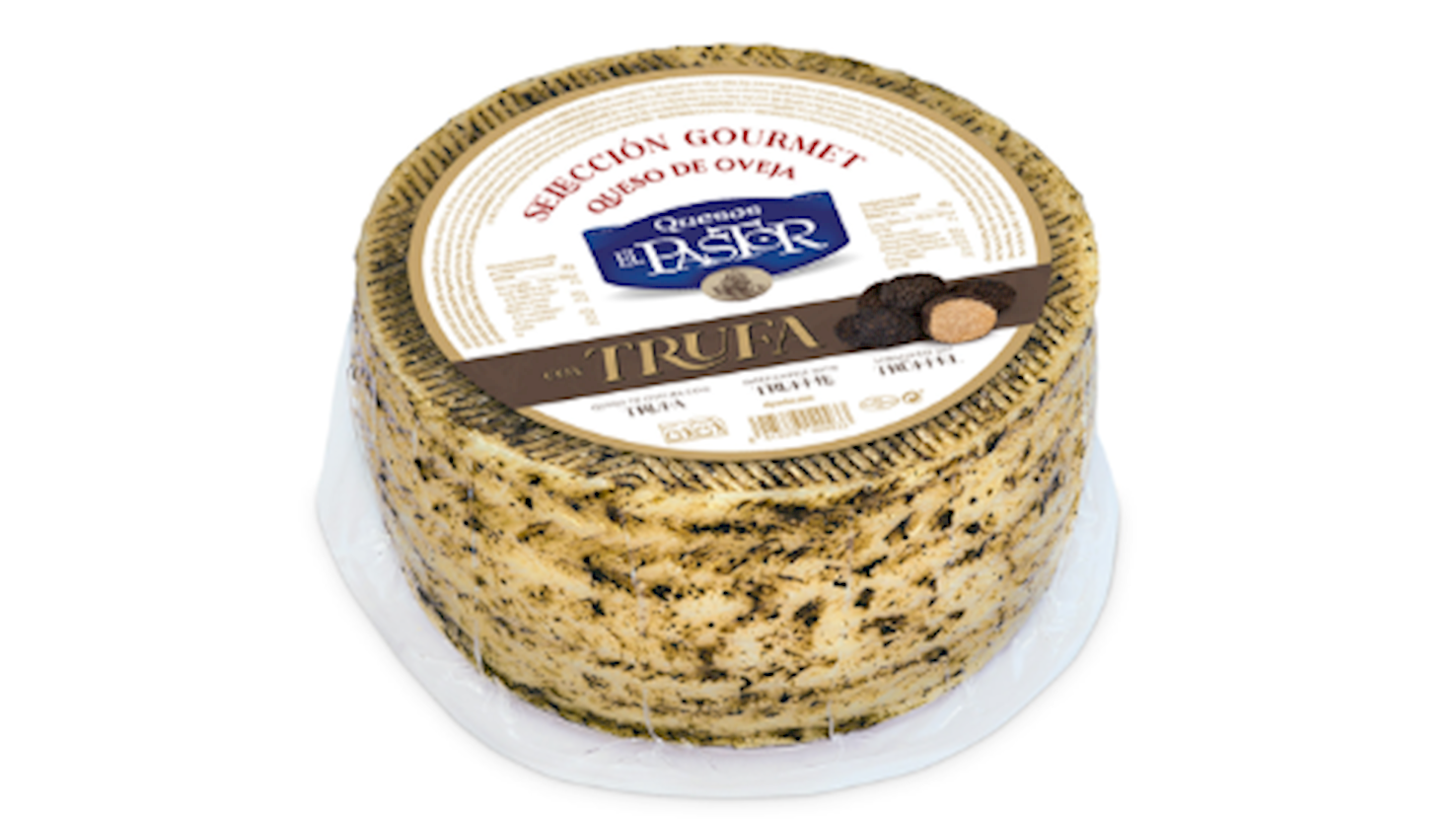
Quesos El Pastor is a Spanish cheese producer based in Santa Cristina de la Polvorosa, founded in 1967 as a small family dairy and developed into a large-scale operation with a strong focus on quality and diversification. The company was established by the Lorenzo brothers and is now managed by the second generation, maintaining continuity while expanding technologically and commercially.

Its portfolio includes a wide range of cheeses - from fresh and soft to semi-hard and aged - produced from sheep’s, goat’s, and cow’s milk, as well as mixed-milk varieties tailored to different markets. A defining feature of El Pastor is the combination of traditional cheesemaking knowledge with modern industrial processes, supported by continuous investment in production facilities, including lines for pressed cheeses, blue cheeses, and fermented products.

The company places strong emphasis on raw material quality and has adapted its range to contemporary consumer demands, including lactose-free options. Today, Quesos El Pastor exports to more than 80 countries, positioning itself as a significant global representative of Spanish cheesemaking.

Awards
World Championship Cheese Contest - Best of Class (2024)
World Cheese Awards - Gold (2024, 2023)
04

Quesos Villadharo

4.9 ·
Awards
World Cheese Awards - Super Gold (2024)
Concours International de Lyon - Gold (2025)
05

Pago Valle de los Molinos

4.9 ·

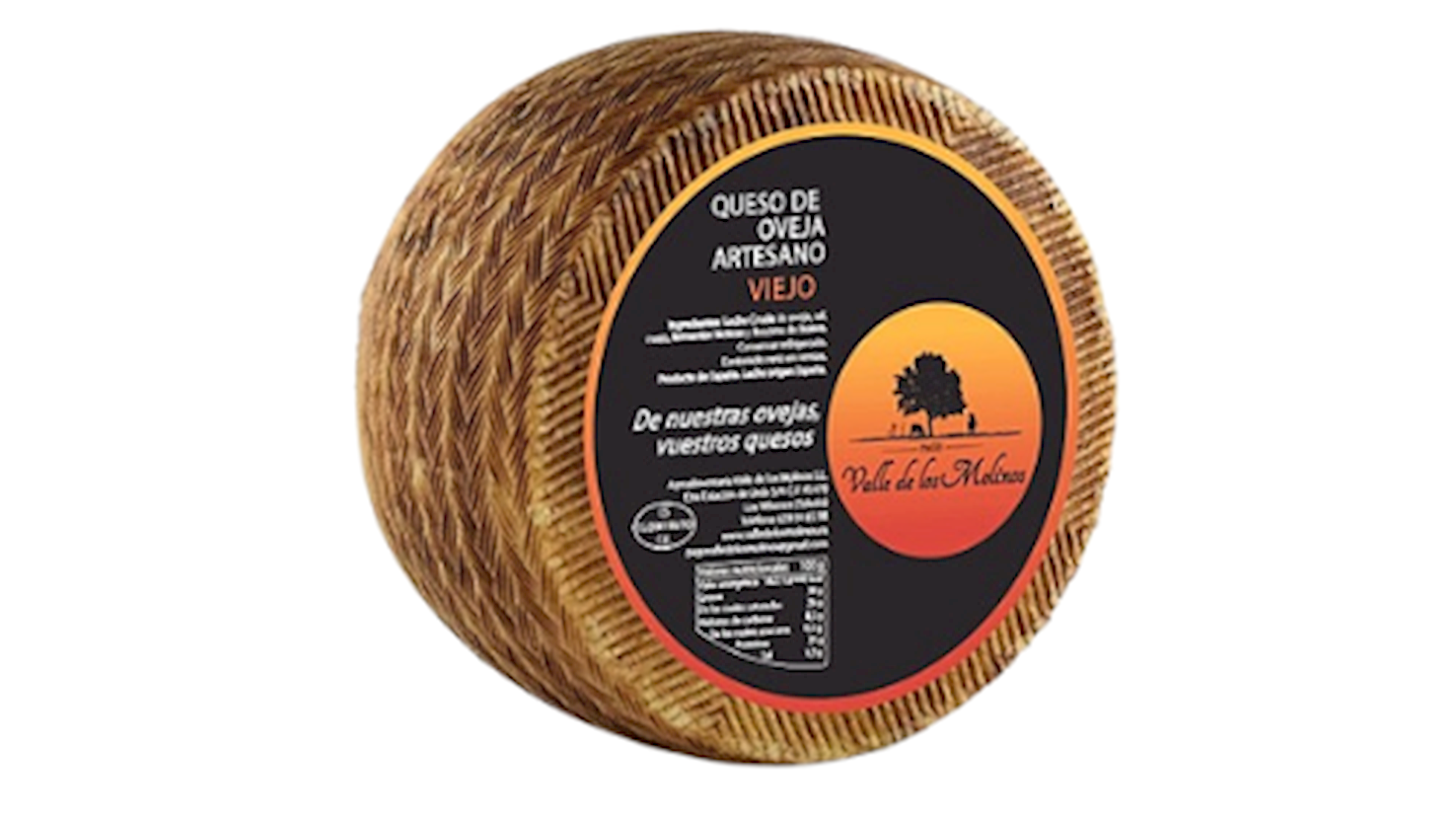
Pago Valle de los Molinos is a Spanish company specializing in the production of various types of cheese. Based in the region of Castilla-La Mancha, the company utilizes traditional methods to create high-quality dairy products.

Their product line includes a variety of artisanal cheeses made from cow, sheep, and goat milk. The company places a strong emphasis on quality control and sustainability throughout their production process.

Awards
World Cheese Awards - Super Gold (2021)
World Cheese Awards - Gold (2024, 2022, 2021)
06

Quesería Artesanal Las RRR

4.9 ·

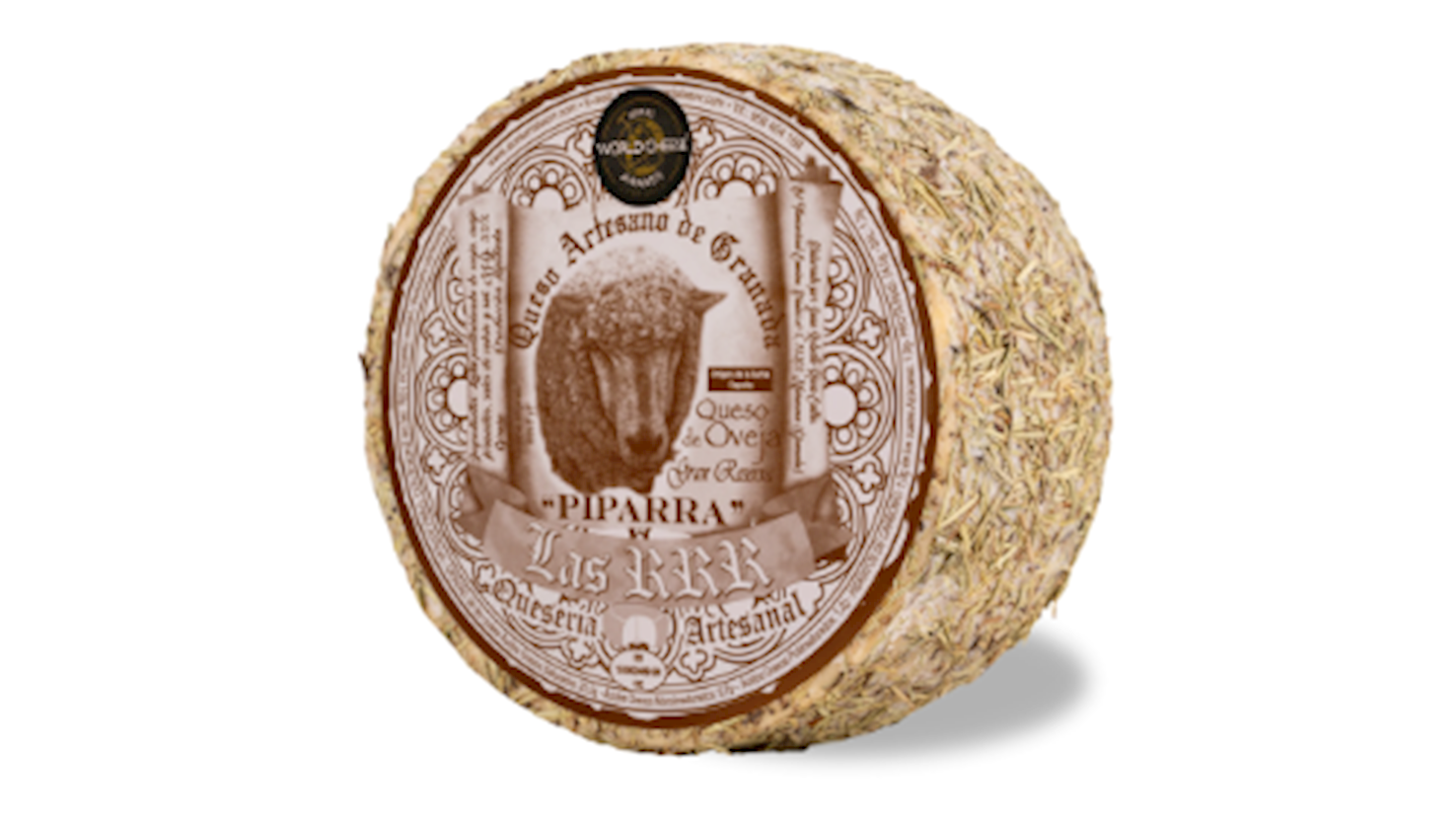
Quesería Artesanal Las RRR is a cheese producer based in Granada, Spain. They specialize in crafting artisanal cheeses using traditional methods.

They emphasize the use of high-quality, local ingredients in their production process. Their product range includes various types of cheeses, catering to different tastes and preferences.

Awards
World Cheese Awards - Super Gold (2024, 2021)
World Cheese Awards - Gold (2023, 2021)
07

Queserías Entrepinares

4.9 ·

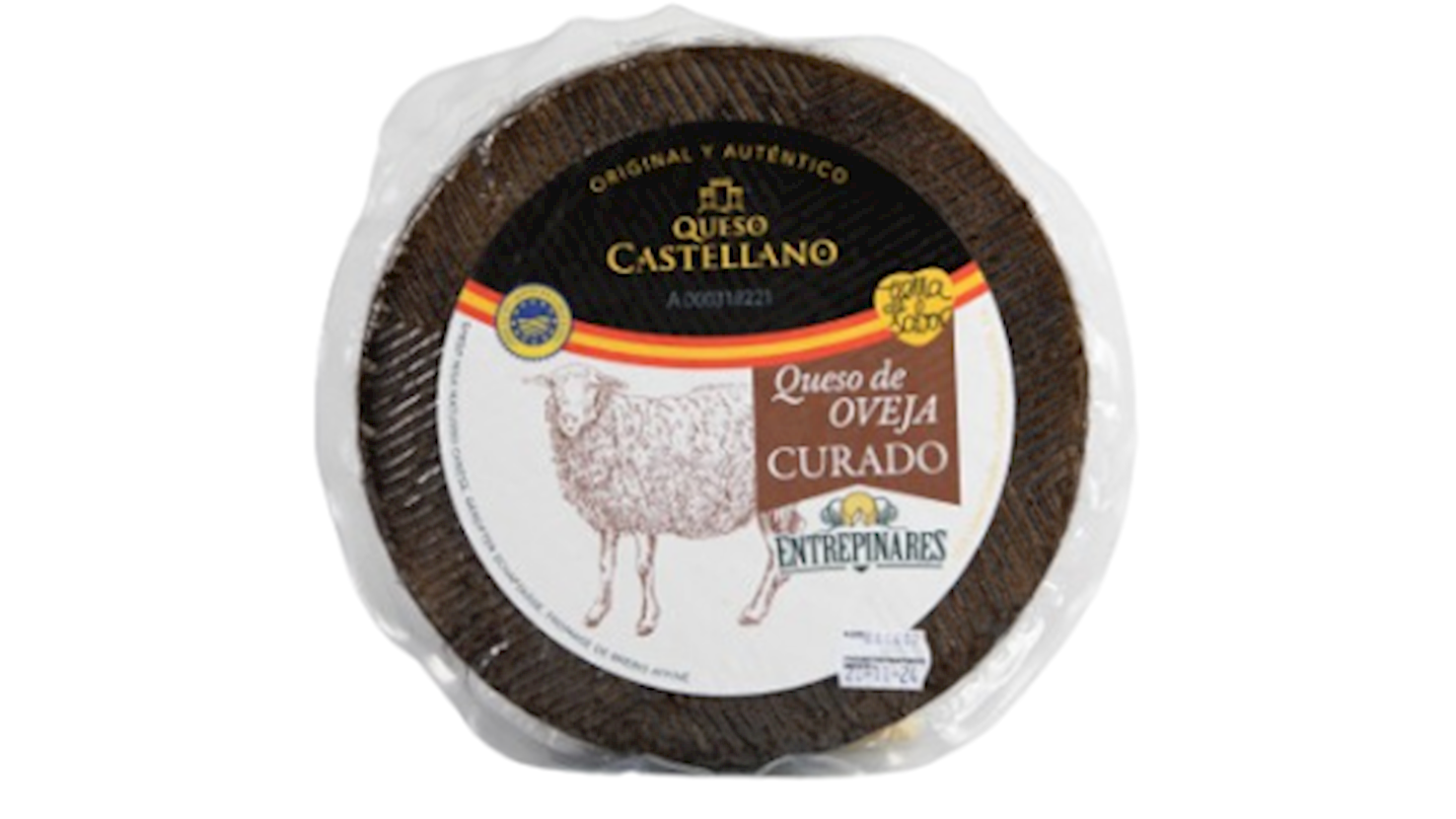
Queserías Entrepinares, based in Valladolid, Spain, is a family-owned company founded in 1984. It specializes in the production and distribution of various types of cheese and dairy products.

The company is one of the largest cheese producers in Spain, serving both domestic and international markets. Entrepinares offers a wide range of products, including sheep, goat, and cow cheeses.

Awards
World Cheese Awards - Super Gold (2021)
World Cheese Awards - Gold (2024, 2023, 2022)
08

Alimentias

4.9 ·

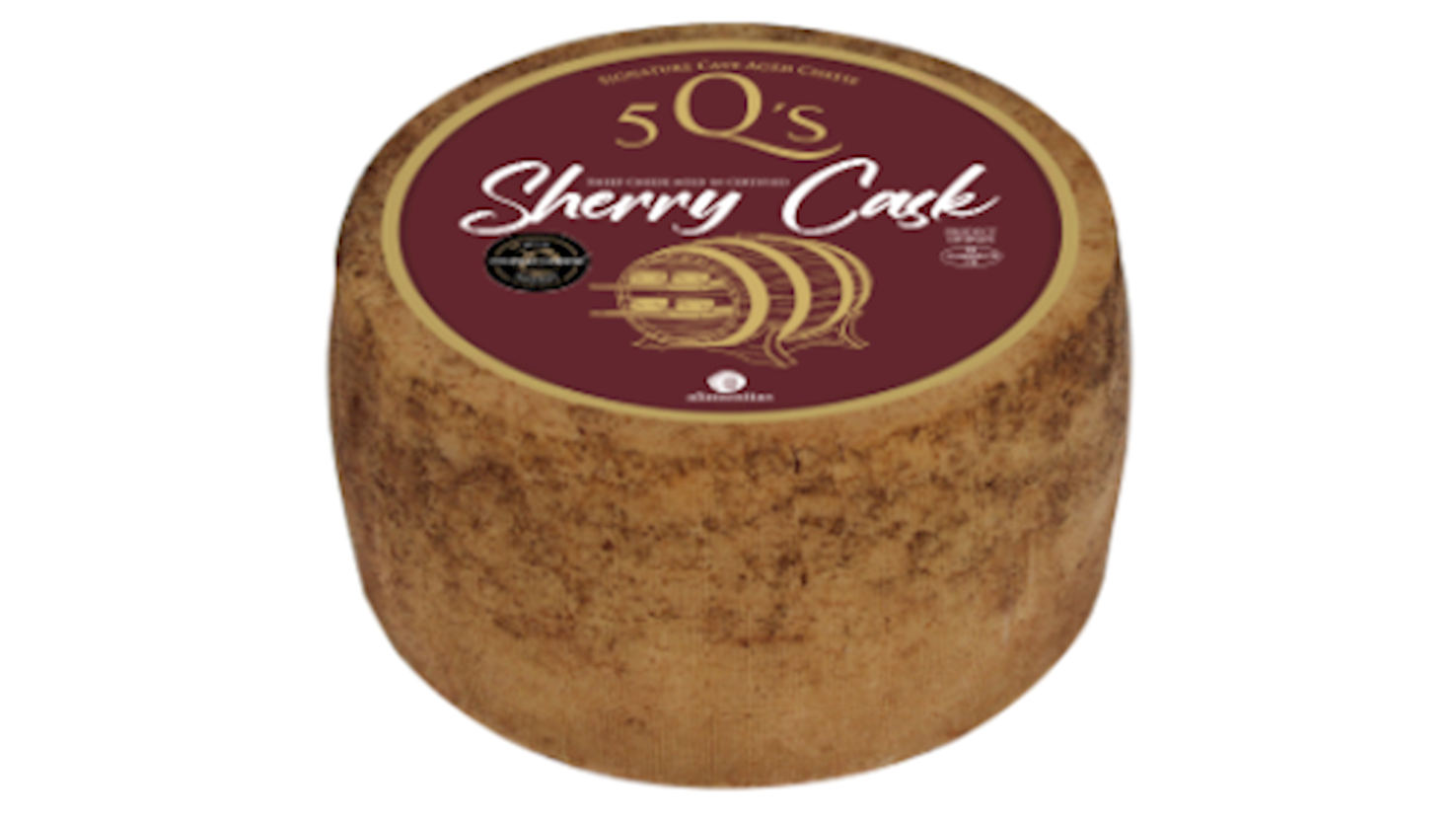
Alimentias is a Spanish cheese producer known for offering a variety of artisanal cheeses. The company focuses on traditional Spanish cheese varieties, including Manchego, Idiazabal, and Mahón.

They emphasize high-quality ingredients and often collaborate with local farmers and dairies. They also export their products to various international markets.

Awards
Culture Cheese Magazine Best Cheeses issue - Best (2023)
World Cheese Awards - Super Gold (2022)
09

Quesos Marqués de Mendiola

4.9 ·
Awards
Concours International de Lyon - Gold (2025)
World Cheese Awards - Gold (2024, 2023, 2022, 2021)
10

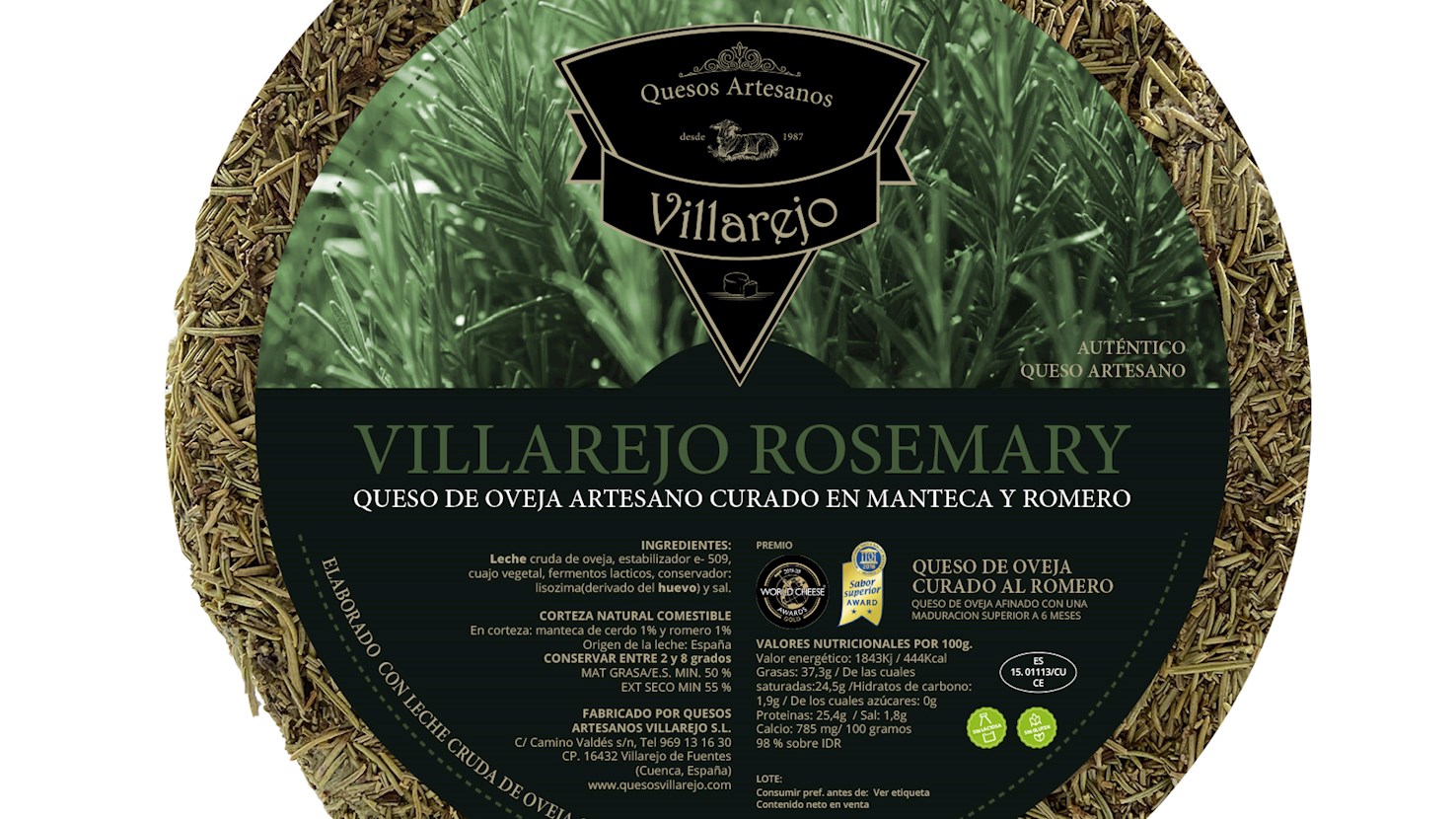
Quesos Artesanos Villarejo

4.9 ·

Quesos Artesanos Villarejo is a cheese producer located in Villarejo de Fuentes, Spain. They specialize in making artisanal Manchego cheeses, which are made from the milk of Manchega sheep native to the La Mancha region.

The company adheres to traditional cheese-making techniques and is recognized for its commitment to quality and authenticity.

Awards
World Cheese Awards - Super Gold (2022)
Concours International de Lyon - Gold (2025)

Best Spanish Sheep's Milk Cheese Types
01

Idiazabal

4.3 ·

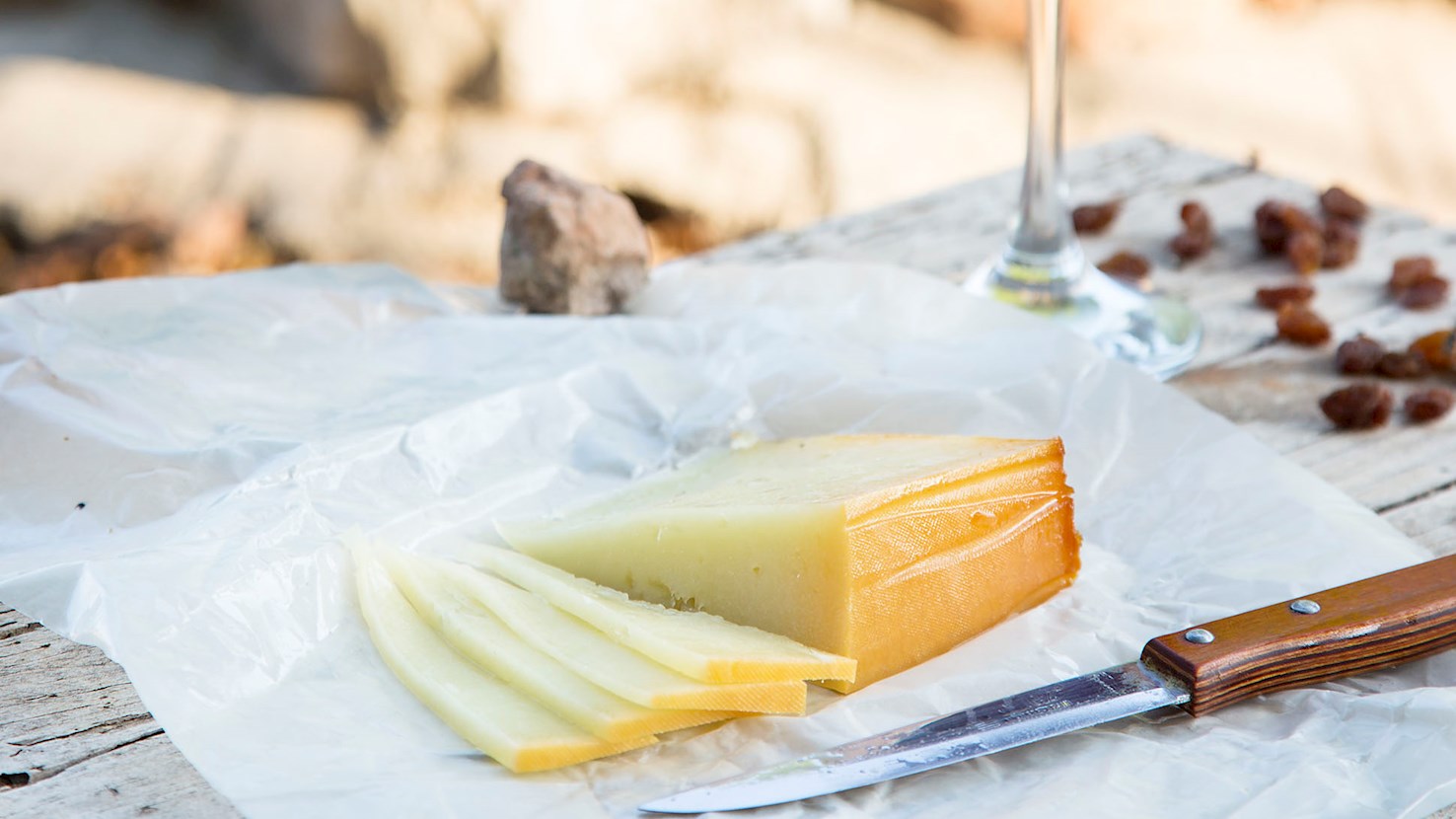
Idiazabal is a traditional cheese made solely from raw sheep’s milk from the Latxa and Carranzana breeds, manufactured in the Basque Country and Navarre, Spain. It is a semi-hard cheese with a light brown rind and smooth texture. While aging for a minimum of two months, Idiazabal develops a complex flavor with buttery and nutty aromas. This cheese had been traditionally stored near the fireplace, which produced a subtle smokey and sweet aroma without the cheese being directly smoked. Nowadays, this cheese is sometimes lightly smoked to develop a flavor emulating that of cheese made the old-fashioned way. Idiazabal is usually eaten alongside quince jam and is best paired with red wine and cider.

02

Queso Manchego

4.3 ·

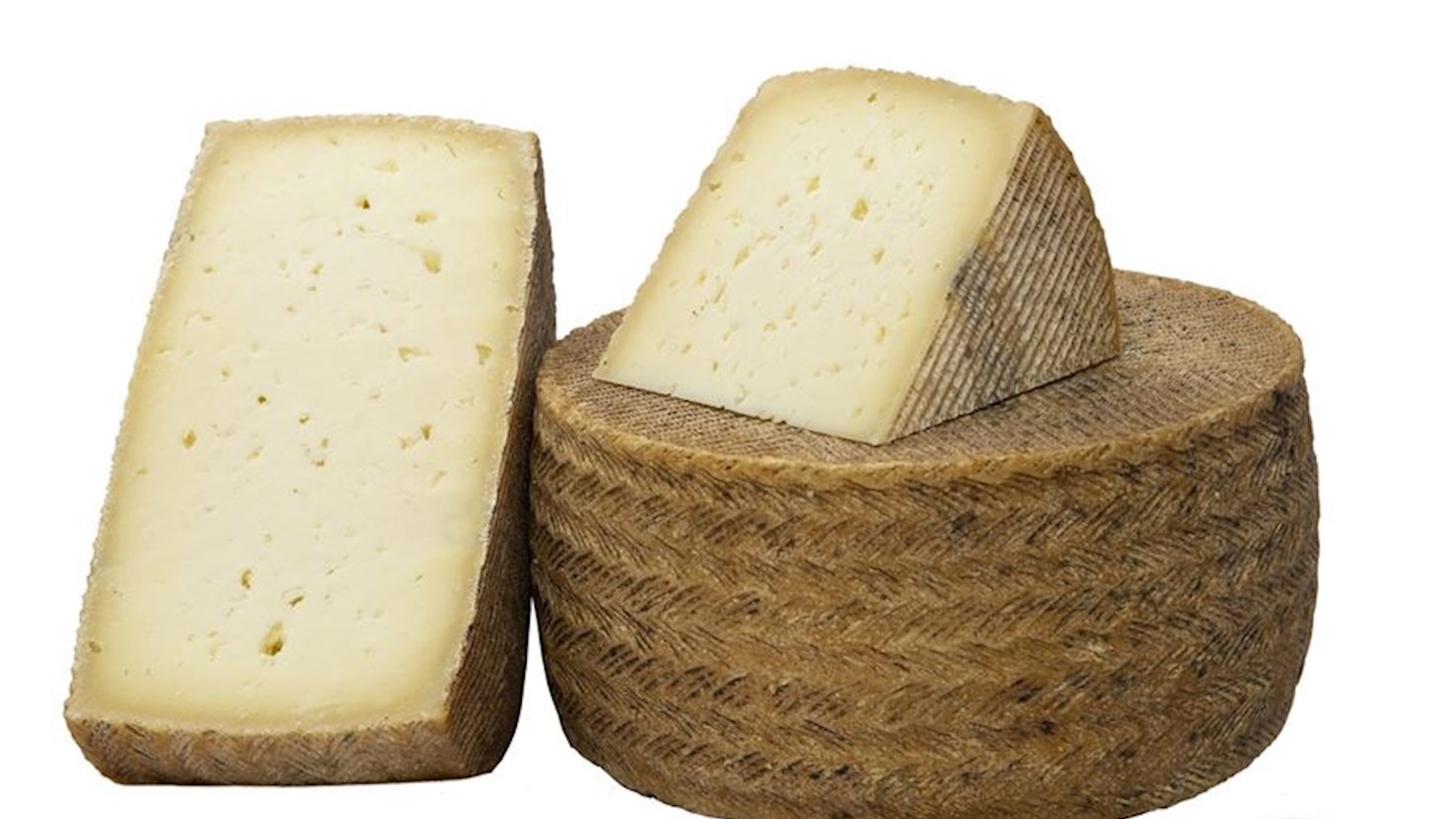
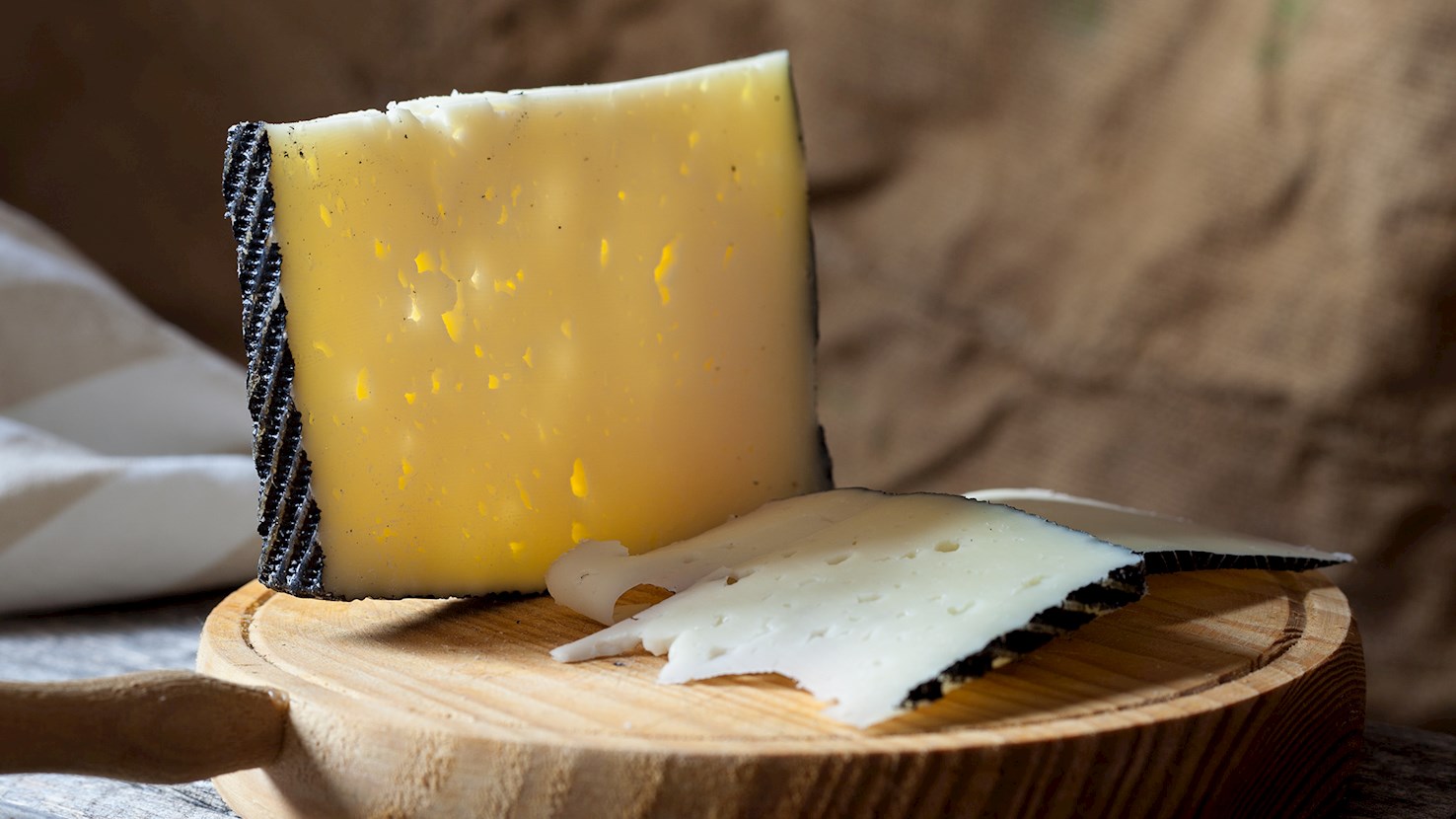
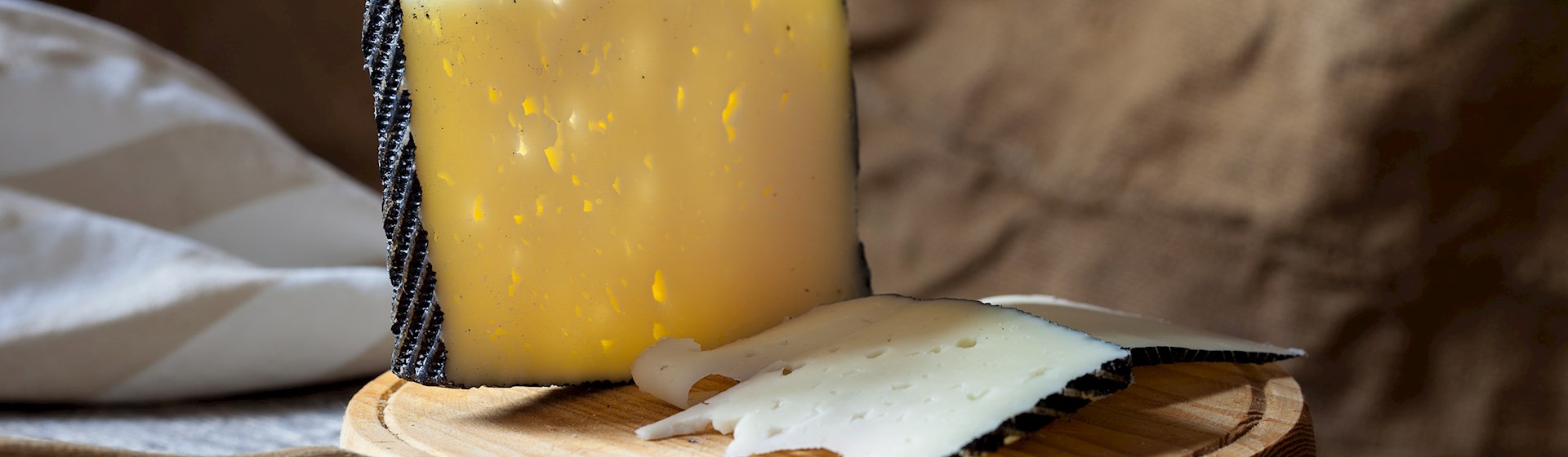
Queso Manchego is a pressed cheese made from raw or pasteurized ewe's milk of the Manchega breed that grazes freely on the pastures in the provinces of Albacete, Ciudad Real, Cuenca, and Toledo. When produced from raw milk, Manchego cheese is labeled as Artesano. Its color ranges from pale yellow to greenish-black, and the flavor is slightly acidic, but depending on the aging period, it can also be spicy and peppery. The texture is firm and compact and it may contain tiny, irregular, unevenly distributed eyes. The rind is usually washed and coated in paraffin or immersed in olive to preserve its natural appearance and protect the chese from the mold. This full-fat cheese is rich in calcium and packed with essential vitamins such as A, D and E. The wheels weighing up to 1,5 kg are aged for at least 30 days, and larger cheeses are aged from 2 months to a maximum of 2 years. Manchego can be sold at different age gradations - Fresco (two weeks), Semi-Curado (from three weeks to four months), Curado (three to six months) and Anejo or Viejo (aged from one to two years).

03

Queso Zamorano

4.2 ·

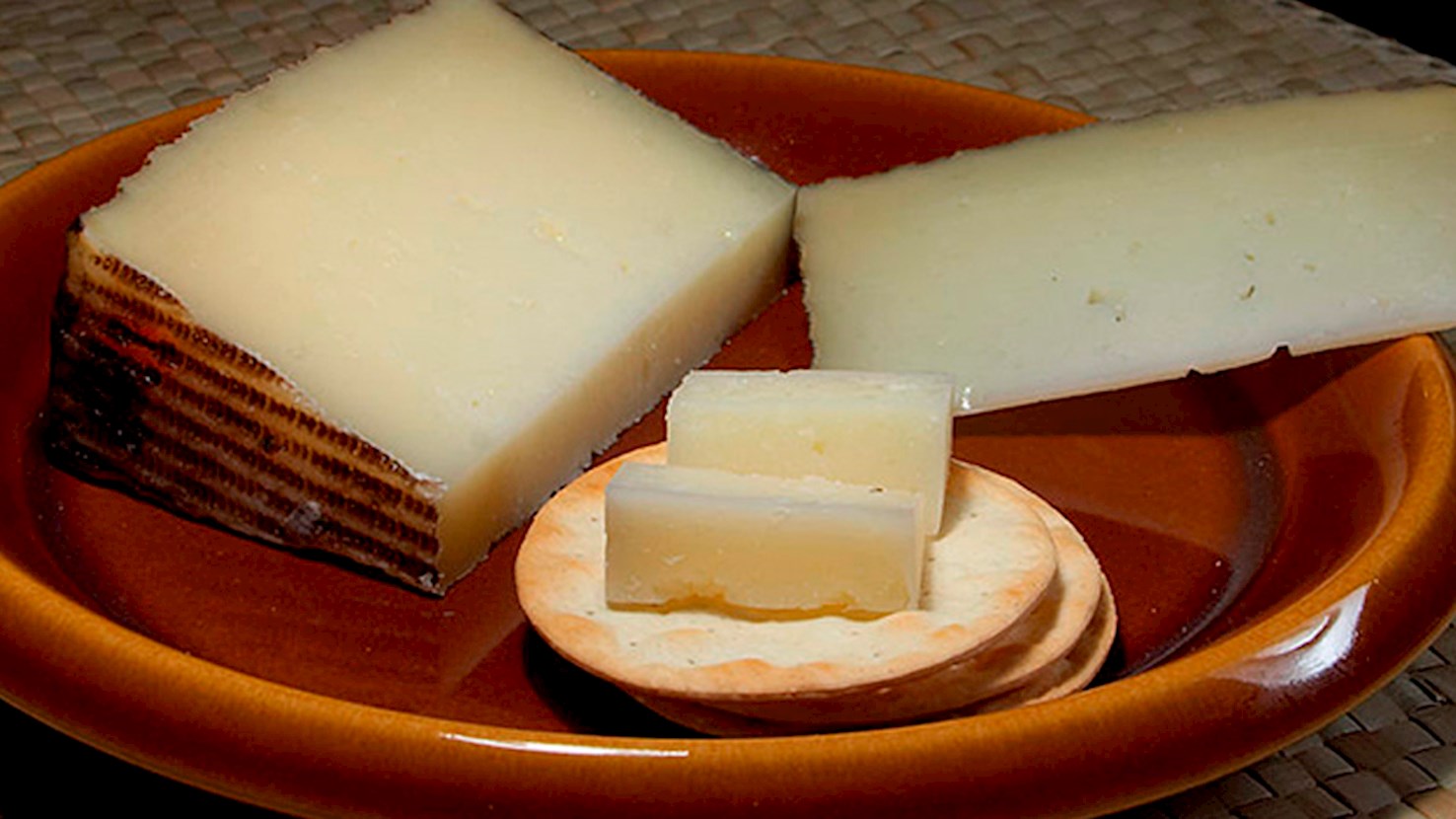
Queso Zamorano is a cheese made from the milk of Churra and Castellana sheep breeds in the province of Zamora, in Castilla y León. It has a characteristic herringbone pattern imprinted on the top and bottom and a woven esparto grass (zigzag) pattern on the sides. Depending on the weight of this cheese, its maturation period can range from 60 to 100 days. During this period, it is regularly turned and rubbed with olive oil, which causes the rind to become brown in color. Queso Zamorano has a full, piquant flavor with a delicate, tart aftertaste, and it's mostly consumed as a table cheese.

04

Torta del Casar

4.0 ·

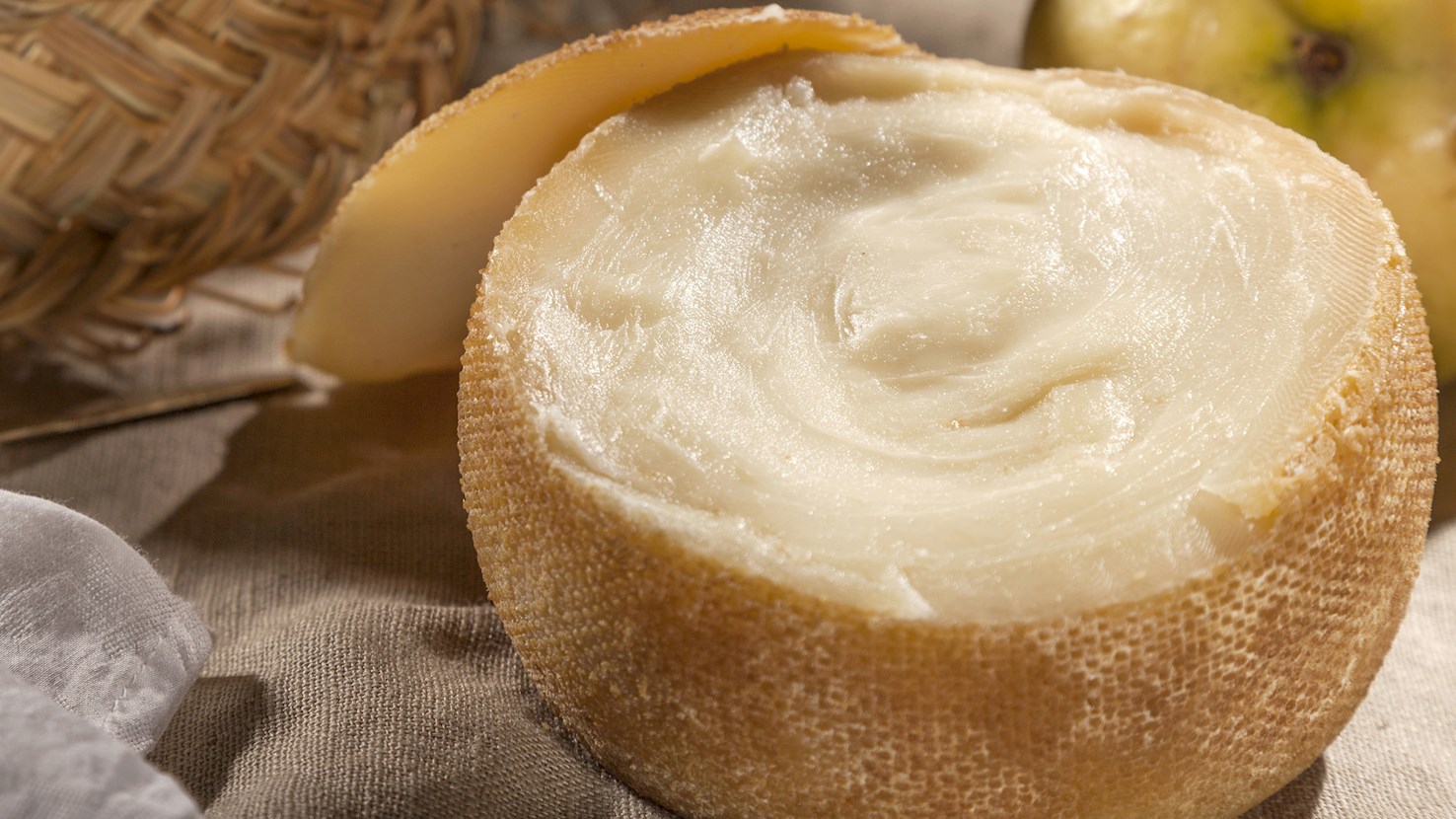
Torta del Casar is a cheese made from unpasteurized sheep’s milk in the districts of Los Llanos de Cáceres, Sierra de Fuentes and Montánchez in the province of Cáceres near the Portuguese border. It is named after Casar de Cáceres, its city of origin, and torta or atortao, referring to its shape. Torta del Casar is a very rare delicacy since the Merino and Entrefina sheep, which are farmed in the traditional way, yield very low amounts of milk. An interesting fact about this cheese is that it is renneted with cardoon, a wild thistle, which causes the cheese to soften during maturation and adds a slightly bitter note to the final product. The cheese is aged for at least 60 days at 4 to 12ºC upon which it develops a semi-hard crust and a soft, creamy center. During this stage, it obtains its typical dropped shape and sometimes, a wrapping is needed to prevent the soft center from leaking. Its rind may be left untouched or it can be coated with olive oil. Torta del Casar is traditionally served whole, with the top sliced off, and it's then spread on bread and eaten with Kiwi, Jamon Serrano, and white wine. It should be stored at room temperature to stay soft and delicate, but the cheese can also be placed in an oven to warm up as well.

05

Cana de Oveja

3.9 ·

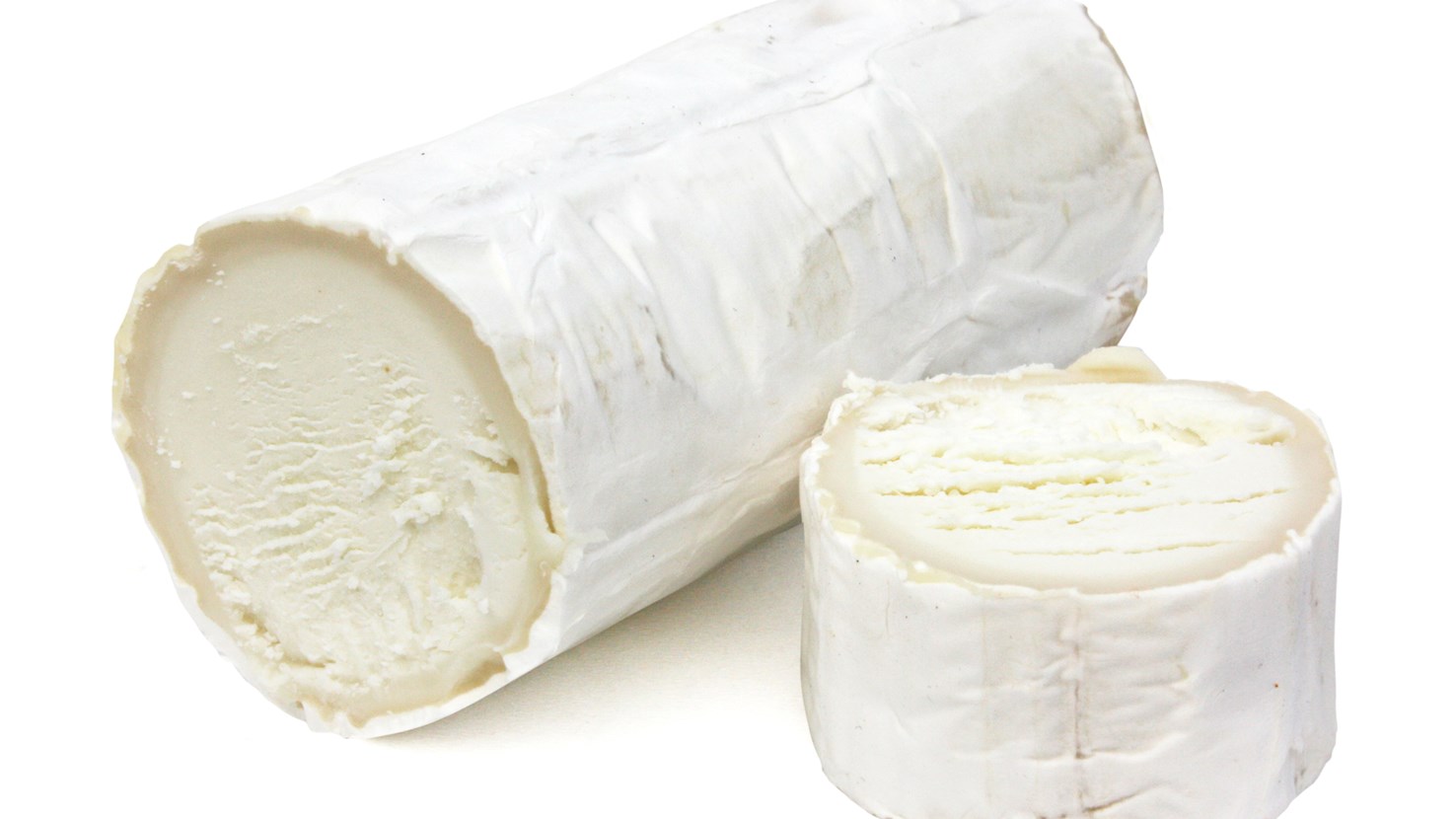
Cana de Oveja is a traditional soft-ripened cheese hailing from Murcia. The cheese is made from pasteurized sheep's milk and it's similar to the French Bucheron because it also comes in the shape of a log. Underneath its bloomy rind, the texture of Cana de Oveja is crumbly, buttery, and flaky. The aromas are buttery, while the flavors are tangy and creamy. The cheese is left to age for 21 days, and as it ages, the aromas and flavors intensify. It's recommended to pair it with a glass of white wine and some almonds on the side.

06

Roncal

3.9 ·

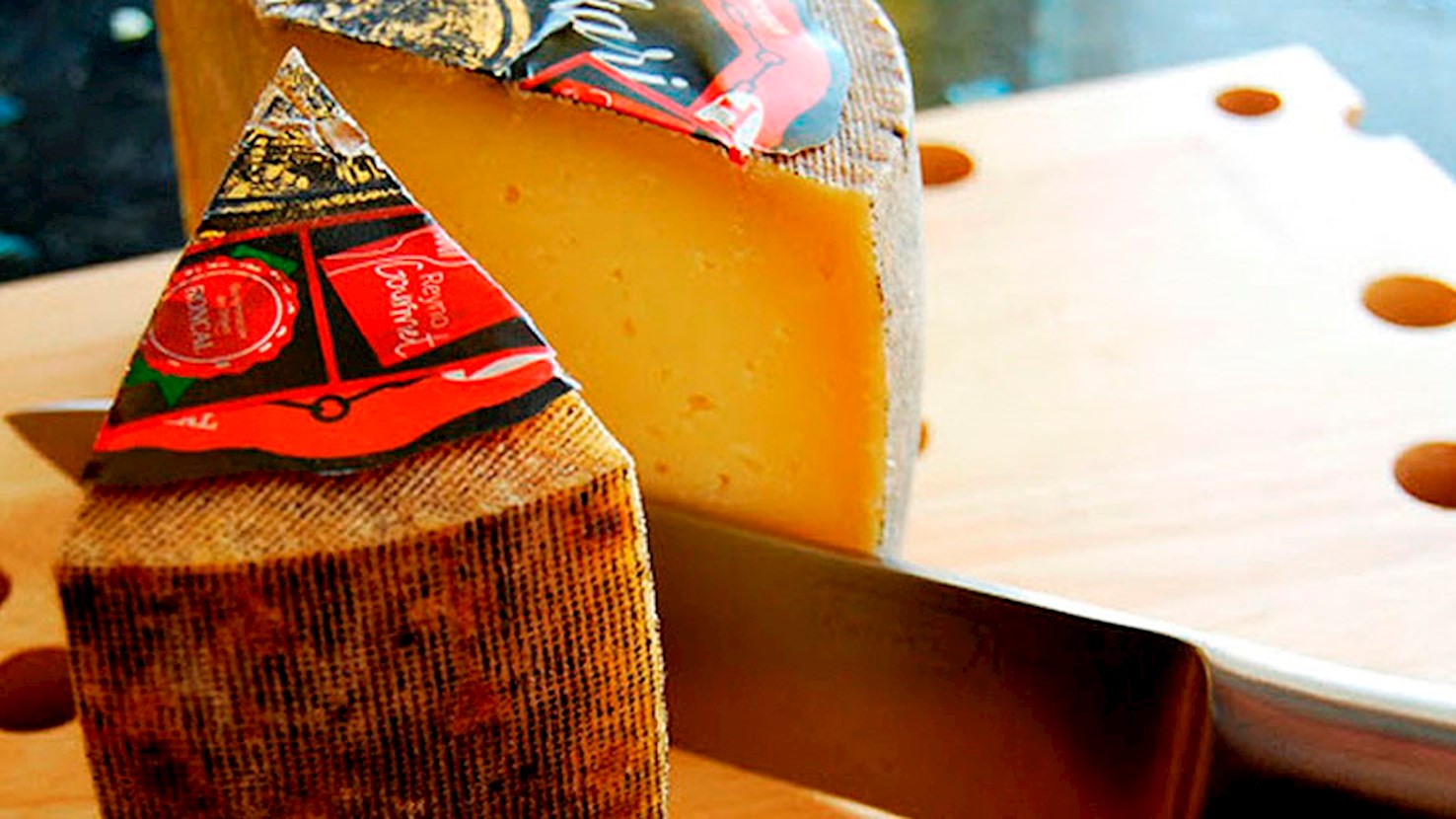
Roncal is a full-fat pressed cheese produced in the Roncal Valley in the autonomous community of Navarre. It is made from December to July using raw milk from Rasa and Lacha sheep reared on the registered farms in the designated area of production. After the cheese is dry-salted, it is left to mature for at least 4 months. When it is fully ripened, it has a rich aroma of herbs and flowers on which the sheep graze. This sheep's milk cheese has a thick, smooth brown rind and a slightly piquant flavor.

07

Queso de La Serena

3.6 ·

Also known as Torta de La Serena, this soft cheese is produced in the Spanish southwestern province of Badajoz and made exclusively with raw, whole milk from the Merino sheep breed. To coagulate the milk, only wild milk thistle rennet is used, which is an ancient Moorish and Jewish dietary custom. After about 60 days of aging, La Serena cheese still has a runny consistency and is traditionally eaten by slicing off the top and scooping out the inside with a spoon. If aged for a longer period of time, Queso de La Serena becomes harder and develops a much stronger, creamy to buttery flavor. It pairs best with palate-refreshing white wines but also chilled sherries or semi-sweet red wines such as Fondillón.

08

Tortita de Barros

n/a ·

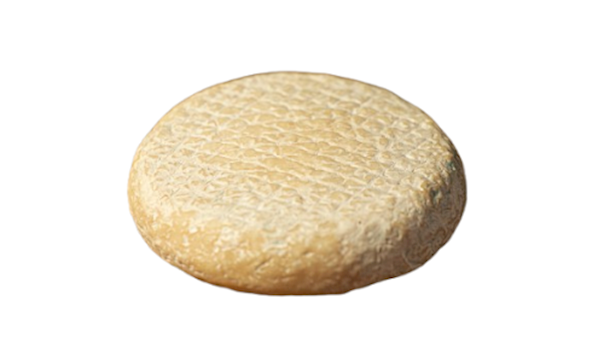
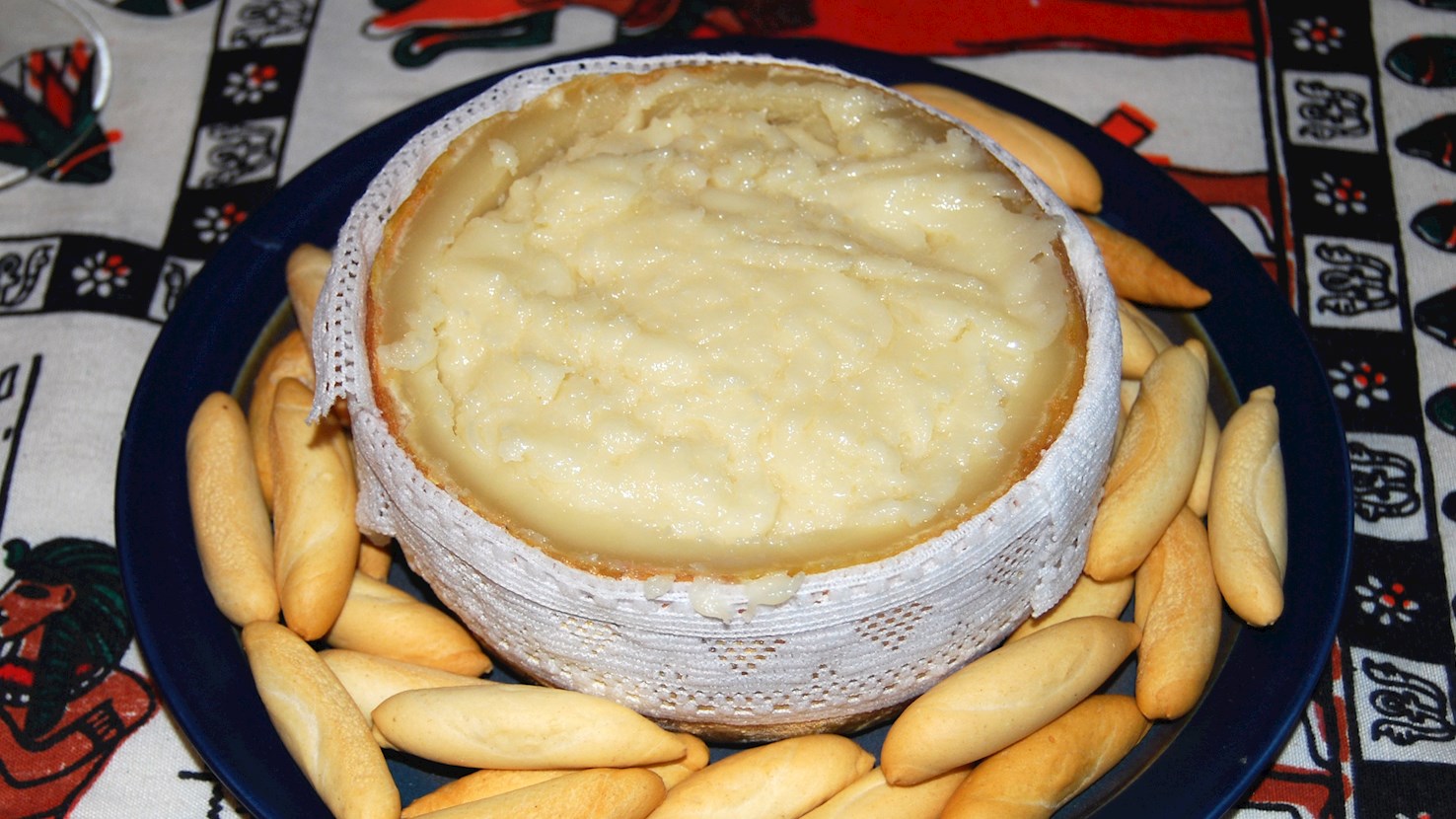
Tortita de Barros is a Spanish cheese originating from the region of Extremadura. The cheese is made from either raw goat's or, more commonly, sheep's milk. It's left to age for 60 days before consumption. Underneath its thin lace-wrapped rind, the texture is smooth and open, with small eyes unevenly scattered throughout the paste. The aromas are herbaceous and earthy, while the flavors are fresh, goaty, and milky, with a slightly bitter finish coming from the thistle rennet. It's recommended to pair the cheese with a glass of Barolo or Chianti. Tortita de Barros can also be baked, when it's usually sprinkled with marjoram and smoked paprika.

09

La retorta mini

n/a ·

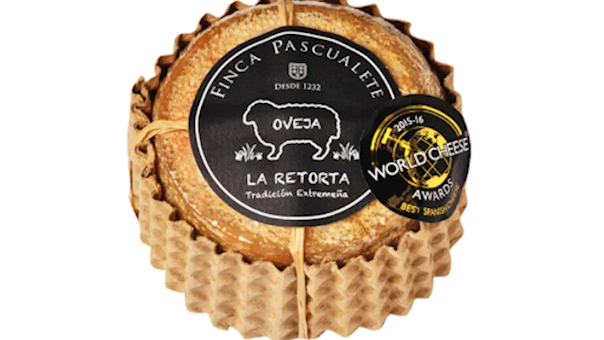
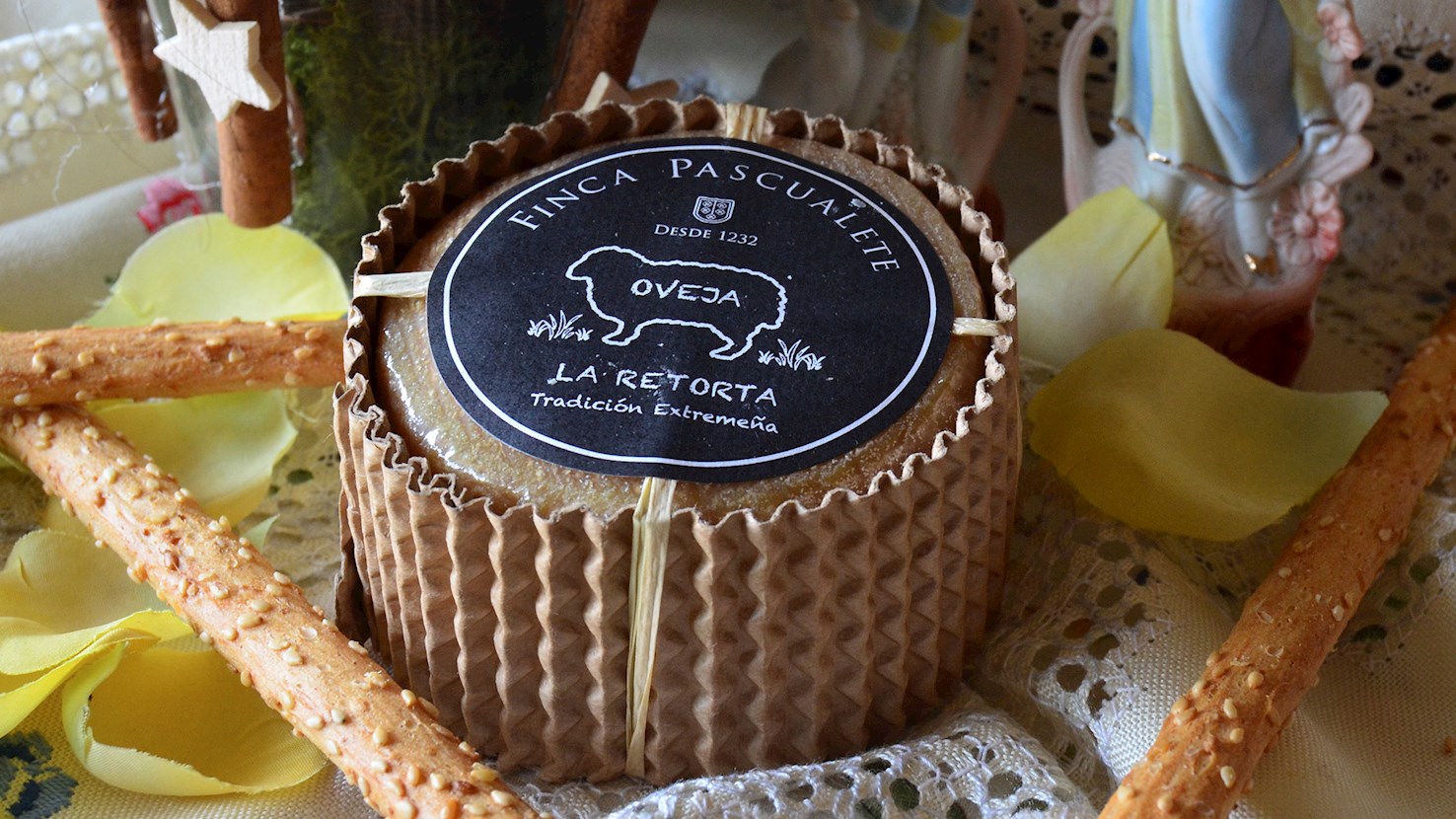
La retorta mini is a smaller version of retorta cheese. The cheese is made from raw sheep's milk and it's produced in Trujillo, Spain, where it matures for at least 60 days. La retorta mini is round and small, with a creamy and soft paste. The color is ivory, while the flavors are rich and intense, and the aromas are floral and strong. The cheese is traditionally eaten with a spoon after the top cover of the cheese has been removed. It is recommended to spread it on toasted bread, then pair it with honey.

10

Queso Castellano

n/a ·

Queso Castellano is a pressed, firm-textured cheese made exclusively from sheep's milk within the autonomous community of Castilla y León in northwestern Spain, recognized legally under a Protected Georgraphical Indication (PGI) status granted by the European Union in 2020. The development of this cheese is linked to the historical sheep-rearing practices of the northern Spanish plateau (Meseta Norte), where the nomadic grazing of Churra and Castellana sheep breeds was organized by the Mesta, powerful association of sheep holders established in 1273, which secured migratory routes and grazing rights across Castile, thereby establishing a continuous supply of high-fat sheep's milk that was preserved through cheese-making using local molds and manual pressing techniques. Preparation of the cheese requires the use of raw or pasteurized milk from Churra, Castellana, or Assaf sheep, which undergoes coagulation using animal rennet at thirty to thirty-two degrees Celsius, followed by cutting the curd to grain size, draining the whey, pressing the curd in cylindrical molds to stamp the exterior with a distinctive Esparto grass weave pattern, salting the wheels by immersion in brine, and aging them in temperature-controlled chambers for a minimum of thirty days for small wheels under 1.5 kilograms and at least sixty days for larger wheels, though reserve versions can age for over nine months to develop concentrated flavors. Queso Castellano has naturally high dry-matter content of at least fifty-five percent, combined with a fat-in-dry-matter ratio of no less than fifty percent, which results in a dense, compact interior that lacks holes or exhibits only tiny, unevenly distributed eyes, while the natural rind is occasionally treated with olive oil or lard during curing to regulate moisture loss and mold development. The cheese is served at room temperature, ideally between eighteen and twenty degrees Celsius, sliced into triangular wedges of approximately half a centimeter in thickness to allow the fat to soften slightly, which releases volatile aroma compounds dominated by lactic, toasted, and nutty notes. It is consumed across Spain and in international markets, commonly presented on shared platters in local tapas establishments, specialized cheese shops, and domestic households. For food and beverage pairings, the pronounced sheep's milk fat and savory, slightly piquant finish of aged Queso Castellano complement robust flavors, meaning it is eaten alongside cured meats like Jamón Ibérico, cecina de León, quince paste (membrillo), walnuts, and crusty wheat bread, and is paired with full-bodied, oak-aged red wines from local denominations of origin such as Ribera del Duero, Toro, or Cigales.

About this Ranking

TasteAtlas food rankings are based on the ratings of the TasteAtlas audience, with a series of mechanisms that recognize real users and that ignore bot, nationalist or local patriotic ratings, and give additional value to the ratings of users that the system recognizes as knowledgeable. For the “Top 40 Spanish Sheep's Milk Cheeses” list until September 02, 2026, 1,241 ratings were recorded, of which 978 were recognized by the system as legitimate.

TasteAtlas Rankings should not be seen as the final global conclusion about food. Their purpose is to promote excellent local foods, instill pride in traditional dishes, and arouse curiosity about dishes you haven’t tried.

The initial list of top producers was compiled based on available reviews, awards, local recommendations, media and blog coverage, and consumer reviews. The list will be updated with ratings from TasteAtlas local ambassadors and TasteAtlas users.

What People Say

Similar Lists