shutterstock

Top 14 Southeast Asian Soy Sauces

Last updated on September 02, 2026

Best Southeast Asian Soy Sauces

01

Thuần Chay Gò Công

5.0 ·

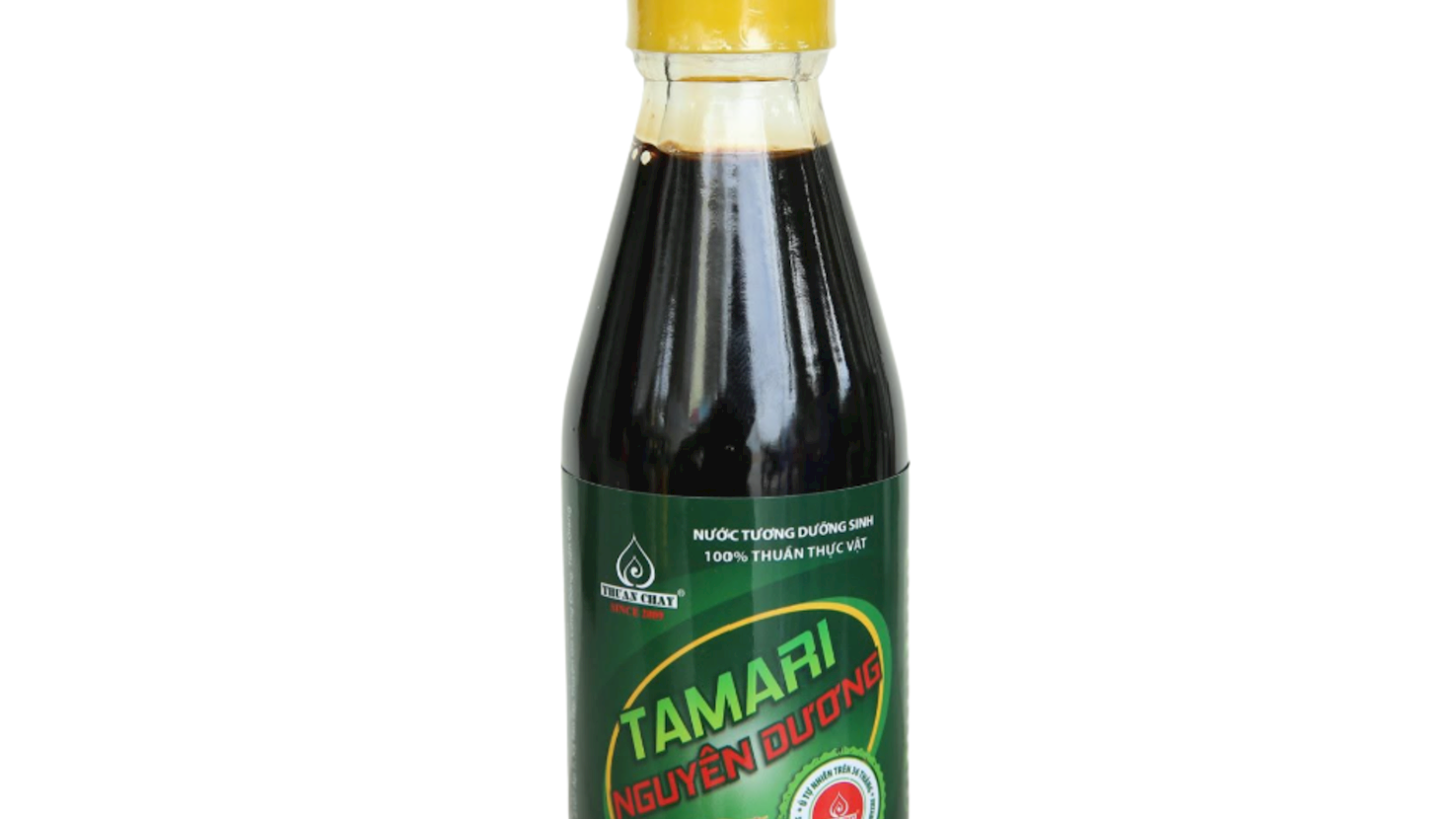
Thuần Chay Gò Công is a Vietnamese producer of fermented soybean products based in the Gò Công Đông district of the Mekong Delta. Its production facility is located in Tân Tây commune in Tiền Giang Province. The company specializes in soy sauces and fermented pastes intended for vegetarian diets. Production is based on a traditional manual fermentation process that lasts more than 36 months for certain products. The primary ingredients are soybeans, sea salt, and water, while red beans and brown glutinous rice are also used to make the fermented paste. During maturation, the products are exposed to natural temperature fluctuations, sunlight, and humidity. This process contributes to their pronounced aroma, dark color, and complex balance of salty and sweet flavors. Thuần Chay Gò Công is a small regional producer whose identity is built around extended fermentation and the preservation of traditional soybean-processing methods.

02

Quy Nguyên

4.9 ·

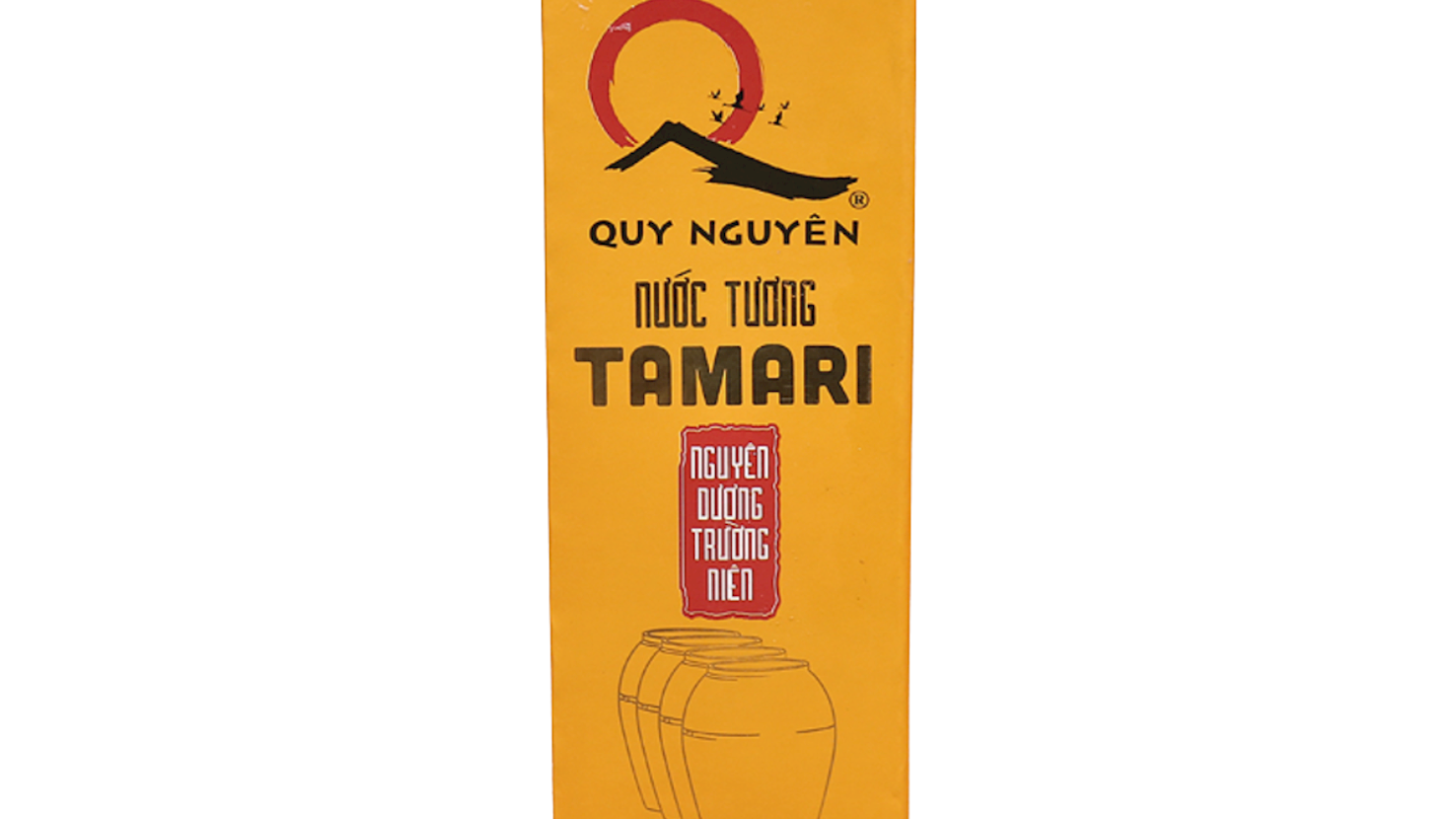
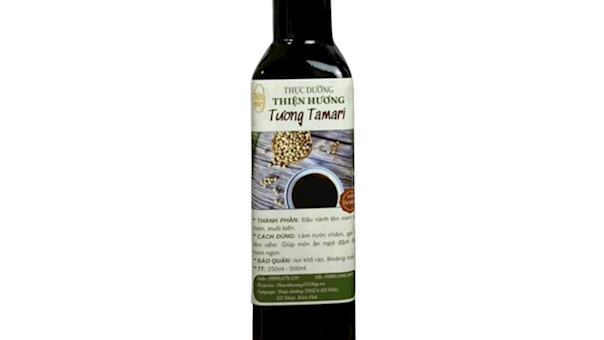
Quy Nguyên is a Vietnamese company specializing in the production and distribution of traditional Vietnamese food products. It was founded by the Buddhist monk Thích Tuệ Hải, who serves as the abbot of Long Hương Pagoda in Đồng Nai Province. The company was officially registered in Ho Chi Minh City in April 2011. Its production activities are associated with Long Hương Pagoda in Nhơn Trạch District. The product range includes brown rice, brown rice products, fermented soy sauces, miso, sesame products, roasted rice tea, kudzu starch, and various plant-based blends. One of its best-known products is Tamari Nguyên Dương Trường Niên. This sauce is made from soybeans, sea salt, water, and a fermentation culture without added sugar or preservatives. Fermentation and maturation take more than three years and occur in containers exposed to sunlight. Quy Nguyên also produces a garlic-infused tamari and long-aged miso.

03

Bango

4.8 ·

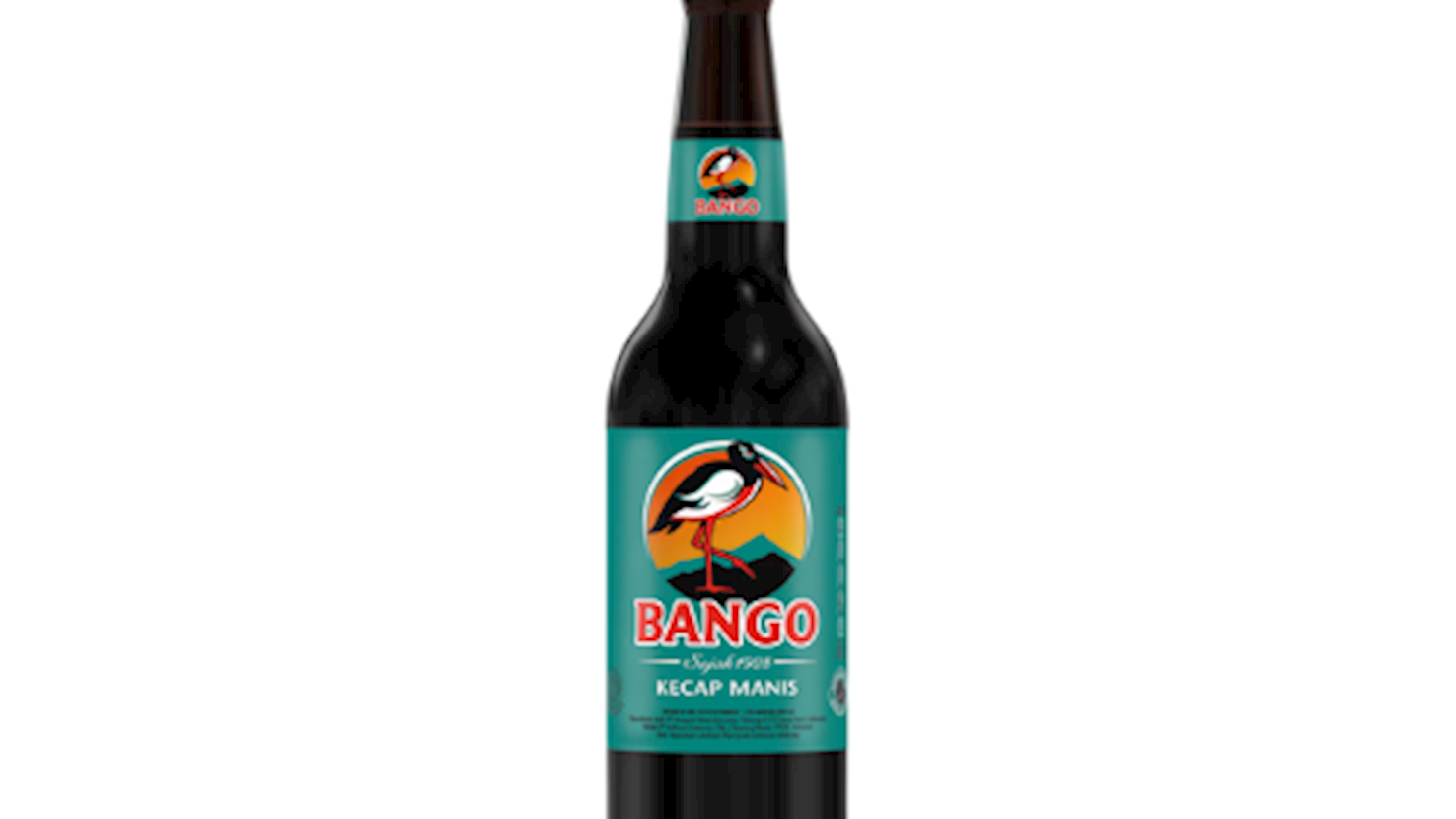
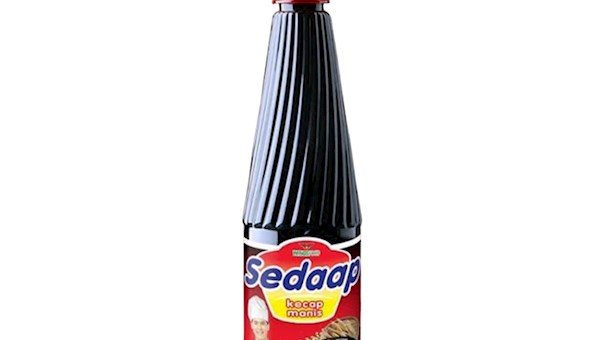
Bango is one of Indonesia’s most iconic brands of kecap manis, the thick, sweet soy sauce that has been a staple of the country’s cuisine since 1928. It is made from just a few natural ingredients - mallika black soybeans, water, salt, and palm sugar - without artificial colors, flavor enhancers, or additives, which contributes to its clean, balanced flavor.

The sauce is known for its syrupy texture, rich caramel notes, and pronounced umami profile, making it essential in marinades, stir-fries, grilled dishes, and a wide range of traditional Indonesian recipes. Now owned by Unilever Indonesia, Bango benefits from modern production standards and nationwide distribution while maintaining its original simplicity and character.

For many, it represents the true taste of Indonesian cooking and remains a foundational ingredient in countless dishes.

04

Hương Sen

4.8 ·

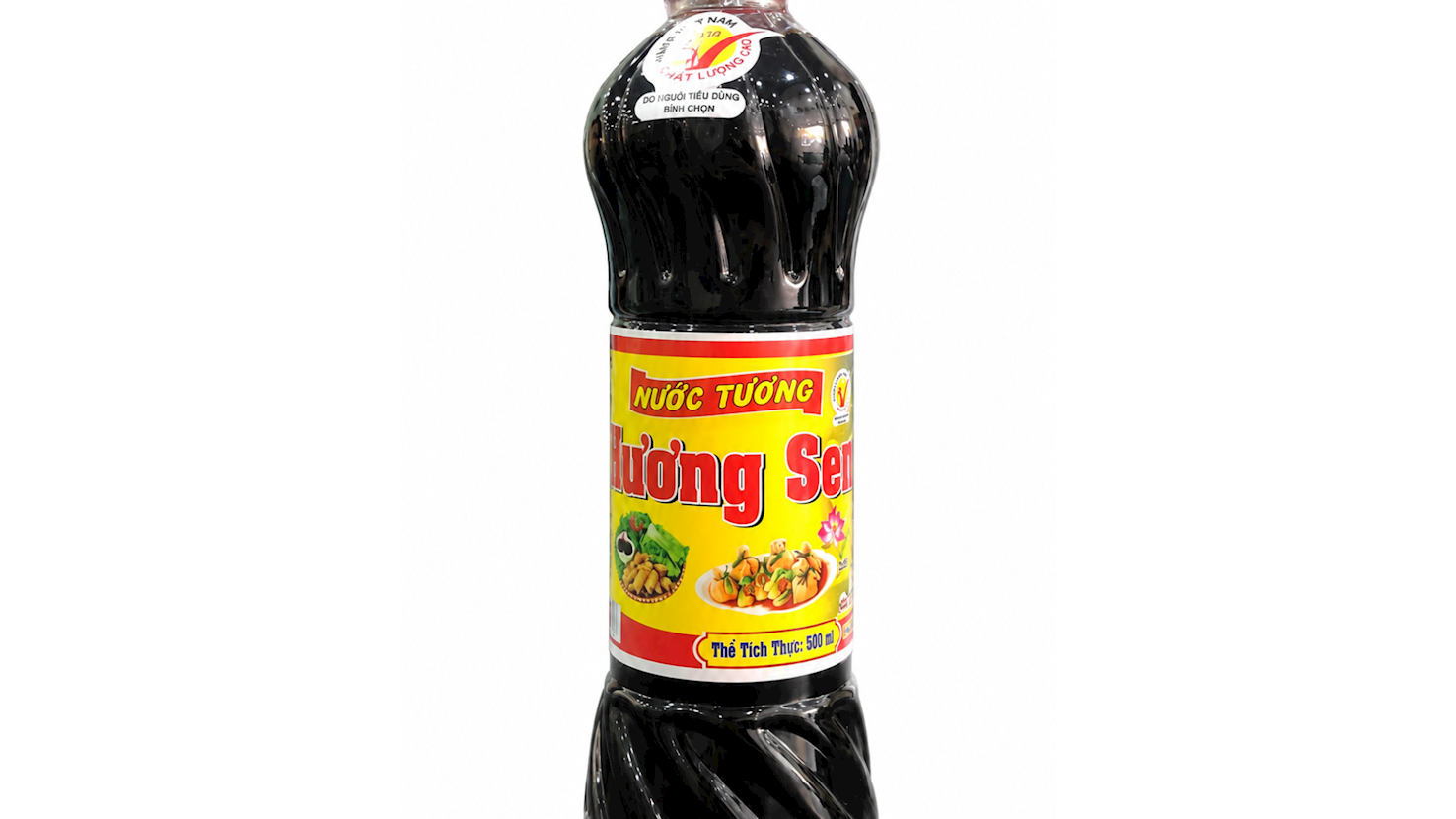
Hương Sen is a Vietnamese producer of soy sauce and fermented soybean paste based in Long Xuyên in An Giang Province. The production facility was established by Lê Văn Bàng in 1997 following his many years of experience in traditional soybean processing. The business began as a small local producer whose products were sold primarily within An Giang Province. Its current range includes soy sauce, fermented whole soybeans, and vegetarian alternatives to fish sauce. Hương Sen produces soy sauce by fermenting whole soybeans soaked in a salt solution. During this process, the natural soybean proteins gradually break down and create compounds responsible for the sauce’s salty and umami character. The producer adopted this method to replace an earlier process based on treating defatted soybean meal at high temperatures. Production takes place in a closed system with hygiene and quality controls. The finished soy sauce has a dark brown color, a moderately thick consistency, and balanced salinity. It can be used as a dipping sauce, an ingredient in marinades, or a seasoning for rice, noodles, vegetables, and tofu.

05

One4One

4.7 ·

One4One is a Vietnamese company and eco-focused retail platform that connects small-scale producers, farmers, and local artisan communities. It was officially registered in Ho Chi Minh City in April 2014. Its business model focuses on developing products with traceable ingredients while supporting sustainable livelihoods in rural areas. The company works with producers in Bến Tre, Hà Tĩnh, Tây Ninh, and other parts of Vietnam rather than manufacturing its entire range at a single centralized facility. Its selection includes traditional foods, soy sauce, seasonings, plant-based oils, fermented products, household cleaning products, and personal care items. Some products are marketed under the One4One name, while others retain the brands of the company’s partner producers.

06

Tương Việt Hoa Sen

4.7 ·

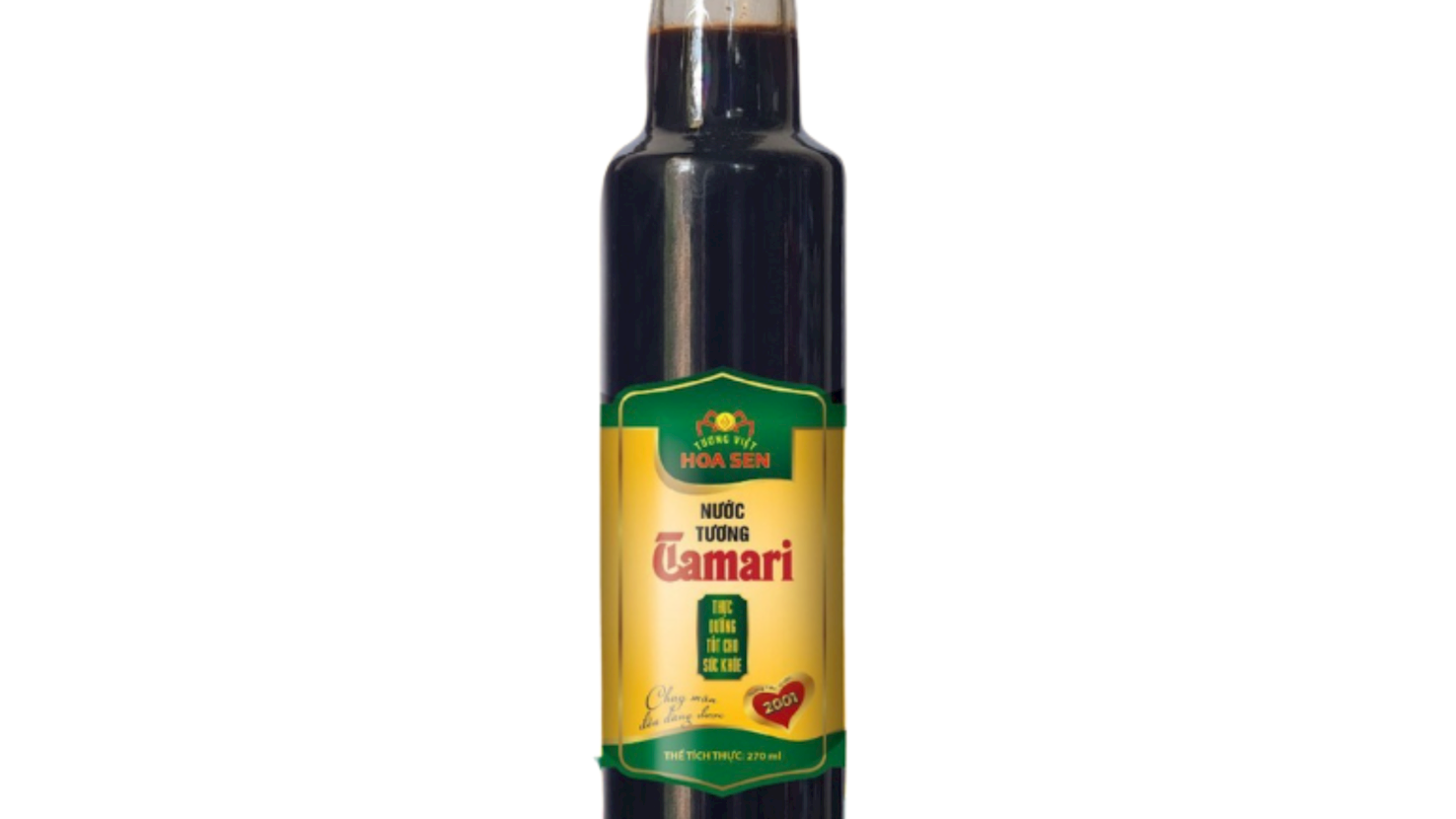
Tương Việt Hoa Sen is a Vietnamese producer of sauces, seasonings, and fermented soybean products based in Long Khánh, Đồng Nai Province. The family-run business was founded in 1994 by Lê Xuân Sơn and Trần Thị Tâm together with their children. From the beginning, the company has focused on traditional Vietnamese sauces and seasonings intended for everyday use. Soybean-based products prepared through fermentation according to local recipes occupy an important place in its production. The soybeans are soaked, steamed, inoculated with a natural fermentation culture, and left in brine under sunlight. These traditional methods are now combined with modern processing and packaging lines to ensure consistent quality across larger production volumes. The range includes fermented whole soybeans, miso, phở sauce, soy sauce, chili sauce, tomato sauce, vegetarian fish sauce, satay chili sauce, and chili-based seasoning blends. Tương Việt Hoa Sen is a medium-scale producer that combines Vietnamese fermentation traditions with modern industrial production and broad distribution.

07

An Thịnh Phát

4.6 ·

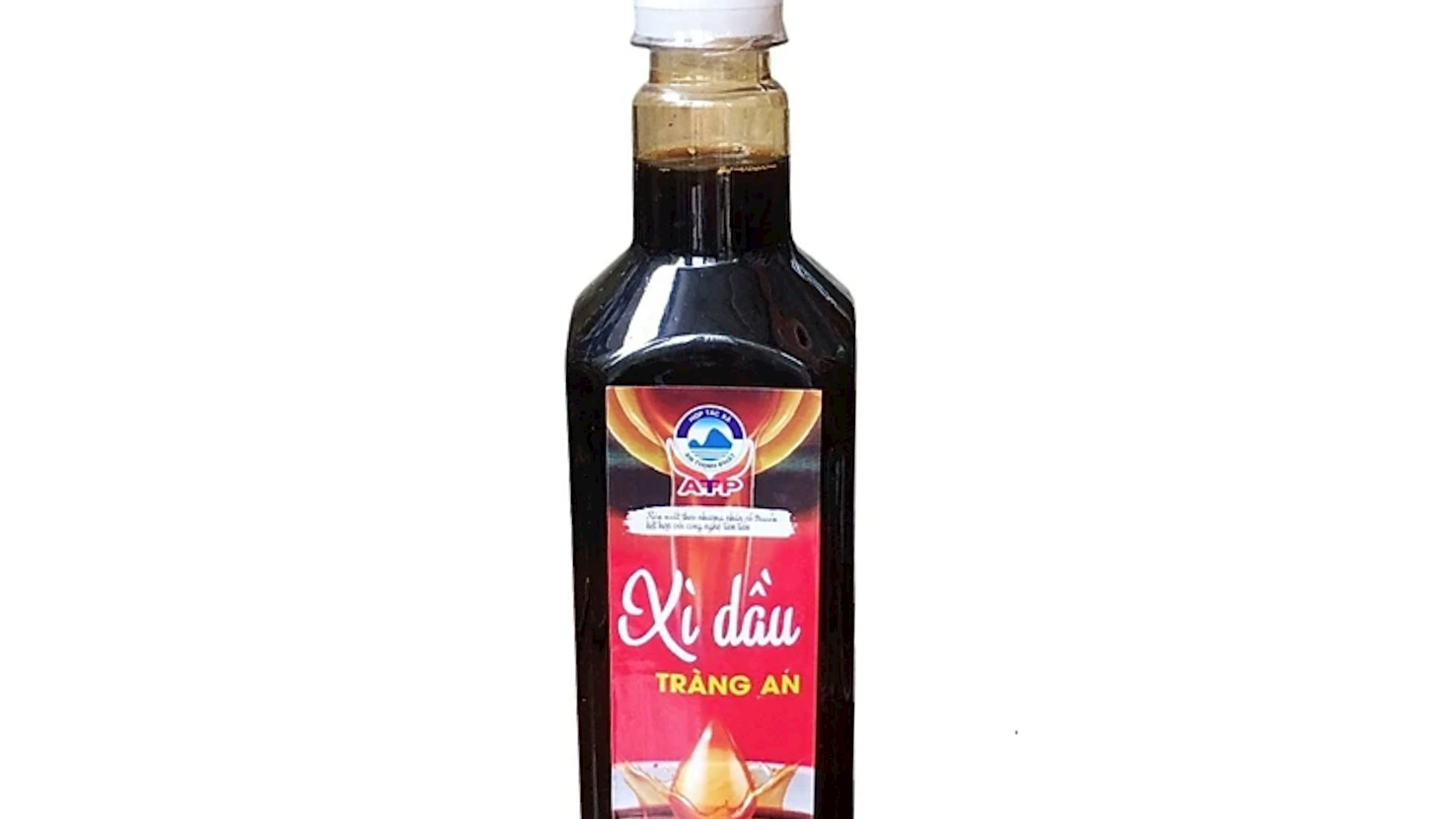
An Thịnh Phát is a Vietnamese agricultural and food-processing cooperative based in Bùi village, Yên Khánh District, Ninh Bình Province. It was established in June 2017 with seven members, including former employees of a local food-processing factory. The cooperative is managed by director and board chairman Đỗ Văn Dung. Its establishment was connected to the revival of traditional soy sauce and peanut oil production, which began in the area in 1968. The cooperative’s first product was Xì Dầu Tràng An, a thick fermented soy sauce. Its range was later expanded to include peanut and sesame oils made from locally sourced ingredients. Soybeans, peanuts, and sesame seeds are primarily obtained from the agricultural areas of Yên Khánh and Yên Mô. Its products are available throughout Ninh Bình Province and in other parts of northern Vietnam. An Thịnh Phát is a small regional producer that preserves local food traditions while incorporating modern production equipment.

08

Homefood

4.5 ·

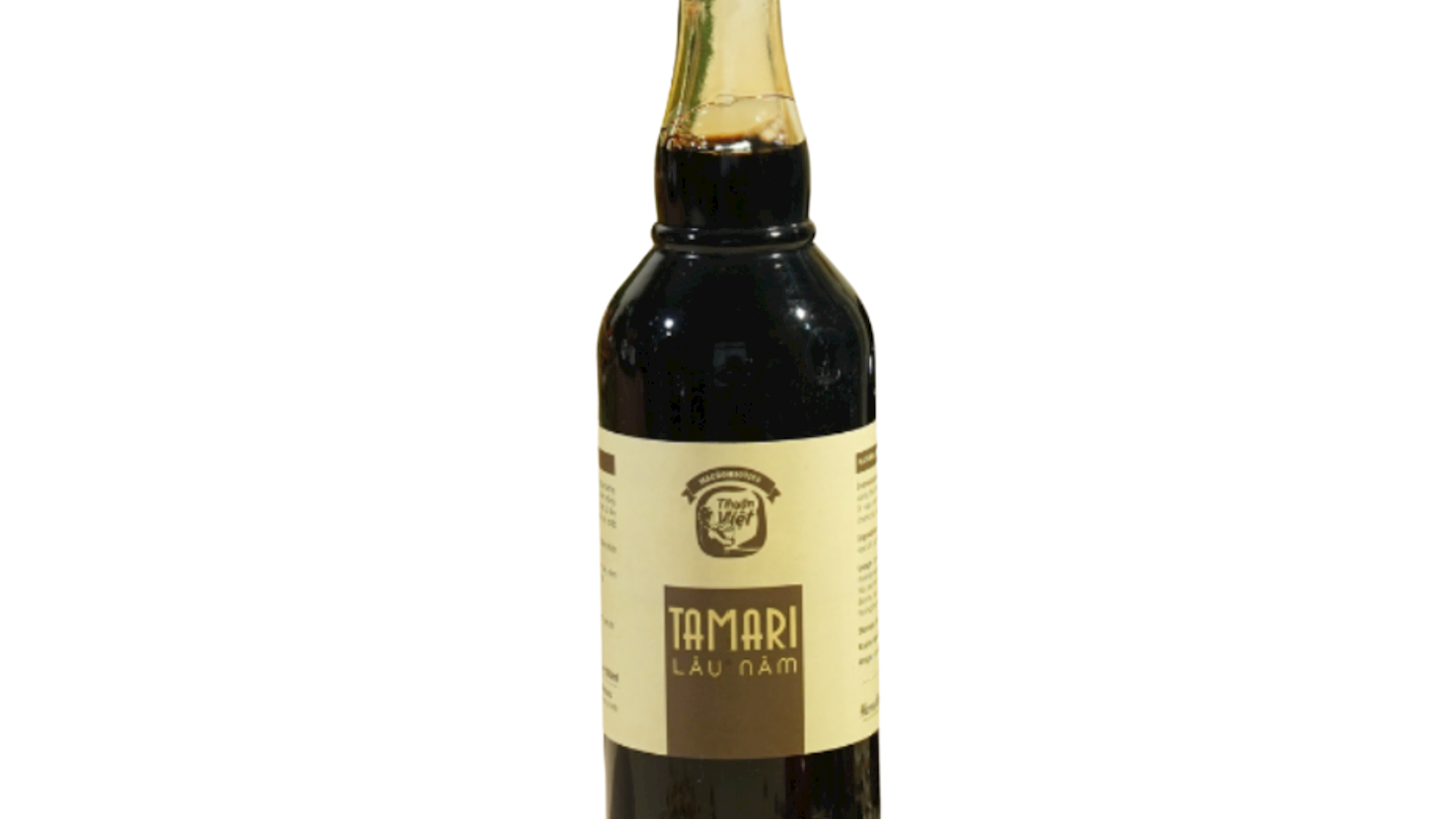
Homefood is a Vietnamese company specializing in natural foods and products intended for plant-based diets. It was officially registered in Hanoi in December 2009 while the brand entered a period of more intensive development at the beginning of the following decade. The concept was founded by Phạm Minh Hương after several years of studying local macrobiotic communities and traditional Vietnamese food-processing methods. The company’s operations include the production, sourcing and sale of foods based on the principles of macrobiotics and balanced nutrition. Fermented seasonings have played an important role in the development of its product range from the beginning. The selection includes tamari sauces, miso, fermented plant-based sauces and other seasonings intended for everyday cooking. The company also sells brown rice, noodles, dried legumes, grains, vegetable oils, teas, natural sweeteners and processed vegetable products. It sources raw materials from farmers and partner producers in several parts of Vietnam. Particular attention is given to local ingredients, seasonal crops and traditional processing methods. Some fermented products are aged for extended periods to develop more complex flavors and aromas. Homefood does not manufacture its entire range at a single central facility but sells a combination of its own products and goods supplied by partner producers.

09

Yan Wal Yun

4.4 ·

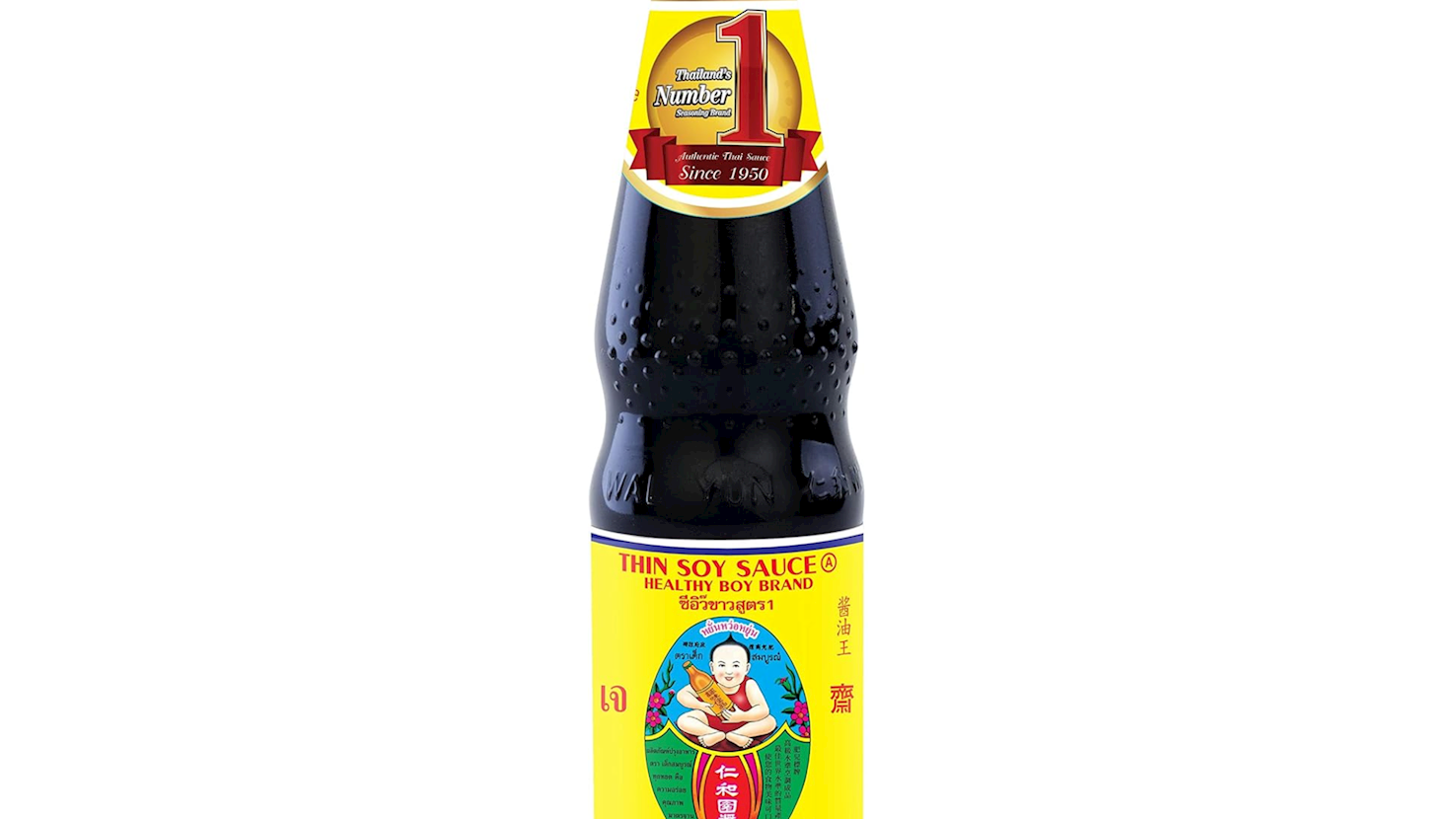
Yan Wal Yun is one of Thailand's oldest and most influential condiment manufacturers, founded in 1947 in Bangkok by the Tangsombatvisit family. The company is best known for its flagship Healthy Boy Brand (Dek Som Boon), which has become synonymous with soy sauce and seasoning products in Thailand. Originally established as a soy sauce producer, Yan Wal Yun has expanded its portfolio to include oyster sauce, fish sauce, chili sauce, soybean paste, cooking sauces, and a wide range of Asian condiments. The company pioneered industrial soy sauce production in Thailand and was the first manufacturer in the country to receive the Thai Industrial Standards certification for soy sauce. Today, it operates modern production facilities while maintaining traditional natural fermentation methods that give its products their distinctive flavor and quality. Since beginning exports in 1985, Yan Wal Yun has expanded its presence to more than 70 countries, making it one of Thailand's leading food exporters. The company supplies both retail consumers and the food service industry and is recognized for its consistent quality, food safety standards, and continuous product innovation. With more than seven decades of experience, Yan Wal Yun remains a market leader in Thailand and one of the country's most internationally recognized producers of Asian cooking sauces and seasonings.

10

Bình Tây Food

4.4 ·

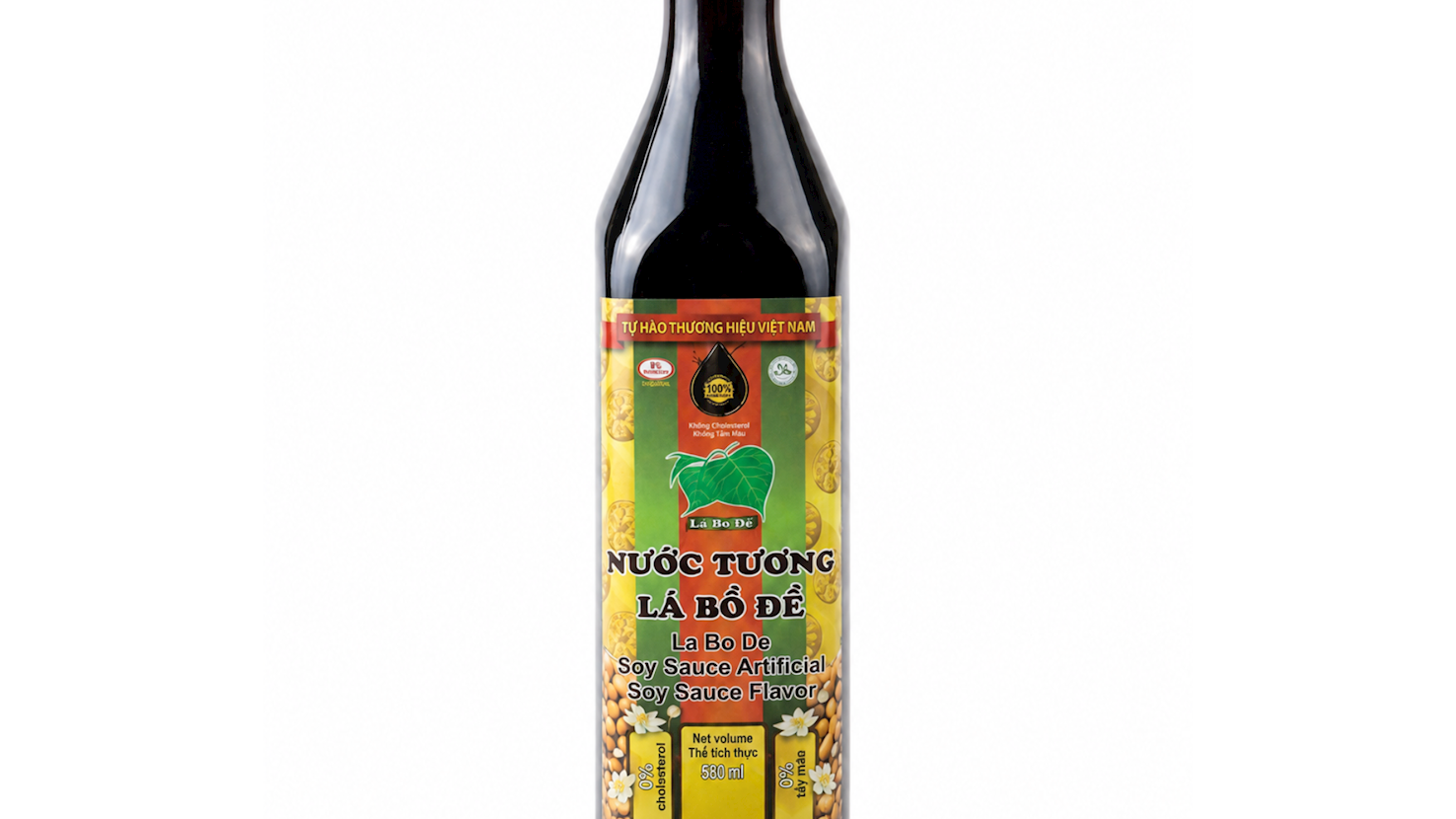
Bình Tây Food is a Vietnamese food company established in 1963 and headquartered in Hồ Chí Minh City. Also known by the abbreviated name BIFOCO, it has a long tradition of rice processing and convenience food production in Vietnam. The company specializes in vegetarian instant foods and various types of rice and wheat noodles. Its range includes instant ramen, phở rice noodles, glass noodles, instant porridge, hủ tiếu noodles, and other dried grain-based products. It also produces rice paper, seasonings, snacks, beverages, and protein-rich foods. A significant part of its range consists of vegetarian versions of traditional Vietnamese dishes adapted for quick preparation. One of the company’s historically recognizable products is Lá Bồ Đề vegetarian instant ramen, which was already available on the Vietnamese market during the 1970s and 1980s. Vietnamese rice and other locally sourced agricultural ingredients are used in production. The noodle-making process includes ingredient selection, dough mixing, sheet rolling and cutting, steaming, portioning, frying or drying, and packaging. Bình Tây Food works with more than one hundred business partners and distributes its products throughout all Vietnamese provinces. Its product range preserves the fundamental flavors of Vietnamese cuisine while adapting them to modern preparation methods.

Best Southeast Asian Soy Sauce Types
01

Kecap manis (Sweet soy sauce)

4.1 ·

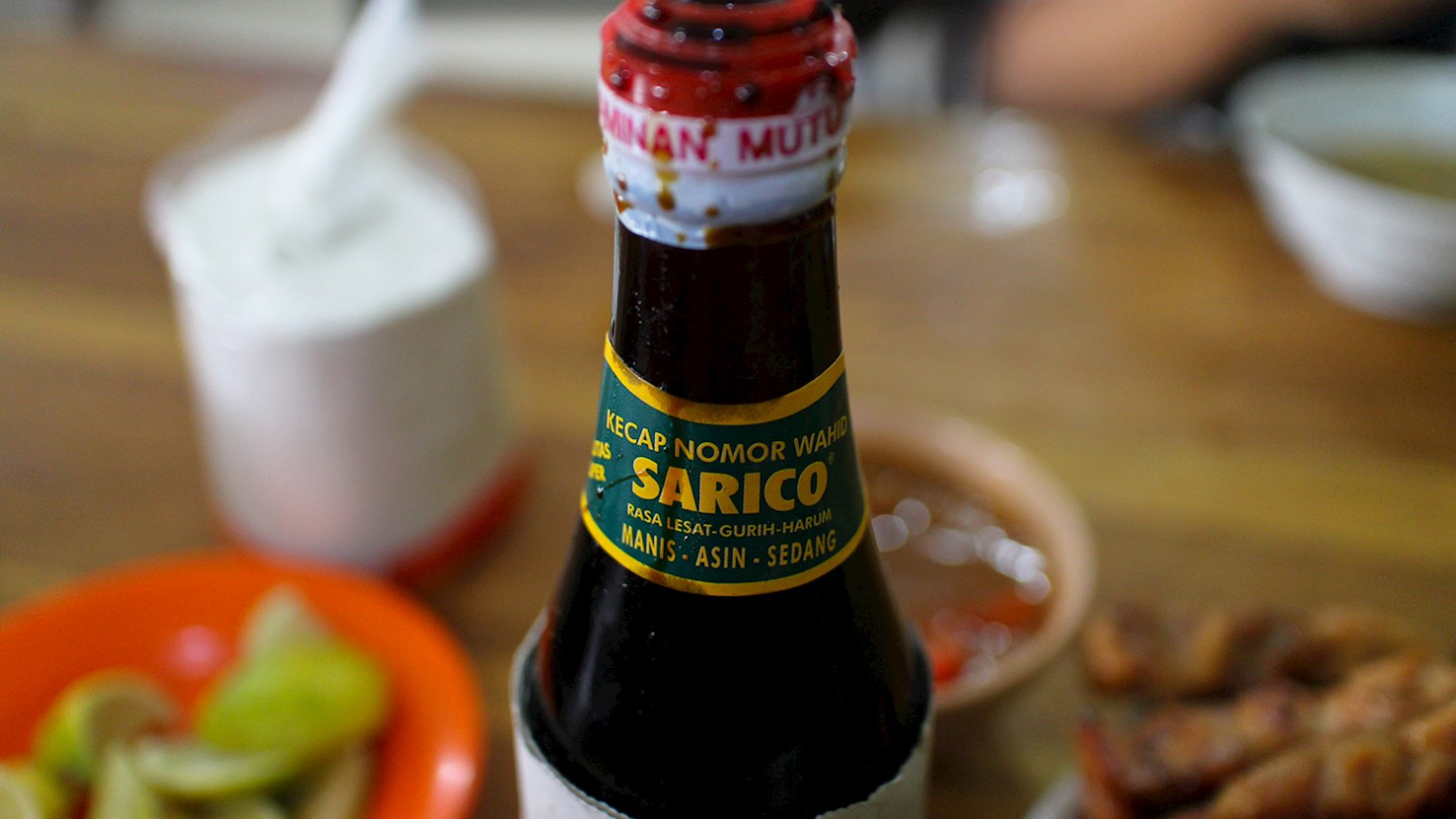
Kecap manis is a sweetened, syrupy soy sauce originating from the island of Java in Indonesia, distinguished by its high sugar content and viscous texture. The development of this condiment occurred following the introduction of soy sauce by Chinese immigrants to the Indonesian archipelago, where the local abundance of palm sugar led to the adaptation of the savory original into a sweet variant suited to the regional palate. By the mid-19th century, commercial production was established in cities like Tangerang and Kudus, utilizing specific local ingredients that deviated from continental Asian soy sauce formulas. Preparation begins with the standard fermentation of black soybeans and roasted grain in a brine solution using Aspergillus molds to create a savory base known as kecap asin. This liquid is then boiled with a high ratio of gula jawa, or coconut palm sugar, often reaching up to 50 percent of the final volume, which creates a thick, molasses-like consistency through caramelization and moisture reduction. During the boiling phase, aromatics such as star anise, galangal, lemongrass, and cloves are frequently added to the mixture to infuse it with botanical volatile oils. A specific property of kecap manis is its ability to act simultaneously as a seasoning and a glaze due to the high density of complex sugars which undergo the Maillard reaction rapidly when exposed to high heat. It is served as a fundamental base for marinades, a finishing glaze for grilled meats, and a table condiment. The sauce is consumed daily throughout Southeast Asia, forming the core flavor profile of national dishes such as nasi goreng and mie goreng, and is often served alongside sate as a dipping sauce combined with bird's eye chilies and shallots. Food pairings involve savory and spicy proteins like grilled chicken or lamb, where the sweetness of the sauce mitigates the heat of capsicum, and fermented soy products like tempeh. Beverage pairings include jasmine tea, which provides a floral astringency to cut through the sugar density, or refreshing citrus-based drinks like es jeruk to balance the deep, earthy umami of the caramelized soy.

02

Kecap asin

n/a ·

Kecap asin is a salty, thin-bodied fermented soy sauce, specifically developed as the savory counterpart to the country's sweet soy varieties. The emergence of this condiment is linked to the migration of Hokkien settlers to the Indonesian archipelago, who brought the fundamental techniques of soybean brine fermentation that were later localized using regional raw materials. While similar in function to Chinese light soy sauce, its specific development in Java and Sumatra was influenced by the availability of black soybeans and the specific microbial environment of the tropical maritime climate. Preparation begins with the cleaning and boiling of soybeans, which are then inoculated with a fungal starter culture, typically Aspergillus oryzae, to initiate a solid-state fermentation process known as moromi. The resulting mixture is submerged in a high-concentration saltwater brine and aged in large vats for several months, during which time the complex proteins are hydrolyzed into savory amino acids and peptides. Once the fermentation reaches the desired chemical profile, the liquid is extracted, filtered, and pasteurized without the addition of the palm sugar characteristic of kecap manis. A specific property of kecap asin is its relatively high sodium content and low viscosity, which allows it to function as a direct salt substitute that also provides a deep umami base. A unique technical aspect of the Indonesian salty soy sauce is the frequent use of black soybeans, which results in a slightly different phenolic and antioxidant profile compared to the yellow soybean sauces of East Asia. The condiment is served as a foundational seasoning in cooking and as a table side dip, often modified with sliced bird's eye chilies or lime juice. It is eaten as a critical component in Indonesian-Chinese fusion dishes such as bakmi (wheat noodles), cap cay (stir-fried vegetables), and various seafood preparations where it enhances the natural salinity of the ingredients. Food pairings include lean proteins like steamed fish and white poultry, as well as neutral-flavored starches that absorb the thin liquid efficiently. Beverage pairings involve crisp, acidic drinks such as iced calamansi juice or unsweetened jasmine tea, which help to balance the high salt concentration of the fermented soy on the palate.

03

Kecap manis sedang

n/a ·

Kecap manis sedang is a medium-sweet fermented soy sauce from the island of Java, designed to occupy a functional middle ground between the thin, salty kecap asin and the thick, syrupy kecap manis. The development of this intermediary variety emerged from the commercial food industry's need for a condiment that provides the caramelization properties of palm sugar without the extreme viscosity or sugar concentration of the standard sweet version0. It evolved as a standardized blending of different fermentation yields during the late 20th century, allowing for a more balanced sodium-to-sucrose ratio in professional kitchen environments. Preparation begins with the fermentation of black soybeans and roasted wheat or rice, which are inoculated with Aspergillus mold to produce a savory brine extract. This base liquid is then simmered with a controlled quantity of gula jawa (coconut palm sugar) and filtered water, but the reduction process is halted before the sugars reach the high density characteristic of the thicker sweet variety. Unlike the standard sweet version, kecap manis sedang often retains a more fluid consistency that allows for faster dispersion in high-heat stir-frying. A specific property of this sauce is its moderate refractive index, which indicates a dissolved solids content that is higher than salty soy sauce but significantly lower than the 50-70% found in thick kecap manis. The sauce is served as a versatile cooking base and a marinade component that does not burn as quickly as more sugar-dense alternatives. It is unique in its ability to provide a "dark" flavor profile and mahogany color to a dish while maintaining a high enough salt content to function as a primary seasoning agent. It is eaten most frequently in regional Indonesian dishes like nasi gila or certain types of mie ayam, where a balance of savory and sweet is required in a single liquid application. Food pairings include medium-fat proteins such as chicken thighs and firm tofu, which absorb the lighter viscosity of the sauce more efficiently than thicker glazes. Beverage pairings include lightly sweetened iced teas or citrus-infused water, which complement the sauce's balanced flavor profile without adding excessive sweetness to the meal.

04

Kecap kedelai

n/a ·

Kecap kedelai is a soy sauce from Indonesia, serving as the foundational classification for the region's soy sauce varieties. The development of this condiment resulted from the migration of Chinese fermentation techniques to the Indonesian archipelago, where the terminology transitioned from the Hokkien kôe-chiap to the localized kecap, specifically specifying kedelai to distinguish the legume-based extract from fish-based or grain-based liquids. Historical records indicate that as soybean cultivation intensified in Java, local producers adapted the brewing process to utilize the black soybean variety, which differed from the yellow soybeans utilized in mainland East Asia. Preparation begins with the cleaning and boiling of these black soybeans, followed by a solid-state fermentation phase where the beans are inoculated with Aspergillus oryzae or Aspergillus sojae molds. Once the beans are covered in white mycelium, they are transferred into a brine solution for a period of several months, during which the complex proteins are enzymatically hydrolyzed into amino acids and peptides. The liquid is then extracted and filtered, resulting in kecap asin (salty soy sauce), or subjected to further boiling with coconut palm sugar and aromatics such as lemongrass and star anise to create kecap manis (sweet soy sauce). A specific property of kecap kedelai is the high level of glutamic acid and organic acids produced during the long-duration brine fermentation, which provides a sharp savory profile that persists even when diluted. A unique technical aspect of the Indonesian production method is the reliance on ambient tropical temperatures to drive the fermentation speed, which differs from the temperature-controlled environments found in more temperate brewing regions. The condiment is served as a primary cooking base for marinades and stir-fries, and as a component of complex dipping sauces mixed with fresh shallots and chilies. It is eaten throughout Southeast Asia, most notably in dishes like ayam kecap (soy chicken) or as a finishing drizzle over gado-gado. Food pairings include protein-rich ingredients like fermented tempeh and grilled seafood, which complement the sauce's deep umami notes. Beverage pairings include iced jasmine tea or coconut water, which offer a refreshing counterbalance to the high sodium and intense savory profile of the fermented soybeans.

05

Toyò

n/a ·

Toyò is a Filipino fermented soy sauce, characterized by its salty profile and deep brown color. The development of this condiment is linked to the historical trade routes between Fujianese merchants and the Philippine archipelago, where the Chinese shèng chóu was adapted to local environmental conditions and taste preferences. Over several centuries, Filipino producers shifted toward a production method that emphasizes a higher salt concentration and a more pronounced savory intensity to suit the tropical climate and the local diet. Preparation typically involves a two-stage fermentation process beginning with the koji phase, where soybeans and wheat flour are inoculated with Aspergillus oryzae. This is followed by the brine fermentation phase, where the mixture is submerged in a high-density salt solution and aged in large vats. In the Philippines, a specific characteristic of many commercial toyò varieties is the addition of caramel color and occasionally clouding agents to achieve a specific opacity and a flavor that is more aggressive than its continental counterparts. One unique technical aspect of Filipino soy sauce production is the common use of hydrolyzed vegetable protein (HVP) in many mass-market brands, which accelerates production time while maintaining a high nitrogen content. Toyò is served as a foundational cooking ingredient and a primary table condiment, often placed in small saucers known as sawsawan. It is eaten most notably in the national dish adobo, where it is combined with vinegar, garlic, and peppercorns to braise meats, and as a dipping sauce for grilled fish or citrus-marinated meats. Common food pairings include calamansi (Philippine lime) and bird's eye chilies, which provide acidity and heat to balance the high sodium content of the sauce. For beverage pairings, the intense salinity of toyò-based dishes is often countered by cold lagers or sweet, refreshing drinks like sago't gulaman and coconut water, which help neutralize the palate after the consumption of savory-heavy Filipino cuisine.

About this Ranking

TasteAtlas food rankings are based on the ratings of the TasteAtlas audience, with a series of mechanisms that recognize real users and that ignore bot, nationalist or local patriotic ratings, and give additional value to the ratings of users that the system recognizes as knowledgeable.

TasteAtlas Rankings should not be seen as the final global conclusion about food. Their purpose is to promote excellent local foods, instill pride in traditional dishes, and arouse curiosity about dishes you haven’t tried.

The initial list of top producers was compiled based on available reviews, awards, local recommendations, media and blog coverage, and consumer reviews. The list will be updated with ratings from TasteAtlas local ambassadors and TasteAtlas users.

What People Say

Similar Lists