Top 12 Apulian Wine Appellations

Last updated on June 10, 2026

Best Apulian Wine Appellations
01

San Marzano Wines

4.9 ·
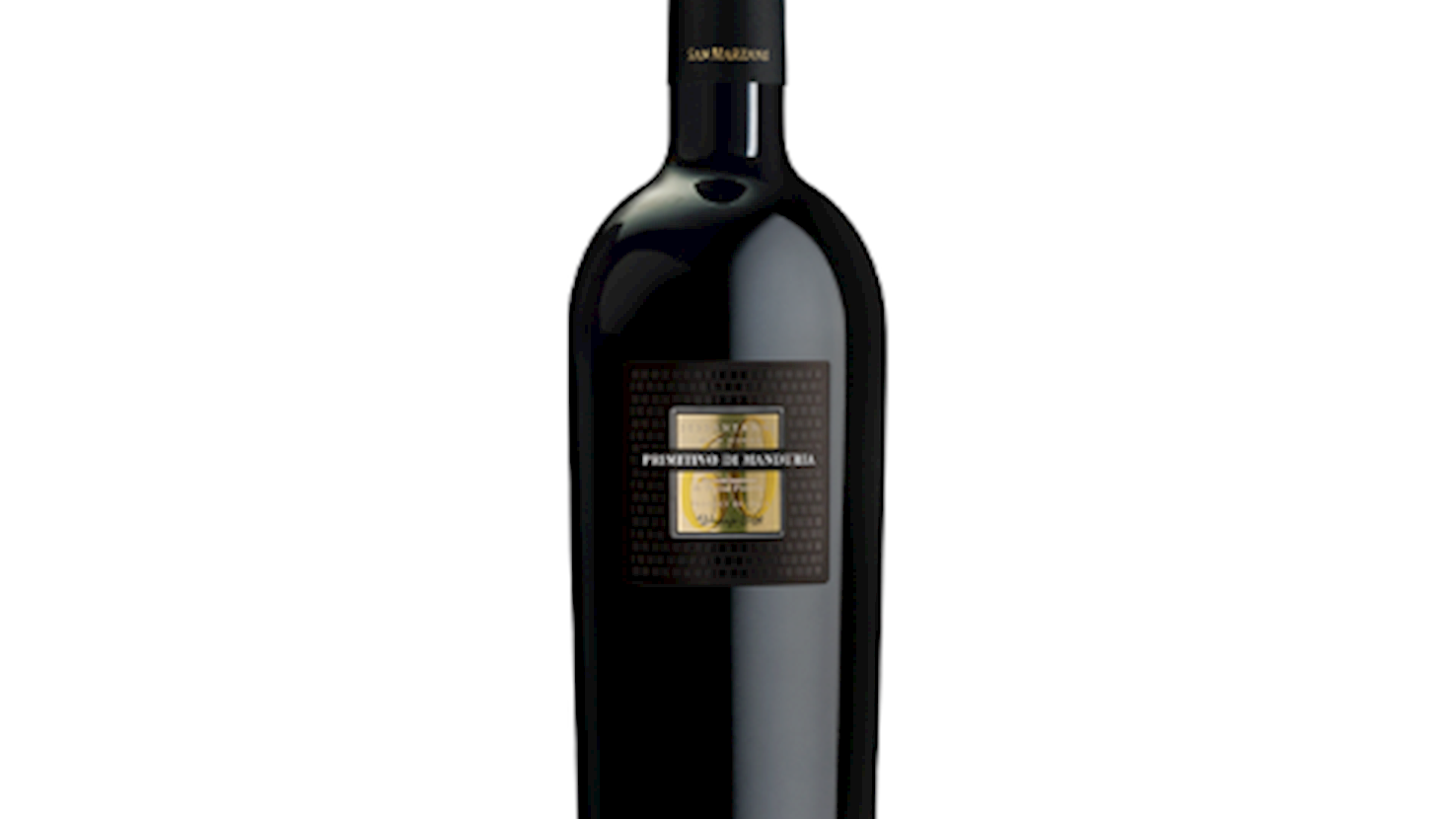
San Marzano Wines is a leading winery from Puglia, based in the town of San Marzano di San Giuseppe, at the heart of the Primitivo di Manduria area, and was founded in 1962 as a cooperative of local winegrowers. Today it brings together over a thousand growers who cultivate vineyards deeply rooted in the region’s red, iron-rich soils and Mediterranean climate. The winery is best known for elevating Primitivo di Manduria to international recognition, combining traditional grape growing with modern, carefully controlled winemaking. Its portfolio focuses on native varieties such as Primitivo, Negroamaro, Malvasia Nera and Fiano, expressed in styles that emphasize ripeness, balance and regional character. San Marzano wines are typically marked by ripe dark fruit aromas, soft tannins, warm structure and subtle spice, often enhanced through aging in oak. The flagship wines, including those made from old-vine Primitivo, highlight concentration and depth while maintaining approachability. Beyond production scale, the winery places strong emphasis on sustainability, grower cooperation and long-term vineyard preservation. Today, San Marzano stands as one of the most influential ambassadors of Apulian wine, successfully blending tradition, collective know-how and modern enology into a recognizable and consistent identity.
Awards
Vivino - 4.5
Vivino - 4.4
02

Gianfranco Fino

4.8 ·
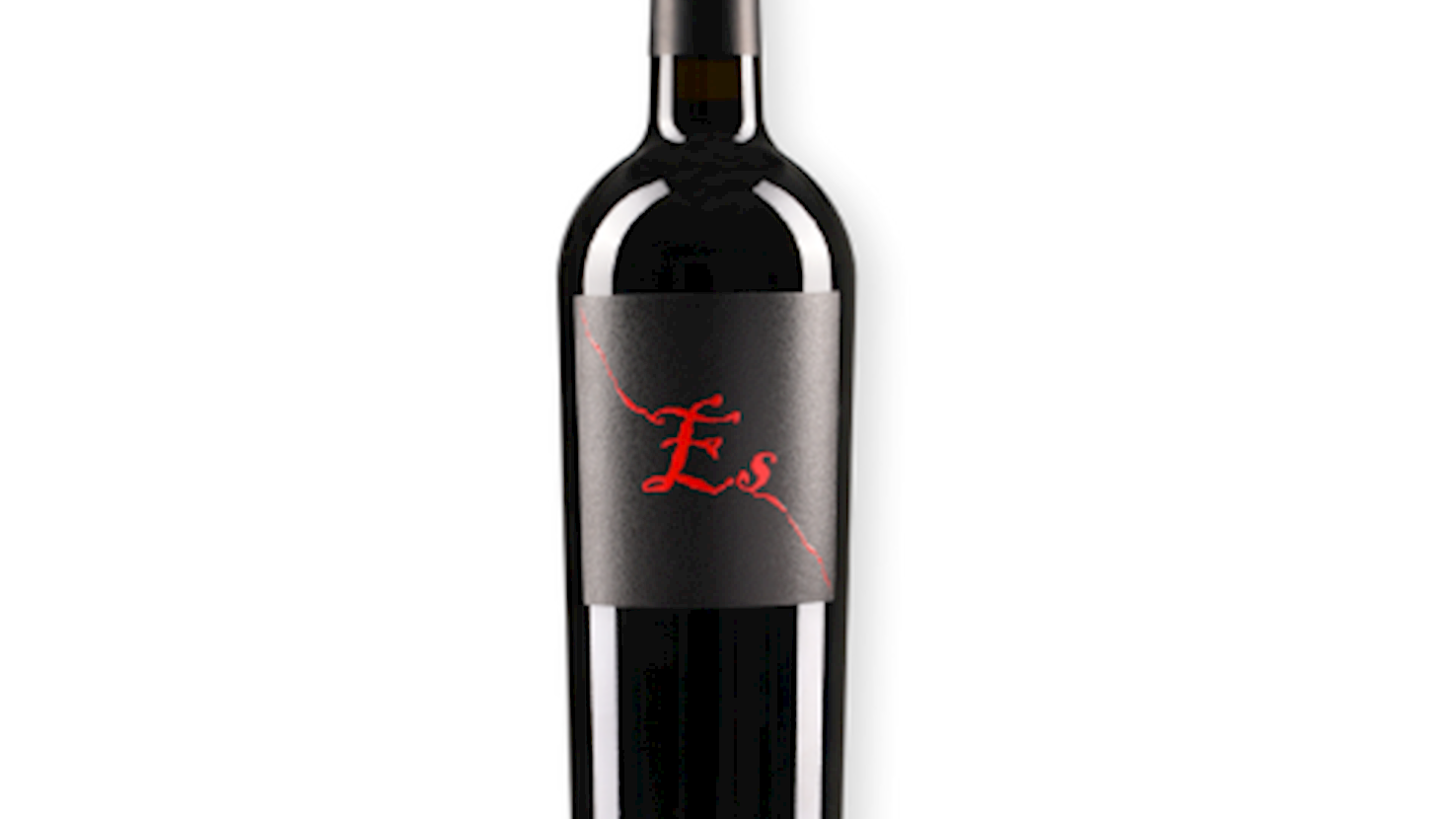
Gianfranco Fino is a boutique winery based in Apulia, in the Manduria area of Salento, founded in 2004 with a clear focus on expressing the full potential of the region’s old-vine Primitivo and Negroamaro. From the outset, the estate has worked exclusively with very old vineyards, many between 50 and 90 years of age, cultivated in the traditional alberello system, which naturally limits yields and enhances concentration. Vineyard work is entirely manual, without irrigation or chemical herbicides, allowing the vines to respond directly to the dry, sun-drenched Mediterranean climate and calcareous soils. Gianfranco Fino’s philosophy is centered on precision rather than volume, with minimal intervention both in the vineyard and the cellar. The winery is best known for its iconic Es Primitivo di Manduria, a powerful yet balanced wine that helped redefine the international perception of Apulian reds. Fermentations rely on native yeasts, and aging takes place primarily in French oak, carefully calibrated to support structure without masking varietal character. Recognition came early, including the prestigious “Winemaker of the Year” award from Gambero Rosso, marking a turning point for the reputation of southern Italian wines. Today, Gianfranco Fino stands as a reference producer for Apulia, valued for consistency, authenticity, and a deep respect for old vines and place.
Awards
Vivino - 4.4
Wine-Searcher - 92/100
03

Varvaglione

4.8 ·
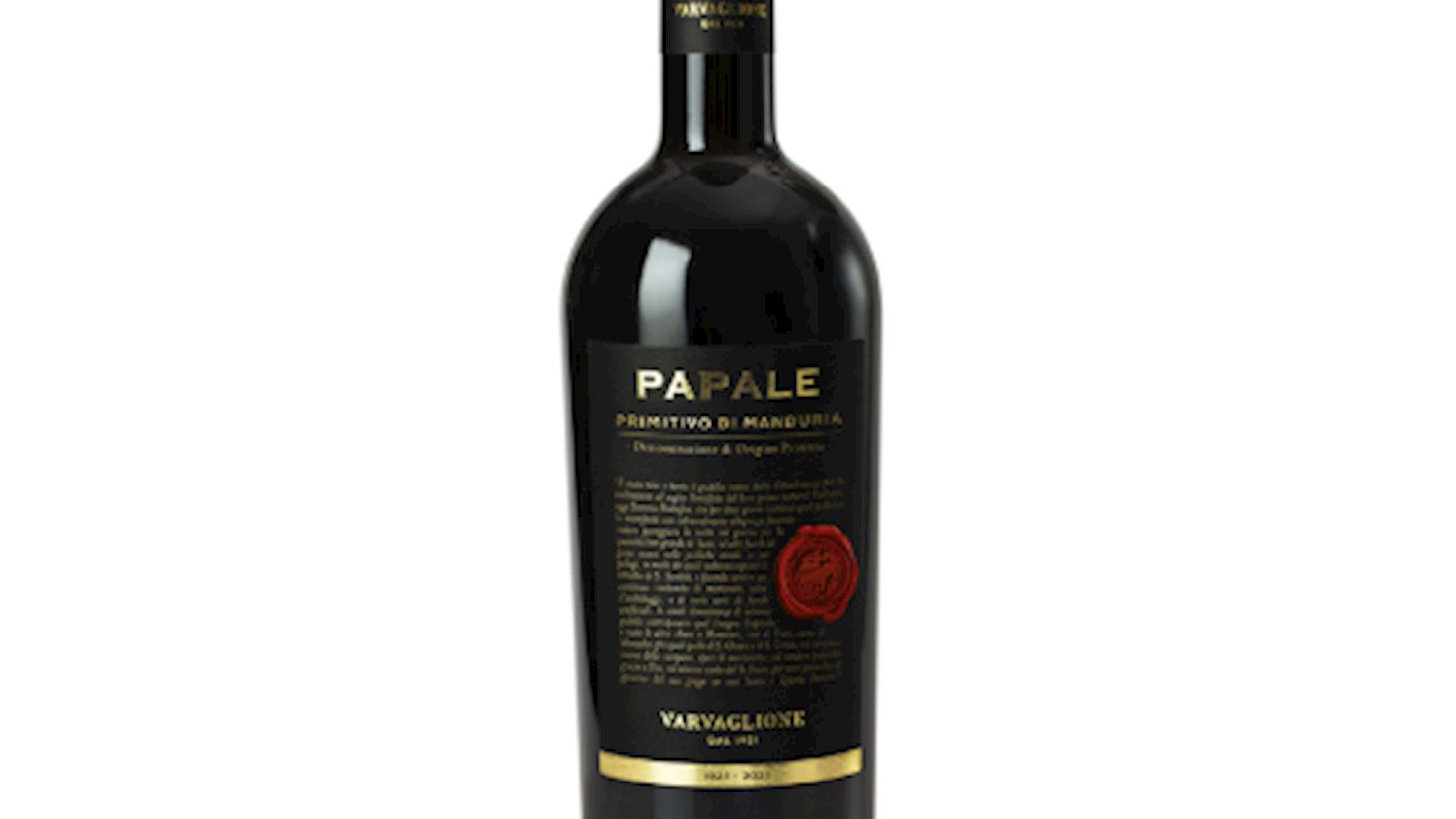
Varvaglione 1921 is a family-owned winery from Apulia, southern Italy, with roots dating back to 1921, when it was founded by Cosimo Varvaglione. Today, the winery is run by the fourth generation and represents a blend of tradition, innovation, and strong regional identity. It is based near Taranto, in the heart of Salento, an area characterized by red, iron-rich soils and a warm Mediterranean climate ideal for viticulture. Varvaglione focuses primarily on native grape varieties such as Primitivo, Negroamaro, Susumaniello, Malvasia, Verdeca, Fiano, and Aglianico, while also working with a limited number of international varieties. The winery manages both estate vineyards and long-term partnerships with local growers, allowing strict control over grape quality. Its production ranges from fresh, approachable wines to more structured and age-worthy labels, with a strong emphasis on expressing the identity of Apulian terroir. Varvaglione combines traditional winemaking knowledge with modern technology and research-driven practices. Sustainability, traceability, and consistency are key elements of their production philosophy. The winery exports to numerous international markets and plays an important role in promoting Apulian wines globally. Beyond wine, Varvaglione also produces olive oil and other local products that reflect the agricultural heritage of the region.
Awards
Vivino - 4.4
Vivino - 4.1
04

Tenuta Patruno Perniola

4.8 ·
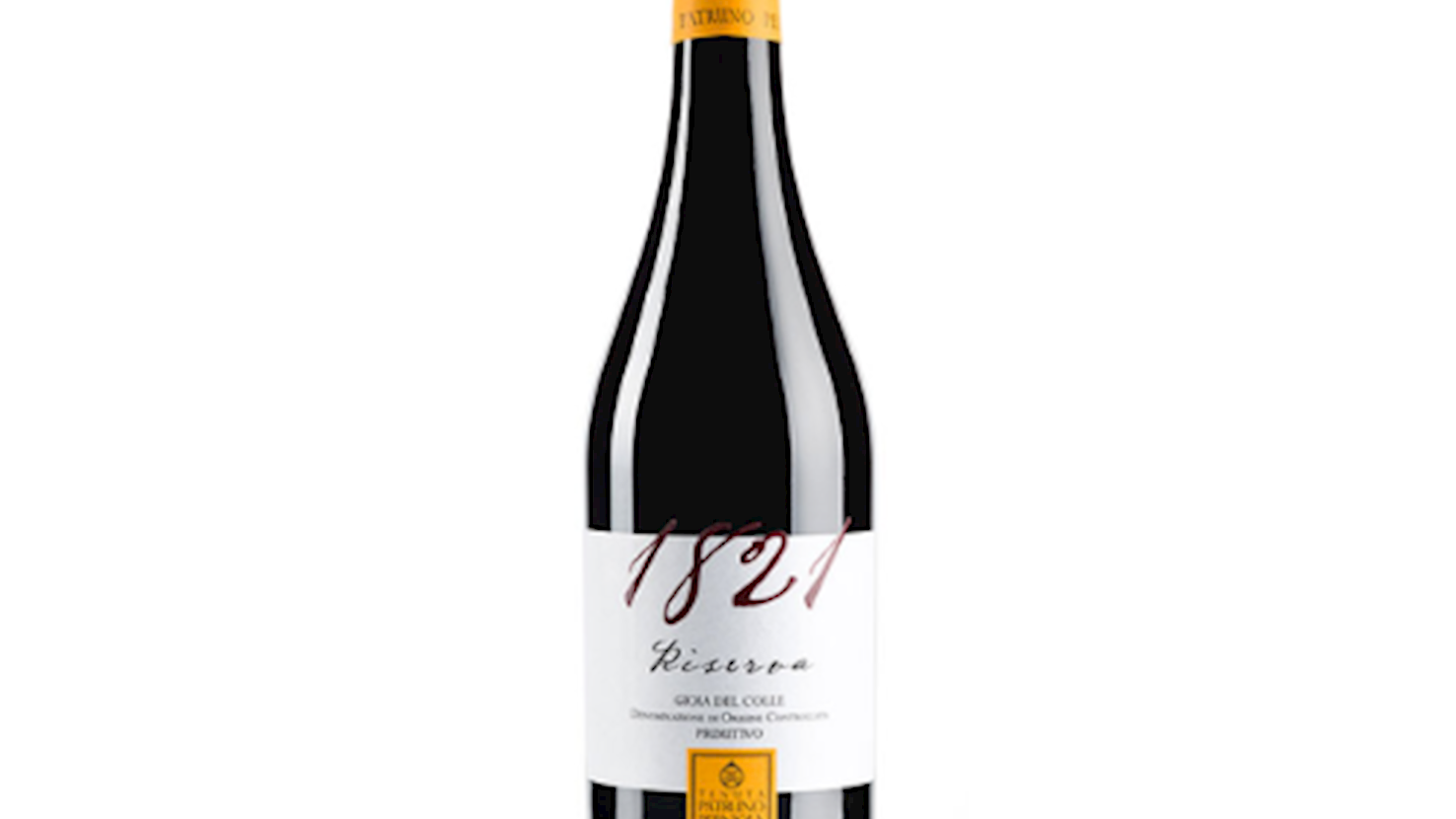
Tenuta Patruno Perniola is a family-owned estate located in the Gioia del Colle area, in the heart of Apulia’s Murgia plateau, at an altitude of approximately 350–400 meters above sea level. The vineyards are rooted in the region’s characteristic red, rocky soils (terra rossa), while significant day–night temperature variations contribute to aromatic definition and structural balance in the grapes. The estate dates back to the 19th century and today continues a long family tradition centered on native varieties, particularly Primitivo di Gioia del Colle and Verdeca. Vineyard management is based on controlled yields and manual harvesting to preserve concentration and varietal integrity. In the cellar, the approach is careful and minimally interventionist, with restrained use of oak to maintain clarity of fruit and natural structure. Their portfolio includes several interpretations of Primitivo under DOC and IGT designations, as well as Riserva bottlings that highlight the grape’s aging potential. The wines typically show ripe dark fruit, firm tannic structure, and the warmth characteristic of southern Italy, balanced by freshness derived from vineyard altitude. Verdeca offers a contrasting profile, marked by mineral notes and citrus nuances that reflect the local terroir. Beyond wine production, the estate also operates as a traditional masseria offering tastings, reinforcing the connection between wine culture and Apulia’s rural heritage.
Awards
Vivino - 4.4
Vivino - 4.2
05

Tenute Chiaromonte

4.7 ·
Tenute Chiaromonte is a family-run winery from southern Italy, rooted in a long tradition of viticulture and focused on expressing the authentic character of its territory through native grape varieties. The estate is particularly associated with Montepulciano, alongside white varieties such as Pecorino, cultivated on hillside vineyards with clay–limestone soils that contribute structure and freshness to the wines. The winery follows a hands-on, low-intervention approach, emphasizing careful vineyard work, selective harvesting, and respectful cellar practices to preserve varietal identity and terroir expression. Its wines are known for their balance, clarity, and expressive fruit profile, combining depth with approachability. Tenute Chiaromonte positions itself as a producer committed to authenticity and regional identity, offering wines that reflect both tradition and a modern, quality-driven vision of central Italian winemaking.
Awards
Vivino - 4.3
Concours Mondial de Bruxelles - Grande Médaille d'or (2022)
06

Mottura Vini del Salento

4.7 ·
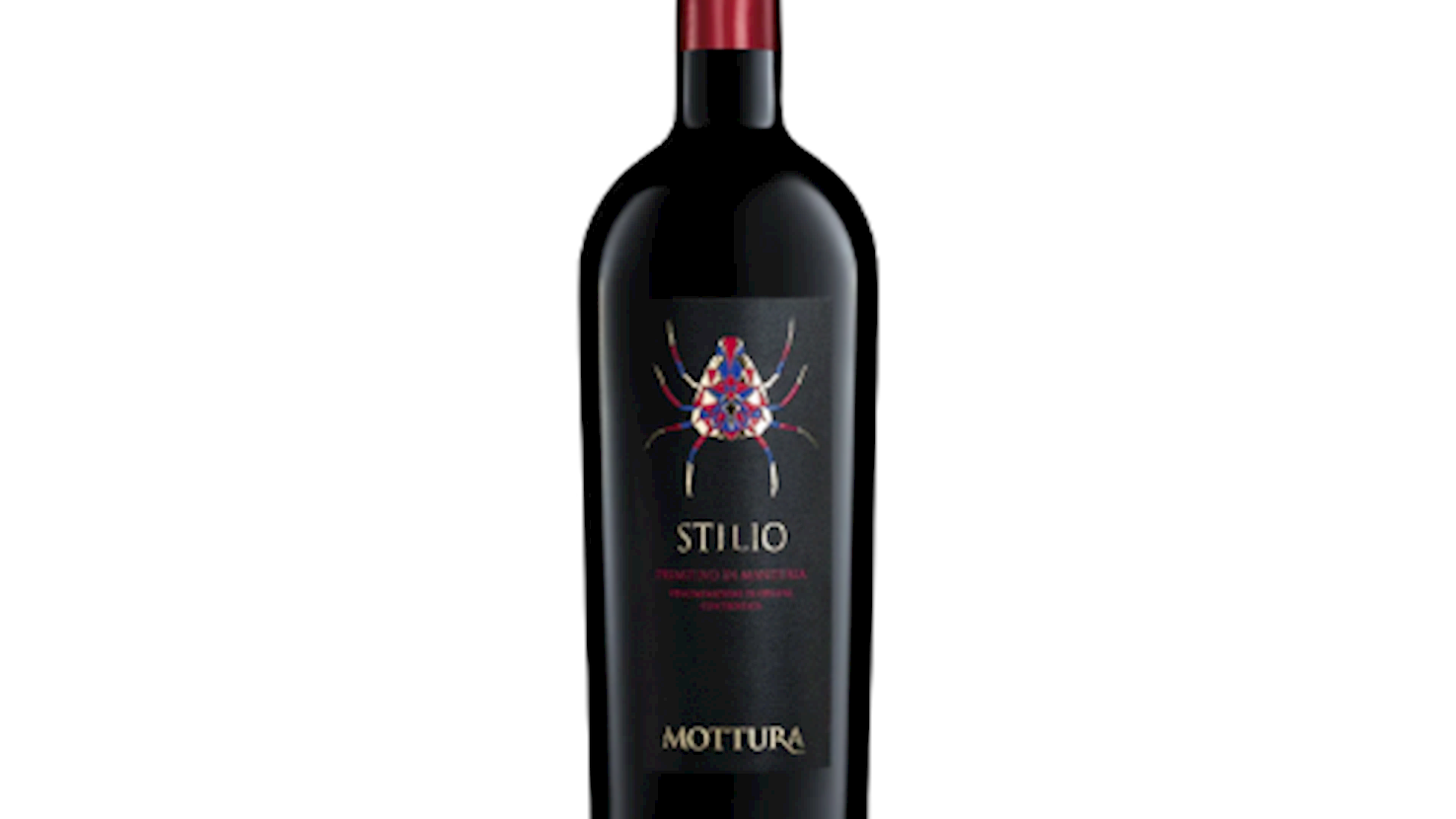
Mottura is a family-owned winery based in Tuglie, in the heart of Salento, southern Apulia, with a winemaking tradition dating back to 1927. Founded by Pasquale Mottura and today run by the fourth generation, the estate represents a long continuity of local knowledge combined with modern enological practice. Its vineyards are spread across the Salento peninsula, an area defined by warm Mediterranean climate, limestone-rich soils, and strong maritime influence. The winery focuses primarily on native grape varieties such as Primitivo and Negroamaro, interpreting them through a style that balances ripeness, structure, and regional identity. Mottura combines traditional cellar spaces with contemporary technology, including careful temperature control and selective use of oak barrels and tonneaux. Vineyard management follows integrated and sustainability-oriented practices aimed at preserving soil health and long-term productivity. The wines are designed to reflect the generosity and character of Salento while maintaining clarity, balance, and consistency. Today, Mottura is recognized internationally as a representative producer of Apulian wines, rooted in heritage yet oriented toward quality-driven, modern production.
Awards
Vivino - 4.3
Vivino - 4.2
07

Produttori di Manduria

4.3 ·
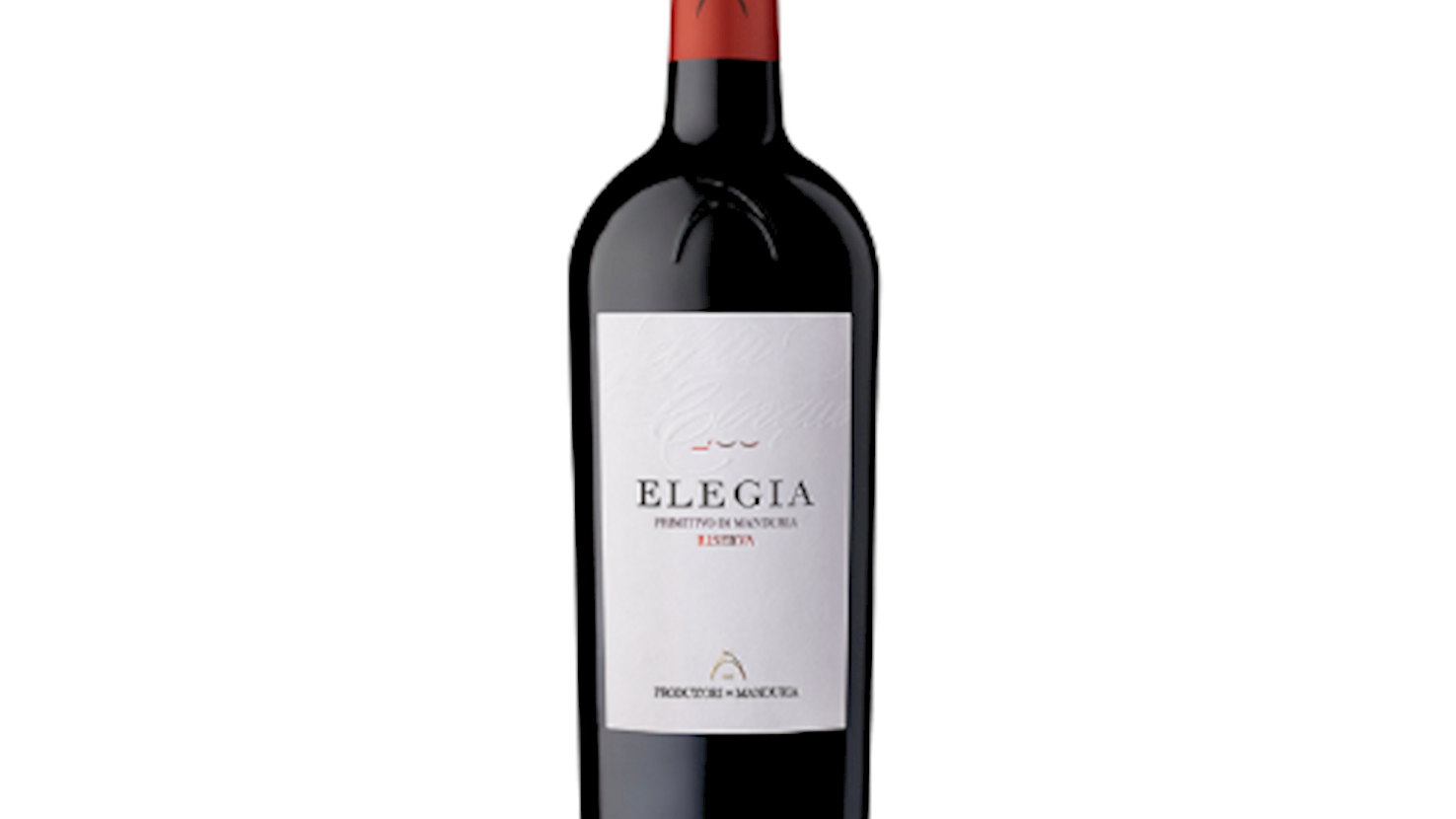
Produttori di Manduria is one of the most important wine cooperatives in southern Italy, founded in 1932 in the heart of Apulia with the aim of protecting and promoting the territory’s traditional grape varieties, above all Primitivo. Today it brings together hundreds of local growers whose vineyards are located around Manduria, in an area characterized by warm Mediterranean climate, red soils rich in iron, and strong maritime influence. The winery is best known for its Primitivo di Manduria wines, which express ripeness, depth, and generosity while maintaining balance and structure. Alongside Primitivo, the portfolio also includes wines made from Negroamaro, Fiano, Verdeca, and other local varieties, offering a broad picture of Apulian viticulture. Vinification combines modern technical control with respect for tradition, aiming to preserve varietal identity and territorial expression. The wines are typically rich in color, with intense aromas of ripe red and dark fruit, spice, and Mediterranean herbs, supported by full body and smooth tannins. Produttori di Manduria also places strong emphasis on sustainability, vineyard management, and collective know-how passed down through generations. Through its wines, the cooperative represents a key reference point for understanding the identity and evolution of Primitivo di Manduria and the wider wine culture of southern Italy.
Awards
Vivino - 4.2
Vivino - 4.0

Best Apulian Wine Appellation Types
01

Primitivo di Manduria

4 ·

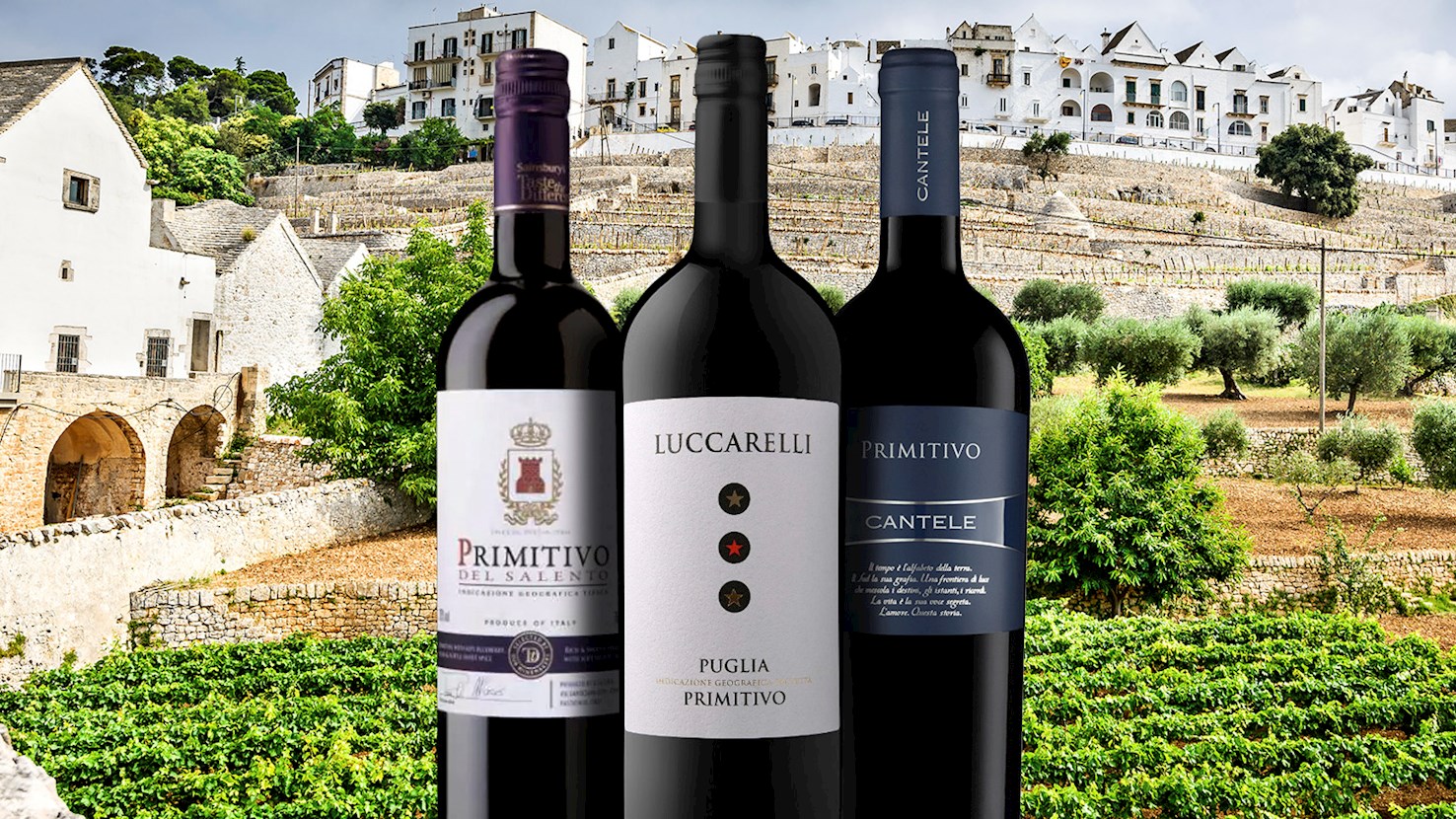
Primitivo is a red grape variety grown in Puglia but considered genetically identical to Zinfandel in California and Crljenak Kaštelanski in Croatia. In Italy, the grape is predominately used in the production of Primitivo di Manduria (DOC), and its sweet DOCG version Dolce Naturale. Dry Primitivo di Manduria wines can be enjoyed young, while the oak-aged varieties result in wines that are softer in tannins. The wines are rich, full-bodied, and high in alcohol, with flavors of dark fruits and hints of earthy leather notes. Because of its bold character, Primitivo di Manduria pairs well with roasts, grilled meat, and hearty pasta dishes.

02

Salice Salentino Rosso

3.5 ·

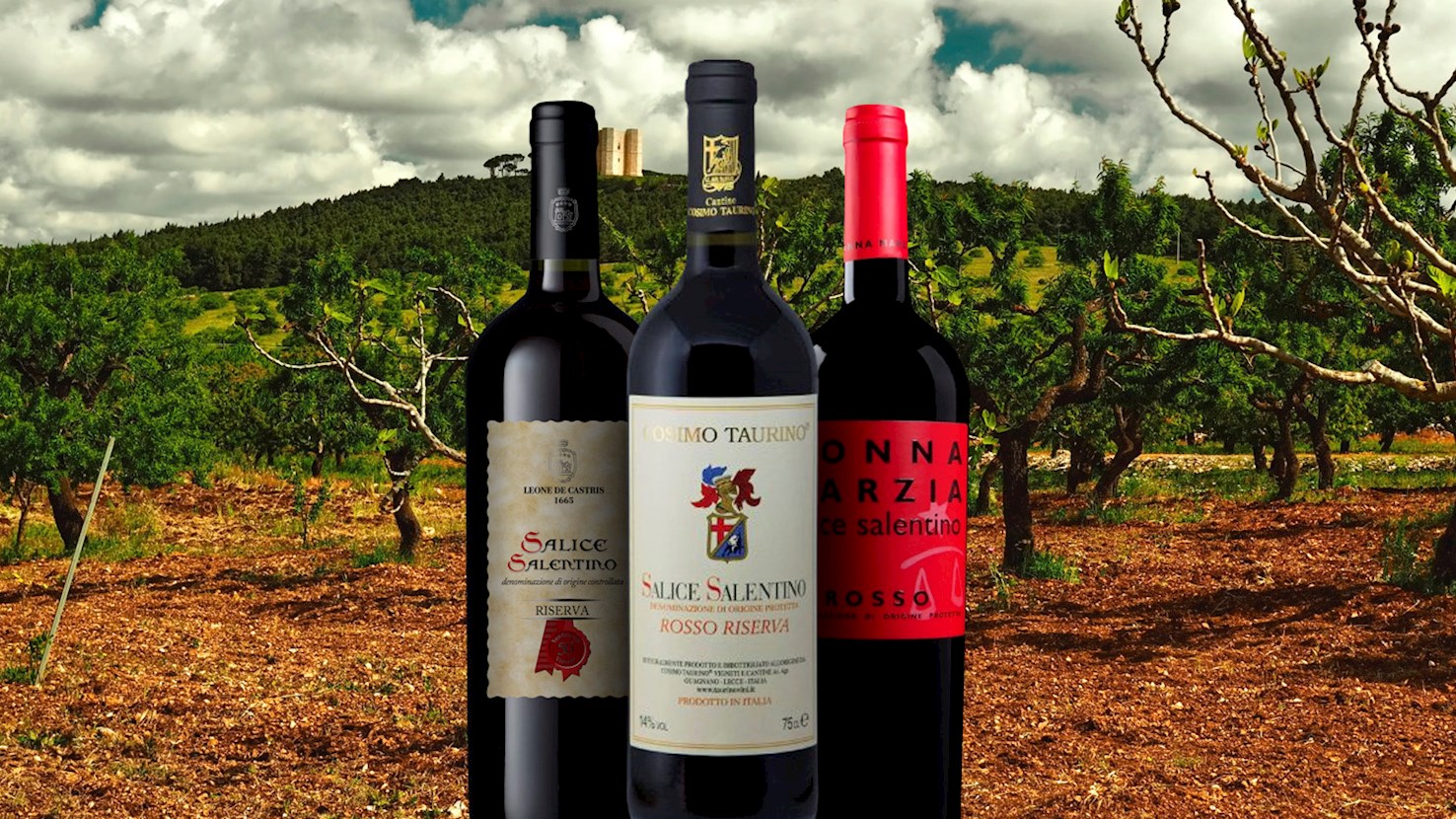
Salice Salentino is an Italian appellation (DOC) located in the Apulia. The appellation allows the production of red, white, rosé, sparkling, and dessert wines, but red varieties remain the most common and the most important style of the entire region. These approachable, fruit-forward red wines are made with Negroamaro as the principal grape variety. The wines are available as varietal and blends, which usually include a small amount of local Malvasia Nera. They typically have soft tannins, an intense ruby red color, fruity aromas reminiscent of dark berries, and spicy nuances. In the general Rosso label, Negroamaro has to make at least 75% of the blend, while the label Negroamaro has to have a minimum of 90% of the same grape. Red Salice Salentino wines pair well with red or white meat, lamb, ragù, and aged cheese.

03

Primitivo di Manduria Dolce Naturale

n/a ·

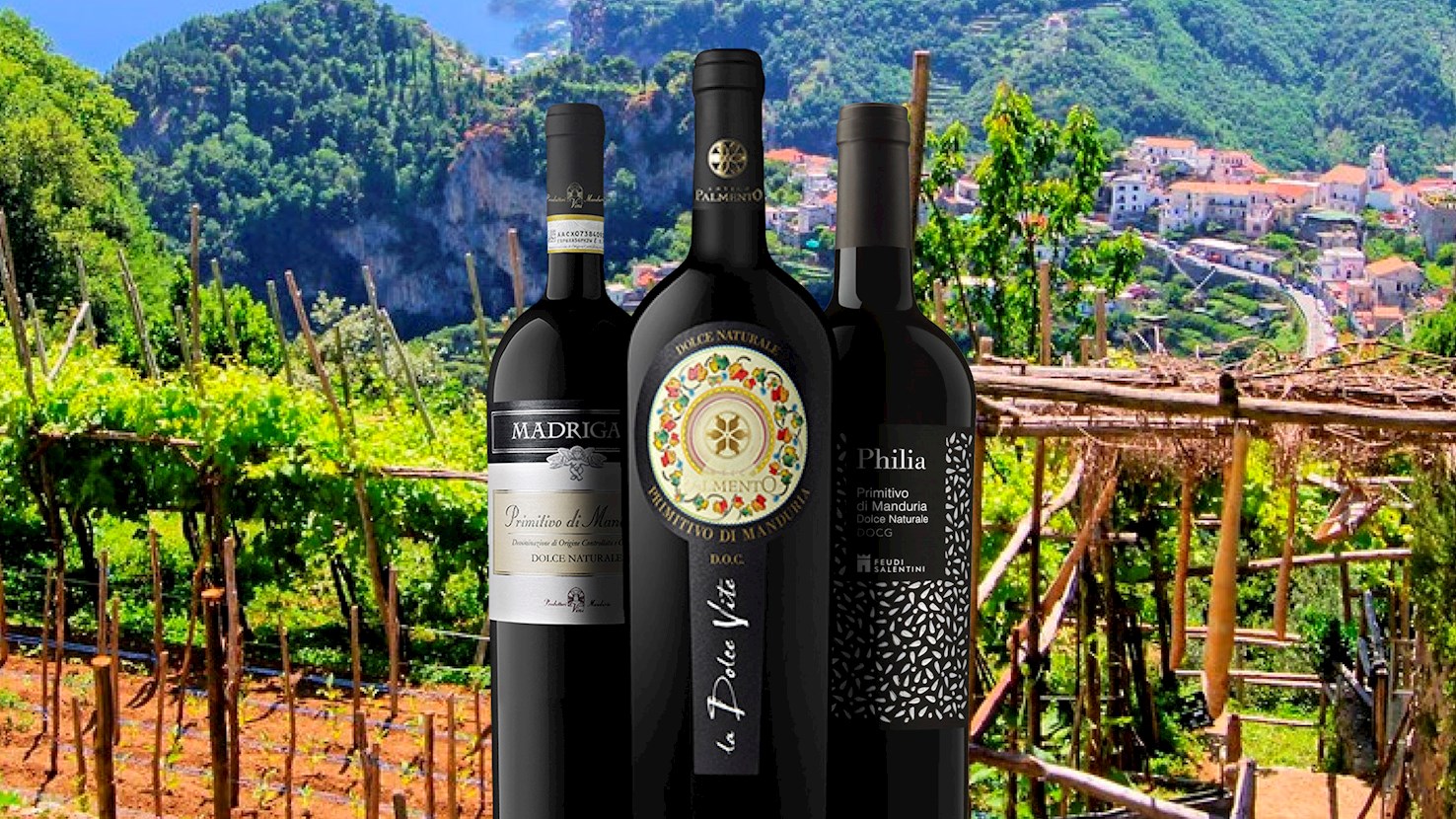
Hailing from Apulia, this ruby red, intense Italian wine is exclusively produced from dried Primitivo grapes—which are genetically identical to Zinfandel in California and Crljenak Kaštelanski in Croatia. The wine is characterized by a well-balanced combination of fruity and spicy notes, as well as subtle residual sweetness. Primitivo di Manduria Dolce Naturale is a great wine to be enjoyed on its own, but it also pairs naturally with dry desserts, dry fruit, nuts, and blue cheeses. Dolce Naturale was the first Apulian wine that was granted the prestigious DOCG status.

04

Castel del Monte Nero di Troia Riserva

n/a ·

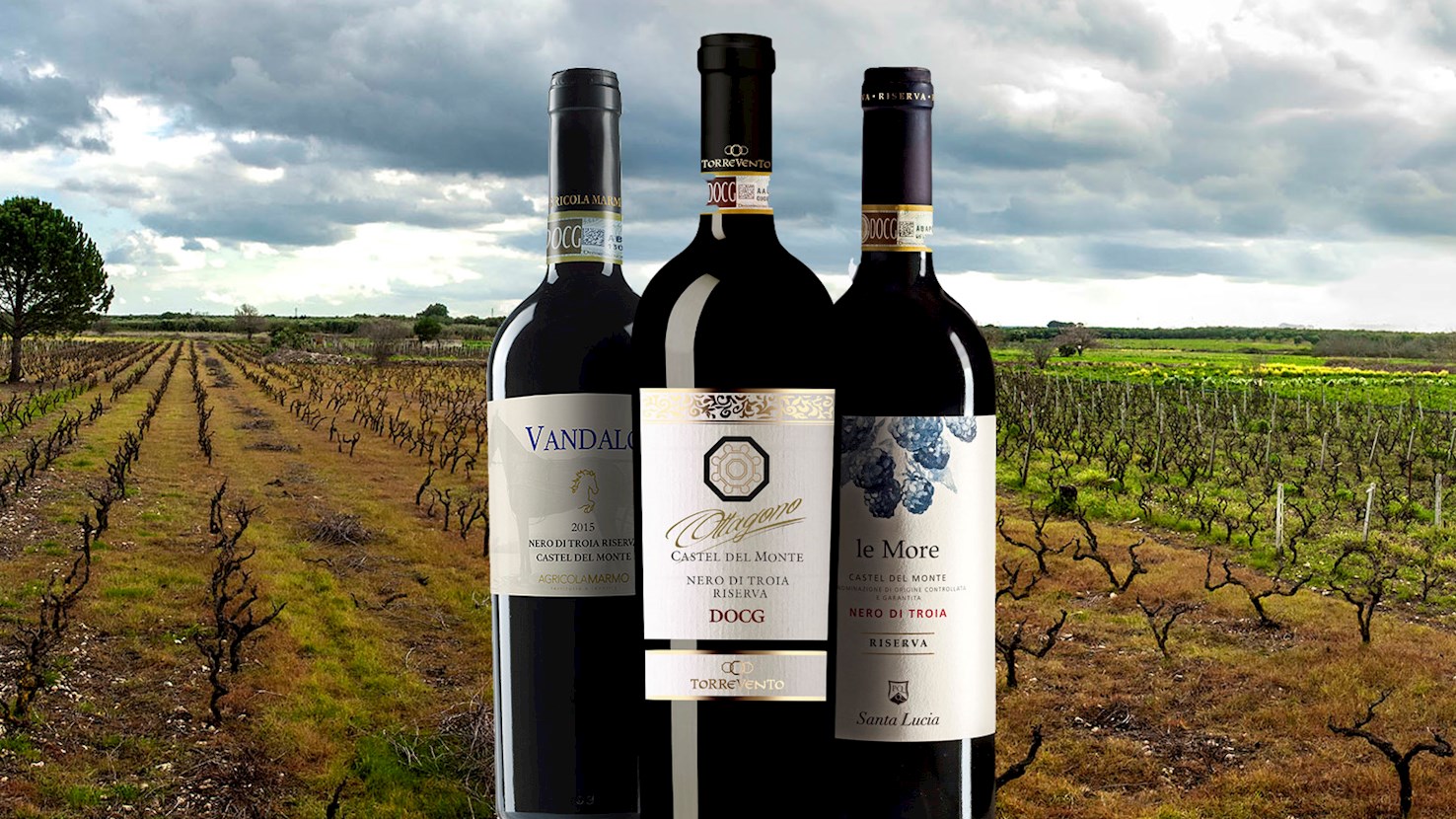
Castel del Monte is an Italian wine region located in Apulia that has been awarded DOCG status—the highest category in Italian wine regulations—for their wines made from purple-skinned Nero di Troia grapes. Also known as Uva di Troia, this native Apulian grape tends to produce rich, full-bodied wines and for this appellation, it has to make up at least 90% of the blend, while the wine must be aged for a minimum of two years, including one year in oak. Castel del Monte wines made from Nero di Troia typically display fruity aromas of cherries, plums, and blackberries, which may develop into spicy notes of licorice, tobacco, and balsamic. They pair well with roasted, grilled, or braised meat, aged cheese, game, and rich pasta dishes.

05

Gravina

n/a ·

Gravina is a white wine produced in the area around the town of Gravina in Puglia, located on the Alta Murgia plateau in southern Italy, and it is regulated under the Gravina DOC, with production concentrated in an inland zone marked by limestone soils and higher elevation compared to most of the region. Viticulture in this area developed within a rural landscape shaped by transhumance, grain cultivation, and sparse settlement, where grape growing persisted on rocky ground unsuitable for other crops and gradually gained recognition for white wines based on local varieties that responded well to cooler nights and wide diurnal temperature shifts. Gravina wine is produced primarily from Greco, often supported by smaller amounts of Malvasia Bianca or Bianco d’Alessano depending on the producer, with grapes harvested to retain acidity, gently pressed, and fermented at controlled temperatures, most commonly in stainless steel, to preserve clarity and structure rather than weight or oak-derived character. A defining feature of Gravina is the expression of a white wine style shaped by altitude and calcareous soils in a region better known for powerful reds, resulting in wines that emphasize firmness, restraint, and longevity rather than immediate softness. It is served chilled and consumed mainly with meals in homes and restaurants across inland Puglia and neighboring regions, where it pairs well with vegetables, legumes, fresh cheeses, grilled fish, shellfish, and olive-oil-based dishes, functioning as a food-oriented white wine suited to everyday dining rather than standalone consumption.

06

Gioia del Colle Primitivo

n/a ·

Gioia del Colle Primitivo is a red wine produced in the area around the town of Gioia del Colle on the Murge plateau in the inland part of the Apulia region of southern Italy and is regulated as a specific wine type within the Gioia del Colle designation, defined by the predominant use of the Primitivo grape grown at higher elevations than most other Primitivo zones. Its development is tied to inland viticulture on limestone-rich soils where cooler nights and wider temperature variation slowed ripening and preserved acidity, leading local growers to distinguish this expression of Primitivo from those produced closer to the coast and to formalize it within the DOC framework as a clearly identified style. Production focuses on harvesting Primitivo grapes at balanced ripeness rather than maximum sugar accumulation, followed by controlled fermentation and moderate maceration to extract color and tannin without excess weight, with aging carried out in stainless steel or neutral oak depending on producer approach, favoring stability and clarity over heavy wood influence. A defining aspect of Gioia del Colle Primitivo is its structure and freshness relative to other Primitivo wines, shaped primarily by altitude and soil rather than by cellar technique, which results in a wine that retains firmness and definition while remaining fully ripe. It is consumed mainly with meals in homes and restaurants across Apulia, served at moderate cellar temperature, and it pairs well with grilled meats, lamb, legumes, mushroom dishes, aged breads, and hard cheeses, while also working with tomato-based pasta preparations, reinforcing its role as a food-oriented red wine rather than a wine intended for standalone consumption.

07

Gioia del Colle

n/a ·

Gioia del Colle is a wine produced in the area surrounding the town of Gioia del Colle on the Murge plateau in the Apulia region of southern Italy and regulated under the Gioia del Colle DOC, covering red, white, and rosé wines from inland vineyards set at higher elevations than most other Apulian zones. Viticulture in this area developed within a limestone-rich landscape marked by cooler nights and wider temperature variation than the coastal plains, conditions that supported grape growing oriented toward structure and acidity rather than sheer ripeness, and over time this inland character led to formal recognition distinct from broader regional wine identities. Wine production under the Gioia del Colle DOC centers primarily on red wines based on Primitivo, alongside smaller quantities of white wines from grapes such as Trebbiano and Malvasia, with vinification practices that typically involve controlled fermentation, moderate extraction, and limited oak use to preserve balance and clarity rather than overt weight. A defining aspect of Gioia del Colle wines is the expression of Primitivo in a less heavy, more restrained form compared to examples from warmer, lower-lying parts of Apulia, a result of altitude and soil rather than stylistic intervention. These wines are consumed mainly with meals in local homes and restaurants, served at moderate temperatures, and they pair well with grilled meats, lamb, legumes, aged breads, and hard cheeses, while lighter styles accompany vegetable dishes and simple pasta preparations, reinforcing their role as table wines integrated into everyday dining rather than wines reserved for isolated tasting.

08

Salento

n/a ·

Salento refers to wines produced on the Salento peninsula in the southern part of Apulia in Italy and marketed under the Salento IGT designation, covering red, white, and rosé wines from a flat to gently rolling landscape between the Adriatic and Ionian seas. Winegrowing in this area developed in a zone long oriented toward agriculture and bulk production, where abundant sunshine, low rainfall, and calcareous soils supported high vine productivity, and where grape cultivation expanded alongside olive growing and cereal farming, with modern recognition of the area formalizing a broad geographic identity rather than a narrowly defined style. Salento wines are produced from a wide range of grape varieties, most notably Negroamaro and Primitivo for reds and rosés, and Malvasia Bianca, Verdeca, or international varieties for whites, with vinification typically emphasizing ripe fruit expression, controlled fermentation temperatures, and limited oak use unless structure is specifically sought, resulting in wines intended for early to medium-term consumption. A defining aspect of Salento wine is the consistency of ripeness achieved across vintages due to the stable climate, which allows producers to focus on grape selection and balance rather than compensating for weather variation, and the appellation’s flexibility permits both varietal wines and blends without strict stylistic constraints. These wines are consumed primarily with meals in homes, trattorias, and restaurants across southern Italy, served slightly cool for whites and rosés and at moderate temperatures for reds, and they pair well with grilled meats, vegetable dishes, legumes, tomato-based pasta, seafood for lighter styles, and aged breads and cheeses, reinforcing their role as everyday table wines integrated into regular dining rather than reserved for formal tasting contexts.

09

Rosso di Cerignola

n/a ·

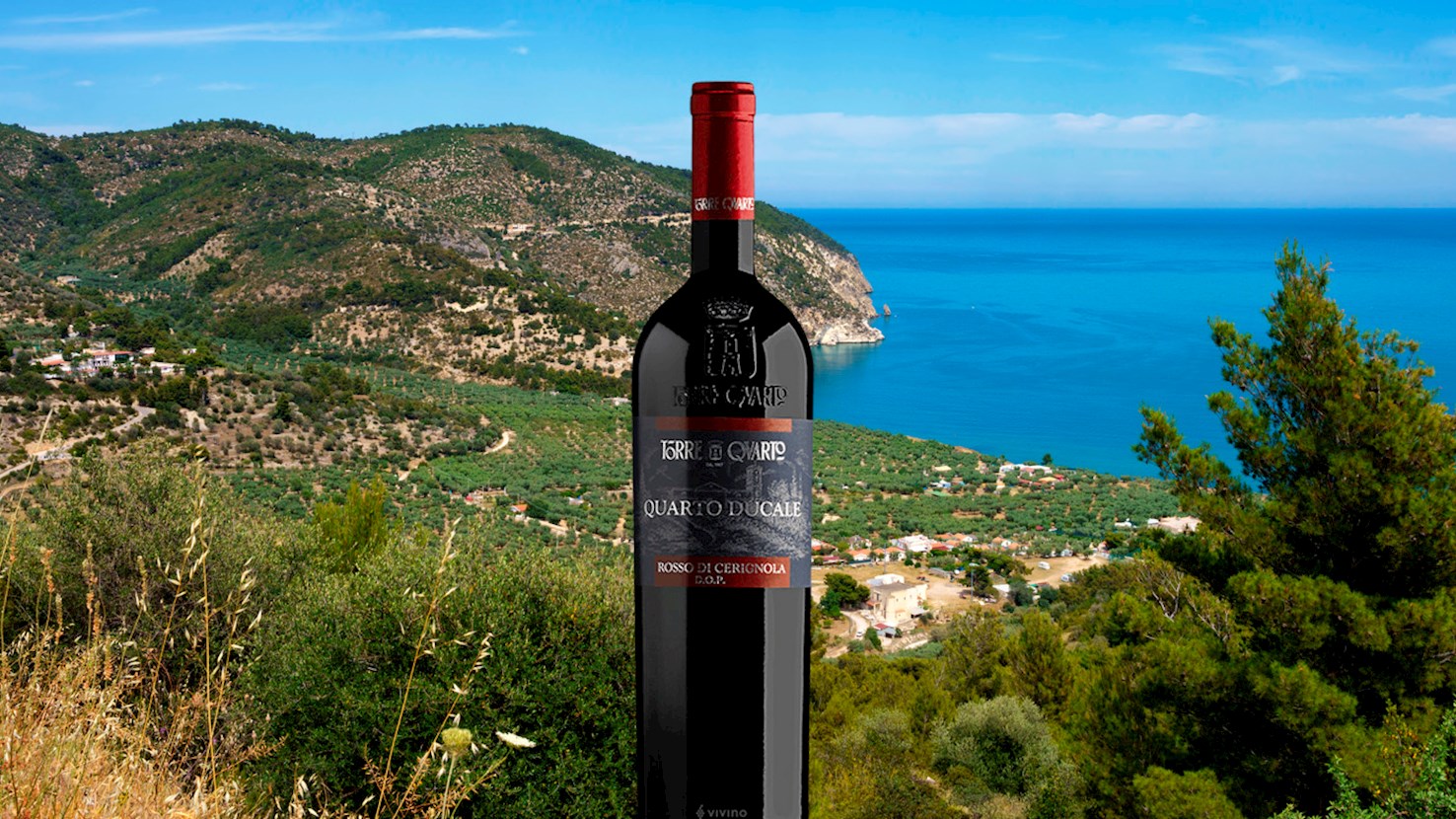
Rosso di Cerignola is a DOC appellation from the province of Foggia in Apulia. All the wines produced in the region are red and based on the local Uva di Troia (Nero di Troia), a minimum of 55%. The grape is usually blended with Negroamaro, Barbera, Malbec, Montepulciano, Sangiovese, or Trebbiano Toscano. The region is small, and the wines are quite rare. Rosso di Cerignola wines are full-bodied and tannic. They have an intense aroma reminiscent of ripe red berries, with hints of spices and balsamic notes. The appellation also includes the Riserva label that is oak-aged for a minimum of two years. Rosso di Cerignola wines tend to improve with age, gaining complexity and character. Young examples pair well with charcuterie and sausages, and aged wines can be a good match to roasted or braised red meat, ragù, or roasted lamb.

10

Locorotondo

n/a ·

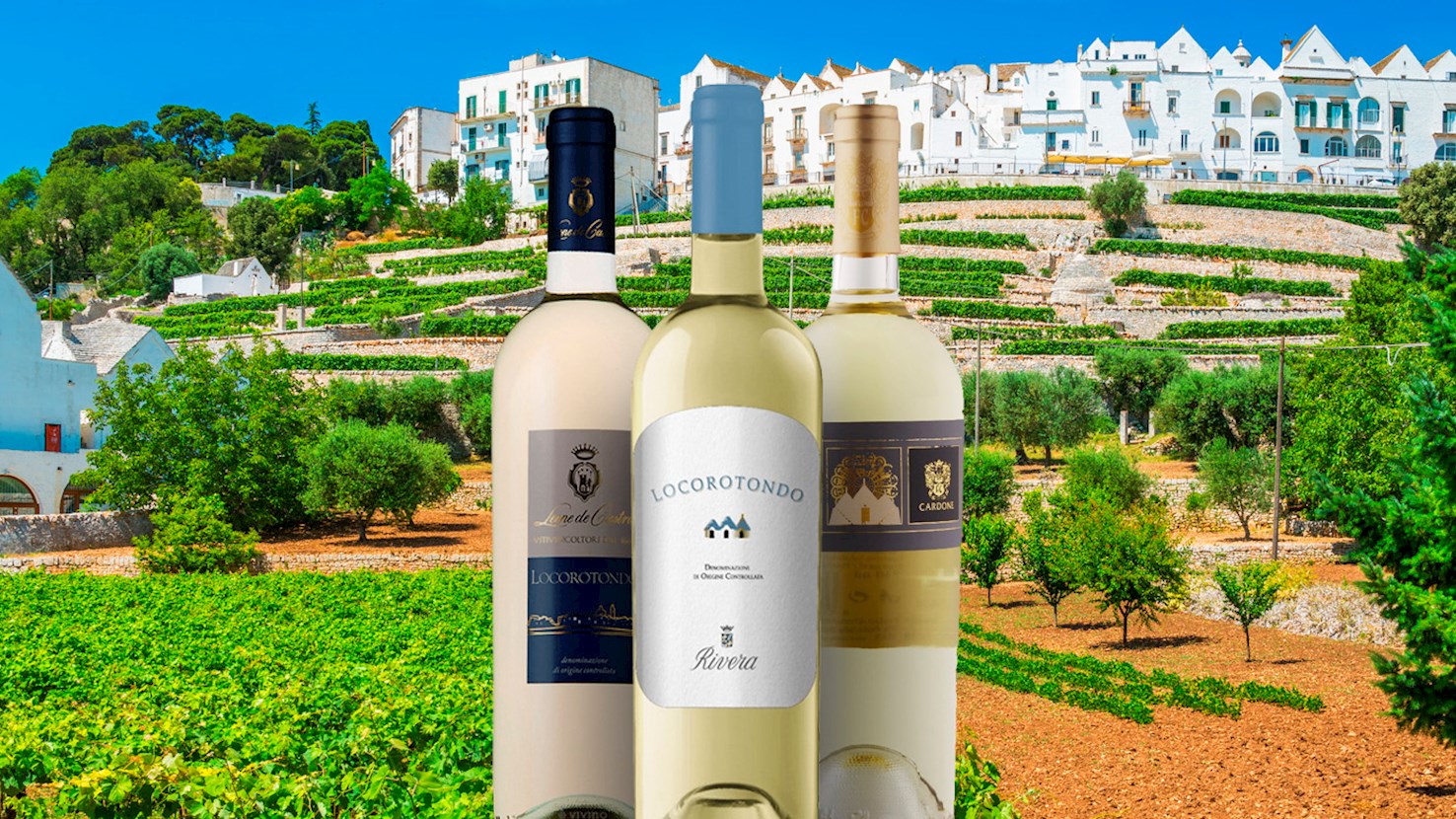
Locorotondo is an Italian wine region that produces varietals and blends from Verdeca, Bianco di Alessano, and Fiano grapes. The region is located in Puglia, and it has held the DOC status since 1969, but the wines were mainly overshadowed by robust and dark reds that traditionally come from Puglia. Locorotondo appellation allows the production of dry, sparkling, and dessert styles. Dry wines are light and approachable, with a straw and greenish hue. The aroma is fruity, reminiscent of citruses, sometimes with hints of floral nuances. The subtly bitter or almond-like note is also common. These wines would pair with various seafood dishes, including fish, mussels, or octopus. They could also go well with lighter poultry-based courses or pasta dishes.

Read more
View all
View map
About this ranking

TasteAtlas food rankings are based on the ratings of the TasteAtlas audience, with a series of mechanisms that recognize real users and that ignore bot, nationalist or local patriotic ratings, and give additional value to the ratings of users that the system recognizes as knowledgeable. For the “Top 12 Apulian Wine Appellations” list until June 10, 2026, 44 ratings were recorded, of which 31 were recognized by the system as legitimate. TasteAtlas Rankings should not be seen as the final global conclusion about food. Their purpose is to promote excellent local foods, instill pride in traditional dishes, and arouse curiosity about dishes you haven’t tried.

The initial list of top producers was compiled based on available reviews, awards, local recommendations, media and blog coverage, and consumer reviews. The list will be updated with ratings from TasteAtlas local ambassadors and TasteAtlas users.

Similar lists