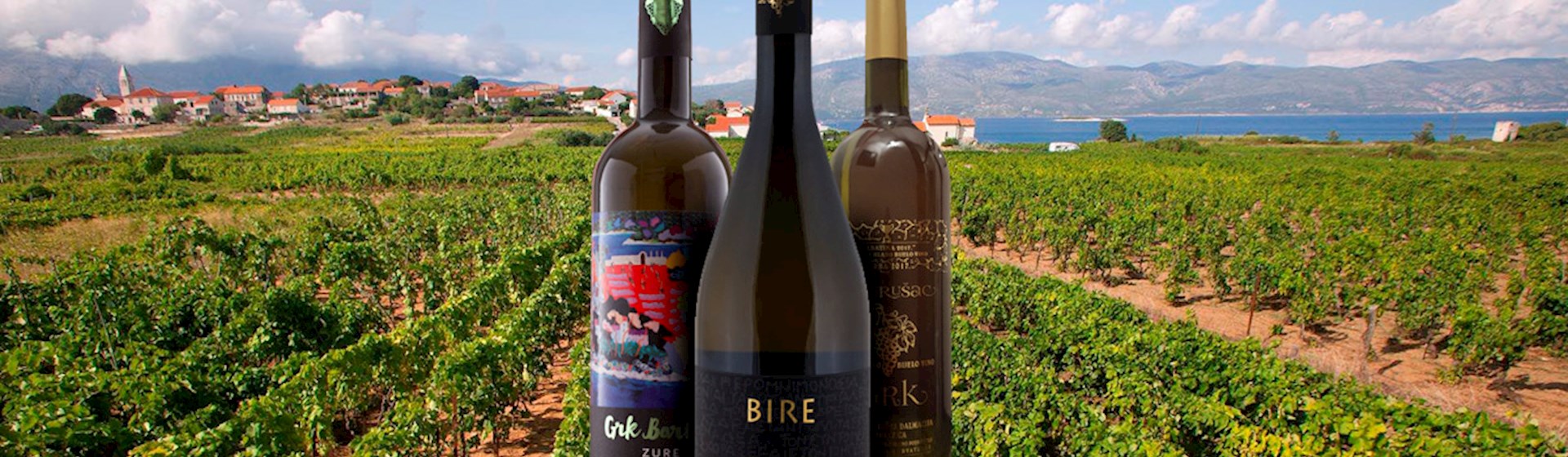
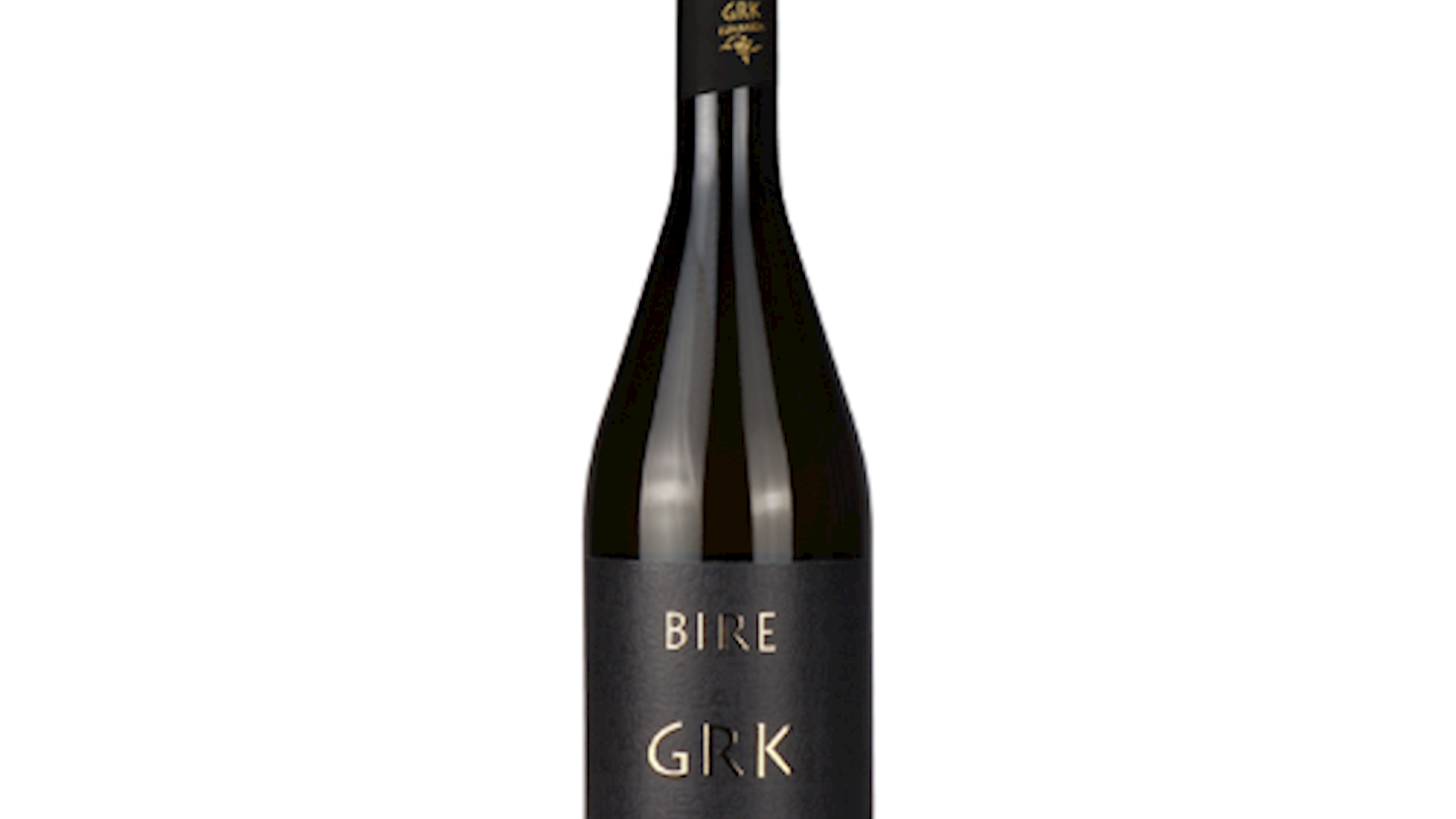
Bire is a family-owned winery located in the village of Lumbarda on the island of Korčula in southern Dalmatia, an area well known for the cultivation of the indigenous Grk grape variety. The winery is run by the Milina-Bire family, who continue a long tradition of viticulture in this part of the island and focus on preserving local grape varieties. The vineyards are situated on the distinctive sandy soils of Lumbarda, close to the sea, which create unique conditions for growing Grk, one of the rarest Croatian grape varieties. This variety forms the core of the winery’s production and represents an important part of the region’s wine identity. In addition to Grk, the winery also produces wines from varieties such as Plavac Mali as well as rosé wines. The grapes come from the family’s own vineyards, allowing careful control of quality and expression of the local terroir. Today, Bire is considered one of the recognizable wine producers from Lumbarda and an important representative of the wine tradition of the island of Korčula.
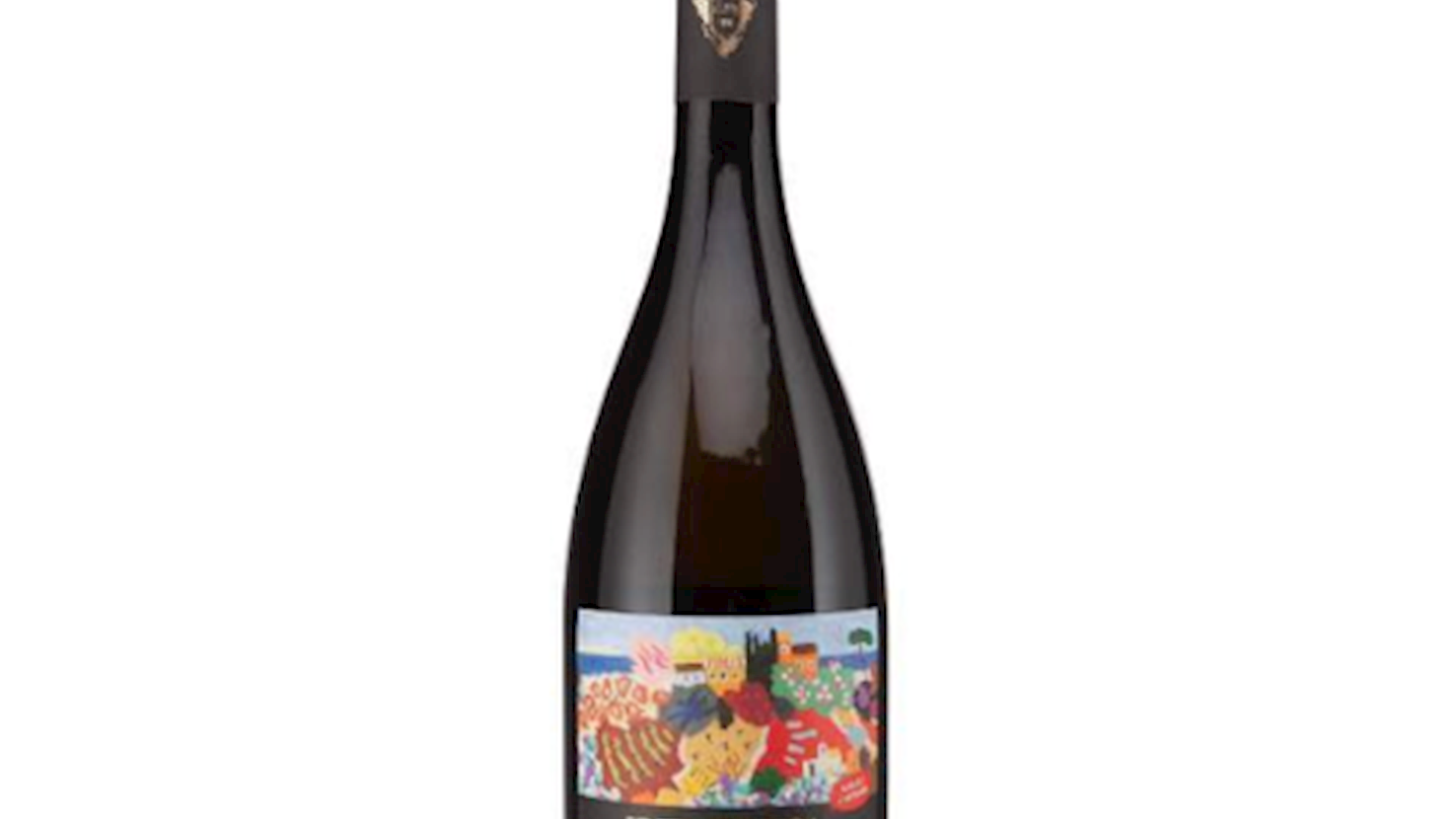
Zure is a family-owned winery located in the village of Lumbarda on the island of Korčula in southern Dalmatia, one of the most recognized wine-growing areas of this part of Croatia. The winery is run by the Batistić-Zure family, who began professional wine production in 1996 while continuing a long-standing family tradition of viticulture. The vineyards are situated close to the sea on the characteristic sandy soils of Lumbarda, which are particularly suitable for cultivating the indigenous Grk grape variety, one of the rarest and most distinctive Croatian wine grapes. This variety forms the core of the winery’s production and represents an important part of the local wine identity. In addition to Grk, the winery also produces wines from varieties such as Pošip and Plavac Mali. The grapes are sourced exclusively from the family’s own vineyards, allowing full control over quality and the expression of the local terroir. Today, Zure is considered one of the recognizable producers from the Lumbarda area, known for wines that reflect the Mediterranean character of the island of Korčula.
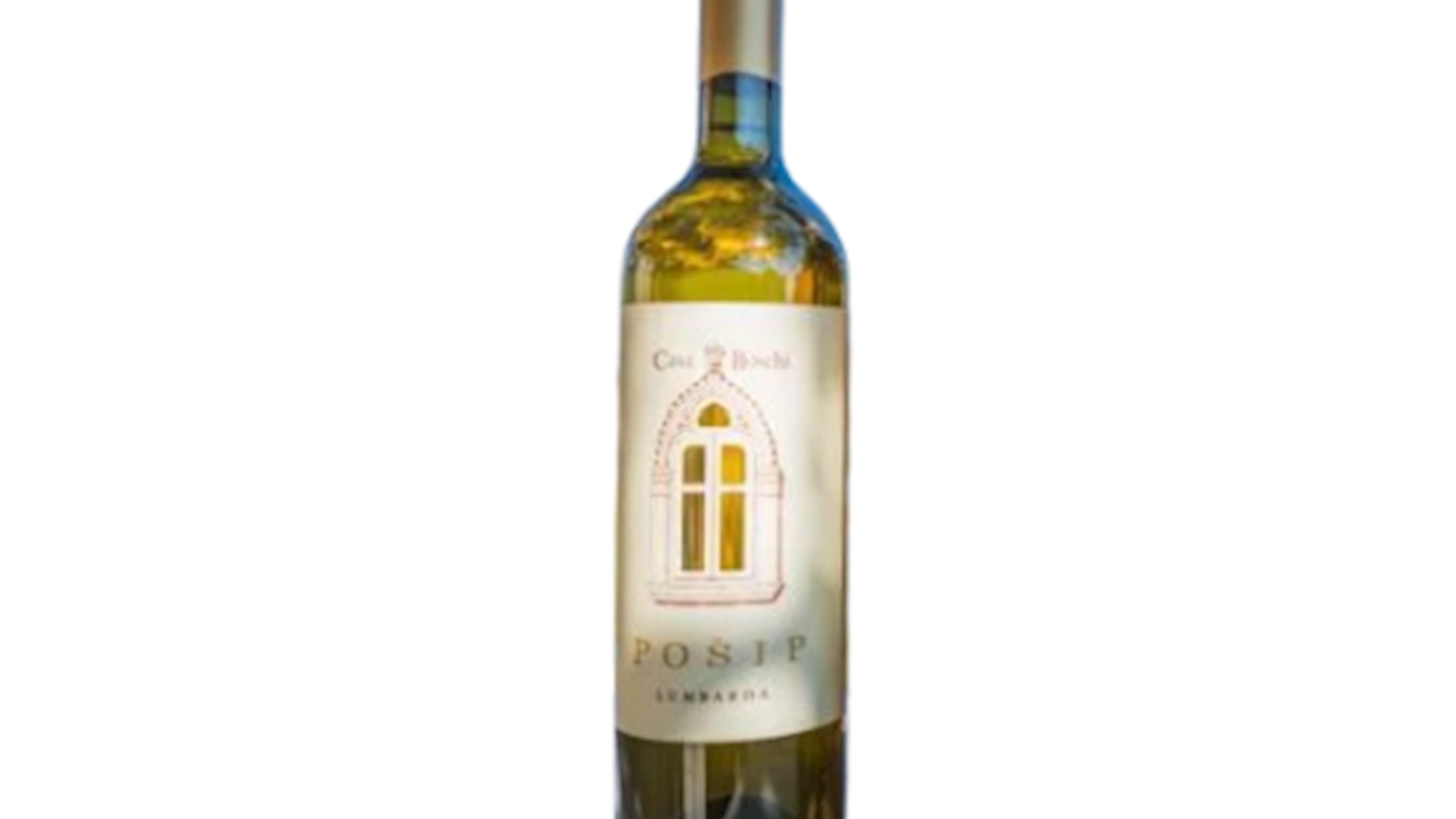
Casa Boschi is a small family-run winery located in the village of Lumbarda on the island of Korčula in southern Dalmatia, an area known for its long tradition of viticulture and distinctive Mediterranean terroir. The winery focuses on producing wines from indigenous Dalmatian grape varieties typical of the island, with particular emphasis on Grk and Pošip, as well as other local varieties such as Rukatac (Maraština) and Plavac Mali. The vineyards are situated close to the sea on sandy and rocky soils, conditions that contribute to the freshness and mineral character of the wines. Production is relatively small and aimed at preserving the authentic expression of the grape varieties and the local wine style. Traditional winemaking practices are combined with modern enological techniques to highlight the natural qualities of the fruit. The white wines are generally characterized by aromas of citrus, stone fruit, and Mediterranean herbs, often accompanied by a subtle saline note typical of coastal vineyards. Red wines, usually made from Plavac Mali, tend to show a fuller structure with notes of ripe fruit and spice. Casa Boschi is part of the contemporary wine scene of Korčula, where small wineries play an important role in maintaining local grape varieties and regional wine heritage. In addition to wine production, the winery also participates in the island’s wine tourism offer, welcoming visitors for tastings and presenting the wines of this Dalmatian region.
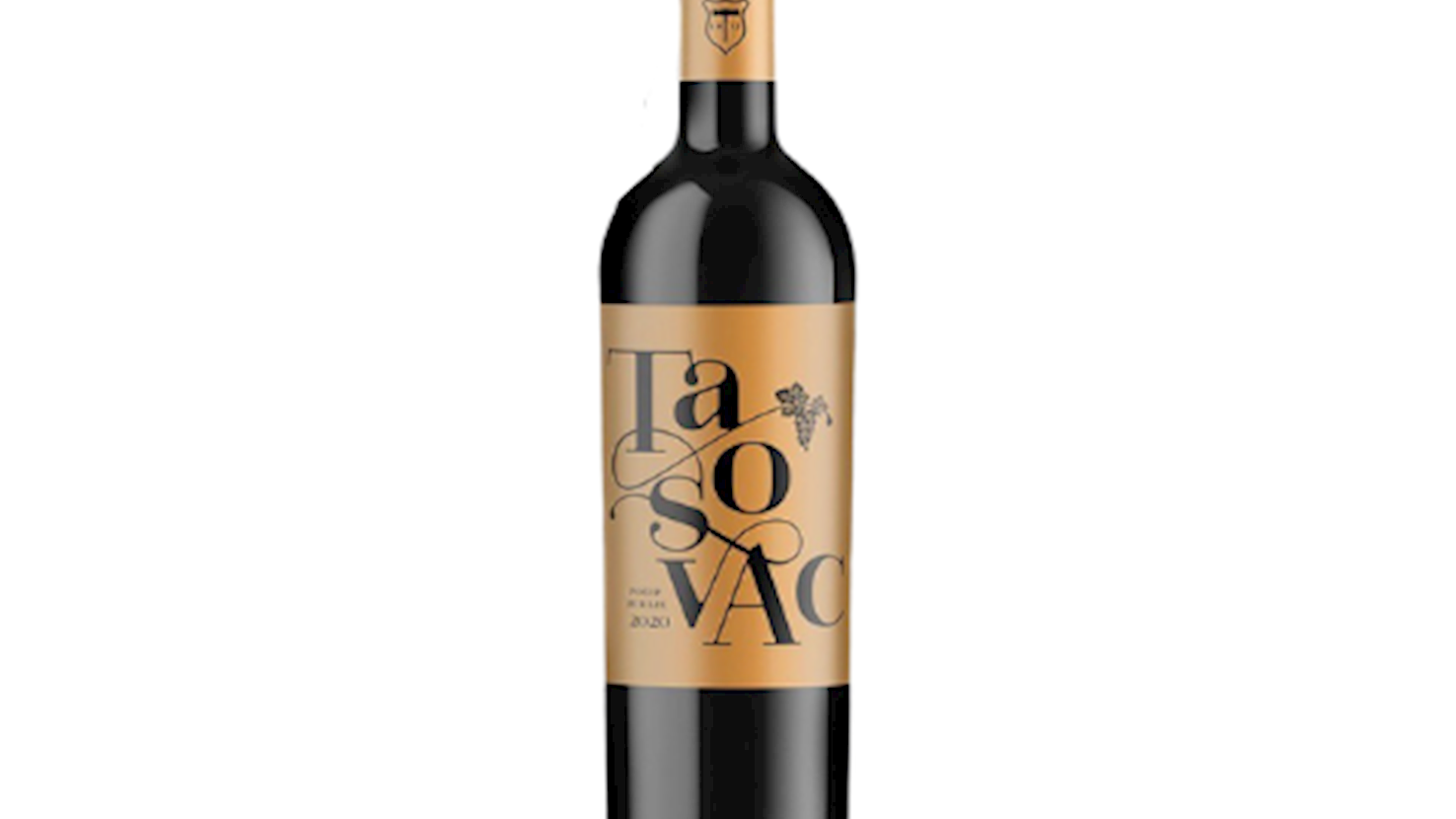
Tasovac Winery is a small family-run winery located in the village of Žrnovo on the island of Korčula in southern Dalmatia, a region with a long tradition of viticulture and wine production. Situated near the historic town of Korčula, the winery is surrounded by vineyards that benefit from the Mediterranean climate and the influence of the nearby sea. The production focuses primarily on local grape varieties typical of the island, with particular emphasis on Pošip and other Dalmatian grapes. As a family-operated winery, Tasovac combines traditional winemaking practices with modern enological techniques in order to preserve the authentic character of the wines and the local terroir. The wines are often presented through tastings at the winery itself, where visitors can experience different styles of wine in an intimate setting. The winery is known for its welcoming atmosphere and direct interaction with the producers, making it a popular stop for wine tourism on Korčula. Tasovac produces several labels of both white and red wines, with Pošip being one of the most representative wines of the estate. In addition to wine tastings, guests are often offered local specialties such as cheese, prosciutto, and other traditional Dalmatian foods. As part of the contemporary wine scene of Korčula, Tasovac represents a small-scale producer dedicated to local varieties and regional wine heritage.
Igor Radovanović is a Serbian-born winemaker and wine professional known for his work in the Croatian wine sector, particularly in Dalmatia. He serves as the winemaker and director of Black Island Winery located in Smokvica on the island of Korčula. Radovanović has been involved in several projects focused on the development of modern wineries and the promotion of indigenous grape varieties in the region. His work emphasizes combining contemporary winemaking techniques with the traditional character of Dalmatian terroirs. At Black Island Winery he has played a key role in shaping the winery’s style, especially through wines made from the local Pošip variety. The winery itself was established through the revitalization of the former agricultural cooperative in Smokvica, historically associated with the first production of Pošip wine. Through his approach, Radovanović contributes to presenting Dalmatian wines in a modern context while preserving the regional identity of local grape varieties.
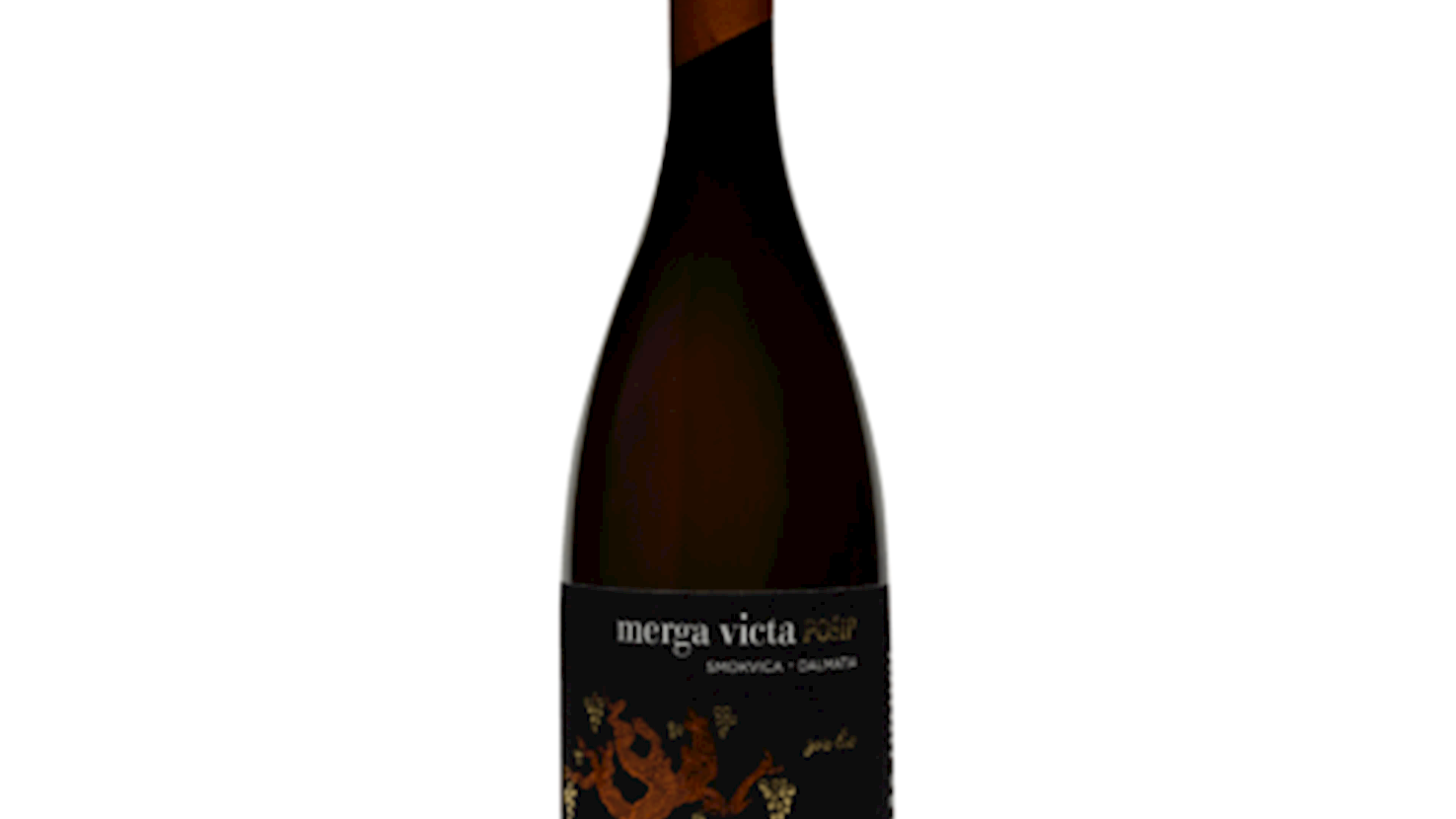
Black Island Winery is a modern winery located in the village of Smokvica on the island of Korčula in southern Dalmatia, Croatia, a region widely recognized as the historical birthplace of the indigenous Pošip grape variety. The winery was established in 2018 on the site of the former agricultural cooperative Jedinstvo, where the first Pošip wines were produced, linking the project to an important chapter in the island’s wine heritage. Its name refers to the ancient Greek name for Korčula, Korkyra Melaina (or Corcyra Nigra), meaning “Black Korčula”, a reference to the island’s dense Mediterranean vegetation. The surrounding vineyards are located on terraced hillsides near Smokvica, where vines grow in rocky, mineral-rich soils under strong Mediterranean sunshine and constant sea influence. The winery focuses primarily on local Dalmatian grape varieties, especially Pošip, which thrives in these coastal conditions and reflects the character of the island’s terroir. Winemaking combines modern technology with traditional vineyard practices, including careful grape selection and controlled fermentation to preserve freshness and varietal expression. In the glass, their wines often show vibrant aromas of citrus, stone fruit and Mediterranean herbs, supported by balanced acidity and a distinct mineral character. Black Island Winery has quickly gained recognition for its contemporary interpretation of Pošip and for contributing to the revival and promotion of Korčula’s historic wine culture.
TasteAtlas food rankings are based on the ratings of the TasteAtlas audience, with a series of mechanisms that recognize real users and that ignore bot,
nationalist or local patriotic ratings, and give additional value to the ratings of users that the system recognizes as knowledgeable.
For the “Top 6 Local Wines in Korčula” list until June 24, 2026, 38 ratings were recorded, of which 27 were recognized by the system as legitimate.
TasteAtlas Rankings should not be seen as the final global conclusion about food. Their purpose is to promote excellent local foods,
instill pride in traditional dishes, and arouse curiosity about dishes you haven’t tried.
The initial list of top producers was compiled based on available reviews, awards, local recommendations, media and blog coverage, and consumer reviews.
The list will be updated with ratings from TasteAtlas local ambassadors and TasteAtlas users.