Top 67 Local Wines
in South Island

Last updated on June 24, 2026

Best South Island Wines
01

te Pa Wines

4.9 ·
Awards
Decanter World Wine Awards - Platinum (2017)
IWSC- International wine & spirit competition - Gold (2022, 2020)
02

Brennan

4.9 ·
Awards
Decanter World Wine Awards - Platinum (2021)
03

Nockie's Palette by John Duval

4.9 ·
Awards
Decanter World Wine Awards - Platinum (2018)
04

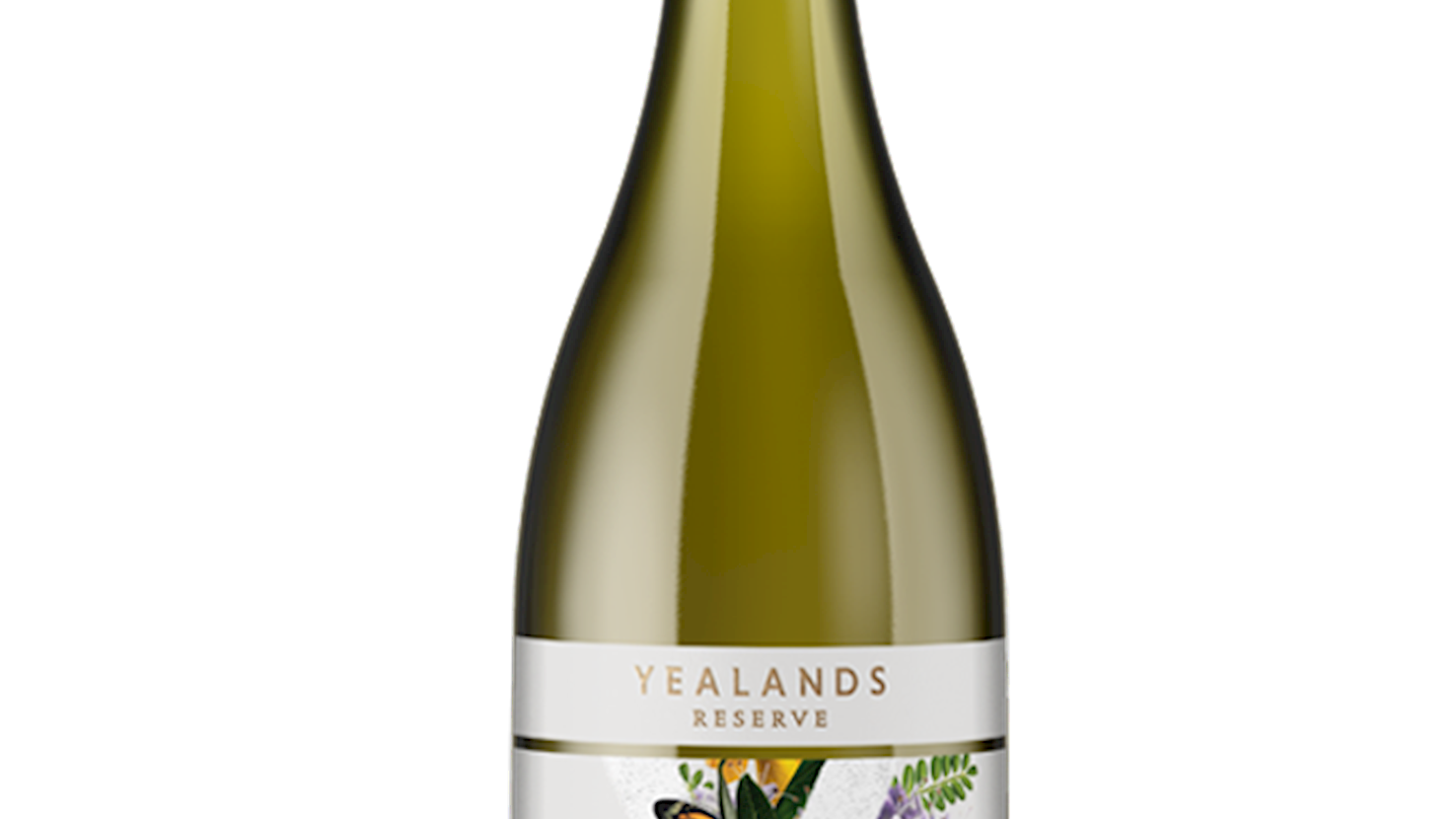
Yealands Estate Wines

4.9 ·
Awards
Decanter World Wine Awards - Best in Show (2020)
IWSC- International wine & spirit competition - Gold (2024, 2023)
05

Kono

4.9 ·
Awards
Decanter World Wine Awards - Platinum (2022, 2018)
06

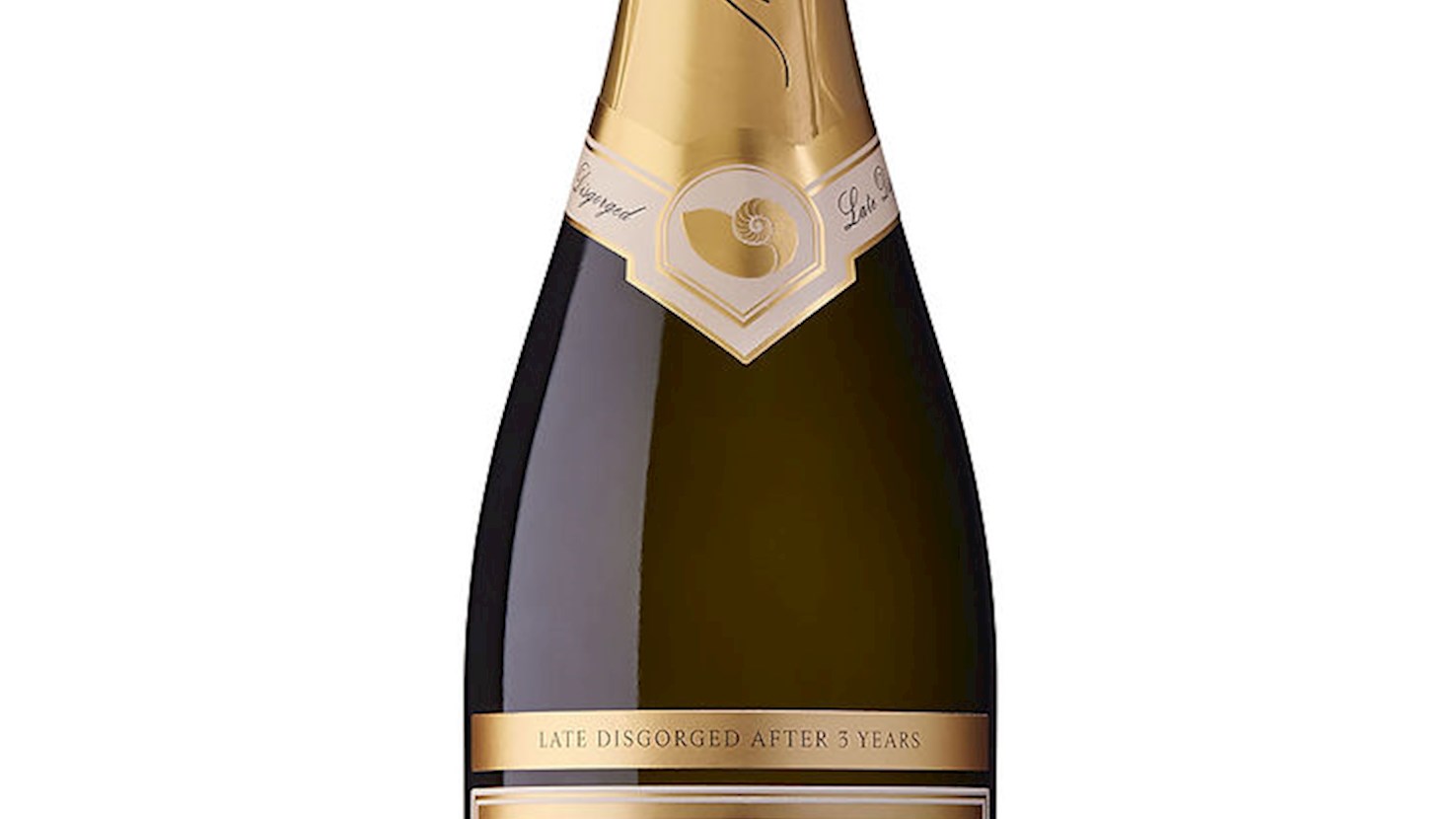
Nautilus

4.9 ·
Awards
Decanter World Wine Awards - Platinum (2017)
07

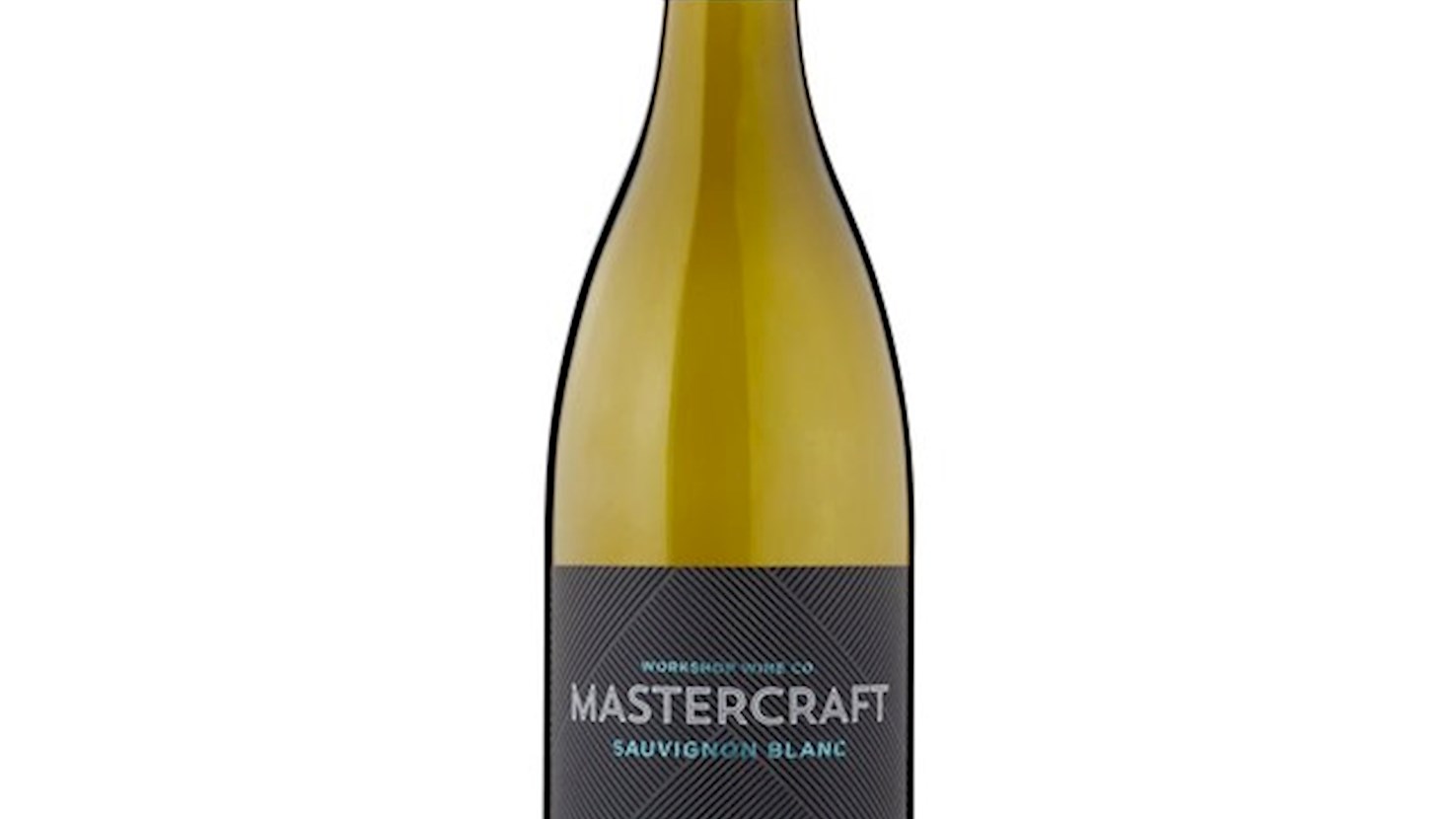
Workshop Wine Co

4.9 ·
Awards
Decanter World Wine Awards - Platinum (2018)
08

Rapaura Springs

4.9 ·
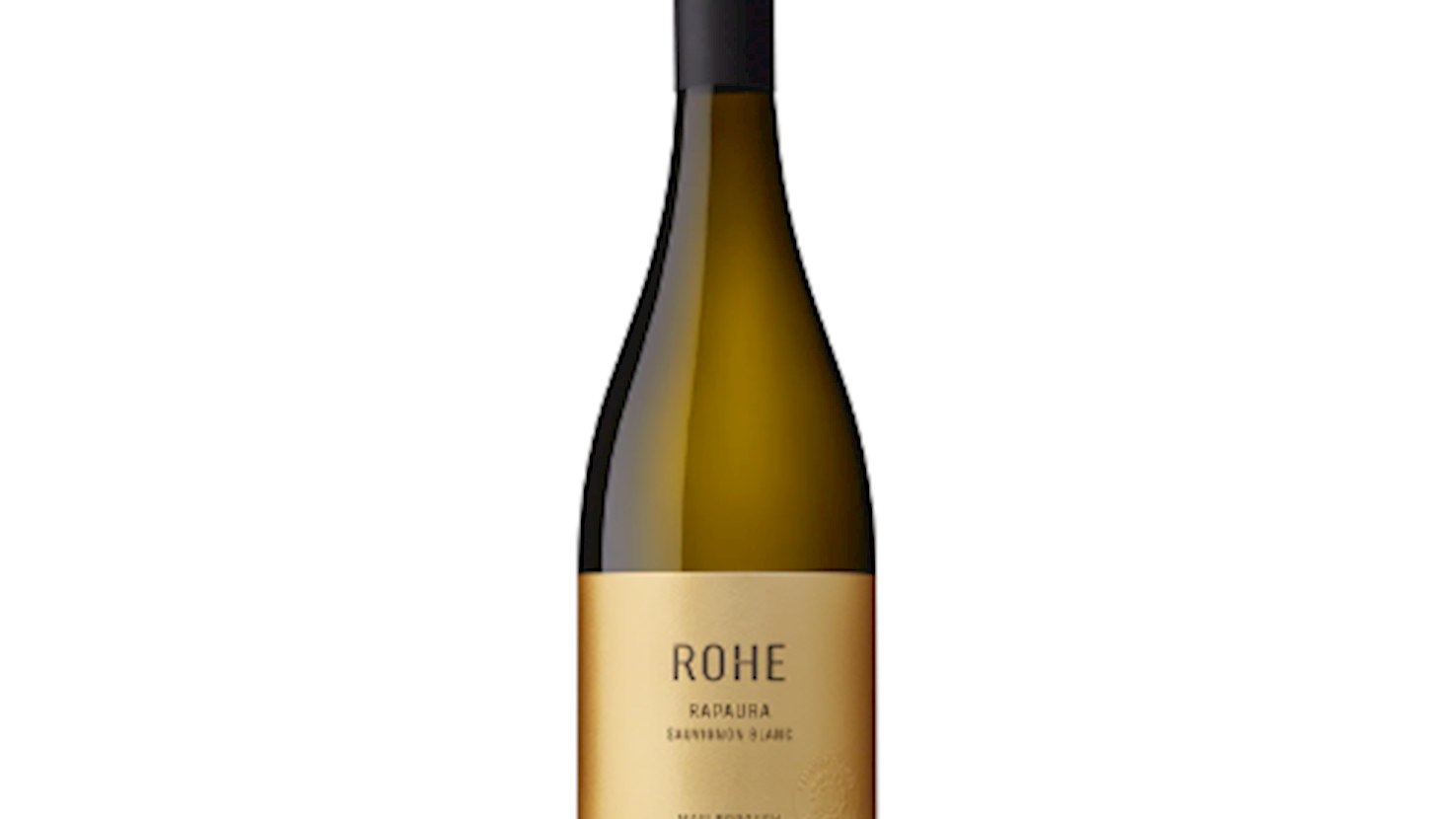
Rapaura Springs is a family-owned winery based in the Rapaura area of Marlborough, New Zealand, established by the Neylon family in the early 2000s. The winery takes its name from the natural springs that run beneath its home vineyard, providing a consistent water source that supports vine health during the growing season. These water-retentive soils, combined with Marlborough’s sunny days and cool nights, contribute to the region’s characteristic intensity and freshness. The portfolio centers on Sauvignon Blanc, alongside Pinot Gris, Chardonnay, Rosé, and Pinot Noir. Their Sauvignon Blanc is typically defined by vibrant acidity, tropical fruit, citrus zest, and subtle herbaceous notes. Winemaking emphasizes clean fruit expression and precision rather than heavy oak influence. Fruit is sourced from estate vineyards and selected Marlborough sites to maintain stylistic consistency. Sustainability practices are integrated into vineyard management, focusing on water stewardship and soil care. The wines are positioned as accessible yet regionally expressive, with broad international distribution. Rapaura Springs represents a contemporary Marlborough producer built around site identity and varietal clarity.
Awards
Decanter World Wine Awards - Platinum (2019)
Vivino - 4.1
09

Valli Vineyards

4.9 ·
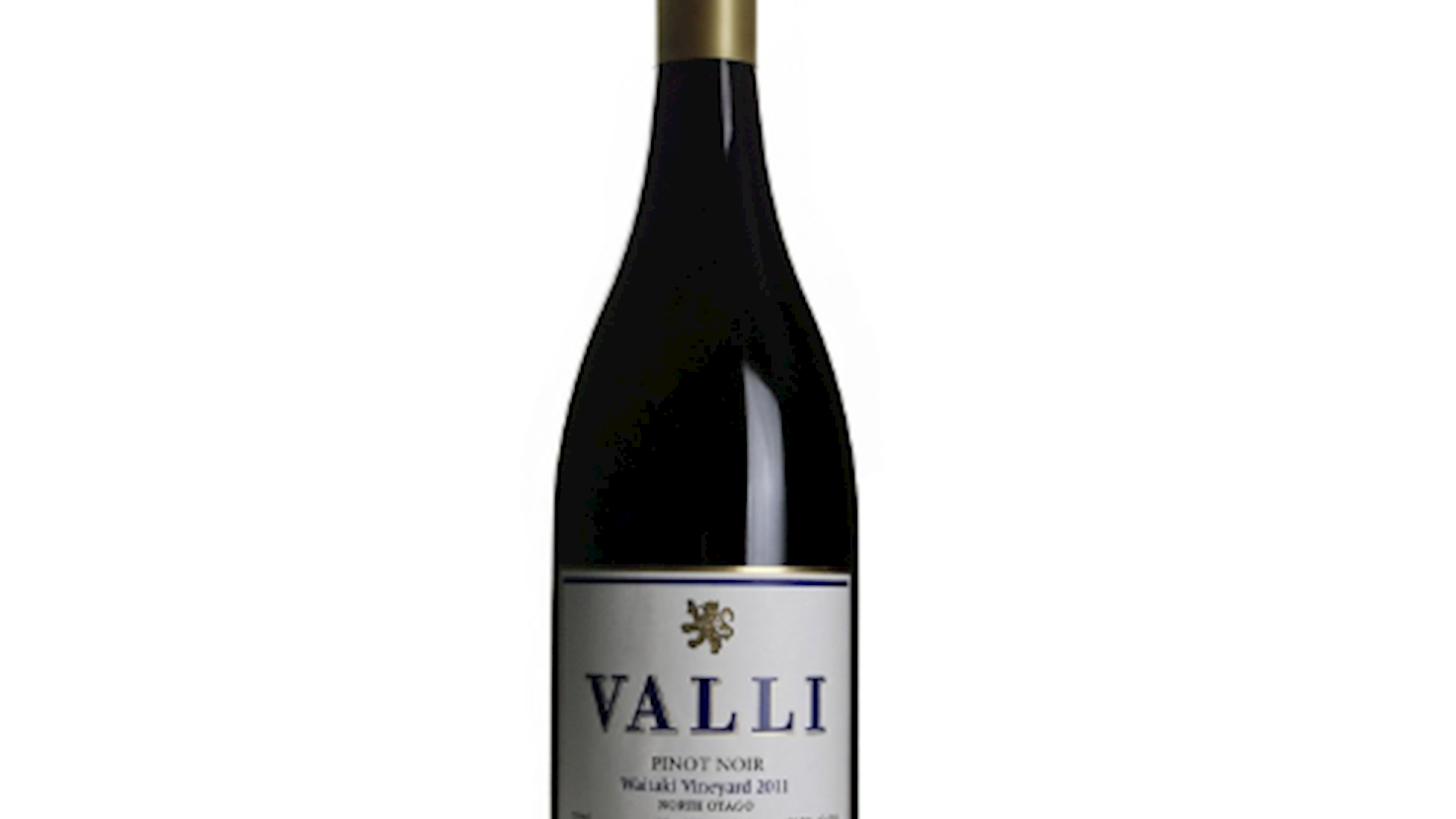
Valli Vineyards is a New Zealand winery founded in 1998 by Grant Taylor, one of the country’s most respected Pinot Noir specialists, with a clear focus on expressing terroir rather than a house style. The winery is best known for its Pinot Noir wines sourced from distinct sub-regions of Central Otago - Gibbston, Bannockburn and Bendigo - as well as from the cooler, limestone-influenced Waitaki Valley in North Otago. Each wine is produced as a site-specific expression, emphasizing differences in soil composition, climate and altitude between vineyards. Winemaking is deliberately restrained, relying on natural fermentations, careful oak use and extended maturation to preserve structure and transparency. While Pinot Noir is the core of the portfolio, Valli also produces Chardonnay, Pinot Gris and Riesling, all shaped by the same philosophy of precision and place. Production volumes are limited, allowing close attention to detail at every stage. Rather than aiming for uniformity, Valli embraces vintage variation as part of its identity. Today, the winery is widely regarded as a benchmark producer for understanding regional diversity in New Zealand Pinot Noir.
Awards
Decanter World Wine Awards - Platinum (2023)
Decanter World Wine Awards - Best in Show (2022)
10

Marisco Vineyards

4.9 ·
Marisco Vineyards is a family-owned wine producer located in the Waihopai Valley of Marlborough, New Zealand, founded by Brent Marris whose family has longstanding roots in the region’s wine industry. The vineyards are situated on free-draining, alluvial terraces shaped by ancient glacial and river activity, contributing to the concentration and aromatic intensity typical of Marlborough fruit. Marisco manages extensive estate plantings across key subregions, allowing for stylistic consistency and site selection. The winery is best known for its flagship brand The Ned, alongside labels such as Leefield Station and Fernlands, each reflecting different aspects of regional identity. The portfolio centers on Sauvignon Blanc, with additional production of Pinot Gris, Chardonnay, Pinot Noir, Rosé, and late-harvest styles. Winemaking emphasizes fruit purity, freshness, and varietal definition, supported by modern cellar practices. Sustainability initiatives are integrated into vineyard management, focusing on water stewardship and soil health. The wines are widely exported and recognized in international markets. Marisco Vineyards represents a large-scale yet regionally grounded Marlborough producer.
Awards
Decanter World Wine Awards - Platinum (2016)
Vivino - 4.1

Best South Island Wine Types

01

Nelson

n/a ·

Nelson is a viticultural region located at the northern tip of New Zealand’s South Island, situated between Tasman Bay and surrounding mountain ranges. It is characterized by two distinct soil profiles: the stony alluvial silt loams of the Waimea Plains and the weathered, gravelly clay of the Moutere Hills. The area receives high sunshine hours and is sheltered by mountains, creating a maritime microclimate with a significant rain shadow effect. German settlers first planted vines in the mid-19th century, but commercial operations began in the 1970s with the establishment of Seifried Estate and Neudorf Vineyards. These producers focused on the Moutere Hills and Waimea Plains to determine which European varieties suited the specific clay and gravel compositions. By the 1980s, the region transitioned from small-scale farming to a recognized producer of aromatics and Pinot Noir, supported by the development of specialized boutique estates. Preparation focuses on Sauvignon Blanc, Pinot Noir, Chardonnay, and Riesling. Aromatic whites are fermented in stainless steel at low temperatures to retain volatile esters, while Moutere Chardonnay and Pinot Noir are matured in French oak to build texture. Recommended serving temperatures are 8°C to 10°C for white varieties and 14°C to 16°C for Pinot Noir. A unique technical feature is the extensive use of the Mendoza Chardonnay clone, which results in uneven berry sizes that provide high natural acidity and concentrated flavor profiles. Nelson wine is consumed in both domestic and international markets, often paired with the region’s local produce. The crisp Sauvignon Blanc and Riesling are served with Tasman Bay scallops, snapper, and citrus-based salads. The more structured Pinot Noir and Chardonnay accompany roasted poultry, lamb, or game birds. These wines are also frequently paired with local artisanal sheep milk cheeses.

02

Waipara Valley

n/a ·

Waipara Valley is a viticultural area in North Canterbury on New Zealand's South Island, located north of Christchurch within the North Canterbury Geographical Indication. The area is sheltered by the Teviotdale Hills, which create a dry microclimate by blocking cold easterly winds and reducing rainfall. Its landscape is defined by three distinct soil zones: the valley floor's gravelly loams, the northern slopes' weathered clays, and the eastern hills' active limestone deposits. Commercial grape cultivation began in 1978 after climate studies by Lincoln University identified the valley's potential. Previously used for sheep grazing, the land underwent rapid transformation in the 1980s as growers moved into the limestone-rich Omihi hills. This expansion was driven by the discovery that the valley's long, warm autumns allowed for extended ripening periods, distinguishing it from the flatter plains to the south. Preparation focuses on Riesling, Pinot Noir, and Chardonnay. Winemakers utilize temperature-controlled stainless steel for Riesling to maintain its aromatic profile, while Pinot Noir is often aged in French oak to develop its structure. Serving temperatures are 8°C to 10°C for whites and 14°C to 16°C for reds. A unique attribute of the locality is the specific Omihi sub-zone, where high-calcium limestone soils produce wines with distinct mineral acidity and phenolic depth not found in alluvial regions. Waipara wines are staples of international and local cuisine. Riesling is paired with spicy Asian dishes or fresh seafood to balance its acidity. Pinot Noir accompanies duck, venison, or mushroom-based meals. Chardonnay is served with roasted poultry or seafood in cream sauces. These wines are also frequently consumed with regional artisanal cheeses.

03

Canterbury

n/a ·

Canterbury is a viticultural district situated on the central east coast of New Zealand's South Island, spanning the plains and valleys around Christchurch. Formally recognized as a Geographical Indication in 2018, it is the country's fourth-largest wine producer. The region is defined by a cool maritime climate and a rain shadow effect created by the Southern Alps. This geography results in diverse soil profiles, including free-draining alluvial gravels on the plains and clay-limestone deposits in the northern Waipara Valley. Initial vine plantings occurred in 1840 at Akaroa by French settlers, but commercial production only emerged in the late 1970s. Research from Lincoln University was instrumental in establishing the district's suitability for European varieties. St Helena became the first commercial vineyard in 1978, followed by significant development in the Waipara Valley during the 1980s. Producers selected the valley for its specific microclimate, where the Teviotdale Hills provide shelter from cold easterly winds, allowing for a longer ripening period. Preparation is centered on Riesling, Pinot Noir, and Chardonnay. Winemaking focuses on maintaining purity and high natural acidity through cool fermentation in stainless steel for aromatics and French oak aging for reds. Serving temperatures are recommended at 8°C to 10°C for white wines and 14°C to 16°C for Pinot Noir. A technical trait of the region is the high concentration of organic and biodynamic vineyards, particularly in the North Canterbury sub-region, where growers utilize these methods to express the specific mineral characteristics of the limestone-heavy soils. Canterbury wine is consumed in both local and international fine-dining settings. The regional Riesling is paired with Asian cuisine, spicy dishes, or fresh seafood like snapper. The Pinot Noir is served with Canterbury lamb, venison, or mushroom-based dishes to complement its earthy profile. Chardonnays from the area are paired with roasted poultry or shellfish. These wines are also frequently consumed with regional cheeses such as those from Akaroa.

04

Marlborough

n/a ·

Situated at the northeastern tip of New Zealand’s South Island, Marlborough is a viticultural region centered within the Wairau and Awatere Valleys. As the nation’s largest producer, it accounts for approximately 70% of total wine output and was registered as a Geographical Indication in 2018. The landscape is defined by a maritime climate with high sunshine hours and significant diurnal temperature shifts. Its soil structure consists of free-draining alluvial river stones and gravels topped with silt and loess, which restricts vine growth and concentrates grape flavors. Large-scale viticulture was established in 1973 by Montana Wines, which repurposed land previously used for sheep farming and grain crops. The region’s global profile was established in the 1980s following the release of wines that showcased intense aromatic profiles and high acidity. This prompted a rapid expansion from the flat Wairau plains into the Southern Valleys and the cooler, wind-exposed Awatere Valley. The distinct soil variations across these sub-regions have led to a diversification of wine styles, moving from tropical fruit profiles in the north to more mineral and herbaceous characters in the south. Preparation is focused primarily on Sauvignon Blanc, alongside Pinot Noir and Chardonnay. Most white wines undergo fermentation in stainless steel at low temperatures to retain volatile aromatics, while Pinot Noir is typically aged in French oak to develop structure. Serving temperatures are 7°C to 10°C for Sauvignon Blanc and 14°C to 16°C for Pinot Noir. A unique attribute is the Appellation Marlborough Wine (AMW) certification, an industry-led standard that mandates 100% estate-grown fruit and specific yield limits to protect the region's integrity. Marlborough wines are a major global export and a staple in international dining. Sauvignon Blanc is paired with fresh seafood, particularly green-lipped mussels and oysters, as well as goat cheese and citrus-based salads. The regional Pinot Noir is served with lean meats like lamb or grilled salmon. These wines are also commonly consumed with light vegetable dishes and soft cheeses.

05

Bannockburn

n/a ·

Bannockburn is a wine appellation located on the southern banks of the Kawarau River within New Zealand’s Central Otago district. Legally protected as a Geographical Indication since 2022, it occupies roughly 350 hectares of north-facing terraces. The site is defined by its inland position, which creates a semi-continental climate, and a soil profile consisting of wind-blown loess, mica-schist, and alluvial gravels redistributed by 19th-century mining. Viticultural activity followed the 1862 gold rush, which saw miners physically reshape the hillsides through hydraulic sluicing. After a period of orchard farming, the first modern commercial vines were established in 1991. Growers recognized that the local topography trapped heat more effectively than nearby valleys, providing a warmer microclimate that ensured reliable grape ripening in a cool-climate region. Preparation centers on Pinot Noir, Chardonnay, and Riesling. Due to the area's heat accumulation, grapes are harvested earlier here than in other southern basins. Winemakers often employ whole-cluster fermentation to provide structural support to the dense fruit profiles. Serving temperatures are 14°C to 16°C for reds and 8°C to 10°C for whites. A unique aspect is the prevalence of "sluiced" soils, where mineral-rich clay was exposed by mining, contributing to the high tannin concentration in the grapes. Bannockburn wines are paired with dense proteins like lamb, venison, or duck to balance their structural intensity. The savory characteristics of the Pinot Noir also complement mushroom-heavy dishes or truffles. White varieties are typically served with regional freshwater fish such as trout or salmon.

Best producers
06

Central Otago

n/a ·

Central Otago is a wine-growing region in the southern interior of New Zealand’s South Island. As the southernmost commercial wine region in the world, it occupies roughly 1,900 hectares of vines across high-altitude basins like Bannockburn and Gibbston. The geography is defined by a semi-continental climate with high diurnal temperature swings and soils composed of mica-schist, loess, and alluvial gravel. Viticulture began in 1864 when Jean Desire Feraud, a French gold miner, planted vines near Clyde. Modern commercial development followed in the mid-1970s and early 1980s with experimental plantings at Rippon and Gibbston Valley. These efforts demonstrated that the region's intense ultraviolet light and stony soils were capable of ripening cool-climate varieties despite the high frost risk. Preparation focuses on Pinot Noir, which represents 80% of the output, alongside Riesling and Chardonnay. Winemaking frequently involves whole-cluster fermentation and aging in French oak to manage the grape's natural density. Serving temperatures are 14°C to 16°C for reds and 8°C to 10°C for whites. A unique characteristic of this region is its status as New Zealand's only continental wine zone, featuring pedogenic lime and mineral-rich schist dust created by glacial movement. Central Otago wine is consumed with regional proteins, particularly venison, wild boar, and lamb. The structured tannins and dark fruit profiles of the Pinot Noir also pair with earthy mushroom dishes. White varieties are served with alpine trout or salmon, while aged bottles are often paired with hard cheeses.

About this ranking

TasteAtlas food rankings are based on the ratings of the TasteAtlas audience, with a series of mechanisms that recognize real users and that ignore bot, nationalist or local patriotic ratings, and give additional value to the ratings of users that the system recognizes as knowledgeable. For the “Top 67 Local Wines in South Island” list until June 24, 2026, 6 ratings were recorded, of which 4 were recognized by the system as legitimate. TasteAtlas Rankings should not be seen as the final global conclusion about food. Their purpose is to promote excellent local foods, instill pride in traditional dishes, and arouse curiosity about dishes you haven’t tried.

The initial list of top producers was compiled based on available reviews, awards, local recommendations, media and blog coverage, and consumer reviews. The list will be updated with ratings from TasteAtlas local ambassadors and TasteAtlas users.

Similar lists