Top 100 South American Wines

Last updated on July 22, 2026

Best South American Wine Types
01

Malbec Argentina

4.3 ·

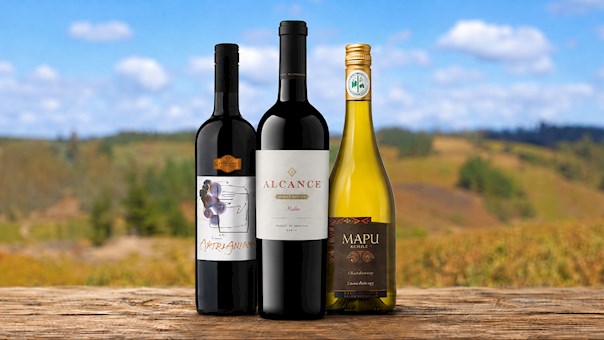
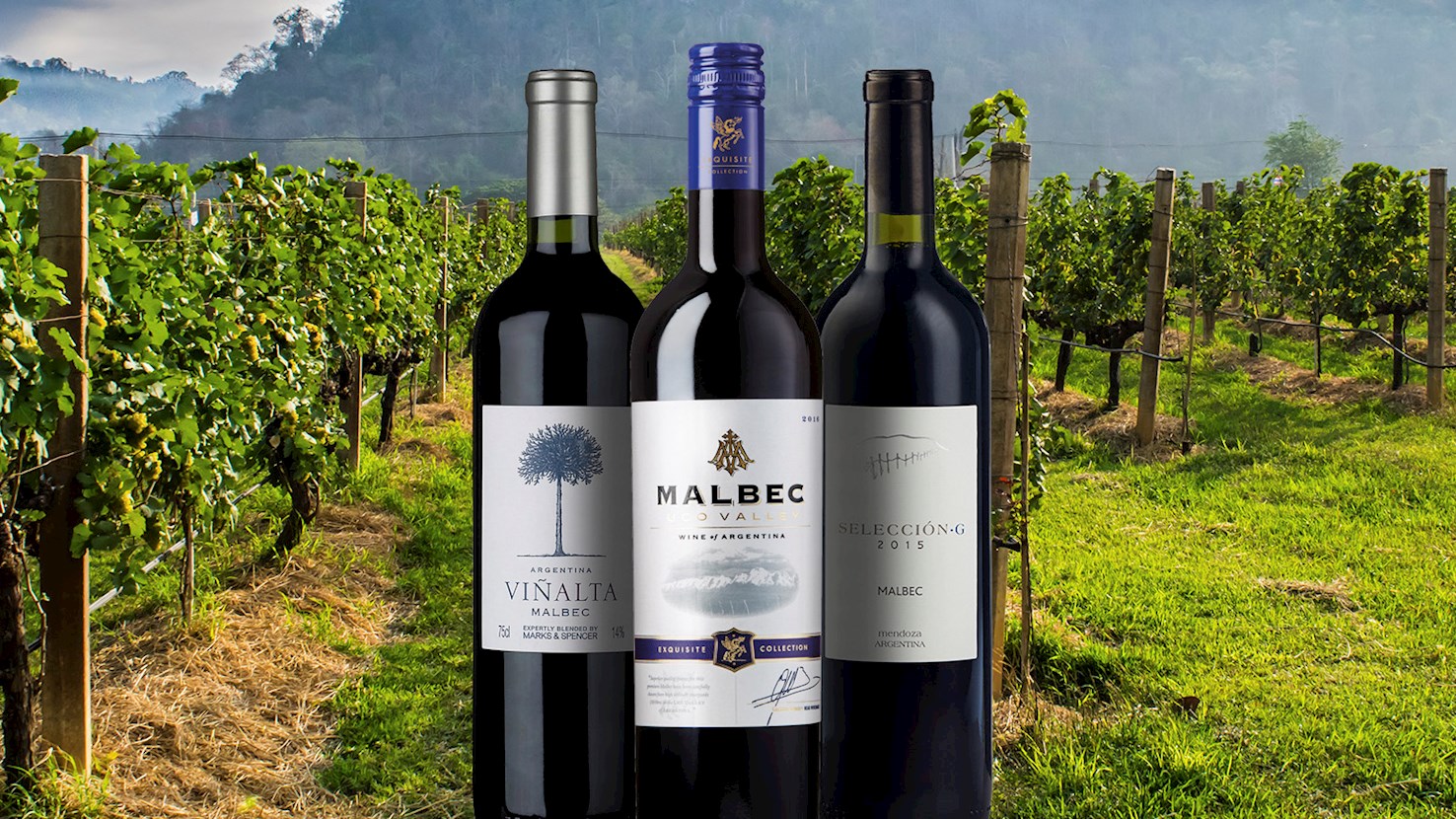
Malbec originally comes from southwest France, but recently it has become one of the most important grape varieties in Argentina, where it developed an entirely different flavor profile. Due to the unique geographic and climatic features, Argentinian Malbec usually displays fruity notes of cherries, strawberries, or plums that are complemented by soft and velvety tannins. When aged in oak, the wine usually develops chocolate, vanilla, tobacco, or cocoa nuances. Argentinian Malbec is best paired with grilled or roasted beef, especially leaner cuts such as skirt steak, but it can also work well with pork or poultry.

02

Carménère (Chile)

4.2 ·

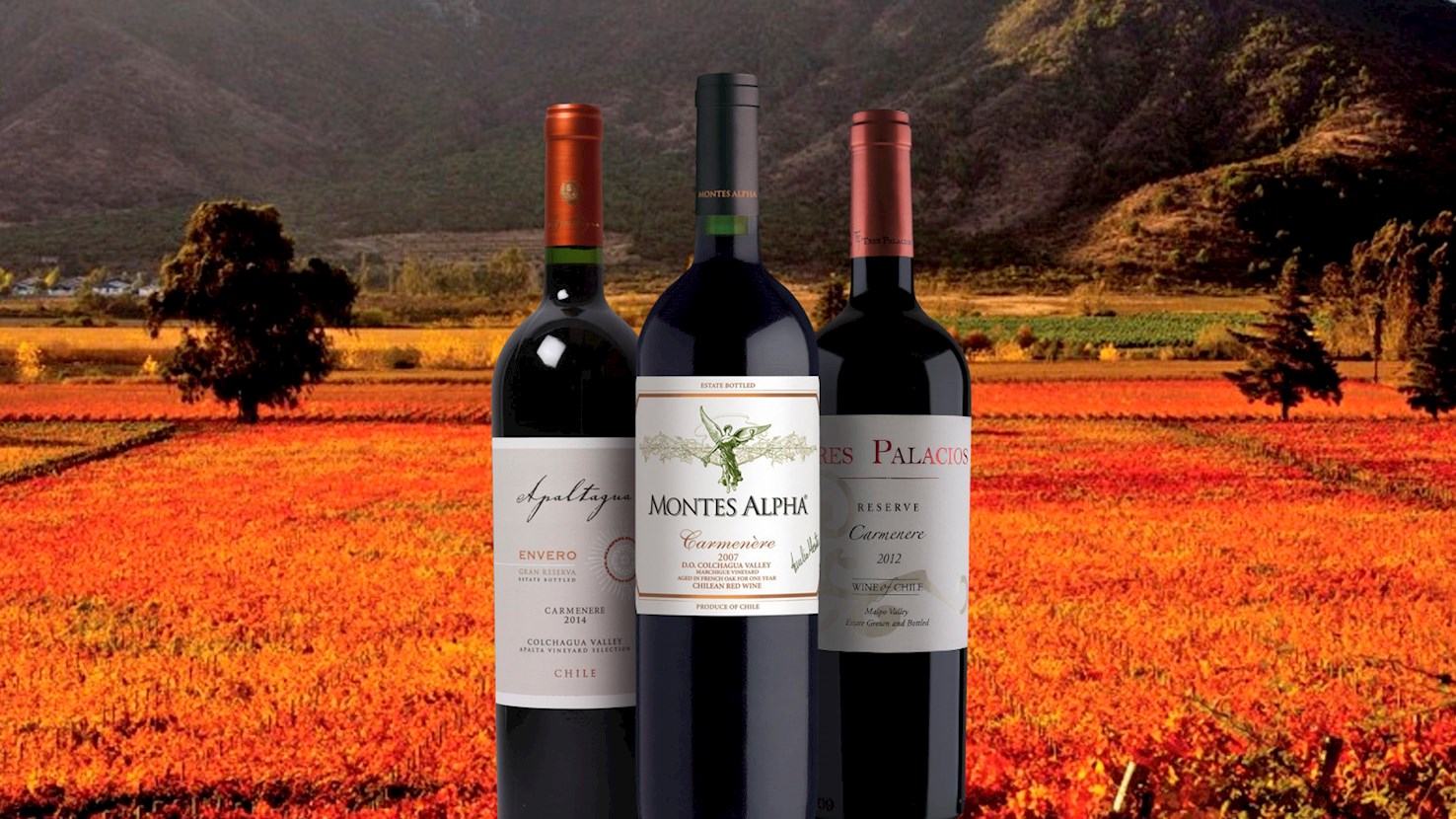
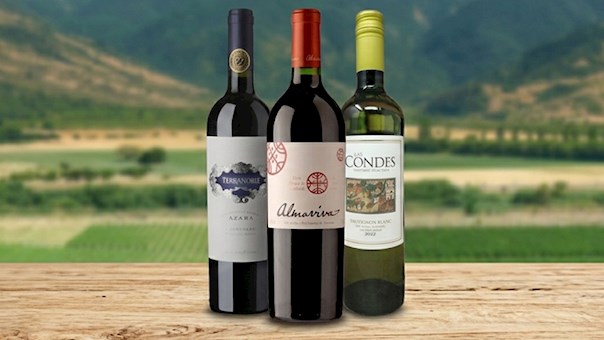
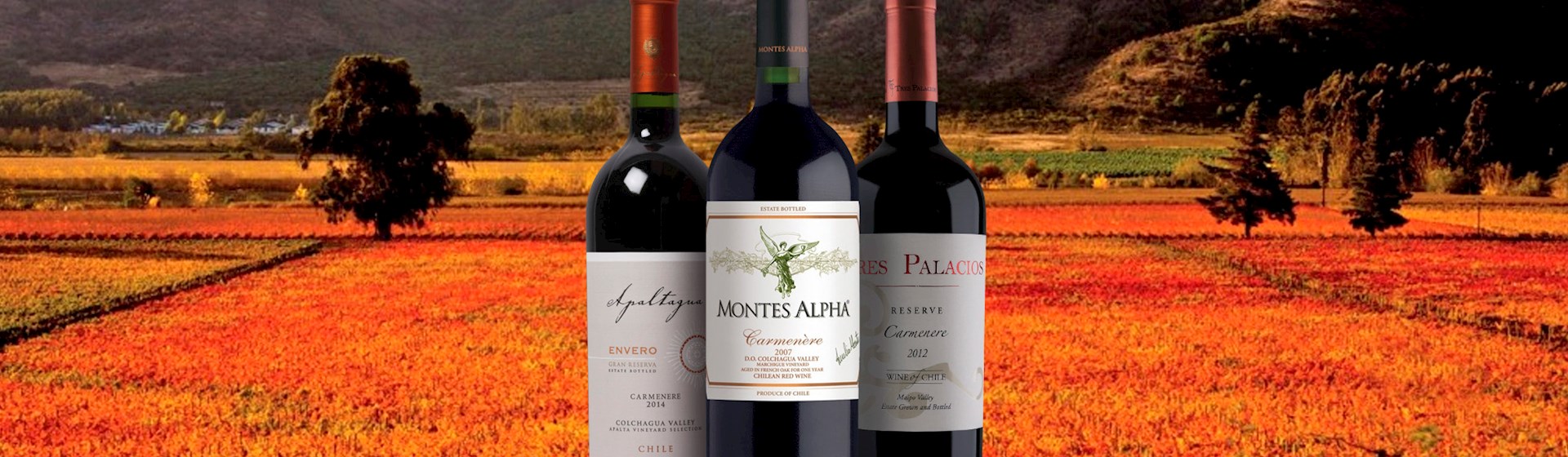
Although Carménère originated in Bordeaux, it has virtually disappeared from its native region, and though small amounts of Carménère are planted in Italy, Argentina, and California, the grape found its true home in Chile where the majority of it is planted today. Long considered extinct and mistaken for Merlot, this dark-skinned grape is used in blends, but it performs best as a single varietal wine. The best expressions of Chilean Carménère will display aromas and flavors of juicy red fruit that may be accompanied by herbal, spicy, and black fruit nuances. This medium-bodied wine is incredibly food-friendly, and it pairs exceptionally well with grilled or roasted meat such as lamb, game, or veal. It can also be an excellent match to spicy dishes and grilled vegetables.

03

Torrontés Riojano

3.7 ·

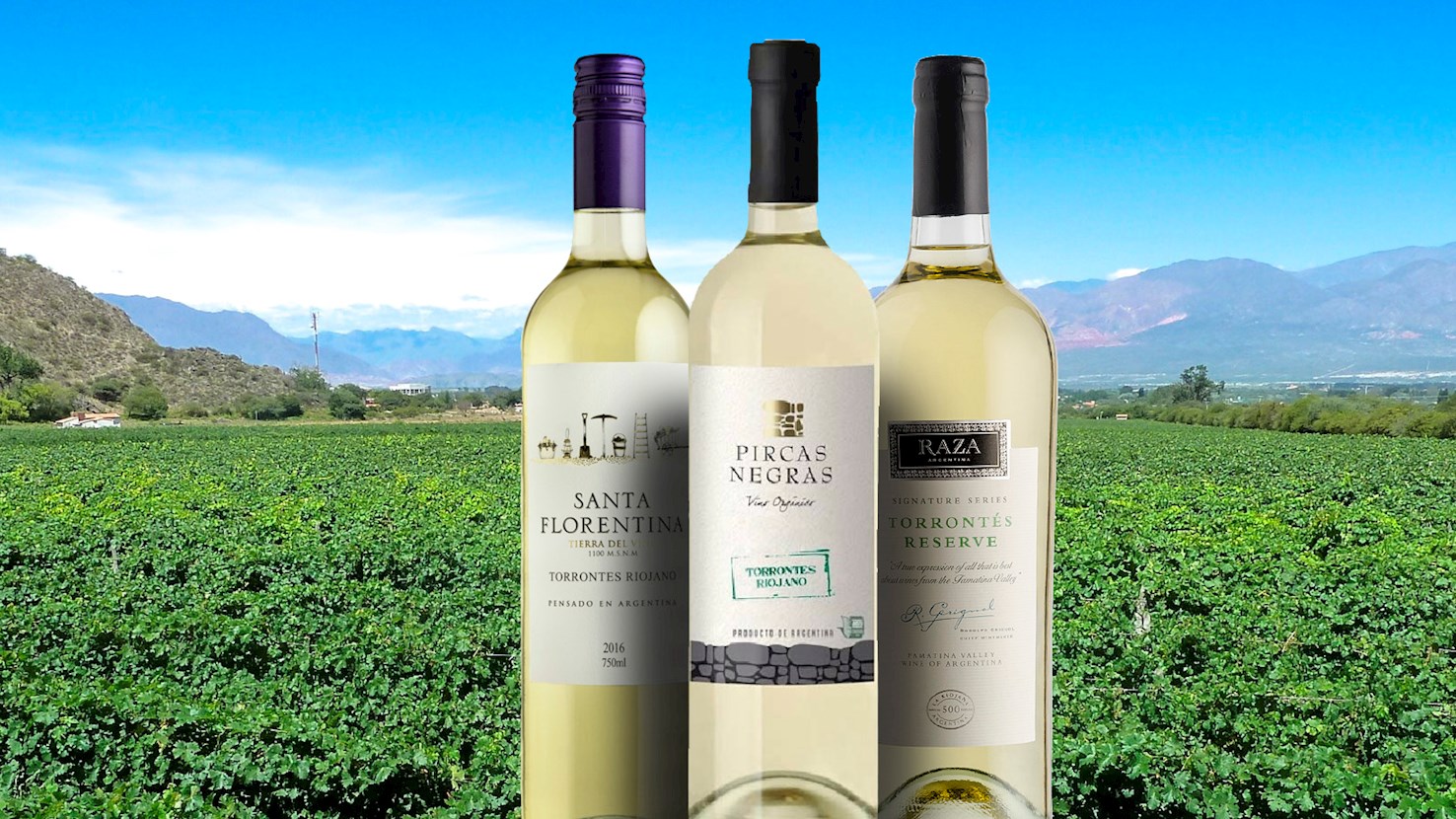
Torrontés Riojano is a white Argentinian grape that is used in the production of the namesake varietal wine. These light-bodied wines are usually perfumed and aromatic, while they typically display a wide array of fruity and floral aromas which are complemented by well-balanced, bright acidity. They are best enjoyed young and can match a variety of fish dishes, as well as veal or pork based courses. The grape is dominant in the northern Salta and La Rioja regions, and it is related to Torrontés Sanjuanino and Torrontés Mendocino varieties.

04

Tannat (Uruguay)

3.6 ·

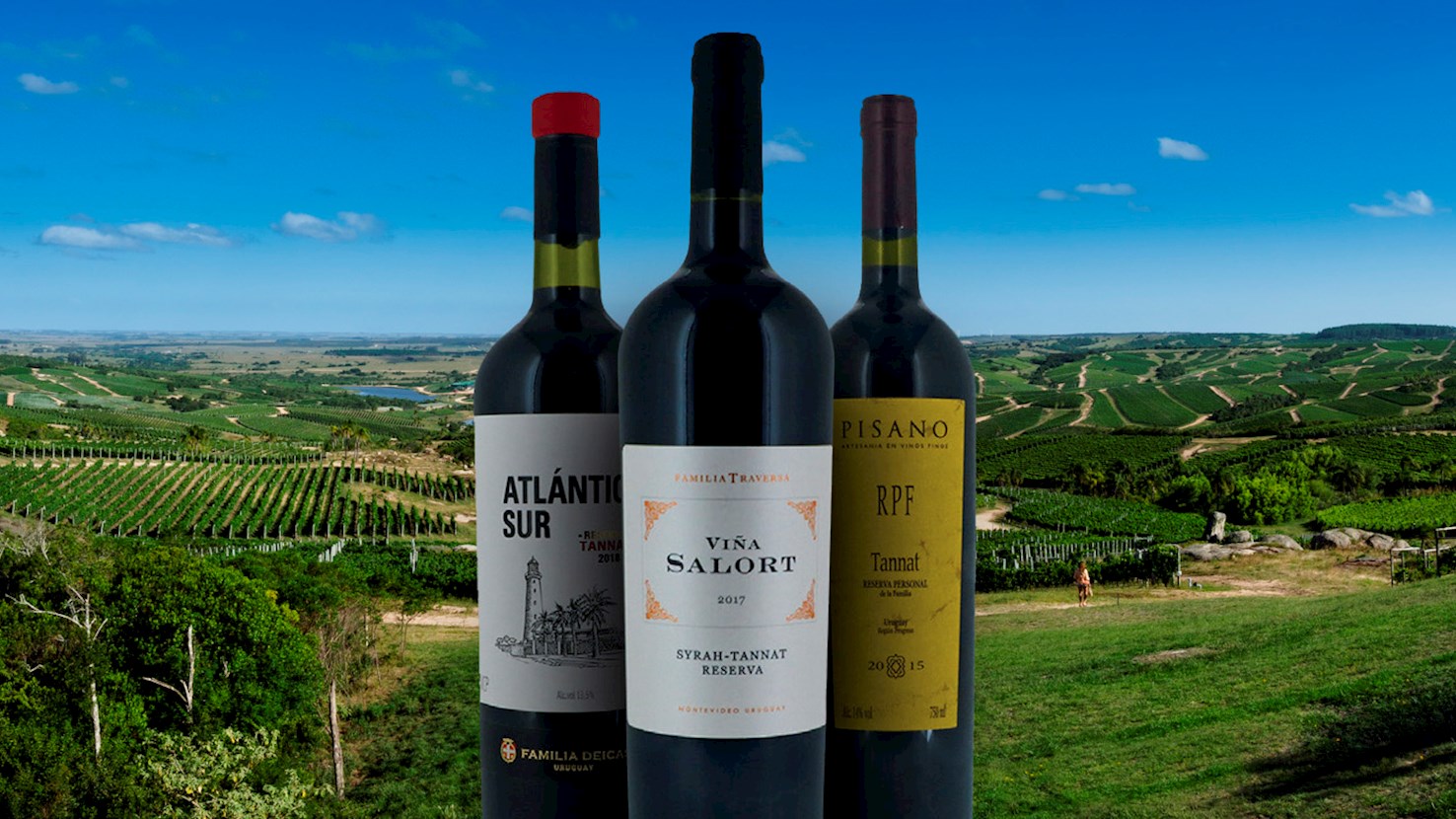
Although Tannat is native to France and primarily known in Madiran AOC, this dark, thick-skinned variety has become one of the most important grapes in Uruguay. The variety, which was brought to Uruguay in the 19th century, produces powerful and tannic red wines. When it was first brought to Uruguay, it was named after Pascual Harriague, who planted the first vines near Salto. At the moment, Tannat is the most commonly planted grape in Uruguay. The wines are dark, usually deep violet, with firm tannins, good acidity, and aromas of blueberries, plums, and spices. Tannat-based wines in Uruguay are dark and rich, but because of the slightly warmer climate, the wines will usually have a softer body and less astringent tannins than their French counterparts from Madiran. Modern styles are often lighter, juicier, and more vibrant, though the tannins are always present and powerful. The grape is also sometimes blended with Pinot Noir and Merlot to add some softer fruit. Because of its tannic structure, Tannat from Uruguay pairs well with meat dishes, especially roasted and grilled red meat and lamb.

05

País

3.5 ·

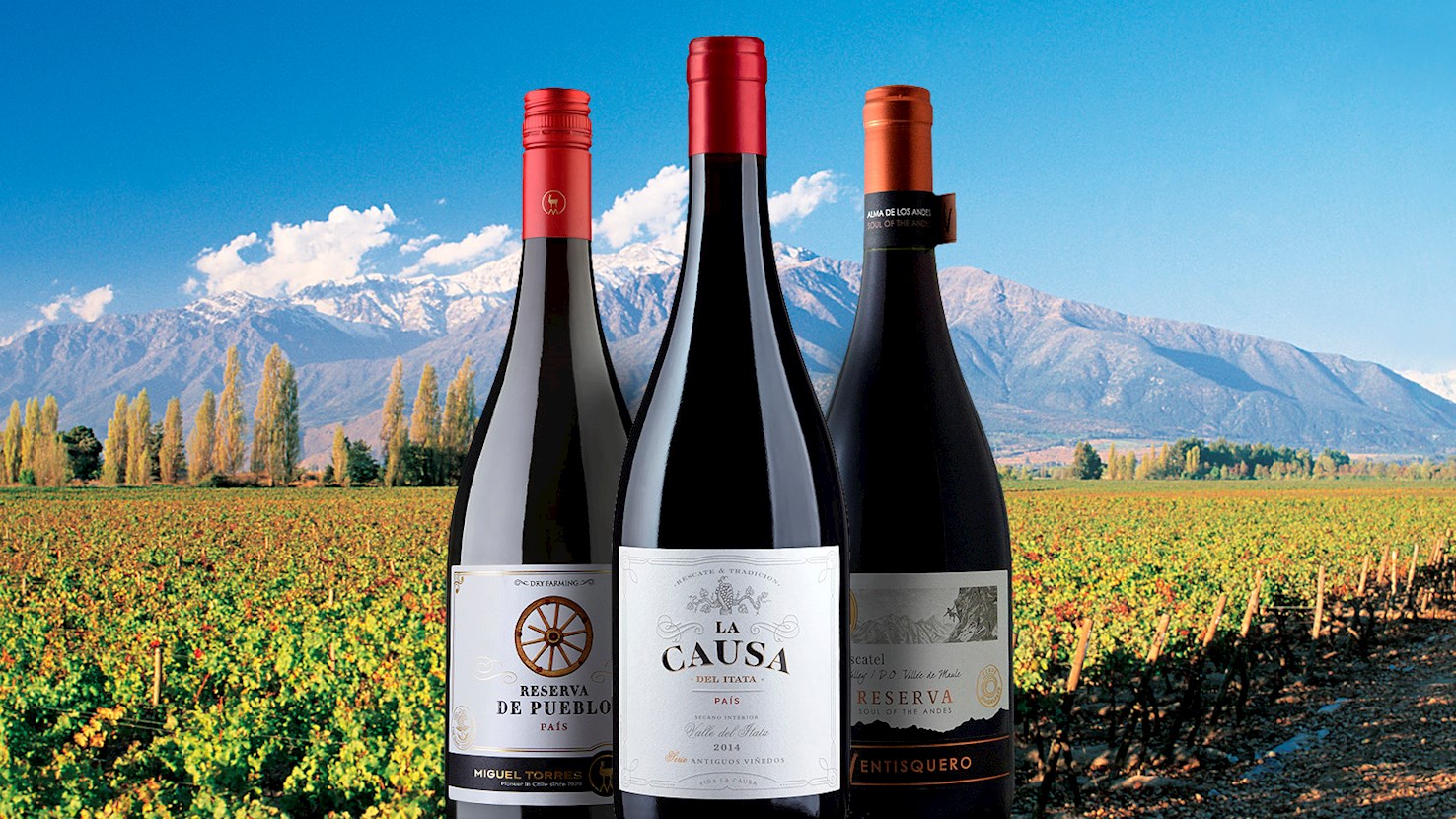
País is a grape variety that was brought over from Spain (known as Listán Negro) to South America. Since its introduction in the 16th century, it was commonly used in the production of basic bulk wines, but it was often overshadowed by more popular French grapes. However, recently more producers have come to realize its full potential to produce good quality, approachable wines. País wines are usually fresh and light to medium-bodied, while they typically display fruity, earthy and herbal aromas and flavors reminiscent of red and black fruits. Depending on their character they can match a variety of dishes, including light appetizers, fish, poultry, pasta, and cheese. Wines with more body could also pair with red meat.

06

Bonarda Argentina

3.4 ·

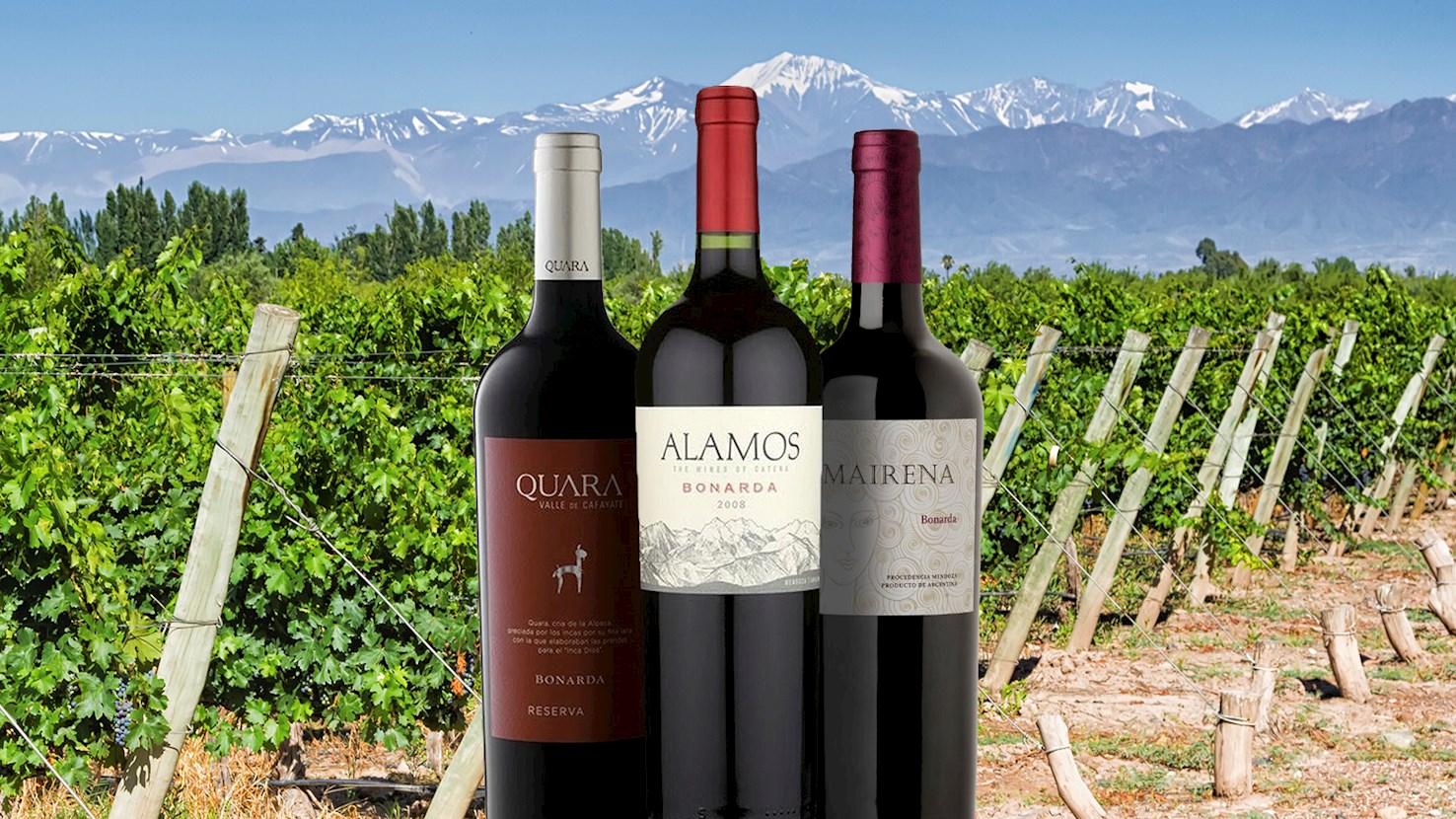
Although it originated in Savoie, where it is known as Douce Noir, this red grape variety has shown great potential in Argentina. The grape is dominantly planted in Mendoza wine region, and up until recently, it has been the most commonly planted grape in the country. Bonarda is used in blends, as well as high-quality varietals that are typically light-bodied and fruity, with moderate tannins and well-balanced acidity. These pleasant and approachable wines usually display aromas of cherries, plums, and cloves, and can match various dishes, from tomato-based pasta dishes to hearty meat-based courses. Argentinian Bonarda should not be mistaken with the Italian Bonarda Piemontese.

07

Montevideo

n/a ·

Montevideo wine is a maritime-influenced wine produced from vineyards cultivated inside the Montevideo department, an administrative region surrounding the capital city along the southern coast of Uruguay bordering the Río de la Plata estuary. The structural layout of this wine production zone was shaped in the late nineteenth century when European immigrants, notably Pascual Harriague from the French Basque country, brought specialized grapevine material to southern Uruguay during the eighteen-seventies, placing the high-tannin Tannat grape at the center of the region's farming sector before subsequent Italian immigrant families developed small-scale vineyard blocks across the clay-rich soils of the Montevideo outskirts, anchoring a regional industry that ultimately prompted the state establishment of the Instituto Nacional de Vitivinicultura (INAVI) to monitor and codify quality parameters. Preparation involves the strategic monitoring of late-ripening grape varieties, predominantly Tannat, alongside Merlot, Cabernet Sauvignon, and Albariño, which are subjected to manual picking during the humid summer months, followed by rigorous cluster destemming, temperature-regulated fermentation in stainless steel, concrete, or oak vats to control extracting highly astringent seed compounds, and micro-oxygenation or prolonged aging inside French and American oak barrels to round out the intense, structurally dense phenolic matrices typical of coastal Tannat clusters. Montevideo wine is served poured into large, tulip-shaped stemmed glassware to allow proper aromatic dispersion, with the robust Tannat and red assemblages maintained at sixteen to eighteen degrees Celsius and the crisp Albariño expressions presented at eight to ten degrees Celsius, utilizing clear glass decanters for young red vintages for at least sixty minutes to soften the textural grip before consumption. It is consumed within metropolitan steakhouses, family-owned bodegas, and fine dining establishments throughout Uruguay and international export channels, functioning as the foundational center of the country's coastal winemaking culture. For food and beverage pairings, the dense fruit sugars, high concentration of natural antioxidants, and firm structural tannins of the red selections require rich animal fats and proteins to properly coat the palate, meaning it is consumed alongside slow-cooked beef short ribs, grilled ribeye steaks prepared on wood-fired parrilla grills, roasted lamb seasoned with chimichurri, and hard cheeses, whereas the aromatic, saline white Albariño variations pair with fresh local seafood, grilled squid, pan-seared sea bass, and citrus-marinated ceviche.

Best producers
08

Tunuyán

n/a ·

Tunuyán is a highly structured, mineral-driven red or crisp white wine produced within the legally demarcated Tunuyán Geographical Indication (GI), situated in the central portion of the Uco Valley within the Mendoza province of western Argentina, flanked by the Tupungato department to the north and San Carlos to the south. The expansion of viticulture in this sub-alpine zone began in the late nineteenth century with municipal demarcation in 1880, though its modern identity as a premium high-altitude viticultural center solidified in the late 1990s when international investments funded extensive soil mapping and deep-well irrigation infrastructure to plant vines on the high alluvial cones adjacent to the Andes mountains, leading to formal legal recognition under national viticultural registries to certify wines cultivated within these specific gravelly, calcium carbonate-rich soils. The preparation of Tunuyán wine adheres to separate technological parameters based on the varietal composition. White wines, primarily Chardonnay and Sauvignon Blanc, are harvested early to preserve high organic acid levels, pressed immediately under anaerobic conditions to prevent oxidation, and fermented in temperature-controlled stainless steel vats or concrete eggs at twelve to fourteen degrees Celsius. Red wines, dominated by Malbec, Cabernet Franc, and Cabernet Sauvignon, undergo meticulous sorting, a cold pre-fermentation maceration to extract anthocyanins, and alcoholic fermentation at twenty-five to twenty-eight degrees Celsius, followed by aging in neutral concrete vats or French oak barrels to preserve the fresh fruit profile while managing the firm, structural tannins induced by the alpine climate. The wine is distributed across premium global markets and localized gastronomy hubs, served at ten to twelve degrees Celsius in wide-mouthed white wine glasses for the oak-aged Chardonnay to allow the stone fruit and mineral elements to expand, or at sixteen to eighteen degrees Celsius in deep red wine glasses to optimize the release of fresh red fruit, violet, and graphite aromatics characteristic of the regional Malbec. For food and beverage pairings, the high natural acidity and tightly wound tannin profile of Tunuyán wines make them highly effective at balancing rich proteins and dense fats, meaning it is eaten alongside charcoal-grilled ribeye steak (ojo de bife), roasted lamb chops seasoned with rosemary, slow-cooked venison stews, flame-roasted pork bellies, and aged, firm cheeses like provolone or semi-hard sheep milk cheeses.

09

Salta

n/a ·

Salta is a highly concentrated, full-bodied red or intensely aromatic dry white wine produced within the legally demarcated Salta Geographical Indication (GI), situated in the high-altitude Andean valleys of northwestern Argentina, bordering Bolivia to the north and the Catamarca and Tucumán provinces to the south. The formal origin of viticulture in this isolated mountain territory dates back to the mid-eighteenth century, specifically 1776, when Spanish Jesuit missionaries transported early vine stock from Peru into the Calchaquí Valleys to cultivate grapes for sacramental use, establishing agricultural foundations in the deep, sandy alluvial soils that eventually led to modern state protection under national law Number 25.163 to regulate and verify the authenticity of geographic labels originating from these specific high-elevation terroirs. The preparation of Salta wine varies according to the specific color and varietal classification. White Salta wine is produced predominantly from the indigenous Torrontés Riojano grape variety, which undergoes immediate gentle pressing post-harvest, static settling of the juice to remove suspended solids, and cool fermentation in stainless steel tanks at twelve to fourteen degrees Celsius to maximize the retention of volatile monoterpenes and floral aromatic compound extraction. Red Salta wine relies heavily on the thick-skinned Malbec, Cabernet Sauvignon, and Tannat varieties, undergoing extended maceration on the skins to balance phenolic compounds, followed by controlled fermentation at twenty-six to twenty-eight degrees Celsius and systemic aging in French or American oak barrels to round out the highly structural, dense polymeric tannins generated by the intense mountain sunlight. The wine is served internationally across premium wine bars, specialty retail networks, and culinary venues, poured at 8 to 10 degrees Celsius in narrow white wine glasses for Torrontés to focus the intense aromatics of jasmine, rose petal, and citrus zest, or at 16 to 18 degrees Celsius in wide-bowled red wine glasses for Malbec to allow the dense aromatics of cassis, black plum, and graphite to volatilize effectively. For food and beverage pairings, the high natural acidity and bold structural weight of Salta wines cut through heavy proteins and intense spices, meaning it is eaten alongside savory empanadas salteñas, grilled ribeye steaks, roasted lamb shoulder, heavily spiced stews like locro, rich walnut-based cold courses, and mature, hard goat milk cheeses.

10

Uco Valley

n/a ·

The Uco Valley is a high-altitude viticultural region located in the southwest of Mendoza, Argentina, situated along the Tunuyán River at the foot of the Andes Mountains. It comprises three administrative departments, Tupungato, Tunuyán, and San Carlos, covering a total area of approximately 1,500 square kilometers. The geography is defined by its extreme elevation, ranging from 900 to 1,600 meters above sea level, which creates a semi-desert continental climate. This environment is characterized by high solar radiation, over 250 sunny days per year, and a significant diurnal temperature variation where nights remain cool despite warm daytime temperatures. The development of the region as a premier wine zone began in the late 19th century with the establishment of wineries like Antigal in 1897, but the modern shift toward high-altitude viticulture gained momentum in the early 1990s. A pivotal moment occurred when producers began exploring cooler, higher-elevation sites to achieve more balanced acidity and slower fruit ripening than was possible in the lower, warmer plains of Mendoza. This exploration led to the identification of specific micro-terroirs with diverse soil compositions, including alluvial stones, sand, clay, and significant deposits of calcium carbonate. By 2026, the Uco Valley has transitioned from a general fruit and vegetable production hub into a globally recognized center for technical winemaking, with the total area under vine expanding to over 23,000 hectares. Preparation of the wines involves managing the high tannin levels and deep pigments resulting from the thick grape skins developed at high altitudes. Grapes such as Malbec, Cabernet Franc, and Chardonnay are typically harvested by hand to ensure fruit integrity. In the cellar, modern techniques such as fermentation in concrete eggs, temperature-controlled stainless steel, and the use of French oak barrels are employed to maintain the natural freshness and mineral character of the fruit. Serving these wines requires careful temperature control; red varieties like Malbec are best served at 16°C to 18°C to emphasize their floral and dark fruit aromas, while white wines such as Chardonnay and Sauvignon Blanc are served at 10°C to 12°C to highlight their crisp acidity and stony finish. The wine is primarily consumed in professional and domestic dining settings, often paired with the meat-centric cuisine of Argentina. It is served with asado (grilled beef), where the structured tannins and high acidity of the Malbec cut through the intramuscular fat of the steak. The region's Cabernet Franc is frequently paired with roasted lamb or stuffed red peppers, while the high-altitude Chardonnay is served alongside grilled river trout or mountain cheeses.

Best South American Wines
01

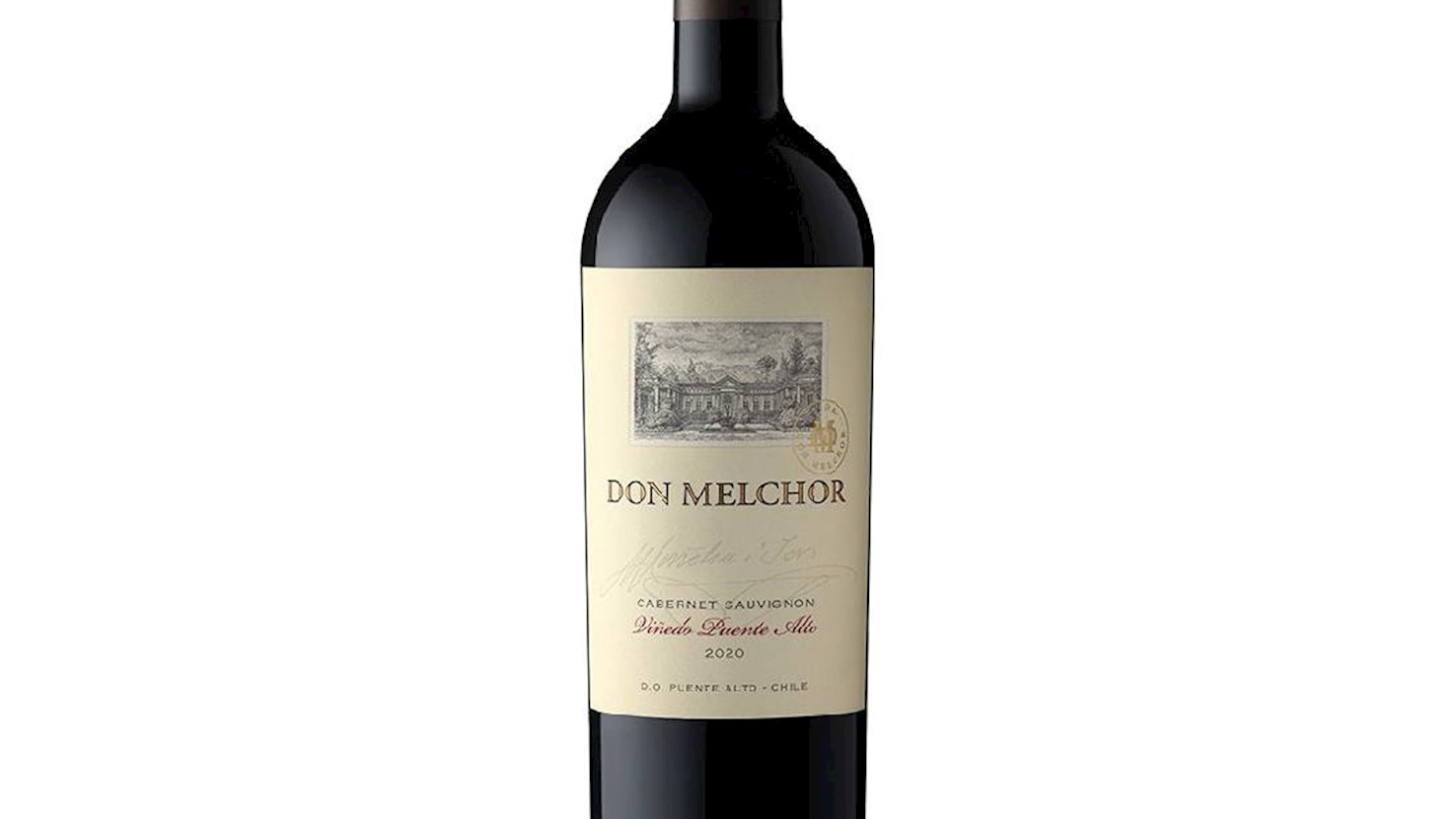
Viña Don Melchor

5.0 ·

Viña Don Melchor is a specialized Chilean winery dedicated to the production of one of Latin America’s most prestigious Cabernet Sauvignon wines, located in the Puente Alto subregion of the Maipo Valley. Originally established as a premium project of Concha y Toro, it now operates as a distinct winery focused exclusively on the development and refinement of Don Melchor.

The vineyards are situated at the foothills of the Andes on alluvial soils composed of gravel, sand, and clay, providing excellent drainage and contributing to the wine’s structure and concentration. A climate defined by warm days and cool nights allows for slow ripening and the preservation of natural acidity. Winemaking is based on detailed vineyard parceling, with each micro-parcel vinified separately to achieve complexity and precision in the final blend.

The focus is on Cabernet Sauvignon, complemented by small proportions of other Bordeaux varieties depending on the vintage. The wines are characterized by depth, structure, and balance, with aromas of dark fruit, spice, and subtle oak influence from aging in French barrels.

Viña Don Melchor is widely regarded as a benchmark producer in Chile’s premium wine segment, consistently receiving high international ratings and demonstrating the full potential of the Puente Alto terroir.

Awards
James Suckling - 99 points (2024)
Vivino - 4.6
02

Bodega Monteviejo

5.0 ·

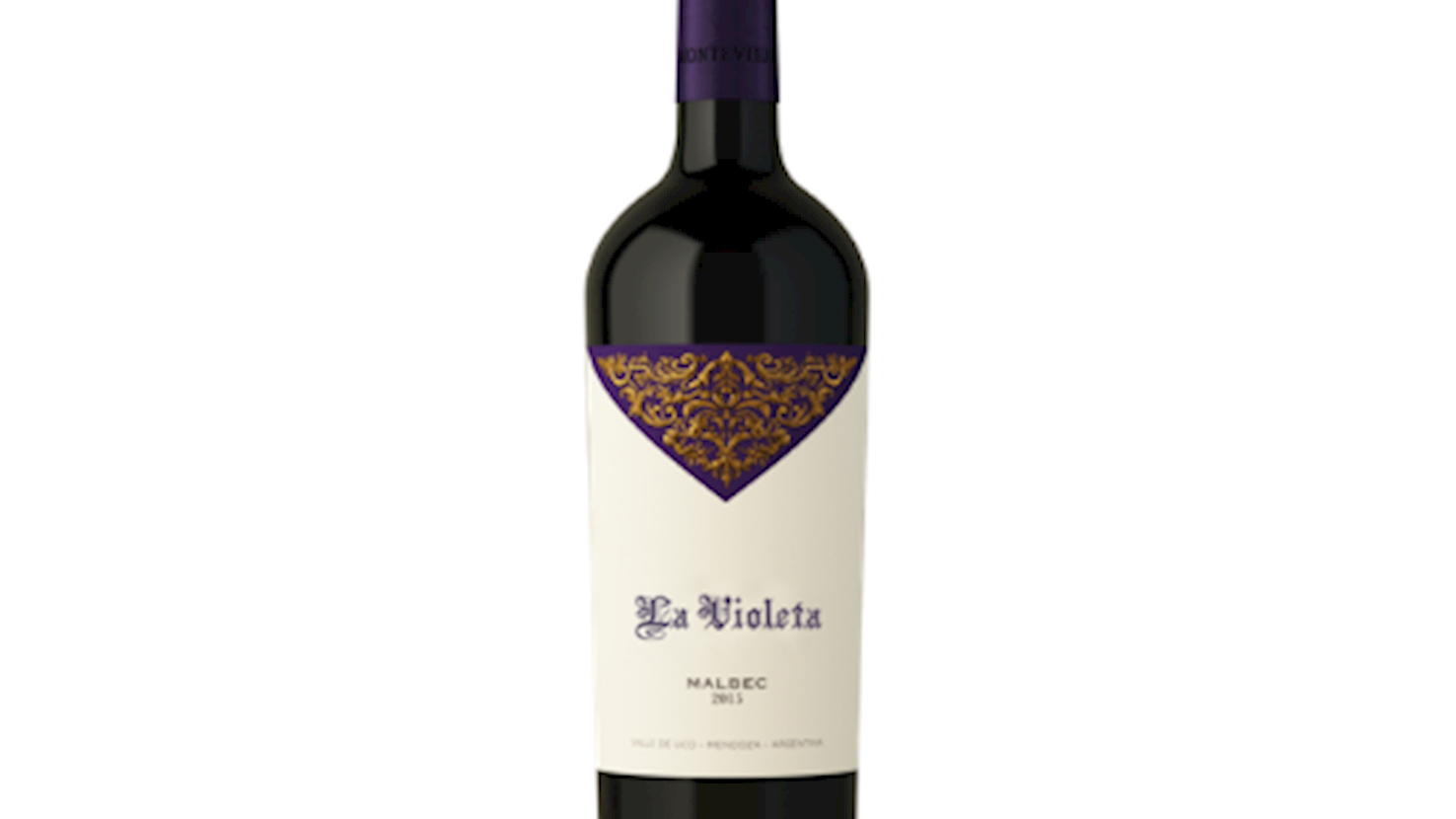
Bodega Monteviejo is an Argentine winery located in the Uco Valley, specifically in the Vista Flores area at the foothills of the Andes. Established in 2001, it forms part of the Clos de los Siete initiative, which brings together international expertise and investment to produce high-quality wines.

The project was led by French entrepreneur Catherine Péré-Vergé, reinforcing the connection between French winemaking tradition and Argentine terroir. The vineyards are planted at elevations between 1,000 and 1,200 meters, where abundant sunlight, cool nights, and stony, well-drained soils contribute to wines with both concentration and freshness.

The winery focuses primarily on Malbec, alongside varieties such as Cabernet Sauvignon, Merlot, and Syrah, often used in blends. Winemaking combines modern techniques with a gravity-flow system to preserve grape integrity and enhance precision.

Stylistically, the wines are characterized by ripe fruit, structured tannins, and integrated oak, balanced by the natural freshness of the high-altitude environment. Architecturally, the winery is modern and harmoniously integrated into the landscape, emphasizing both functionality and connection to the surrounding vineyards.

Overall, Bodega Monteviejo represents a contemporary expression of Argentine winemaking shaped by international influence and a strong sense of place.

Awards
Vivino - 4.7
Wine-Searcher - 94/100
03

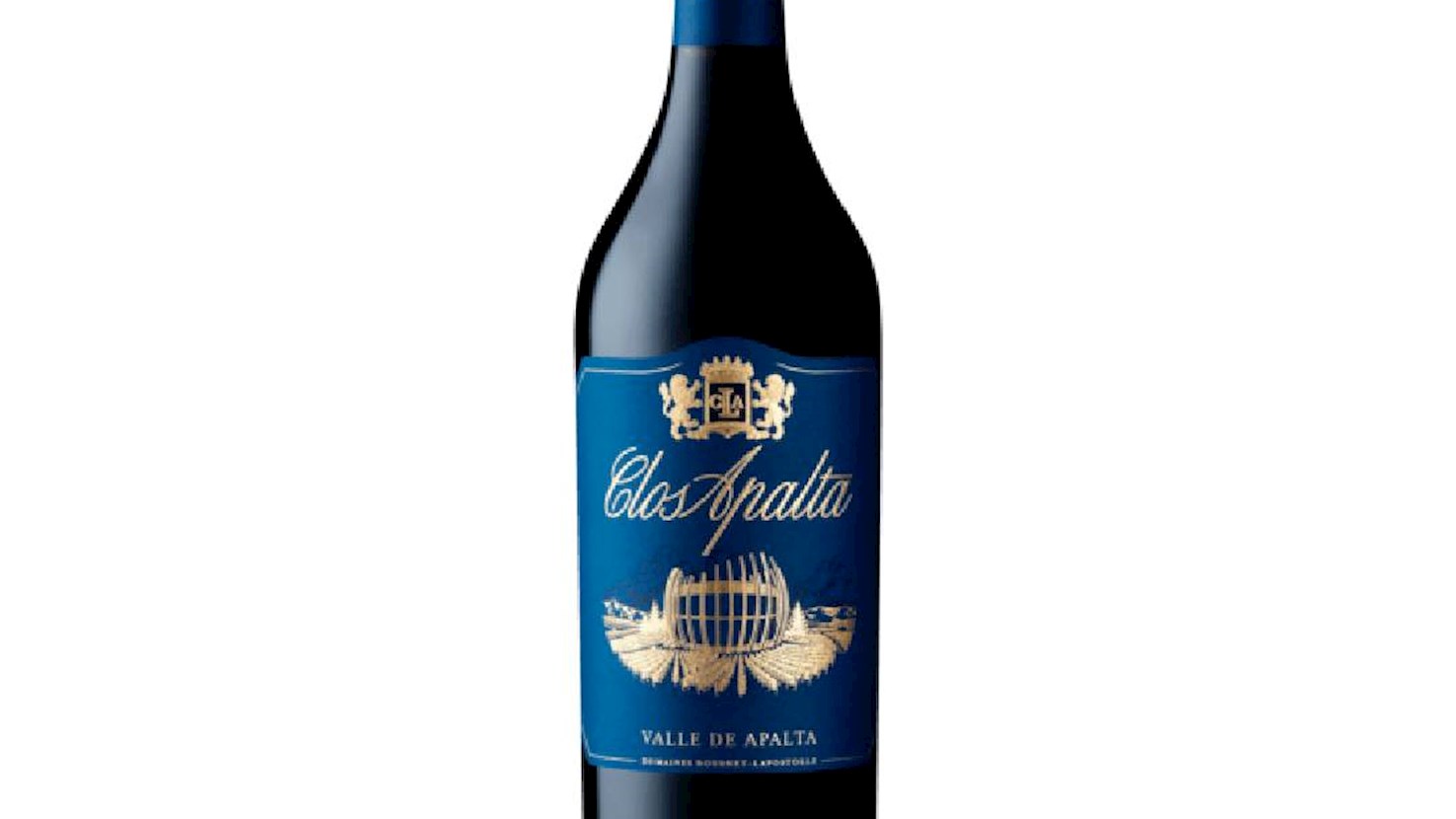
Clos Apalta

5.0 ·

Clos Apalta is a prestigious Chilean winery that seamlessly blends French winemaking heritage with the unique terroir of the Apalta Valley. Surrounded by century-old vineyards planted between 1915 and 1920, the estate cultivates vines of French origin that thrive thanks to a distinctive microclimate and a rare southeast-facing slope, which lends the grapes remarkable freshness and aromatic depth.

The diverse soils – ranging from rich granite layers to clay-granitic subsoils – contribute to the wine’s complexity and elegance. Under the stewardship of the Marnier Lapostolle family and guided by renowned oenologists, Clos Apalta crafts wines of powerful character, perfect balance, and exceptional ageing potential.

Awards
Vivino - 4.6
Vivino - 4.3
04

Bodega Jorge Rubio

5.0 ·

Bodega Jorge Rubio is a family-owned winery located in General Alvear, in the southern part of Mendoza, Argentina, within the Oasis Sur region, an area characterized by a continental climate with significant temperature variations. Founded in 2003 by winemaker Jorge Alberto Rubio, who brings over four decades of experience in viticulture and winemaking, the winery reflects a consistent and well-defined style rooted in expertise and local conditions.

The estate manages around 55 hectares of vineyards, primarily planted with Malbec, Cabernet Sauvignon, and Chardonnay, while also sourcing grapes from trusted local growers to expand its portfolio. The region’s clean air, low humidity, and marked diurnal shifts contribute to wines with pronounced aromas, balanced acidity, and good structural definition.

The winery follows a “vinos de autor” philosophy, emphasizing the personal signature of the winemaker and a strong connection to terroir. Its portfolio includes more than 35 labels, ranging from still and sparkling wines to smaller experimental batches with minimal intervention.

Although equipped with modern production facilities and a capacity exceeding one million liters annually, key processes such as harvesting and grape selection are still carried out manually to preserve quality and precision. Jorge Rubio wines are typically fruit-forward, balanced, and approachable, offering a strong value-to-quality ratio and maintaining a presence in both domestic and export markets.

Awards
Vivino - 4.6
05

Familia Zuccardi

5.0 ·

Familia Zuccardi is a family-owned Argentine winery based in Mendoza, founded in 1963 and widely regarded as one of the leading voices of contemporary Argentine winemaking. Established by Alberto “Tito” Zuccardi, the estate was later shaped by the second and third generations, with José Alberto and Sebastián Zuccardi placing strong emphasis on the detailed exploration of terroir, particularly in the Valle de Uco.

The winery’s philosophy centers on expressing a clear sense of place, where altitude, soil composition, and microclimate define the style and character of each wine. Vineyards are planted on high-altitude, alluvial and stony soils at the foothills of the Andes, while winemaking is deliberately restrained to allow the natural identity of each site to emerge.

Zuccardi is especially renowned for its Malbec and Chardonnay, alongside single-vineyard and parcel-driven wines that map the diversity of Valle de Uco with precision. Zuccardi Valle de Uco winery has been repeatedly recognized among the world’s best, reinforcing the estate’s international reputation.

In addition to wine, the family also produces high-quality extra virgin olive oils, with sustainability and long-term environmental stewardship as core principles of the project.

Awards
Flos Olei - The Best (2024)
James Suckling - 99 points (2024)
06

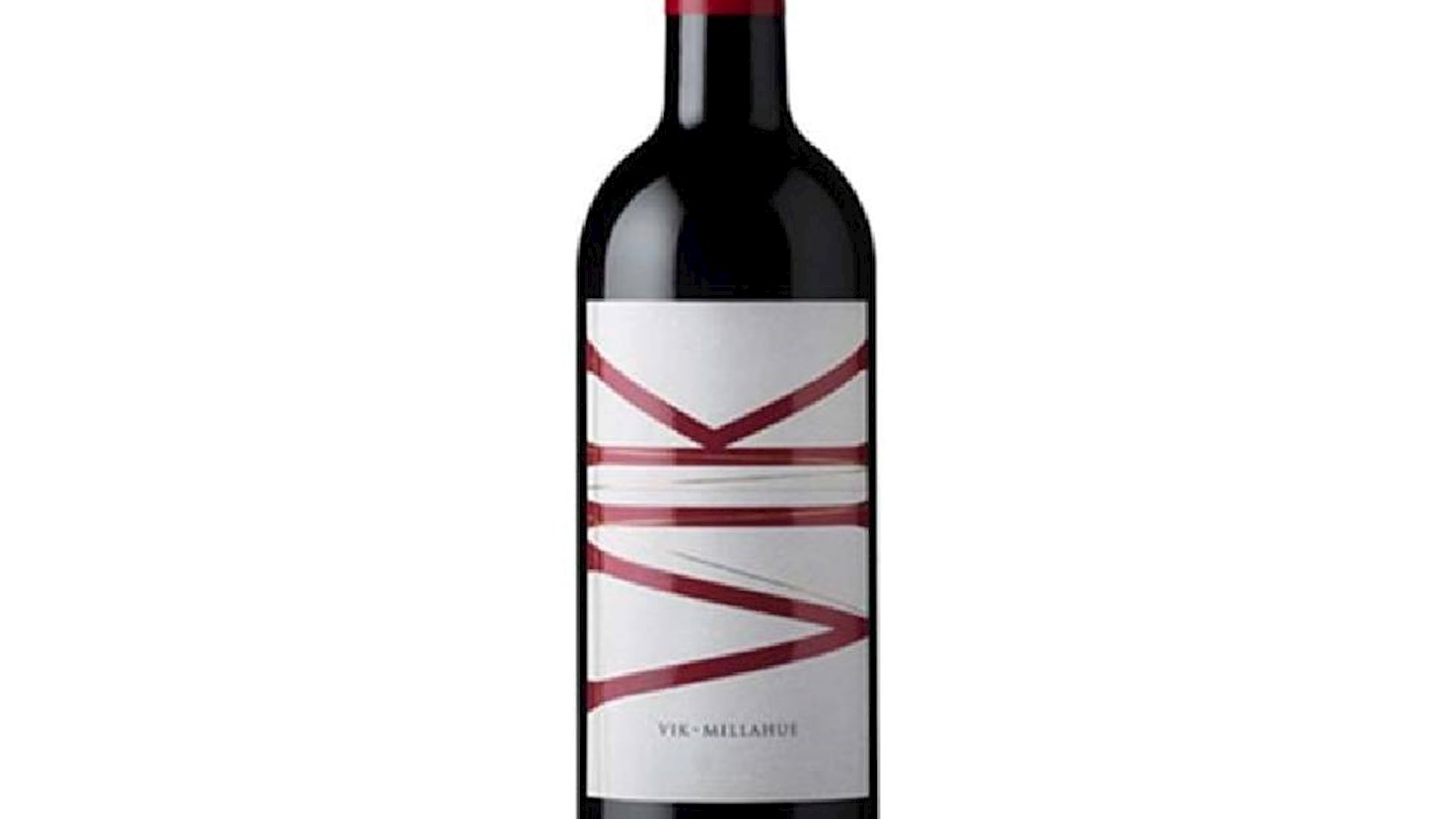
VIK

5.0 ·

VIK is an ultra-premium Chilean winery located in the Millahue Valley within the Cachapoal Valley, a region whose name means “Place of Gold” in the Mapuche language and reflects its exceptional natural potential. The project was founded with a holistic philosophy that integrates terroir research, precision viticulture, and advanced winemaking in order to produce wines of balance, elegance, and long-term aging potential.

VIK works primarily with international varieties such as Cabernet Sauvignon, Cabernet Franc, Carmenère, Merlot, and Syrah, crafting both single-estate and blended wines that clearly express the valley’s diverse microclimates. The portfolio includes flagship labels such as VIK, La Piu Belle, and Milla Cala, all recognized for their structure, complexity, and refinement.

Sustainability is central to the estate’s approach, with careful land management and minimal intervention in both vineyard and cellar. Beyond wine production, VIK is also conceived as a complete wine destination, combining contemporary architecture, gastronomy, and immersive visitor experiences.

The winery has gained strong international recognition and is consistently ranked among the world’s leading wine estates for both quality and innovation.

Awards
James Suckling - 100 points (2024)
Decanter World Wine Awards - Platinum (2020)
07

Catena Zapata

5.0 ·

Catena Zapata is a renowned Argentinian winery located in the Mendoza region, celebrated for pioneering high-altitude viticulture and producing world-class Malbec wines. Founded in 1902, this family-owned winery is led by the Catena family, who have played a crucial role in elevating Argentina's wine reputation globally.

Catena Zapata focuses on sustainable practices and meticulous vineyard management, especially in the Andean foothills, where they grow their grapes at various altitudes to enhance complexity and character.

Awards
James Suckling - 100 points (2024)
Decanter World Wine Awards - Best in Show (2021)
08

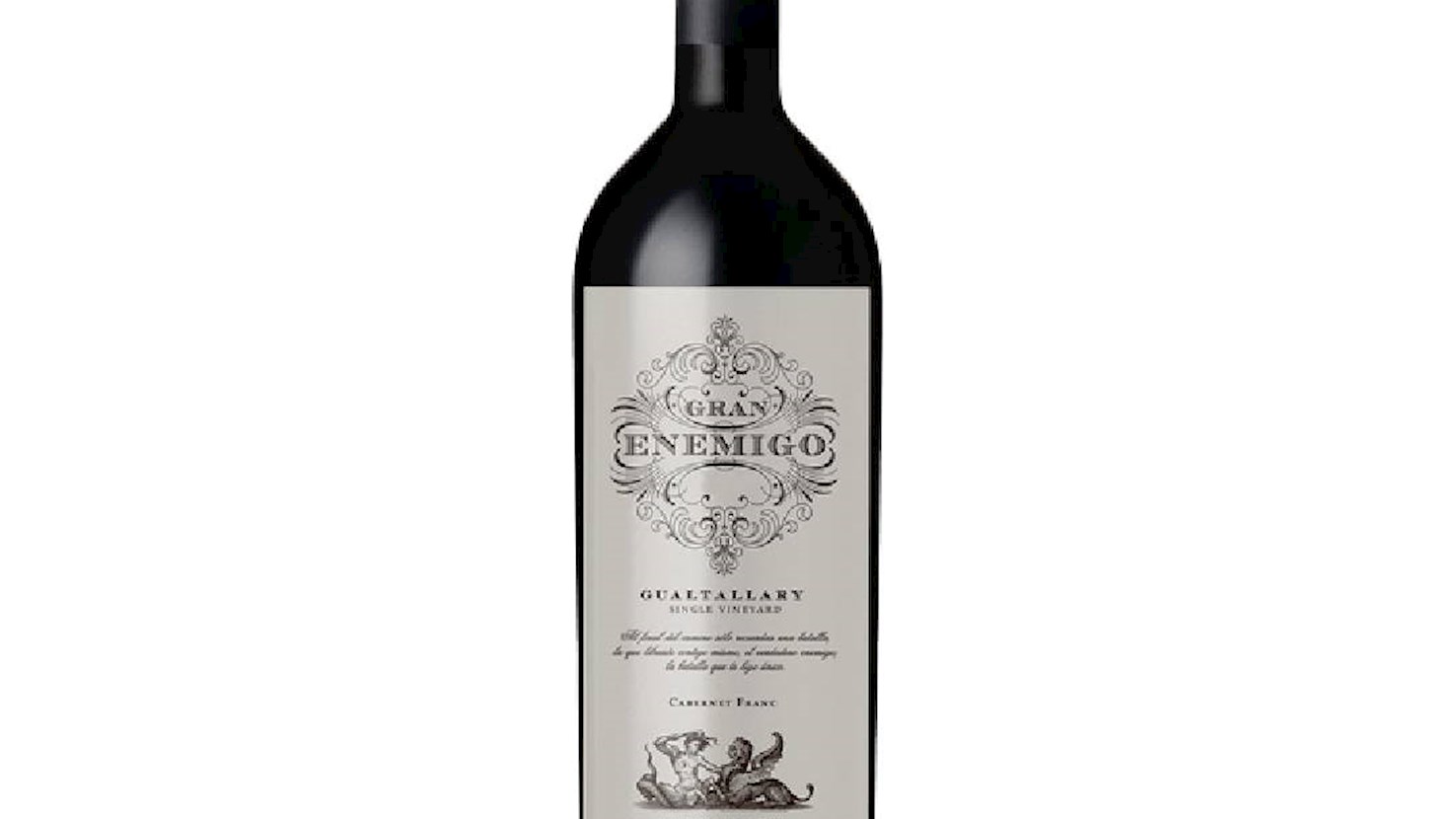
El Enemigo

5.0 ·

El Enemigo is a distinguished winery located in Mendoza, Argentina, renowned for its exceptional wines that blend traditional Argentine varietals with classic French influences. The winery was established as a collaborative venture between historian Adrianna Catena and acclaimed winemaker Alejandro Vigil, who also serves as the chief winemaker at Bodega Catena Zapata.

El Enemigo's vineyards are situated in high-altitude regions of Mendoza, including Gualtallary, Agrelo, and El Cepillo, where the unique terroir contributes to the distinct character of their wines. The winery places a significant emphasis on Cabernet Franc, producing wines inspired by Bordeaux's Pomerol region, particularly Château Cheval Blanc.

Awards
James Suckling - 99 points (2024)
James Suckling - 97 points (2023)
09

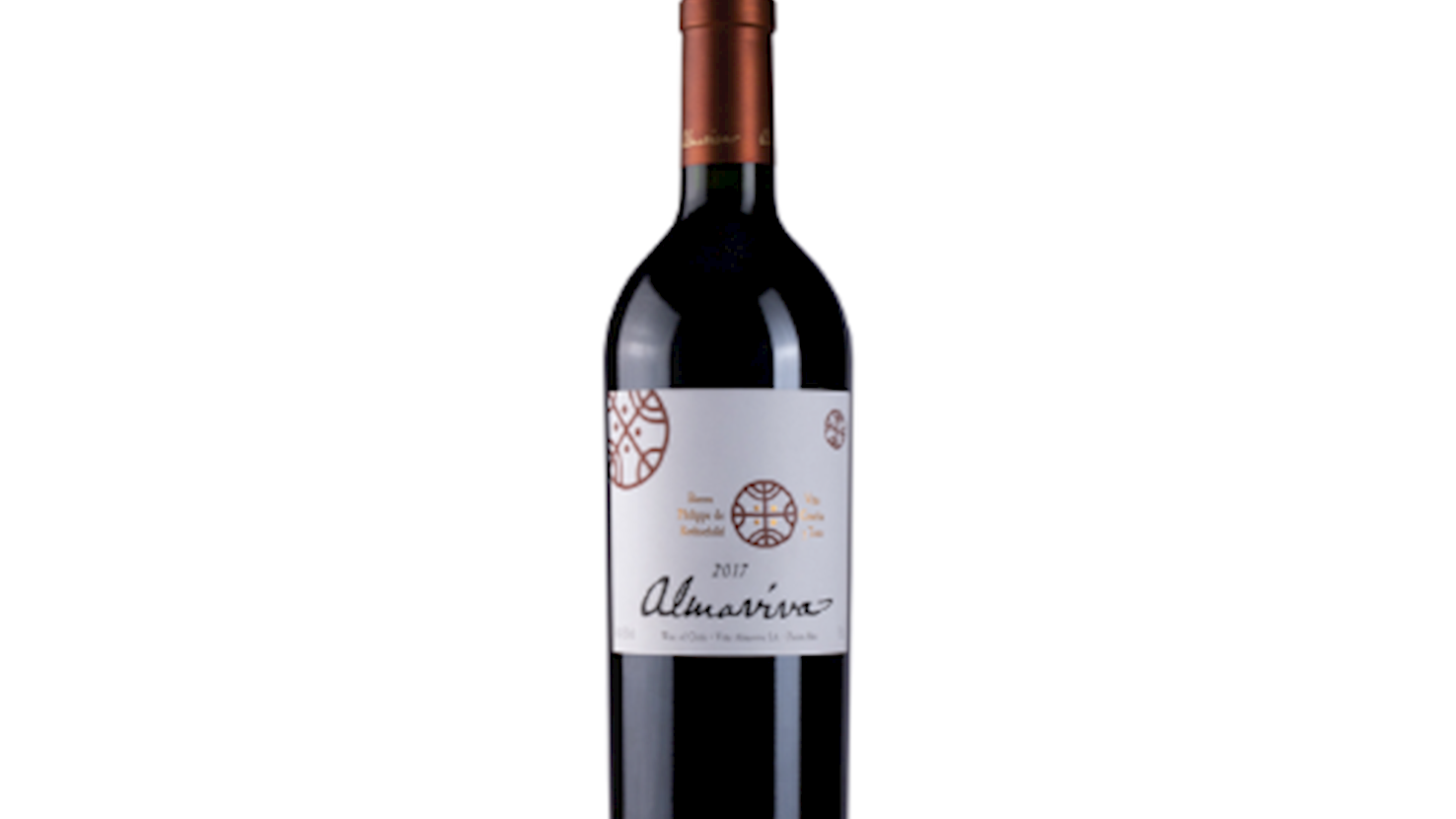
Almaviva

5.0 ·

Almaviva is a prestigious Chilean winery and flagship wine established in 1997 as a joint venture between Baron Philippe de Rothschild of Bordeaux and the Chilean producer Viña Concha y Toro. The estate is located in the Maipo Valley, specifically in the Puente Alto sub-region, one of Chile’s most highly regarded areas for premium red wines, characterized by alluvial, stony soils at the foothills of the Andes.

Almaviva was conceived as a château-style project, combining French winemaking expertise with the distinct expression of Chilean terroir. The vineyards are planted with classic Bordeaux varieties, led by Cabernet Sauvignon and complemented by Carménère, Cabernet Franc, Petit Verdot, and Merlot.

Almaviva is produced as a carefully structured blend, with an emphasis on balance, depth, and aging potential. Winemaking is precise and restrained, followed by maturation for approximately 18 to 20 months in new French oak barrels.

Aromatically, the wine shows ripe dark fruit, herbal and spicy notes, and well-integrated oak influence. On the palate, it is layered and refined, with firm yet polished tannins and a long, persistent finish.

The name Almaviva is drawn from the literary character Count Almaviva, while the label features symbols inspired by Mapuche culture, reflecting respect for local heritage. Since its first vintage, Almaviva has been recognized as one of the most ambitious and influential fine-wine projects of the New World.

It is consistently ranked among Chile’s top wines by international critics. Today, Almaviva stands as a benchmark for premium Chilean Bordeaux-style blends with proven longevity.

Awards
James Suckling - 99 points (2024)
Decanter World Wine Awards - Platinum (2018)
10

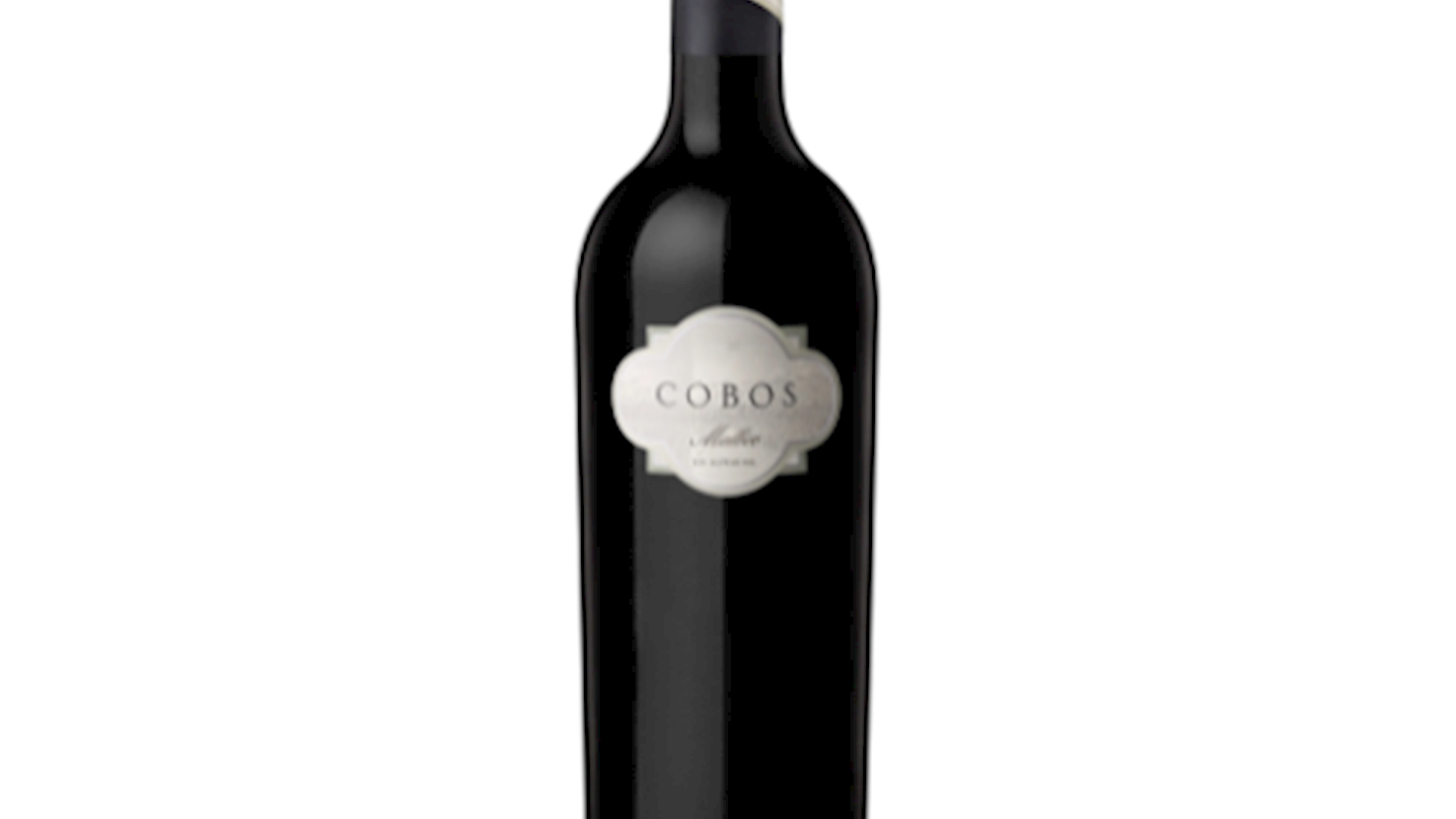
Viña Cobos

5.0 ·

Viña Cobos is one of the most influential and internationally recognized wine projects in Argentina, closely associated with the rise of Malbec as a world-class variety. The winery was founded in 1998 by renowned winemaker Paul Hobbs, who began working in Mendoza in the late 1980s and identified the region’s exceptional potential for producing wines of depth, structure, and longevity.

Viña Cobos works primarily with vineyards in Luján de Cuyo and the Uco Valley, selecting old vines and high-quality sites defined by altitude, alluvial soils, and strong diurnal temperature variation. Malbec is at the core of the project, interpreted through a site-specific approach that emphasizes balance between power and precision.

Winemaking is meticulous, combining traditional techniques with modern control, and oak is used judiciously to support rather than dominate the fruit. The portfolio ranges from the iconic Cobos Malbecs sourced from top parcels, through the Bramare single-vineyard series, to the more accessible Felino line.

Viña Cobos wines are known for their concentration, polished tannins, layered aromatics, and long, structured finishes. The estate has received some of the highest critical scores in Argentine wine history, including multiple perfect ratings.

Awards
James Suckling - 99 points (2024)
Vivino - 4.7
Read more
View all
View map
About this ranking

TasteAtlas food rankings are based on the ratings of the TasteAtlas audience, with a series of mechanisms that recognize real users and that ignore bot, nationalist or local patriotic ratings, and give additional value to the ratings of users that the system recognizes as knowledgeable. For the “Top 100 South American Wines” list until July 22, 2026, 440 ratings were recorded, of which 310 were recognized by the system as legitimate. TasteAtlas Rankings should not be seen as the final global conclusion about food. Their purpose is to promote excellent local foods, instill pride in traditional dishes, and arouse curiosity about dishes you haven’t tried.

The initial list of top producers was compiled based on available reviews, awards, local recommendations, media and blog coverage, and consumer reviews. The list will be updated with ratings from TasteAtlas local ambassadors and TasteAtlas users.

Similar lists