shutterstock

Top 100 Asian Foods

Last updated on June 10, 2026

Best Asian foods

01
Dumplings

Zhēngjiǎo

4.6 ·

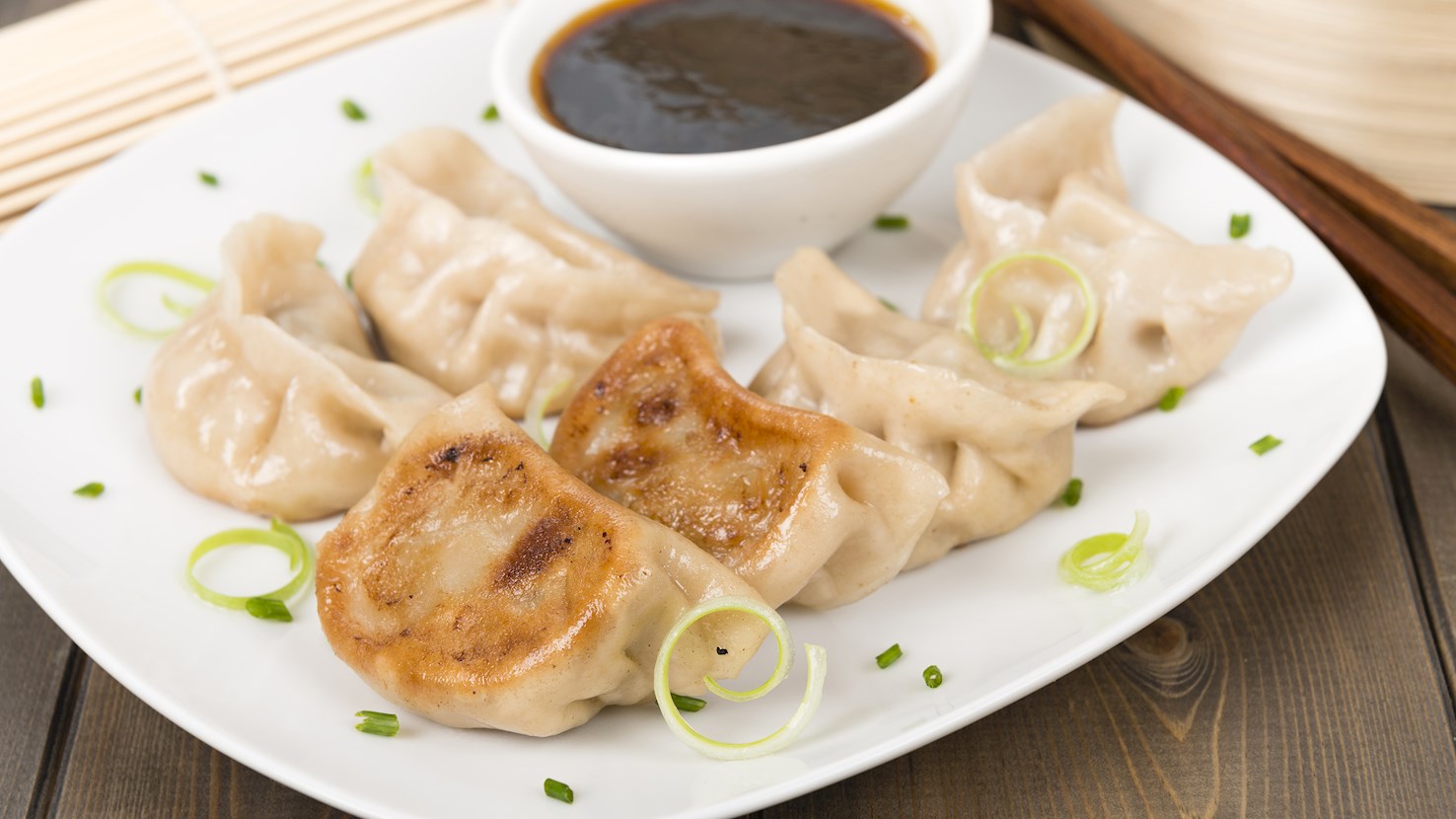
Zhēngjiao is a traditional dish consisting of steamed dumplings. The texture is somewhere between the crinkly and tender skins of boiled dumplings (shui jiao) and the crisp-bottom, chewy top style of pan-fried dumplings (guo tie or jian jiao or potstickers). Once steamed, these dumplings will have a translucent wrapper covering the filling, which usually consists of pork and chives, cabbage, shrimp, or a combination of different vegetables. When served, zhēngjiao dumplings are often served with soy dipping sauce on the side.

Best restaurants
02
Rice Dish

Otoro nigiri sushi

4.6 ·

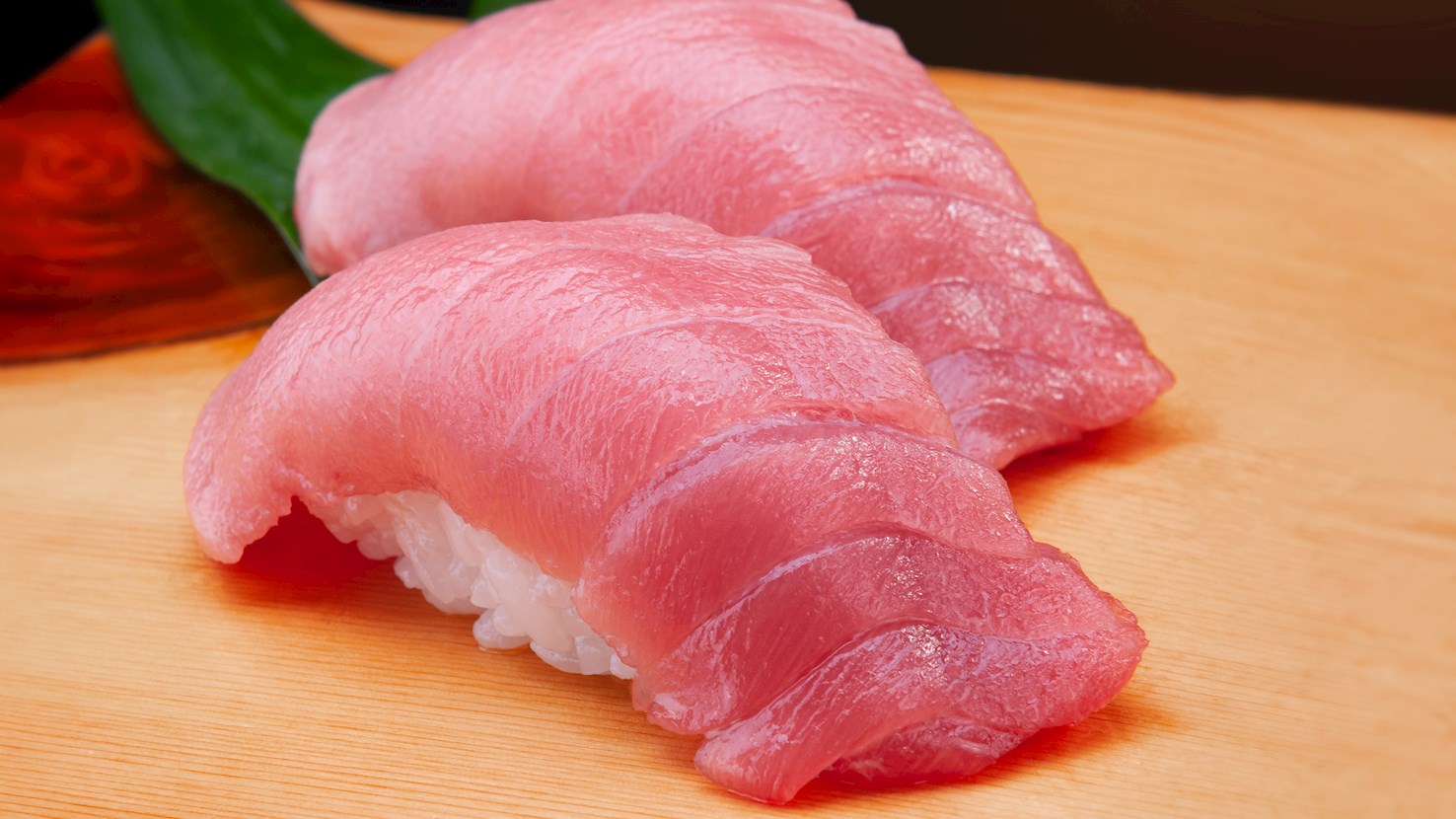
Otoro nigiri sushi is a traditional type of nigiri sushi. It consists of hand-pressed sushi rice that's topped with slices of fatty cuts of tuna. Different cuts of tuna are classified as otoro (fatty), chutoro (medium-fatty), and akami (red meat). The dish has a rich flavor and a melt-in-the-mouth texture that makes it quite expensive. Traditionally, this type of sushi is eaten by hand in a single bite. It's usually accompanied by soy sauce, wasabi, or pickled ginger (gari) on the side.

03
Squid Dish

Kalamar tava

4.5 ·

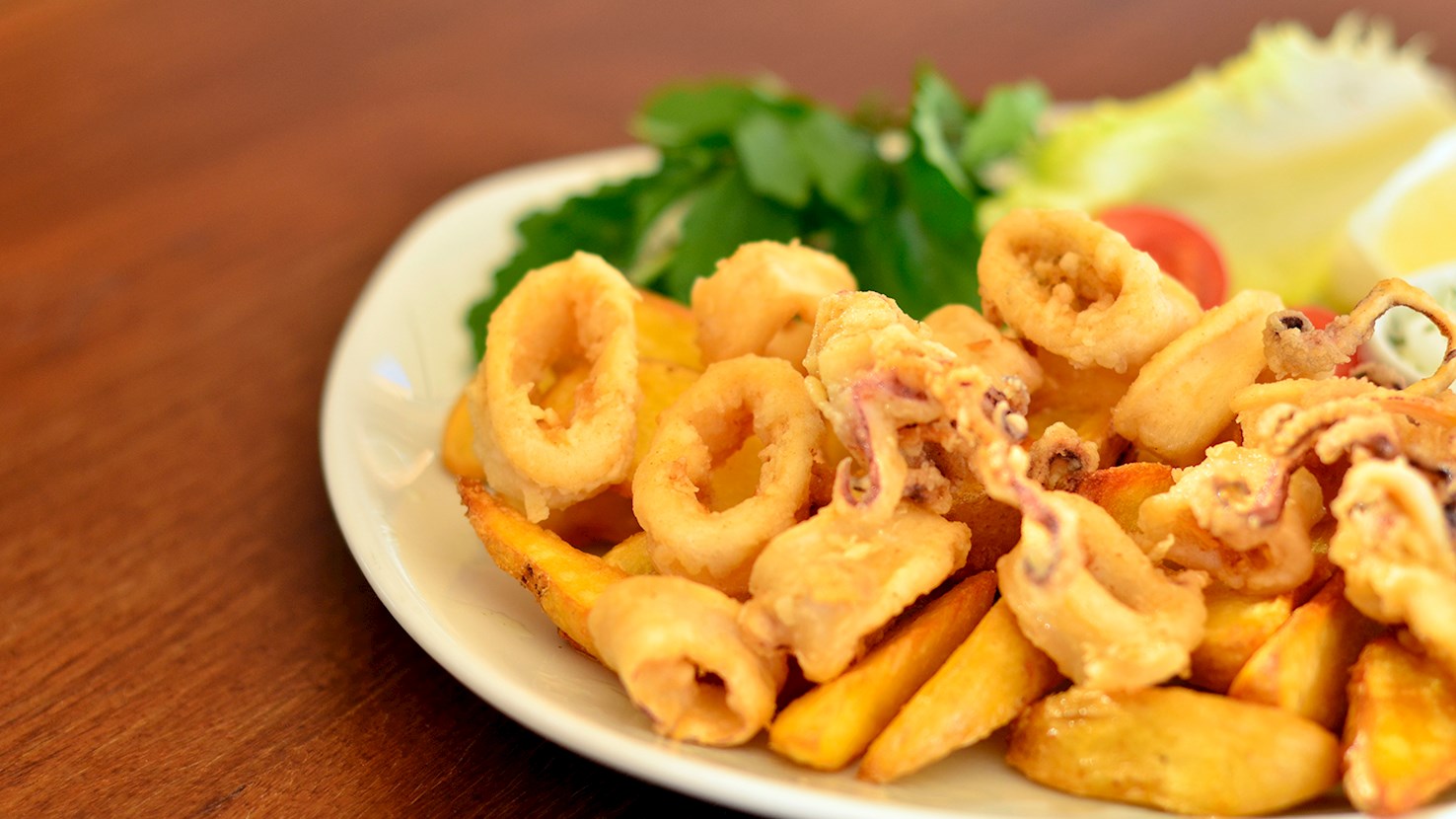
Kalamar tava is a traditional dish that's usually served as a meze. The dish consists of cleaned squid that's cut into thick rings, soaked in milk, then dipped in a batter of flour, baking soda, and salt before it's fried in hot oil. The squid rings can be flavored with herbs or pepper flakes, if desired. Once fried, the rings are typically served with a Turkish tartar-like sauce on the side for dipping, along with a few lemon wedges.

Best restaurants
04
Flatbread

Butter garlic naan

4.5 ·

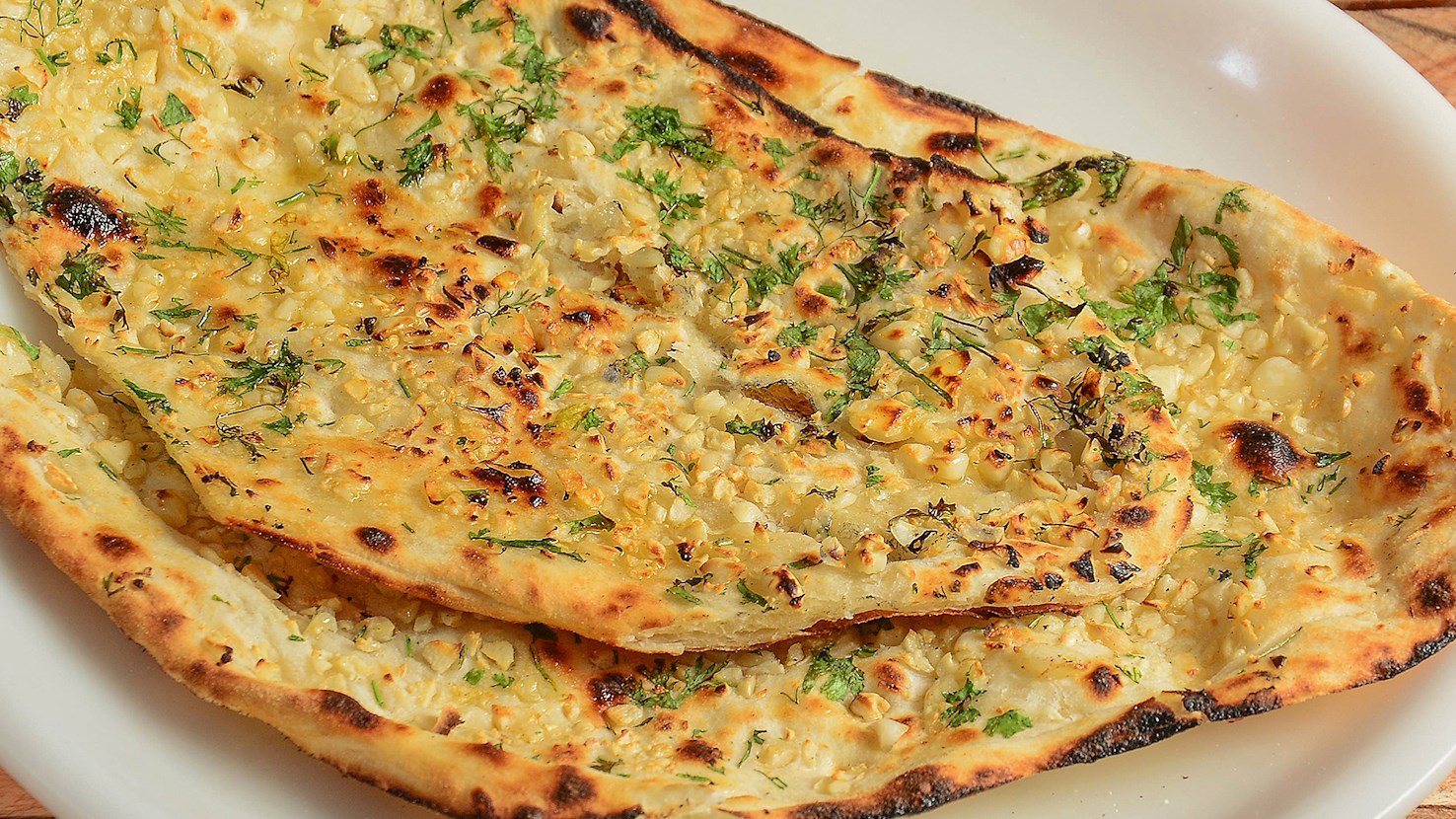
Butter garlic naan is a traditional flatbread and one of the most popular versions of naan. It’s made with flour, baking powder, salt, sugar, and dahi. Once the dough has been baked in a hot tandoor oven, the golden naan is taken out and brushed with butter or ghee, then topped with minced garlic. It’s recommended to serve butter garlic naan with a variety of Indian dishes such as curries, butter chicken, dal makhani, malai kofta, or shahi paneer.

05
Street Food

Sate kambing

4.5 ·

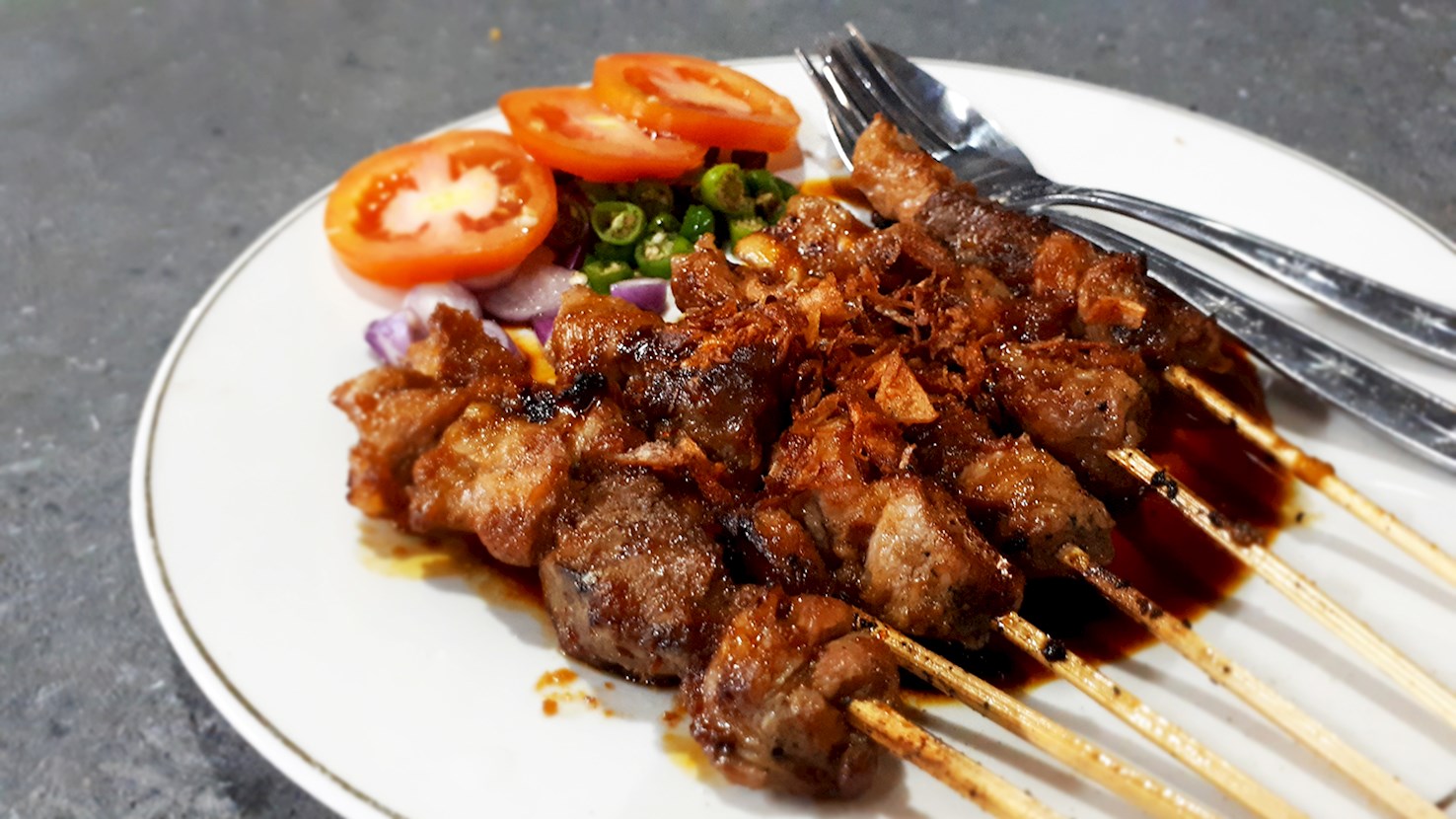
Sate kambing is a traditional dish and a type of satay prepared with goat or mutton as the main ingredient. The meat is cut into chunks or cubes and it's marinated in a combination of ingredients such as kecap manis (sweet soy sauce), galangal, ground shallots, pineapple juice, and (often) chili peppers. After it's been marinated, the meat is placed on skewers that are larger and thicker than the ones used for chicken satay as the texture and thickness of mutton or goat is tougher than chicken. The skewers for sate kambing are usually made from bamboo. The meat is grilled, then served with kecap manis sauce, peanut sauce, or chili sauce, consisting of shallots, bird eye chili peppers, and kecap manis. Some like to eat sate kambing with steamed rice or rice cakes on the side. This type of sate is especially popular in Java.

06
Lamb Dish

Oltu cağ kebabı

4.5 ·

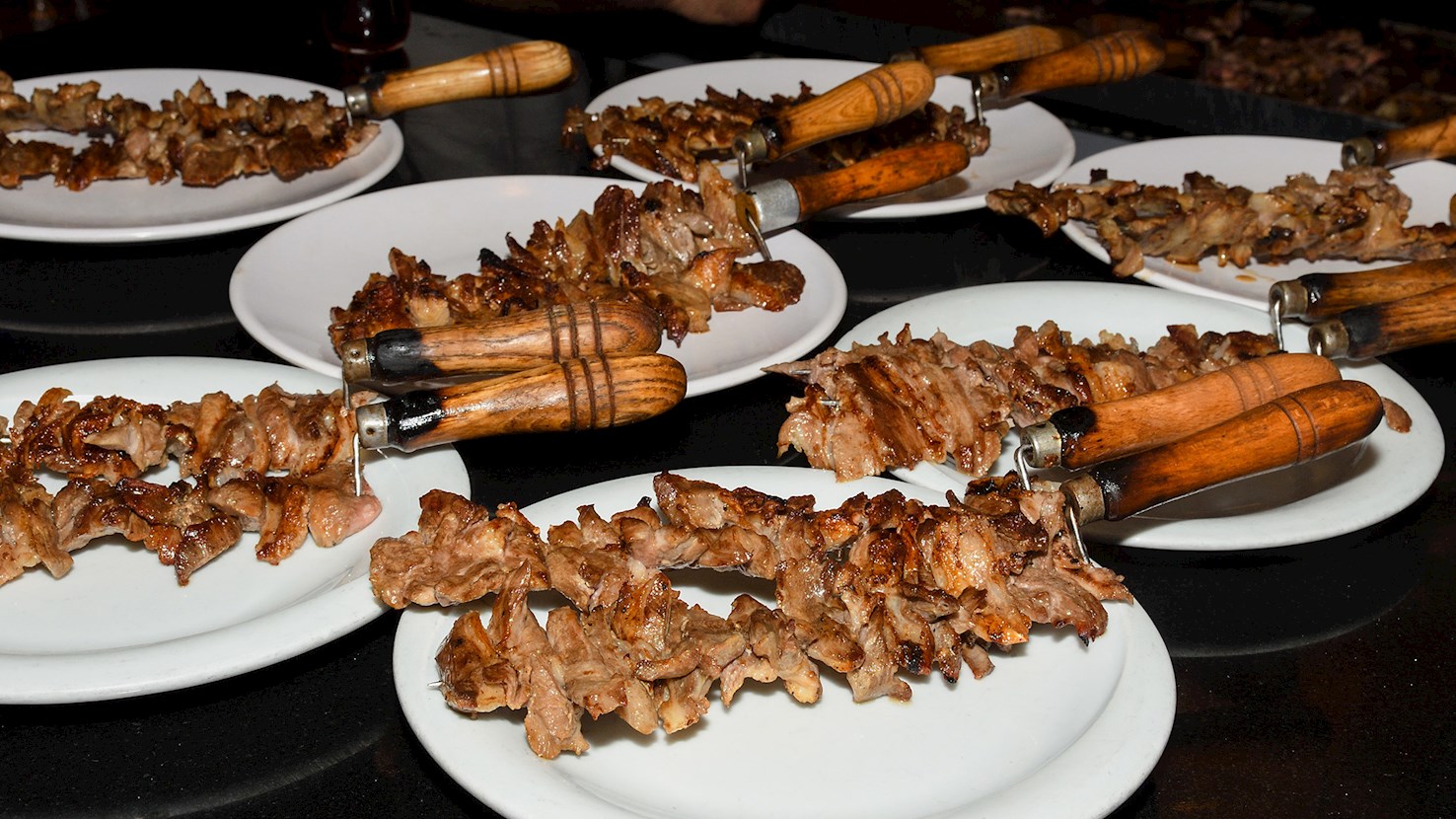
Oltu cağ kebabı is a horizontally roasted lamb kebab identified with the Oltu district of Erzurum Province in northeastern Türkiye, where the product took shape and continues to be defined by local practice and oversight. The kebab’s emergence is tied to sheep and lamb husbandry in Oltu and its surroundings, the availability of young lamb with a balanced fat profile, and a cooking method adapted to regional conditions that favored slow, controlled roasting on a horizontal spit rather than vertical stacking; over time, the name “Oltu” became inseparable from the product, and the name Oltu cağ kebabı is recorded in linguistic sources and in world culinary literature, a point that distinguishes it from similar regional preparations that may share techniques but not designation. Preparation centers on marinating carefully selected lamb, typically shoulder and leg cuts, with salt and restrained seasonings, then layering the meat onto a horizontal skewer and roasting it gradually over wood embers so the fat renders evenly and bastes the meat; as the exterior reaches doneness, thin slices are shaved off and served immediately, a service rhythm that prioritizes temperature and texture over batch holding. Serving is characteristically done on the cağ skewer itself, which functions both as utensil and presentation, and portions are often accompanied by flatbread and simple sides that do not compete with the meat; the method produces slices that balance exterior browning with a moist interior, and the horizontal orientation allows steady heat exposure that differentiates the cut and mouthfeel from vertical-spit kebabs. The product’s naming and oversight are formalized by the authorized supervisory body (Oltu Chamber of Commerce and Industry), which maintains standards tied to geographic identity and production criteria. Oltu cağ kebabı is commonly eaten as a shared table order served in successive cağs rather than a single plated portion, and it is paired most often with ayran, plain yogurt drinks, or lightly acidic beverages that refresh the palate, while bread and onions remain the customary accompaniments.

07
Sweet Pastry

Antakya künefesi

4.5 ·

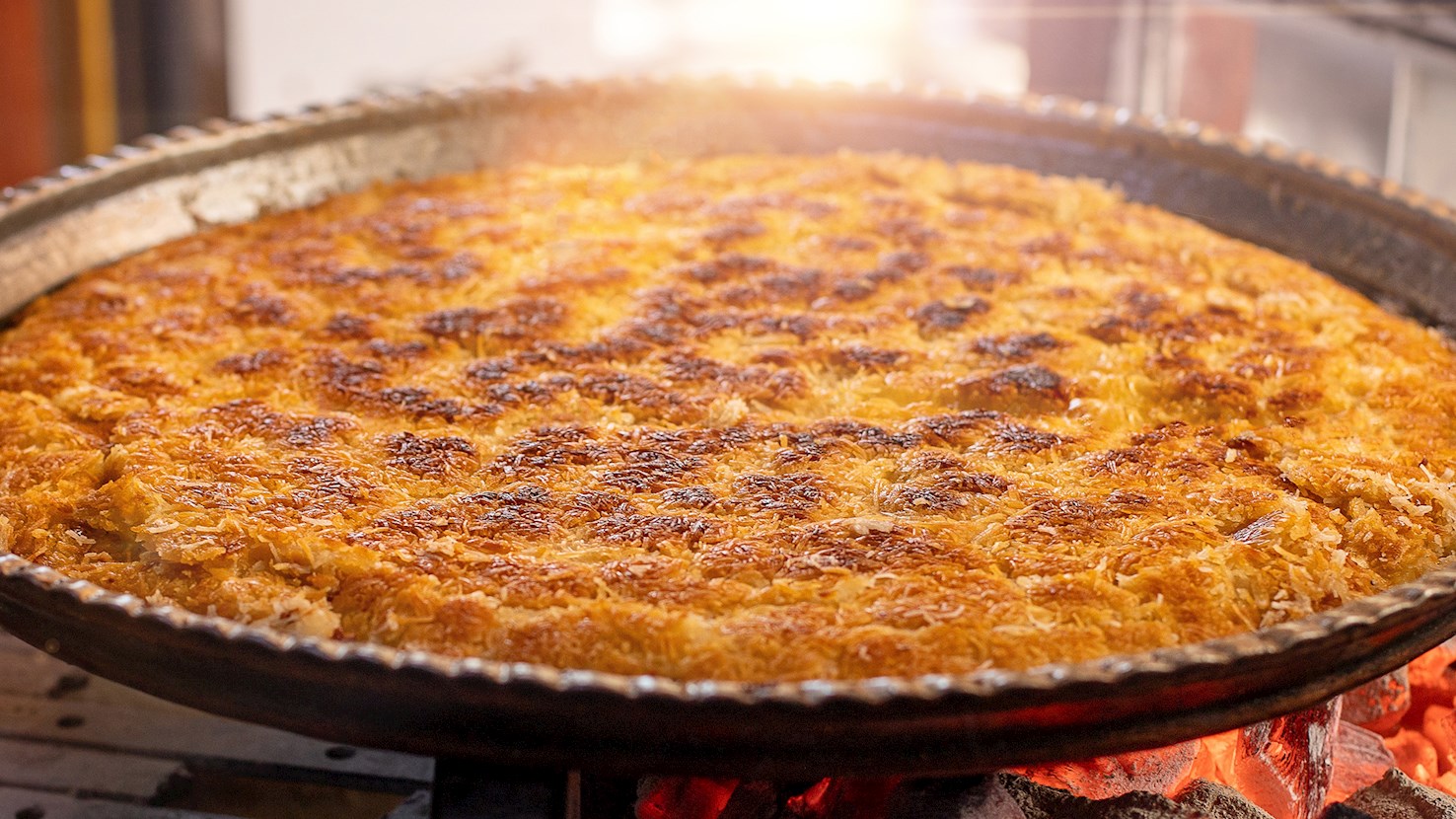
Antakya künefesi is a traditional kunāfah variety hailing from the ancient Turkish city of Antakya, made from shredded phyllo pastry filled with creamy unsalted cheese. The origins of this dish can be traced back to the Ottoman Empire, and to this day, it has remained one of the authentic representatives of Antakyan culinary heritage and traditions. To make Antakya künefesi, the pastry is first prepared by shredding phyllo dough into thin strips and placing it into a flat, round tray. The dough, in this form known as kadayıfın, is then topped with a mixture of unsalted cheese, traditionally Hatay peyniri, and another layer of shredded phyllo dough. After the concoction is baked on both sides (a step that makes this kunāfah variety unique), it is soaked with hot, sweet syrup made with sugar, water, and lemon juice. Antakya künefesi is served warm and garnished with chopped pistachios, walnuts, or hazelnuts. In 2006, this delicious dessert received the Protected Geographical Indication certificate.

08
Sauce

Toum

4.5 ·

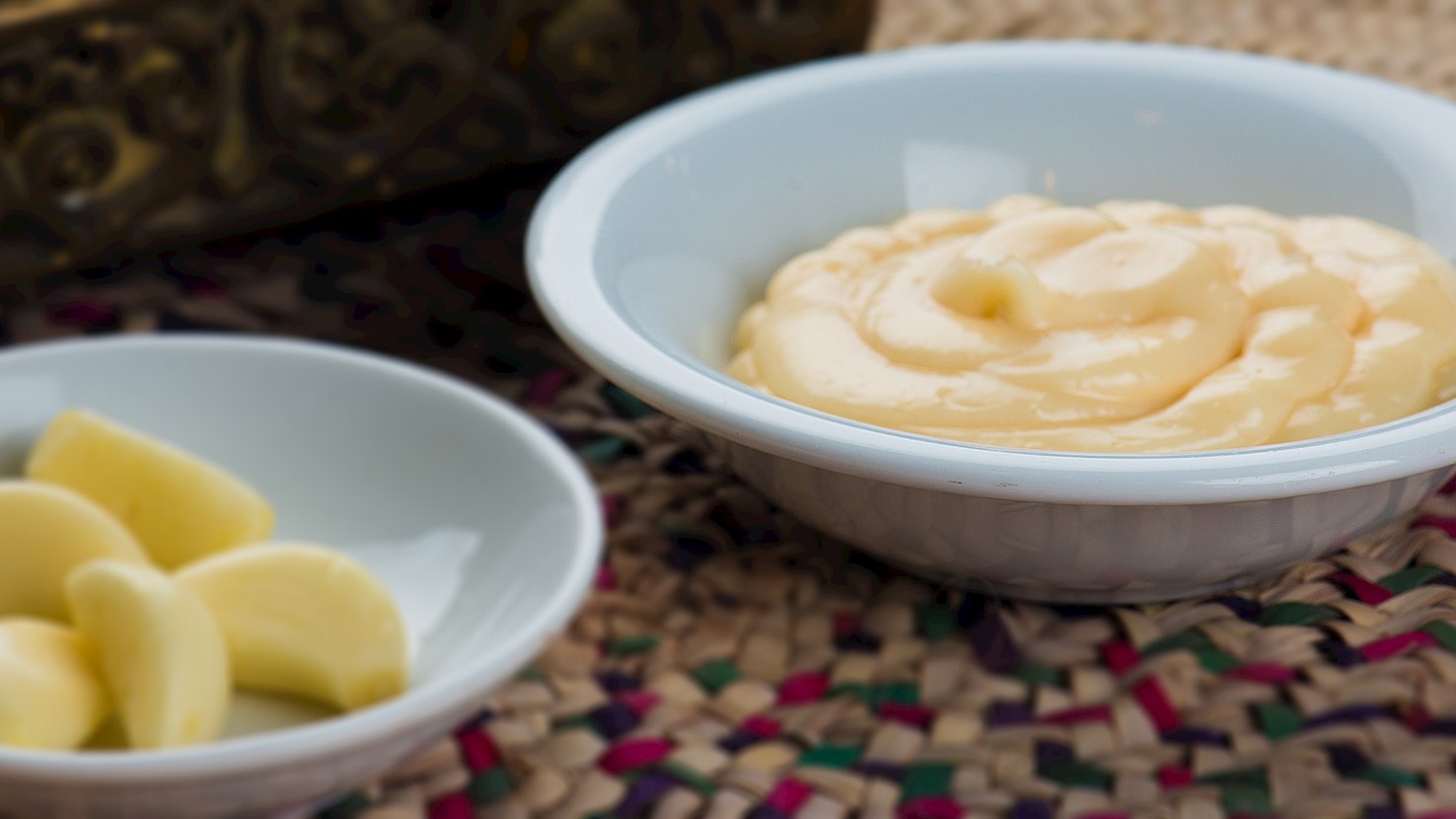
Toum is an authentic Lebanese and Syrian garlic paste. It is made with whole garlic cloves, which are slowly crushed using a mortar and pestle, or nowadays simply ground in a food processor. During this process, oil (preferably neutral oil such as canola, or the flavorful olive oil) is gently added to create a homogeneous garlic paste with an unusual, fluffy texture. Finally, salt and lemon juice are added to the mix, giving the paste a salty flavor and ivory color. Toum is used for marinades, sauces, and dips, and can enrich any meal. It is usually combined with chicken in traditional dishes such as roast chicken, chicken skewers or chicken shawarma, but is also commonly combined with beef, lamb, or goat meat. It is often used as a spread in the famous Lebanese pita sandwiches and wraps, or as a simple spread over bread, which is served as a starter or a snack. Toum can be made in advance and can keep up as long as three weeks. Since it is highly versatile, numerous ingredients, such as mint, can be added to diversify its flavor and texture. This delightful, pungent garlic spread and its adaptations can also be found in eastern Mediterranean countries, Egypt, and Iraq.

09
Sandwich

Bánh mì heo quay (Roasted Pork Belly Bánh Mì)

4.5 ·

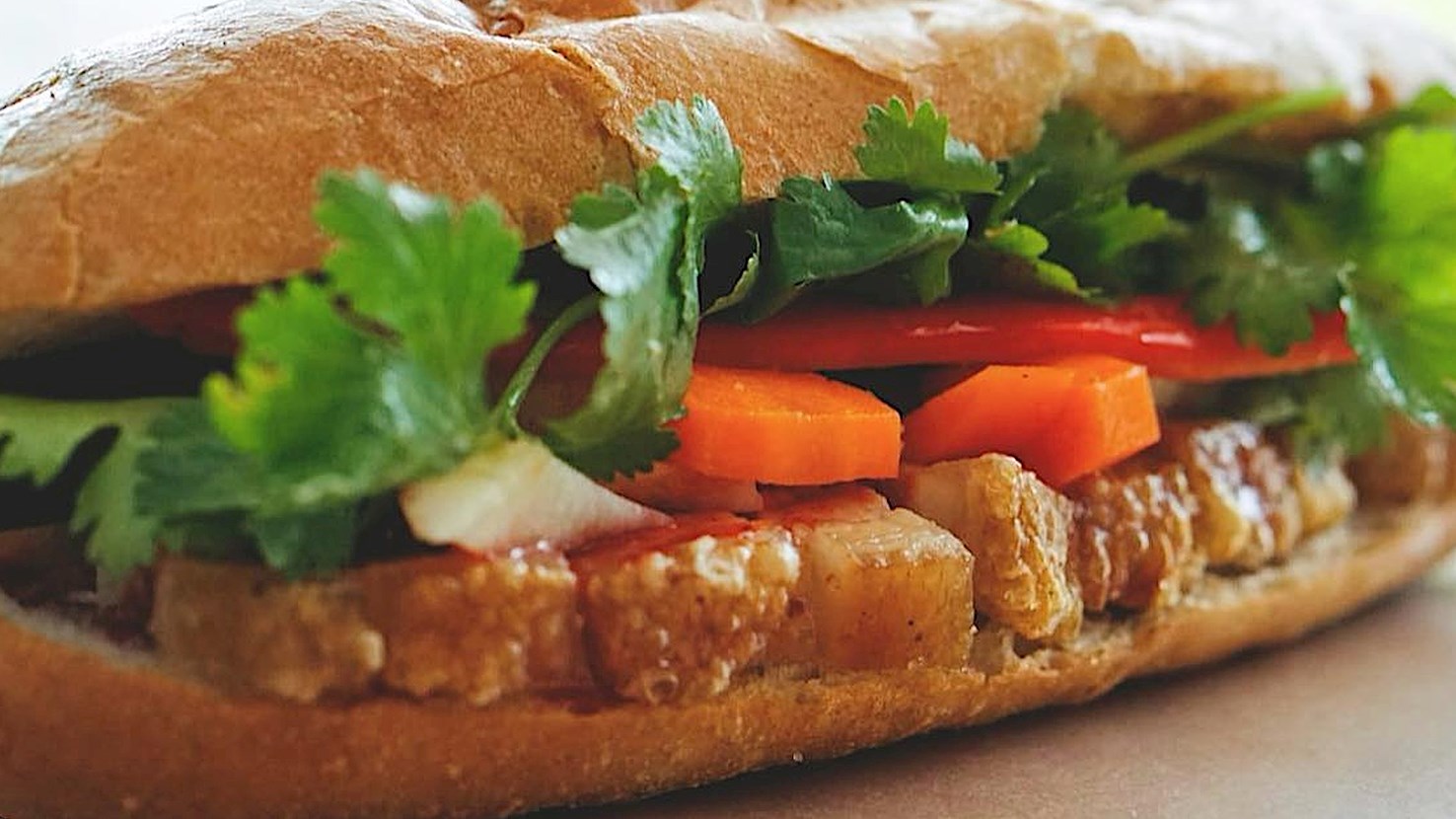
Bánh mì heo quay is a traditional bánh mì sandwich variation made with roasted pork belly as the main ingredient. The pork is roasted with a thick layer of salt and spices. It is sliced and served on a freshly baked bánh mì roll. The sandwich is then dressed with a combination of mayonnaise, pickled carrots and daikon, cucumbers, cilantro, and chives. If desired, sliced chili peppers can be added to the sandwich as a topping, making it very spicy. One side of bánh mì heo quay can also be spread with chicken liver pate before the sliced pork belly is added to the sandwich. This type of bánh mì can be bought at street food stalls and it’s one of the most popular types of bánh mì in the country.

10
Meat Soup

Beyran çorbası

4.5 ·

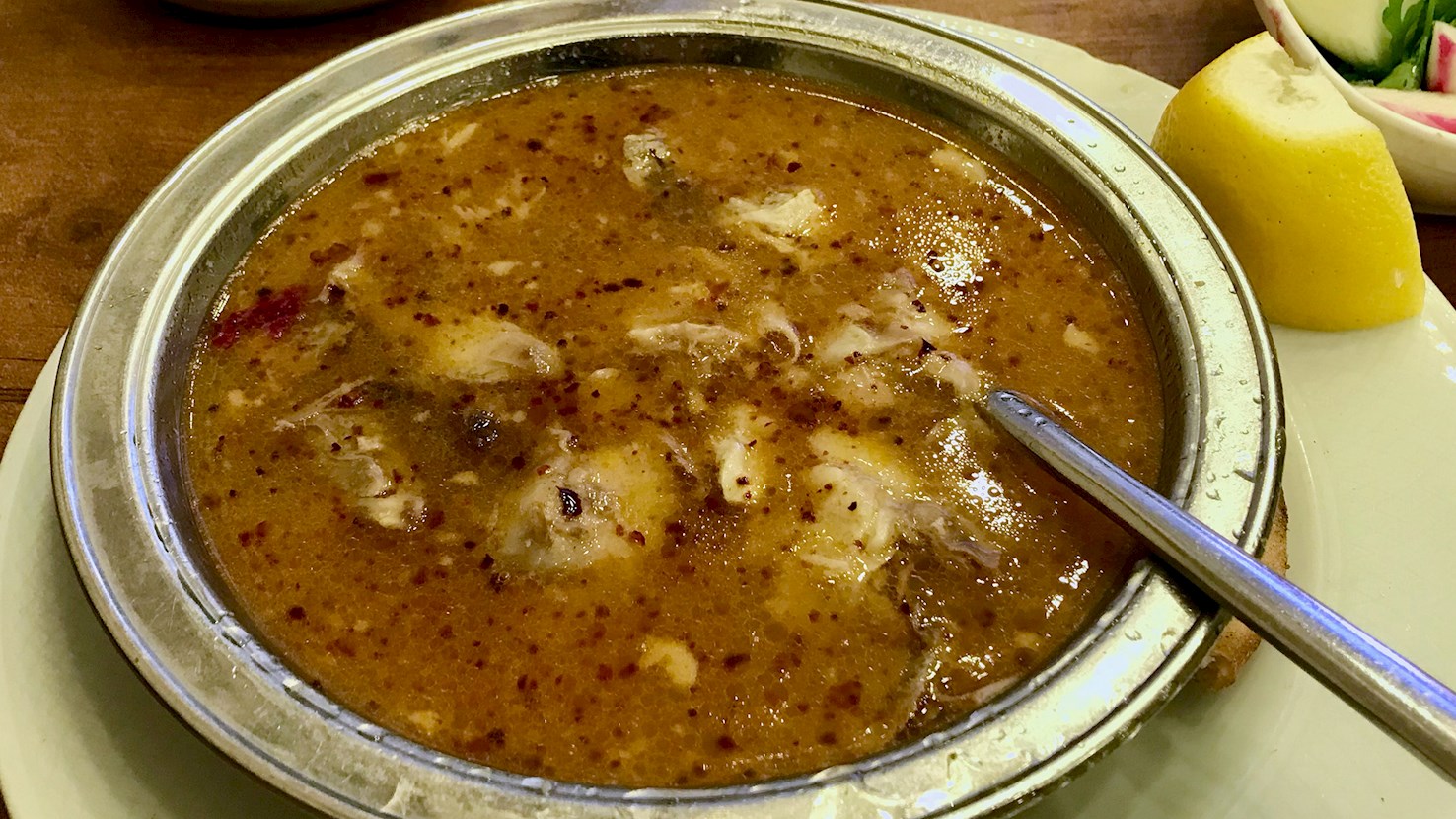
Beyran çorbası is a traditional soup originating from Gaziantep, where it's served for breakfast. It consists of rendered lamb fat that's topped with rice and shredded lamb meat. The combination is then cooked with the addition of garlic, pepper paste, and lamb broth. This soup is notorious for its spiciness, making it a pretty unusual way to start the day. If desired, the soup can be served with lemon wedges and fresh Turkish bread on the side.

Best Asian food products
01
Chocolate

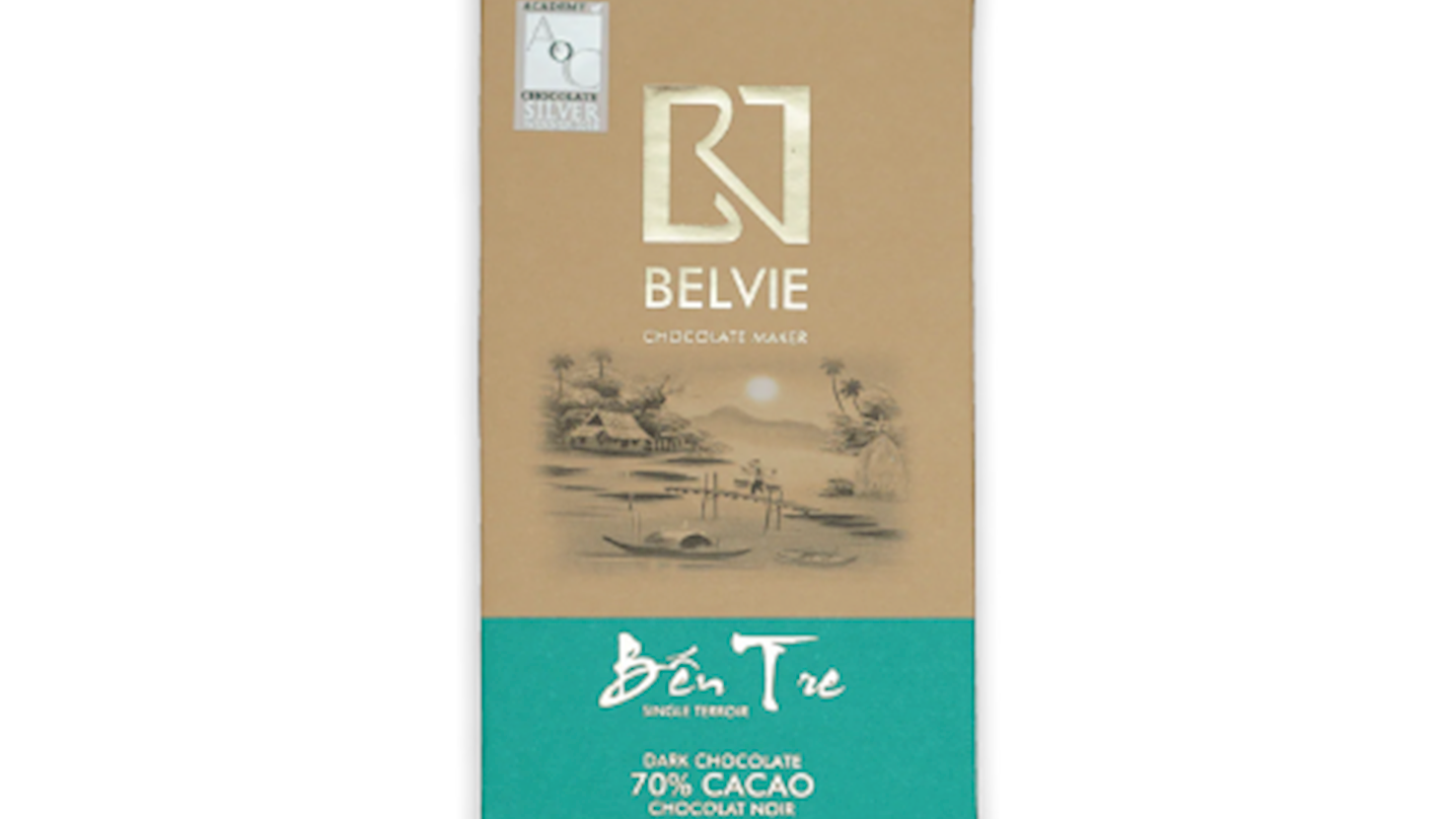
Belvie Chocolate

5 ·
Belvie Chocolate is a Vietnamese bean-to-bar chocolate maker that blends local terroir with Belgian chocolate craftsmanship. Founded in 2015 by Jannie Ha Tran and Marc Vanborren, the brand was created with the goal of promoting sustainable cocoa cultivation and supporting small farmers across Vietnam. Belvie sources Trinitario cocoa exclusively from small plantations in the provinces of Lam Dong, Ben Tre, Tien Giang, and Dong Nai, where the beans are hand-fermented and sun-dried to preserve their aromatic character. The production process is entirely natural - no lecithin or artificial additives are used - and every stage, from roasting and grinding to conching and tempering, takes place in their workshop in Ho Chi Minh City. Their dark chocolates, typically containing between 70% and 80% cocoa, are distinguished by clearly defined regional profiles, featuring notes of tropical fruit, flowers, caramel, or roasted almonds, depending on the origin of the beans. Through a combination of ethical sourcing, authentic local varieties, and European precision, Belvie has become one of the most recognized chocolate producers in Southeast Asia.
Awards
Academy of Chocolate - Silver (2019, 2018)
Academy of Chocolate - Bronze (2020, 2017)
02
Chocolate

Paradai

5 ·
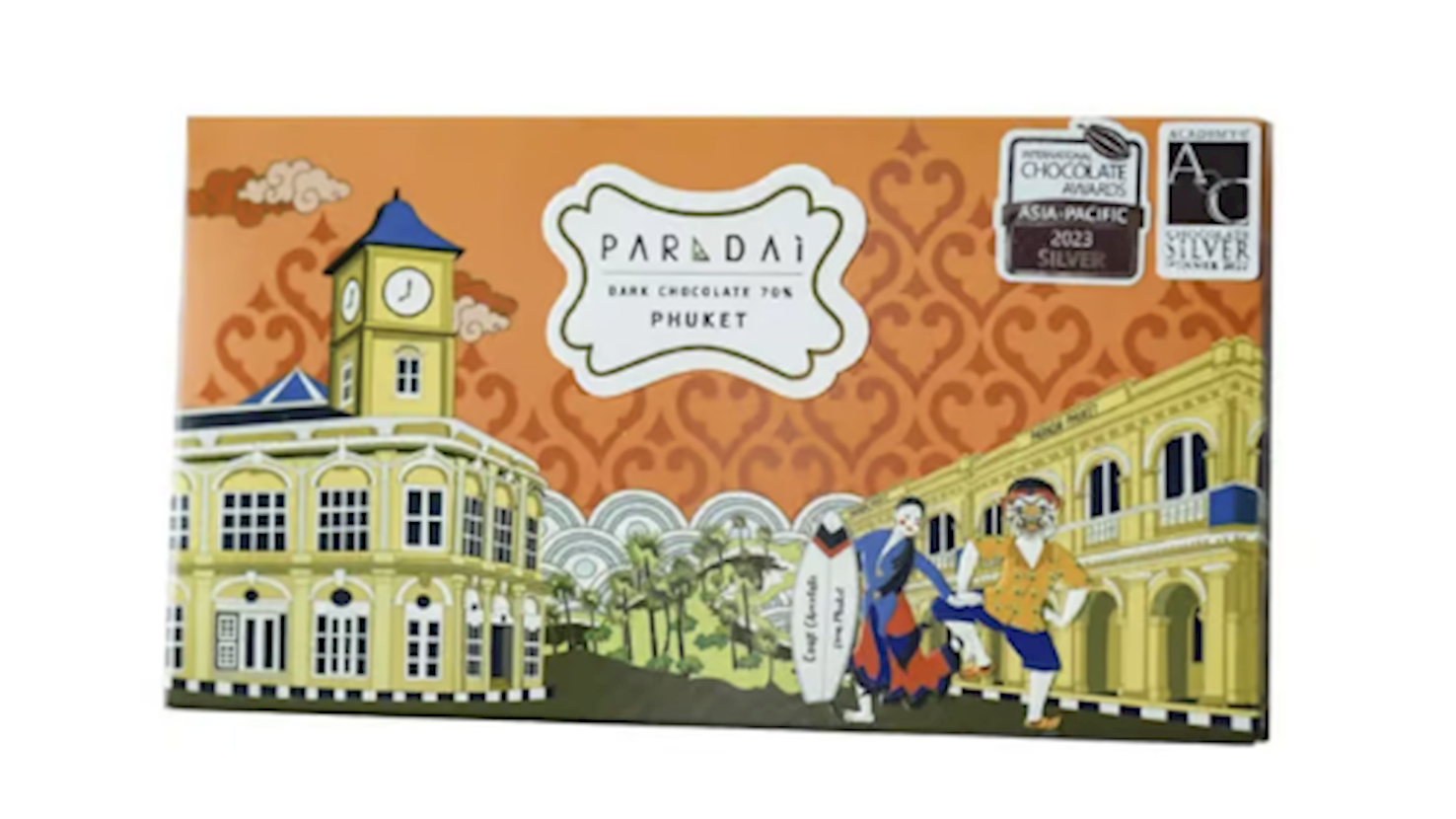
Paradai is a Thai bean-to-bar craft chocolate maker based in Bangkok, founded in 2016 with the aim of showcasing the unique character of locally grown Thai cacao. The company works directly with cacao farmers across several regions of Thailand, including Nakhon Si Thammarat, Phuket, and Chanthaburi, emphasizing traceability and the distinct terroir of each origin. By controlling the entire process from sourcing and roasting to grinding and conching, Paradai produces chocolate that highlights the natural flavor profile of the beans rather than masking it with additives. Thai cacao is known for its bright, fruit-forward aromatics, often revealing notes of tropical fruit, citrus, and gentle acidity, which are preserved through careful fermentation and roasting. Each bar is crafted in small batches to maintain consistency and clarity of flavor.
Awards
International Chocolate Awards - ‘Best in competition' overall winners (2022)
International Chocolate Awards - Gold (2025, 2024, 2023, 2022, 2019)
03
Chocolate Confectionery

Es Koyama

5 ·
Susumu Koyama, a Japanese patissier, founded es koyama in 2003 in Sanda, Hyogo Prefecture, Japan. The company produces a variety of chocolates and confections, drawing on both local ingredients and international influences. Es koyama has gained attention for innovative flavors and meticulous craftsmanship in chocolate-making.
Awards
International Chocolate Awards - Gold (2017, 2016, 2015, 2014, 2013)
Academy of Chocolate - Gold (2016)
04
Chocolate

Green Bean to Bar Chocolate

5 ·
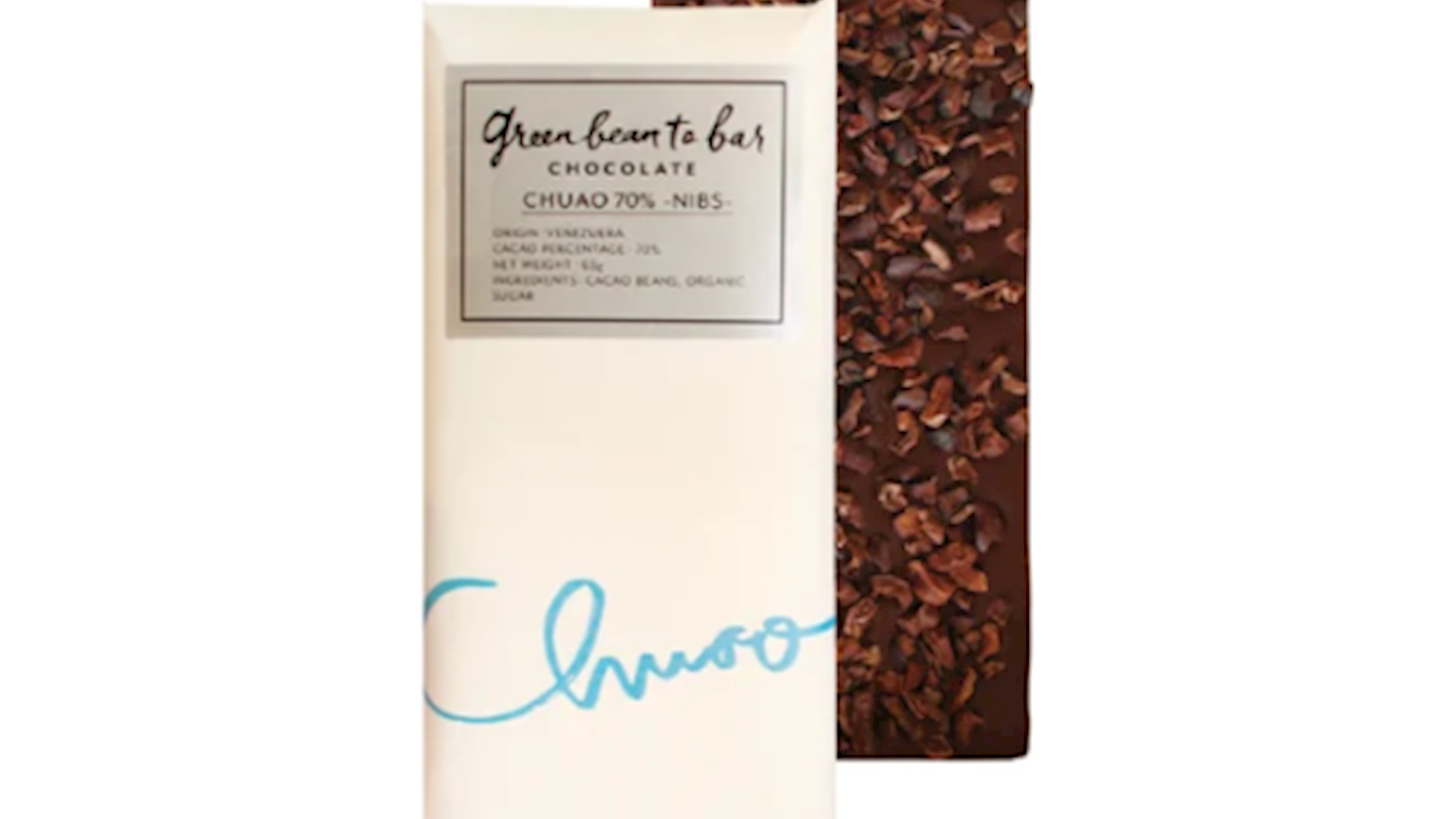
Green Bean to Bar Chocolate is a Japanese producer of fine chocolate distinguished by complete control over the entire production process - from bean to bar. Founded in Tokyo, the brand has become synonymous with transparency, authenticity, and deep respect for raw ingredients. In their stores, visitors can witness the entire chocolate-making process, from roasting and grinding to molding the final bars. Their philosophy is based on purity of ingredients, with most bars containing only cacao beans and organic sugar. Each batch is handmade in small quantities, ensuring exceptional quality and a distinct expression of terroir. Green exclusively uses single-origin cacao, highlighting the diversity of flavors that come from regions such as Tanzania, the Dominican Republic, Peru, and Ghana. Every store also serves as a space for education and tasting, creating an experience that goes beyond simple purchase. The brand’s focus on sustainability and direct partnerships with cacao farmers further strengthens its ethical foundation. Green Bean to Bar Chocolate today stands as a refined fusion of Japanese precision, artistry of flavor, and the highest global standards in the bean-to-bar movement.
Awards
International Chocolate Awards - Silver (2024, 2022, 2020, 2019, 2018)
Academy of Chocolate - Silver (2021)
05
Chocolate

Krakakoa

5 ·
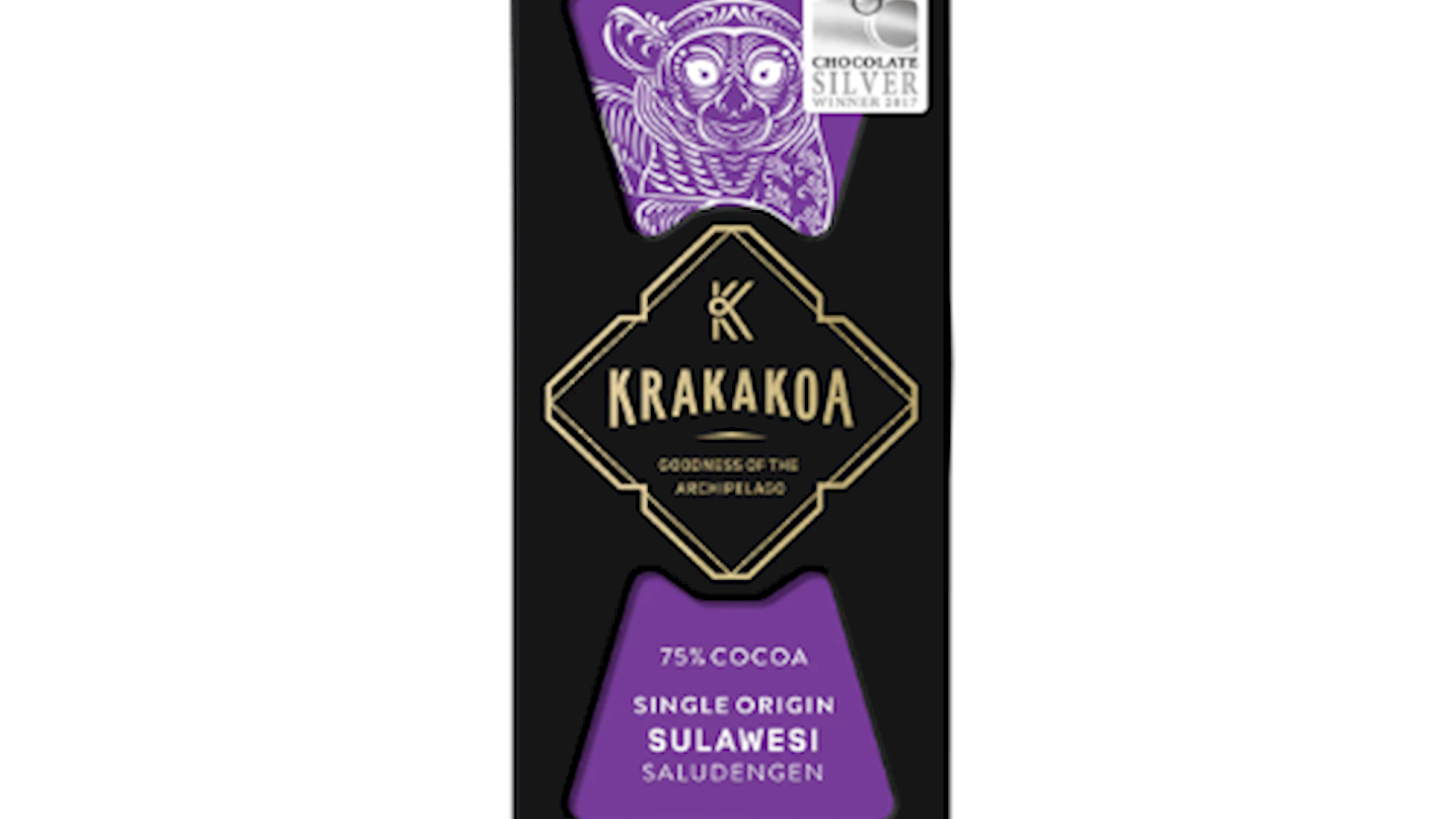
Krakakoa is an Indonesian bean-to-bar brand that combines premium chocolate craftsmanship with social responsibility through its “from farmer to bar” model. Founded by Sabrina Mustopo, the brand’s mission is to keep the value of cocoa processing within the country of origin, providing small farmers with fair income and education. Krakakoa collaborates with over a thousand farmers across the Lampung, Sumatra, and Sulawesi regions, offering training in sustainable farming, fermentation, and organic cultivation. The raw cocoa is processed locally - from fermentation and drying to grinding, refining, and tempering - ensuring complete control over quality. The brand emphasizes transparency in its production chain and uses only natural ingredients without additives. Krakakoa chocolates are distinguished by their pronounced terroir character, with flavor profiles ranging from citrusy and floral to earthy and spicy, depending on the origin of the beans. The products are distributed across several countries in Europe and Asia, reflecting growing global interest in authentic origin chocolates. By combining quality, responsibility, and authenticity, Krakakoa has become a model of how fine chocolate can be crafted with meaningful social impact.
Awards
Academy of Chocolate - Silver (2018, 2017)
Academy of Chocolate - Bronze (2018, 2017)
06
Chocolate

Minimal

5 ·
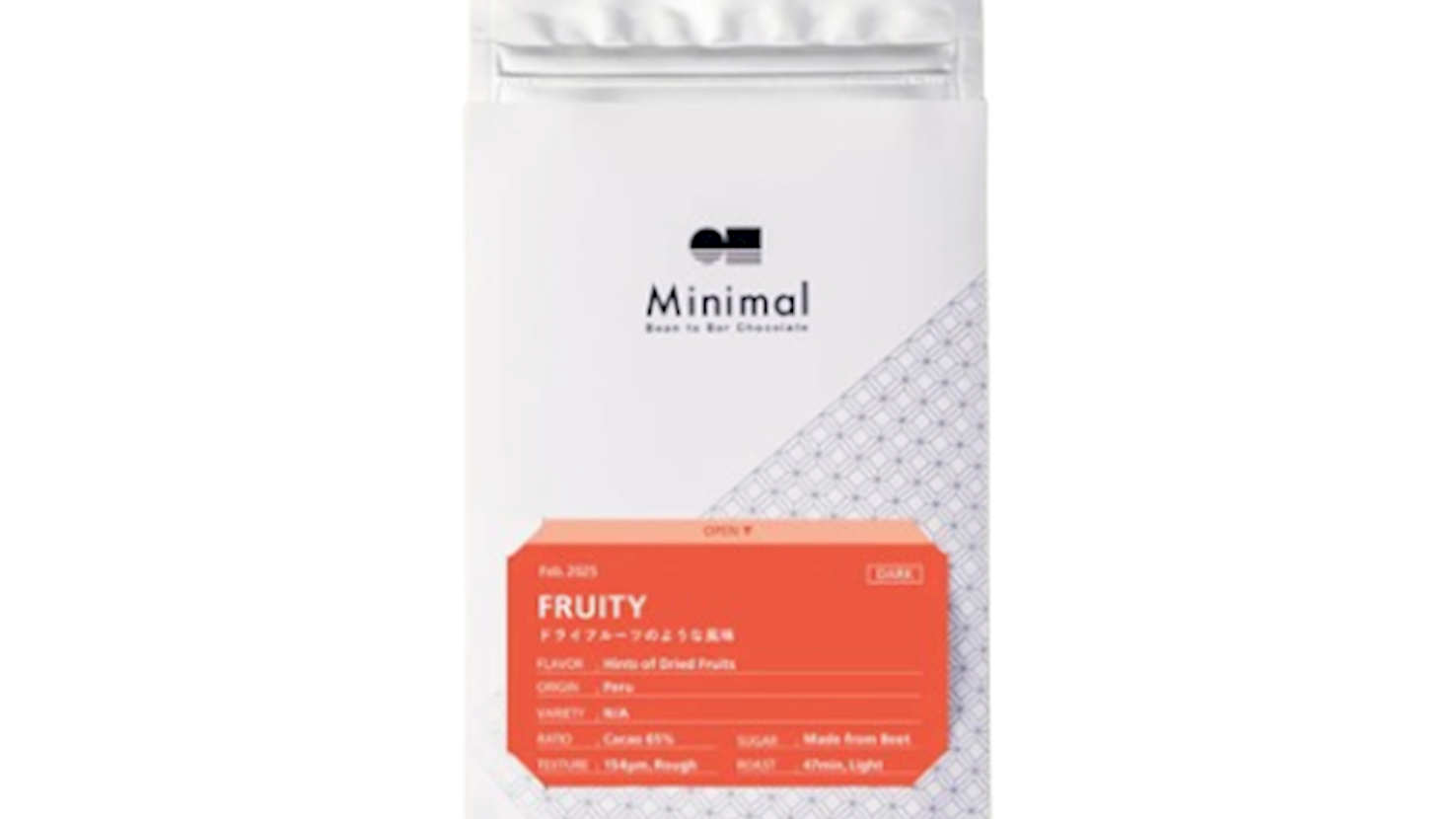
Minimal - Bean to Bar Chocolate is a Japanese brand from Tokyo specializing in handcrafted chocolate made according to the “bean to bar” principle. The company’s core philosophy is based on minimalism and purity of flavor, using only a few carefully selected ingredients to allow the character of the cocoa bean to fully shine. Their range includes chocolate bars, pralines, cakes, desserts such as gateau chocolat, as well as seasonal collections. The packaging is designed to be simple and elegant, highlighting the premium nature of the brand. The focus is on transparency of cocoa origin and on expressing diverse terroir profiles from different countries. Minimal positions itself within the premium segment of the Japanese market, with particular attention to gift sets and limited seasonal editions. Although the products are only selectively available outside Japan, the brand has become synonymous with innovation, quality, and a unique chocolate tasting experience.
Awards
International Chocolate Awards - Gold (2017)
Academy of Chocolate - Silver (2023, 2022, 2021, 2020, 2017)
07
Chocolate

Malagos Chocolate

5 ·
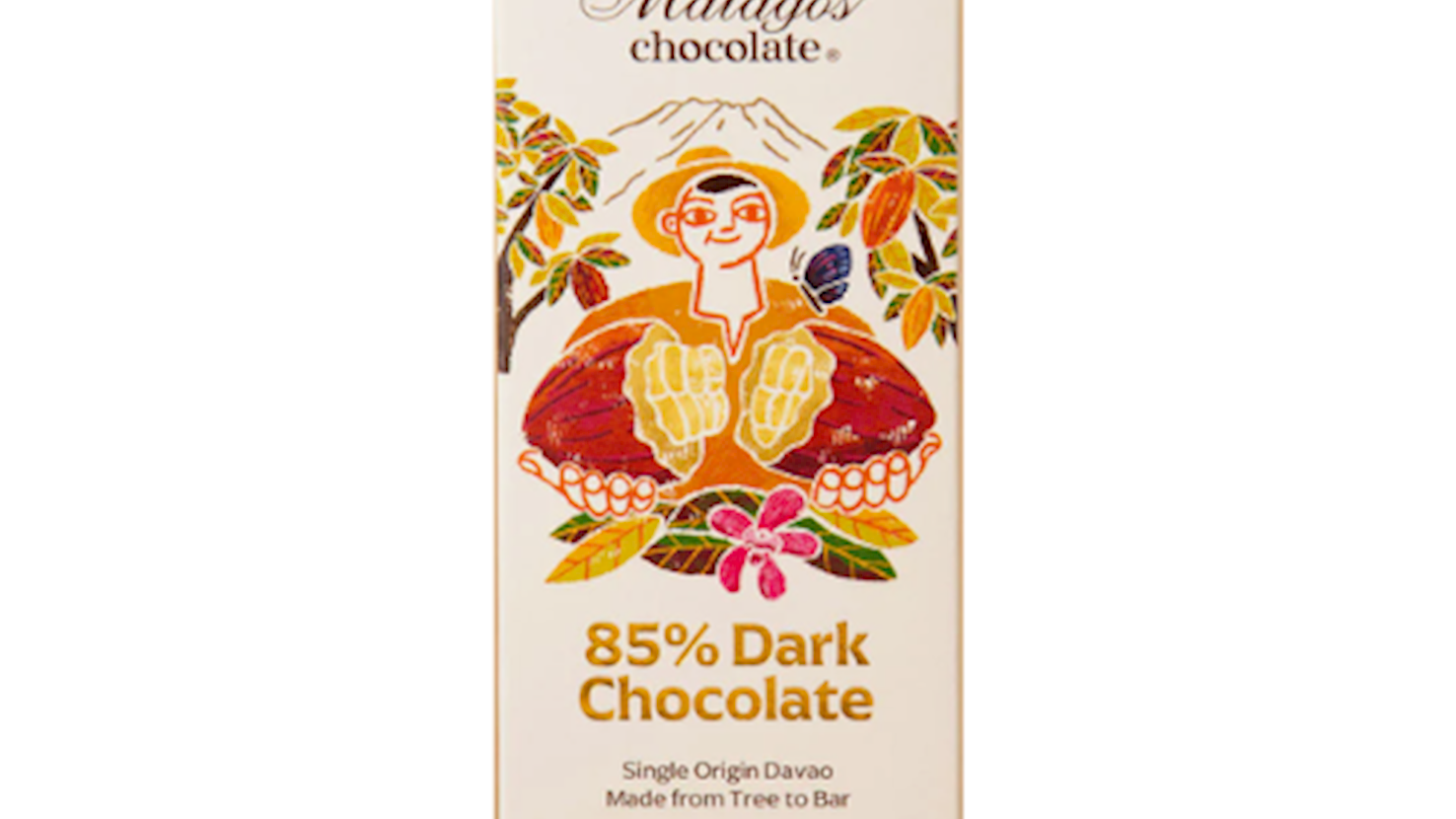
Malagos Chocolate is a Filipino bean-to-bar brand from Davao City and one of the most prominent examples of sustainable and authentic chocolate production in Southeast Asia. Founded in 2012 by the Puentespina family, the brand’s mission is to showcase the full potential of Filipino cacao through a carefully controlled process - from cultivation to finished bar. All the cacao they use comes from their own farm in Malagos and partner estates across the Mindanao region, where the beans are fermented, dried, and roasted under strict standards that preserve their aromatic complexity and natural acidity. Their dark chocolates are distinguished by deep notes of tropical fruit, roasted nuts, and a warm, earthy finish. The brand’s packaging and visual identity reflect the beauty of Philippine nature and culture, while the product itself embodies artisanal precision and social responsibility. Today, Malagos Chocolate stands as a symbol of the modern chocolate movement in the Philippines - a harmony of flavor, origin, and sustainable development.
Awards
Academy of Chocolate - Silver (2020, 2018, 2017, 2016)
International Chocolate Awards - Silver (2018)
08
Chocolate

Rico Kagurazaka

5 ·
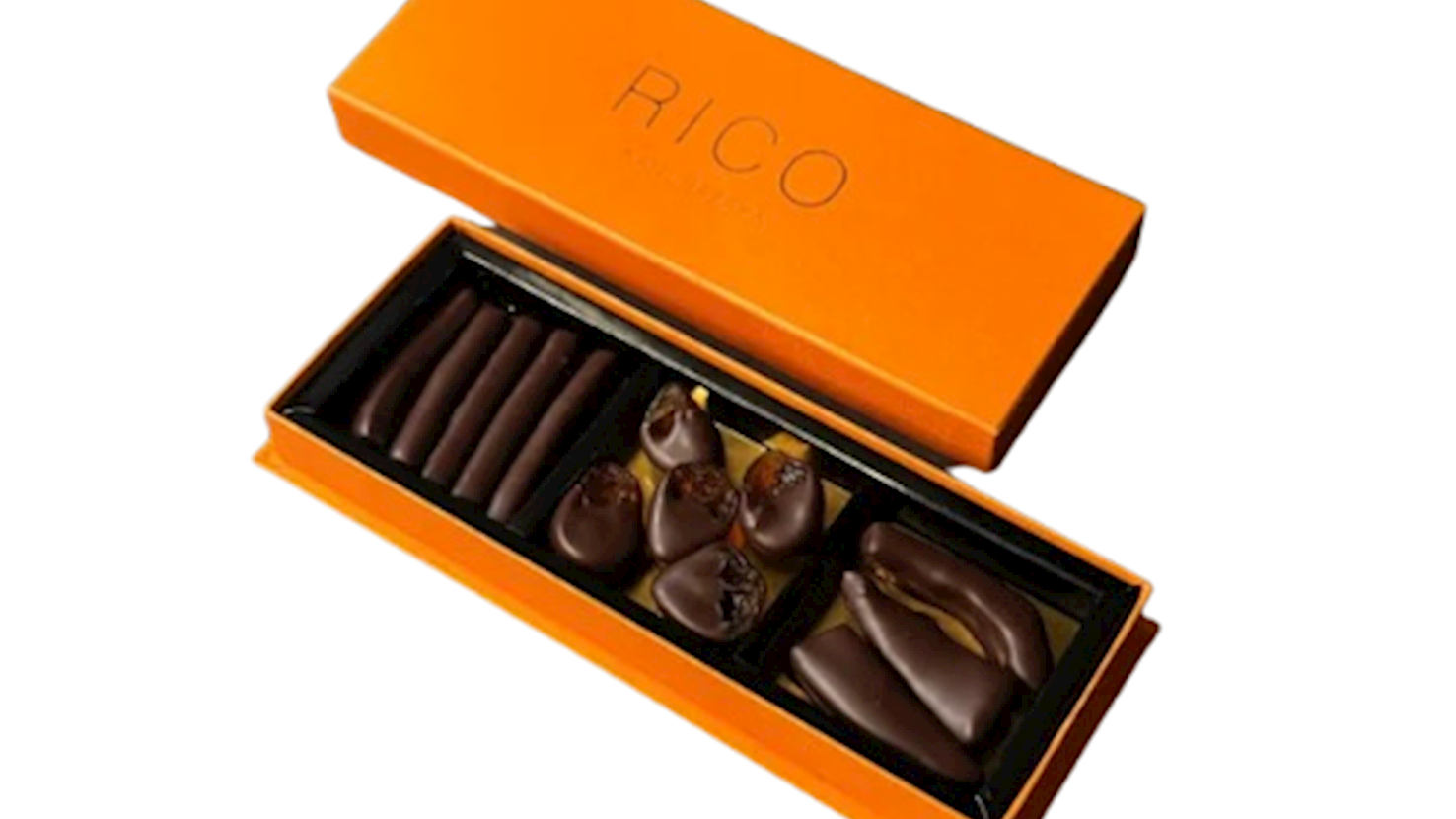
Rico Kagurazaka is a small artisanal chocolate and pastry shop located in Tokyo’s Kagurazaka district, led by pastry chef Riko Onuki. The concept of the shop is centered on producing chocolate and confections in small batches, with a strong focus on the quality of cacao beans and minimal use of additives. A key element of their philosophy is the bean-to-bar approach, in which chocolate is crafted entirely from cacao beans to the finished bar, allowing the natural aromas and complexity of cacao to be preserved. The cacao used is sourced from farms that avoid herbicides, pesticides, and chemical fertilizers, with some beans coming from Taiwan and recognized among high-quality cacao selections. In addition to chocolate bars, the shop also offers baked sweets such as canelés, financiers, sablé cookies, and orangettes, prepared with carefully selected ingredients including organic Japanese flour and unrefined sugar. One of their central product lines is the “Cacao Impression” series, designed to highlight different flavor profiles of cacao through varying cacao percentages. The style of the products reflects a Japanese aesthetic of simplicity and precision, focusing on clean flavors and a balanced expression of sweetness, bitterness, and subtle fruity cacao notes.
Awards
International Chocolate Awards - Gold (2025, 2023)
Academy of Chocolate - Gold (2023)
09
Spirit

Kavalan

5 ·
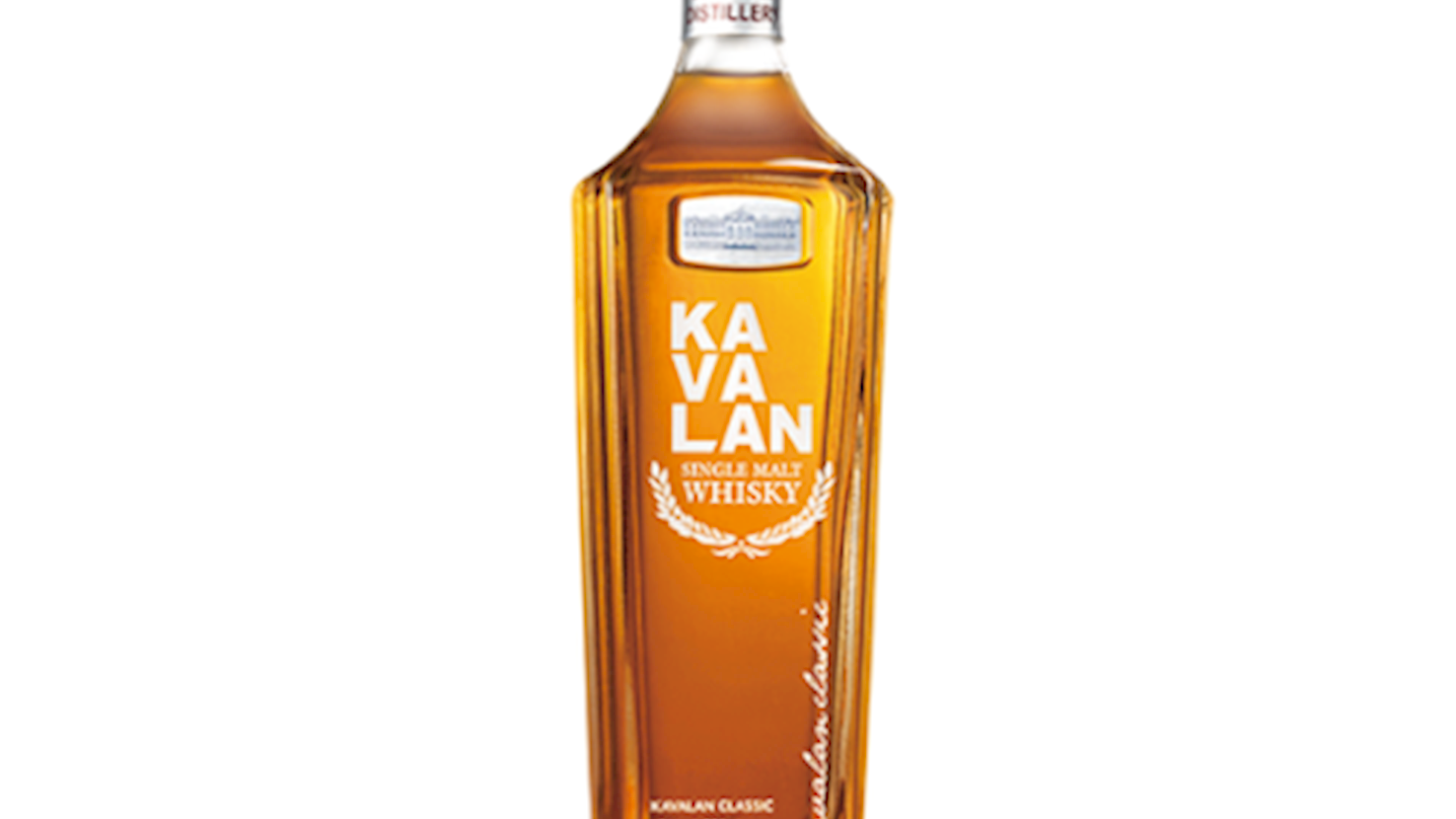
Kavalan is a renowned Taiwanese whisky brand, celebrated for its single malts produced in Yilan County. Established by King Car Group, Kavalan leverages Taiwan’s subtropical climate to mature its whisky faster, creating rich and complex flavors. The brand has earned global acclaim, winning numerous awards for its innovation and craftsmanship, especially for expressions aged in various casks like sherry, port, and wine. Kavalan’s unique process and commitment to quality make it a standout in the world of whisky.
Awards
SFWSC - San Francisco World Spirits Competition - Double Gold (2024, 2023)
ISC-International Spirits Challenge - Double Gold (2024)
10
Spirit

Xiaohutuxian Group

5 ·
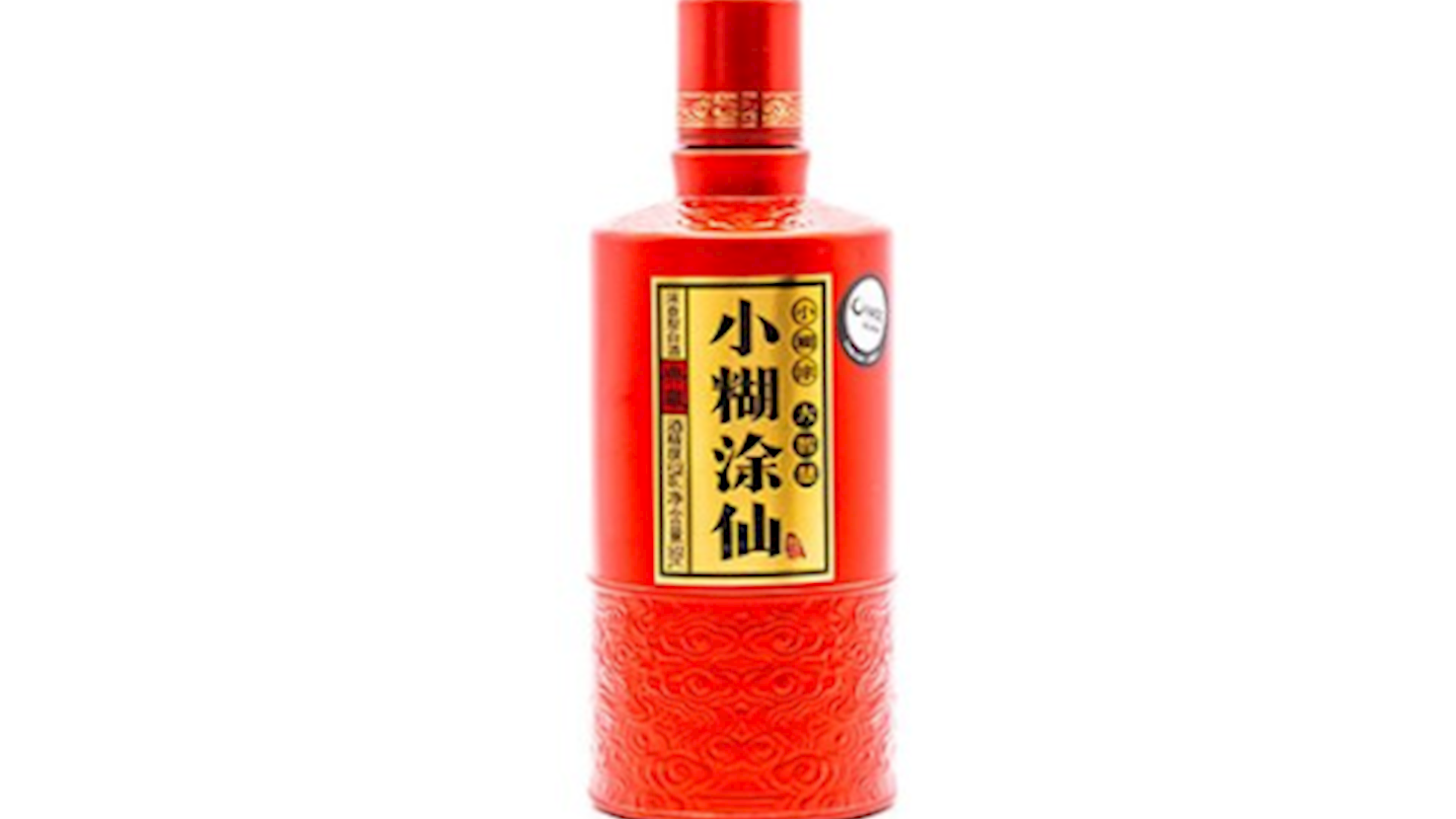
Xiaohutuxian Group is a modern Chinese distillery based in Chengdu, Sichuan Province, specializing in the production of high-quality baijiu spirits that seamlessly blend tradition and innovation. The company has built a reputation as one of the leading producers in the premium segment of the Chinese market, combining authentic fermentation and distillation methods with a modern approach to design, marketing, and brand identity. A particular focus is placed on preserving the microbial culture and grain base traditionally used in Chinese baijiu production, ensuring consistency in quality and richness of flavor. Their spirits are distinguished by complex aromatic profiles that unite floral, fruity, nutty, and umami tones, creating a unique tasting experience. The company’s vision is to connect the past and future of Chinese distillation - honoring tradition while introducing technological innovation and contemporary aesthetics. Today, Xiaohutuxian Group stands as a symbol of the new wave of Chinese producers redefining the global identity of baijiu, combining artisanal precision, cultural authenticity, and distinctive design into a single, harmonious whole.
Awards
SFWSC - San Francisco World Spirits Competition - Double Gold (2024, 2023)
IWSC- International wine & spirit competition - Spirit Gold (2024, 2023, 2022, 2021, 2020)
Read more
View all
View map
About this ranking

TasteAtlas food rankings are based on the ratings of the TasteAtlas audience, with a series of mechanisms that recognize real users and that ignore bot, nationalist or local patriotic ratings, and give additional value to the ratings of users that the system recognizes as knowledgeable. For the “Top 100 Asian Foods” list until June 10, 2026, 229,230 ratings were recorded, of which 129,319 were recognized by the system as legitimate. TasteAtlas Rankings should not be seen as the final global conclusion about food. Their purpose is to promote excellent local foods, instill pride in traditional dishes, and arouse curiosity about dishes you haven’t tried.

The initial list of top producers was compiled based on available reviews, awards, local recommendations, media and blog coverage, and consumer reviews. The list will be updated with ratings from TasteAtlas local ambassadors and TasteAtlas users.

Similar lists