
shutterstock

Top 100 Belgian Foods

Last updated on June 01, 2026

Best Belgian foods

01
Dessert

Liège Waffle

4.3 ·

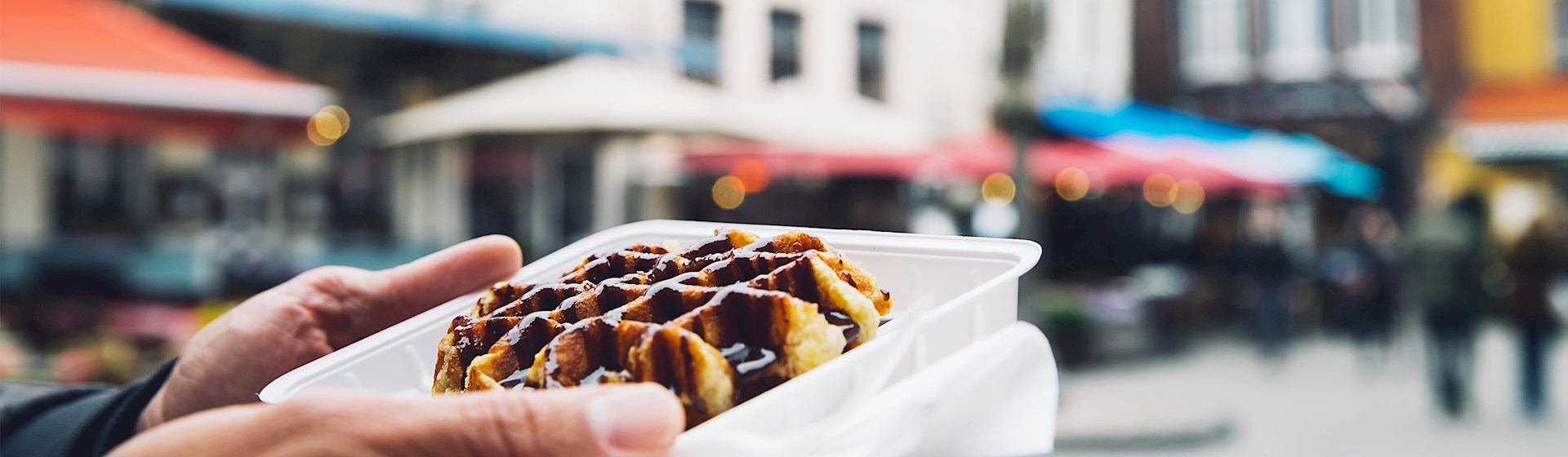
Liège waffles are one of the two most popular waffle varieties in Belgium. These unevenly shaped, chewy treats are made with a thick, brioche-like dough which is sweetened with pearl sugar and baked in a specially-designed waffle pan. During the baking process, the pearl sugar melts and gives the waffles a unique caramel flavor. Although the origin of Liège waffles is somewhat vague, it is believed they were influenced by French culinary traditions and made famous by the skillful Liège bakers. In Liège, these waffles are usually enjoyed plain, but they can also be topped with powdered sugar, whipped cream, chocolate, or various fruits.

02
Stew

Carbonnade

4.2 ·

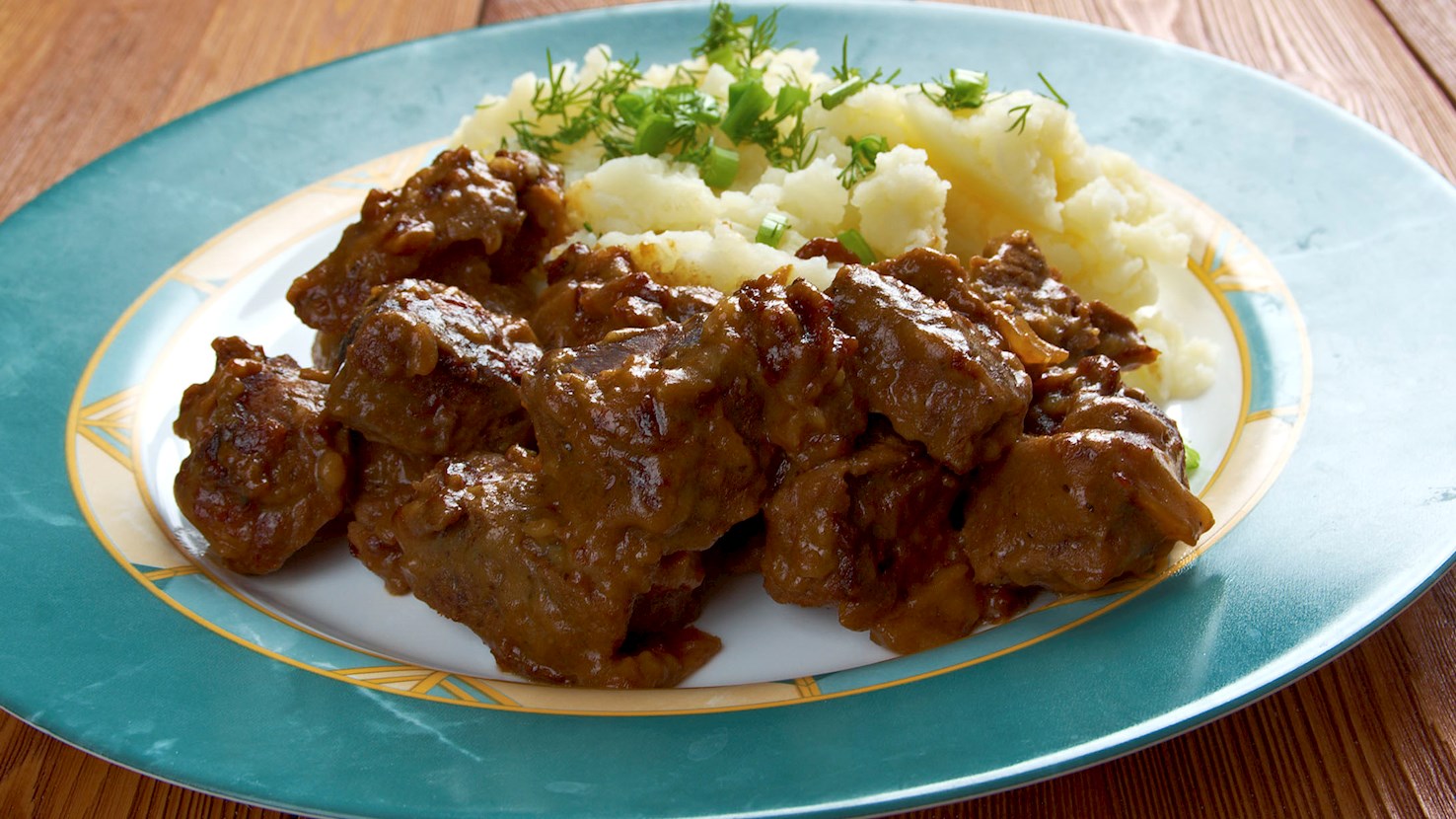
Carbonnade is a traditional stew made with beef and dark beer. Often referred to as carbonade flamande or stoverij, it features simple ingredients, but results in a rich and hearty dish. Although beef is the main ingredient in carbonnade, the crucial element for the dish is traditional Belgian dark beer. It gives the dish certain sour and earthy flavors that perfectly complement the sweet onions and tender beef. Thyme, garlic, and bay leaves are added for extra flavor, while slices of mustard bread are sometimes added in order to thicken the sauce. In Ghent, the dish often contains kidneys and liver. Carbonnade is usually served with mashed potatoes, traditional Belgian fries, bread, or vegetables on the side. It is recommended to pair the dish with a glass of full-bodied Belgian beer.

03
Sweet Pie

Geraardsbergse mattentaart

4.2 ·

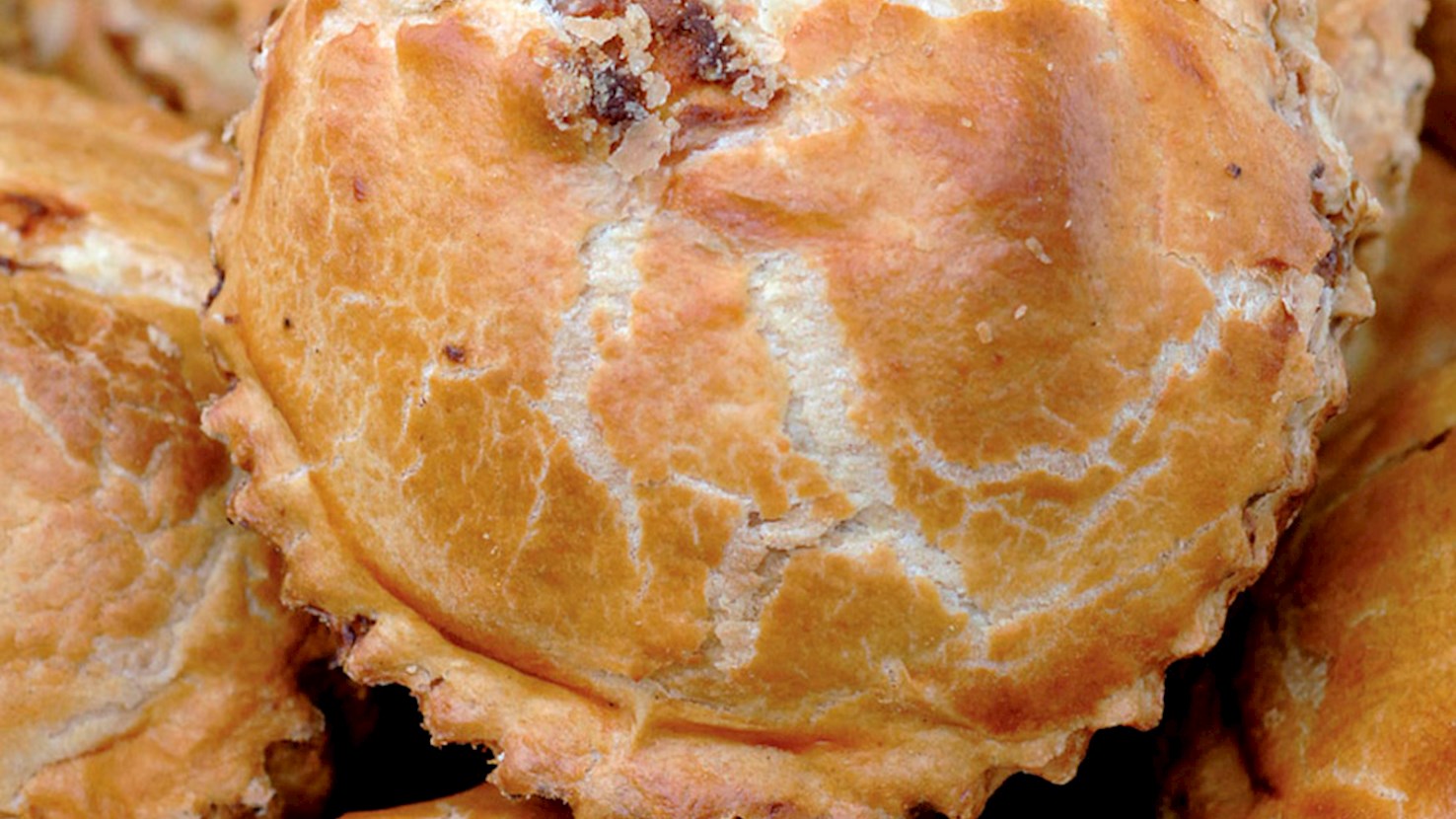
A typical dessert of the East Flanders, mattentaart is a small puff pastry pie with a tender, almond-flavored cheese curd filling called mattenbrij. These delicious Flemish pies are traditionally made in the city of Geraardsbergen and the neighboring village of Lierde, and their production depends heavily on the Geraardsbergen area's dairy produce, since genuine mattentaarts are prepared using only fresh milk, butter, and buttermilk from the local farms. Although the origins of mattentaart can be traced back to the Middle Ages, the oldest known recipe was found in Een Notabel Boecxken van Cokeryen, the first cookbook in Dutch, written and published in 1514 by Thomas van Der Noot. Later on, the famed mattentaarts were even depicted by the Flemish Renaissance painter and printmaker Pieter Bruegel the Elder in his 1567 painting The Peasant Wedding. And even though mattentaart is today famous throughout Belgium and abroad, in 2006, this pie has been declared a regional product protected by the European Union which means it can only be called mattentaart if it is produced in Geraardsbergen or Lierde.

Best restaurants
04
Mussel Dish

Moules-frites

4.2 ·

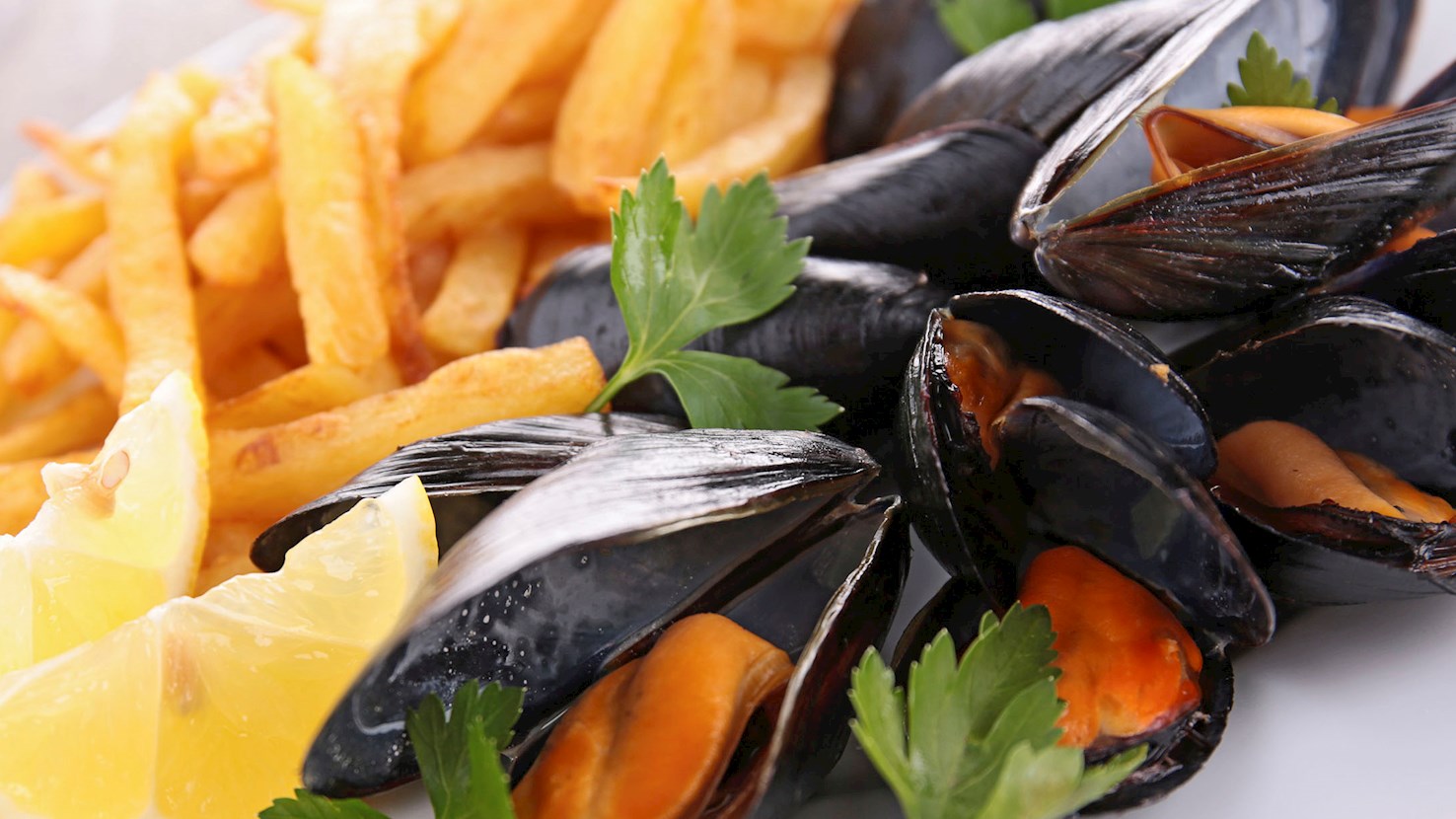
Moules-frites is a traditional comfort food item consisting of mussels paired with Belgian fries on the side. The dish is commonly found in Belgium, the Netherlands, and northern France. The condiment of choice accompanying the dish is mayonnaise, providing an additional note of richness. Mussels are a Belgian staple - cheap and abundant, they were originally considered a poor man's meal, and have been paired with fried potatoes for a long time at the country's famous friteries (fry shops). It is believed that the dish is originally from Belgium, because Belgians were the first to pair the mussels with fries, commonly eaten throughout the country in wintertime, when no fish was available. Today, the dish is found in most restaurants where it is often shared amongst groups of consumers.

05
Cookie

Speculaas

4 ·

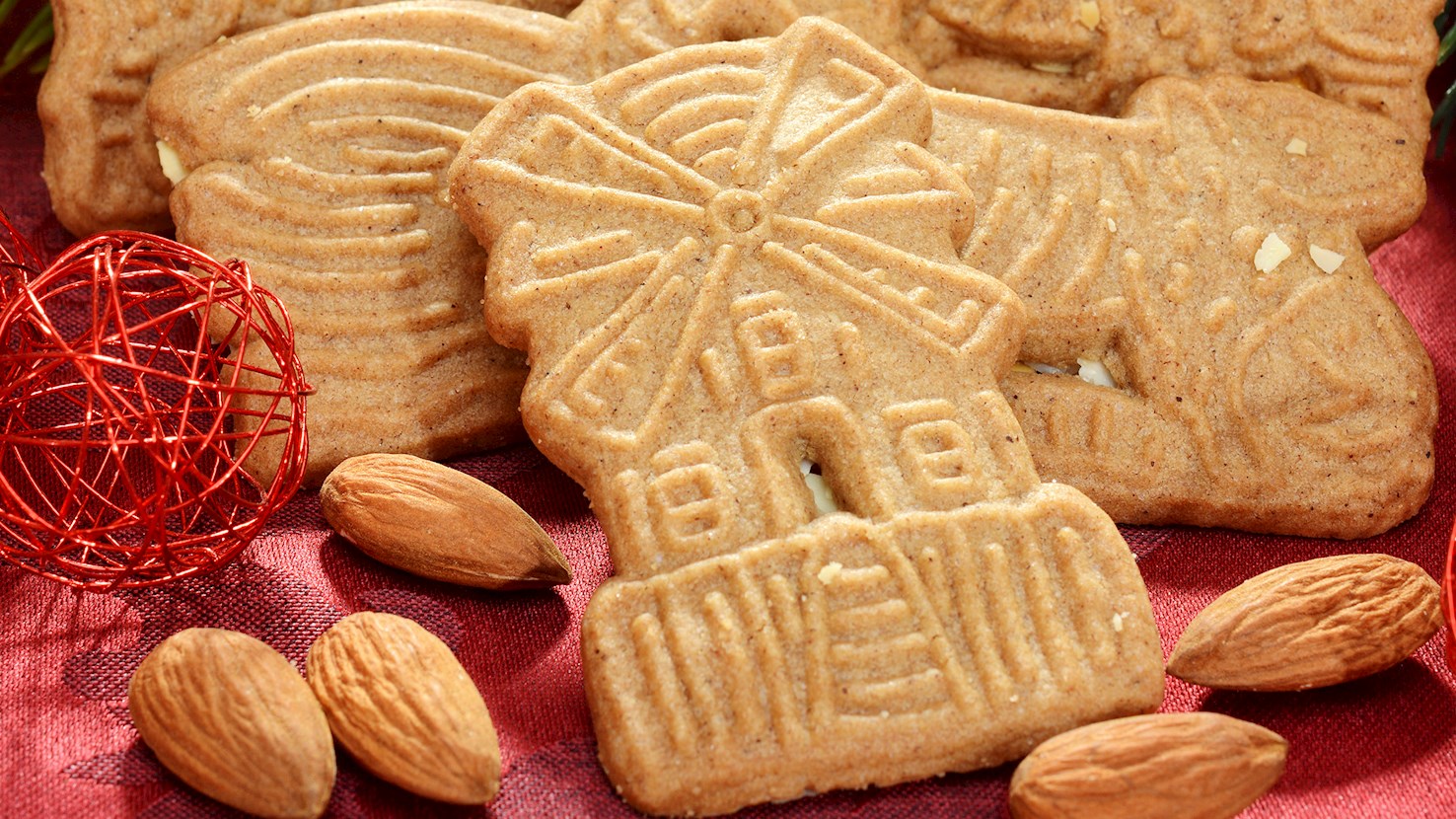
Speculaas are spiced cookies mainly made in Belgium and the Netherlands, although they are also popular in Germany (Rhineland and Westphalia), Luxembourg and northern France. With an intense fragrance of cinnamon, cloves, nutmeg, and ginger, the cookies are traditionally baked on the eve of St Nicholas Day, celebrated on December 5 and December 6. Before going to bed, the children put their shoes by the chimney, and if they behaved well, they are rewarded with speculaas in their shoes. There are a few theories on the origin of its name - one says it derives from the Latin word speculum, meaning a mirror, referring to the mirrored images that the cookies are decorated with. Another popular theory claims the origin of speculaas stems from specerij, the Dutch word for spice. The third theory suggests that it derives from the Latin speculator, referring to a bishop, such as St Nicholas. And how about the issue of speculaas vs. speculoos? Apparently, speculoos is just the Belgian word for these cookies, but without any (or most of) the once-expensive spices, as loos means without in Dutch. Also, the word speculaas doesn't exist in French, so they're always called speculoos in France. Today, the cookies are not reserved only for the St Nicholas Day or for Christmas, but are available the whole year round, ideally paired with a cup of hot tea or coffee.

Best restaurants
06
Cheese

Fromage de Maredsous

4 ·

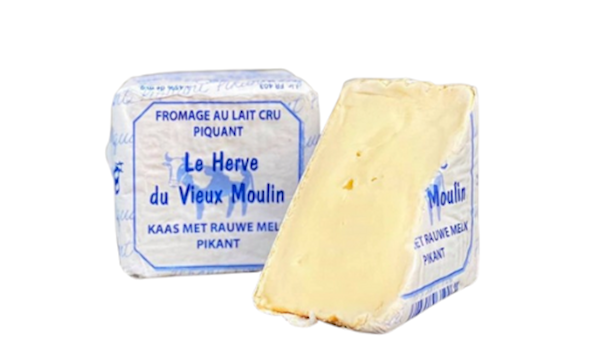
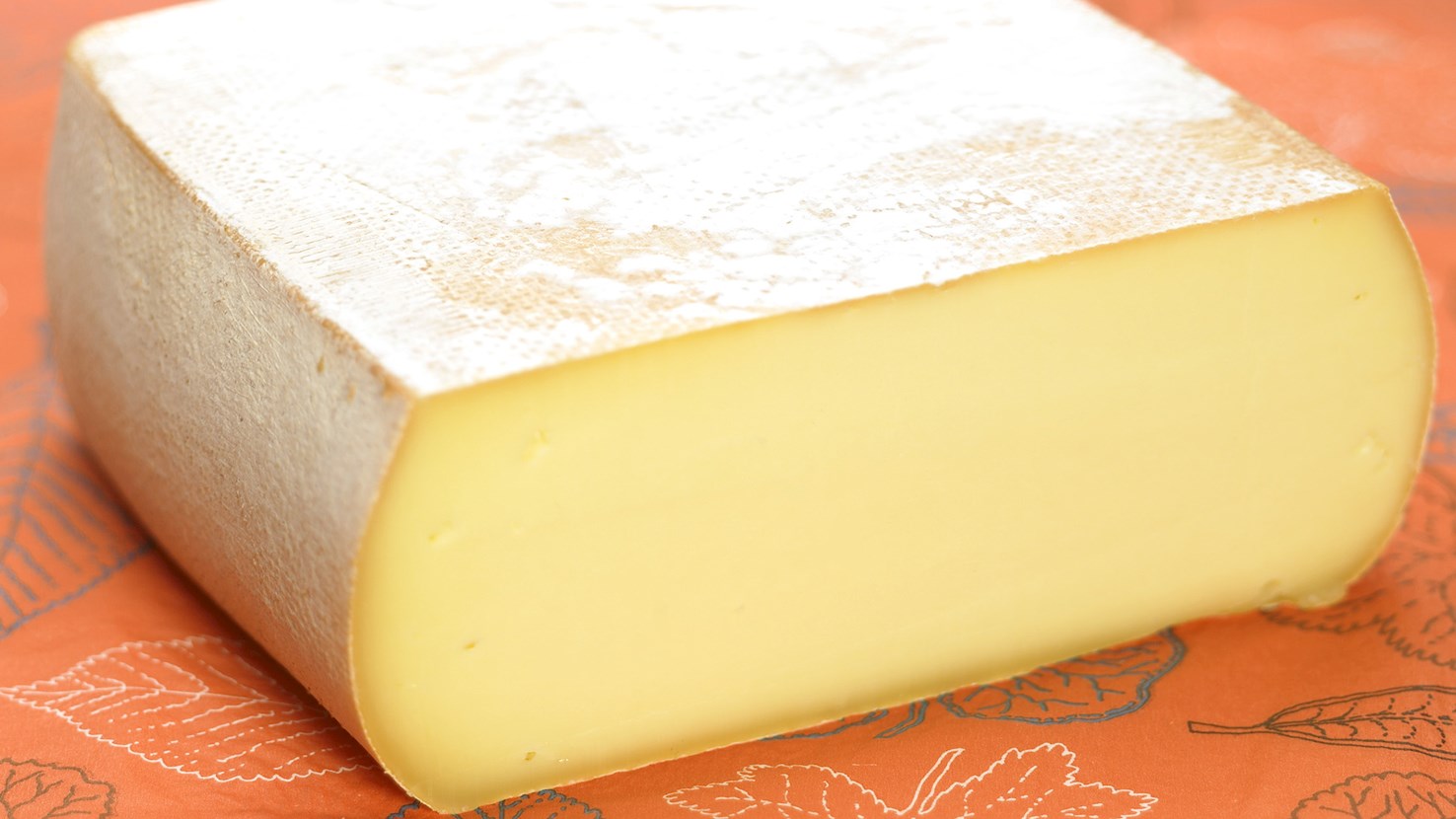
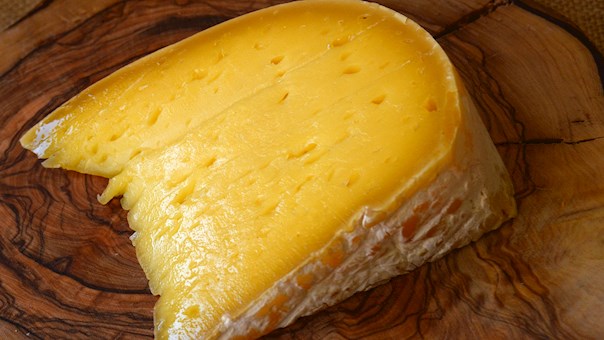
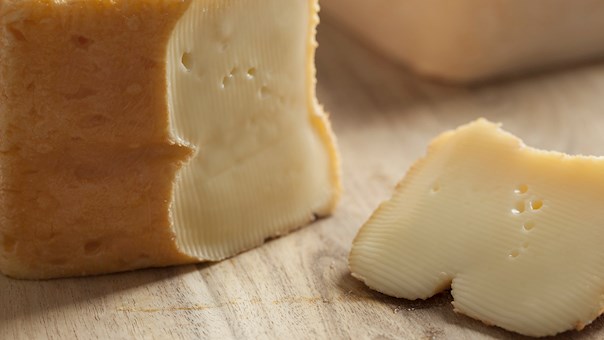
Maredsous is a Belgian soft cheese made from cow’s milk. It is made by monks of the Maredsous Abbey, hence the name of the cheese. It is first lightly pressed, shaped into loaves, then washed in brine so that a firm, orange-colored crust can be developed, as well as its signature pungent aroma. It is recommended to consume Maredsous cheese on its own as a table cheese, or use it for grilling.

07
Spread

Filet Americain

4 ·

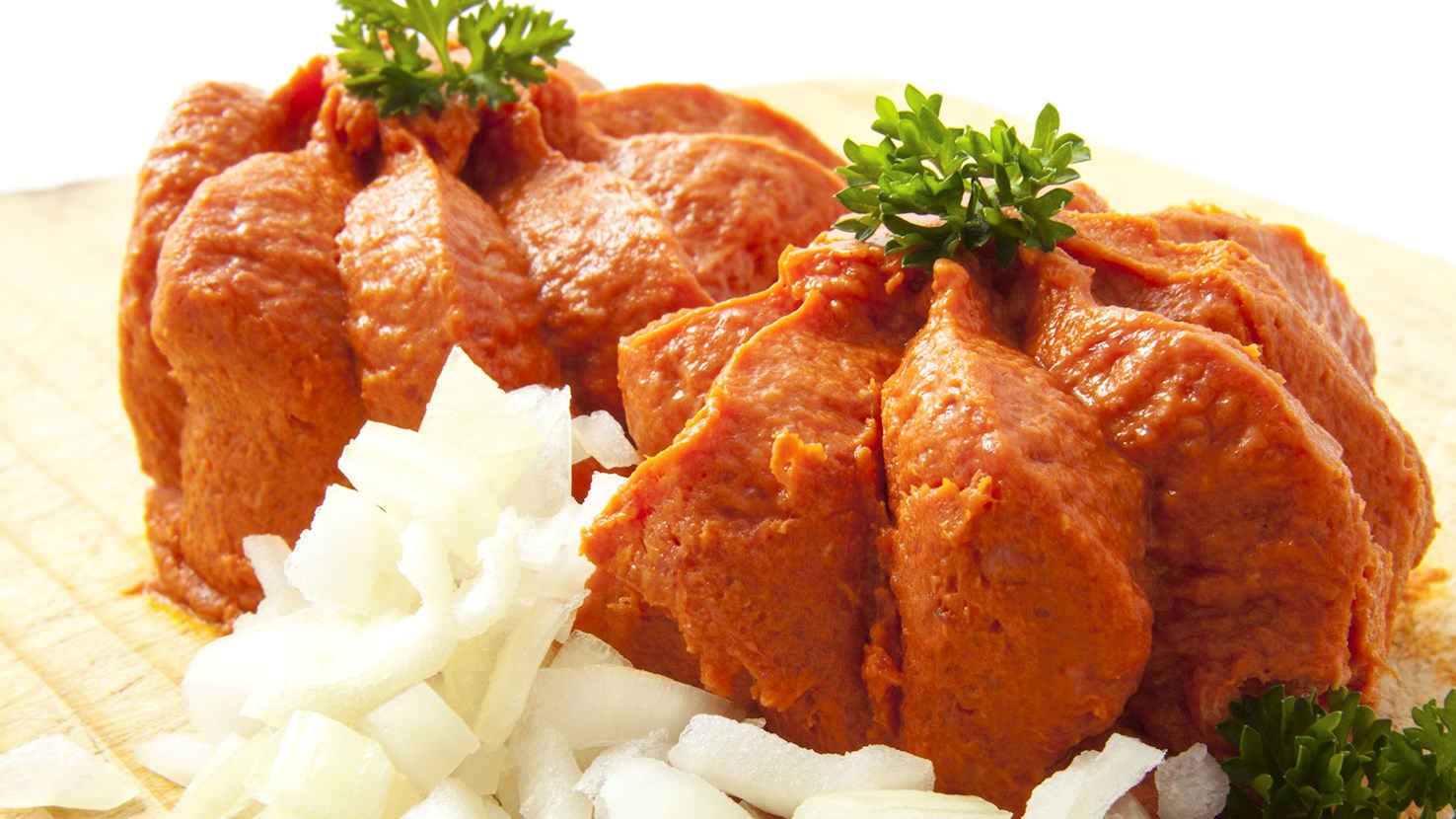
Although it is sometimes confused with a steak due to its unusual name, filet Américain is a spread made with raw beef. This popular dish is a close cousin to the more famous steak tartare, but the difference is that filet Américain uses meat which has been minced in a meat grinder. Only lean and premium beef cuts are used in this Belgian classic, and because the meat is served raw, it should be as fresh as possible. When the meat is ground, it is usually generously seasoned and enriched with onions, capers, mustard, mayonnaise, raw eggs, tabasco, and Worcestershire sauce, which also help in holding the spread together. There are two ways of serving filet Américain in restaurants: fully prepared, or left for the consumers to add the condiments according to individual preferences. It is believed that Joseph Niels invented the dish in 1924 and was the first to serve it in his restaurant in Brussels. Filet Américain is often spread on crackers and served as an appetizer, although it is sometimes served as a main dish with fries and a fresh salad on the side. However, most locals prefer to spread the mixture on a piece of crusty bread and consume it as a sandwich.

08
Meatballs

Boulets sauce lapin à la Liègeoise

4 ·

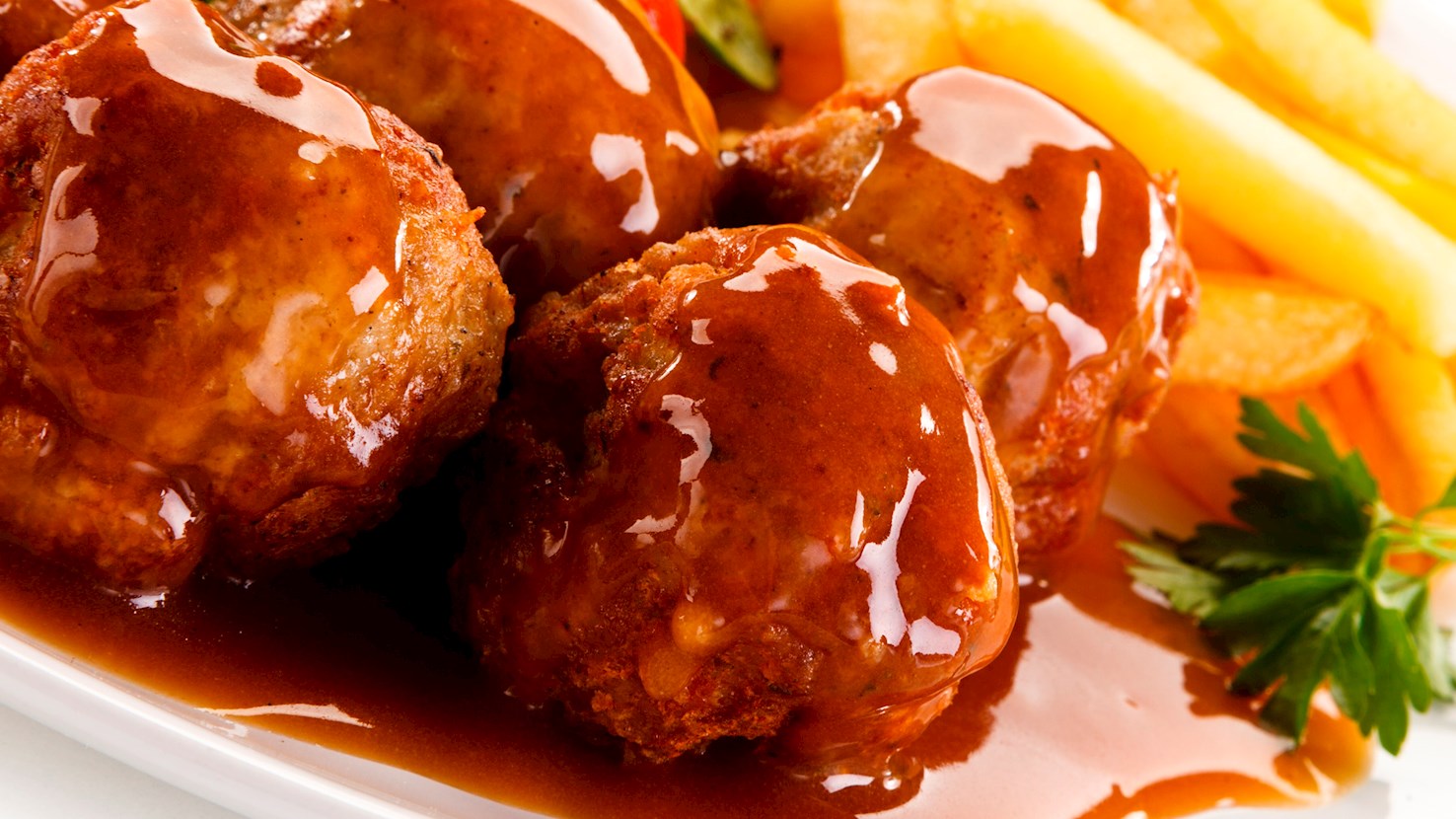
This popular Belgian dish known as boulets liégeoise consists of beef and pork meatballs that are simmered in a gravy made with onions, flour, beef broth, and sirop de Liége. Sultanas are often added to the meatballs, and there are other versions of these meatballs as well - with cherries in Flanders, or with tomato sauce, mushrooms, and Madeira wine. The dish is traditionally served with pommes frites, light salads, and a big glass of Belgian beer.

09
Dry-cured Ham

Jambon d'Ardenne

3.9 ·

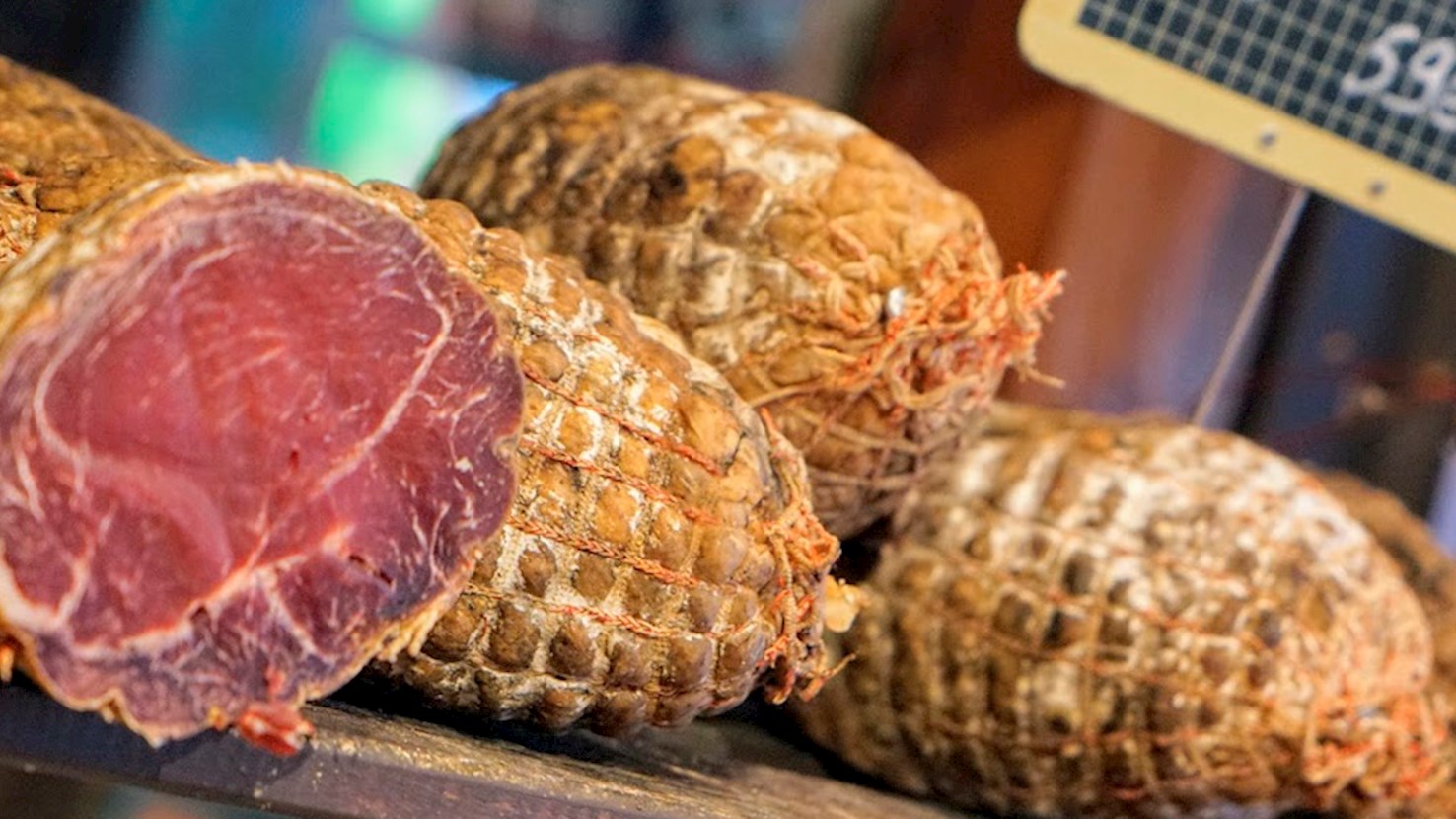
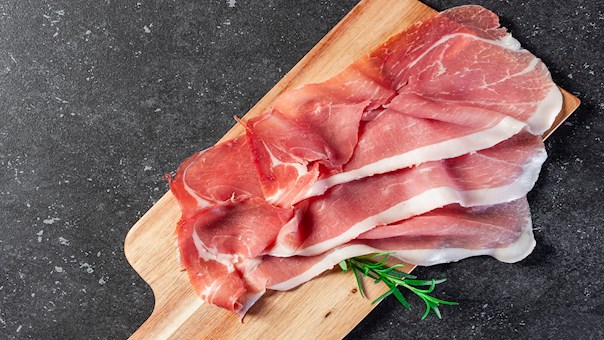
Ardennes ham is a cured meat product made in the Wallonian provinces of Luxembourg, Liege and Namur. For the perfect Jambon d'Ardenne each ham is first dry-salted and then immersed into brine to soak in the flavors of a traditional mix of spices such as thyme, laurel, juniper berries and cloves. After the salting, the hams are slow smoked over beech or oak sawdust, which gives this Belgian delicacy its characteristic bouquet. Enjoyed throughout Belgium, this ham is marketed in a variety of cuts: Jambon d'Ardenne refers to a whole bone-in ham; a highly prized boneless center cut is called Fleur or Coeur d'Ardenne, and there's also Noix de Jambon d'Ardenne, which is actually the smallest muscle of the ham and its leanest cut. Ardennes ham is usually served alongside raw vegetables and fruits but it is also an essential ingredient in the preparation of traditional Belgian omelettes and pancakes.

10
Ice Cream

La dame blanche

3.9 ·

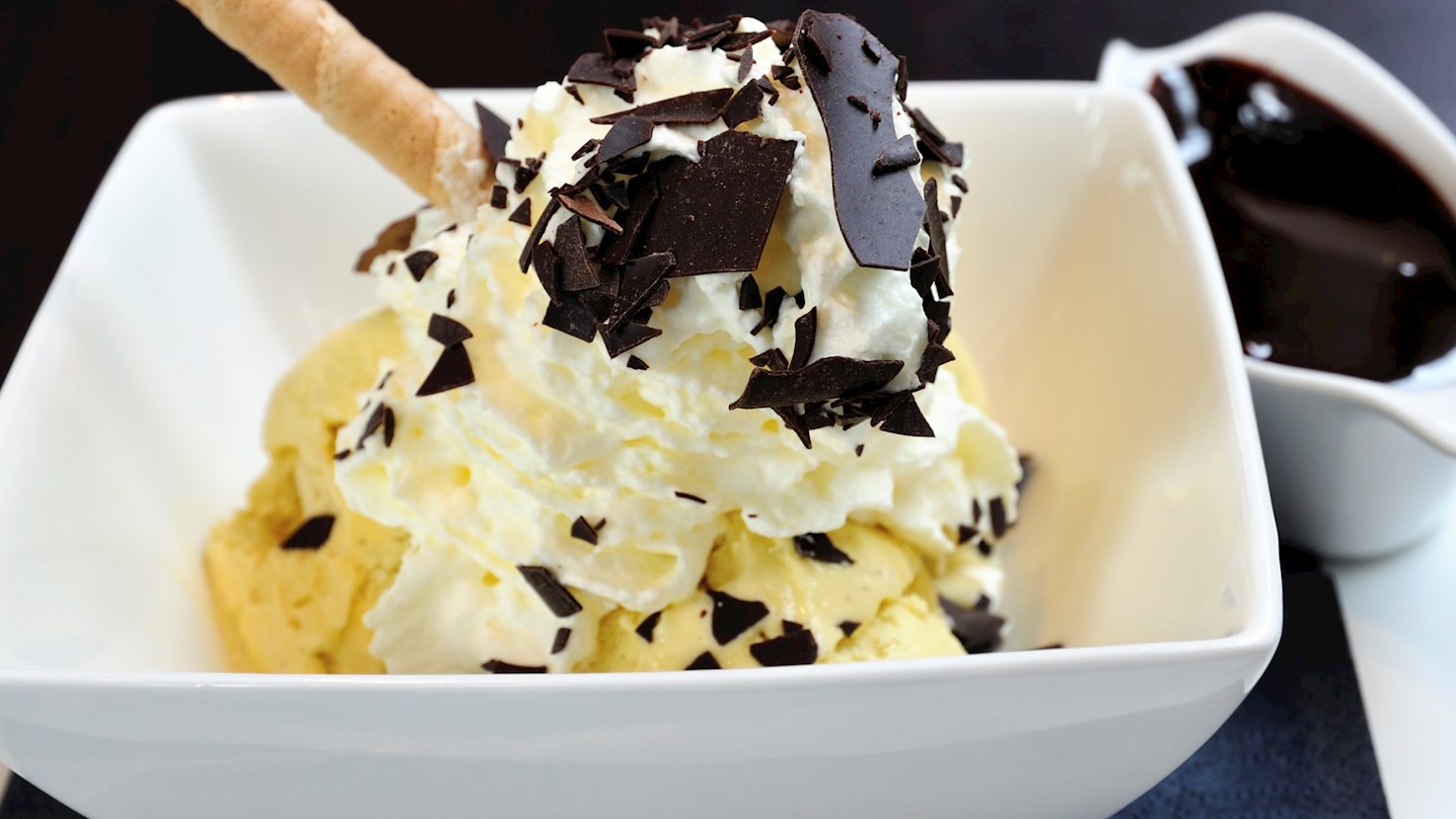
La dame blanche is a sweet dessert from Belgium, consisting of vanilla ice cream, whipped cream, and a warm chocolate fudge made with chocolate, milk and vanilla extract. The dessert, which shares its name with a famous French opera based on Scottish writer Sir Walter Scott's works, is commonly found in most Belgian restaurants. Cherish Raspberry, a Belgian Lambic beer, acts as a perfect accompaniment to this classic dessert.

Best Belgian food products
01
Beer

Brasserie Cantillon

5 ·
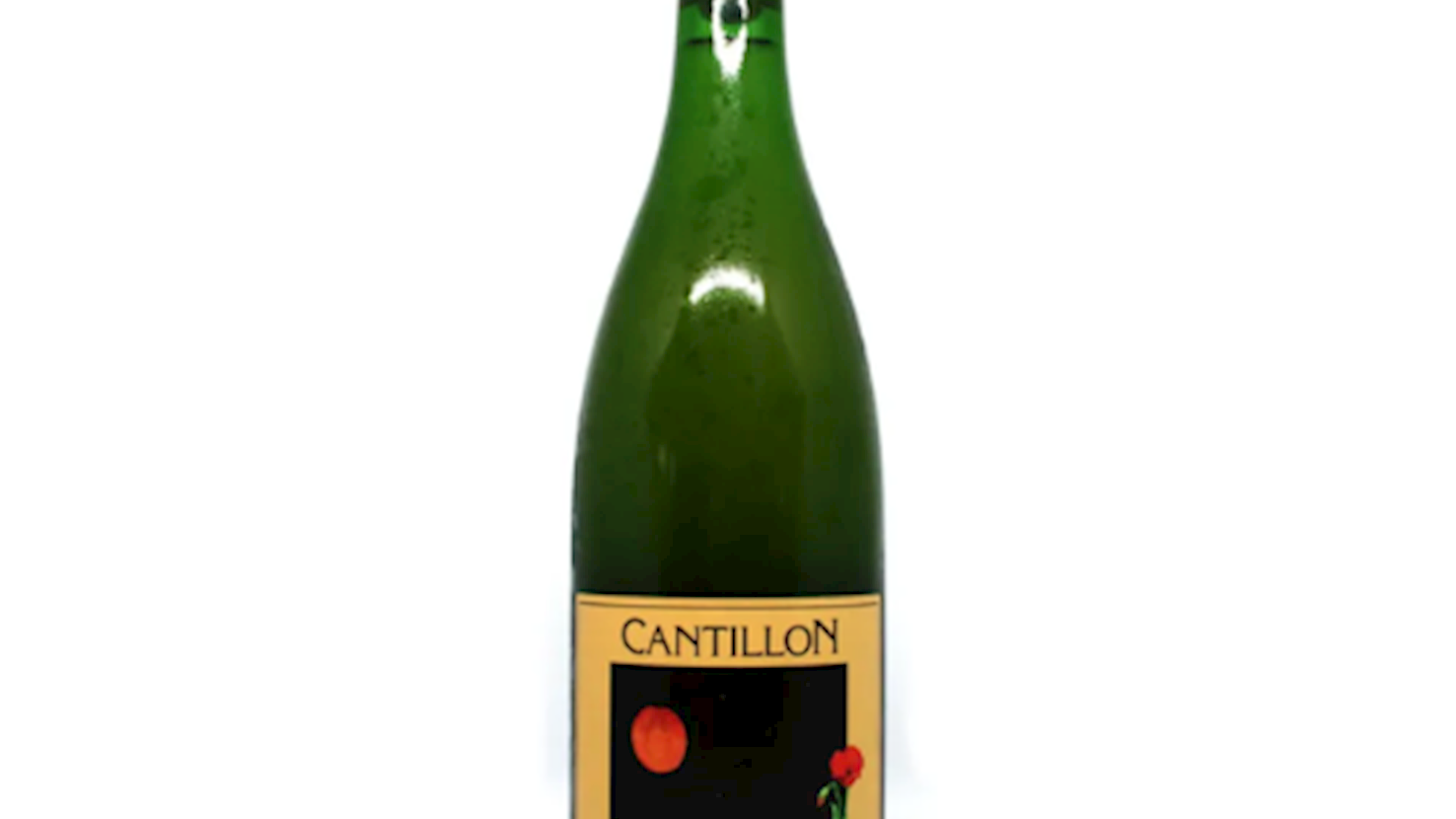
Brasserie Cantillon is a small, family-owned brewery founded in 1900 in Brussels, and today it stands as the only active brewery in the region that still produces lambic using traditional methods. This unique beer undergoes spontaneous fermentation, relying on wild yeasts and bacteria naturally present in the air. The brewing base consists of two-thirds malted barley and one-third unmalted wheat, and after boiling, the wort is cooled in large, open vessels known as “coolships”. It then matures in oak or chestnut barrels of varying ages before being blended and refermented in the bottle. Within the brewery is the Brussels Gueuze Museum, opened in 1978, offering visitors insight into the history and fermentation processes of this distinctive style. Cantillon is regarded as one of the most respected and authentic producers of Belgian sour beers, earning recognition among connoisseurs and as a cultural icon of brewing heritage. Production continues using traditional equipment: centuries-old barrels, wooden kettles, and open fermenters - all preserved in their original, functional form. The brewery’s atmosphere, marked by age and history, evokes a near-museum-like setting that reflects continuity and deep respect for a craft passed down through generations.
Awards
Untappd - 4.7
Beer Advocate - 100 World-Class
02
Beer

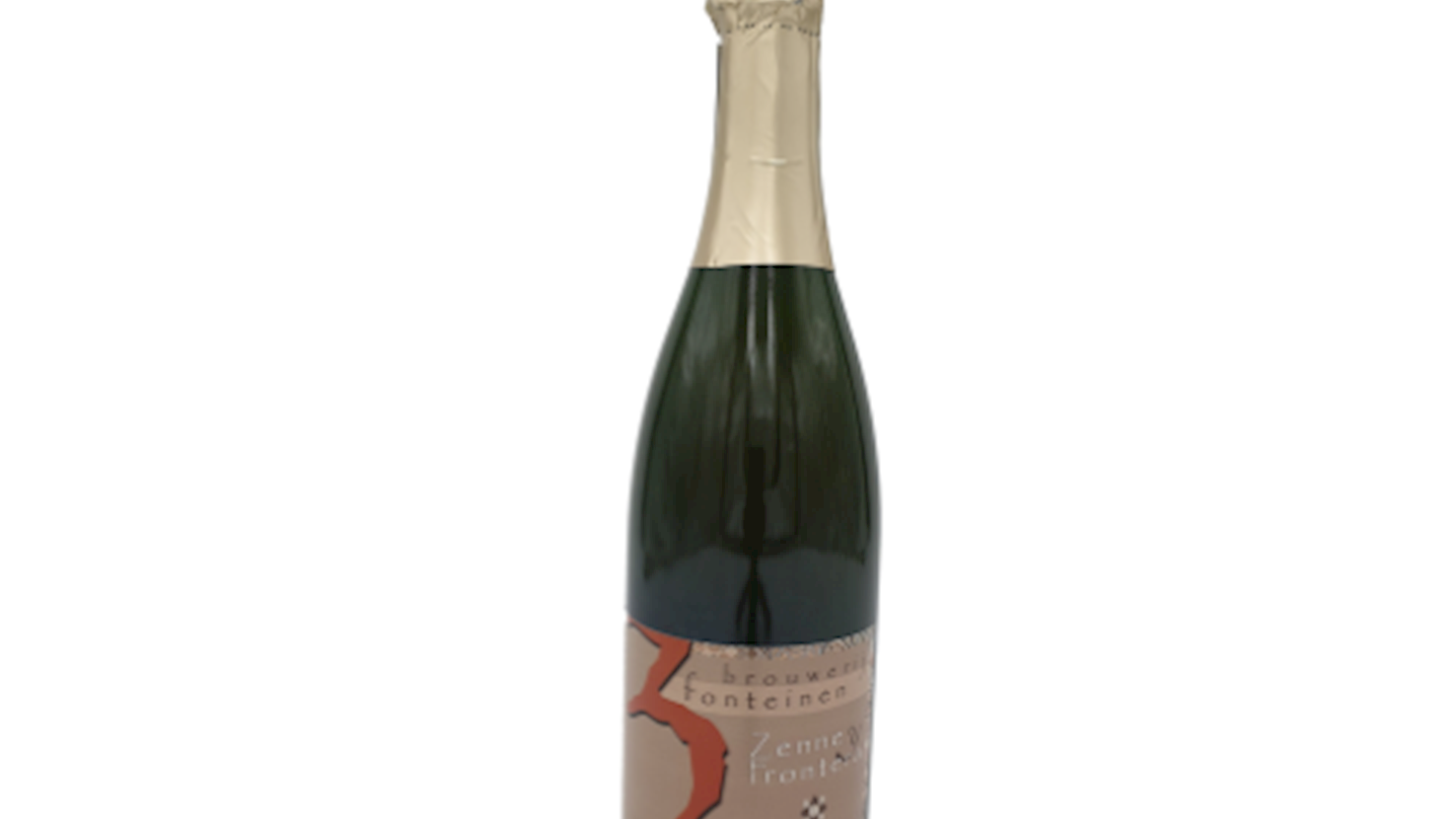
Brouwerij 3 Fonteinen

5 ·
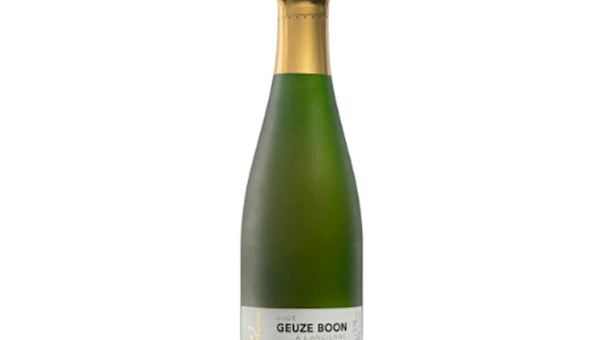
Brouwerij 3 Fonteinen is one of the most respected and authentic Belgian breweries specializing in the production of lambic and geuze beers, located in Beersel, just outside Brussels. It was founded in 1883, originally as a tavern named after the “three fountains”, which later became the name of the brewery itself. Over the decades, it evolved from a simple pub into a guardian of traditional Belgian brewing craftsmanship rooted in spontaneous fermentation. The production process remains faithful to centuries-old methods: after boiling, the wort is cooled in a large open vessel called a "coolship", where it is exposed to the natural microflora of the environment, allowing for spontaneous fermentation without the use of cultured yeast. The beer then matures in large oak barrels and is carefully blended - often from different vintages - based not on strict recipes but on the experience, knowledge, and intuition of the master blenders. Brouwerij 3 Fonteinen does not filter or pasteurize its beers, keeping them alive and allowing them to evolve in the bottle. Today, Brouwerij 3 Fonteinen stands as one of the world’s most esteemed producers of geuze and lambic, preserving tradition while continuously exploring new frontiers of flavor through innovation in fermentation, blending, and aging.
Awards
Beer Advocate - 100 World-Class
Beer Advocate - 95 World-Class
03
Chocolate

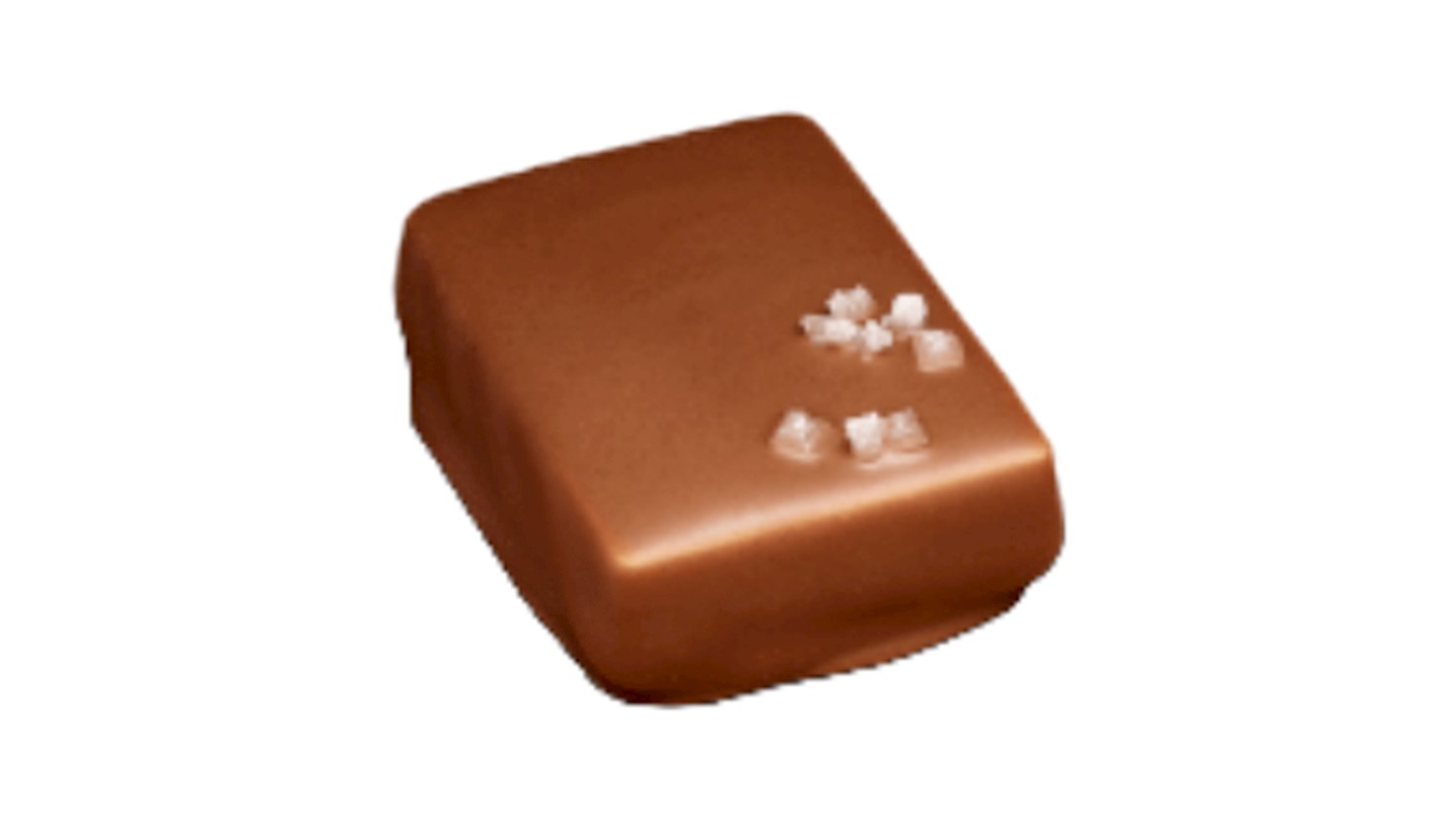
Centho Chocolates

5 ·
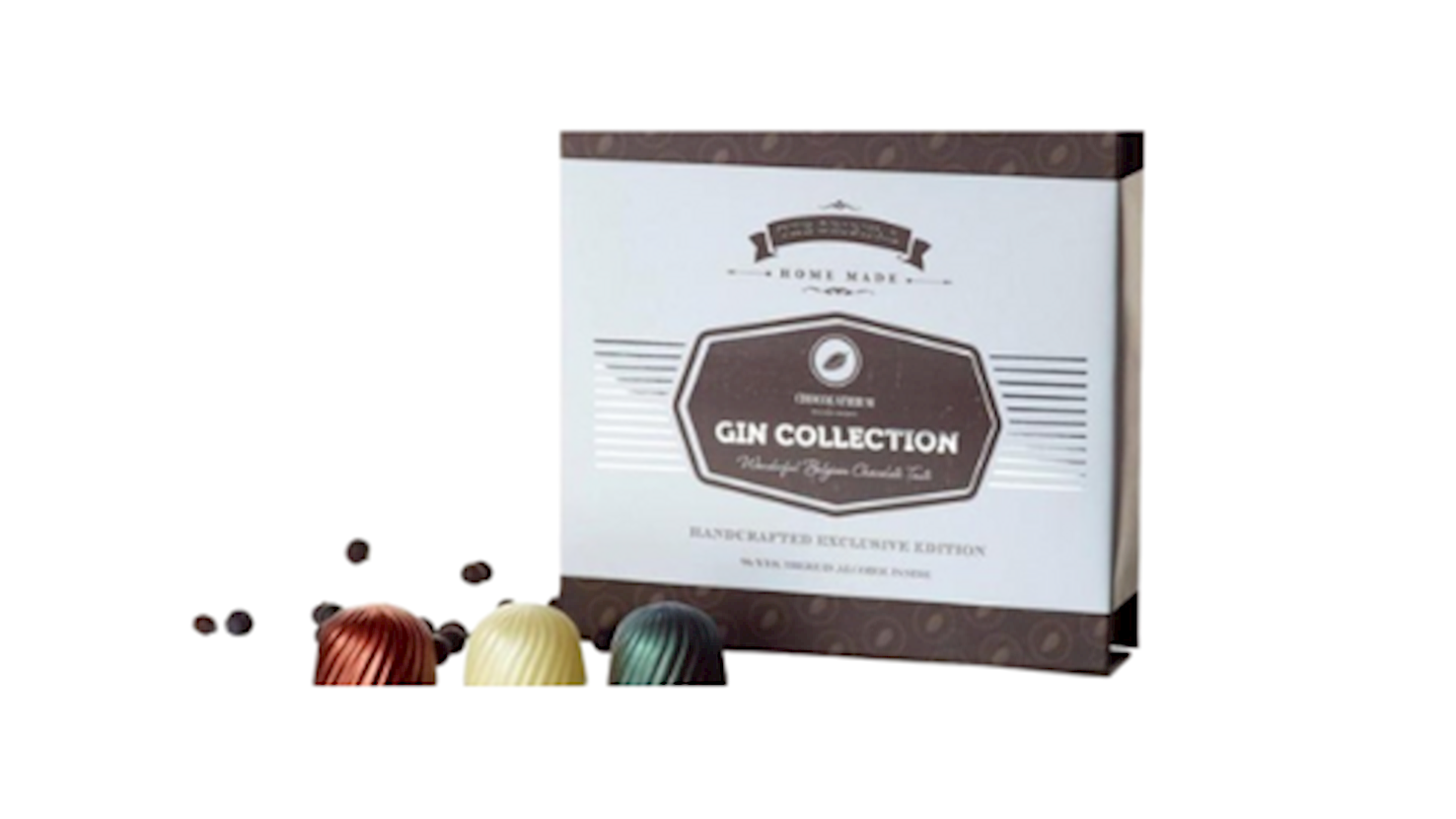
Centho Chocolates is a Belgian artisanal chocolatier renowned for crafting chocolates and pralines from single-origin cocoa beans, highlighting the authenticity and terroir of each variety. The company was founded by chocolatier Geert Decoster, whose philosophy combines traditional Belgian craftsmanship with a modern awareness of sustainability. Each product is handmade in their atelier in Duisburg, using carefully selected ingredients sourced directly from certified plantations. Centho is particularly known for its Salin praline, a delicate combination of caramel and sea salt. In addition to pralines and chocolate bars, their boutiques also offer handmade ice creams and elegant gift collections. The brand’s stores are located in Brussels, Kampenhout, and Duisburg, where visitors can experience the making and tasting process firsthand. Centho’s mission is for every praline or chocolate to serve as a bridge between the farmers who cultivate cocoa and the consumers who enjoy its full flavor.
Awards
International Chocolate Awards - Gold (2013)
04
Spirit

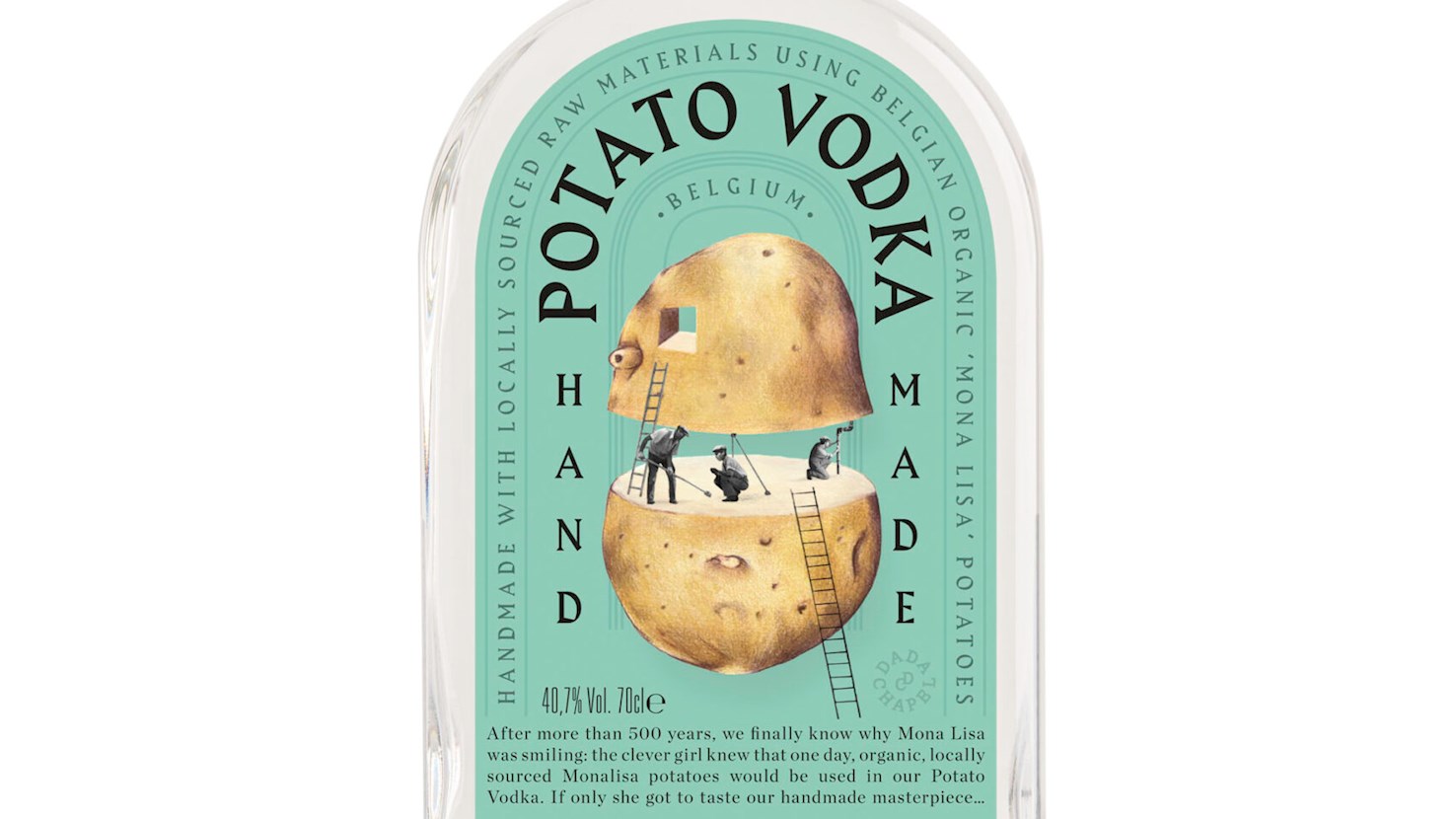
Dada Chapel Distillery

5 ·
Awards
SFWSC - San Francisco World Spirits Competition - Double Gold (2024)
ISC-International Spirits Challenge - Double Gold (2023)
05
Cheese

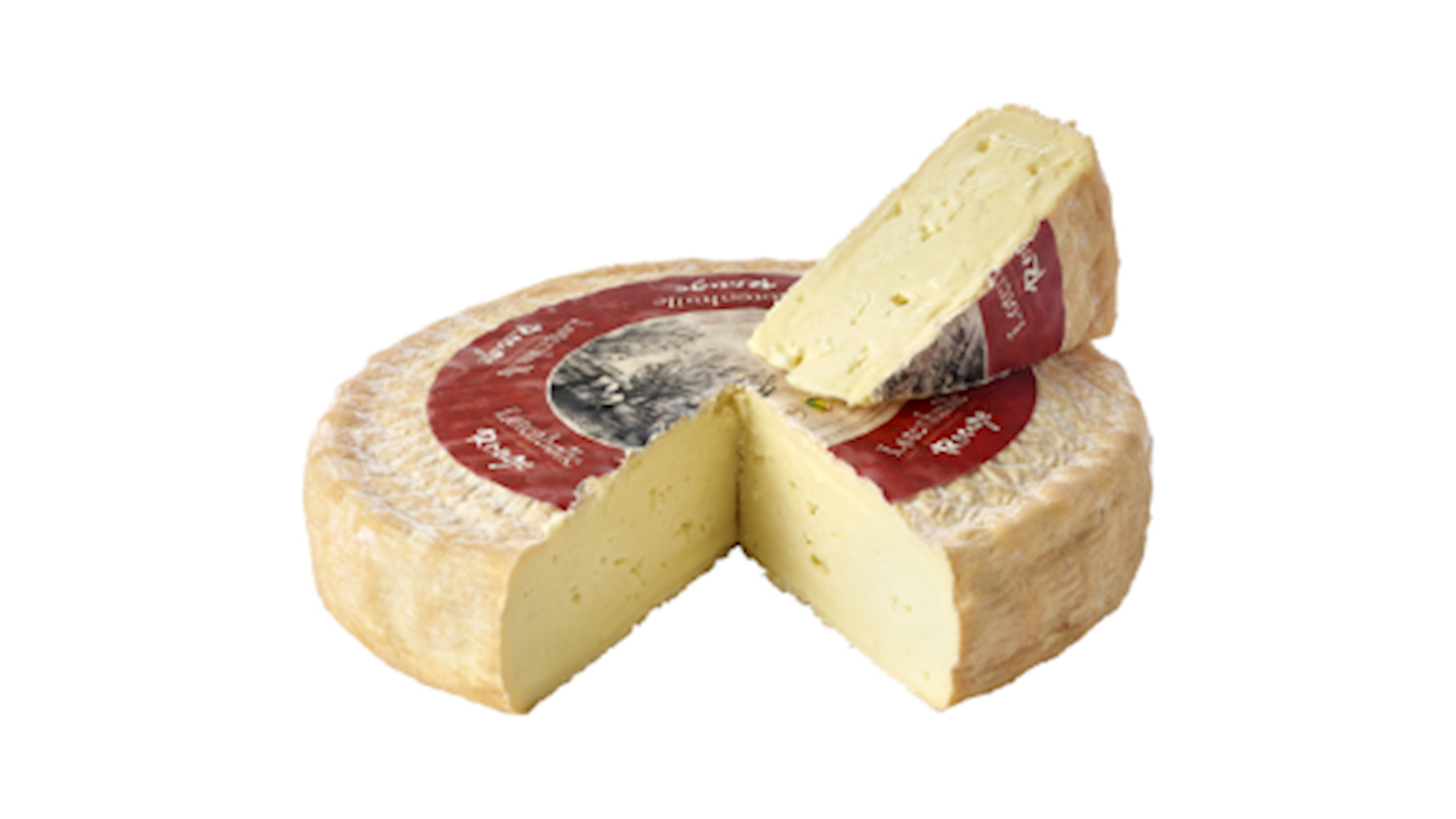
Little Cheese Farm

5 ·
Little Cheese Farm is a Belgian family-run artisanal cheese producer based in Lotenhulle, in the East Flanders region between Ghent and Brussels, known for its fully integrated “from pasture to cheese” approach. On their own fields, cows - especially the Jersey breed - are fed grass and hay produced on the farm, resulting in milk naturally rich in fat and protein, which forms the foundation of their high-quality cheeses. Close control over animal welfare and feeding allows for a short production chain and exceptional freshness, with more than 99% of the milk used coming directly from their own herd. The entire cheesemaking process takes place on site, from milk coagulation and curd handling to pressing, salting, and maturation, under carefully managed temperature, humidity, and airflow conditions in the aging rooms. Little Cheese Farm produces a diverse range of cheeses, from traditional Belgian Gouda-style varieties such as Gentenaer to more distinctive and experimental creations like Orange Emperor, made with added carrot juice, as well as cheeses flavored with spices or beer and naturally ripened rind cheeses with varied flavor profiles. Their work has gained recognition for craftsmanship and consistency, reflecting a strong balance between tradition and innovation. The farm also welcomes visitors for tastings and guided visits, and all of their artisanal cheeses are available directly through the on-site farm shop.
Awards
World Cheese Awards - Super Gold (2024, 2022, 2021)
World Cheese Awards - Gold (2021)
06
Chocolate Confectionery

Chocolatoa

5 ·
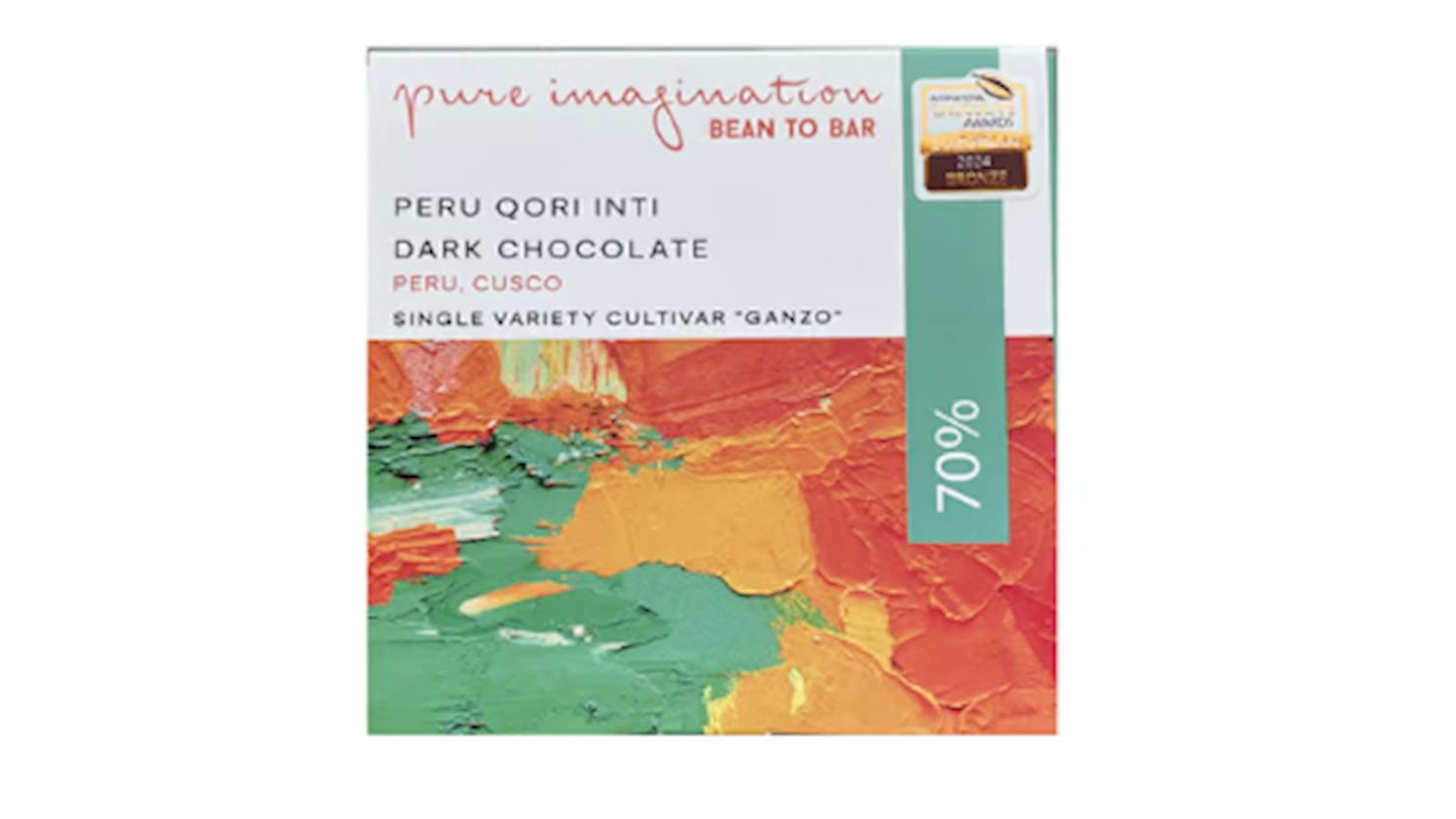
Chocolatoa is a Belgian bean-to-bar chocolate maker founded in 2015 by chocolatier Mario Vandeneede, after several years spent in Ecuador teaching cacao processing and working with local farmers. The brand was born out of a vision for complete transparency and ethical production - from bean to bar - through direct collaboration with growers in Latin America, Africa, and Asia. Vandeneede personally selects cacao varieties and plantations, often working with specialty importers such as Silva Cacao, who ensure fair trade conditions and sustainable cultivation. Chocolatoa’s chocolates are known for their pure, expressive cacao flavor, free from excessive additives and showcasing the distinct origin of each variety. Each bar reflects the terroir of its source through nuanced aromas - from fruity and floral to warm earthy tones. Beyond production, Chocolatoa is also recognized for its educational mission, organizing workshops, tastings, and consulting sessions for aspiring bean-to-bar makers. The brand exemplifies how Belgian craftsmanship can merge tradition, science, and sustainability into a single, coherent philosophy.
Awards
International Chocolate Awards - Bronze (2024)
07
Beer

Brouwerij Westvleteren

5 ·
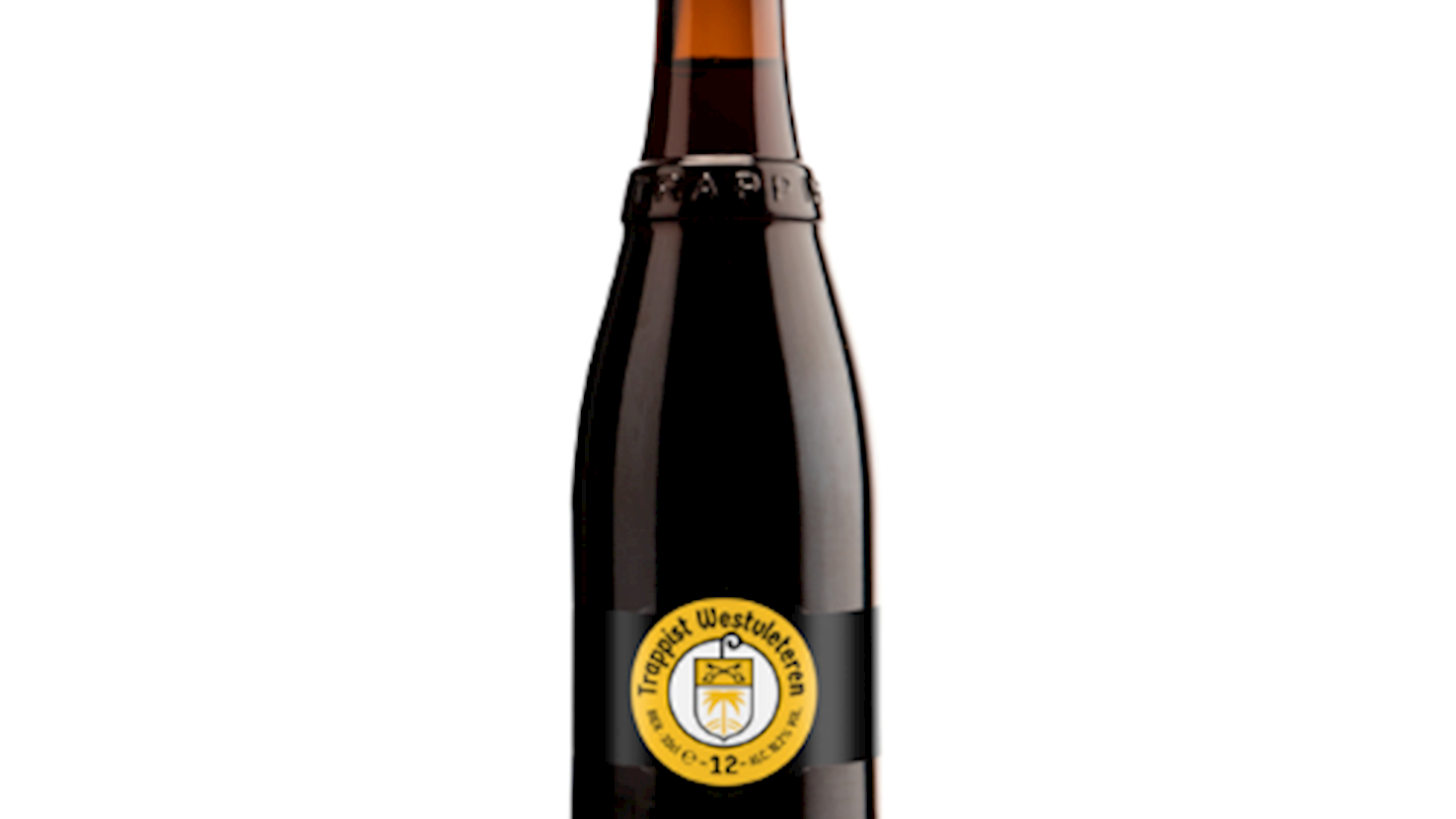
Brouwerij Westvleteren is one of the most renowned and highly regarded Trappist breweries in the world, located within the walls of the Sint-Sixtus Abbey in the village of Westvleteren, in the Belgian region of West Flanders. The brewery was founded by Cistercian monks in 1838 and has remained true to a tradition of modest, limited, and uncommercialized production. Unlike commercial breweries, this Trappist community brews beer solely to support monastic life and charitable activities, in accordance with the principles of the International Trappist Association. The brewery is especially famous for its beers Westvleteren 12 and Westvleteren 8, both frequently ranked among the best beers in the world. What further sets this brewery apart is its unique distribution system: the beer can only be purchased through advance reservation and directly from the abbey, with no commercial labels – the bottles are marked only by a cap indicating the beer type. Its limited availability, strict purchasing rules, and unwavering commitment to quality have contributed to the near-legendary status of this small monastic brewery.
Awards
Beer Advocate - 100 World-Class
Beer Advocate - 99 World-Class
08
Chocolate

Chocolatier M

5 ·
Chocolatier M is a Belgian brand founded by chocolatier David Maenhout with the vision of presenting contemporary chocolate through a fusion of craftsmanship, sustainability, and culinary artistry. In their atelier, each praline and chocolate bar is handmade in small batches using carefully selected ingredients that ensure superior quality and purity of flavor. Maenhout is known for his experimental approach, blending Belgian tradition with global aromas and techniques inspired by gastronomy, nature, and travel. He pays special attention to texture and flavor balance, avoiding overly complex compositions and heavy aromas in favor of clean, expressive, and elegant chocolate. His philosophy is rooted in the idea that chocolate can be both simple and remarkably complex when origin, technique, and harmony are respected. Every creation carries an artistic signature and reflects Maenhout’s passion for precision, aesthetics, and taste. The brand has positioned itself as one of the most innovative on the Belgian chocolate scene while preserving the spirit of authentic craftsmanship.
Awards
International Chocolate Awards - Gold (2017)
International Chocolate Awards - Silver (2019, 2017, 2016, 2015)
09
Chocolate

Benoît Nihant Chocolatier
5 ·
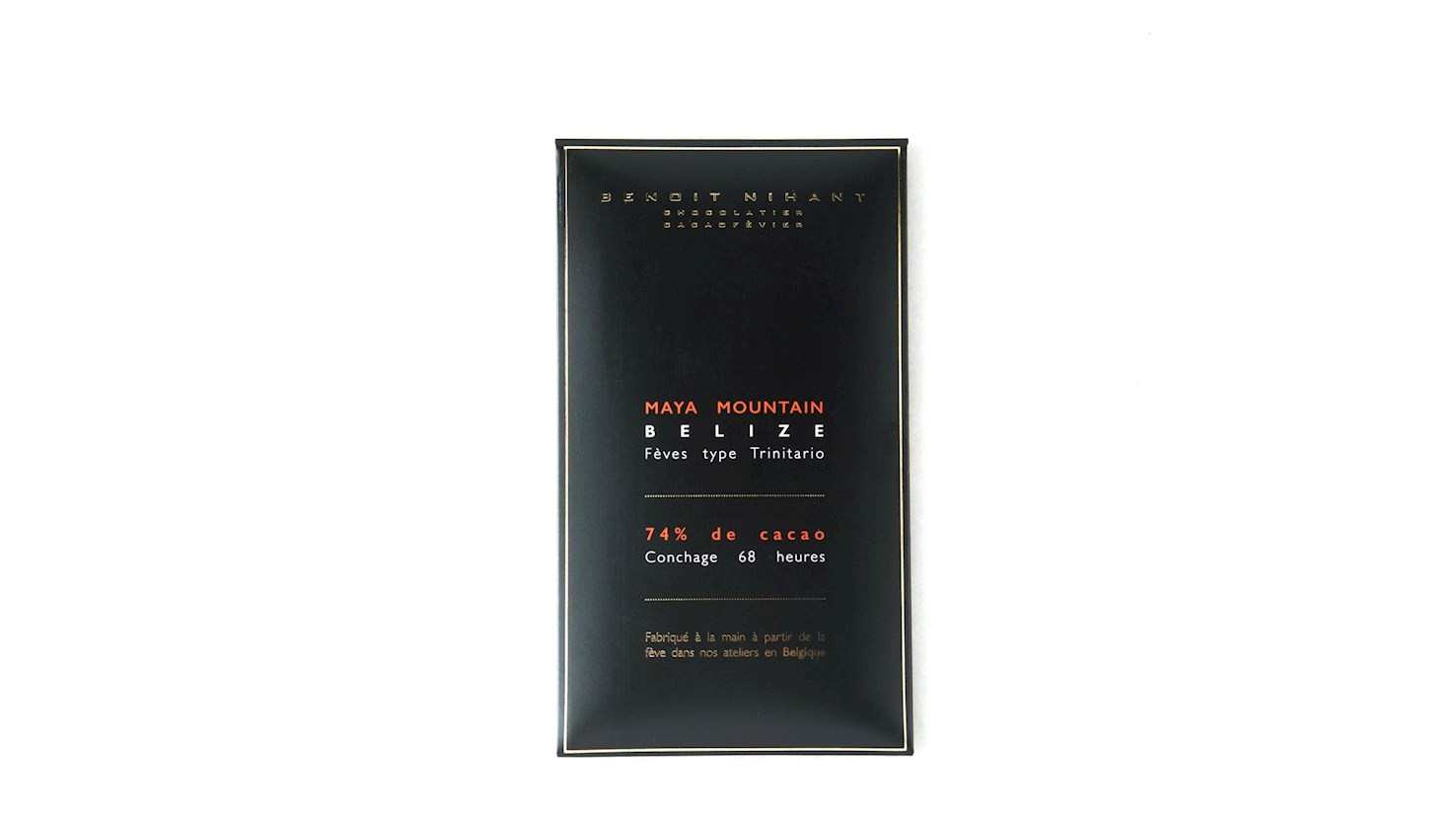
Benoît Nihant is a Belgian chocolatier who personally oversees the entire chocolate-making process - from bean to bar. As one of the few European cacaofévier artisans, he selects raw cocoa beans directly from small, independent plantations across Latin America, Africa, and Asia, with a strong emphasis on ethical sourcing and sustainable farming practices. The beans are then processed in his workshop in Awans, near Liège, where he roasts, grinds, conches, and tempers them using traditional methods and specialized equipment. His chocolate bars and pralines are known for their intense aromas, refined textures, and authenticity, each highlighting the unique characteristics of the cocoa's origin. His collections combine classic techniques with bold flavor innovations - infusions of fruits, spices, herbs, and fine spirits - while maintaining a distinct identity and elegant aesthetic. Nihant makes no compromises between craftsmanship and flavor: every product reflects his personal vision, from the choice of plantation to the final packaging design.
Awards
Academy of Chocolate - Gold (2021, 2016)
Academy of Chocolate - Silver (2021)
10
Chocolate Confectionery

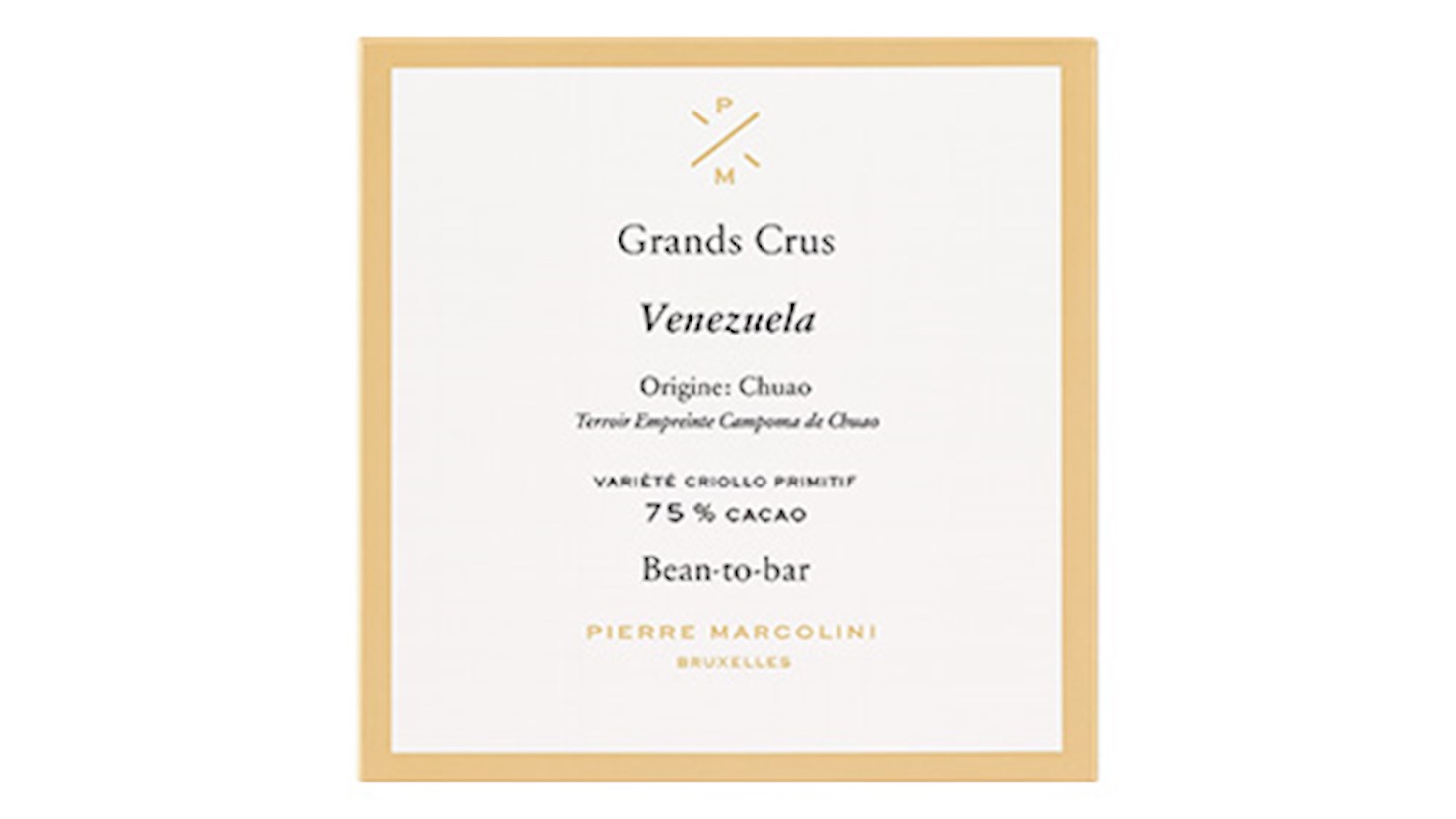
Pierre Marcolini

5 ·
Pierre Marcolini is a renowned Belgian chocolatier who founded his namesake chocolate house in the heart of Brussels in 1995. His “bean-to-bar” philosophy reflects complete control over the entire production process, from sourcing raw cocoa beans to crafting the final creations. Marcolini personally travels the world in search of rare and exceptional cacao varieties, working directly with producers in countries such as Brazil, Ecuador, and Mexico. This dedication allows him to create chocolates that authentically express the distinctive aromas and characteristics of each origin. His creations - including pralines, truffles, chocolate bars, and macarons - are celebrated for their sophisticated flavors and artistic presentation. Marcolini is known for experimenting with unusual ingredient pairings, such as teas, spices, and fruit notes, offering a truly unique gourmet experience. His chocolates are deliberately less sweet, allowing the natural flavors of the cocoa to shine through.
Read more
View all
View map
About this ranking

TasteAtlas food rankings are based on the ratings of the TasteAtlas audience, with a series of mechanisms that recognize real users and that ignore bot, nationalist or local patriotic ratings, and give additional value to the ratings of users that the system recognizes as knowledgeable. For the “Top 100 Belgian Foods” list until June 01, 2026, 4,059 ratings were recorded, of which 3,514 were recognized by the system as legitimate. TasteAtlas Rankings should not be seen as the final global conclusion about food. Their purpose is to promote excellent local foods, instill pride in traditional dishes, and arouse curiosity about dishes you haven’t tried.

The initial list of top producers was compiled based on available reviews, awards, local recommendations, media and blog coverage, and consumer reviews. The list will be updated with ratings from TasteAtlas local ambassadors and TasteAtlas users.

Similar lists