Top 18 Greek Spirits and Liqueurs

Last updated on June 24, 2026

Best Greek Spirits and Liqueurs
01

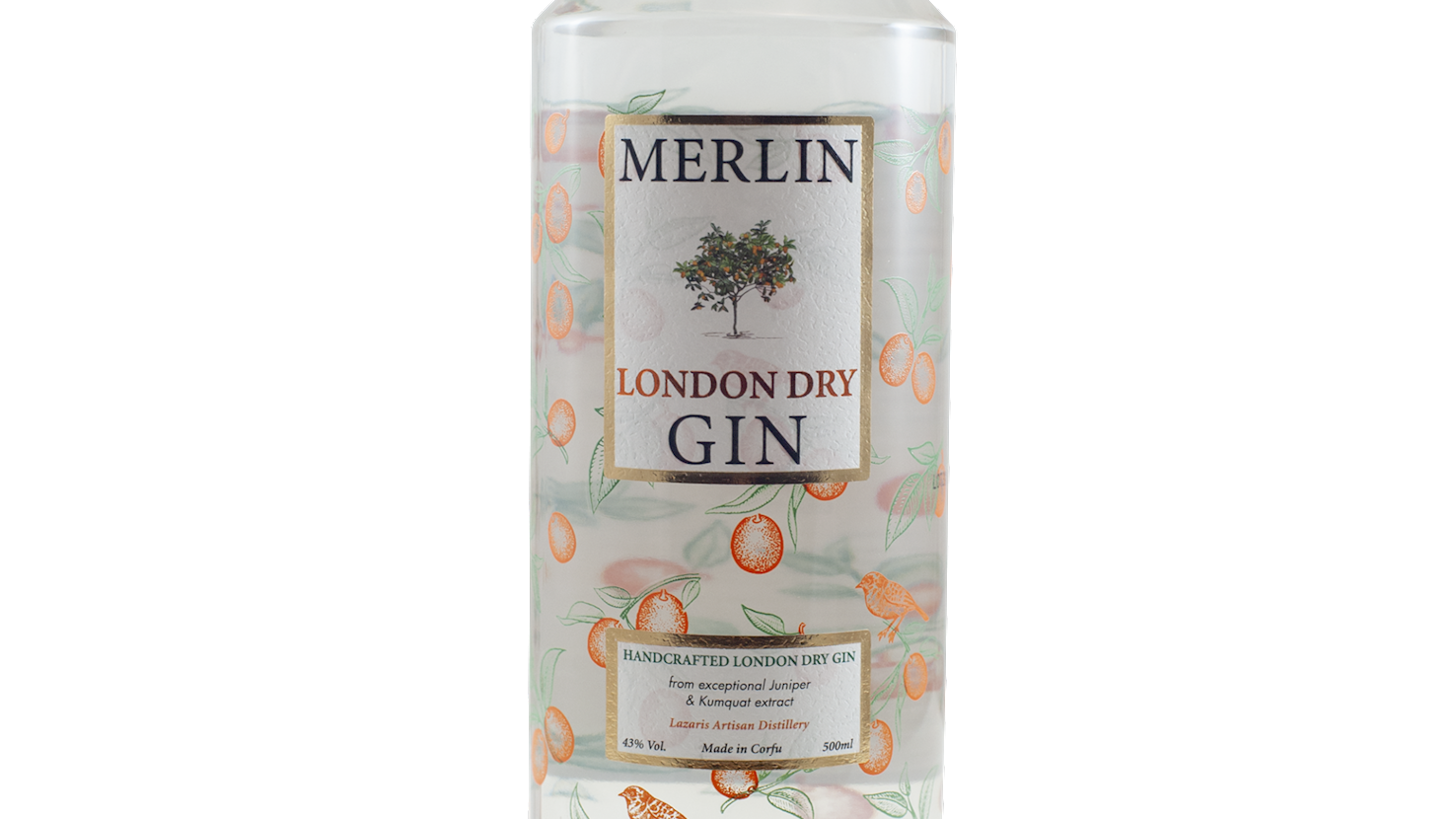
Lazaris Distillery & Artisan Sweets
5 ·
Awards
SFWSC - San Francisco World Spirits Competition - Double Gold (2023)
02

Vantana

4.9 ·
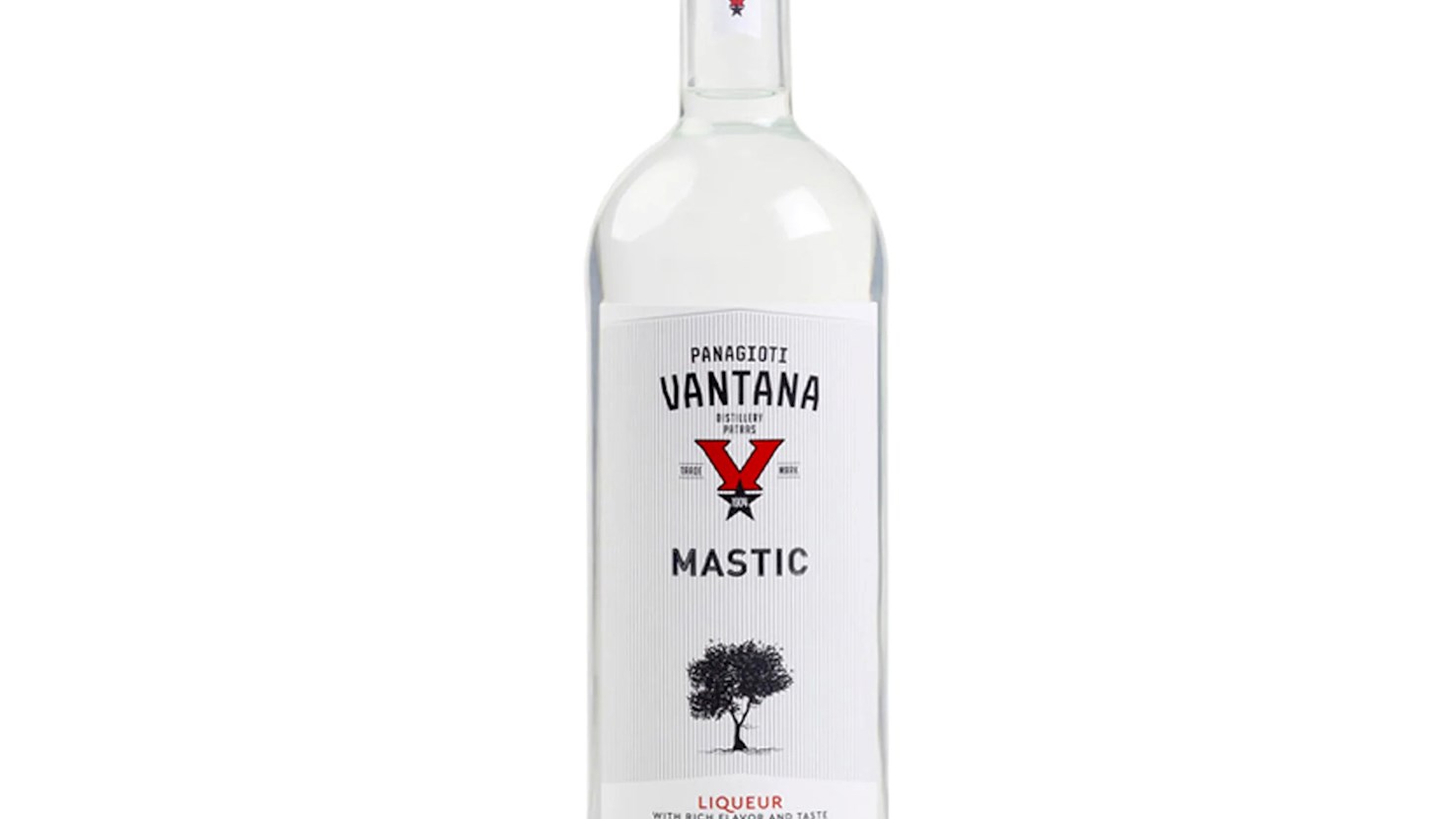
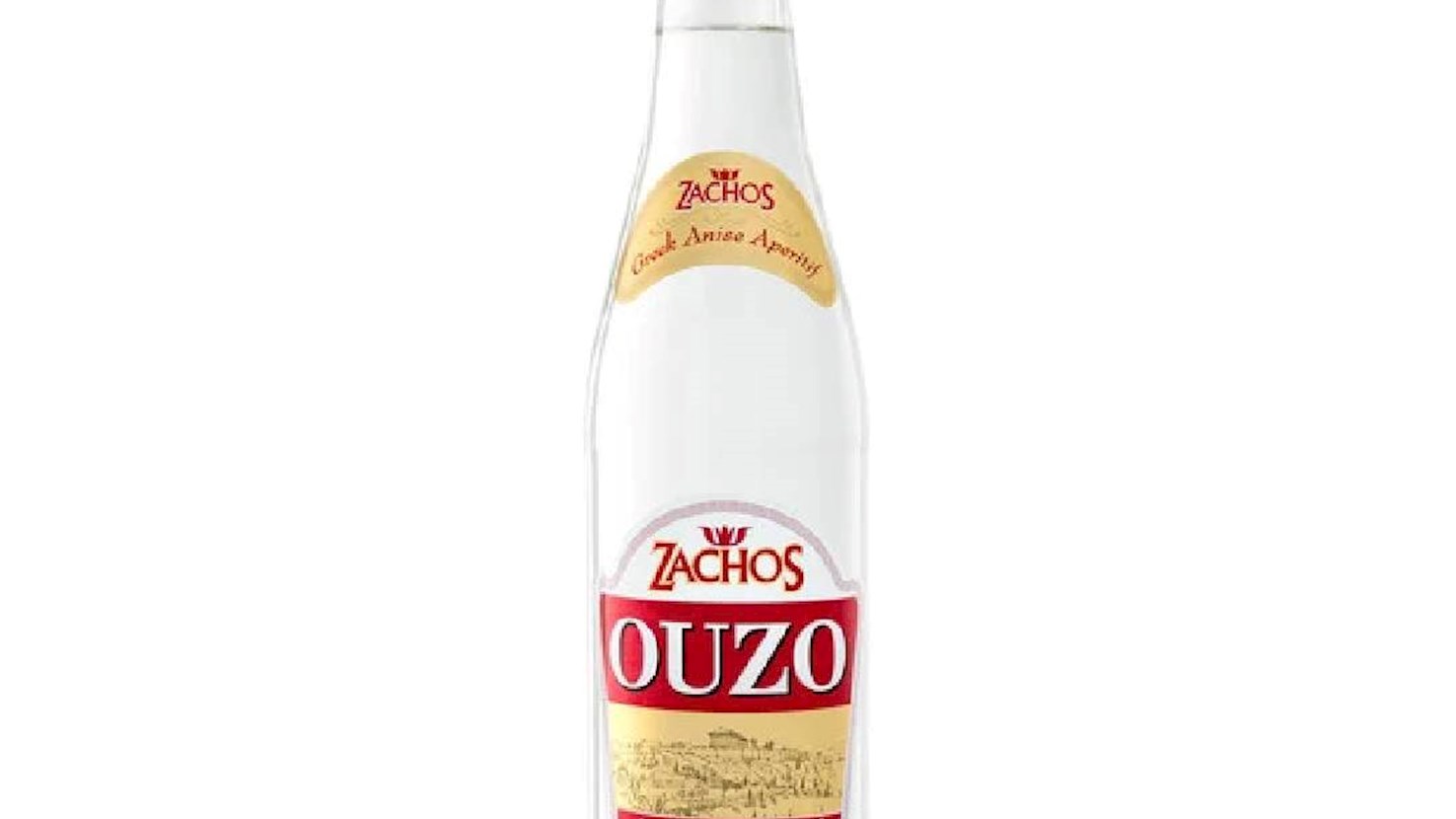
Vantana is a family-run Greek distillery founded in 1904 in the Patras region, now operated by the third generation while preserving a traditional production approach. Distillation takes place in handcrafted bronze stills through a slow process that can last up to 12 hours, ensuring a pure and stable distillate. Their portfolio includes 100% distilled ouzo, tsipouro without anise, mastic liqueur, and Tentoura specialties. High-quality raw materials are carefully selected, and during distillation the first and last fractions are discarded, keeping only the finest “heart” of the distillate. This method ensures exceptional aromatic clarity and authenticity in every product. The distillery has received international recognition, including awards for its mastic liqueur. Today, Vantana positions itself as a brand that successfully combines tradition, family heritage, and high production standards within the Greek spirits segment.
Awards
IWSC- International wine & spirit competition - Gold outstanding (2020)
03

Distillery-Winery of Thrace

4.8 ·
Distillery – Winery of Thrace is a Greek company based in Komotini, established in 1977 through the merger of 17 small family-owned distilleries. Their tradition in producing alcoholic beverages dates back to 1893. The company is renowned for crafting high-quality drinks, including ouzo, tsipouro, vodka, and gin. Their most famous product, "Ouzo 7," has gained international recognition and is available in over 40 countries worldwide. Distillery – Winery of Thrace places great emphasis on the quality of its products, using carefully selected ingredients and traditional distillation methods. The company is also committed to sustainable development and social responsibility, as evidenced by the numerous awards and certifications it has received over the years.
Awards
IWSC- International wine & spirit competition - Spirit Gold (2024, 2023, 2019)
IWSC- International wine & spirit competition - Silver (2024)
04

Ouzo of Plomari Isidoros Arvanitis

4.7 ·
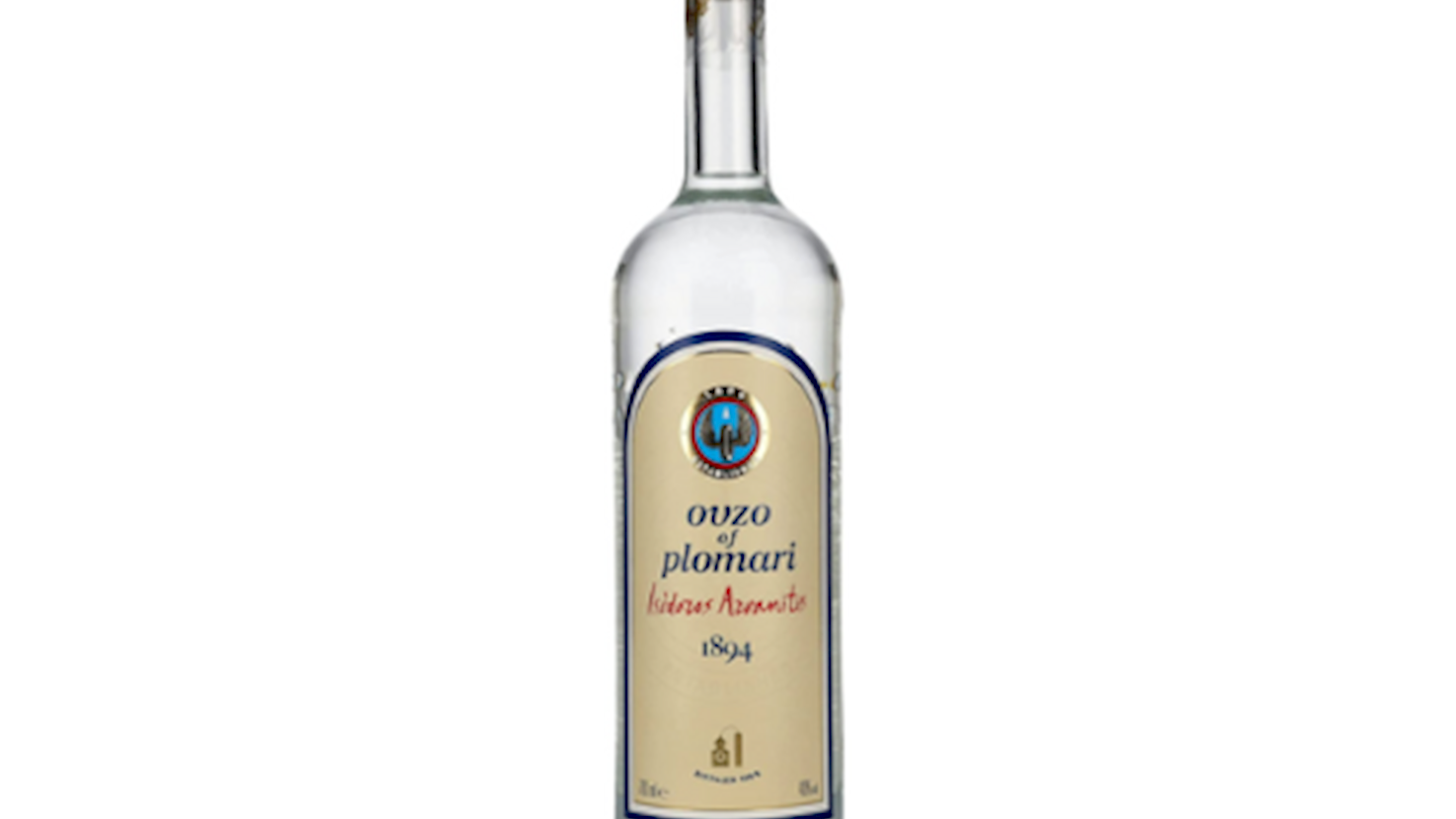
Ouzo of Plomari Isidoros Arvanitis originates from the coastal town of Plomari on the island of Lesbos, where it has been produced since 1894 following the original recipe created by Isidoros Arvanitis, a distiller dedicated to achieving the perfect balance of anise and aromatic botanicals. The distillery still relies on slow, traditional distillation in small copper alembics, using anis from the village of Lisvori, fennel and other Greek botanicals, along with soft local spring water. The process is entirely based on full distillation without any added essences, ensuring a clean and authentic ouzo profile. The modern facility preserves the spirit of the old distillery and includes a museum dedicated to the history of the drink, while the brand has grown into one of Greece’s most recognized ouzo exporters. Its character is defined by clear anise aromas, layered spicy notes and gentle herbal undertones, making it a representative example of high-quality Aegean ouzo crafted through tradition and precision.
Awards
SFWSC - San Francisco World Spirits Competition - Double Gold (2024)
IWSC- International wine & spirit competition - Spirit Gold (2024)
05

Attraction SA (Member of Mantis Group)
4.7 ·
Awards
IWSC- International wine & spirit competition - Spirit Gold Outstanding (2023, 2022)
IWSC- International wine & spirit competition - Liqueur Gold Trophy (2023, 2022)
06

Chris Distillery

4.6 ·
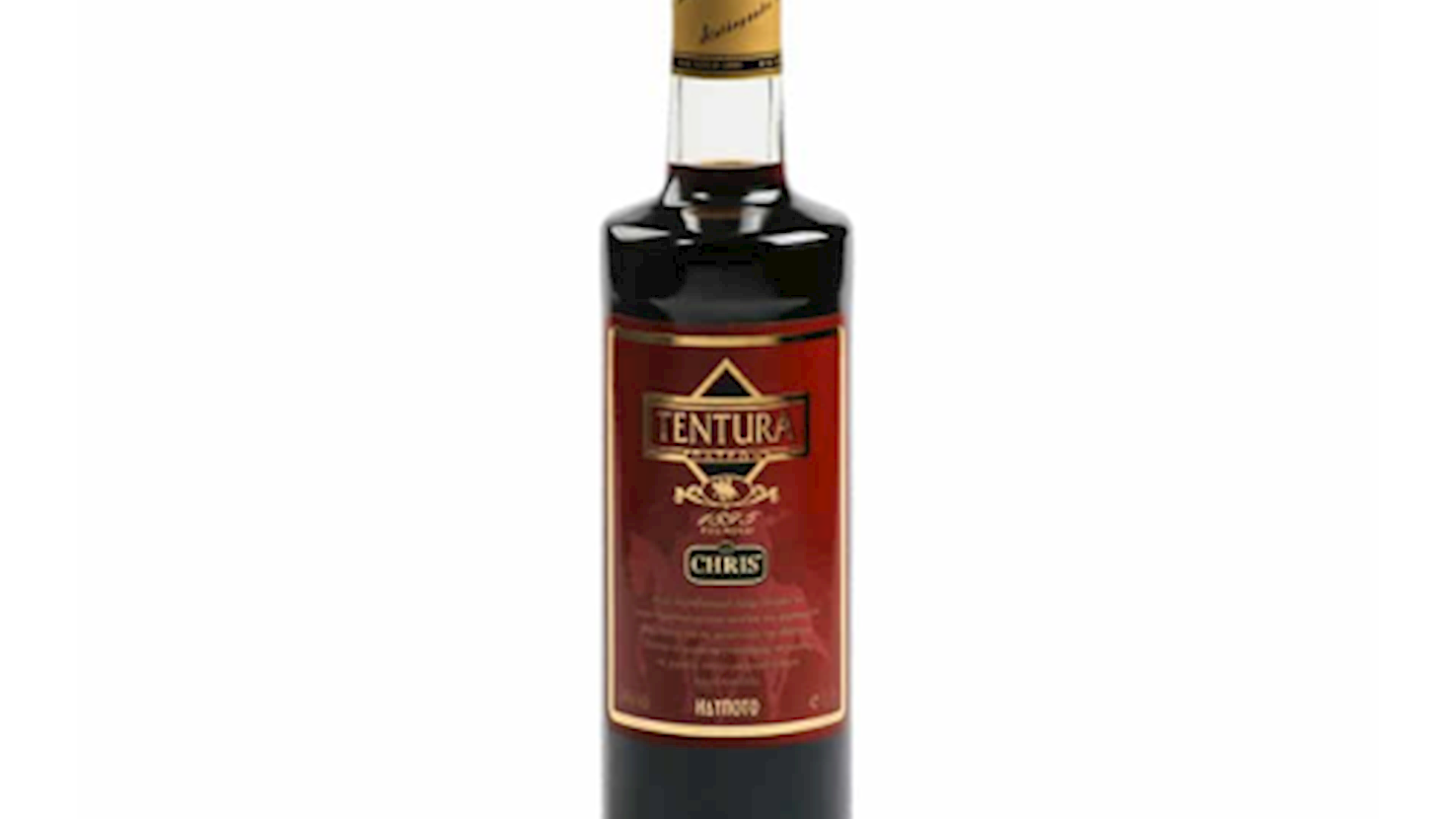
Chris Distillery is a family-owned distillery from Patras, in the Western Greece region, dating back to 1895 and now run by the fourth generation of the Chryssanthakopoulos family. Since its founding, the distillery has remained faithful to the original recipes of its founders, combining them with modern distillation technologies and strict quality control. Their portfolio includes a wide range of traditional Greek spirits, with one of the most iconic products being Tentura of Patras Chris - a historic liqueur flavored with cloves, cinnamon, and nutmeg, with roots in the gastronomy of Patras dating back to the 15th century. Their products are marketed both domestically and internationally, maintaining a distinctive visual identity and a reputation for quality. All processes - from distillation to bottling - take place at their facilities in Patras, with a strong emphasis on using locally sourced ingredients. The company is deeply connected to the cultural heritage of the region, and its spirits are a part of everyday life and celebrations in Greece. Thanks to this approach, Chris Distillery has become synonymous with authentic Greek spirits that bridge the past and contemporary taste.
07

Pilavas

4.6 ·
Pilavas is a family-owned Greek distillery from Patras, founded in 1940, specializing in the production of traditional Greek spirits and liqueurs. For over eight decades, the brand has remained faithful to its original family recipes, blending them with modern distillation techniques. Their Tsipouro, a traditional Greek spirit, is produced through the distillation of carefully selected grape wine, retaining a rustic yet refined character. A special place in their portfolio belongs to Tentura Pilavas, a historic liqueur from Patras with roots dating back to the 15th century, made from Mavrodaphne wine extract and flavored with cloves, cinnamon, and nutmeg. Tentura is often enjoyed after meals as a digestif and is also well-known for pairing beautifully with coffee or desserts. The distillery also produces mastiha liqueurs, brandy, and other flavored spirits inspired by Greek herbs and spices. Pilavas is present not only in the Greek market but also in numerous European countries, maintaining a reputation as a producer that combines tradition and quality. Their products reflect the spirit and heritage of Greek culture, while the brand continues to be family-run, passing down knowledge and craftsmanship from generation to generation. This approach has allowed Pilavas to establish itself as one of the most recognizable producers of Greek liqueurs.
08

Melissanidi Distillery

4.5 ·
Awards
World Gin Awards - Country Winner (2020)
09

Distillery P.milonas & Sons

4.5 ·
Distillery P.Milonas & Sons is a family-owned business located in Greece. It specializes in the production of traditional Greek spirits, such as ouzo and tsipouro. The distillery employs traditional methods passed down through generations.
Awards
Great Taste Awards - 2 Stars (2022)
10

Castro Spirits

4.4 ·
Castro Spirits is a family-owned distillery from Patras, founded in 1939. The company has become renowned for Tentoura - a traditional liqueur specialty of Patras, made exclusively from natural ingredients without artificial flavors or colors. The production process involves carefully selected spices such as cinnamon, cloves, nutmeg, and citrus peels, which are macerated and distilled in copper stills. All products are crafted in small batches to preserve quality and authenticity. The Hahalis family continues to run the distillery today, combining traditional methods with modern approaches in design and presentation. They place emphasis on 100% natural ingredients, the local terroir, and original recipes that date back more than eight decades. Their products are recognized in both domestic and international markets, and are especially valued in gastronomy and mixology. The distillery collaborates with restaurants, bars, and specialty shops, promoting the Greek heritage of fine drinks. In addition to alcoholic beverages, they also produce traditional Greek specialties such as olive-based products and wines from Patras. Commitment to quality and the preservation of family tradition have made Castro Spirits one of the symbols of the local distilling scene in Western Greece.

Best Greek Spirit/Liqueur Types

01

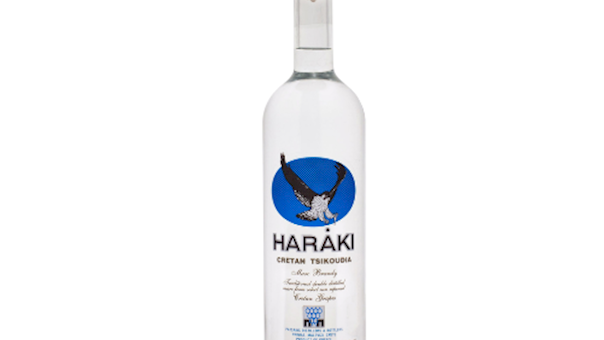
Tsikoudia

4.2 ·

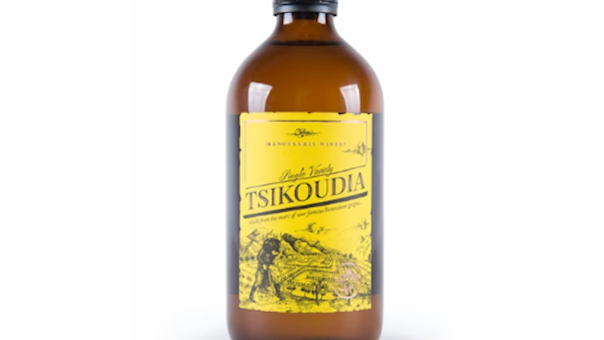
Tsikoudia is a Cretan spirit that is distilled from fermented grape pomace (strafylo)—the solid remains that are left after the grapes have been pressed. Tsikoudia is traditionally distilled in October and November, usually in small, family-owned copper stills. The final product is a clear, potent, and colorless drink with an alcohol content that can vary from 40 to 65% ABV. Tsikoudia is similar to tsipouro, another pomace spirit that is produced in other parts of Greece. Unlike tsipouro, tsikoudia is typically distilled only once, which helps preserve flavors and aromas. Tskikoudia plays a central role in Cretan hospitality; it is a staple on various special occasions, and it is often used as a welcoming drink. It is typically served neat and well-chilled, and it makes an excellent aperitif or a digestif. Sometimes herbs and citrus zest can be used as flavorings, and the drink is occasionally referred to as rakı—though it is never anise-flavored. Cretan tsikoudia is protected with a Geographical Indication mark.

02

Chios Mastiha

4.1 ·

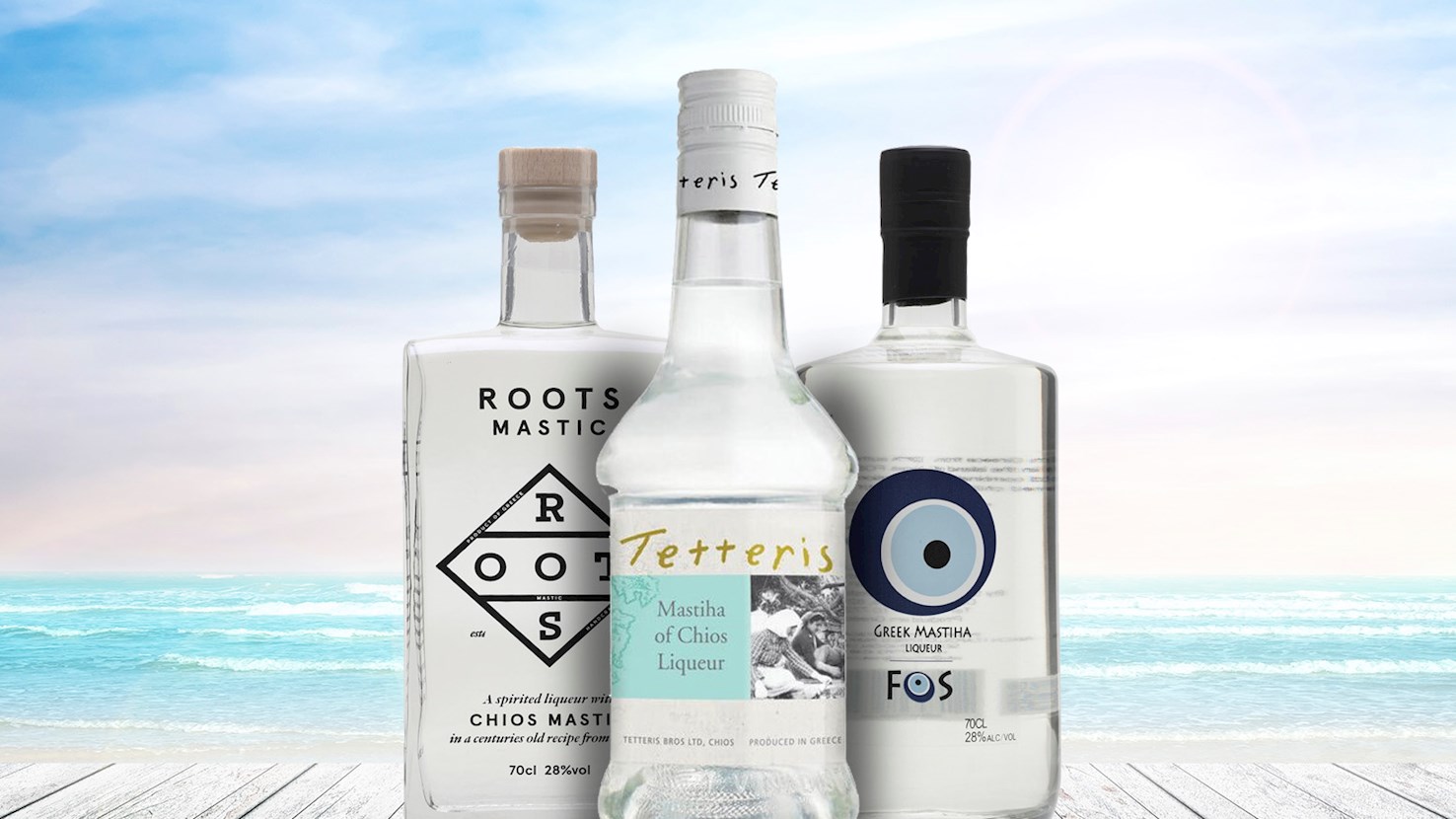
Chios Mastiha is a Greek liqueur that is made with Masticha Chiou—a resinous sap of the Schinias tree. Although Schinias is found in other Mediterranean countries, the plant only produces resin on Chios, presumably because of the island’s unique microclimate. The liqueur is made by macerating Chios mastic or Chios mastic oil in grain spirit or distilling it with alcohol. The combination is then diluted with water and sweetened before it is bottled. Chios Mastiha must have a minimum of 15% ABV. The process results in a clear and subtly sweet spirit with fresh notes of pine, anise, herbs, and citrus fruit. The drink is usually enjoyed neat or on the rocks, occasionally with a squeeze of lemon or mixed with other fruit juices. Recently, it has also become a popular and versatile cocktail ingredient. In Greece, it mostly enjoyed as an aperitif or a digestif, and it is often accompanied by various meze dishes.

03

Rakomelo

4.1 ·

Rakomelo is a Cretan drink that combines honey and tsikoudia, a clear Cretan spirit that is sometimes referred to as raki, though it is not anise-flavored like the namesake Turkish spirit. The drink is often flavored with herbs and spices such as cinnamon, cardamom, or cloves. It is frequently prepared at home by combining warm spirit and honey, but commercially produced versions are also available. Rakomelo is sometimes served warm, usually as a soothing winter drink or a health remedy, while the well-chilled variety is mainly enjoyed neat or with ice, preferably as an aperitif or a digestif. It is believed that it dates back to the 12th century and its origin is mainly associated with Crete, though some sources list the Cyclades as its original location, primarily the island of Amorgos.

04

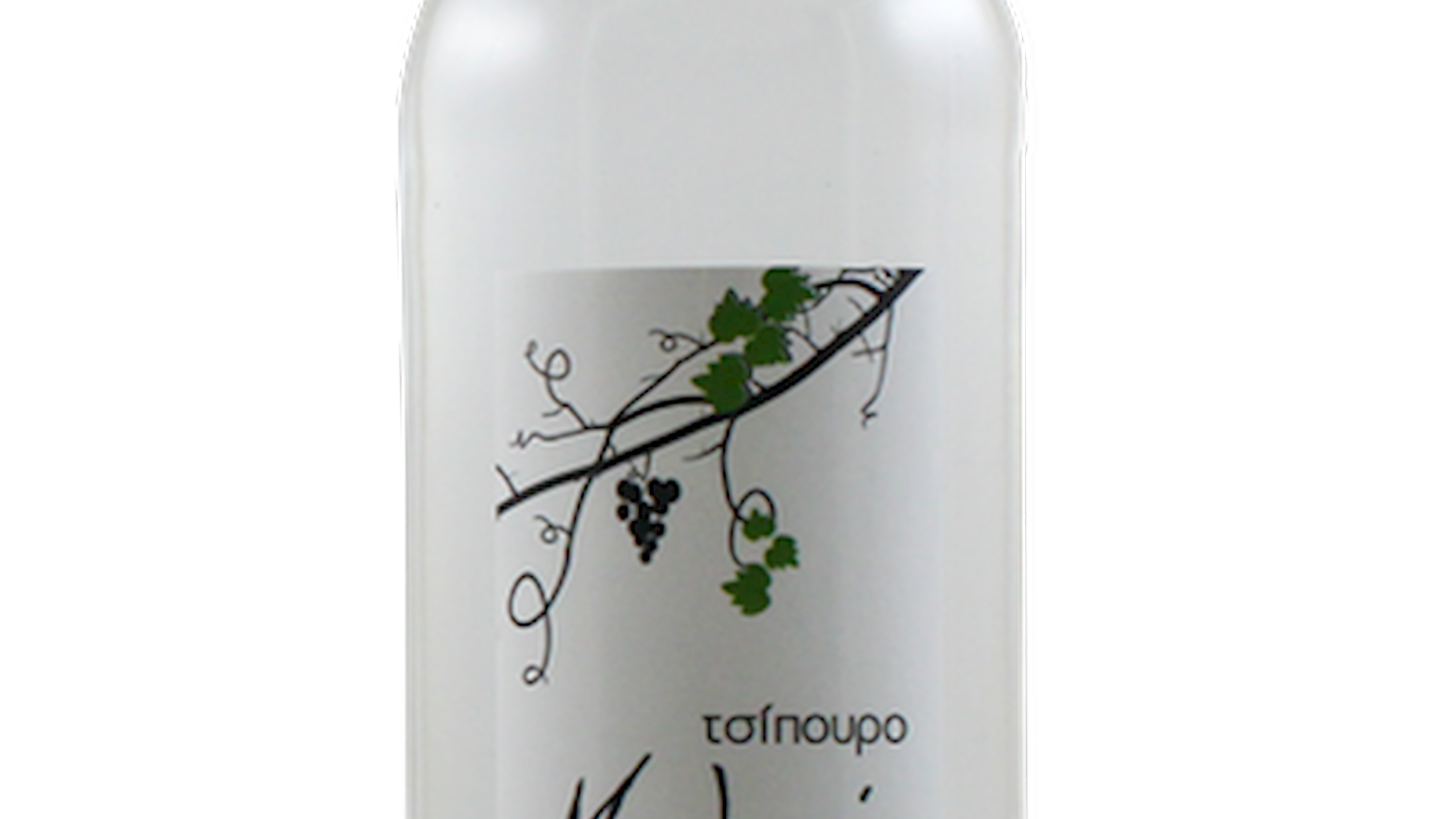
Tsipouro

3.9 ·

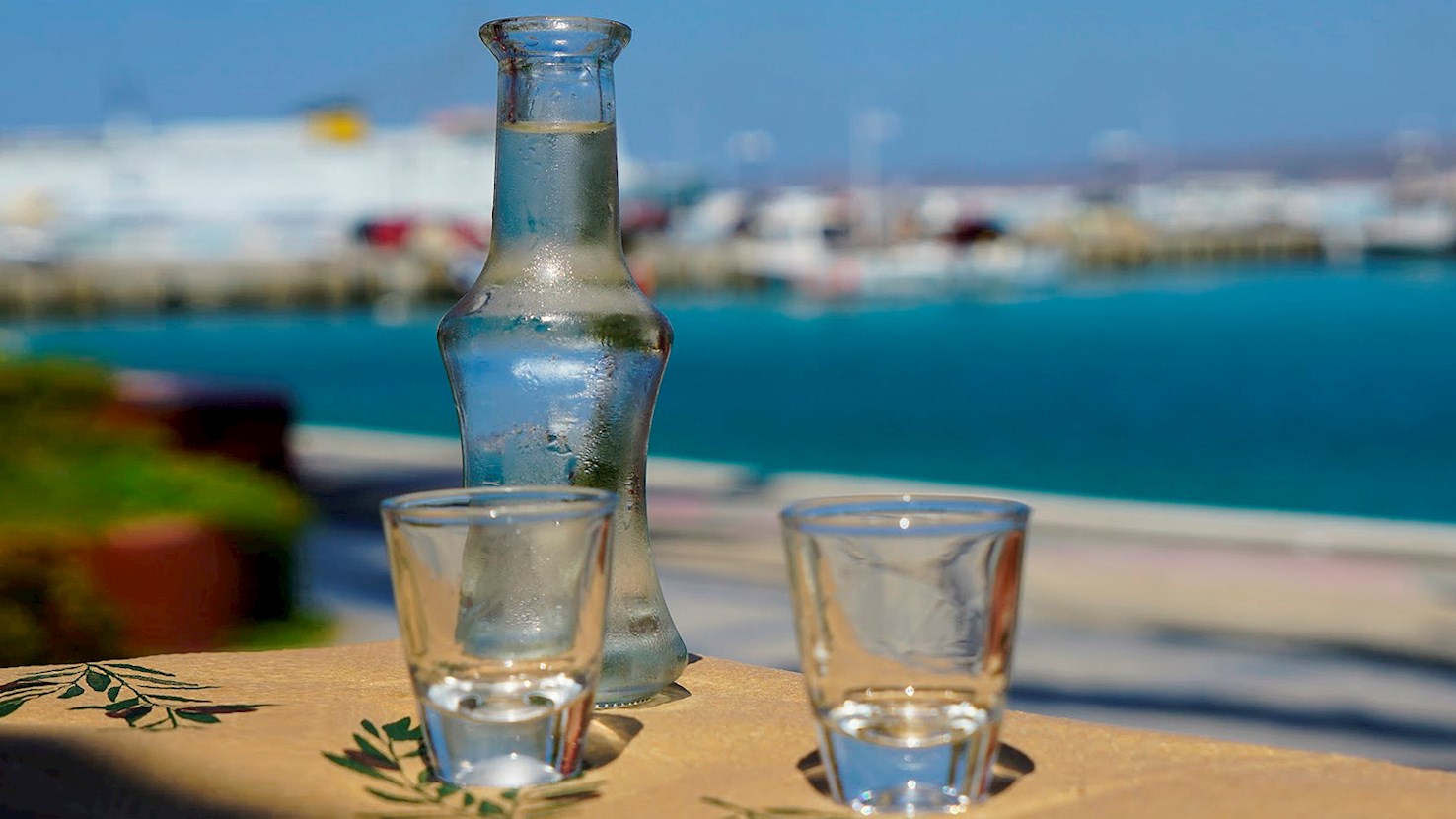
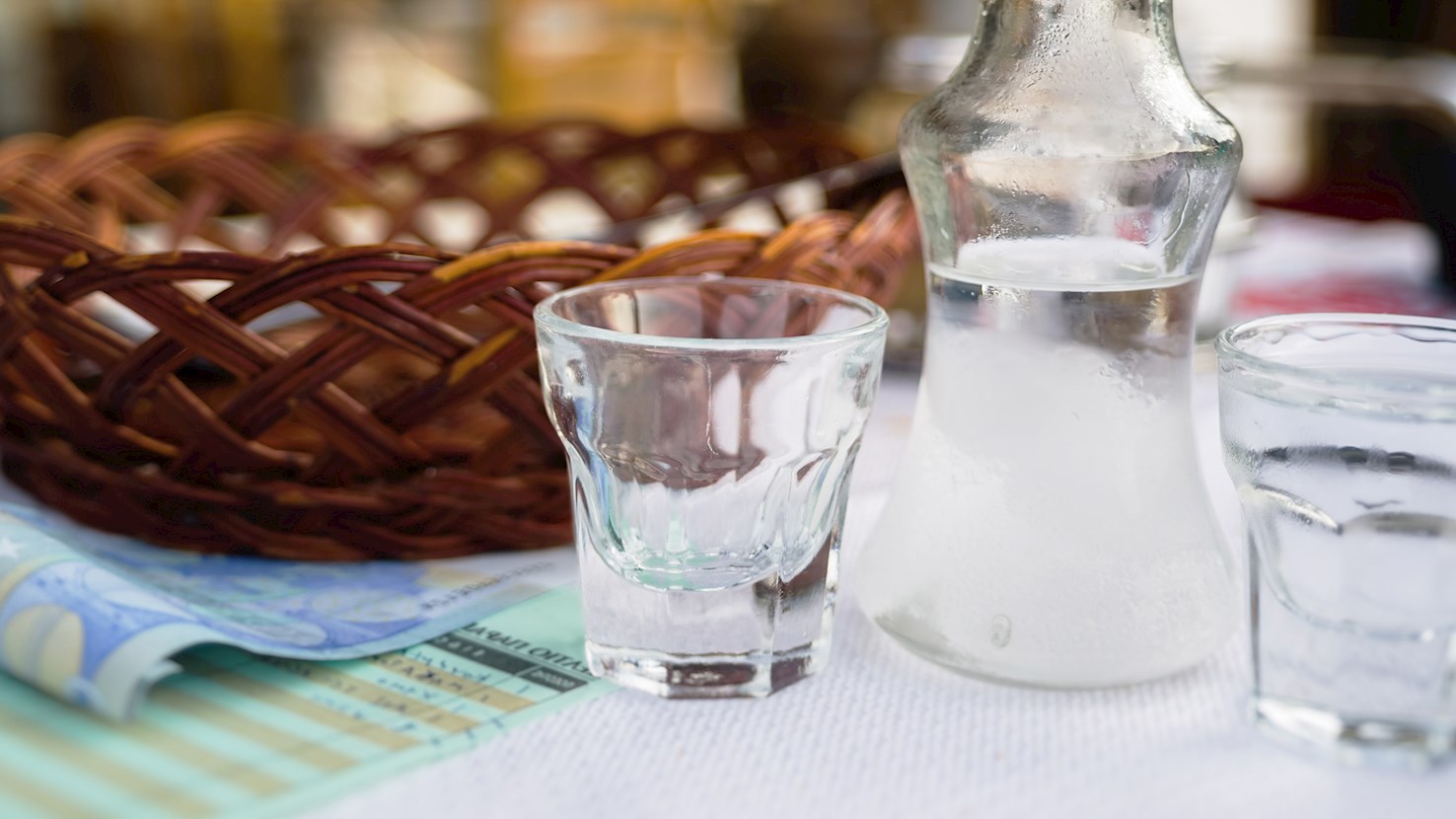
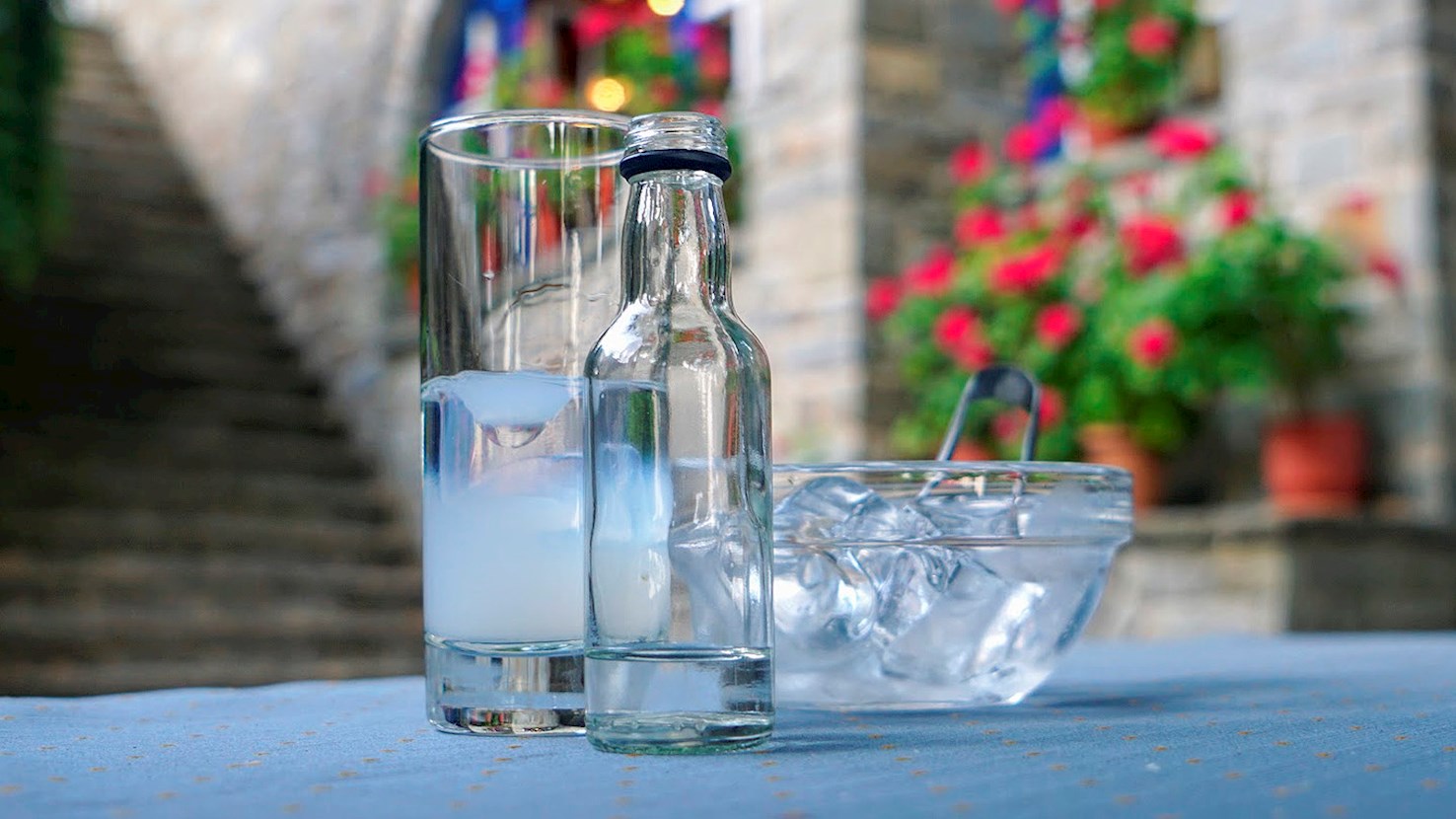
This strong Greek spirit is distilled from pomace—solid components of grapes that are left after the juice has been pressed. According to some records, tsipouro was first produced in the 14th century by Orthodox monks. The drink comes in its original, pure form, but some distillers infuse it with botanicals, primarily anise, to create the anise-flavored spirit that is traditionally mixed with water. Plain tsipouro is best appreciated well-chilled and neat, served in shot glasses. It is enjoyed as a welcoming drink and typically accompanies Greek meze—assorted small dishes. In Crete, a similar drink with a stronger aroma goes under the name tsikoudia.

Best producers
05

Metaxa

3.7 ·

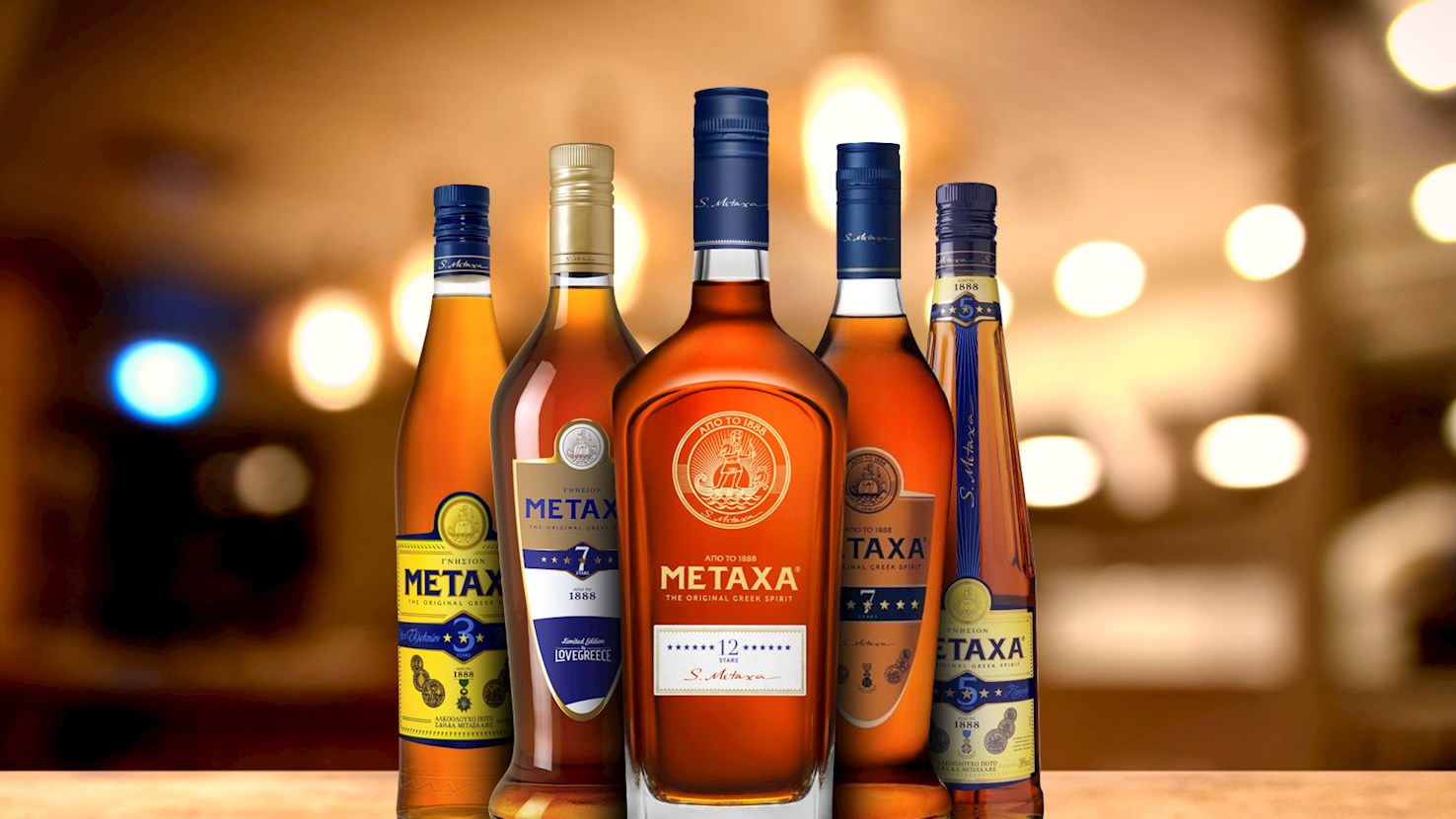
Metaxa is a popular Greek spirit that is made from brandy (usually produced from Savatino, Sultanina, and Black Corinth grapes), a secret combination of botanicals, and the aromatic and carefully selected Muscat wines from the island of Samos. The distillate and the wines are aged separately in oak casks before they are blended and flavored with botanicals. Every blend is then aged for a minimum of three years. Metaxa has a rich amber color, and it is praised for its smooth, complex, and intense flavor and aromas that are reminiscent of flowers, citrus, dried fruit, herbs, and spices. Apart from specialty blends, Metaxa is available in four different versions, labeled with three, five, seven, or twelve stars—each star representing how long the drink has been aged. The drink was first invented in 1888 by Spyros Metaxa in Piraeus, a port city located within the Athens urban area. To this day, Metaxa remains one of the hallmark Greek spirits. Although it is often incorporated into cocktails and long drinks, Metaxa is most commonly served neat or on the rocks.

06

Kitro Naxou (Kitron)

3.6 ·

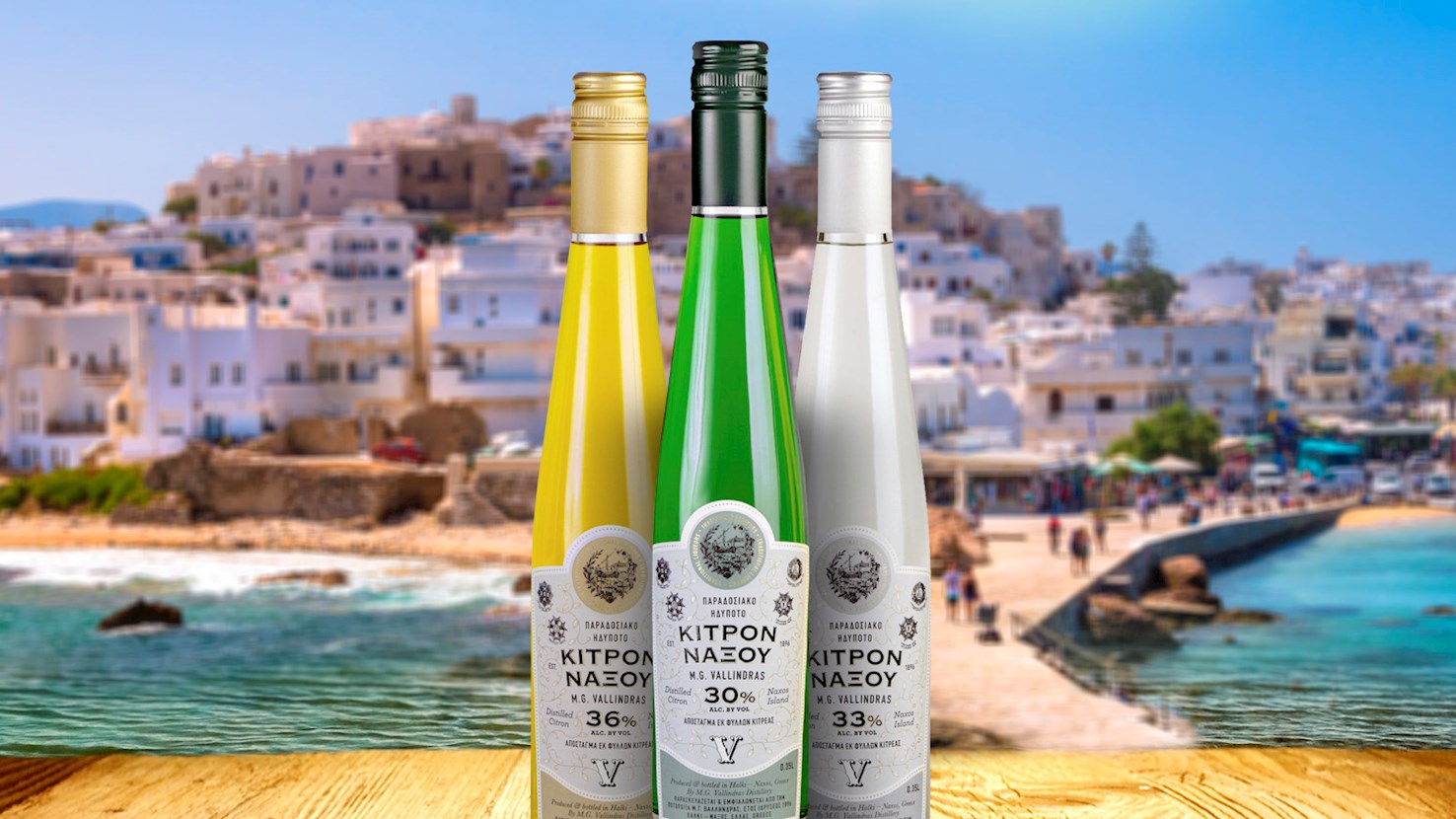
Kitron is a traditional citron liqueur hailing from the Greek island of Naxos. It is made from citron leaves (Citrus medica) that are macerated in neutral alcohol. The macerate is distilled, and the spirit is then mixed with sugar and water. Kitron typically comes in three versions that differ in color and strength. Green-colored kitron is the sweetest and has the lowest alcohol content (30% ABV). The colorless version is bottled at 33% ABV, while the strongest yellow-colored variety comes bottled at 36% ABV. Kitron has a distinctive citrusy aroma and flavor, and it is traditionally enjoyed as a digestif.

07

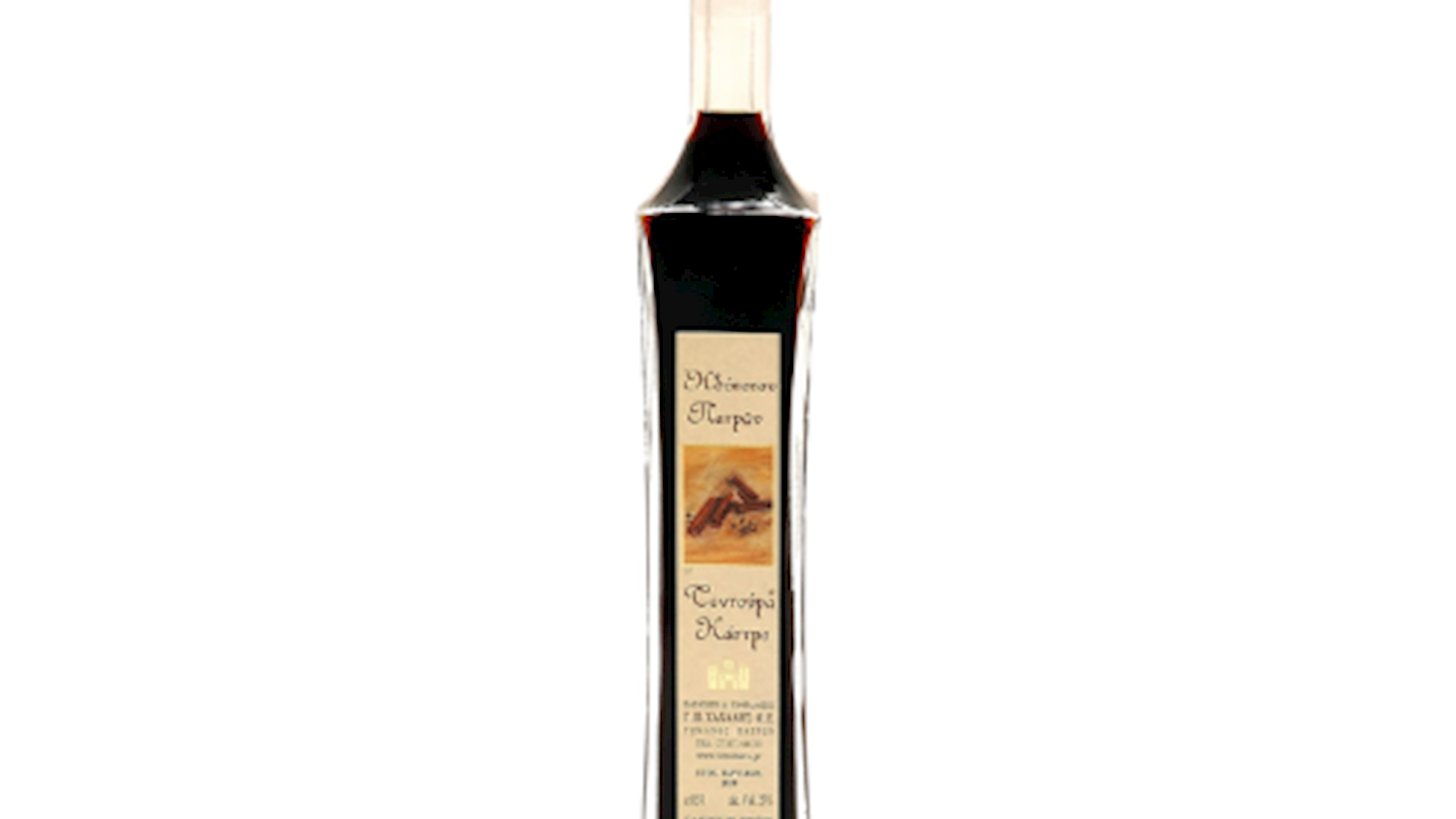
Tentura

3.5 ·

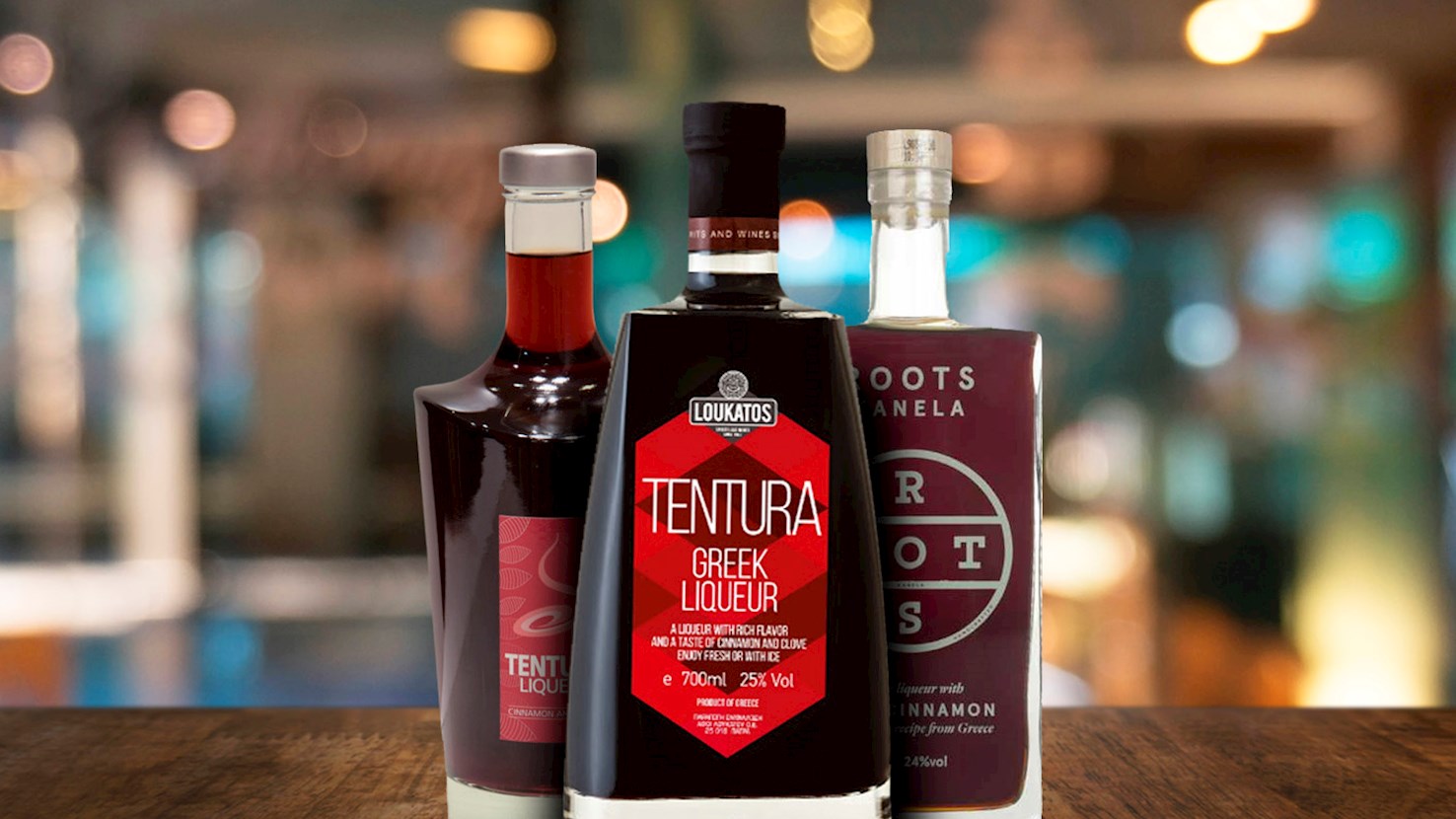
Tentura is a traditional liqueur that hails from Patras. It is prepared by infusing brandy or rum with herbs and spices. The most common flavorings include cinnamon and cloves, but the recipes often also use nutmeg and citrus fruit. Tentura is amber or dark-colored with aroma and flavor reminiscent of warming spices and vanilla. It can be served neat or over ice, and it is traditionally enjoyed as a digestif or an aperitif. This aromatic liqueur can also be used in cooking or as an ingredient in cocktails and long drinks. Tentura is believed to have an ancient origin that dates back to the 15th century.

08

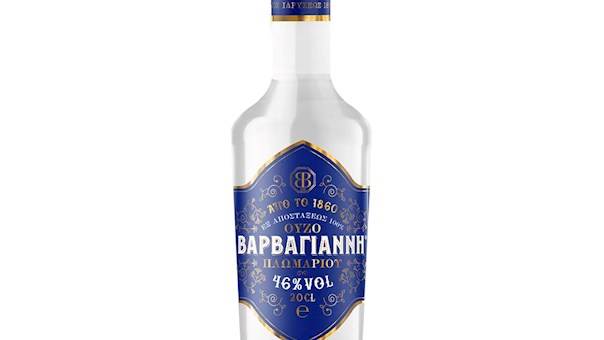
Ouzo

3.3 ·

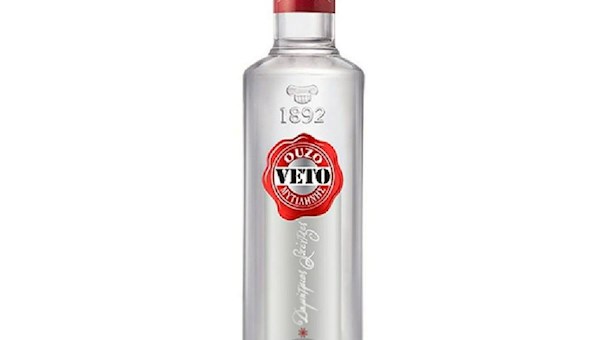
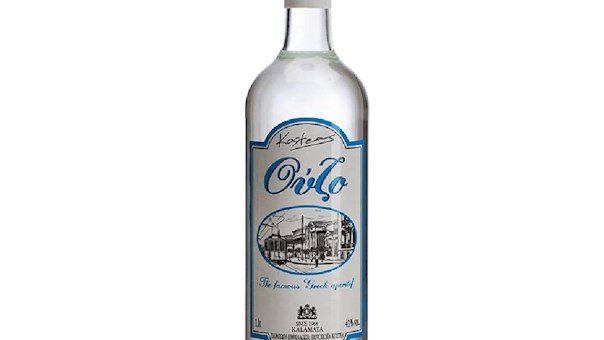
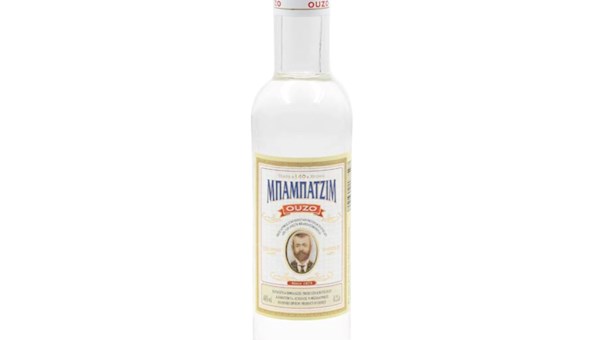
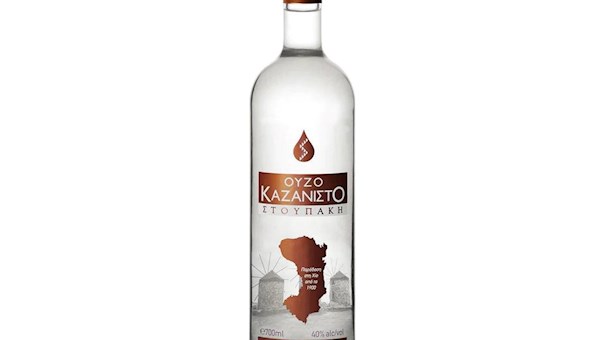
Ouzo is one of the best-known Greek specialties whose large-scale production started in 1830. It is distilled from neutral alcohol that is diluted with water and flavored with a combination of aniseed and various botanicals, such as fennel seeds, coriander, cardamom, nutmeg, cinnamon, ginger, or angelica. The choice and the blend of herbs determines the final taste profile and its quality. Ouzo is protected by the European law, and it can only be produced in Greece and the Greek section of Cyprus, while the island of Lezbos became a center of ouzo production. Greeks prefer to drink ouzo with water, which results in a characteristic cloudy appearance. It is also suitable for mixed drinks and pairs well tomato or orange juice. In Greece, ouzo is commonly enjoyed along traditional meze dishes, and should always be slowly sipped.

09

Souma

3.1 ·

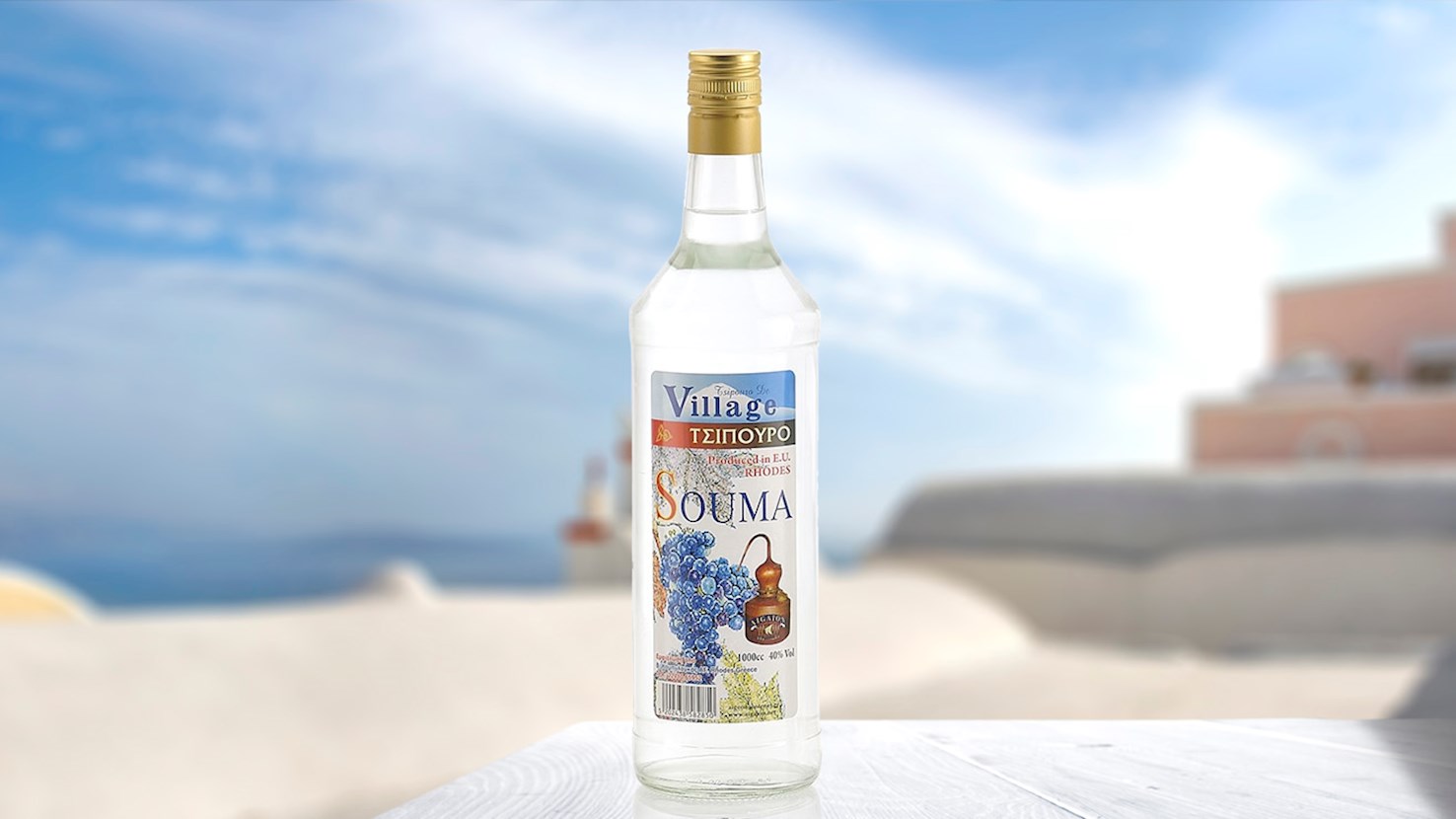
Produced on the island of Chios, this Greek spirit is distilled from sun-dried and fermented figs in traditional copper stills, similar to those used for making ouzo or raki. Traditionally, the production of souma starts around the end of October, and it typically lasts until mid-December. The preparation of the figs, however, starts earlier, usually at the end of August, when the fruits are gathered, dried, and allowed to ferment in large barrels with water and yeast. This beverage is made by the local people of Chios, in traditional home distilleries, and it can be bought from individuals selling it in unlabeled bottles throughout the island. Souma is often flavored with aniseed, mastic, or fruits such as mandarin oranges, apples, or quinces. The whole process of preparing the spirit is a special time of the year on the island, with people getting together in large groups to sing, dance, and savor various traditional dishes while distilling the beverage. The people of Chios enjoy this strong beverage every day and on any special occasion, and it is recommended to pair it with a variety of traditional meze dishes or with dried fruits and nuts.

10

Fatourada

n/a ·

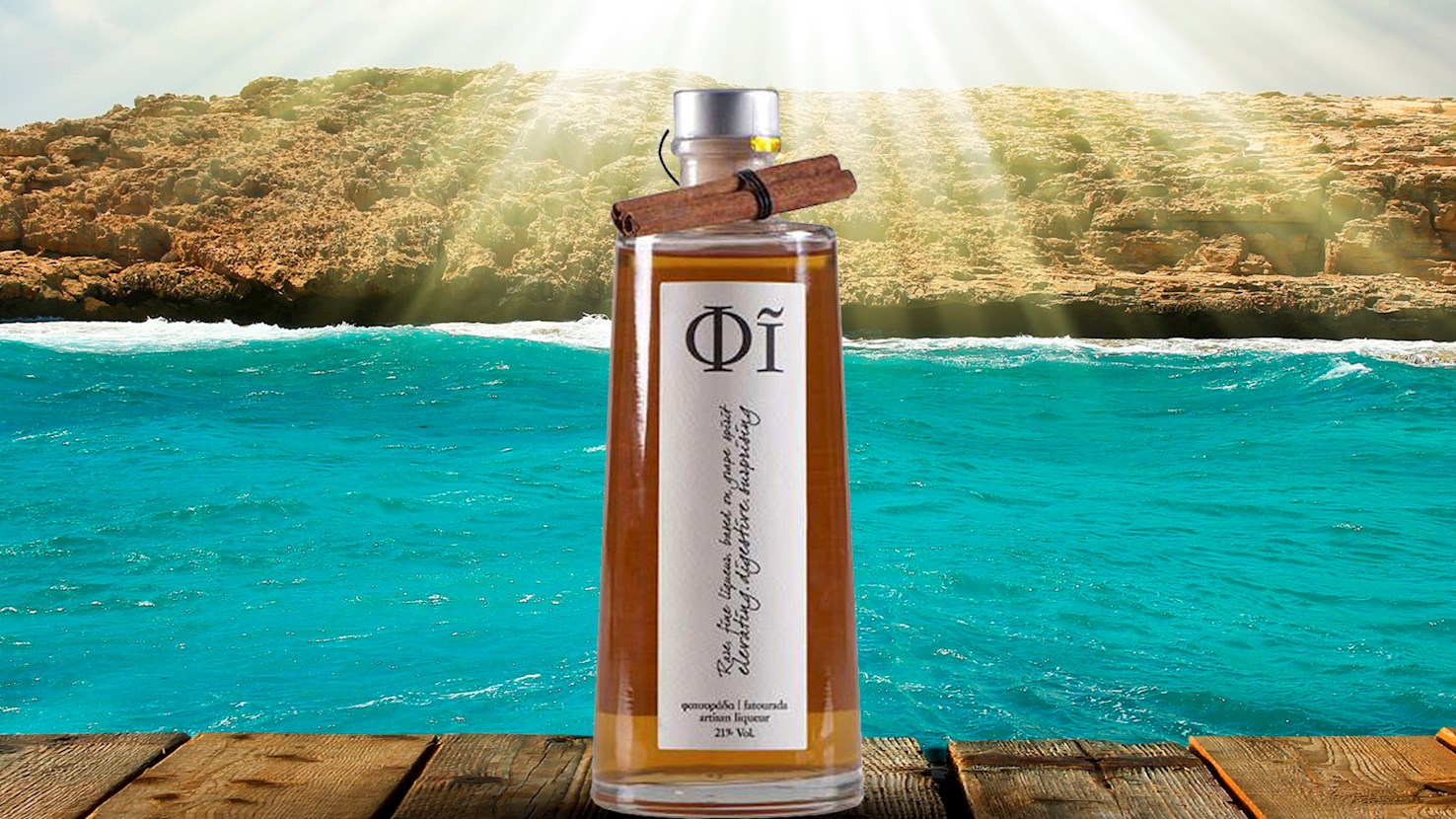
Fatourada is an orange-flavored liqueur from the Greek island Kythira. It is made with a strong pomace spirit (tsipouro), spices, and a citrusy infusion attained from local citrus fruit. The liqueur has an ancient tradition on the island, dating back to the 14th century when it was usually made by wealthy local families. Fatourada is a subtly bitter aromatic liqueur with citrusy, dried fruit, and spicy flavors. It is best to enjoy it as an aperitif or a digestif, served neat or on the rocks, but it could also make a good cocktail ingredient. Fatourada is commonly served with local desserts. It has 21% ABV.

Read more
View all
View map
About this ranking

TasteAtlas food rankings are based on the ratings of the TasteAtlas audience, with a series of mechanisms that recognize real users and that ignore bot, nationalist or local patriotic ratings, and give additional value to the ratings of users that the system recognizes as knowledgeable. For the “Top 18 Greek Spirits and Liqueurs” list until June 24, 2026, 1,011 ratings were recorded, of which 540 were recognized by the system as legitimate. TasteAtlas Rankings should not be seen as the final global conclusion about food. Their purpose is to promote excellent local foods, instill pride in traditional dishes, and arouse curiosity about dishes you haven’t tried.

The initial list of top producers was compiled based on available reviews, awards, local recommendations, media and blog coverage, and consumer reviews. The list will be updated with ratings from TasteAtlas local ambassadors and TasteAtlas users.

Similar lists