Top 41 Sicilian Wines

Last updated on June 15, 2026

Best Sicilian Wine Types
01

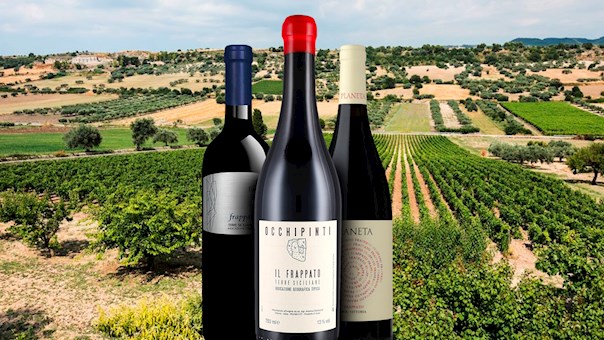
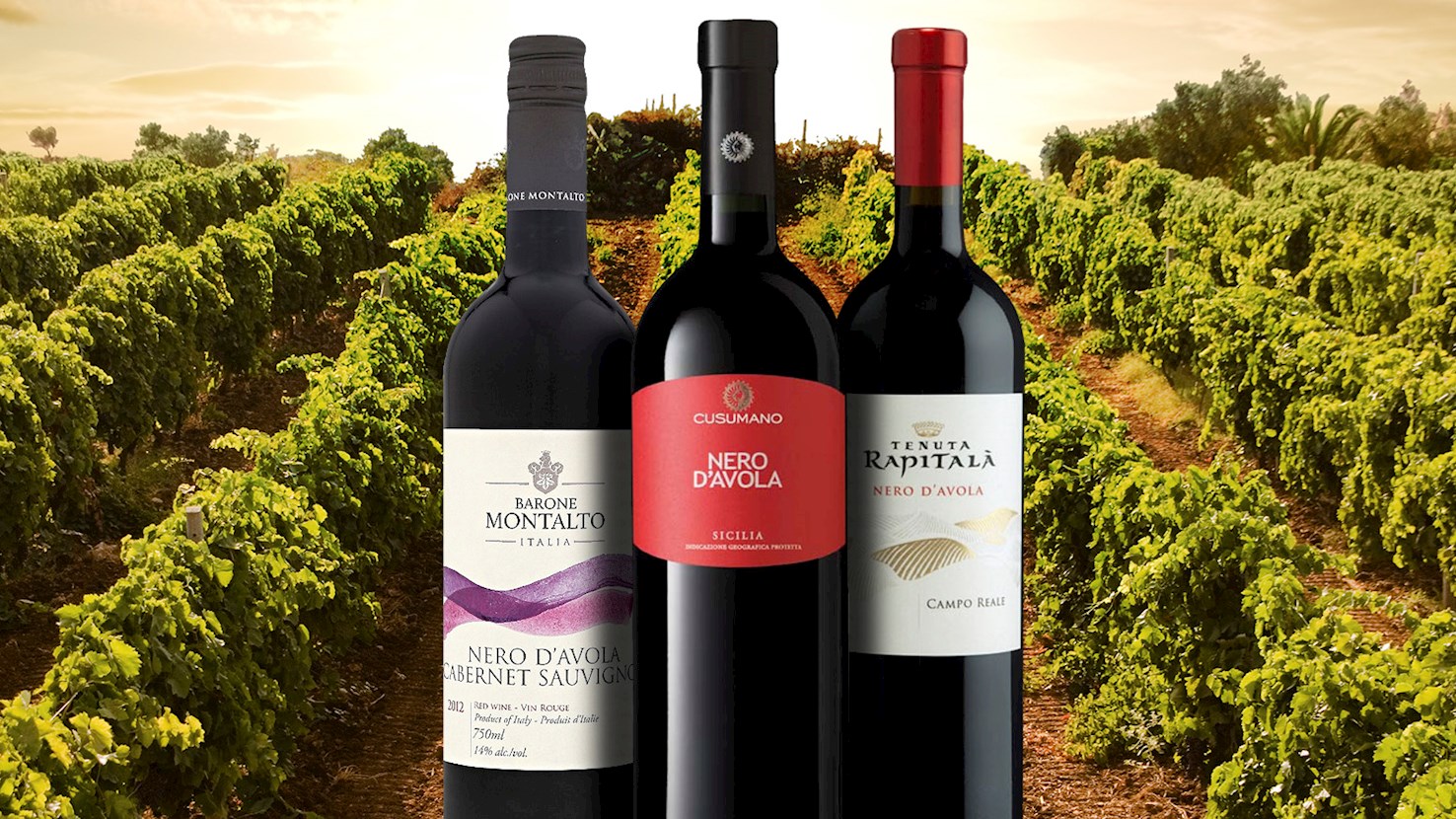
Nero d’Avola

4.4 ·

Nero d’Avola is an indigenous Sicilian red grape, whose name, meaning the black of Avola, refers to its distinctive dark color. For most of the 20th century, Nero d'Avola was used as a blending grape, but in the 1990s winemakers started making high-quality, bold varietal wines. Nero d’Avola wines are typically produced as dense and dark, with flavors reminiscent of black fruit and chocolate, or as young and fresh wines that are characterized by cherry and herbal notes. They are high in tannins and pair well with rich meat dishes, hearty stews, and barbecued meat.

Best producers
02

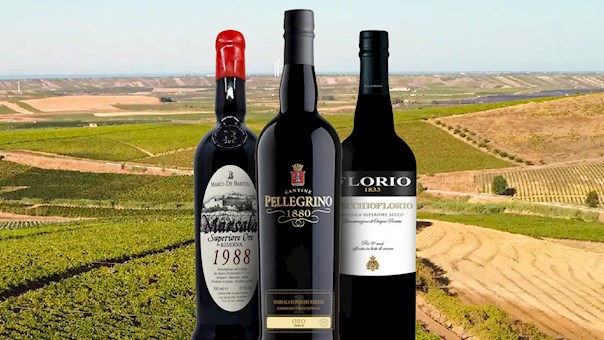
Marsala

3.8 ·

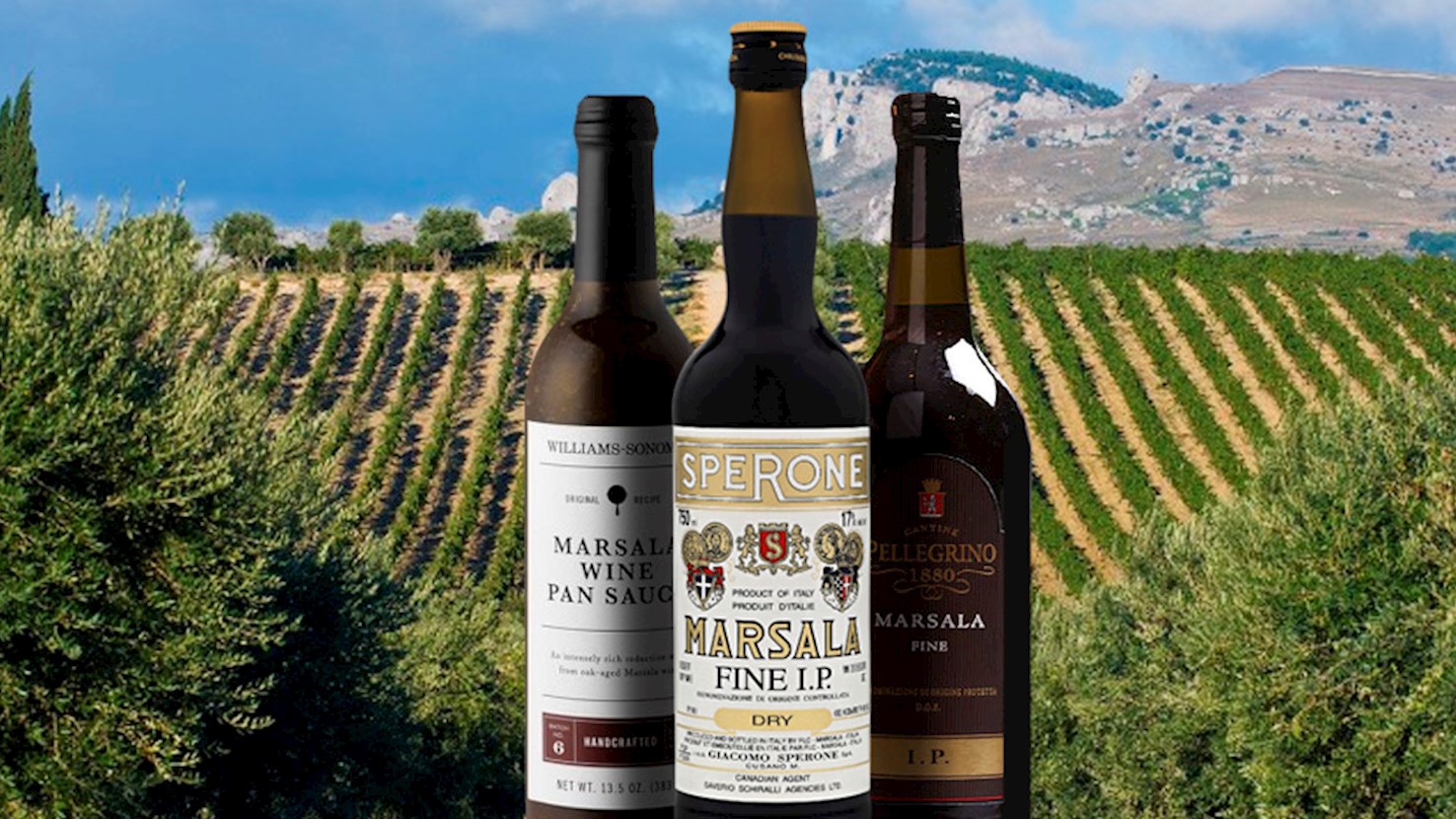
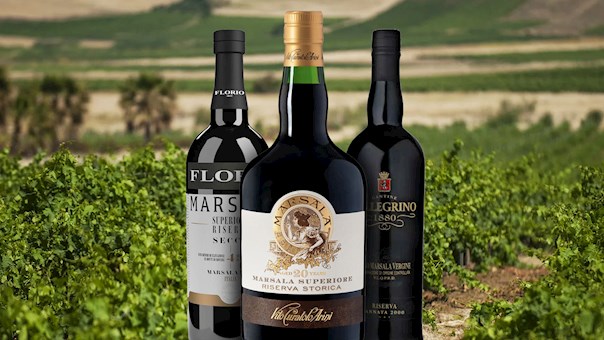
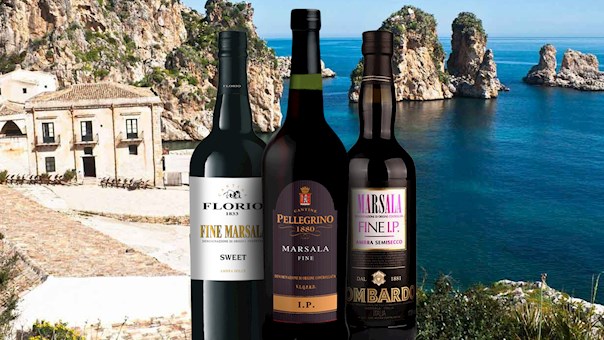
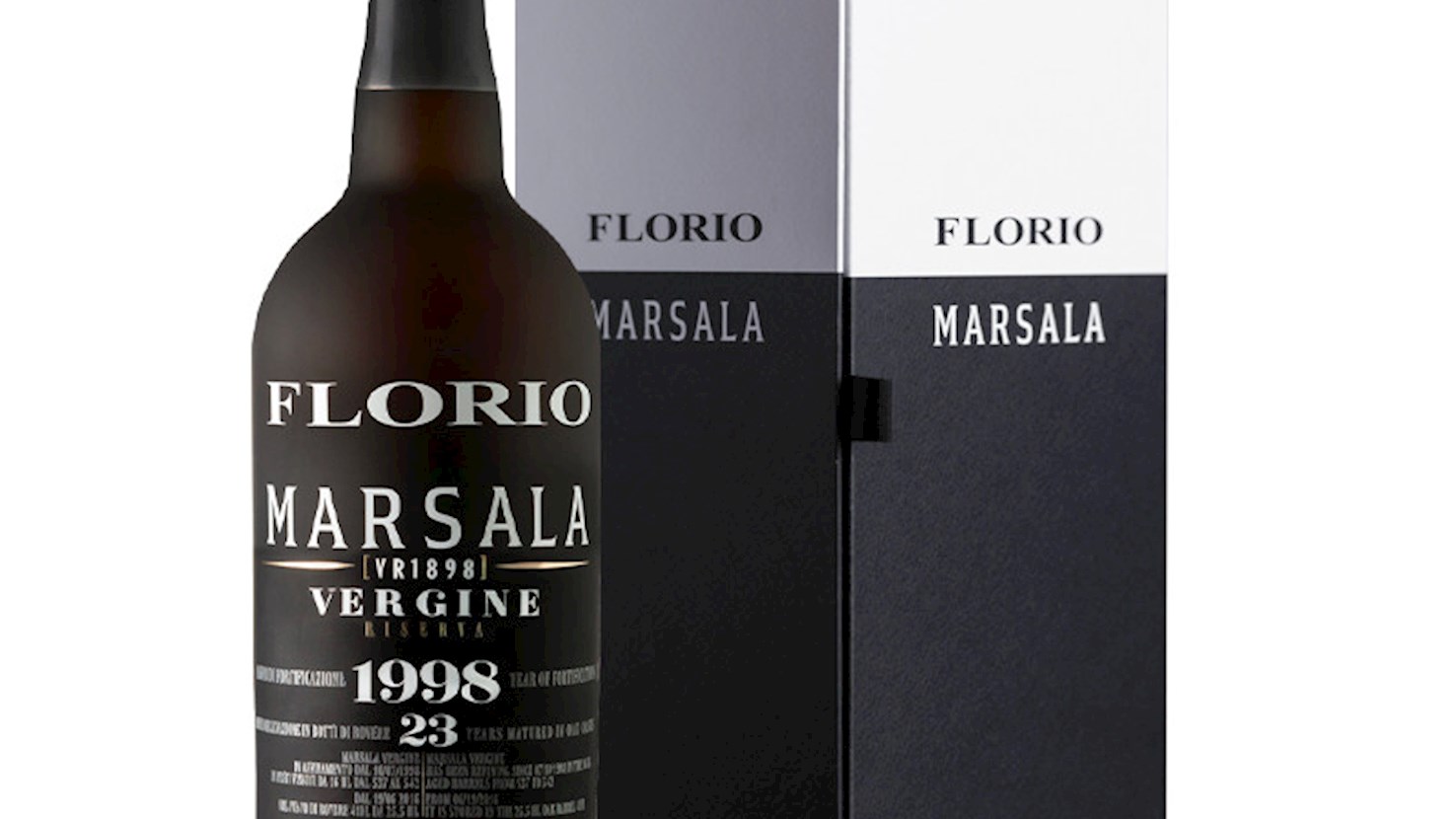
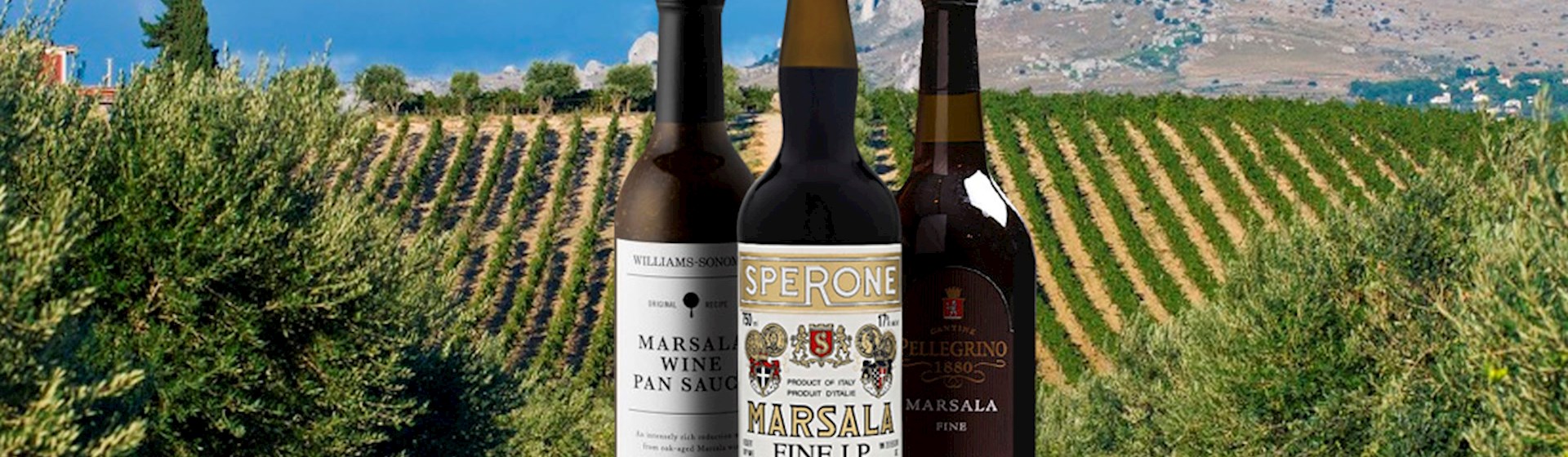
An Englishman John Woodhouse discovered this fortified Sicilian wine and started producing it on a larger scale in 1796. Because of its instant popularity, the quality of Marsala wines began to deteriorate, but in 1984, stricter regulations of production have been implemented, which eventually had an impact on the better quality of Marsala. The unique taste of the wine comes from the traditional winemaking method and the use of only Sicilian indigenous grapes, predominately Grillo, but Inzolia, Catarrato, or Damaschino can also be used. The wine comes in three styles: secco (dry), semisecco (semi-dry), and dolce (sweet), while its flavor is typically reminiscent of cherries, apples, dried fruits, as well as soft vanilla, honey, and licorice. Refined versions of Marsala make excellent dessert wines, but they are also commonly used in the production of desserts or to create rich, caramelized sauces. This complex wine naturally pairs with a wide variety of classic Italian desserts such as cannoli, tiramisù, or amaretti, while some varieties can perfectly complement delicate spring vegetables.

03

Zibibbo (Muscat of Alexandria)

3.6 ·

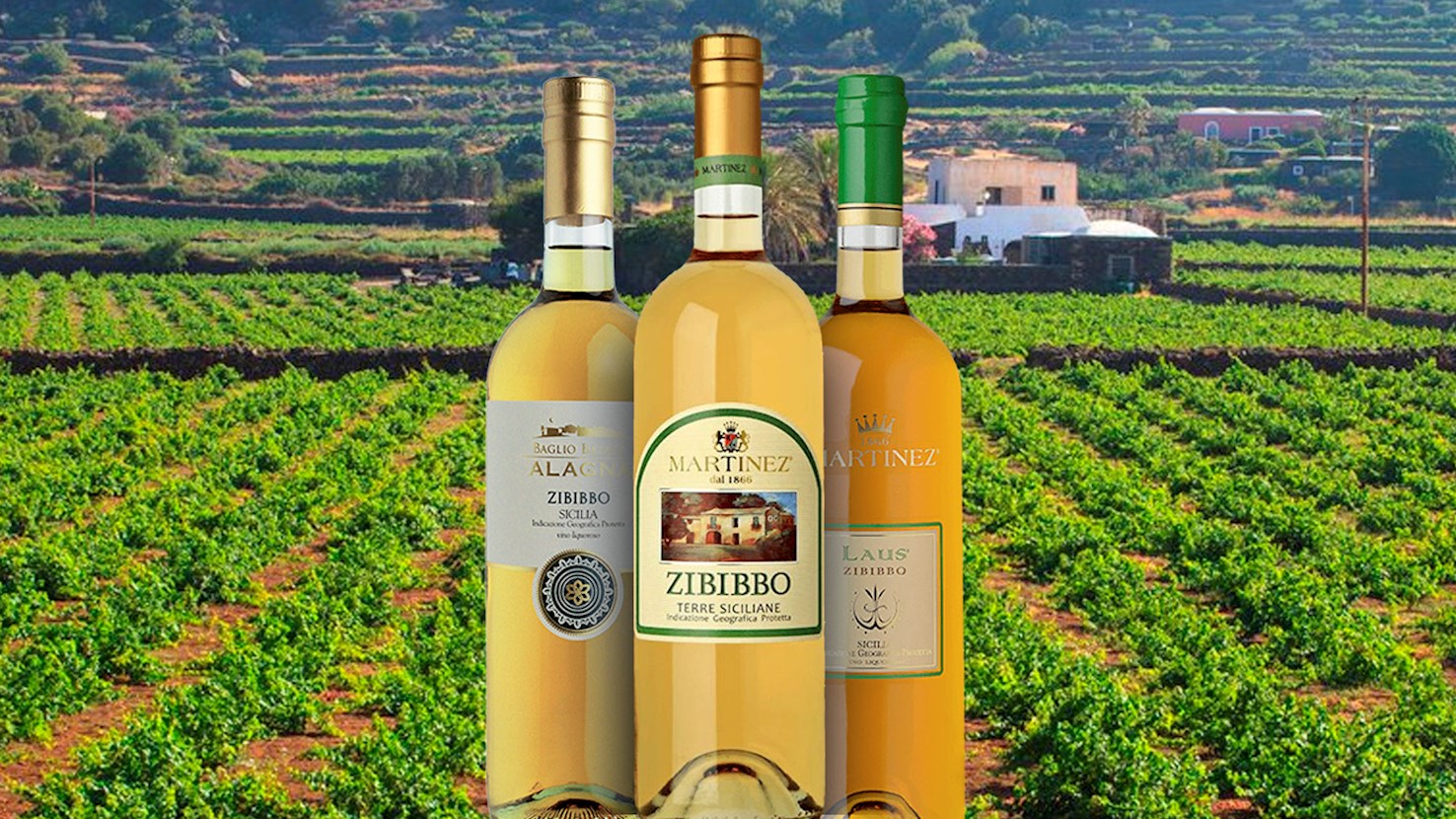
Zibibbo is the local Sicilian name for Muscat of Alexandria grapes. This grape belongs to a large family of Moscato grapes, which are famous for their perfumed aromas and sweet flavors. Muscat of Alexandria is believed to be one of the oldest genetically unmodified vines still in existence. The grape is praised for its ability to produce incredibly aromatic wines. Zibibbo is cultivated throughout Sicily, but it is best known for its use in Pantelleria, a small DOC on the eponymous island located southwest of Sicily. The grape is used in the production of dry and dessert wines. Dry wines made from Zibibo usually have floral and citrus notes, while dessert styles are dense and honeyed, with an aroma often reminiscent of candied citrus fruit, figs, dates, and nuts. It is believed that the grape was introduced by Arabs—the name z’bīb is of Arabic origin and translates as dried grape or raisin. It is a highly resilient grape that could prosper despite harsh conditions and a warm climate. Pairing Zibibbo with food will mainly depend on the wine style. Dry wines pair well with fish, seafood, or white meat, while sweeter styles naturally pair with desserts and cheese.

Best producers
04

Grillo

3.5 ·

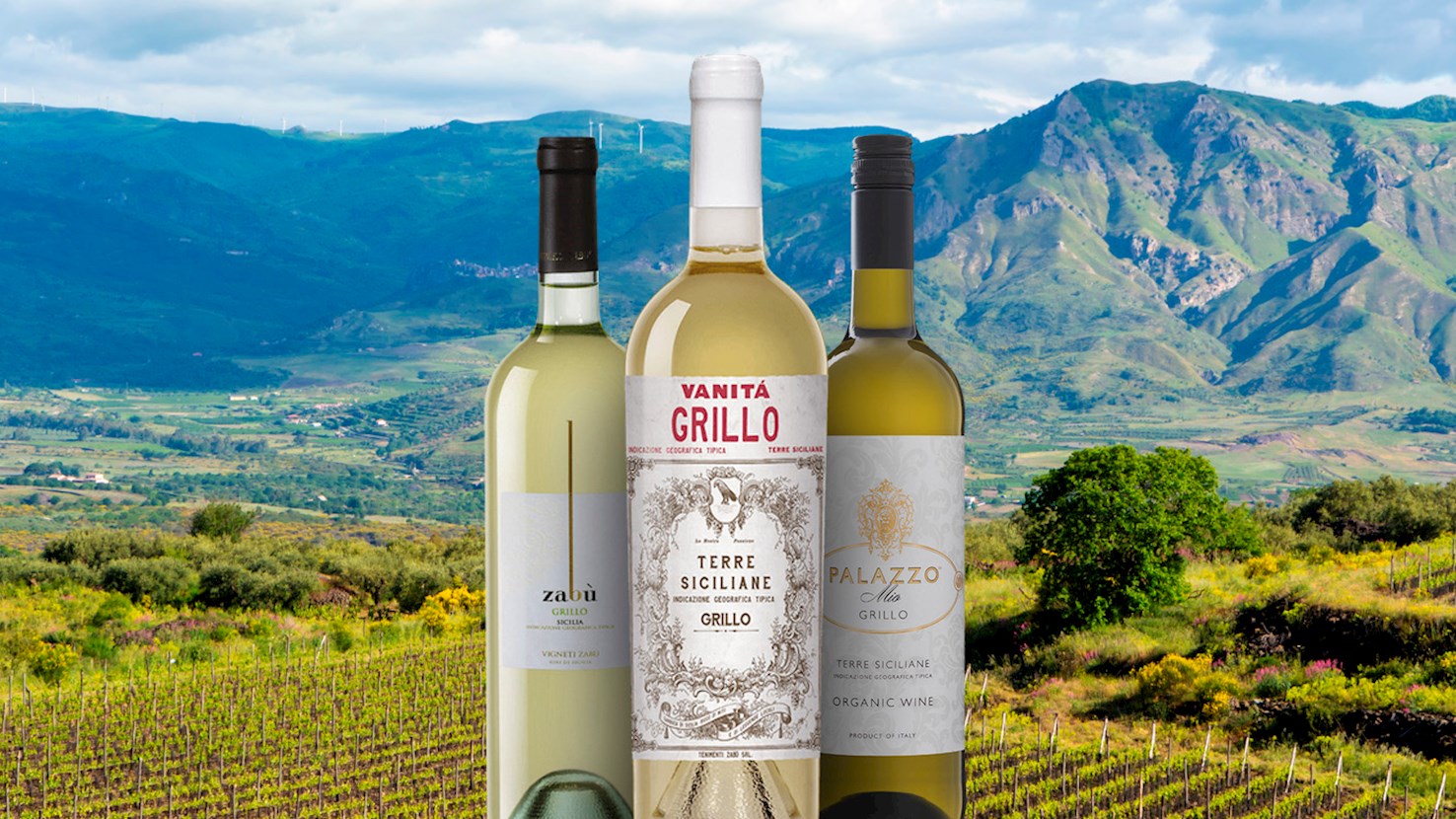
Grillo is a white grape variety from Sicily best known for its use in Marsala. It is used in several other regional appellations, both in blends and varietals. Grillo is a versatile grape that usually attains high alcohol content. If not treated properly, it will result in bland wines, but with a careful approach, Grillo can produce full-bodied wines with a floral and subtly herbal character. The aroma is reminiscent of ripe yellow fruit, melons, citruses, and orange blossom. On the palate, these wines are soft and round, with citrus and floral notes. The acidity is well-balanced, and most examples have a distinctive mineral finish. Because of their versatility, these wines can pair well with various dishes. They work well paired with appetizers, fish, crustaceans, seafood pasta dishes, risottos, or fish soups.

05

Fiano

3.4 ·

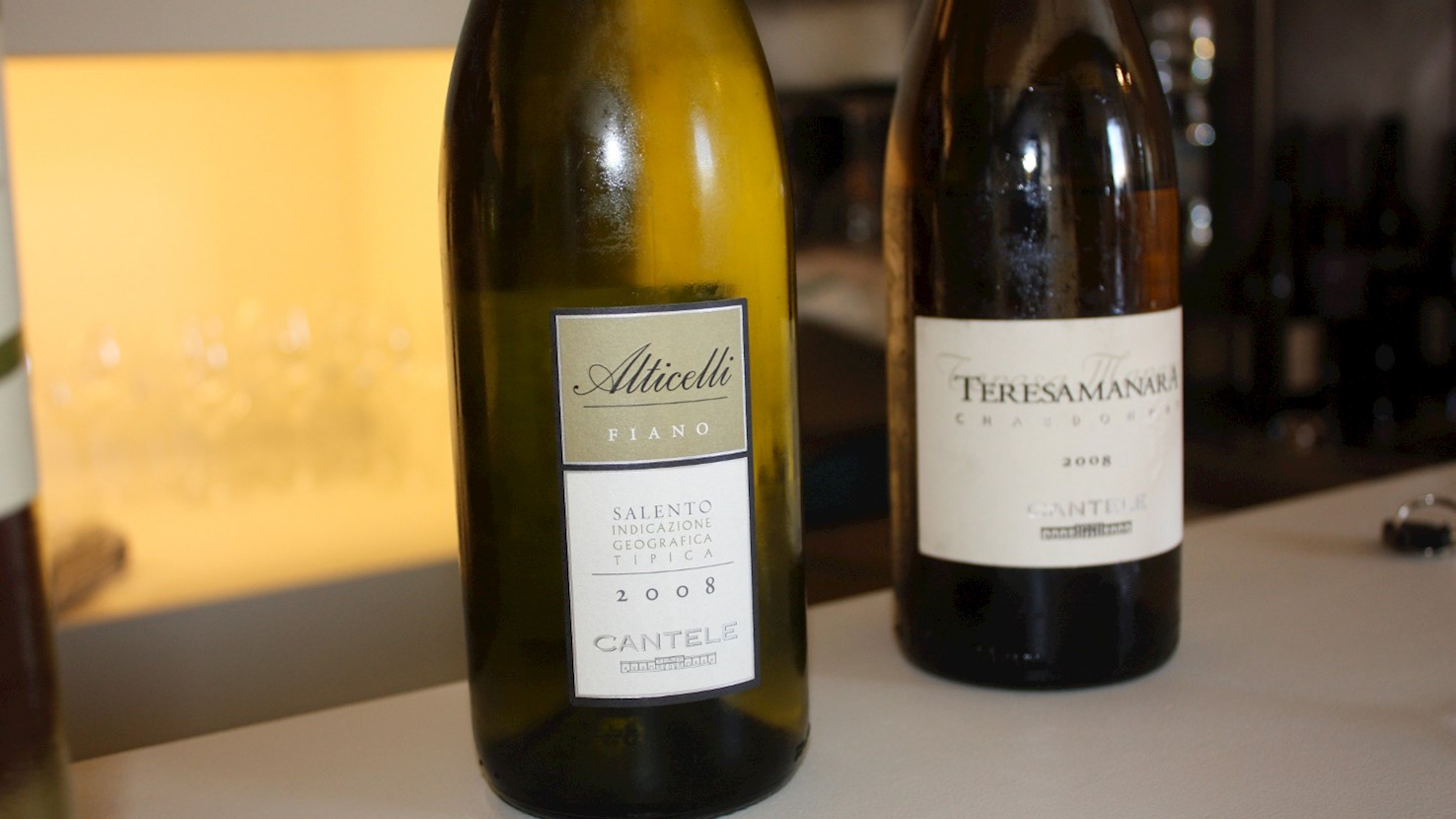
Mostly cultivated in Campania, Fiano is an old Italian variety that has seen a significant revival since the 1980s. This low-yielding, early-ripening grape is praised for its ability to produce crisp and aromatic wines with a lot of character and herbaceous and fruity notes. These wines are typically medium-bodied and intensely flavored. Young Fiano wines often display aromatic honey notes, and as they age, they tend to develop smoky and spicy notes dominated by hazelnut. The aromas are perfectly balanced with bright acidity. Fiano is used in varietal and blends, and it can also be used in the production of sparkling and dessert wines. They can be enjoyed young, and it is generally recommended to age them for up to five years. The most important appellation for Fiano is Fiano di Avellino, which holds a DOCG status. Fiano-based wines can be enjoyed as an aperitif. They can be a good match with seafood and white meat. Apart from Campania, the grape is cultivated in Puglia (Apulia) and Sicily. Small amounts of Fiano can also be found in Australia.

06

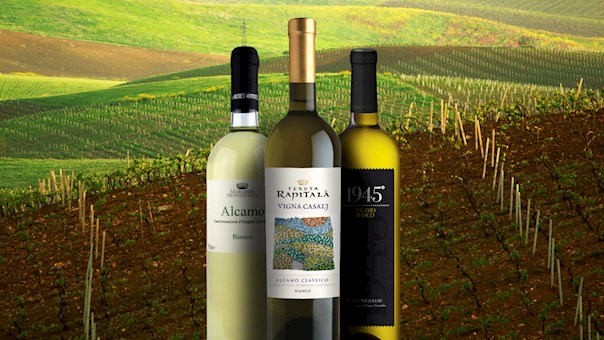
Etna Bianco

3.4 ·

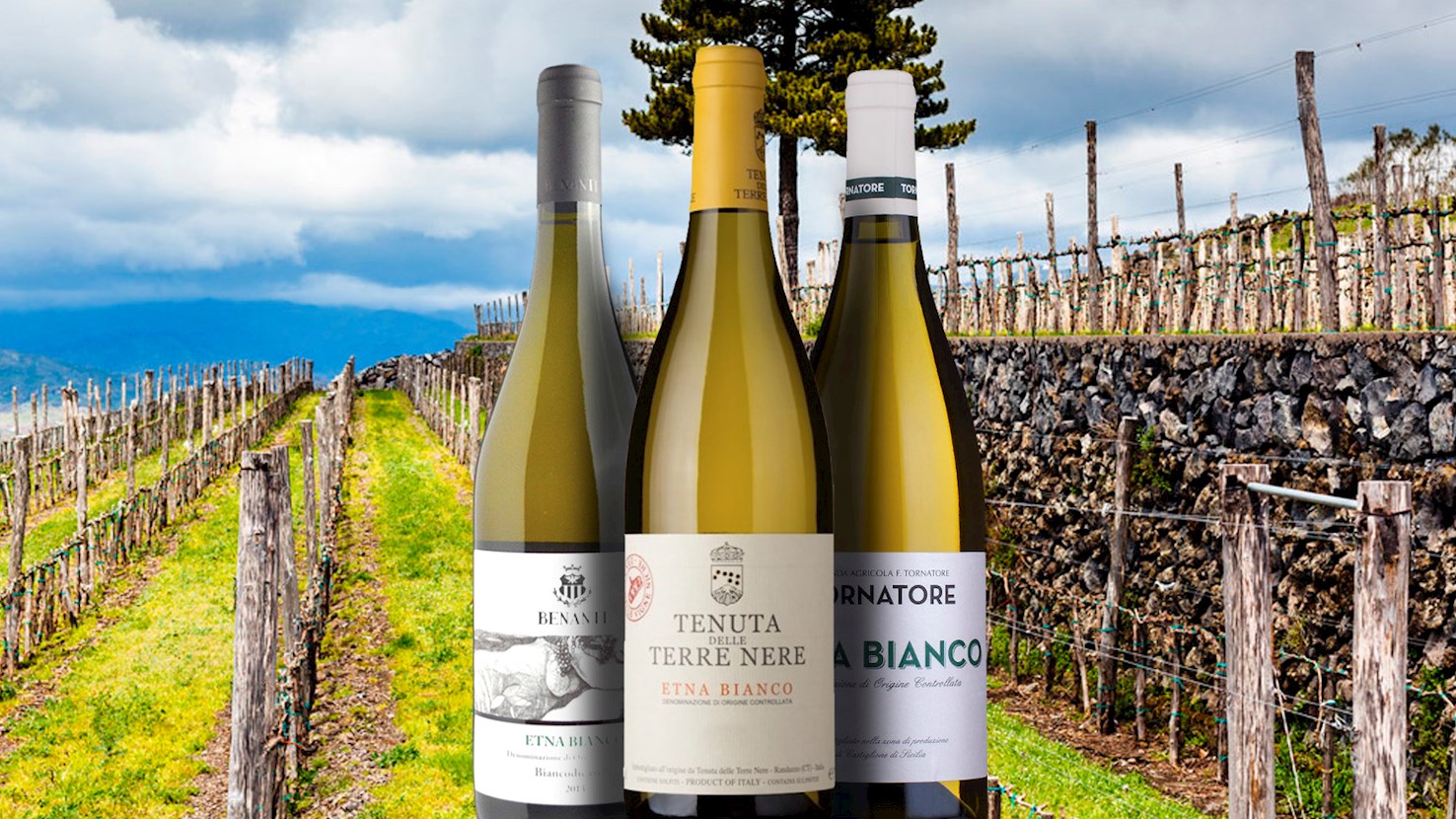
Belonging to Etna DOC, this white Italian wine is predominantly produced with Carricante grape variety, which is grown on the volcanic soils of Mount Etna. Lively and acidic Etna wine is typically straw yellow, with characteristic floral, citrus, and mineral notes. Though it is rarely aged, oak maturation can help develop a full-bodied, creamier flavor. It can match a variety of dishes, but it works especially well with seafood, particularly in combination with pasta. Pair it with classic Sicilian pasta chî sàrdi or sarde a beccafico.

07

Inzolia

3.1 ·

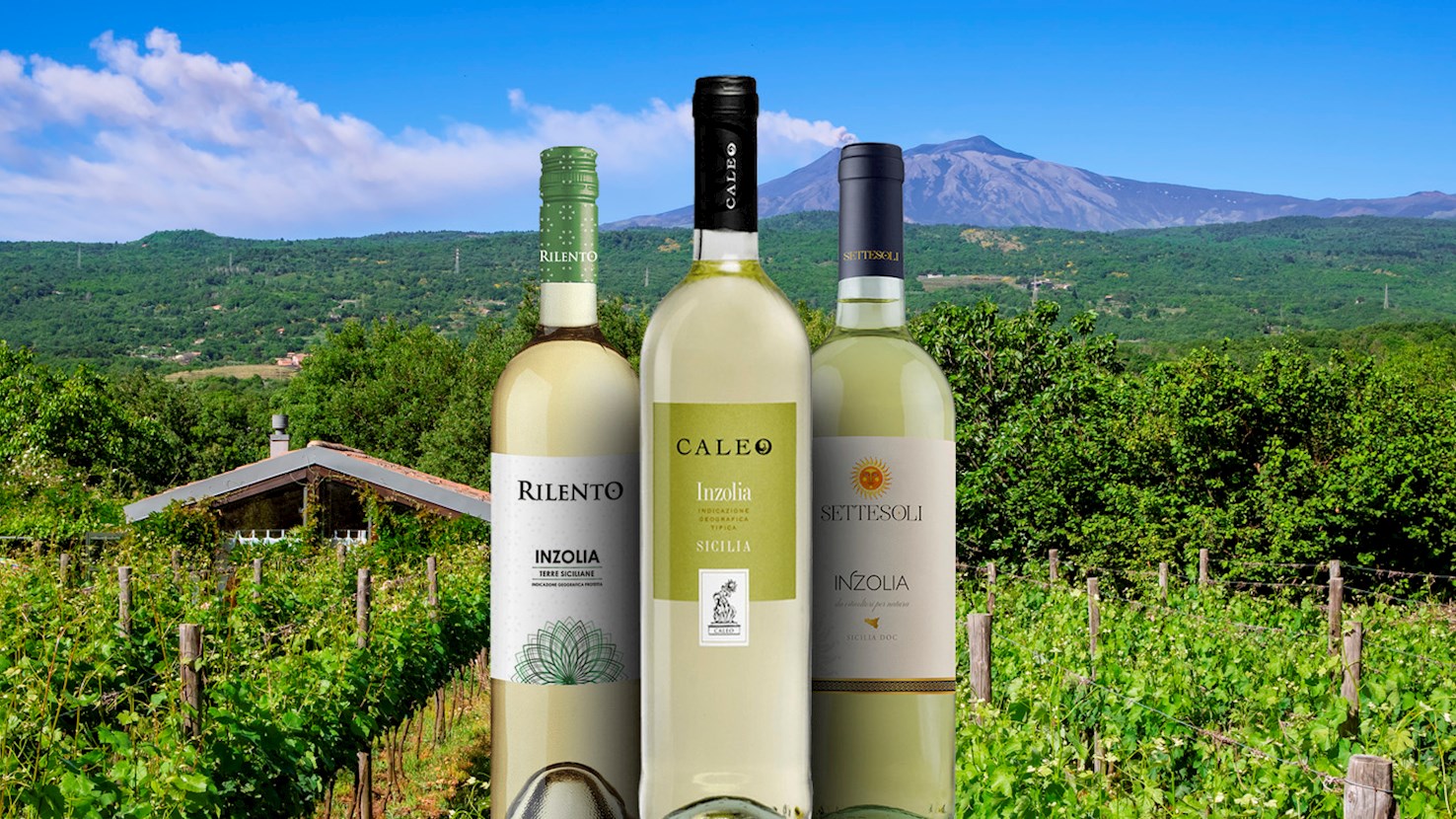
Inzolia is an Italian grape variety mainly associated with Sicily, though small amounts are also found in Tuscany (Ansonica Bianca). The grape was best known for its use in Marsala wine, but it is now often blended with the local Catarratto, and it can also produce good quality varietals. The wines produced from Inzolia are straw-colored, floral, and usually have a distinct nutty character. The aroma is typically reminiscent of mimosa, apricots, peaches, and citrus fruit. The wines are soft and round, with low to medium acidity and a subtle mineral finish. Sicilian terroir will produce fruitier wines with more structure. These wines pair with pasta dishes, fish, and white meat. They can also work as an aperitif.

08

Terre Siciliane IGT

n/a ·

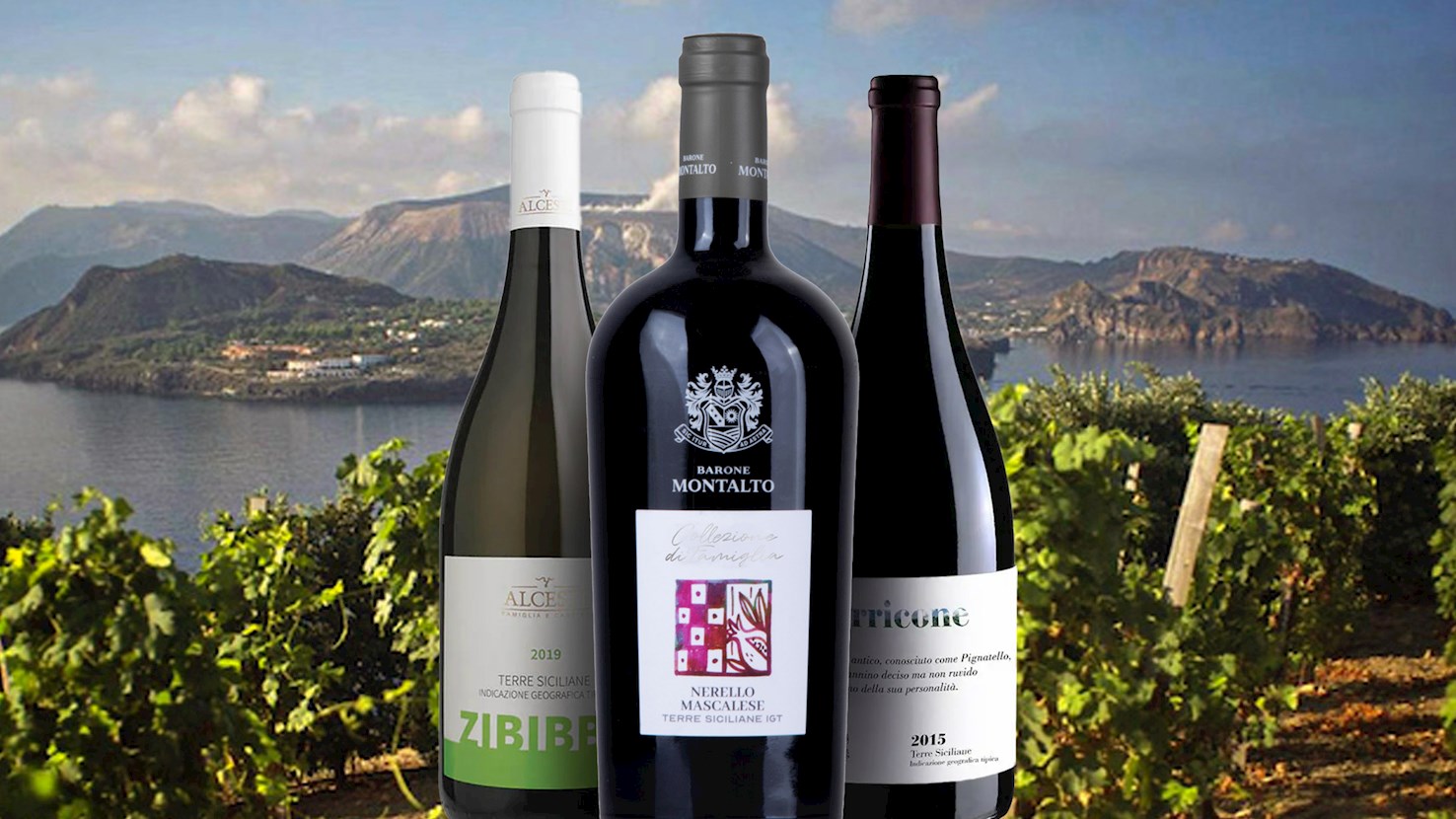
Terre Siciliane IGT (Indicazione Geografica Tipica) is a wine classification for high-quality wines produced across Sicily, including smaller islands like Pantelleria and the Aeolian Islands. Established in 2011, it offers winemakers greater flexibility than DOC or DOCG classifications, allowing experimentation with grape varieties and techniques. Wines under this designation feature both native grapes, such as Nero d’Avola, Grillo, Catarratto, Zibibbo, and Frappato, and international varieties like Chardonnay, Merlot, Syrah, and Cabernet Sauvignon. Terre Siciliane IGT encompasses a wide range of styles: bold and rich reds with ripe fruit and spice notes, crisp and aromatic whites with citrus and mineral flavors, refreshing rosés, and complex dessert wines made from Zibibbo or Moscato. The classification celebrates Sicily’s ancient winemaking heritage while supporting modern innovation, helping to promote Sicilian wines globally. These versatile wines pair well with a variety of dishes—reds with grilled meats and aged cheeses, whites with seafood and salads, and dessert wines with traditional Sicilian sweets like cannoli. Terre Siciliane IGT captures the diversity, creativity, and unique terroir of Sicily, making it a symbol of the island's rich winemaking traditions and culinary culture.

Best producers
09

Passito di Pantelleria

n/a ·

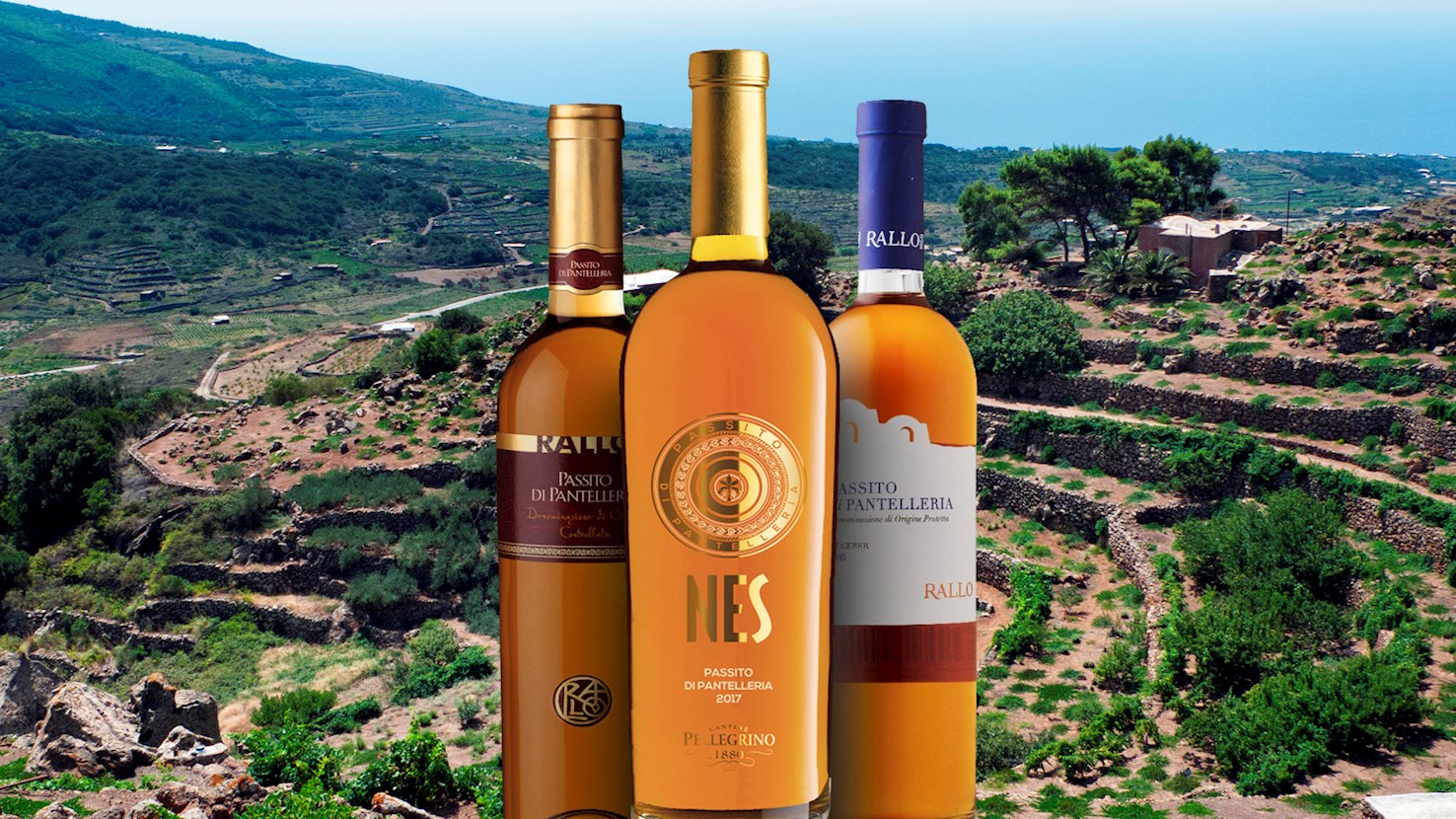
Passito di Pantelleria is a dessert wine hailing from Pantelleria, an Italian island located between Sicily and Tunisia. The wine is made with dried (passito) Muscat of Alexandria grapes, locally known as Zibibbo. Passito is a traditional method of drying grapes before vinification, enabling higher sugar concentration in the grape. Passito di Pantelleria is a golden-colored wine with a pleasant and fruity aroma, usually dominated by ripe fig, almond, apricot, and orange blossom notes, along with honey and vanilla nuances. It can also have hints of exotic tropical fruit. This wine pairs well with local Sicilian specialties, especially cookies and dry pastries, and it can also go well with foie gras and pungent cheese varieties. It is also an excellent aperitif or a sipping wine. In 2014, the traditional cultivation of vines on Pantelleria was recognized as a World Heritage Site. This DOC belongs to a larger, generic Pantelleria appellation.

Best producers
10

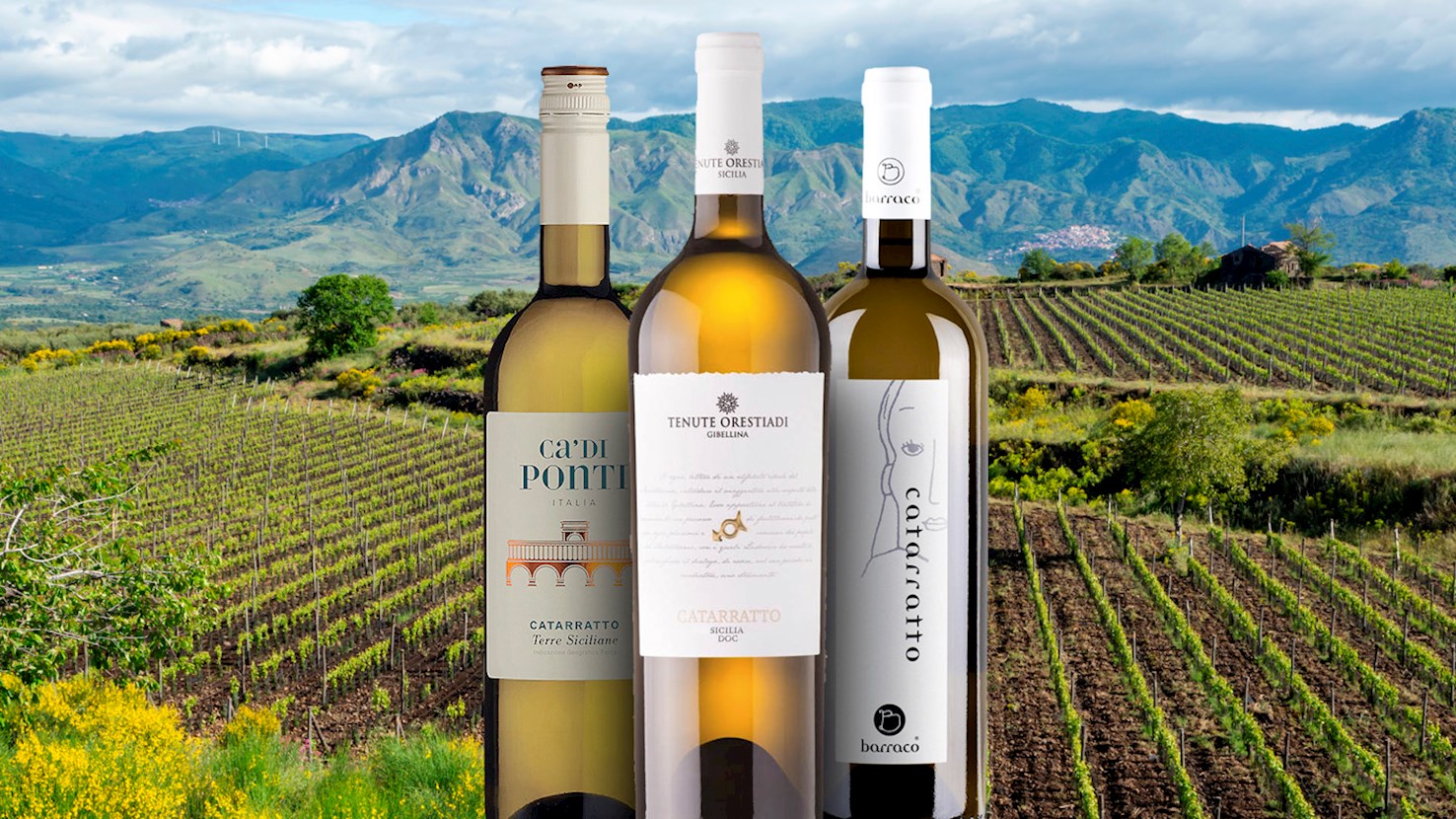
Catarratto

n/a ·

Catarratto is an ancient and little-known Sicilian white grape. In the past, it was mainly used for unimpressive, bland wines, but some producers have shown that a better approach can result in excellent white wines with a fresh and mineral character. The grape is abundant in Sicily, and it is mainly used in Sicilia DOC. This high-yield grape produces wine with a good body and a fruity and floral aroma, often reminiscent of citrus fruit, apricots, jasmine, and orange blossom, along with some tropical and herbal notes. The honey-like and spicy aroma can also be present. On the palate, the wines are mineral and might have a subtle bitter finish. The grape has two types, Comune and Lucido. They were thought of as two distinct grapes in the past, but it was later proven that they are simply variant clones. Catarratto-based wines would pair well with different appetizers and seafood or vegetarian main courses.

Best Sicilian Wines
01

Donnafugata

5 ·
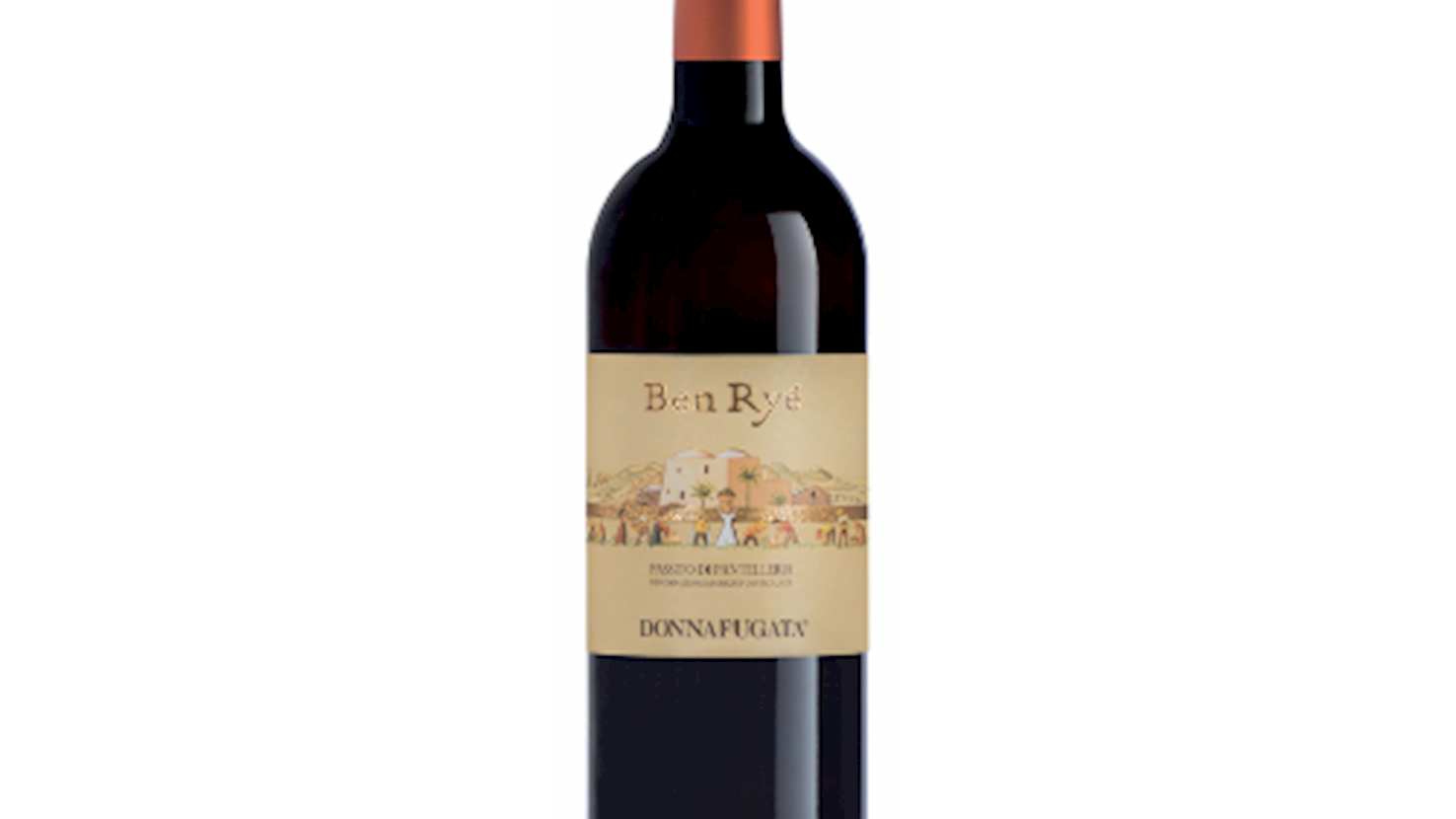
Donnafugata is one of Sicily’s most influential family-owned wineries, known for wines that interpret the island’s diversity with clarity, elegance, and a strong sense of place. Founded in the early 1980s by Giacomo and Gabriella Rallo, and rooted in a much longer family winegrowing tradition, the estate is today led by the next generation with a clear focus on quality, sustainability, and territorial identity. Donnafugata operates vineyards and wineries across several key Sicilian areas, including Contessa Entellina, Marsala, Pantelleria, Vittoria, and Mount Etna, allowing for a wide range of stylistic expressions shaped by distinct climates and soils. Particular emphasis is placed on indigenous varieties such as Nero d’Avola, Frappato, Carricante, Nerello Mascalese, and Zibibbo, each vinified to highlight varietal character rather than winemaking effect. The wines are defined by aromatic precision, balance, and freshness, avoiding excess extraction or heaviness. Donnafugata is especially renowned for Ben Ryé from Pantelleria, a benchmark passito wine, as well as for its refined dry wines that underscore Sicily’s potential as a world-class wine region. Through a combination of tradition, innovation, and a strong visual and cultural identity, Donnafugata stands as a reference point for contemporary Sicilian winemaking.
Awards
Decanter World Wine Awards - Platinum (2024, 2021, 2020, 2019, 2017)
Decanter World Wine Awards - Best in Show (2018)
02

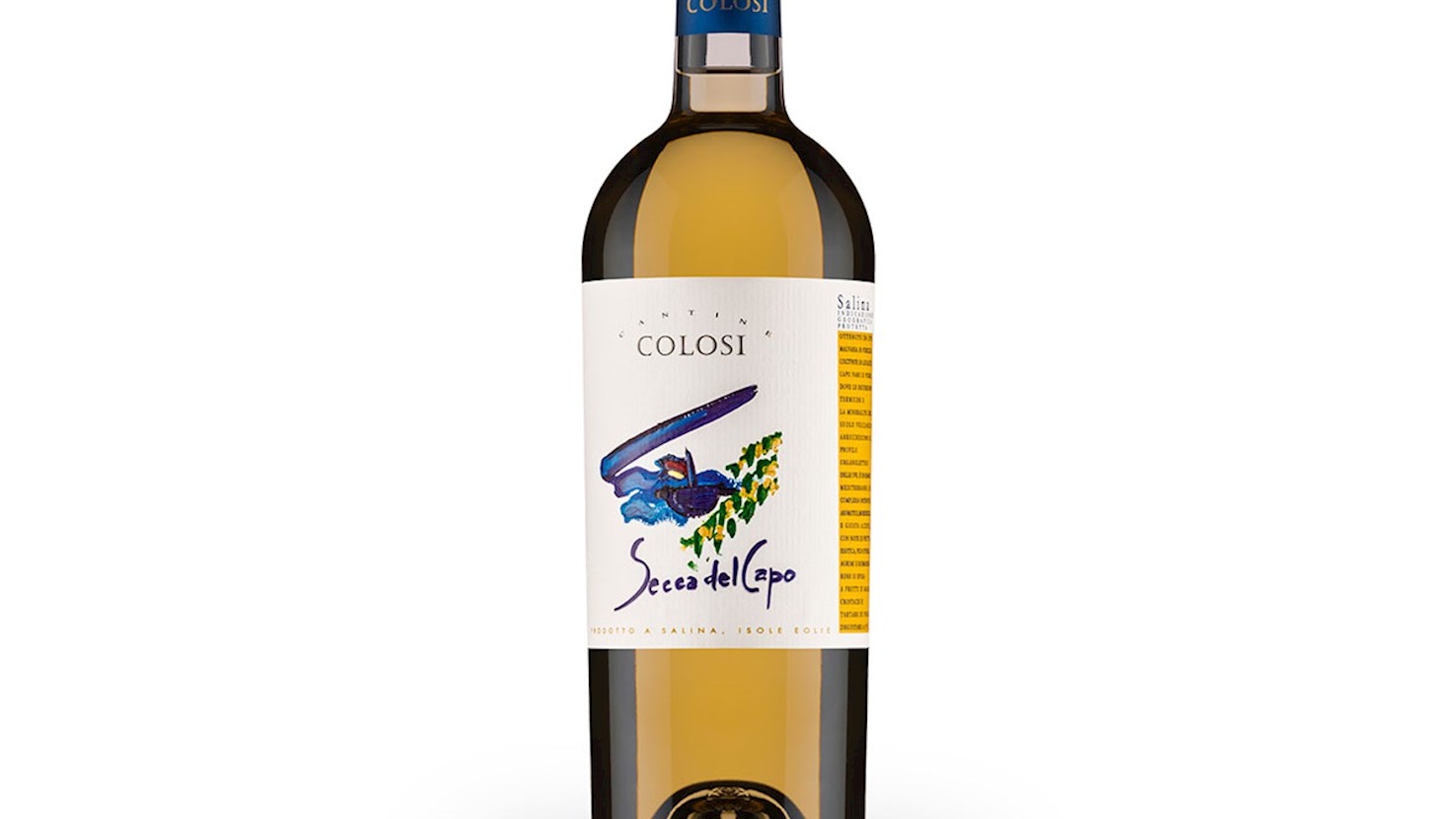
Cantine Colosi

4.9 ·
Awards
Decanter World Wine Awards - Platinum (2019)
03

Florio

4.9 ·
Awards
Decanter World Wine Awards - Platinum (2024)
04

Baglio del Cristo di Campobello

4.9 ·
Awards
Decanter World Wine Awards - Platinum (2021)
05

Tenuta delle Terre Nere

4.8 ·
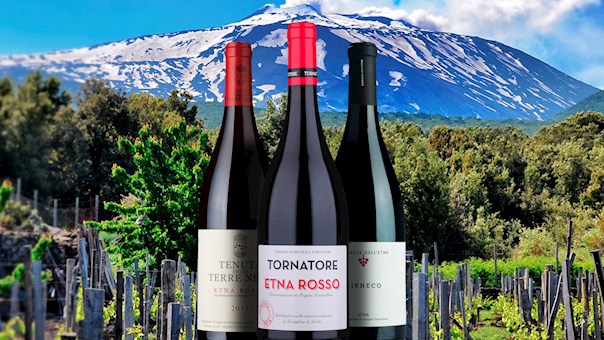
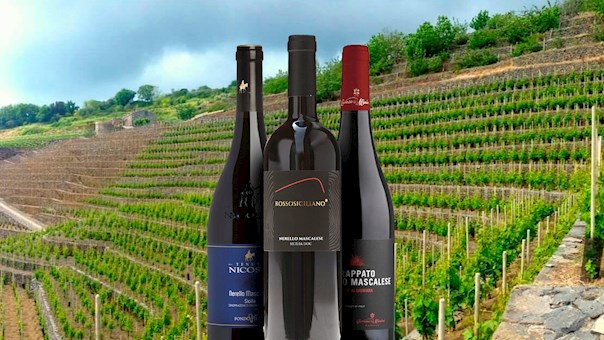
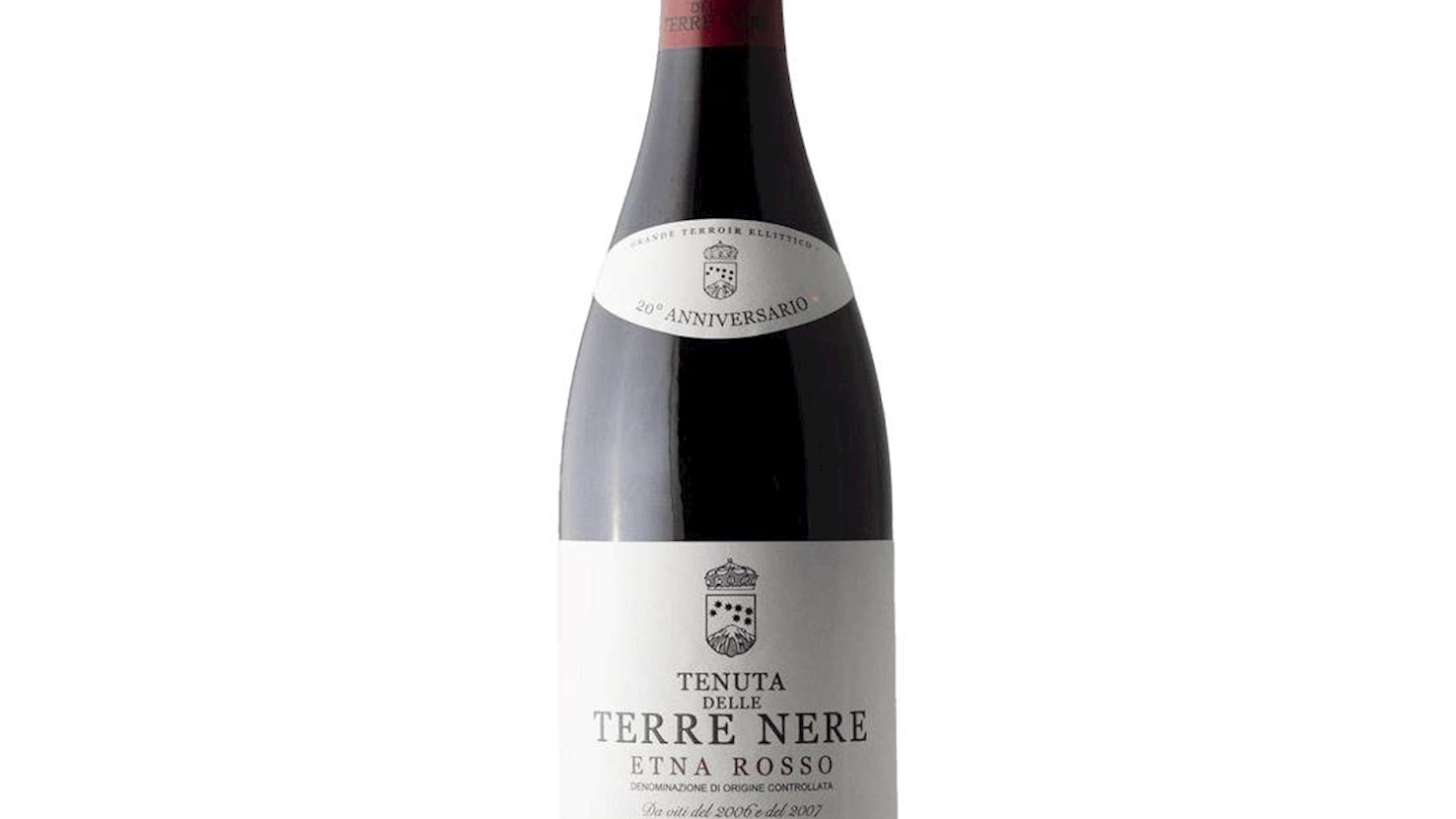
Tenuta delle Terre Nere is a renowned winery located on the northern slopes of Mount Etna in Sicily, Italy. With over forty years of experience in the fine wine industry, the estate is dedicated to producing wines that purely express the refined and multifaceted microcosm of the Etna region. Tenuta delle Terre Nere practices organic farming, emphasizing meticulous vineyard care to achieve ideal ripening conditions. This approach ensures that minimal intervention is needed in the cellar, allowing the inherent qualities of the grapes and their specific microclimates to shine through in the wines. The winery is particularly noted for its production of Etna Rosso and Etna Bianco wines, primarily utilizing indigenous grape varieties such as Nerello Mascalese and Carricante. Among their esteemed vineyards is a parcel in Contrada Calderara Sottana, home to vines over 140 years old that survived the phylloxera epidemic, offering a unique expression of the Nerello Mascalese grape.
Awards
James Suckling - 99 points (2024)
06

Girolamo Russo

4.8 ·
Girolamo Russo is a winery located in the village of Passopisciaro, on the northern slopes of Mount Etna in Sicily, Italy. Re-established in 2005 by Giuseppe Russo in memory of his father, Girolamo, the winery embodies Giuseppe's commitment to preserving his family's traditional values while introducing innovative winemaking approaches. The estate spans approximately 15 hectares of vineyards, situated between 650 and 780 meters above sea level, interspersed with hazelnut and olive groves. The vineyards are cultivated organically, employing traditional methods that have allowed these ancient vineyards, many over a century old, to thrive. Girolamo Russo produces a range of wines under the Etna DOC designation, including reds, whites, and rosés. Their red wines are primarily made from the Nerello Mascalese grape, often blended with Nerello Cappuccio, while their white wines feature Carricante and other indigenous varieties. Visitors can arrange tours and tastings by appointment, offering an opportunity to experience the unique terroir and winemaking philosophy of Girolamo Russo.
Awards
James Suckling - 98 points (2024)
Vivino - 4.4
07

Barone di Villagrande

4.7 ·
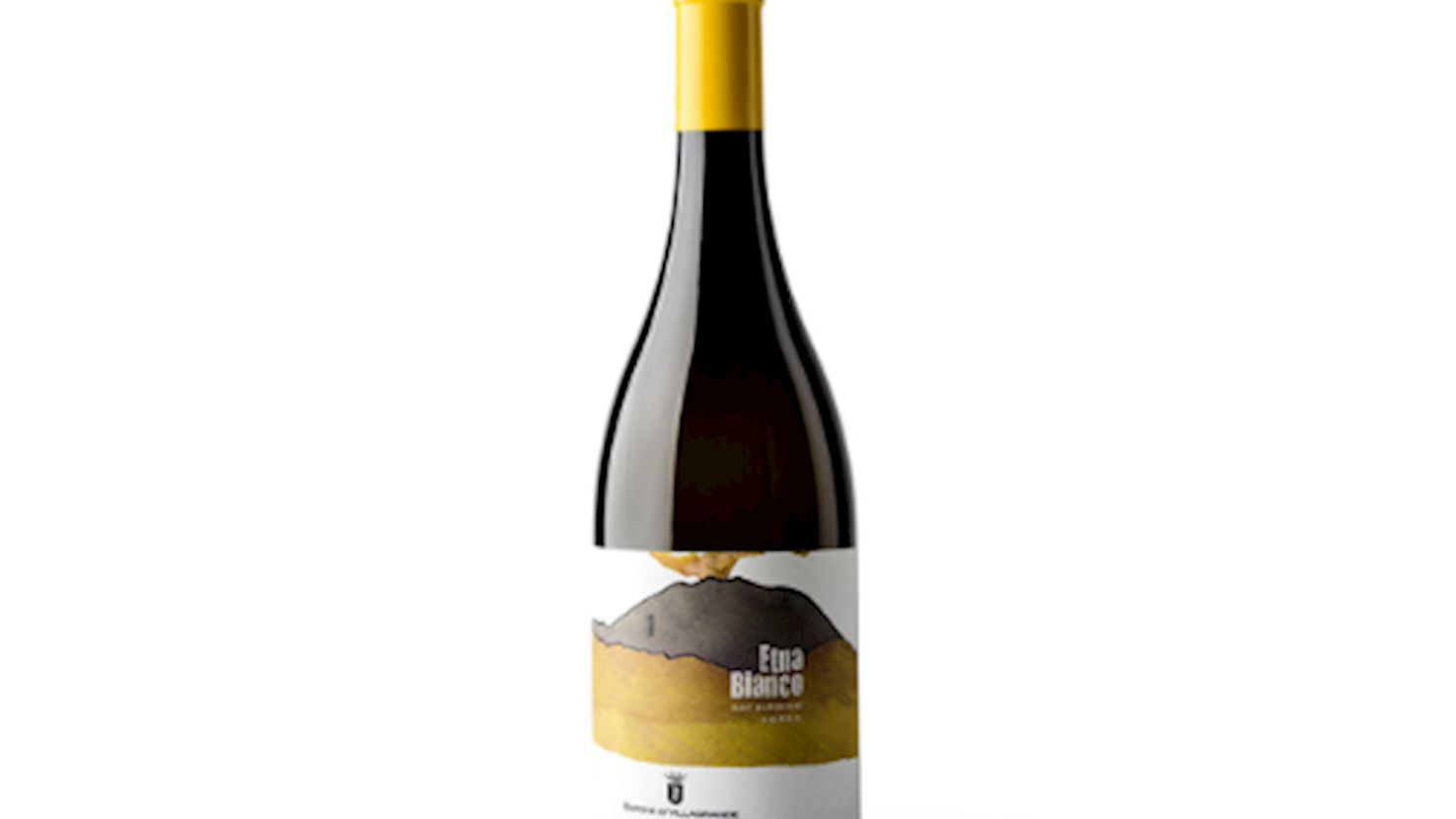
Barone di Villagrande is a historic family-owned winery located on the eastern slopes of Mount Etna, near the village of Milo in Sicily, with winemaking roots dating back to the 18th century. The estate has remained in the hands of the Nicolosi Asmundo family for generations and is considered one of the pioneers in the modern development of Etna wines. Vineyards are planted at high altitudes on volcanic soils rich in minerals, which contribute to the wines’ freshness, structure, and complexity. The winery focuses primarily on indigenous grape varieties such as Carricante for white wines and Nerello Mascalese for reds, both of which express the distinctive character of Etna’s terroir. The wines are typically defined by vibrant acidity, elegance, and a pronounced mineral profile, with white wines showing notes of citrus, herbs, and volcanic ash, and reds offering red berry fruit, spice, and earthy nuances. Production follows sustainable practices with careful vineyard management and minimal intervention in the cellar. Barone di Villagrande is particularly known for its Etna Bianco wines, which have notable aging potential and develop layered complexity over time. In addition to winemaking, the estate also offers an enotourism experience, allowing visitors to explore the vineyards and immerse themselves in the unique landscape of Mount Etna.
Awards
Decanter World Wine Awards - Best in Show (2020)
Vivino - 4.1
08

Mecori

Duo

4.7 ·
Awards
Decanter World Wine Awards - Best in Show (2023)
09

Mandrarossa

4.7 ·
Awards
Decanter World Wine Awards - Best in Show (2022)
Read more
View all
View map
About this ranking

TasteAtlas food rankings are based on the ratings of the TasteAtlas audience, with a series of mechanisms that recognize real users and that ignore bot, nationalist or local patriotic ratings, and give additional value to the ratings of users that the system recognizes as knowledgeable. For the “Top 41 Sicilian Wines” list until June 15, 2026, 221 ratings were recorded, of which 167 were recognized by the system as legitimate. TasteAtlas Rankings should not be seen as the final global conclusion about food. Their purpose is to promote excellent local foods, instill pride in traditional dishes, and arouse curiosity about dishes you haven’t tried.

The initial list of top producers was compiled based on available reviews, awards, local recommendations, media and blog coverage, and consumer reviews. The list will be updated with ratings from TasteAtlas local ambassadors and TasteAtlas users.

Similar lists