Top 100 Tuscan Wines

Last updated on July 15, 2026

Best Tuscan Wine Types
01

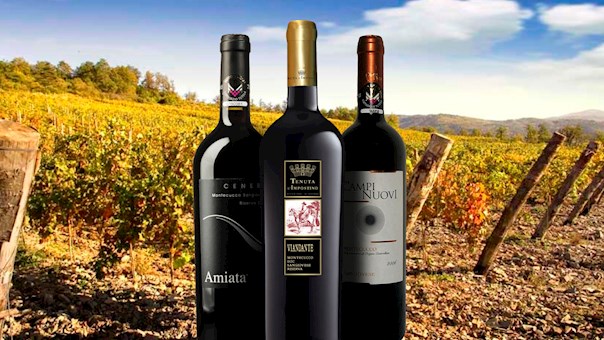
Brunello di Montalcino

4.5 ·

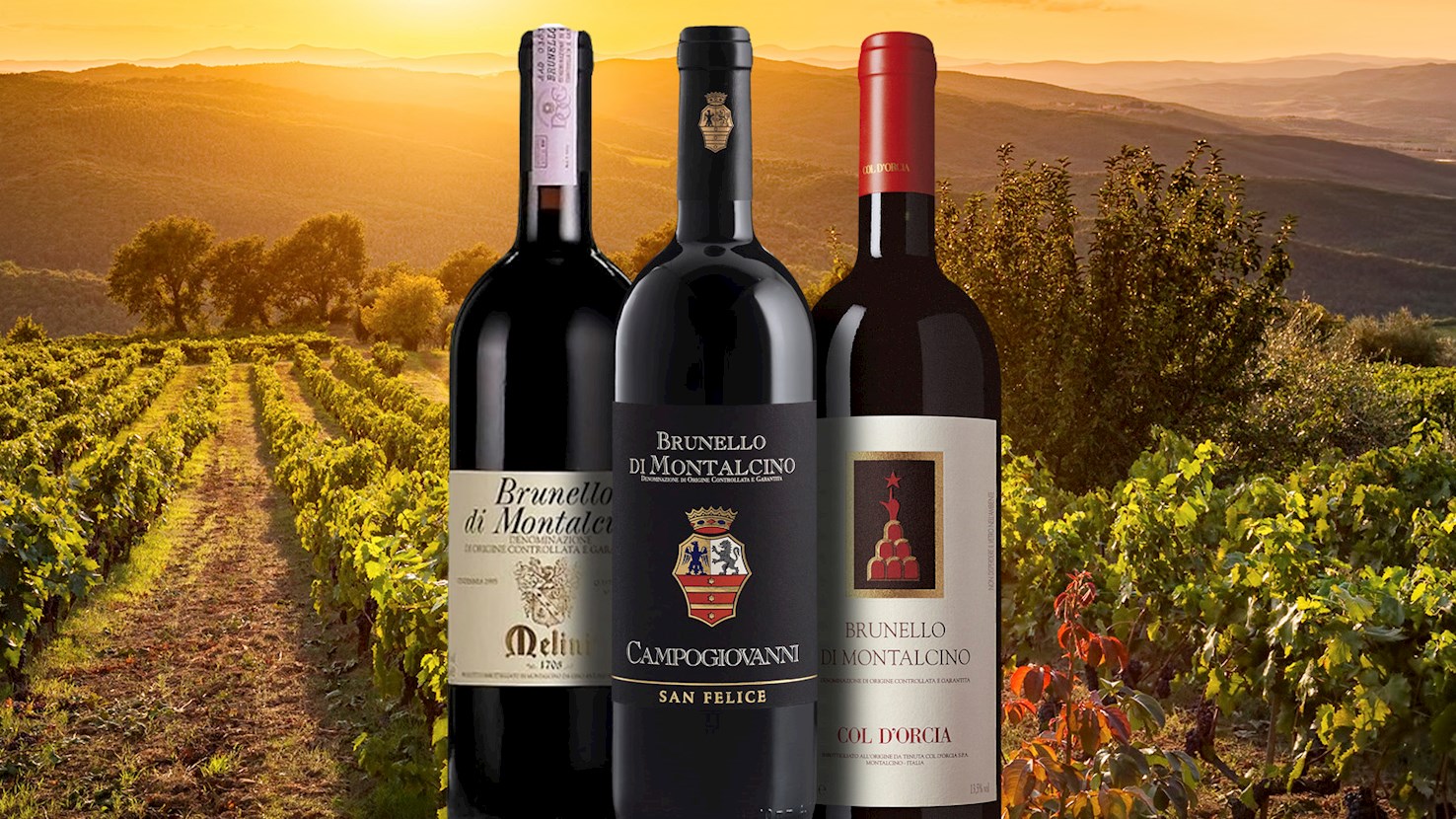
Brunello di Montalcino is a red Italian wine produced in the vineyards surrounding the town of Montalcino in the Tuscany wine region. Though it was initially considered to be made from a separate grape variety named Brunello, it was later discovered that the grape used in the production of the wine is in fact Sangiovese. Regarded as one of the most renowned Italian wines, Brunello di Montalcino was awarded the designation of origin (DOCG), and it is produced with 100% Sangiovese grapes. At first, it comes off as juicy and spicy, with notes of oregano and balsamic, and it may develop strong aromas of cherry and leather. The wine pairs well with red meat and rich, tomato-based dishes, and it usually sells at a lower price than the prestigious Barolo wines.

02

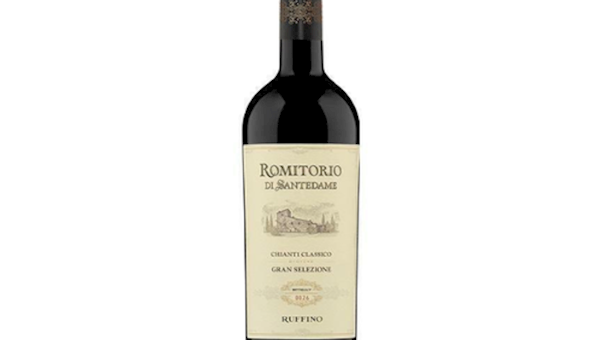
Chianti Classico DOCG

4.2 ·

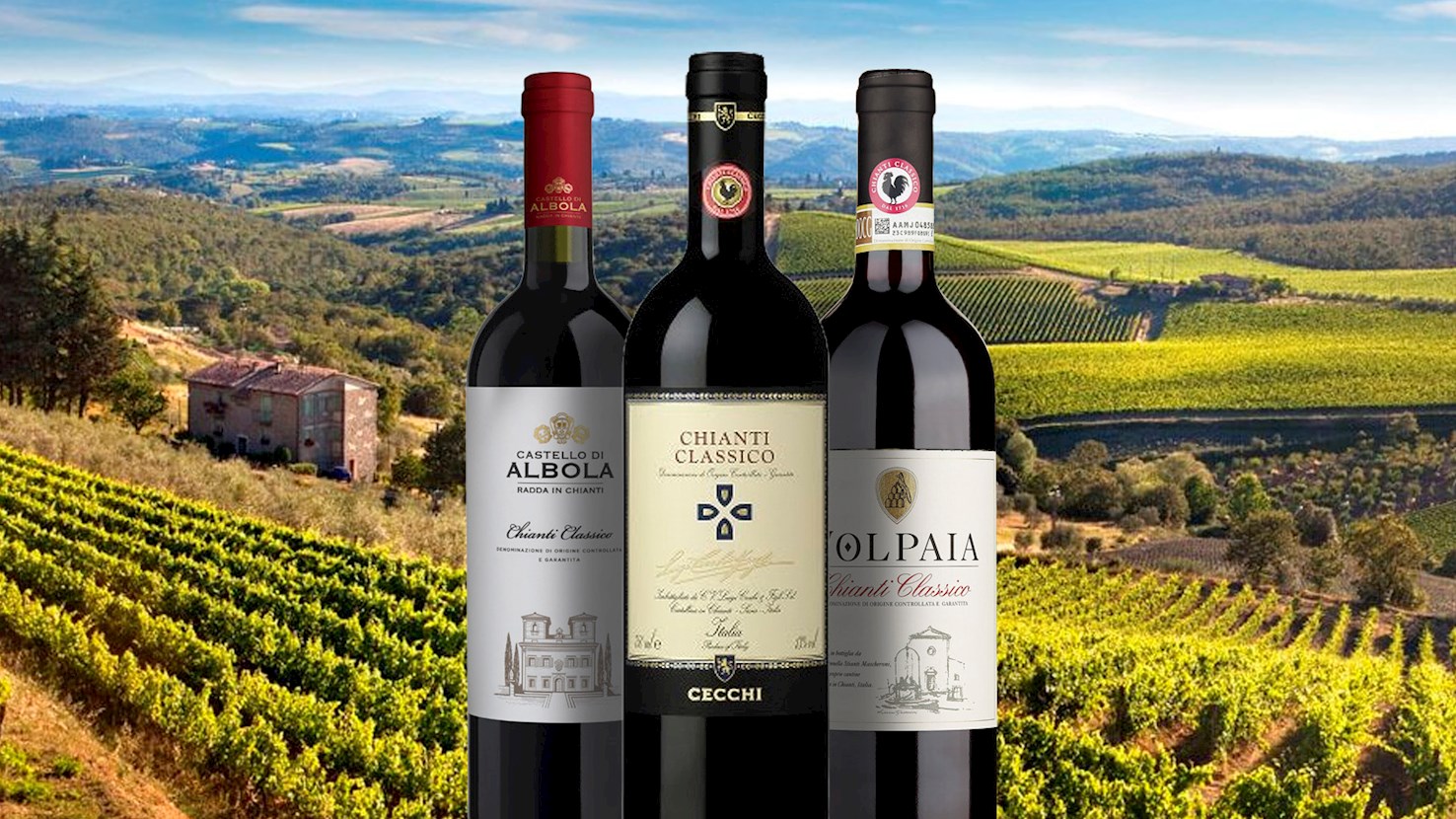
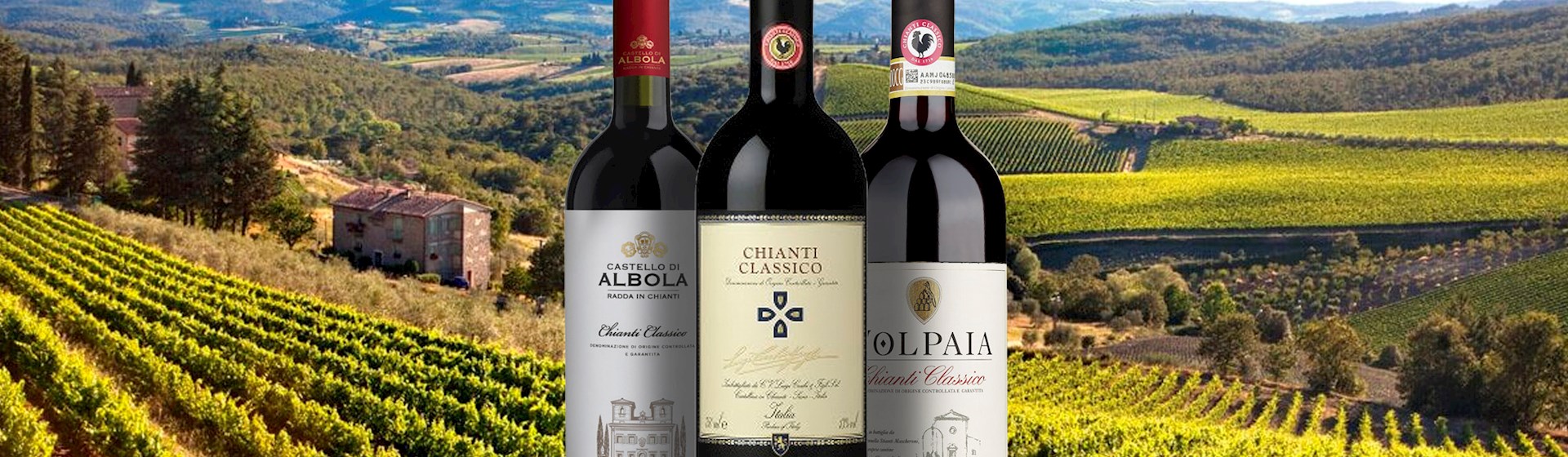
Chianti Classico is a historical heartland of the Chianti wine region. The wines produced in the area must be made with a minimum of 80% Sangiovese grapes and have to age in oak for at least 12 months. They typically display aromas of red fruit, but the scent of violets is always present in Chianti Classico as the most specific element. You might also find notes of sour cherries, oregano, salami, coffee, and even tobacco, while the Riserva label, which must be aged for at least two years, will usually have a hint of spiciness. Having these savory flavors, along with high acidity and firm tannins, they are incredible wines to pair with food, especially charcuterie, aged cheeses, or tomato-based dishes, while aged styles perfectly match braised, roasted, or grilled meat. The black rooster (Gallo Nero) is a registered trademark symbol of a consortium that controls the production of Chianti Classico and awards the sign under very strict regulations.

03

Chianti

4.1 ·

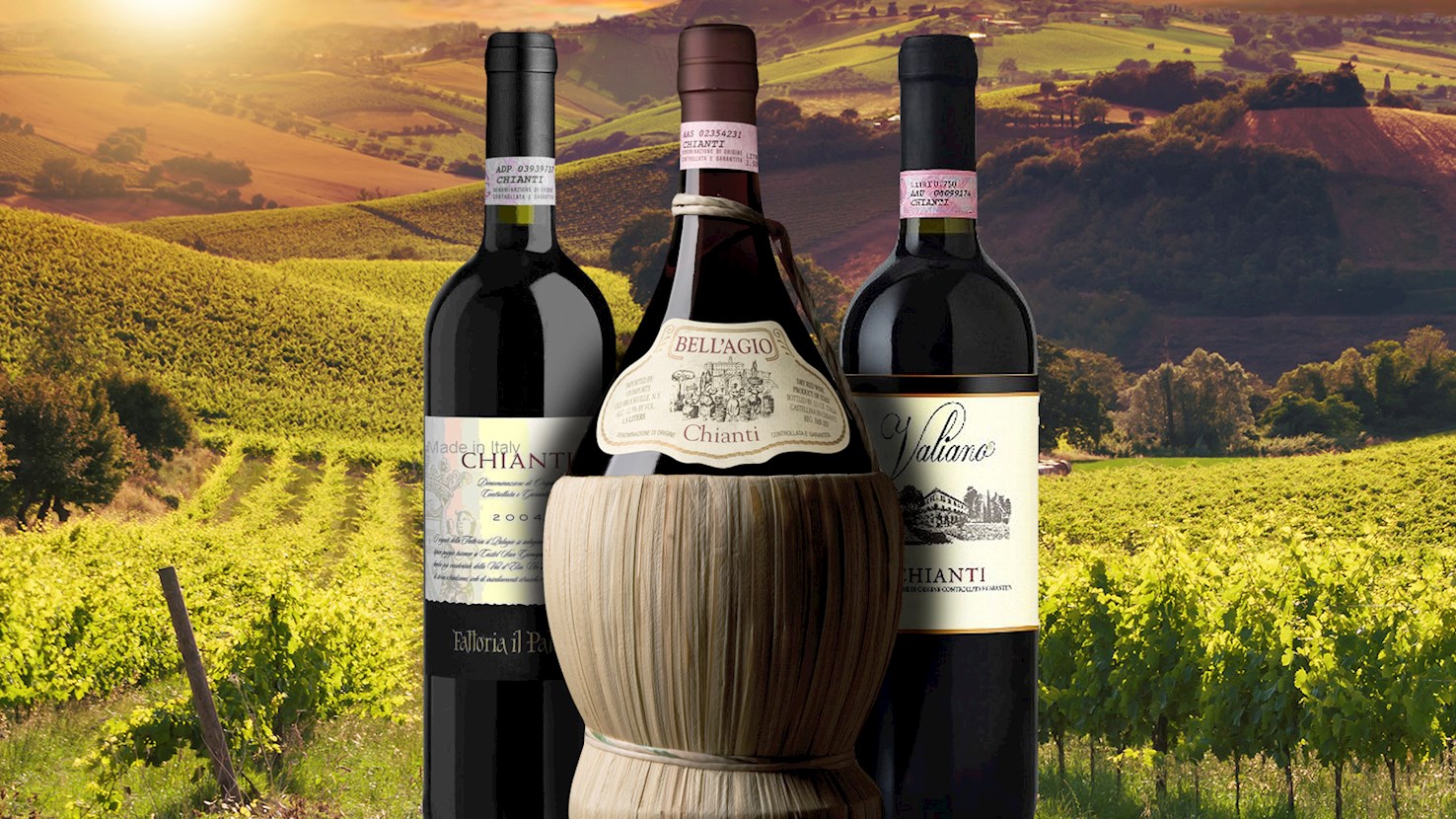
Chianti wine is a red blend from Chianti, a small region in Tuscany, Italy. Made with a minimum of 70% Sangiovese grapes, a wine calling itself Chianti is allowed to be made almost anywhere in Tuscany, and the entire region is divided into seven sub-zones, with the renowned Chianti Classico being its historical heartland. These dry, ruby-red wines have been praised for their aromas and flavors of red cherry fruit, herbal nuances, and underlying earthy notes. Depending on maturation, the area of production, and the percentage of Sangiovese, the wines range from light to full-bodied and are often described as food-friendly wines that can match a variety of dishes. Young and lively styles pair well with appetizers, while aged varieties go well with braised and roasted meat.

04

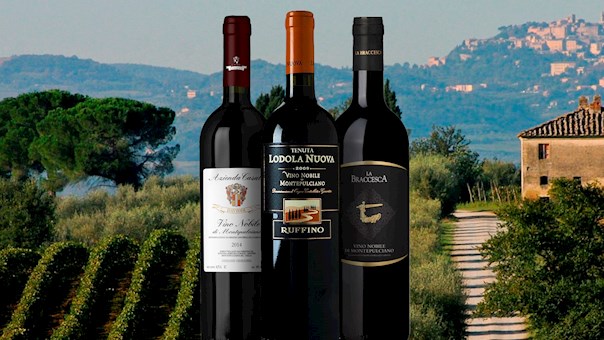
Vino Nobile di Montepulciano

3.9 ·

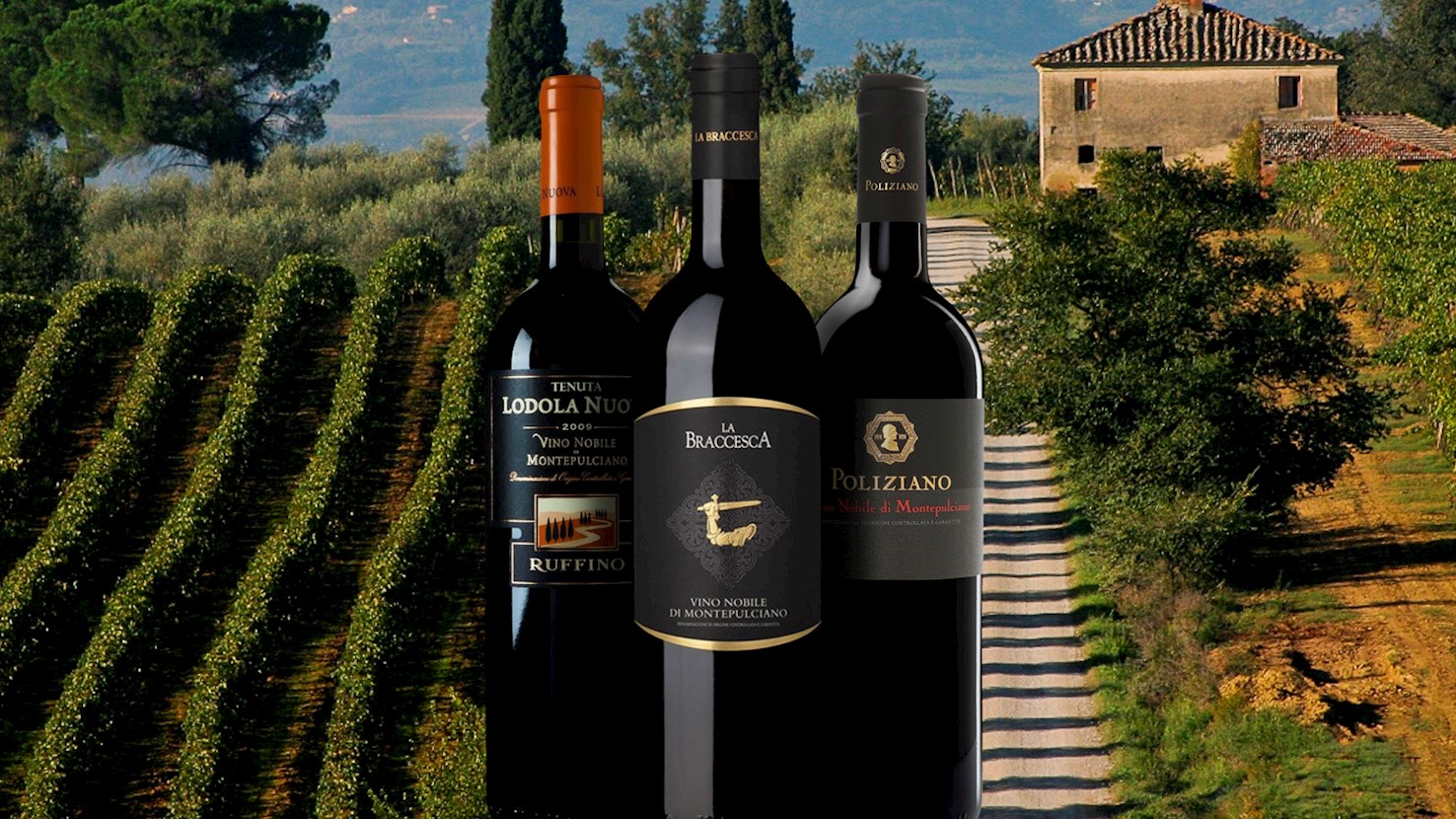
This prized Italian wine is produced in the hilly vineyards surrounding the city of Montepulciano. The principal grape variety in its production is Sangiovese—locally known as Prugnolo Gentile—with a minimum of 70% percent. Though the character of the wines may vary depending on the final composition of grapes and age, the best examples of Vino Nobile are typically rich and savory, and while young varieties display notes of ripe red fruit and spices, aged wines develop more robust and earthy flavors of tar, smoke, and leather. Because of its fresh acidity and good tannins, it pairs well with a wide array of dishes, particularly tomato-based sauces, ragù, bistecca alla Fiorentina—beef steak from Chianina cattle—Tuscan sausage and bean stew, grilled or roasted meat, charcuterie, as well as pasta dishes accompanied by truffles and mushrooms.

Best producers
05

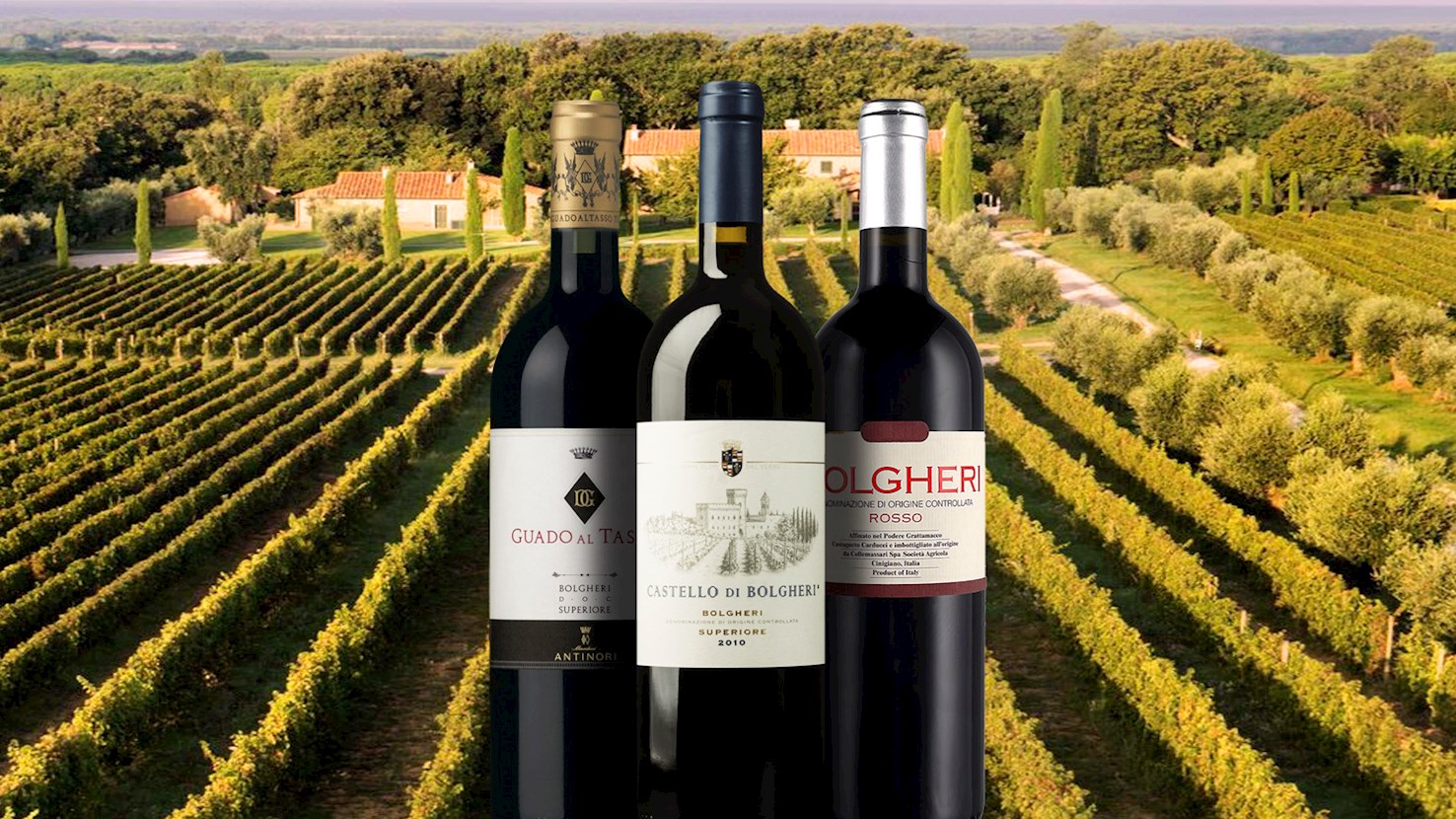
Bolgheri DOC

3.8 ·

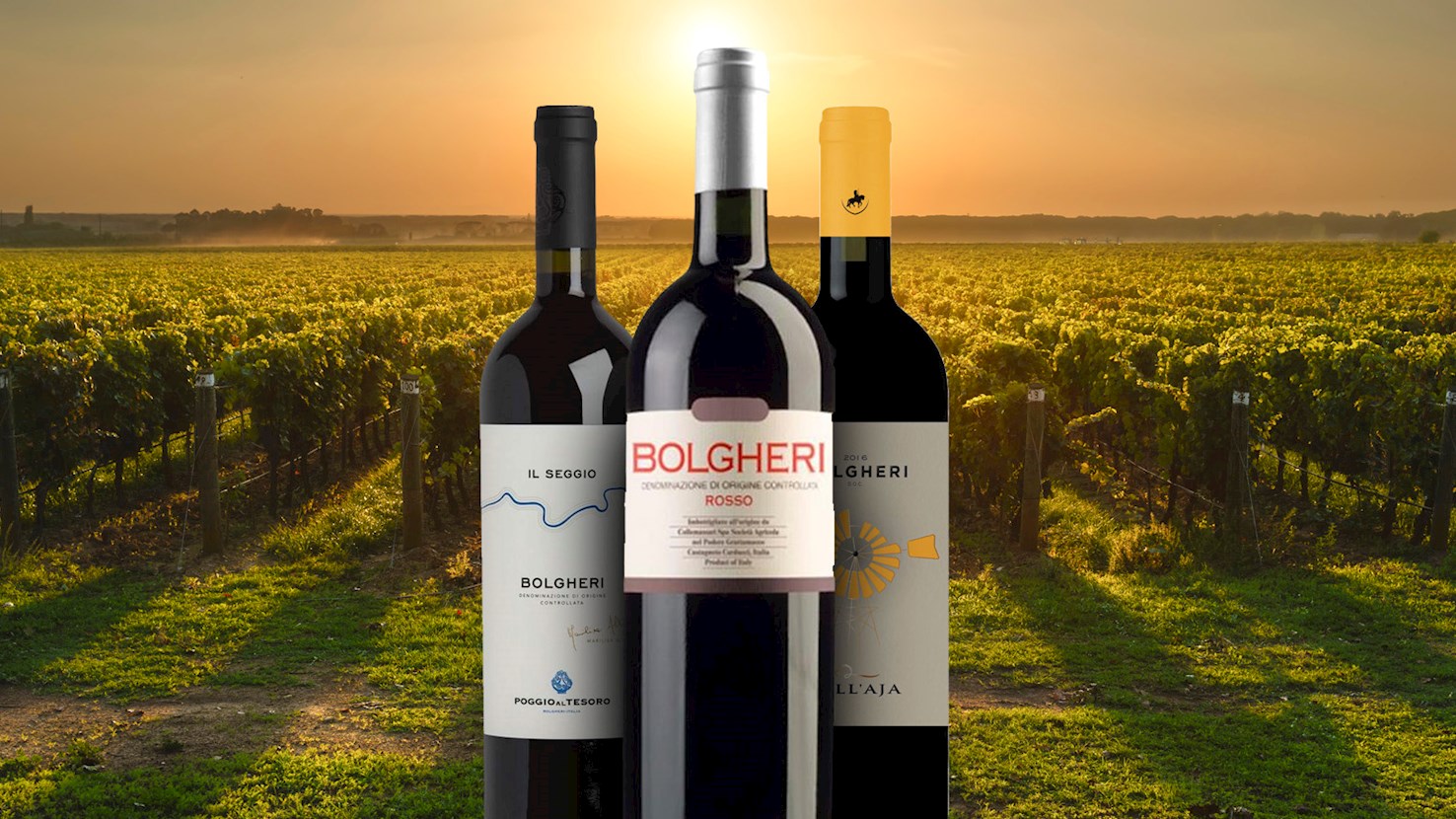
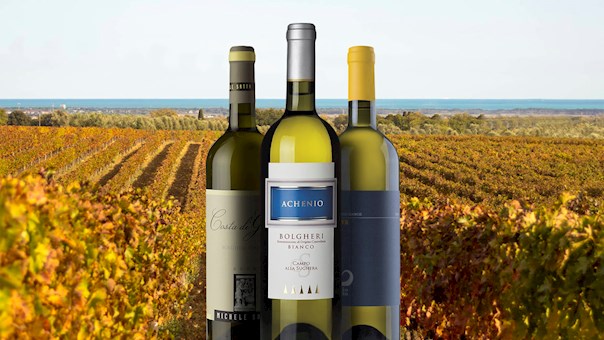
Bolgheri is an Italian appellation located in Tuscany that is best known for its tannic red wines made from classic Bordeaux grapes. These red wines can be made entirely from Cabernet Sauvignon, Cabernet Franc, or Merlot, or with a blend of these wines and up to 50 percent of Syrah or Sangiovese and up to 30 percent of Petit Verdot grapes. Although wine has been cultivated in the region since ancient times, the production was mainly focused on local grapes and rudimental table wines. The situation changed in the mid-20th century with the arrival of Mario Incisa Della Rocchetta, who moved to Bolgheri and started producing wine, mainly for personal needs. He introduced Cabernets, classic Bordeaux grapes, as he assumed that the grape might prosper on gravel soils, which were similar to those in Graves. The wine was named Sassicaia, and it was introduced in 1972 with the 1968 vintage. Despite its apparent quality, the wine did not enjoy much success. The twist came in 1978 when Sassicaia topped the list at a blind tasting organized by Decanter. The fantastic quality of the wine was verified when the legendary Robert Parker gave 1985 vintage Sassicaia 100 points—which was the first time in history for Italian wine. With this success, many realized the potential of the region. In 1983, the first set of regulations for white and rosé wines was introduced, and in 1994, a broader, less traditional version was created to include red wines made with grape varieties that were typically grown in the area. To this day, the appellation remains one of the most prestigious Italian terroirs. In 2013, Sassicaia was awarded a separate DOC status, and it remains the only single-estate appellation in Italy. Bolgheri appellation includes sub-regions for red (rosso), white (bianco), and rosé (rosato) wines.

06

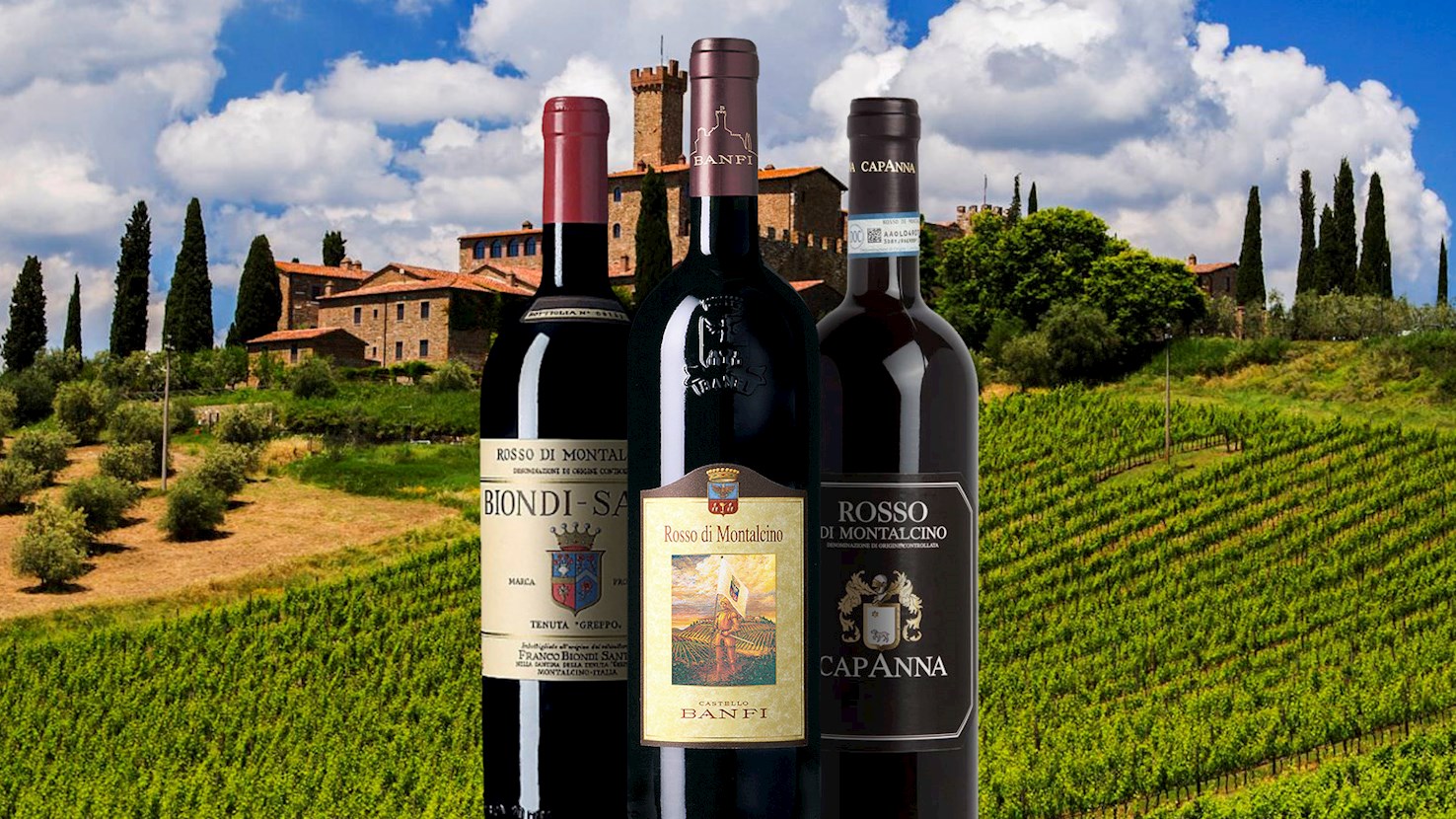
Rosso di Montalcino

3.7 ·

This red Italian wine is made with 100% Sangiovese grapes, and it is produced in the vineyards surrounding the town of Montalcino. The wine was created as a fresher and younger expression of Brunello di Montalcino wines, which are produced in the same area. Rosso di Montalcino wines need less aging time and result in well-structured wines that display similar intensity as Brunello, but retain their fruitiness and typical notes of blackberries and forest fruit that are occasionally accompanied by hints of vanilla and spices. The wine is a perfect match to tomato-based sauces, risottos, mushrooms or truffles, as well as pork, veal, and sausages.

07

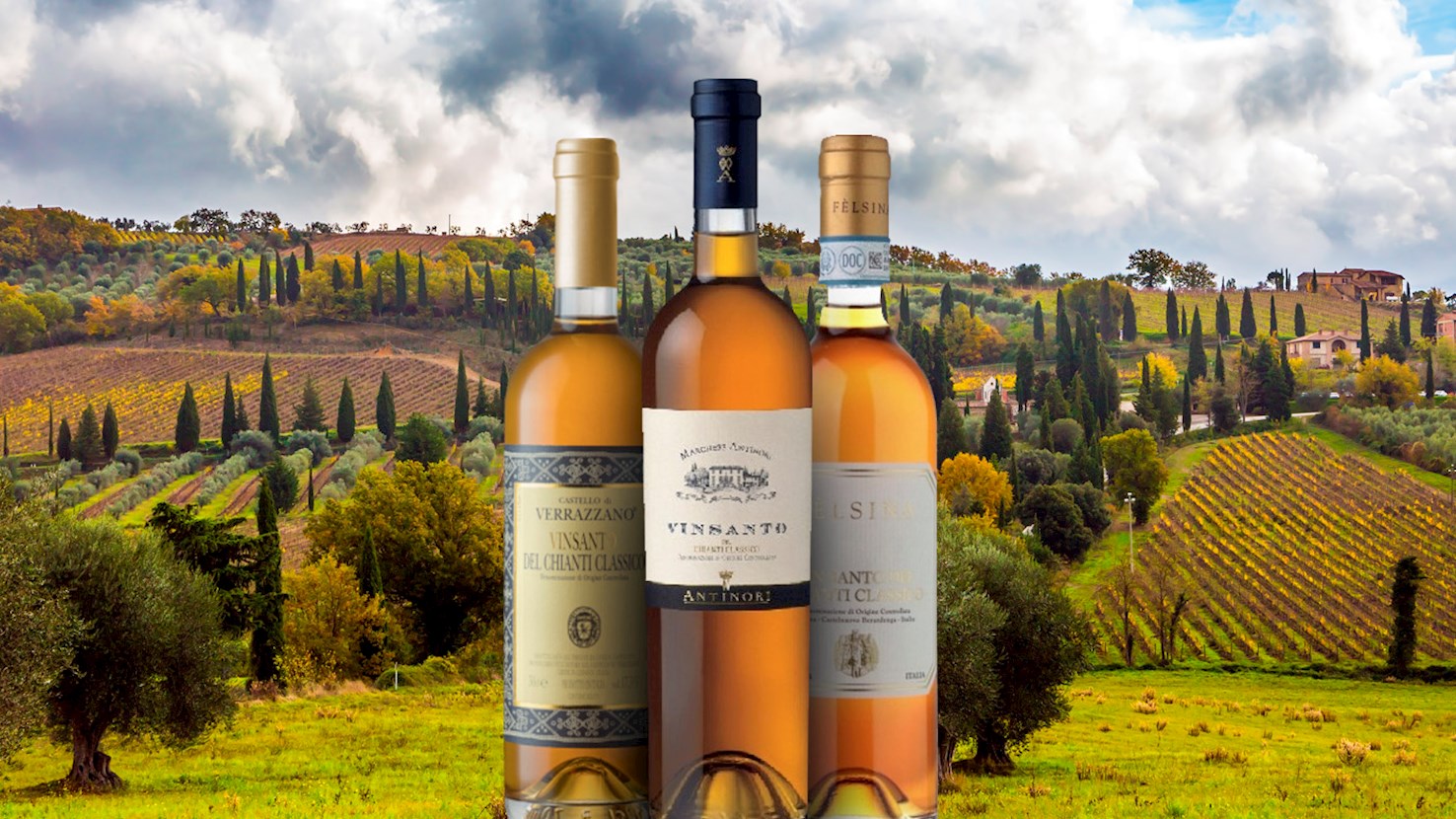
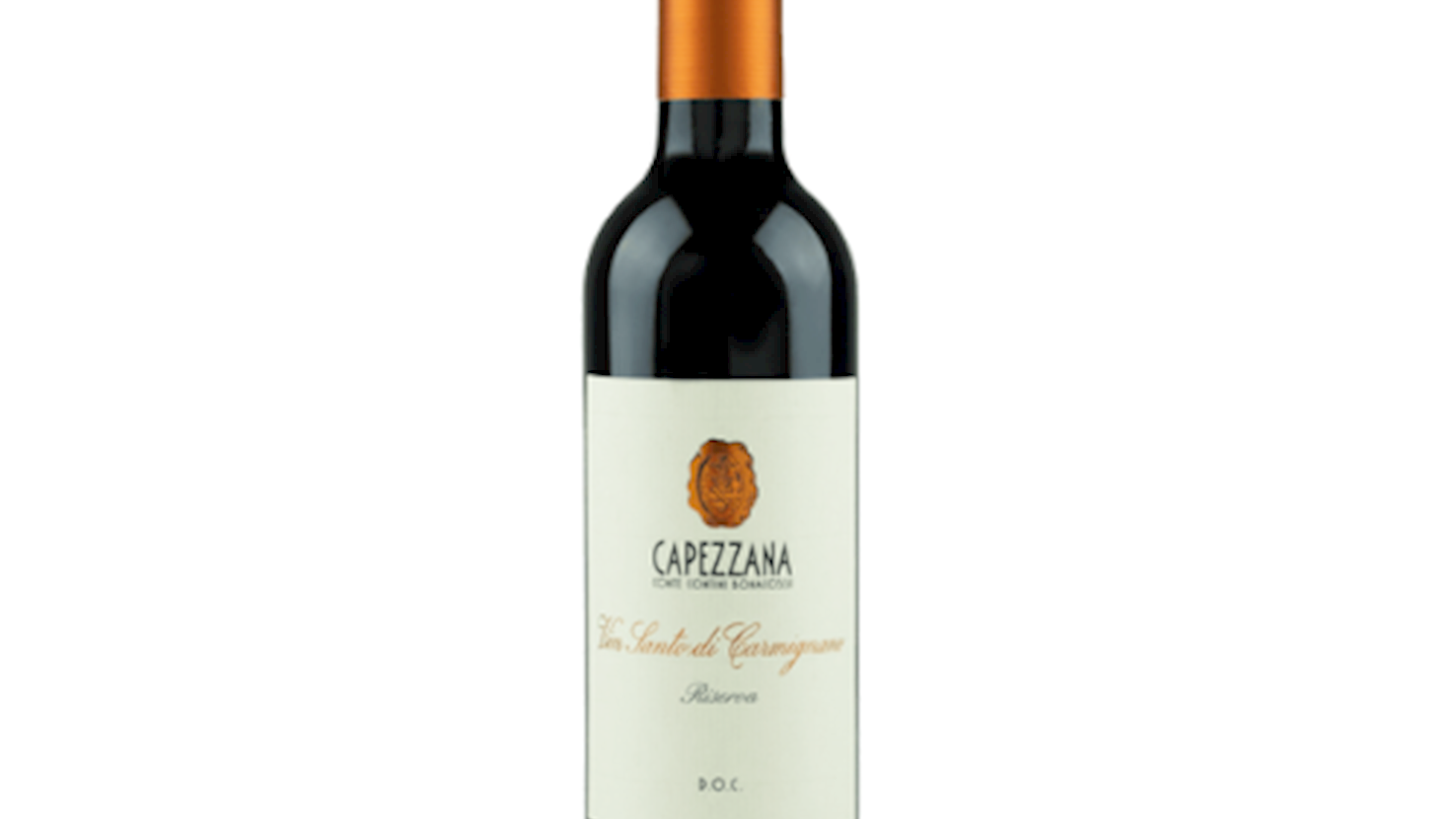
Vin Santo del Chianti

3.7 ·

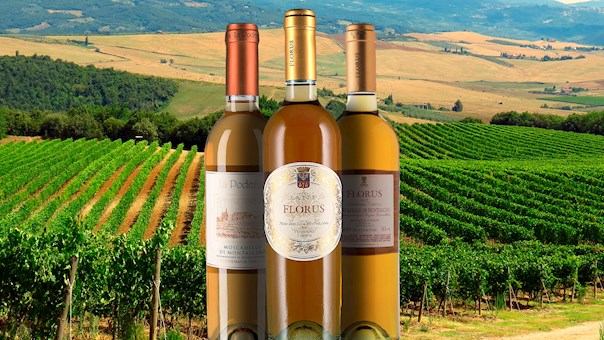
Vin Santo is a type of Italian wine made with dry grapes (passito method) that is produced in various styles. Vin Santo del Chianti is a regional variety from Tuscany—the birthplace of the style—and it can only be produced in the provinces of Arezzo, Florence, Pisa, Pistoia, Prato, and Siena. The wines can be made with Trebbiano Toscano and Malvasia, which can be used separately or in a blend. Vin Santo del Chianti is golden or amber-colored wine that is aromatic and richly flavored. The aroma is intense, usually reminiscent of dried fruit, nuts, and quince, along with honeyed and caramel notes. The wines are sweet but have enough acidity to retain freshness and avoid being cloying. Vin Santo del Chianti is a wine best paired with desserts, especially traditional Tuscan specialties. The appellation includes several subzones and Occhio di Pernice, a red variety made from Sangiovese.

08

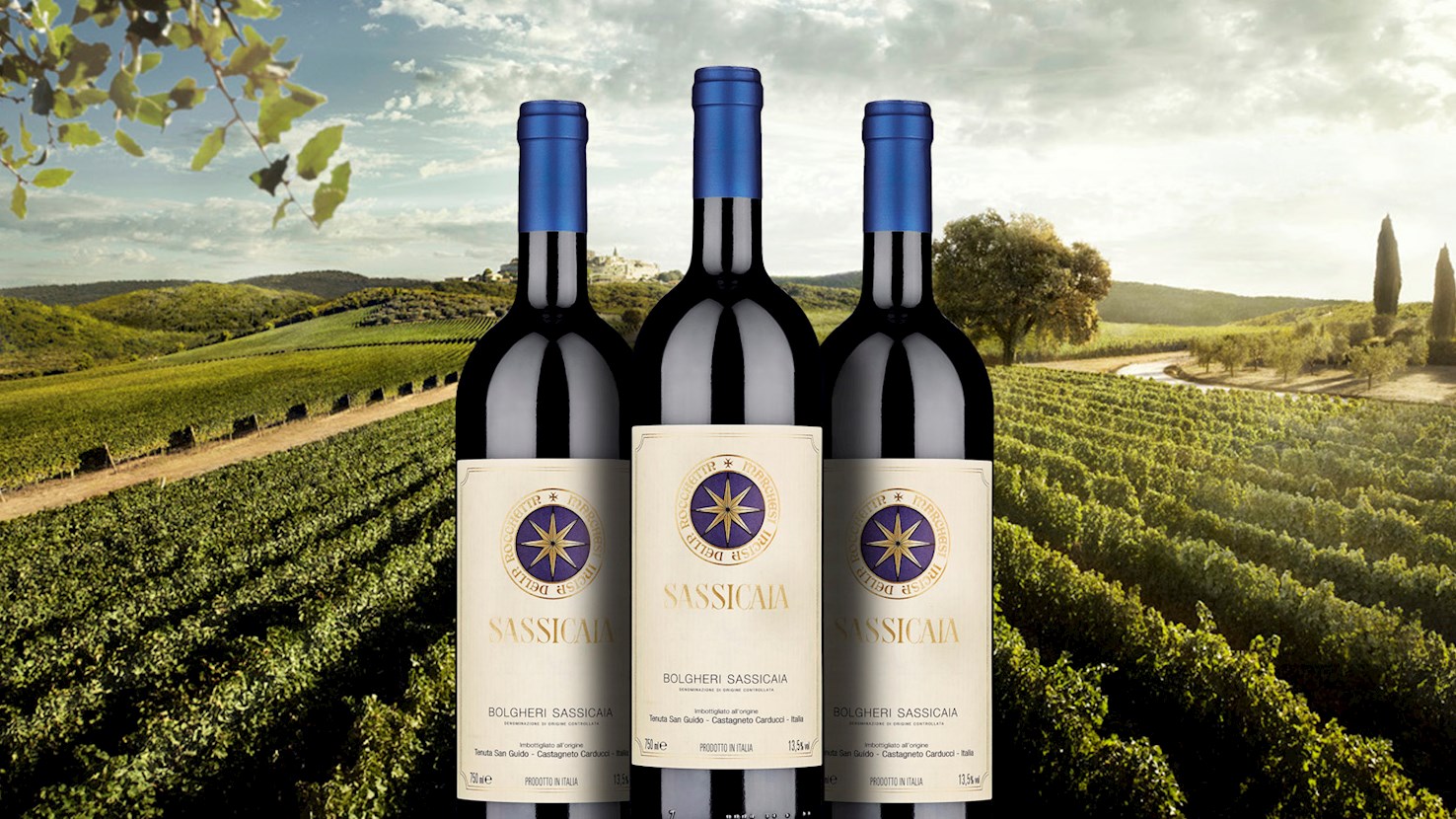
Sassicaia

n/a ·

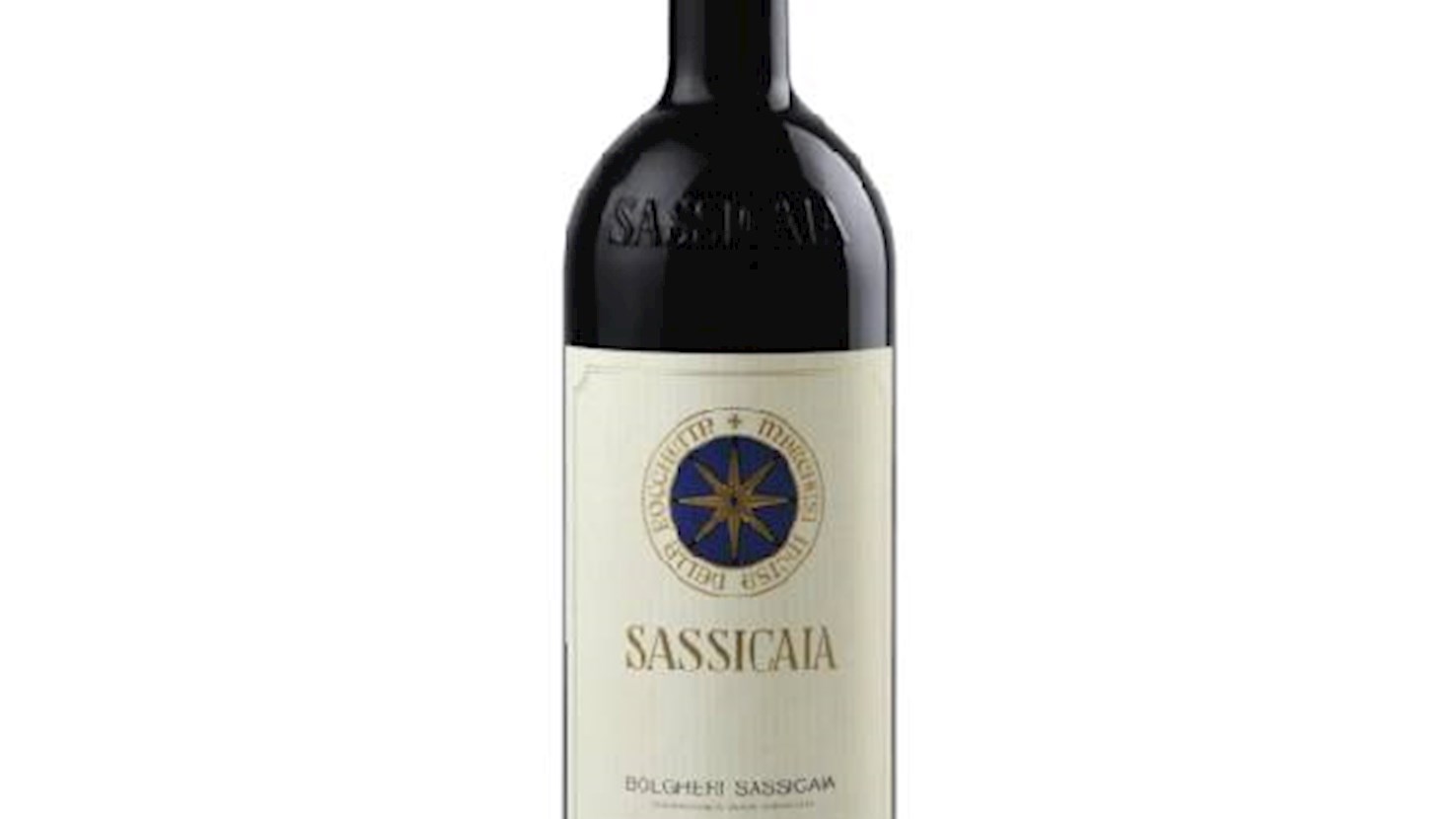
Sassicaia is a subzone of the Bolgheri DOC that has been established in 2013. The wine region is exclusively occupied by the estate Tenuta San Guido that produces a unique red wine based on Cabernet Sauvignon. This native Bordeaux grape was introduced to Tuscany by Mario Incisa della Rocchetta who believed the grape would prosper on the Tuscan terrain. The age-worthy Sassicaia is characterized by the strong aromas of dark berries, herbs, and balsamic vinegar. Because of the well-balanced tannins, it pairs well with red meat, roasted lamb, and game. Bolgheri Sassicaia remains the only wine from a single estate that has been granted DOC status in Italy.

09

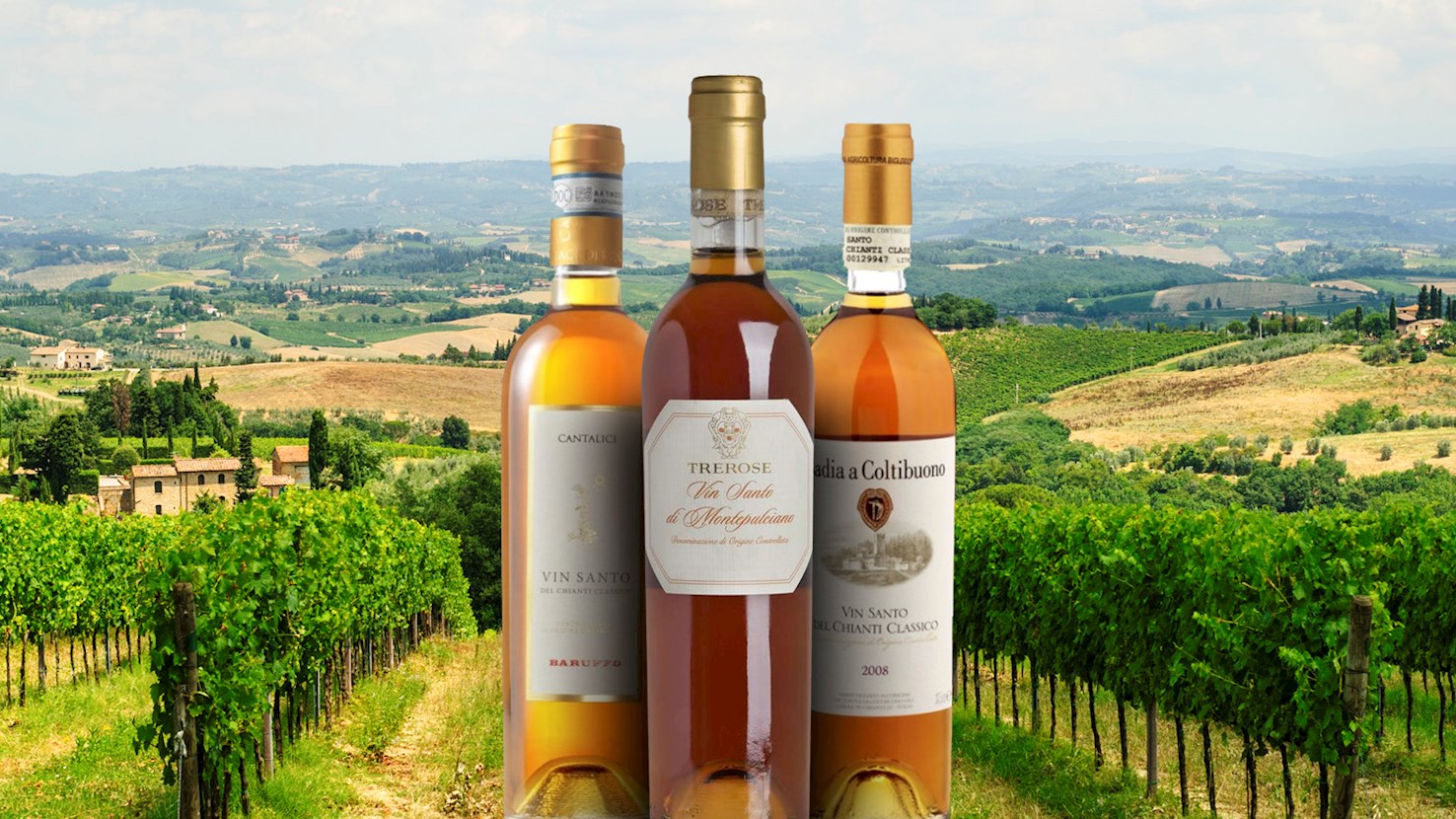
Vin Santo di Montepulciano

n/a ·

Vin Santo di Montepulciano is an Italian wine that belongs to the group of renowned Vin Santo dessert wines. White Montepulciano is typically produced from a minimum of 70% Grechetto (Pulcinculo), Malvasia, and Trebbiano Toscano grapes, while the red variety, known as Occhio di Pernice, is primarily based on Sangiovese grapes. Sweet and complex white Vin Santo di Montepulciano is typically dark yellow in color, with notes of fresh and dry fruits, almonds, caramel, vanilla, or white tea. It is traditionally paired with Tuscan cantuccini biscuits, but it can also work well with cheese and can be enjoyed as an aperitif.

10

Bolgheri rosso

n/a ·

Intensely rich and well-balanced red Bolgheri wines, as well as light rosés, are predominantly based on Cabernet Sauvignon, Merlot, Sangiovese, and Cabernet Franc. These harmonious, ruby red wines typically display notes of ripe fruit, and they pair well with red meat, game, aged cheese, and charcuterie, while rosés work well with pasta dishes, vegetables, and seafood. Bolgheri DOC wines are usually of high quality, but the difference in blends and location of the vineyards may affect their style.

Best Tuscan Wines
01

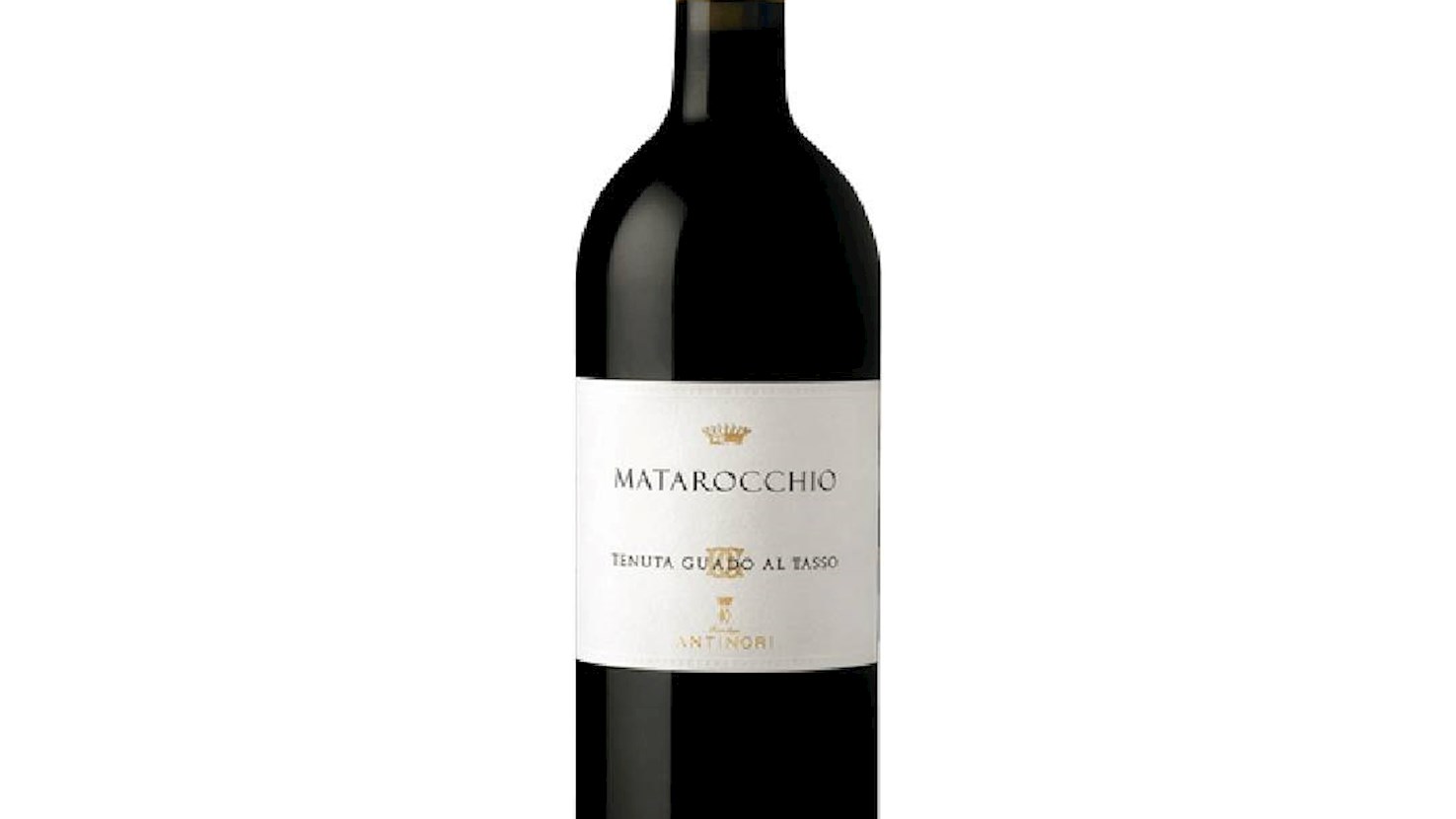
Marchesi Antinori

5.0 ·

Marchesi Antinori is an Italian winery headquartered in Florence, Tuscany, with a winemaking tradition dating back to 1385. Over 26 generations, the Antinori family has directly managed the winery, blending innovation with respect for tradition and environmental preservation.

In 1928, Marchese Niccolò Antinori created Villa Antinori, which became the family's signature wine, representing the unique identity of Chianti Classico and Tuscany. In 2012, the family inaugurated the Antinori nel Chianti Classico winery in Bargino, symbolizing their bond to their ancestral land.

This winery was constructed entirely with locally sourced materials, respecting the surrounding environment and the Tuscan landscape. Today, the Antinori family continues to explore new territories and grape varieties, maintaining their commitment to quality and tradition, making them one of the most esteemed wineries in Italy and the world.

Awards
James Suckling - 98 points (2024)
Wine Spectator - 95 (2023)
02

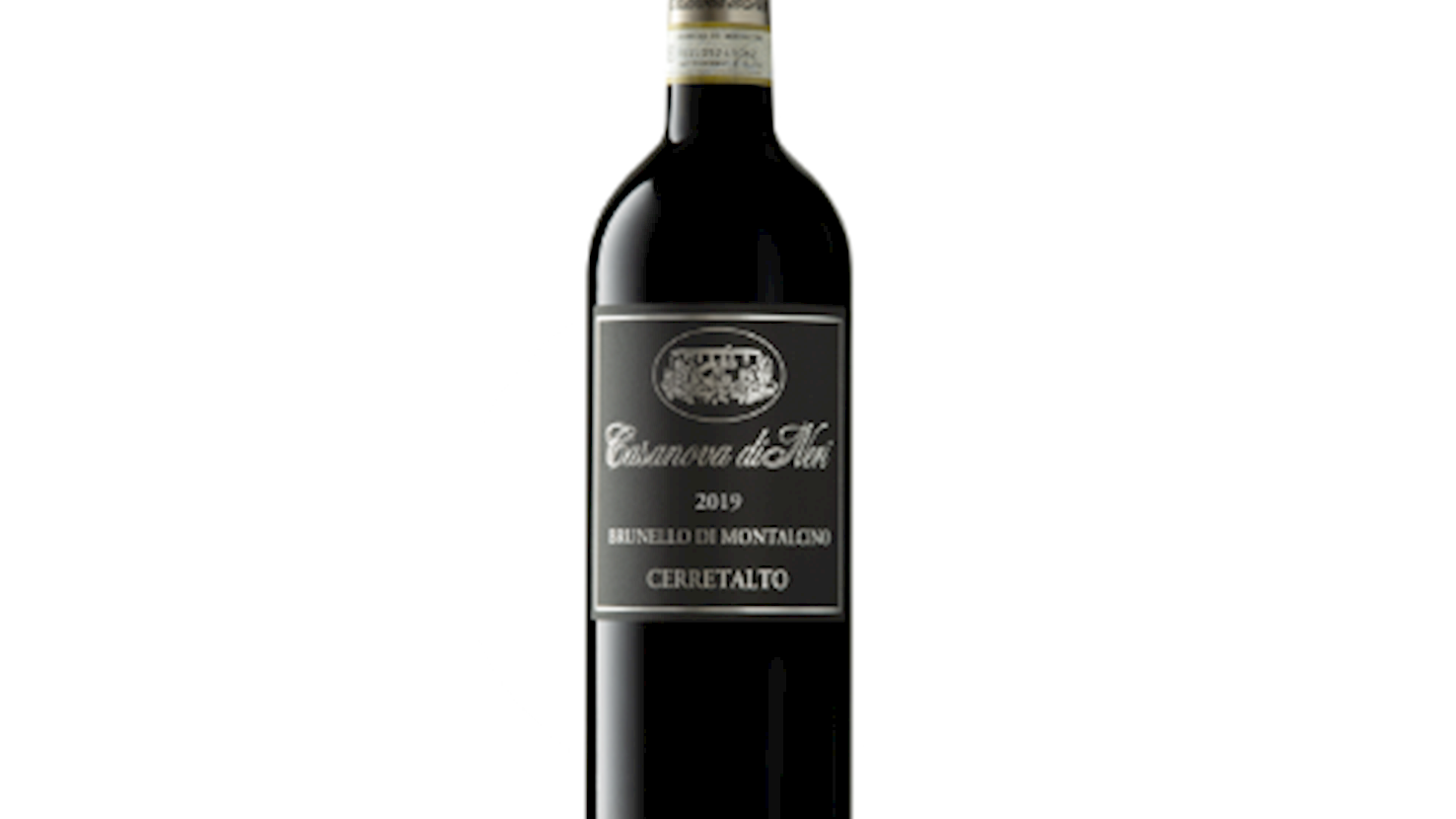
Casanova di Neri

5.0 ·

Casanova di Neri is a prestigious winery located in the Montalcino region of Tuscany, Italy, and is renowned for its outstanding Brunello di Montalcino wines. Founded in 1971 by Giovanni Neri, the estate has grown over the decades into one of the most acclaimed producers in the area, celebrated for its dedication to quality and terroir expression.

Now under the guidance of Giacomo Neri, the winery combines traditional practices with innovative techniques to craft wines that reflect both the richness of the land and the unique character of each vintage.

Awards
Falstaff - 100
Falstaff - 99
03

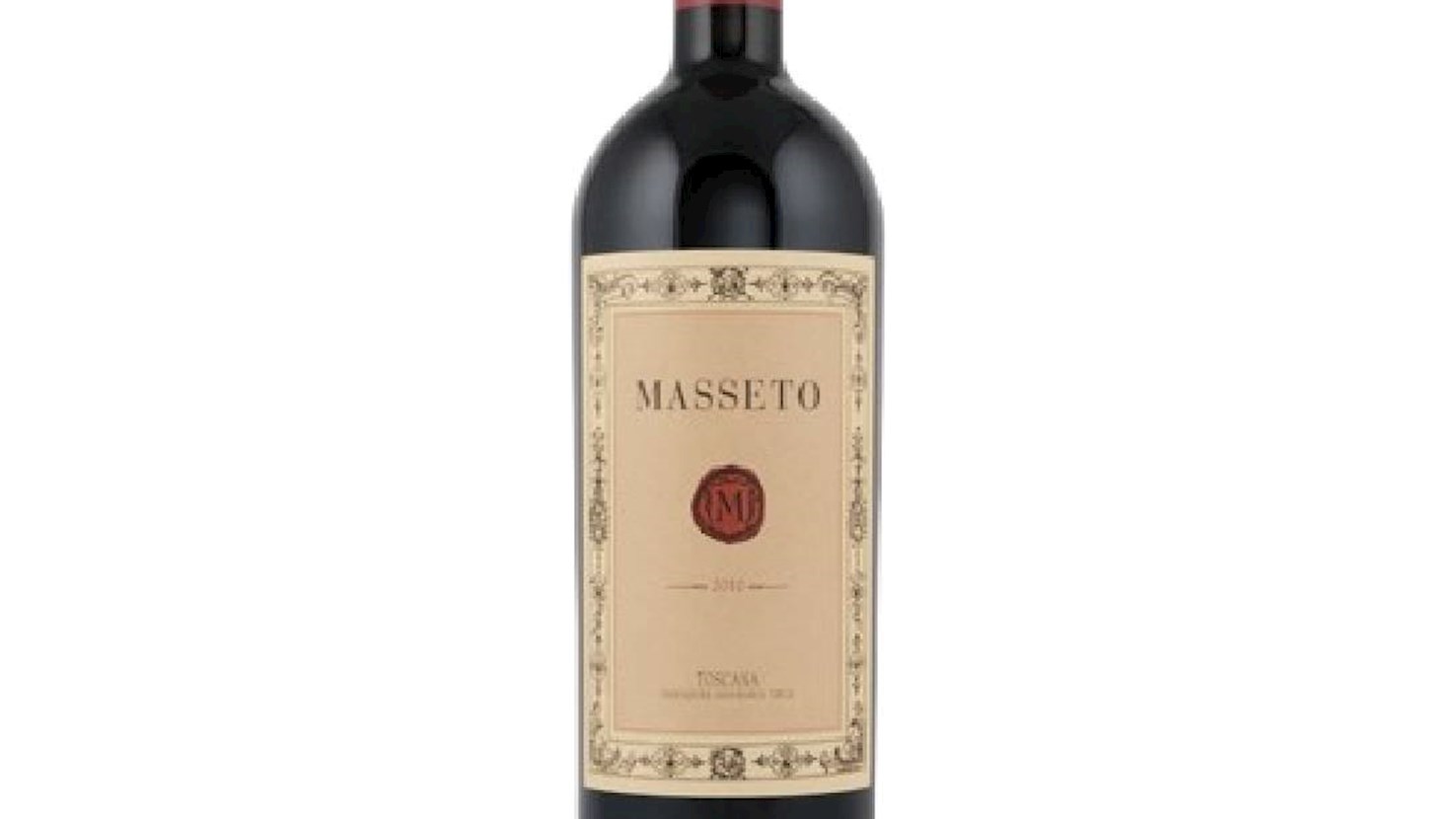
Masseto

5.0 ·

Masseto is a legendary Tuscan wine and one of the most esteemed Merlots in the world, celebrated for its exceptional elegance, depth, and refinement. It comes from a small vineyard in Bolgheri, where rare blue-gray clay soils give the wine its distinctive structure, minerality, and character.

Each parcel is vinified separately before being carefully blended to achieve a perfect balance of power and finesse. In the glass, it reveals rich aromas of plum, blackberry, and blueberry, intertwined with notes of chocolate, coffee, and fine spices.

On the palate, it is full and velvety, with silky tannins and a long, elegant finish that leaves a lasting impression. Produced in limited quantities, Masseto carries a sense of exclusivity, making it a true jewel for any collection.

Awards
Falstaff - 100
Falstaff - 99
04

Biondi Santi Tenuta Greppo

5.0 ·

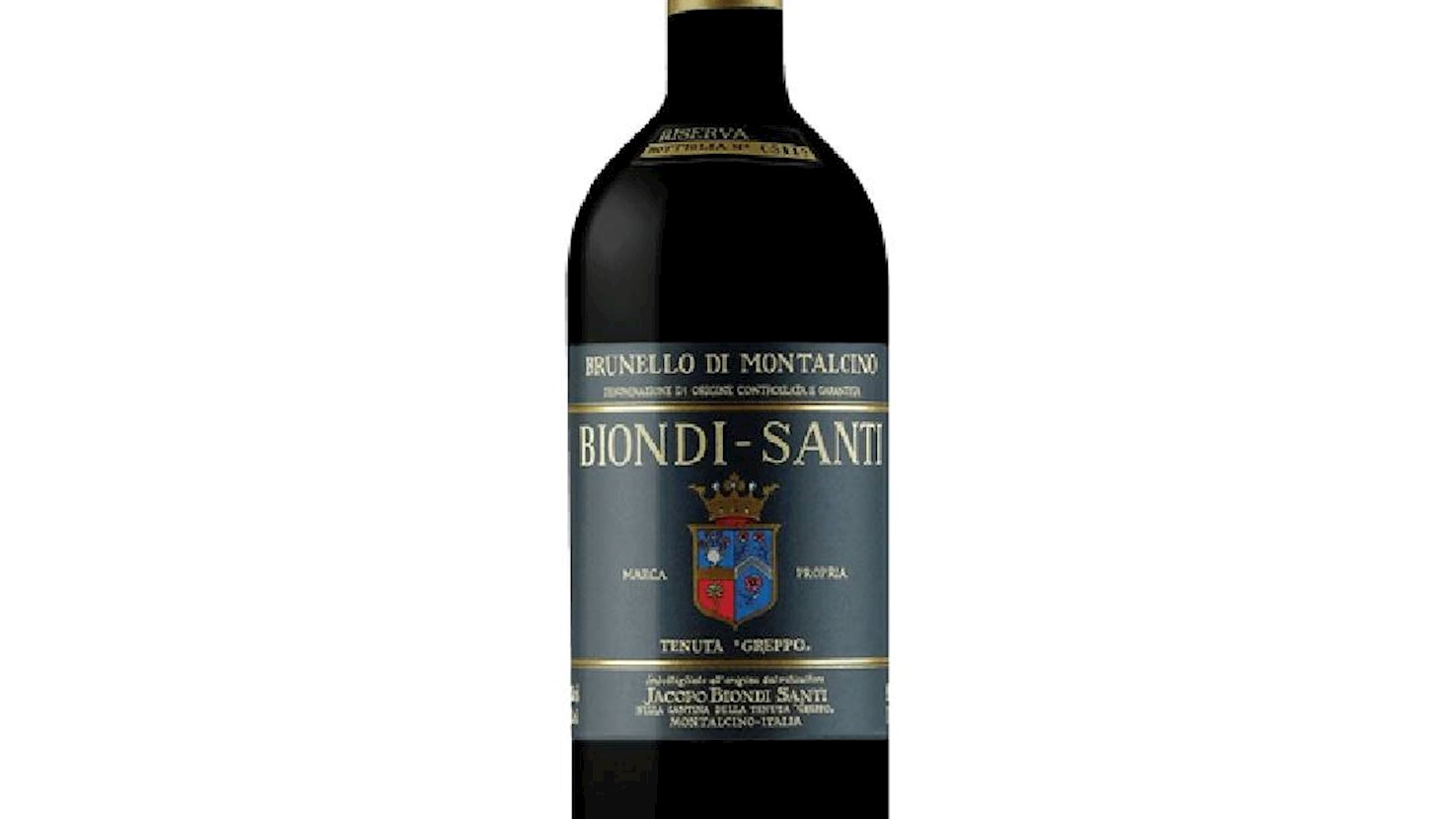
Biondi-Santi Winery, nestled in the heart of Tuscany, is rightfully known as the “creator of Brunello di Montalcino”. The family’s legendary journey began in the mid-19th century, when Clemente Santi isolated the local Sangiovese grape and pioneered extended aging.

His grandson, Ferruccio Biondi-Santi, elevated the winery’s prestige and defined its style - powerful yet elegant, built for remarkable longevity. The estate is rooted in tradition, cultivating its own grape clone (BBS11) and favoring old Slavonian casks for a gentle, authentic fermentation. Their iconic Brunello Riserva, first produced in 1888, is regarded as one of the earliest modern Brunellos, with each new vintage regarded as a rare and celebrated event. Biondi-Santi remains a symbol of excellence and consistency, with each bottle embodying cultural heritage, minimalist craft, and the refined winemaking legacy of Tuscany.

Awards
Falstaff - 100
Falstaff - 99
05

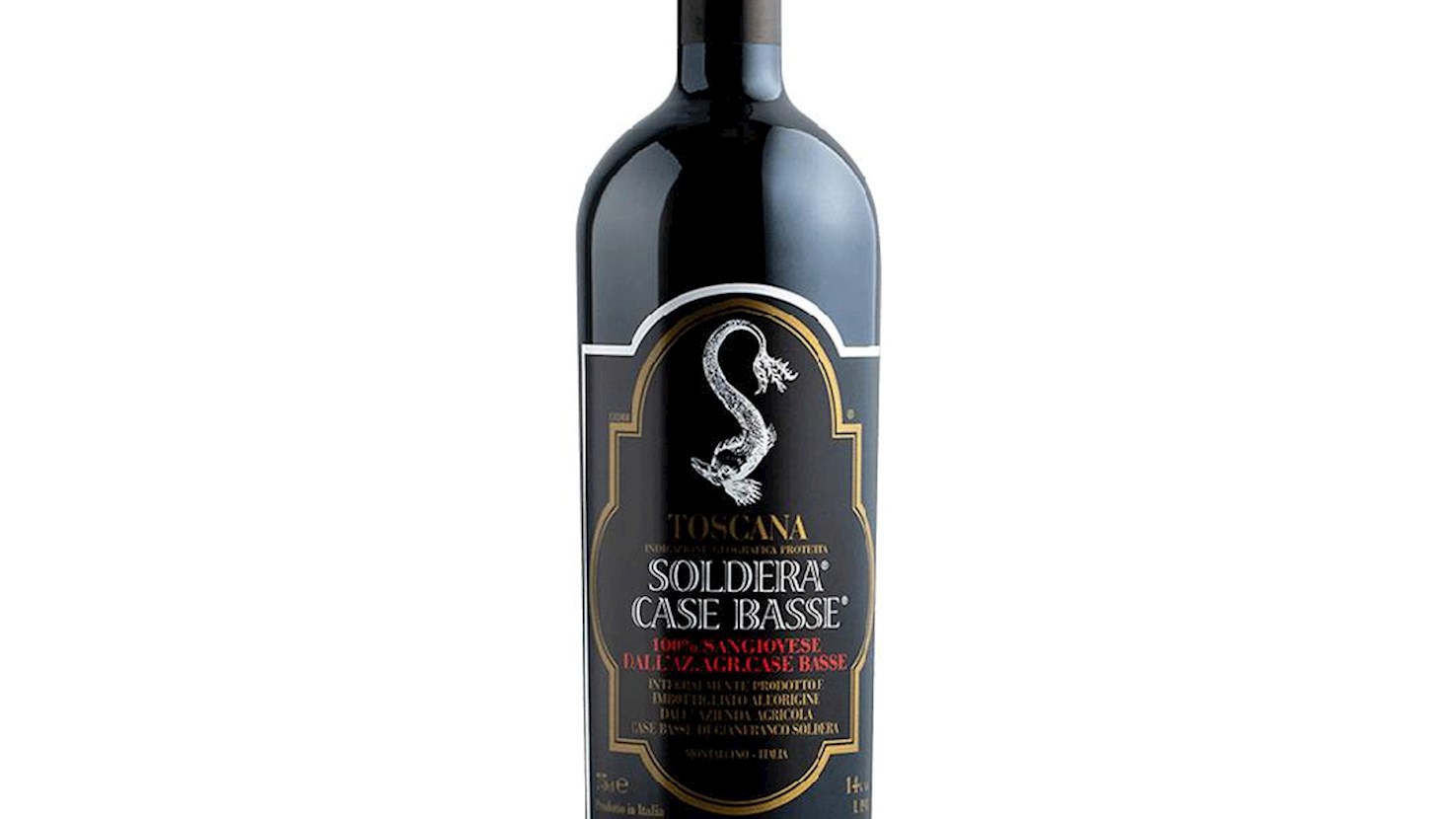
Soldera

5.0 ·

Case Basse di Gianfranco Soldera is one of Italy’s most esteemed wine estates, founded in 1972 in the heart of Montalcino by Gianfranco and Graziella Soldera. What began as an abandoned plot of land was transformed into a family-run estate dedicated to producing authentic, natural wines of exceptional quality. From the very beginning, Soldera embraced a philosophy of minimal intervention and deep respect for nature.

No chemicals, selected yeasts, or artificial additives are used—only traditional methods that allow the Sangiovese grape and the terroir to fully express themselves. Fermentation takes place spontaneously in large oak vats, followed by long aging periods that bring depth, purity, and character to the wines.

Awards
Vivino - 4.7
Vivino - 4.8
06

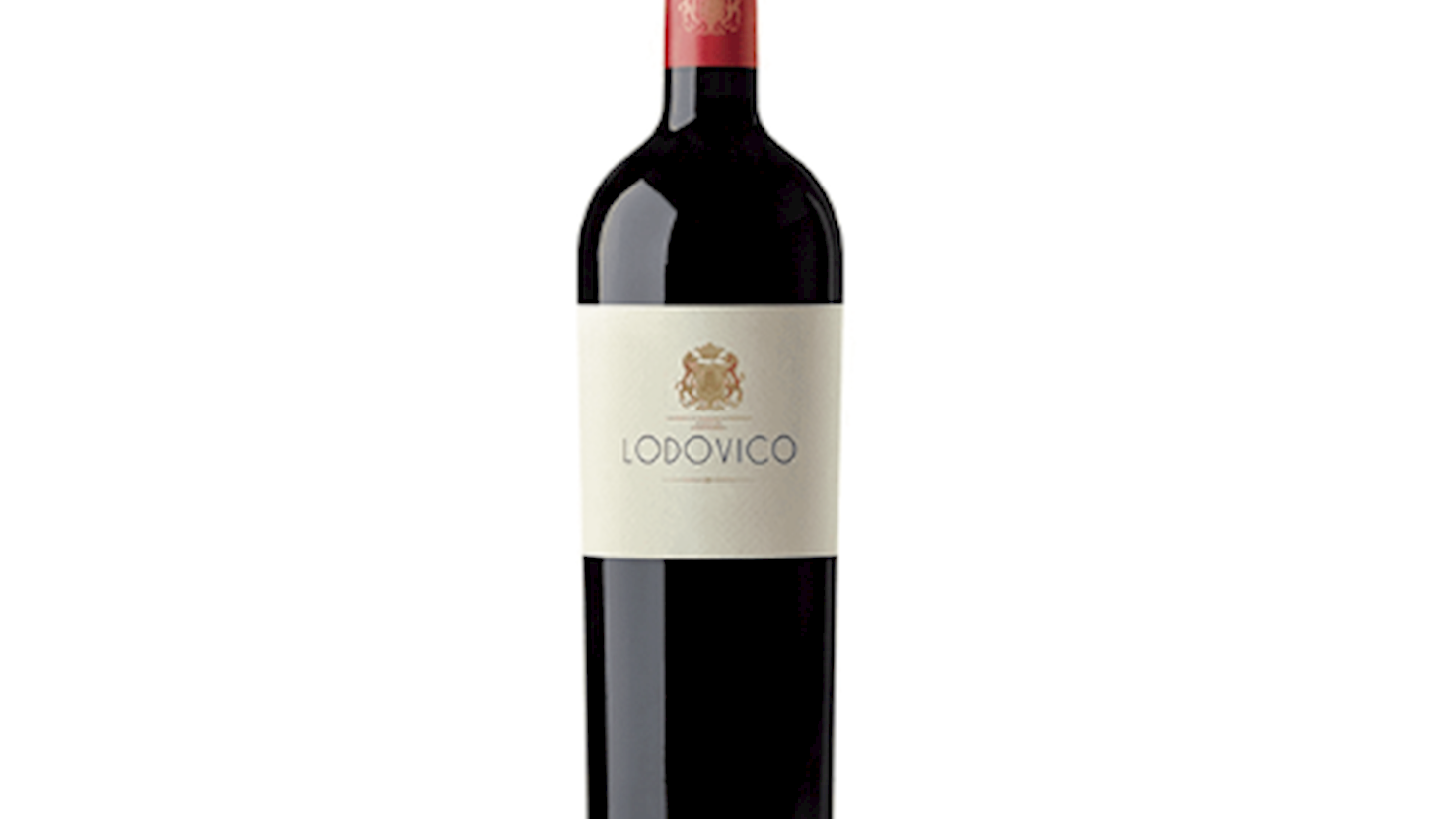
Tenuta di Biserno

5.0 ·

Tenuta di Biserno is a relatively modern Tuscan estate founded in 2001 by Lodovico Antinori, known for his earlier work in shaping the Super Tuscan movement. Located in Bibbona, along the Tuscan coast near Bolgheri, the estate benefits from a unique terroir characterized by varied soils, maritime influence, and favorable microclimates that support Bordeaux grape varieties.

The vineyards are planted primarily with Cabernet Franc, Merlot, Cabernet Sauvignon, and Petit Verdot, with a strong emphasis on Cabernet Franc as a defining element of the estate’s identity. Winemaking combines precise vineyard management with careful selection and fermentation practices, followed by aging in French oak barrels, balancing structure with refinement.

The flagship wine, Biserno, is a Bordeaux-style blend that reflects both concentration and elegance, with layered aromas of dark fruit, herbs, spice, and mineral undertones. Another key label, Il Pino di Biserno, offers a more approachable interpretation while maintaining the estate’s stylistic signature.

The wines are typically structured yet polished, with fine tannins and a capacity for aging, though they are often more accessible in their youth compared to traditional inland Tuscan wines. The coastal location contributes to freshness and aromatic lift, distinguishing them from more continental expressions.

Over time, Tenuta di Biserno has established itself as a notable producer within the Bolgheri area, combining modern winemaking precision with a clear focus on terroir expression.

Awards
Falstaff - 100
Falstaff - 99
07

Poggio di Sotto

5.0 ·

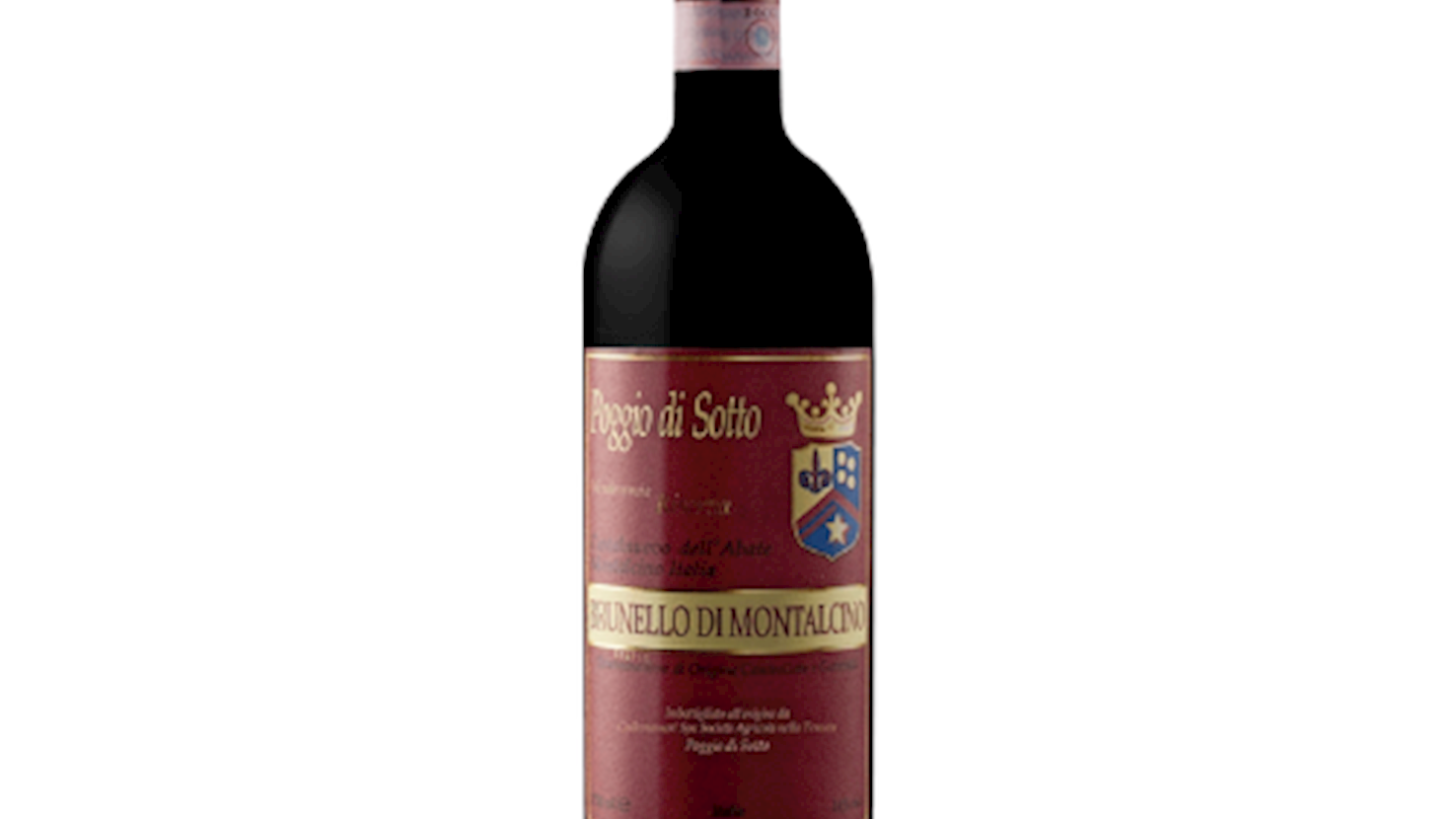
Poggio di Sotto is a highly regarded estate in the southern part of Montalcino, founded in 1989 by Piero Palmucci, who focused on restoring abandoned vineyards and establishing a philosophy rooted in traditional, low-intervention winemaking. The estate is located near Castelnuovo dell’Abate, an area known for its warmer microclimate and well-exposed slopes, which contribute to the ripening of Sangiovese.

Vineyards are farmed with careful attention to biodiversity and low yields, emphasizing the natural balance of the vines and the expression of terroir. In the cellar, the approach is strictly traditional, with long fermentations using indigenous yeasts and aging in large Slavonian oak casks rather than small barriques, allowing the purity of Sangiovese to remain central.

The wines are known for their elegance and precision rather than sheer power, often showing red cherry, floral notes, herbs, and subtle earthy complexity. Despite their finesse, they possess a firm structure and notable aging potential, evolving gracefully over decades.

Poggio di Sotto has built a reputation as one of the benchmark producers of Brunello di Montalcino, respected for its consistency and authenticity. The estate avoids excessive intervention or stylistic manipulation, focusing instead on clarity, balance, and a transparent expression of its southern Montalcino terroir.

Awards
Falstaff - 100
Falstaff - 99
08

Tenuta dell'Ornellaia

5.0 ·

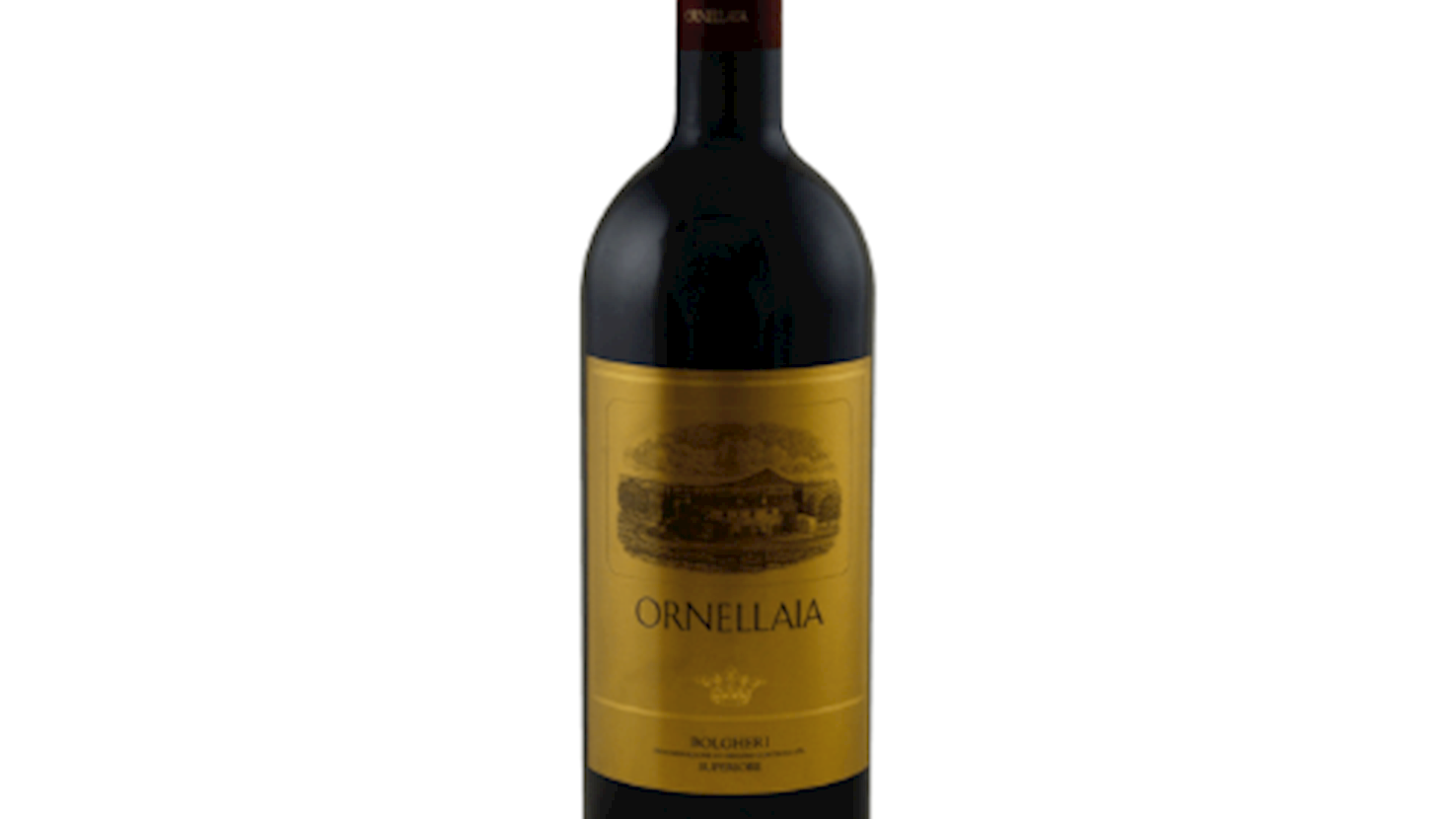
Tenuta dell'Ornellaia stands as a symbol of refinement and prestige in Tuscan winemaking. Nestled in the heart of Bolgheri on the Tyrrhenian coast, the estate benefits from a gentle Mediterranean climate and a mosaic of soils—clay, gravel, and slate—that provide the perfect foundation for cultivating Bordeaux grape varieties.

This harmony of nature yields wines of remarkable depth, structure, and character. Founded in 1981 through the vision of Marchese Lodovico Antinori, Ornellaia released its first vintage in 1985, forever changing the landscape of Italian wine and becoming an icon of the “Super Tuscan” movement. Its flagship, Ornellaia Bolgheri Superiore, is celebrated worldwide for its refined blend of Cabernet Sauvignon, Merlot, Cabernet Franc, and Petit Verdot.

The portfolio also features Le Serre Nuove, Le Volte, the white Ornellaia Bianco, and the legendary Masseto, a pure Merlot that now holds its own esteemed brand identity.

Awards
Vivino - 4.6
Vivino - 4.8
09

Tenuta San Guido

5.0 ·

Tenuta San Guido is one of the most prestigious names in the world of wine, a symbol of elegance, consistency, and a visionary spirit that has helped shape modern Italian winemaking. At the heart of its identity lies the renowned Sassicaia, a wine that has become a global icon of style, authenticity, and excellence.

The range is complemented by Guidalberto and Le Difese, each with its own personality yet united by the same philosophy of precision and attention to detail. The vineyards are cultivated with the utmost care, respecting natural balance through minimal intervention, while the winemaking reflects a blend of technical expertise and deep understanding of the terroir.

Every stage of production is designed to allow the full expression of the grapes and the elegance of the final wine. Tenuta San Guido maintains a seamless balance between tradition and contemporary expression, crafting wines that radiate quiet strength, refinement, and lasting presence.

This is not a winery that follows trends - it is a house that defines them, unassumingly yet with unmistakable authority in every bottle.

Awards
James Suckling - 98 points (2024)
Falstaff - 100
10

Tenuta di Capezzana
5.0 ·

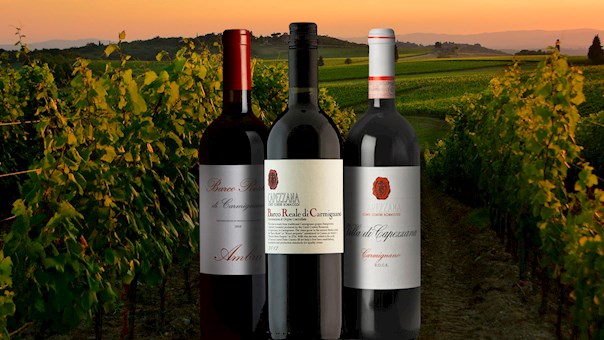
Tenuta di Capezzana is a historic wine estate located in Carmignano, with viticultural roots dating back to the Etruscan era and documented wine production spanning many centuries. The estate covers approximately 650 hectares, including vineyards, olive groves and natural woodland that supports biodiversity and a balanced ecosystem.

Since 1926, it has been owned and managed by the Contini Bonacossi family, who have played a key role in shaping its modern identity while preserving tradition. The winery focuses primarily on Sangiovese, complemented by Cabernet Sauvignon and Cabernet Franc, a combination that reflects the long-standing history of these varieties in Carmignano since the time of the Medici.

Its wines are known for their balance, structure and elegance, with notes of red fruit, spice and subtle earthy undertones that express the local terroir. A central role is played by Carmignano DOCG wines, which embody both regional identity and historical continuity.

In addition to wine, the estate produces extra virgin olive oil, reinforcing its agricultural heritage. The production philosophy emphasizes sustainability, minimal intervention and respect for natural cycles.

Capezzana is also notable for its historical wine archives, preserving bottles that demonstrate the ageing potential and consistency of its wines over decades. Today, it is regarded as one of the benchmark producers of Carmignano, combining heritage with a refined, terroir-driven style.

Awards
Decanter World Wine Awards - Best in Show (2026, 2021)
Decanter World Wine Awards - Platinum (2024, 2022, 2019, 2018)
Read more
View all
View map
About this ranking

TasteAtlas food rankings are based on the ratings of the TasteAtlas audience, with a series of mechanisms that recognize real users and that ignore bot, nationalist or local patriotic ratings, and give additional value to the ratings of users that the system recognizes as knowledgeable. For the “Top 100 Tuscan Wines” list until July 15, 2026, 341 ratings were recorded, of which 252 were recognized by the system as legitimate. TasteAtlas Rankings should not be seen as the final global conclusion about food. Their purpose is to promote excellent local foods, instill pride in traditional dishes, and arouse curiosity about dishes you haven’t tried.

The initial list of top producers was compiled based on available reviews, awards, local recommendations, media and blog coverage, and consumer reviews. The list will be updated with ratings from TasteAtlas local ambassadors and TasteAtlas users.

Similar lists