
shutterstock

Top 100 Austrian Foods

Last updated on June 06, 2026

Best Austrian foods

01
Dumplings

Käseknödel

4.4 ·

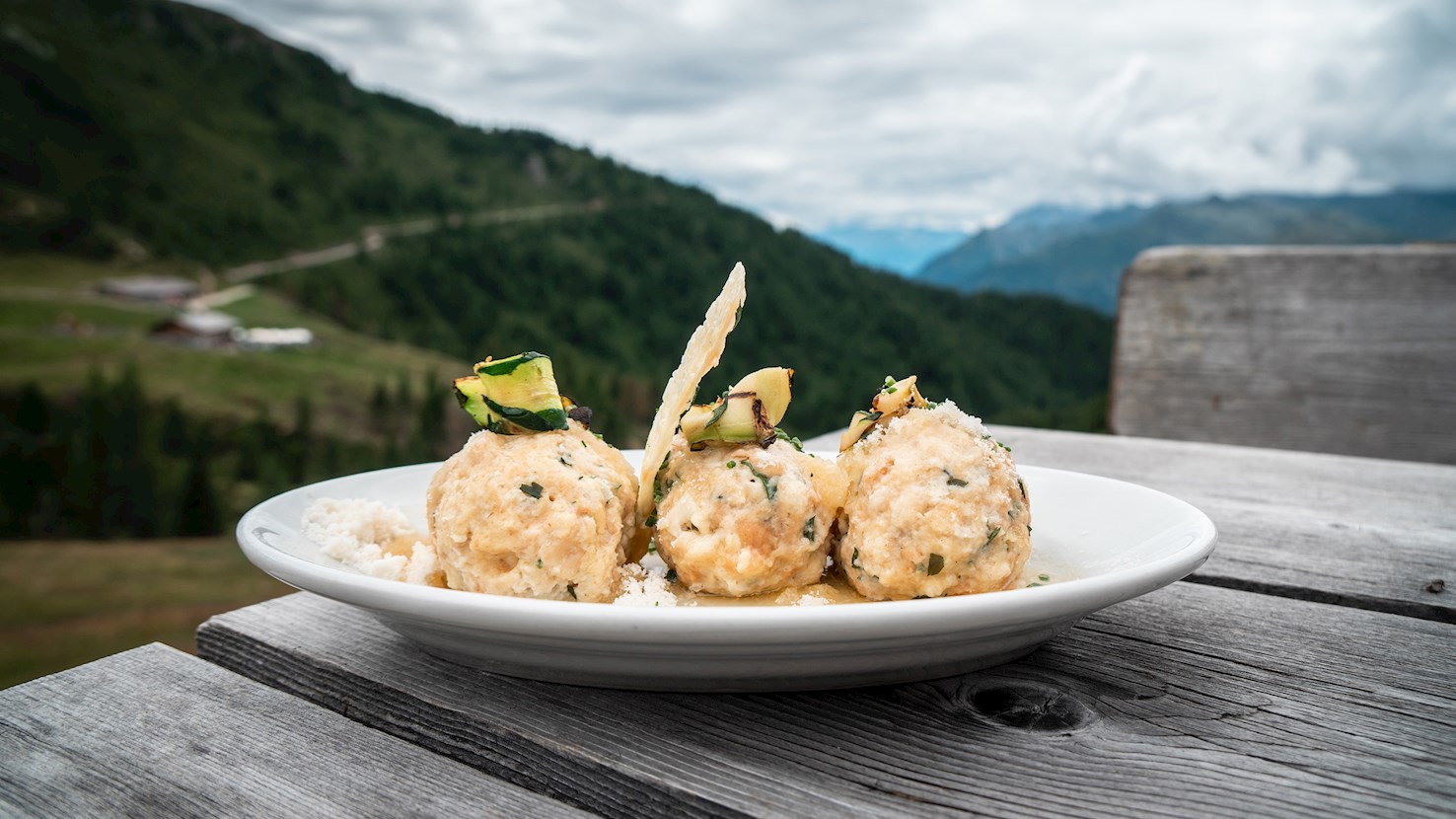
Käseknödel is a traditional dumpling enriched with cheese originating from Tyrol and South Tyrol. These cheese dumplings are typically served as a side dish that shows an inventive way of using leftover stale bread. The stale bread is mixed with cheese, eggs, butter, milk, onions, parsley, salt, and pepper. Käseknödeln are usually boiled in water or fried in butter on both sides until golden brown and then served in a broth or with various salads and stews.

02
Dumplings

Kasnocken

4.4 ·

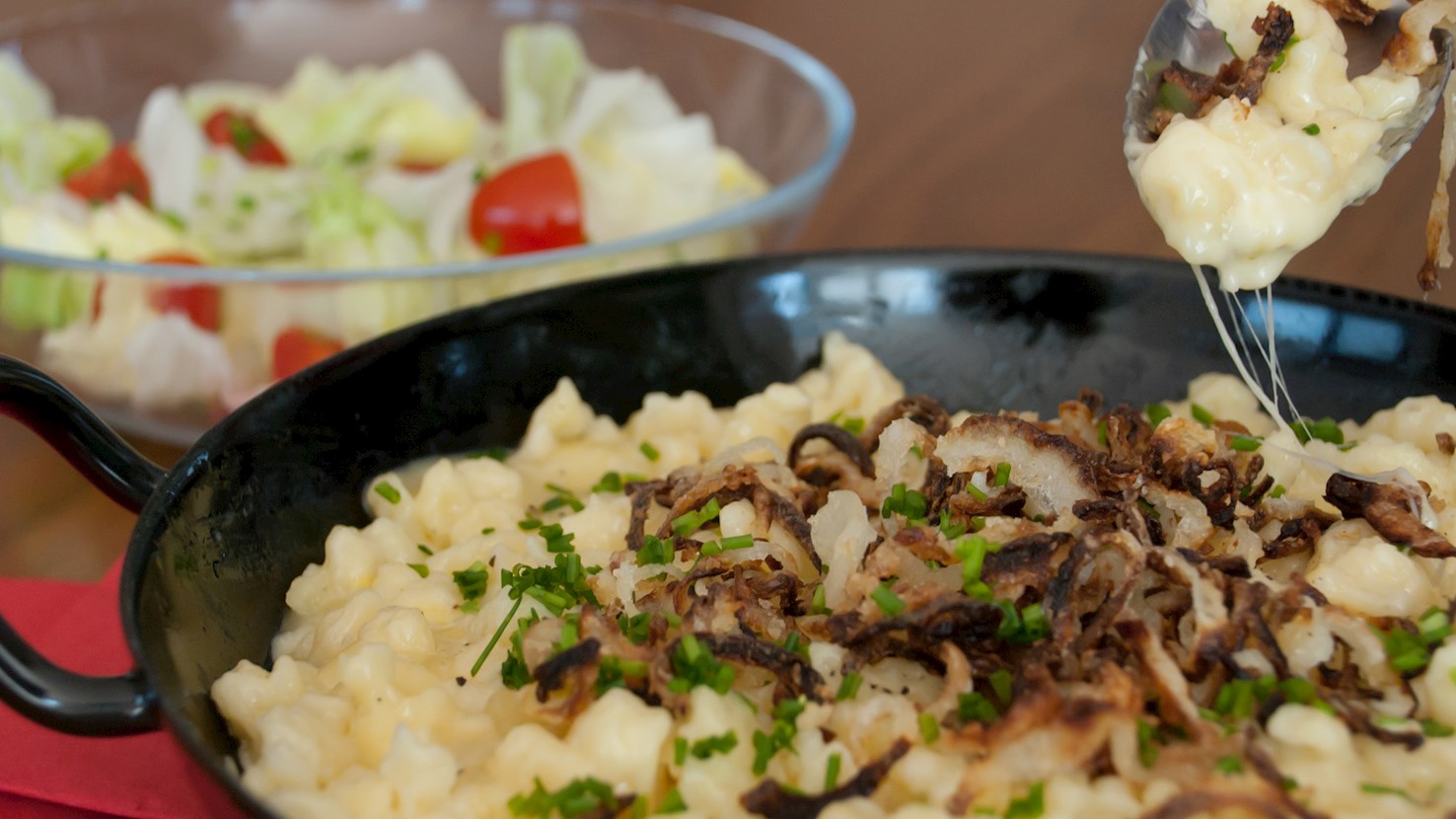
Kasnocken is a savory dish made by coating small dumplings with melted cheese and caramelized onions. The dish is said to originate from Austria’s Pinzgau region (congruent with the Zell am See district), and in line with the place of origin, the cheese used when preparing the dish is the Pinzgauer Bierkäse, characterized by its strong odor and mild flavors. Since this is one hearty meal, a shot of schnapps is traditionally taken afterwards for improving digestion.

03
Dumplings

Wachauer Marillenknödel

4.4 ·

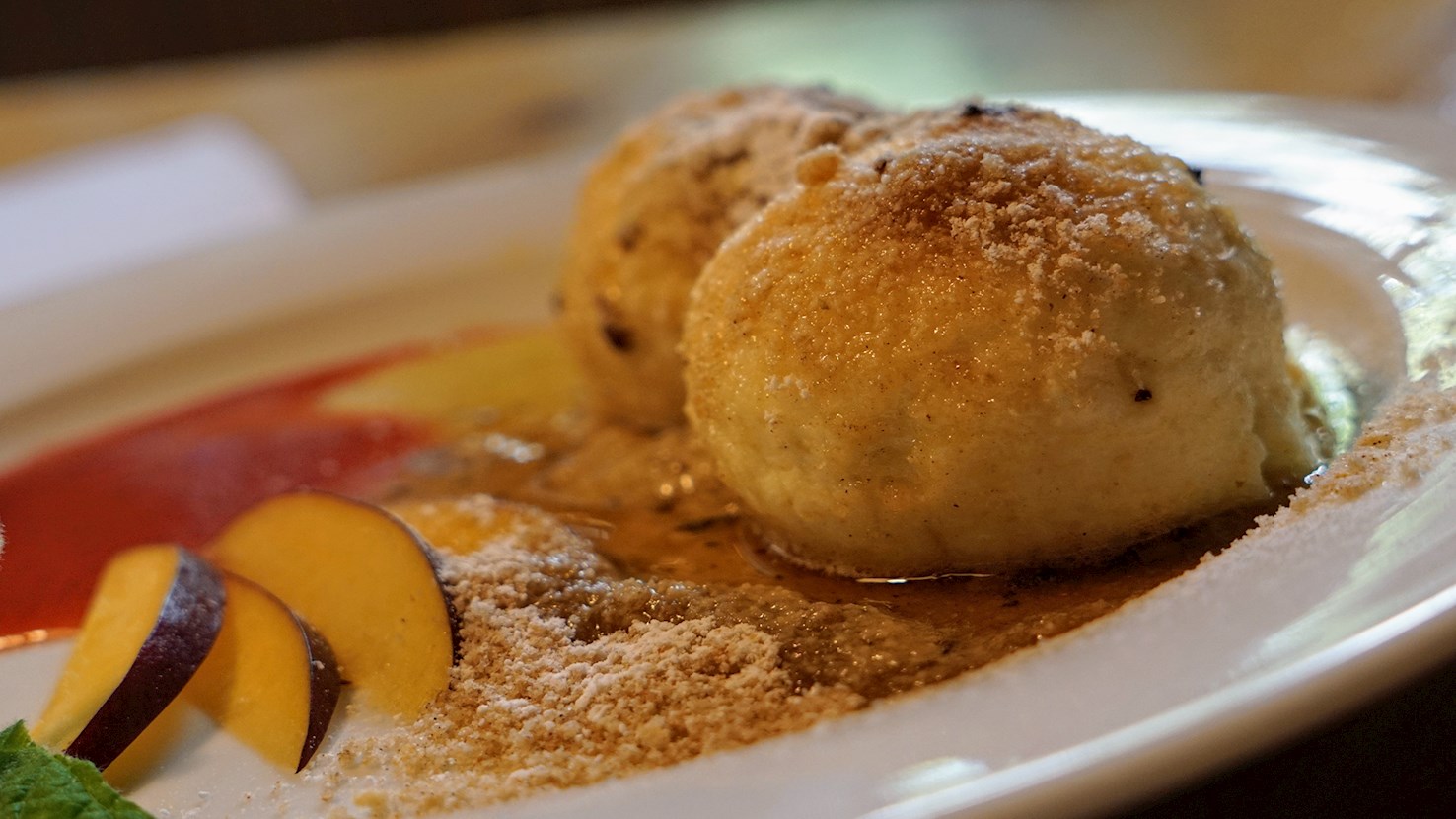
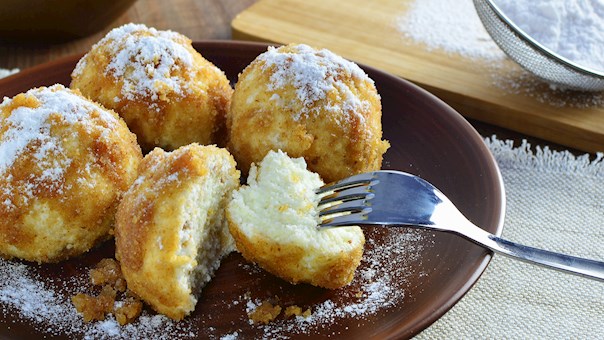
Wachauer marillenknödel is a classic Austrian dish consisting of a depitted Wachau apricot that is encased in a light dough which is then shaped into a dumpling, cooked, and rolled in breadcrumbs that have been fried in butter. The dough can be made either with soft cheese or potatoes, while the breadcrumbs are often seasoned with powdered cinnamon. Although the delectable Wachau apricot dumplings are served generously dusted with icing sugar, some might think that they are served as a dessert, but the dumplings are traditionally consumed as a main dish.

04
Noodle Dish

Kasspatzln

4.3 ·

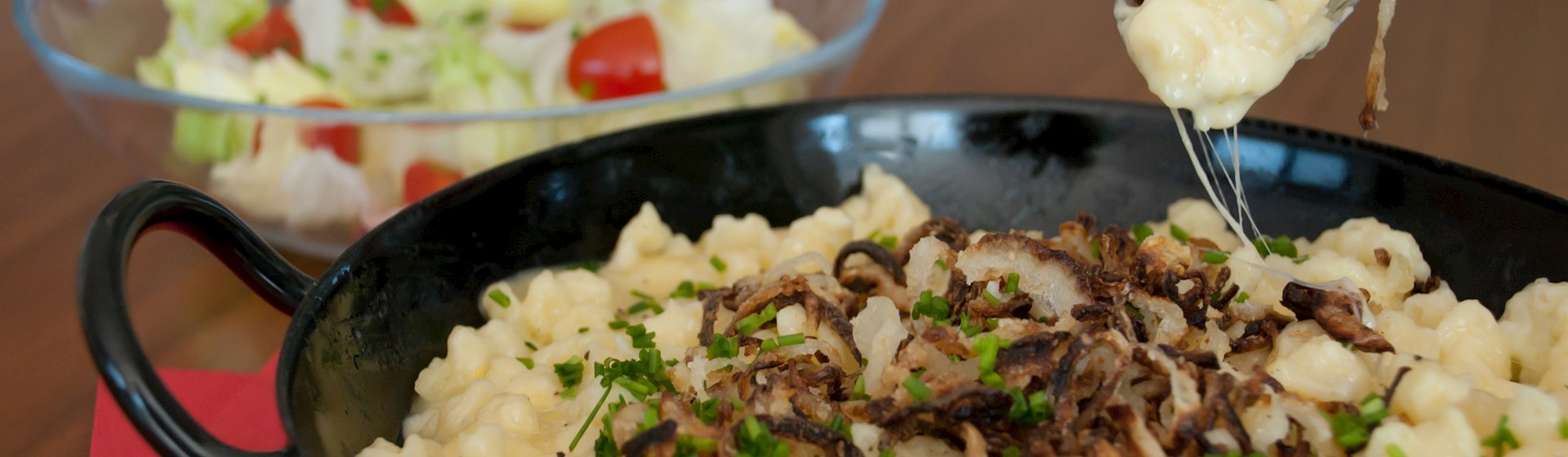
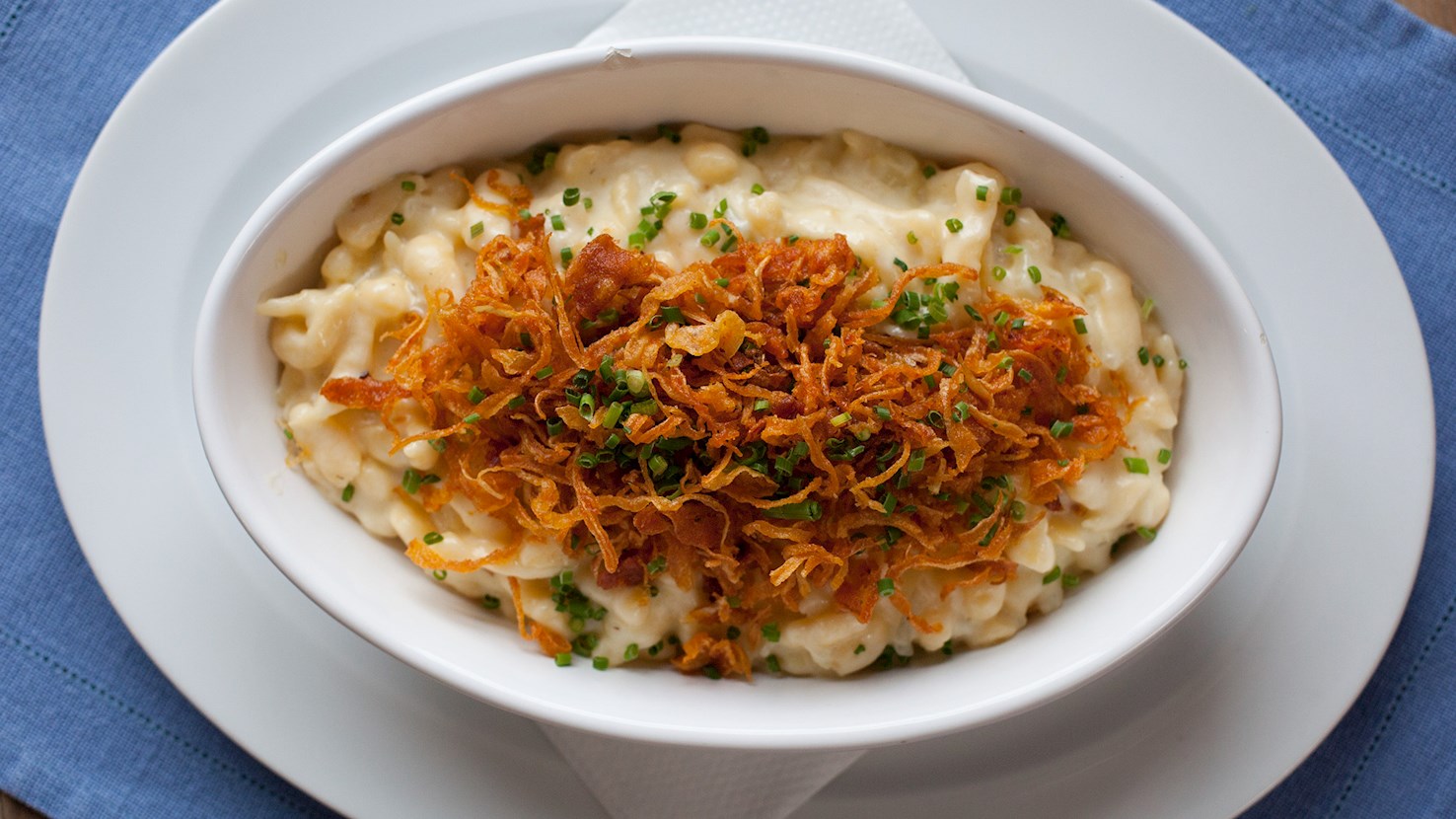
Kasspatzln is a traditional cheese-based dish in several regions of Austria, Germany, Liechtenstein, and Switzerland. Most notably a favorite in the western Austrian state of Tyrol, this variety of kasspatzln uses strong-flavored local cheese varieties such as Bergkäse or Graukäse. The recipe is simple - a soft and slightly runny dough is gently pressed onto a special grater (spätzlehobel), creating small noodle shapes that are boiled until firm. The noodles are then mixed with sautéed onions, followed by generous heaps of grated cheese. The mixture is left to cook until the cheese has completely melted, and it is then garnished with chopped parsley and fried onion rings. Depending on the location, the dish can be accompanied by fresh green salads, potato salad, or applesauce on the side.

Best restaurants
05
Pancake

Kaiserschmarrn

4.3 ·

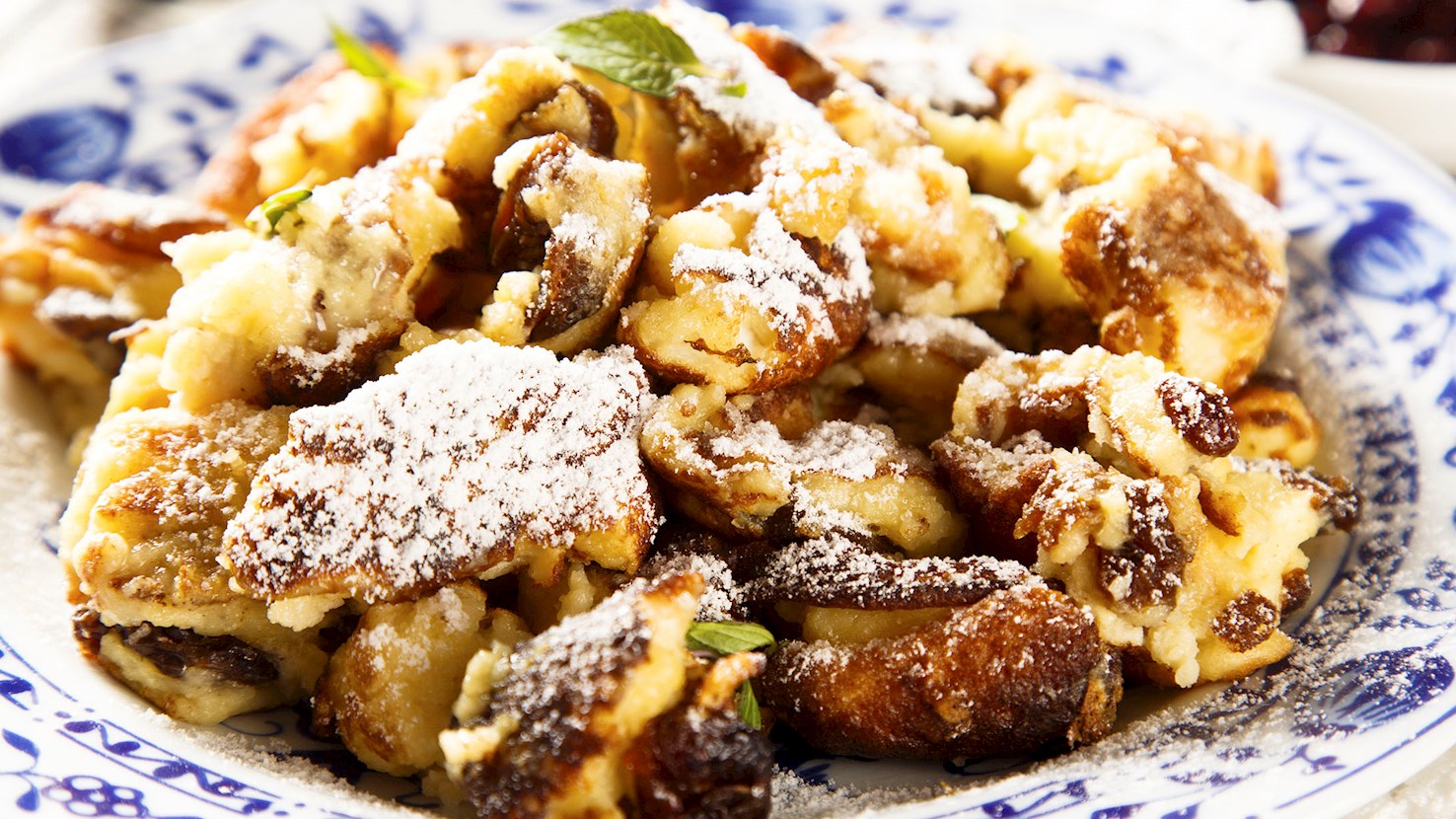
Also known as the Emperor's mess, this Austrian dessert can be described as a fluffy, lightly caramelized, scrambled pancake. Legend has it that kaiserschmarrn was the favorite dessert of Kaiser Franz Joseph I, after whom it was named. The dish is traditionally served either with zwetschkenröster (plum compote) or with a big spoonful of apple, pear, or berry preserve. Lavishly dusted with icing sugar, kaiserschmarrn is the perfect comfort food, indeed fit for an emperor and easily one of the best desserts Austria has to offer. Apart from the beloved, old-fashioned kaiserschmarrn, depending on the filling, some of the modern takes on this Austrian classic include apfelschmarrn (apples), kirschschmarrn (cherries), mirabellenschmarrn (mirabelle plums), nußschmarrn (walnuts, almonds, hazelnuts) and sauerrahmschmarrn (sour cream). Besides Austria, kaiserschmarrn is also a popular and common dessert in the German region of Bavaria. It can also be found in countries that were once part of the Austro-Hungarian Empire.

06
Beef Dish

Zwiebelrostbraten

4.3 ·

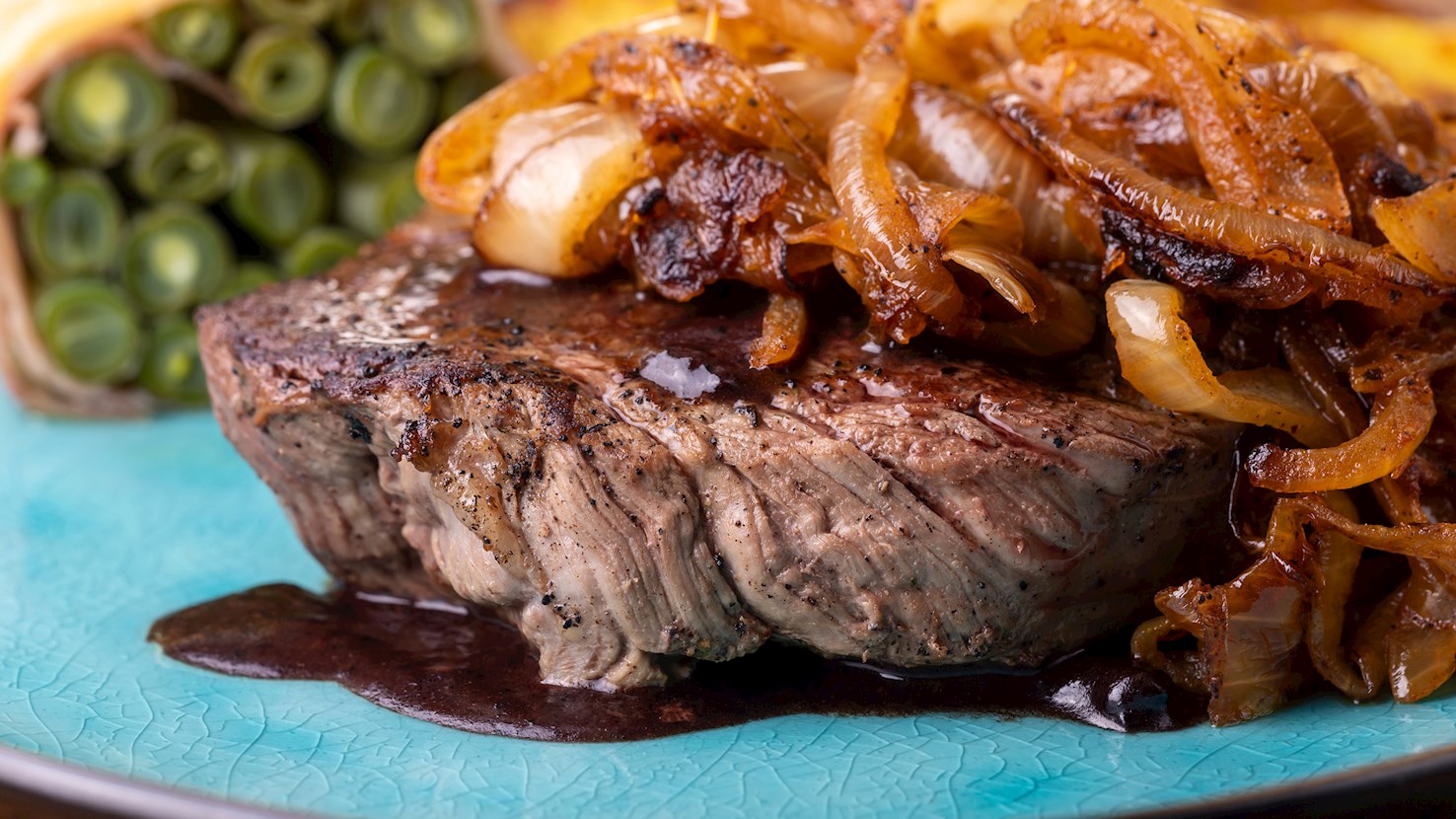
Zwiebelrostbraten is a traditional dish that's served in most German and Austrian restaurants in Bavaria and Vienna, respectively. The dish is usually made with a combination of beef (sirloin steak), onions, flour, oil, butter, paprika, Dijon mustard, cream, beef stock, salt, and pepper. The onions are sliced into rings, dipped in a mixture of flour and paprika, fried in oil, and set aside. The steaks are lightly pounded, seasoned with salt and pepper, coated with flour and paprika, fried in oil and butter on both sides, and removed from the pan. The fried onions are returned to the pan with mustard and beef stock, and the mixture is cooked until the juice are reduced. Cream is added to the pan and everything is simmered for a few minutes. The steaks are added to the sauce, and the dish is then served with spätzle or potatoes on the side. The meat is typically topped with the remaining onions before serving.

Best restaurants
07
Stew

Wiener Saftgulasch

4.3 ·

Regarded as the Austrian answer to Hungarian-style goulash, Wiener saftgulasch is a hearty stew that consists of diced lean beef drenched in a thick, flavorful gravy. Although it has evolved from the Hungarian version of the dish, Austrian beef goulash is believed to be a gourmet delicacy of its own kind. It is usually prepared with beef (traditionally lean beef shank), onions, tomato paste, and lard, while the combination is typically flavored with vinegar, Hungarian paprika, bay leaves, marjoram, caraway, lemon zest, juniper berries, sugar, salt, and black pepper. What makes this variety of goulash stand out from the rest is the thick and smooth consistency of the sauce that is achieved through the cooking process, without the addition of any thickeners such as roux, sour cream, or flour, as well as the stew's rich, savory, and spicy flavor. It is recommended to prepare this Austrian specialty at least a day ahead of consumption since the flavor is said to improve significantly with time. Traditionally, Wiener saftgulasch is enjoyed with accompaniments such as nockerl (a type of dumplings), spätzle (noodles), potatoes, or kaiser rolls (crusty round bread rolls). The beef stew's popularity has given rise to numerous variations throughout the country, including the one that is known as fiakergulasch (coachman's goulash).

Best restaurants
08
Pork Dish

Schnitzel Wiener Art

4.2 ·

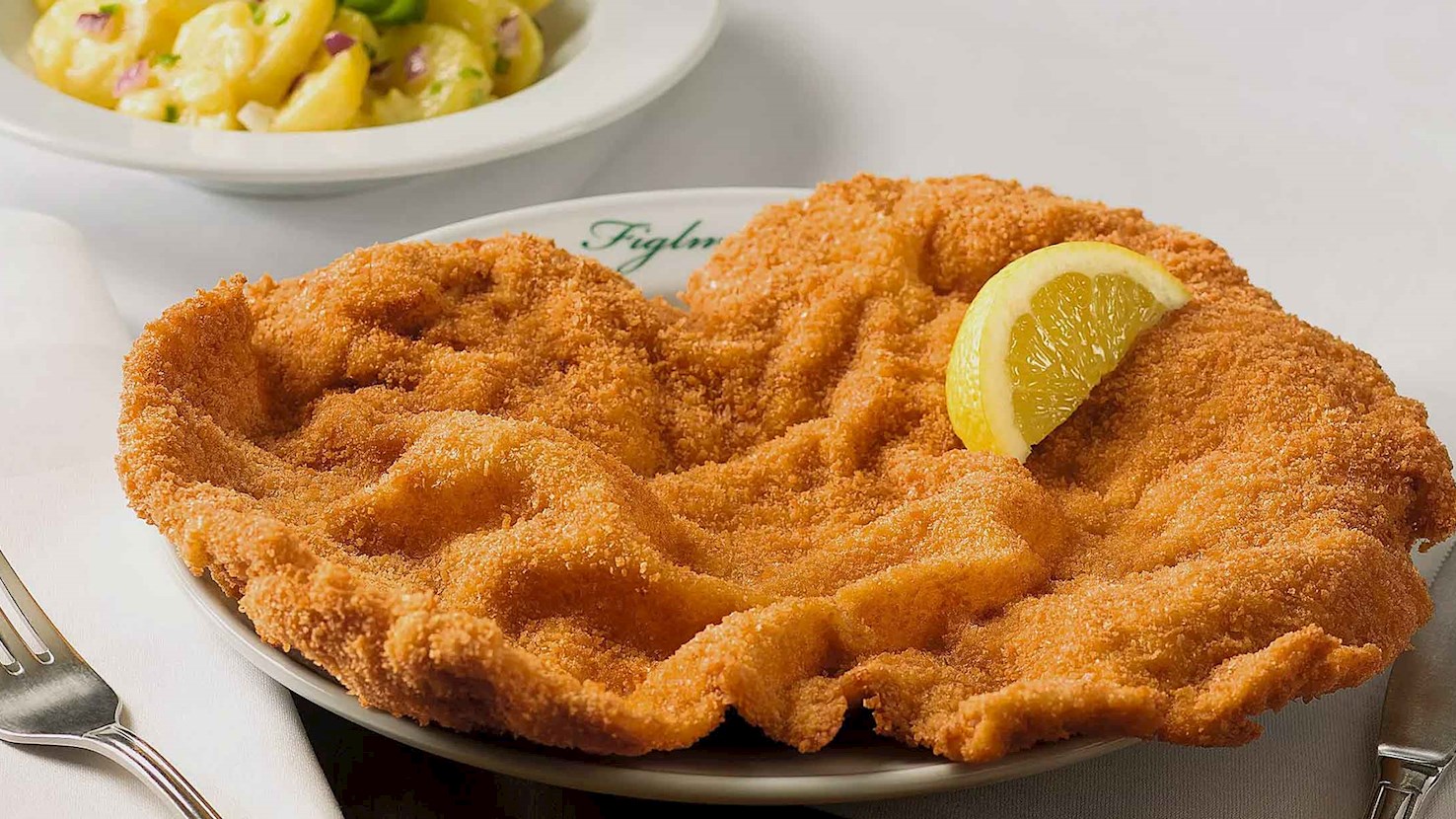
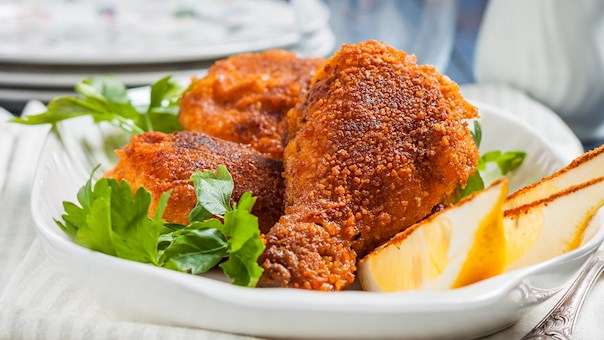
Schnitzel Wiener Art is a take on the classic of Austrian cuisine, the Wiener schnitzel, a breaded and fried veal cutlet. But unlike the traditional Wiener schnitzel, the schnitzel Wiener Art is made with a pork cutlet, not a veal one. The reason behind this switch is the fact that pork is much cheaper and more available than veal. Today, most restaurants in Austria and Germany serve the Wiener schnitzel made with pork and not the real Wiener schnitzel. Luckily, they are obliged by law to state so on their menu. Schnitzel Wiener Art is prepared the same way as the traditional Wiener schnitzel. The pork is thinly pounded, breaded, and pan-fried, usually in oil or a mix of oil and butter. When it comes to serving, the same side dishes are served as with the traditional Wiener schnitzel — a potato salad, French fries, and parsley potatoes will all do, and to cut through the fat, any of the following — a dollop of lingonberry jam, a salad, or lemon wedges to squeeze over the meat — should also be present when the schnitzel is served.

09
Sweet Pastry

Apfelstrudel

4.2 ·

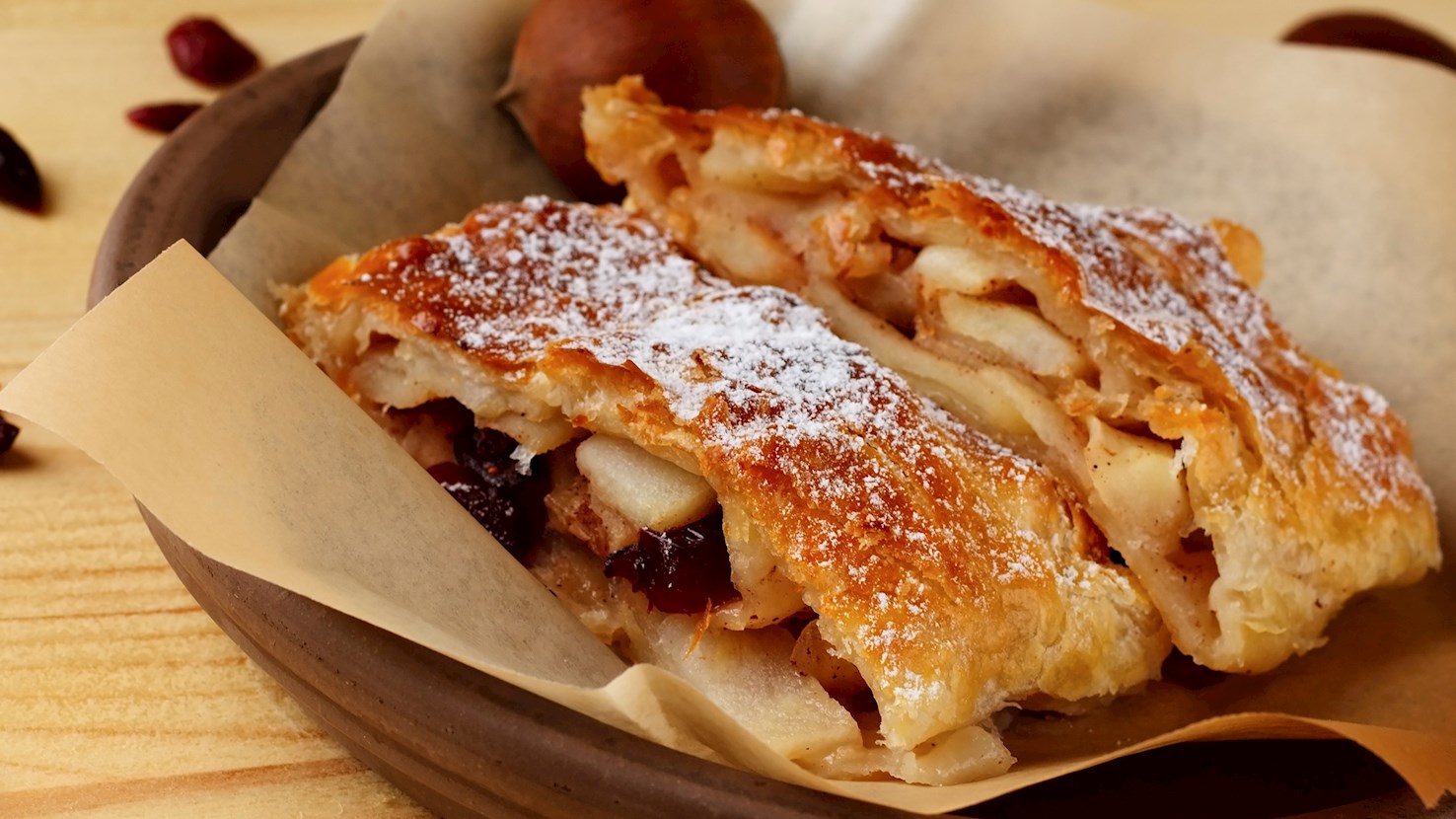
A traditional pastry dessert with a rich and vivid history, apfelstrudel (apple strudel) is one of Austria's most popular delicacies. This sweet treat consists of thin layers of dough filled with a flavorful apple filling. Its story starts with the invention of baklava, a filo pastry popular in the Balkans and the Middle East. Since baklava requires very thin dough, similar to strudel, the technique was likely perfected by either the Ottomans or the Greeks. It is believed that strudel arrived in Hungary first, then Austria, due to the fact that the Ottomans had constant interactions with the Habsburgs. The oldest known recipe for strudel dates back to 1696, while other varieties, such as the apple strudel recipe, date back to the 1800s. Some claim that the dish was invented in Vienna for the Emperor of Austria and the rest of high society. Depending on the recipe, the filling may additionally include raisins, cinnamon, rum, and nuts such as almonds or walnuts. It is recommended to serve the strudel warm, straight from the oven, accompanied by a scoop of vanilla ice cream, a dollop of whipped cream, or vanilla sauce.

10
Pasta

Schlutzkrapfen

4.2 ·

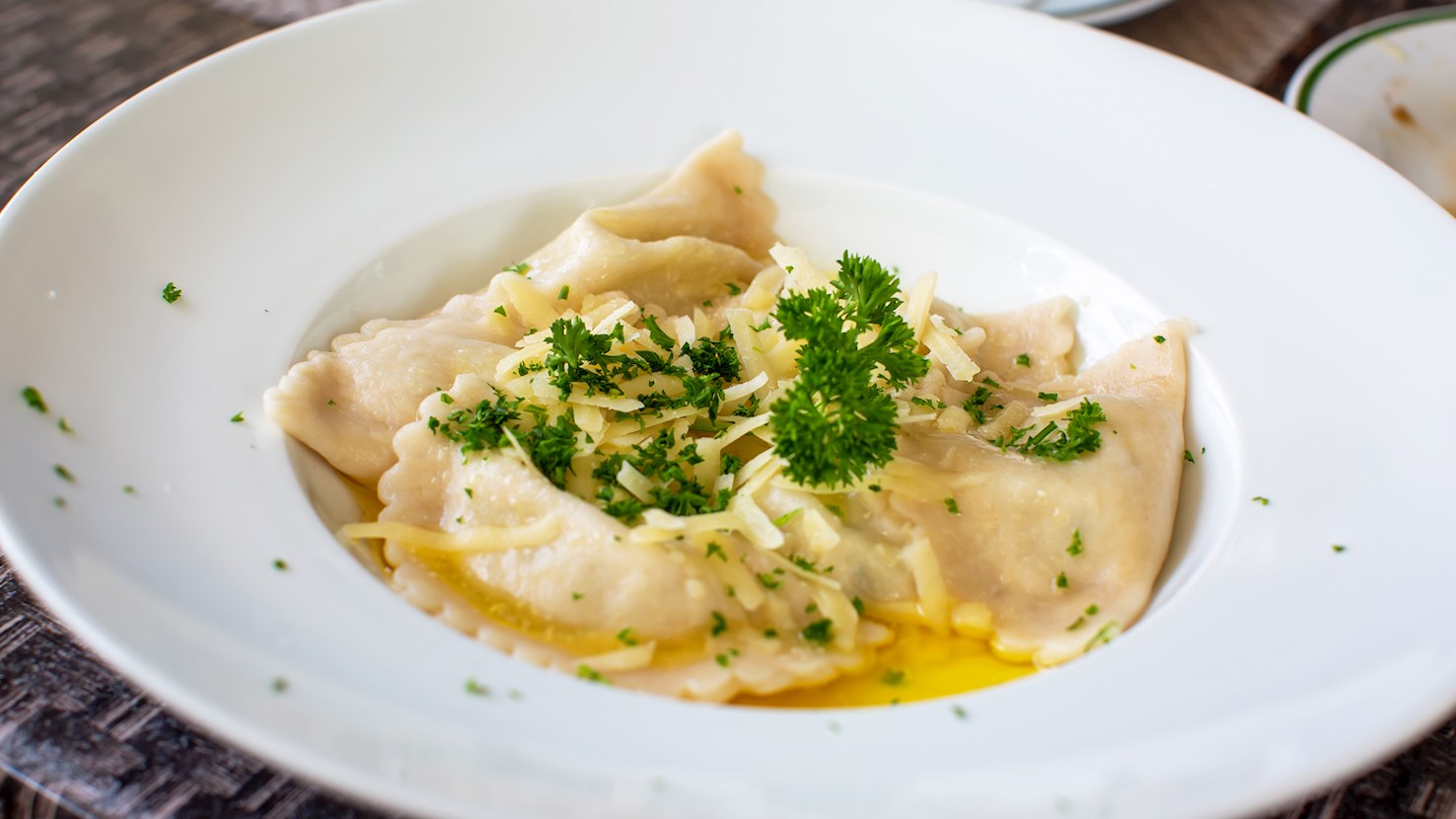
Mezzelune or schlutzkrapfen is a unique pasta variety that is popular both in Italy and Austria, especially in the area of South Tyrol. The pasta has a semicircular shape, which is the reason why it is called mezzelune (half moons in Italian). The dough is typically made from wheat and buckwheat flour, semolina, eggs, and olive oil. The pasta is stuffed with various ingredients, just like ravioli. Common fillings include ingredients such as cheese, mushrooms, potatoes, meat, or spinach. Mezzelune are often served with sauces such as pesto and paired with seafood, sausages (salsiccia), or fresh vegetables such as cherry tomatoes.

Best Austrian food products

01
Wine

Weingut Scheiblhofer

5 ·
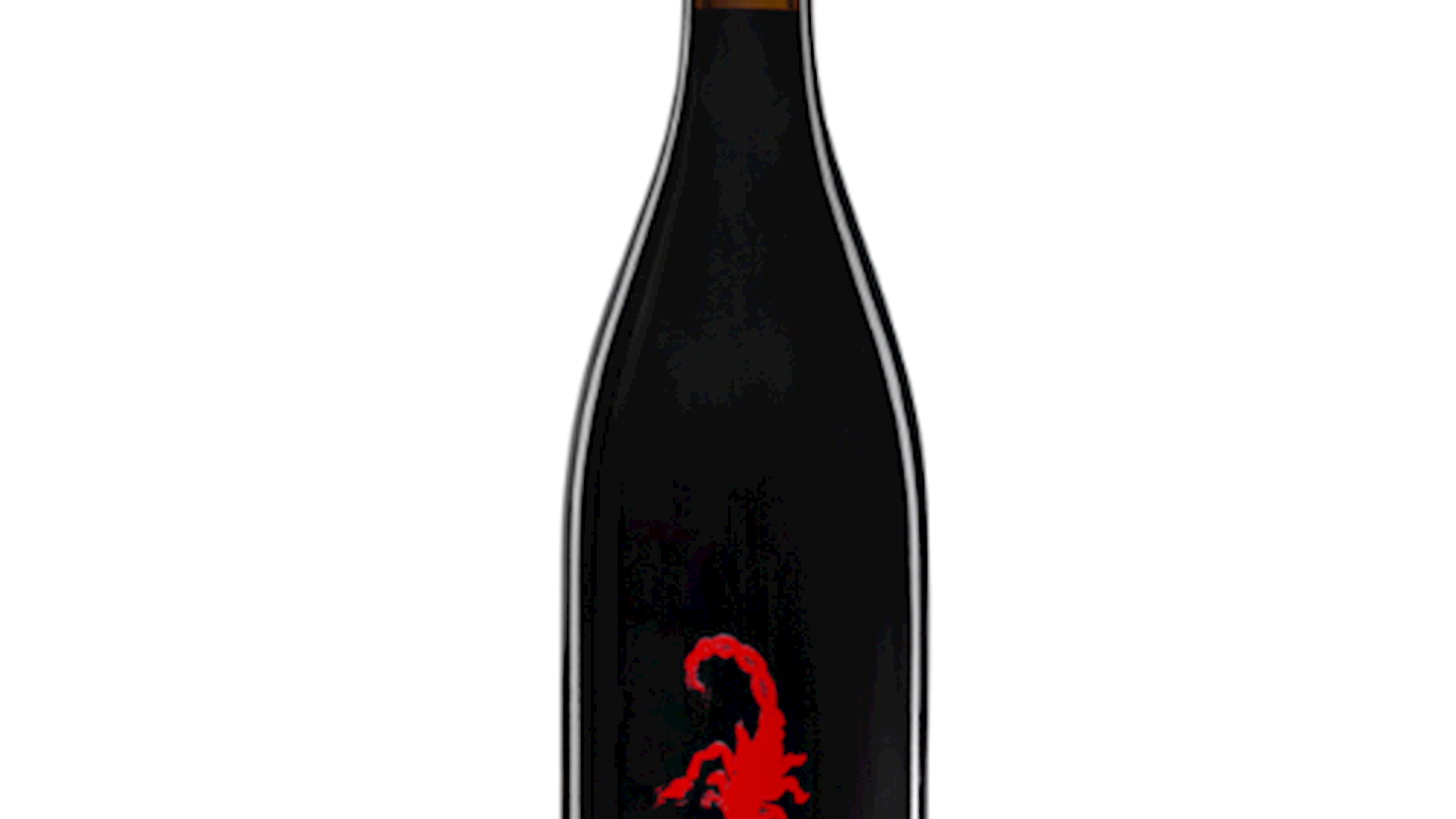
Weingut Scheiblhofer is a modern family-owned winery located in Andau, within the Burgenland, an area known for its warm climate and ideal conditions for producing rich, full-bodied wines. Founded by Johann Scheiblhofer in the 1980s, the estate gained international recognition under the leadership of his son, Erich Scheiblhofer, who took over in 2000. The winery cultivates around 85–100 hectares of vineyards, focusing primarily on red varieties such as Zweigelt, Blaufränkisch, Cabernet Sauvignon, and Merlot. Its style is characterized by ripe fruit, concentration, and frequent oak aging, resulting in structured and approachable wines. One of its most recognizable labels is “Big John,” which reflects the winery’s bold and modern identity. Scheiblhofer also stands out for its investment in innovation and sustainability, including energy-efficient production supported by solar power. In addition to winemaking, the estate has developed a strong enotourism offering, combining wine experiences with hospitality and events. Overall, it represents a contemporary approach to Austrian winemaking, balancing scale, quality, and a clear market-oriented style.
Awards
Falstaff - 100
Falstaff - 99
02
Cheese

Pinzgau Milch

5 ·
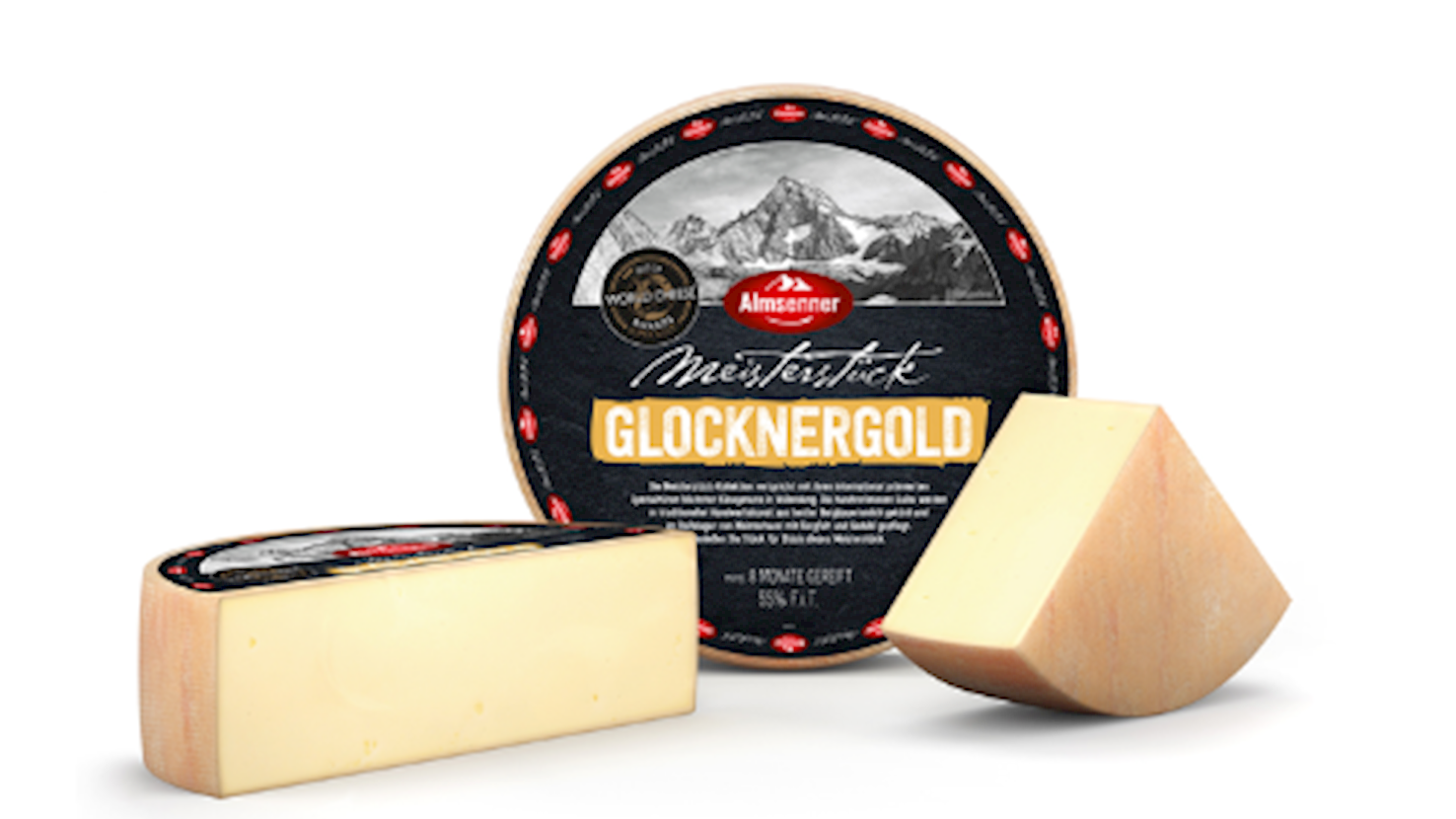
Pinzgau Milch is an Austrian dairy company based in Maishofen in the Pinzgau region, bringing together numerous mountain farms and processing milk sourced from Alpine pastures. The raw milk comes from cows fed primarily on grass and hay from high-altitude meadows, which contributes to the clean, full-bodied character of its dairy products. The company originated from local dairy cooperatives established in the 1930s and has since developed into a modern processing facility that combines traditional craftsmanship with advanced technology. Its portfolio includes fresh milk, yogurt, butter, cream, and a broad range of cheeses, particularly Alpine semi-hard and hard varieties. Products made from hay-fed and organically certified milk play an important role within the assortment, reflecting Austrian quality standards. Beyond classic dairy lines, Pinzgau Milch also produces milk-based beverages, protein drinks, iced coffee, and specialized nutritional formulas, expanding its presence beyond conventional dairy segments. A significant share of production is exported, underlining its stable position in international markets. The company operates in accordance with strict food safety and environmental management standards, including responsible energy use and packaging practices. Close cooperation with regional farmers ensures traceability and consistent quality from farm to finished product. Pinzgau Milch represents a model in which mountain agriculture and modern dairy processing are integrated into a sustainable and competitive system.
Awards
World Cheese Awards - Super Gold (2023, 2022)
World Cheese Awards - Gold (2024, 2022)
03
Cheese

Dorfsennerei Schlins-Röns

5 ·
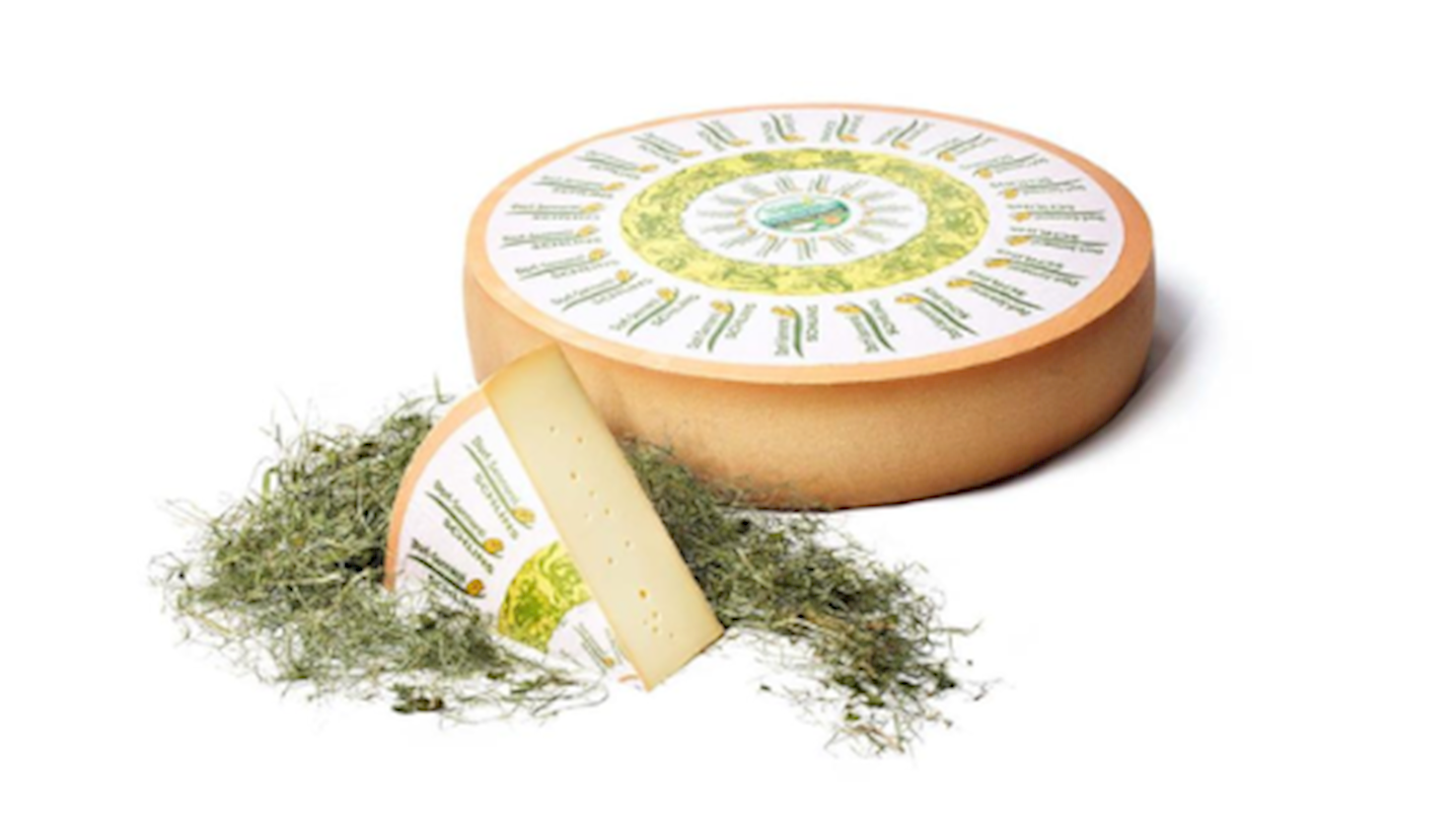
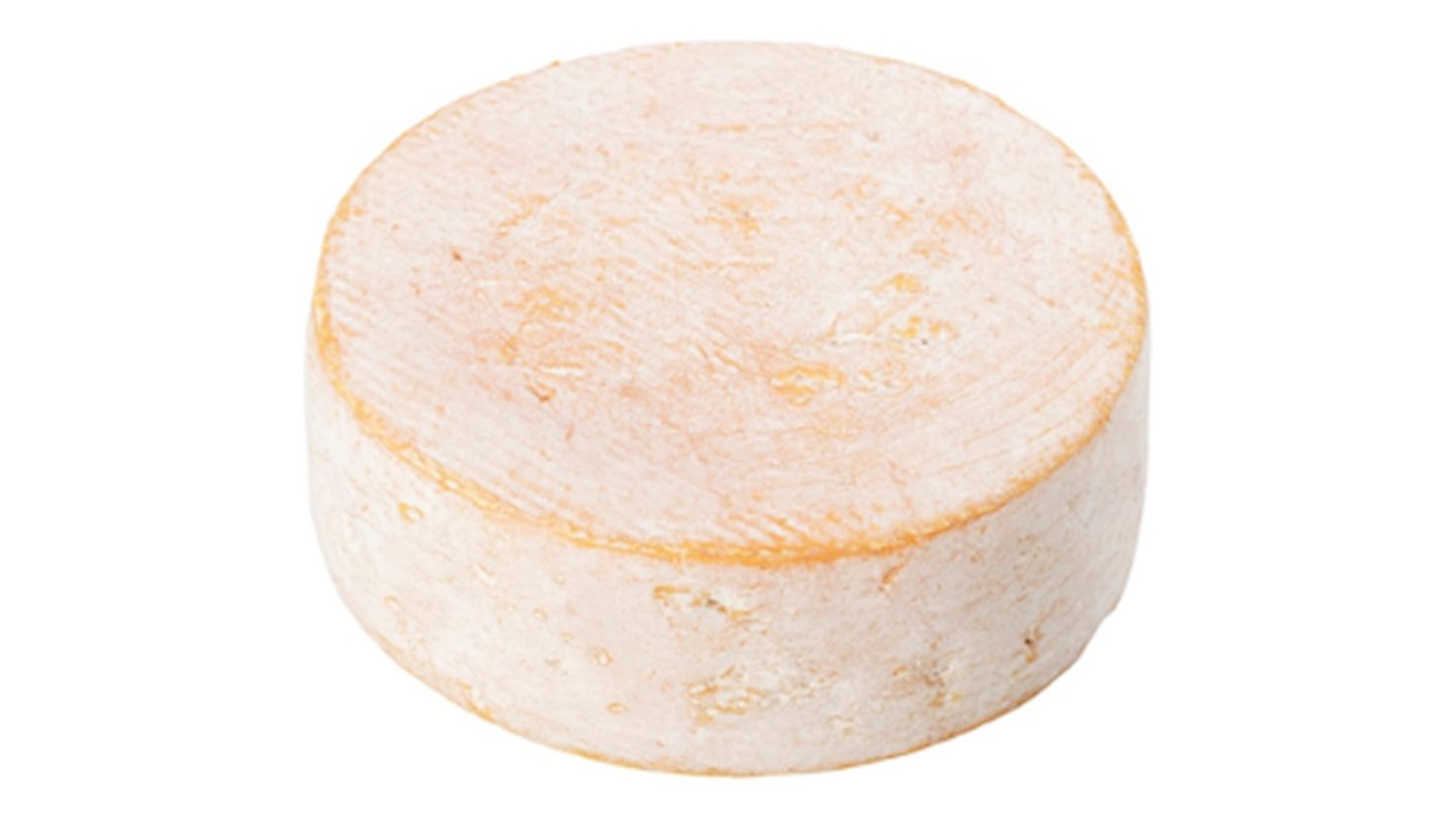
Dorfsennerei Schlins-Röns und Umgebung is a cooperative cheese producer located in Austria, specifically serving the Schlins and Röns region. The cooperative focuses on producing traditional Austrian cheeses using milk sourced from local dairy farmers. They employ methods that combine both modern and traditional cheese-making techniques to preserve the artisanal quality of their products.
Awards
World Cheese Awards - Super Gold (2021)
World Cheese Awards - Gold (2024)
04
Spirit

Destillerie Farthofer GmbH

5 ·
Awards
IWSC- International wine & spirit competition - Spirit Gold Outstanding (2023)
05
Wine

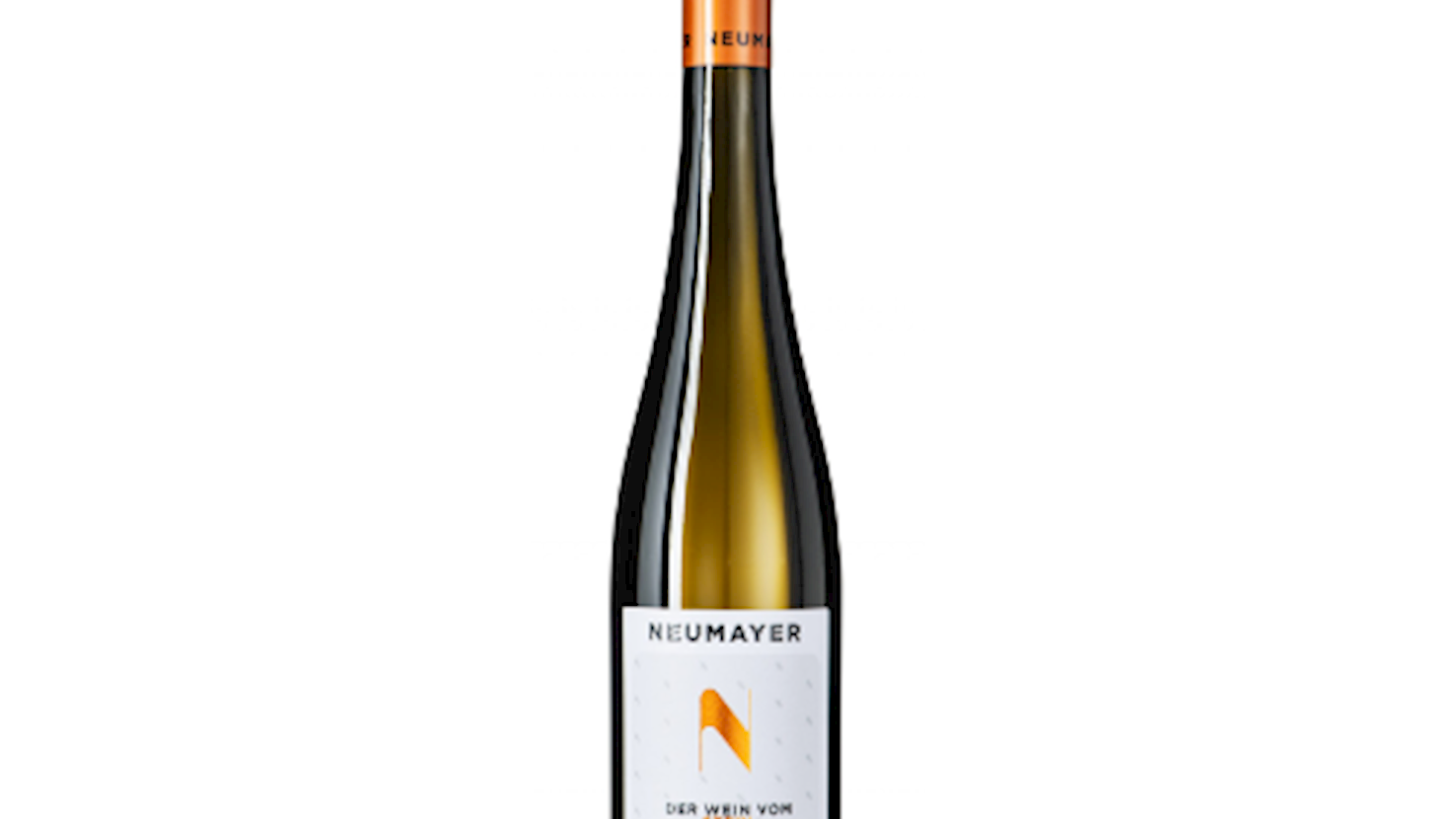
Weingut Ludwig Neumayer

5 ·
Weingut Ludwig Neumayer is a leading winery in the Traisental region of Lower Austria, known for its clear focus on terroir-driven white wines. Based in Inzersdorf ob der Traisen, the estate is defined by limestone-rich, stony soils that strongly influence the structure and minerality of its wines. Ludwig Neumayer took over the family estate in the 1980s and transformed it into a quality-oriented winery, becoming one of the key figures in establishing Traisental as a respected wine region. The vineyards are planted exclusively with white grape varieties, primarily Grüner Veltliner and Riesling, alongside Weißburgunder and Sauvignon Blanc. The poor, calcareous soils naturally limit yields and slow down ripening, resulting in wines with vibrant acidity, precision, and aging potential. The winemaking philosophy is centered on expressing the character of the “stone” terroir, emphasizing clarity, structure, and site-specific identity. Signature lines such as “Der Wein vom Stein” reflect this concept, showcasing wines that are both concentrated and finely balanced. The overall style is marked by freshness, mineral tension, and restrained elegance rather than opulence. Today, the winery is considered one of the benchmark producers of Traisental, consistently delivering wines that reflect both origin and meticulous vineyard work.
Awards
Falstaff - 99
06
Chocolate

Zotter

5 ·
Zotter Chocolate, headquartered in Riegersburg, Austria, is a company known for producing organic and fair-trade chocolates. Established in 1987 by Josef Zotter, the company initially operated as a confectionery business before transitioning to chocolate manufacturing in 1999. Zotter is distinctive for its wide variety of unique flavors, offering over 400 different types of chocolate bars. The company is committed to sustainability, sourcing cocoa beans directly from cooperatives and small farmers. Zotter operates a "bean-to-bar" production, where the entire chocolate-making process, from roasting beans to packaging, is managed in-house.
Awards
Academy of Chocolate - Gold (2018, 2016)
Academy of Chocolate - Silver (2018, 2017, 2016, 2011)
07
Liqueur

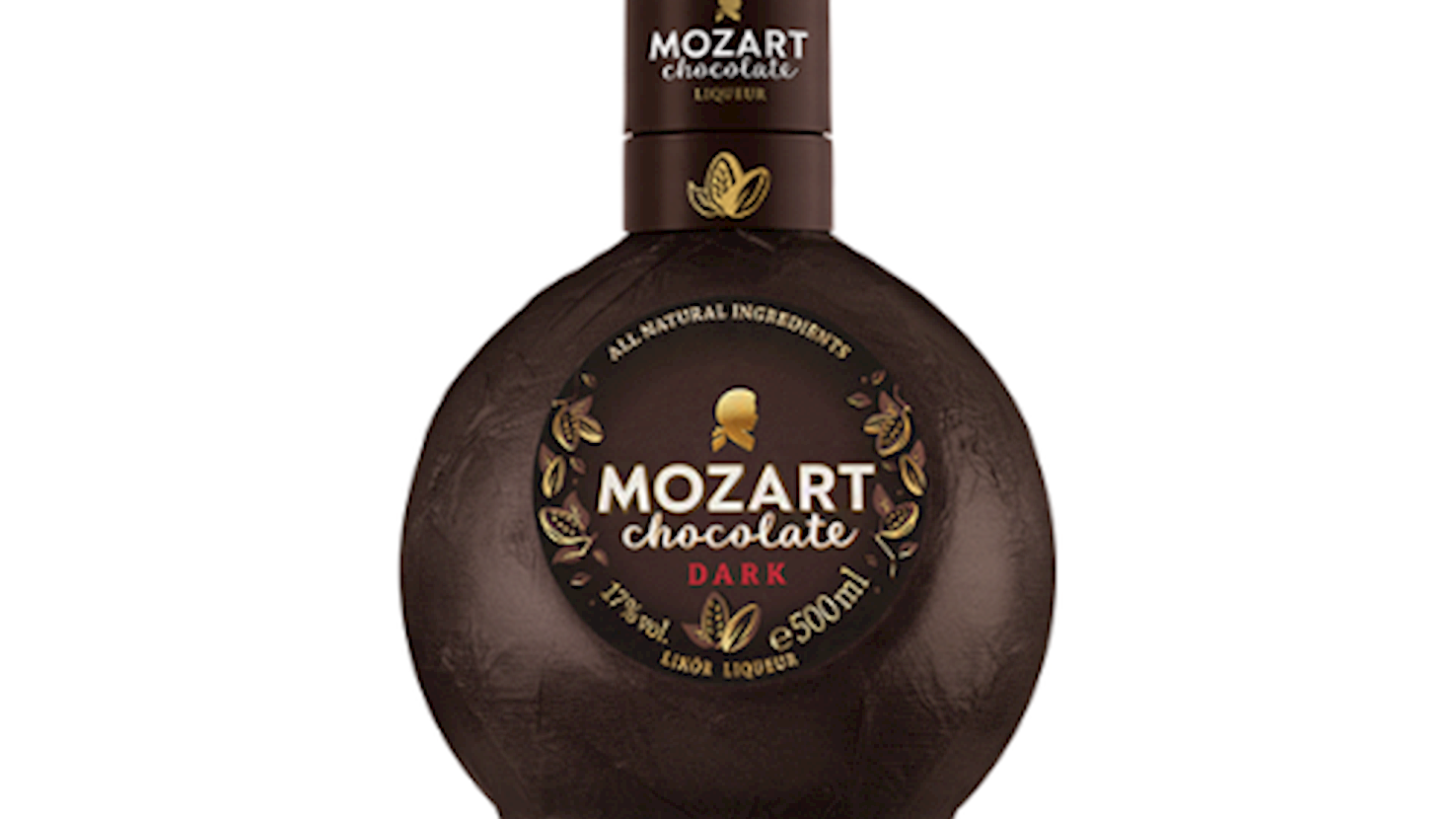
Mozart Chocolate Liqueur

5 ·
Mozart Chocolate Liqueur is an Austrian brand founded in 1954 in Salzburg, specializing in chocolate-based liqueurs that combine cocoa and distillates in a smooth, dessert-oriented format. The brand identity is closely linked to Salzburg’s cultural heritage and the name of Wolfgang Amadeus Mozart, reflected in its distinctive gold-foil bottle design. Production focuses on natural ingredients such as cocoa, Bourbon vanilla, and beet sugar, blending traditional techniques with modern quality standards. The portfolio includes milk, dark, and white chocolate expressions, as well as coffee-infused variants, positioning the brand both as a digestif and as a versatile ingredient in contemporary mixology. The combination of Austrian origin, clearly defined branding, and consistent product quality has established it as one of the most recognizable chocolate liqueur brands globally.
Awards
IWSC- International wine & spirit competition - Spirit Gold Outstanding (2024, 2021)
IWSC- International wine & spirit competition - Spirit Gold (2023, 2022, 2020)
08
Cheese

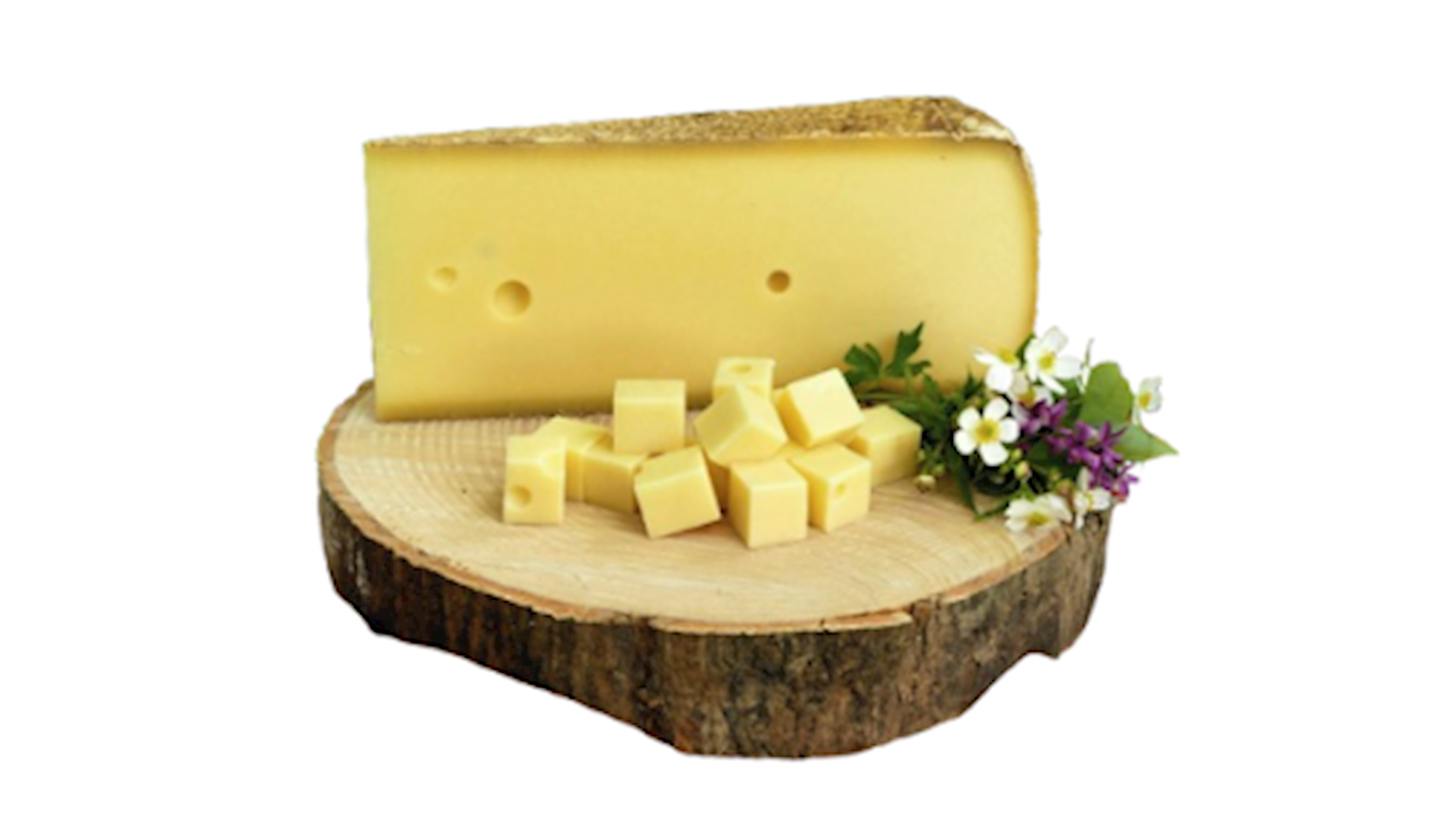
Sennerei Andelsbuch

5 ·
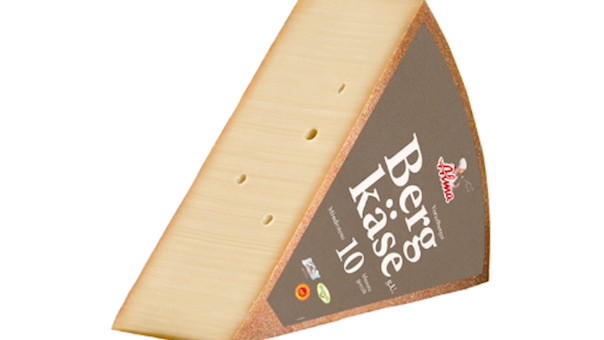
Sennerei Andelsbuch is a traditional cooperative dairy located in the village of Andelsbuch, in the Bregenzerwald region of Austria’s Vorarlberg province, with a long-standing tradition rooted in the collective work of local milk producers. Founded in the early 20th century, it brings together numerous family farms that supply exclusively hay-fed milk, produced without silage, forming the basis of certified Heumilch quality. The milk comes from alpine pastures rich in diverse grasses and herbs, which directly shape the aromatic profile of the cheeses. Sennerei Andelsbuch is especially known for its mountain cheeses such as Bergkäse, Emmentaler, and other long-aged, characterful varieties with pronounced depth and structure. Production combines traditional cheesemaking knowledge with modern quality control, in line with strict regional standards. The dairy is part of the KäseStrasse Bregenzerwald initiative, which promotes the preservation of local cheese culture and rural identity. Strong emphasis is placed on sustainability, including energy-efficient production and a responsible approach to natural resources. The facility includes an on-site shop offering direct sales, as well as a vending machine that allows customers to purchase products around the clock. Today, Sennerei Andelsbuch is regarded as a representative example of Alpine cheesemaking tradition, successfully uniting community cooperation, terroir expression, and long-standing artisanal expertise.
09
Cheese

Almenland Stollenkäse

5 ·
Almenland Stollenkaese is a cheese producer located in Austria, specifically in the region known as the Almenland Nature Park in Styria. The company specializes in producing cheese that is aged in a natural cave, or "stollen," which contributes to the unique flavor profile of their products. They offer a variety of cheeses, including their signature Stollenkäse, which is matured in these cave environments, taking advantage of the constant temperatures and humidity levels ideal for cheese aging.
Awards
World Cheese Awards - Super Gold (2023)
World Championship Cheese Contest - Best of Class (2024, 2022, 2020, 2018, 2016, 2014, 2012)
10
Wine

F.X. Pichler

5 ·
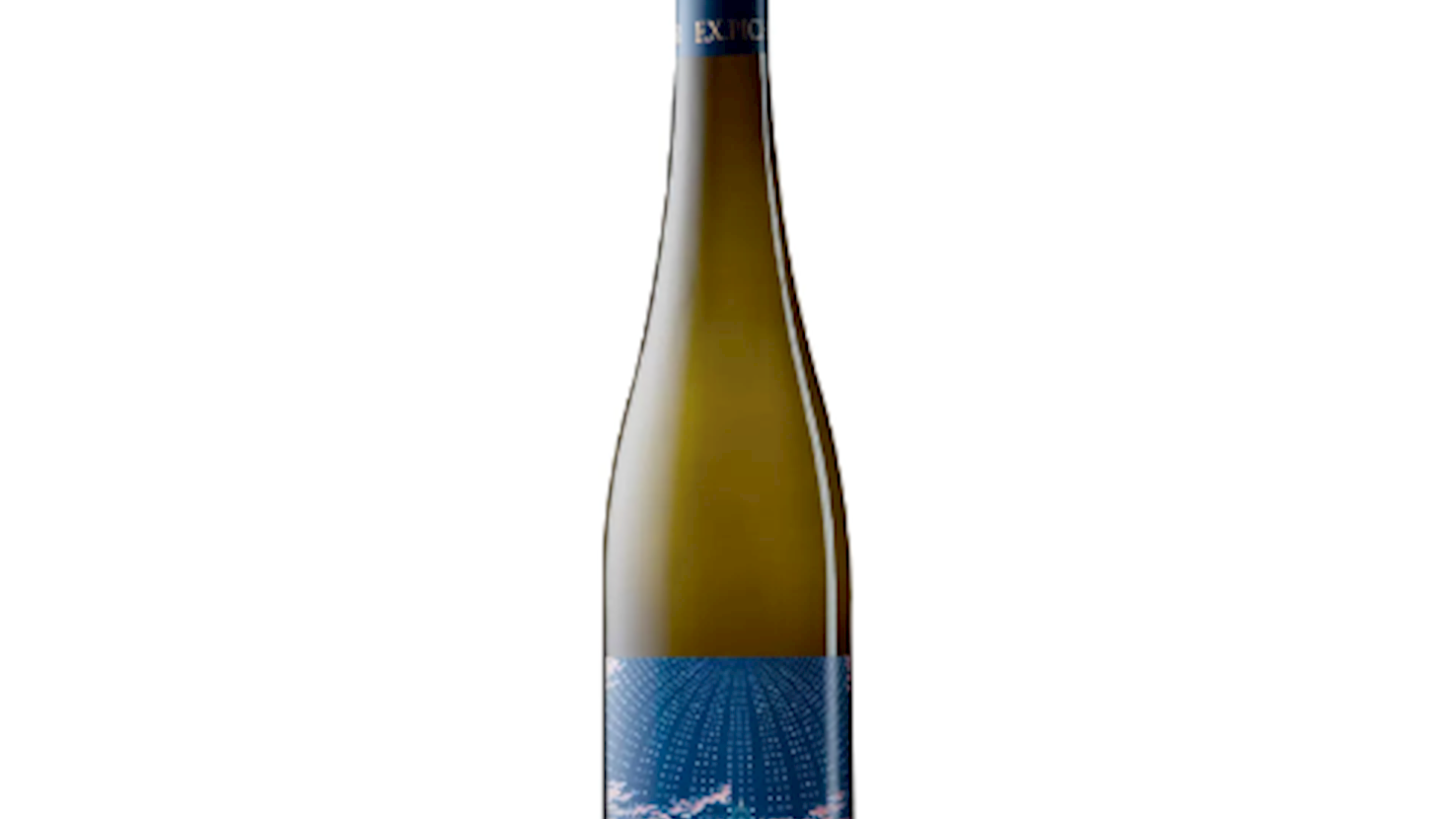
The F. X. Pichler winery is located in Oberloiben, in the heart of Austria’s Wachau wine region, known for steep terraced vineyards above the Danube River. The estate has been family-run for more than six generations, with a production philosophy centered on manual work and strict grape selection. The vineyards lie on quartz and gneiss soils, which contribute to the pronounced minerality of their wines. The winery focuses exclusively on white varieties, primarily Grüner Veltliner and Riesling, which make up almost the entire portfolio. The wines are produced with minimal intervention, applying organic principles and allowing fermentation to preserve the pure varietal character. Their Grüner Veltliner often shows full body, complex spicy notes, and a subtle saline finish. Riesling is defined by precise acidity, citrus freshness, and a clear expression of terroir. F. X. Pichler wines are known for balance, concentration, and strong aging potential. The winery’s style combines precision and elegance with depth and intensity of flavor. Their wines are sought after by collectors and featured in top restaurants and wine boutiques worldwide. Thanks to consistent quality and distinctive expression, F. X. Pichler represents one of the most authentic examples of Grüner Veltliner and Riesling from the Wachau region.
Awards
James Suckling - 100 points (2024)
Falstaff - 100
Read more
View all
View map
About this ranking

TasteAtlas food rankings are based on the ratings of the TasteAtlas audience, with a series of mechanisms that recognize real users and that ignore bot, nationalist or local patriotic ratings, and give additional value to the ratings of users that the system recognizes as knowledgeable. For the “Top 100 Austrian Foods” list until June 06, 2026, 8,313 ratings were recorded, of which 6,846 were recognized by the system as legitimate. TasteAtlas Rankings should not be seen as the final global conclusion about food. Their purpose is to promote excellent local foods, instill pride in traditional dishes, and arouse curiosity about dishes you haven’t tried.

The initial list of top producers was compiled based on available reviews, awards, local recommendations, media and blog coverage, and consumer reviews. The list will be updated with ratings from TasteAtlas local ambassadors and TasteAtlas users.

Similar lists