shutterstock

Top 100 Brazilian Foods

Last updated on June 01, 2026

Best Brazilian foods

01
Brazilian Beef Cut

Fraldinha

4.5 ·

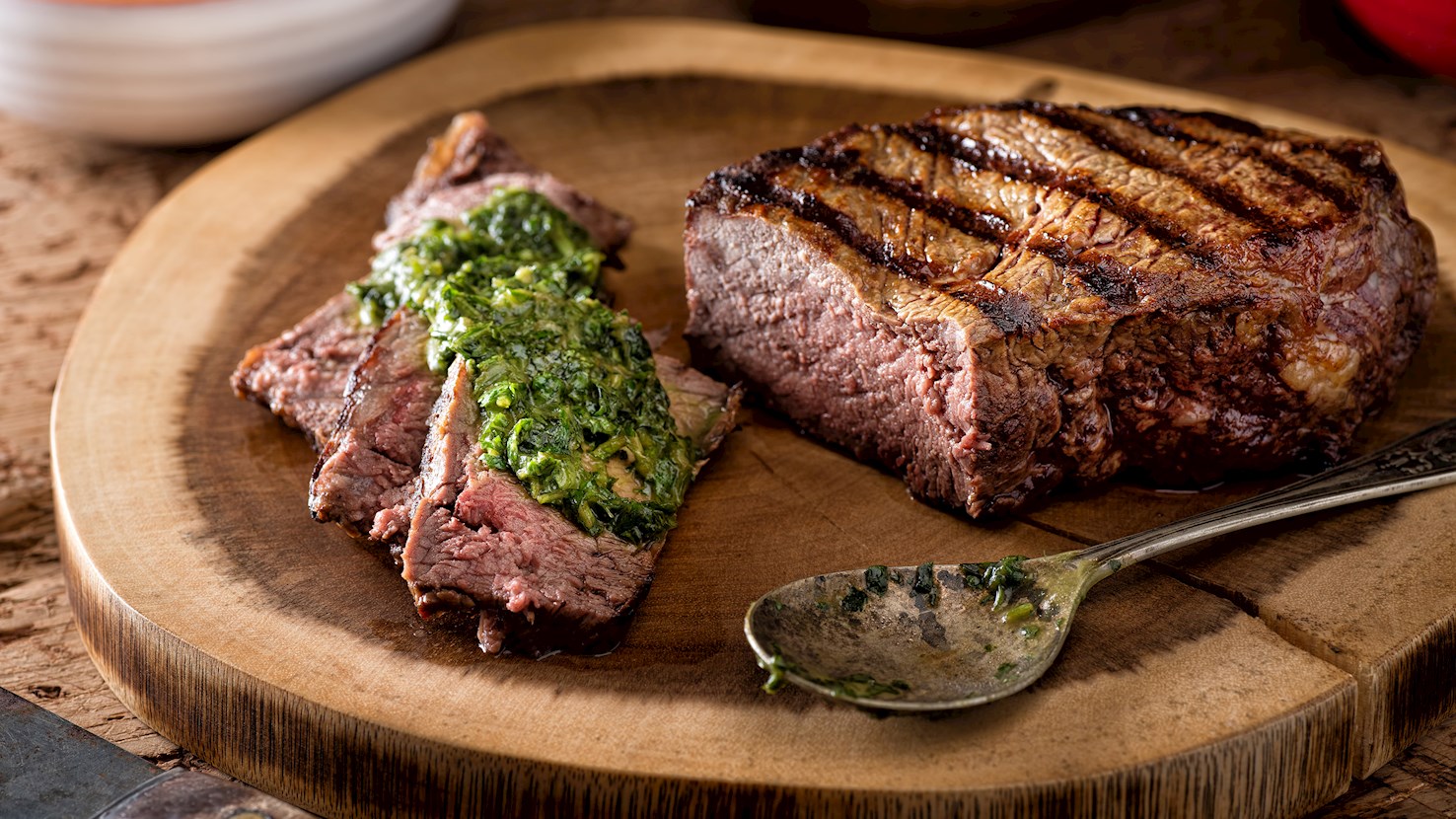
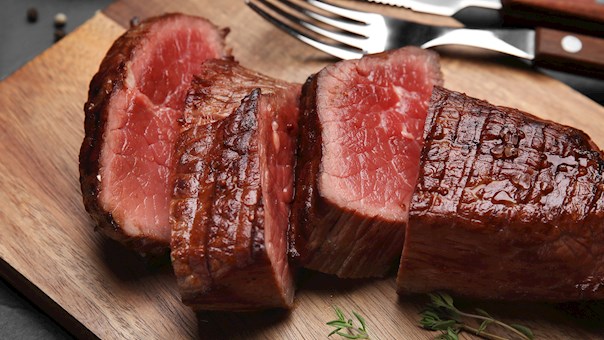
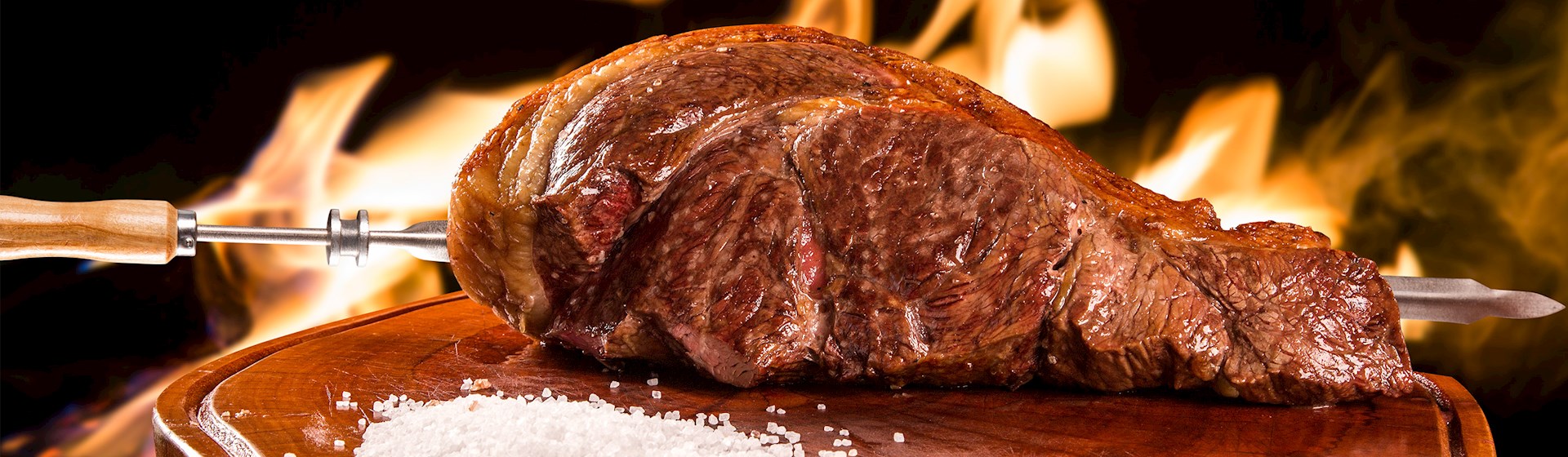
Fraldinha is a meat cut that's traditionally used for churrasco and is made up of part flank, part short loin, and part bottom sirloin. This beef cut is long and thin, full of connective tissue. This strong marbling is the reason why the meat is traditionally cut against the grain before it's grilled. The name fraldinha is a diminutive for fralda, meaning flap or diaper in Portuguese. When prepared for churrasco, it usually has a browned crust at the edges, while the middle remains pink. It's recommended to top this meat cut with a sharp and vinegary salsa.

02
Brazilian Beef Cut

Costela

4.4 ·

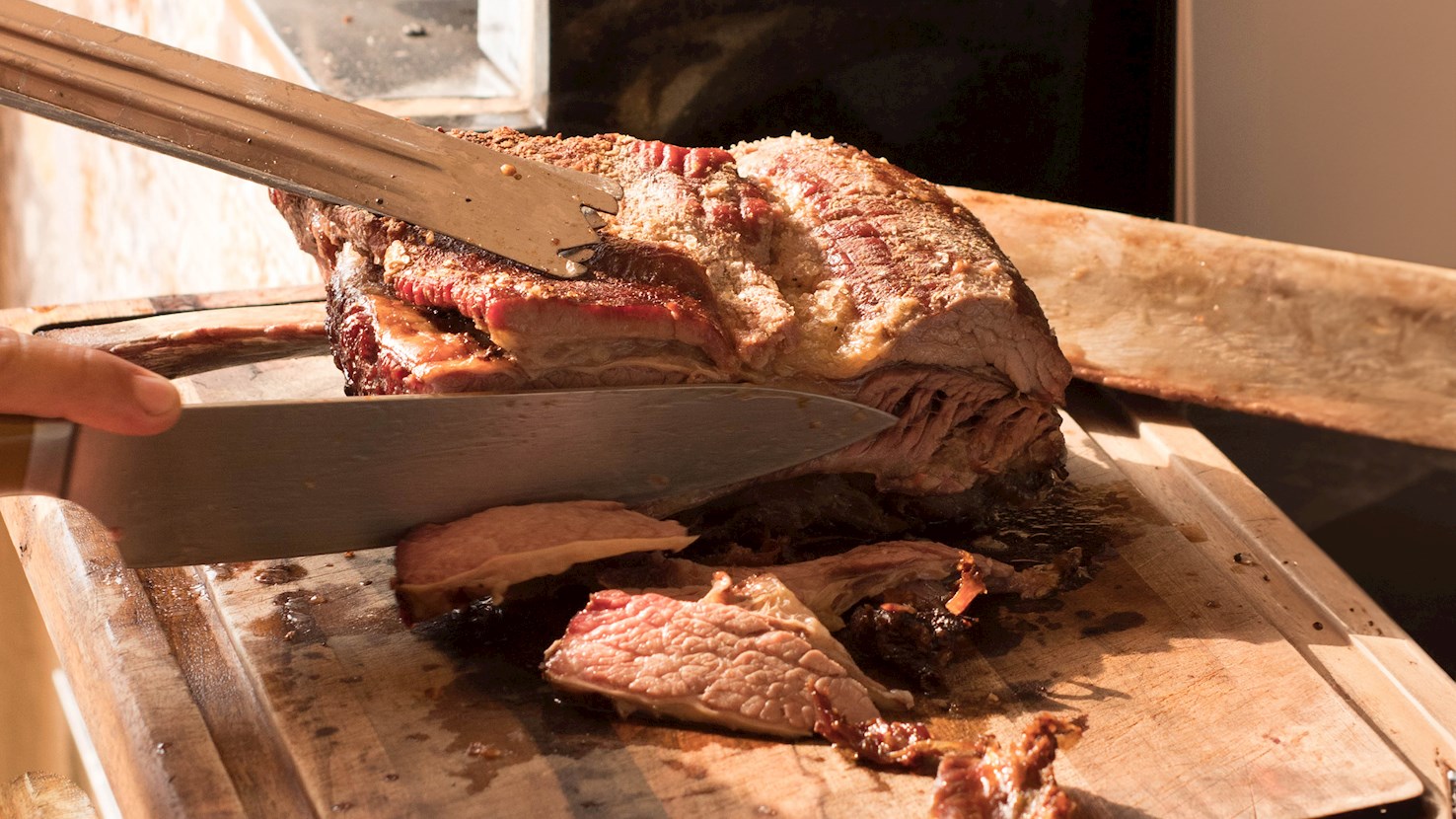
In Brazilian cuisine, costela refers to a specific cut of beef known as ribs in English, although it differs from the American style ribs as it encompasses both ribs (costela do dianteiro) and ponta de agulha (plate ribs). It's a popular and essential component of Brazilian barbecue culture (churrasco). Ribs are often skewered and grilled over an open flame to create flavorful and tender meat. It's seasoned with minimal ingredients like salt to enhance the natural flavors of the meat. The slow cooking process allows the meat to become tender and develop a delicious smoky flavor. In addition to grilling, "Costela" can also be used in other dishes. It's often braised or slow-cooked for stews and soups, allowing the meat to become fall-off-the-bone tender and infuse the broth with rich flavors.

03
Brazilian Beef Cut

Contrafilé

4.4 ·

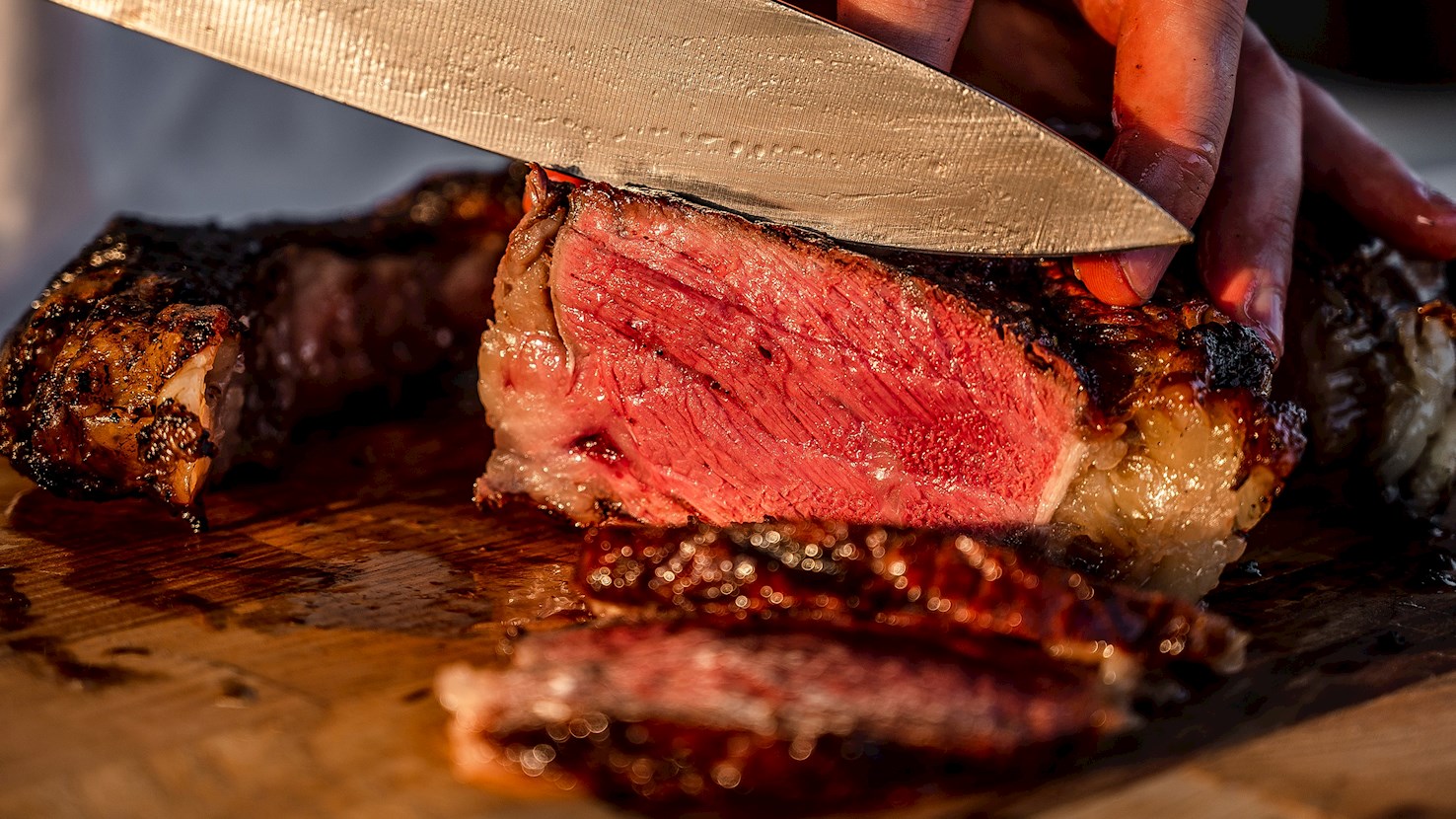
In Brazilian cuisine, contrafilé refers to a specific cut corresponding to parts of the boneless strip loin and the ribeye. The term comes from Portuguese and literally translates to "against the grain," indicating the way the meat is typically sliced for cooking and serving. Contrafilé is characterized by its marbling, tenderness, and rich flavor. The marbling of fat throughout the meat contributes to its juiciness and delicious taste when cooked. In Brazilian churrasco, the contrafilé is often skewered and grilled to perfection over an open flame. It's a centerpiece of many barbecue gatherings and is typically served in slices, often seasoned with just a bit of salt to enhance the natural flavors of the meat.

04
Cheese

Canastra

4.4 ·

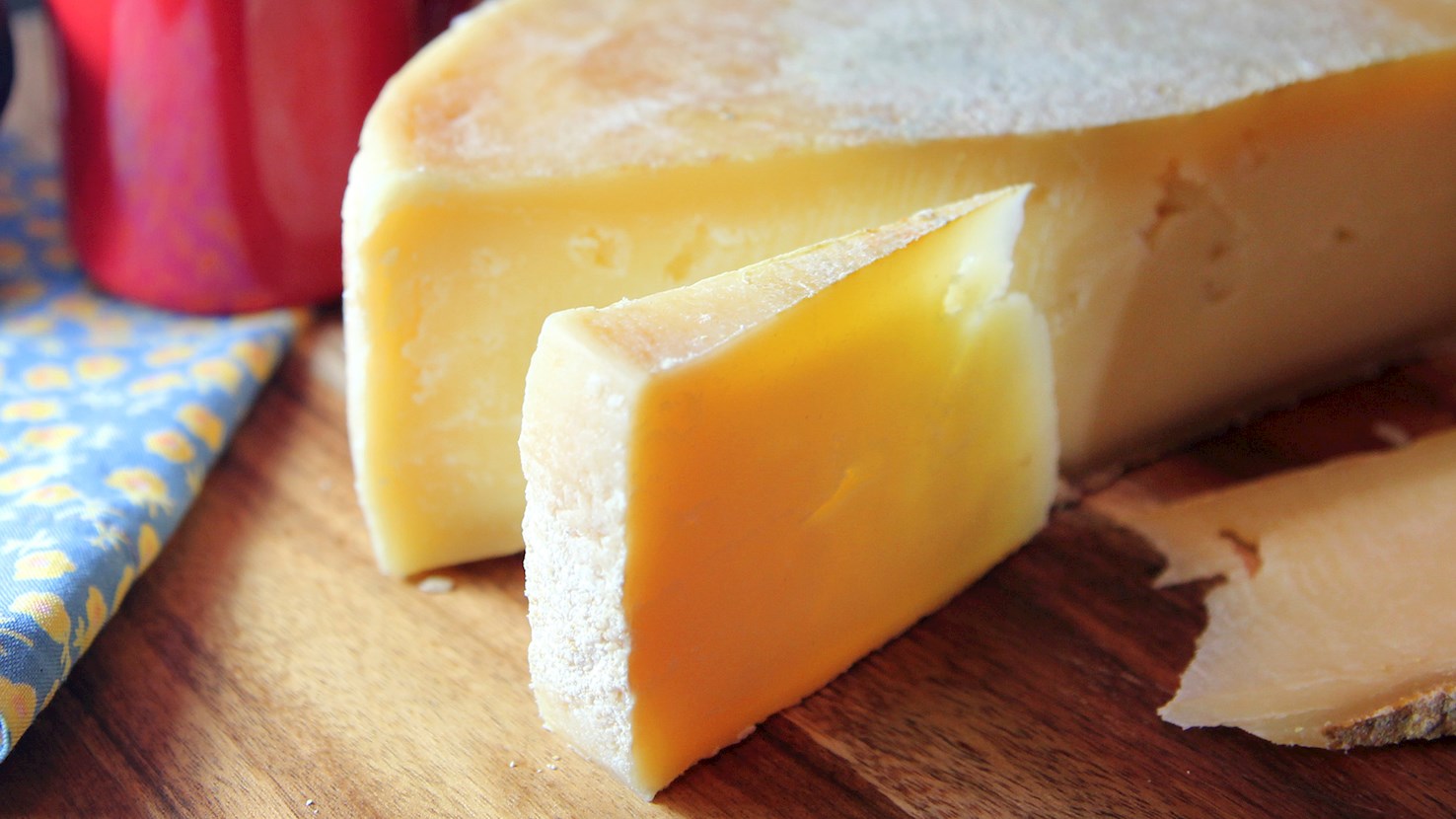
Canastra is a Brazilian cheese made from raw cow’s milk. It originates from the area of Serra da Canastra in the state of Minas Gerais, hence the name. The cylindrical cheese is either semi-hard or slightly softer, and its flavor is mildly acidic and slightly spicy. Traditionally, Canastra matures for 21 days, but some producers leave it to mature even longer, up to 40 days, when its flavor resembles that of Grana Padano. In the past, the cheese was made for special occasions such as visits from royalty and captains. It is recommended to pair it with red wine, dark beer, and guava paste. In 2008, this cheese was proclaimed an intangible cultural heritage of Brazil.

05
Beef Dish

Bife a Parmegiana

4.4 ·

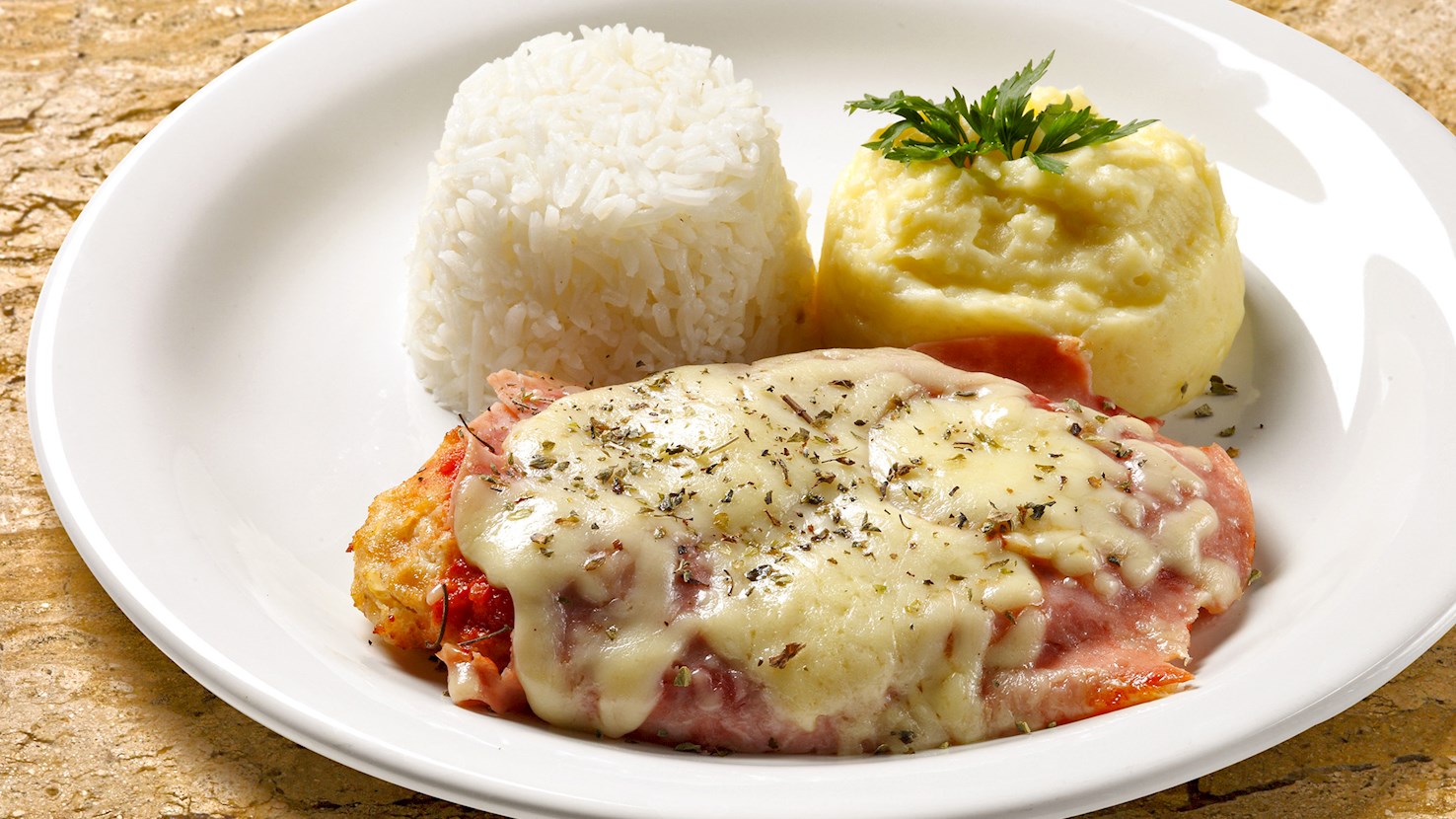
Bife à Parmegiana is a beloved Brazilian dish that draws its roots from Italian cuisine, specifically the Italian classic parmigiana dishes, like chicken parmigiana or veal parmigiana. In this version, the main protein is a tender beef cutlet, typically made from high-quality cuts such as sirloin, filet mignon, or even ribeye. The preparation begins by pounding the beef cutlet to tenderize it, then seasoning it with salt and pepper. The cutlet is coated in flour, dipped in beaten eggs, and finally covered with breadcrumbs before being fried until golden brown and crispy on the outside. Once fried, the beef is topped with a generous amount of tomato sauce (often a rich, homemade marinara sauce) and mozzarella cheese or sometimes Parmesan cheese. The dish is then baked in the oven until the cheese melts and becomes bubbly and golden, creating a flavorful blend of crispy breading, tender beef, savory tomato sauce, and gooey cheese. Bife à Parmegiana is traditionally served with a variety of sides, commonly white rice, French fries, or mashed potatoes, and sometimes accompanied by salad. The dish is hearty, rich, and comforting, making it a favorite in Brazilian homes and restaurants alike.

06
Bread Roll

Pão de queijo

4.4 ·

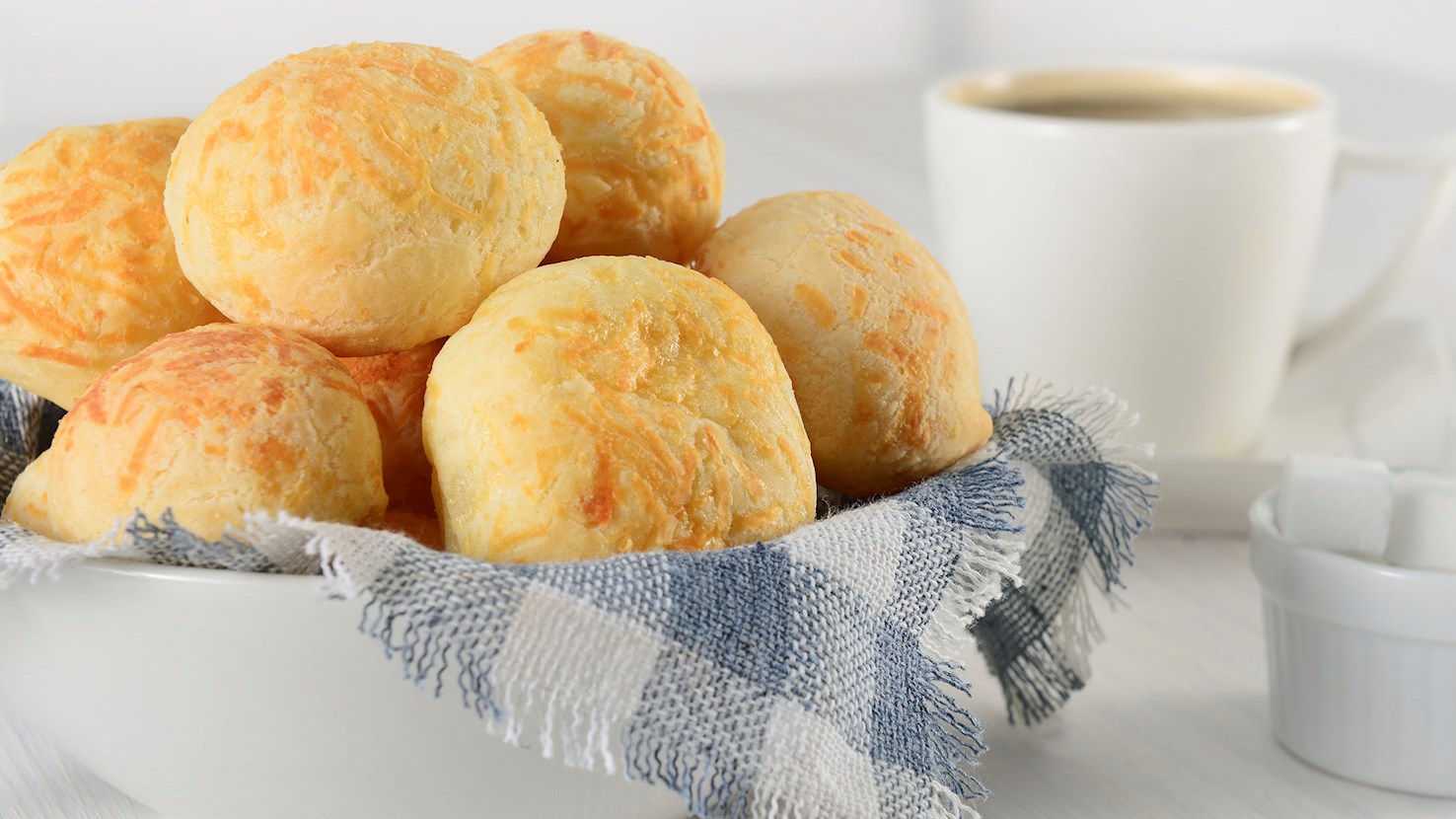
Literally translated to cheese bread, pão de queijo has its origins in the culinary inventions of African slaves, when they started to use the residue of the cassava plant. A fine white powder, or starch, was rolled into balls and baked. At the time, no cheese was added, so it was just baked starch, but at the end of the 19th century, when slavery ended, other foods started to become available to the Afro-Brazilians for the first time. In the state of Minas Gerais, the dairy center of Brazil, cheese and milk started to be added to the starchy balls, and pão de queijo was created. Today, it is a popular Brazilian snack or breakfast food that is also widely consumed in northern Argentina, sold at numerous coffee shops, snack bars, and bakeries.

07
Dessert

Pavê

4.4 ·

Pavé is a popular Brazilian layered dessert that is similar to tiramisu and does not need baking, and consists of a combination of ladyfinger biscuits, cream, eggs, condensed milk, and chocolate. It is a traditional dessert in Brazil, where every household has its own variation, so there are recipes for strawberry, pineapple, white chocolate, coconut, and peanut pavé, amongst others. The only important thing is to serve this dessert cold and enjoy its unique flavors, textures, and varieties.

08
Stew

Moqueca Baiana

4.3 ·

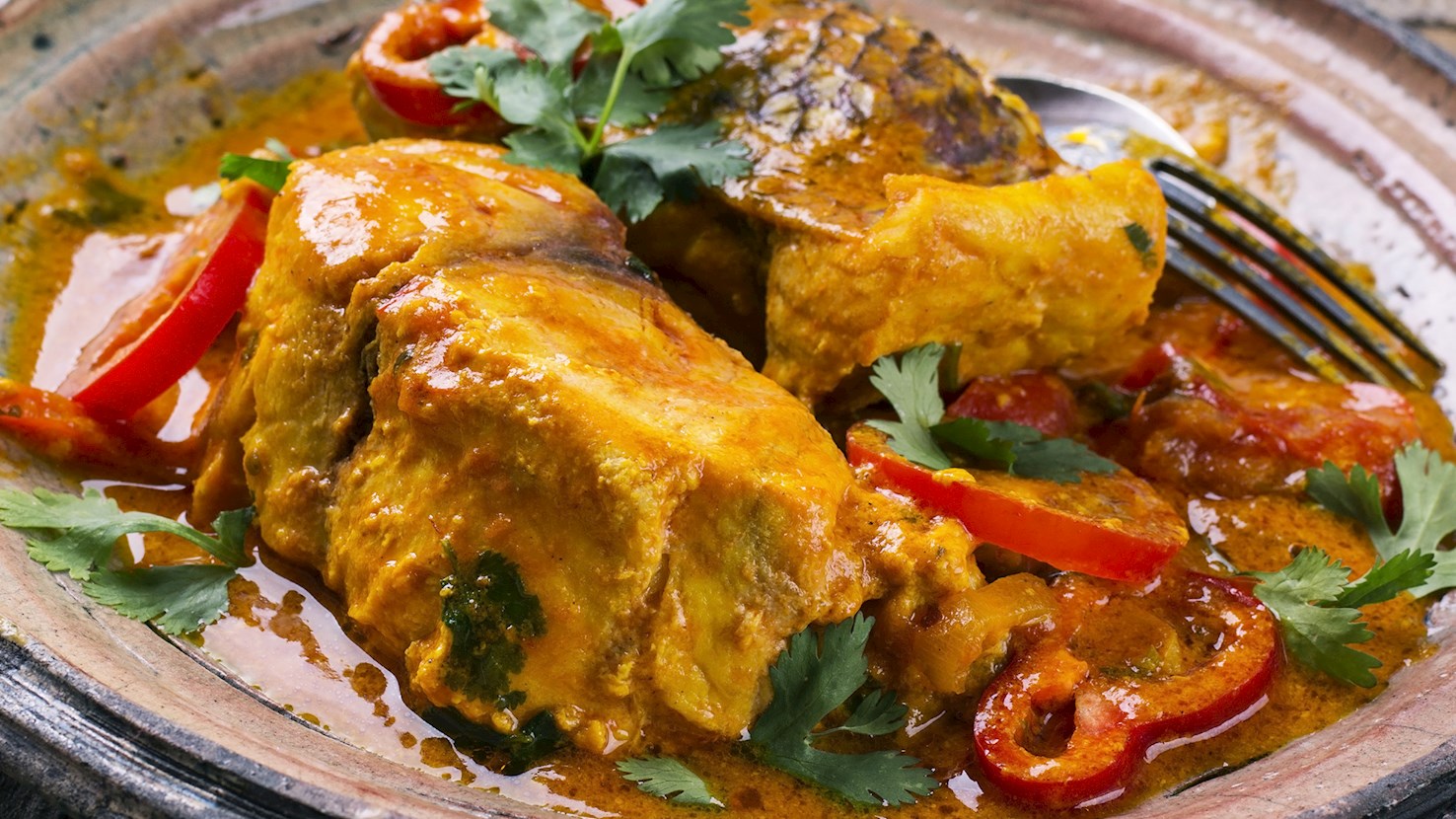
Moqueca Baiana is a seafood stew originating from the Brazilian state of Bahia, hence the word Baiana in its name. It consists of white fish, shrimps, or other seafood combined with coconut milk, dendê oil, lime juice, and various vegetables such as red and yellow peppers, tomatoes, spring onions, garlic, onions, and sometimes ginger. When done, the dish is typically garnished with chopped coriander, then served with rice and farofa. This seafood stew was originally prepared by the native people of Brazil. Over time, new elements were added to the stew, such as coconut milk, which was first introduced to Brazil by Portuguese colonists, and palm oil, which was brought over to the country by African slaves.

09
Stew

Bobó de camarão

4.3 ·

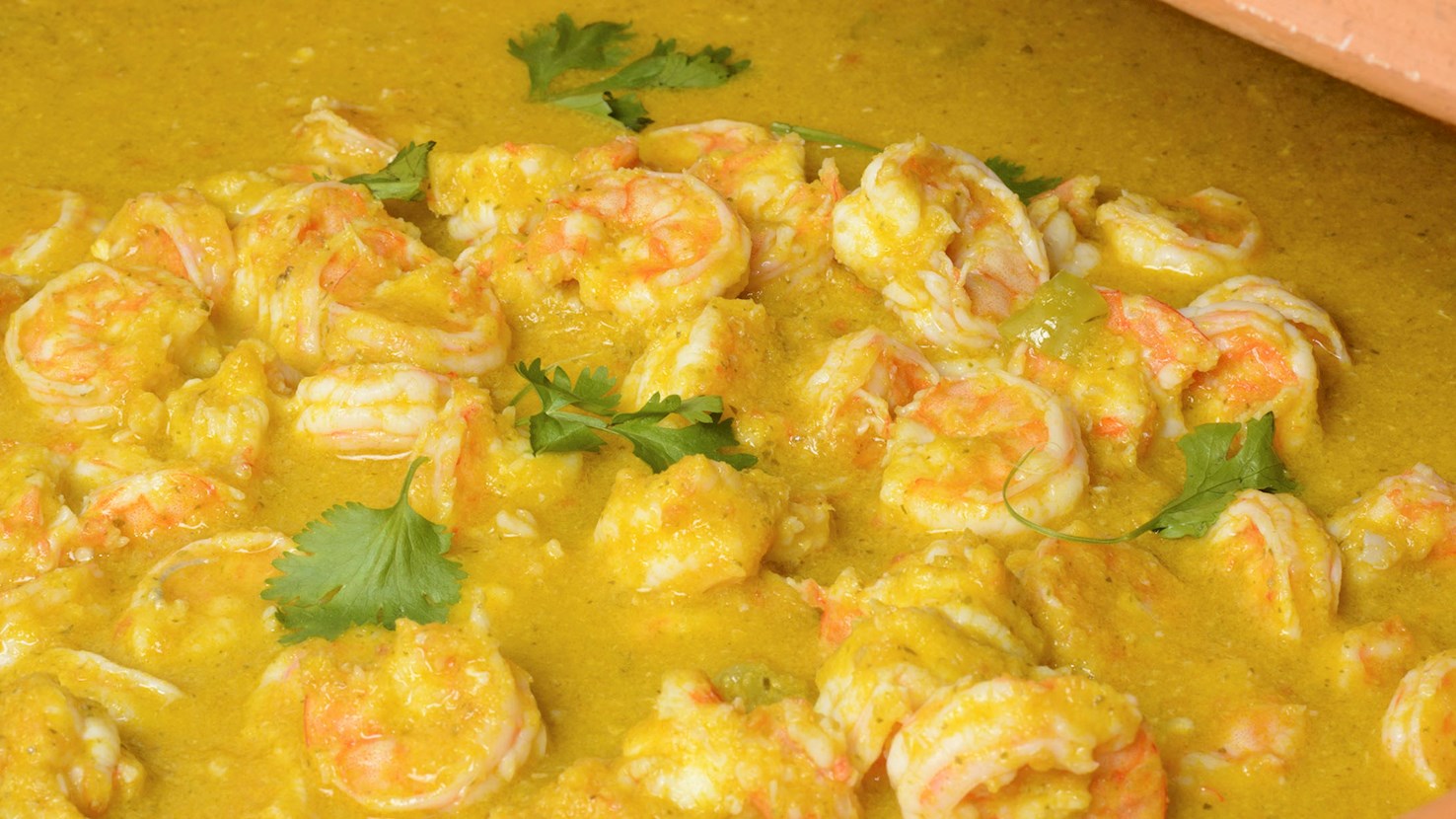
A classic dish of the Brazilian Bahia region, bobó de camarão is a stew made with puréed cassava (bobó), fresh shrimps, coconut milk, and dendê palm oil. The word bobó comes from the Ewe people who were brought to Brazil as slaves, denoting a dish made with beans, although there are no beans in bobó de camarão as we know it today, due to the fact that the Afro-Brazilians enthusiastically took to cassava when they were first introduced to it. The dish is traditionally accompanied by rice on the side, and is a staple of most traditional Brazilian eateries and Bahian self-service restaurants.

10
Savory Pastry

Pastel

4.3 ·

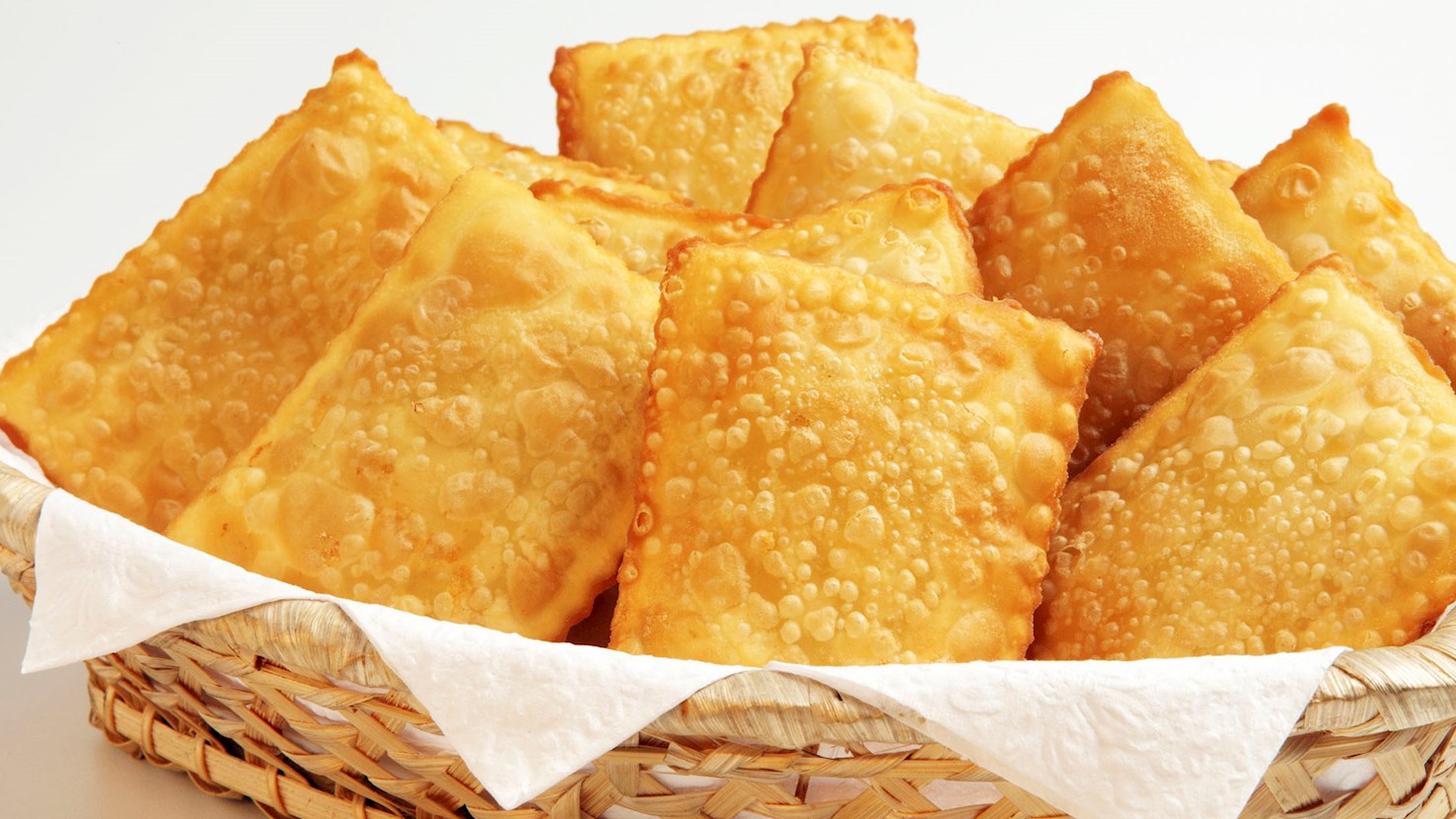
One of the most common fast food items in Brazil is known as pastel, a deep-fried, stuffed pastry. This half-circle or rectangle-shaped miniature pie is stuffed with a variety of ingredients, most commonly shredded chicken, ground beef, mozzarella, or small shrimps. Sweet varieties also exist, and they are usually made with chocolate, bananas, or guava jam, but they are not as common as their savory counterparts. The exact origin of the dish is not familiar, but it is believed that pastel evolved from the Chinese spring roll, which was brought to Brazil by Japanese immigrants. The shape and the ingredients changed, but pastel retained its thin and crispy outer layer. They are usually served hot and are most commonly accompanied by beer or a glass of sugarcane juice. It is a snack that is usually sold in snack bars, and it is almost always meant to be eaten by hand.

Best Brazilian food products

01
Olive Oil

Prosperato

5 ·
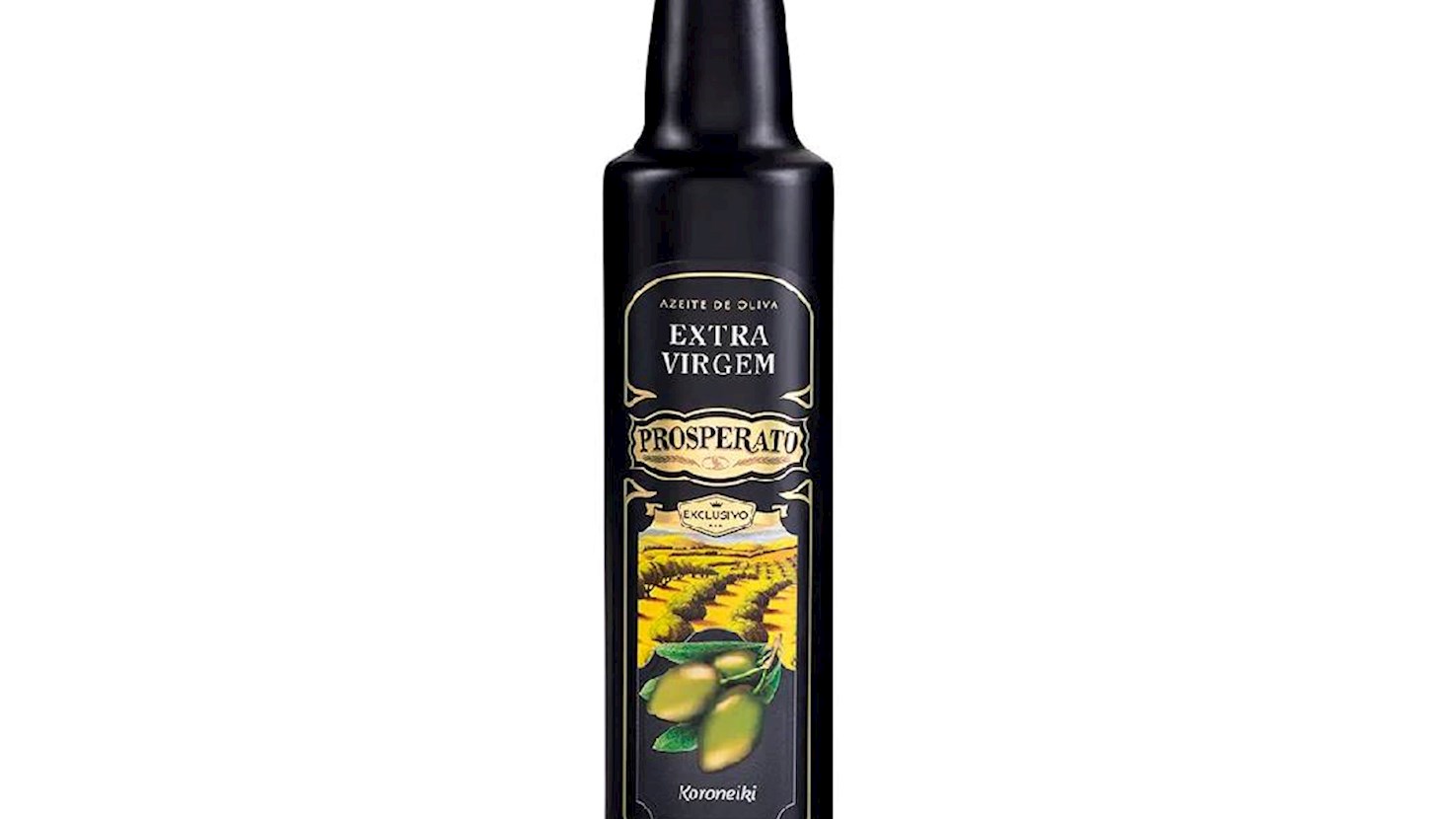
Prosperato is a pioneer and the most awarded producer of extra virgin olive oil in Brazil, born from the vision of creating world-class oils in the southern lands of Rio Grande do Sul. From the first seedlings to the final bottle, every stage of production is carefully overseen, ensuring absolute freshness, low acidity, and a rich spectrum of natural aromas. The olives are harvested at the perfect point of ripeness and processed within just one hour, preserving valuable polyphenols and the distinctive character of each variety. This blend of passion, expertise, and modern technology has earned Prosperato numerous international awards and positioned it as the producer that elevated Brazilian olive oil to global recognition. More than a culinary ingredient, Prosperato oils are a true expression of dedication, excellence, and respect for nature.
Awards
Flos Olei - The Best (2023)
ATHENA IOOC - Double Gold (2024, 2021)
02
Olive Oil

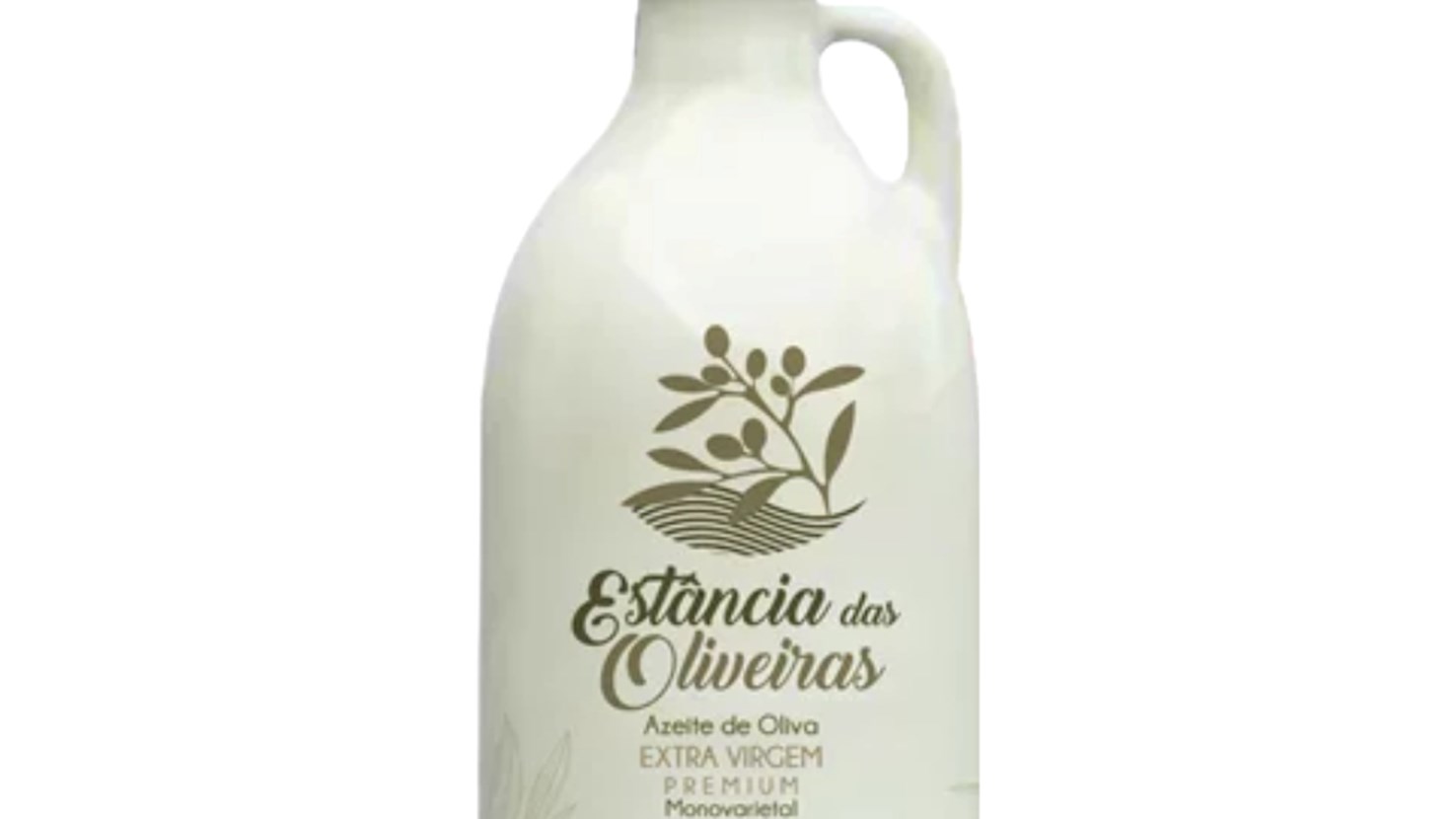
Estância Das Oliveiras

5 ·
Estância das Oliveiras is a Brazilian producer of extra virgin olive oil located in the southern state of Rio Grande do Sul. The farm focuses on sustainable agricultural practices and integrates livestock with olive cultivation to maintain soil health. The company also offers guided tours and tastings for visitors to learn more about their production process.
Awards
ATHENA IOOC - Double Gold (2024, 2023)
London IOOC - Platinum (2023)
03
Chocolate

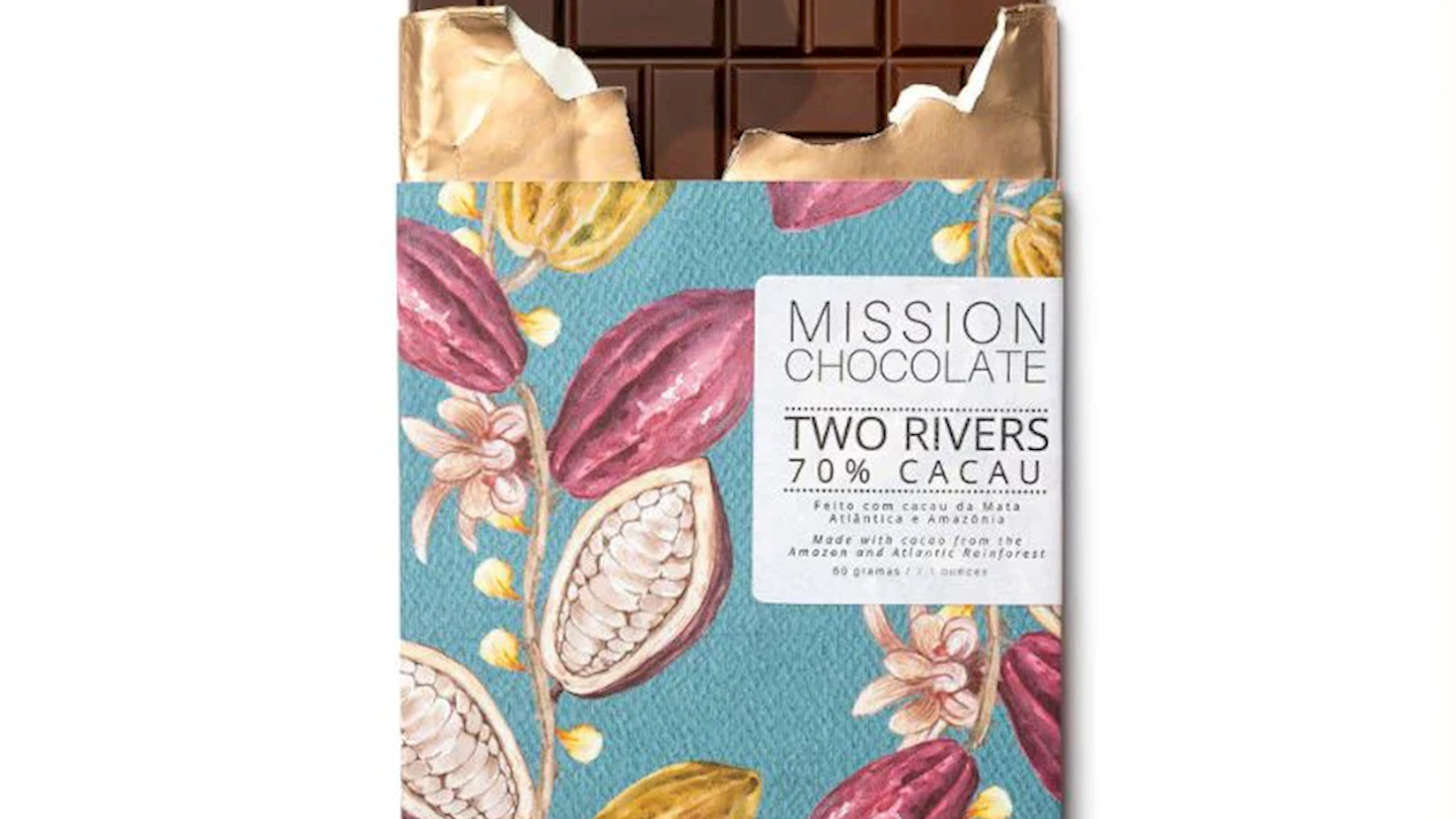
Mission Chocolate

5 ·
Mission Chocolate is a Brazilian bean-to-bar chocolate producer based in São Paulo, founded by chocolatier Arcelia Gallardo with a focus on transparent sourcing and direct trade relationships with cocoa farmers. The brand works in small batches and applies minimal processing techniques to highlight the natural character and origin of the cocoa. Its portfolio is centered on single-origin bars, alongside creations that incorporate Brazilian ingredients such as baru nuts, cupuaçu, and goiabada, emphasizing the connection between chocolate and local gastronomy. Recipes are typically concise, using a limited number of ingredients to maintain clarity of flavor and texture. Mission Chocolate has received international recognition, including awards from the Academy of Chocolate, positioning it within the global specialty chocolate movement. The company underscores sustainability and traceability throughout its supply chain. Packaging is clean and informative, reflecting its craft-driven philosophy. Within Brazil’s specialty chocolate landscape, Mission Chocolate is regarded as a benchmark producer combining technical precision, local identity, and internationally acknowledged quality standards.
Awards
Academy of Chocolate - Gold (2021, 2018)
International Chocolate Awards - Gold (2020, 2018)
04
Spirit

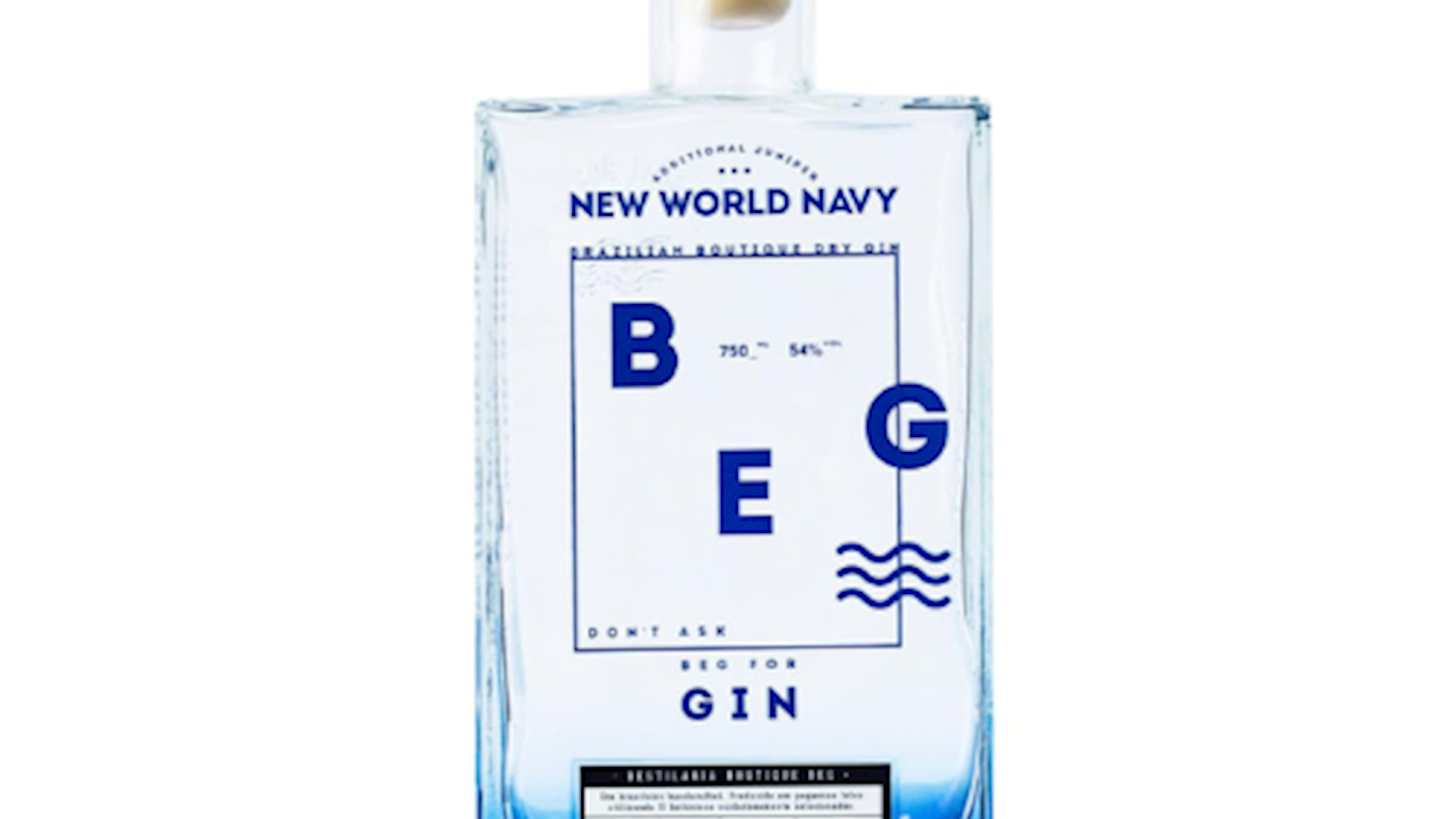
Beg Gin Boutique Distillery

5 ·
Beg Gin Boutique Distillery is a craft gin producer located in Brazil, known for its artisanal approach to distilling premium gins. The distillery emphasizes unique botanical blends that highlight local ingredients and flavors, creating distinctive spirits with a strong connection to Brazilian terroir. Beg Gin's offerings appeal to connoisseurs seeking high-quality, small-batch gin with innovative and refined profiles.
Awards
SFWSC - San Francisco World Spirits Competition - Double Gold (2024, 2023)
Bartender Spirits Awards - Double Gold (2023)
05
Spirit

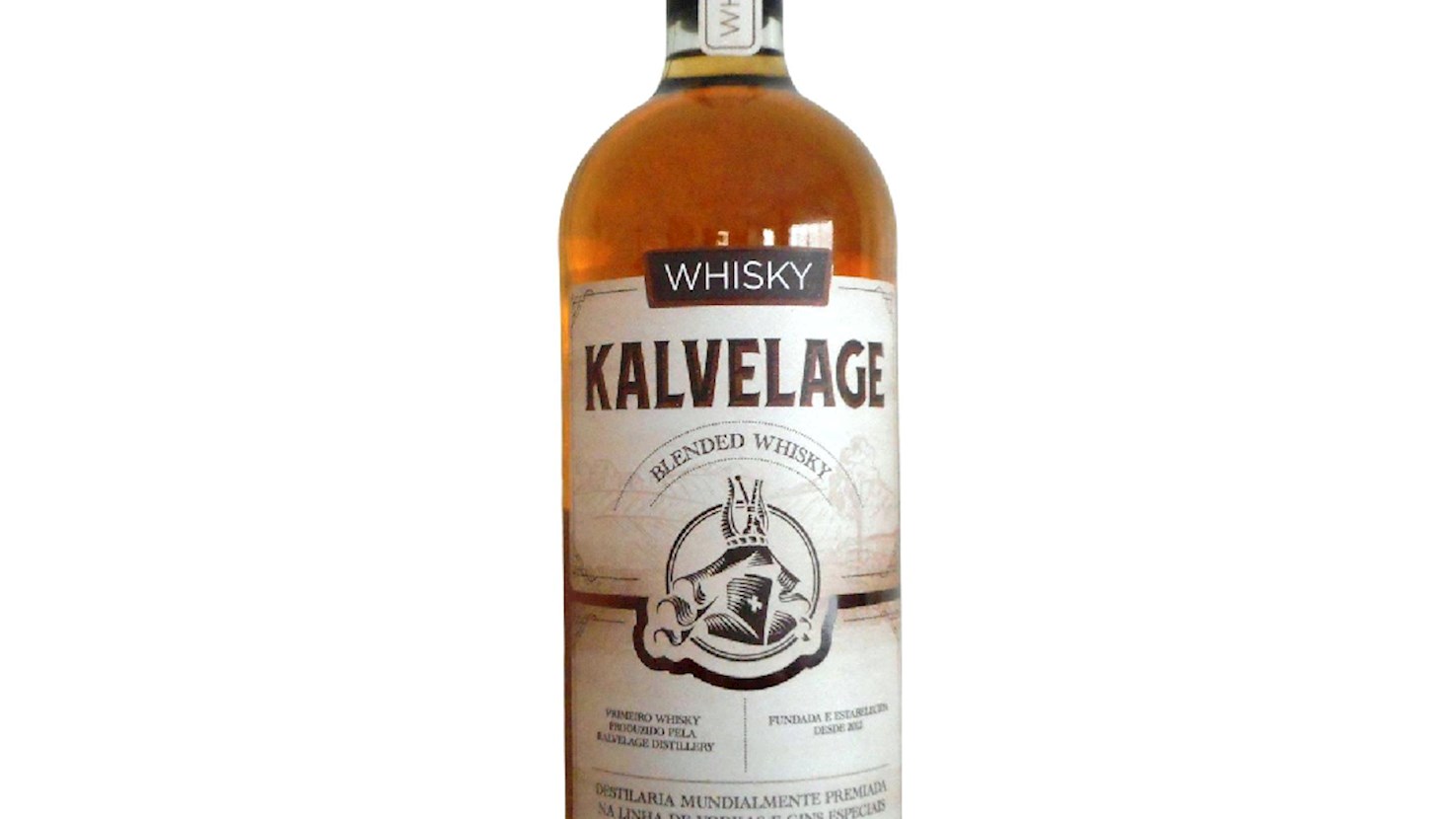
Kalvelage

5 ·
Kalvelage Distillery, founded in 2012 by brothers Marcos and Maurício Kalvelage in Blumenau, Santa Catarina, Brazil, is renowned for producing high-quality spirits. Their product line includes premium vodkas, such as Kalvelage Vodka, Kalvelage Oak Vodka, and Kalvelage Vibe, along with a London Dry Gin. The distillery uses 100% grains in their production, implementing custom distillation and advanced filtration techniques to ensure top quality. Kalvelage was also the first in Brazil to produce vodka with American oak extract and to introduce a 5-liter Bag-in-Box packaging option.
Awards
NYWSC - New York World Spirits Competition - Double Gold (2023)
SFWSC - San Francisco World Spirits Competition - Double Gold (2023)
06
Spirit

Ivaí Gin

5 ·
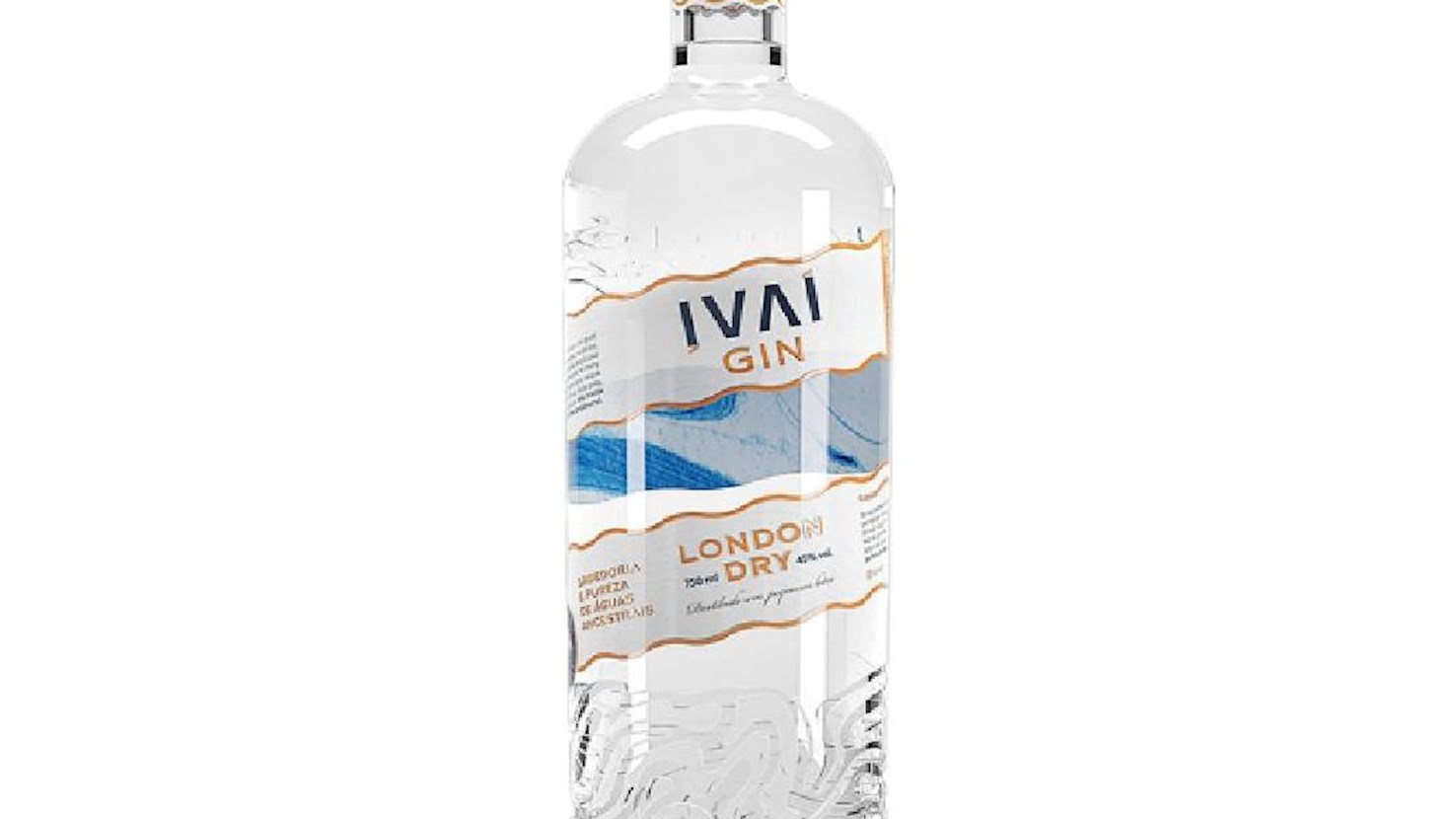
Ivaí Gin is an artisanal Brazilian gin that harmoniously blends traditional London Dry Gin characteristics with native Brazilian botanicals, capturing the essence of the Ivaí River's ancestral waters. Produced by Destilaria Água da Glória, located in São João do Ivaí, Paraná, this gin is crafted using a state-of-the-art distillery designed to maximize efficiency and sustainability, while preserving the best aspects of traditional distillation methods. The distillery is notable for being Brazil's first carbon-negative gin producer, utilizing 100% renewable energy and employing fully recyclable materials for bottling and packaging.
Awards
SFWSC - San Francisco World Spirits Competition - Double Gold (2023)
European Spirits Challenge - Gold (2023)
07
Cheese

Queijaria Belafazenda

5 ·
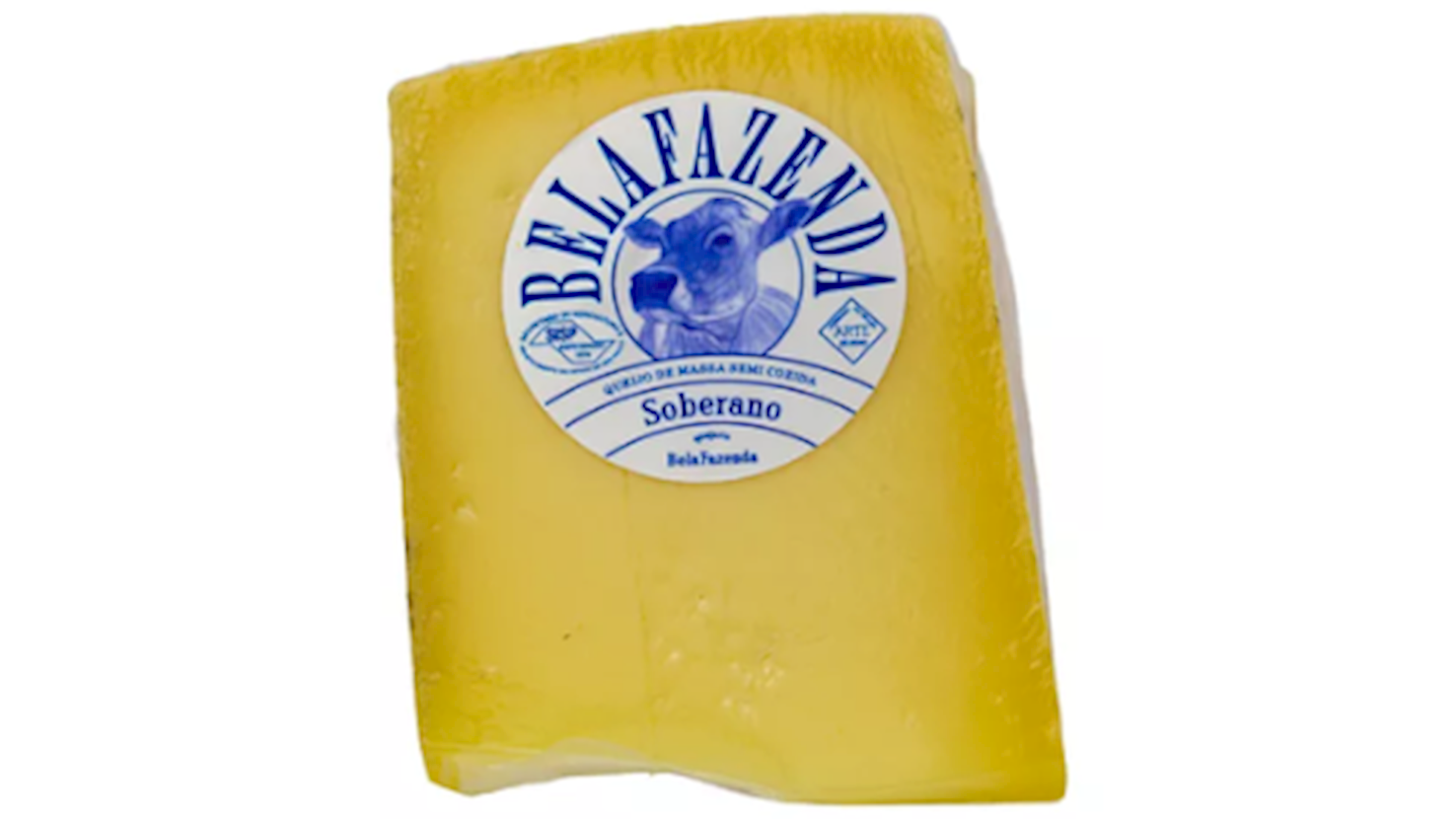
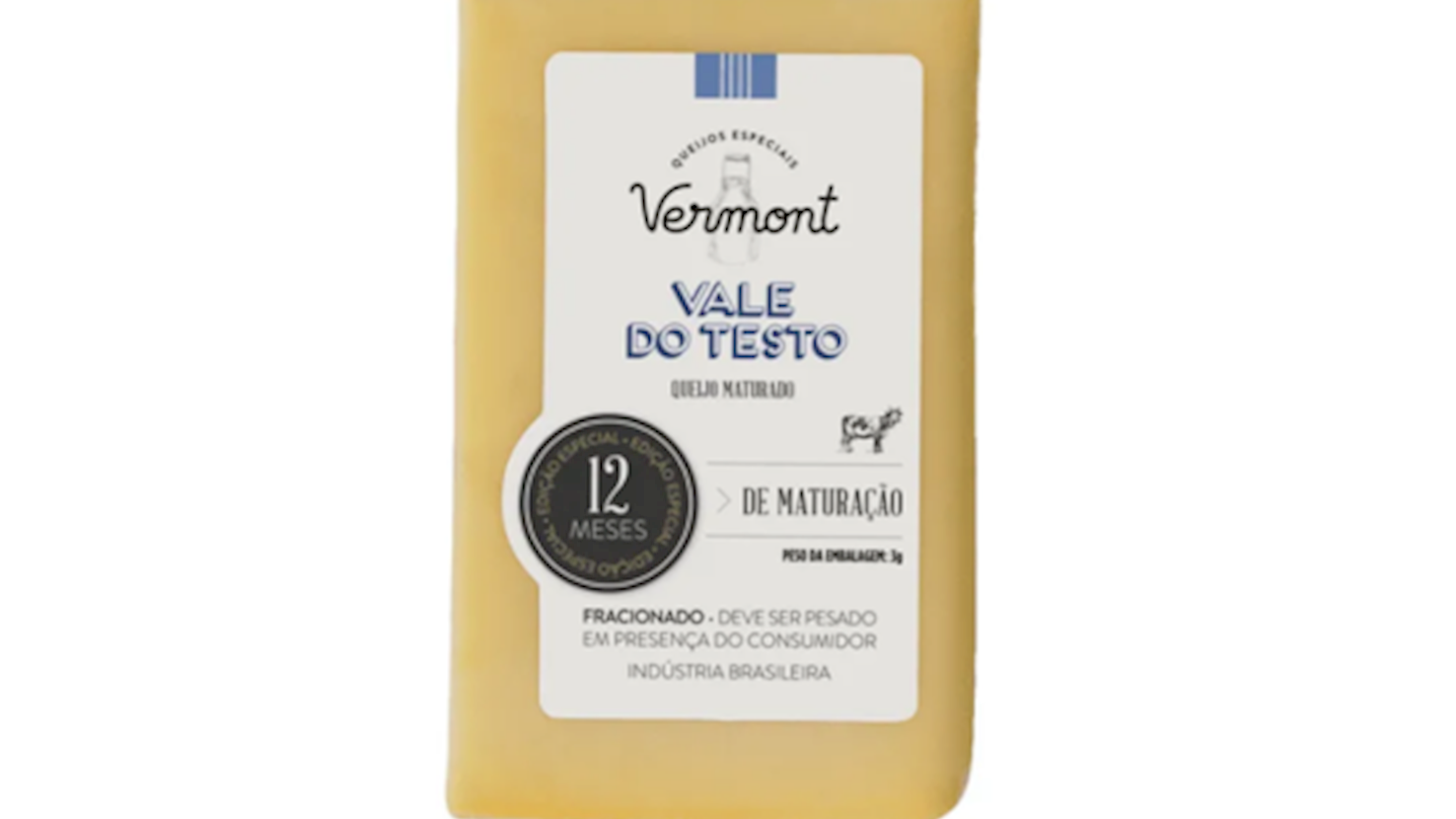
Queijaria Belafazenda is an artisanal cheese producer based in Bofete, in the state of São Paulo, Brazil, known for its contemporary approach to handcrafted cheesemaking and strong focus on milk quality as the foundation of every product. Production is carried out in small batches, with carefully controlled aging conditions and a combination of traditional European techniques adapted to local Brazilian conditions. The dairy is especially recognized for its mold-ripened cheeses as well as semi-hard and aged cheeses inspired by cheddar-style traditions, reinterpreted through its own identity. Belafazenda develops original recipes that emphasize balance, texture, and depth of flavor, avoiding industrial shortcuts in favor of precise, hands-on production. Continuous experimentation and refinement play a central role in shaping its portfolio, which has earned attention within Brazil’s growing artisanal cheese scene. The creamery also welcomes visitors for tastings, offering direct insight into its philosophy and production process. Today, Queijaria Belafazenda stands as a strong example of modern Brazilian artisan cheesemaking that combines local origin, technical skill, and creative expression.
Awards
World Cheese Awards - Super Gold (2024)
World Cheese Awards - Gold (2023)
08
Cheese

Roça da Cidade

5 ·
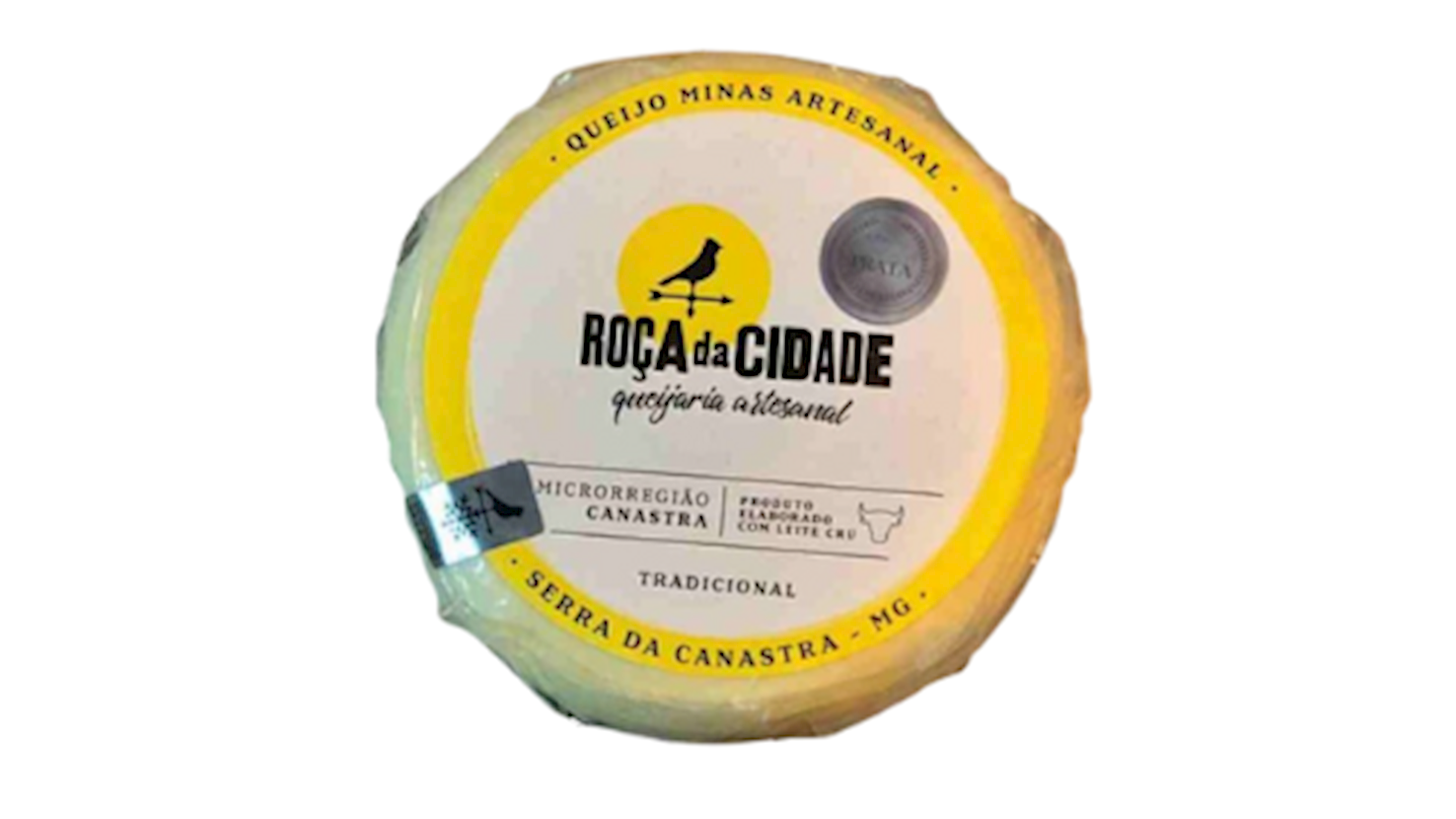
Roça da Cidade is a family-run producer of traditional Queijo Minas Artesanal – Canastra, located in São Roque de Minas, in the heart of the Serra da Canastra region of Minas Gerais, Brazil. Production is based on generations of cheesemaking tradition and uses raw cow’s milk from the farm’s own herd, processed on the same day following the classic method that relies on milk, natural rennet, salt, and pingo, the native starter culture specific to this terroir. The cheeses are hand-shaped and naturally aged, allowing the development of a natural rind and flavor profile shaped by the local microclimate and native microflora. Roça da Cidade combines respect for traditional methods with compliance to modern quality and safety standards, holding Brazil’s Selo Arte certification and recognition linked to the geographical indication of Canastra cheese. Their cheeses are known for a full, milky and slightly tangy character that evolves with aging into more complex, nutty, and earthy notes. Today, Roça da Cidade stands as a representative producer of authentic Canastra cheese, deeply connected to the landscape, culture, and artisanal heritage of the region.
09
Chocolate

Luisa Abram

5 ·
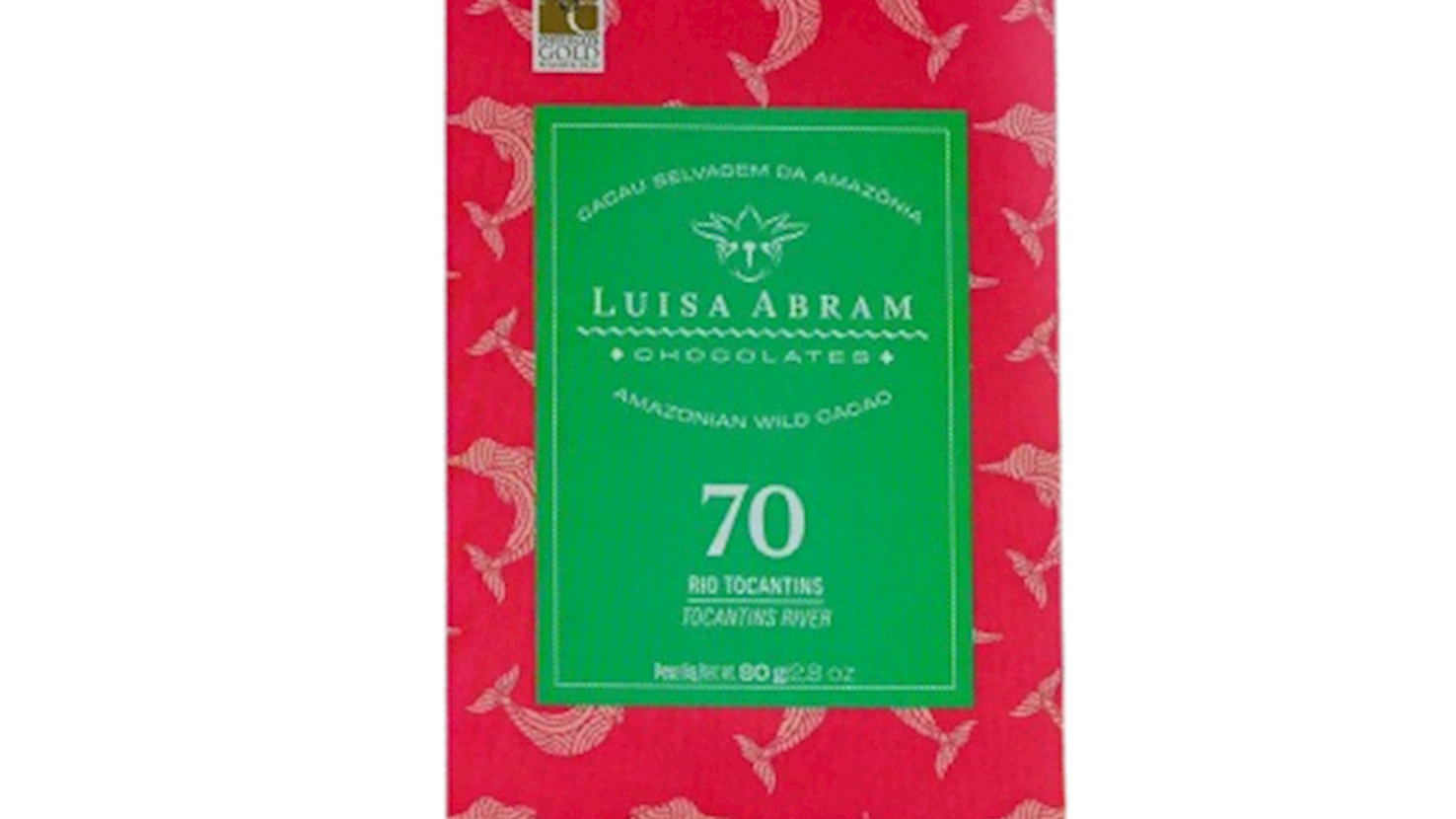
Luisa Abram is a Brazilian chocolatier dedicated to crafting exceptional bean-to-bar chocolate from wild cacao found along the banks of the Amazon’s remote rivers. Her namesake chocolate company, run together with her family in São Paulo, was born out of a desire to showcase the unique aromatic richness and complexity of Amazonian cacao, which grows naturally under the rainforest canopy, far from plantations and commercial farming. Every stage of production - from sourcing and fermentation to chocolate making and packaging - is guided by a personal, hands-on approach and a passion for excellence. Through close collaboration with local communities who hand-harvest the cacao, Luisa Abram not only secures outstanding raw materials but also supports the preservation of rainforest ecosystems and improves the livelihoods of indigenous families. The chocolates that emerge from this philosophy are distinguished by their purity of flavor, vibrant aromatic profiles, and the authentic expression of the diverse Amazonian terroirs. Today, the Luisa Abram brand stands as a symbol of authenticity, sustainability, and artisanal mastery, offering chocolate lovers around the world a chance to experience the spirit and richness of one of Earth’s most extraordinary natural treasures.
Awards
Academy of Chocolate - Gold (2020, 2018)
Academy of Chocolate - Silver (2023)
10
Cheese

Pomerode Alimentos

4.9 ·
Pomerode Alimentos is a food producer located in Pomerode, Brazil, known for its focus on dairy products, including cheese. The company emphasizes the use of traditional German techniques, reflecting the strong German heritage of the region. Pomerode Alimentos operates within the regulatory frameworks of Brazilian food safety and quality standards.
Awards
World Cheese Awards - Super Gold (2023, 2022)
World Cheese Awards - Gold (2023, 2021)
Read more
View all
View map
About this ranking

TasteAtlas food rankings are based on the ratings of the TasteAtlas audience, with a series of mechanisms that recognize real users and that ignore bot, nationalist or local patriotic ratings, and give additional value to the ratings of users that the system recognizes as knowledgeable. For the “Top 100 Brazilian Foods” list until June 01, 2026, 13,944 ratings were recorded, of which 10,226 were recognized by the system as legitimate. TasteAtlas Rankings should not be seen as the final global conclusion about food. Their purpose is to promote excellent local foods, instill pride in traditional dishes, and arouse curiosity about dishes you haven’t tried.

The initial list of top producers was compiled based on available reviews, awards, local recommendations, media and blog coverage, and consumer reviews. The list will be updated with ratings from TasteAtlas local ambassadors and TasteAtlas users.

Similar lists