

Top 66 Georgian Foods

Last updated on June 01, 2026

Best Georgian foods

01
Savory Pie

Ajaruli khachapuri

4.4 ·

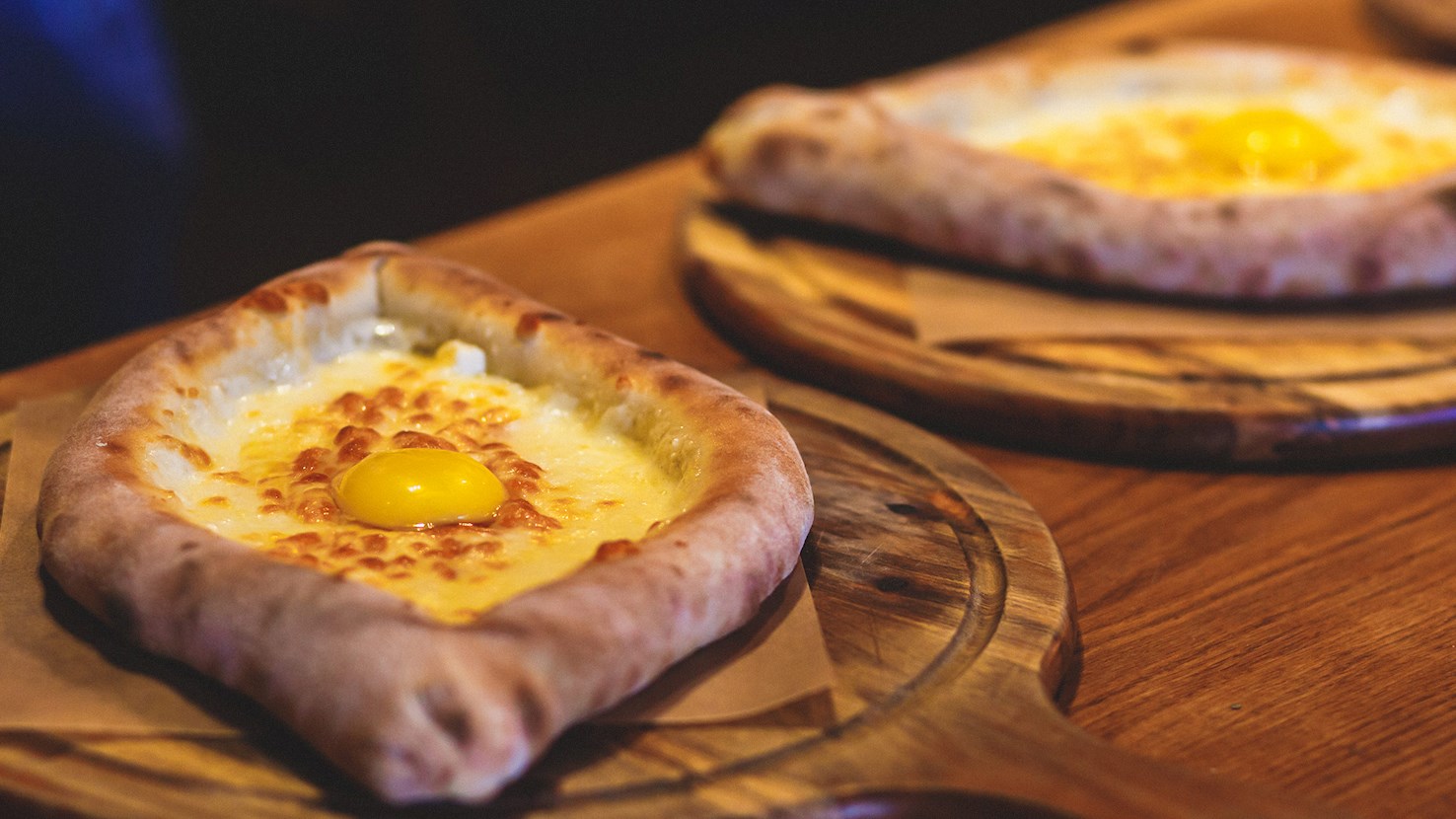
One of the most popular khachapuri varieties, adjarian is an open-faced pie that is filled with a combination of cheese and eggs. The base is made from yeasted dough that is rolled into an oblong shape and traditionally comes filled with Sulguni or Imeretian cheese, or the combination of both. The dish is finished off with an egg that is placed on top, and the pie is then additionally baked until the egg is partially set. This boat-shaped pie hails from the coastal Adjaria region, and it is usually served with a slice of butter on top.

02
Cheese

Tenili

4.4 ·

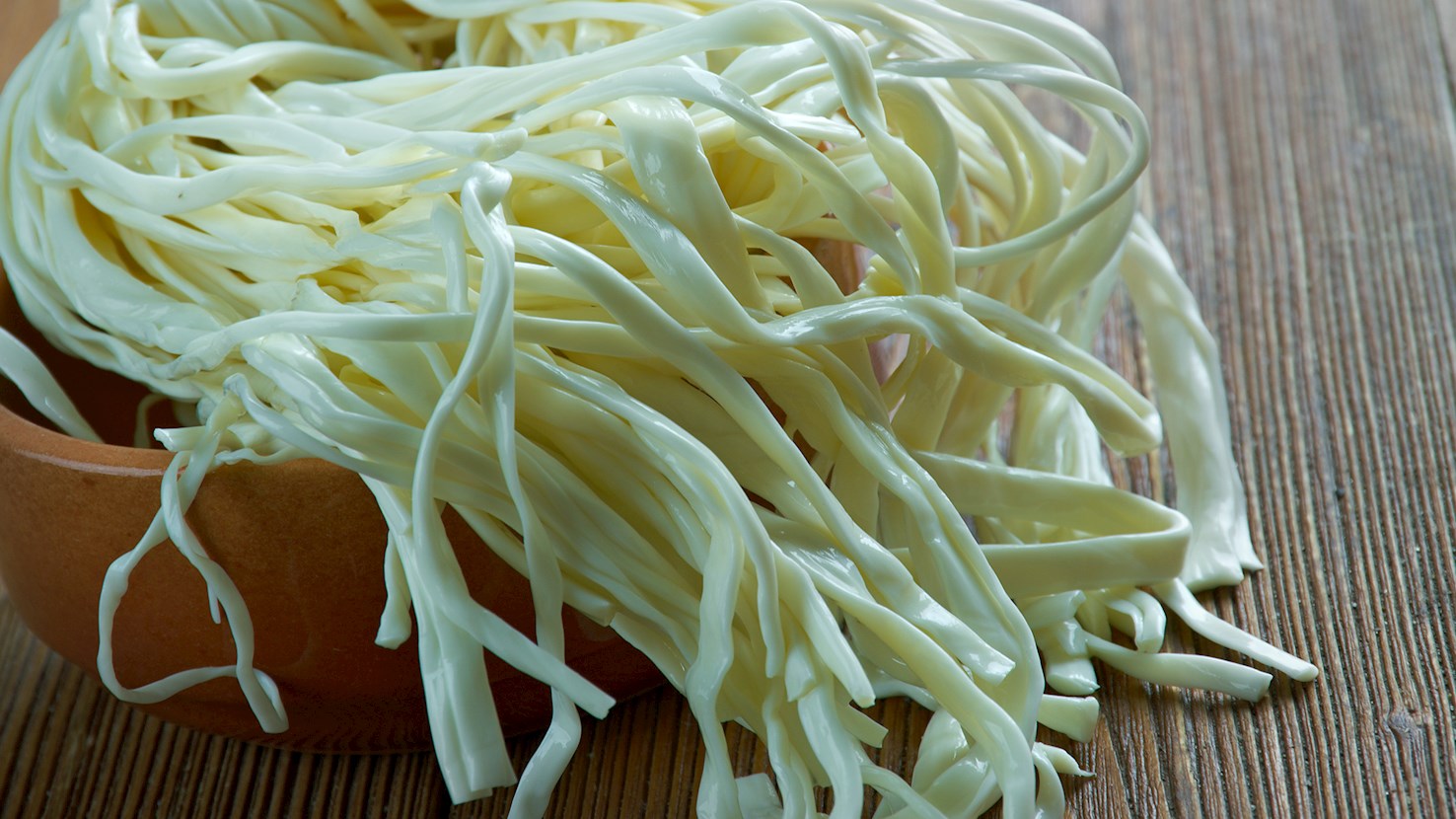
Tenili is a unique Georgian cheese made in the regions of Samtskhe-Javakheti and Kvemo Kartli. It can be produced from cow's or sheep's milk, but the most important thing is that the milk should have a high percentage of fat. The cheese is pressed and the warm curds are repeatedly hand-pulled into thin strands, giving it a unique shape and visual appearance. Since the process is a laborious one, tenili is typically prepared for big celebrations and feasts.

03
Meat Dish

Mtsvadi

4.3 ·

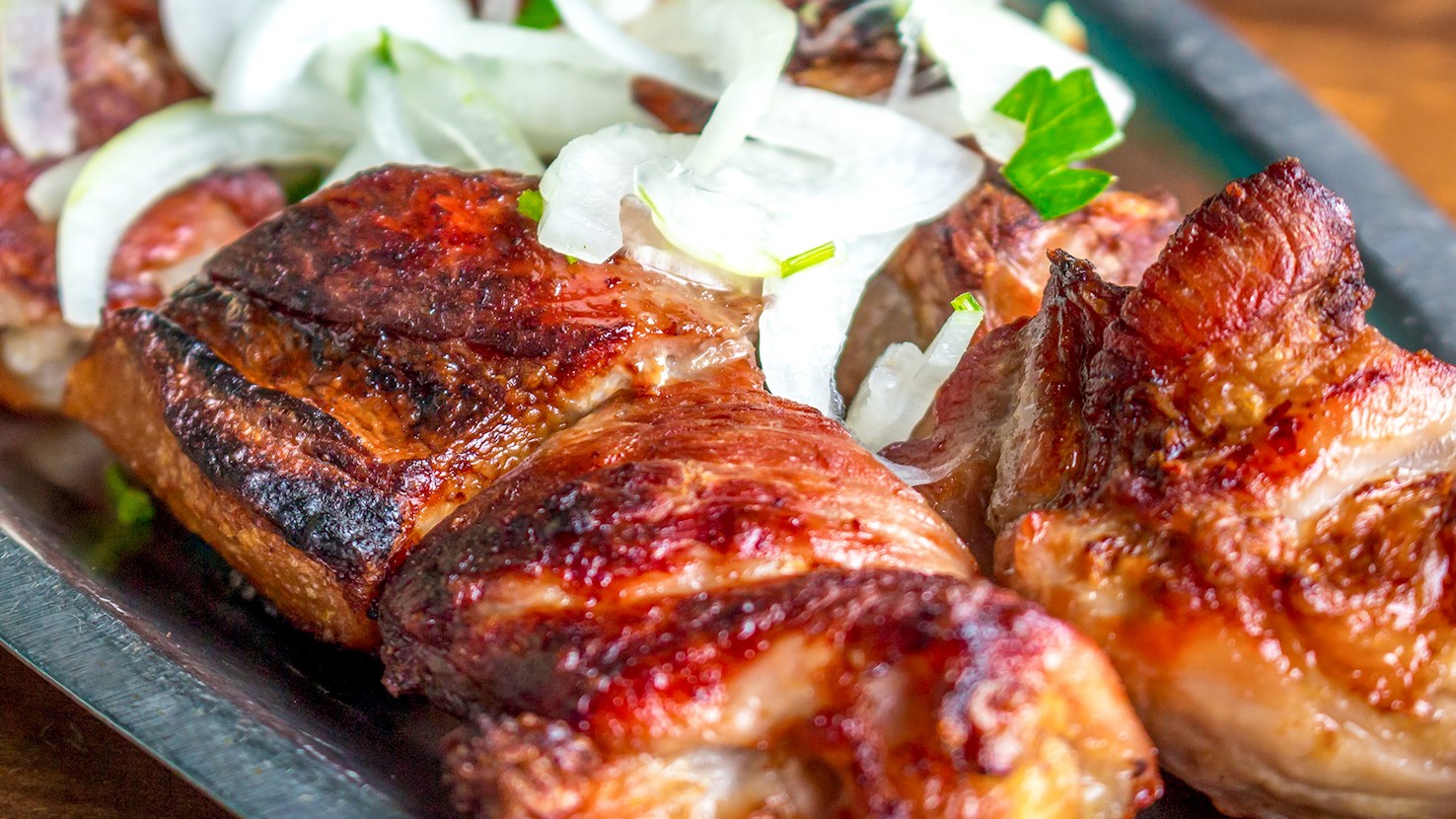
Mtsvadi is a traditional dish consisting of a skewered shish kebab. Pork, mutton, or veal is typically marinated in a mixture of lemon juice, pomegranate juice, tarragon, salt, pepper, and chopped onions, so that it remains tender and juicy when grilled. Mtsvadi is often prepared outdoors over an open fire. It is recommended to serve the dish with tkemali plum sauce, raw onion rings, sliced tomatoes, and pomegranate seeds.

04
Dumplings

Khinkali

4.3 ·

These delicious Georgian dumplings known as khinkali are considered to be one of the national dishes of the country. The dumplings are filled with meat and spices, then traditionally twisted into a knot at the top. Regional differences influence the fillings and every part of Georgia has their distinctive variety. For example, in the mountainous regions, the most traditional filling is lamb, however; the most frequent variety throughout entire Georgia is a mixture of pork and beef. The vegetarian versions made with traditional Imeretian cheese or mushrooms are also quite popular. The traditional recipe was developed over time, and now includes fresh herbs such as cilantro or parsley. The meat for khinkali is never precooked – therefore, all of the juices are tucked inside the dumplings. Eating khinkali is also a part of traditional Georgian folklore: the top, where the dough is twisted into a knot, should never be eaten because it serves as a handle to hold the dumpling, and it is usually left on the plate as an indication of how many dumplings have been eaten. These flavorful dumplings are served plain or paired with freshly ground black pepper.

05
Chicken Dish

Tsitsila tabaka (Chicken tabaka)

4.3 ·

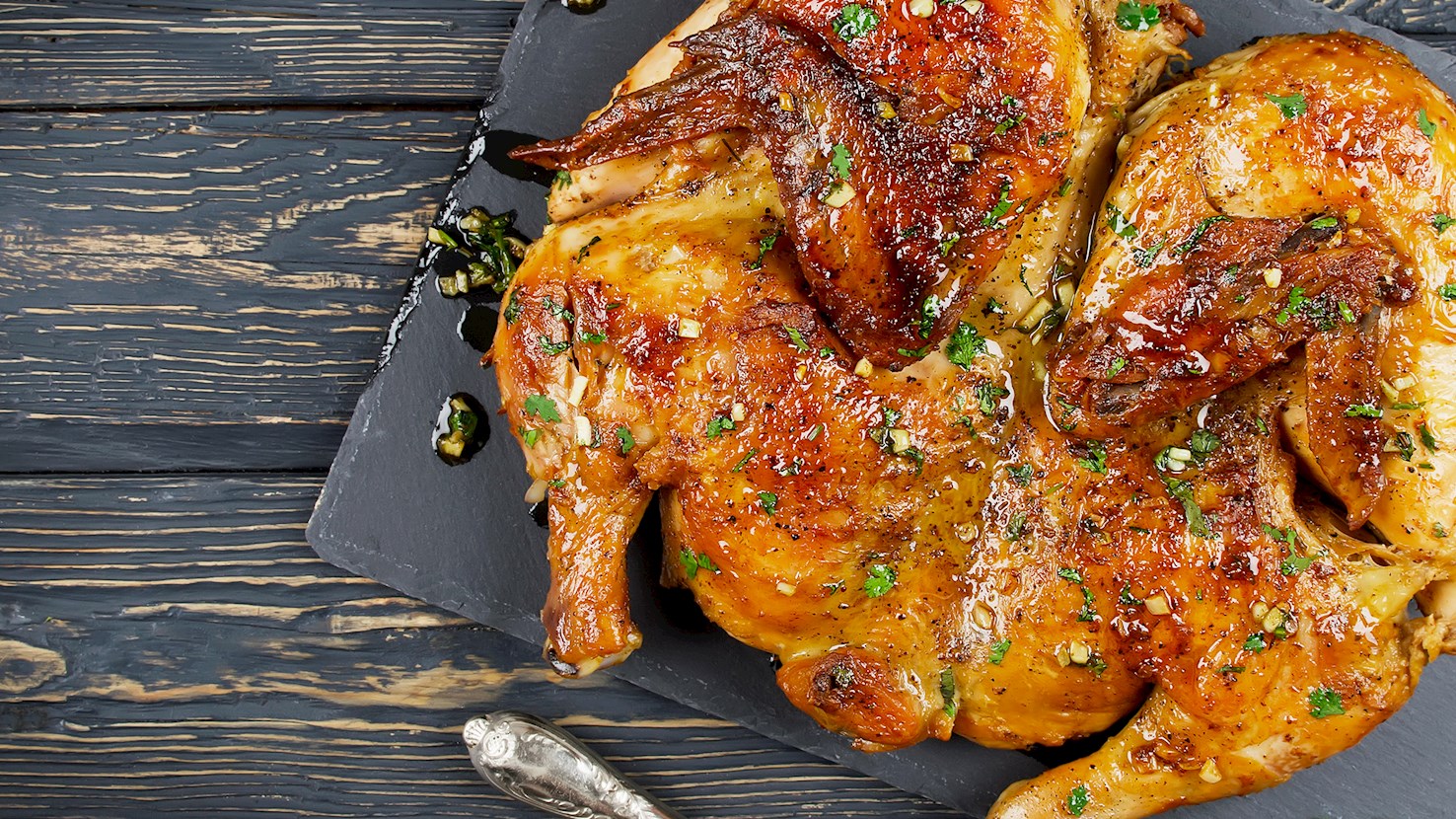
Chicken tabaka is a popular Georgian dish consisting of a chicken that is fried in a special way in a traditional pan called tapa. One should flatten the chicken on a pan by pressing it down with a weight. When it is properly prepared, the chicken should be crispy on the outside, while retaining its tenderness and moistness on the inside. The dish is often consumed with tkemali plum sauce on the side.

06
Meat Soup

Kharcho

4.3 ·

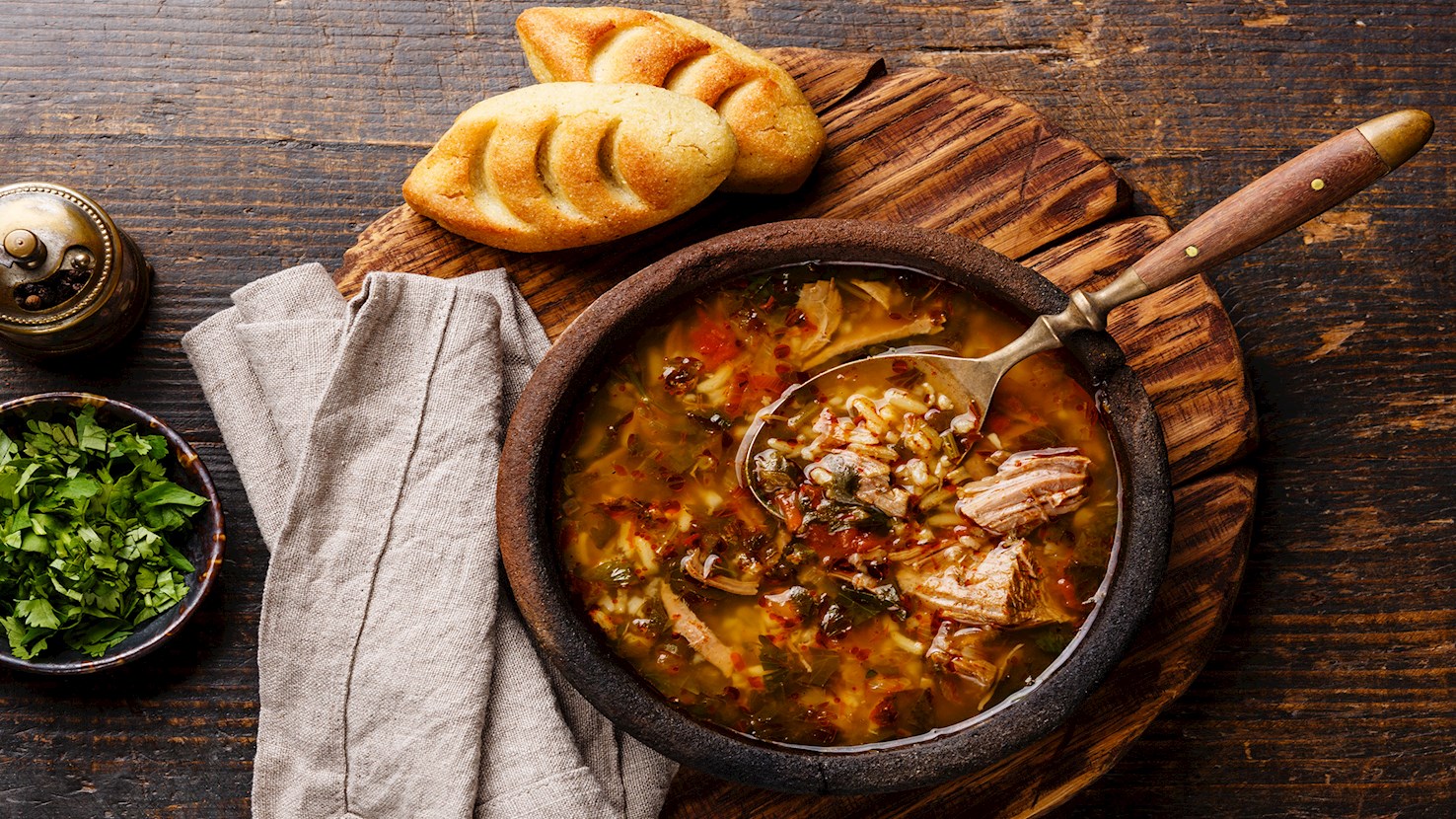
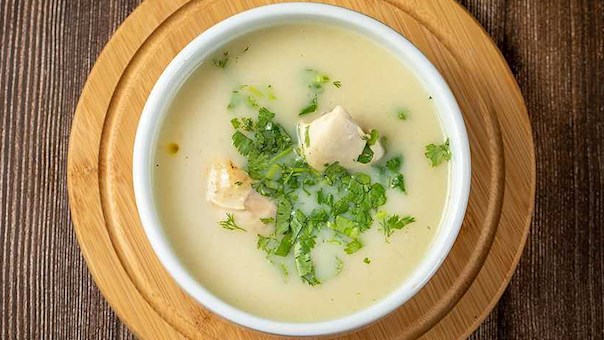
Kharcho is a hearty Georgian soup featuring beef or chicken, walnuts, and rice. It is traditionally seasoned with a Georgian spice blend called khmeli suneli (a combination of dried blue fenugreek, marigold petals, basil, parsley, fennel, coriander, bay leaves, and red pepper) and tkemali plum sauce. The soup is so popular that almost every family has their own variation and recipe. It is recommended to serve kharcho hot and garnish it with freshly chopped coriander.

07
Appetizer

Badrijani

4.2 ·

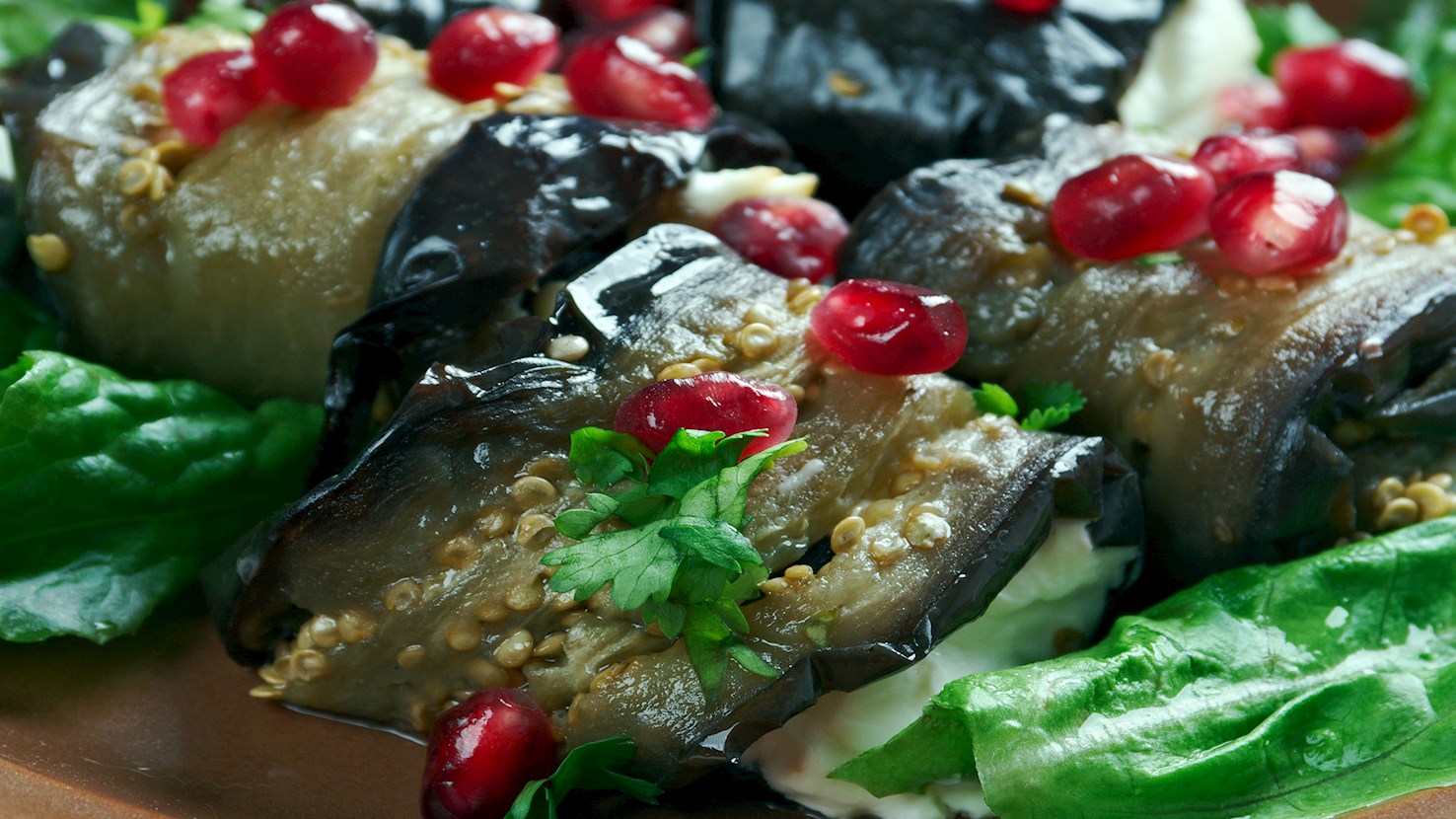
Badrijani is a heavily spiced Georgian dish consisting of eggplant slices that are coated with walnut paste, then shaped into small rolls. The eggplant slices are fried before serving, while the spread is prepared by combining ground walnuts, garlic, and fresh coriander. When served, the assembled rolls are arranged on a plate and topped with pomegranate seeds.

08
Porridge

Elarji

4.2 ·

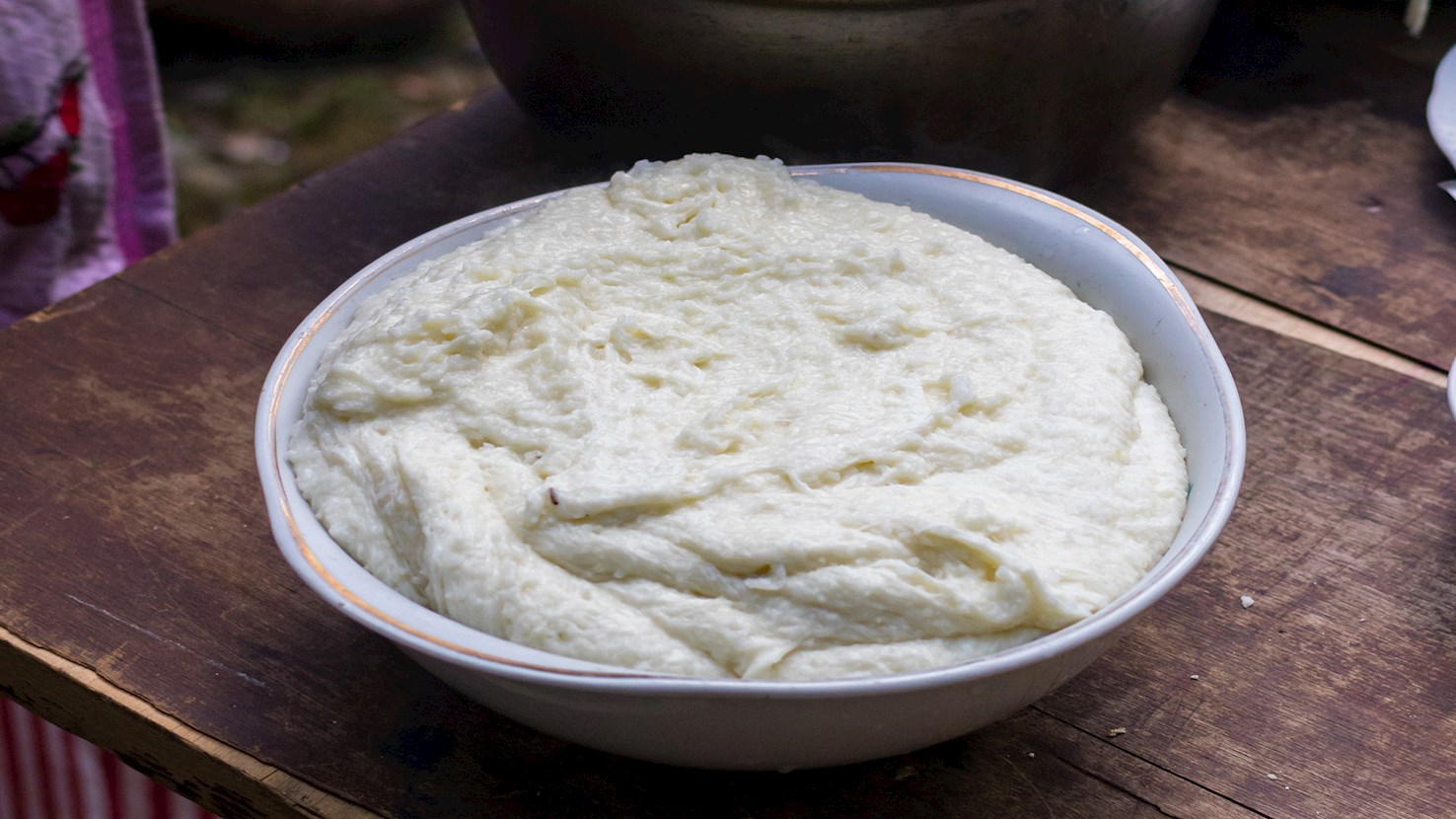
Elarji is a specialty of the Georgian Samegrelo region, prepared as a thick porridge consisting of coarse cornmeal, cornflour, and sulguni or tchkhinti cheese, depending on what's available. The dish has an extremely thick texture, and it is very elastic. If properly made, one should be able to stretch it overhead. It is traditionally served hot and consumed with Georgian bazhe sauce, made with garlic, walnuts, and various spices.

Best restaurants
09
Dip

Ajika

4.2 ·

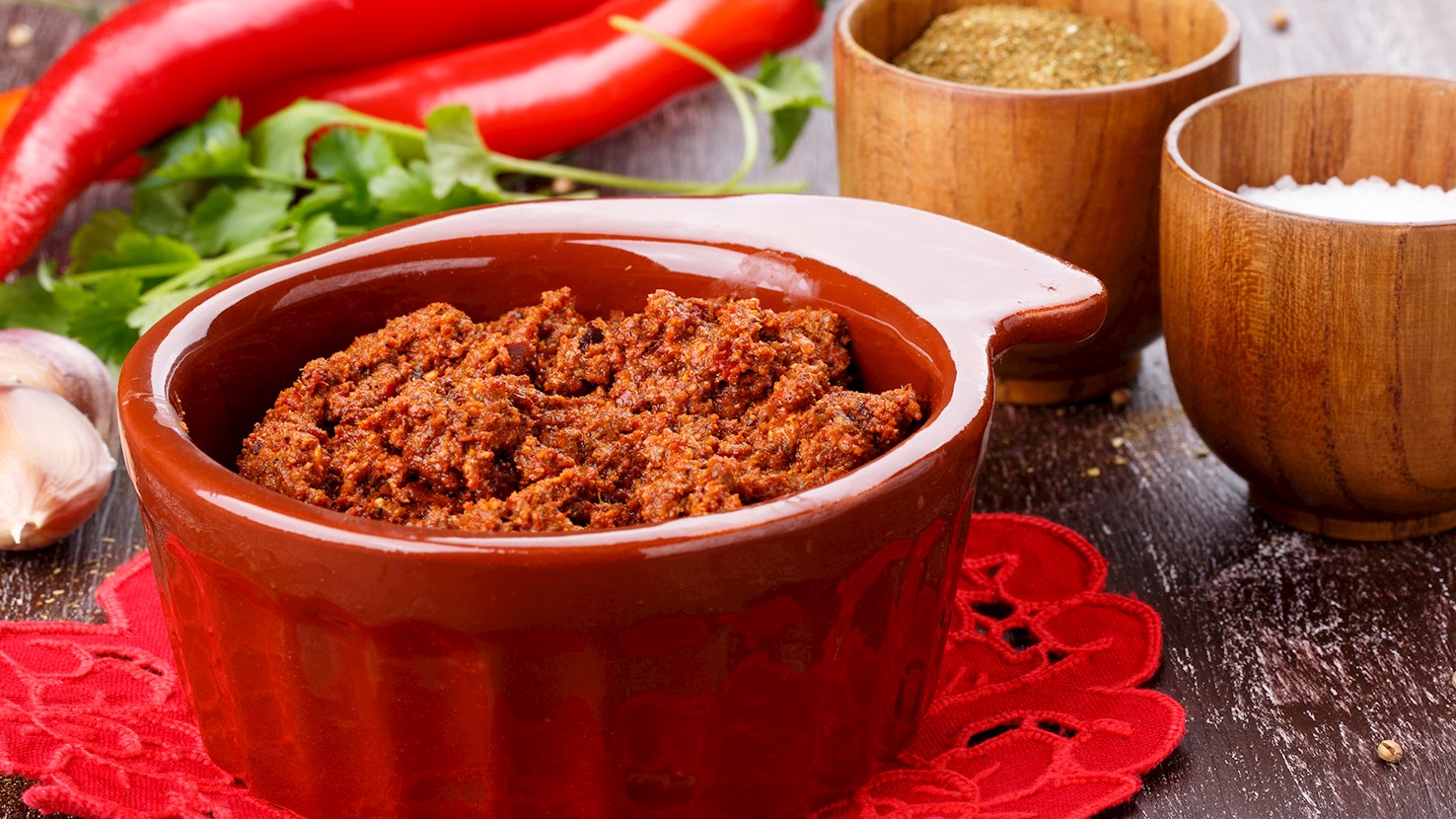
Ajika is a hot and spicy Georgian paste made with hot peppers, garlic, walnuts, and fresh herbs and spices such as coriander, basil, dill, and marigold petals. It is most commonly used as a flavoring for various meat and fish dishes, although it can also be used as a fiery hot dip. Ajika is usually red in color, but it can also be green if prepared with unripe peppers.

Best restaurants
10
Chicken Dish

Shkmeruli

4.1 ·

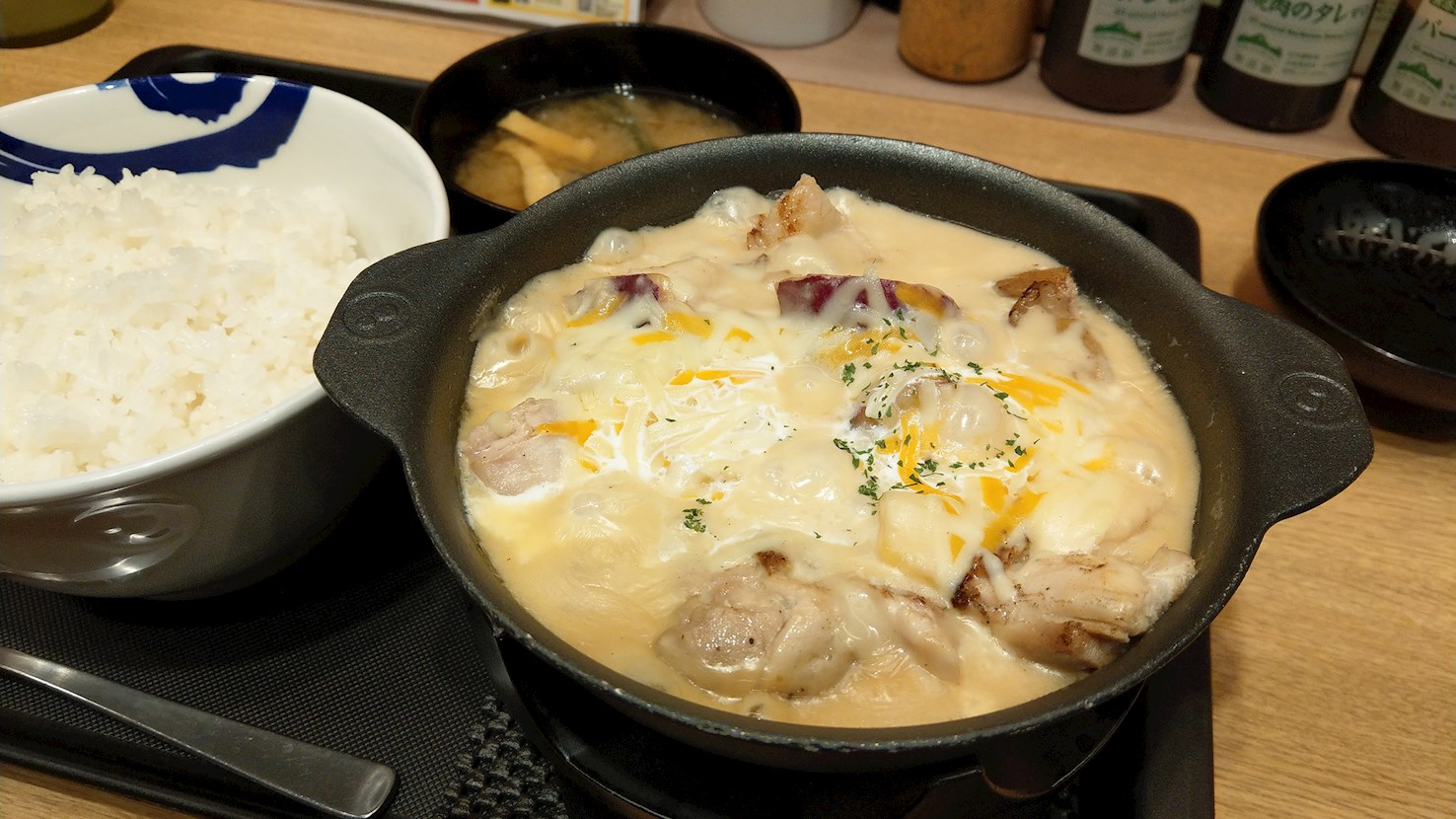
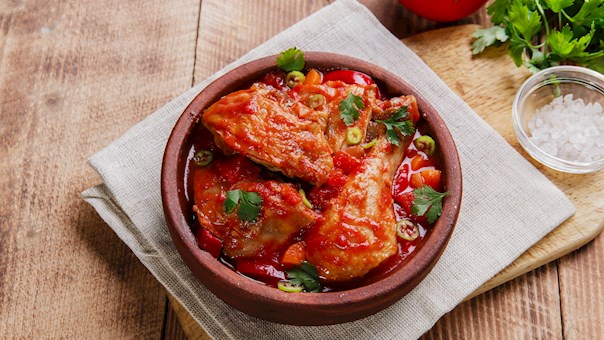
Shkmeruli or chkmeruli is a traditional chicken dish originating from Georgia. A whole chicken is typically butterflied, browned on both sides, and roasted for about half an hour until fully cooked. The garlic is minced, mixed with butter, milk, and pan drippings in order to create the sauce. The chicken and the sauce are combined, traditionally in a clay dish called ketsi, and the dish is then baked for a short while before it's served. It's recommended to serve skhmeruli with cheesy mashed potatoes or crusty bread on the side.

Best Georgian food products
01
Wine

Askaneli

5 ·
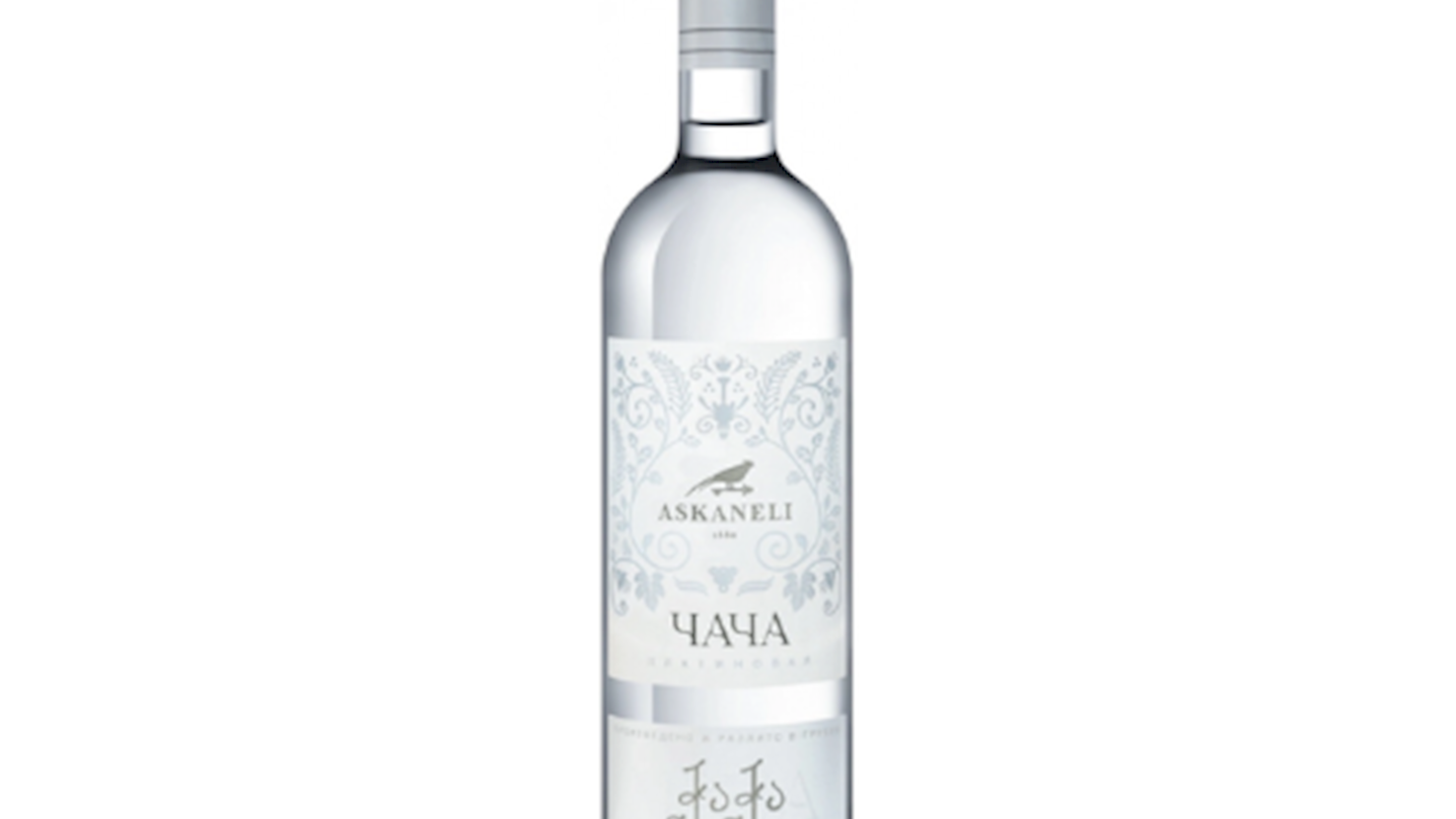
Askaneli is a Georgian winery founded by the Chkhaidze brothers, building on a family winemaking tradition that dates back to the 1880s in the village of Askana, Guria. The historic cellar established by their ancestor Antimoz Chkhaidze, along with traditional qvevri vessels, remains an important part of the winery’s identity. Today, the company operates as a vertically integrated producer, managing the entire process from vineyard cultivation to bottling under certified quality standards. Its vineyards extend across key regions such as Kakheti, including the Kindzmarauli appellation, as well as Guria, where rare indigenous varieties like Chkhaveri are preserved. Production combines traditional Georgian techniques - especially qvevri fermentation - with modern winemaking technology, resulting in a diverse portfolio of over 60 wine labels, alongside sparkling wines, brandy, chacha, and fruit distillates. Askaneli Brothers is considered one of the leading wine producers in Georgia, with a strong presence in international markets. The winery plays an active role in preserving native grape varieties while adapting to contemporary production standards. Its overall approach reflects a balance between heritage, scale, and consistency in quality.
Awards
Vivino - 4.6
Vivino - 4.5
02
Wine

Marani

4.9 ·
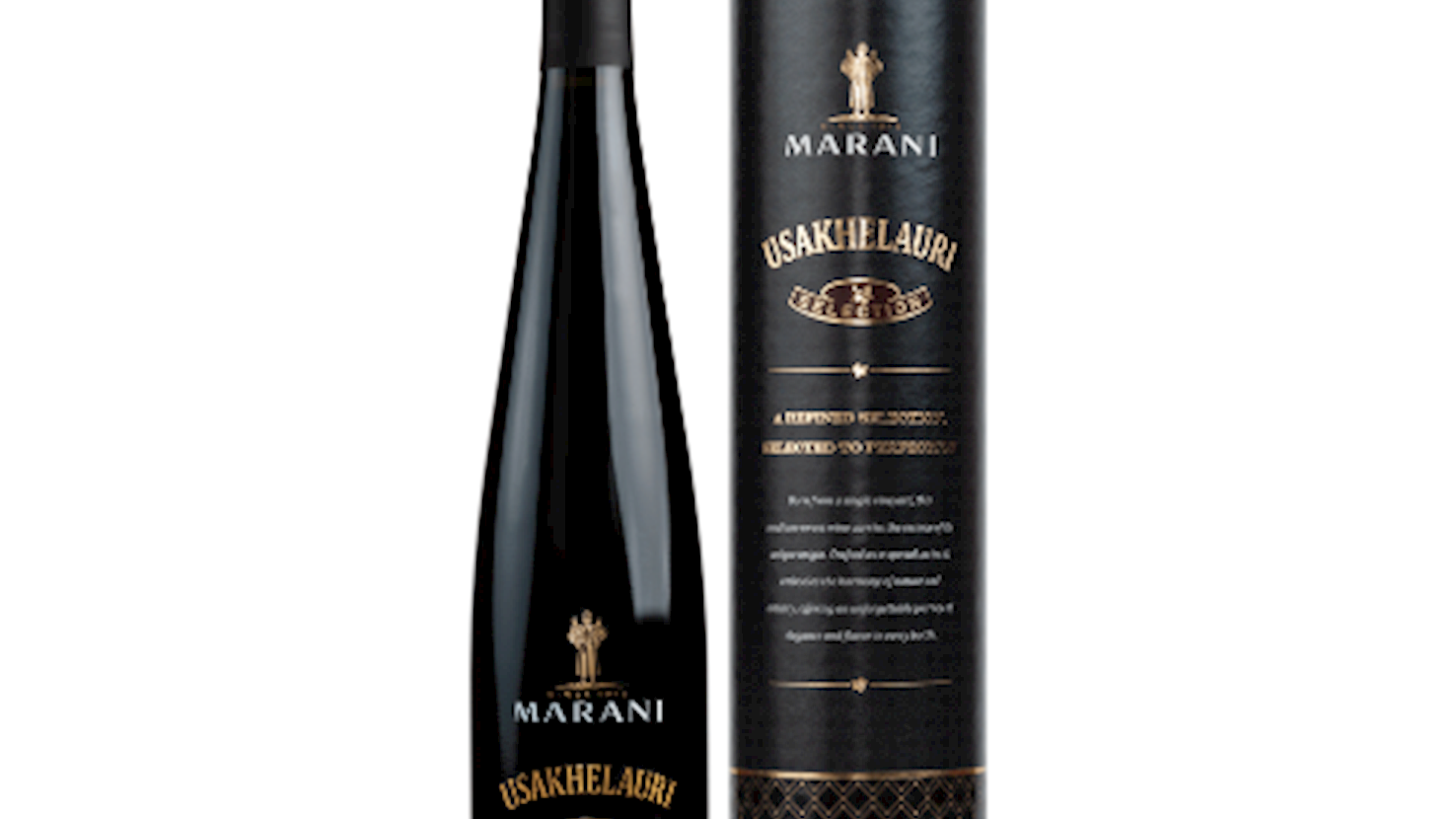
Marani is a winery from eastern Georgia, located in the Kakheti region, known for combining traditional Georgian winemaking methods with modern enological practices. Its Kondoli vineyards, one of the most renowned vineyard sites in the country, were first documented in the 18th century as a source of high-quality grapes. The climate of the Alazani Valley provides warm days and cool nights, contributing to balanced grape ripening and preserved aromatic freshness. Marani focuses on indigenous Georgian varieties such as Saperavi, Rkatsiteli, Mtsvane and Kisi, maintaining the authentic identity of the region’s viticulture. One of its most distinctive features is fermentation in qvevri - large clay amphorae buried underground, a winemaking method thousands of years old that allows natural micro-oxygenation of the wine. In parallel, part of the production takes place in modern stainless-steel tanks, ensuring precision and consistency of style. This combination of heritage and technology results in wines with strong character and a clear sense of origin. Marani produces a wide range of styles - from dry whites and structured reds to characteristic amber wines with extended maceration. Thanks to consistent quality, the winery is present in many global markets and frequently awarded at international competitions. Its approach respects local winemaking heritage while embracing contemporary standards. Marani wines reveal the distinctive taste of Georgian terroir through a balance of minerality, aromatic complexity and depth of flavor.
Awards
Vivino - 4.5
Vivino - 4.3
03
Wine

Iago's Wine

4.9 ·
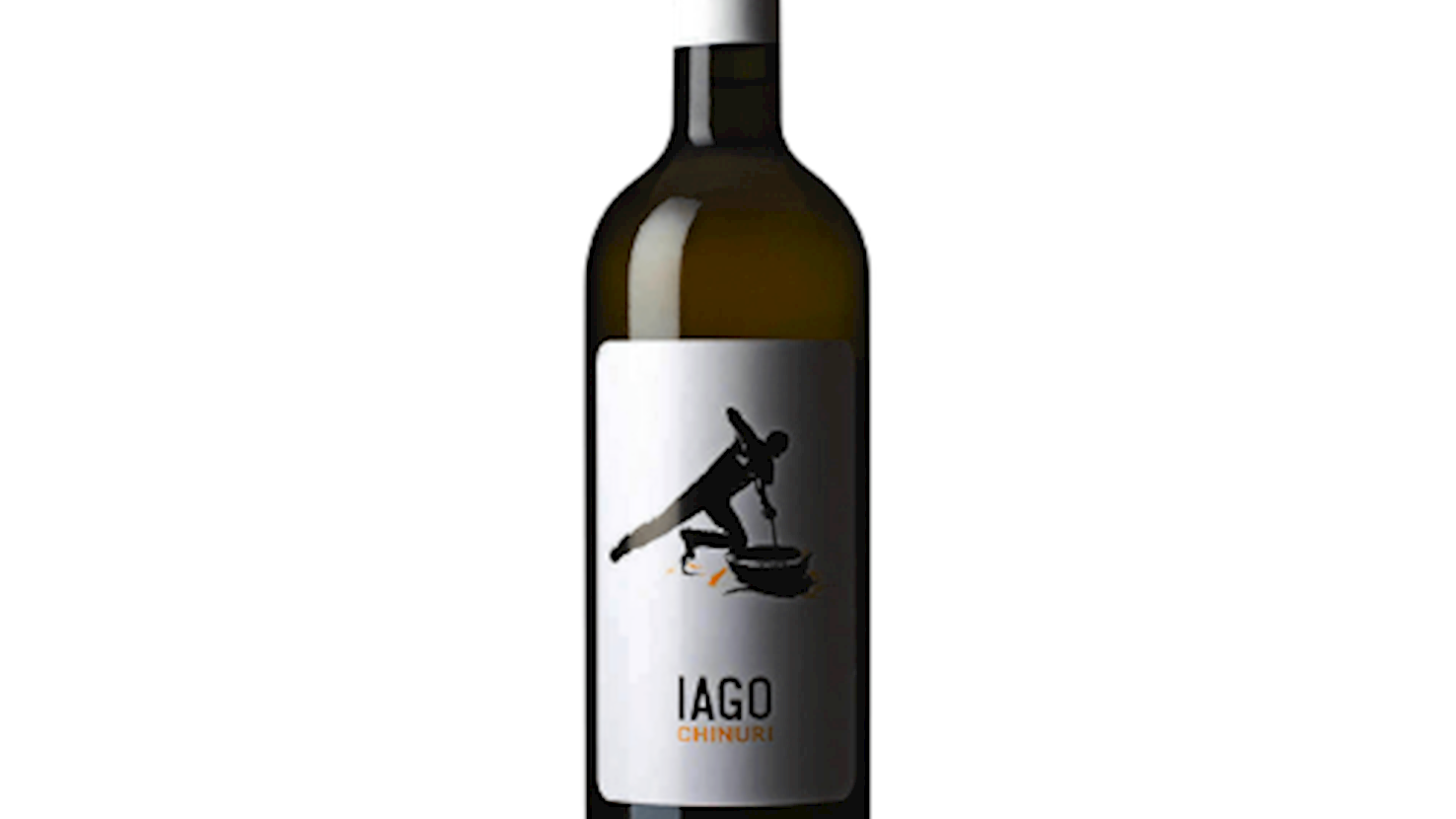
Iago’s Winery is a small family-run estate located in the village of Chardakhi in the Mtskheta-Mtianeti region of central Georgia, led by winemaker Iago Bitarishvili, a pioneer of natural winemaking in the country. Established in the late 1990s, the winery focuses on reviving traditional Georgian methods, with its first bottled vintage released in 2003. It is known for its strong commitment to organic and low-intervention practices, being among the first wineries in Georgia to obtain organic certification. Production is intentionally limited, using grapes exclusively from its own old vineyards, often over 50 years of age. The winery is almost entirely dedicated to the indigenous Chinuri grape, expressing terroir through qvevri fermentation and aging, without additives or filtration. The wines are typically amber (orange) in style, with pronounced texture, structure, and natural complexity. Iago’s Winery has gained international recognition as a key producer in the revival and global appreciation of traditional Georgian natural wines.
Awards
Vivino - 4.5
Wine-Searcher - 90/100
04
Wine

Ruispiri

4.9 ·
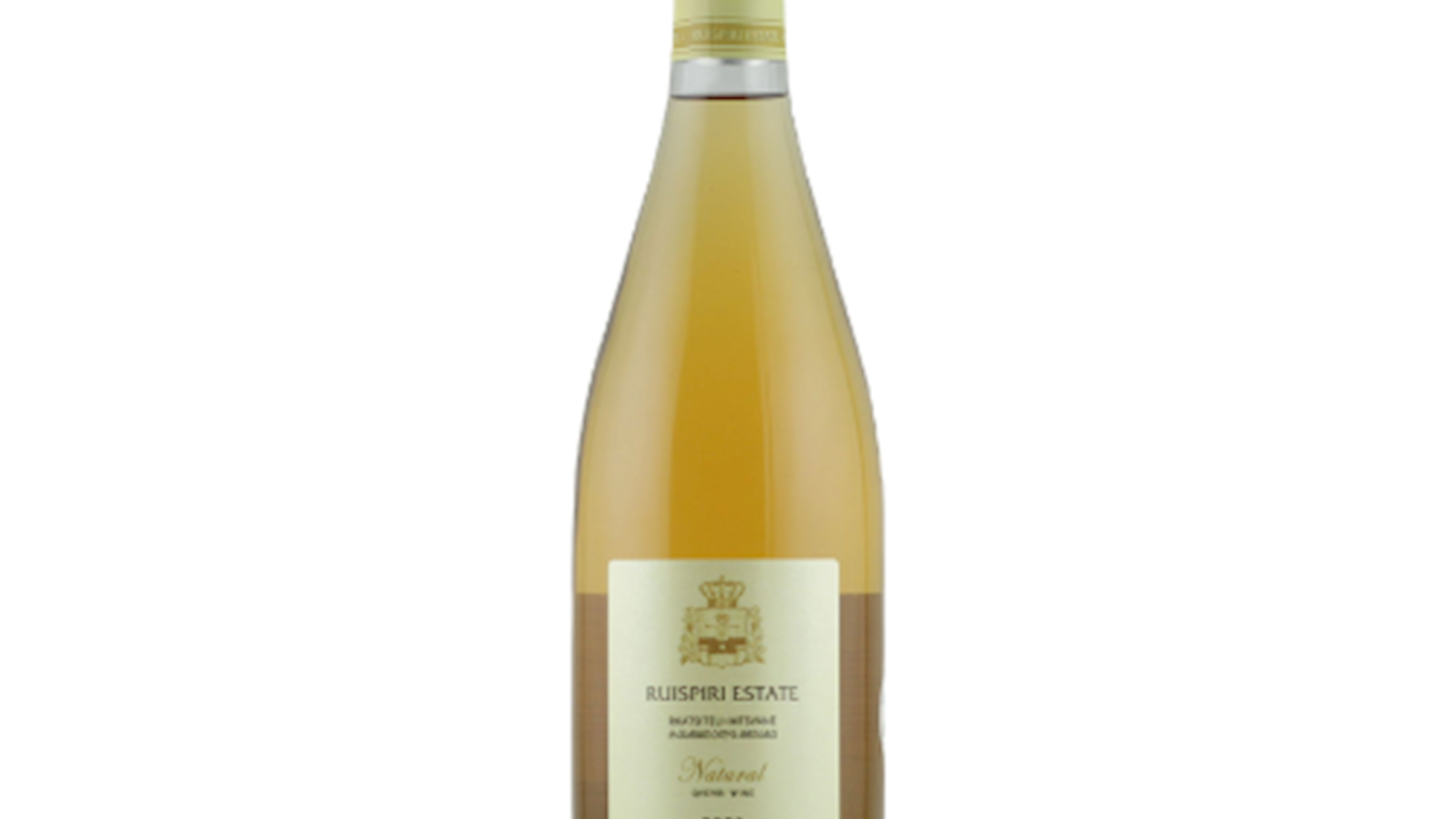
Ruispiri is a small family-run winery and biodynamic estate located in the village of Ruispiri, in the Telavi area of Georgia’s Kakheti region, the country’s most important wine-producing zone. Its production is based on organic and biodynamic principles, avoiding chemical inputs and focusing on maintaining the natural balance of the vineyard and soil. The winery is led by Giorgi Aladashvili, who brought experience from biodynamic farming abroad and applied it to the local terroir, resulting in wines closely tied to their environment. Production is limited and artisanal, with careful attention given to every stage of the process. A defining element is the use of traditional qvevri – clay vessels buried underground – for fermentation and aging, which gives the wines structure, texture, and authenticity. The portfolio includes indigenous grape varieties such as Rkatsiteli, Kisi, Mtsvane, and Saperavi, reflecting the microclimate of Kakheti. Beyond wine, the estate operates as a self-sustaining agro-ecosystem, producing additional traditional foods that support its sustainability philosophy. Ruispiri also functions as a wine tourism destination, offering tastings and accommodation, where wine is experienced in connection with local cuisine and the surrounding Caucasus landscape.
Awards
Vivino - 4.1
Concours Mondial de Bruxelles - Grande Médaille d'or (2024)
05
Wine

Barbales Marani

4.9 ·
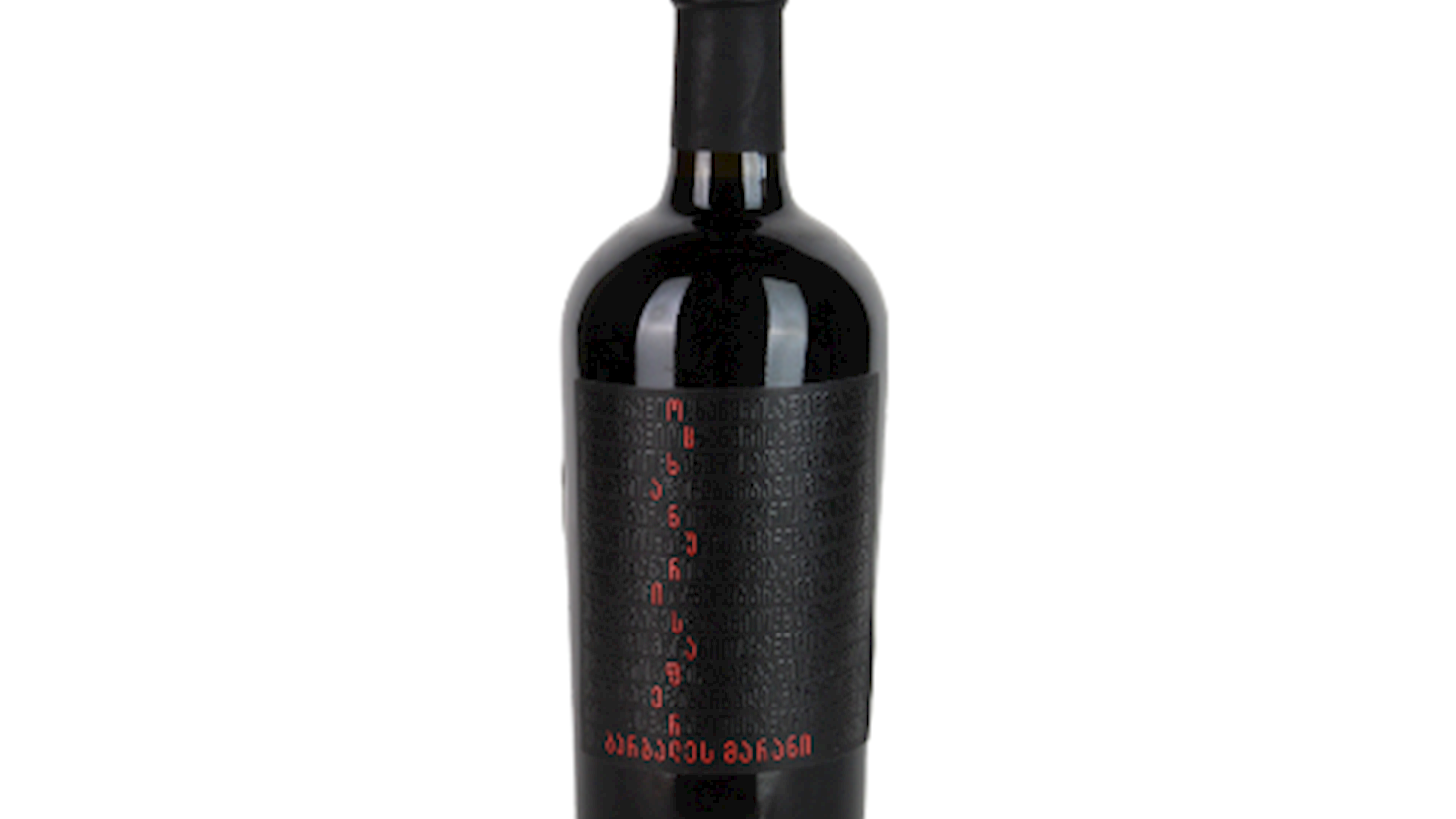
Barbales Marani is a Georgian winery founded in 2014 by Zviad Kordzaia, based in Tbilisi and focused on sourcing grapes from various wine regions across the country. The winery’s identity is strongly rooted in tradition and symbolism, with its name derived from Barbale, a mythological goddess of the sun and fertility, reflecting a philosophy centered on nature and cycles of life. Production emphasizes indigenous grape varieties such as Saperavi, Rkatsiteli, Tsitska, Tsolikauri, and Otskhanuri Sapere, alongside occasional use of international varieties like Chardonnay and Malbec. Wines are typically produced in small batches, often unfiltered, with the aim of preserving authenticity and a clear expression of terroir. Traditional methods, including qvevri fermentation, play an important role, combined with an experimental approach that explores different microzones and styles. The portfolio ranges from fresh, approachable whites to structured reds and complex amber wines. Barbales Marani has gained international recognition, including awards at competitions such as IWSC, highlighting its growing reputation. In addition to production, the winery also develops a wine bar concept in Tbilisi, connecting its wines with contemporary wine culture and gastronomy.
Awards
IWSC- International wine & spirit competition - Gold (2023)
06
Wine

Lionidzis Zvari

4.9 ·
Lionidzis Zvari is a Georgian winery established in 2006 in the village of Vardisubani, located within the Tsinandali microzone in the Kakheti region, one of the country’s most important wine-growing areas. The vineyards are situated on historically significant land once associated with Solomon Lionidze, a diplomat at the court of King Erekle II, which adds cultural depth to the winery’s identity. The estate focuses on native grape varieties such as Saperavi, Rkatsiteli, Mtsvane, Kisi, and Khikhvi, aiming to reflect the specific terroir defined by local soils and climatic conditions. Production combines traditional Georgian techniques with modern winemaking practices, with a strong emphasis on fermentation and aging in qvevri—large clay vessels buried underground, recognized as part of UNESCO’s intangible cultural heritage. Their wines are typically structured, with a balance between freshness, tannins, and aromatic complexity, depending on the style and vinification method. Particular attention is given to qvevri wines, which express pronounced texture and varietal character.
Awards
IWSC- International wine & spirit competition - Gold (2024)
07
Wine

Bimbili

4.9 ·
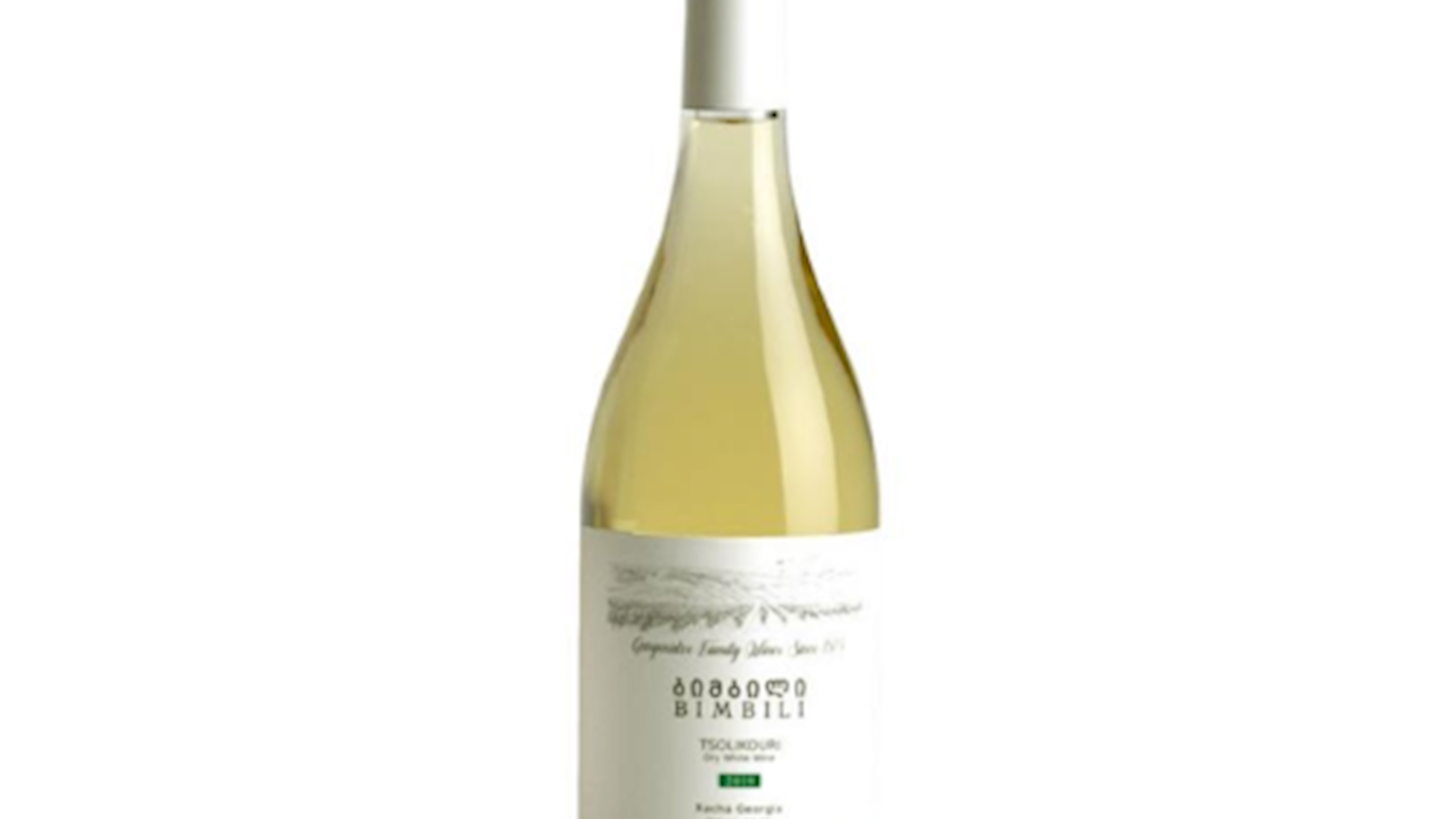
Bimbili is a family-owned winery based in Ambrolauri, in Georgia’s Racha region, combining modern winemaking technology with traditional Georgian methods. It began as a small project and has developed into a contemporary winery equipped with European technology, while also preserving an old cellar and qvevri system, creating a balance between innovation and heritage. Active on the market since around 2020, Bimbili focuses on limited but growing production, working primarily with indigenous grape varieties typical of Racha, such as Aleksandrouli and Mujuretuli. Their wines reflect the distinct terroir of this mountainous region, known for freshness, vibrant acidity, and the elegance of its red wines. The winery is positioned in the mid-range segment with expanding export ambitions, already present in markets like Germany, Austria, and the United States. Despite its modernization, Bimbili maintains a strong family identity and a clear connection to local tradition, which is expressed through a balanced and approachable wine style with a defined regional character.
Awards
IWSC- International wine & spirit competition - Gold (2023)
08
Wine

Vaziani Winery

4.9 ·
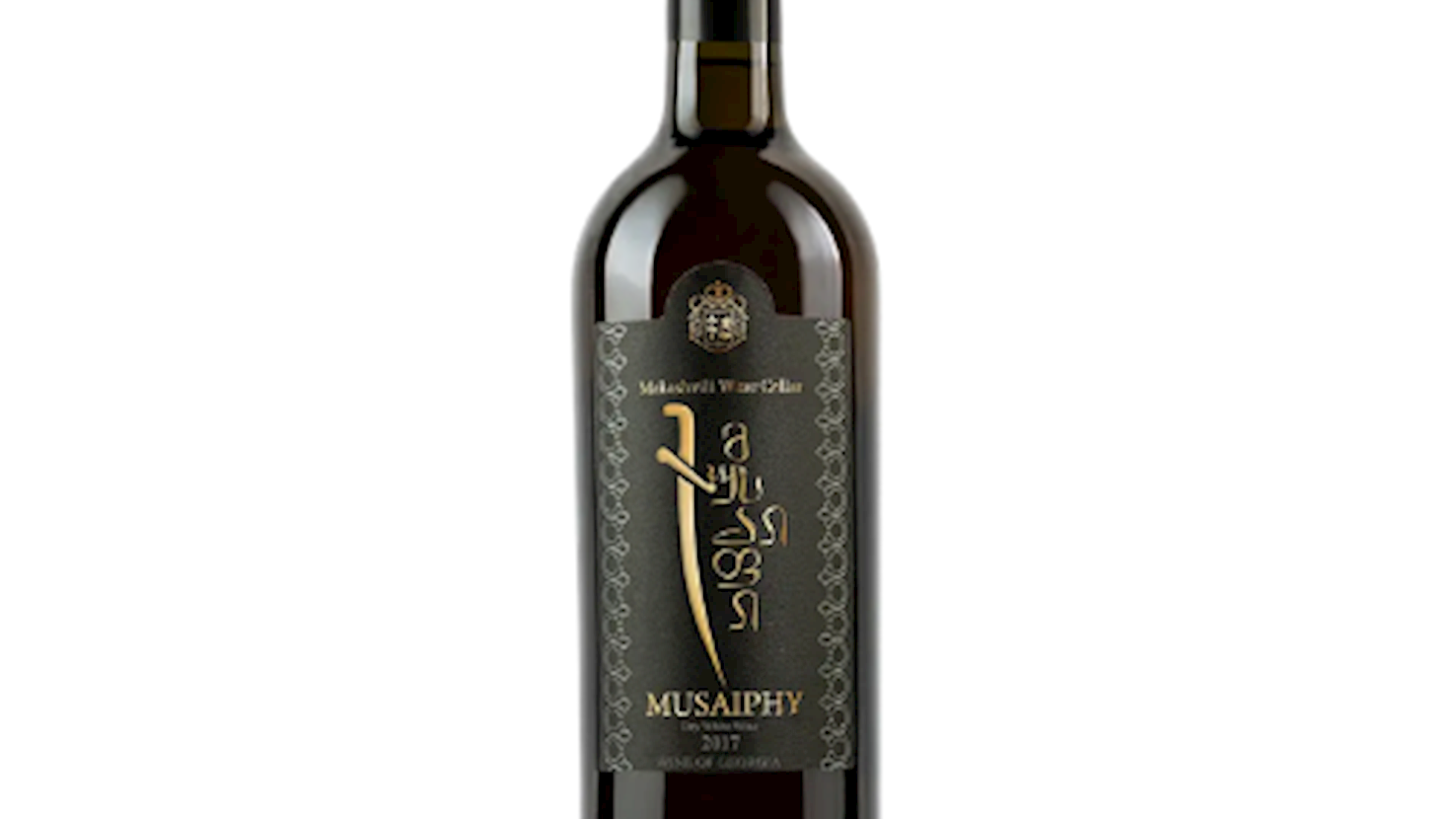
Vaziani Winery is a Georgian wine producer established in 1982, with headquarters in Tbilisi and vineyards primarily located in the Kakheti region. Originally operating during the Soviet period, the winery has since undergone modernization and repositioned itself as a quality-driven, export-oriented producer. It combines traditional Georgian winemaking techniques, including qvevri fermentation, with modern technology and controlled production processes. The portfolio includes a wide range of wines made from indigenous grape varieties such as Saperavi, Rkatsiteli, and Kisi, as well as selected international varieties, reflecting a flexible and market-oriented approach. A notable part of its identity is the Makashvili Wine Cellar line, which represents the restoration of a historic cellar and a stronger focus on traditional methods. Vaziani wines are distributed across multiple international markets and regularly participate in major wine competitions. Overall, the winery represents a balance between historical heritage, industrial production, and contemporary branding within Georgian winemaking.
Awards
IWSC- International wine & spirit competition - Gold (2023)
09
Wine

Koncho & Co

4.9 ·
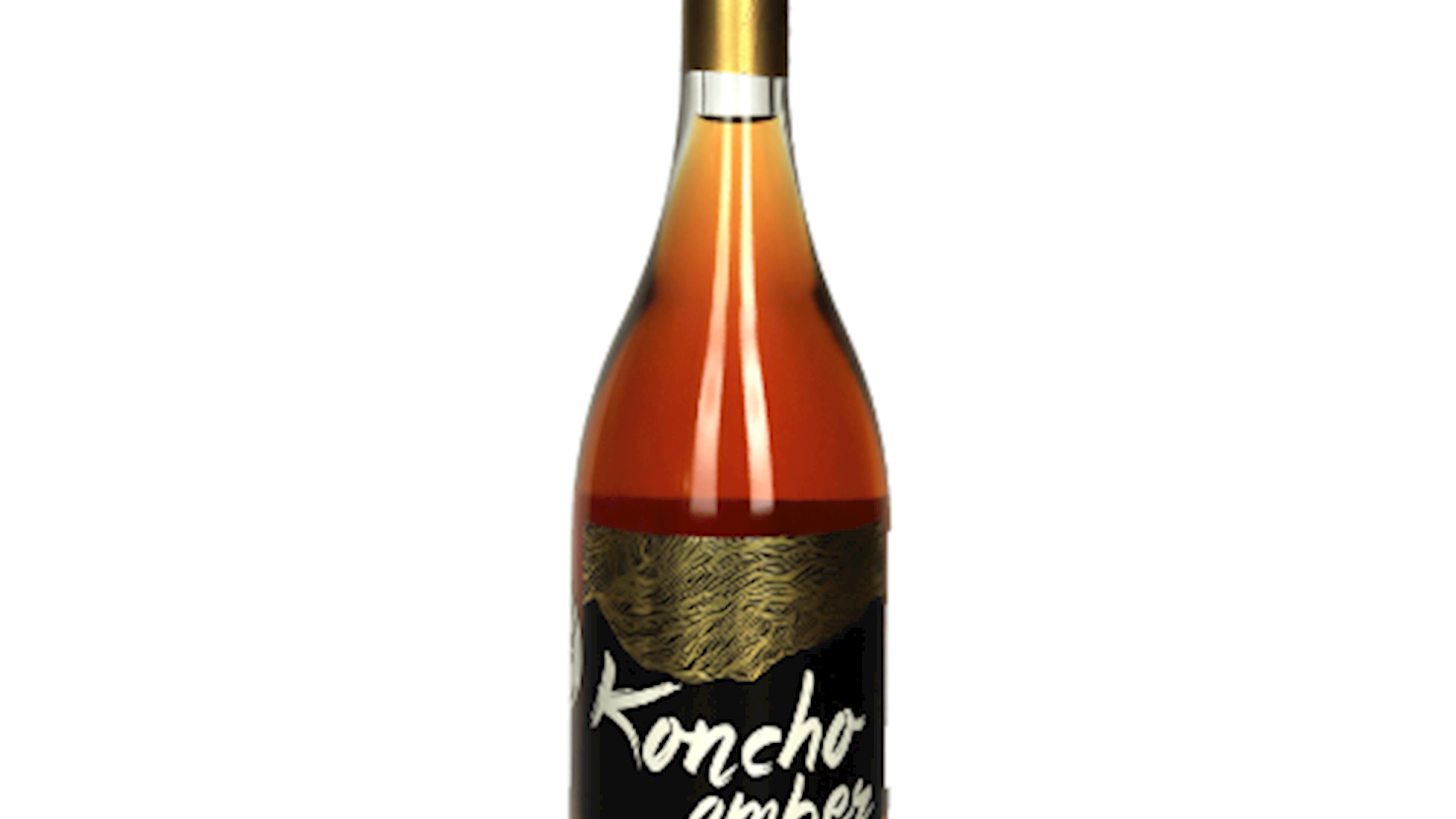
Koncho & Co is a Georgian winery based in Kvareli, in the Kakheti region, rooted in a long-standing winemaking tradition linked to the Konchoshvili family, whose history dates back several centuries. The modern company was established in the early 2000s and combines historical heritage with a contemporary approach to wine production. Its vineyards are located in well-known microzones such as Kvareli and Kindzmarauli, where specific climatic and soil conditions contribute to a strong terroir expression. Production integrates traditional qvevri methods alongside modern technologies, achieving a balance between authenticity and consistency. The winery focuses on indigenous grape varieties while also working to preserve and revive rare local grapes. Its portfolio includes a range of styles, from dry and semi-sweet wines to amber wines, as well as spirits such as chacha and brandy. Koncho & Co wines are present on international markets and exported to multiple countries. Overall, the winery represents a combination of tradition, family heritage, and modern development within Georgian winemaking.
Awards
IWSC- International wine & spirit competition - Gold (2023)
10
Wine

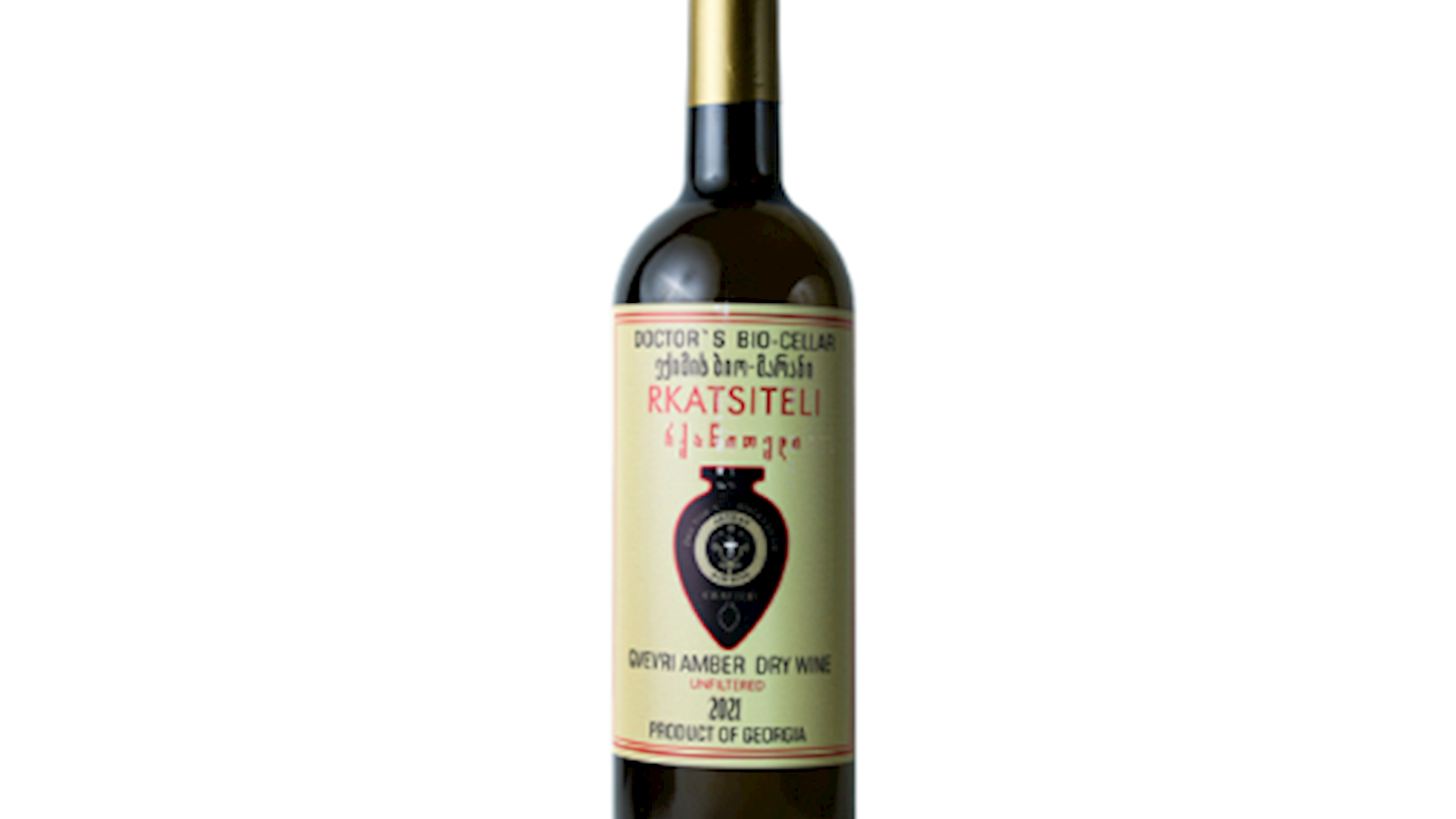
Doctor's Bio-Cellar
4.9 ·
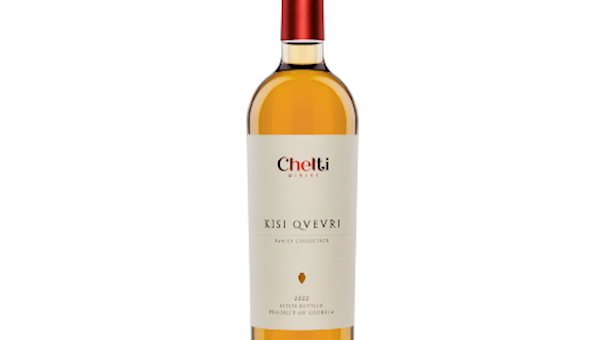
Doctor’s Bio-Cellar is a small, family-run winery based in Georgia’s Kakheti region, widely regarded as the historical heart of winemaking and the birthplace of the ancient qvevri tradition. The producer follows an organic, low-intervention philosophy, cultivating grapes without synthetic chemicals and relying on spontaneous fermentation with native yeasts. Their wines are made in traditional clay vessels known as qvevri, buried underground to ensure natural temperature stability and gradual development of structure and aromas. The resulting style is authentic and vintage-driven, with minimal standardization, allowing each wine to reflect the specific conditions of the harvest and terroir. The winery focuses on indigenous Georgian grape varieties such as Rkatsiteli, Kisi, and Saperavi, which, under this approach, often yield wines with firm tannins, oxidative nuances, and layered aromatics. Wines are typically unfiltered and produced with little to no added sulfur, contributing to their raw texture and natural appearance. Production remains limited, with small batches aimed at the niche market of natural and biodynamic wine enthusiasts. The visual identity is understated, with simple labeling that aligns with the winery’s philosophy of transparency and minimalism. Doctor’s Bio-Cellar wines are mainly found in specialized wine shops and bars that focus on natural wines. Overall, the winery represents a contemporary interpretation of Georgia’s ancient winemaking heritage, where tradition, environment, and craftsmanship are closely intertwined.
Awards
IWSC- International wine & spirit competition - Gold (2024)
Read more
View all
View map
About this ranking

TasteAtlas food rankings are based on the ratings of the TasteAtlas audience, with a series of mechanisms that recognize real users and that ignore bot, nationalist or local patriotic ratings, and give additional value to the ratings of users that the system recognizes as knowledgeable. For the “Top 66 Georgian Foods” list until June 01, 2026, 11,110 ratings were recorded, of which 4,117 were recognized by the system as legitimate. TasteAtlas Rankings should not be seen as the final global conclusion about food. Their purpose is to promote excellent local foods, instill pride in traditional dishes, and arouse curiosity about dishes you haven’t tried.

The initial list of top producers was compiled based on available reviews, awards, local recommendations, media and blog coverage, and consumer reviews. The list will be updated with ratings from TasteAtlas local ambassadors and TasteAtlas users.

Similar lists