Shutterstock

Top 100 Piedmontese Foods

Last updated on June 07, 2026

Best Piedmontese foods

01
Pasta

Tajarin al tartufo bianco d'Alba

4.5 ·

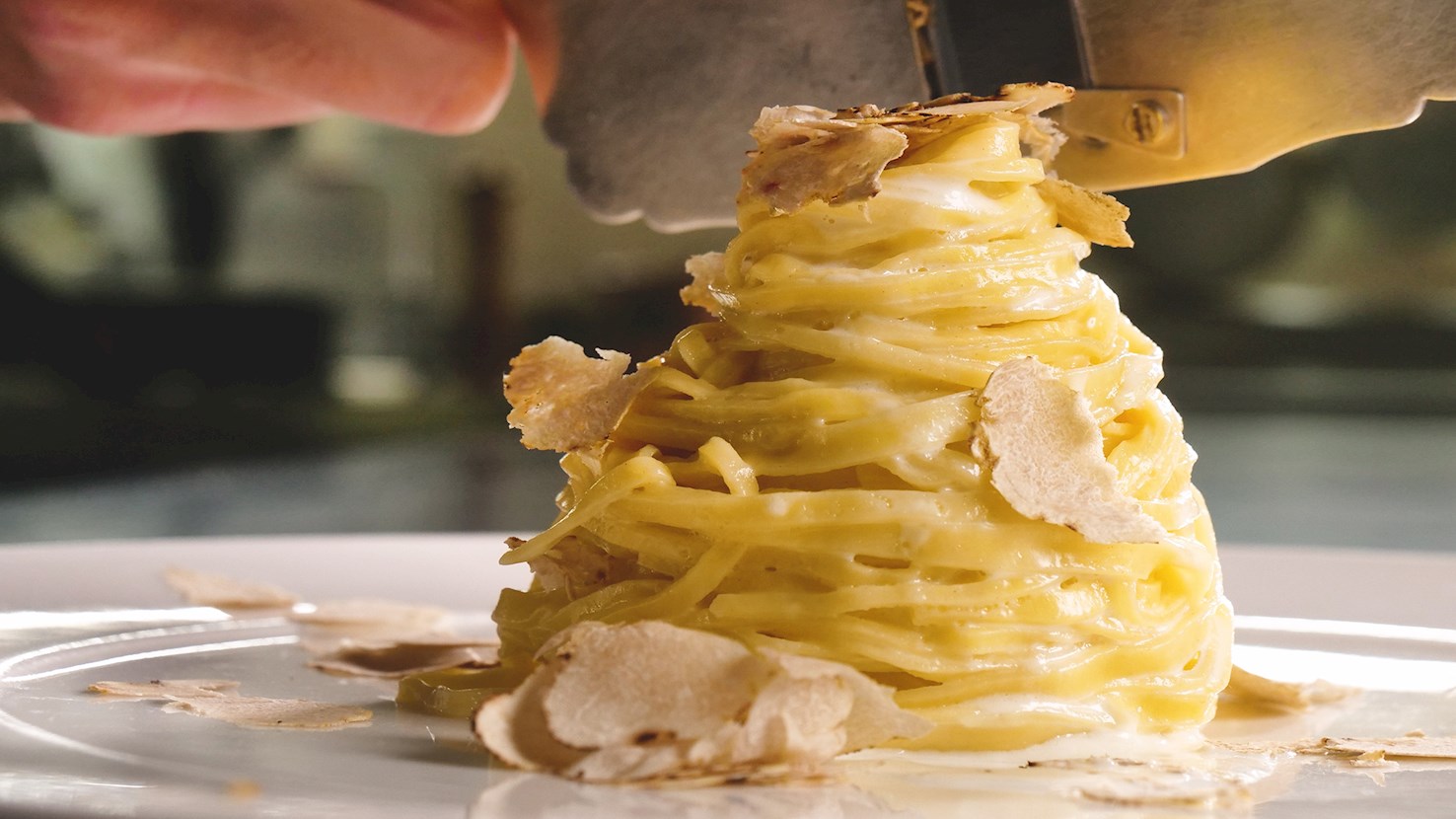
Tajarin al tartufo bianco is a pasta dish flavored with the regional star - tartufo bianco d'Alba. This simple dish consists of handmade tajarin (also spelled as taglierini and tagliolini) pasta flavored with butter, pepper, and freshly grated white truffles. Although truffles bring more than enough flavor, a sprinkle of Parmigiano is often used to finish this delicacy, which becomes even more decadent if paired with a glass of dry red wine.

02
Pasta

Agnolotti del plin

4.4 ·

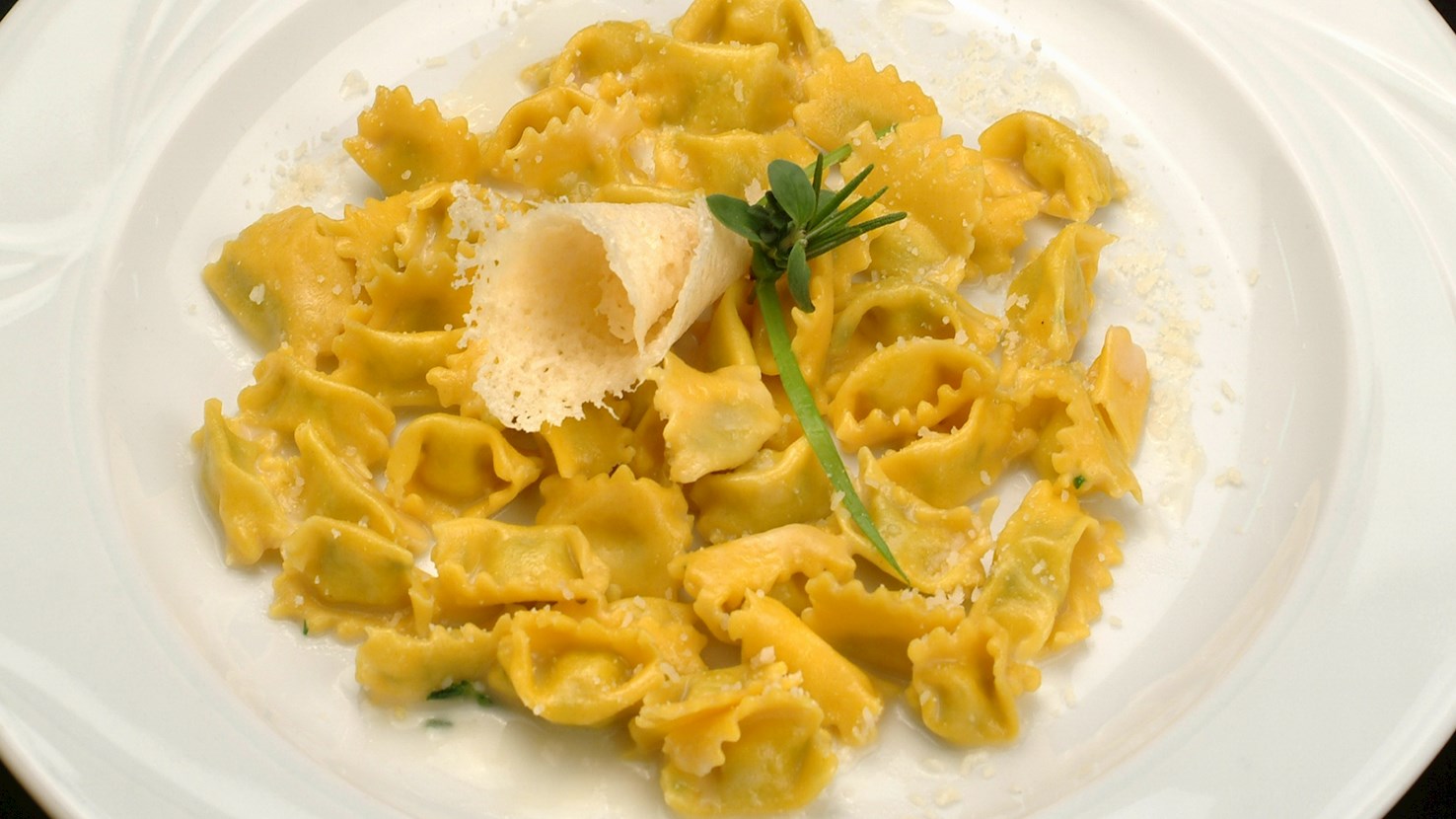
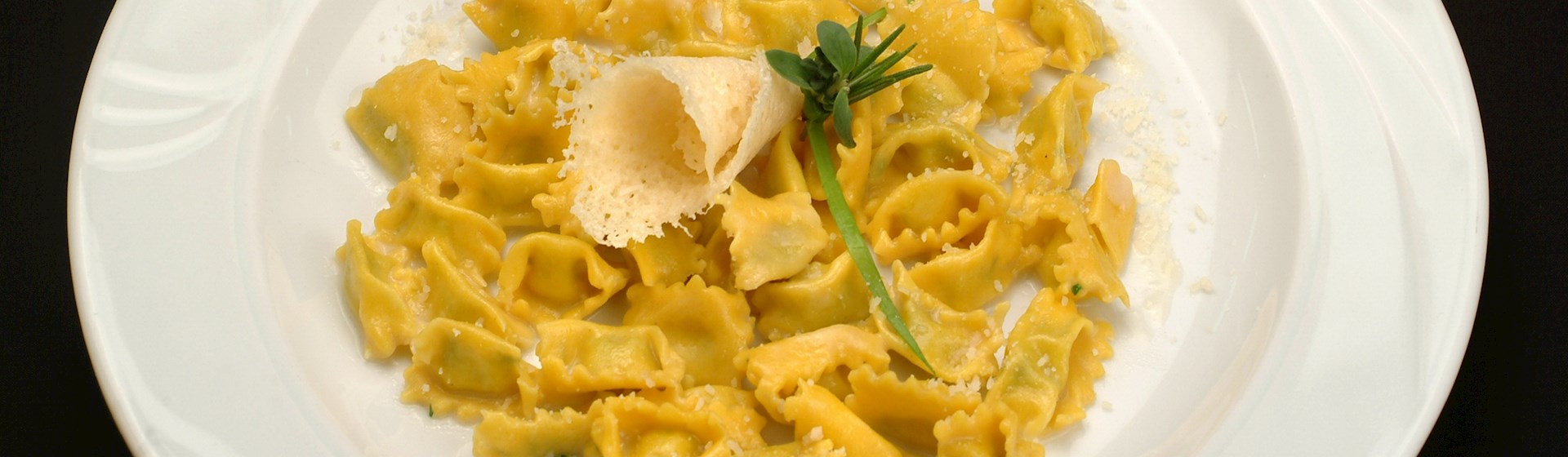
Agnolotti del plin is a traditional dish from Piedmont that is made with small, usually boat-shaped agnolotti pasta. The pasta is traditionally filled with veal, pork or rabbit meat, this was mainly done with leftover roasts, but vegetables such as cabbage or spinach are also occasionally used. The name of the dish stems from the local dialect in which plin translates as a pinch, referring to the preparation method of sealing each agnolotto with a firm squeeze. Agnolotti del plin can be served doused in melted butter, a combination of butter and fresh sage (burro e salvia), tomato sauce, ragù, or meat drippings sauce (sugo d'arrosto).

03
Ice Cream

Gianduia gelato

4.3 ·

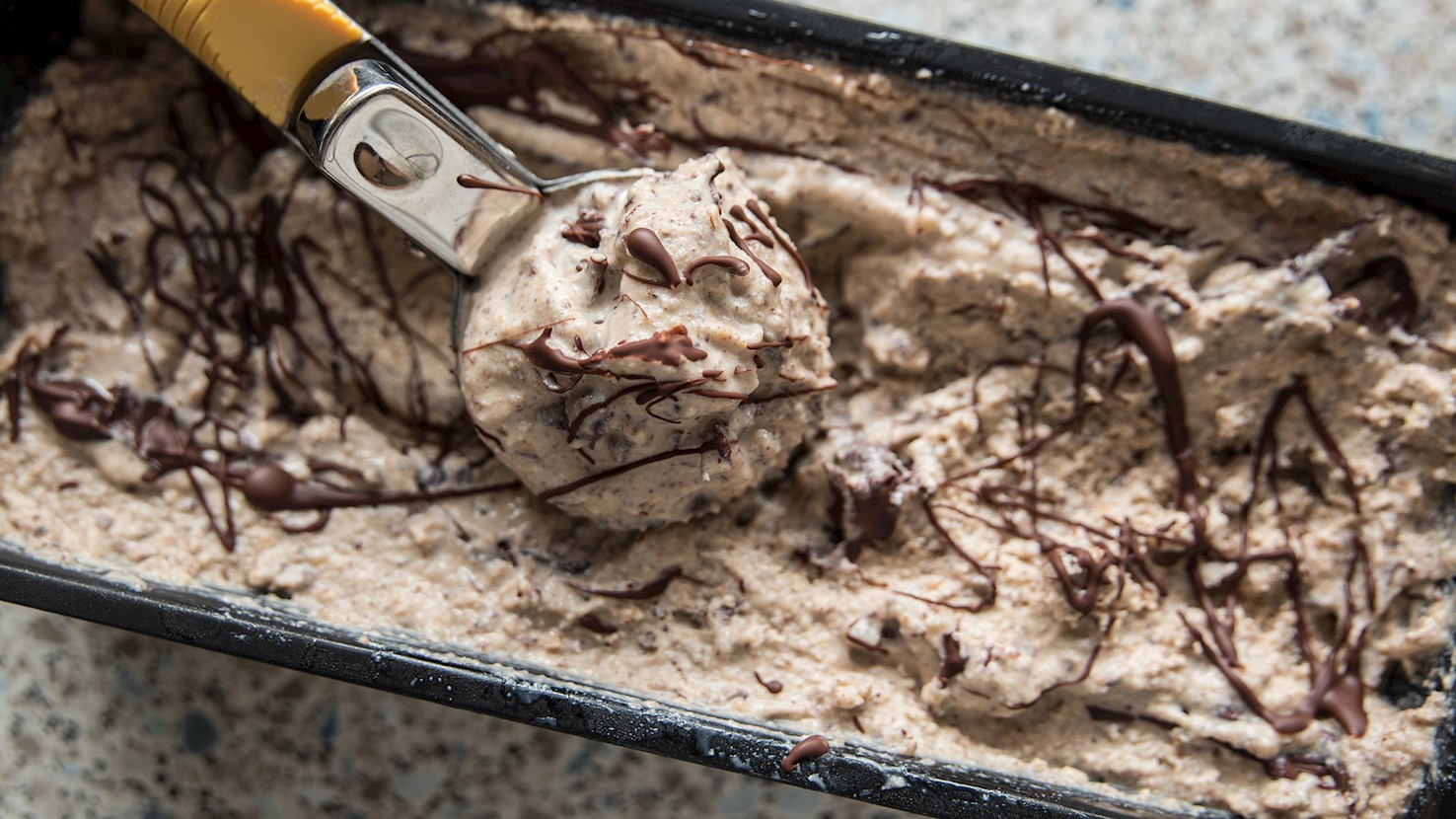
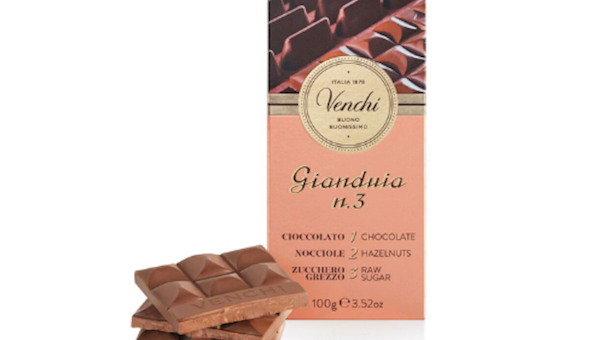
This classic flavor combines hazelnuts and milk chocolate into a rich, smooth gelato. Though similar to the bacio flavor, gianduia is typically prepared with milk chocolate and does not incorporate crushed hazelnuts. It was modeled on gianduia, an iconic Italian cocoa, sugar, and hazelnut paste that was initially introduced in the 19th century. Similar to the gianduia confection, the gelato is also usually associated with Piedmont, a region famous for its hazelnuts, but it is commonly found in numerous gelaterias throughout the country.

04
Pizza

Pizza al padellino

4.2 ·

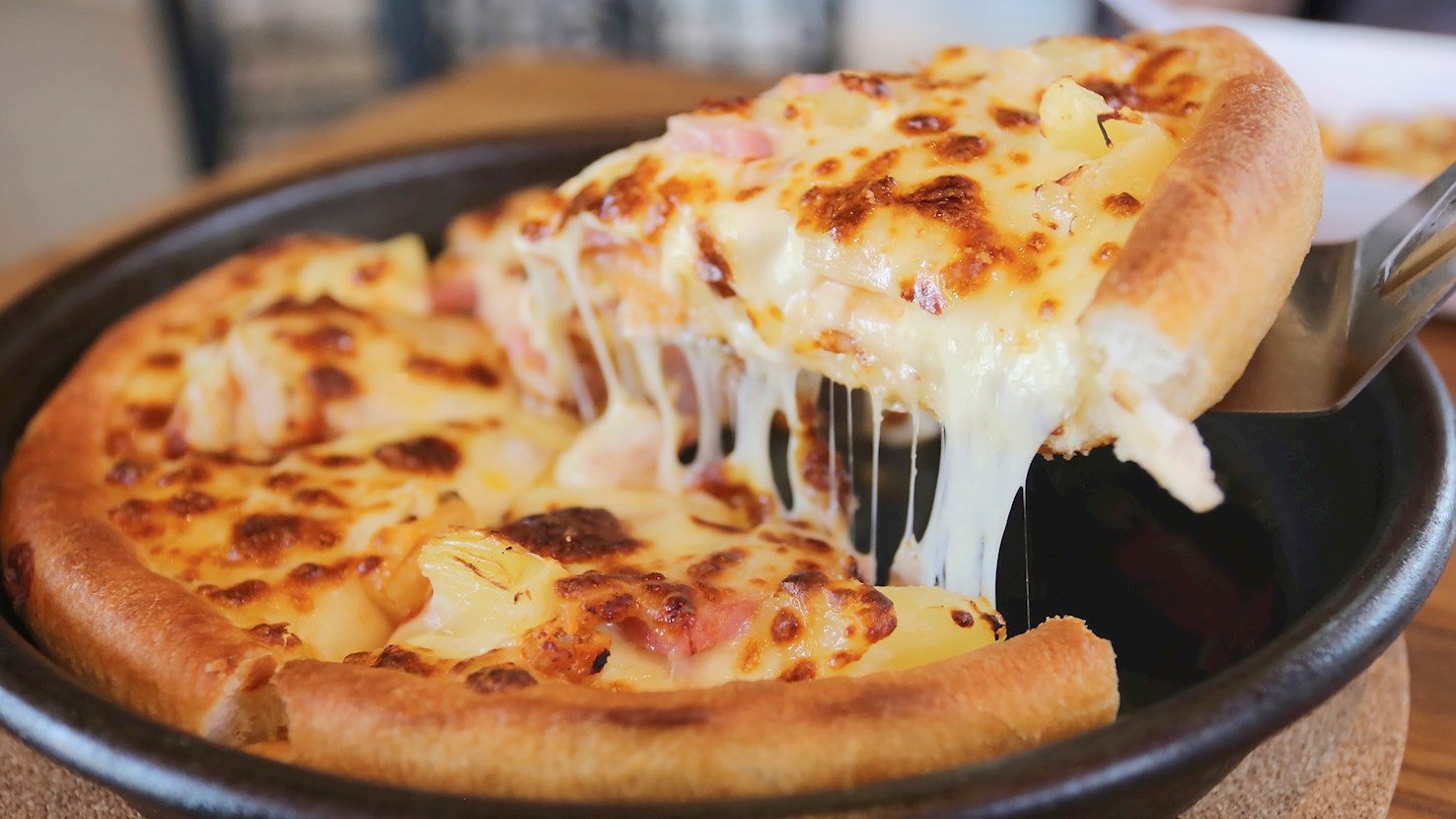
Pizza al padellino is an Italian pizza variety that is baked and served in small, round pans. The dough rises more than usual while it bakes in the pan, making the pizza softer, although the crust gets slightly fried due to the oil in the pan. Pizza al padellino is smaller than the classic Neapolitan pizza, but it is also much thicker and crispier. Just like most pizzas, this variety can also be topped with anything from ham and cheese to bell peppers and prosciutto.

05
Appetizer

Vitello tonnato

4.1 ·

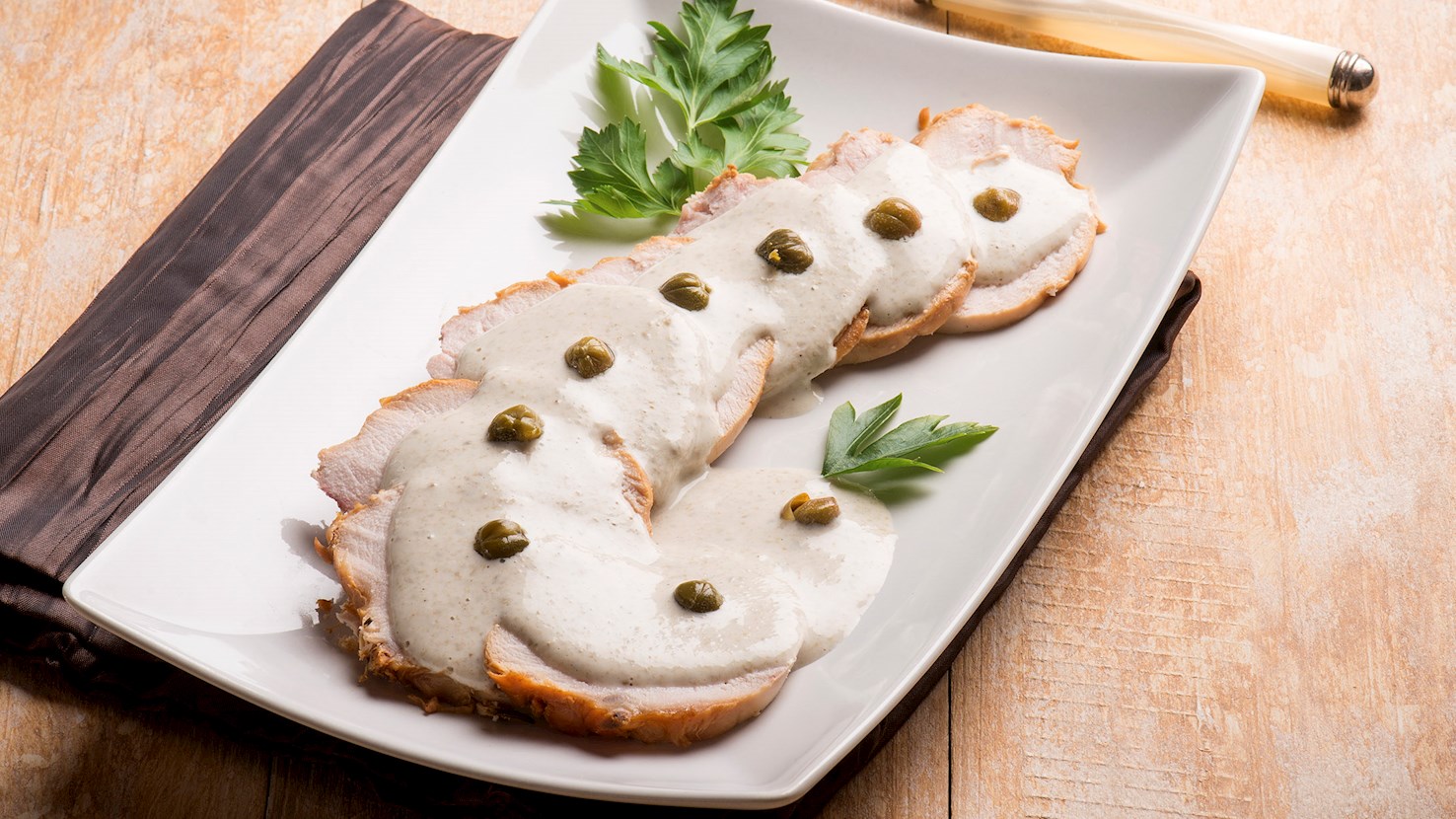
Another northern Italian classic, vitello tonnato, or vitel tonnè in local dialect, is a filling Piedmontese entrée made with white wine-marinated and tender-boiled veal smothered in a velvety tuna, anchovy, and caper sauce. It is traditionally served garnished with capers, parsley, anchovies, and lemon slices. The dish is believed to have been invented in the 1700s, but it wasn't until the mid-1800s when the recipe was first published in La Cucina degli Stomachi Deboli, a cookbook written by a renowned Italian physician and medical researcher Angelo Dubini.

06
Cookie

Baci di dama

4.1 ·

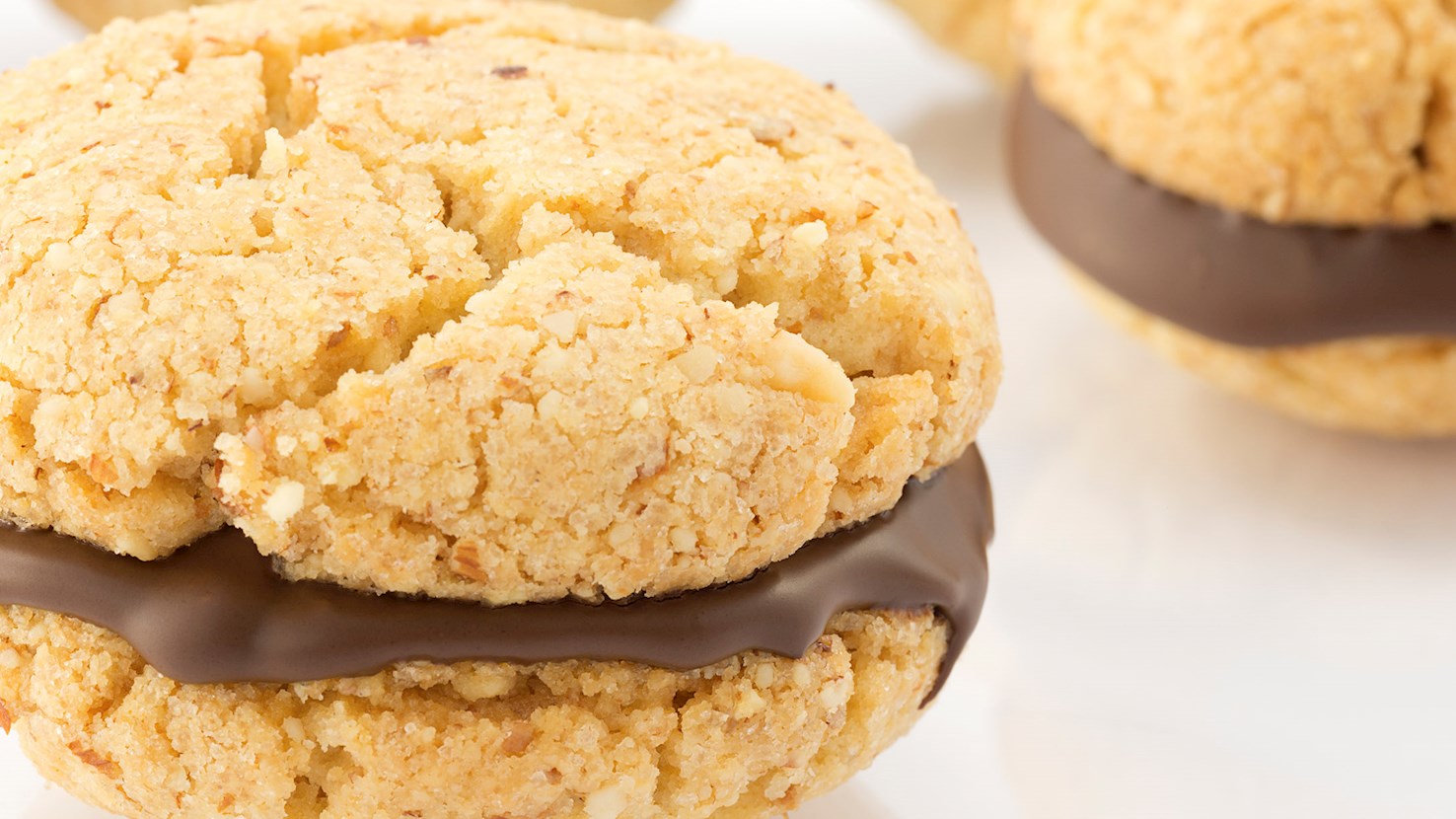
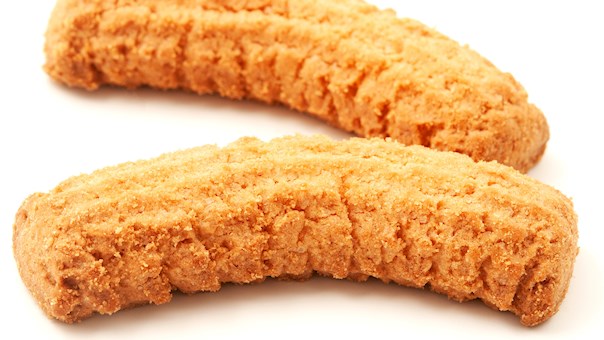
Baci di dama, meaning lady's kisses, are traditional hazelnut butter cookies with a layer of chocolate-hazelnut spread sandwiched between them. They originated in pastry shops in Tortona, Piedmont (famous for its hazelnuts), in the second half of the 19th century. The name of these cookies refers to their visual appearance, since it is reminiscent of two mouths kissing, or the mouth of a lady (ladies didn't use to open their mouths while kissing, as it was considered crude). Baci di dama is often used as a holiday cookie, and they are sometimes even referred to as the Italian version of popular Oreo cookies.

07
Cheese

Tomino

4.1 ·

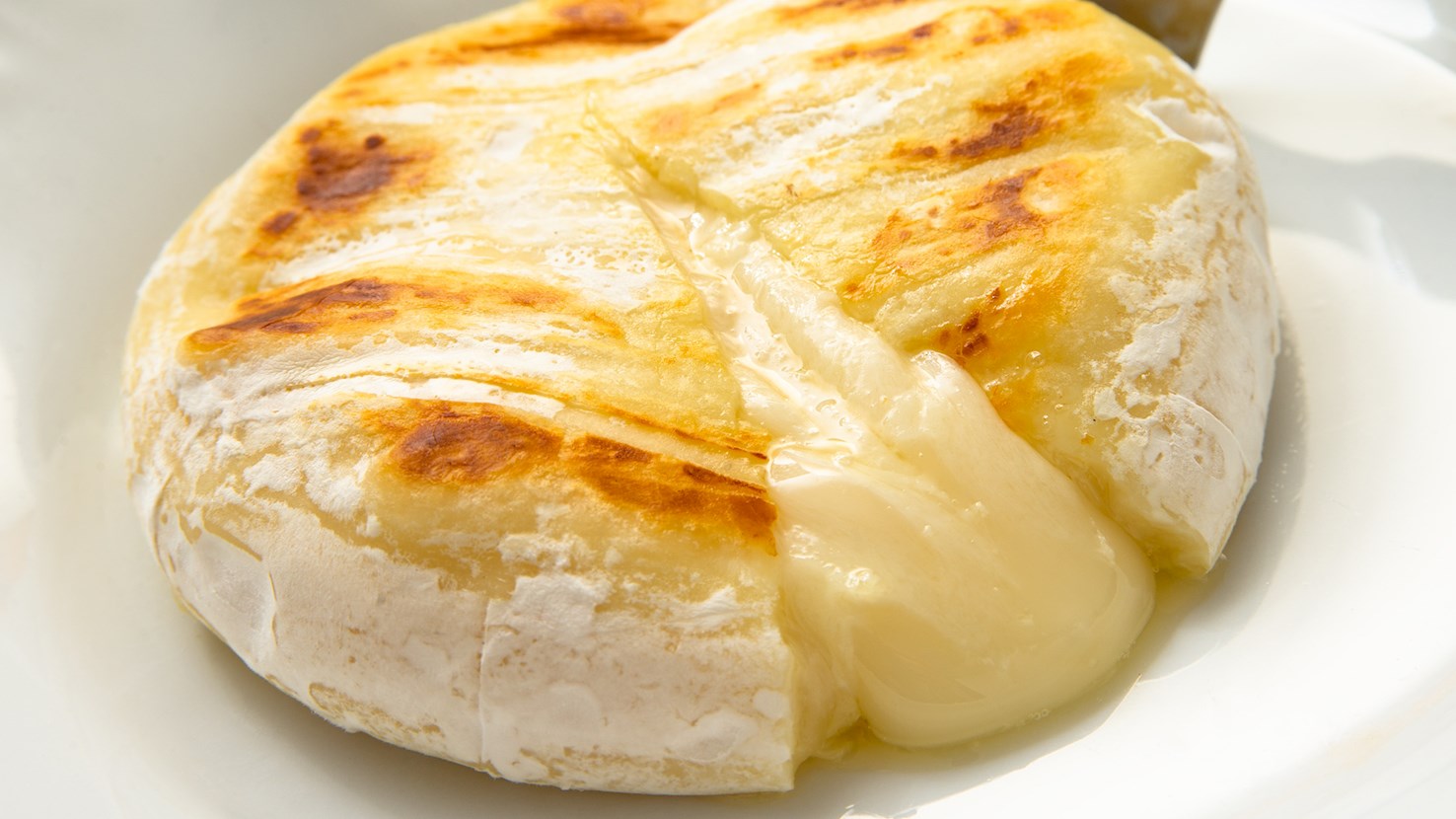
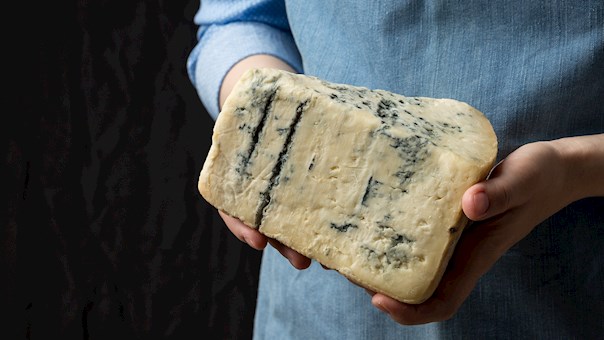
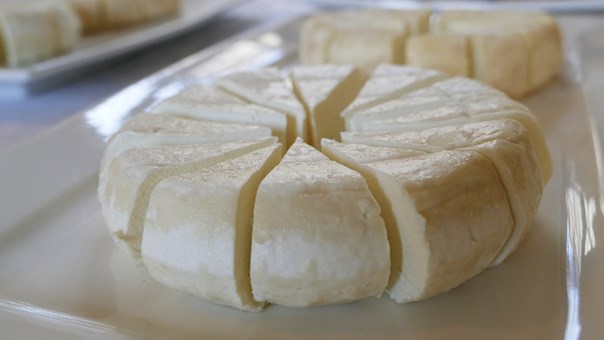
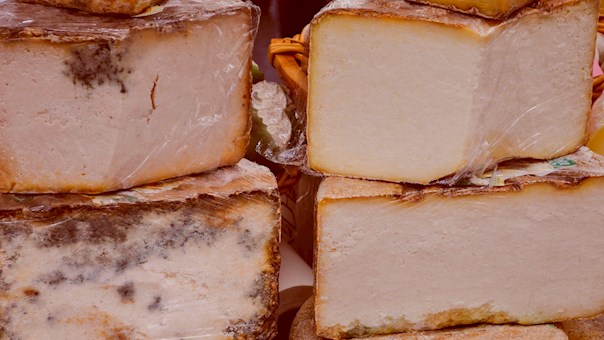
Tomino is an Italian cheese originating from Piedmont. It is made from cow's milk and has a compact and soft paste on the interior that is pale yellow in color. The cheese is small and round. When fresh, it has a pleasant, milky aroma with bitter notes, and when mature, its characteristics become stronger. The flavor is delicate and slightly sweet. It is recommended to serve Tomino as an appetizer, preferably grilled and paired with vegetables on the side.

08
Sausage

Salsiccia di Bra

4.1 ·

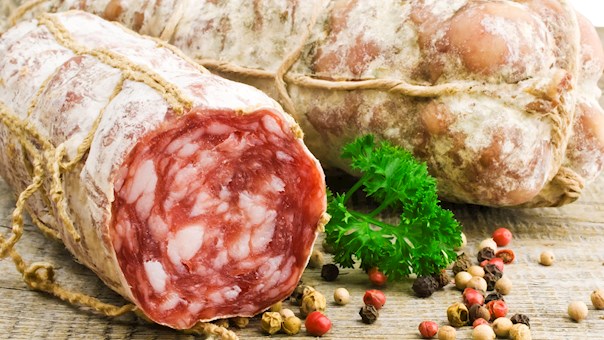
Salsiccia di Bra is a traditional sausage hailing from Bra in Cuneo, Italy. Although the exact recipe is a secret, certified producers say that the secret of this cylindrical sausage lies in the right amount of lean veal meat, pig's fat, sea salt, white pepper, cinnamon, mace, and nutmeg. Many producers enrich it further with fennel, garlic, cheese, leeks, white wine, and even prosecco or sparkling wine for Christmas. The combination is stuffed in a small ram's gut, and the sausage is traditionally eaten fresh and raw with a splash of lemon juice as part of antipasti or as a snack during aperitivo (pre-dinner drink). And for true fans of salsiccia di Bra, every spring there is a festival in Bra dedicated to this local sausage.

09
Dip

Bagna càuda

4 ·

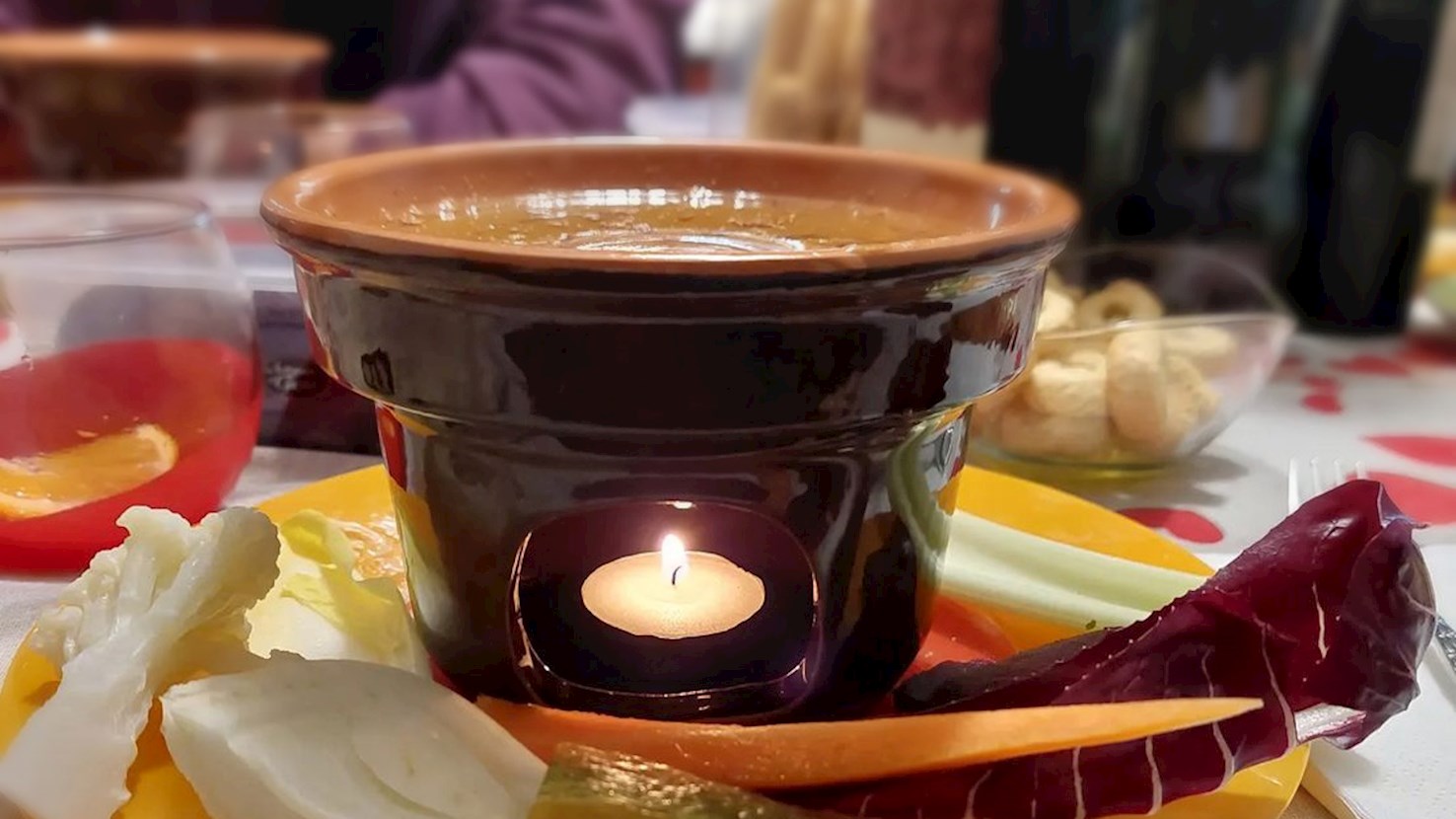
The Piedmontese bagna càuda, also spelled bagna caôda (lit. hot bath), is a dip made with garlic, anchovies, and olive oil, typically served with the so-called pinzimonio di verdure, an assortment of raw, boiled, or roasted vegetables; most often fennel, artichokes, peppers, and carrots, but some recipes suggest even cauliflower, celery, onions, and cucumber. This fragrant Italian dip is sometimes made with the addition of milk, cream, butter, or walnut oil, and it’s traditionally prepared during autumn and winter months, particularly around Christmas and New Year's. In Piedmont, bagna càuda used to be dished out in peila, a big pan placed at the center of the table for communal sharing, while today it's been spruced up and comes served in fojòt, a type of an individual fondue pot made of terra cotta. Bagna càuda is believed to be the dish of friendship that's best consumed on a cold evening, by candlelight, surrounded by friends and family.

10
Pudding

Panna cotta

4 ·

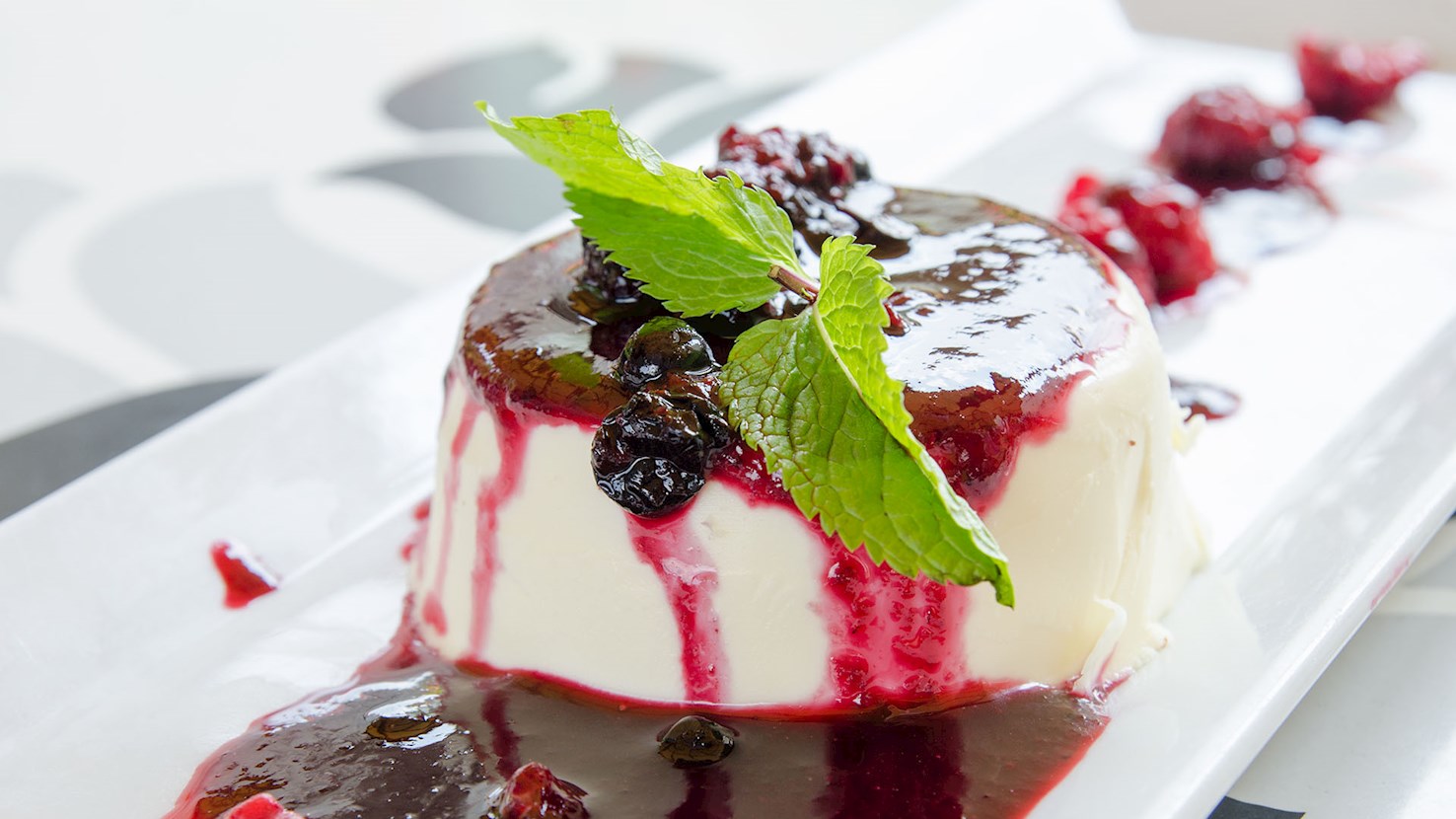
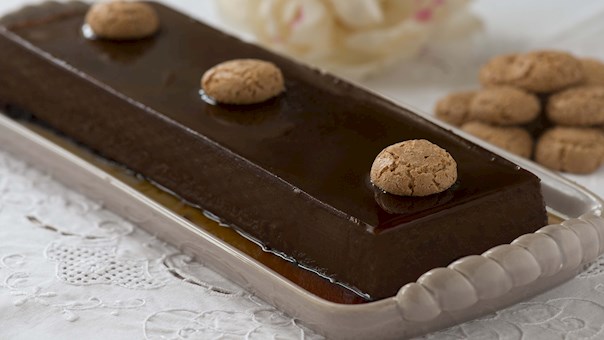
Simplicity at its finest, this softly set pudding takes almost no effort to make, yet is nothing short of amazing! Even though panna cotta (lit. cooked cream) wasn't mentioned in Italian cookbooks until the 1960s, today it is considered a traditional Piedmontese dessert, and the original recipe calls for only whole cream, sugar, vanilla, and gelatin. When made to perfection and properly chilled, panna cotta is silky smooth, deliciously creamy, and has a gentle wobble to it. For a slightly lighter version of this scrumptious dessert, use half-and-half instead of heavy cream, or simply dilute heavy cream with milk. According to Anna Del Conte, a renowned food writer and leading figure in Italian cuisine, classic Piedmontese panna cotta is served on its own or sometimes accompanied with Brutti ma buoni hazelnut meringue biscotti, while the Valle d’Aosta version of panna cotta is flavored with a dash of peach eau-de-vie and garnished with red berry coulis. In other parts of Italy, panna cotta is frequently flavored with rum or sweet Marsala wine and topped with a generous drizzle of caramel sauce, which perfectly complements the seductive aroma of vanilla. Imagination being the only limit, variations on this elegant dessert are virtually endless, and it can be easily tailored to anyone’s taste.

Best Piedmontese food products

01
Chocolate Confectionery

Guido Castagna

5 ·
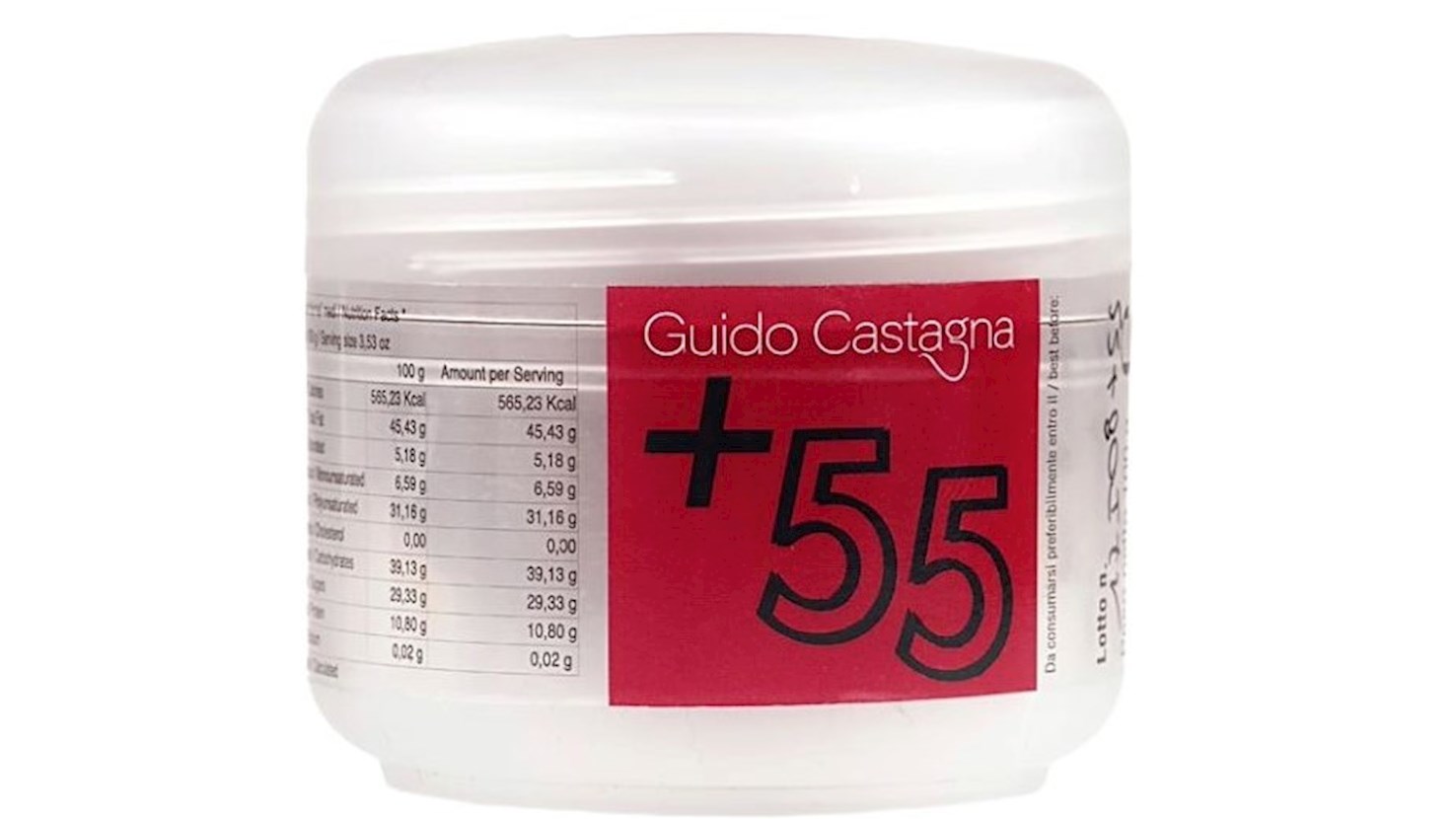
Guido Castagna is a distinguished Italian chocolatier celebrated for his commitment to craftsmanship, authenticity, and sustainability. At the heart of his philosophy lies the "Metodo Naturale" (Natural Method), a production approach that honours the natural rhythms of ingredients and emphasises respect for raw materials, artisans, and the environment.​ This meticulous process begins with the careful selection of premium cocoa beans, which are allowed to rest for three months upon arrival to stabilise their aromatic profiles. Subsequently, the beans are roasted at low temperatures to preserve their inherent flavours. The tempered chocolate is then moulded into blocks and aged for six months under controlled conditions, allowing the flavours to mature fully. ​ guidocastagna.it Among Castagna's acclaimed creations is the Giuinott®, a modern reinterpretation of the traditional gianduiotto. This confection combines Venezuelan Chuao cocoa with IGP Piedmont hazelnuts, resulting in a harmonious blend that has garnered multiple gold awards at the International Chocolate Awards.
Awards
International Chocolate Awards - ‘Best in competition' overall winners (2024)
International Chocolate Awards - ‘Best in competition' overall winners (2023)
02
Chocolate Confectionery

Domori

5 ·
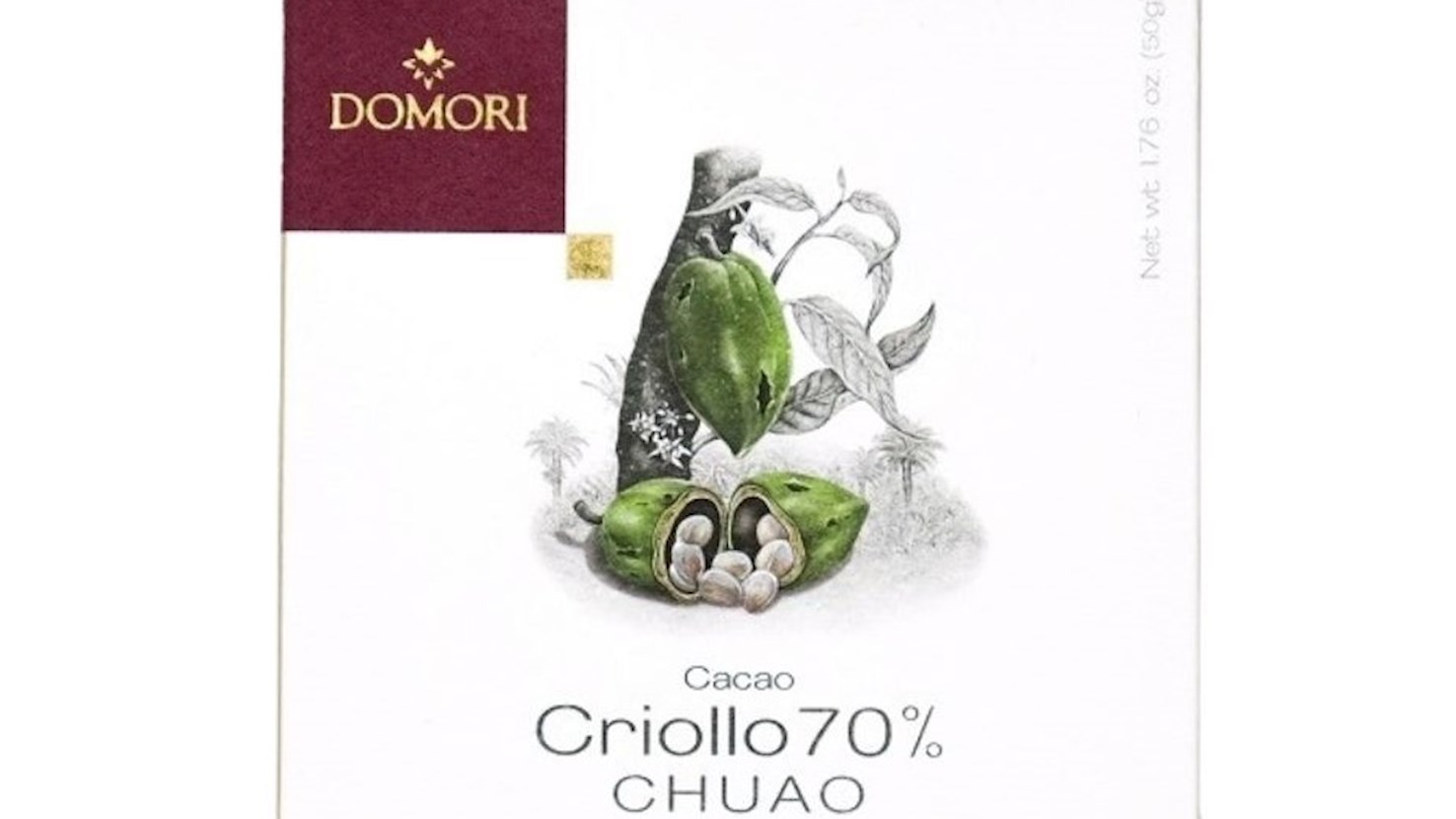
Domori is a visionary Italian chocolate maker that has forever changed the world of fine chocolate. Founded in 1997 by Gianluca Franzoni, Domori became a pioneer in the use of exceptionally rare and precious cocoa varieties, particularly the Criollo type, widely regarded as the finest in the world. It was the first company to establish its own plantation of noble cacao, ensuring full control over the quality and origin of its raw materials. Its unique processing approach, which involves minimal intervention and no conching, preserves the authentic notes of the cacao. Domori’s chocolates are often made with just cocoa mass and sugar, without vanilla, lecithin, or additives—pure essence of flavor. A multi-award-winning brand, Domori is celebrated for its unparalleled aromatic complexity and elegance. Today, as part of the Illy group, Domori continues to lead the revolution in fine chocolate, inviting true connoisseurs to experience chocolate at its highest expression. Domori is not just chocolate—it is a tribute to noble origins, craftsmanship, and deep respect for every cacao bean.
Awards
Tavoletta D'Oro - The best in category (2024, 2023, 2022, 2021, 2020, 2019, 2018, 2017, 2016, 2015, 2014, 2013, 2012, 2011, 2010, 2009, 2007, 2006, 2005, 2004, 2003)
Tavoletta D'Oro - Premio del ventennale Award (2024, 2023)
03
Chocolate Confectionery

Guido Gobino

5 ·
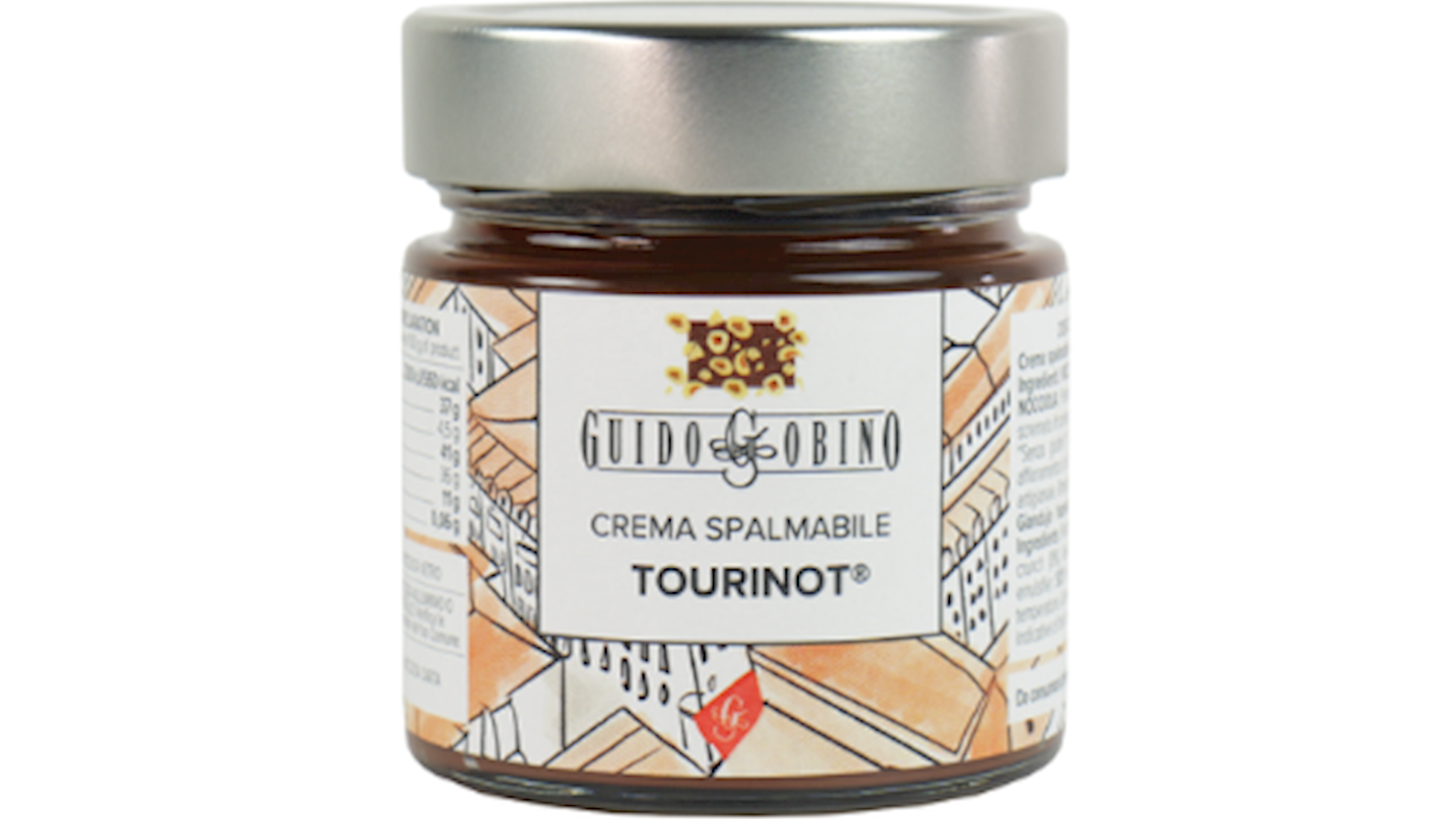
Guido Gobino is a prestigious Turin-based chocolatier and master of gianduja, whose name today stands as a symbol of exceptional Italian artisanal chocolate. His story begins in 1964, when his father Giuseppe founded the “Laboratorio Artigianale del Giandujotto” dedicated to preserving and elevating the traditional craft of gianduja – a chocolate specialty made with hazelnuts and cocoa. Guido took over the family business and transformed it into an internationally acclaimed brand by blending time-honored techniques with modern innovations and a continuous pursuit of excellence. At the heart of his creations are premium ingredients: Tonda Gentile delle Langhe hazelnuts, milk from Piedmont, and carefully selected cocoa beans sourced from Latin America, all within a strict “bean-to-bar” philosophy. His collection includes original giandujotti, Tourinot pralines, cremino with olive oil and sea salt, refined filled chocolates, and single-origin chocolate bars. Today, his creations can be found in fine boutiques and gourmet shops across Europe, the United States, and Asia. Thanks to his unwavering commitment to quality, sustainability, and authenticity, Guido Gobino has become a global ambassador of Turin’s chocolate-making tradition and one of Italy’s most respected chocolatiers.
Awards
Tavoletta D'Oro - The best in category (2024, 2023, 2022, 2021, 2020, 2019, 2018, 2017, 2016, 2015, 2014, 2013, 2012, 2011, 2010, 2005, 2004, 2002)
Tavoletta D'Oro - Premio del ventennale Award (2024, 2023)
04
Wine

Gaja

5 ·
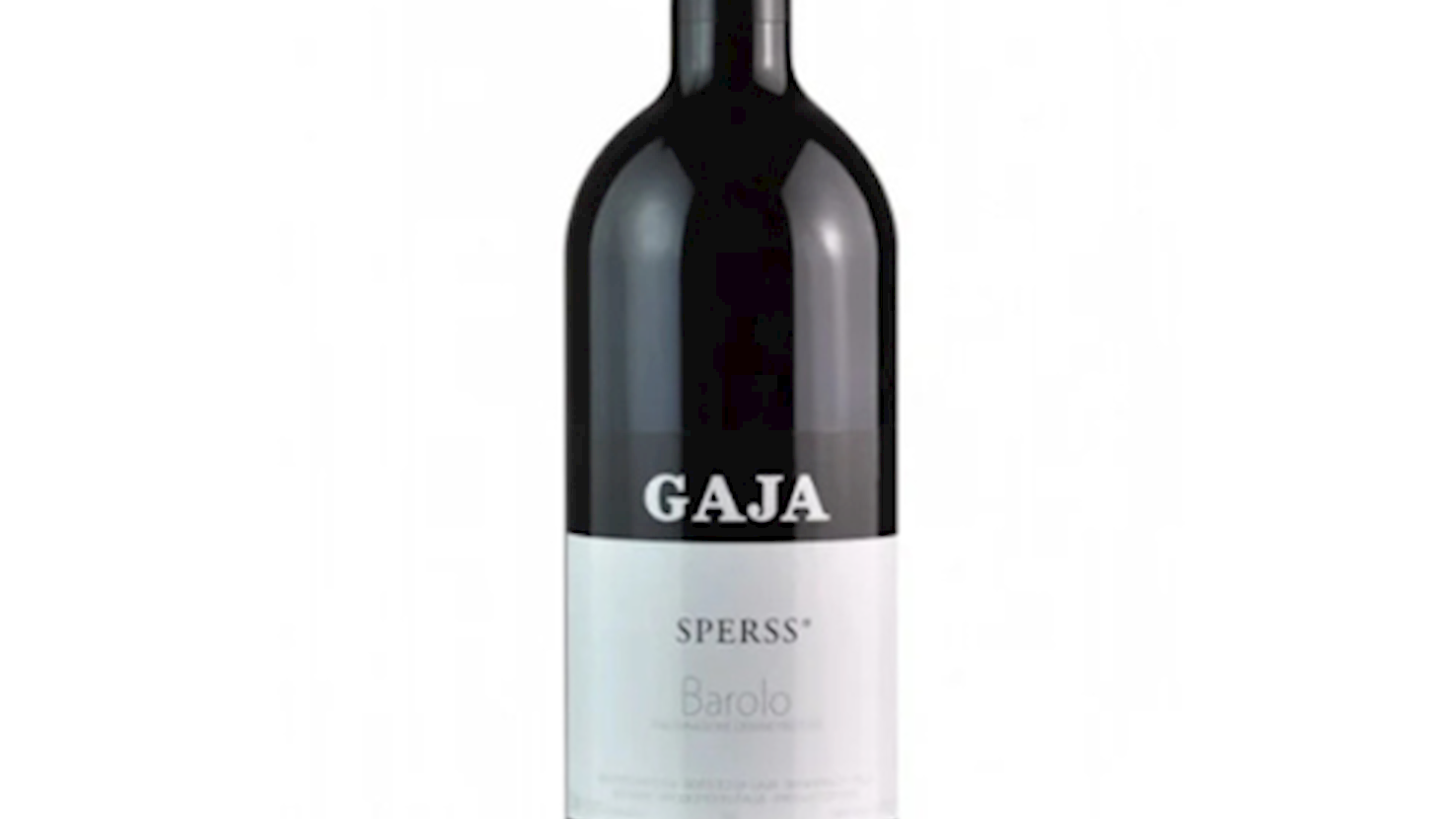
Gaja is one of the most respected names in the world of wine, known for exceptional quality, refined elegance, and a harmonious blend of tradition and modern vision. The philosophy of this family-run winery is rooted in deep respect for nature and thoughtful care throughout every stage of production, from vineyard to bottle. The wines are celebrated for their precision, structure, and layered complexity. Whether crafted from native or international grape varieties, each expression reflects the distinct character of the land and the meticulous attention given to the vineyard. Single-vineyard labels hold a special place, capturing the unique identity of their origin. Gaja balances heritage with innovation. The winery remains committed to its values while continuously evolving. Each wine embodies expertise, passion, and a clear vision, leaving a lasting impression through its depth and authenticity. The name Gaja stands for consistency, character, and timeless style, earning its place among the most esteemed producers in the world of fine wine.
Awards
Falstaff - 100
Falstaff - 99
05
Confectionery

Piccola Pasticceria

5 ·
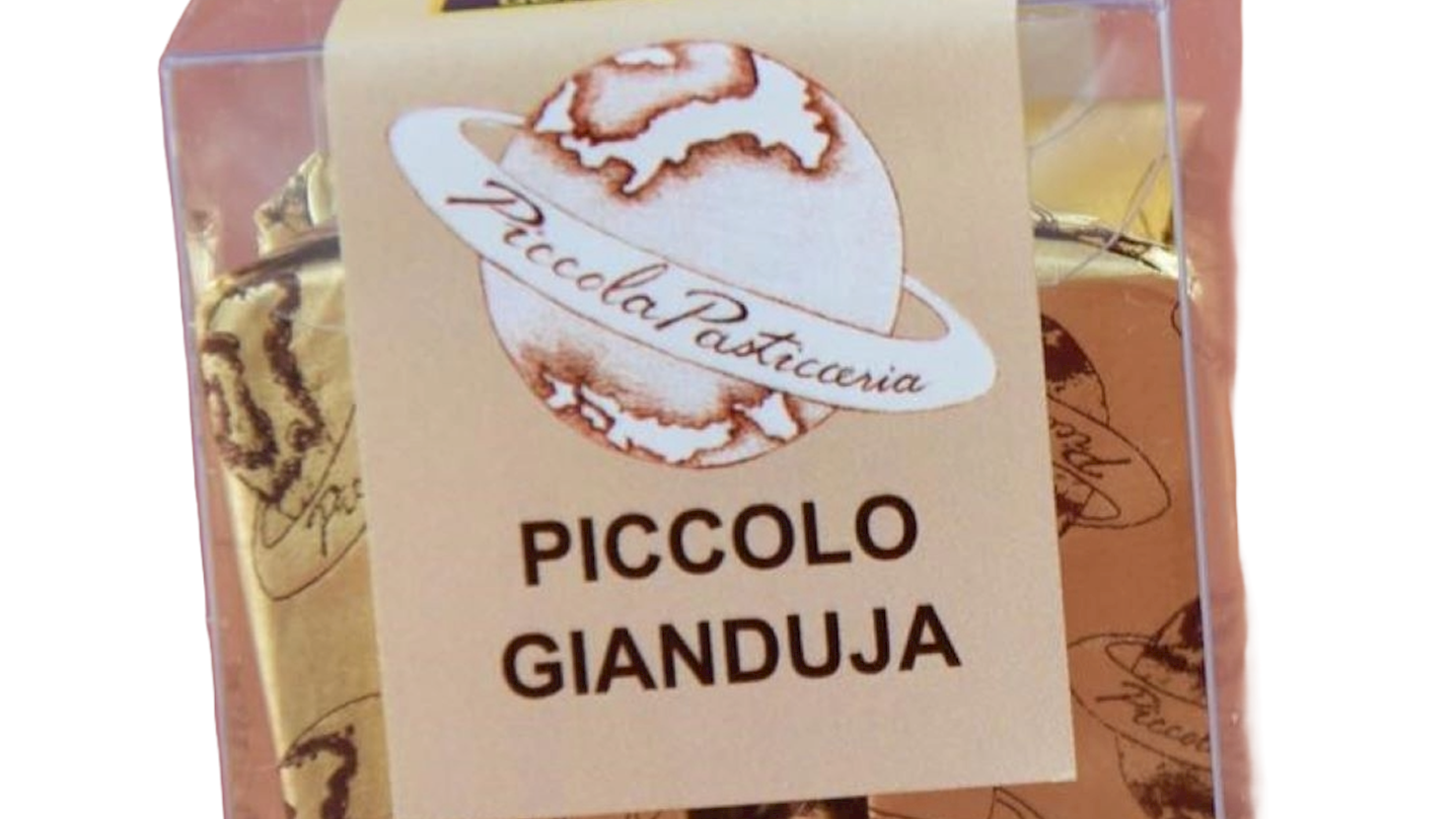
Piccola Pasticceria is a charming little pastry shop located in Casale Monferrato, Italy. This producer specializes in traditional Italian sweets, using fresh, high-quality ingredients. Their offerings include a variety of cakes, pastries, croissants, and other delightful treats, often beautifully decorated. The atmosphere at Piccola Pasticceria is warm and inviting, and the staff is known for their friendliness and willingness to recommend specialties. Many visitors return for the authentic flavors and attention to detail in every creation. If you find yourself nearby, it's definitely worth stopping by to enjoy one of their sweet delights!
Awards
International Chocolate Awards - Gold (2022, 2020, 2019, 2018, 2017, 2016, 2015, 2014)
Academy of Chocolate - Gold (2017)
06
Wine

Bruno Giacosa

5 ·
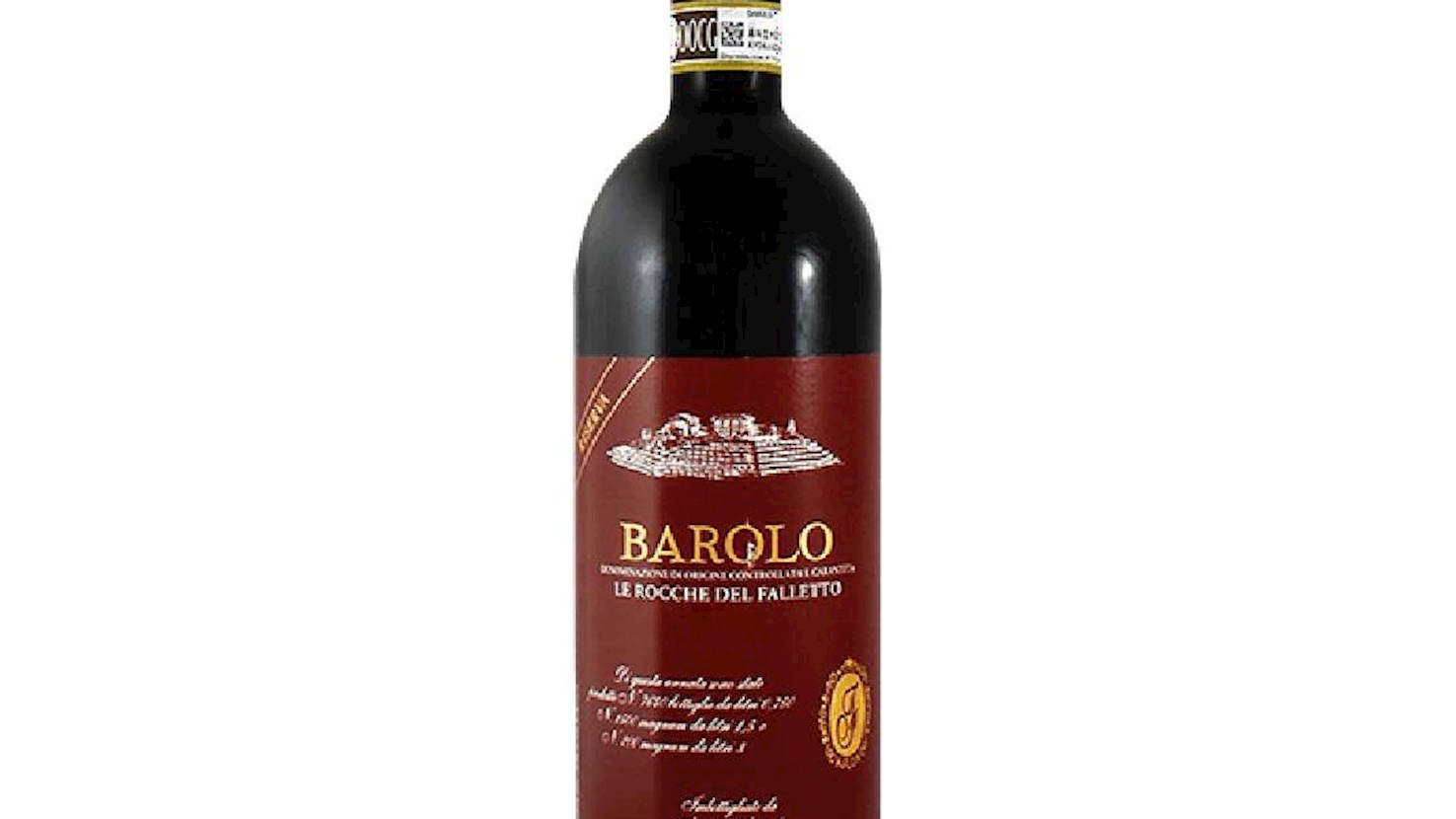
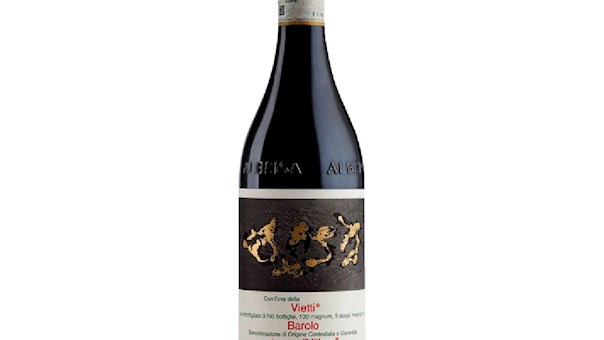
Bruno Giacosa is a legendary name in Italian winemaking and one of the most respected producers in Piedmont, renowned for exceptional Barolo and Barbaresco wines. Based in the town of Neive, in the heart of the Langhe, the estate has always been defined by an unwavering commitment to quality and tradition. Known as the “Genius of Neive”, Bruno Giacosa began his winemaking journey at the age of fifteen, learning the craft in his family’s cellar and selecting only the finest grapes from the most prestigious vineyards. His philosophy was simple yet uncompromising – to create wines that faithfully reflect their terroir, with no concessions on quality. In fact, he often refused to bottle a vintage if it did not meet his exacting standards. In 1982, the estate acquired its own vineyards, including the celebrated Falletto in Serralunga d’Alba, allowing complete control over every step from vineyard to bottle. Today, the winery is led by his daughter, Bruna Giacosa, who continues the family tradition with the same dedication to precision, elegance, and respect for nature. Bruno Giacosa wines are synonymous with the finest expressions of Nebbiolo – a perfect balance of power and refinement – and remain a true embodiment of the soul of Piedmont.
Awards
James Suckling - 99 points (2024)
Vivino - 4.6
07
Spirit

Distilleria Sibona

5 ·
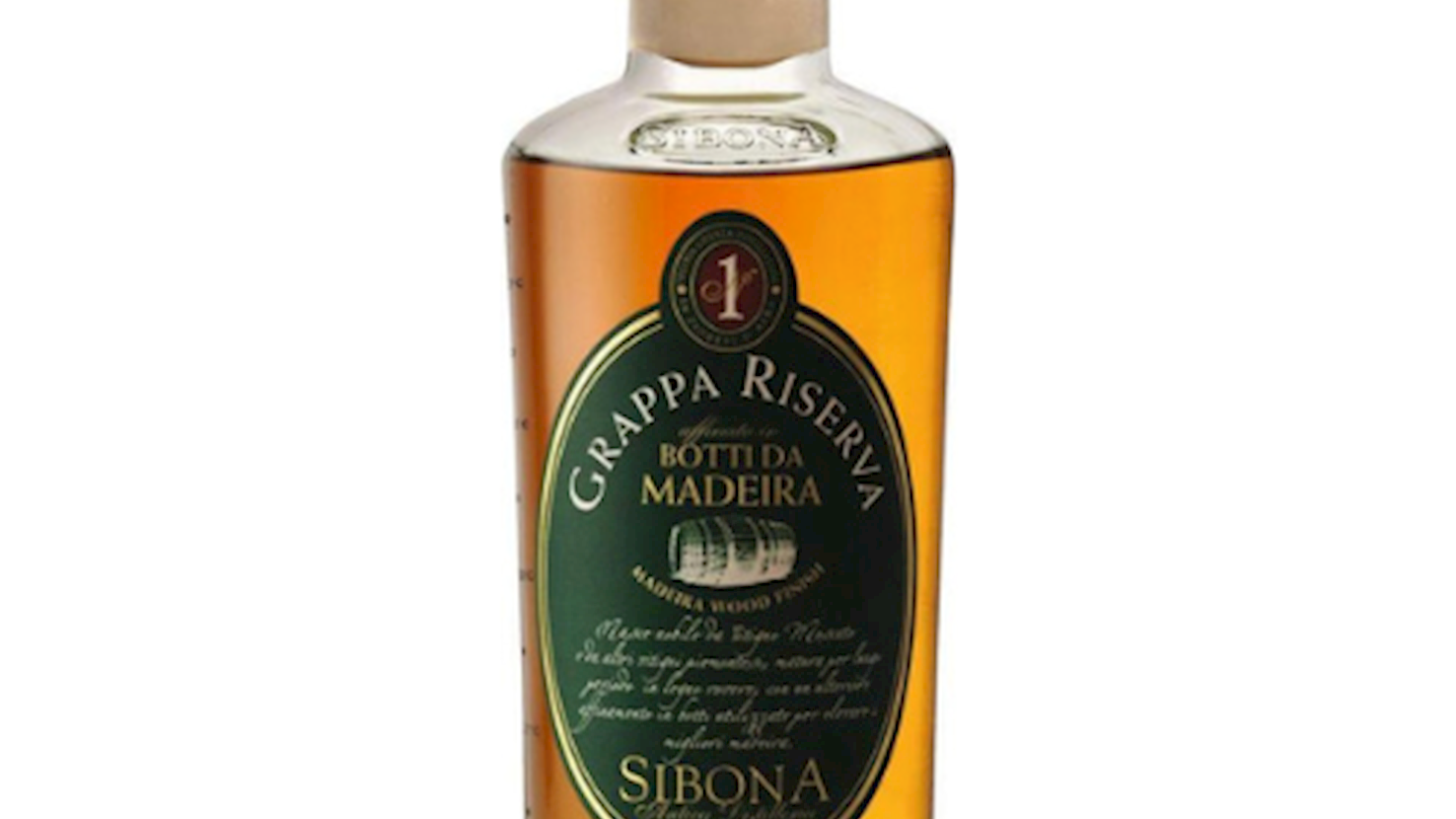
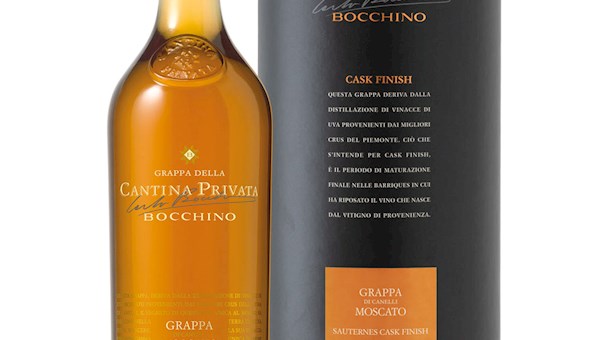
Distilleria Sibona is one of the oldest distilleries in the Piedmont region, located in the heart of Roero. It is renowned for its artisanal production of grappa, utilizing fresh pomace from prestigious local wineries. Sibona holds a unique historical distillation license and prides itself on its deep connection to traditional methods while incorporating modern techniques to ensure high-quality products. Their grappa is aged in various types of barrels, including those used for sherry, port, and whiskey, enhancing the flavor profile and creating distinctive spirits.
Awards
ISC-International Spirits Challenge - Double Gold (2020)
IWSC- International wine & spirit competition - Spirit Gold (2024, 2022, 2021, 2019)
08
Cheese

Cooperativa La Poiana

5 ·
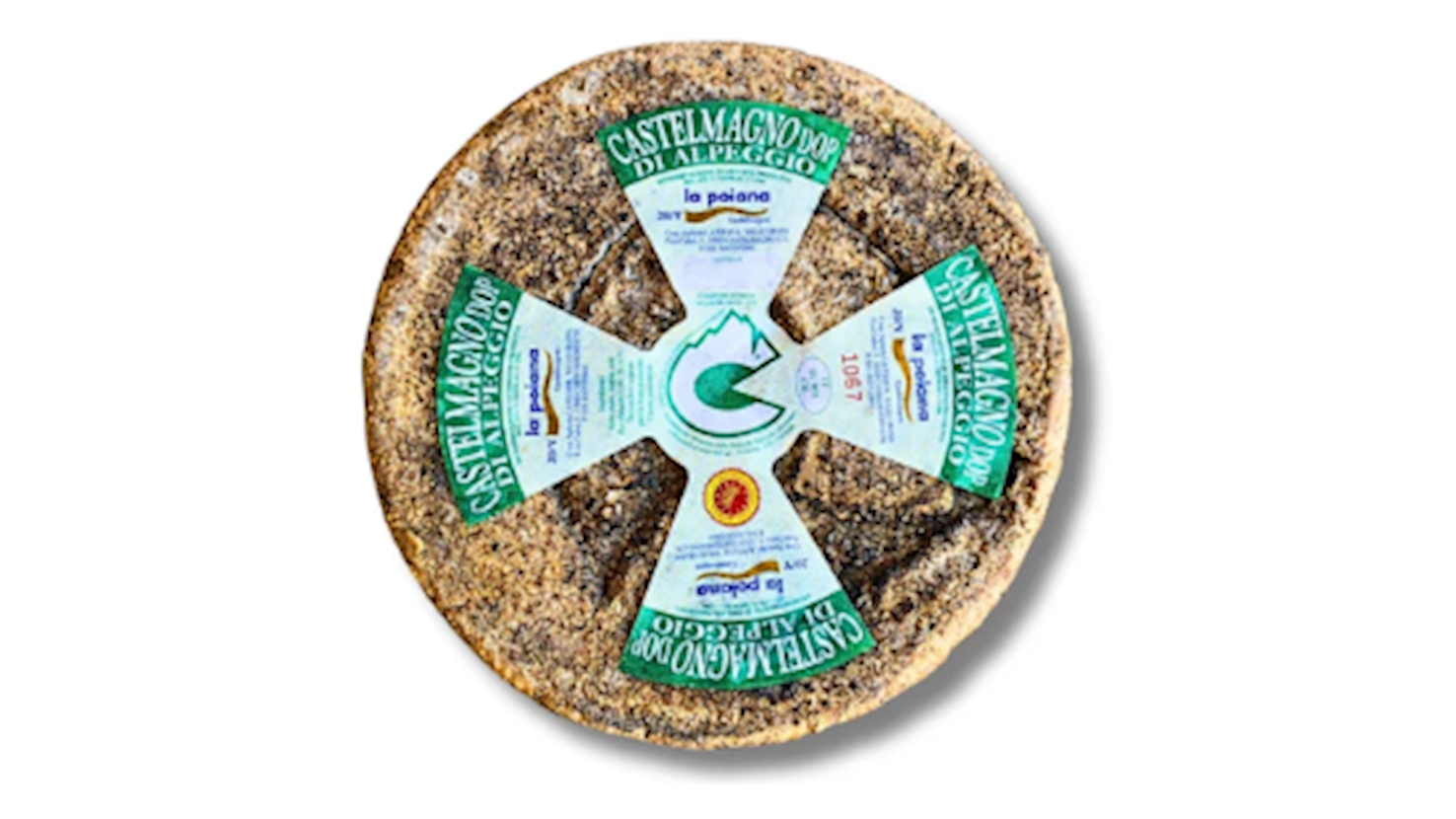
Cooperativa La Poiana is an agricultural cooperative founded in 1982 in the Valle Grana area, province of Cuneo, with the aim of preserving and promoting the traditional production of mountain cheeses, especially Castelmagno DOP. It was established at a time when organized protection was needed to safeguard local producers and the knowledge surrounding one of Italy’s most historic and prestigious cheeses. The cooperative brings together small farmers and cheesemakers from alpine villages, using milk sourced exclusively from local herds grazing on high-altitude pastures rich in native flora. Production is based on traditional methods, supported by carefully controlled modern hygiene and quality standards. A distinctive feature of La Poiana is the aging of cheeses in natural stone cellars and caves, which contributes to their complex aromas and marked mineral character. The core of its production is Castelmagno DOP, alongside other traditional Piedmont cheeses made from cow’s, sheep’s, or mixed milk. The cooperative plays an important role in preserving the rural identity and economic vitality of the Valle Grana communities. Beyond production, it is actively involved in education, gastronomic promotion, and creating direct links between producers and the market. Its philosophy is built on transparency of origin, traceability, and respect for seasonality. Today, La Poiana is regarded as one of the key guardians of Piedmontese cheesemaking heritage. Its products are available through selected specialty shops, gastronomy channels, and distributors in Italy and abroad.
09
Rice

Acquerello

5 ·
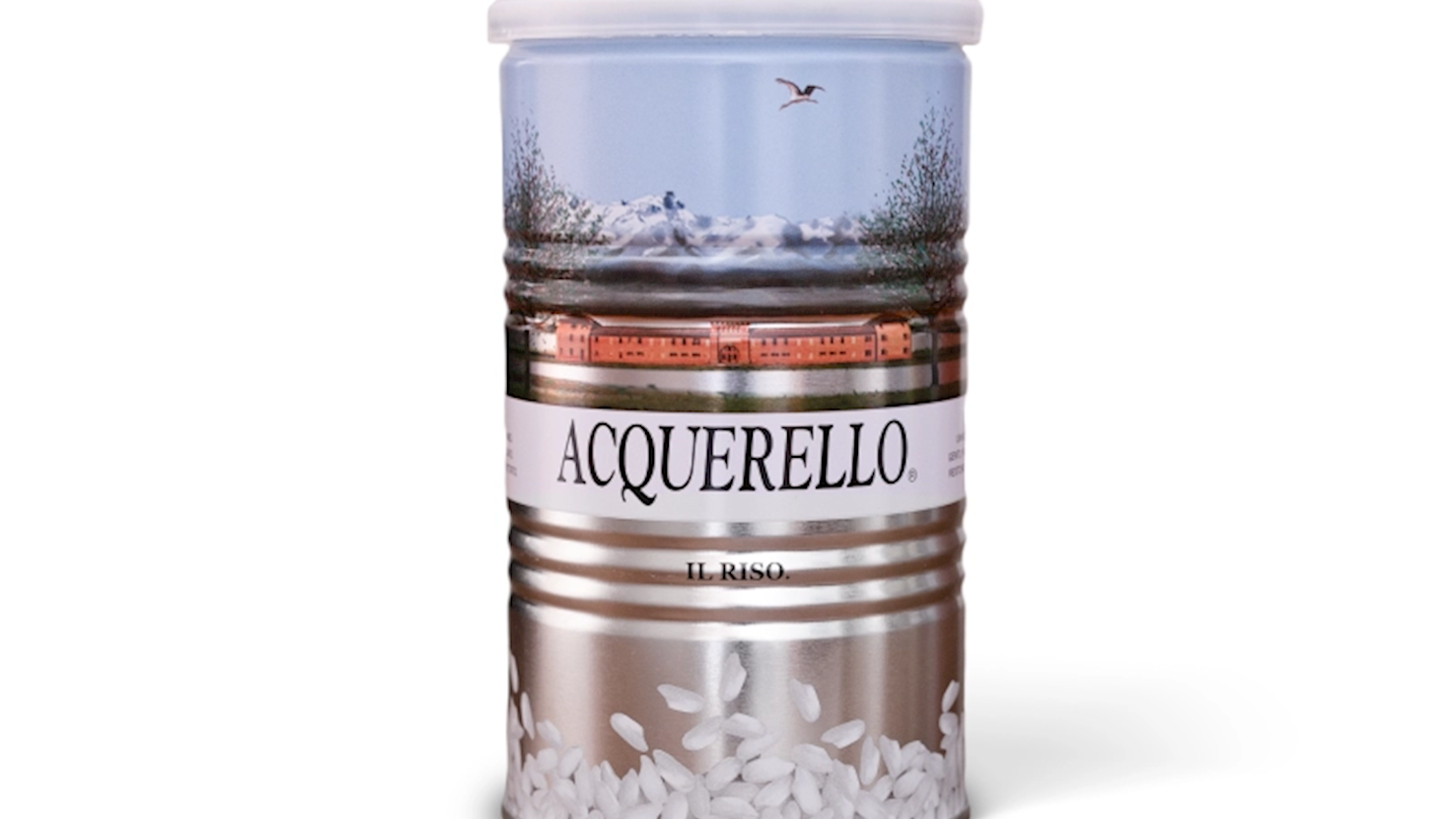
Acquerello is a renowned Italian rice producer based in Livorno Ferraris, Piedmont, known for its commitment to quality and tradition. Established in 1991 by Piero Rondolino, Acquerello operates from Tenuta Colombara, a historic estate in Italy's prime rice-growing region. The company specializes in Carnaroli rice, often called the king of rices, valued for its superior texture and versatility in cooking. What sets Acquerello apart is its unique aging process - rice is stored in refrigerated silos for at least one year, enhancing starch stability and enriching its flavor. Their innovative processing method preserves more nutrients than conventional rice while maintaining grain integrity. Favored by top chefs worldwide, Acquerello rice is packaged in vacuum-sealed tins to ensure freshness and extend shelf life. The company is also dedicated to sustainability, implementing environmentally responsible farming practices. Beyond production, the Tenuta Colombara estate holds historical significance in Italian rice cultivation, serving as both a functional farm and a cultural heritage site.
10
Chocolate Confectionery

A Giordano

5 ·
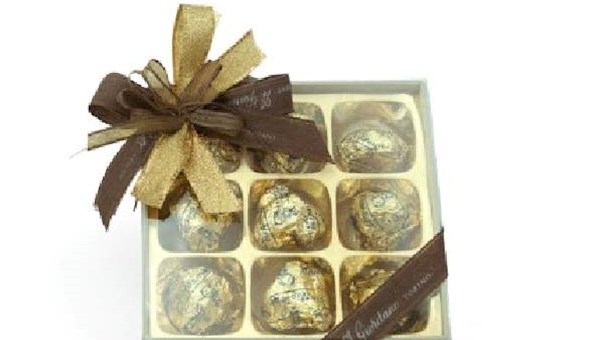
A. Giordano is a historic chocolate maker with a legacy that spans over a century. Since 1897, the Giordano family has been dedicated to crafting fine chocolates using traditional techniques and premium ingredients. Each creation reflects a deep passion for quality, from smooth gianduiotti and rich pralines to elegant gift assortments. Renowned for their handmade approach, A. Giordano’s chocolates are shaped, filled, and wrapped with meticulous care. Whether it’s the signature Giacometta or velvety spreads, every product tells a story of craftsmanship, attention to detail, and timeless taste. Refined, artisanal, and indulgent — A. Giordano transforms chocolate into a true expression of elegance and tradition.
Awards
International Chocolate Awards - Gold (2013, 2012)
Tavoletta D'Oro - (2016, 2015, 2014, 2013)
Read more
View all
View map
About this ranking

TasteAtlas food rankings are based on the ratings of the TasteAtlas audience, with a series of mechanisms that recognize real users and that ignore bot, nationalist or local patriotic ratings, and give additional value to the ratings of users that the system recognizes as knowledgeable. For the “Top 100 Piedmontese Foods” list until June 07, 2026, 3,558 ratings were recorded, of which 2,858 were recognized by the system as legitimate. TasteAtlas Rankings should not be seen as the final global conclusion about food. Their purpose is to promote excellent local foods, instill pride in traditional dishes, and arouse curiosity about dishes you haven’t tried.

The initial list of top producers was compiled based on available reviews, awards, local recommendations, media and blog coverage, and consumer reviews. The list will be updated with ratings from TasteAtlas local ambassadors and TasteAtlas users.

Similar lists