Top 100 Italian Cheeses

Last updated on June 02, 2026

Best Italian Cheese Types
01

Parmigiano Reggiano

4.6 ·

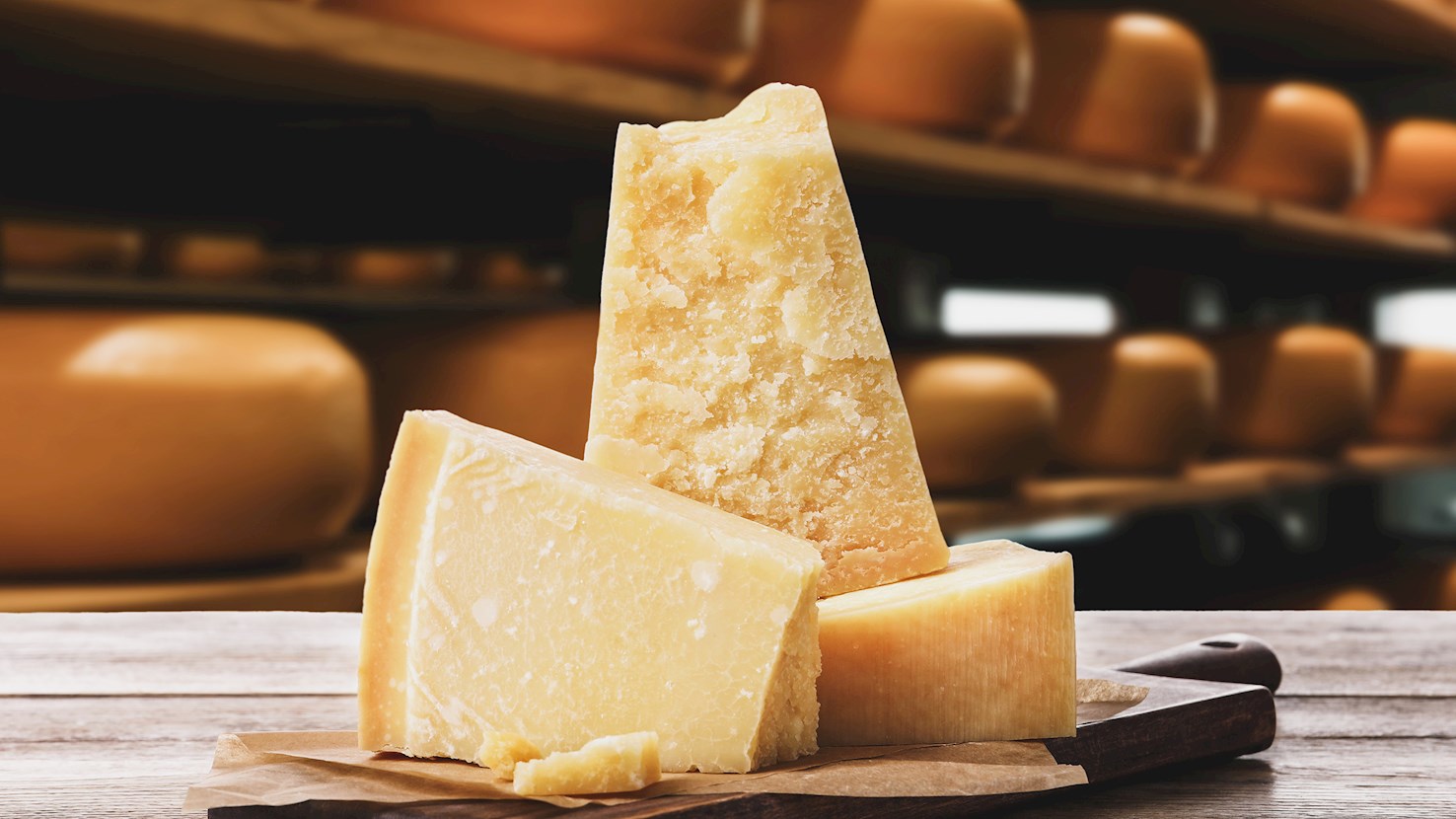
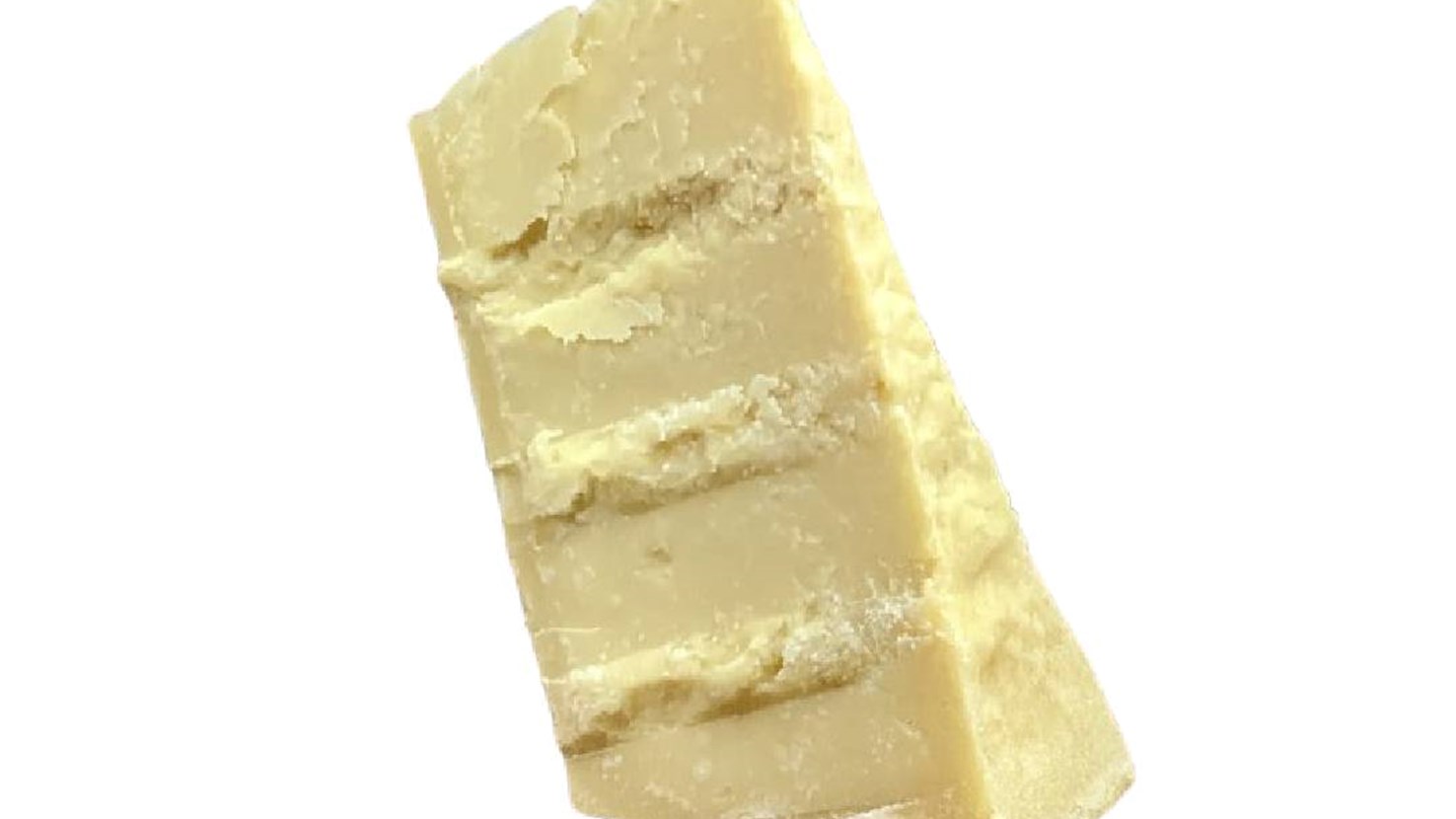
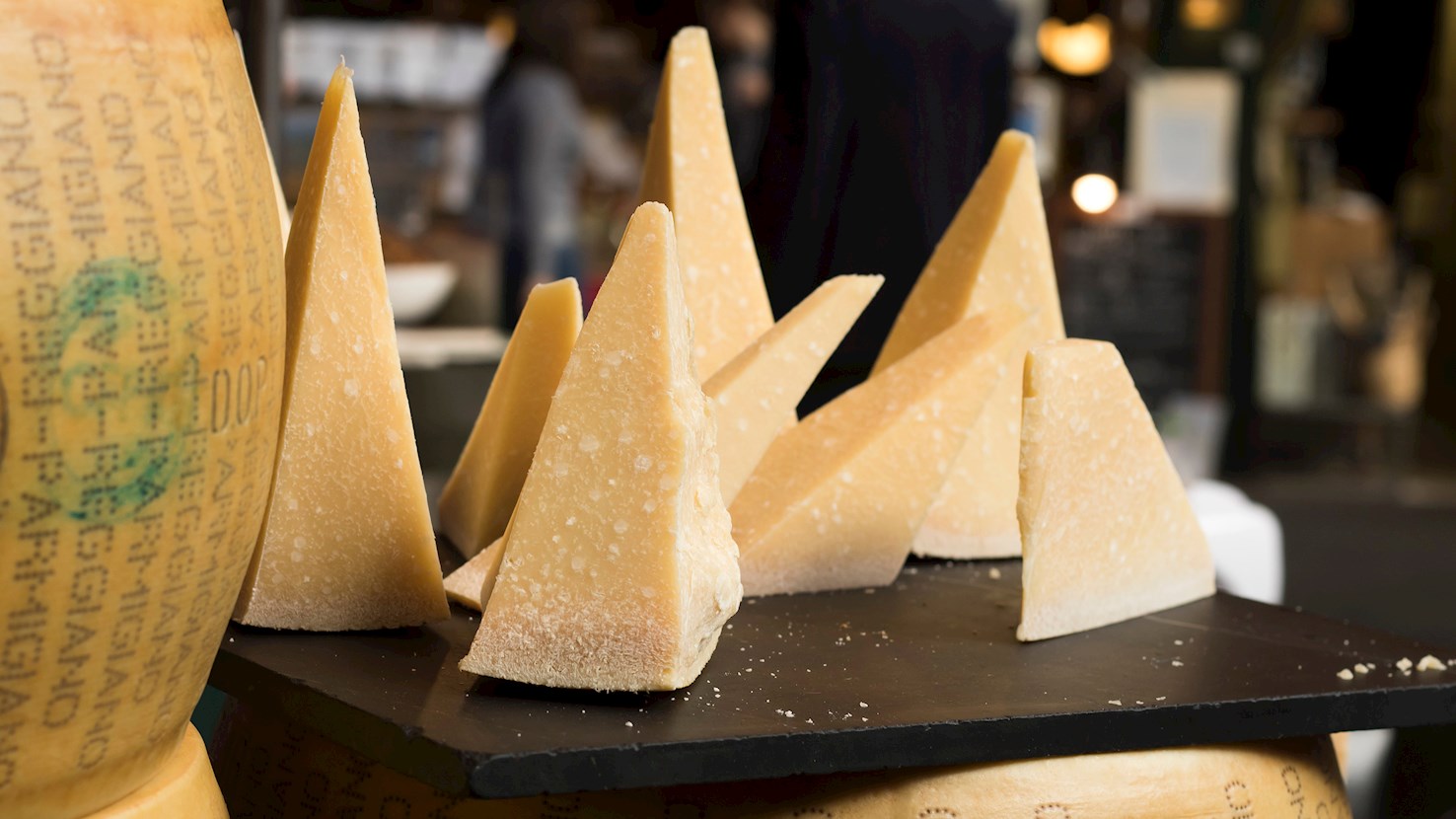
Considered to be among the world's top quality cheeses, Parmigiano Reggiano is made with raw, semi-skimmed milk from cows grazing on fresh grass and hay. It has a hard, gritty texture and its flavors range from nutty to robust and slightly piquant, depending on how long the cheese had matured. The origins of Parmigiano Reggiano date back to the Middle Ages, when the Benedictine and Cistercian monks reclaimed the Po Valley wetlands and started producing this much-prized cheese. Since it originated and was mainly produced in the two city-states Parma and Reggio Emilia, the cheese was named Parmigiano Reggiano, meaning "a cheese from Parma and Reggio Emilia." The cheese got its name in the 19th century, and the word order is speculated to be purely due to alphabetical order. Today, the cheese goes by the unofficial Parmigiano, which is because Parma started promoting this cheese as coming from Parma when it became the capital of the Duchy of Parma and Piacenza in the 16th century. Today, it is produced in the provinces of Parma, Reggio Emilia, Modena and Bologna in Emilia-Romagna, as well as in the Lombardian province of Mantua. Parmigiano is available in following varieties: Mezzano (2nd selection, aged for 12-15 months), Parmigiano Reggiano (aged for 12-24 months or longer) and Parmigiano Reggiano Extra, which needs to pass an additional quality assessment test after 18 months of aging. This particularly versatile cheese is one of the essential ingredients used in a number of classic Italian dishes; it is ideal for grating over pasta, minestrone and consommé, but it can also be enjoyed as a table cheese, typically served with crudités, salads and fresh fruit or nuts.

02

Mozzarella di Bufala Campana

4.5 ·

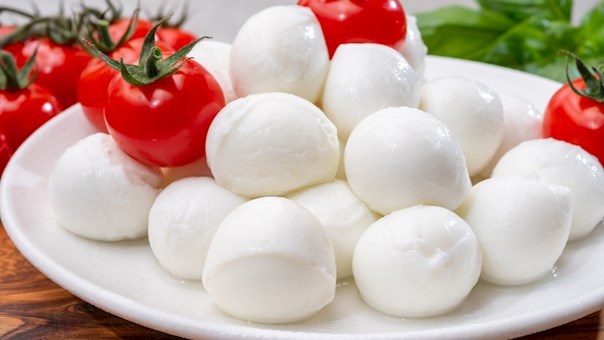
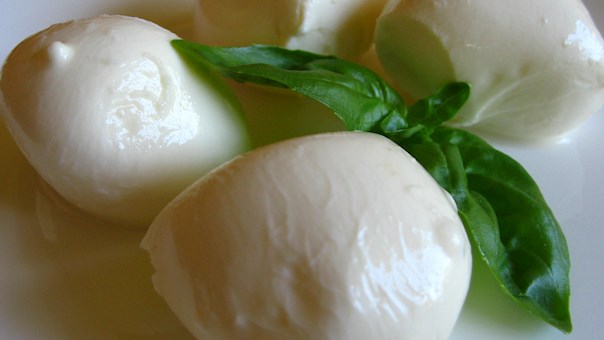
Though there are many buffalo mozzarella cheeses made with a combination of buffalo and cow's milk, to be labeled as such, the genuine mozzarella di bufala campana must be made from 100% domestic water buffalo milk and produced either in Campania or the neighboring Lazio, Apulia and Molise regions. Buffalo milk is known to be higher in calcium and protein while lower in cholesterol, which makes this mozzarella cheese particularly prized and sought after. Buffalo mozzarella always comes packaged in brine; it has a mild yet slightly sour taste, and goes well with various Italian antipasti dishes, especially with classics like the Caprese salad.

03

Pecorino Sardo

4.5 ·

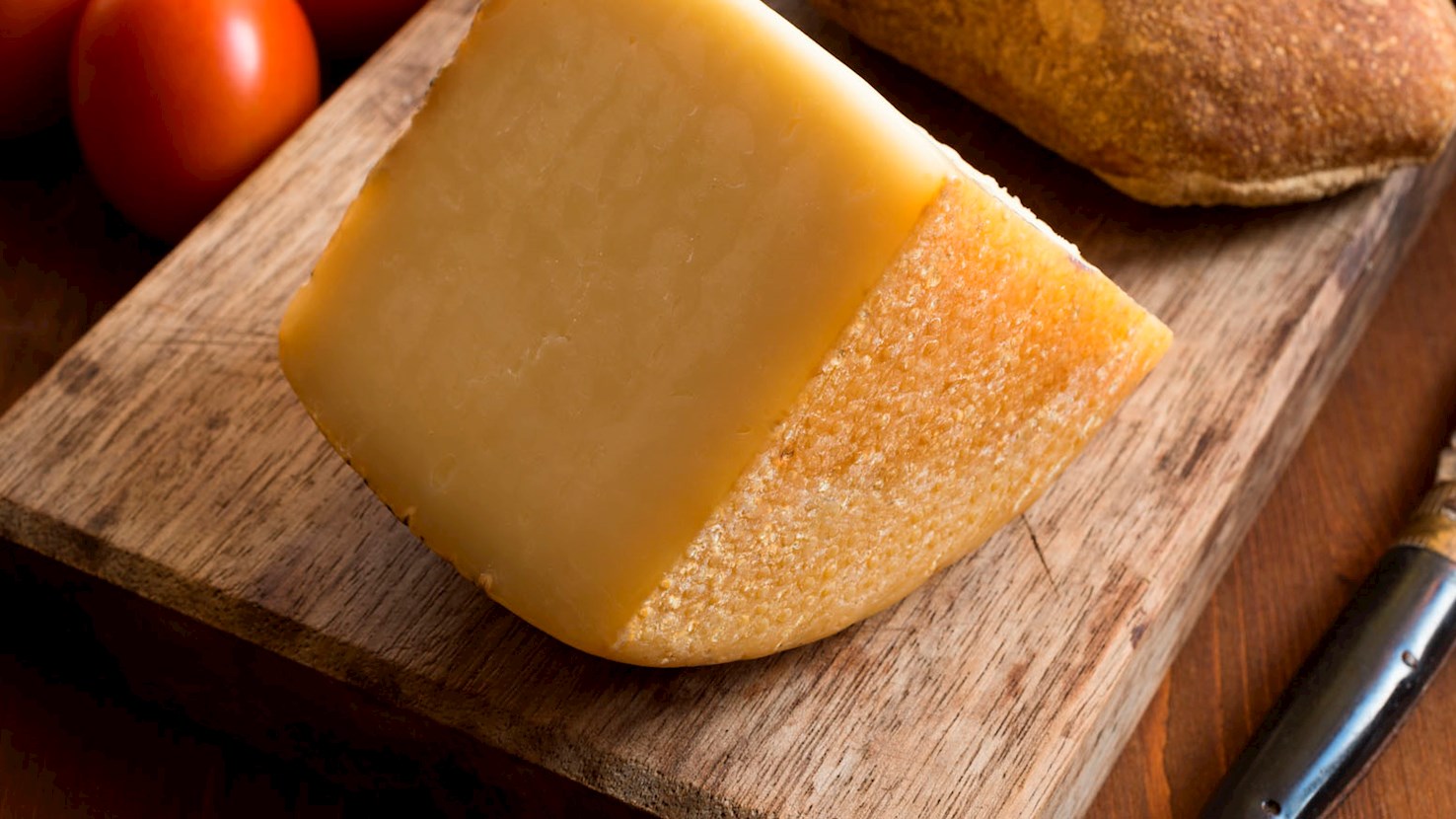
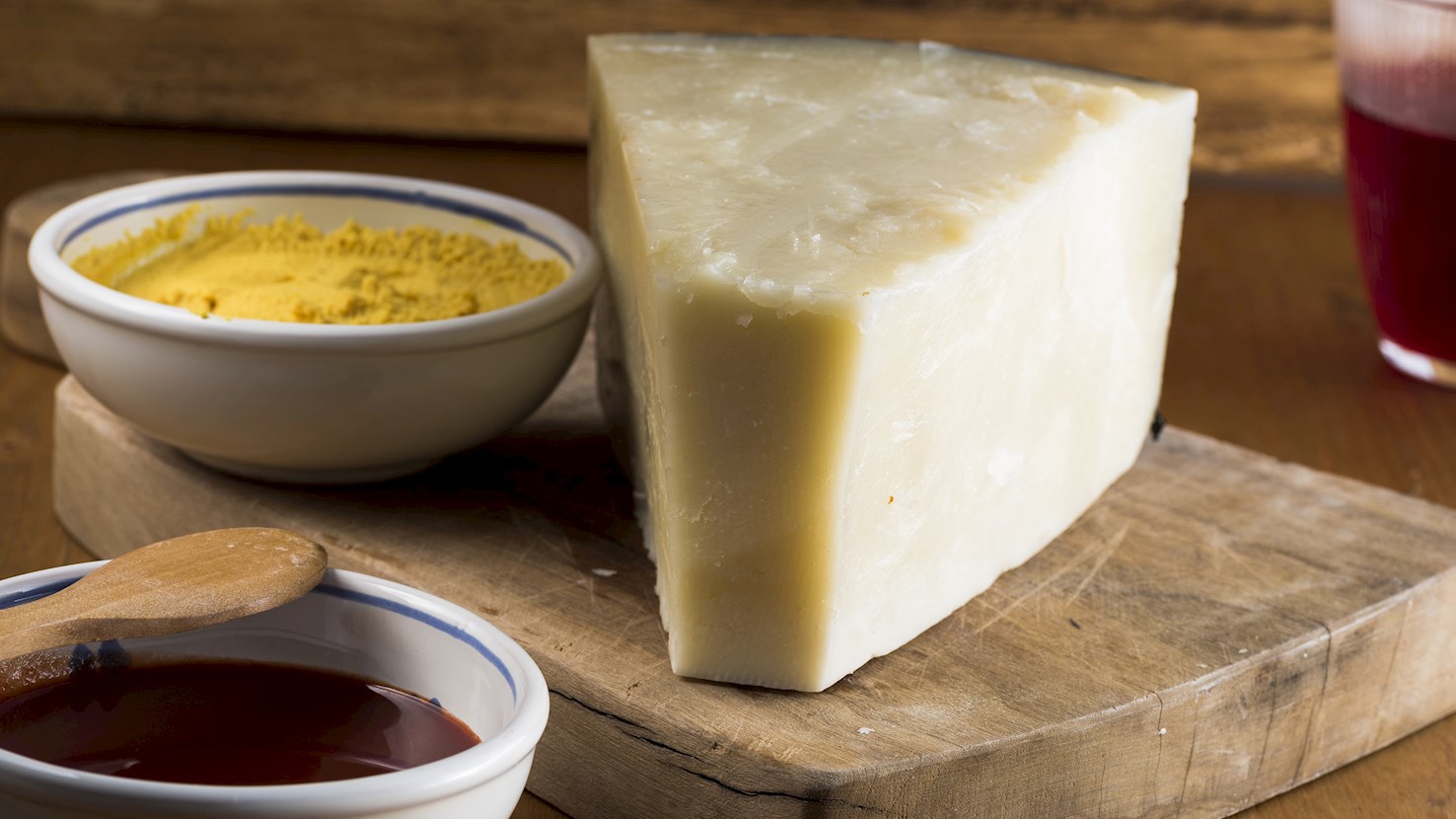
Produced exclusively on the island of Sardinia, Pecorino Sardo is a semi-cooked, hard cheese made with whole milk from the pasture-grazing Sarda sheep. This breed is indigenous to Sardinia, raised throughout Italy and considered to be among the best domestic breeds for milk production. Highly adaptable to different terrains, Sarda sheep feed on fragrant Mediterranean shrubs, which gives Pecorino its distinctive aromatic flavor. It is available in two varieties: Pecorino Sardo Dolce (mild), a sweet and more delicate version, and Pecorino Sardo Maturo (mature), a much stronger flavored cheese that's matured for at least 2 months and pleasantly piquant. While Dolce is consumed as table cheese, often paired with fresh vegetables or grapes and pears, Maturo is typically grated over pasta dishes or enjoyed at the end of a meal and pairs wonderfully with bread, olive oil, and pine nuts.

04

Burrata

4.4 ·

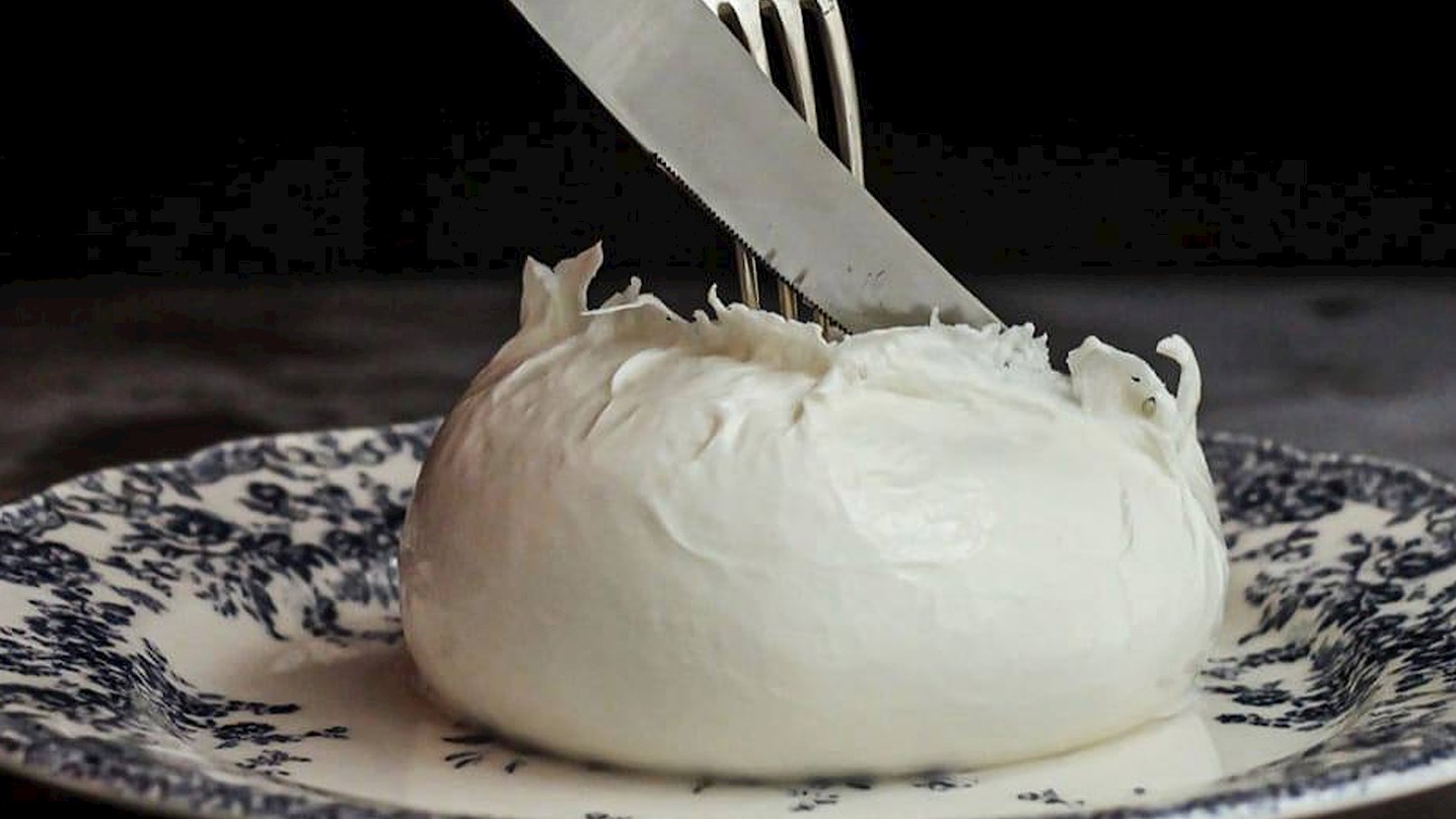
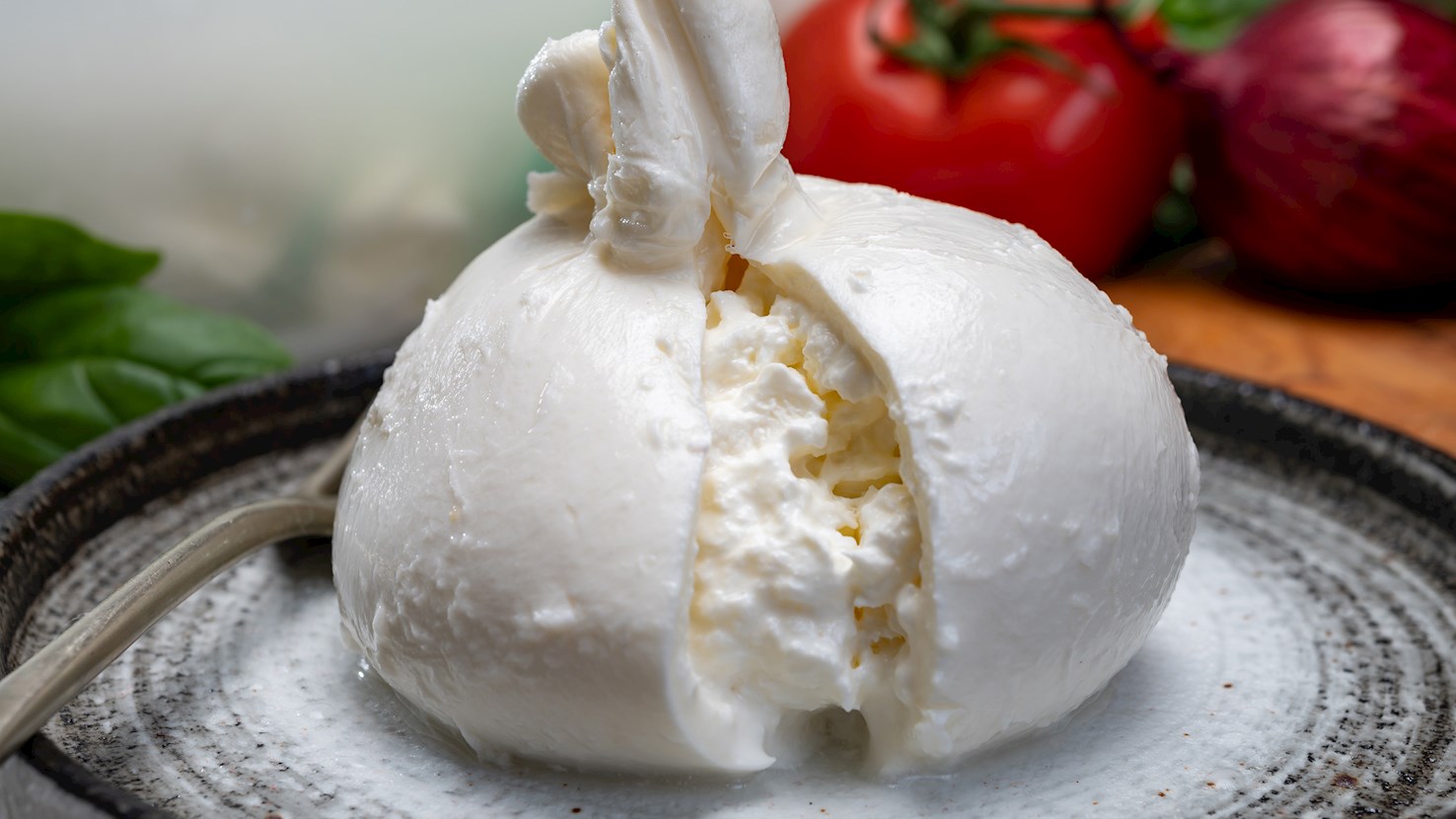
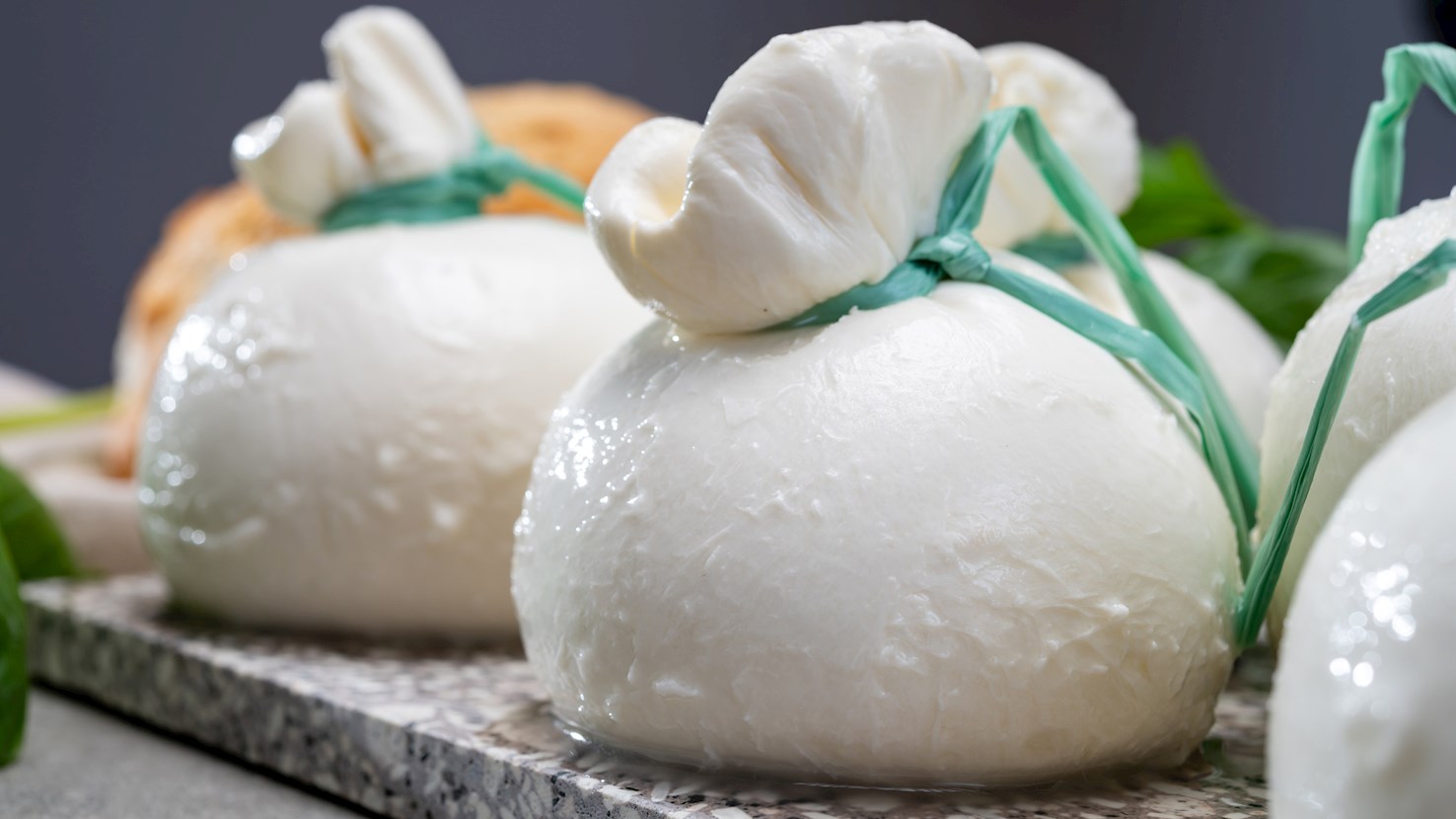
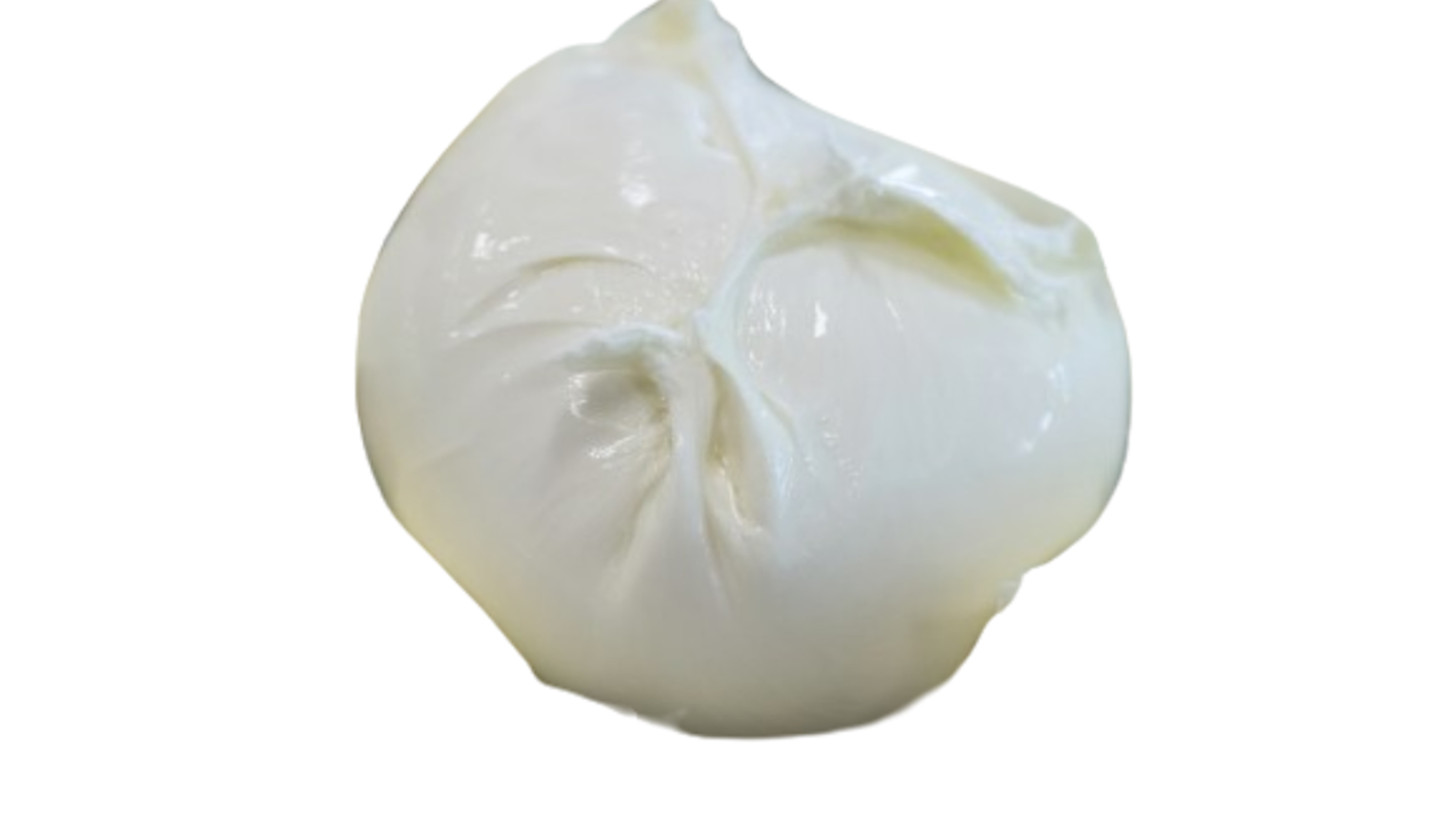
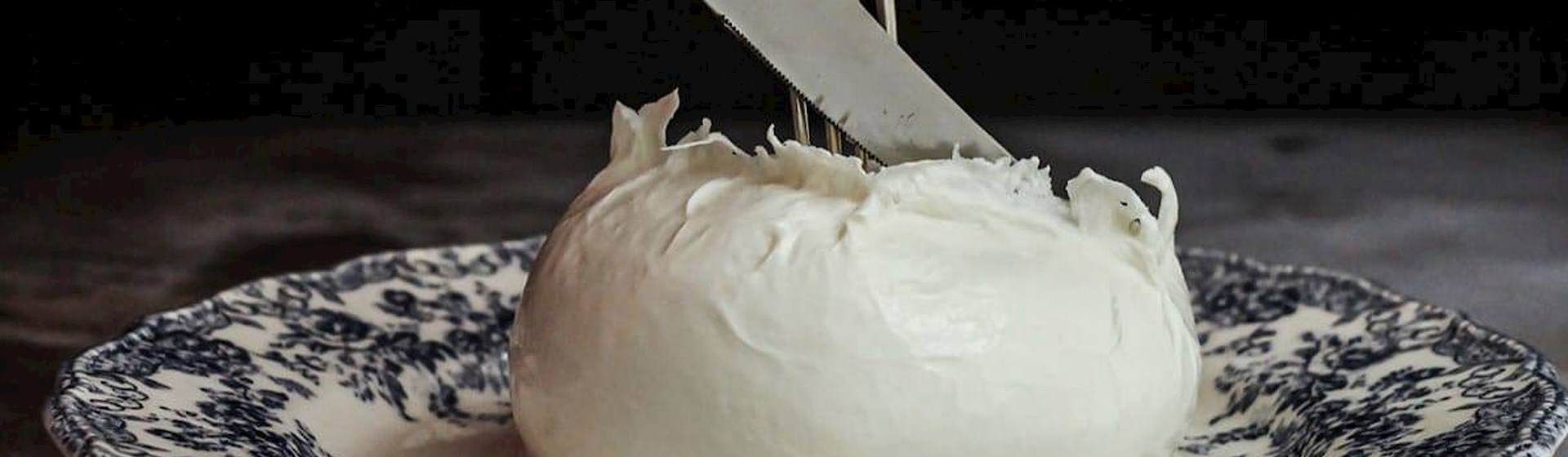
Burrata, literary meaning buttered, is an artisan cheese from the Puglia region of Southern Italy, especially the provinces of Bari and Barletta-Andria-Trani. The cheese is made by hand with cow's milk, rennet, and cream. It is believed that the cheese was created by Lorenzo Bianchino Chieppa, a cheesemaker who had an idea to form a shell of stretched mozzarella strings and fill it with luscious, rich cream and smaller, leftover pieces of mozzarella. The result was a true delicacy with the creamiest interior and a rich flavor of fresh milk, which very quickly became extremely popular. Burrata should be eaten as fresh as possible - ideally within 24 hours of being made. It can be served alone, seasoned only with some salt, pepper, and a drizzle of extra virgin olive oil, but it is also delicious when accompanied by fresh tomatoes and prosciutto crudo, or when used as a topping for pizzas or bruschettas.

05

Pecorino Toscano

4.4 ·

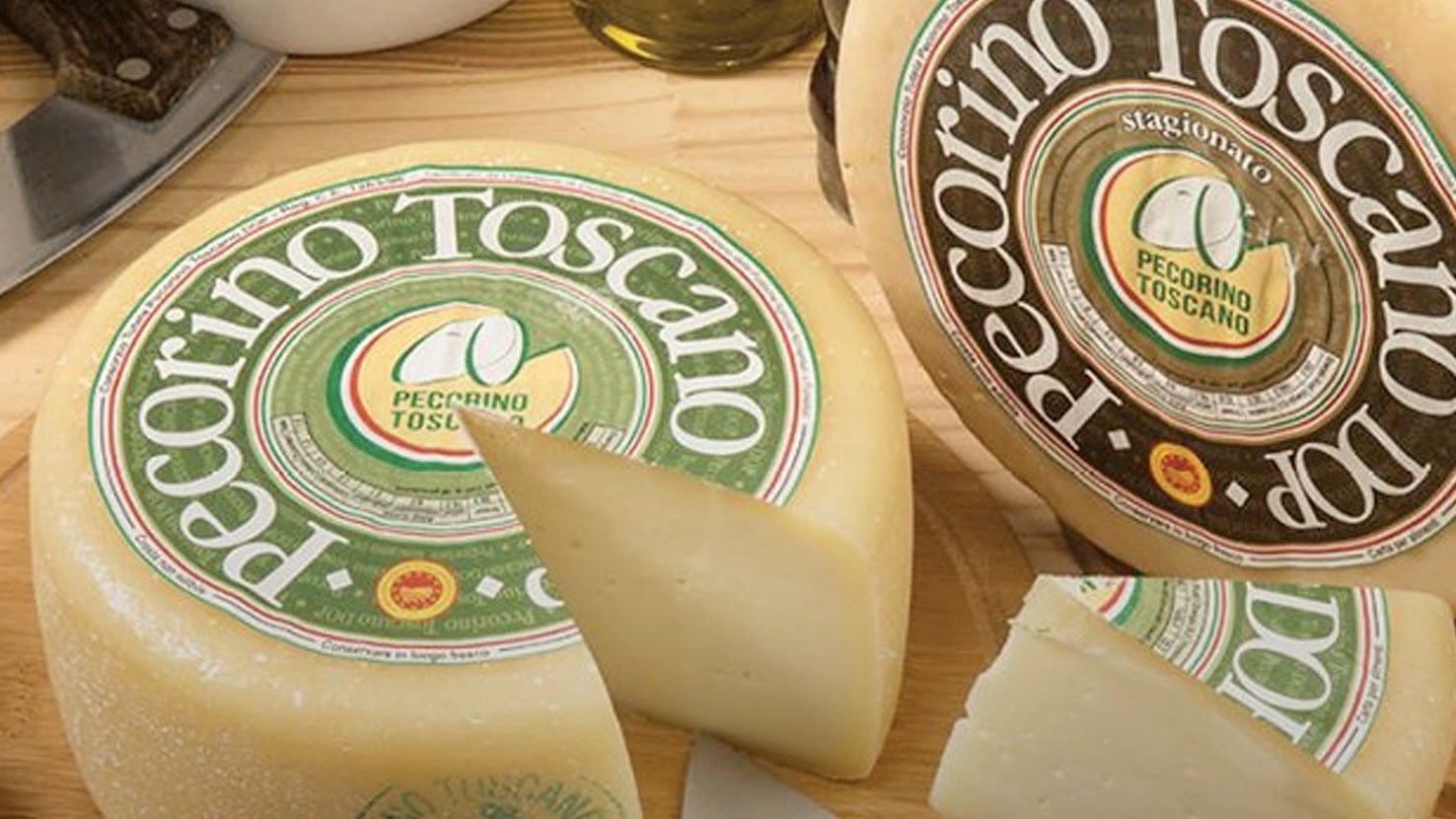
Back in the 15th century, when Pecorino production used to begin in spring, this Tuscan delicacy was called Cacio Marzolino, meaning March cheese. Nowadays, Pecorino Toscano is also produced in Lazio and Umbria, Tuscany's neighboring regions, and available year-round as either Fresco (fresh) or Stagionato (matured for at least 4 months). This soft to semi-hard cheese is made with whole milk from sheep feasting on pastures nestled between the Apennines and the Tyrrhenian Sea. Compared to other varieties of Pecorino cheese, Toscano is only briefly salted and thus retains its delicate, sweet flavor. Depending on how mature it is, Pecorino Toscano can be enjoyed as a table cheese or used for grating over various pasta dishes or hearty Tuscan potage soups such as Ribollita. Fresco or Stagionato, it also pairs well with fresh vegetables, fruits, jam, and honey.

06

Pecorino Siciliano

4.4 ·

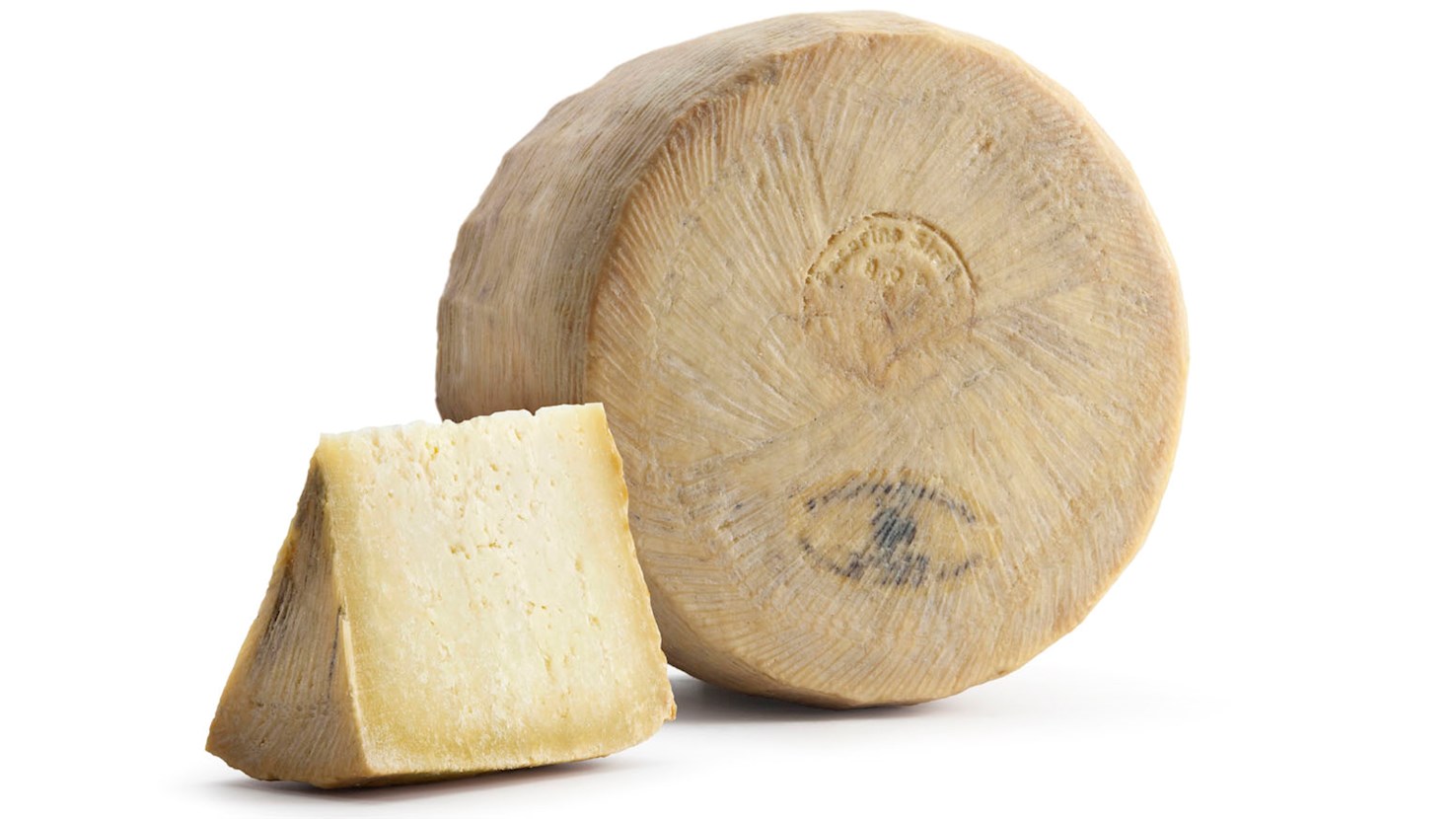
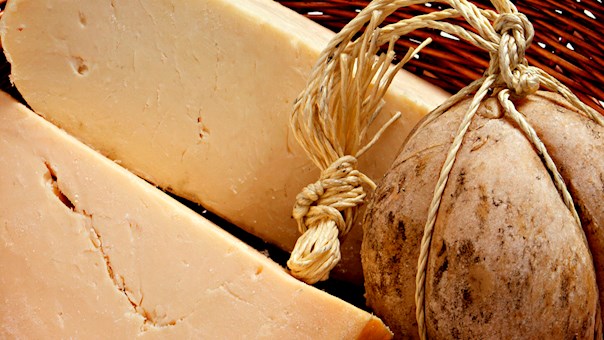
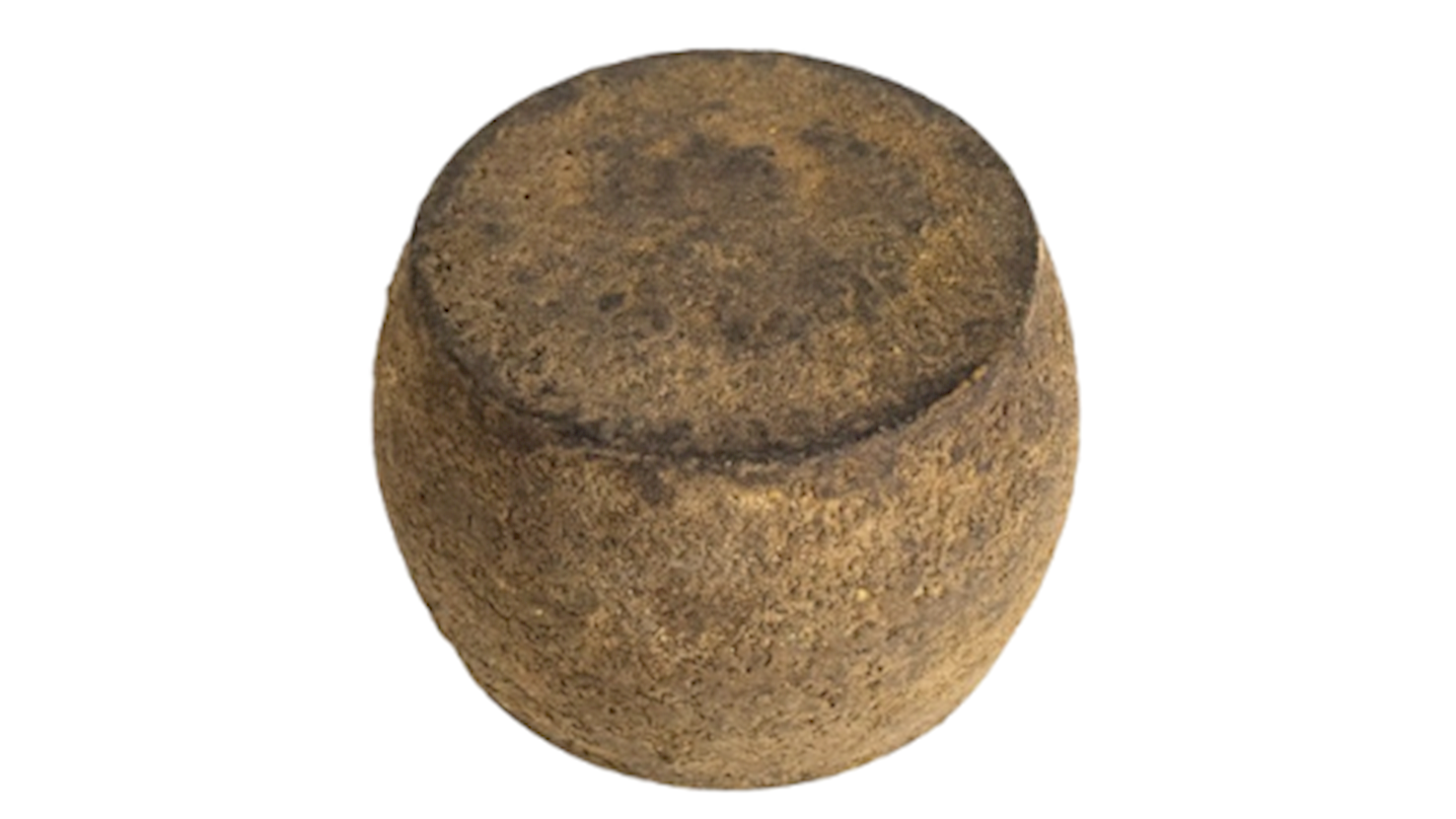
One of the oldest cheeses produced in Europe, Pecorino Siciliano is a semi-cooked, hard cheese, made with raw, whole milk from various sheep breeds reared all across the island of Sicily. Easily distinguished by the reed woven basket pattern on its rind, this type of Pecorino has a pronounced herbal aroma, and a well-balanced piquant flavor, which tends to become stronger as the cheese ripens. It is available in following varieties: Tuma, Primo Sale, Secondo Sale and Stagionato. Both fresh and semi-matured Pecorino Siciliano are great as table cheeses, typically served with bread and olives, while the more matured versions are especially good for grating and adding flavor to various pasta dishes.

07

Grana Padano

4.4 ·

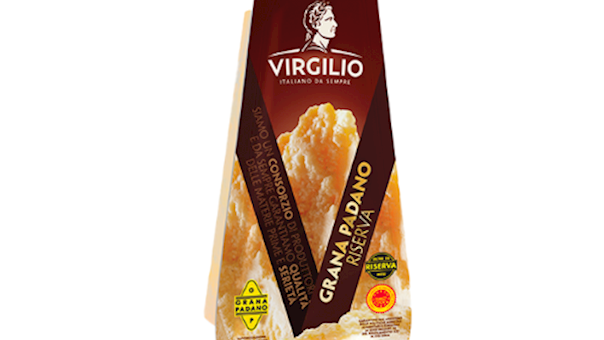
First produced in the 11th century by the Cistercian monks of the Santa Maria di Rovegnano Abbey in Chiaravalle Milanese, Grana Padano is known as one of the very few parmesan cheeses that can possibly compete with the far more famous Parmigiano-Reggiano. This hard cheese is made from unpasteurized, semi-skimmed cow’s milk and it is available in these varieties: Grana Padano, Trentin Grana, and Grana Grattugiato. It is sold at different ripening stages: Grana Padano (9-16 months), Grana Padano Oltre 16 mesi (over 16 months) and Grana Padano Riserva (over 20 months). Today, Grana Padano can be found throughout the Po Valley, namely in the regions of Lombardy, Trentino-Alto Adige, Veneto, and Emilia Romagna. As the cheese ages, the flavors become more pronounced, savory, and complex, while the texture becomes even more grainy and crumbly. It can be enjoyed either as a table cheese or it can be grated over a wide array of dishes, and while the younger versions are typically paired with white wines, Grana Padano Riserva goes hand in hand with full-bodied red wines. Regarding food pairings, Grana Padano 9-16 months should be paired with apricots and black tea, Grana Padano Oltre goes well with strawberries and pepper, while the Riserva variety tastes exceptionally well when served with pears and Madagascar vanilla. The final grading and branding of the cheeses that have passed the tests for aroma, appearance, and texture is done by the Consorzio di Tutela del Formaggio Grana Padano DOP, established in 1954. The Consorzio also protects the cheese from imitations and promotes it around the world.

08

Burrata di Andria

4.4 ·

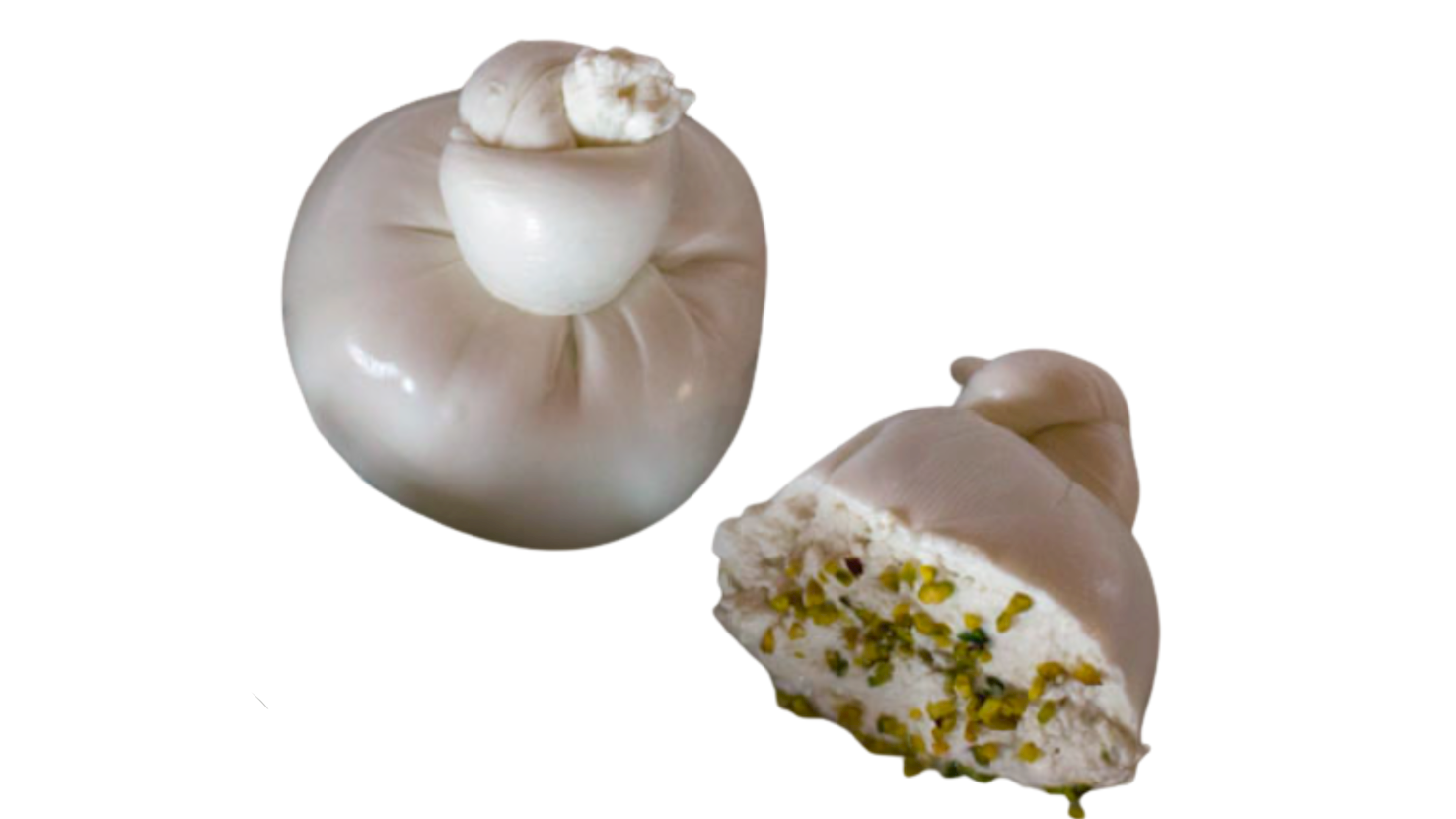
Made from cow's milk, in particular, mozzarella and cream, Burrata di Andria is popularly known as 'the queen of cheeses'. It originates from Apulia, namely the town of Andria, and although Burrata has been produced only since 1950s, it has already become an Italian classic, despite its relatively short history. The outer shell of this fresh cheese is solid mozzarella, while the inside contains both mozzarella and cream, giving this masterfully created delicacy an unusual, soft texture. Burrata has a delicate yet rich flavor of fresh milk and it is most often served seasoned with just salt, pepper and drizzled with extra virgin olive oil but it also pairs beautifully with bruschettas topped with prosciutto, figs, tomatoes and various fresh vegetables.

09

Pecorino Romano

4.4 ·

This hard cooked cheese is made with whole milk from pasture-grazed sheep, and has a particularly salty and slightly piquant flavor. Aged for at least 5 months, Pecorino Romano makes an excellent table cheese, particularly when combined with fresh vegetables and fruit, but after eight months of aging, it is mainly used for grating over classic Roman dishes such as Bucatini all’Amatriciana, Rigatoni alla Carbonara, Spaghetti Cacio e Pepe, and Tripe alla Romana. The origins of Pecorino Romano can be traced back to the Roman Empire, when cheese processing methods were first described by some of ancient Rome's most important writers on agriculture: Varrone, Columella, Virgilio and Pliny the Elder. In 227 BCE, the production of this renowned cheese spread to the neighboring island of Sardinia, where even today almost 90% of Pecorino Romano is produced, while the remaining 10% comes from Lazio and the Tuscan province of Grosseto.

10

Stracciata

4.3 ·

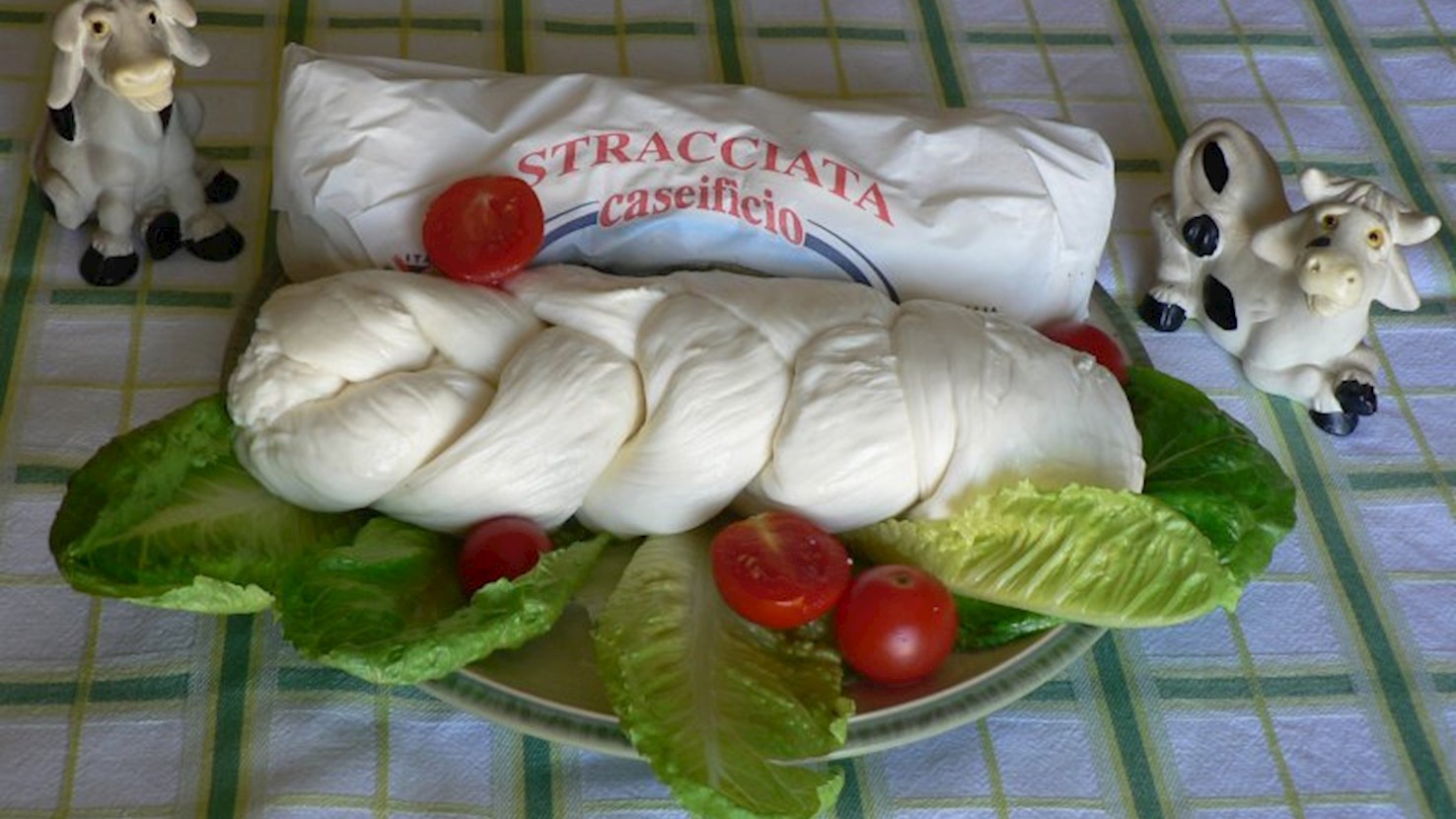
Stracciata is an artisan Italian cheese produced in Molise. It is made from cow's milk. The curd is cut or torn, and it is then stretched into ribbons that can be folded or braided. Although stracciata is usually snow-white, in spring and summer it develops a yellowish hue. On the outside, it is buttery, mild, sweet, fresh, and slightly salty, while the inside is milky and piquant. The cheese melts in the mouth easily, leaving notes of warm melted butter on the palate. The name stracciata is derived from the verb stracciare, meaning to tear. It is recommended to eat stracciata with prosciutto, olive oil, and crusty bread.

Best Italian Cheeses
01

Caseificio di Gavasseto e Roncadella

5 ·
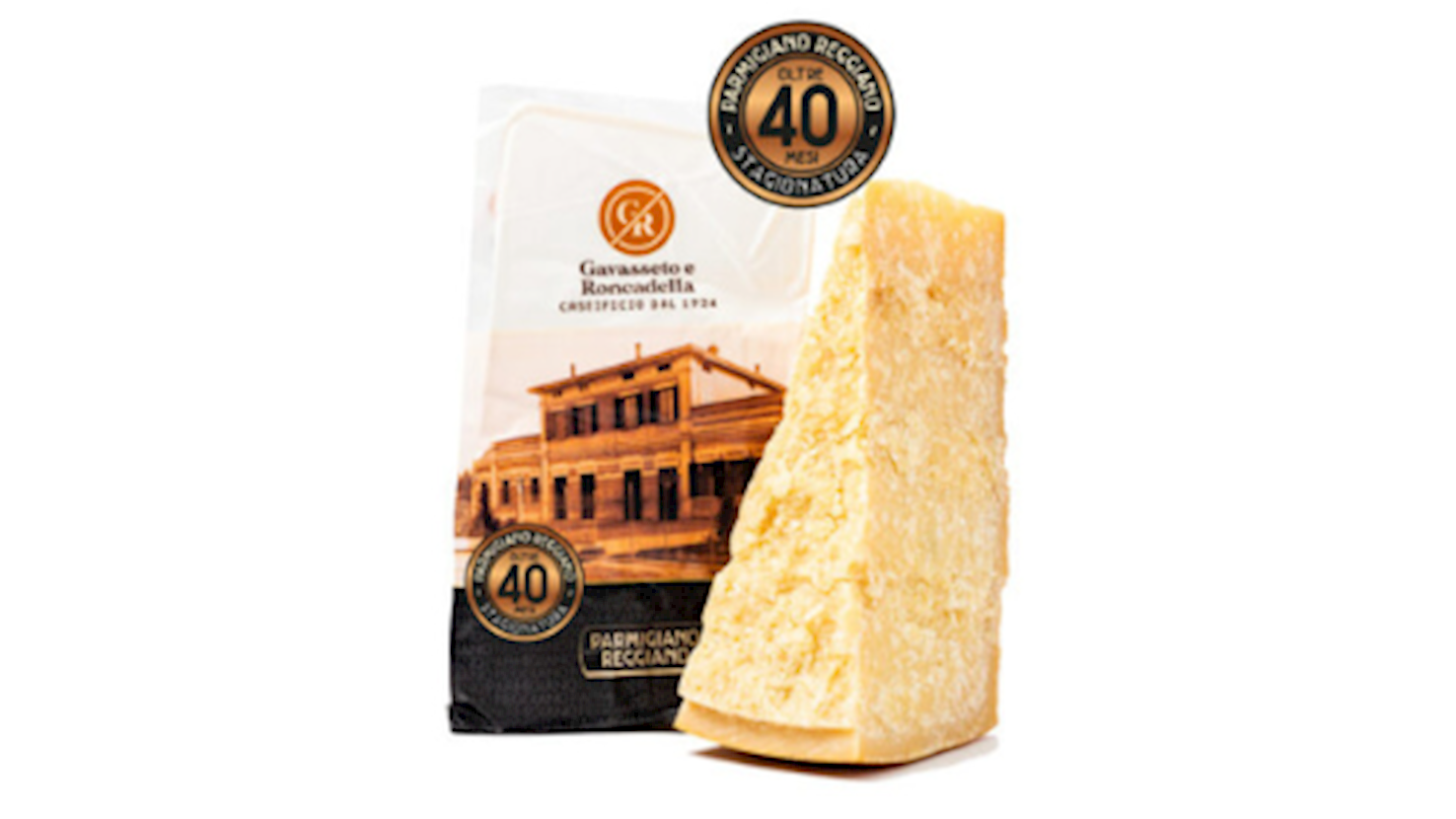
Caseificio di Gavasseto e Roncadella is an Italian cheese producer located in the Gavasseto area. The company specializes in making Parmigiano Reggiano, a type of cheese that adheres to strict production regulations tied to its geographical origin. Their products are aged for various periods to develop distinct flavors and textures that cater to different taste preferences and culinary uses.
Awards
World Cheese Awards - Super Gold (2022)
World Cheese Awards - Gold (2024, 2021)
02

Grana d'Oro

5 ·
Grana d’Oro is a family-run dairy from Cavriago, in the heart of Emilia-Romagna, dedicated for generations to producing Parmigiano Reggiano from the milk of the rare and native Rossa Reggiana cows. At a time when many abandoned this breed for higher-yielding alternatives, the Catellani family remained committed to its preservation, recognizing its unique value and the exceptional quality of its milk. Their Parmigiano Reggiano carries the soul of the land – a rich, layered flavor and aroma born from cows grazing on the polyculture meadows typical of the Val d’Enza valley. Each wheel of cheese is a blend of nature, tradition, and devoted craftsmanship, proving that true quality comes from patience and respect for both the land and the animals. Grana d’Oro is not just a cheese producer, but a guardian of Emilia-Romagna’s cultural and gastronomic heritage.
Awards
World Cheese Awards - Super Gold (2021)
World Cheese Awards - Gold (2021)
03

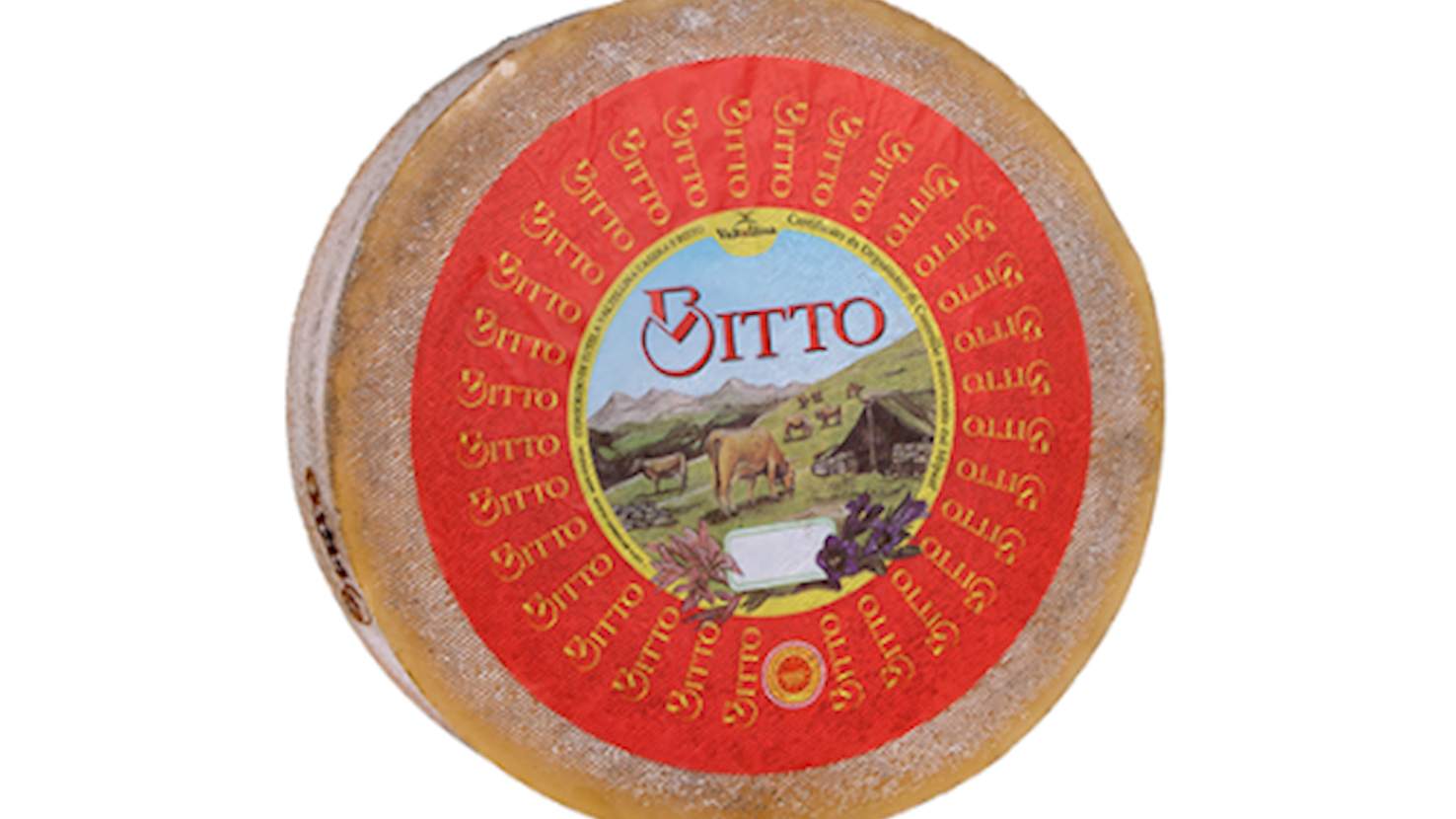
Latteria Sociale Valtellina

5 ·
Latteria Sociale Valtellina is a dairy cooperative based in the Valtellina valley in Lombardy, founded in 1969 with the aim of uniting local milk producers and safeguarding the alpine dairy tradition of northern Italy. The cooperative brings together farmers working in mountainous areas, where cows graze on high-altitude pastures that strongly influence the quality and aromatic profile of the milk. Its production is deeply rooted in the territory and reflects a close relationship between landscape, agriculture, and local know-how. Latteria Sociale Valtellina is especially known for cheeses and dairy products typical of the region, alongside butter, cream, ricotta, fresh cheeses, and yogurt. The cooperative model allows for consistent quality while supporting small-scale farmers and preserving traditional practices. Modern processing standards are combined with respect for seasonality, animal welfare, and sustainable use of alpine resources. Through this approach, Latteria Sociale Valtellina plays a key role in maintaining the gastronomic identity and cultural heritage of the Valtellina region.
Awards
Italian Cheese Awards - Nominee (2022, 2019)
04

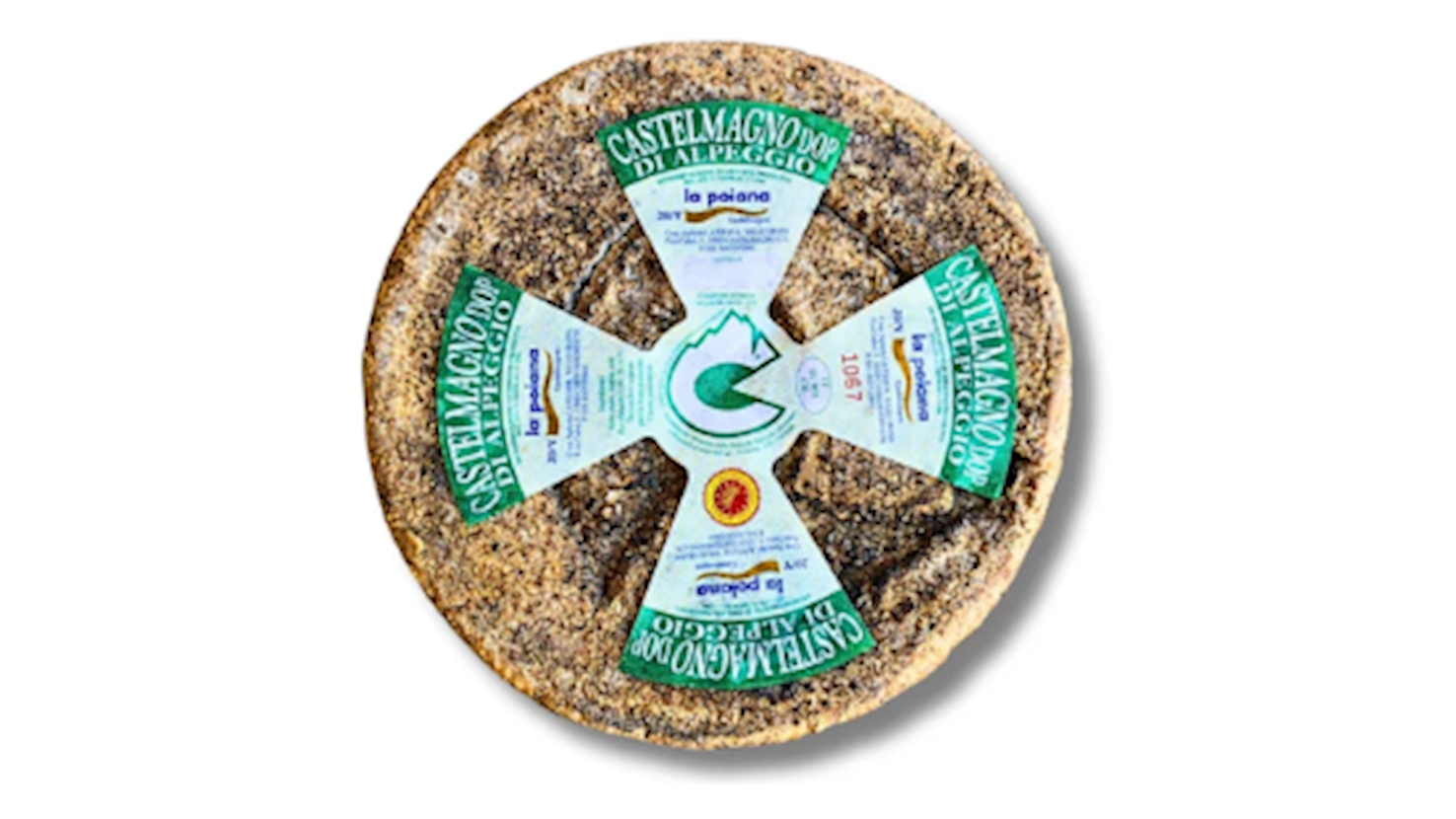
Cooperativa La Poiana

5 ·
Cooperativa La Poiana is an agricultural cooperative founded in 1982 in the Valle Grana area, province of Cuneo, with the aim of preserving and promoting the traditional production of mountain cheeses, especially Castelmagno DOP. It was established at a time when organized protection was needed to safeguard local producers and the knowledge surrounding one of Italy’s most historic and prestigious cheeses. The cooperative brings together small farmers and cheesemakers from alpine villages, using milk sourced exclusively from local herds grazing on high-altitude pastures rich in native flora. Production is based on traditional methods, supported by carefully controlled modern hygiene and quality standards. A distinctive feature of La Poiana is the aging of cheeses in natural stone cellars and caves, which contributes to their complex aromas and marked mineral character. The core of its production is Castelmagno DOP, alongside other traditional Piedmont cheeses made from cow’s, sheep’s, or mixed milk. The cooperative plays an important role in preserving the rural identity and economic vitality of the Valle Grana communities. Beyond production, it is actively involved in education, gastronomic promotion, and creating direct links between producers and the market. Its philosophy is built on transparency of origin, traceability, and respect for seasonality. Today, La Poiana is regarded as one of the key guardians of Piedmontese cheesemaking heritage. Its products are available through selected specialty shops, gastronomy channels, and distributors in Italy and abroad.
05

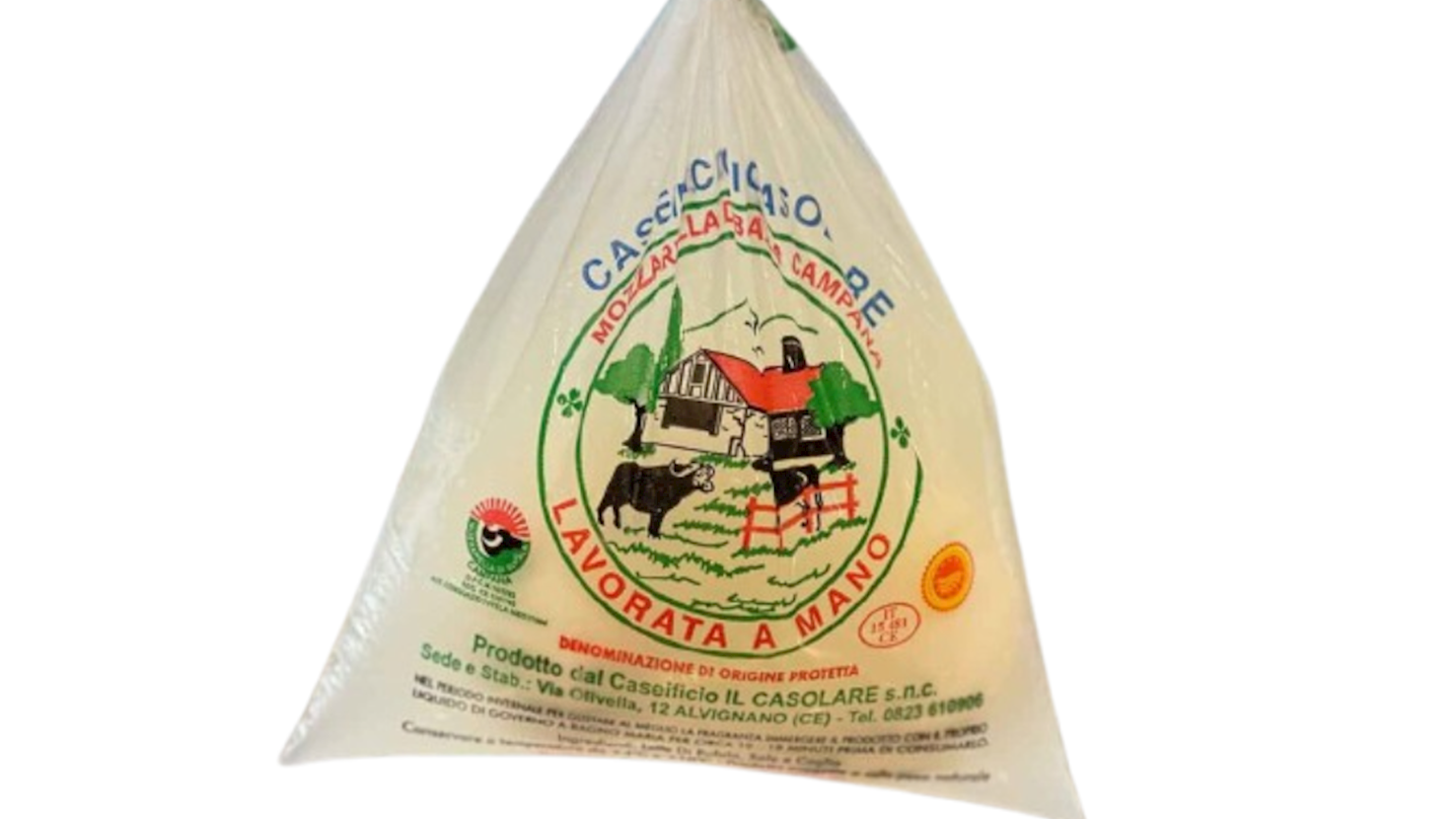
Caseificio Il Casolare

5 ·
Caseificio Il Casolare is a family-run dairy located in Alvignano, in the Campania region of southern Italy. It was founded in 1984 and is now managed by members of the La Vecchia family, who proudly continue the tradition of artisanal cheesemaking. The dairy specializes in the production of Mozzarella di Bufala Campana DOP, a cheese protected by designation of origin. The milk they use comes from water buffalo raised on local farms just a few kilometers from the dairy. The milk is processed within 16 hours of milking, ensuring freshness and high product quality. Their mozzarella is known for its elastic texture, delicate flavor, and milky aroma. All of their products are handmade, without the use of industrial additives, preserving the authentic taste. Il Casolare has received numerous awards, and their mozzarella is featured in top restaurants throughout Italy. The dairy’s facilities and shop are located in a natural setting and are open to visitors who wish to buy cheese directly from the producer.
Awards
Italian Cheese Awards - ICA (2020, 2017, 2016)
Italian Cheese Awards - Nominee (2023, 2019, 2018)
06

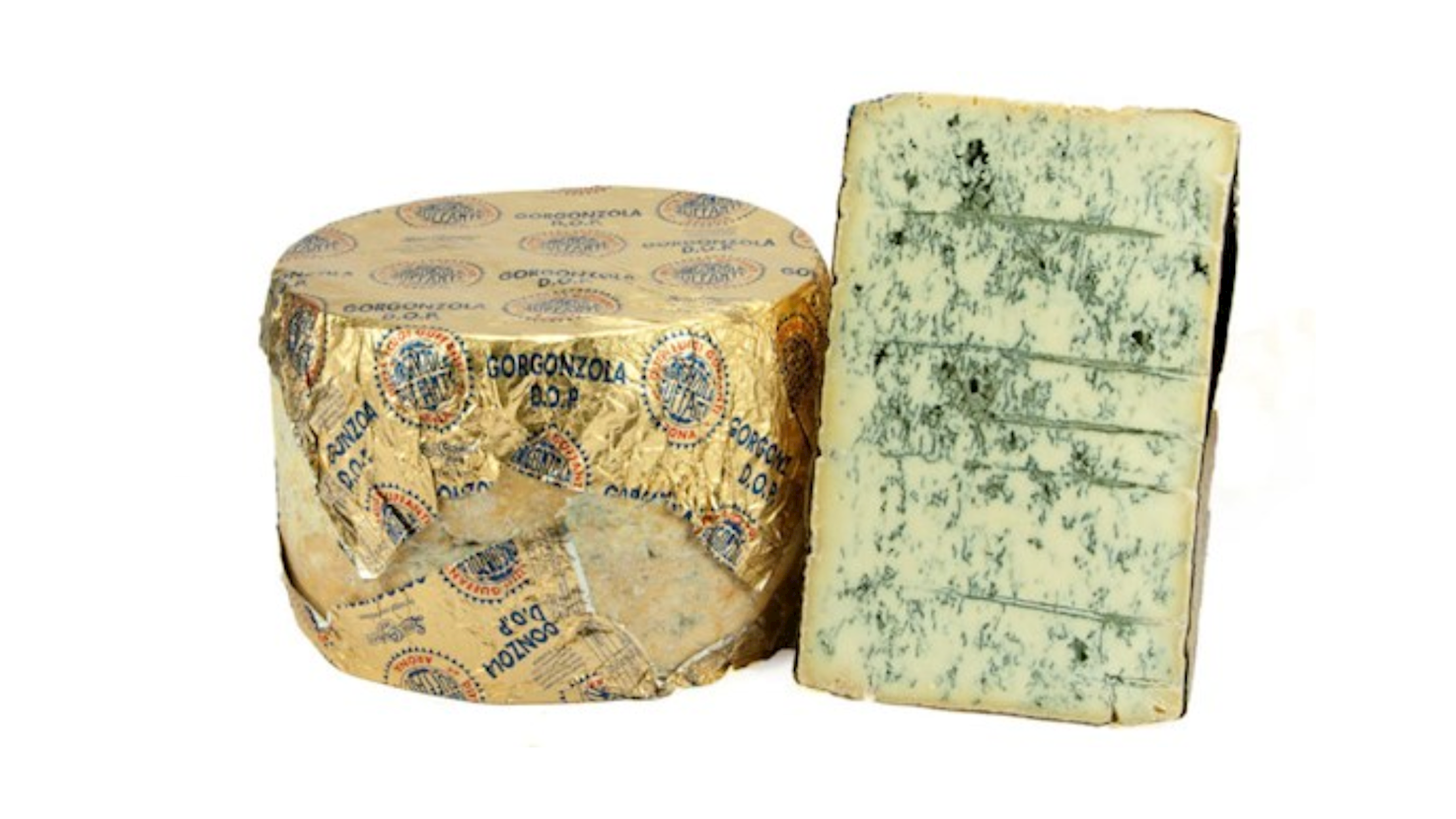
Luigi Guffanti 1876

5 ·
Luigi Guffanti 1876 is a renowned Italian cheese company based in Arona, in the Piedmont region, known for its multi-generational expertise in aging and refining cheeses. Founded in 1876 by Luigi Guffanti, the company began its journey by aging Gorgonzola in an abandoned silver mine in Valganna, taking advantage of its consistent temperature and humidity conditions for optimal cheese maturation. Over time, the expertise gained in aging Gorgonzola expanded to include a wide variety of other cheeses. Luigi Guffanti 1876 offers an extensive selection of cheeses, including those made from cow’s, sheep’s, goat’s, and buffalo’s milk, as well as blended varieties. The company also welcomes visitors to its aging cellars in Arona, where guests can experience the cheese aging process firsthand and enjoy guided tastings of their artisanal products.
Awards
Italian Cheese Awards - ICA (2018, 2016, 2015)
Italian Cheese Awards - Nominee (2017)
07

Tenuta Vannulo

5 ·
Tenuta Vannulo is a prestigious organic buffalo farm and artisanal dairy located in Capaccio Paestum, in the Italian region of Campania. It is renowned for its top-quality Mozzarella di Bufala Campana DOP, which is made entirely by hand using only fresh buffalo milk from the farm. In addition to cheese, Tenuta Vannulo produces a variety of other dairy delicacies made from buffalo milk - including yogurt, butter, and gelato - and also houses a traditional leather workshop on the estate. Beyond dairy, Tenuta Vannulo is also known for its production of buffalo milk chocolate, which serves as the base for their exclusive pralines and chocolate bars. These chocolates combine creamy richness with authentic Italian flavors, adding a gourmet touch to their range of luxury delicacies. Tenuta Vannulo is open to visitors and offers guided tours of the farm and dairy, as well as tastings in their on-site café. Through a unique combination of tradition, innovation, and deep respect for nature, this farm stands out as a model of sustainable quality and genuine luxury rooted in simplicity and authenticity.
Awards
Tavoletta D'Oro - (2017)
08

Caseificio Storico Amatrice

5 ·
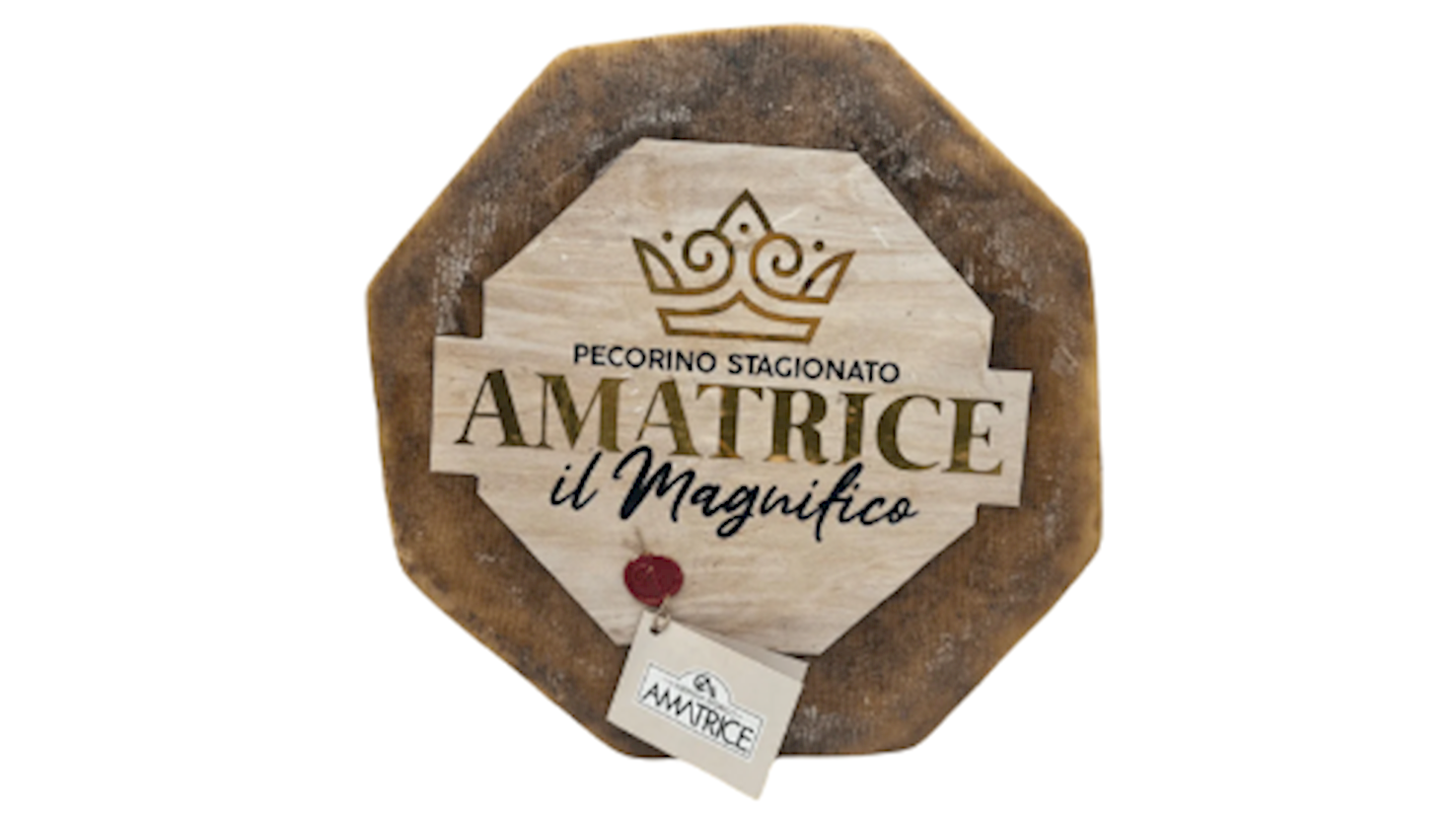
Caseificio Storico Amatrice is a cheese producer located in Amatrice, Italy. This producer is known for creating cheeses that reflect the local culinary traditions and flavors of the region. One of their notable cheeses includes Pecorino Amatriciano, which is made from sheep's milk.
Awards
World Cheese Awards - Super Gold (2024, 2022)
Concours International de Lyon - Gold (2025)
09

Caseifitziu Agrìculu Mandrolisai
5 ·
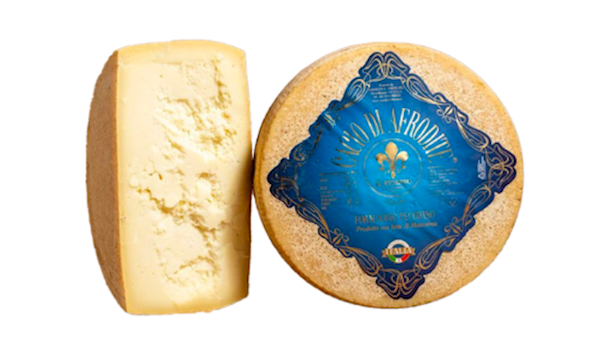
Formaggio Sardo is a Sardinian cheese producer rooted in the island’s pastoral tradition, based in the heart of Sardinia and closely connected to local sheep farming communities. The company focuses on the production of authentic sheep’s milk cheeses, drawing on generations of know-how and a strong link to the territory. Milk comes from Sardinian sheep raised on natural pastures, which gives the cheeses their distinctive aromatic depth and regional character. Production combines traditional techniques - including careful curd handling and slow maturation - with modern standards of hygiene and quality control. The range mainly includes different styles of Pecorino, varying in aging and intensity, designed to express the richness of Sardinian terroir. Great attention is given to flavor development, texture, and balance, resulting in cheeses that reflect both craftsmanship and consistency. Through this approach, Formaggio Sardo preserves the cultural identity of Sardinian cheesemaking while presenting it in a contemporary, market-ready form.
Awards
World Cheese Awards - Super Gold (2025, 2022)
World Cheese Awards - Bronze (2022)
10

Caseificio di Nucci

5 ·
Caseificio Di Nucci is a family-run dairy based in Agnone, in the Molise region of Italy, dedicated to the production of traditional cheeses for over ten generations. Their cheesemaking process is rooted in the use of raw cow's milk and traditional artisanal methods, without the use of additives or preservatives, ensuring the authenticity and quality of their products. Di Nucci cheeses have earned recognition not only among consumers but also at international competitions. They have received numerous awards at prestigious events such as the World Cheese Awards, where their products have repeatedly won medals for excellence. The dairy also offers guided tours of its production facilities, educational experiences focused on traditional cheesemaking, and tastings that allow visitors to fully appreciate the rich flavors and history behind each cheese.
Awards
Italian Cheese Awards - ICA (2022, 2019, 2017, 2016)
Italian Cheese Awards - Nominee (2018, 2017)
Read more
View all
View map
About this ranking

TasteAtlas food rankings are based on the ratings of the TasteAtlas audience, with a series of mechanisms that recognize real users and that ignore bot, nationalist or local patriotic ratings, and give additional value to the ratings of users that the system recognizes as knowledgeable. For the “Top 100 Italian Cheeses” list until June 02, 2026, 13,771 ratings were recorded, of which 10,422 were recognized by the system as legitimate. TasteAtlas Rankings should not be seen as the final global conclusion about food. Their purpose is to promote excellent local foods, instill pride in traditional dishes, and arouse curiosity about dishes you haven’t tried.

The initial list of top producers was compiled based on available reviews, awards, local recommendations, media and blog coverage, and consumer reviews. The list will be updated with ratings from TasteAtlas local ambassadors and TasteAtlas users.

Similar lists