shutterstock

Top 68 Central European Chocolate Confectioneries

Last updated on May 29, 2026

Best Central European Chocolate Confectioneries
01

Läderach

5 ·
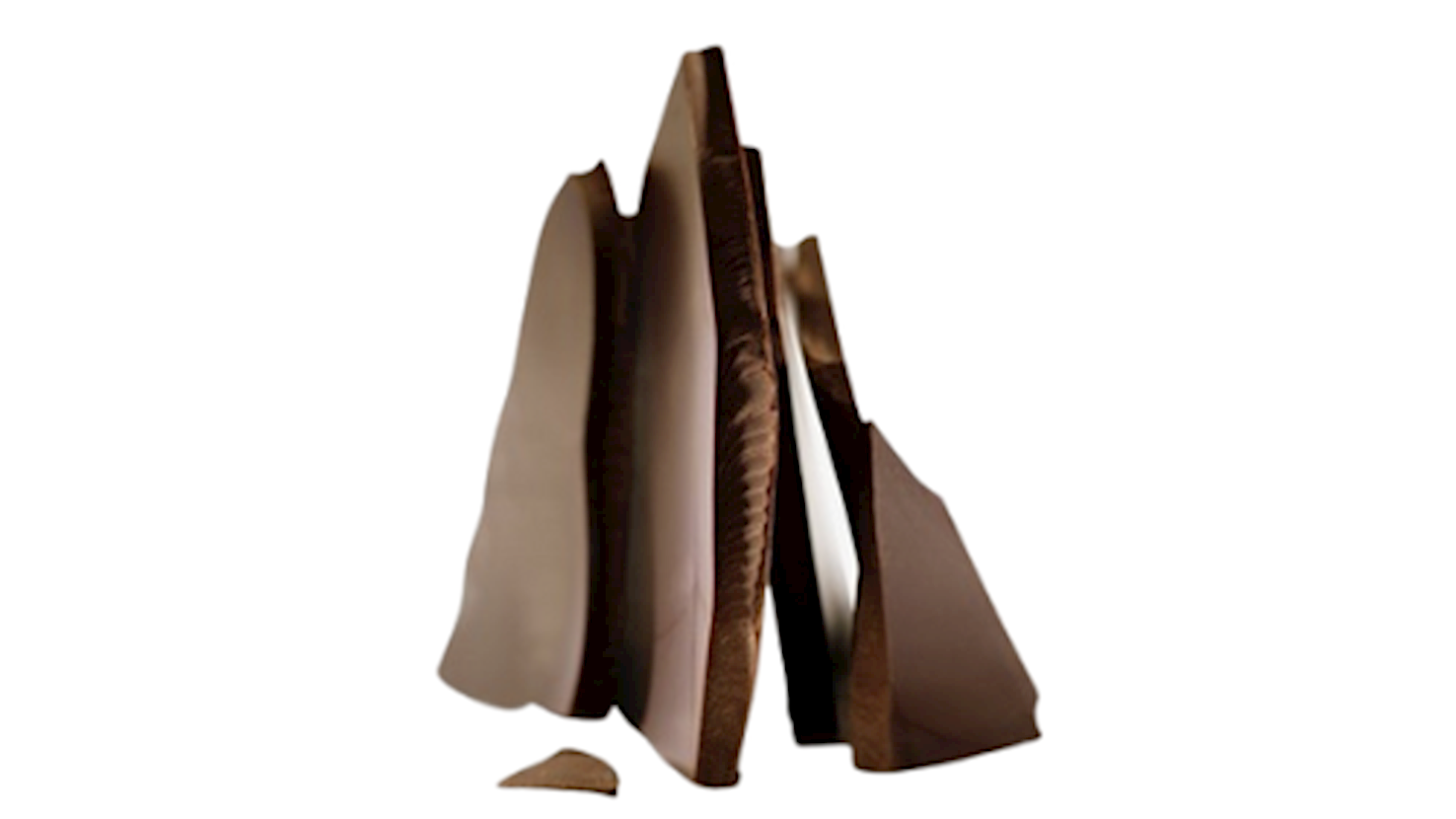
Läderach is a Swiss premium chocolate manufacturer founded in 1962 in Glarus, renowned for combining artisanal tradition, innovation, and exceptional freshness. Its business philosophy is based on complete control of the entire process - from the selection of cocoa beans to the final production in its own facilities in Switzerland. The brand’s signature line, FrischSchoggi, features handcrafted chocolate with a delicate, breakable texture and rich flavor, sold in large slabs and cut to the customer’s preference. Läderach uses only Swiss milk from the Thurgau region, natural ingredients, and carefully selected cocoa varieties, free from artificial additives and palm oil. The brand is also famous for its handcrafted pralines and truffles, where each piece reflects meticulous craftsmanship and attention to detail. The combination of Swiss precision, creativity, and deep respect for raw materials has made Läderach a synonym for authentic, fresh chocolate.
02

La Carambole Patisserie

5 ·
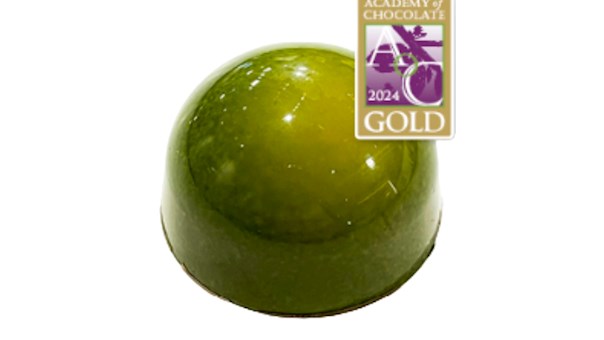
La Carambole Patisserie, also known as Carambole Chocolate, is an artisanal chocolatier and patisserie based in Amsterdam, blending artistry, innovation, and exceptional chocolate craftsmanship. Founded by chocolatier Rita, the brand is renowned for her experimental approach and distinctive aesthetic style. In their atelier located at Veemarkt 192, all pralines, bars, and desserts are handcrafted in small batches, ensuring complete control over quality. The brand is recognized for its visually striking creations that combine color, texture, and layered flavors, often evoking the impression that each praline is a small edible sculpture. Ingredients are sourced from some of the most respected bean-to-bar producers such as Krak, Kakao Bolaget, and The Chocolate Tree, while fillings are made from natural components - fruits, nuts, spices, and botanical extracts - with no artificial additives. Every piece of chocolate reflects a carefully considered balance between the intensity of cacao and the delicacy of creams or caramels. The brand embraces a philosophy of creative freedom and pure passion for flavor, which shines through in every product crafted in their workshop.
Awards
Academy of Chocolate - Gold (2023, 2021, 2020)
Academy of Chocolate - Golden BonBon (2021)
03

Confiserie Sprüngli

5 ·
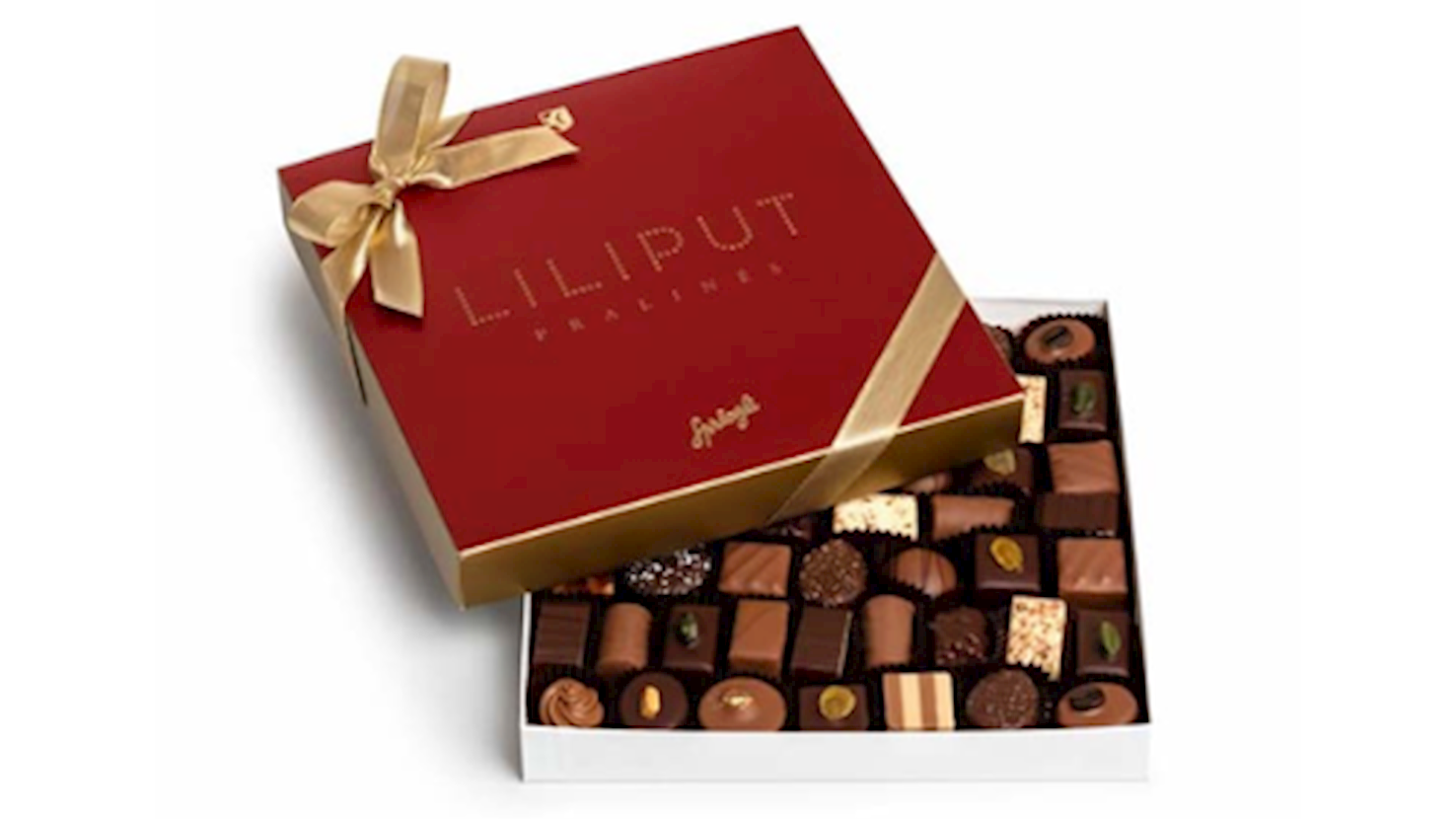
Confiserie Sprüngli is a family-owned confectionery from Zurich, founded in 1836 by David Sprüngli, and is today regarded as one of the symbols of Swiss confectionery tradition. Originally a small workshop in the old town, it evolved into a prestigious establishment known for its handcrafted chocolates, pralines, and pastries. Their assortment includes handmade pralines, truffles, chocolate bars, cakes, and pastries, all produced in Zurich using carefully selected ingredients. The production process combines traditional craftsmanship with modern standards of hygiene and aesthetics, emphasizing freshness and artisanal quality. Their shops and cafés are an integral part of Zurich’s local identity and serve as popular gathering places. Confiserie Sprüngli remains a family-run company, now managed by the sixth generation of descendants, with more than 35 boutiques across Switzerland and abroad. The brand is known for its unwavering commitment to quality and authenticity, as well as for its consistency in style and taste that transcends passing trends. In their work, the Swiss approach to precision, simplicity, and craftsmanship is clearly evident. Sprüngli does not aim for mass production but preserves a model rooted in handmade excellence and the long-standing expertise of its chocolatiers.
04

Garçoa

5 ·
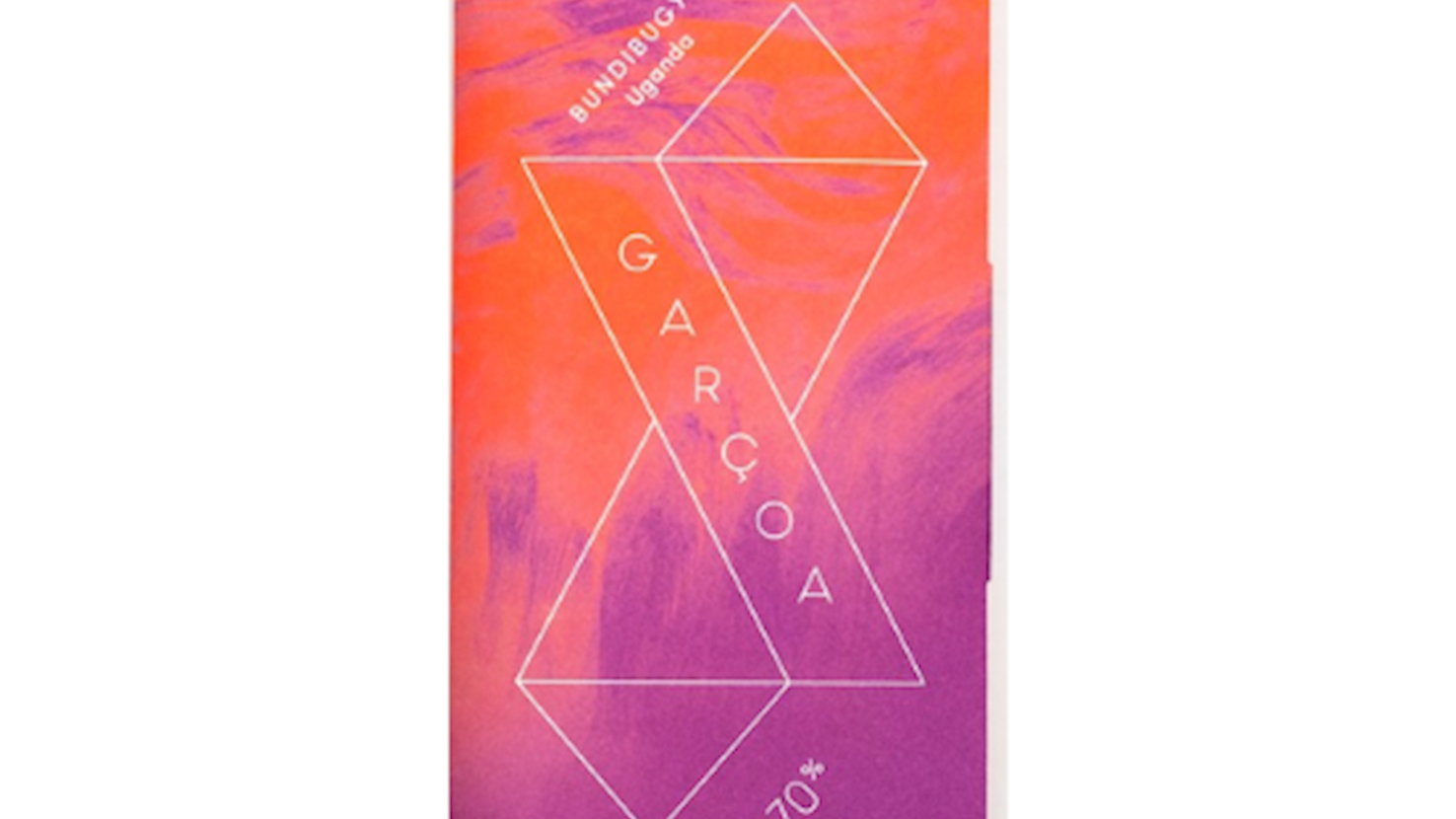
Garçoa is a Swiss bean-to-bar chocolate maker based in Zurich, known for producing handcrafted chocolate from carefully selected cocoa beans to the finished bar in its own small-scale factory. Founded by enthusiasts devoted to purity of flavor and transparency of origin, the brand believes that exceptional chocolate begins with a direct connection between the maker and the grower. Its philosophy is rooted in ingredient minimalism - using only cocoa beans and organic cane sugar, with no added cocoa butter, emulsifiers, or flavorings. This approach allows each bar to express the authentic terroir of its origin, whether from Peru, Ghana, India, or Uganda. Garçoa employs traditional yet precisely controlled roasting, grinding, and conching methods to preserve the natural layers of aroma and taste. The resulting chocolates showcase clean, expressive notes ranging from fruity and floral to earthy and nutty, depending on the bean variety. The brand is also recognized for its award-winning mold design in Swiss food design competitions. The packaging is simple yet striking, featuring graphic elements that reflect the geographic origin of the cocoa. Beyond production, Garçoa offers the “Schoggisafari” - guided tours that let visitors experience the process from raw bean to finished bar. Operating in small batches ensures freshness and consistent quality. Garçoa strives to blend Swiss precision with the passion of African and Latin American cocoa origins, creating a product that is both honest and refined.
Awards
Academy of Chocolate - Silver (2023, 2017)
Academy of Chocolate - Bronze (2023)
05

FischerS

5 ·
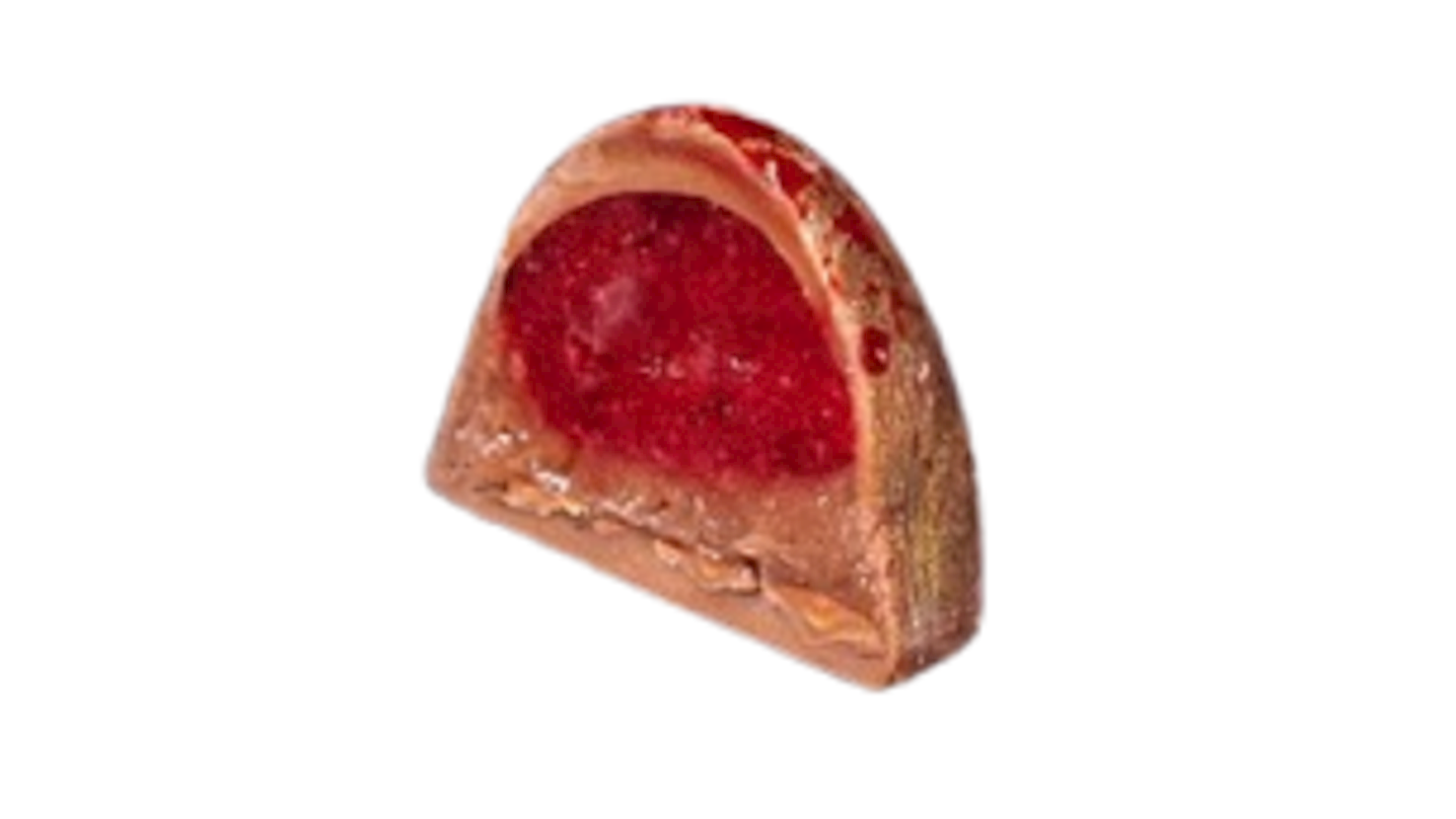
FischerS is a German artisan chocolate and praline producer, operating as part of a restaurant and hotel in the town of Kaser. Their praline Cherry C. Lady, created as a tribute to regional flavors, was awarded a gold medal in the milk chocolate ganache or truffles category at the International Chocolate Awards 2023, standing out as the only German winner in that category. The creation, developed by Amanda Dahl and Tessa Bingemann, features a refined blend of tonka bean ganache and sour cherry jelly, enrobed in milk chocolate made from Ecuadorian Arriba cocoa. The result is a sophisticated harmony of fruity, caramel, and herbal notes, offering a layered and well-balanced sensory experience. This recognition highlights the high level of craftsmanship and innovation behind FischerS’s small-batch chocolate creations.
Awards
International Chocolate Awards - Gold (2023)
06

Centho Chocolates

5 ·
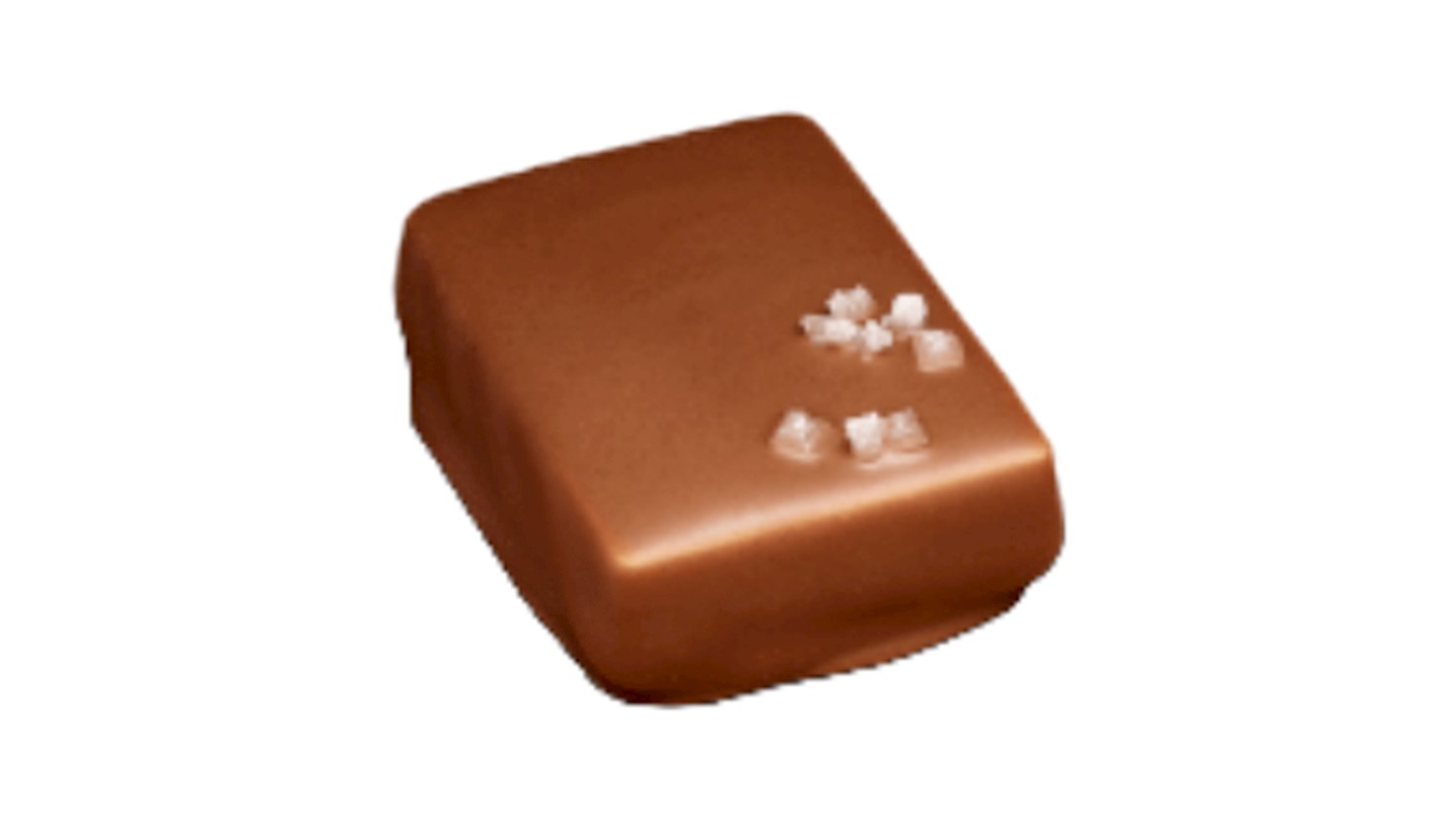
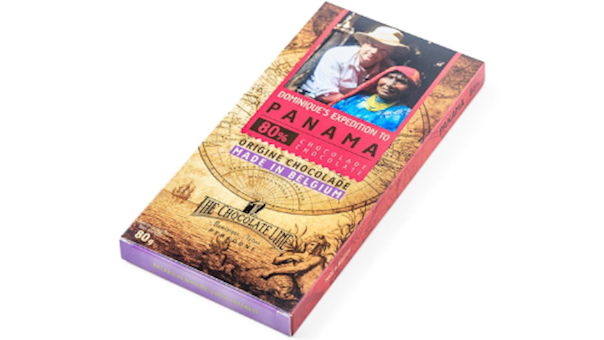
Centho Chocolates is a Belgian artisanal chocolatier renowned for crafting chocolates and pralines from single-origin cocoa beans, highlighting the authenticity and terroir of each variety. The company was founded by chocolatier Geert Decoster, whose philosophy combines traditional Belgian craftsmanship with a modern awareness of sustainability. Each product is handmade in their atelier in Duisburg, using carefully selected ingredients sourced directly from certified plantations. Centho is particularly known for its Salin praline, a delicate combination of caramel and sea salt. In addition to pralines and chocolate bars, their boutiques also offer handmade ice creams and elegant gift collections. The brand’s stores are located in Brussels, Kampenhout, and Duisburg, where visitors can experience the making and tasting process firsthand. Centho’s mission is for every praline or chocolate to serve as a bridge between the farmers who cultivate cocoa and the consumers who enjoy its full flavor.
Awards
International Chocolate Awards - Gold (2013)
07

Andreas Muschler

5 ·
Andreas Muschler is a German master chocolatier and pastry chef best known for his artisanal chocolaterie and pâtisserie based in Freising, Bavaria. His work is defined by a strong commitment to craftsmanship, with all pralines, chocolates, cakes, and desserts produced in small batches using traditional techniques and carefully selected ingredients. Muschler combines classic French pastry foundations with a contemporary approach to flavor balance, texture, and presentation, often drawing on seasonal and regional raw materials. Rather than focusing on mass production, Andreas Muschler positions his work within the realm of fine confectionery, where taste, structure, and authenticity take priority over scale. His atelier is regarded as a reference point for modern German artisanal chocolate, appealing to consumers who value technical excellence and a clear, restrained flavor profile.
Awards
International Chocolate Awards - Gold (2020, 2016)
International Chocolate Awards - Silver (2018, 2017)
08

Chocolatoa

5 ·
Chocolatoa is a Belgian bean-to-bar chocolate maker founded in 2015 by chocolatier Mario Vandeneede, after several years spent in Ecuador teaching cacao processing and working with local farmers. The brand was born out of a vision for complete transparency and ethical production - from bean to bar - through direct collaboration with growers in Latin America, Africa, and Asia. Vandeneede personally selects cacao varieties and plantations, often working with specialty importers such as Silva Cacao, who ensure fair trade conditions and sustainable cultivation. Chocolatoa’s chocolates are known for their pure, expressive cacao flavor, free from excessive additives and showcasing the distinct origin of each variety. Each bar reflects the terroir of its source through nuanced aromas - from fruity and floral to warm earthy tones. Beyond production, Chocolatoa is also recognized for its educational mission, organizing workshops, tastings, and consulting sessions for aspiring bean-to-bar makers. The brand exemplifies how Belgian craftsmanship can merge tradition, science, and sustainability into a single, coherent philosophy.
Awards
International Chocolate Awards - Bronze (2024)
09

Rózsavölgyi Csokoládé

5 ·
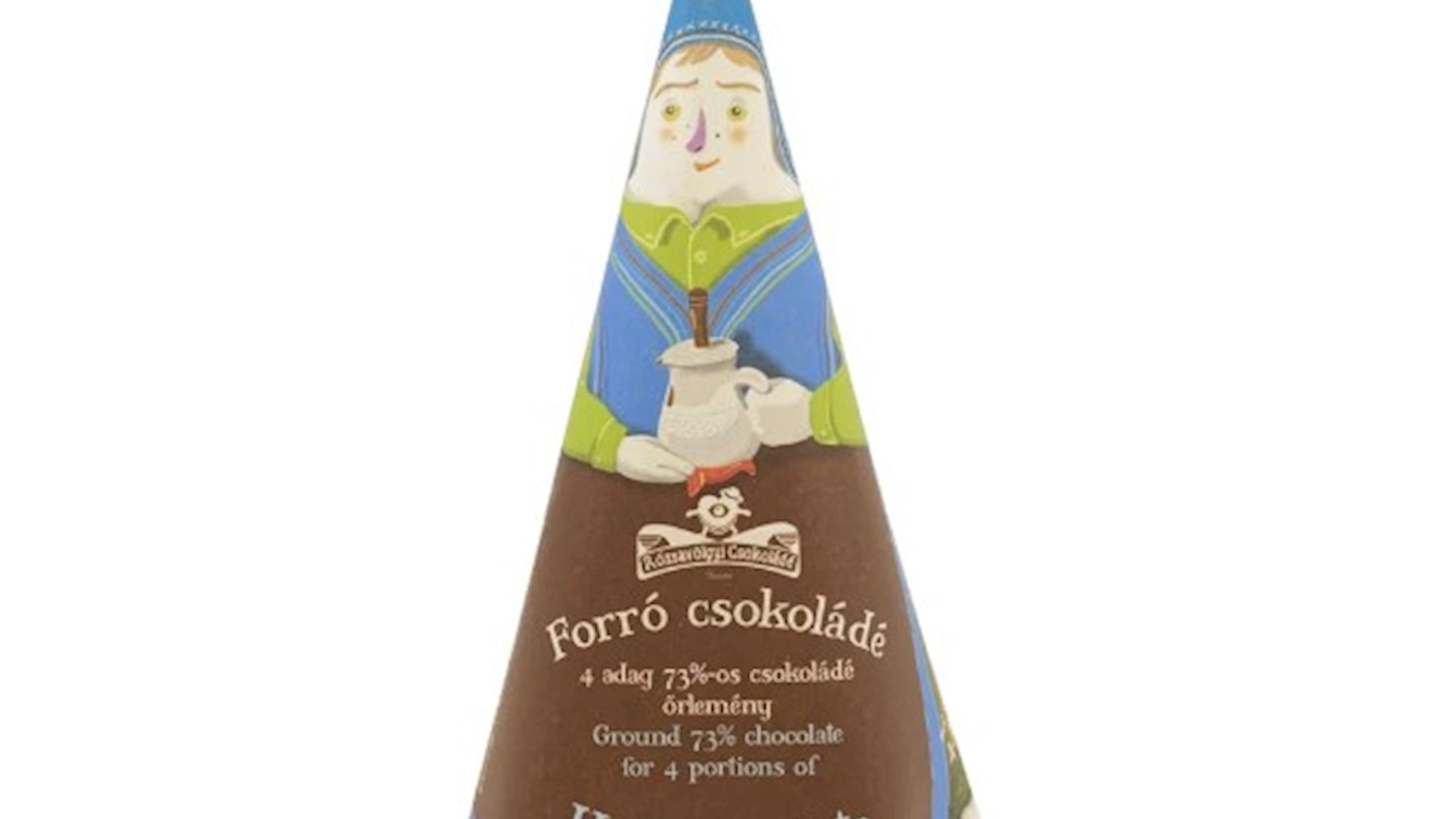
Rózsavölgyi Csokoládé is a chocolate producer based in Budapest, Hungary, established in 2004 by Zsolt Szabad and Katalin Csiszar. The company specializes in crafting fine bean-to-bar chocolates, utilizing traditional processes such as hand-wrapping their products in artistic, custom-designed packaging. They are known for using high-quality, single-origin cocoa beans and creating unique flavor combinations. Rózsavölgyi Csokoládé also produces a range of confections including bonbons and chocolate sculptures.
Awards
Academy of Chocolate - Gold (2015)
Academy of Chocolate - Silver (2015, 2011, 2009)
10

Zotter

5 ·
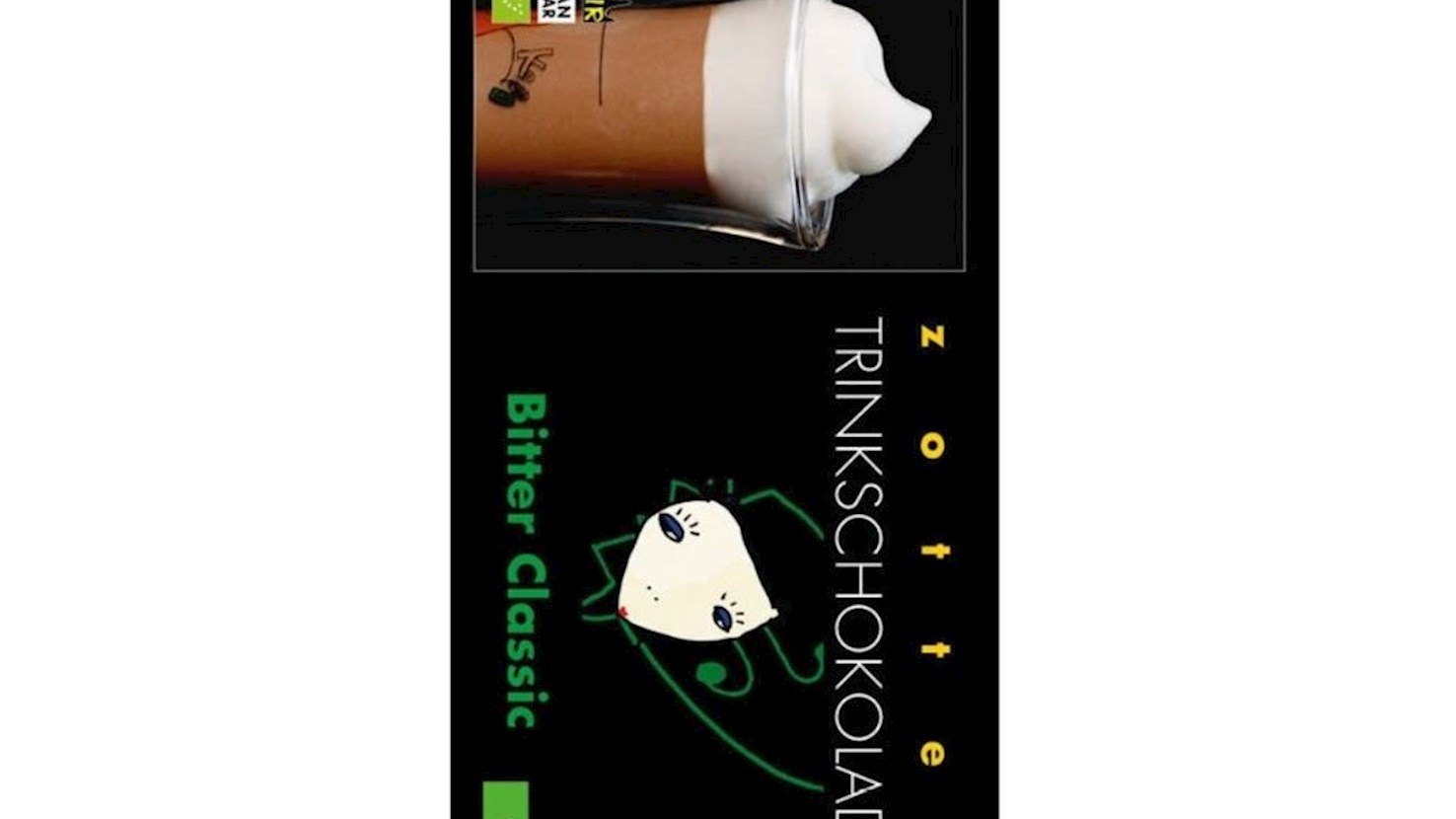
Zotter Chocolate, headquartered in Riegersburg, Austria, is a company known for producing organic and fair-trade chocolates. Established in 1987 by Josef Zotter, the company initially operated as a confectionery business before transitioning to chocolate manufacturing in 1999. Zotter is distinctive for its wide variety of unique flavors, offering over 400 different types of chocolate bars. The company is committed to sustainability, sourcing cocoa beans directly from cooperatives and small farmers. Zotter operates a "bean-to-bar" production, where the entire chocolate-making process, from roasting beans to packaging, is managed in-house.
Awards
Academy of Chocolate - Gold (2018, 2016)
Academy of Chocolate - Silver (2018, 2017, 2016, 2011)

Best Central European Chocolate Confectionery Types
01

Belgian Chocolate

4.6 ·

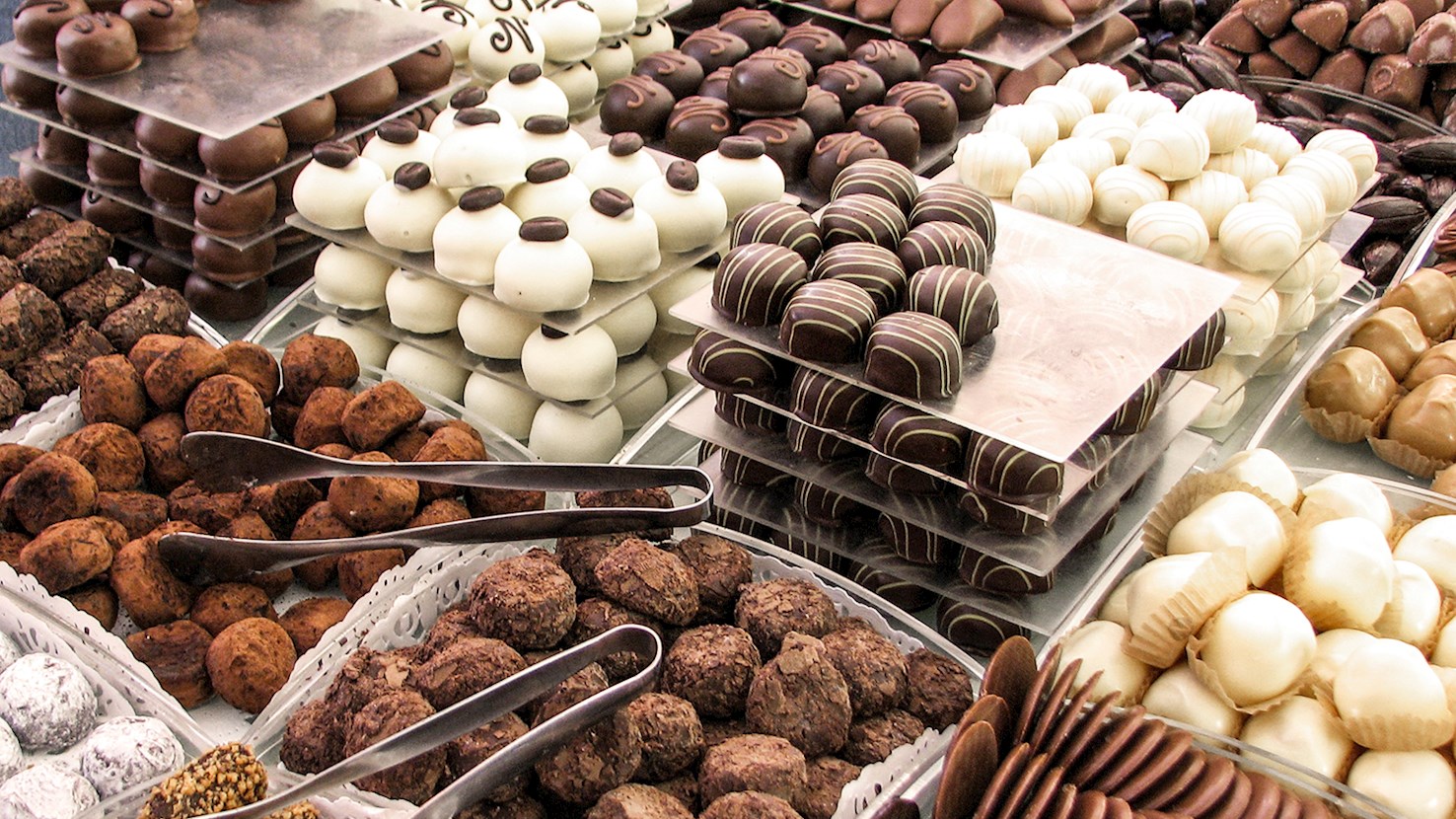
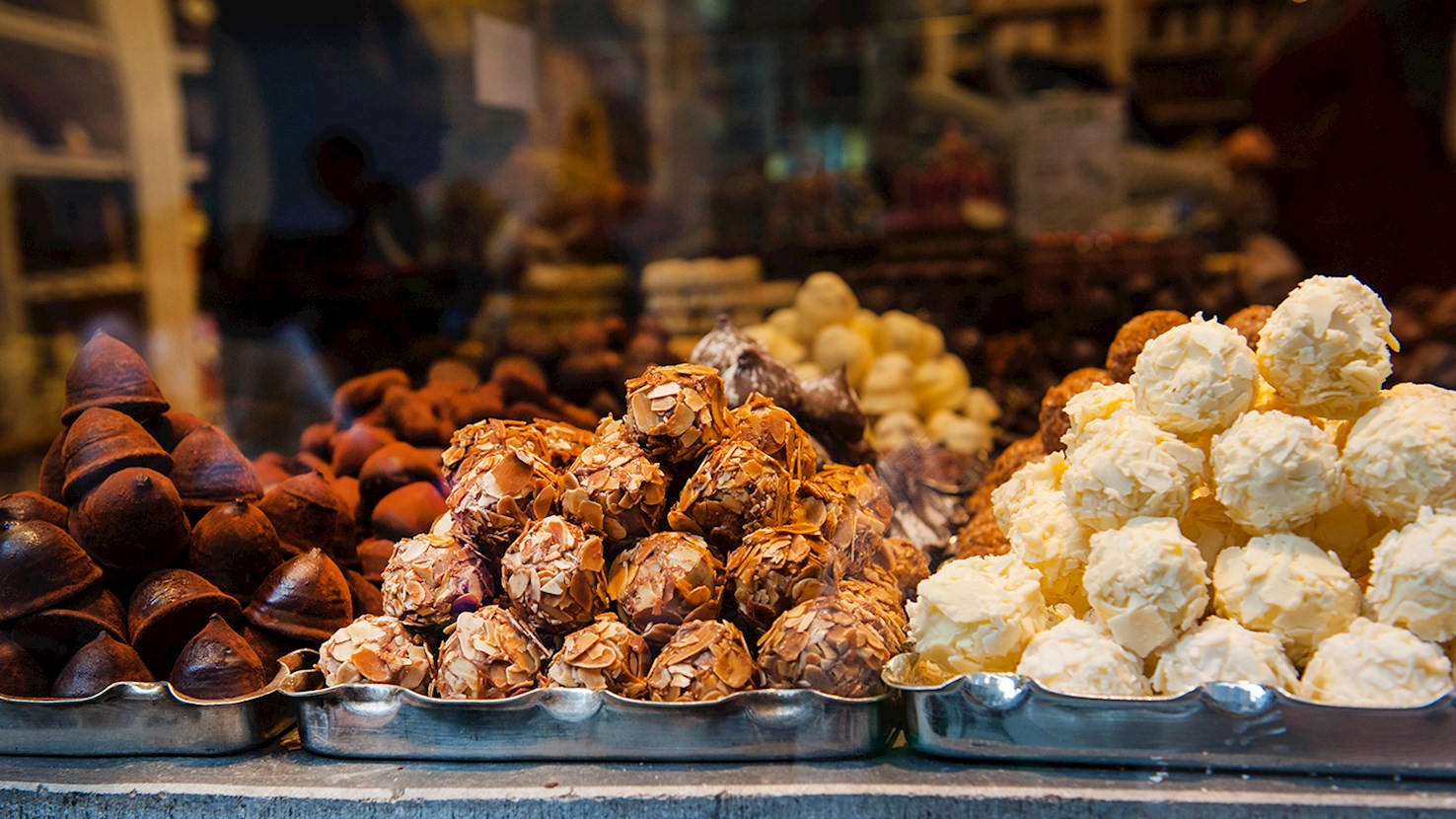
There are many varieties of Belgian chocolates such as pralines, truffles, and chocolates shaped into eggs, animals, or different figures, which are especially popular during the festive seasons. Famous throughout the world, Belgian chocolate industry started by borrowing some of the techniques from Swiss chocolatiers to make new blends of chocolate by combining rich, high-quality chocolate with nuts, liqueurs, and fruits. It all started during the 19th century, when Belgium was under the rule of Leopold II, who had access to a variety of cocoa plants and products due to colonization, providing Belgium with numerous imports of raw cocoa and consequently giving birth to the Belgian chocolate industry.

Best producers
02

Belgian pralines

4.4 ·

Belgian pralines are world-famous chocolates with a soft or liquid filling. These sweet treats date back to 1857, when a pharmacist from Bruxelles named Jean Neuhaus used chocolate to mask the bad taste of medical concoctions. Later, in 1912, his son used a flavorful sweet filling instead of the medicine and called his invention a praline. His wife designed a box for the pralines, so they could be individually wrapped and stored uniformly, a practice that is present up to this day. Today, Belgian pralines are renowned for their unique flavor and texture, and they are also often used as a token of love or gratitude.

03

Swiss Chocolate Truffles

4.4 ·

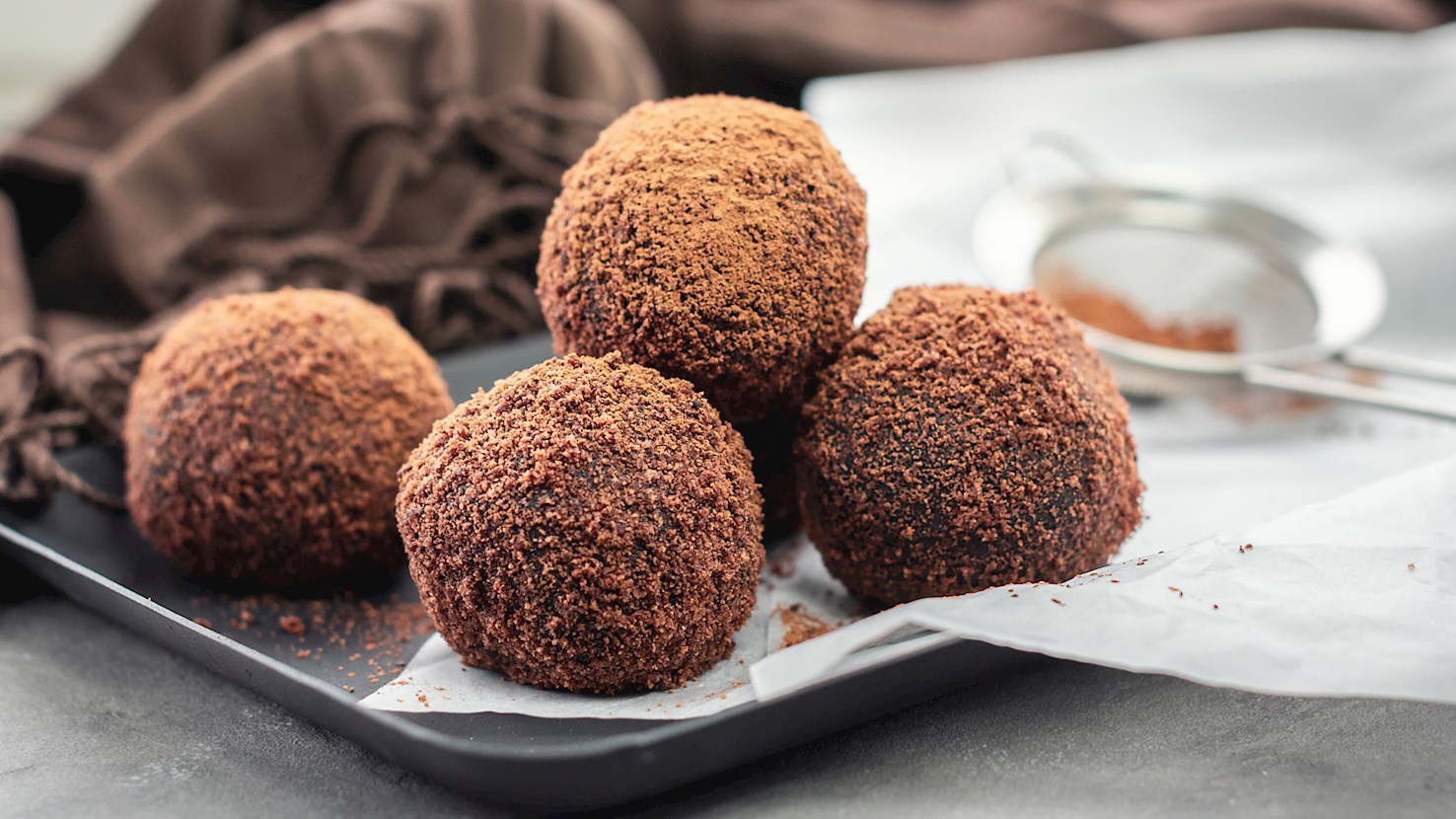
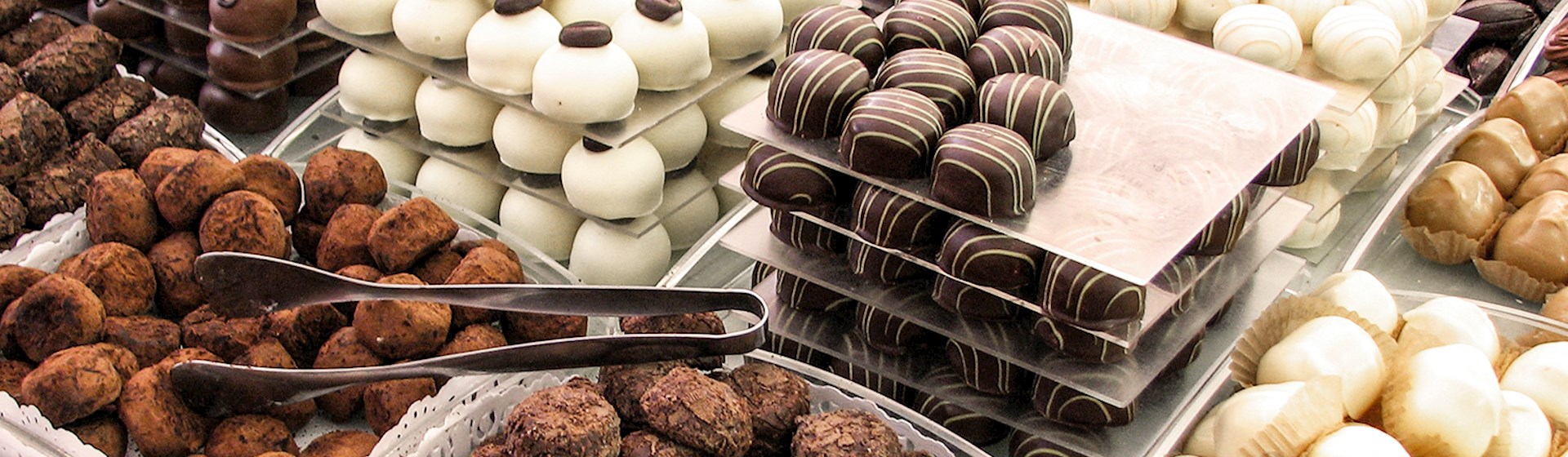
A variation on the classic chocolate truffle, the Swiss chocolate truffle requires heating a mixture of dairy cream and butter to its boiling point, then stirring in melted chocolate, and finally transferring the resulting mixture into desired molds (traditionally round ones). Once the chocolate truffles have hardened, they are rolled into cocoa powder just like the French truffles. Owing to the freshness of the ingredients used in the chocolate truffles' preparation, these sweet confections spoil much more easily and faster than other truffle varieties. Apart from the traditional chocolate flavors which include either milk chocolate or dark chocolate, these truffles can nowadays be found in a great variety of flavors such as coffee, champagne, hazelnut, citrus fruit, or toffee.

04

Cuberdon

3.9 ·

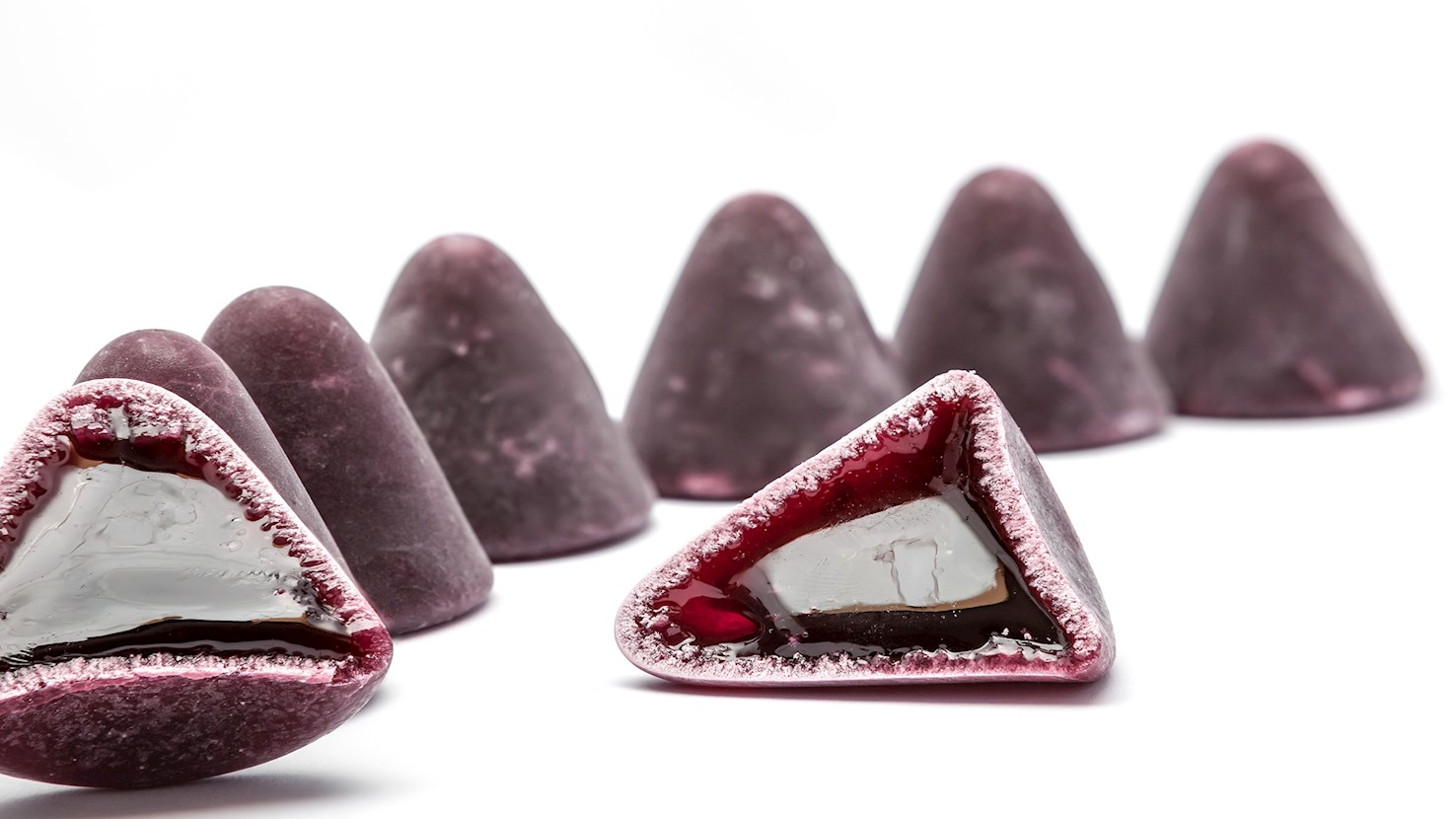
Cuberdon is a traditional specialty candy in the shape of a cone. It is made from gum arabic, sugar, starch, and glucose. The candy has an intense raspberry flavor and its exterior is quite hard, while the interior is chewy and gooey. It is believed that cuberdon was invented in the late 19th century by a pharmacist from Ghent. Today, the candies come in various flavors such as lavender, anise, and lemon.

05

Mozartkugel

3.8 ·

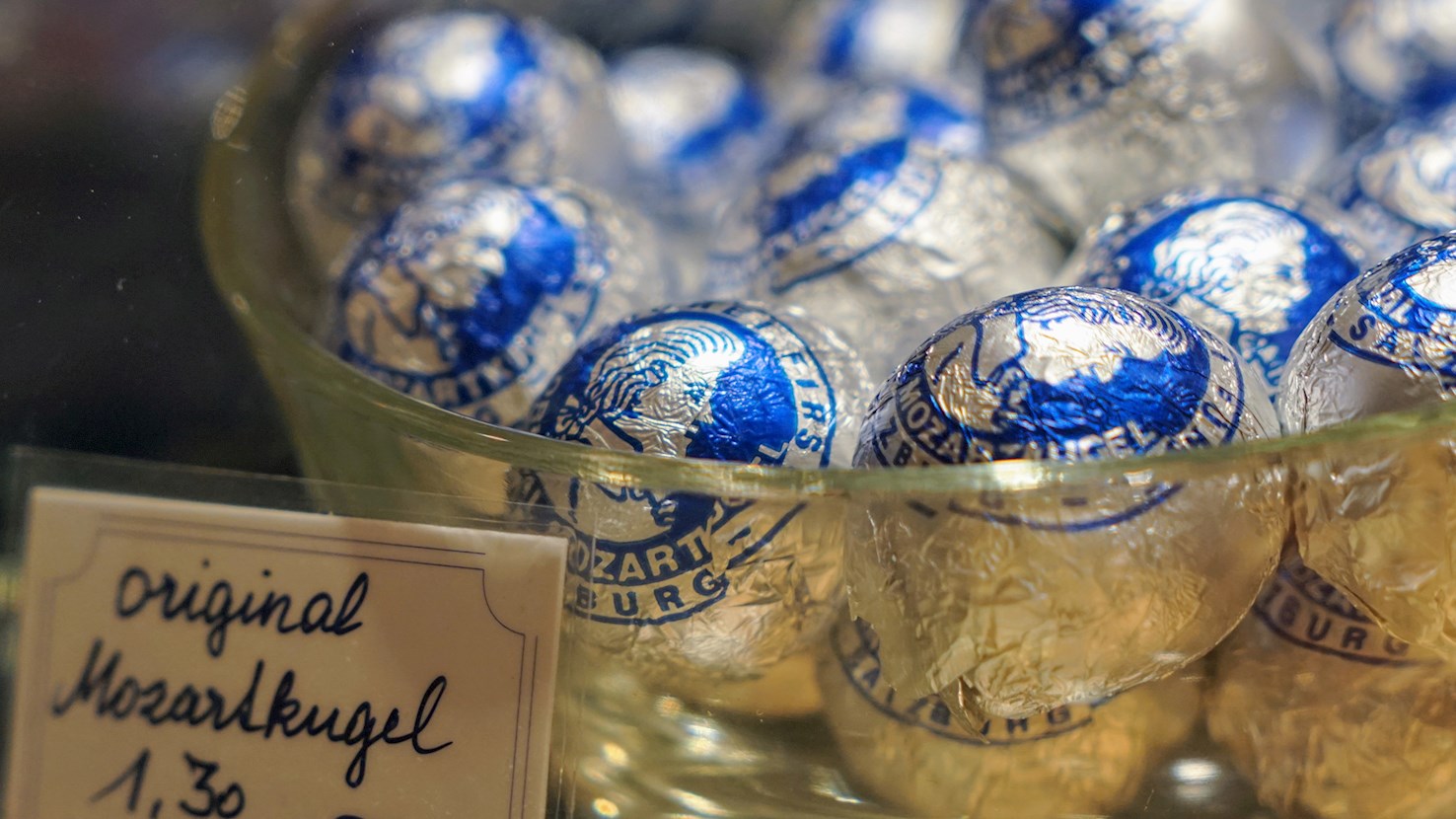
The story of Mozartkugel began in 1890 when the confectioner Paul Fürst decided to commemorate Wolfgang Mozart, also a Salzburg native, by creating a praline in his honor. He started with a pistachio-flavored marzipan ball which was coated in nougat and finished off with a layer of bitter dark chocolate. The process was done with the help of a stick, which resulted in a tiny hole in the middle that was additionally filled with chocolate. The creation became an instant success, and since Fürst did not patent the praline, many similar products appeared on the market, including the perfectly round Mirabell version. In 1995 it was decided that only Fürst’s creation, which is sold wrapped in silver foil, may be labeled as the Original Salzburger Mozartkugel. The confectionery remains a favorite Salzburg souvenir that embodies history, culture, and the renowned Salzburg craft.

06

Vlokken

3.8 ·

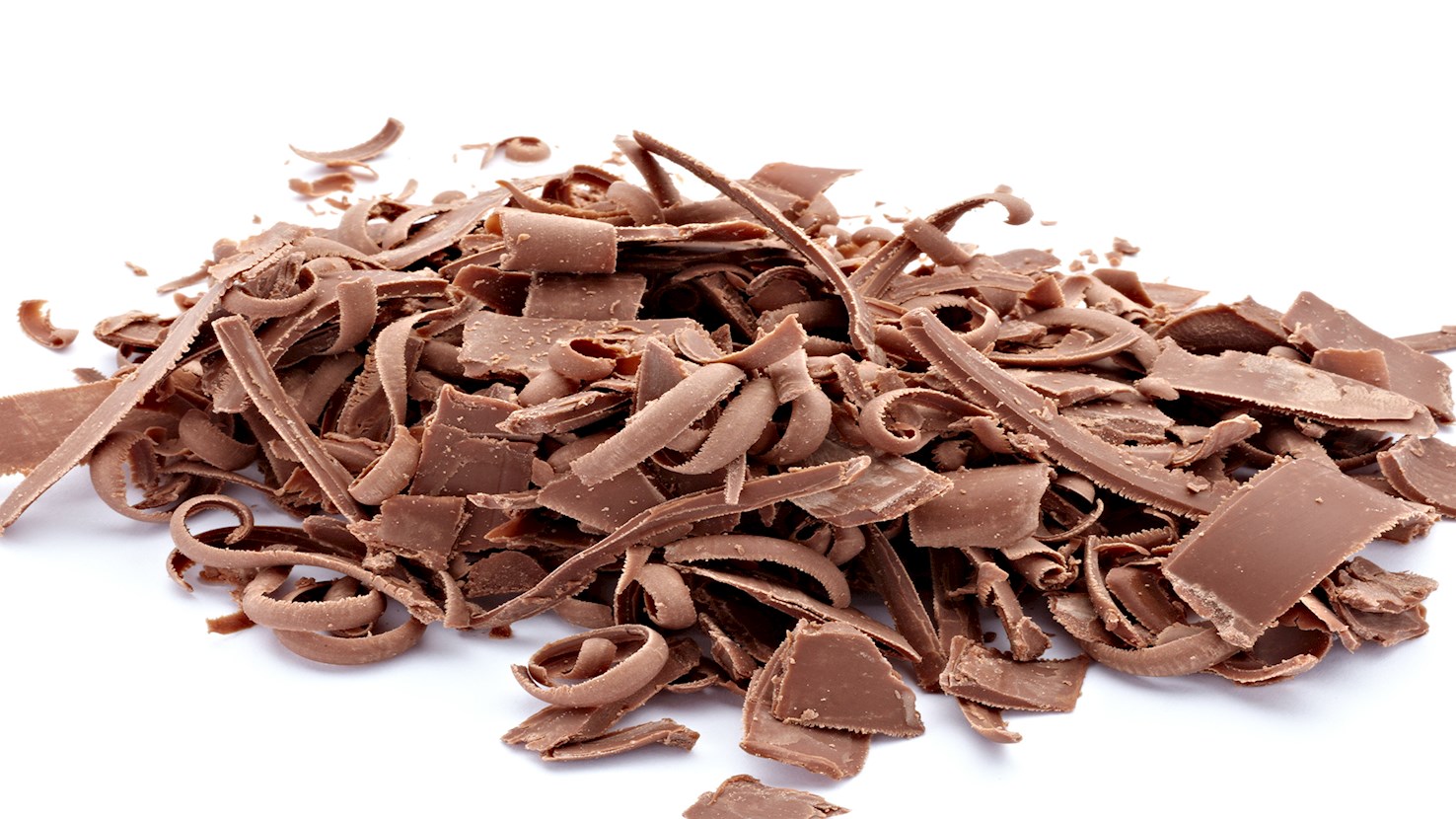
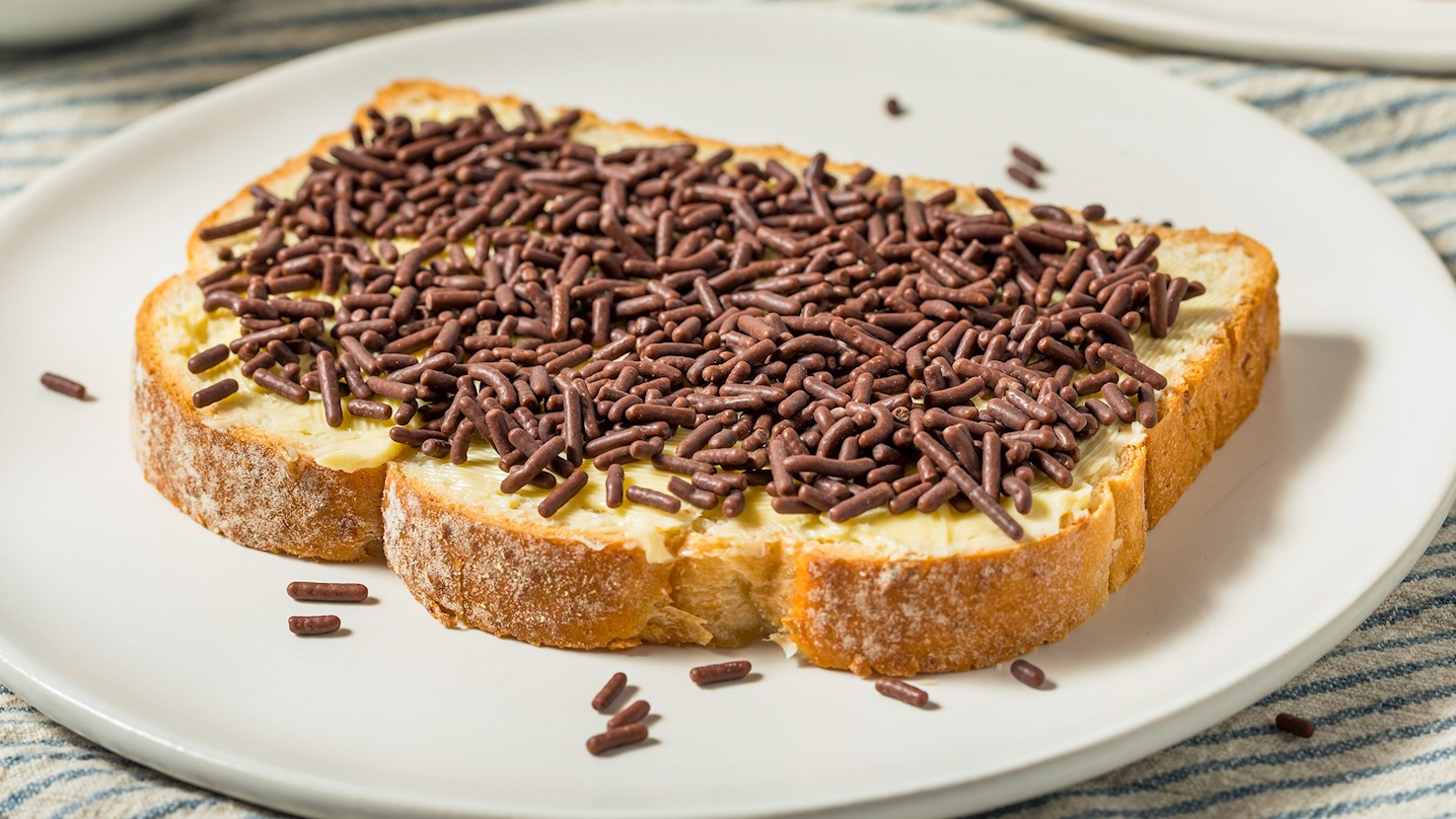
Vlokken is a popular Dutch confectionery product made from regular, dark, or white chocolate. The sprinkles come in various sizes, from small to extra large. They are traditionally used as a topping on buttered bread, a dish that is commonly consumed for breakfast in the country. The sandwiches are usually open-faced, but due to the size and quantity of vlokken, it is recommended to add an extra slice of bread on top to keep all of the ingredients in place.

07

Hagelslag

3.4 ·

Hagelslag is a Dutch bread topping consisting of small sprinkles, most commonly made of chocolate, and typically served on buttered slices of bread. Originating in the Netherlands, hagelslag is a familiar part of Dutch breakfast and snack culture, often enjoyed by both children and adults. The word "hagelslag" translates to “hailstorm” in Dutch, referencing the shape and appearance of the sprinkles, which resemble small pellets or hailstones. First introduced in the early 20th century, chocolate hagelslag was developed by the Dutch company Venz in 1936 and quickly gained popularity as a sweet, convenient spread alternative. There are several varieties of hagelslag, with chocolate being the most well-known. These include pure (dark), milk, and white chocolate versions, each used according to taste. Other types, such as fruit-flavored or aniseed sprinkles, also exist, though they are less common. The product is most often used on soft white or whole wheat bread that has been spread with a layer of butter or margarine, which helps the sprinkles adhere. The result is a combination of creamy fat from the butter and crunchy sweetness from the hagelslag, forming a simple yet distinctly Dutch food item. Hagelslag is not considered a dessert or confectionery but rather a legitimate component of breakfast and lunch. It is sold in grocery stores across the Netherlands and Belgium in boxes, alongside other sandwich spreads. In Dutch households, it is normal to see multiple varieties of hagelslag in the pantry, and many people grow up eating it daily. Outside the Netherlands, it may be perceived as a novelty or nostalgic treat, but within Dutch culture, it is integrated into everyday eating habits.

08

Het Brugsch swaentje

n/a ·

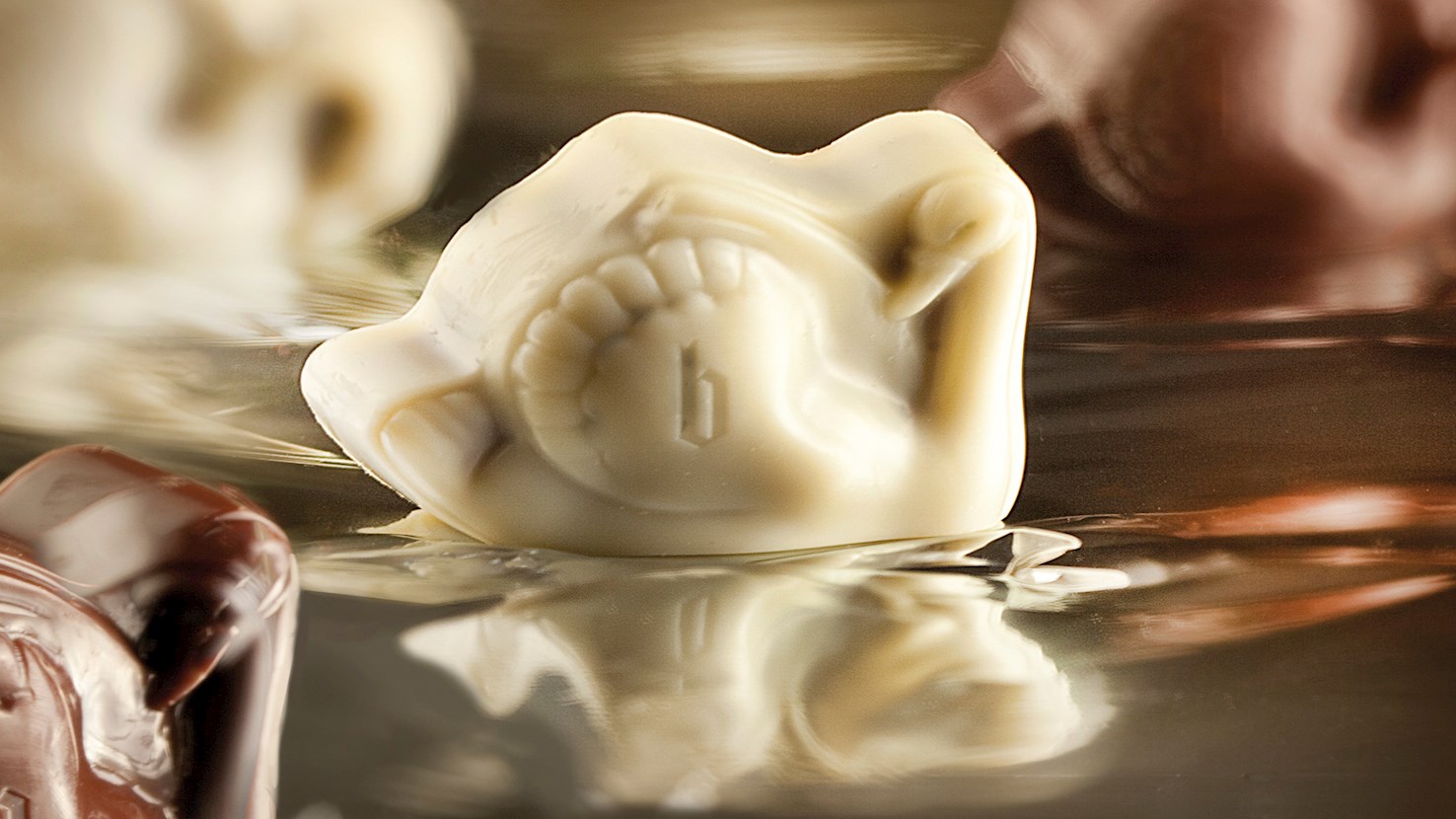
The Bruges’ swan, or het brugsch swaentje in Belgian, is a variety of Belgian chocolate praline that has been produced since 2006. Although the exact method of preparation and ingredients remain a well-kept secret, this sweet specialty is typically prepared with dark, milk, or white Belgian chocolate surrounding a filling of almond paste, traditional lace biscuits (kletsekoppen or dentelle de bruges), and a unique mix of spices called gruut, which has traditionally been used for brewing beer. These chocolate pralines have beautiful swan shapes embossed on them depicting the beloved Bruges’ swans that gracefully float in great numbers in the city’s canals. Dubbed the city’s official chocolate praline, this artisan treat can be bought exclusively from the shops of those confectioners which are the members of the Bruges Chocolate Guild.

Read more
View all
View map
About this ranking

TasteAtlas food rankings are based on the ratings of the TasteAtlas audience, with a series of mechanisms that recognize real users and that ignore bot, nationalist or local patriotic ratings, and give additional value to the ratings of users that the system recognizes as knowledgeable. For the “Top 68 Central European Chocolate Confectioneries” list until May 29, 2026, 828 ratings were recorded, of which 768 were recognized by the system as legitimate. TasteAtlas Rankings should not be seen as the final global conclusion about food. Their purpose is to promote excellent local foods, instill pride in traditional dishes, and arouse curiosity about dishes you haven’t tried.

The initial list of top producers was compiled based on available reviews, awards, local recommendations, media and blog coverage, and consumer reviews. The list will be updated with ratings from TasteAtlas local ambassadors and TasteAtlas users.

Similar lists