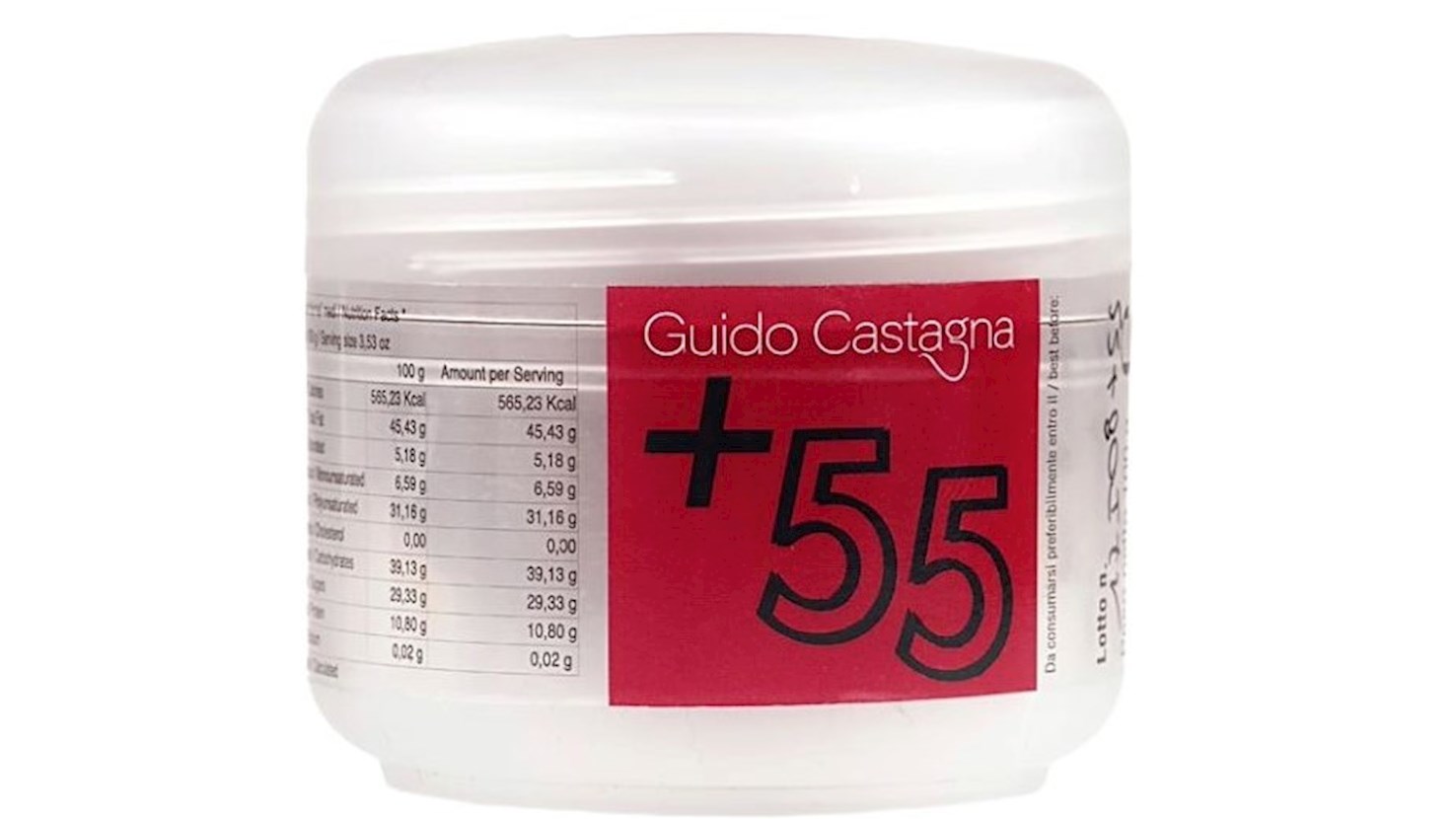
Guido Castagna is a distinguished Italian chocolatier celebrated for his commitment to craftsmanship, authenticity, and sustainability. At the heart of his philosophy lies the "Metodo Naturale" (Natural Method), a production approach that honours the natural rhythms of ingredients and emphasises respect for raw materials, artisans, and the environment.
This meticulous process begins with the careful selection of premium cocoa beans, which are allowed to rest for three months upon arrival to stabilise their aromatic profiles. Subsequently, the beans are roasted at low temperatures to preserve their inherent flavours. The tempered chocolate is then moulded into blocks and aged for six months under controlled conditions, allowing the flavours to mature fully.
guidocastagna.it
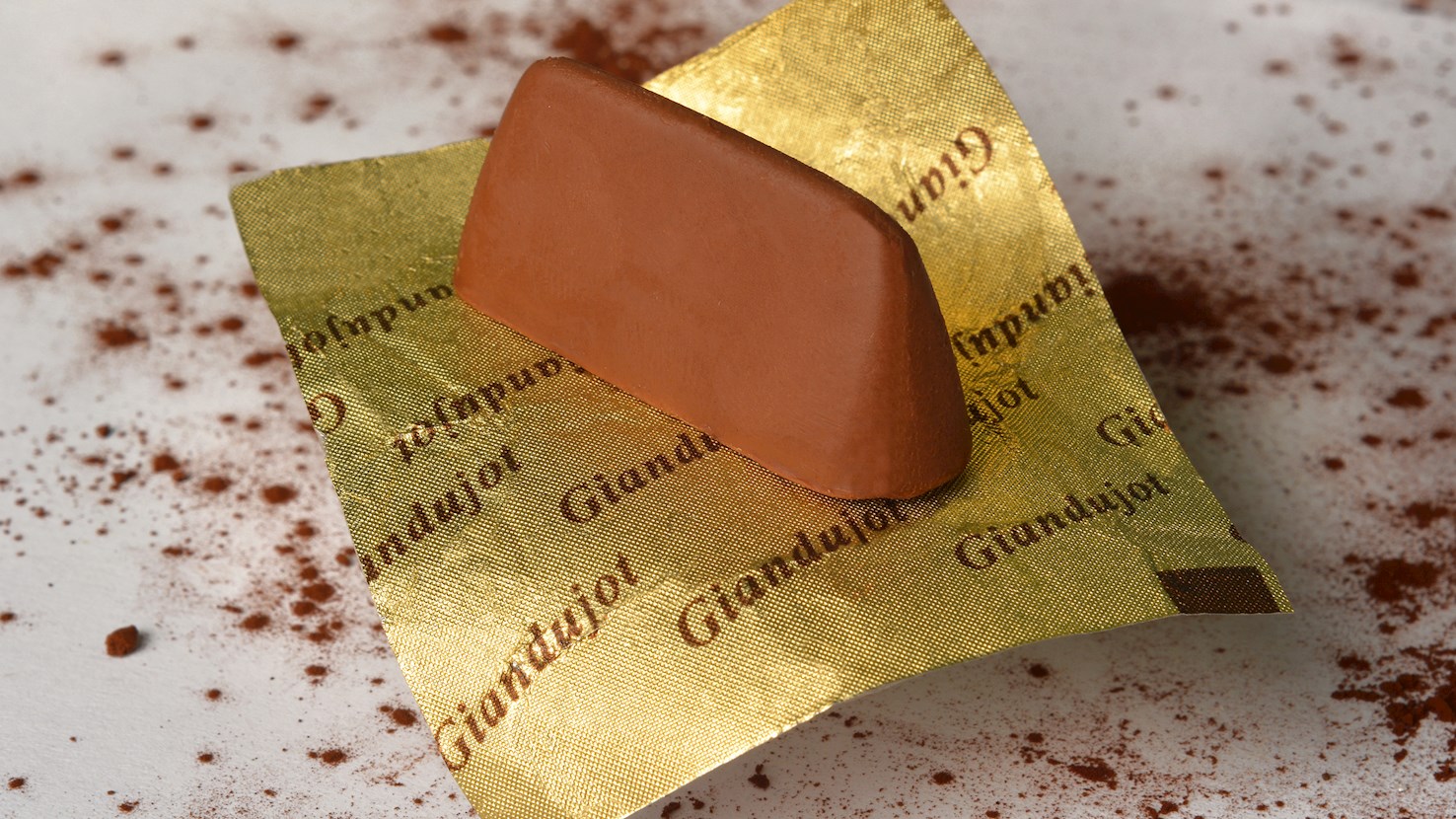
Among Castagna's acclaimed creations is the Giuinott®, a modern reinterpretation of the traditional gianduiotto. This confection combines Venezuelan Chuao cocoa with IGP Piedmont hazelnuts, resulting in a harmonious blend that has garnered multiple gold awards at the International Chocolate Awards.
Awards
International Chocolate Awards - ‘Best in competition' overall winners
(2024)
International Chocolate Awards - ‘Best in competition' overall winners
(2023)
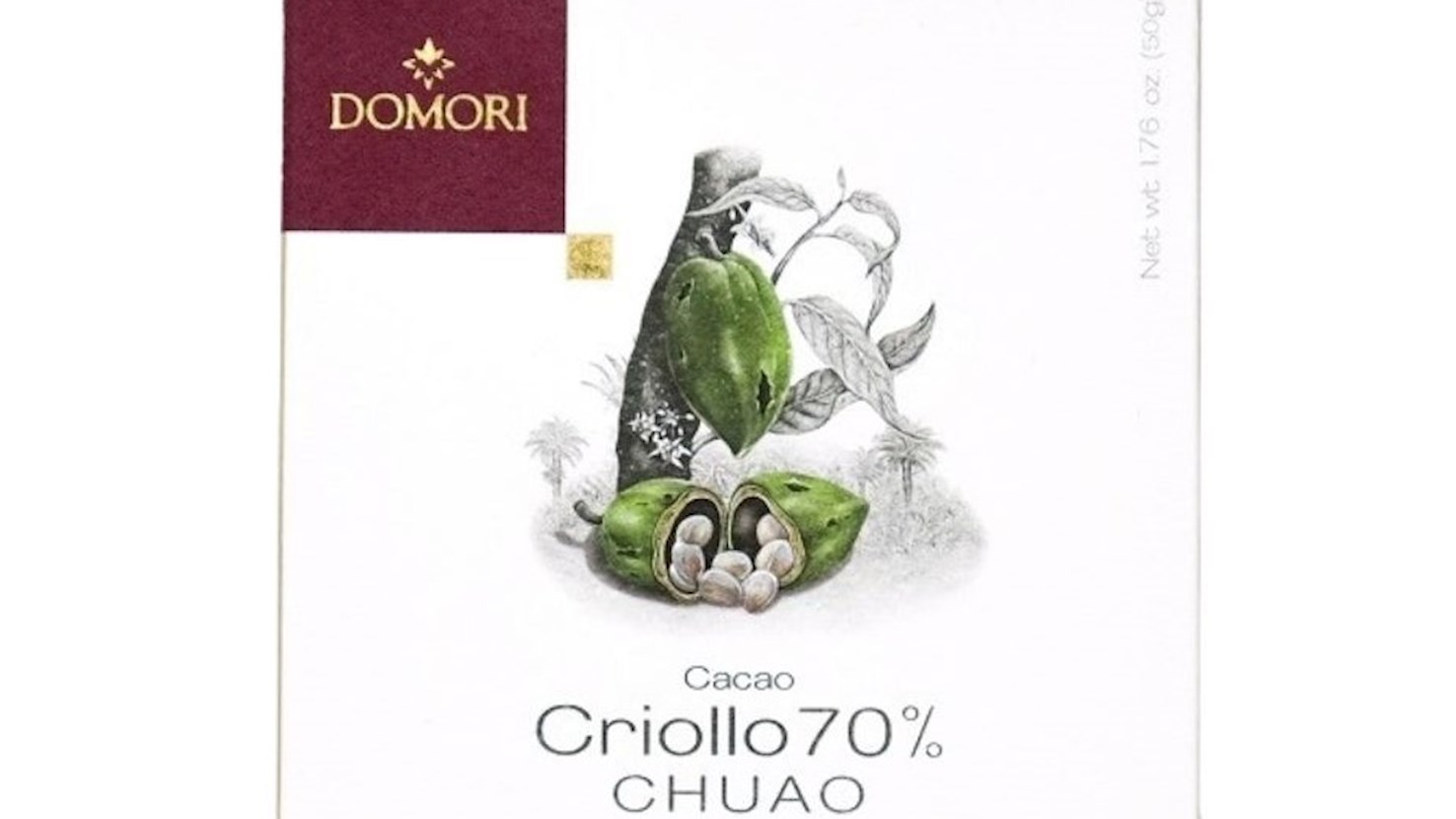
Domori is a visionary Italian chocolate maker that has forever changed the world of fine chocolate. Founded in 1997 by Gianluca Franzoni, Domori became a pioneer in the use of exceptionally rare and precious cocoa varieties, particularly the Criollo type, widely regarded as the finest in the world. It was the first company to establish its own plantation of noble cacao, ensuring full control over the quality and origin of its raw materials. Its unique processing approach, which involves minimal intervention and no conching, preserves the authentic notes of the cacao. Domori’s chocolates are often made with just cocoa mass and sugar, without vanilla, lecithin, or additives - pure essence of flavor. A multi-award-winning brand, Domori is celebrated for its unparalleled aromatic complexity and elegance. Today, as part of the Illy group, Domori continues to lead the revolution in fine chocolate, inviting true connoisseurs to experience chocolate at its highest expression.
Awards
Tavoletta D'Oro - The best in category
(2024, 2023, 2022, 2021, 2020, 2019, 2018, 2017, 2016, 2015, 2014, 2013, 2012, 2011, 2010, 2009, 2007, 2006, 2005, 2004, 2003)
Tavoletta D'Oro - Premio del ventennale Award
(2024, 2023)
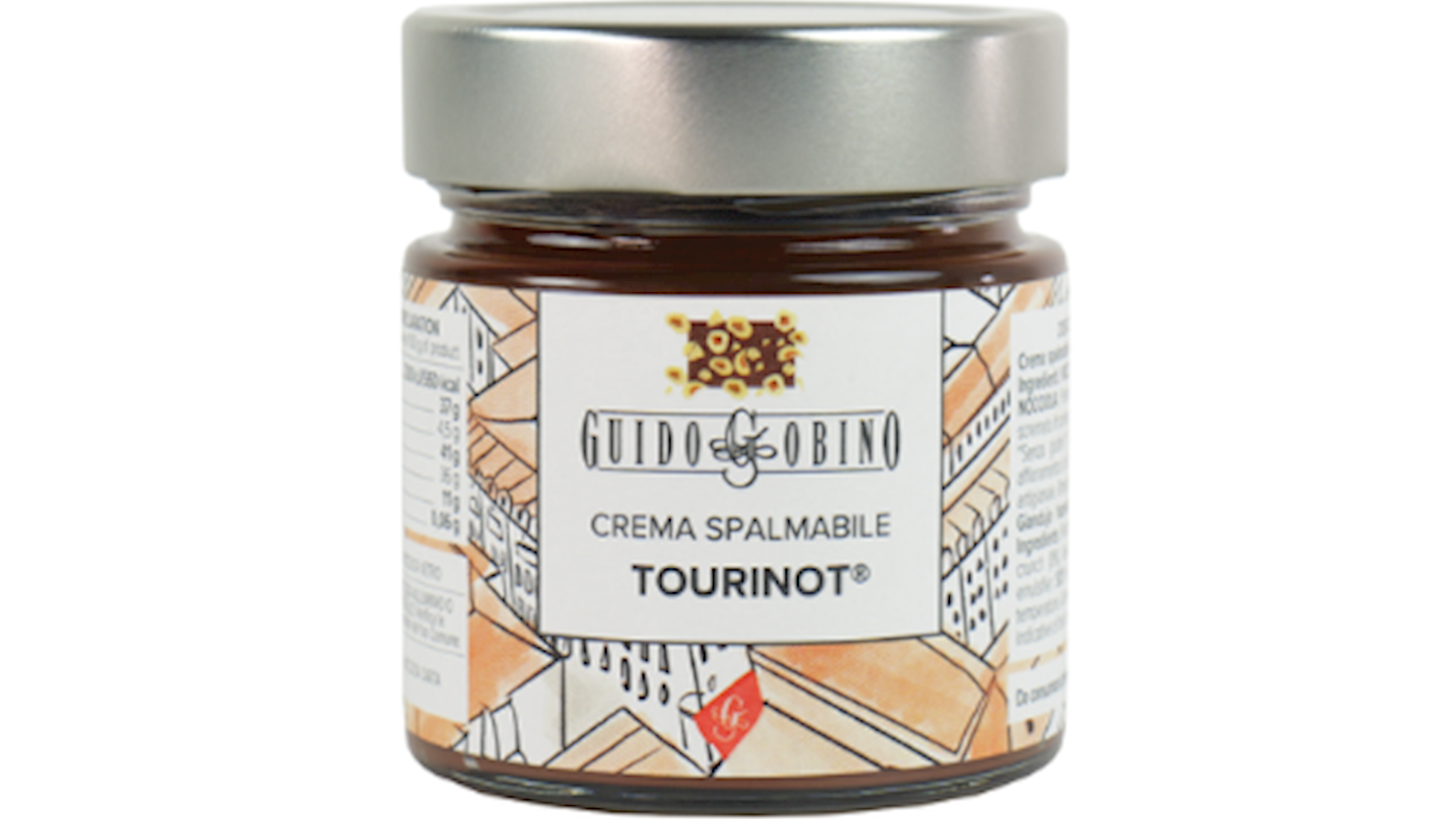
Guido Gobino is a prestigious Turin-based chocolatier and master of gianduja, whose name today stands as a symbol of exceptional Italian artisanal chocolate. His story begins in 1964, when his father Giuseppe founded the “Laboratorio Artigianale del Giandujotto” dedicated to preserving and elevating the traditional craft of gianduja – a chocolate specialty made with hazelnuts and cocoa. Guido took over the family business and transformed it into an internationally acclaimed brand by blending time-honored techniques with modern innovations and a continuous pursuit of excellence. At the heart of his creations are premium ingredients: Tonda Gentile delle Langhe hazelnuts, milk from Piedmont, and carefully selected cocoa beans sourced from Latin America, all within a strict “bean-to-bar” philosophy. His collection includes original giandujotti, Tourinot pralines, cremino with olive oil and sea salt, refined filled chocolates, and single-origin chocolate bars. Today, his creations can be found in fine boutiques and gourmet shops across Europe, the United States, and Asia. Thanks to his unwavering commitment to quality, sustainability, and authenticity, Guido Gobino has become a global ambassador of Turin’s chocolate-making tradition and one of Italy’s most respected chocolatiers.
Awards
Tavoletta D'Oro - The best in category
(2024, 2023, 2022, 2021, 2020, 2019, 2018, 2017, 2016, 2015, 2014, 2013, 2012, 2011, 2010, 2005, 2004, 2002)
Tavoletta D'Oro - Premio del ventennale Award
(2024, 2023)
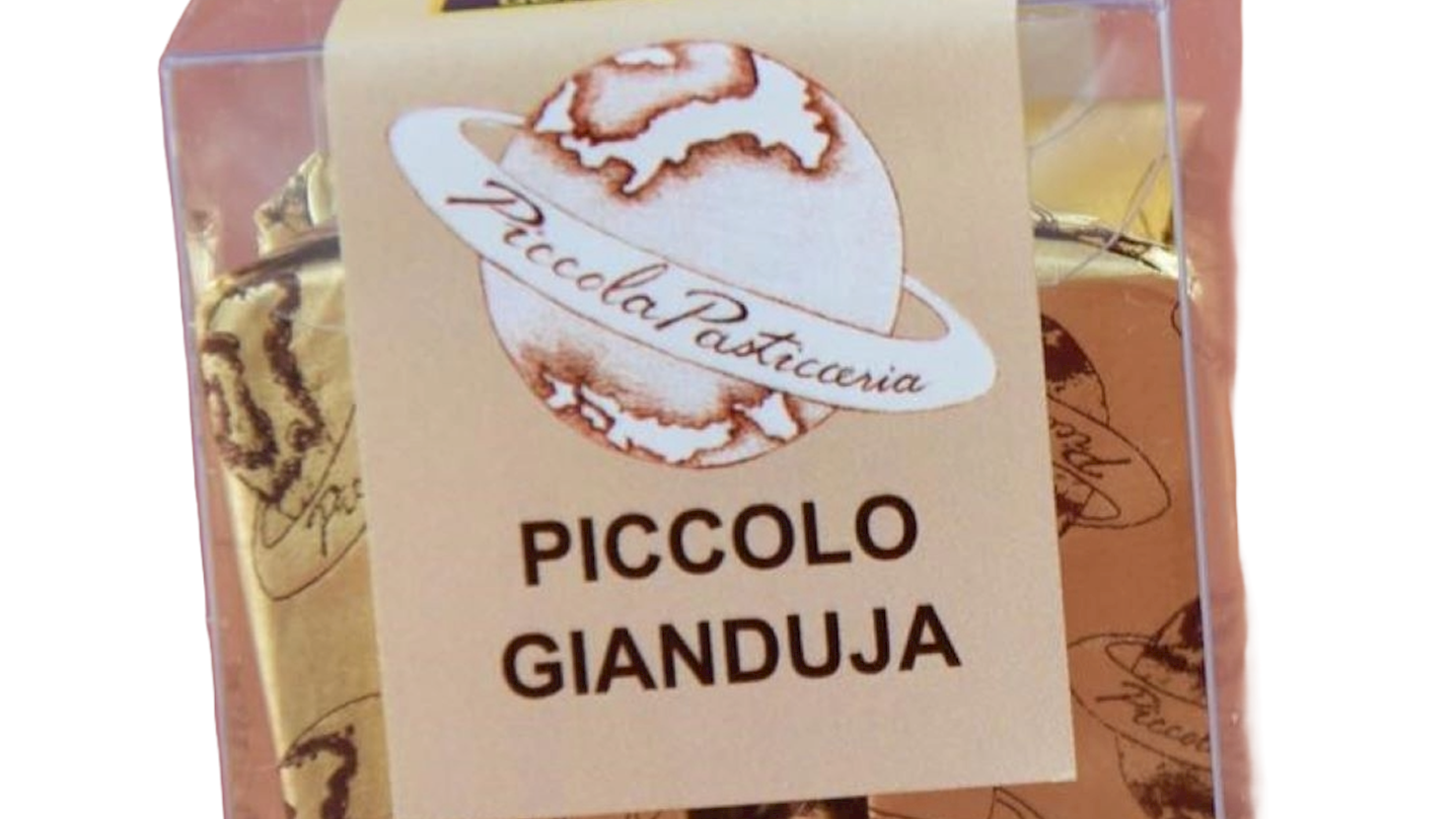
Piccola Pasticceria is a charming little pastry shop located in Casale Monferrato, Italy. This producer specializes in traditional Italian sweets, using fresh, high-quality ingredients. Their offerings include a variety of cakes, pastries, croissants, and other delightful treats, often beautifully decorated.
The atmosphere at Piccola Pasticceria is warm and inviting, and the staff is known for their friendliness and willingness to recommend specialties. Many visitors return for the authentic flavors and attention to detail in every creation. If you find yourself nearby, it's definitely worth stopping by to enjoy one of their sweet delights!
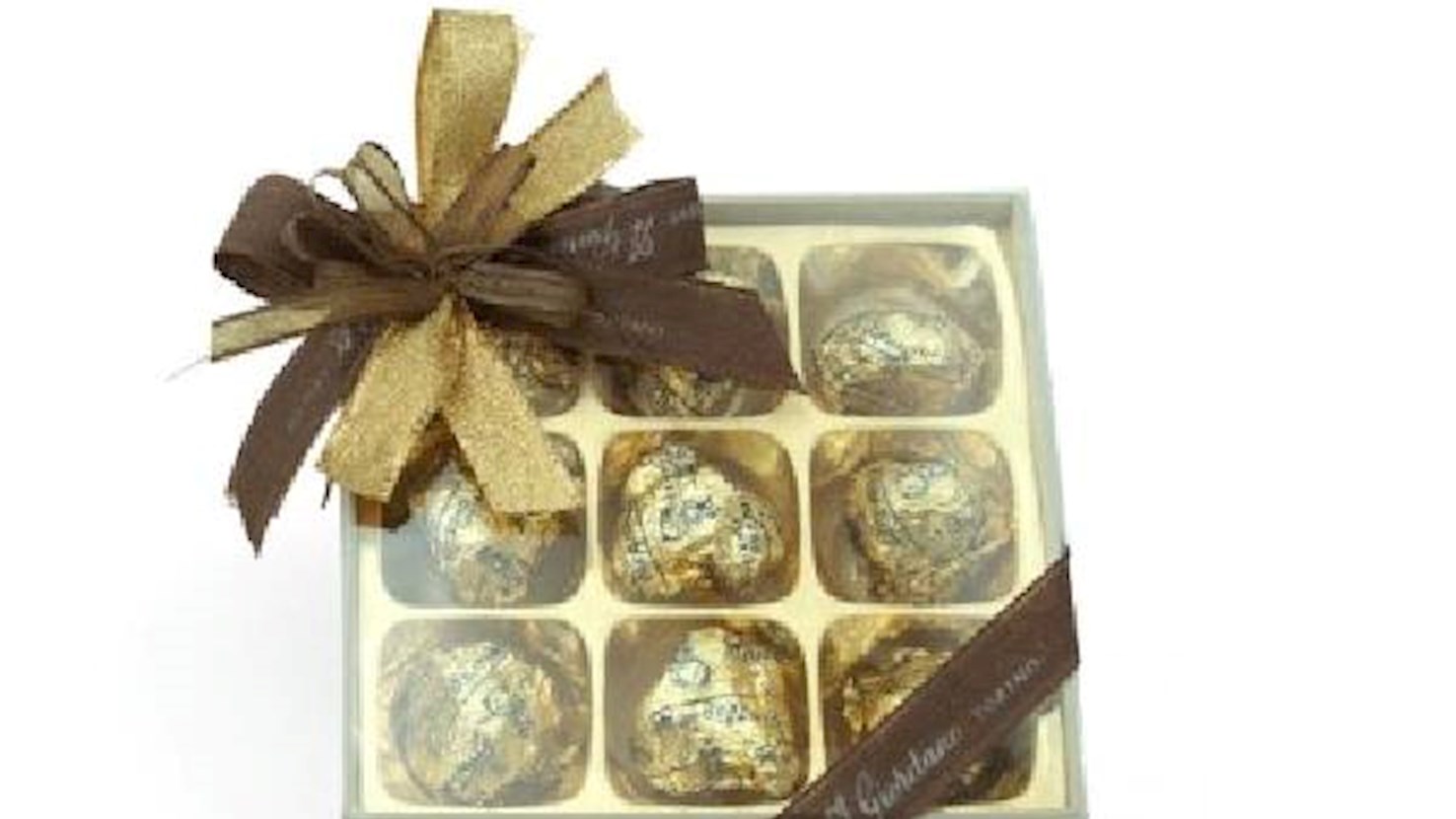
A. Giordano is a historic chocolate maker with a legacy that spans over a century. Since 1897, the Giordano family has been dedicated to crafting fine chocolates using traditional techniques and premium ingredients. Each creation reflects a deep passion for quality, from smooth gianduiotti and rich pralines to elegant gift assortments.
Renowned for their handmade approach, A. Giordano’s chocolates are shaped, filled, and wrapped with meticulous care. Whether it’s the signature Giacometta or velvety spreads, every product tells a story of craftsmanship, attention to detail, and timeless taste.
Refined, artisanal, and indulgent — A. Giordano transforms chocolate into a true expression of elegance and tradition.
Awards
International Chocolate Awards - Gold
(2013, 2012)
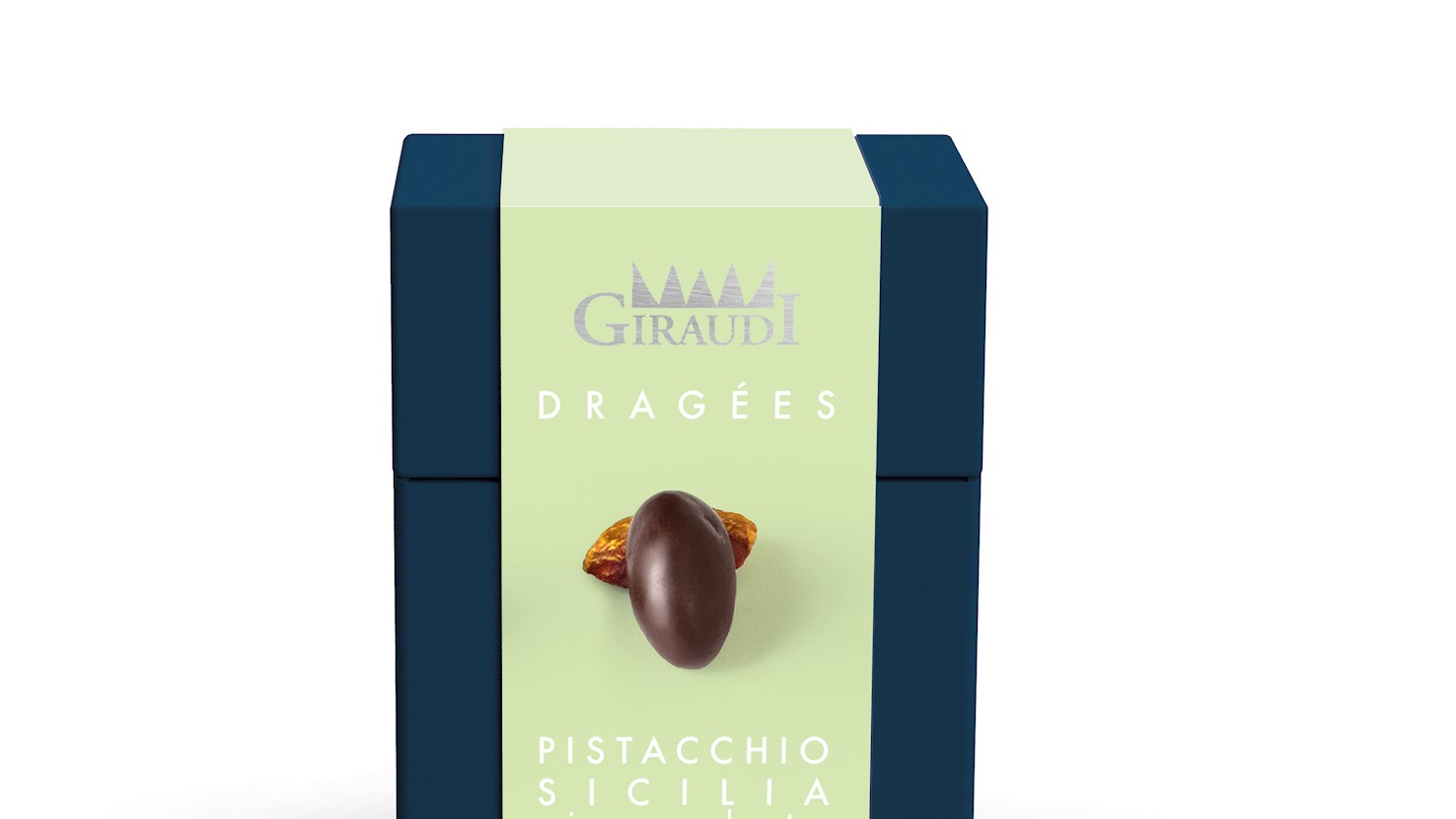
Giraudi is a renowned Italian chocolatier based in the Piedmont region, known for its premium hazelnut and chocolate creations since 1907. Family tradition and a passion for artisanal craftsmanship remain the foundation of the brand, which blends local ingredients with contemporary flavors. Their products are based on IGP Tonda Gentile Trilobata hazelnuts, which they carefully roast and process in-house to preserve their full aroma. One of their signature products is the creamy Giacometta spread, available in both classic and dark versions. The spread is made exclusively with cocoa butter and contains no palm oil, which contributes to its exceptionally smooth texture and rich, natural hazelnut-chocolate flavor.
Handcrafted production, dedication to quality, and the use of locally sourced ingredients make Giraudi a true symbol of Piedmontese excellence. Their philosophy is simple: fewer ingredients, more flavor, no compromises.
Awards
International Chocolate Awards - Gold
(2018, 2017)
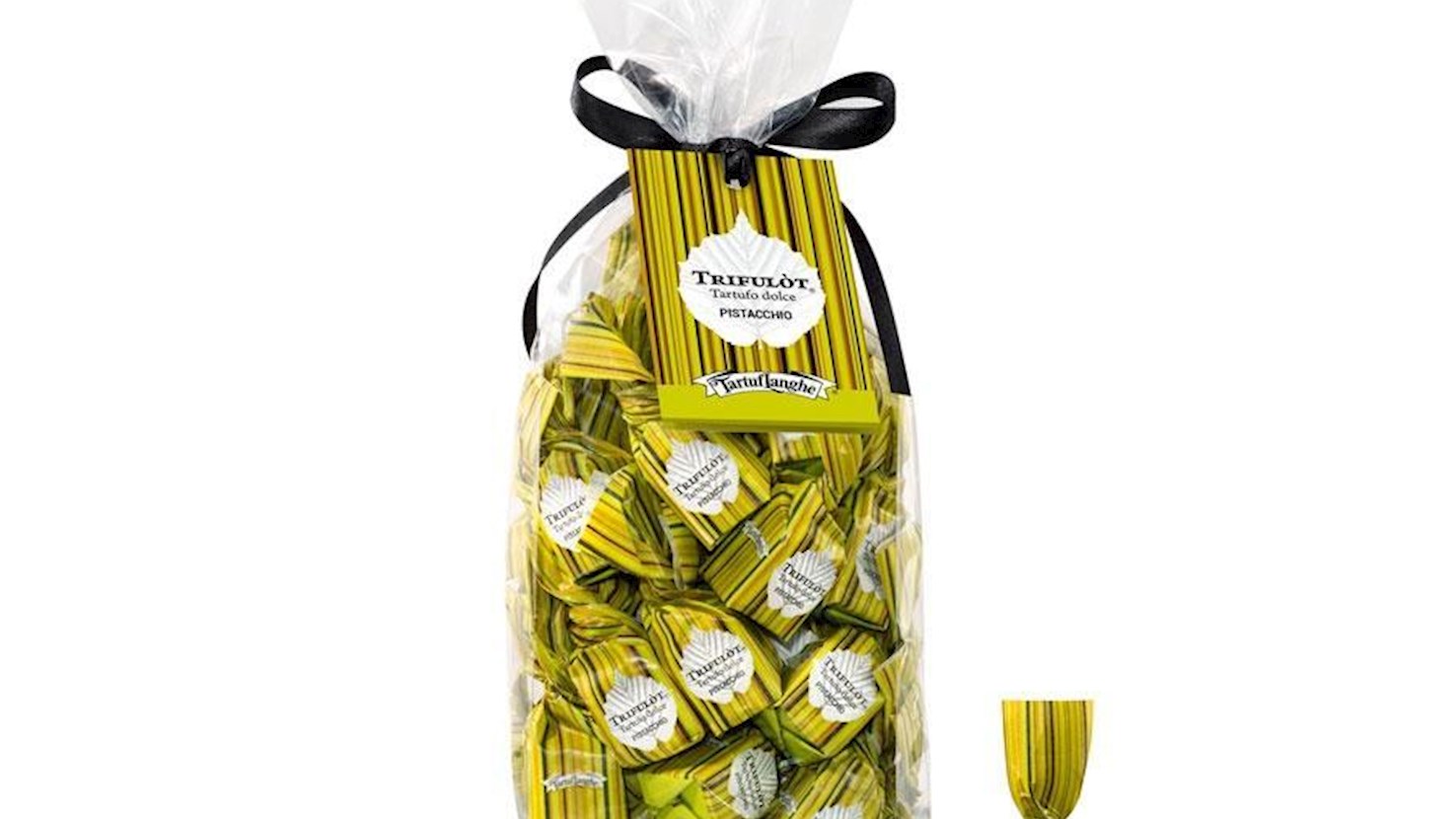
Tartuflanghe is a company based in Italy that specializes in producing gourmet products, including chocolates infused with truffles. The company was founded in 1980 in Piobesi d’Alba, a small town in the Piedmont region, known for its truffle tradition. In addition to chocolates, Tartuflanghe also produces a wide range of truffle-based products such as oils, pasta, and sauces.
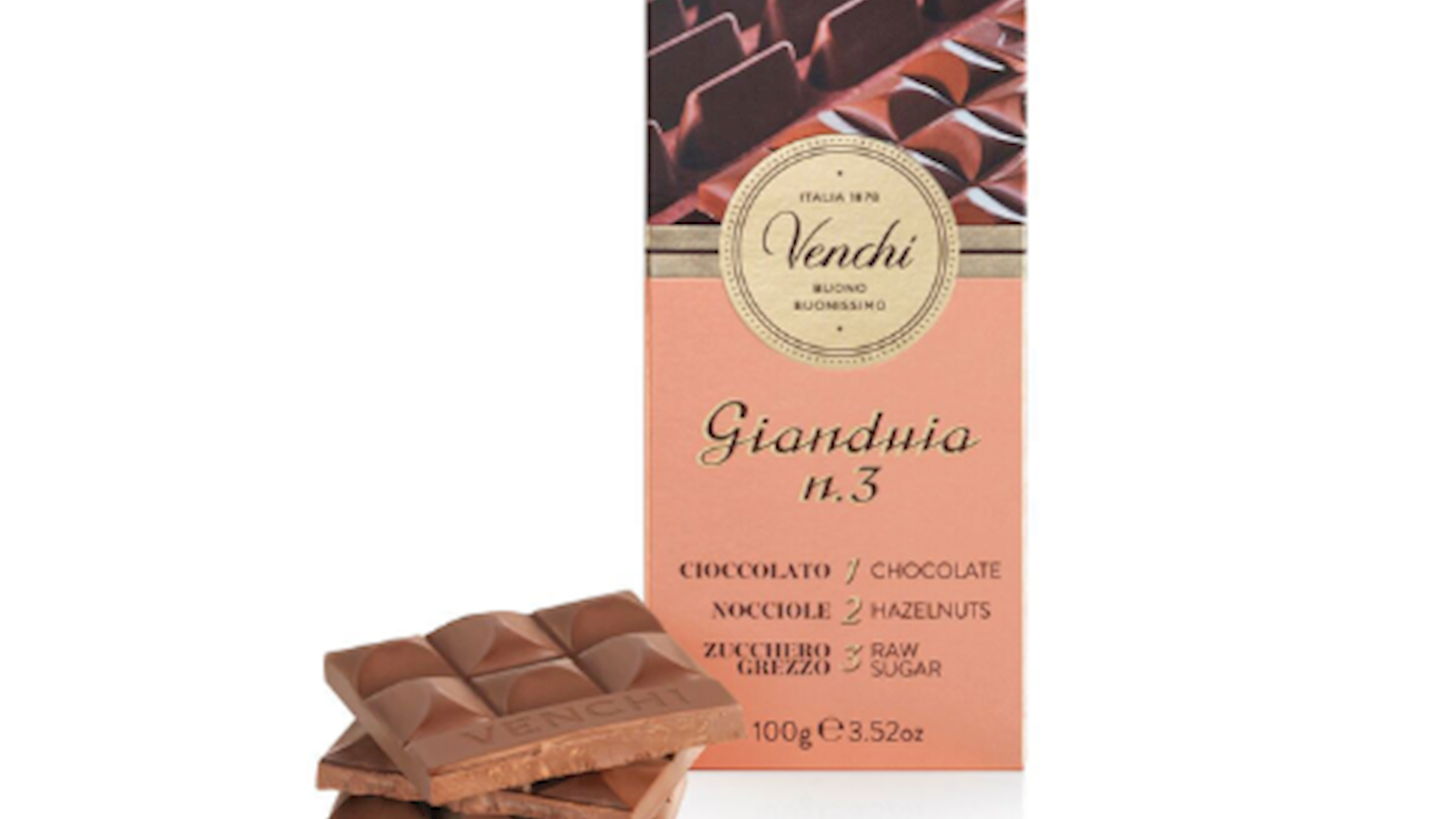
Venchi is a renowned Italian brand with a chocolate and gelato-making tradition spanning over 145 years. Founded in 1878 by young chocolatier Silviano Venchi, the company has grown into a symbol of artisanal excellence and Italian taste. Today, Venchi operates in more than 70 countries with a network of over 180 boutiques and stores worldwide, including prestigious locations across Italy, Europe, Asia, and the United States. The brand’s assortment includes over 350 chocolate recipes and around 90 gelato flavors, all centered around high-quality ingredients. Venchi regularly receives awards for excellence, confirming its position as one of the most respected chocolate producers in Italy. It combines a rich chocolate-making heritage with modern values - authenticity, quality, and innovation.
Awards
Tavoletta D'Oro - The best in category
(2024, 2023, 2022, 2021, 2020, 2019, 2018)
Tavoletta D'Oro - Premio del ventennale Award
(2024)
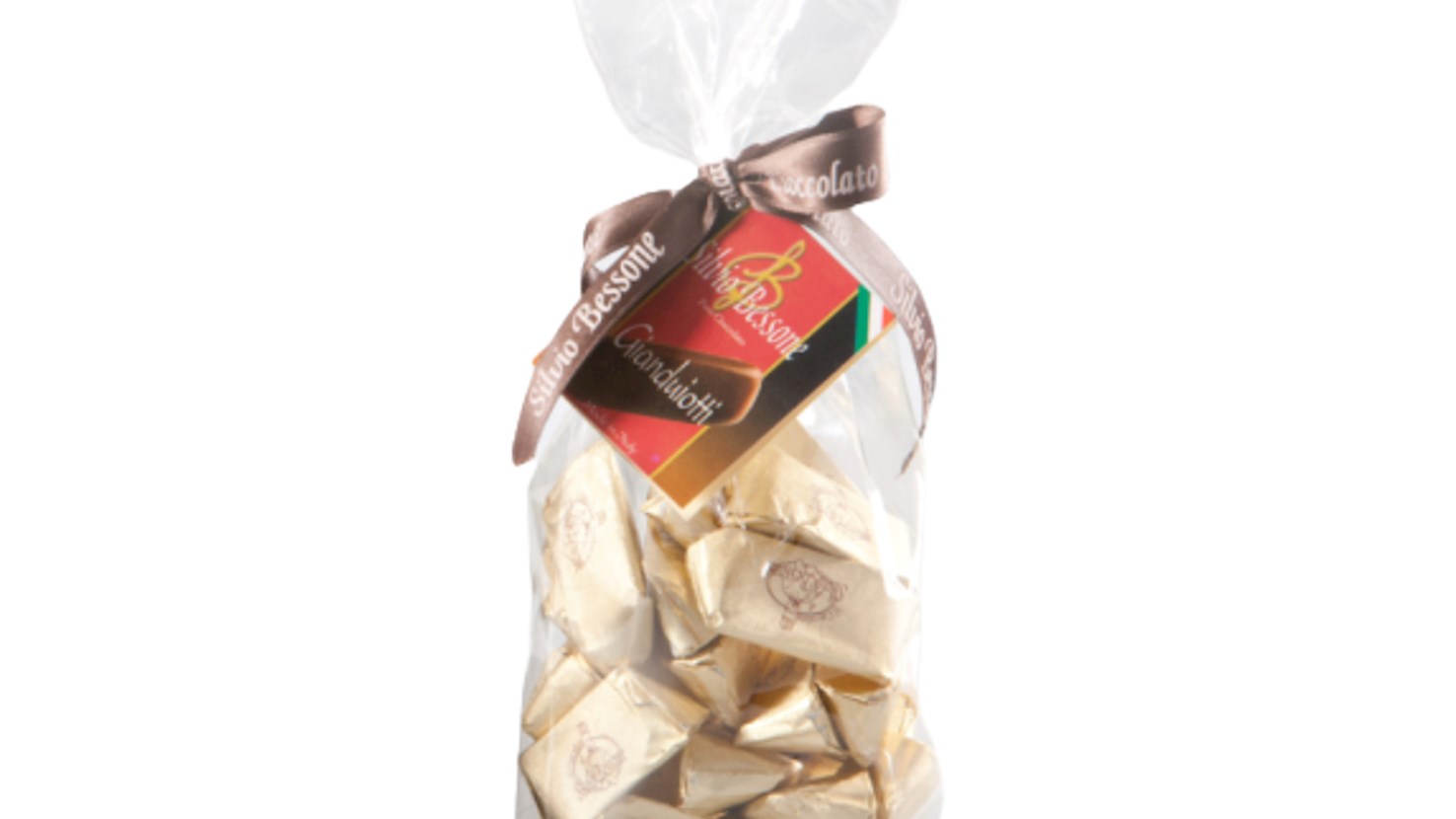
Bessone is a chocolate producer based in the Piedmont region of Italy. Known for its traditional methods, the company specializes in high-quality chocolates made from locally sourced ingredients. Piedmont is famous for its hazelnuts, which Bessone incorporates into many of their products.
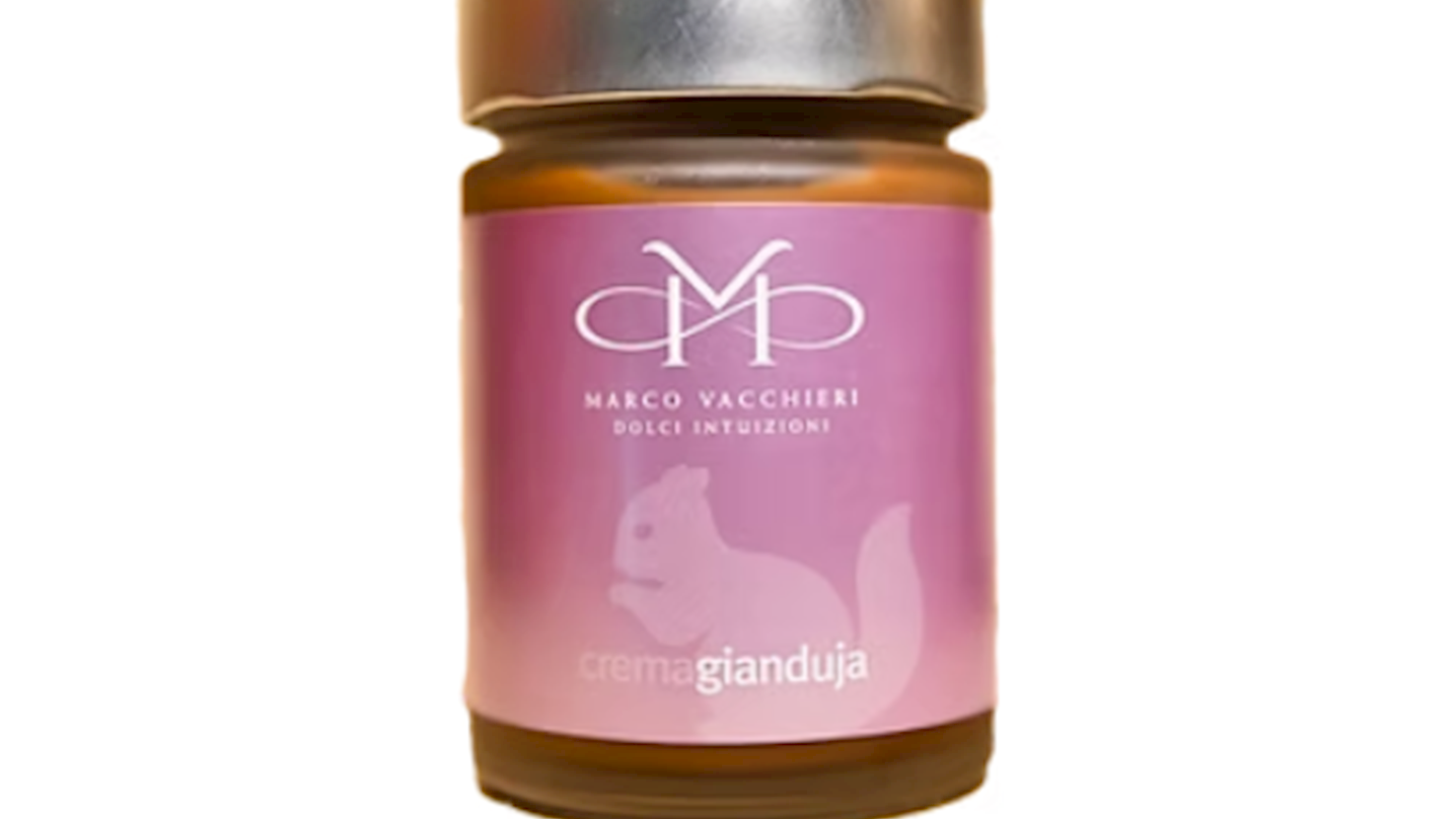
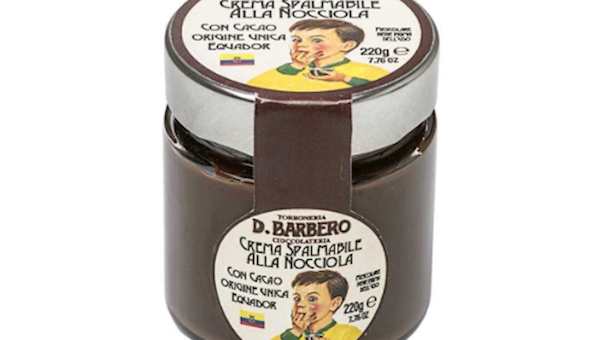
Pasticceria Vacchieri Marco is an Italian artisan pastry shop and chocolate maker based in Rivalta di Torino in the Piedmont region, known for its handcrafted desserts, chocolates, and gelato. The family business was founded on October 28, 1993, when Marco Vacchieri and his father opened their first shop, and over the years the brand has become one of the recognized names in Piedmont’s artisan pastry scene. Their assortment includes fresh pastries, cakes, pralines, gianduia specialties, traditional Italian pastries, and artisanal gelato made without artificial additives or colorings. The company is particularly appreciated for its chocolate creations and pralines that combine elegant presentation with classic Piedmont flavors such as hazelnuts and gianduia. Pasticceria Vacchieri has received several international recognitions, including gold and silver medals at the International Chocolate Awards. The brand was also listed among the 100 best Italian artisans and has been featured in gastronomic guides and publications such as Gambero Rosso. Their cakes are known for refined aesthetics, carefully selected ingredients, and balanced flavors, making them popular for celebrations and special occasions. In addition to sweets, the pastry shop offers dry pastries, savory products, and seasonal specialties throughout the year. The philosophy of the brand revolves around “dolci intuizioni” meaning desserts created through a combination of creativity, emotion, and traditional Italian pastry craftsmanship. Their boutique located at Via Roma 2 in Rivalta di Torino has become a well-known gourmet destination near Turin for lovers of artisan pastries and fine chocolate.
Awards
International Chocolate Awards - Gold
(2013)
International Chocolate Awards - Silver
(2016, 2015, 2014)
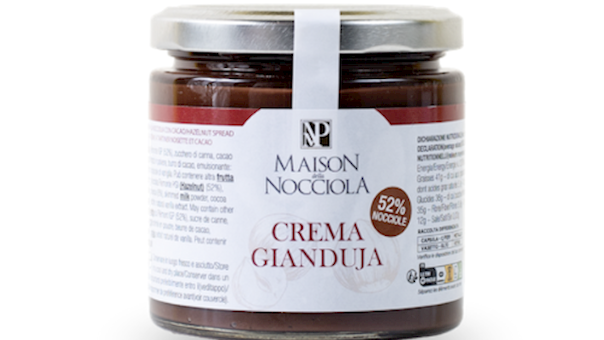
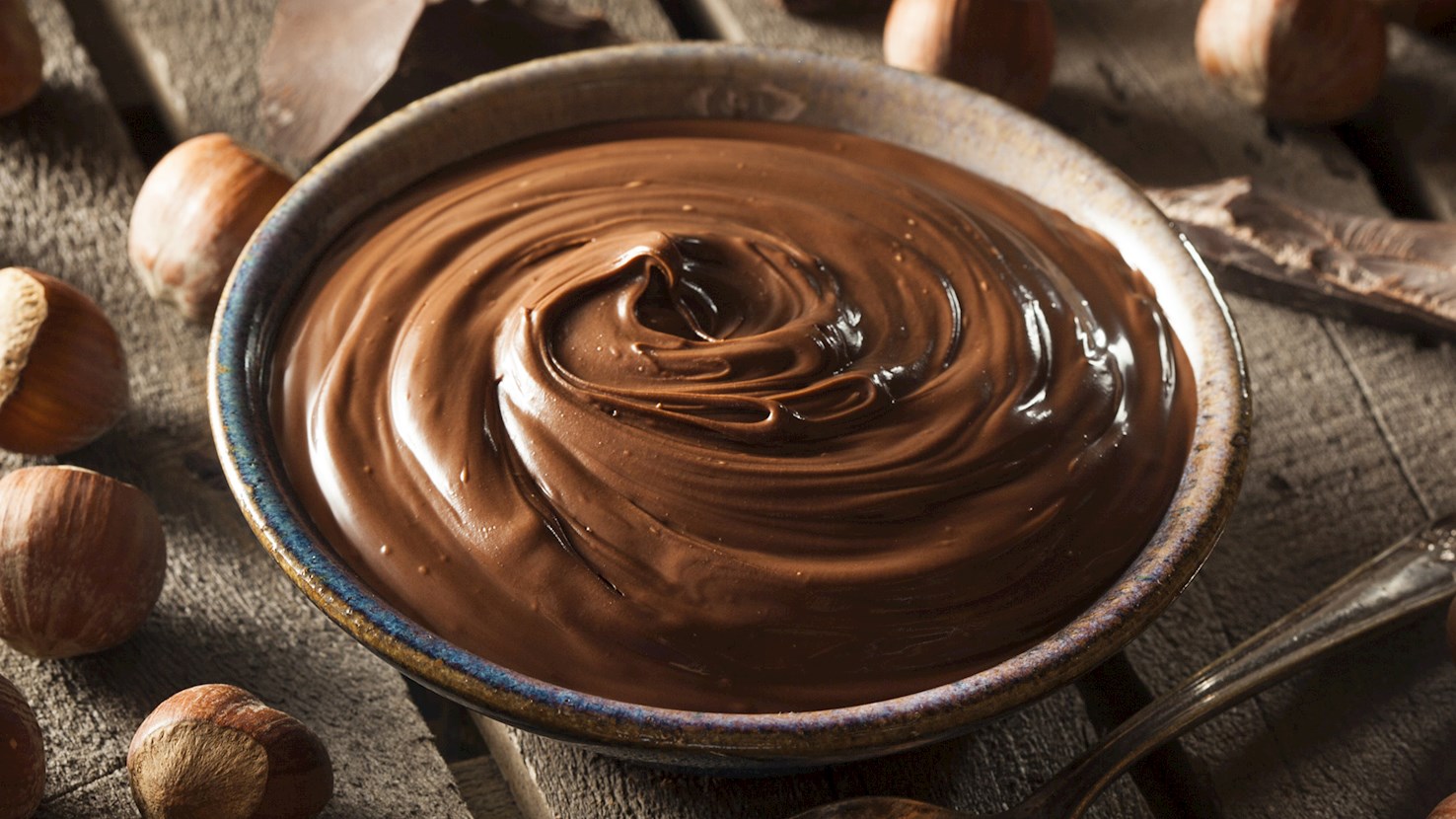
Gianduja is a sweet creamy spread made of chocolate and ground hazelnuts. It was invented in Turin in the 19th century as a means of stretching the limited amount of chocolate available due to an imposed shortage of cocoa supplies in Italy. Since the area of Piedmont has always been rich in high-quality hazelnuts due to the region's indigenous hazelnut trees, a chocolatier named Michele Prochet created the first gianduja by extending the insufficient amount of chocolate with the region's exceptional hazelnuts. The recipe calls for about 30% of hazelnut paste; however, the most famous gianduja-inspired spread, Nutella (originally called Pasta Gianduja), contains less than half of the amount.
Piedmont's signature pralines are made with gianduia — a silky smooth cocoa, sugar, and hazelnut paste that owes its unmistakable flavor to roasted Piedmontese hazelnuts of the Tonda gentile variety. Even though some sources claim the blend was invented in the early 1800s, it wasn't until half a century later that gianduia was perfected by a Turinese chocolatier named Caffarel. According to one legend, the first gianduia pralines were introduced in 1865 during the Turin carnival. They were originally called givù, which means tidbits in local dialect, and supposedly gained the name gianduiotto after being handed out to the people in the streets by Caffarel himself, who was dressed as Giandujot, one of the most popular characters of the Italian commedia dell'arte.
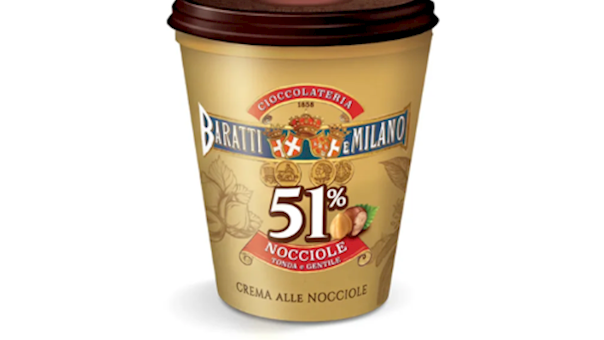
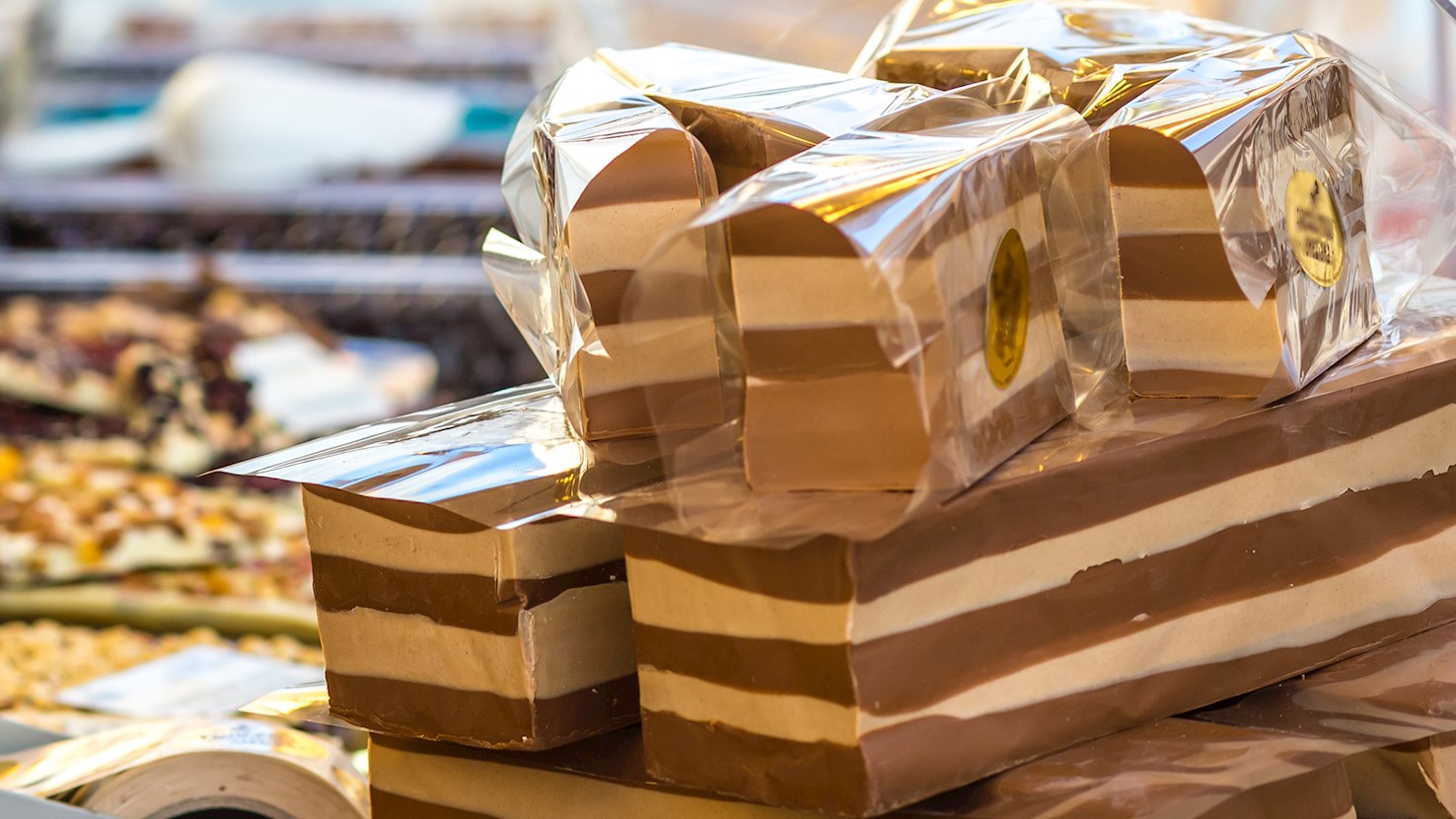
Cremino is an Italian confection made of layered chocolate, known for its soft texture, square shape, and delicate balance of sweetness and nut flavor. It originates from Turin in the Piedmont region of northern Italy, an area long associated with fine chocolate and hazelnut production. The sweet is composed of three smooth layers: two outer layers of gianduja (a blend of milk chocolate and hazelnut paste) and a central layer that varies in flavor, often made with almond, coffee, or lemon cream. The result is a creamy, velvety cube that melts evenly, uniting cocoa and nuts in perfect proportion. The creation of cremino is credited to Ferdinando Baratti, a chocolatier who, together with Edoardo Milano, founded Baratti & Milano in Turin in 1858. During the late nineteenth century, Turin was a center of Italian chocolate-making, known for its refinement and precision. Building upon the earlier invention of gianduja, which had been developed as a way to extend scarce cocoa with local hazelnuts, Baratti created a new type of chocolate that emphasized smoothness and layering rather than filling. The confection’s reputation soon spread beyond Turin, admired for its craftsmanship and restrained elegance. In the early twentieth century, the chocolate gained further recognition when Majani, a confectionery from Bologna, produced a special version called Cremino Fiat in 1911 to celebrate the launch of the Fiat Tipo 4 automobile. Though Majani popularized it nationally, the structure and concept remained rooted in Baratti’s original creation. The Piedmontese cremino retained its identity as a luxurious but understated chocolate, representing the refinement and technical skill of Turin’s confectioners. To prepare cremino, milk chocolate is blended with finely ground hazelnut paste to make the gianduja base. This forms the top and bottom layers. The filling (almond cream, coffee-flavored chocolate, or another variant) is poured or spread between them. The block is cooled until firm, then cut into precise cubes. The texture must be perfectly balanced: firm enough to hold its layers but soft enough to yield immediately when eaten. The flavor depends on the proportion of cocoa and nuts, resulting in a chocolate that is rich but never heavy. Some modern interpretations use pistachio or dark chocolate centers, but the essential structure, a triple-layer composition of smooth creams, remains the same. In Italy, cremino is eaten throughout the year, often enjoyed with espresso or as a small sweet after meals. It is sold in cafés and pastry shops across Turin, wrapped individually or arranged in neat rows that highlight its layered colors. Outside Italy, it remains a symbol of refined chocolate craft, valued by those who appreciate careful blending and smooth texture over showiness. It pairs naturally with coffee, dessert wines such as Moscato d’Asti, or aged grappa, each complementing its nutty warmth.
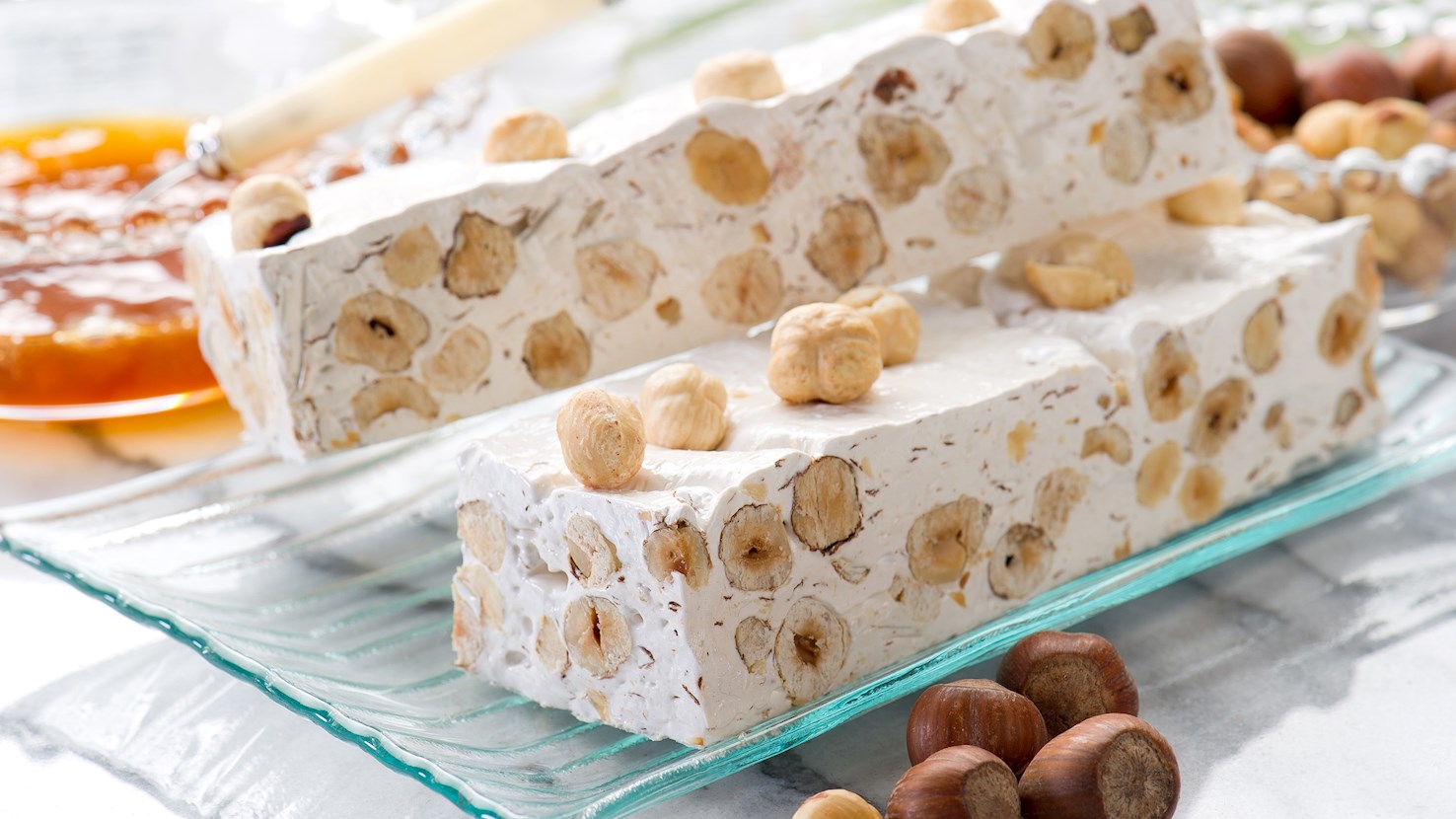
Torrone di nocciole is an Italian nouget made with honey, egg whites, and toasted hazelnuts, specifically originating from the Piedmont region in northwestern Italy. It is distinguished from other varieties of nougat by the exclusive or primary use of the Nocciola del Piemonte hazelnut, a variety protected by the IGP (Indicazione Geografica Protetta) status. The development of this hazelnut-centric variety is attributed to the 19th-century confectioner Giuseppe Sebaste in the city of Alba. During this period, the high cost and logistical difficulty of importing almonds led Sebaste to utilize the abundant local hazelnut crops of the Langhe hills as a technical substitute. This substitution resulted in a product with a distinct aromatic profile characterized by the intense, oily scent of toasted hazelnuts rather than the more neutral sweetness of almond-based versions. Preparation of torrone di nocciole involves a labor-intensive heating process. The base consists of honey, typically acacia or millefiori, which is combined with sugar and glucose syrup and melted in a large bain-marie or copper cauldron. Once the sweeteners reach a liquid state, egg whites whipped to stiff peaks are folded in to create a white, stable foam. The mixture undergoes a prolonged cooking phase that can last between eight and eleven hours at a low, controlled temperature. This extended evaporation period is what defines the final texture; a longer cook time results in the friabile (brittle) variety, which shatters when bitten, while a shorter duration produces the morbido (soft) version. The hazelnuts are toasted separately to remove their skins and develop their essential oils before being folded into the hot paste at the very end of the cooking process. The resulting mass is poured into wooden molds lined with thin sheets of ostia (wafer paper made of potato starch), leveled, and allowed to solidify. A unique technical feature of torrone di nocciole is its high nut-to-nougat ratio, often exceeding 50% by weight, which provides structural integrity to the brittle varieties. Because the hazelnuts contain a higher oil content than almonds, the toasting process must be precise to prevent the oils from separating and destabilizing the egg-white foam during mixing. The confection is primarily eaten as a dessert or a midday snack throughout Italy. It is served by breaking or cutting the blocks into rectangular bars or bite-sized pieces known as torroncini. In the Piedmont region, it is frequently served at the end of a meal alongside other hazelnut-based pastries. Food and beverage pairings for torrone di nocciole are selected to complement the toasted notes of the nuts and the floral sweetness of the honey. It is most frequently paired with Moscato d'Asti, a sparkling, low-alcohol white wine from the same region, whose acidity and fine bubbles help cleanse the palate of the honey’s viscosity. For the harder, more caramelized varieties, a fortified wine such as Vin Santo or a glass of Barolo Chinato. Additionally, the savory-sweet profile allows it to be served alongside aged cheeses such as Pecorino or Parmigiano Reggiano, where the saltiness of the cheese contrasts with the sugar content of the nougat.
TasteAtlas food rankings are based on the ratings of the TasteAtlas audience, with a series of mechanisms that recognize real users and that ignore bot,
nationalist or local patriotic ratings, and give additional value to the ratings of users that the system recognizes as knowledgeable.
For the “Top 31 Piedmontese Confectioneries” list until June 15, 2026, 473 ratings were recorded, of which 385 were recognized by the system as legitimate.
TasteAtlas Rankings should not be seen as the final global conclusion about food. Their purpose is to promote excellent local foods,
instill pride in traditional dishes, and arouse curiosity about dishes you haven’t tried.
The initial list of top producers was compiled based on available reviews, awards, local recommendations, media and blog coverage, and consumer reviews.
The list will be updated with ratings from TasteAtlas local ambassadors and TasteAtlas users.