shutterstock

Top 100 Western European Desserts

Last updated on September 15, 2026

Best Western European Desserts
01

Pastel de Belém

4.6 ·

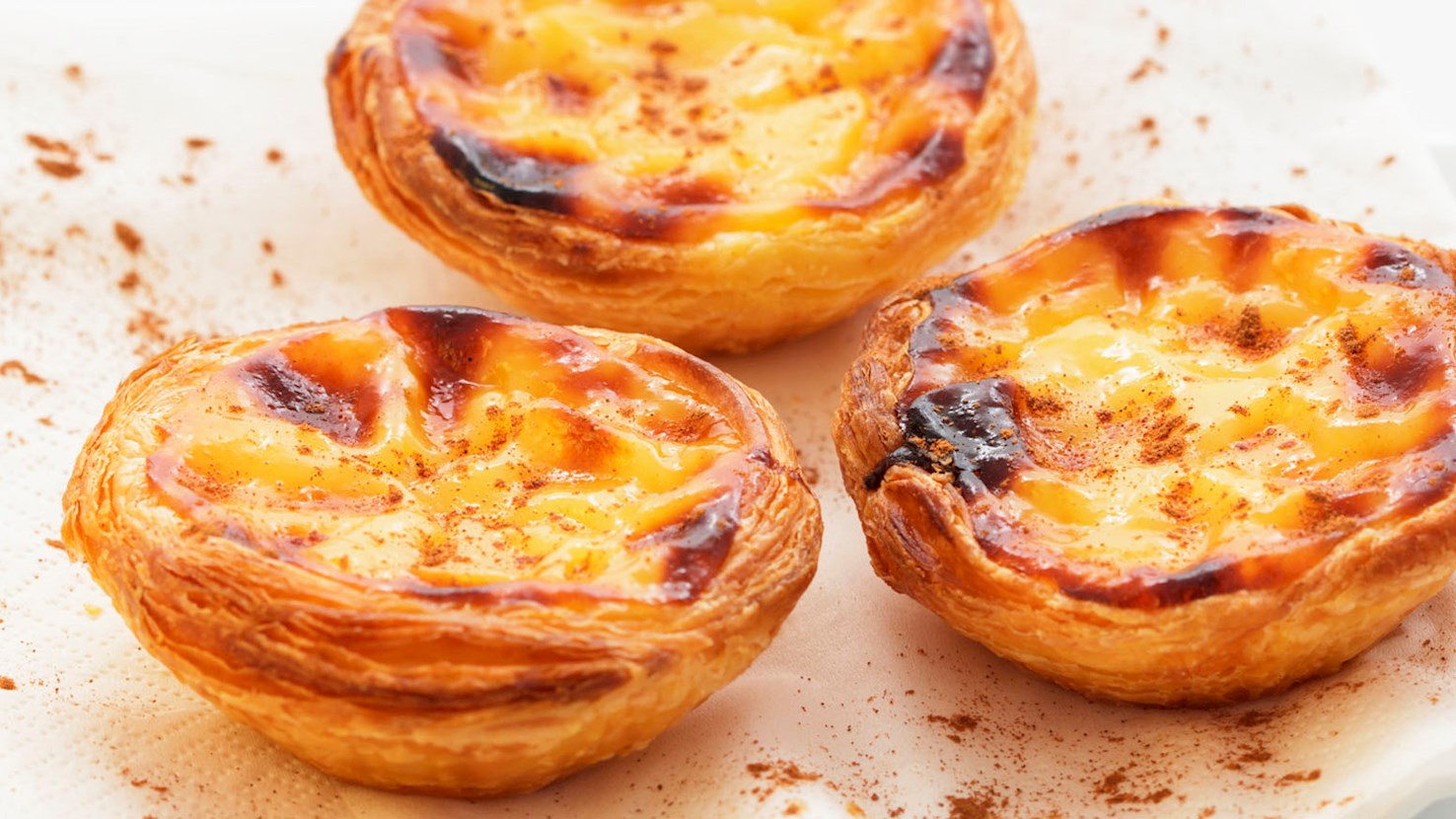
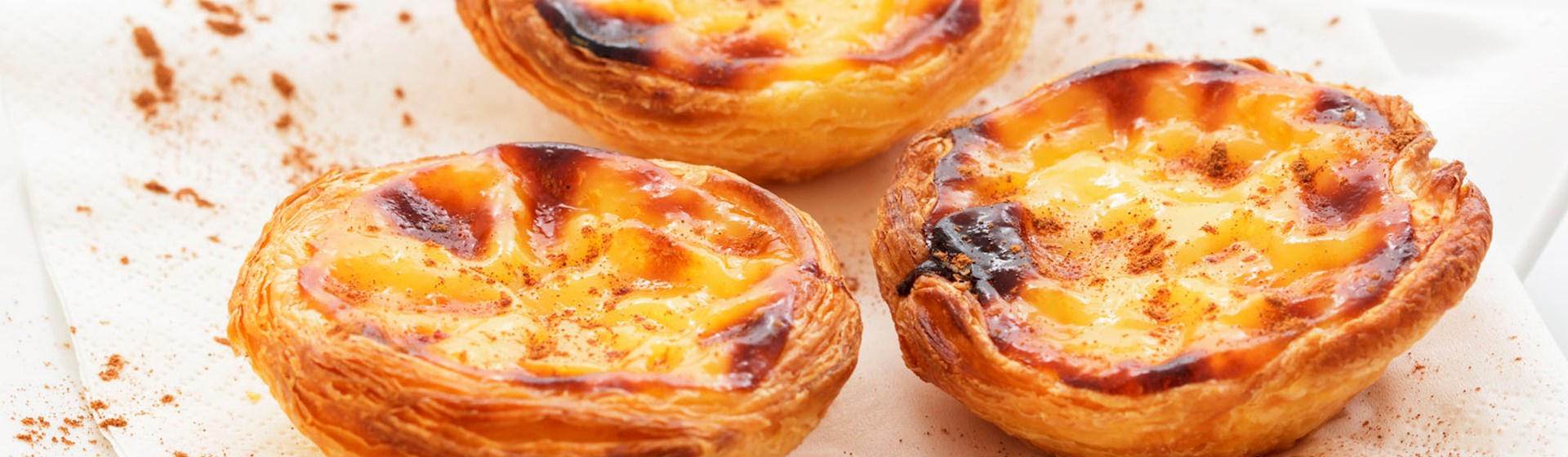
Pastel de Belém is a traditional egg custard tart and a predecessor to the famous pastel de nata. The tarts are made with a pastry shell that's filled with a combination of milk, eggs, sugar, lemon, and cinnamon. The first recipe for pastel de Belém dates back to 1837 when it was produced by the monks of the Jerónimos monastery. Only the custard tarts produced at the Fábrica Pastéis de Belém can be called pastel de Belém, while all the others, produced by other patisseries in Lisbon are called pastel de nata. Regardless of the name, these tarts can be served hot or cold and in 2009, The Guardian listed pastel de Belém as one of the 50 'best things to eat' in the world.

02

Pastel de nata

4.5 ·

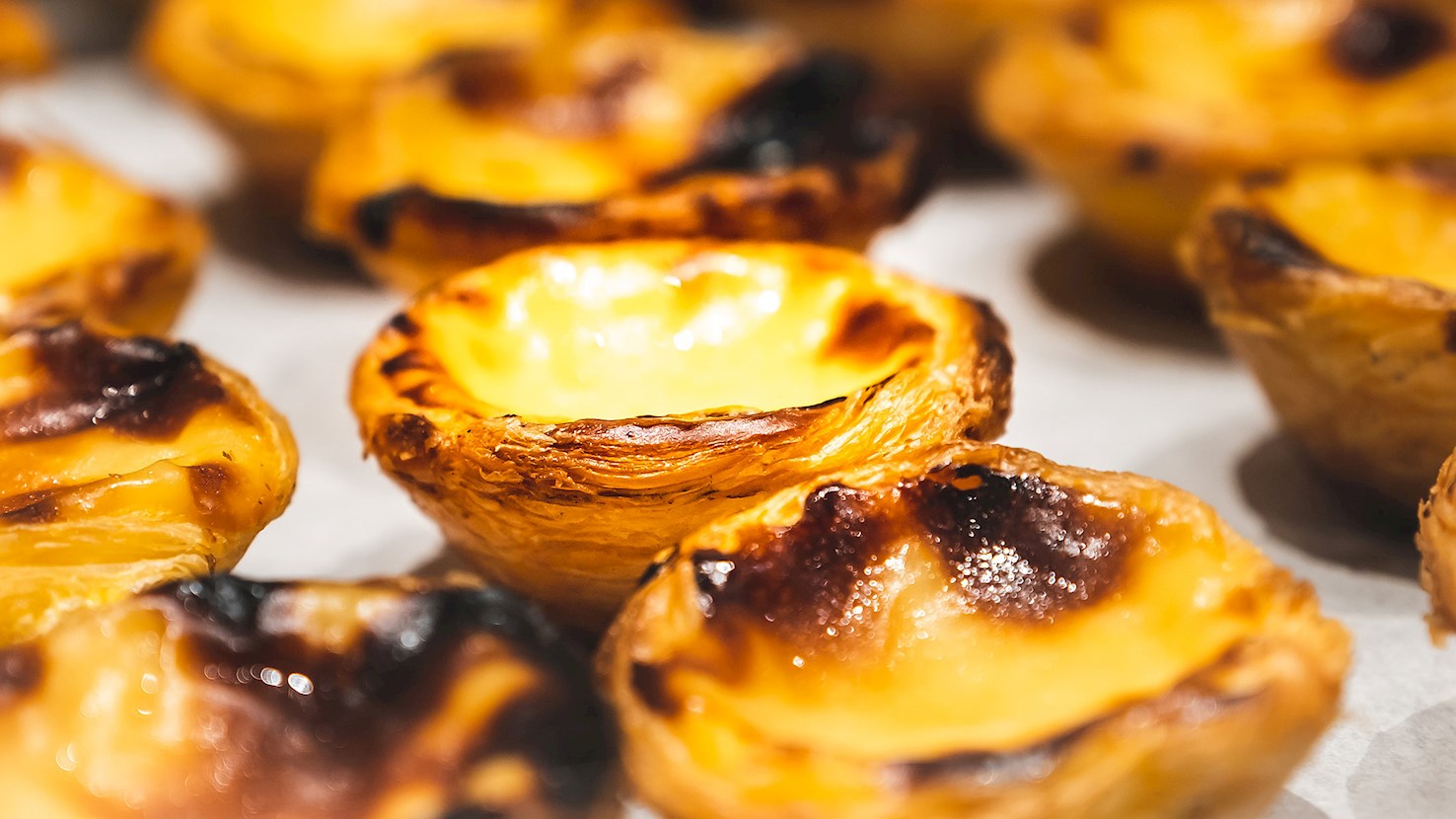
Pastel de nata is a traditional egg custard tart that is popular throughout the world. It is believed that for the best result, the filling should not be too sweet and should not have flavors of lemon nor vanilla. Instead, the tarts should be sprinkled with cinnamon and, ideally, paired with a cup of coffee. Originally, this treat was made before the 18th century by Catholic monks and nuns in Santa Maria de Belém in Lisbon. The tart was made from leftover egg yolks that were used in the clearing of wines and starching of clothes. Later on, the clerics made a deal with a nearby bakery to start selling pastel de nata commercially, and the product was a huge success. It is still hugely popular, and the fact can be supported by long lines of people who are waiting on their pastel de nata in front of numerous Portuguese bakeries. However, pastel de Belém's recipe is kept secret, and only the ones produced at the Fábrica Pastéis de Belém can be called pastel de Belém, while all the other egg custard tarts from other producers in Lisbon are called pastel de nata.

03

Gelato al pistacchio

4.5 ·

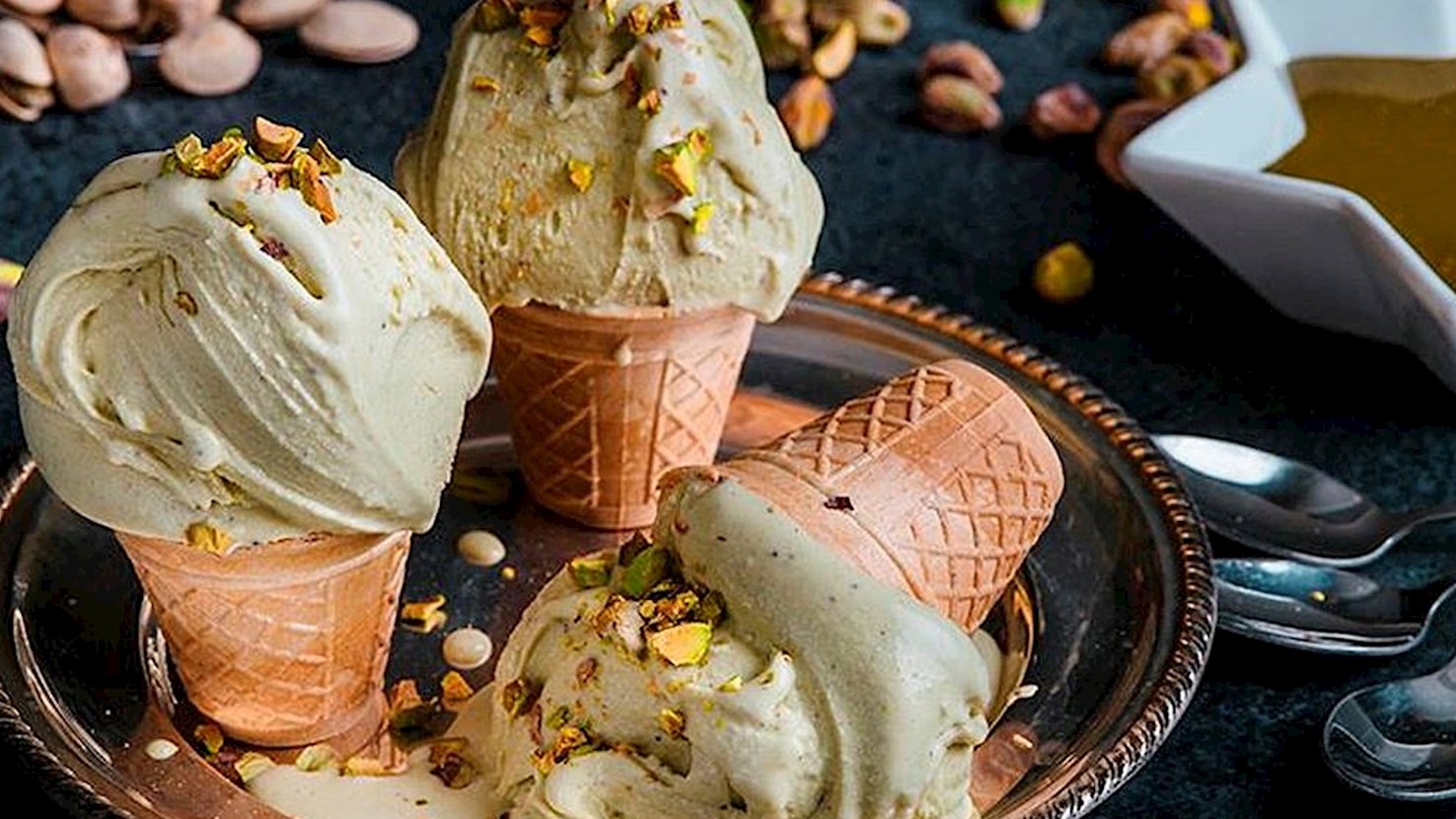
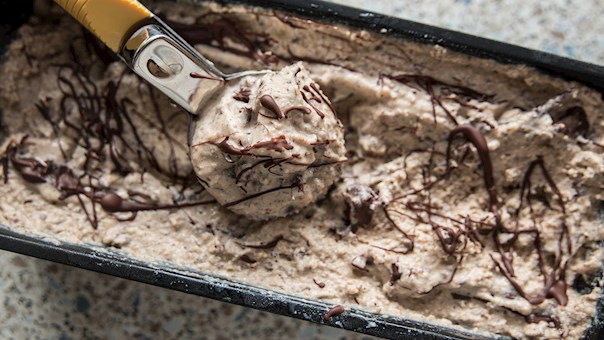
Pistachio is one of the most popular flavors of Italian gelato. A mainstay in every gelateria, in its original form, this frozen treat combines pistachio paste with the classic base of milk, cream, eggs, and sugar. Occasionally, crushed and toasted pistachios can be added, but the basic texture should always remain dense and creamy. Due to the high prices of pistachios and pistachio paste, many gelaterias nowadays opt for cheaper replacements, but the best pistachio is considered to be the grown in a small Sicilian town of Bronte.

04

Strudel (Trentino-Alto Adige)

4.5 ·

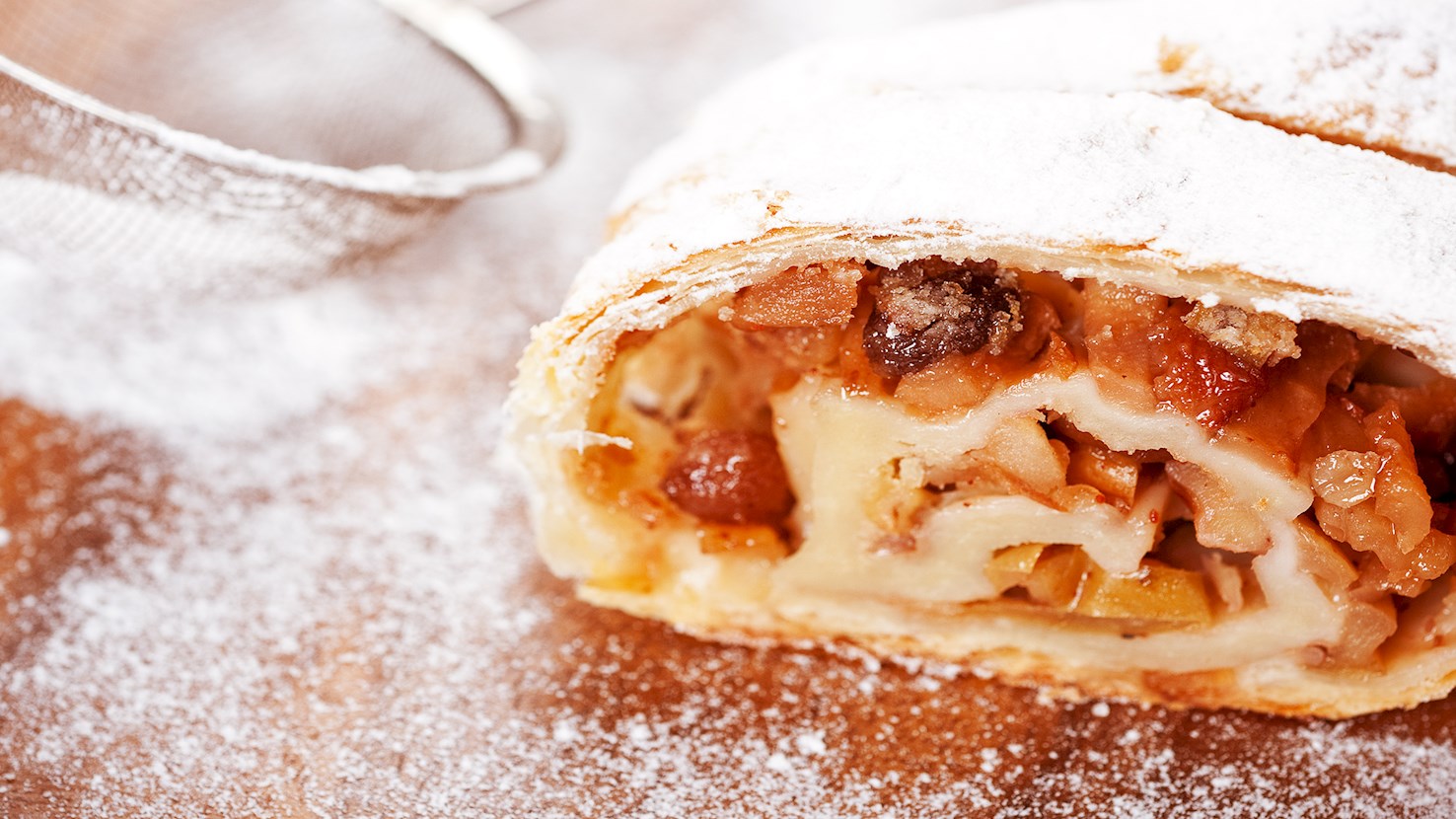
You may not think of strudel as a classic Italian dish, but Trentino Alto Adige, especially the region around Val di Non valley is renowned for their strudel. Rolling and stretching delicate sheets of paper-thin strudel pastry requires skills obtained through many years of practice, but the resulting flaky, crispy dessert is surely worth the effort. Strudel can be prepared with various fruit, but given the fact that this area is renowned for their tasty apples, the most popular variety is strudel con le mele, usually prepared with Golden Delicious apples, due to the fact that they are available all year round. Besides apples, the traditional filling includes raisins, sugar, butter, cinnamon, and pine nuts. The strudel is best enjoyed when it is still warm and generously dusted with powdered sugar.

05

Crêpes sucrées (Sweet crêpes)

4.4 ·

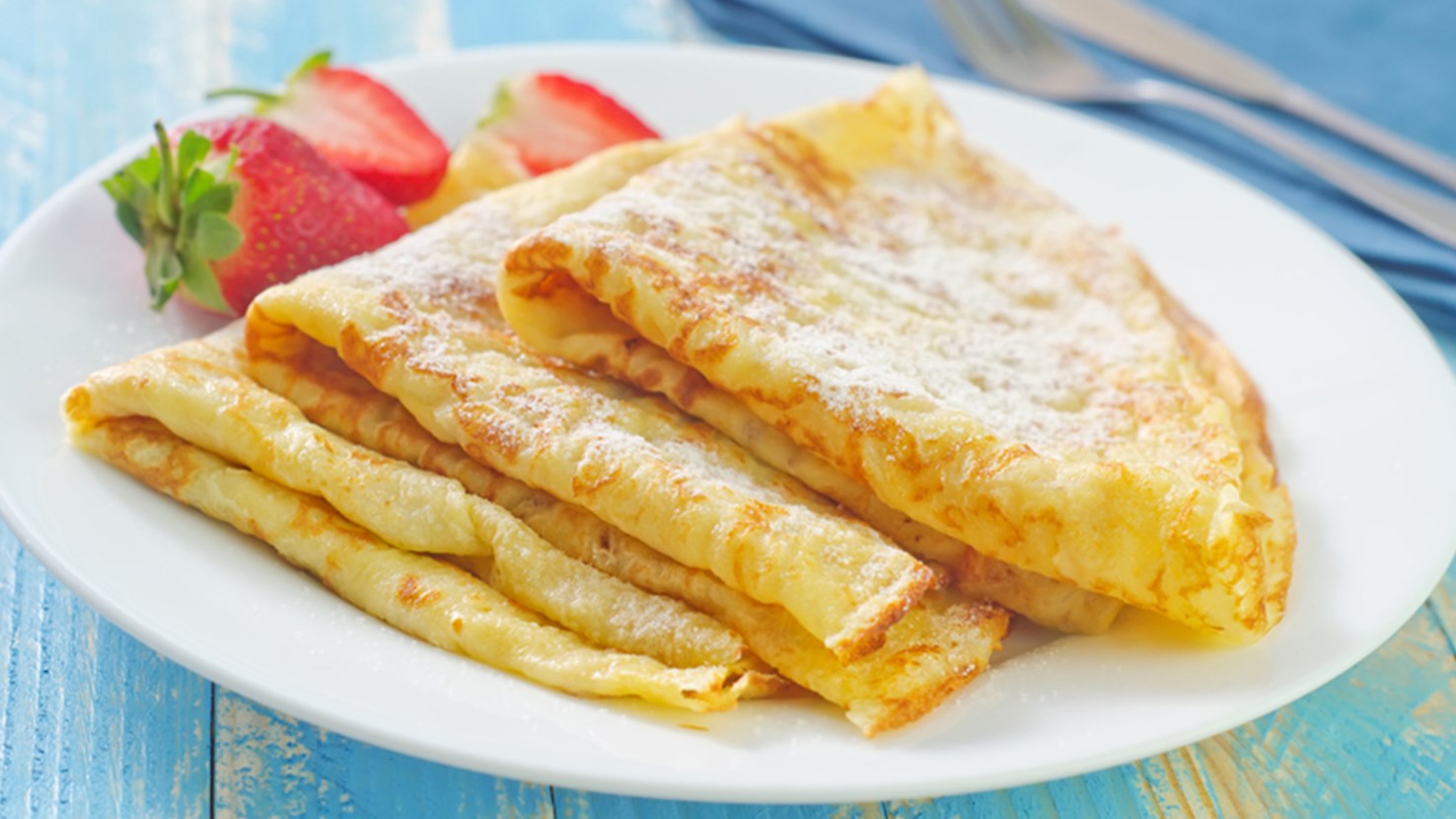
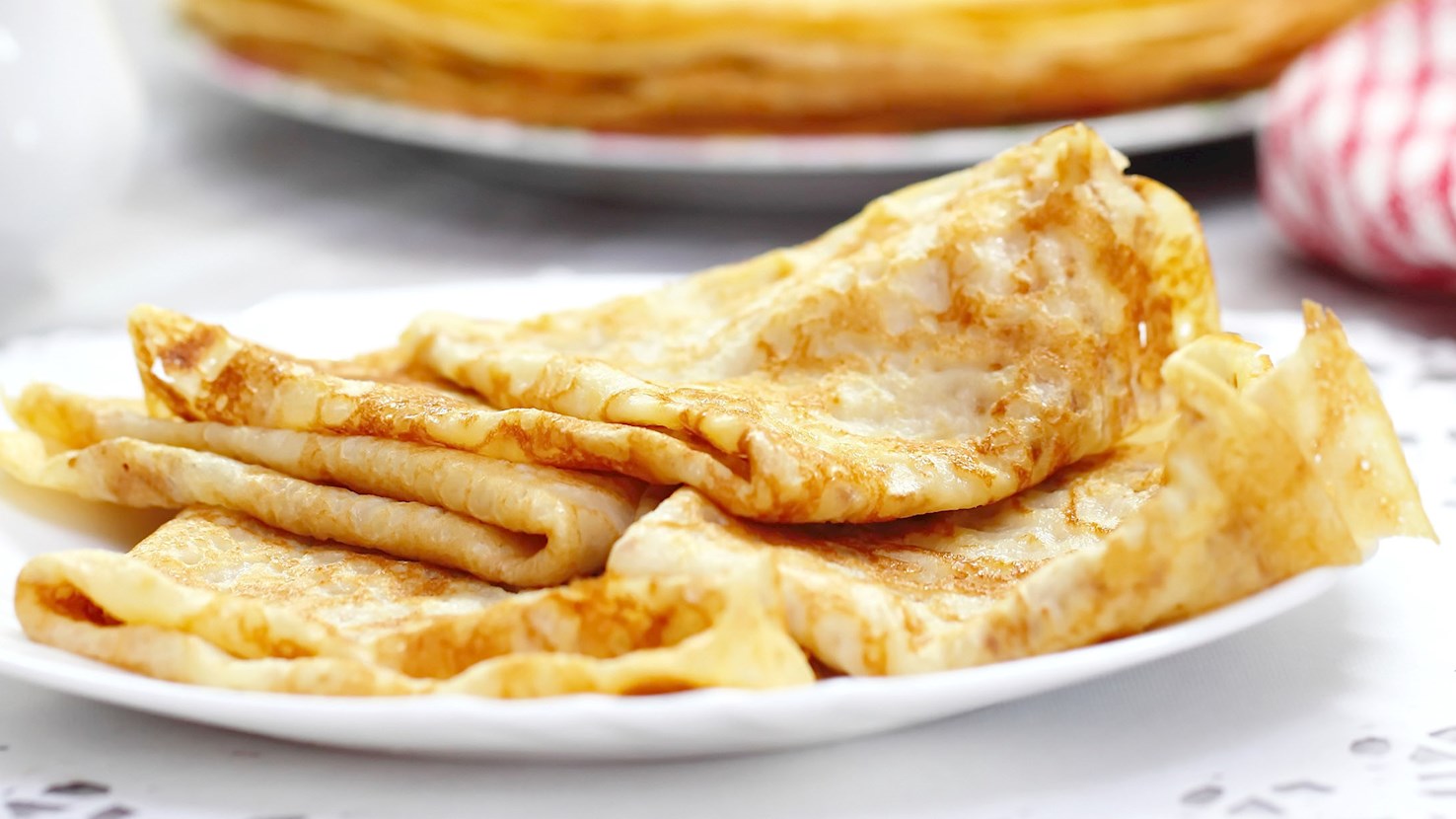
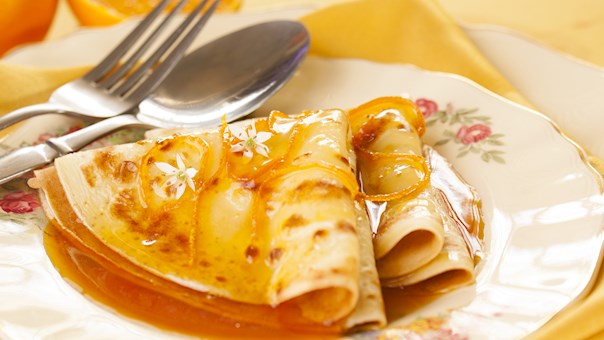
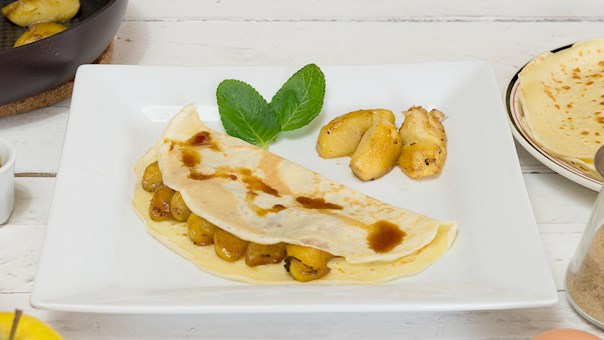
Crêpes sucrées are sweet crepes, a type of very thin pancake originating from France. The term "sucrées" means "sugared" in French, indicating that these crepes are meant to be served with sweet fillings or toppings. They are made from a simple batter consisting of flour, milk, eggs, a pinch of salt, and sometimes a bit of sugar and butter. Unlike their savory counterpart, known as "crêpes salées" (or "galettes" in some regions of France), sweet crêpes are usually made with white wheat flour and often have a bit of sugar added to the batter. Sweet crepes can be filled or topped with a variety of ingredients such as powdered sugar, whipped cream, fruit preserves, fresh fruits, nutella, honey, and maple syrup. Crêpes sucrées are enjoyed as a dessert, a sweet snack, or even as a breakfast dish in France and around the world.

Best restaurants
06

Pão de Ló de Ovar

4.4 ·

Pão de Ló de Ovar may be the most famous Portuguese cake, dating back to the 18th century when it was made in convents by nuns. The earliest written evidence about this sponge cake dates back to 1781, in a book called Irmandade dos Passos, where it is said that pão de Ló de Ovar was a sweet offered to the priests who took the wooden framework to carry the statues in the Holy Week procession. This creamy sponge cake is traditionally made from eggs, sugar, and flour, and today, it is often seen at most food fairs in Portugal. The cake is popular throughout the country, not just in the municipality of Ovar, where it is traditionally produced.

07

Crêpes

4.3 ·

These thin pancakes are made with wheat flour, and have origins in the French region of Brittany. Although they are a French staple and a national dish, crêpes are so popular that they have spread worldwide since the turn of the 20th century, when white wheat flour became affordable. These delectable treats are made with flour, eggs, milk, and butter whipped into a thin batter, which is then poured in a crêpe pan and fried. The tradition is to flip them in the air as they cook, and they say that if you catch it in the pan, your family will be well-off for the rest of the year. The word crêpe is derived from the Latin root crispa, meaning curdled. Crêpes are one of the best-known French desserts, and they are commonly filled with various sweet fillings such as jam, chocolate, berries, or whipped cream. They can also be stuffed with savory ingredients such as ham, sausages, cheese, spinach, eggs, or mushrooms. Eaten hot or cold and found in crêperies throughout France and beyond, these delicious pancakes are a true worldwide hit.

08

Soufflé au chocolat (Chocolate soufflé)

4.3 ·

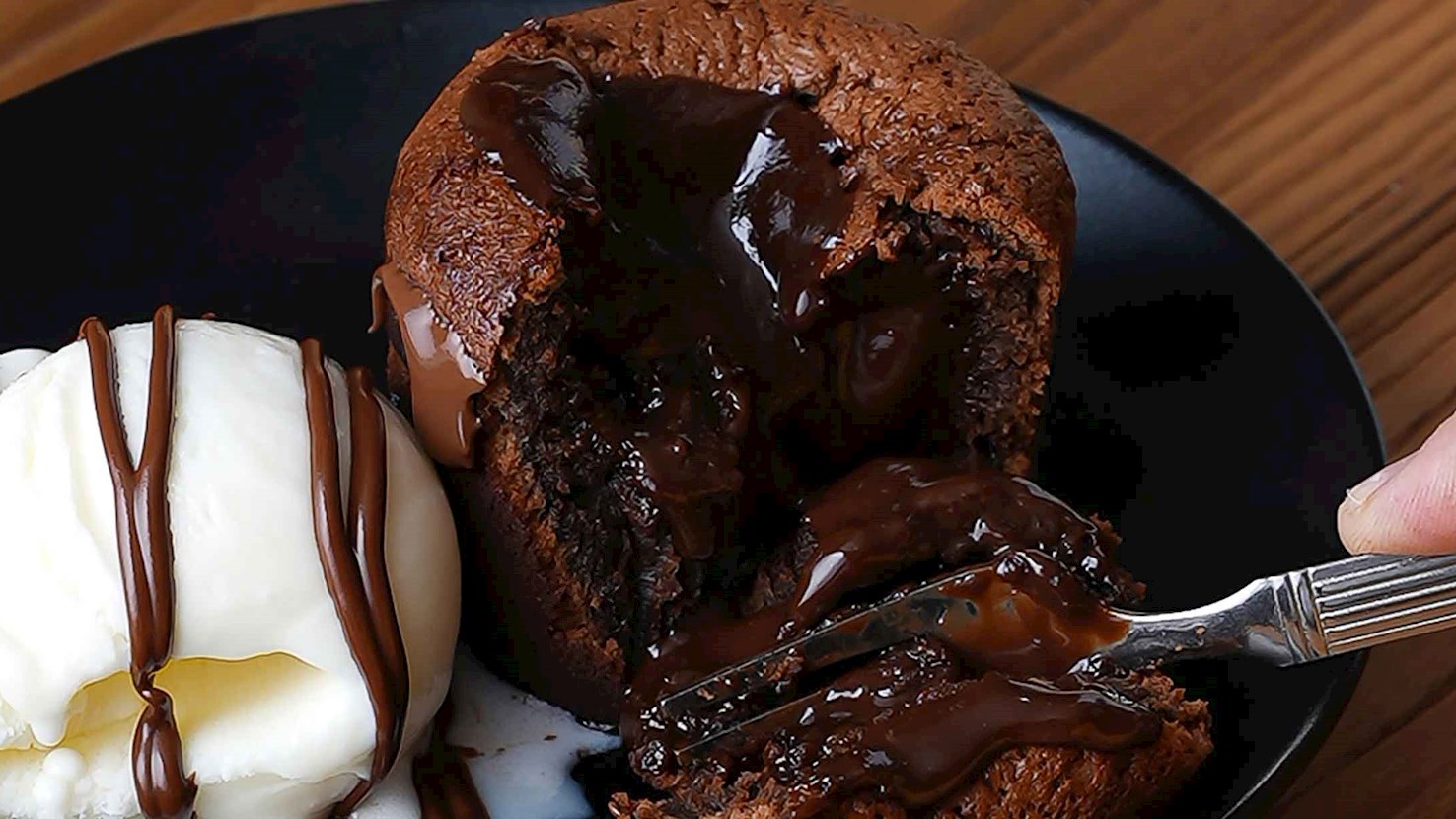
Chocolate soufflé is an exquisite French dessert that combines dark chocolate with a creamy egg yolk base and fluffy egg whites. Typically prepared in small ramekins, it should always be lightly baked in order to stay soft and velvety in the middle, with a delectable, crunchy top. Just like other soufflé varieties, the chocolate version is also considered to be technically challenging, but if done properly, it results in a wonderfully delicate sweet treat. Even though it is not considered to be one of the first soufflé versions, which were originally prepared as savory dishes, today it is one of the most popular interpretations of this internationally acclaimed dessert.

09

Nutella crêpes

4.3 ·

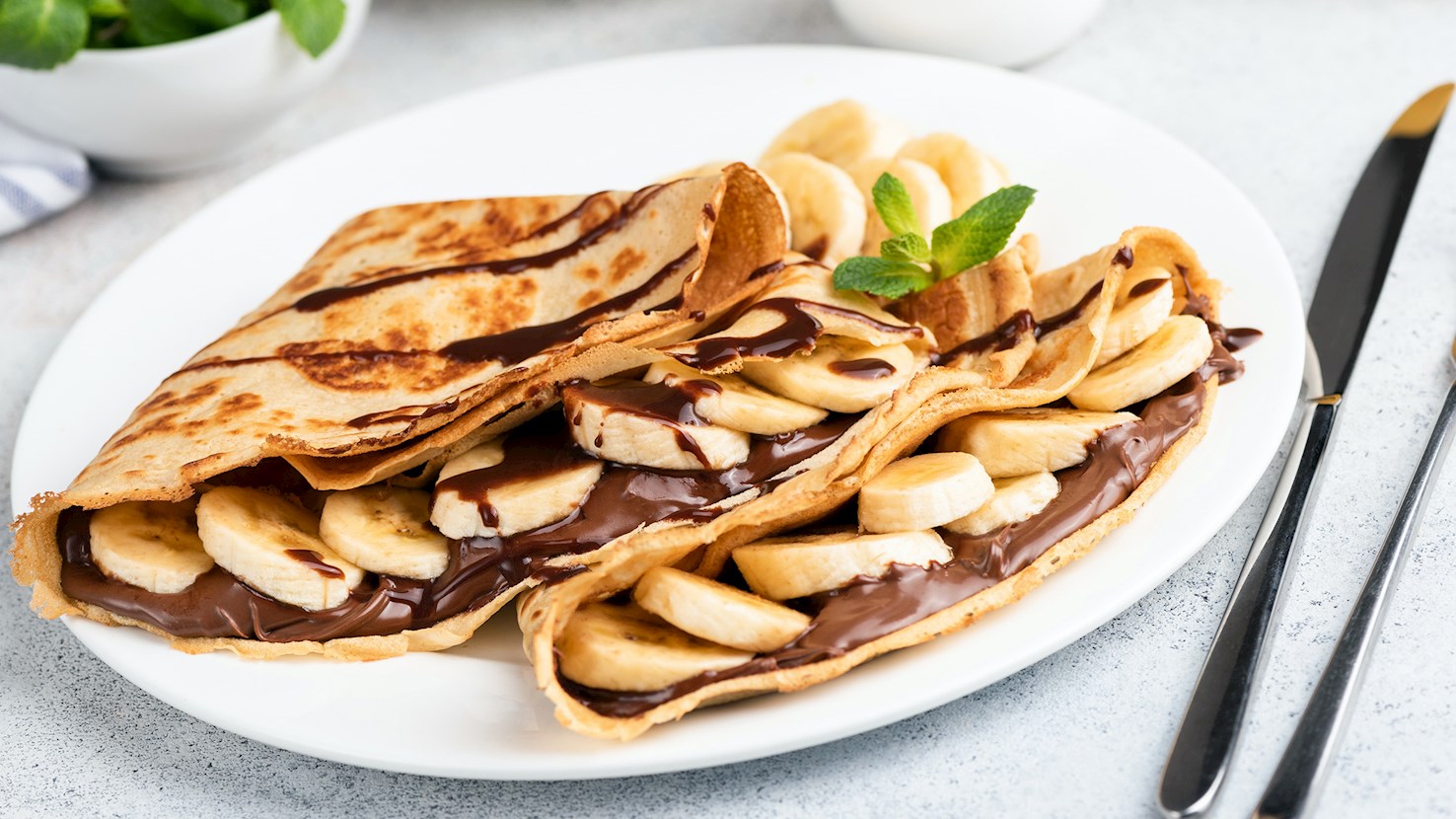
Nutella crêpes is a popular variation of a sweet crêpe that is generously spread with Nutella, a hazelnut cocoa spread. This indulgent treat combines the soft, warm texture of a freshly made crêpe with the rich, creamy flavor of Nutella, making it a favorite among both children and adults. A basic crêpe batter made with flour, eggs, milk, a pinch of salt, and sometimes a little sugar and vanilla for added sweetness is cooked on a flat griddle or in a crêpe pan to create a thin pancake. Once the crêpe is cooked to a light golden brown and is still hot, a generous amount of Nutella is spread over one-half or the entire surface of the crêpe. The crêpe is then folded in half and often folded again to create a triangular or a fan shape, making it easier to eat. Additional toppings might be added on top of the Nutella, such as sliced strawberries, bananas, chopped nuts, whipped cream, or a sprinkle of powdered sugar for extra flavor and texture. Nutella crêpes can be found at street vendors, crêperies, and cafes worldwide, and it is especially common as a treat to be enjoyed at festivals, fairs, or as street food.

10

Gazta tarta (Basque cheesecake)

4.3 ·

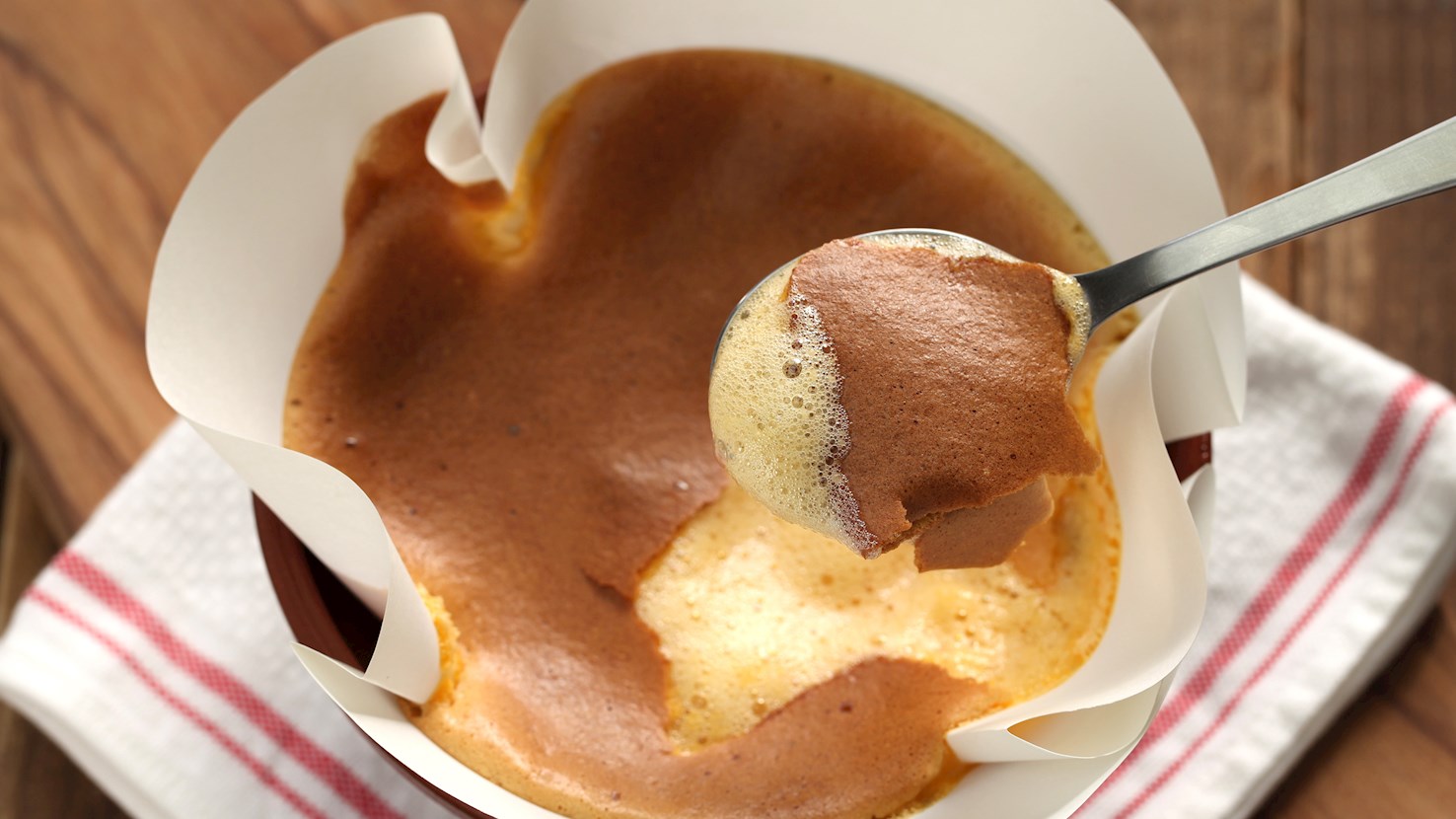
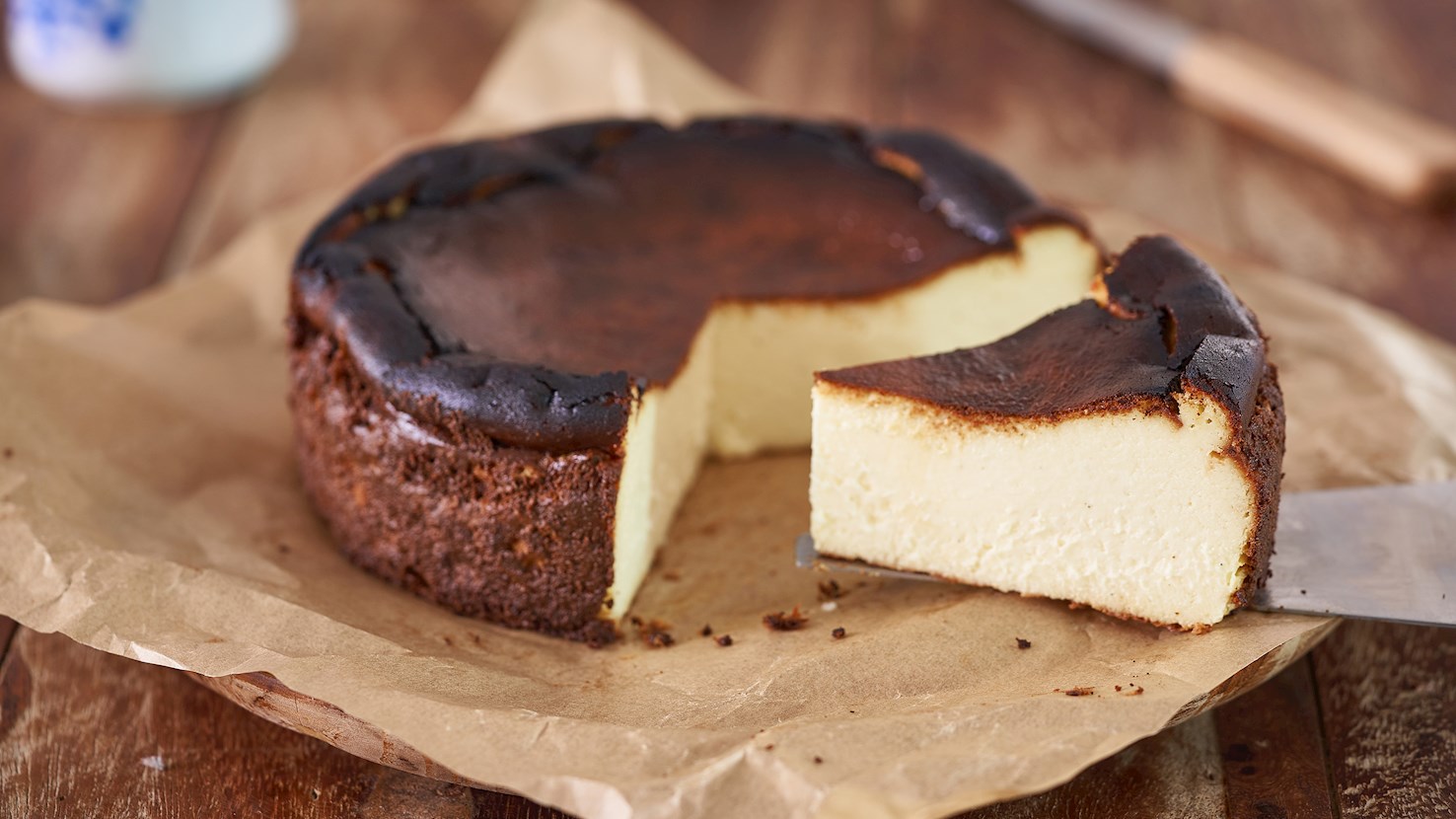
Known simply as tarta de queso or gazta tarta in its native Basque, this simple yet incredibly creamy cheesecake variation is a decades-old local specialty of the La Viña Bar in San Sebastián. The recipe is a simple combination of classic cheesecake ingredients such as sugar, heavy cream, eggs, and cream cheese, but unlike its more popular counterparts, this Basque version does not have any crust. Instead, it is baked on a high temperature which leaves the outside firm, darker, and somewhat burnt, while the center remains gooey. Basque cheesecake is immensely popular, and while La Viña remains its place of origin, different variations are nowadays found in several patisseries around the world.

Best Western European Desserts

01

Torta Pistocchi Firenze
4.9 ·

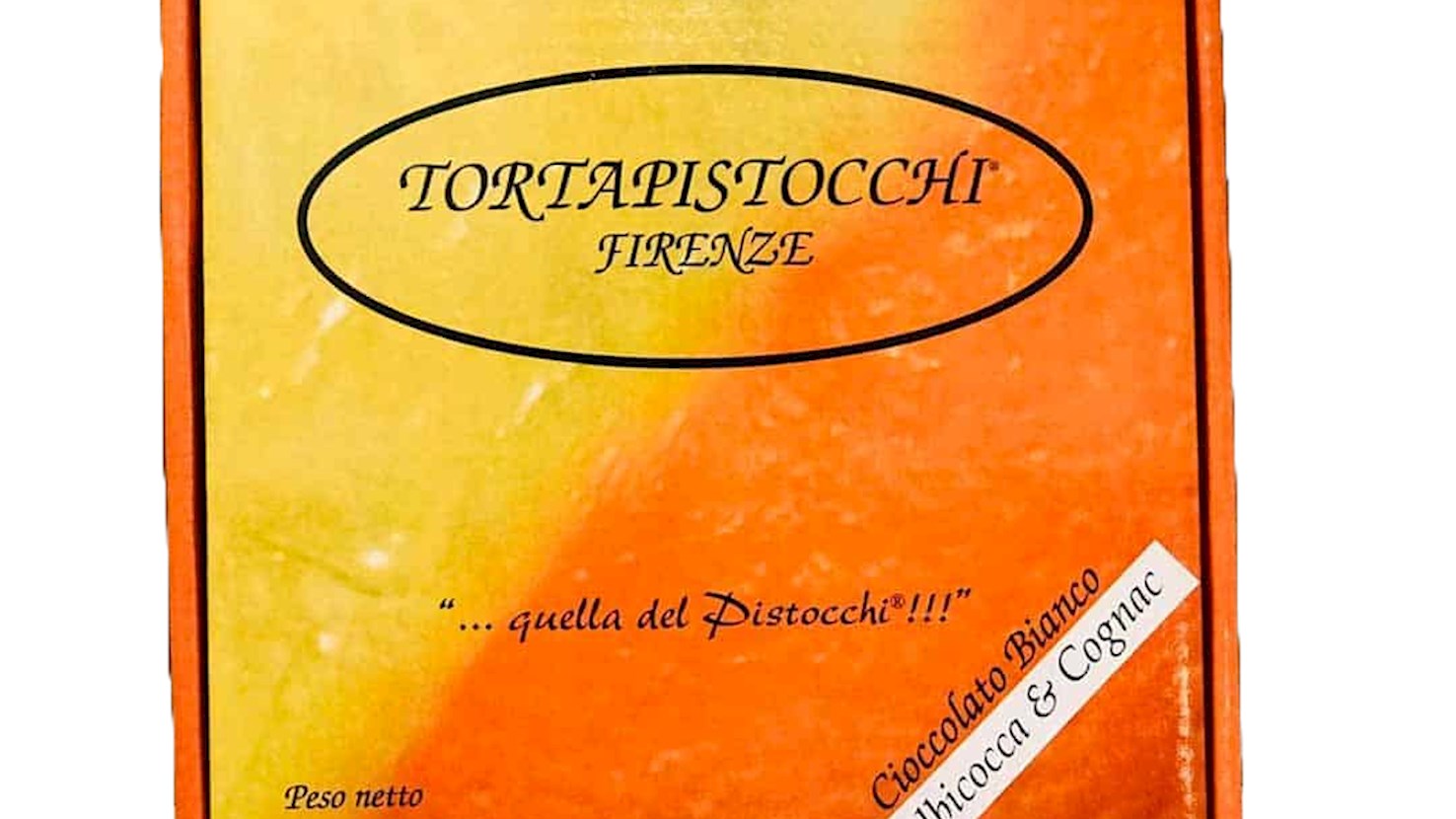
Torta Pistocchi Firenze, based in Florence, Italy, started as a small cake shop in 1990. The company is known for its rich, artisan chocolate cakes, which are made using high-quality, simple ingredients without adding flour, butter, or eggs.

One of their signature products is a dense, flourless chocolate cake made from a blend of dark chocolates. Torta Pistocchi has won several awards for its innovative approach to chocolate cake making.

Awards
International Chocolate Awards - Gold (2019, 2018, 2017, 2016)
International Chocolate Awards - Silver (2019, 2018, 2017, 2016, 2015)
02

Lazzaroni

4.8 ·

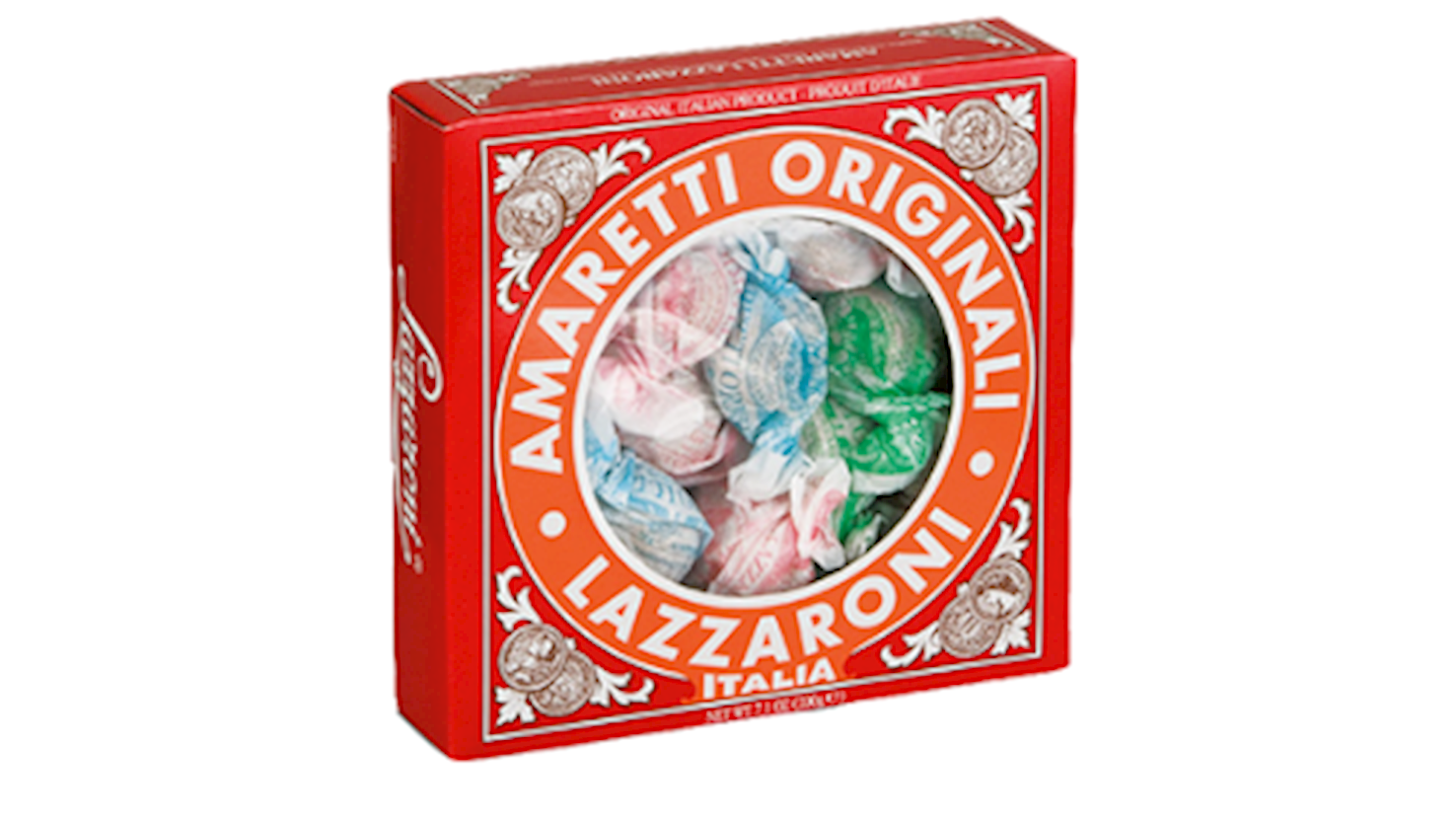
Lazzaroni is a historic Italian biscuit and confectionery producer whose origins date back to the early 18th century in the town of Saronno. The company established its industrial production in 1888, becoming one of the first in Italy to scale biscuit manufacturing while preserving traditional recipes.

Its identity is strongly linked to Amaretti di Saronno, almond-based biscuits known for their distinctive balance of sweetness and slight bitterness derived from apricot kernels. Over time, Lazzaroni expanded its range to include various types of biscuits, pastries, and seasonal products, maintaining a focus on simple ingredients and recognizable flavors.

The brand has also been notable for its packaging, particularly its decorative tin boxes that combine functionality with a strong visual identity. While production methods have evolved, the company continues to emphasize continuity with its heritage, especially in the use of traditional formulations and baking techniques.

Lazzaroni products have long been exported, contributing to their recognition beyond Italy and positioning the brand within the broader European confectionery market. Despite changes in ownership and structure over time, it retains a clear association with Italian baking traditions.

Today, it remains a reference point for classic almond-based biscuits and traditional Italian sweets.

03

Pasticceria Veniani

4.8 ·

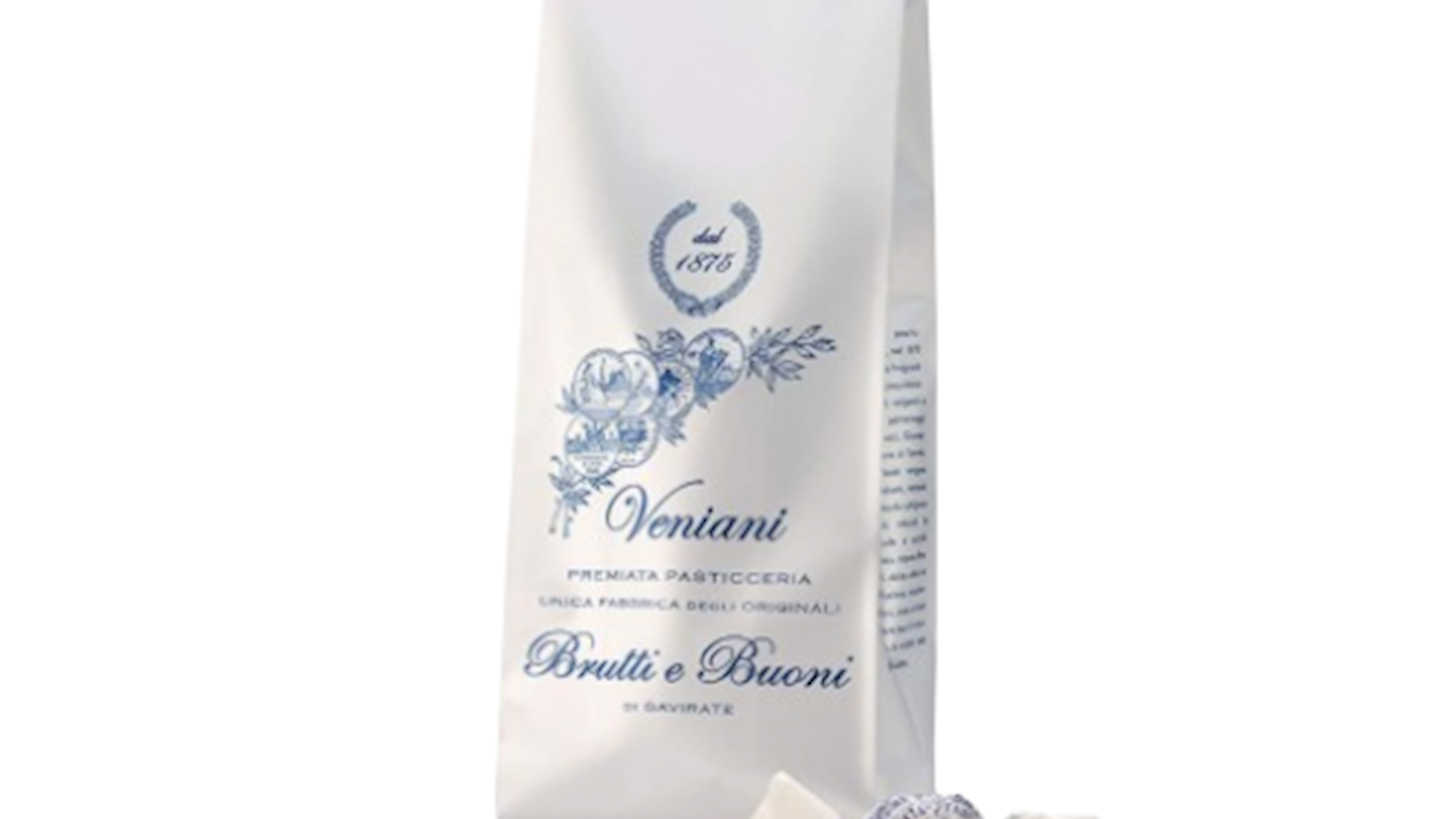
Pasticceria Veniani is a historic Italian pastry producer based in Gavirate, Lombardy, founded in 1875 and closely associated with the origin of the “Brutti e Buoni” biscuits. The company’s identity is strongly centered on this single product, first created in 1878, which remains the core of its production.

These biscuits are made from a simple combination of almonds, hazelnuts, sugar, egg whites, and natural vanilla, resulting in a flavor profile defined by roasted nut notes and moderate sweetness. Their irregular shape, reflected in the name meaning “ugly but good”, contrasts with a refined texture that is crisp on the outside and lighter inside.

Production follows an artisanal approach, with a continued emphasis on manual preparation and packaging, reinforcing continuity with traditional methods. While the company has introduced variations such as chocolate or flavored versions, these remain secondary to the original formulation.

The brand maintains a strong link to its place of origin, where the product is considered a regional specialty. Its approach prioritizes consistency and preservation rather than diversification or large-scale industrial expansion.

Overall, it represents a focused, heritage-driven model built around a single, well-defined confectionery product.

04

Giovanni Galli

4.8 ·

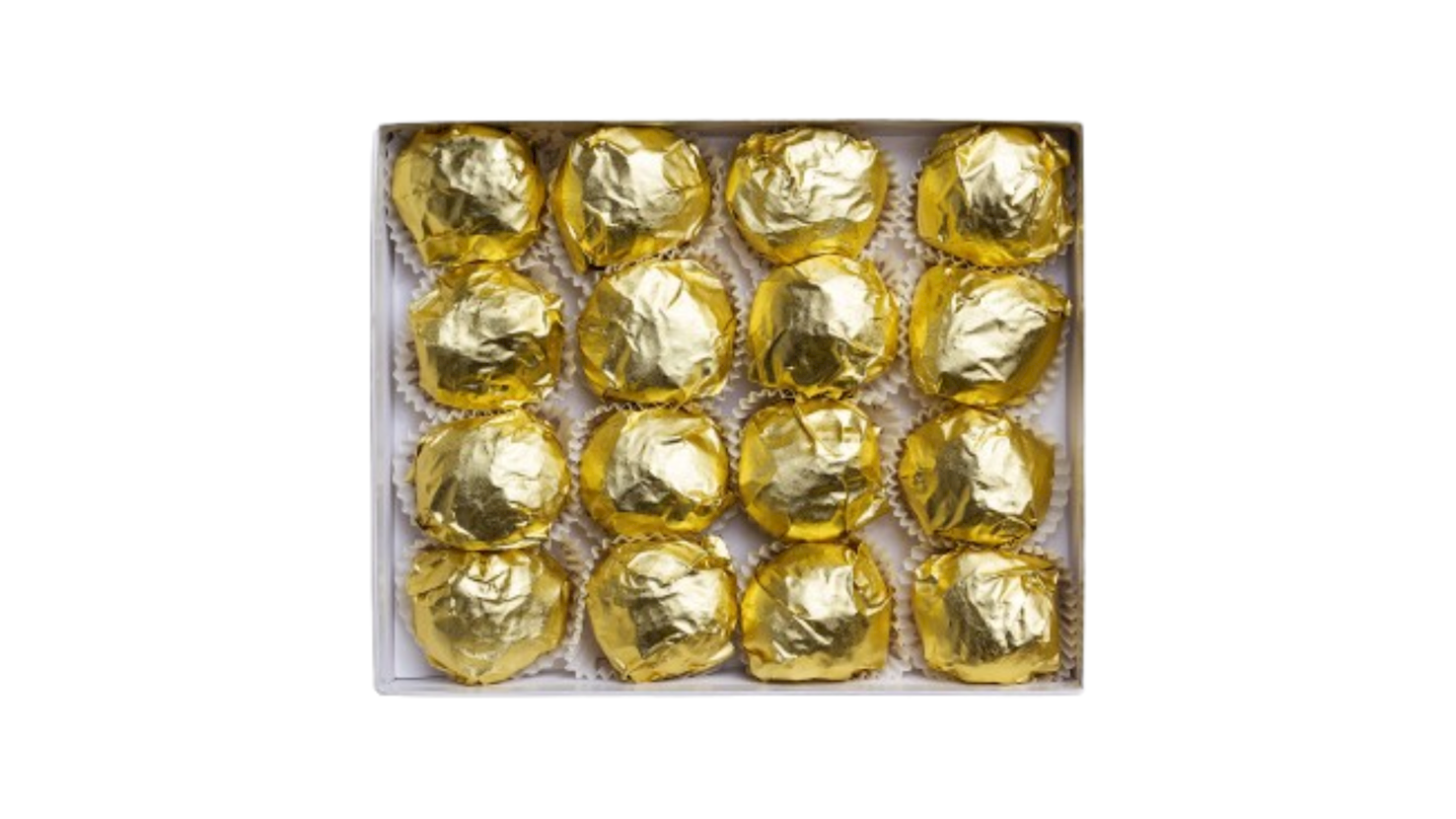
Giovanni Galli is a historic Milanese confectionery and chocolate house founded in 1911 in Milan by Giovanni Galli. The company is best known for its artisanal marrons glacés, candied chestnuts that remain its signature specialty and one of the classic sweets of Milanese tradition.

Since its early years, Giovanni Galli has focused on handmade production, with marrons glacés and pralines still prepared almost entirely by hand and without added preservatives. Its range includes candied chestnuts, chocolate pralines, boeri, fondants, almond paste sweets, candied fruit, chocolate bars and cakes.

The brand is closely tied to Milan’s old pastry-shop culture, with historic stores that preserve the atmosphere of traditional early twentieth-century confectionery. In 1942, the original shop was destroyed during wartime bombing, but the wooden counter and glass display cases were saved and are still part of the company’s heritage.

Giovanni Galli remains a small, highly specialized producer rather than a broadly internationalized brand, which reinforces its reputation for continuity, craftsmanship and local identity. Its products are sold through its Milan shops and official online store, making the company a strong example of a traditional urban confectionery rooted in place and history.

05

Antonio Mattei

4.7 ·

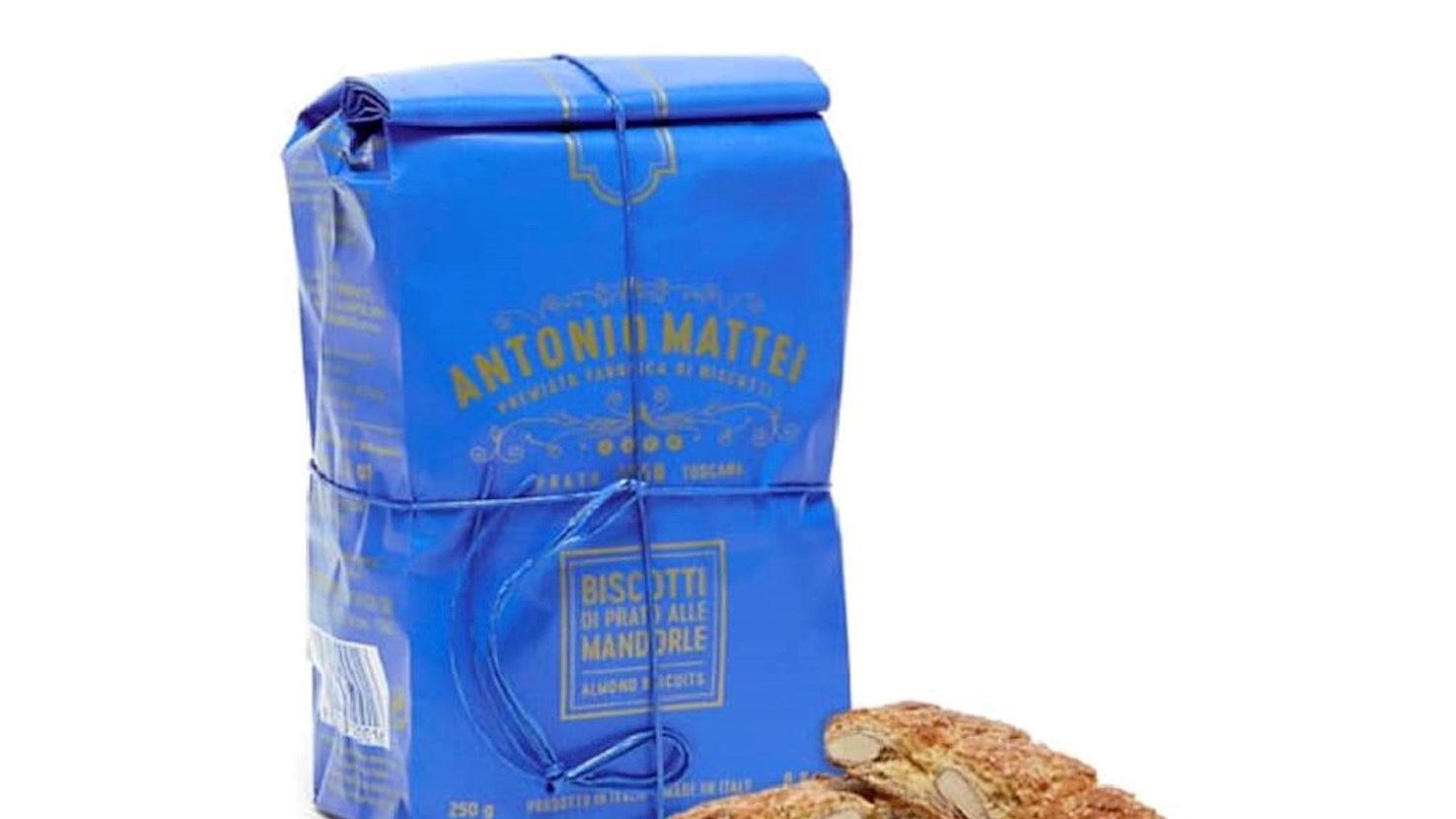
Antonio Mattei is a legendary name in Italian pastry tradition, world-renowned for its original cantuccini—crunchy almond biscuits from Prato, typically enjoyed with a glass of Vin Santo. Since 1858, this family-run company has preserved the authenticity of its recipes and the artisanal methods that define its production.

Crafted in the historic workshop in Prato, their biscuits are made using only a few high-quality ingredients, resulting in a simple yet distinctive flavor that has delighted generations. The iconic blue packaging has become a symbol of the brand and a mark of quality recognized across the globe.

While the classic almond cantuccini remains their signature product, the range has expanded to include modern variations with hazelnuts, pistachios, and chocolate. Antonio Mattei continues to honor its rich heritage while offering a refined take on Italy’s most beloved traditional sweets.

06

Pierre Hermé

4.7 ·

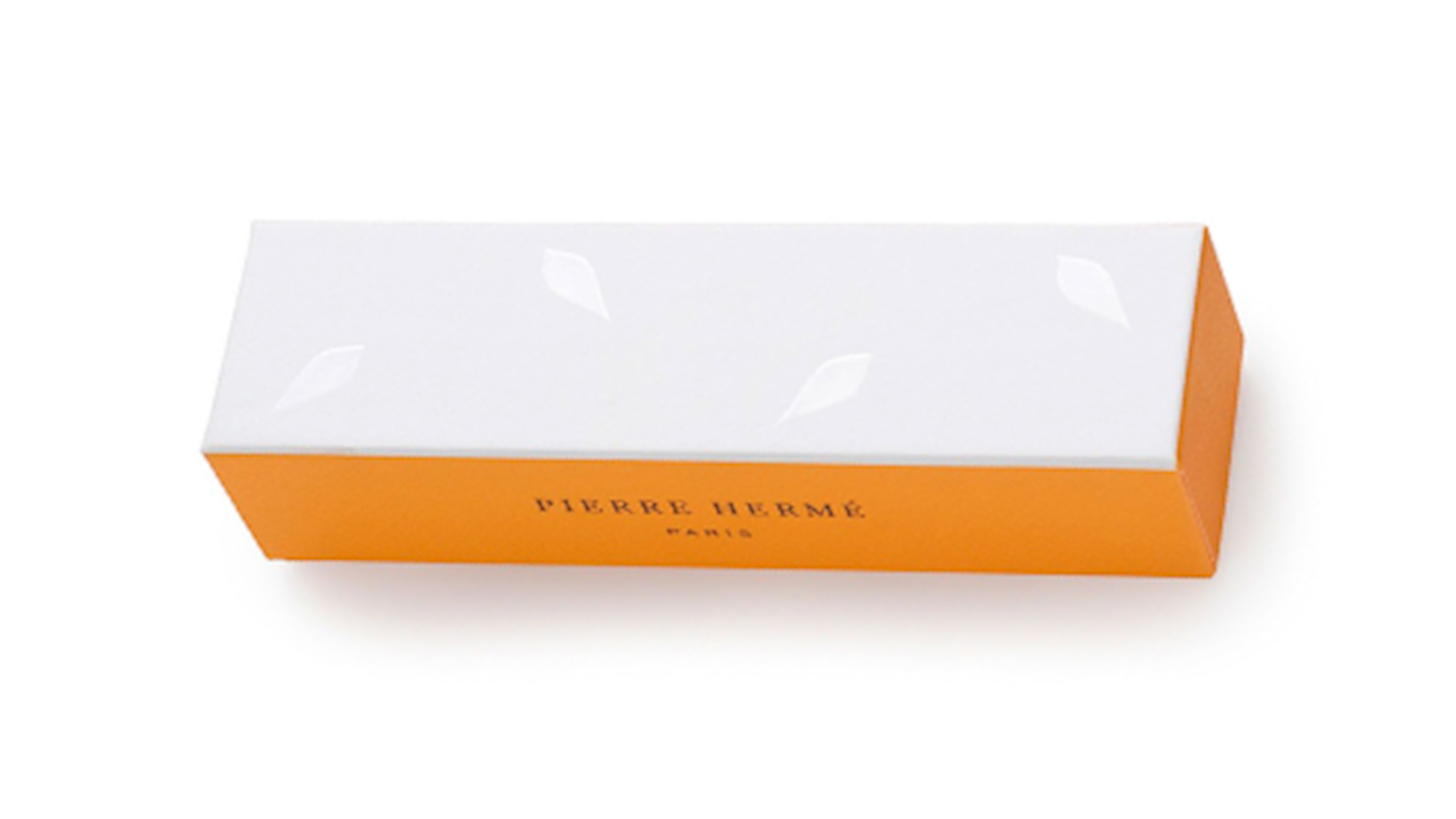
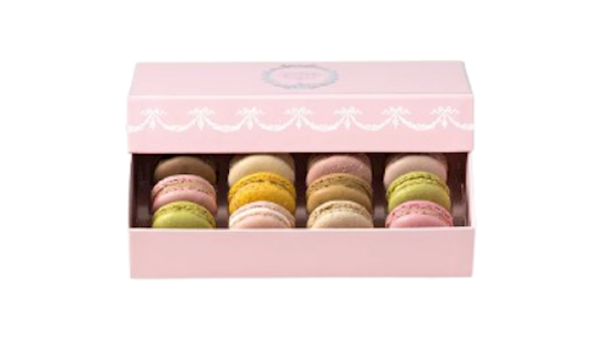
Pierre Hermé is a contemporary French luxury pâtisserie brand founded by Pierre Hermé, widely regarded as one of the most influential pastry chefs of modern times. Built on a philosophy of precision, balance, and creative freedom, the house is known for redefining classic French pastry through bold yet disciplined flavor pairings.

Pierre Hermé’s work emphasizes clarity of taste, where each ingredient is clearly expressed without excess sweetness or decorative distraction. The brand is especially renowned for its macarons, which range from rigorously executed classics to highly original combinations that have reshaped expectations of the category.

Beyond macarons, the portfolio includes entremets, chocolates, viennoiserie, and seasonal creations, all produced with meticulous attention to ingredients, texture, and structure. With boutiques and salons in Paris and major cities worldwide, Pierre Hermé positions pastry as a form of contemporary culinary expression, merging technical mastery with a distinctly modern aesthetic.

07

Paupério

4.7 ·

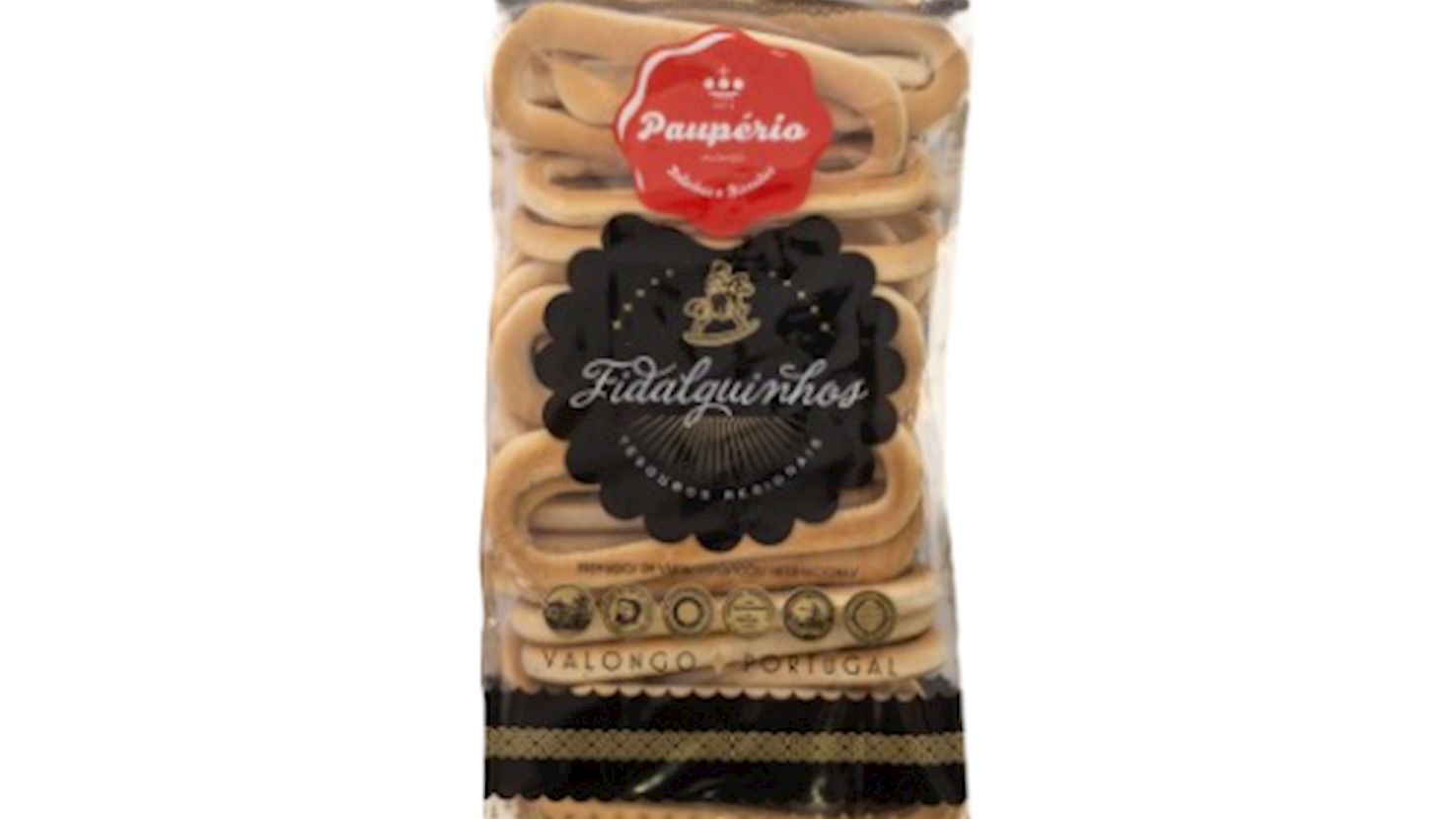
Paupério is a historic Portuguese brand from Valongo, founded in 1874, specializing in traditional biscuits and small pastries made according to old family recipes. Production still relies on simple, high-quality ingredients and artisanal methods, preserving the authentic flavors that have defined the brand for six generations.

The assortment includes a wide range of products - from classic butter biscuits and crisp, delicate cookies to aromatic varieties with lemon, vanilla or warm spices. Paupério is also known for its retro tins and decorative packaging, which carry a strong sense of nostalgia and form a key part of the brand’s identity.

The flavors are gentle, balanced and clearly defined, while the textures often combine crispiness with a soft, buttery melt. Thanks to its long tradition, consistent quality and distinctive presentation, Paupério has become synonymous with classic Portuguese confectionery and is frequently chosen as a gift or a refined treat for special occasions.

08

La Sablésienne

4.7 ·

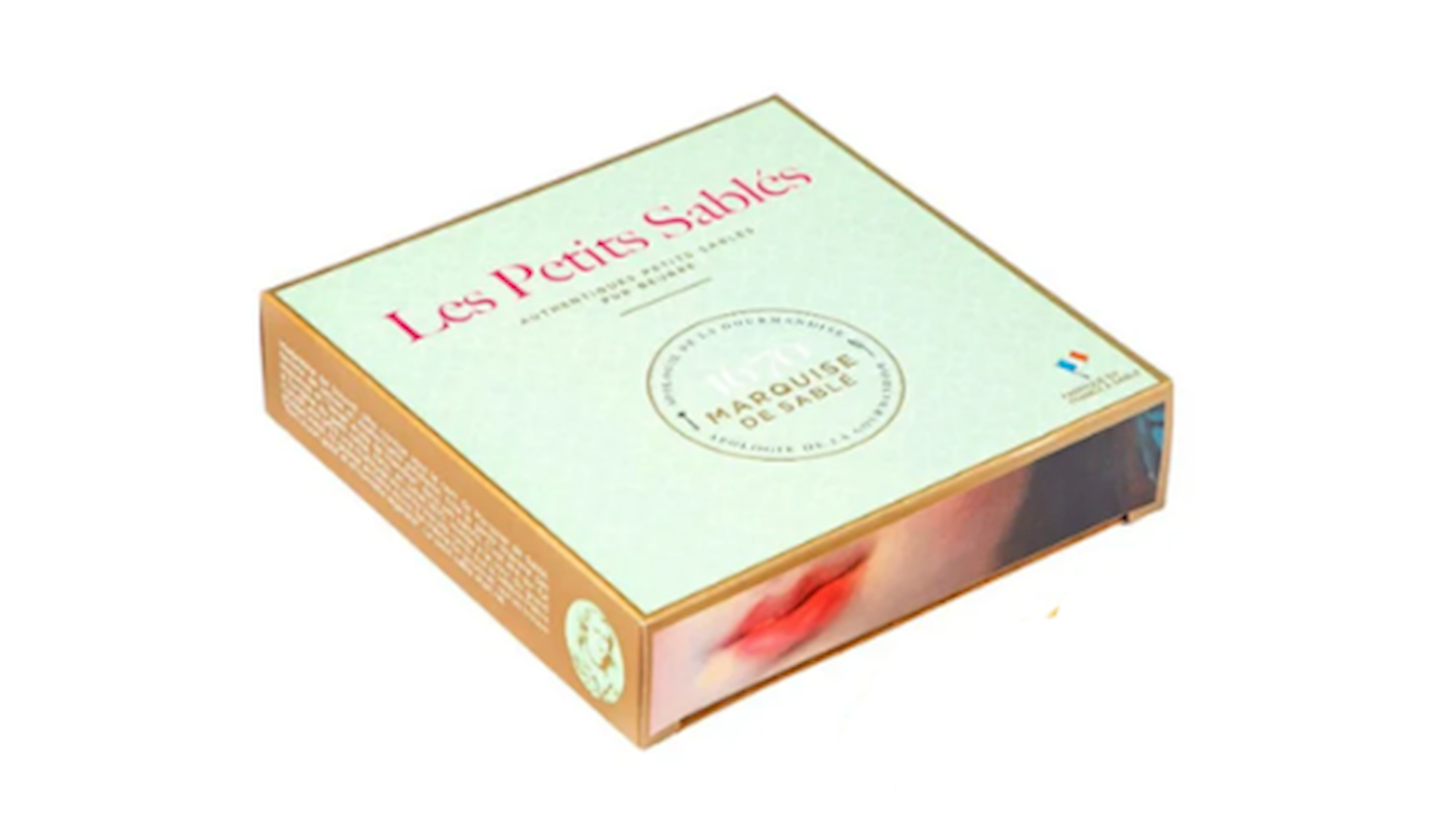
La Sablésienne is a French biscuit brand based in Sablé-sur-Sarthe, closely linked to the tradition of petit sablé butter biscuits whose origins date back to the 17th century. The modern company was established in 1962 with a focus on preserving this heritage through artisanal production methods such as baking on metal trays and hand-finishing each biscuit.

Its range centers on classic butter biscuits, alongside variations with chocolate, fruit, and caramel, all made with an emphasis on natural ingredients and without artificial additives. The flavor profile is defined by a rich buttery base with a balanced sweetness and a delicate crumbly texture.

A key element of the brand is its attention to presentation, with products often packaged in decorative tins that reinforce their role as gift items. Over time, La Sablésienne has expanded internationally while maintaining a strong connection to its place of origin.

It is positioned as a representative example of French biscuit craftsmanship where tradition, ingredient quality, and visual identity are closely integrated.

09

Krumiri Rossi

4.7 ·

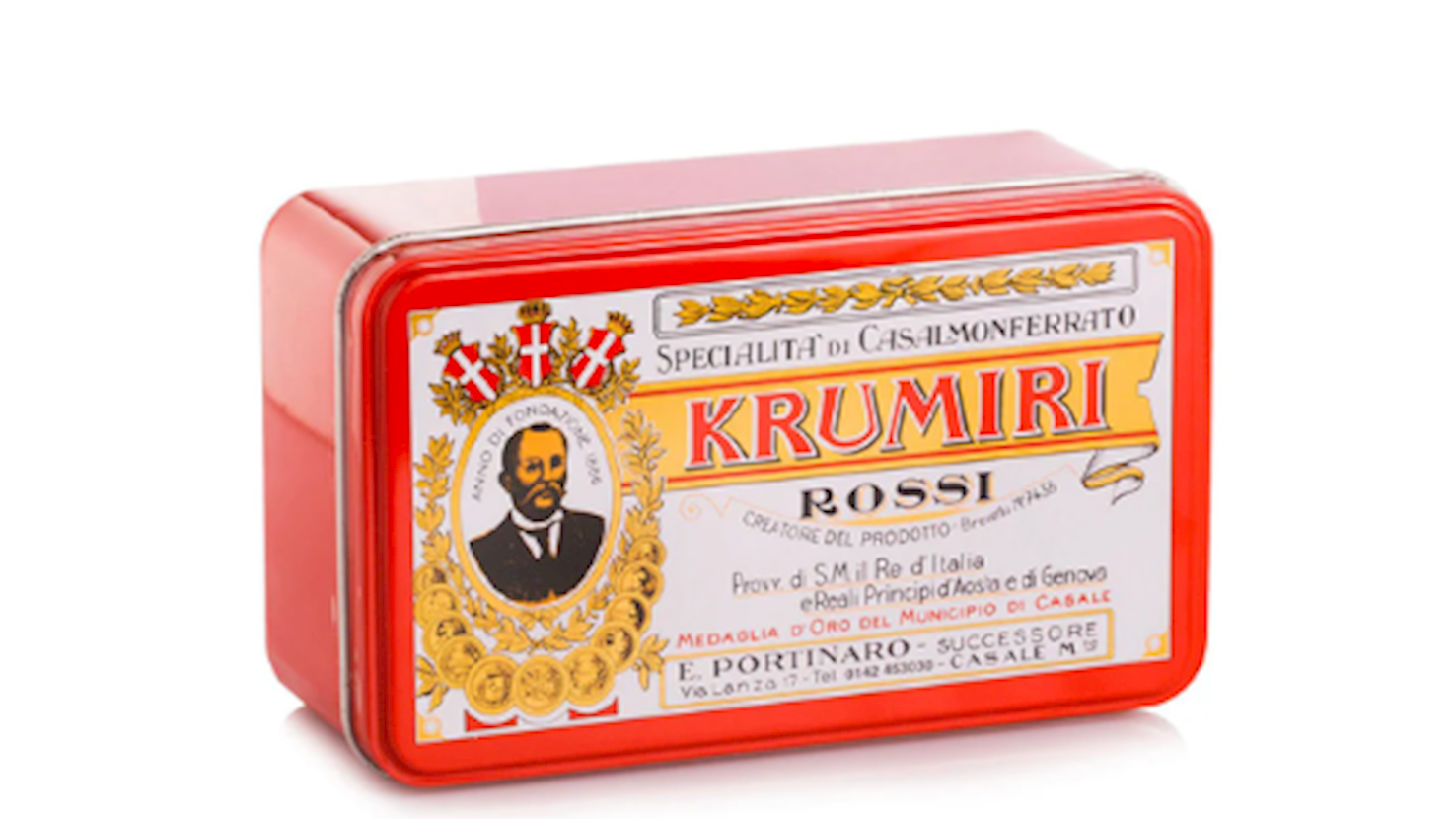
Krumiri Rossi is a historic Italian confectionery brand based in Casale Monferrato, in the Piedmont region, known for producing one of Italy’s most distinctive traditional biscuits. Founded in 1878 by pastry chef Domenico Rossi, the company originated from the creation of krumiri, a butter-based biscuit that quickly became emblematic of the local gastronomic identity.

The recipe is intentionally simple - flour, butter, sugar, eggs, and vanilla - but its character lies in the balance between a firm, slightly crumbly texture and a rich, buttery flavor. A defining feature is the biscuit’s curved shape, often linked to the moustache of King Victor Emmanuel II, which contributes to its strong visual identity.

From its early years, the brand established itself through authenticity and protection of its product, gaining recognition and defending the originality of the recipe. Despite its growth over time, Krumiri Rossi has maintained a consistent focus on tradition, preserving both the formulation and the production approach.

The biscuits are typically consumed with coffee, tea, or dessert wines, reinforcing their role as both an everyday accompaniment and a regional specialty. Today, Krumiri Rossi represents continuity rather than innovation, positioning its product as a direct extension of a late 19th-century recipe that remains largely unchanged.

10

Maison Pariès

4.7 ·

Maison Pariès is a historic French gourmet house founded in 1895 in Bayonne by Jacques Damestoy, making it one of the enduring names in Basque confectionery and chocolate craftsmanship. Originally established as a chocolatier, the company gradually expanded its expertise into pastries, confectionery, ice cream, and regional specialties, becoming deeply associated with the culinary identity of the French Basque Country.

Still family-run across five generations, Maison Pariès has built its reputation on artisanal savoir-faire, carefully selected ingredients, and a strong connection to local gastronomic traditions. Production remains rooted in the Basque region, with a continued emphasis on craftsmanship, short supply chains, and premium sourcing, including direct cocoa partnerships.

Maison Pariès has earned recognition as both an Entreprise du Patrimoine Vivant and a historic French family business, reflecting its cultural and artisanal significance. Today, the brand operates boutiques beyond the Basque Country, including Paris and Bordeaux, while preserving its identity as a house dedicated to authentic French gourmet heritage.

About this Ranking

TasteAtlas food rankings are based on the ratings of the TasteAtlas audience, with a series of mechanisms that recognize real users and that ignore bot, nationalist or local patriotic ratings, and give additional value to the ratings of users that the system recognizes as knowledgeable. For the “Top 100 Western European Desserts” list until September 15, 2026, 40,088 ratings were recorded, of which 33,268 were recognized by the system as legitimate.

TasteAtlas Rankings should not be seen as the final global conclusion about food. Their purpose is to promote excellent local foods, instill pride in traditional dishes, and arouse curiosity about dishes you haven’t tried.

The initial list of top producers was compiled based on available reviews, awards, local recommendations, media and blog coverage, and consumer reviews. The list will be updated with ratings from TasteAtlas local ambassadors and TasteAtlas users.

What People Say

Similar Lists