shutterstock

Top 50 Aragonese Foods

Last updated on July 01, 2026

Best Aragonese food products

01
Cheese

Queso Artesano De Teruel

4.9 ·

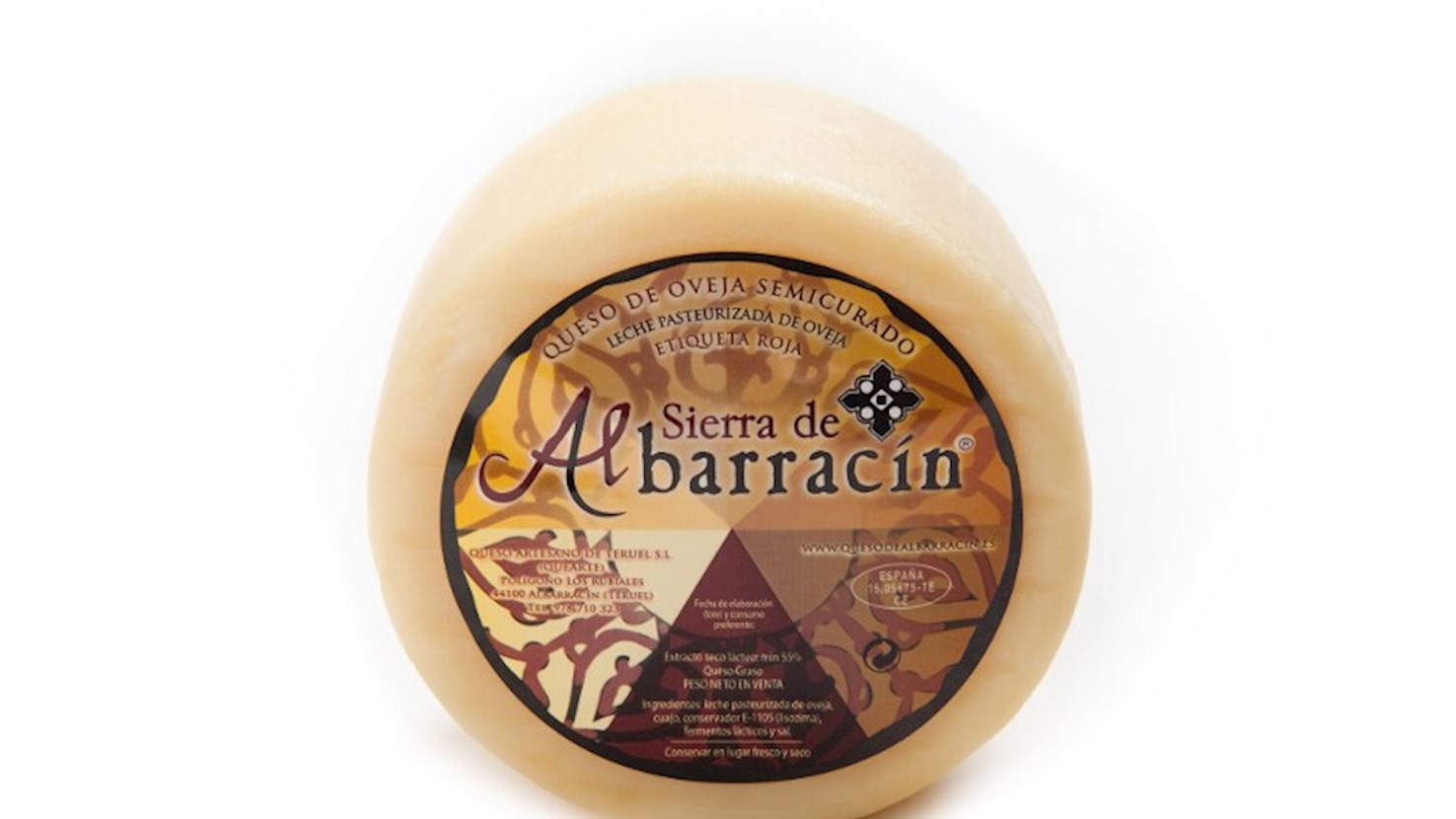
Queso Artesano de Teruel S.L. is a cheese producer located in Albarracín, Spain. The company specializes in creating artisan cheeses using traditional methods.

Their products are crafted from local sheep’s milk, reflecting the regional characteristics and flavors of the Teruel area.

Awards
World Cheese Awards - Super Gold (2023)
World Cheese Awards - Gold (2023, 2022, 2021)
02
Cheese

Quesos De Radiquero

4.9 ·

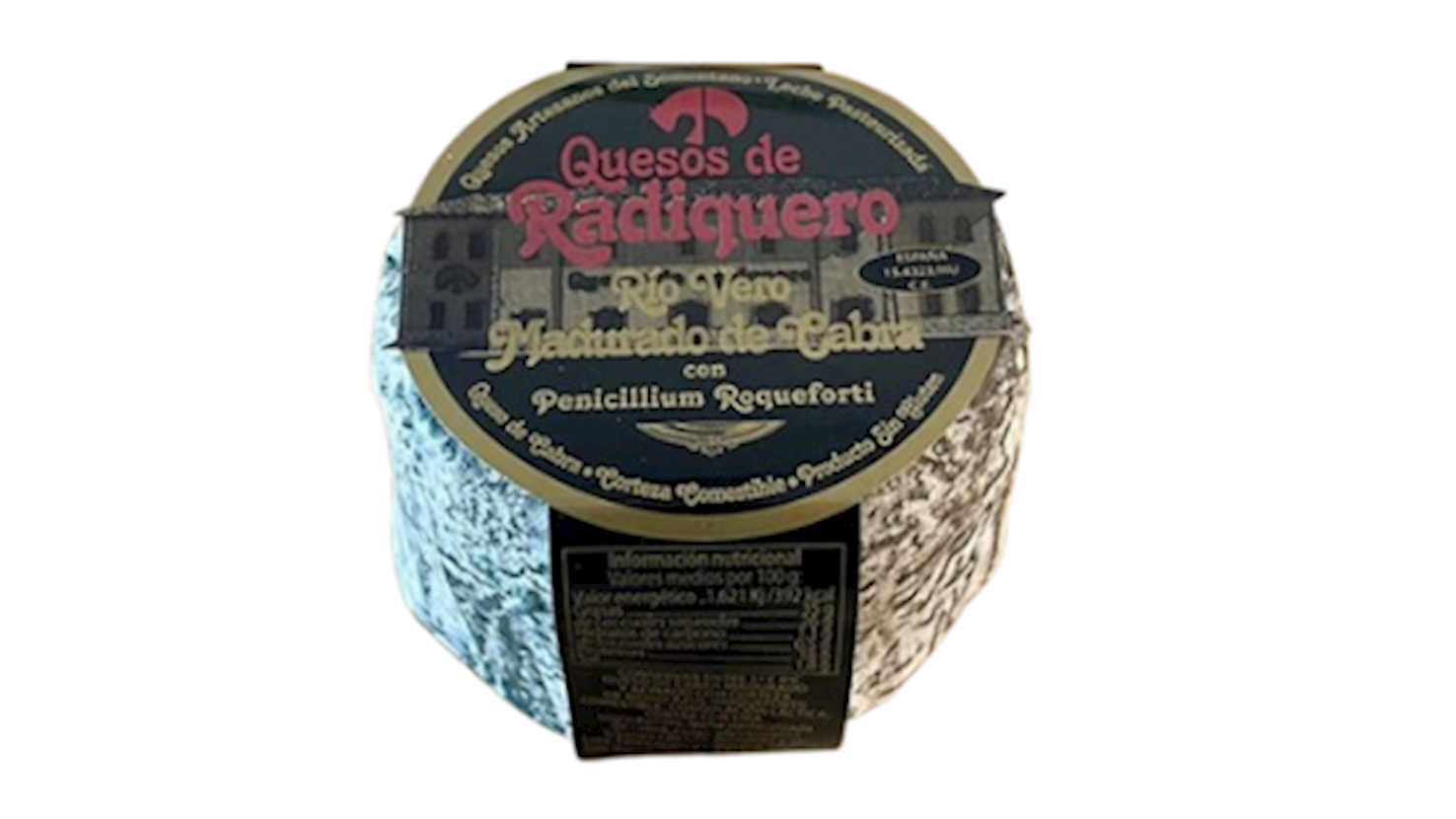
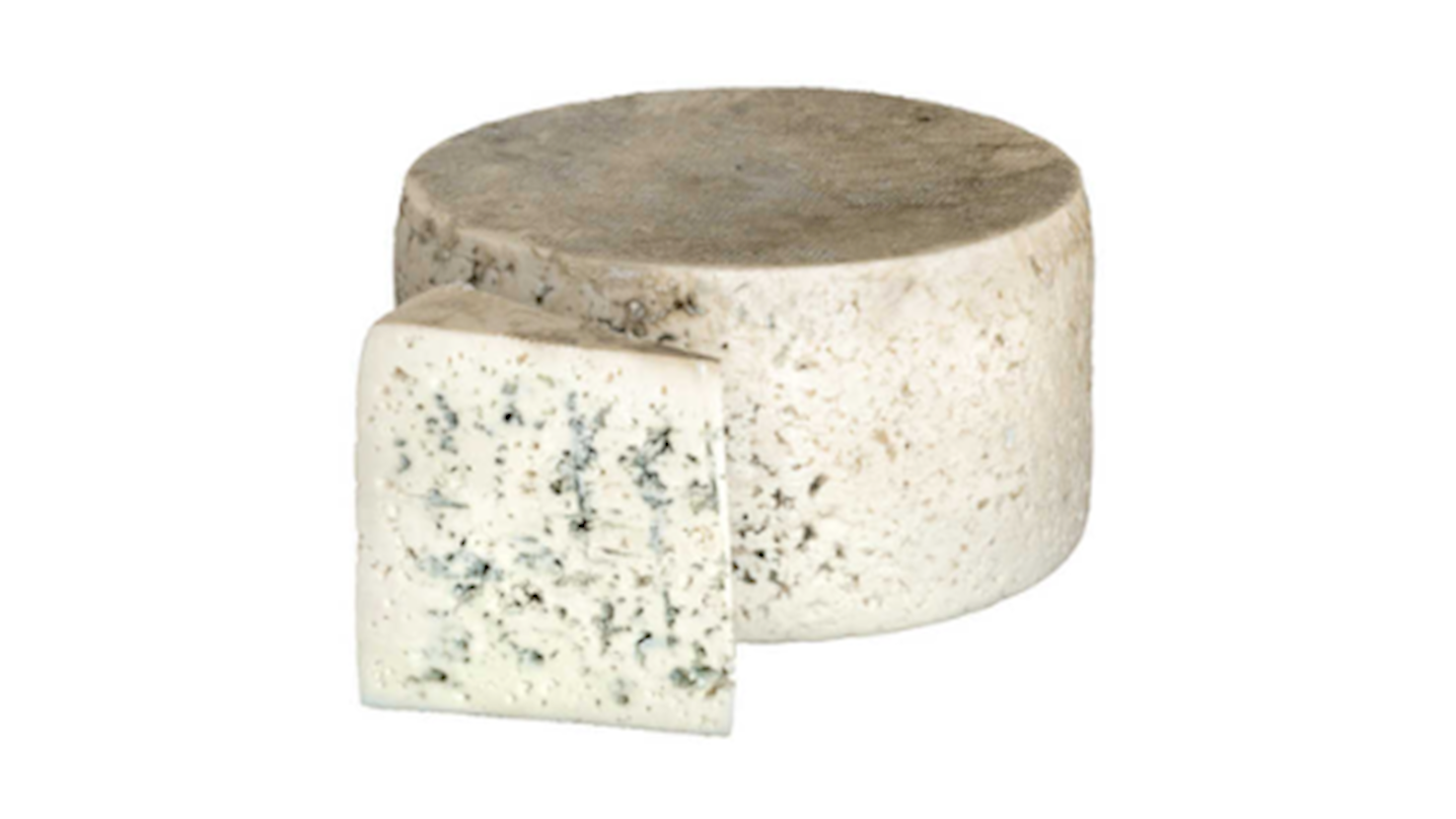
Quesos de Radiquero is a cheese producer located in the province of Huesca in Aragon, Spain. This producer specializes in artisanal cheeses, made using milk from local sheep and goat breeds.

Their cheese varieties include semi-cured and cured cheeses, which are characteristic for their creamy texture and rich flavors, derived from the diverse flora of the Aragonese Pyrenees where the livestock graze.

Awards
World Cheese Awards - Super Gold (2021)
World Cheese Awards - Gold (2022)
03
Olive Oil

Molino Alfonso

4.9 ·

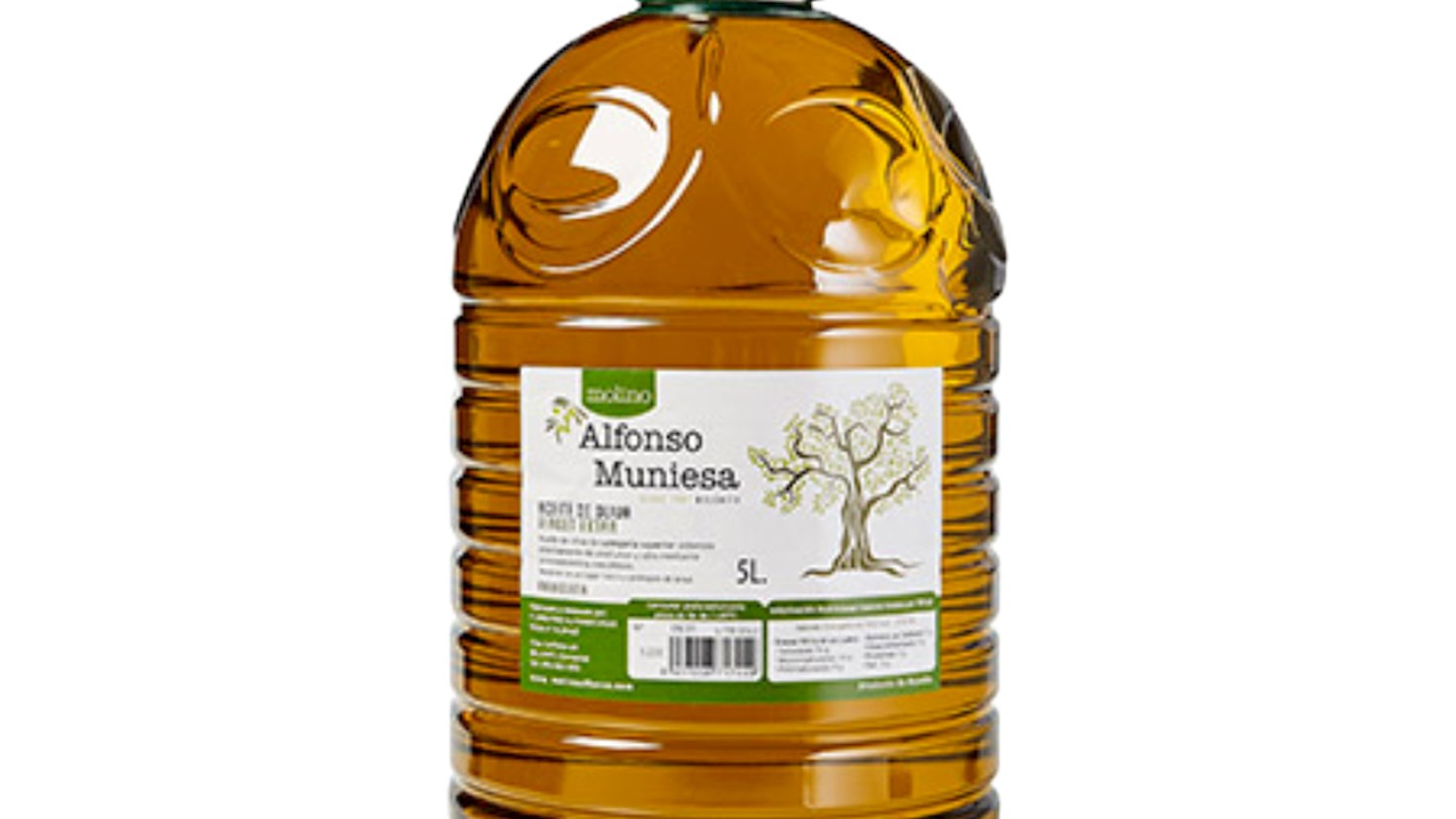
Molino Alfonso is an olive oil producer based in Belchite, Zaragoza. The company has been operational since 1907, making it one of the long-standing producers in the region.

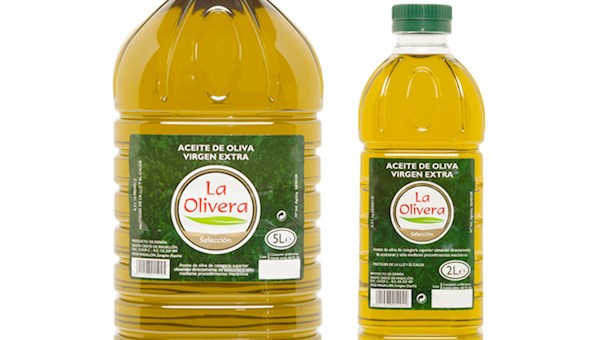
Molino Alfonso specializes in producing high-quality extra virgin olive oil, leveraging traditional milling methods combined with modern technology. The olives are sourced primarily from local groves, which contribute to the distinct flavor profile of the oil.

The producer also engages in various sustainability practices and promotes the local agri-food culture.

Awards
Terraolivo IOOC - Grand Prestige Gold (2018)
Terraolivo IOOC - Gold Medal (2022)
04
Olive Oil

La Masada Roya

4.9 ·

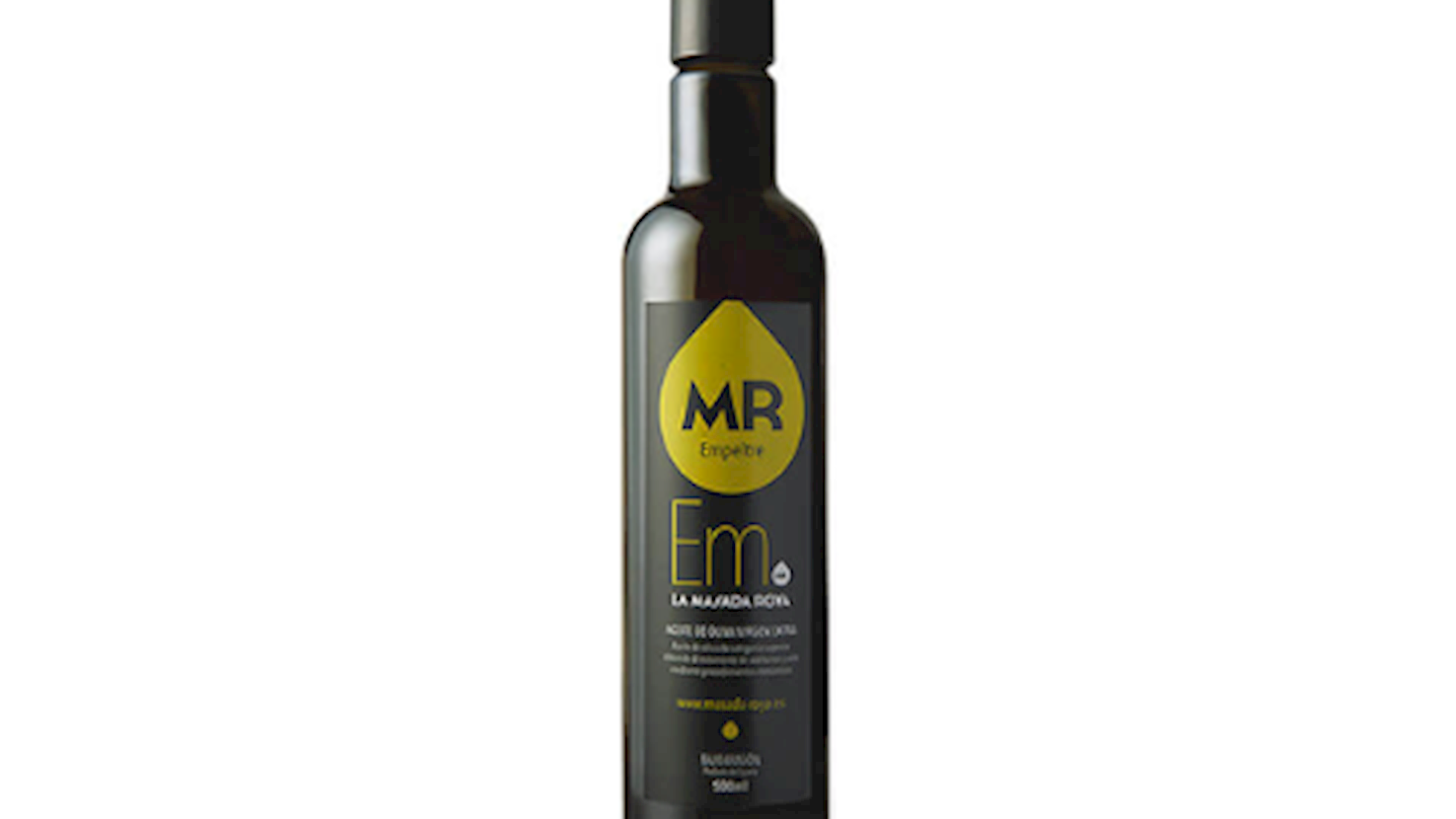
La Masada Roya is a producer from Aragon, based in Andorra (Teruel), specializing in extra virgin olive oils obtained exclusively through mechanical processes. Their groves include the native Empeltre variety and the popular Arbequina, with an early harvest that preserves the freshness and intense aromas of the fruit.

The resulting oil is distinguished by its golden color, mild flavor, and notes of apple and almond, with a harmonious finish. It is particularly recommended for raw use – on salads, vegetables, or as a finishing touch – where its qualities can be fully appreciated.

In addition to olive oil, they also produce handmade spreads from black and green Empeltre olives, free from additives and colorings, further highlighting their commitment to authenticity and natural quality.

Awards
EVO IOOC - Gold Medal (2022)
Terraolivo IOOC - Grand Prestige Gold (2022)
05
Cheese

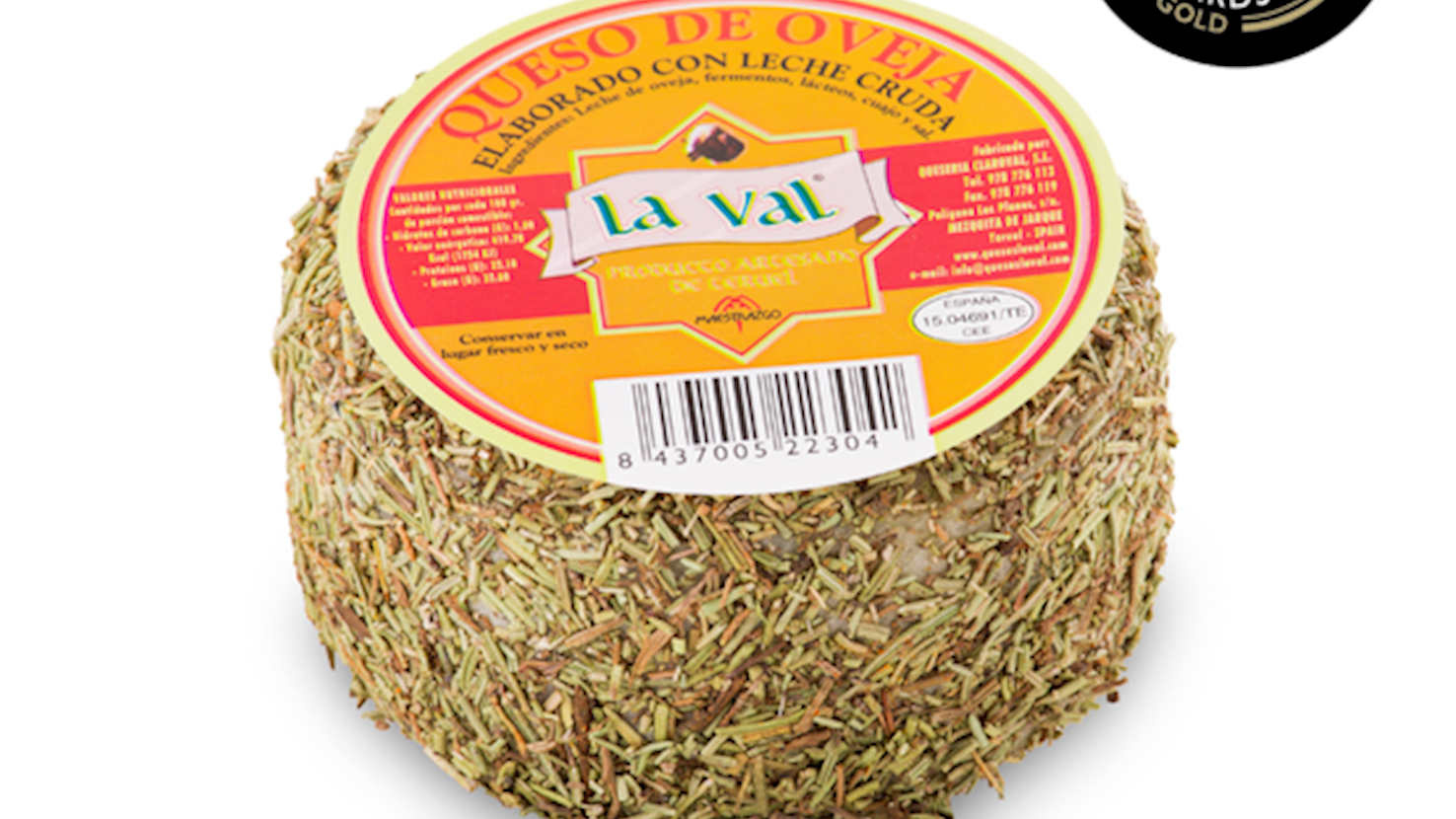
Quesos Artesanos La Val

4.9 ·

Quesos Artesanos La Val is a cheese producer located in Spain. They specialize in crafting artisan cheeses using traditional methods.

The cheese is known for being made from local milk sources, following sustainable practices.

Awards
World Cheese Awards - Gold (2023)
06
Olive Oil

Cooperativa del Mezquín

4.9 ·

Cooperativa del Mezquín from La Codoñera (Teruel, Aragon) was founded in 1988 through the merger of several local oil mills, and today brings together around 450 members cultivating approximately 3,000 hectares of olive groves. The cooperative produces about 3,000 tons of olives and 600 tons of oil annually.

Its oils carry the D.O.P. Aceite del Bajo Aragón designation and are primarily based on the Empeltre variety, with a smaller contribution from other cultivars.

They are distinguished by their smoothness, fruity aromas, and subtle spiciness, with a clean visual profile free of sediment. In addition to extra virgin olive oil, the cooperative also offers table olives and olive spreads, including organic variants.

With its capacity and tradition, Cooperativa del Mezquín stands as one of the key producers in the Bajo Aragón region, distributing its products locally, nationally, and internationally.

Awards
Terraolivo IOOC - Prestige Gold (2022, 2021, 2018, 2016)
EVO IOOC - Gold Medal (2021)
07
Olive Oil

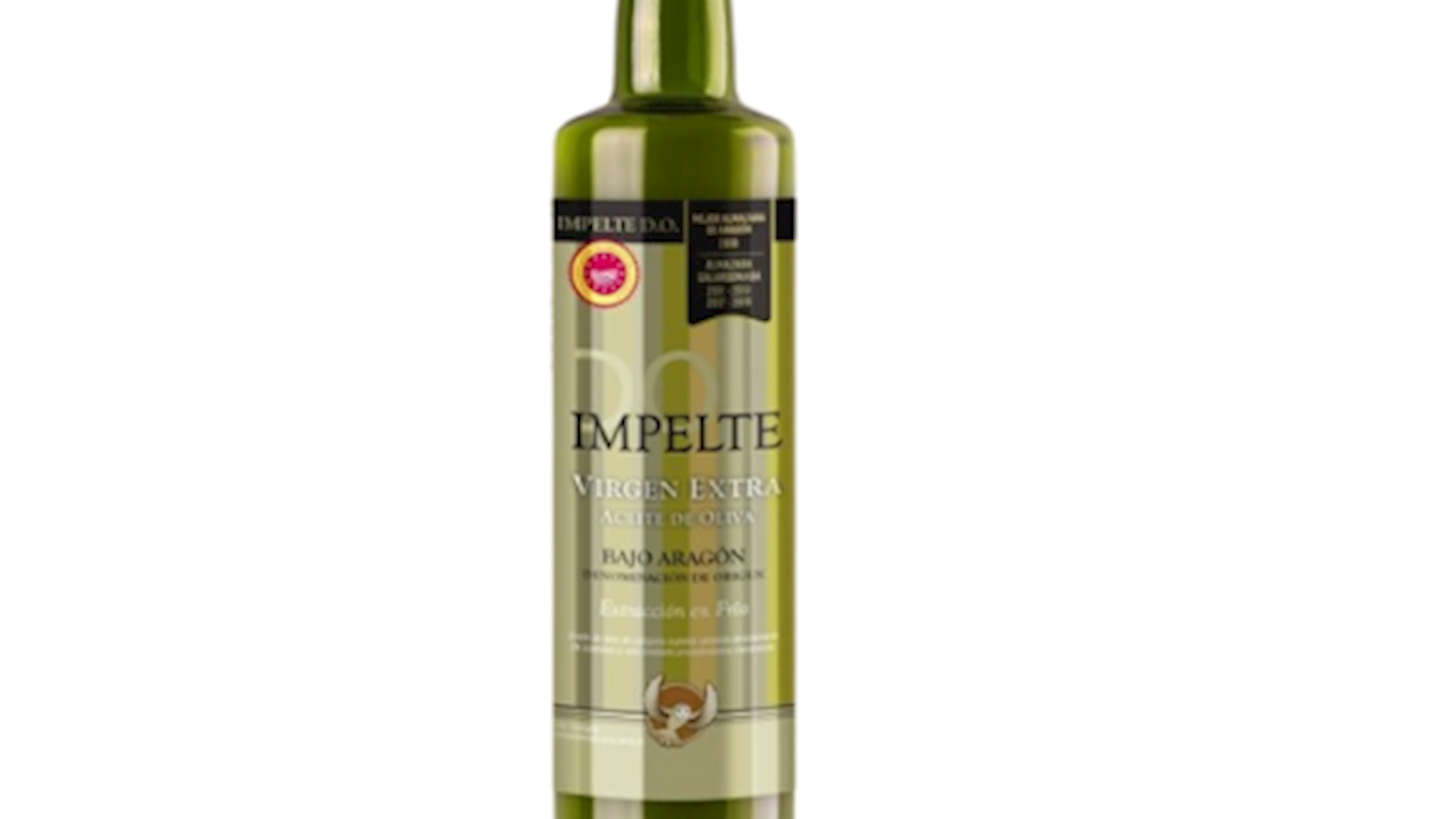
Aceites Impelte del Bajo Martín

4.9 ·

Aceites Impelte del Bajo Martín is one of the prominent producers of olive oil bearing the DOP Aceite del Bajo Aragón designation of origin. The company specializes in processing the local Empeltre variety, characteristic of this region, which yields a mild and well-balanced oil with notes of almonds, gentle sweetness, and subtle fruitiness.

Production is based on traditional methods combined with modern technology, including cold pressing and strict quality control, in order to preserve the authenticity and nutritional values of the olives. As a holder of the DOP label, Impelte guarantees origin and standardized quality for consumers, thus contributing to the reputation of the Bajo Aragón region as one of Spain’s notable olive-growing areas.

Awards
EVO IOOC - Gold Medal (2022)
Terraolivo IOOC - Gold Medal (2022, 2015)
08
Olive Oil

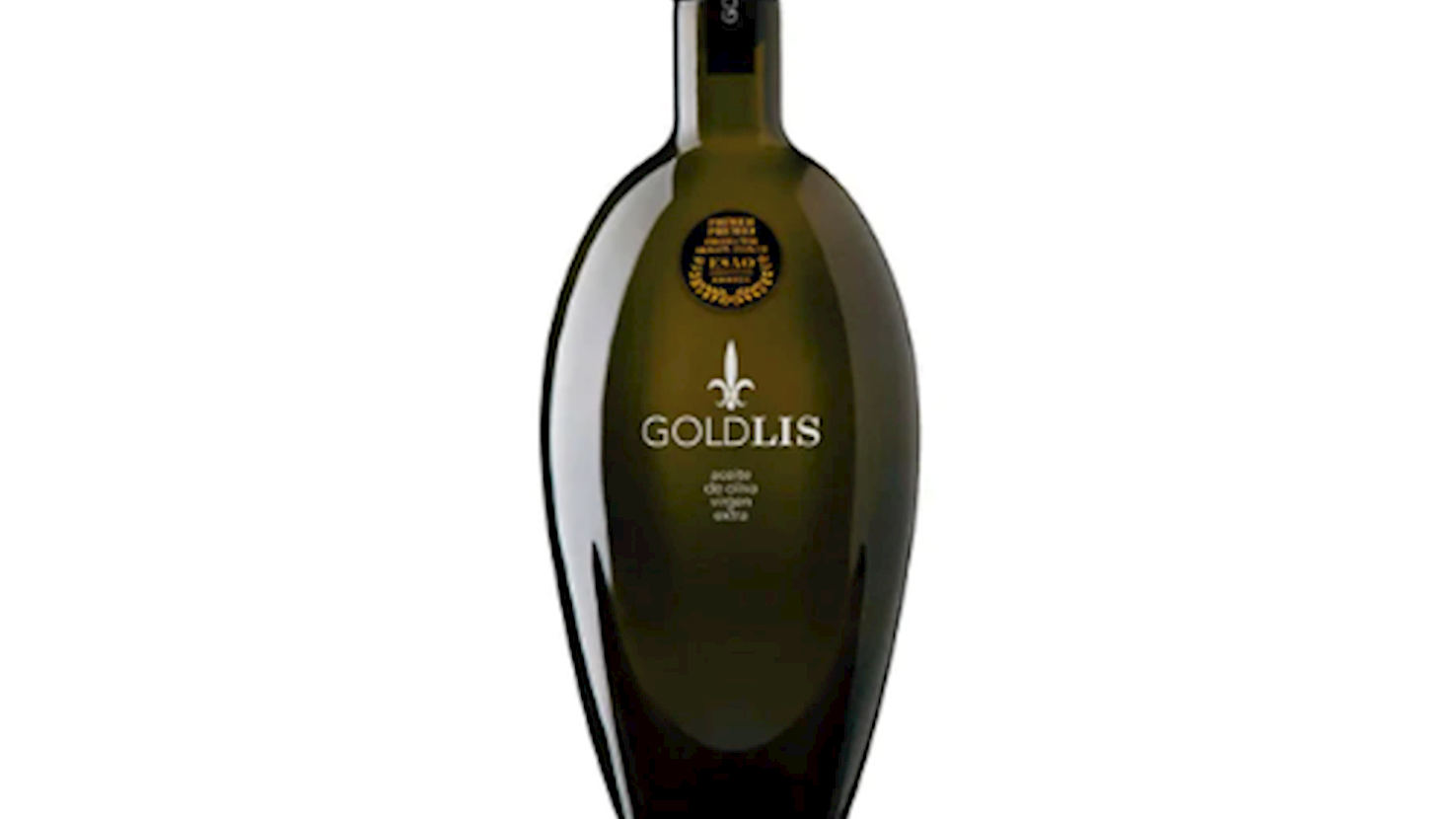
Aceites Lis

4.9 ·
Awards
Terraolivo IOOC - Gold Medal (2019)
Terraolivo IOOC - Prestige Gold (2016)
09
Cheese

Queseria O Xortical

4.9 ·
Awards
World Cheese Awards - Gold (2024)
10
Olive Oil

Mas de Flandi

4.9 ·

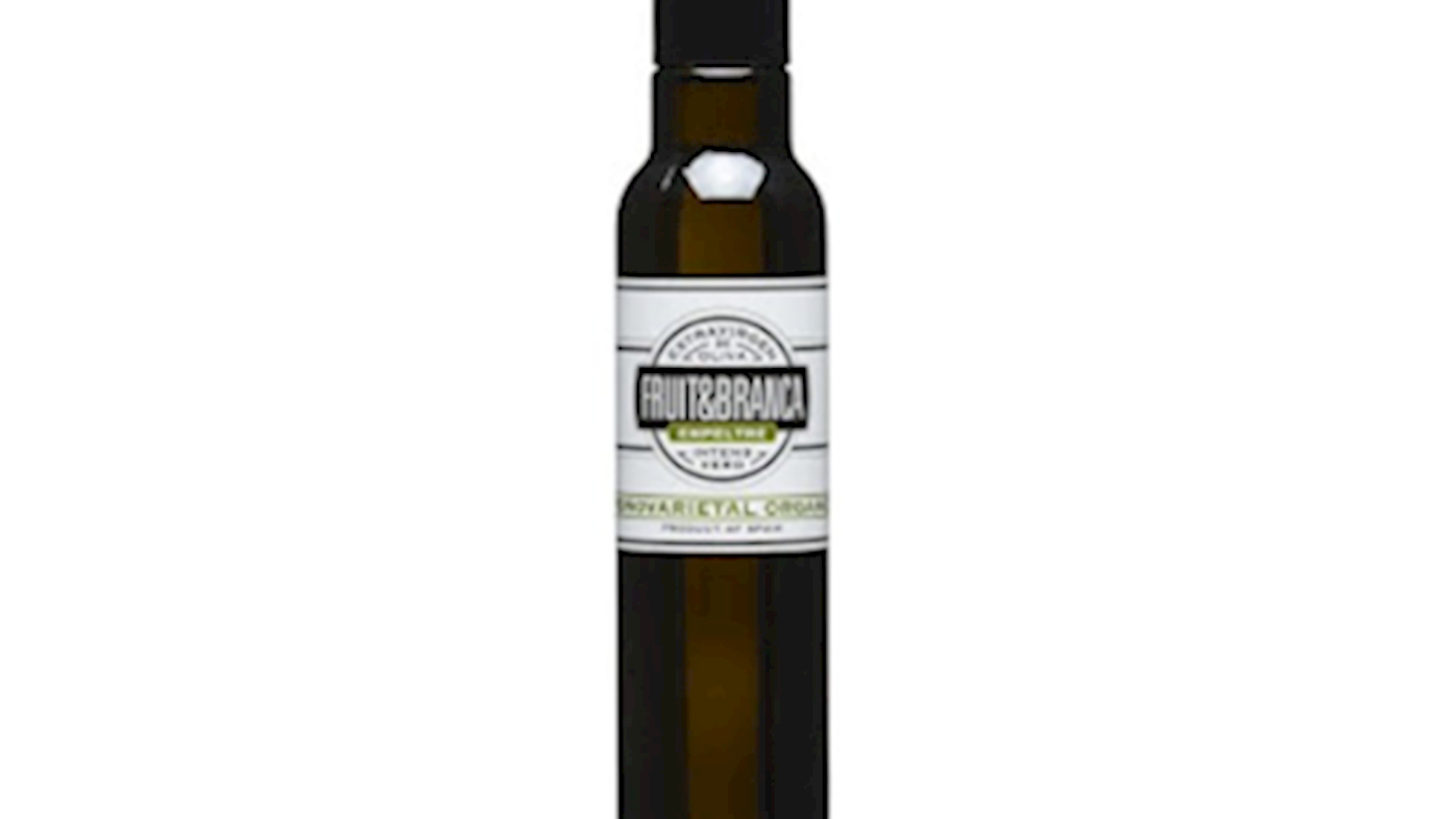
Mas de Flandi is a charming, beautifully restored 18th-century farmhouse nestled among approximately 40 hectares of olive groves in the municipality of Calaceite, Spain. This small family-run olive mill specializes in the production of premium extra virgin olive oils under the brands Fruit & Branca and Mas de Flandi, all of which are crafted and bottled directly on the estate.

The groves feature traditional olive varieties such as Empeltre, Arbequina, and Picual, with an average annual production of between 5,000 and 8,000 liters. The mill is known for its high quality standards, combining modern technology with traditional methods.

In addition to its production activities, Mas de Flandi offers guided tours and tasting experiences, allowing visitors to explore the entire process - from harvesting the olives to bottling the oil.

Awards
Olive Japan - Toshiya Tada Special Sommelier Award (2018)
Olive Japan - Gold (2018, 2017)

Best Aragonese foods

01
Cheese

Queso Iberico

4.0 ·

Queso Iberico is a traditional pressed paste cheese with a natural rind. This hard cheese is made from a combination of cow's, sheep's, and goat's milk, and the ratio is often altered according to seasonal availability of the milk. The texture is oily and firm with small irregular eyes, while the aromas are rich. The distinctive flavor ranges from fruity and buttery to nutty and strong. It's recommended to use it as a table cheese with quince paste (membrillo), but it can also be grated over pasta and potatoes or grilled. There are two main types of Iberico – one is semi-cured and aged from 1 to 3 months, while the cured version is aged from 3 to 6 months.

02
Jamón

Jamón de Teruel

3.8 ·

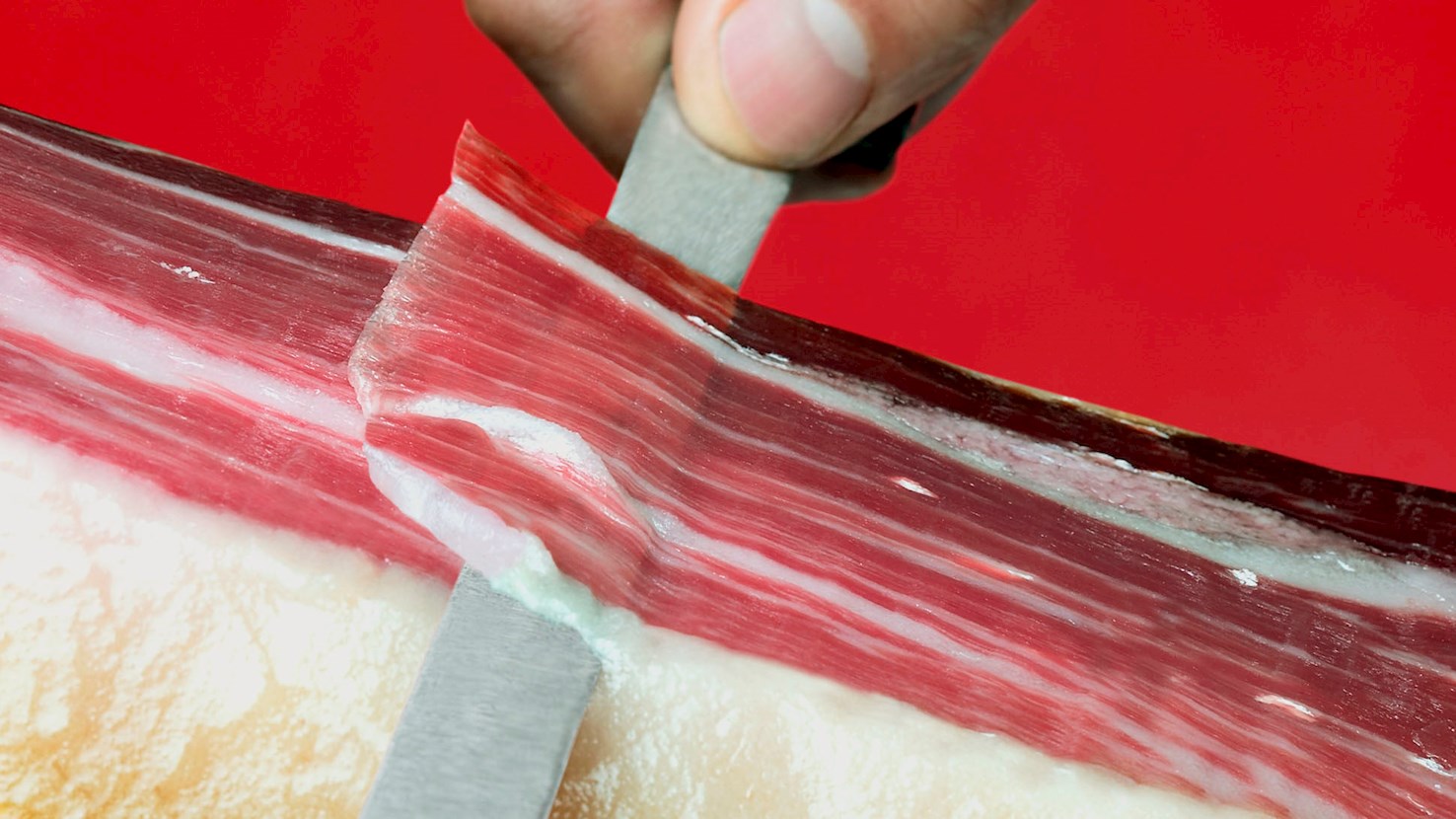
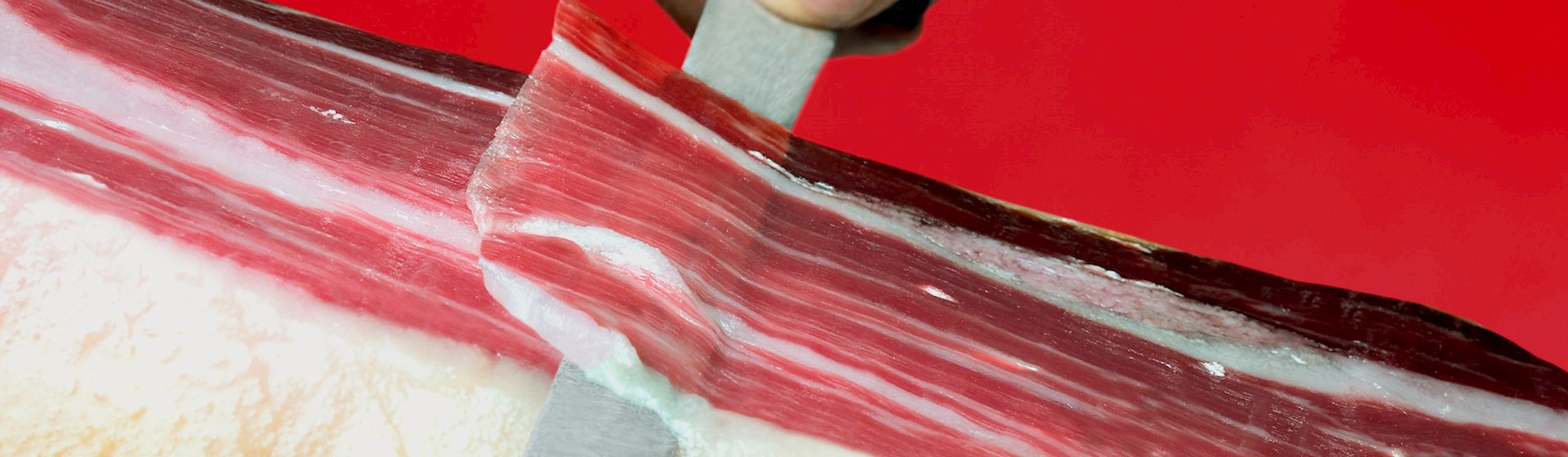
Jamón de Teruel and Paleta de Teruel are the cured hams and shoulders made of pigs meat from the Duroc, Landrace and the Large White breeds, in the province of Teruel. These hams are usually covered in mold on the outside when the process of aging and curing is finished. They are then cleaned and lightly coated with oil. When cut, these hams and shoulders are red and shiny due to the high fat content, which also gives it juiciness and a smooth texture. The taste is very aromatic with complex nutty and woody aromas and sweet undertones that complement the savory flavors. These hams and shoulders are not very salty which brings out their subtle, delicate flavors. The whole process of preparation and production of these hams and shoulders takes more than sixty weeks to complete.

03
Stew

Pollo al chilindrón

3.7 ·

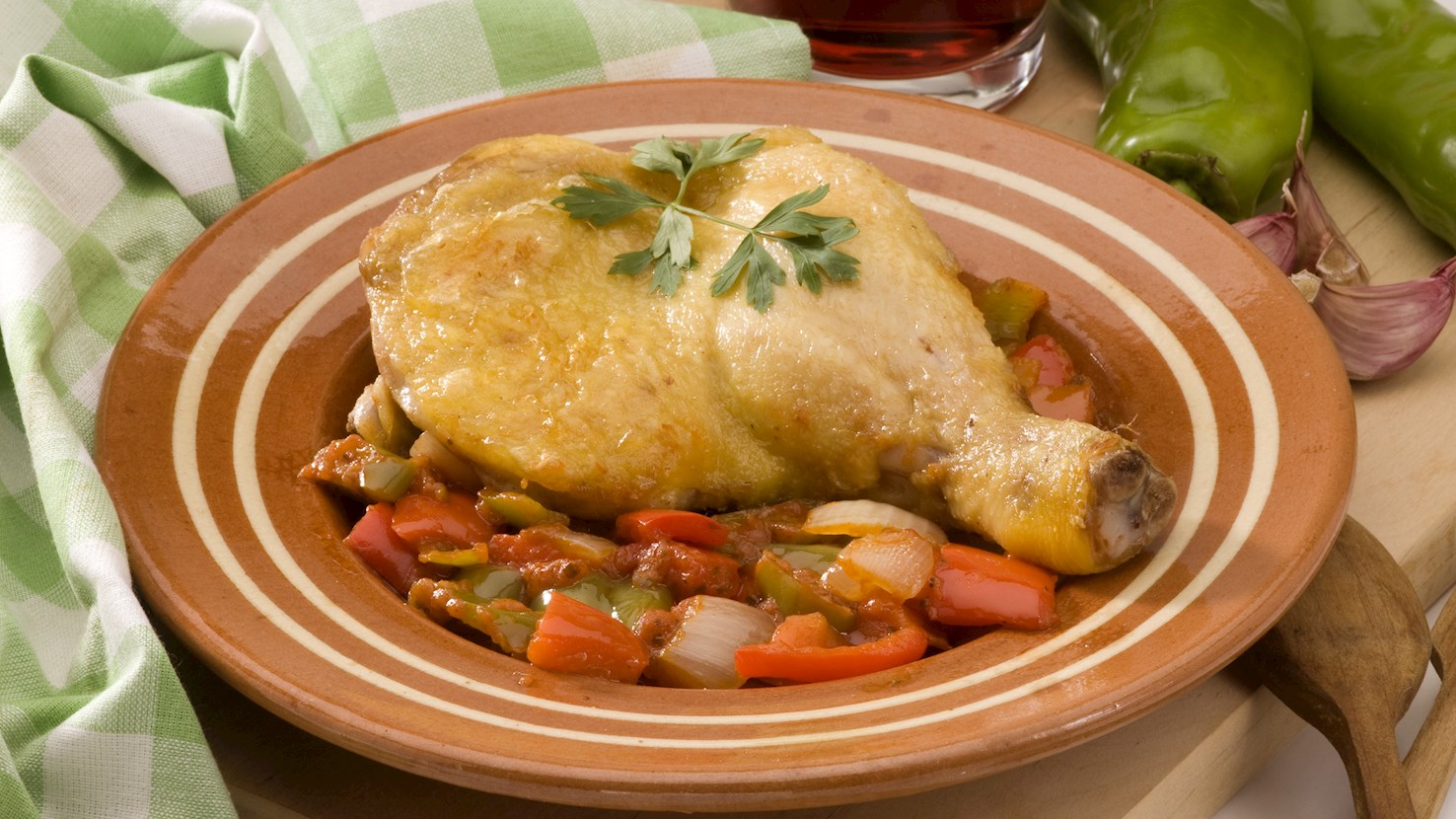
Pollo al chilindrón is a traditional stew hailing from Aragon. It's made with a combination of chicken, onions, bell peppers, garlic, olive oil, white wine, tomato sauce, pimentón (sweet smoked paprika), and diced jamón Serrano. The stew is flavored with rosemary and bay leaves and it's left to simmer until the meat starts to come off the bone. The word chilindrón in the name of the dish refers to the heavy pan that was used for cooking the dish. It's recommended to serve pollo al chilindrón with a crisp salad and crusty bread on the side.

04
Saltwater Fish Dish

Albóndigas de bacalao

3.3 ·

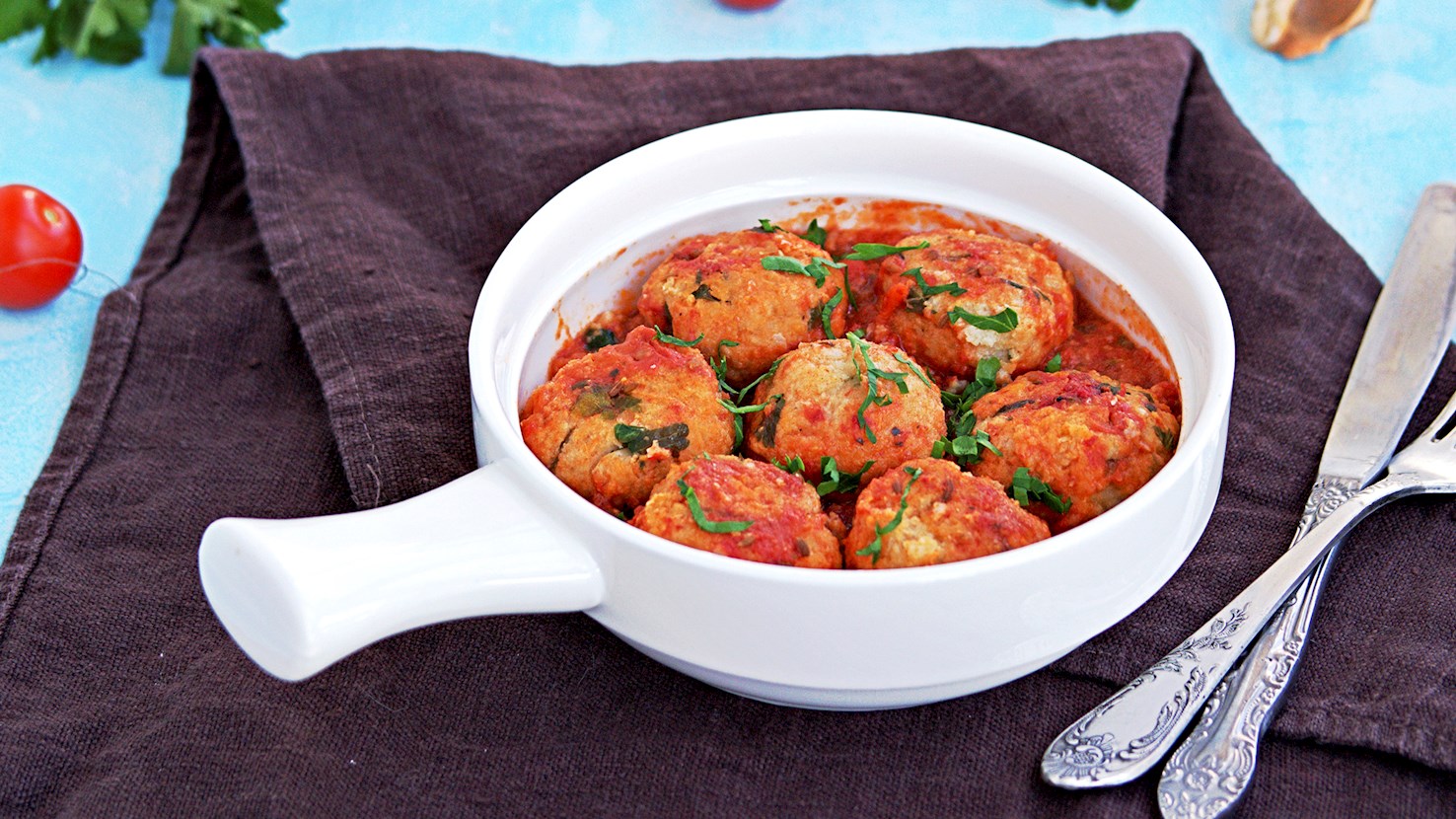
Albóndigas de bacalao are Spanish cod meatballs, especially popular in the cuisine of Aragon. The meatballs are made with a combination of potatoes, cod, garlic, eggs, parsley, flour, and tomatoes. The potatoes are cooked with their skins on, and when done, they're mashed with cod into meatballs along with garlic, parsley, and eggs. The meatballs are rolled in flour, then fried before being combined with a simple tomato sauce. It's recommended to serve the dish with freshly made bread or crispy croutons.

05
Flatbread

Pan de cañada

n/a ·

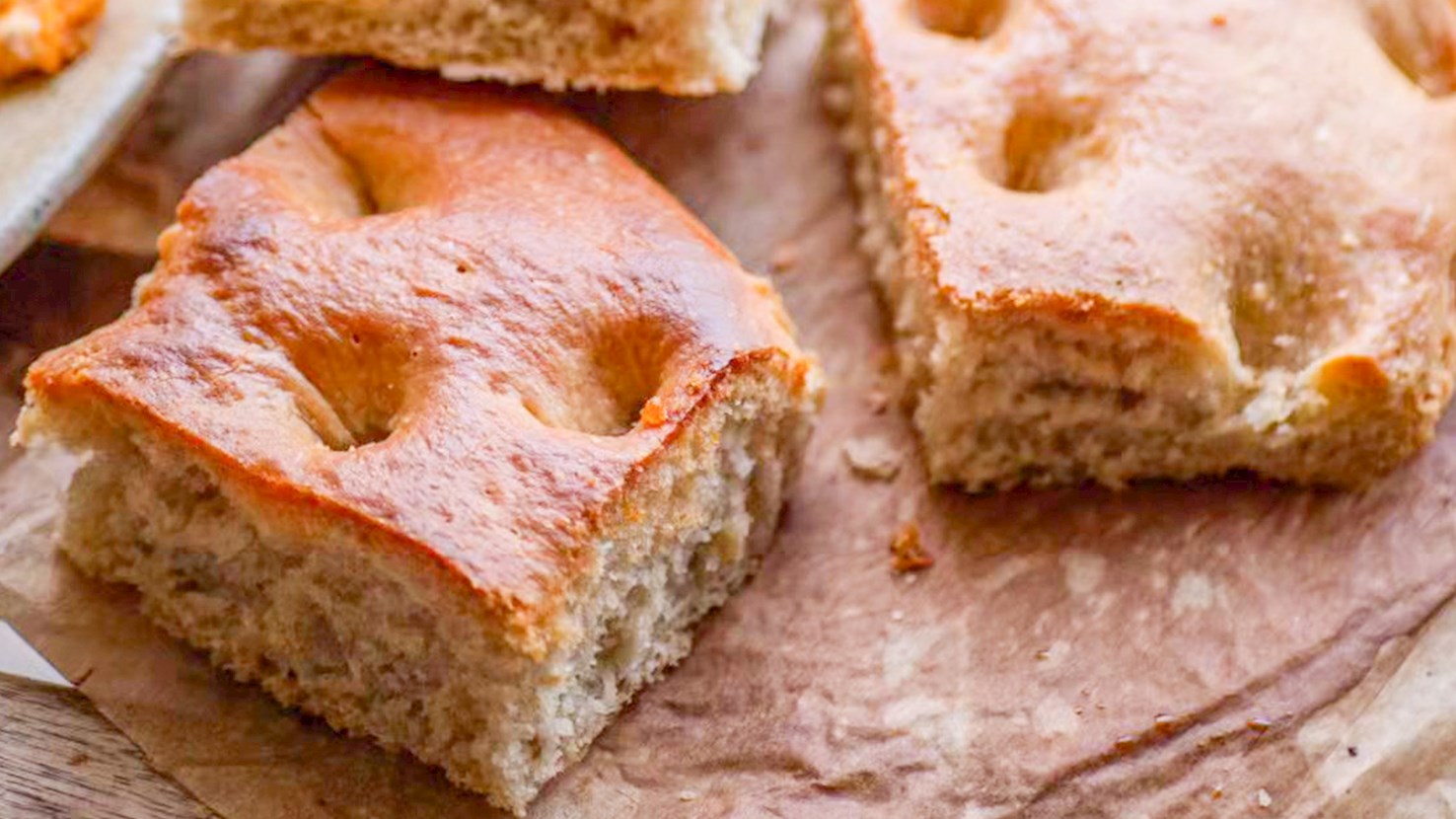
Pan de cañada is a flatbread native to the Spanish region of Aragon, characterized by its flat, elongated shape with characteristic grooves designed for drizzling with extra virgin olive oil. This bread varies in size and can be sweet or salty. It has a moist, spongy crumb with an irregular pattern and a thin, slightly crunchy golden crust. The olive oil used acts as a natural preservative, keeping the bread tender for several weeks. Each Aragon town has its own recipe, but common ingredients include wheat flour, water, a bit of yeast, and salt. For example, a popular recipe is a pan de cañada sandwich stuffed with Aragon lamb. Cañada bread was popular among shepherds, who consumed it during their long journeys along ravines known as "cañadas," which gave the bread its name.

06
Offal Dish

Chireta

n/a ·

Chireta is a rustic Spanish dish originating from Aragon. It's a type of Spanish haggis made with sheep offal (tripe, liver, lungs, heart), ham, pork belly with fat trimmings, and rice. The meat is ground, then combined with cooked rice and flavorings such as sweet paprika, garlic, cinnamon, and parsley. The combination is stuffed into a sheep's intestine. Chiretas are traditionally served hot as a main dish, but they can also be served as tapas – sliced, battered, and fried until golden. The name of the dish means inside out, referring to the sheep's intestines that are thoroughly cleaned and turned inside out for a more appetizing visual appearance.

07
Cheese

Tronchón

n/a ·

Tronchón is a traditional cheese produced in the eponymous village. The cheese is made with raw or pasteurized cow's, goat's, and sheep's milk. Goat's and sheep's milk is mostly used, but some versions add cow's milk to the combination. It's easily recognizable due to a crater in the center and a raised ring on the outer edge. The young Tronchón is rindless and has a squeaky and springy texture, while the flavor is mild. Use the young version for melting or slice it for sandwiches. The aged version is more dense, yet moist on the palate. The flavors are also more intense, with hints of rosemary and a strong bite. These aged versions make for great table cheeses.

08
Dessert

Melocotones al vino

n/a ·

Melocotones al vino is a traditional dish hailing from Aragon, where the people have been growing a type of yellow-fleshed peach with a sweet flavor since medieval times. For this dish, they are macerated in red wine. The dish is made with large, firm peaches and some sweet white or red wine such as Moscatel. The peaches are blanched, peeled, cut into quarters, and placed into wine glasses. The wine is poured over the peaches and the combination is then left to macerate for a few hours. After some time in the refrigerator, the dessert is ready to be served.

09
Sweet Pastry

Trenza de Almudévar

n/a ·

Trenza de Almudévar is a sweet braided pastry from the town of Almudévar in the province of Huesca, Aragón, known for its rich, buttery layers and its delicate balance of textures and flavors. It is made from a laminated yeast dough filled with nuts and dried fruits, then glazed and baked until golden. The origins of this pastry are tied to the development of artisanal baking in Aragón during the 20th century. It was created by the Tolosana bakery in the 1980s, and the pastry quickly gained popularity beyond the town itself, becoming a specialty associated with celebrations, gifts, and family gatherings. Over time, it came to represent the region's pastry craftsmanship and is now one of Aragón's most recognized sweets, protected under a registered trademark that guarantees its quality and authenticity. Preparation begins with an enriched yeast dough made from flour, eggs, butter, sugar, and milk, which is folded and rolled several times to create thin, layered sheets. The dough is then filled with a mixture of chopped nuts — typically almonds and walnuts— along with rum-soaked raisins. Once filled, it is braided into its characteristic plaited shape, brushed with egg wash, and baked until golden and flaky. After baking, it is glazed with a sugar syrup to enhance its sweetness and shine. The result is a pastry that is light yet rich, with a crisp exterior and a tender, aromatic interior filled with contrasting textures from the fruit and nuts. What distinguishes trenza de Almudévar is both its artisanal preparation and the quality of its ingredients. The careful layering of the dough and the generous use of nuts and fruit give it a depth of flavor and texture that elevates it beyond a simple sweet bread. Its characteristic braided form also makes it visually striking, a feature that has contributed to its popularity as a gift or centerpiece for festive occasions. Trenza de Almudévar is typically served as a dessert or sweet snack, often accompanied by coffee, tea, or dessert wine. It is enjoyed throughout the year but is especially common during celebrations and holidays, when it is shared among family and friends. Its rich flavors also pair well with sweet fortified wines or liqueurs, which complement the pastry's nuttiness and buttery layers.

10
Cake

Pastel ruso

n/a ·

Pastel ruso is a delicate layered dessert from the city of Huesca in the region of Aragón, Spain, known for its combination of nut-based meringue and rich buttercream. It is one of the city's most iconic sweets and a source of local pride, widely associated with artisanal pastry-making and often featured at celebrations, family gatherings, and special occasions. Despite its name, it is a firmly Spanish creation, deeply rooted in the pastry traditions of northern Aragón and closely linked to the city's most renowned bakeries. Its origins date back to the early twentieth century, when pastry chefs in Huesca began experimenting with French and Central European confectionery techniques that were gaining popularity across Europe. The name "pastel ruso" is thought to be a reference to the fascination with Russian-style confections and imperial cuisine fashionable at the time, even though the dessert itself was created locally. Over time, it became a signature specialty of the city, particularly associated with the renowned Pastelería Ascaso, which perfected the recipe and helped cement its reputation beyond regional borders. The dessert consists of alternating layers of almond and hazelnut dacquoise — a light, airy meringue enriched with ground nuts — and a smooth, rich praline buttercream. The dacquoise is made by whipping egg whites with sugar until stiff, then folding in finely ground nuts and baking the mixture into thin, crisp yet tender layers. The buttercream is prepared by combining sugar syrup with whipped egg yolks and butter, often flavored with praline paste to add depth and nutty sweetness. The layers are assembled while cool, creating a contrast between the soft, creamy filling and the slightly chewy meringue. The exterior is typically dusted with powdered sugar, giving the cake a simple, elegant finish. Pastel ruso is most often served chilled, cut into rectangular slices, and enjoyed as a dessert or an accompaniment to coffee or tea. It is commonly purchased from pastry shops in Huesca, where it is made fresh and often boxed as a gift or souvenir. Its refined sweetness pairs well with dessert wines such as moscatel or with a cup of espresso.

Read more
View all
View map
About this ranking

TasteAtlas food rankings are based on the ratings of the TasteAtlas audience, with a series of mechanisms that recognize real users and that ignore bot, nationalist or local patriotic ratings, and give additional value to the ratings of users that the system recognizes as knowledgeable. For the “Top 50 Aragonese Foods” list until July 01, 2026, 38 ratings were recorded, of which 27 were recognized by the system as legitimate. TasteAtlas Rankings should not be seen as the final global conclusion about food. Their purpose is to promote excellent local foods, instill pride in traditional dishes, and arouse curiosity about dishes you haven’t tried.

The initial list of top producers was compiled based on available reviews, awards, local recommendations, media and blog coverage, and consumer reviews. The list will be updated with ratings from TasteAtlas local ambassadors and TasteAtlas users.

Similar lists