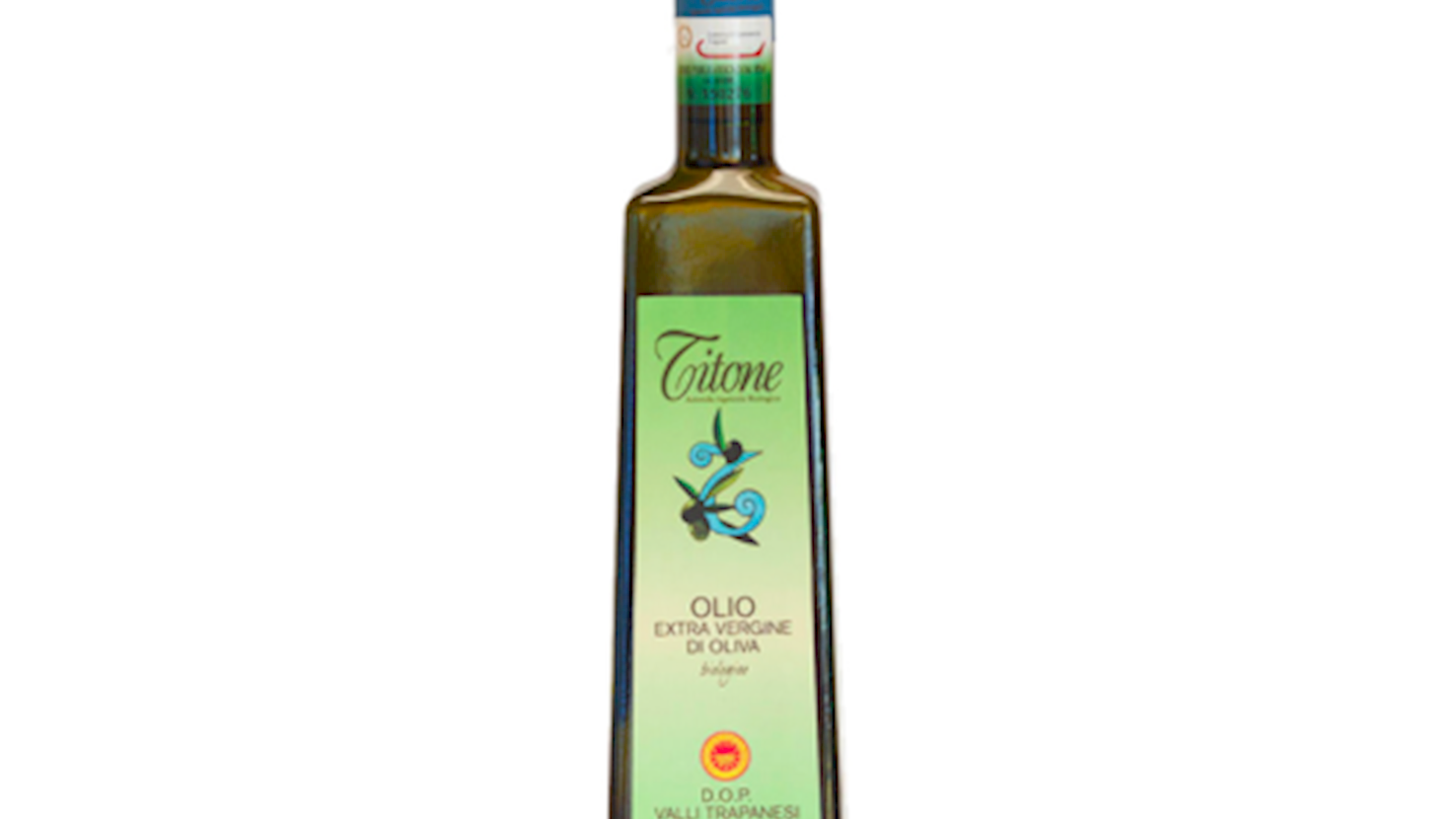
Azienda Agricola Titone is a family-run olive mill located between Marsala and Trapani, in the heart of western Sicily, with more than thirty years of dedication to preserving tradition and enhancing the quality of extra virgin olive oil. The Titone family recognized the importance of organic farming as early as the 1990s, making them pioneers in Italy.
Their olive groves extend over about 19 hectares of hills, with around 5,000 trees of the Nocellara del Belice, Biancolilla, Cerasuola, and Coratina varieties. From the very beginning, they have been committed to scientific precision, channeling the family’s pharmaceutical expertise into a systematic approach to olive oil production.
The milling process is carried out in their own mill, where the olives are pressed just a few hours after harvest using advanced technology. The result is oils characterized by medium to intense fruitiness, rich aromas of tomato, herbs, and almonds, and a harmonious balance of bitterness and spiciness.
Azienda Agricola Titone is regarded as one of the most respected producers of organic olive oil in Sicily. Their commitment to sustainability, meticulous attention to detail, and constant pursuit of perfection make them a benchmark in the world of olive oil.
Consumers around the globe recognize Azienda Agricola Titone as a symbol of quality and the authentic taste of the Sicilian terroir.
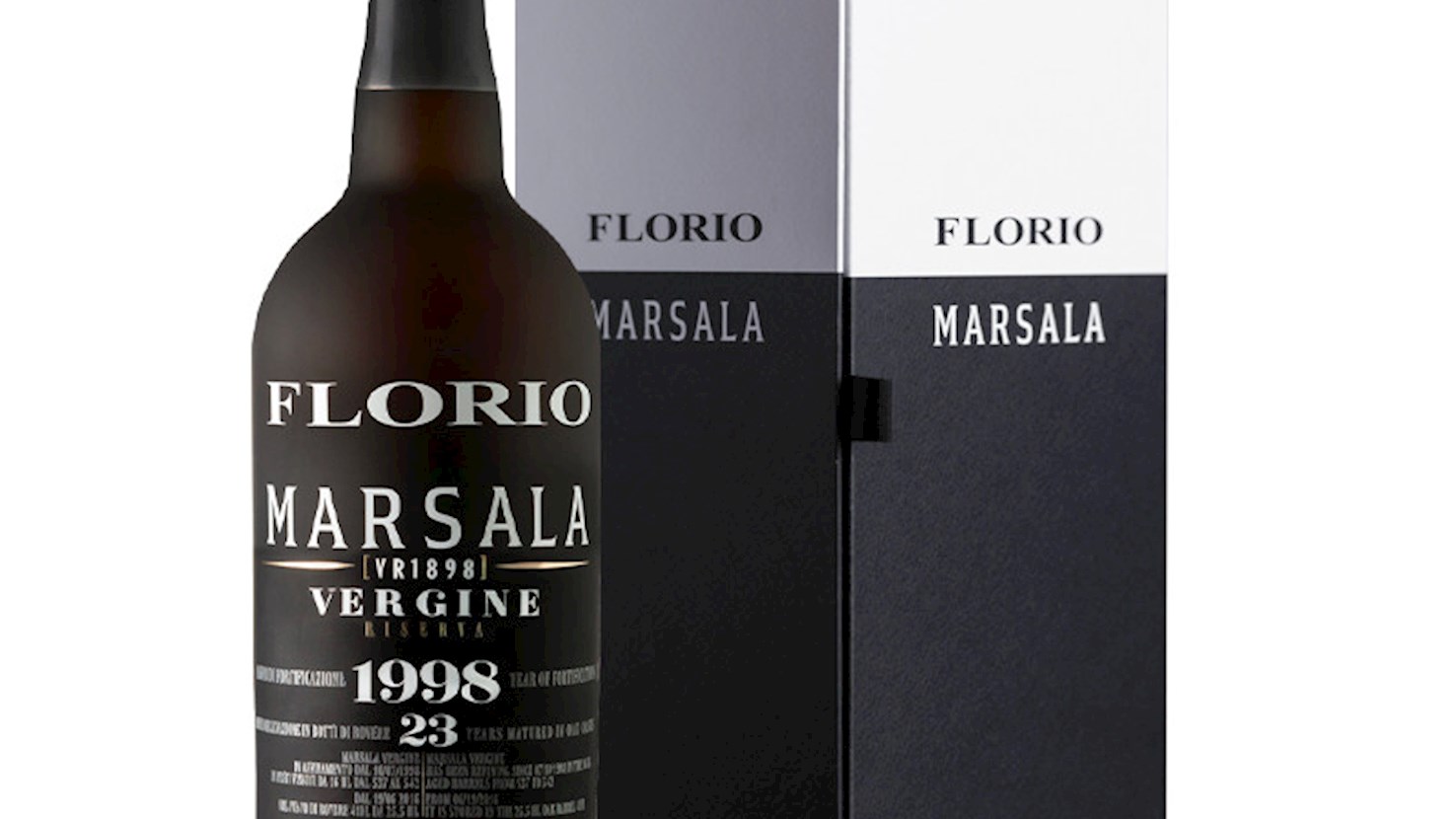
Donnafugata is one of Sicily’s most influential family-owned wineries, known for wines that interpret the island’s diversity with clarity, elegance, and a strong sense of place. Founded in the early 1980s by Giacomo and Gabriella Rallo, and rooted in a much longer family winegrowing tradition, the estate is today led by the next generation with a clear focus on quality, sustainability, and territorial identity.
Donnafugata operates vineyards and wineries across several key Sicilian areas, including Contessa Entellina, Marsala, Pantelleria, Vittoria, and Mount Etna, allowing for a wide range of stylistic expressions shaped by distinct climates and soils. Particular emphasis is placed on indigenous varieties such as Nero d’Avola, Frappato, Carricante, Nerello Mascalese, and Zibibbo, each vinified to highlight varietal character rather than winemaking effect.
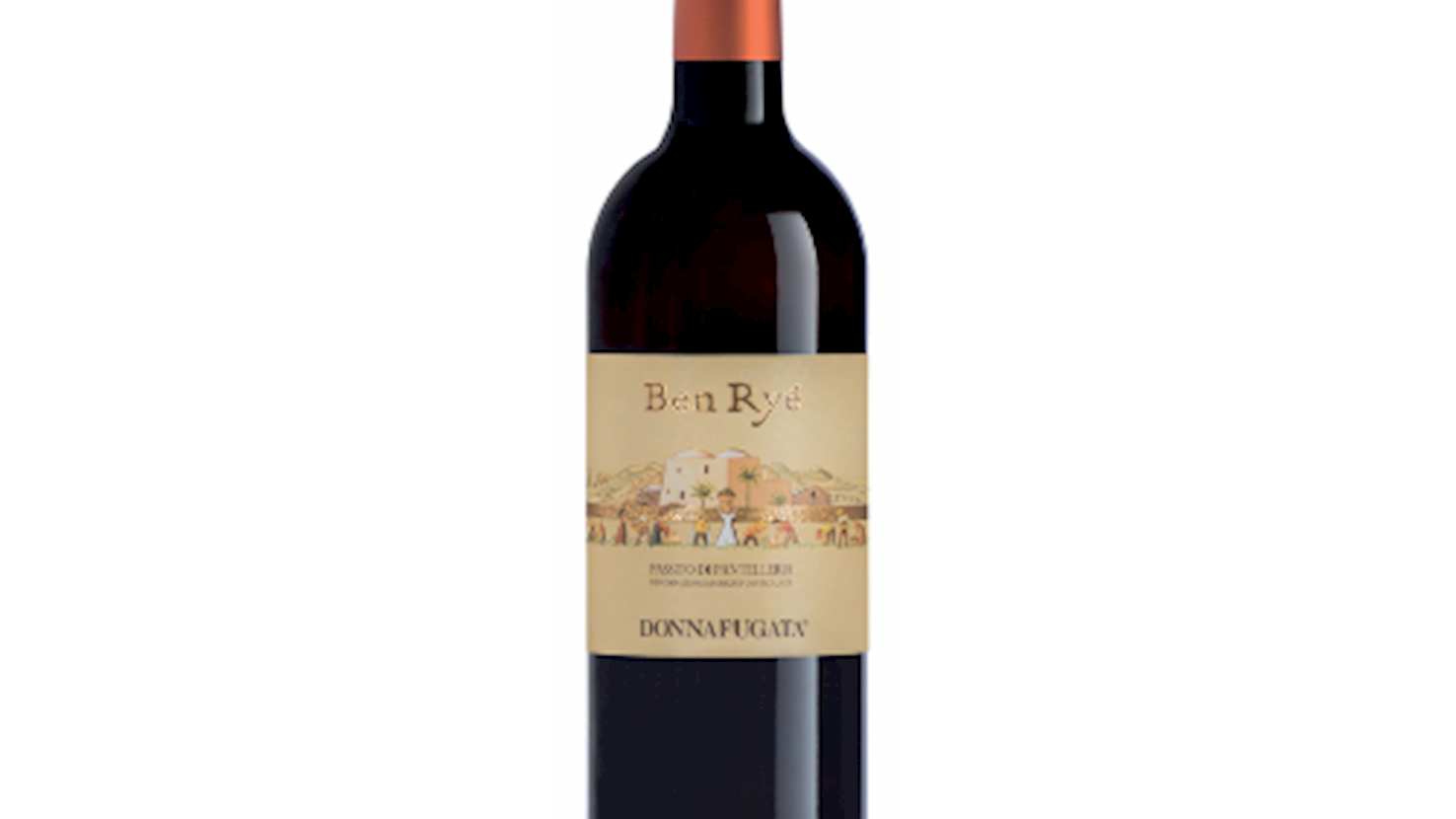
The wines are defined by aromatic precision, balance, and freshness, avoiding excess extraction or heaviness. Donnafugata is especially renowned for Ben Ryé from Pantelleria, a benchmark passito wine, as well as for its refined dry wines that underscore Sicily’s potential as a world-class wine region.
Through a combination of tradition, innovation, and a strong visual and cultural identity, Donnafugata stands as a reference point for contemporary Sicilian winemaking.
Bonanno Domenico is an olive oil producer based in Trapani, located in the western part of Sicily, Italy. The family-run business focuses on traditional and sustainable farming practices to produce high-quality extra virgin olive oil.
The olives are hand-picked and cold-pressed to maintain their natural flavors and nutritional properties.
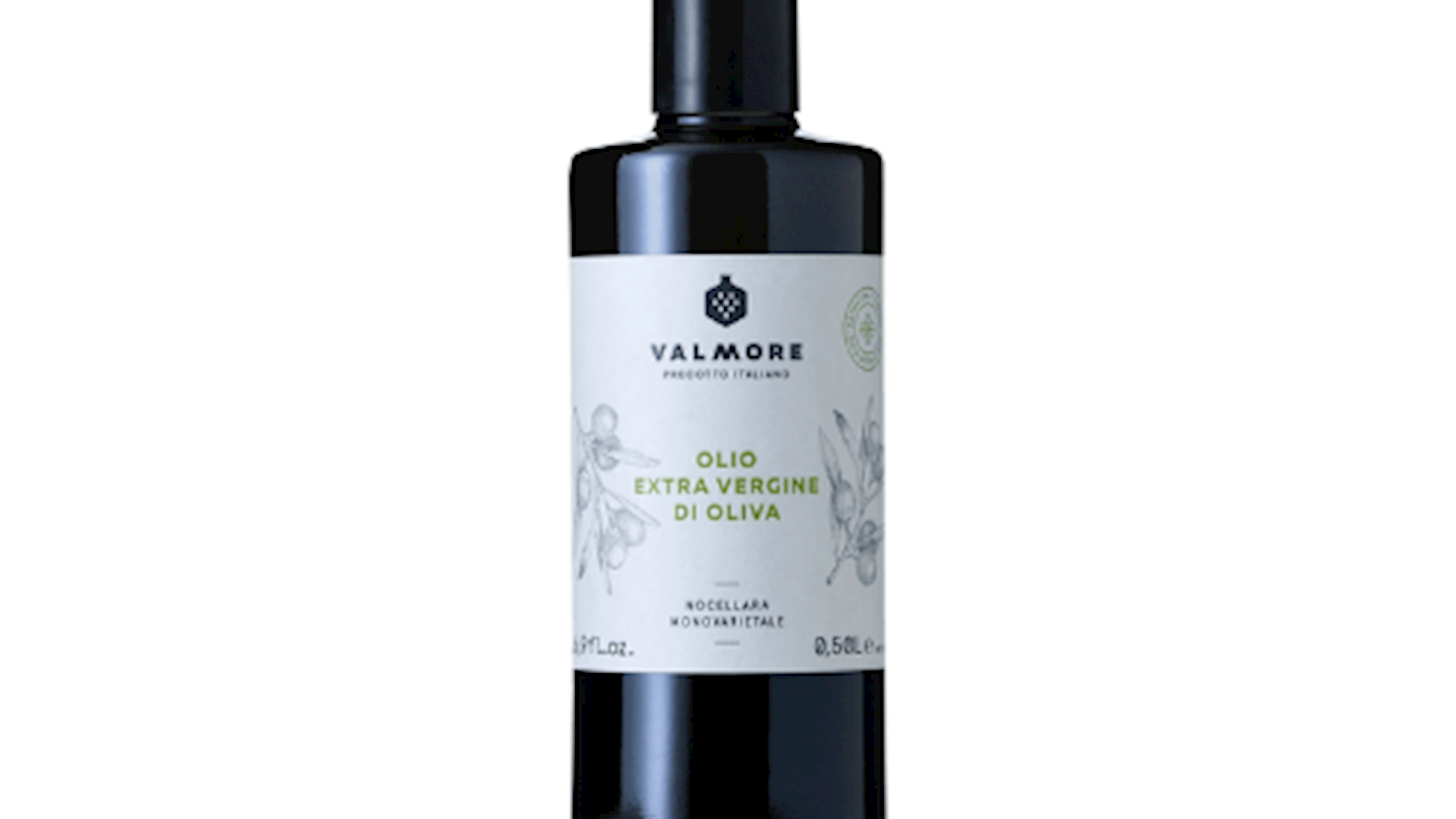
Valmore is a family-owned producer from Castelvetrano, in the heart of Sicily’s Trapani province, renowned for crafting extra virgin olive oil that embodies tradition, quality, and authenticity. The brand was born from a deep family connection to the land, where olive growing has been nurtured for generations, and its name “Valmore” derives from the founder’s mother, as a tribute to heritage and family roots.
Their olive groves are situated between the sea and the hills, in an area with an ideal microclimate for cultivating the native Nocellara del Belìce variety, known for its exceptional freshness, balanced bitterness, and aromas of green almond and artichoke. The olives are hand-picked and processed immediately after harvesting to preserve purity, aroma, and nutritional value.
The production combines traditional methods with modern cold-pressing technology, without the use of additives or chemicals. Valmore’s philosophy is reflected in every product - authenticity, sustainability, and a deep connection to the land.
Their oil represents the harmony of nature, knowledge, and family passion, capturing the spirit of Sicily through simplicity and genuine dedication to quality. Today, Valmore continues to share its philosophy with consumers who value honest, local, and sustainable production, positioning the brand as an ambassador of Mediterranean tradition and contemporary sustainable gastronomy.
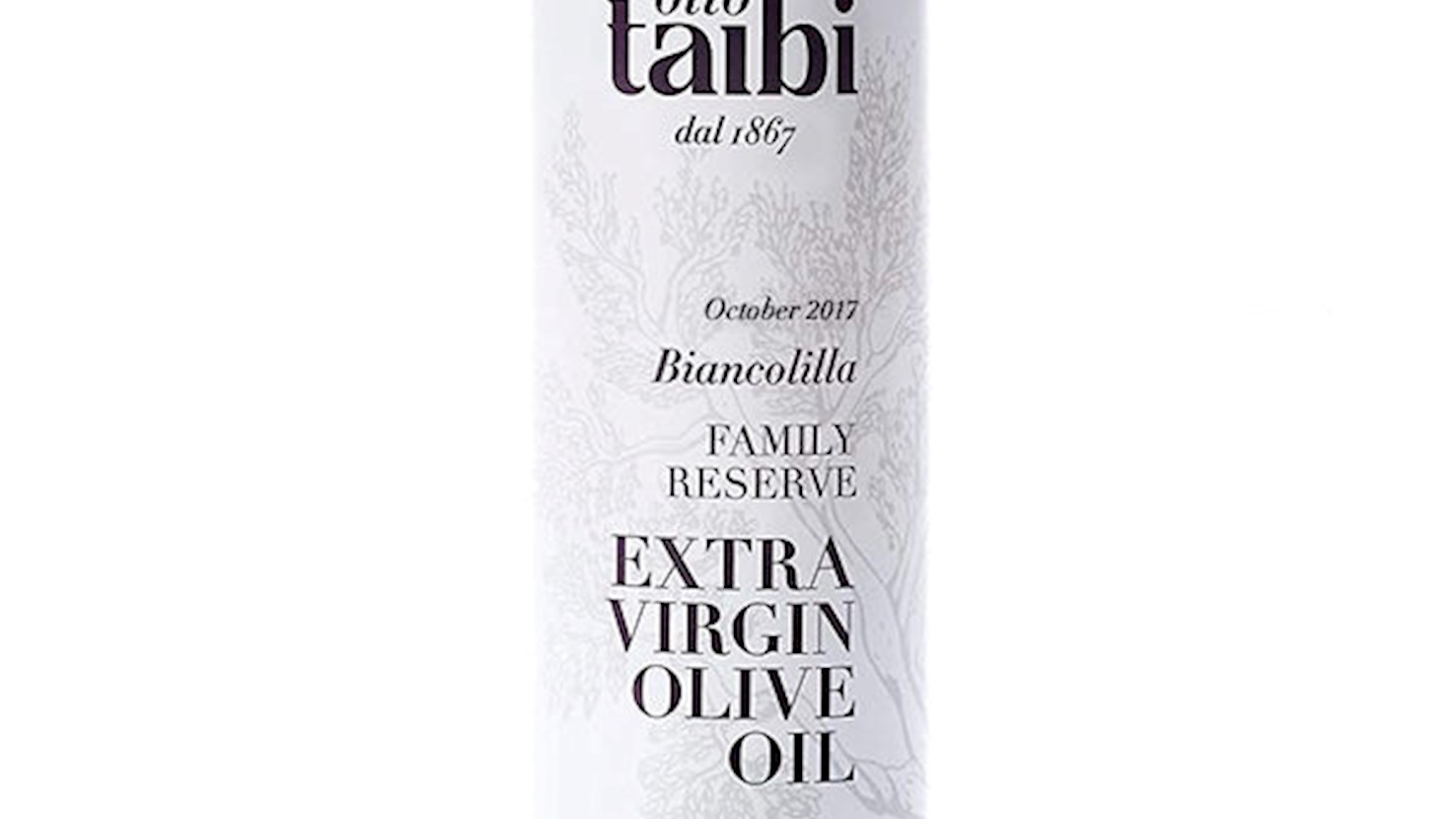
Azienda Agricola G. Taibi is an olive oil producer based in Trapani, Sicily.
The company focuses on creating high-quality extra virgin olive oil. Their olive groves primarily consist of varieties specific to the region, such as Nocellara del Belice.
They are known for utilizing traditional methods combined with modern technology to ensure the quality and authenticity of their oil.
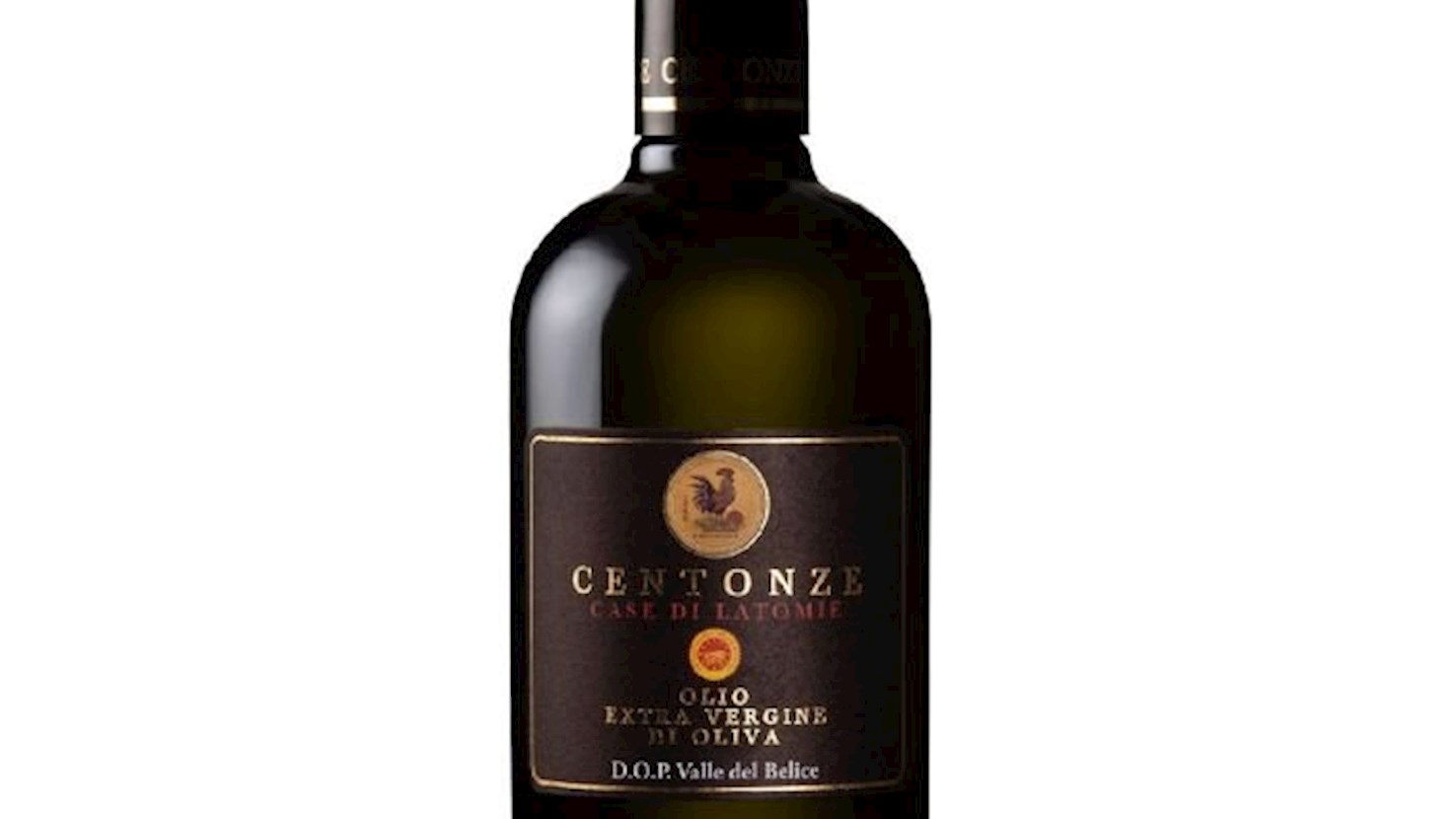
Azienda Agricola Centonze is an olive oil producer based in Trapani, Sicily. The company is known for its organic farming practices and commitment to sustainability.
They utilize traditional methods in cultivating olive trees and producing their extra virgin olive oil. Their estate, Feudo della Foresta, spans around 37 hectares and is situated near the ancient Phoenician city of Selinunte.
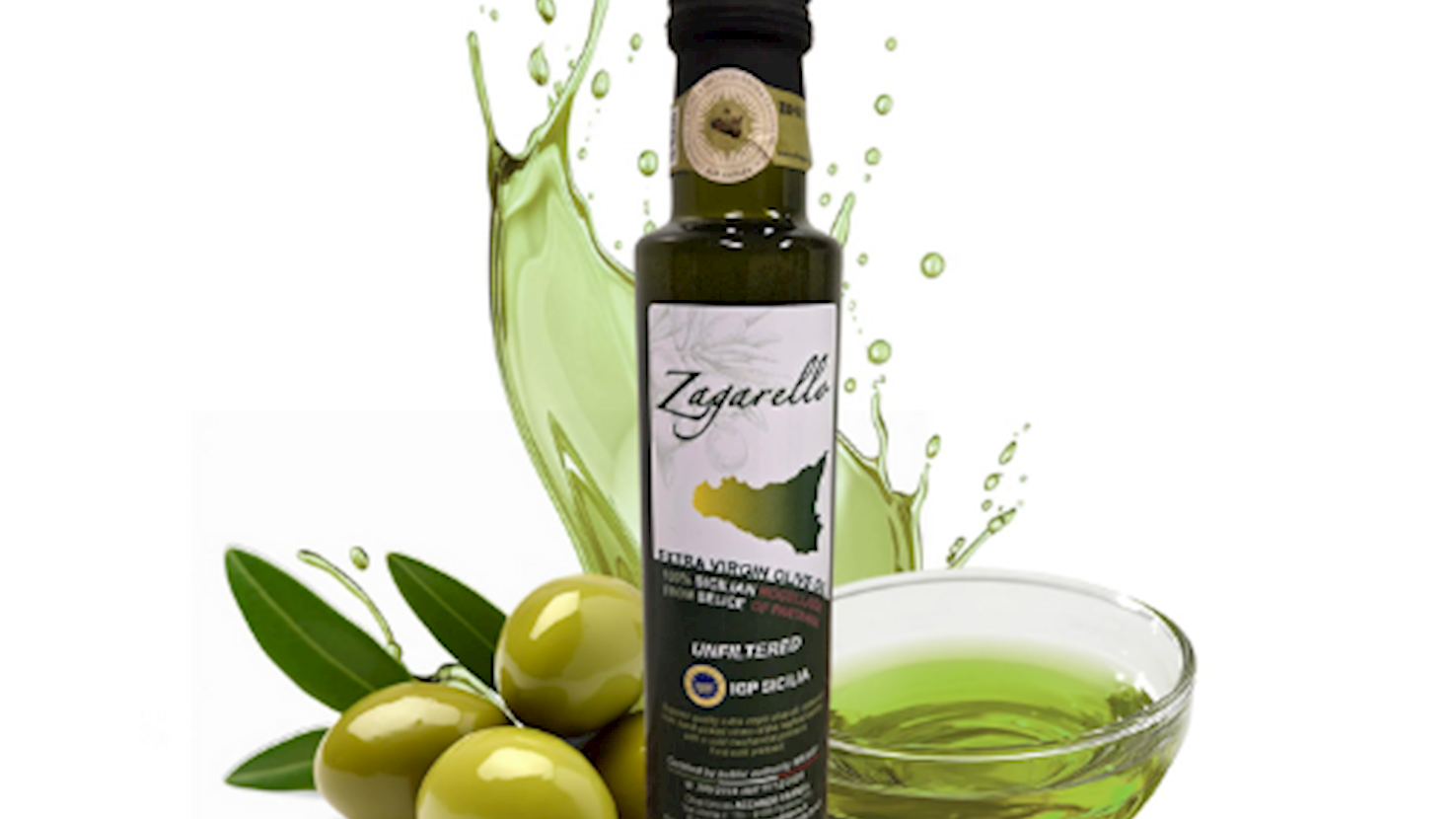
Zagarello is a renowned producer of extra virgin olive oil with deep roots in the heart of the Belice Valley, in the town of Partanna, western Sicily. This family-run company, led by the Accardo family since 1927, stands as a symbol of dedication, tradition, and exceptional quality.
Their philosophy is based on the belief that the finest olive oil is born from the union of fertile Sicilian soil, native olive varieties, and artisanal craftsmanship. Their main focus is the Nocellara del Belice variety, known for its rich flavor, exceptionally low acidity, and high polyphenol content.
Each olive is handpicked, and the oil is cold-pressed within 24 hours of harvest, preserving the product’s freshness, aroma, and nutritional value.
Zagarello oil bears the IGP (Indicazione Geografica Protetta) label, which confirms its authenticity and regional origin, while the DOP (Denominazione di Origine Protetta) designation further guarantees that every step of production follows strict regulated standards. The brand also takes pride in offering a fully traceable product, meaning that every stage - from olive grove to bottle - can be tracked with complete transparency.
Their reputation has been further cemented by winning a silver medal at the prestigious EVO IOOC Italy competition, one of the most important international contests for olive oils.
This recognition underscores their unwavering commitment to excellence and respect for artisanal values.
Olivoil srl is an olive oil producer based in Trapani, Italy. The company specializes in the production of high-quality extra virgin olive oil from locally sourced olives.
Olivoil srl focuses on traditional methods combined with modern technology to ensure both quality and taste.
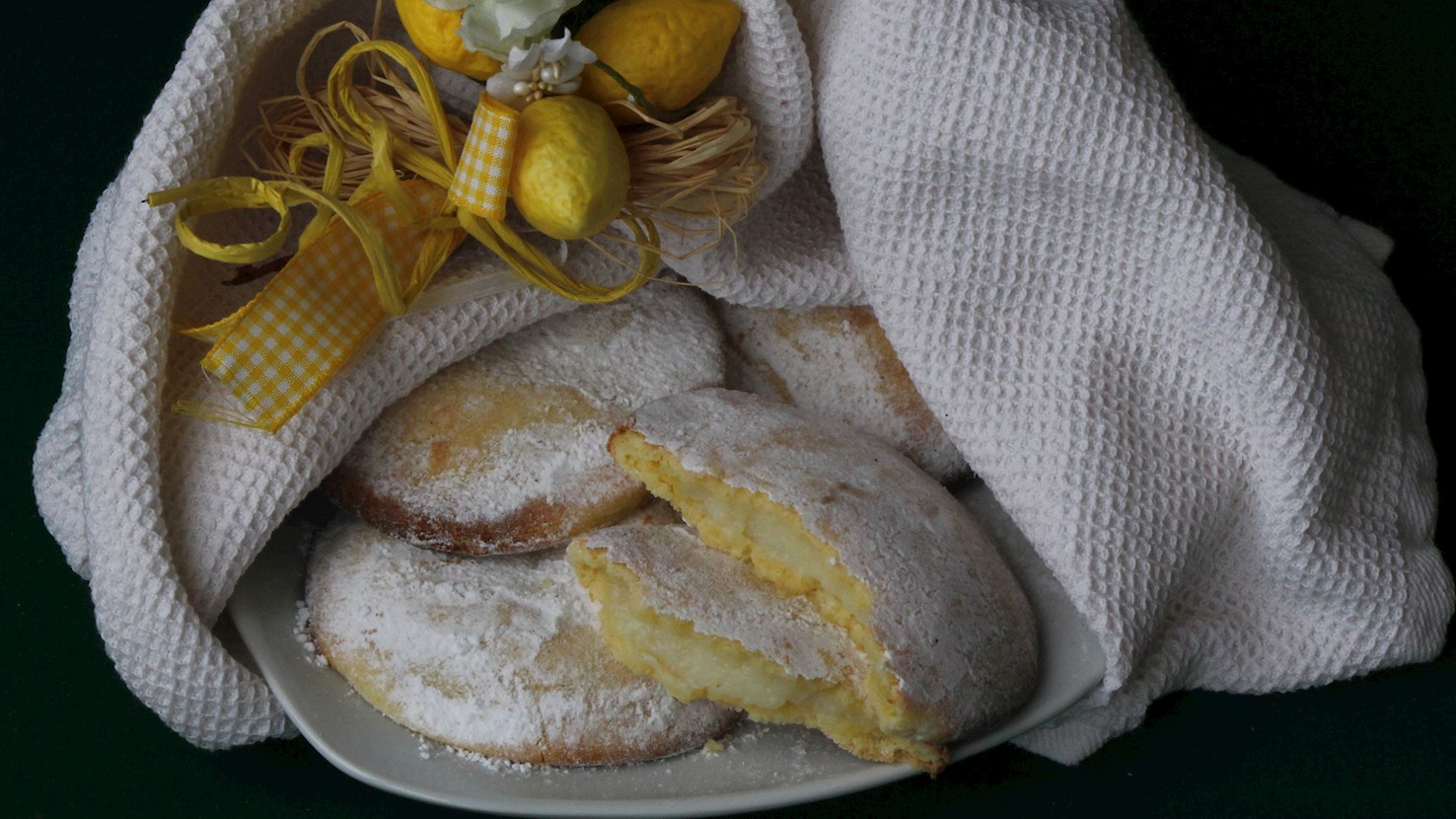
Genovesi are traditional Sicilian pastries that can be filled with either a milky custard cream or ricotta cream. The most popular variety of these delicious treats is produced in the village of Erice. The dough usually consists of wheat flour, sugar, butter, and egg yolks, while the filling is often enriched with grated lemon zest. Genovesi are typically covered in icing sugar, and it is recommended to serve them warm.
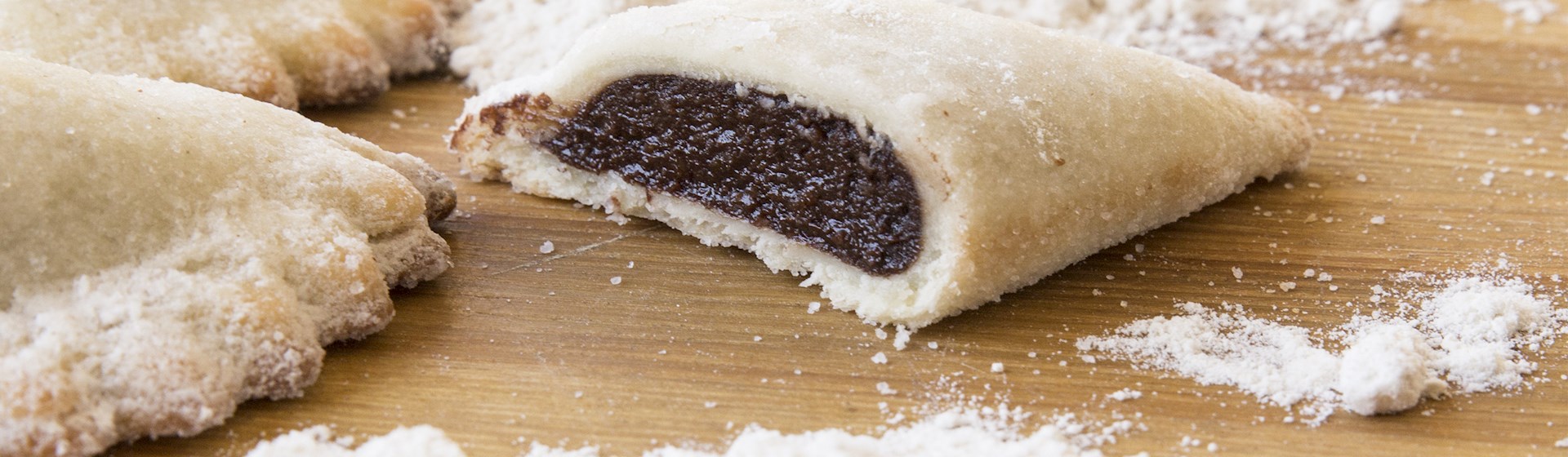
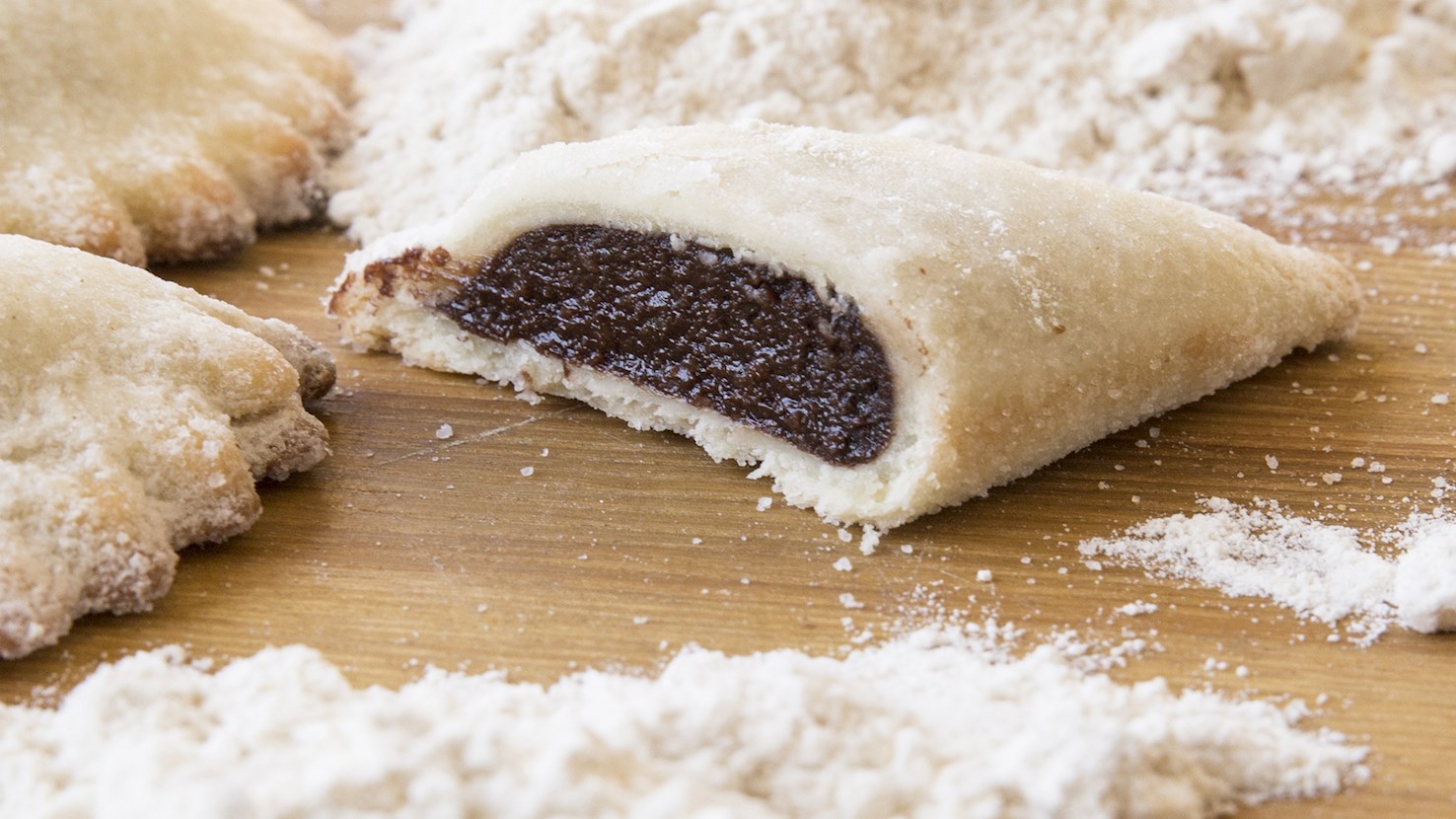
Cassatelle or casateddi are deep-fried Italian pastries that consist of a sugary filling enclosed within two thin layers of dough, which is enriched with white wine or Marsala. Often considered to be the sweet version of ravioli pasta, cassatelle originated in the Sicilian province of Trapani, where they are still traditionally prepared with a lemon-flavored filling that combines ricotta cheese and chocolate drops. Apart from the traditional version, different varieties of this classic treat are widespread across Sicily. The most popular ones include cassatelle Agira, prepared with a cocoa-and-almond filling, and different varieties are made with pumpkin, figs, or chickpeas. Cassatelle are usually prepared for the Carnival and during the months leading up to Easter. These deep-fried pastries are best enjoyed warm, while the exterior is firm and crispy, and they are typically served dusted with powdered sugar or cinnamon.
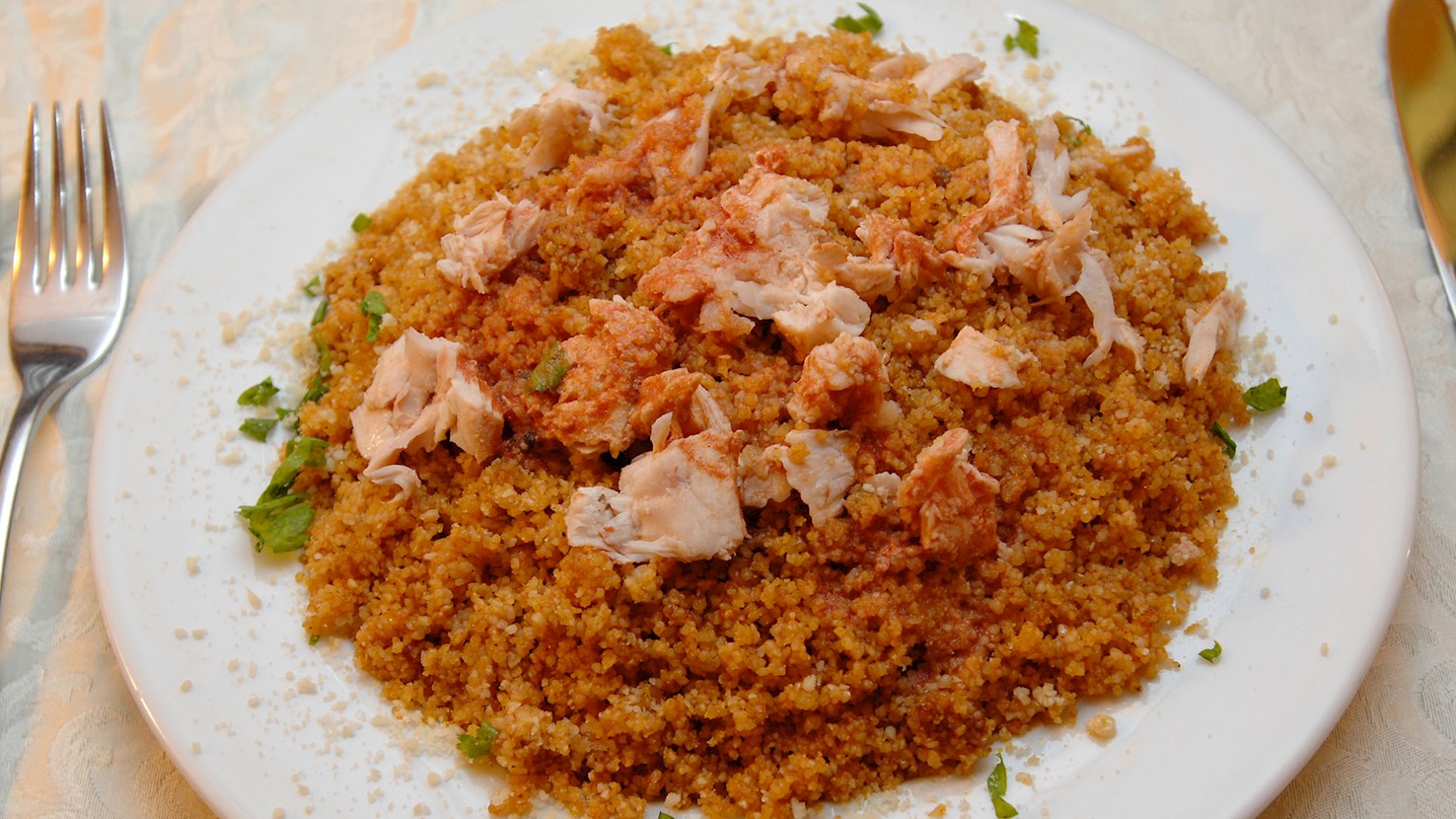
Cùscusu alla trapanese is the Sicilian version of couscous, particularly associated with the city of Trapani. It is prepared with semolina wheat, just like traditional couscous, but it is often hand-rolled, steamed, and served with a rich and flavorful fish broth instead of the meat or vegetable broths typically found in North African cuisine. The couscous grains are steamed multiple times in a special pot called a couscoussiere, which allows them to become light and fluffy. The dish is served with a broth made from fresh fish such as grouper, snapper, or scorpionfish, along with shellfish like mussels or shrimp. The broth is flavored with onions, garlic, tomatoes, parsley, saffron, and a touch of cinnamon, creating a complex and aromatic base. Often, the fish or seafood is served on top of the couscous or alongside it, along with a drizzle of olive oil and fresh herbs. It is traditionally prepared for festivals or special occasions, such as religious feasts or community gatherings, and remains a staple in Trapani’s cuisine.
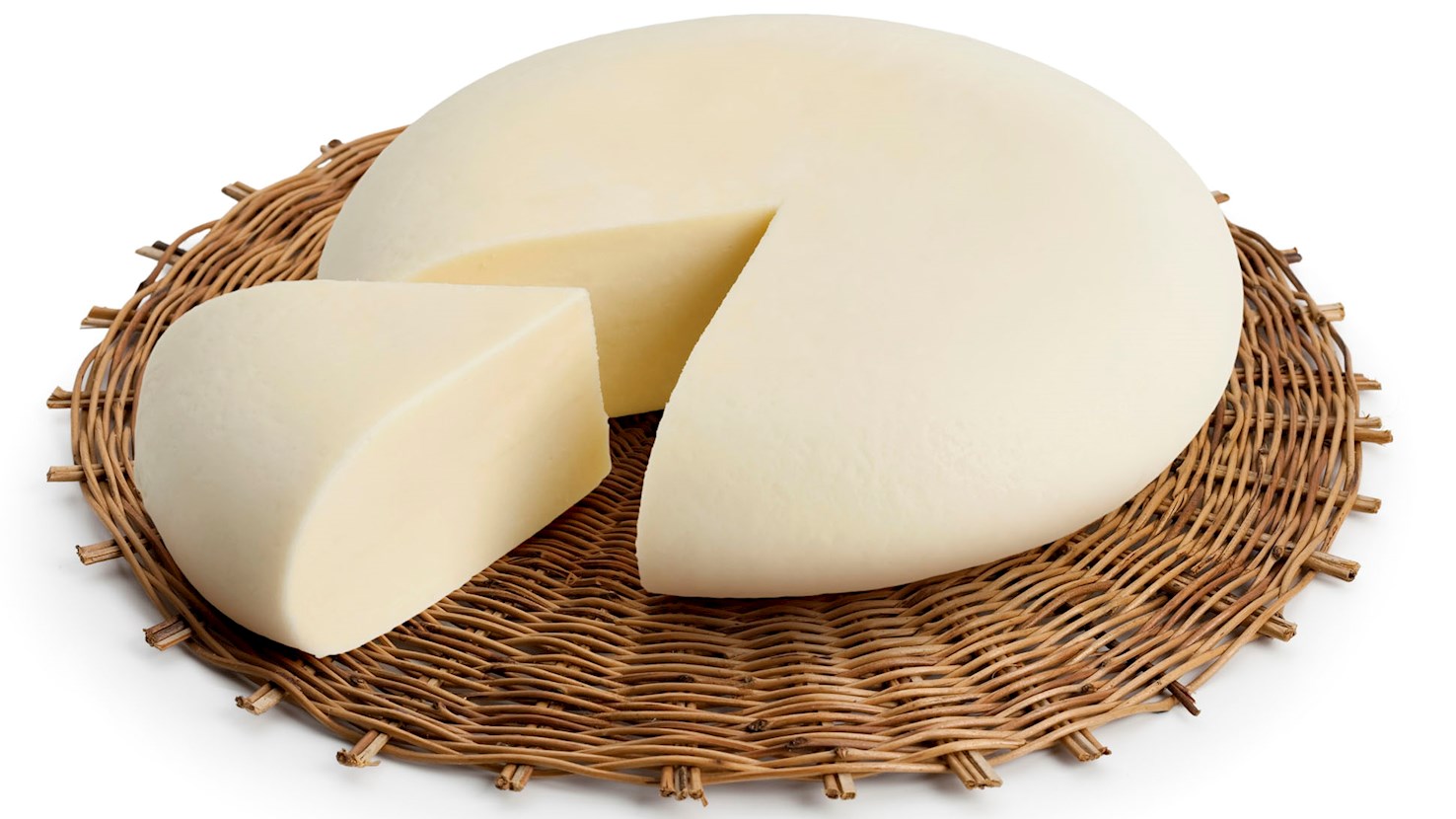
Known as the sheep version of Mozzarella, this Sicilian delicacy might quite possibly be the only ovine spun cheese in the world. Vastedda cheese is produced in the provinces of Agrigento, Trapani and Palermo in the Belìce Valley, where the climate is very different than in other parts of Sicily, influenced with lower temperatures, rainfalls and the south-eastern and northern winds Scirocco and Tramontana. The milk for the production of Vastedda must come from one or two successive milkings, and the processing must be done within 48 hours. Vastedda della Valle del Belìce has a fat content of not less than 35% and a characteristic aroma of fresh sheep’s milk while its flavor is sweet, fresh and pleasant, with a light sour note. It has a moist, smooth and firm rindless surface, ivory to straw yellow in color. Unlike a lot of other cheeses, the fresher Vastedda is, the better. To get the best out of this chewy cheese, try it slightly heated and softened, drizzled with olive oil and topped with olives.
Pane nero di tumminia is a traditional Sicilian round loaf bread, known as "vastedda", made from a blend of stone-ground Sicilian durum wheat flour and ancient tumminia (or timilia) wheat flour, with a distinctive dark coffee-colored crust sprinkled with sesame seeds and a soft, wheat-yellow crumb. This bread is a cornerstone of Sicilian culinary heritage, famous for its rustic appearance, nutty, earthy flavor, and production process that follows ancient artisanal methods. The flour blend is key to its unique character, as Tumminia wheat—a rare, ancient grain with low gluten content—is responsible for the bread's dark color and its signature sweet, toasted aroma. The dough is made with only a few simple ingredients: Sicilian durum wheat flour, tumminia flour, water, salt, and a natural sourdough starter known as "lu criscenti". After a slow, natural fermentation process, the bread is baked in wood-fired stone ovens, where the flames are fueled by dried olive branches. This ancient baking method infuses the bread with a subtle smoky aroma and produces its crisp, hard crust. The traditional baking process begins by heating the oven to approximately 300°C (572°F) using a lively fire. Once the flames are extinguished, the oven's interior is swept clean with a curina, a long-handled broom made from dwarf palm fronds. The bread is then placed inside, baking slowly as the oven's heat gradually decreases, creating an even cook and developing its characteristic texture and flavor. The final product is a rustic, aromatic loaf with a hard, dark, sesame-coated crust and a soft, moist crumb. Its flavor profile is rich and multi-layered, with notes of toasted grain, malt, almonds, and the faint aroma of olive wood smoke. The bread's deep flavor is enhanced by the slow fermentation process, while the use of Tumminia flour lends it a slightly sweet, nutty taste. Pane nero di tumminia is not only prized for its unique flavor and appearance but also for its health benefits, as Tumminia wheat is high in fiber, low in gluten, and considered a more digestible ancient grain. Traditionally, pane nero di tumminia is eaten warm and fresh from the oven. Sicilian custom calls for the bread to be split open and topped with local extra virgin olive oil—typically the fruity, peppery Nocellara del Belìce olive oil—then seasoned with salt, oregano, fresh basil, and tomatoes. It is often paired with primosale cheese or Vastedda cheese (a Sicilian PDO-certified sheep’s milk cheese) and sometimes topped with anchovies or boned sardines, creating a simple yet flavorful meal. This preparation is a quintessential Sicilian breakfast, snack, or light meal, reflecting the region's philosophy of simple ingredients prepared with care. Pane nero di tumminia is not just a bread but a symbol of Sicily’s agricultural, culinary, and cultural identity. It embodies the island's reliance on traditional stone-ground grains, slow fermentation, and ancient baking techniques. However, due to its labor-intensive production and the reliance on wood-fired ovens, the bread faced near extinction. Efforts to protect and preserve its heritage have led to its recognition as part of the Slow Food movement, which seeks to safeguard traditional foods and promote biodiversity. Today, it is produced by artisanal bakers in towns like Castelvetrano, where this bread remains a culinary treasure. While once at risk of disappearing, Pane Nero di Tumminia is now celebrated as a symbol of Sicily's sustainable farming and ancient bread-making traditions, offering a rich taste of Sicily's past in every bite.
Mustazzoli from Pantelleria are festive cookies filled with semolina and almonds. The preparation is long and takes some skill, and these cookies are mainly made for special occasions and are often sold as souvenirs. The filling is made with a thick mixture of honey, almonds, water, semolina, sesame seeds, wine, lard, and various spices such as cinnamon, cloves, or vanilla. It is prepared in advance, and after it is cooked, it should be left to set. The cookie is assembled by wrapping the cookie dough around the thin roll of filling. The cookies are then shaped, and the top of each cookie is hand-carved with decorative patterns. Before baking, they are usually garnished with colorful sprinkles.
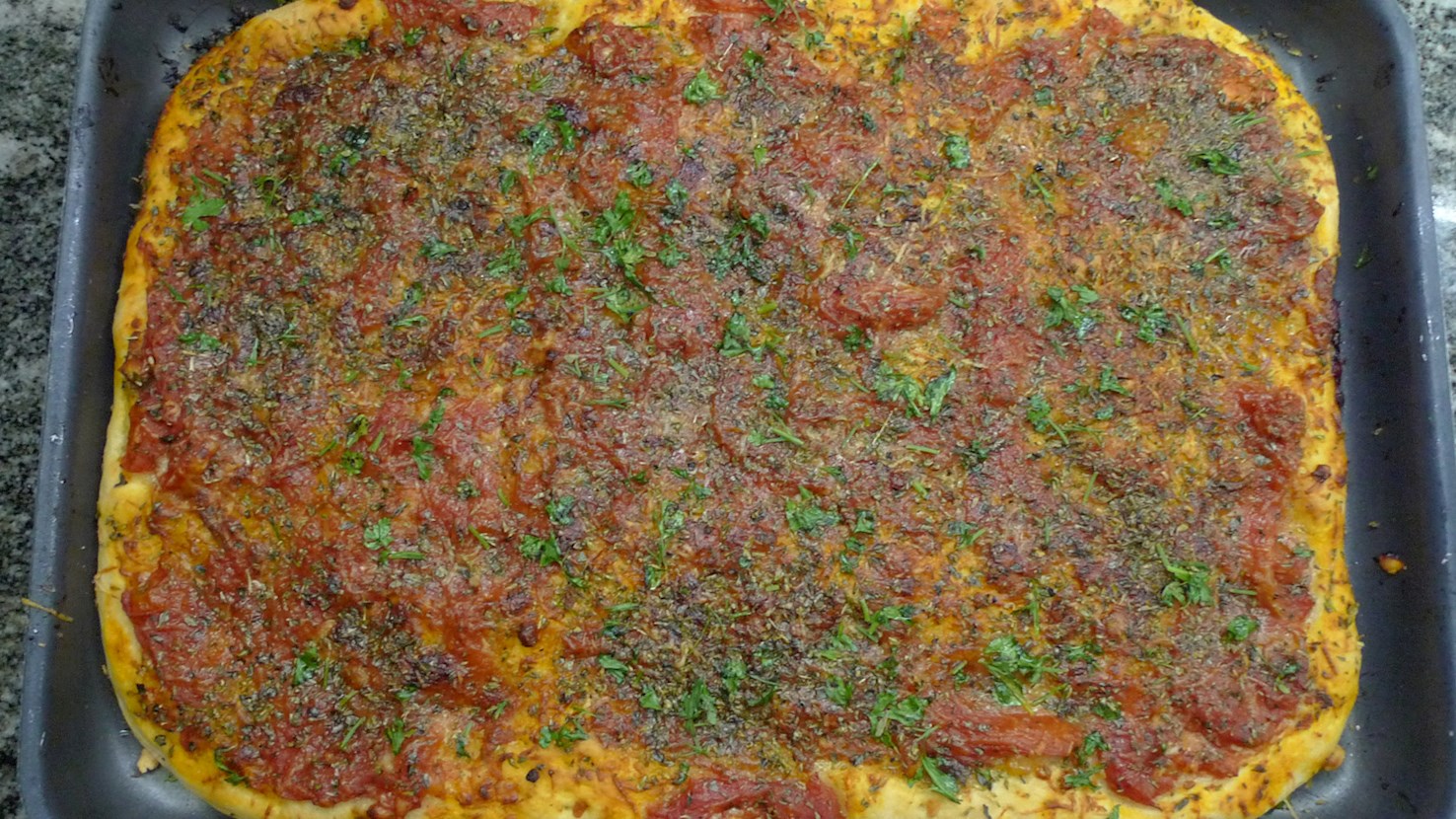
Rianata trapanese is a traditional pizza variety originating from Trapani in Sicily. The dough is made with a combination of durum wheat flour, salt, sugar, yeast, and water. After a few hours, the dough is kneaded and shaped into an oval, and it's then topped with chopped tomatoes, garlic, parsley, anchovies or sardines, olive oil, and Sicilian pecorino cheese. Once baked, rianata trapanese is topped with a generous amount of oregano; hence the name – rianata is derived from origanata, meaning full of oregano. The ingredients must be chopped with a knife because blending or mechanical chopping will make the tomatoes too watery. In the past, the dough consisted of leftovers scraps from pasta and bread making.
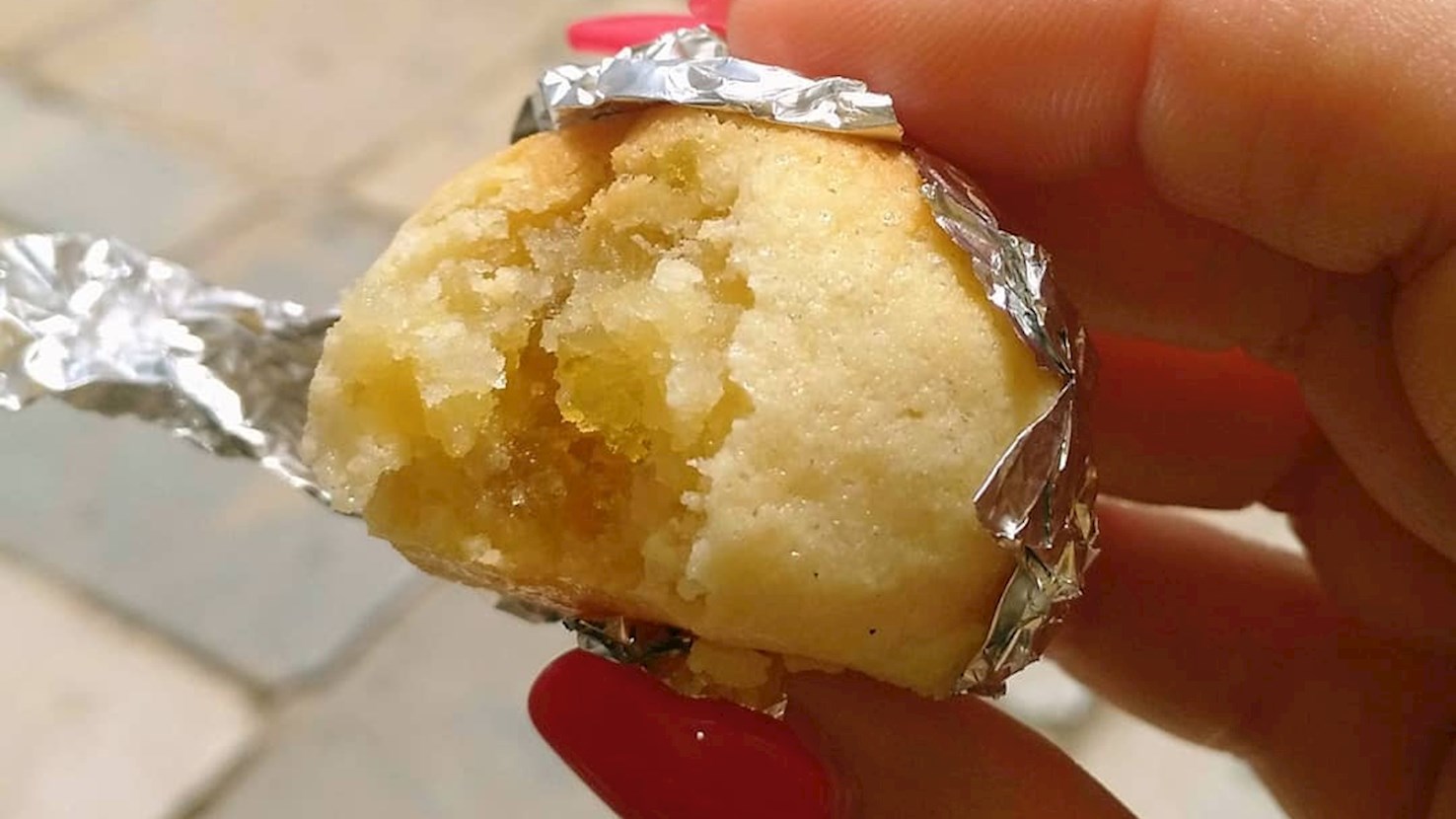
Muccunetti are traditional small cakes originating from Mazara del Vallo in Sicily. These sweets were invented by Benedictine nuns of the local Convent of San Michele. They're made with a combination of egg whites, honey, almonds, sugar, pumpkin, and lemon zest. The almonds are ground with sugar and mixed with egg whites, honey, and grated lemon zest. The mixture is shaped into small balls with a hole in the center. They're filled with pumpkin flesh, sealed, and left to dry for a while. Muccunetti are then baked in the oven until golden brown. Before serving, the sweets are glazed with a mixture of sugar and water.
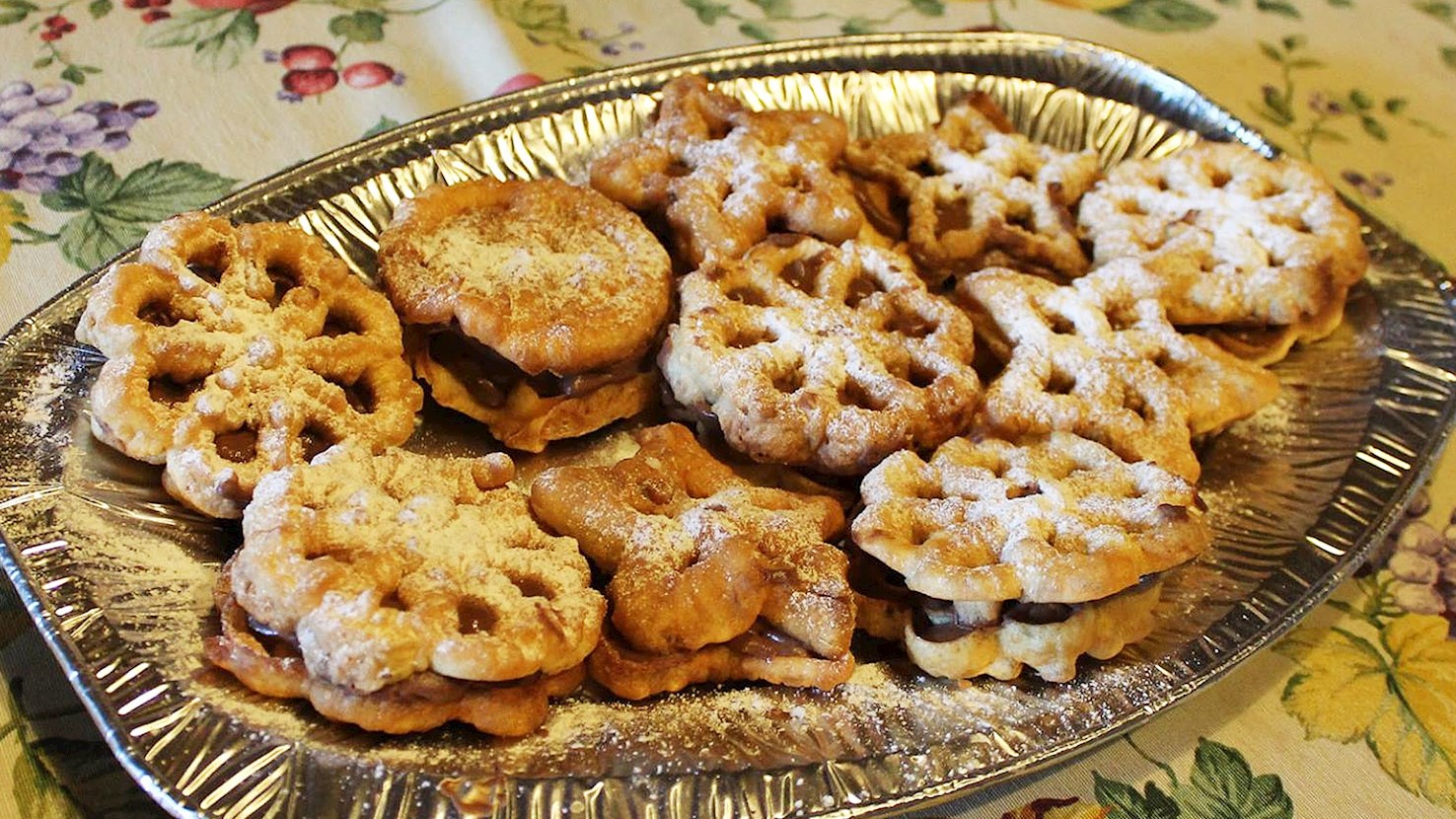
Bacio di Pantelleria is a traditional dessert from Pantelleria that consists of a deep-fried shell and a creamy ricotta filling. The batter is made with eggs, milk, flour, and sugar, and the fritters are made by dipping a flower-shaped mold in the batter and then dropping the batter-coated mold directly into sizzling oil. The technique results in a light and crispy golden fritter that comes in various decorative forms. To complete the dessert, two fritters are glued with a mixture of whipped ricotta and chocolate chips. Optionally, the batter can be made with the addition of cocoa, coffee, or liqueurs, and the filling can be enriched with candied fruit. This dessert is usually served dusted with powdered sugar. It should be filled right before serving, as leaving the filling too long might soften the crispy shells.
Baci di Pantelleria are crispy, flower-shaped fritters filled with a mixture of crema pasticcera, ricotta, and drops of chocolate. The fritters are traditionally prepared on the Italian island of Pantelleria. Special iron molds are used for frying, and after cooling, a dollop of luscious filling is placed on one fritter, and it is then topped with another fritter. The concoction is generously dusted with powdered sugar. The delicious, visually spectacular baci di Pantelleria taste even better when paired with another renowned local product - the sweet Ben Ryé wine.
TasteAtlas food rankings are based on the ratings of the TasteAtlas audience, with a series of mechanisms that recognize real users and that ignore bot,
nationalist or local patriotic ratings, and give additional value to the ratings of users that the system recognizes as knowledgeable.
TasteAtlas Rankings should not be seen as the final global conclusion about food. Their purpose is to promote excellent local foods,
instill pride in traditional dishes, and arouse curiosity about dishes you haven’t tried.
The initial list of top producers was compiled based on available reviews, awards, local recommendations, media and blog coverage, and consumer reviews.
The list will be updated with ratings from TasteAtlas local ambassadors and TasteAtlas users.








What People Say