
shutterstock

Top 39 Traditional Foods
in Trás-os-Montes

Last updated on June 02, 2026

Best food products

01
Wine

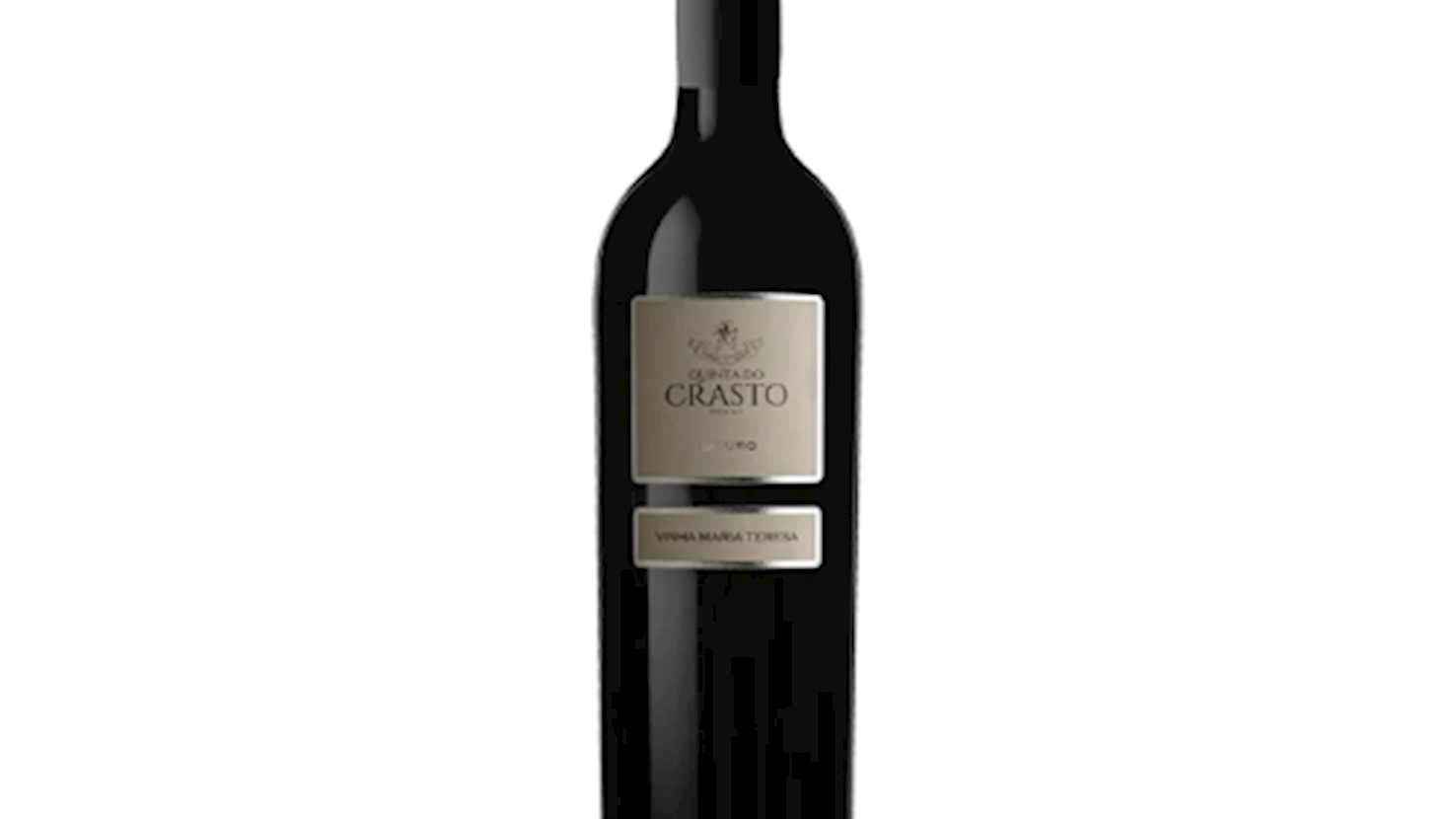
Quinta do Crasto

5 ·
Quinta do Crasto is a historic winery located in Portugal’s Douro Valley, near the village of Gouvinhas in the municipality of Sabrosa. The estate has a long viticultural tradition dating back to at least 1615, and the name “Crasto” derives from the Latin word castrum, referring to a former Roman fort believed to have existed on the site. Its vineyards are planted on steep terraces overlooking the Douro River, on the region’s characteristic schist soils that contribute to the concentration and mineral character of the wines. Today the estate is managed by the Roquette family, who have modernized the winery while preserving the traditional identity of the vineyards and local grape varieties. The vineyards are largely planted with indigenous Douro varieties such as Touriga Nacional, Touriga Franca, Tinta Roriz and Tinta Barroca. Quinta do Crasto produces a range of wines including Douro red and white wines as well as Port wines, all reflecting the structure and character of the region. Wines from old vineyards, where several traditional grape varieties grow together, are particularly valued for their depth and aging potential. In addition to wine, the estate also produces extra virgin olive oil from its own olive groves. Quinta do Crasto is widely recognized as one of the notable premium producers in the Douro Valley. The estate also offers wine tourism experiences, allowing visitors to explore the vineyards and cellar while overlooking the Douro landscape.
Awards
Decanter World Wine Awards - Platinum (2024)
Vivino - 4.7
02
Olive Oil

Acushla

5 ·
Acushla is a prestigious Portuguese producer of organic extra virgin olive oil, based at the Quinta do Prado estate in the Trás‑os‑Montes region. Around 300 hectares of olive groves are cultivated, including centennial trees, with farming practices grounded in sustainable and ecological principles without the use of pesticides. The production follows the strict PDO Trás‑os‑Montes standards, ensuring the authenticity and top quality of the oil. Acushla oil is distinguished by its rich, complex aromas combining fruity and herbal notes, resulting from careful harvesting and modern olive processing. The brand has won numerous international awards, confirming its status as one of the world’s best producers of organic olive oils. Besides exceptional quality, Acushla is also committed to ecological sustainability, using renewable energy sources and recycling by-products from olive growing, thereby contributing to the preservation of nature and the traditional values of the region.
Awards
Terraolivo IOOC - Top Ten (2017)
Olive Japan - Gold (2023, 2022, 2021, 2020, 2019, 2018, 2017, 2016, 2015, 2014)
03
Olive Oil

Casa de Santo Amaro

5 ·
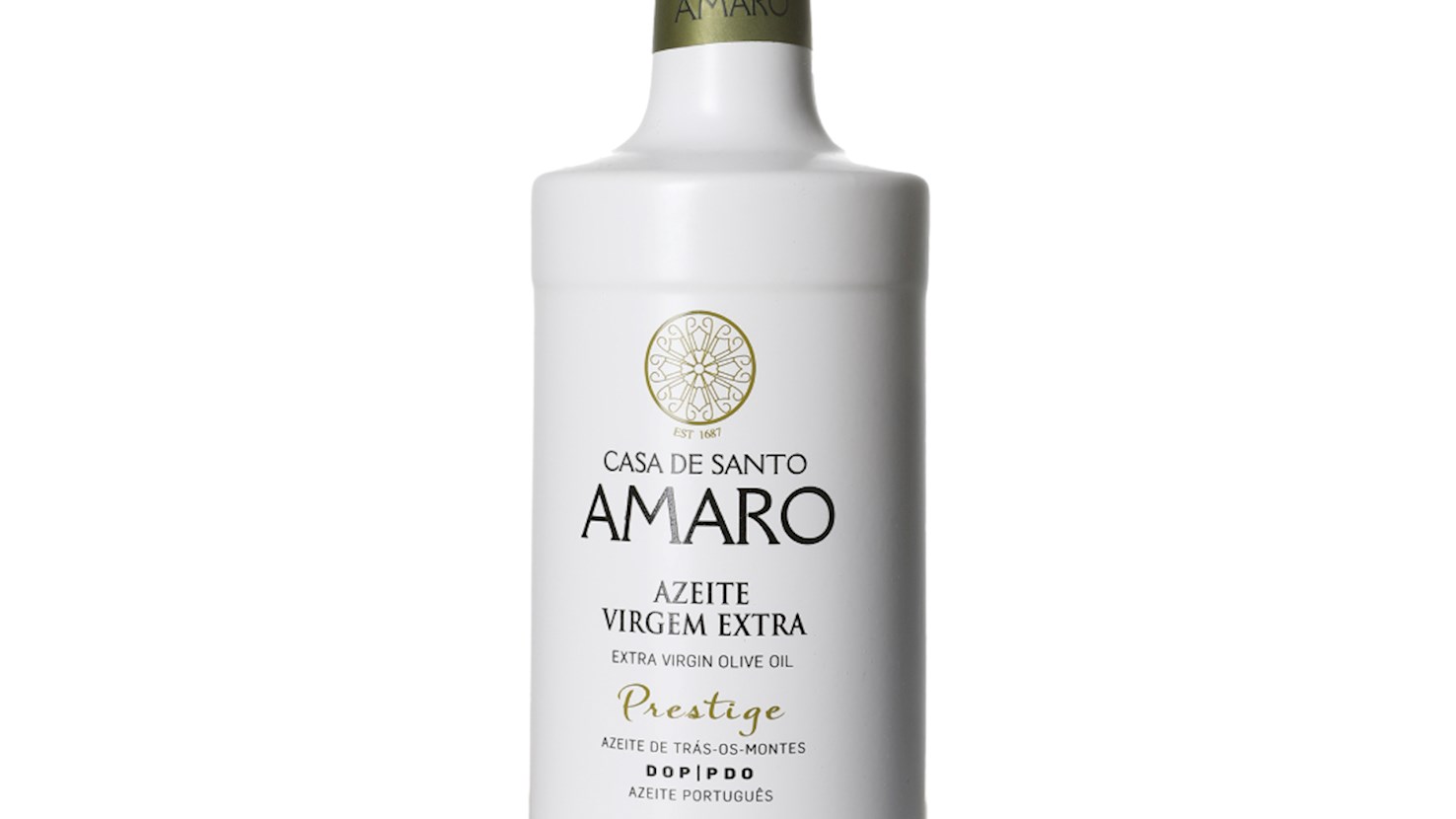
Casa de Santo Amaro is a prestigious family estate (“quinta”) whose tradition of olive cultivation and olive oil production dates back to October 14, 1687. Today, it is run by the eighth generation of the same family, preserving the blend of centuries-old tradition and modern technology. The estate is located in the heart of the Trás-os-Montes region of Portugal, renowned for its exceptional conditions for olive growing. Production takes place entirely on the estate – from harvesting the olives, cold pressing, and filtration, to storage and bottling. This carefully controlled “tree-to-bottle” process ensures maximum freshness, preserved nutritional values, and an authentic flavor. Casa de Santo Amaro oils are ideal for finishing salads, vegetables, and meats, as well as for gourmet creations that demand oil with a strong character and exceptional origin.
Awards
Flos Olei - The Best (2024)
Terraolivo IOOC - TOP TEN (2018)
04
Wine

Quinta da Vacaria

5 ·
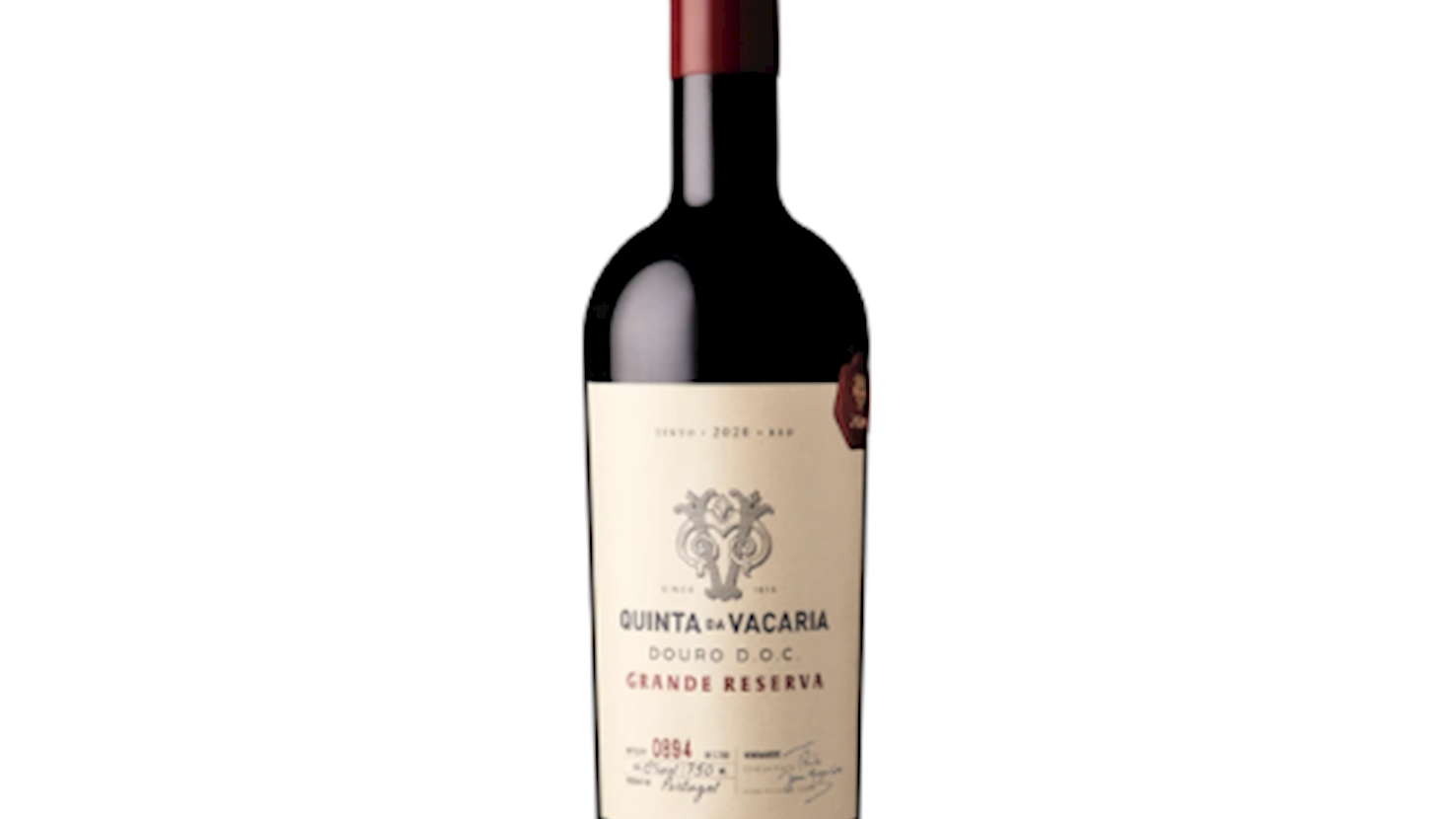
Quinta da Vacaria is a historic wine estate located in Portugal’s Douro Valley with winemaking roots dating back to the early 17th century. The estate was acquired in 1613 by Gaspar de Sousa and later became associated with the Jesuit order, marking the beginning of a long viticultural tradition in the area. Situated near the confluence of the Douro and Corgo rivers, close to Peso da Régua, the property includes terraced vineyards planted on the schist soils characteristic of the region. These vineyards are cultivated with traditional Portuguese grape varieties such as Touriga Nacional, Touriga Franca, Tinta Roriz, and Rabigato, which reflect the diversity and structure of Douro wines. Quinta da Vacaria produces both Douro DOC wines and Port wines, combining historical vineyard practices with modern winemaking techniques to highlight the character of its terroir. In recent years the estate has also developed wine tourism, offering visitors tastings, vineyard experiences, and accommodation overlooking the Douro River. Today Quinta da Vacaria stands as one of the historic estates of the Douro, linking centuries of wine heritage with contemporary wine production.
Awards
Vivino - 4.6
Vivino - 4.4
05
Wine

Quinta dos Castelares

5 ·
Quinta dos Castelares is a modern winery located in the village of Freixo de Espada à Cinta, in the heart of the Douro Superior region, an area defined by high altitudes, steep slopes and a microclimate that allows for slow, balanced grape ripening. The estate combines traditional vineyard practices with contemporary winemaking techniques, placing strong emphasis on sustainability and the preservation of indigenous Portuguese varieties. Its portfolio includes red, white, rosé and premium wines, with standout red varieties such as Touriga Nacional, Touriga Franca and Tinta Roriz, and white varieties like Códega do Larinho, Rabigato and Gouveio. The altitude and rocky soils contribute to marked minerality, refined tannin structure and freshness, characteristics that distinguish the estate’s wines within the Douro landscape. Quinta dos Castelares has quickly gained recognition as a producer that successfully unites local identity with modern precision, offering wines of clarity, expressiveness and well-defined terroir character.
Awards
Decanter World Wine Awards - Best in Show (2019)
Vivino - 4.6
06
Wine

Menin

4.9 ·
Awards
IWSC- International wine & spirit competition - Gold (2023)
Berlin Wine Trophy - Grand Gold (2022)
07
Olive Oil

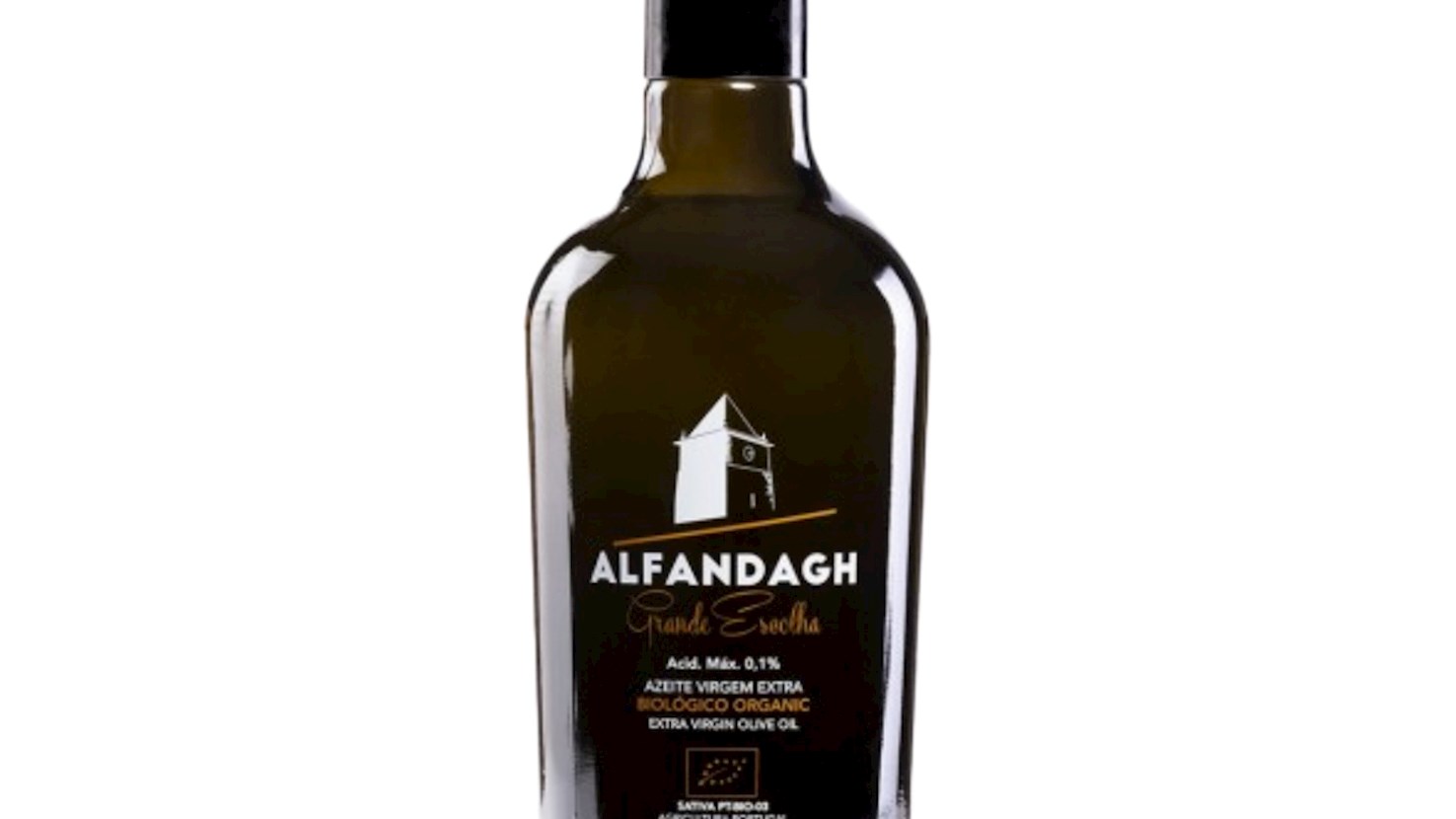
Cooperativa de Olivicultores de Valpaços
4.9 ·
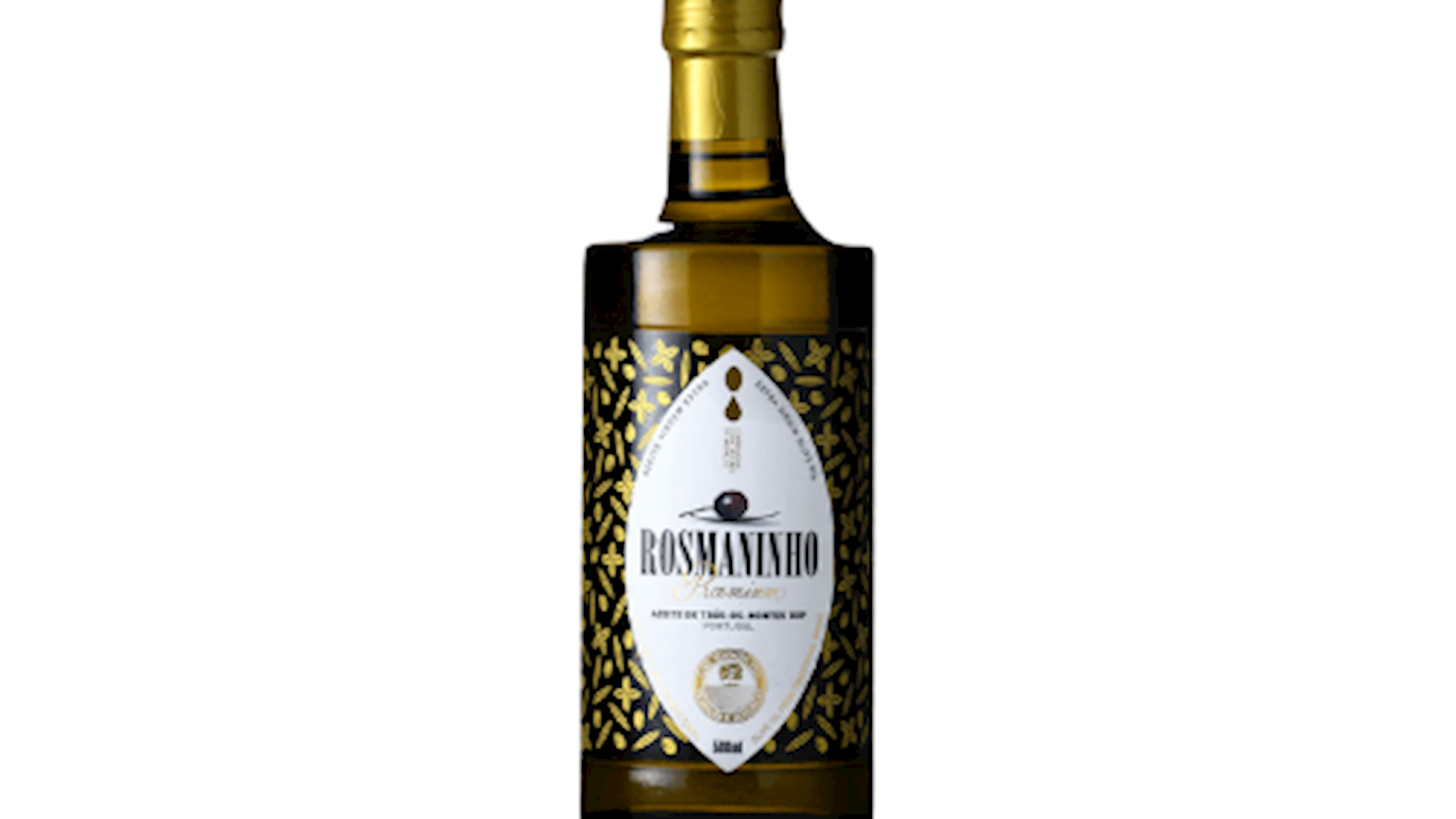
Cooperativa de Olivicultores de Valpaços is one of the most prestigious and oldest olive oil producers in Portugal, located in the heart of the Trás-os-Montes region in northeastern Portugal. Founded in 1951, this cooperative today comprises over 2,200 members from the municipalities of Valpaços, Mirandela, and Vinhais, who together produce around 2 million liters of olive oil annually. Their most well-known brand is Rosmaninho, made from traditional varieties such as Cobrançosa, Madural, and Verdeal. These oils are renowned for their exceptional quality and have received numerous awards at international competitions. The production process takes place in a modern mill that uses mechanical extraction methods, ensuring high quality and authenticity of the product. Additionally, the cooperative implements an incentive system that encourages early harvesting to ensure optimal olive ripeness and oil quality.
Awards
ATHENA IOOC - Double Gold (2017)
London IOOC - Platinum (2017)
08
Olive Oil

M.c. Rabaçal E Aragão

4.9 ·
M.c. Rabaçal E Aragão is an olive oil producer based in Bragança, Portugal. The company is known for producing high-quality olive oil, utilizing traditional methods combined with modern technology to ensure the purity and flavor of their product. They focus on sustainable agriculture and local olive varieties.
Awards
Olive Japan - Gold (2022, 2021, 2016)
EVO IOOC - Gold Medal (2021)
09
Olive Oil

Quinta Dos Olmais

4.9 ·
Quinta dos Olmais is an olive oil producer based in Bragança, Portugal. The company specializes in producing high-quality olive oil. Their products are often derived from local olive varieties, utilizing traditional and modern techniques.
Awards
EVO IOOC - Gold Medal (2022)
OLIVINUS - Prestigio Oro (2021)
10
Wine

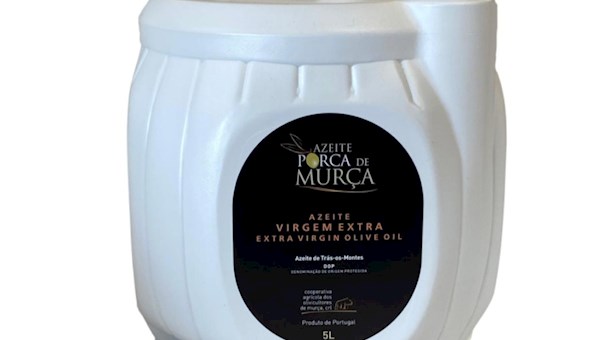
Quinta Nova de Nossa Senhora do Carmo
4.9 ·
Quinta Nova de Nossa Senhora do Carmo is a historic wine estate located in Portugal’s Douro Valley with a winemaking tradition dating back more than two centuries. The estate was already recognized during the official demarcation of the Douro wine region in 1764, making it part of one of the world’s oldest regulated wine areas. Today the property belongs to the Amorim Group, which acquired the estate in 1999 and modernized both the winery and the surrounding vineyards while preserving its historical character. The vineyards extend across terraced slopes overlooking the Douro River, where schist soils and the region’s warm climate create ideal conditions for growing traditional Portuguese grape varieties. Quinta Nova produces both Douro DOC wines and Port wines, often focusing on the expression of individual vineyard plots and the diversity of the estate’s terroirs. The property is also known for its role in developing wine tourism in the Douro, hosting one of the region’s early wine hotels and offering visitors vineyard tours, tastings, and cultural experiences linked to the history of the estate. Today Quinta Nova de Nossa Senhora do Carmo is considered one of the emblematic estates of the Douro, combining historical heritage, modern winemaking, and a strong connection to the landscape of the region.
Awards
Decanter World Wine Awards - Best in Show (2018)
Vivino - 4.5

Best foods

01
Cheese

Queijo de Cabra Transmontano

4.4 ·

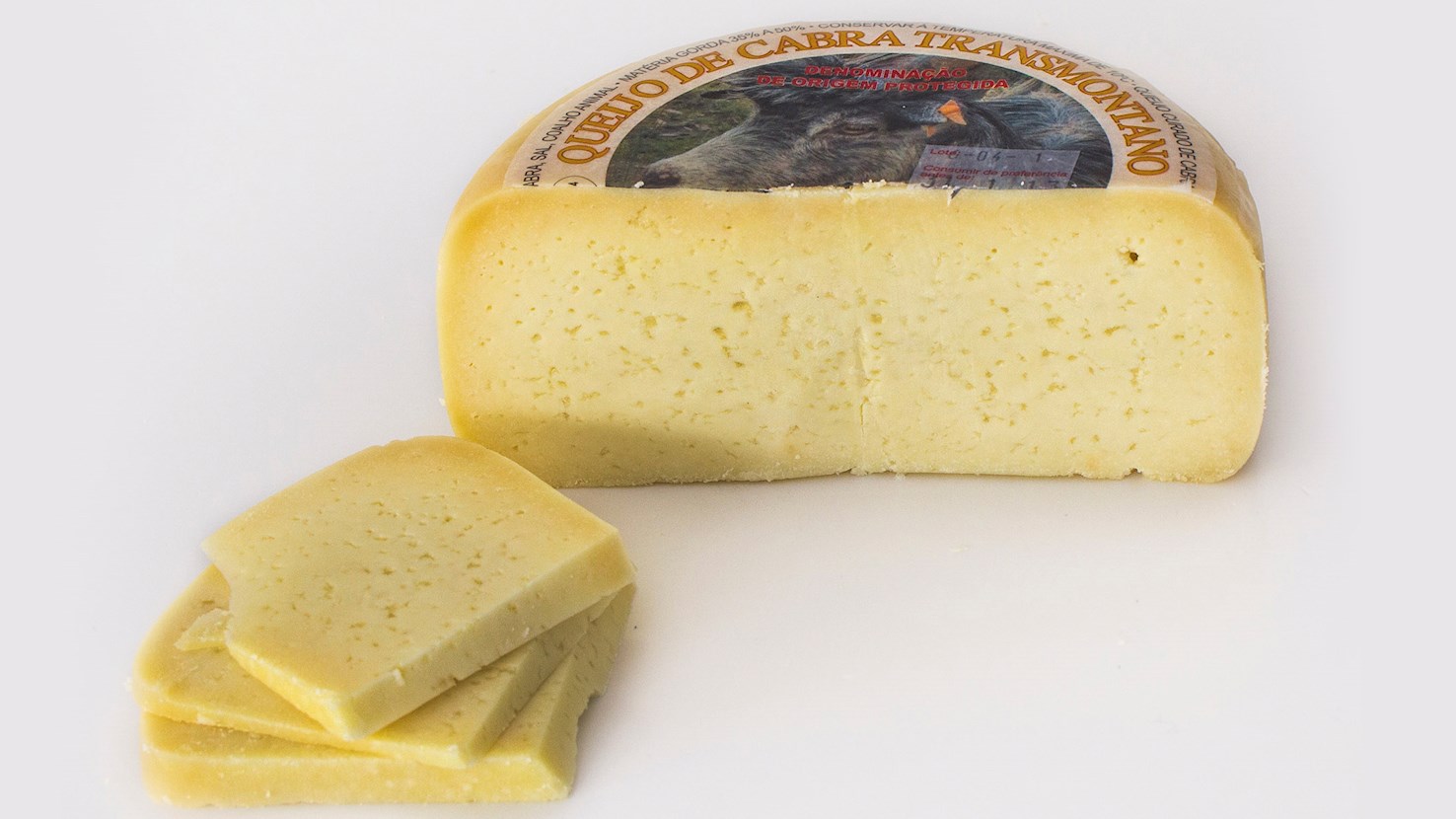
This hard cheese is made from raw goat milk taken from Serrana breed. Goat cheese has long played an important role in the economy of the Bragança region, and many of the local families raise animals and produce cheese as their main source of subsistence. Once the goats are milked, the milk is filtered and heated. The curd is then salted and cured at a low temperature and high humidity. Transmontano cheese is round with a semi-hard crust, and is uniform, smooth, and white. It is a firm cheese with an intense and pleasant aroma and a slight spicy note. This goat cheese has a moisture content between 25% and 35%. It is usually consumed as is, and is quite popular either as an appetizer or after a meal with sliced bread and a local red wine.

02
Cooked Sausage

Alheira de Mirandela

4.3 ·

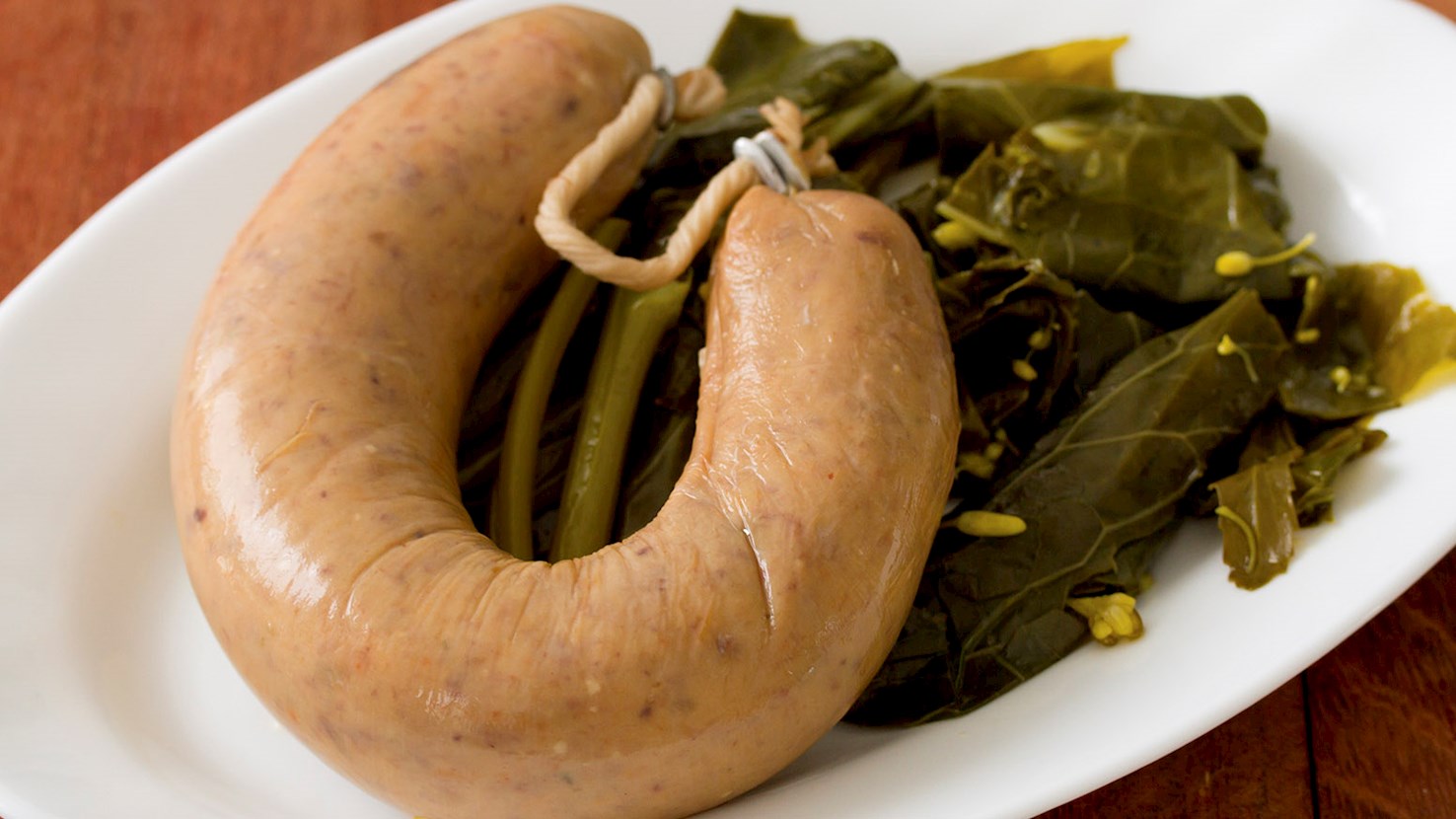
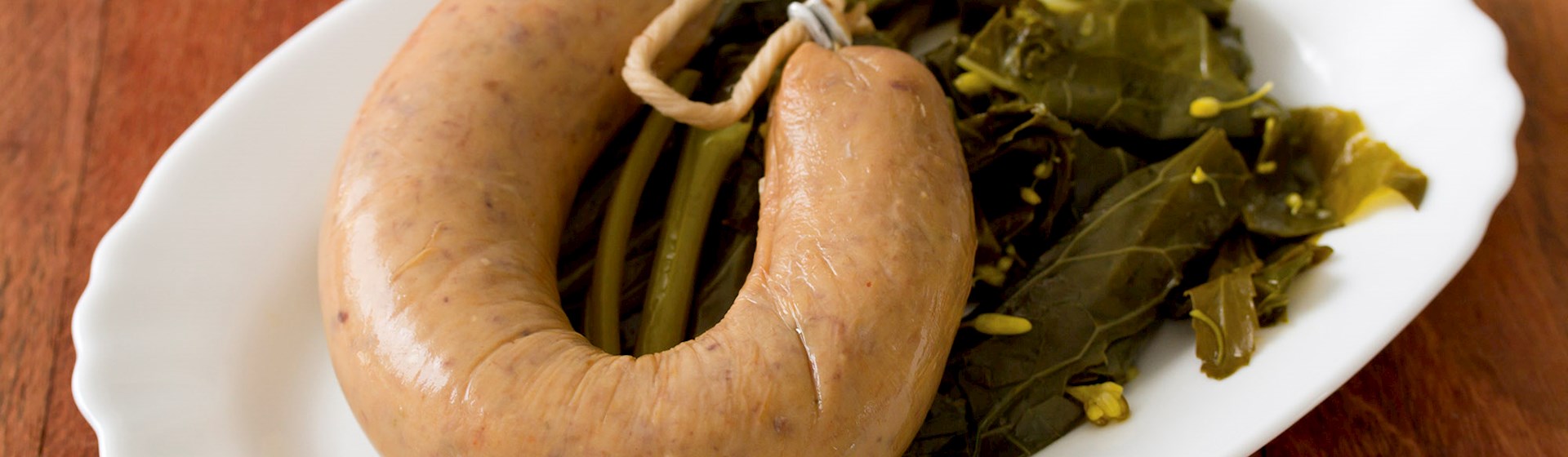
The filling for this traditional smoked delicacy is made by combining small pieces of meat and bread. This sausage is traditionally smoked using olive or oak wood, which gives it a unique flavor, aroma, and color while enhancing the flavor of the spices. Mirandela sausage contains beef and pork meat along with fat, poultry meat, wheat bread, olive oil, and lard, and it's flavored and seasoned with salt, garlic, and sweet or hot paprika. This sausage is an irreplaceable ingredient in traditional Portuguese dishes such as açorda, cannelones, and pies, but it can also be served as a main dish with a side of potatoes or vegetables.

Best restaurants
03
Bread

Folar de Chaves

4.2 ·

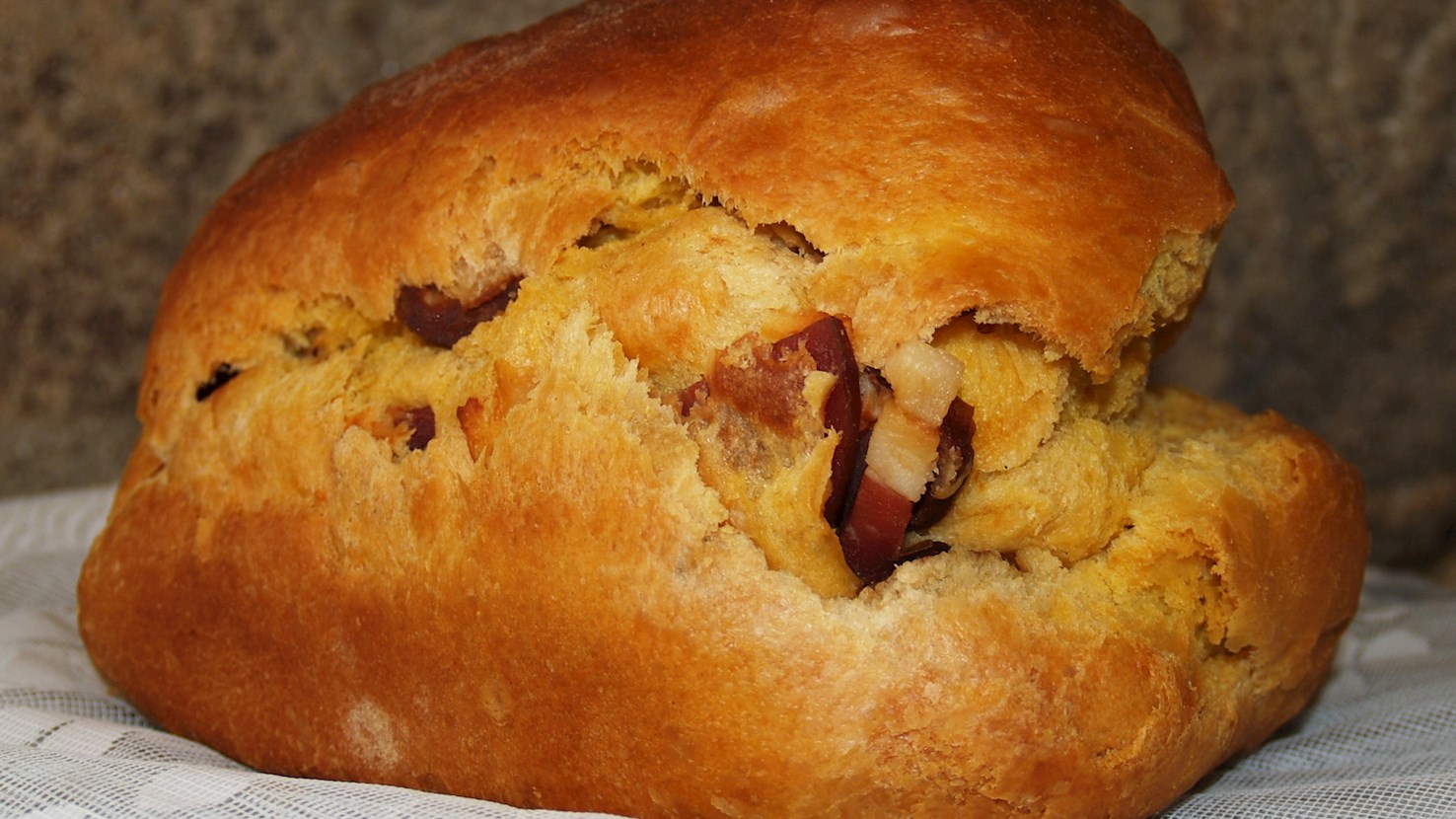
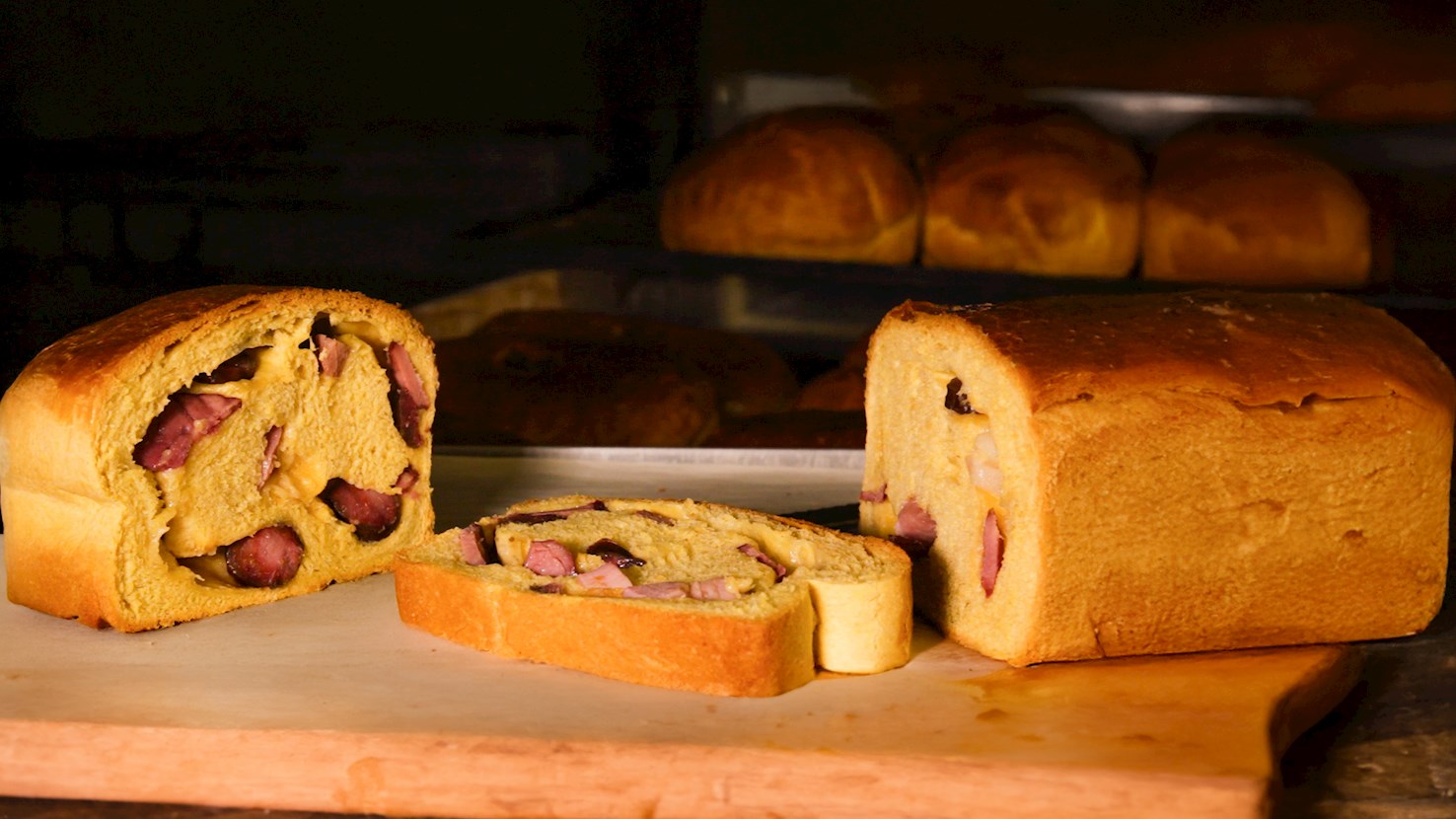
Folar de Chaves is a traditional stuffed bread. It is made with leavened dough that incorporates a hefty amount of eggs, lard or butter, and olive oil. The fillings may vary, but they usually include cured or smoked pork products such as presunto (ham), sliced sausages, or bacon. The bread is traditionally prepared for Easter, but it is also commonly made for other festivities and various special occasions. As it is evident from the name, it originates from Chaves, but nowadays it is popular throughout the country.

04
Bread

Folar de Valpaços

4.1 ·

This traditional Portuguese Easter bread consists of flour, eggs, and local Trás-os-Montes olive oil. It is traditionally filled with various pork products such as pork meat, bacon, sausages, ham, or shredded pork shoulder. Folar was first mentioned in print in 1959, and in 2016 it has been awarded the Protected Geographical Indication status by the European Commission. Though it is traditionally associated with Easter, this delicacy is also commonly enjoyed on various special occasions.

05
Dry-cured Ham

Presunto de Vinhais

4 ·

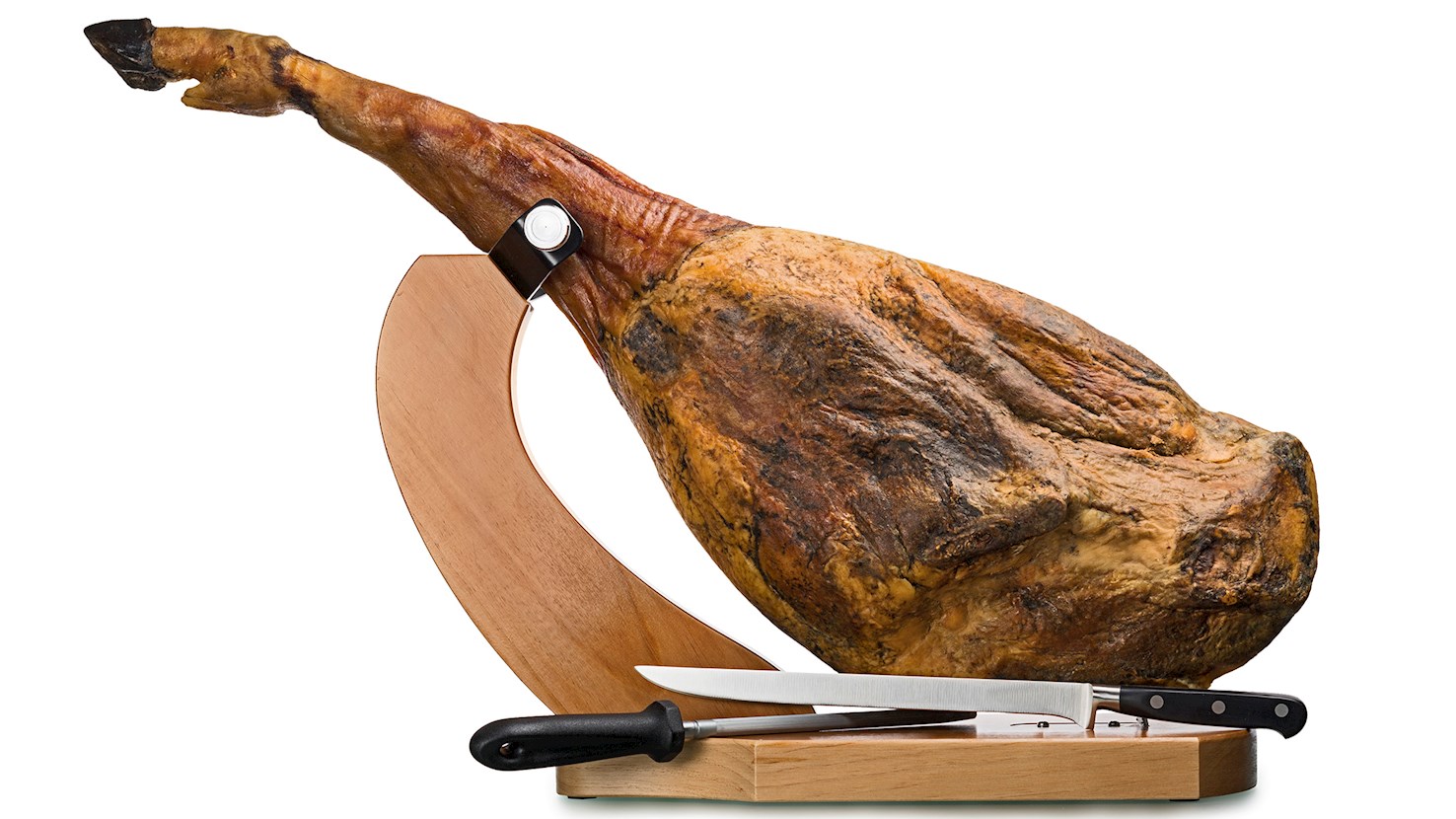
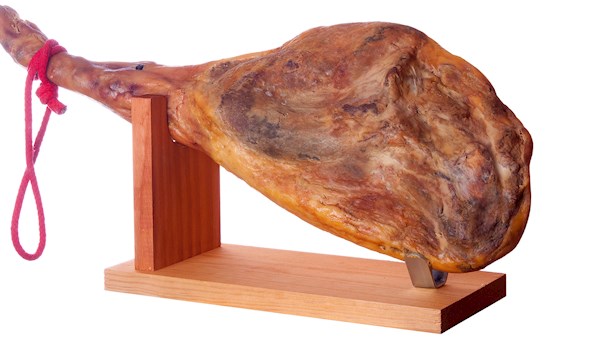
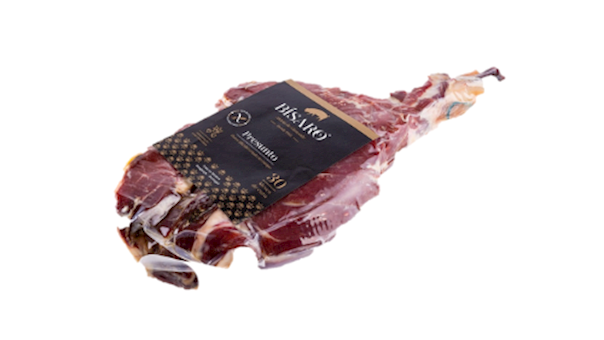
Vinhais ham is a smoked pork meat specialty made from the hind legs of Bisaro pigs raised in the municipality of Bragança in Portugal. Vinhais presunto is made by first massaging raw cuts of pork to eliminate the internal fluids. These pieces are then covered with salt and sprinkled with a mixture of paprika, oil, and pork lard, and smoked over a low heat using dry oak or chestnut wood. The ham has a color ranging from pink to dark red, and it has a predominantly salty, smoky flavor. The texture is fibrous, tender, and succulent. This presunto is most commonly served sliced thin with bread bread and a glass of good wine. It is also an essential ingredient in various local dishes.

06
Savory Pastry

Pastel de Chaves

3.9 ·

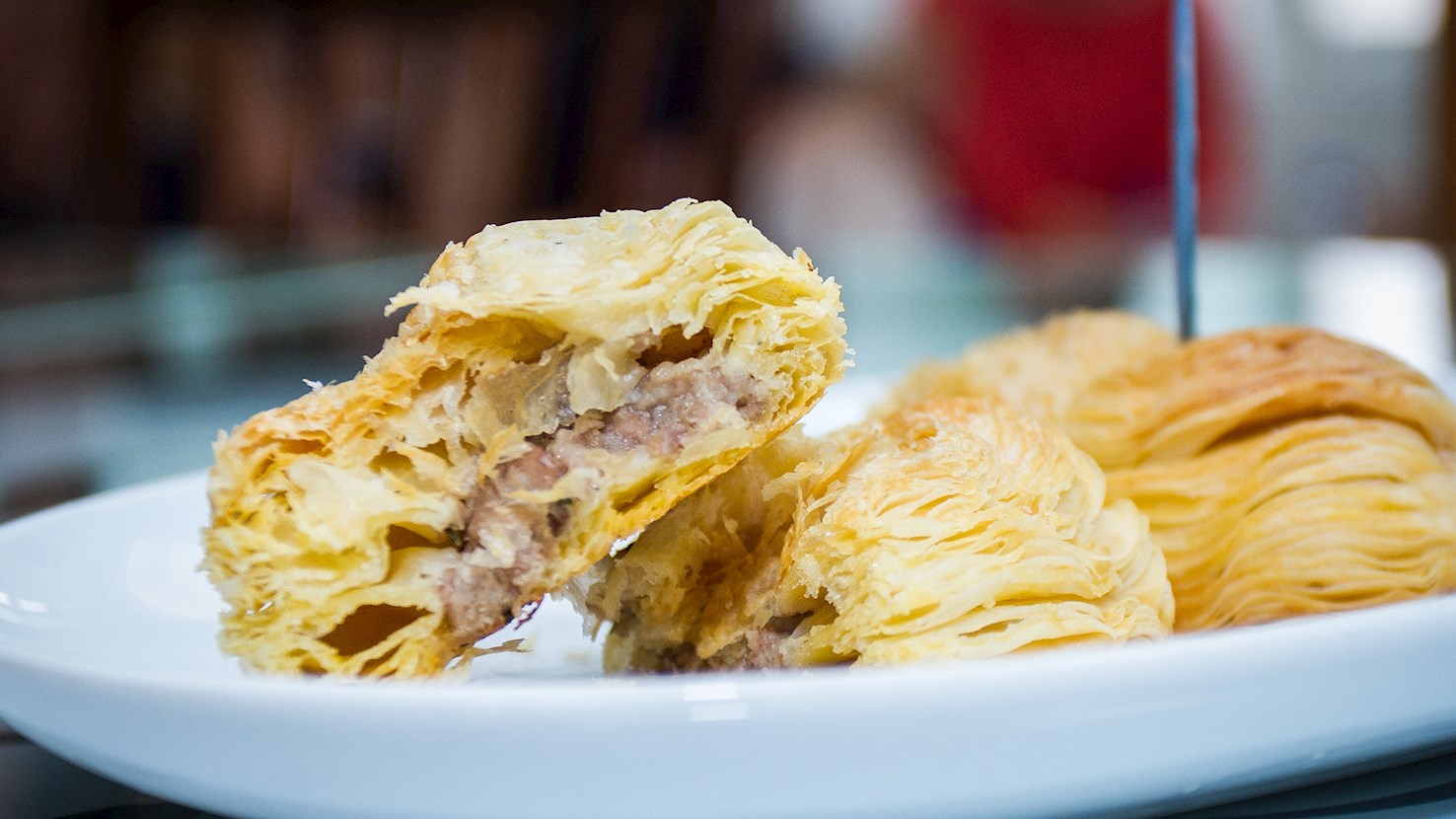
This clam-shaped Portuguese delicacy is made with a puff pastry shell that is filled with a unique mixture of minced veal, bread, and onions. The tradition of preparing pastel de Chaves dates back to 1862, and according to a popular legend, the first person to sell these unique pastries was Teresa Feliz Barreira, the founder of Casa do Antigo Pasteleiro, the first establishment where pastel de Chaves could be bought. The original recipe stayed in her possession for 75 years, until the 1940s, when other bakeries in Chaves started to manufacture and sell the same product. The Portuguese city of Chaves protected this famous pastry as their authentic product, which licensed them to be the only location where pastel de Chaves can be produced and sold. According to municipal records, the town of Chaves produces more than 25,000 of these delectable pastries daily. In recent history, numerous other varieties have appeared, including the sweet versions, but only the original, savory version is allowed to carry the name pastel de Chaves.

07
Cheese

Queijo Terrincho

3 ·

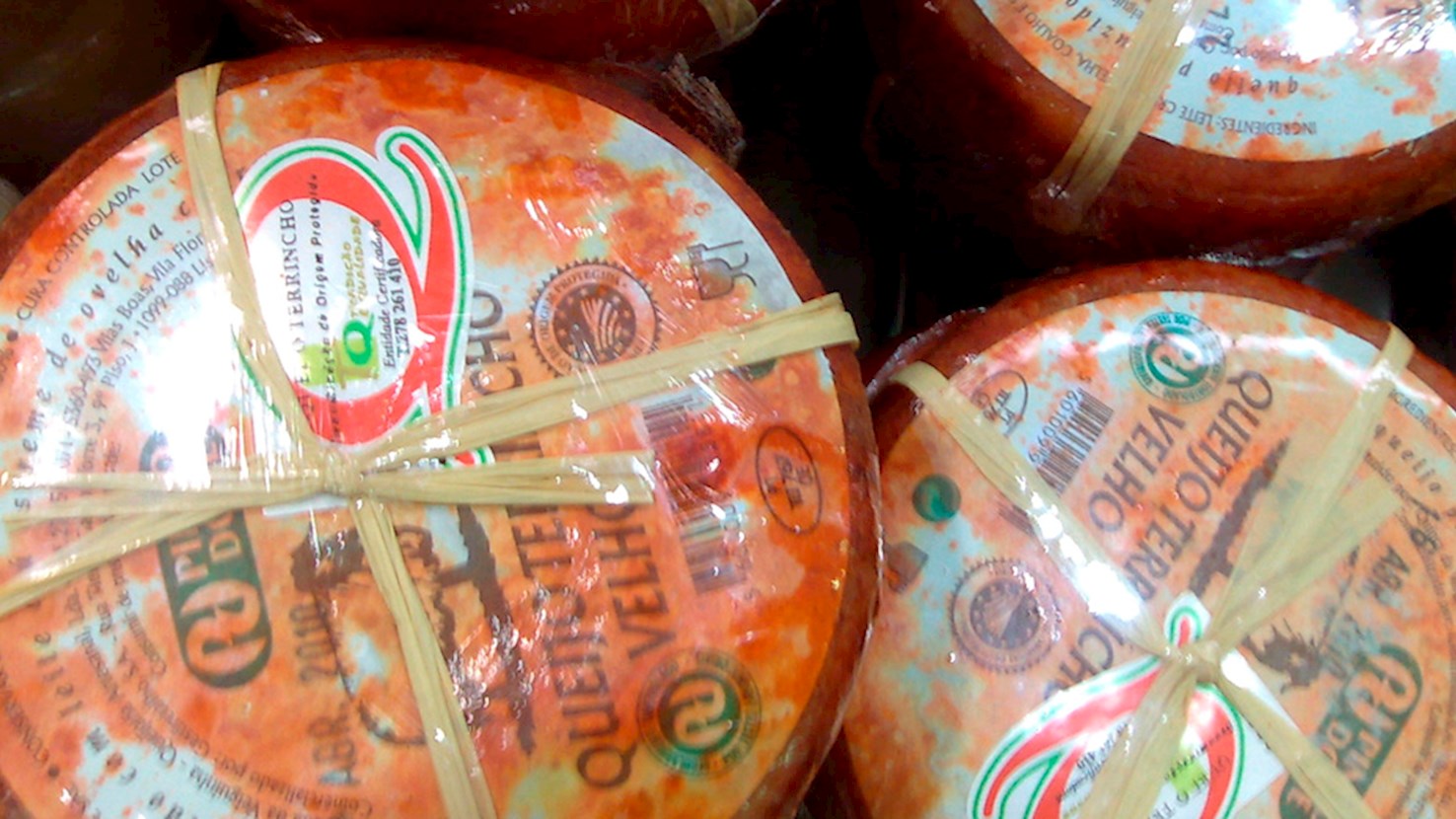
Terrincho cheese is a ripe, semi-hard cheese made from the milk of the Churra da Terra Quente breed of sheep, which graze on the grasslands and marshes of Terra Quente in the municipalities of Bragança, Vila Real, Viseu, and Guarda. This breed of sheep, colloquially referred to as terrincho, has spread to such an extent that it now accounts for 98% of the sheep population in the region. To produce the cheese, the milk is filtered, heated, and curdled with animal rennet. The curd is then shaped into cheeses and salted again before being left to mature. The cheese is medium-hard, compact, and white in color with a malleable, smooth rind. The flavor is sweet and clean, making it perfect as a snack, appetizer, or dessert. It goes well with traditional regional lamb dishes, homemade bread, and local red wine.

08
Stew

Feijoada à transmontana

n/a ·

Feijoada à transmontana is a traditional stew from the Trás-os-Montes region, particularly from Candedo. It consists of red beans cooked with a variety of pork meats such as ear, snout, feet, and smoked cuts, along with sausages like chouriço, blood sausage (morcela), salpicão, and alheira. Vegetables like tomatoes, cabbage, and carrots are often added, along with spices like cumin, paprika, and bay leaf. It is commonly served with white or baked rice. Feijoada à transmontana is typically served during the Fat Sunday festivities before Carnival. Its origins trace back to medieval times, using leftover meats and vegetables in a single pot.

09
Sausage

Salpicão de Barroso-Montalegre

n/a ·

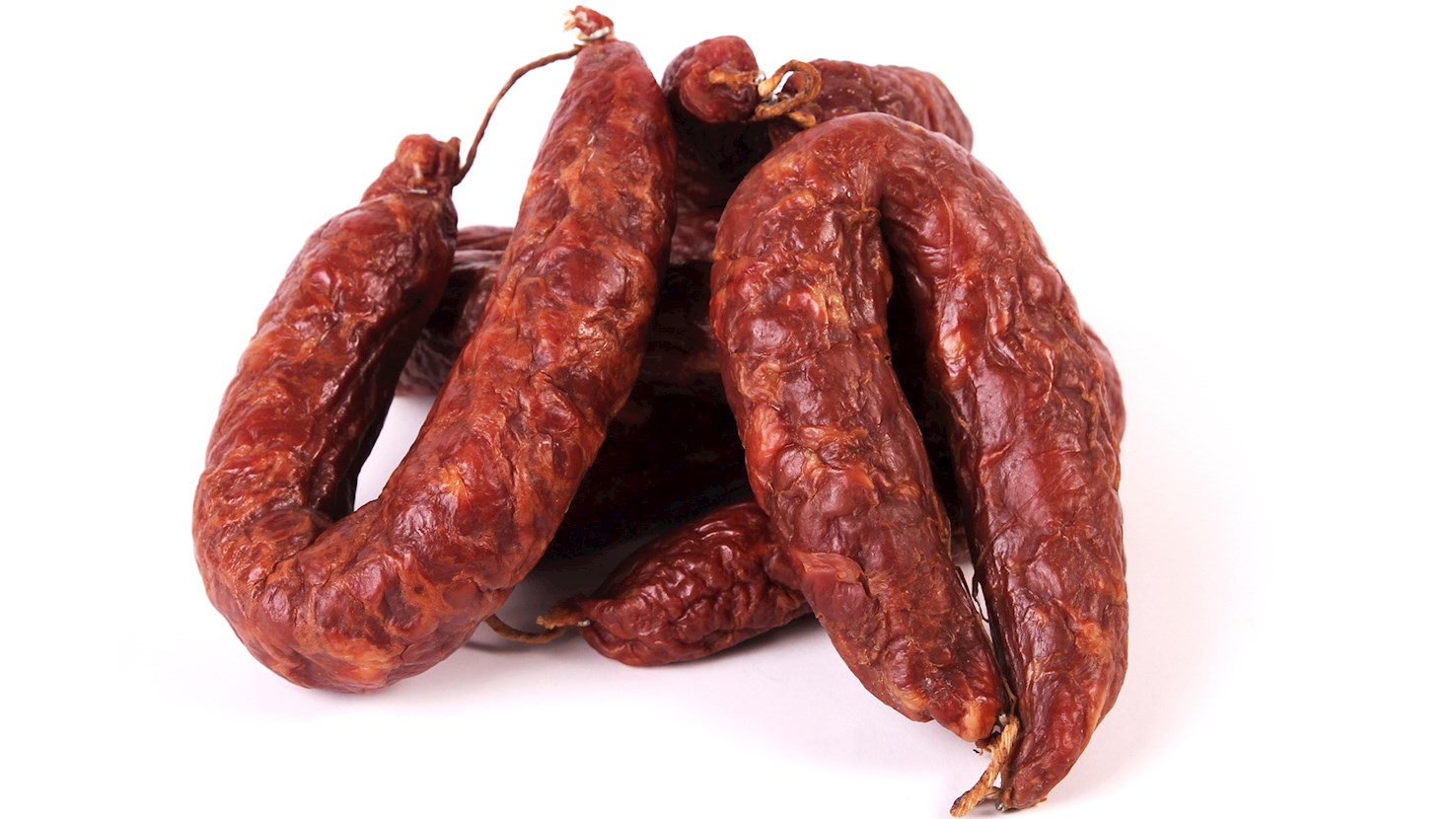
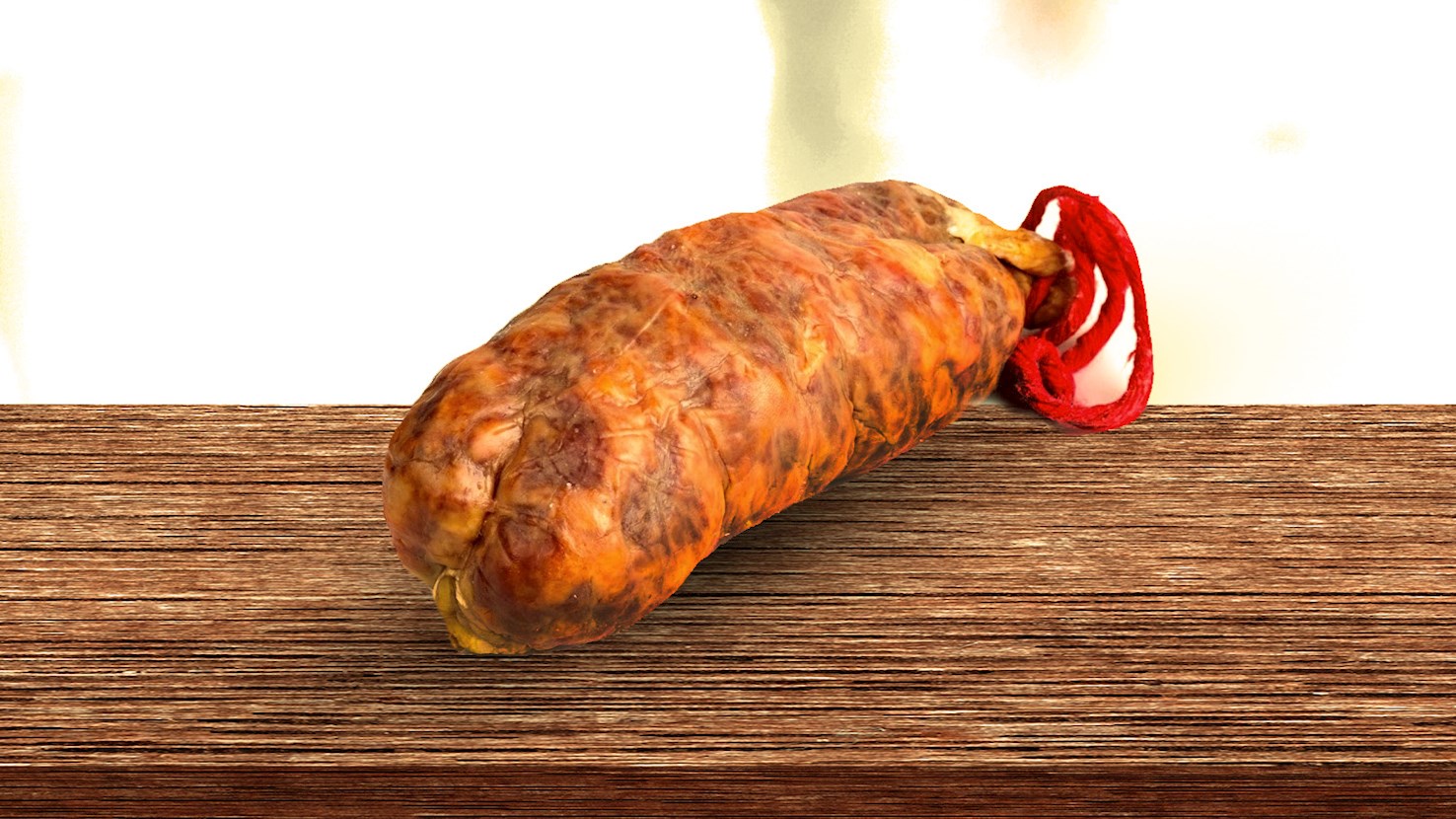
Barroso-Montalegre salpicão sausage is a smoked sausage made from pork of the Bísaro breed of pigs or crossbreeds of the Bísaro pig. It originates from the Montalegre region in the northern Portuguese district of Vila Real. The climate of Montalegre has a positive effect on the finished sausage – the harsh weather conditions influence the pigs' diet, allowing the meat and fat to develop evenly.
Pork loin is initially seasoned with salt, garlic, and wine, and then rubbed with chili powder before being stuffed in sausage casings. The sausages are then smoked slowly over an oak fire. The sausage is light brown in color on the outside, while it is bright red and firm on the inside. The flavor is accentuated by the aroma of smoke and wine, and the sausage has a mild, salty flavor. It is traditionally consumed raw or boiled and served as an appetizer with cottage cheese, homemade bread, and local wine on the side.

10
Sausage

Salpicão de Vinhais

3.8 ·

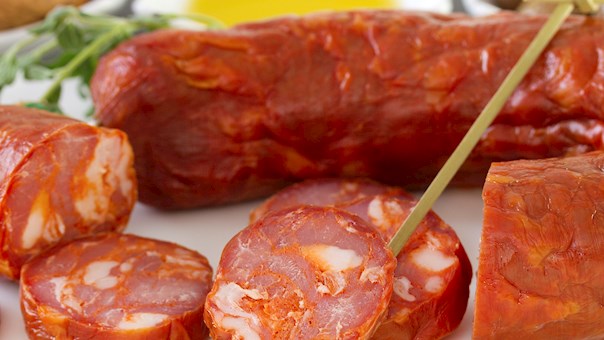
Vinhais salpicão sausage is a traditional smoked sausage made from pork of the Bísaro breed of pigs from Vinhais in the municipality of Bragança. Bísaro pig farming is widespread throughout this area, and it is an important source of income for the local rural population. The pigs feed on chestnuts and acorns, which gives the meat and its products a unique flavor of the Portuguese north.
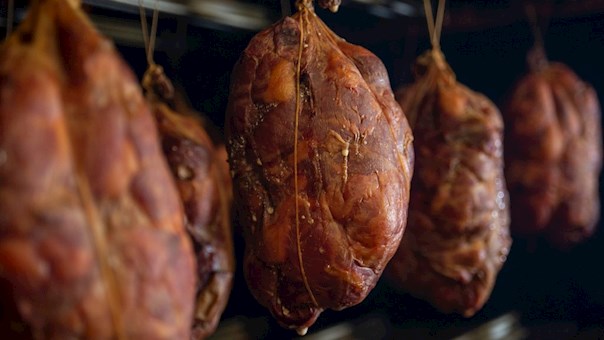
The sausage is made by combining pork loin with local wine, salt, garlic, bay leaves, and paprika and leaving the combination to marinate. The marinated meat is then ground and stuffed into sausage casings before being smoked over an oak and chestnut wood fire. The sausage is moderately firm and dark chestnut in color on the outside, while the interior is red and well-marbled. It has a smoky flavor with a hint of wine. This sausage can be served with crusty bread, local cheese, and a glass of local wine, and it's also often used as an ingredient in traditional regional stews.

About this ranking

TasteAtlas food rankings are based on the ratings of the TasteAtlas audience, with a series of mechanisms that recognize real users and that ignore bot, nationalist or local patriotic ratings, and give additional value to the ratings of users that the system recognizes as knowledgeable. For the “Top 39 Traditional Foods in Trás-os-Montes” list until June 02, 2026, 400 ratings were recorded, of which 233 were recognized by the system as legitimate. TasteAtlas Rankings should not be seen as the final global conclusion about food. Their purpose is to promote excellent local foods, instill pride in traditional dishes, and arouse curiosity about dishes you haven’t tried.

The initial list of top producers was compiled based on available reviews, awards, local recommendations, media and blog coverage, and consumer reviews. The list will be updated with ratings from TasteAtlas local ambassadors and TasteAtlas users.

Similar lists